A more rigorous matching activity with sentence strips containing two blanks and a set of word cards including distractors to test decoding and context comprehension.
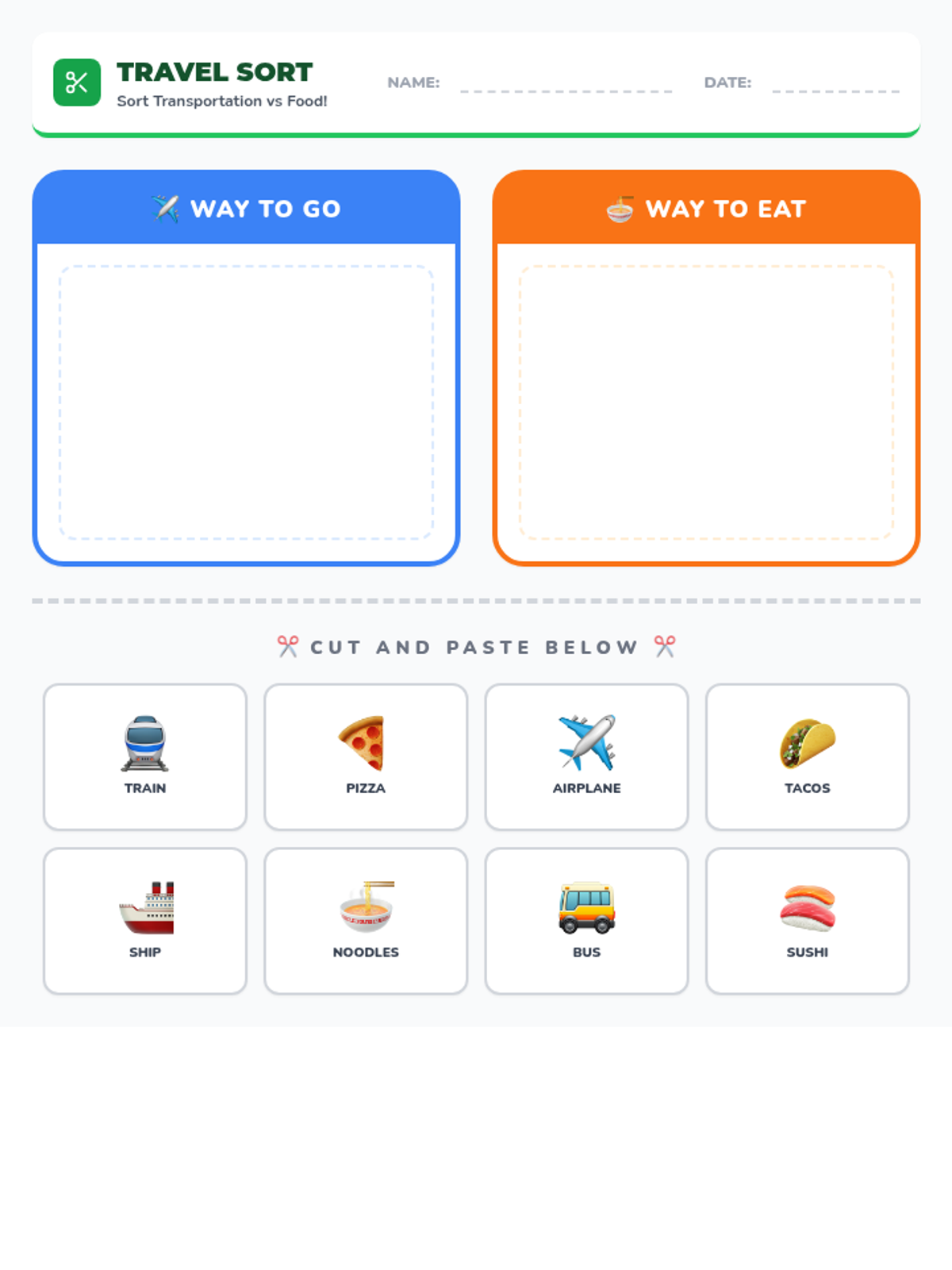
A hands-on cut-and-paste activity where students categorize transportation methods and global foods, featuring clear visual icons and designated sorting zones.
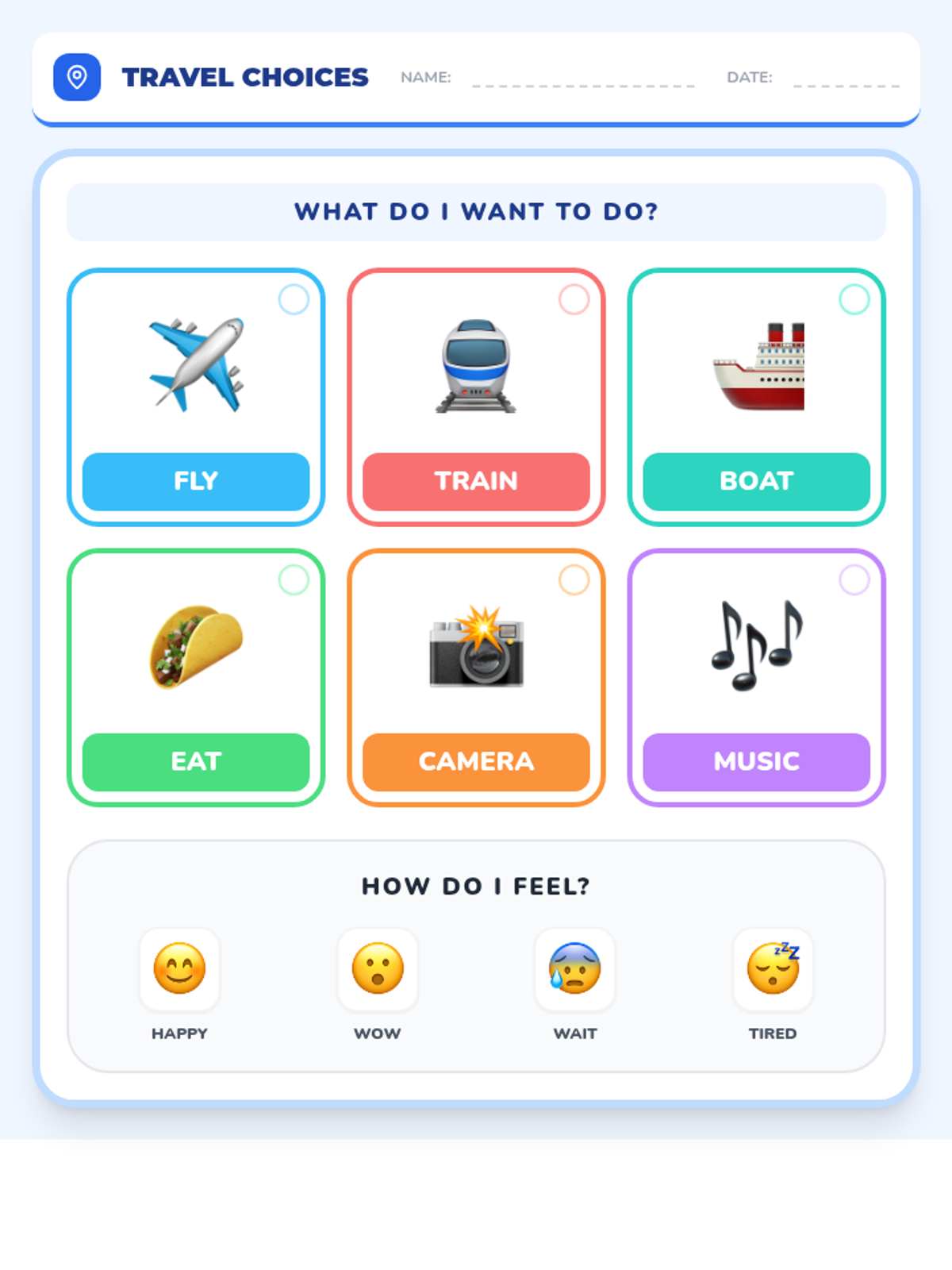
A high-visual communication tool for students to express preferences regarding travel methods and activities, including sensory experiences and an emotional check-in bar.
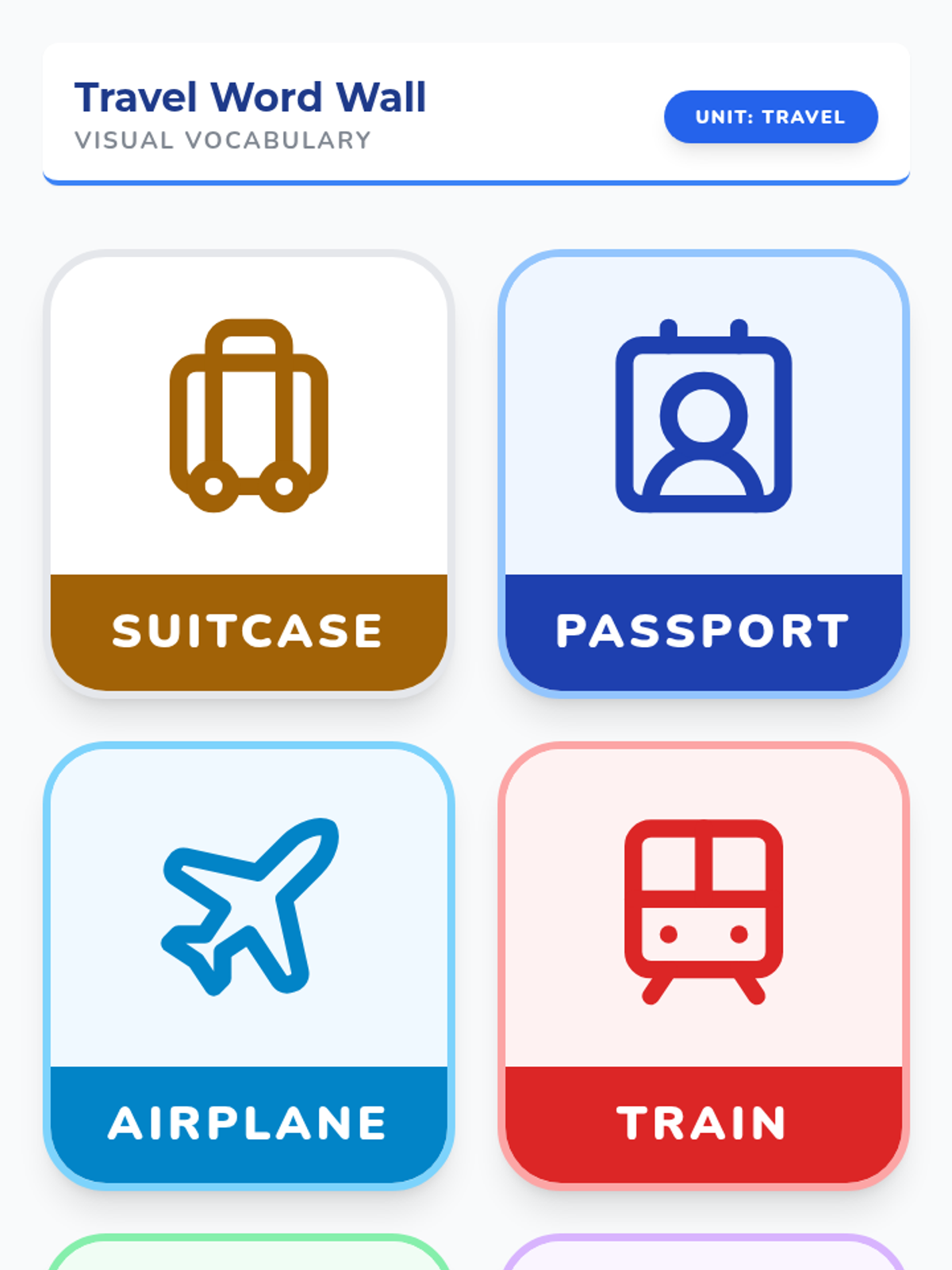
Large, high-contrast vocabulary cards featuring travel-related words like Suitcase, Passport, Airplane, Train, Food, and Tradition with clear icons and bold text for classroom display and student reference.
A visual and sensory-focused slide deck designed for students with autism, exploring travel through simple concepts like packing, transportation, and international food with clear icons and high-contrast layouts.
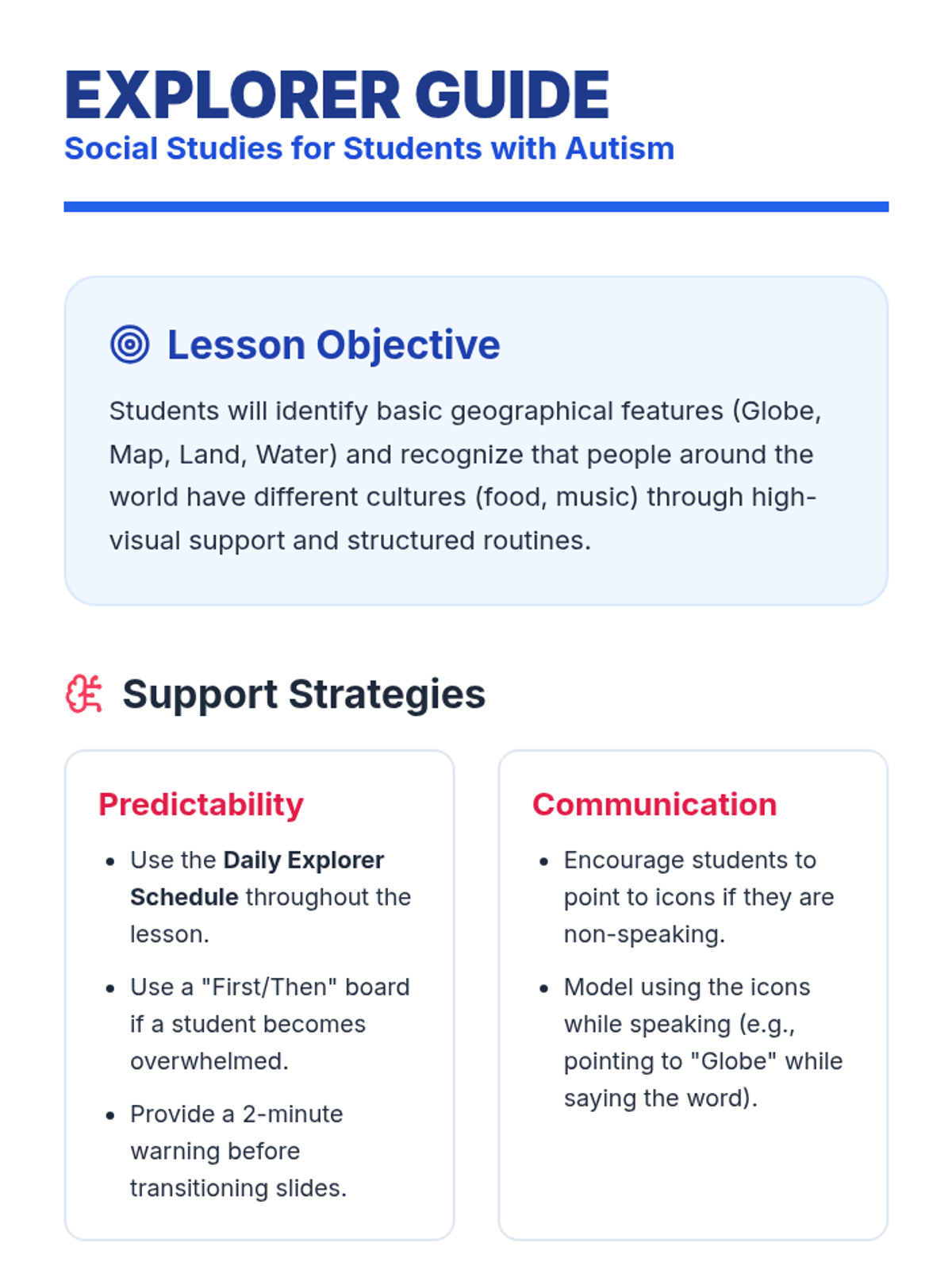
A teacher's guide containing instructional strategies, sensory considerations, and a step-by-step facilitation plan specifically tailored for teaching students with autism.
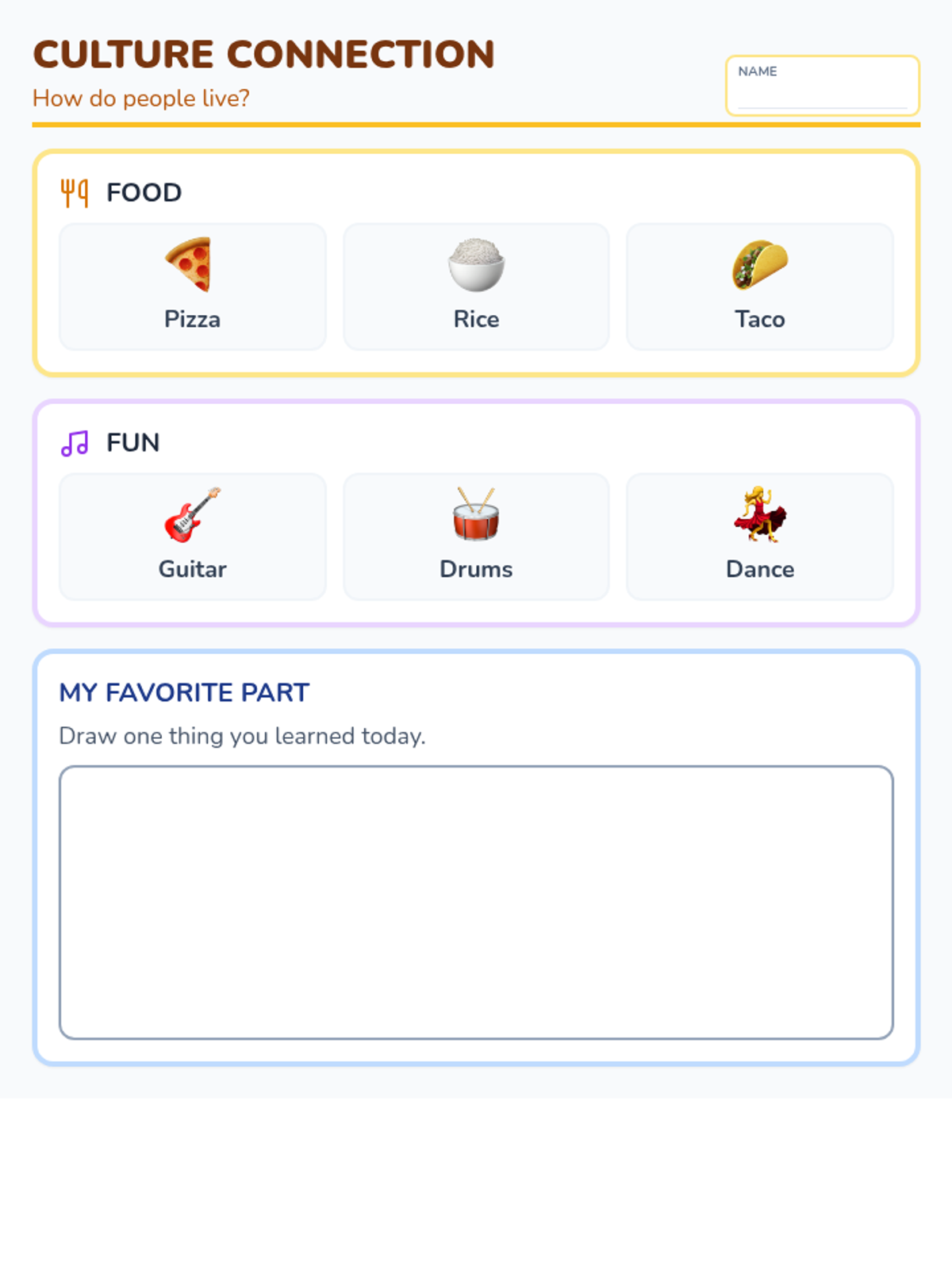
A communication and exploration activity focusing on cultural elements like food and music. (Revised for single-page layout and drawing area clarity)
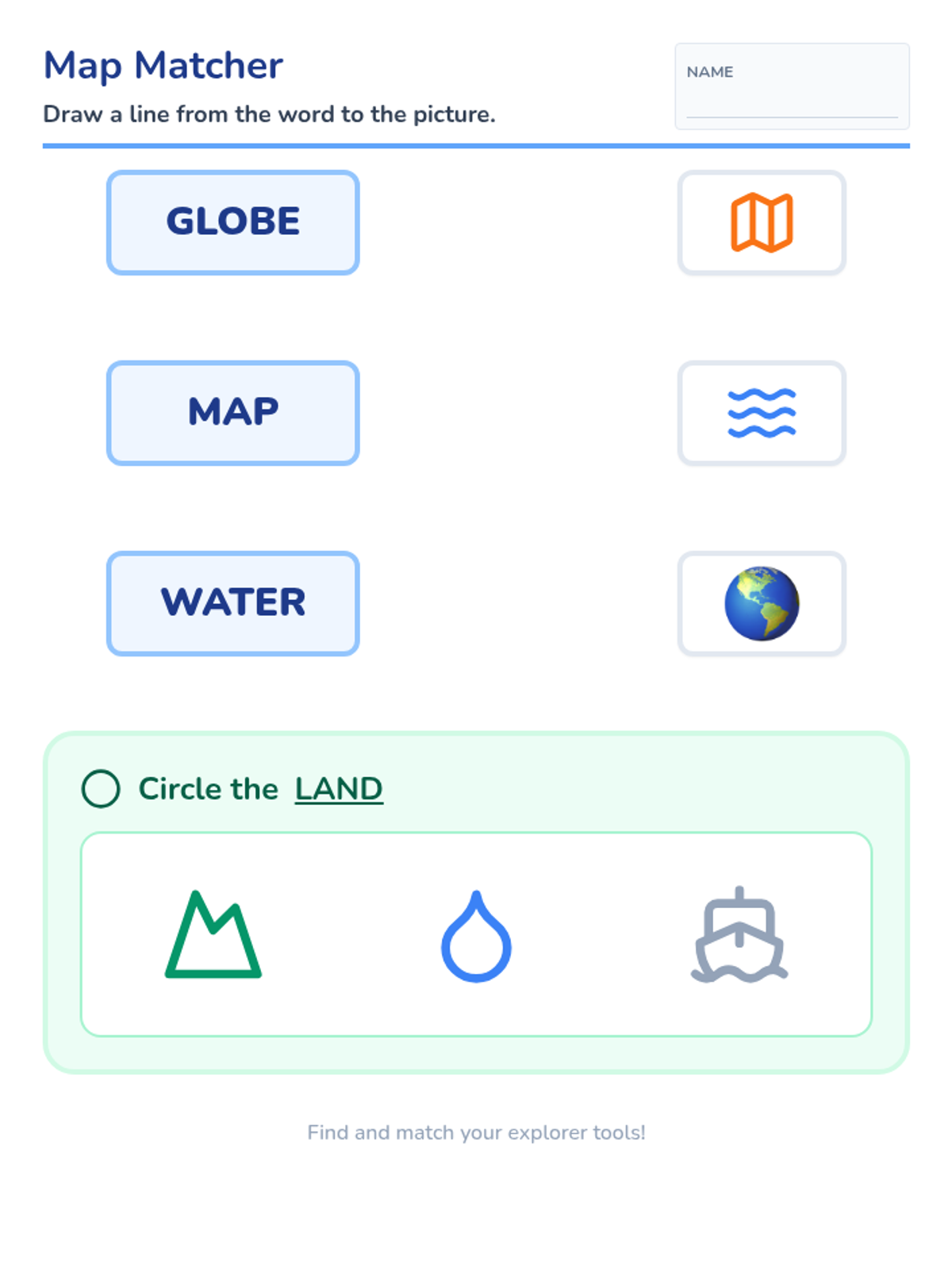
A high-visual matching worksheet where students connect map-related words (Globe, Map, Water) to their corresponding icons. (Revised for challenge and layout)
A simple, photo-based (emoji/icon supplemented) slide deck introducing maps, globes, land/water, and the concept of diverse cultures with large text and clear visual anchors.
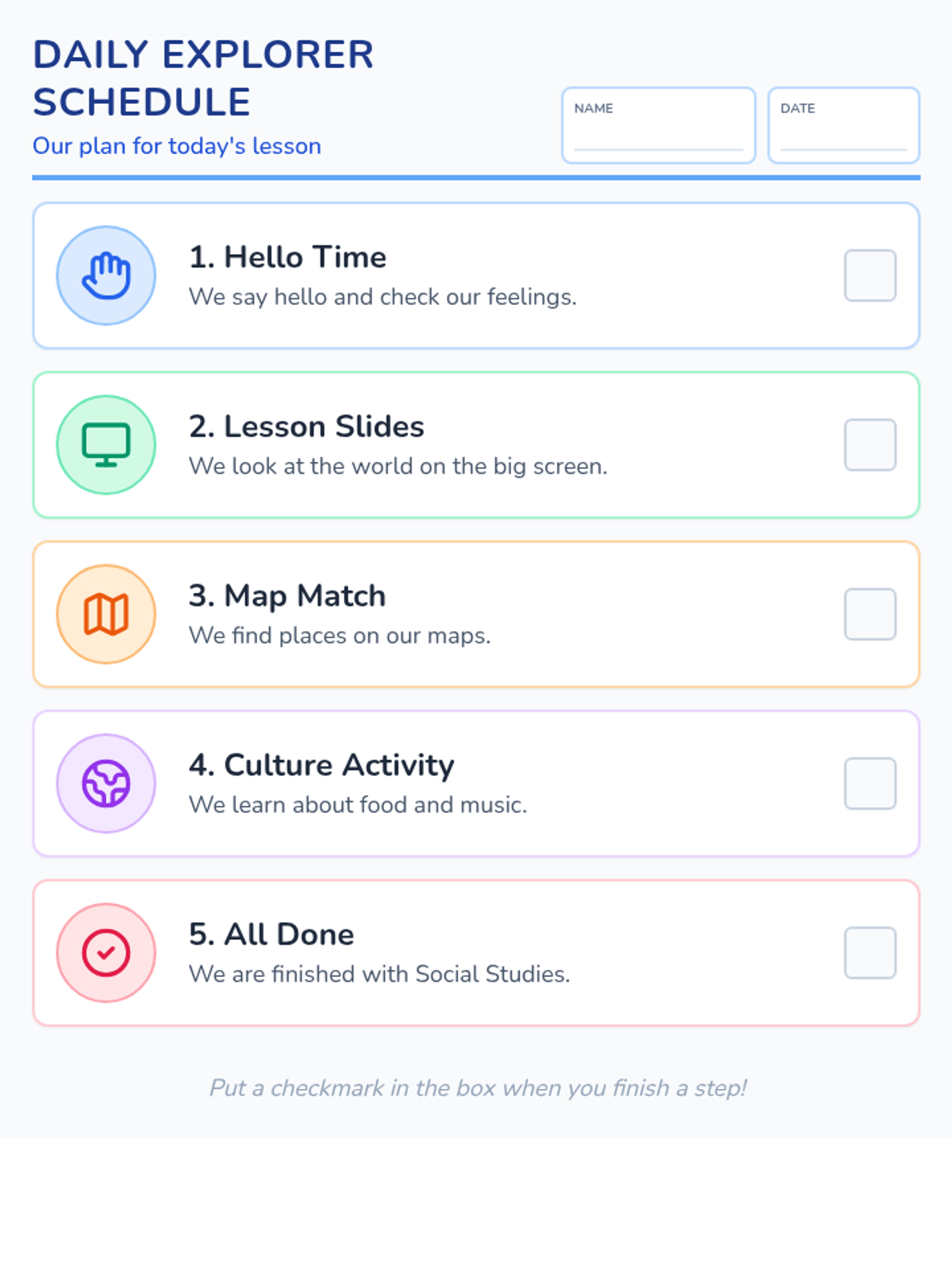
A visual schedule for students with autism to follow during the lesson, featuring clear icons, simple language, and check-boxes for progress tracking. (Revised for single-page layout)
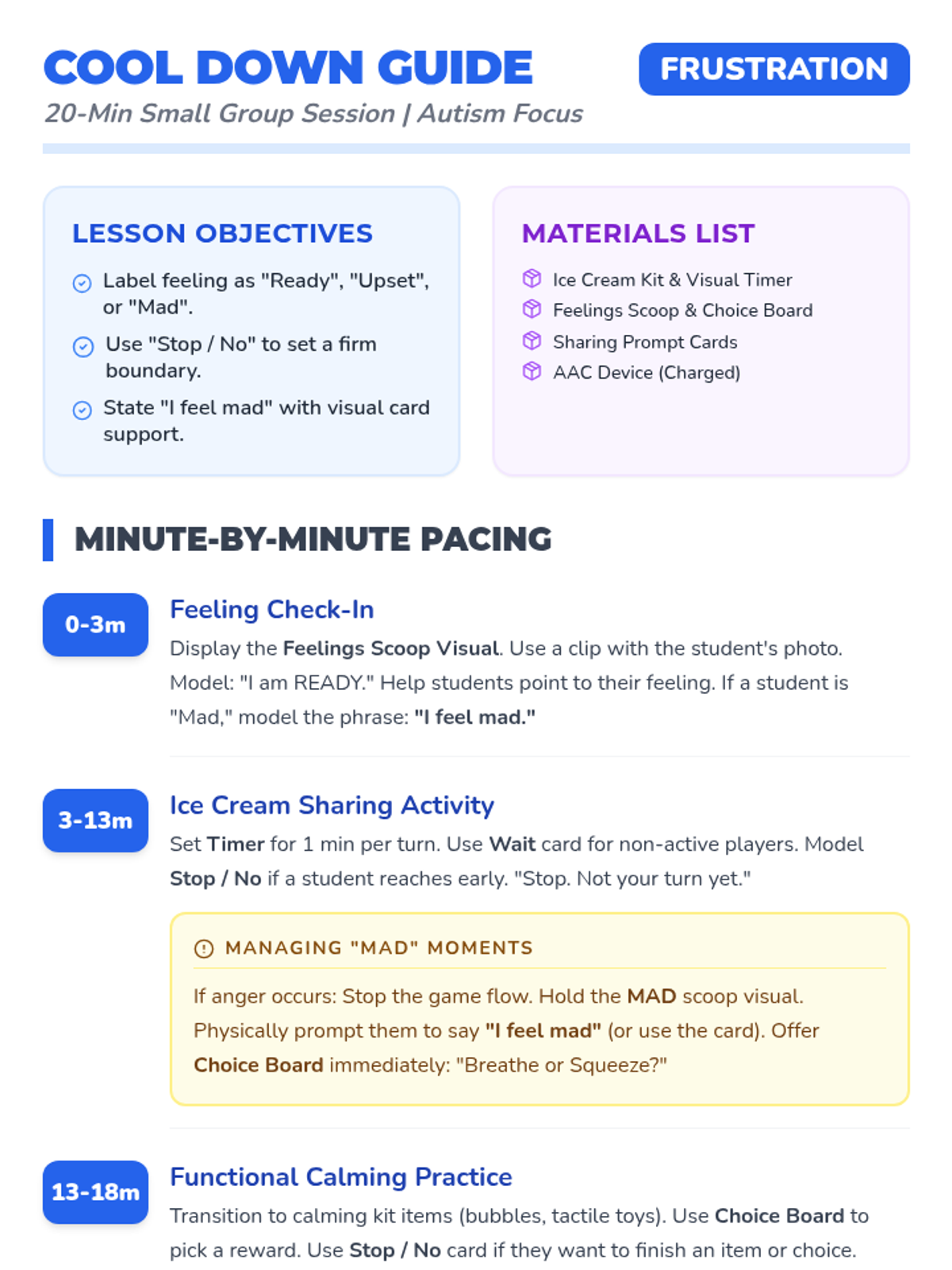
A simplified teacher facilitation guide for the 'Cool Down Creamery' lesson, redesigned with high-contrast sections and bold formatting to match the student resources. Corrected AAC strategy notes.
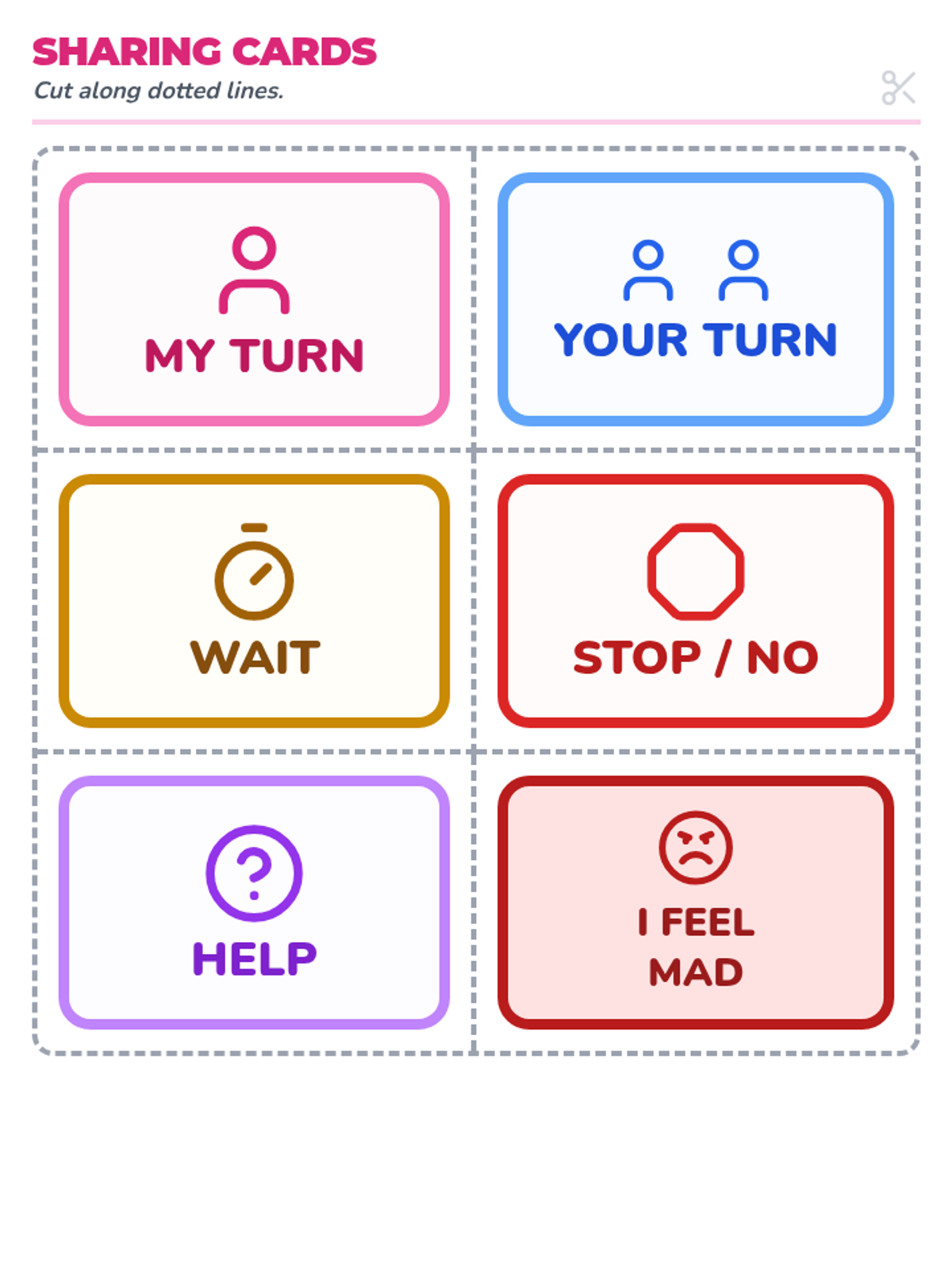
Ultra high-contrast, large visual prompt cards with heavy black borders for students with autism. Includes "My Turn", "Your Turn" (two people), "Wait", "Stop", "Help", and "I Feel Mad". Improved single-page layout.
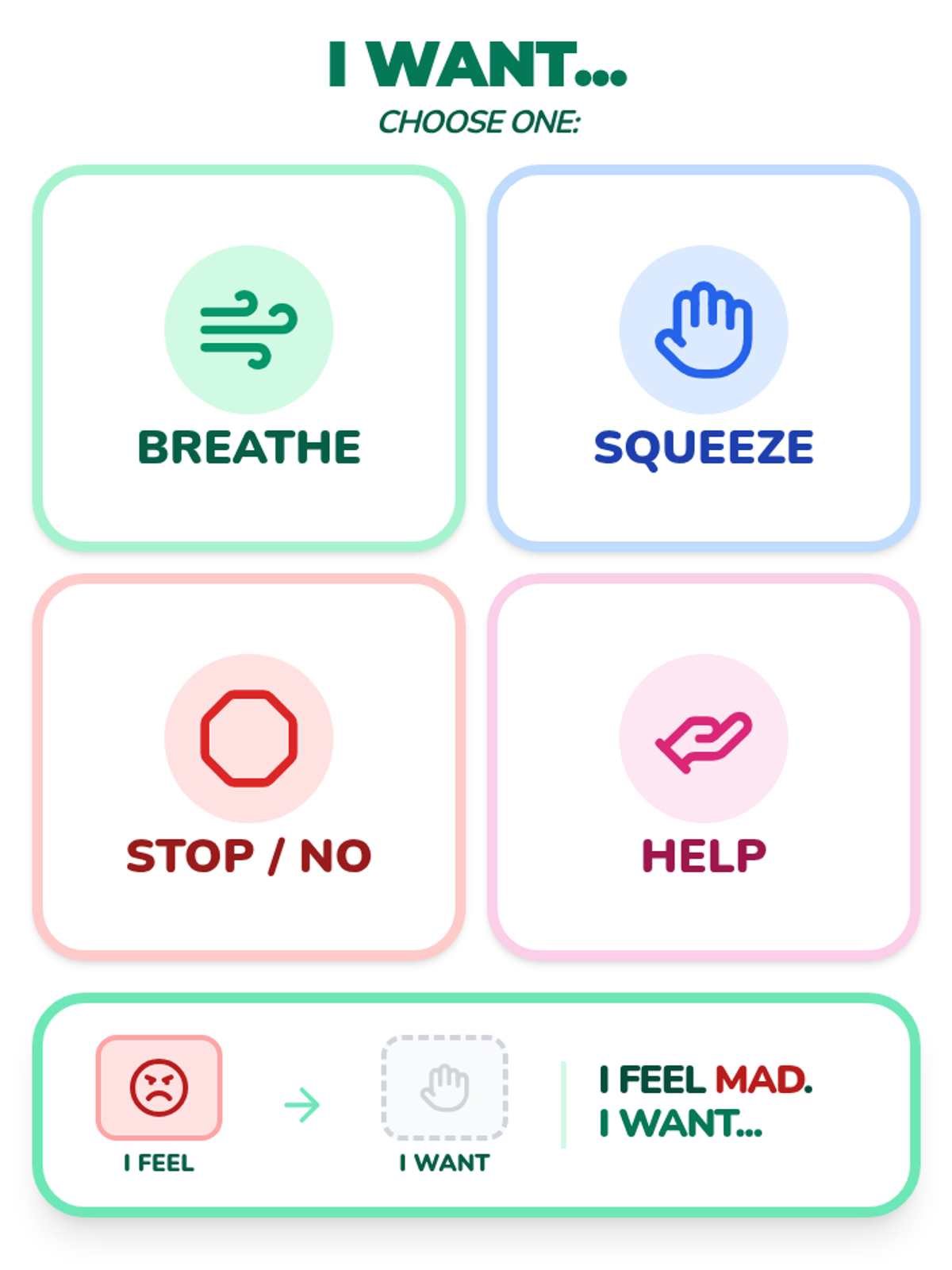
A high-contrast visual choice board for calming strategies with heavy borders and distinct components. Includes a "STOP / NO" boundary choice and a communication strip for expressing "I feel mad". Optimized for single-page printing.
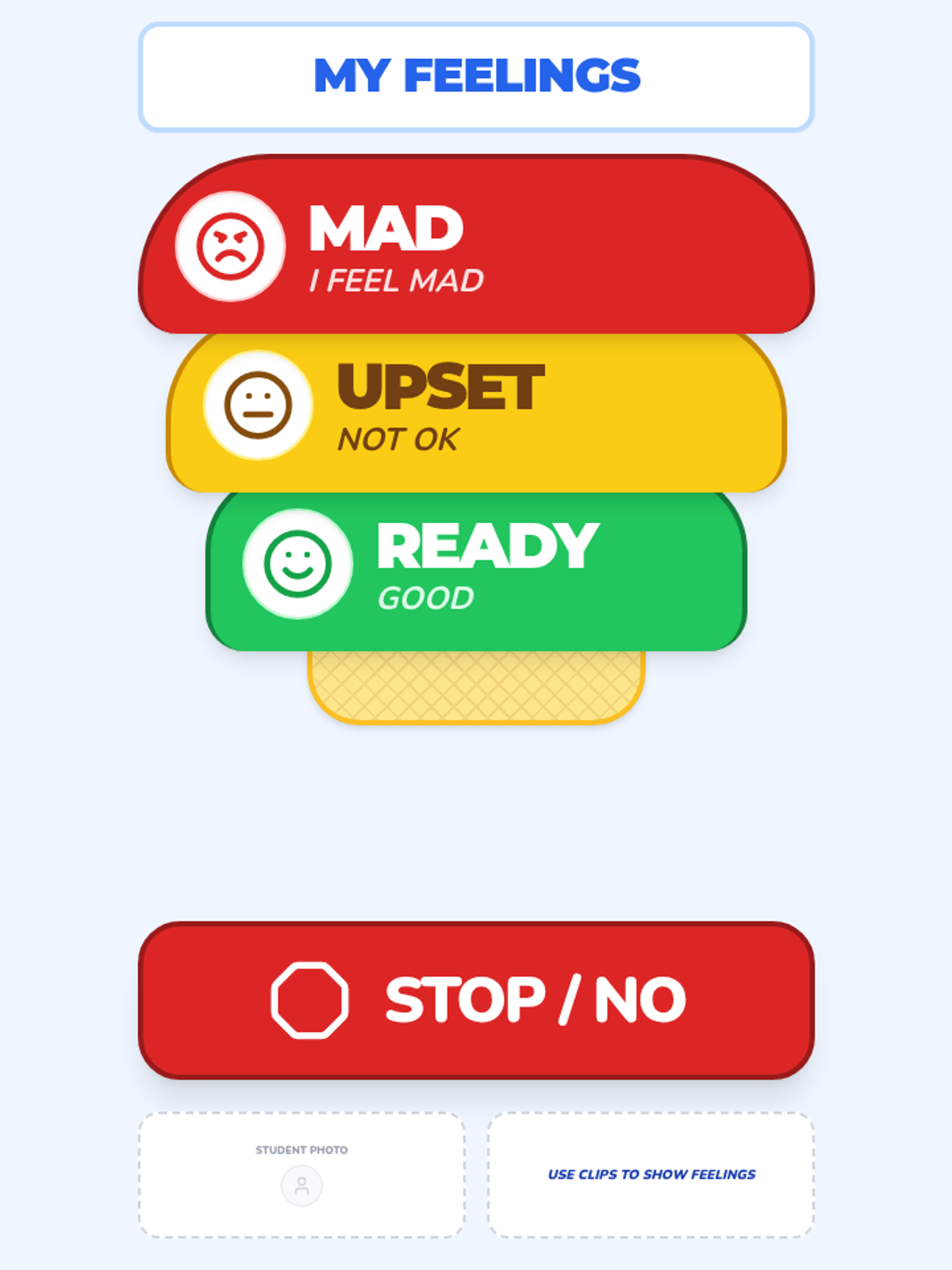
A high-contrast, ultra-clear feelings scale (Mad, Upset, Ready) with distinct thick-bordered blocks and a large "STOP / NO" boundary choice. All elements fit on a single page for use as a functional reference tool. Improved contrast for boundary icon.
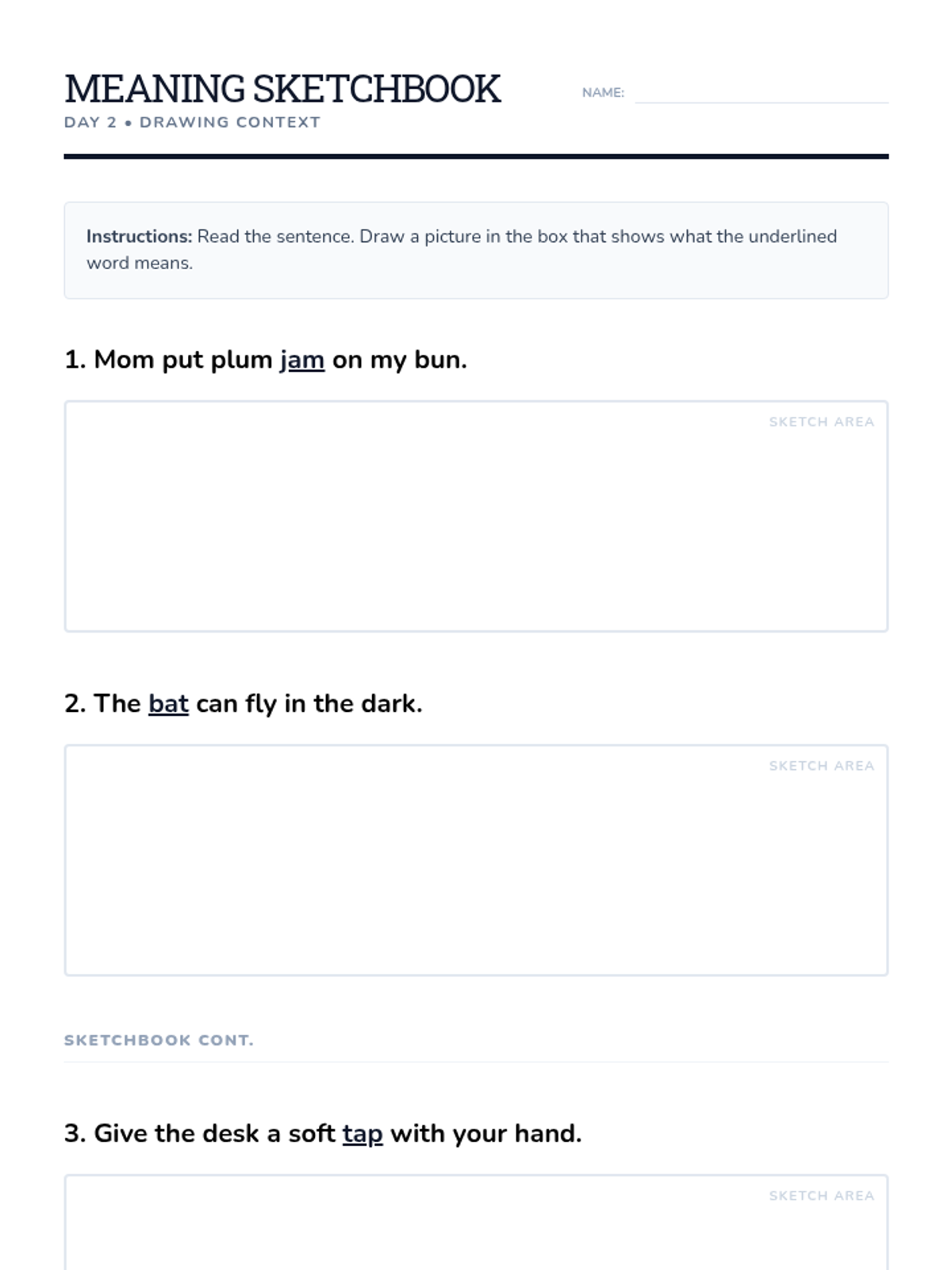
A drawing-based activity where students read sentences with multiple-meaning words and sketch the specific meaning indicated by the context. Provides a creative way to assess comprehension.
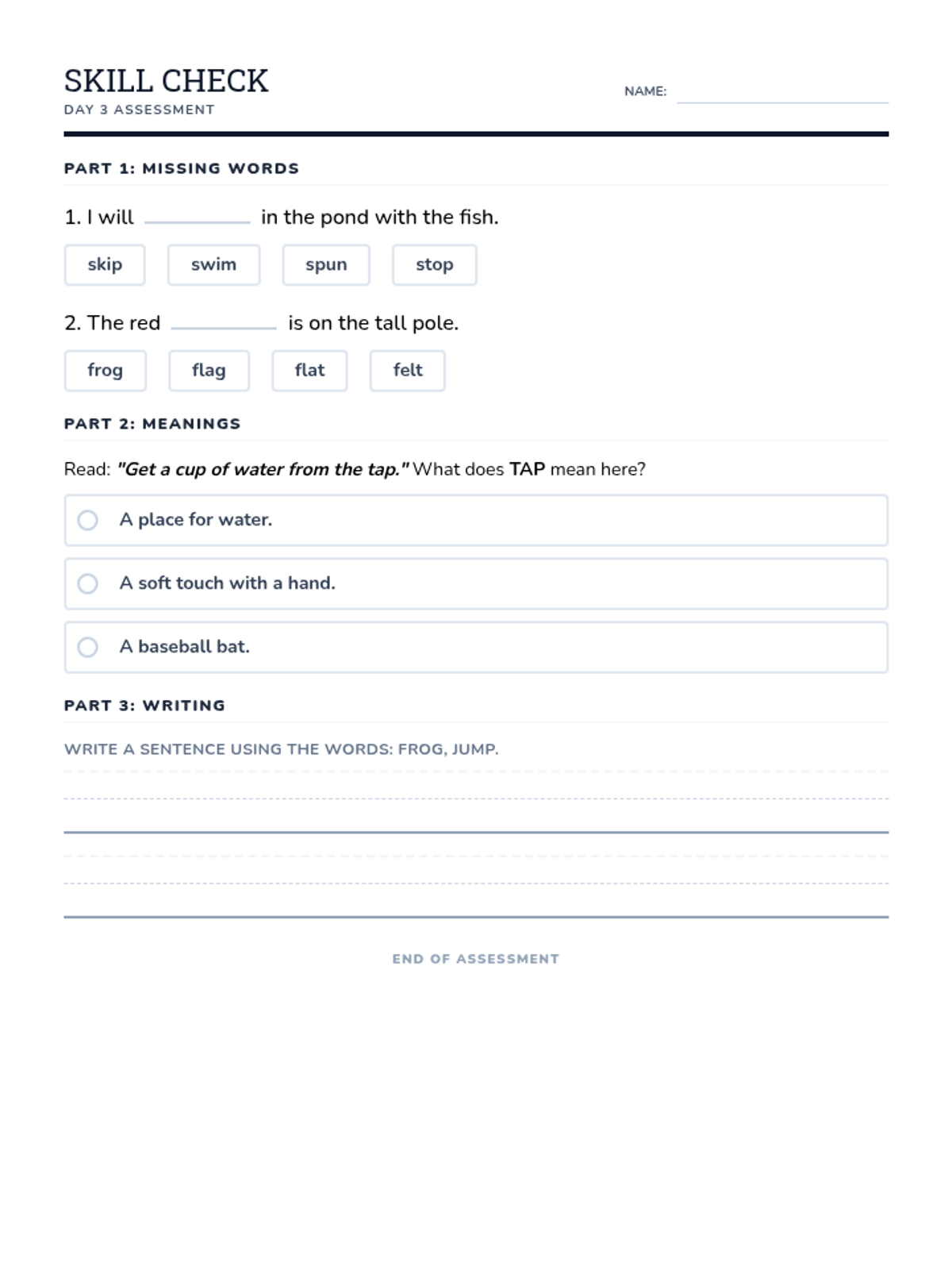
A rigorous summative exit ticket assessing context clues, multiple-meaning words, and decodable reading skills with increased options for discriminative choice.
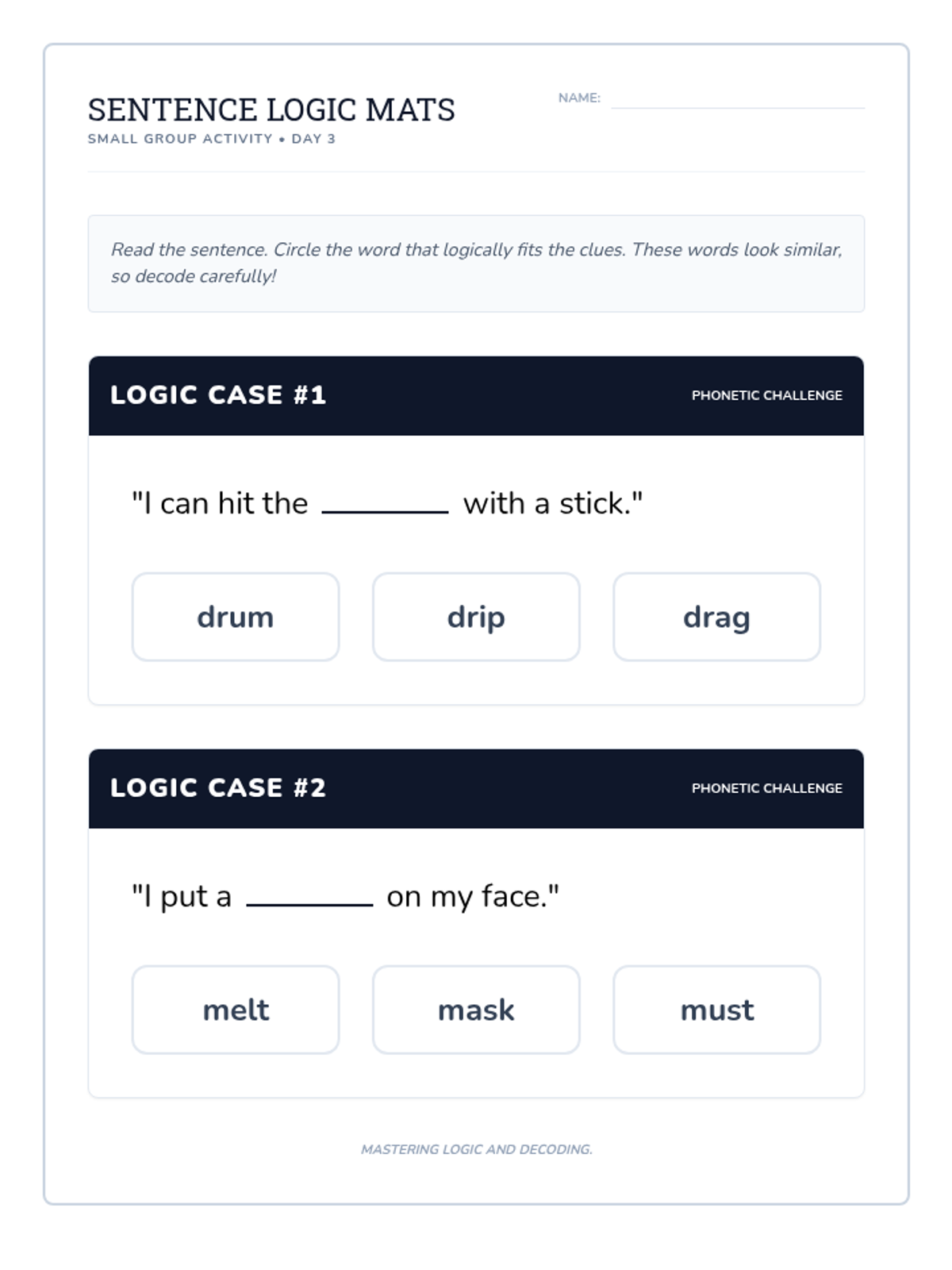
A more rigorous small group activity where students must select the correct decodable word from three phonetically similar options for each logic mat.
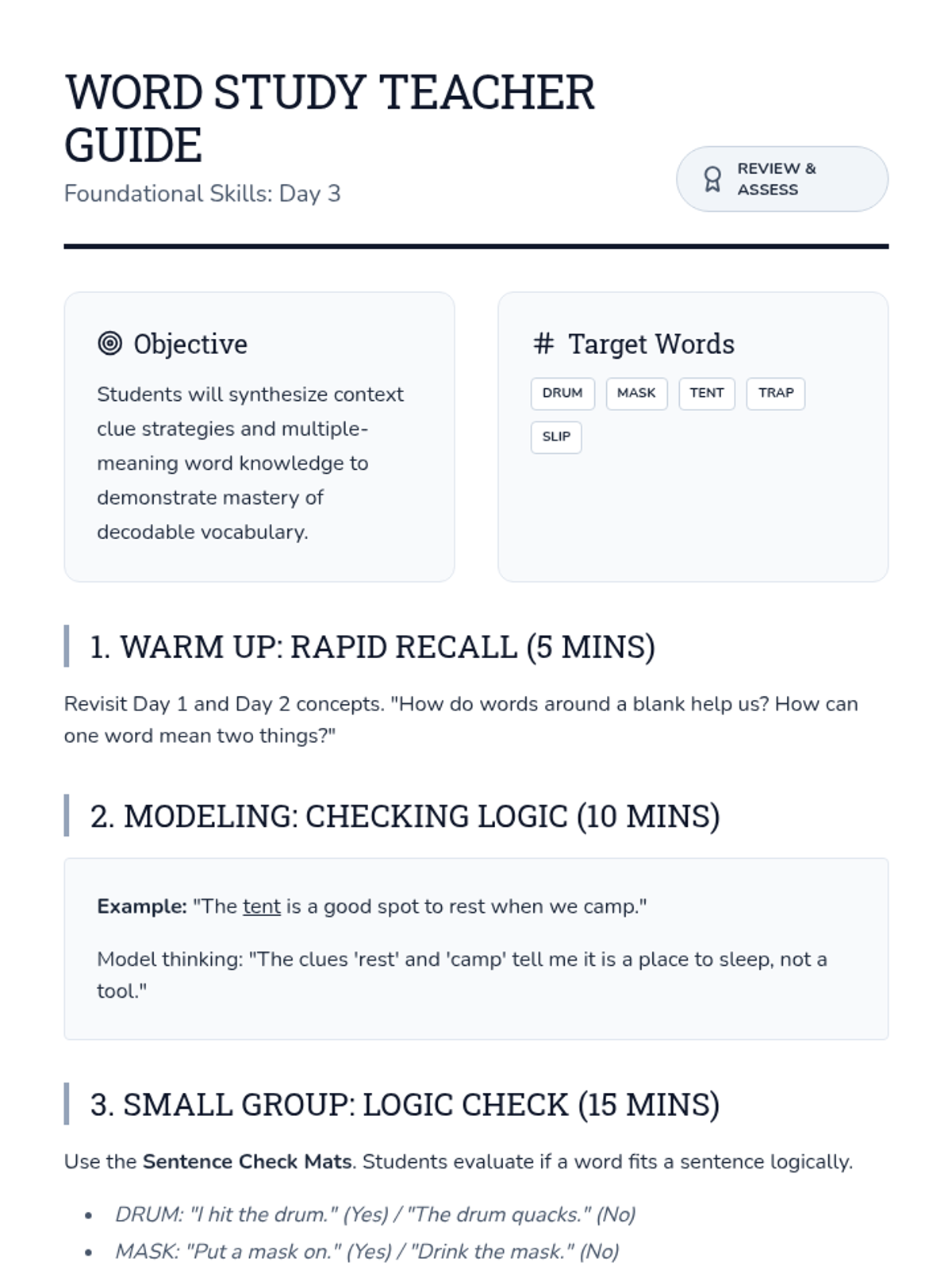
Instructional guide for the final day of the sequence, focusing on synthesis of skills and final assessment. Includes modeling examples and a mastery checklist.
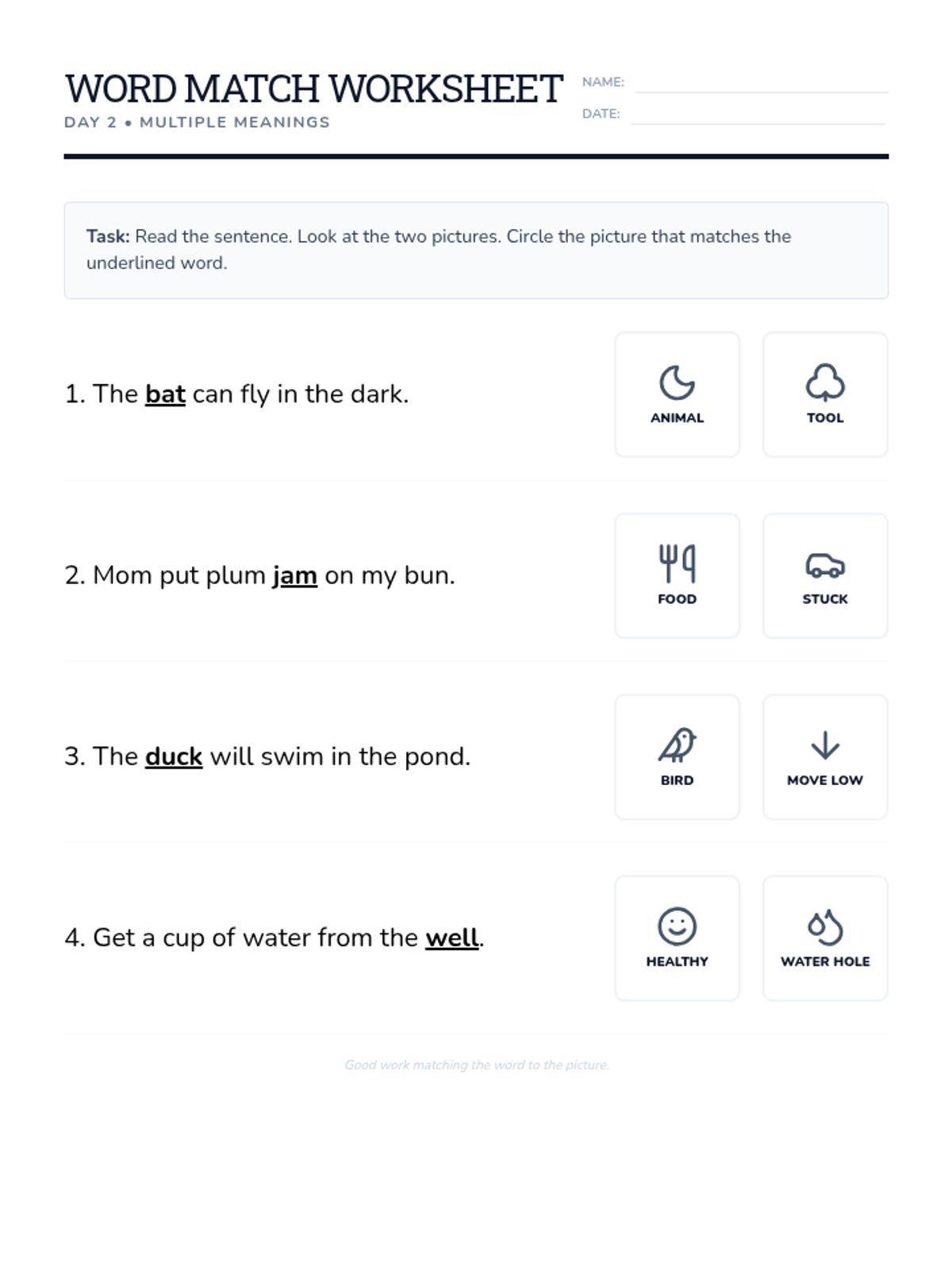
A worksheet for practicing multiple-meaning words where students must identify the correct definition based on sentence context using visual aids.
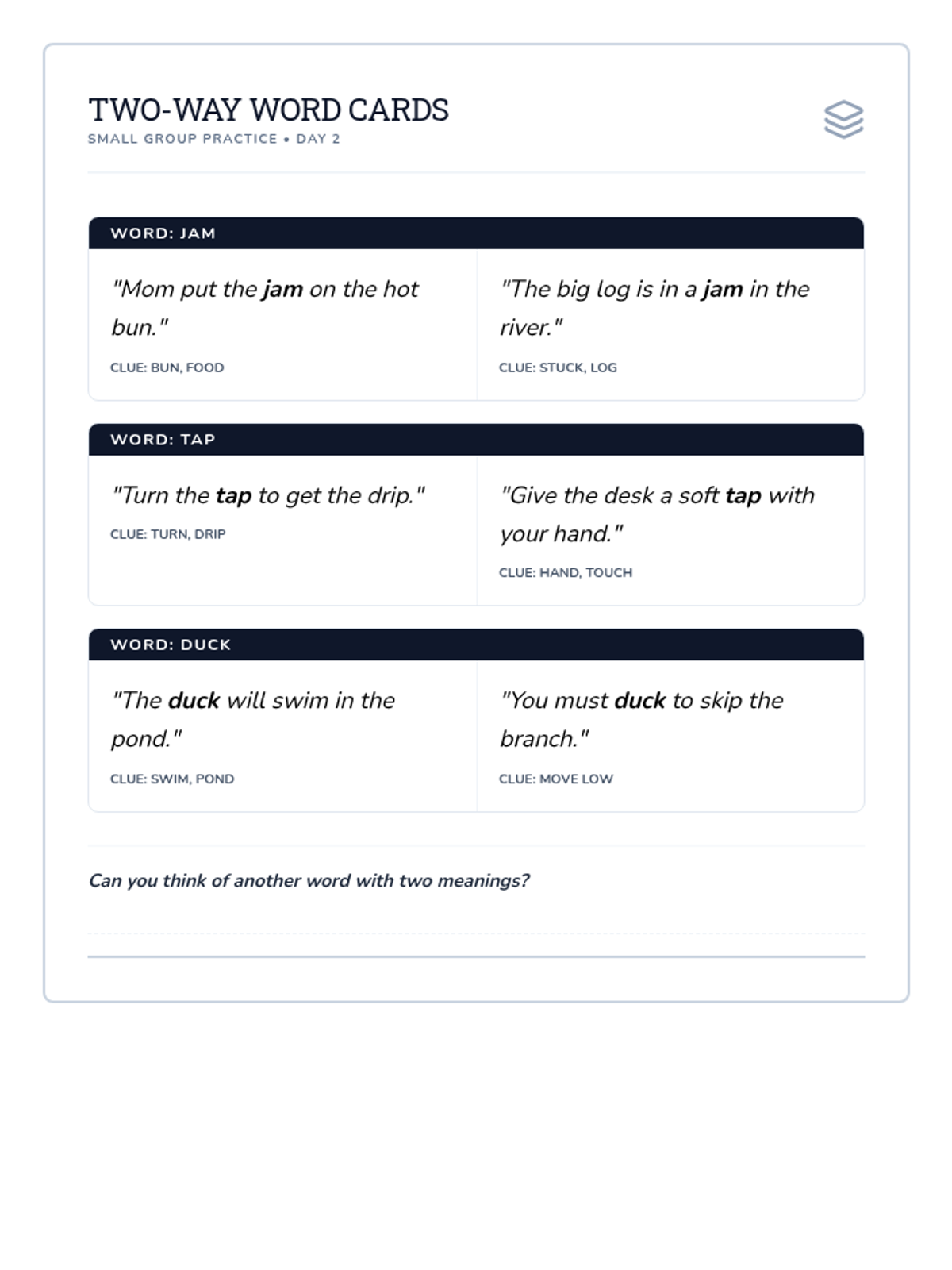
A small group activity material featuring cards with multiple-meaning words used in two different decodable sentence contexts. Helps students visualize and compare meanings.
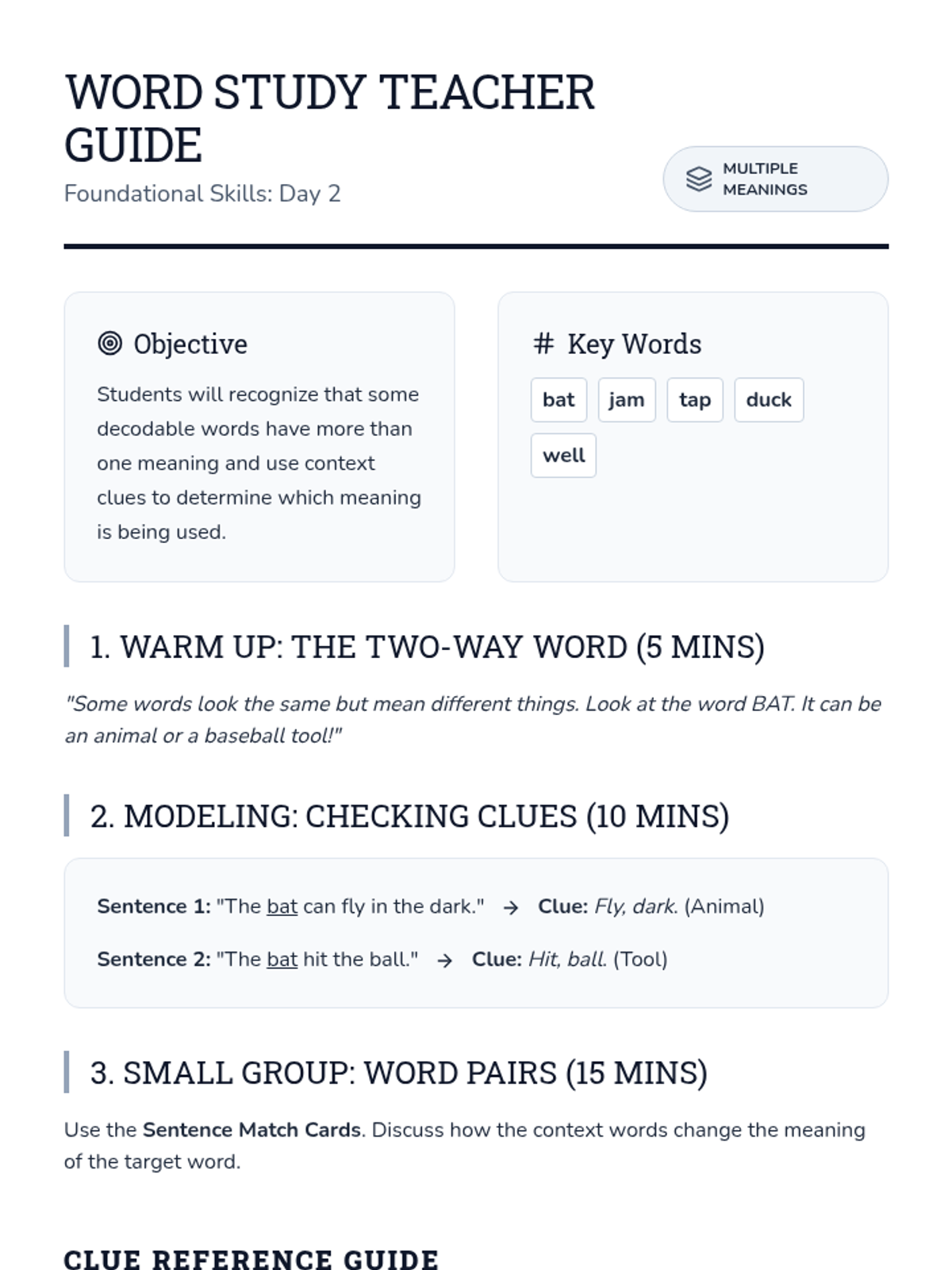
Teacher's instructional guide for Day 2, focusing on multiple-meaning words (homonyms) using decodable vocabulary. Includes modeling scripts and activity directions.
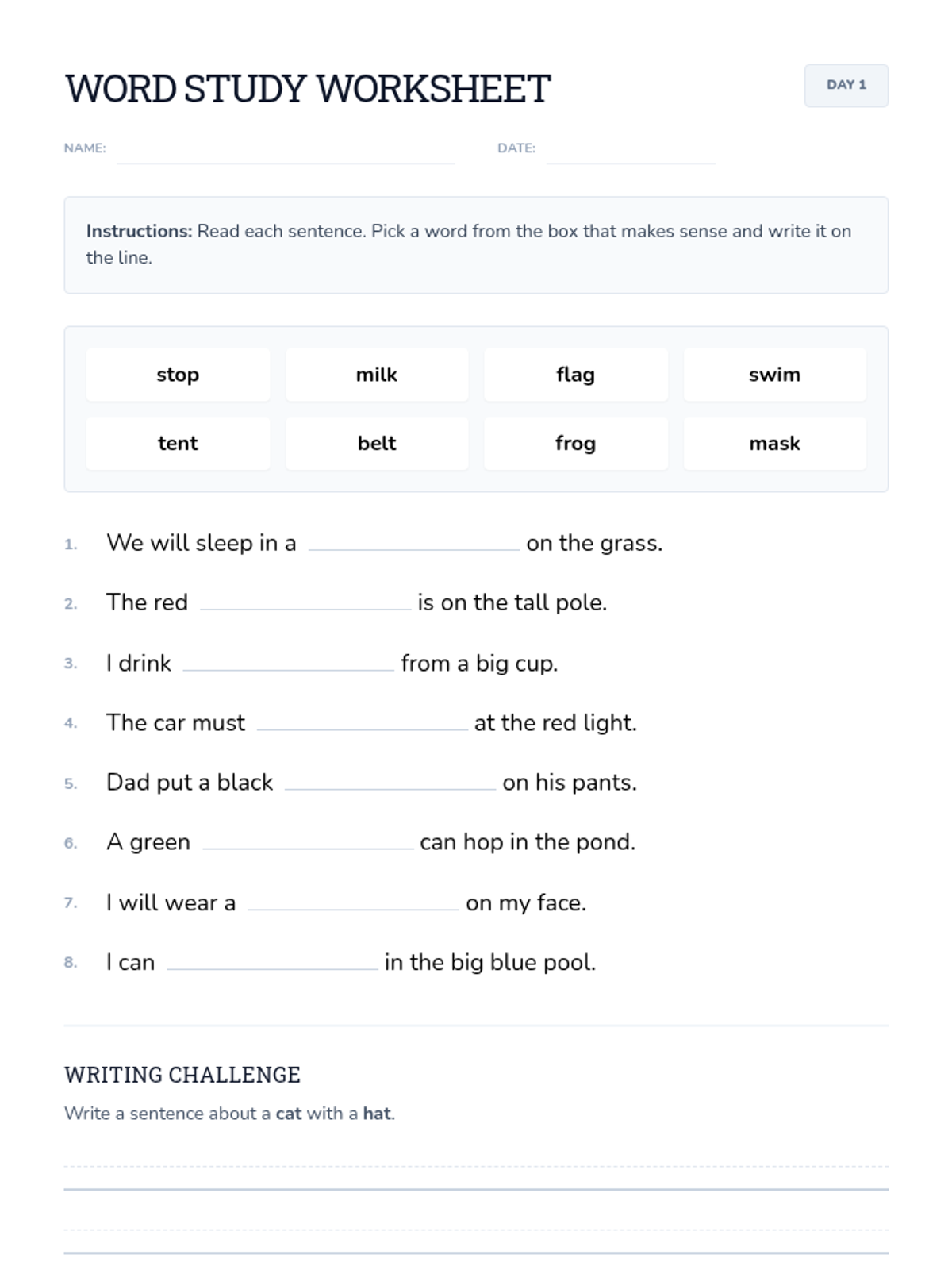
A more rigorous independent practice worksheet where students must choose between three phonetically similar decodable words for each sentence context.
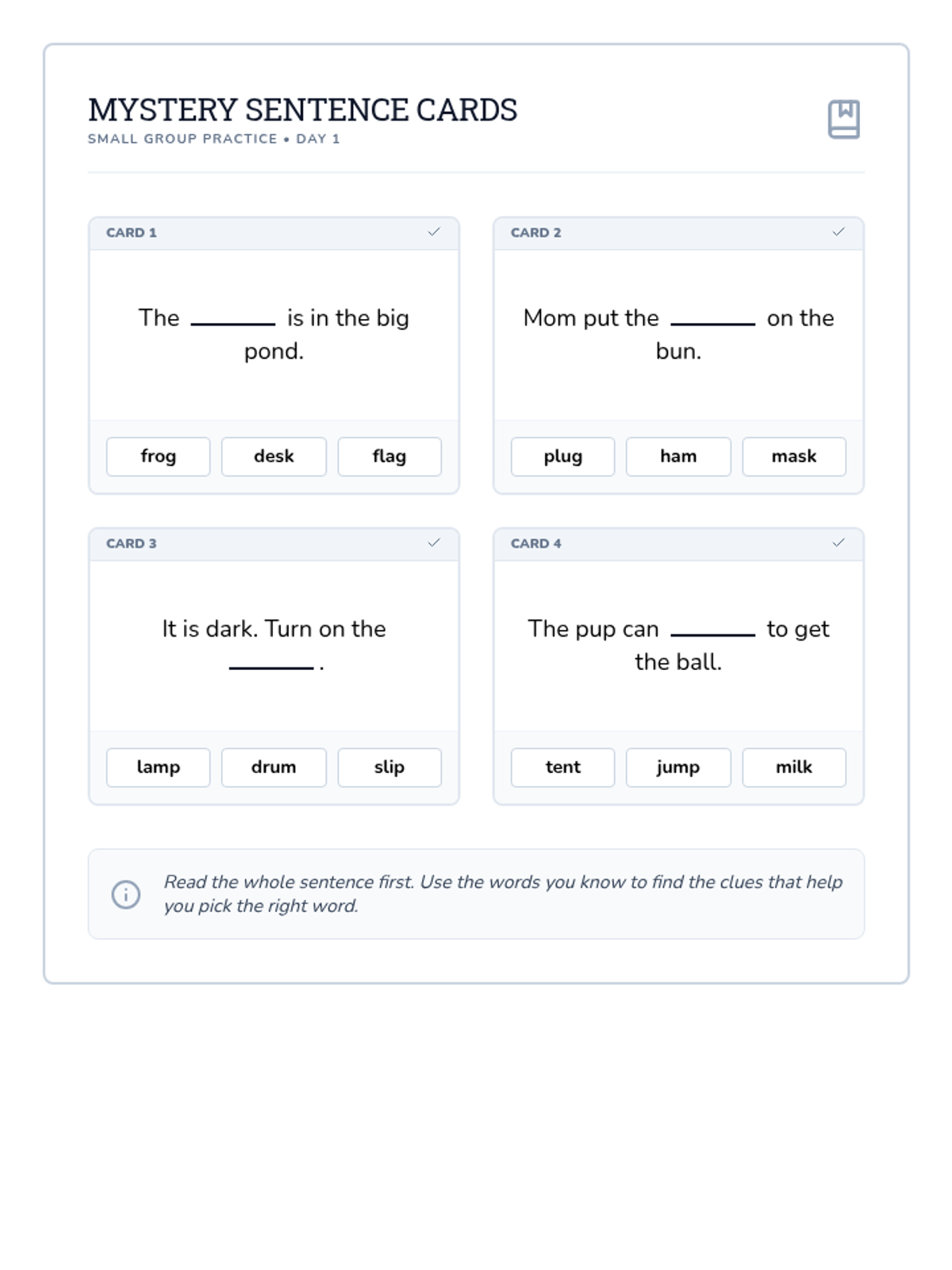
An expanded set of 8 printable mystery cards for small group practice. Each card features a sentence with a missing decodable word and three choices to build context clue skills across two pages.
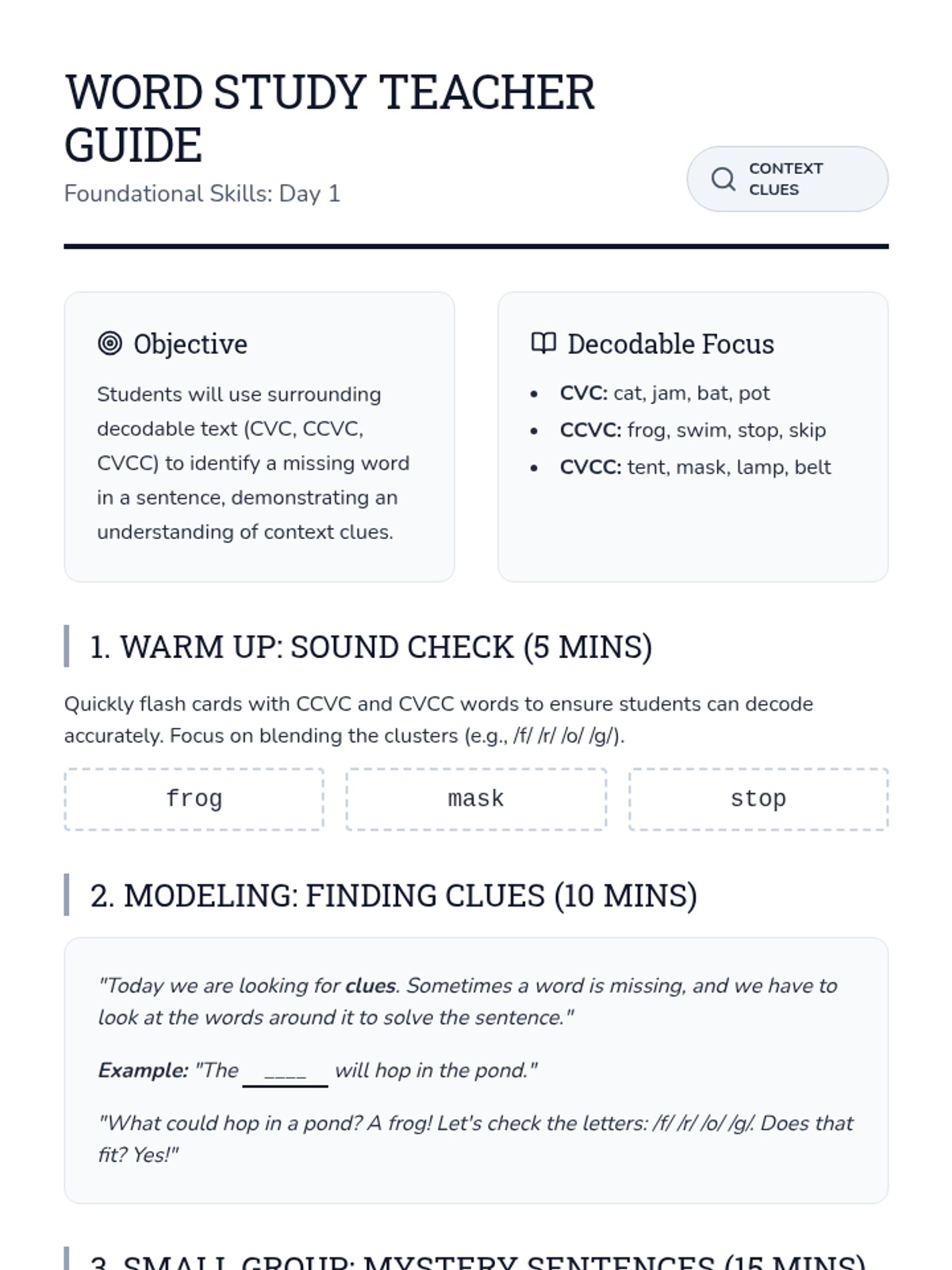
A detailed instructional guide for teachers to lead Day 1 of the Word Study sequence, focusing on using context clues with decodable text.