A social story and reflection lesson designed for neurodivergent students to encourage flexibility and growth through a relatable robot metaphor.
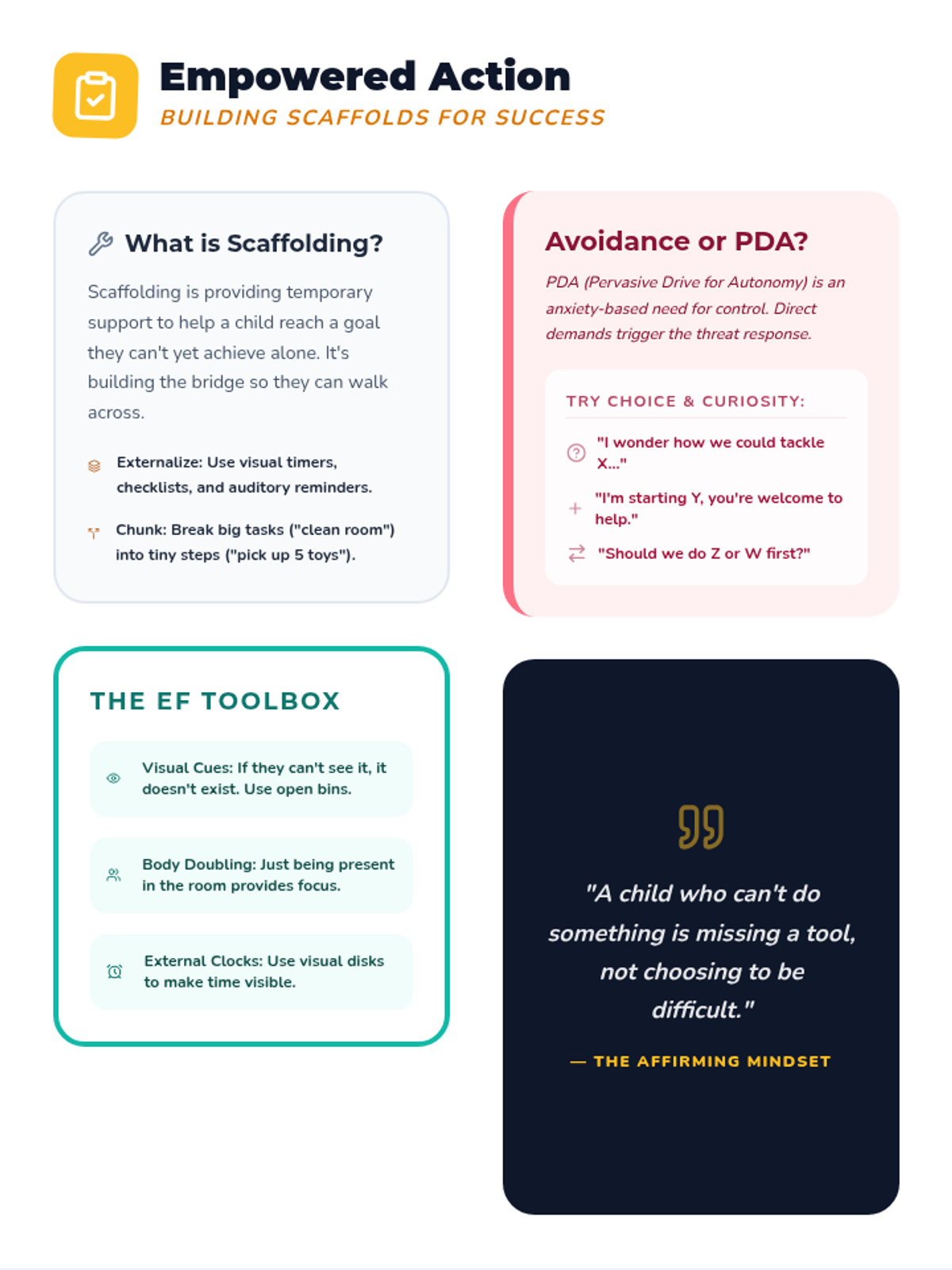
Provides practical tools for self-advocacy and executive functioning. Parents learn how to scaffold tasks without over-functioning, and children practice communicating their needs in different environments.
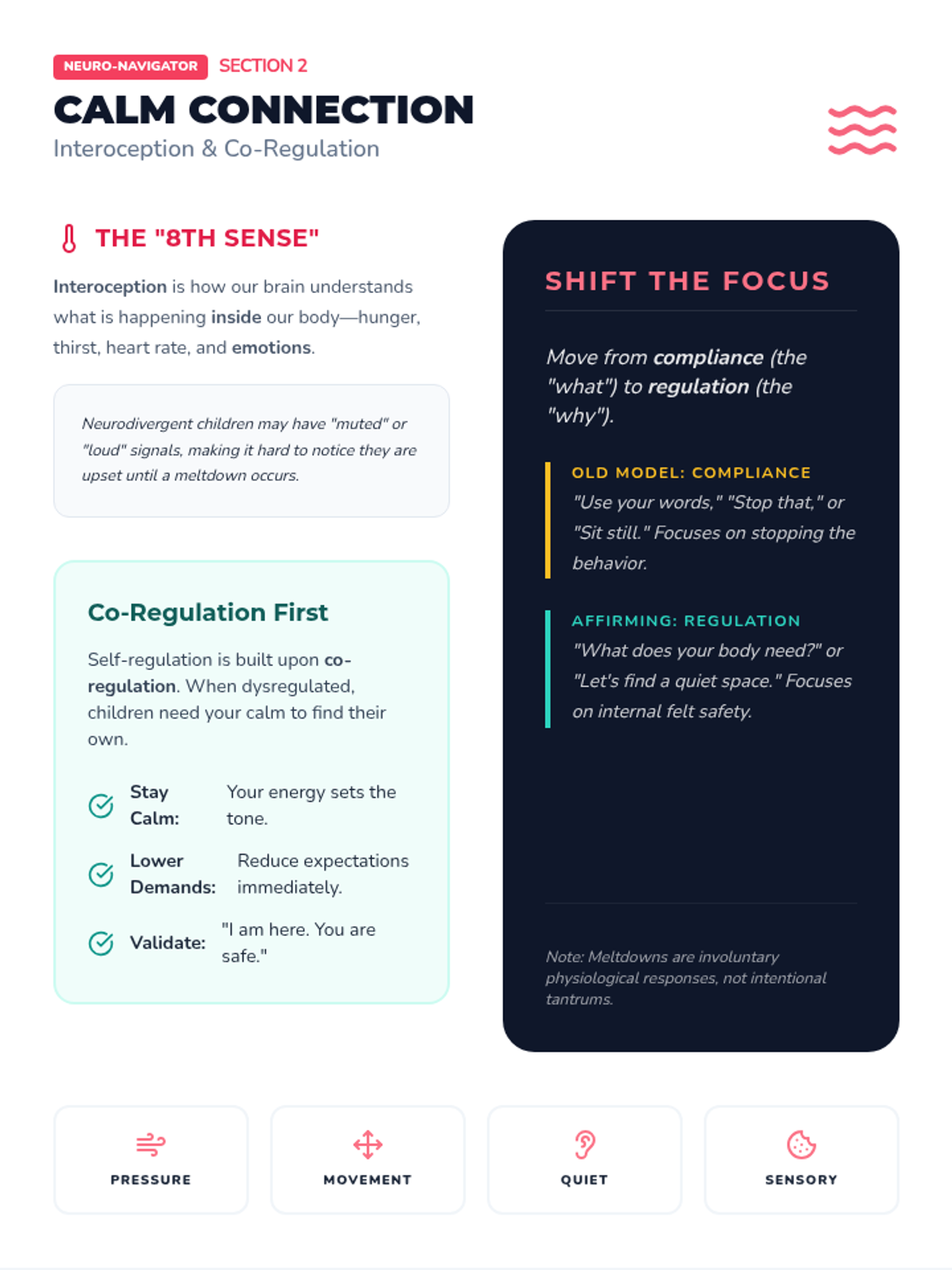
Focuses on interoception and emotional regulation through a neuroaffirming lens. Parents learn about co-regulation while children build awareness of their body's unique signals and sensory needs.
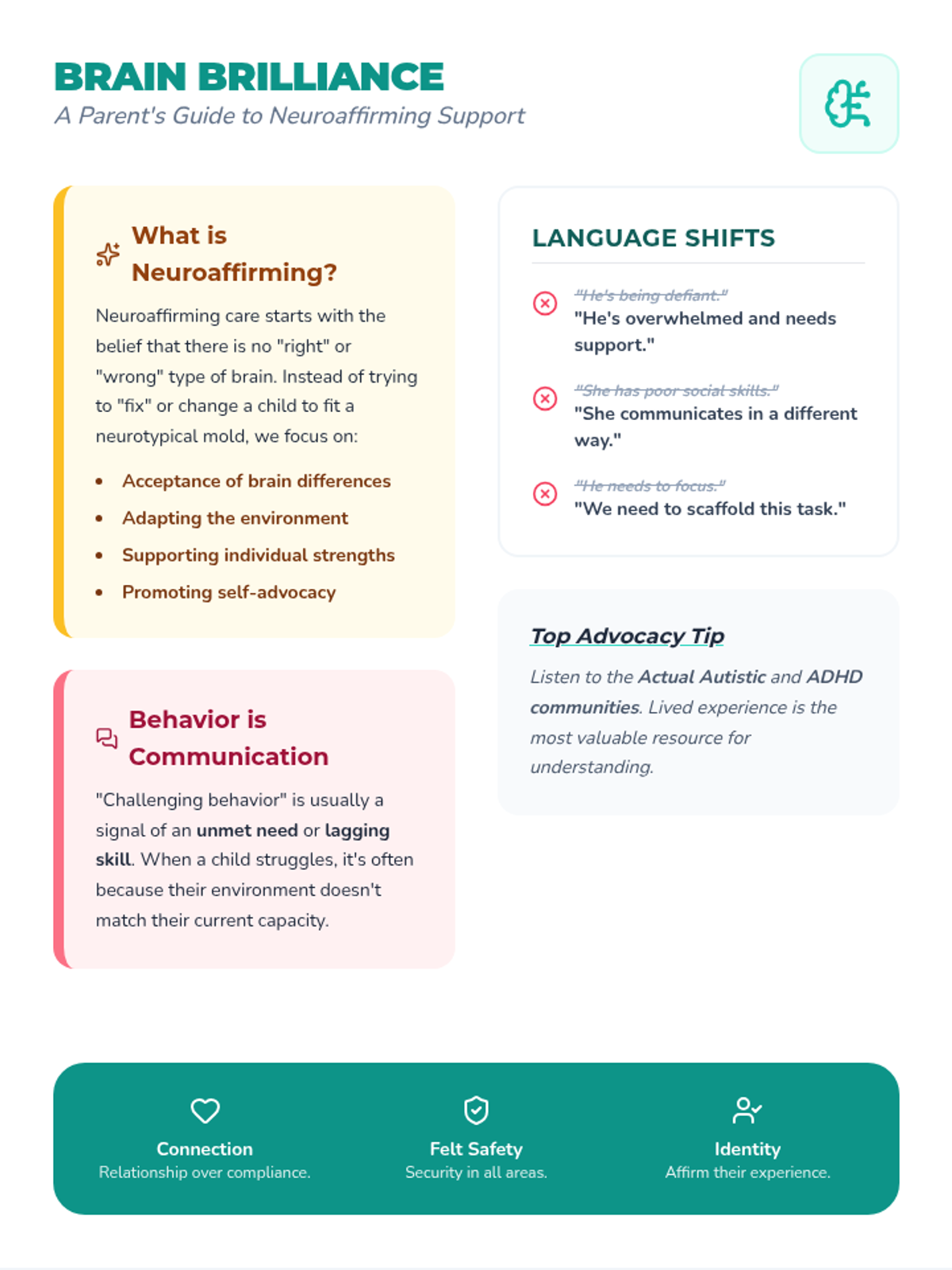
Introduces the neurodiversity-affirming paradigm to parents and helps children identify their unique strengths and support needs. Focuses on reframing "behaviors" as communication and celebrating brain differences.
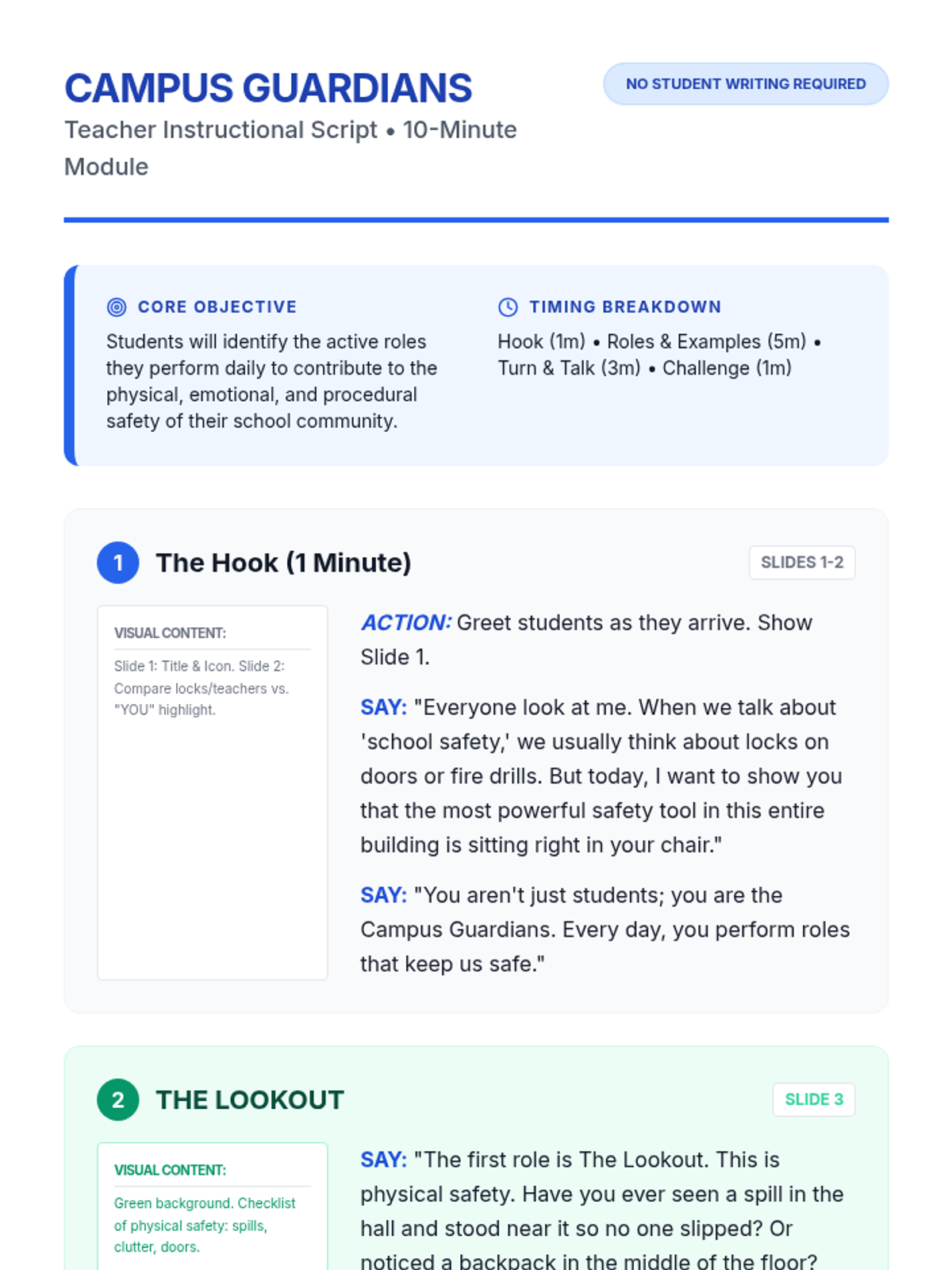
A fast-paced, high-energy 10-minute lesson focused on empowering 5th graders to see themselves as active contributors to school safety and culture through daily actions.
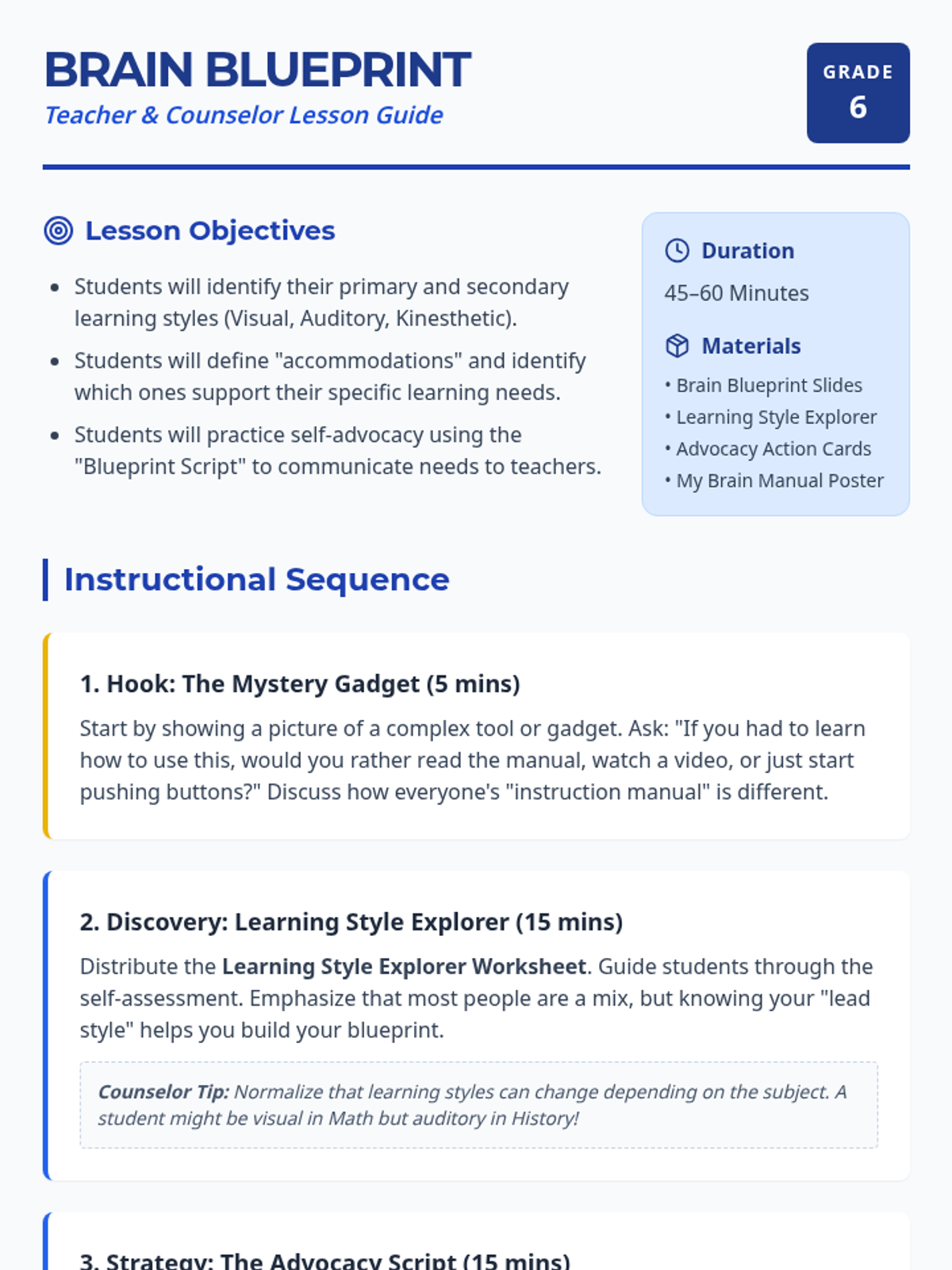
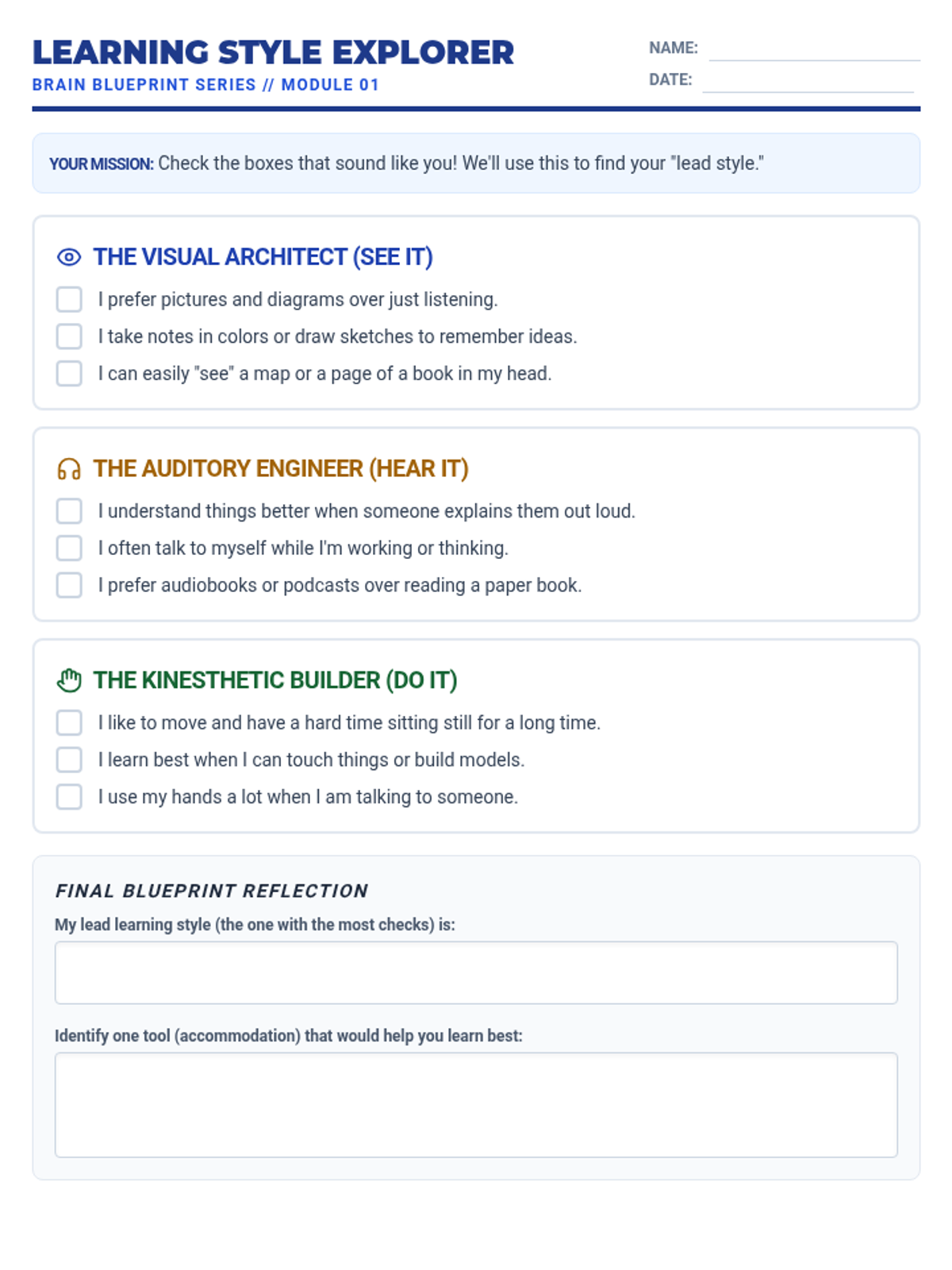
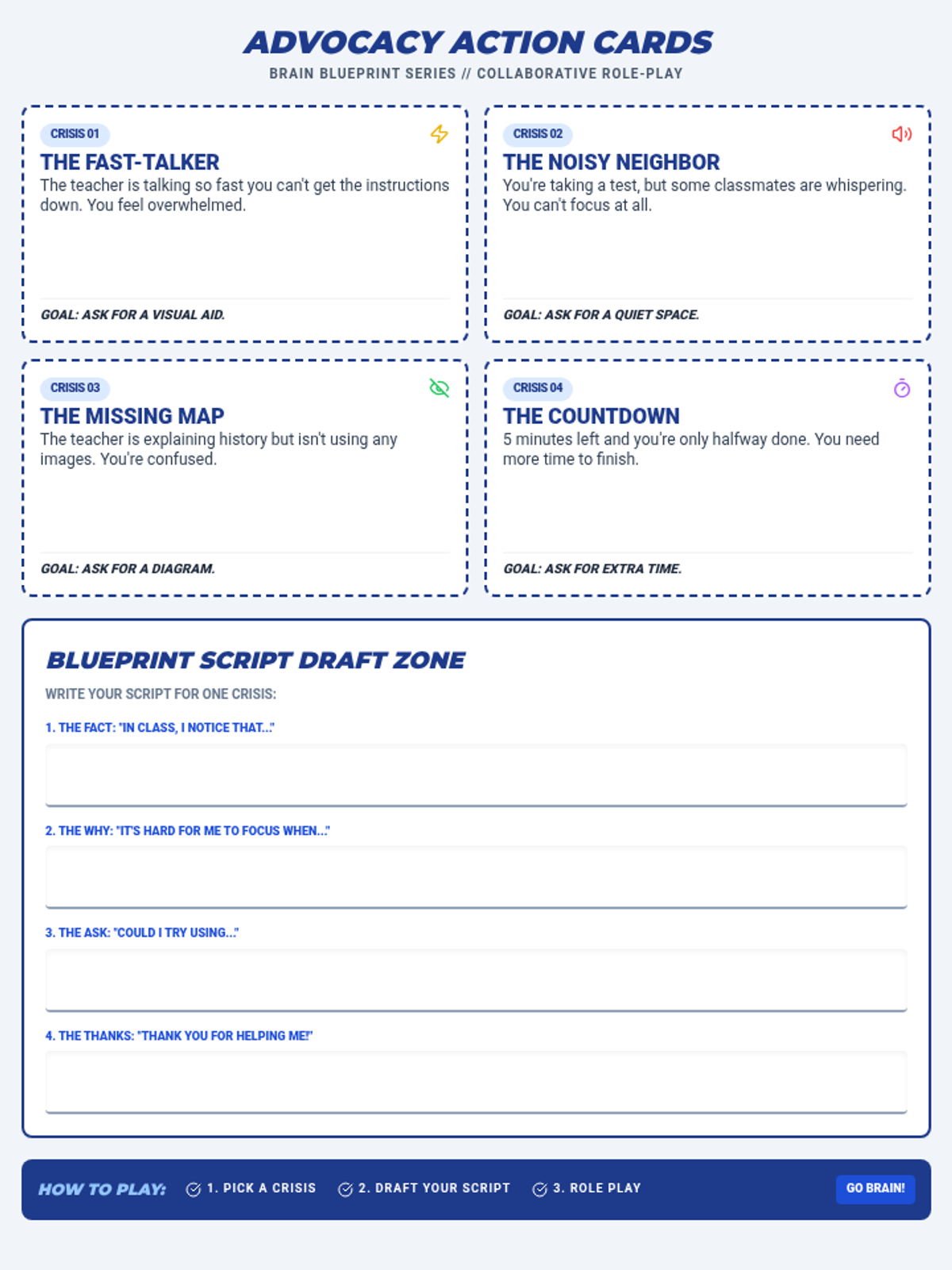
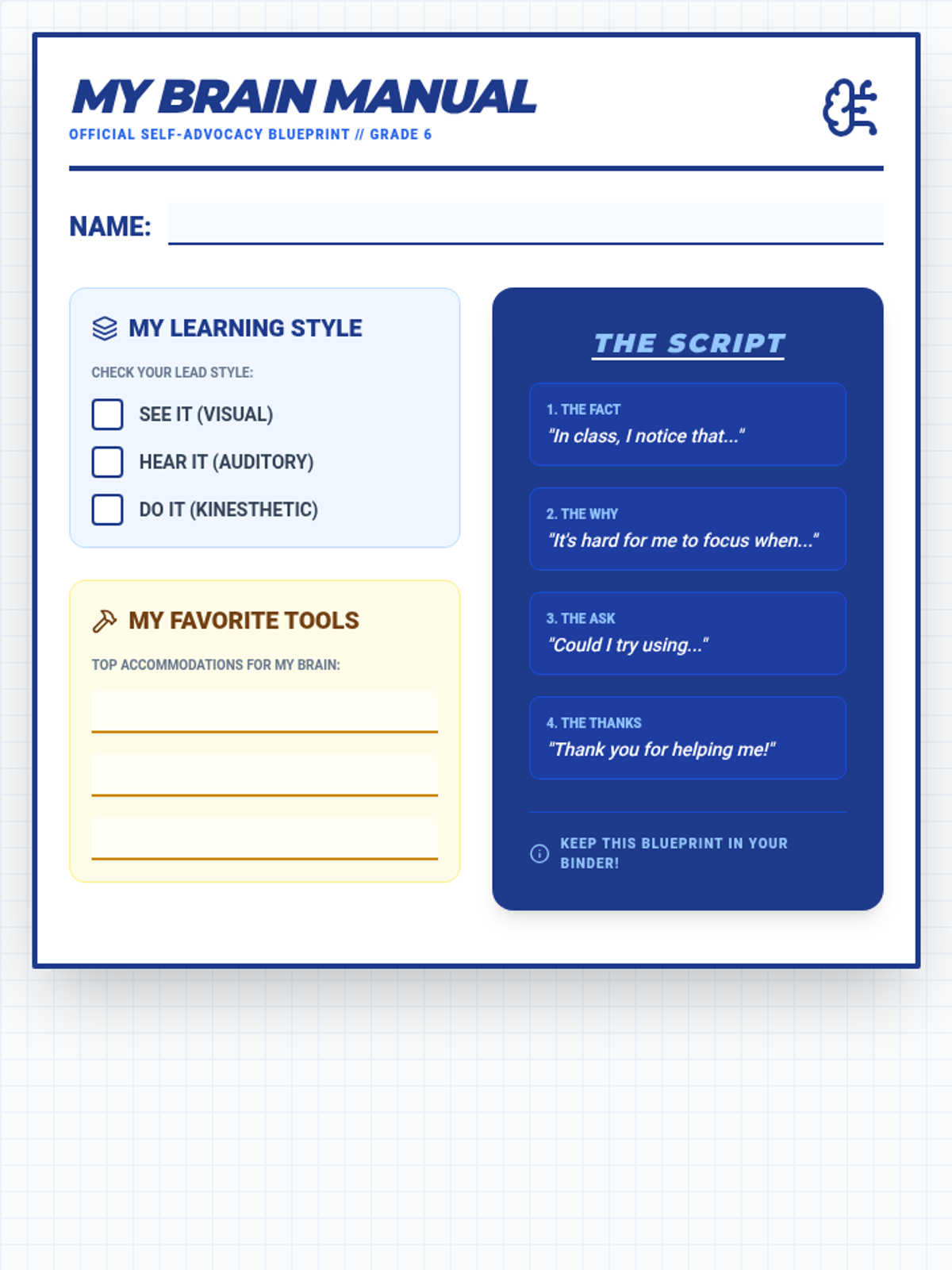
A middle school counseling lesson designed to help 6th-grade students identify their unique learning styles and develop the self-advocacy skills needed to request classroom accommodations.
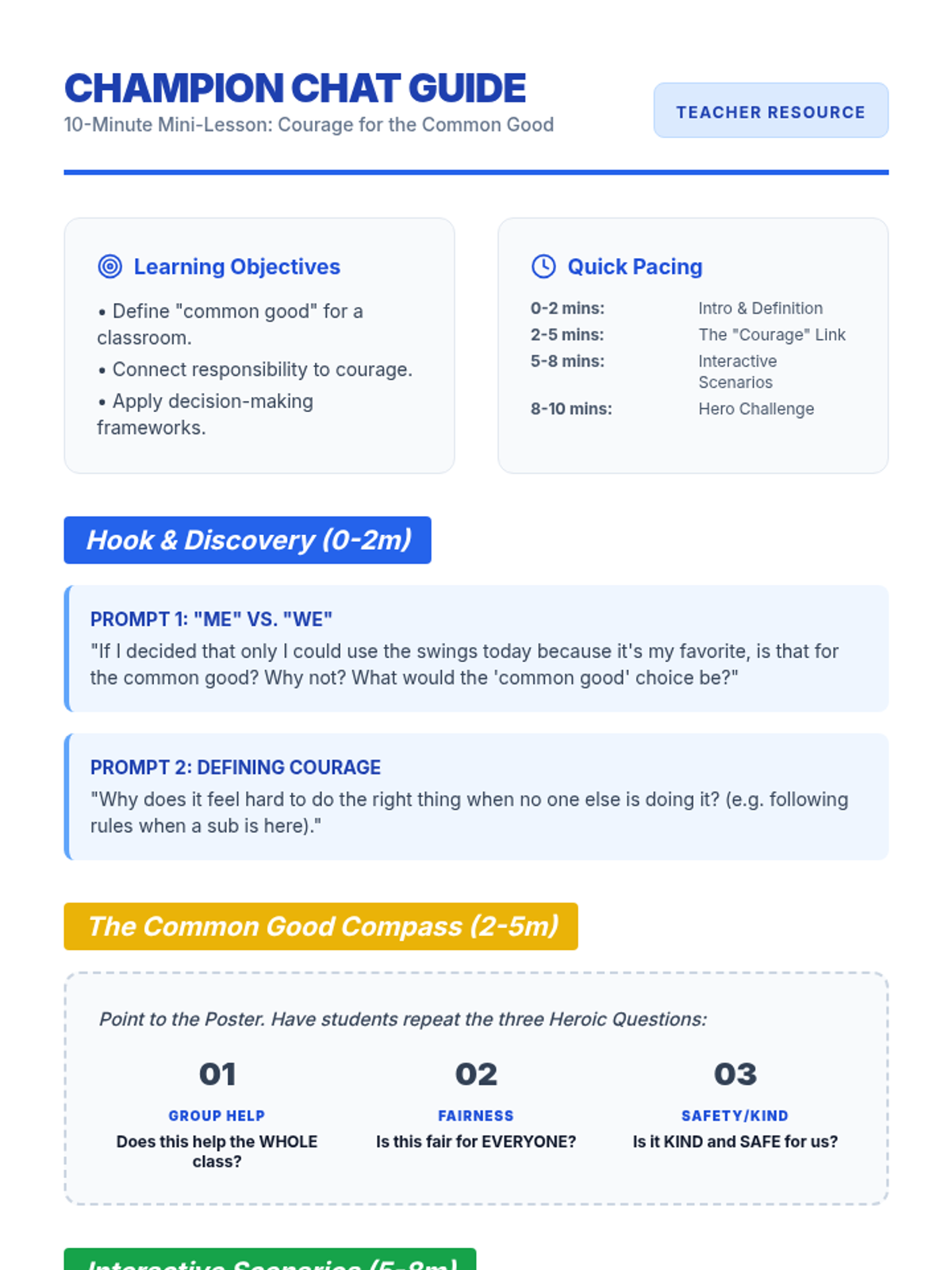
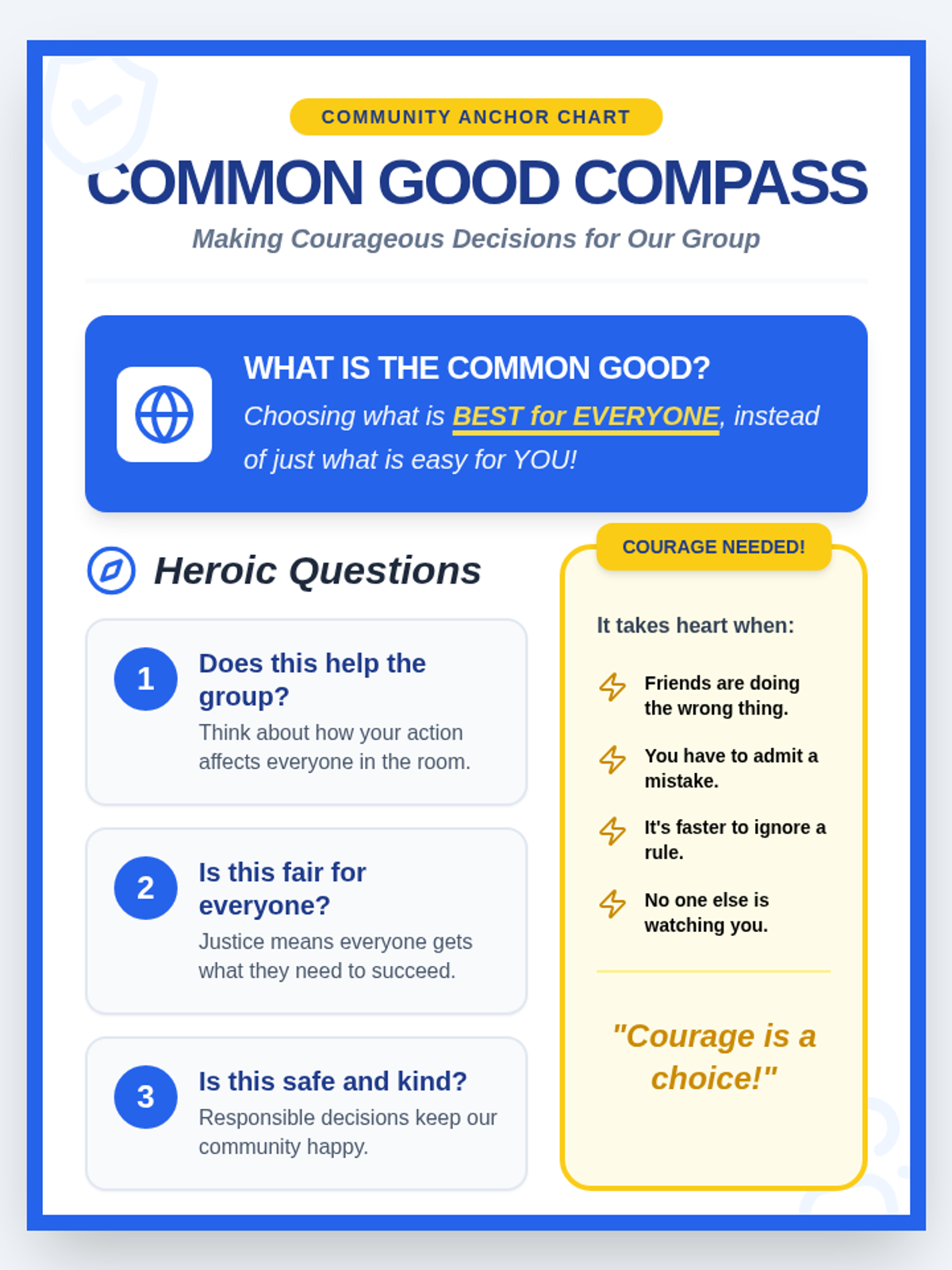
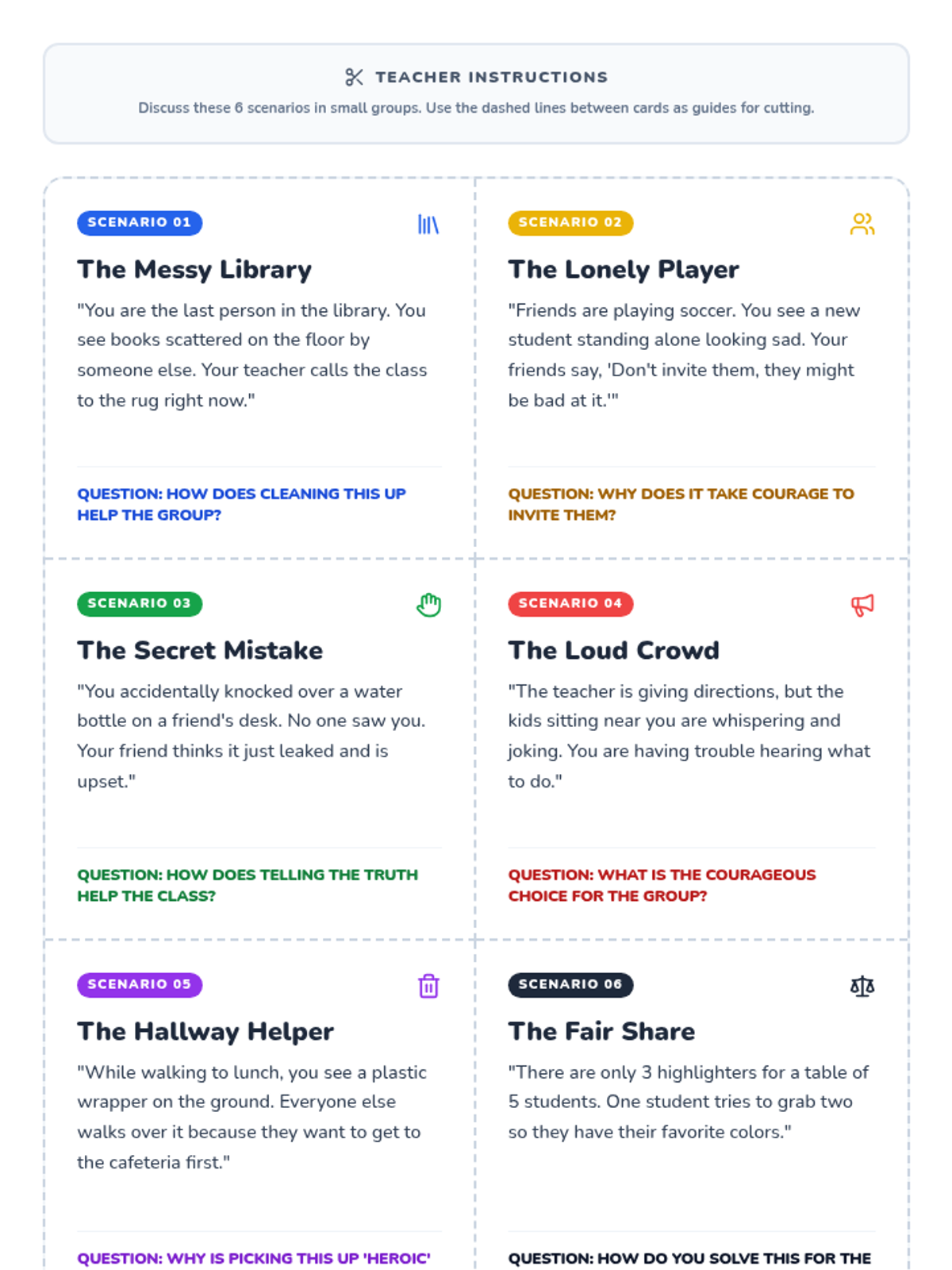
A fast-paced, high-energy 10-minute lesson focused on identifying the 'common good' and practicing the courage needed to make responsible decisions for the classroom and community. Students explore real-world scenarios and use a 'Common Good Compass' to guide their choices.
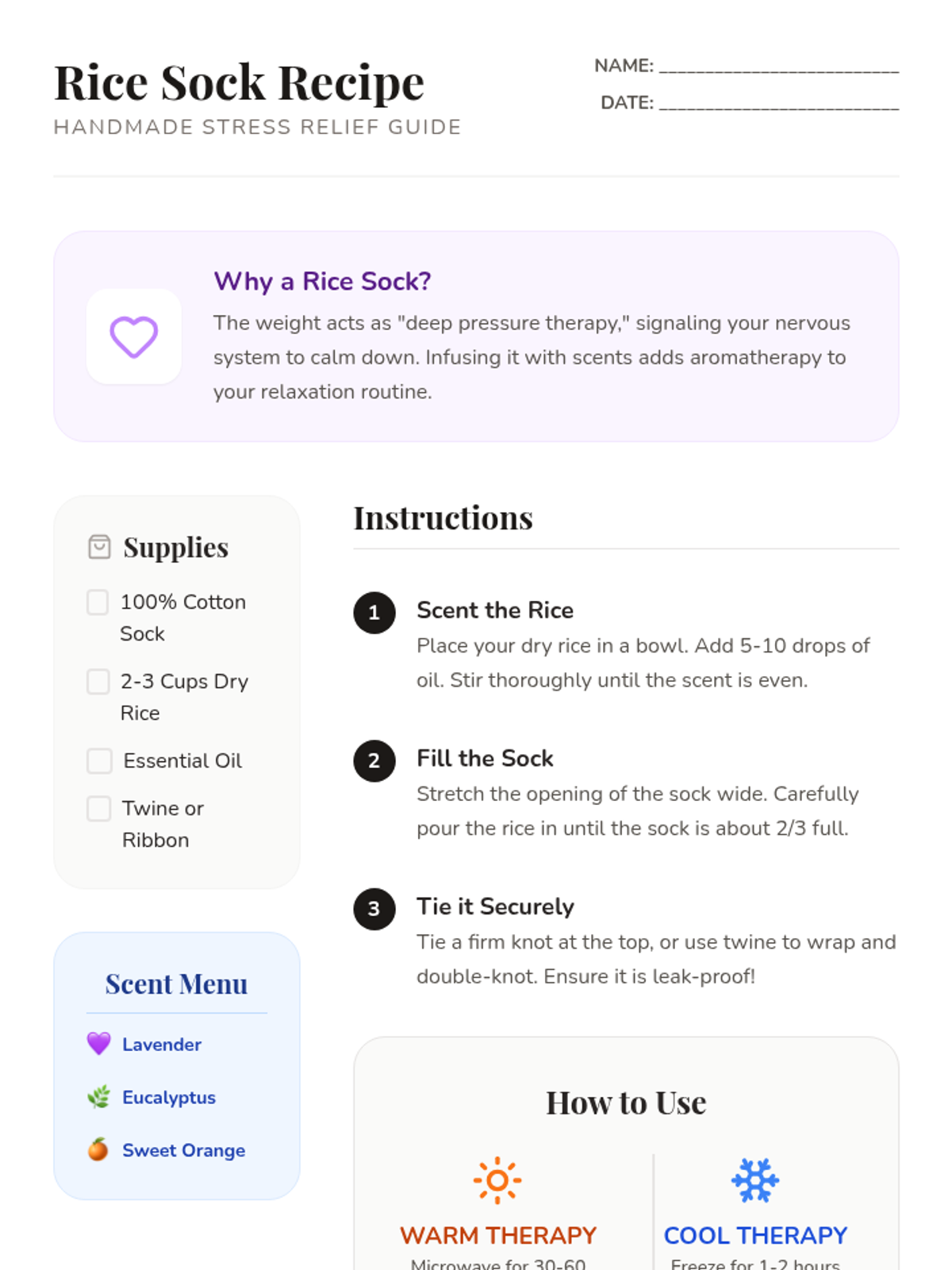
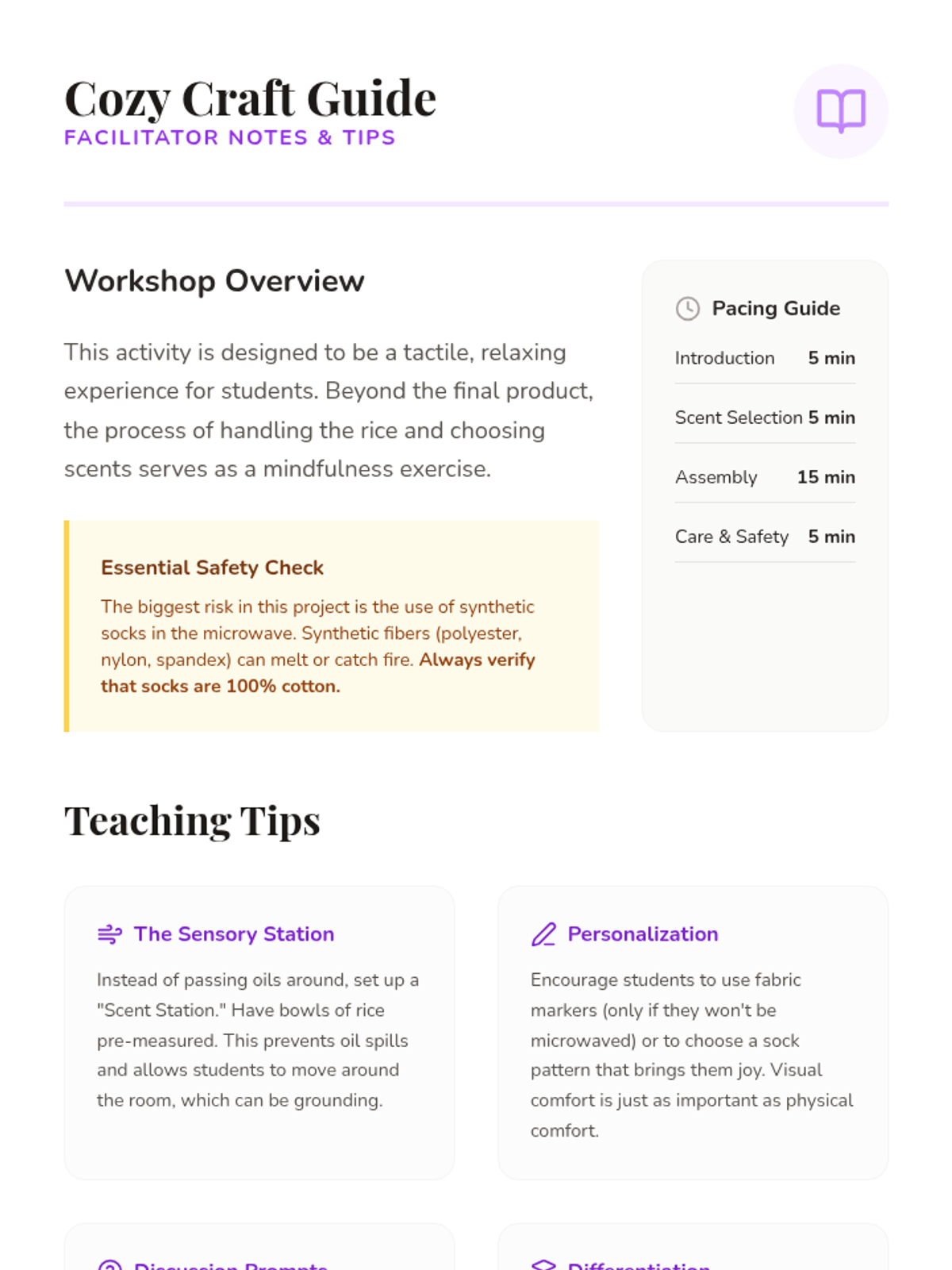
A hands-on workshop guiding students through creating a therapeutic rice sock infused with essential oils for personal stress relief.
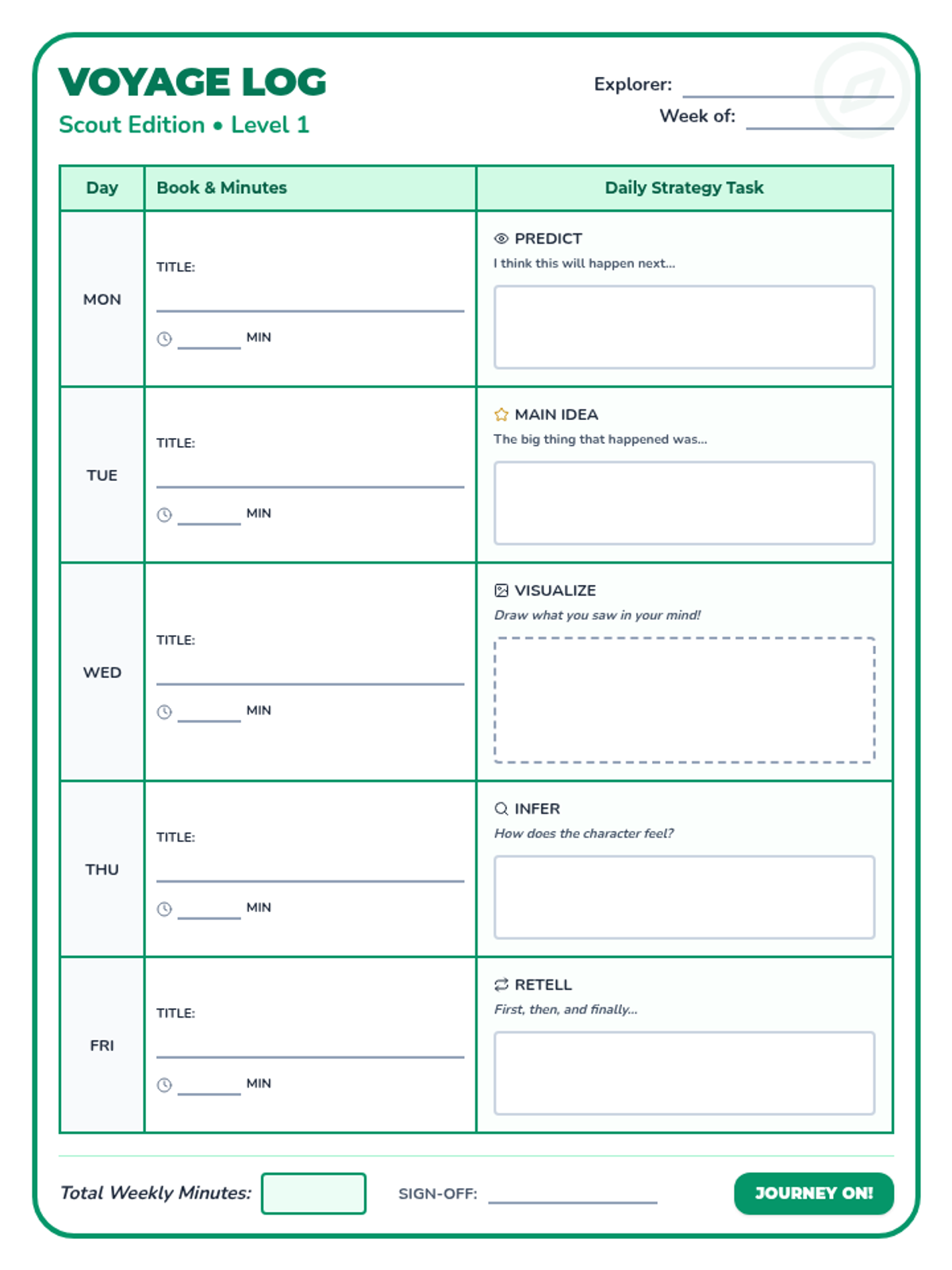
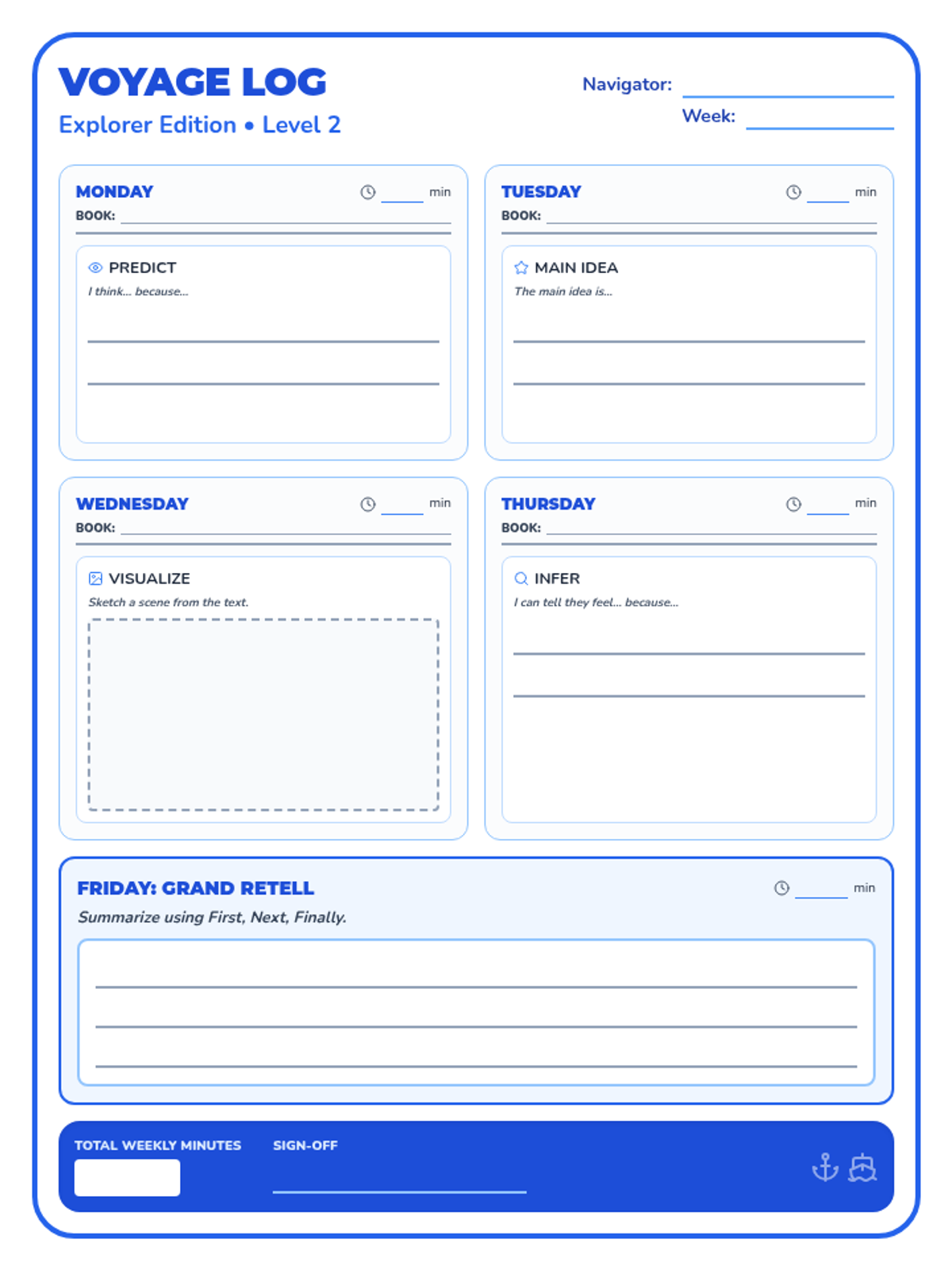
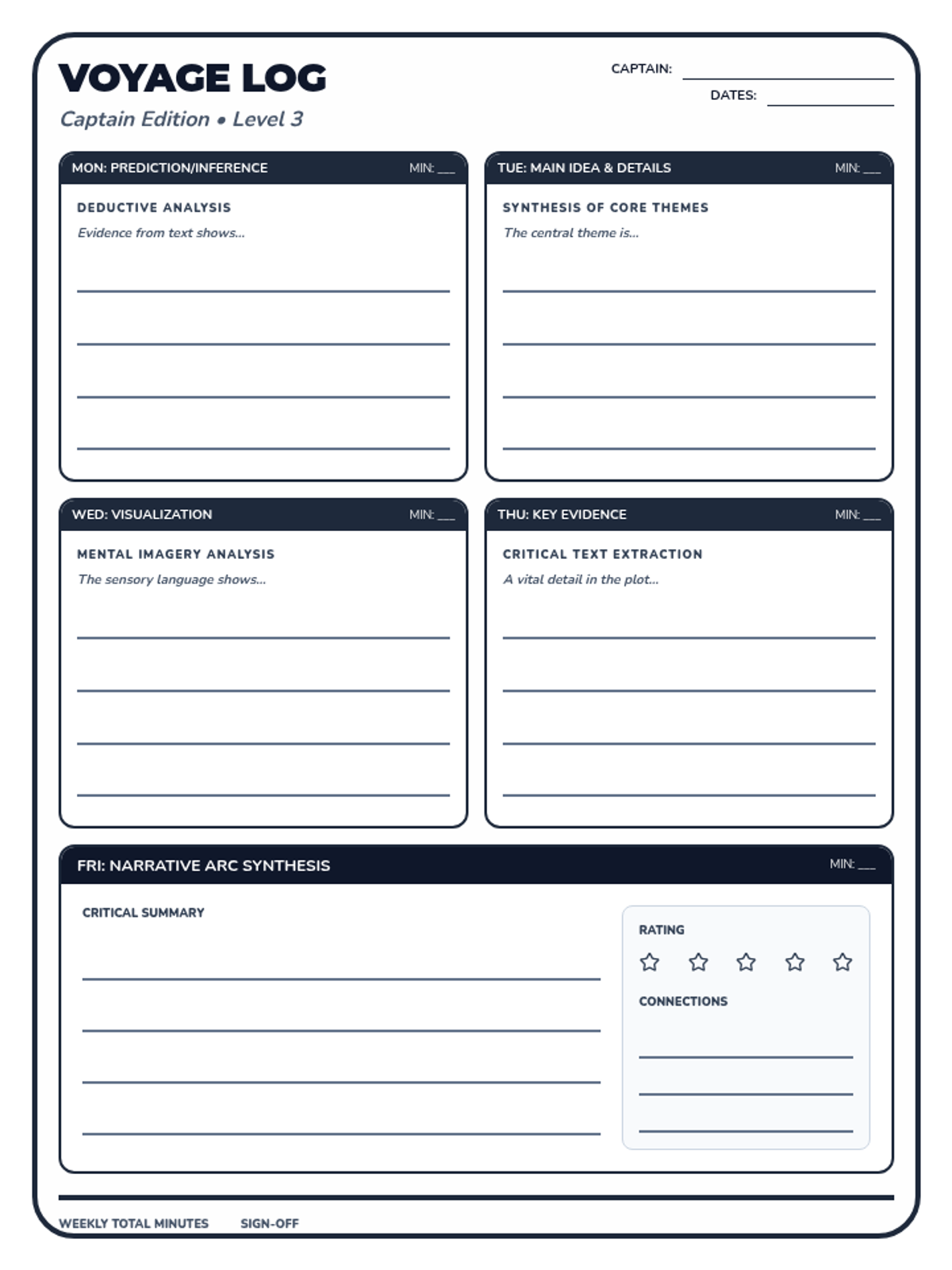
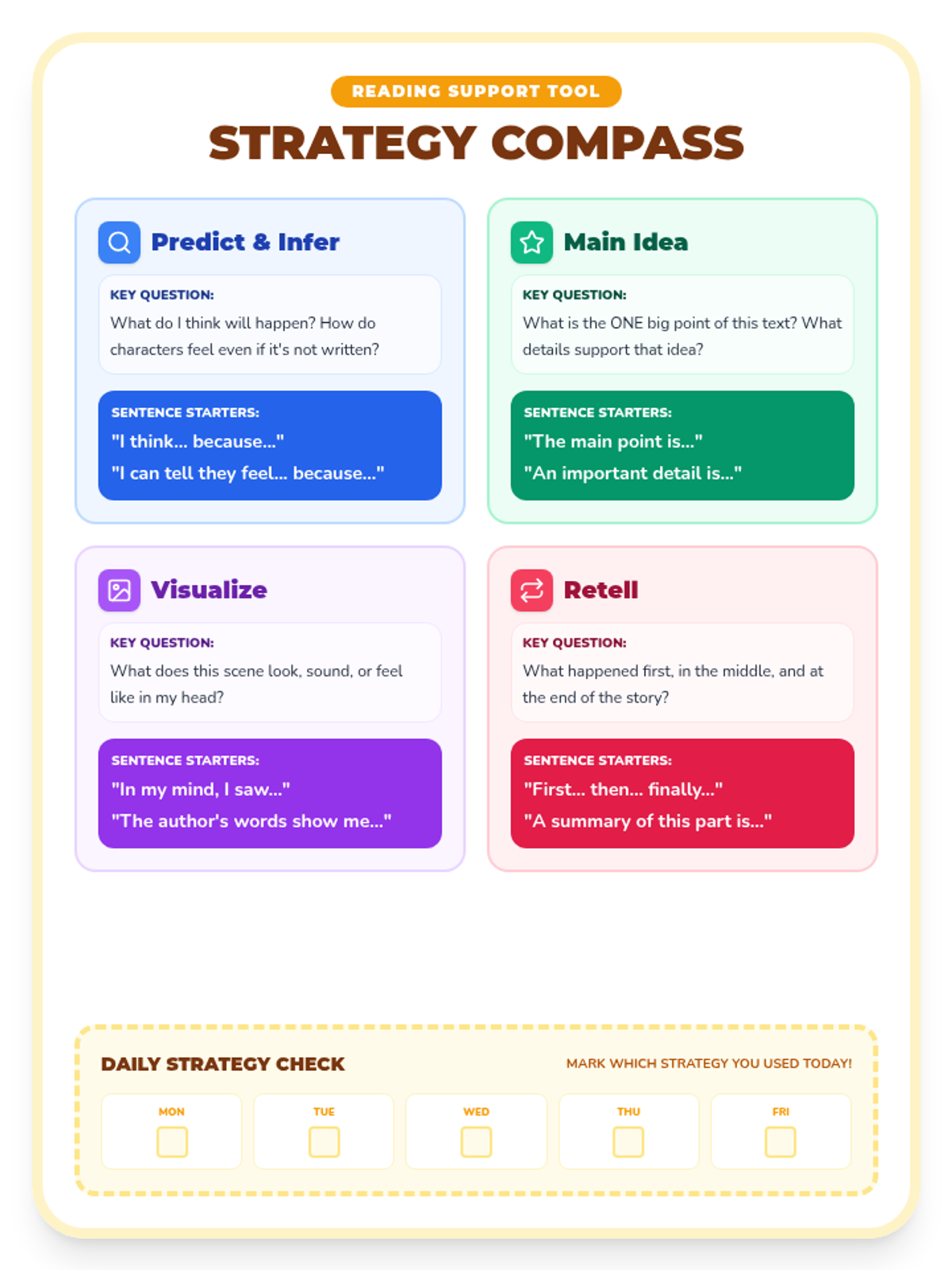
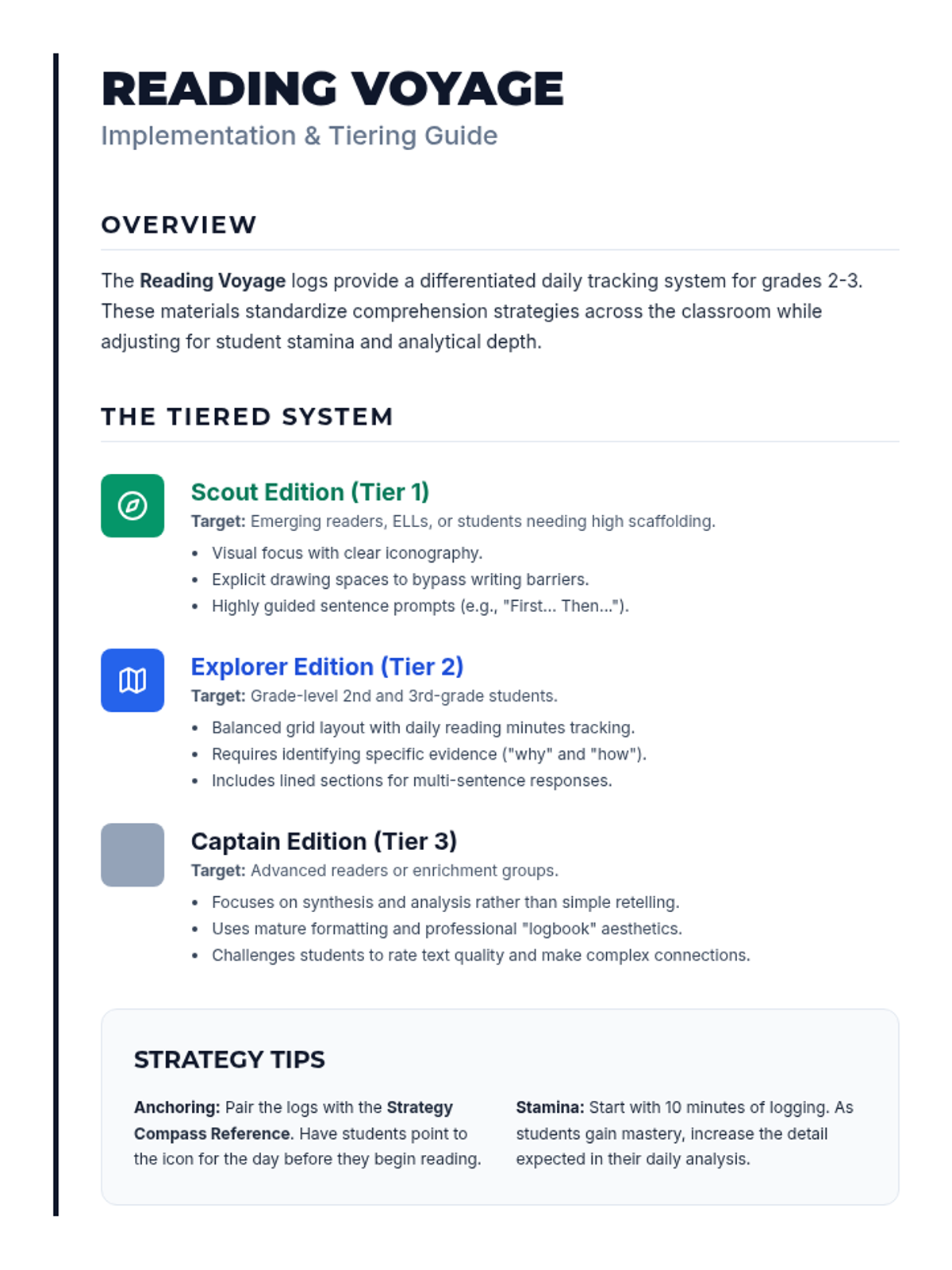
A set of tiered daily reading trackers for 2nd-3rd grade students, focusing on predicting, inferring, main idea, and visualizing. These logs provide differentiated support for various reading levels within a single classroom.
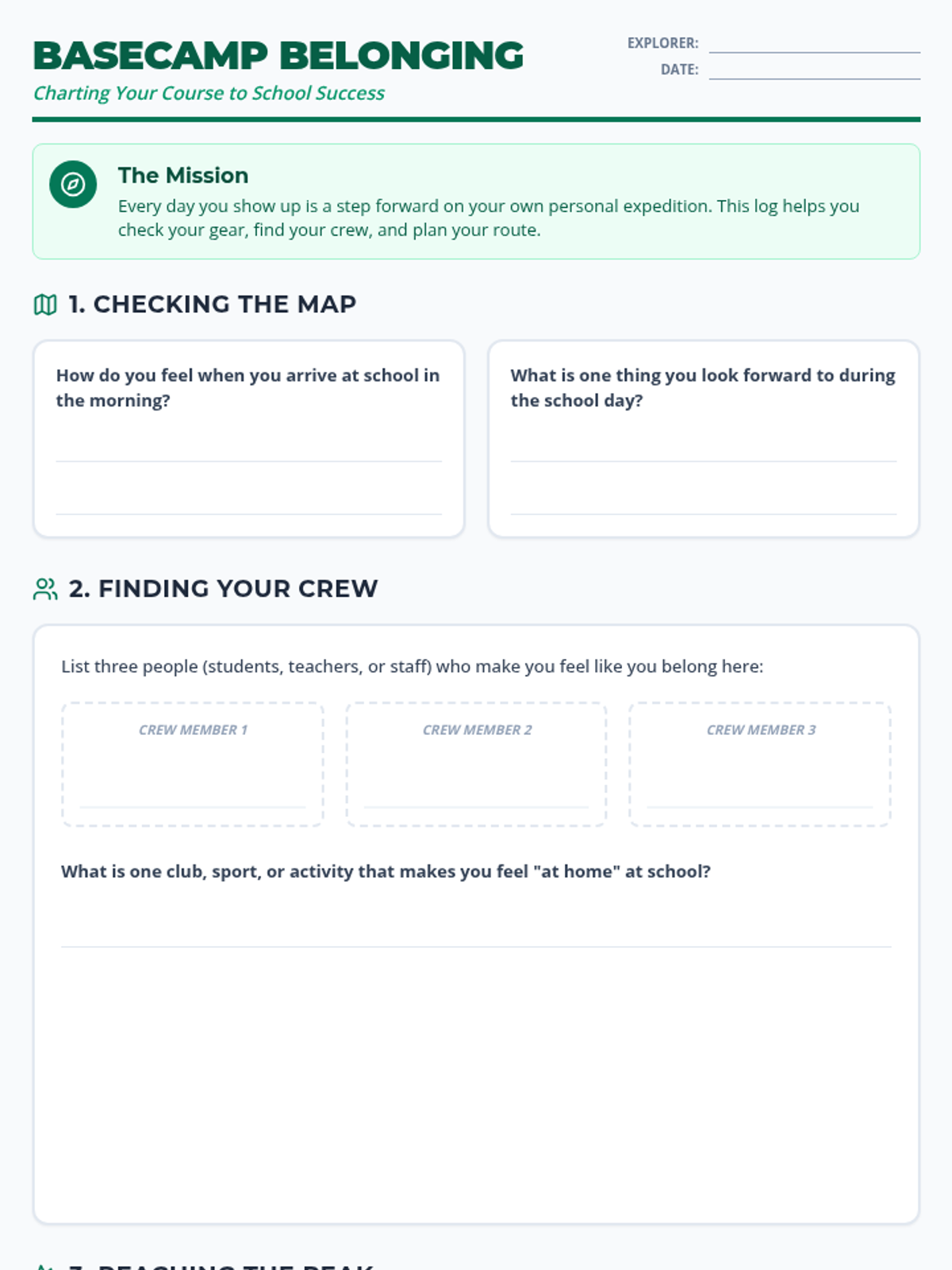
A lesson focused on helping 6th-grade students understand the connection between school attendance, personal goals, and their sense of belonging within the school community.
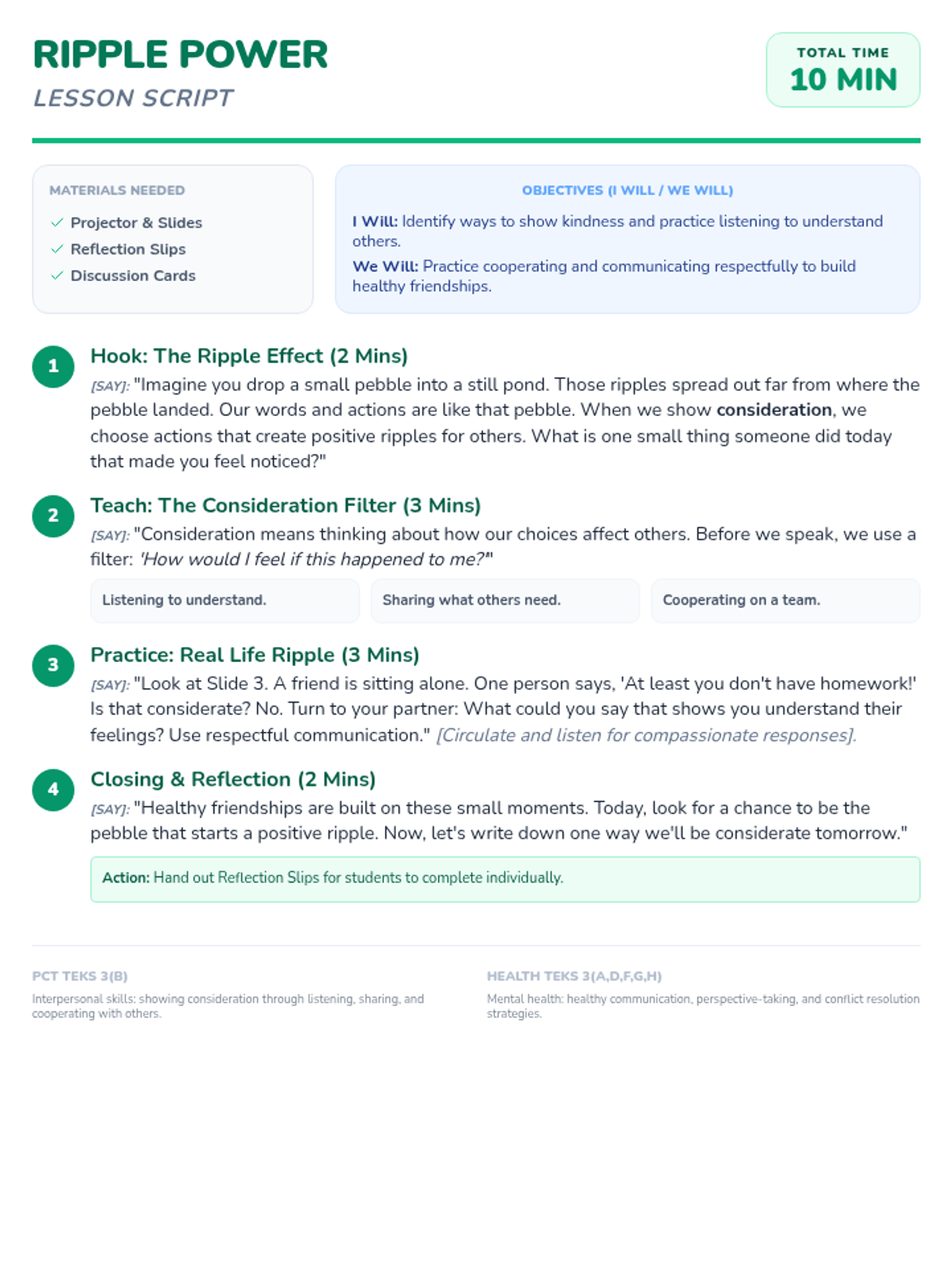
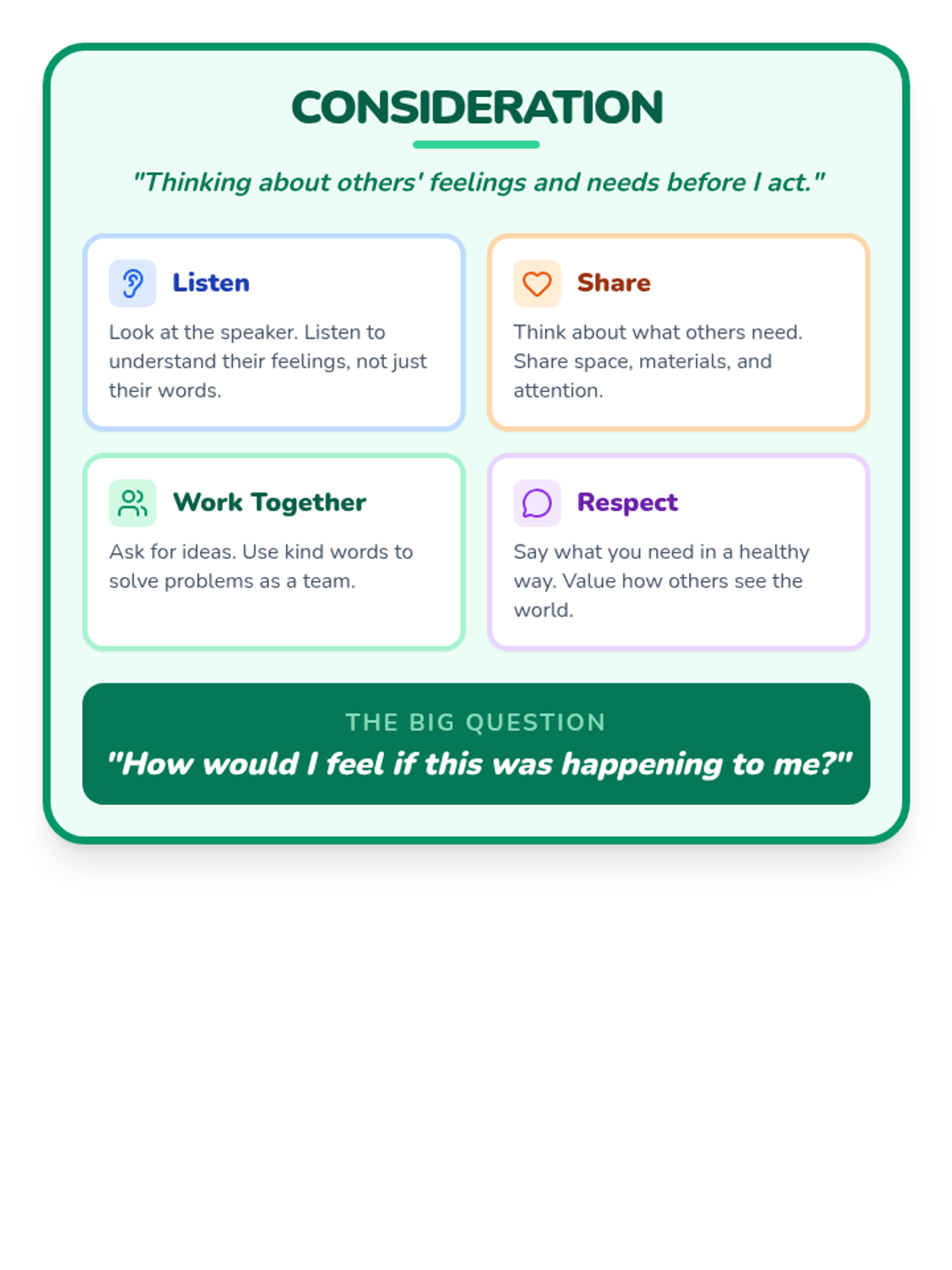
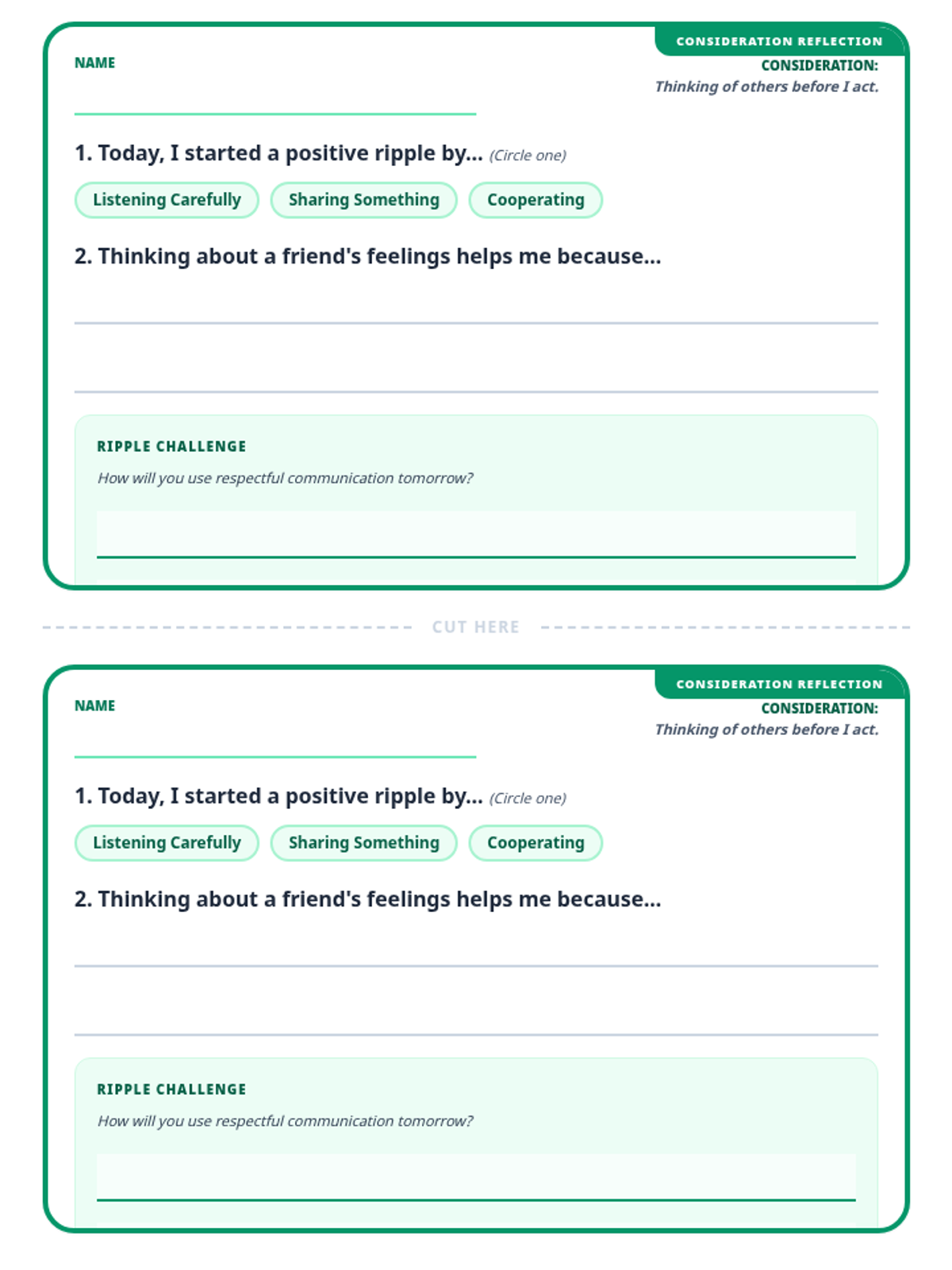
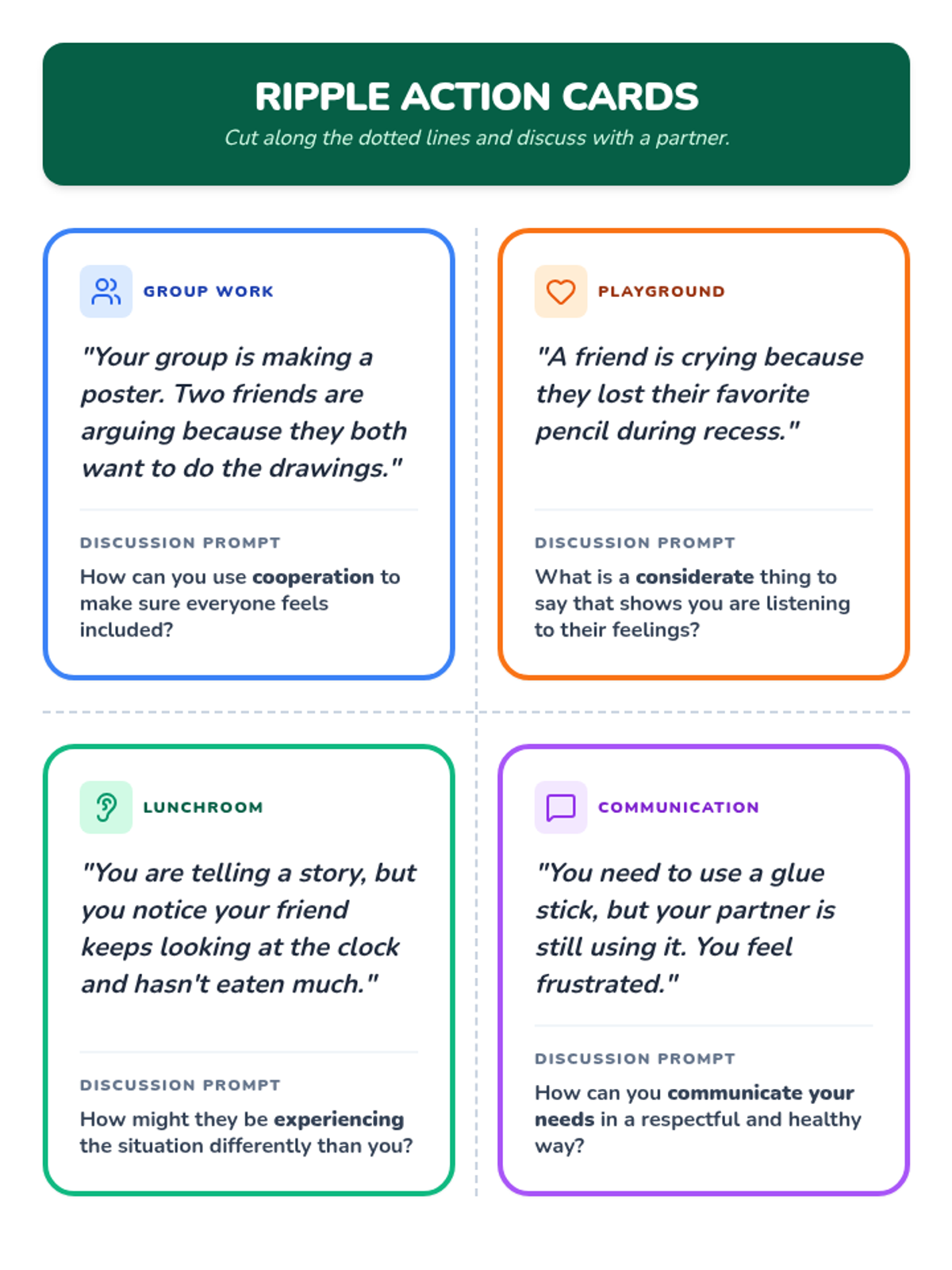
A punchy 10-minute whole-group lesson focused on developing perspective-taking, kindness, and respectful communication in 3rd-grade students using the metaphor of a ripple effect to teach consideration.
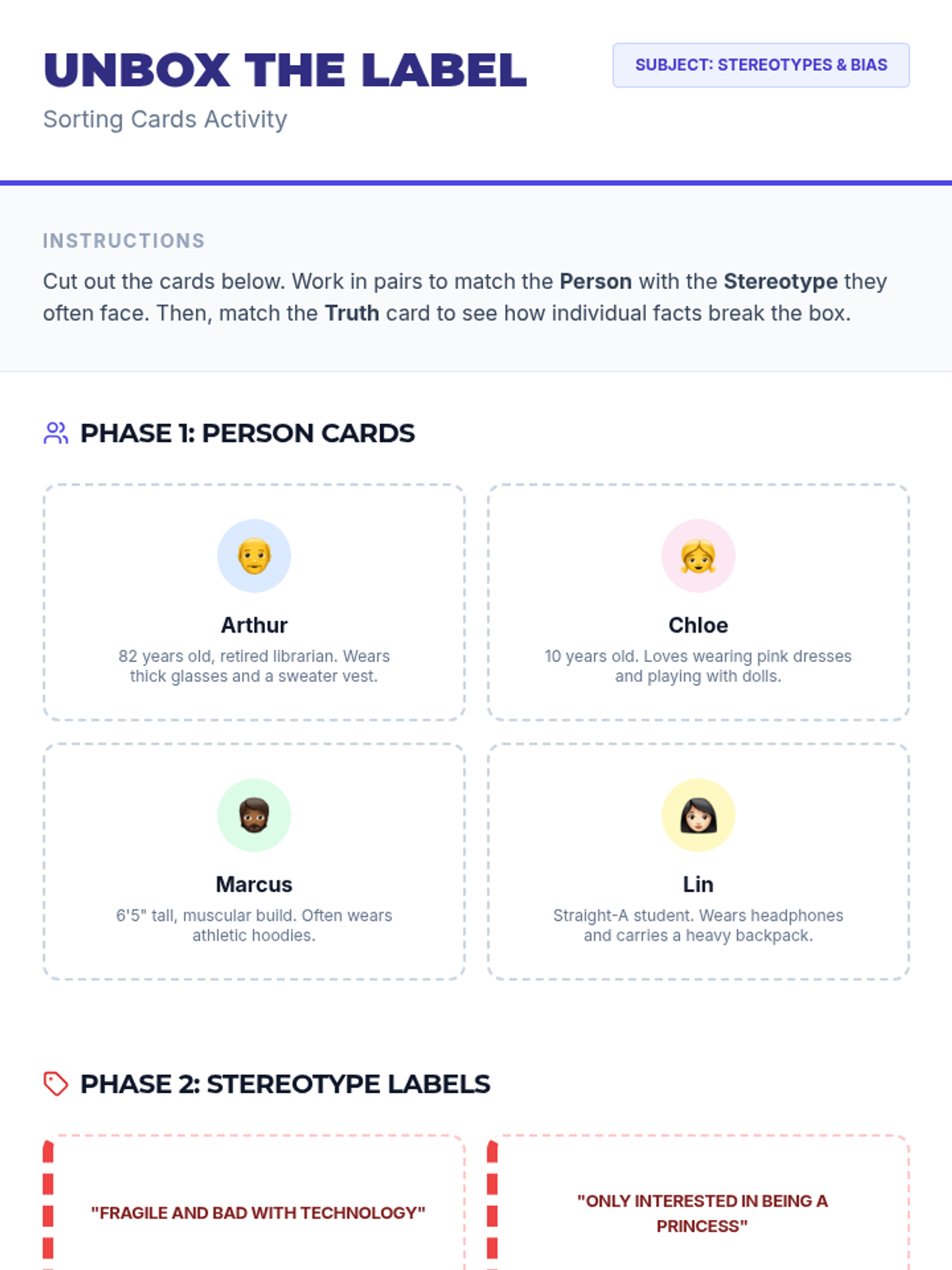
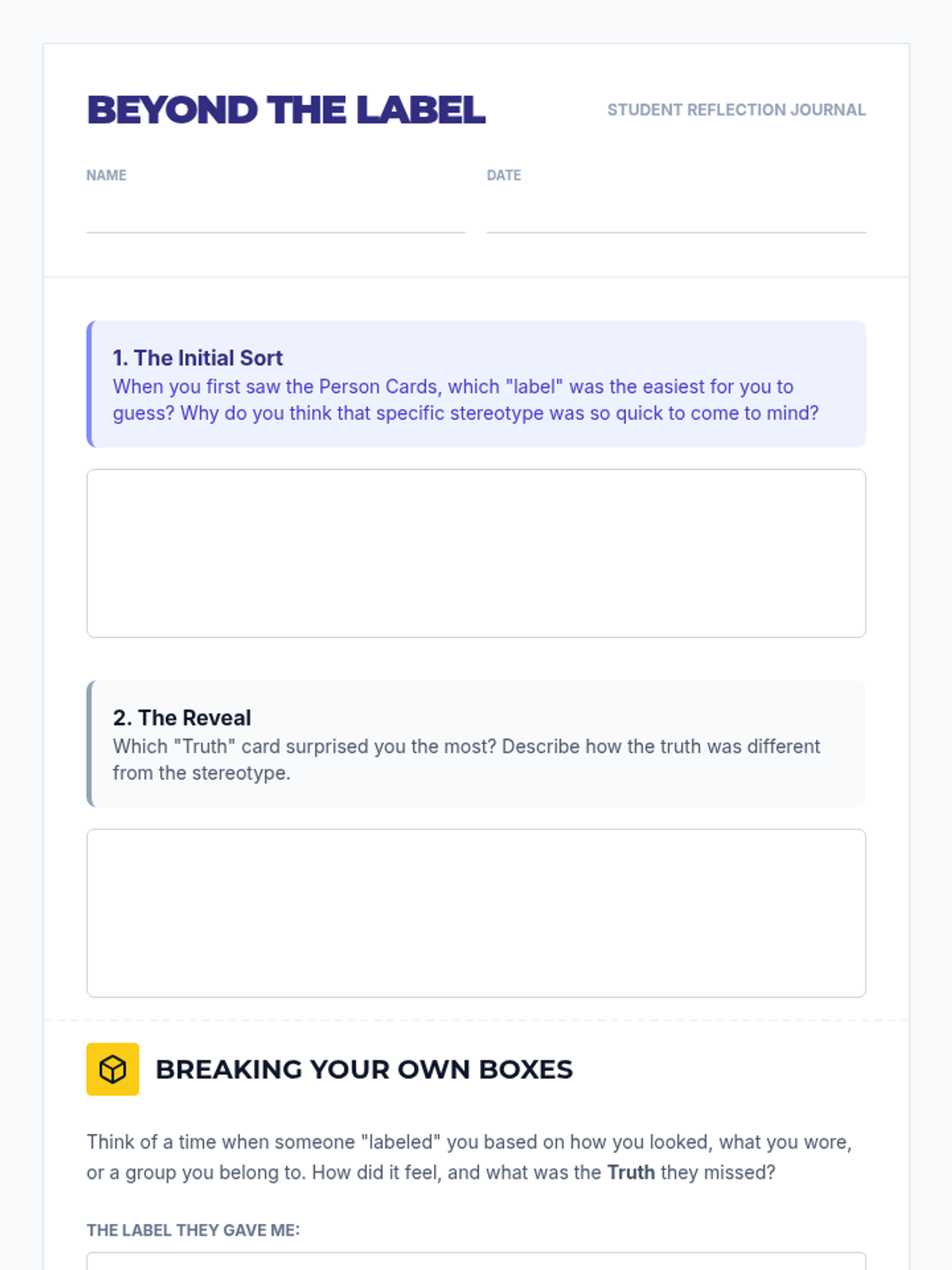
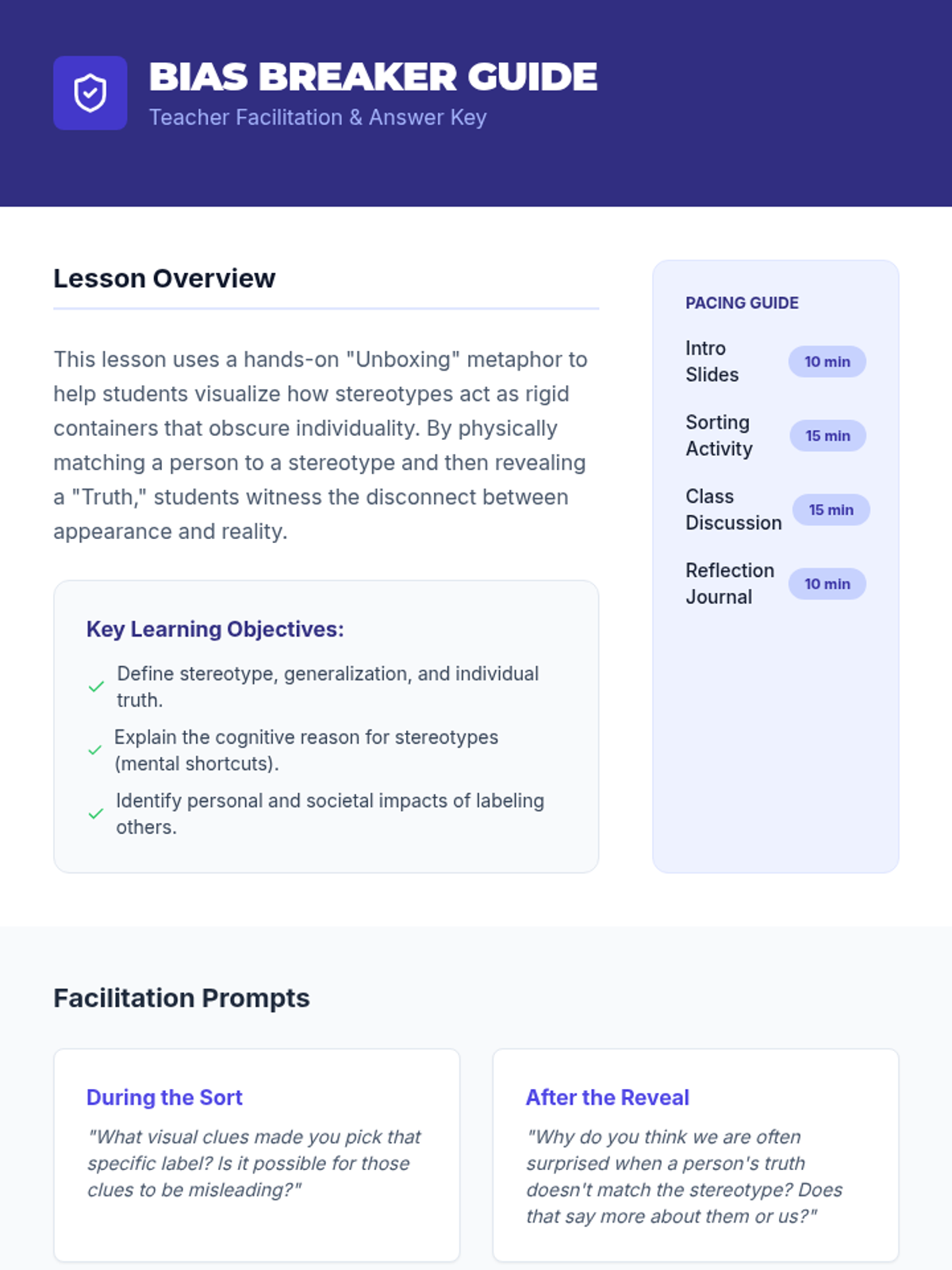
A hands-on lesson designed to help students identify, analyze, and dismantle stereotypes through a visual sorting activity and reflective discussion. Students explore how the brain uses shortcuts and why those shortcuts can be harmful when applied to people.
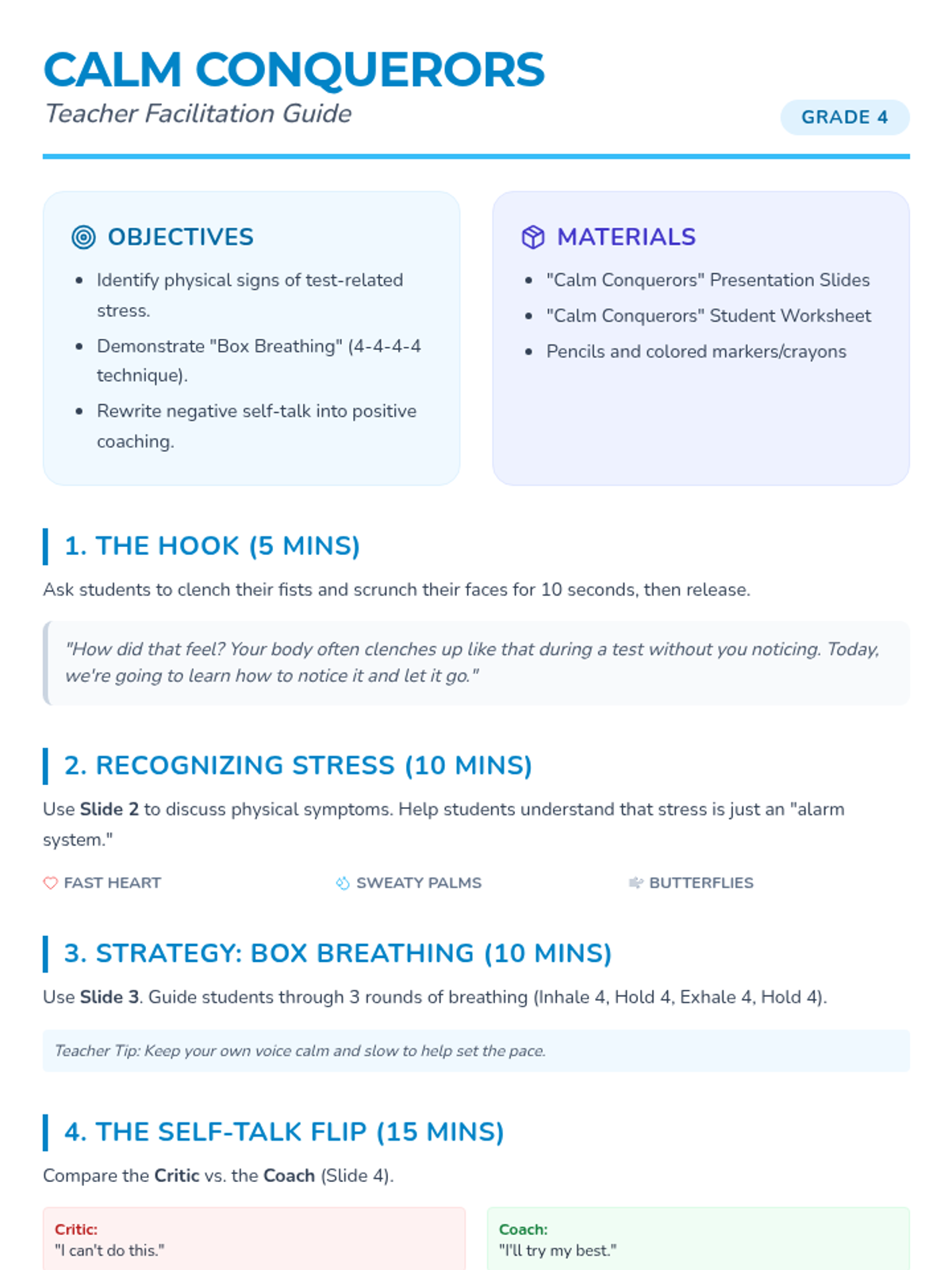
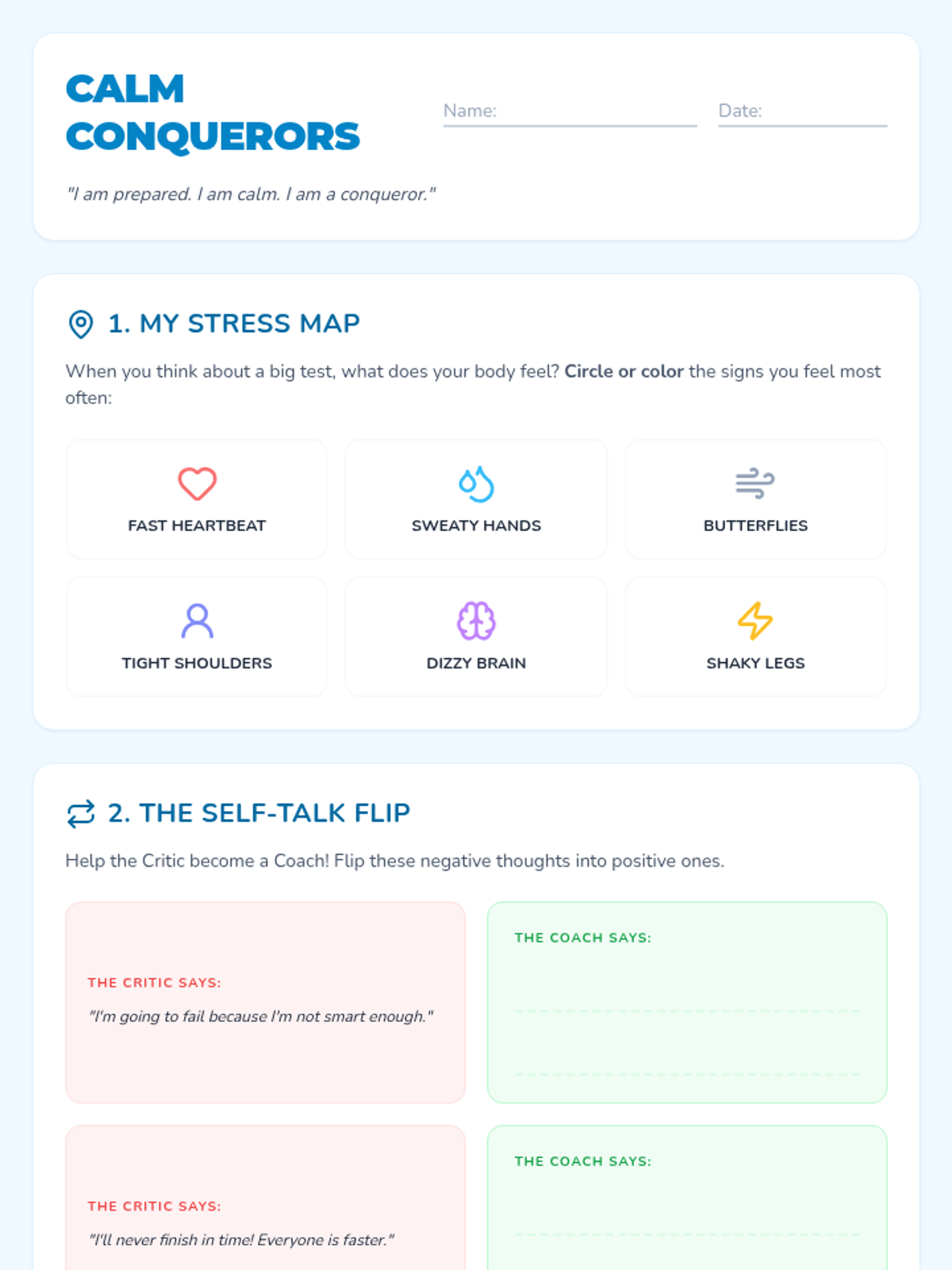
A comprehensive lesson designed to help 4th-grade students manage test anxiety using deep breathing and positive self-talk. Students learn to recognize physical signs of stress and transform negative thoughts into empowering ones.