Focuses on the short 'e' vowel sound (/ɛ/ as in "egg"), introducing the "mid-smile" mouth position and comparing it with the short 'a' and 'i' sounds to refine auditory discrimination.
A quick probe into subject, object, and possessive pronouns for second graders, featuring a visual warm-up and a focused assessment worksheet.
A fast-paced, highly scaffolded 45-minute lesson where middle schoolers deconstruct mentor arguments and build their own evidence-based claims using a 'Persuasion Lab' framework. Features integrated sentence frames, collaborative planning, and a streamlined peer feedback protocol.
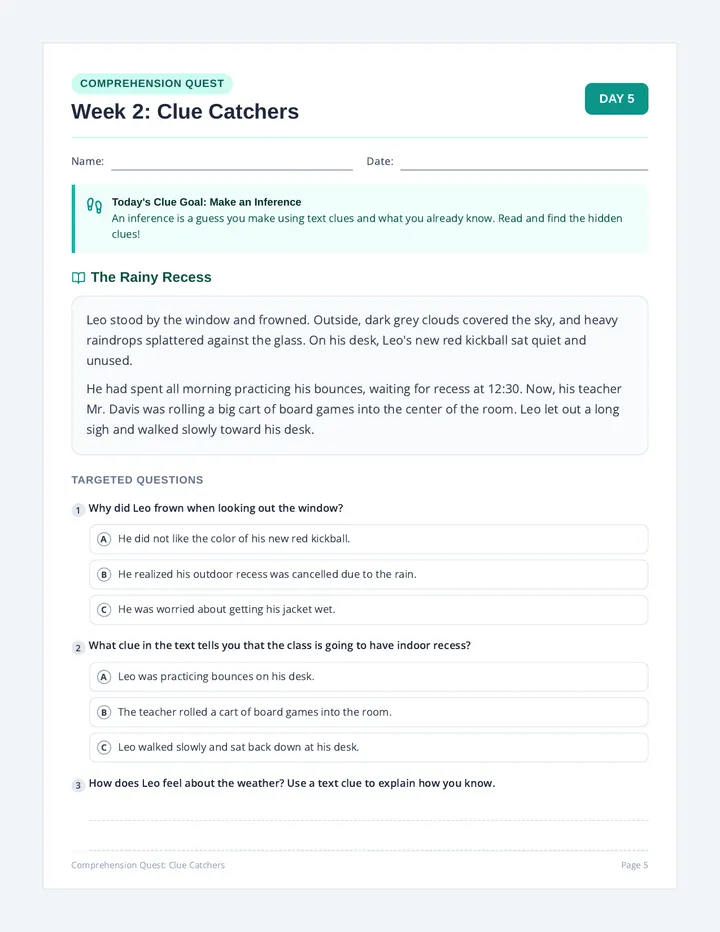
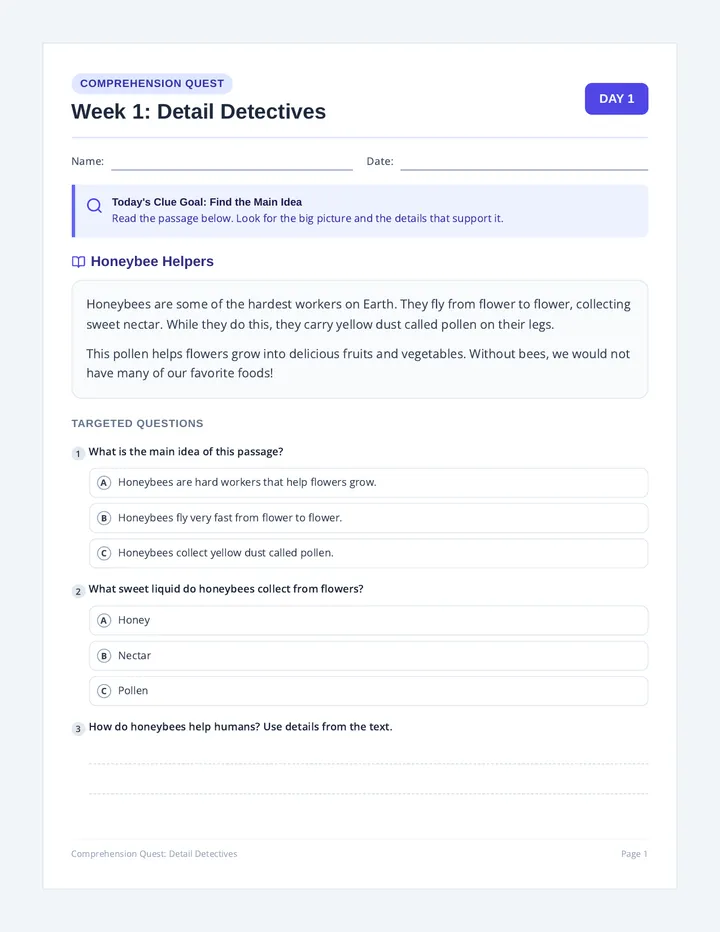
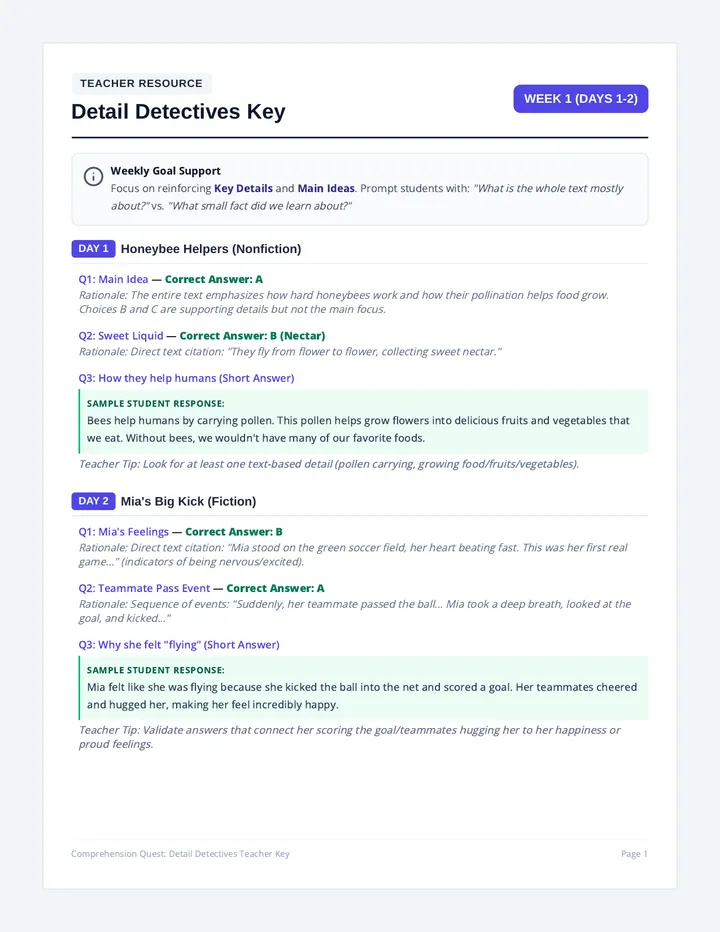
A high-impact, 45-minute reading comprehension lesson for grades 3-5 using UDL principles. Students act as 'Clue Catchers' to analyze a rich short text through close reading, collaborative discussion, and choice-based expression.
A comprehensive ELA lesson for grades 3-5 focusing on using graphic organizers to master story elements and reading comprehension. Students take on the role of 'Story Architects' to deconstruct narratives and build deep understanding.
A collection of engaging puzzle activities based on the book "Hero Law Enforcement Dogs" by Jennifer Boothroyd, focusing on vocabulary and key facts about K9 units.
Teaches the importance of respectful speech, avoiding threats or swearing, and understanding how tone affects social safety and success.
Focuses on maintaining social boundaries, understanding when to offer help, and recognizing the personal risks of getting involved in others' conflicts or problems.
A comprehensive lesson focused on understanding personal ownership, the importance of keeping provided items, and the risks associated with trading or borrowing.
A 15-minute interactive lesson for special education students focused on identifying rhyming words in 'Goodnight Moon' through sensory engagement and call-and-response.
A 15-minute social-emotional lesson centered on the book 'Norman Didn't Do It', focusing on jealousy, empathy, and making things right through a story sequence activity.
A detective-themed lesson teaching students how to identify the main idea and supporting details in informational texts. Students act as 'Idea Investigators' to solve cases by finding textual evidence.
A professional presentation and administrative guide for school leaders regarding the end-of-year Behavioral Threat Assessment (BTA) and Safe and Supportive School Program (SSSP) reporting processes and future planning.
A lesson designed for students with intellectual disabilities to distinguish between 'good' and 'bad' social behaviors, focusing on kind language, patience, and following rules.
Students continue their detective work by comparing two desert arachnids: the Bark Scorpion and the Desert Blonde Tarantula. They focus on identifying specific adaptations and hunting behaviors while practicing comparing and contrasting skills.
A cumulative quick check assessment covering both claim identification and feature analysis.
Analyzing graphic features such as diagrams, maps, and captions to explain their purpose in conveying information.
Exploring print features like boldface, italics, and bullets to understand how authors organize and emphasize information.

Applying claim identification skills to a longer, grade-level argumentative passage with STAAR-aligned assessment.
Introduction to identifying the author's claim in argumentative texts using short, evidence-based snippets.
A comprehensive series of morning work activities for 1st grade students, including handwriting practice and foundational math skills like addition and subtraction up to 10.
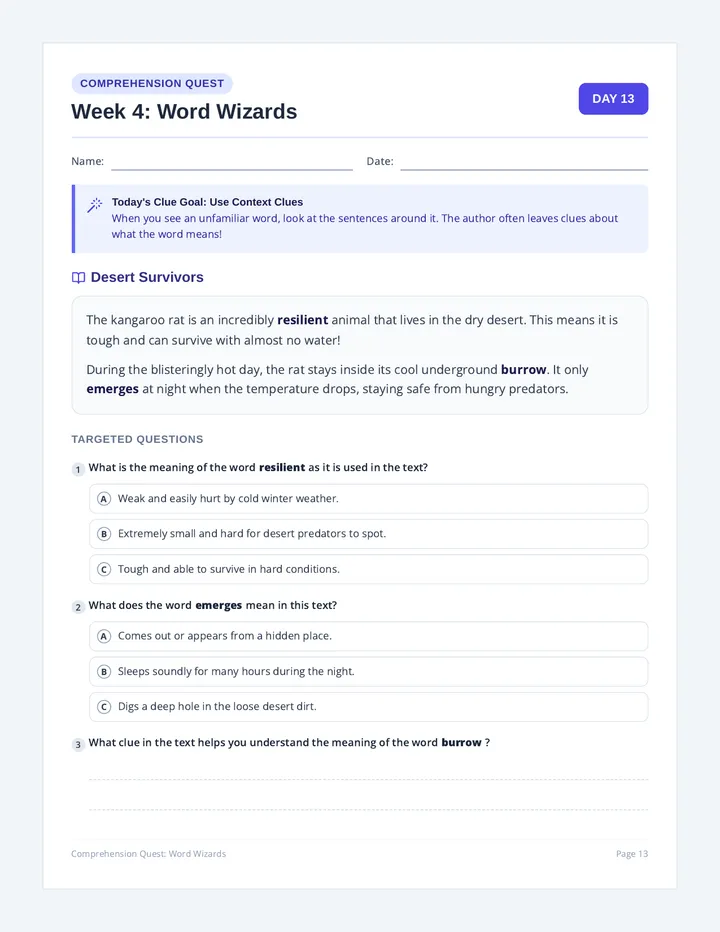
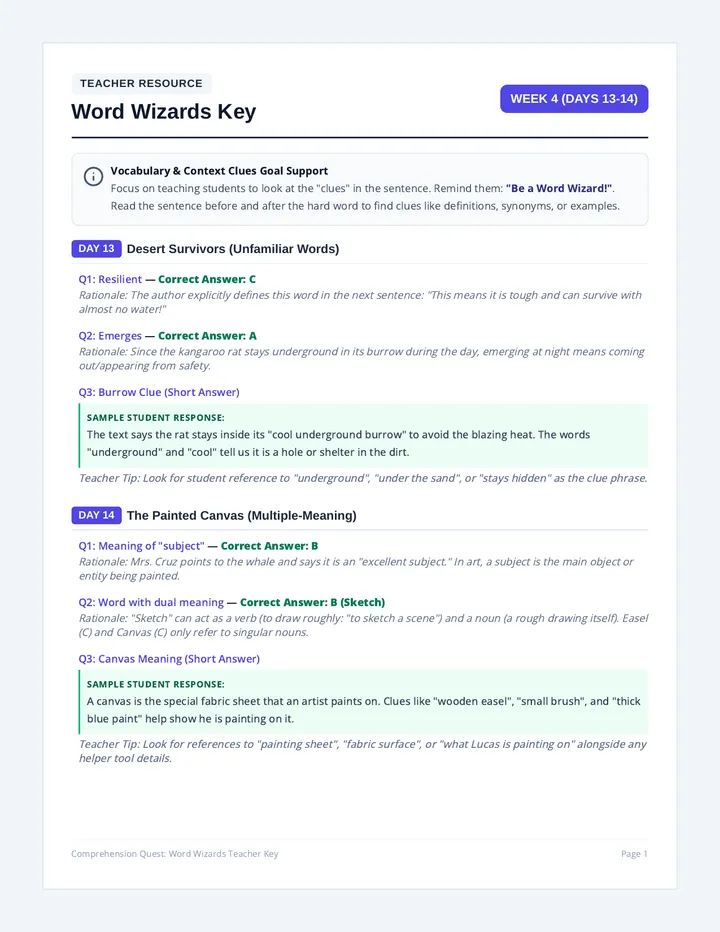
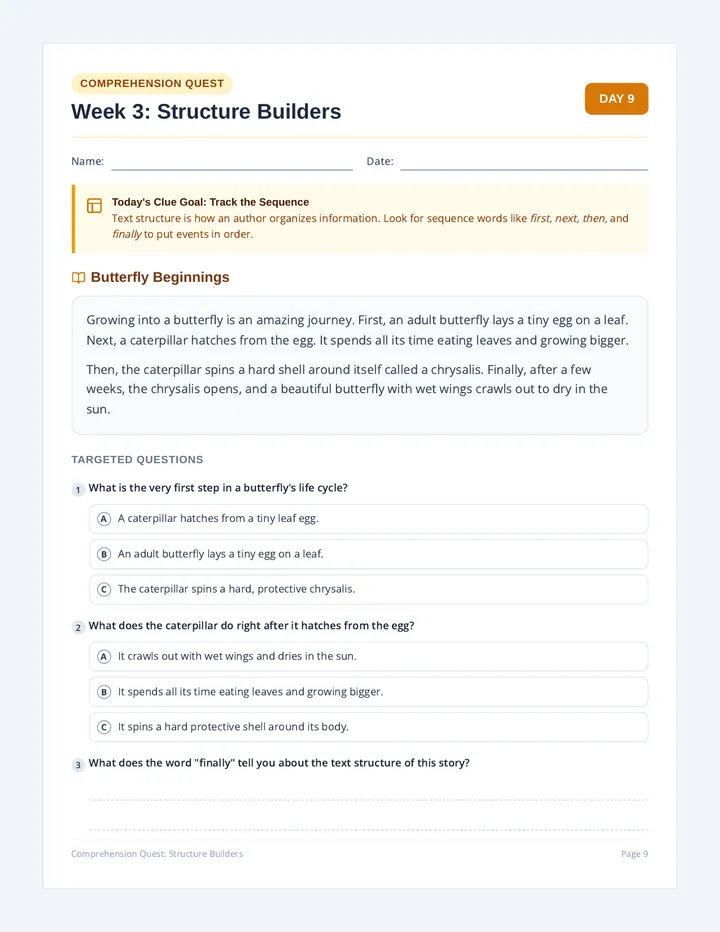
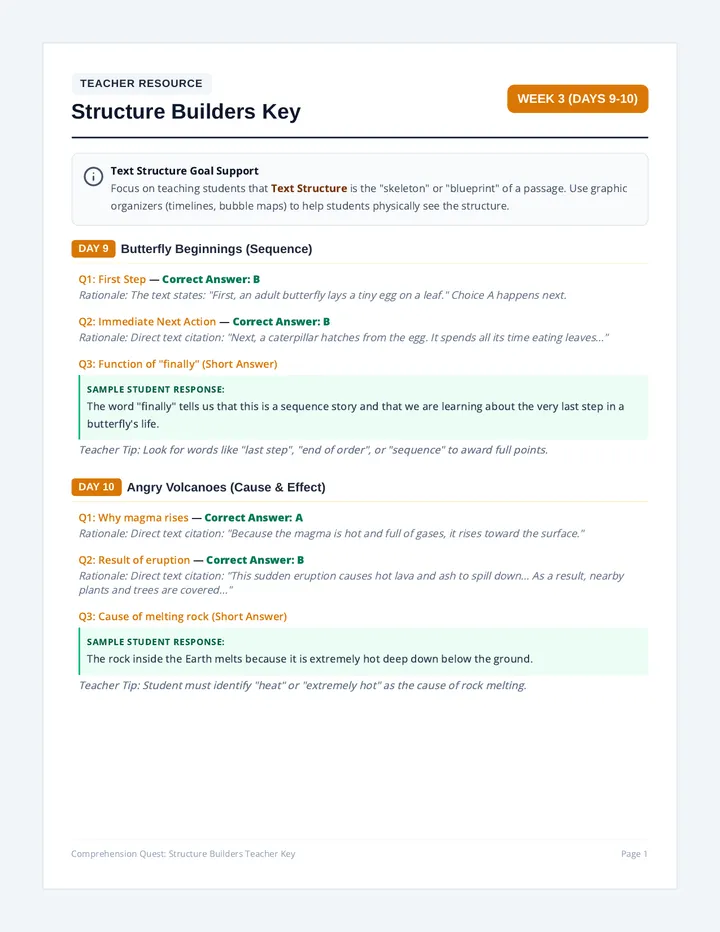
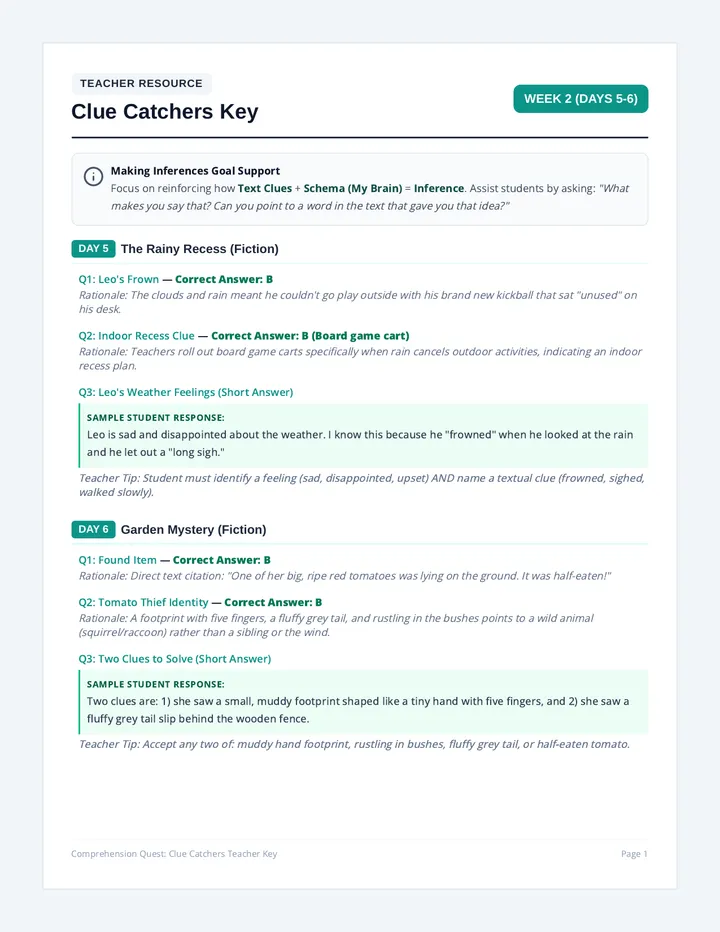
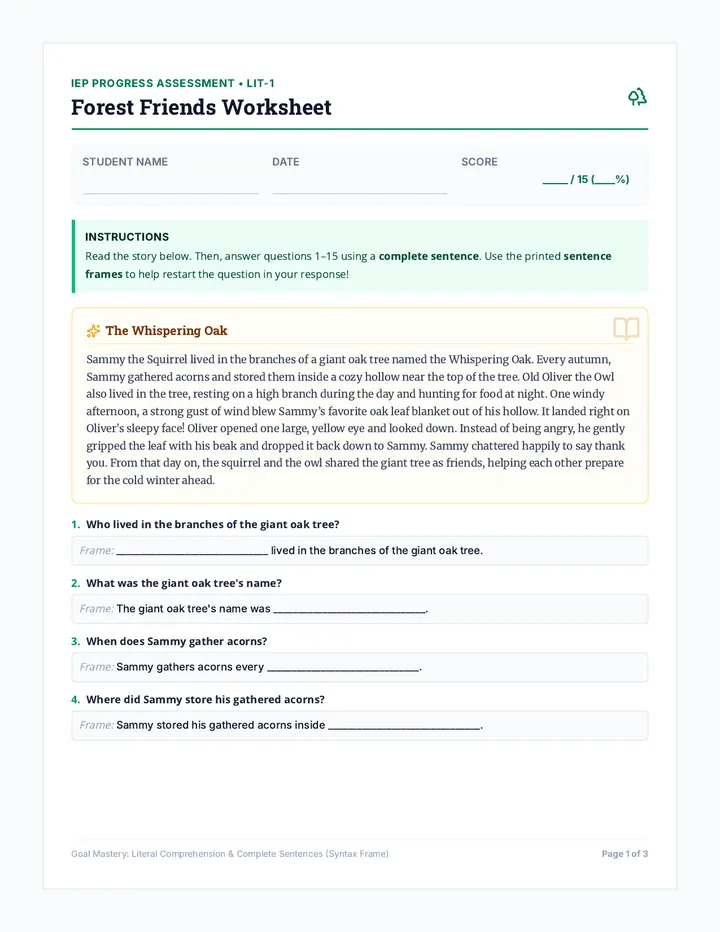
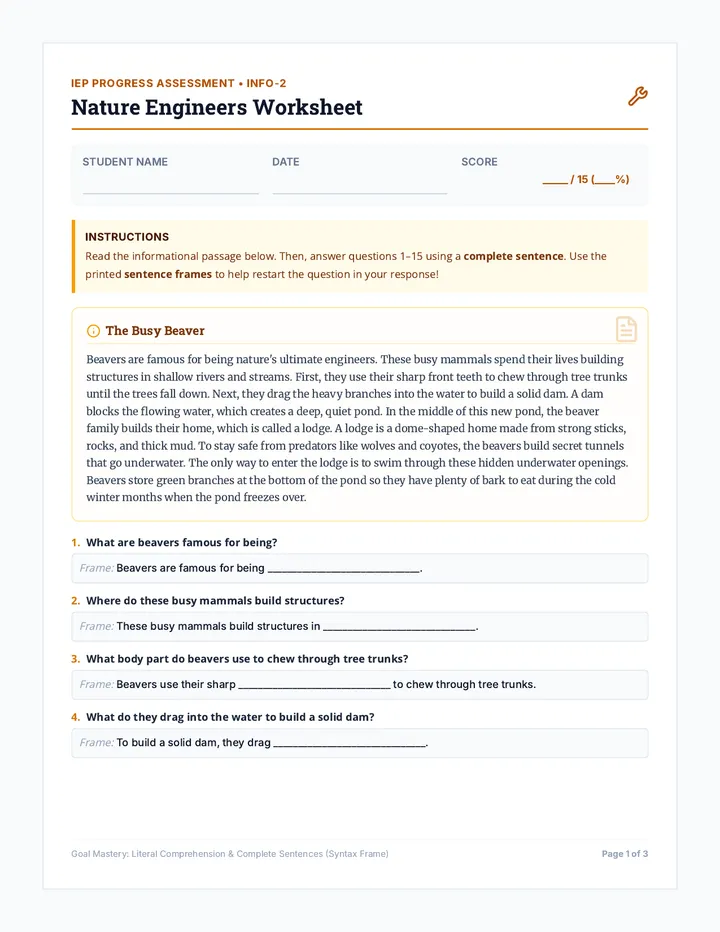
A collection of high-interest reading comprehension worksheets focusing on short stories, news articles, and leveled reader passages for grades 3-5. students practice inferences, sequencing, and vocabulary acquisition.
A comprehensive writing lesson focused on 6th-grade standardized test prep, specifically mastering topic sentences and supporting details for expository essays. Students use a 'Blueprint' theme to understand the structural foundations of a strong essay.
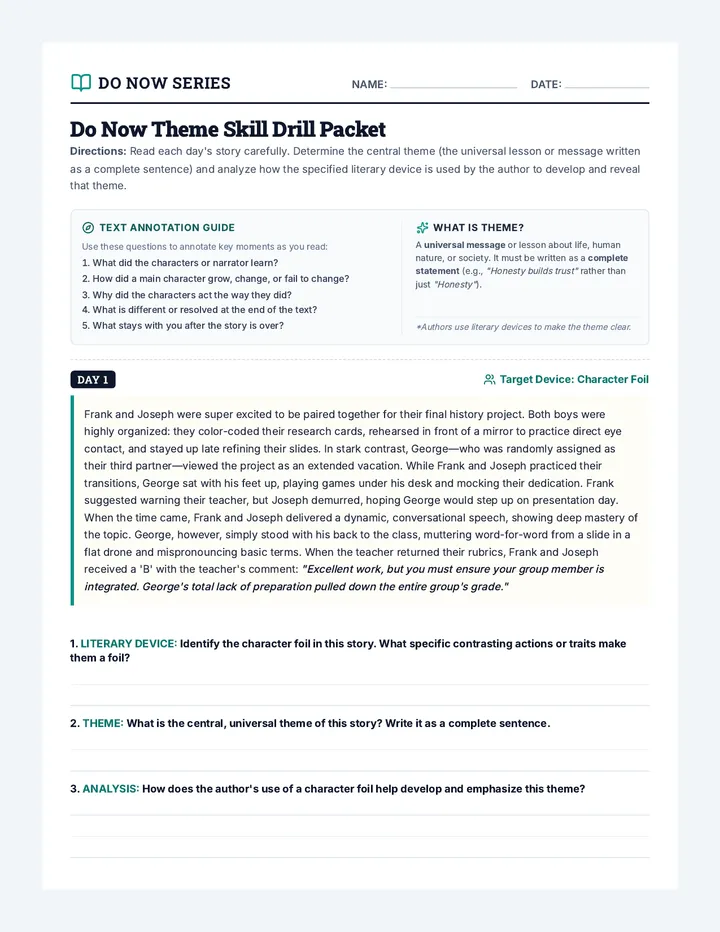
A mini-assessment focused on identifying first and third-person points of view through sentence analysis and open-ended reflection.
A collection of resources designed to help a Kindergarten student manage school-morning anxiety, featuring a personalized social story, desk-side coping tools, and a teacher support guide.
A comprehensive planning kit for educators of Deaf and Hard of Hearing (DHH) students, focusing on specialized lesson templates and differentiation strategies to ensure accessibility and language growth.
A focused lesson introducing the concept of the 'Brain Garden' where mistakes are like rain that helps our skills grow, specifically adapted for non-verbal learners with bright receptive skills.
A comprehensive suite of tracking tools designed to monitor IEP progress for self-reflection goals, focusing on identifying personal strengths, overcoming challenges, and applying management strategies.
A professional development session designed for elementary school staff to practice facilitating restorative circles using a complex 6-student peer conflict scenario.
A Spanish letter formation and tracing program designed for Tier 3 students to master the alphabet, with a special focus on frequently reversed letters like b, d, p, and q.
A collection of resources to build awareness and foster a culture of inclusion within a school environment through visual messaging and short classroom sessions.
A comprehensive set of tools for teachers to track, analyze, and act on daily exit ticket data to drive instructional decisions.
A foundational lesson for 2nd graders focusing on using He, She, It, and They to make comments about actions and feelings using Total Communication strategies.
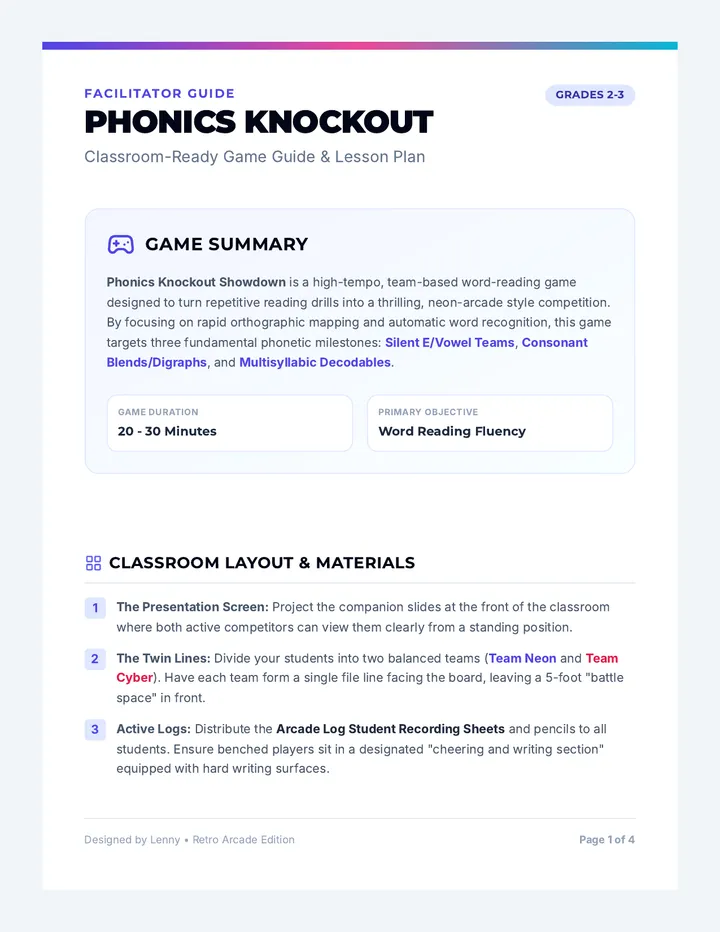
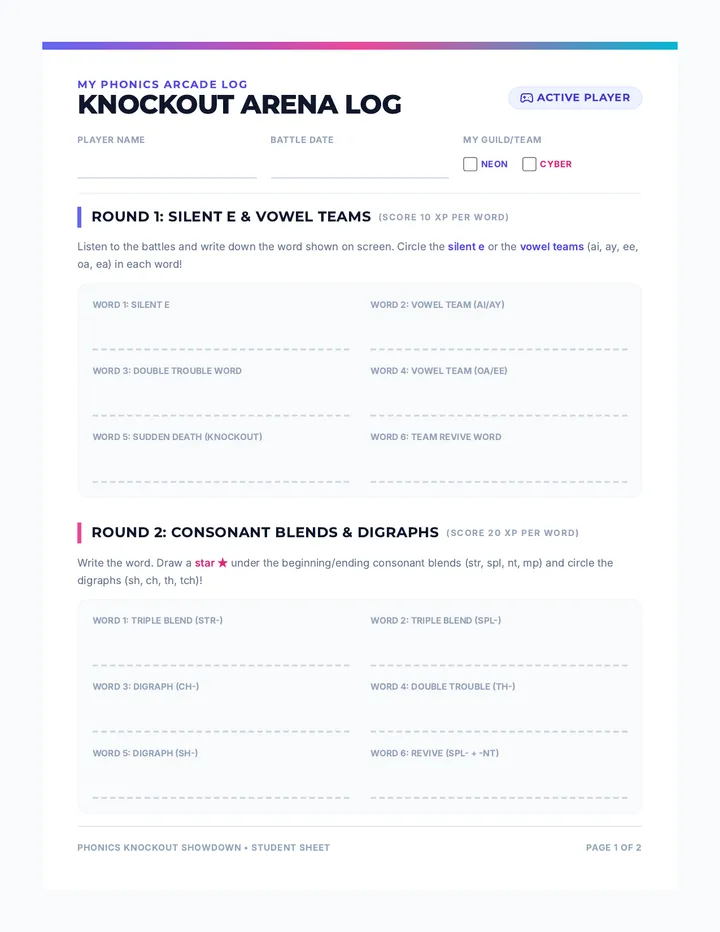
A fun exploration of compound words and descriptive vocabulary through a backyard-themed crossword puzzle and word hunt.
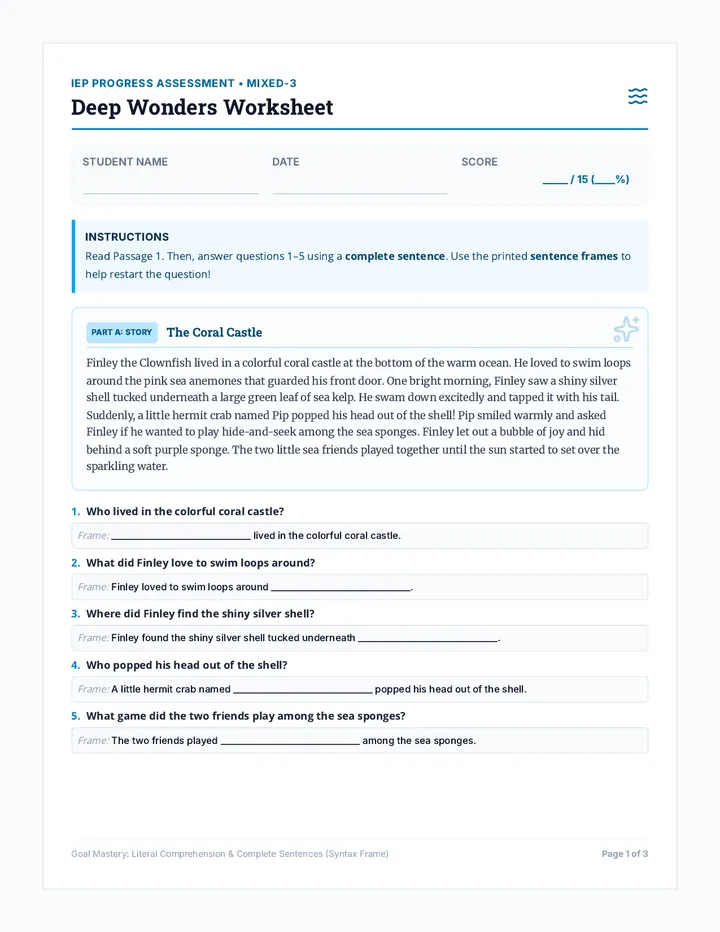
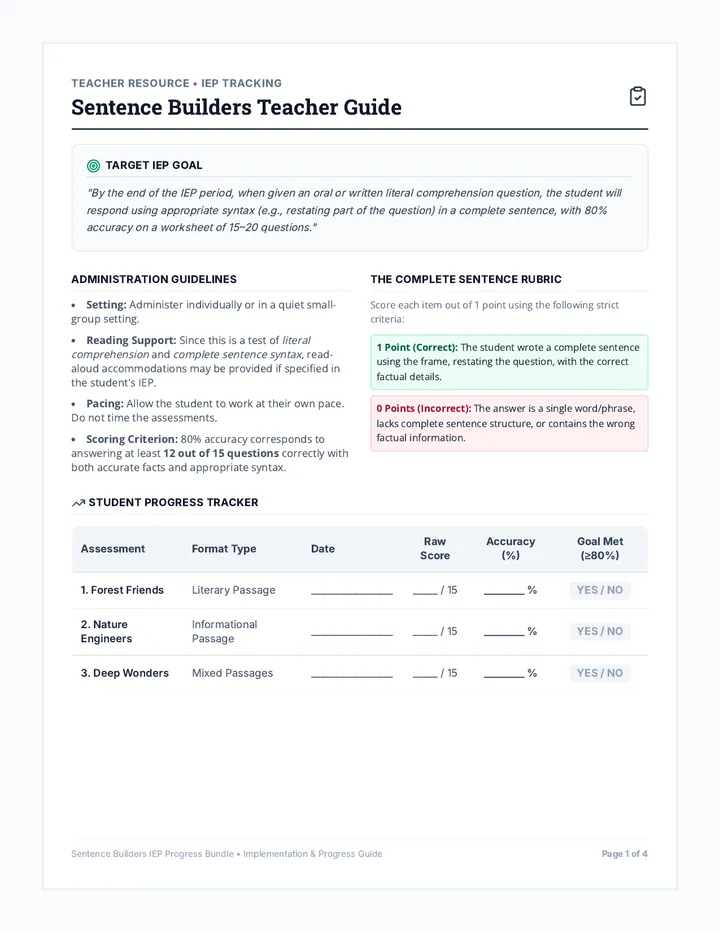
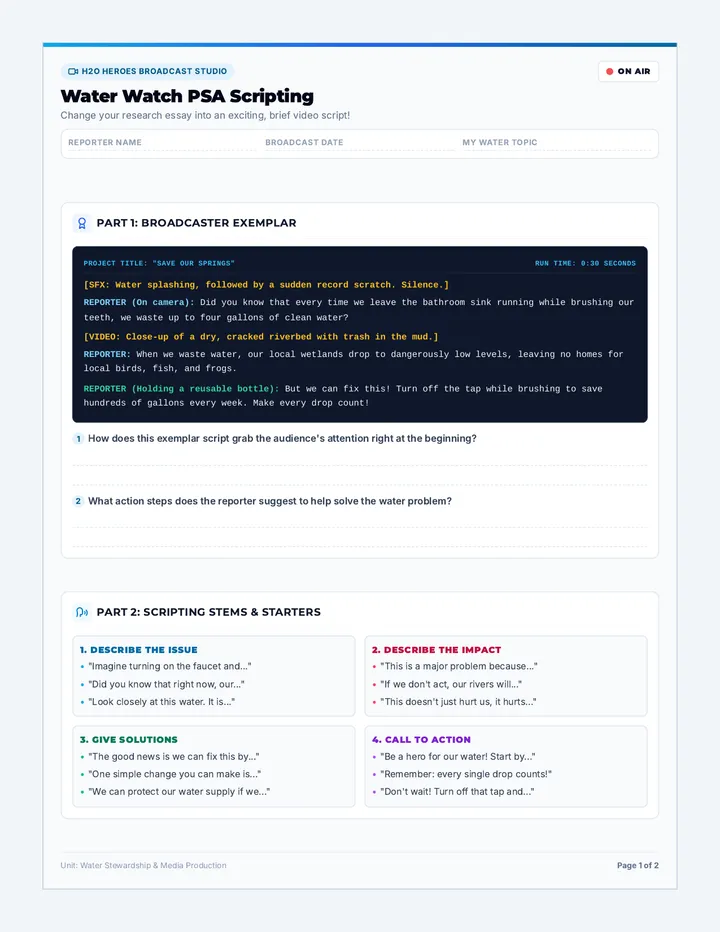
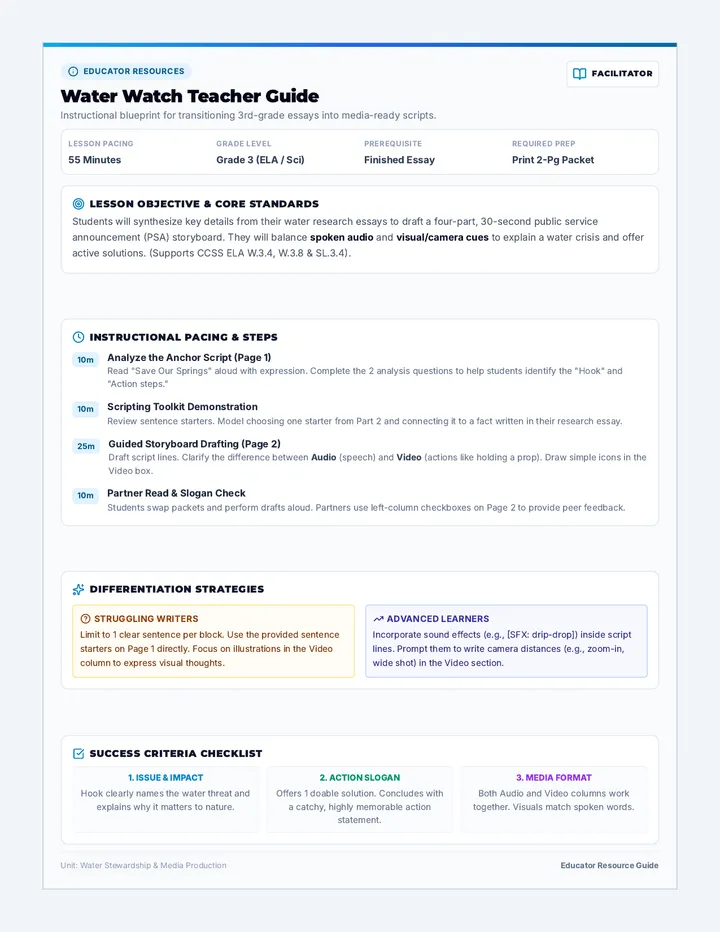
A lesson focused on a simple animal adventure to target 3-4 word utterances, story sequencing, and basic comprehension skills like main idea and prediction.
A collection of engaging, March-themed activities for early finishers or seasonal fun, focusing on visual perception and thematic exploration.
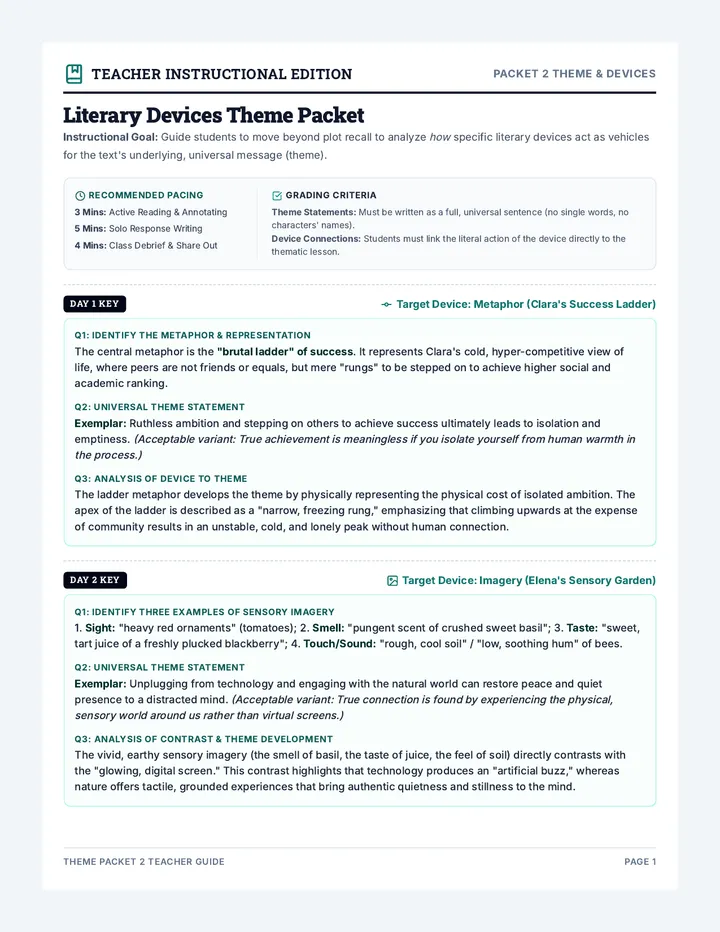
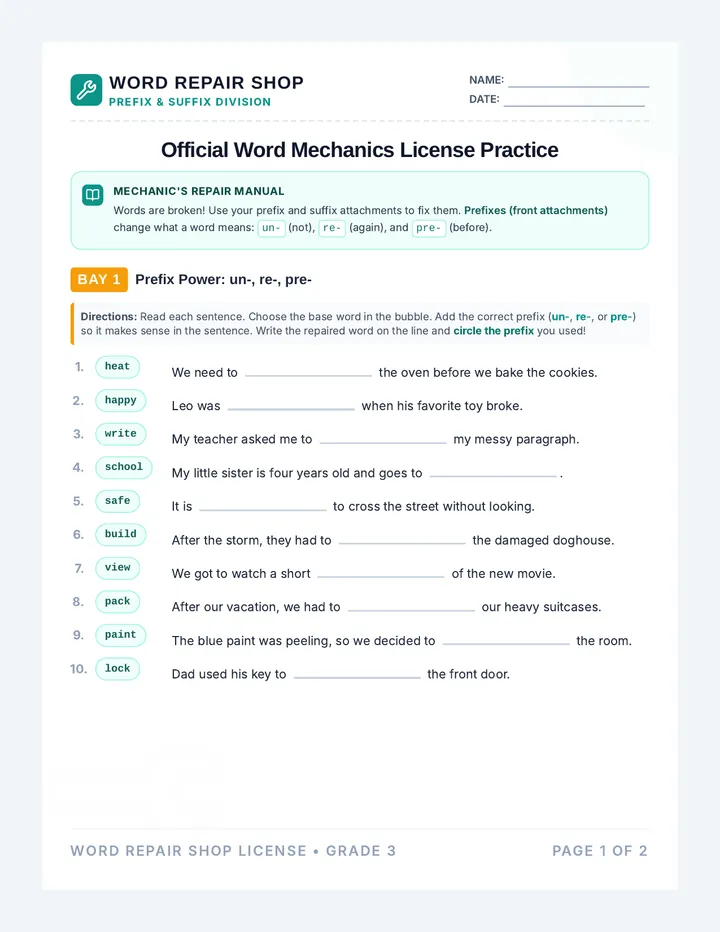
An introductory lesson on the '-ed' suffix, teaching students to identify base words and recognize the three different sounds (/t/, /d/, and /id/) that '-ed' can make.