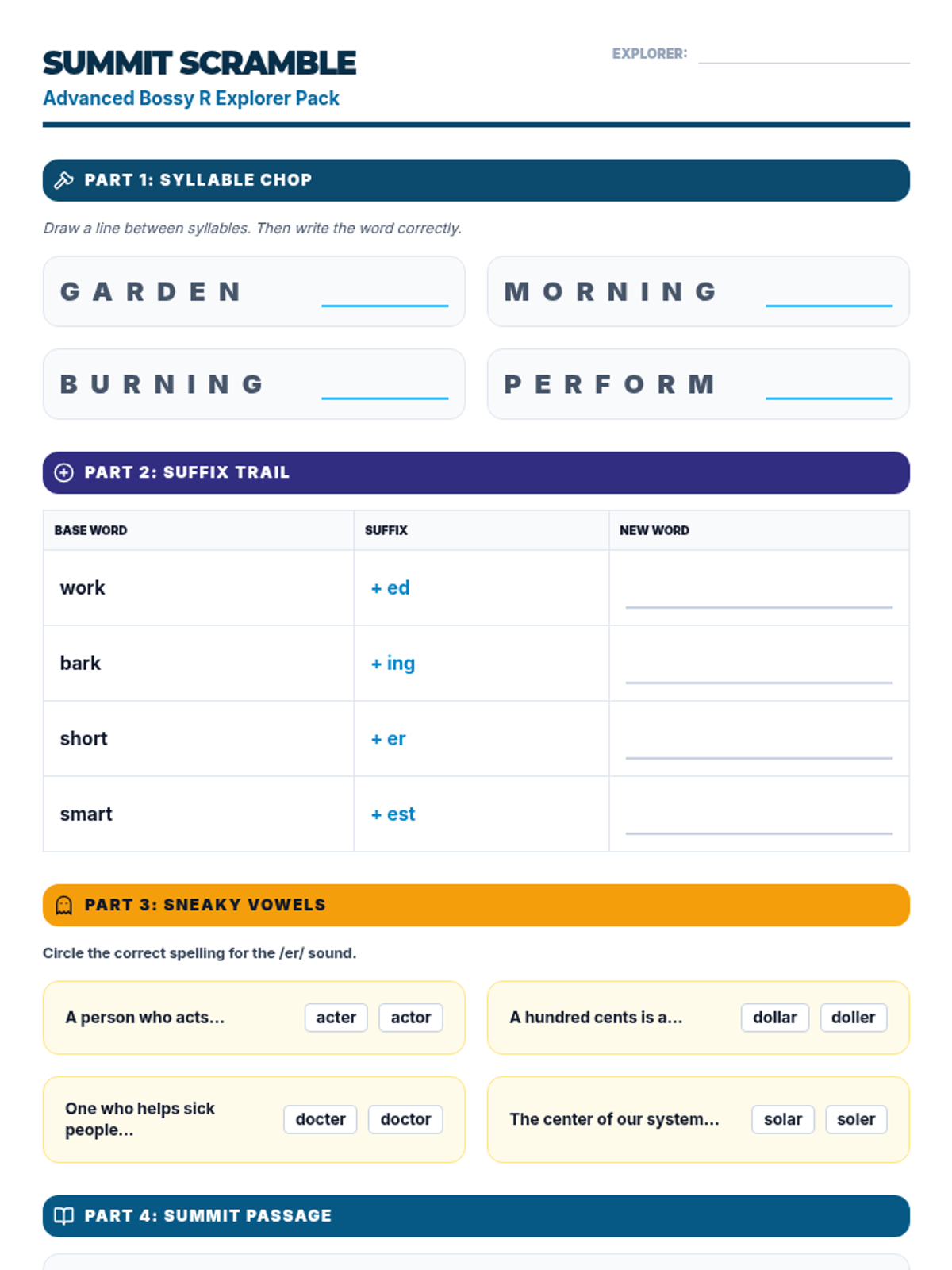
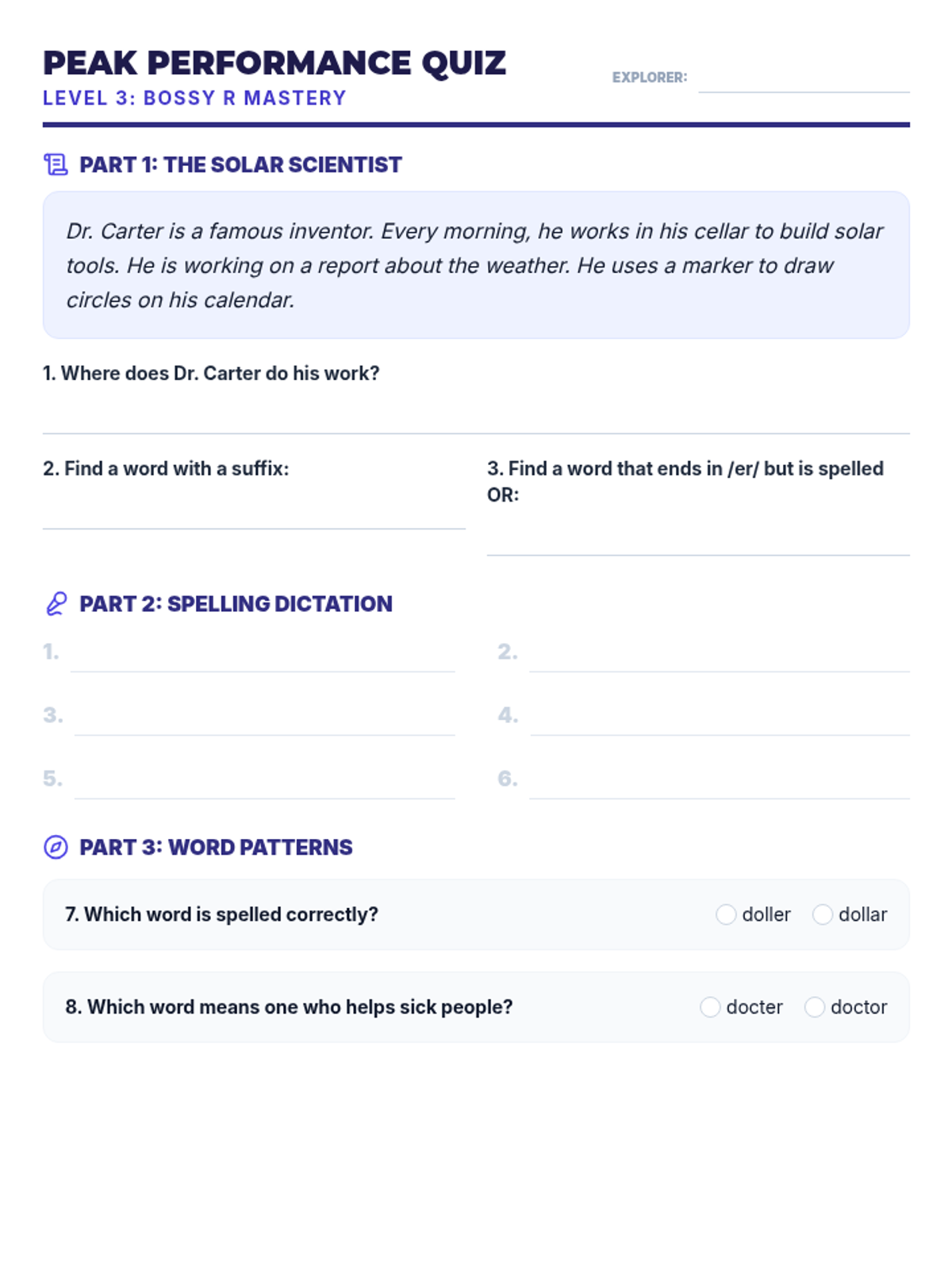
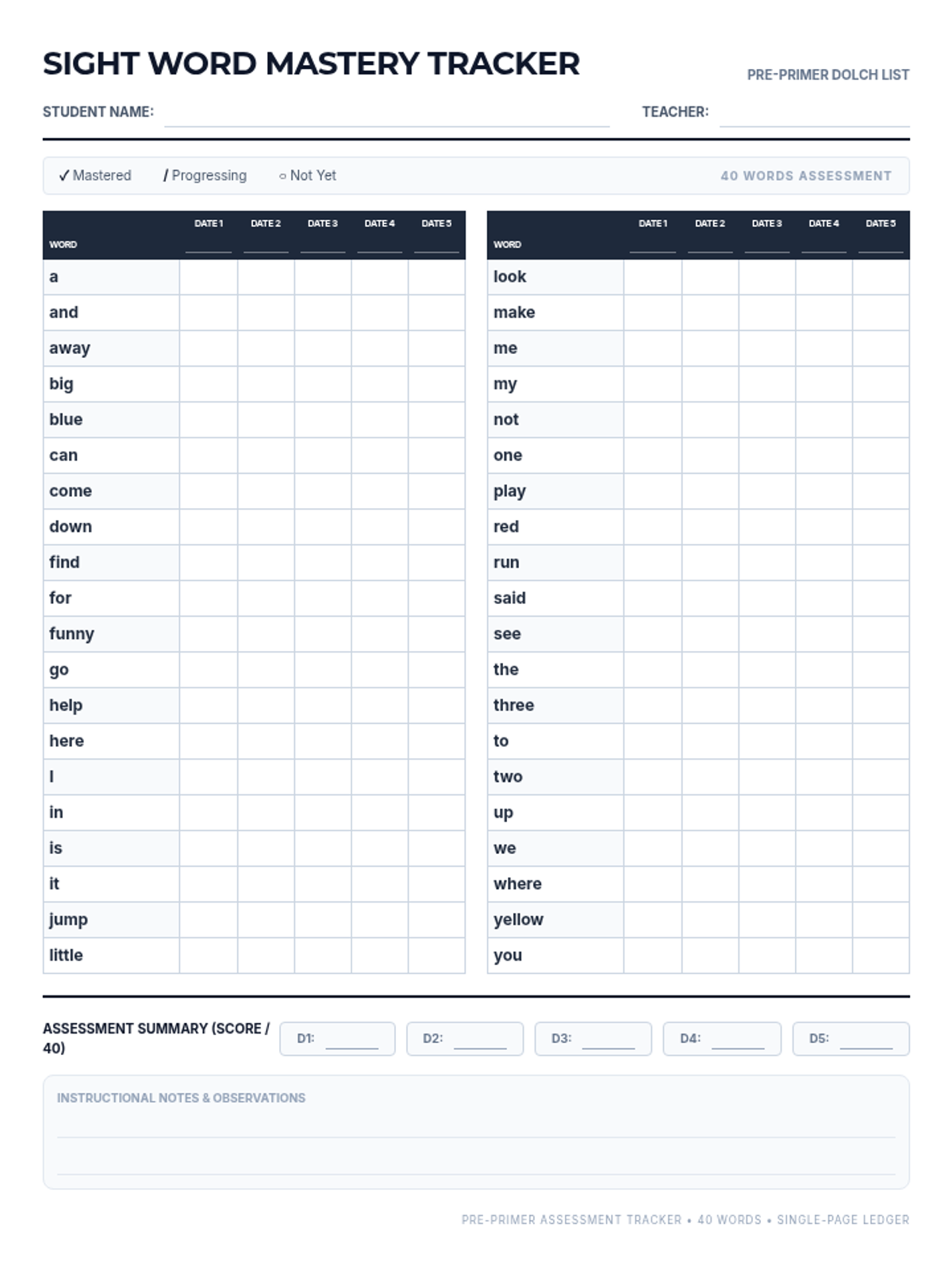
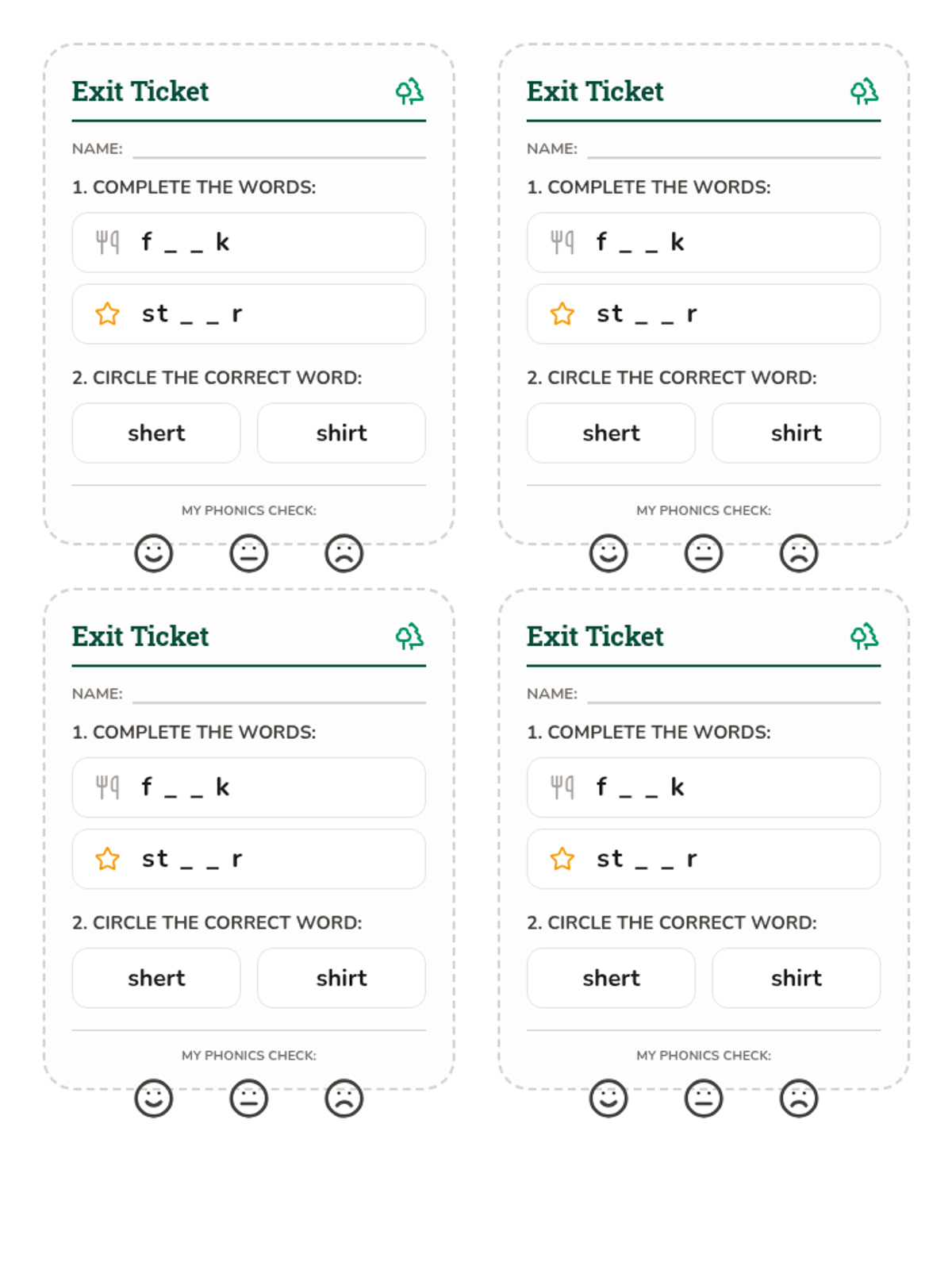
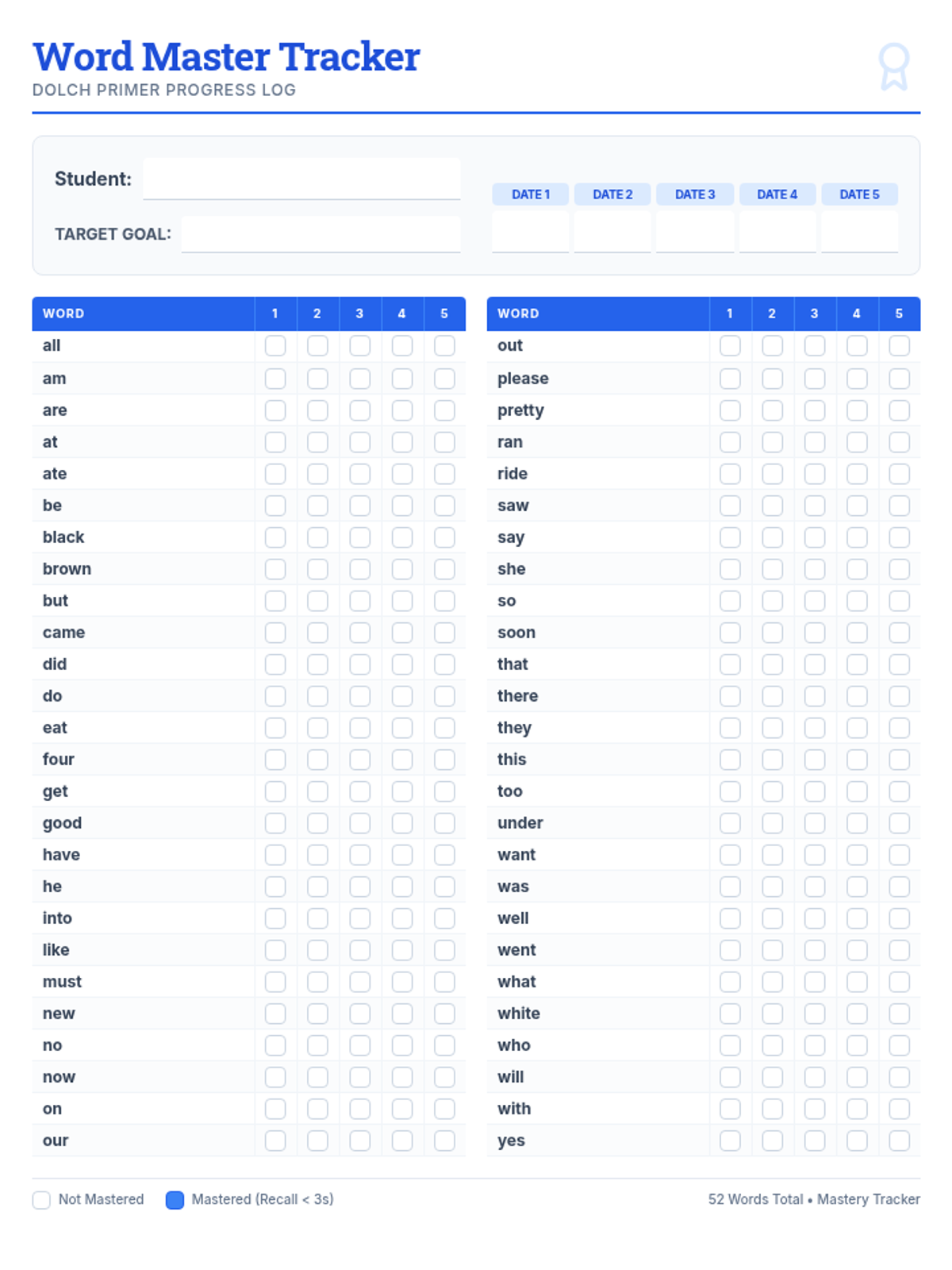
A collection of materials designed to help young readers master basic sight words through clear, high-contrast visual practice.
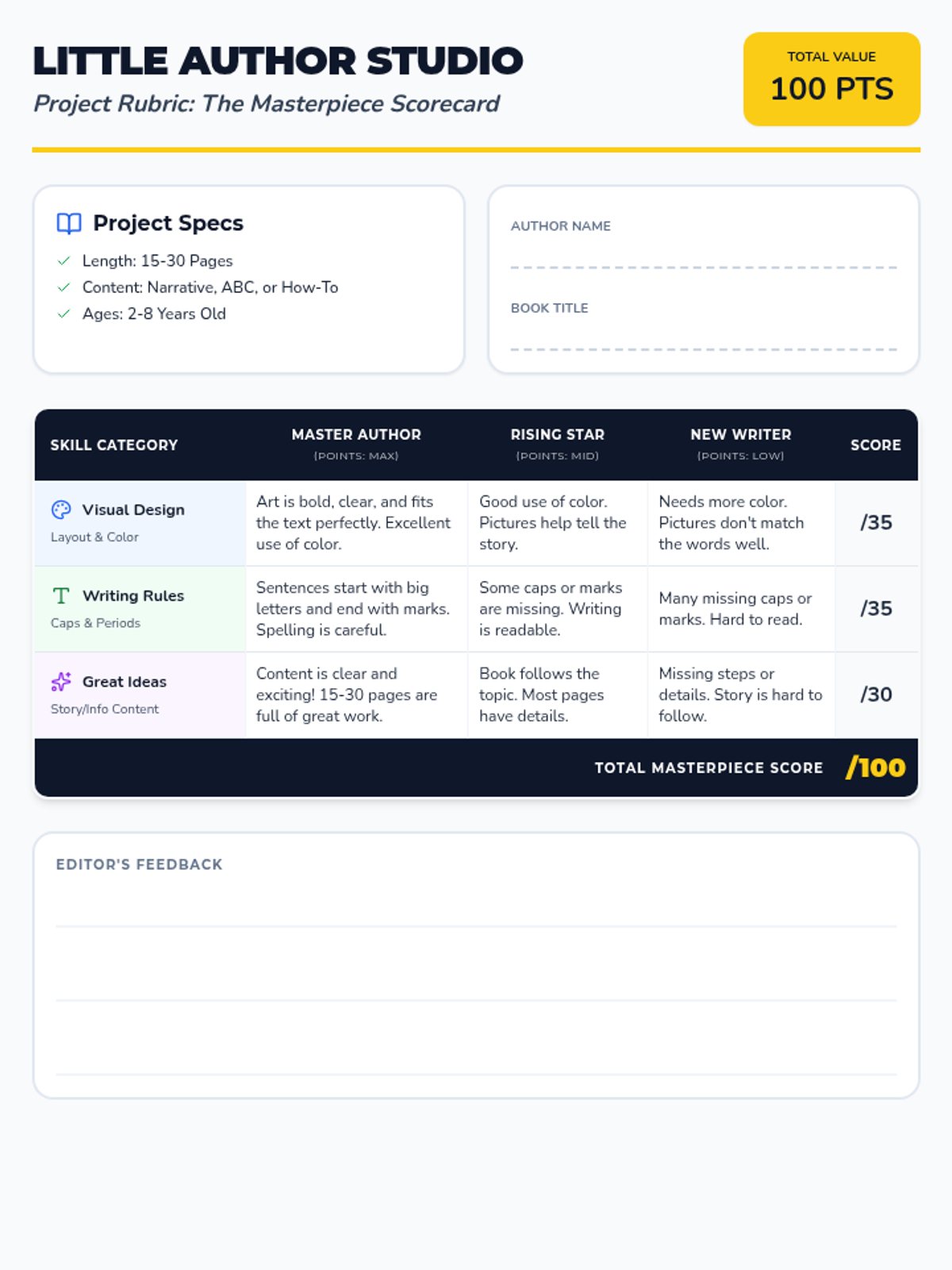
A 4-week historical narrative writing project focused on Australian migration, specifically designed to scaffold imagination and structure for students with ASD.
A deep dive into character dynamics, focusing on the distinction between static and dynamic characters. Students analyze internal and external catalysts for change through structured graphic organizers.
A comprehensive GED-style final evaluation to measure mastery of RLA skills including reading comprehension, grammar, and writing.
The final polish: mastering punctuation, capitalization, and verb tense consistency to ensure professional-grade writing.
Organizing ideas into logical, cohesive paragraphs that meet GED scoring criteria for organization and development.
Learn to construct strong claims, select high-quality evidence, and explain the reasoning behind arguments for the GED Extended Response.
Master the foundational mechanics of sentence structure, focusing on eliminating errors that lower GED Extended Response scores.
Master the art of analyzing informational and argumentative texts to identify claims, evidence, and author's purpose.
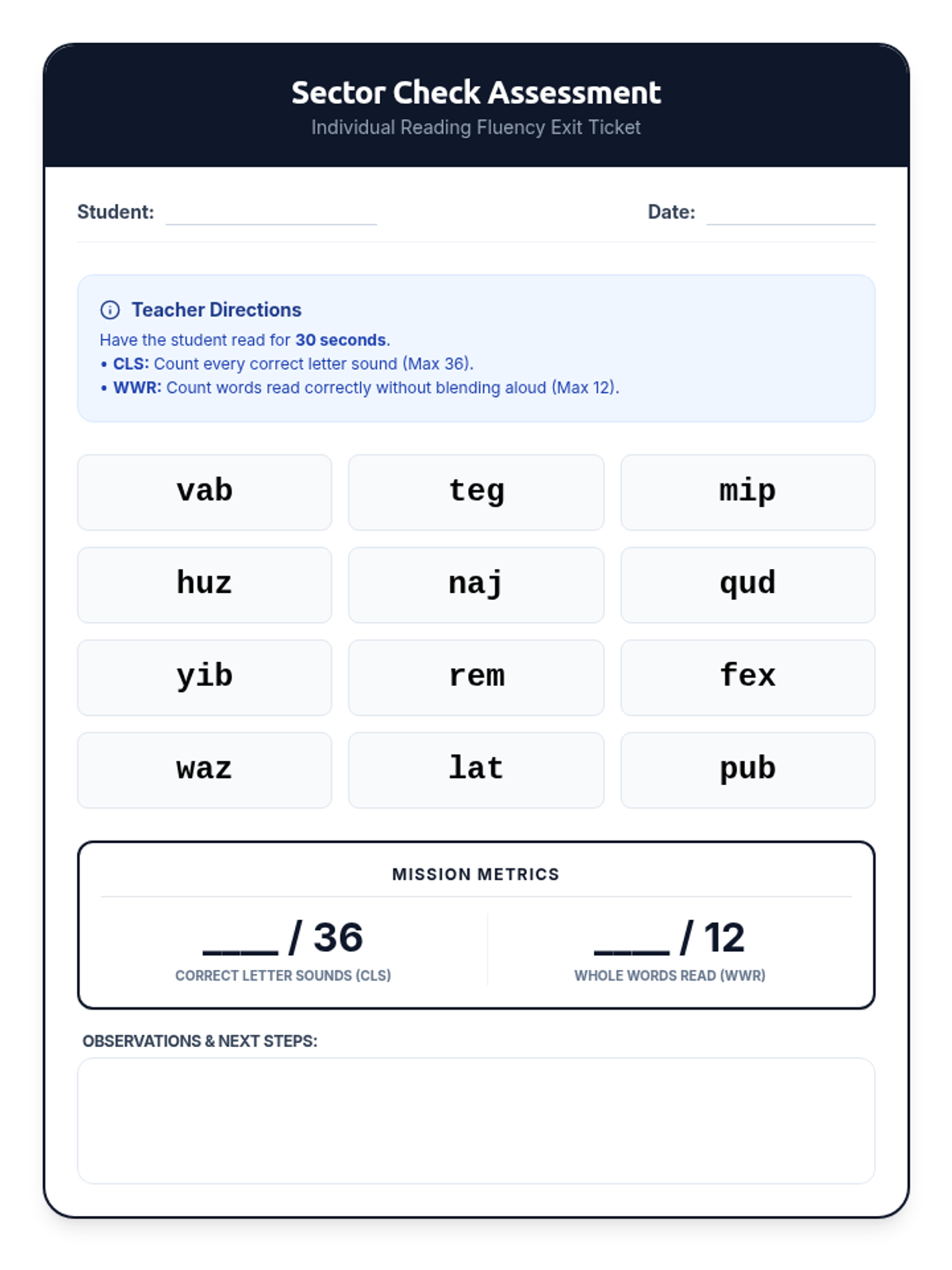
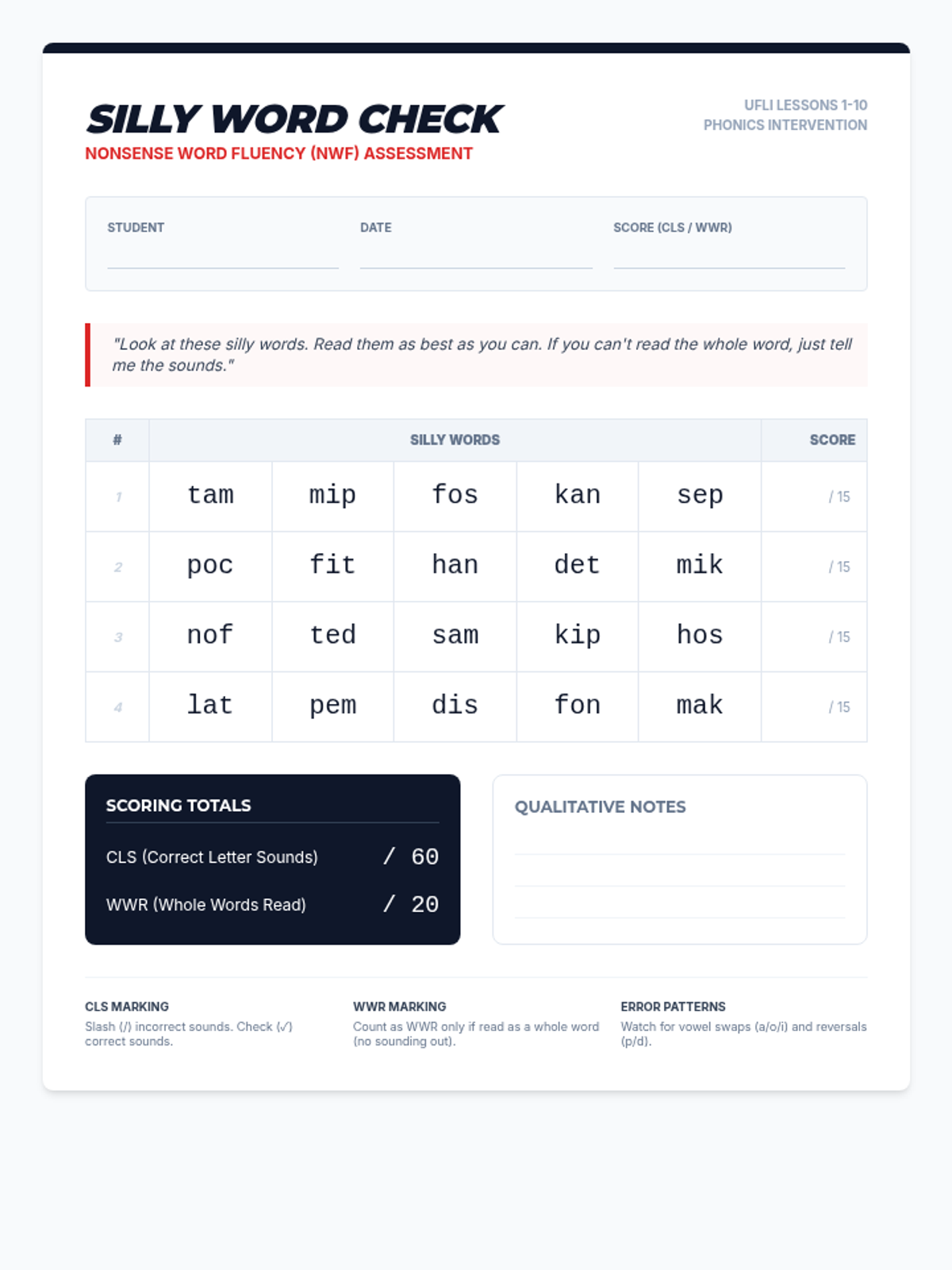
A comprehensive evaluation of foundational reading skills, focusing on sight word recognition and decoding CVC words for adult learners.
A complete set of gradebook resources for tracking CKLA Grade 2 standards across three terms, including student checklists and a master evidence guide.
A high-energy, 5-minute daily warm-up designed to build lowercase letter naming fluency through rapid-fire flashcard practice and progress tracking.
A comprehensive strategic plan for the English Department focusing on Tier 1-3 instructional priorities, STAAR preparation, and progress monitoring.
A primary literacy lesson focused on identifying cause and effect relationships in the story 'Are You Okay?' through character actions and emotions.
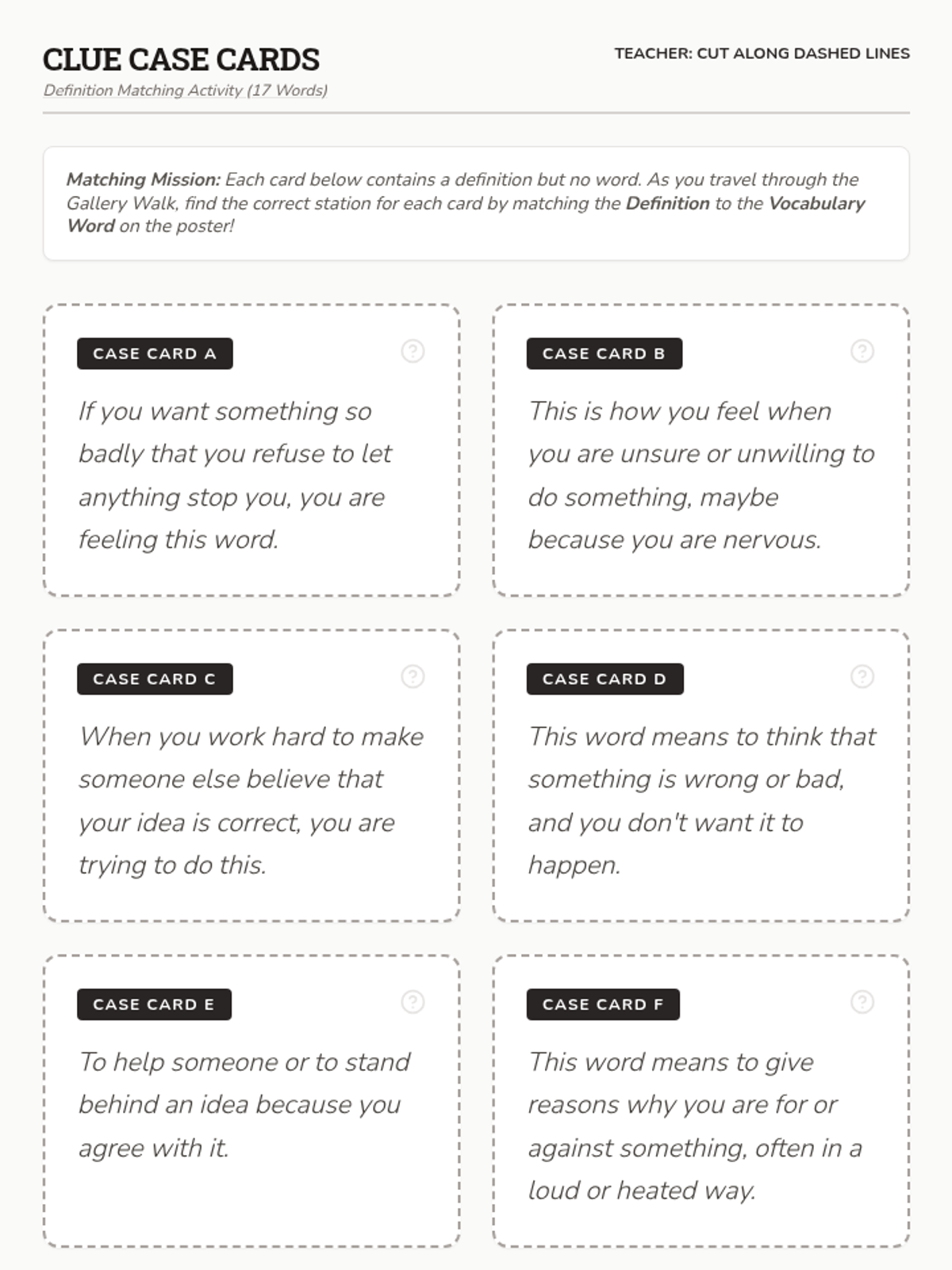
A 15-minute small group lesson focused on identifying an author's claim in persuasive texts, using a detective-themed 'case file' approach for engagement.
A phonics lesson focused on identifying, reading, and writing words with the 'th' digraph (initial and final), designed for first-grade home practice.
A comprehensive toolkit for English 3 teachers to align their assignments with the Hess Cognitive Rigor Matrix and current Texas Essential Knowledge and Skills (TEKS).
A foundational lesson introducing the letter N, focusing on uppercase and lowercase identification, the /n/ sound, and common vocabulary.
This lesson prepares 5th-grade students for the NYS ELA exam by analyzing an excerpt about Yo-Yo Ma. Students will practice writing text-based short responses using a 2-point rubric, focusing on citing specific evidence and explaining its significance.
A foundational literacy lesson where students practice reading simple sentences and matching them with corresponding visual representations to build comprehension.
Students analyze the use of irony in Chapter 9 of Frederick Douglass's narrative to identify his central claim about the hypocrisy of Southern Christianity.
A set of oral reading fluency drills themed around video game modding and software development to engage a 9th grade student reading at an 8th grade level. Includes multisyllabic word lists, phrased sentences, and progress tracking tools.
A lesson focused on common prefixes (un-, re-, pre-, dis-) and suffixes (-ful, -less, -er, -ly) using a 'Word Workshop' theme to help students understand how word parts change meanings.
A foundational phonics lesson focusing on the glued sounds -all, -am, and -an through visual aids, tracing practice, and blending activities.
A lesson focused on analyzing how specific parts of a text contribute to the overall structure and the development of an argument through evidence. Students learn to see texts as 'blueprints' where every sentence serves a structural purpose.
An introductory lesson on building simple sentences using the 'Who + Doing What' formula. Students will use visual prompts to construct their own sentences with a focus on capitalization and ending punctuation.
A foundational writing lesson for first-grade students focused on building complete sentences with correct capitalization, punctuation, and grammar using a 'Sentence Builders' theme.
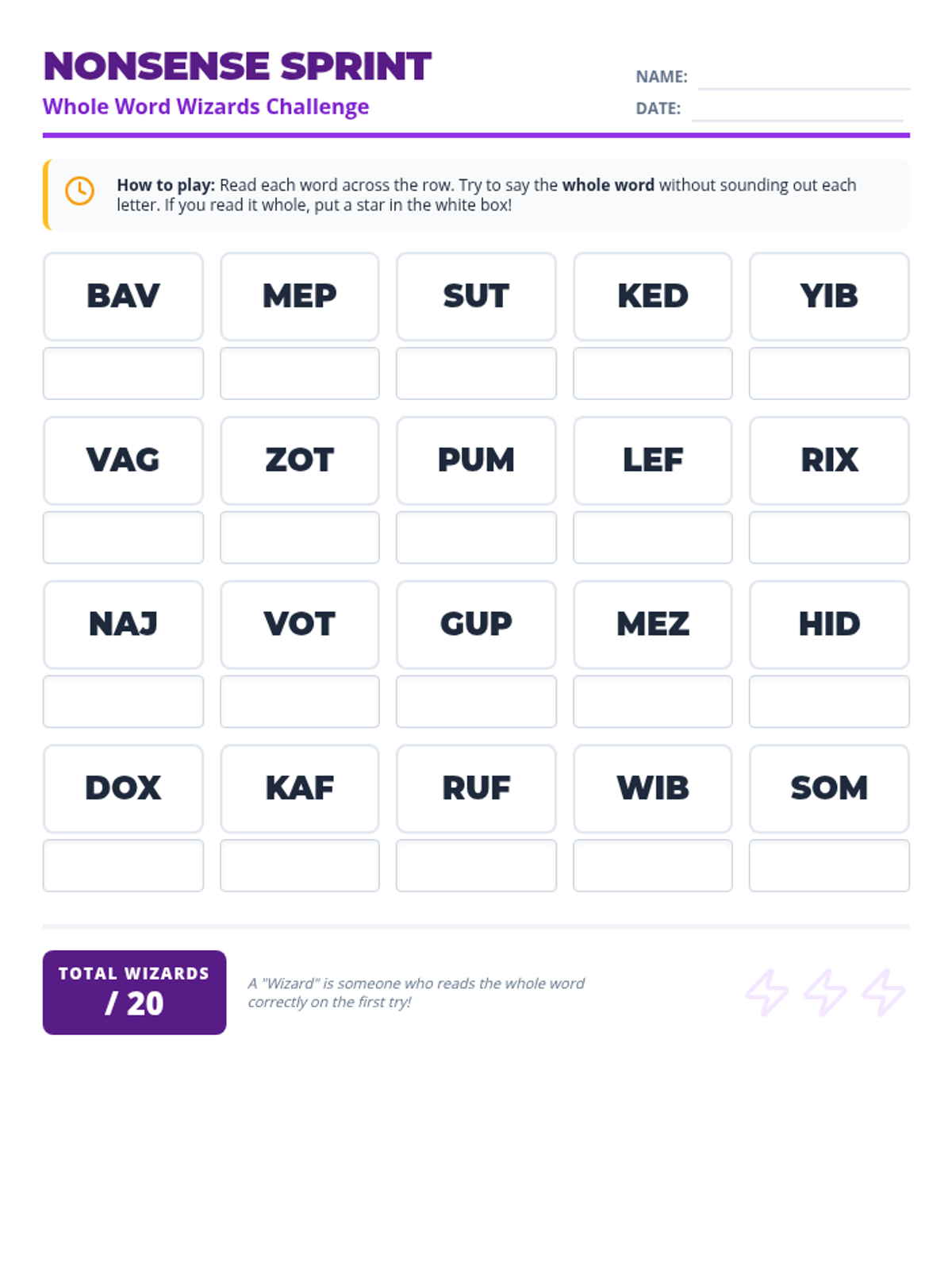
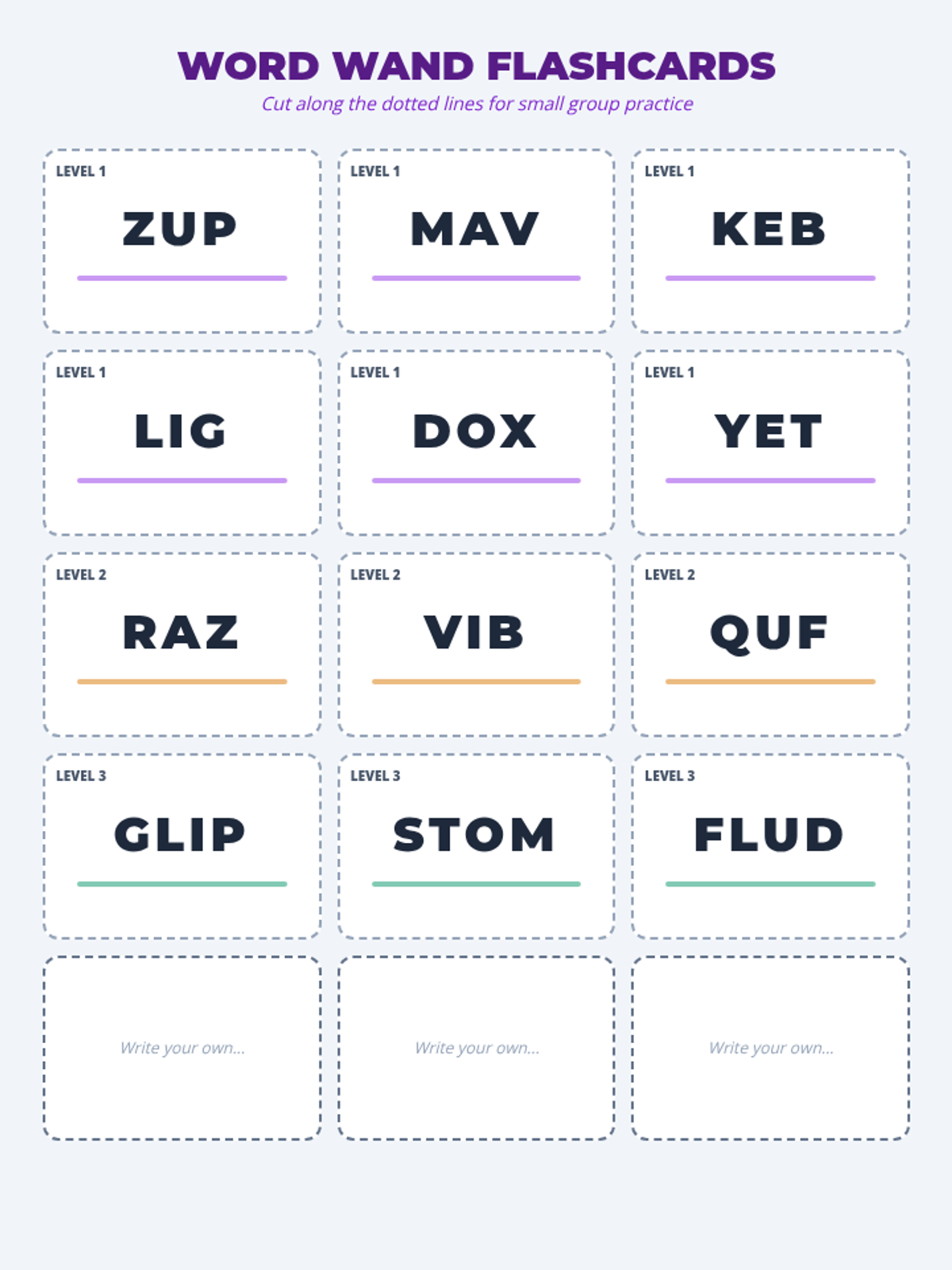
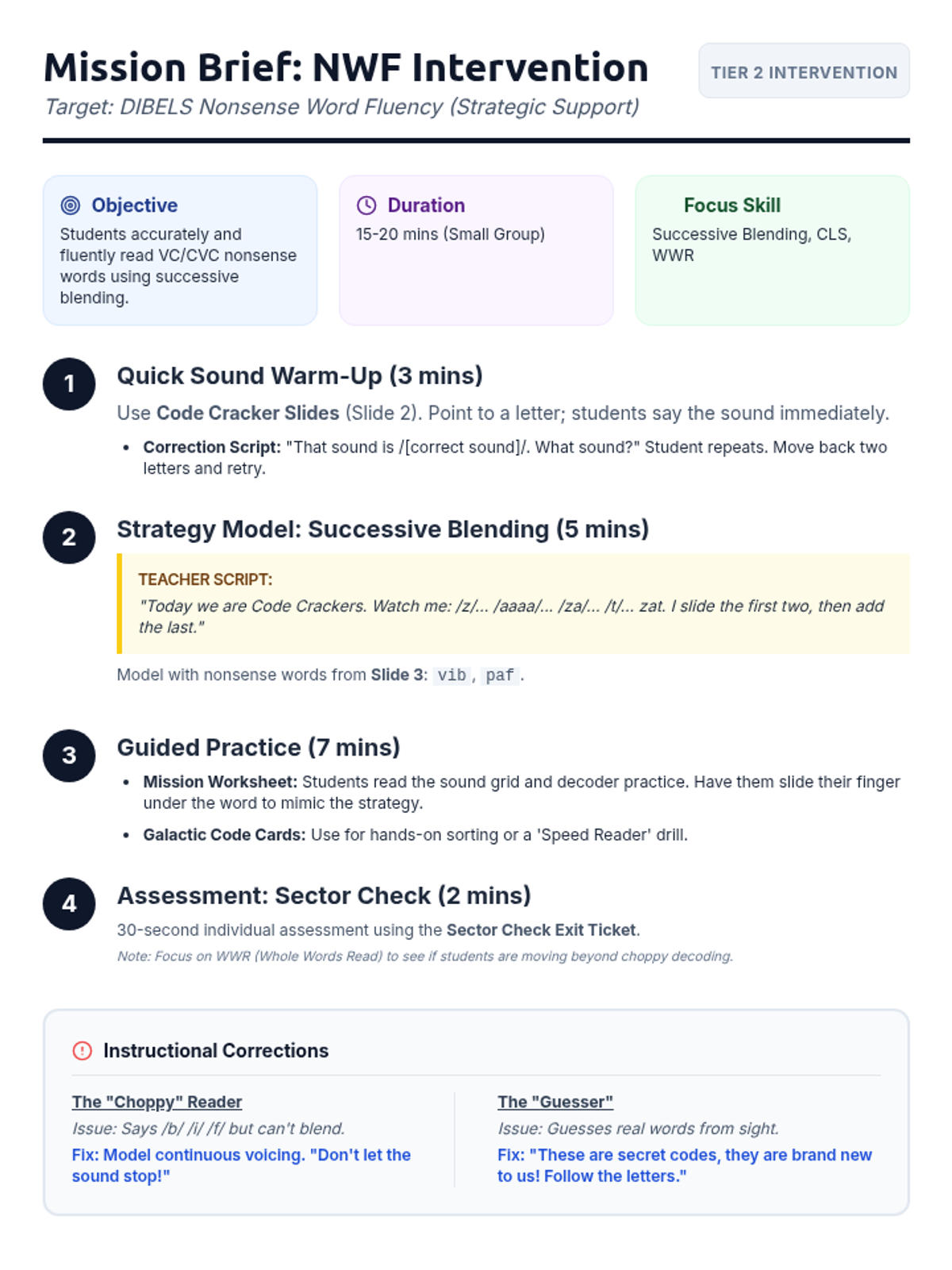
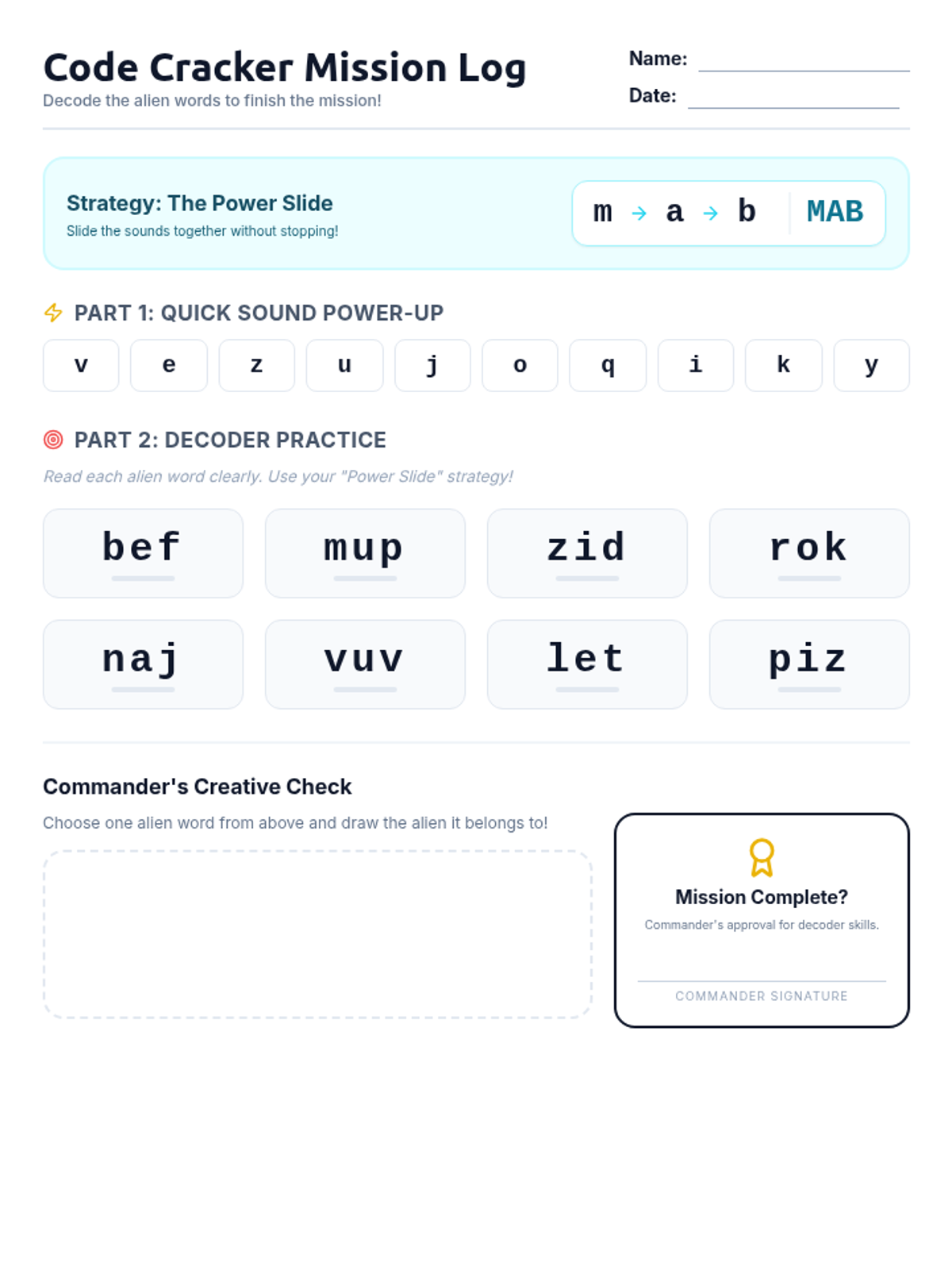
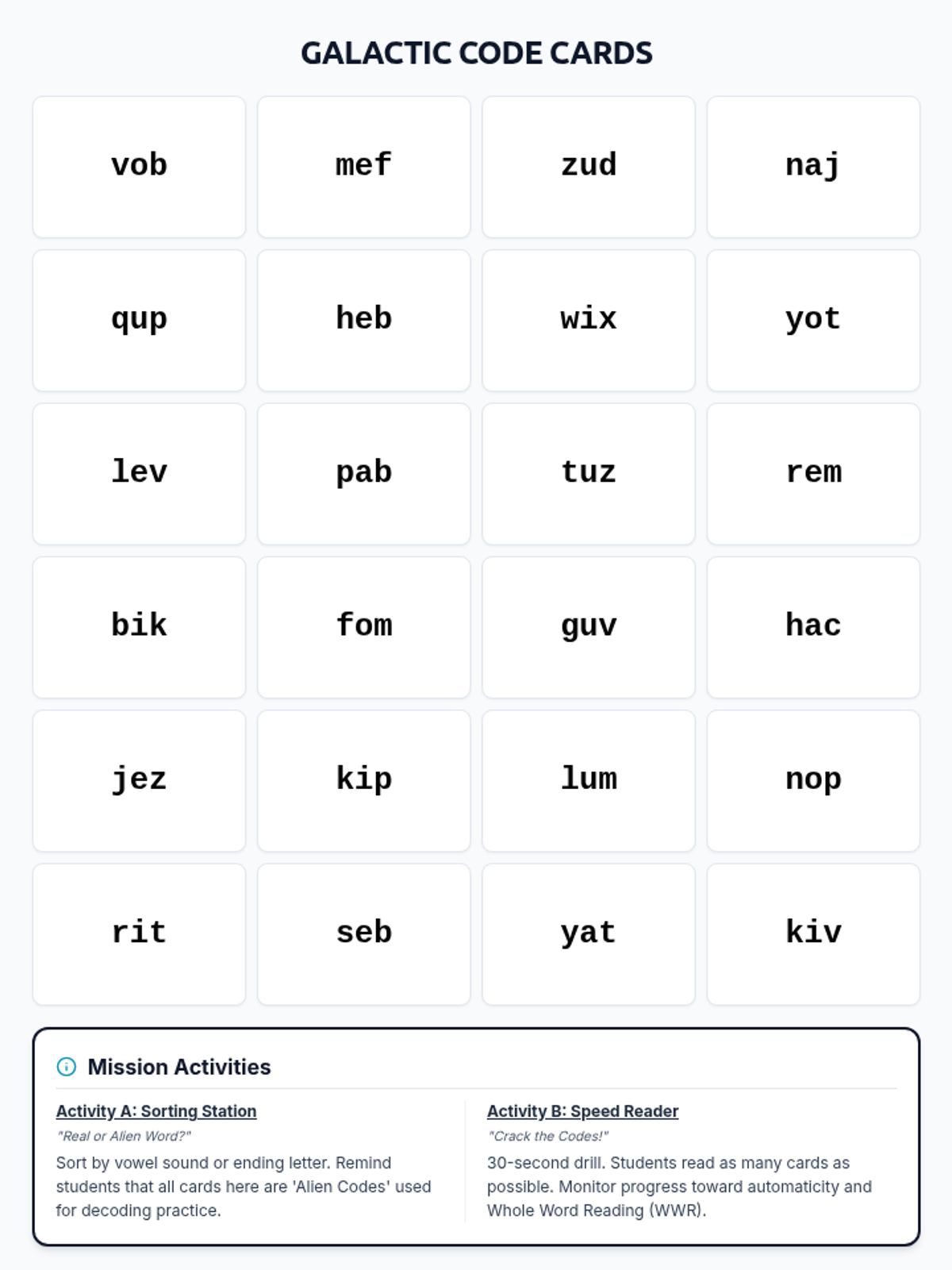
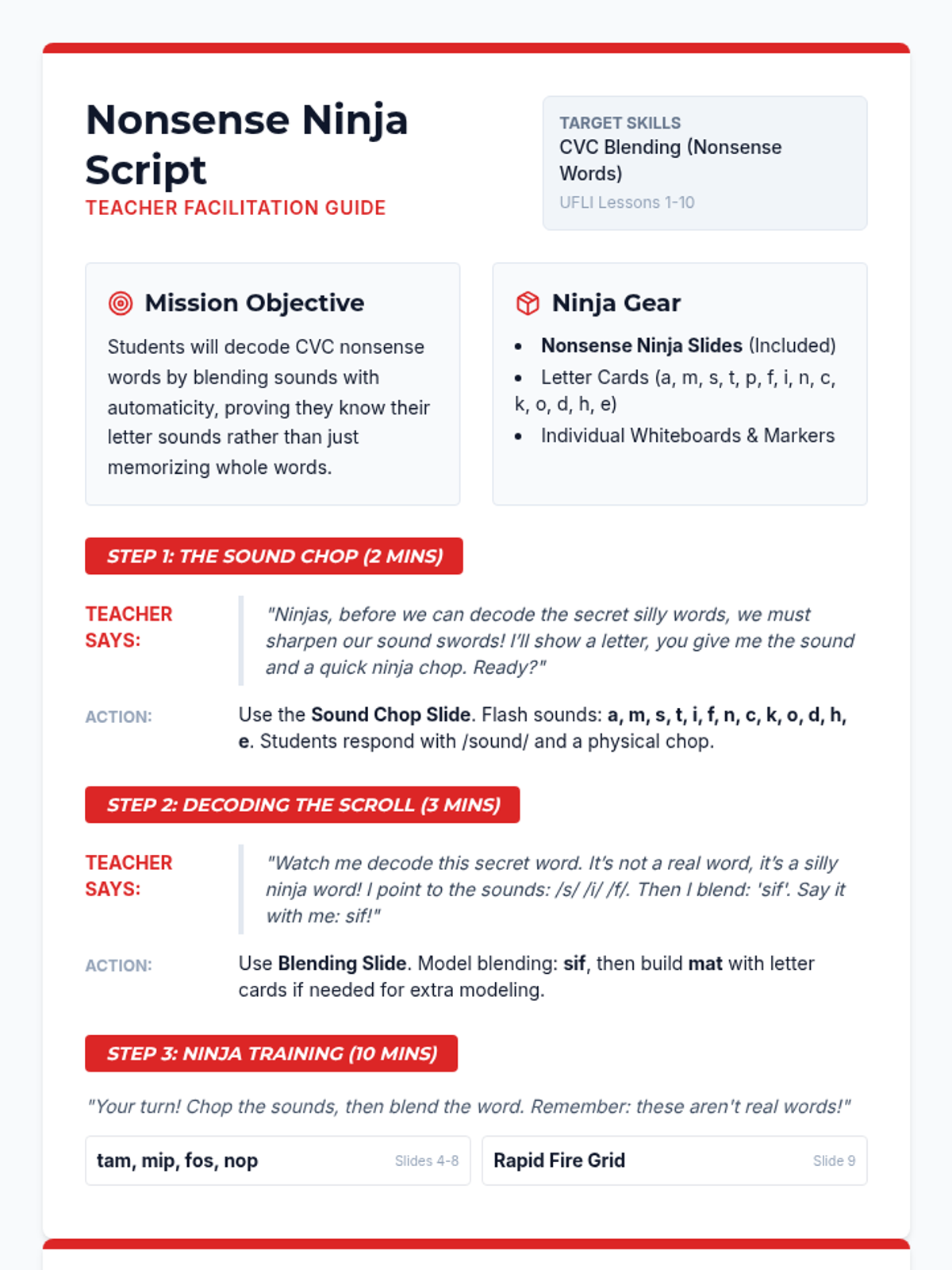
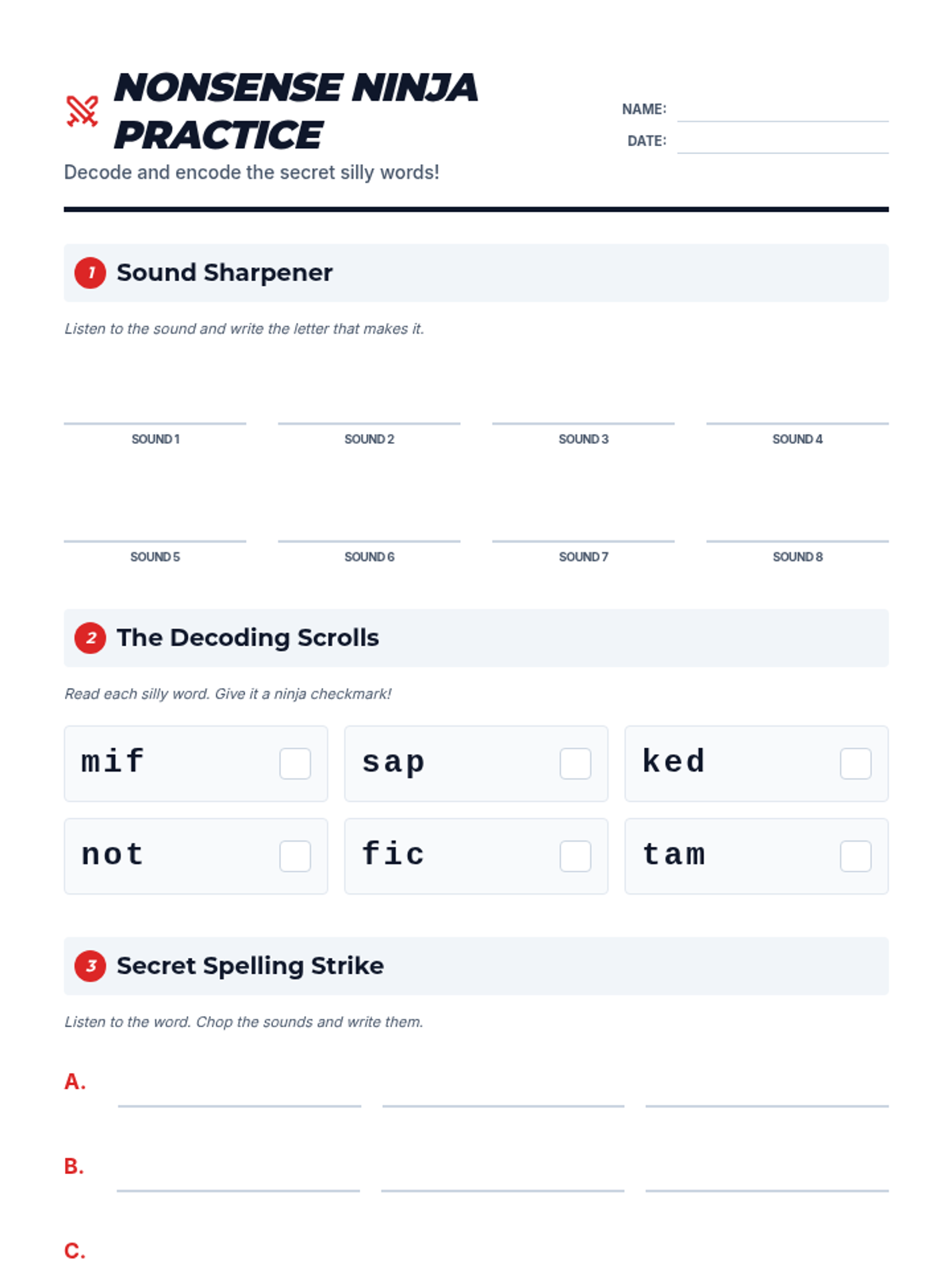
A space-themed fluency lesson for first graders, focusing on nonsense word decoding and sentence structure to build oral reading confidence.
A lesson focused on developing neat handwriting and spacing skills through the transcription of a seasonal poem. Students analyze poetic structure while practicing their penmanship on specialized lined paper.
A comprehensive set of multisensory resources designed to help first-grade students master the 40 Dolch Pre-Primer sight words through flashcards, word wall displays, and tracing activities.