A cumulative practice and review lesson contrasting the short-vowel spelling rules (FLOSS, -ck, -tch) with VCe silent-e patterns to build master-level orthographic decoding and vowel recognition.
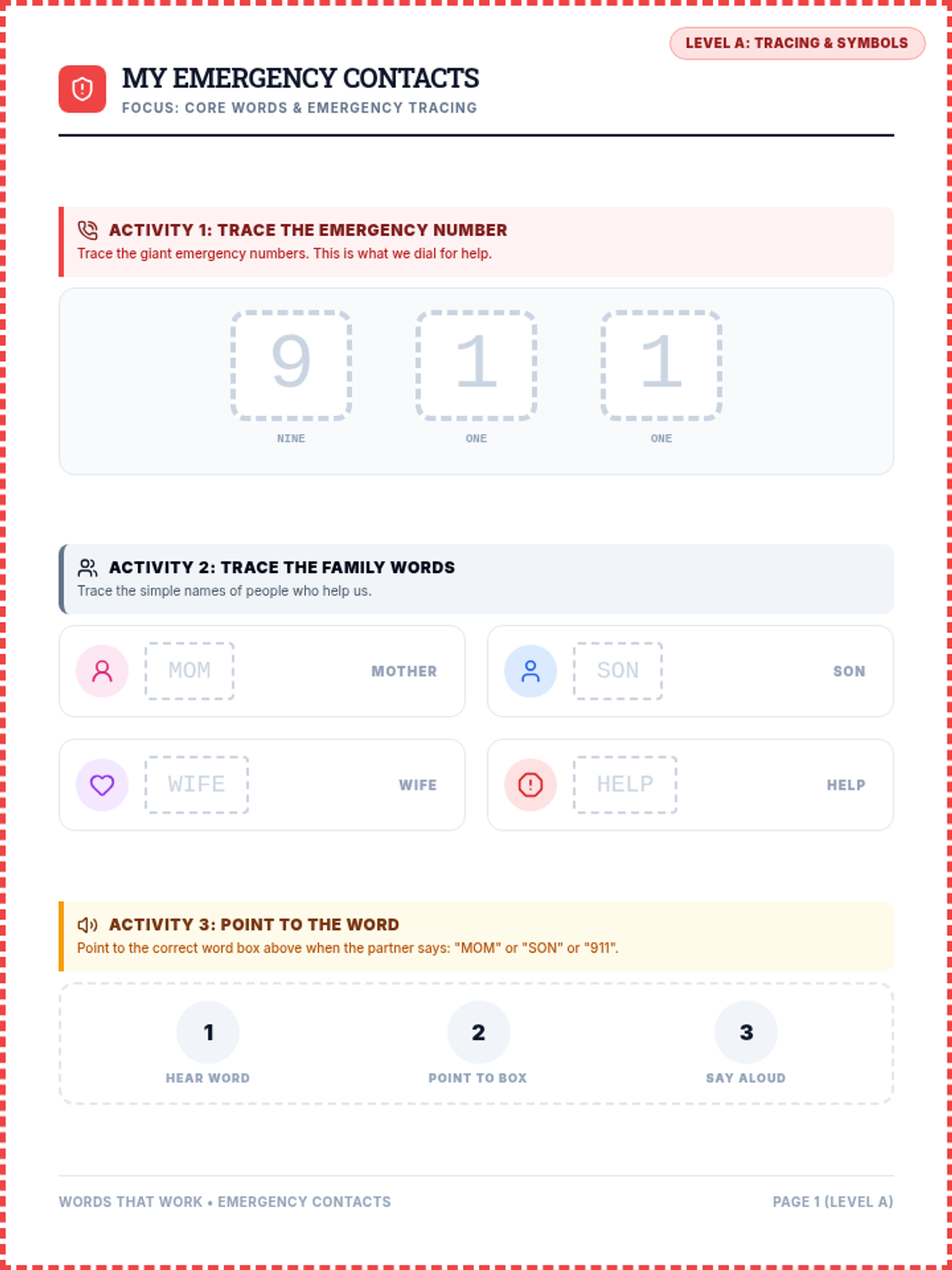
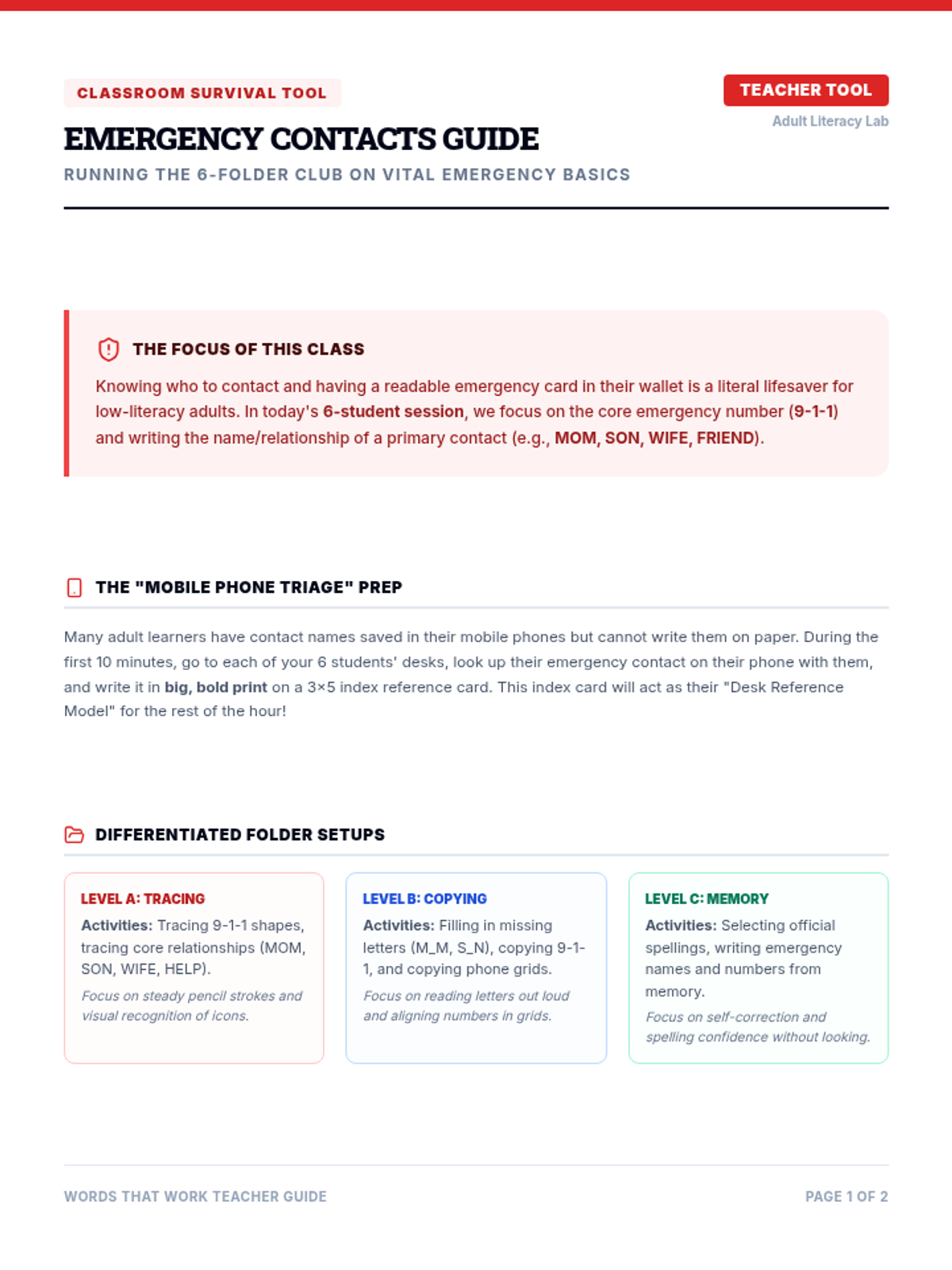
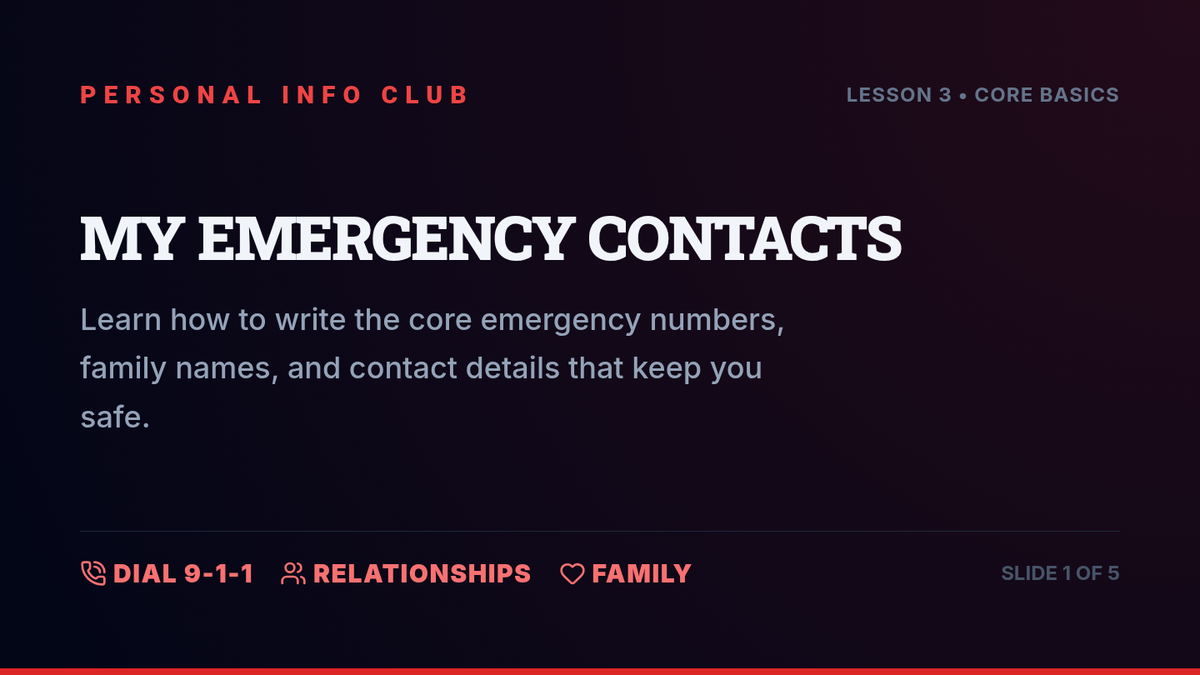
A highly practical lesson focused on writing down an emergency contact name, relationship (Mom, Son, Wife, Friend), and phone number, customized for 3 levels of adult literacy.
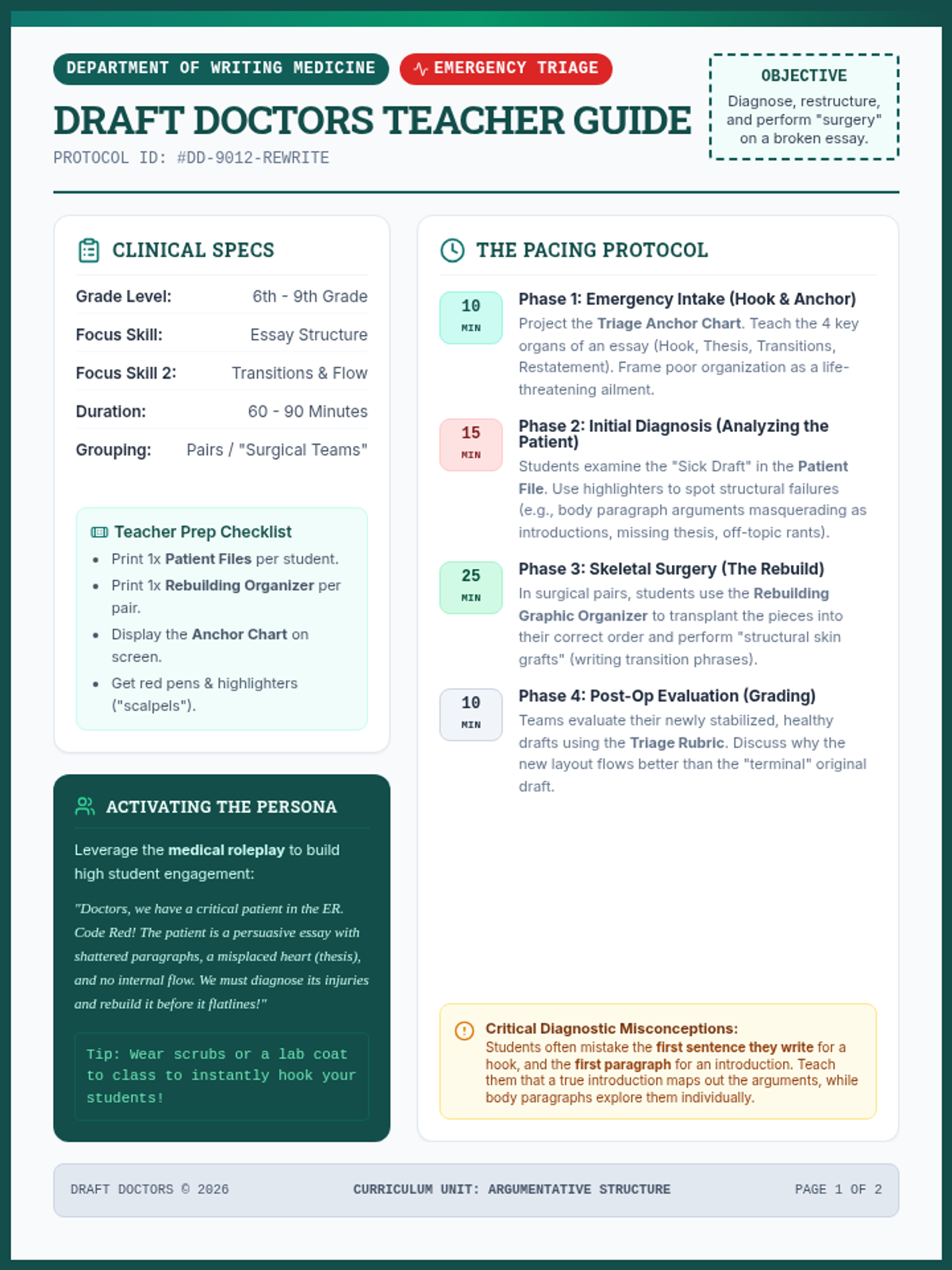
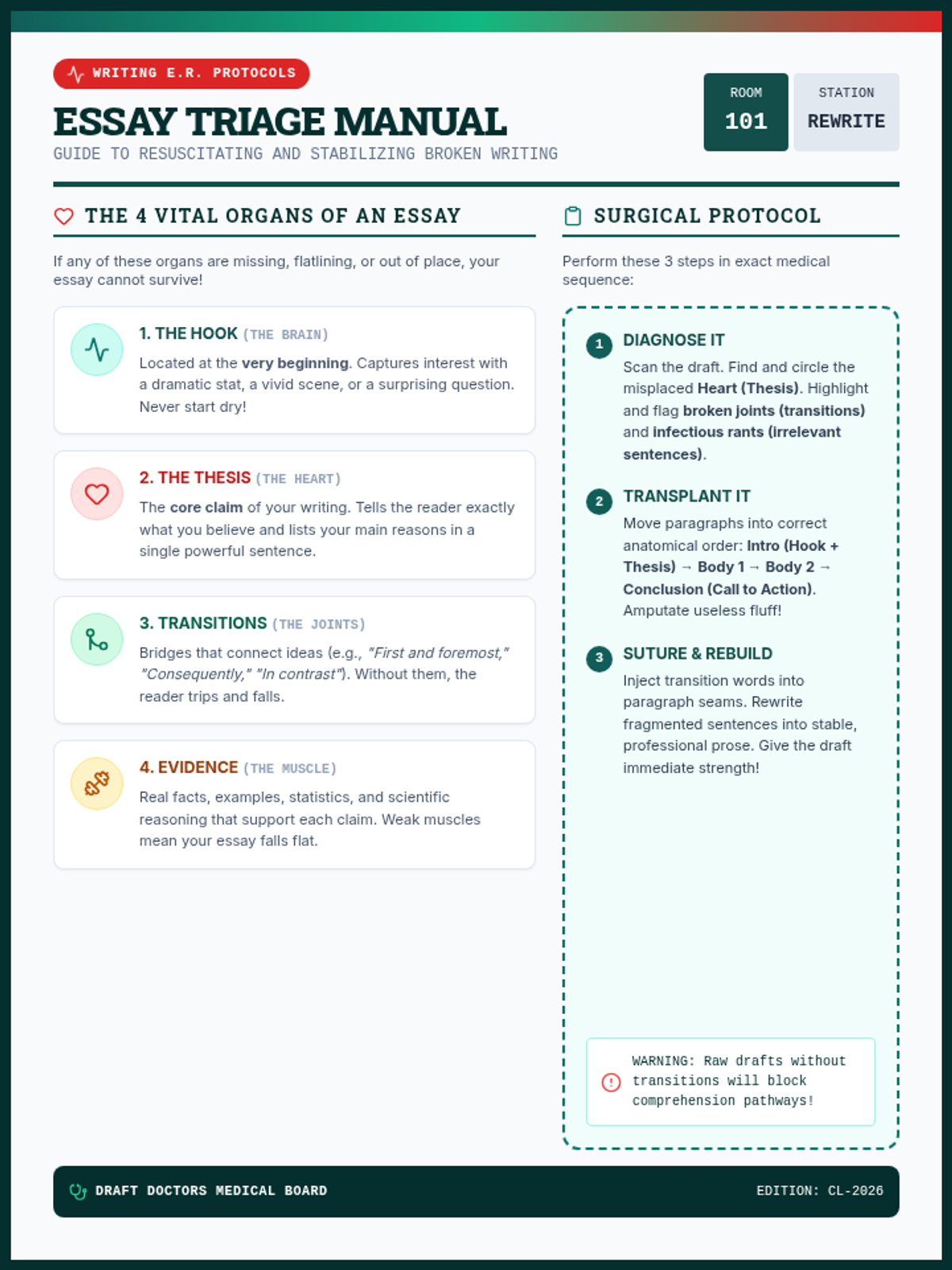
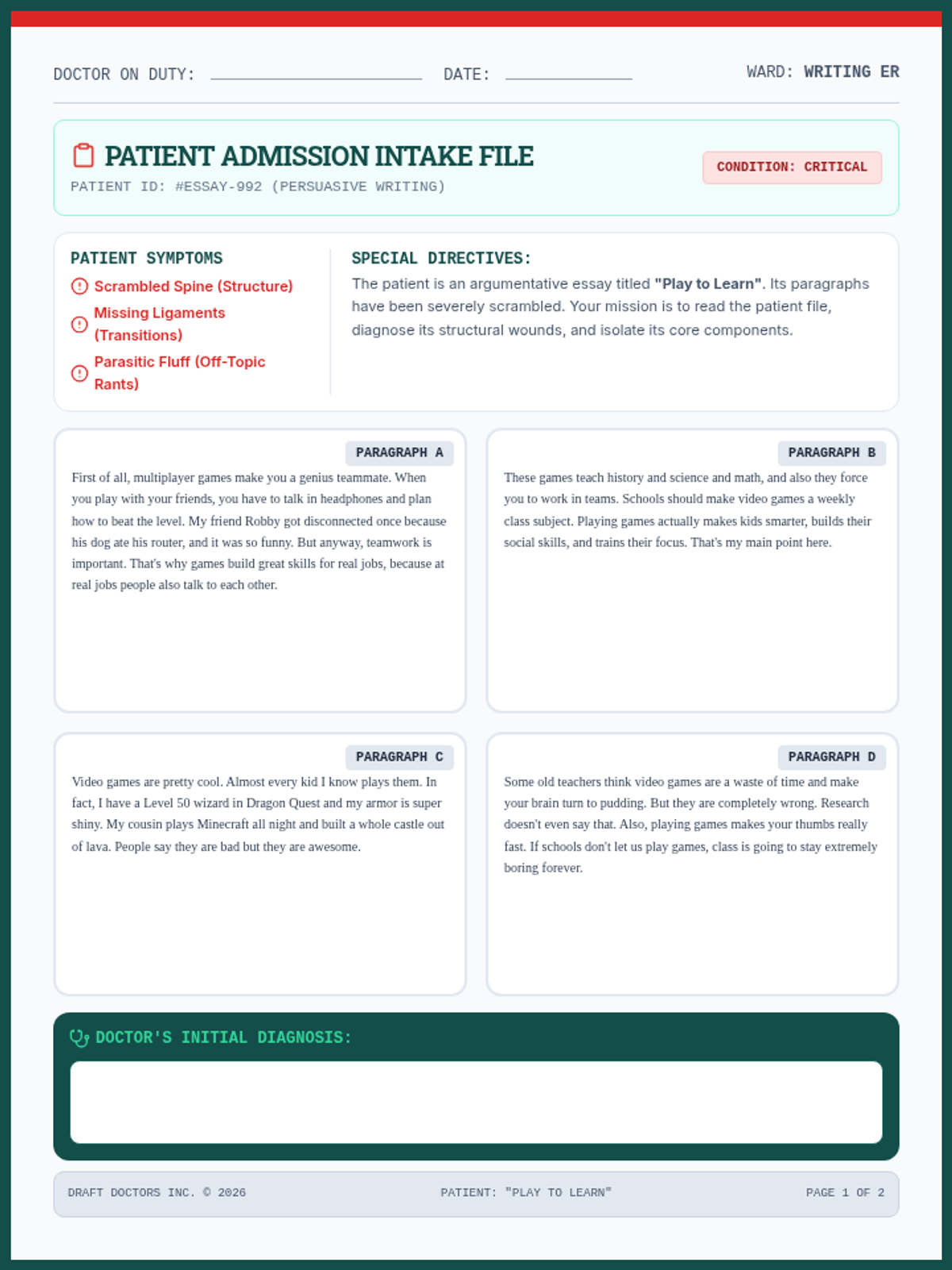
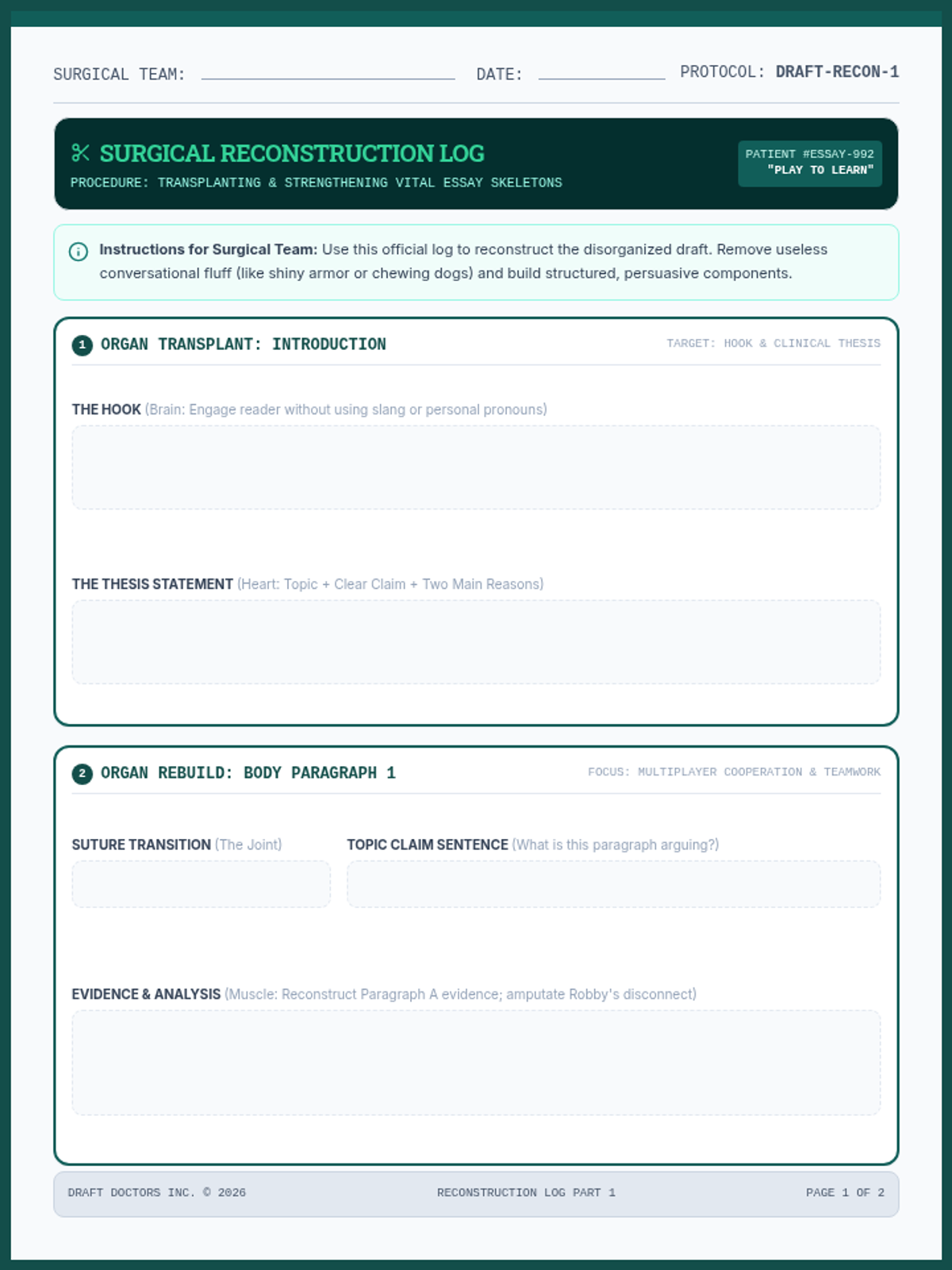
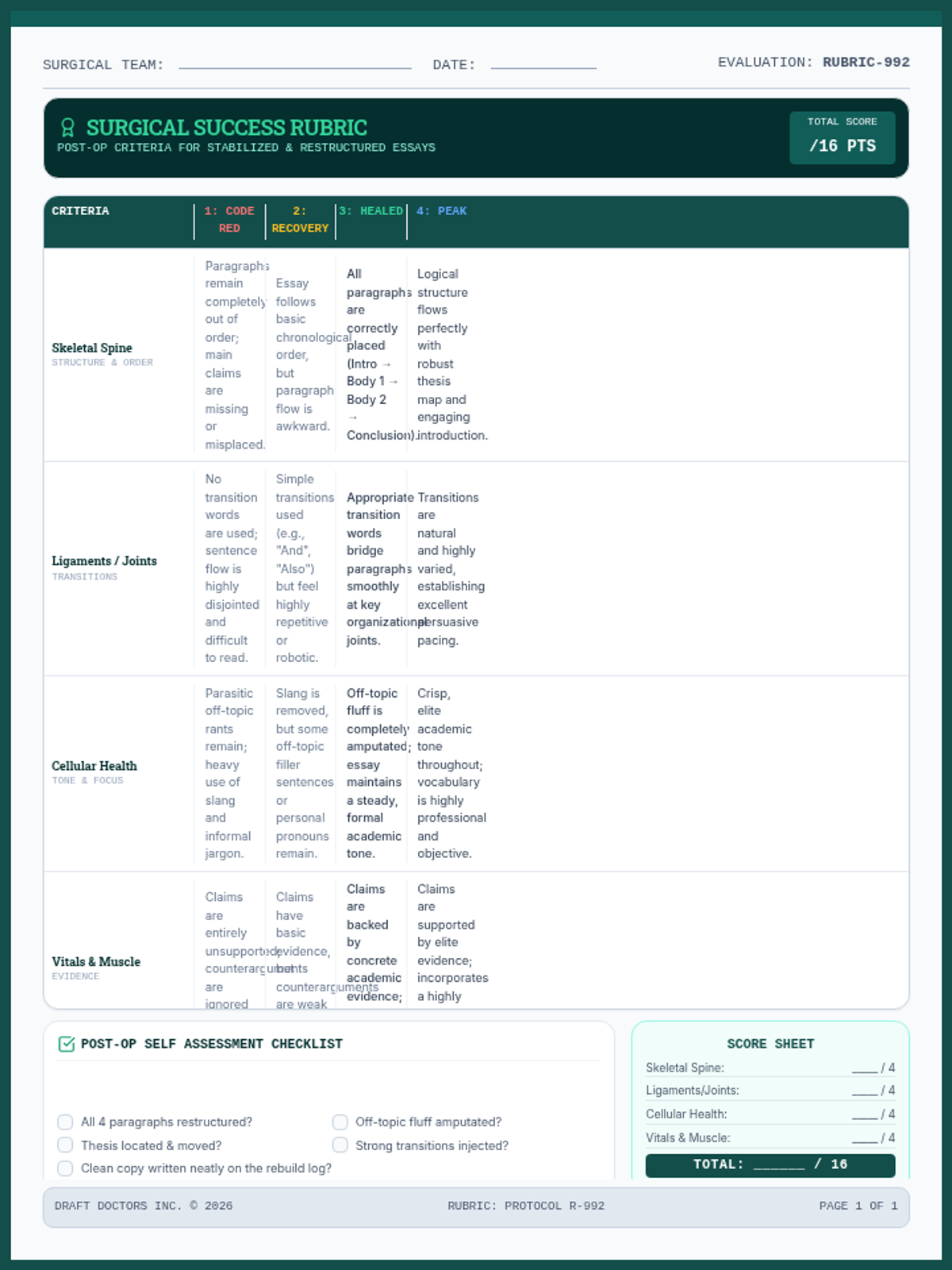
An immersive, medical-themed lesson where students act as 'Draft Doctors' to diagnose, triage, and perform surgery on a poorly organized, weak persuasive essay. Students learn paragraph structure, logical flow, and transition-building through a structured, clinical approach.
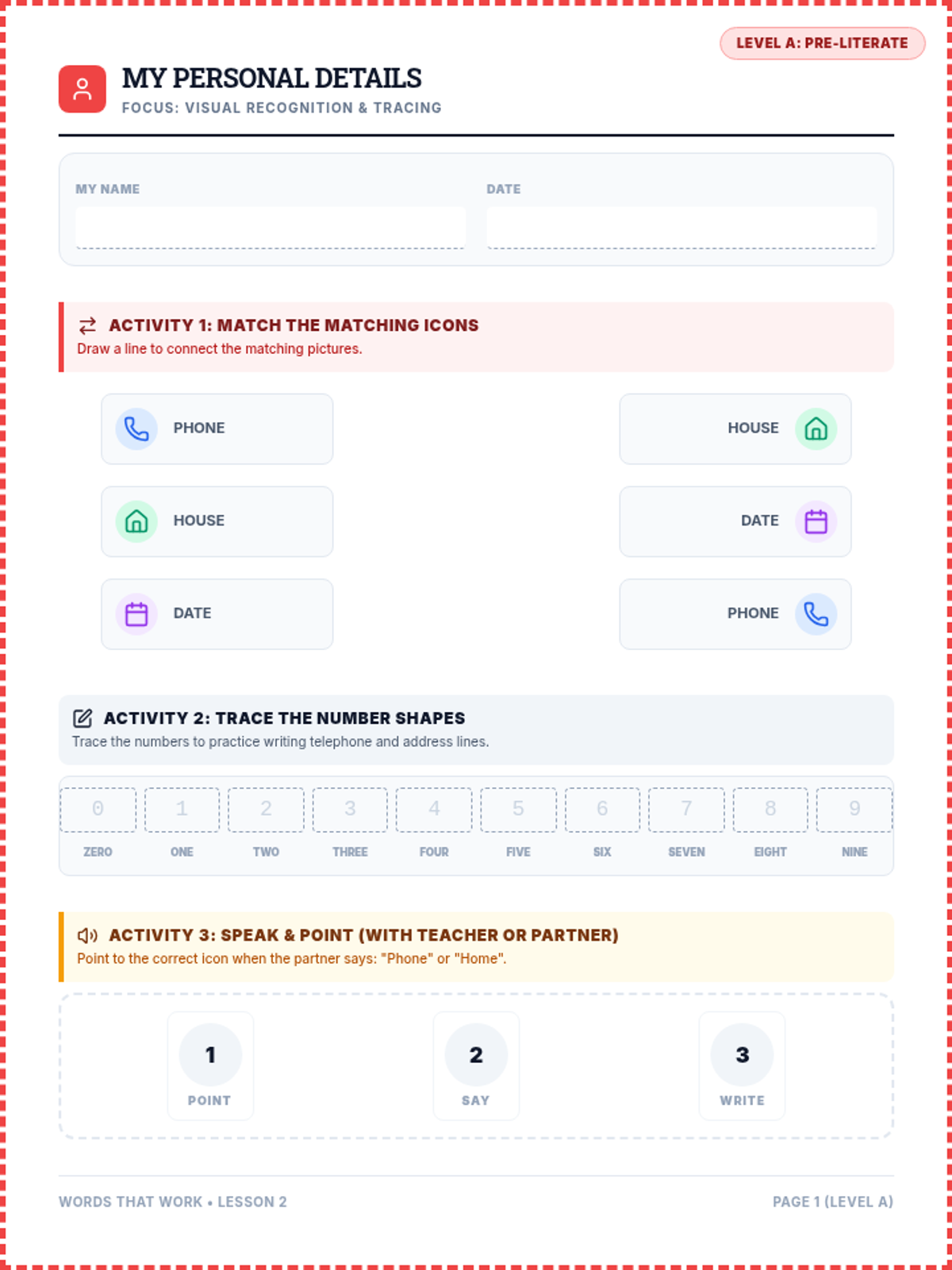
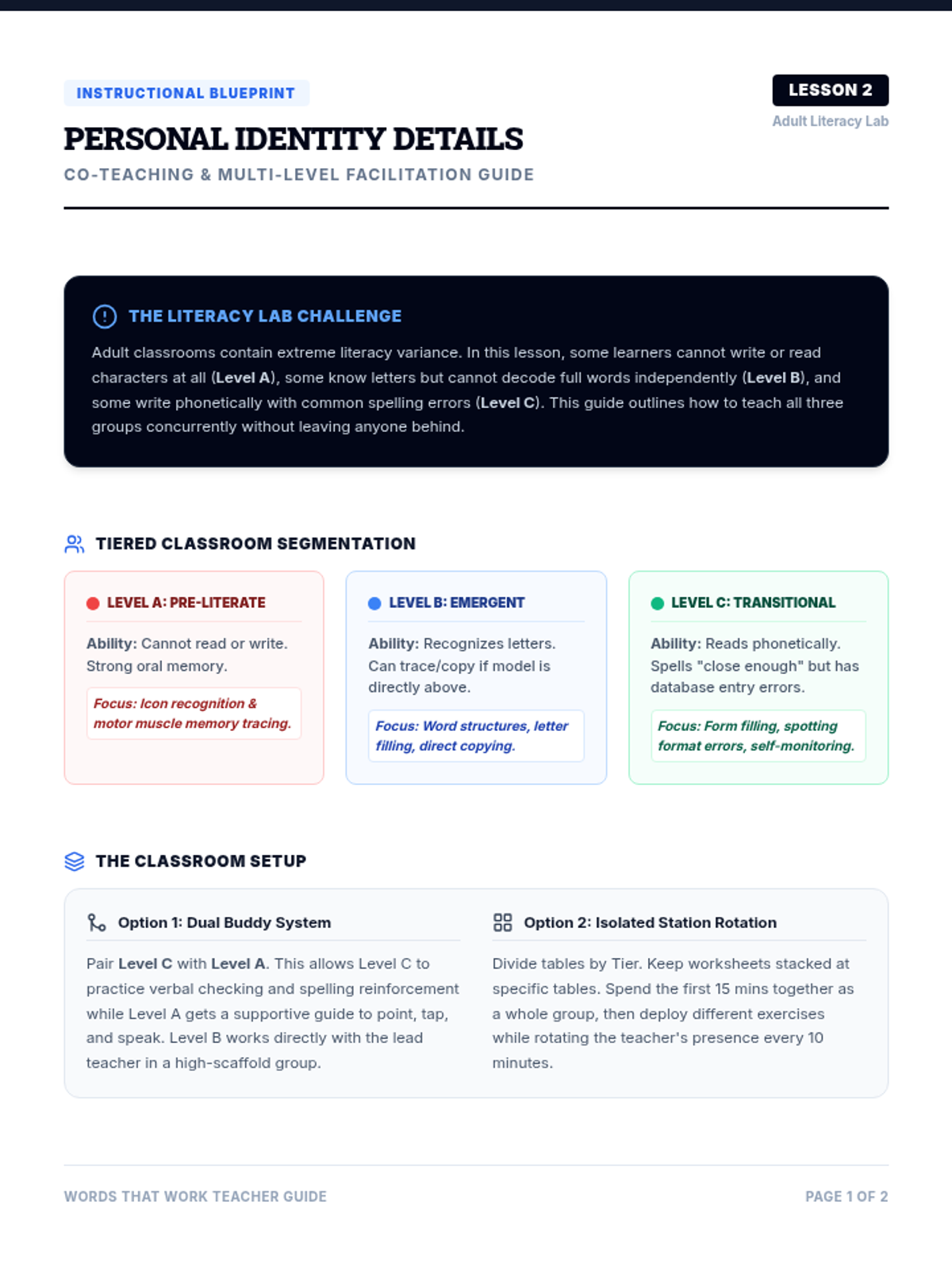
This lesson focuses on personal identification details like address, phone number, and birthdate, designed for multi-level adult literacy learners ranging from pre-literate to transitional writers.
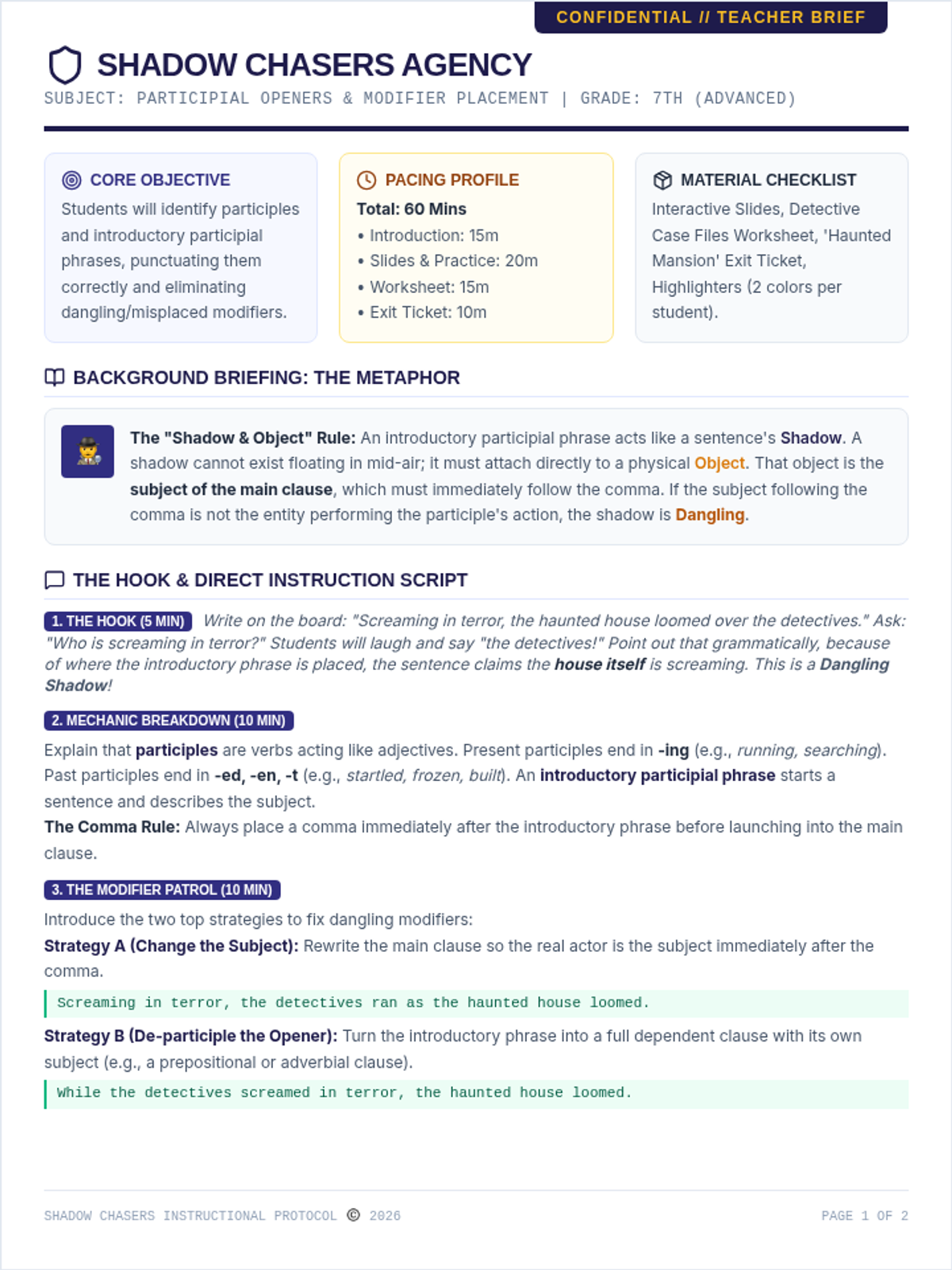
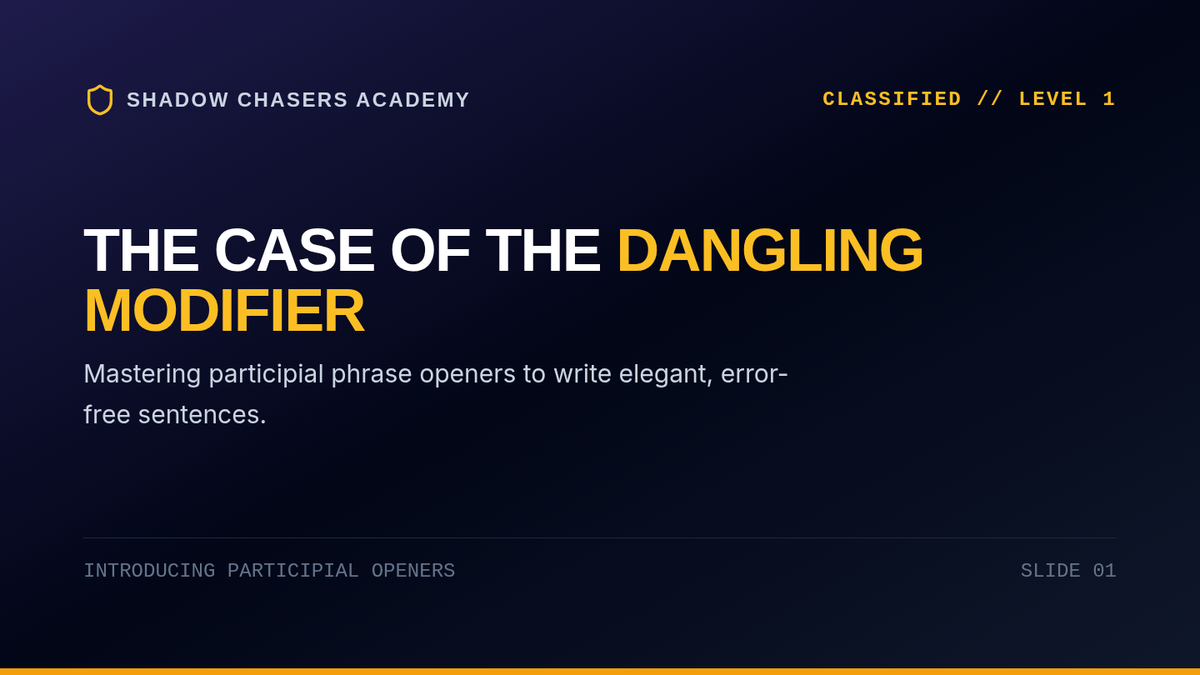
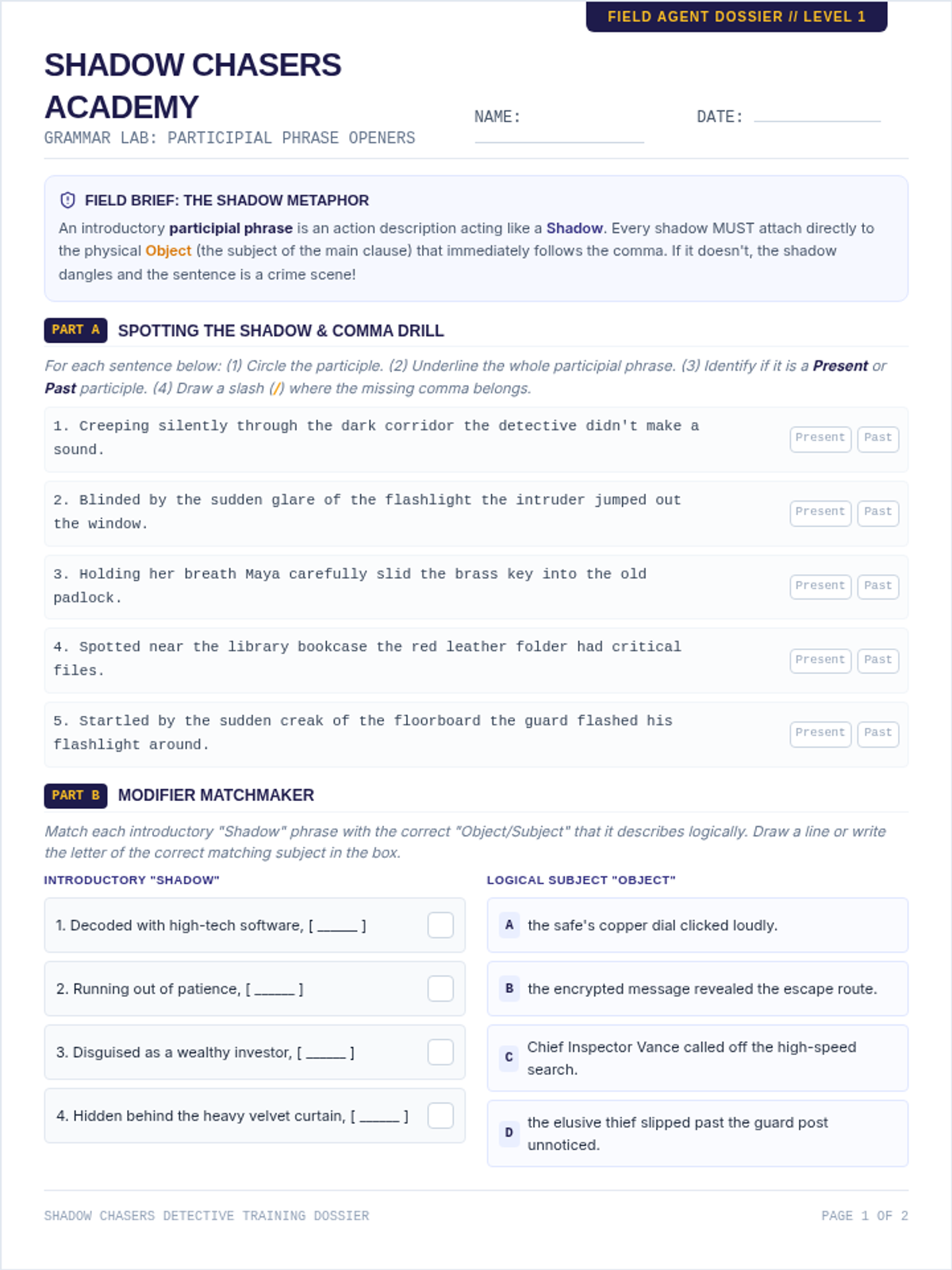
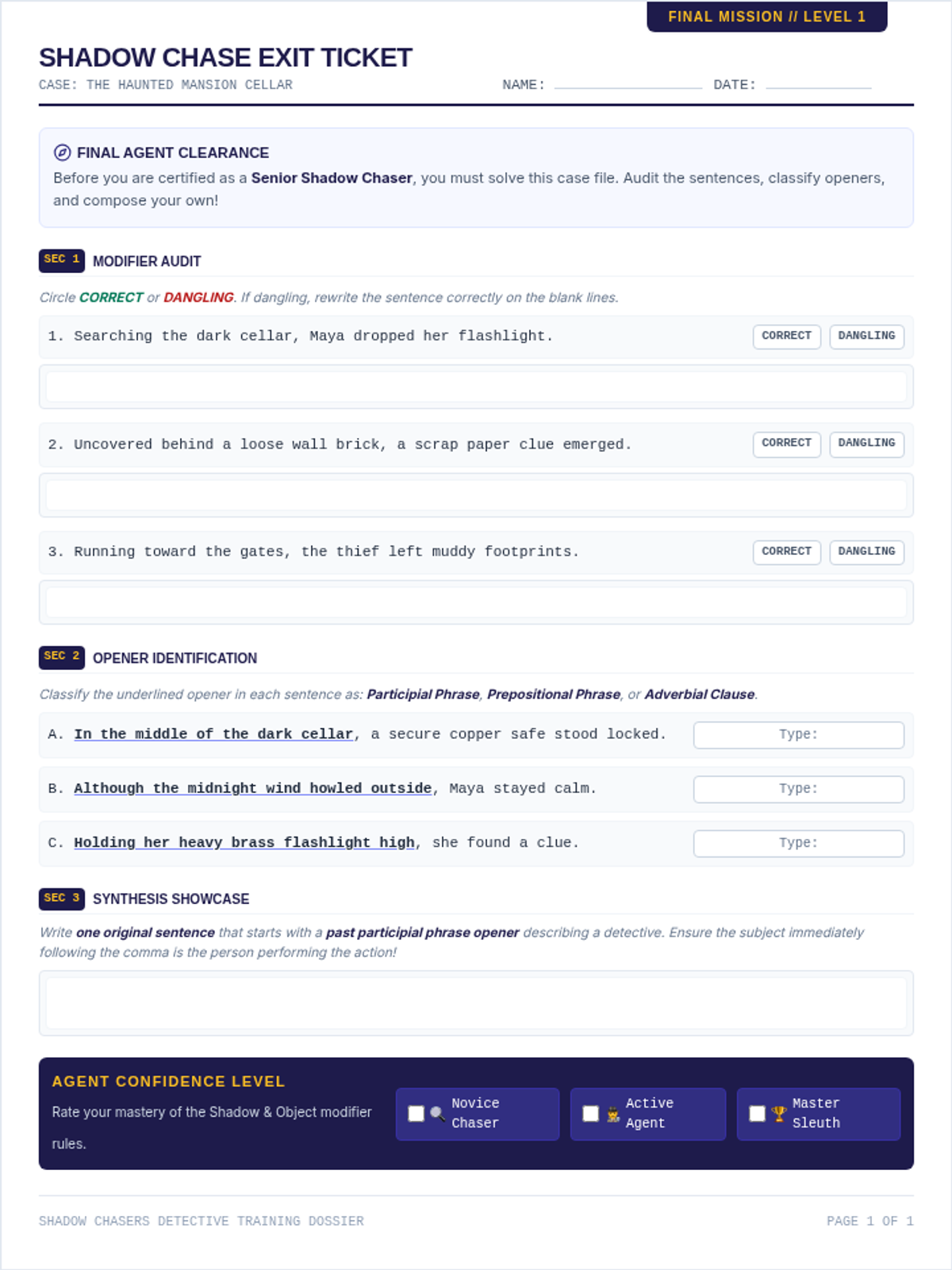
A comprehensive grammar lesson for advanced 7th graders that uses a 'Shadow Chasers' detective theme to master participial phrase openers and eliminate dangling modifiers. Students learn to match introductory participle modifiers (shadows) with their correct subjects (objects).
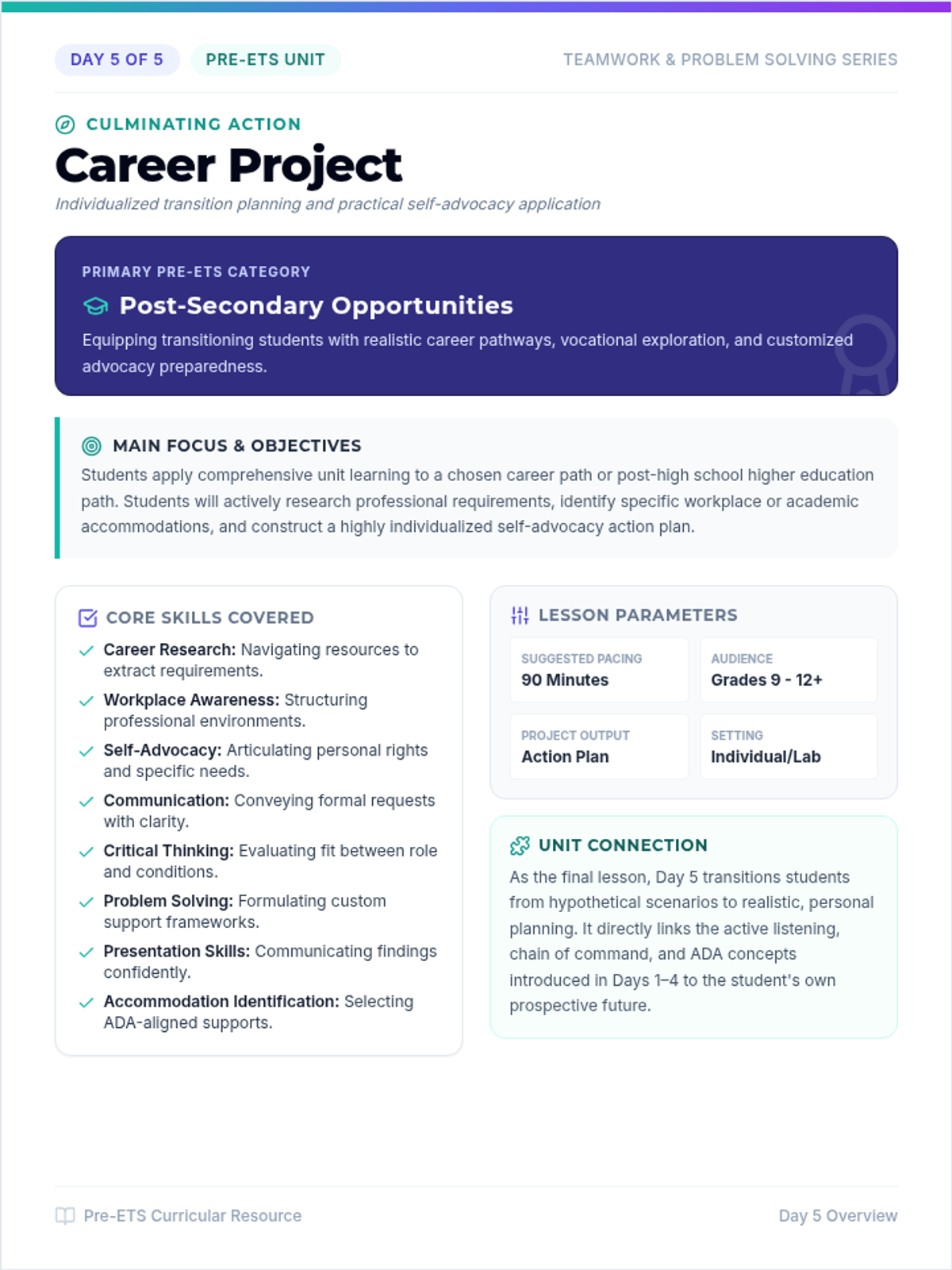
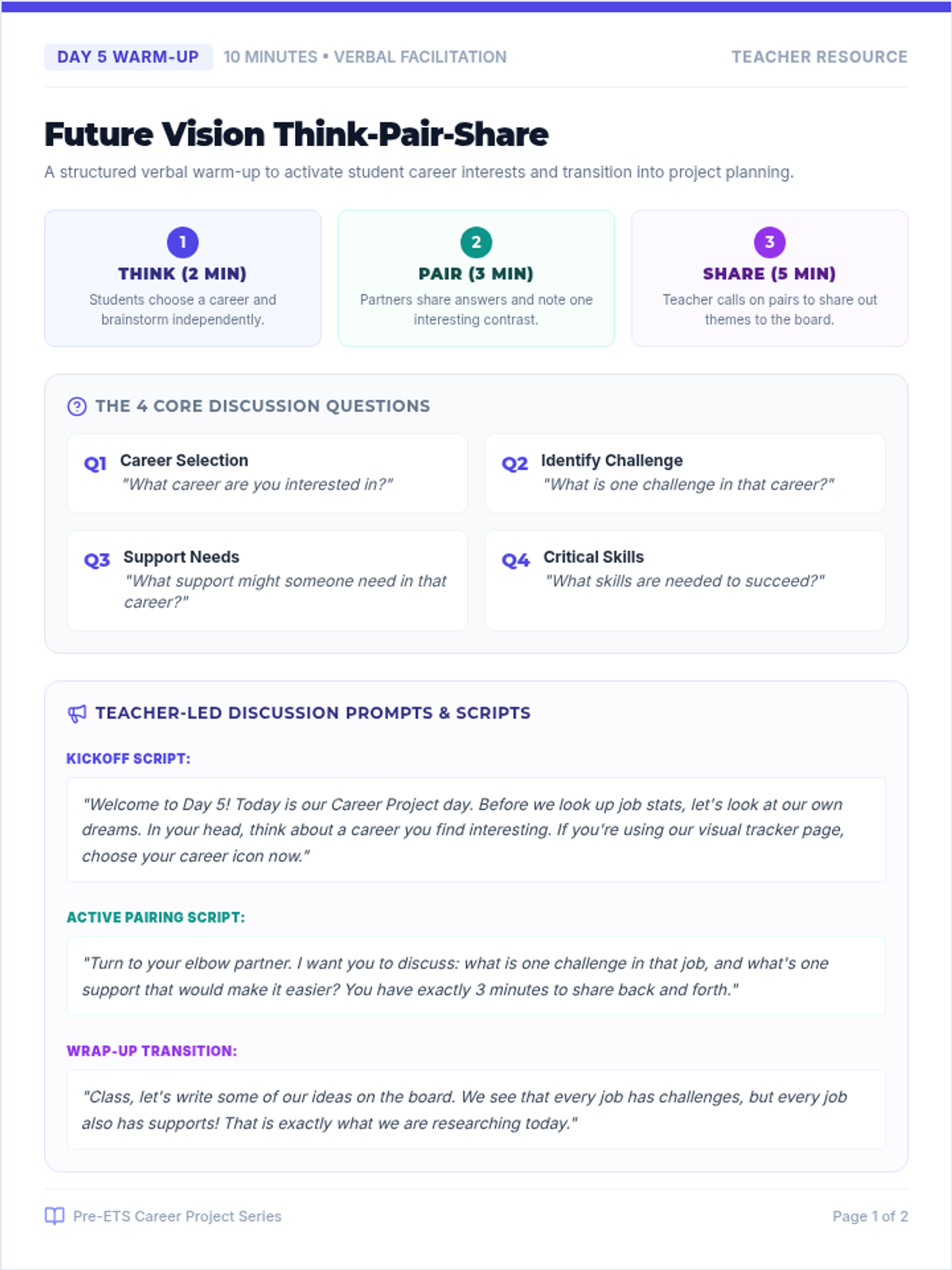
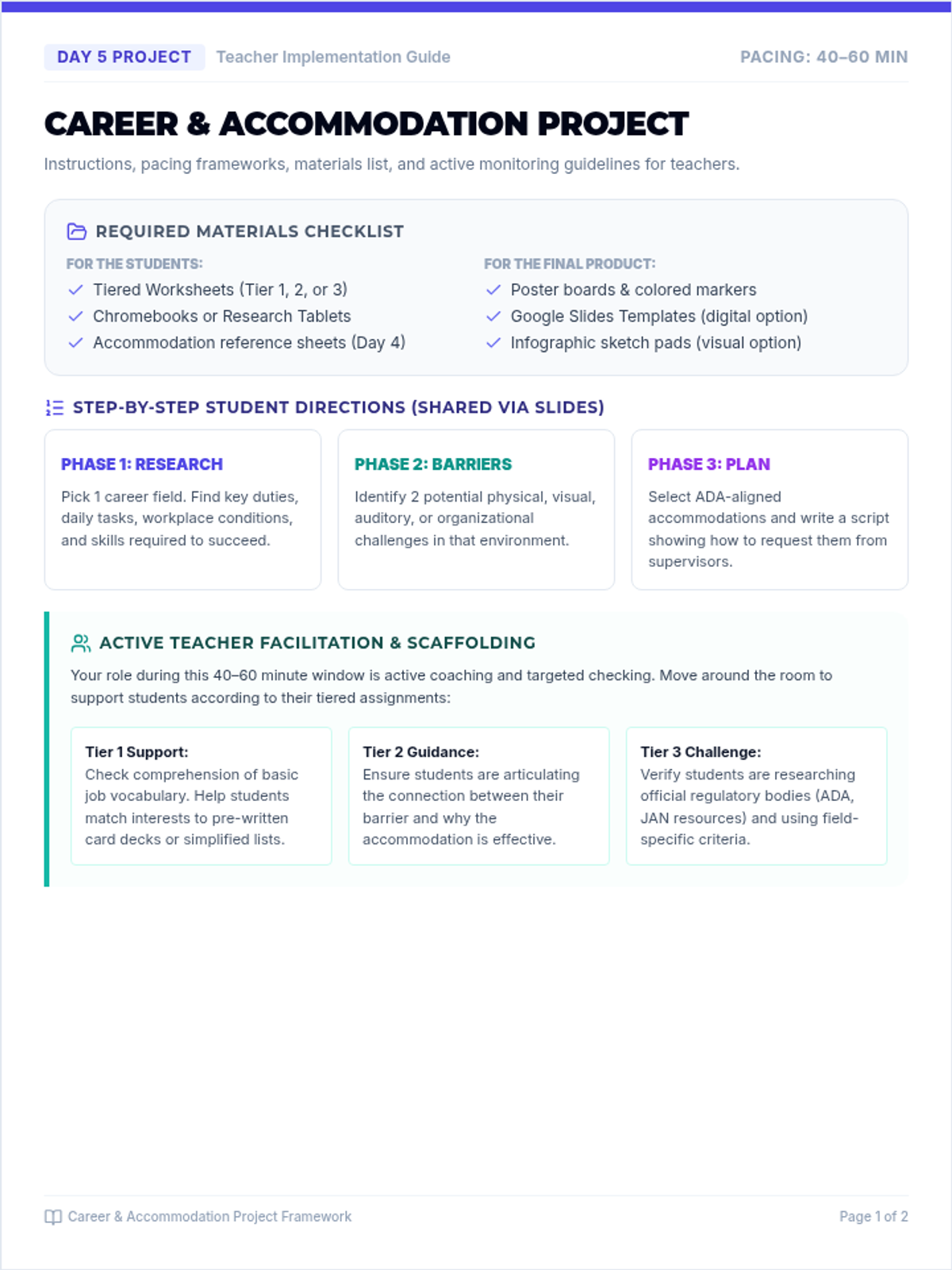
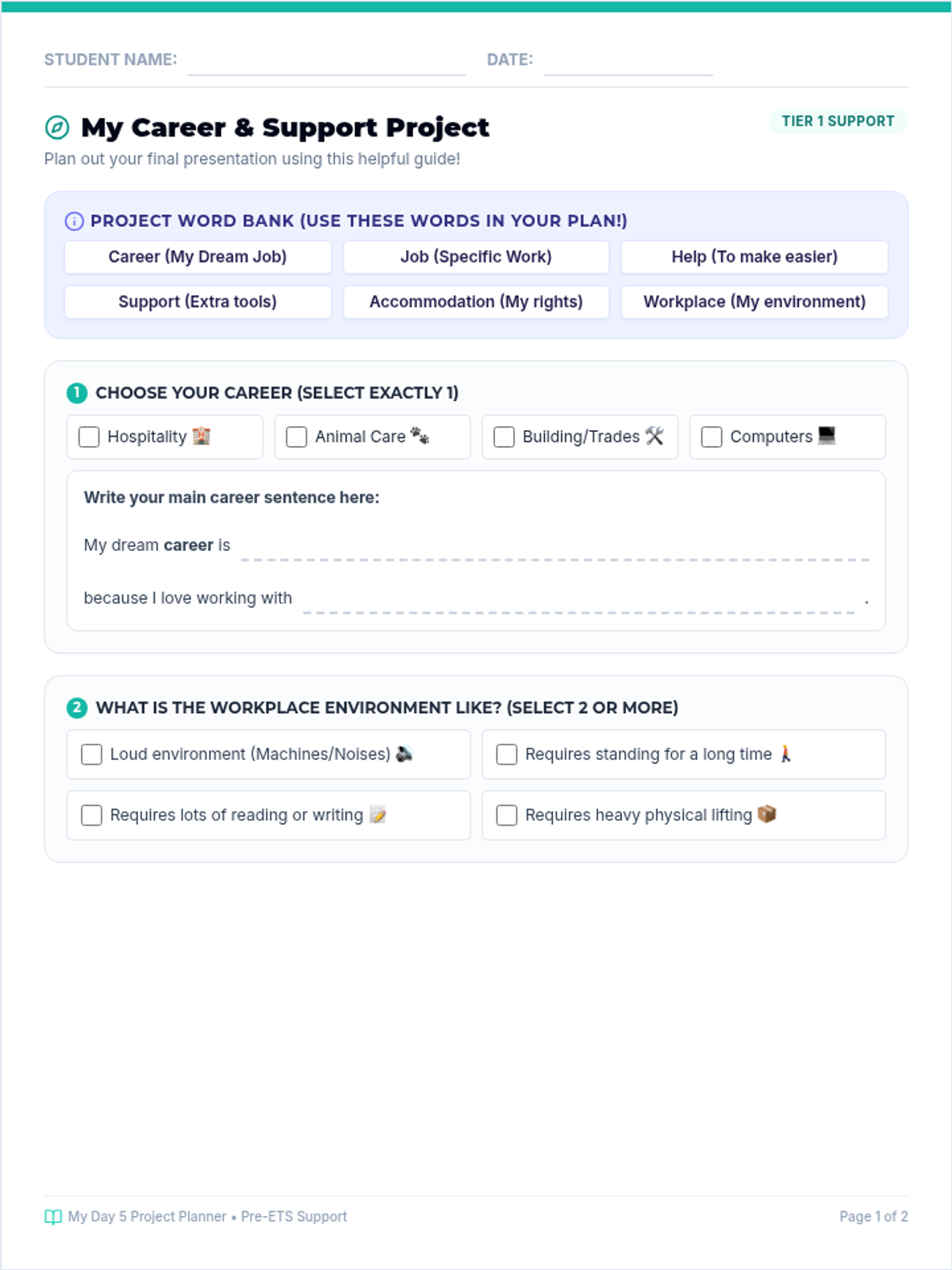
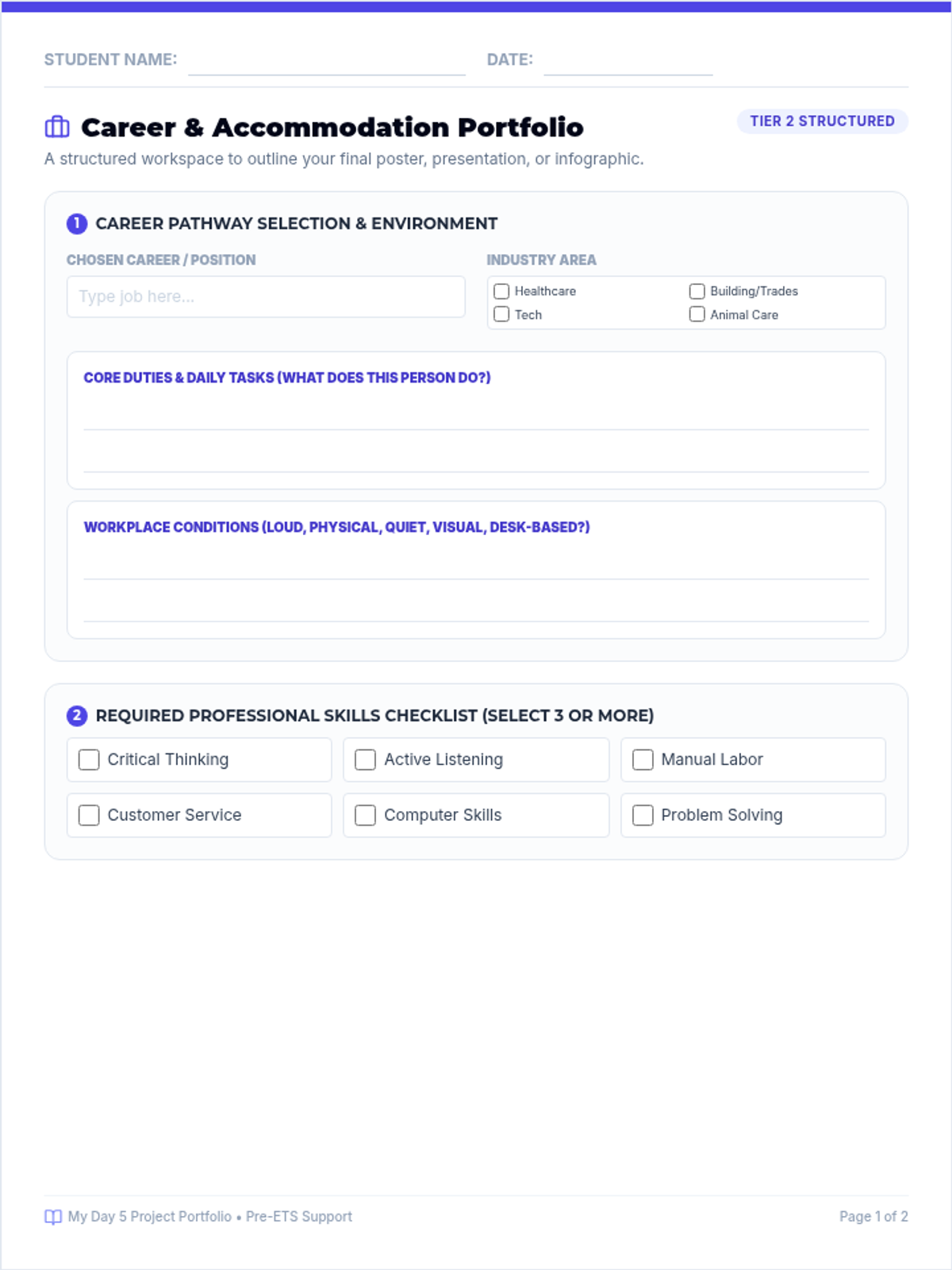
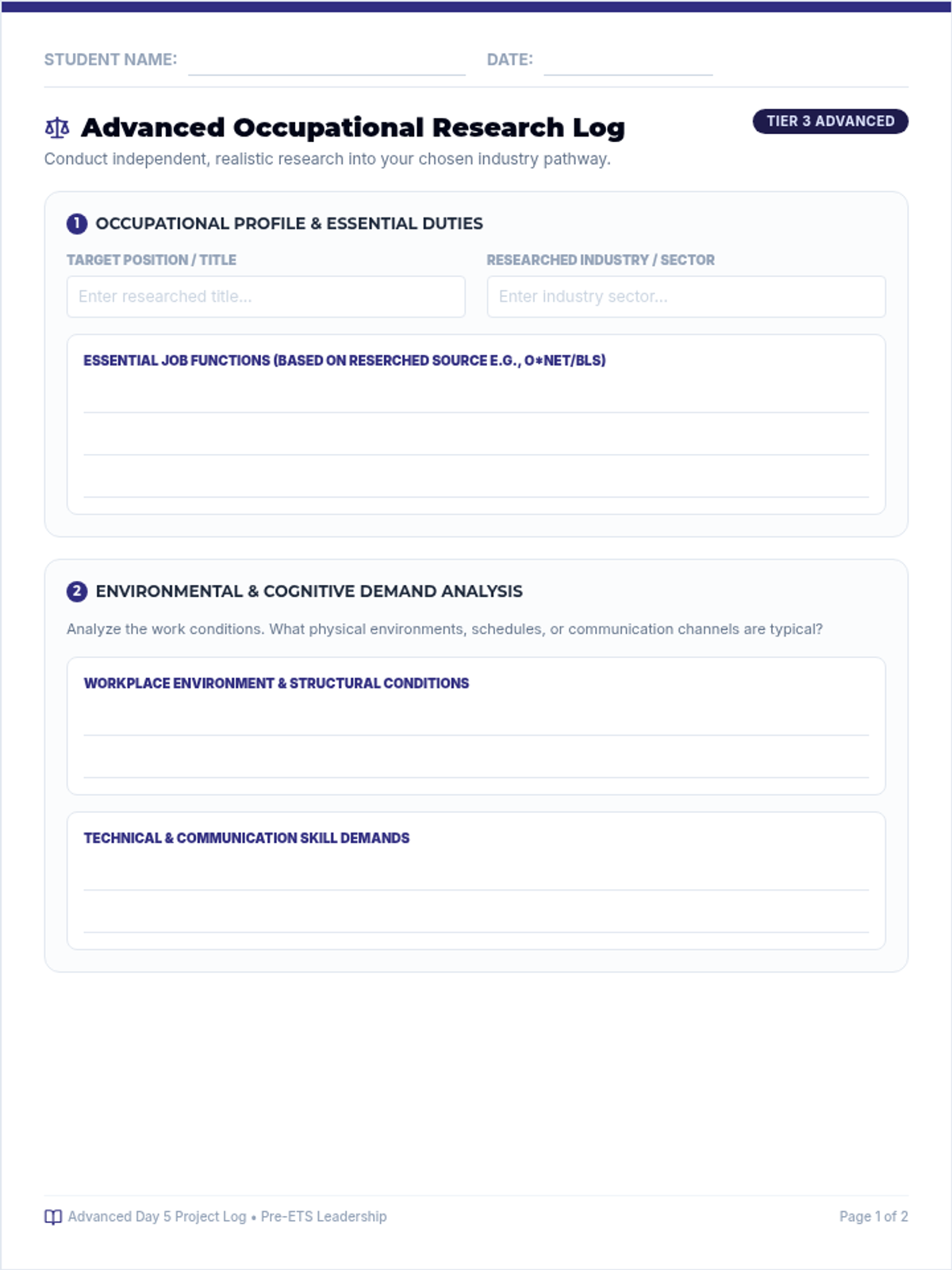
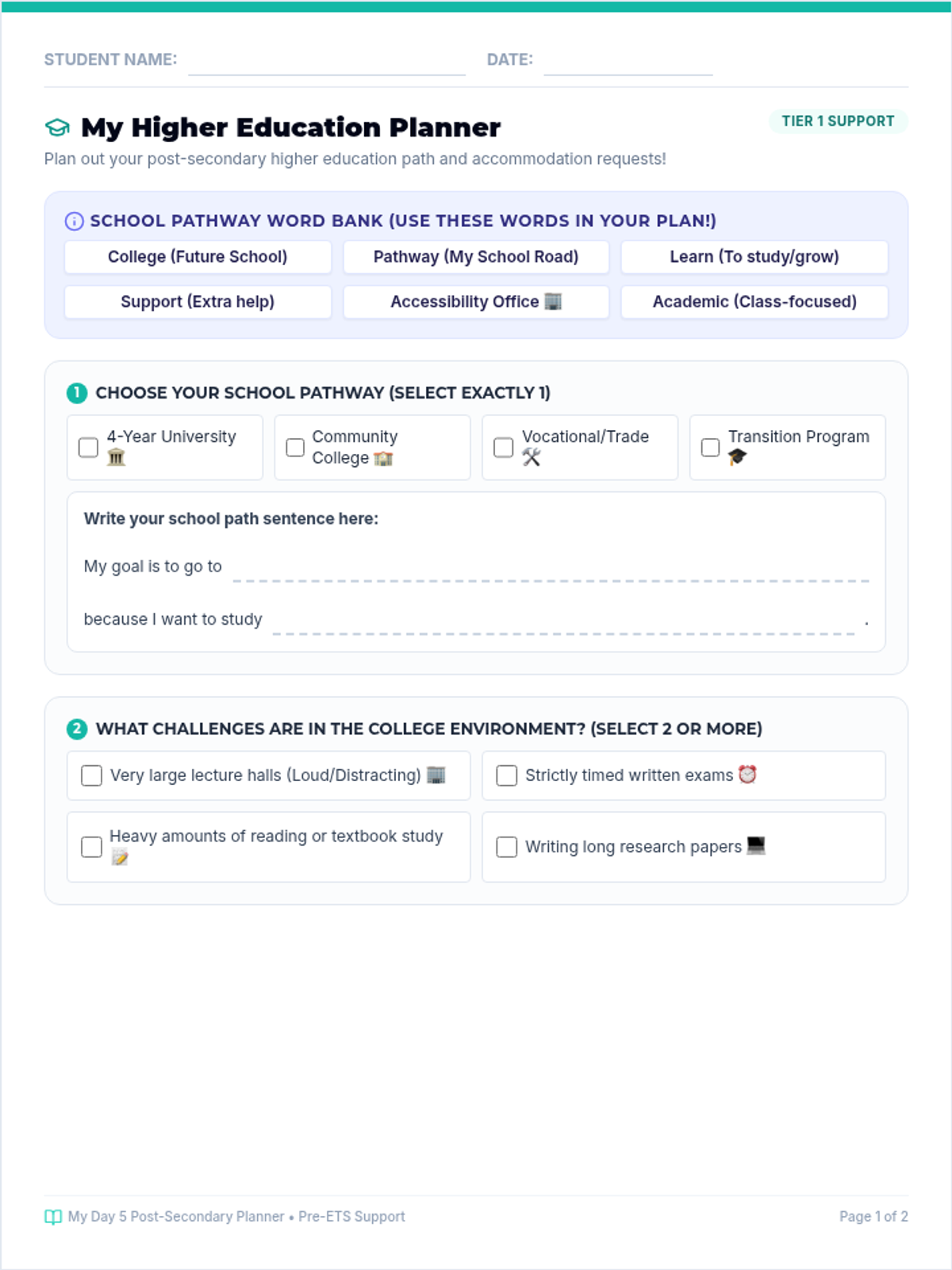
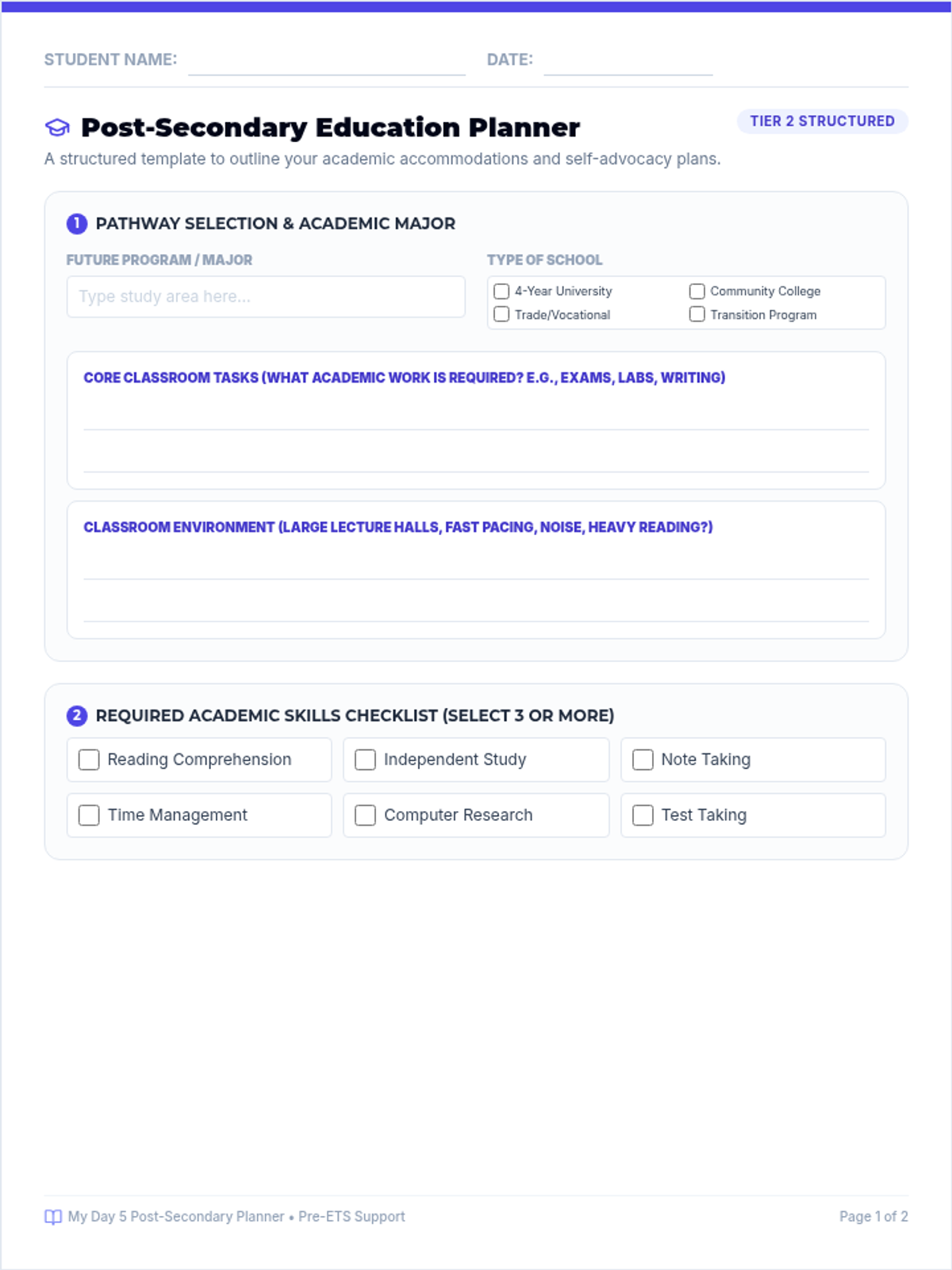
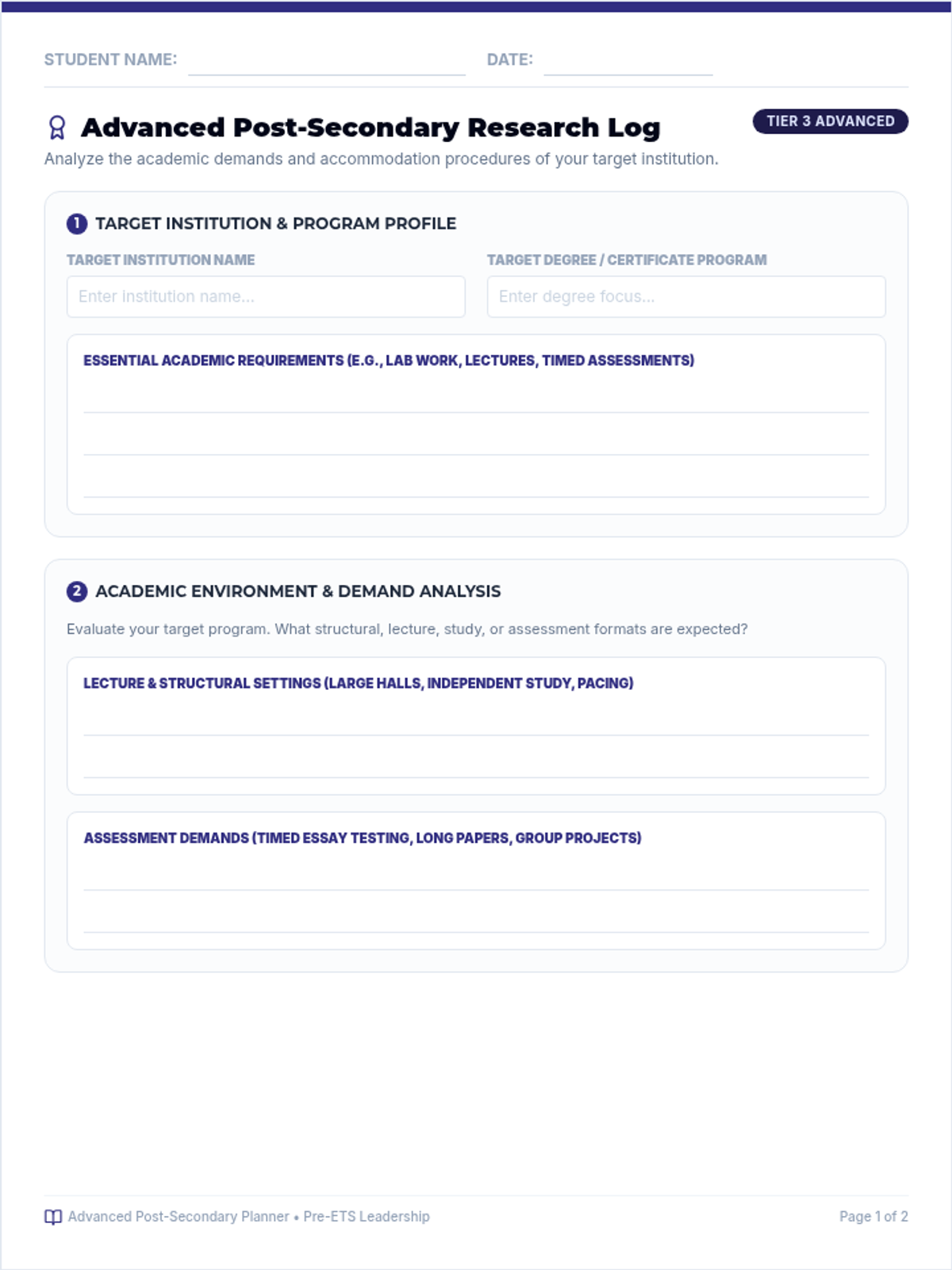
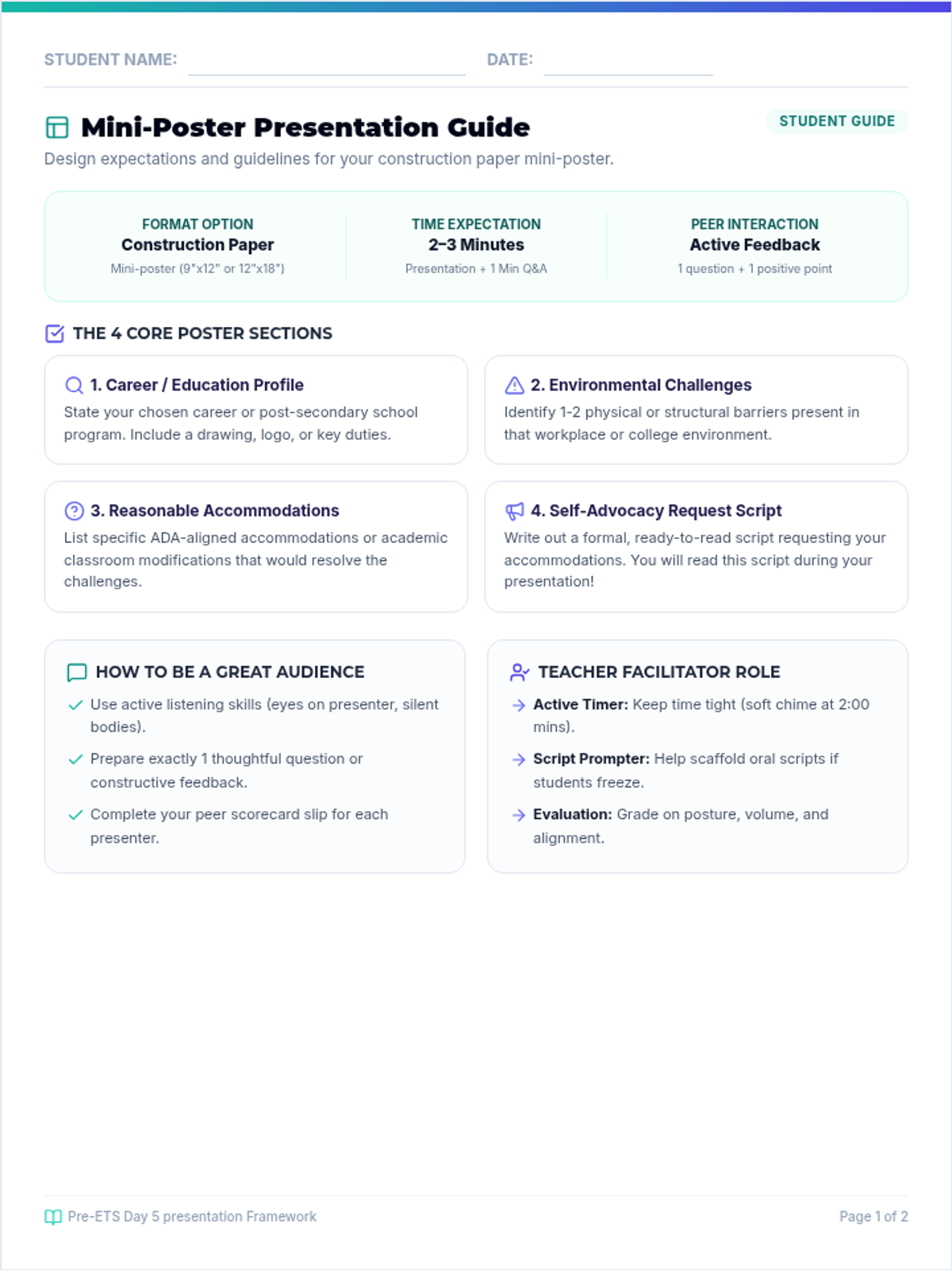
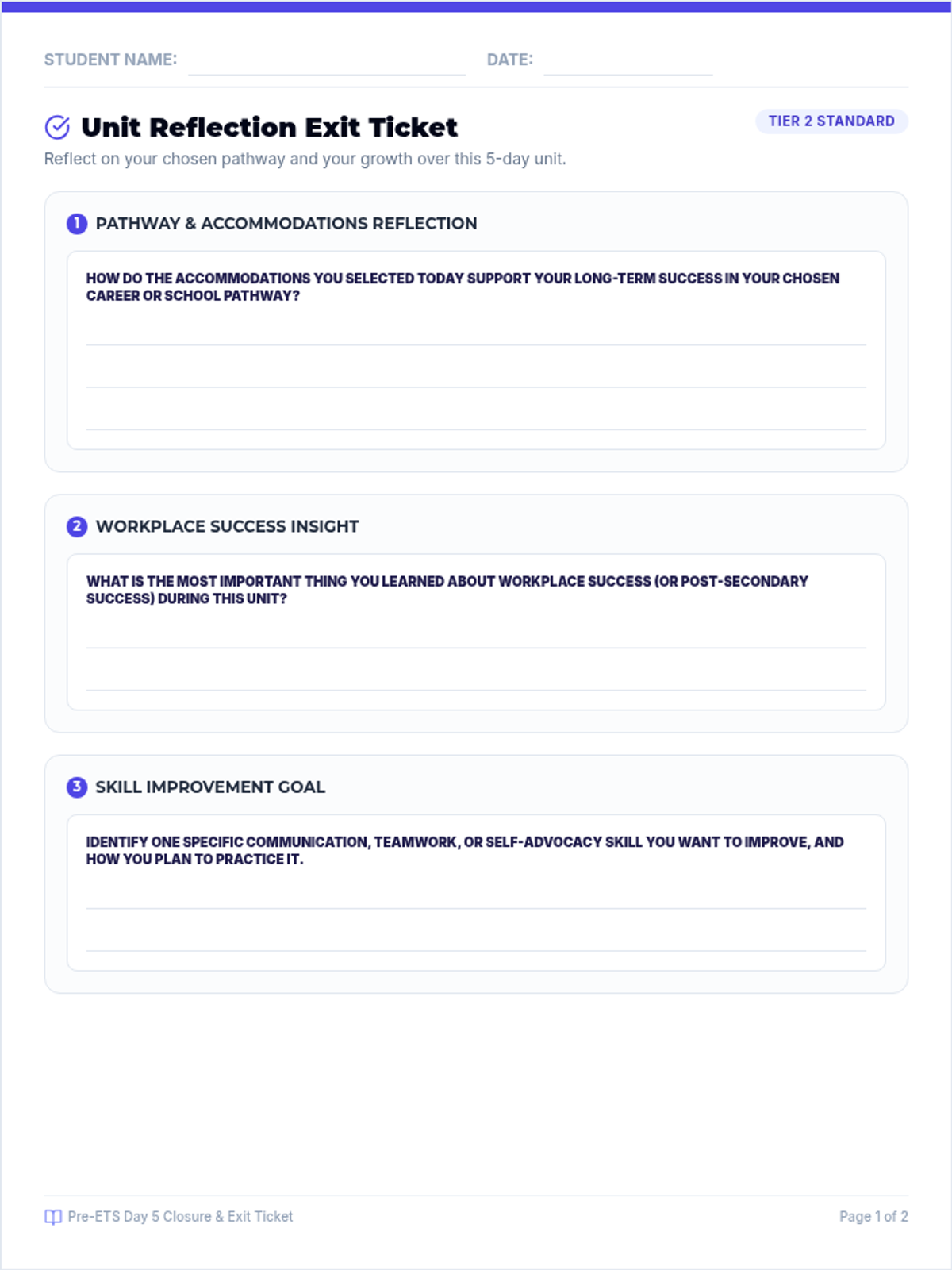
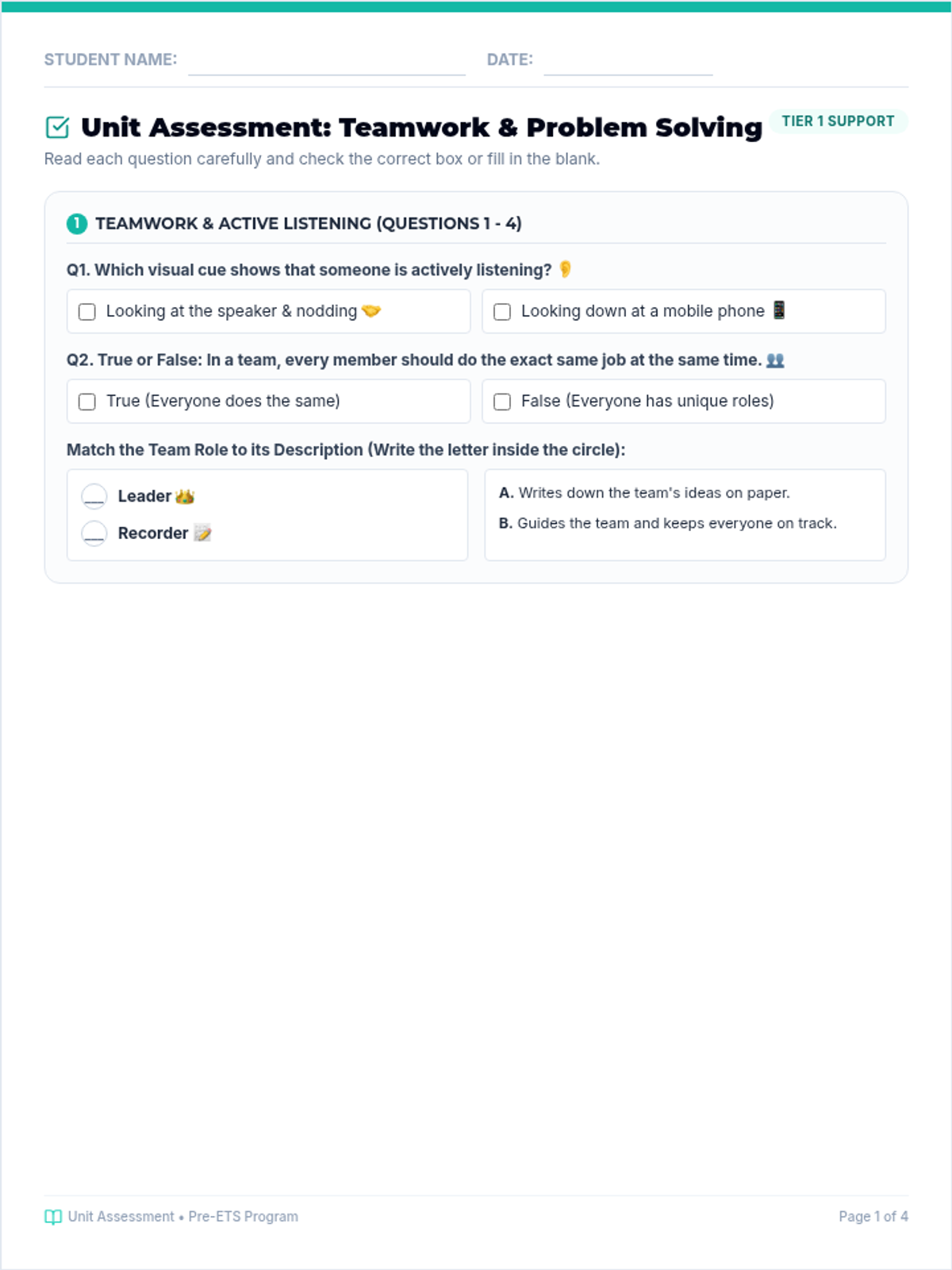
Students apply unit learning to a chosen career or post-secondary education path, identifying workplace accommodations and constructing a self-advocacy plan.
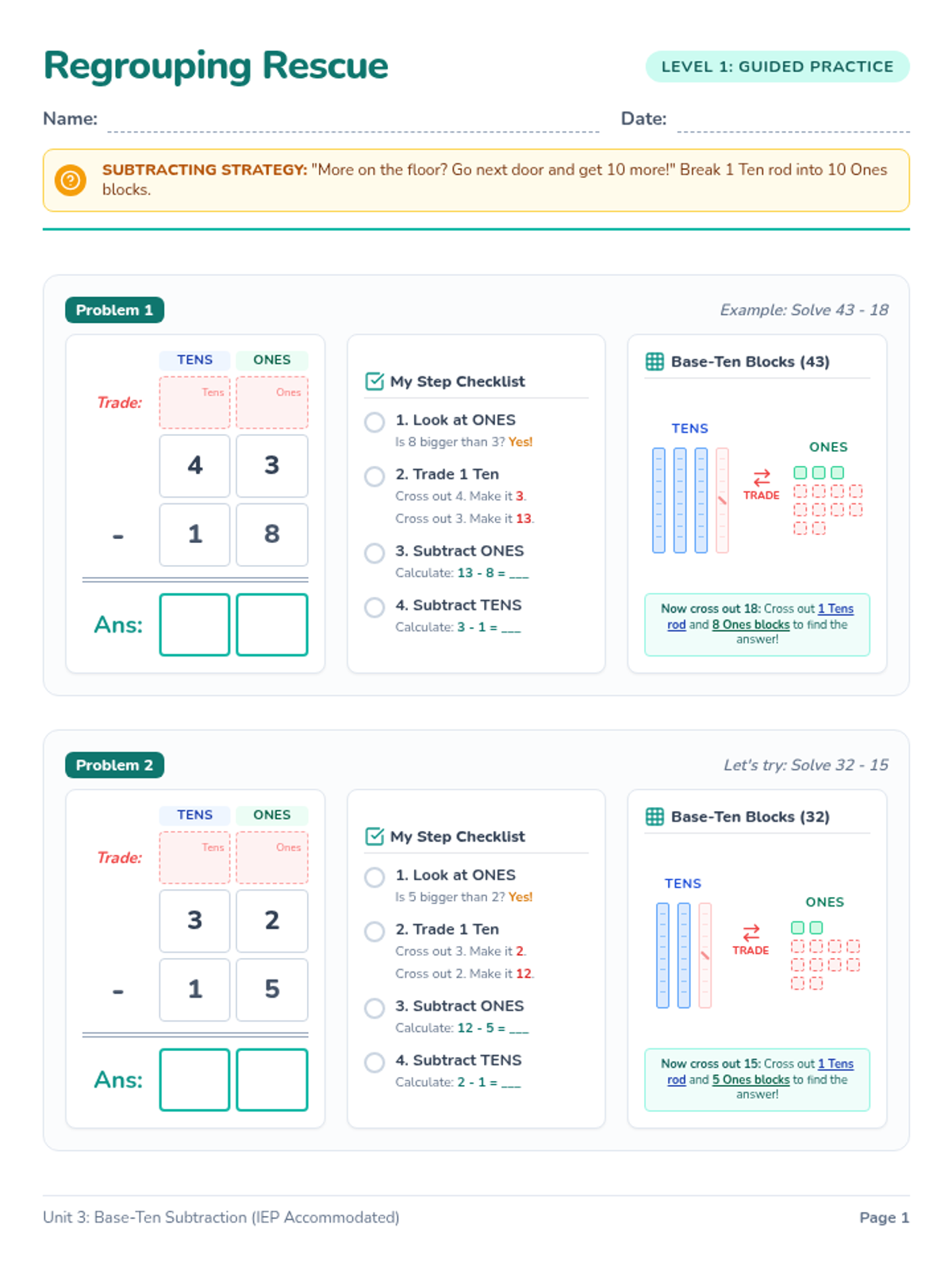
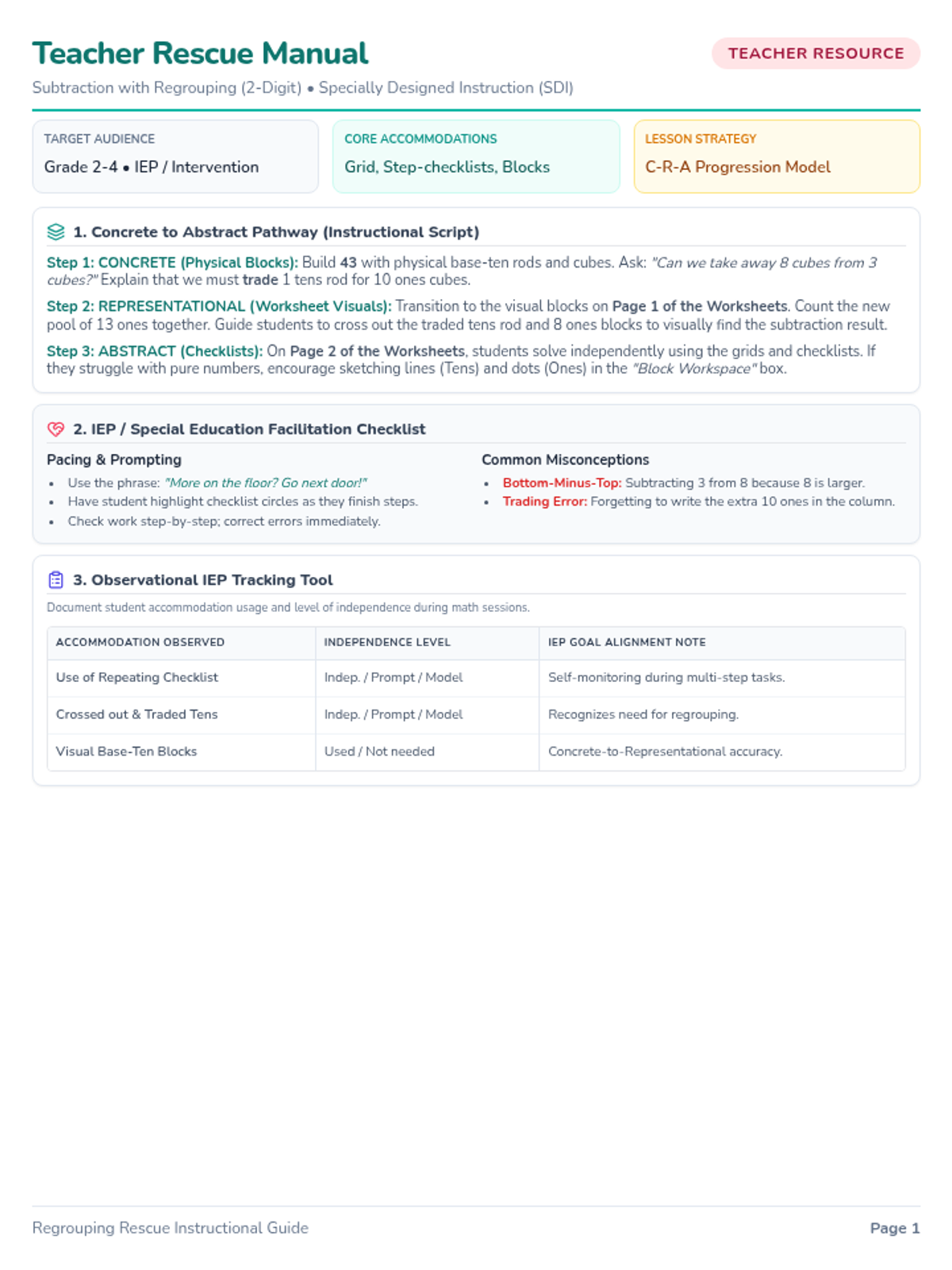
A highly-structured, research-backed lesson on subtracting two-digit numbers with regrouping, specifically designed with IEP accommodations. Includes grid-aligned practice sheets with repeating step-by-step visual checklists and built-in base-ten visual blocks to support concrete-representational-abstract transitions.
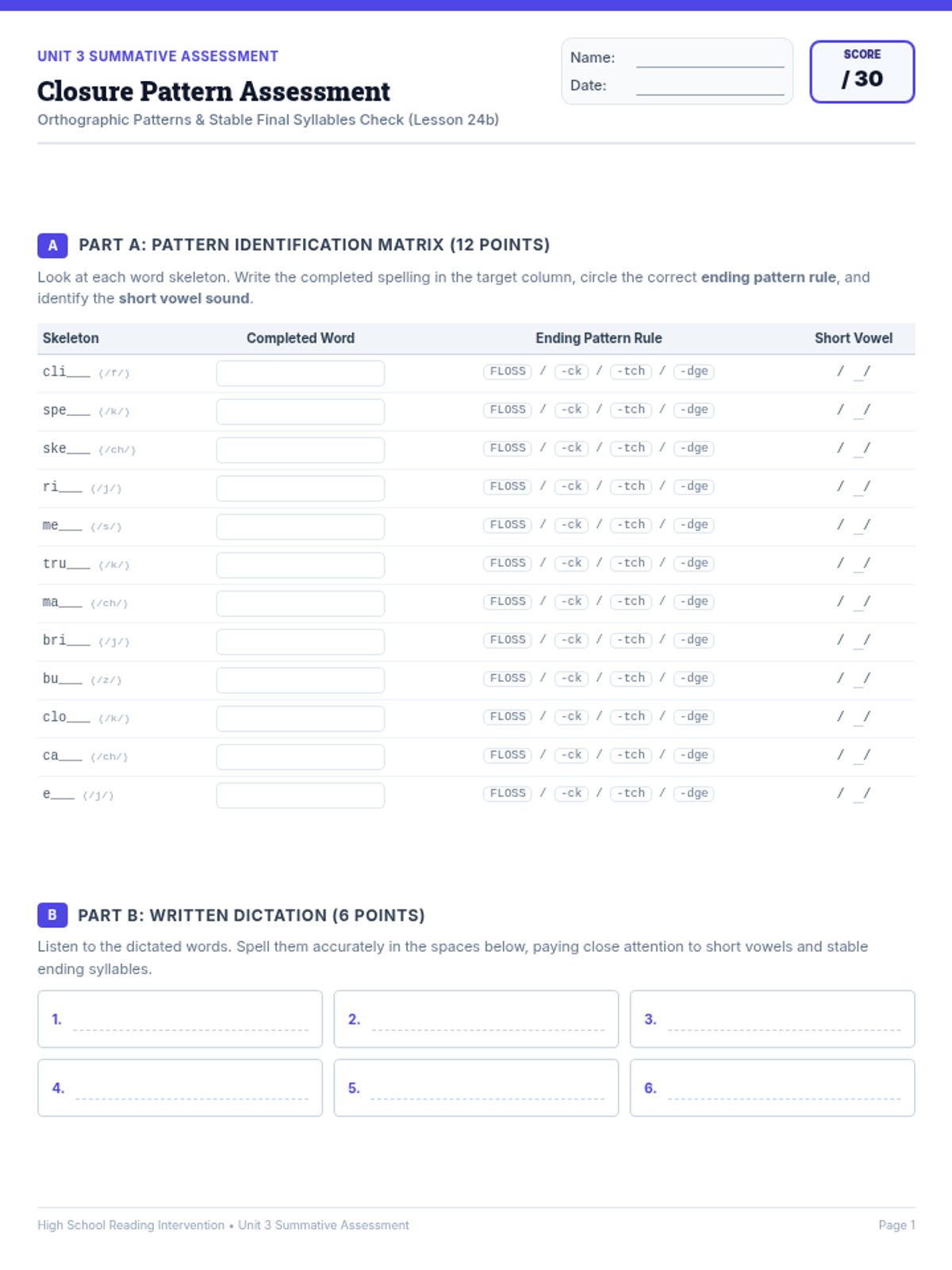
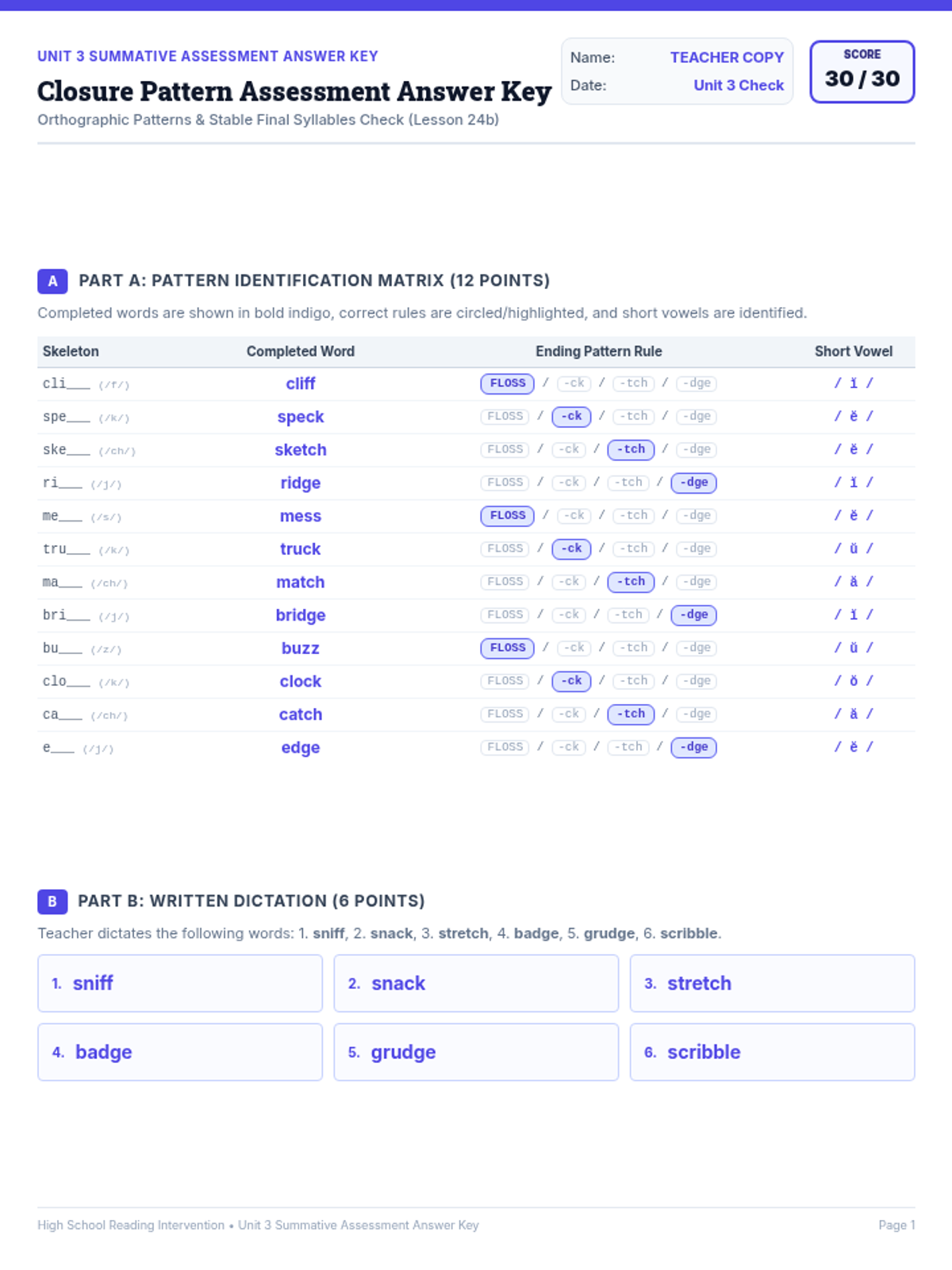
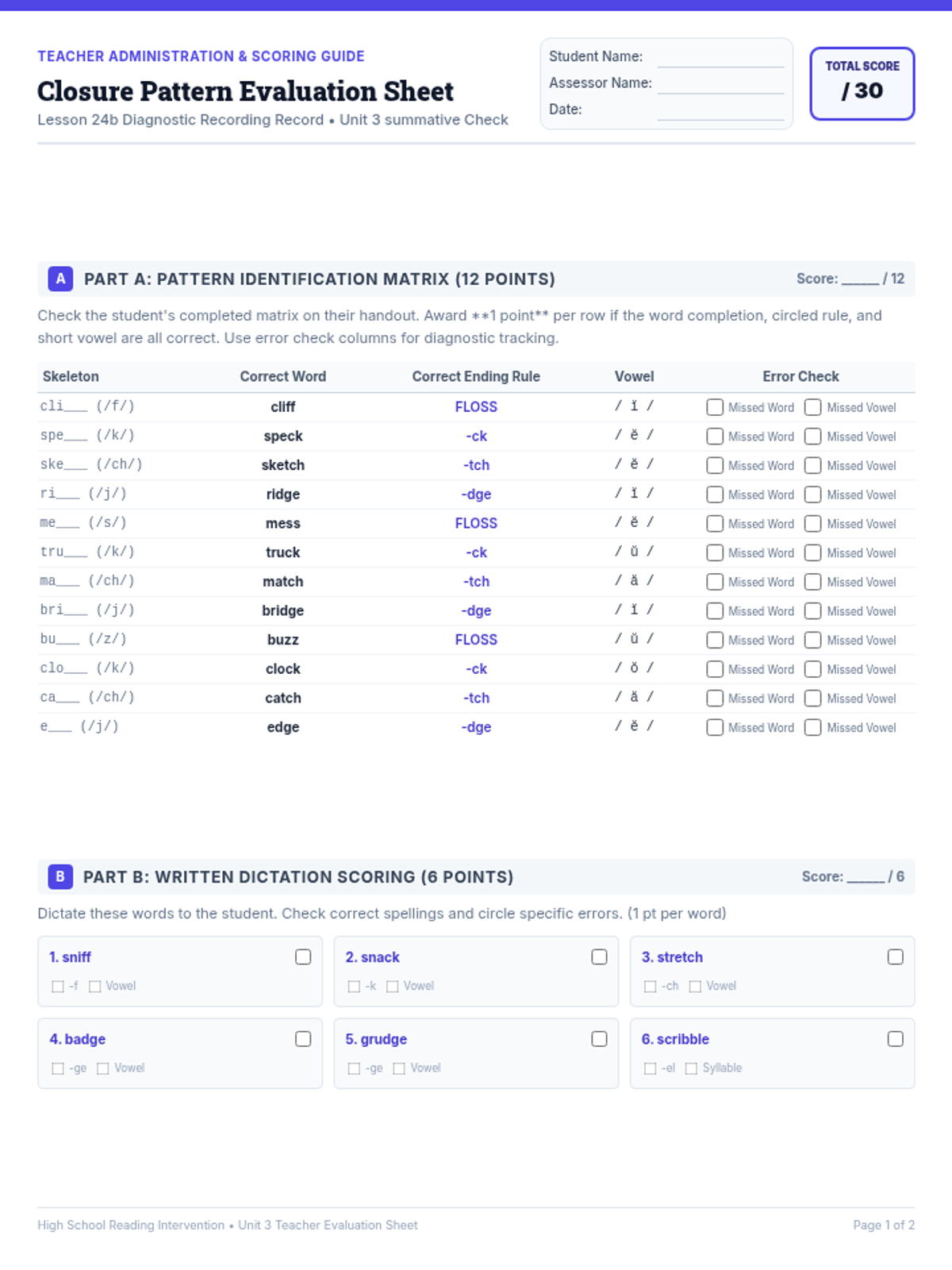
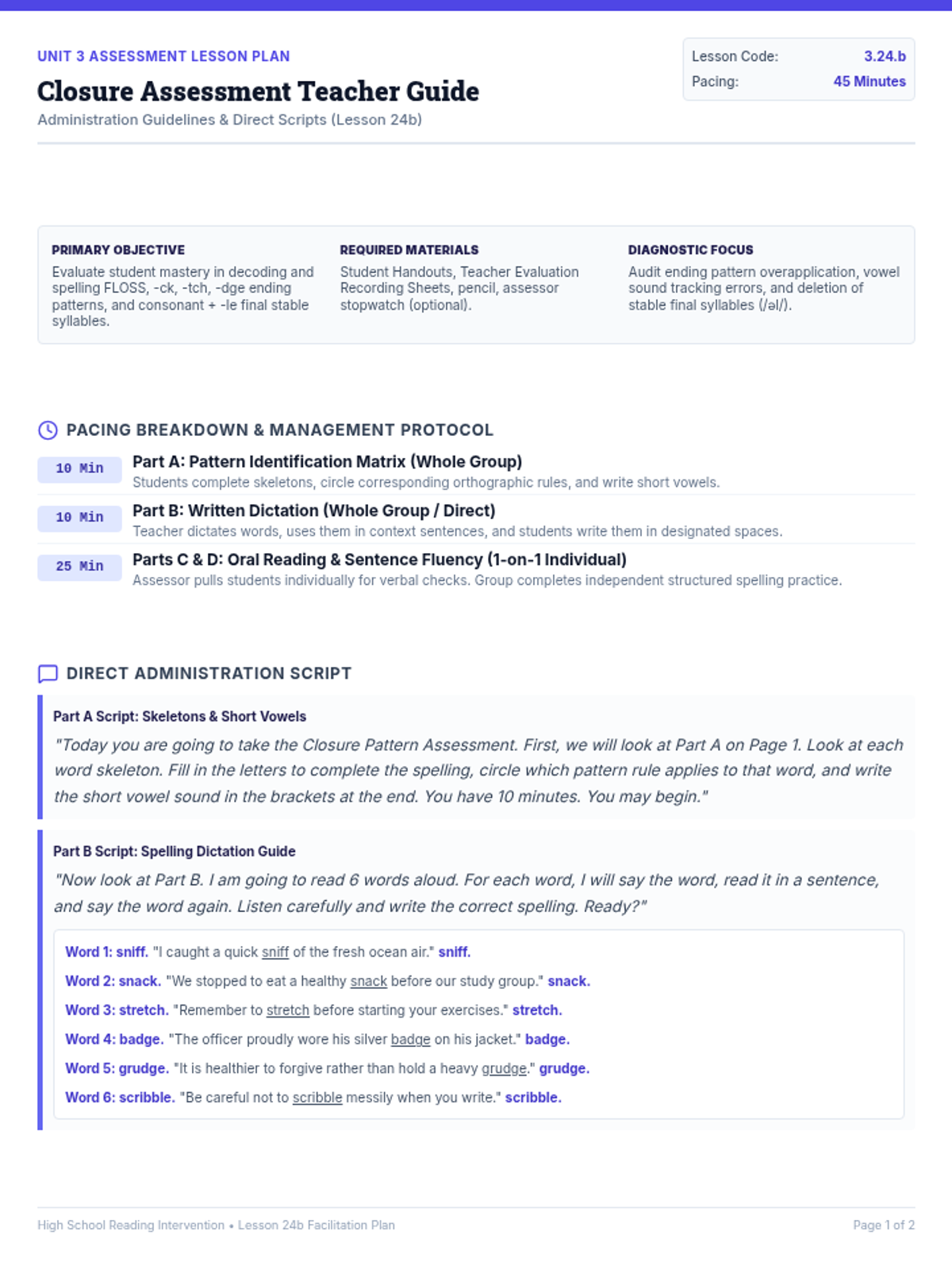
An intensive summative assessment lesson designed to check student mastery of FLOSS, -ck, -tch, -dge, and -le decoding and spelling patterns.
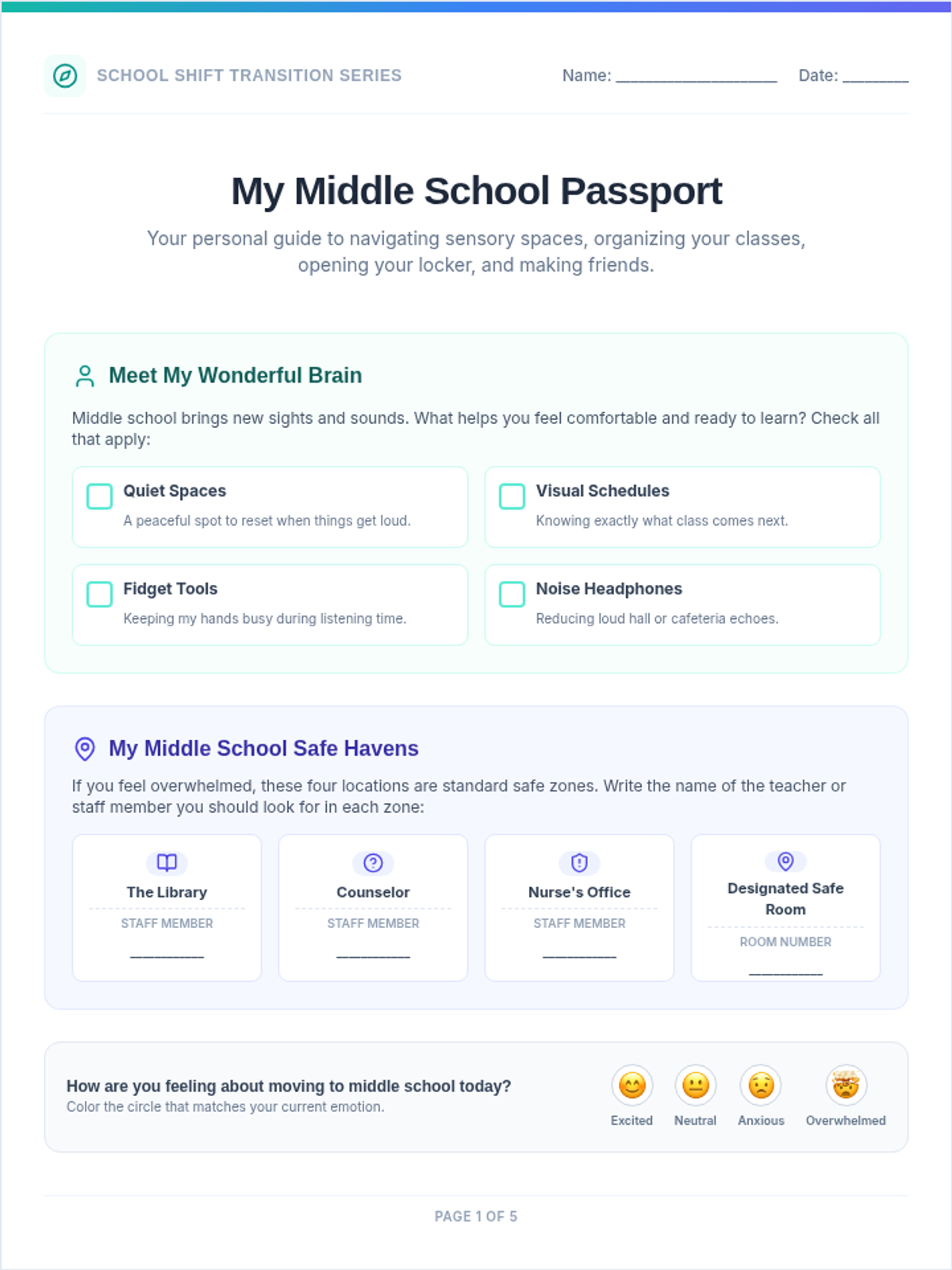
A transition lesson designed specifically for middle school students with ASD, focusing on navigating sensory changes, learning social scripts, practicing physical tasks like locker combinations, and organizing multiple classes.
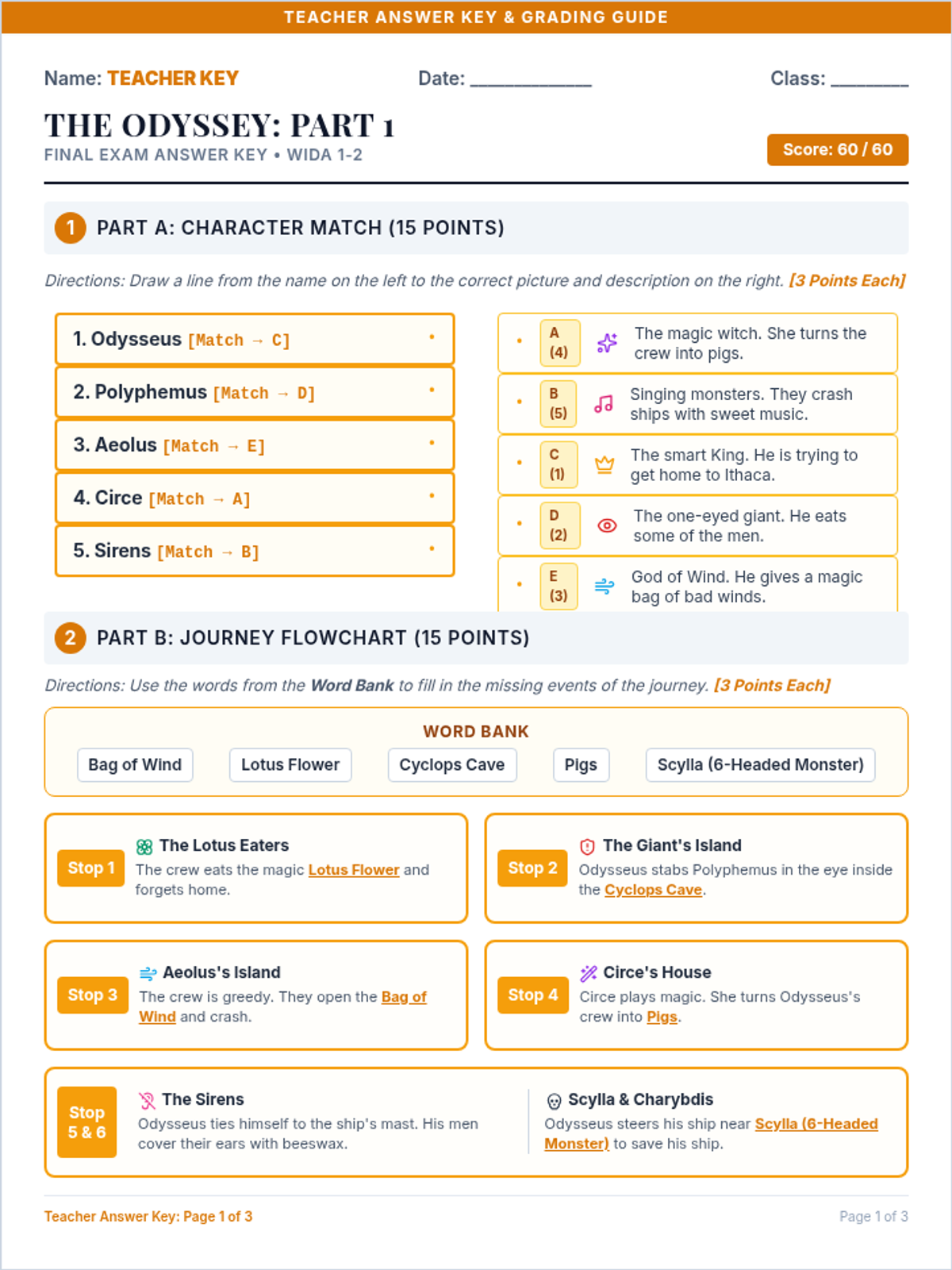
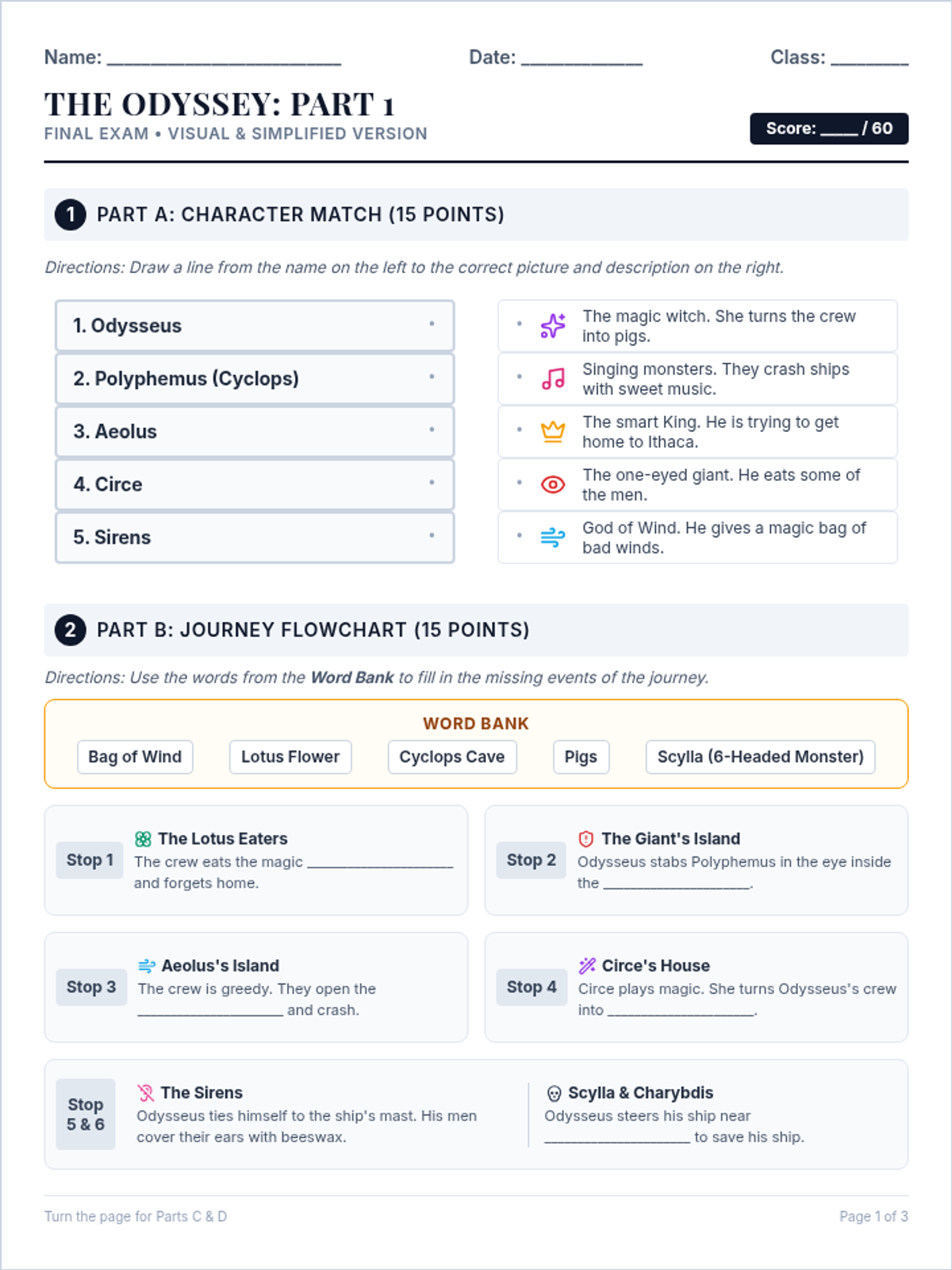
A highly simplified, visually supported final exam on Part 1 of The Odyssey, designed specifically for Grade 9 English Language Learners at WIDA levels 1-2. It features visual matching, multiple-choice questions with clear icon support, a sequential flowchart, and structured sentence starters to support reading comprehension and analysis of key decisions.
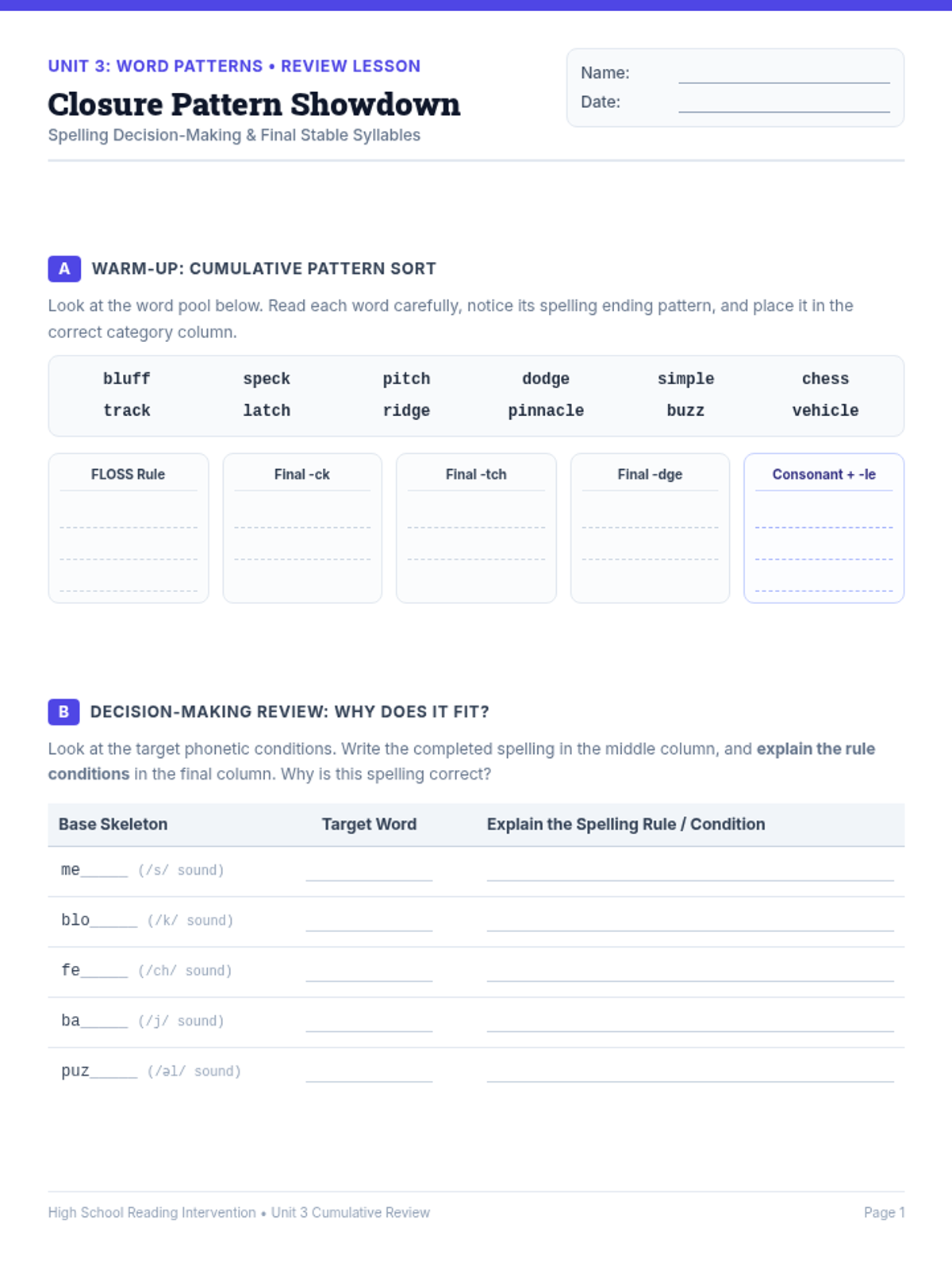
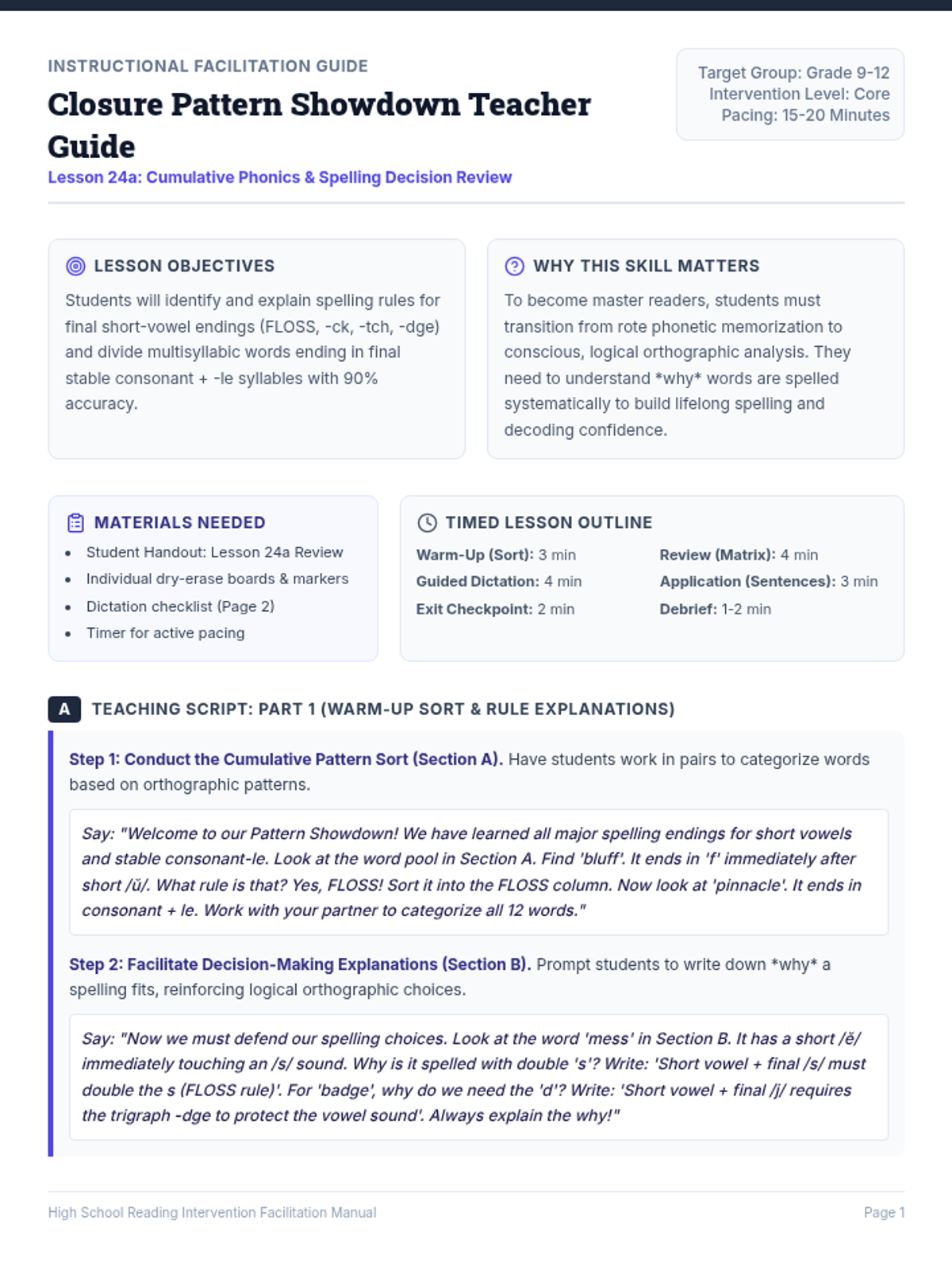
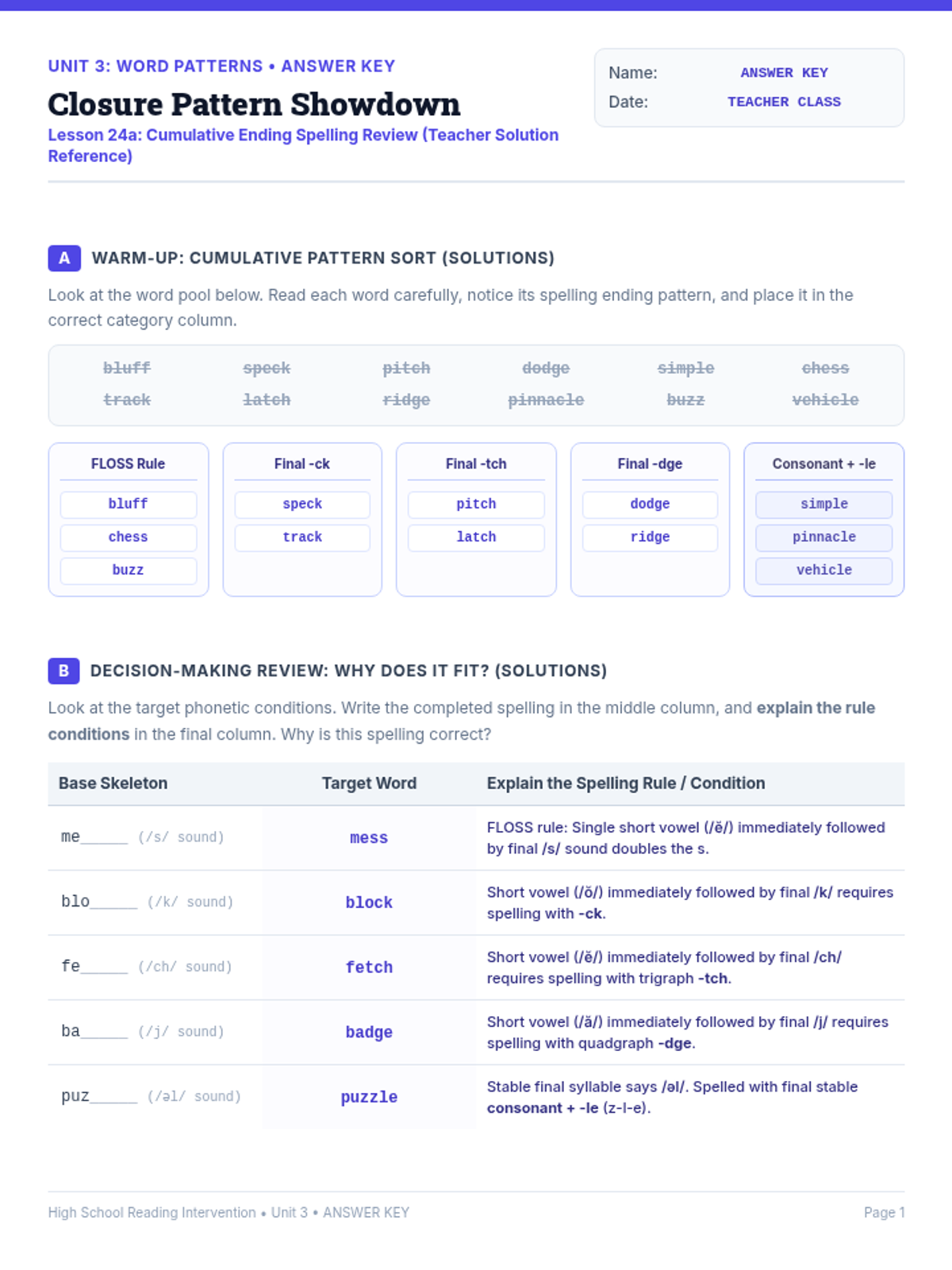
A cumulative review and decision-making lesson consolidating all short-vowel ending rules (FLOSS, -ck, -tch, -dge) and stable final syllables (consonant + -le) to cement orthographic reasoning and decoding precision.