A speech therapy lesson focused on navigating school social situations, targeting tier 2 vocabulary, complex sentence structure, auditory memory, and nonverbal communication.
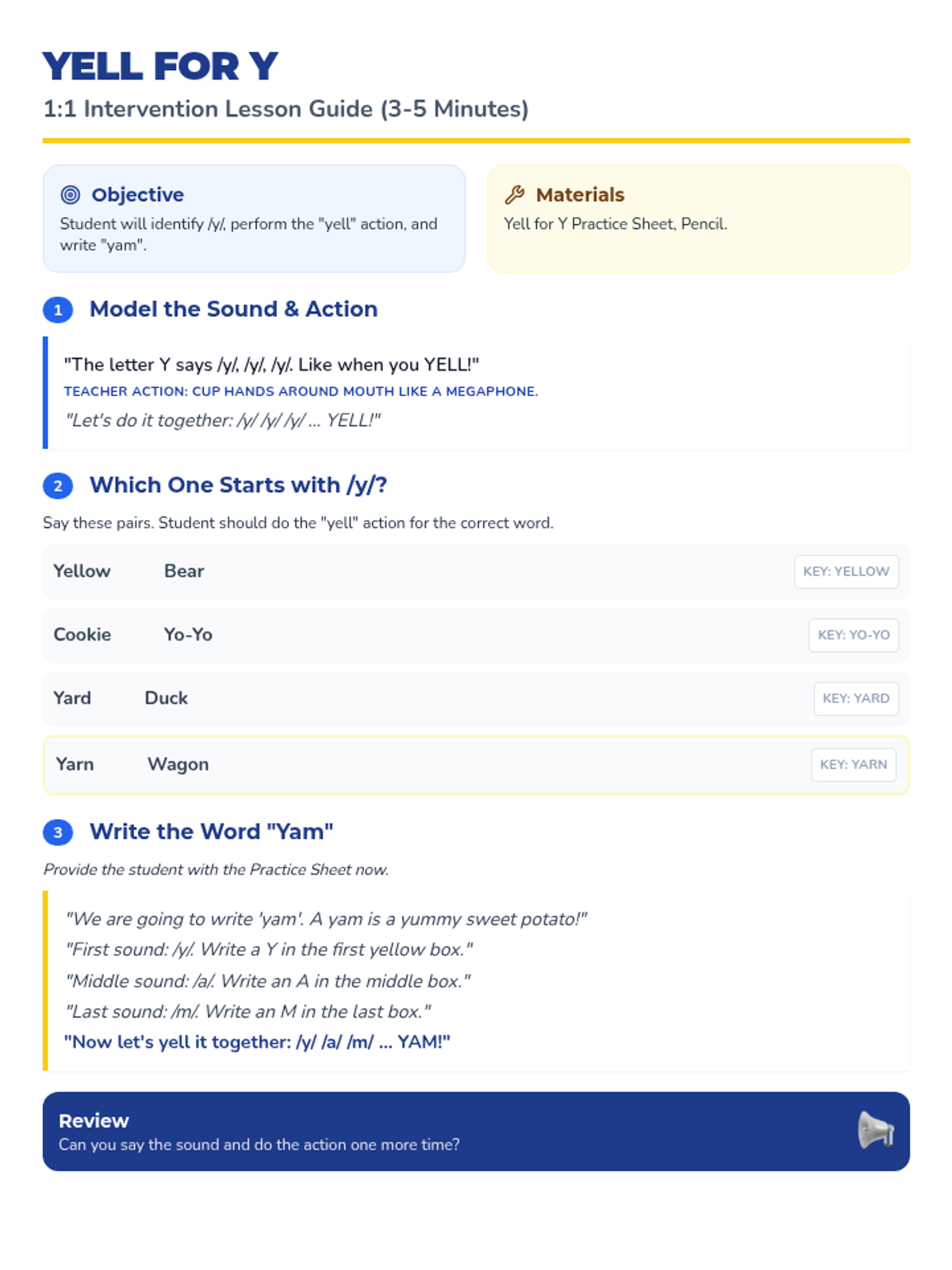
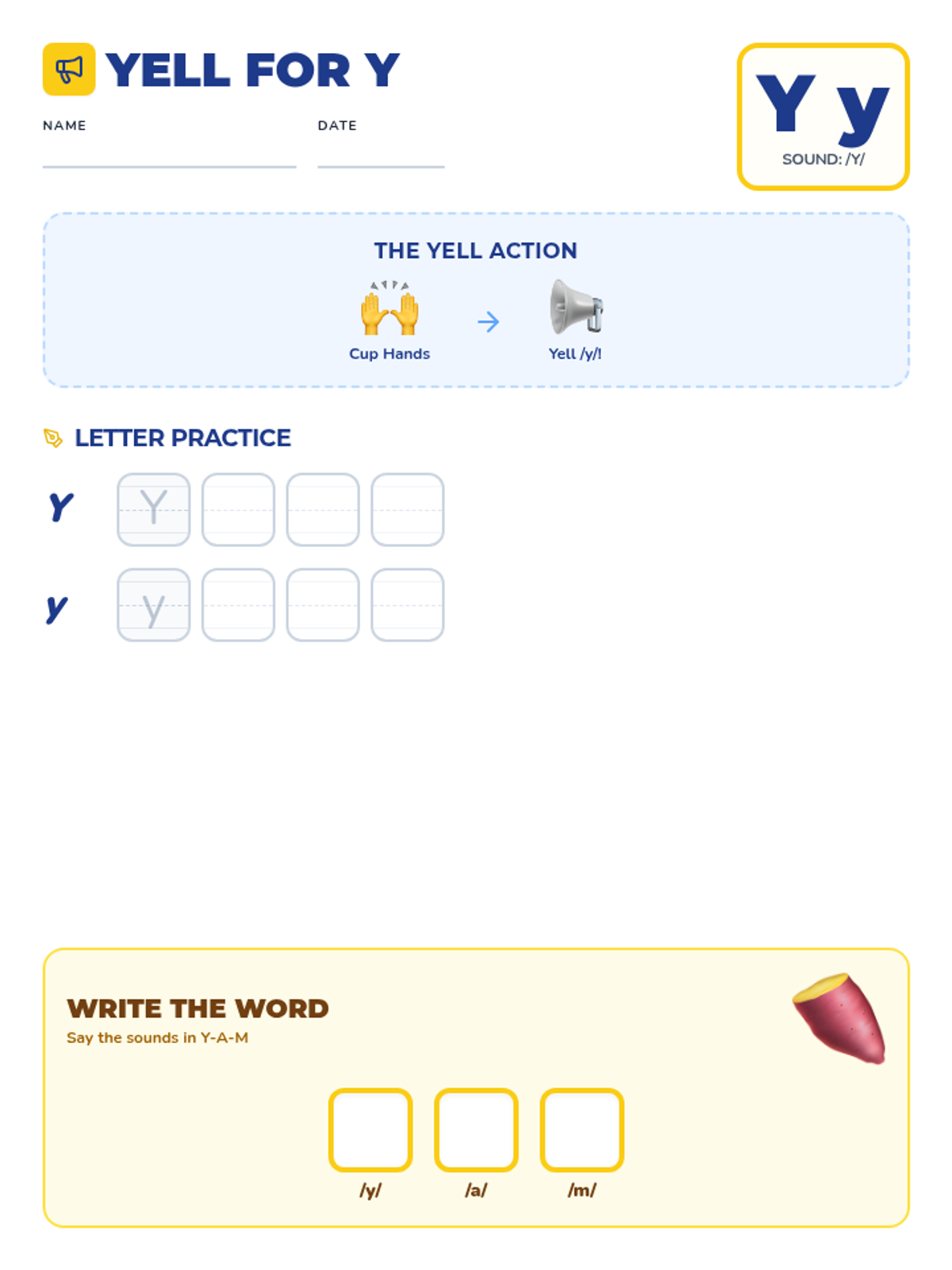
A quick, high-energy 1:1 intervention designed to re-teach the letter Y sound and action. This lesson focuses on phonetic awareness and basic CVC word construction.
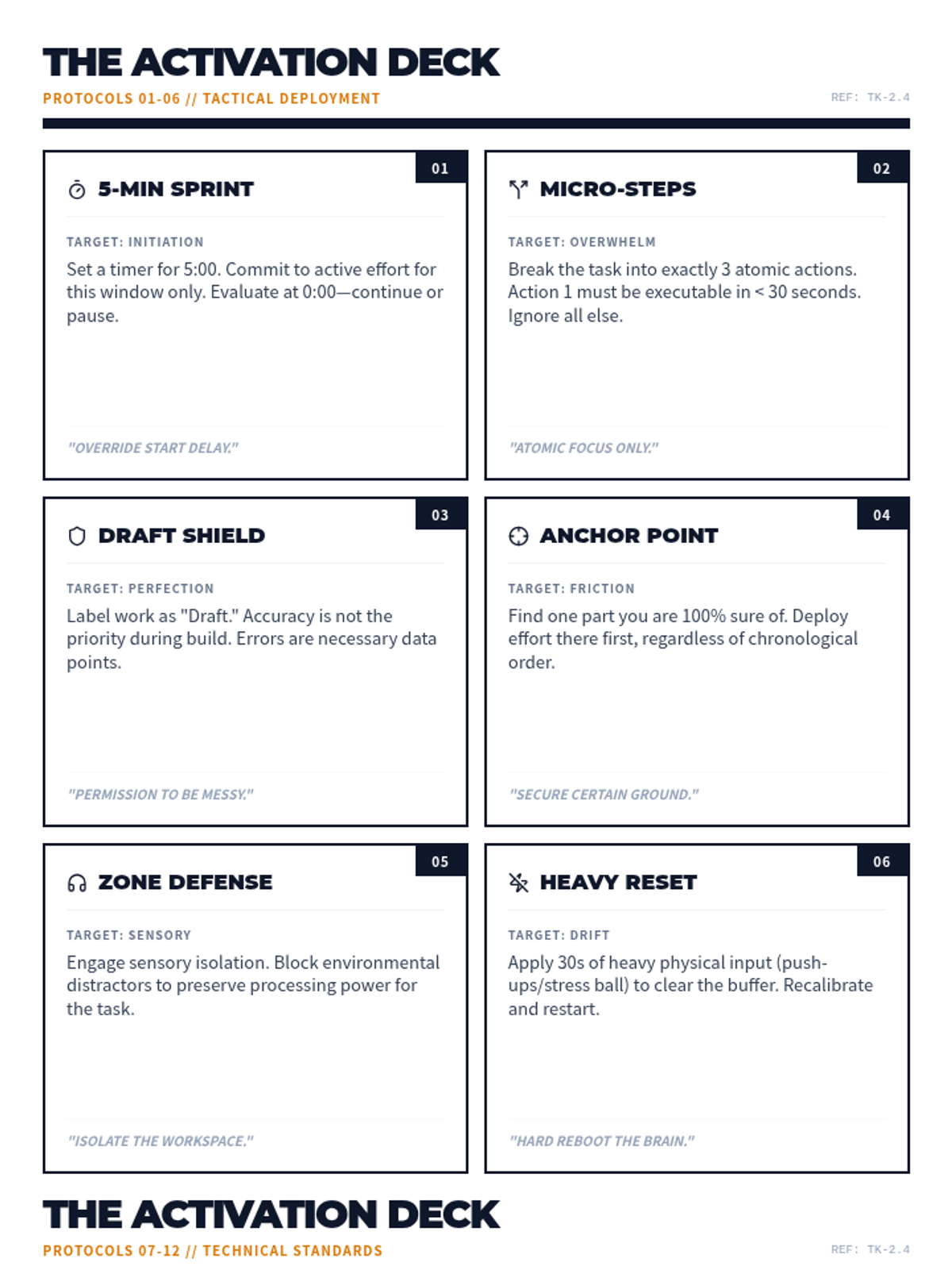
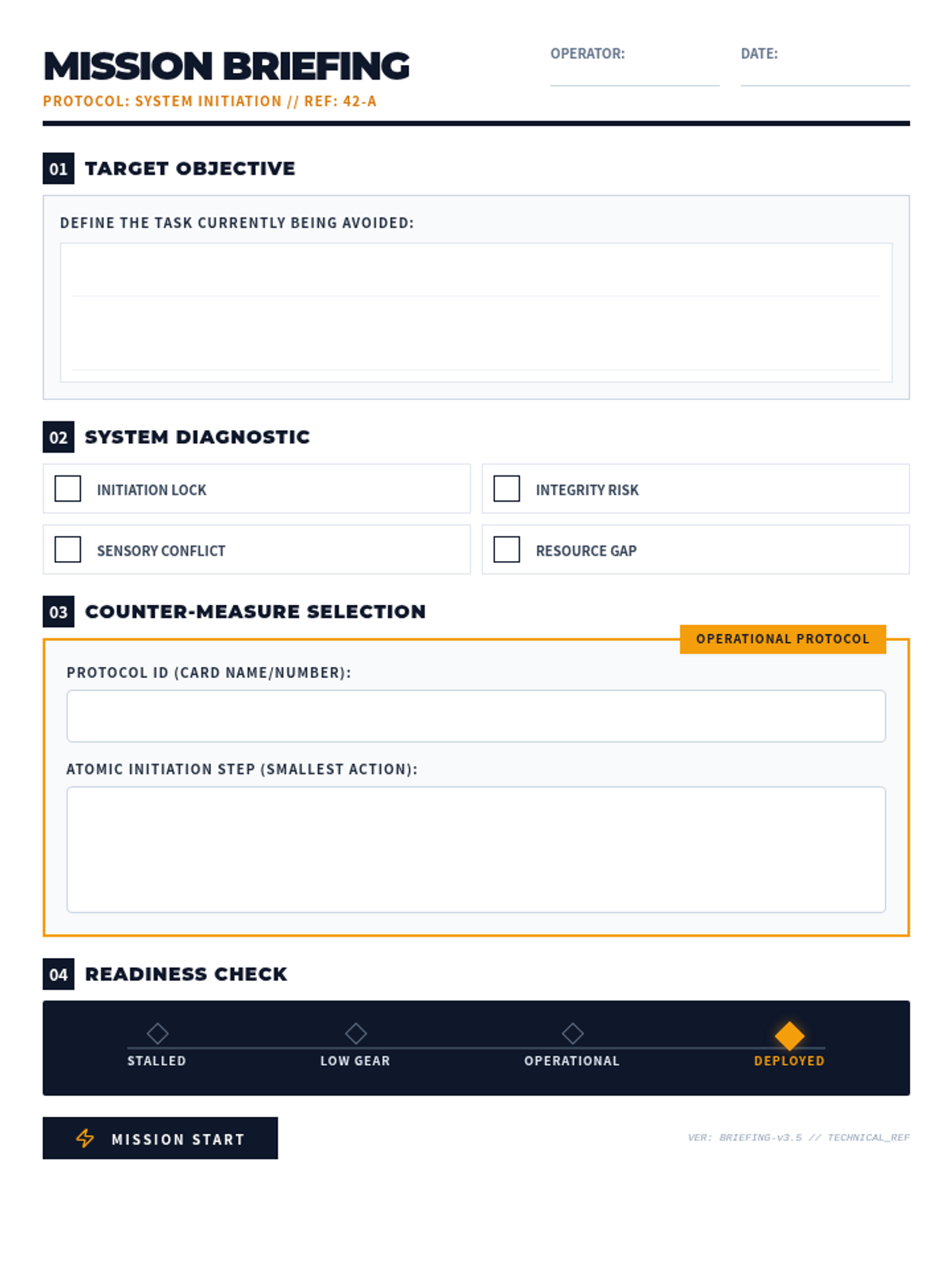
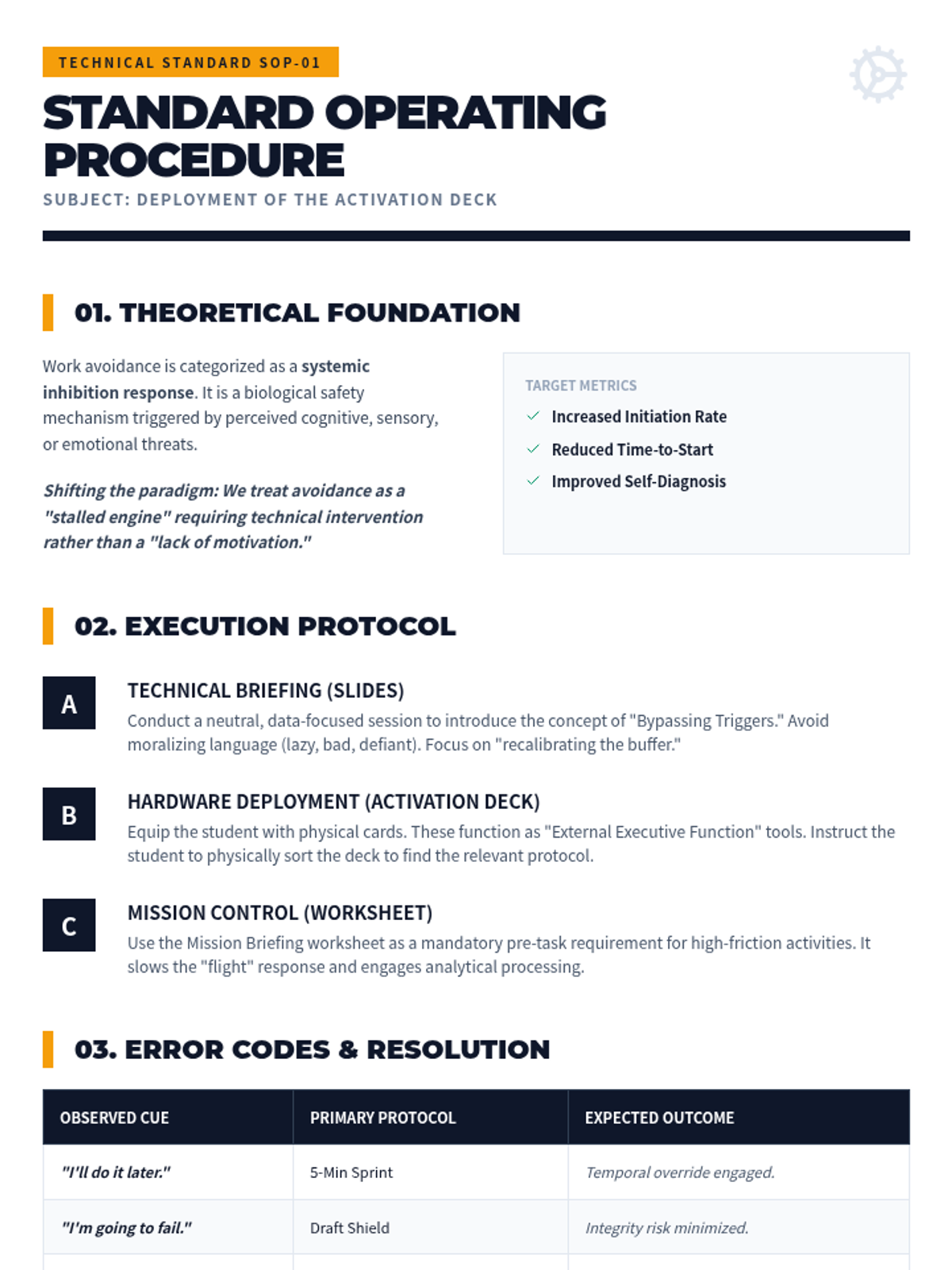
A comprehensive toolkit designed to help students overcome work avoidance by addressing executive functioning, academic confidence, sensory needs, and independent work skills. Includes strategy cards, a presentation for introduction, and a planning worksheet.
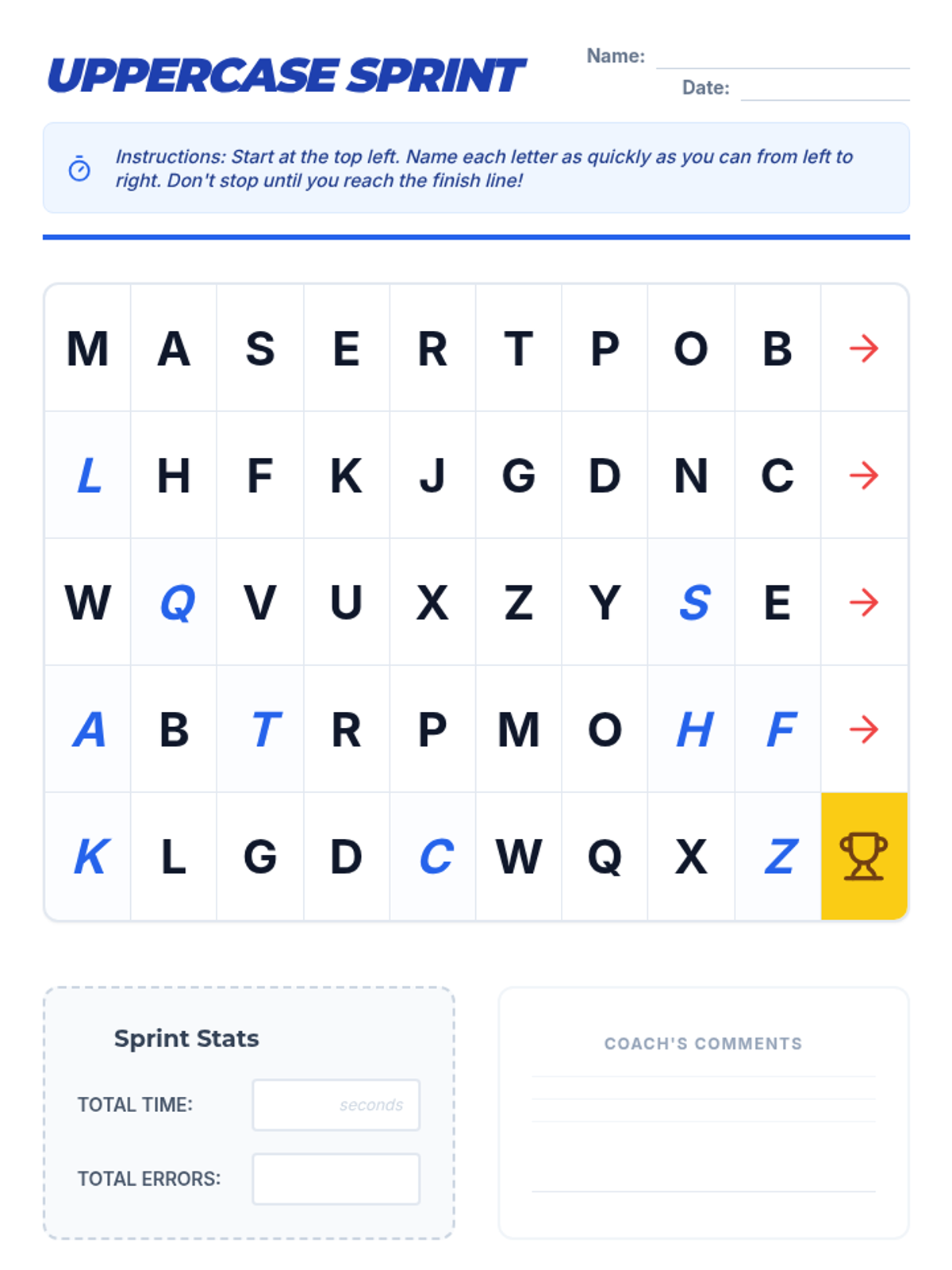
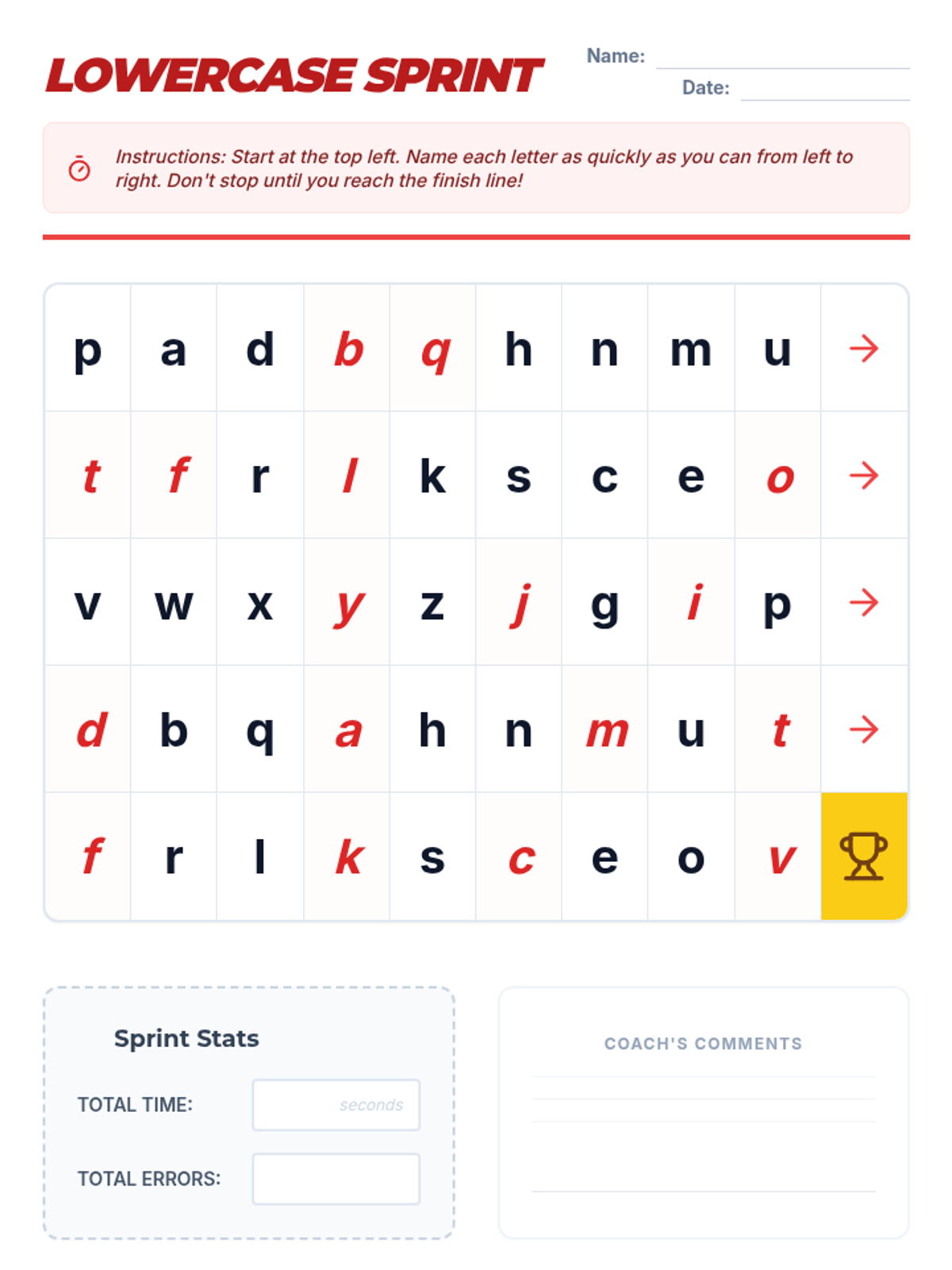
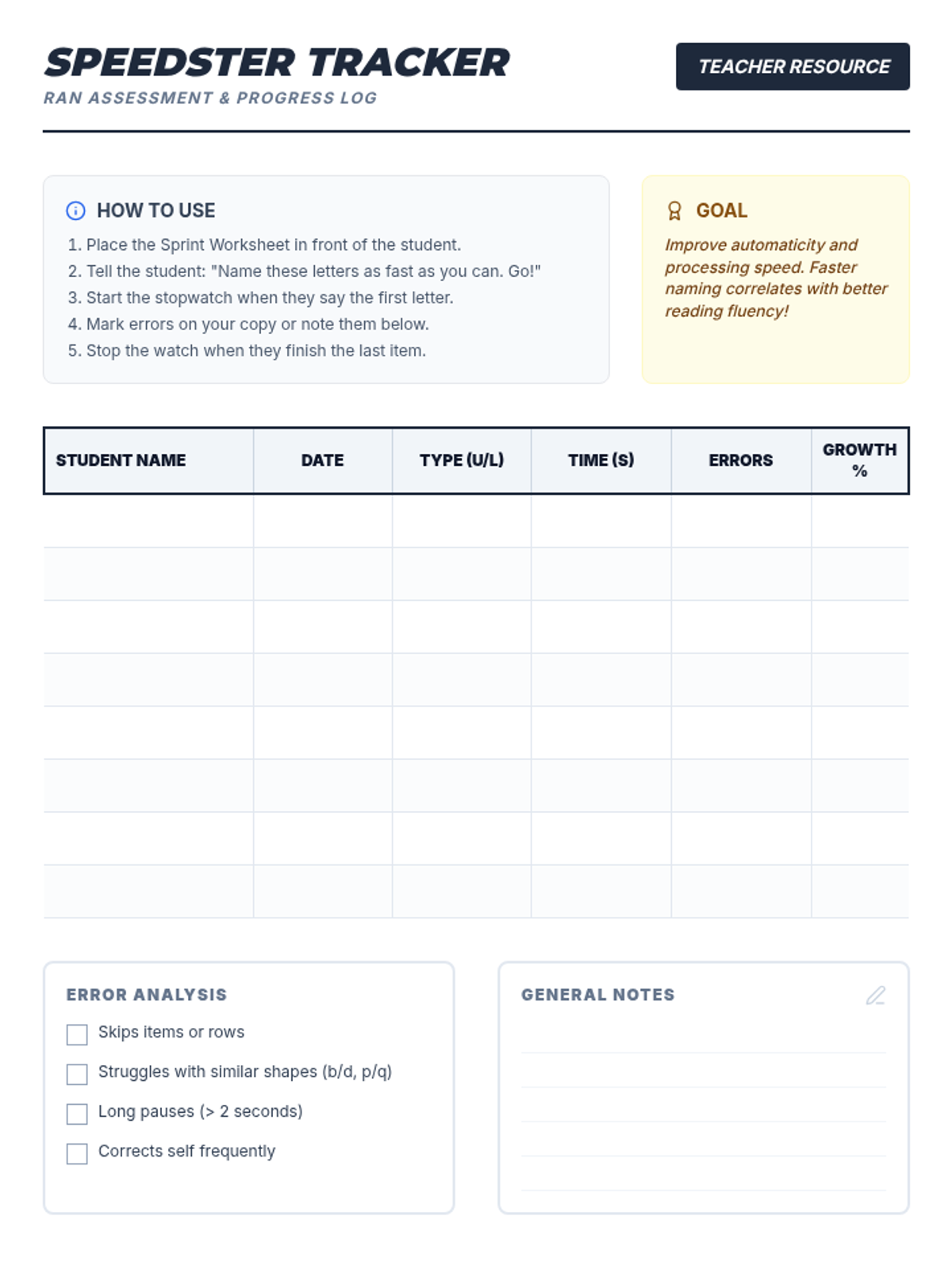
A set of rapid naming activities designed to improve letter recognition speed and automaticity through timed naming sprints.
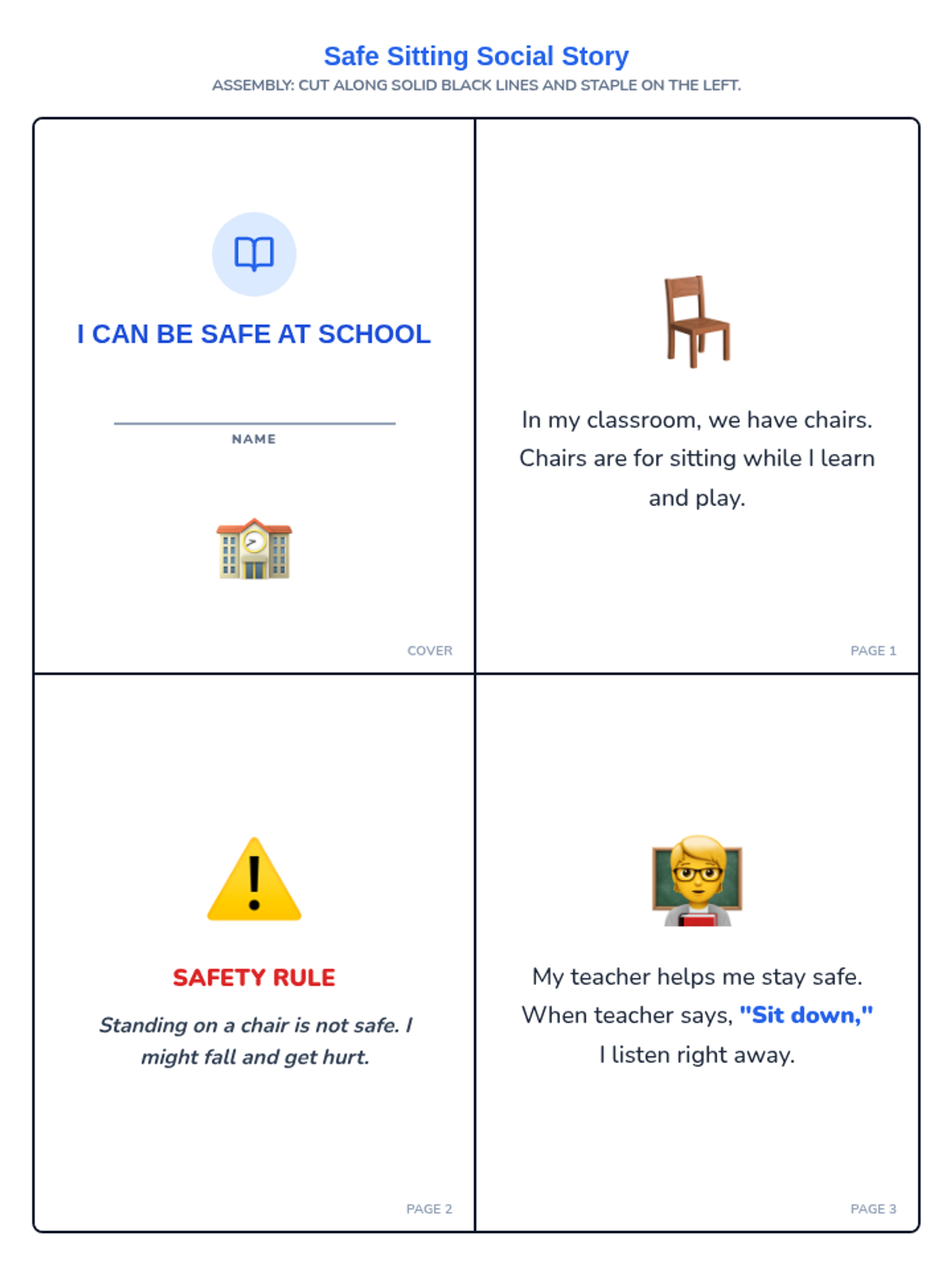
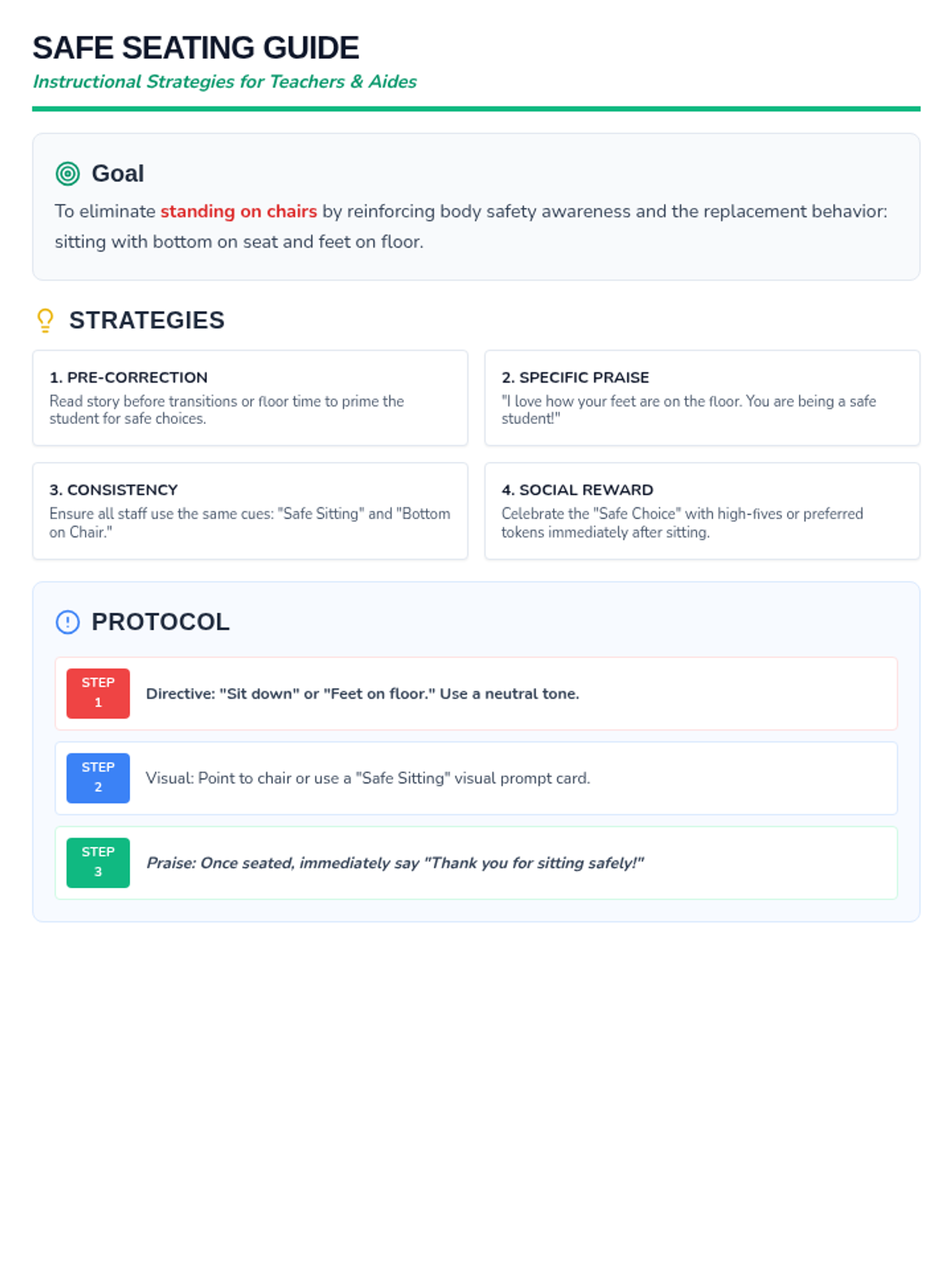
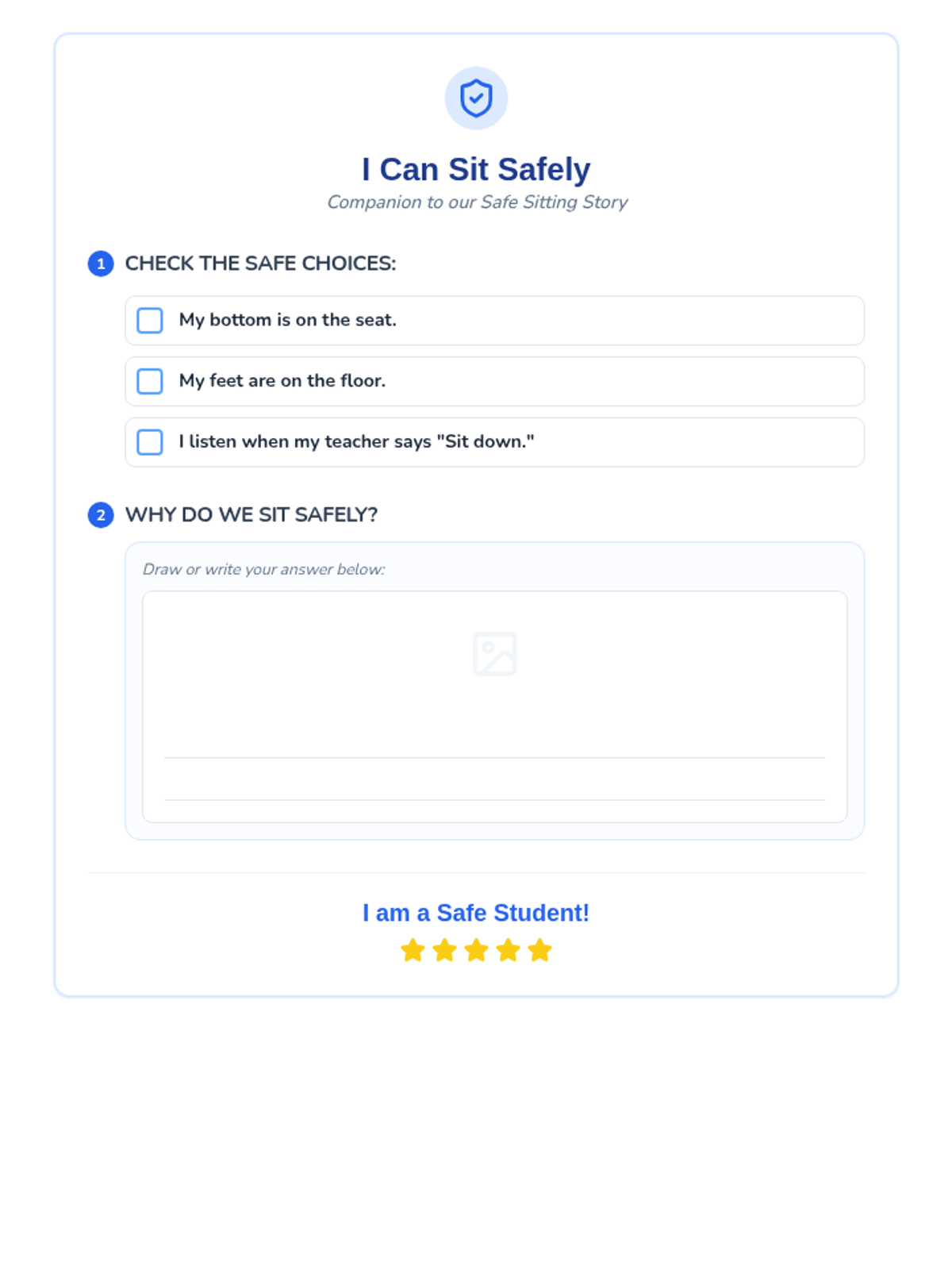
A social story and supporting resources designed to help students understand the importance of sitting safely in chairs and listening to teacher instructions to stay safe at school.
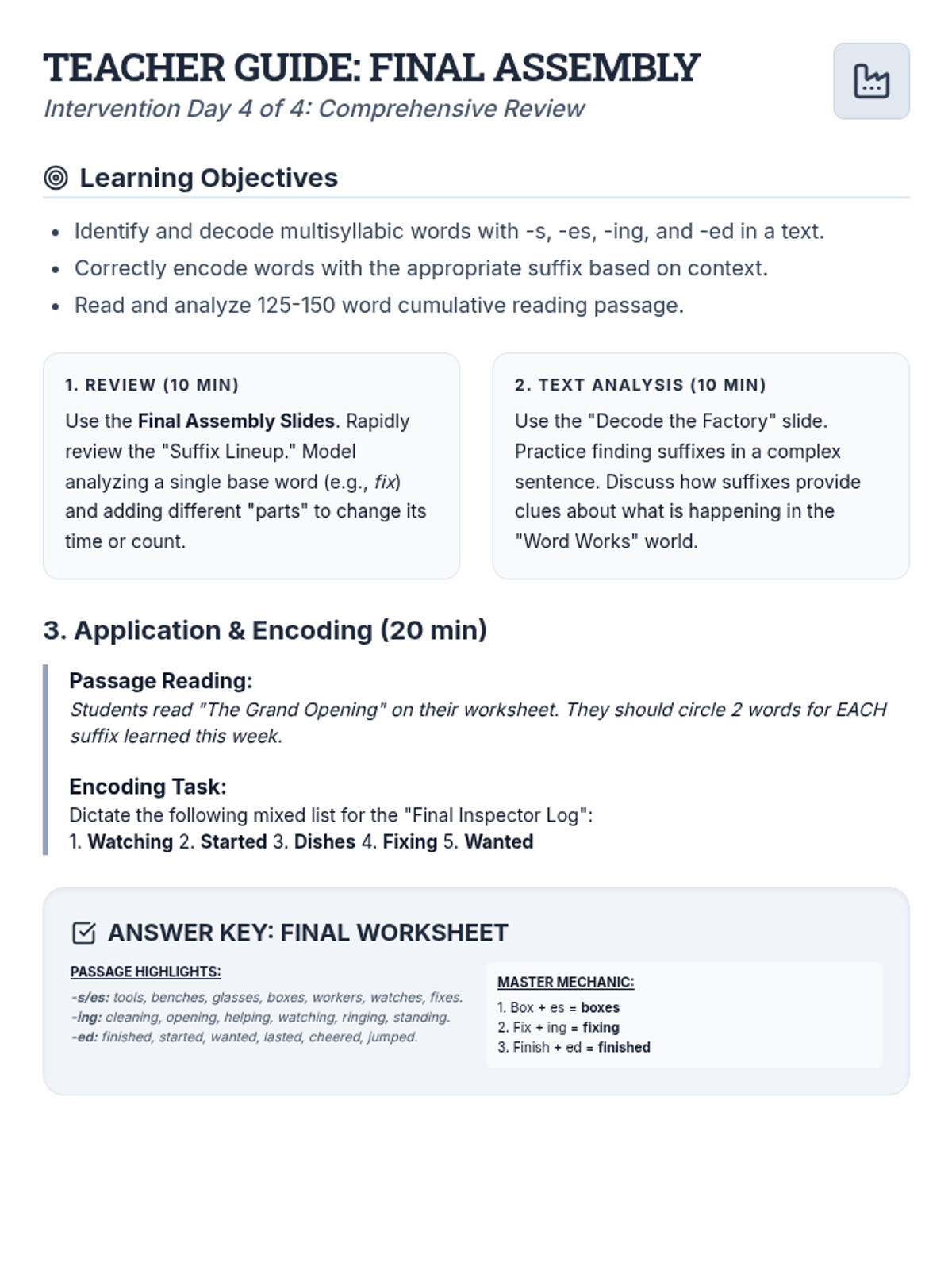
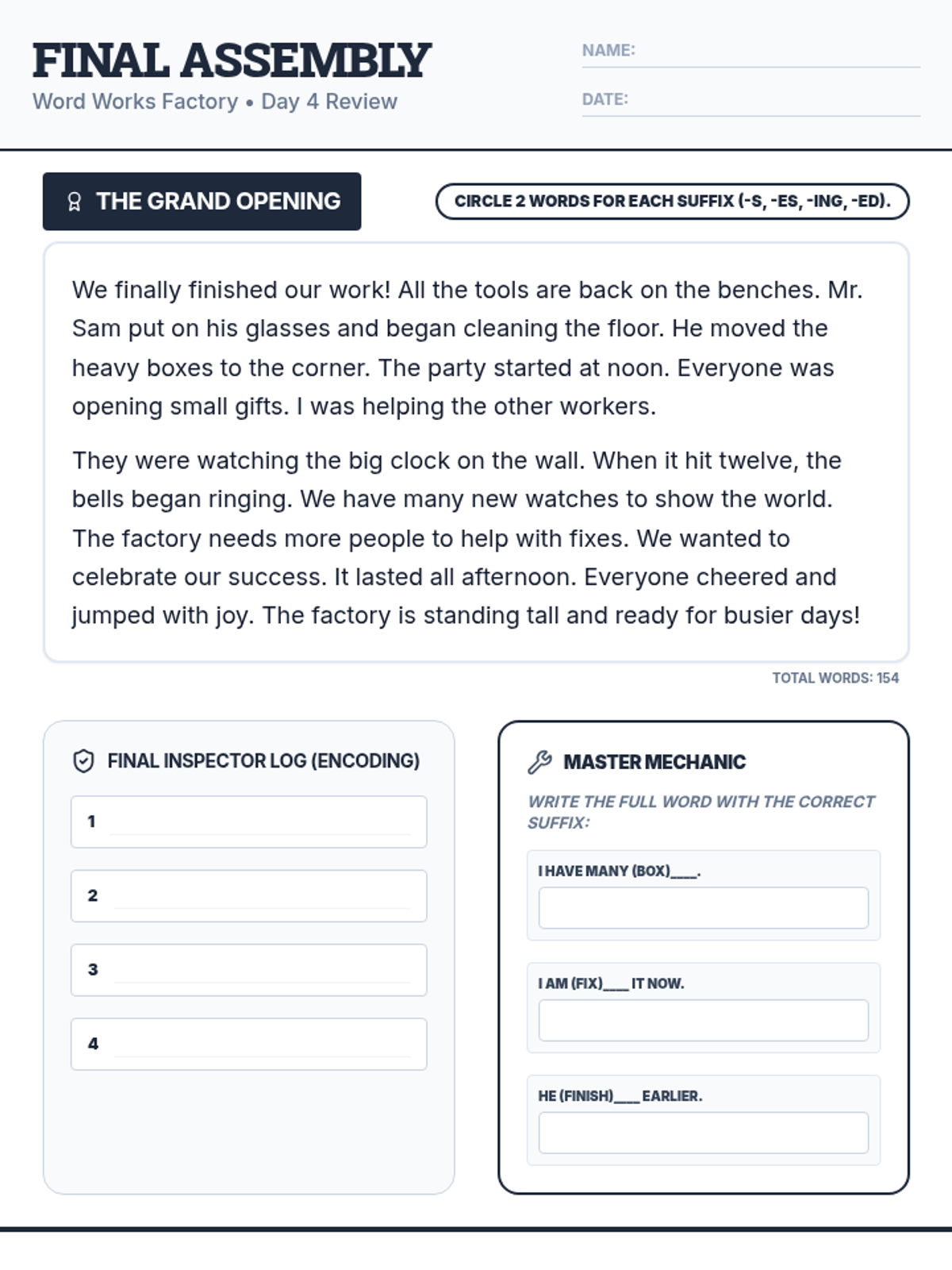
A comprehensive review of -s, -es, -ing, and -ed suffixes in multi-syllable words through a final 'assembly' challenge.
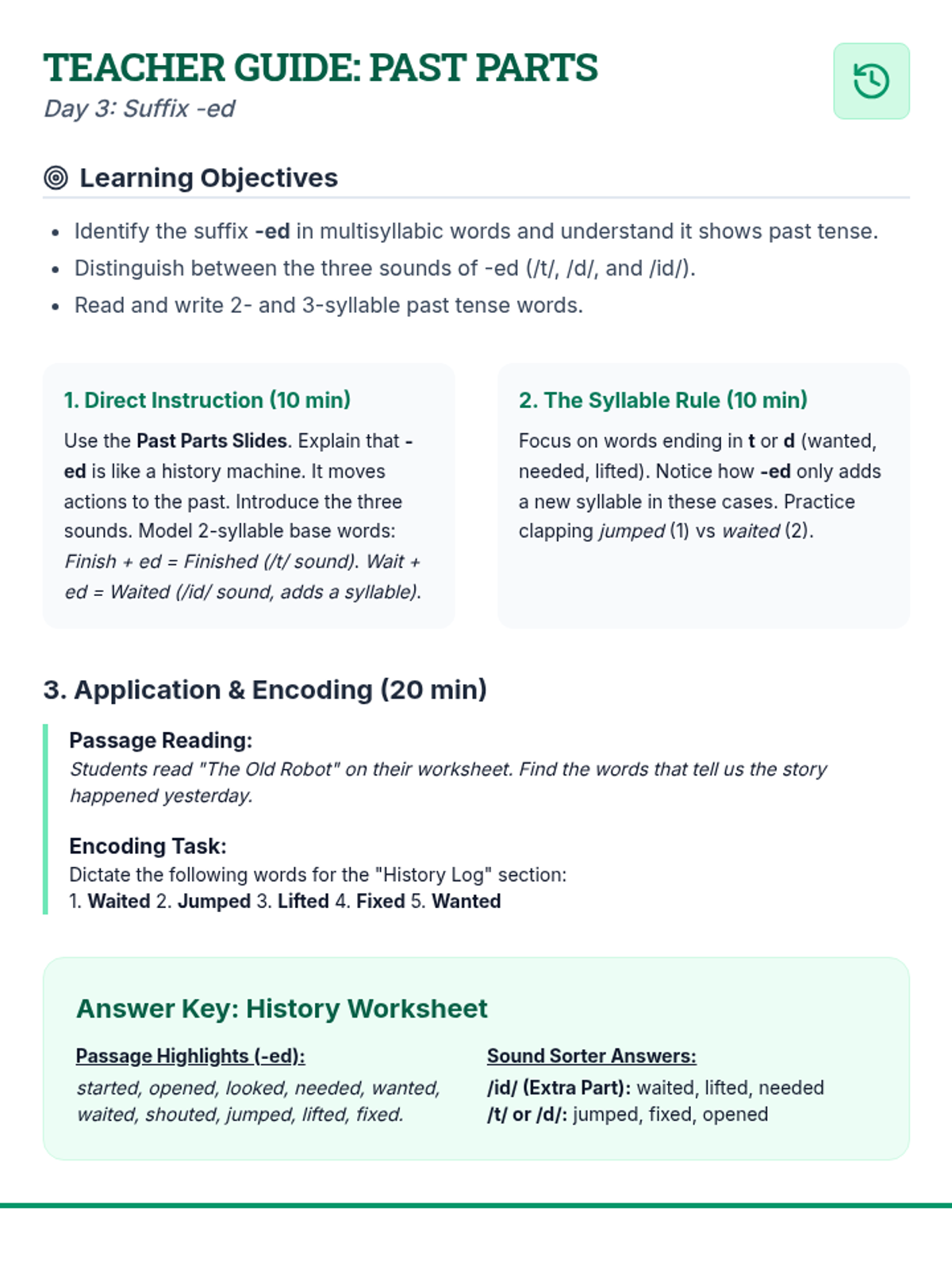
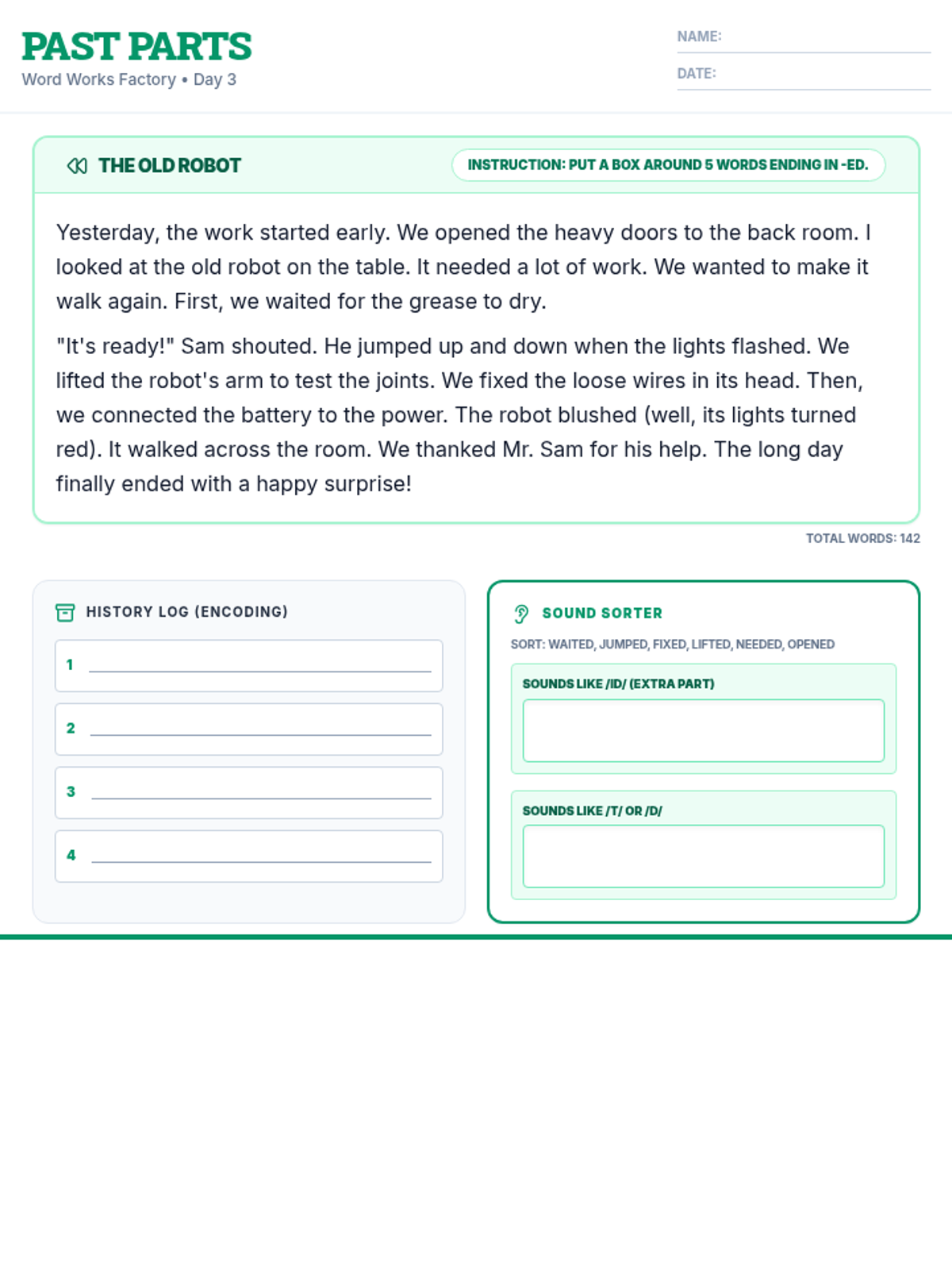
Focuses on the past tense suffix -ed with multi-syllable words, exploring the three sounds of -ed (/t/, /d/, and /id/).
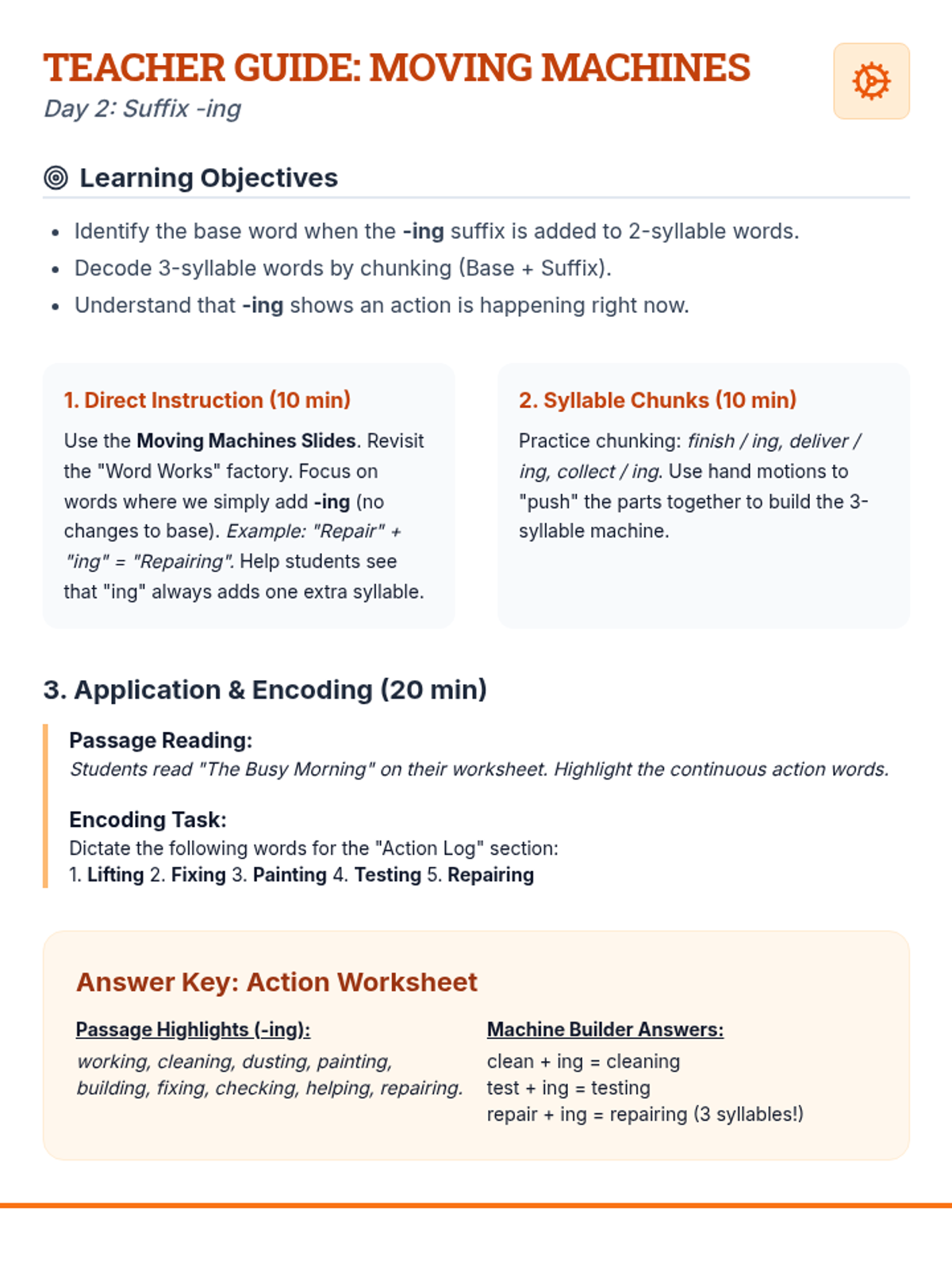
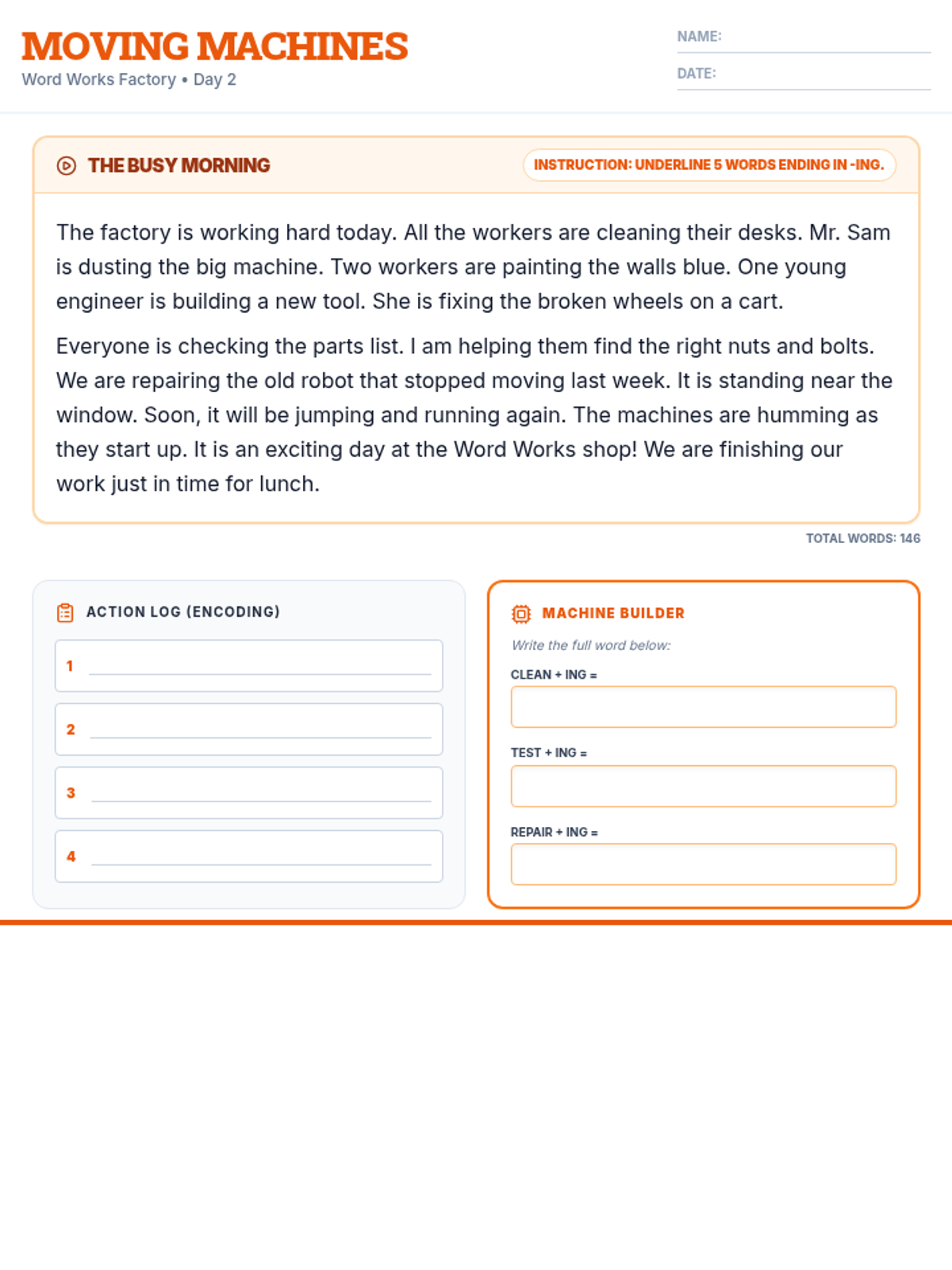
Focuses on the continuous action suffix -ing applied to 2- and 3-syllable base words, emphasizing words where the base remains unchanged.
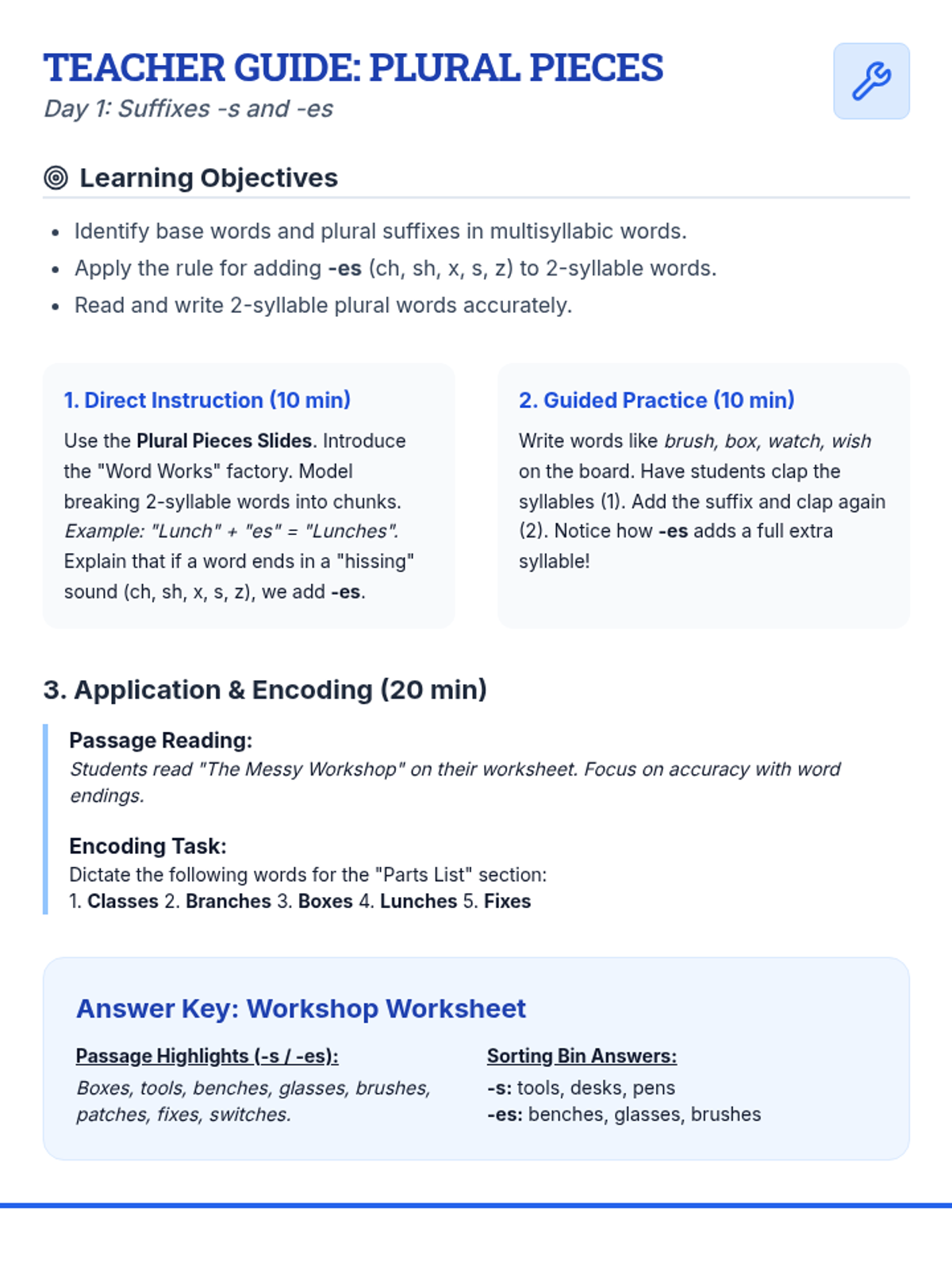
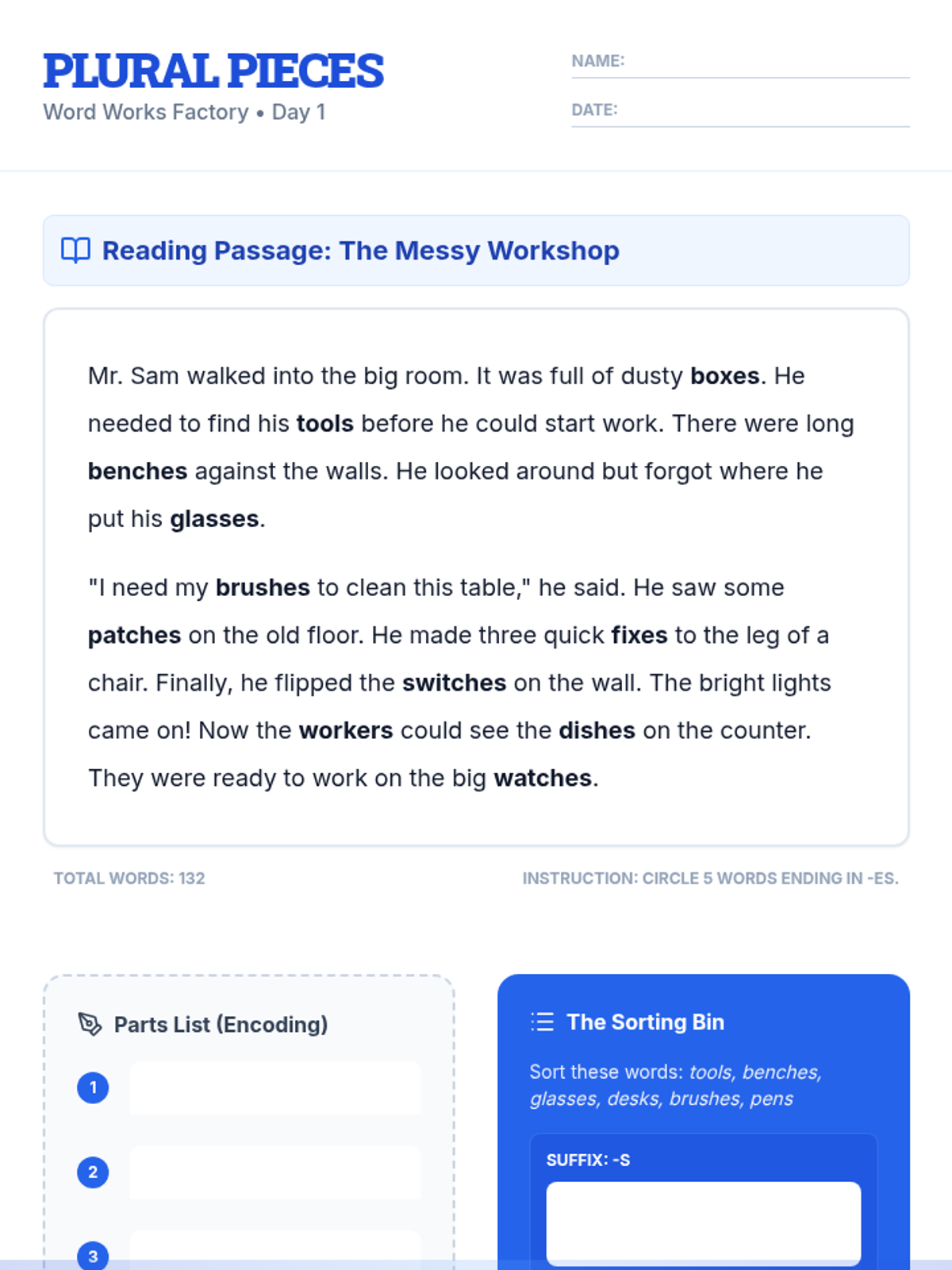
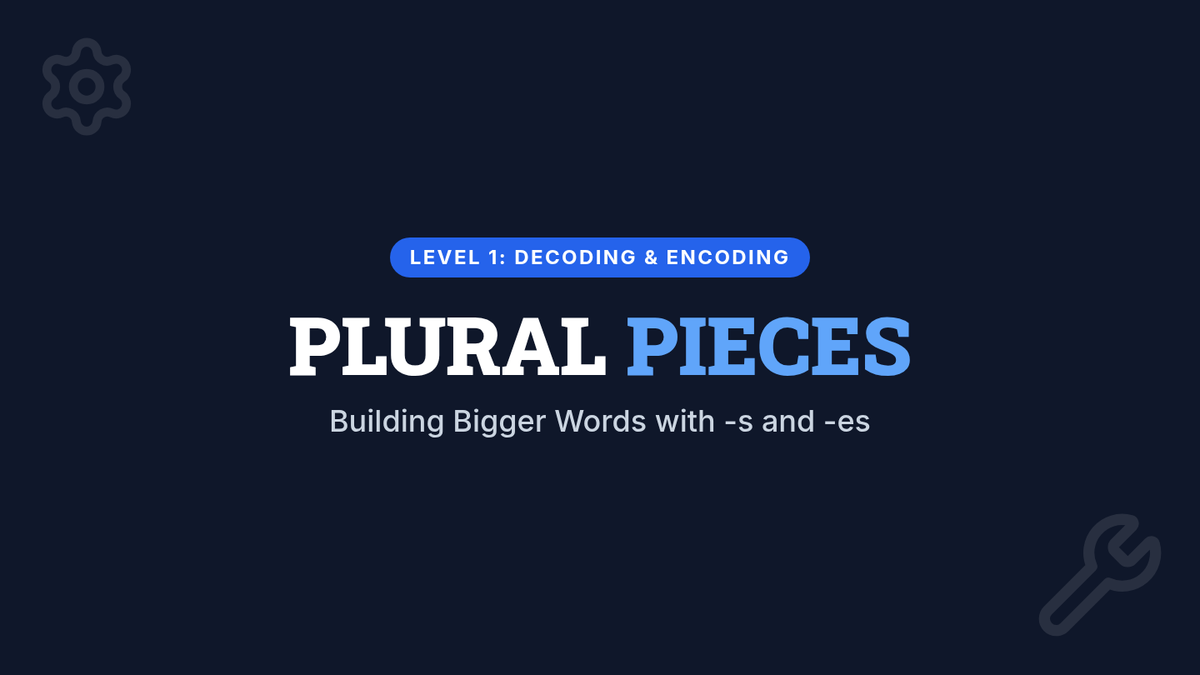
Focuses on plural endings -s and -es with multi-syllable base words, teaching students when to use 'es' for words ending in ch, sh, x, s, or z.
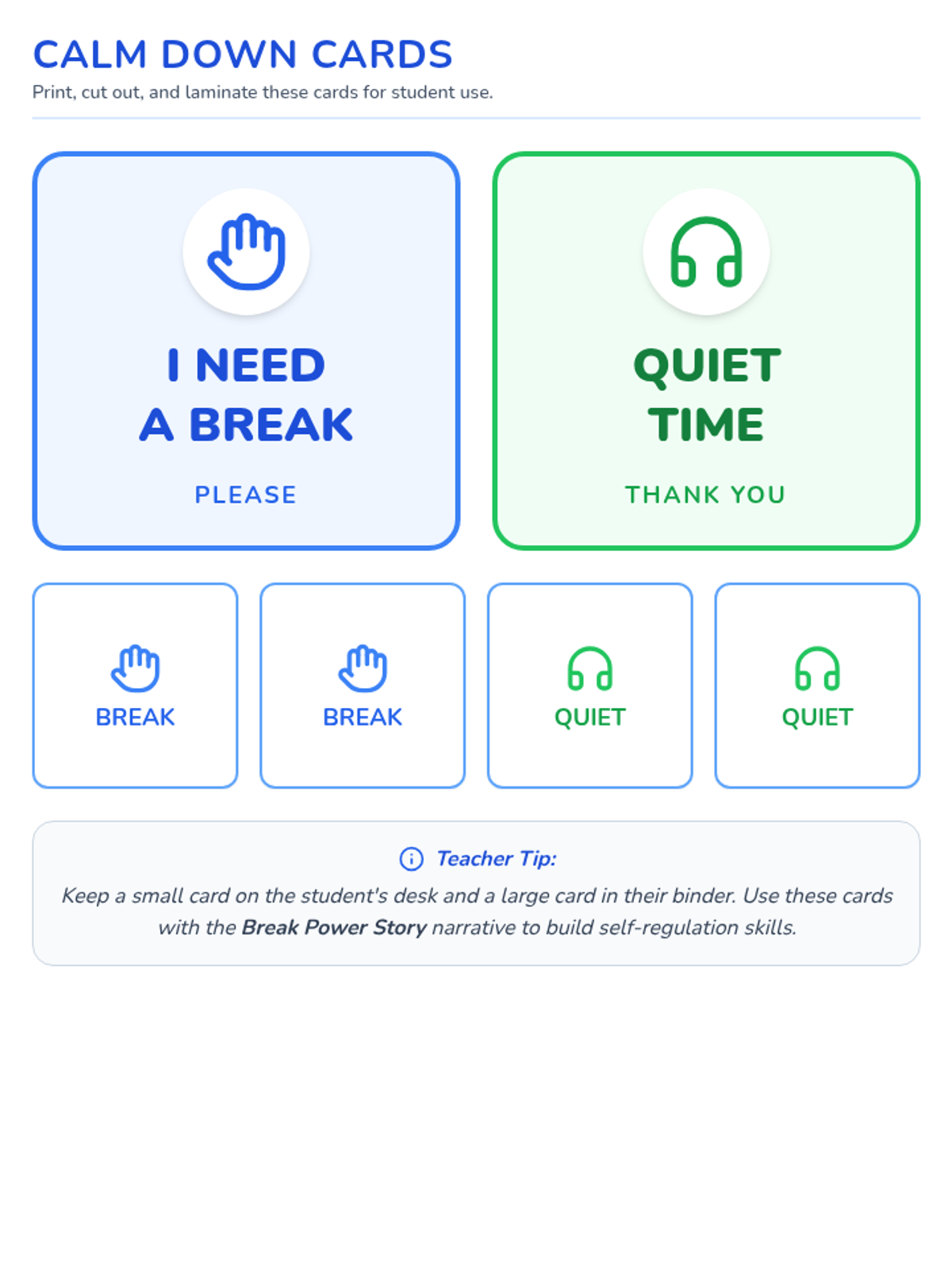
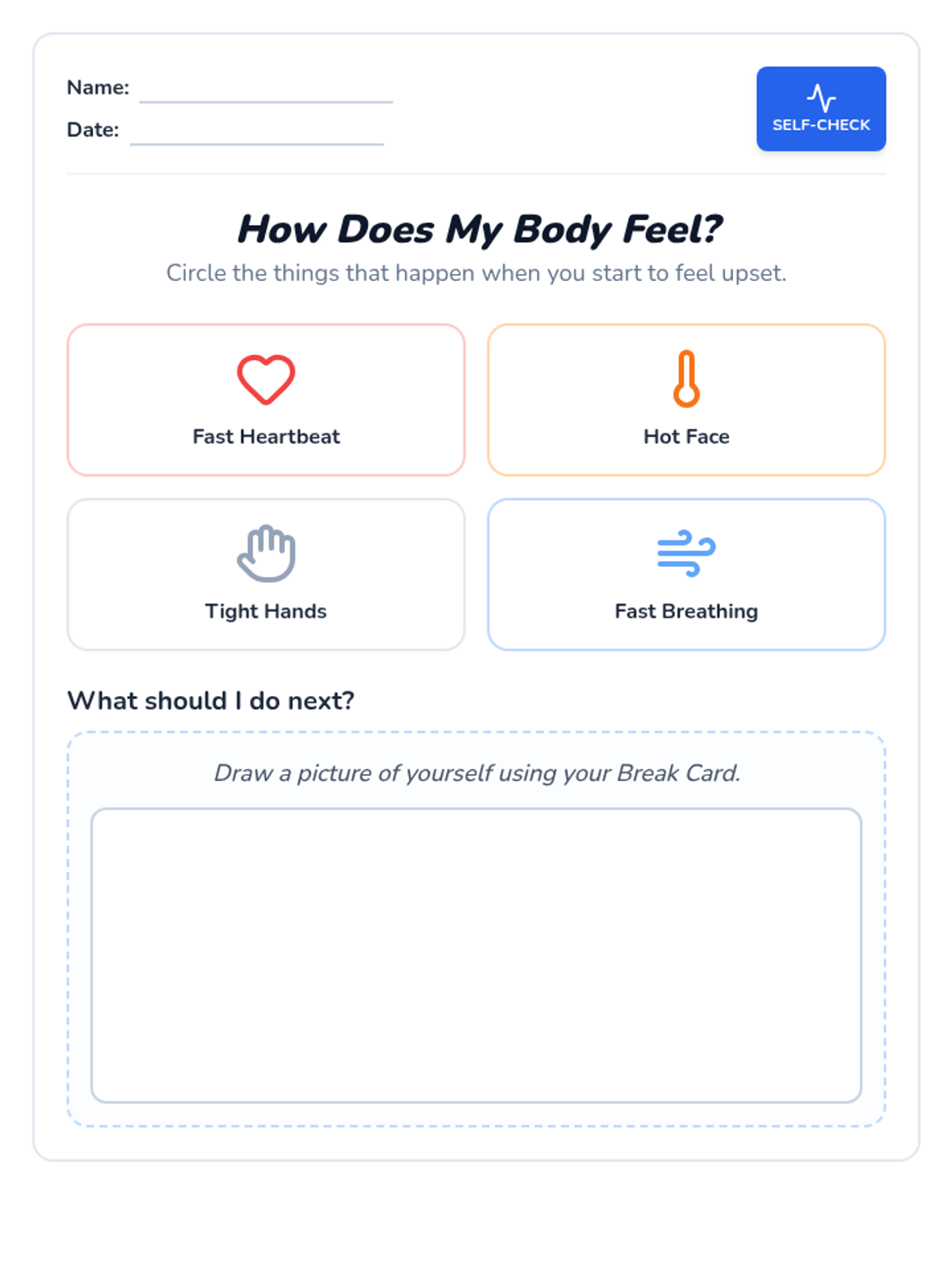
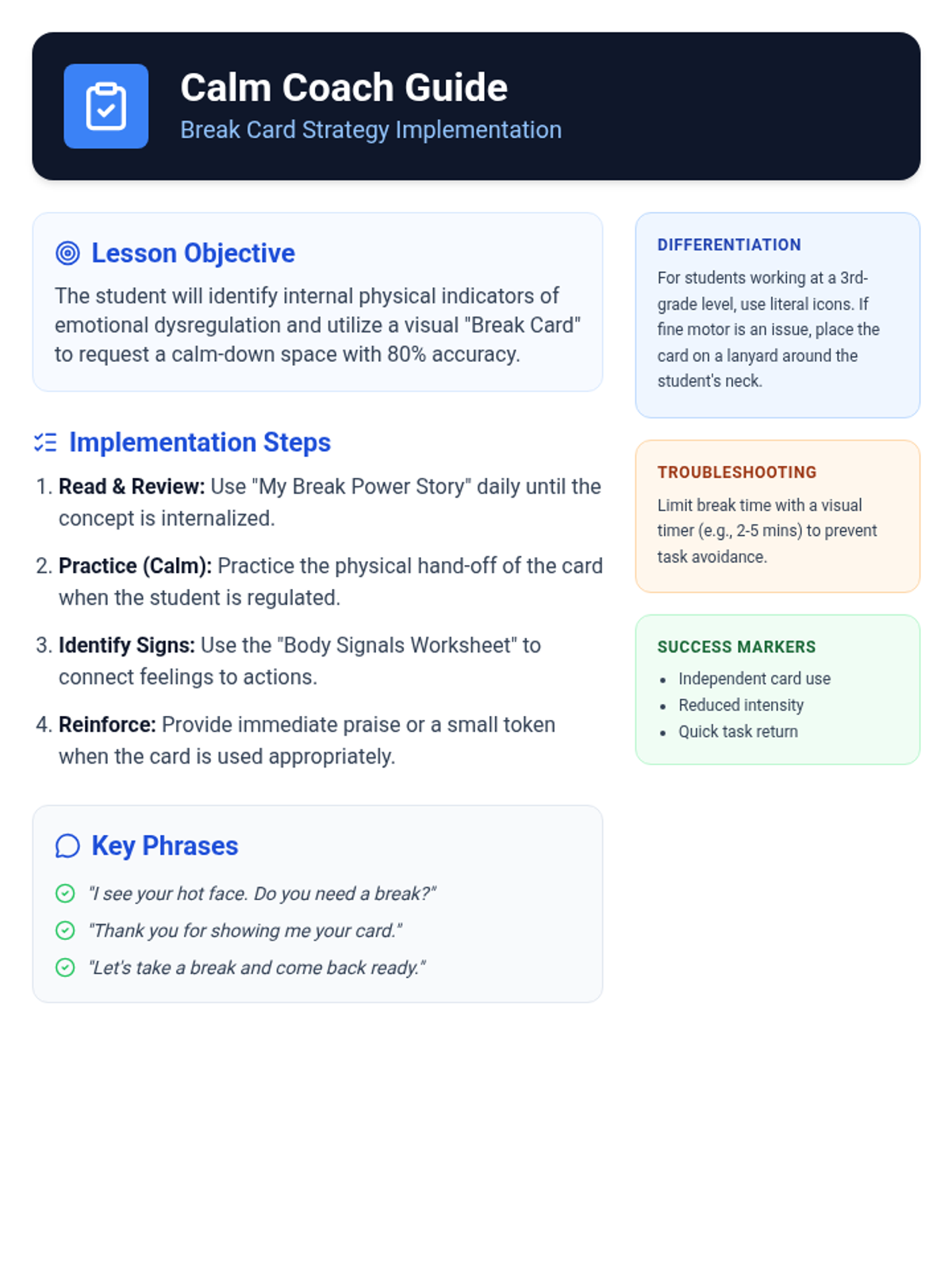
This lesson focuses on teaching a student how to recognize signs of being upset and use a visual break card to self-regulate. It includes a social narrative, printable visual aids, and a practice activity.
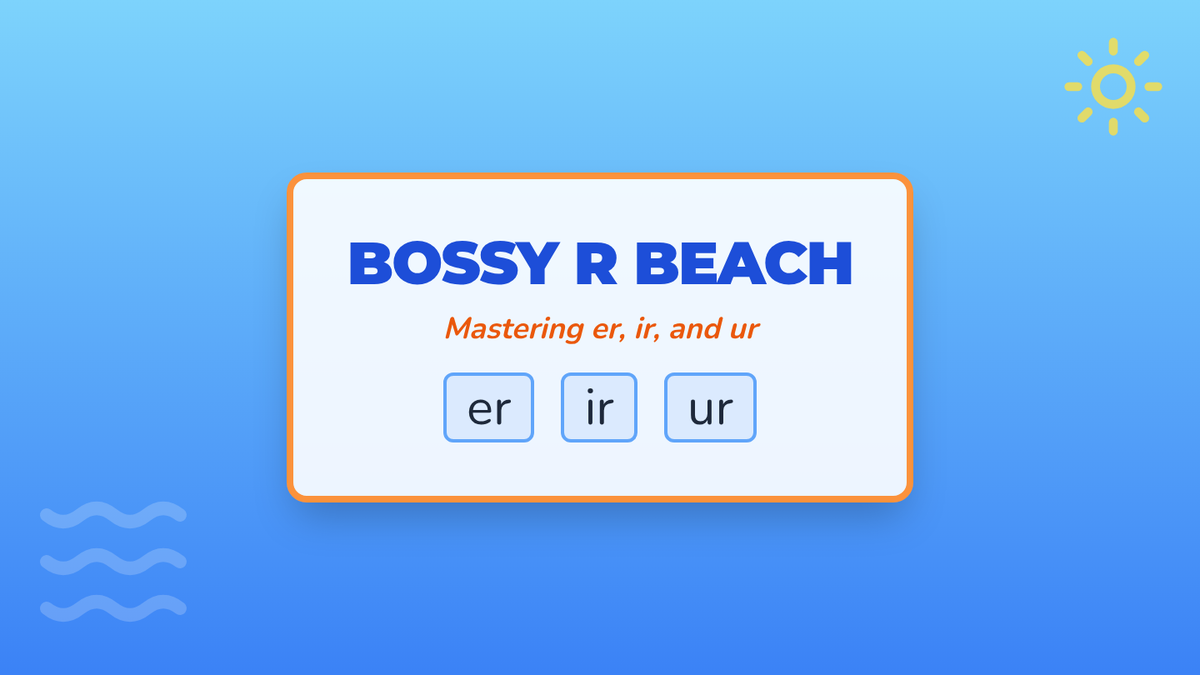
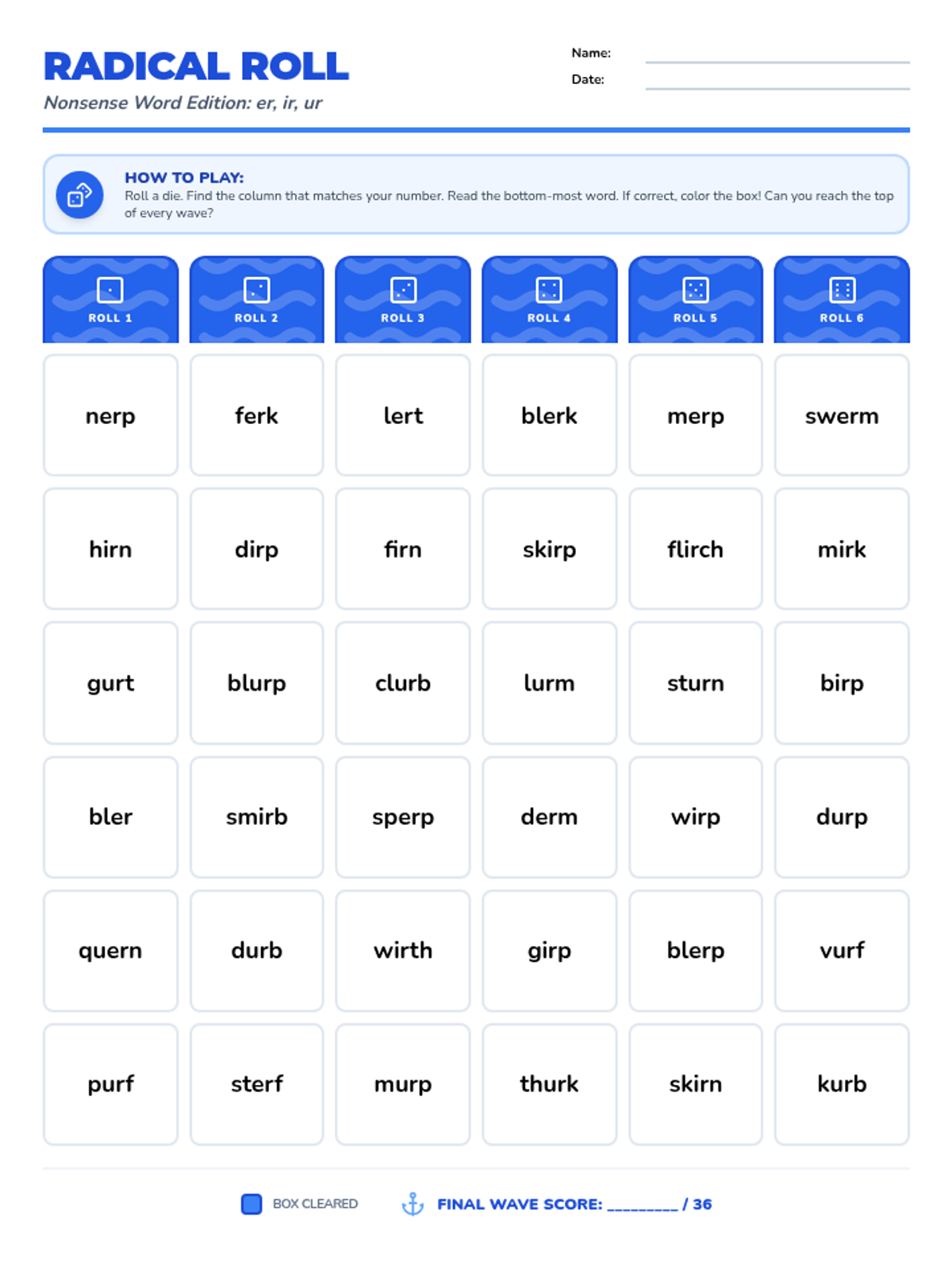
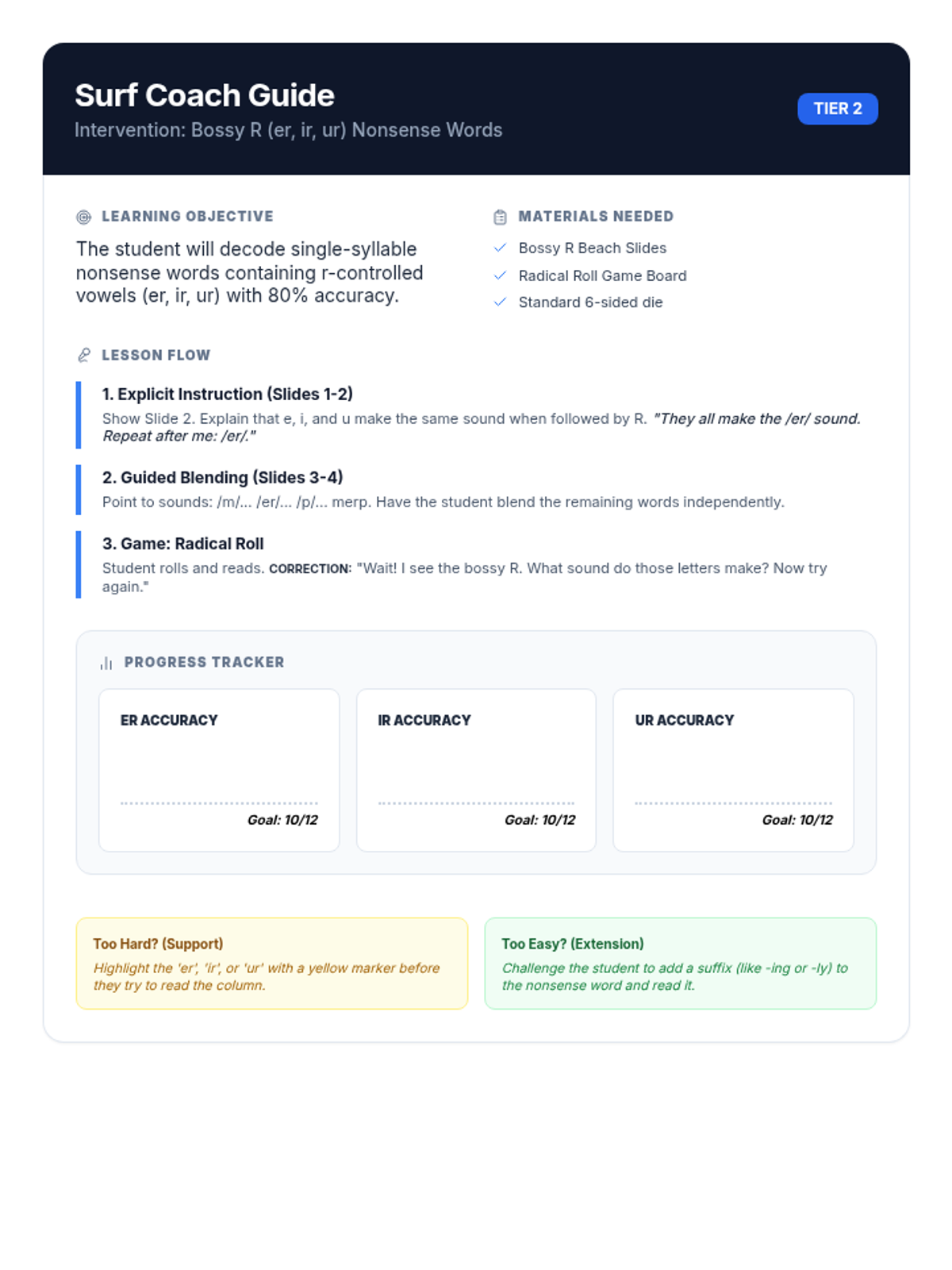
A Tier 2 phonics intervention focusing on the identical sounds of r-controlled vowels 'er', 'ir', and 'ur' using nonsense words to ensure decoding mastery.
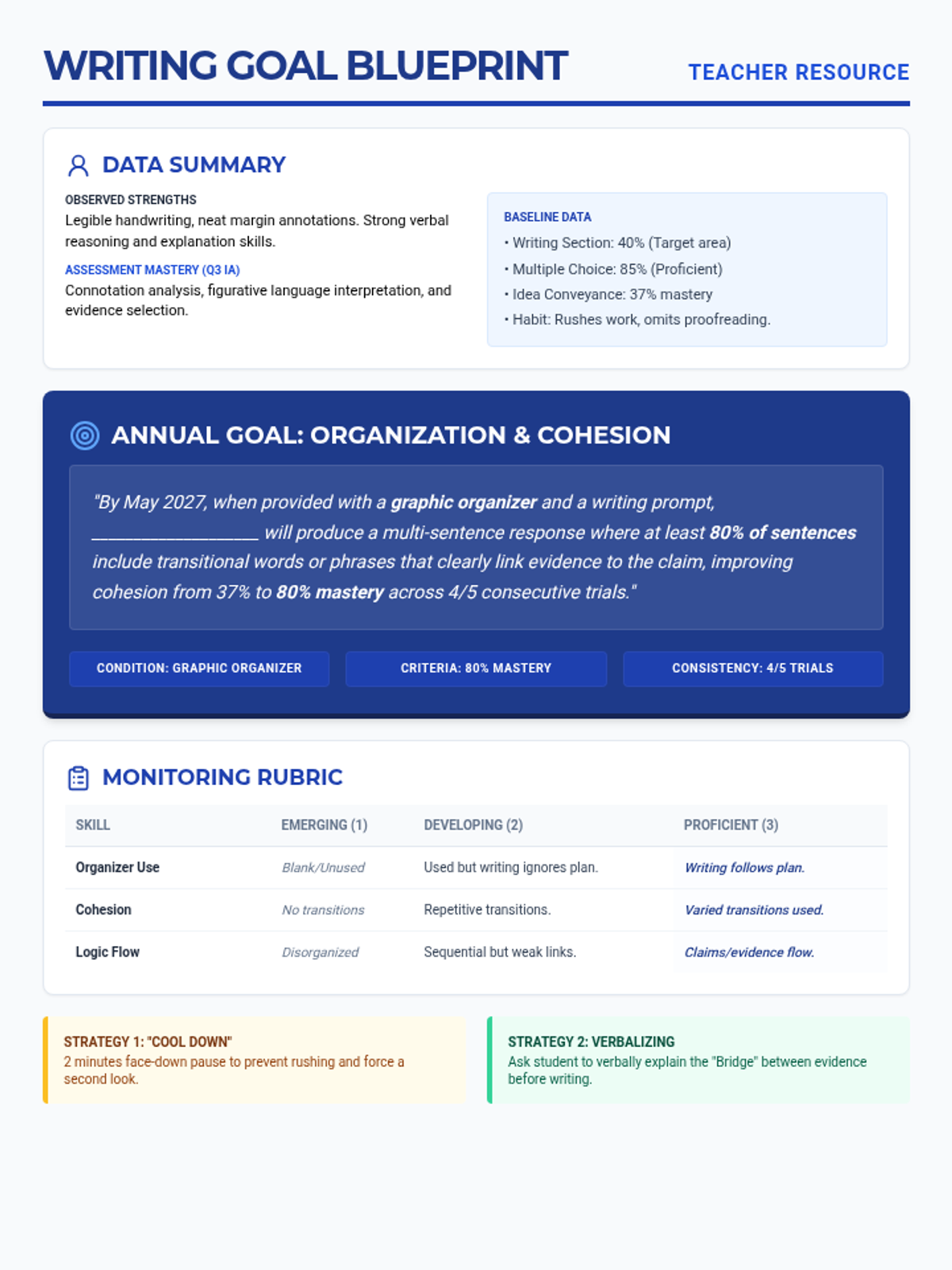
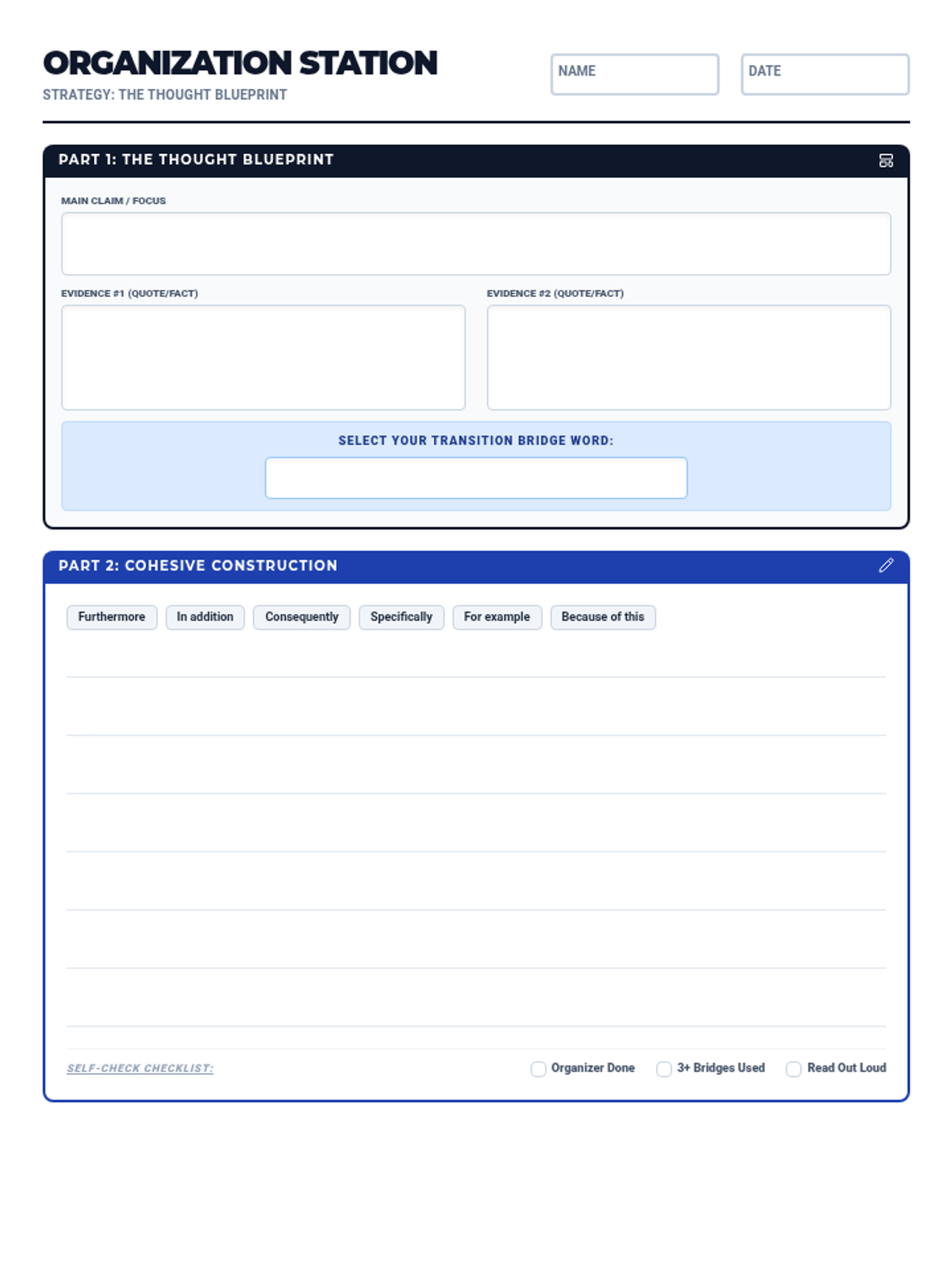
A lesson focused on improving writing organization and cohesion through the use of graphic organizers and transitional phrases to link evidence to claims.
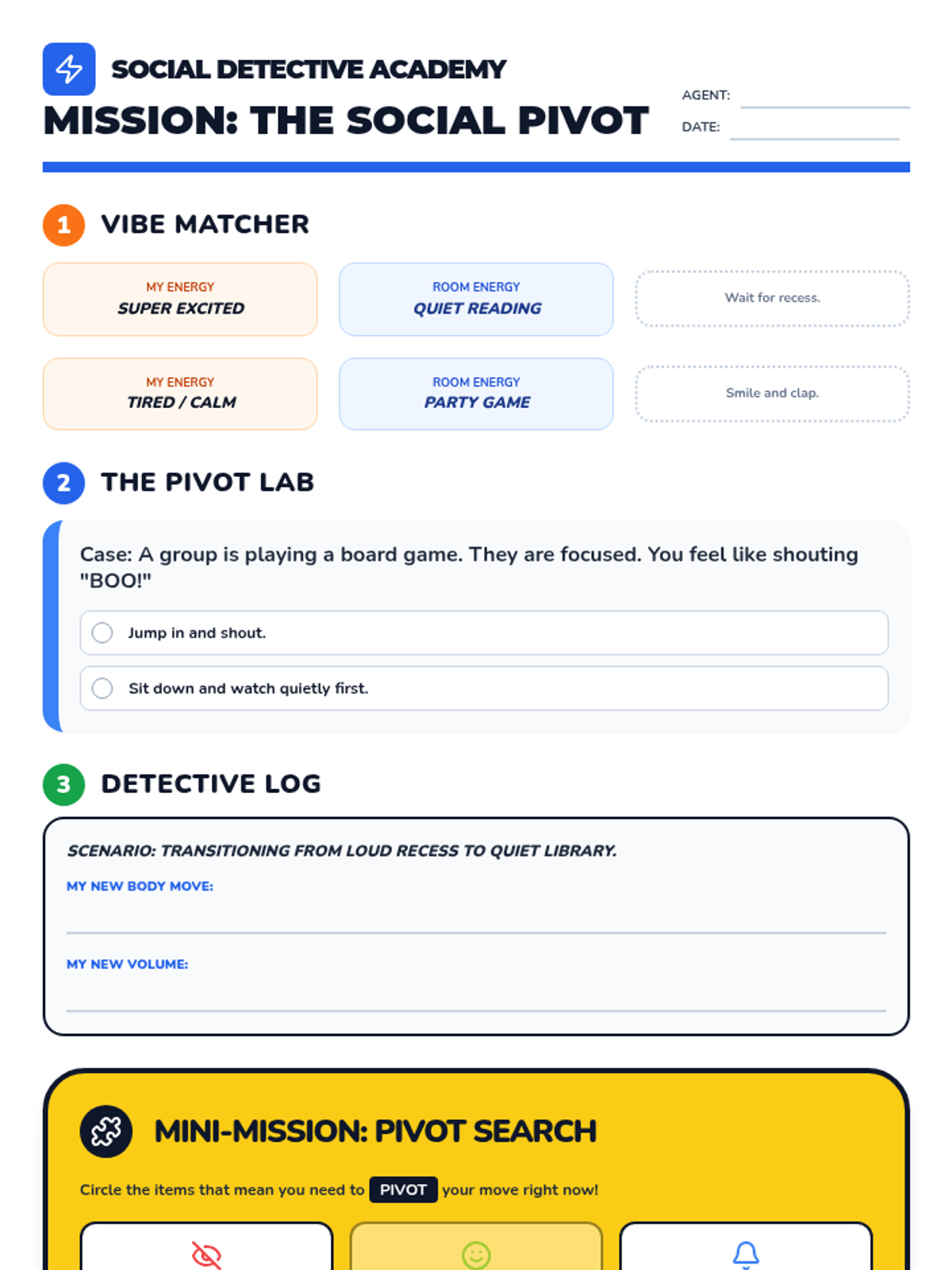
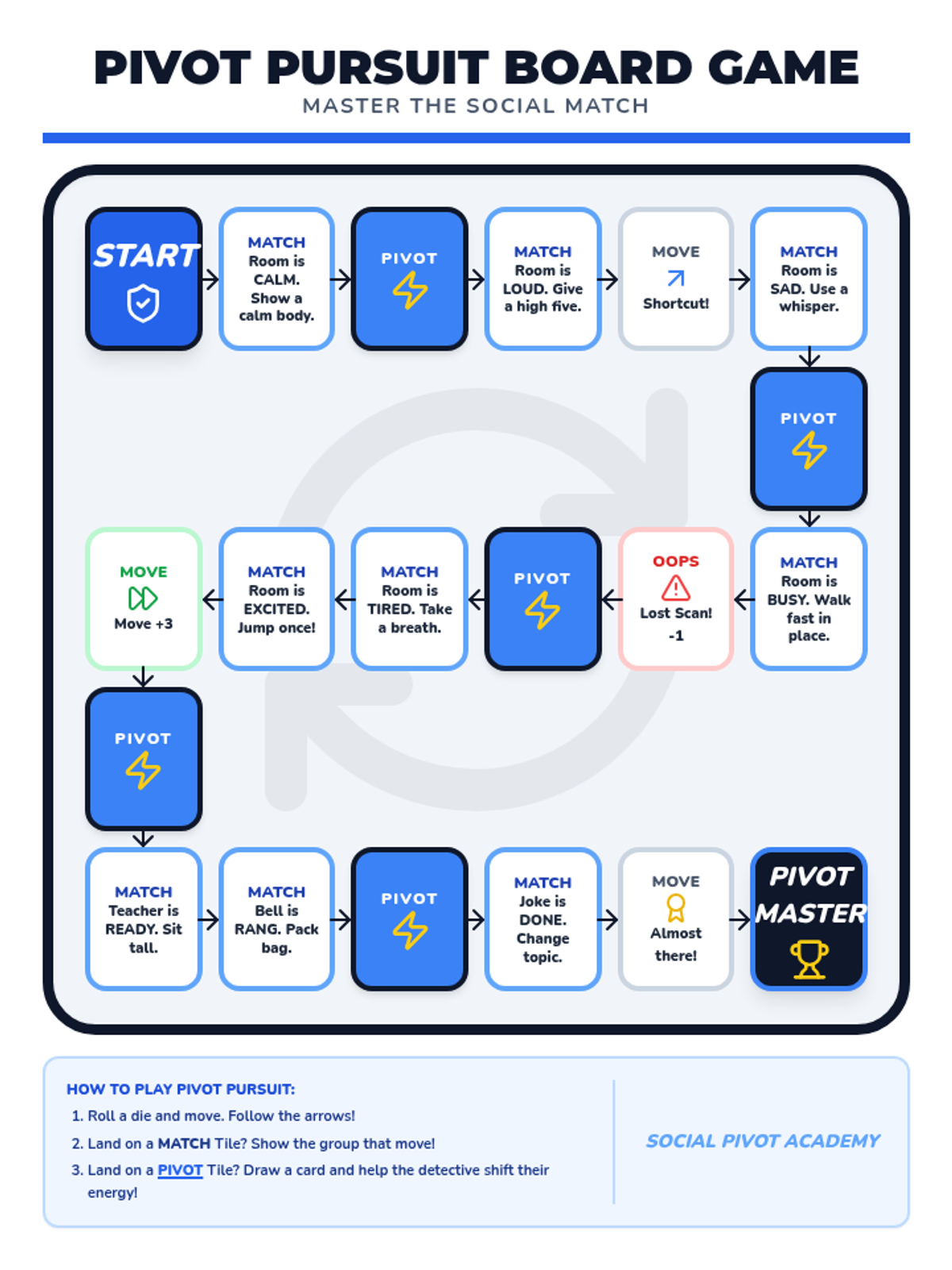
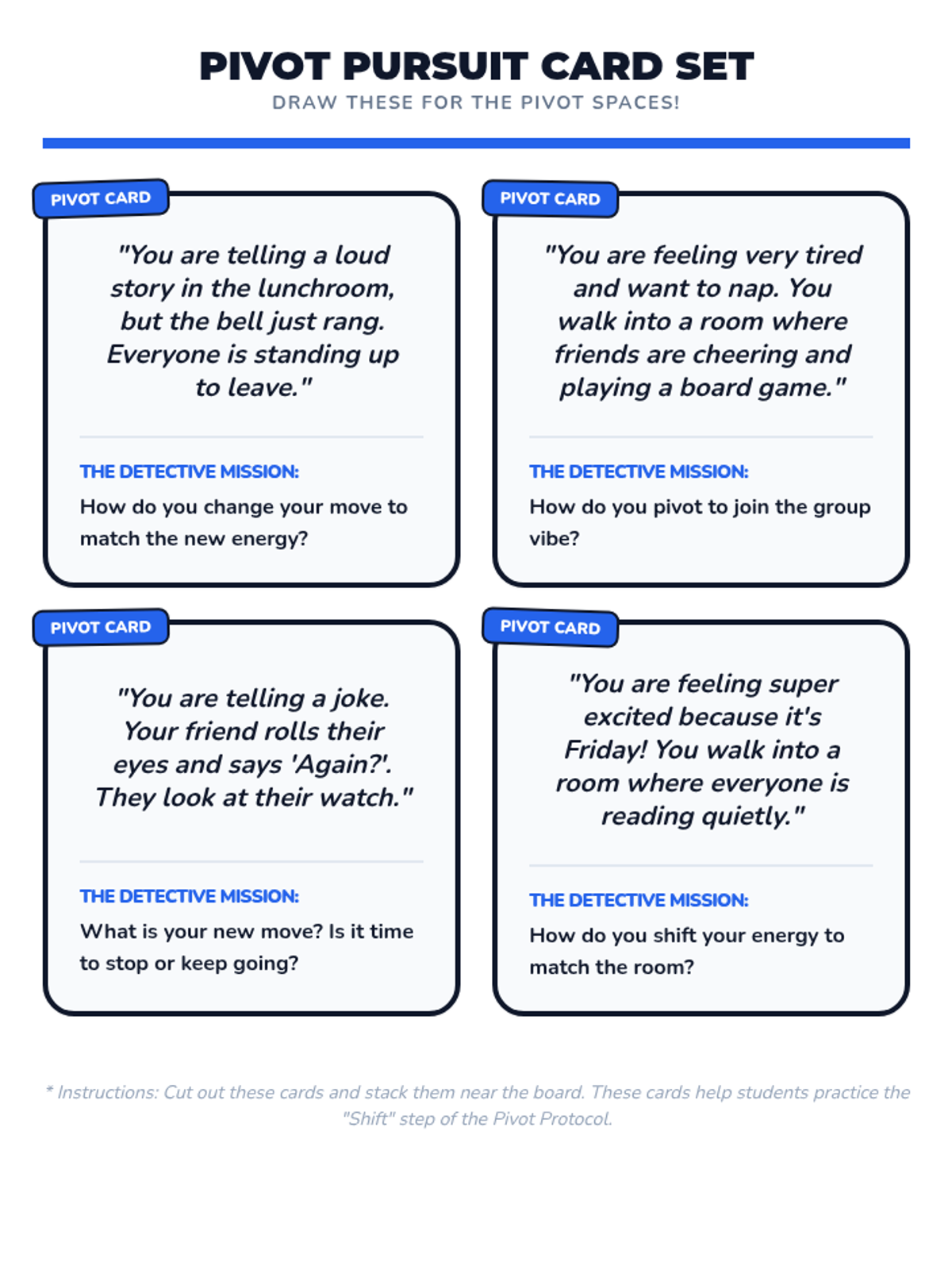
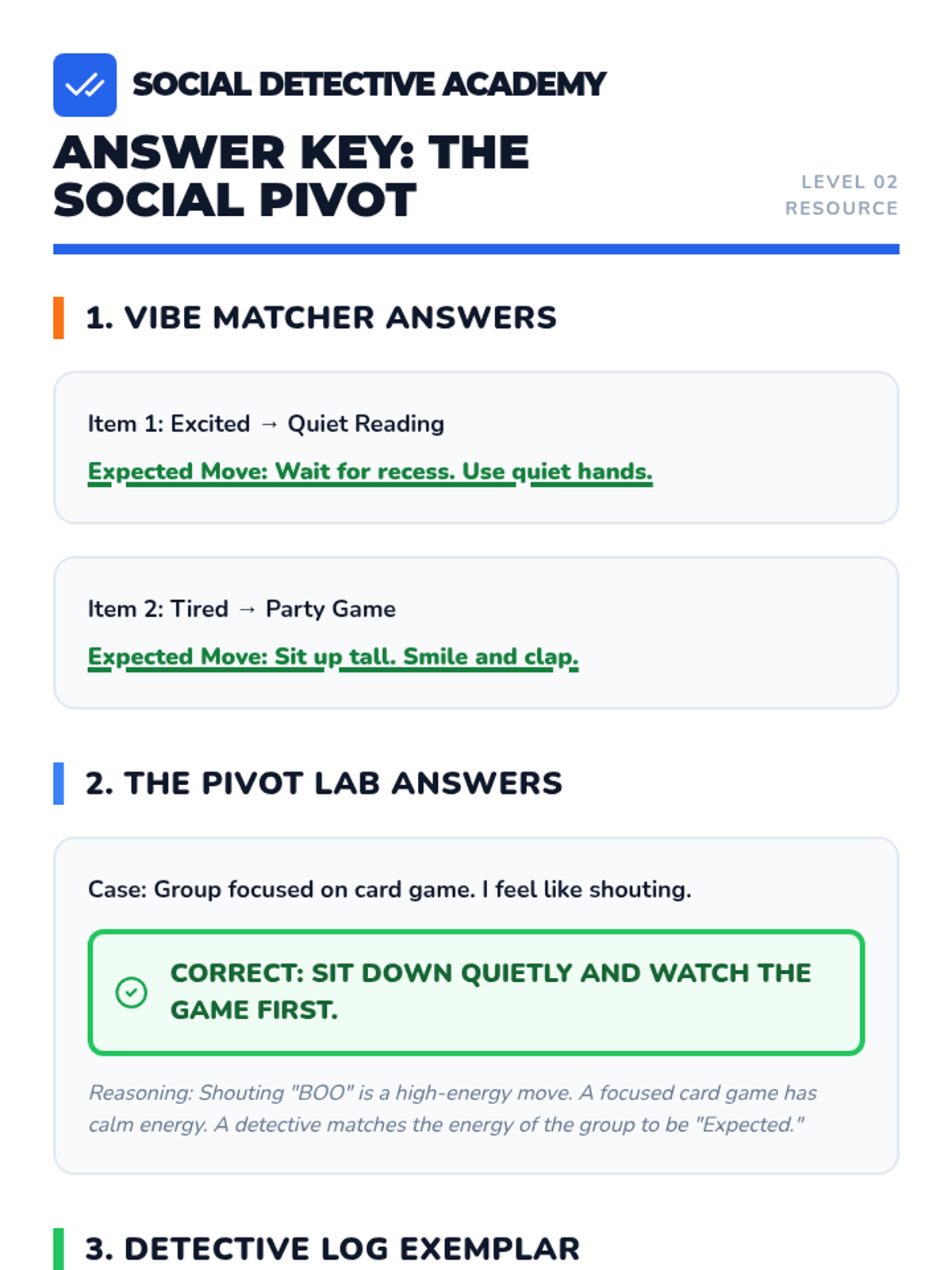
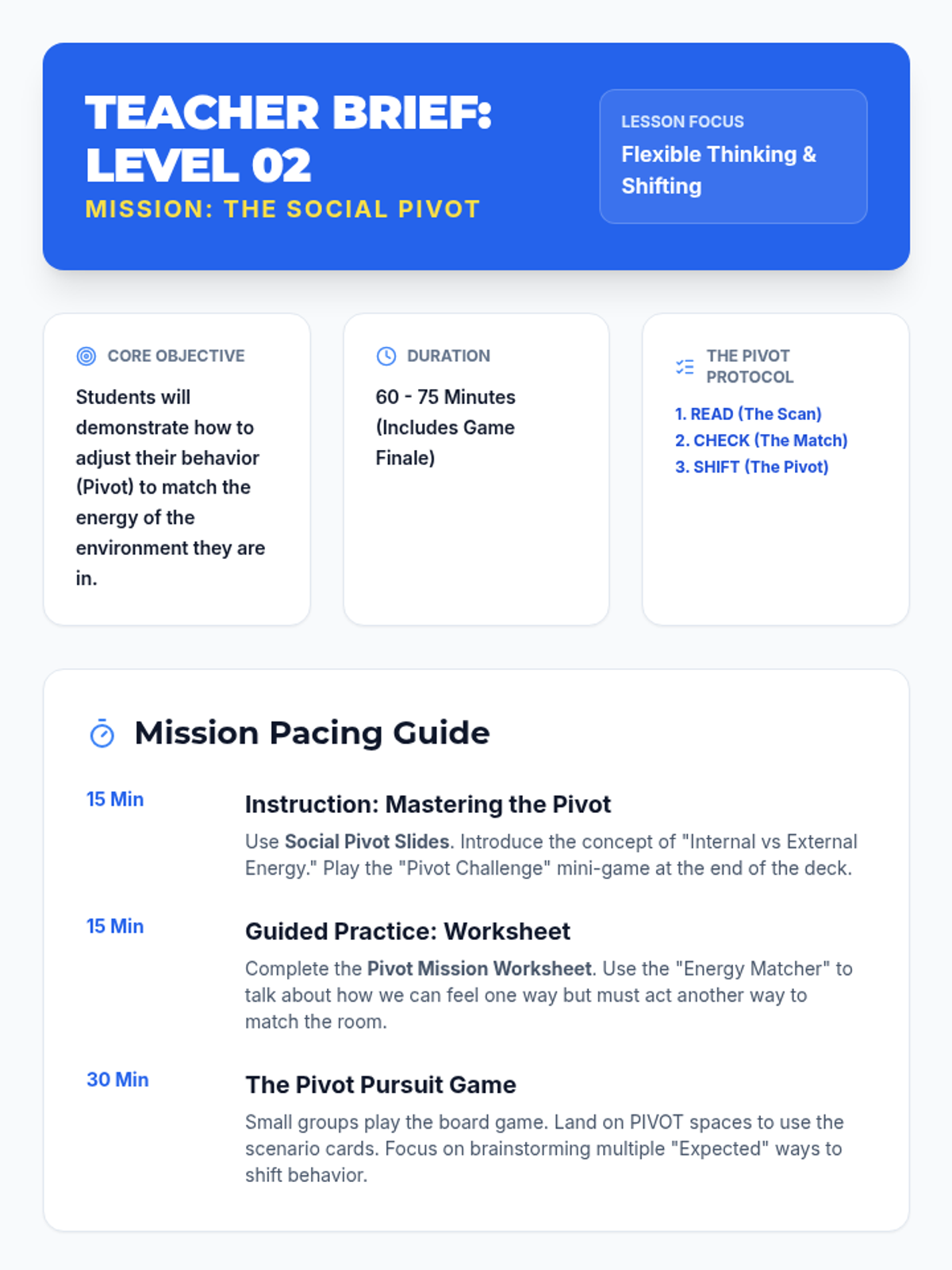
This lesson builds on 'Reading the Room' by teaching students the 'Pivot Protocol'—the ability to shift behavior once a social cue is detected. Students will practice matching their internal energy to the environment, understanding expected vs. unexpected reactions, and using flexible thinking to navigate social shifts.
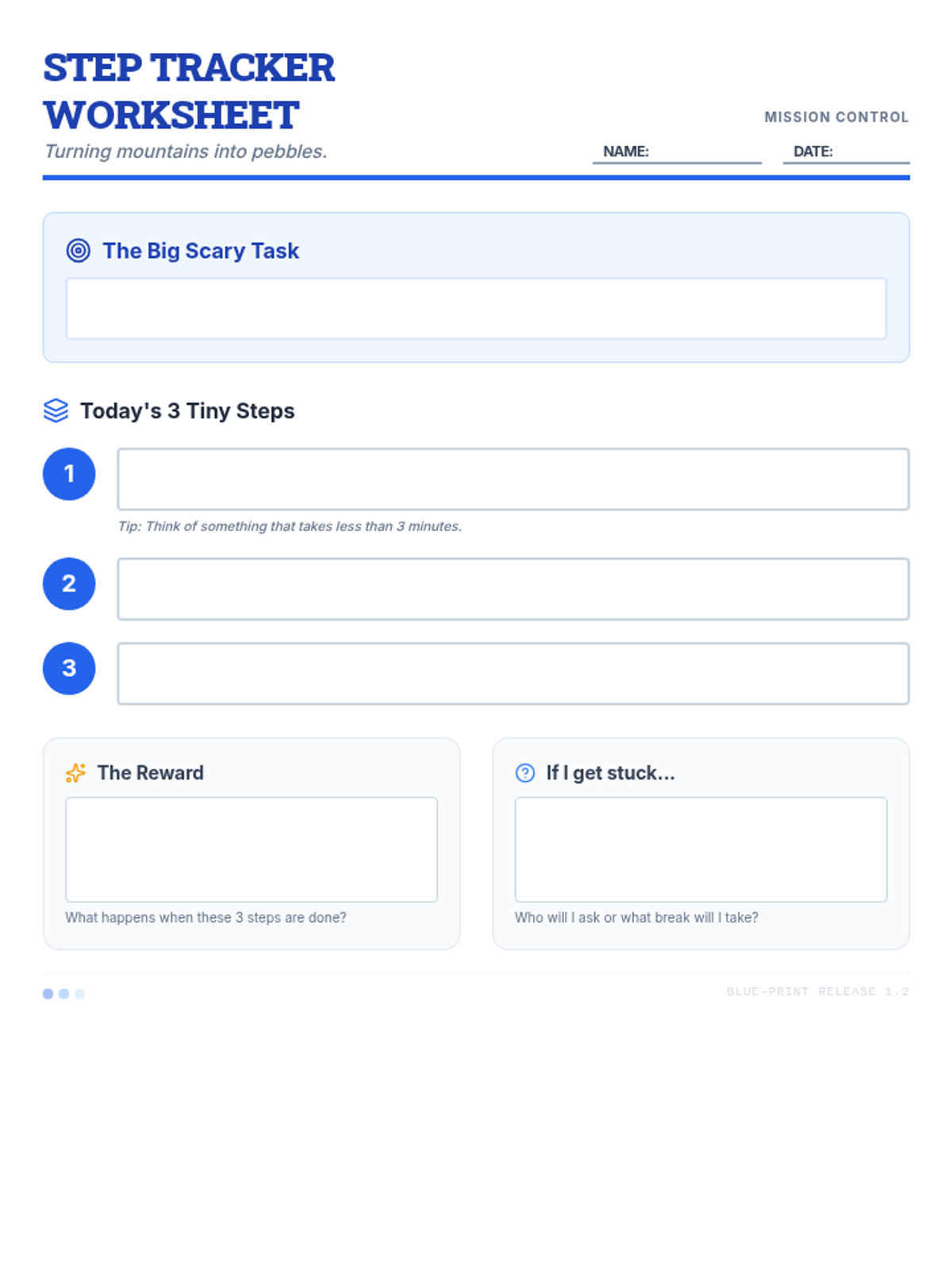
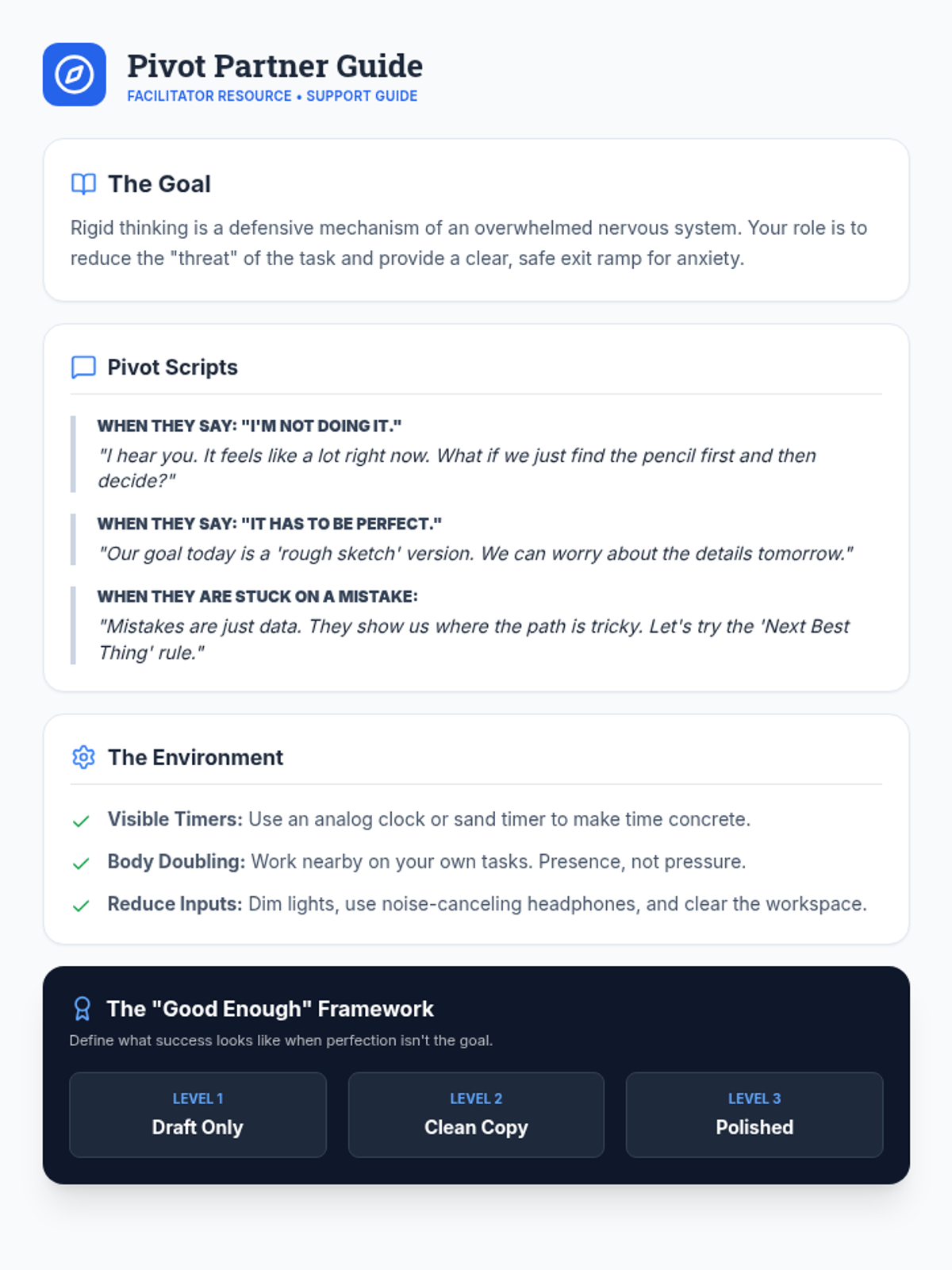
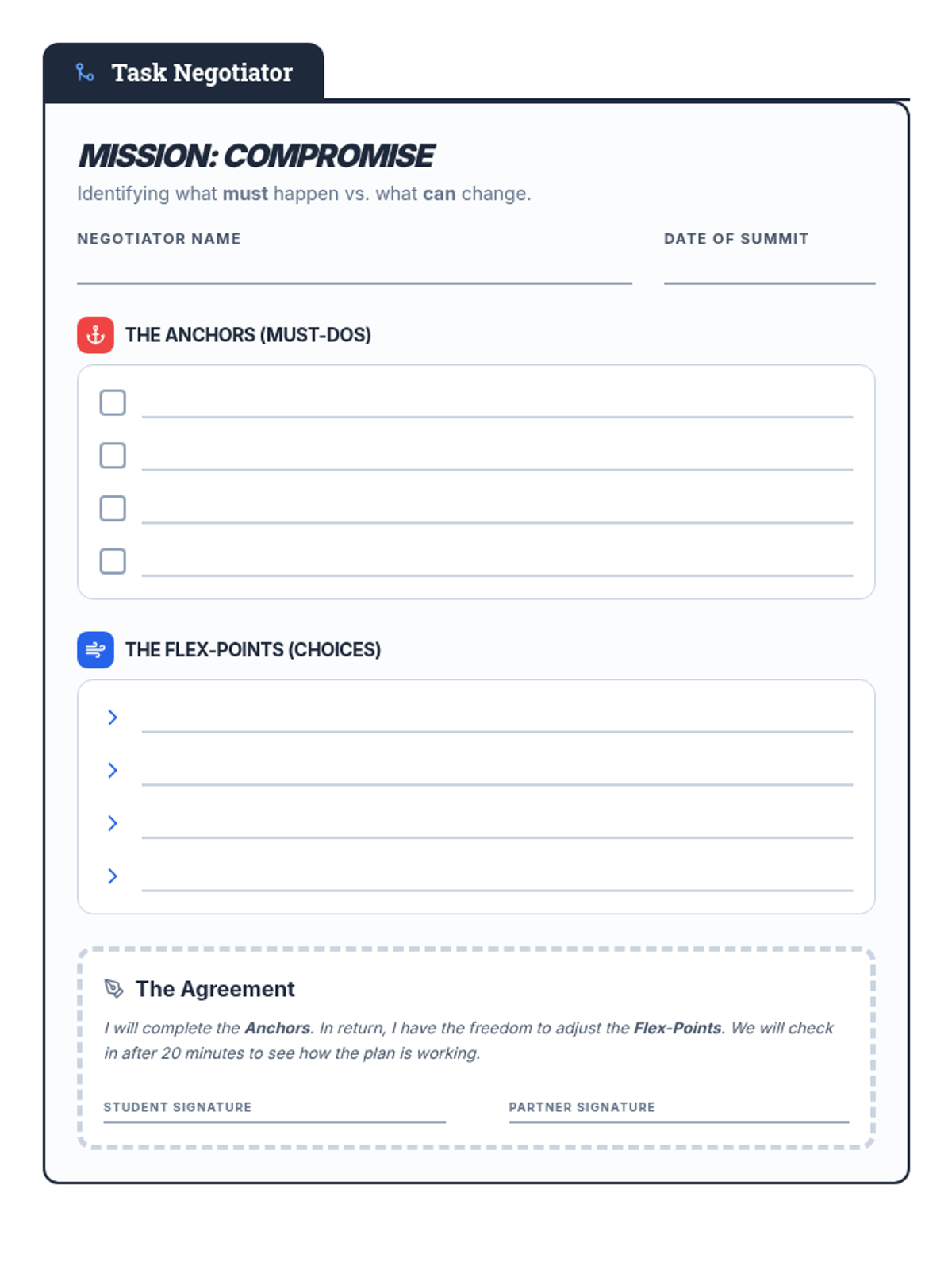
A comprehensive set of strategies and tools to help teens with autism overcome rigid thinking and task refusal during academic assignments.
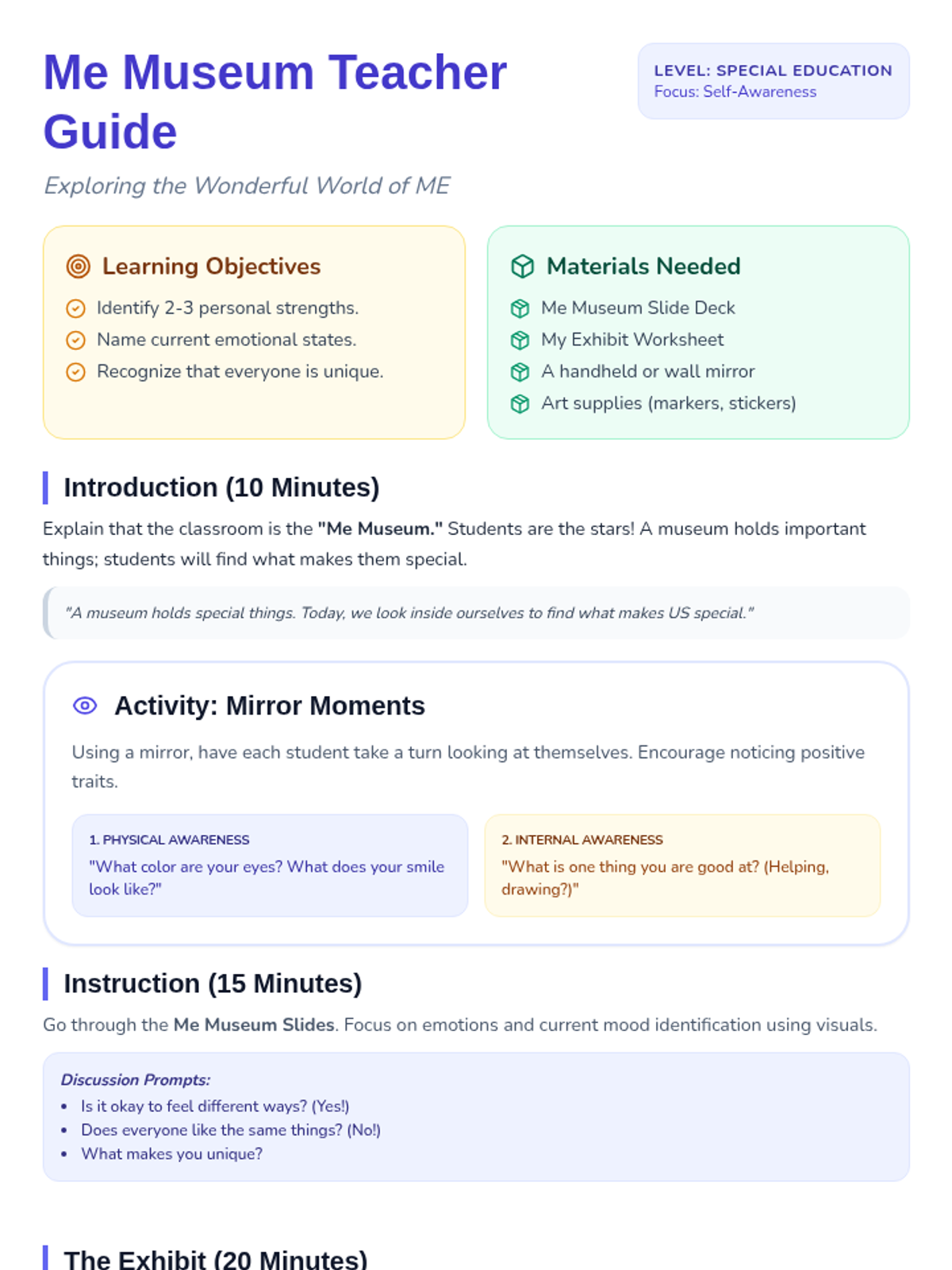
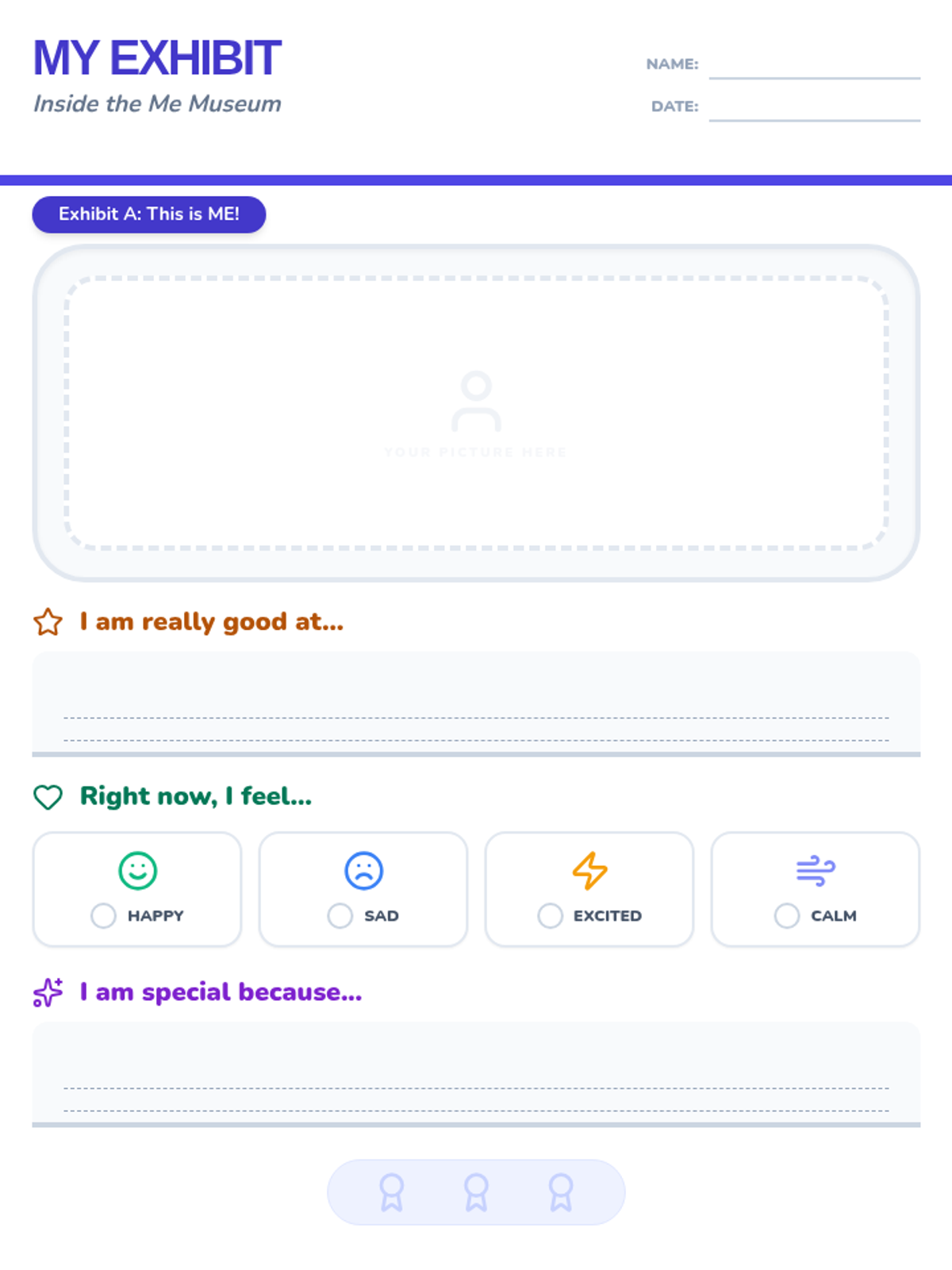
A foundational lesson on self-awareness for special education students, focusing on identifying personal strengths, emotions, and unique traits through the 'Me Museum' theme.
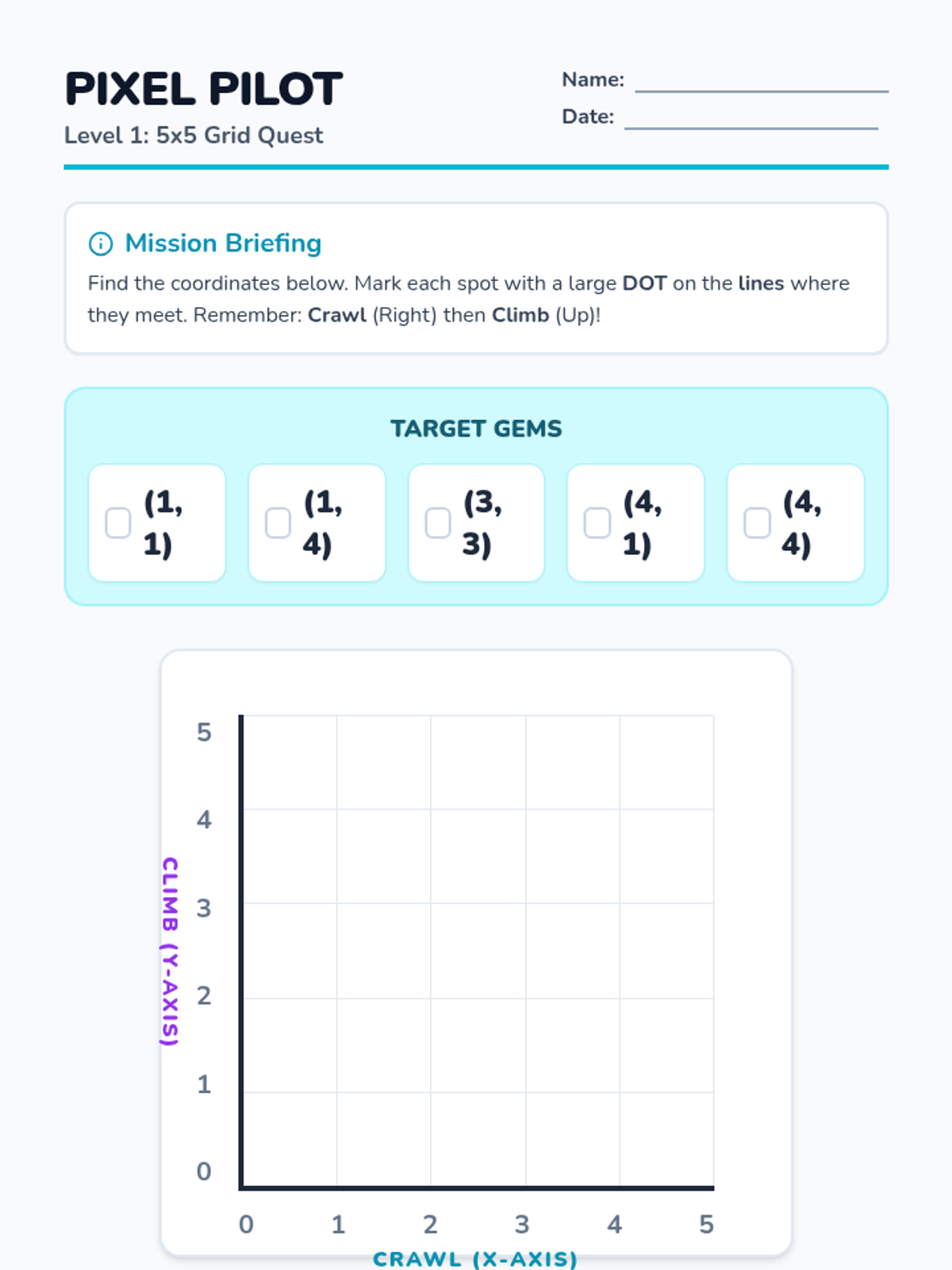
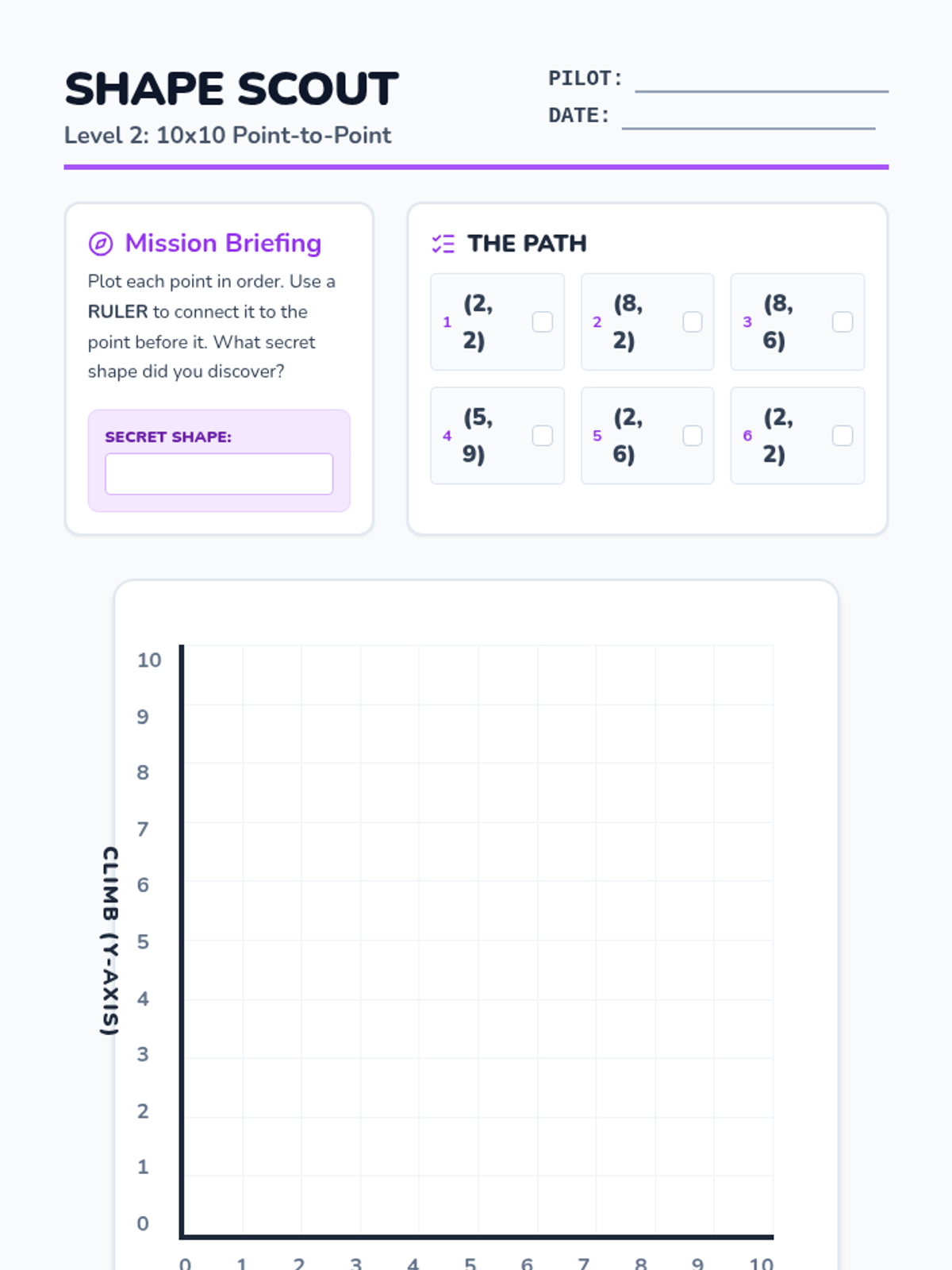
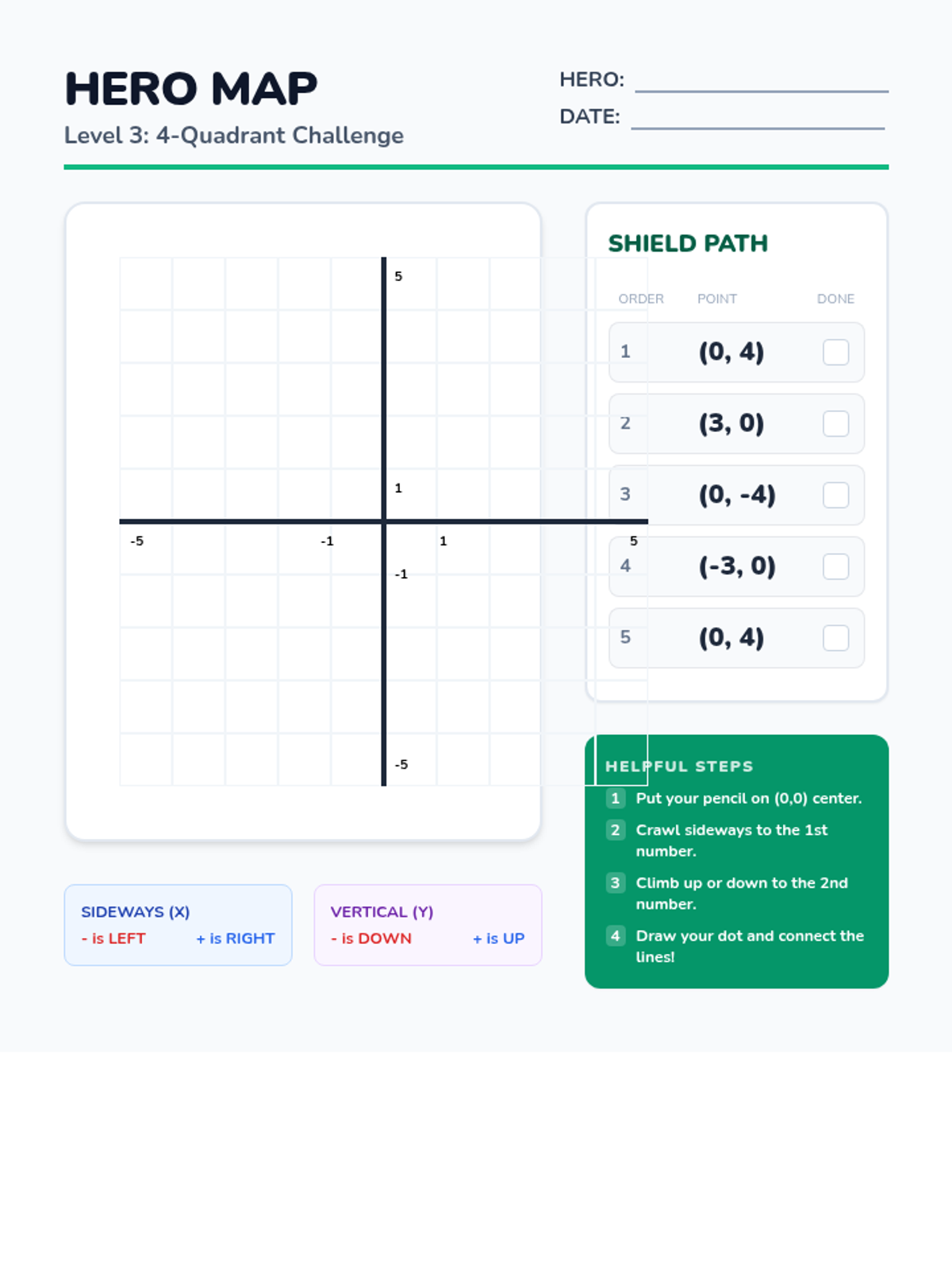
A scaffolded series of coordinate graphing activities designed for IEP students, moving from basic 5x5 matching to full 4-quadrant plotting.
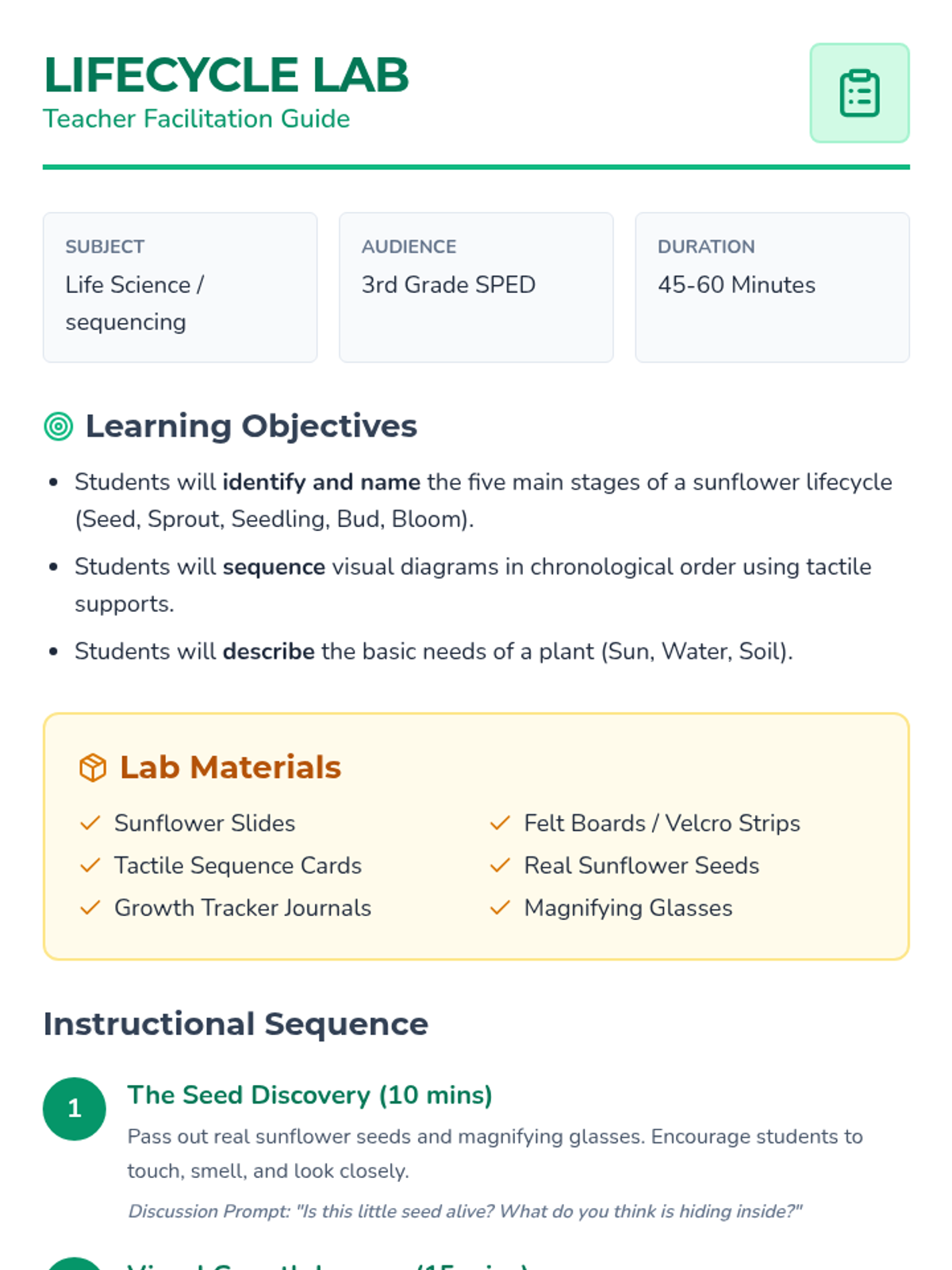
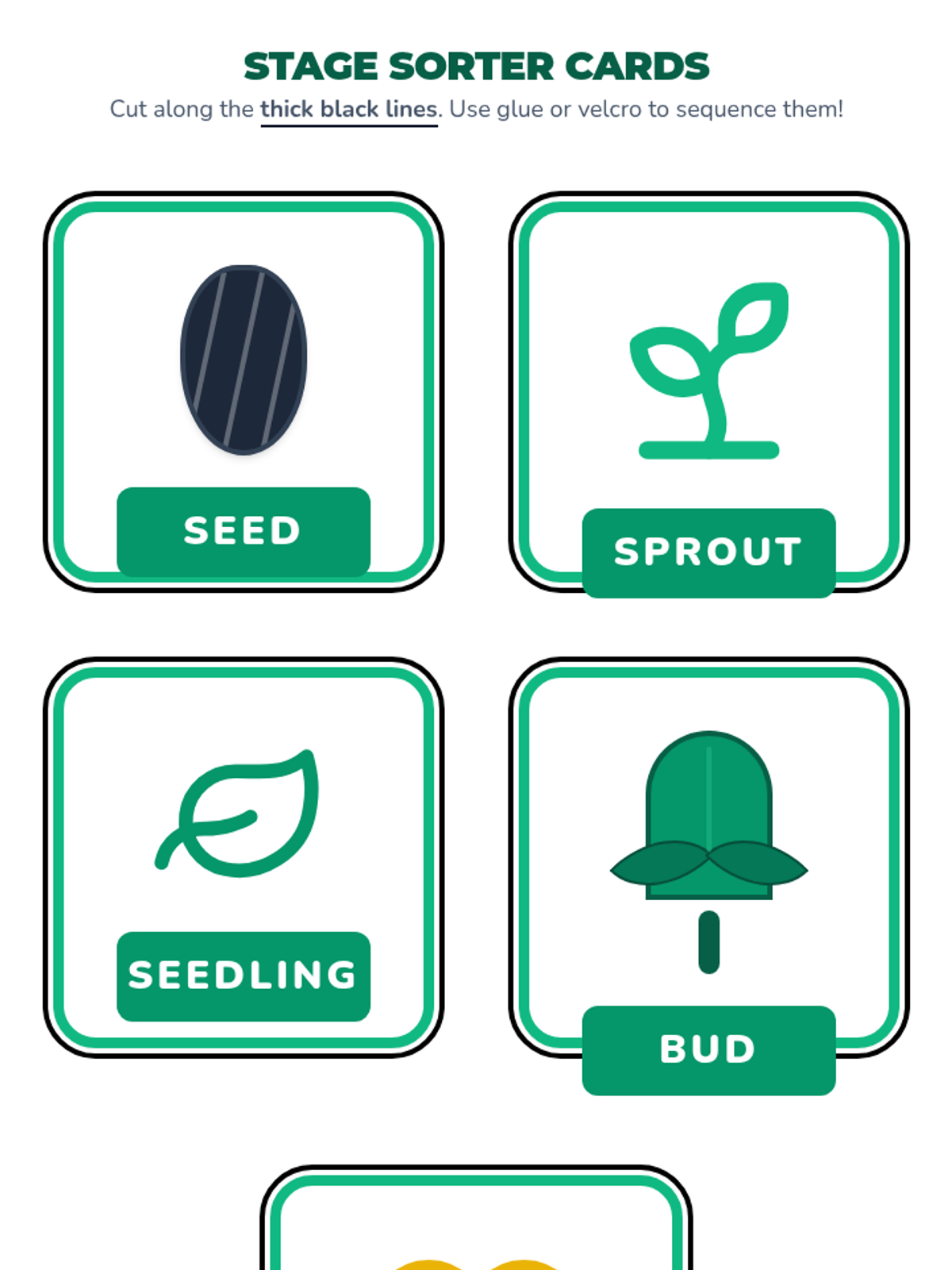
A multi-sensory science lesson for 3rd-grade special education students focusing on the chronological stages of a sunflower's life cycle through tactile sequencing and visual observation.
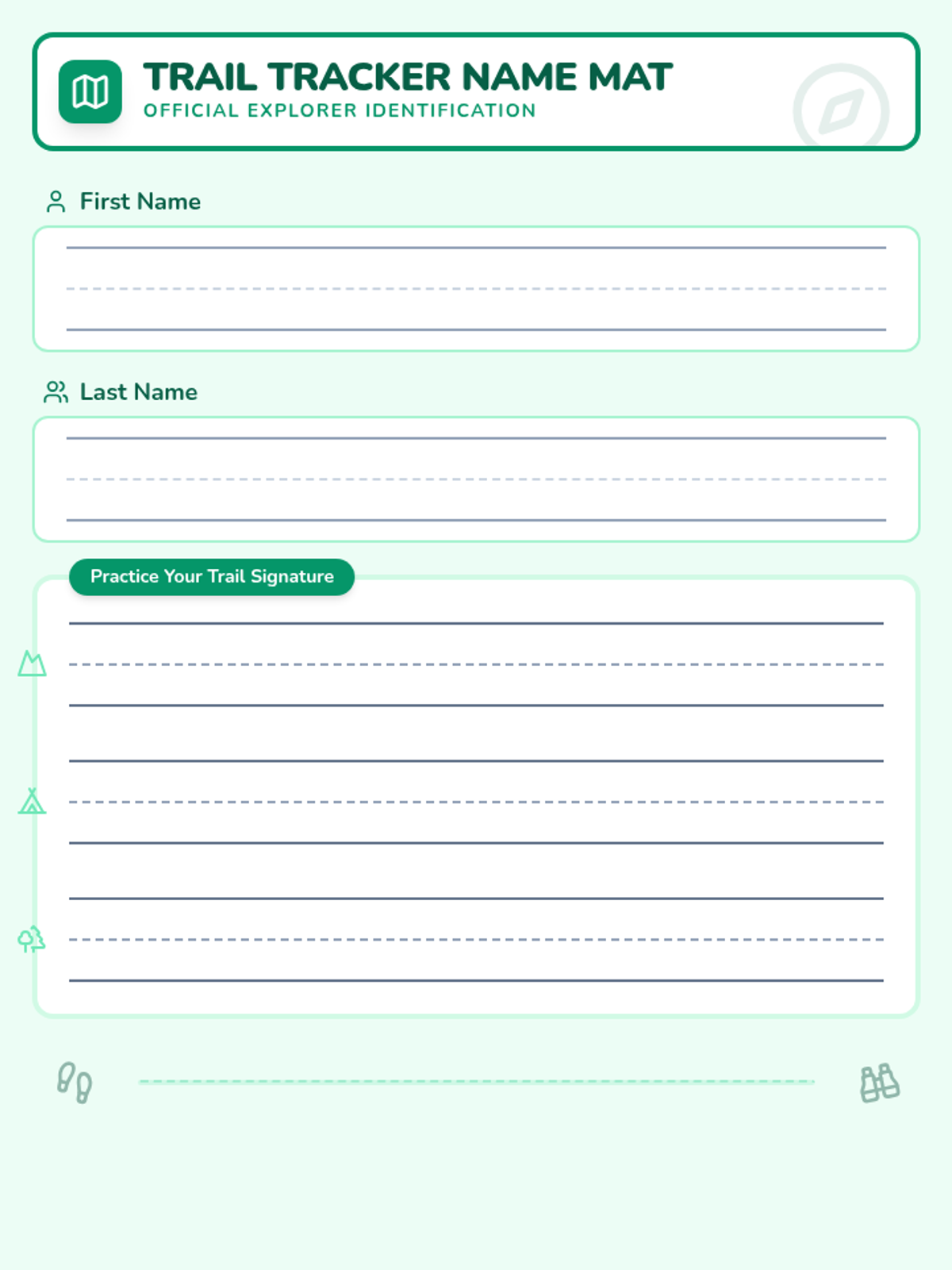
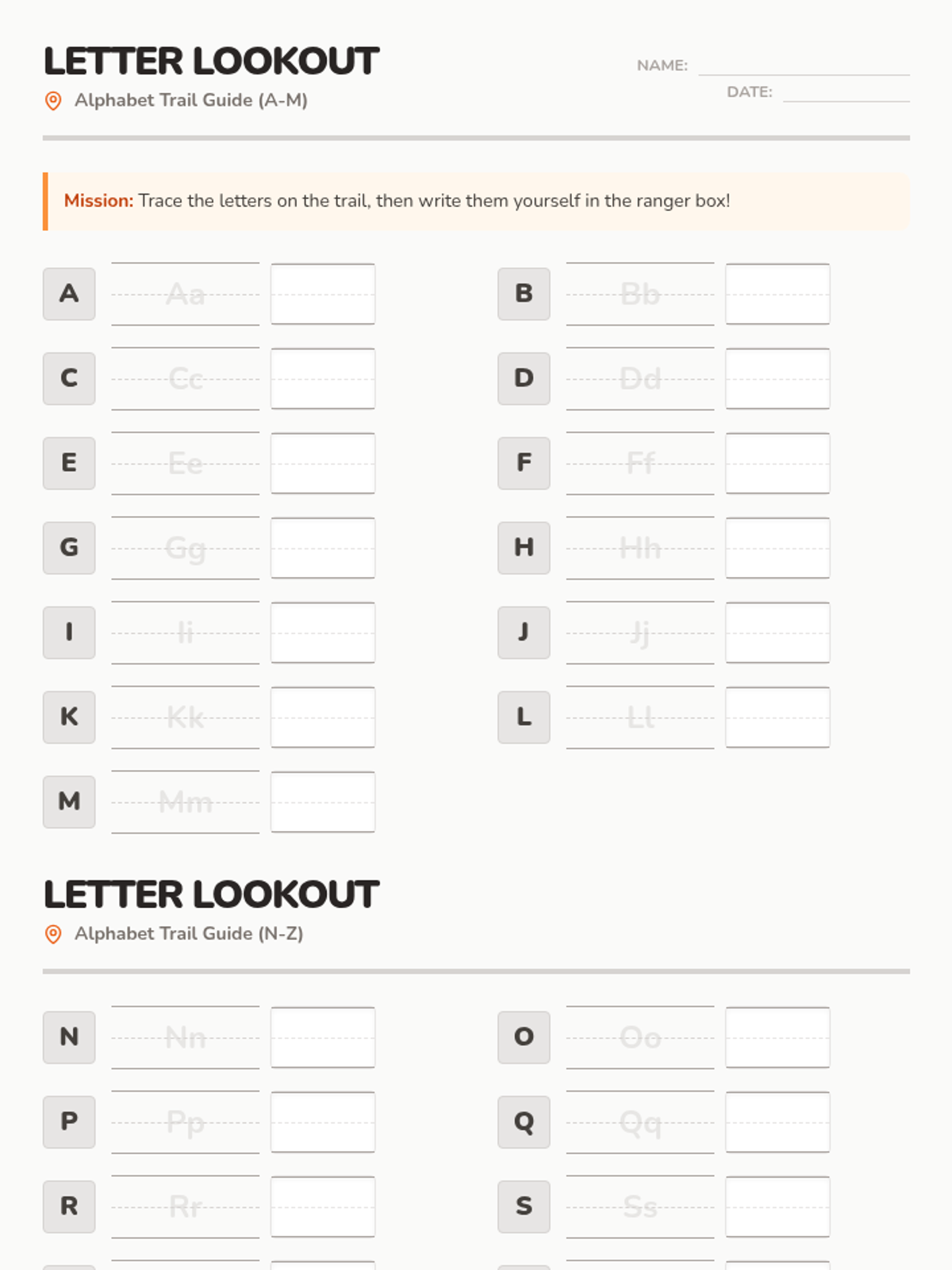
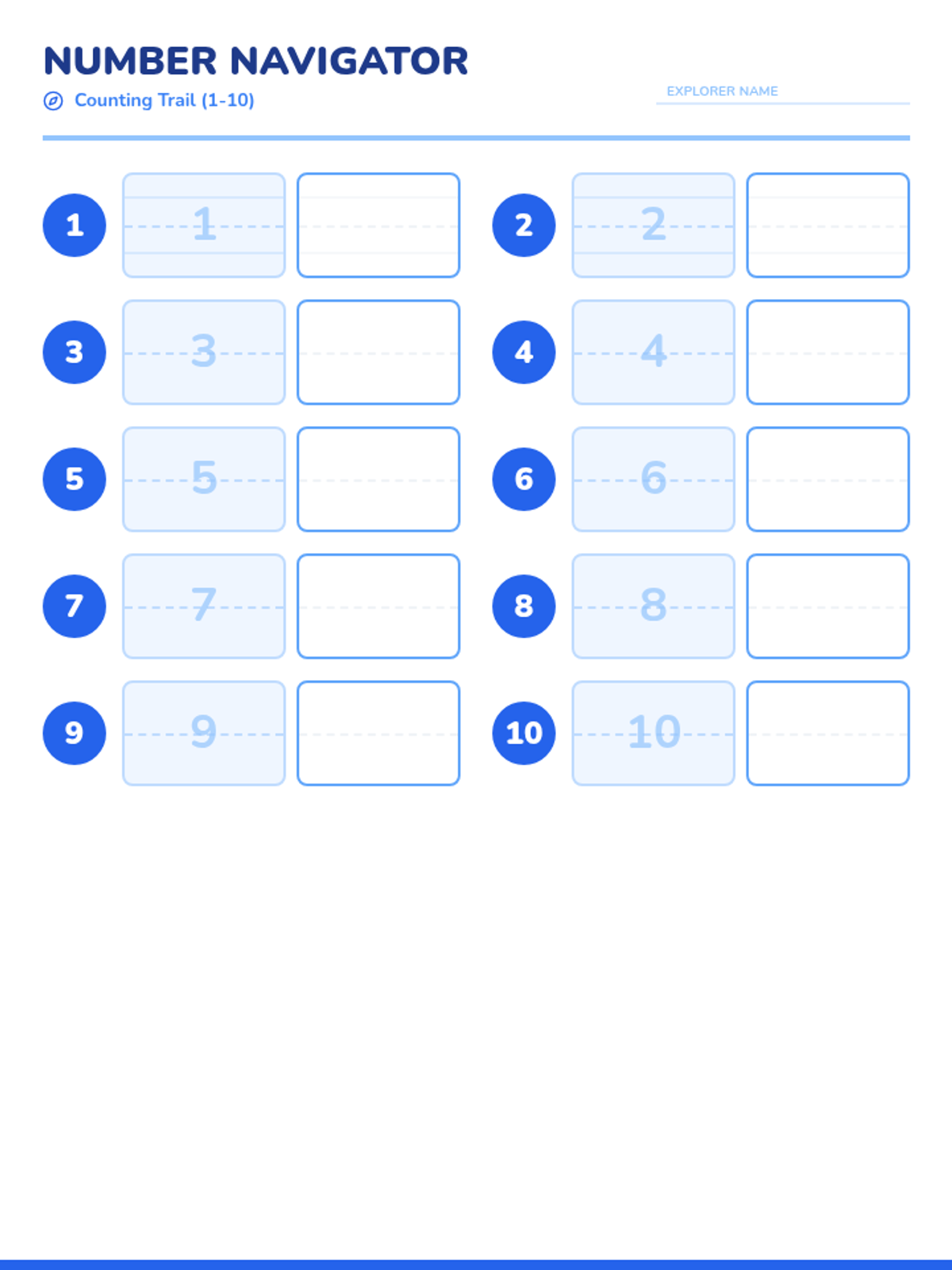
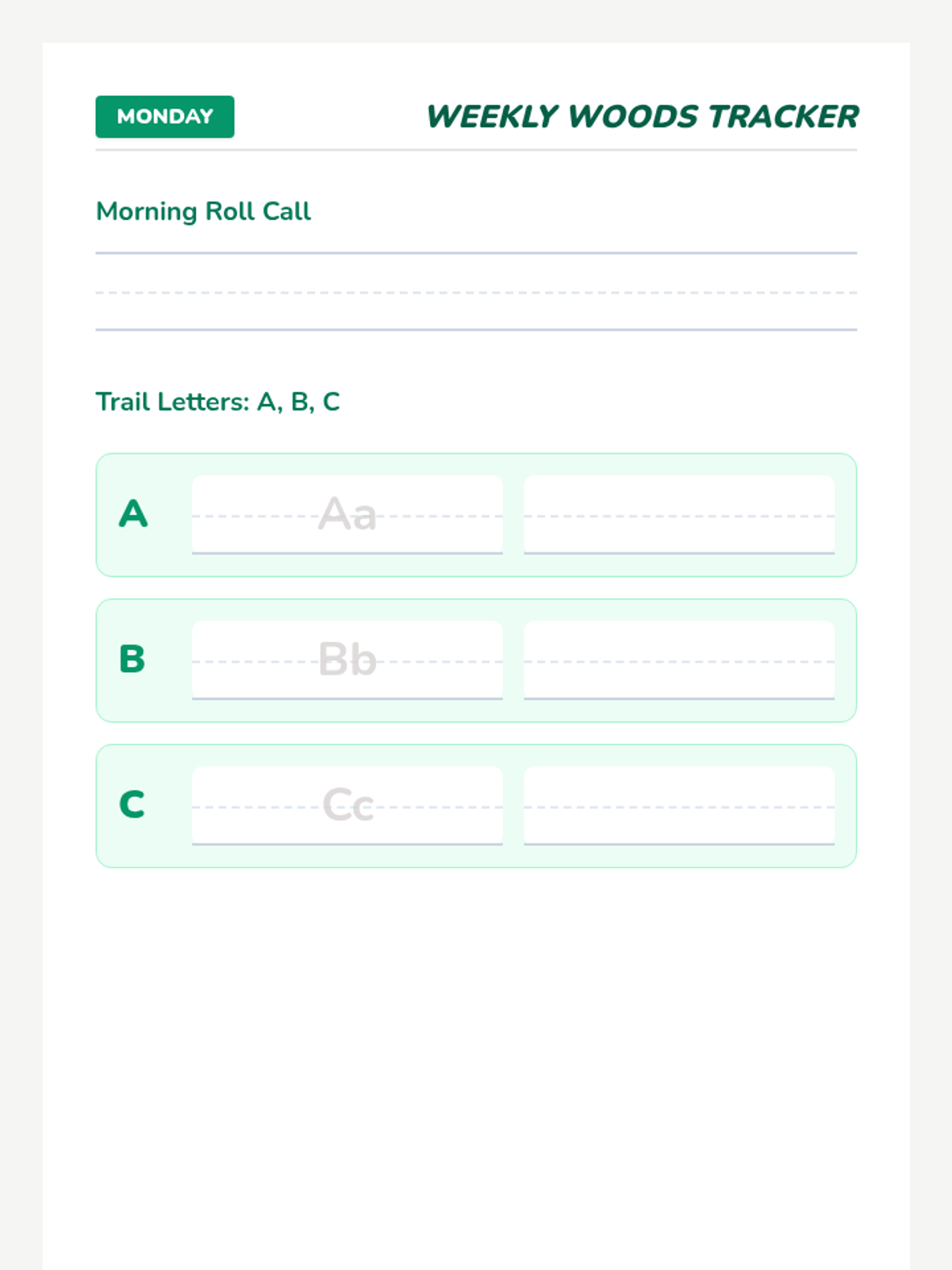
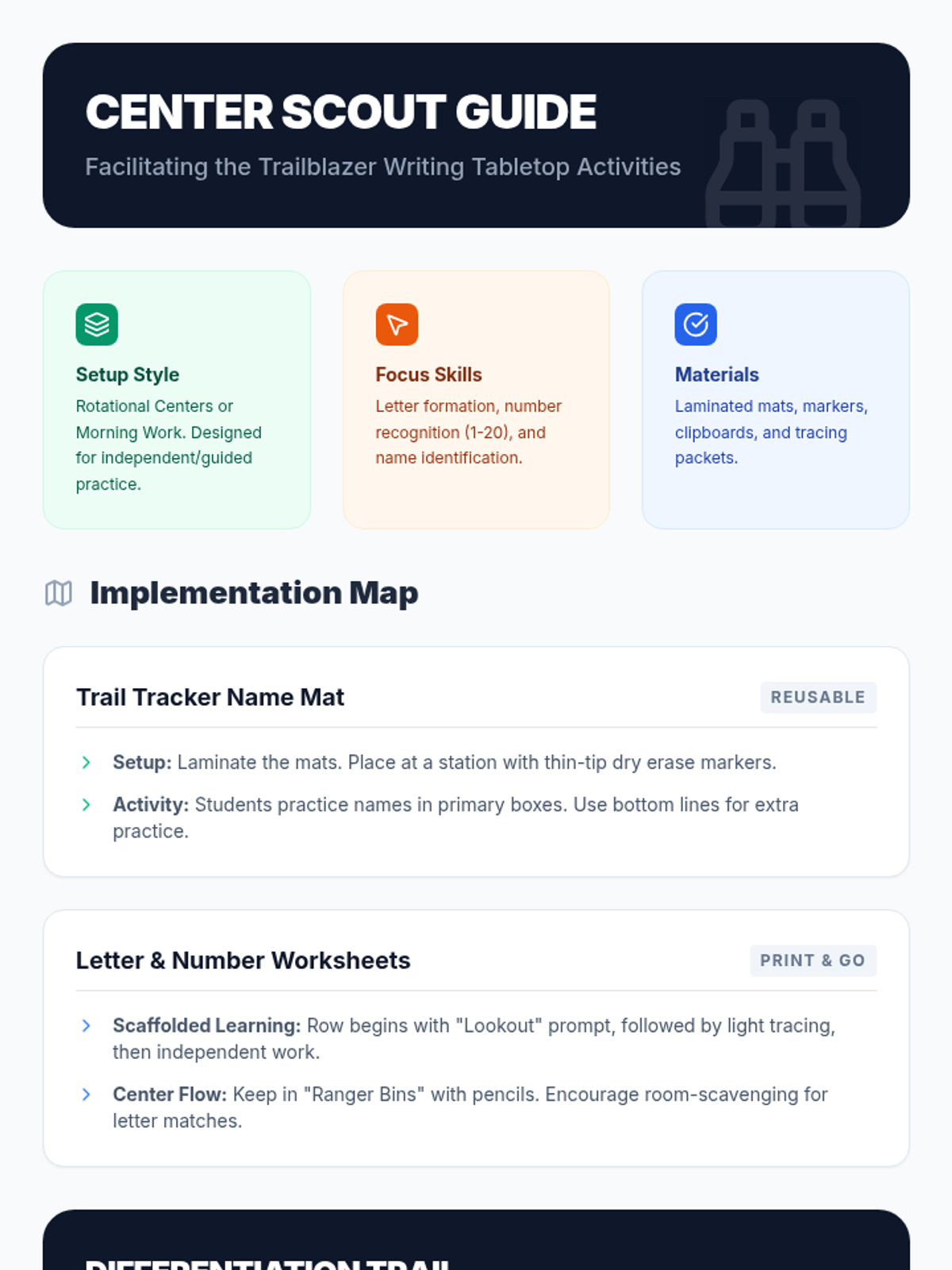
A series of engaging tabletop activities focused on letter formation, number recognition, and name writing with a Nature Explorer theme. Students practice through tracing, path-following, and independent writing.
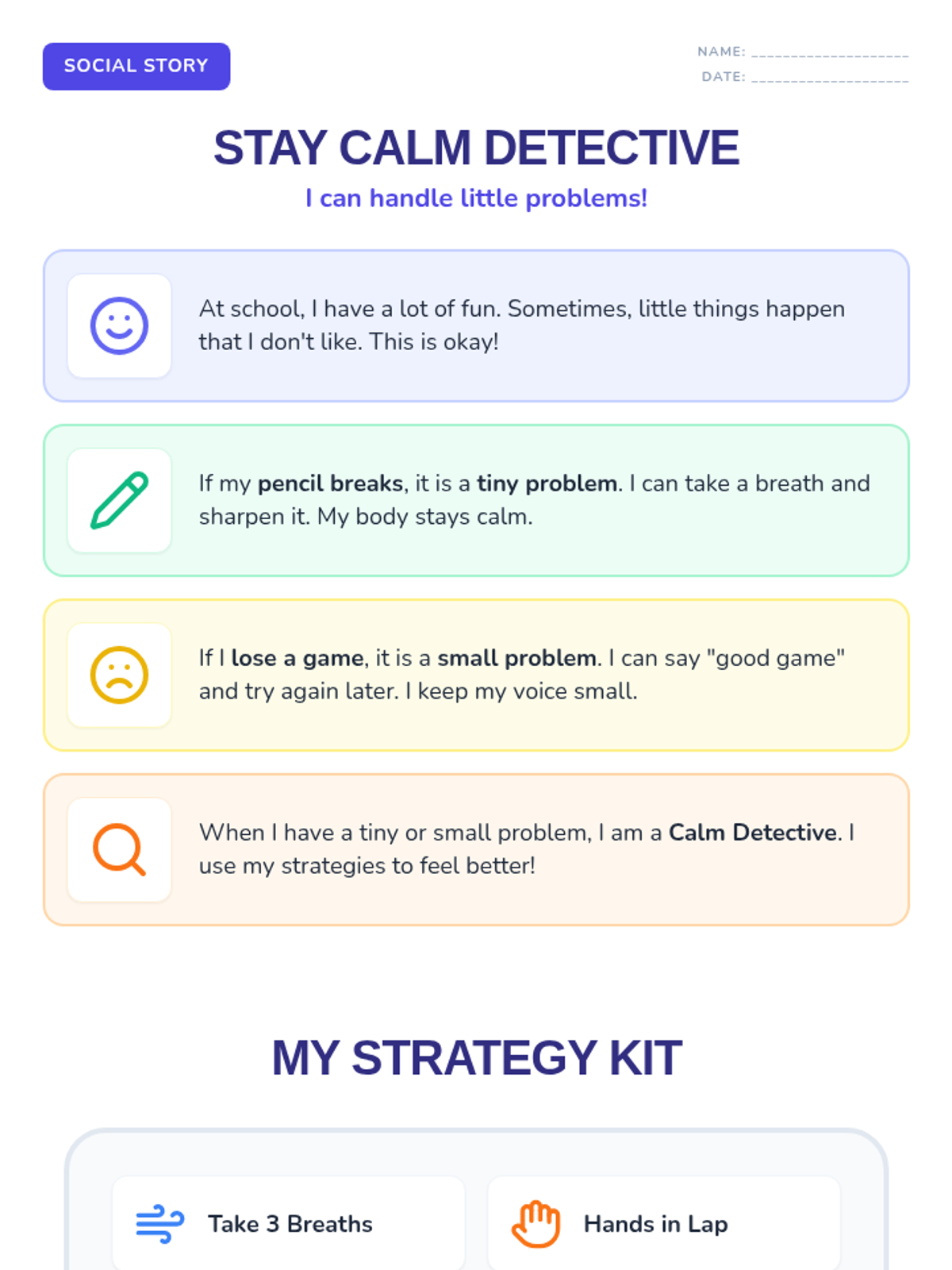
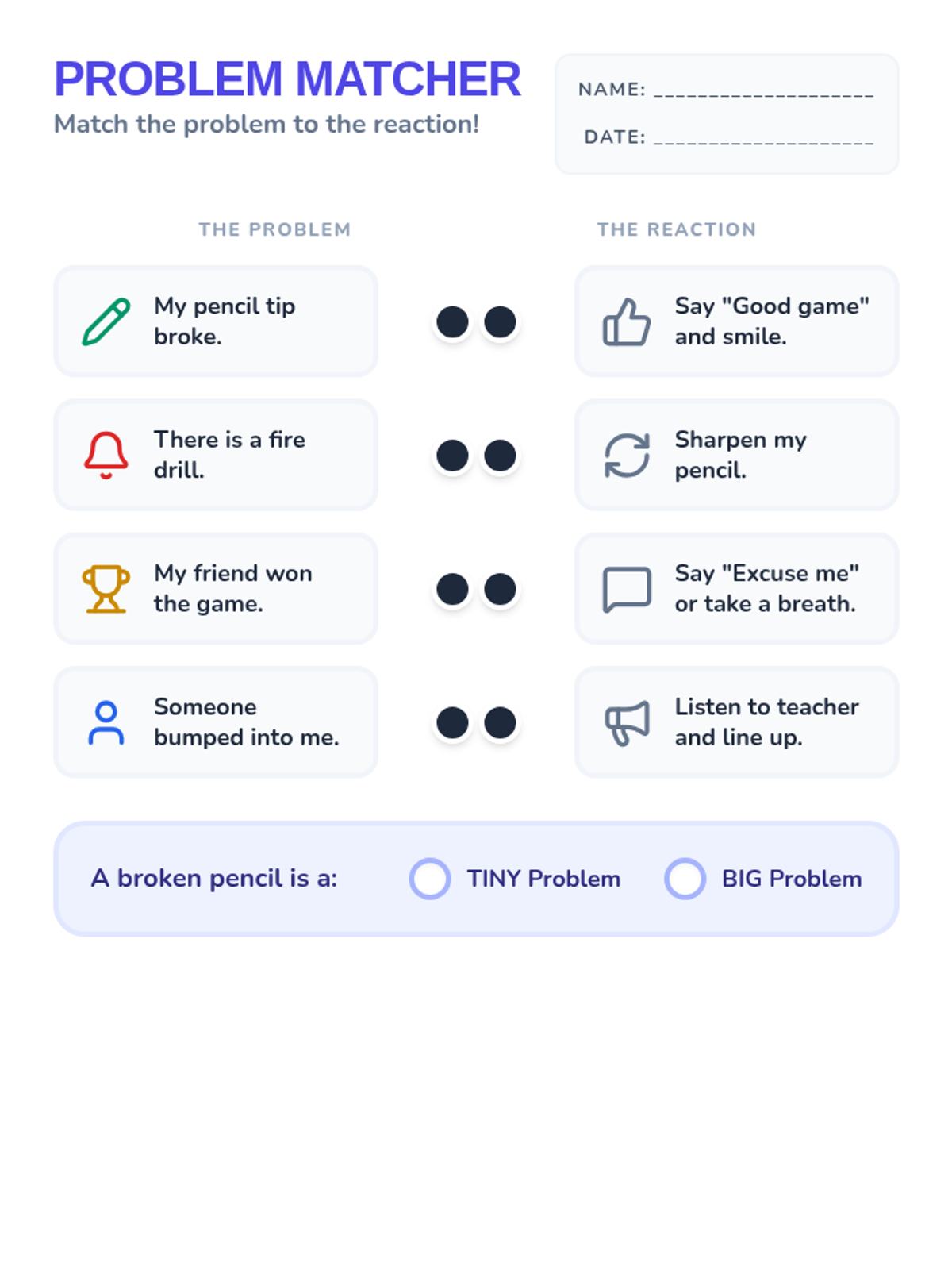
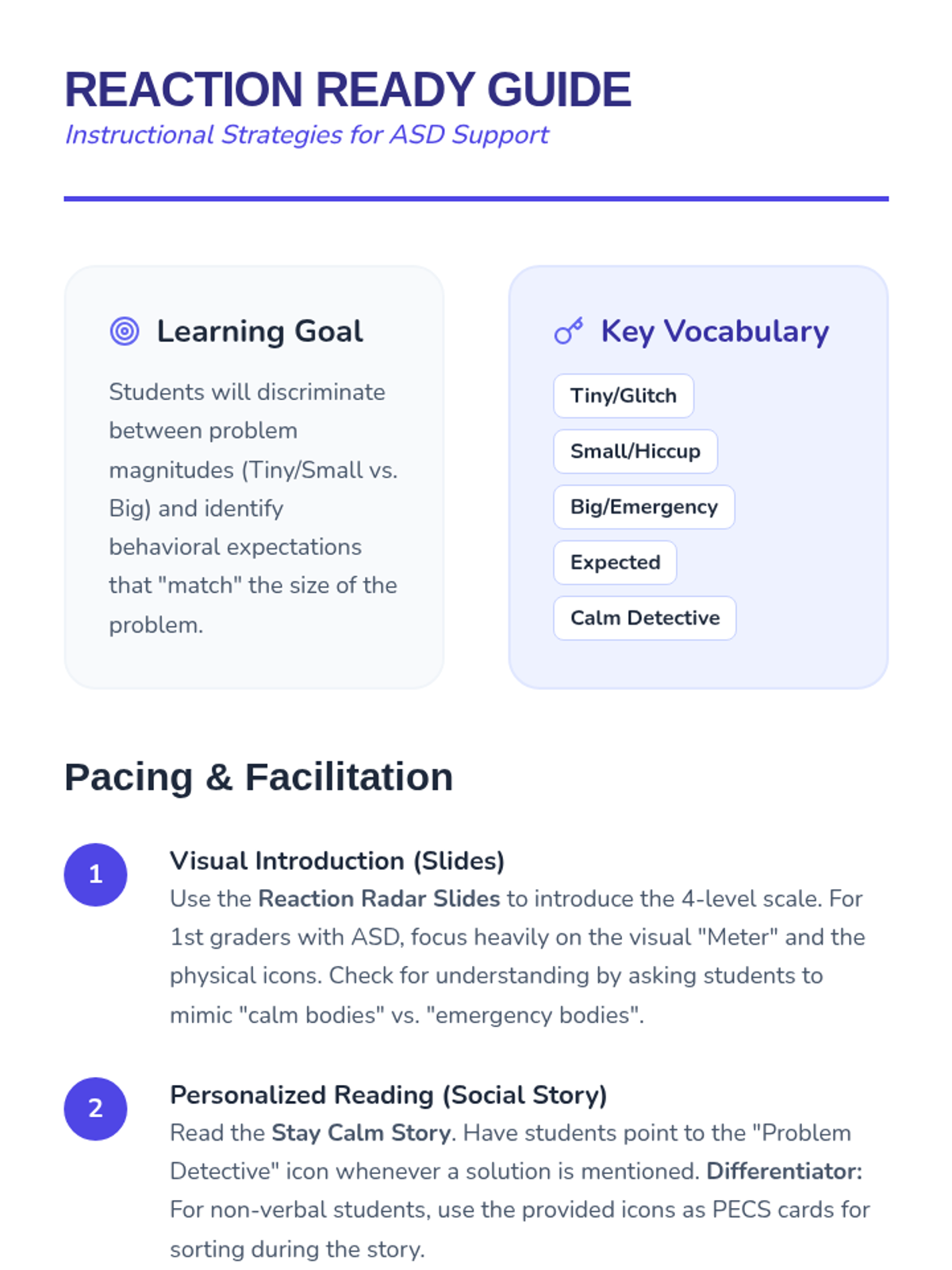
A lesson for 1st graders with ASD focused on identifying the 'size' of a problem and matching it with an appropriate emotional reaction. Includes visual slides, a social story, and practice activities.

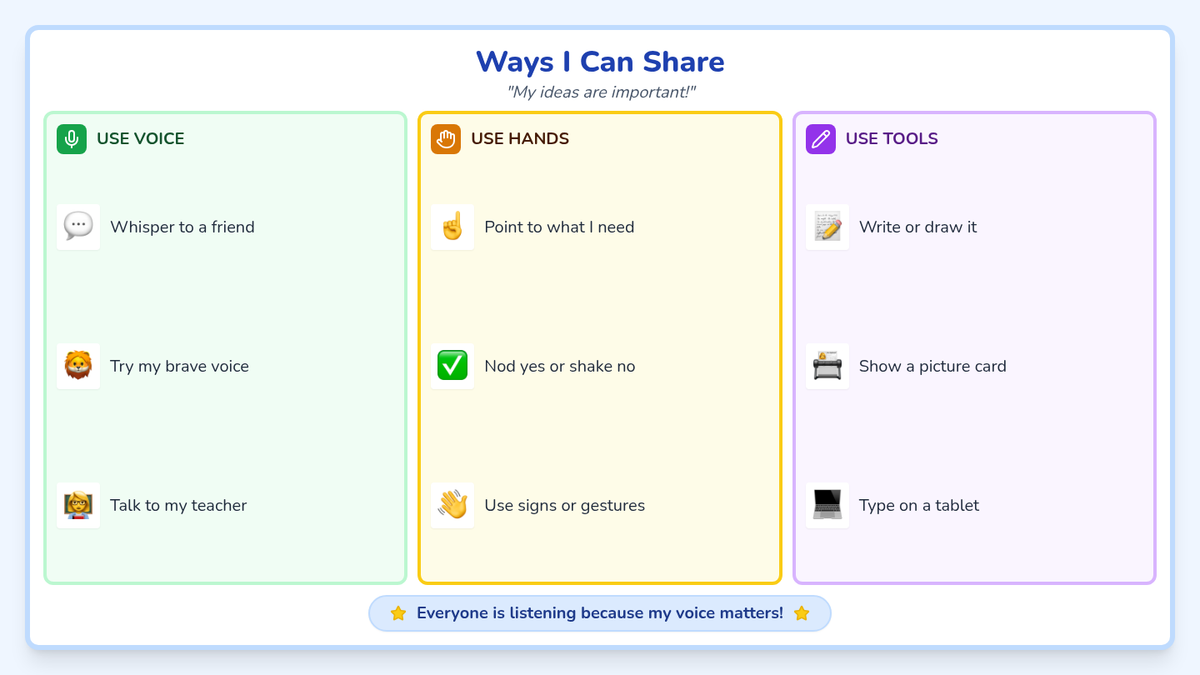
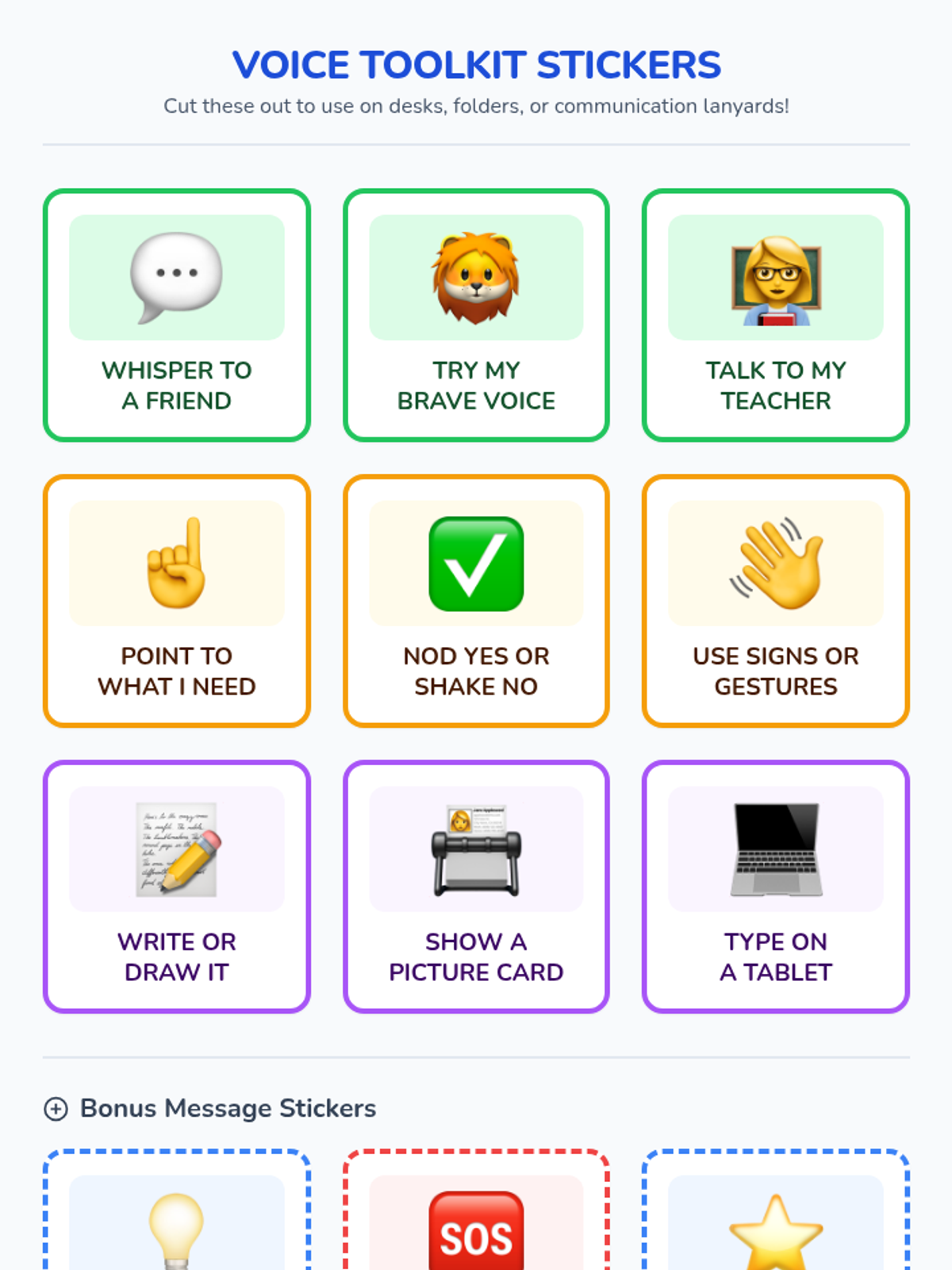
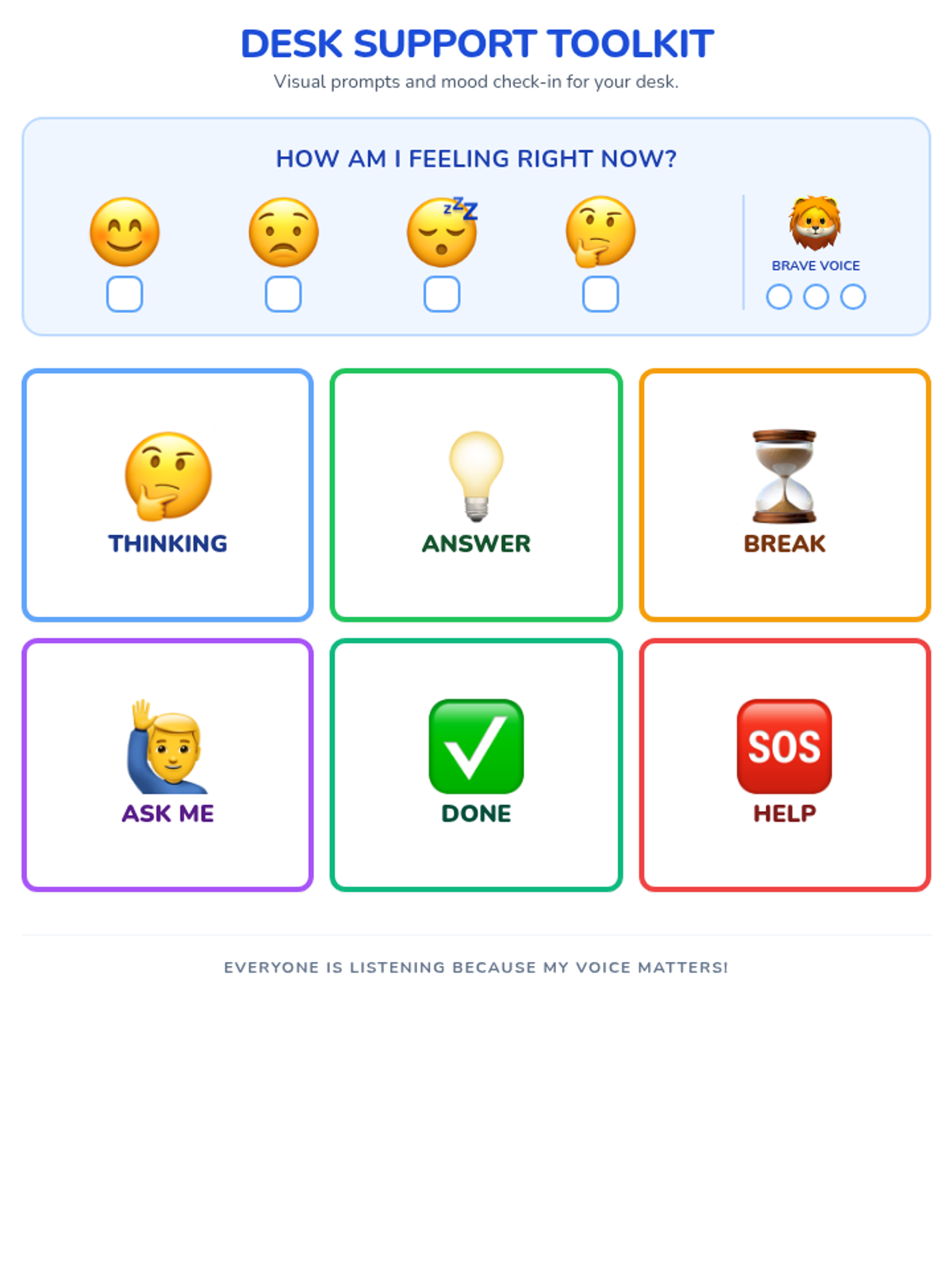
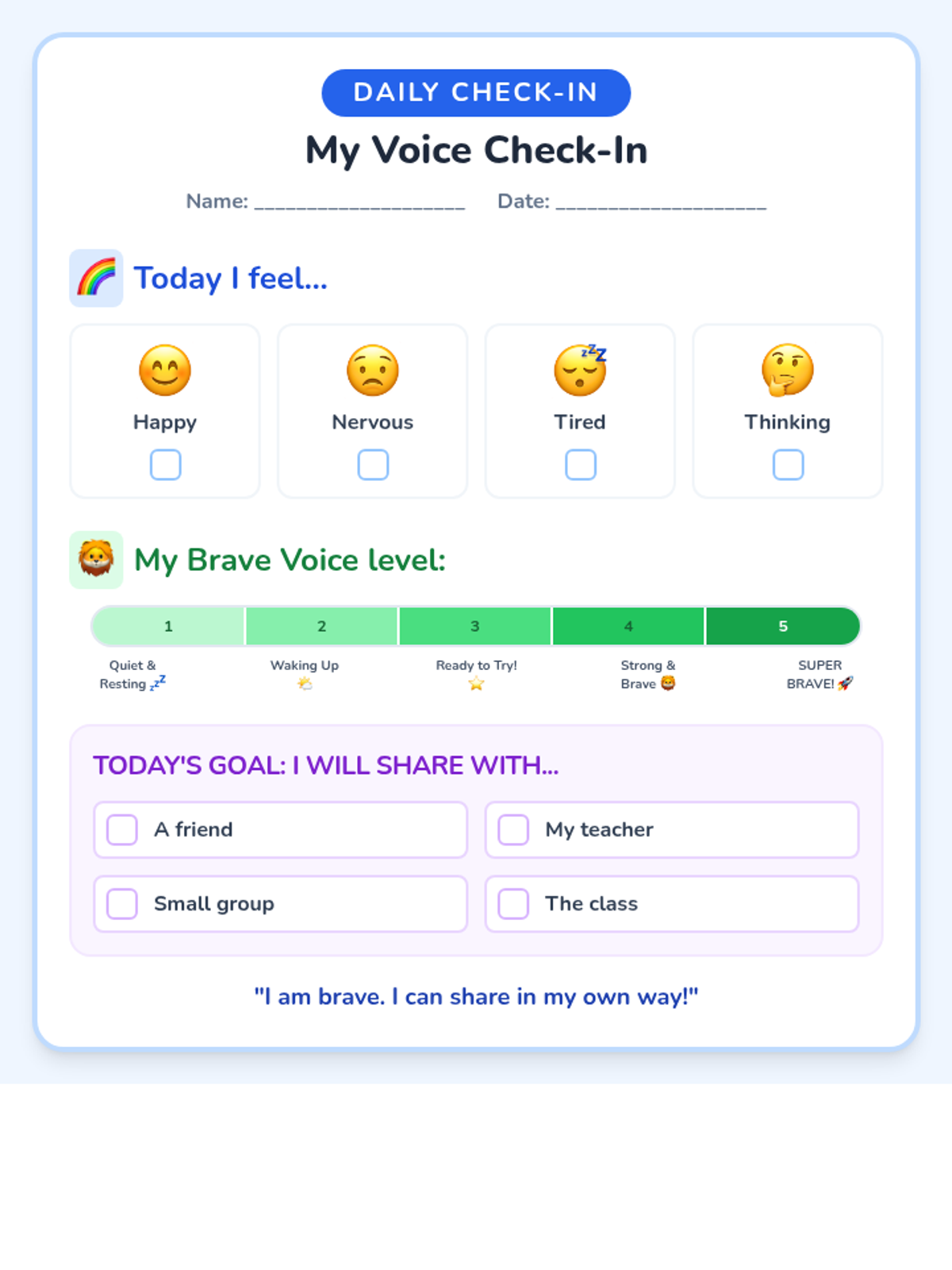
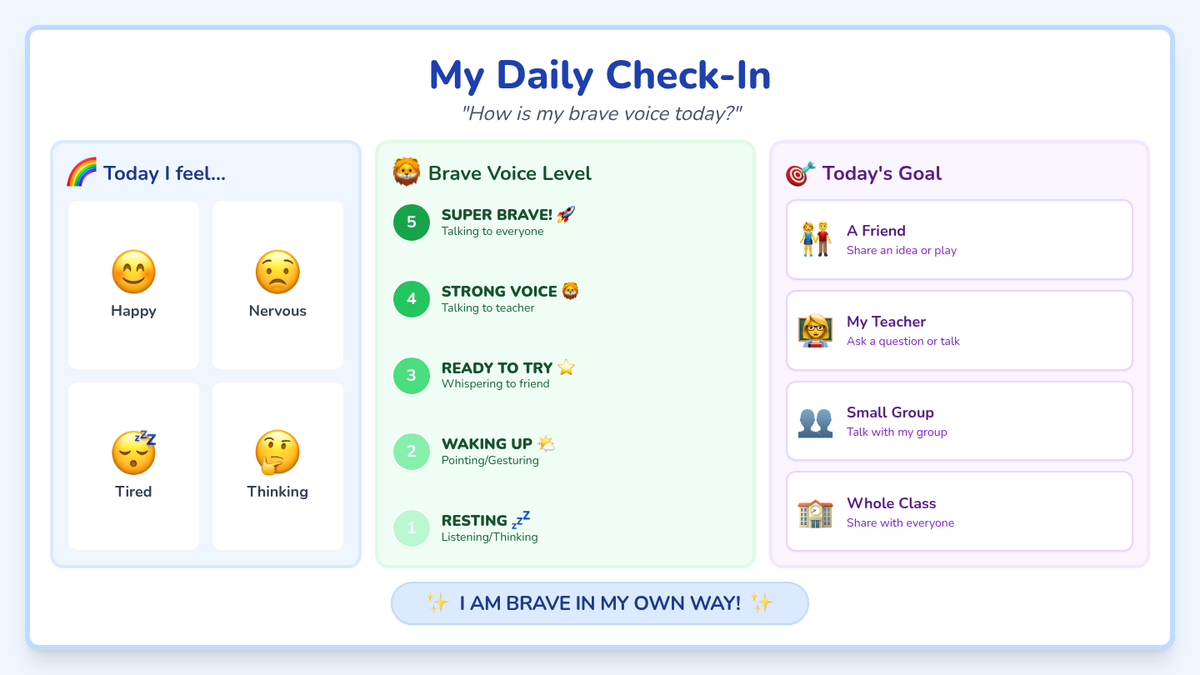
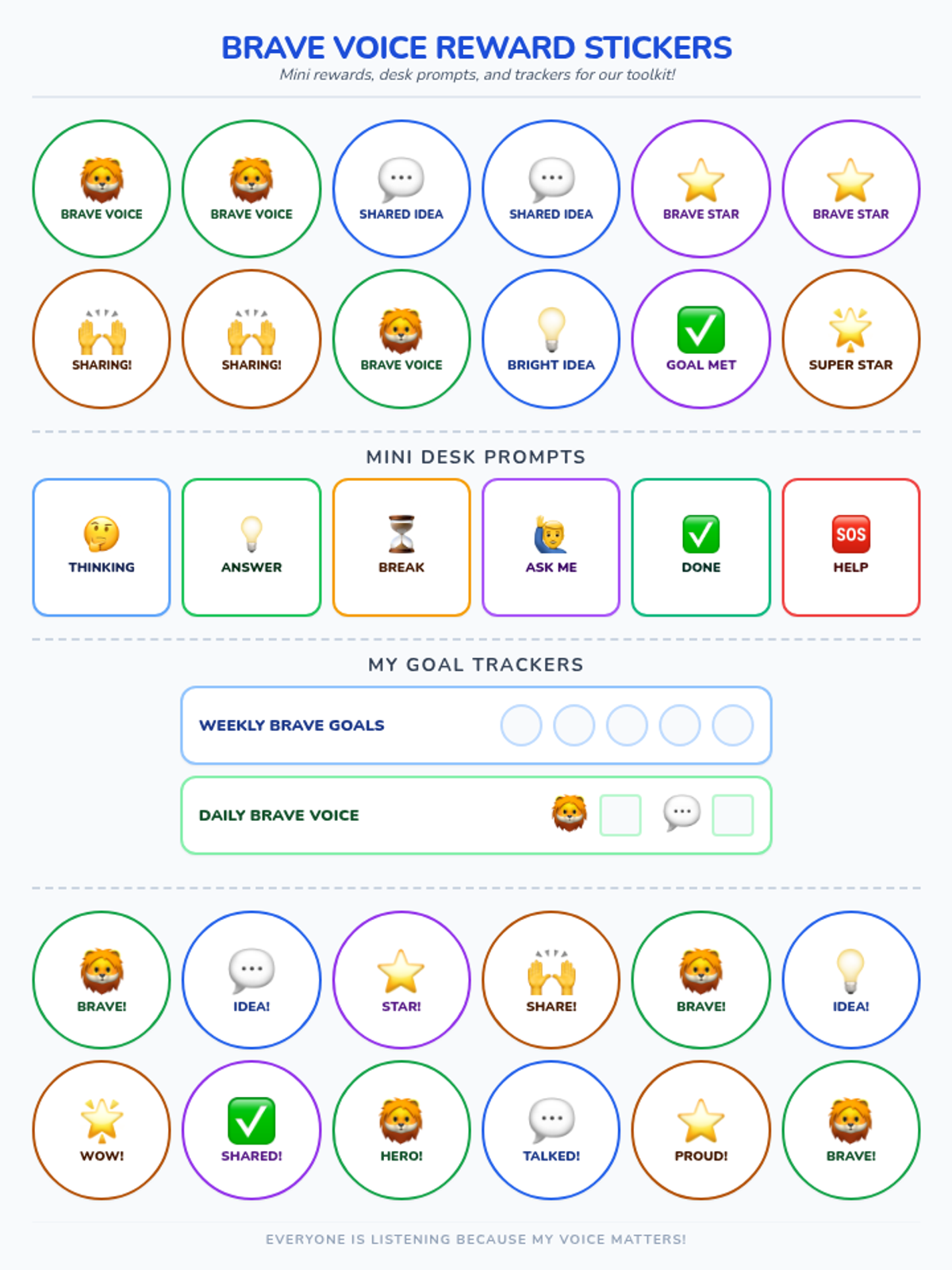
A collection of visual and printable resources to support students with selective mutism in the classroom, focusing on diverse communication strategies.
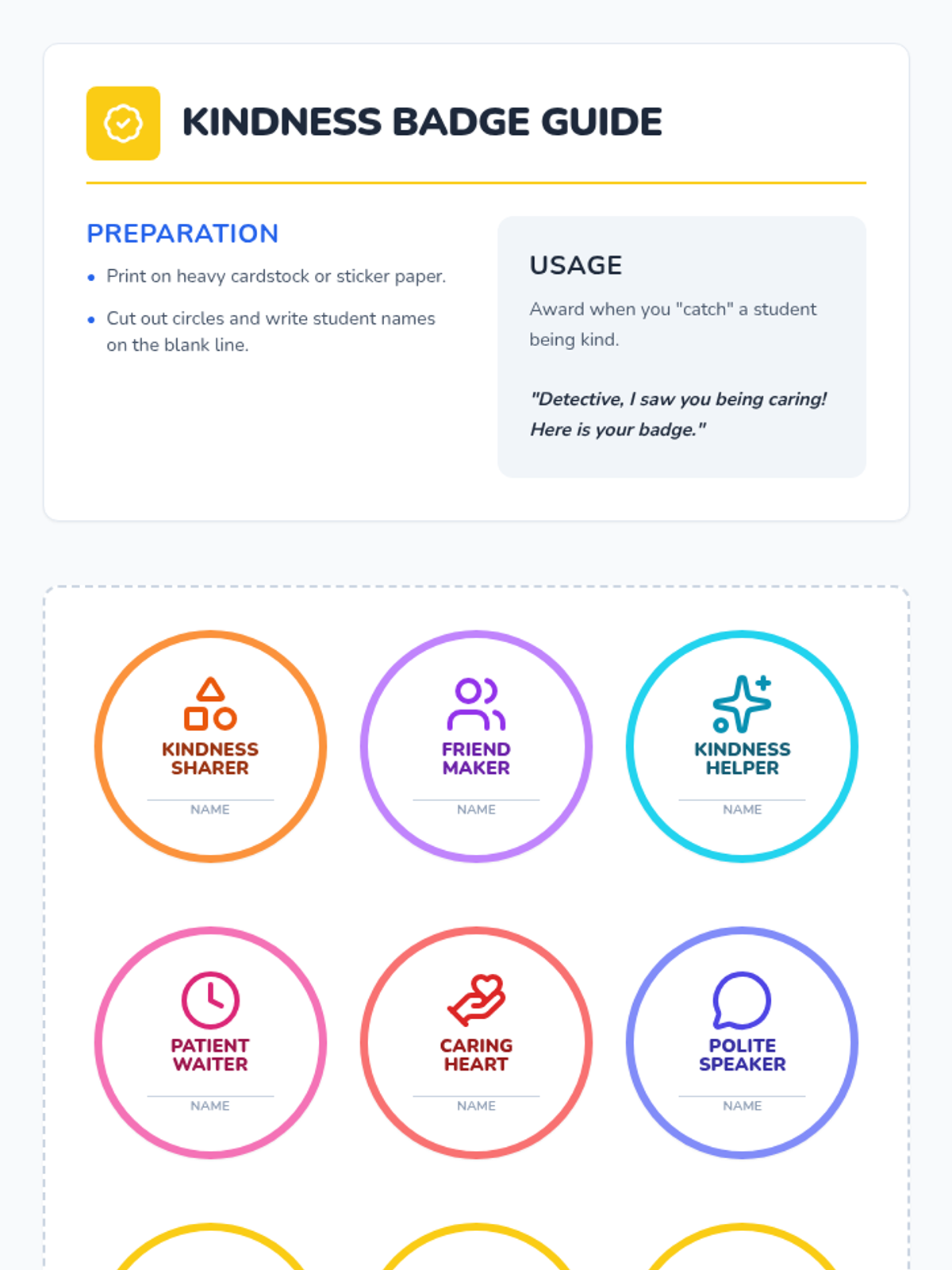
A foundational social-emotional lesson where students act as "Kindness Detectives" to identify and celebrate positive classroom behaviors. Using visual supports and simple scenarios, students practice recognizing sharing, inclusion, and helpfulness.
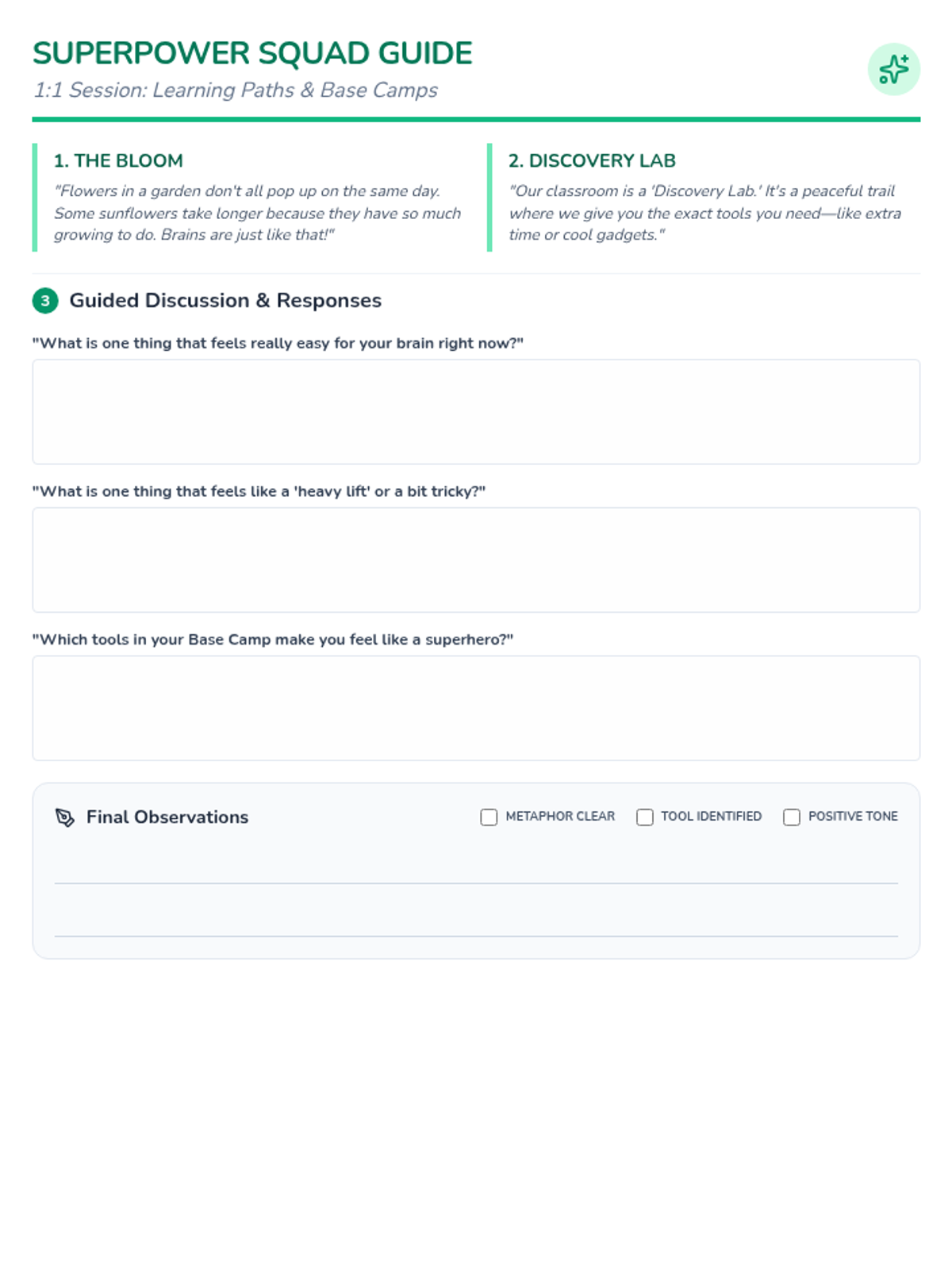
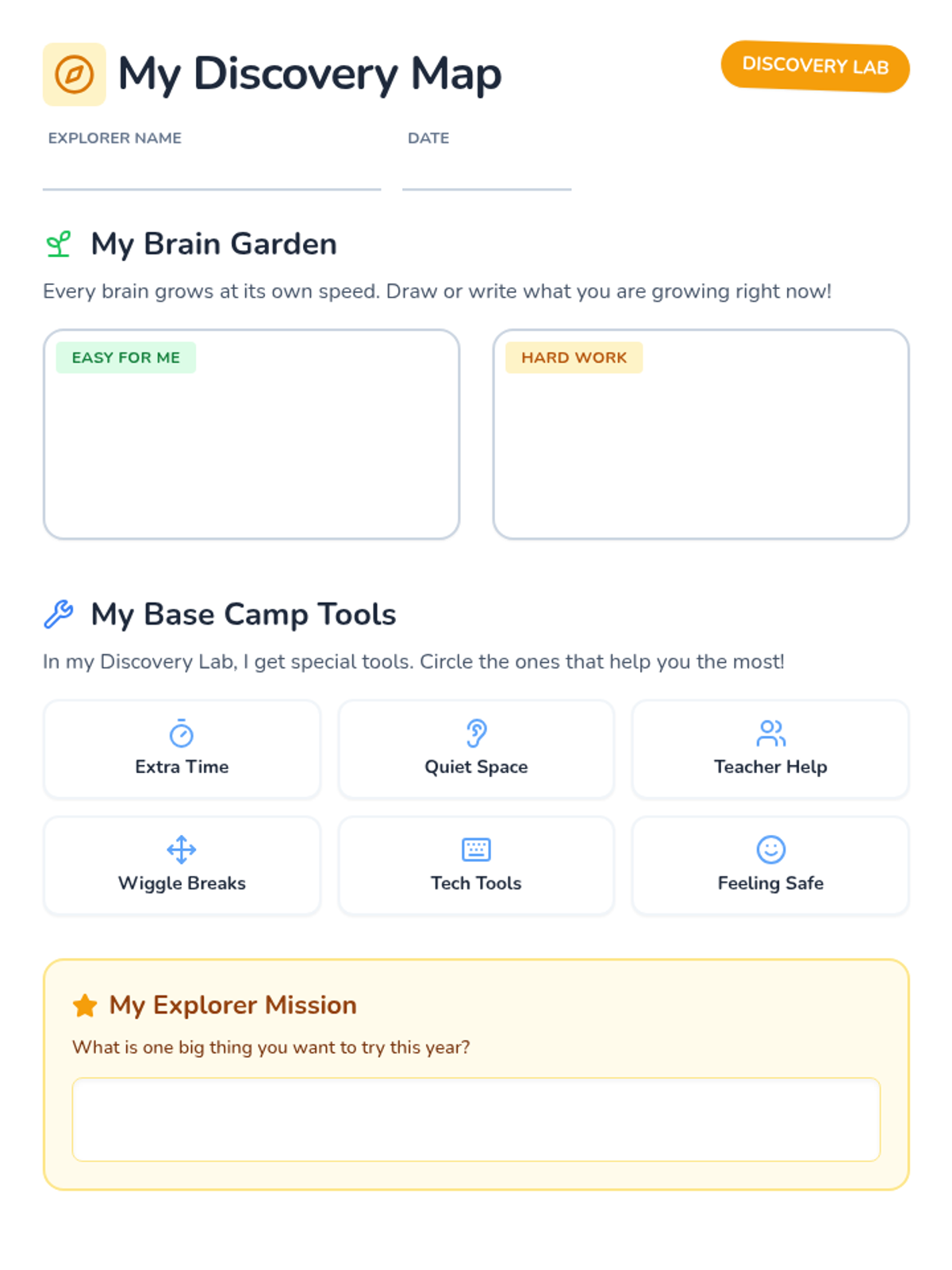
A sensitive and empowering 1:1 session designed for a 2nd grader to understand their developmental delay and the benefits of a sub-separate classroom environment. The lesson uses metaphors of growth and specialized 'base camps' to frame their educational journey positively.
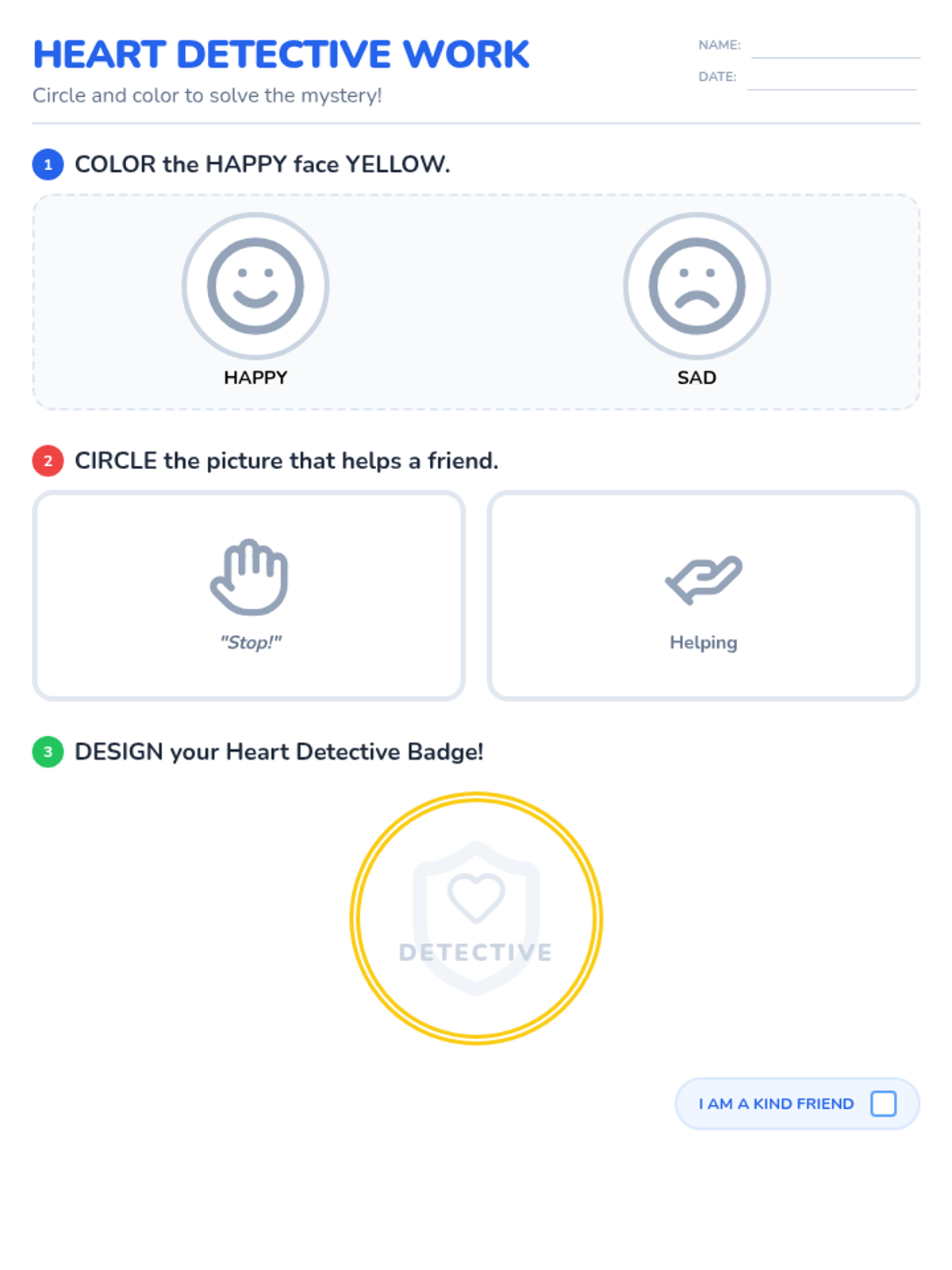
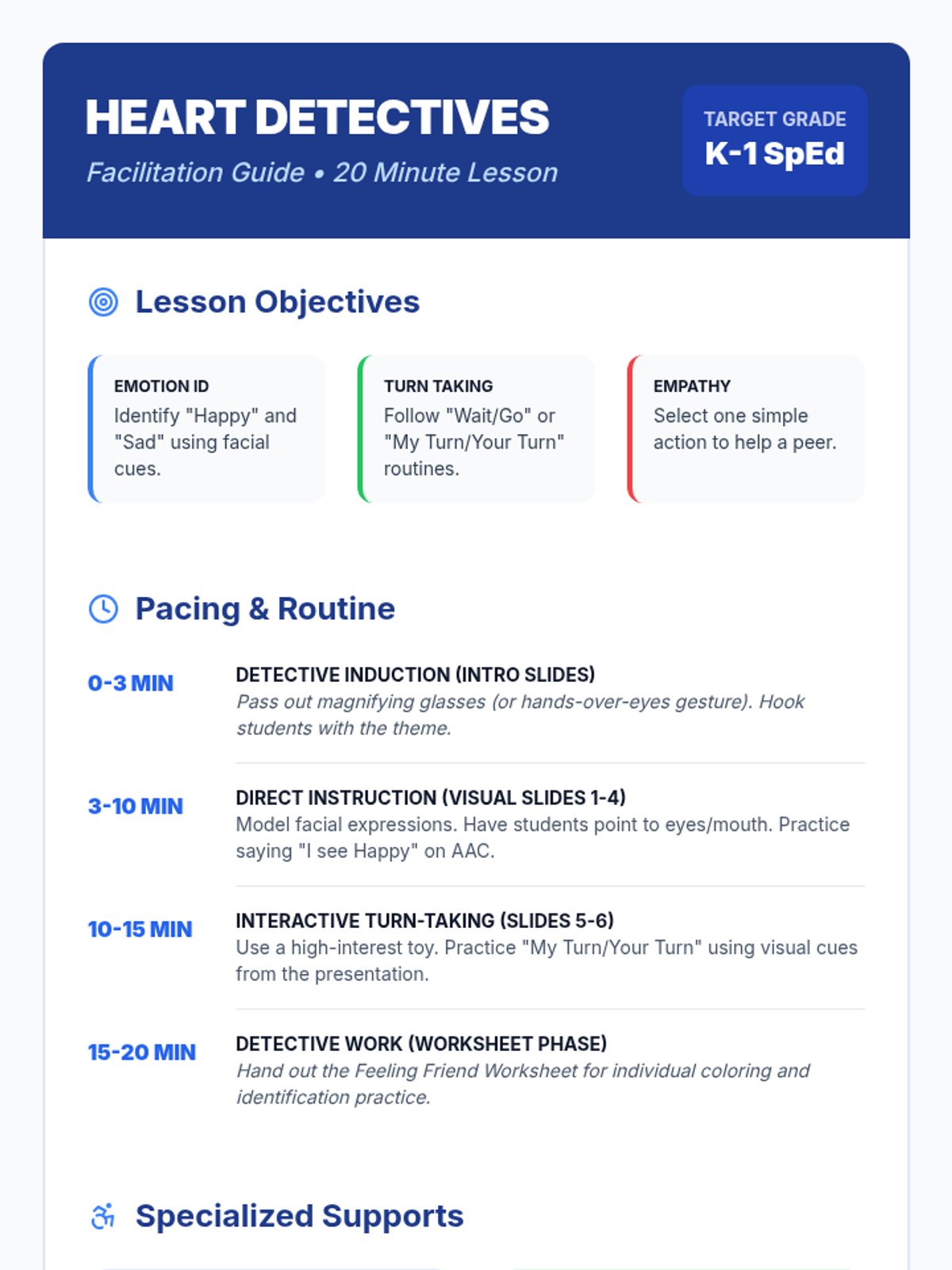
A 20-minute social-emotional learning lesson for K-1 SpEd students focusing on visual recognition of emotions, basic turn-taking routines, and simple helping behaviors. The lesson uses 'Heart Detectives' as a theme to make empathy an active investigation.