A 30-minute lesson for 7th-grade special education students to identify safe vs. unsafe situations and practice assertive communication across home, school, and community settings.
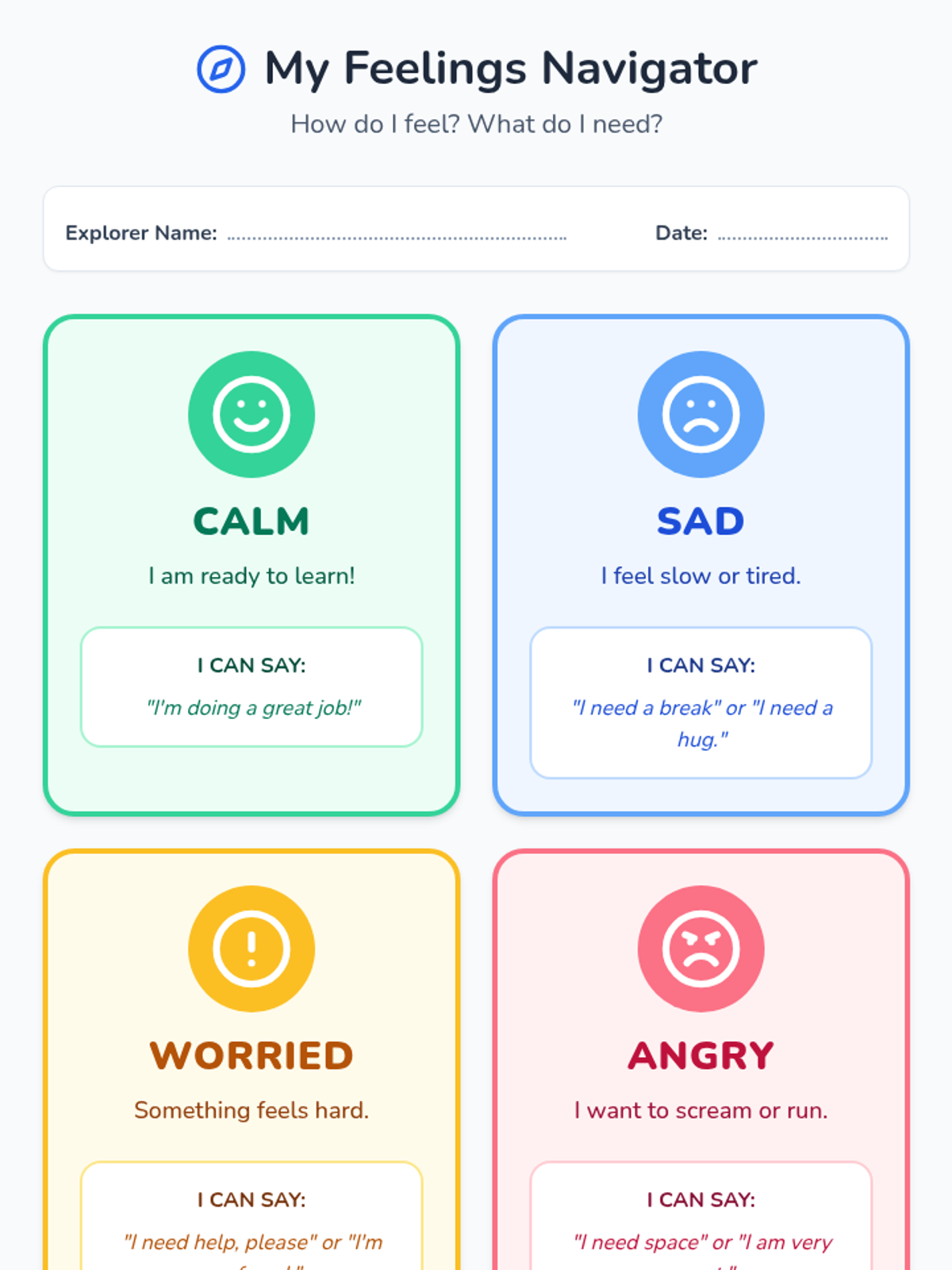
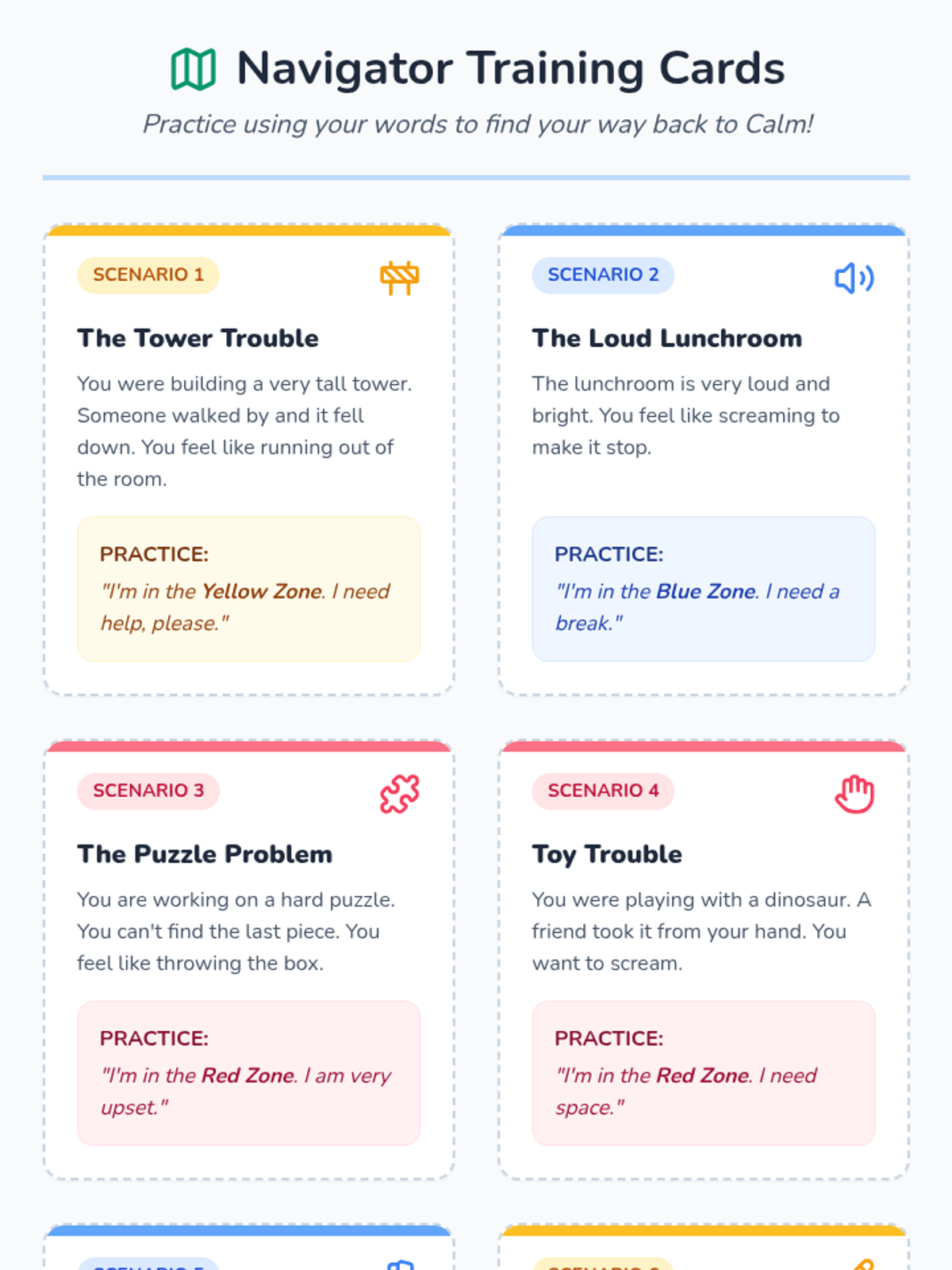
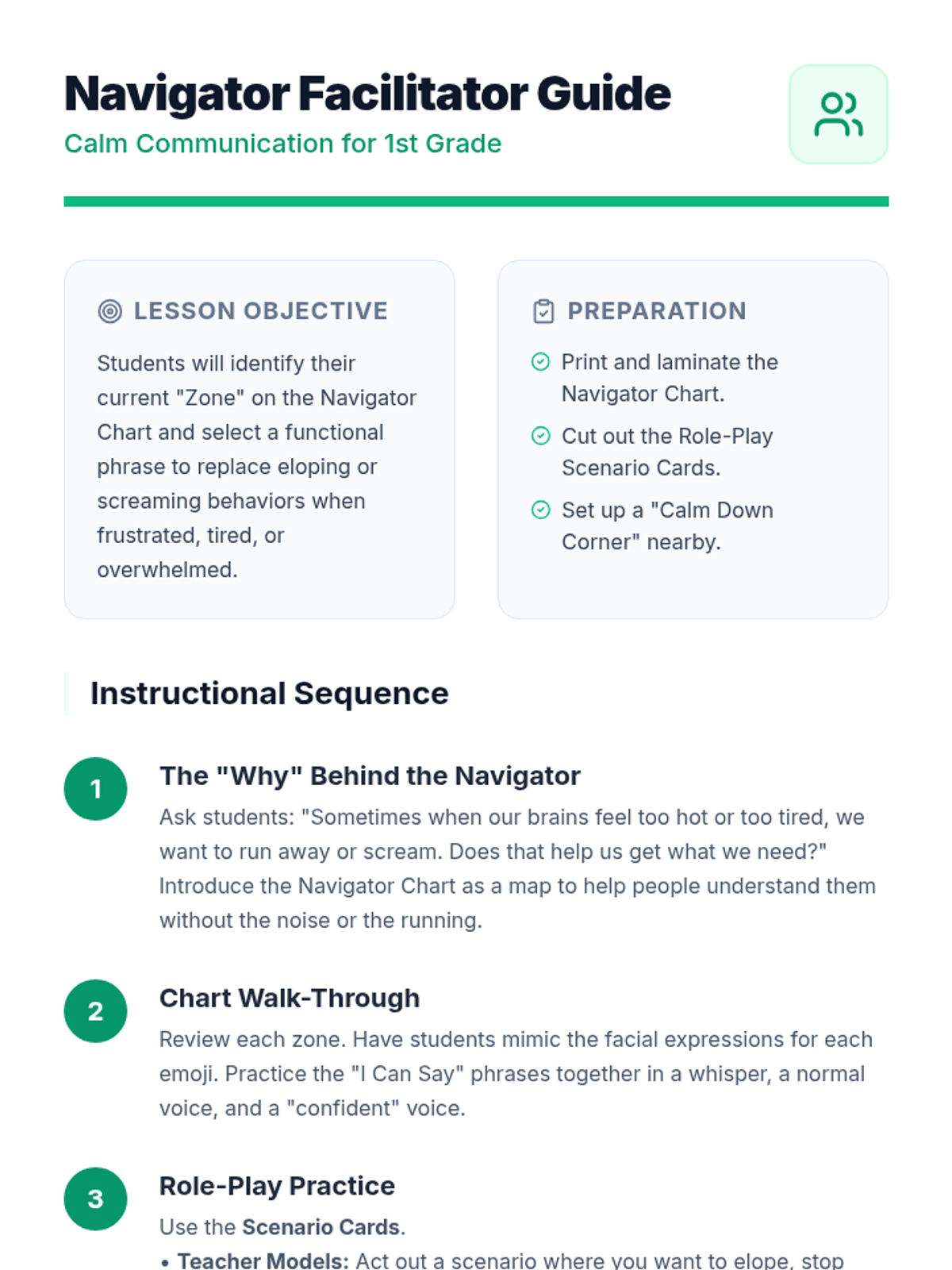
A lesson designed for two first-graders to learn how to replace screaming and eloping with verbal communication using a feelings chart. Through role-play and visual aids, students practice identifying their emotions and stating their needs.
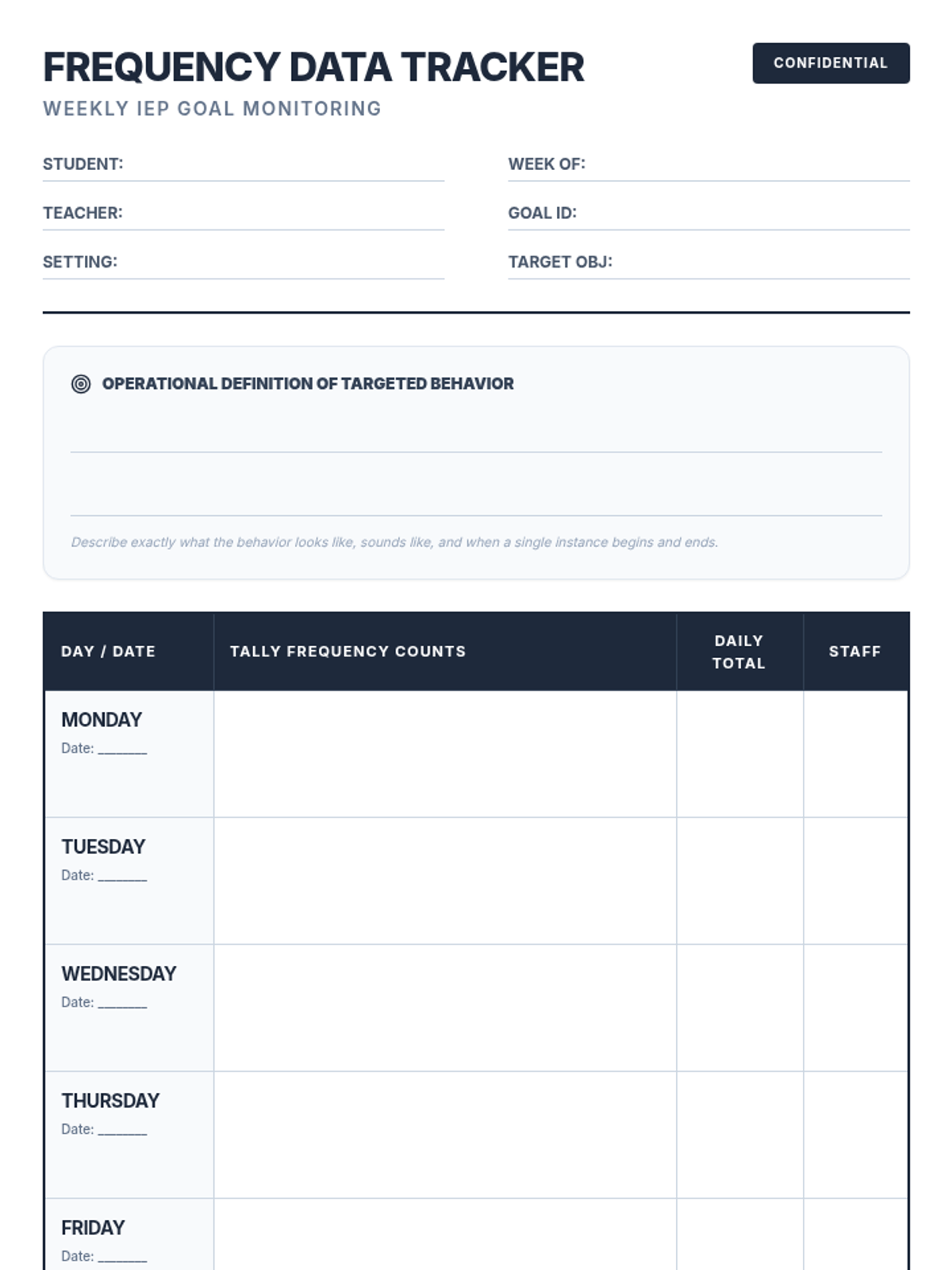
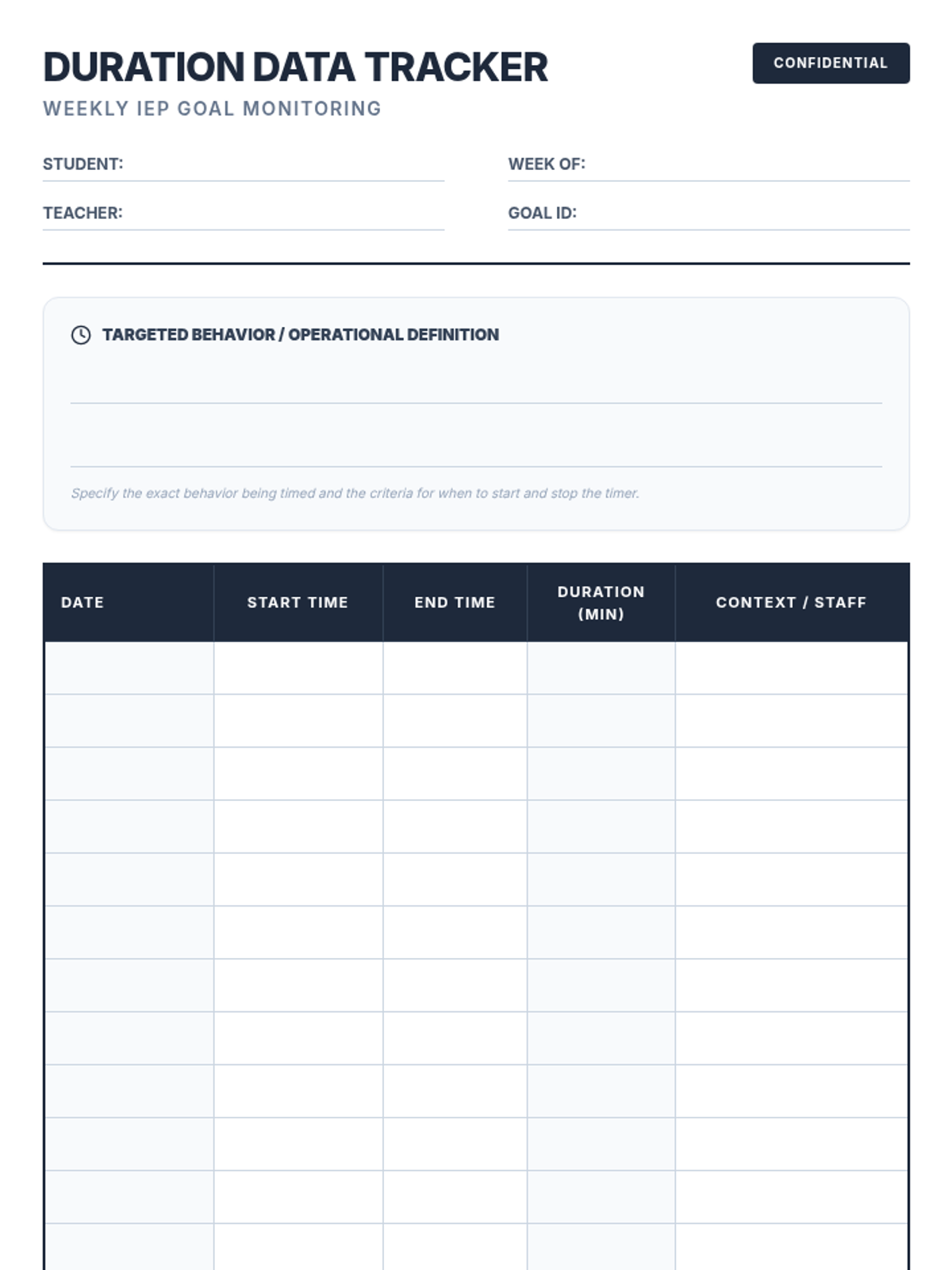
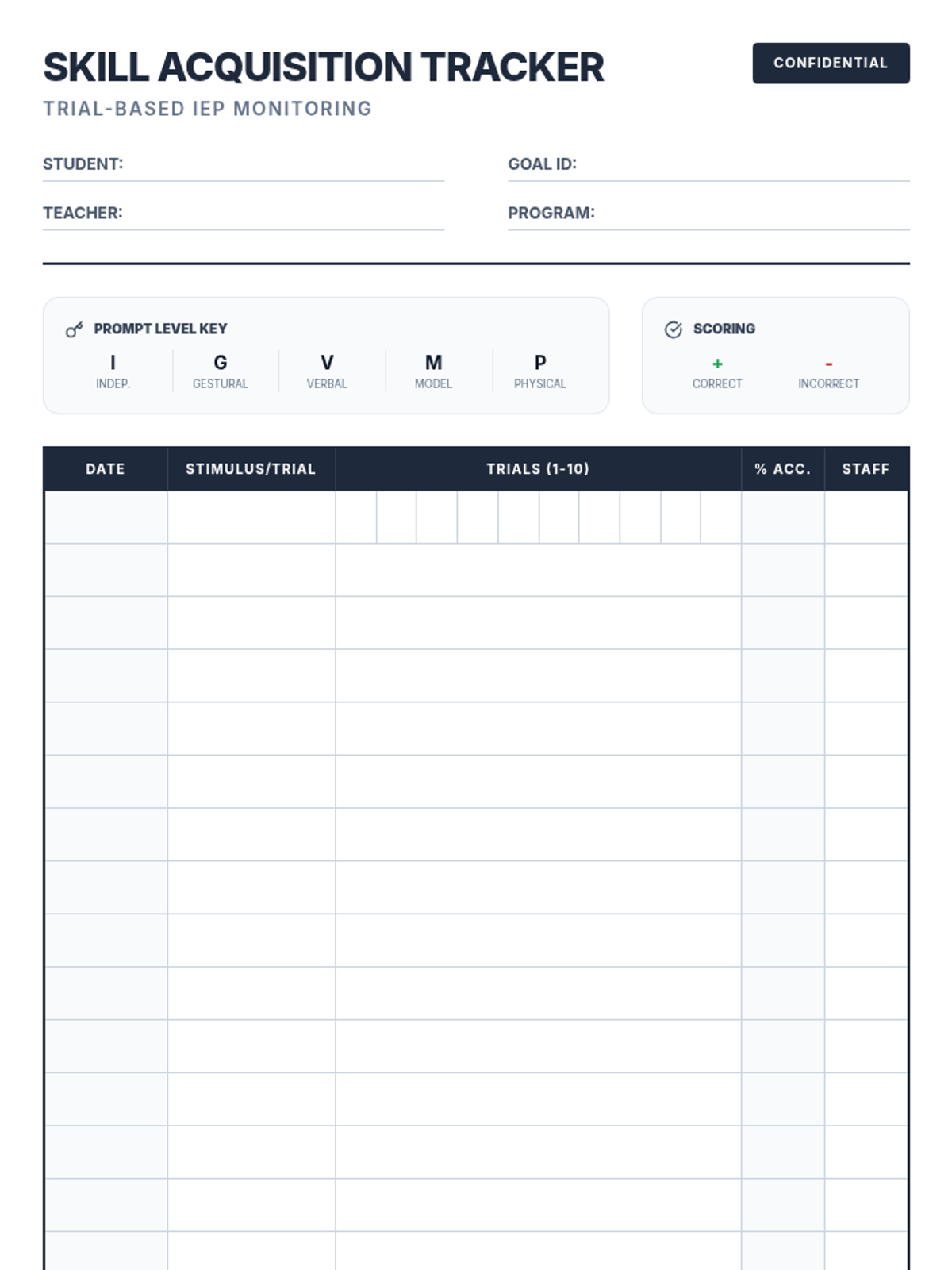
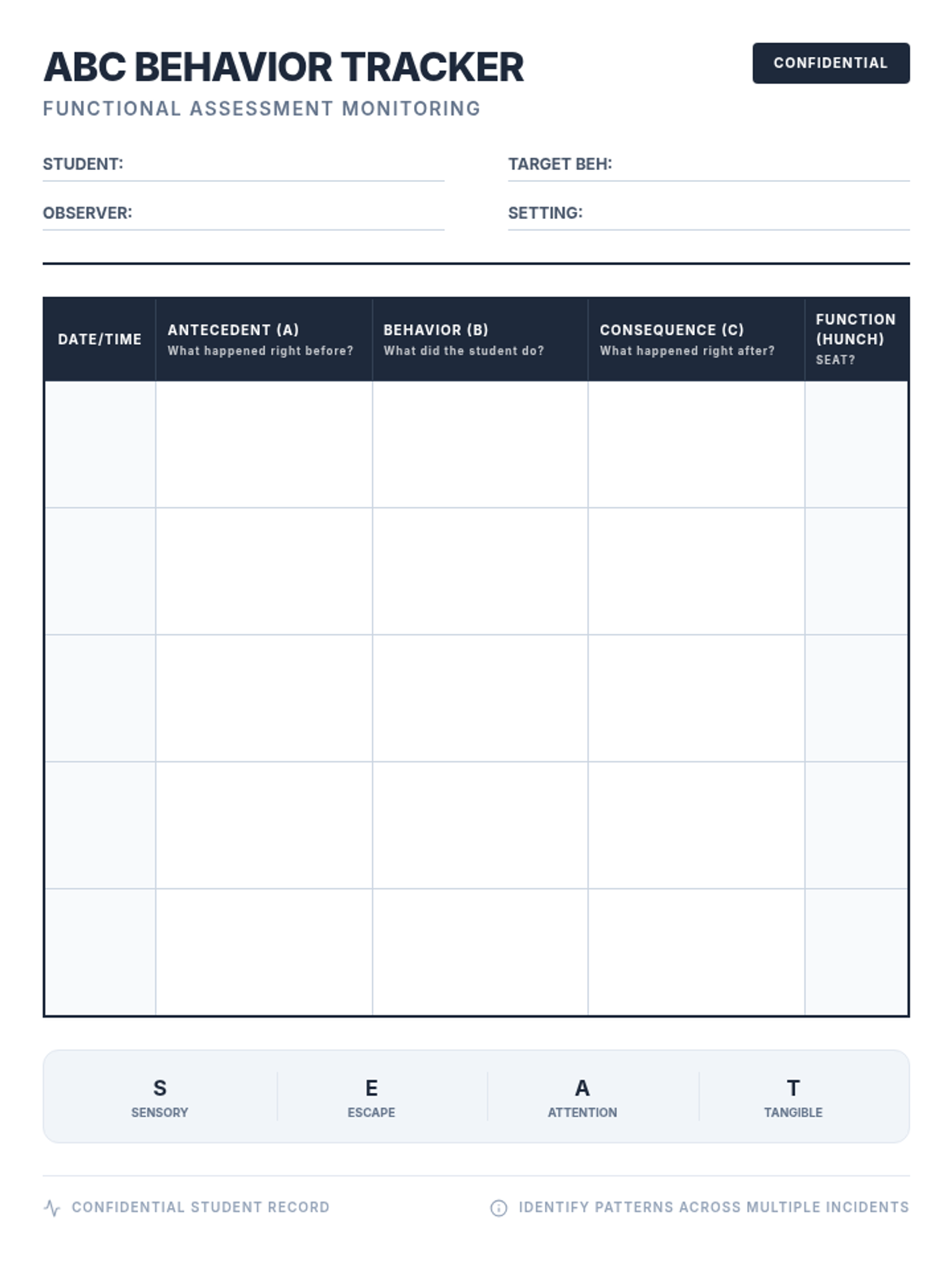
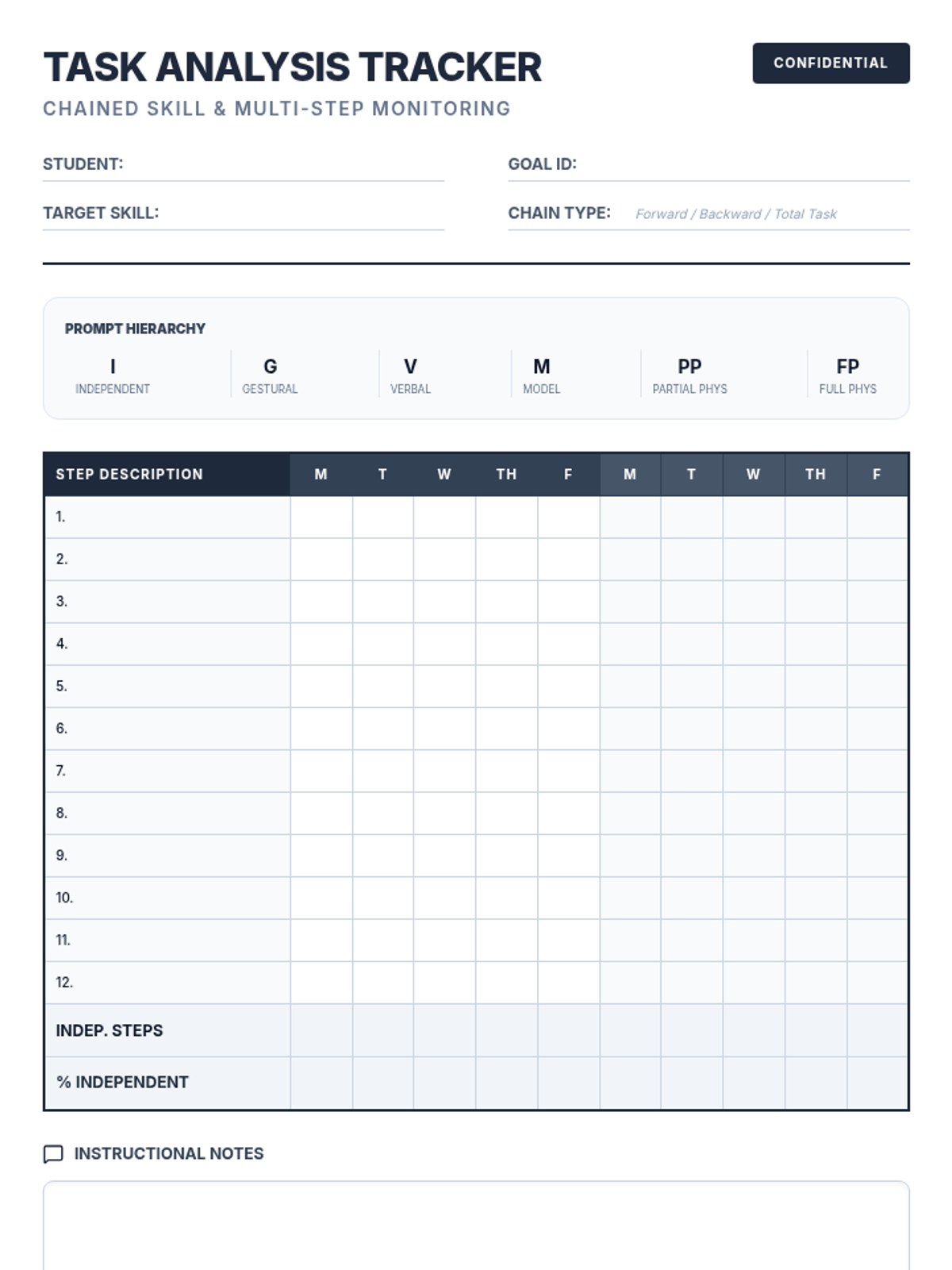
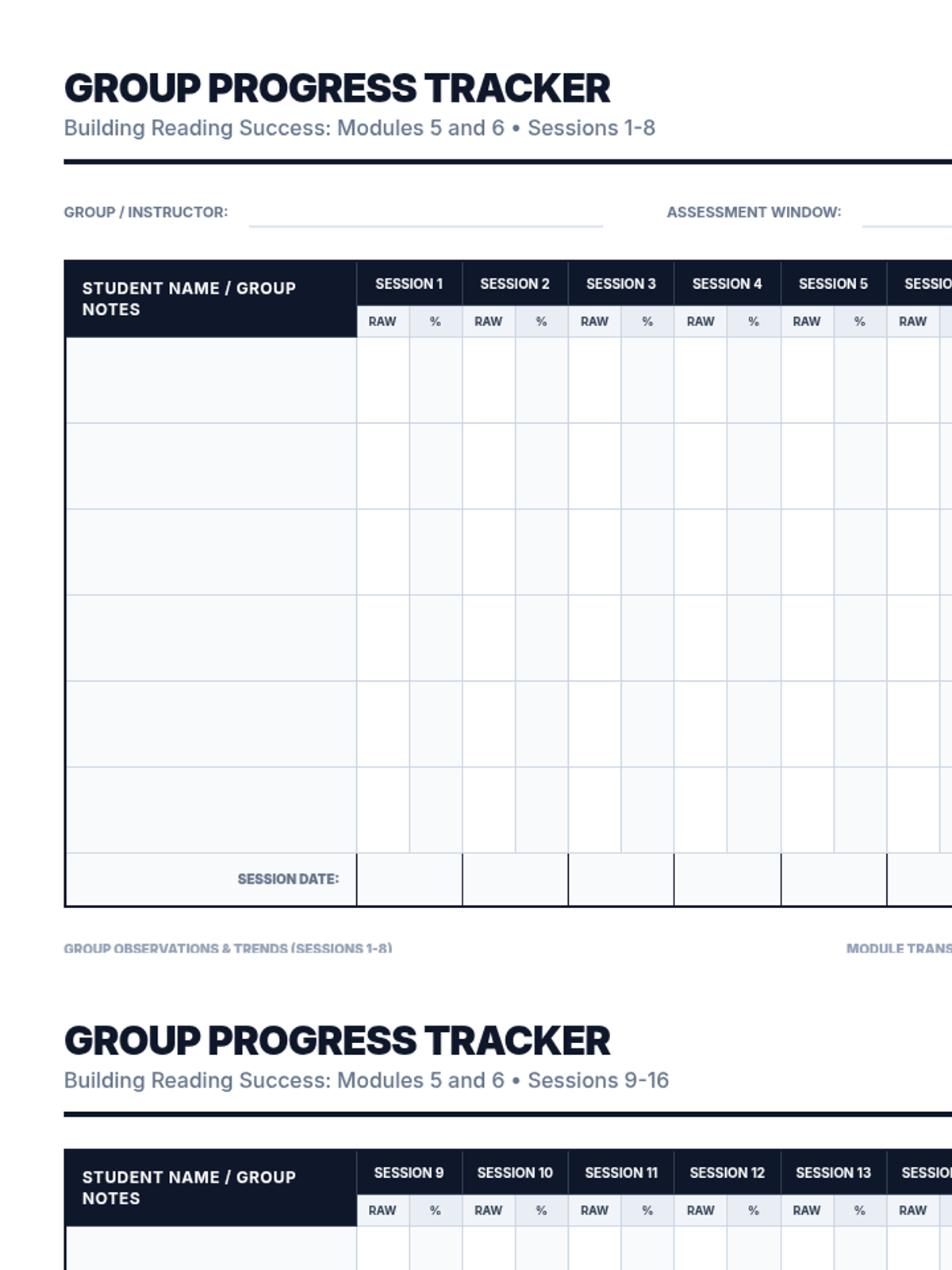
A comprehensive toolkit of data collection sheets for tracking various types of IEP goals, including frequency, duration, and trial-based skill acquisition.
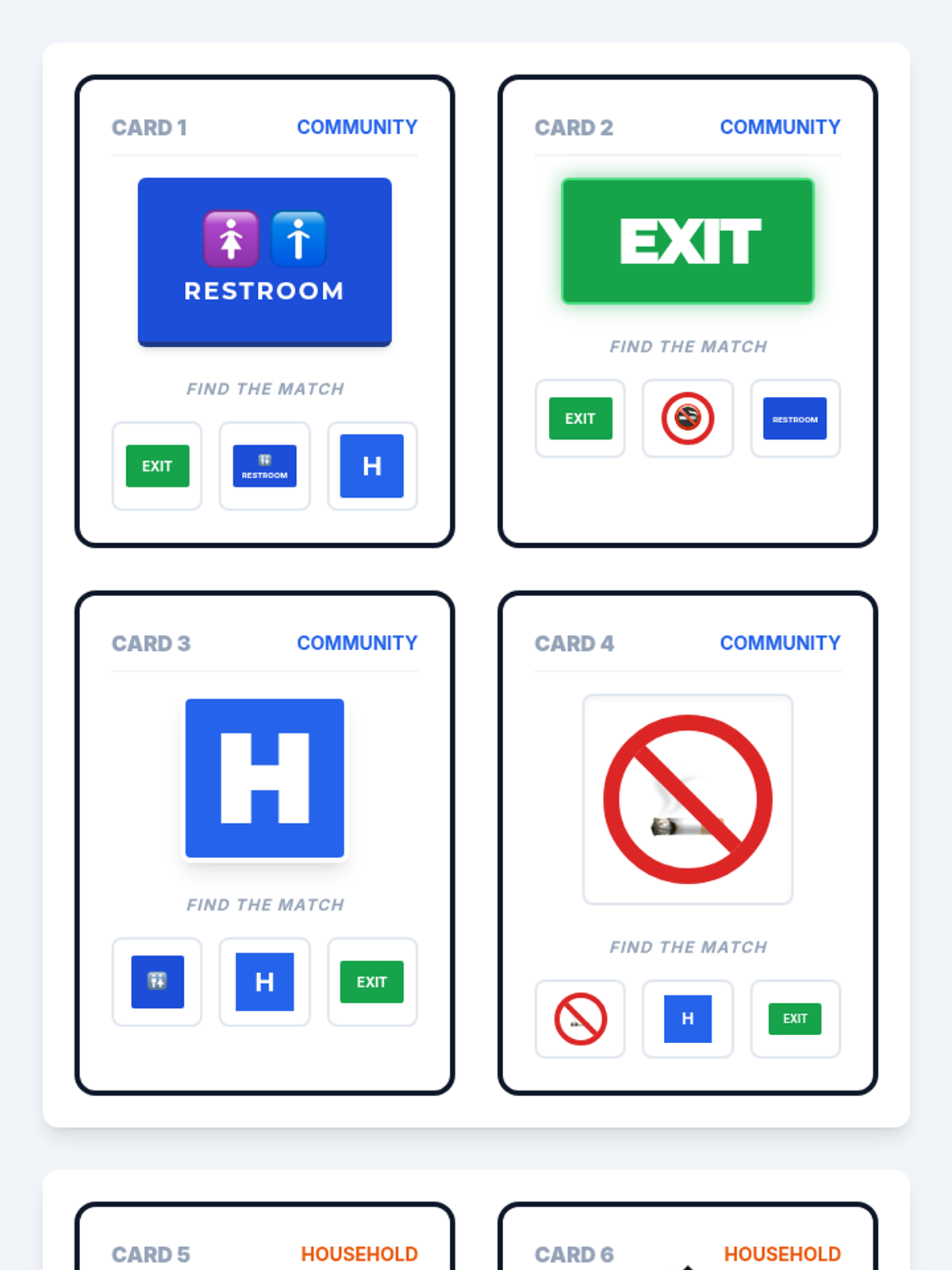
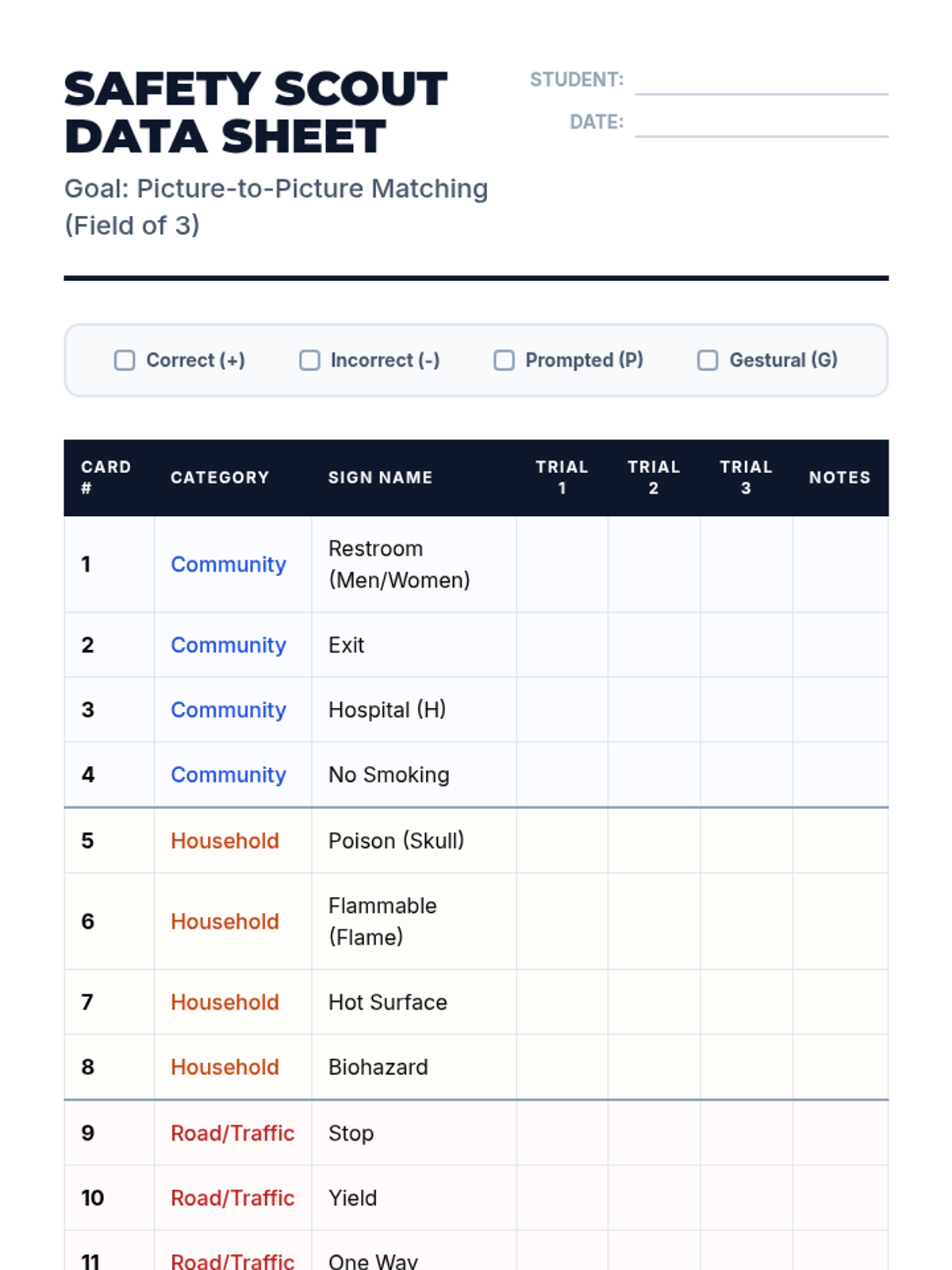
A comprehensive lesson on identifying and matching essential safety signs from community, household, road, and workplace environments. This lesson focuses on visual discrimination and functional literacy through picture-to-picture matching tasks.
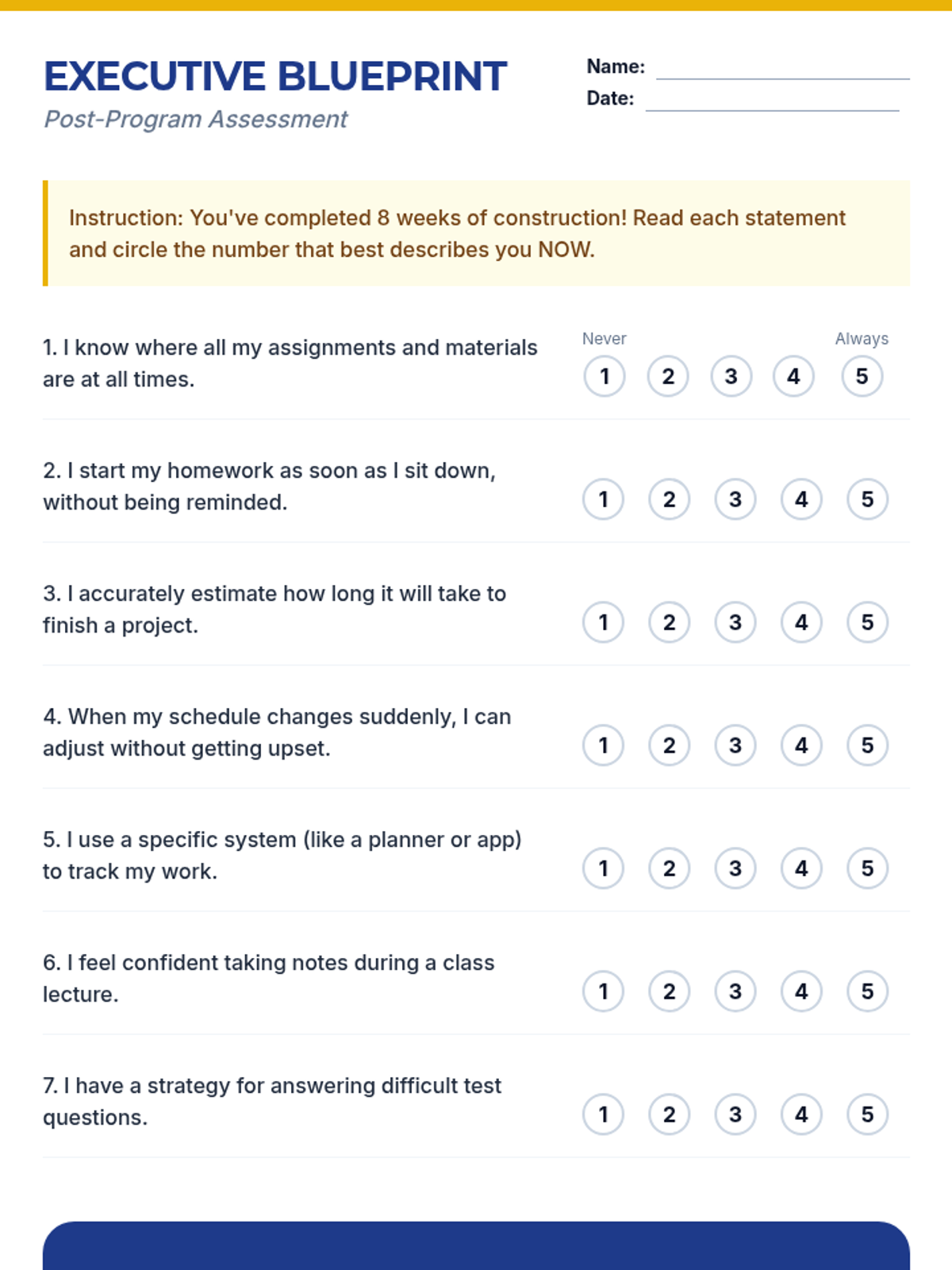
Program review, celebration of growth, and completion of the EF Post-Test.
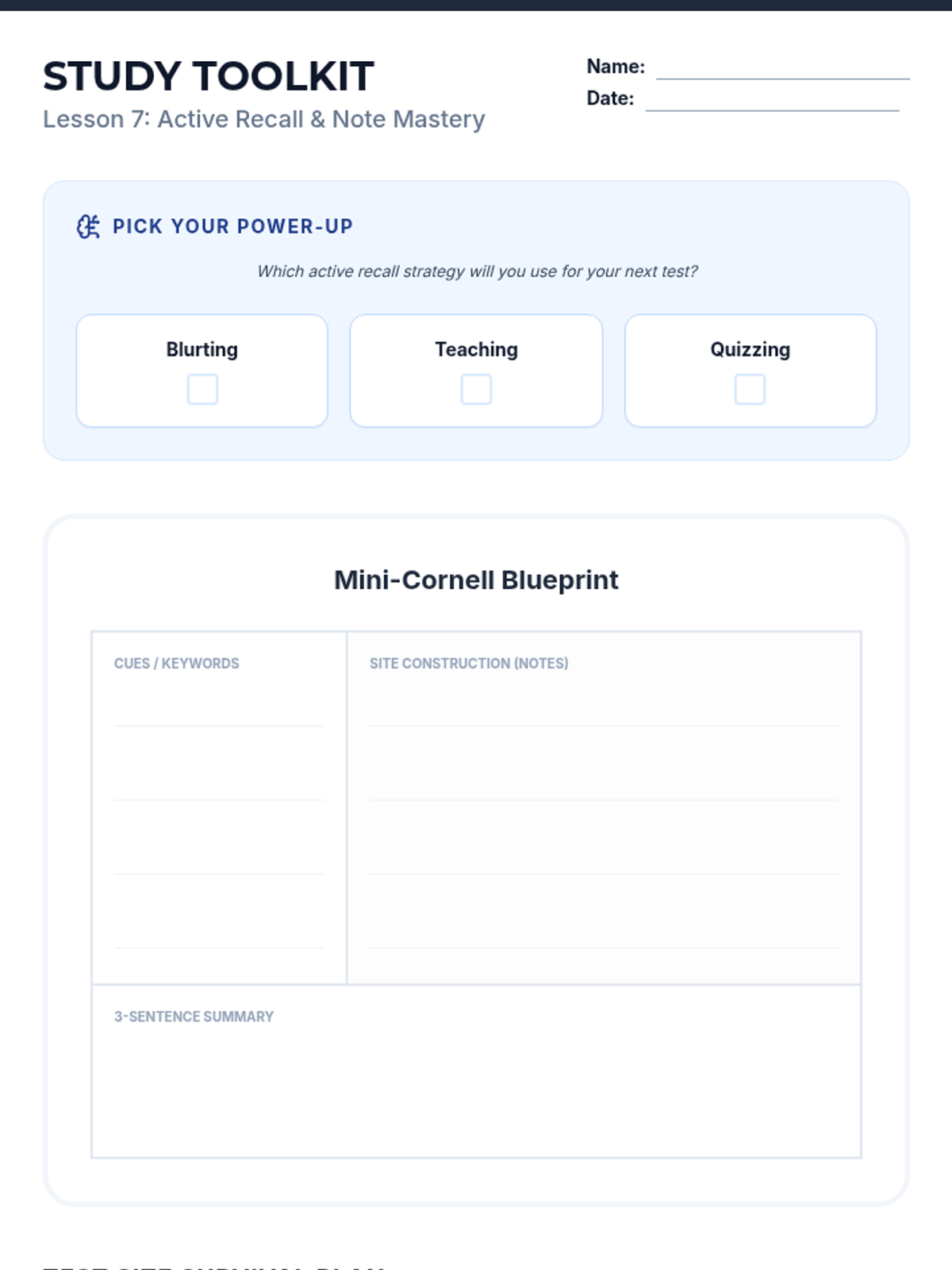
Instruction on effective note-taking and test-taking strategies tailored for middle school.
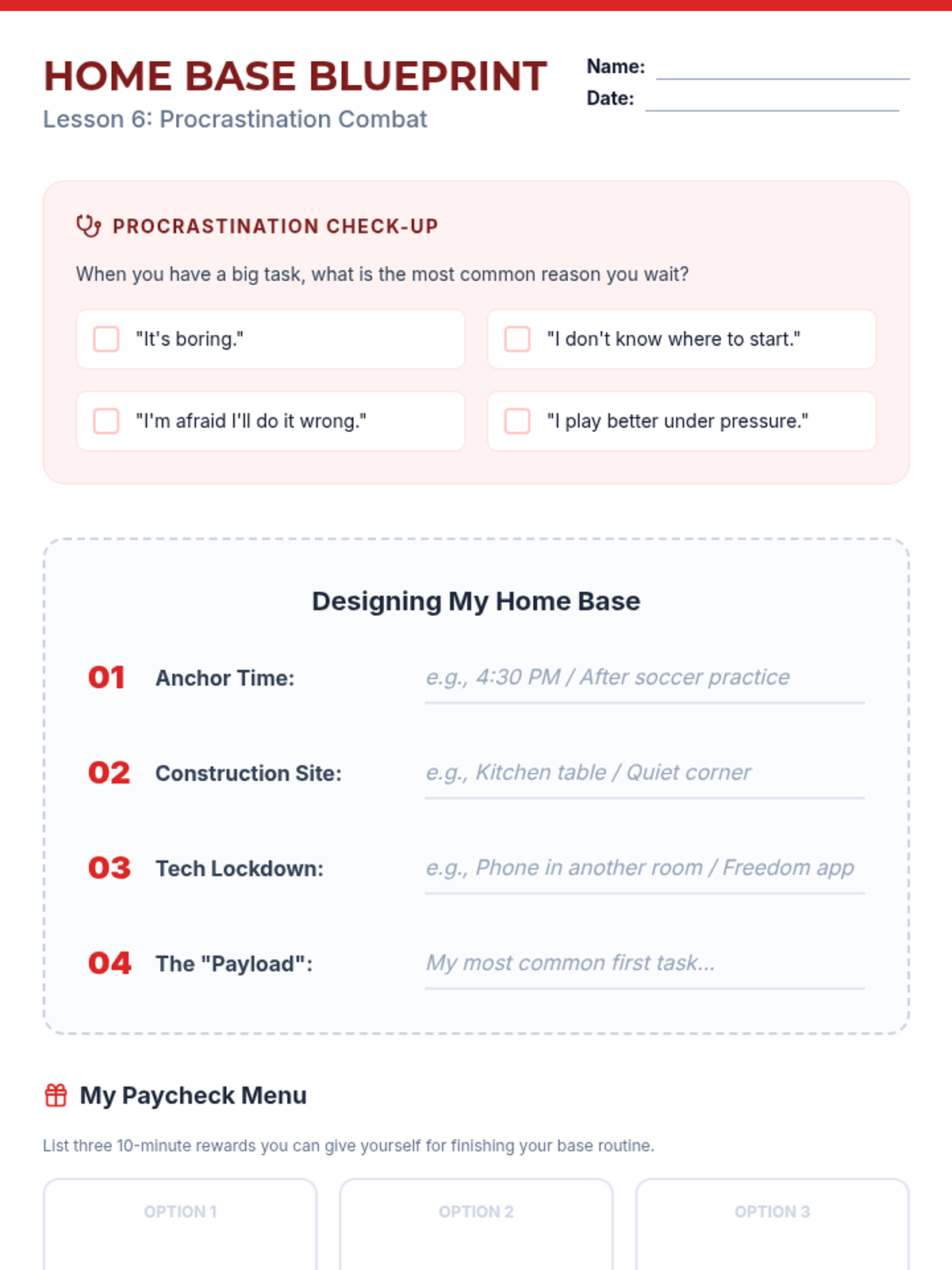
Practical strategies to defeat procrastination and streamline homework routines.
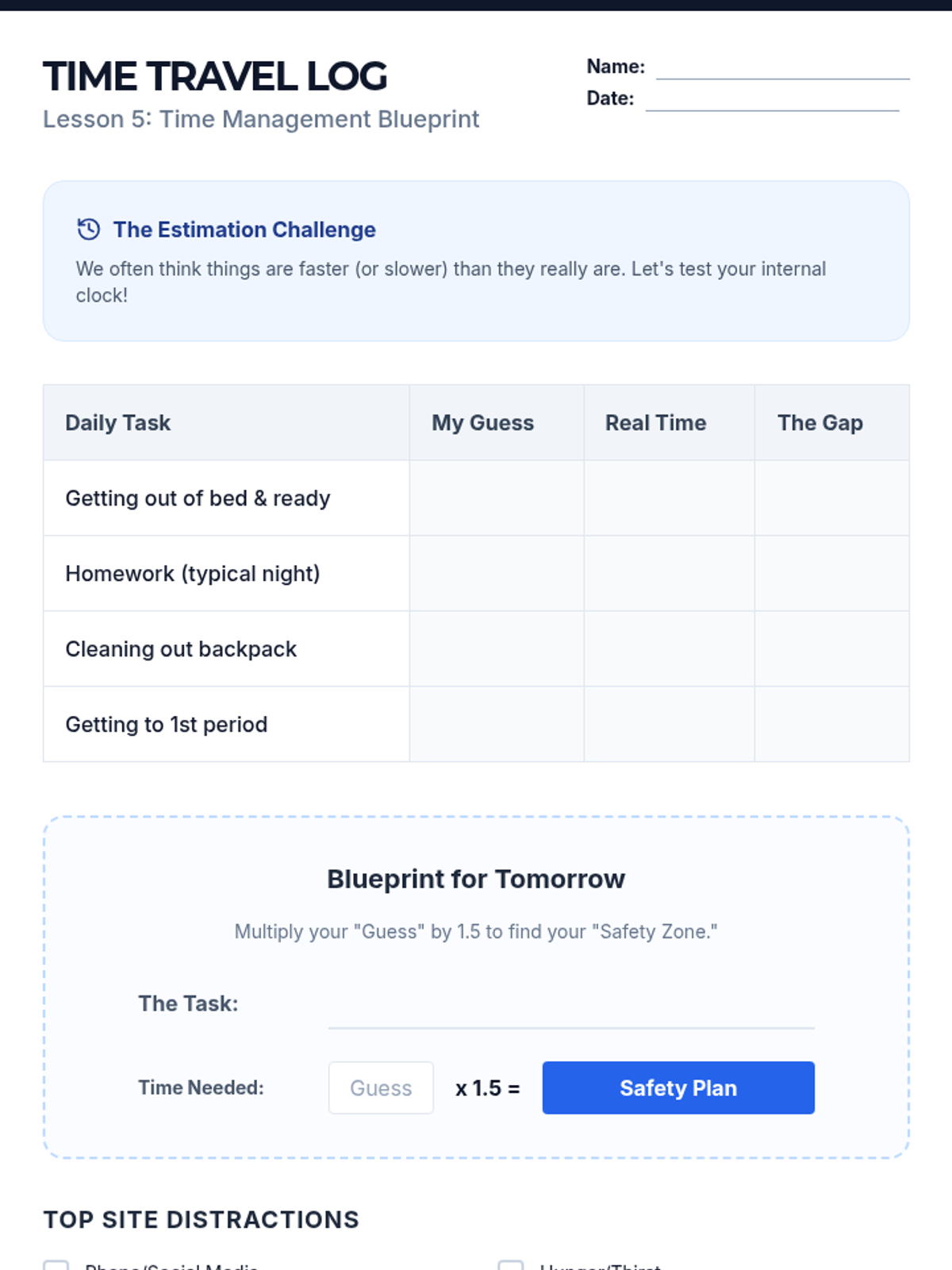
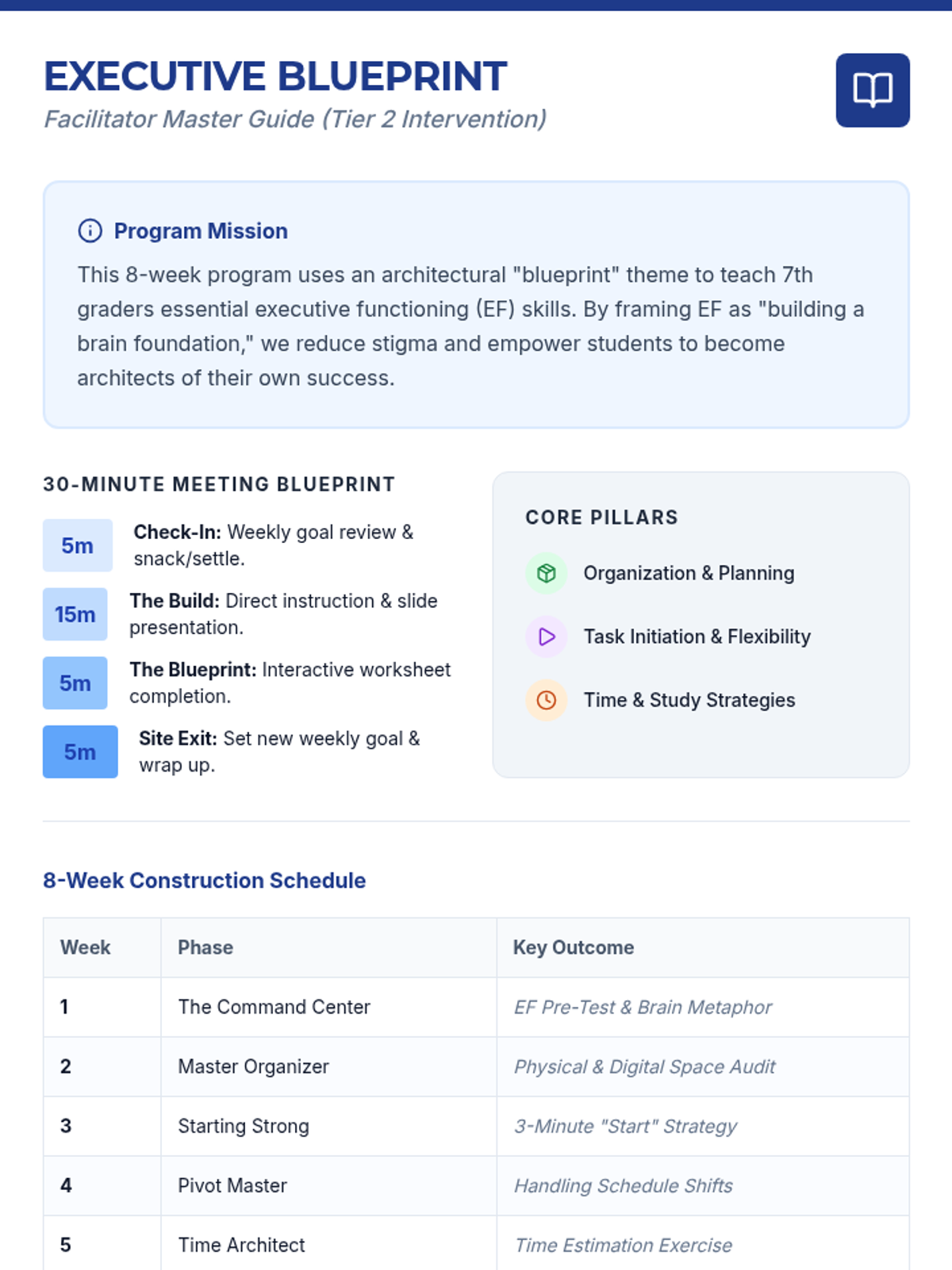
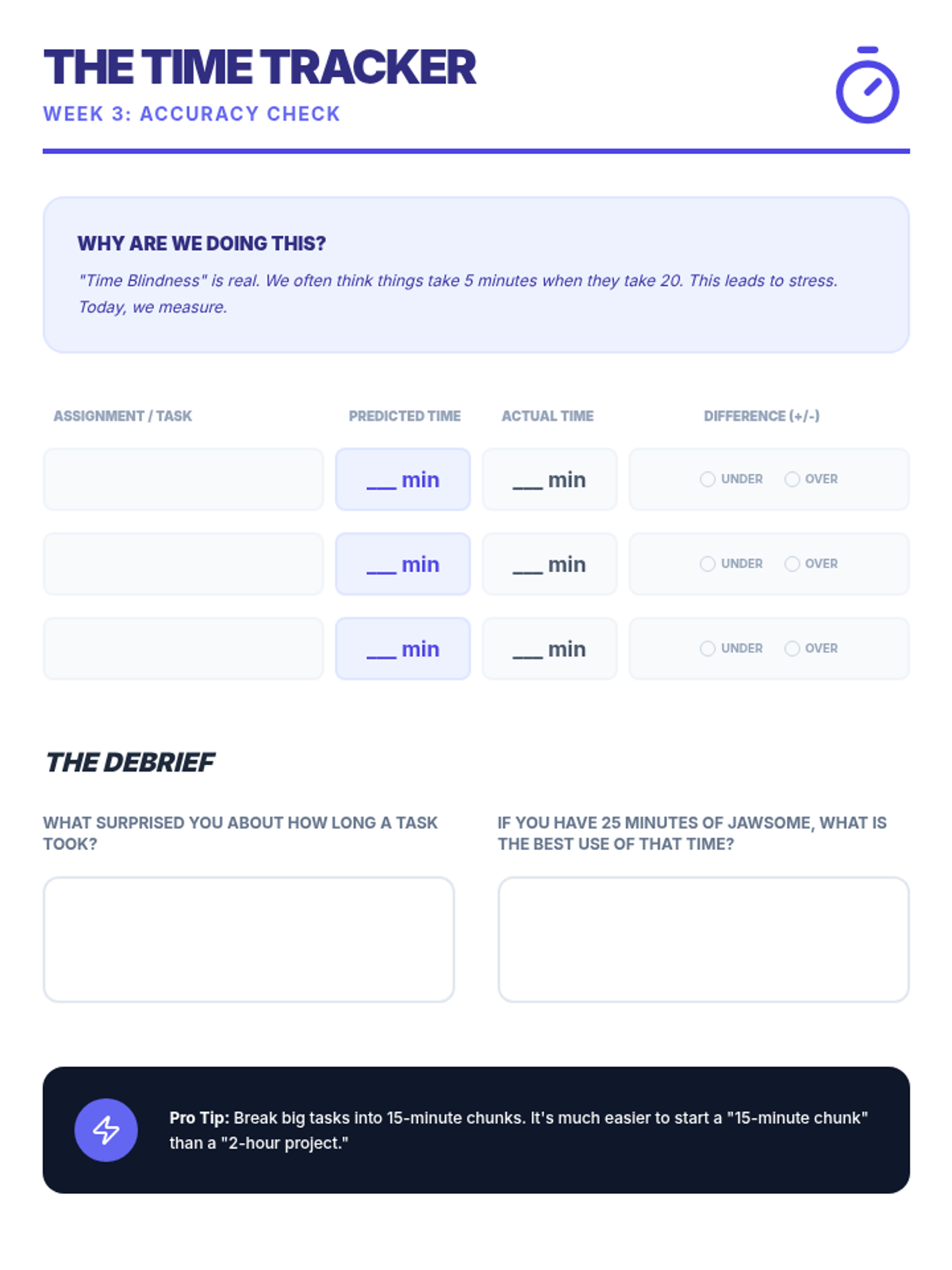
Building an awareness of time and learning how to estimate how long tasks actually take.
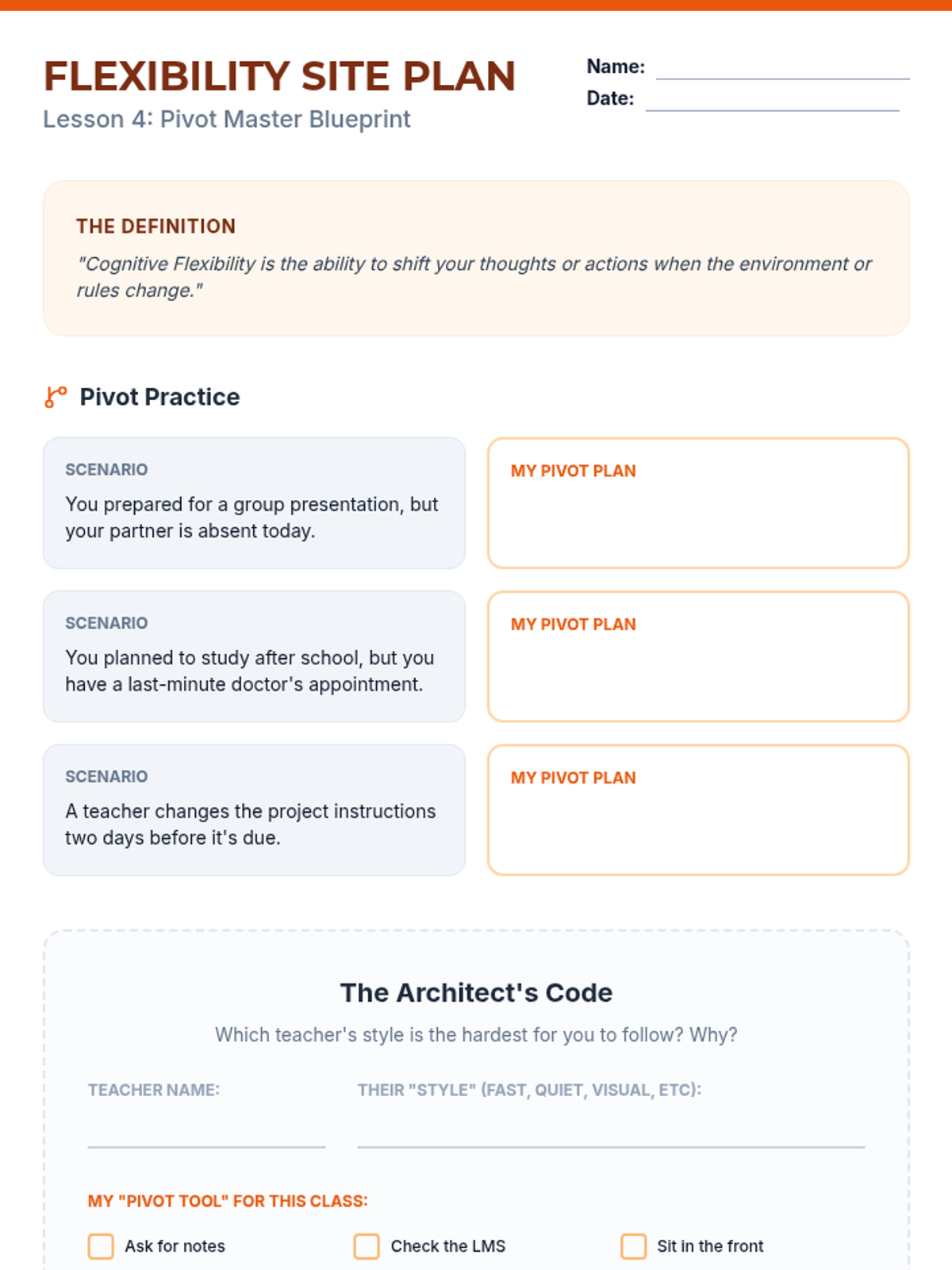
Developing cognitive flexibility to handle changes in schedules and different teaching styles.
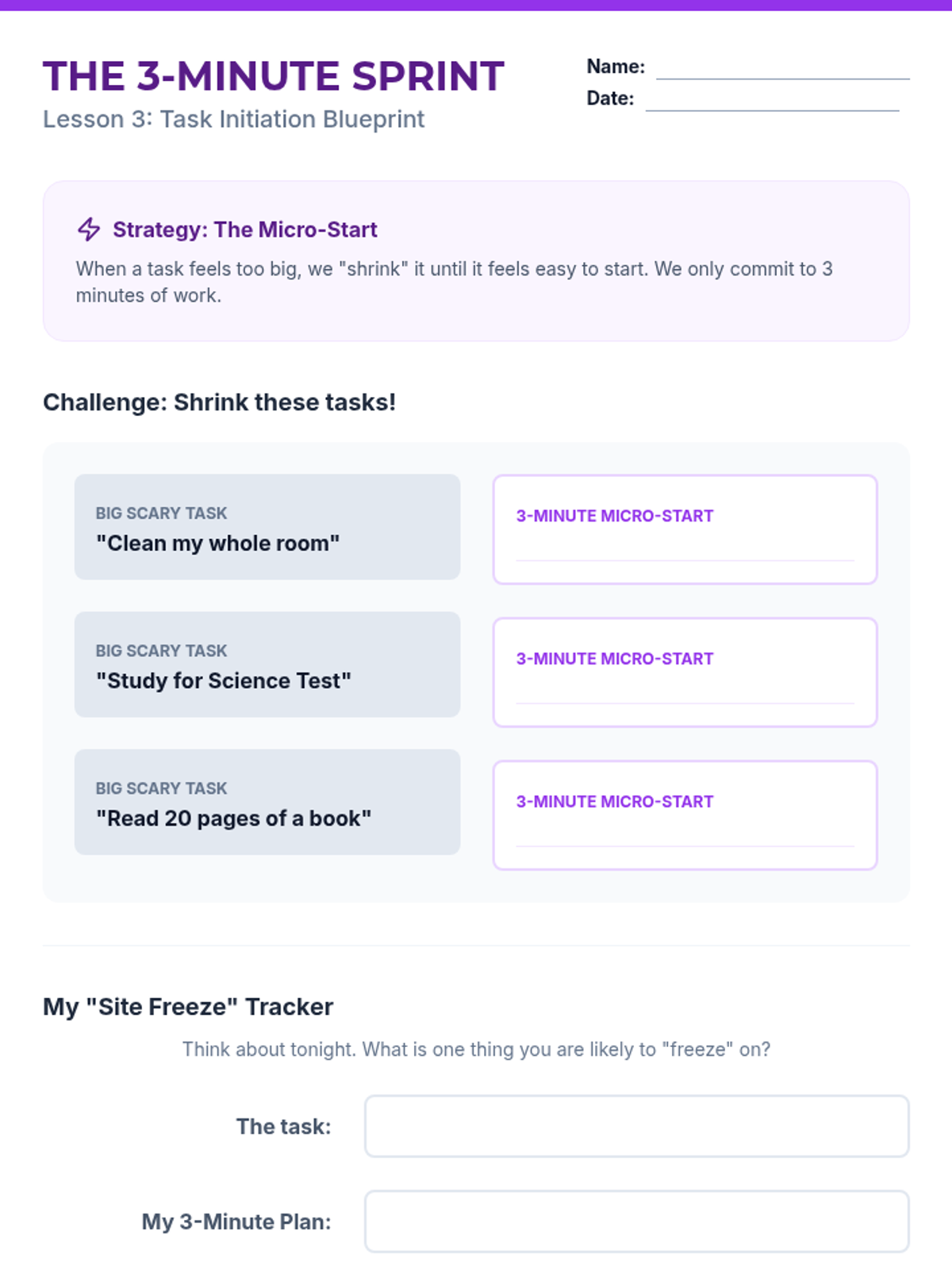
Strategies for overcoming the 'freeze' and getting started on difficult tasks immediately.
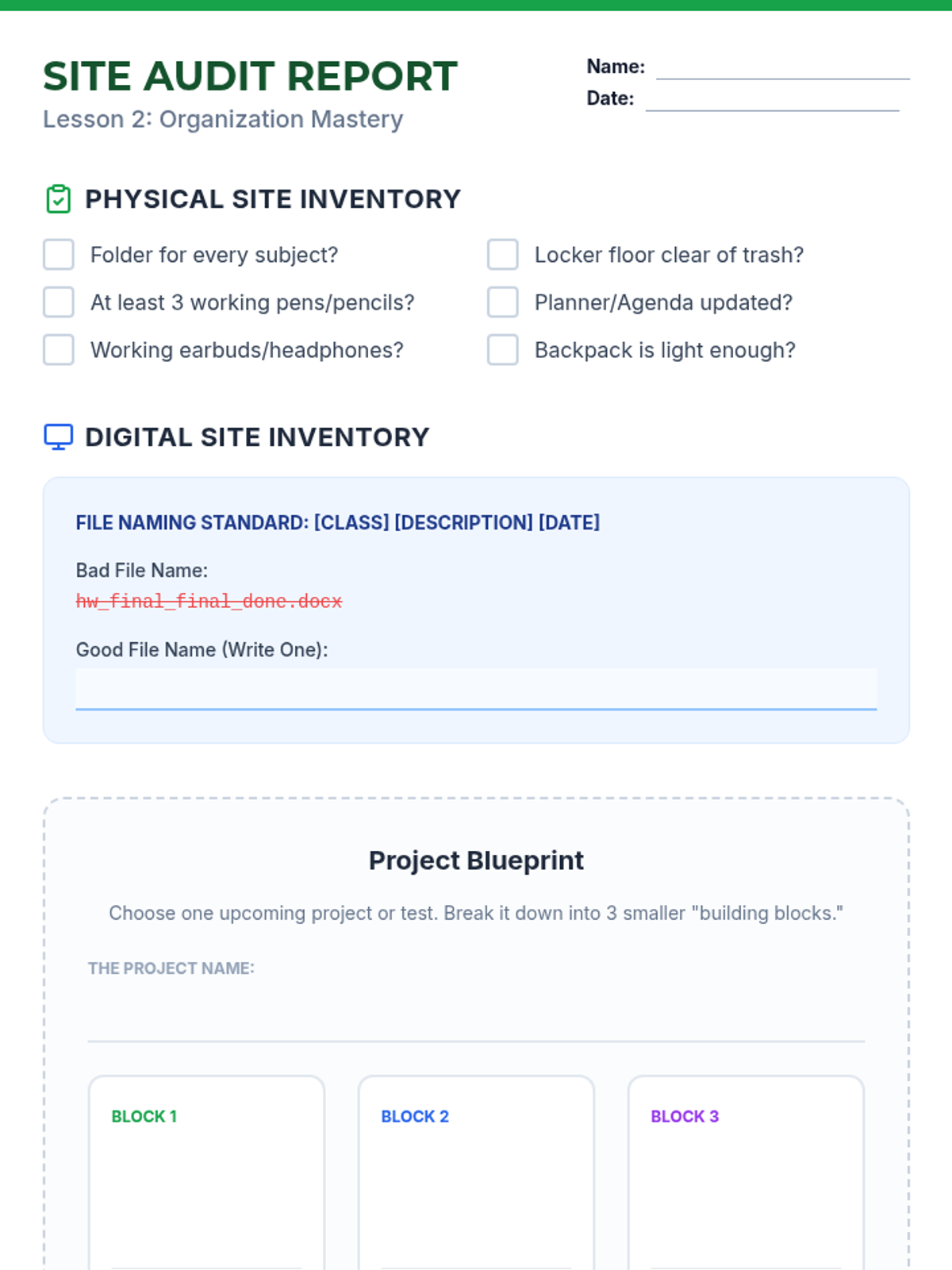
Focuses on organization of physical and digital spaces and long-term project planning.
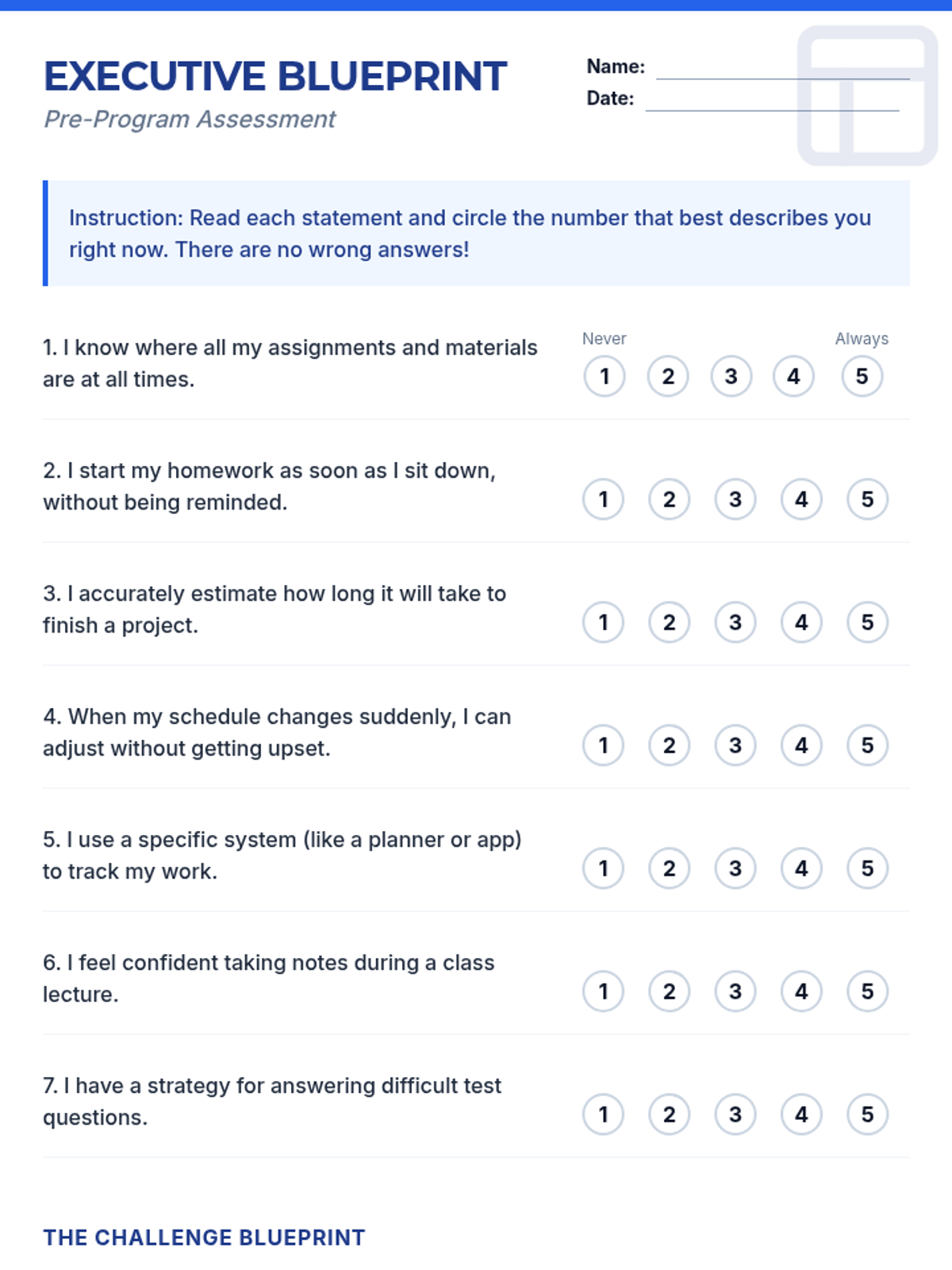
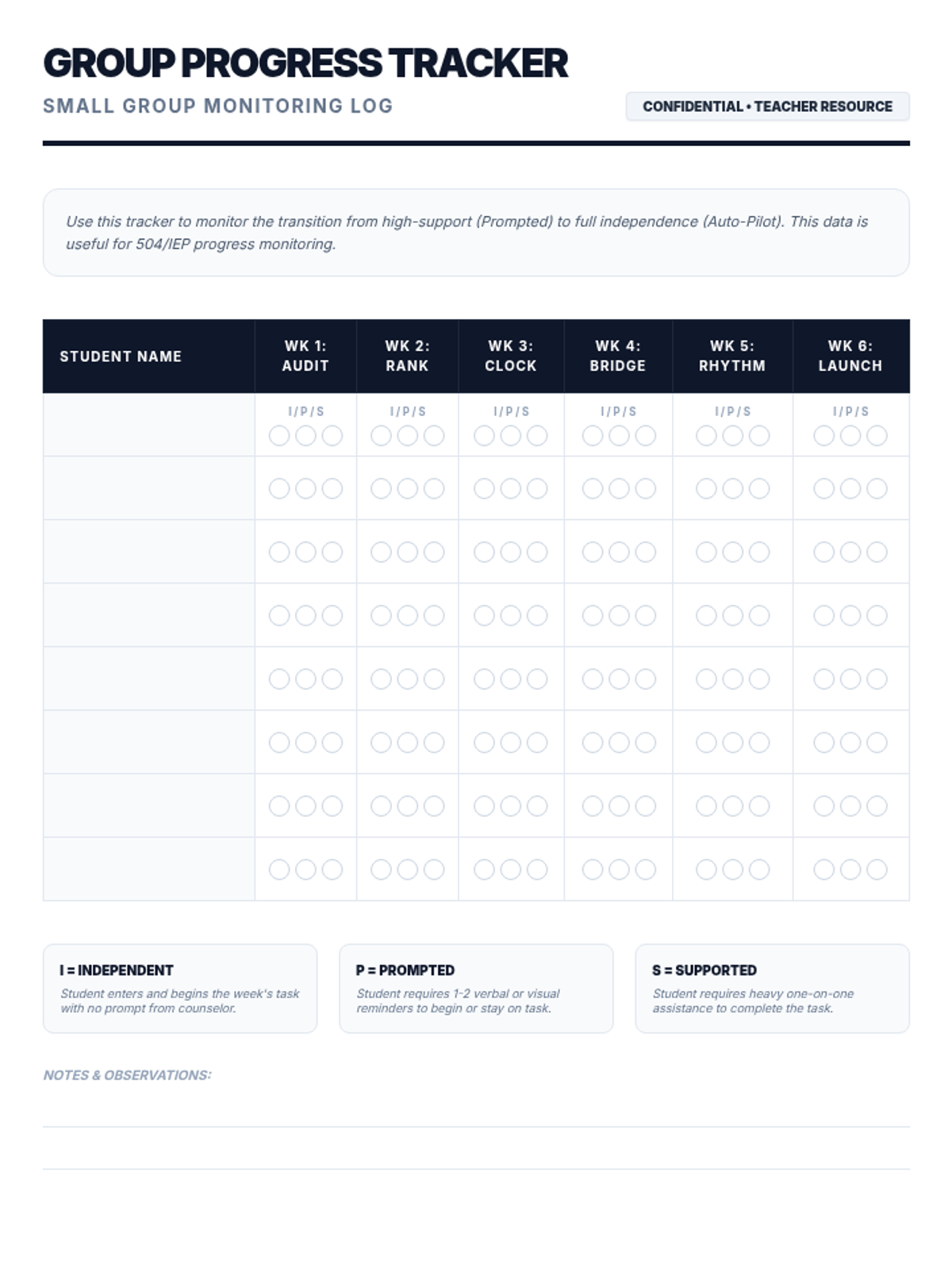
Introduction to the brain's "Command Center," establishing group norms, and completing the EF Pre-Test.
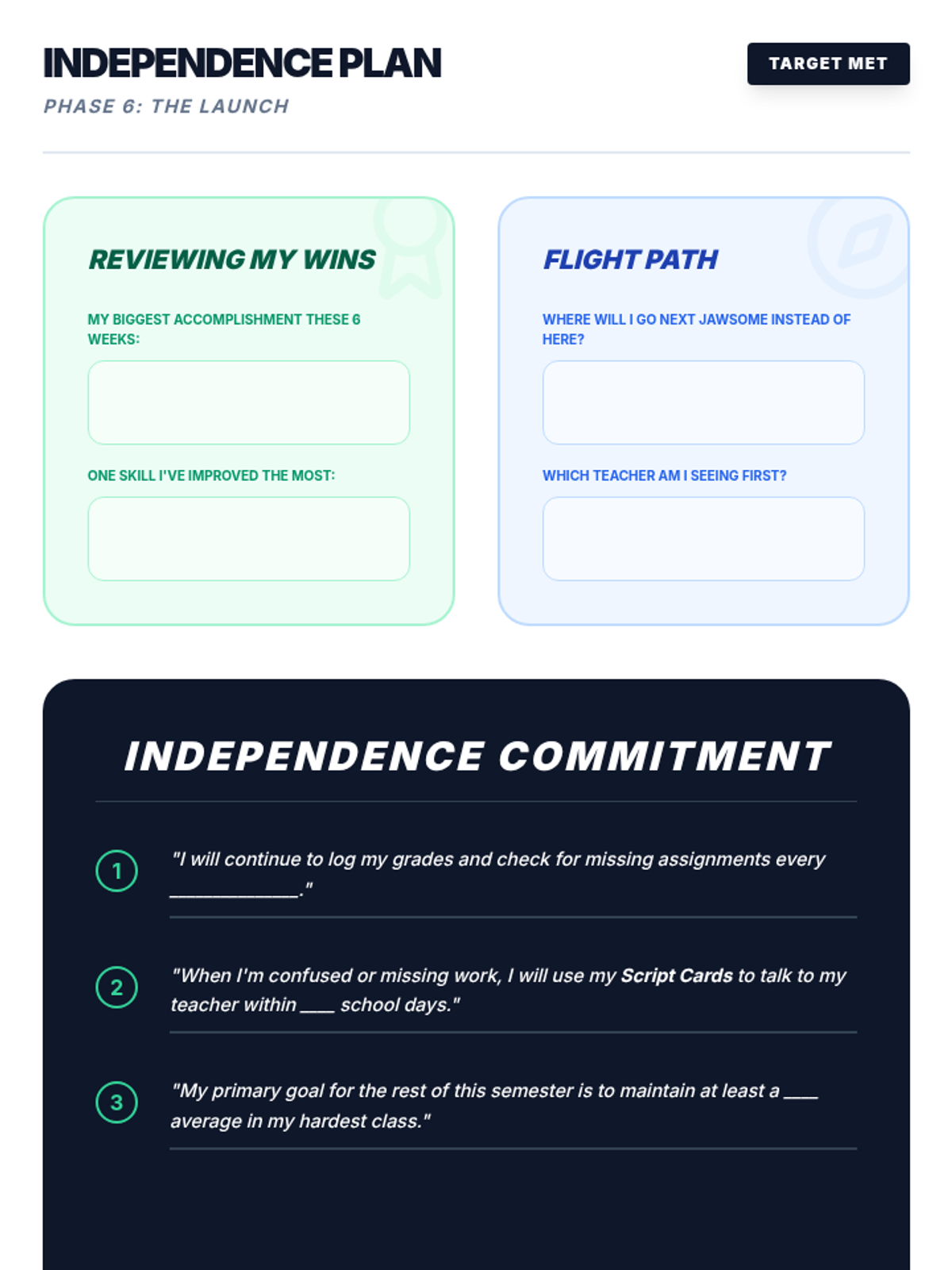
Preparing for independence. Students review progress reports and finalize a plan for seeking teacher support autonomously.
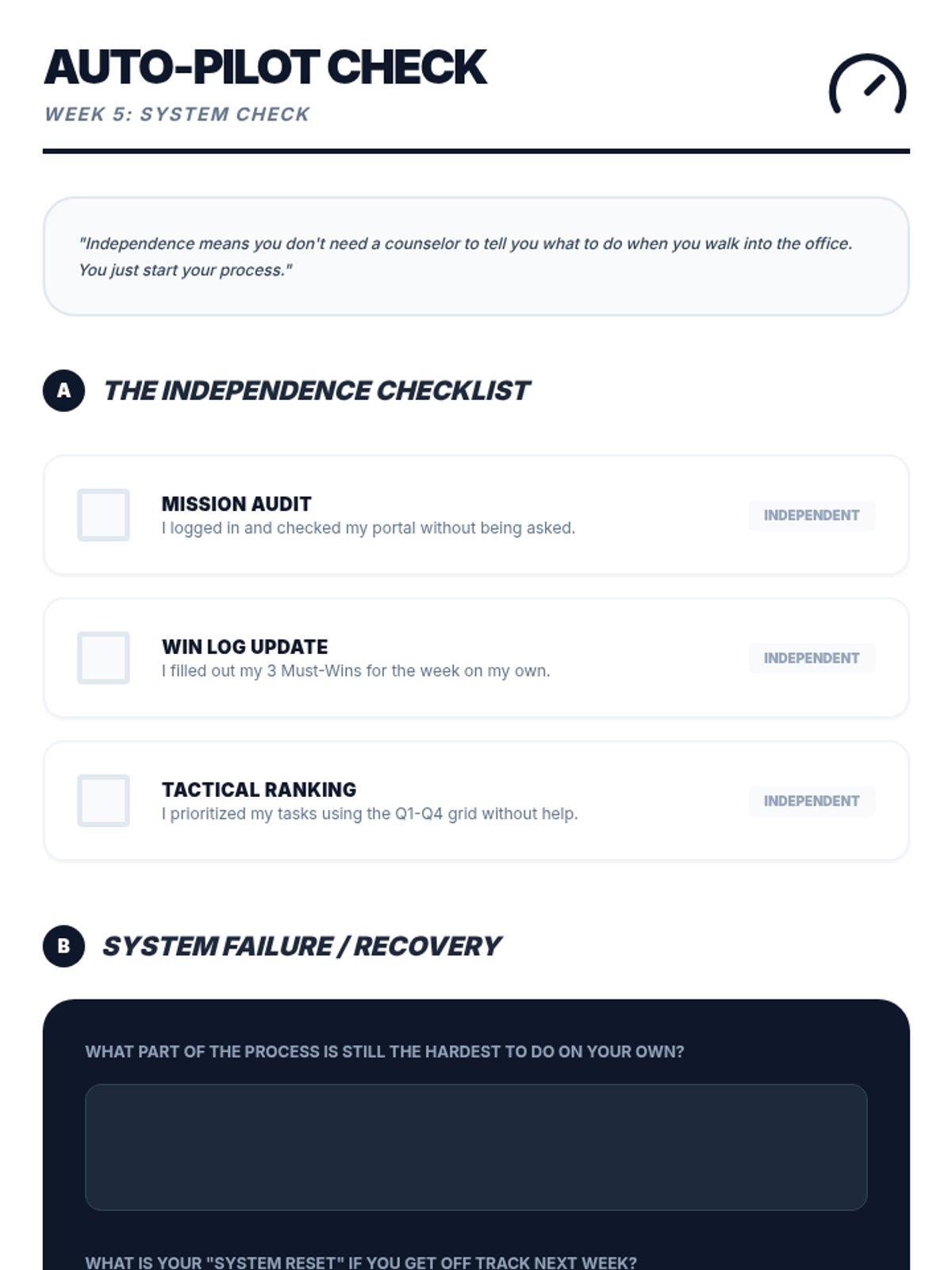
Establishing consistent habits and routines. Students refine their planning process to require less counselor prompting.
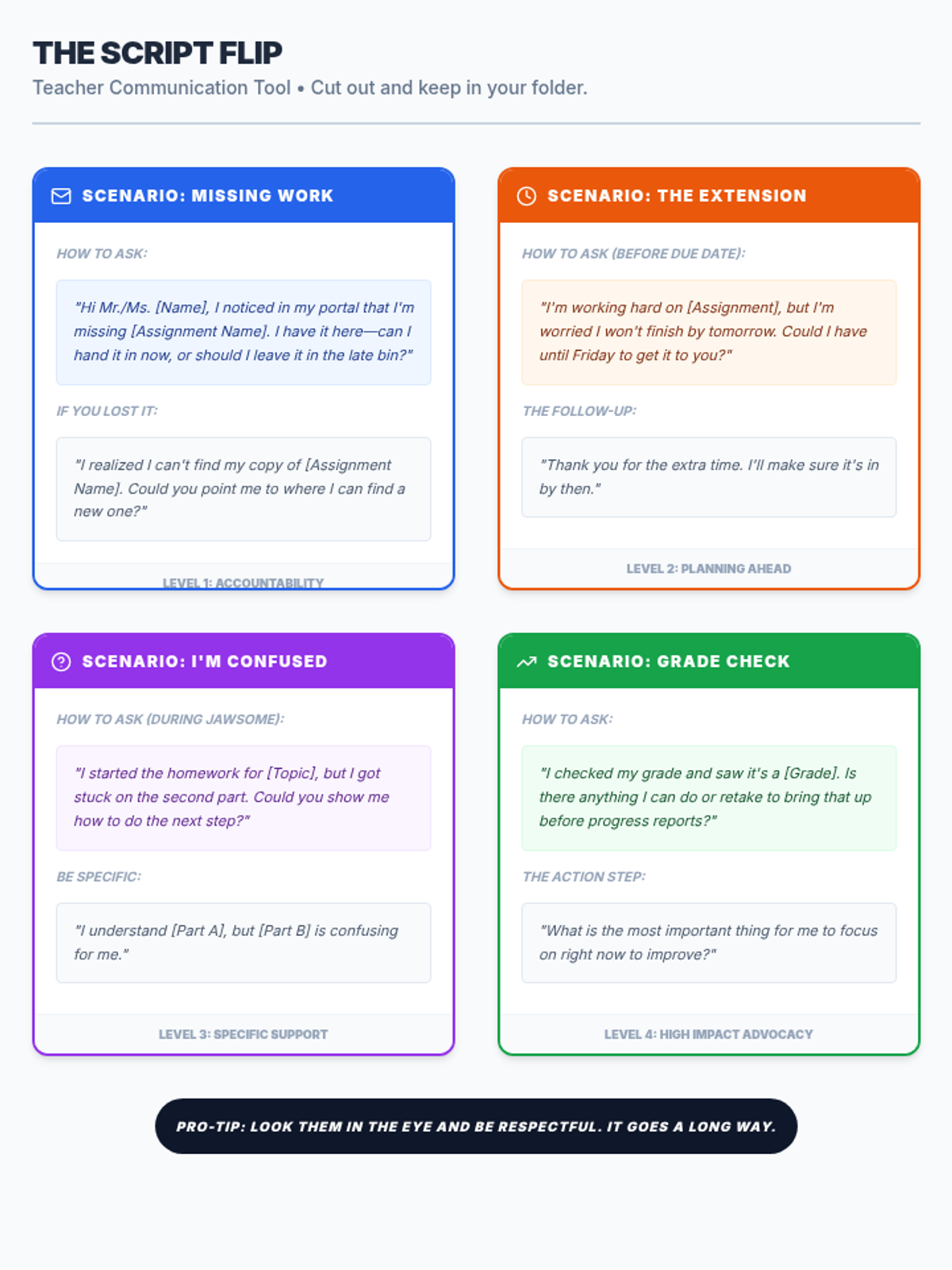
Developing teacher communication skills. Students practice scripts for asking for help, clarifying assignments, and negotiating deadlines.
Time estimation and scheduling. Students practice predicting how long tasks take and slotting them into their Jawsome flex time.
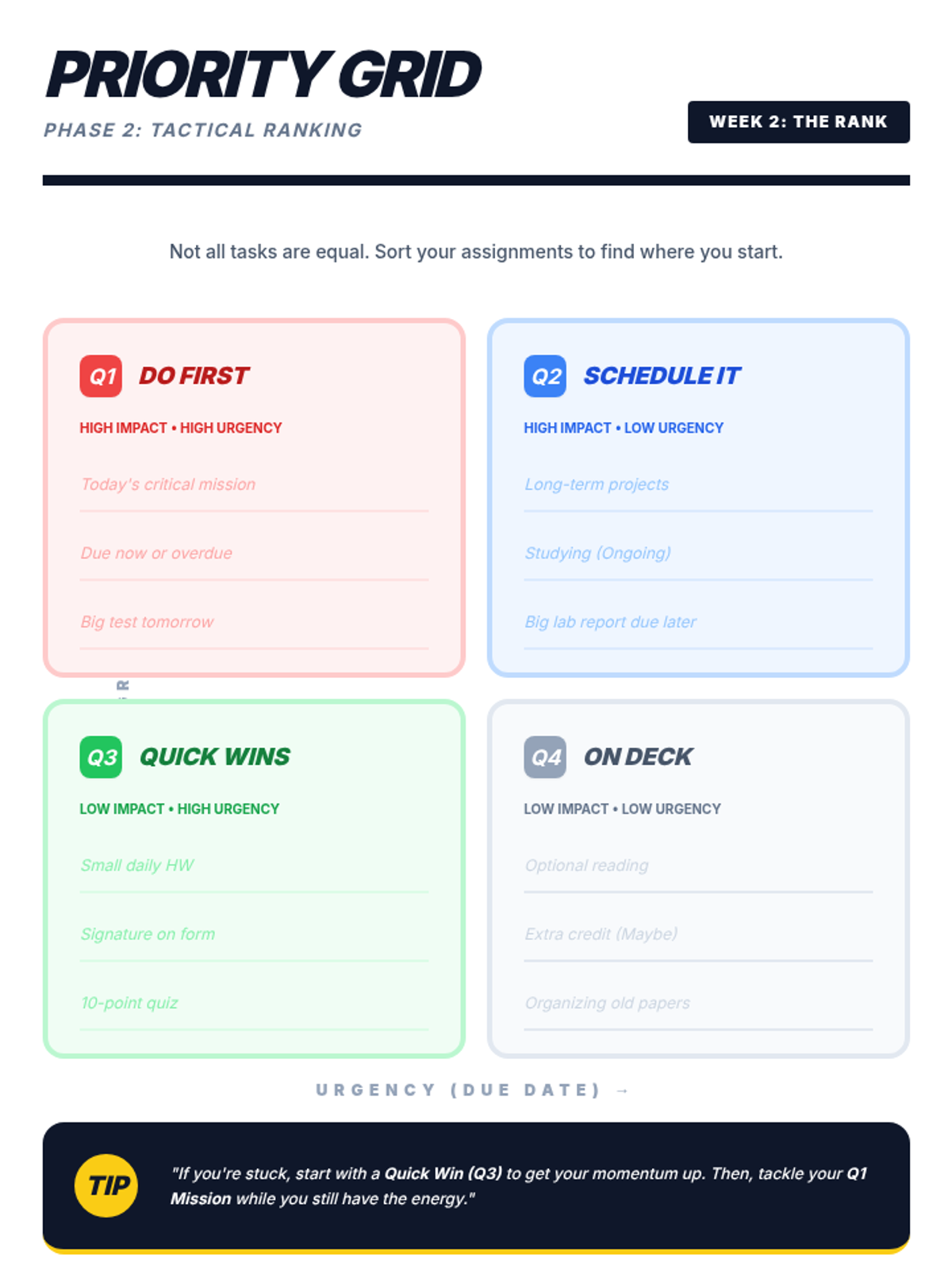
Focus on categorization and prioritization. Students learn to distinguish between urgent tasks and long-term projects using a priority matrix.
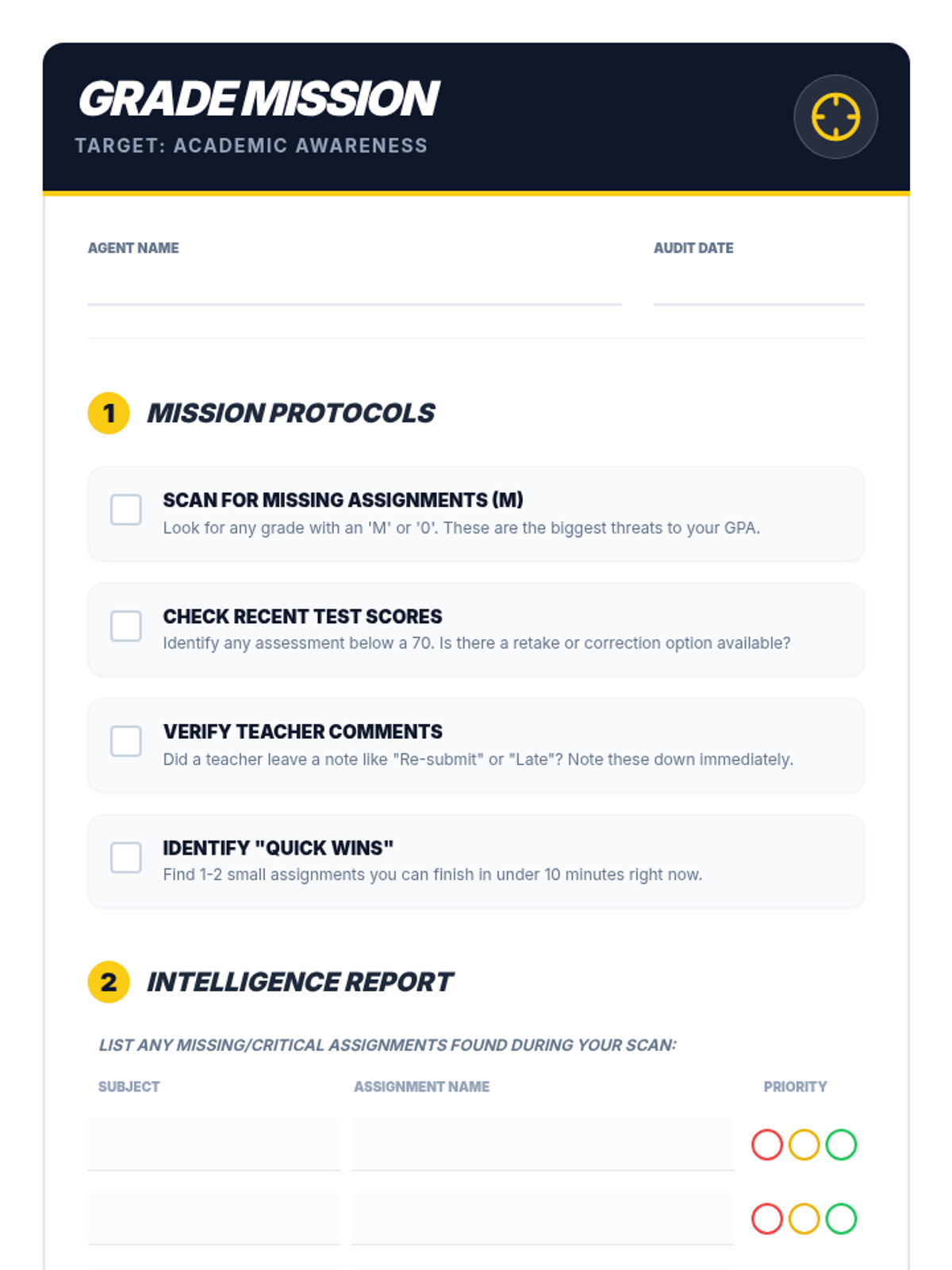
Introduction to the "Grade Audit" process. Students learn to navigate their online portals efficiently and identify missing assignments.
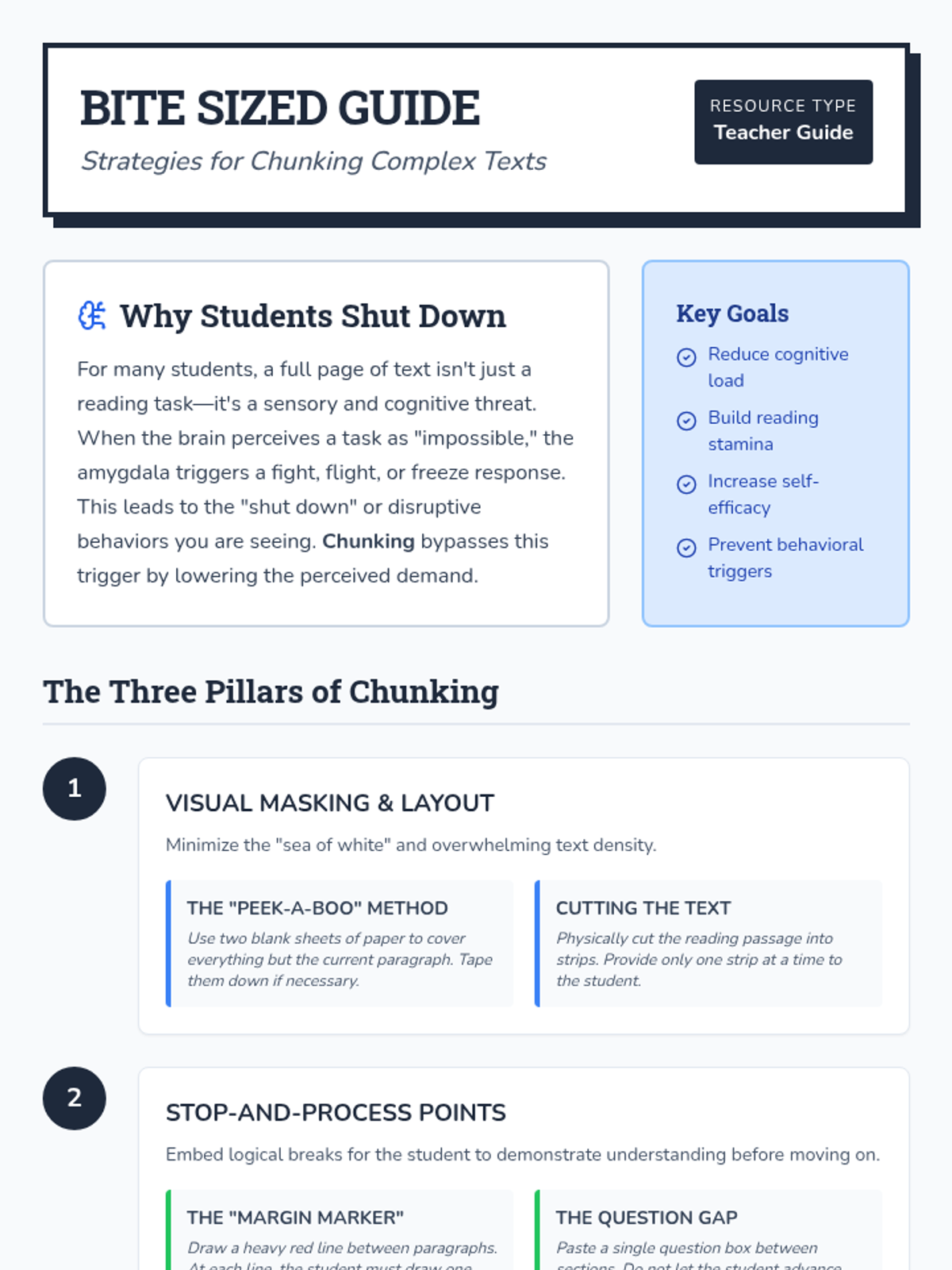
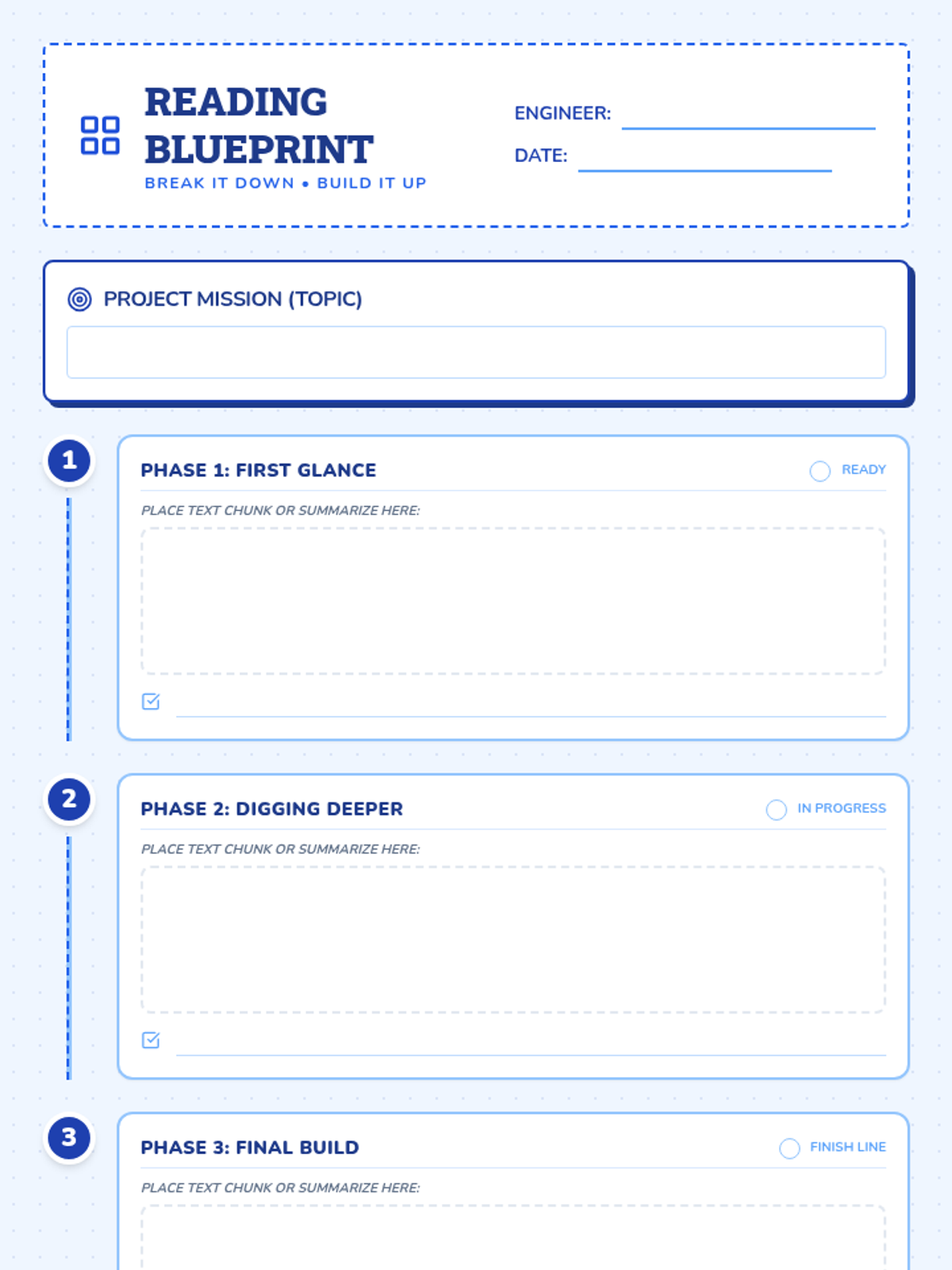
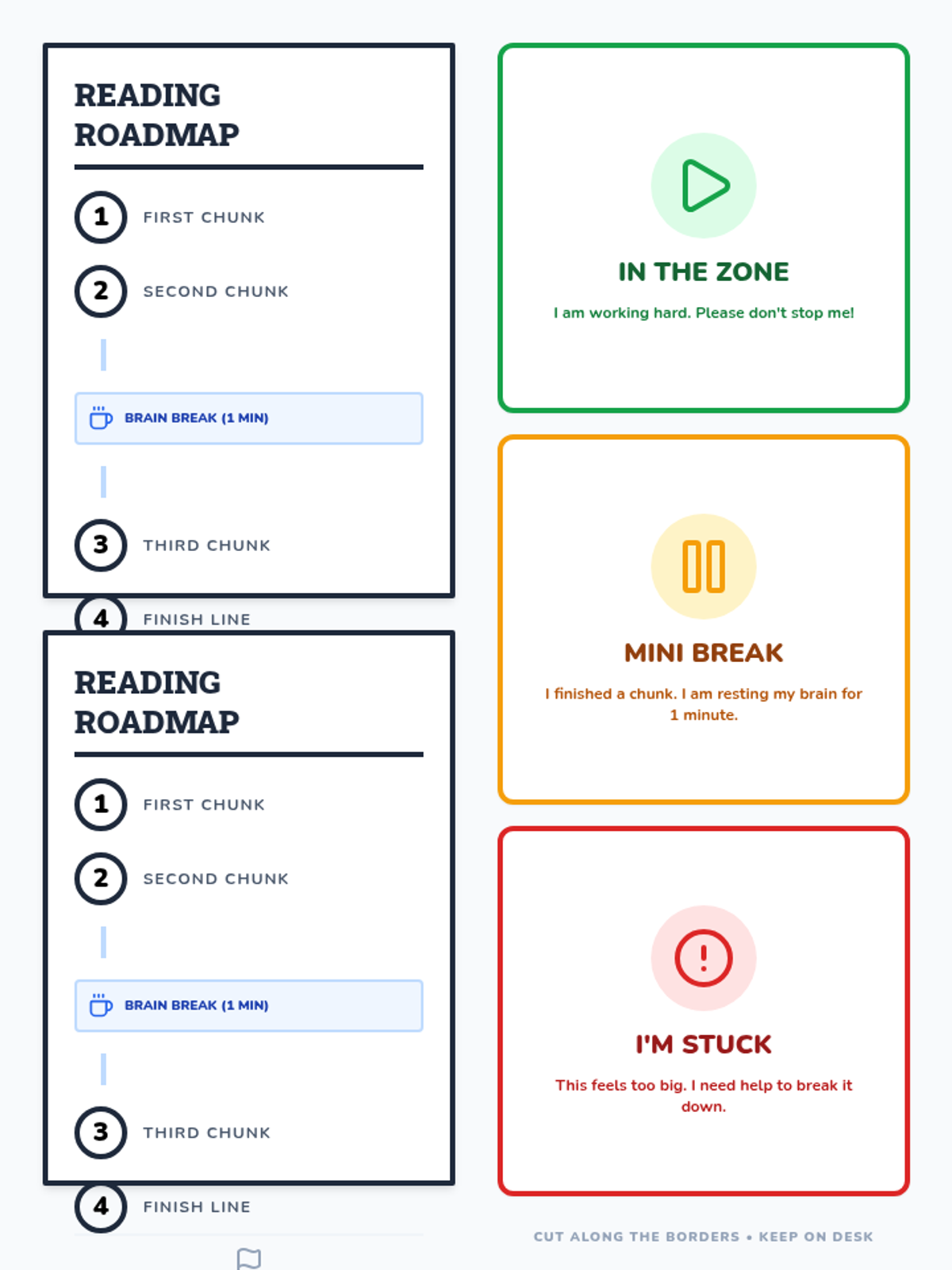
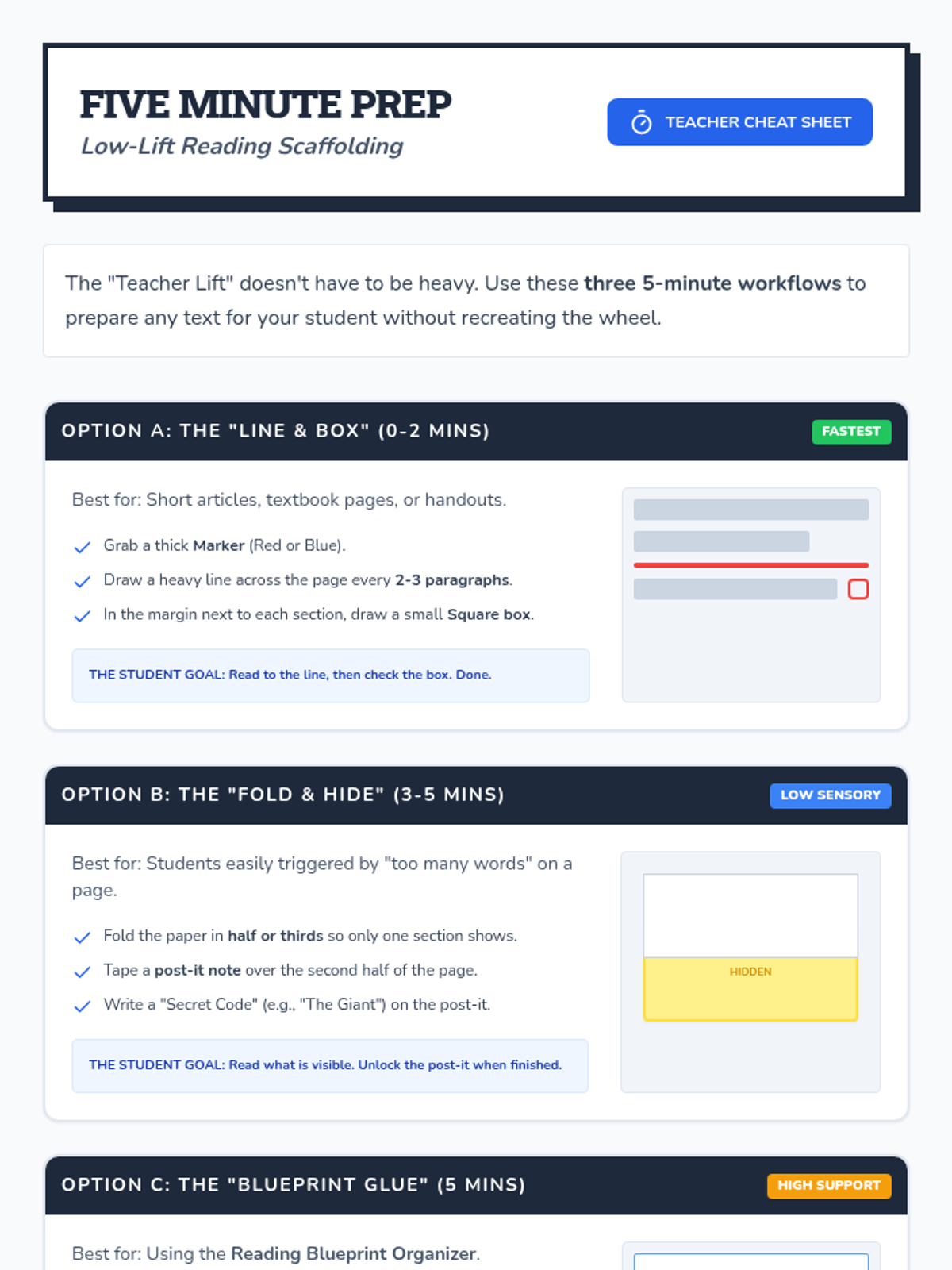
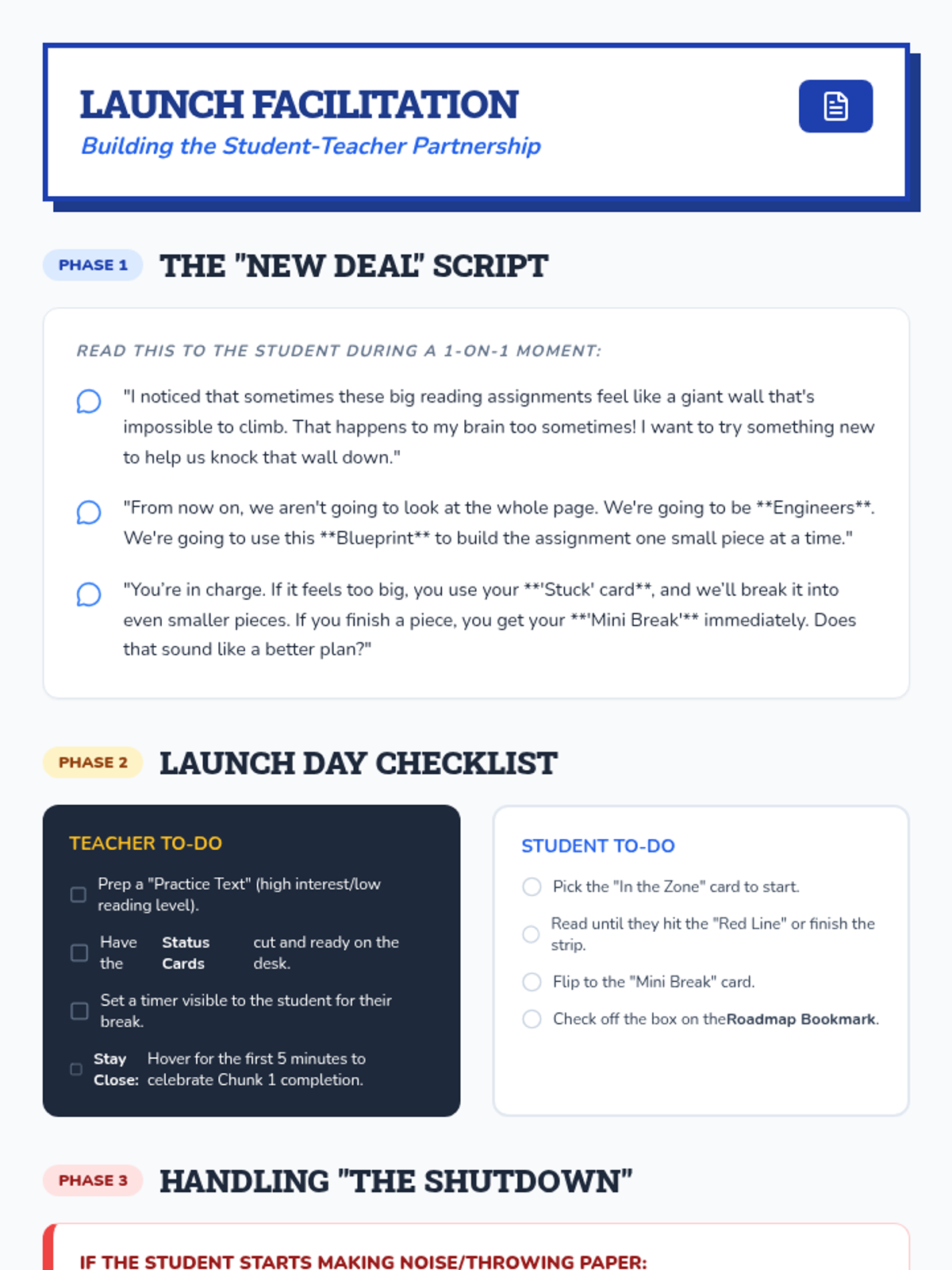
A comprehensive strategy set for educators to support students who struggle with long reading assignments through chunking, visual scaffolding, and self-regulation tools.
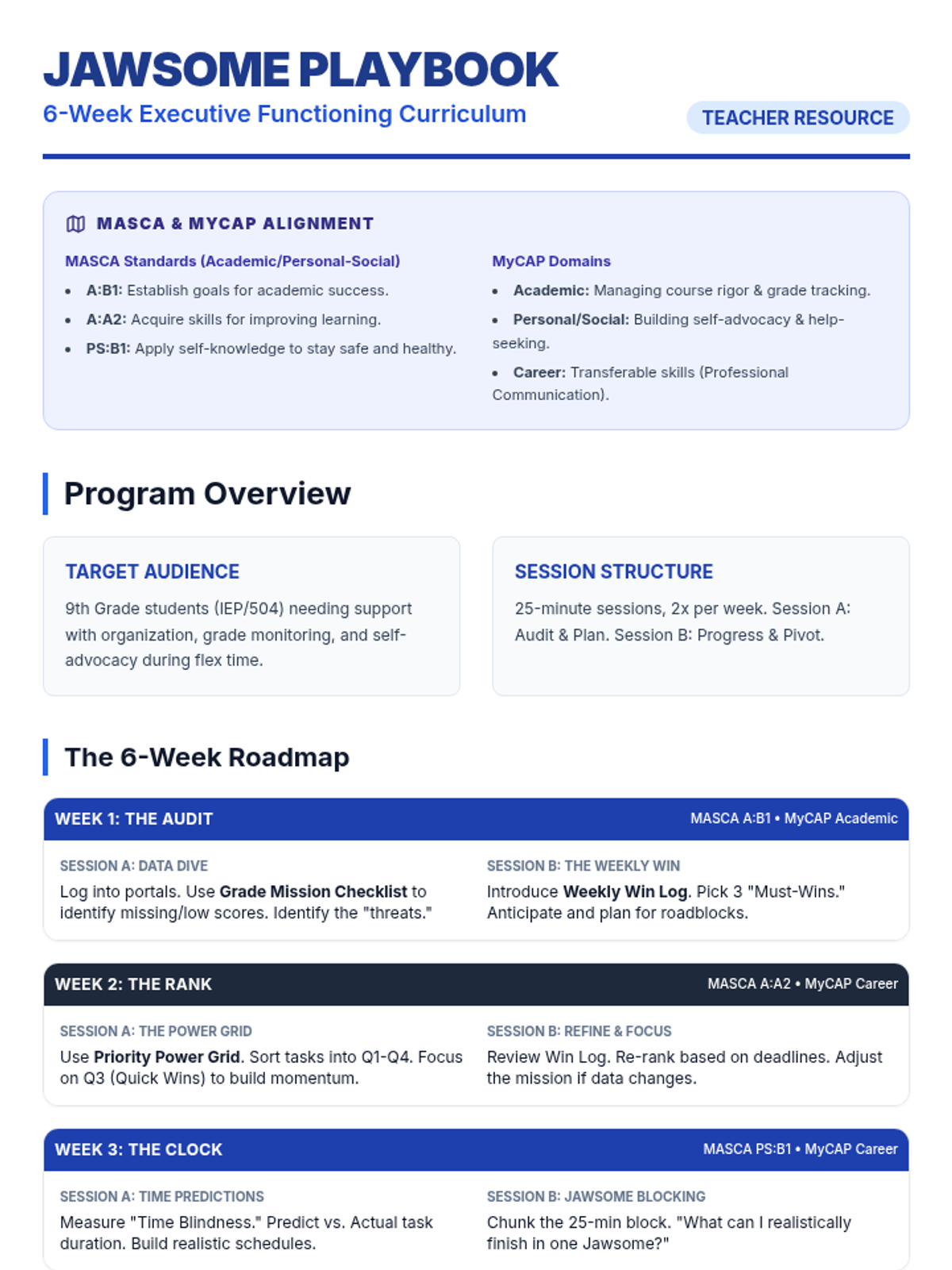
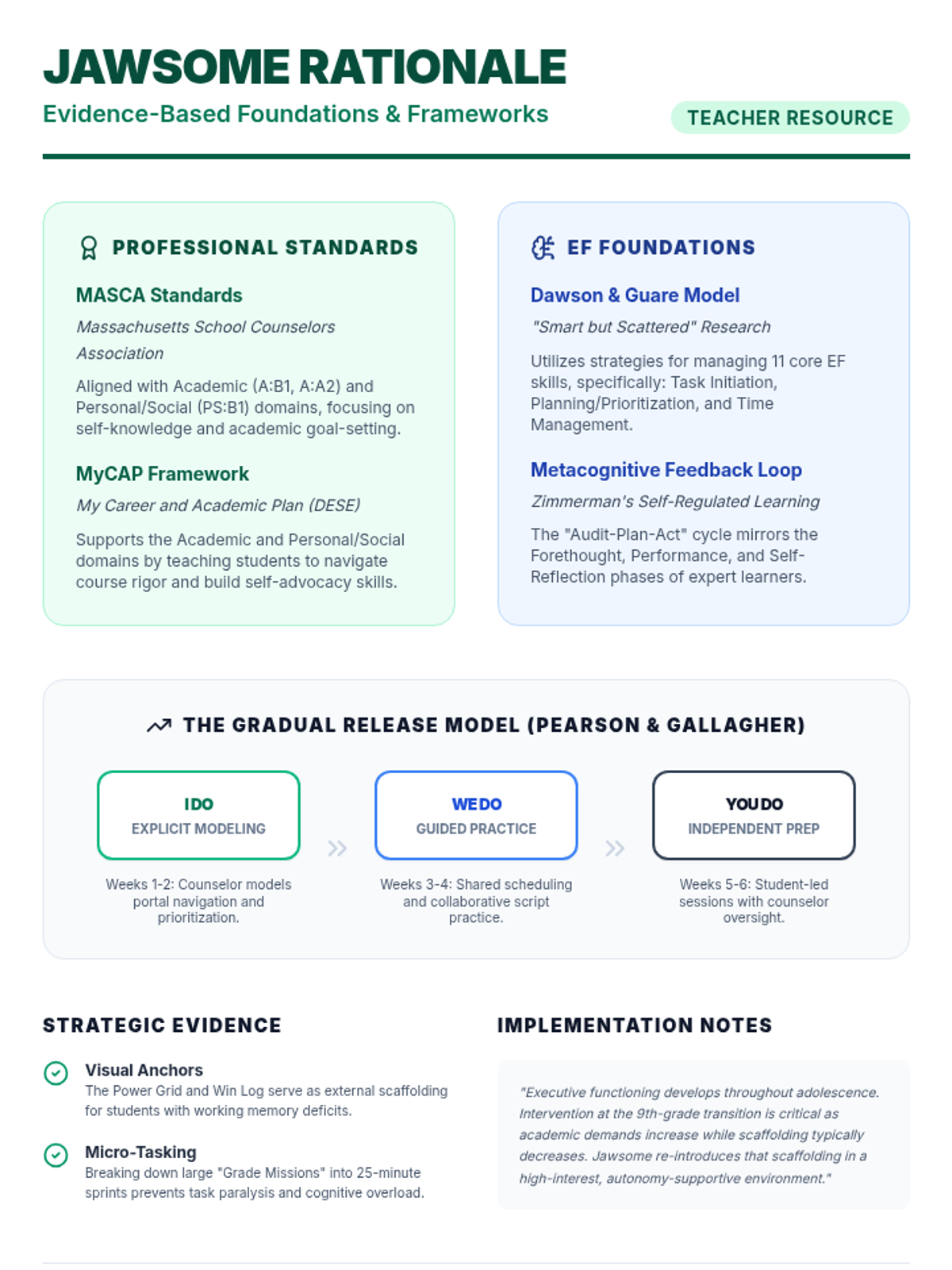
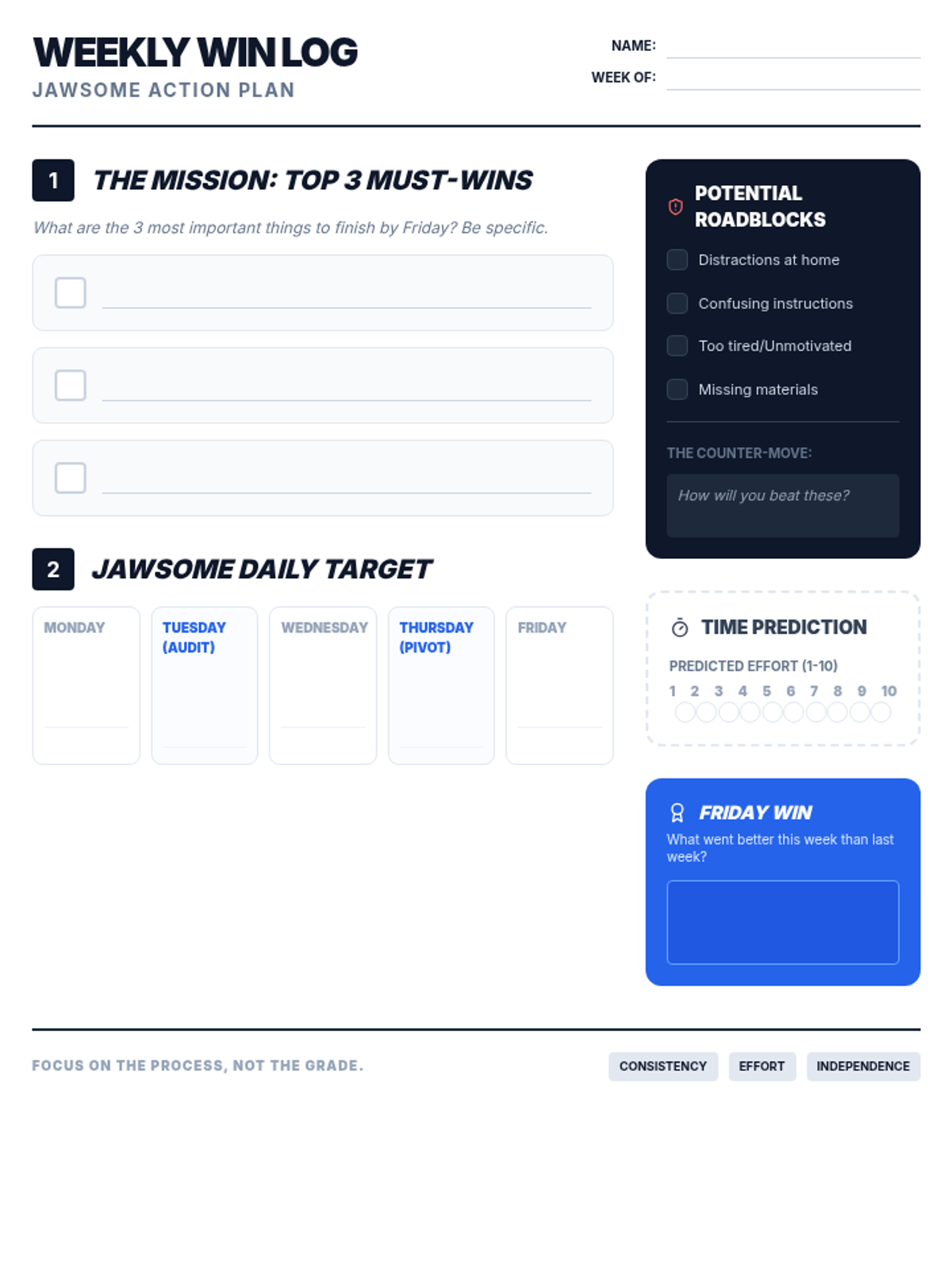
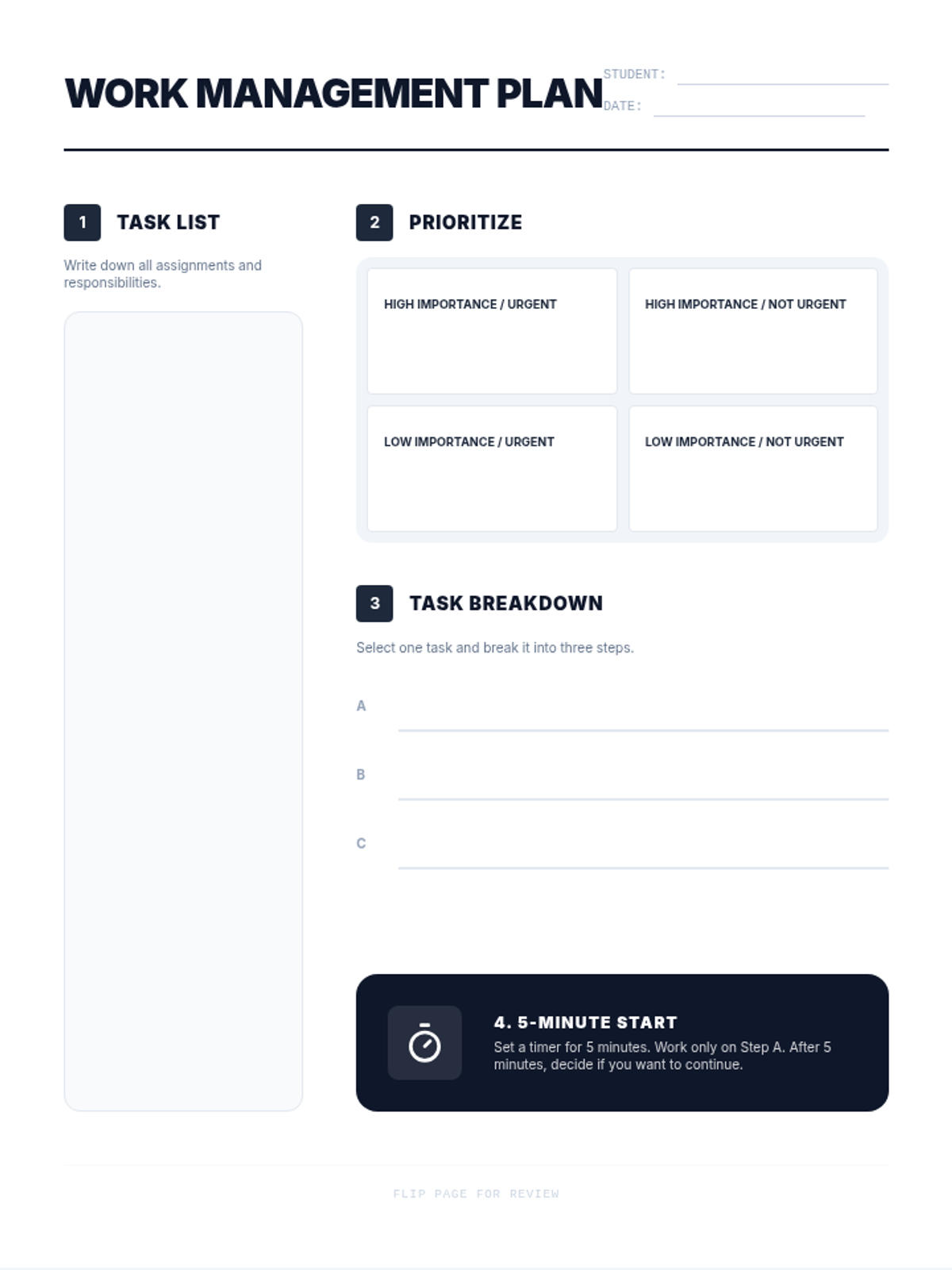
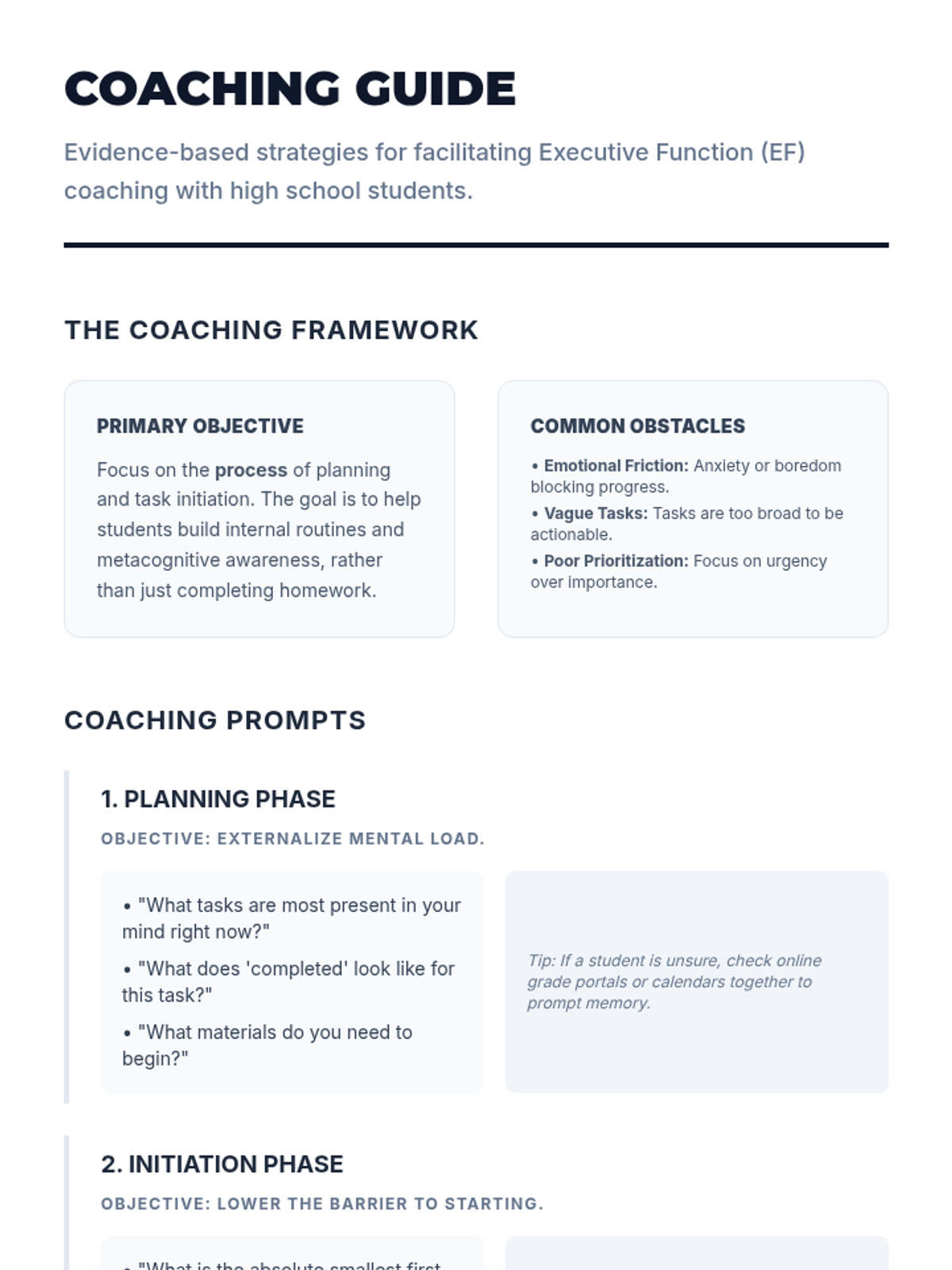
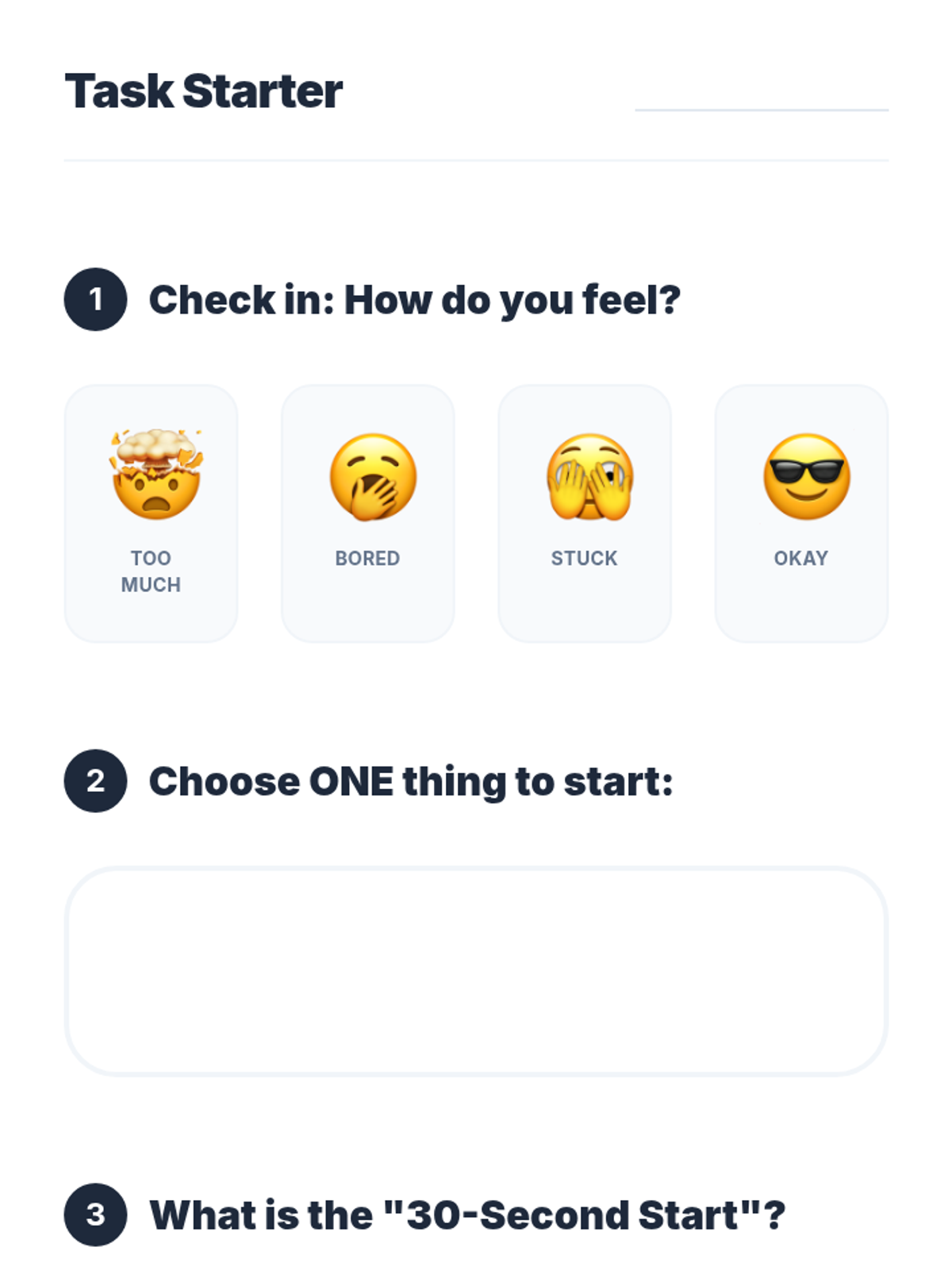
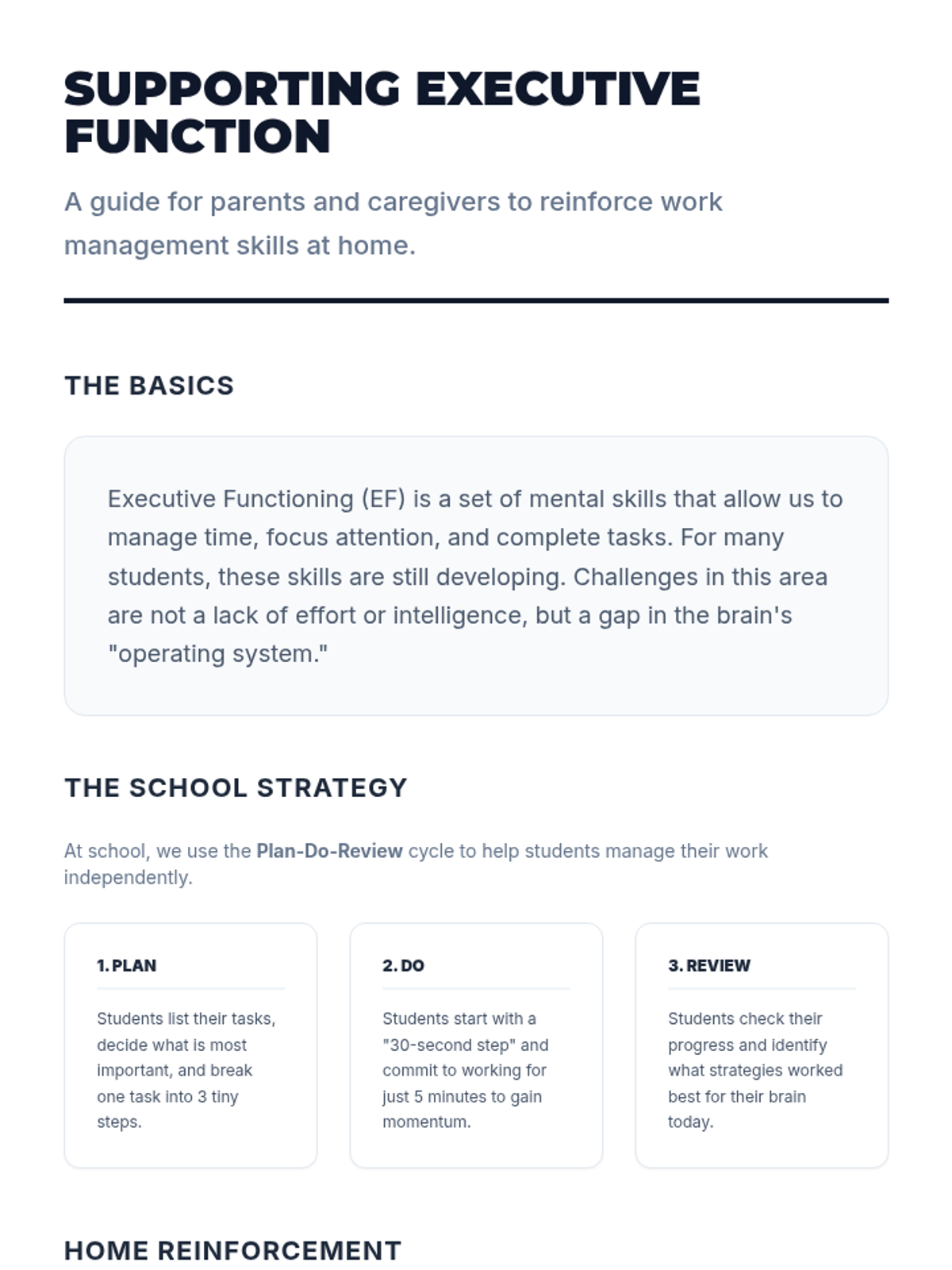
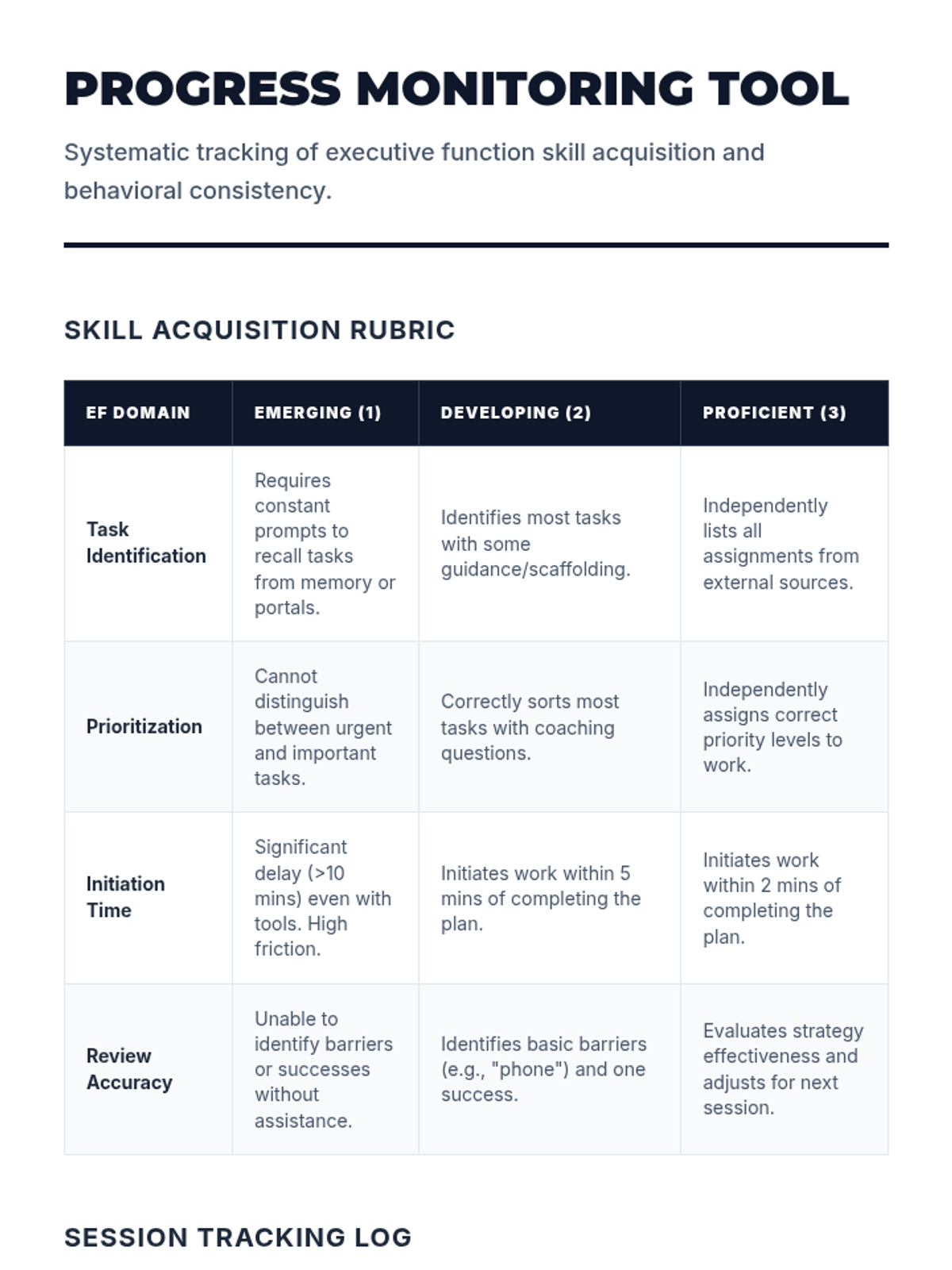
A comprehensive executive function support system for high school students, focusing on metacognitive coaching strategies to manage task initiation, prioritization, and workflow completion. Students move from feeling overwhelmed to having a clear, actionable strategic plan for their schoolwork.
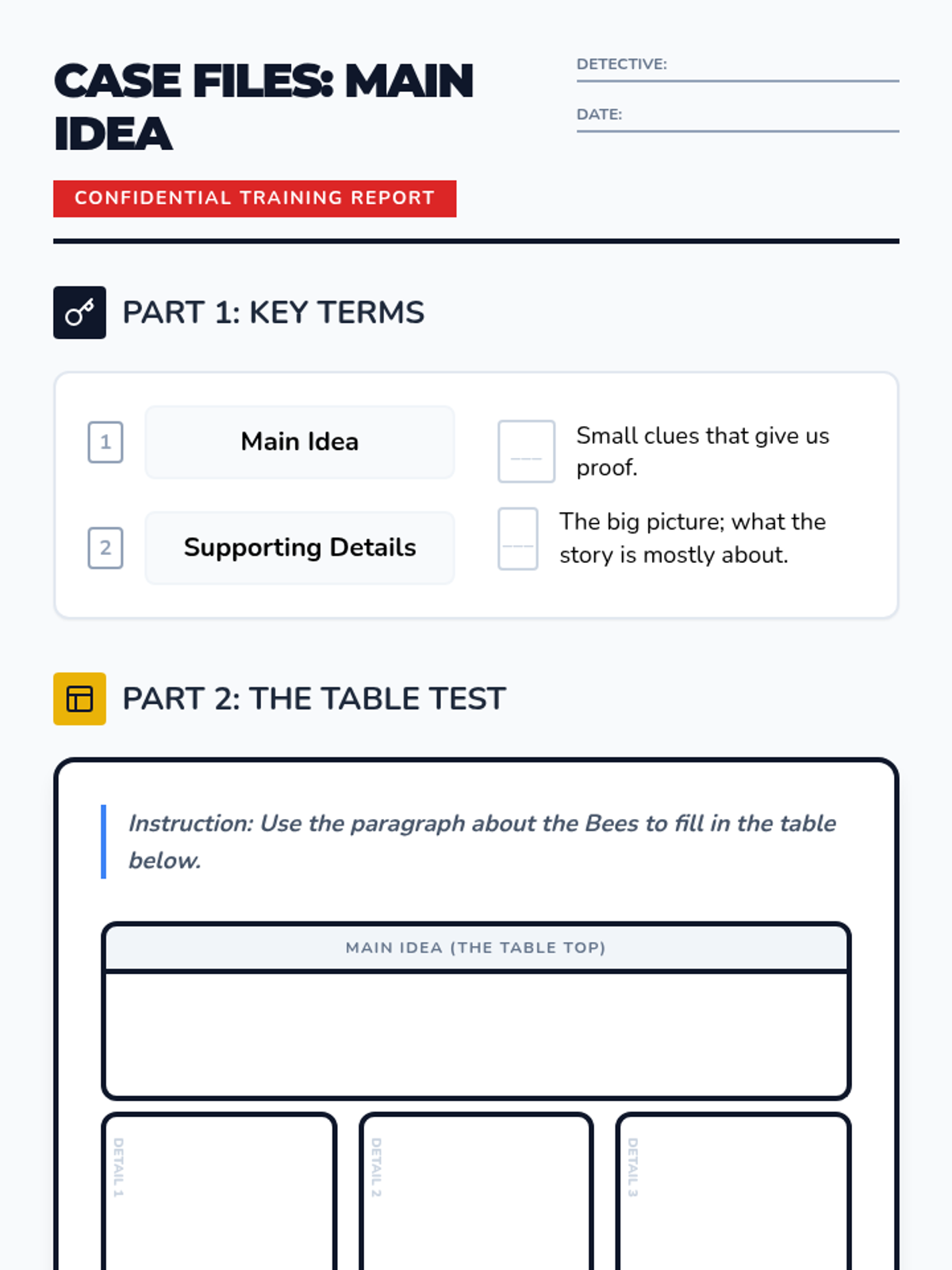
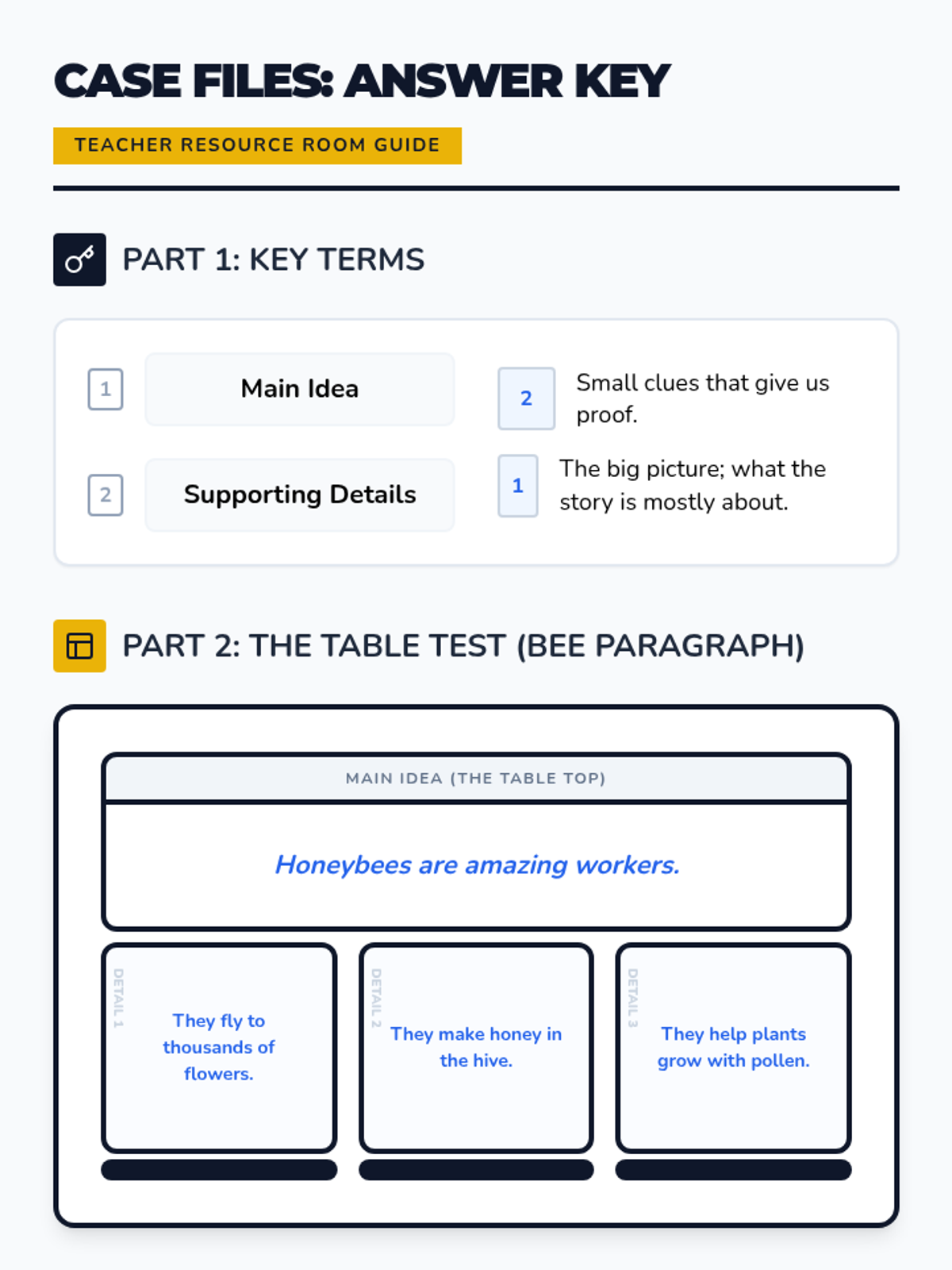
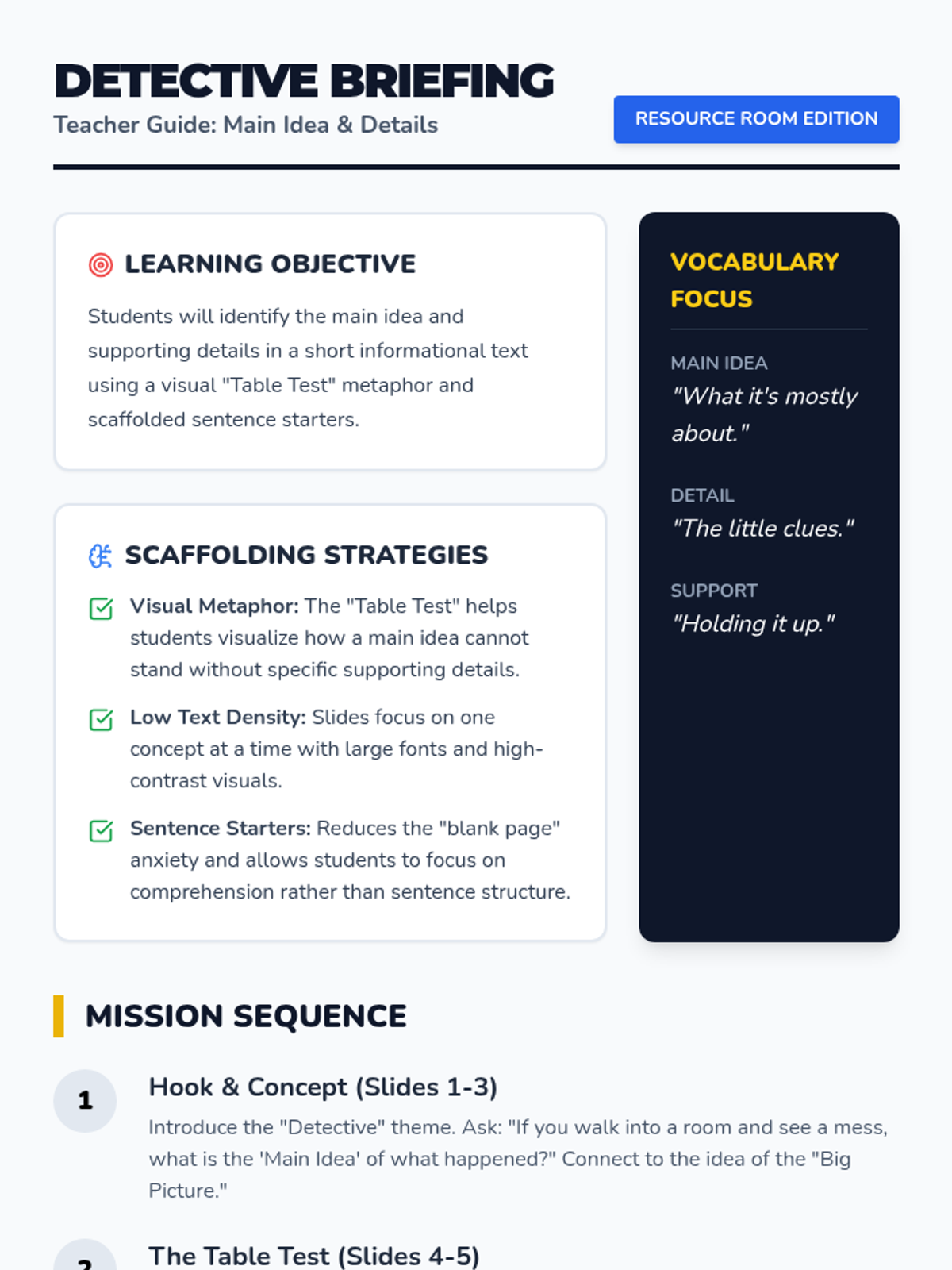
A targeted lesson for 5th-grade resource room students to master identifying the main idea and supporting details through a detective-themed investigation.
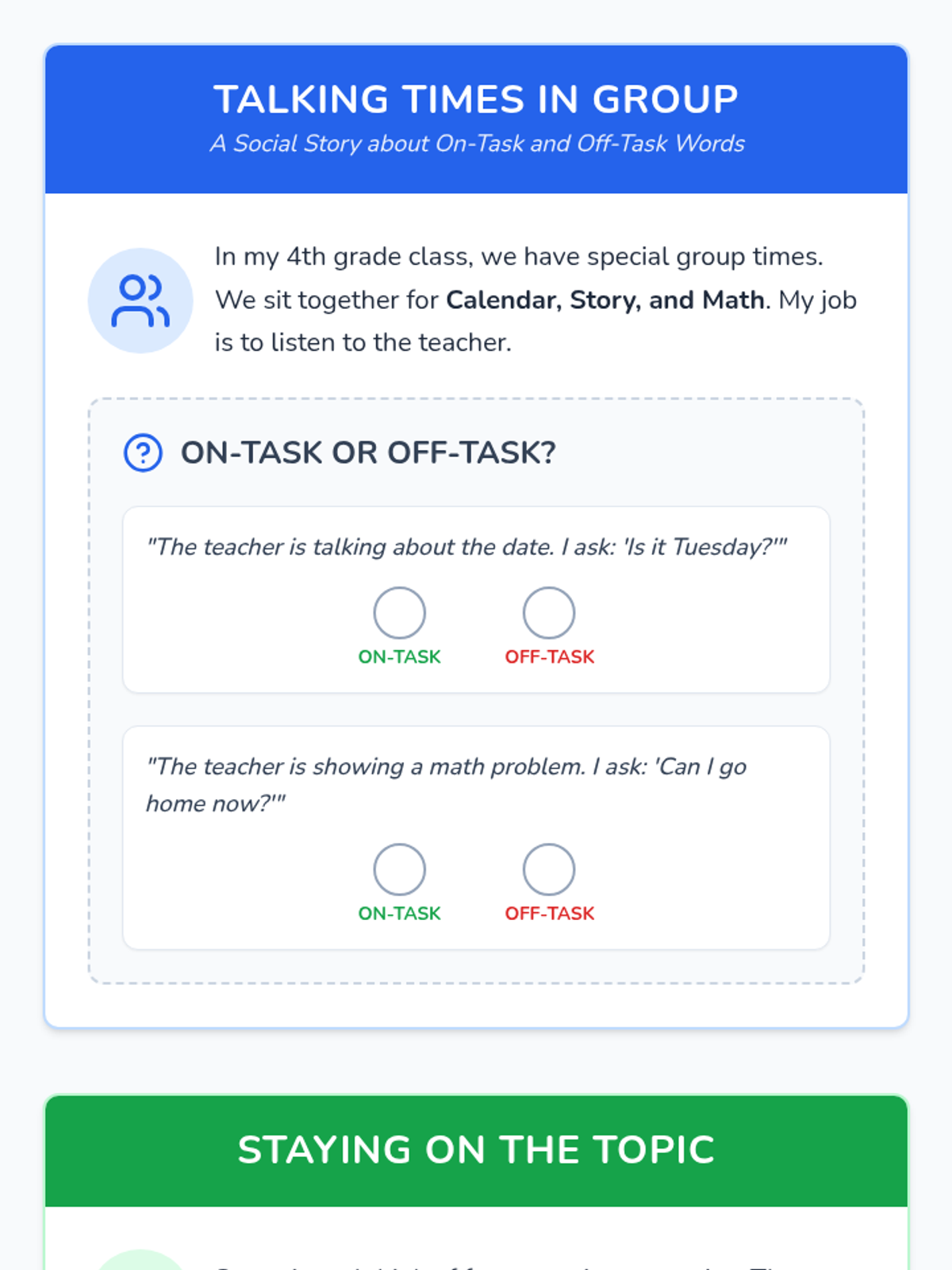
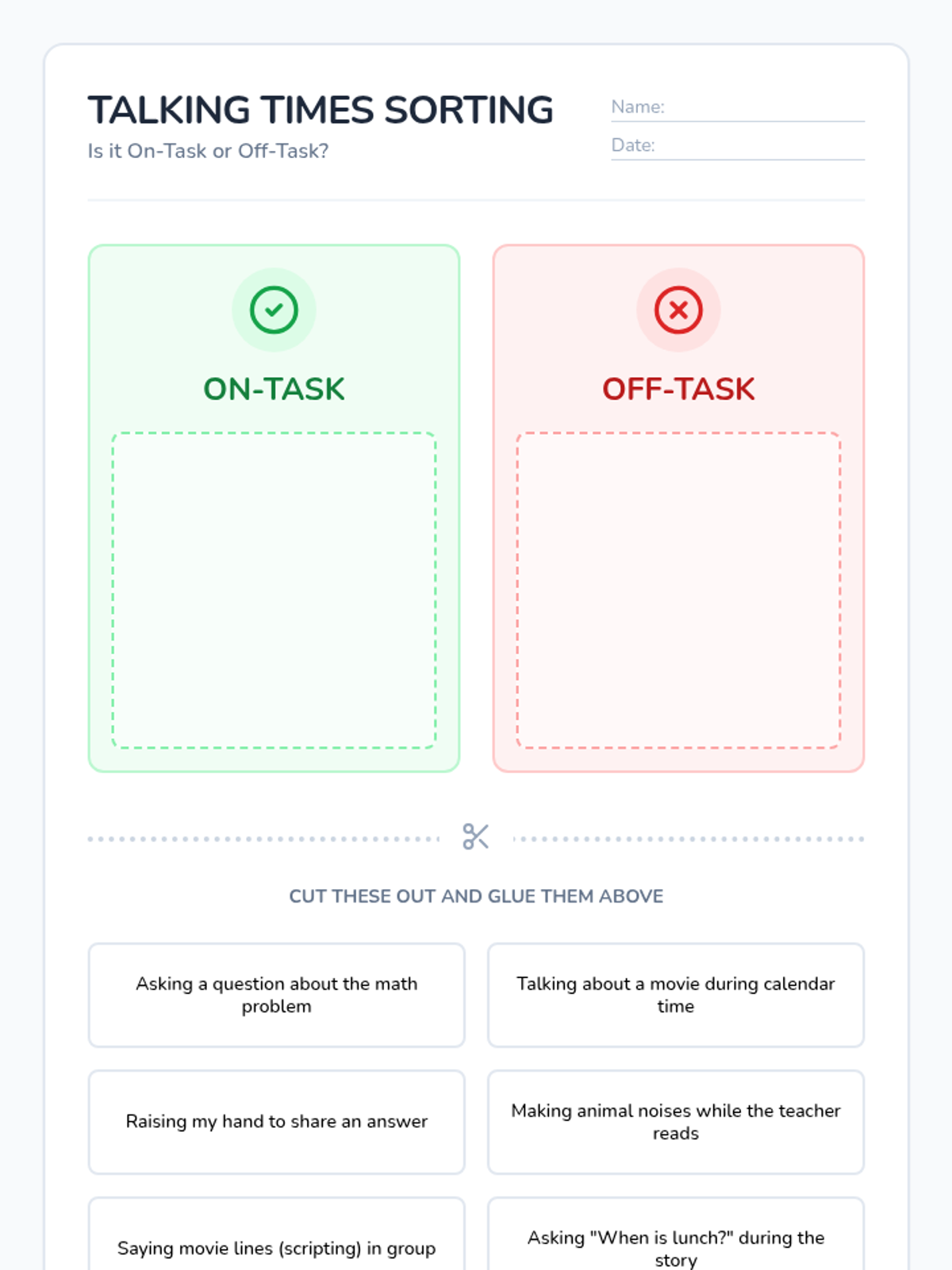
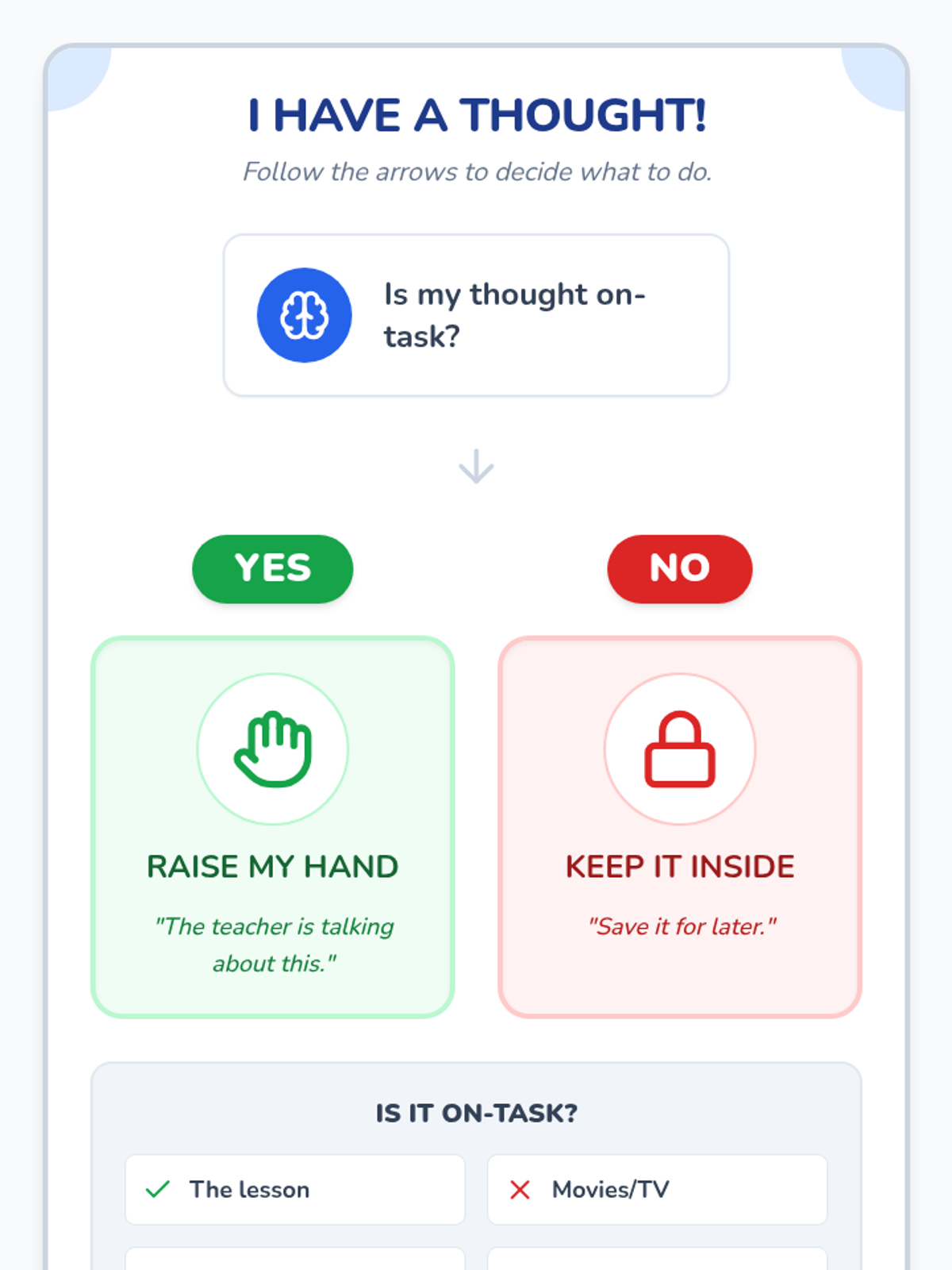
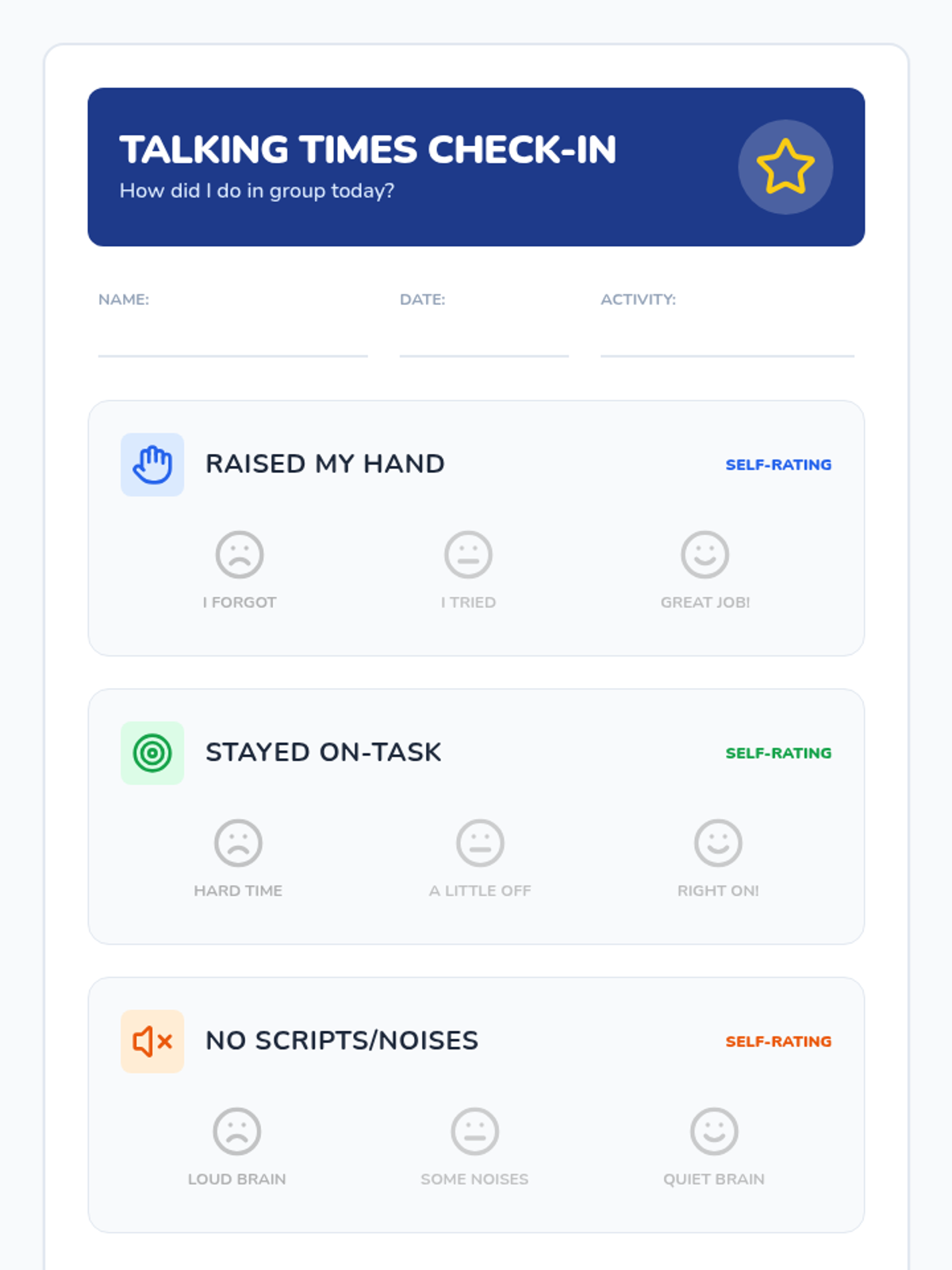
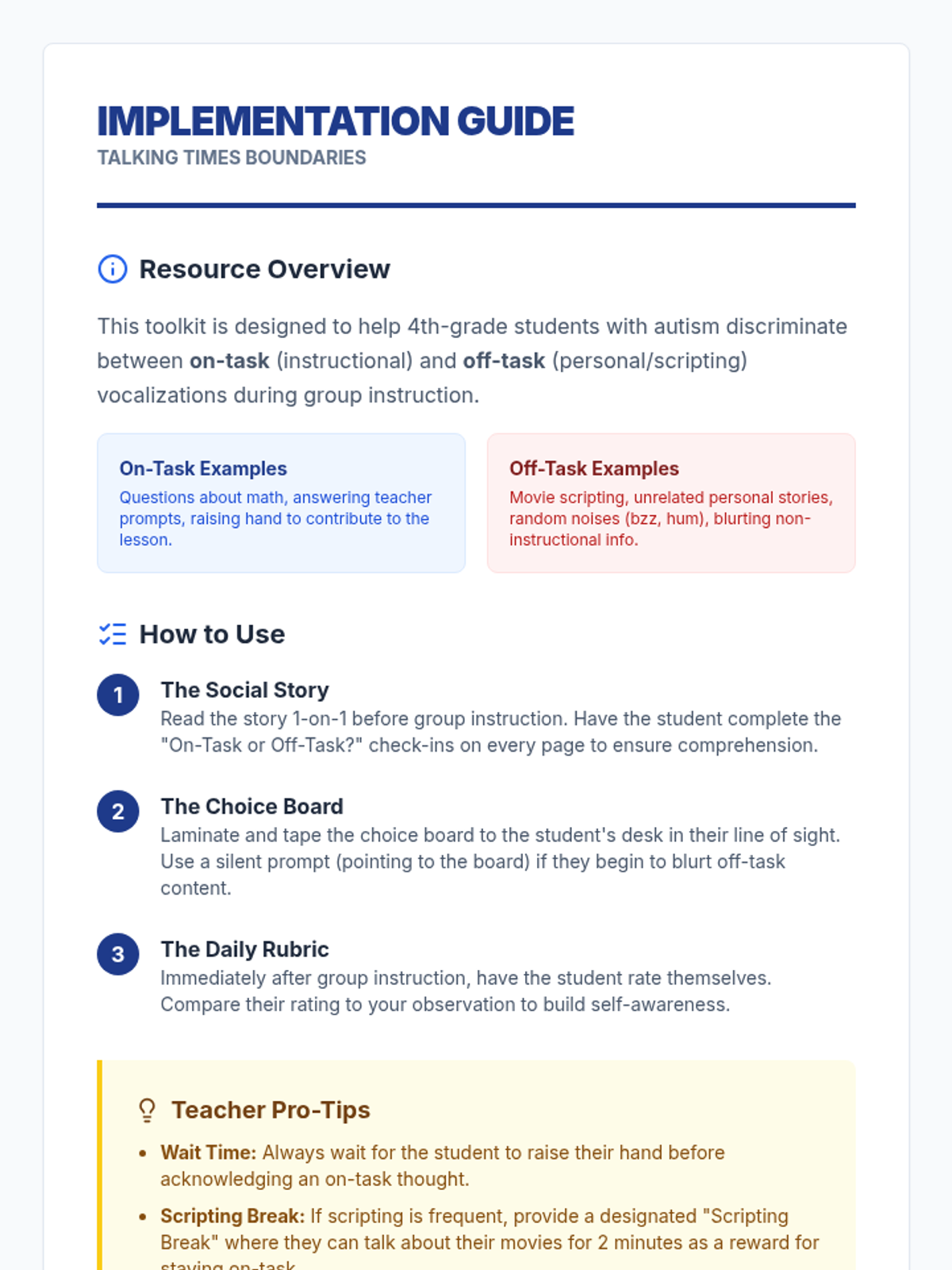
A lesson focused on teaching students how to identify appropriate times to share and how to stay on-task during group instruction.
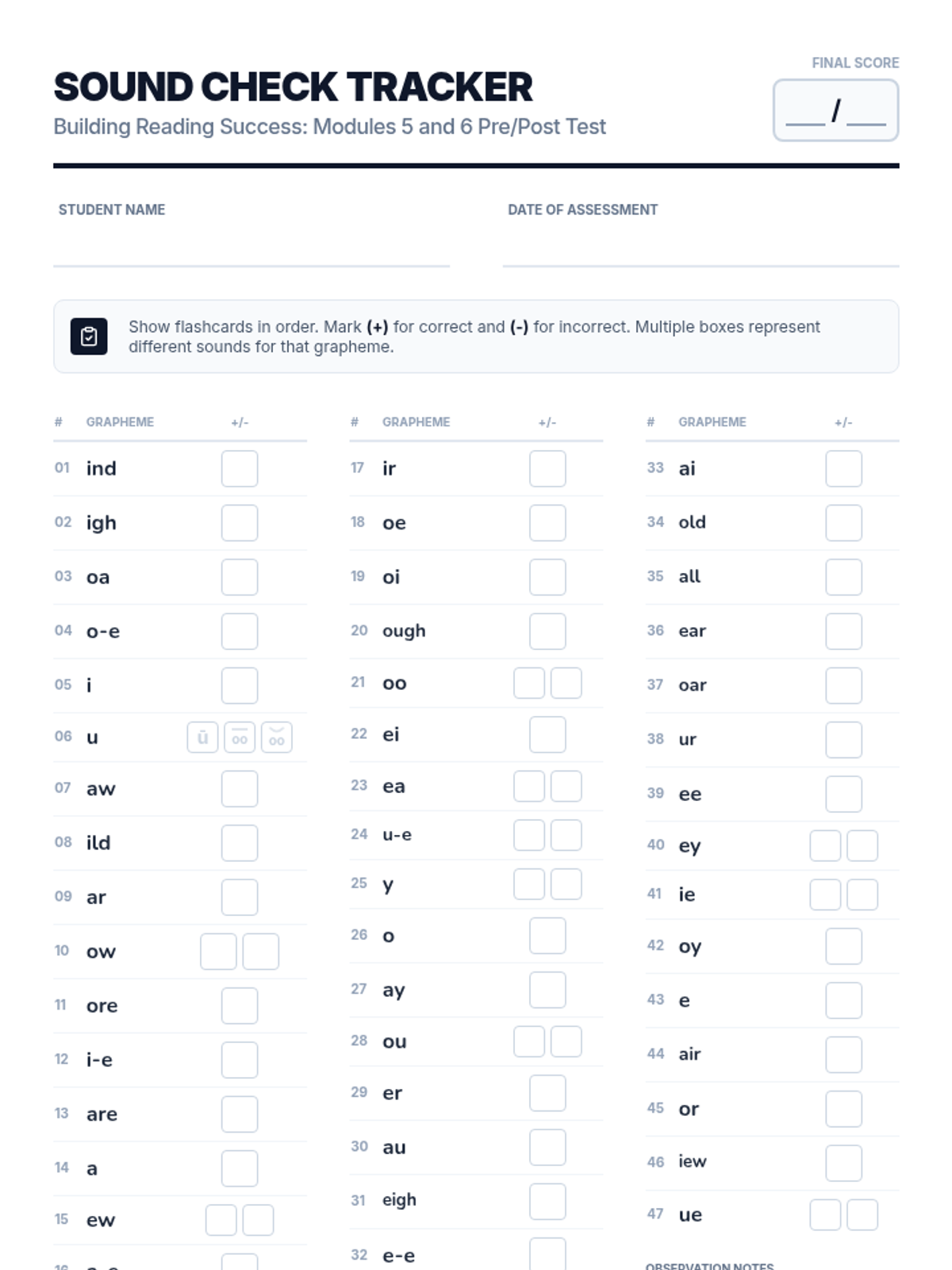
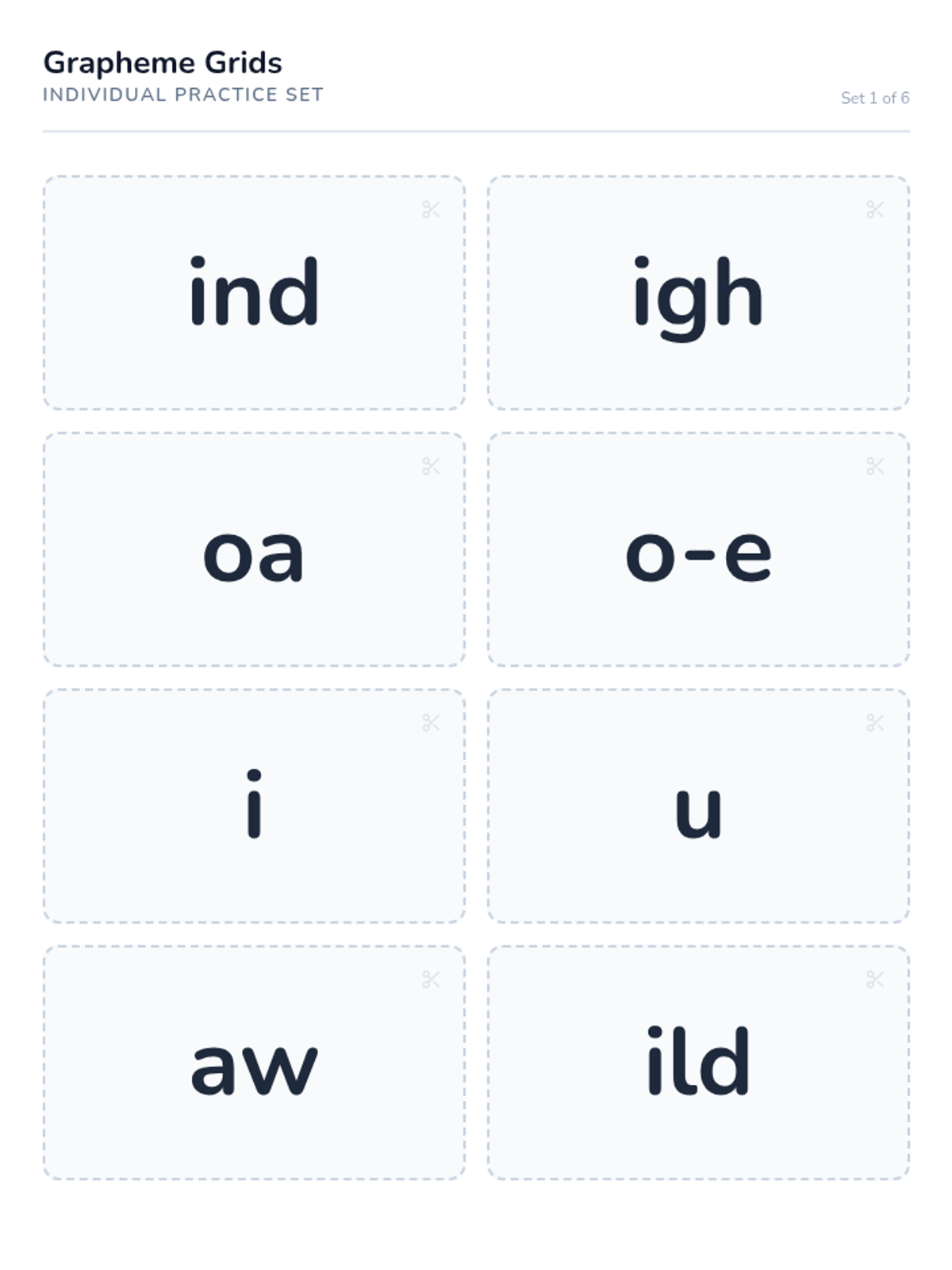
A set of materials for assessing and practicing 47 key graphemes, including high-visibility flashcards and a comprehensive teacher tracking sheet.
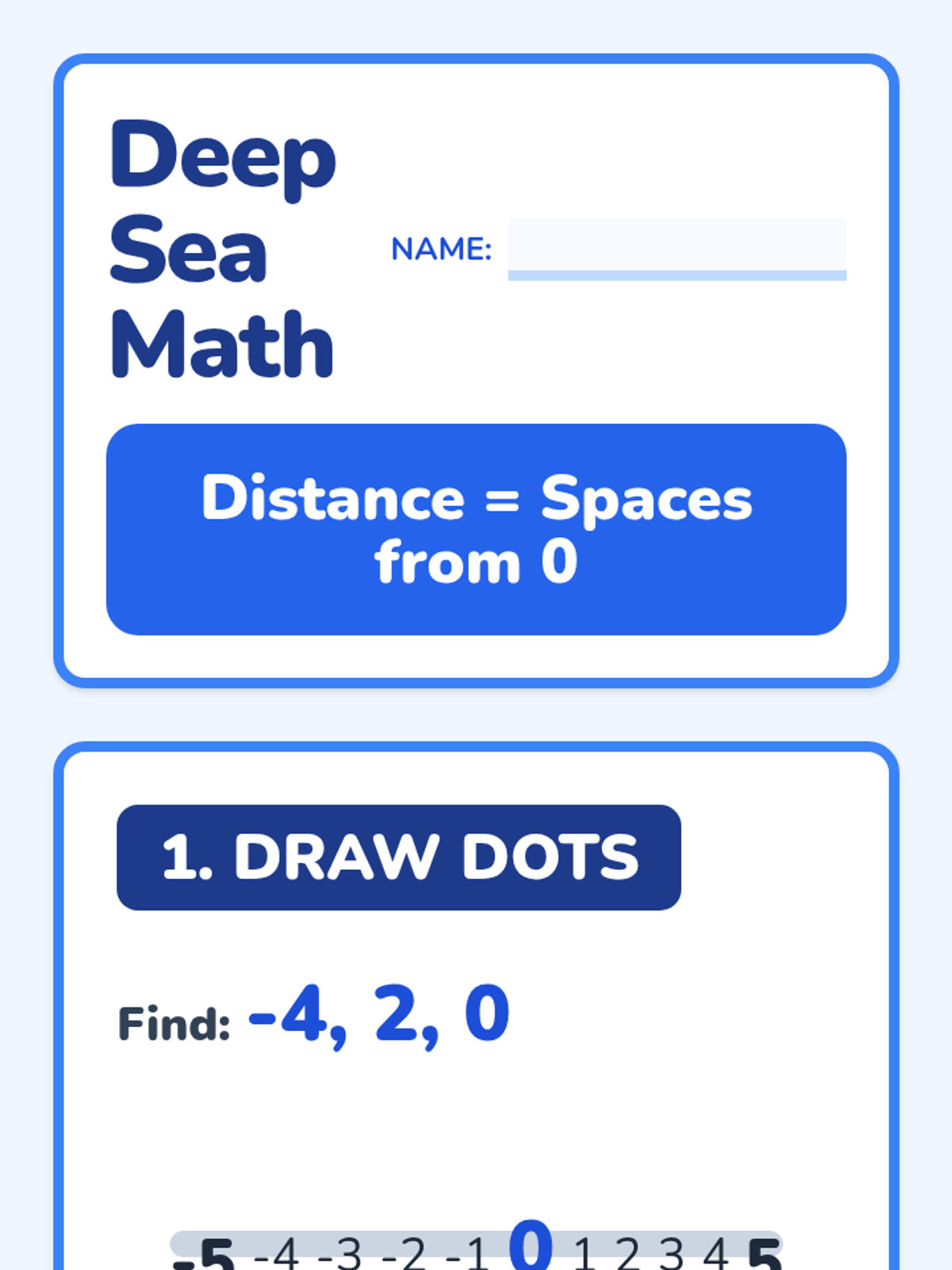
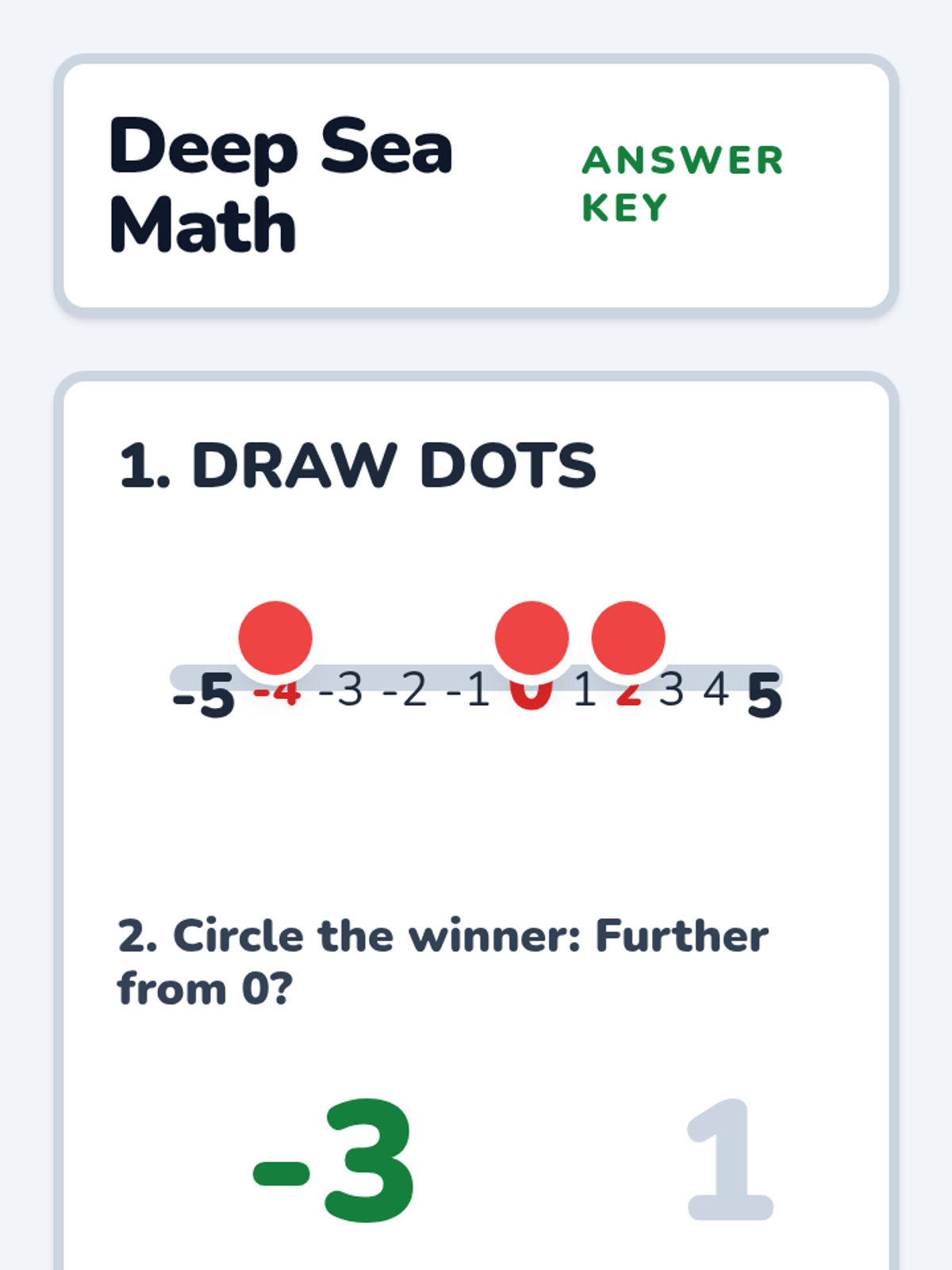
A modified assessment focused on absolute value and comparing integers, designed for students with IEPs. Includes visual aids, sentence starters, and a reduced problem set themed around deep sea exploration.
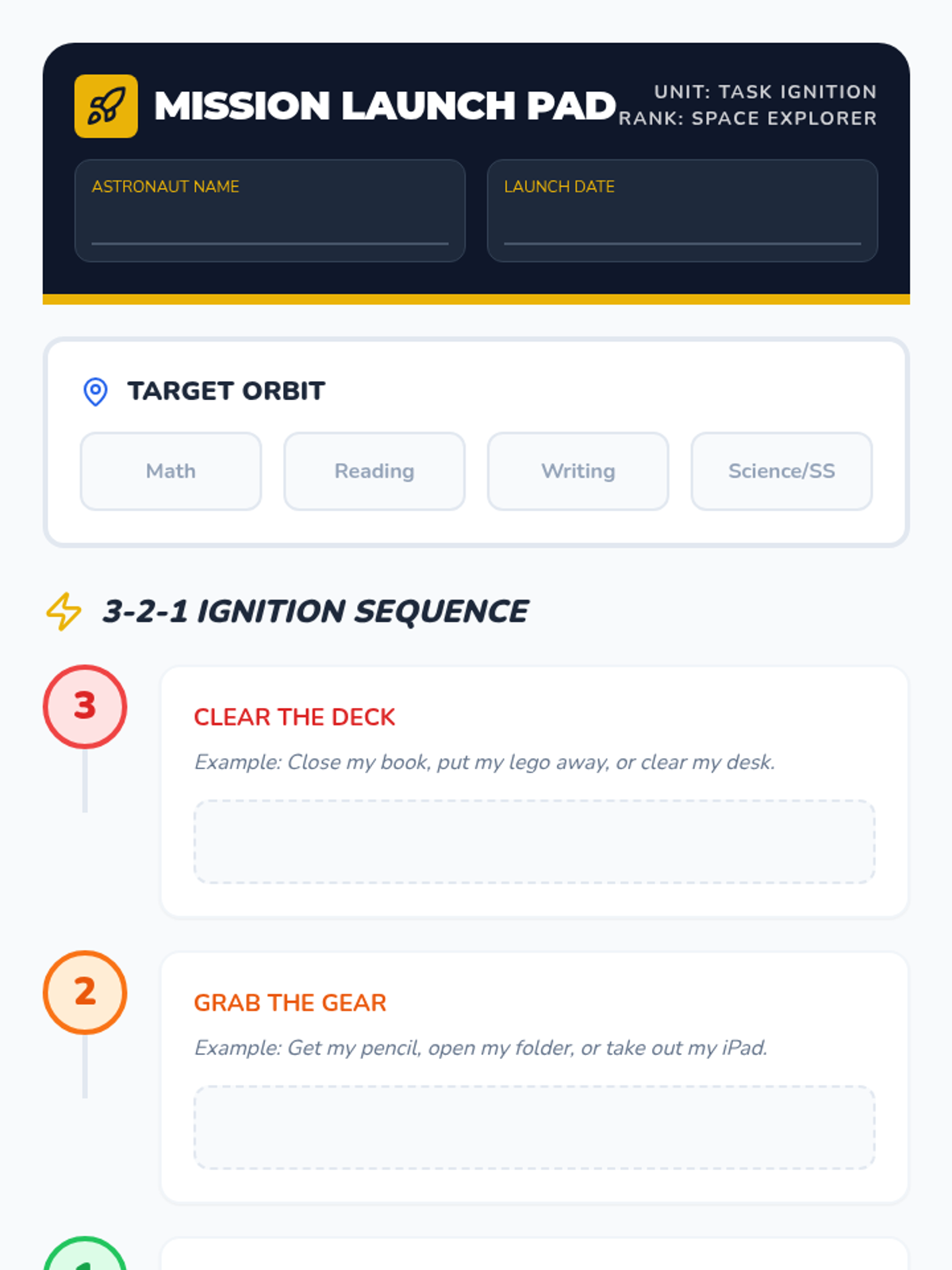
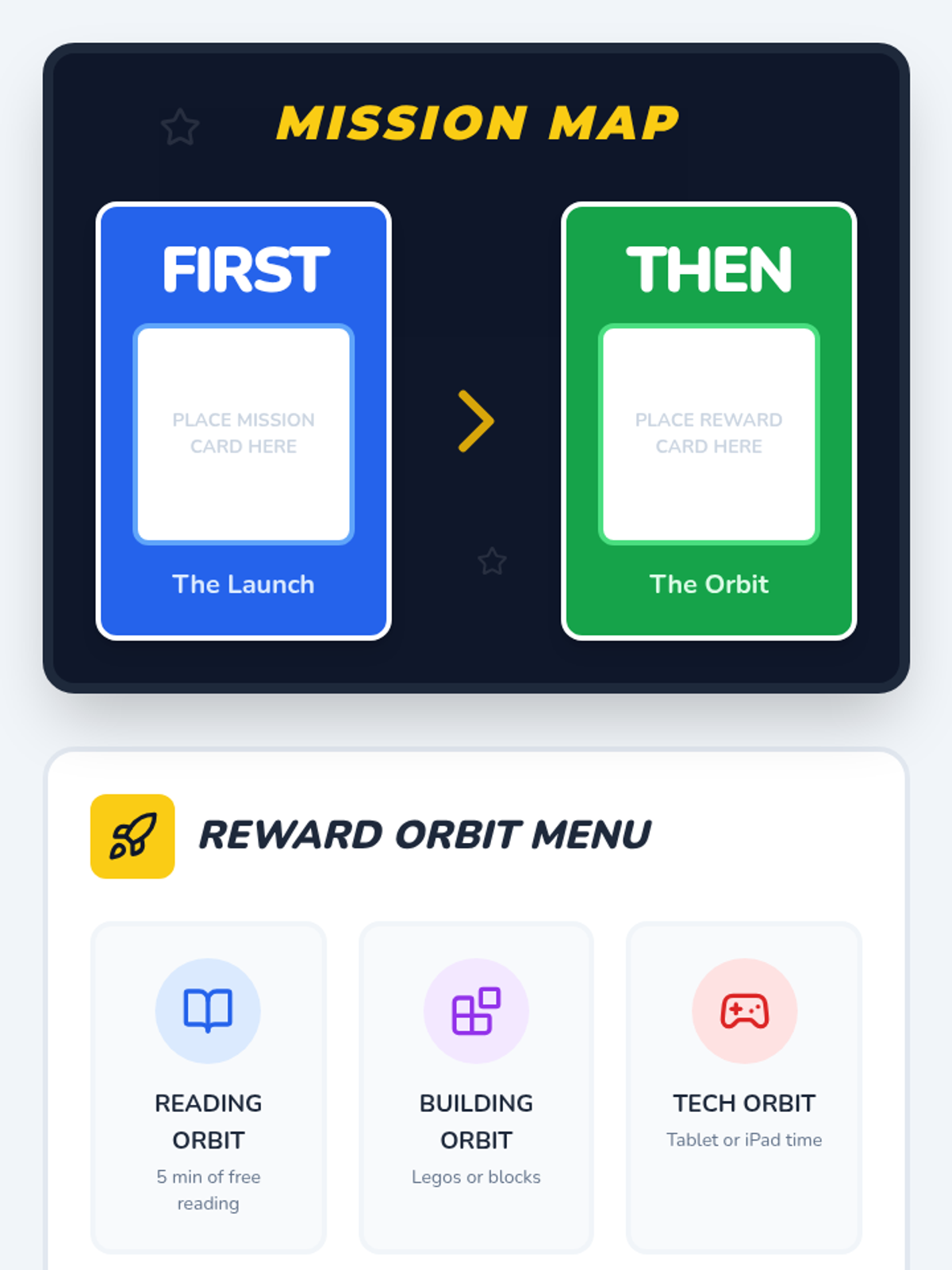
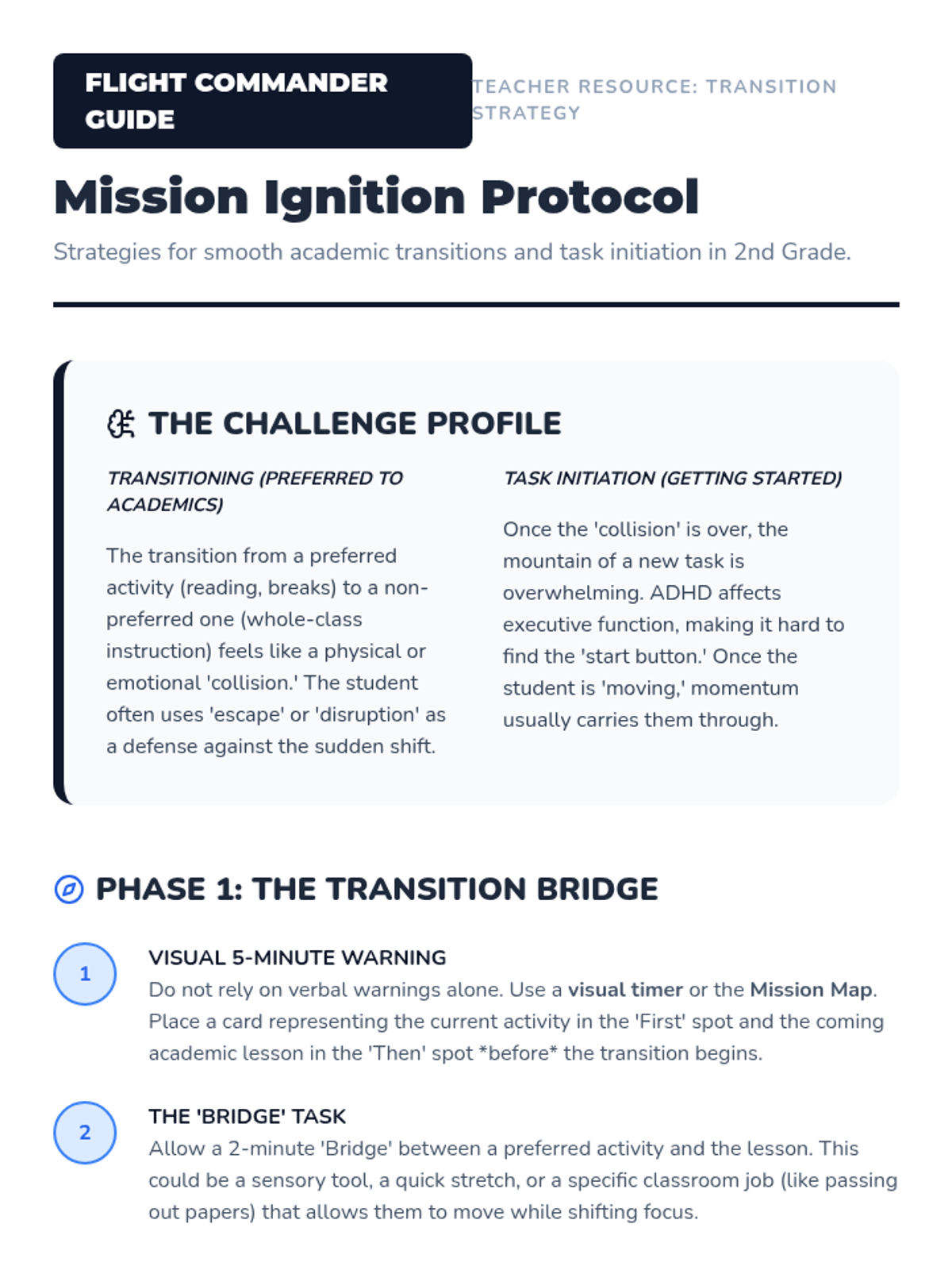
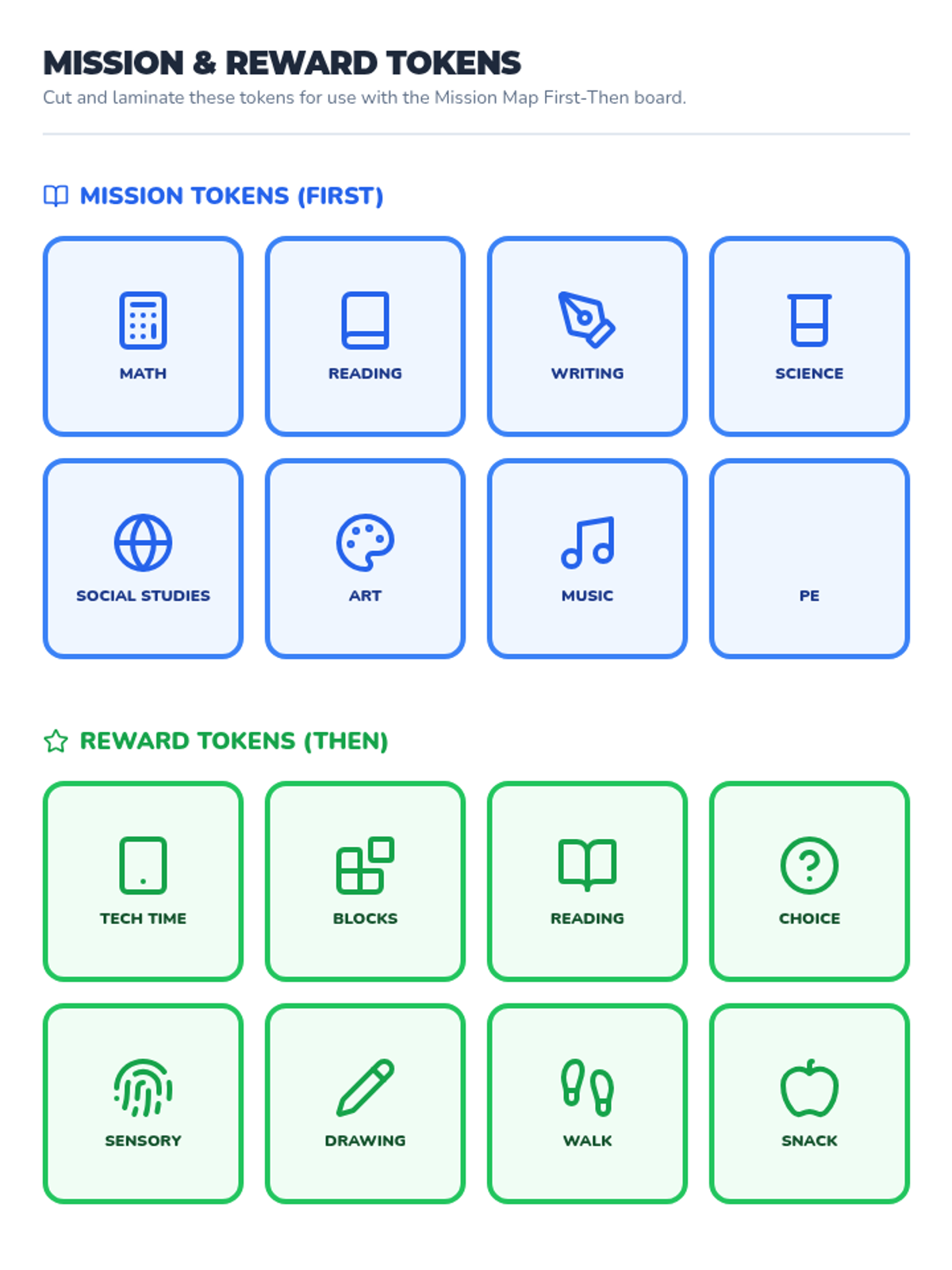
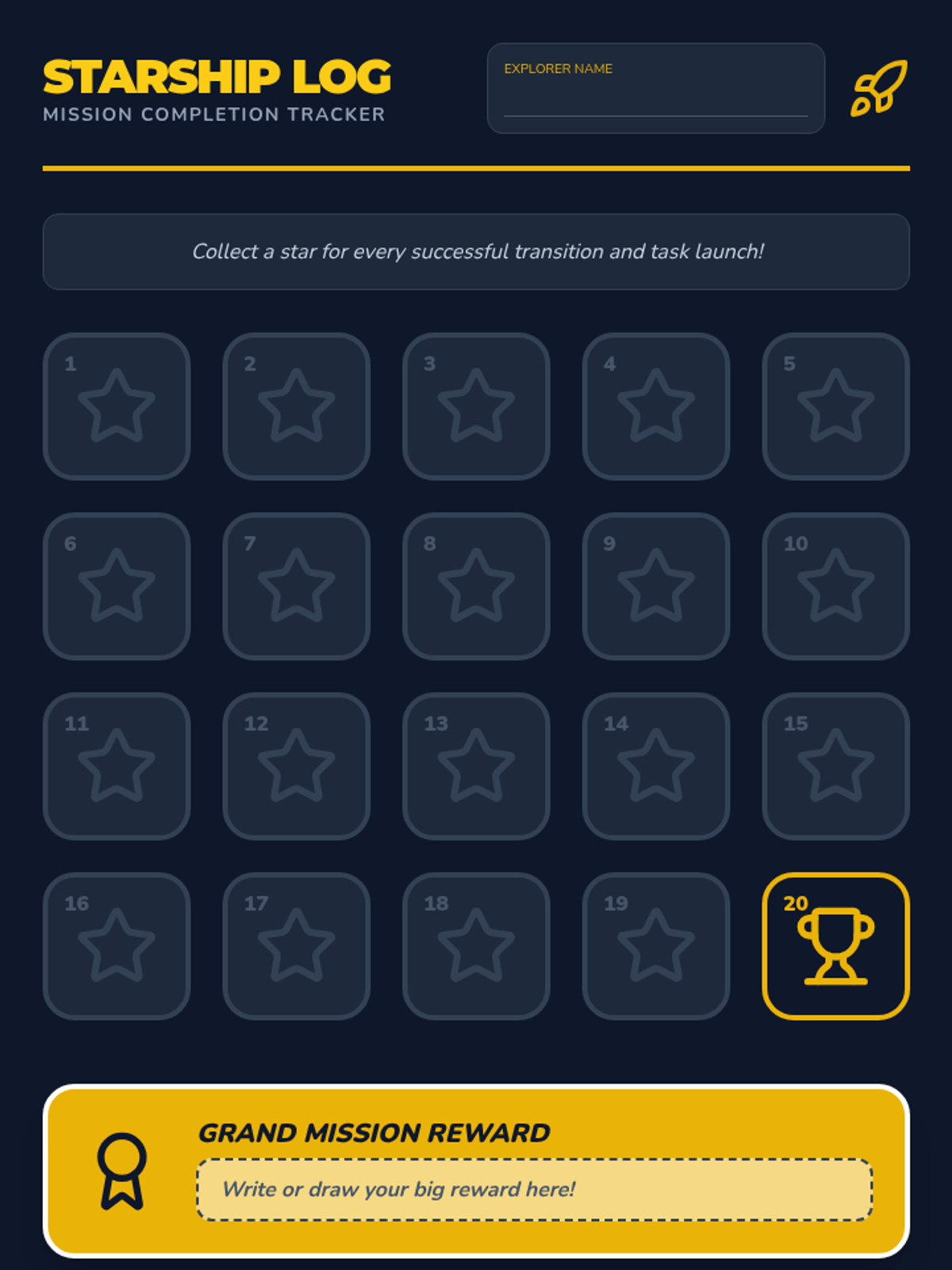
A behavioral and functional lesson designed for a 2nd-grade student with Autism and ADHD to master the 'Launch Sequence' of transitioning from preferred activities to academic tasks. It focuses on visual schedules, clear 'First-Then' contingencies, and a specific 3-step 'Ignition' process to overcome task initiation hurdles.