Setup Guide Teacher Resource
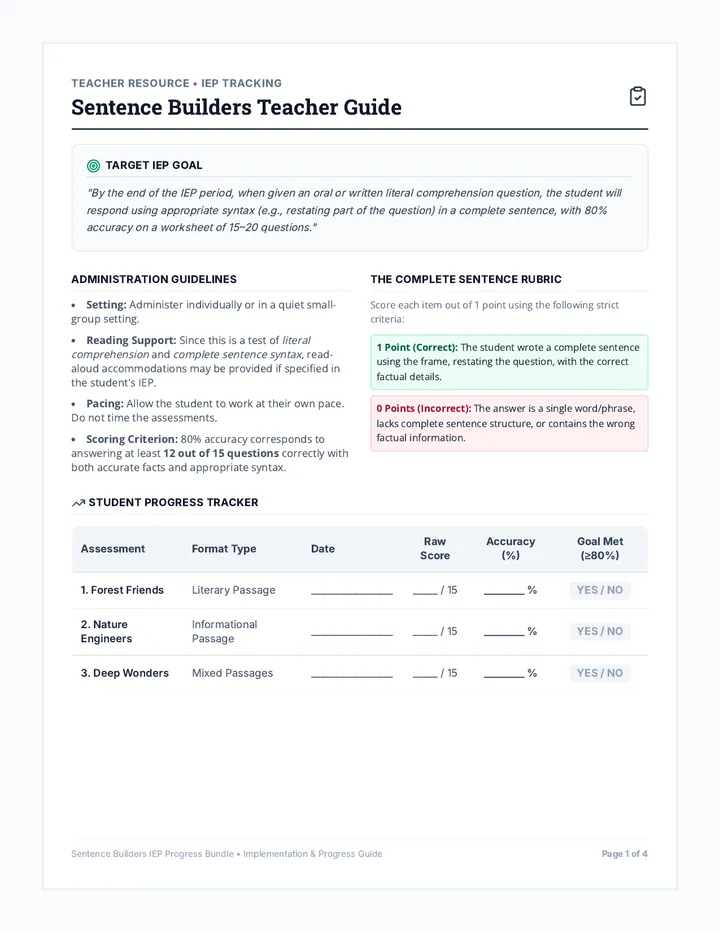
A professional guide for teachers and aides on setting up and implementing errorless learning strategies using the provided materials. Includes assembly instructions and instructional tips.
Letter Safari Part One Folder Game
A jungle-themed errorless matching game for letters A through M. Students match identical letter circles to build recognition and confidence.
Letter Safari Part Two Folder Game
The second part of the jungle-themed errorless matching game, covering letters N through Z. Students match identical letter circles to build recognition.
Number Nebula Folder Game
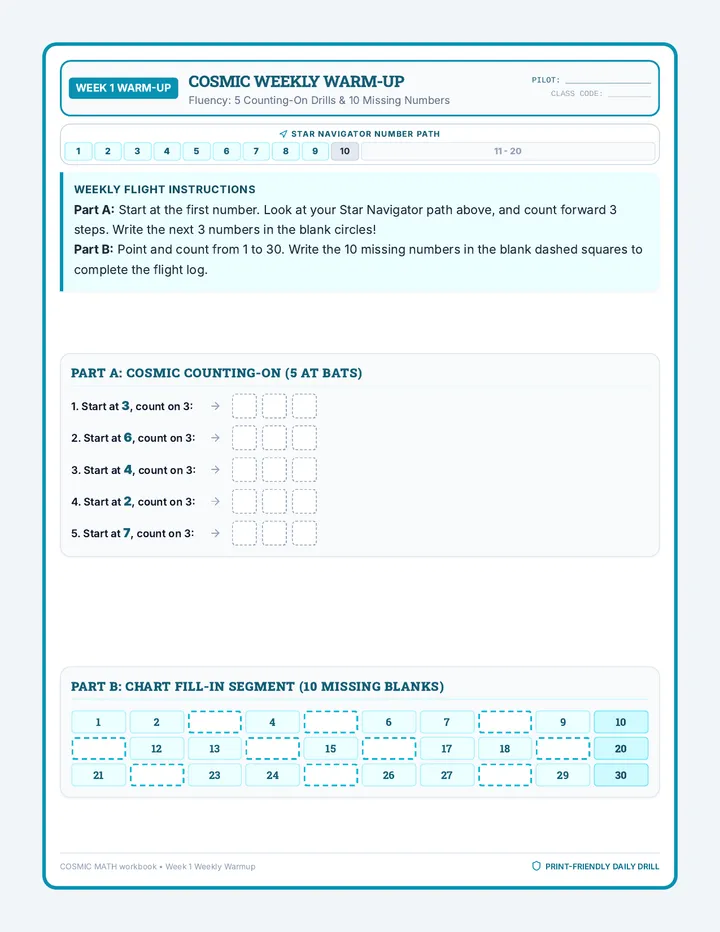
A space-themed errorless matching game for numbers 1 through 20. Students match identical number squares in a "galaxy" setting.
Letter Collector Task Cards Part One
A set of errorless task cards for letters A through H. Designed for independent work boxes, students match identical letter squares to a large target letter.
Letter Collector Task Cards Part Two
The second set of errorless task cards for letters I through P. Students match identical letter squares to build independent work skills.
Letter Collector Task Cards Part Three
The final set of errorless task cards for letters Q through Z. Designed for independent work boxes, students match identical letter squares.
Number Ninja Task Cards Part One
The first set of ninja-themed errorless task cards for numbers 1 through 10. Students match identical number squares to build independent work skills.
Number Ninja Task Cards Part Two
The second set of ninja-themed errorless task cards for numbers 11 through 20. Students match identical number squares to build independent work skills.
Shape Shifters Folder Game
A magic-themed errorless matching game for common shapes. Students match identical shapes to build visual discrimination and recognition skills.
Shape Sorcerer Task Cards
A set of magic-themed errorless task cards for common shapes. Students match identical shapes to build visual discrimination and independent work skills.