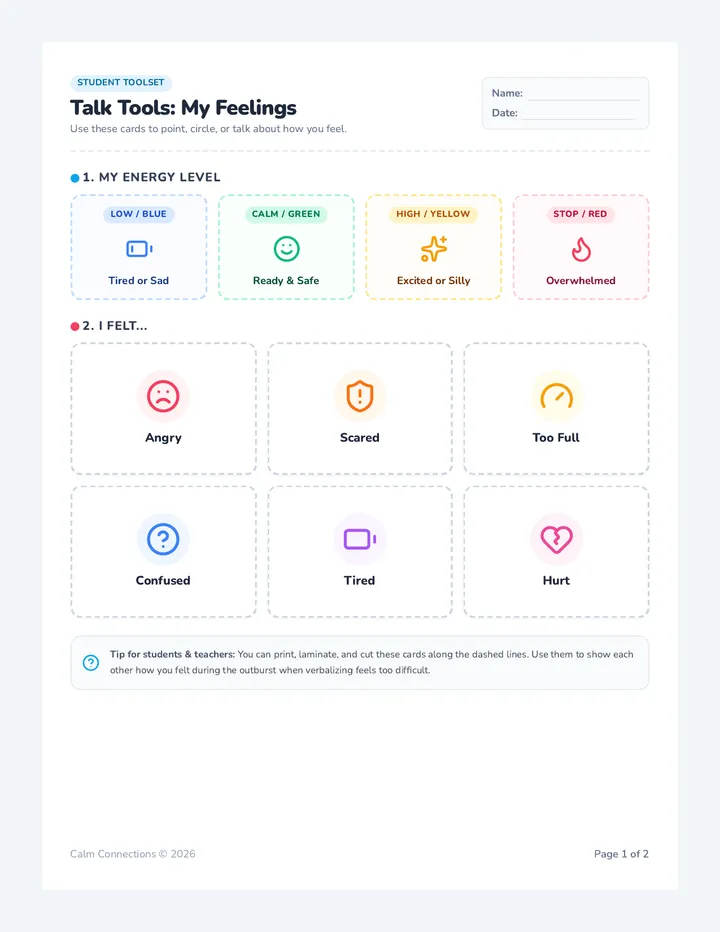
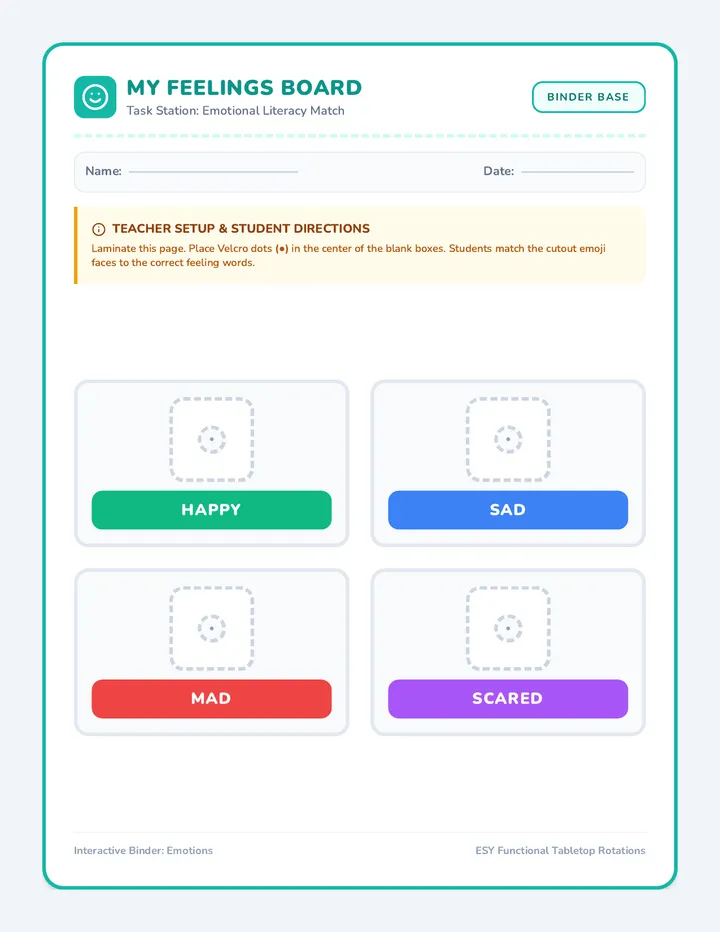
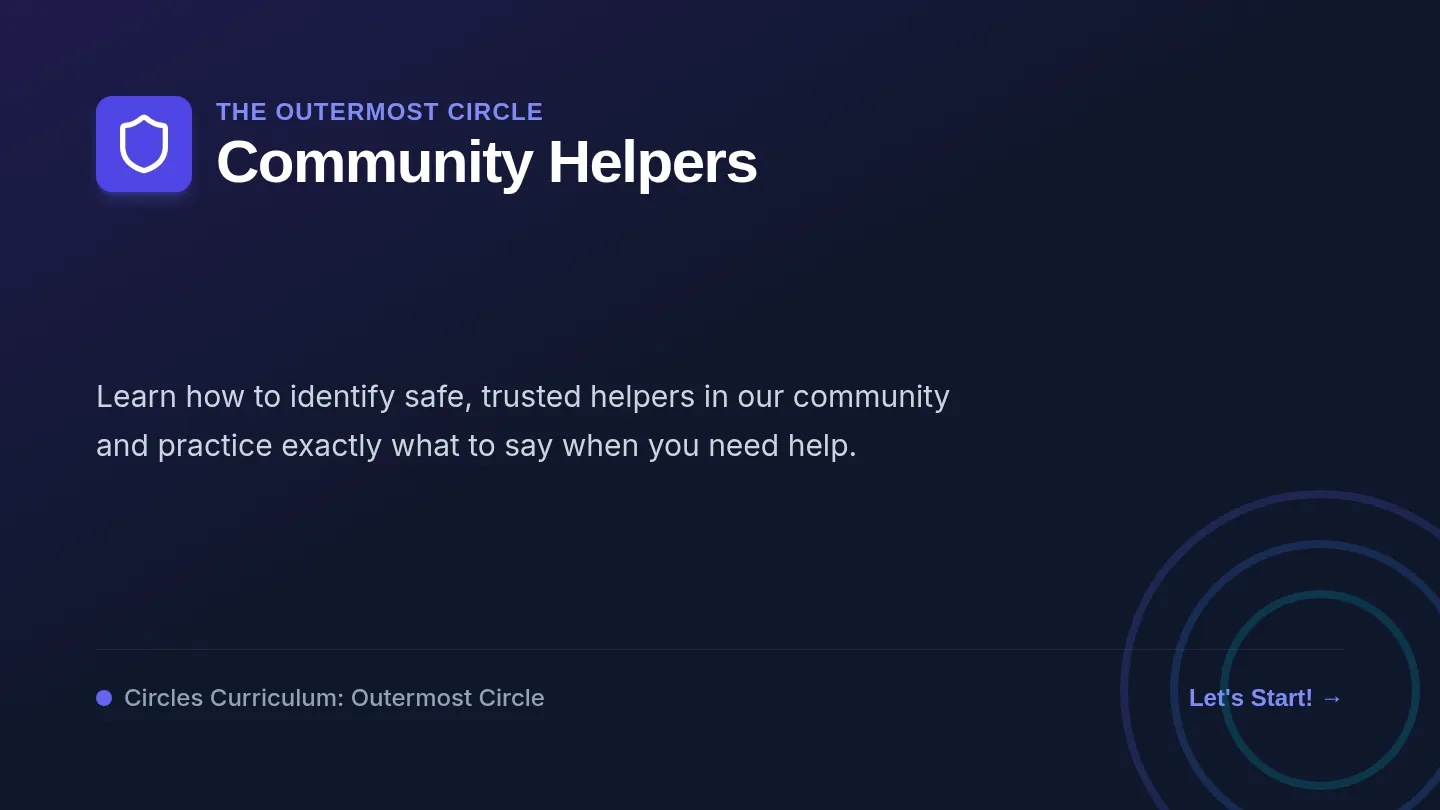
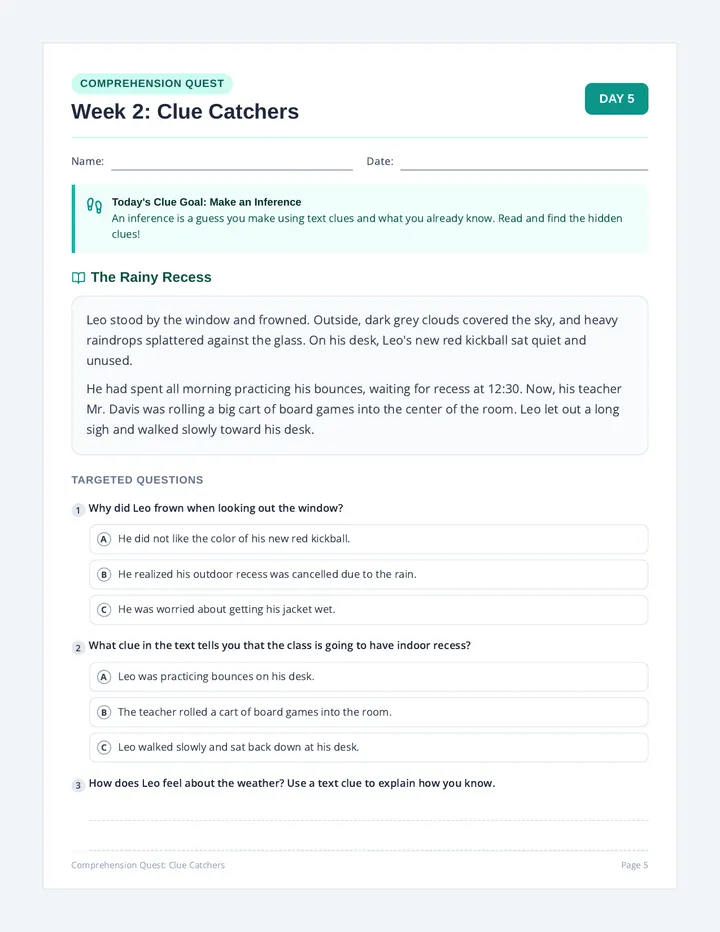
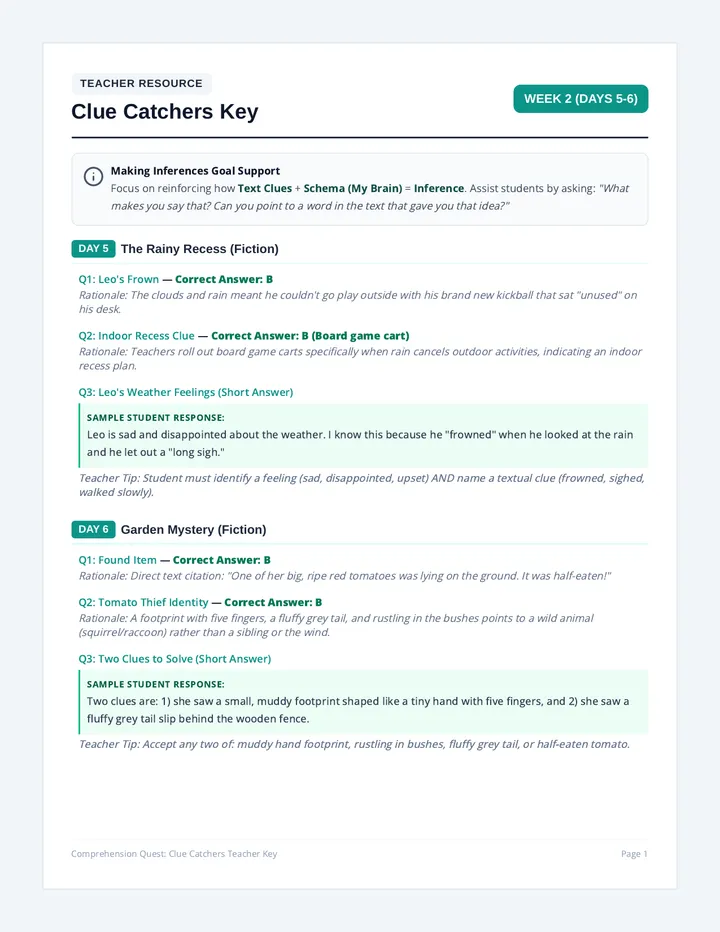
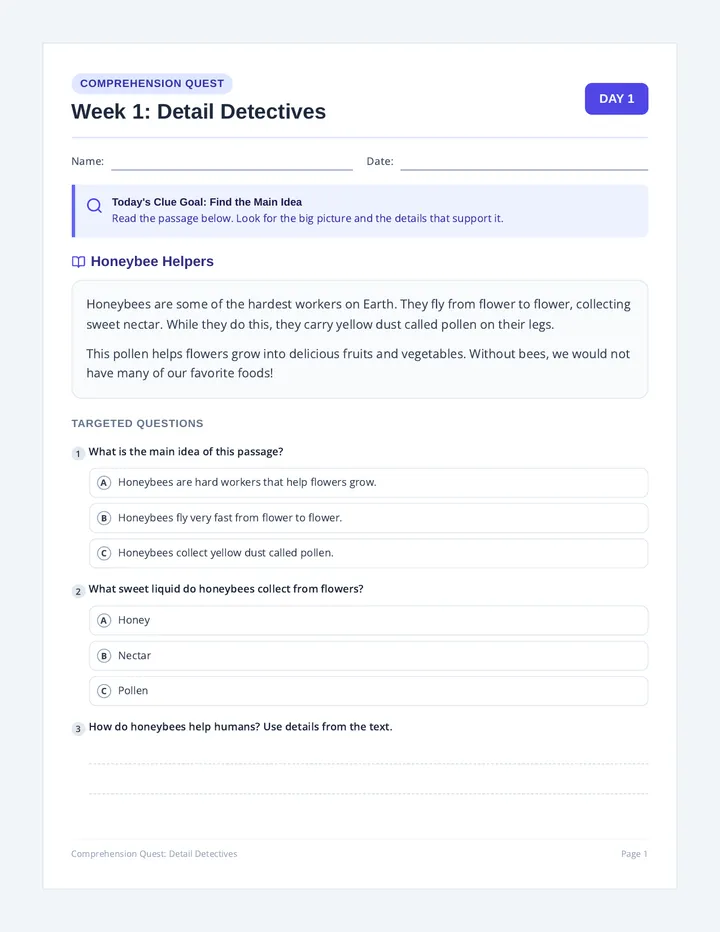
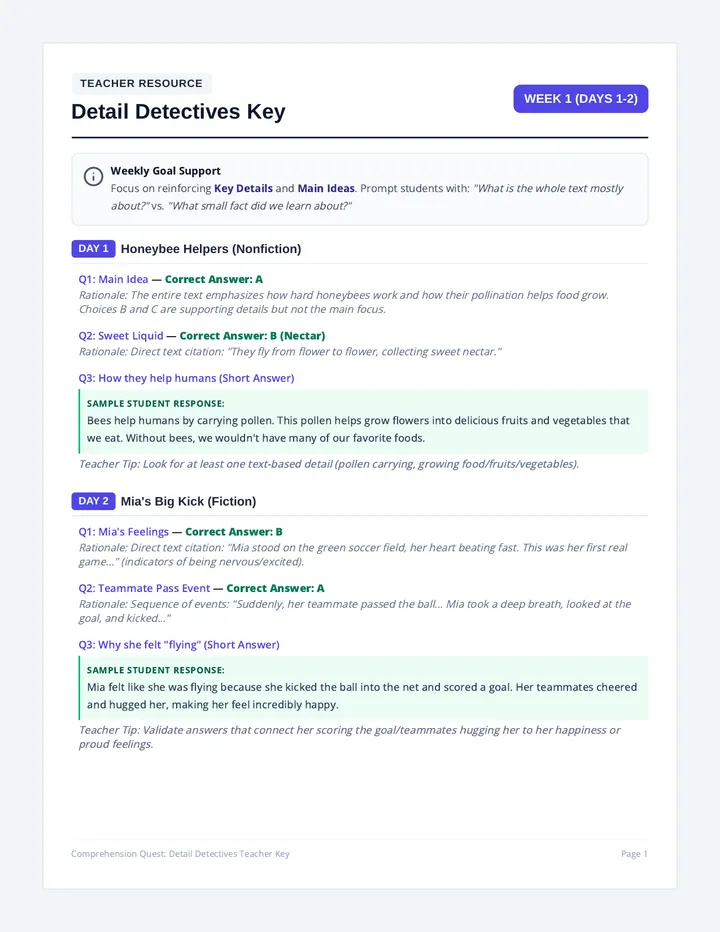
A lesson designed to help students with disabilities understand the 5-point scale of problems and how to match their emotional reactions to the size of the situation. Includes strategies for self-regulation and guided practice.

A lesson focused on slowing down impulsivity and managing performance anxiety during digraph review. It integrates growth mindset principles into explicit decoding practice for UFLI Lesson 49.
A week-long Tier II intervention focused on improving Nonsense Word Fluency through consonant blend mastery. Includes three 30-minute sessions using a 'Secret Agent' theme to engage students in decoding.
A collection of word lists and tracking tools focusing on the 'oa', 'oe', and 'ie' (long i) vowel teams. Designed for structured literacy practice and IEP data collection.
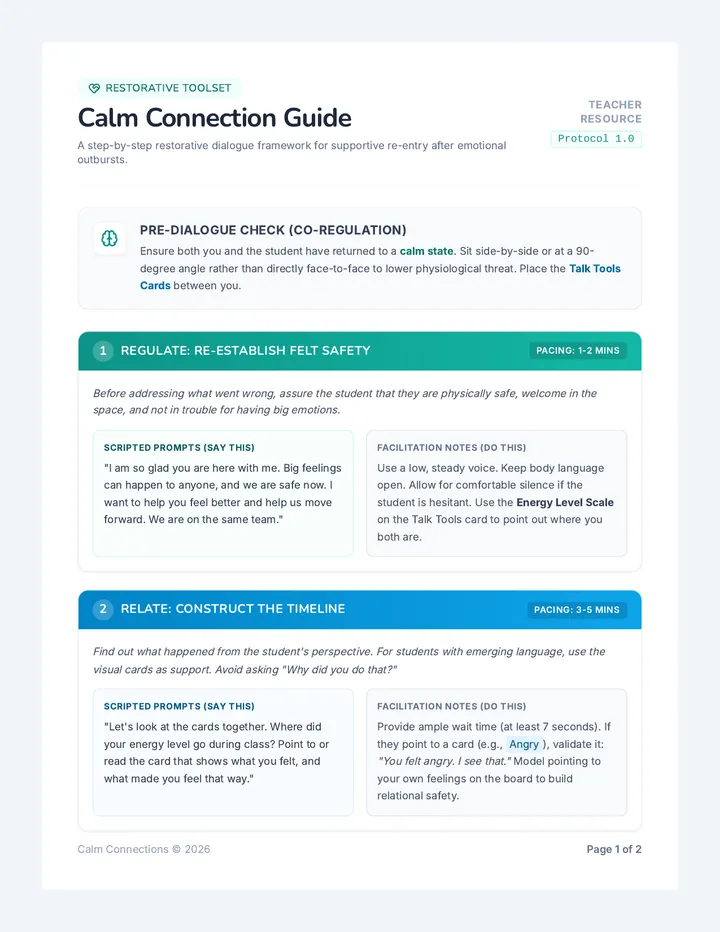
A 30-minute professional development session for K-8 and preschool behavior staff focusing on restorative questioning and the LSCI debriefing framework to repair relationships after behavioral incidents.
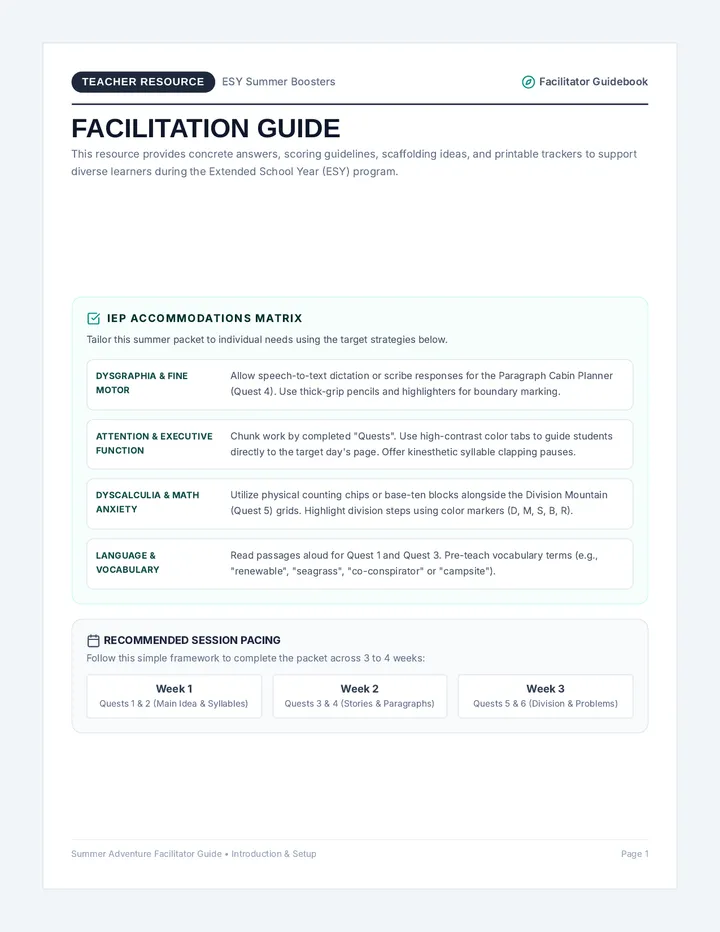
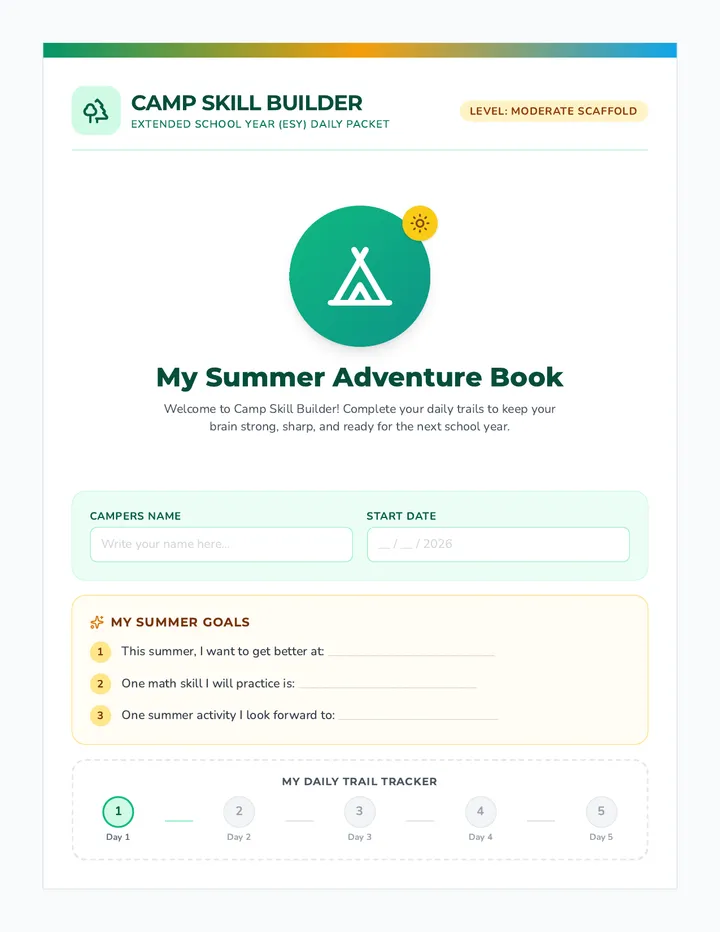
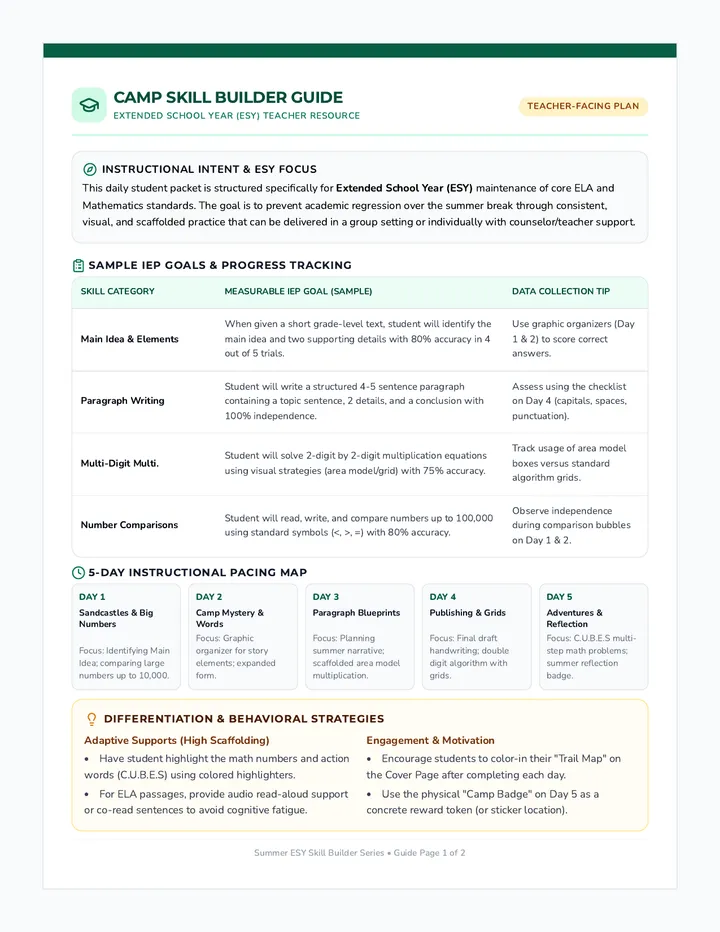
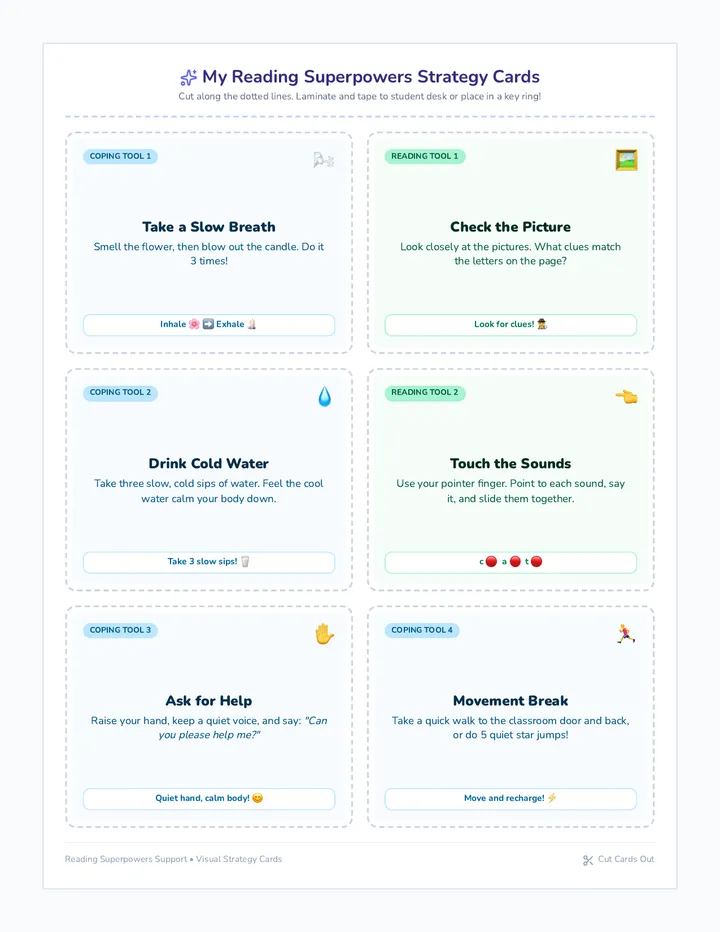
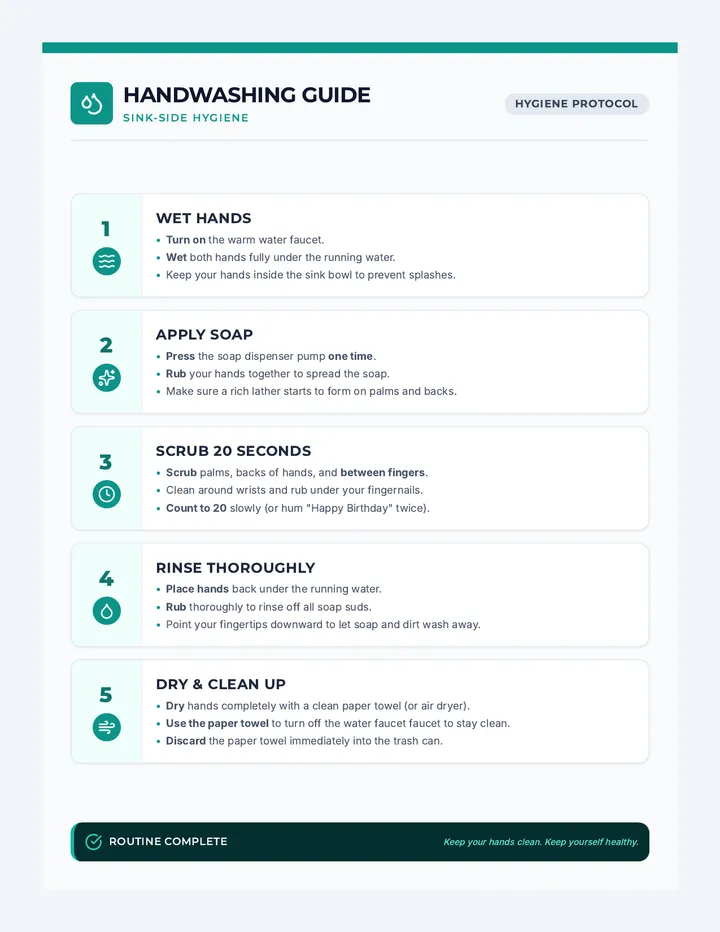
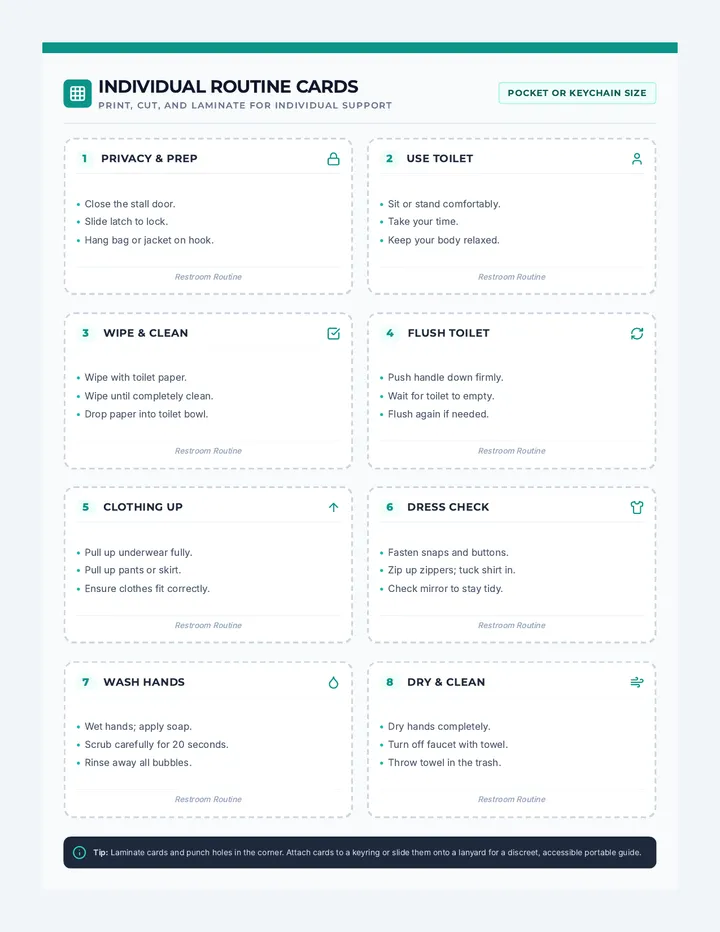
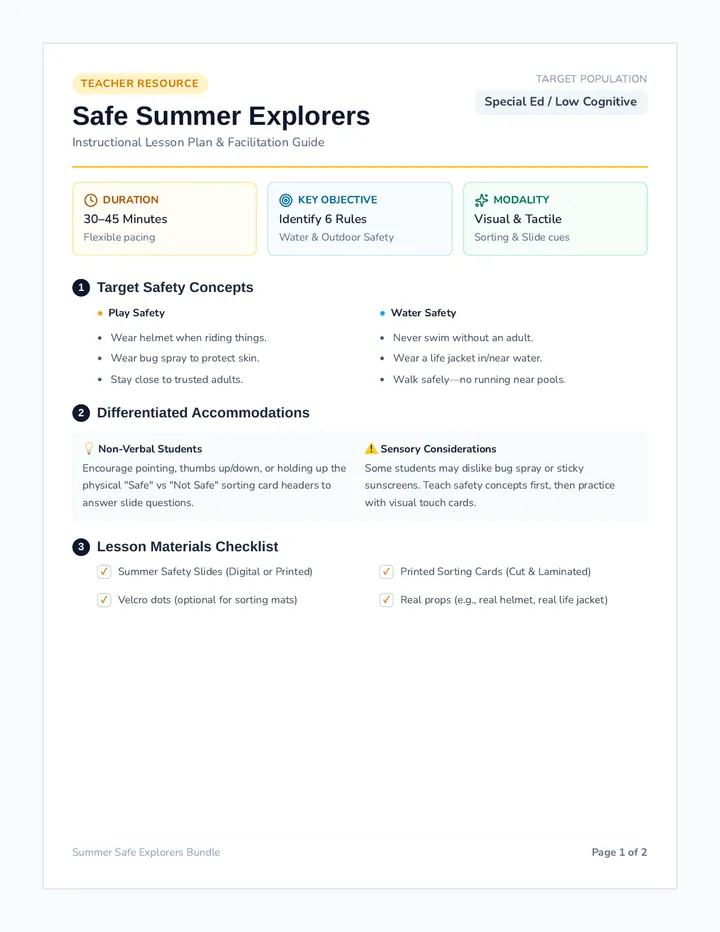
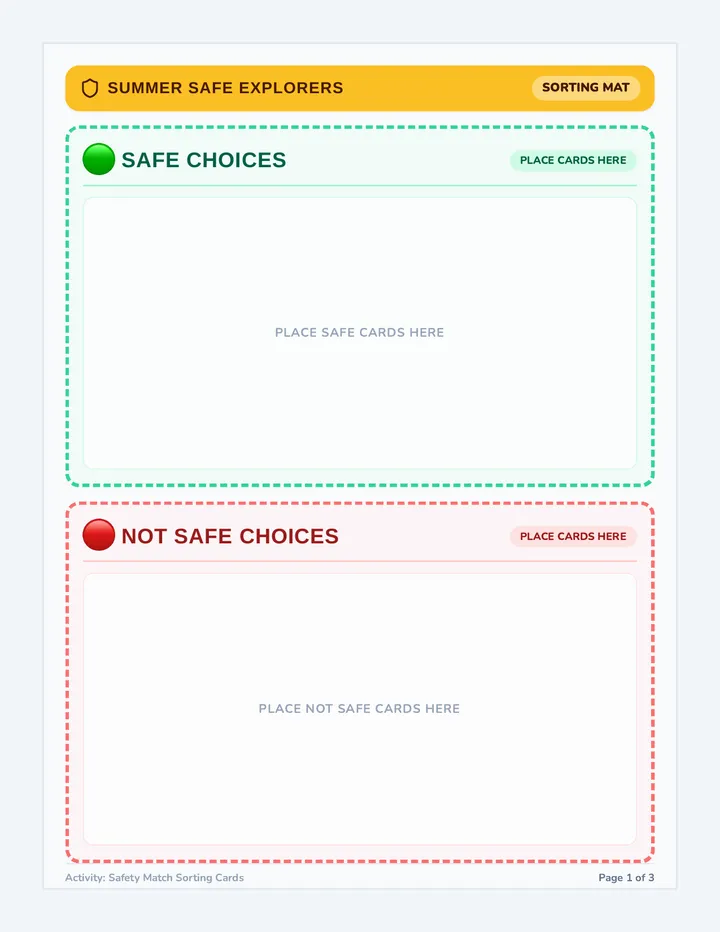
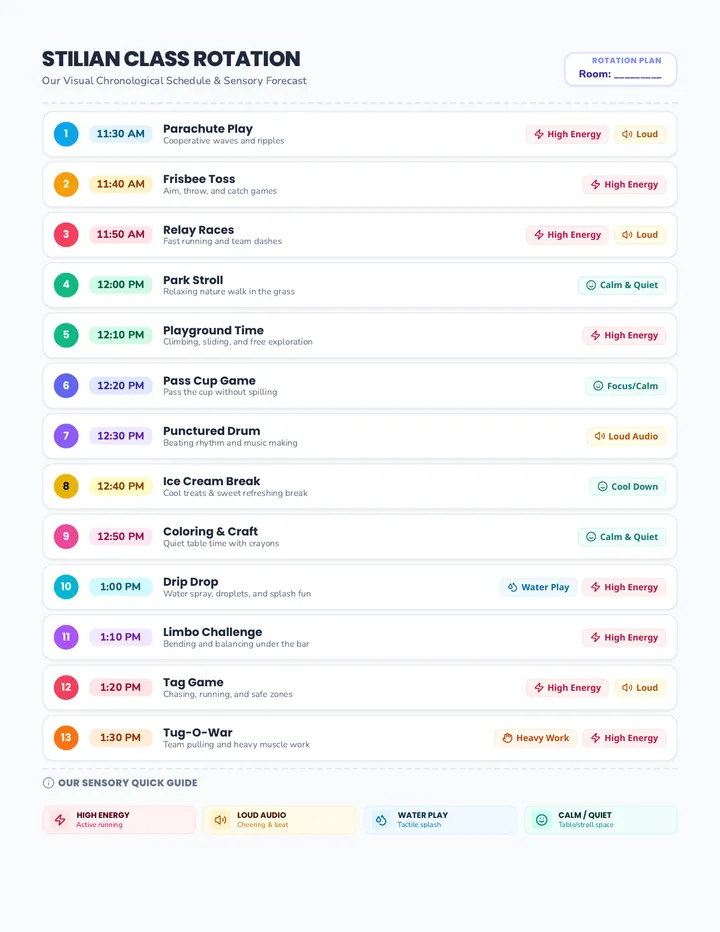
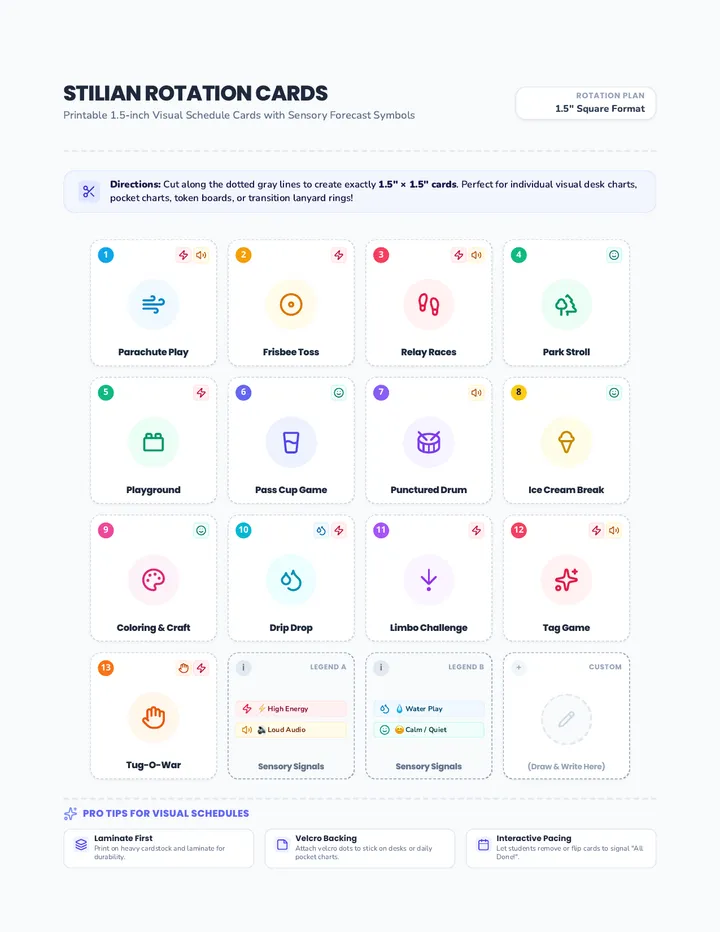
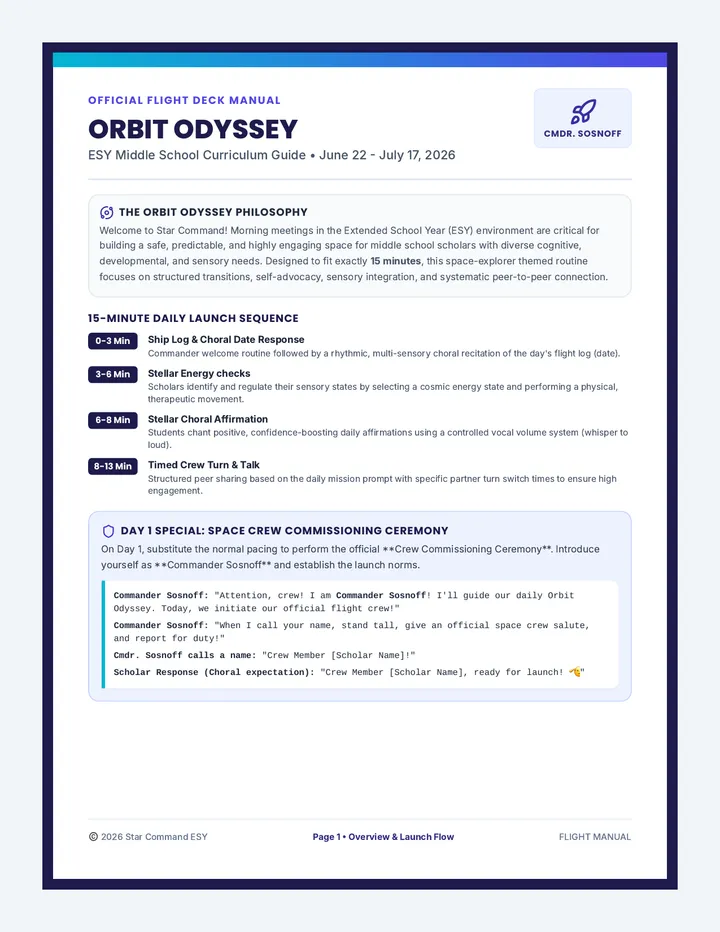
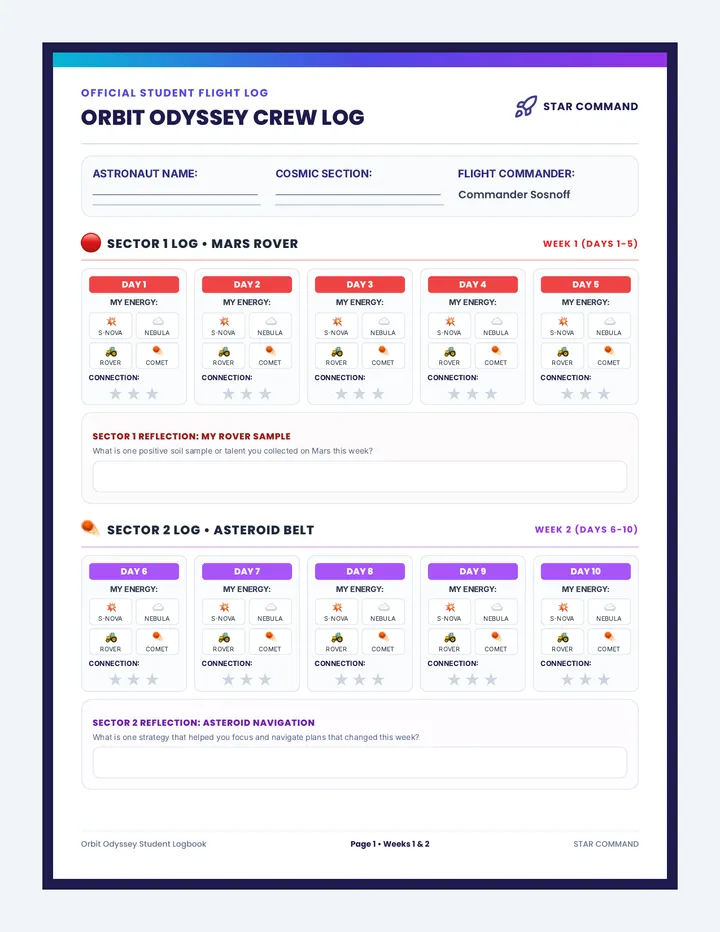
A comprehensive summer support package for students with self-regulation needs, including individualized routines, sensory strategies, caregiver coaching, and progress monitoring aligned to IEP goals.
A comprehensive set of professional and student-facing tools for documenting social-emotional progress at the end of the school year. Designed to align with Massachusetts IEP requirements while maintaining a supportive, growth-oriented aesthetic for K-2 environments.
A comprehensive progress monitoring collection featuring 5 distinct word sets (75 words total) for tracking mastery of vowel teams and diphthongs. Each set includes a student reading list and a multi-trial teacher tracking sheet.
A progress monitoring tool designed to assess a student's ability to decode words with initial and final s-blends, r-blends, and l-blends. This lesson includes a student reading list and a teacher scoring checklist.
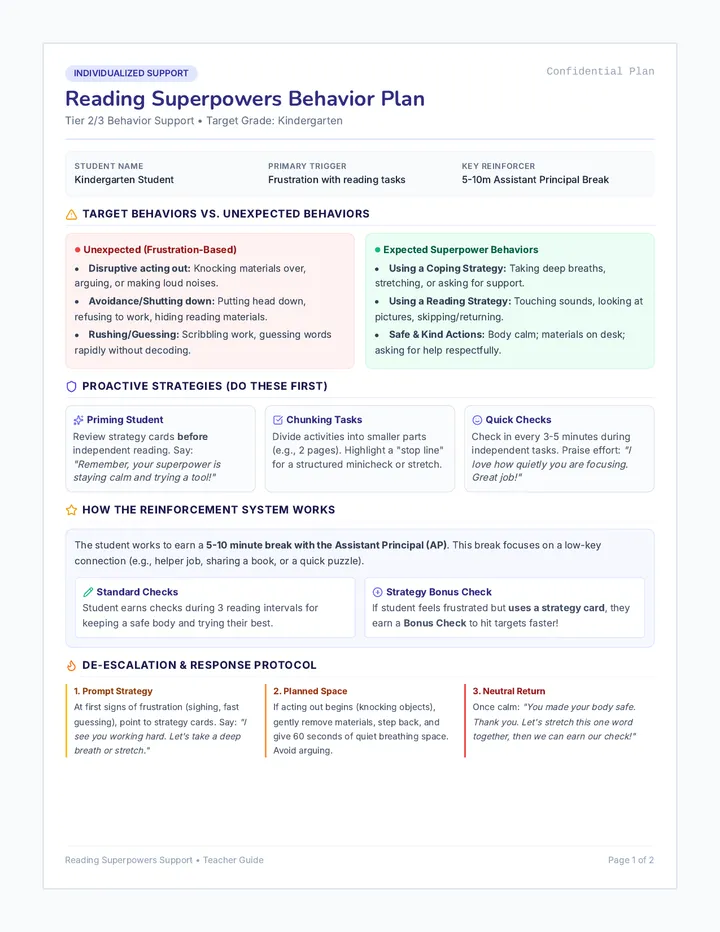
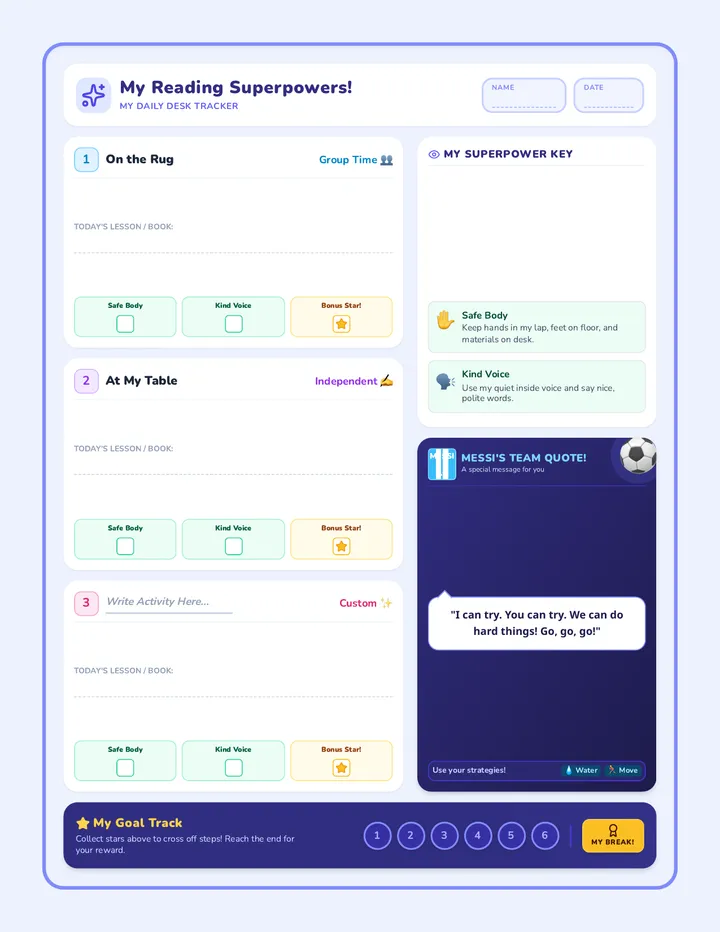
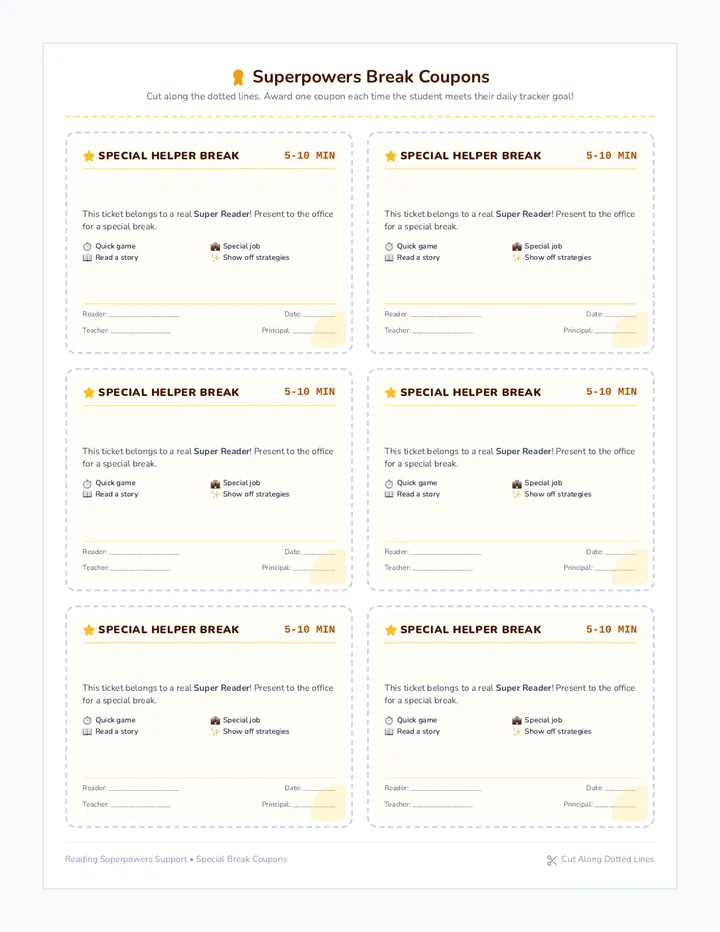
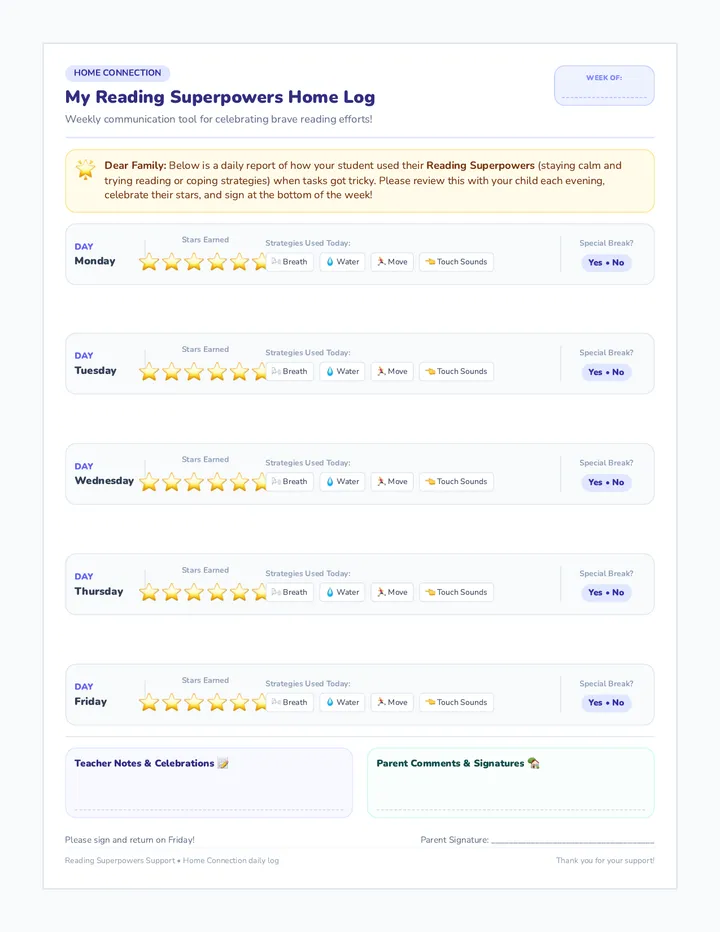
Focuses on the implementation of external structures, including checklists and reward systems, to reinforce positive behavioral changes and build long-term habits.
This lesson teaches students to recognize physical signals of dysregulation and introduces the 'Power Pause' as a primary behavioral modification tool for impulse control.