A specialized math lesson for 3rd-5th Grade Special Education focusing on visualizing perimeter through color-coding lengths and breadths to reduce cognitive load and support working memory.
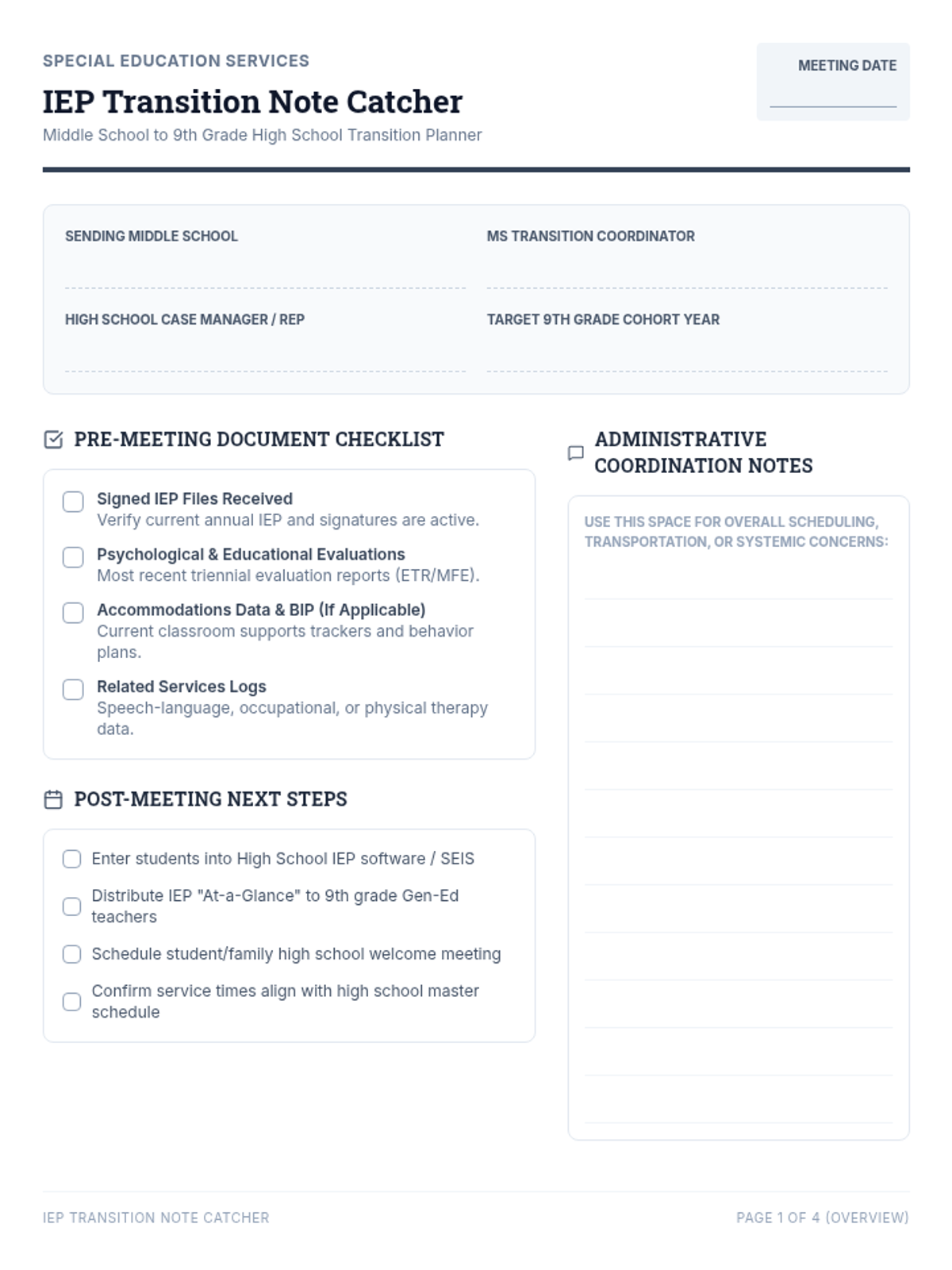
Resources and templates designed to support special education teachers and coordinators in planning the transition of middle school students with IEPs into high school.
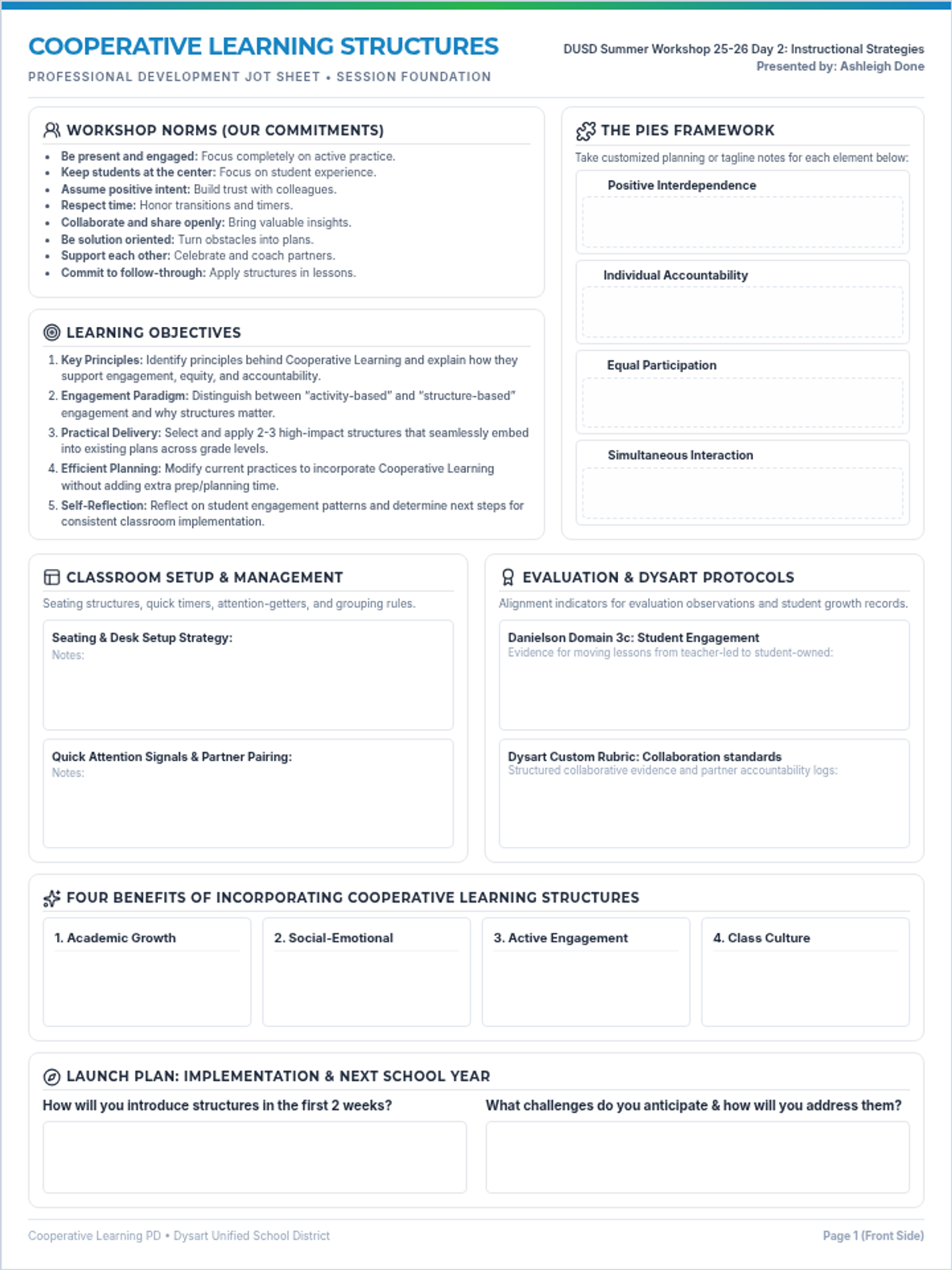
A professional development session focused on training educators to implement highly active cooperative learning structures in their classrooms, aligned with Dysart protocols and evaluation rubrics.
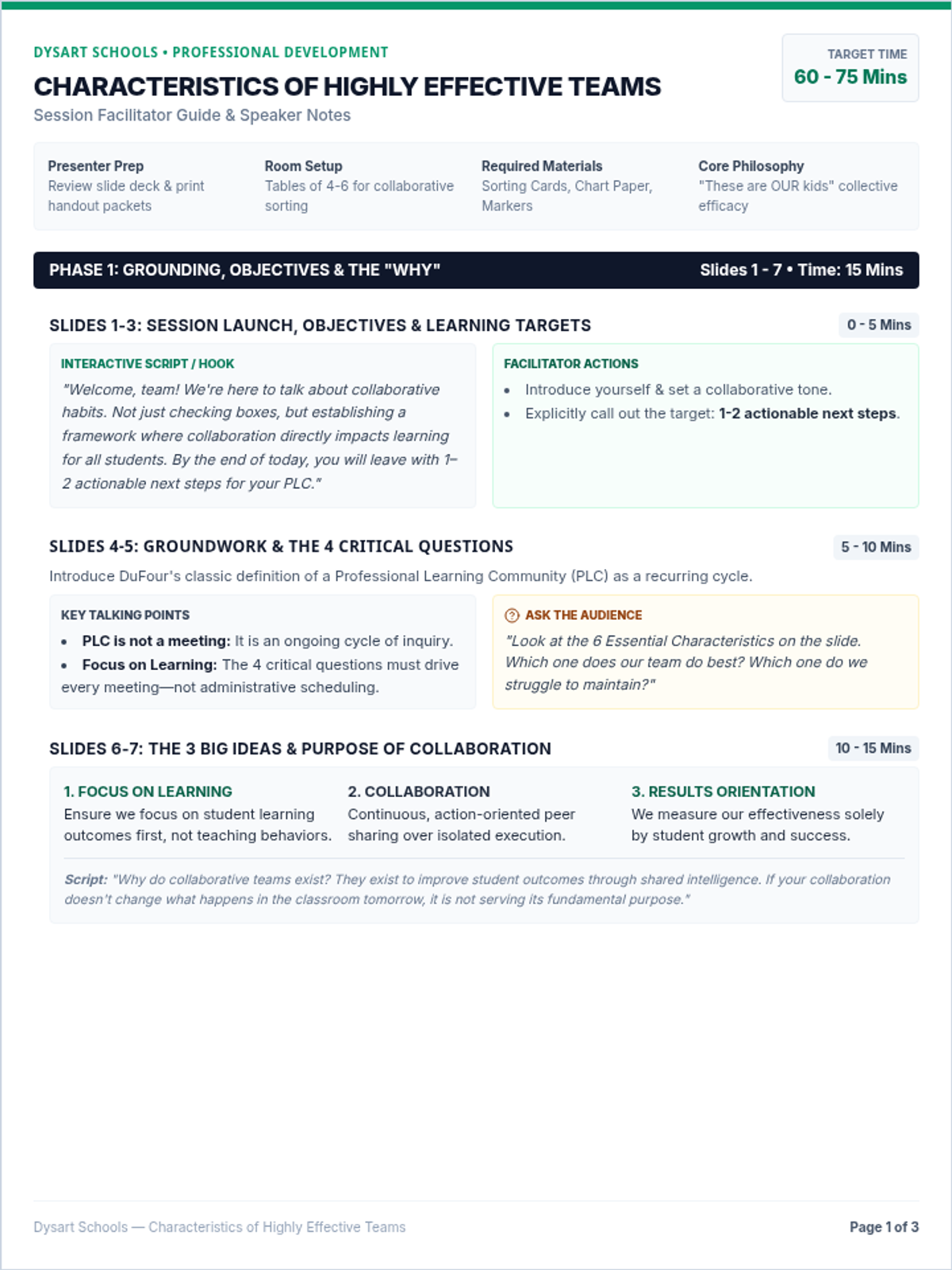
A comprehensive school leadership and professional development session on building, maintaining, and optimizing highly effective collaborative teacher teams (PLCs). Grounded in DuFour's PLC framework, Hattie's collective teacher efficacy, and practical collaborative habits.
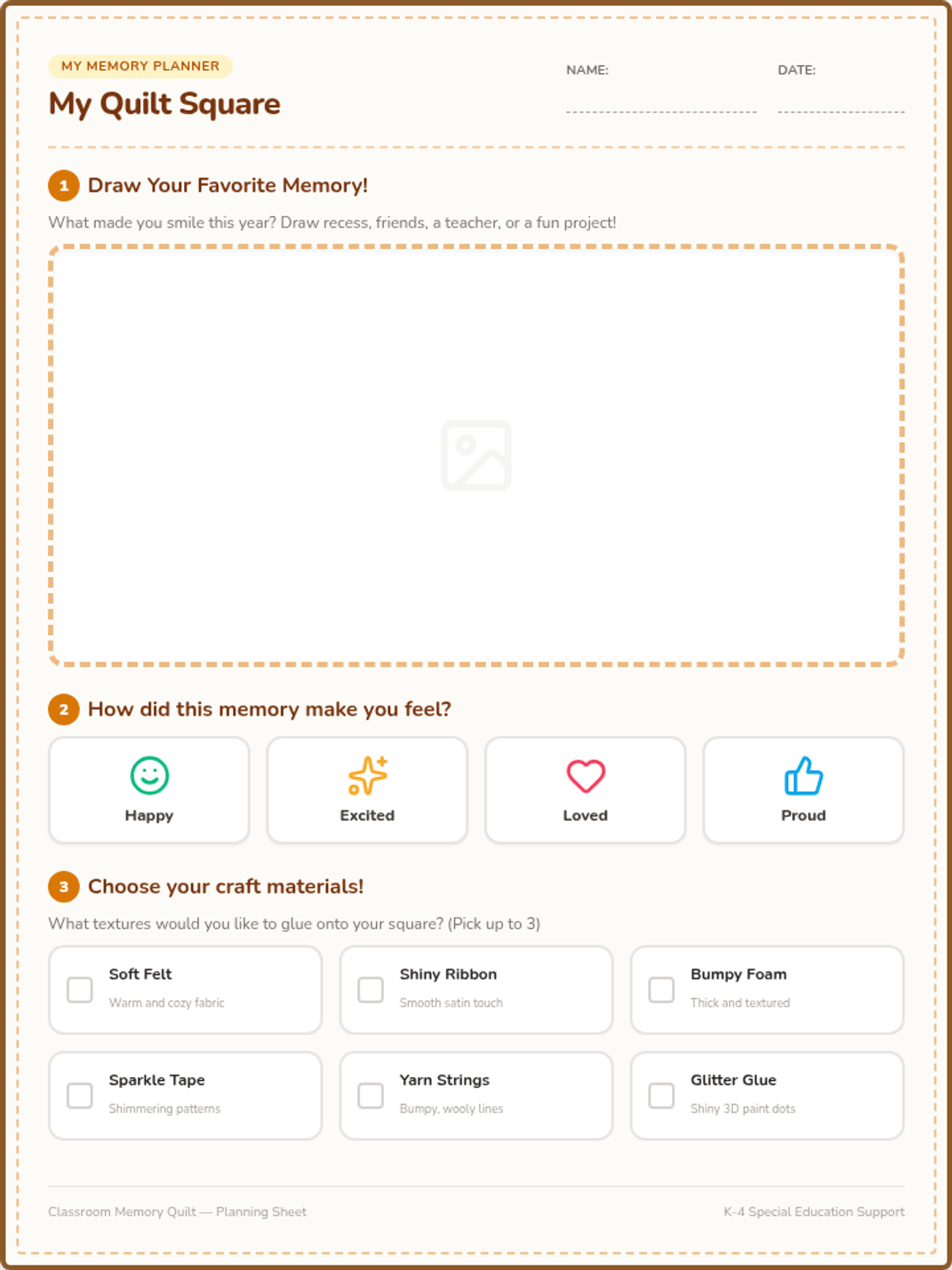
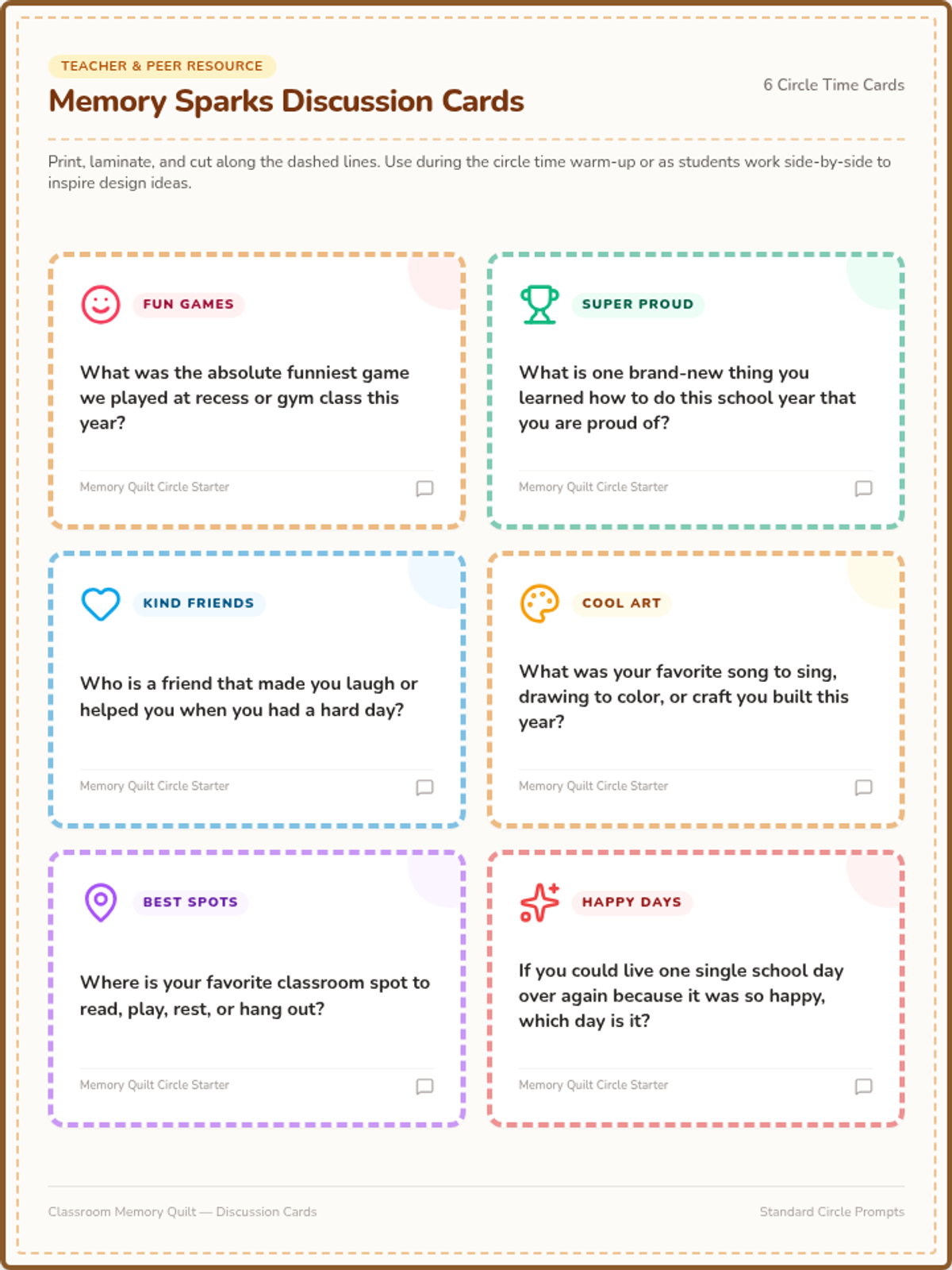
A sensory-friendly collaborative arts and reflection lesson for K-4 special education students to celebrate school year achievements and memories by building a paper quilt.
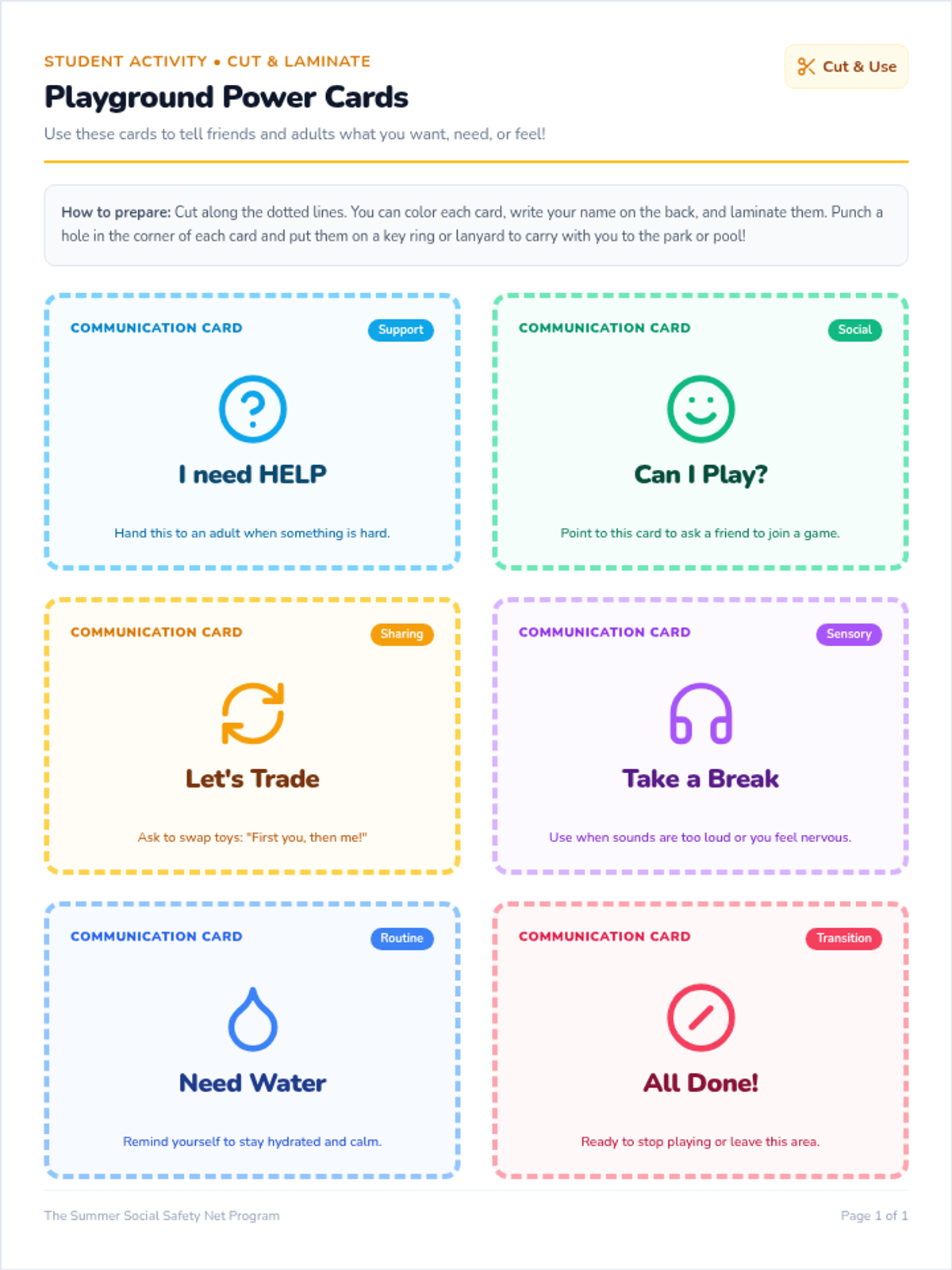
A comprehensive social skills and routine-building lesson for K-4 students with autism or social communication needs. The lesson uses social narratives, interactive role-play, and visual aids to help students practice requesting help, sharing, and navigating unstructured play environments like parks and pools during summer break.
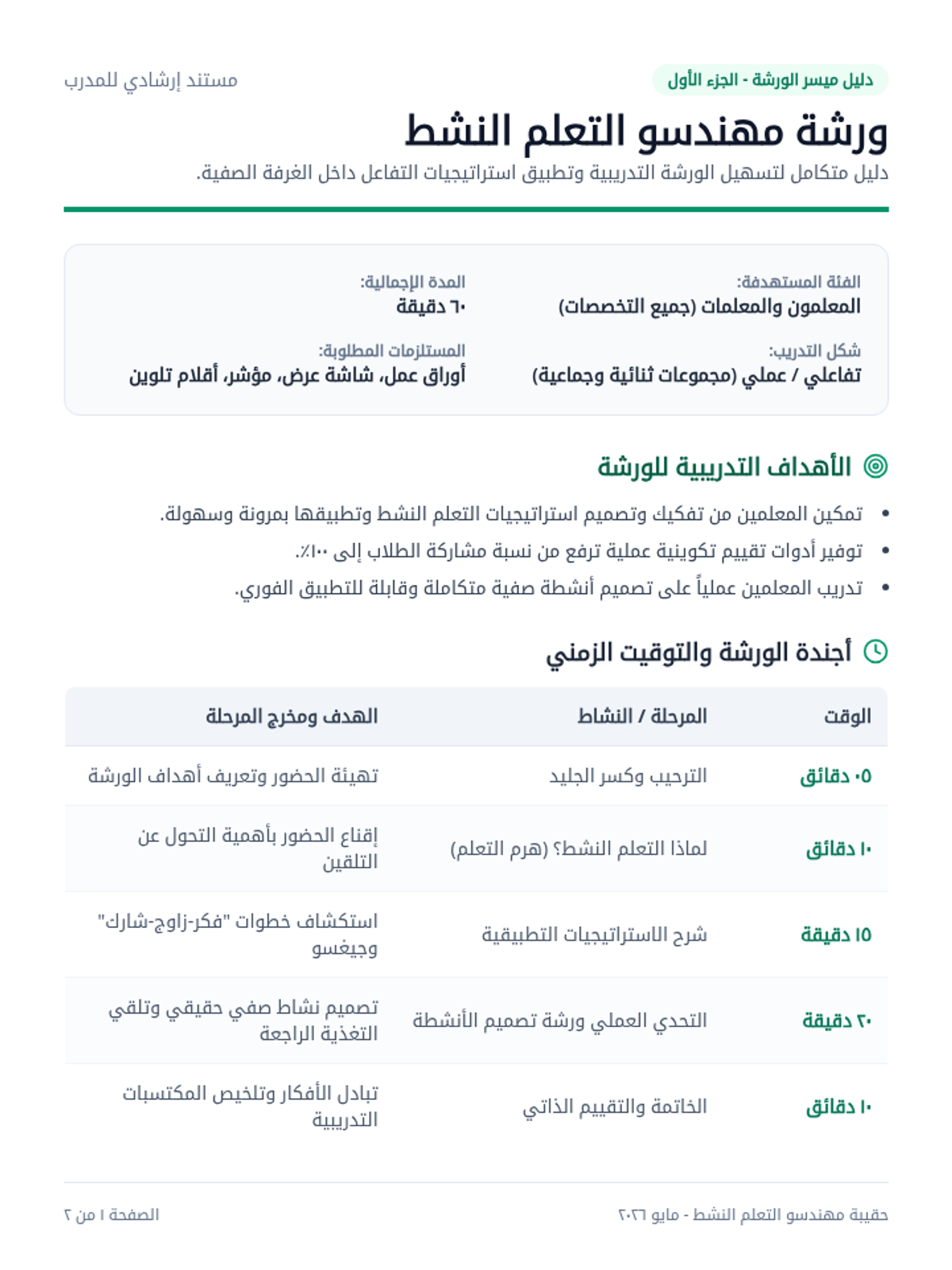
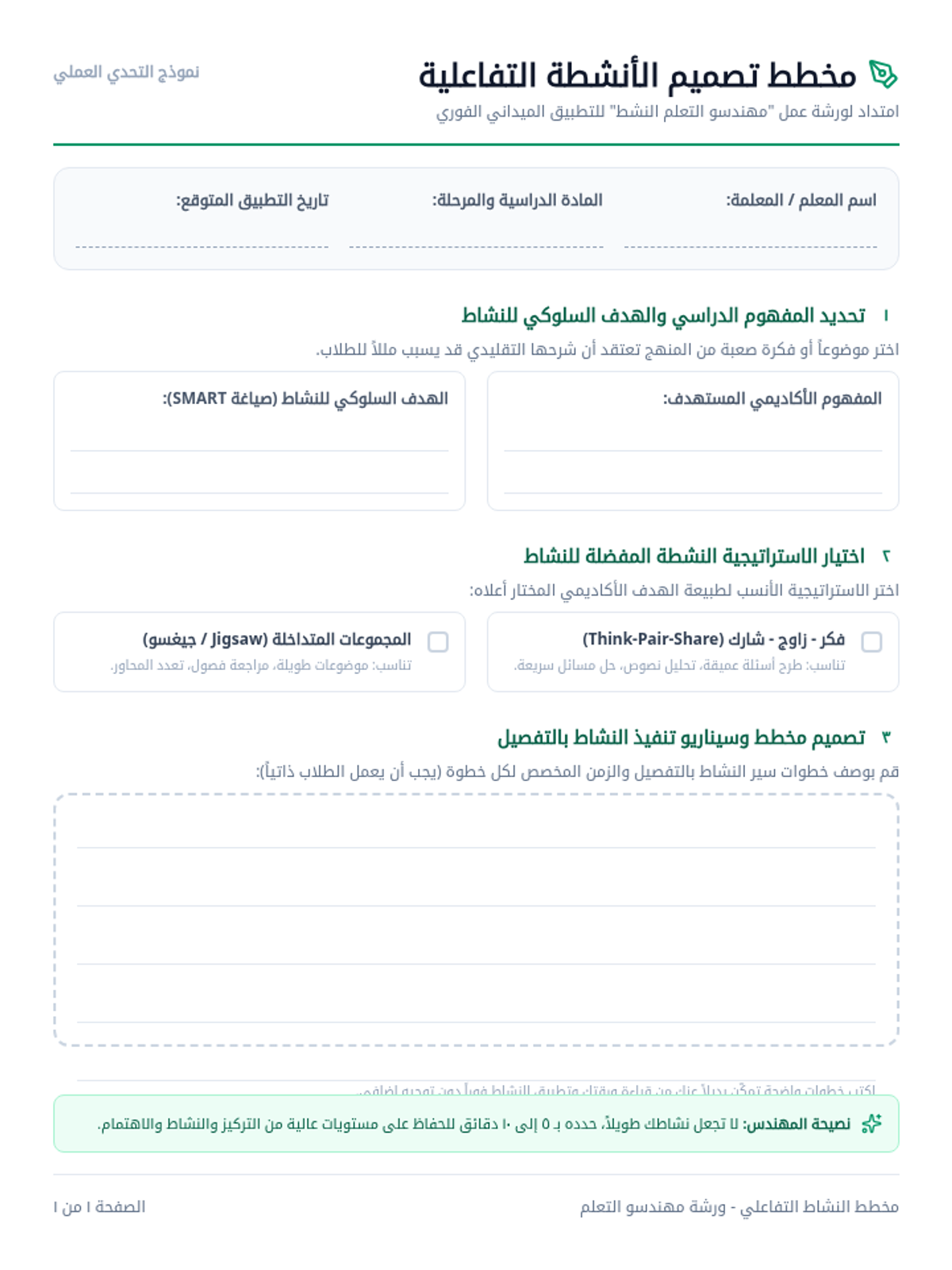
ورشة عمل تدريبية تفاعلية مخصصة للمعلمين لتصميم وتطبيق استراتيجيات التعلم النشط بكفاءة داخل الصف الدراسي، مع التركيز على التطبيق العملي وصناعة أنشطة ملموسة.
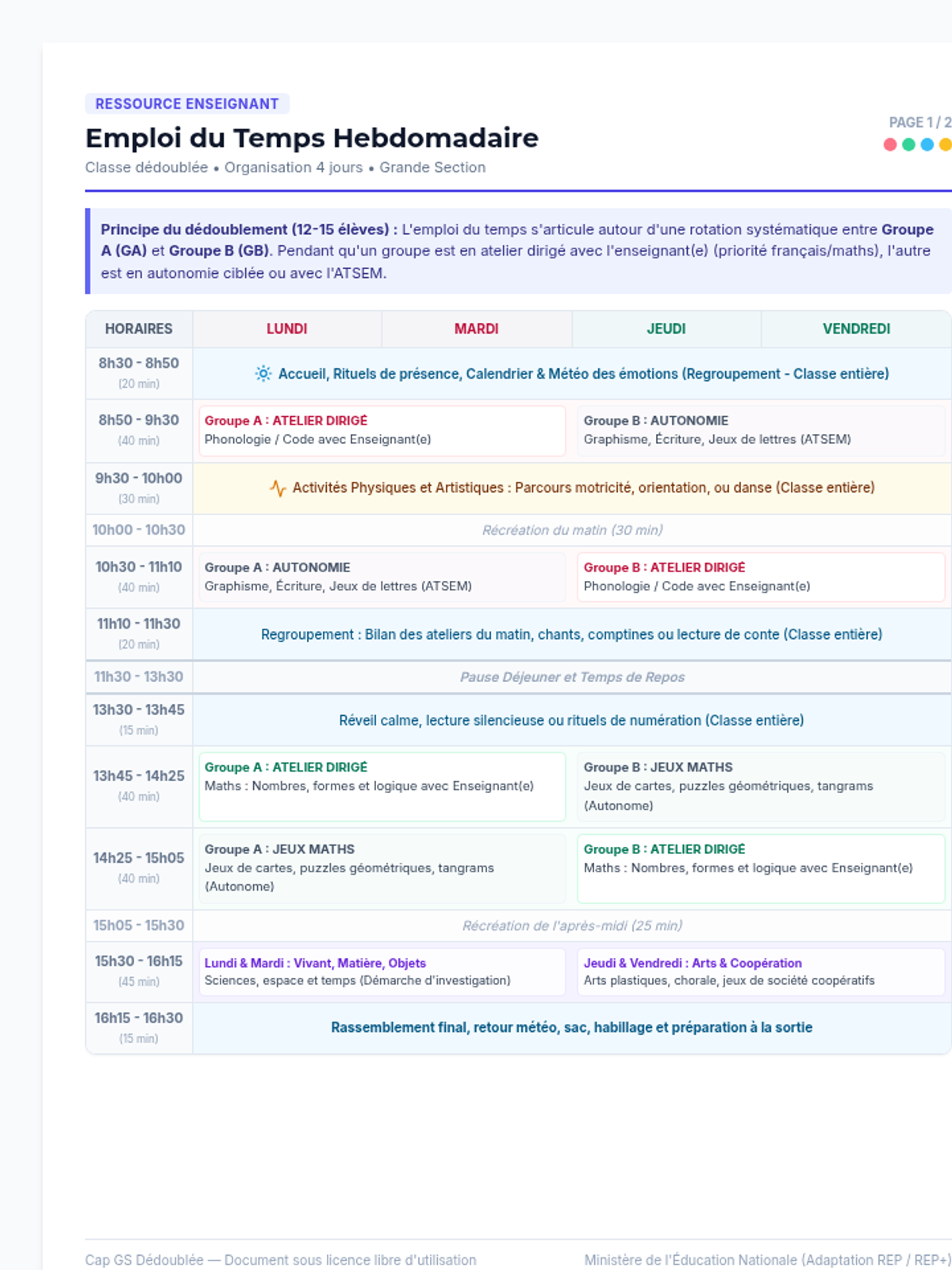
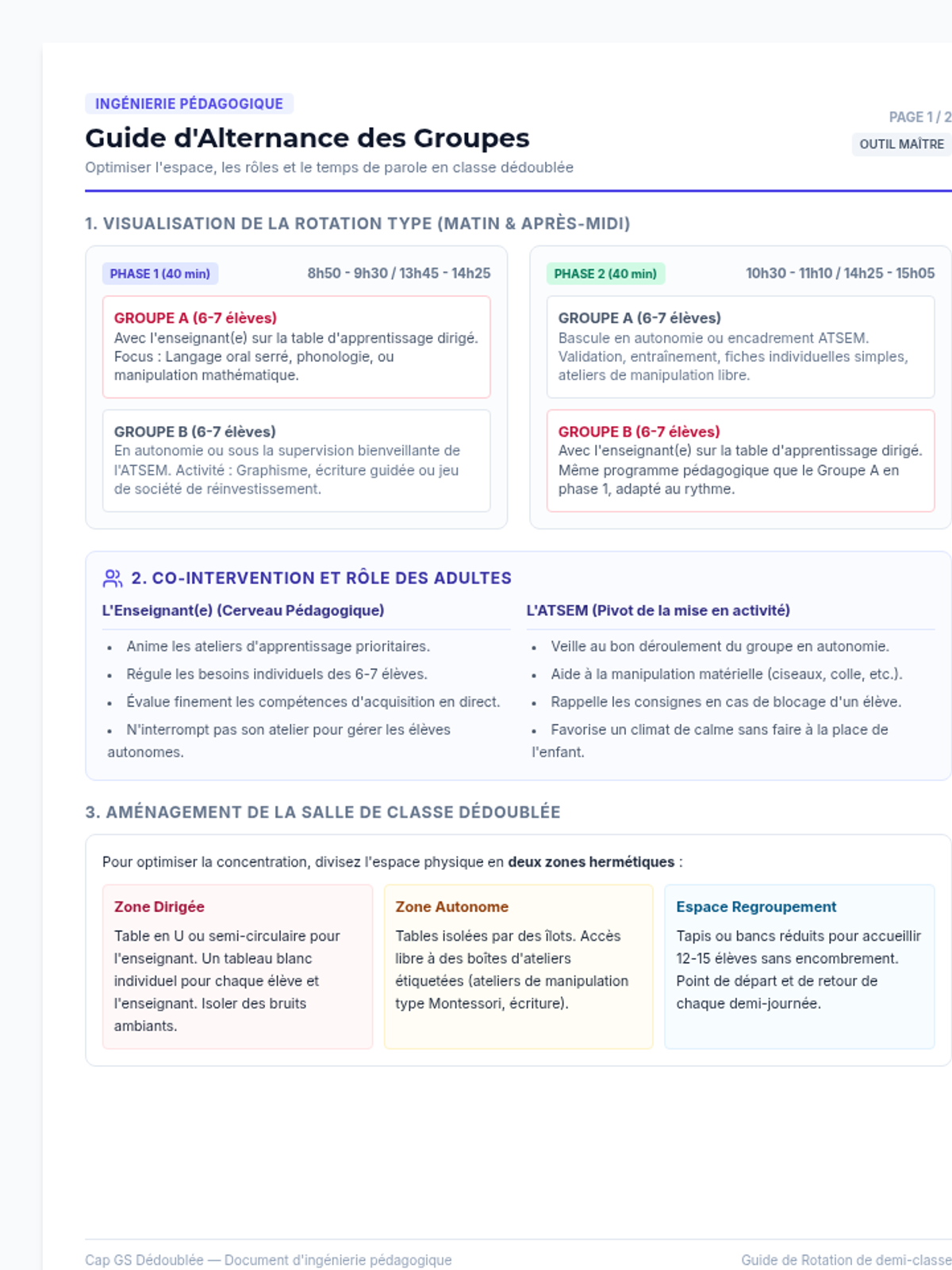
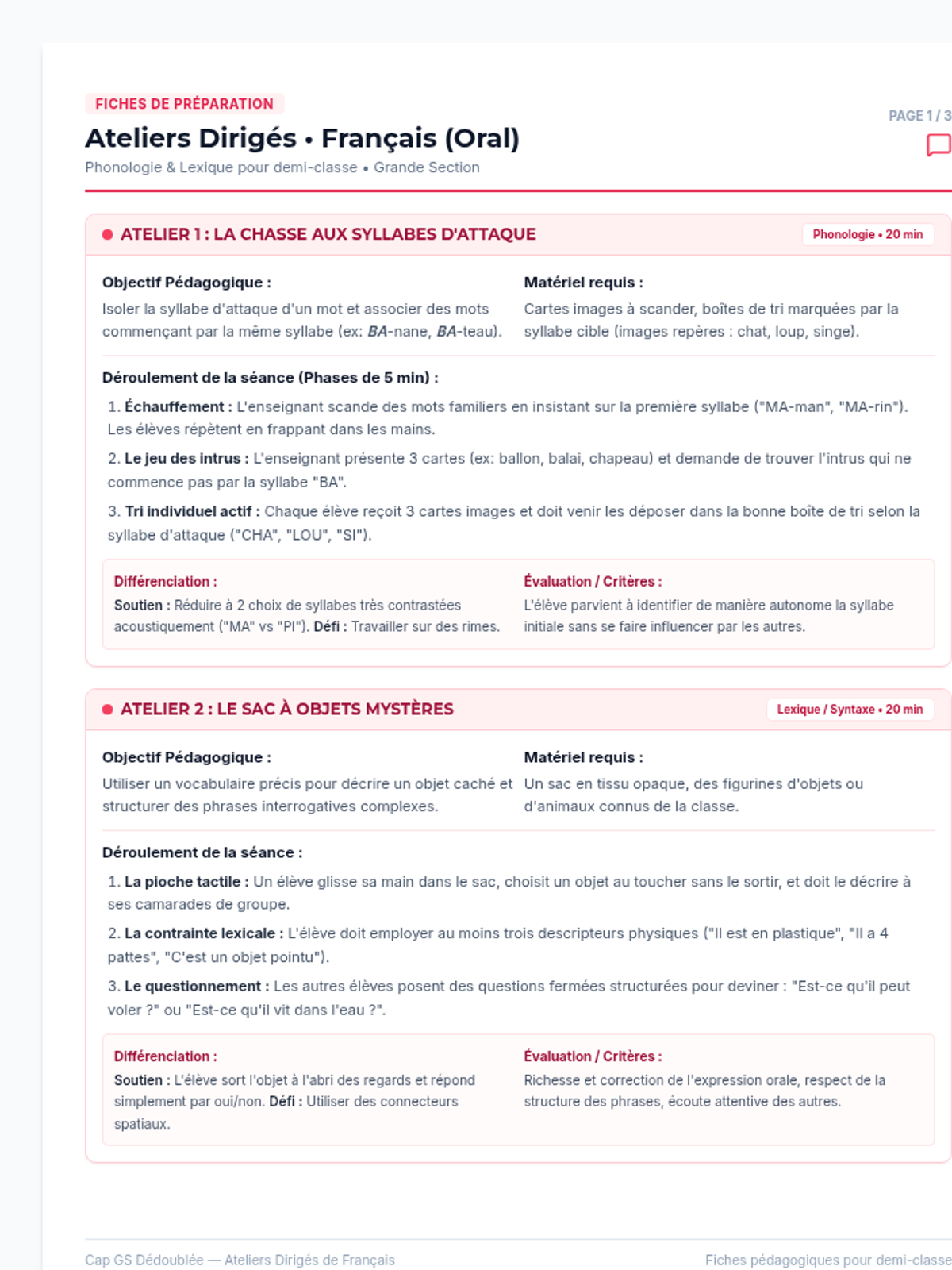
Un ensemble d'outils d'organisation pour la classe de Grande Section dédoublée. Il comprend un emploi du temps hebdomadaire complet sur 4 jours, un guide de rotation des groupes pour optimiser l'enseignement en demi-classe, et des fiches d'ateliers dirigés clés en main en français et mathématiques.
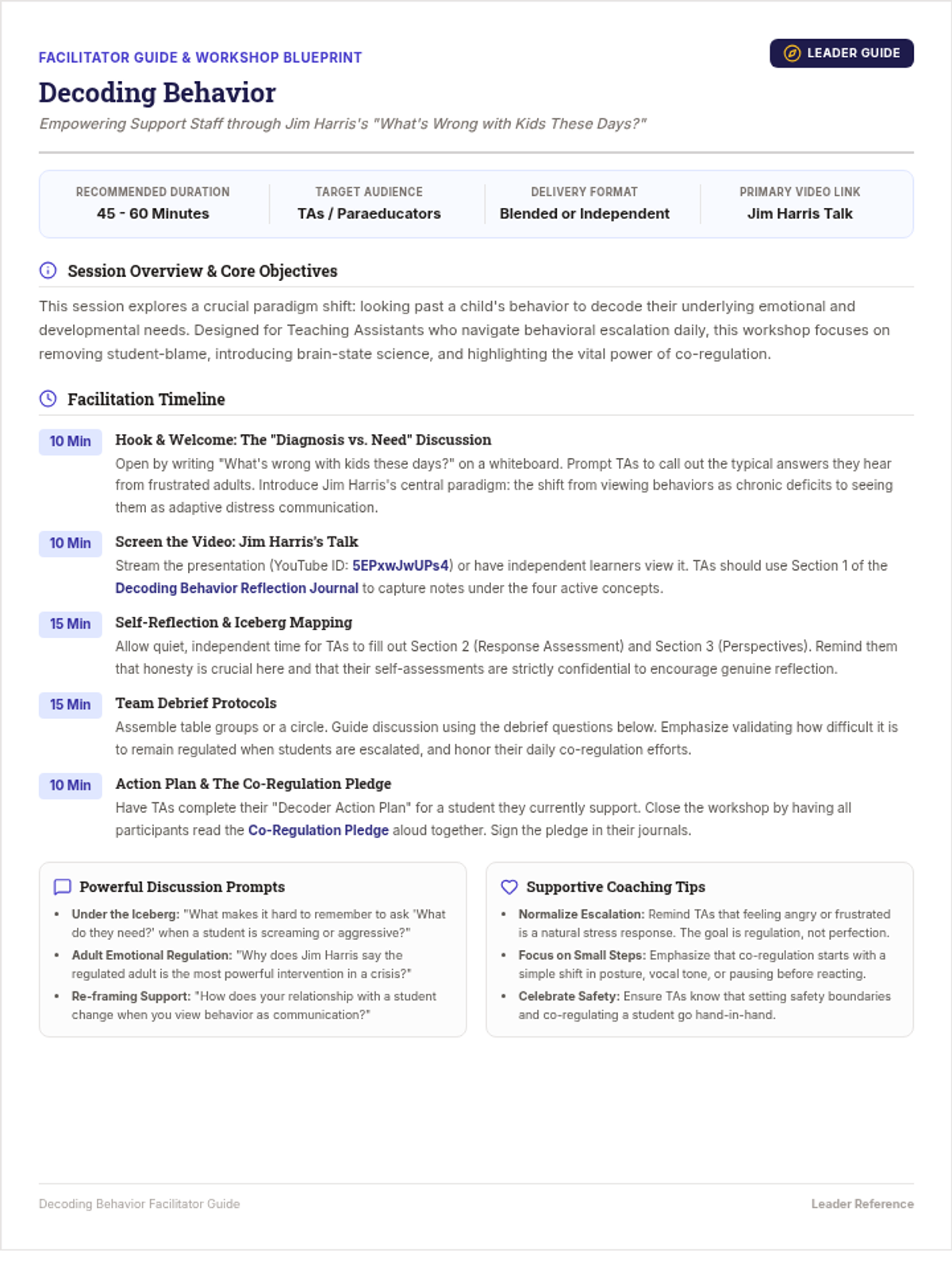
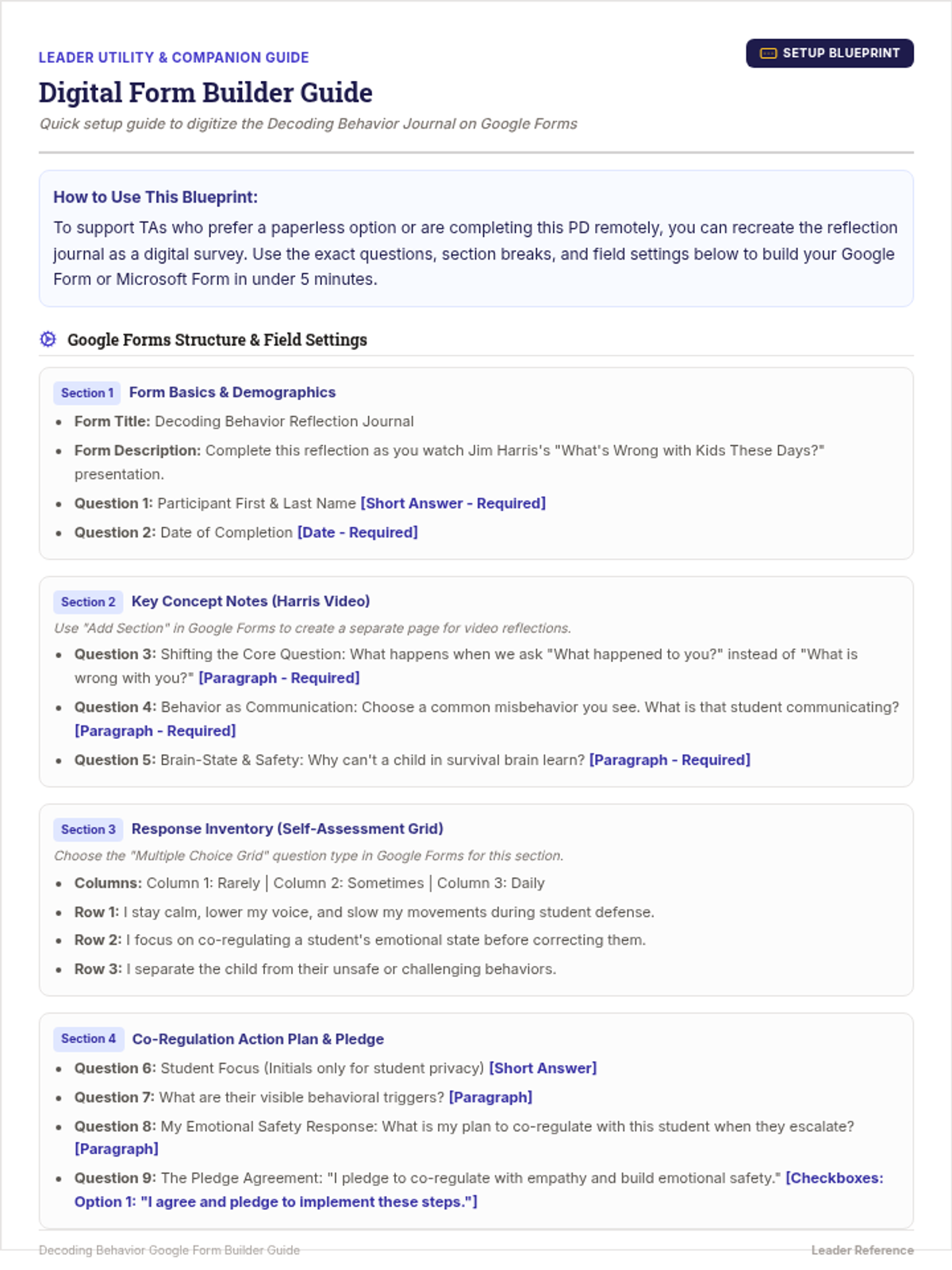
A powerful professional development lesson for teaching assistants based on Jim Harris's eye-opening presentation "What's Wrong with Kids These Days?". This lesson shifts the perspective from diagnosing student deficits to decoding behavioral communication and building emotional safety.
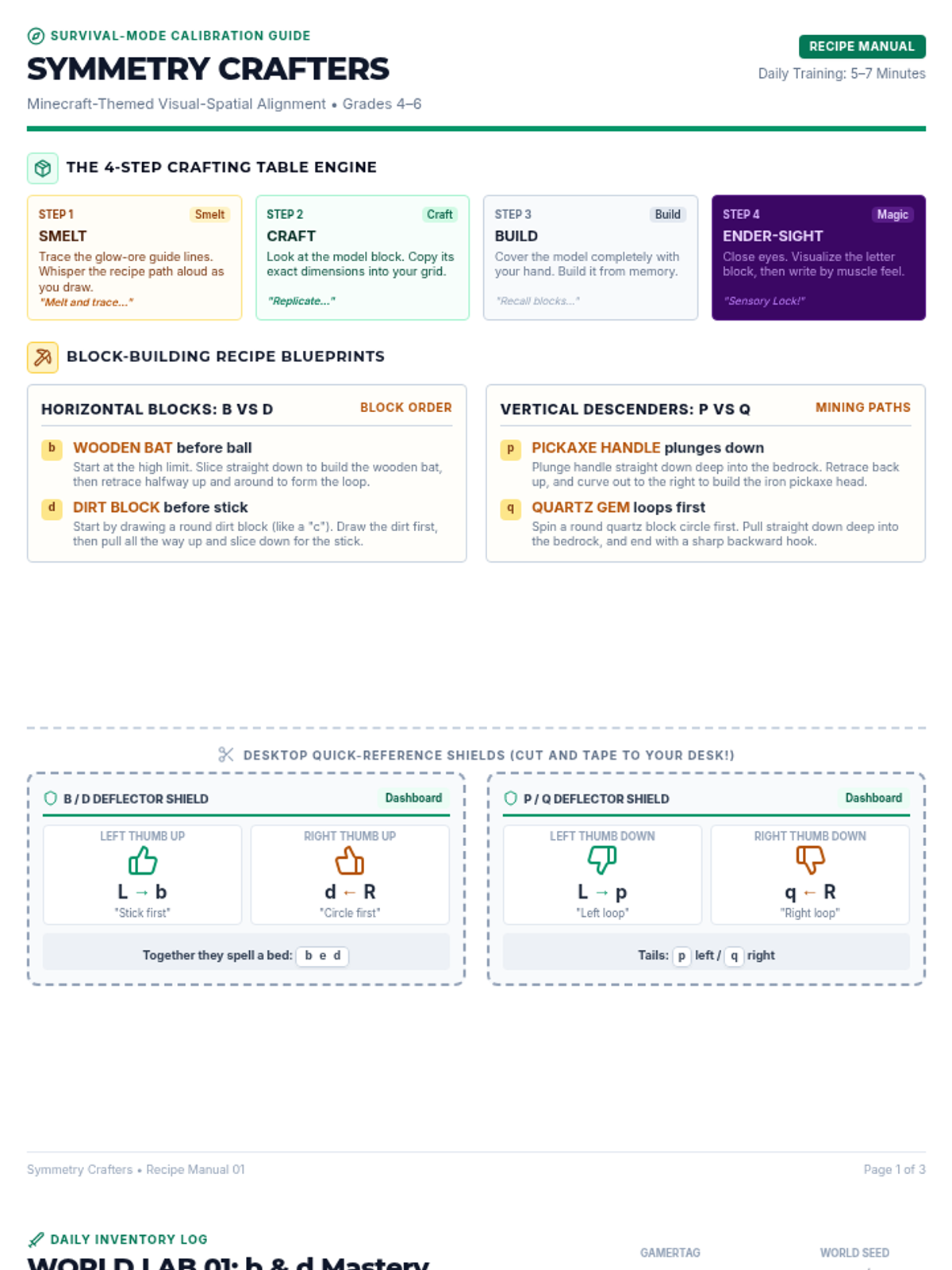
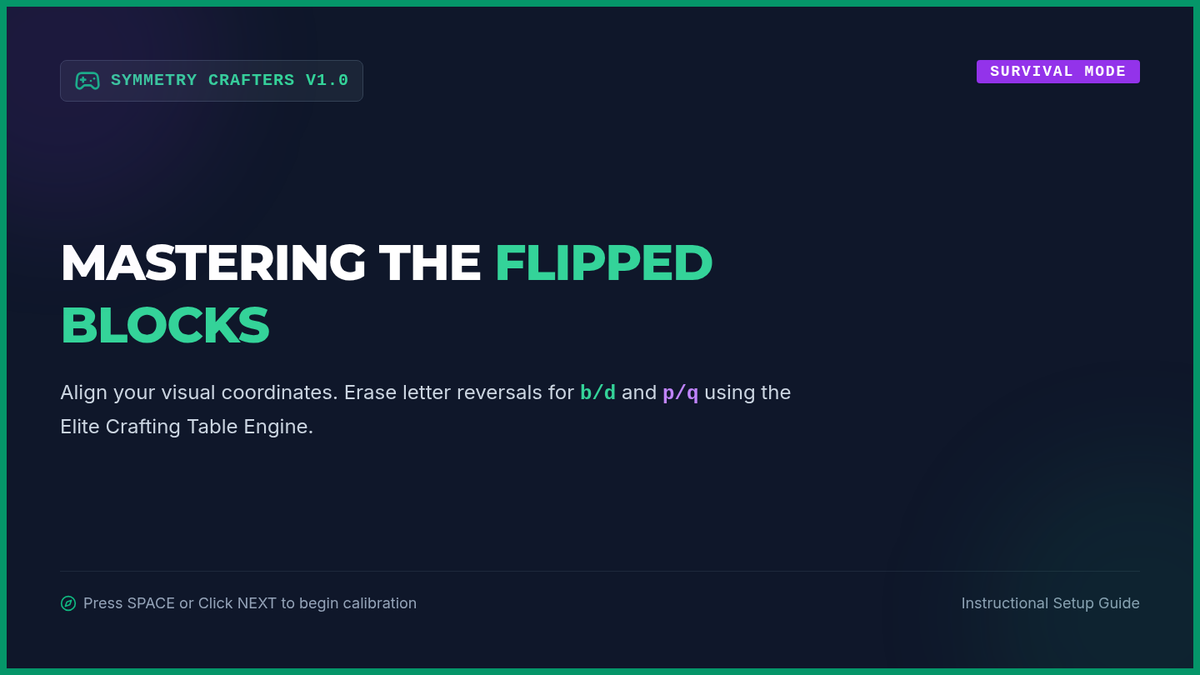
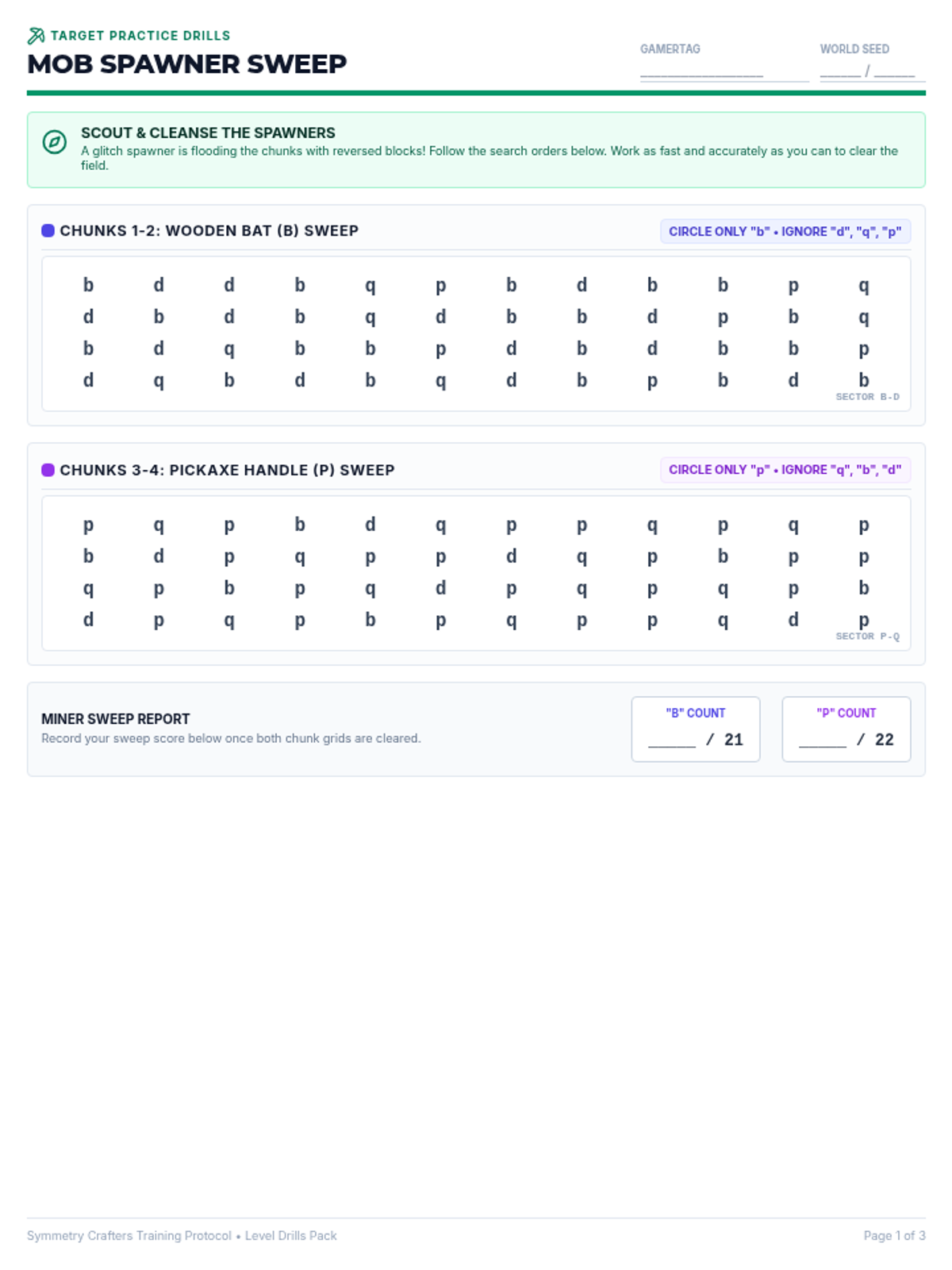
An evidence-based training program targeting letter reversals in upper elementary students, incorporating Trace-Copy-Cover-Closed and spatial-motor anchors.
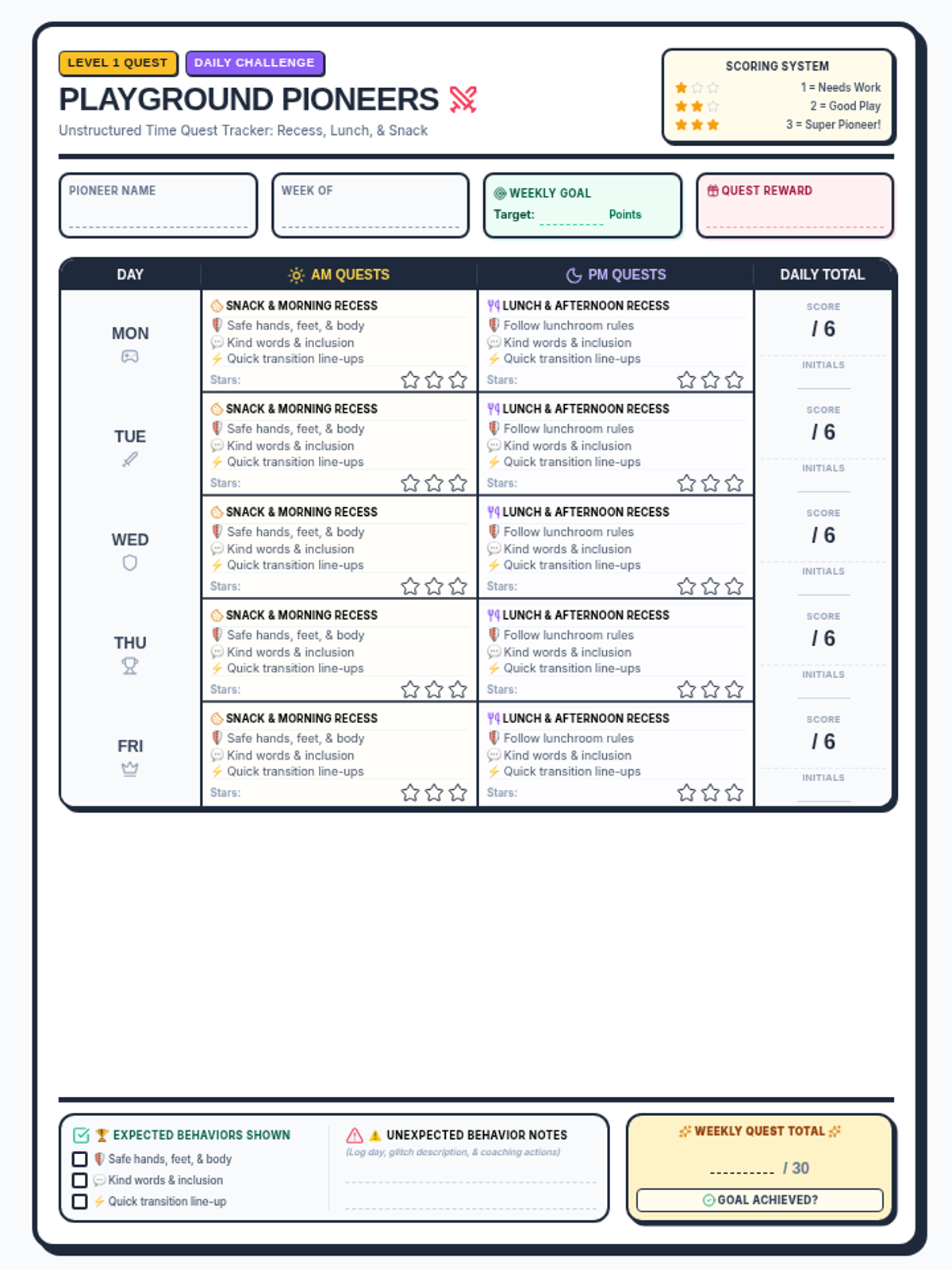
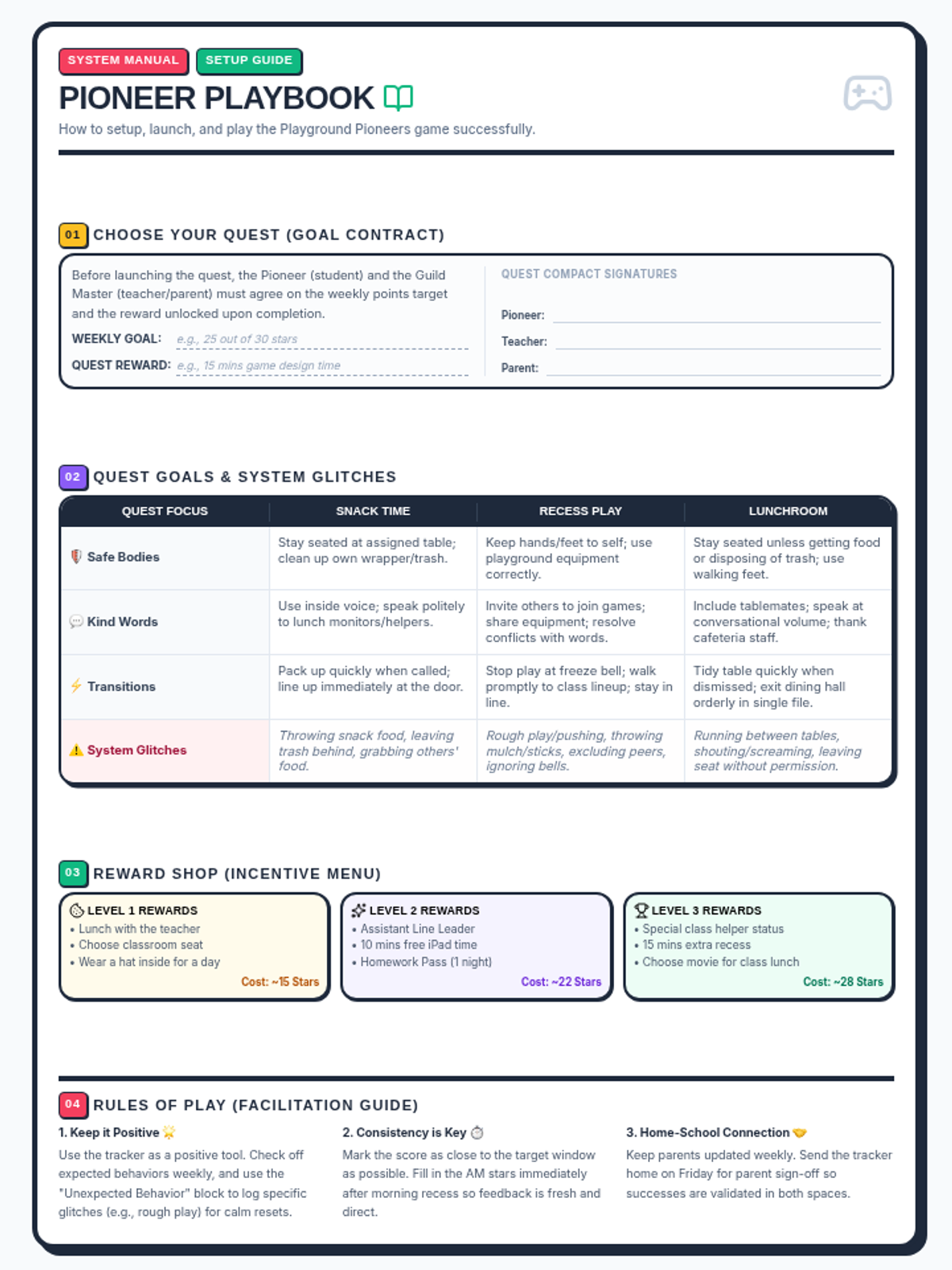
A gamified behavior tracking and support system designed to structure unstructured school times like recess, lunch, and snack. It includes a weekly AM/PM point-tracking chart and a goal-setting setup guide to promote positive peer interactions, safe play, and self-regulation.
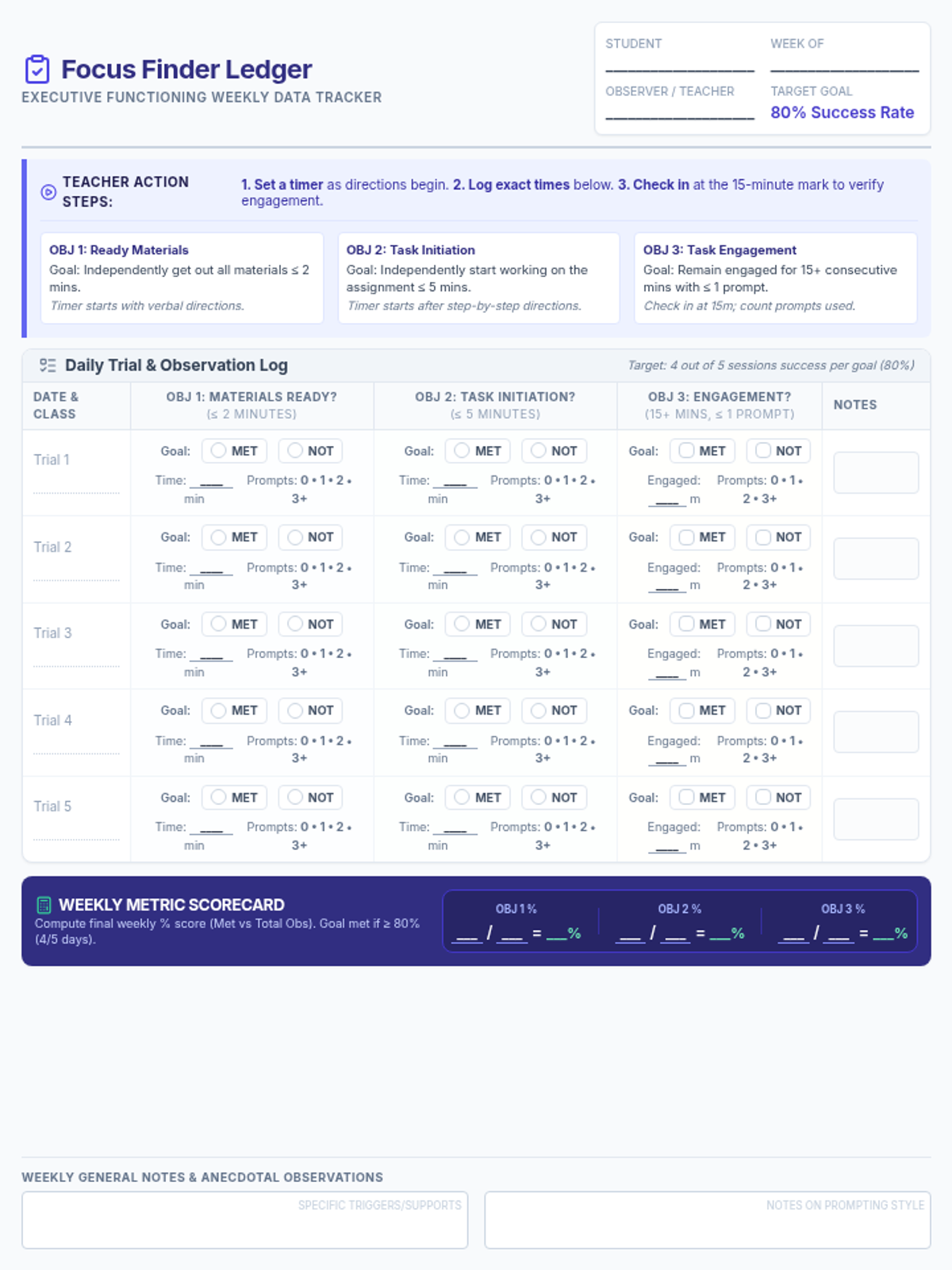
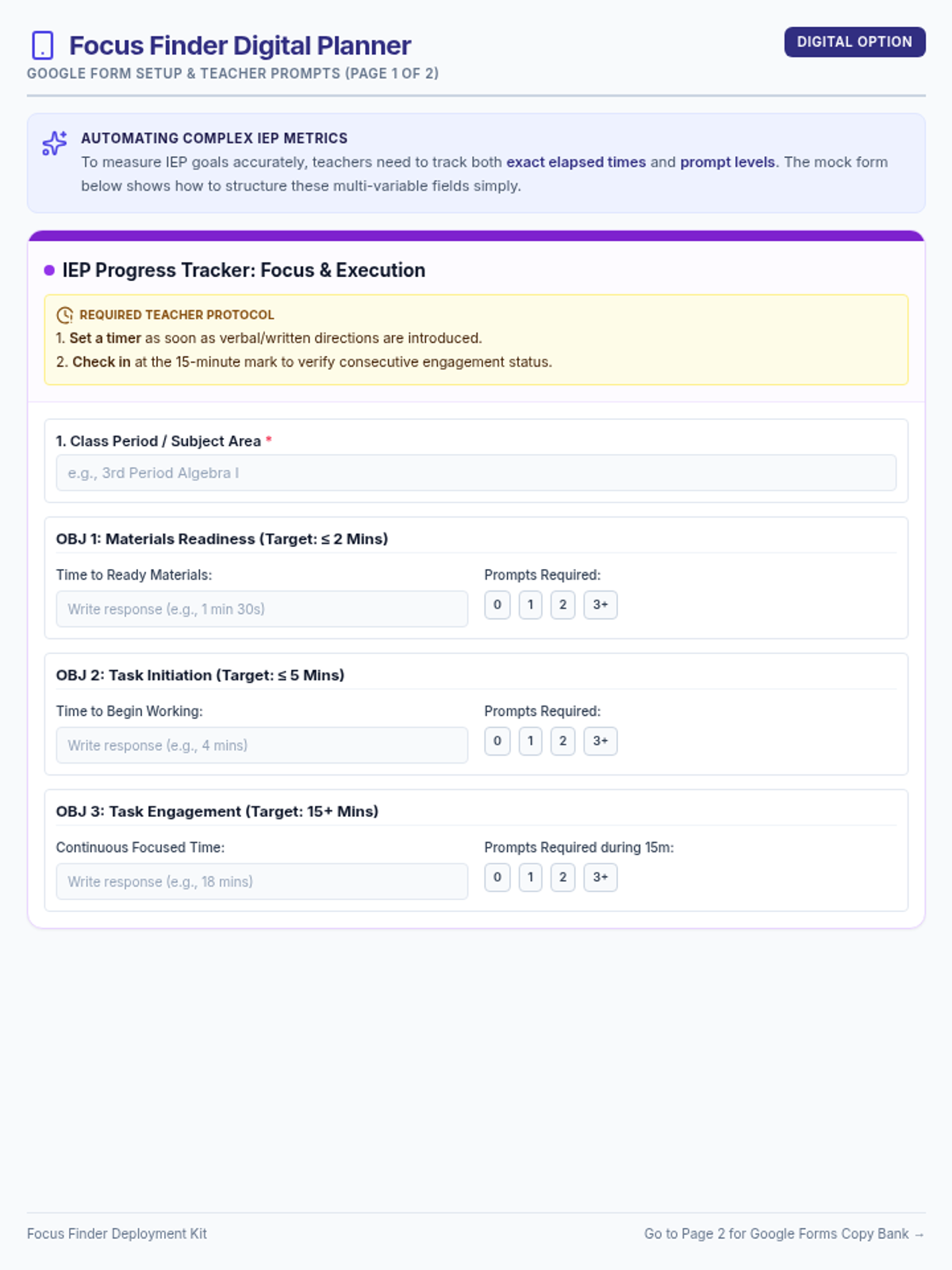
A collection of data tracking tools designed to monitor student progress on executive functioning goals, specifically focusing on materials preparation, task initiation, and sustained attention. Includes both printable ledger sheets and a digital Google Form setup guide.
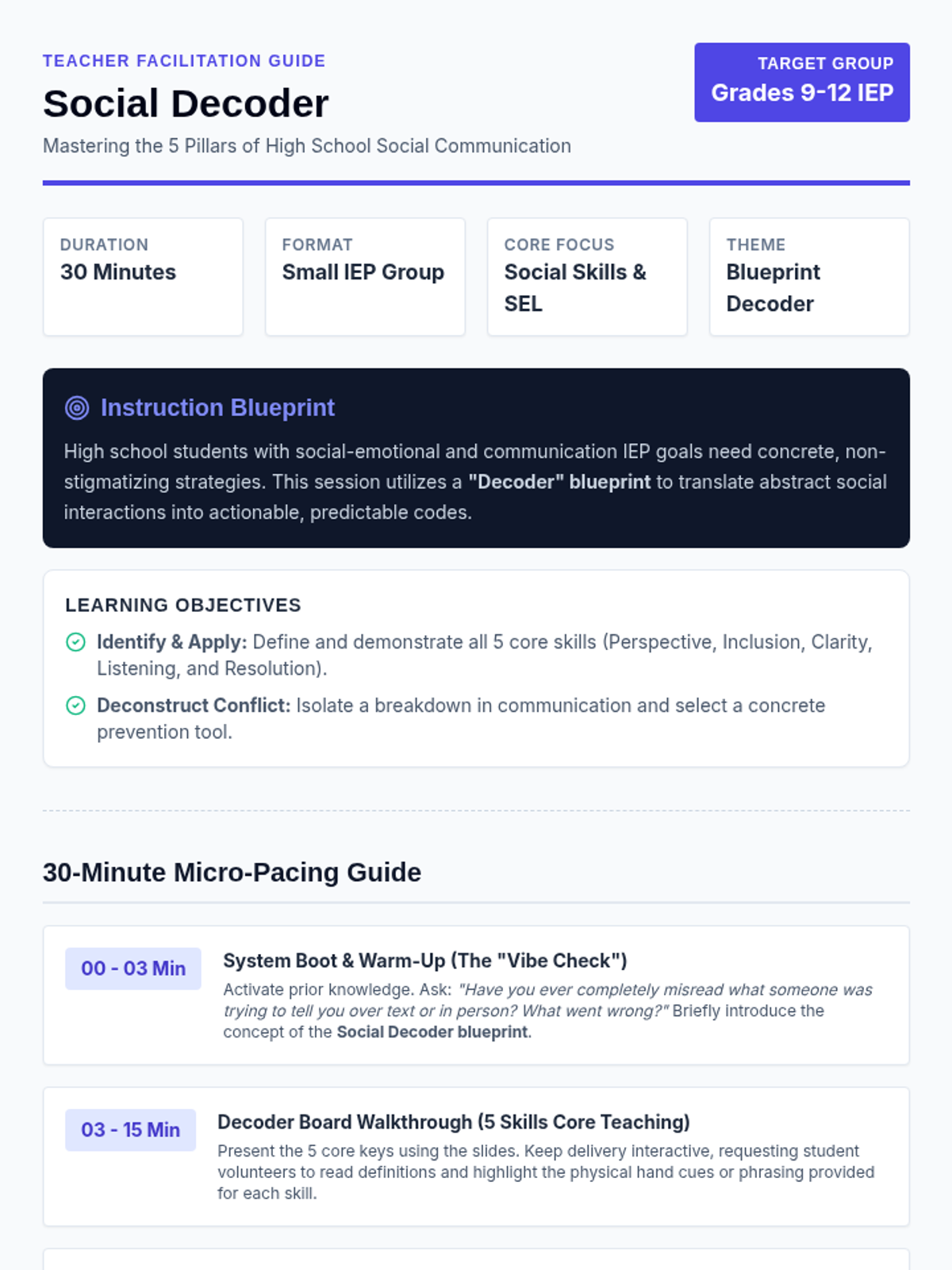
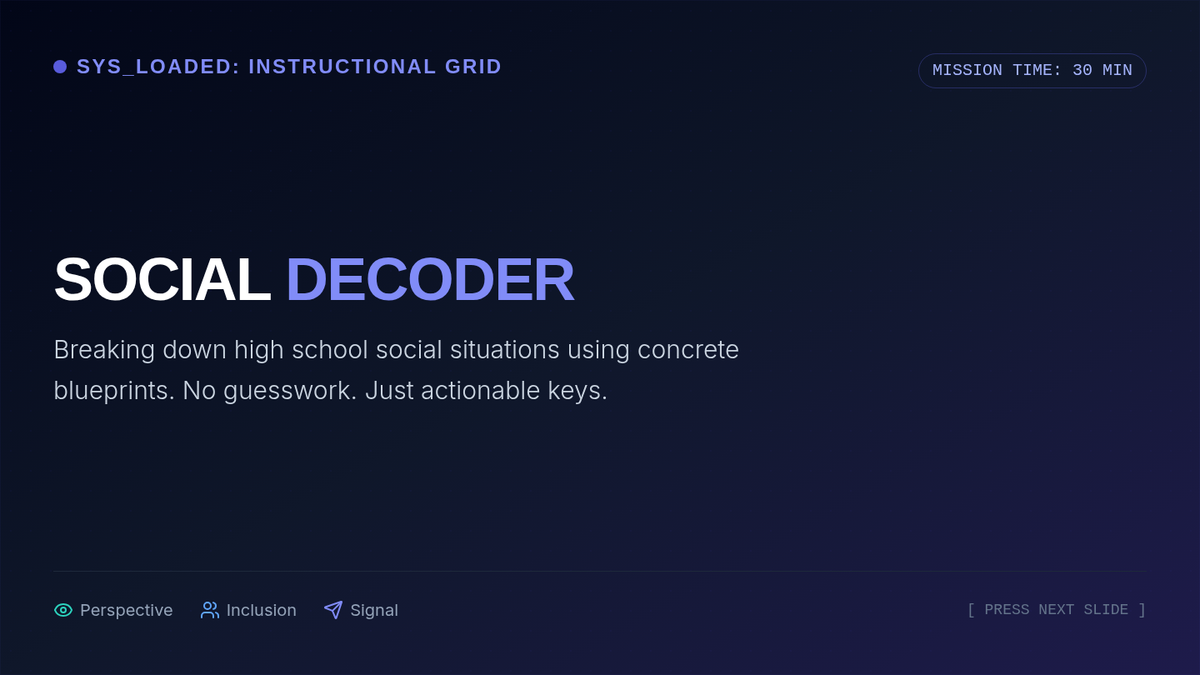
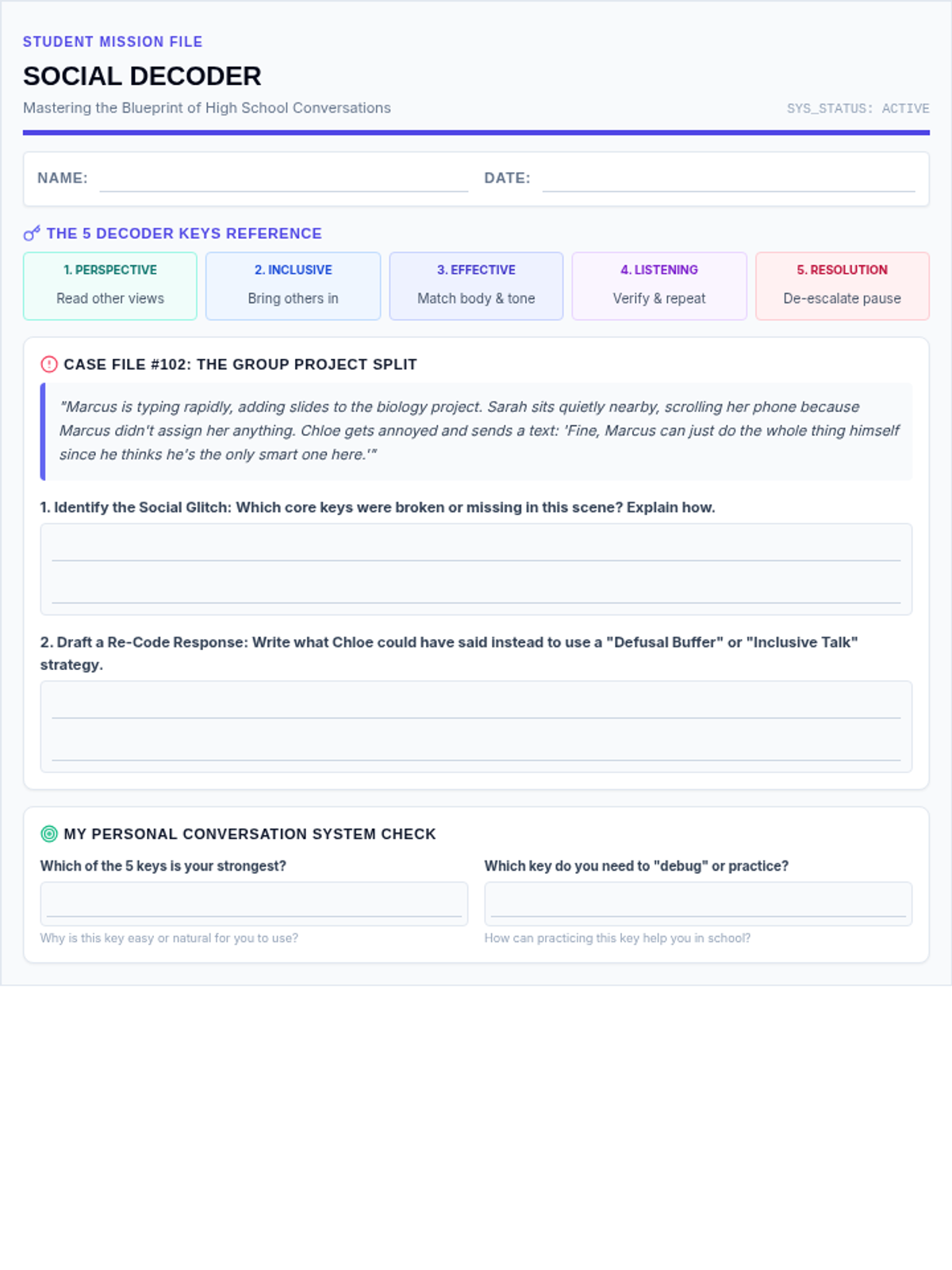
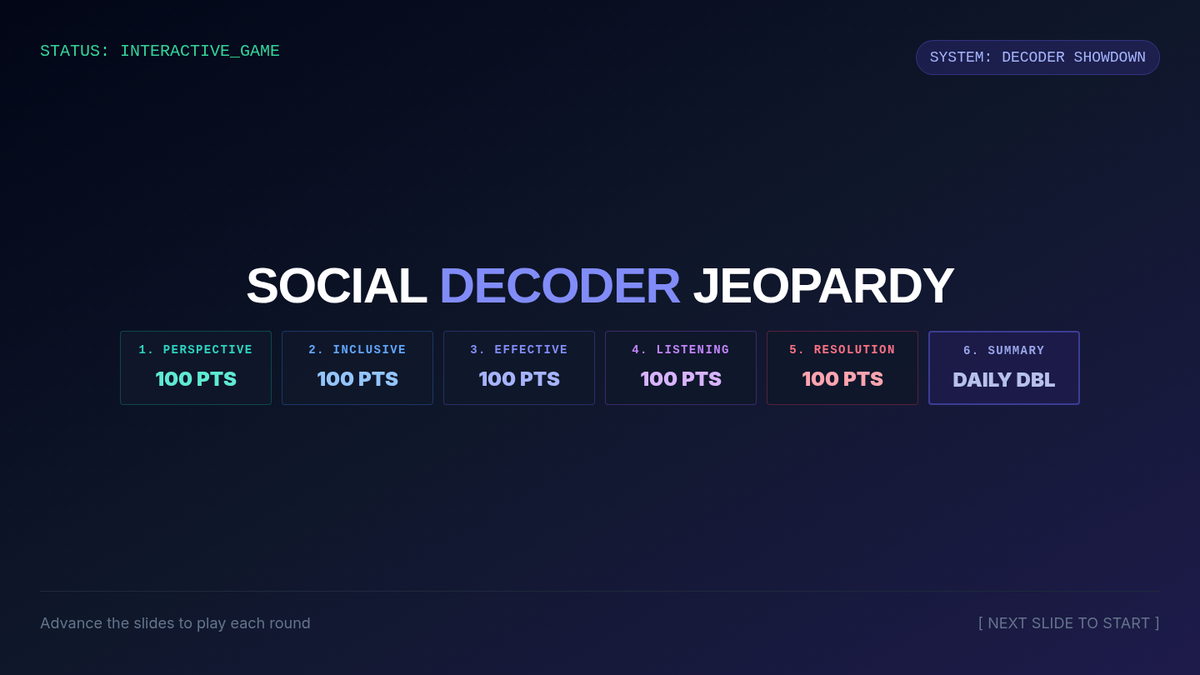
A highly engaging 30-minute social skills lesson designed for high school IEP groups. This lesson covers five essential communication skills—Perspective Taking, Inclusive Communication, Effective Communication, Active Listening, and Conflict Prevention/Resolution—using a modern 'Social Decoder' blueprint theme.
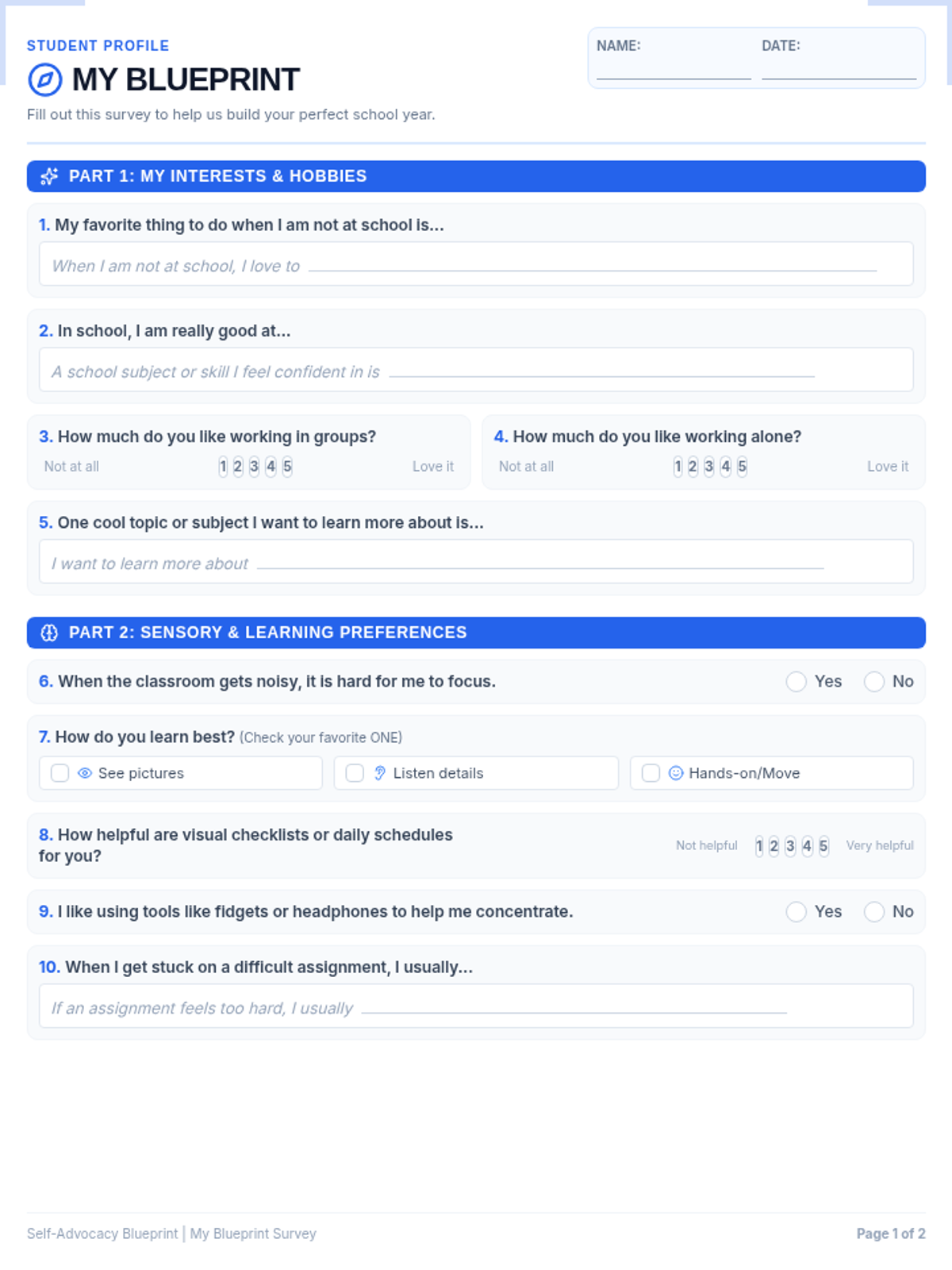
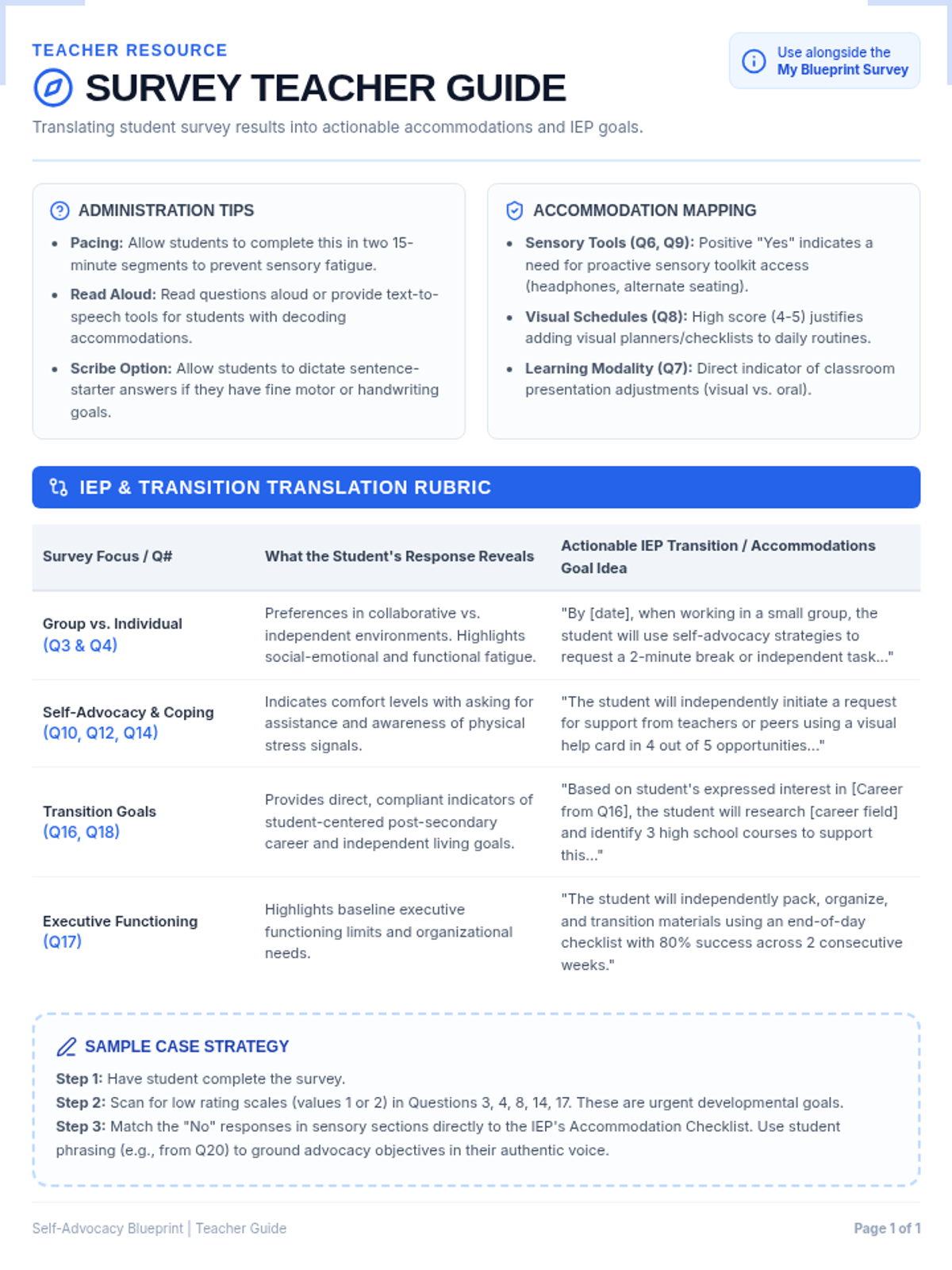
A transition-focused lesson featuring an accessible "All About Me" survey for middle school students with accommodations, alongside a guide for teachers to translate student responses into IEP goals and classroom support strategies.
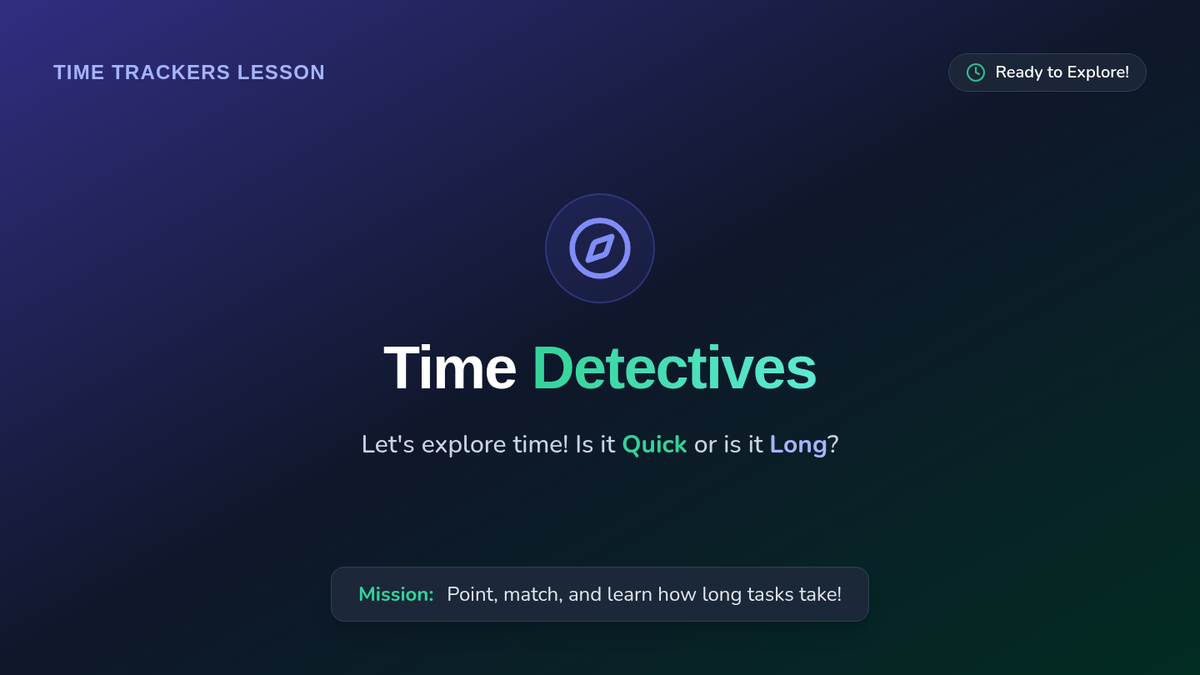
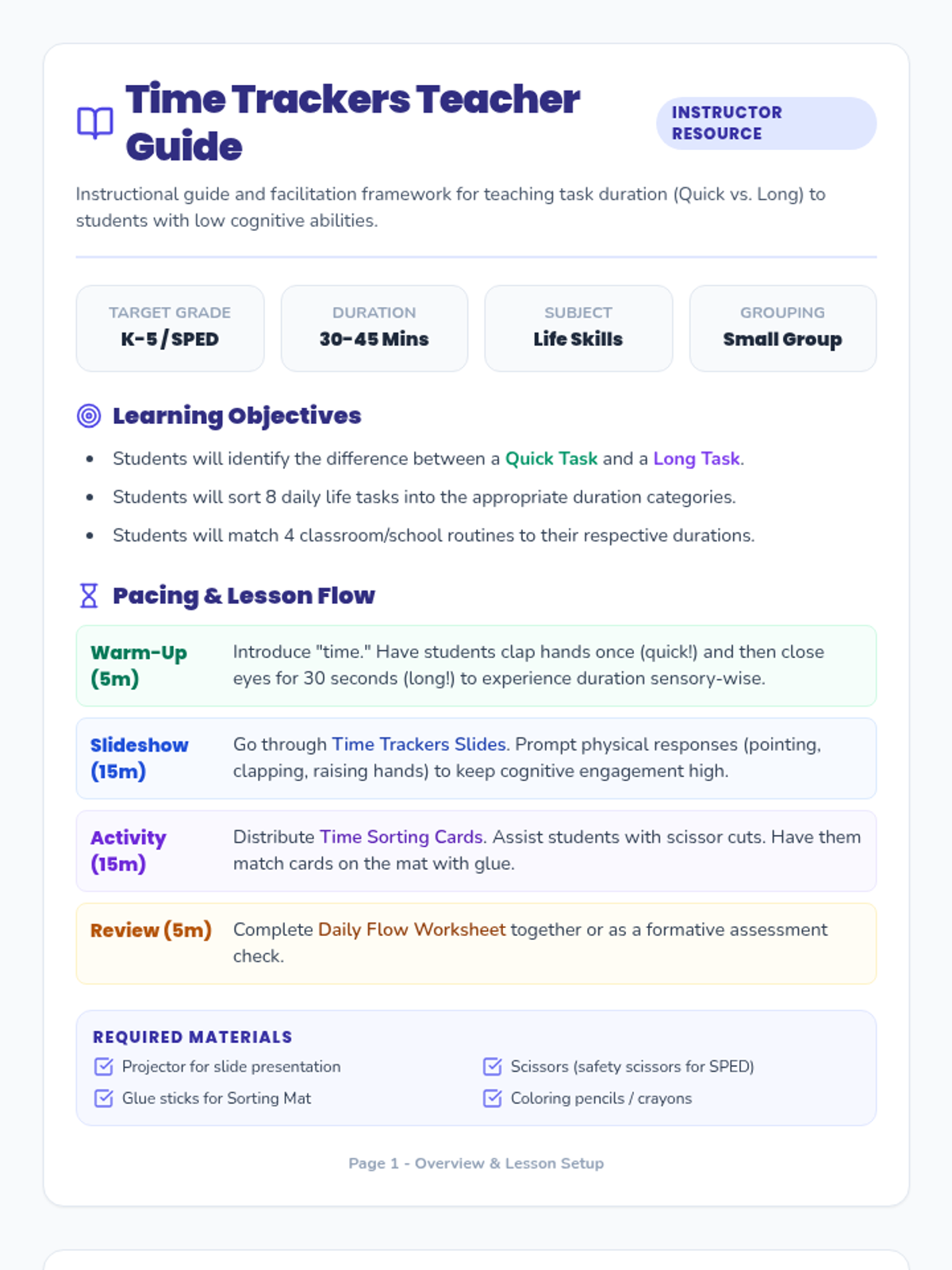
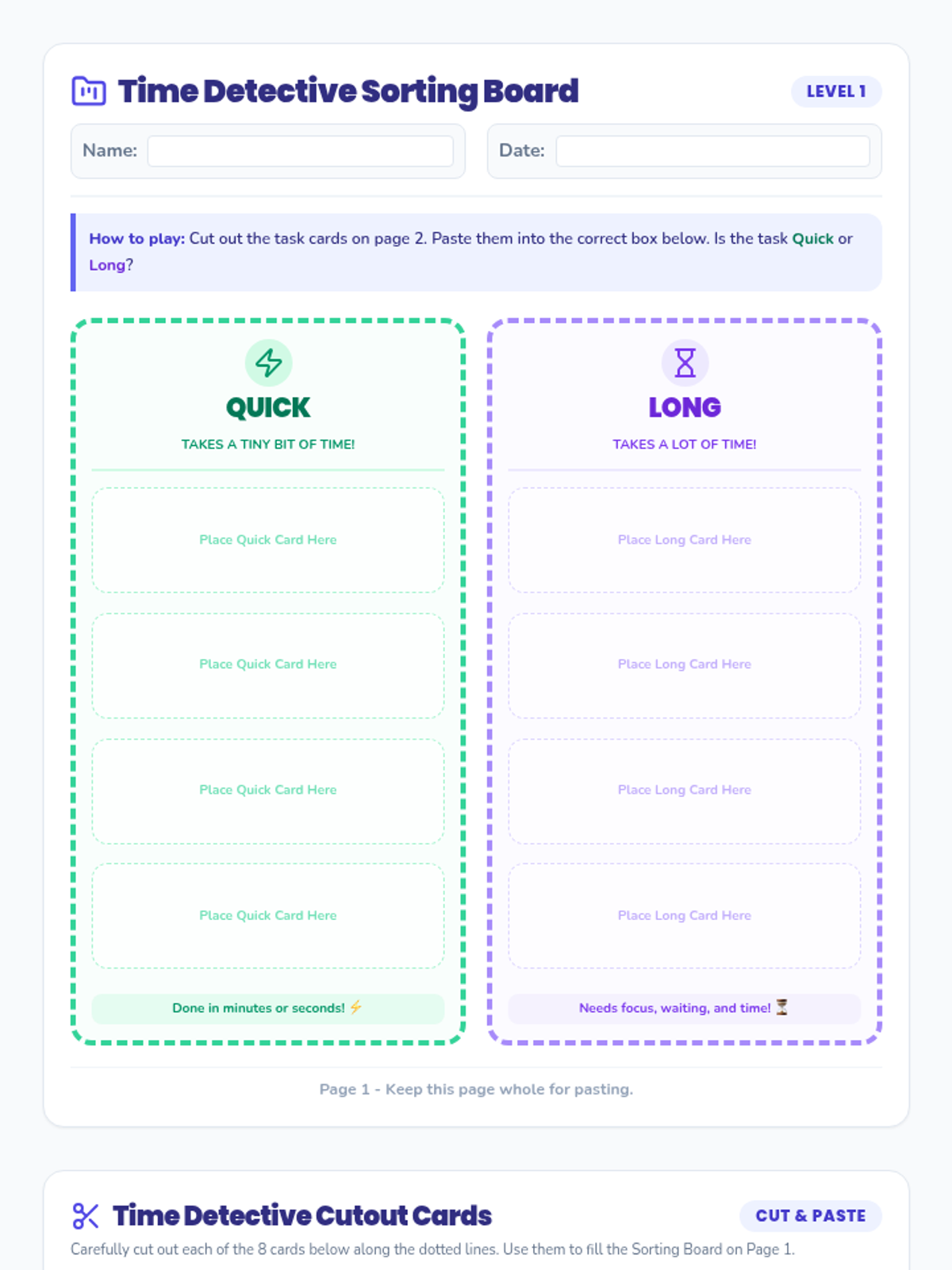
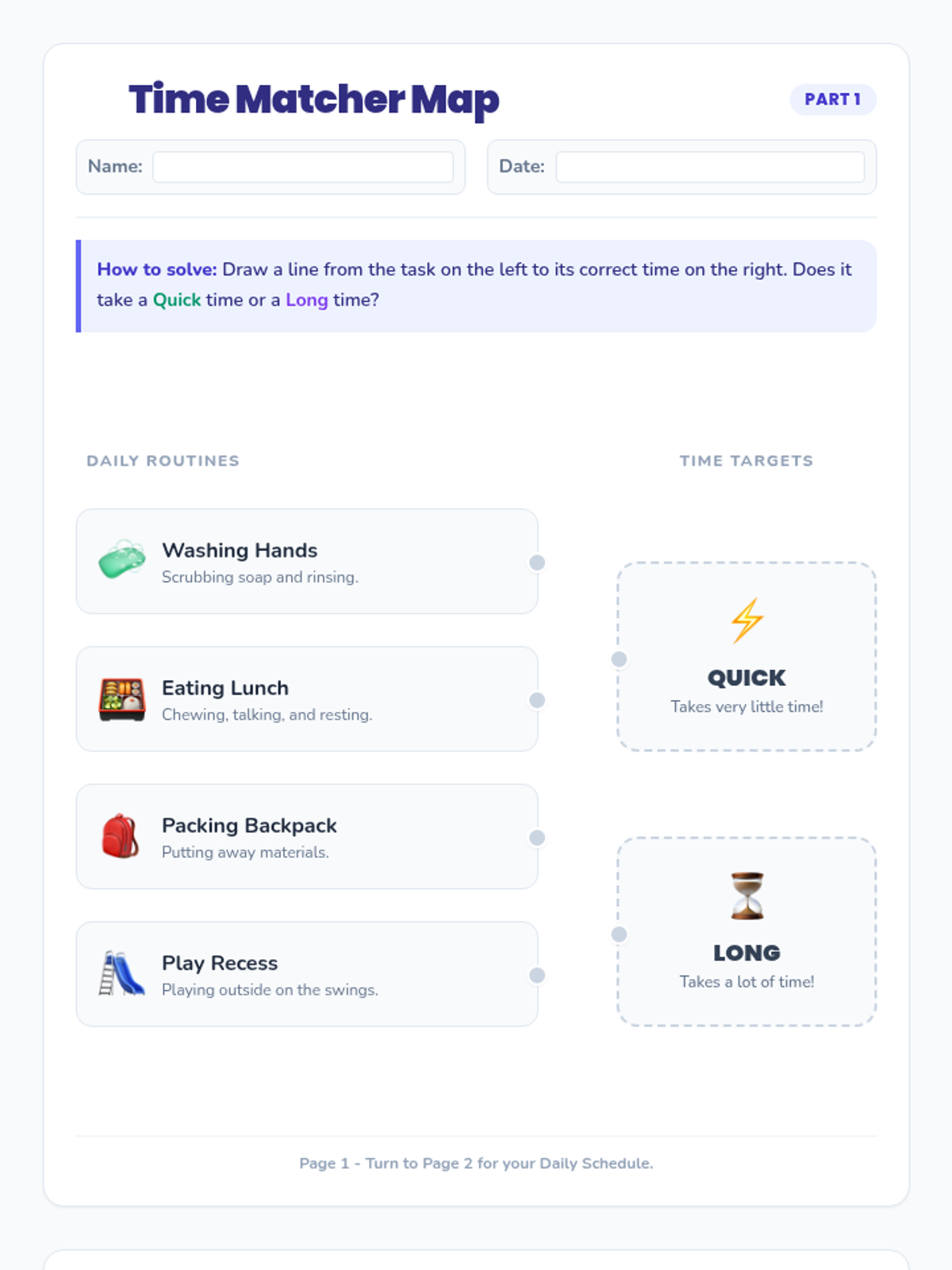
A special education lesson designed to teach students with low cognitive abilities how to estimate and understand task durations (quick vs. long tasks) using highly visual, interactive, and structured activities.
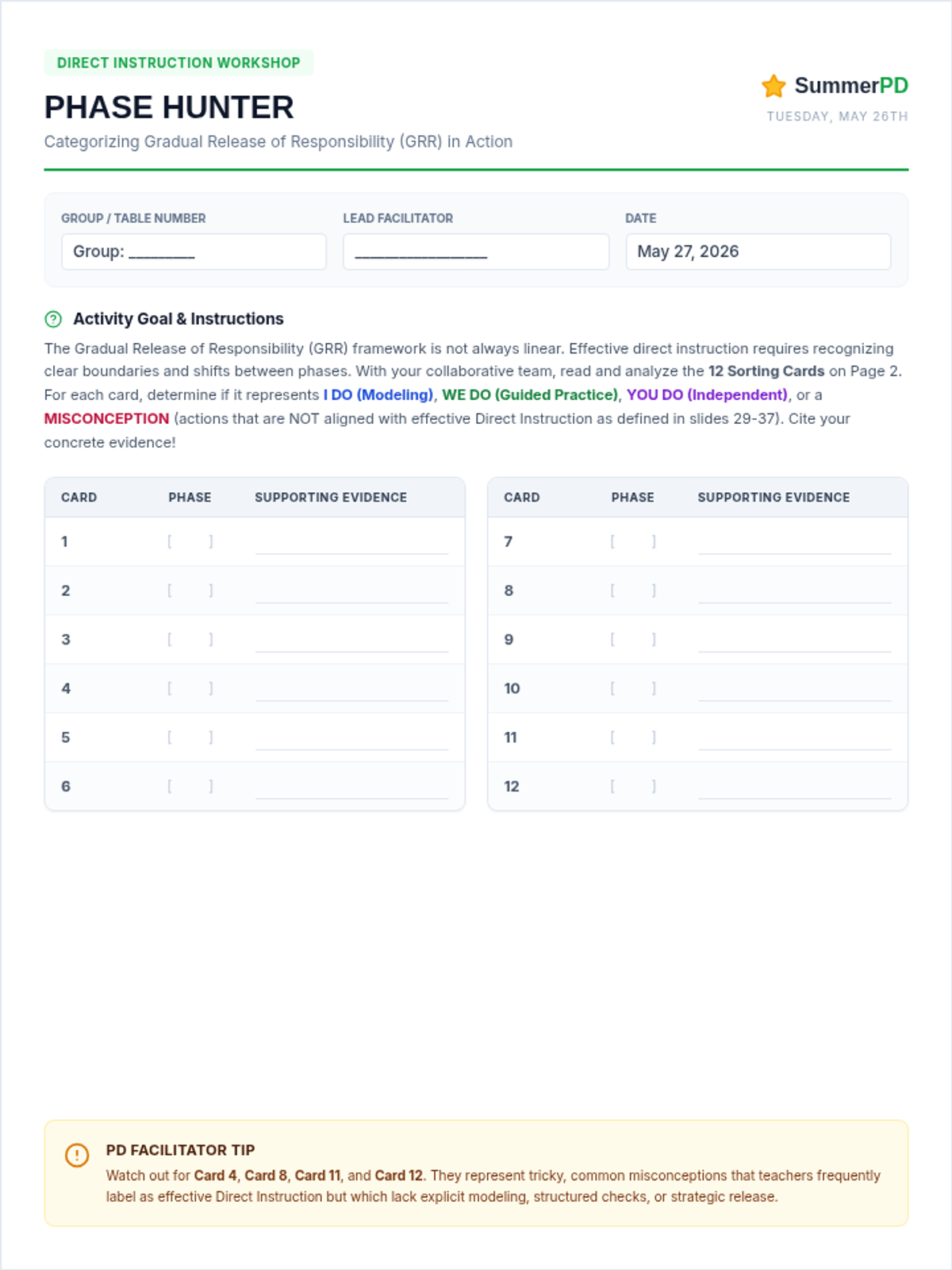
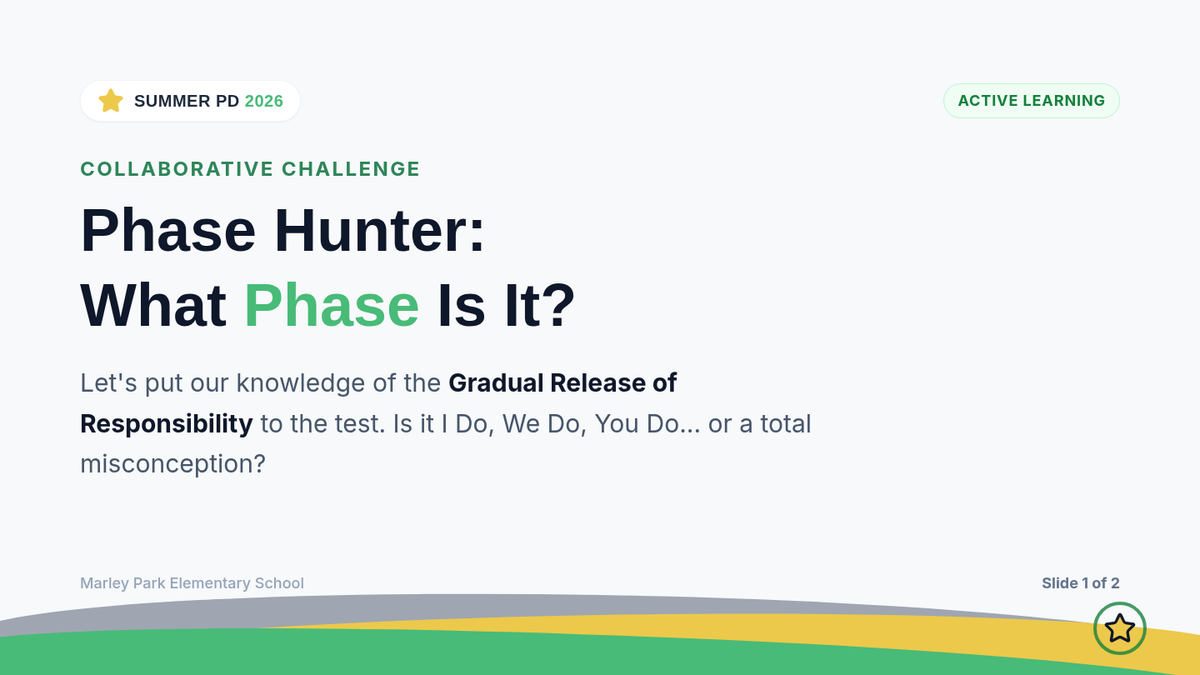
A professional development module for educators focused on the Gradual Release of Responsibility model. Teachers explore the nuances of the I Do, We Do, and You Do phases to improve lesson design and instructional clarity.
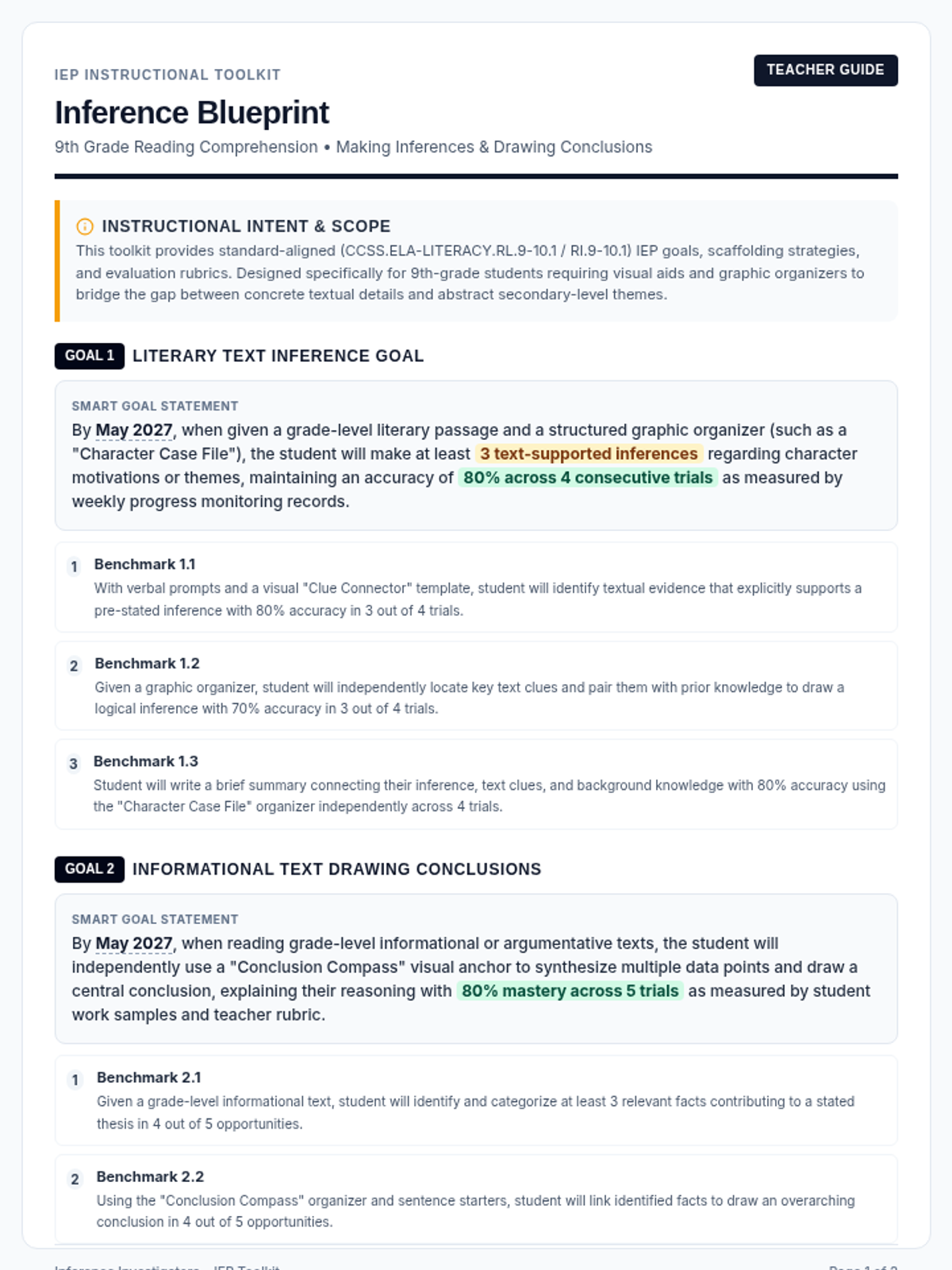
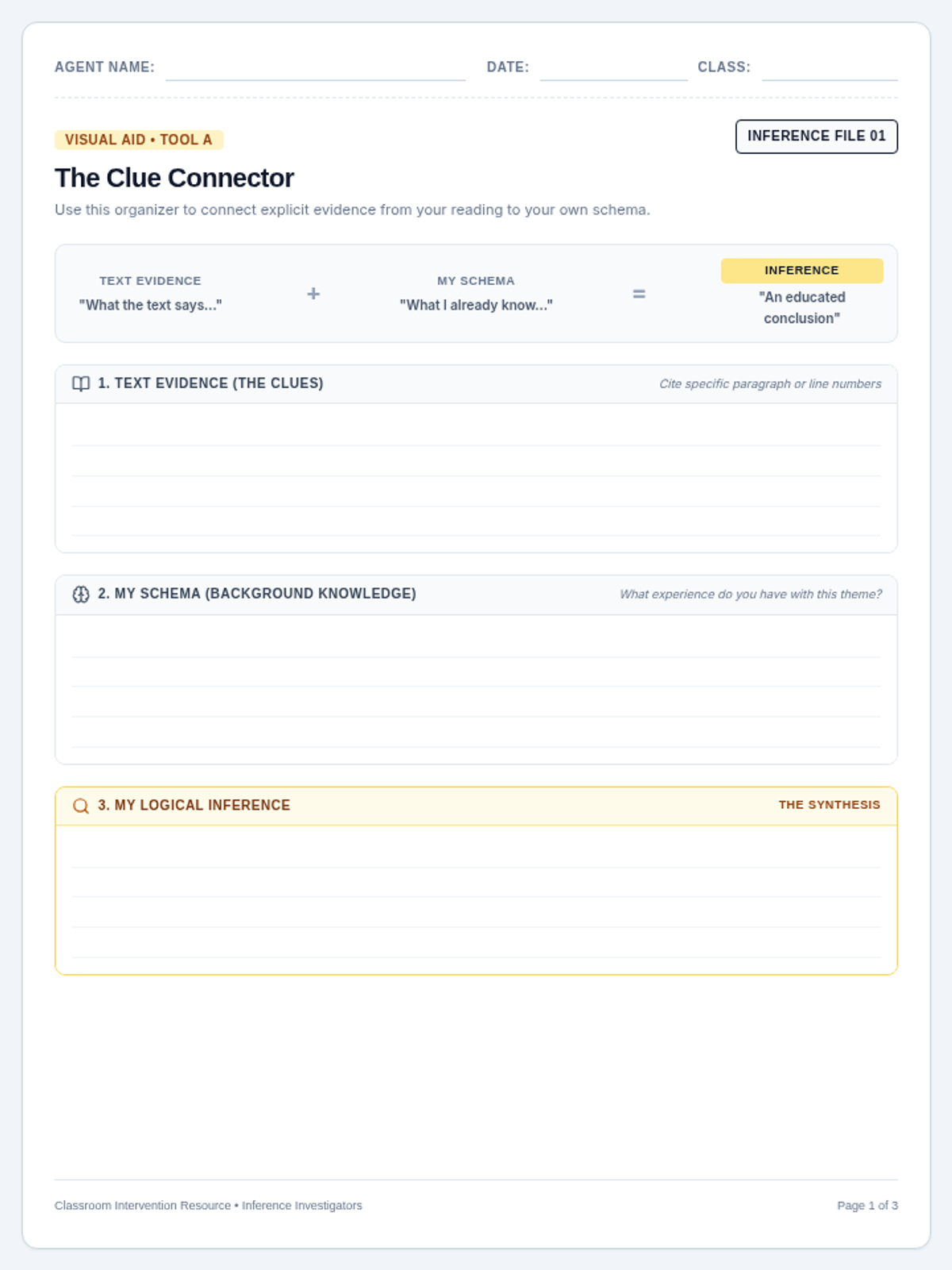
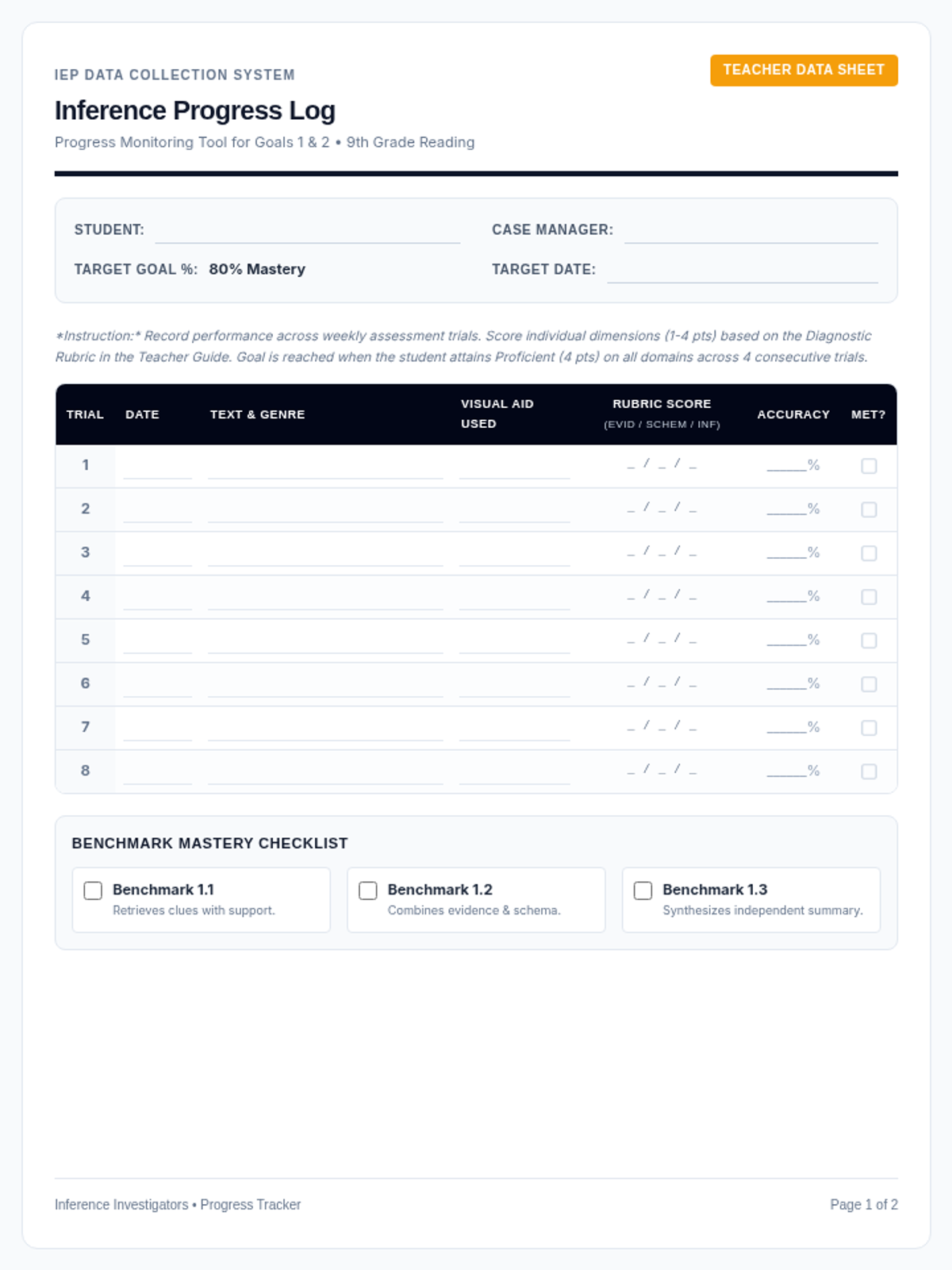
A comprehensive IEP goal and instructional toolkit designed to scaffold 9th-grade reading comprehension. This lesson package includes measurable IEP goals, scaffolded graphic organizers, and structured progress monitoring tools focused on making inferences and drawing conclusions.
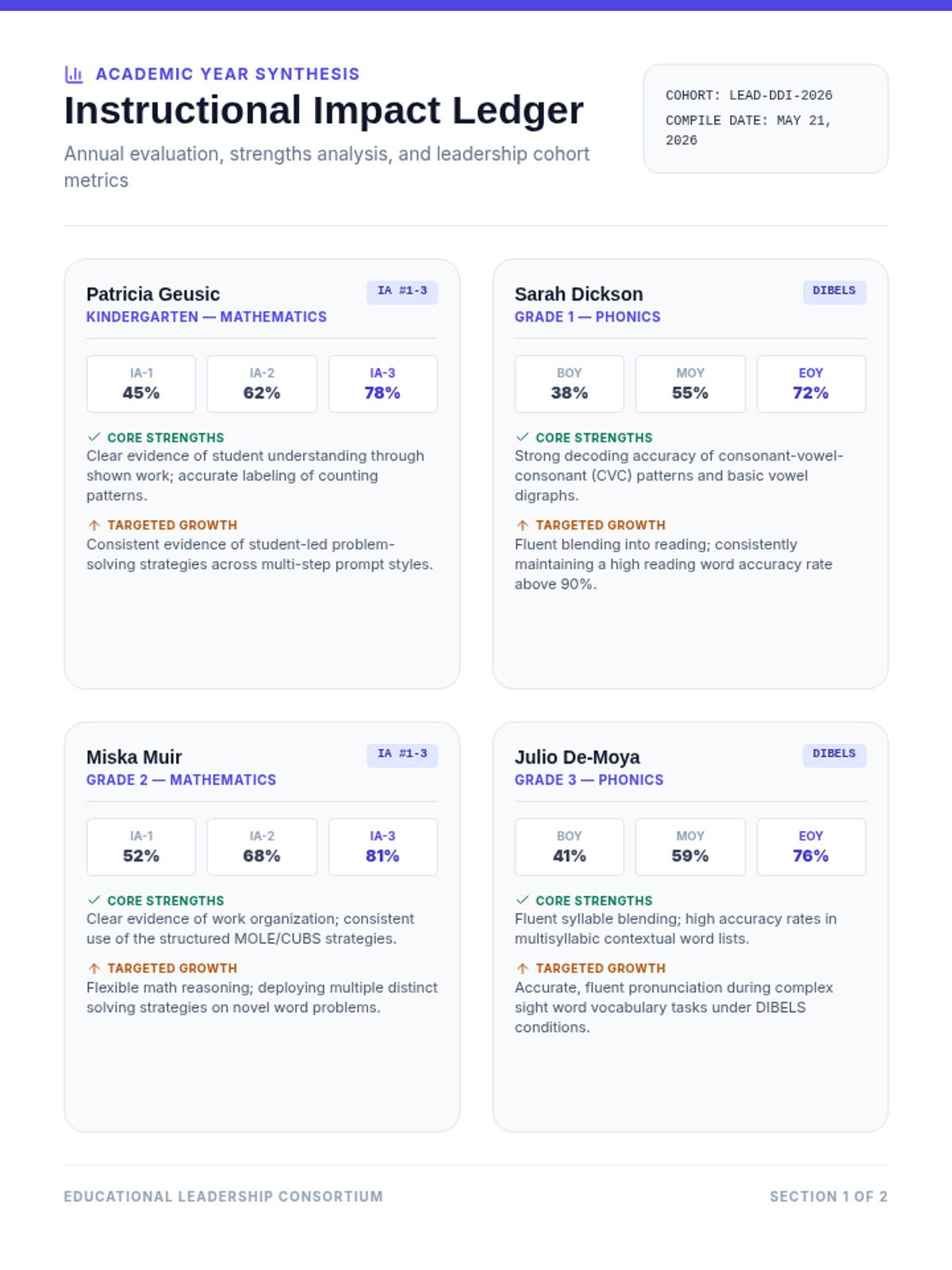
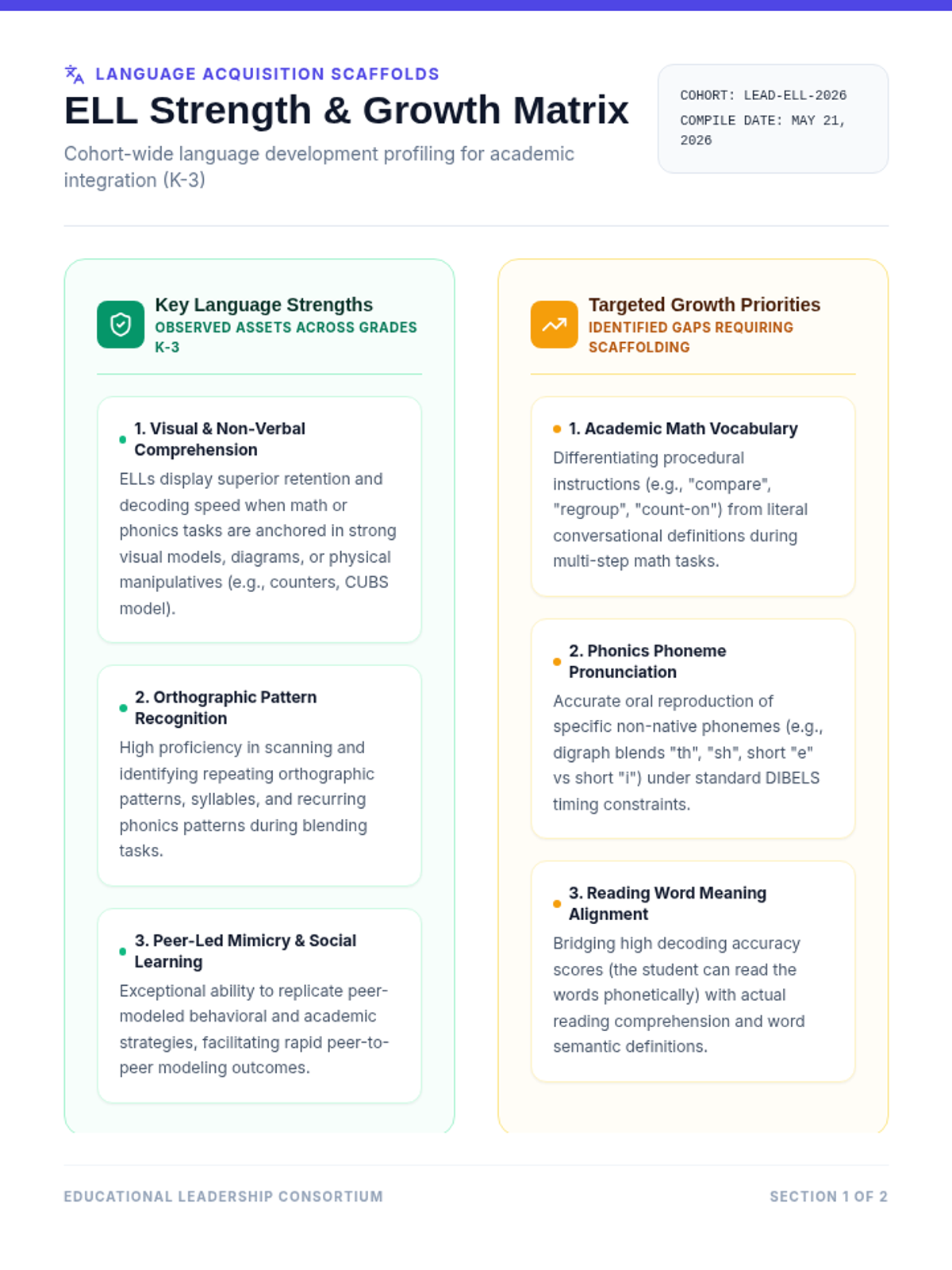
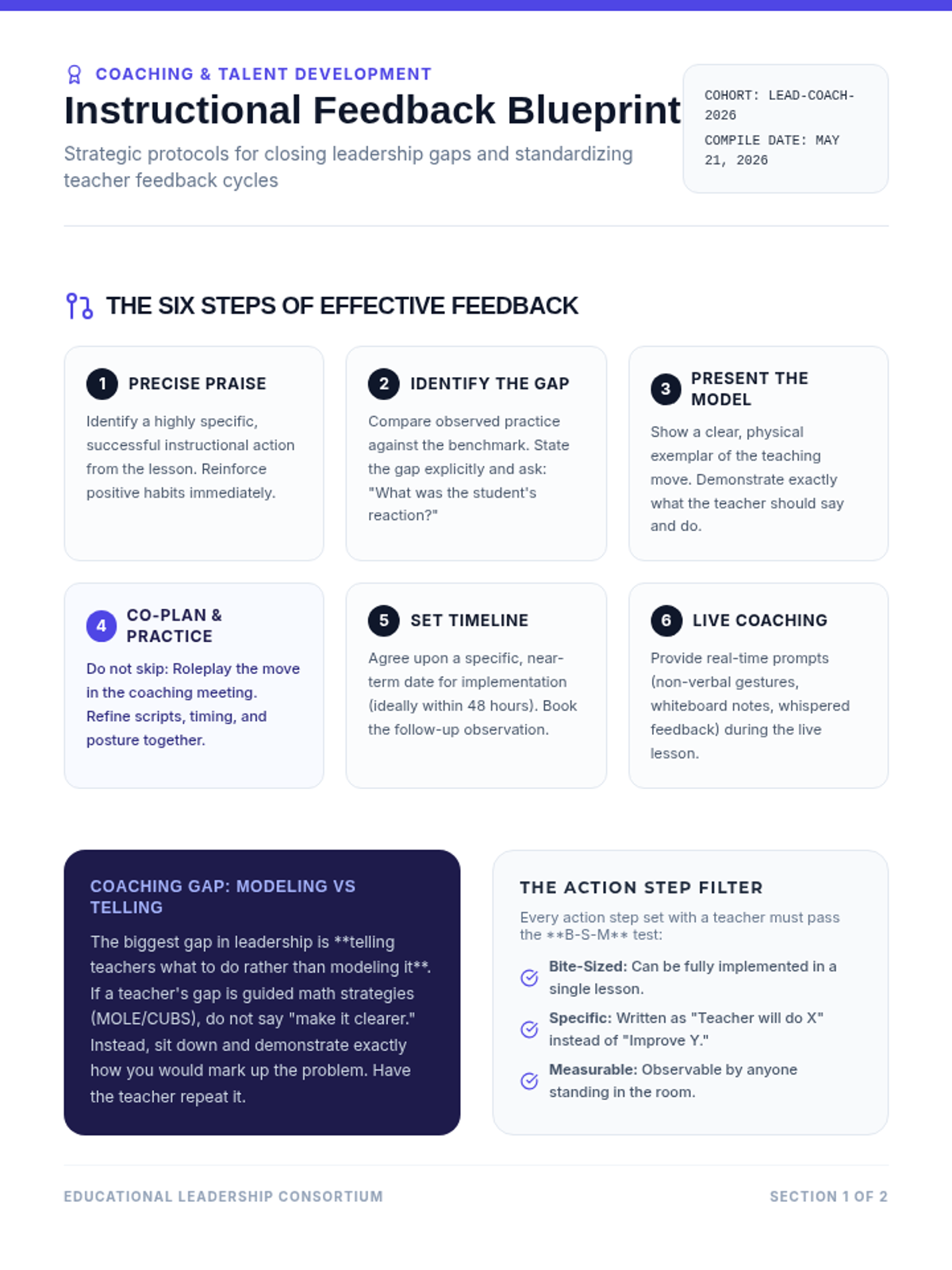
An advanced data reflection and tracking module for educational leaders to systematically assess grade-level performance and plan organizational next steps.
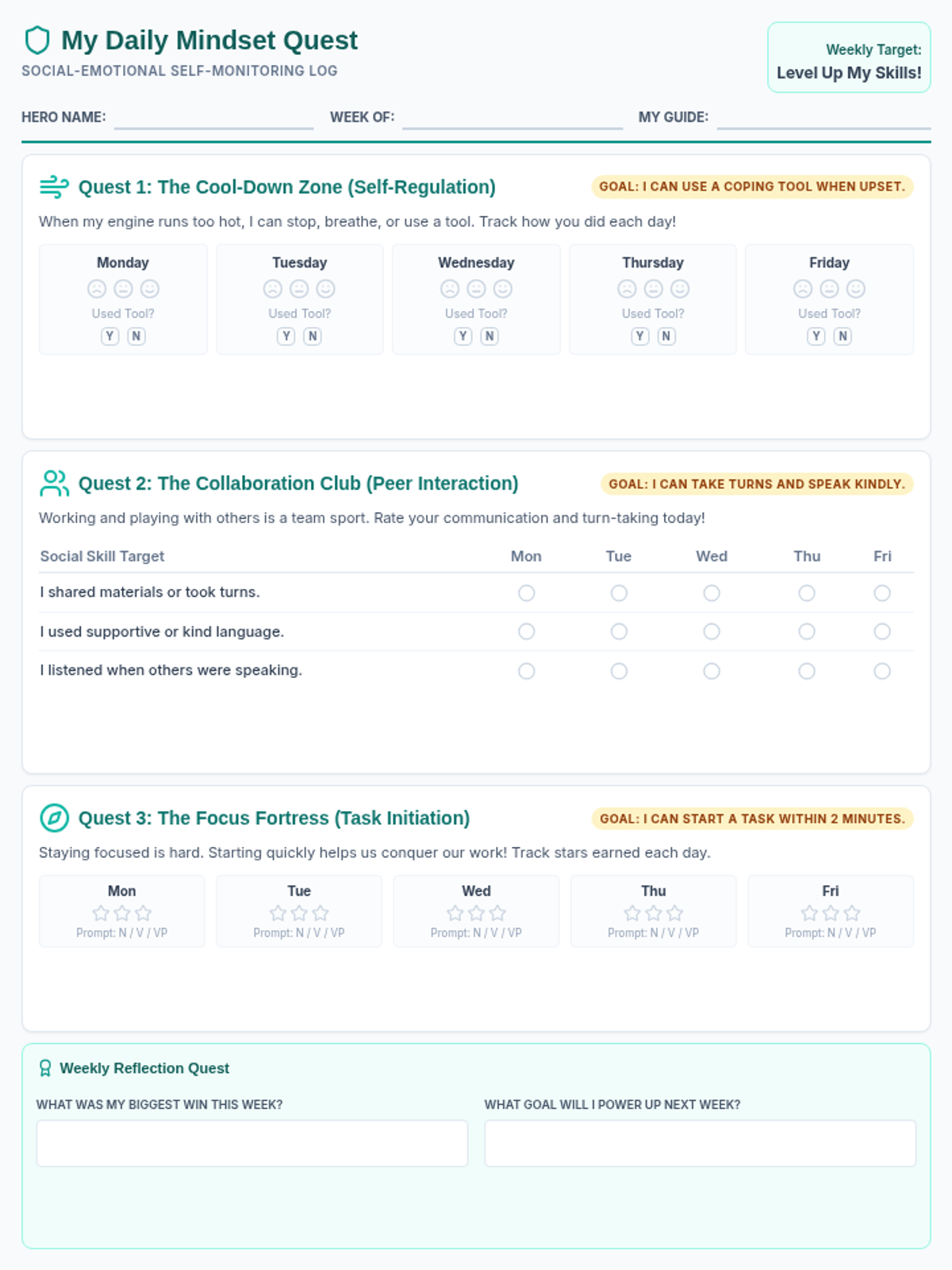
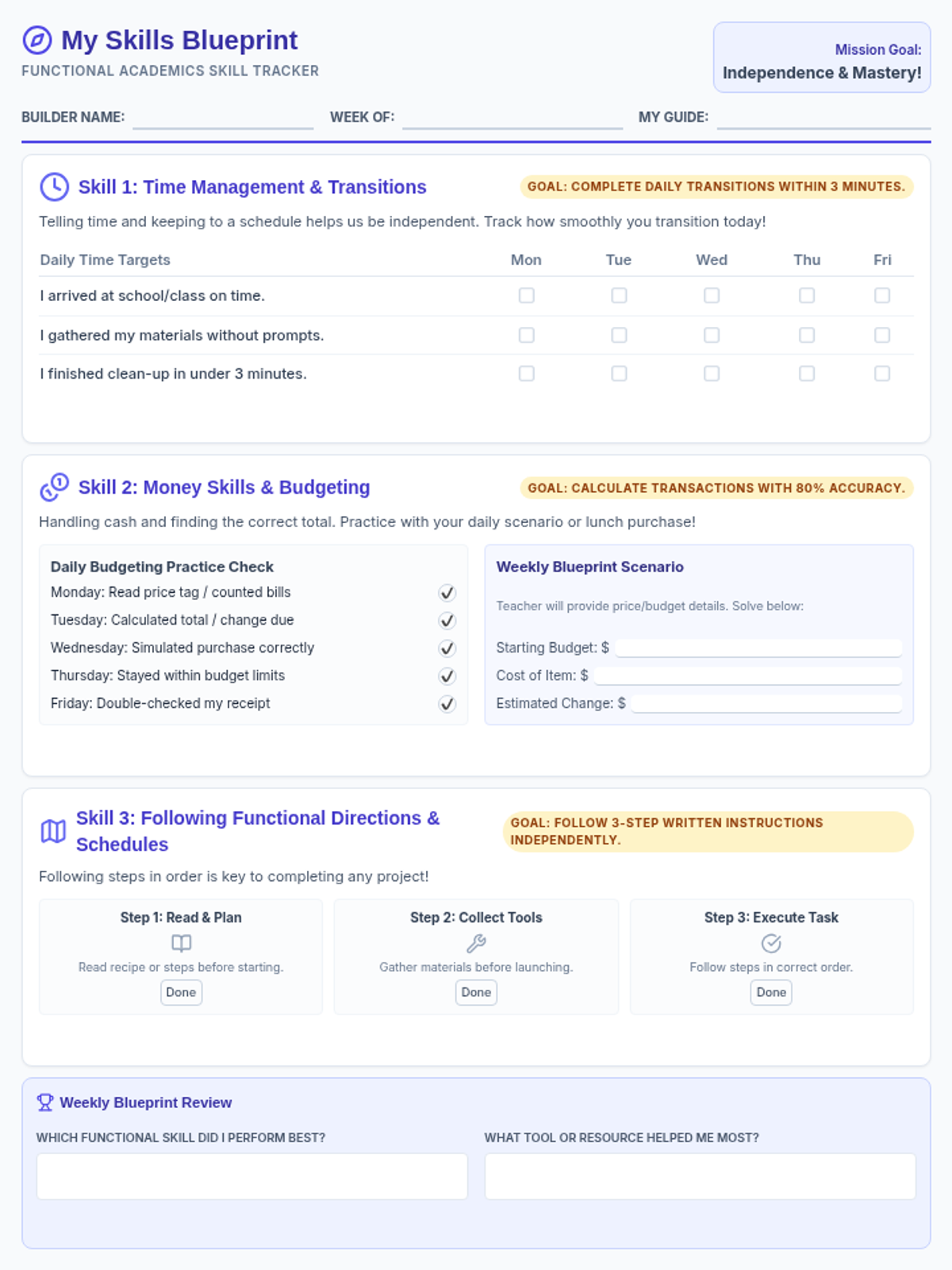
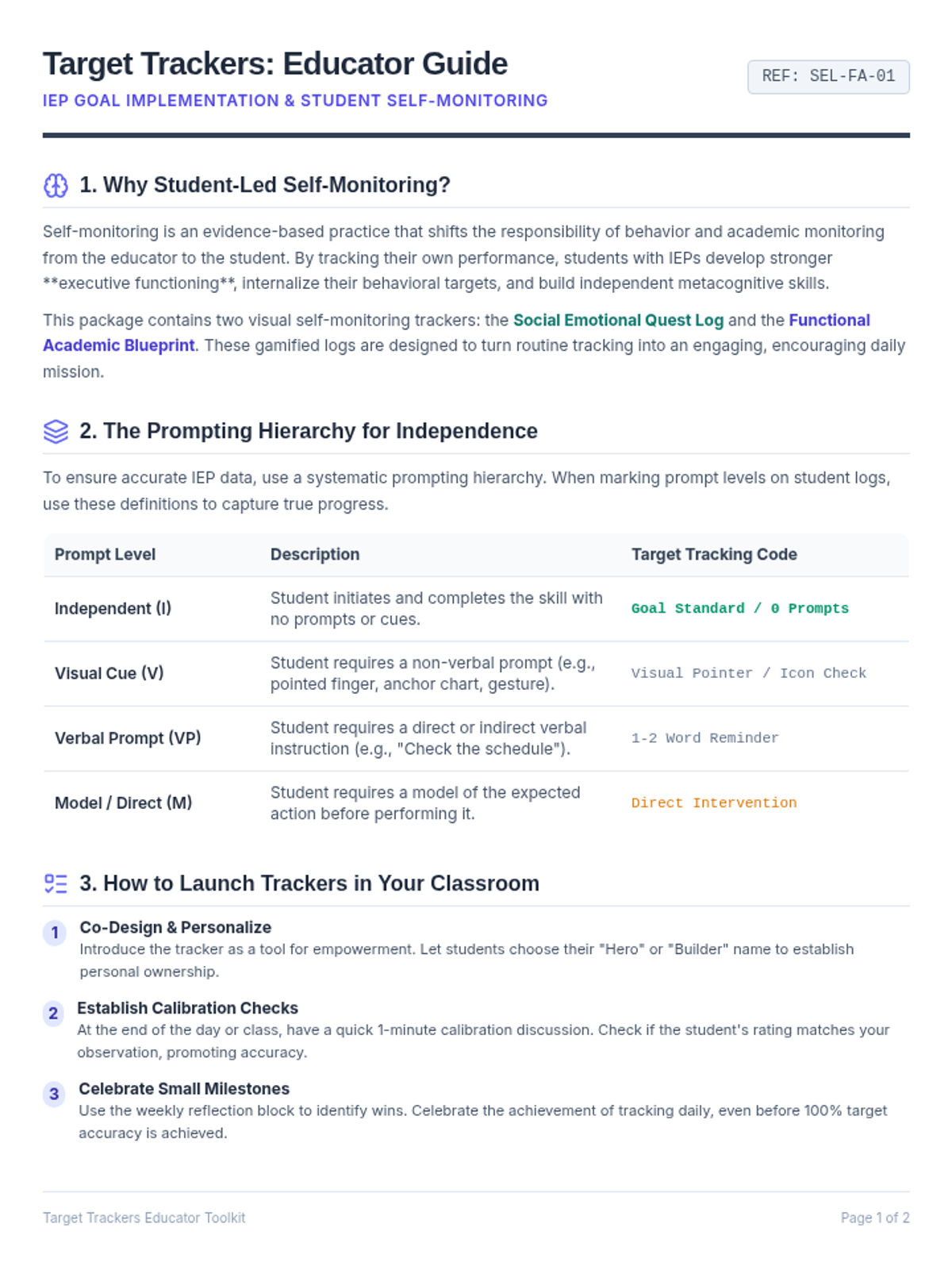
A lesson package containing student self-monitoring trackers and a teacher guide to monitor, collect data, and support common struggling IEP goals in social-emotional skills and functional academics.
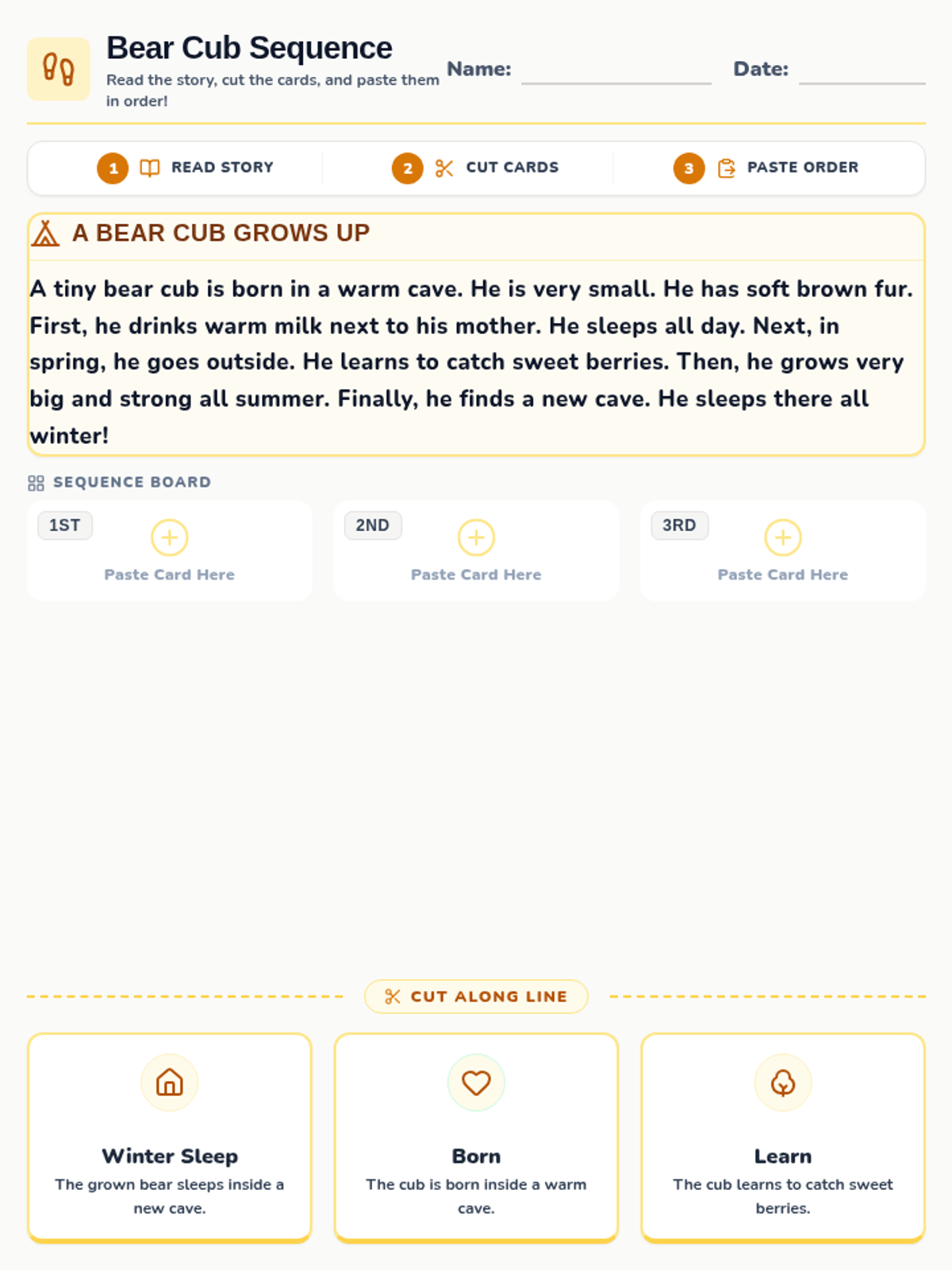
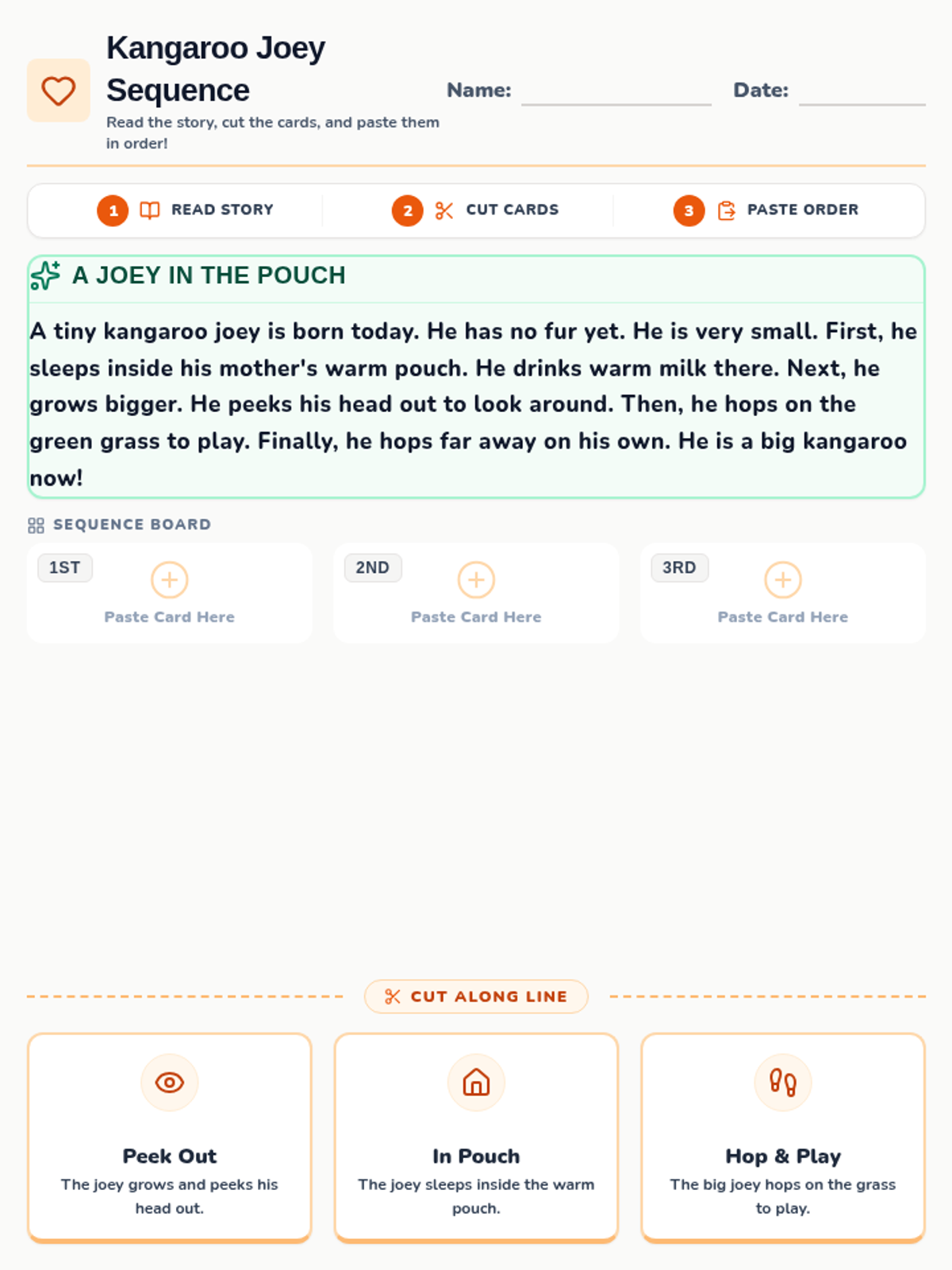
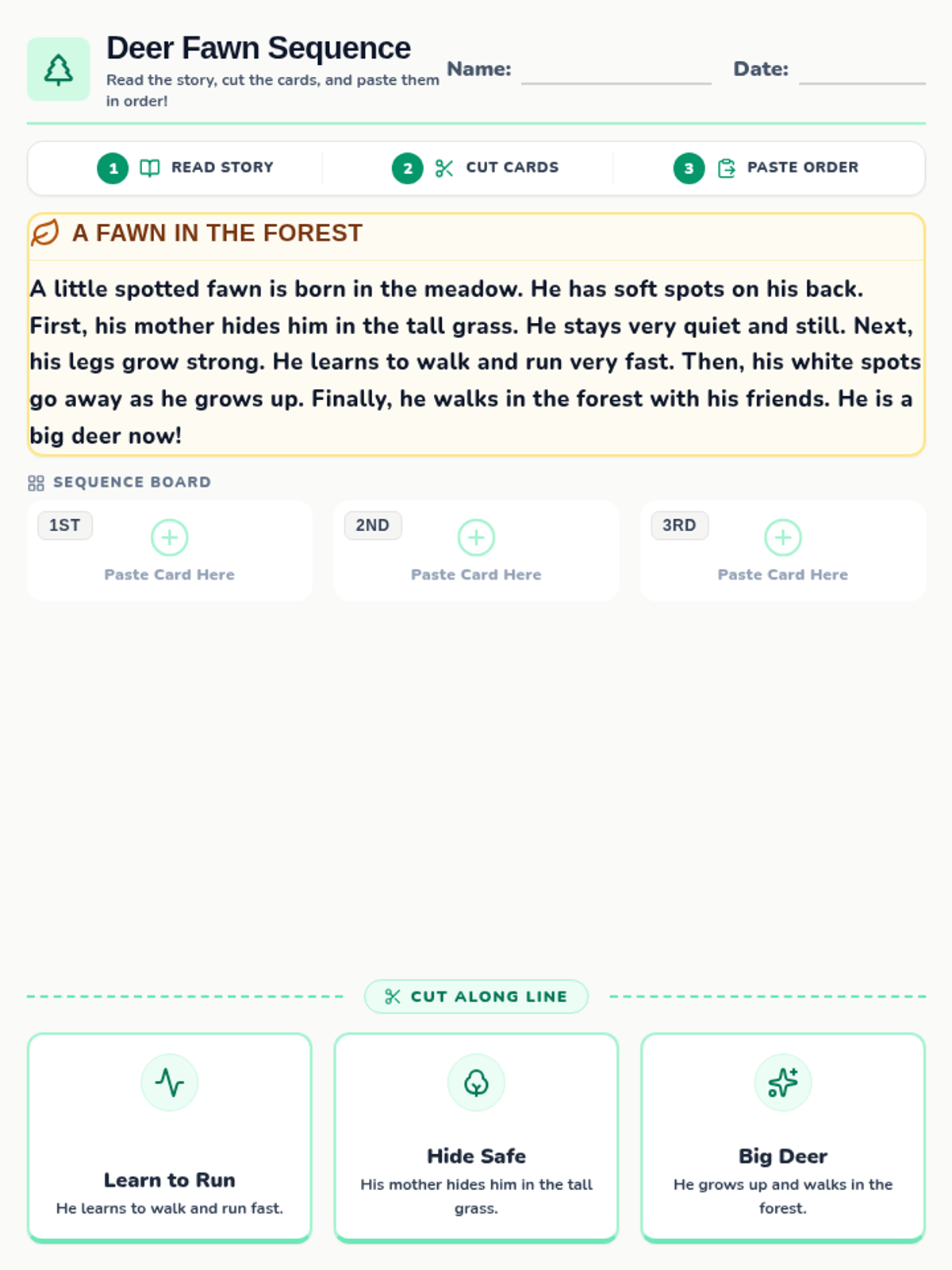
A structured, high-visual lesson designed for students with autism to practice 3-step sequencing using different animal life cycles. Includes printable worksheets with matching card designs.
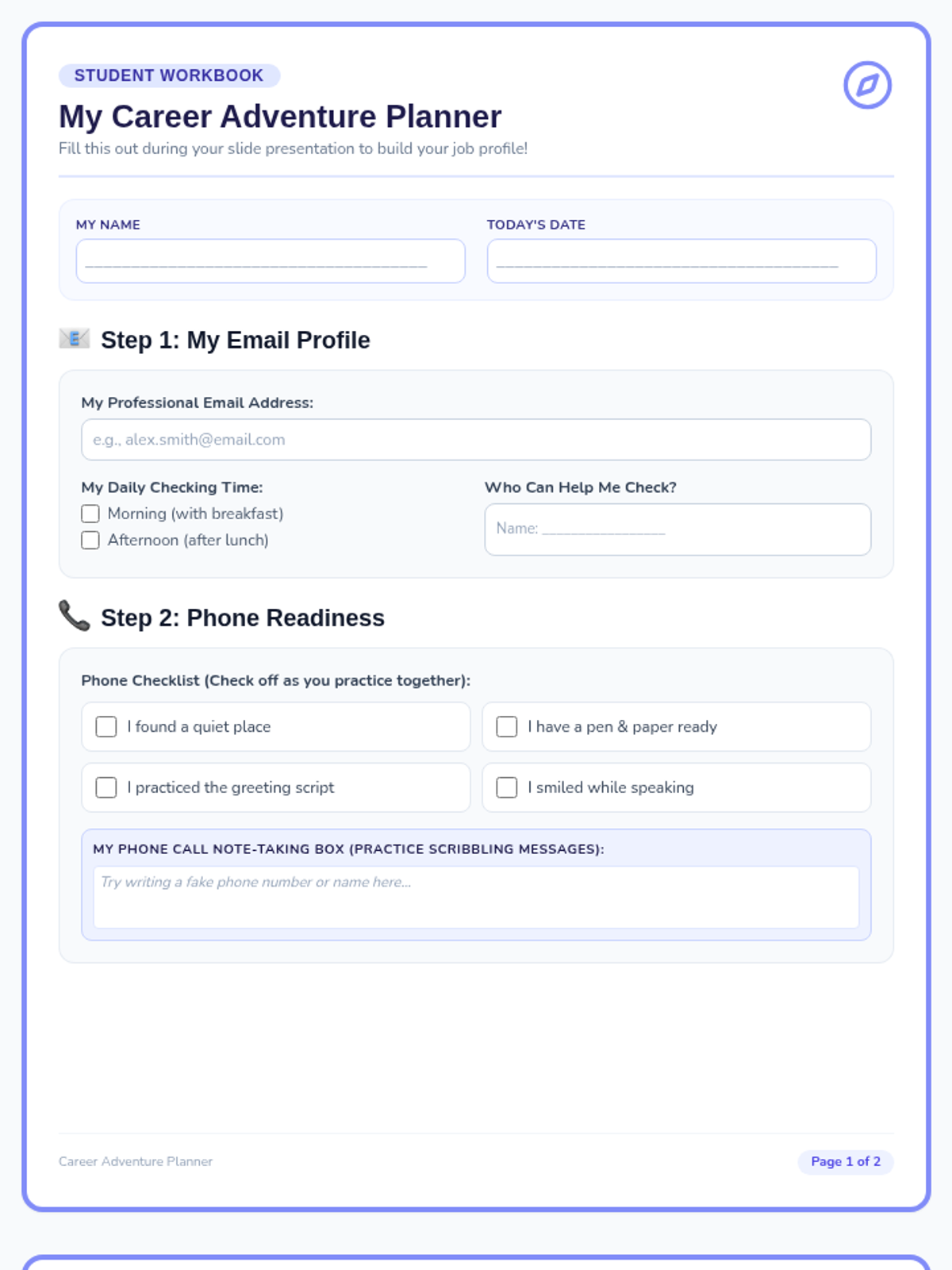
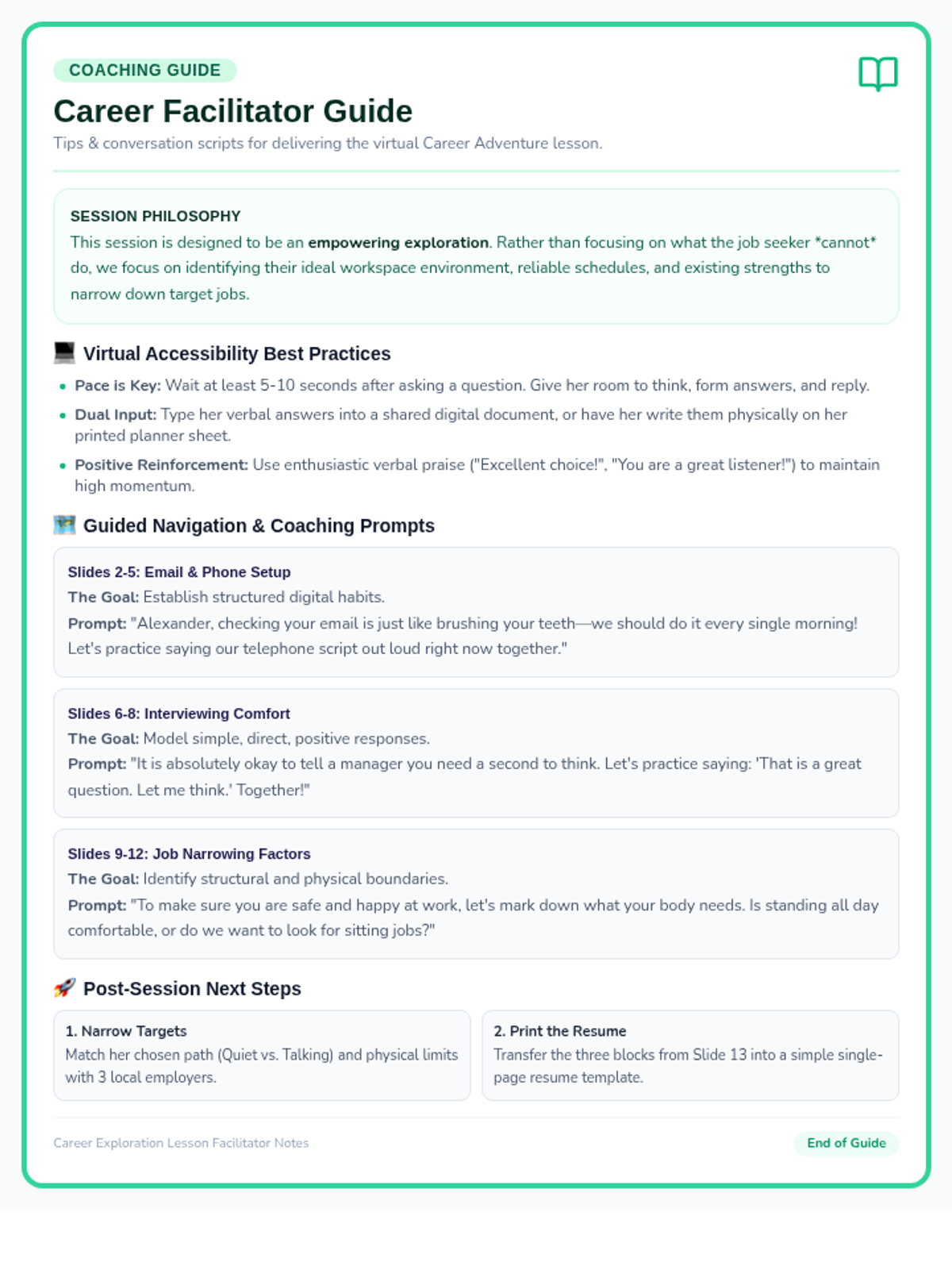
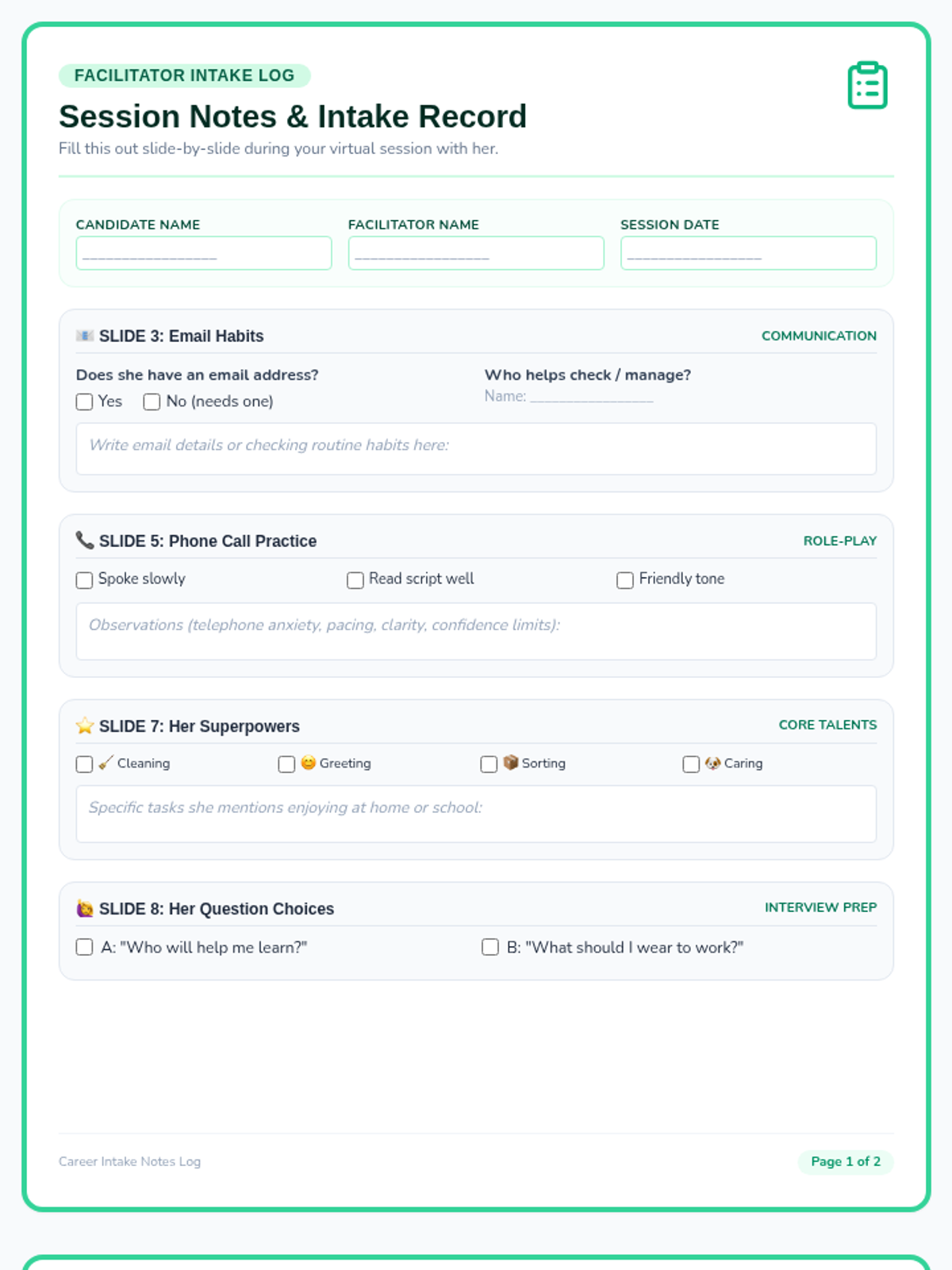
An interactive and visually-supported career preparation lesson designed to help individuals with special needs identify their job preferences, practice communication skills, and prepare for interviews.
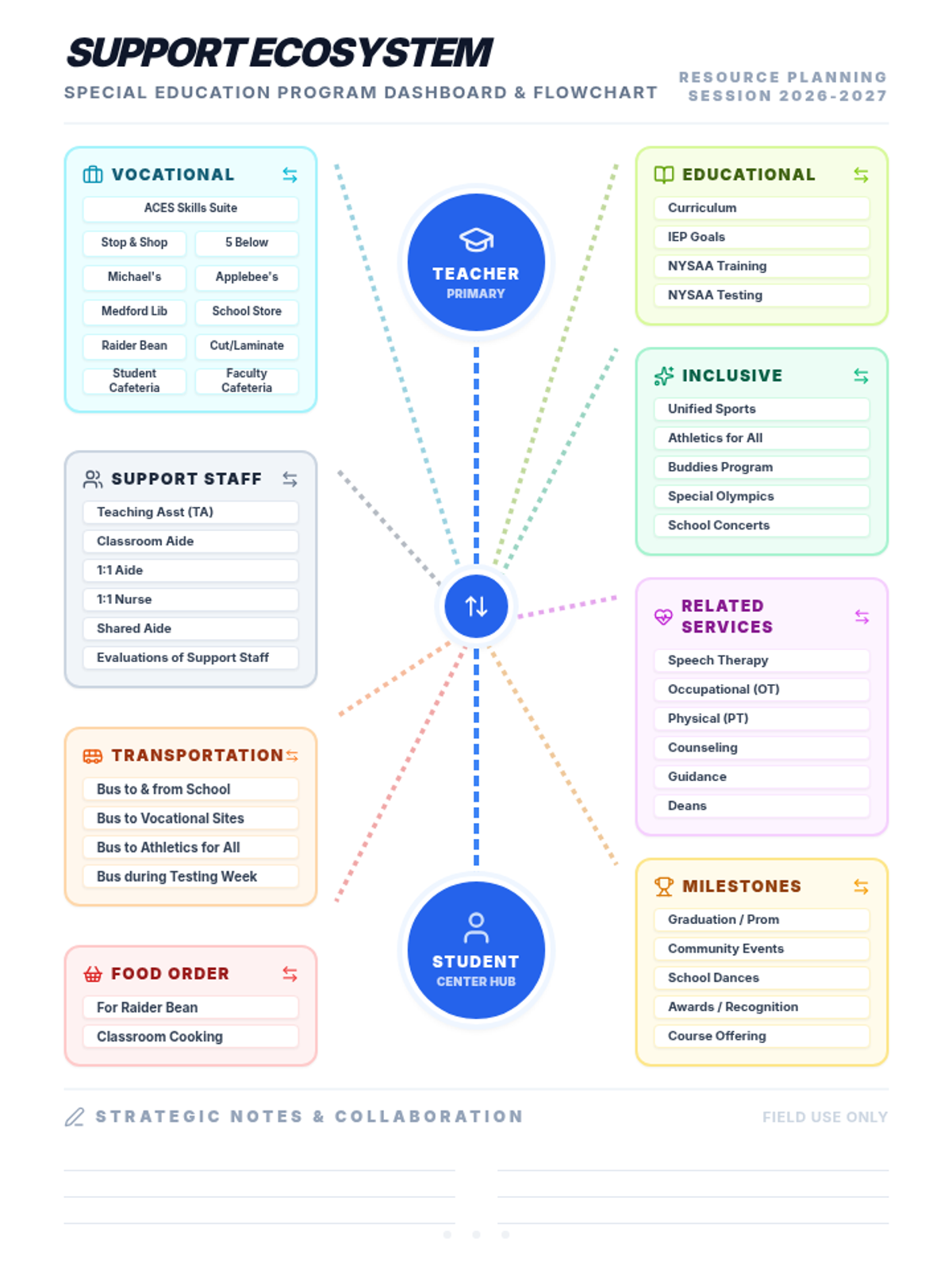
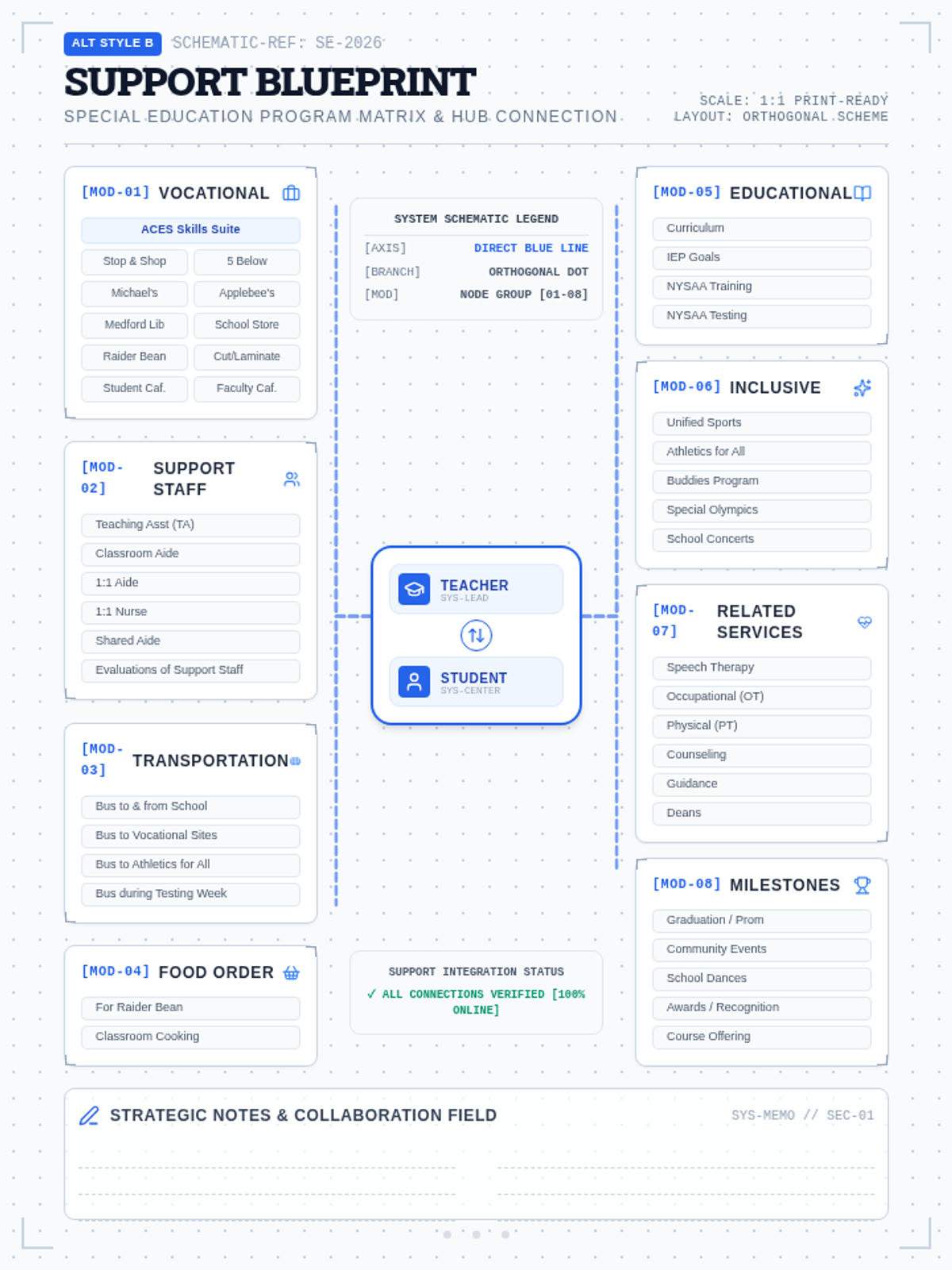
A lesson bundle focusing on the planning and mapping of support networks and educational resources in Special Education programs.
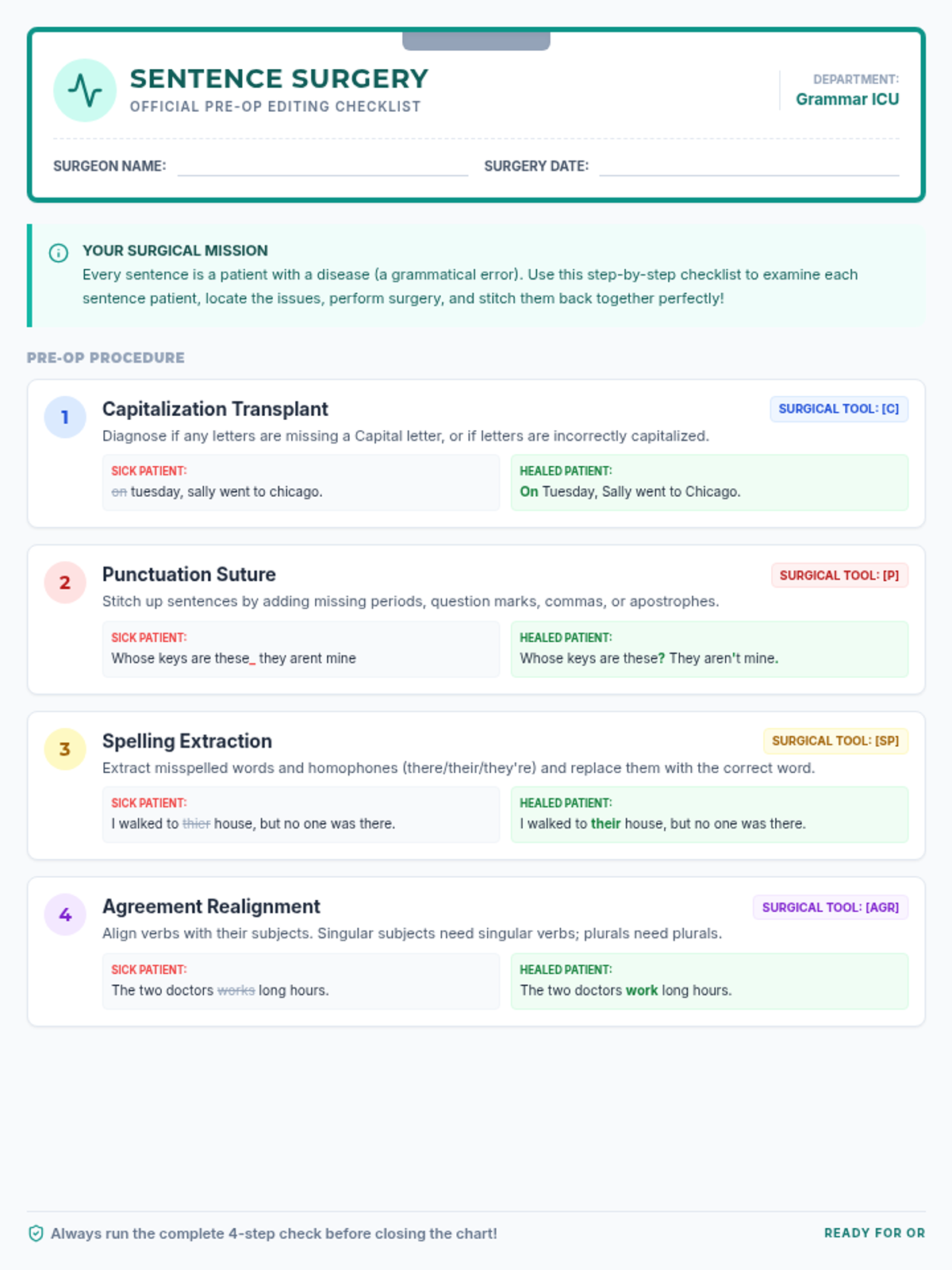
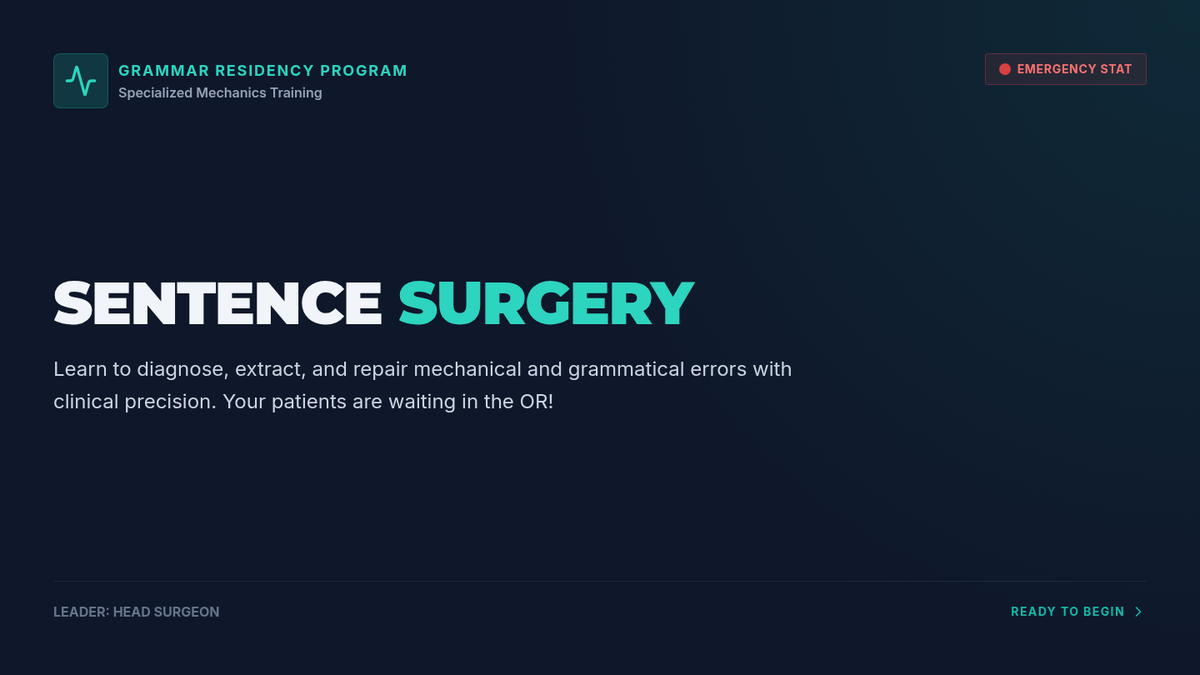
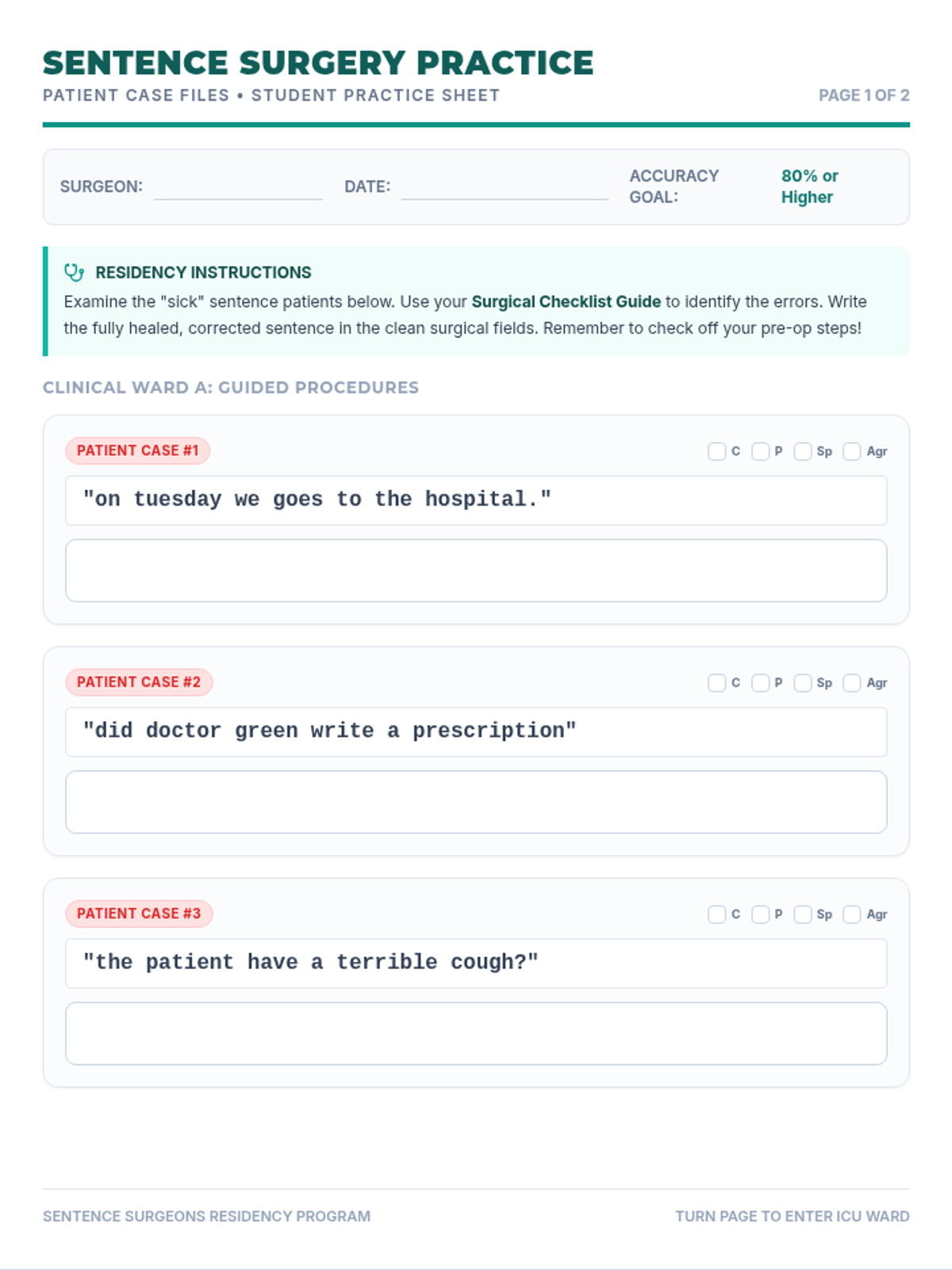
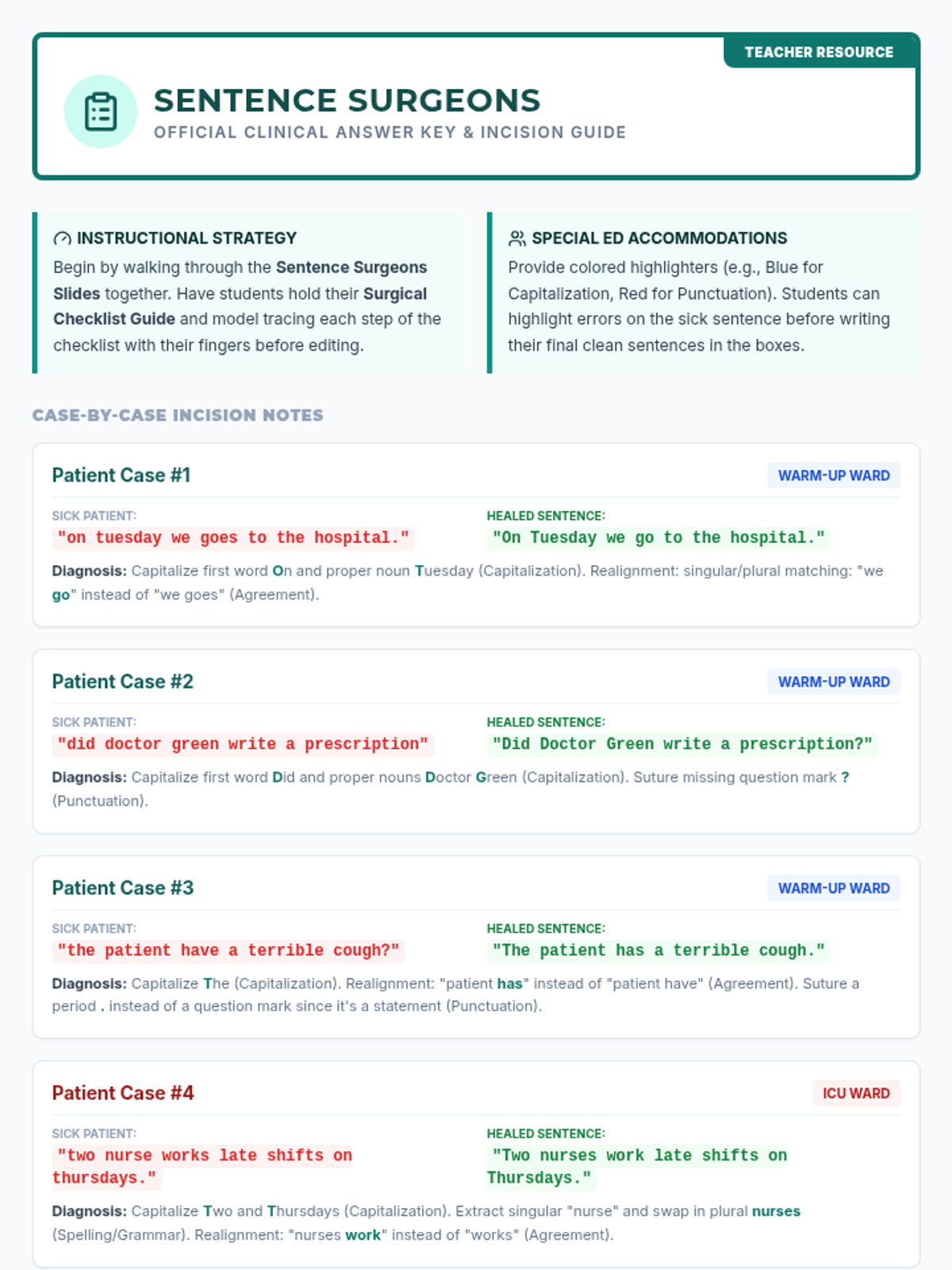
A specialized grammar and mechanics proofreading lesson themed around a medical 'sentence surgery' metaphor. Designed for high school special education, it breaks down mixed error editing into concrete, scaffolded steps using a visual surgical checklist and hands-on practice.
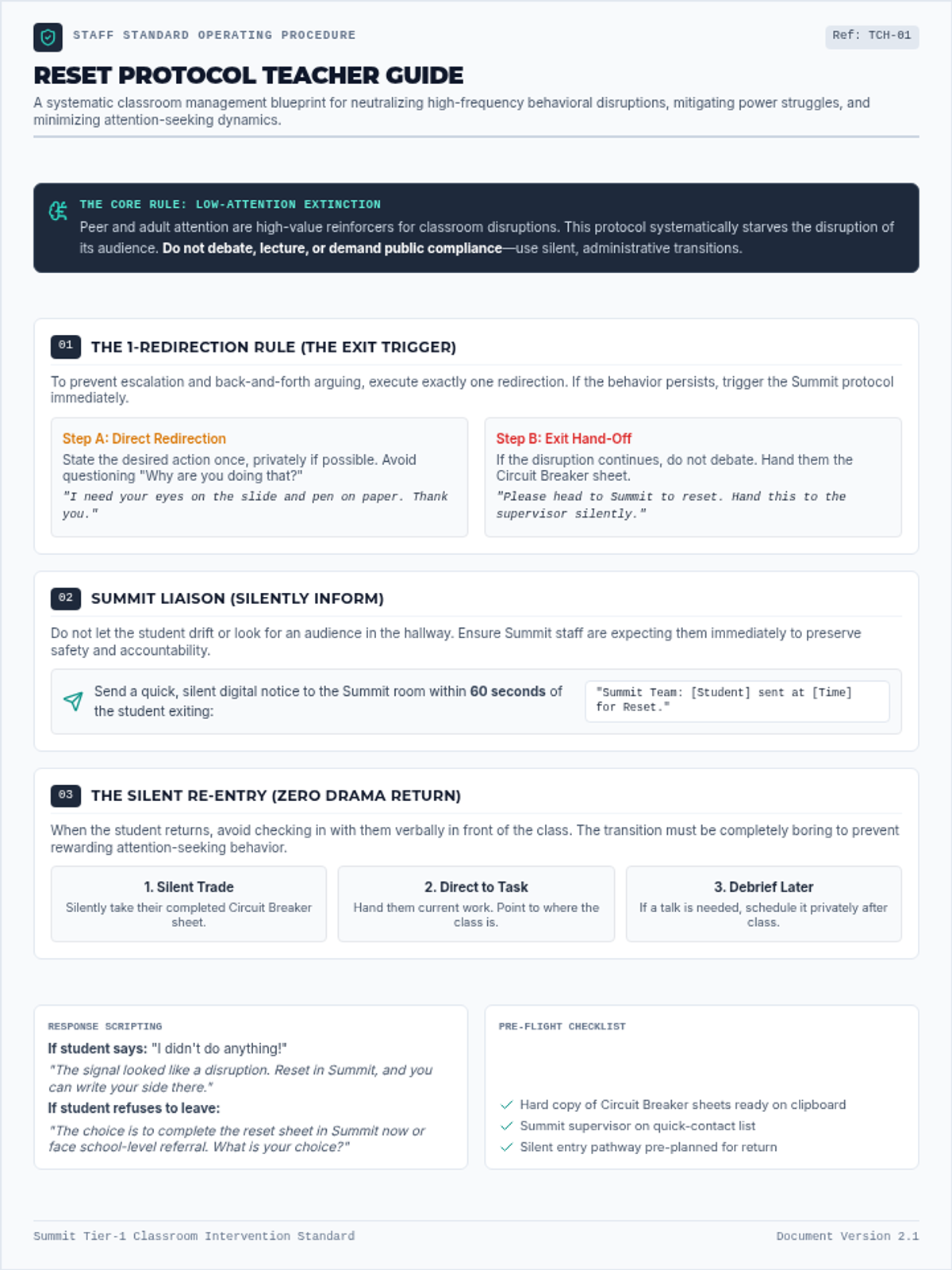
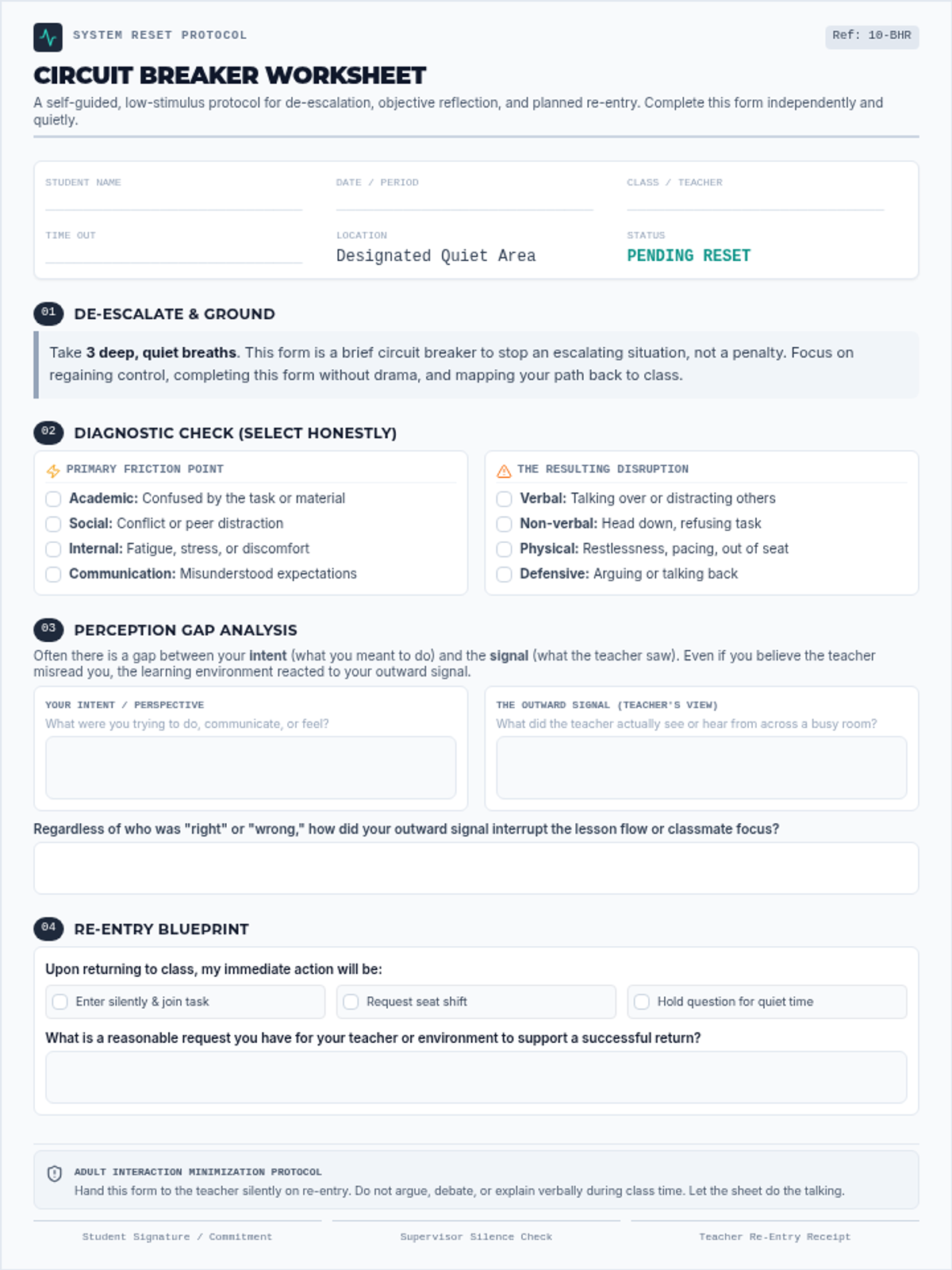
A systematic classroom management lesson consisting of a self-guided student worksheet and a teacher protocol guide, designed to manage high school behavioral disruptions with low-stimulus interventions.
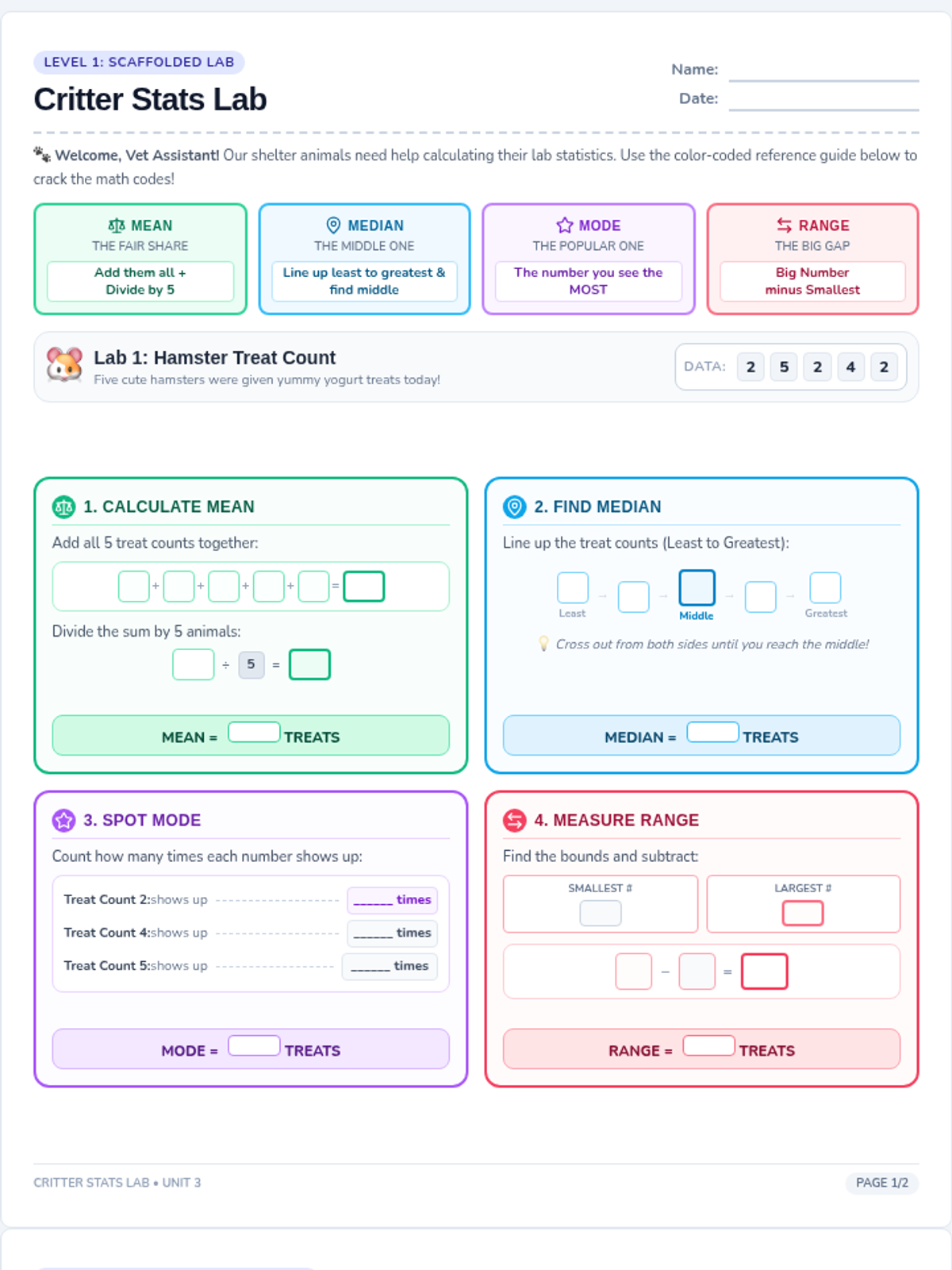
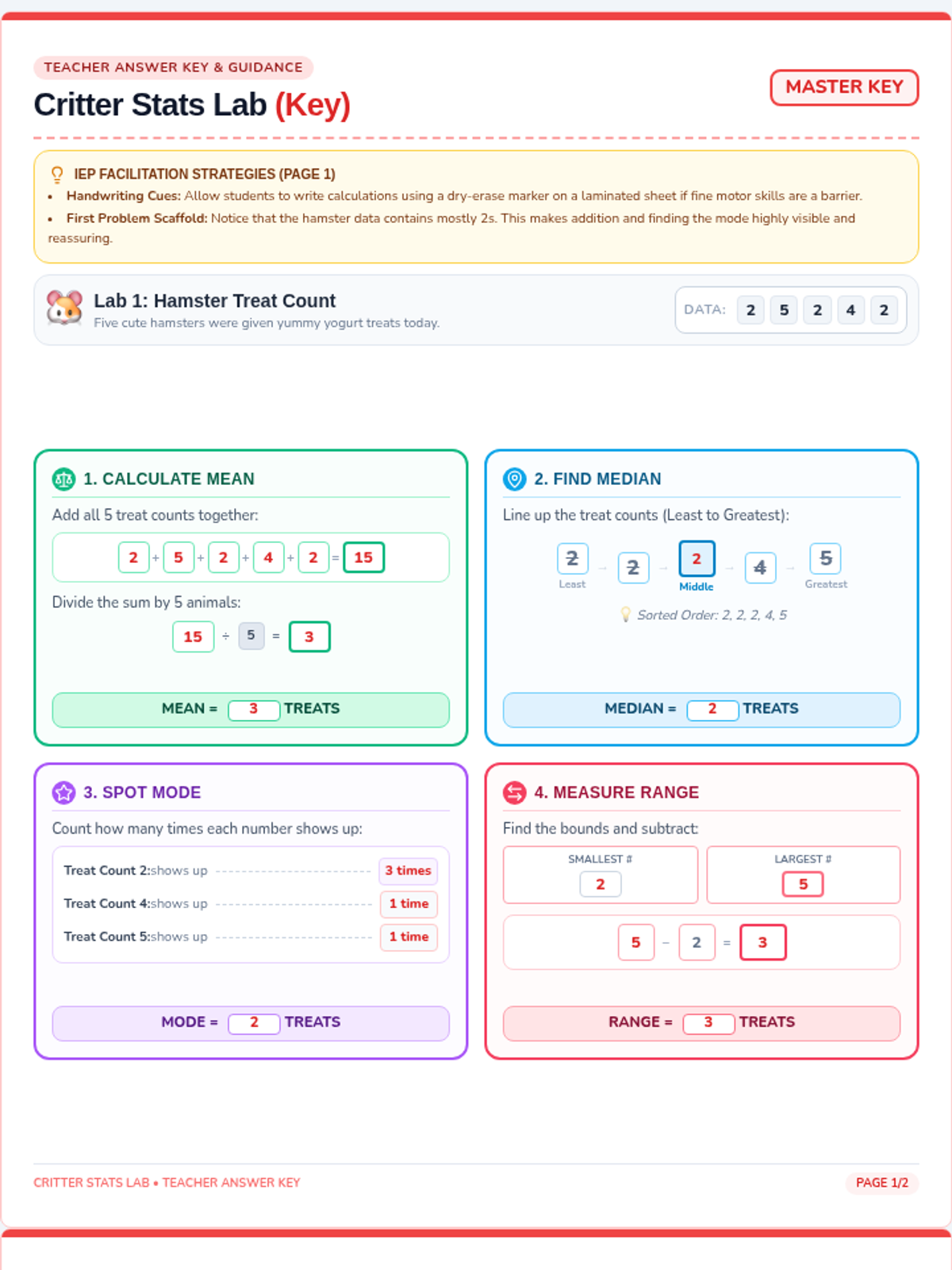
A highly visual, color-coded math lesson introducing mean, median, mode, and range to IEP students using adorable pet shelter statistics. Highly structured layout with minimal text density and supportive visual cues.
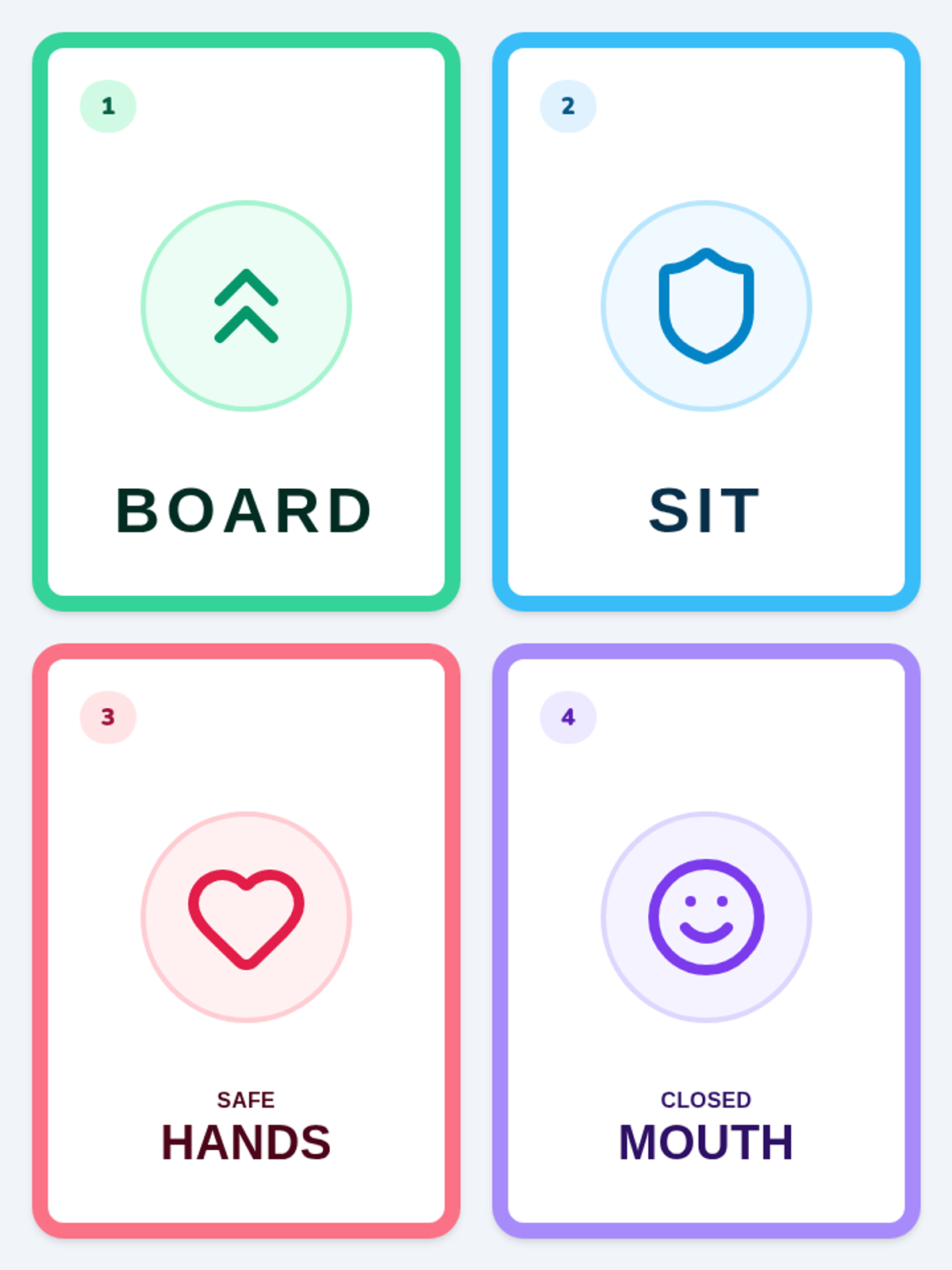
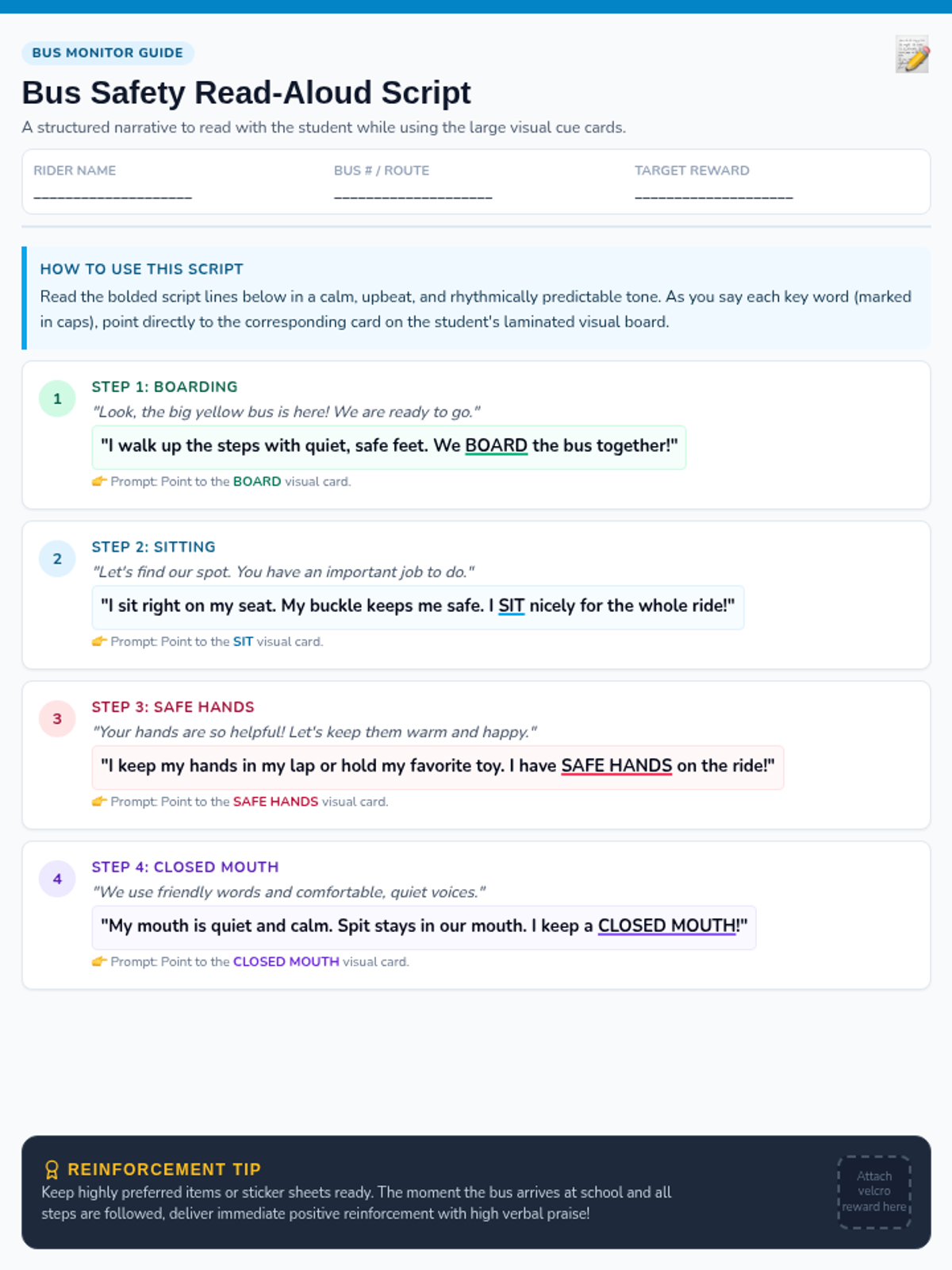
A structured visual and narrative routine designed to support a kindergarten student with severe special needs in riding the bus safely. Features a dedicated monitor read-aloud script and highly focused, large-format visual cue cards.
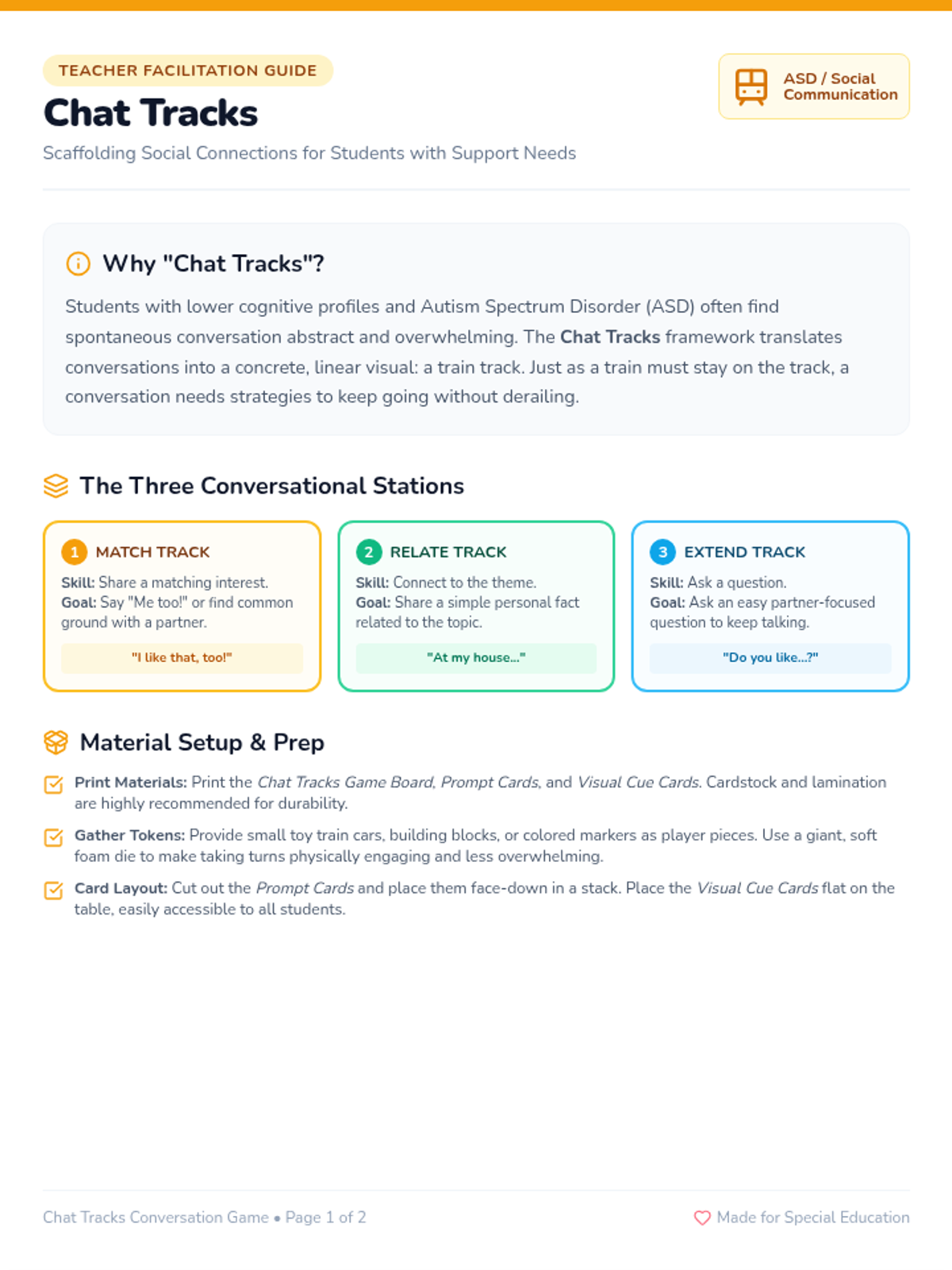
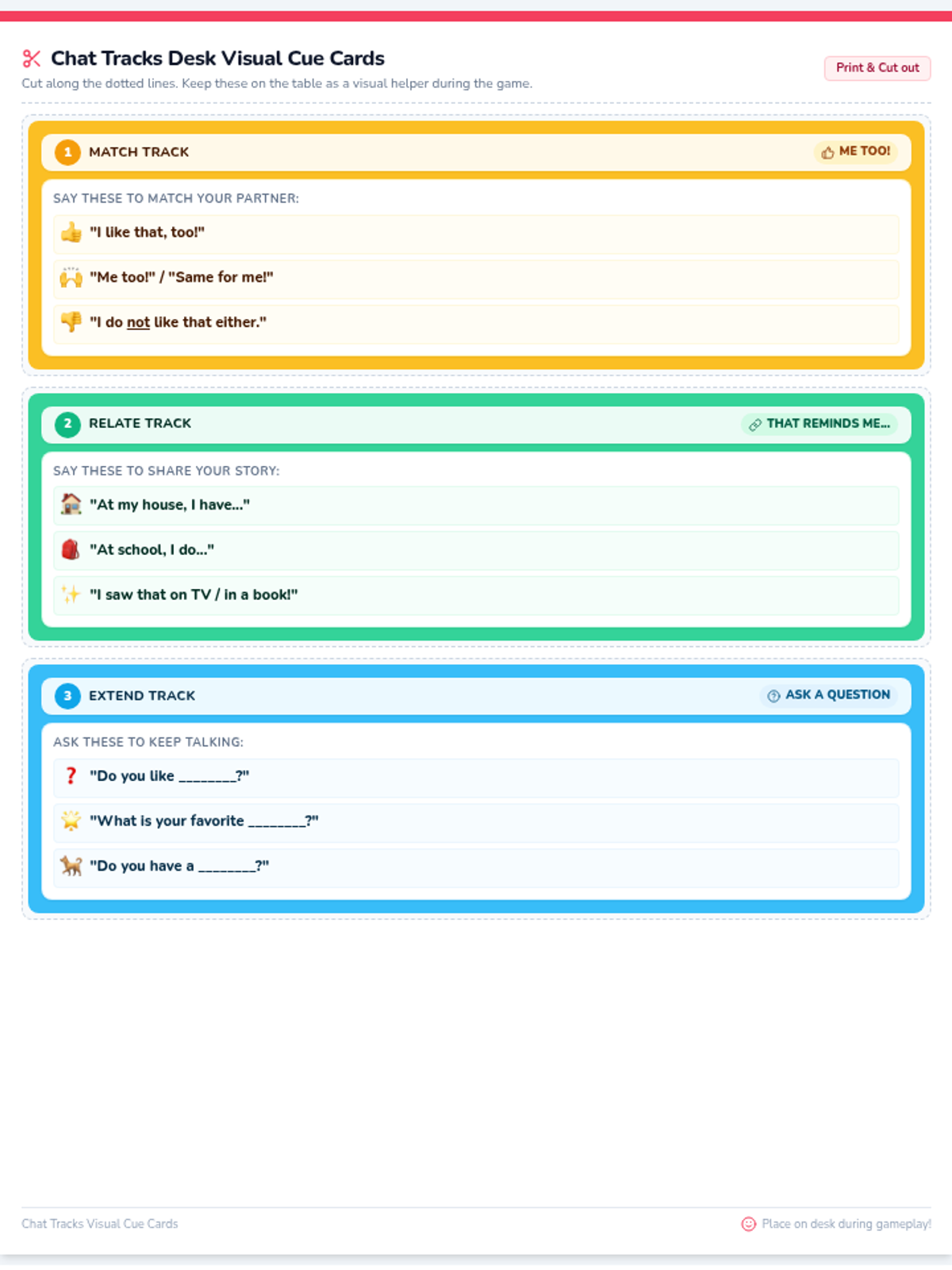
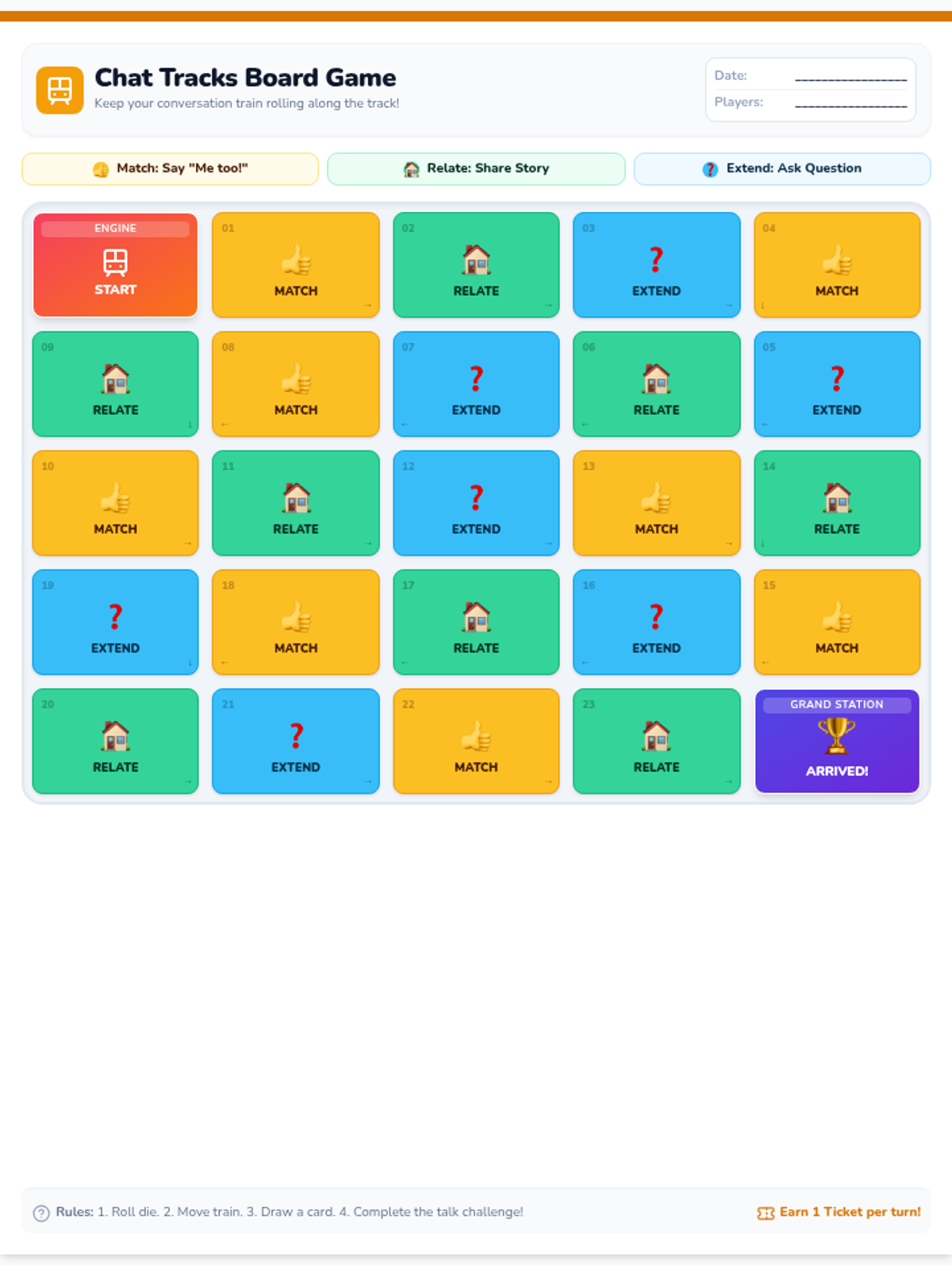
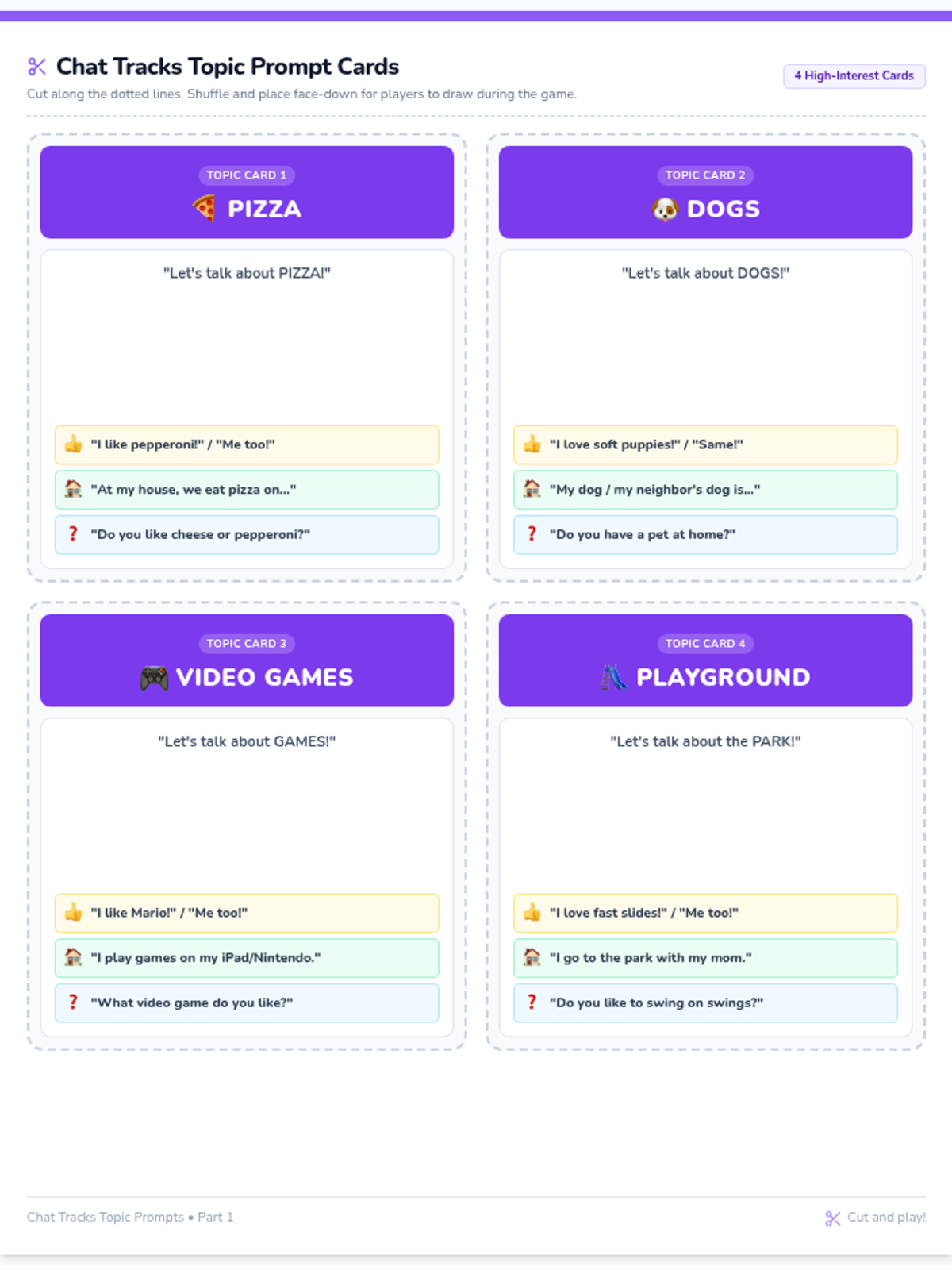
A structured, visual-first conversational game designed for speech therapists, special education teachers, and paraprofessionals to support low-cognitive students with Autism Spectrum Disorder (ASD). The lesson uses a concrete train-track motif to scaffold three essential conversational skills: sharing matching interests, relating to topics, and extending dialogue.
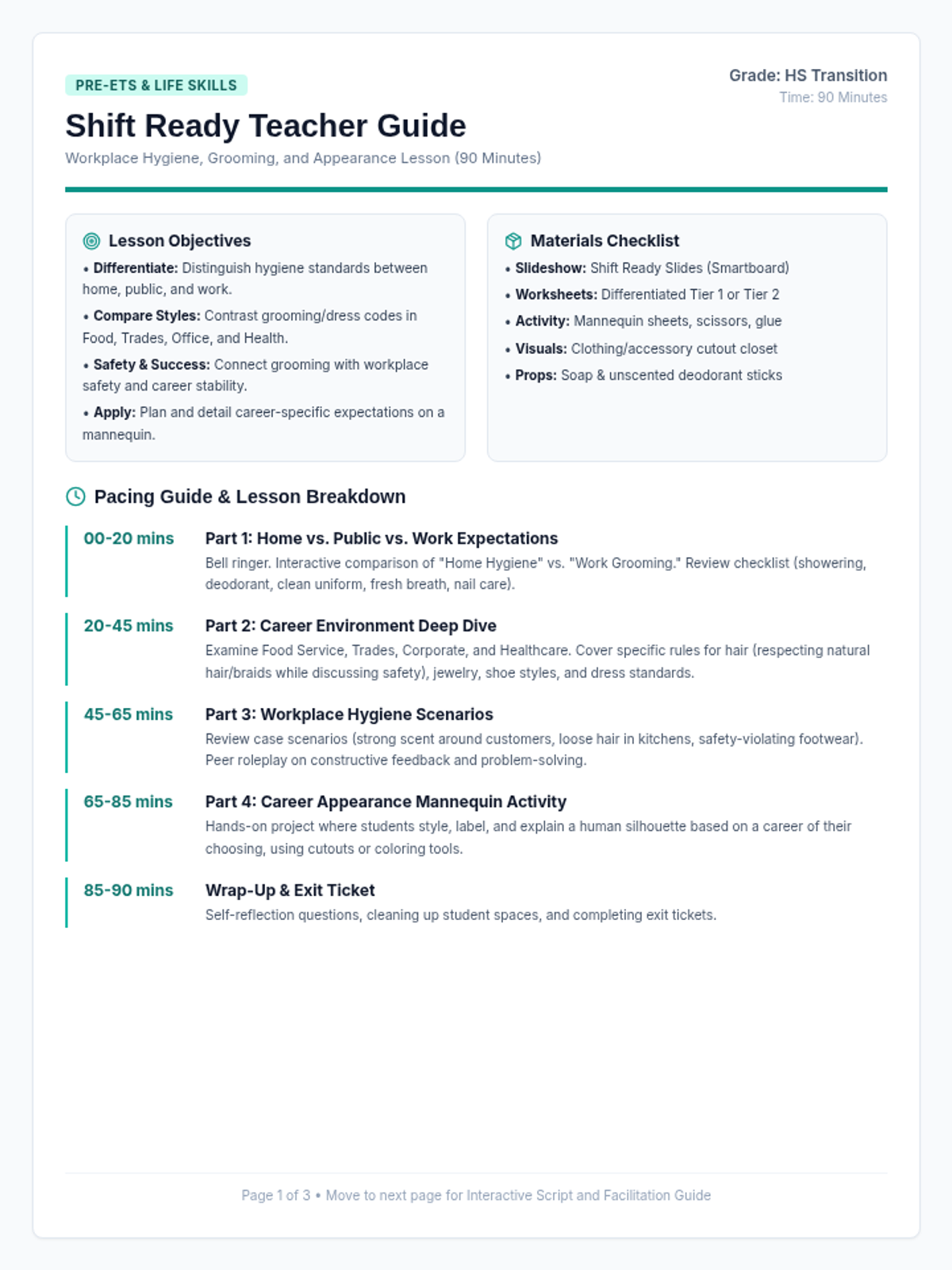
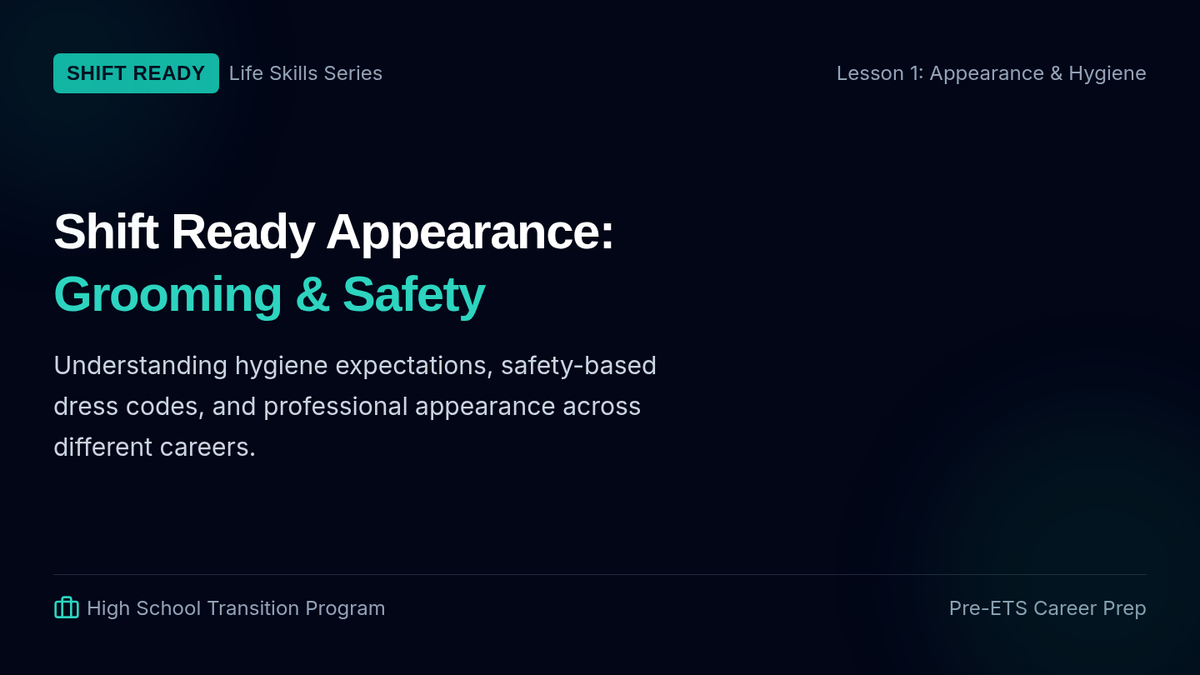
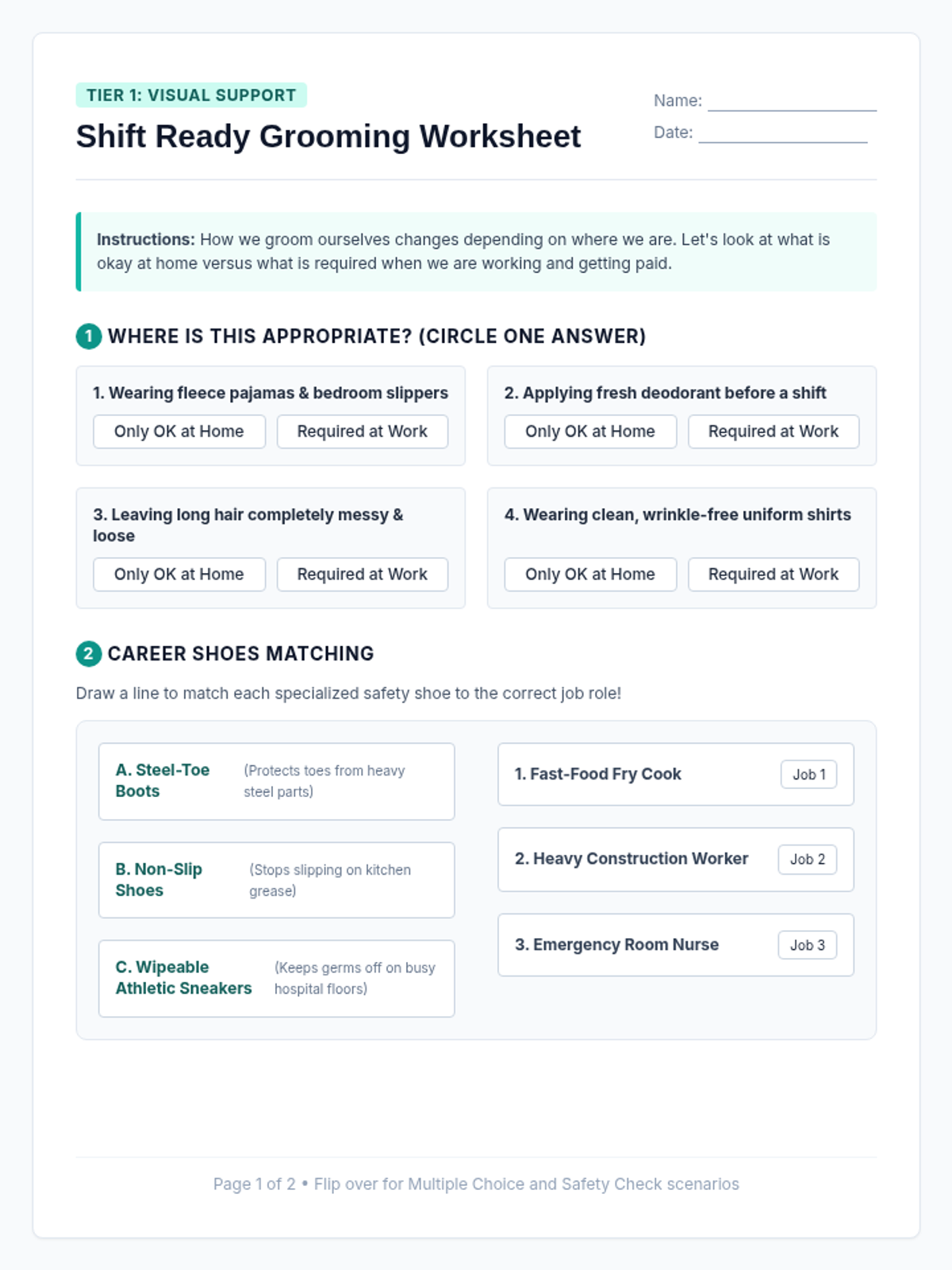
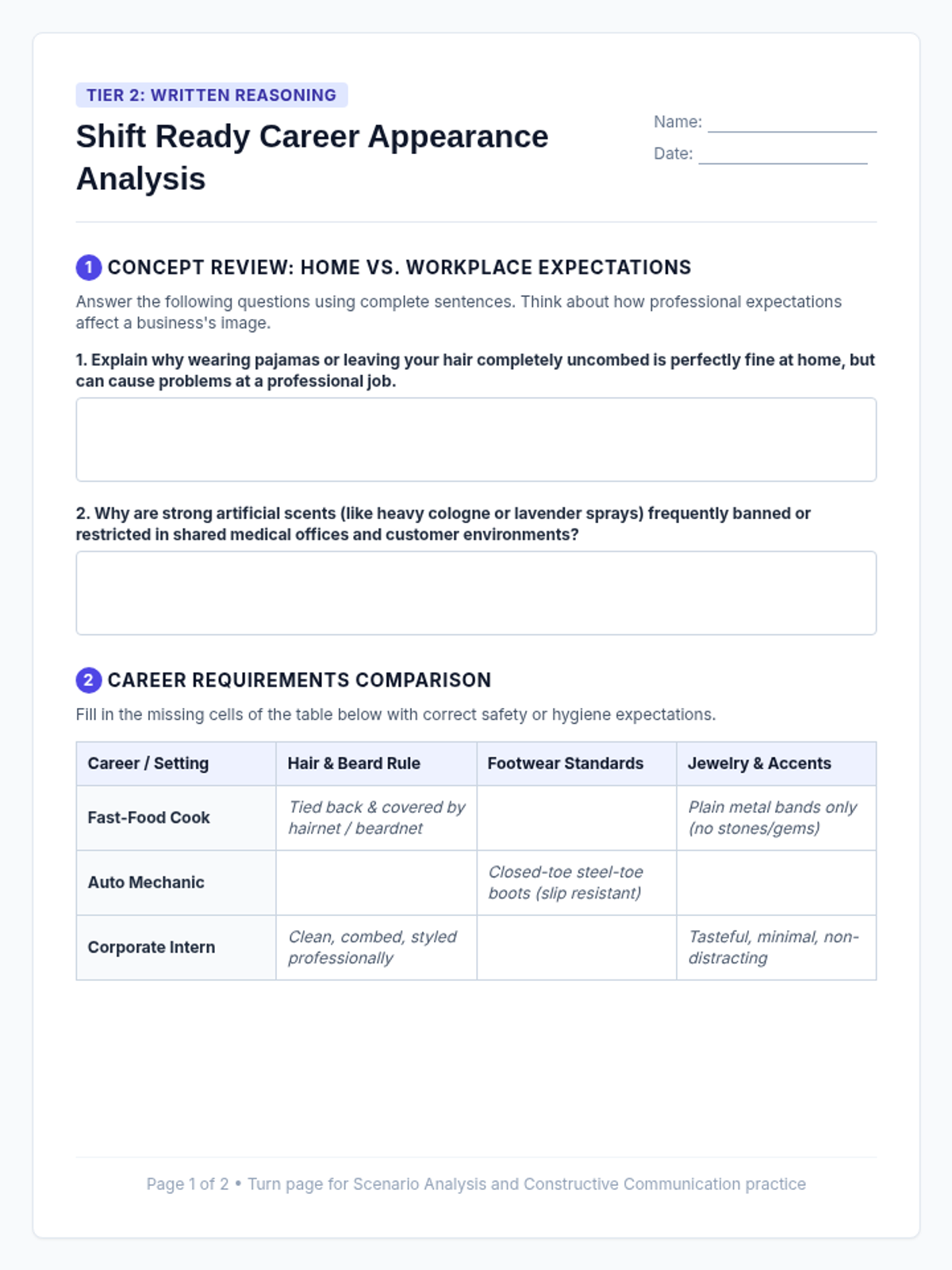
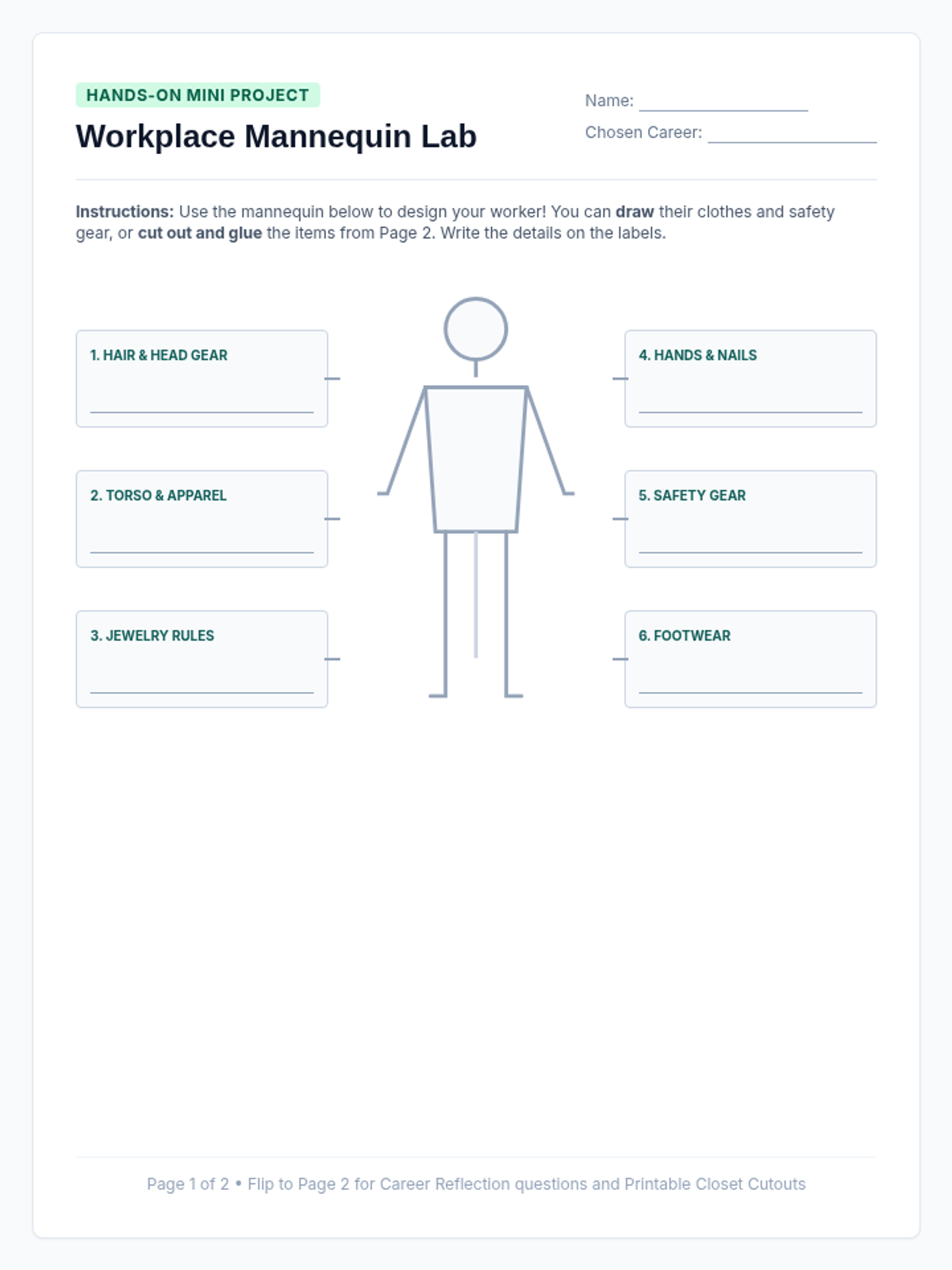
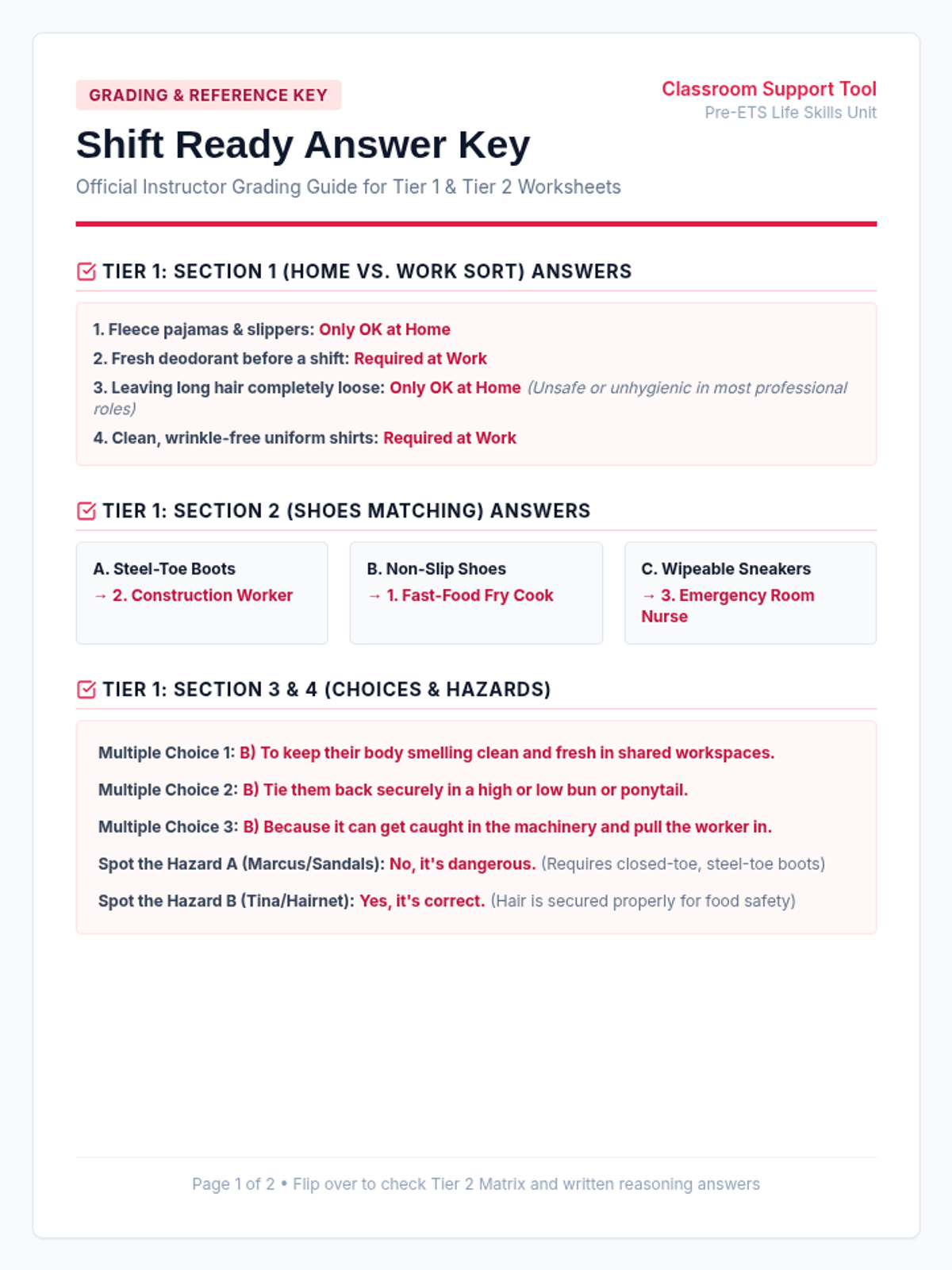
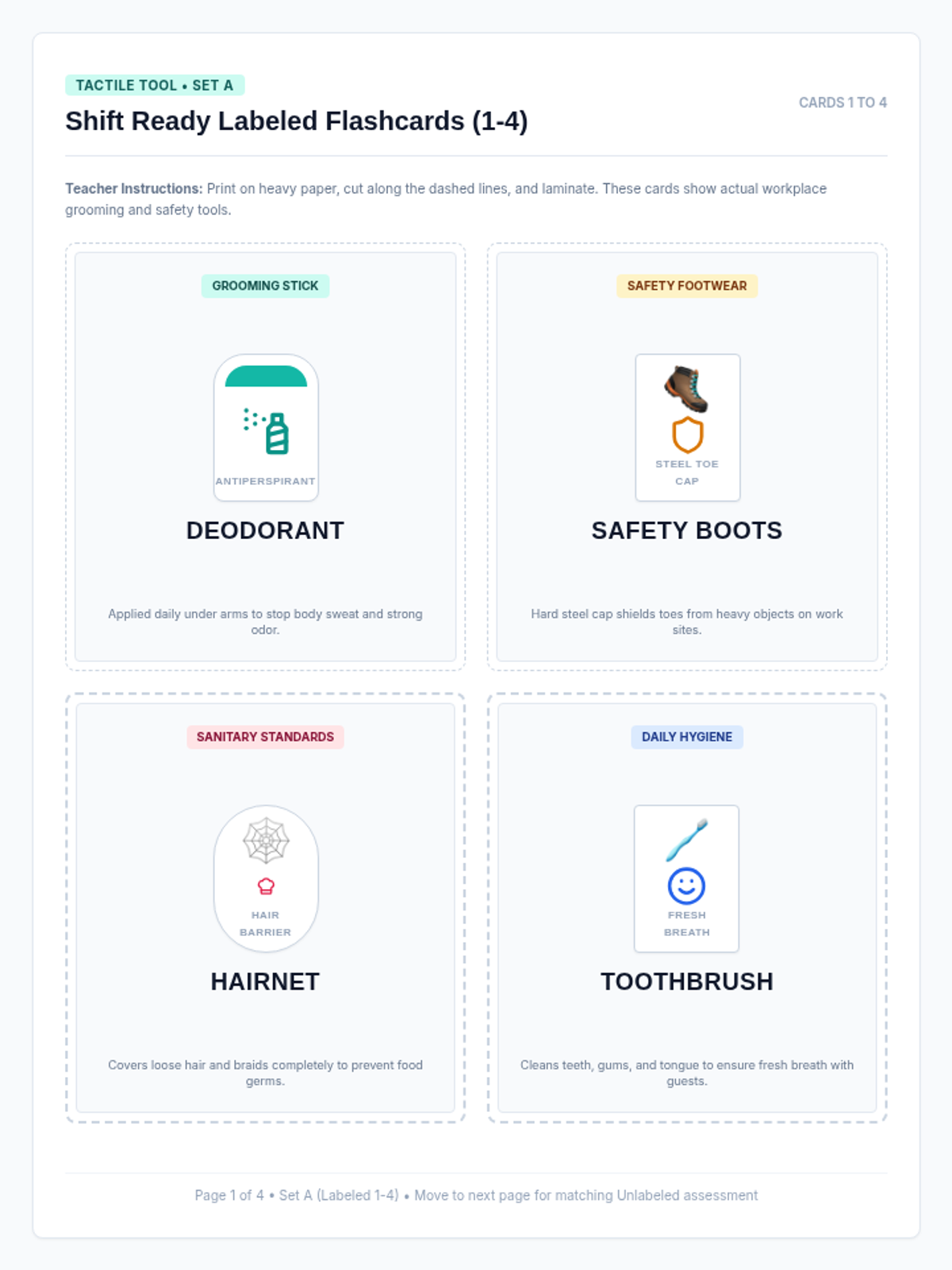
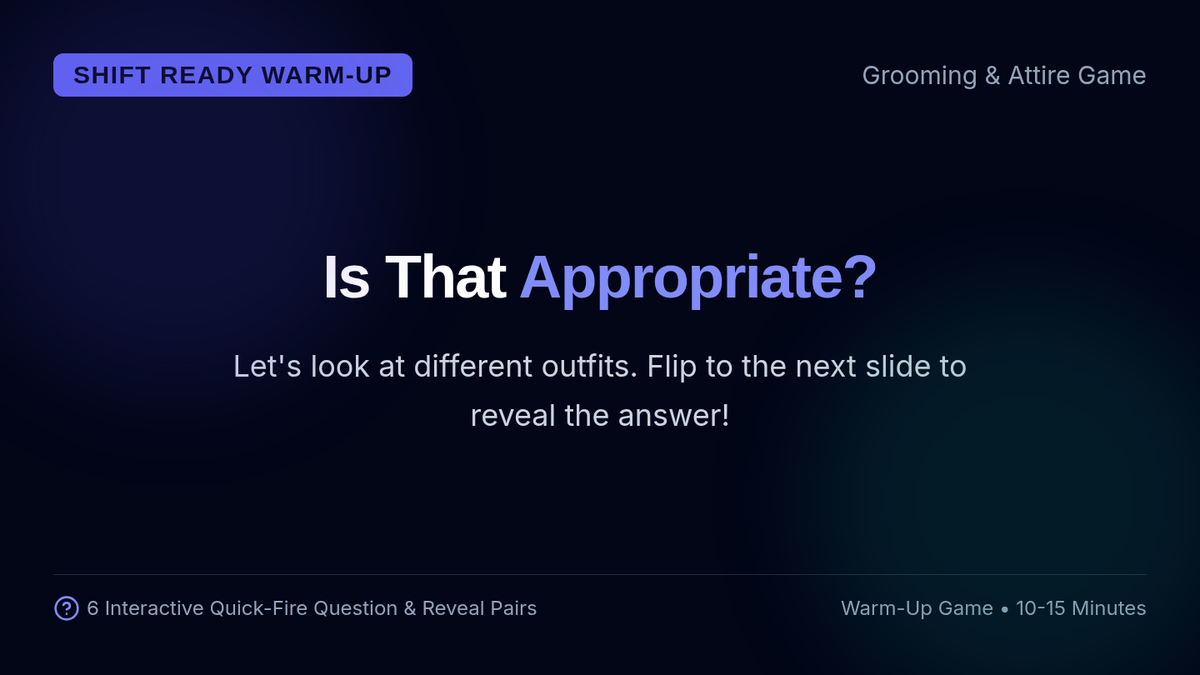
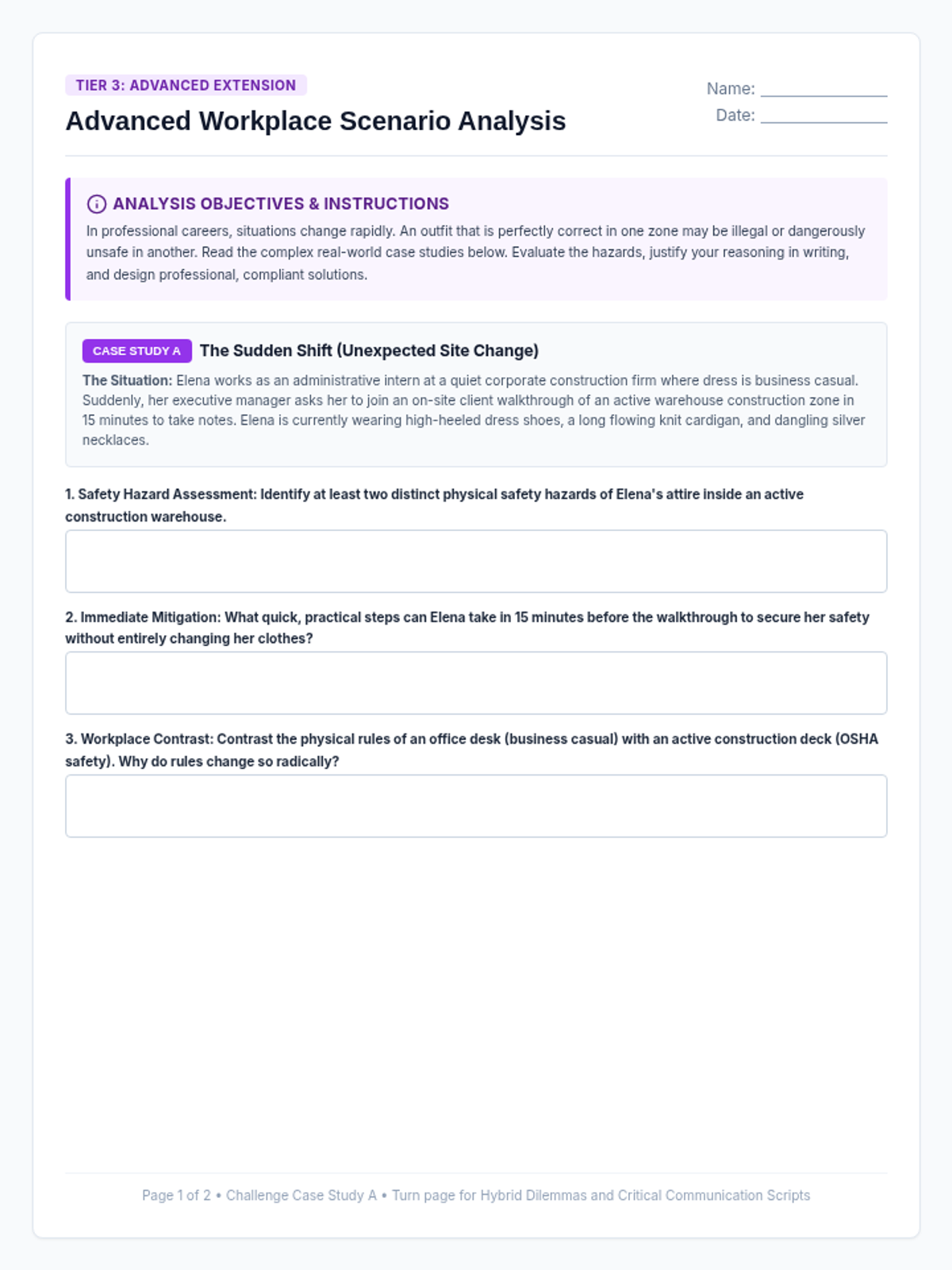
A functional life skills lesson for high school transition students focused on workplace hygiene, grooming, and safety-based dress codes across multiple environments. Includes structured slides, tiered student worksheets, interactive roleplays, and a career appearance mannequin activity.
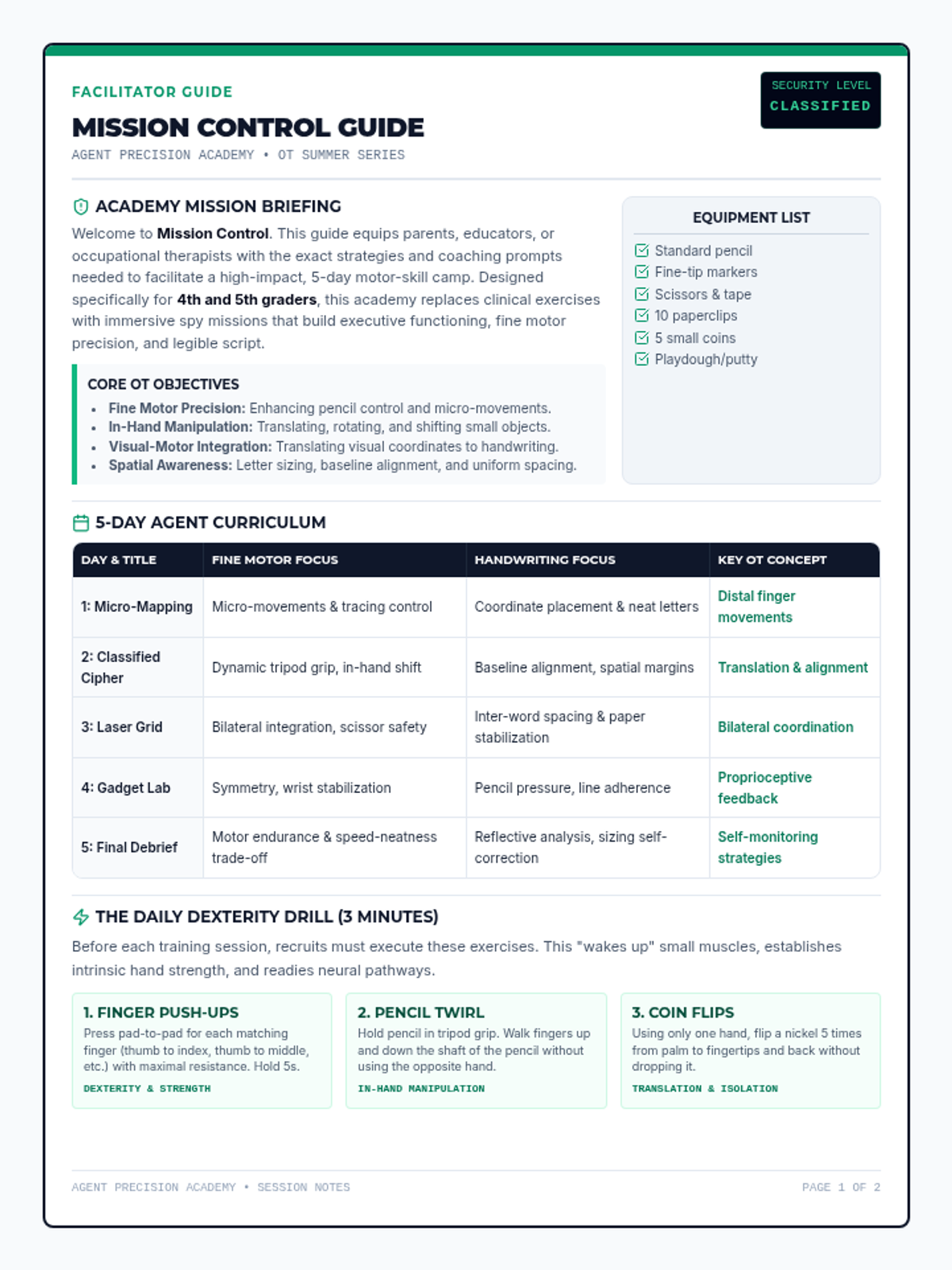
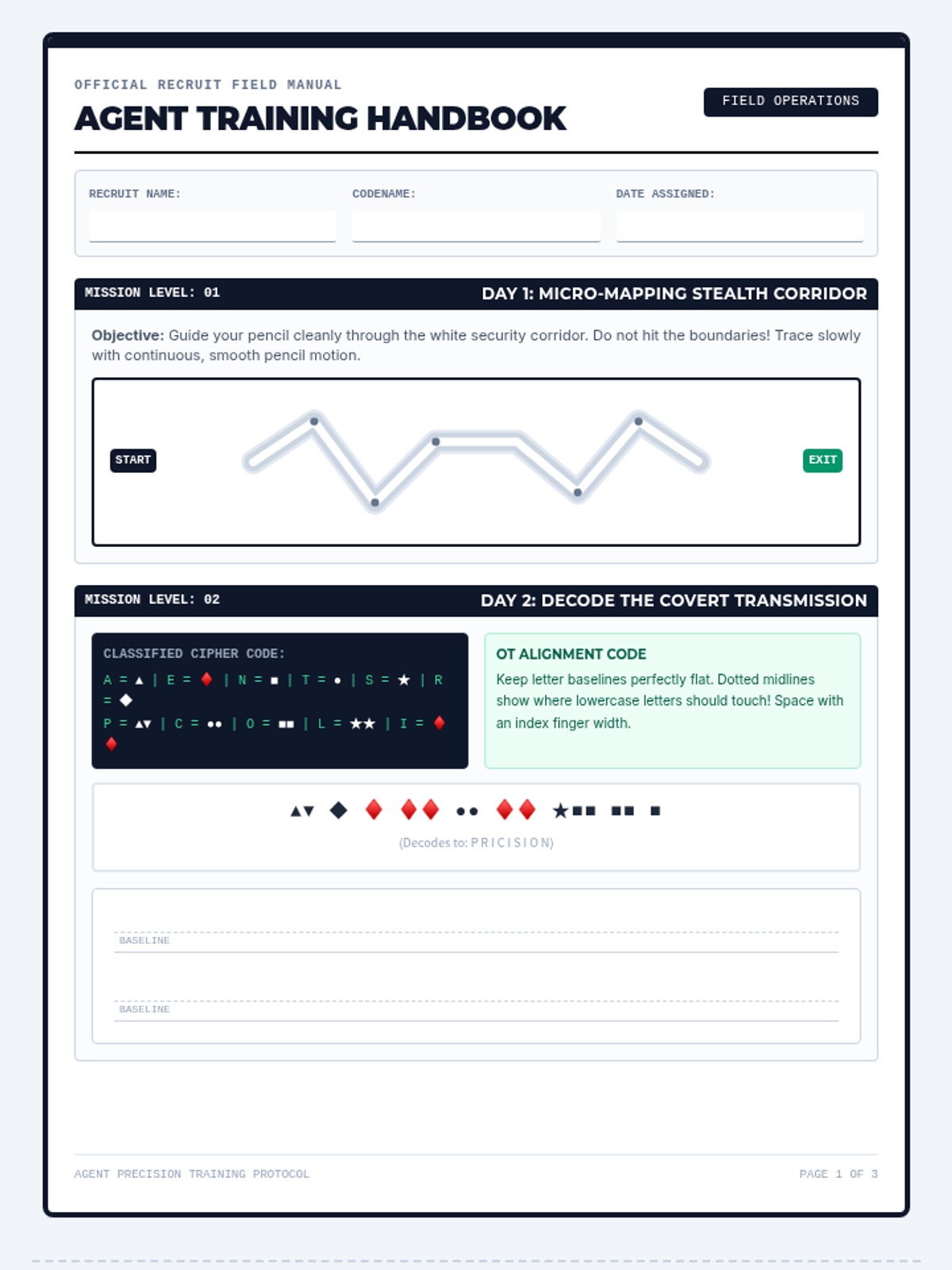
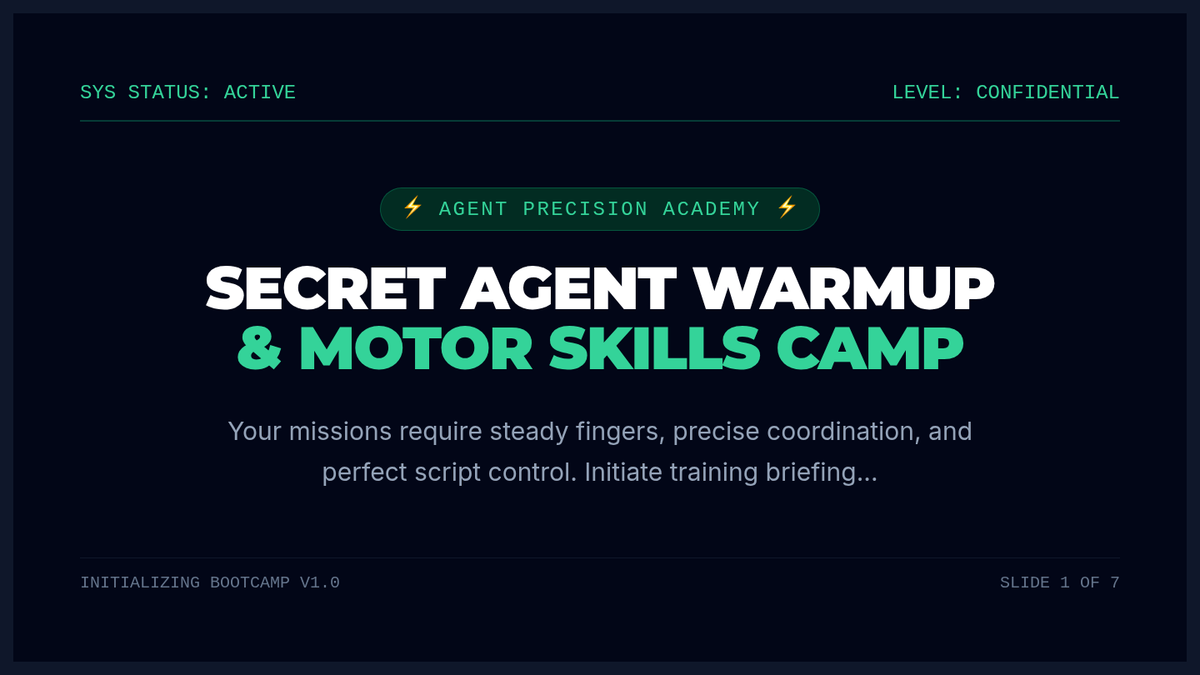
A 5-day summer occupational therapy program for 4th and 5th graders themed around a 'Secret Agent Academy'. It focuses on fine motor precision, finger dexterity, pencil control, and handwriting alignment through highly engaging, covert missions.
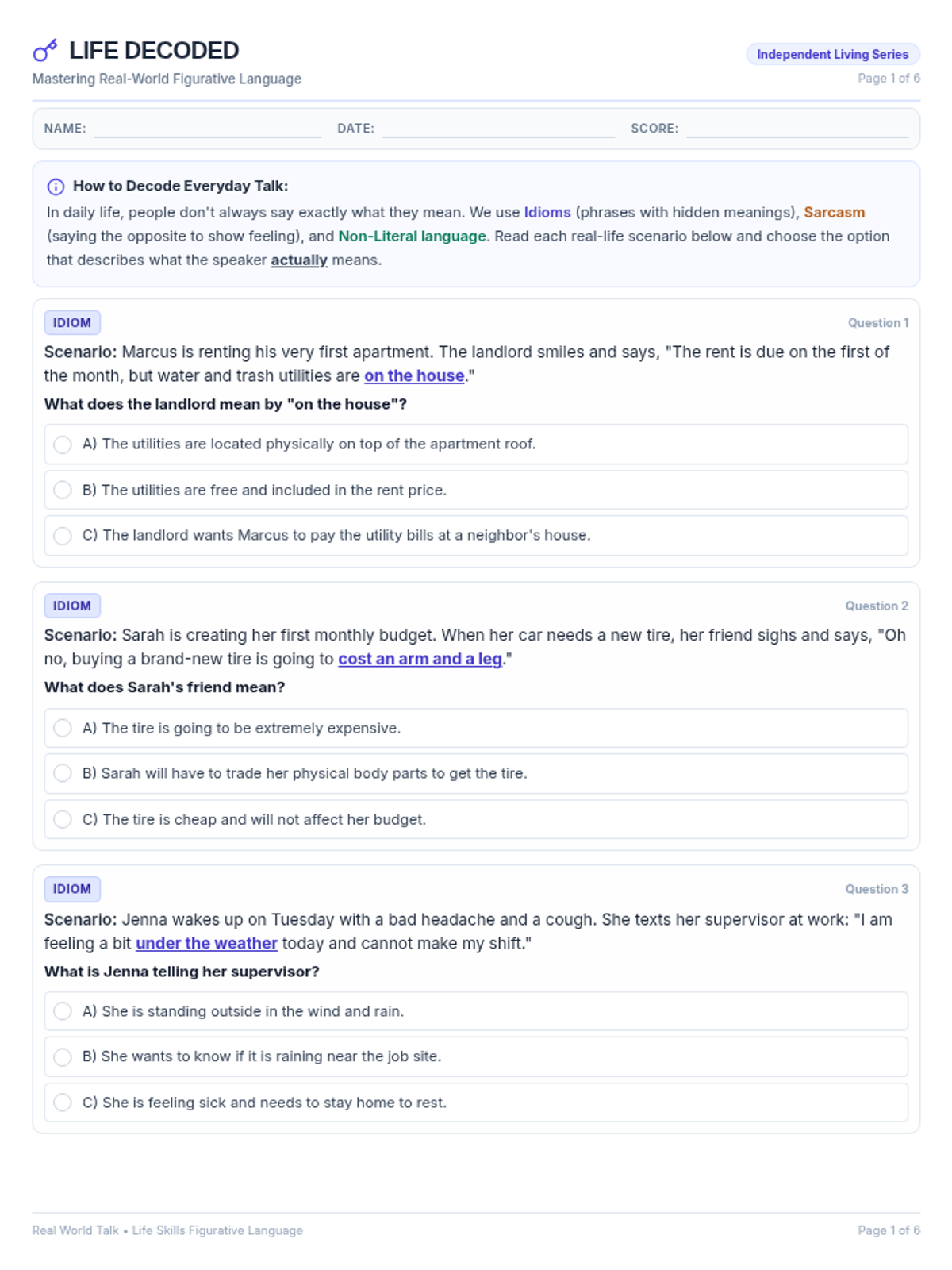
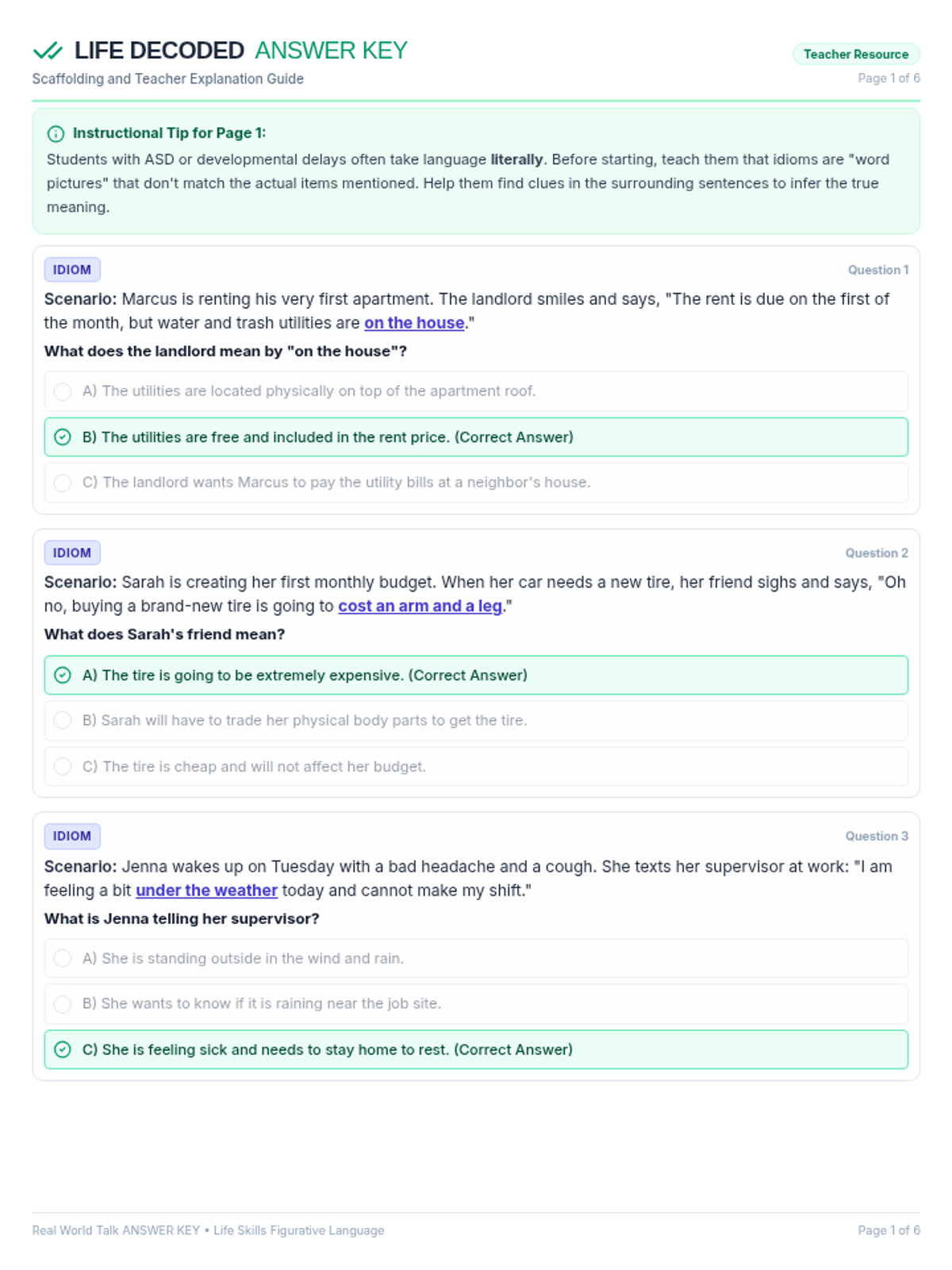
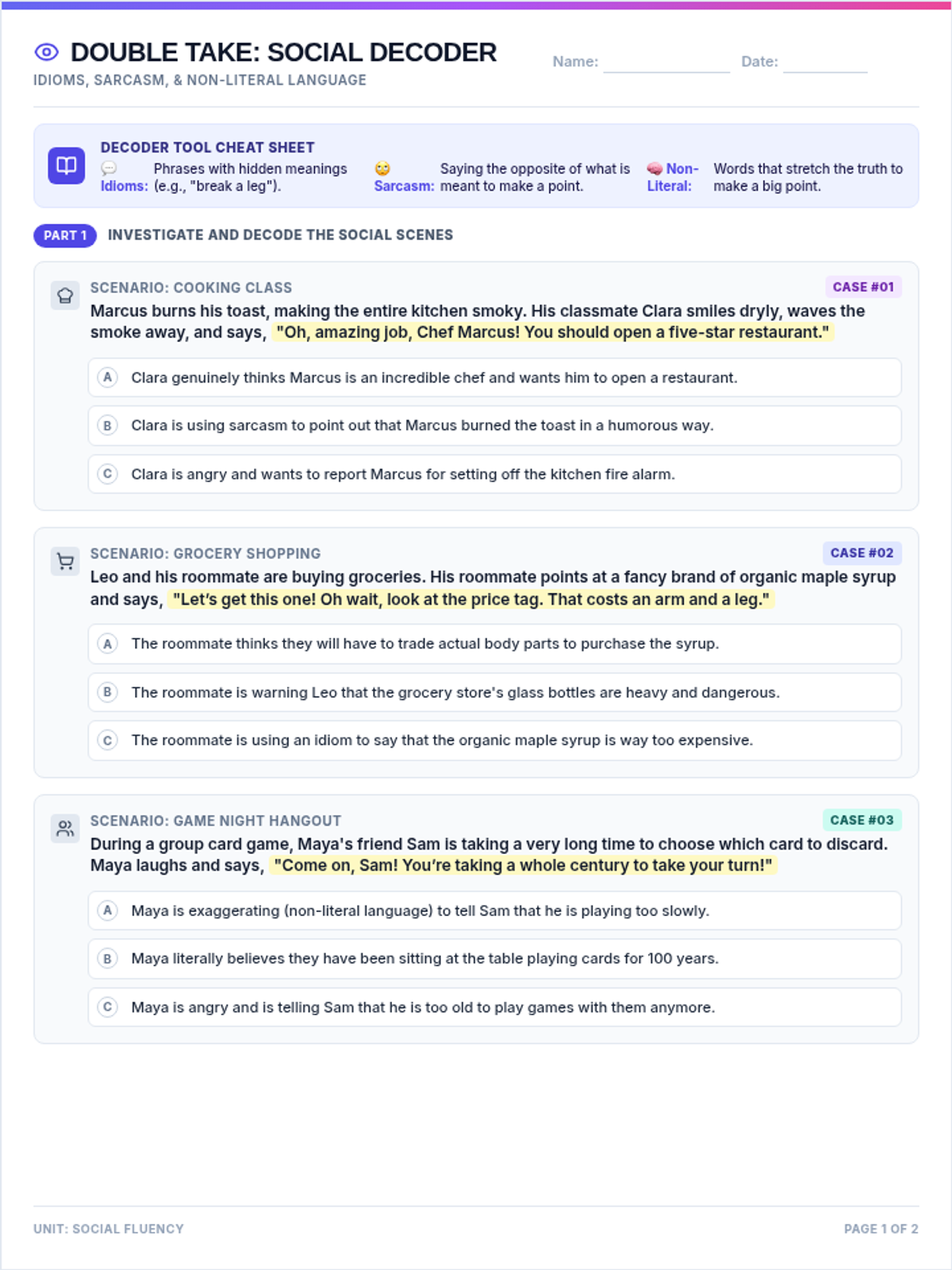
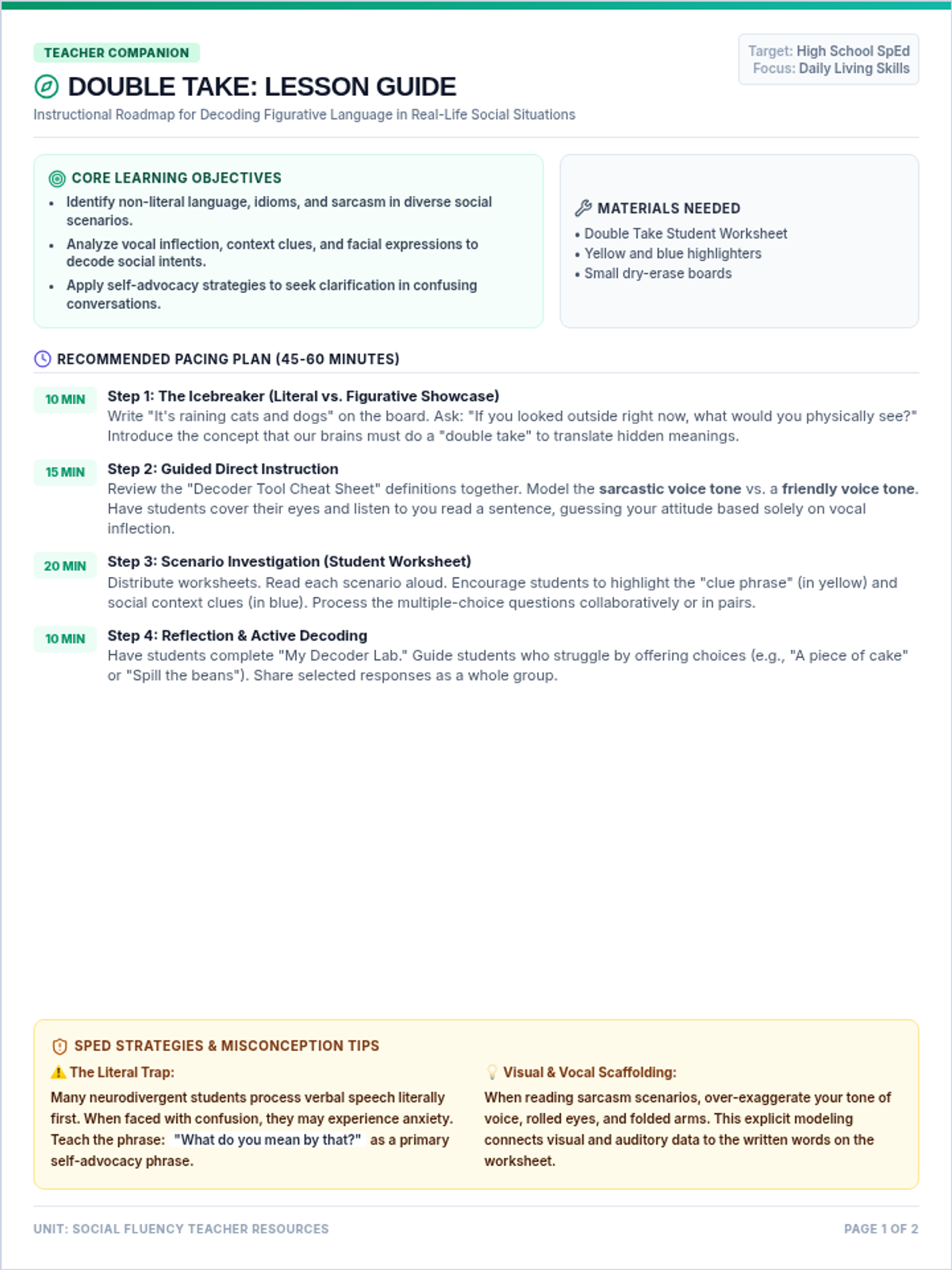
A comprehensive lesson designed for special education high school students to master figurative language, sarcasm, and idioms in independent living and real-world daily scenarios.
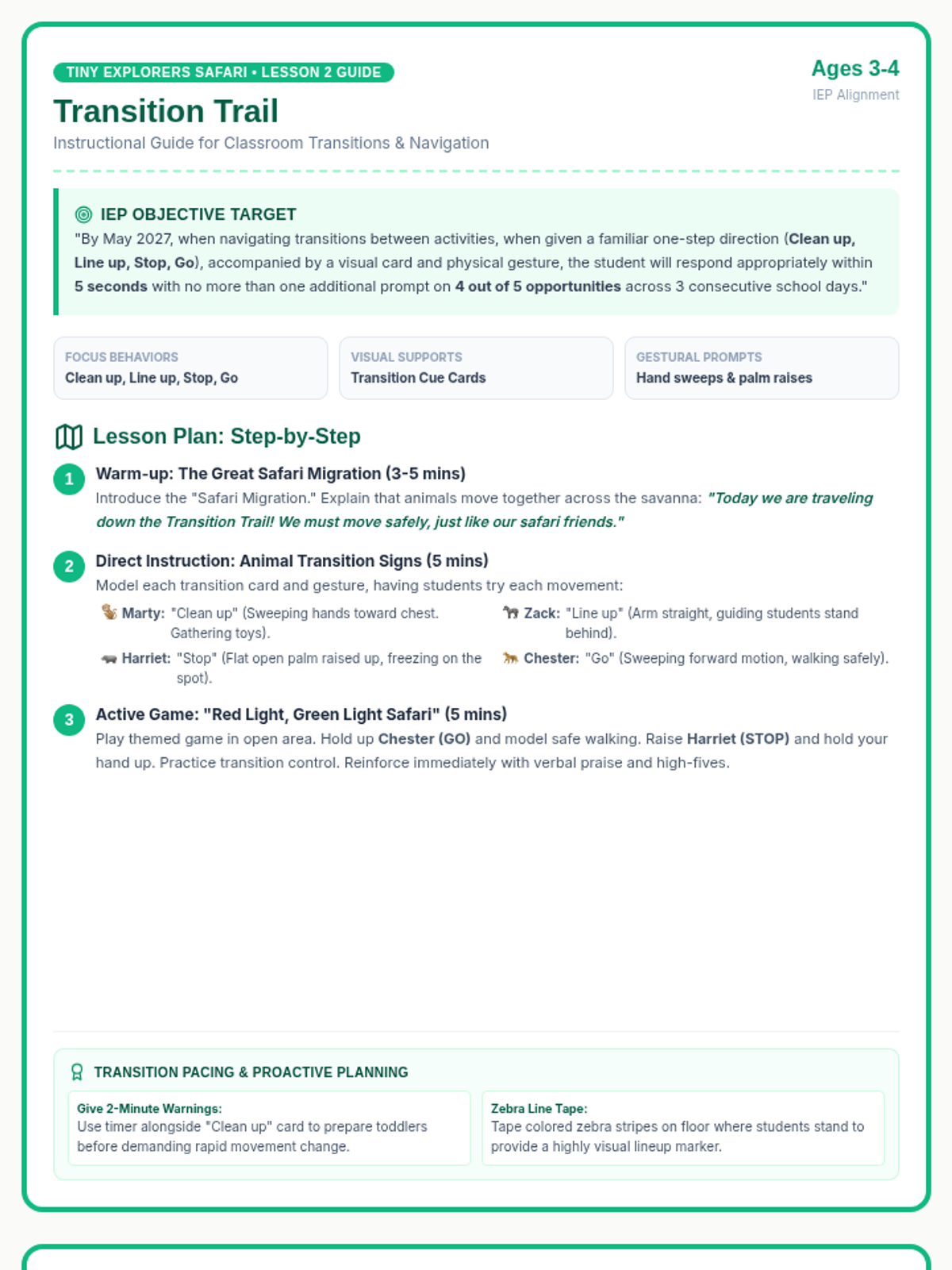
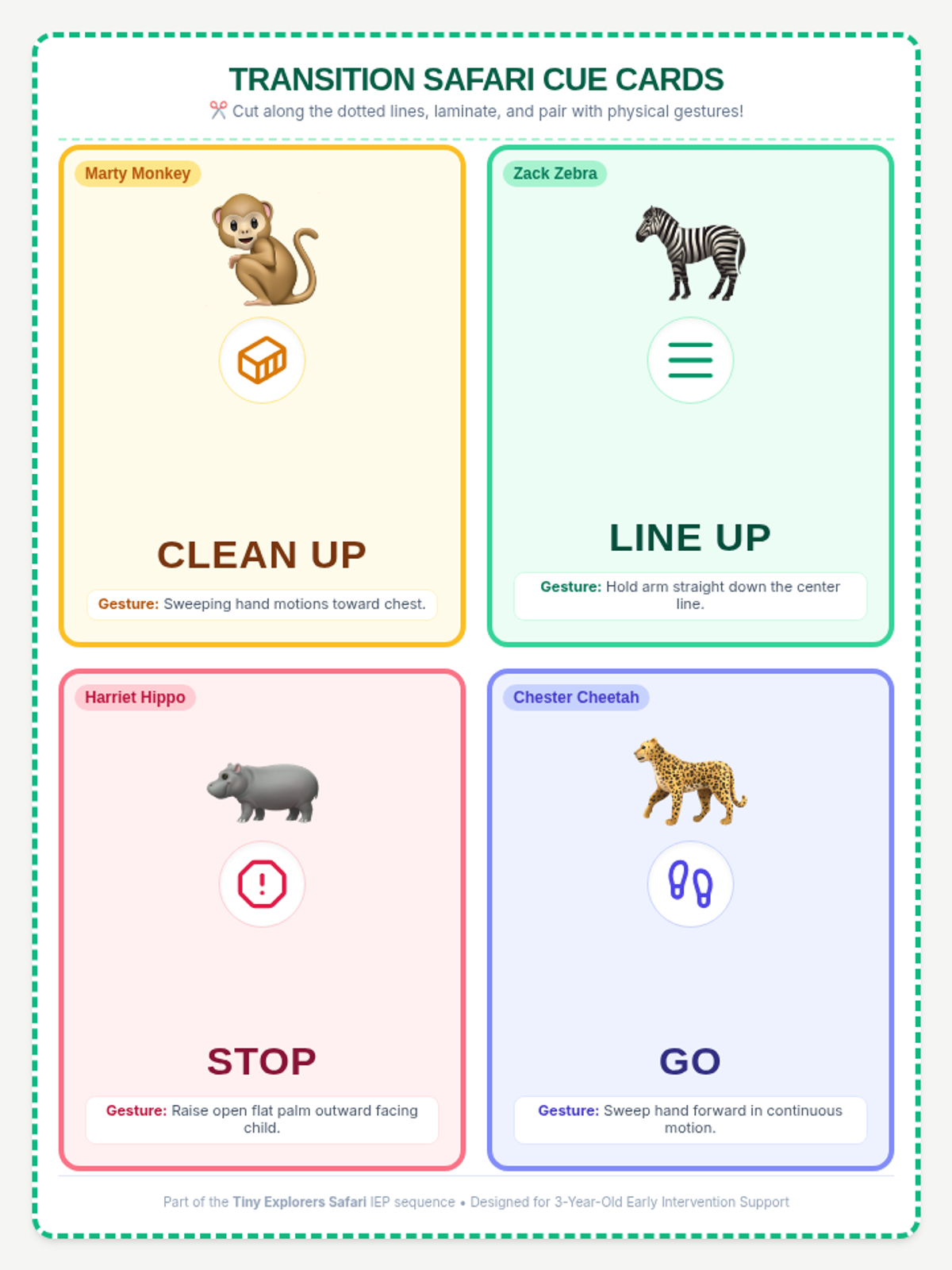
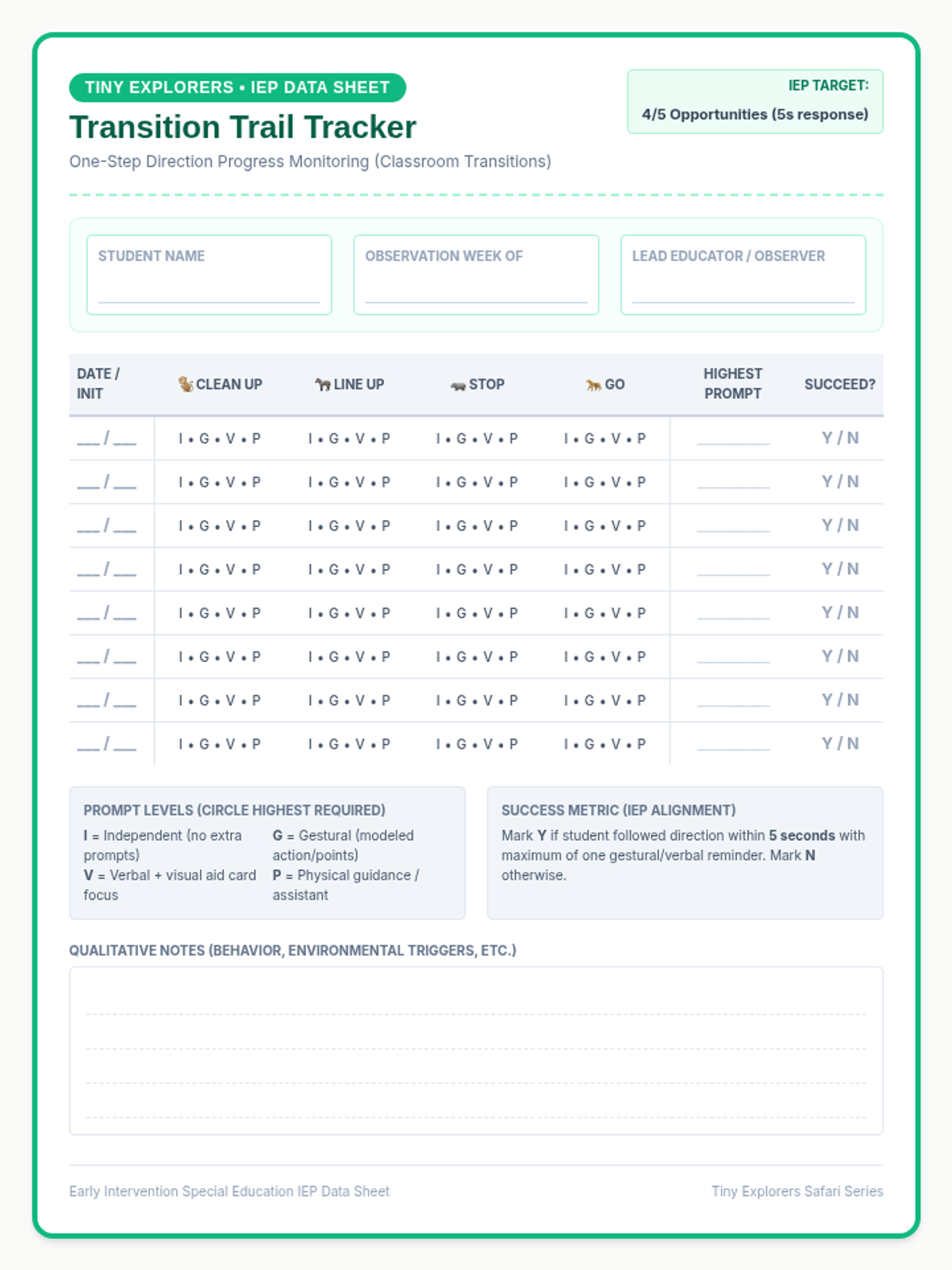
Focuses on transition one-step directions (clean up, line up, stop, go) using safari-themed games, visual aid cards, and active physical responses.
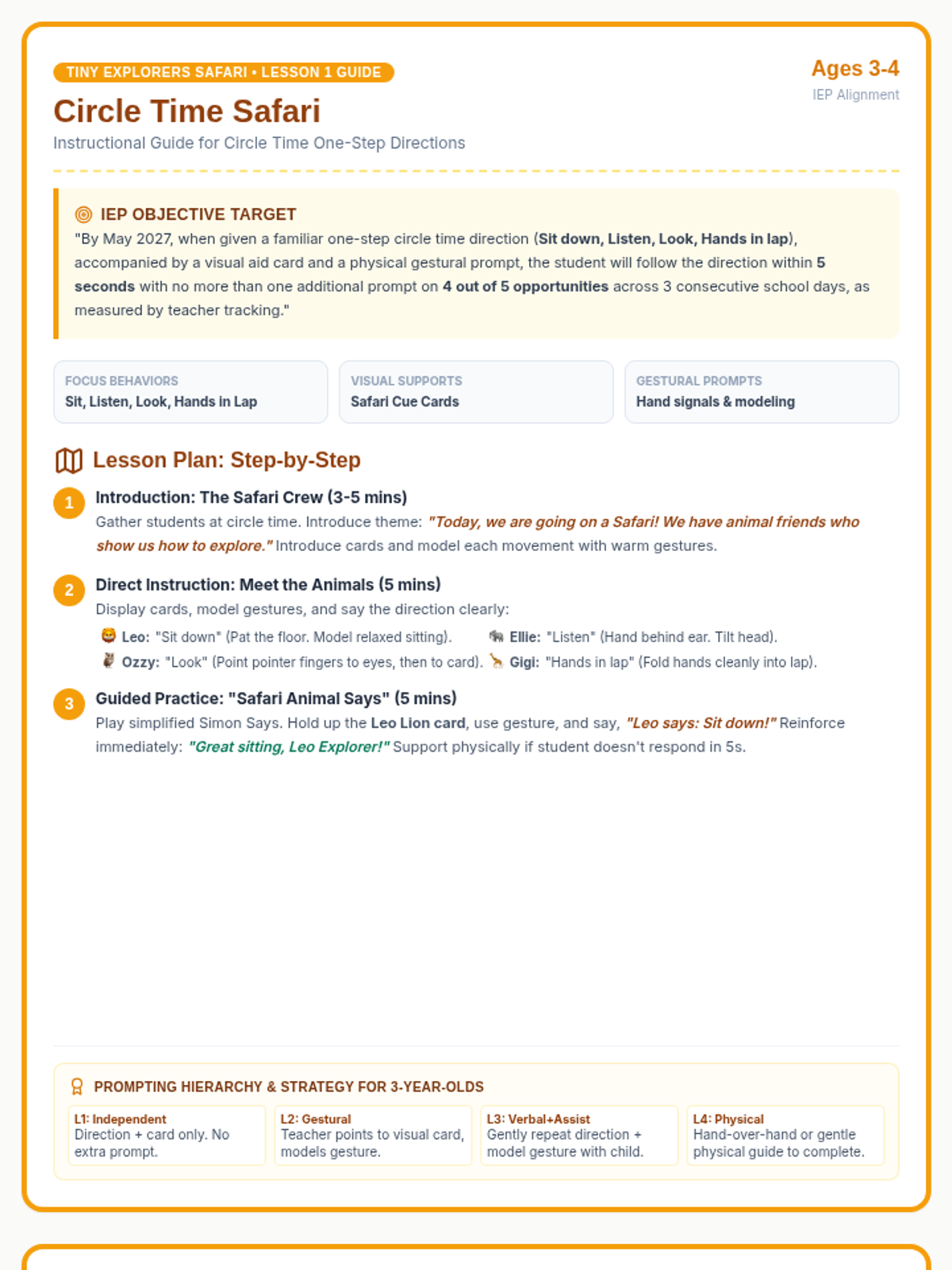
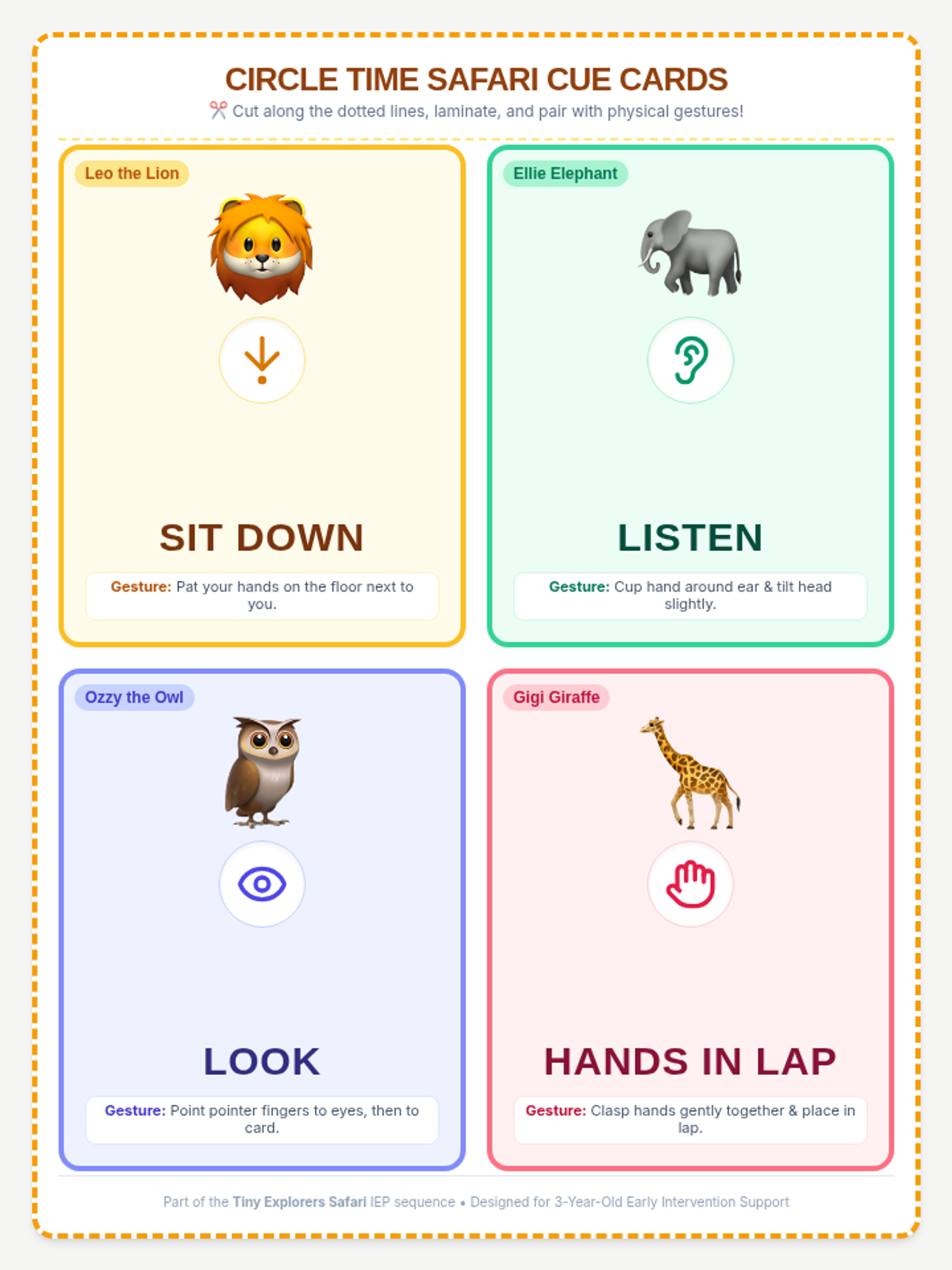
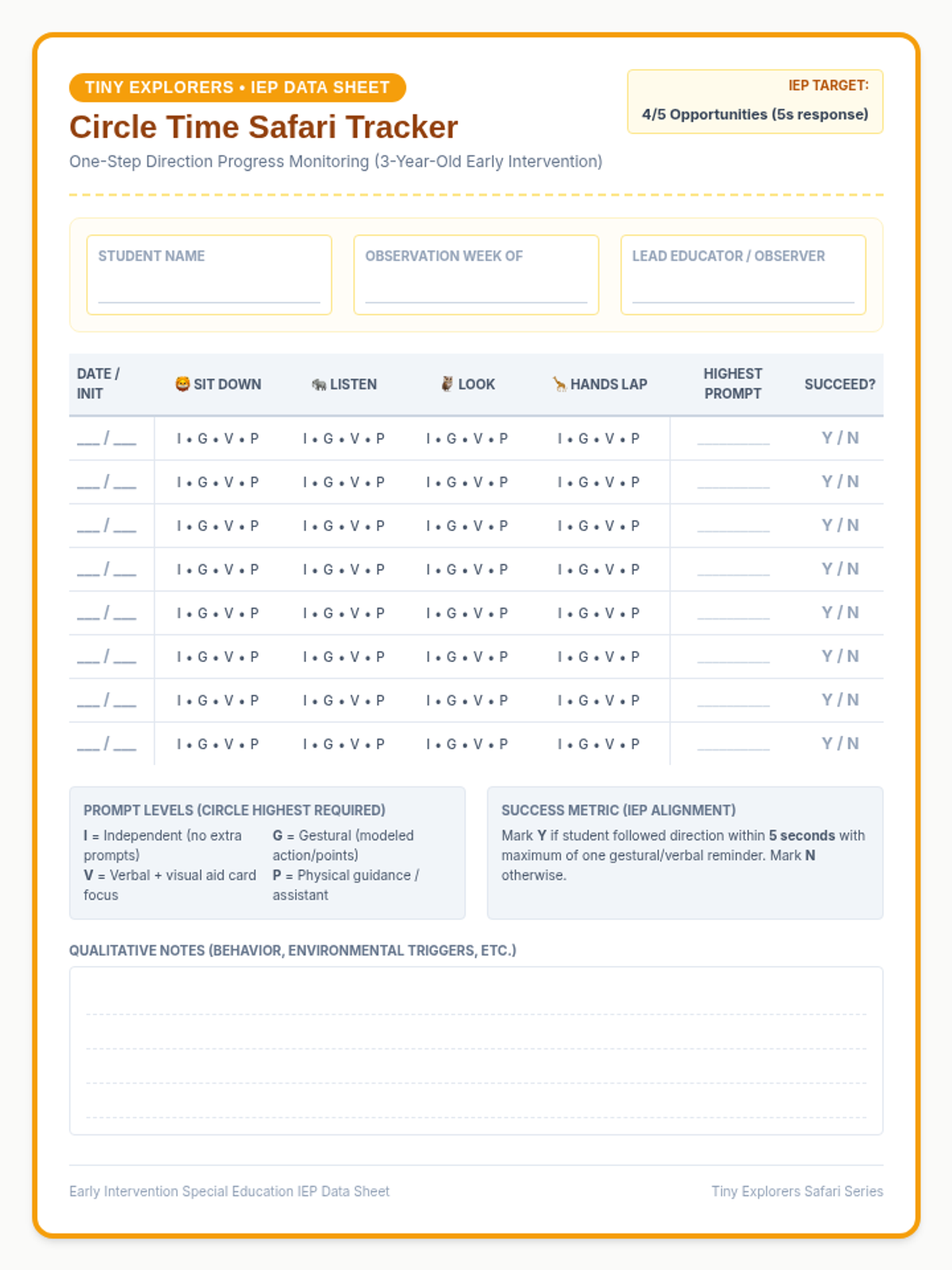
Focuses on circle time one-step directions (sit down, look, listen, hands in lap) using engaging safari animal prompts, interactive practice, and visual cue cards.
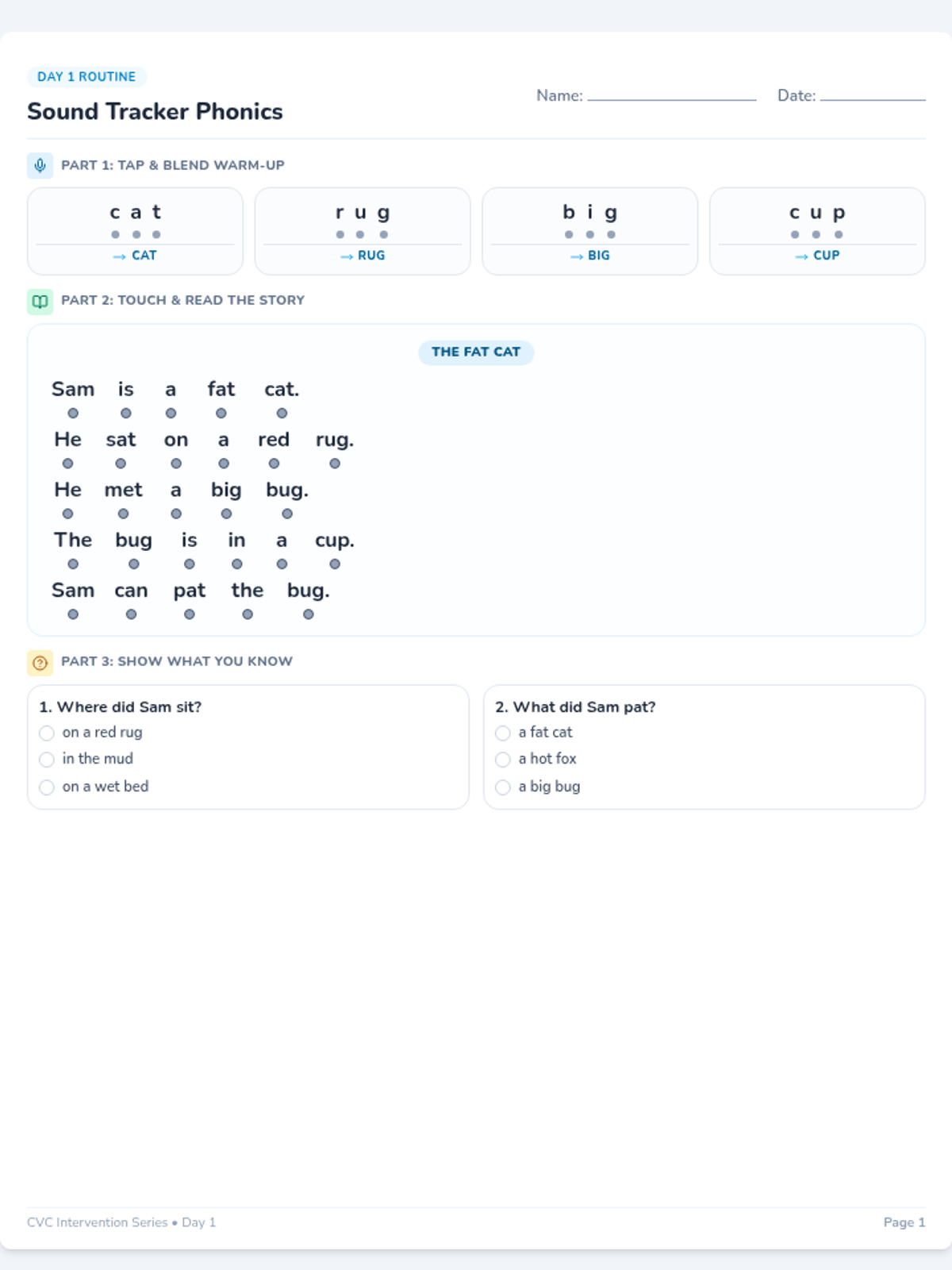
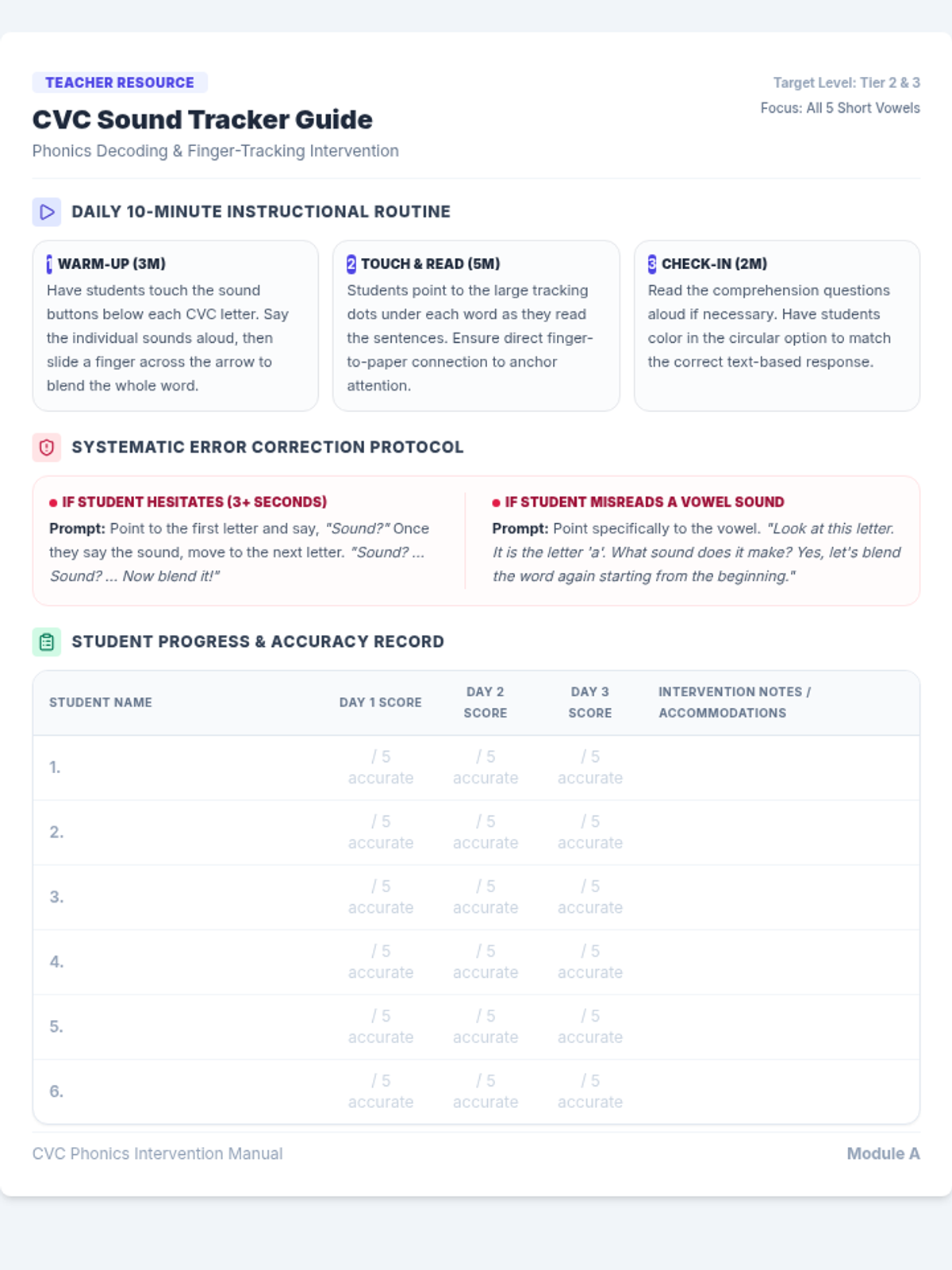
A comprehensive mixed-CVC decoding intervention sequence targeting all five short vowel sounds. Includes student-facing tracking worksheets and a detailed teacher facilitation guide with error correction routines and a progress tracking rubric.
A targeted lesson for high school special education students focusing on identifying and interpreting figurative language, sarcasm, and idioms in daily independent living and social situations.
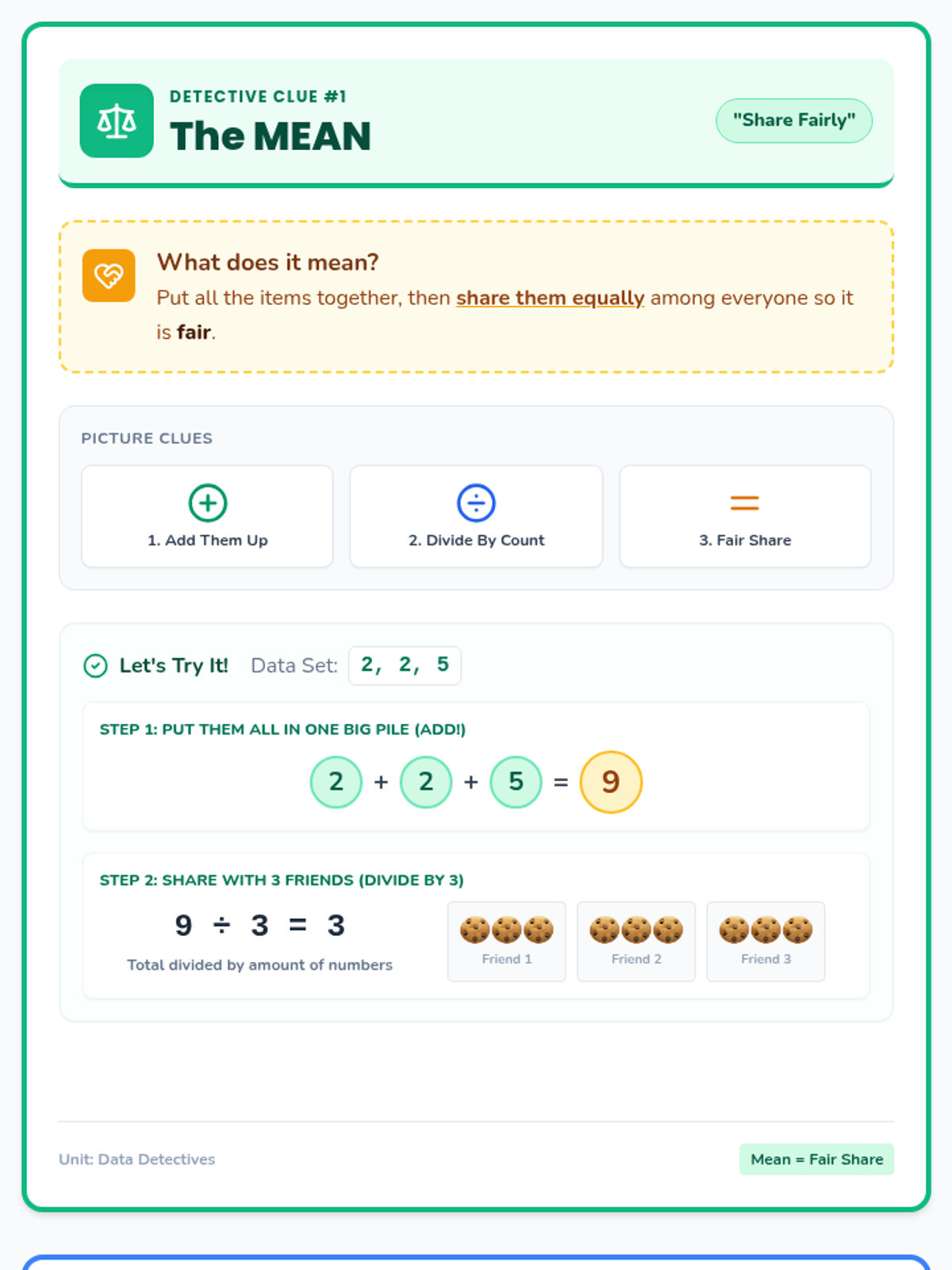
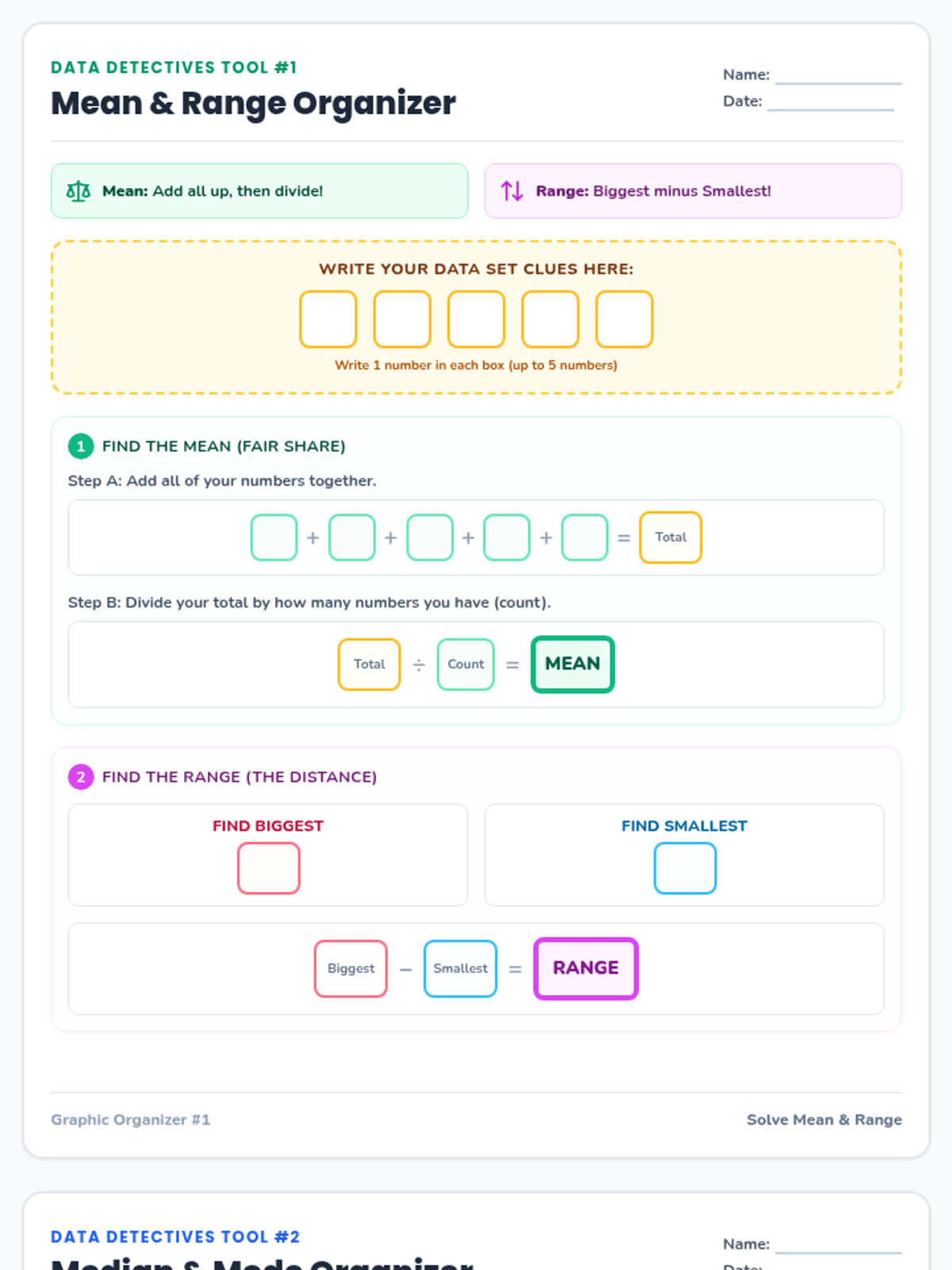
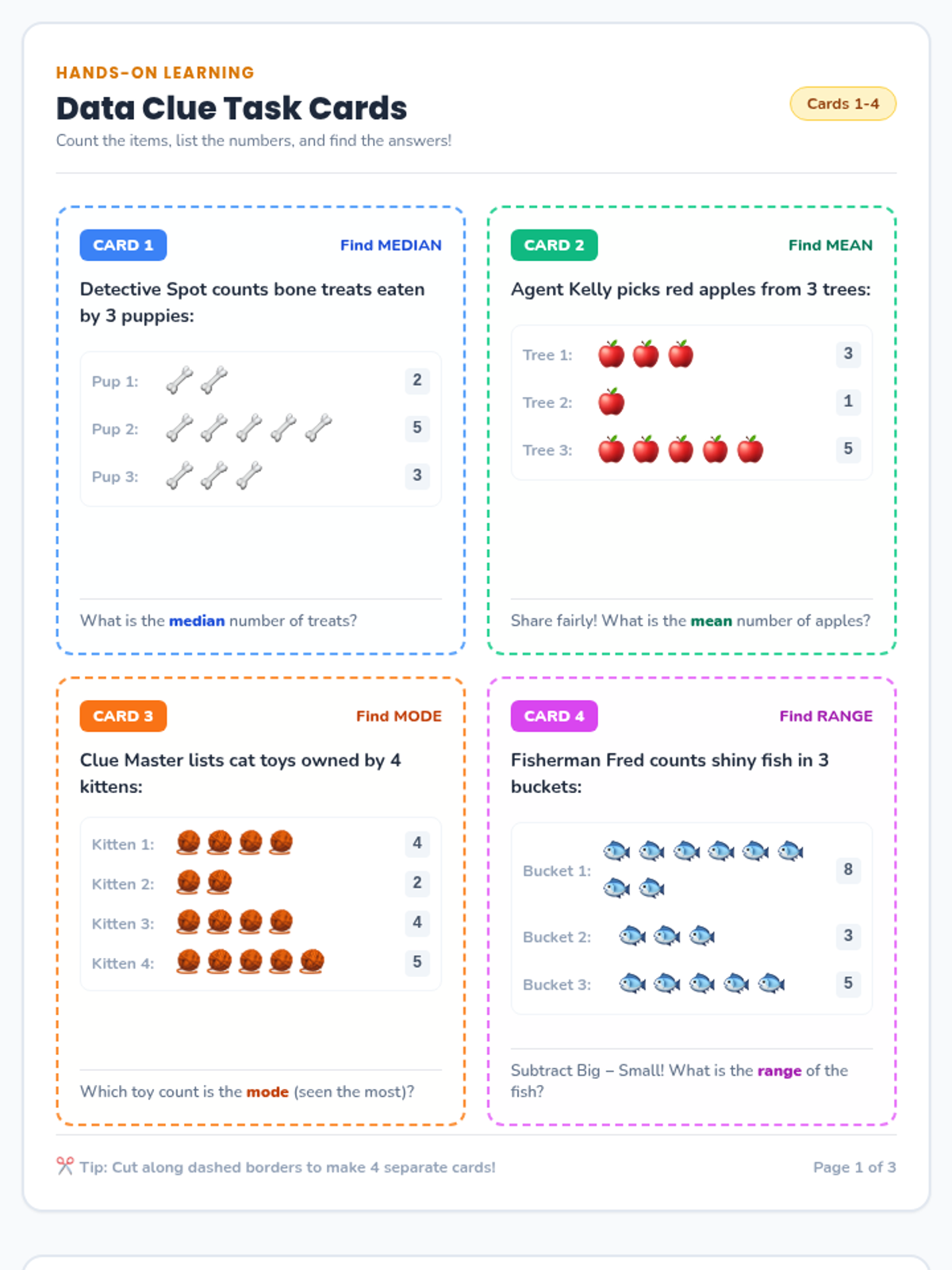
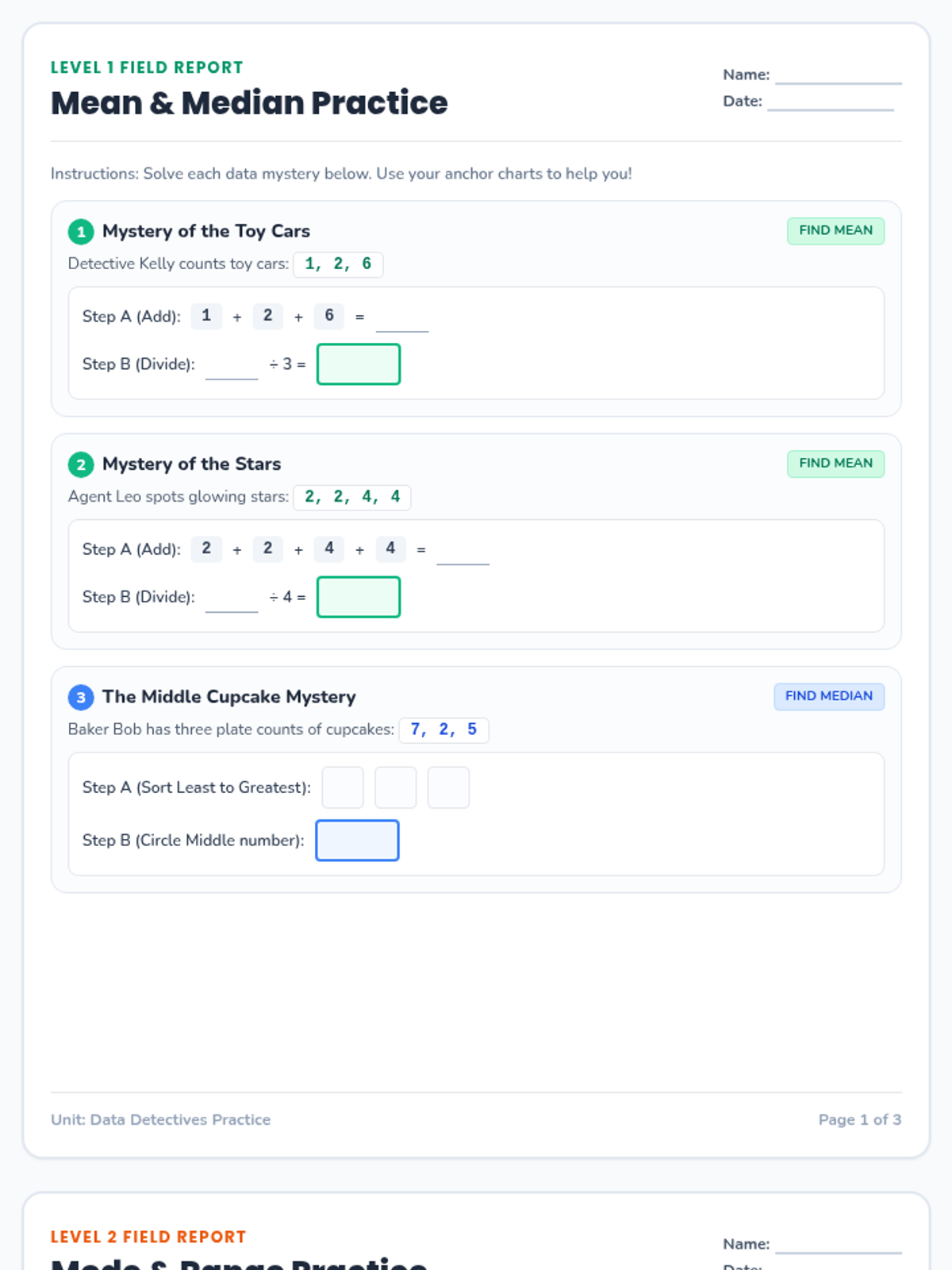
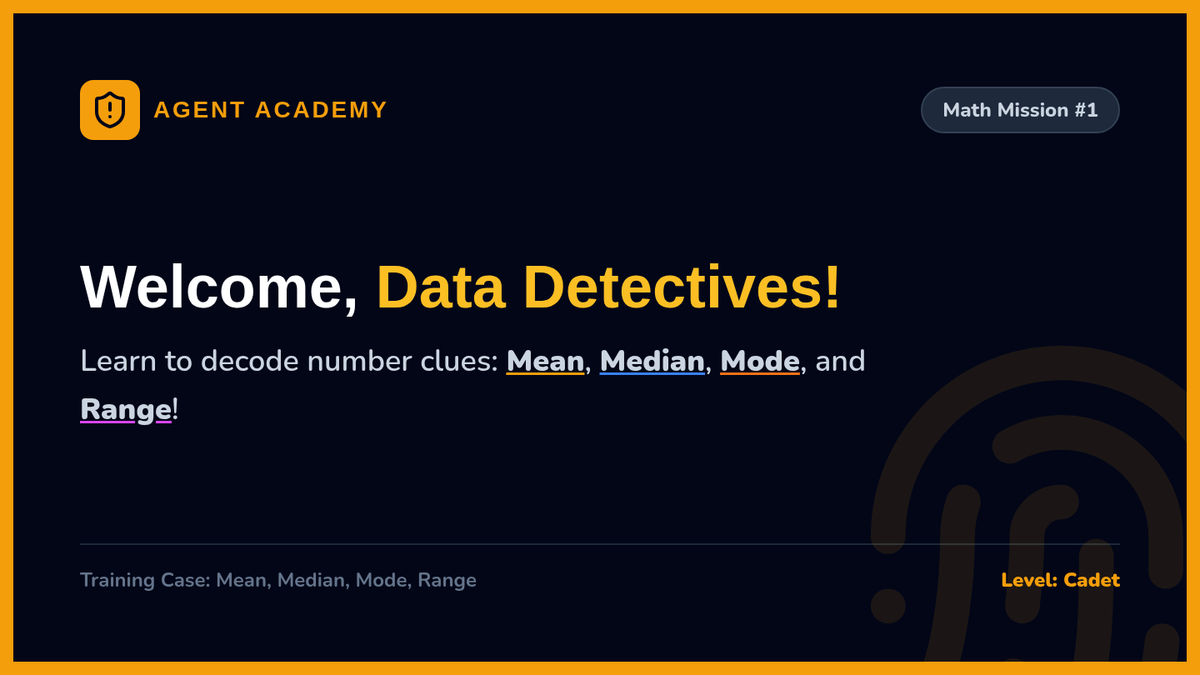
A modified, highly visual math lesson on Mean, Median, Mode, and Range tailored for IEP students. Features visual anchor charts with picture symbols, step-by-step color-coded graphic organizers, task cards with hands-on counting counters, and highly scaffolded worksheets.
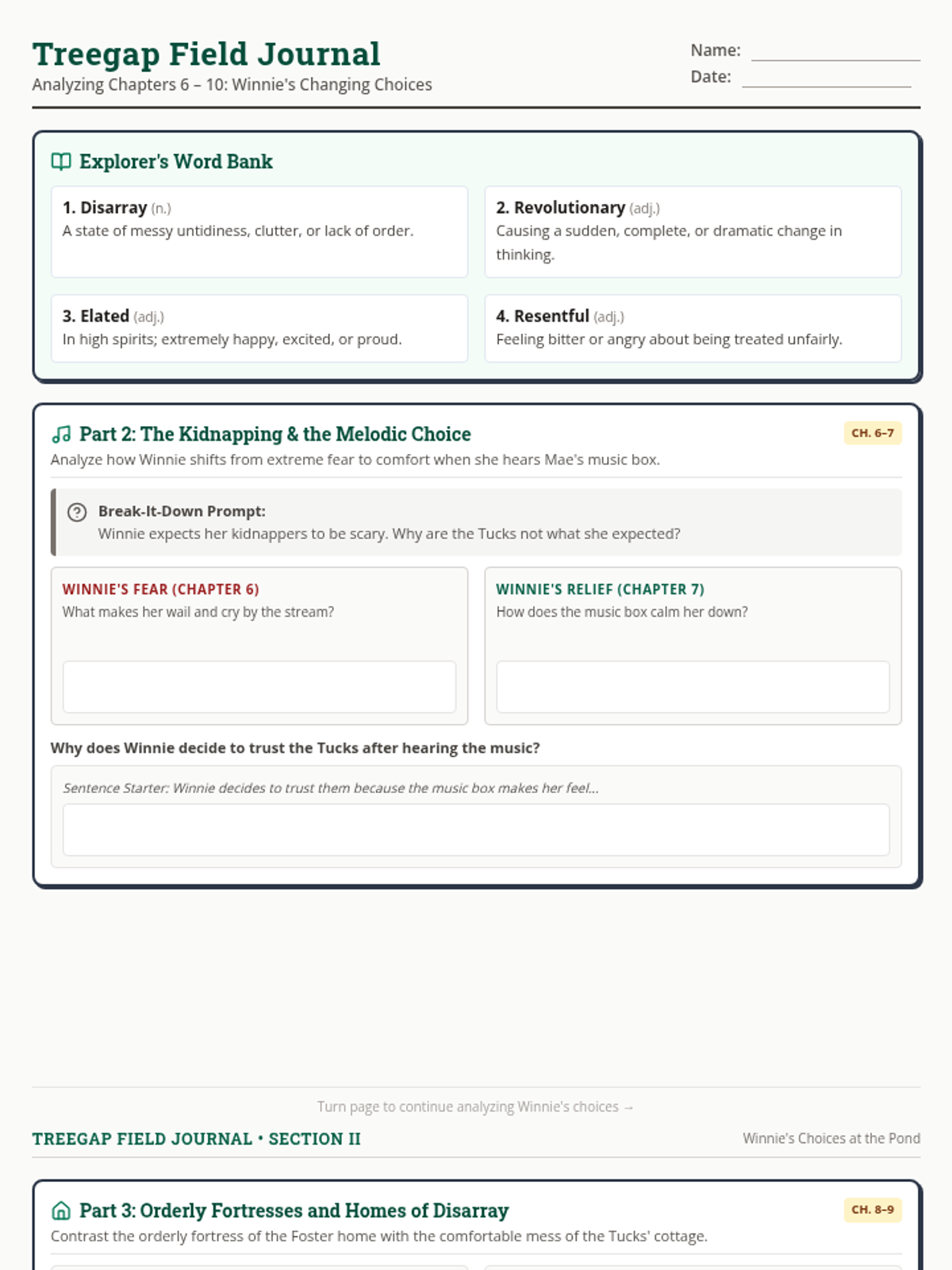
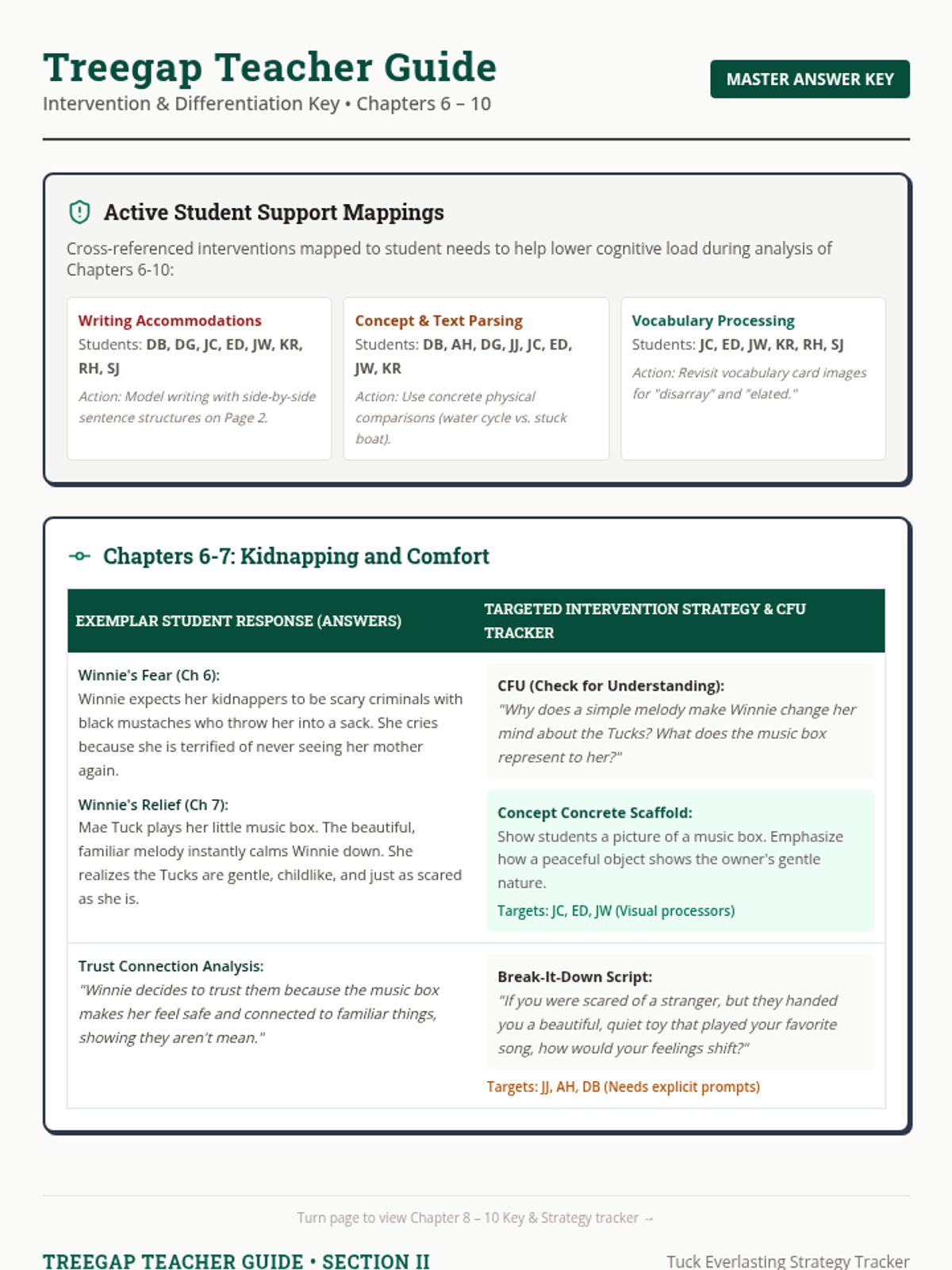
A detailed literary exploration of Chapters 6-10 of Natalie Babbitt's Tuck Everlasting. Students analyze Winnie's reactions to the Tucks' messy, timeless lifestyle compared to her own orderly home, focusing on her growing internal choices and the concept of living outside the wheel of life.
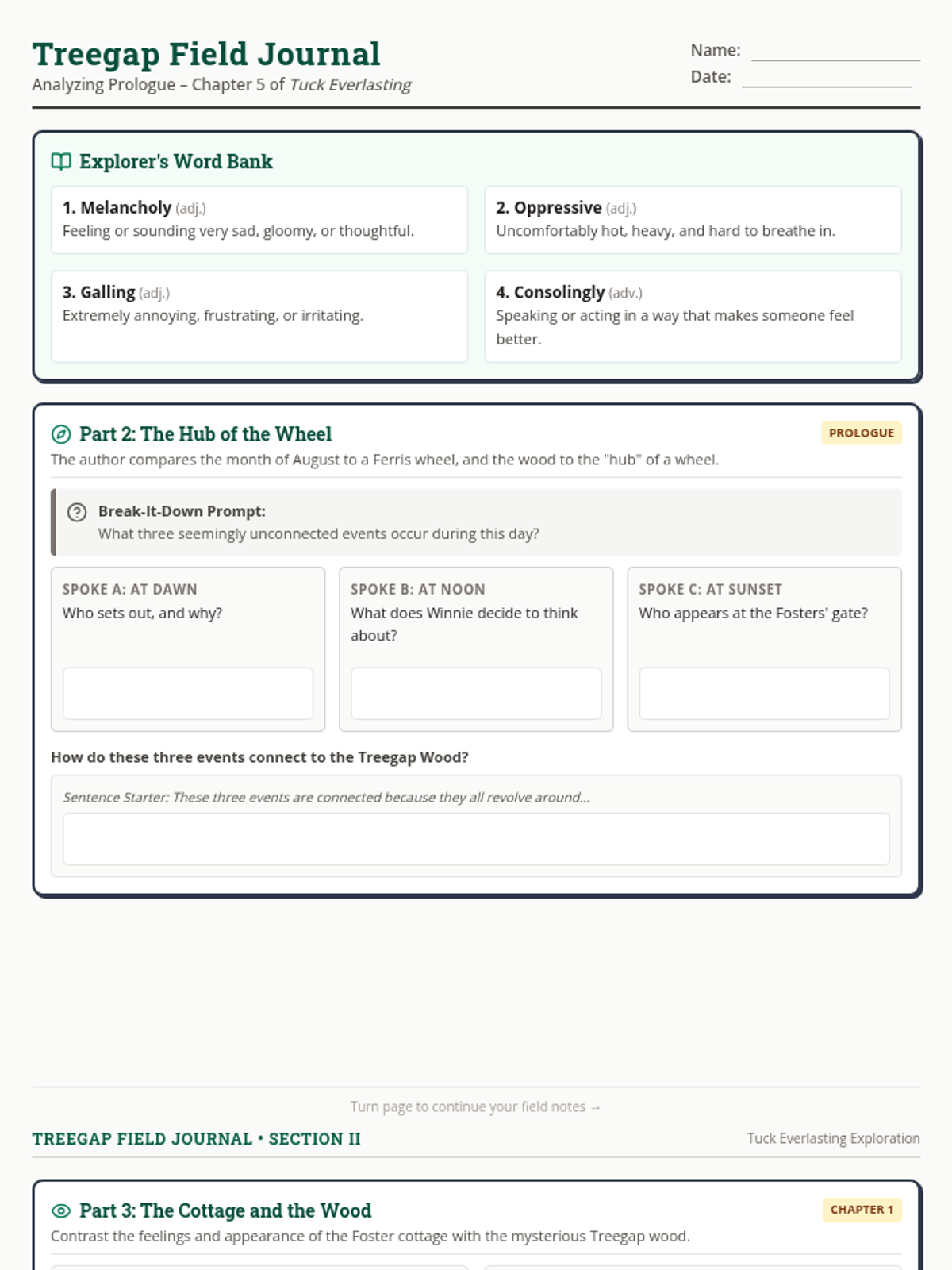
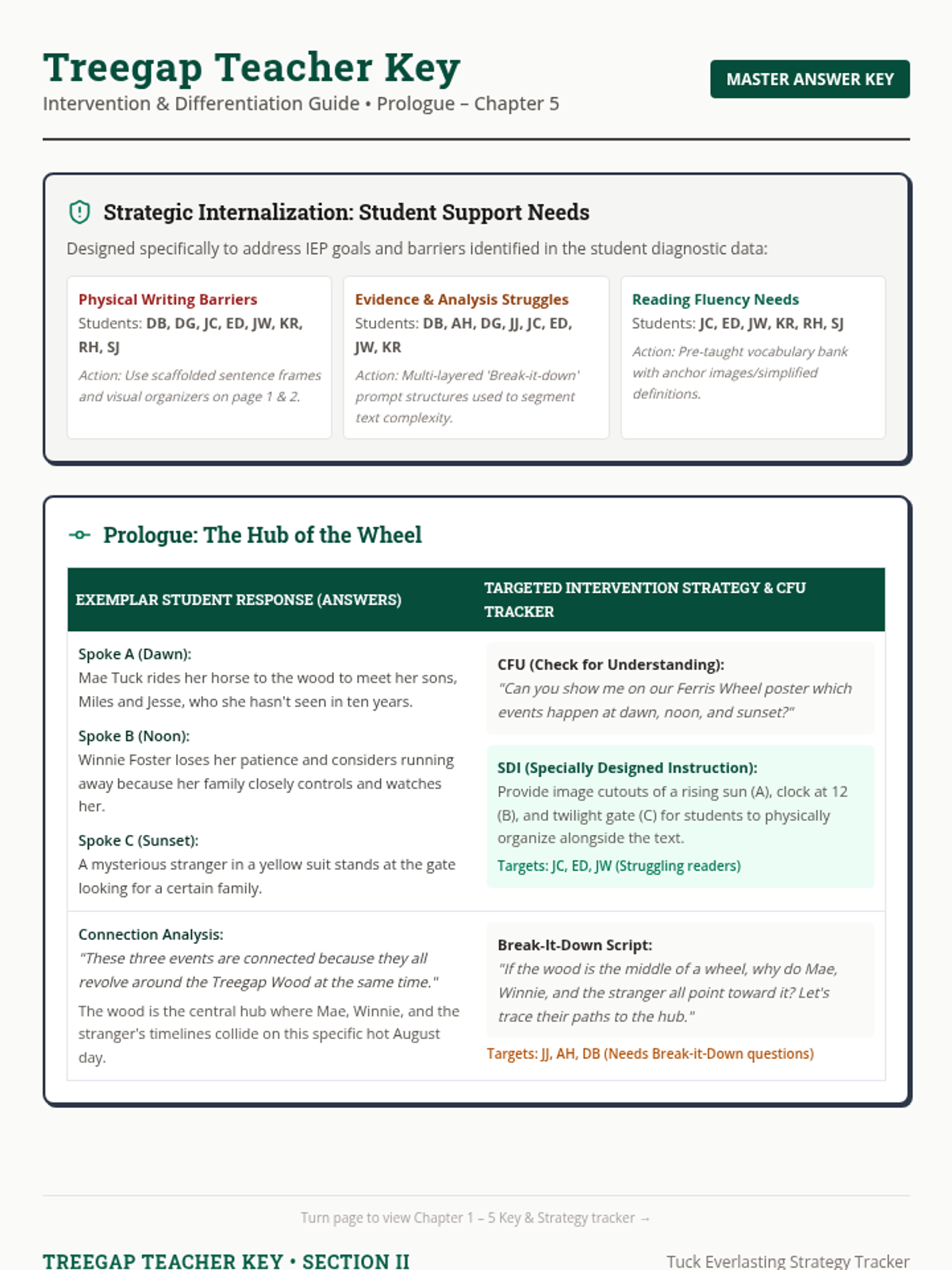
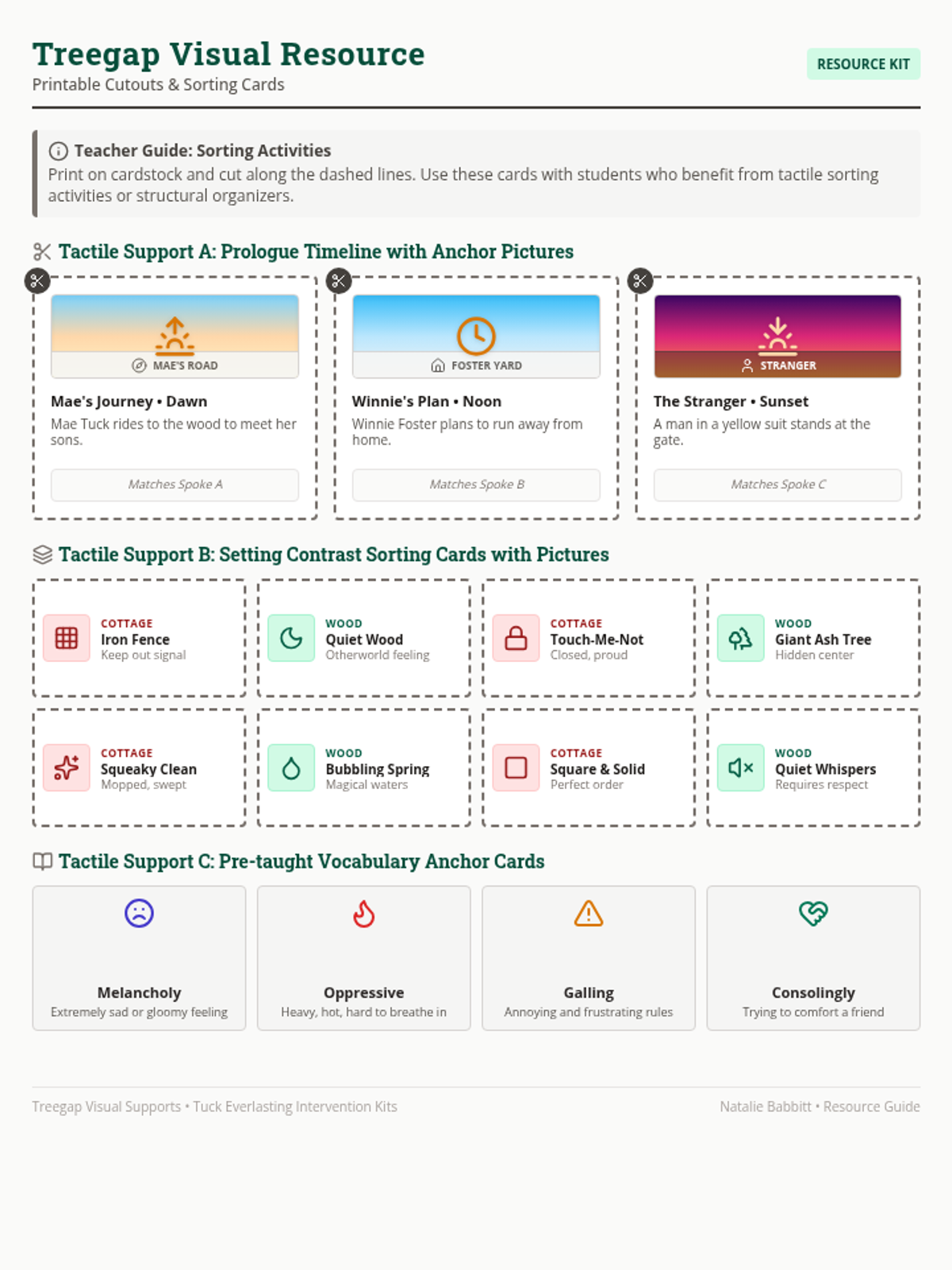
A literary investigation of the prologue through chapter 5 of Natalie Babbitt's Tuck Everlasting. Students explore setting contrasts and the mysterious meeting between Winnie and Jesse, while teachers leverage structured scaffolds and checks for understanding.
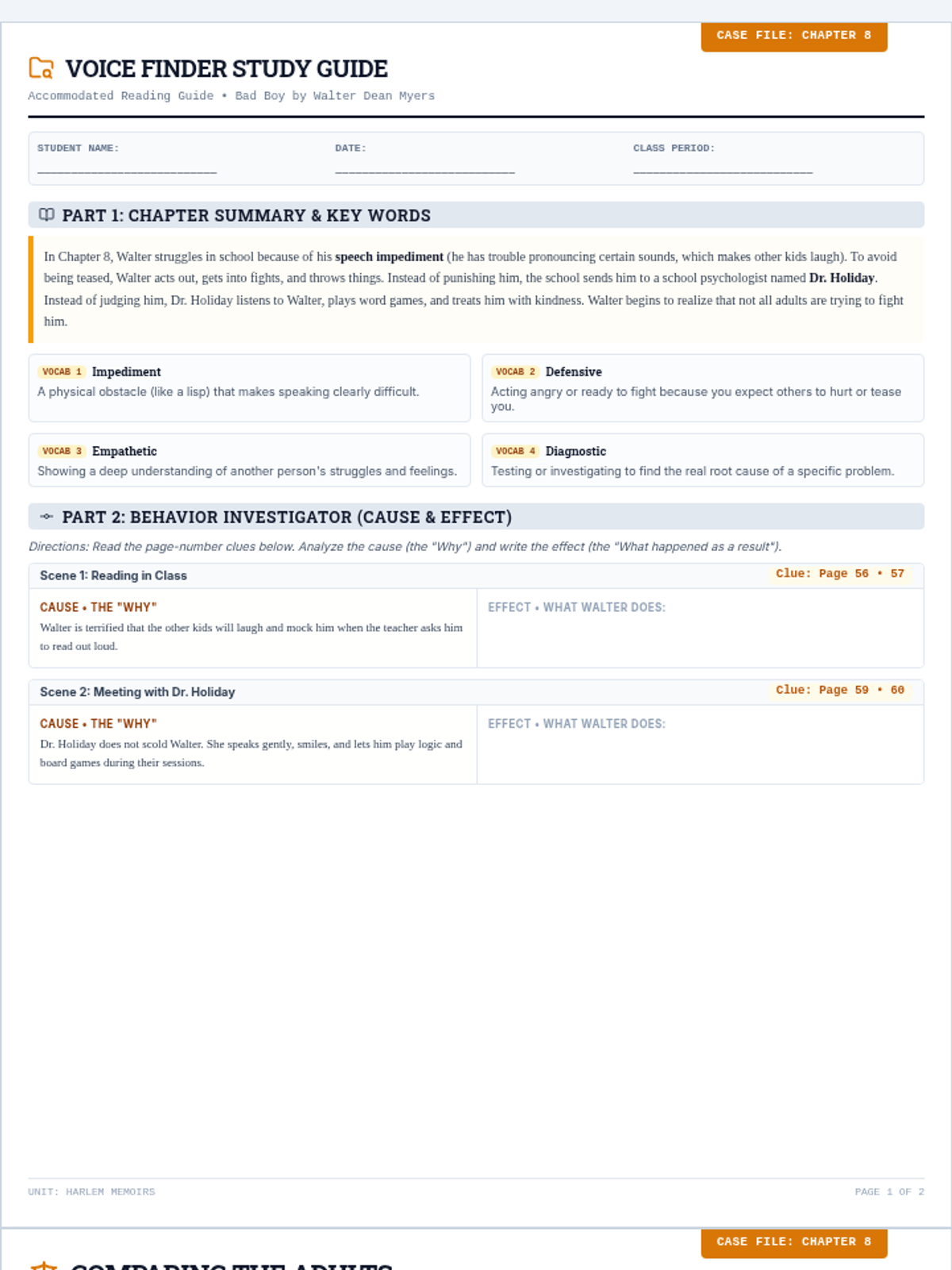
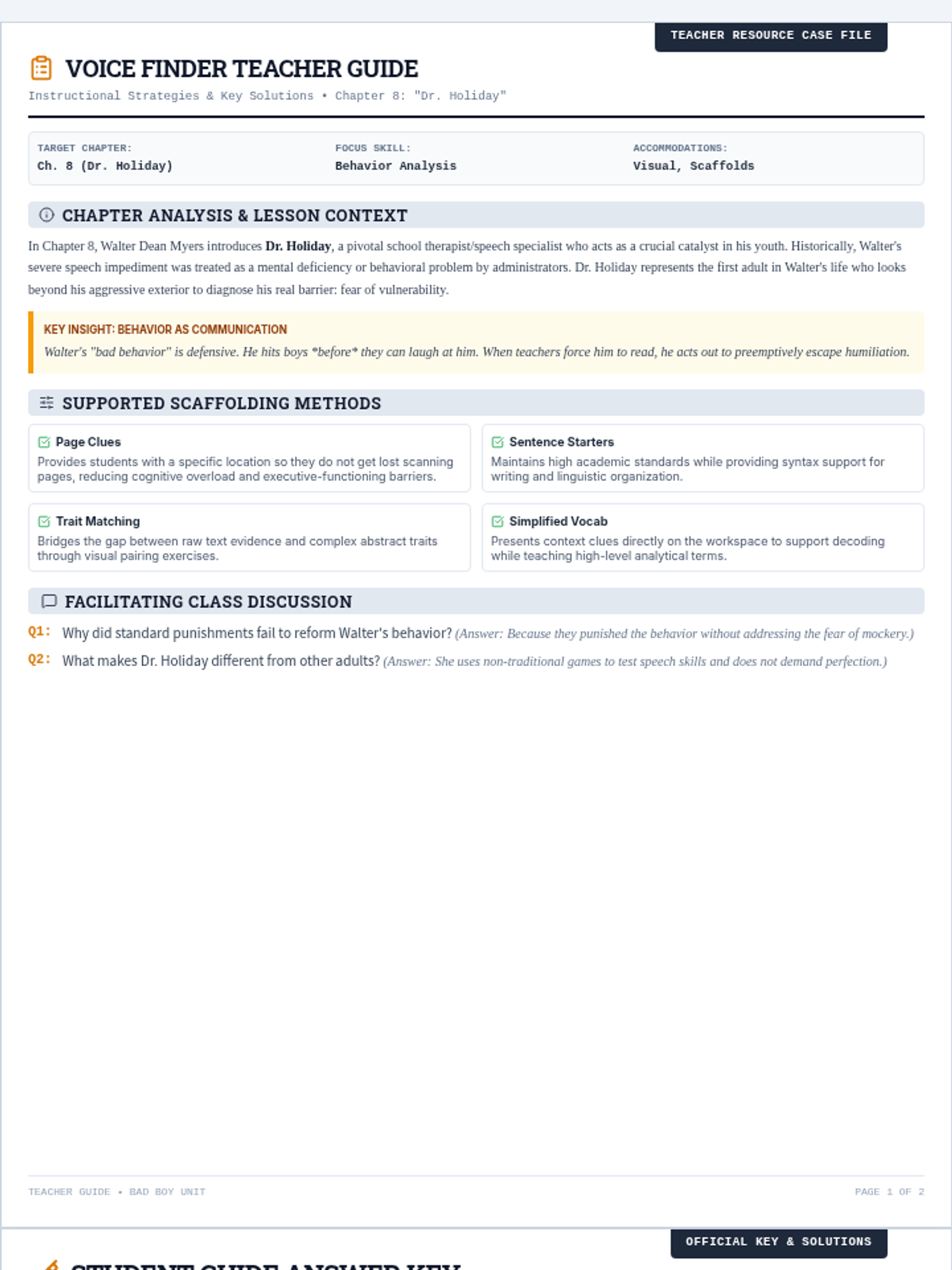
An accommodated, highly-scaffolded study guide and lesson resources focused on the 'Dr. Holiday' chapter of Walter Dean Myers' memoir, Bad Boy. Students explore character traits, comparison of adult figures, vocabulary, and cause-and-effect relationships surrounding Walter's behavior.