A 30-minute introductory lesson where students learn to decode complex words using a list of 24 common morphemes.
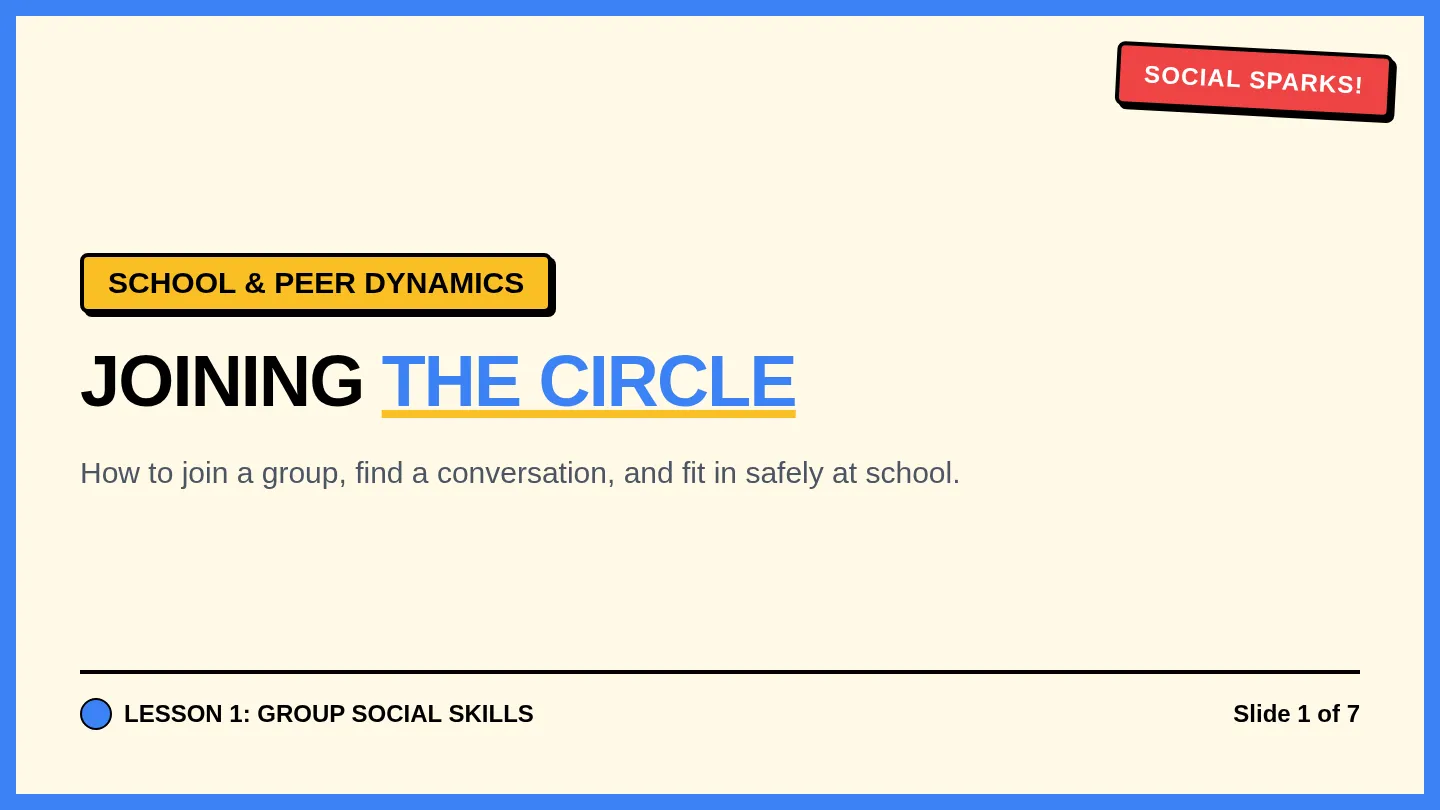
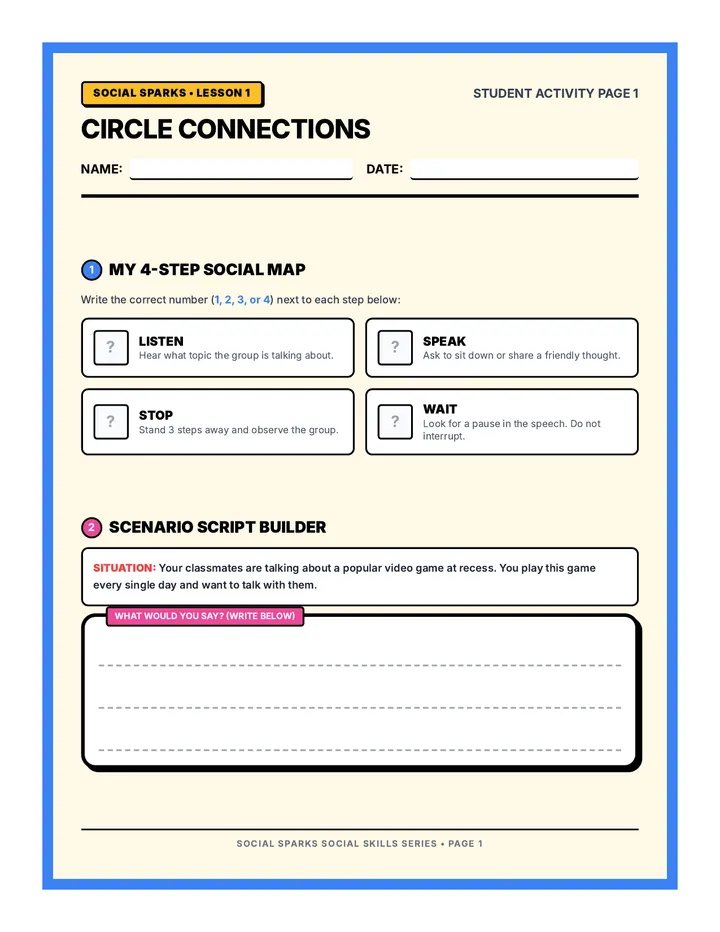
Teaches students how to join an ongoing peer conversation or group activity at school (e.g., at lunch or recess) using clear, structured visual steps. Includes an interactive slide deck and a visual reflection worksheet.
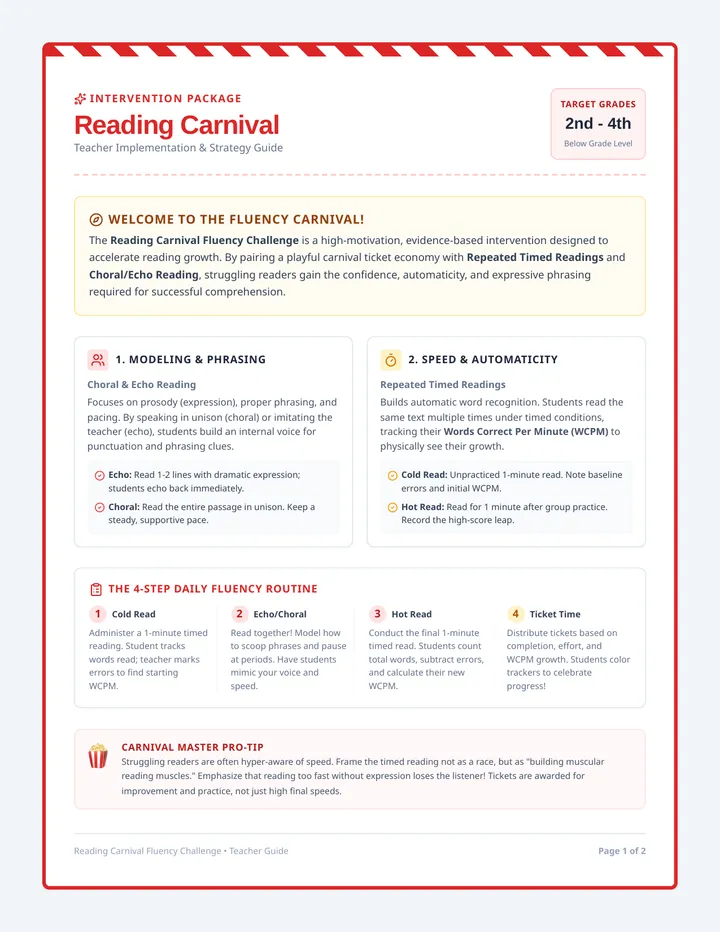
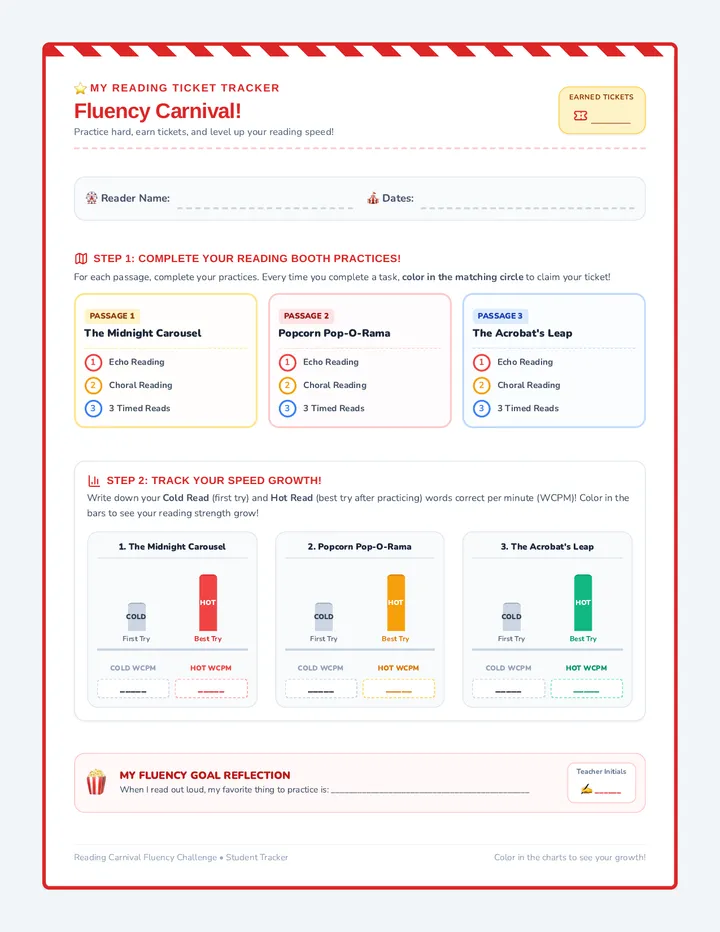
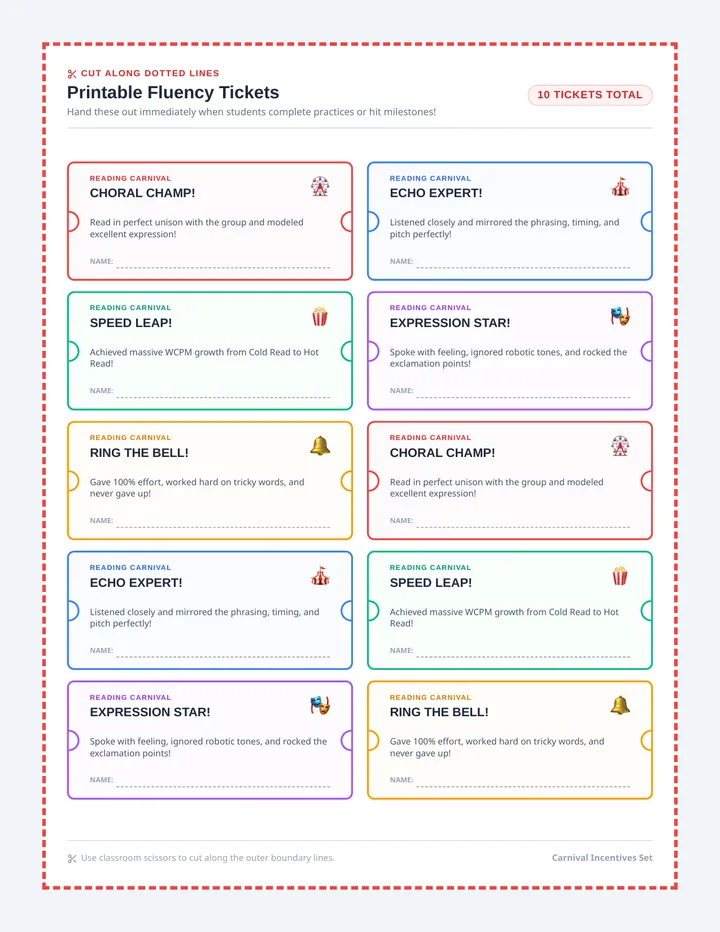
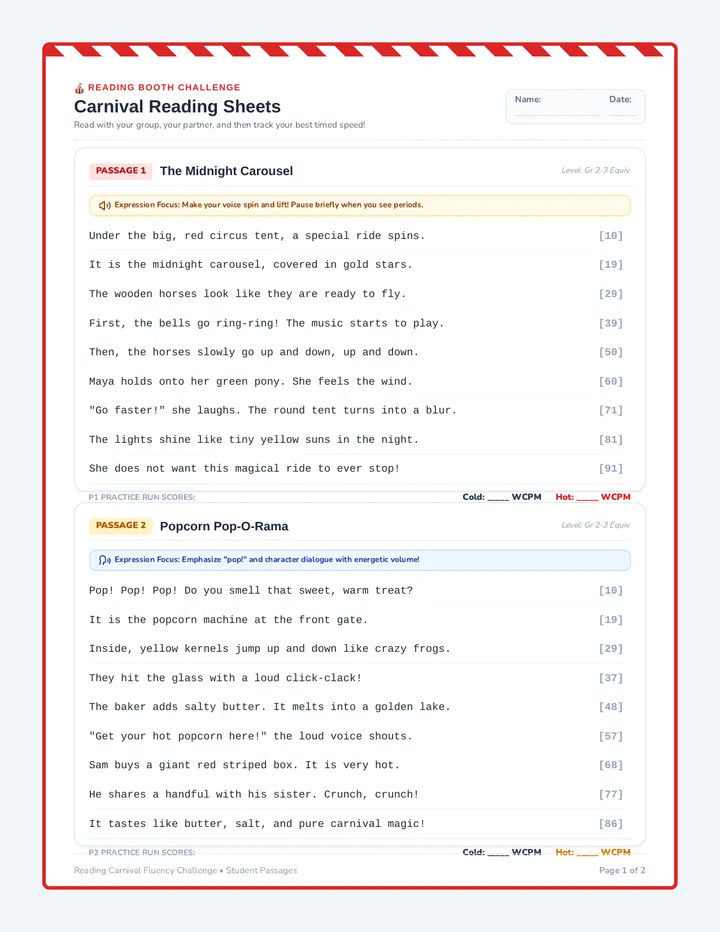
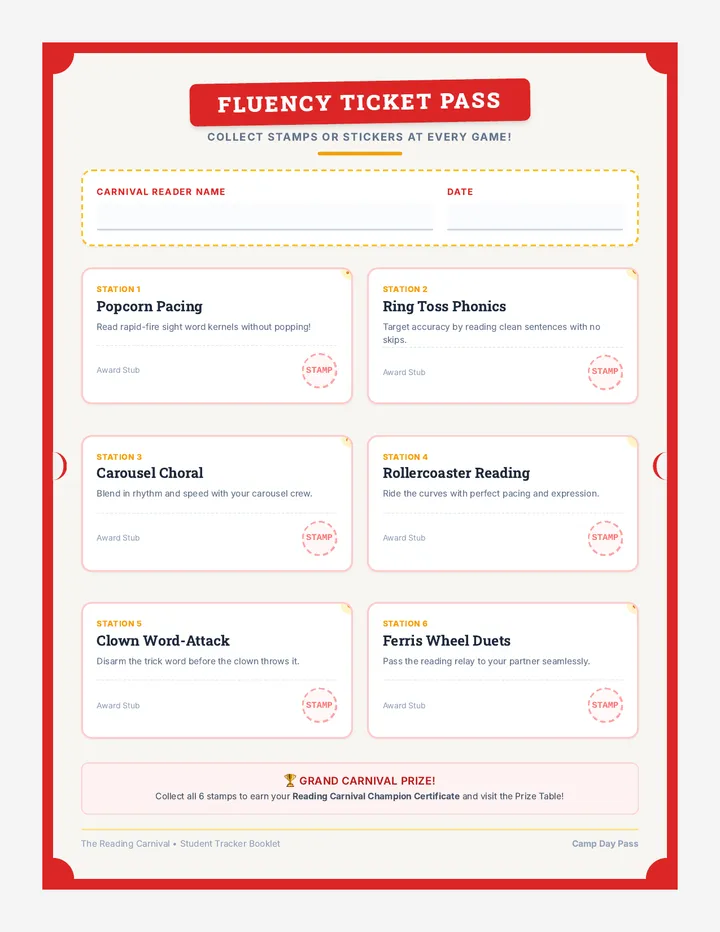
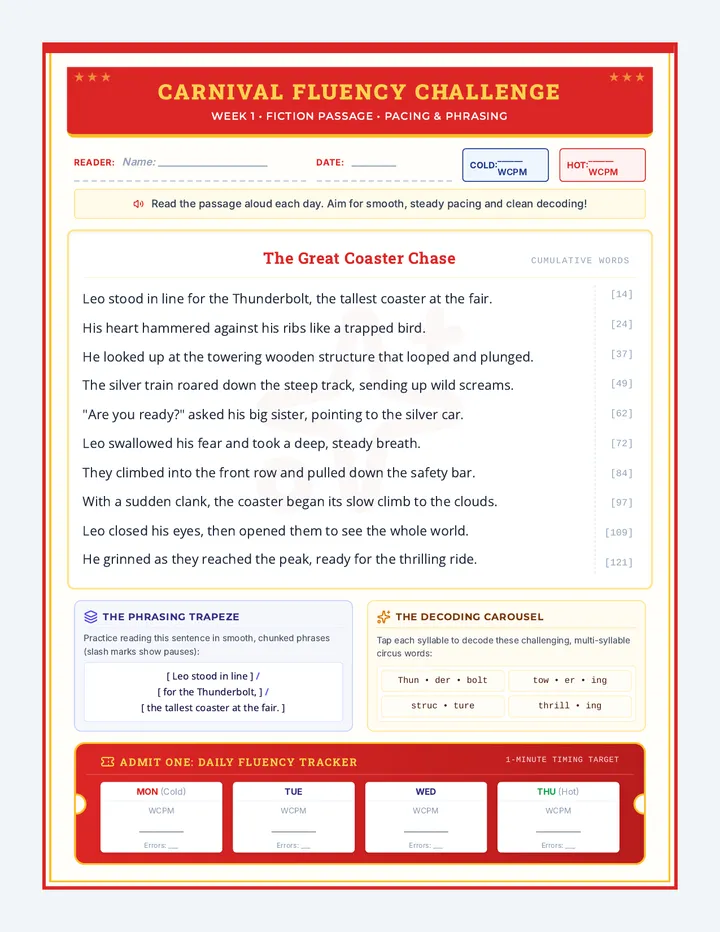
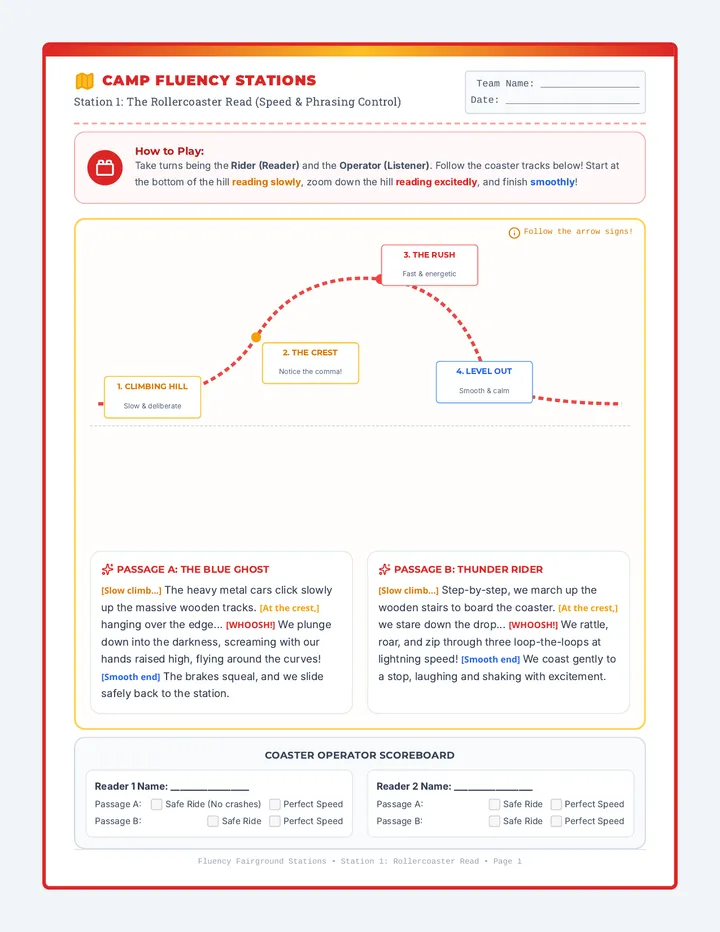
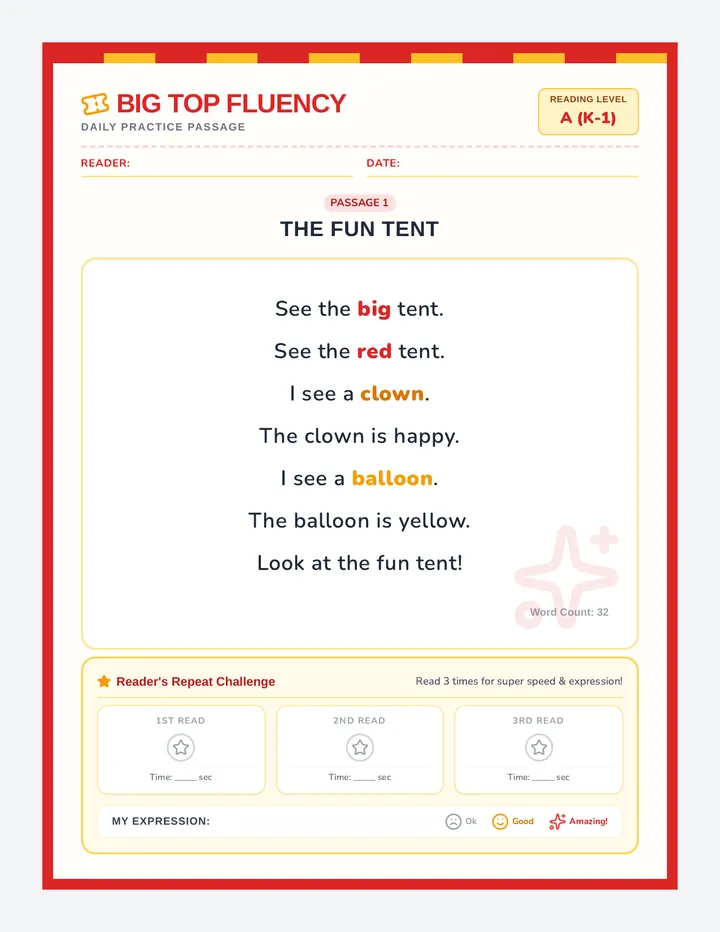
A complete intervention pack designed to boost reading fluency for 2nd-4th grade students reading below grade level. The pack contains teacher instructions, student tracking charts, printable carnival tickets, and themed passages optimized for repeated timed readings and choral/echo practice.
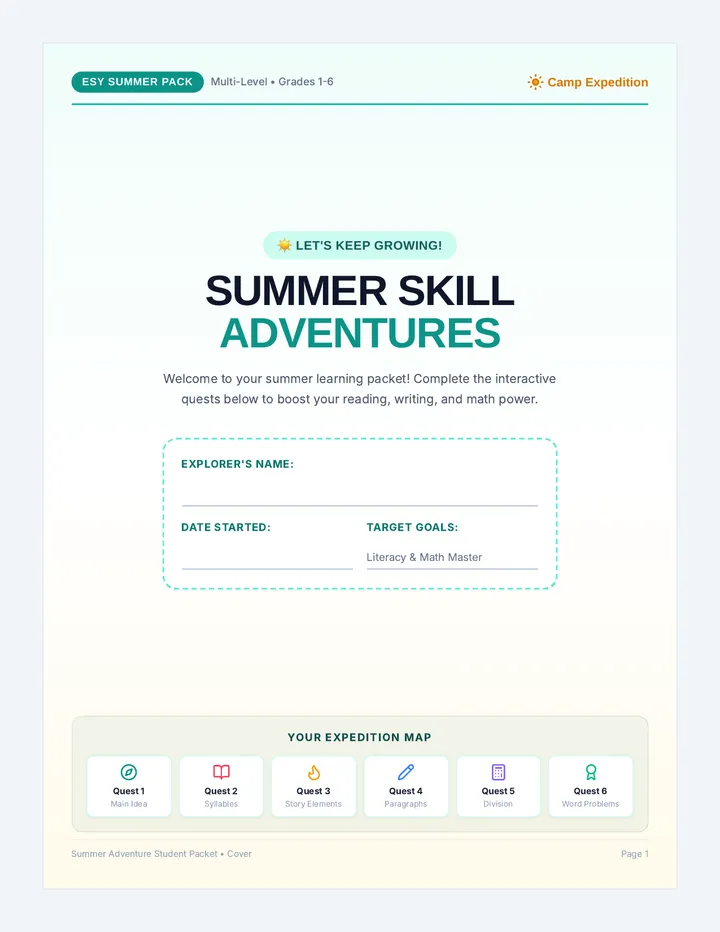
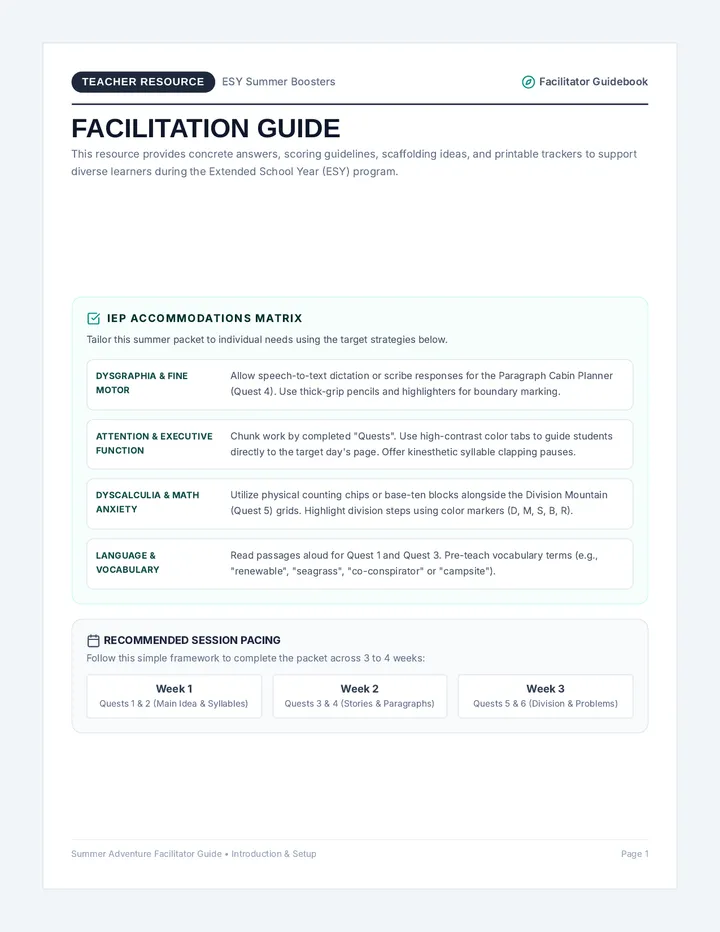
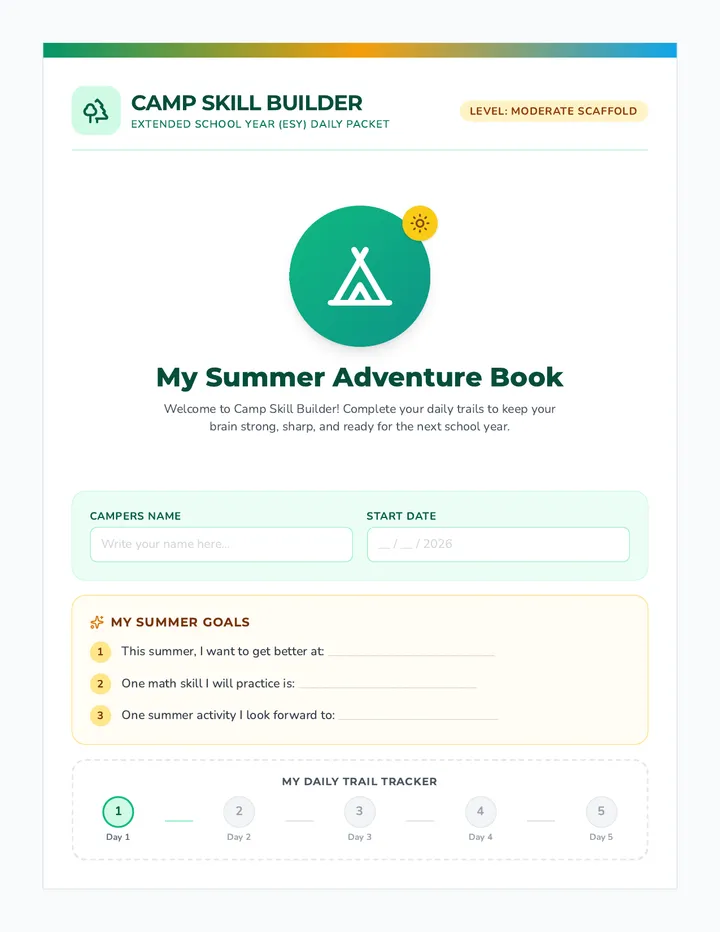
An Extended School Year (ESY) summer packet combining targeted skill-building in main idea, two-syllable words, story elements, paragraph writing, division, and multi-step word problems. Features visual scaffolds, grids, graphic organizers, and multi-level tasks spanning grades 1 to 6.
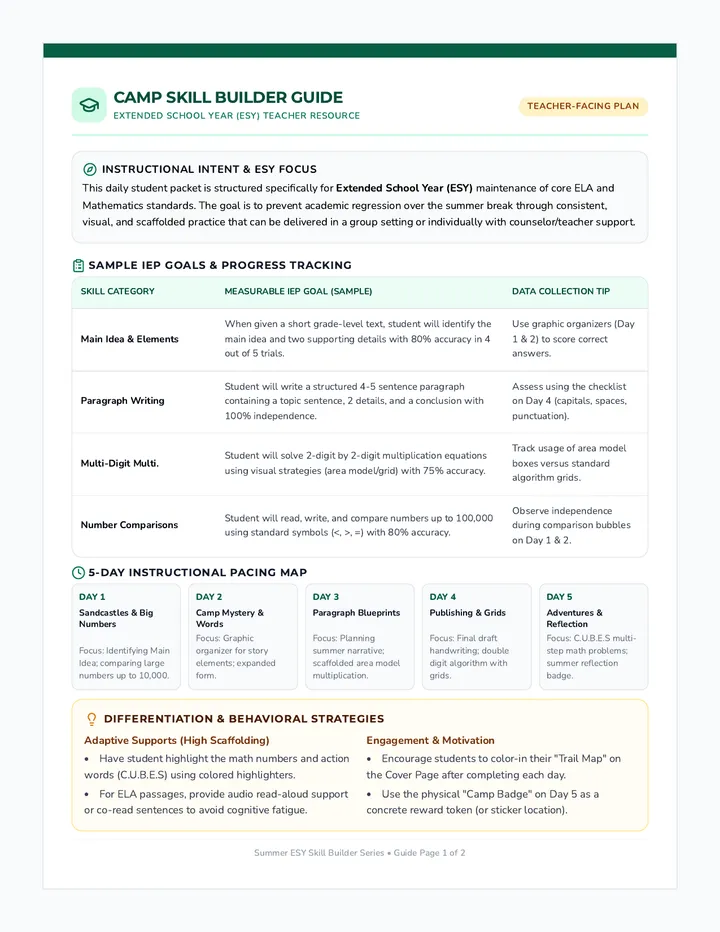
A comprehensive 5-day summer ESY packet and teacher guide focusing on core math and ELA maintenance skills, including main idea, story elements, paragraph writing, multi-digit multiplication, number comparisons, and word problems.
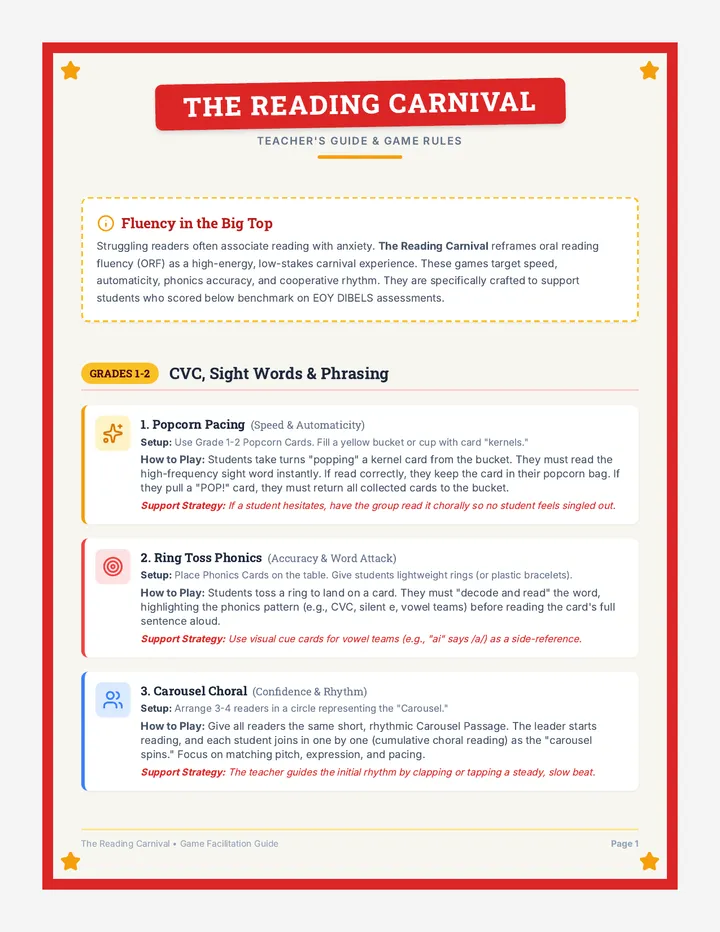
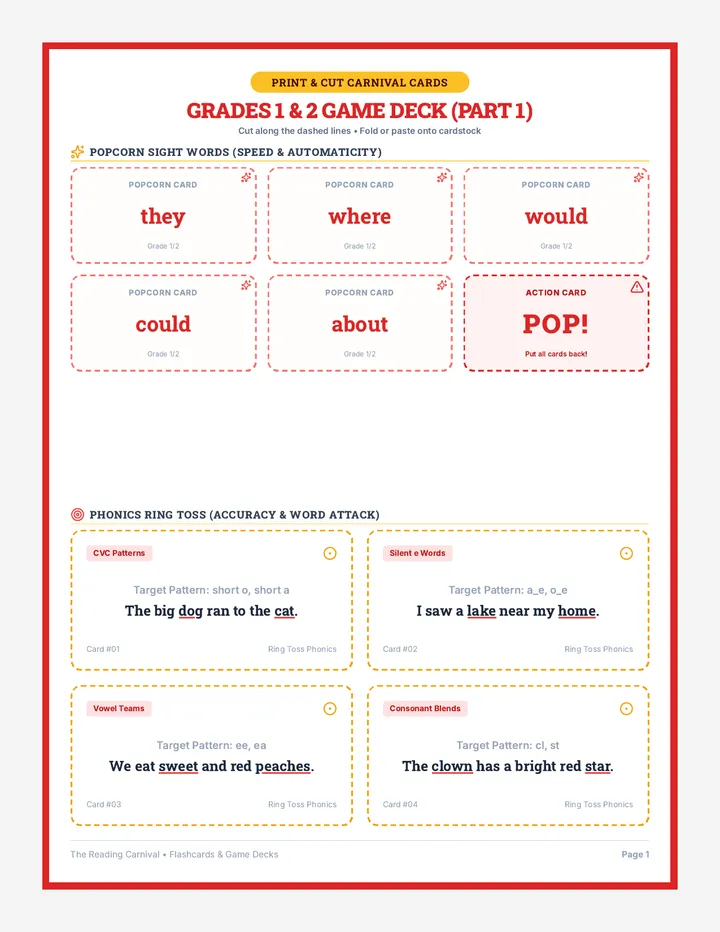
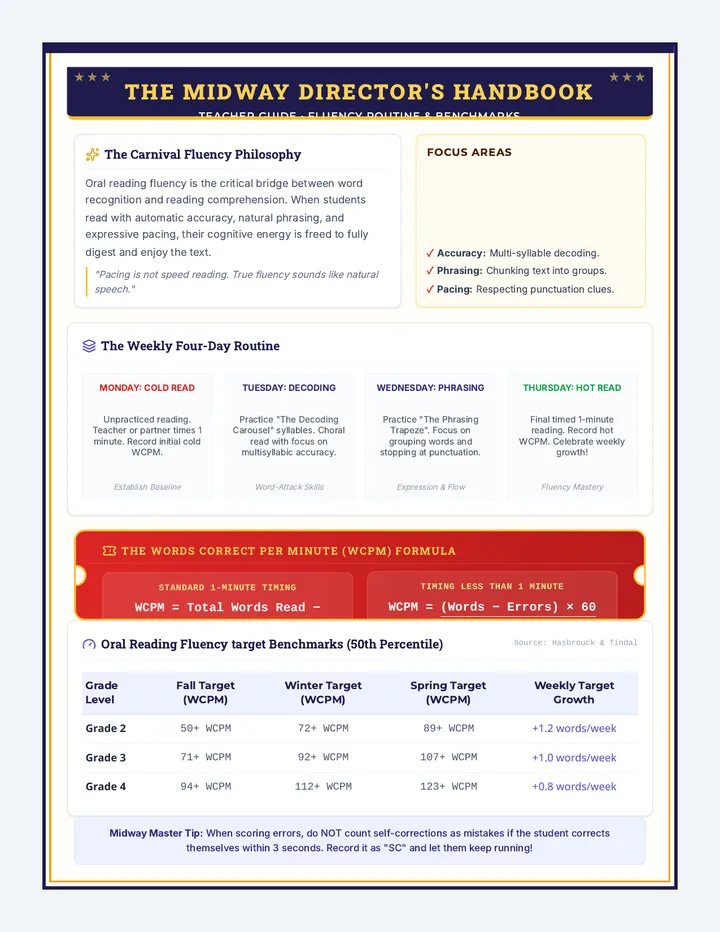
A comprehensive oral reading fluency bundle themed around 'The Reading Carnival'. It includes game guides, differentiated reading cards, progress trackers, and achievement awards designed specifically for struggling 1st-4th grade readers to build speed, accuracy, and confidence in a high-energy summer camp environment.
A weekly oral reading fluency program themed around a vintage carnival. It focuses on pacing, phrasing, and decoding multi-syllable words through engaging fiction and non-fiction passages with built-in trackers.
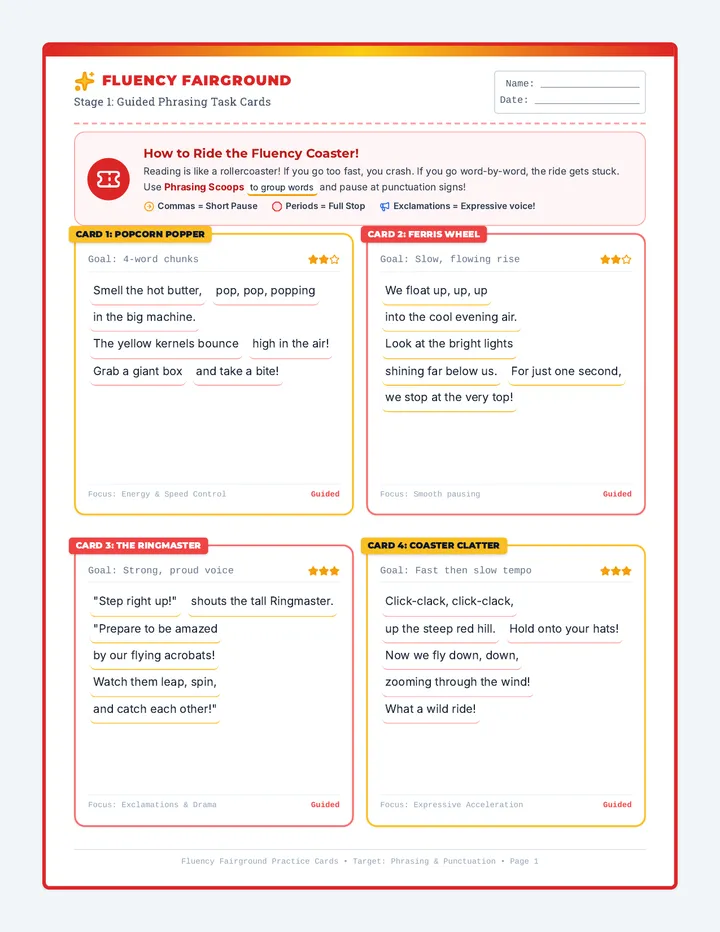
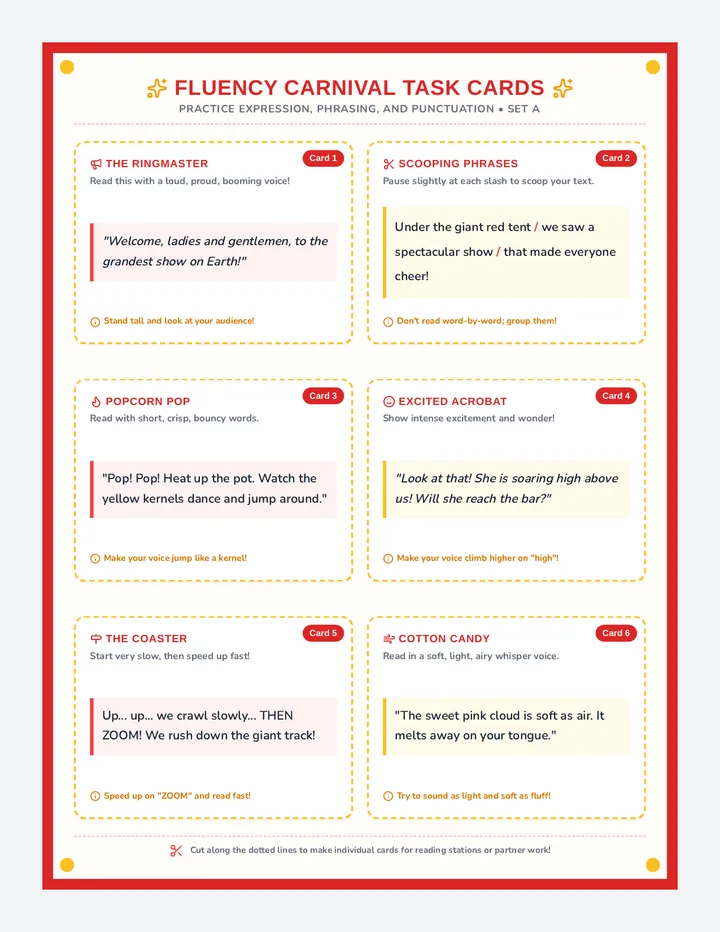
A high-energy, carnival-themed literacy package designed to boost oral reading fluency with a focus on phrasing and punctuation. Features print-and-cut phrasing task cards, partner-based carnival games, and a dramatic Reader's Theater script set under the Big Top.
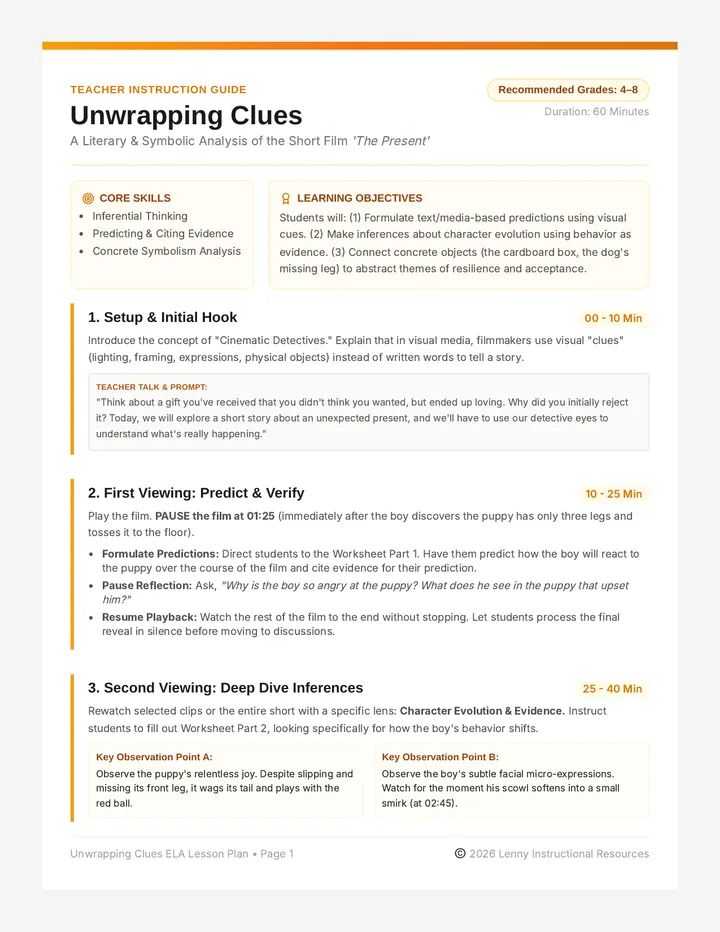
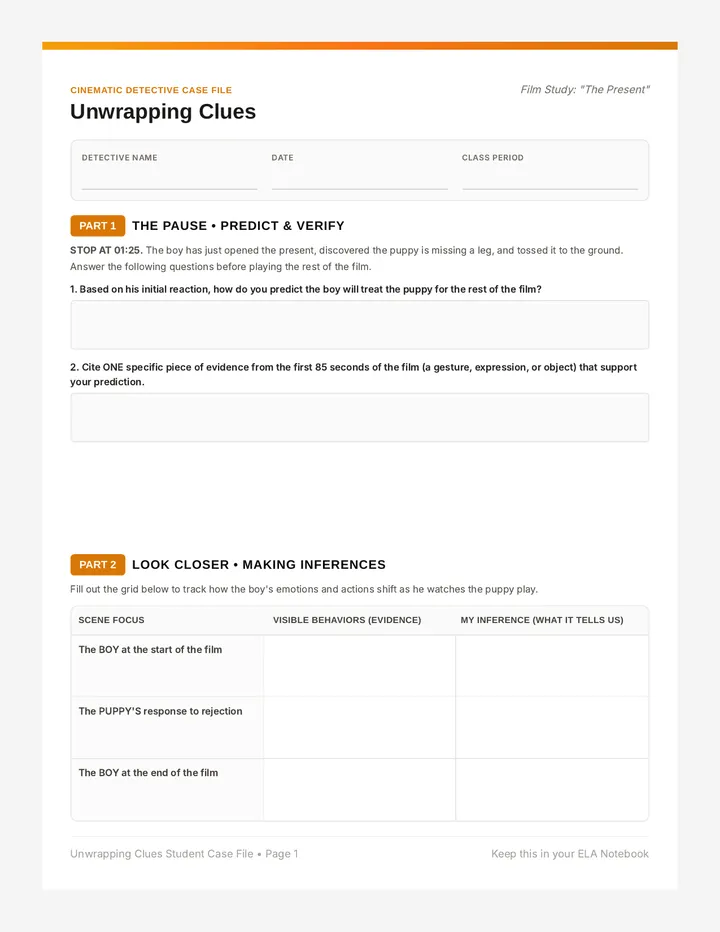
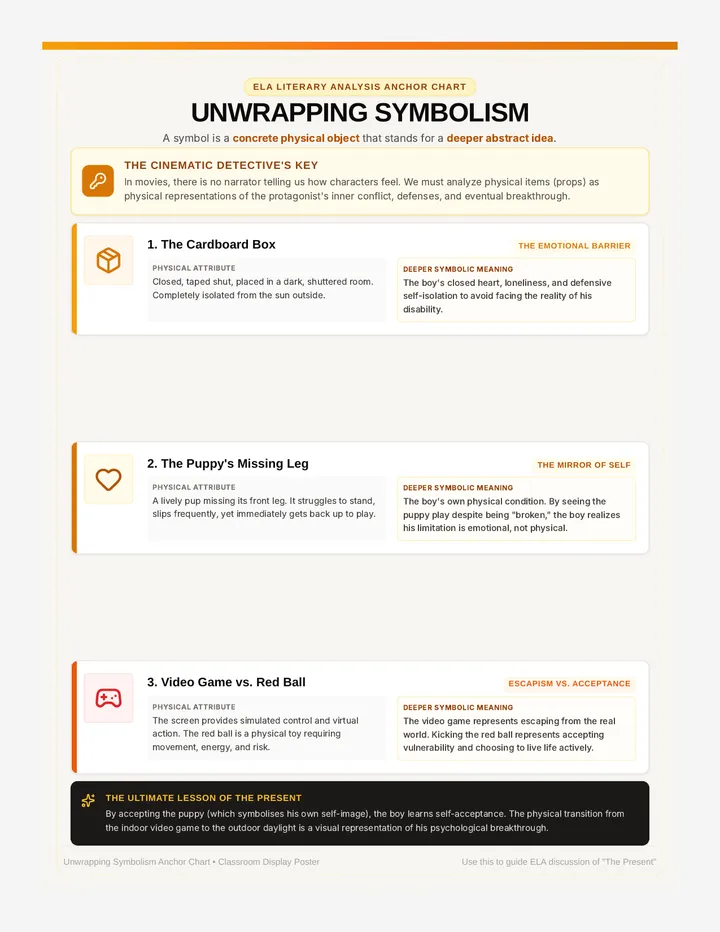
A comprehensive 60-minute ELA lesson focused on the animated short film 'The Present'. Students explore core reading skills—inferential thinking, prediction, citing evidence, and concrete symbolism—by analyzing the boy, the box, the dog, and the final reveal.
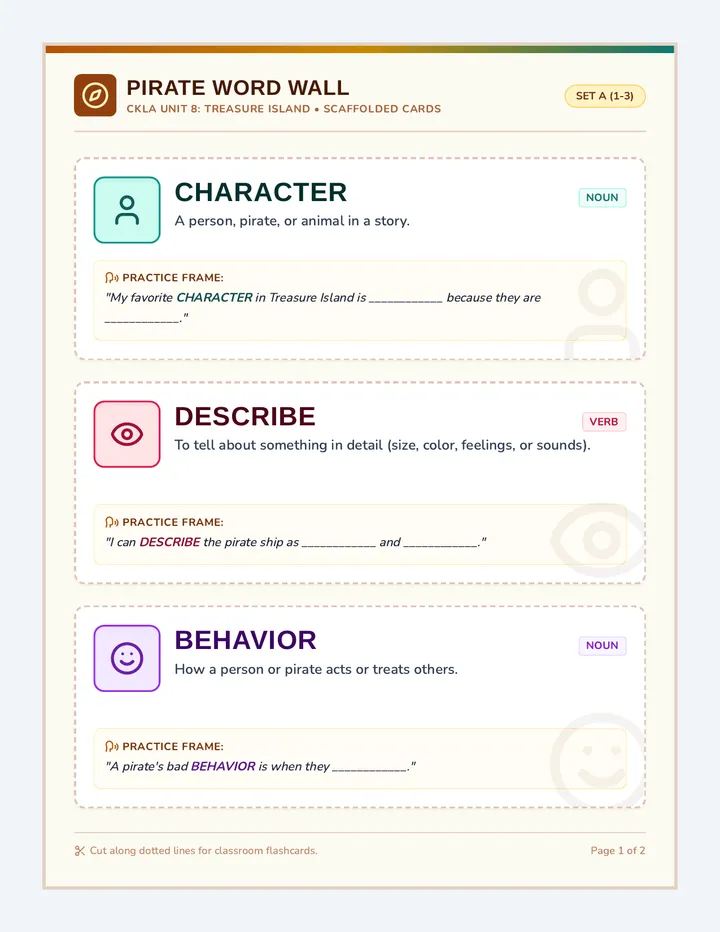
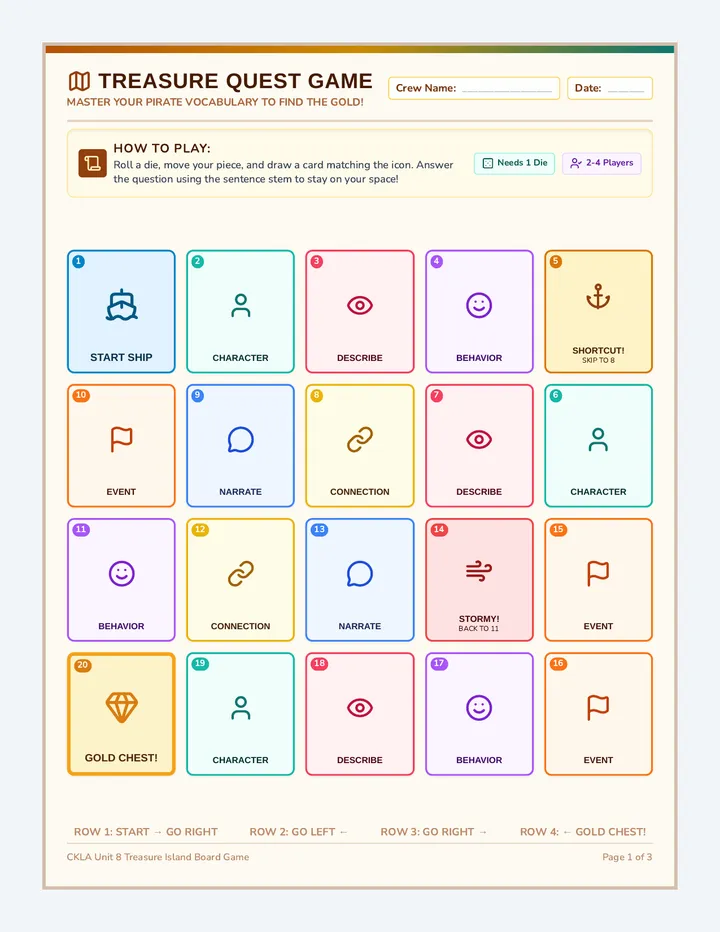
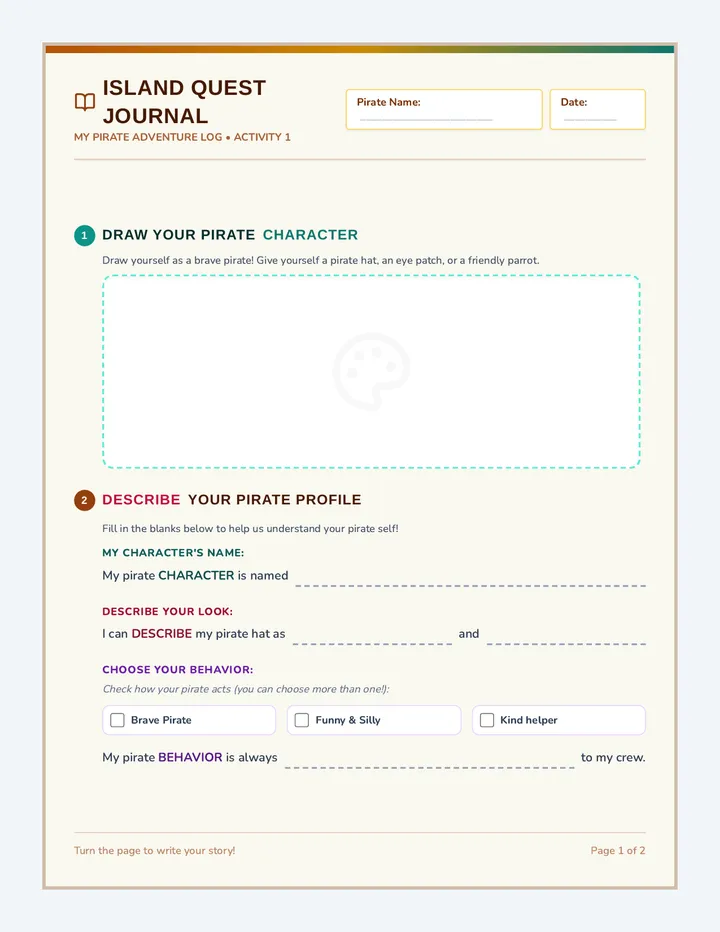
An engaging end-of-the-year activity bundle themed around CKLA Unit 8 Treasure Island, specifically scaffolded for 4th-grade students with low literacy. This lesson incorporates active gameplay, visual word wall cards, and sentence-stem writing prompts to master key vocabulary.
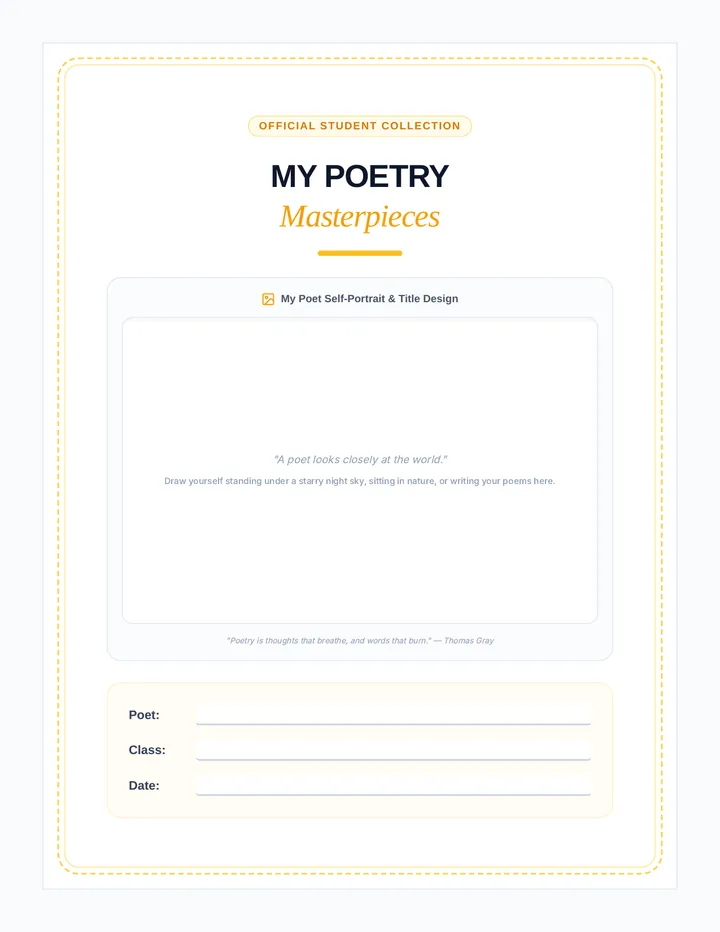
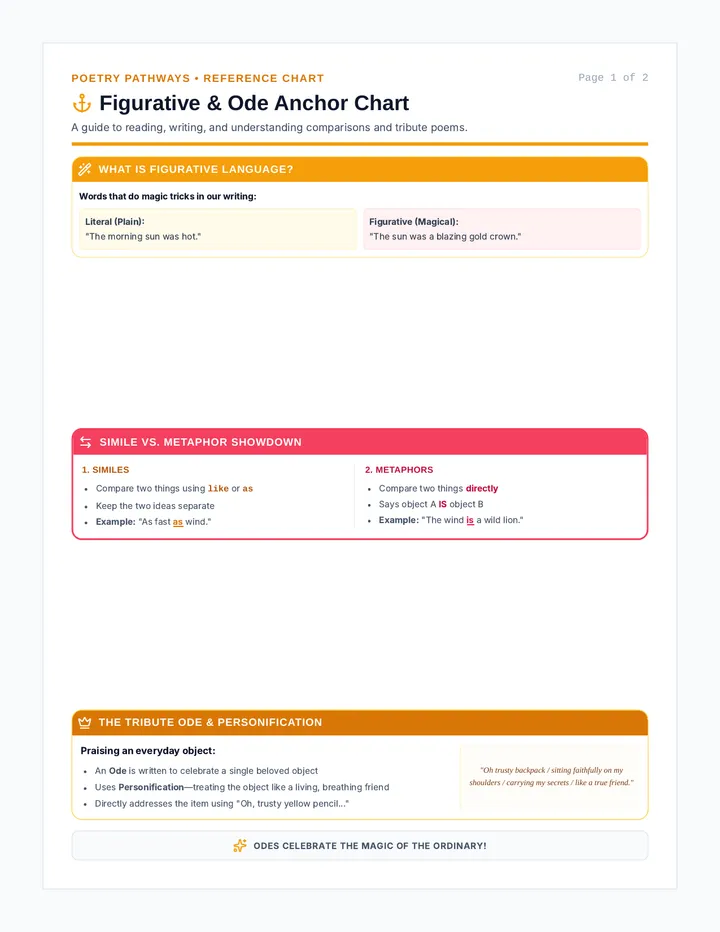
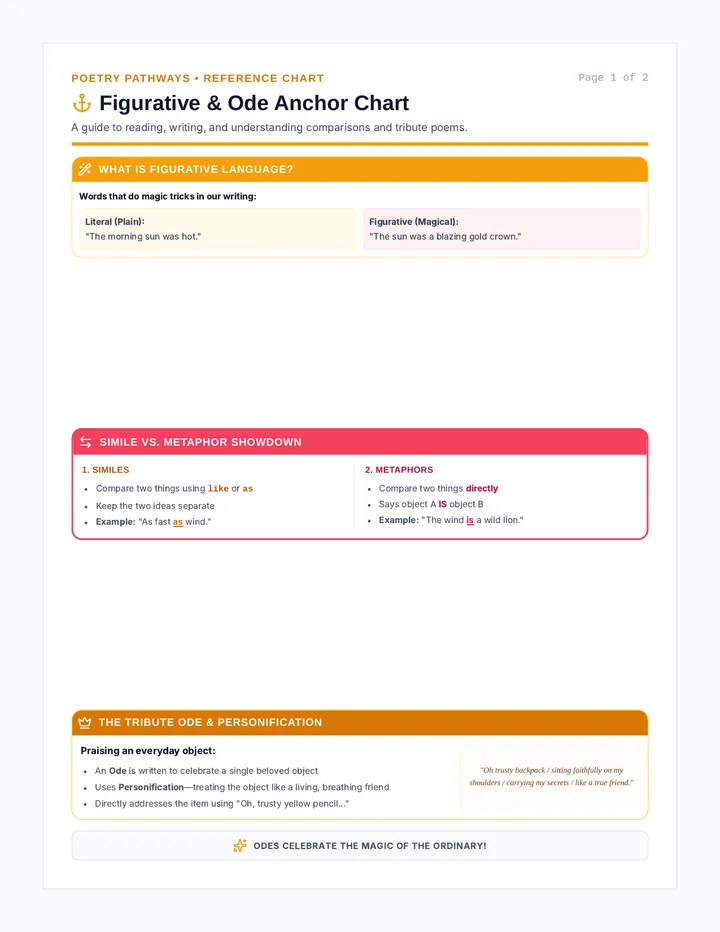
Focuses on using Metaphors and Similes to create powerful figurative imagery. Includes a final "My Poetry Masterpieces" portfolio cover and peer celebration review pages.
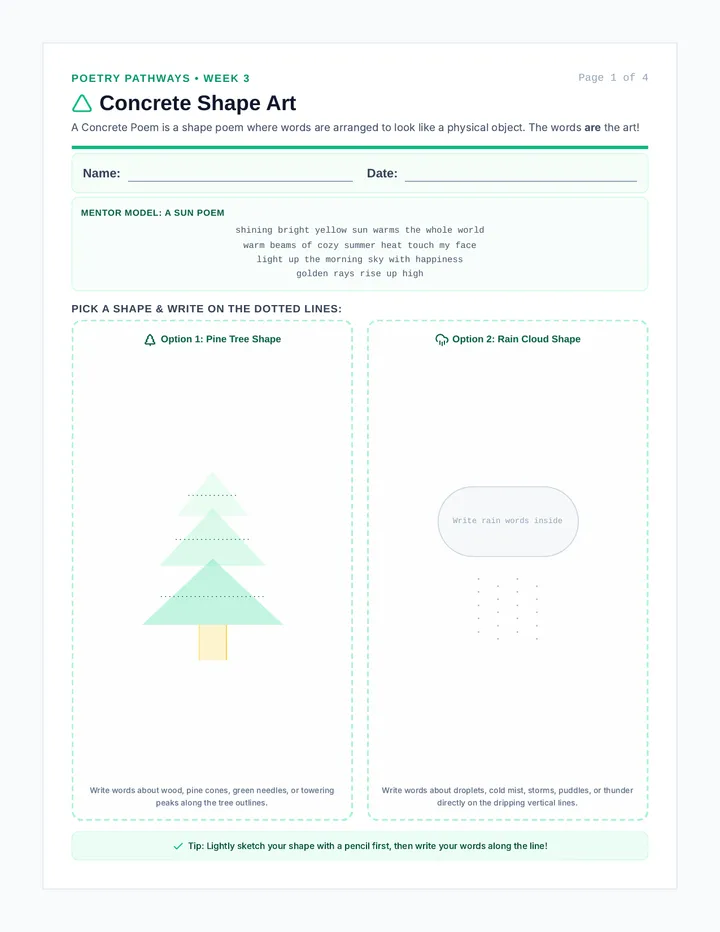
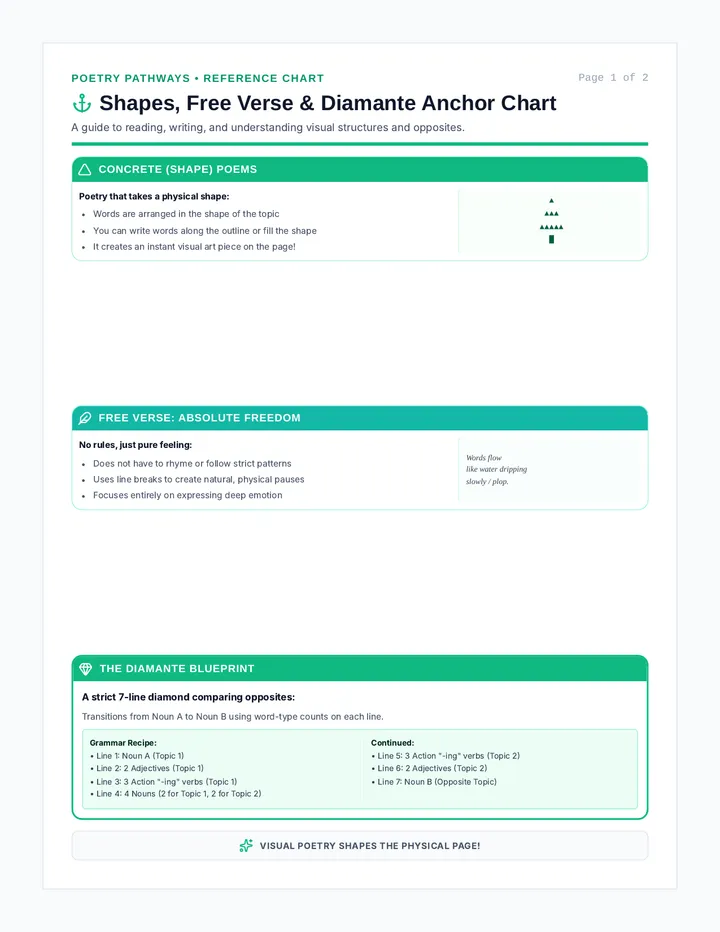
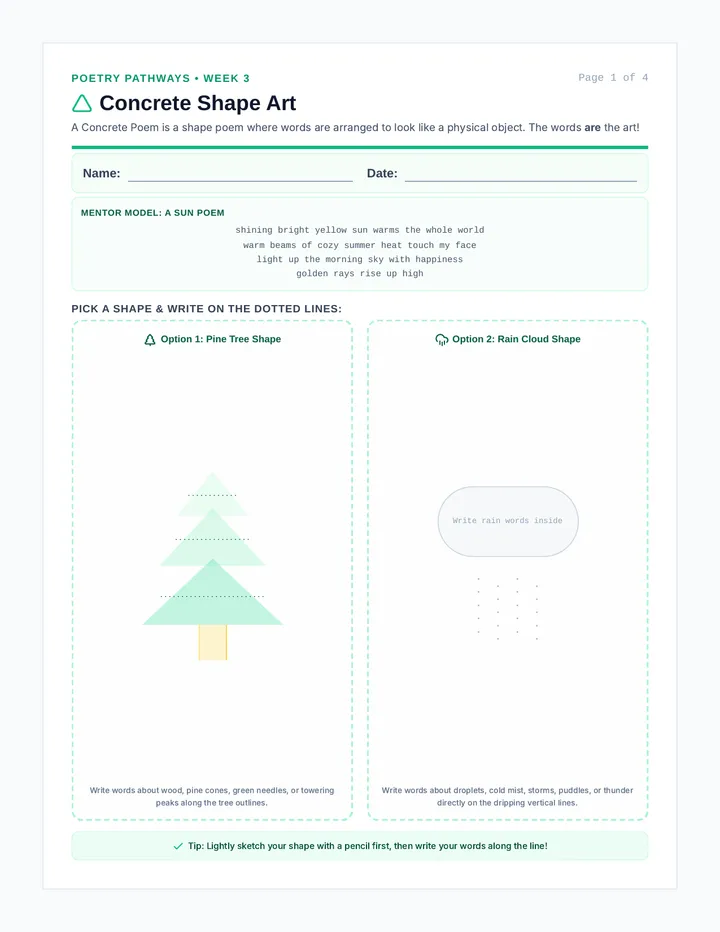
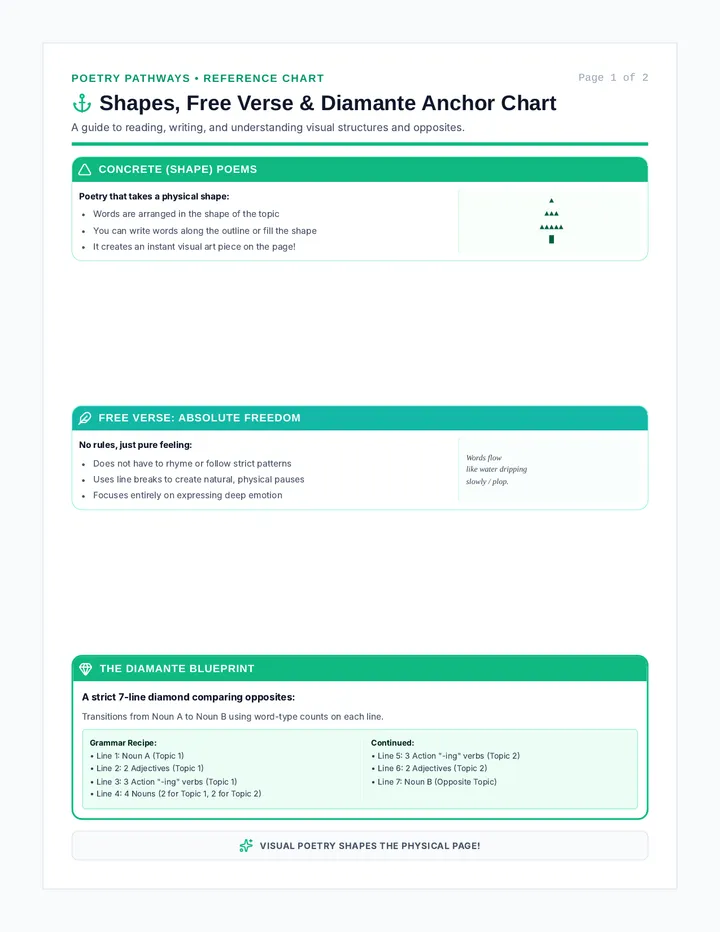
Focuses on shape, movement, and visual arrangement with Concrete (Shape) Poems and Free Verse. Provides scaffolded outline guides, word maps, and sensory feeling prompts.
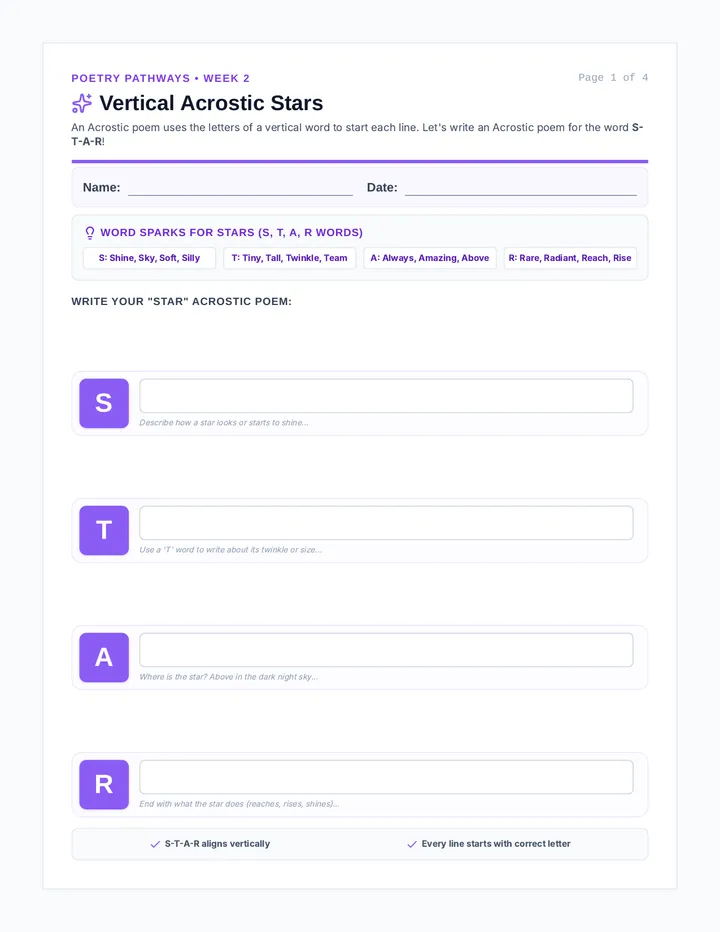
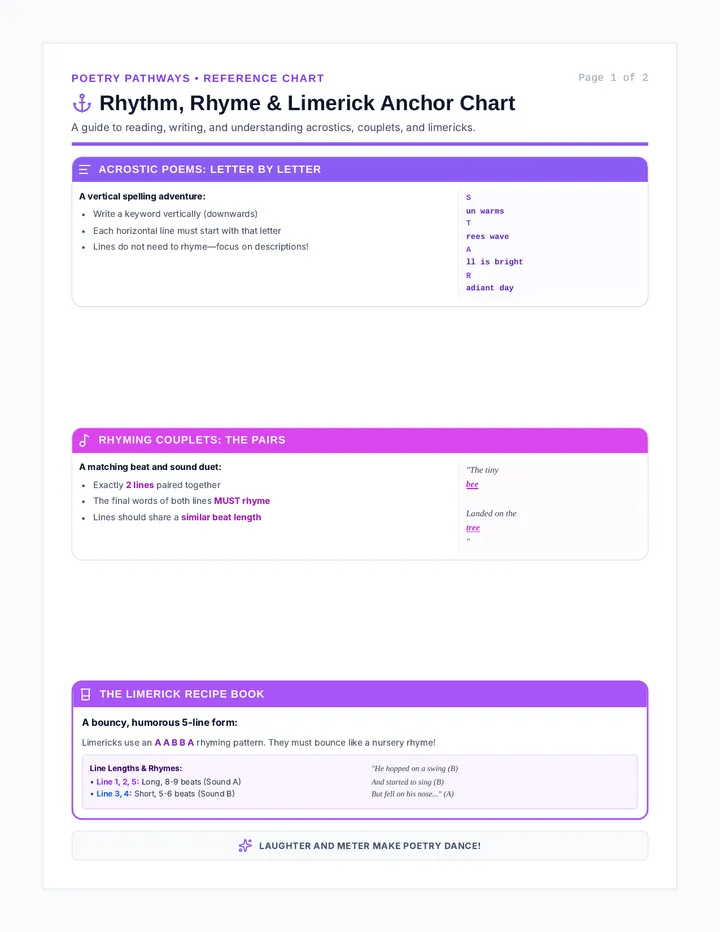
Focuses on structure, rhythm, and sound through Acrostic Poems and Rhyming Couplets. Offers step-by-step graphic templates, letter grids, rhyming dictionaries, and syllable beat counters.
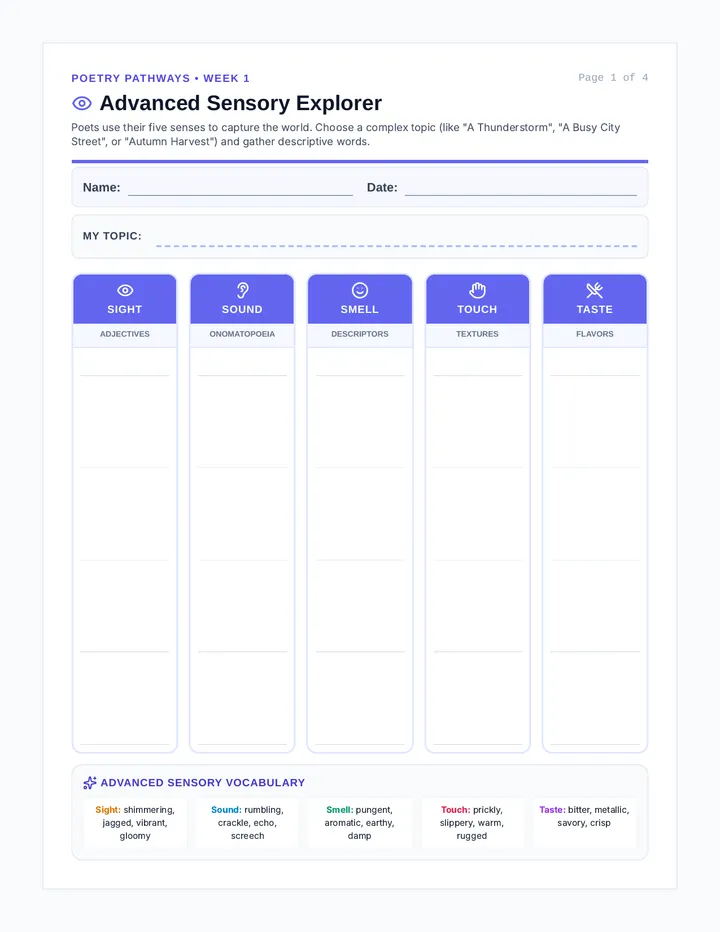
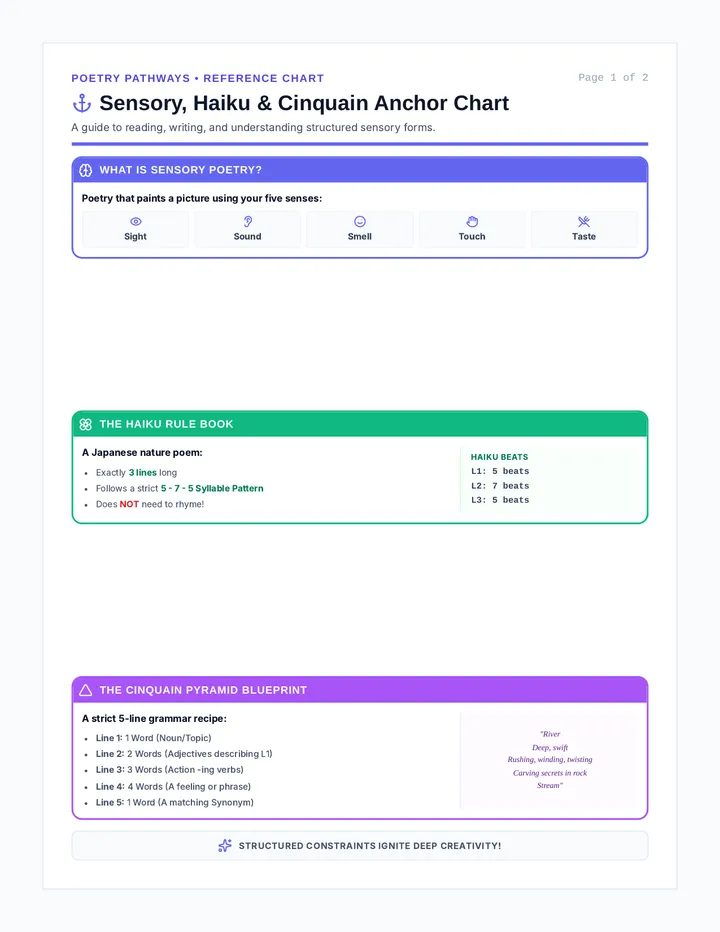
Focuses on Sensory and Color Poetry (Haiku and Color Poems). Students explore imagery using their five senses, utilizing highly visual sensory organizers, word banks, and syllable counters.
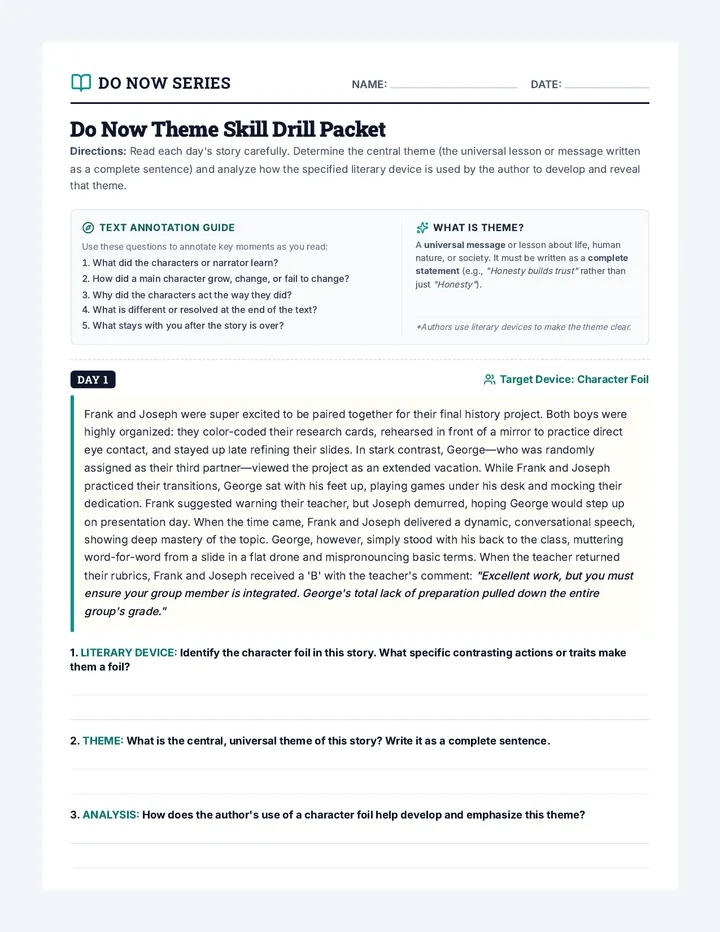
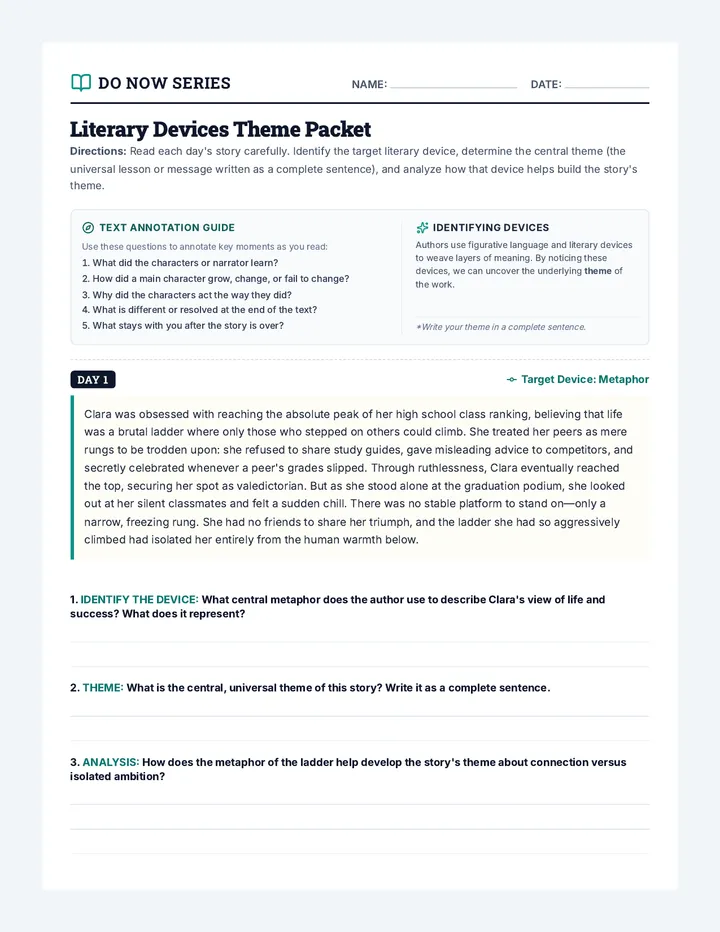
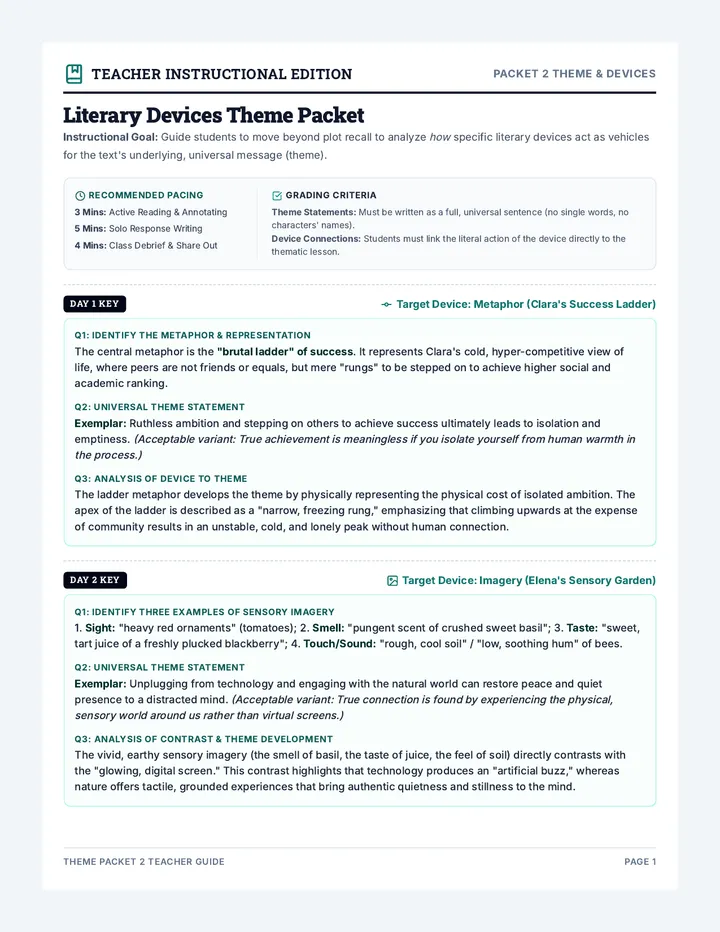
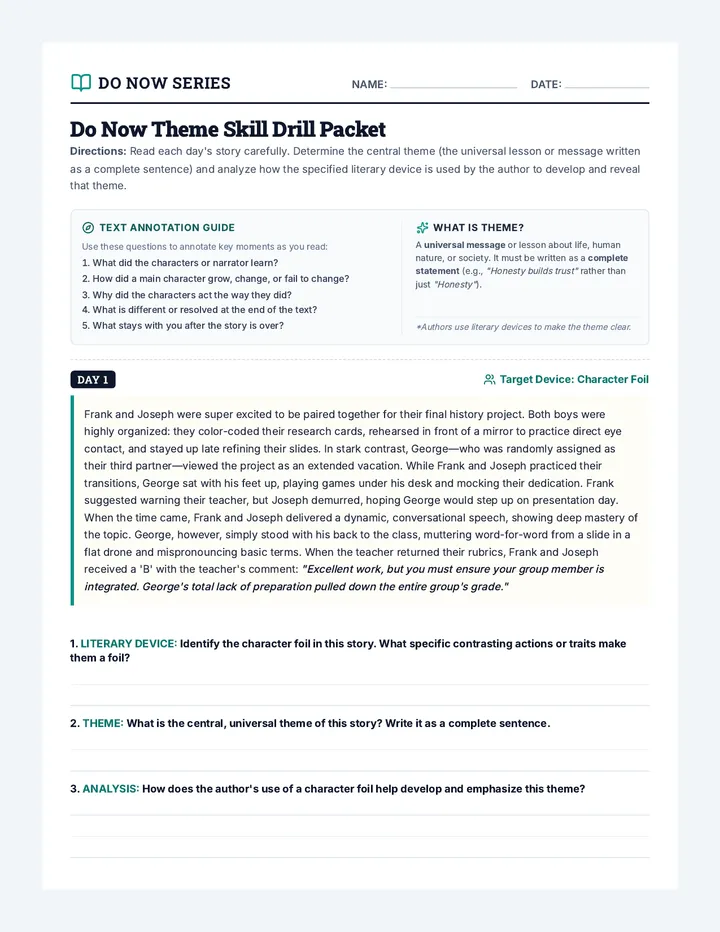
A cohesive lesson and drill series designed to help students master the connection between explicit literary devices and the central themes of literary texts.
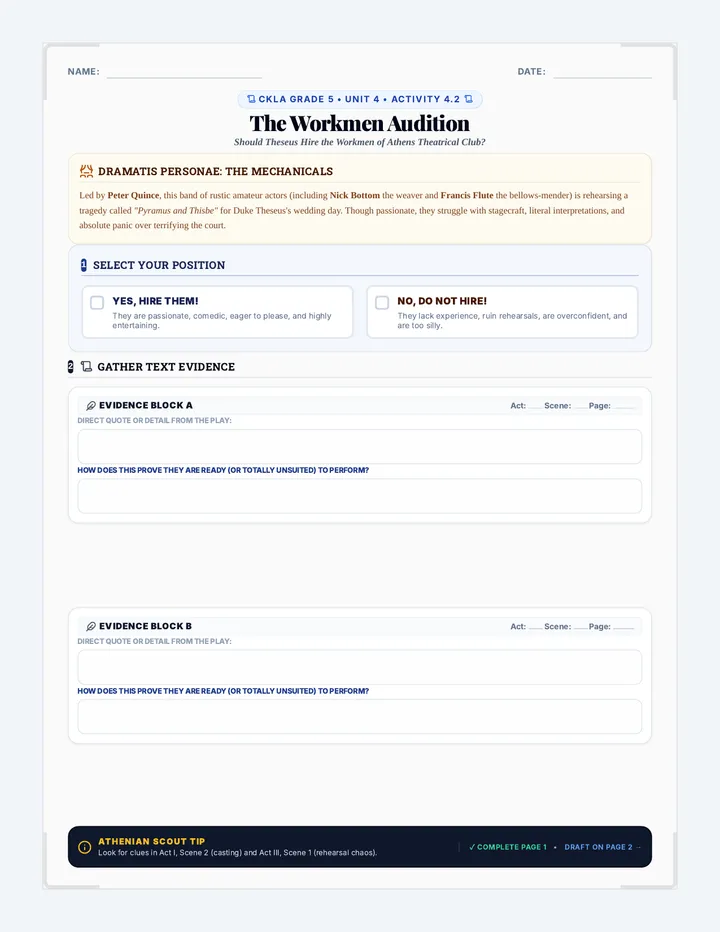
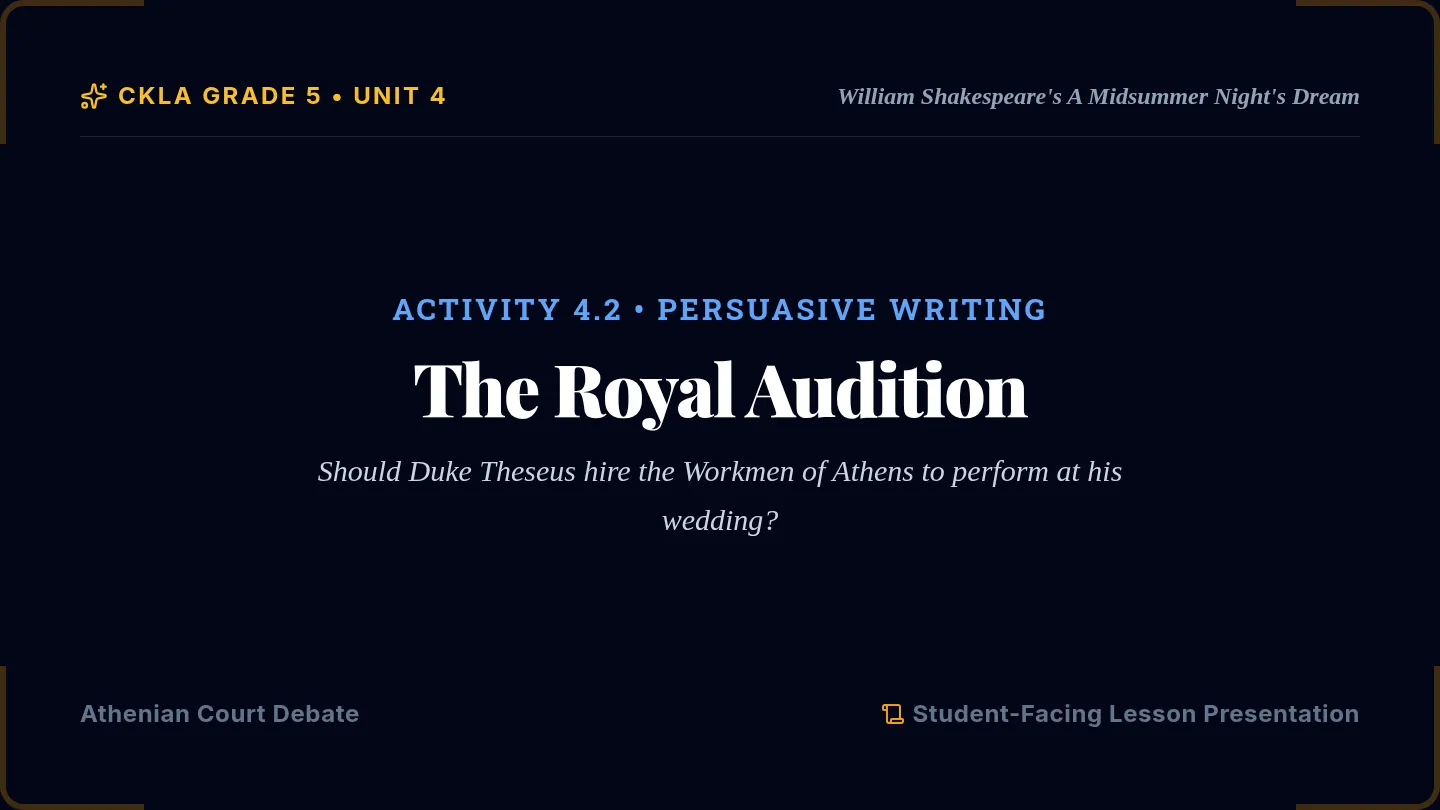
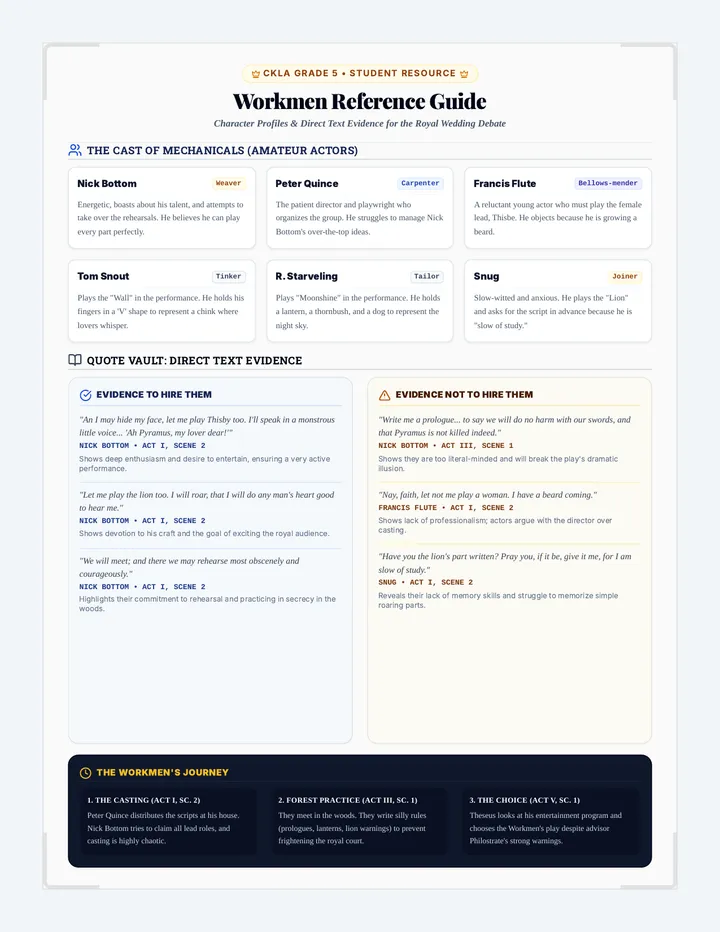
A comprehensive writing lesson centered around the CKLA Grade 5 persuasive prompt: 'Should Theseus hire the Workmen of Athens Theatrical Club?' Students gather text evidence about the mechanicals' theatrical abilities, weigh their strengths and weaknesses, and draft a structured persuasive paragraph.
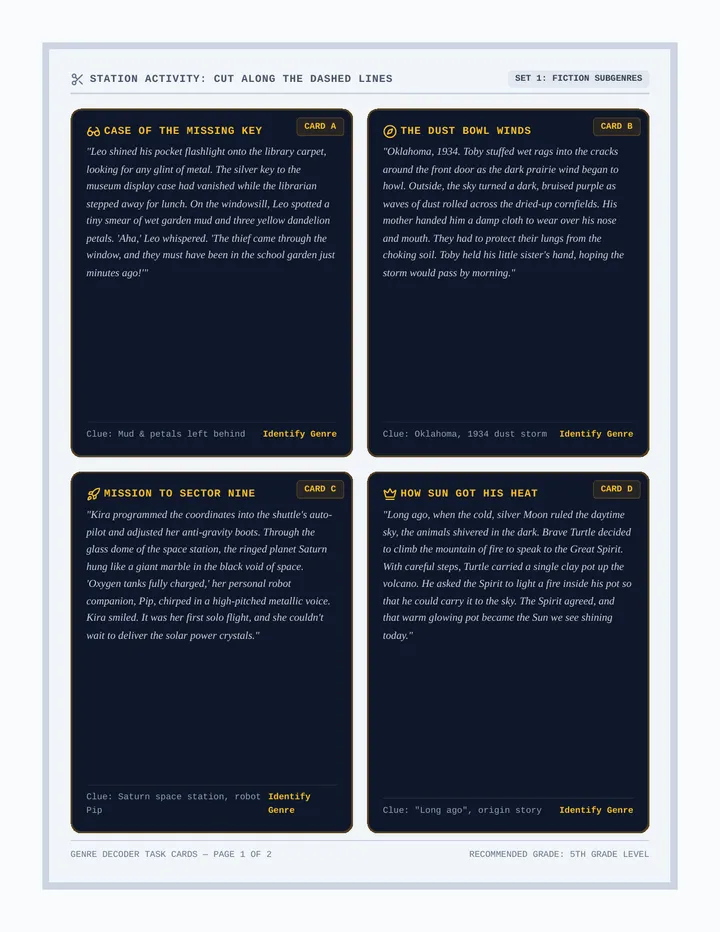
A comprehensive lesson designed for 5th-grade students to identify and distinguish between key literary genres, including fiction and nonfiction basics, and a modern mix of fantasy, science fiction, mystery, and adventure.
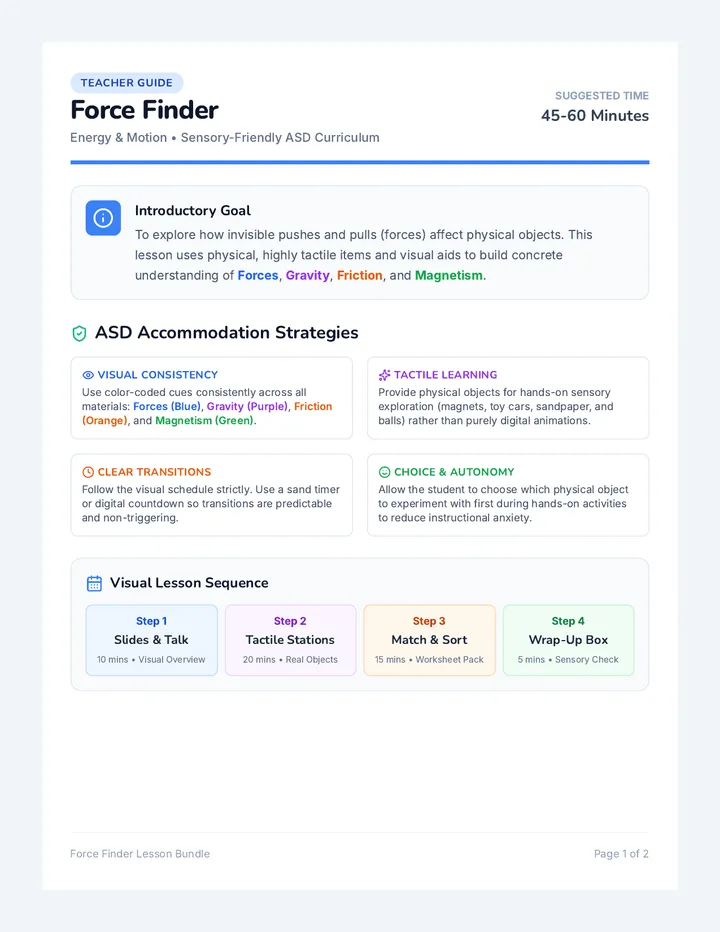
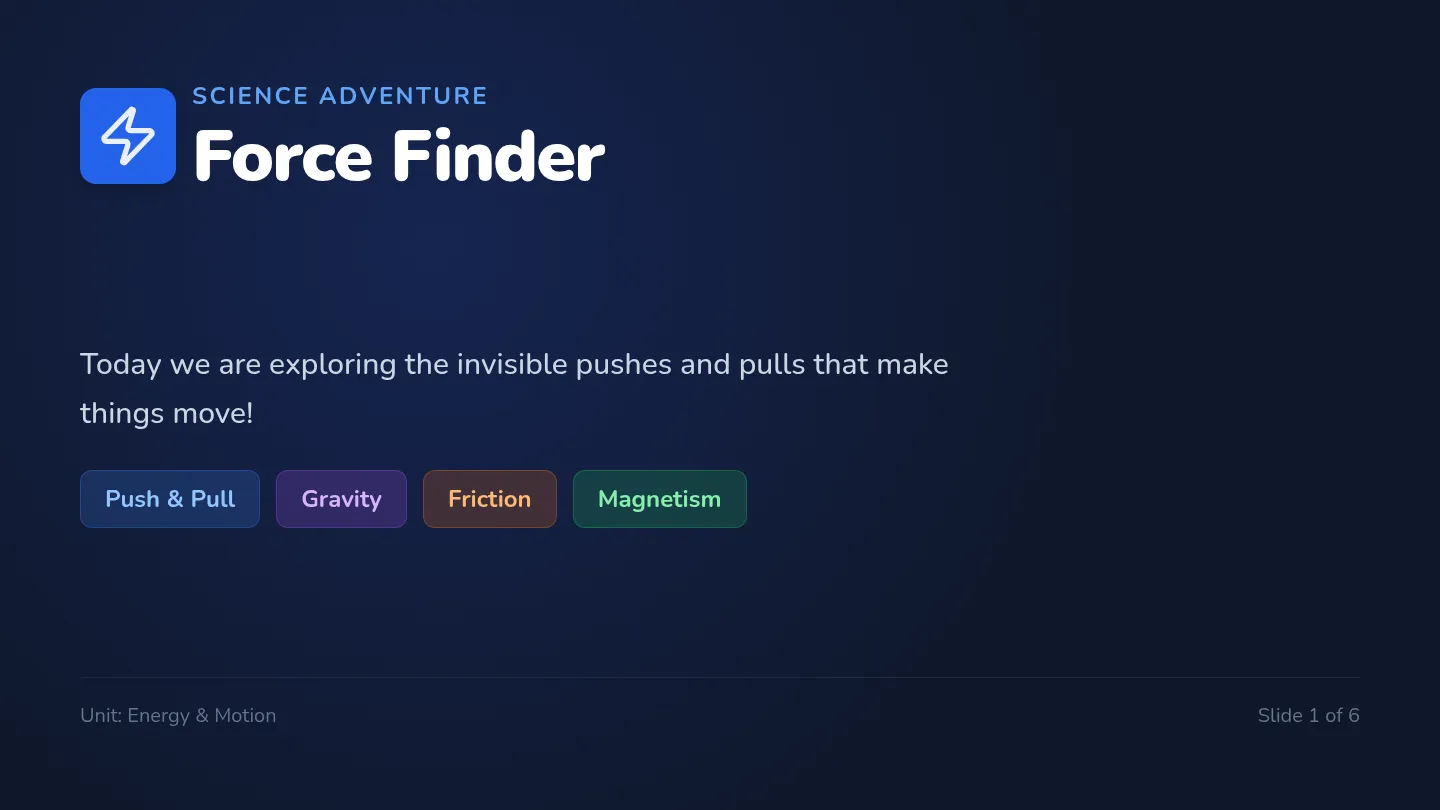
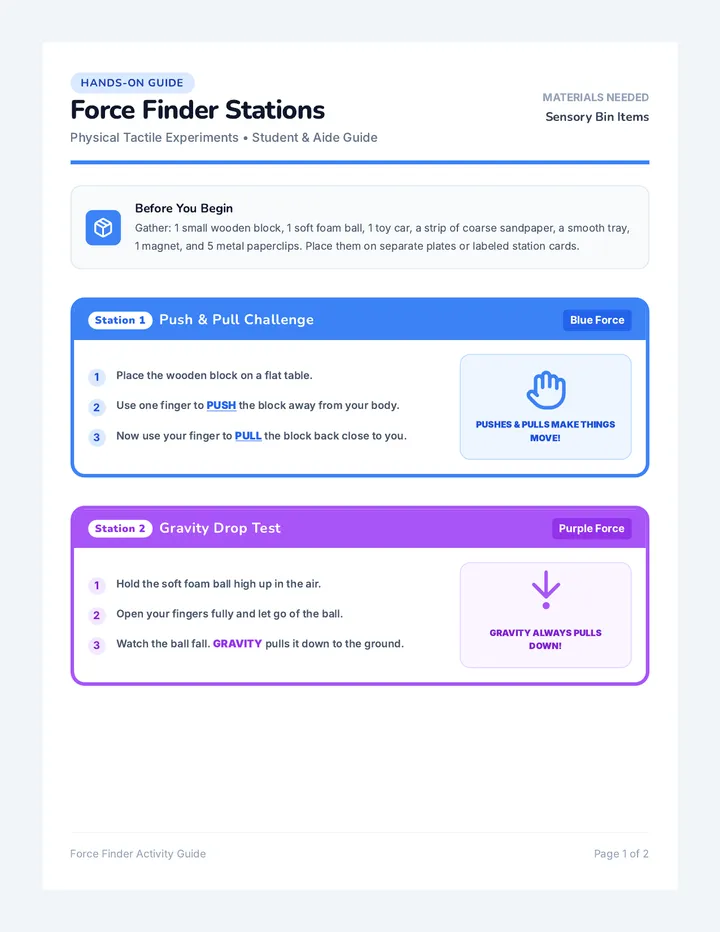
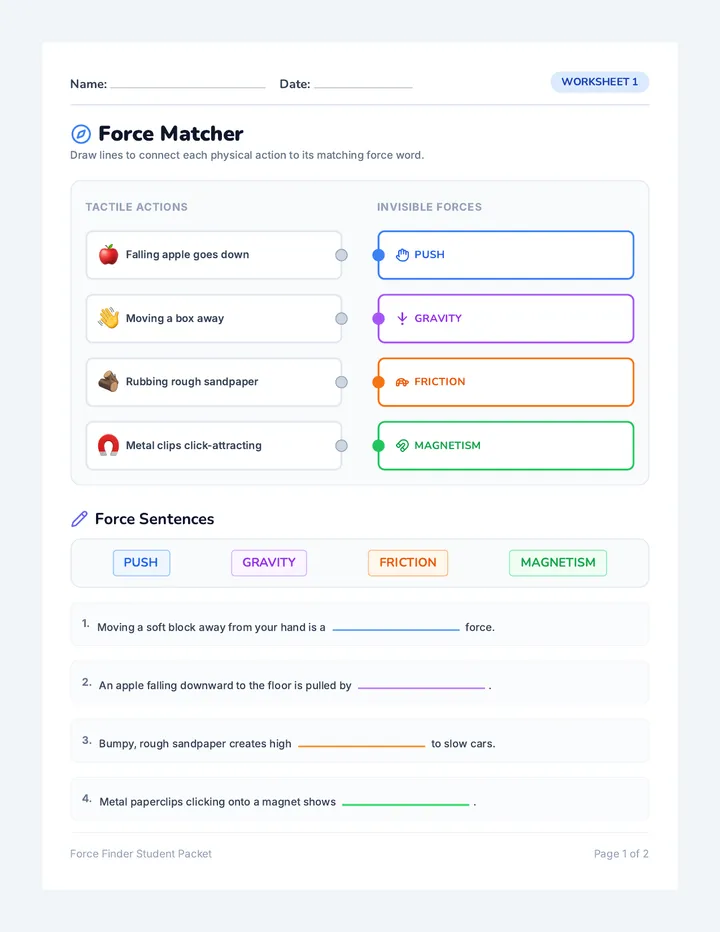
A highly visual, sensory-friendly introductory lesson on energy and motion designed for 5th graders with ASD. Covers pushing/pulling, gravity, friction, and magnetism using color-coded concepts, minimal text, and high-contrast visuals.
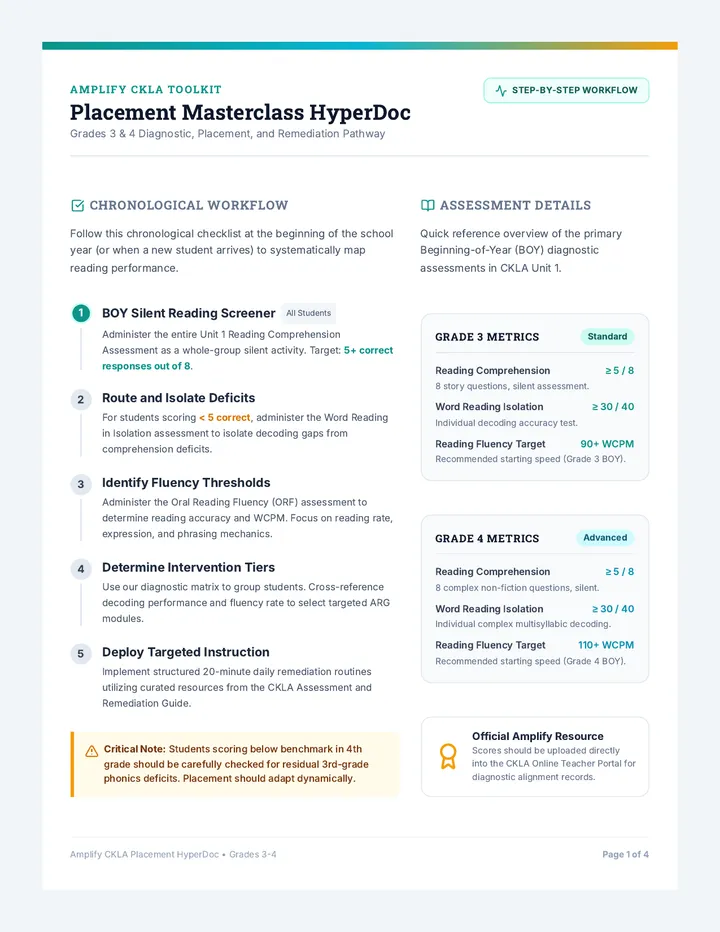
A specialized lesson designed for third and fourth-grade educators to master the CKLA placement, diagnostic, and remediation pathways. This lesson contains professional guides, visual flowcharts, and student grouping trackers to streamline the intervention process.
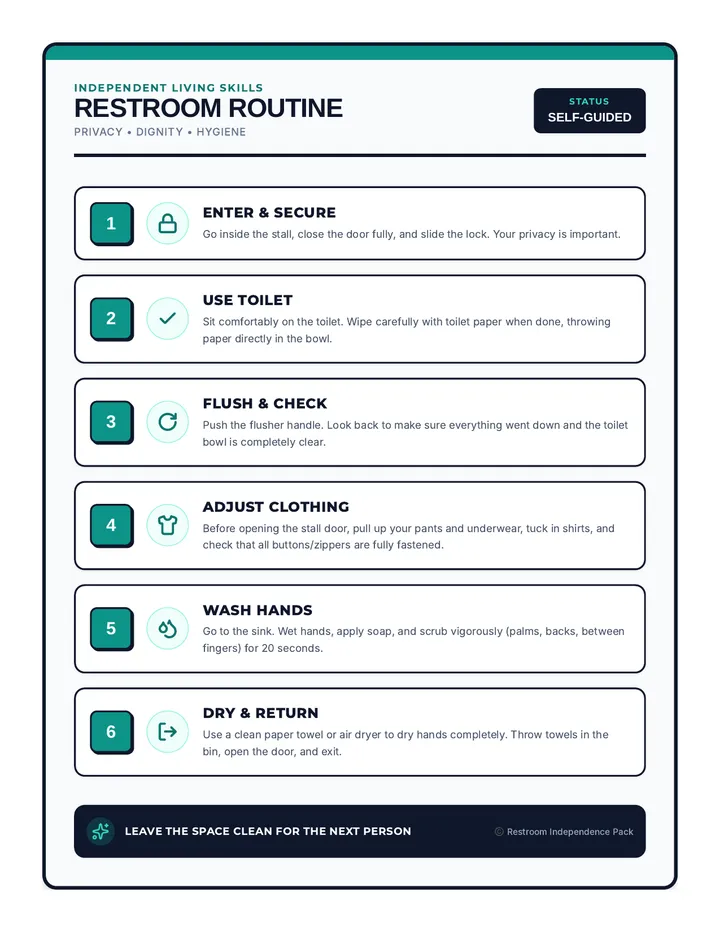
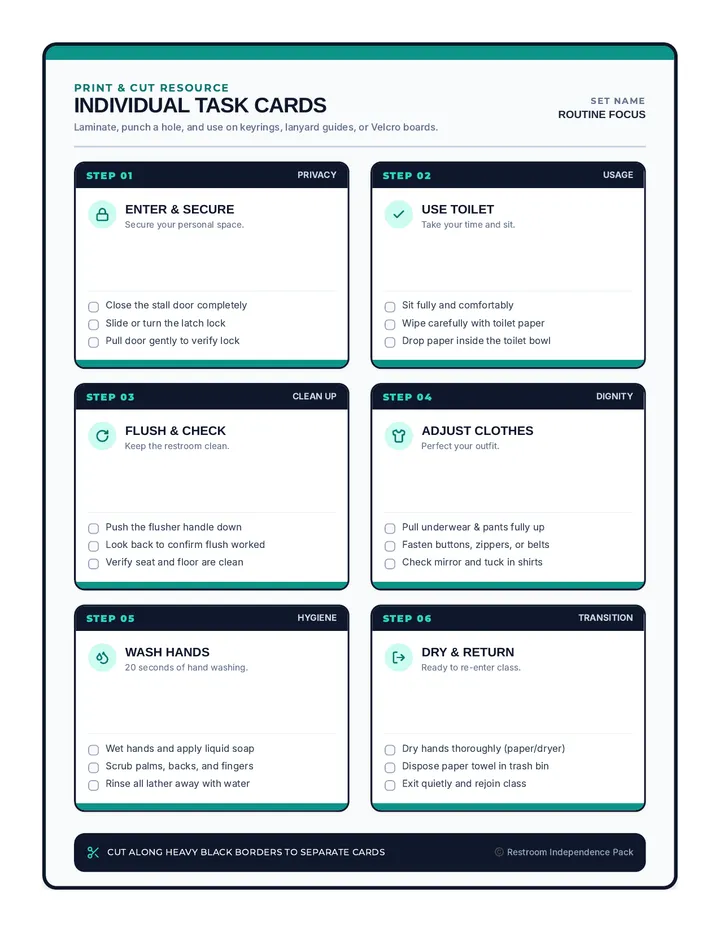
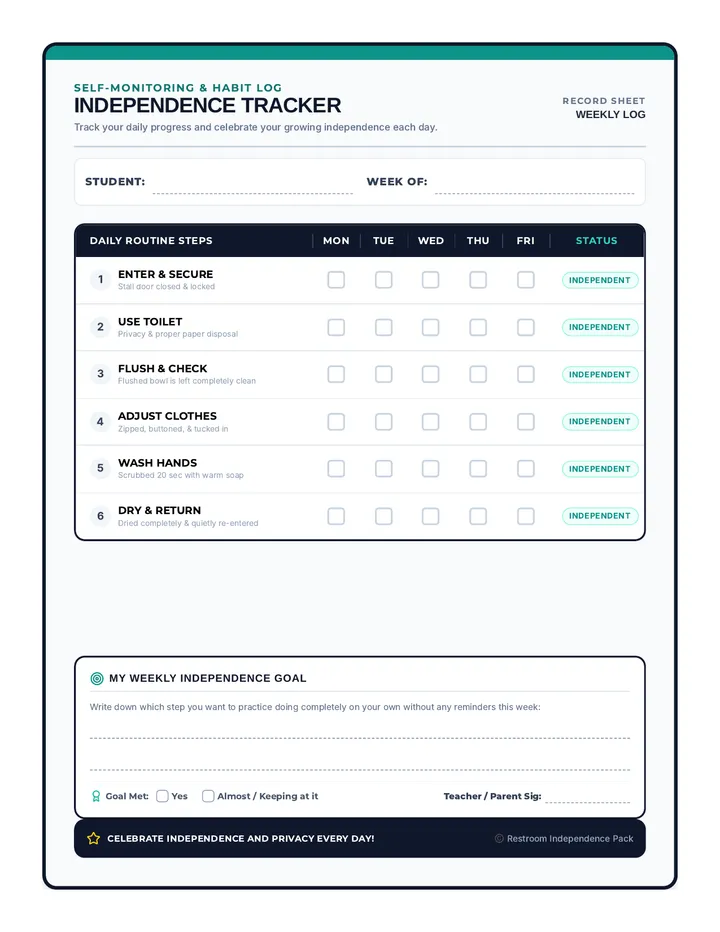
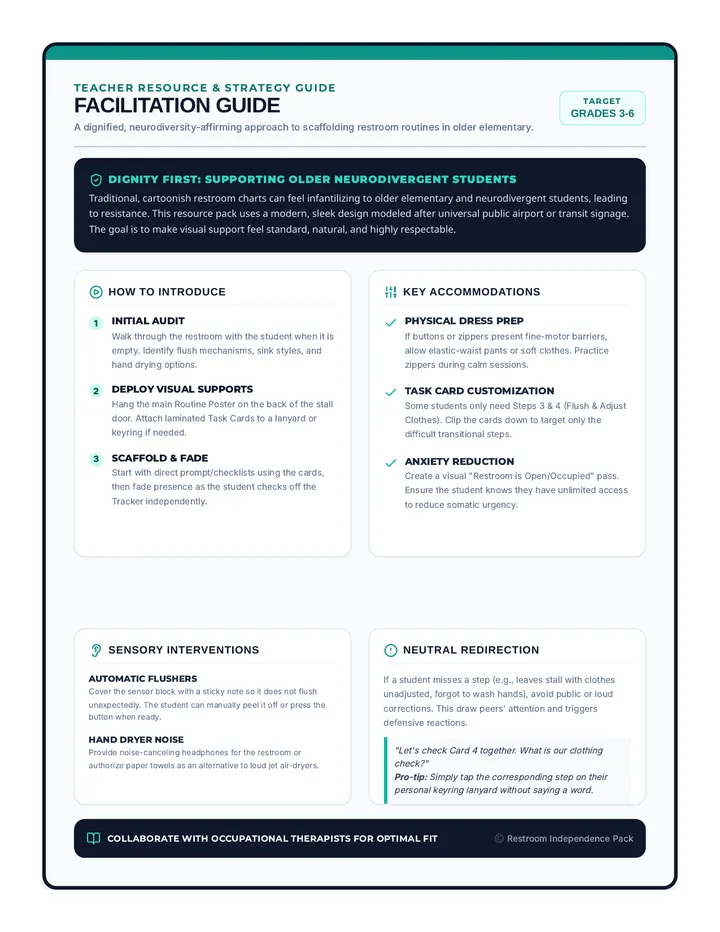
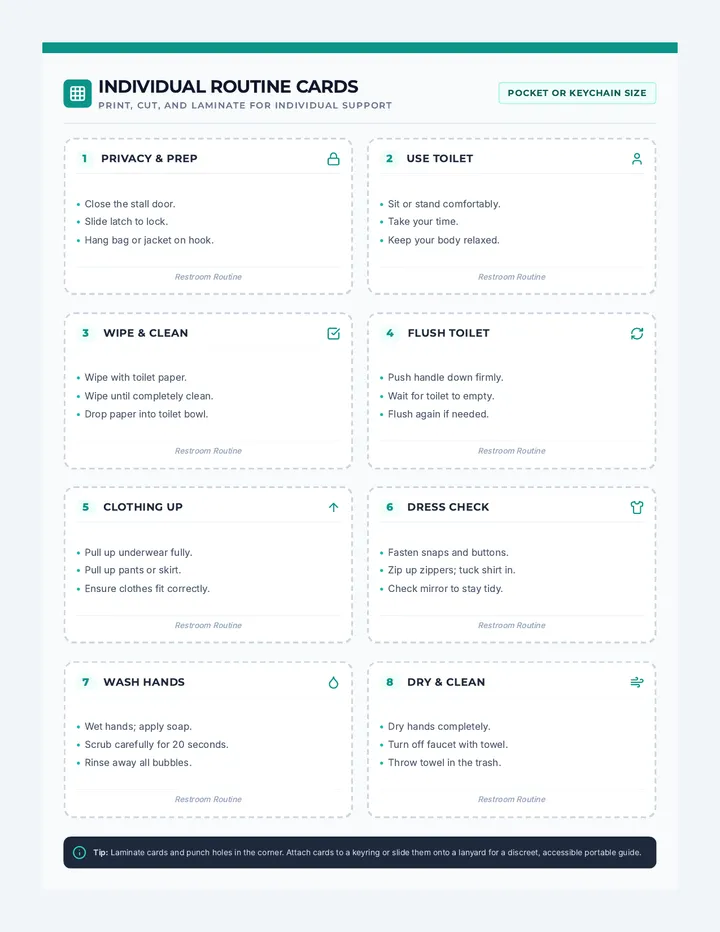
A complete visual support and routine mastery pack designed for older elementary and neurodivergent students. Includes a wall poster, individual task cards, a progress tracker, and a comprehensive implementation guide to foster dignity and privacy.
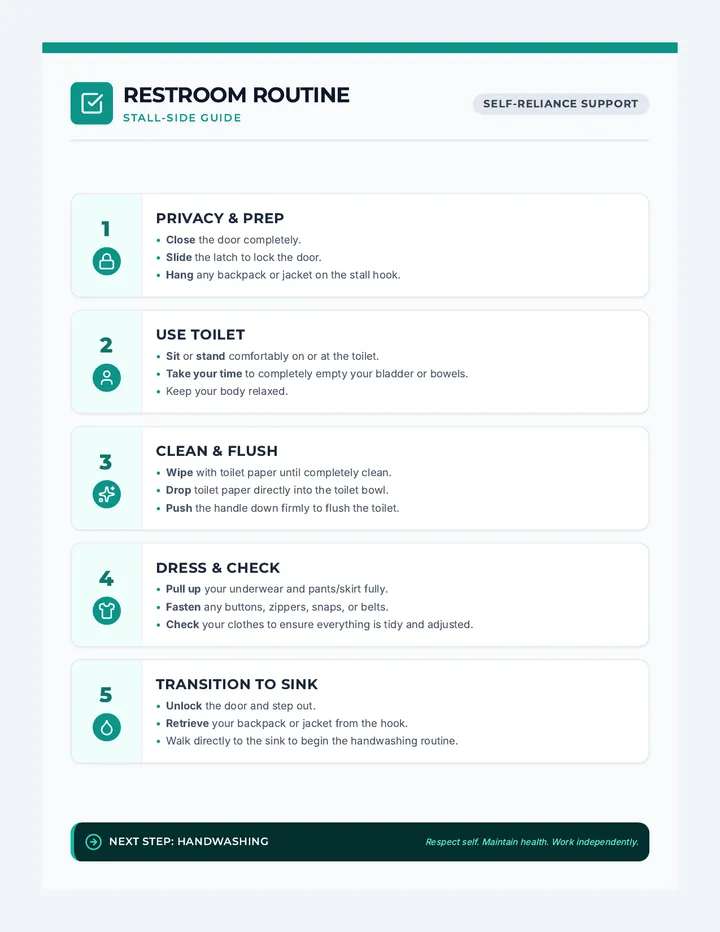
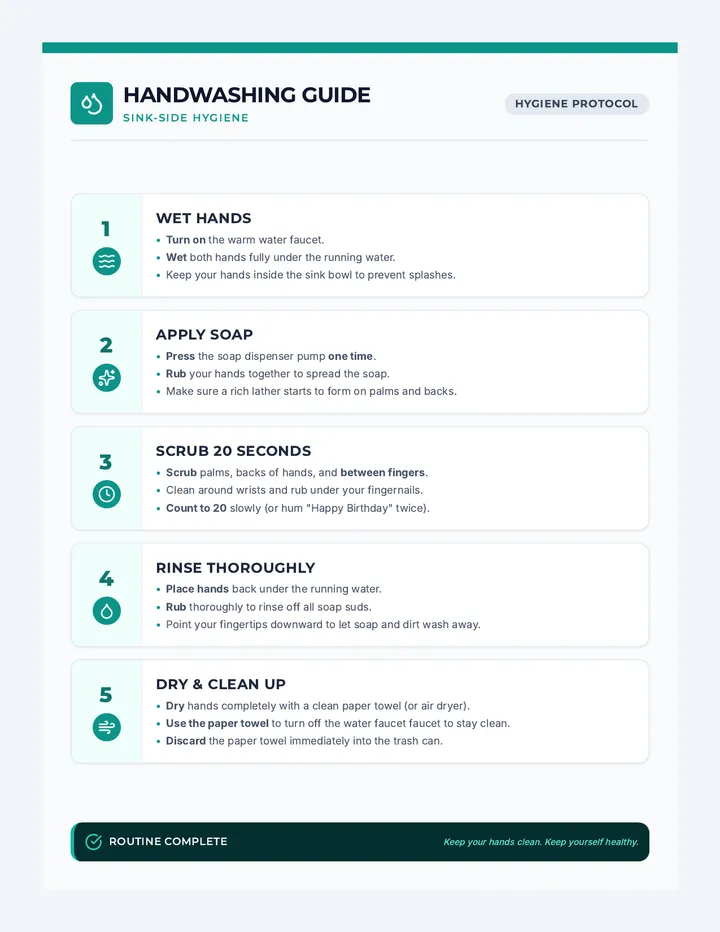
A comprehensive visual support system designed for older elementary and neurodivergent students to promote bathroom independence. Includes a stall-side routine poster, a sink-side handwashing guide, and printable individual visual support cards styled with a clean, modern aesthetic.
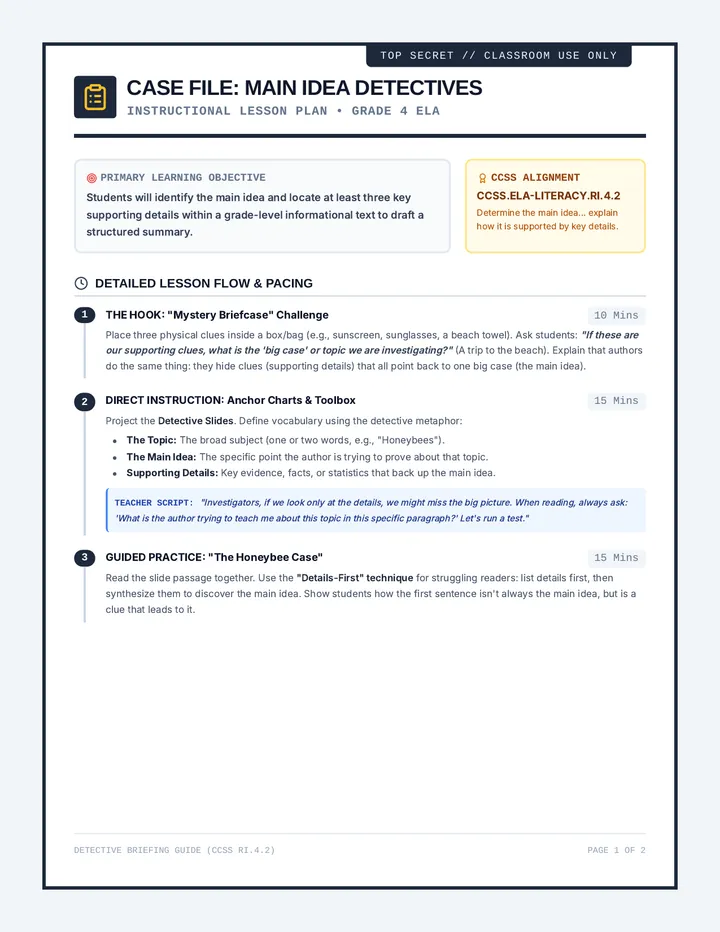
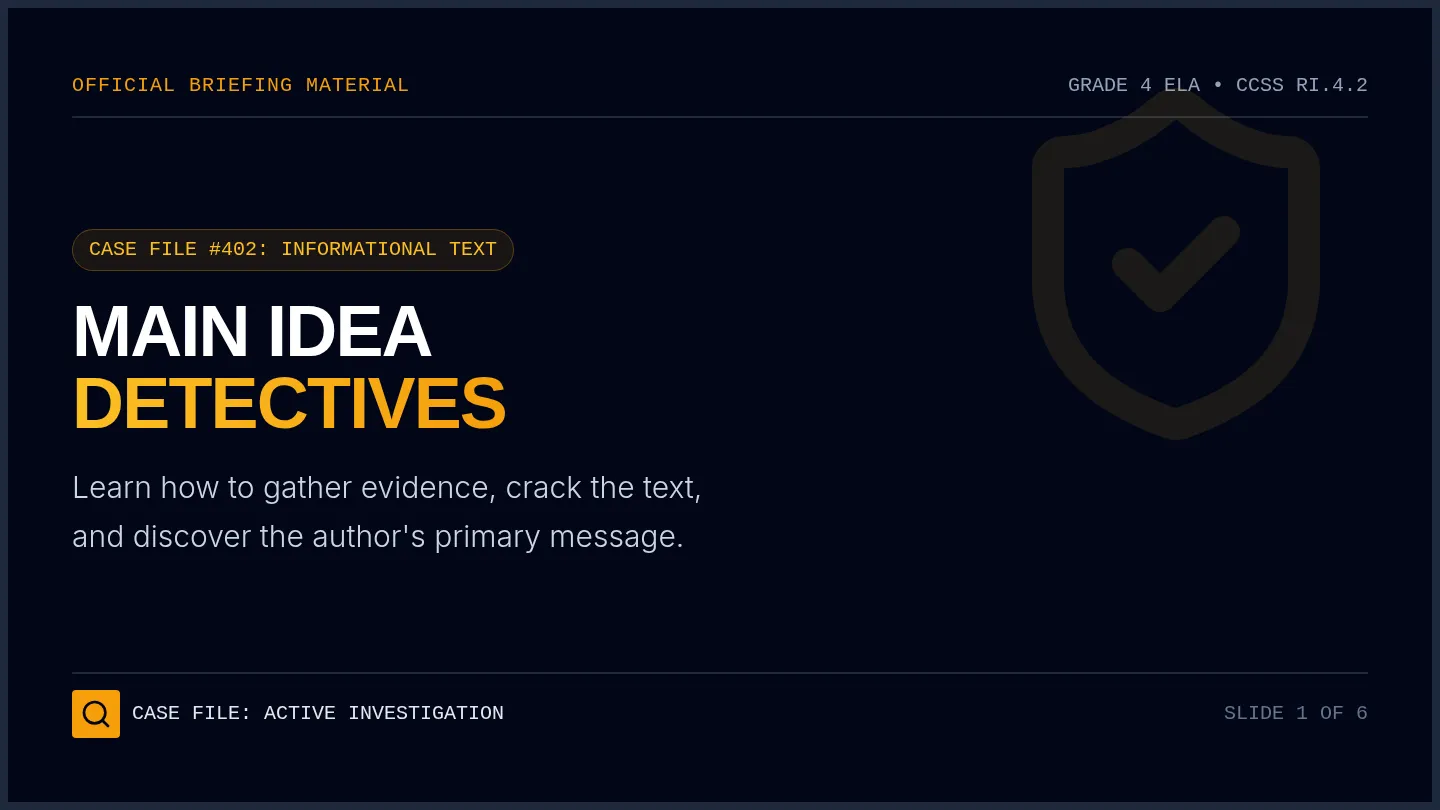
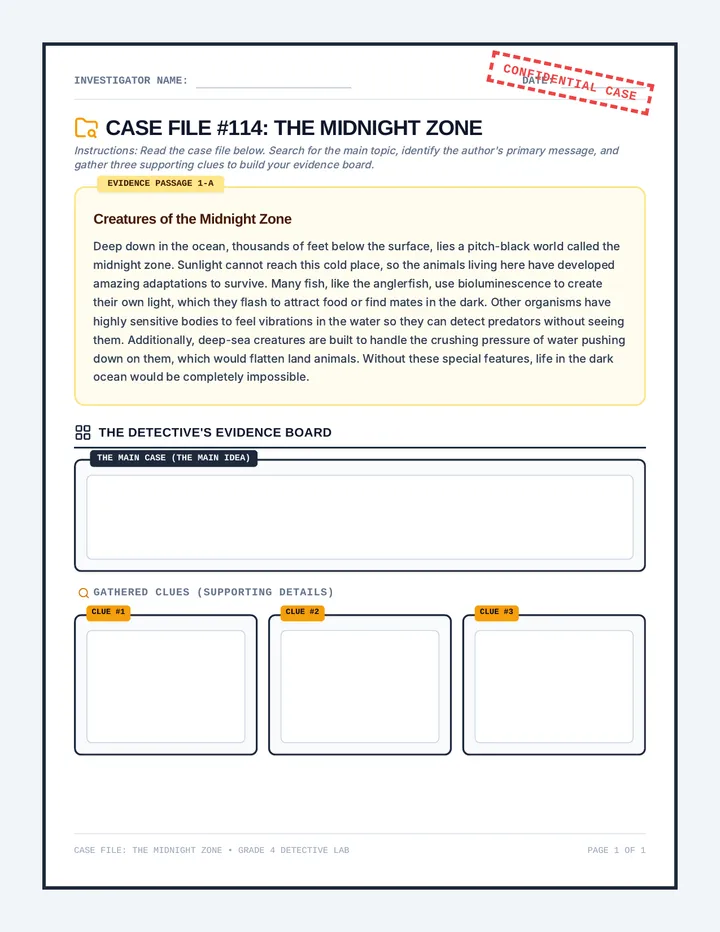
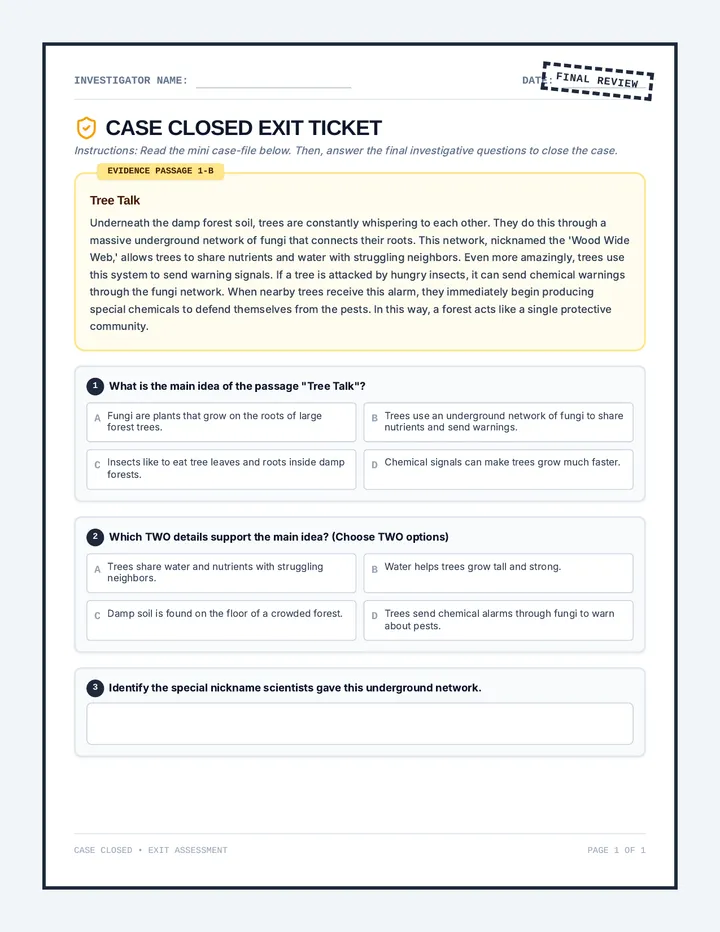
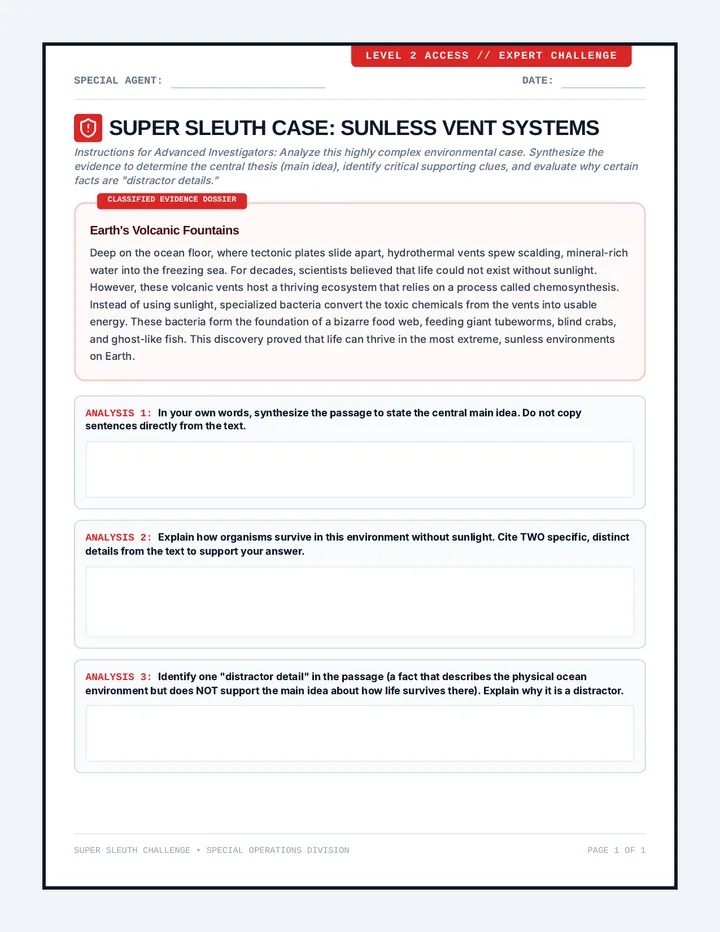
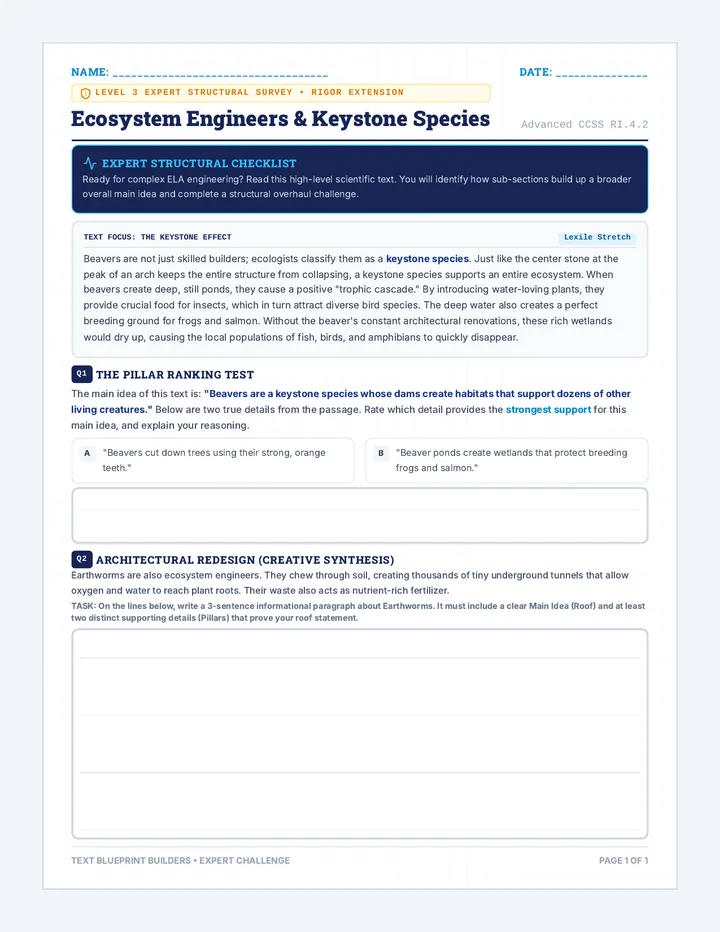
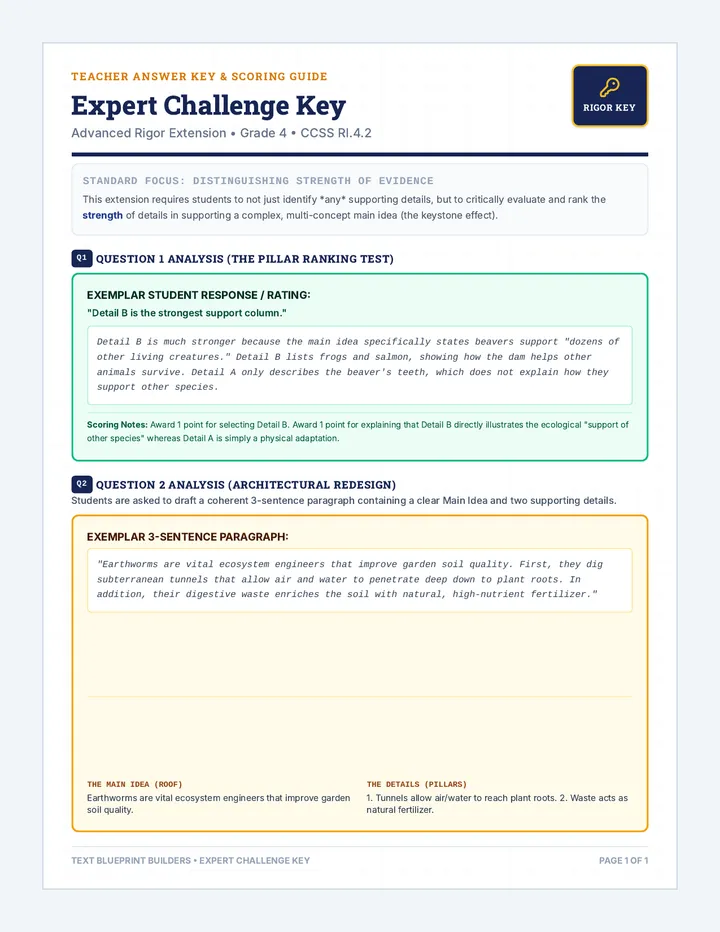
A comprehensive 4th grade ELA lesson plan and set of materials focused on identifying the main idea and supporting details in informational texts. Features a cohesive, highly engaging 'Detective/Investigator' theme with differentiation strategies and structured work areas.
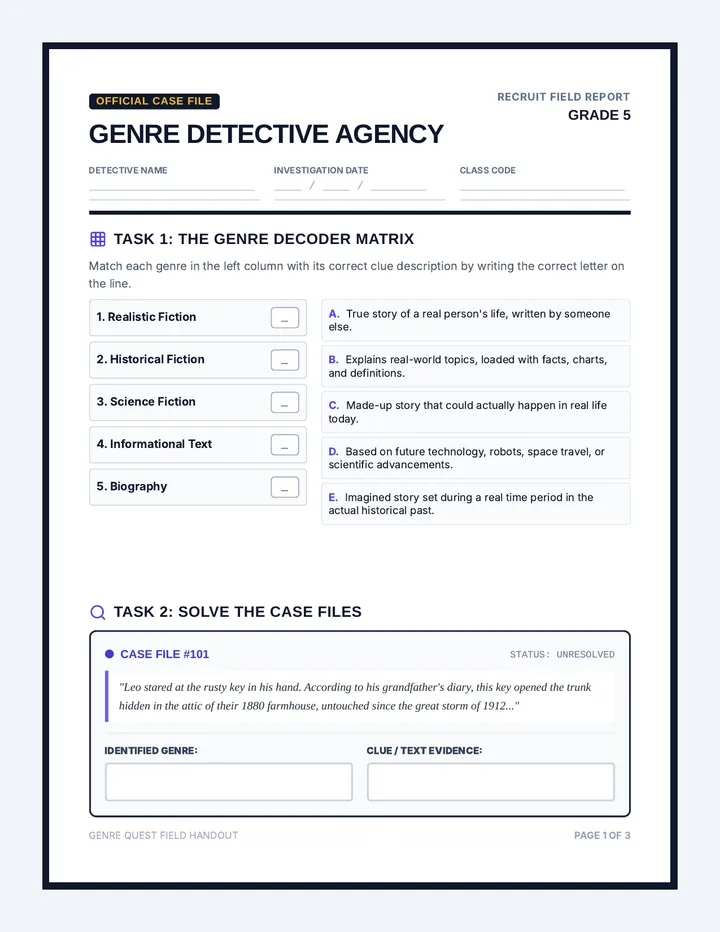
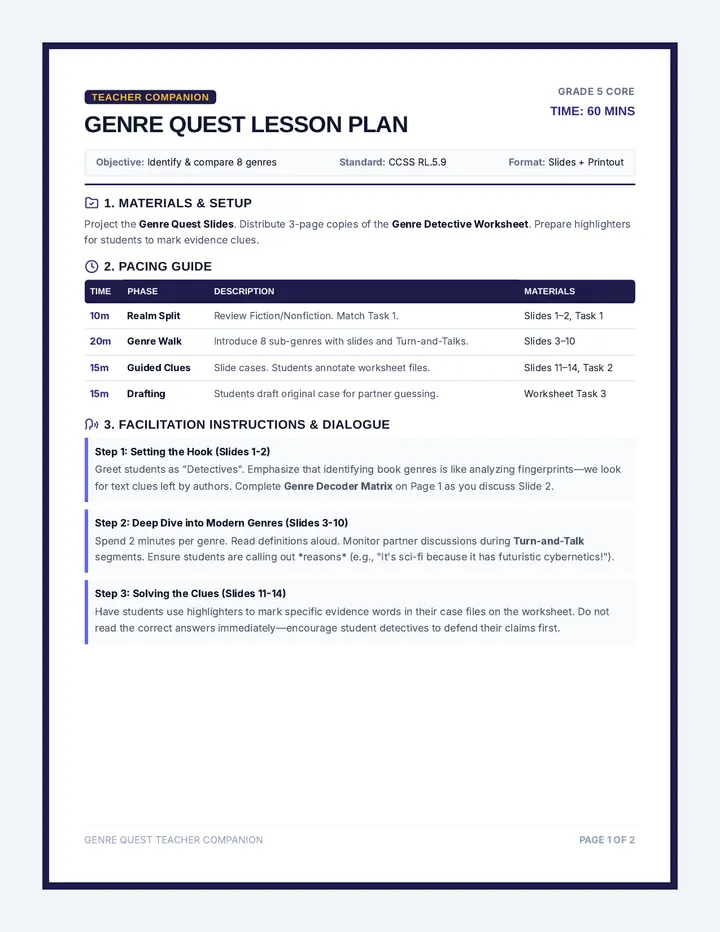
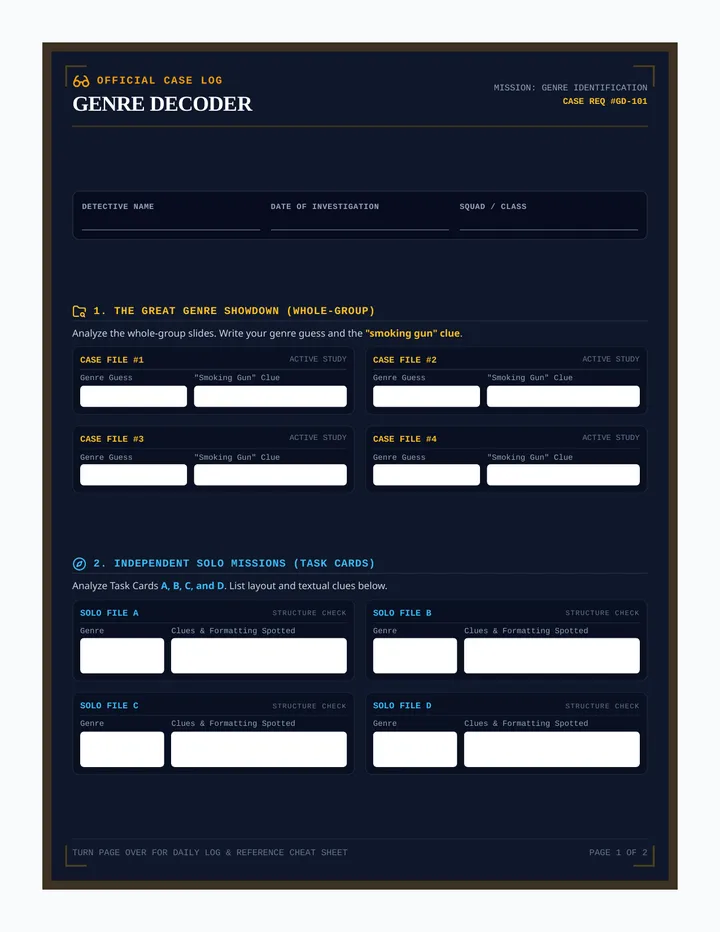
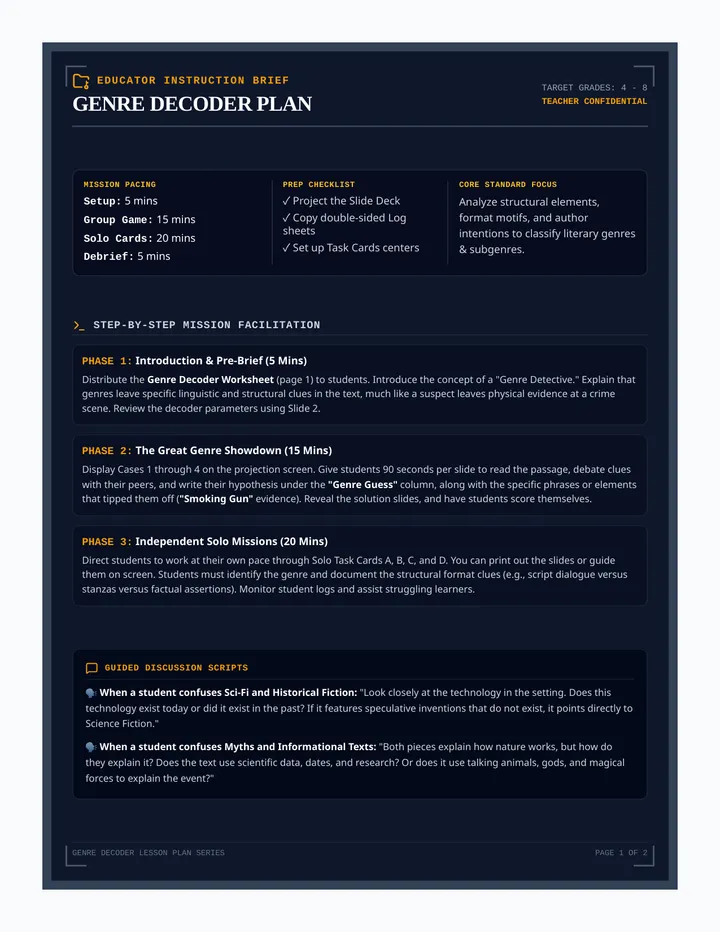
An interactive, gamified lesson where students become 'Genre Detectives' to identify fiction subgenres and mixed literature genres. Includes an interactive classroom presentation, a printable student recording sheet, and a comprehensive teacher guide with full answer keys.
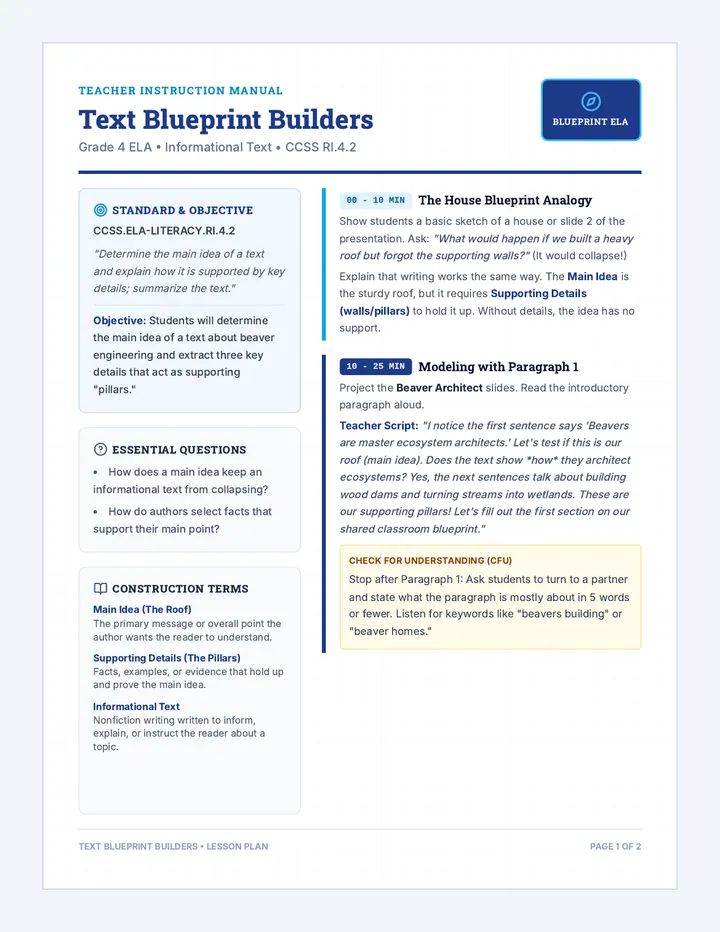
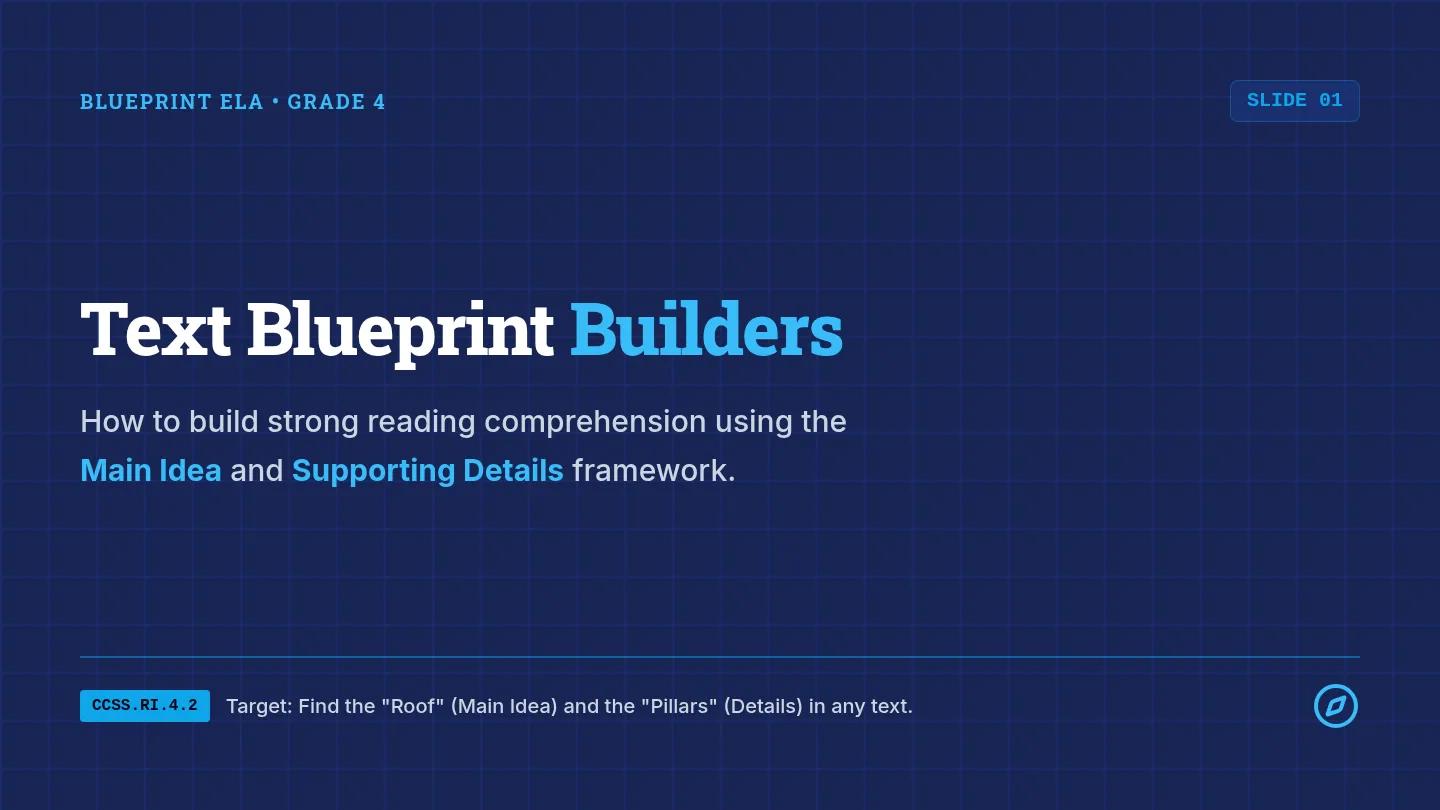
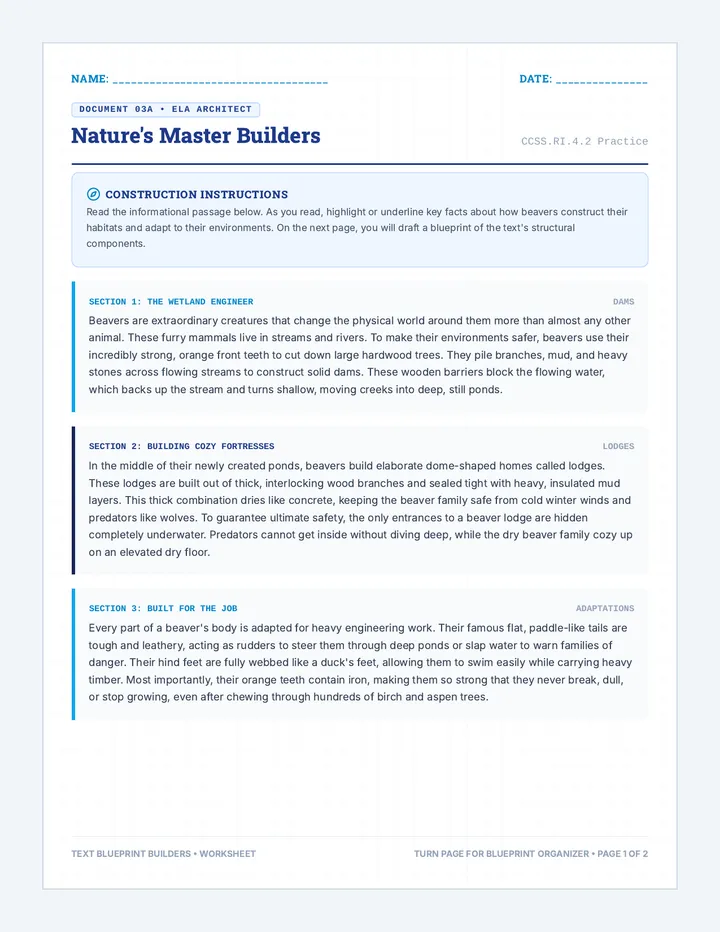
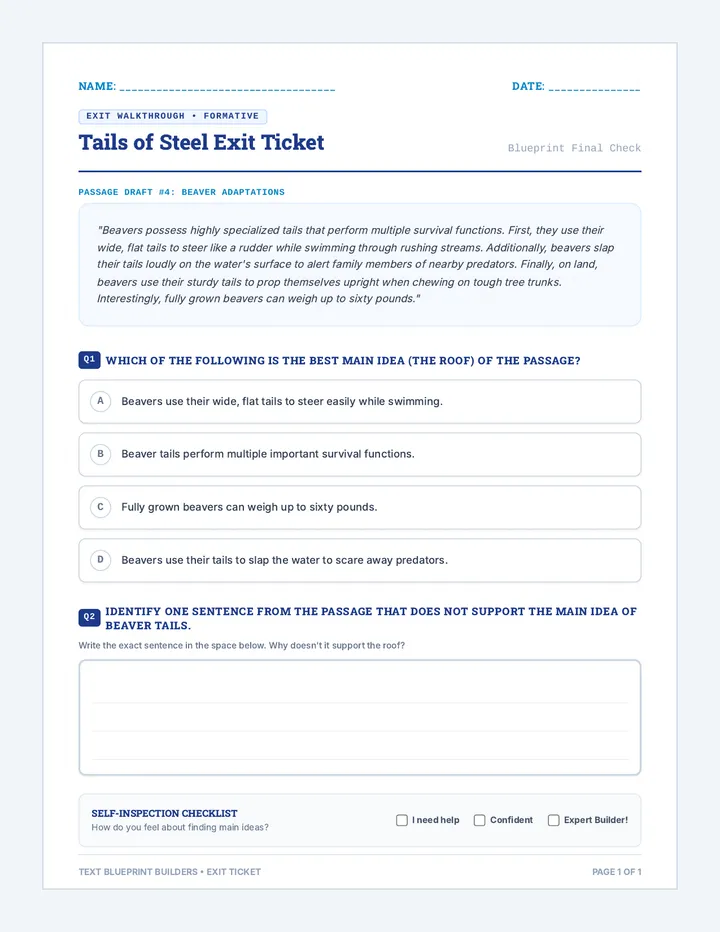
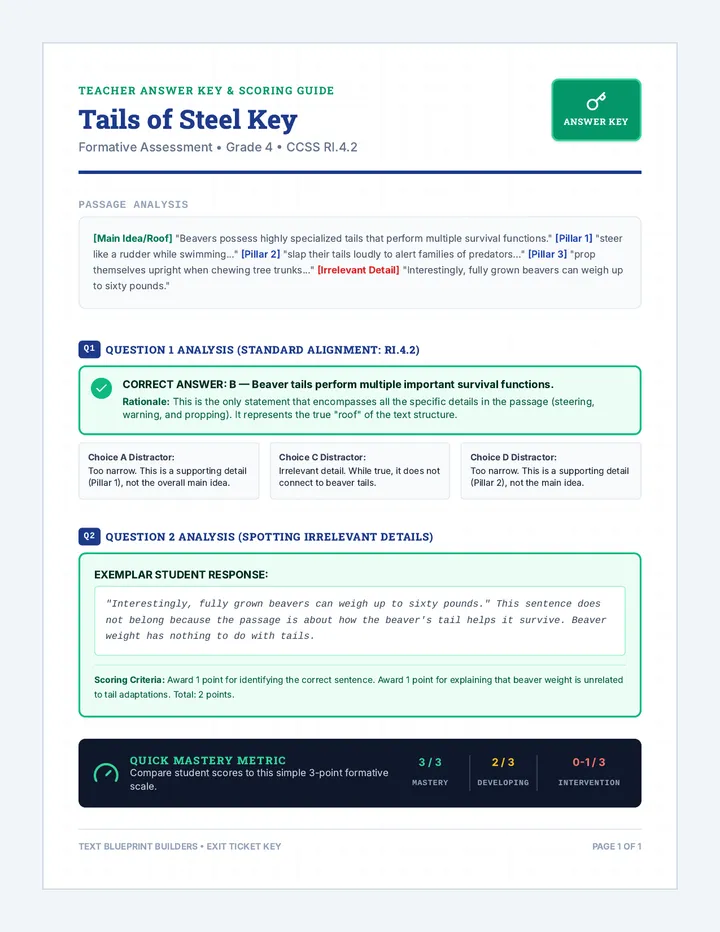
A comprehensive 4th-grade ELA lesson plan focused on identifying the main idea and supporting details in an informational text about beavers, styled around a 'Text Blueprint' theme. Includes detailed teacher instructions, differentiation for ELs and struggling readers, interactive slides, a structured student worksheet, and a formative exit ticket with an answer key.
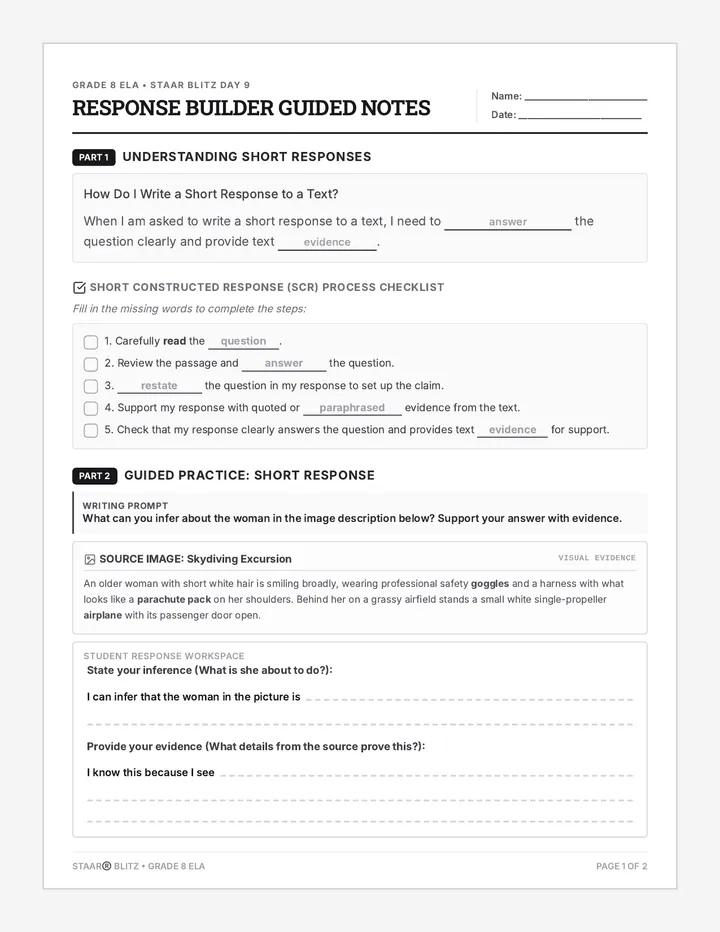
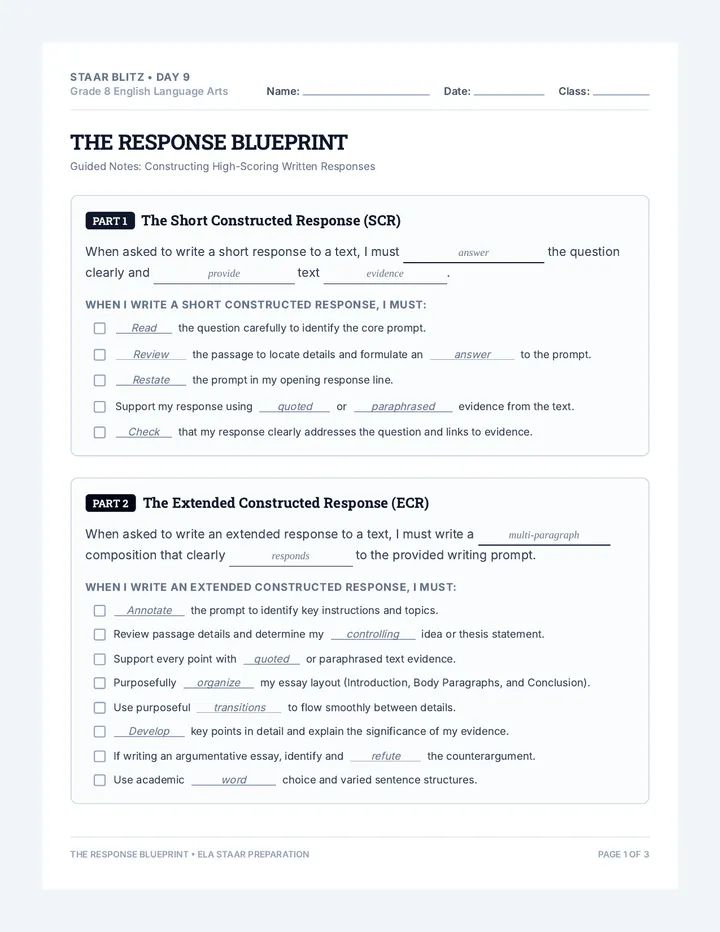
A structured eighth-grade ELA lesson focused on crafting clear, evidence-supported short and extended responses using structured scaffolds, text evidence integration, and argumentative alignment.
A STAAR-aligned lesson focused on teaching students how to write short and extended constructed responses using text evidence and structured controlling ideas.
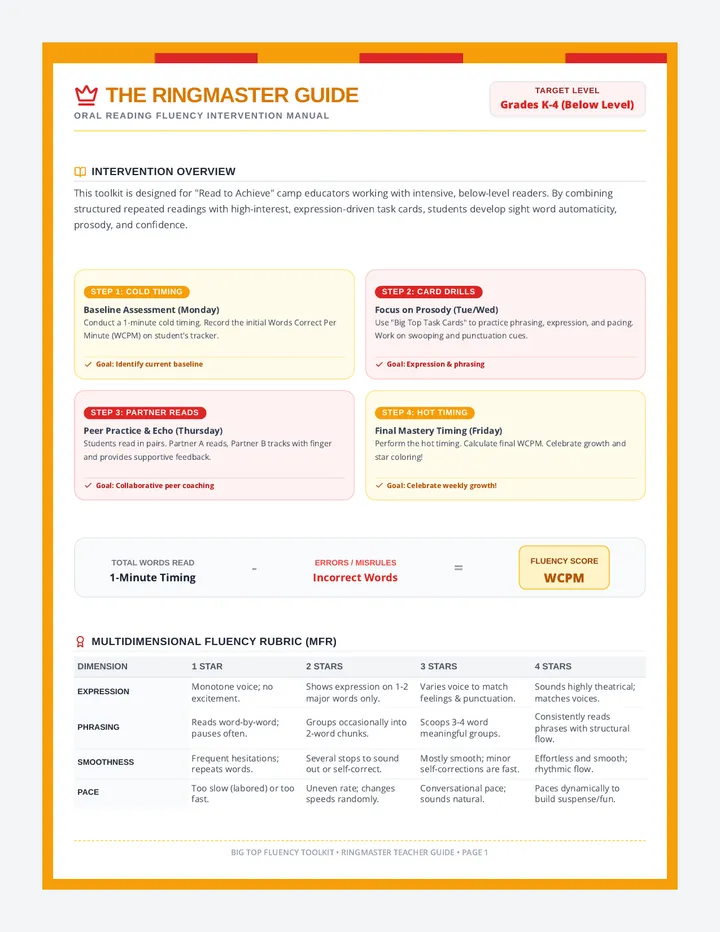
A carnival-themed oral reading fluency toolkit designed for Read to Achieve summer camps. Features differentiated reading passages (levels K-3) with repeated reading trackers, expression-focused task cards, and a teacher scoring and implementation guide.
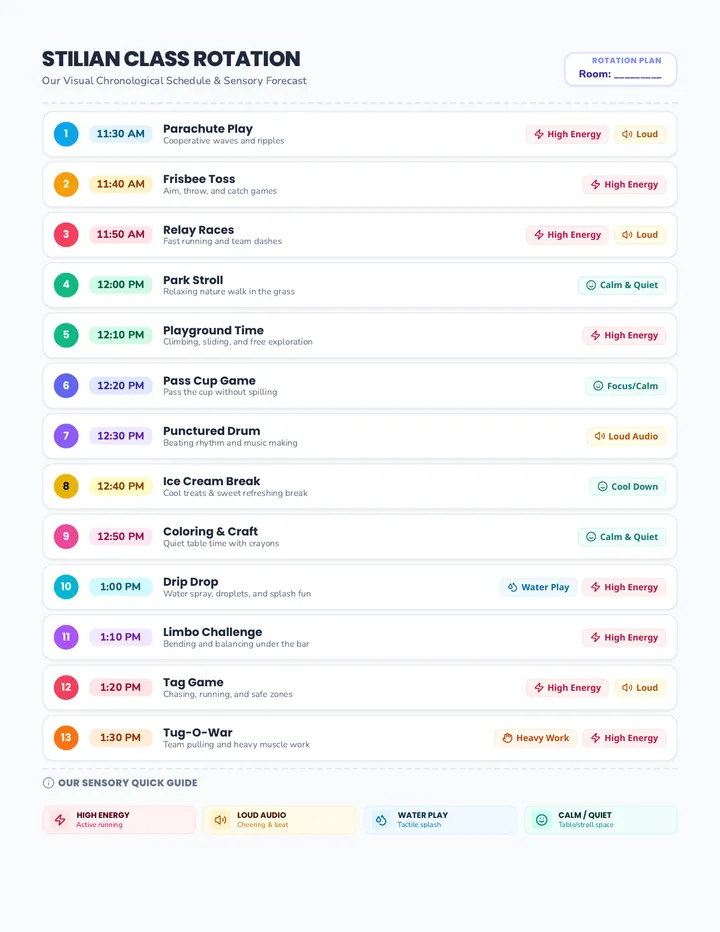
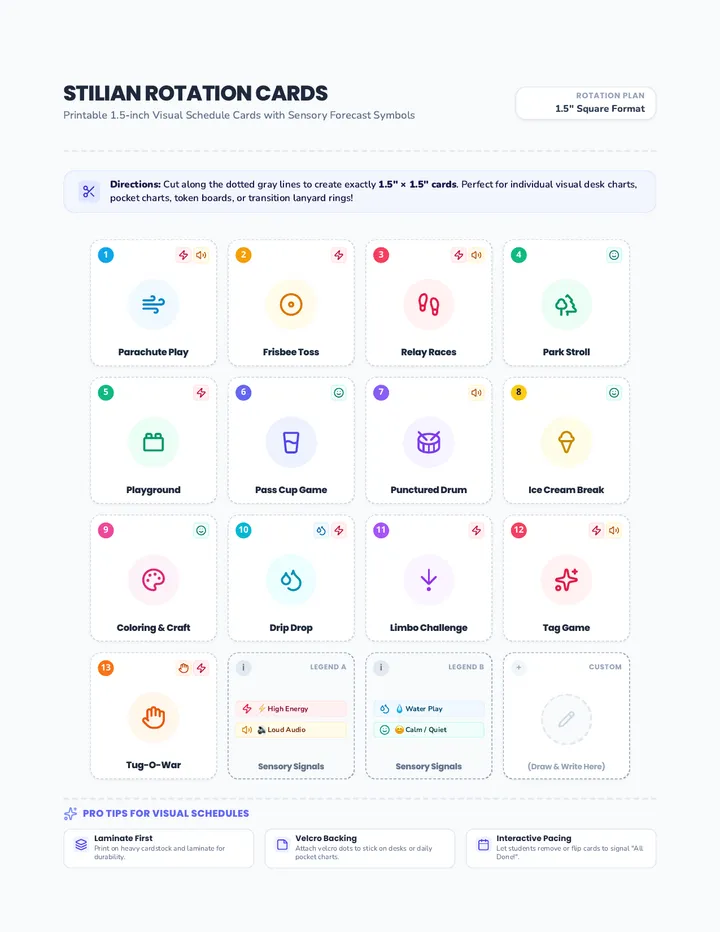
A sensory-friendly class rotation framework containing visual schedules and portable schedule cards to help students navigate activity transitions with confidence.
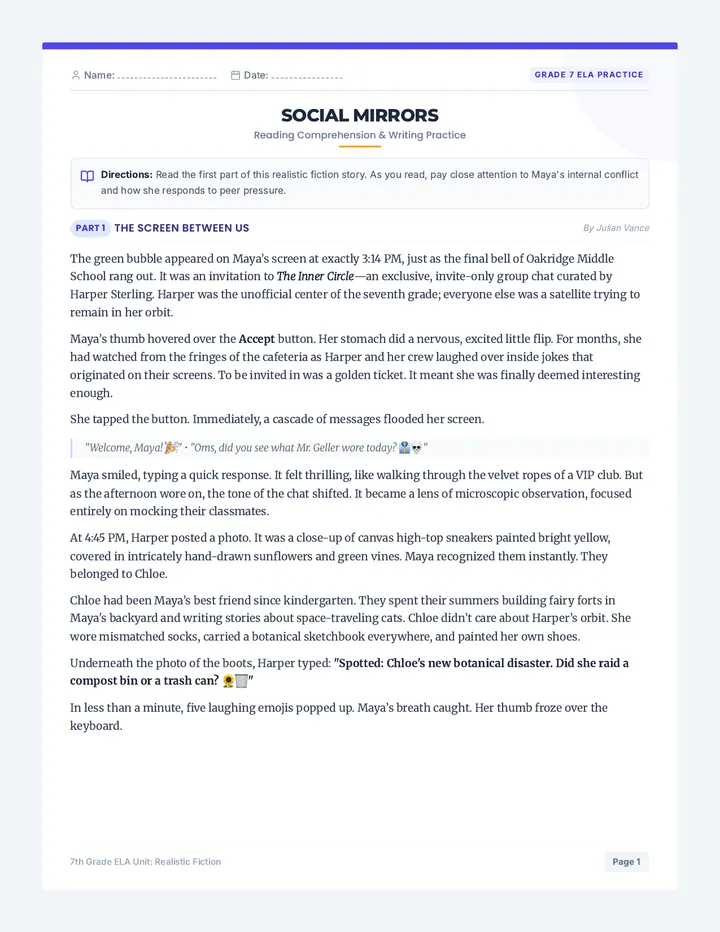
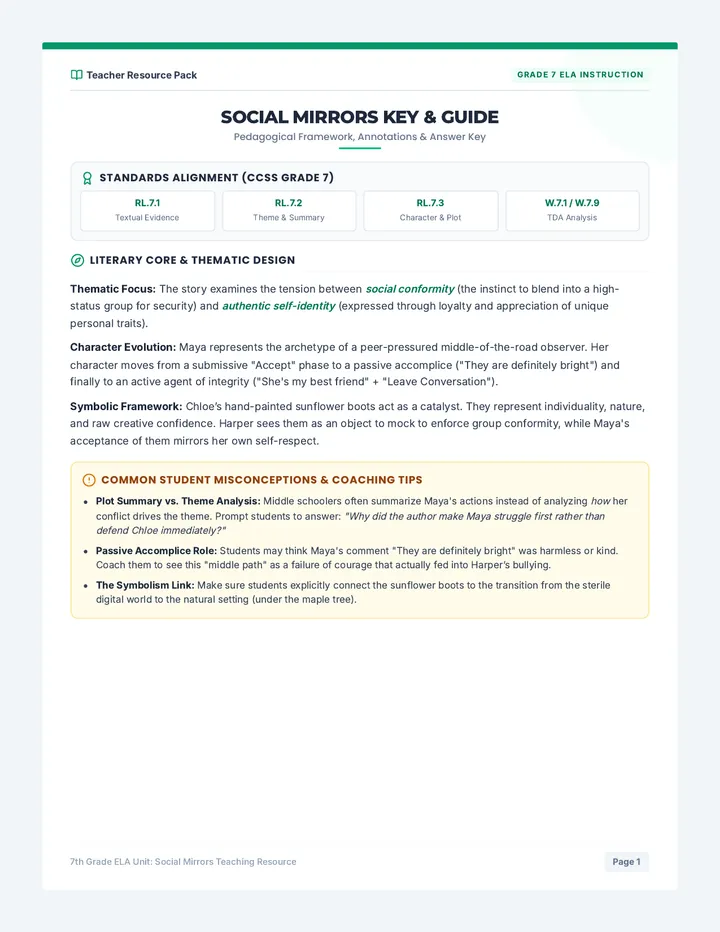
A rigorous 7th-grade reading and writing lesson centered around an engaging realistic fiction story about middle school peer dynamics, online group chats, and authentic friendships. Students read a high-interest passage, answer text-dependent comprehension questions, and write an analytical essay citing text evidence.
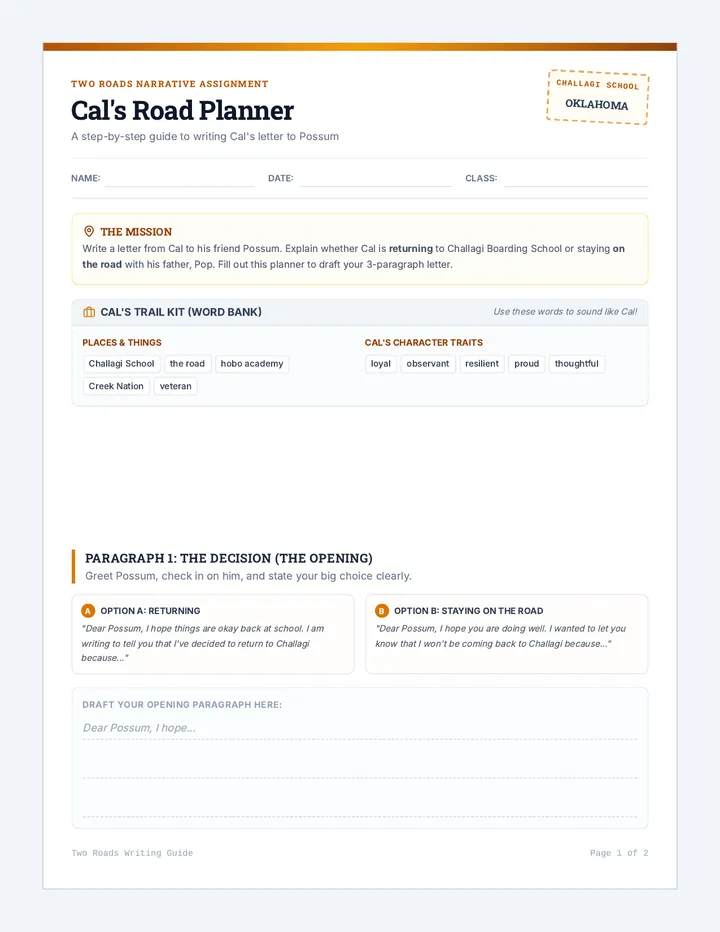
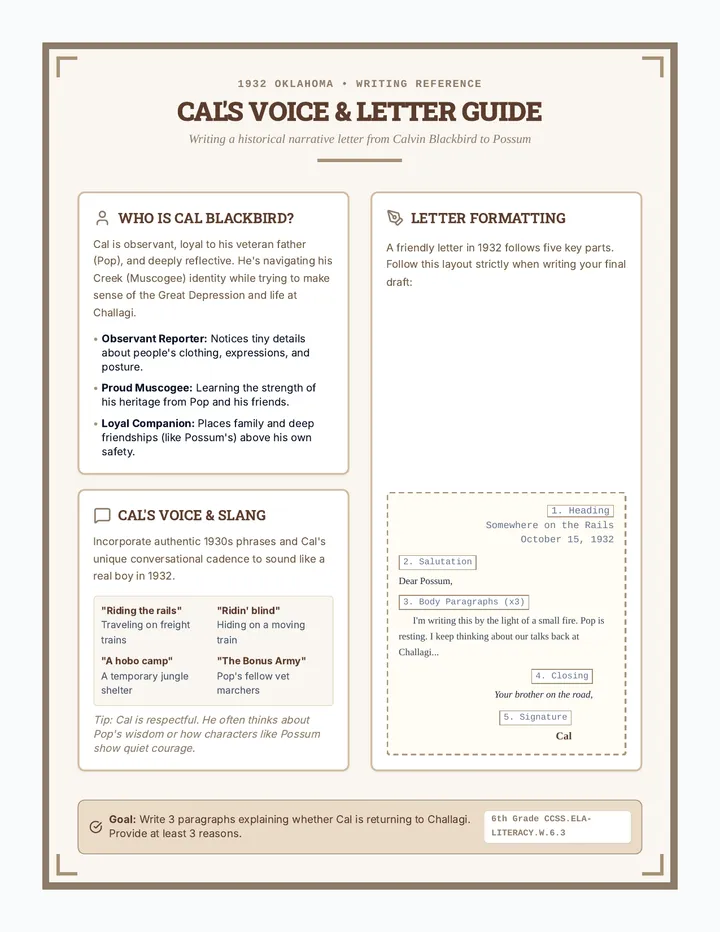
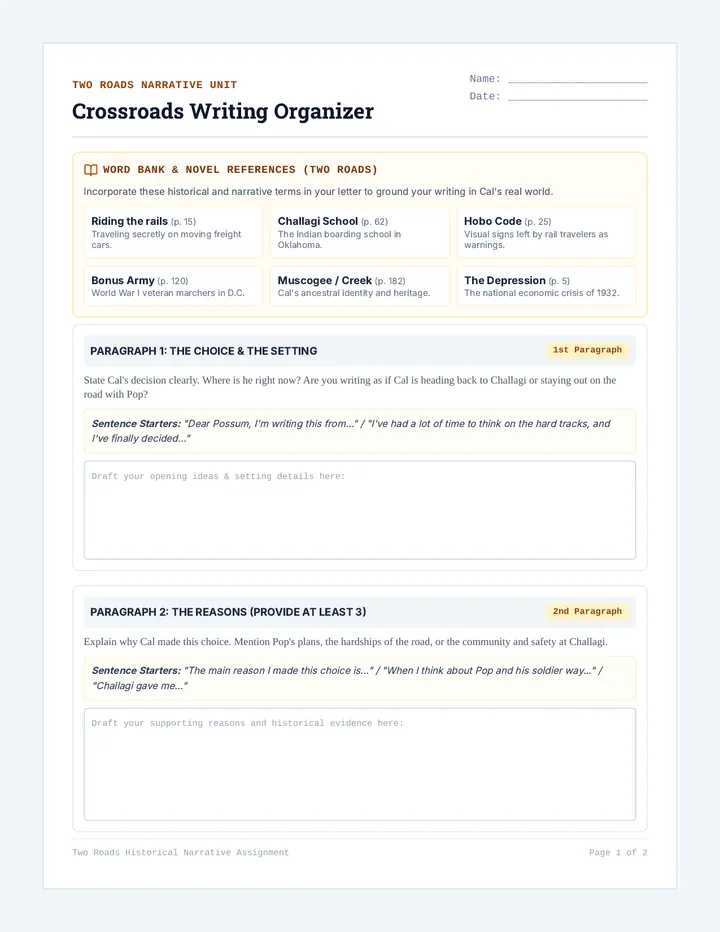
A planning and writing lesson centered around Joseph Bruchac's novel Two Roads, guiding students to write a structured narrative letter from Cal to Possum with differentiated scaffolding.
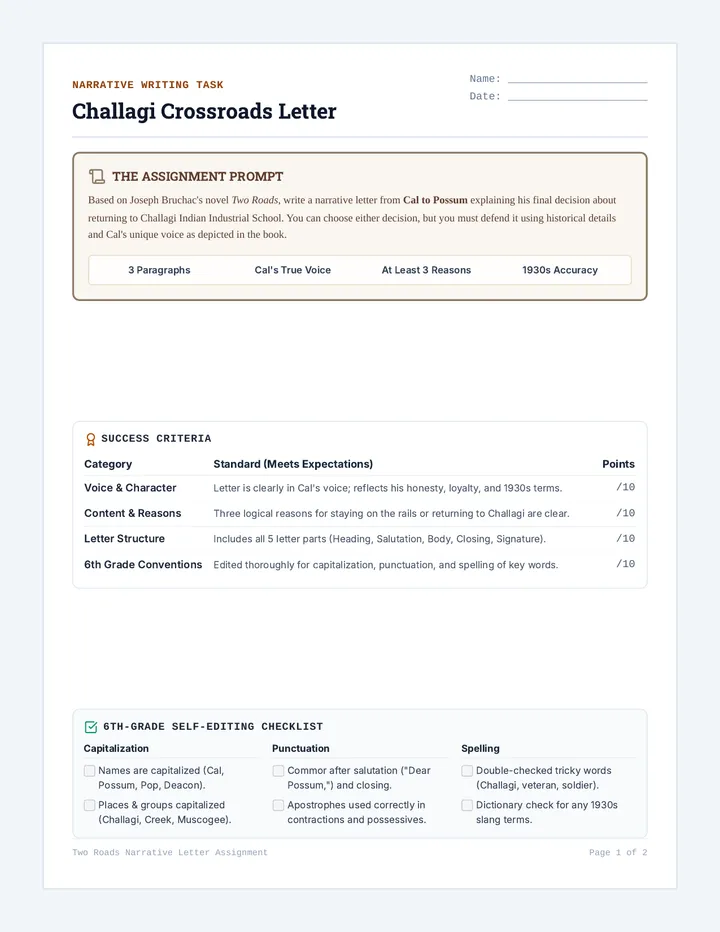
A narrative writing lesson based on Joseph Bruchac's novel *Two Roads*, where students write a three-paragraph letter from Cal to Possum detailing his decision about returning to Challagi Indian Industrial School. Includes an anchor chart, a graphic organizer, and a formal assignment sheet with editing support.
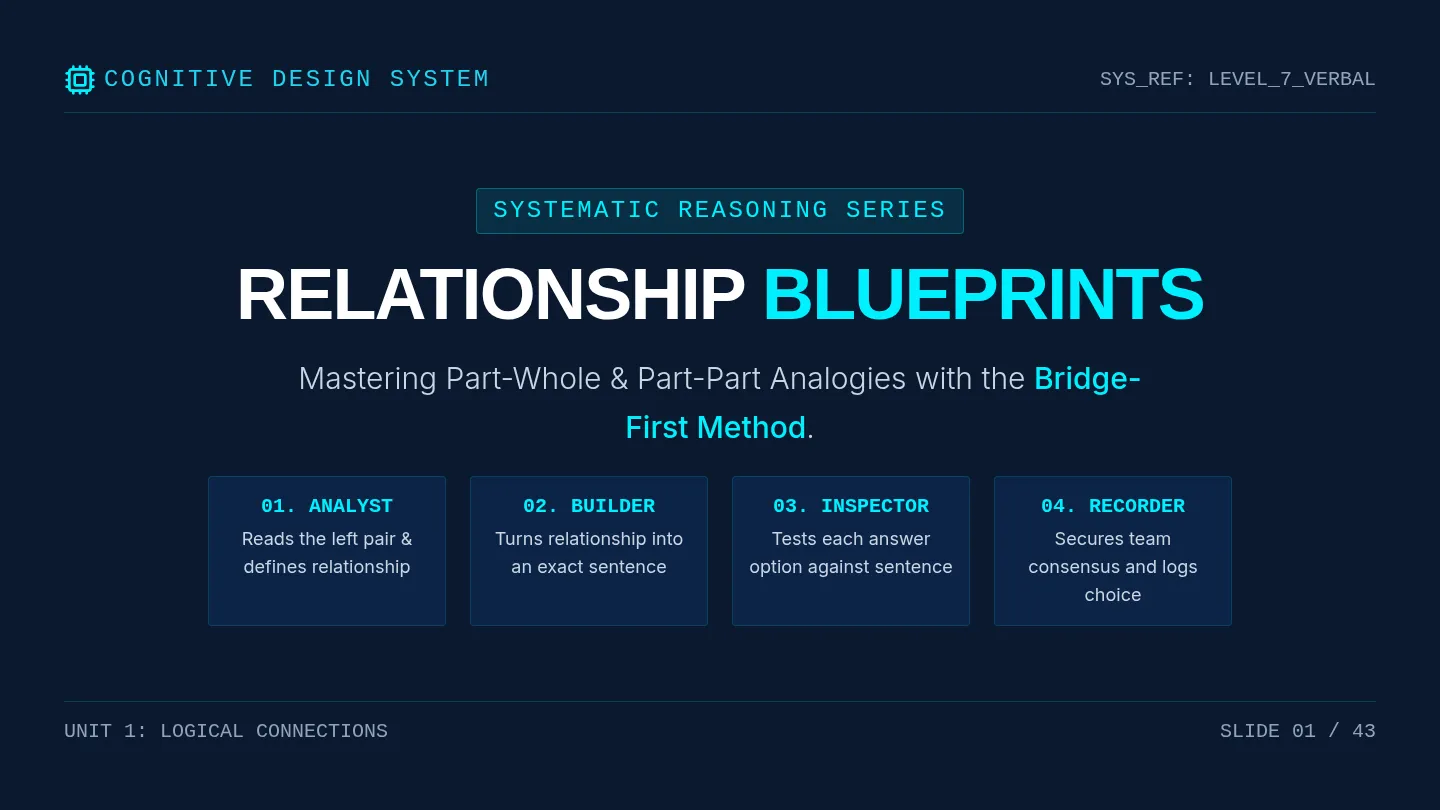
An interactive slide deck focusing on part-whole and part-part analogies for seventh graders, emphasizing the strategy of formulating the relationship before viewing multiple-choice options.
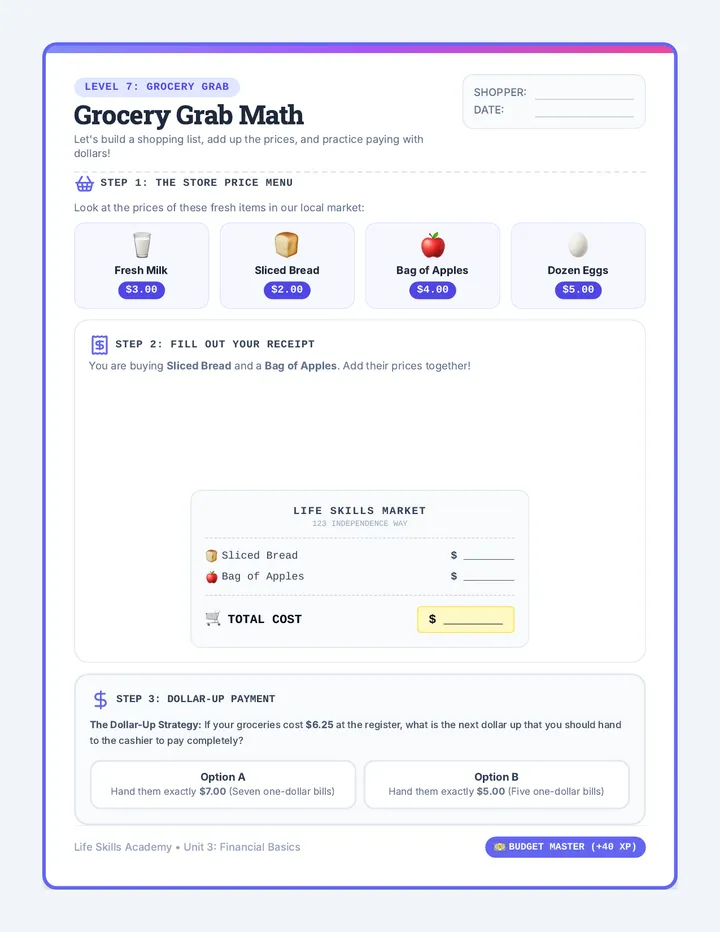
Focuses on grocery shopping, making a grocery list, identifying food groups, and understanding store sections to locate items independently.
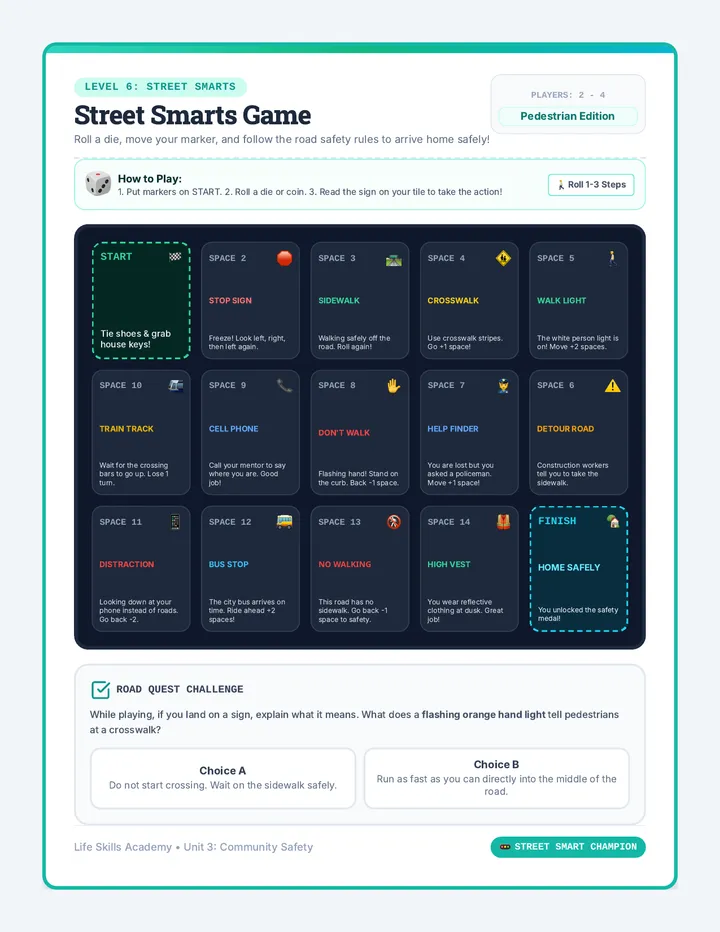
Teaches safety signs, navigation, and community navigation skills. Students learn to read pedestrian signs, crosswalk signals, and locate help in public spaces.
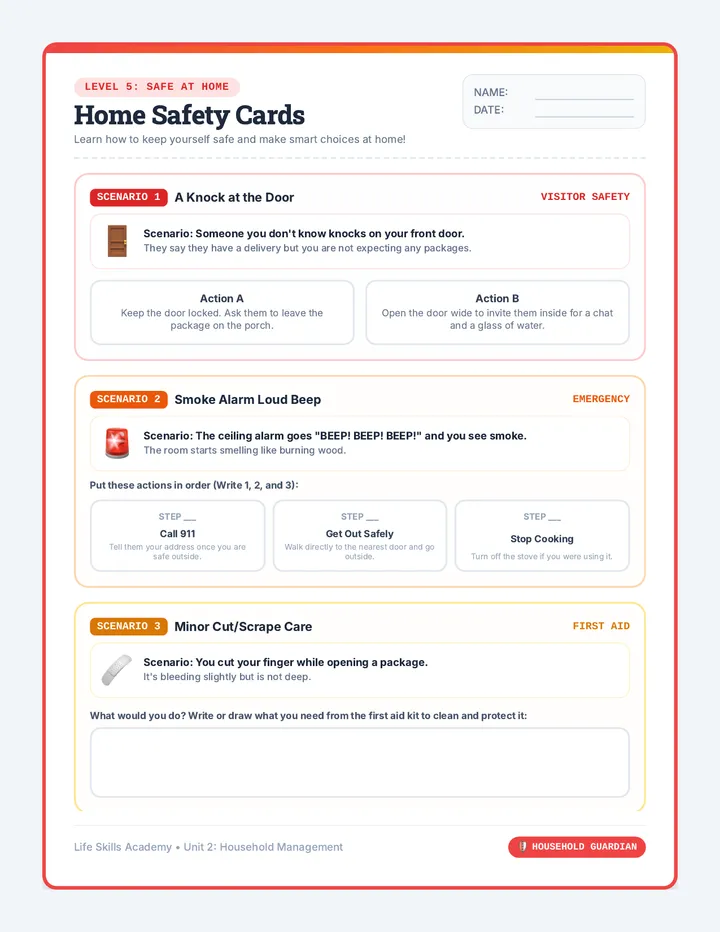
Teaches critical safety skills for the home environment, including dealing with emergencies, basic first aid, and managing visitors safely.
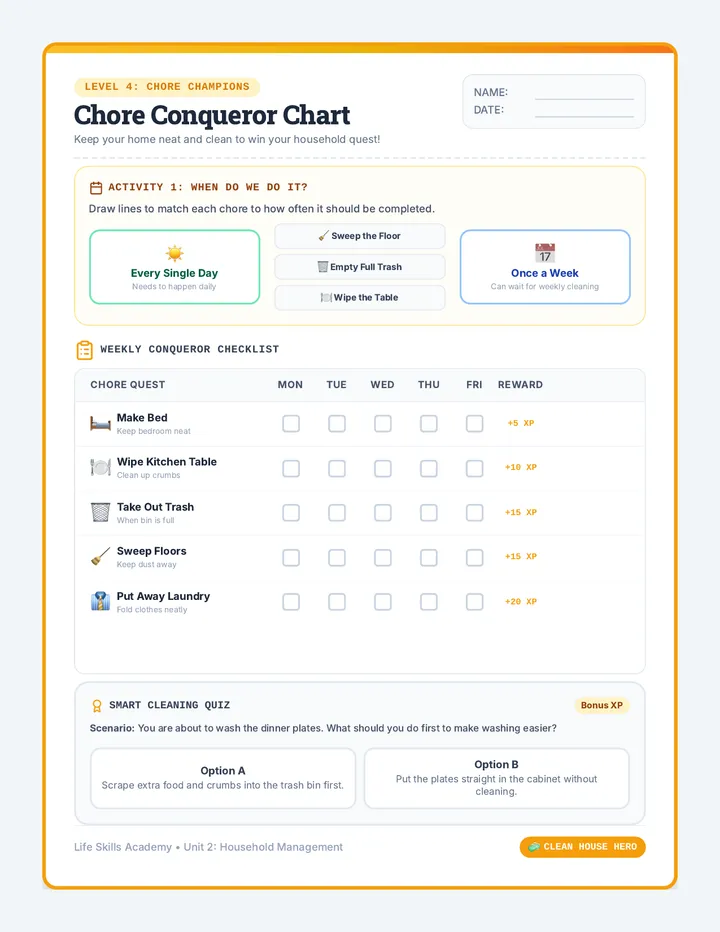
Focuses on household cleaning tasks, organizing chores, and maintaining a clean living space. Students practice sorting chores by frequency and completing a chore checklist.
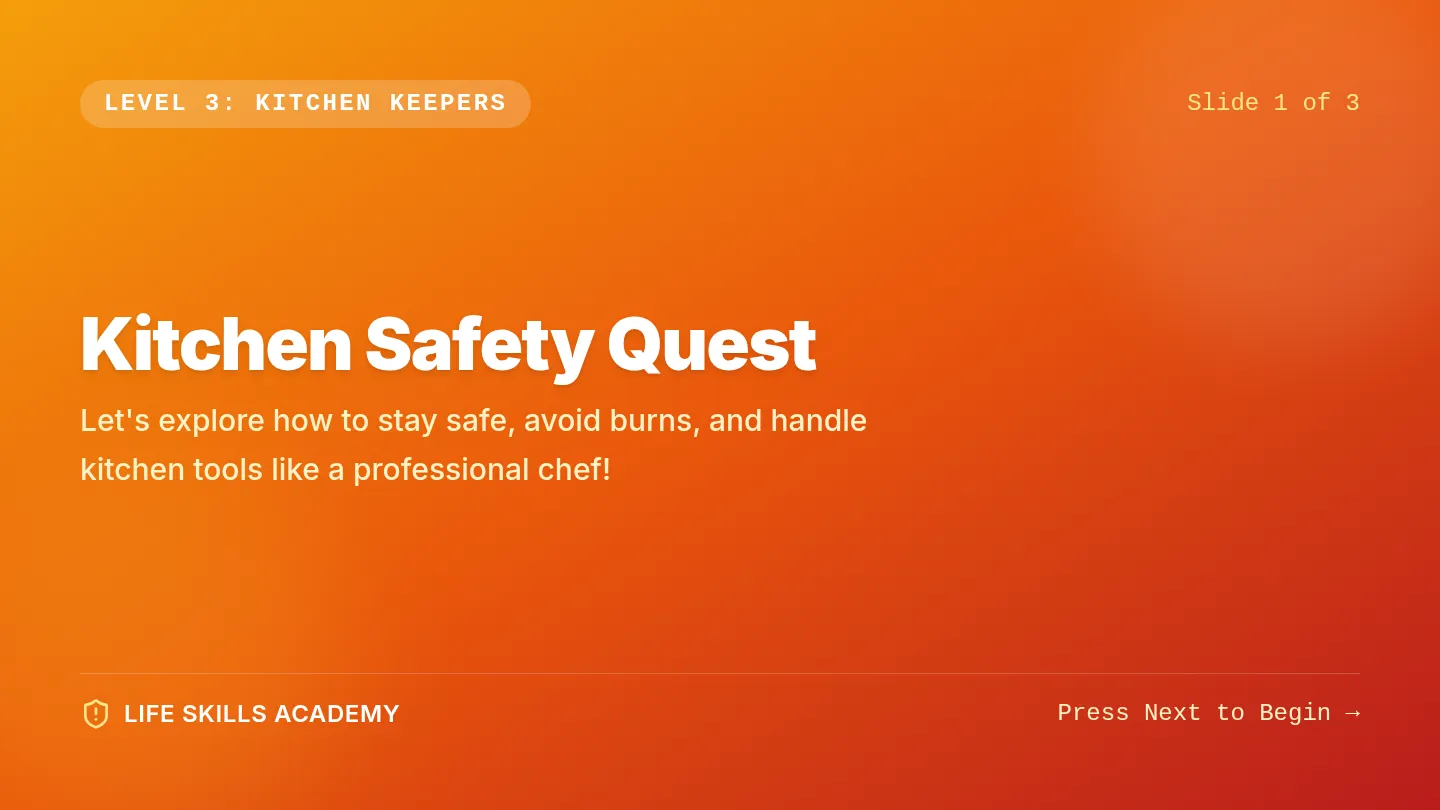
Covers essential kitchen safety rules, using simple kitchen tools, and selecting healthy food. Students practice identifying safe and unsafe kitchen scenarios.
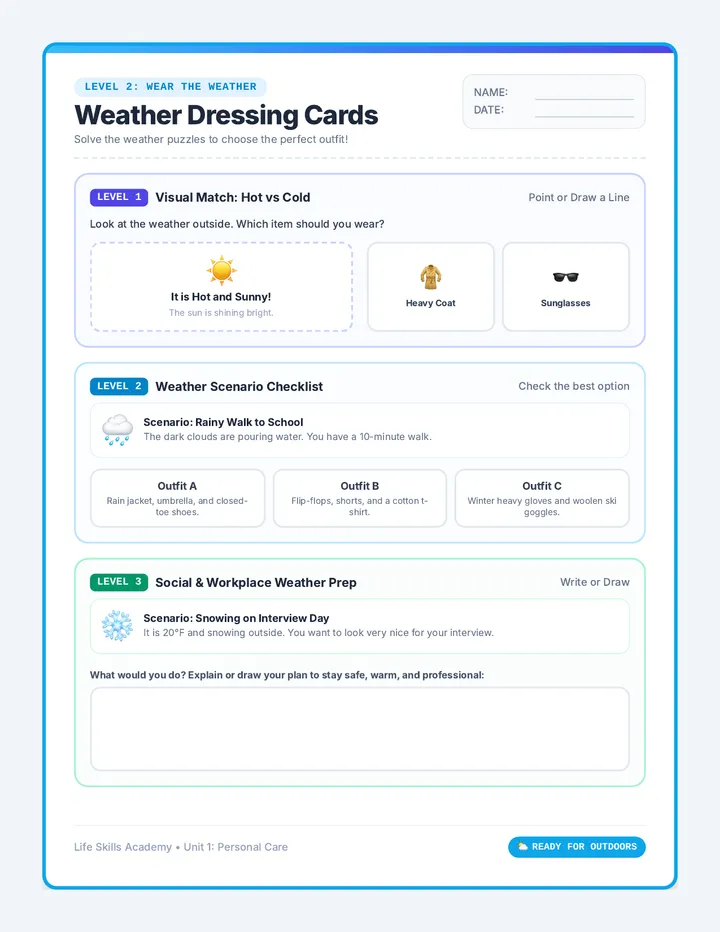
Teaches students to check the weather and choose appropriate clothing and accessories. Focuses on seasonal dressing and selecting clothing for safety and comfort.
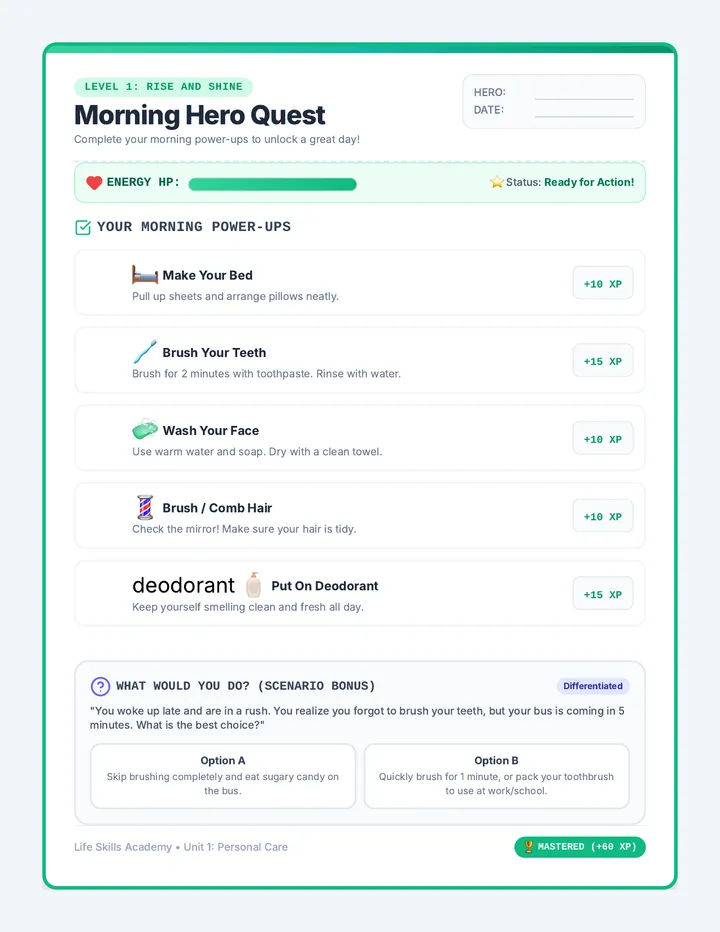
Focuses on morning routines and personal hygiene. Students learn to use visual checklists for brushing teeth, washing up, and self-care.