A 5th-grade reading comprehension lesson focused on identifying the main idea of paragraphs and a whole passage using the history and impact of Super Mario Bros.
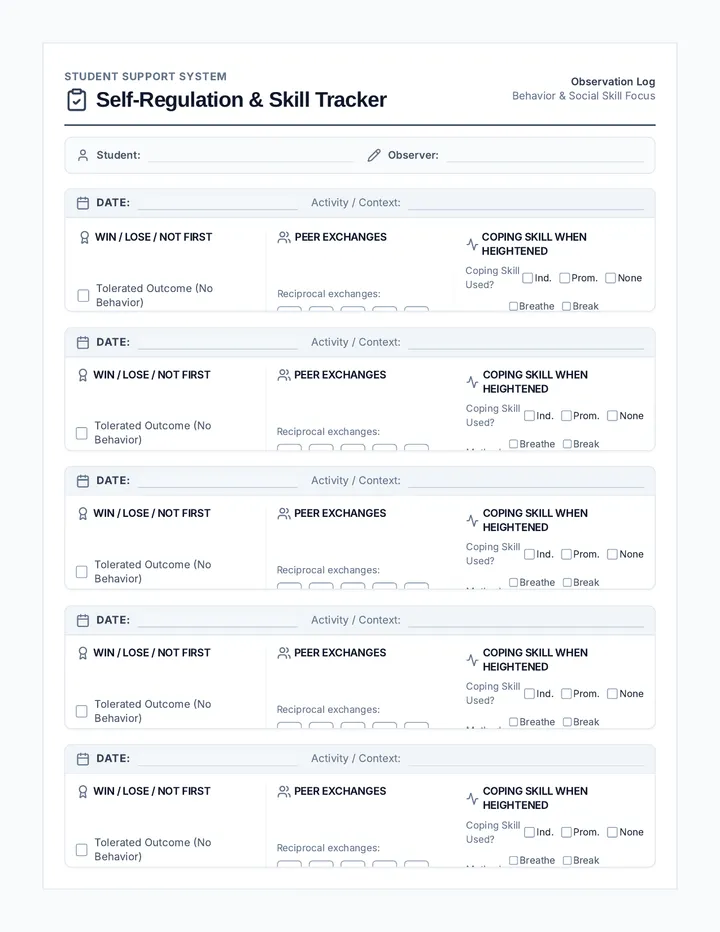
A high-octane behavior tracking system where students 'drive' through their school day, building self-awareness and focus through a racing-themed daily log.
A lesson focusing on Chapter 18 of 'The Westing Game', exploring the themes of surveillance, hidden identities, and the burgeoning relationship between Turtle Wexler and Flora Baumbach.
A lesson focused on distinguishing between main ideas in informational paragraphs and central themes in short fictional stories. Students will practice identifying key details and synthesizing them into a core message.
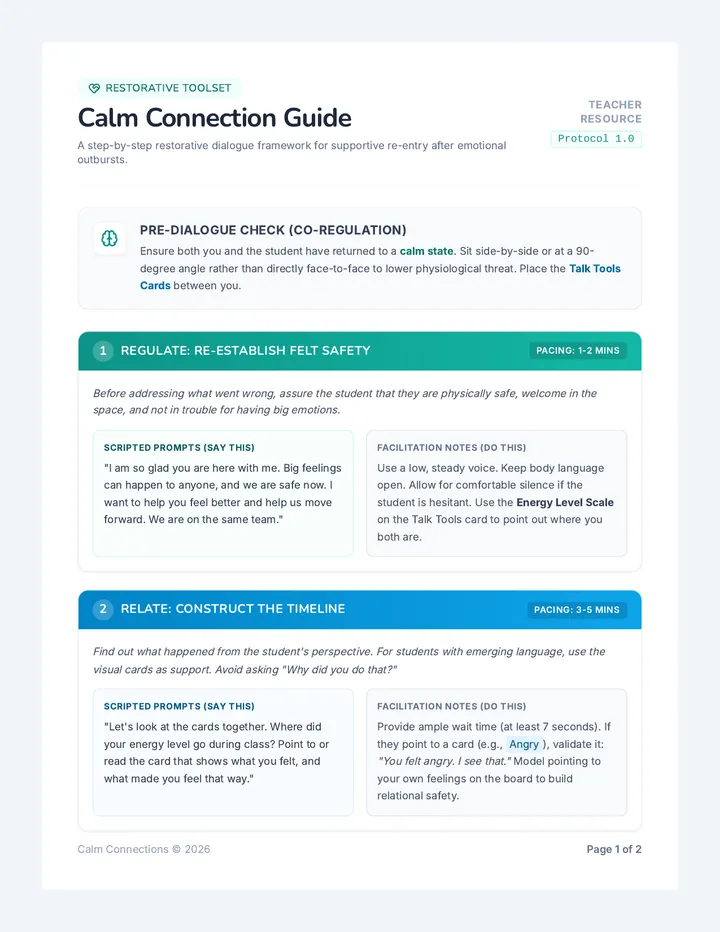
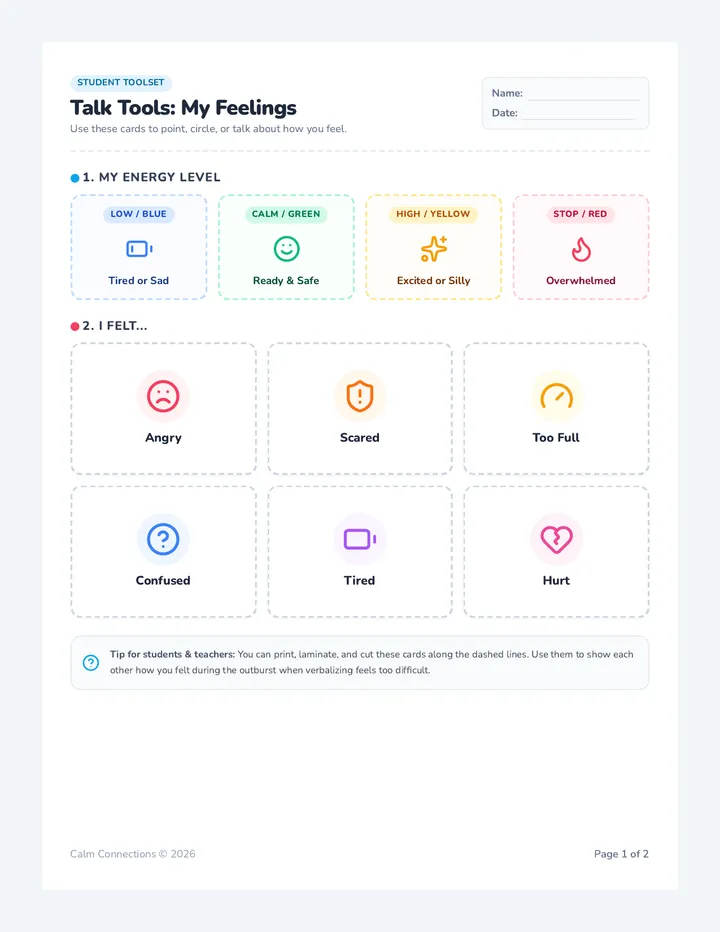
A structured restorative justice framework designed for 5th-grade students, specifically tailored for those with ASD to reflect on and repair behavioral incidents involving physical or verbal aggression.
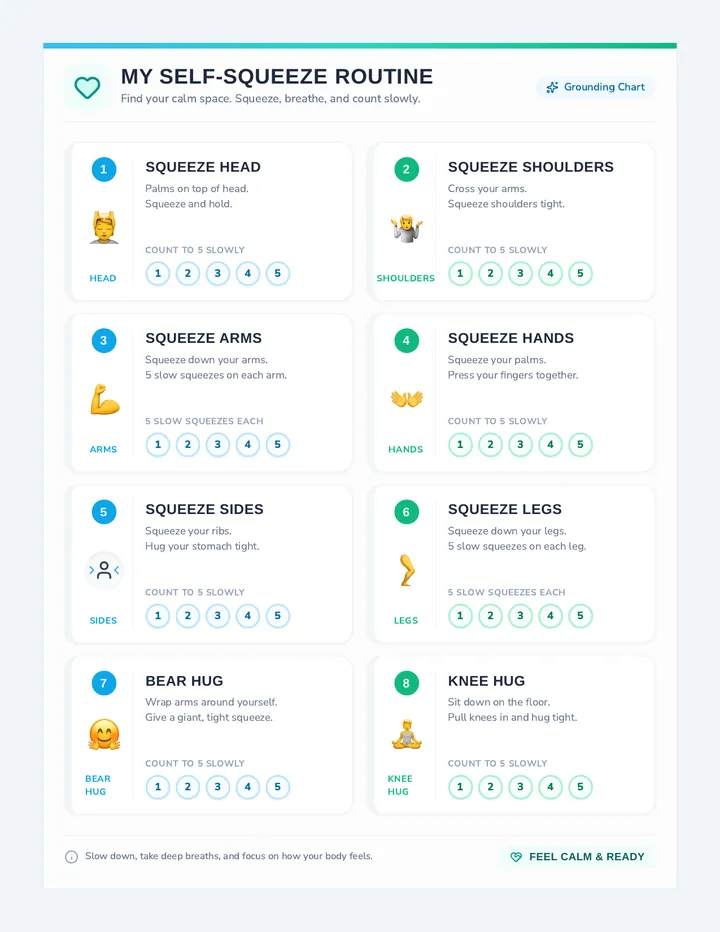
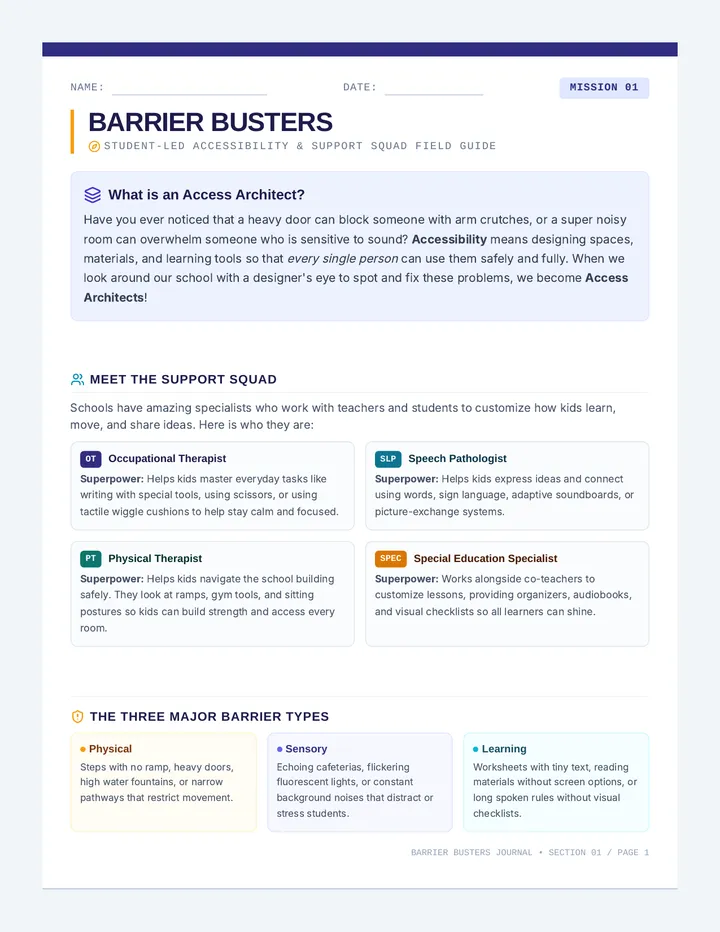
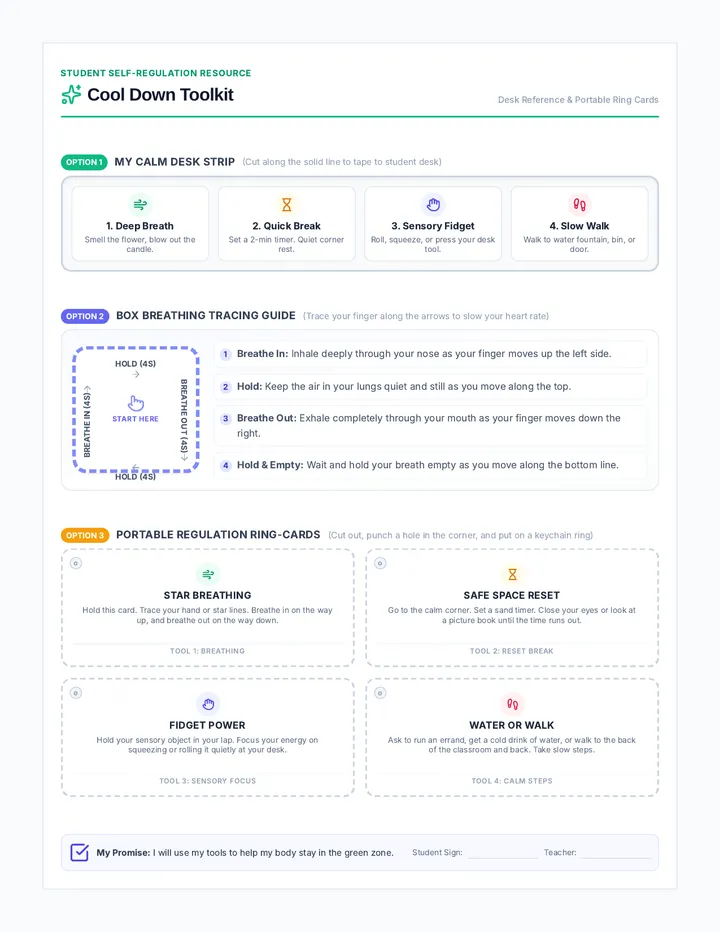
A collection of visual tools and incentive systems designed to improve student focus and behavior during small group instruction using a 'Focus Lab' theme.
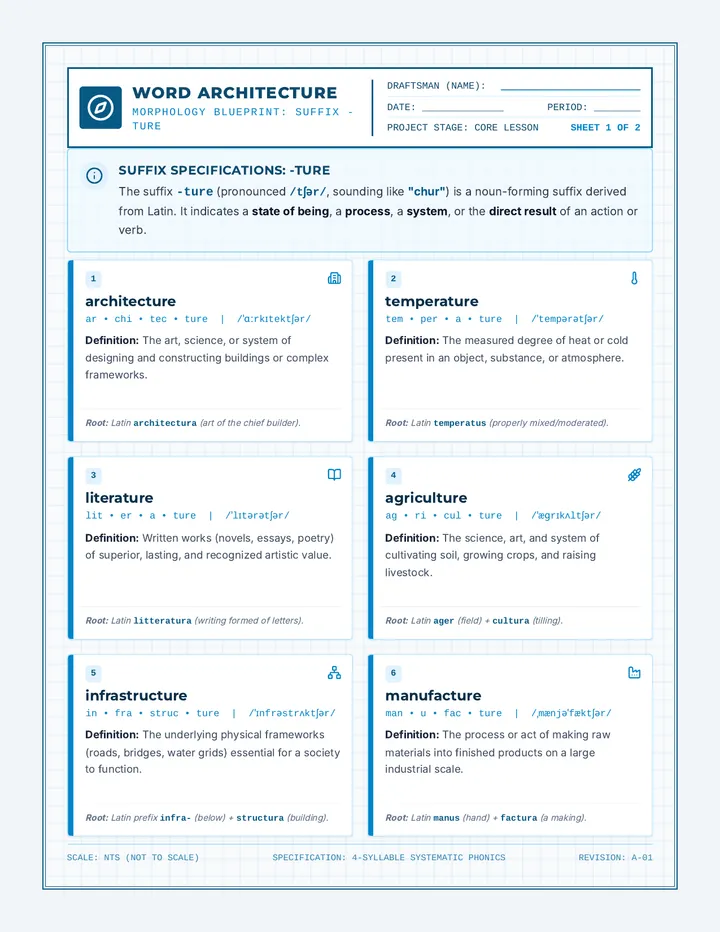
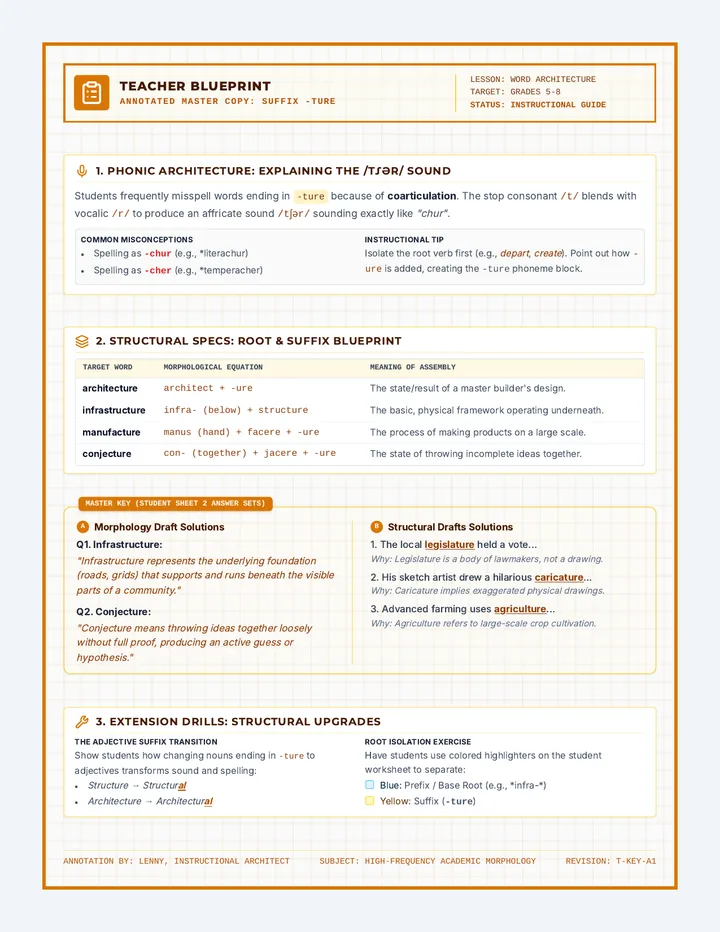
A comprehensive lesson focusing on common suffixes, their meanings, and application through specific vocabulary and descriptive reading passages about contemporary figures.
This lesson guides students through the process of analyzing three distinct sources—a video and two articles—to plan a 4-paragraph research essay on the theme of resilience. Students will learn to identify key evidence, craft author's claims, and strategically group sources for effective comparison and contrast.
A collection of materials designed to help students with autism improve their comprehension skills through social stories and everyday scenarios. Focuses on identifying main ideas, making inferences, and predicting outcomes.
A deep dive into Chapter 11 of 'A Long Walk to Water', focusing on the ethical dilemmas and survival challenges faced by Salva in the Akobo Desert and the technological shift in Nya's village.
A lesson on the past progressive tense (was/were + verb-ing) focused on describing ongoing and interrupted actions in the past through a detective mystery theme.
A comprehensive 30-45 minute lesson on the past perfect tense, featuring explicit instructions, a time-travel themed worksheet, and a detailed teacher guide. This lesson helps students understand how to sequence two past events using the 'past before the past' structure.
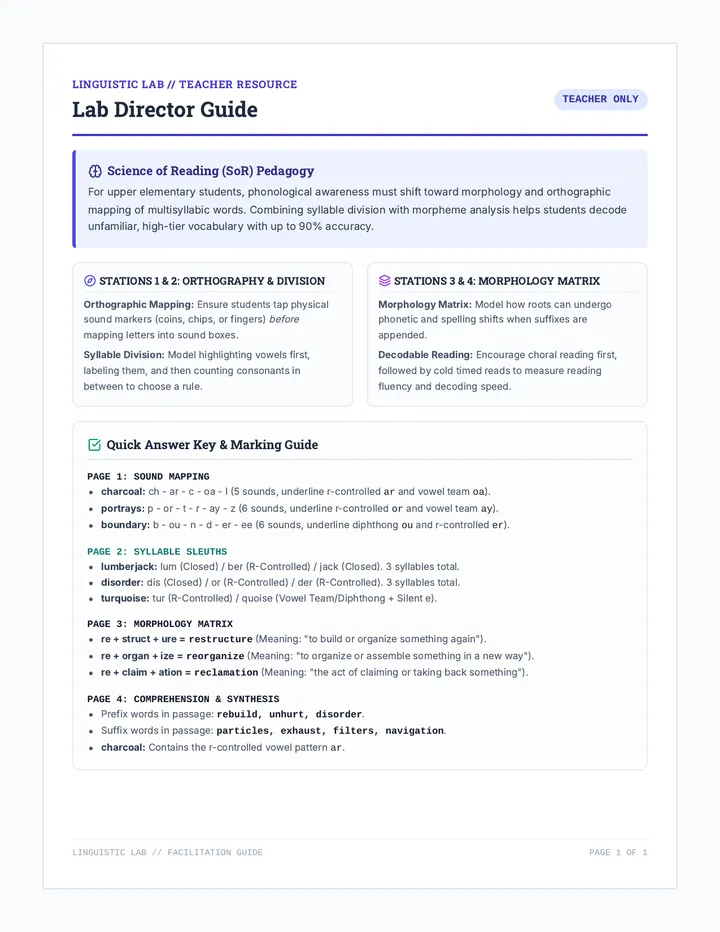
A 30-45 minute lesson focused on decoding multisyllabic words using morphology (prefixes, suffixes, and root words). Students will learn to 'mine' for meaning by breaking words into their component parts.
A lesson focused on determining the main idea and identifying supporting key details using a science passage about animal architects. Students will learn to distinguish between the big picture and the specific facts that support it.
A 45-minute deep dive into the Greek and Latin roots bio-, mal-, jur-, and bene-, designed to help students decode complex academic vocabulary using the 'Word Lab' approach.
A beginner-friendly lesson on using the present perfect tense to talk about past experiences without a specific time. Includes direct instruction on the has/have + past participle formula and interactive matching activities.
A lesson focusing on identifying a speaker's points and the reasons and evidence they use to support them, designed for 5th-grade students (SL.5.3).
A lesson focused on writing objective summaries of non-fiction texts by distinguishing between facts and personal opinions using an animal-themed article.
Students practice organizing informational writing by reordering scrambled paragraphs about historical figures, focusing on logical flow and grouping related accomplishments.
This lesson focuses on identifying the influence of Refuso and mastering the self-talk techniques of Cranium Coach to handle reasonable requests with a flexible mindset.
A lesson focused on CCSS W.5.1.B where students learn to provide logically ordered reasons supported by genre-specific facts and details to explain their book preferences.