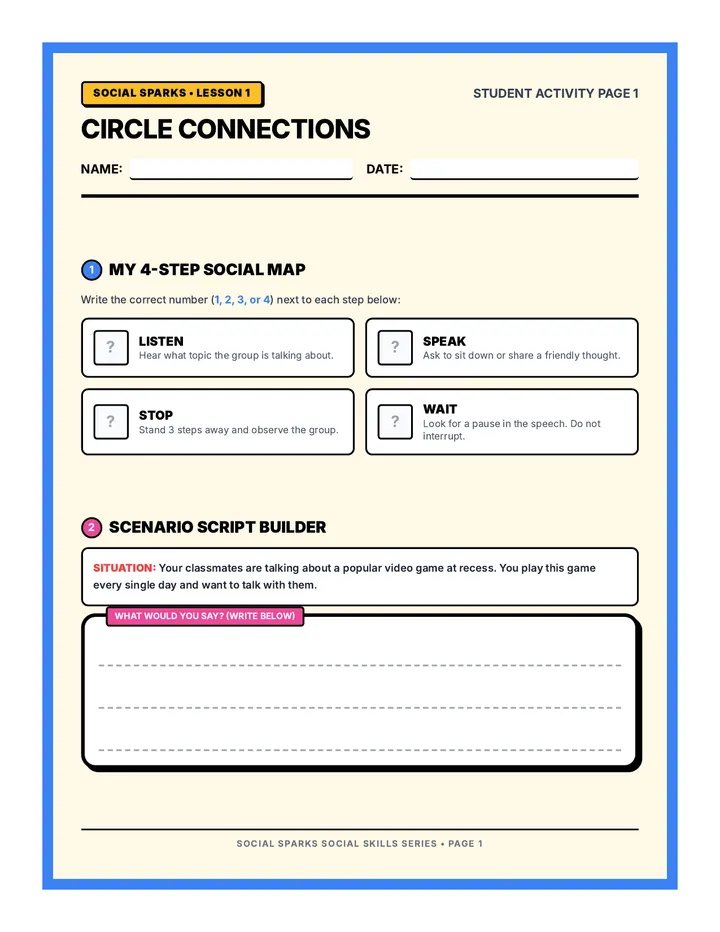
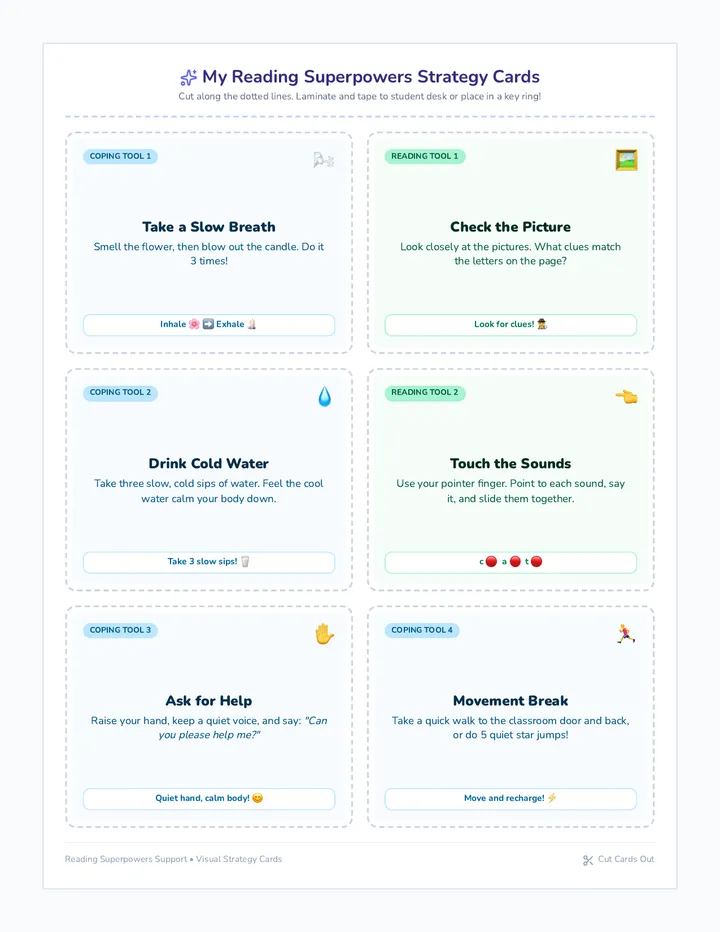
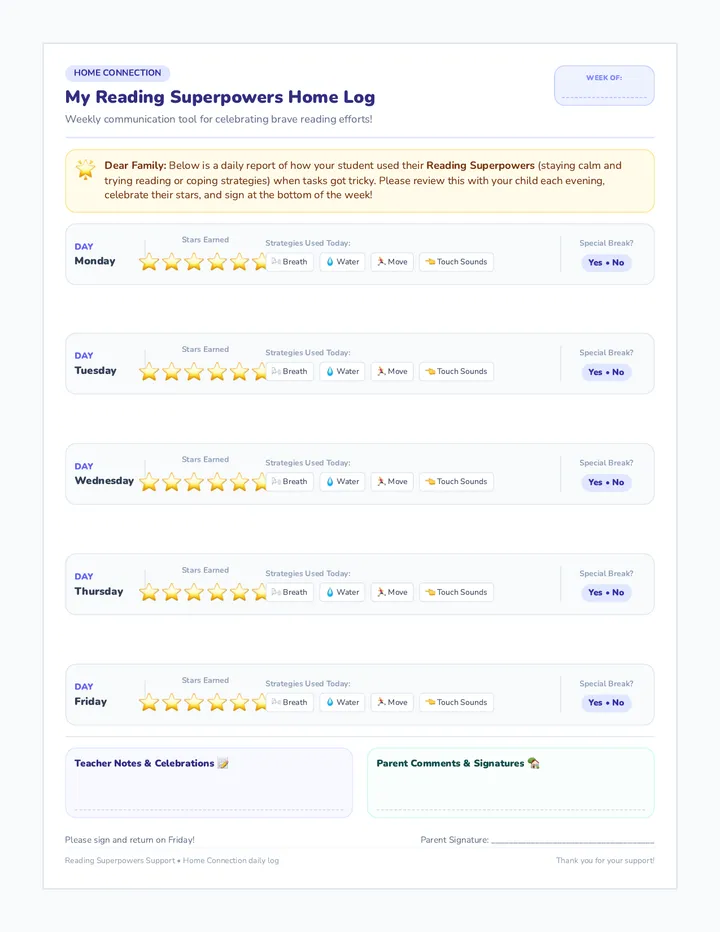
A social emotional learning lesson designed for students with autism to understand the consequences of physical aggression, explore legal boundaries, and develop positive communication strategies when angry.
An entirely unplugged introduction to logic and algorithms. Students explore step-by-step traditions and secret codes using physical patterns and movement games.
Celebrating cultural heritage through physical artifacts and oral histories. Students learn to analyze primary sources and explore informational text features like Table of Contents and Glossaries.
Reflecting on a year of learning, reviewing library organization (Dewey Decimal), and preparing for summer reading adventures.
Honoring Women's History Month by exploring female inventors and engineers, featuring hands-on 'She-gineering' challenges.
Celebrating Black History Month through the lens of Afrofuturism, blending history with visionary STEM challenges and science fiction.
Focusing on biographies and the legacy of Dr. Martin Luther King Jr., while practicing research and note-taking skills.
A focus on informational texts and non-fiction research skills, centered around Native American Heritage Month and the concept of 'Giving Thanks.'
Exploring the mystery and suspense genres through 'Spooky Stories' and engineering 'Maker Monsters' in the STEM lab.
Welcome back to the library! This unit focuses on library orientation, procedures, the 'Heart of the School' concept, and establishing a collaborative Maker Mindset.
A week-long exploration of poetry and nature, focusing on sensory language and observational skills in the library and media center. Includes differentiated worksheets and slides.
A reading comprehension lesson focused on a simple story about friendship, adapted with visual supports and simplified language for emerging readers.
A comprehensive morning meeting routine designed for students with autism, focusing on communication, predictability, and visual support. The lesson includes a high-contrast interactive slide deck and supporting materials for classroom roles and student engagement.
A collection of visual supports designed to create structure and predictability in an autism classroom, including wall schedules, desk strips, and First/Then boards.
A foundational ABA program focused on teaching a student to respond to their name in a controlled 1:1 environment. Includes a detailed protocol, data collection sheet, and visual supports.
A set of resources designed to help a 4th-grade student with ASD understand the appropriate use of 911 and respect the privacy of school and staff phones.
A lesson focused on teaching students the appropriate boundaries for using staff phones and understanding the correct procedures for emergency calls. Students learn why staff phones are off-limits and how to seek help effectively during emergencies.
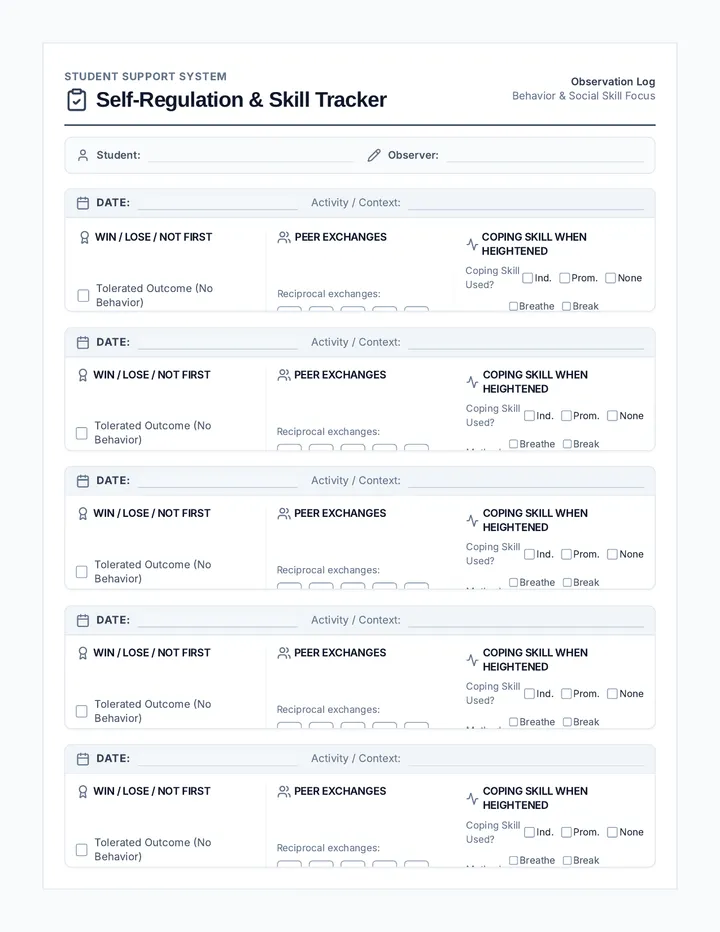
A comprehensive training package designed for behavior staff to master the 0, 1, 2 data collection system, ensuring consistency, accuracy, and reliability across behavioral observations and documentation.
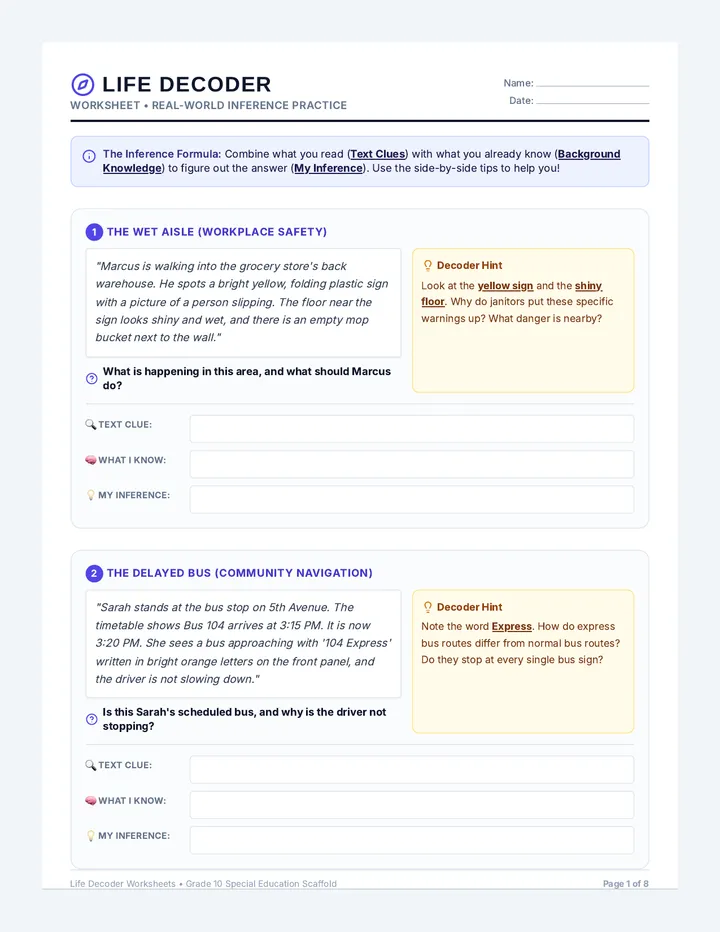
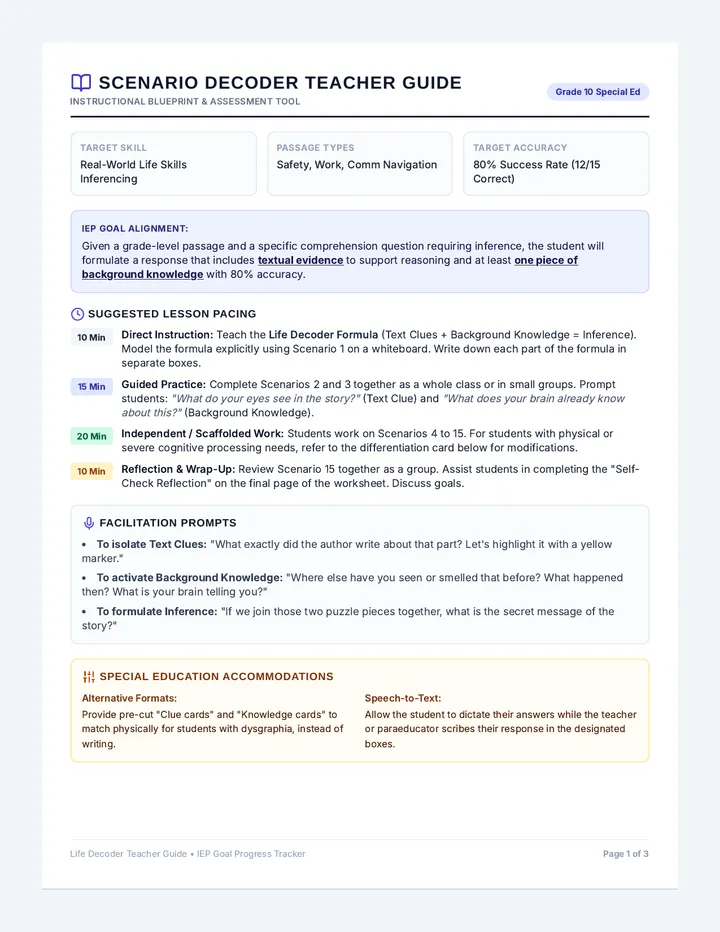
A comprehensive lesson on identifying and predicting patterns across visual, vocational, and social contexts to build critical thinking and life skills.
This lesson provides visual 'snapshot' cards for key moments and figures of the Battle of Gettysburg, specifically focusing on the environmental impact (wasteland) and General Robert E. Lee's leadership.
A collection of sensory-based hallway activities designed for a kindergarten student with ASD, focusing on tactile and vestibular input to support regulation and motor skills.
A comprehensive Discrete Trial Training (DTT) resource for identifying and matching common community signs to their written names. This lesson includes a reusable folder task, matching cards, and a teacher's guide for data collection.
A collection of essential communication icons and tools designed for home-based instruction and daily routines.