A comprehensive guide for educators on establishing routines, managing behavior cycles, and implementing Tier 1 interventions to maintain a positive classroom environment.
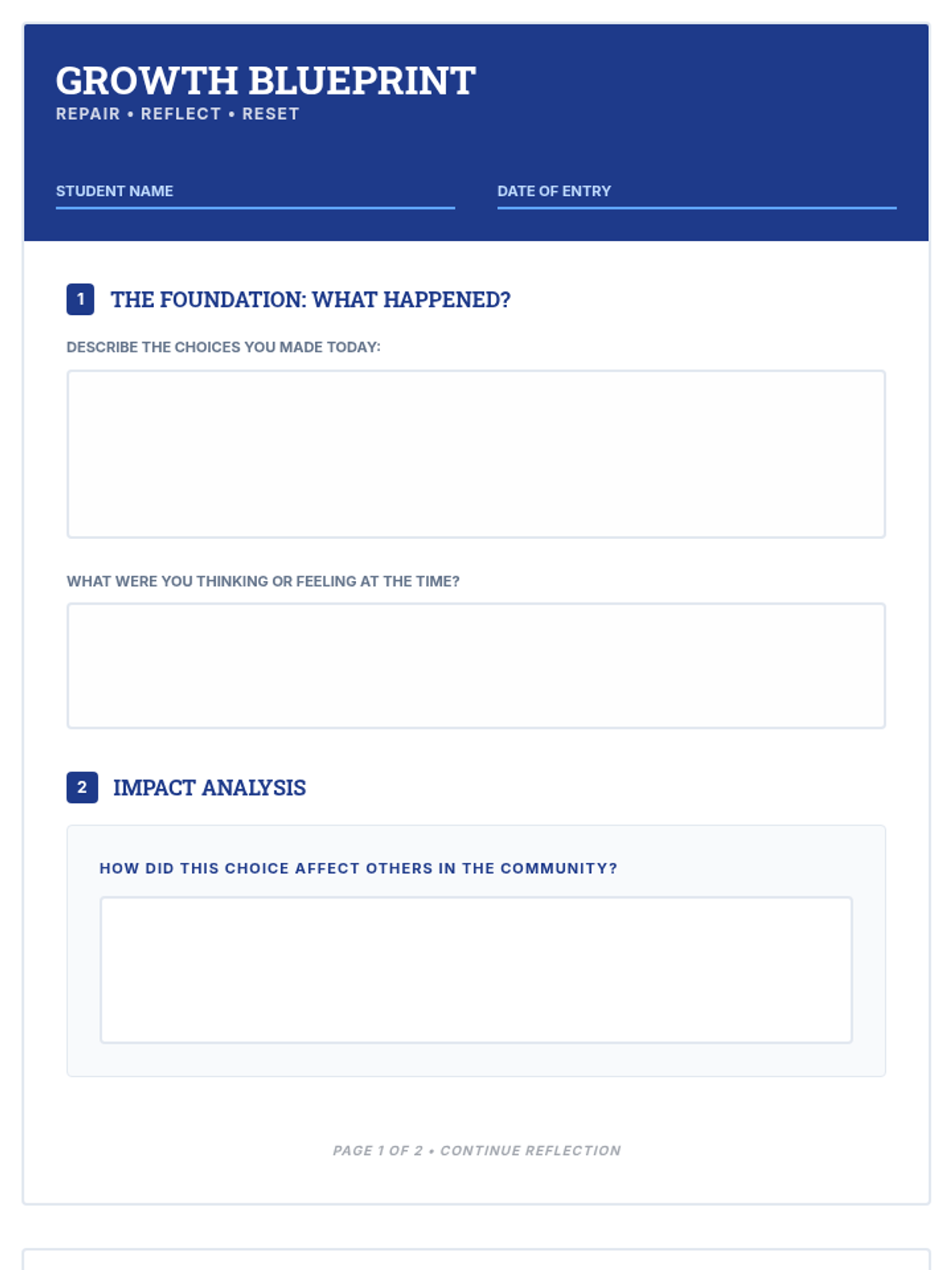
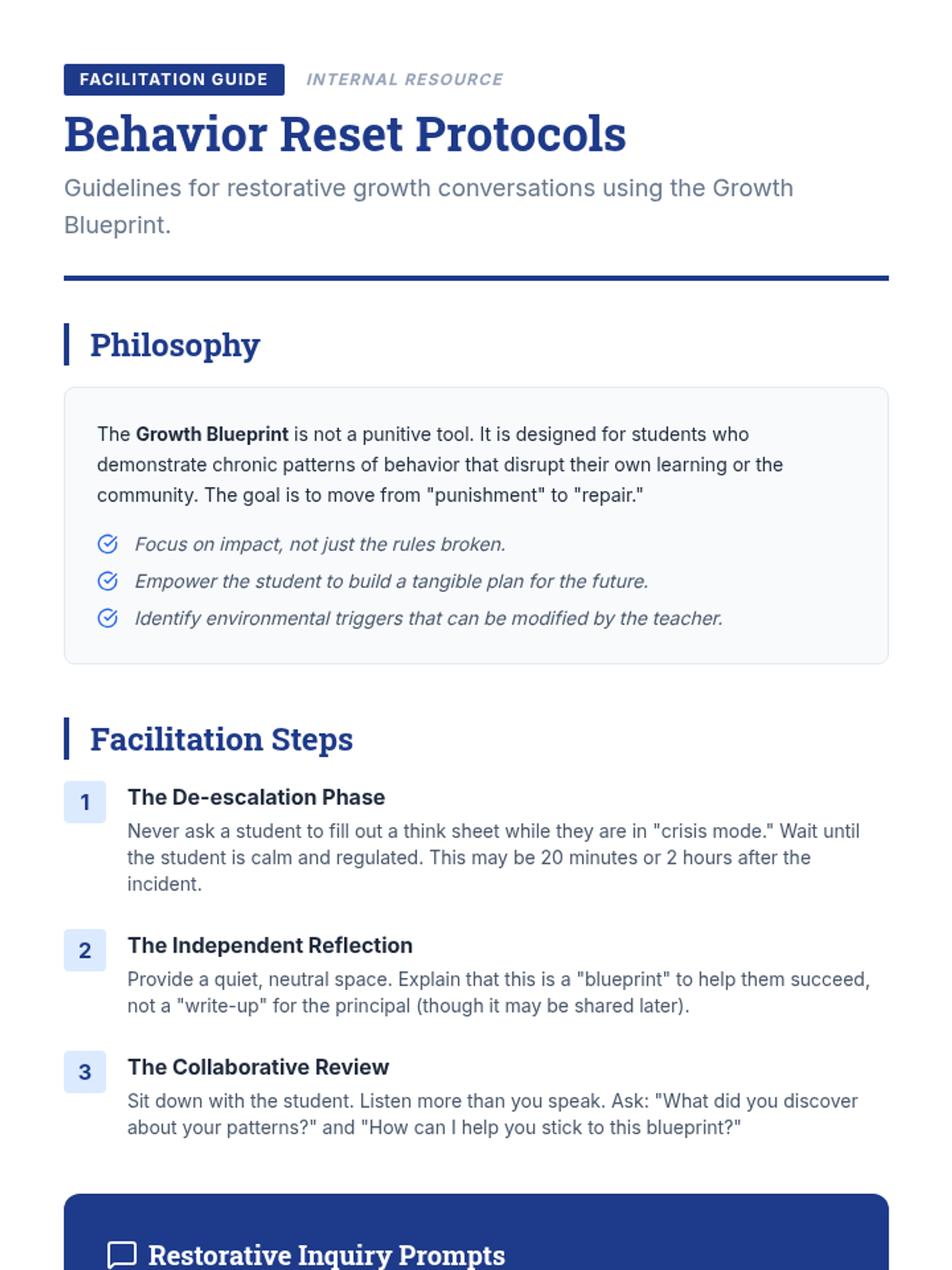
A restorative approach to addressing chronic behavior patterns, focusing on reflection, impact analysis, and collaborative goal setting.
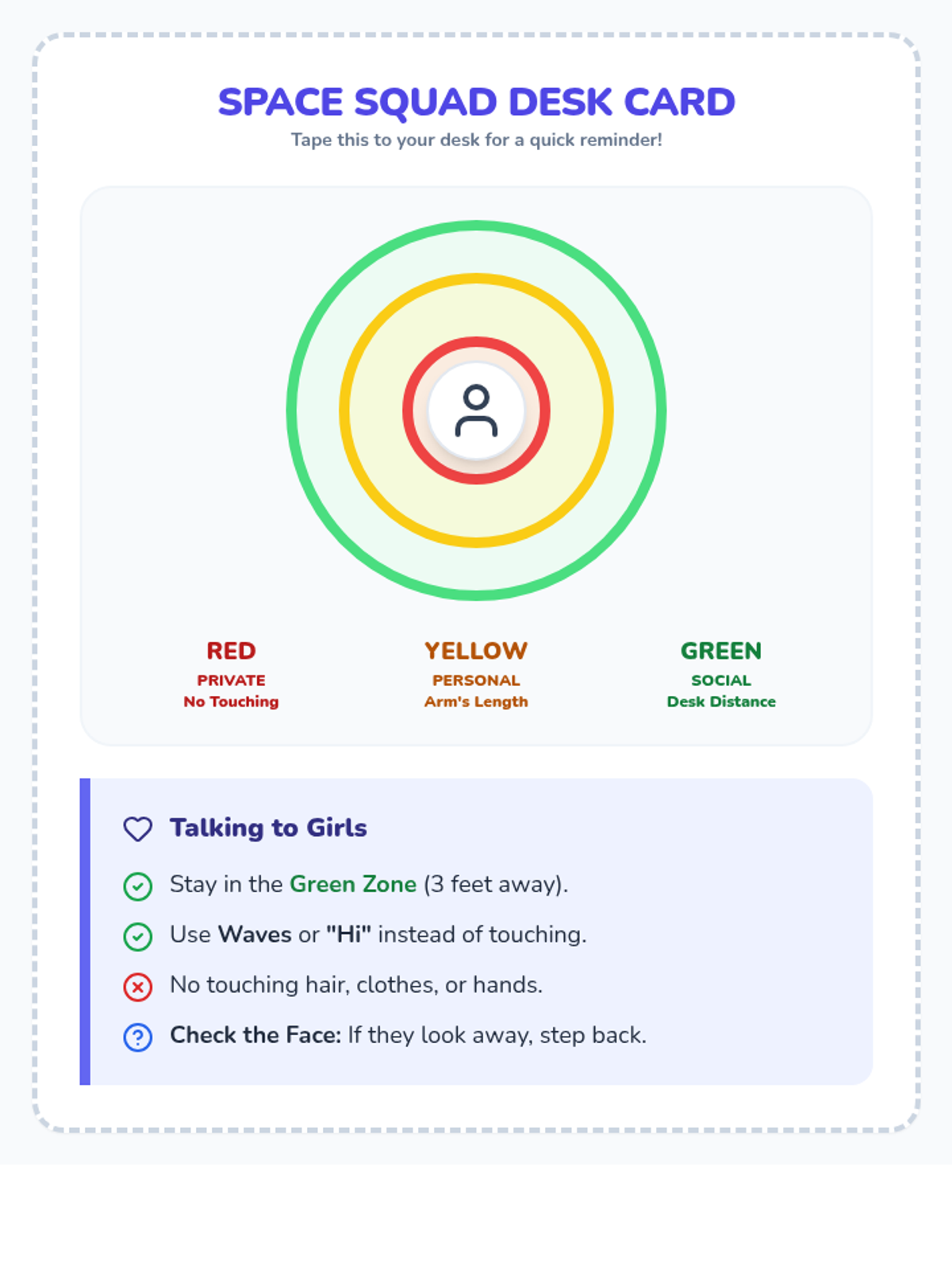
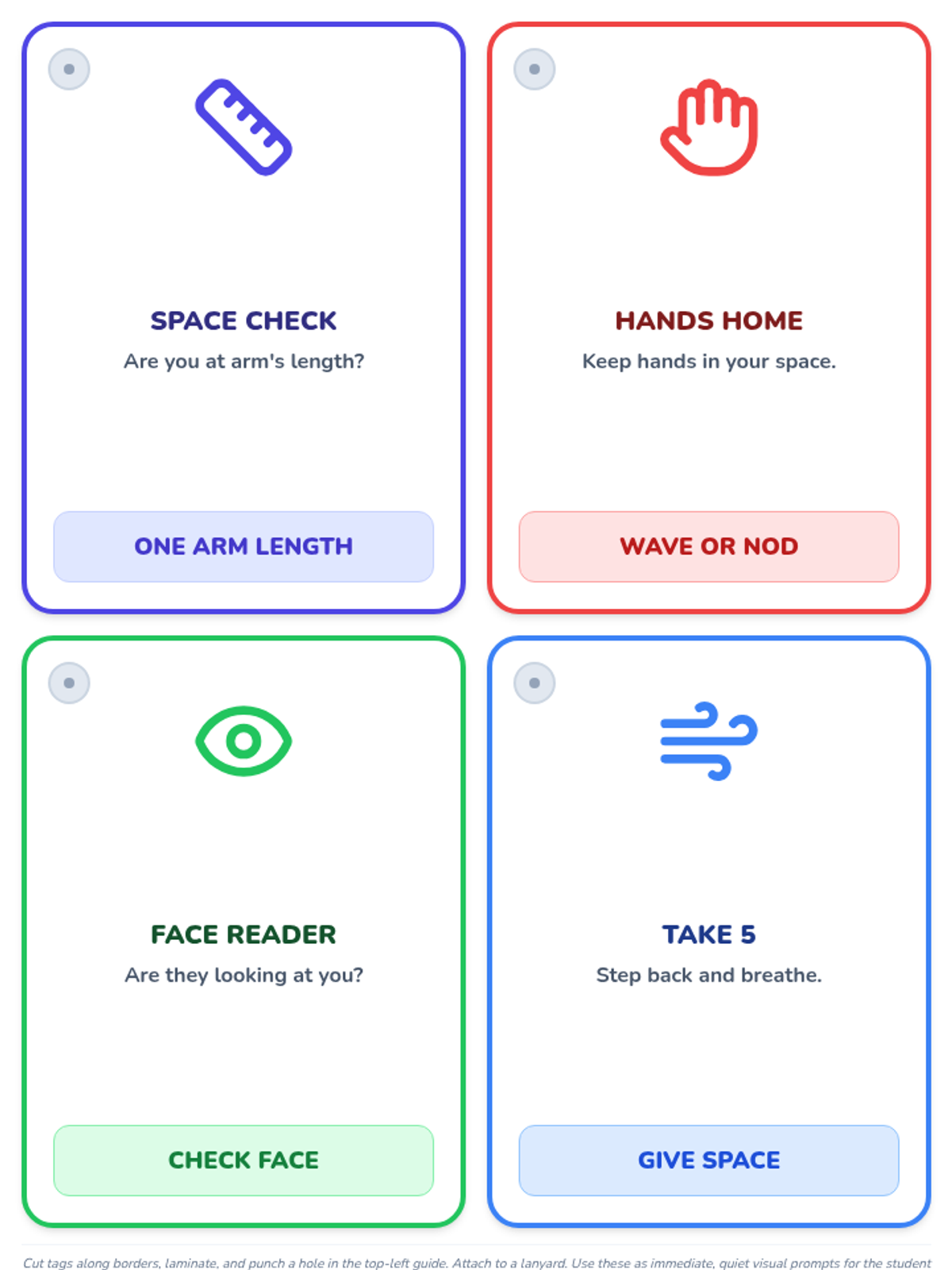
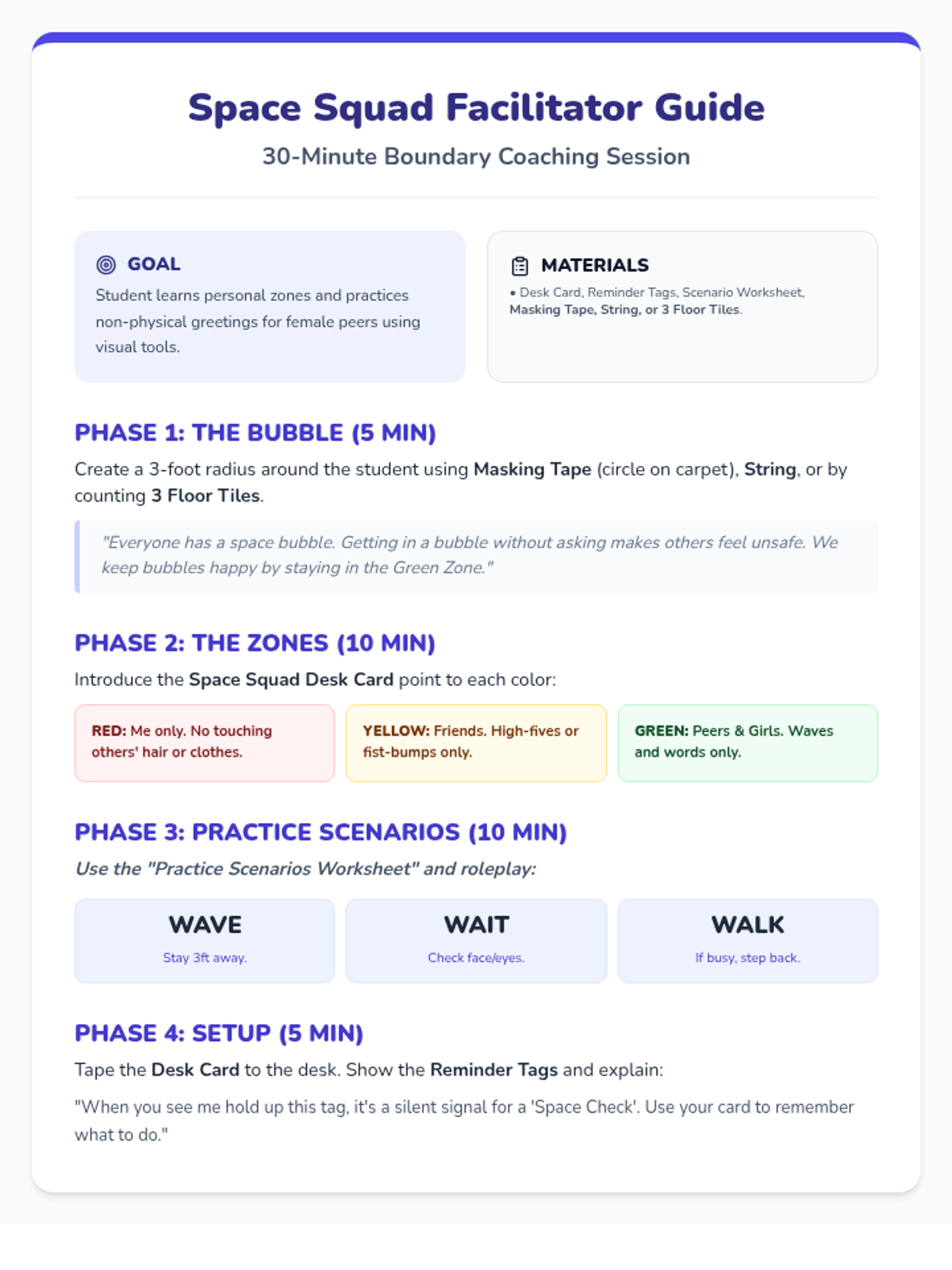
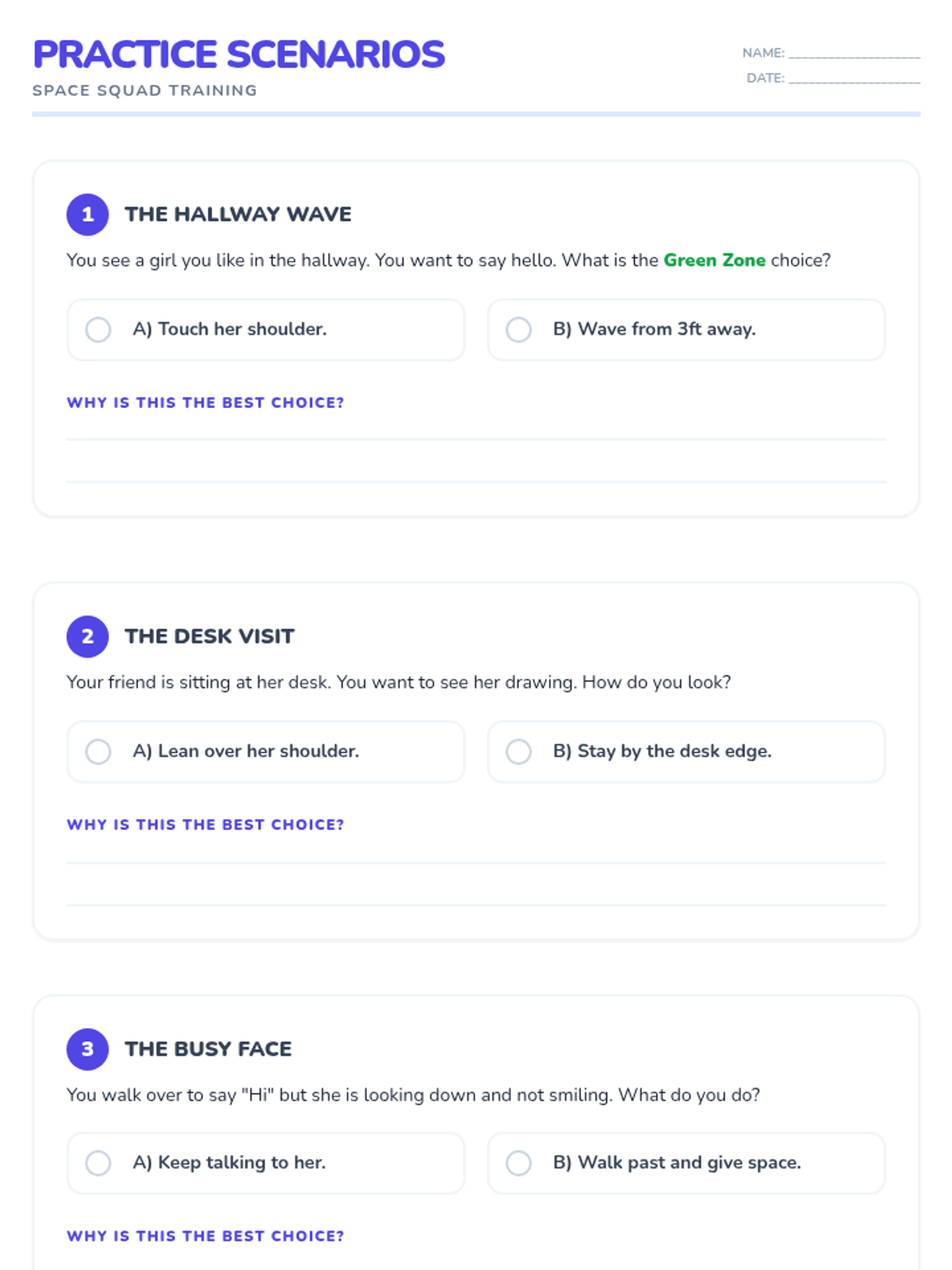
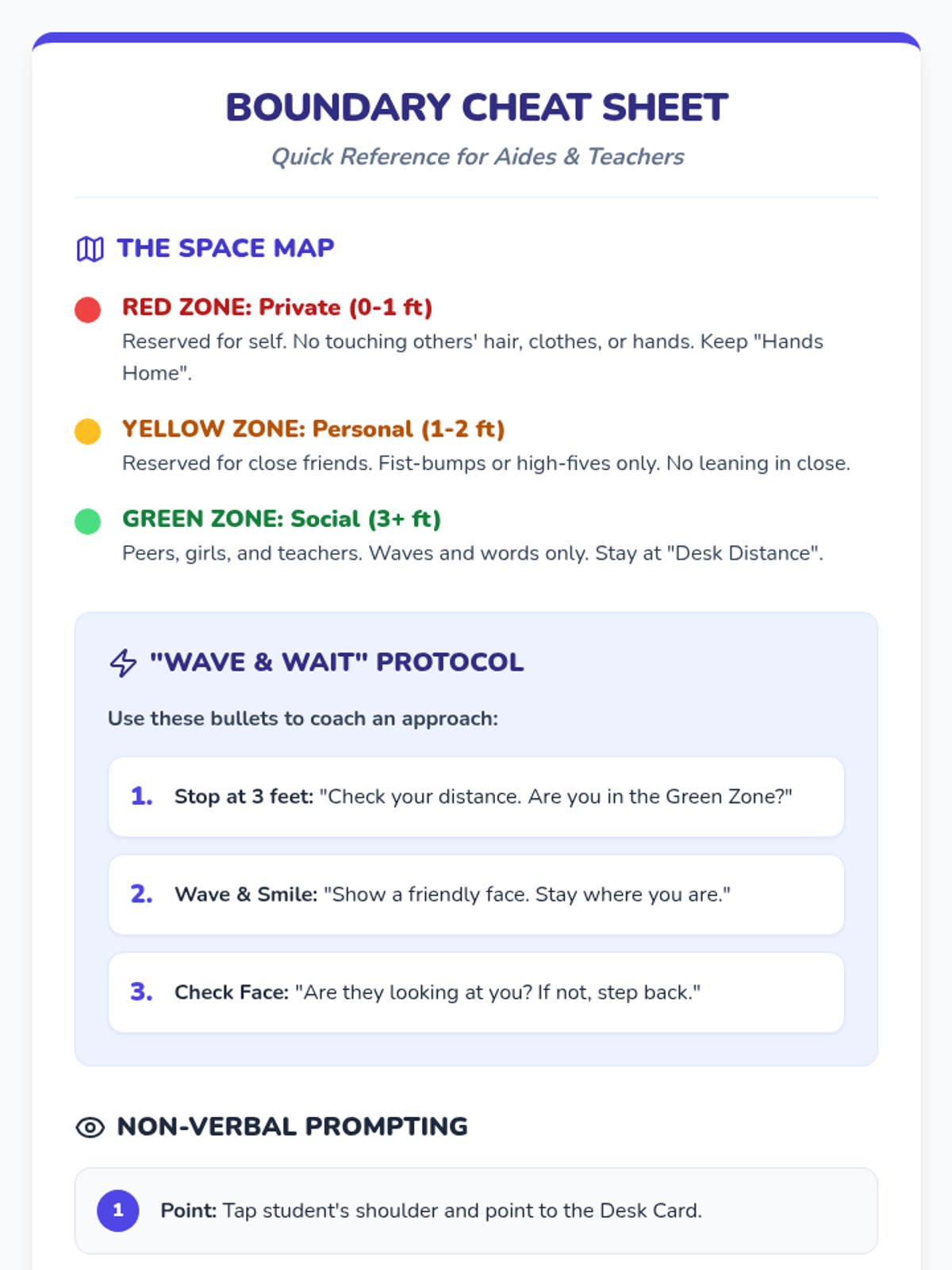
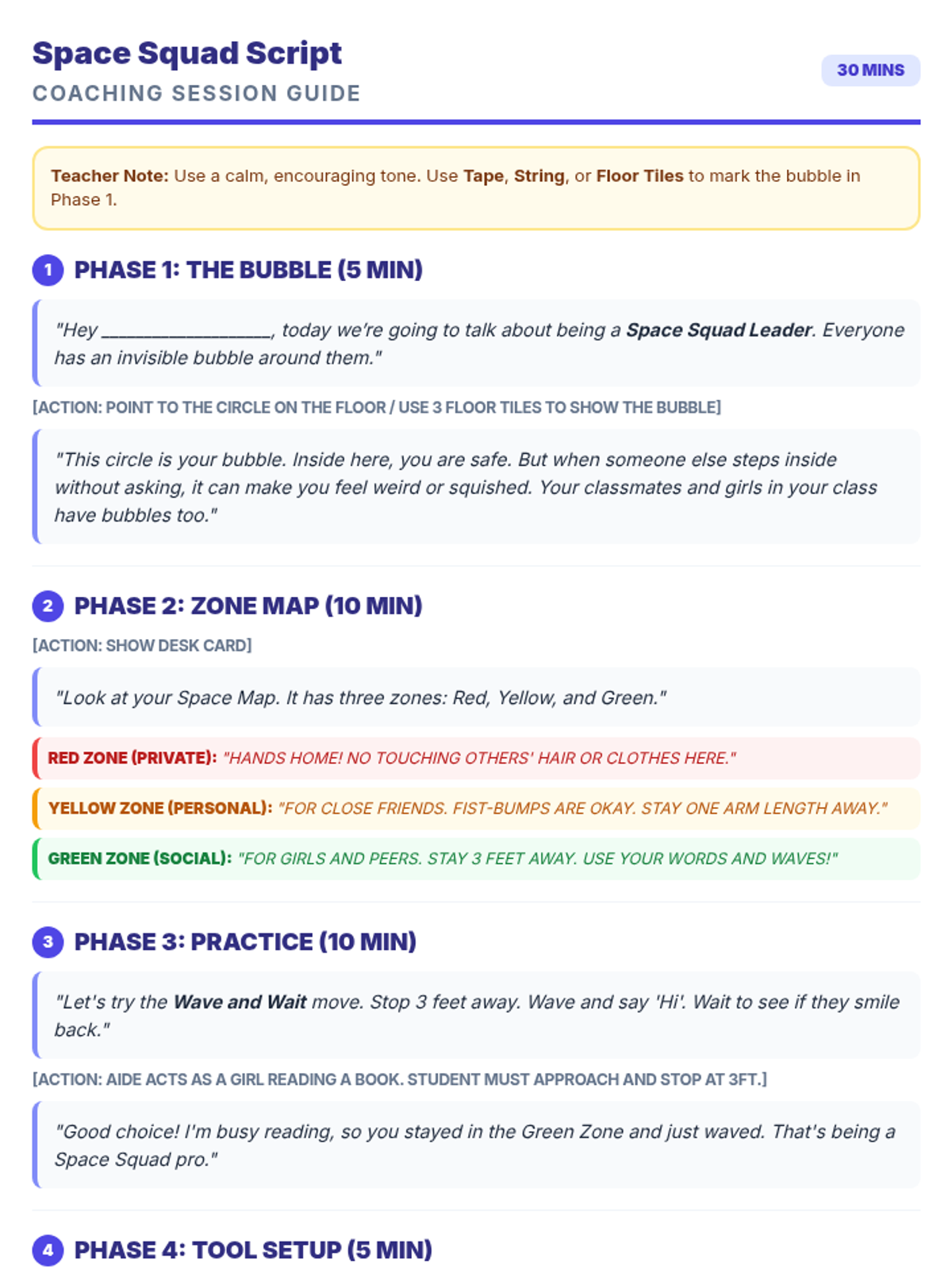
A 30-minute social skills lesson designed for a 7th-grade student with Autism, focusing on personal space and appropriate classroom boundaries using visual aids.
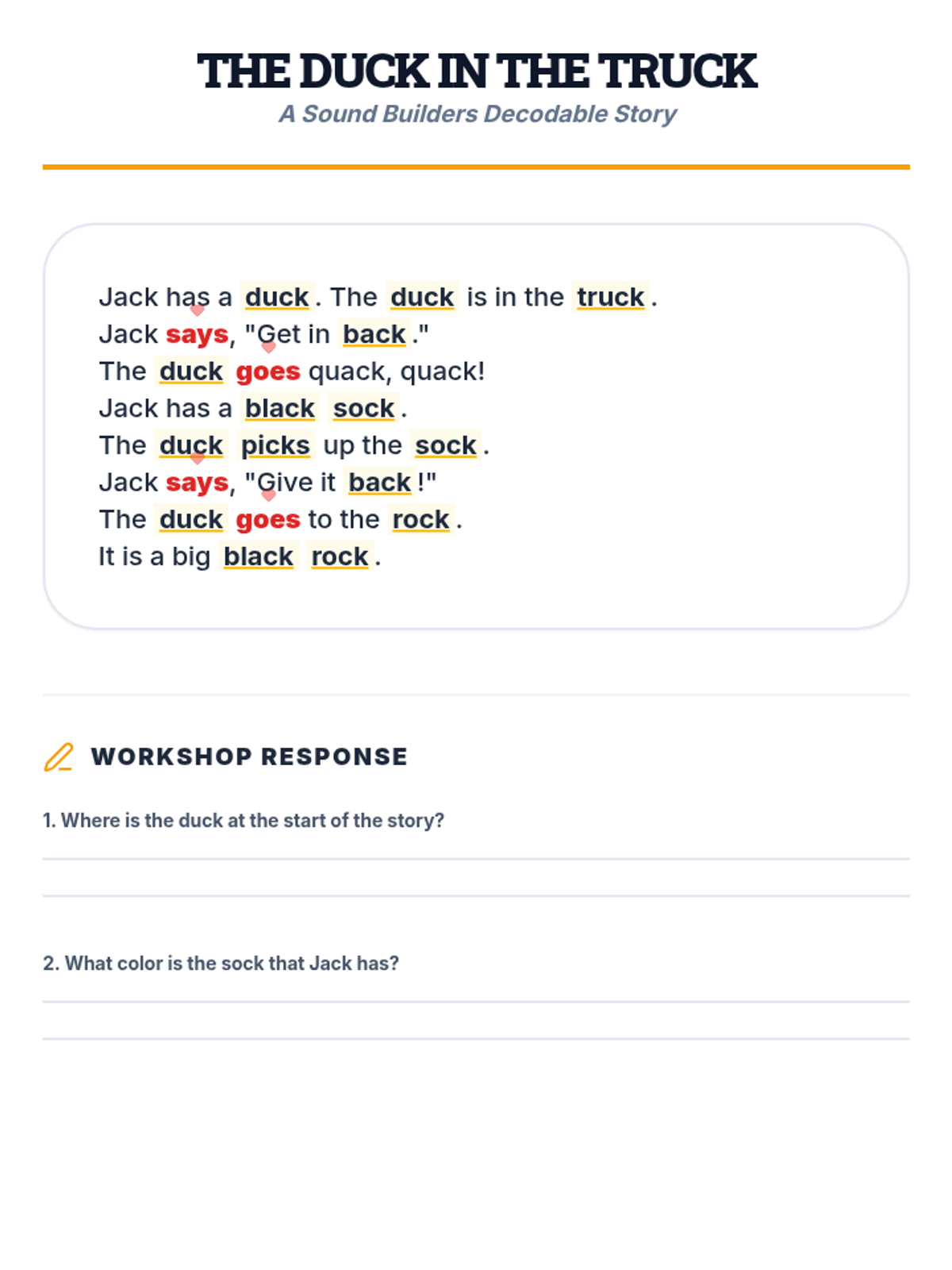
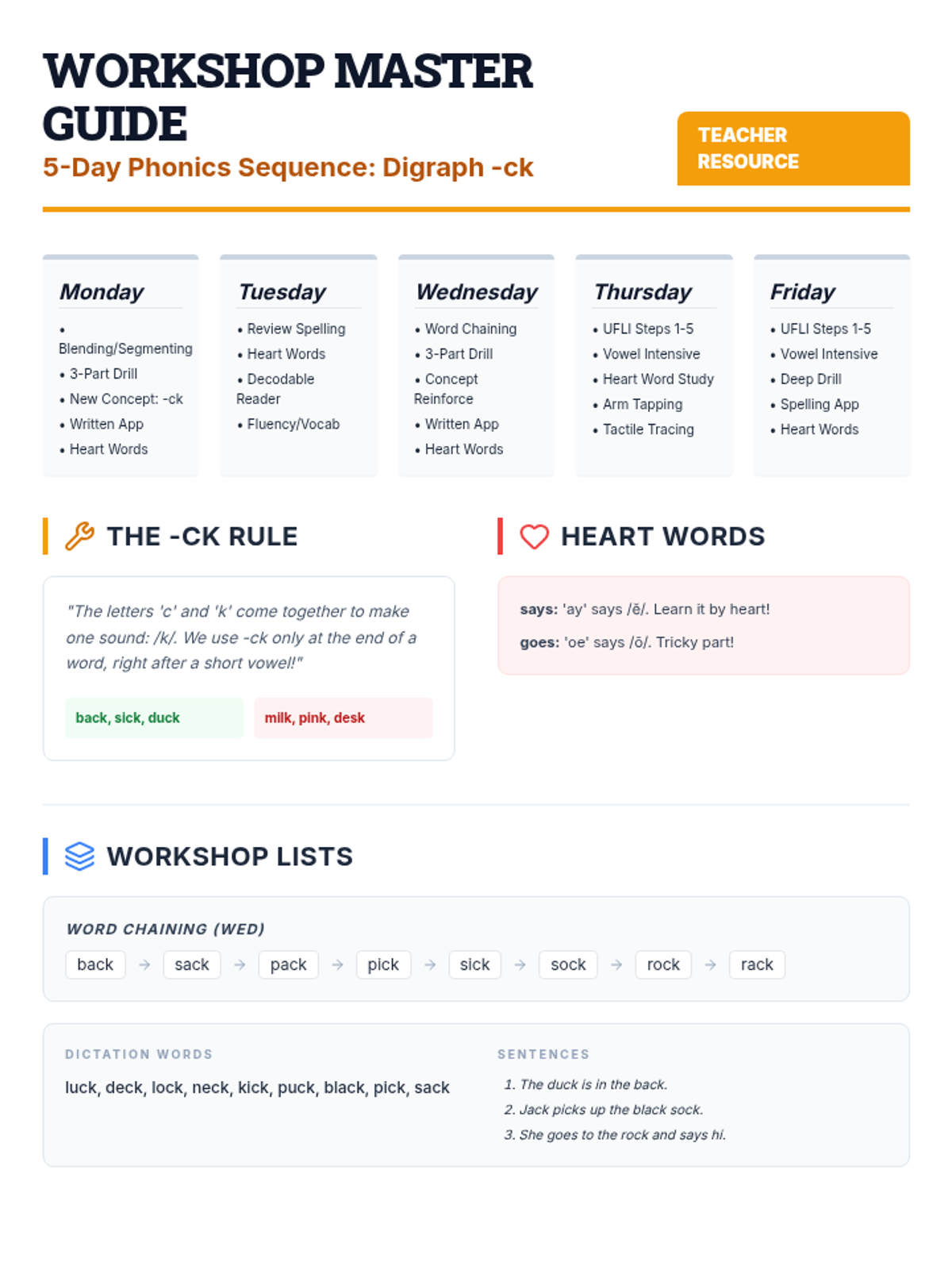
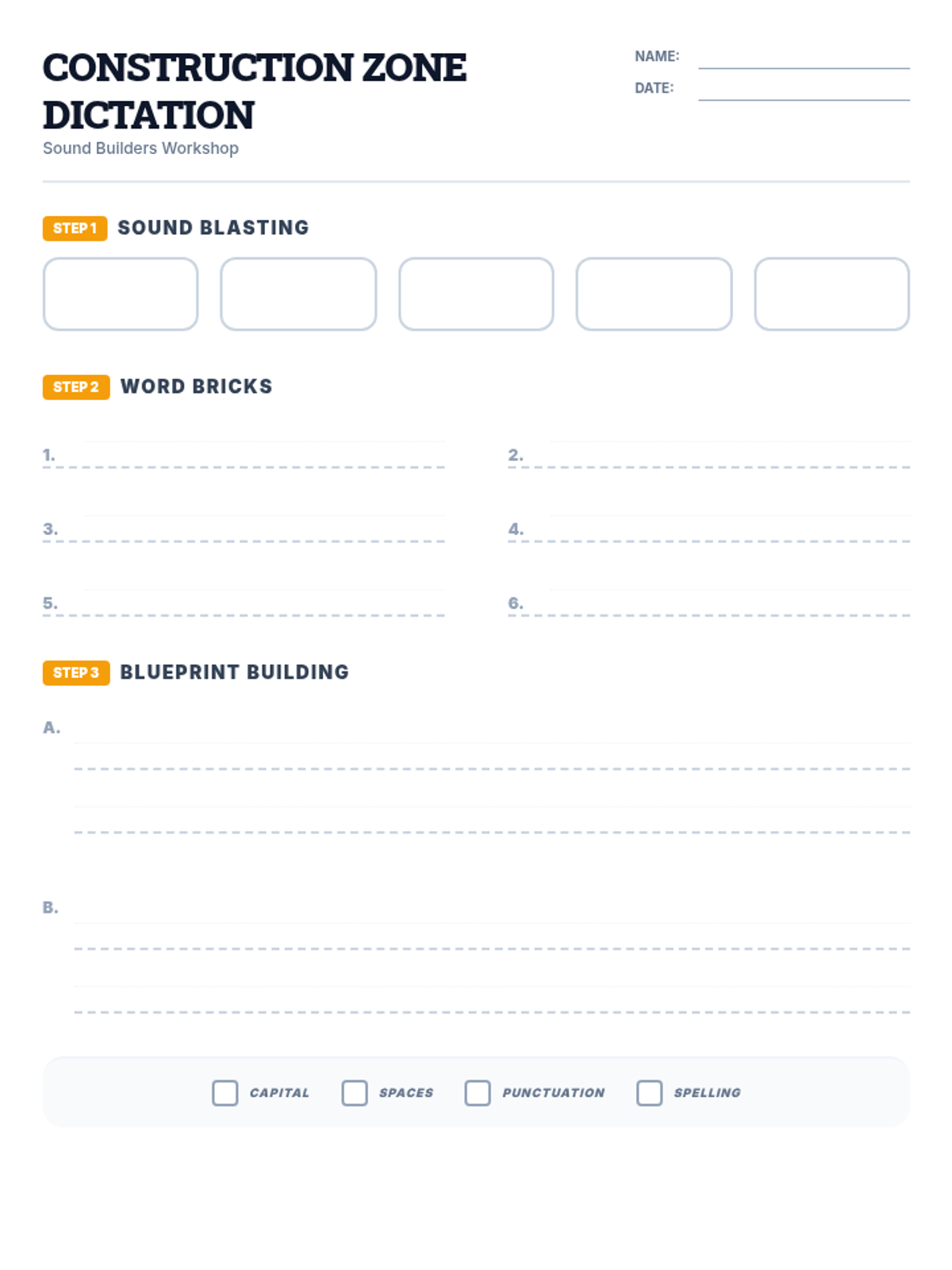
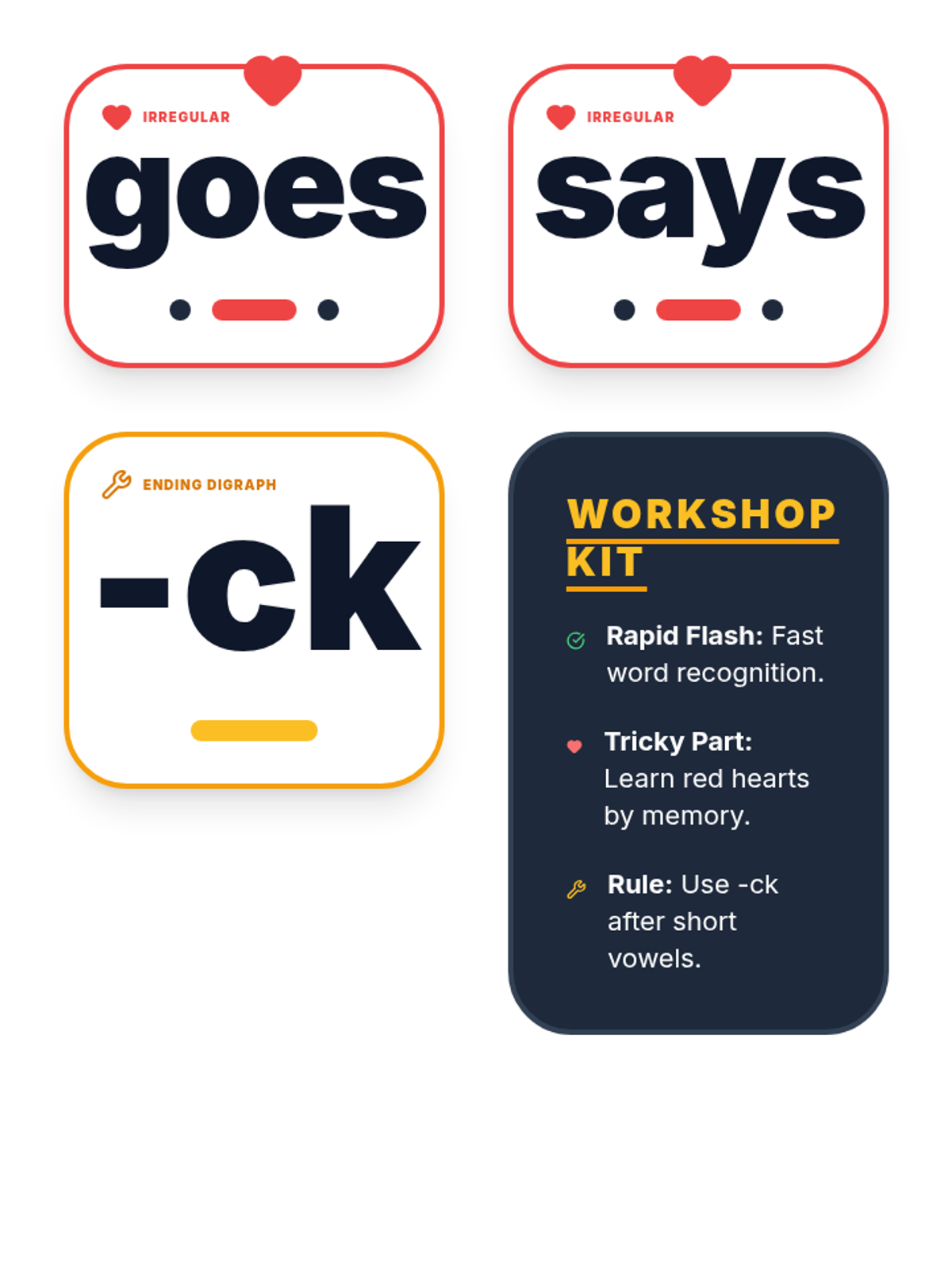
Final review and mastery check of -ck digraphs and irregular words.
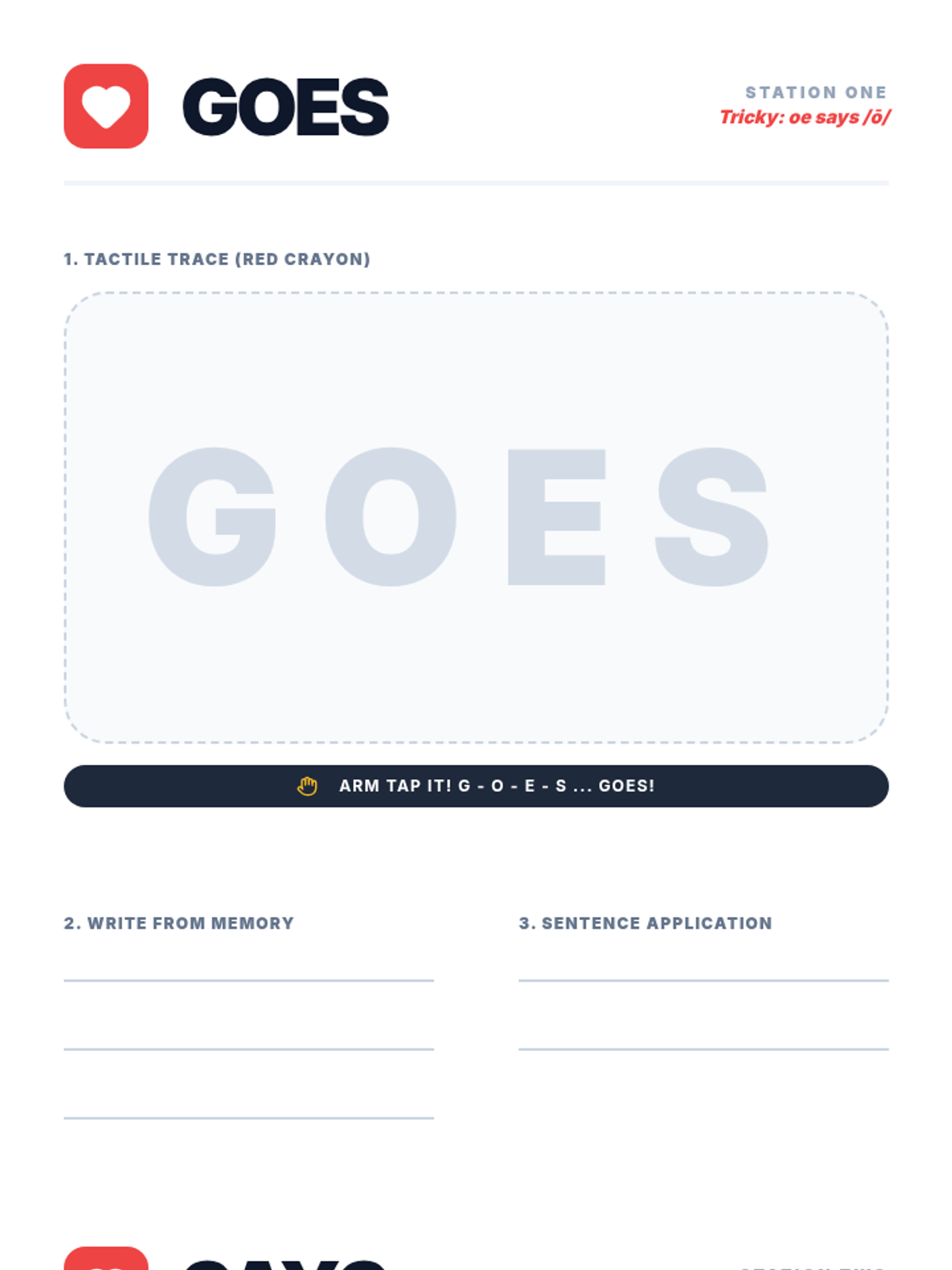
Deep dive into spelling and heart word analysis with tactile tracing and arm tapping.
Word chaining activities and cumulative review to reinforce digraph recognition.
Review of spelling and introduction to the decodable reader with a focus on fluency.
Introduction to the -ck digraph through blending, segmenting, and initial spelling application.
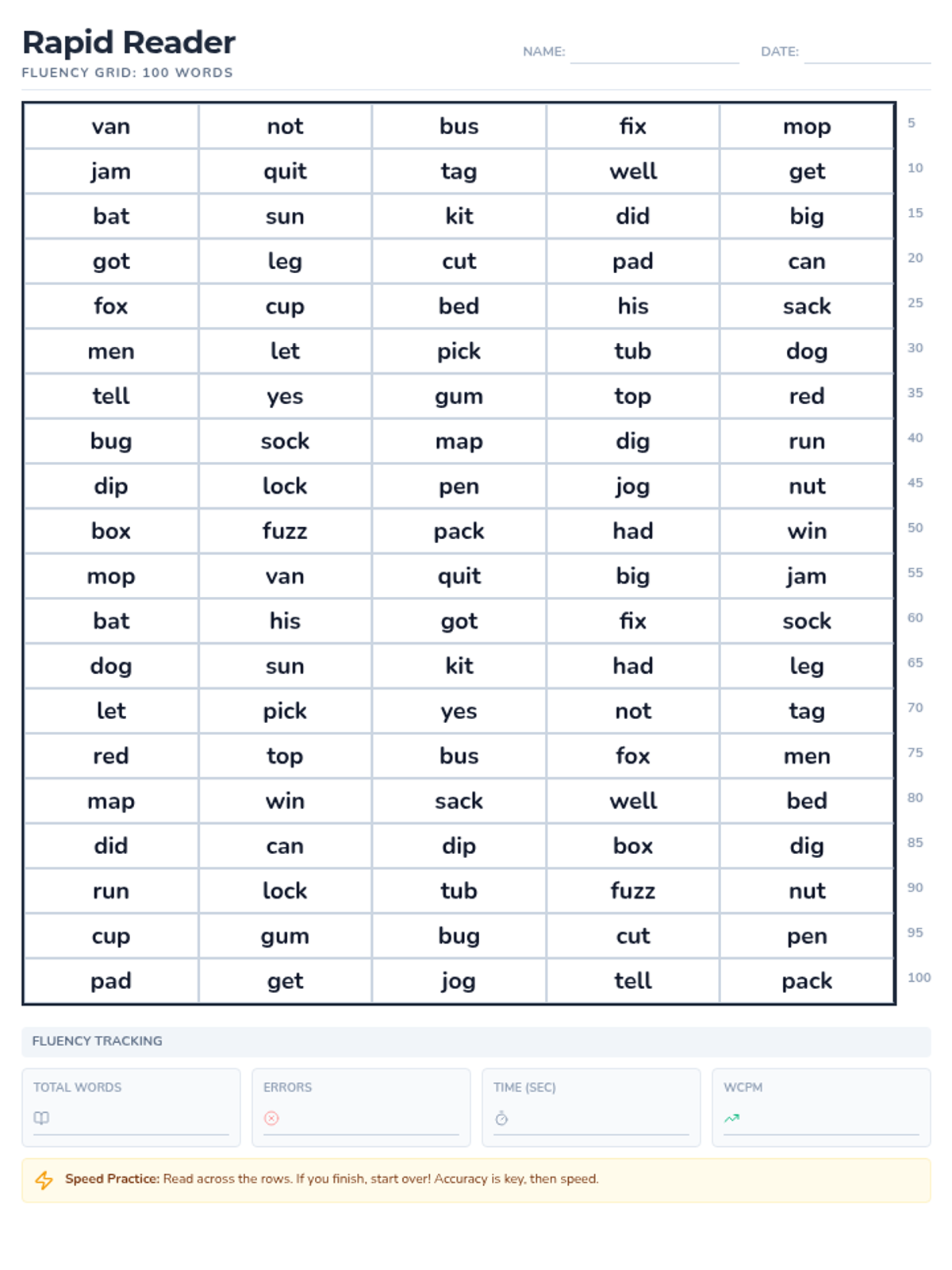
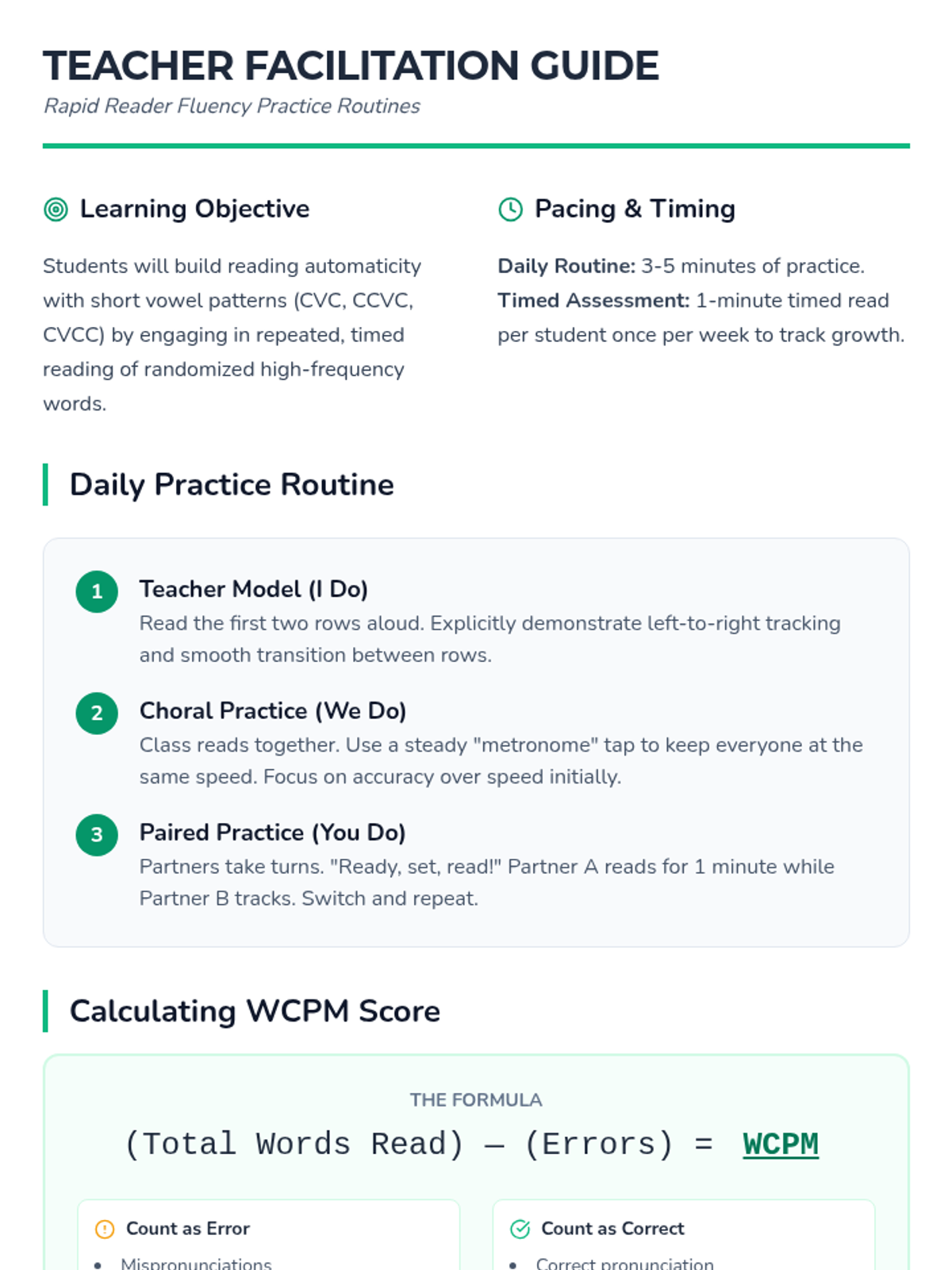
A series of materials designed to build reading speed and accuracy through targeted word practice.
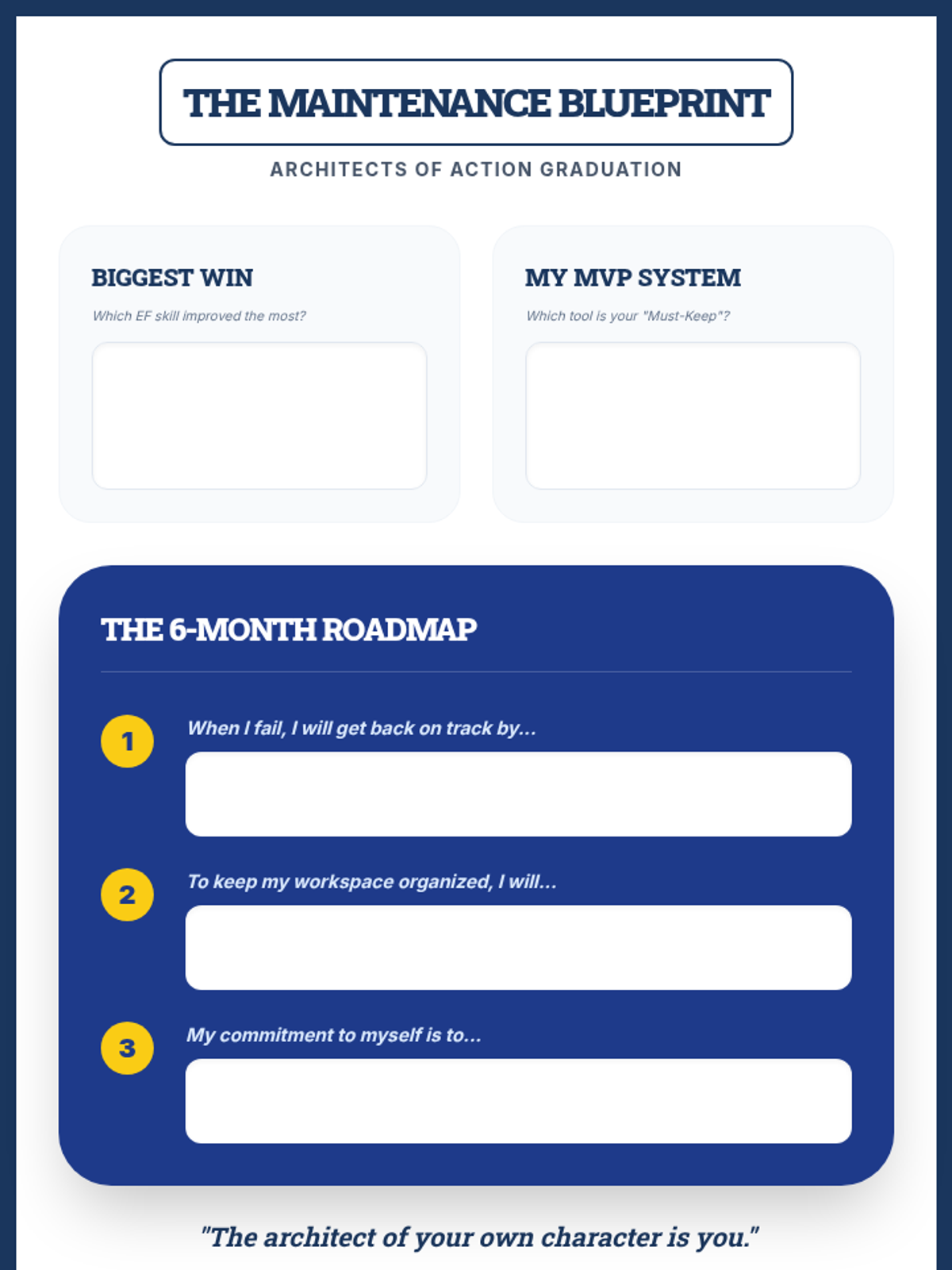
Reflecting on growth, creating a long-term maintenance plan, and celebrating group success.
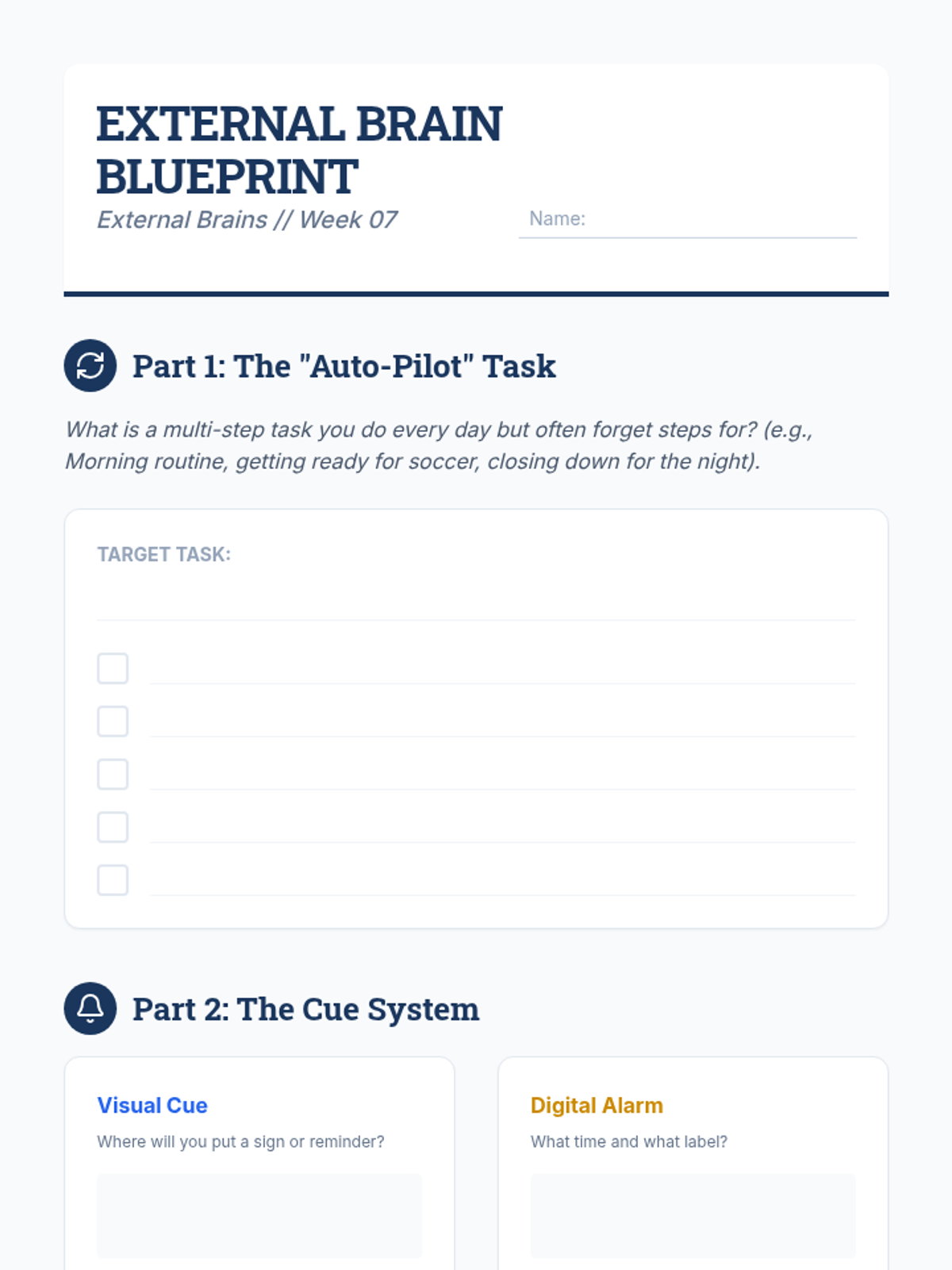
Leveraging external tools to support working memory and learning to self-monitor progress.
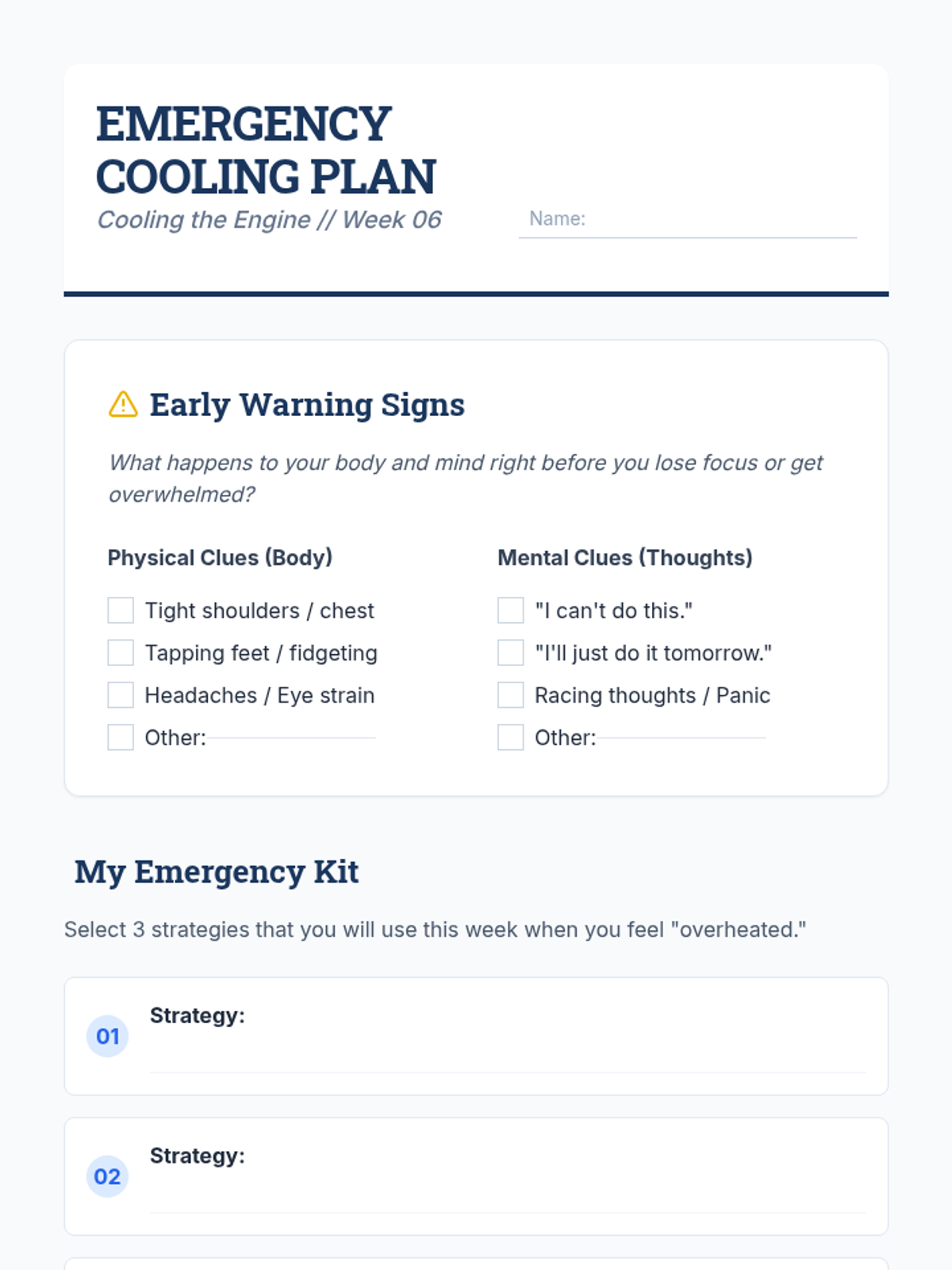
Recognizing how emotions affect EF and learning strategies for self-regulation and stress management.
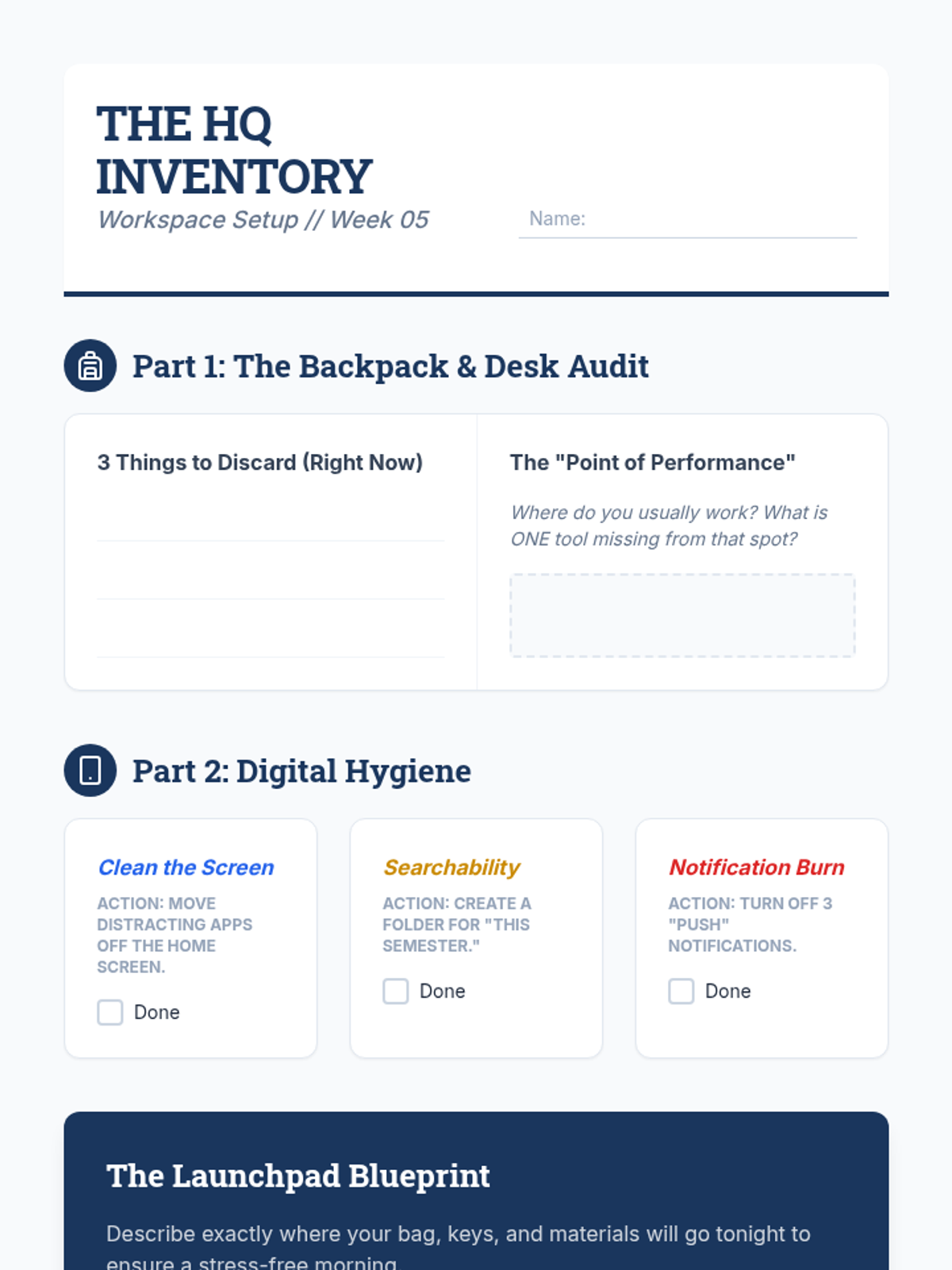
Designing physical and digital organization systems that actually work for the individual.
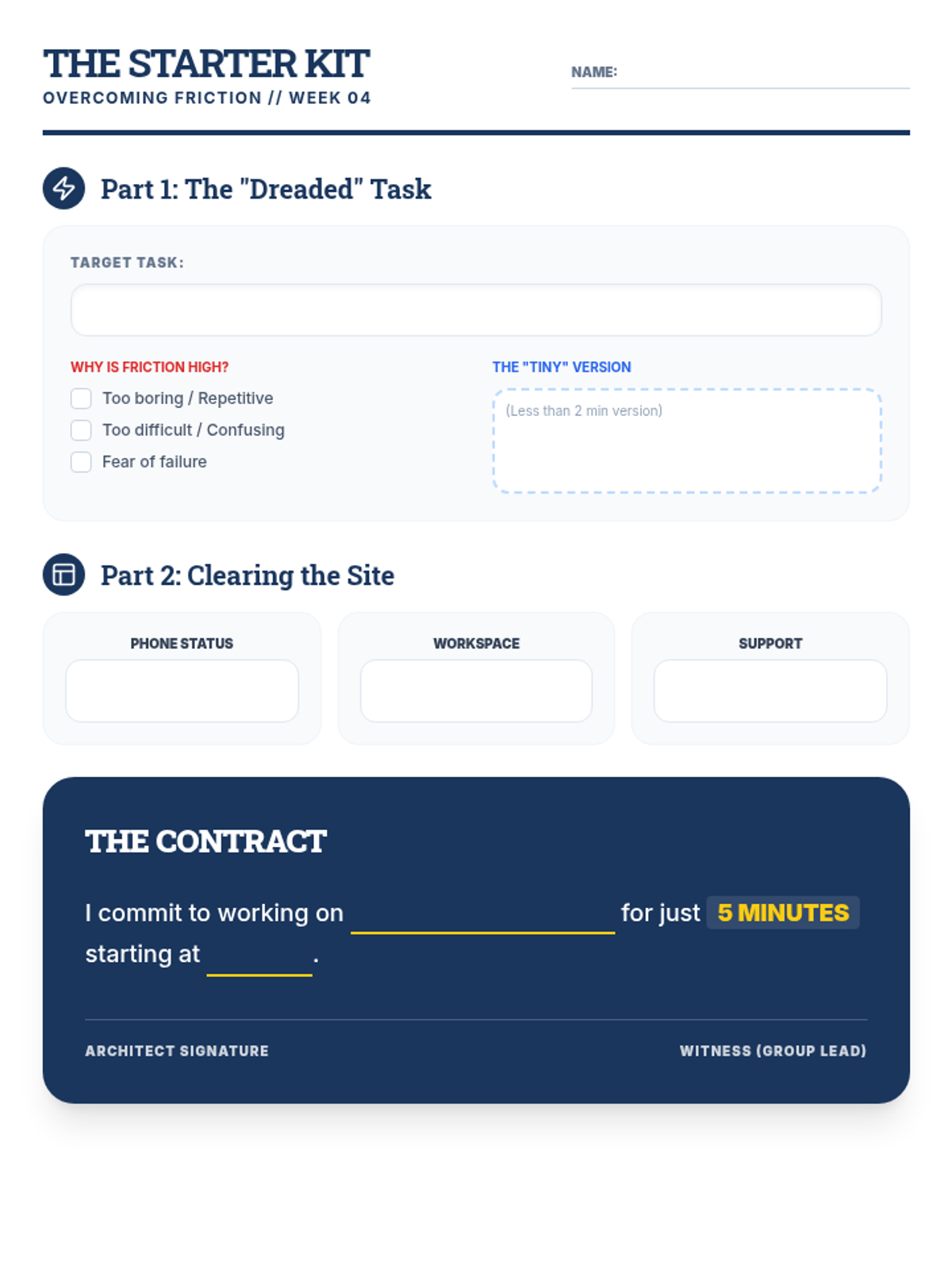
Strategies for task initiation, overcoming procrastination, and maintaining focus in a world of distractions.
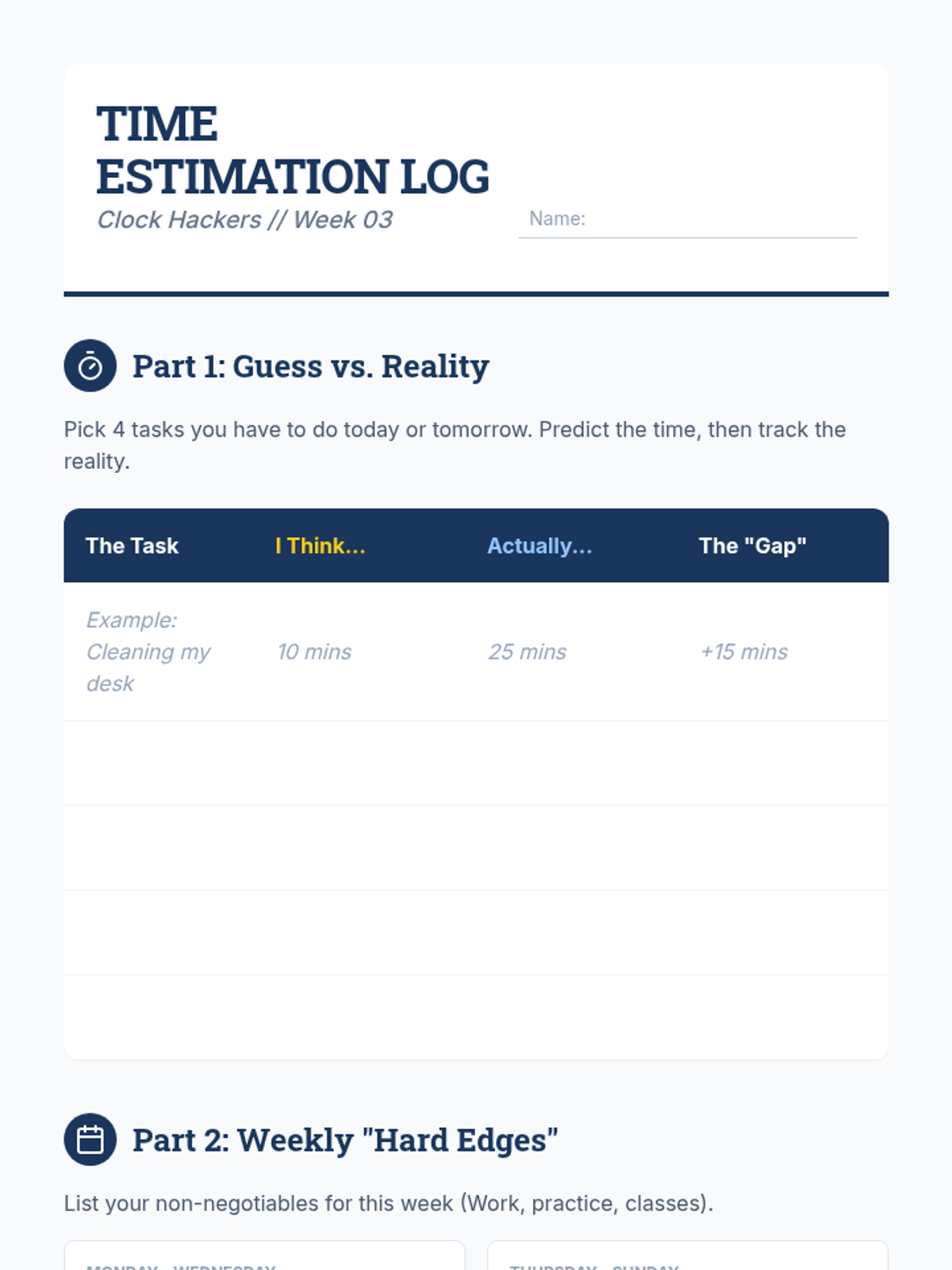
Understanding time blindness, using calendars effectively, and mastering the weekly review.
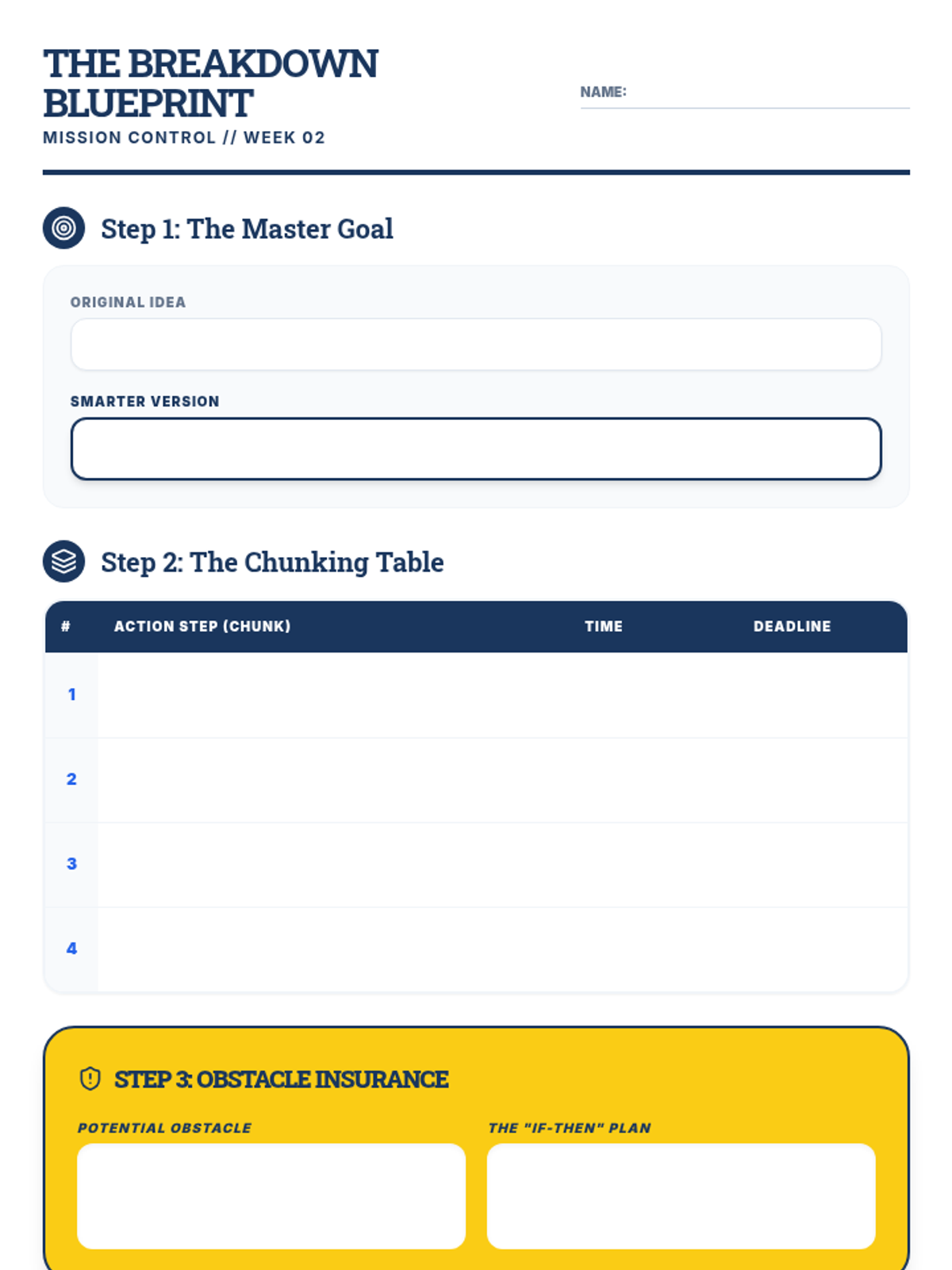
Setting SMARTER goals and learning to break down large projects into manageable chunks.
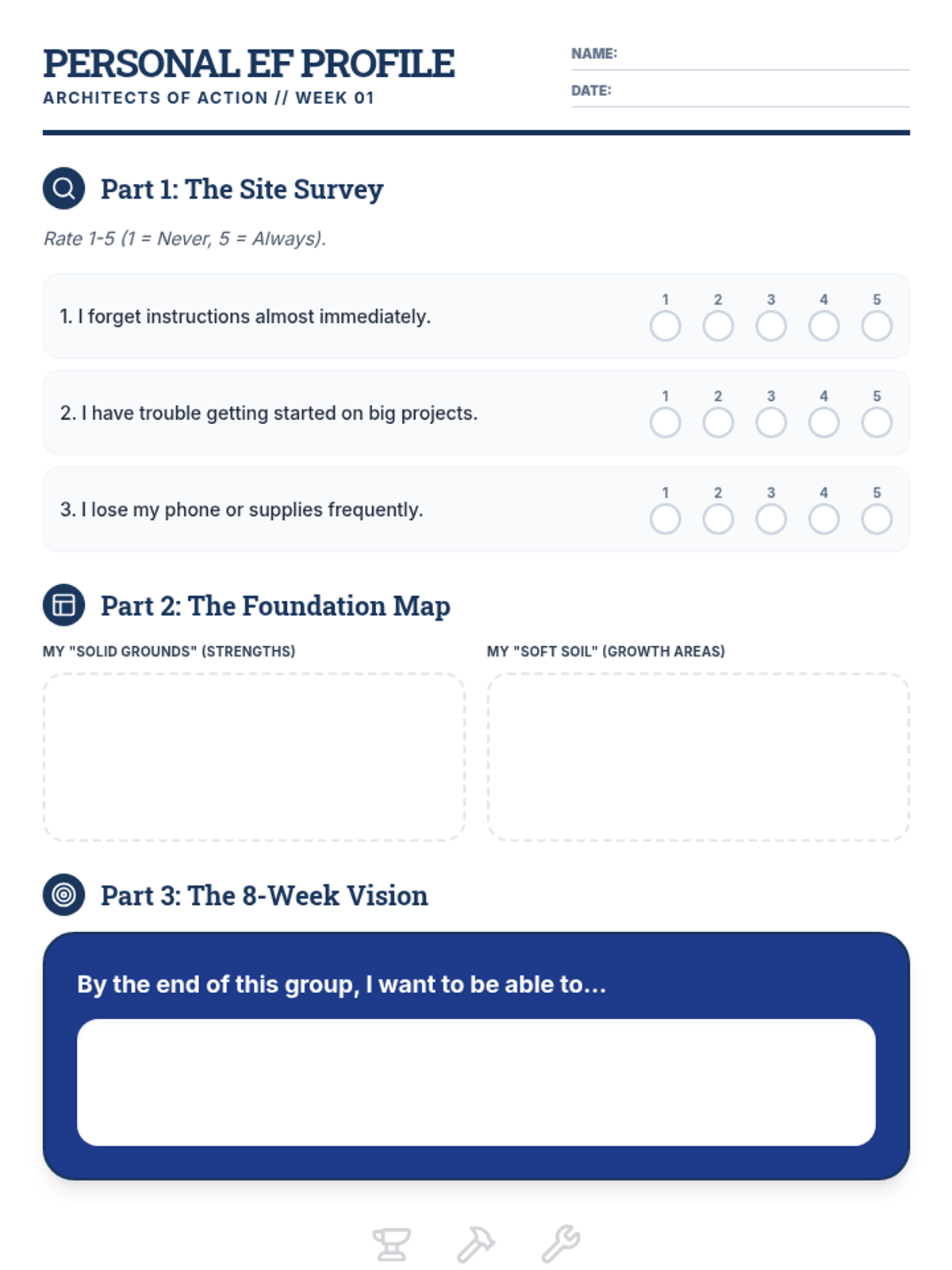
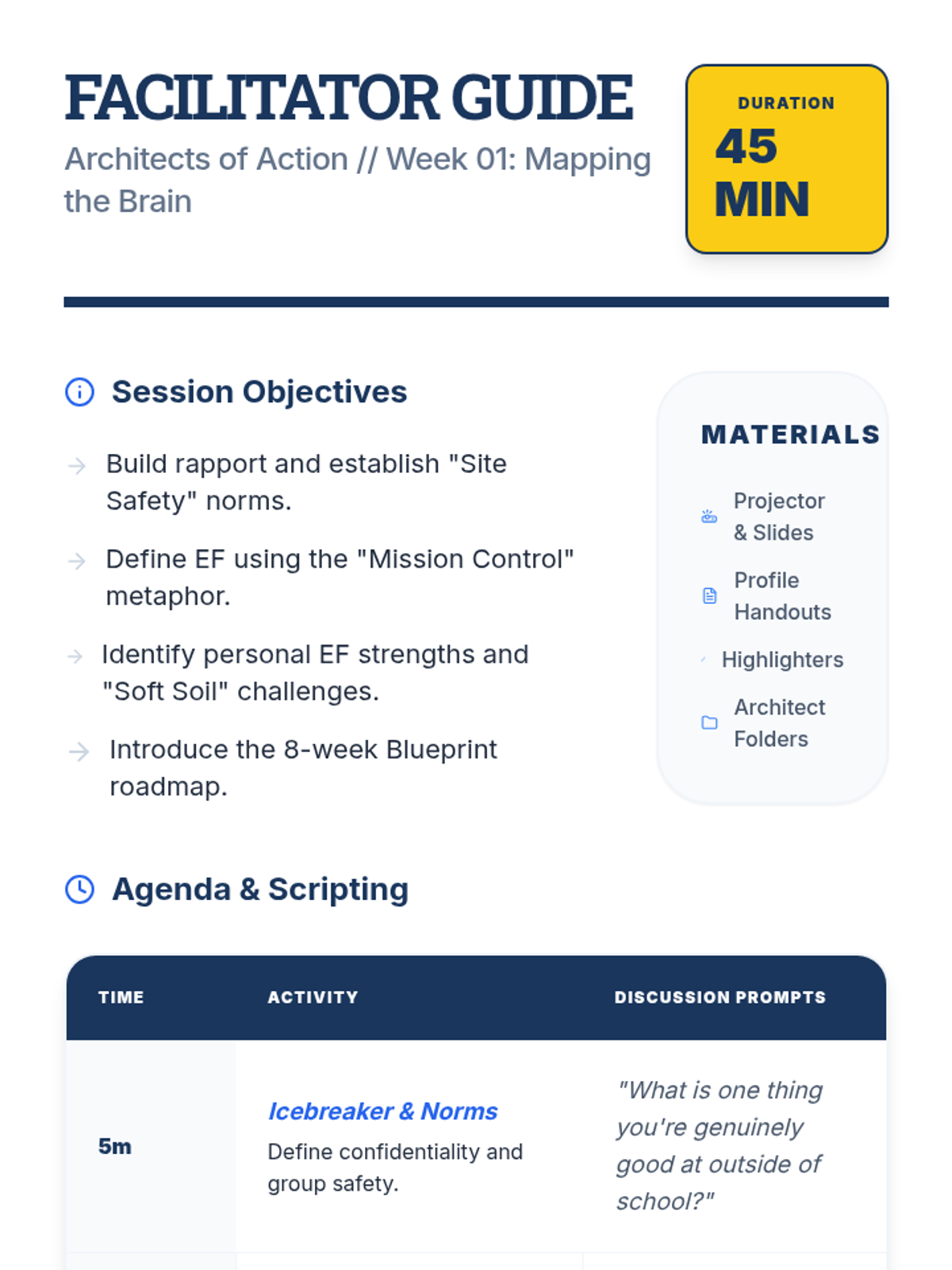
Introduction to executive functioning, self-awareness of strengths and challenges, and building group rapport.
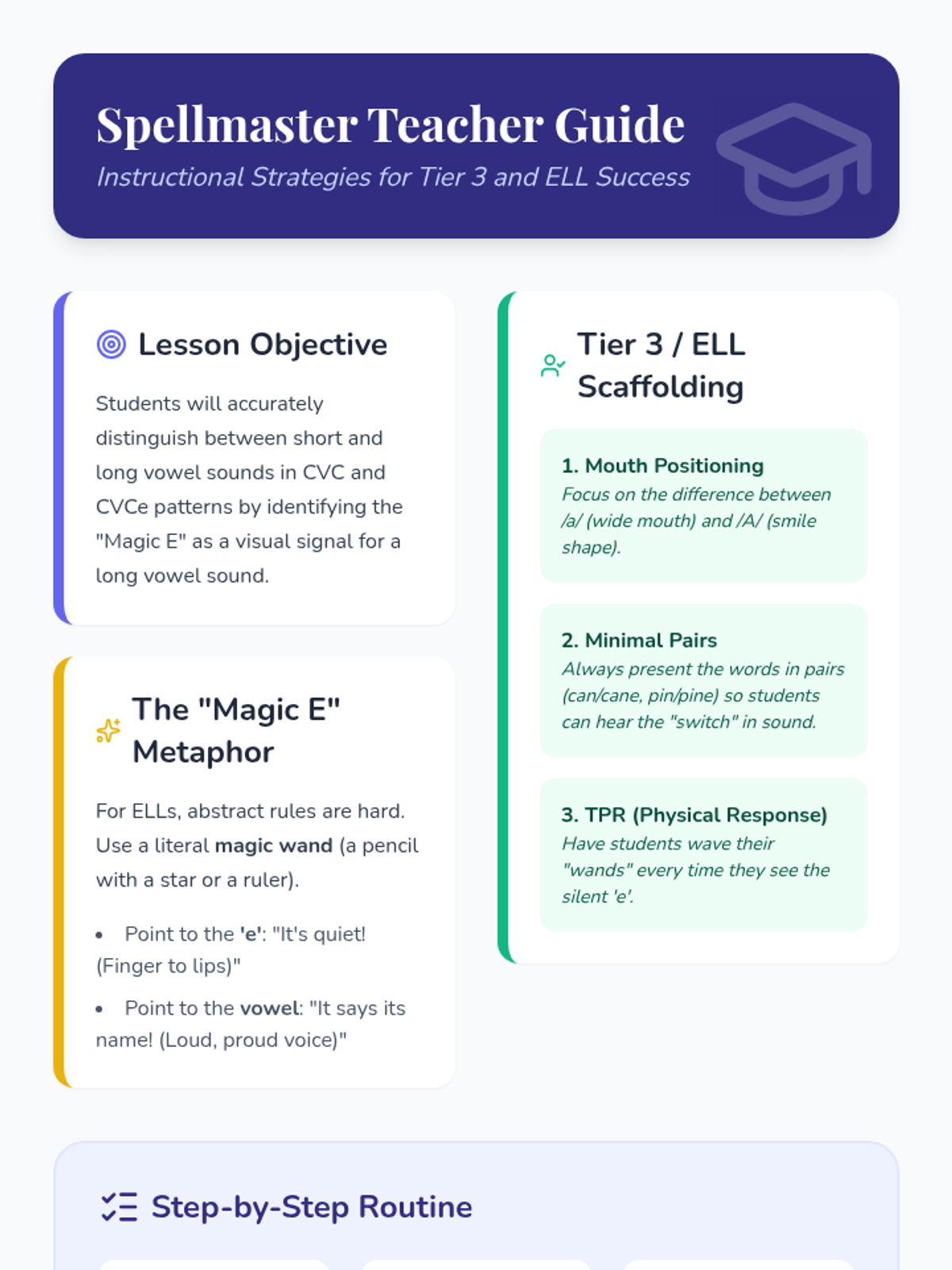
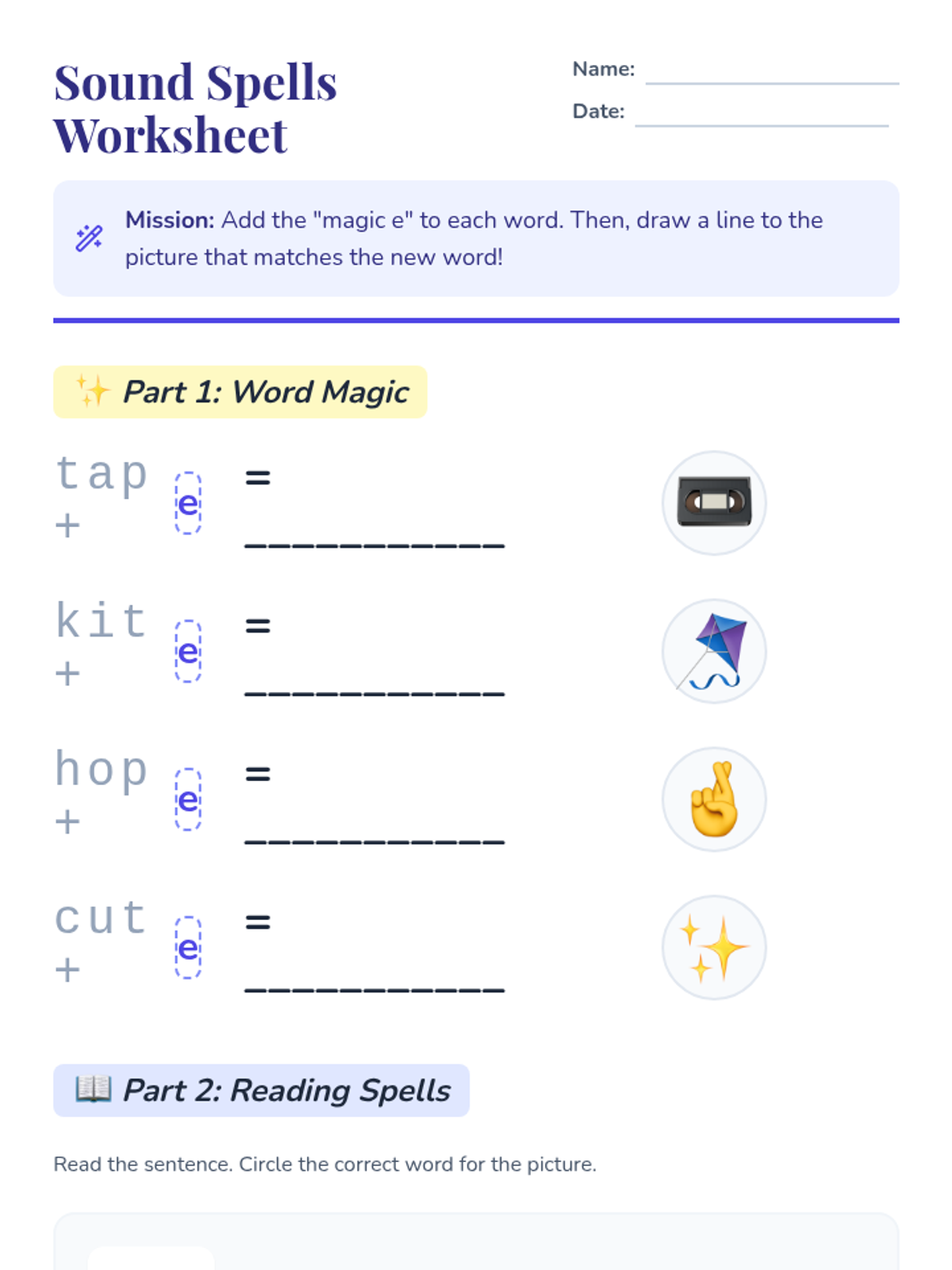
A phonics review lesson focusing on the 'Magic E' (CVCe) rule across all five vowels, specifically designed for Tier 3 and ELL students with visual anchors and comparative practice.
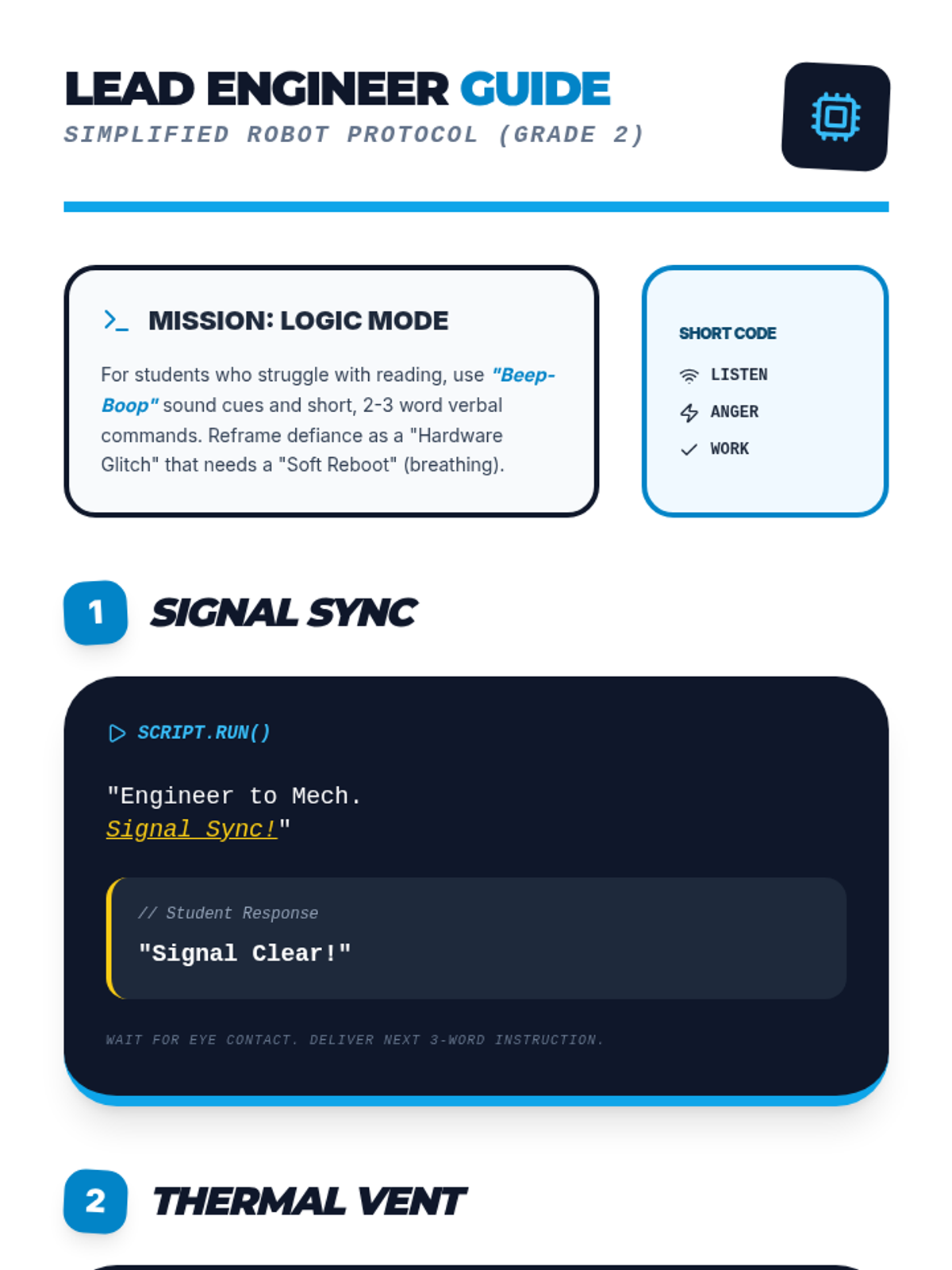
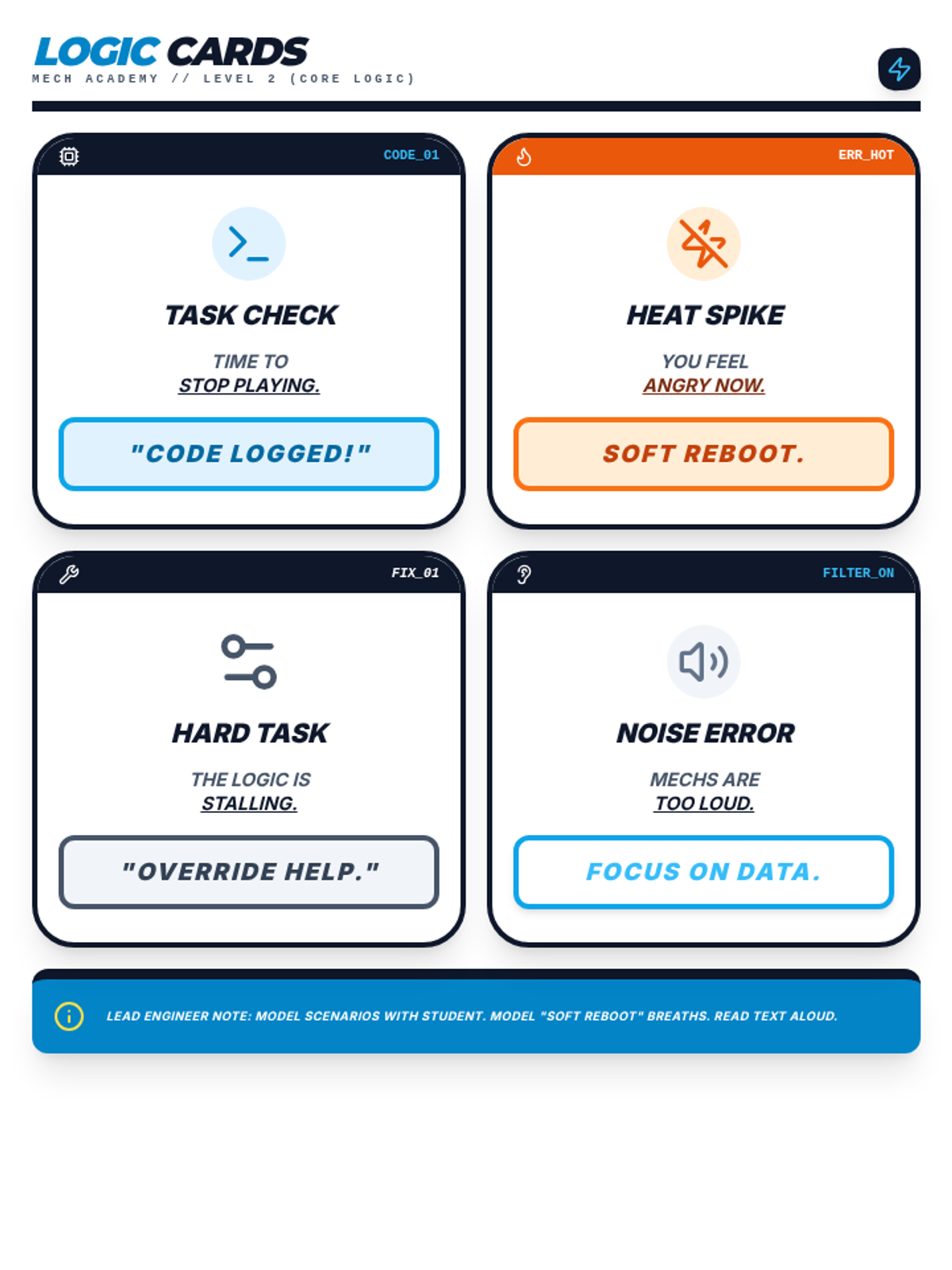
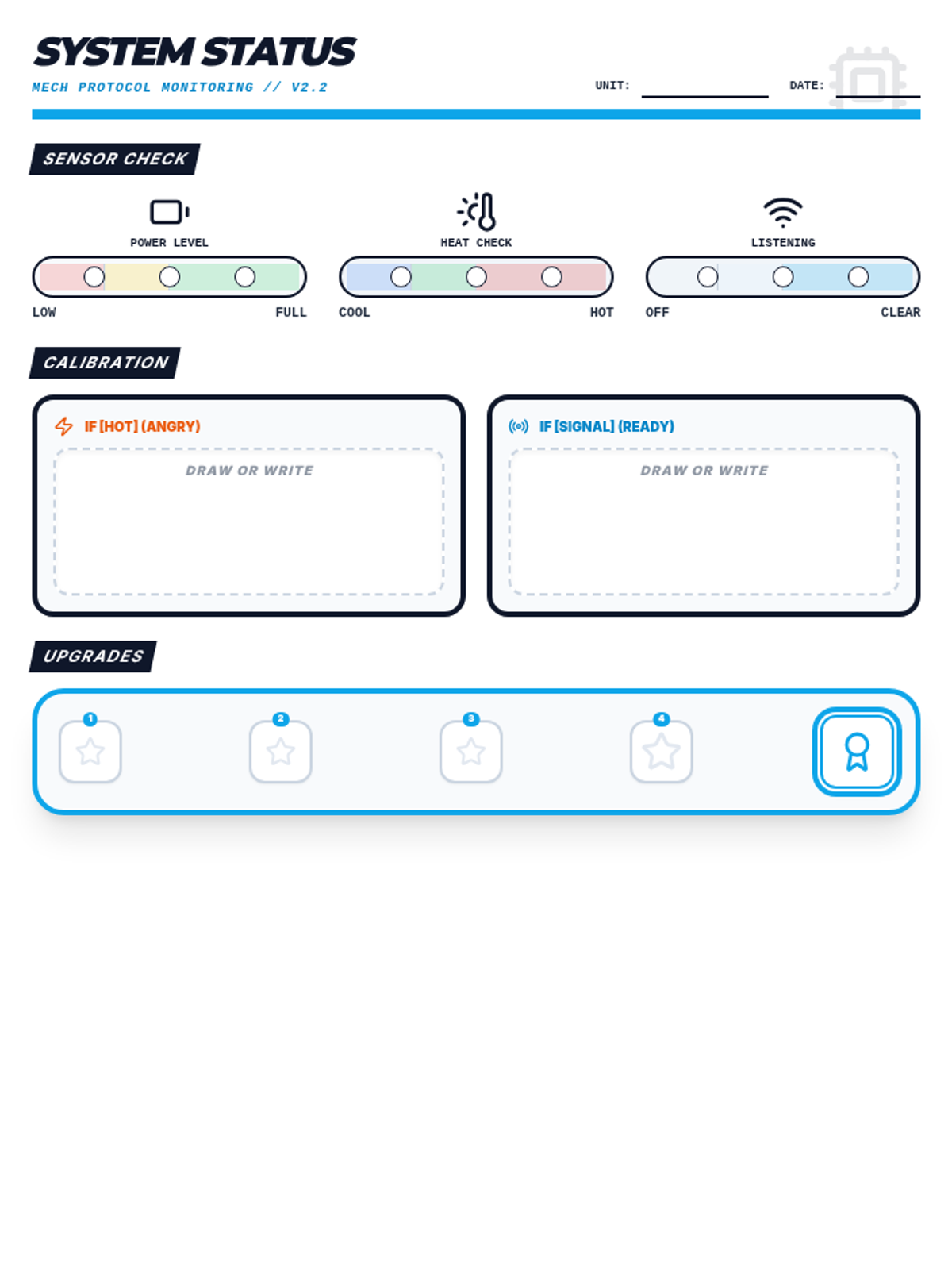
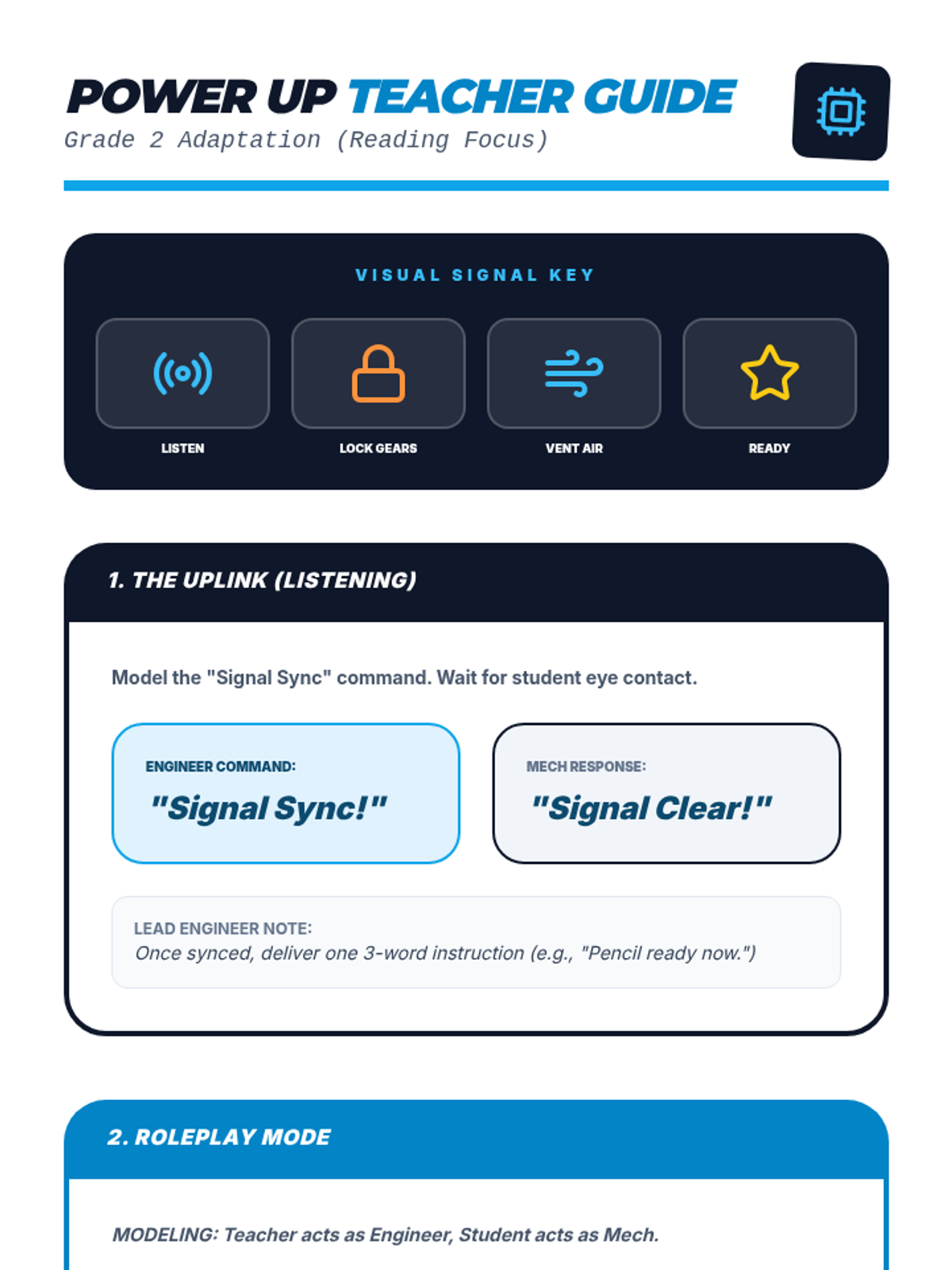
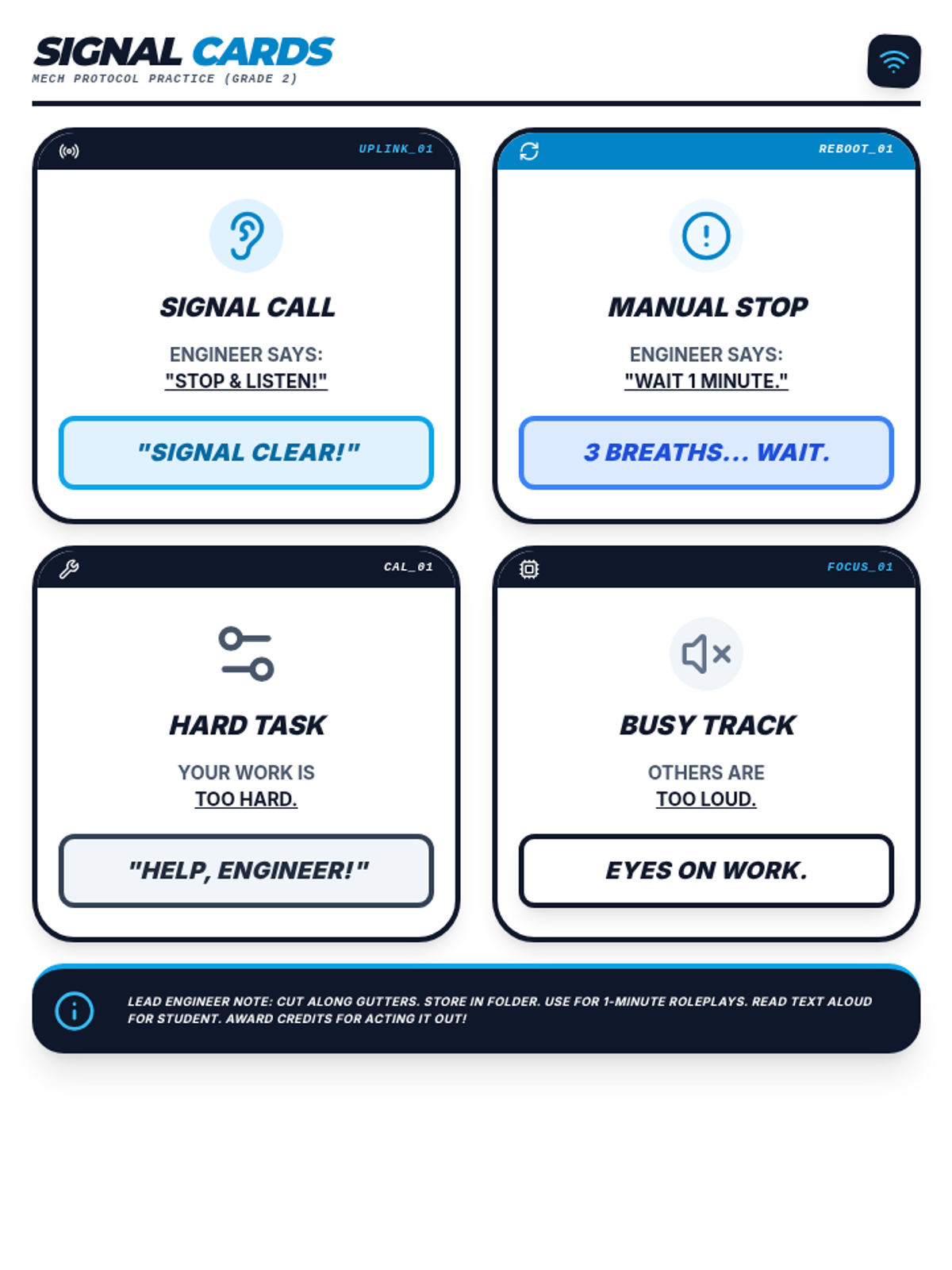
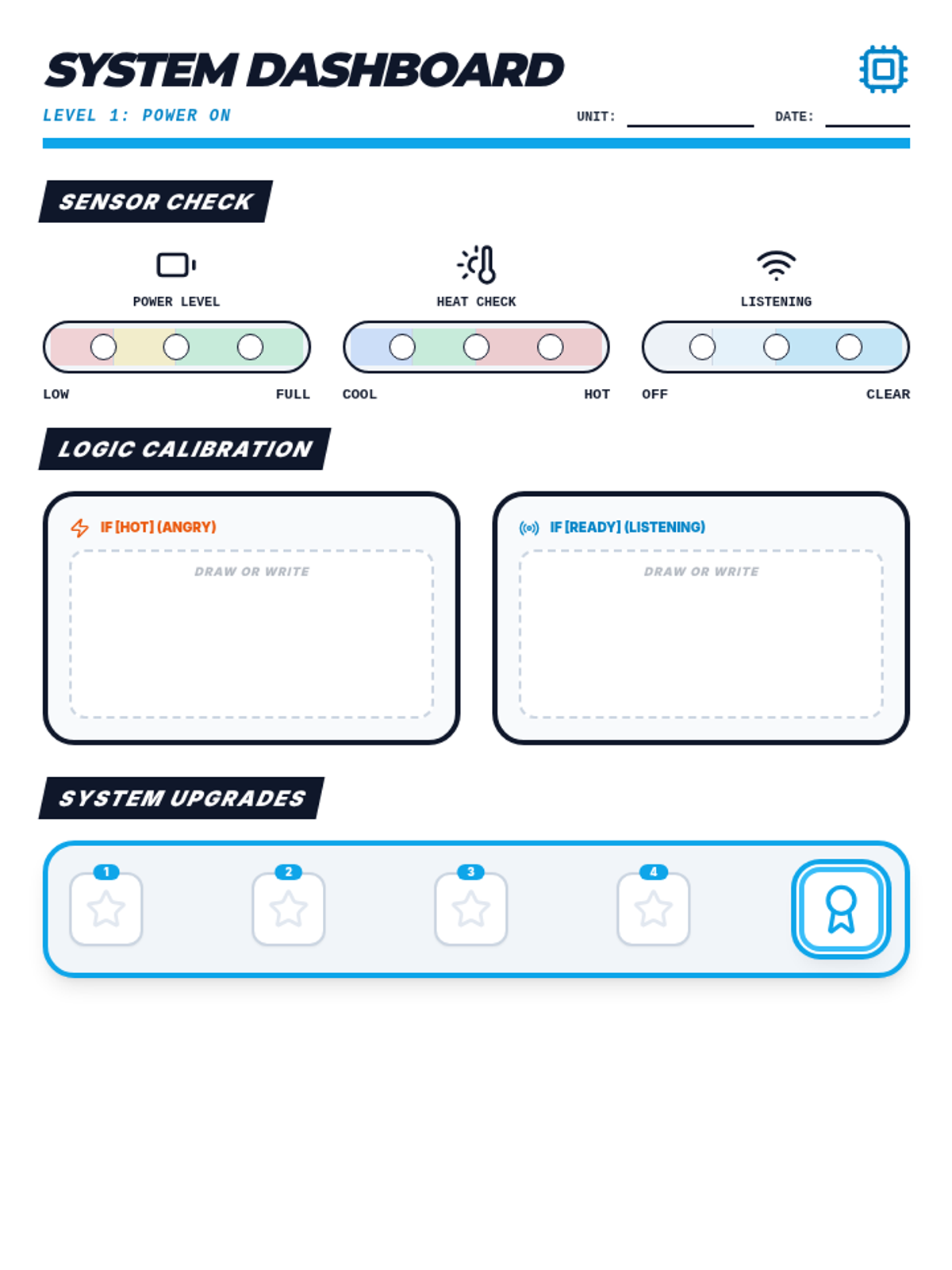
This lesson focuses on 'Core Logic Circuits,' teaching students how to handle 'system errors' (disappointment) and 'manual overrides' (defiance).
This lesson reframes behavior as 'system maintenance,' teaching students to process 'uplink commands' and manage 'thermal spikes' using robotic logic.
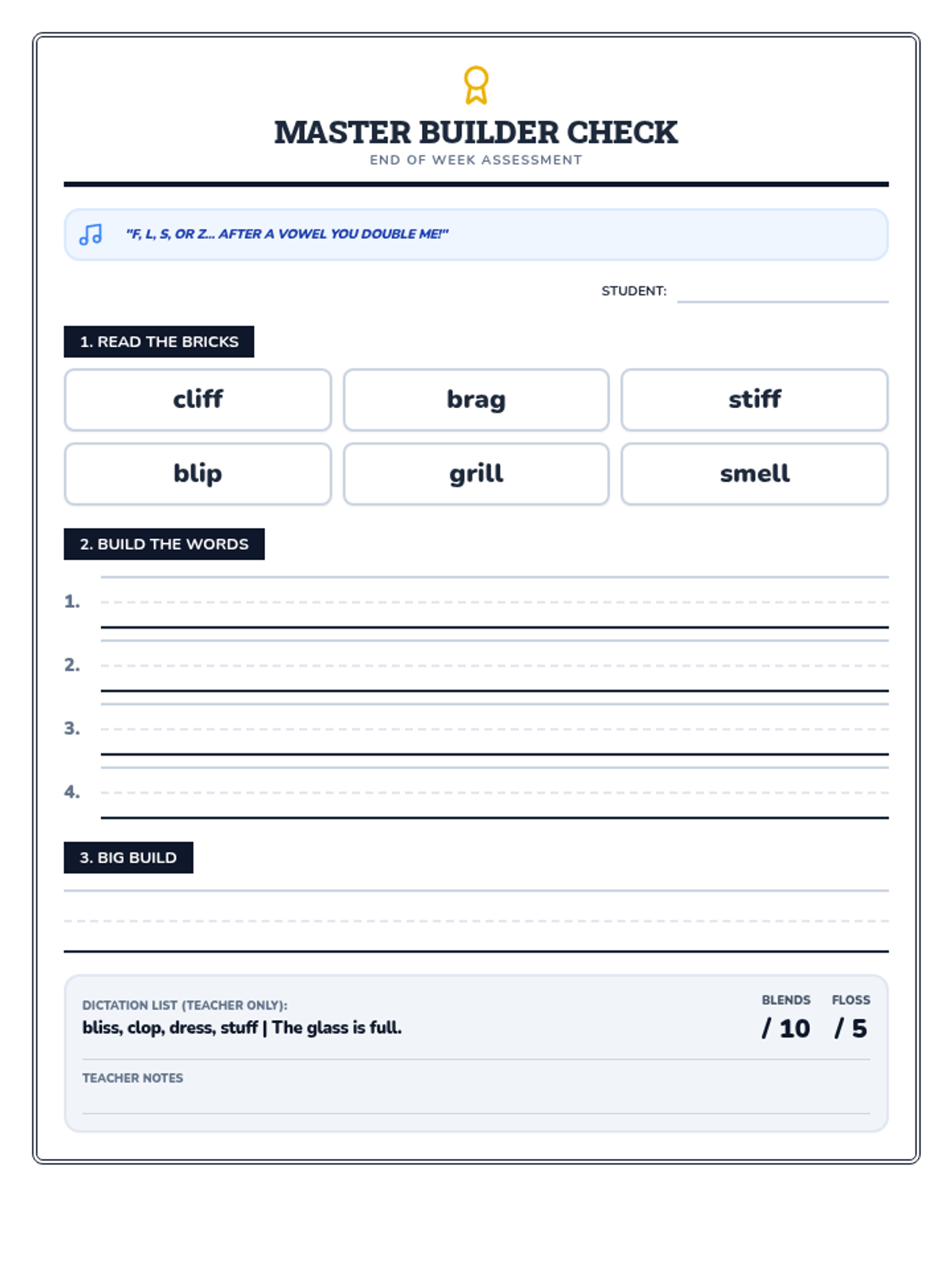
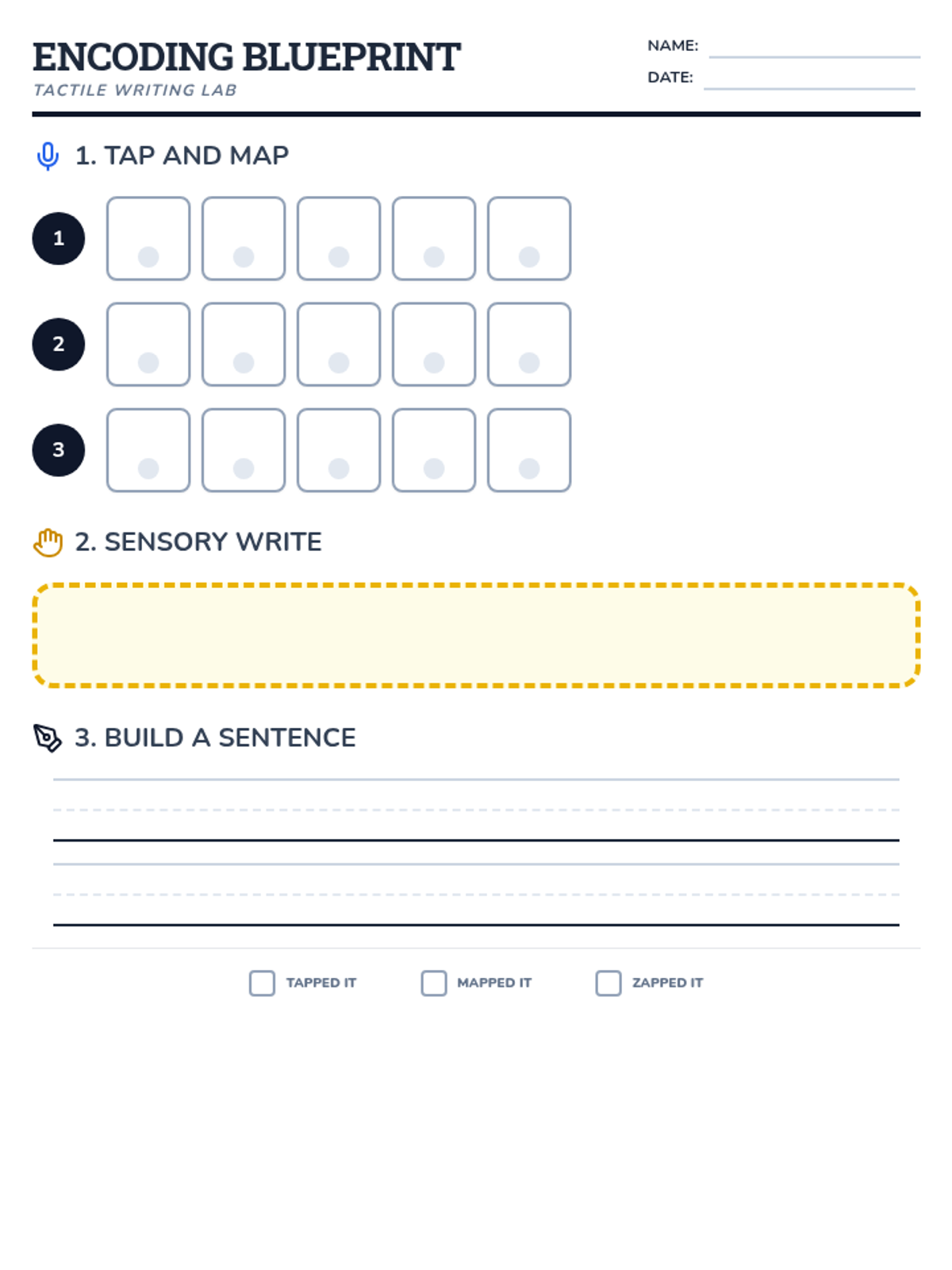
Review and mastery through a sensory word hunt and final dictation check. Focuses on encoding accuracy and automaticity.
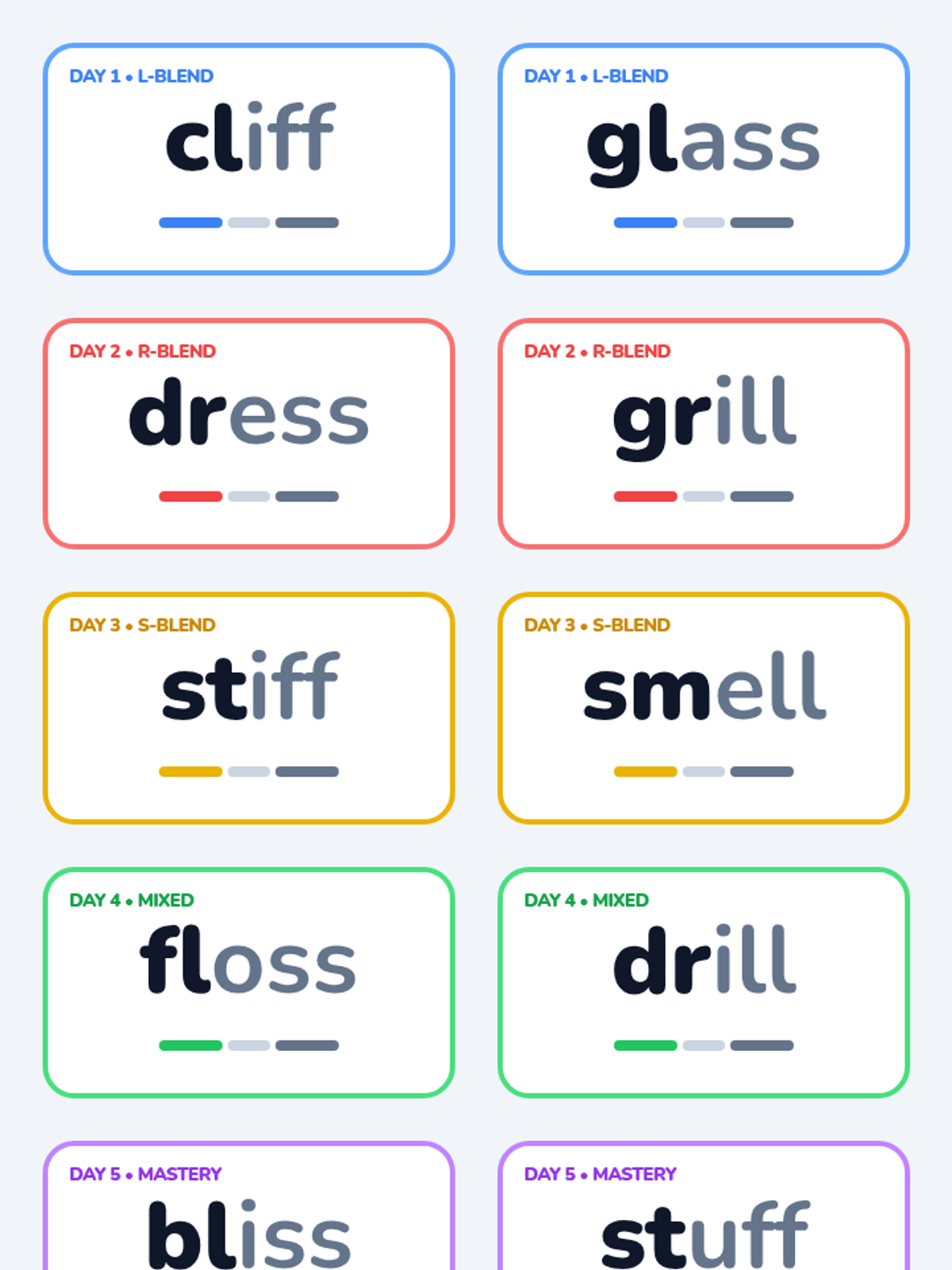
Mixed initial blends and FLOSS rule words. Students practice discriminating between different blend families.
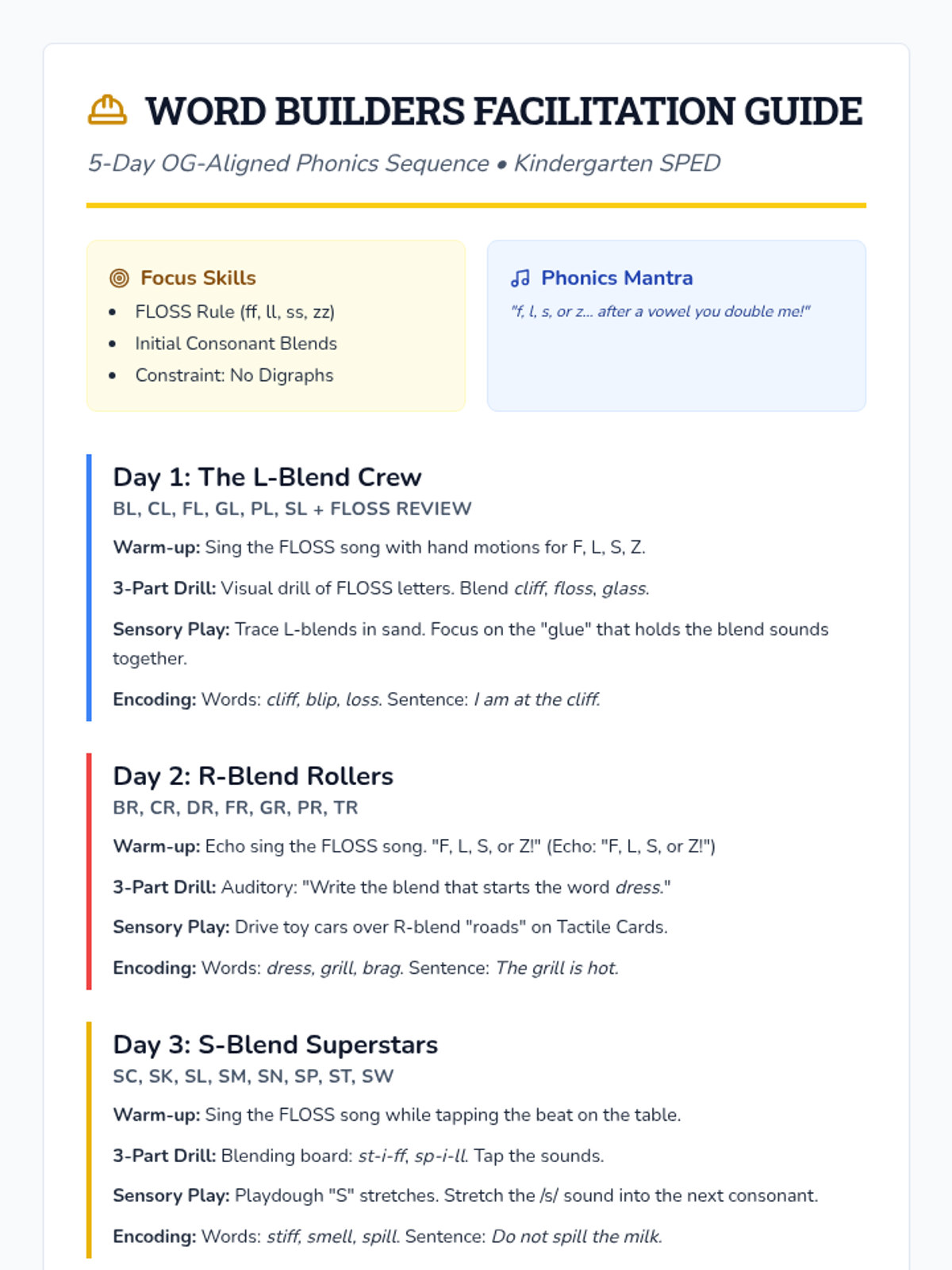
Introduction to S-blends (sc, sk, sl, sm, sn, sp, st, sw) using sensory building blocks and sky writing.
Introduction to R-blends (br, cr, dr, fr, gr, pr, tr) with a focus on auditory discrimination and encoding.
Introduction to L-blends (bl, cl, fl, gl, pl, sl) combined with FLOSS rule review (ff, ll, ss, zz). Includes visual drills and tactile sand writing.
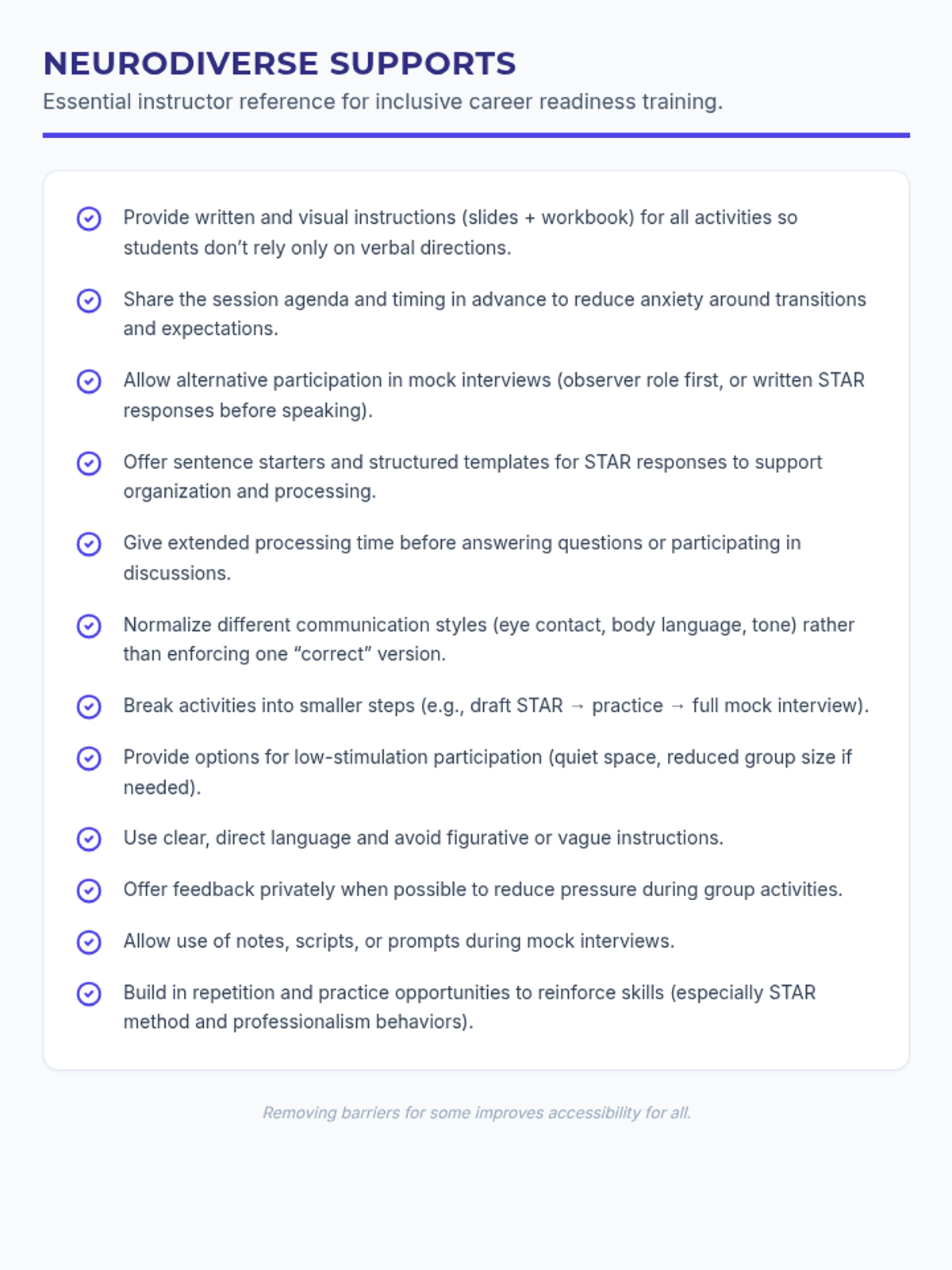
A guide for instructors on implementing neurodiverse supports within the classroom, specifically focusing on interview preparation and communication.
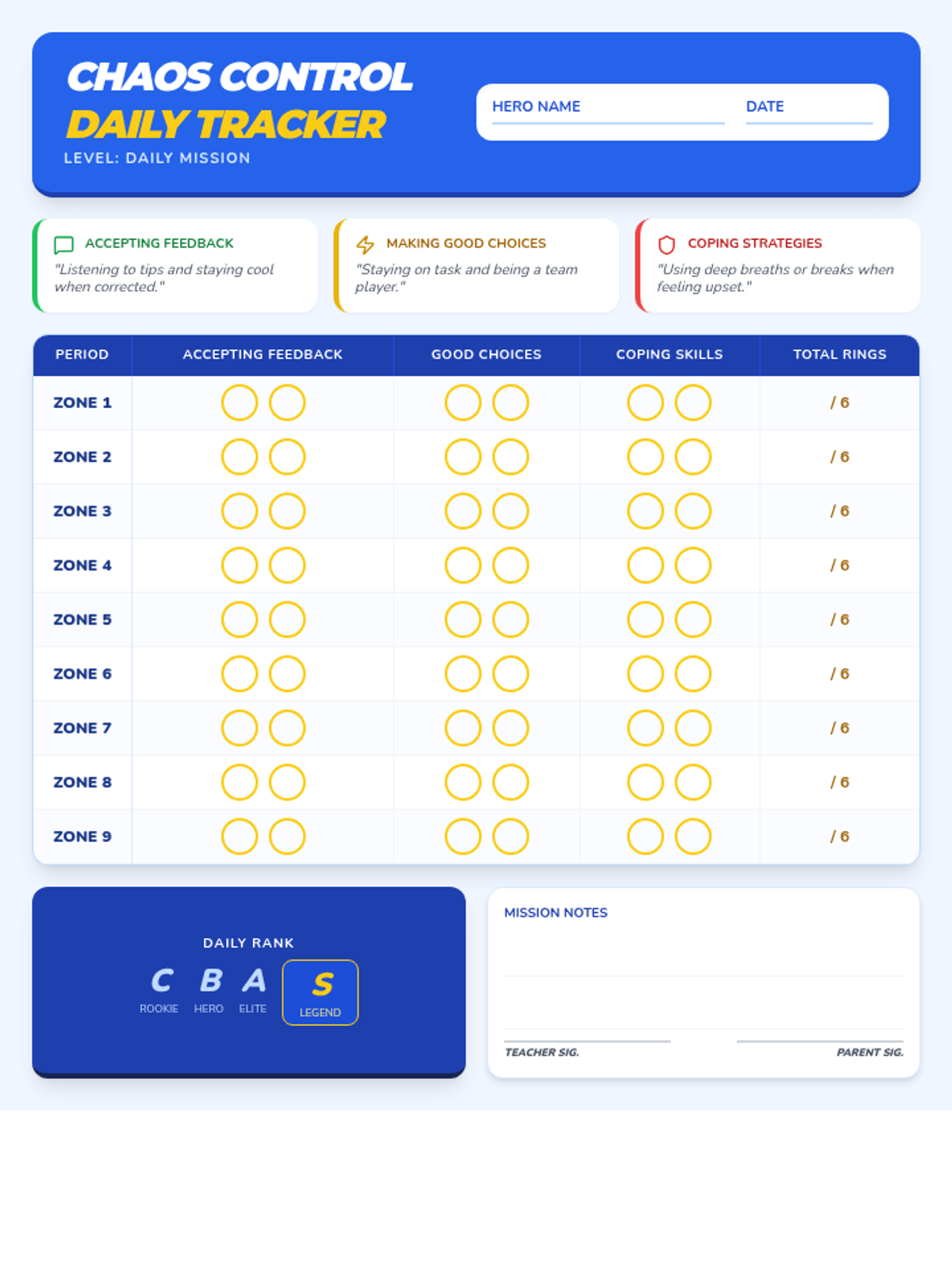
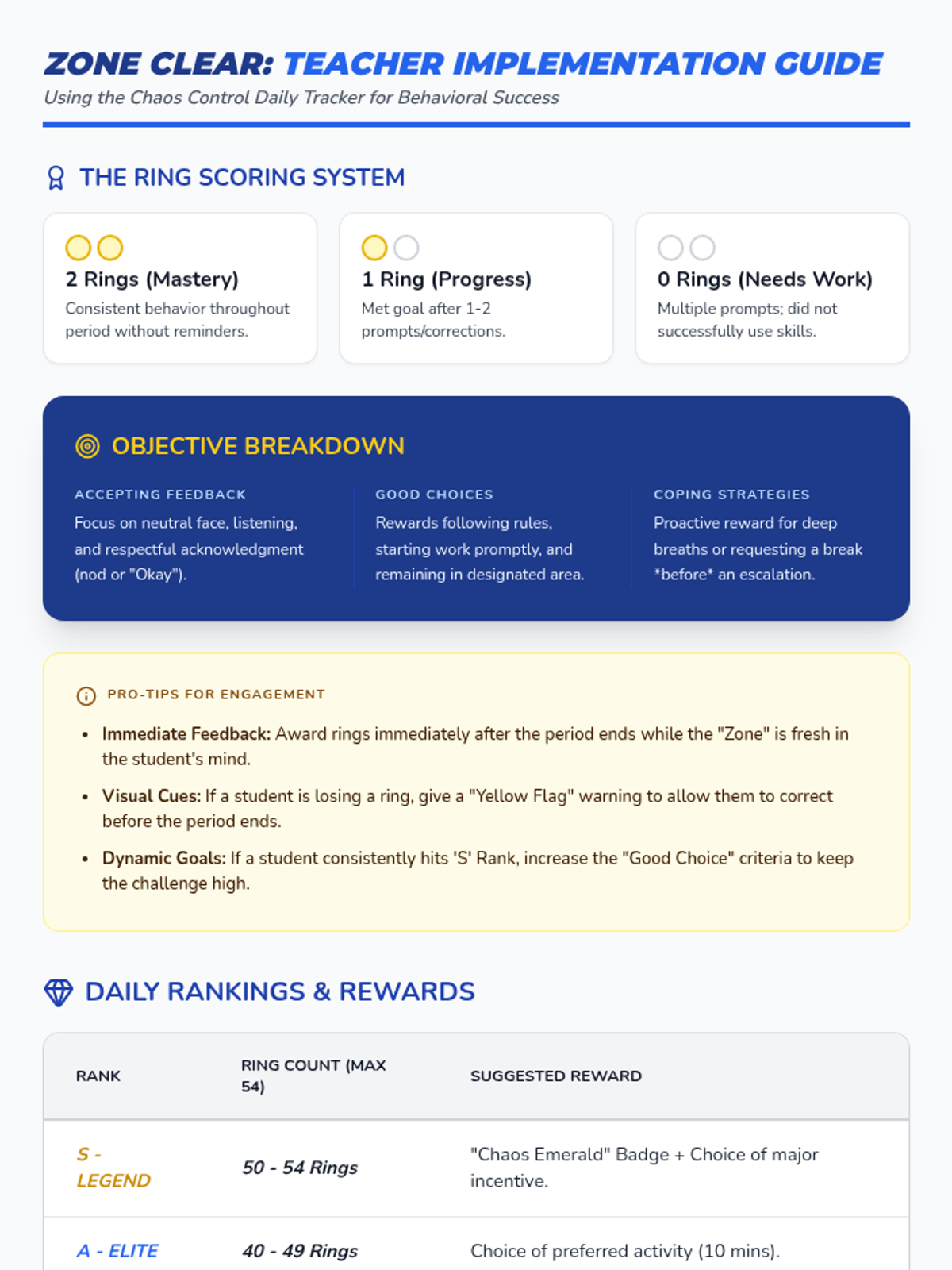
A behavior management system inspired by high-speed adventures to help students track their daily goals across nine periods. This lesson includes a student tracking sheet and a teacher guide for implementation.
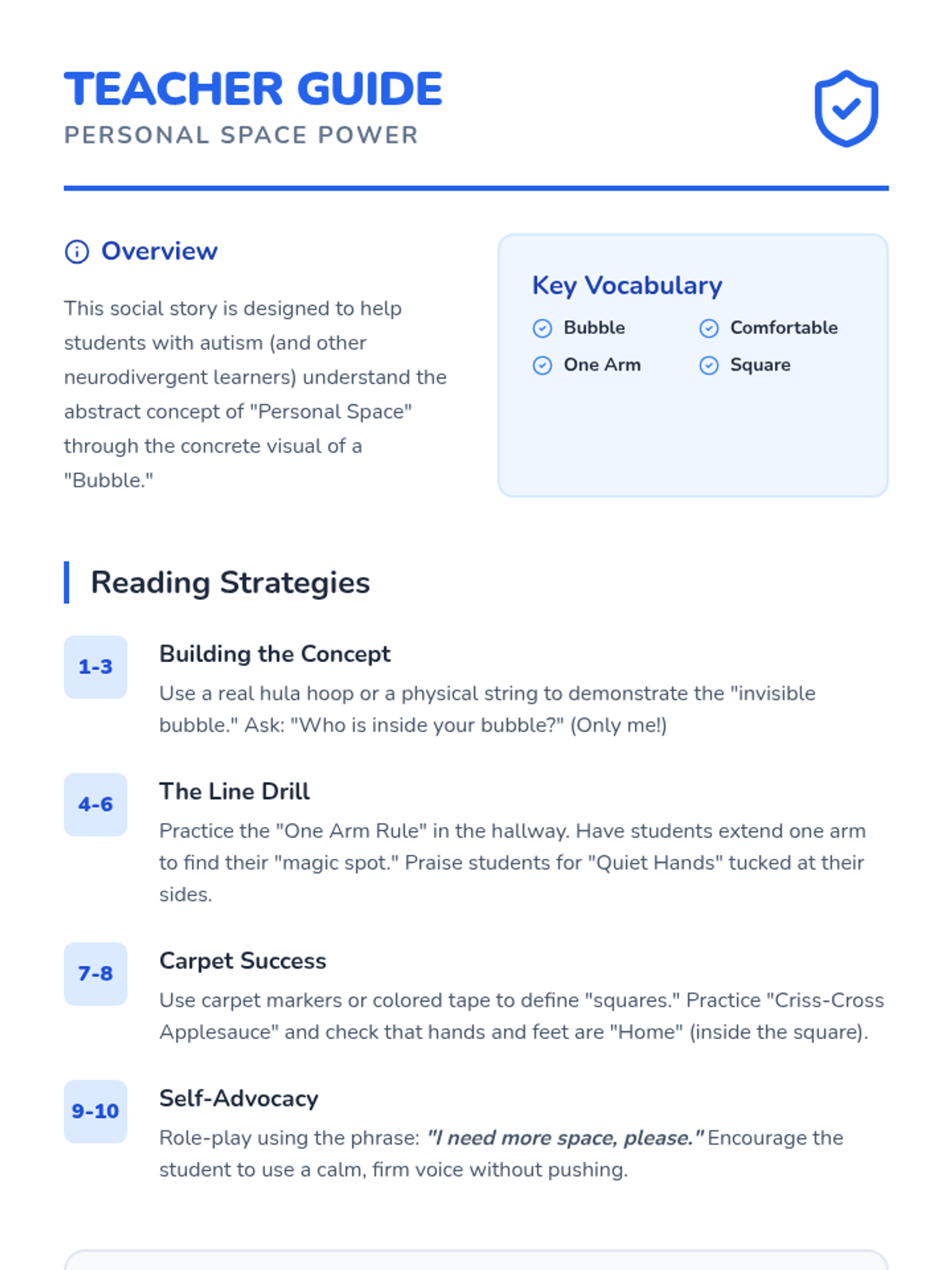
A lesson focused on teaching personal space boundaries to students, specifically targeting transitions like standing in line and floor-time activities like sitting on the carpet. This lesson uses a social story format to provide clear, visual, and predictable expectations.
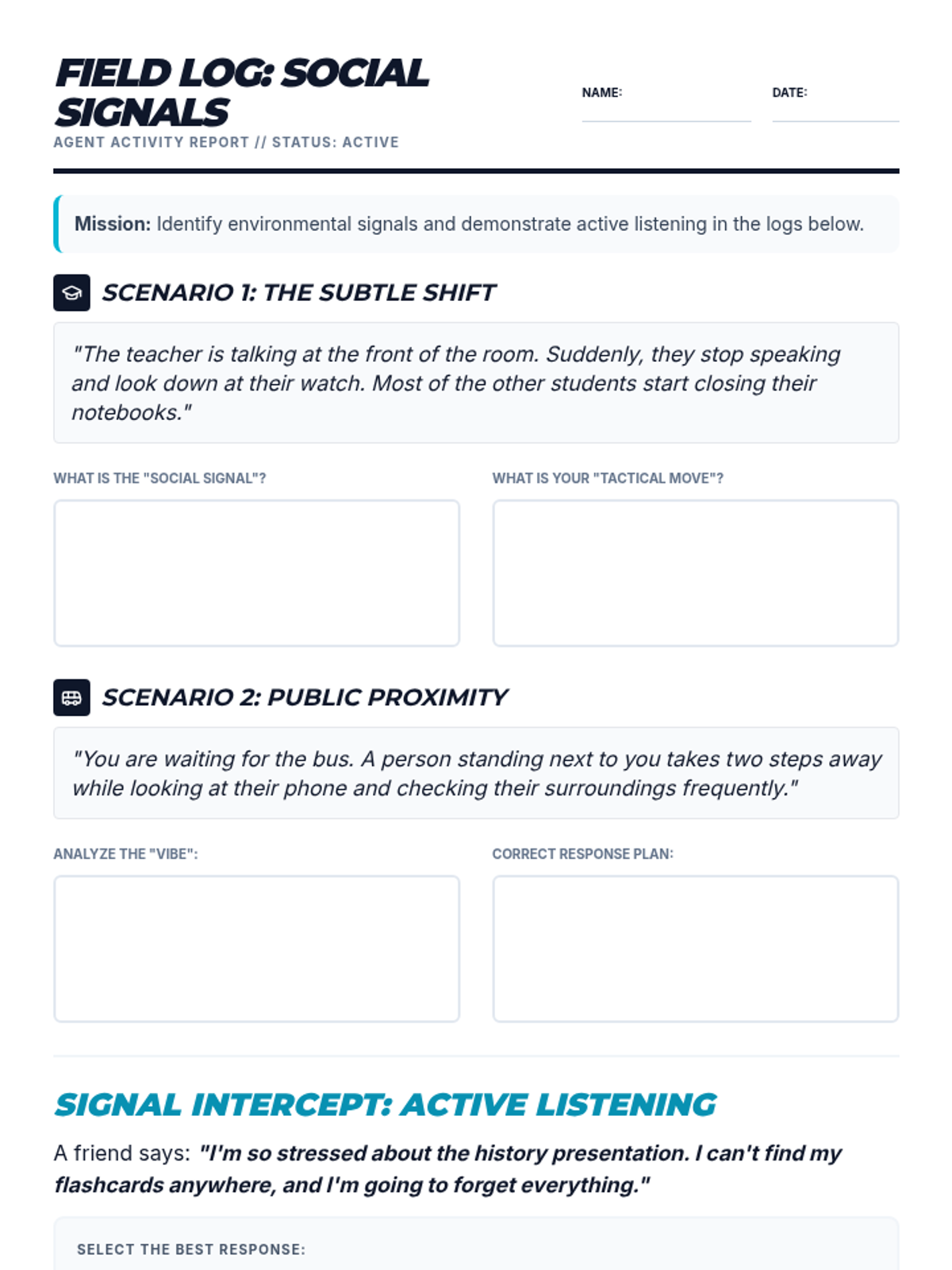
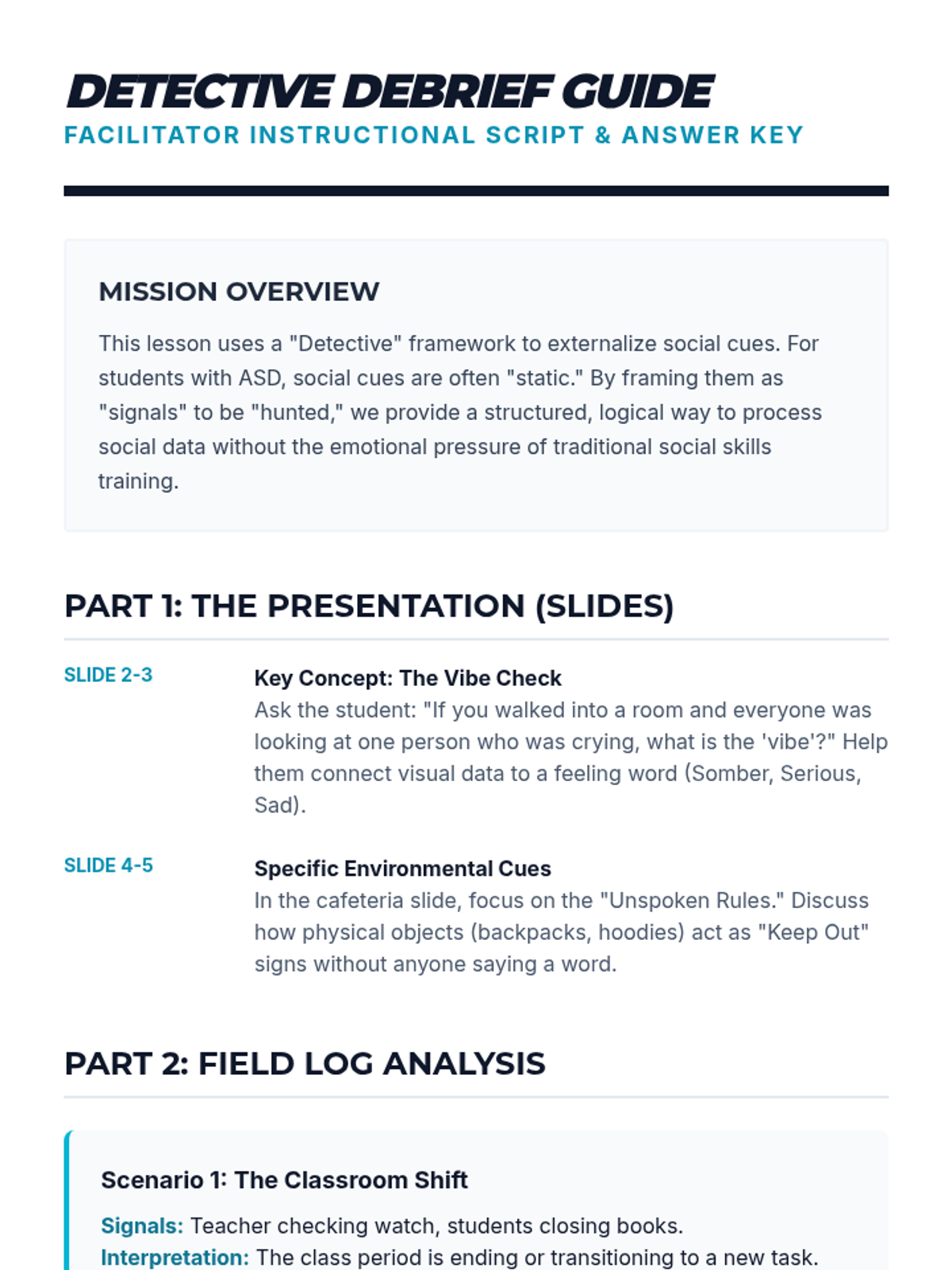
A comprehensive lesson designed for high-functioning teens with ASD to master situational awareness and active listening in school and public settings using a 'social detective' framework.
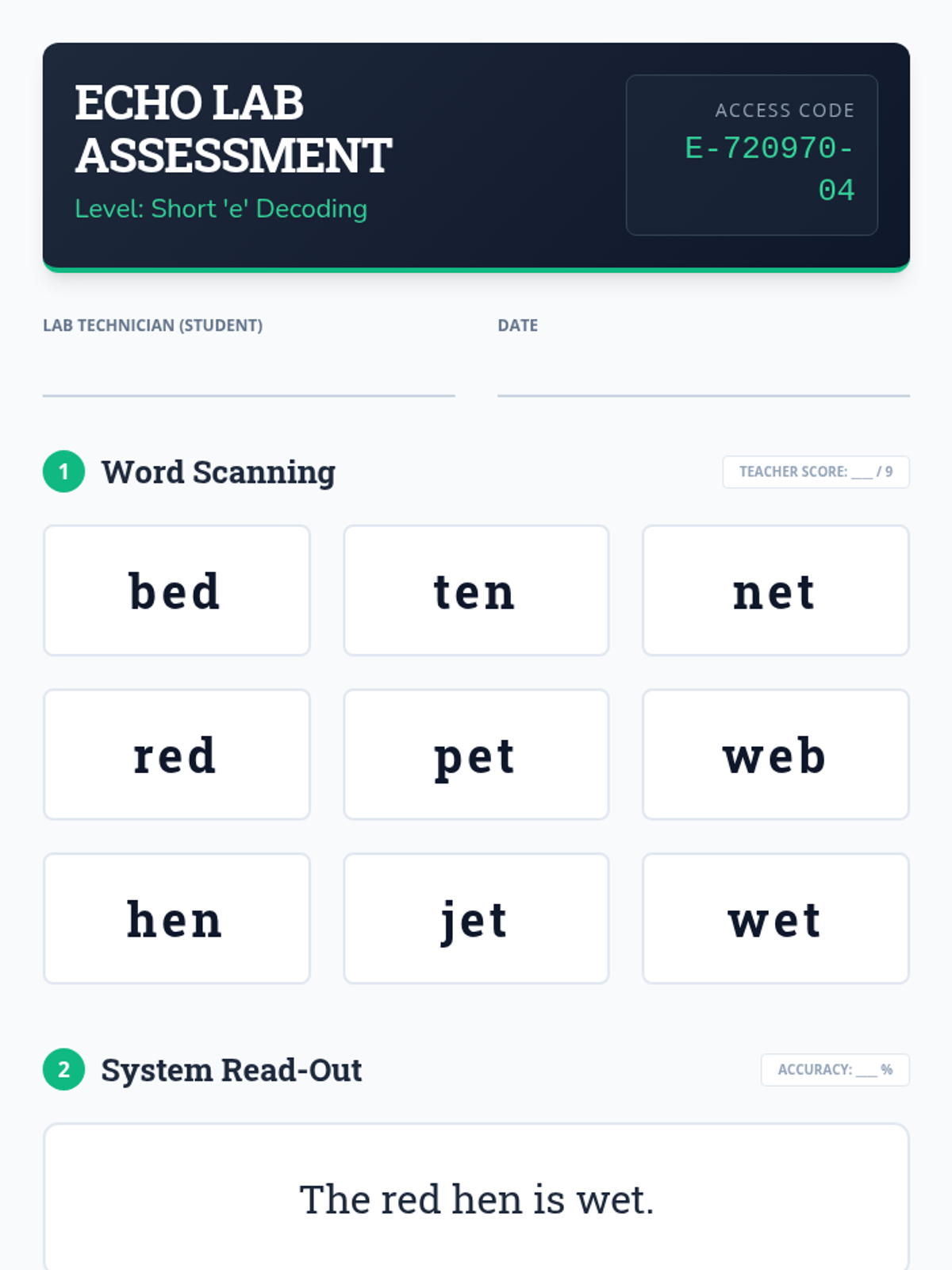
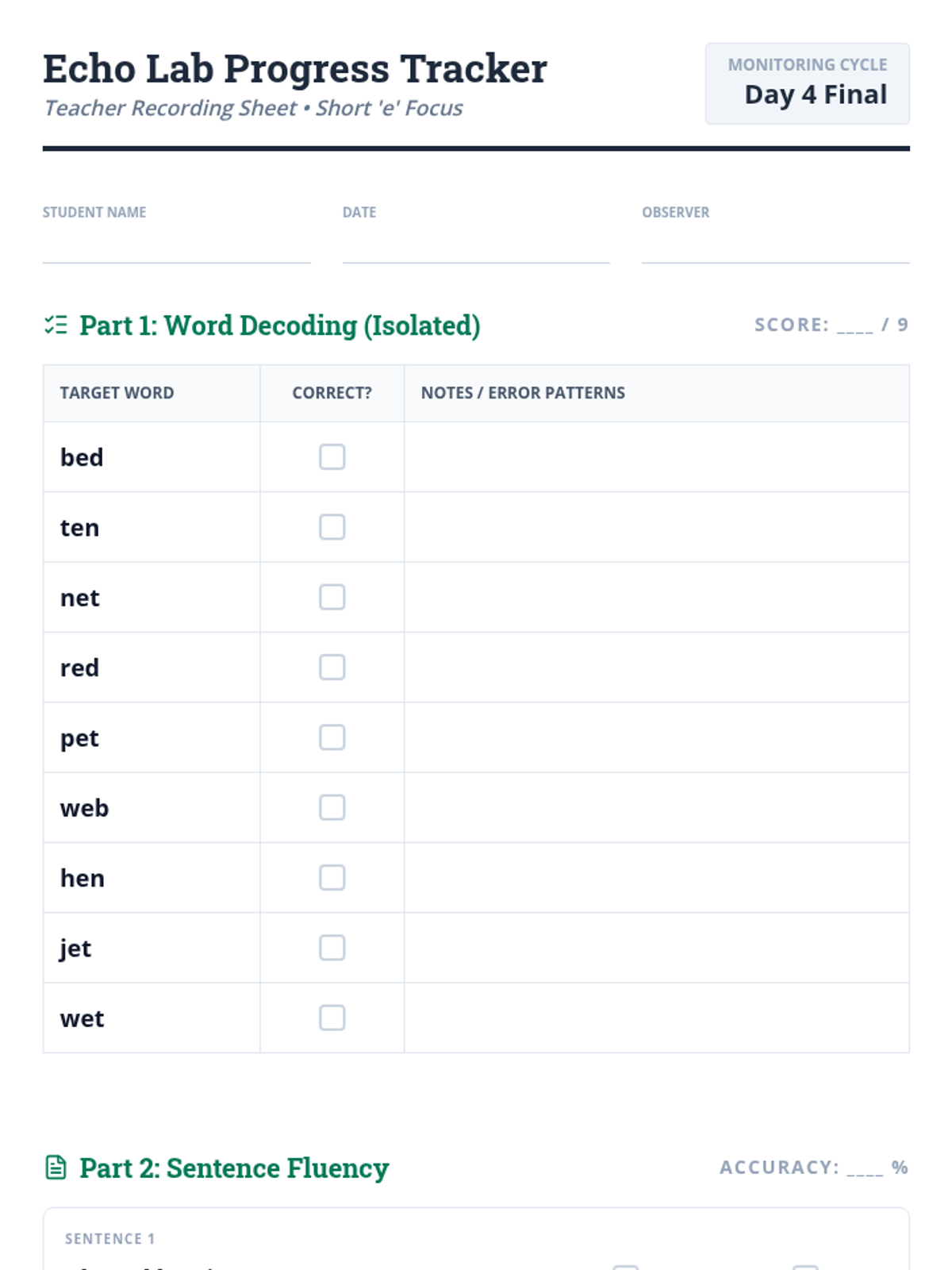
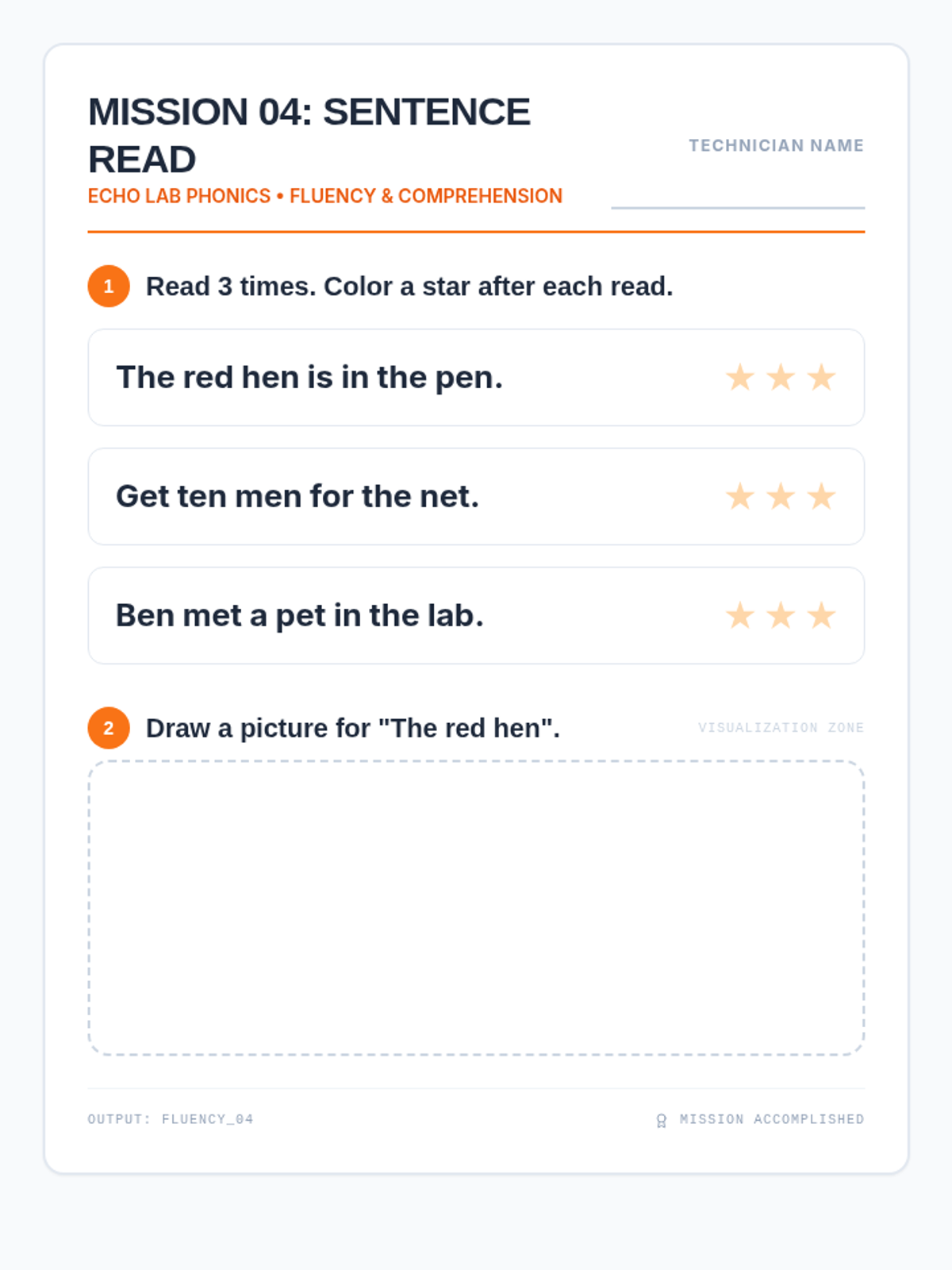
Applying short 'e' decoding skills to reading full sentences with a focus on fluency and comprehension.