A foundational lesson focused on mastering the 'Brain Boss' mindset, teaching students strategies for planning projects, starting difficult tasks, and managing their time effectively.
A comprehensive guide for educators and students to master the art of writing Specific, Measurable, Achievable, Relevant, and Time-bound academic goals.
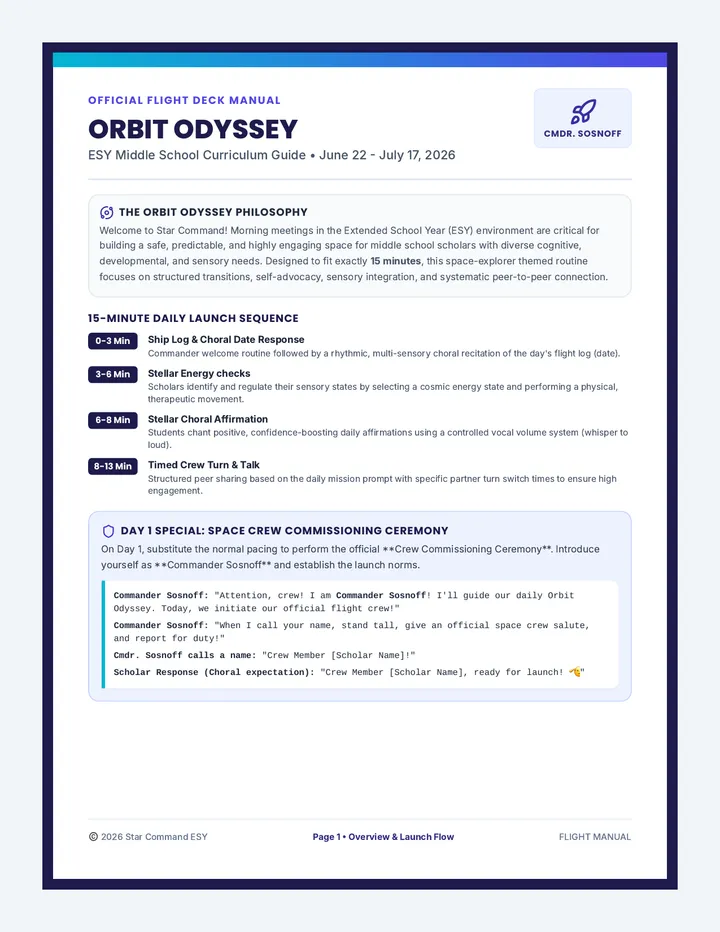
A comprehensive behavior support system designed to help students transition from seeking negative peer attention to practicing self-regulation and focus through a 'Peace Pilot' theme.
A specialized support lesson for students reading 'Night' by Elie Wiesel, focusing on memory retrieval, chronological tracking, and visual mapping of key events.
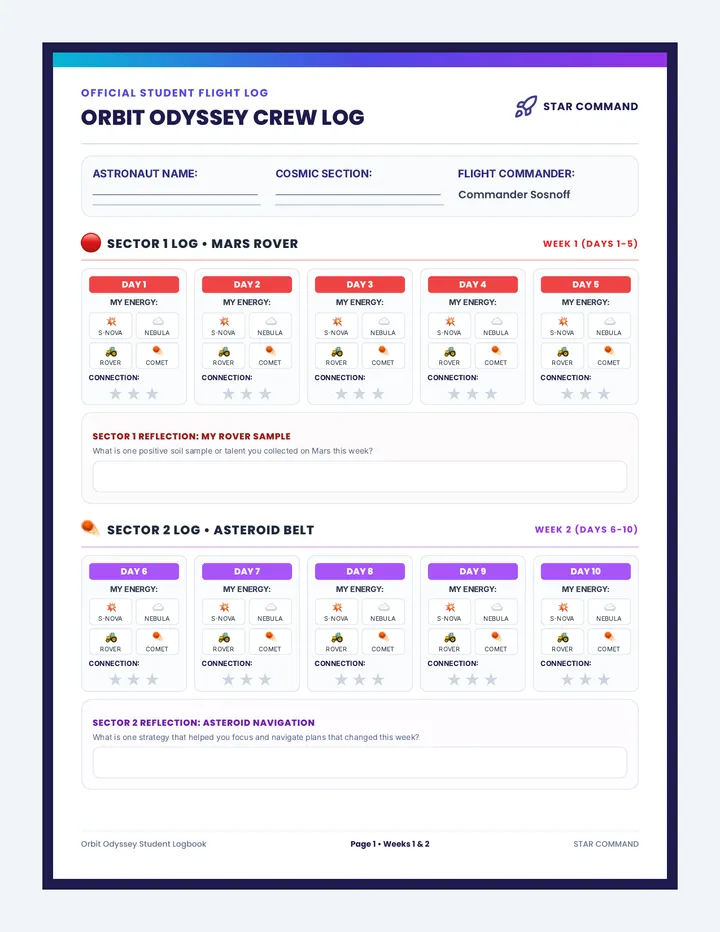
Visual tools and graphic organizers to assist students in breaking down and solving complex algebraic equations and word problems.
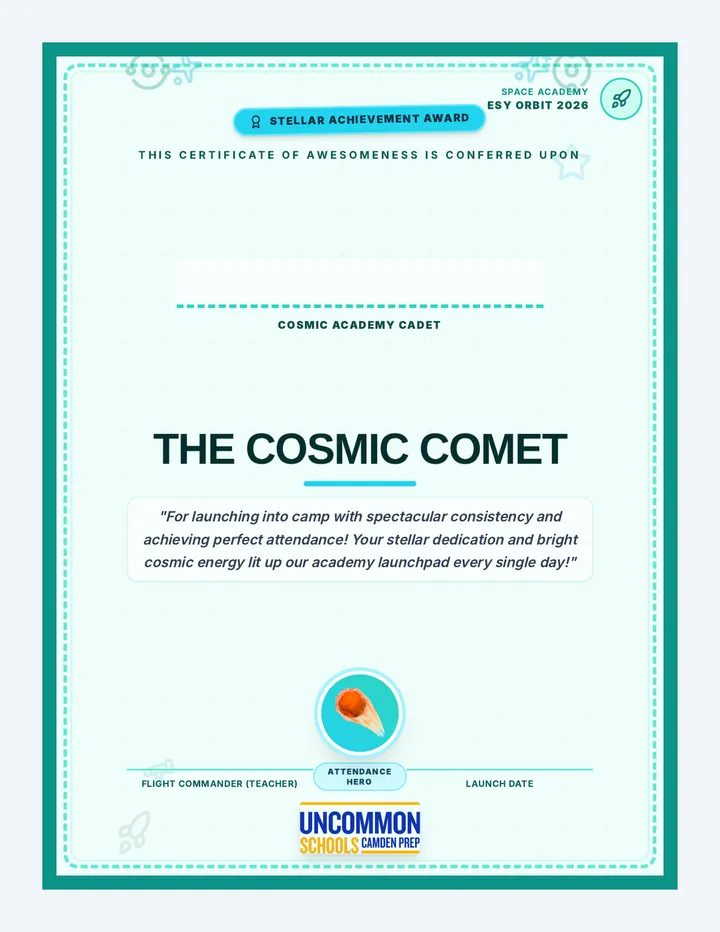
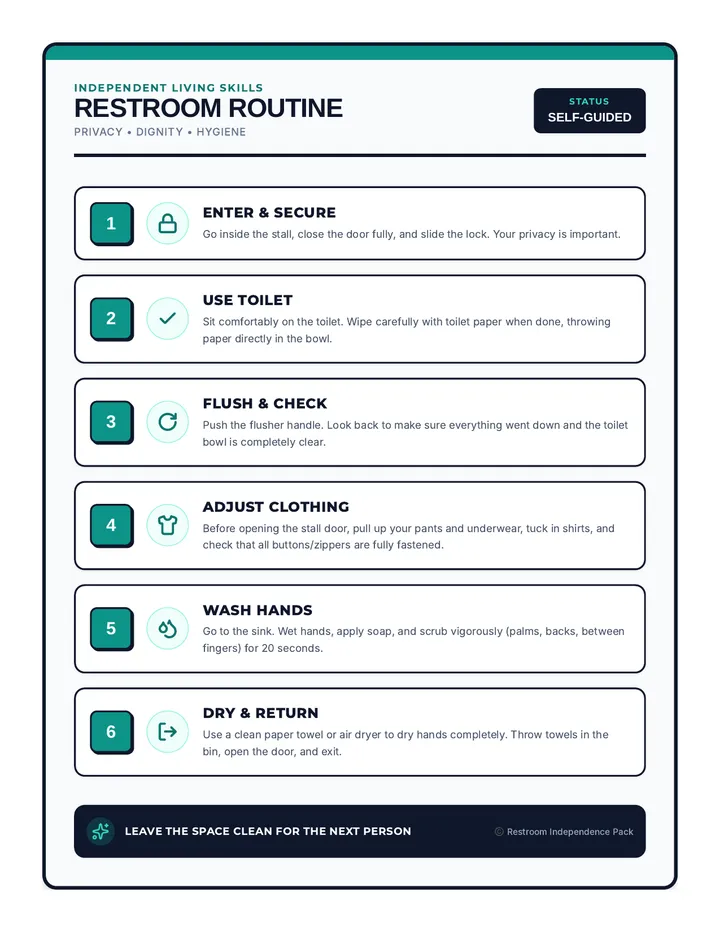
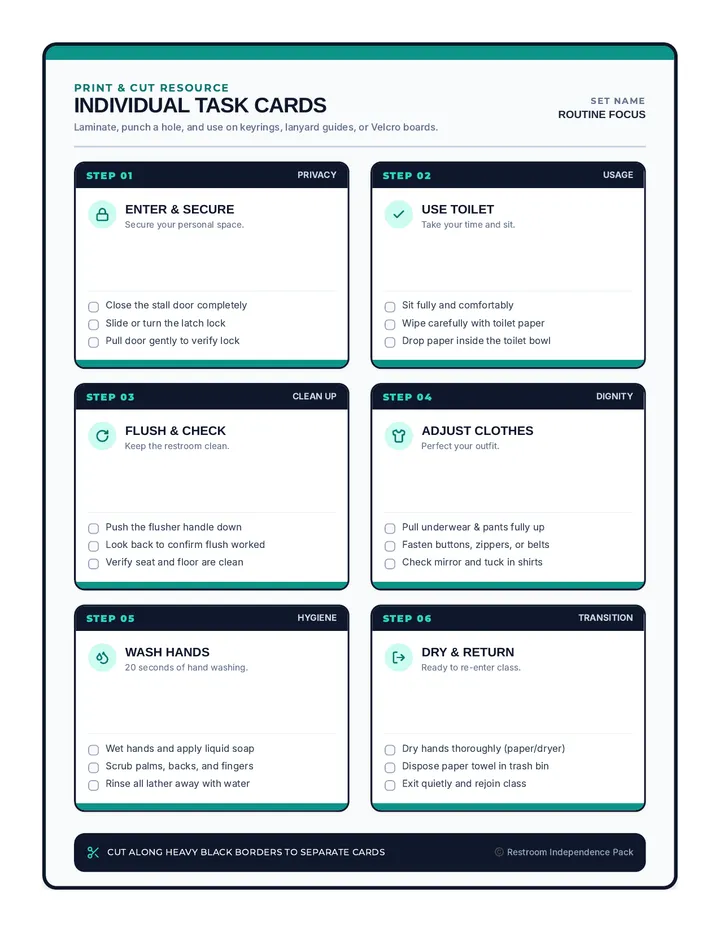
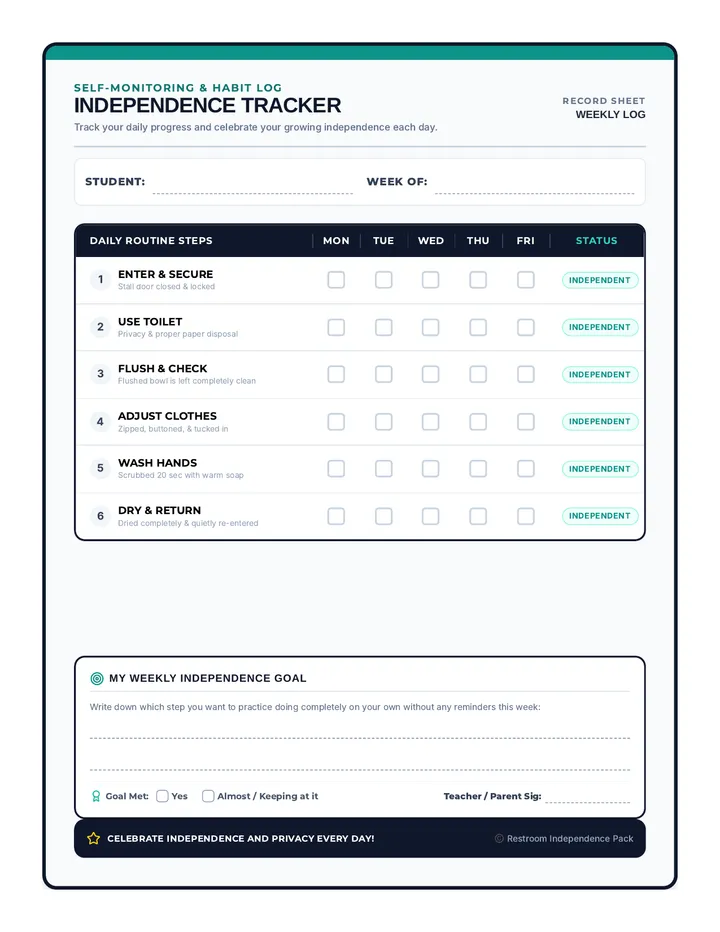
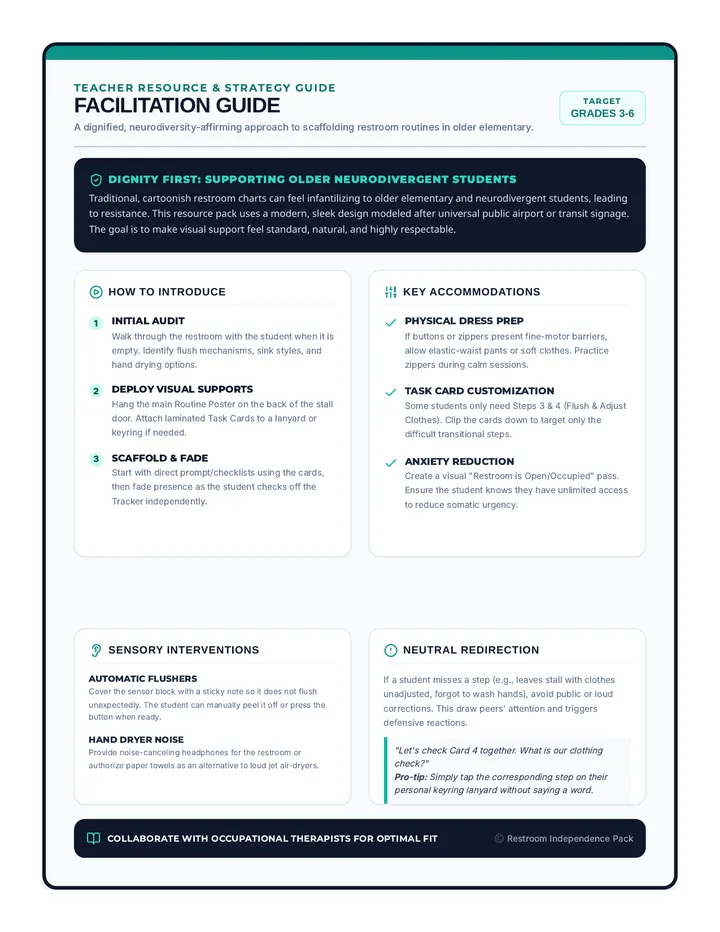
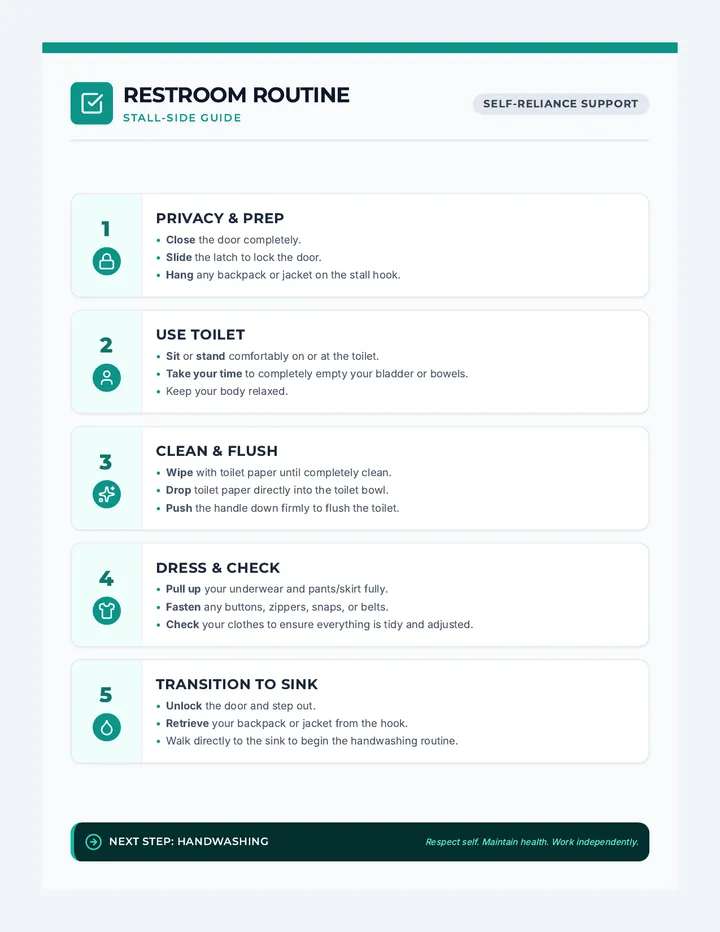
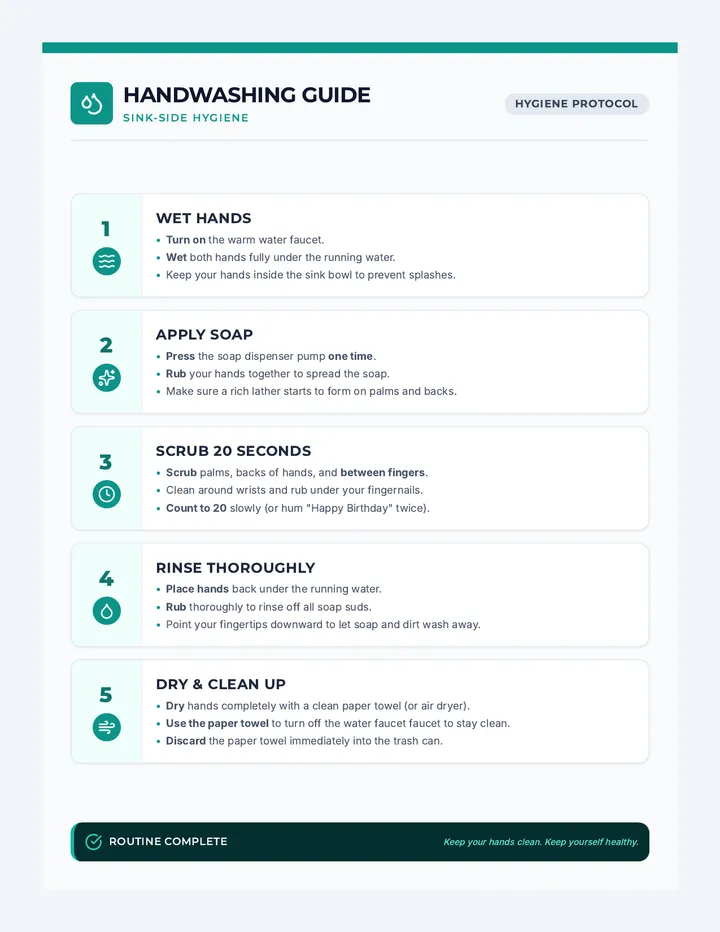
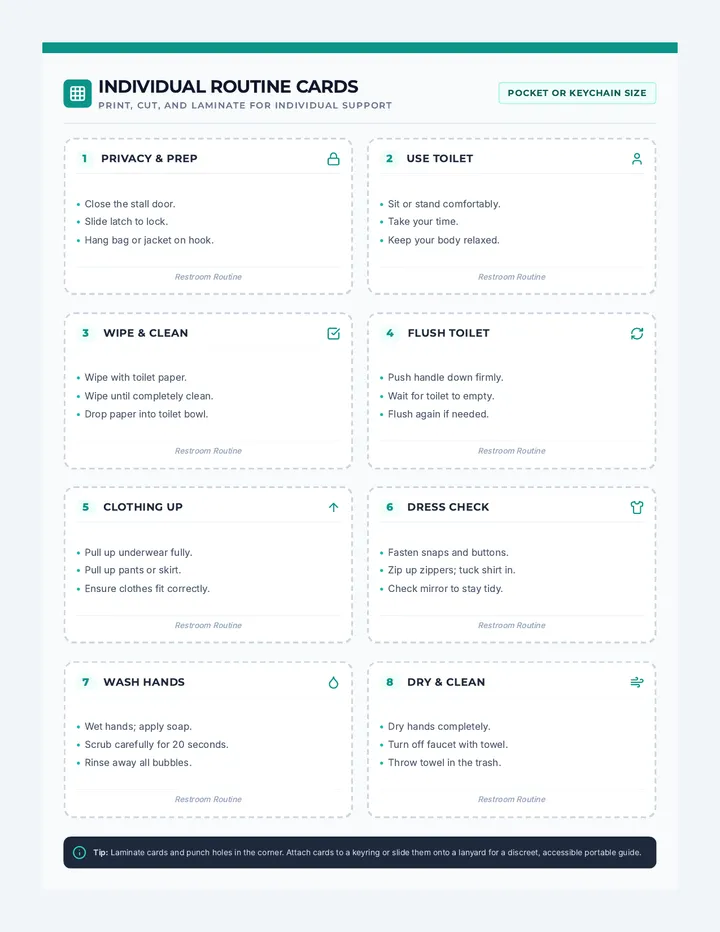
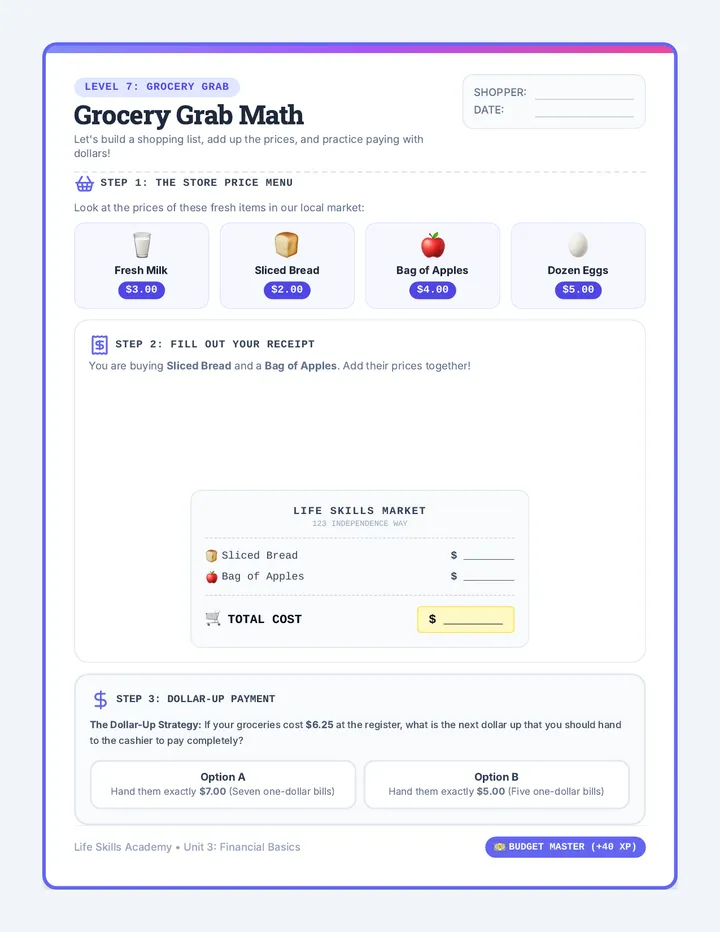
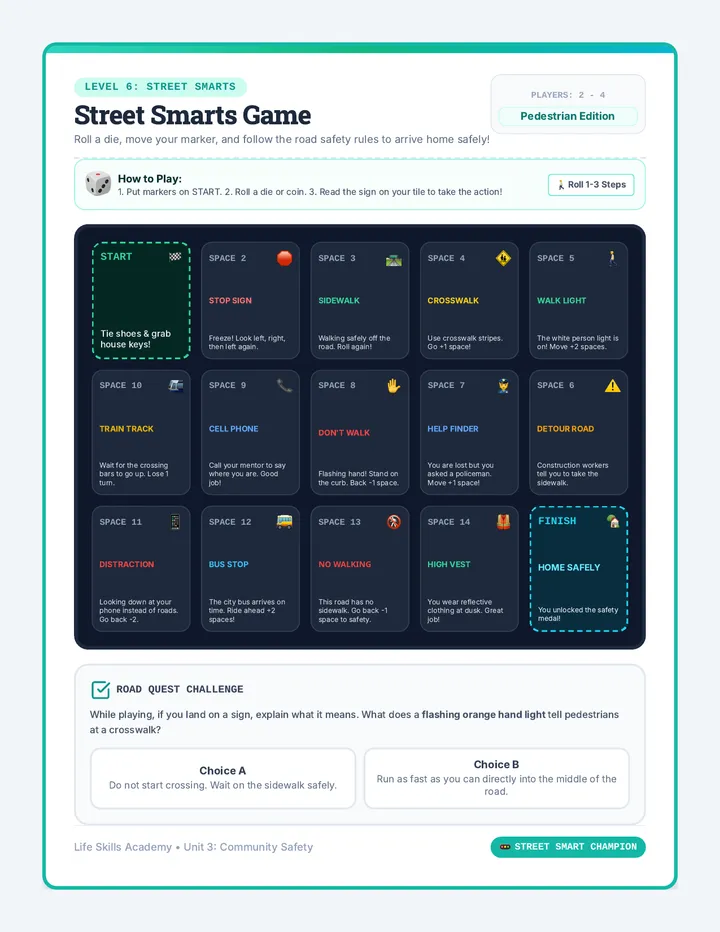
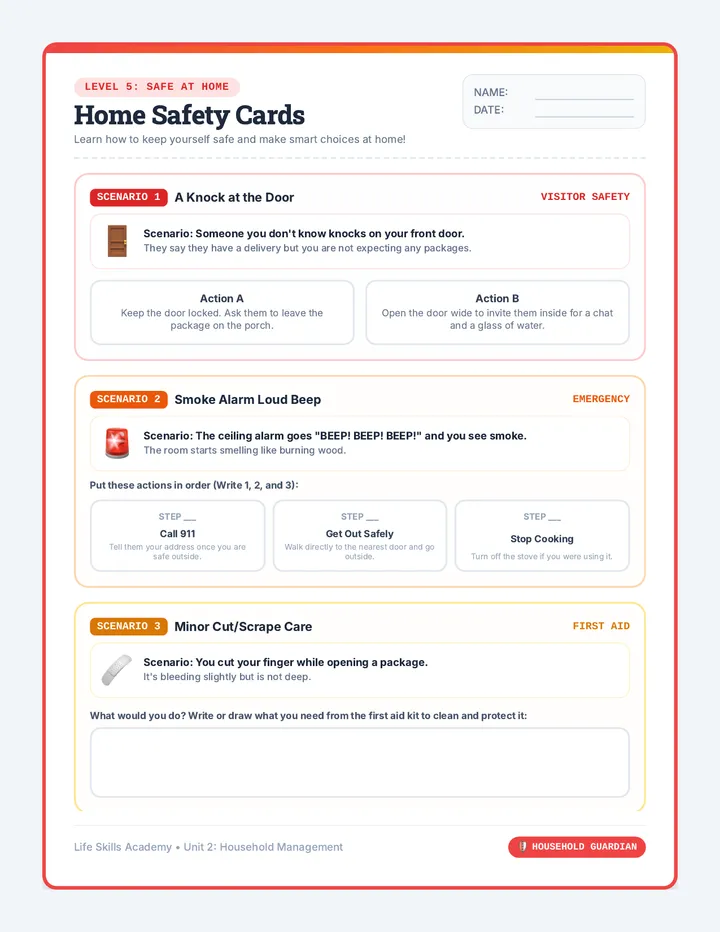
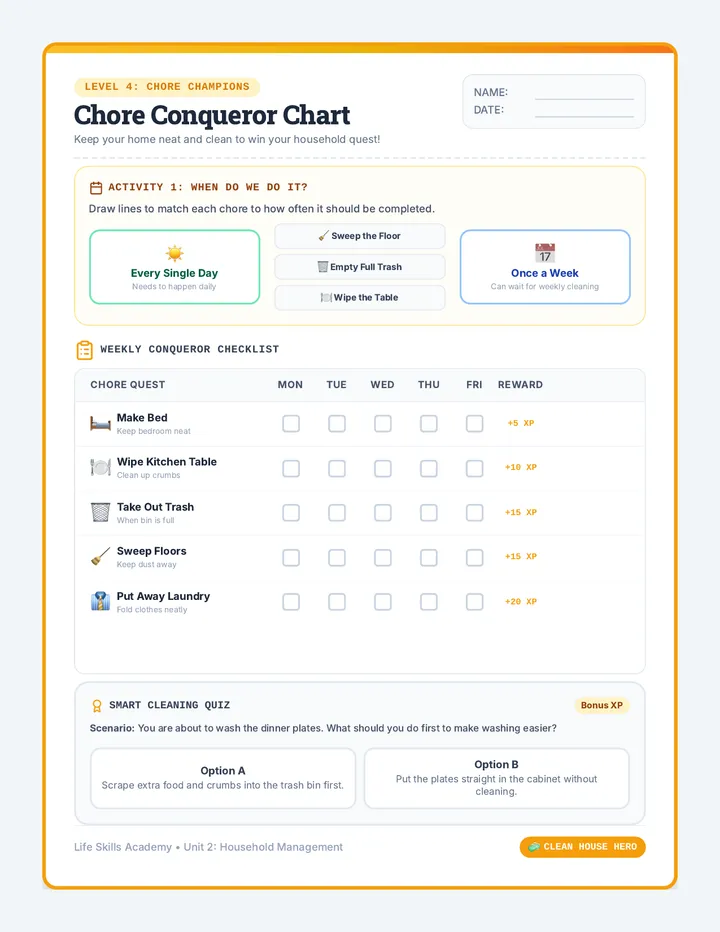
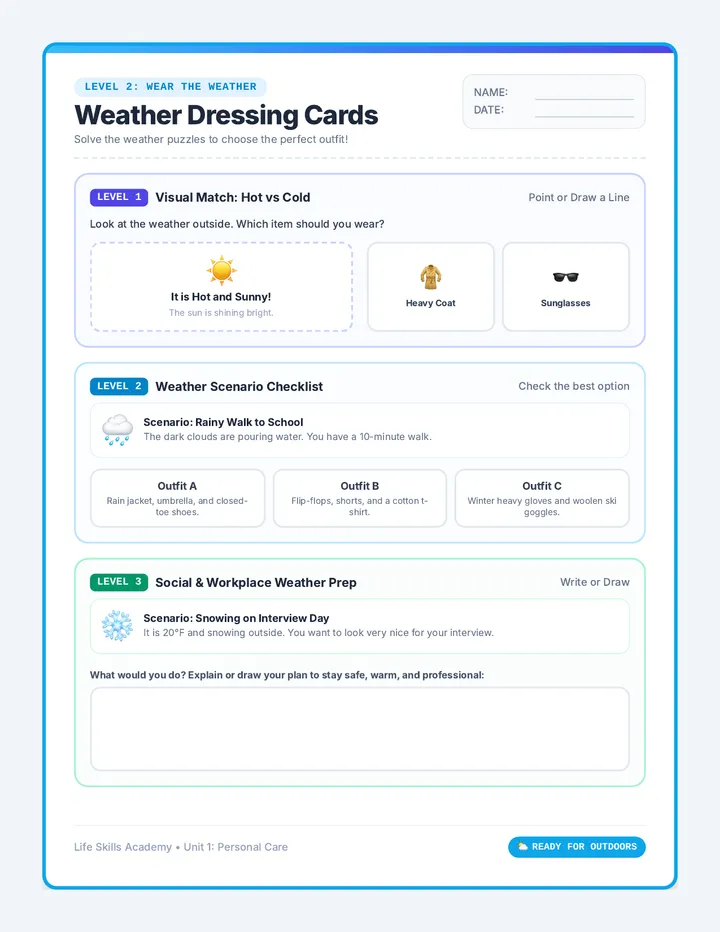
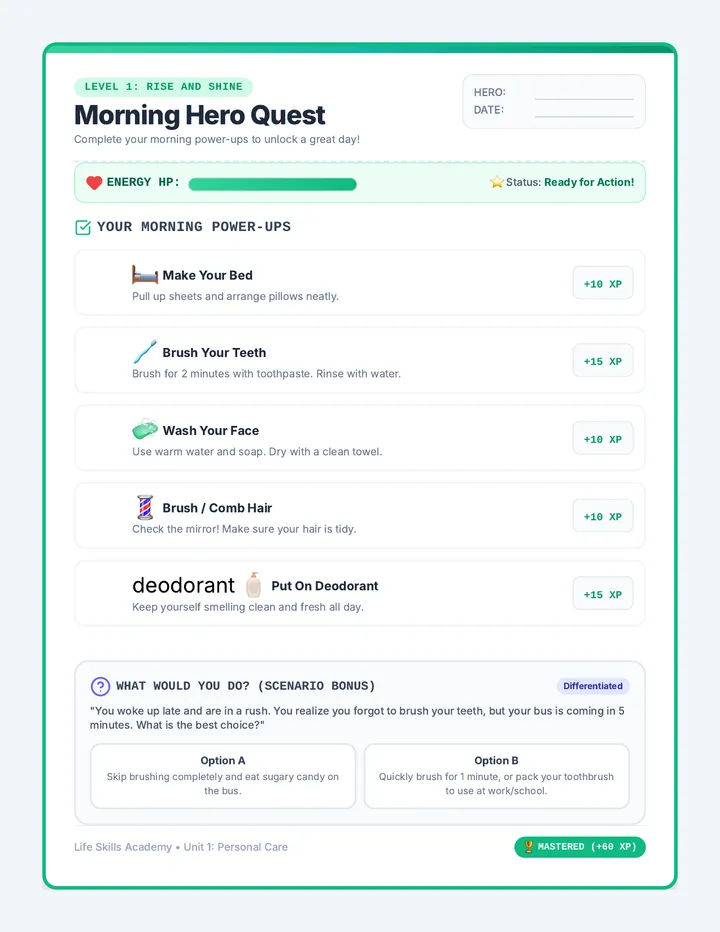
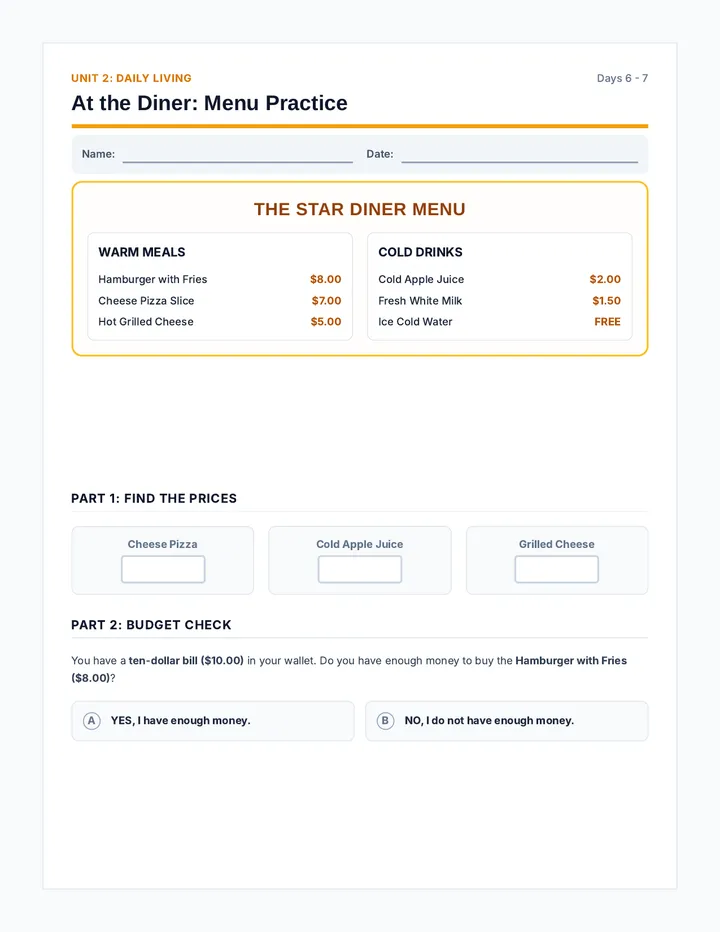
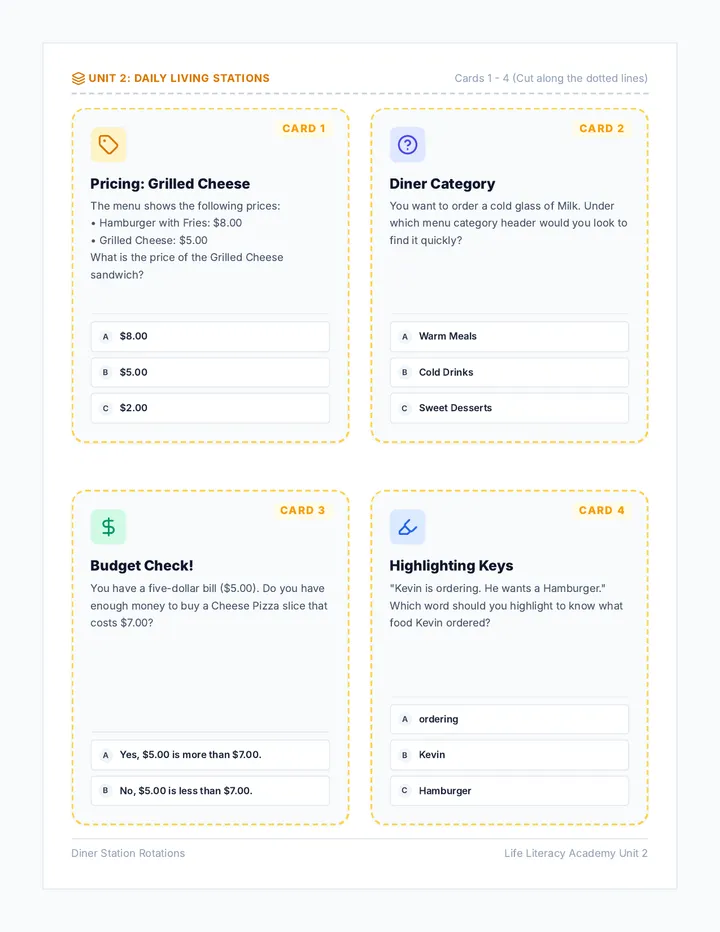
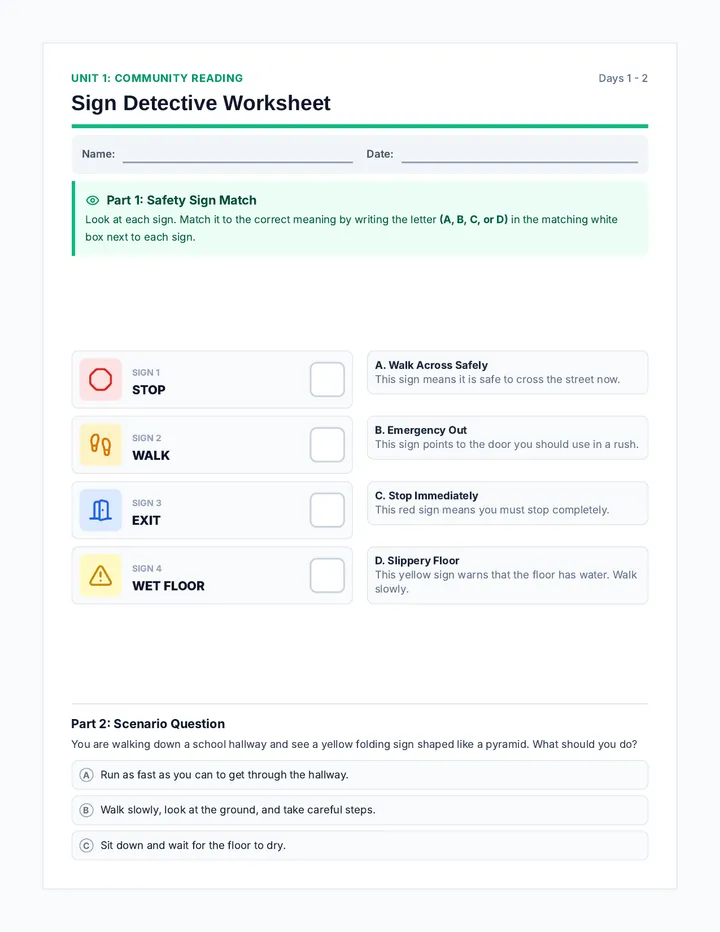
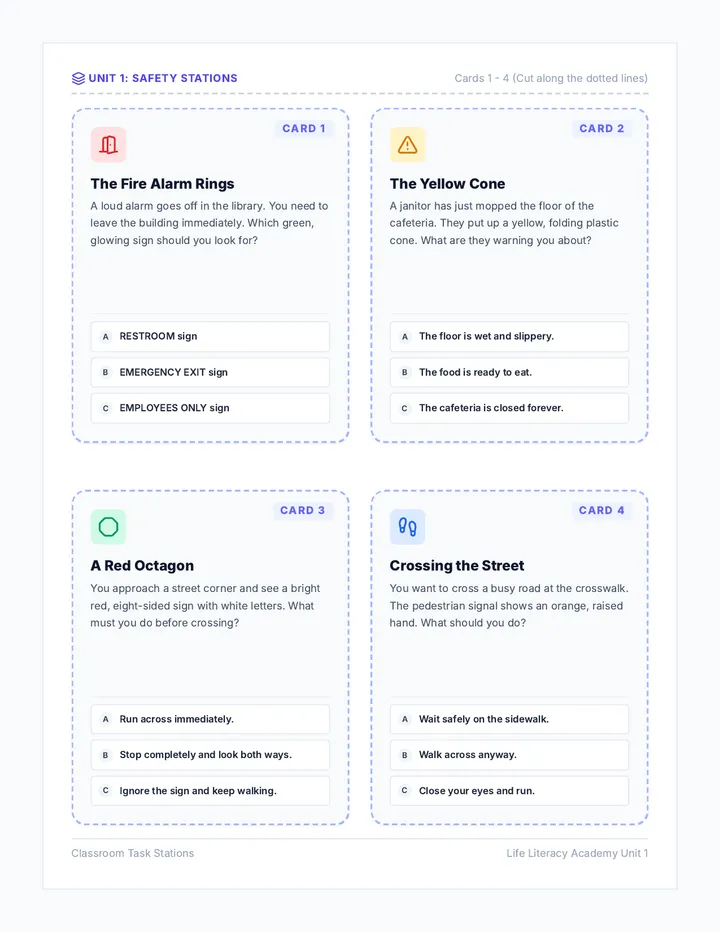
Practical guides and scenario-based activities to help students navigate social transitions and manage daily living tasks independently.
Vocabulary-rich resources focusing on essential biological concepts like cell structure and photosynthesis, alongside Earth science topics like plate tectonics and weather.
Exploration of key moments in U.S. History through focused reading comprehension passages covering the American Revolution, Westward Expansion, the Great Depression, and the Cold War.
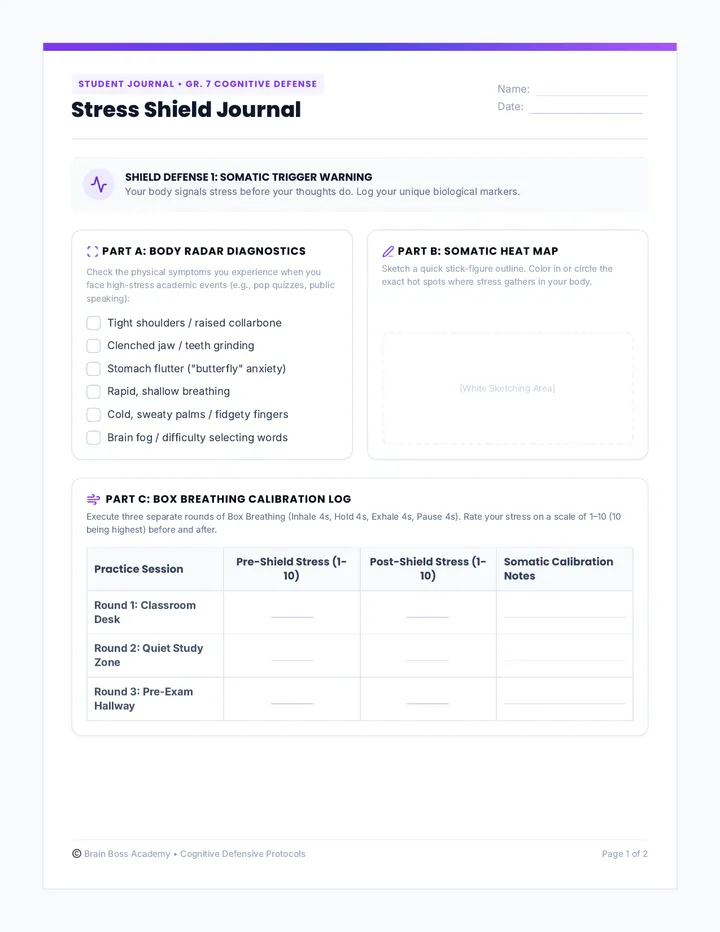
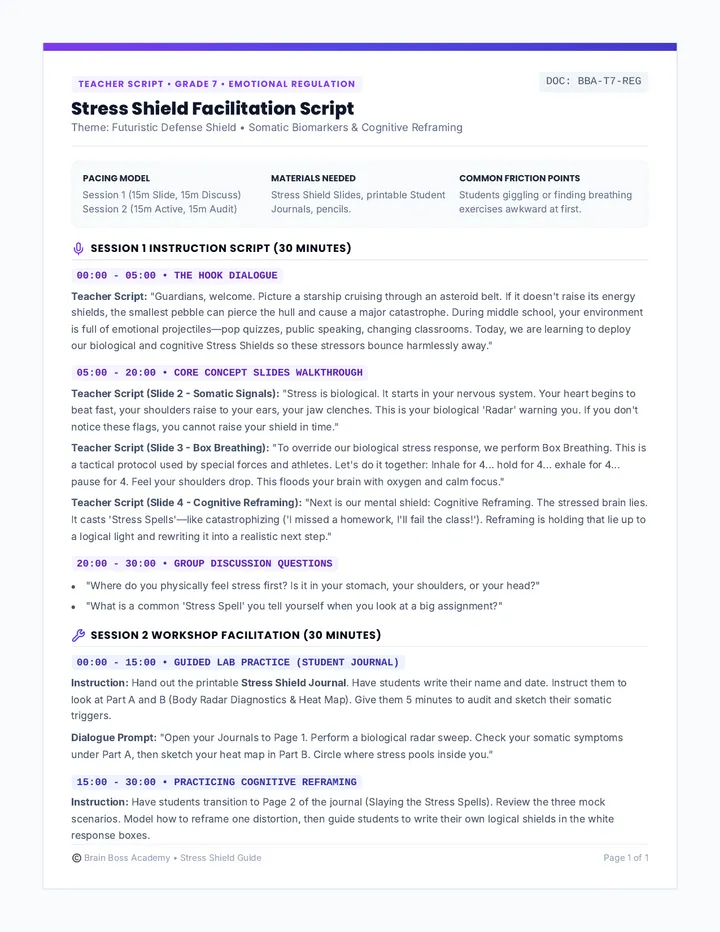
This lesson introduces the 'Mood Mechanics' workshop, teaching students to read their internal 'dashboard' (physical feelings) and select the right 'tools' (coping skills) for different emotional states.
Expanding the coordinate plane to all four quadrants, introducing negative numbers and the origin as the starting point.
Introduction to the coordinate plane focusing exclusively on the first quadrant, emphasizing the (x, y) order and 'crawl then climb' analogy.
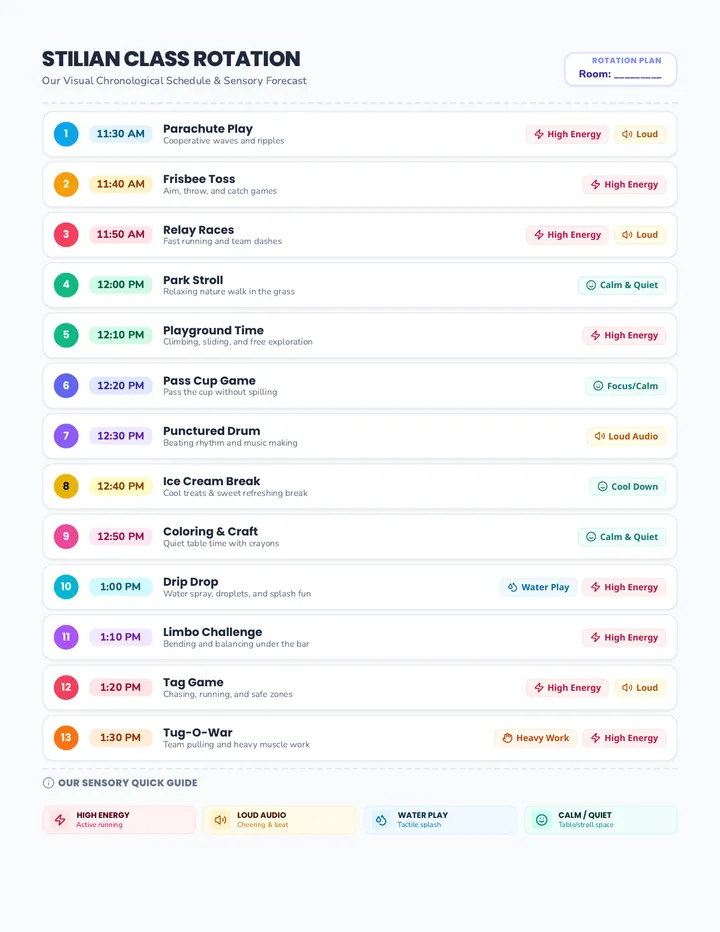
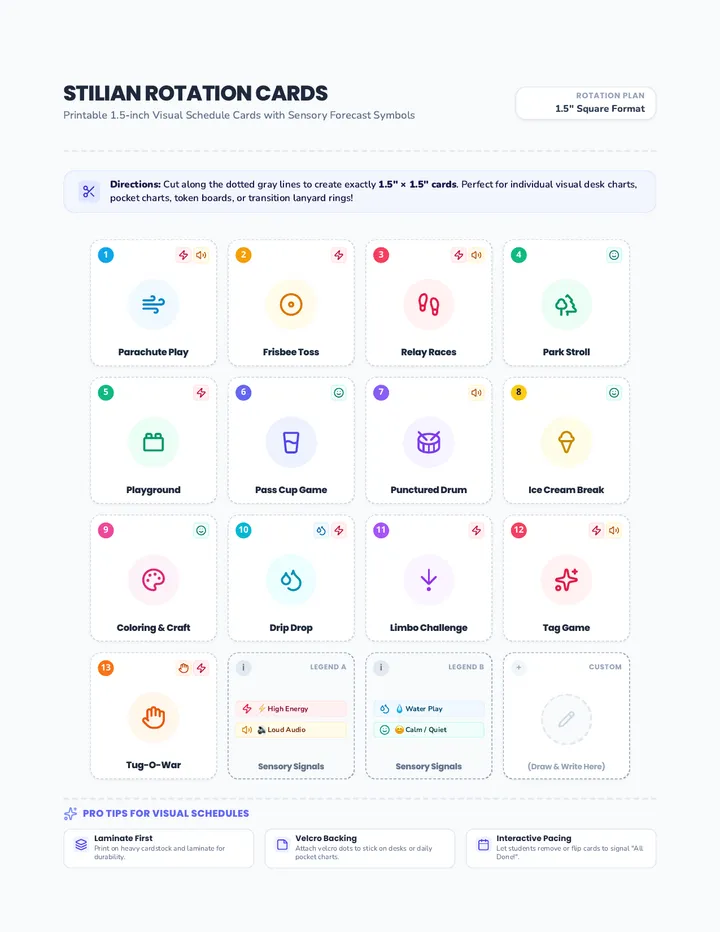
A visual management system to help students transition between focused learning periods and restorative breaks, using a 'Focus Engine' metaphor.
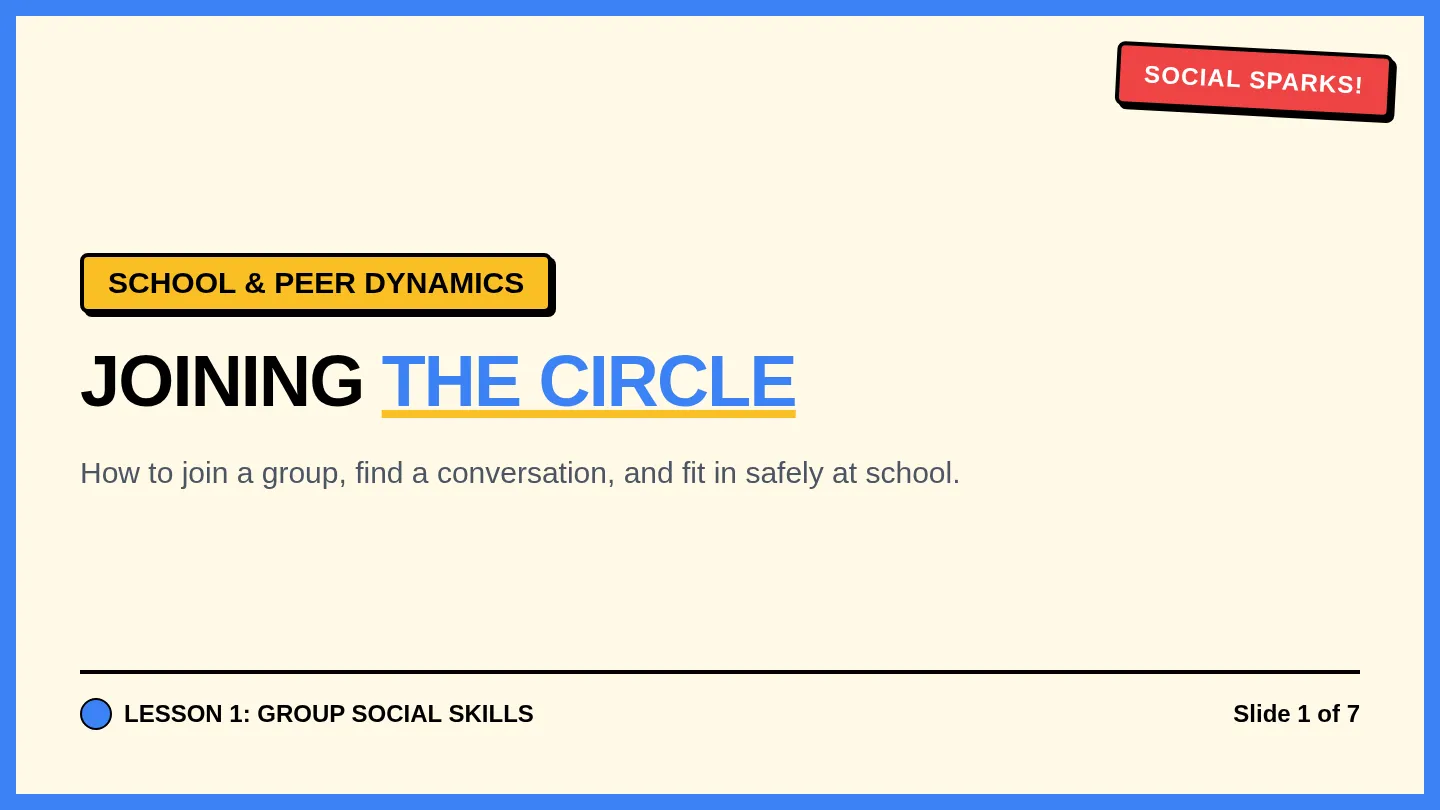
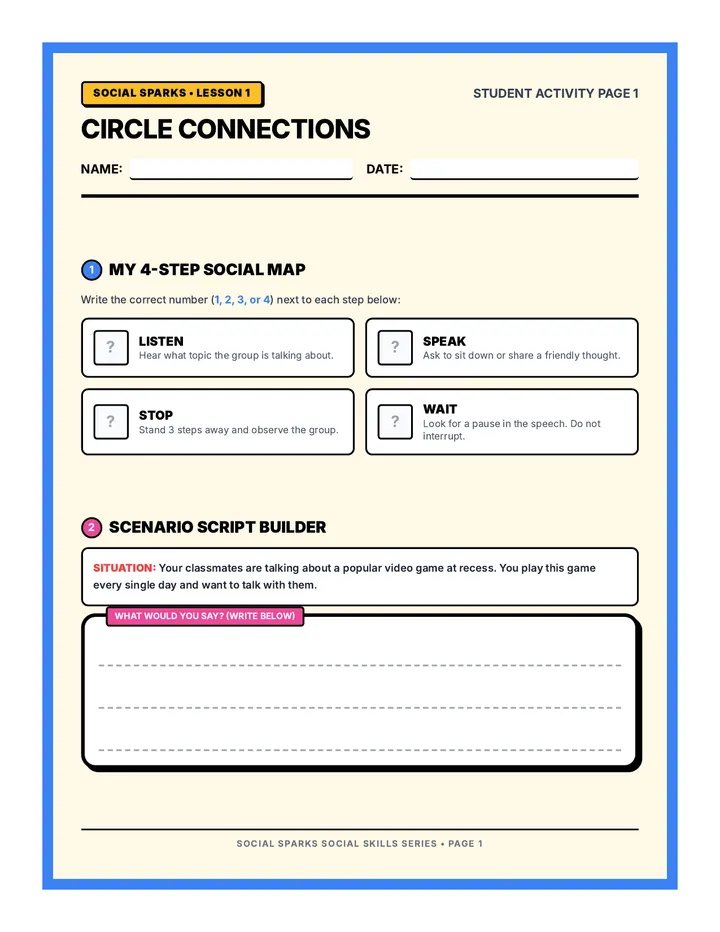
A 10-minute high-impact lesson on social communication skills for students with intellectual disabilities, featuring differentiated task cards and visual supports.
A scaffolded approach to simplifying fractions, focusing on finding common factors and understanding equivalence through visual models and step-by-step practice.
A lesson designed to help students identify bullying behaviors and practice appropriate responses through interactive scenarios and role-play activities. Includes a specific IEP objective and progress tracking tools.
This lesson focuses on helping students who use AAC to visualize and communicate their long-term goals. It provides visual supports and a choice board to facilitate expression about their future aspirations.
A foundational lesson teaching personal space and frustration management through a 'Space Hero' theme, utilizing choice-based decision making for a 4th grade student.
A foundational lesson for students with intellectual disabilities to distinguish between living and non-living things using simple observations like growth, movement, and basic needs.
A social skills lesson designed for autistic students to understand personal space boundaries, the concept of a 'space bubble', and how to interact safely and respectfully with others.
A set of reading comprehension resources focused on context clues, vocabulary, and non-fiction summarizing, specifically designed with clear structures for autistic and high-functioning students.
A sensory-friendly craft activity designed specifically for students with fine motor challenges to create vibrant leprechaun classroom decorations. This lesson focuses on accessible art techniques using sponges, thick markers, and tactile pipe cleaners.
A set of oral reading fluency drills themed around video game modding and software development to engage a 9th grade student reading at an 8th grade level. Includes multisyllabic word lists, phrased sentences, and progress tracking tools.
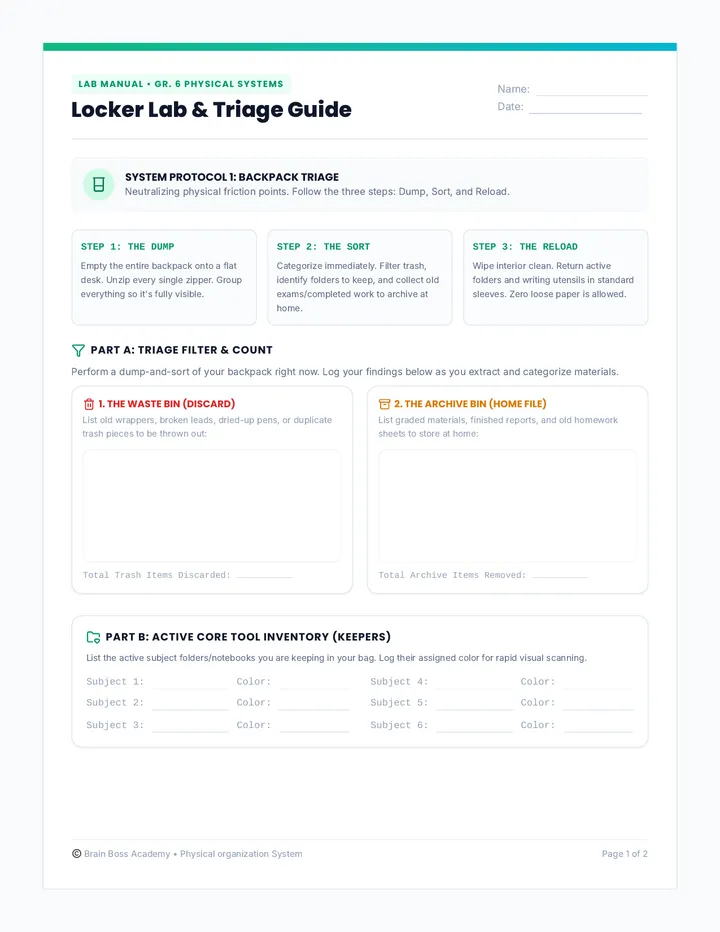
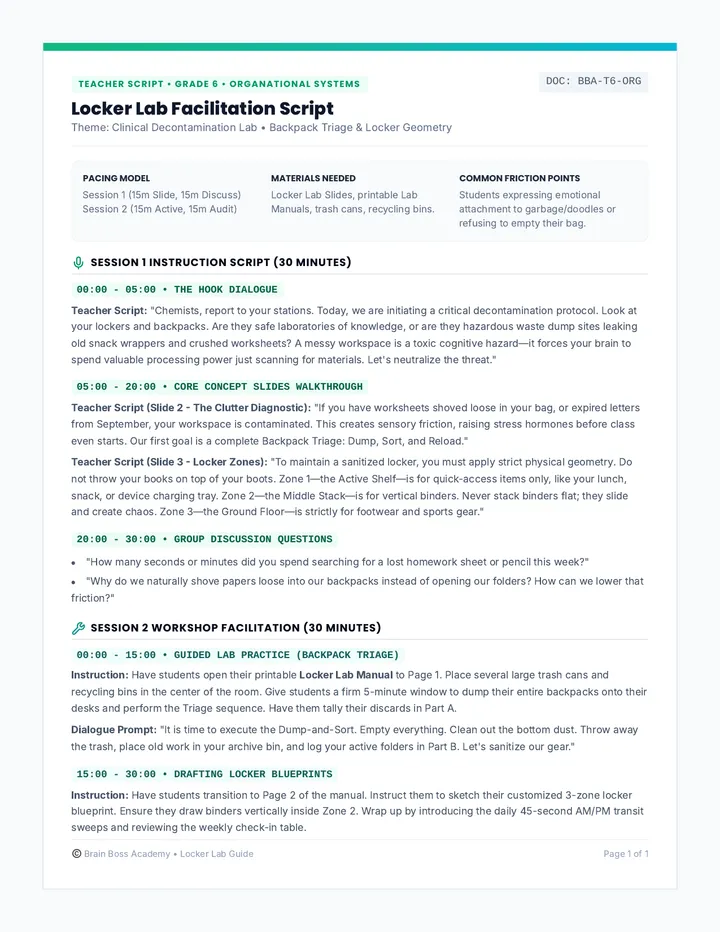
A toolkit of executive function resources including anchor charts and planning sheets to help students master organization and time management.
Addresses fluency in complex, multisyllabic texts for 6th-12th grade students, emphasizing morphology and expressive reading in disciplinary contexts.
Introduces accuracy, rate, and prosody for 2nd-5th grade learners with a focus on phrase-cued reading and repeated reading techniques.
Focused on building letter-name and letter-sound automaticity for PreK-1st grade students using high-frequency practice and evidence-based routines.
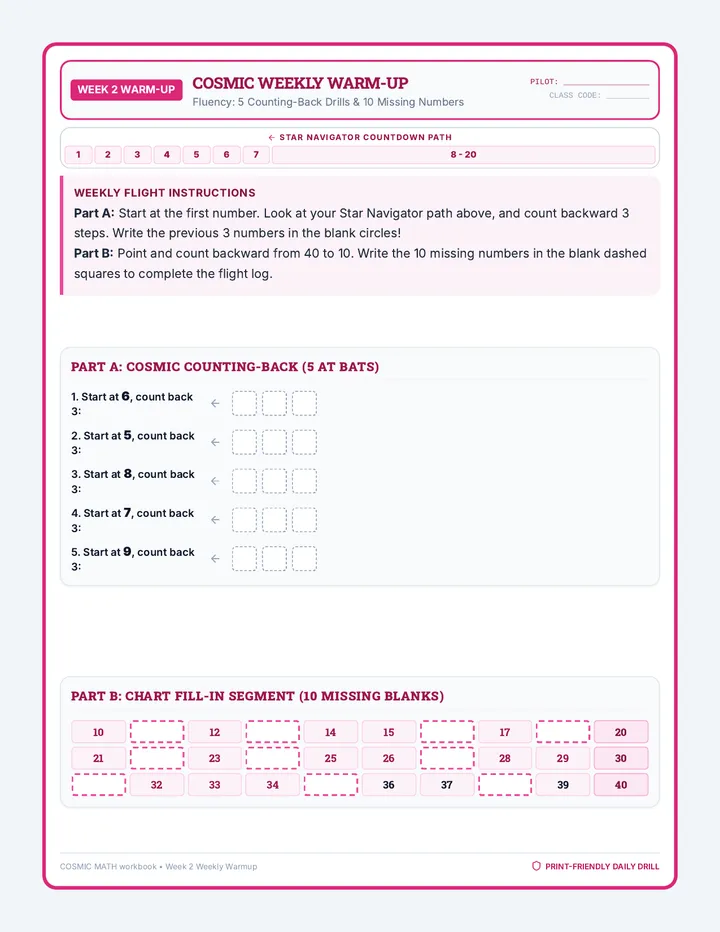
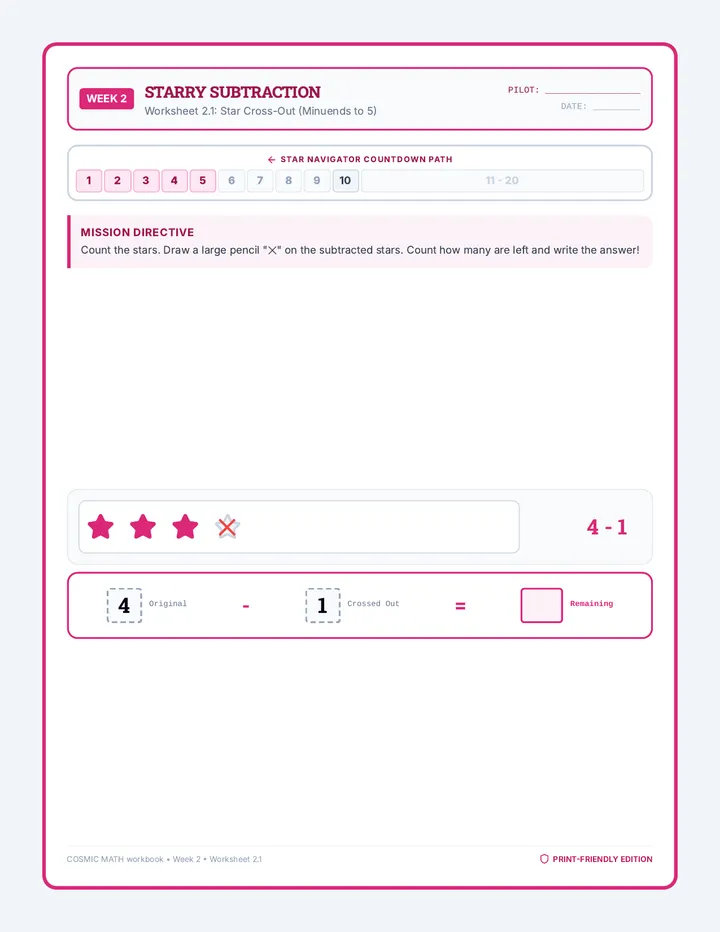
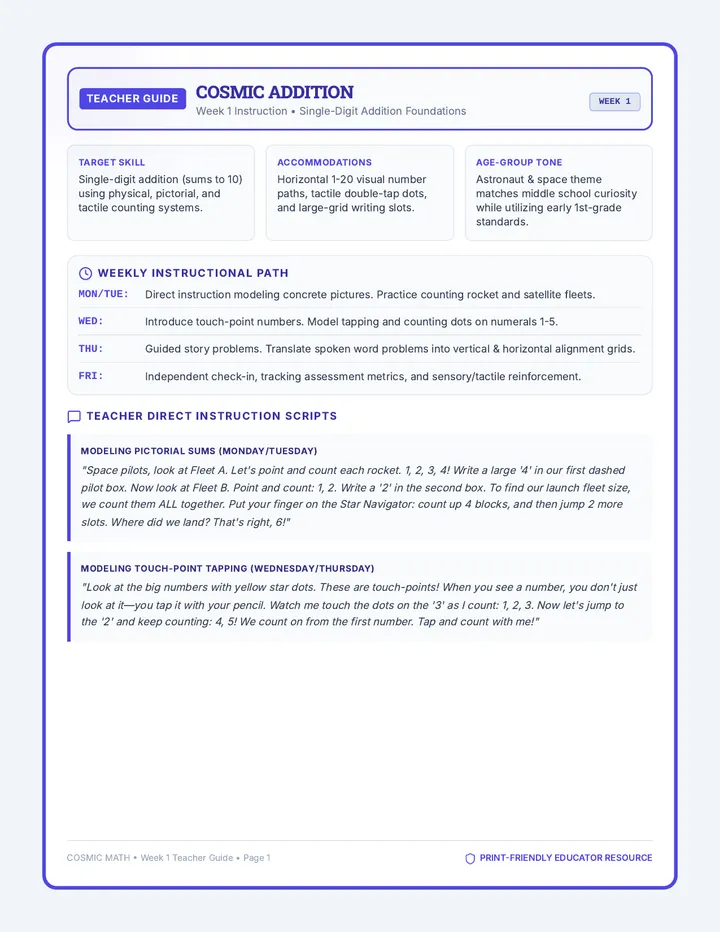
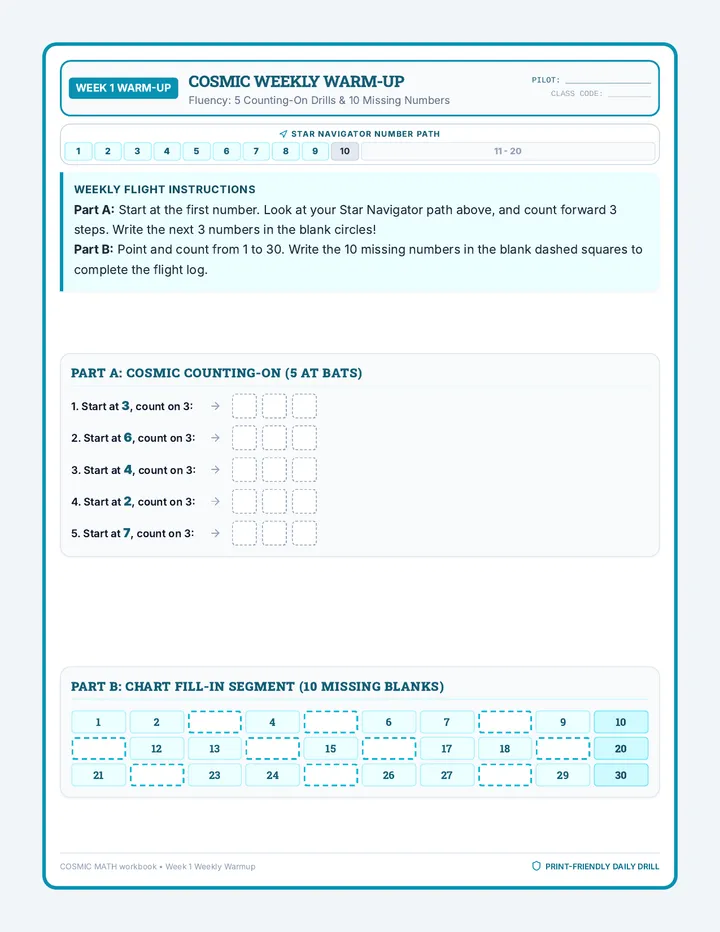
A foundational math lesson focusing on counting 1-10 and one-to-one correspondence using a friendly 'Bug Buddy' theme. Designed for early elementary students with cognitive delays or IEP needs.
A middle school level special education lesson that challenges students to analyze the military and ethical reasoning behind the use of atomic weapons. Features comparative analysis of invasion vs. bombing and explores the long-term impact on global politics.
A highly scaffolded lesson for Tier 3 special education students exploring the end of WWII, the Manhattan Project, and the complex decision to use atomic weapons on Hiroshima and Nagasaki. Students use visual timelines, vocabulary cards, and structured sentence starters to analyze the ethical implications and historical impact of these events.
A collection of instructional goals and monitoring tools designed to support a 6th-grade student with dyslexia in mastering complex reading inferences, specifically cause-effect and character motivations.
This lesson introduces the core concept of making inferences by identifying different types of 'clues' in a text. Students will learn the inference formula and apply it to short, decodable passages to build confidence and accuracy.
A set of accessible science materials designed for MCAS Alt evidence, focusing on distinguishing between living and non-living things through observation and sorting.
A set of basketball-themed break passes designed for 4th-grade students to manage daily breaks using a punch-card system. Includes designs inspired by the Lakers and Grizzlies teams.
Students create a 'Superpower Passport'—a personalized advocacy tool they can use to share their needs with future middle school teachers.
Students learn and practice specific scripts for requesting their accommodations in general education settings, focusing on clear and polite communication.
Students identify their personal strengths and specific IEP accommodations, reframing them as 'power-ups' that help them succeed in the classroom.
A collection of 10 longer, more complex short stories designed for 3th-4th grade level readers. Focuses on identifying character, setting, and plot elements through multi-paragraph narratives and literal comprehension questions.