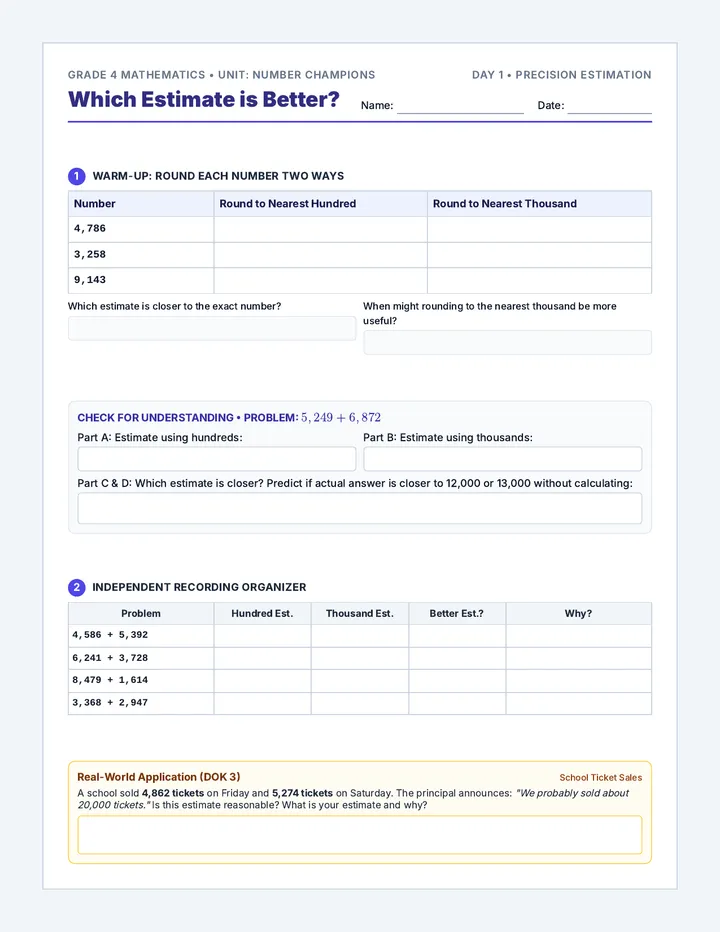
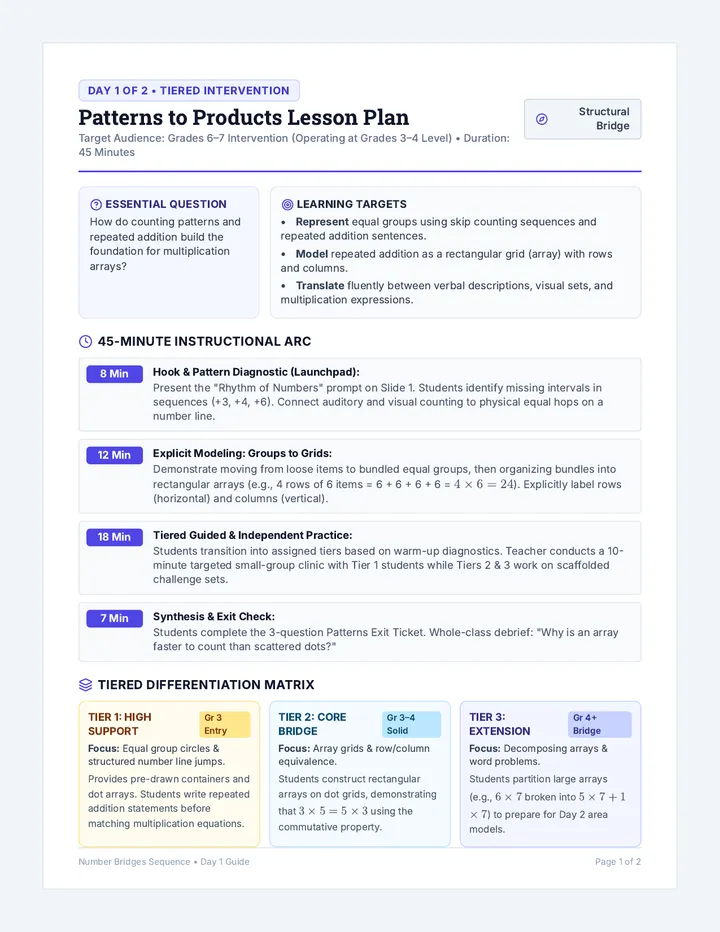
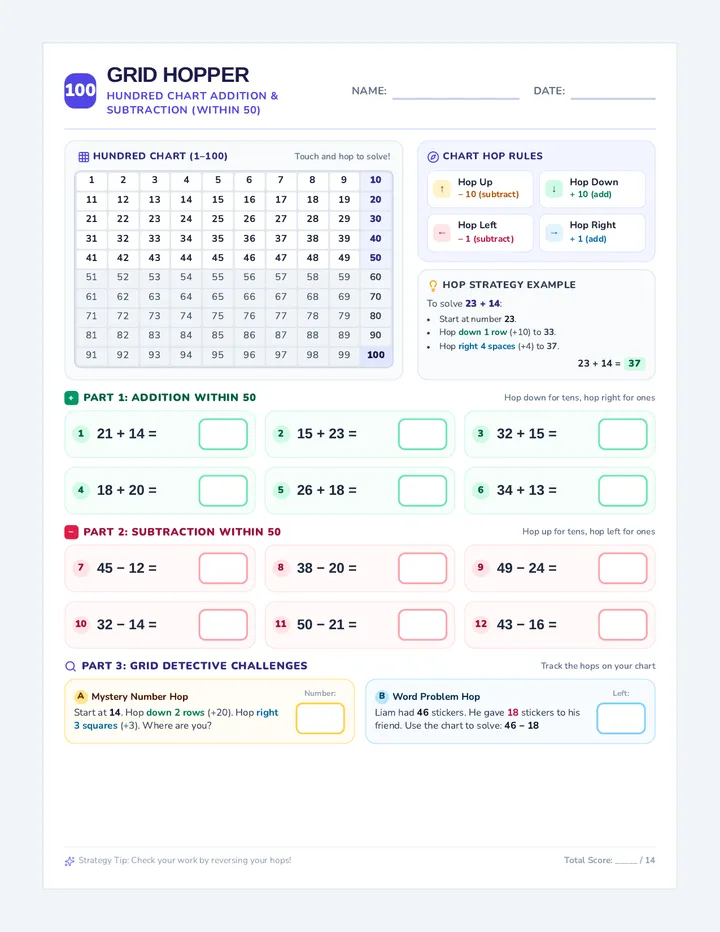
Angle Drafting WorksheetAngle Drafting Project: Classification & Identification Draftsman: Date: The Drafting Manual Acute Angle LESS than 90° Right Angle EXACTLY 90° Obtuse Angle MORE than 90° PART 1 Blueprint Inspection Classify each angle shown below. Use the arc or square indicator as your guide. Angle 1.1 Type: Angle 1.2 Type: Angle 1.3 Type: Angle 1.4 Type: PART 2 Technical Sketch Pad Use a straightedge to sketch the specified angles. 2.1 Sketch an ACUTE angle 2.2 Sketch an OBTUSE angle Field Observation: House Blueprint Identify the angle type at each marked vertex. A B C Angle A is: Angle B is: Angle C is:
Angle Drafting Task Cards1 Inspection Card Classify this angle: 2 Inspection Card Classify this angle: 3 Inspection Card Classify this angle: 4 Inspection Card Classify this angle: 5 Real World Task A clock shows 3:00. What type of angle do the hands form? 6 Real World Task A pair of scissors is opened very slightly. What angle type is formed? 7 Observation Task L Identify the angle inside the capital letter L. 8 Observation Task K In a capital letter K, what types of angles are where the arms meet? 9 Drawing Challenge Sketch an angle that is larger than a right angle. 10 Shape Inspector How many acute angles are in this triangle? 11 Shape Inspector What type of angles make up a square? 12 Comparison Which is wider an acute angle or an obtuse angle?
Angle Drafting Answer KeyAnswer Key Project: Angle Drafting Basics Worksheet Answers Part 1: Blueprint Inspection Angle 1.1: Acute Angle Angle 1.2: Right Angle Angle 1.3: Obtuse Angle Angle 1.4: Acute Angle Part 2: Field Observation Angle A (Roof Peak): Obtuse Angle Angle B (Roof/Wall): Acute Angle Angle C (Wall Corner): Right Angle Task Card Answers Acute Angle Right Angle Obtuse Angle Obtuse Angle Right Angle Acute Angle Right Angle Acute Angle Obtuse Angle (Sketch) 3 Acute Angles Right Angle (4) Obtuse Angle Teacher Tips: Encourage students to use the corner of a sheet of paper as a "Right Angle Tester". For sketching, remind students that lines must be straight and meet at a single vertex. Angle 1.4 on the worksheet is a common distractor (rotated acute angle) - watch for students who might think it's right or obtuse based on orientation. For task cards 7 and 8, emphasize looking at the interior angles formed by the letter's strokes.