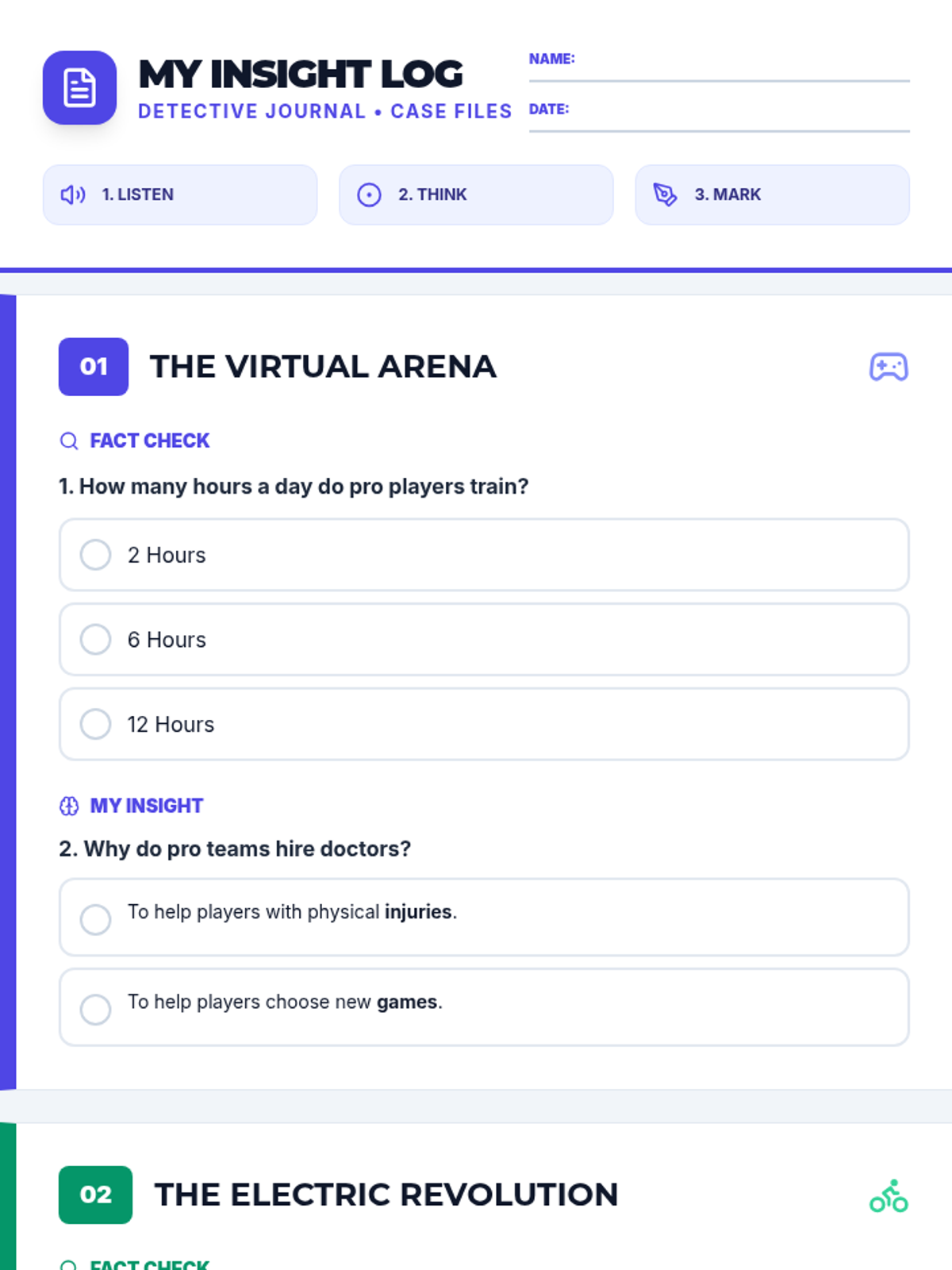
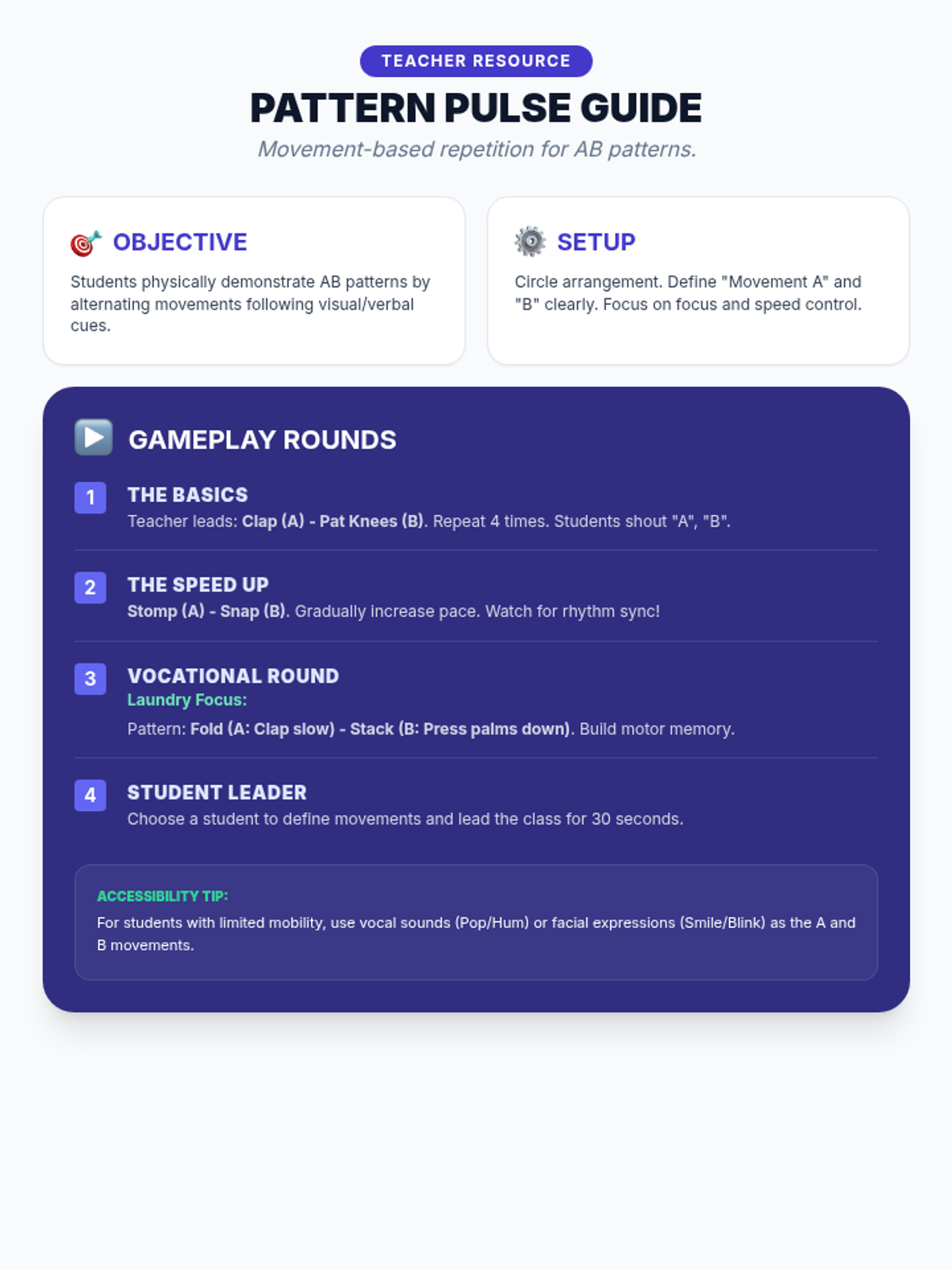
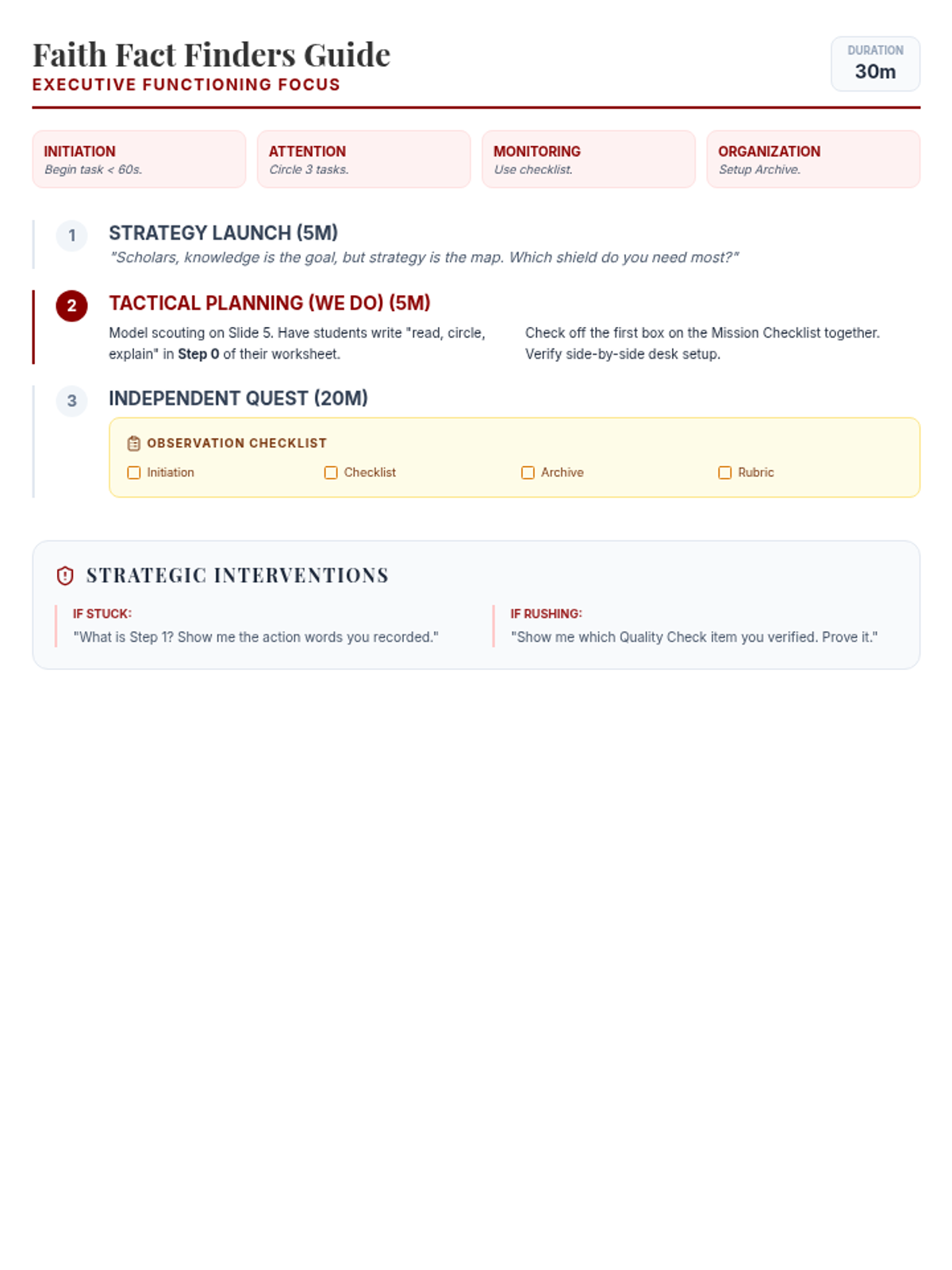
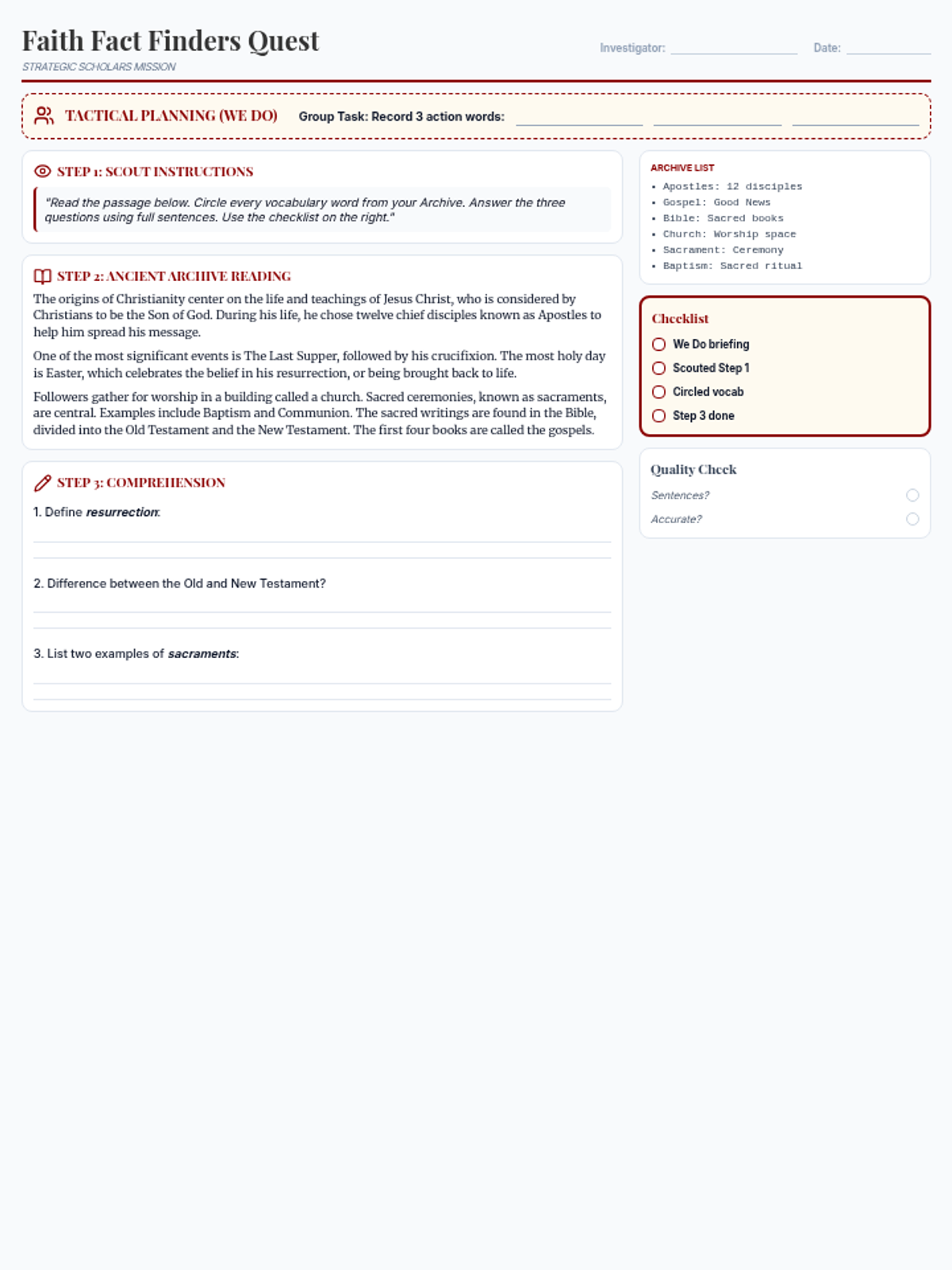
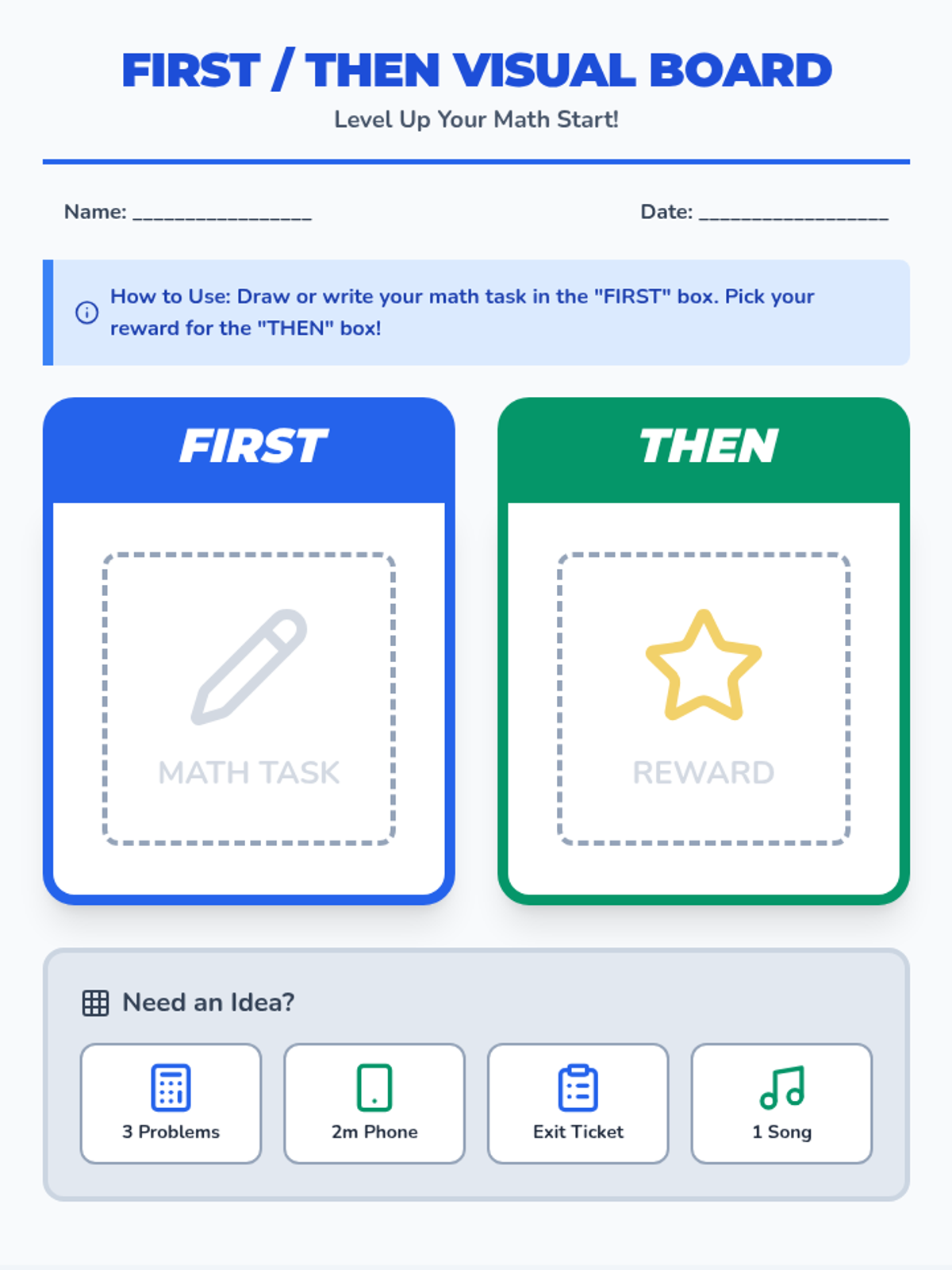
A 5-lesson sequence for 9th-grade Special Education students focused on building independence by replacing verbal prompts with visual systems. Students learn to use checklists and visual anchors to initiate tasks without teacher intervention.
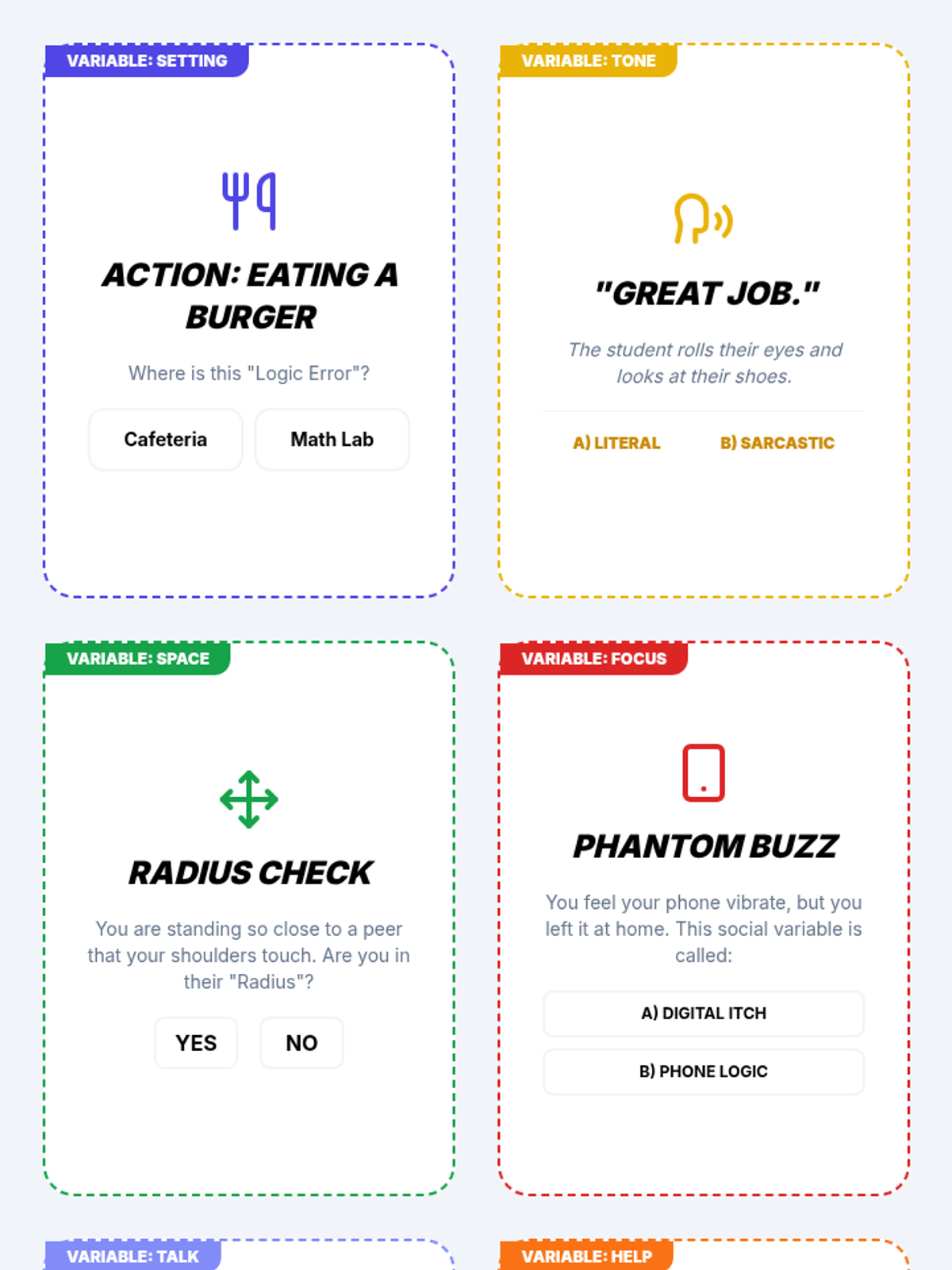
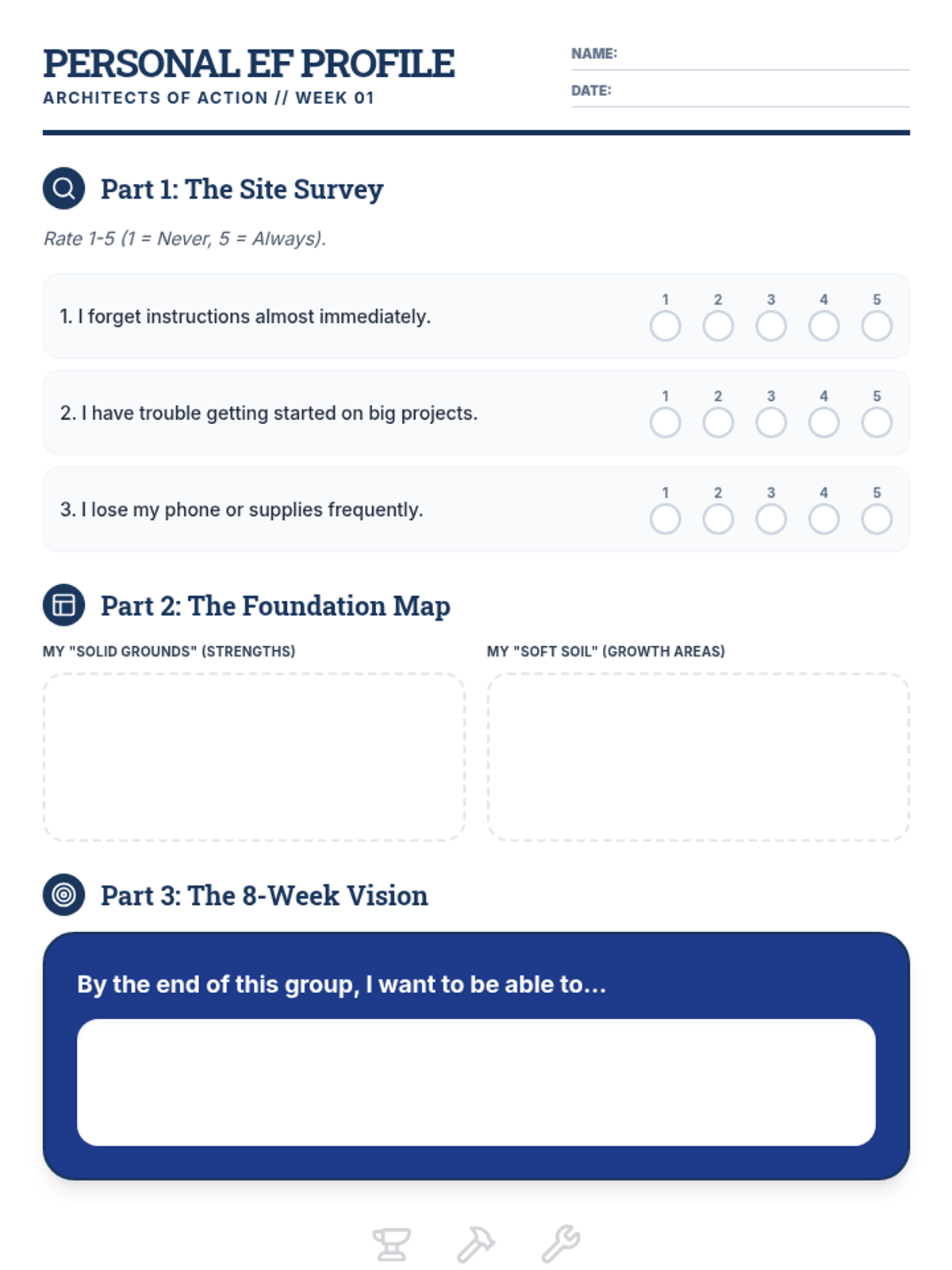
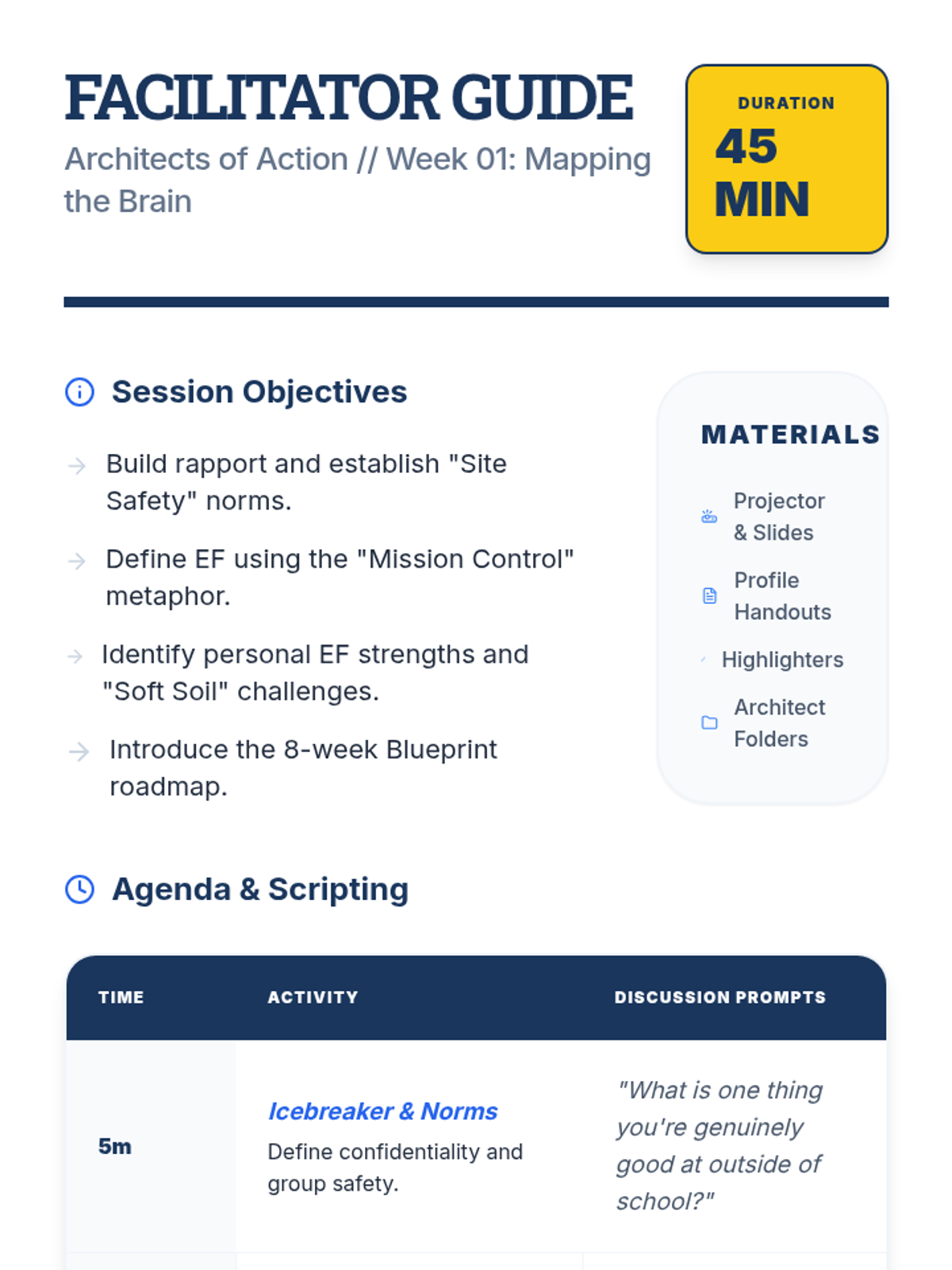
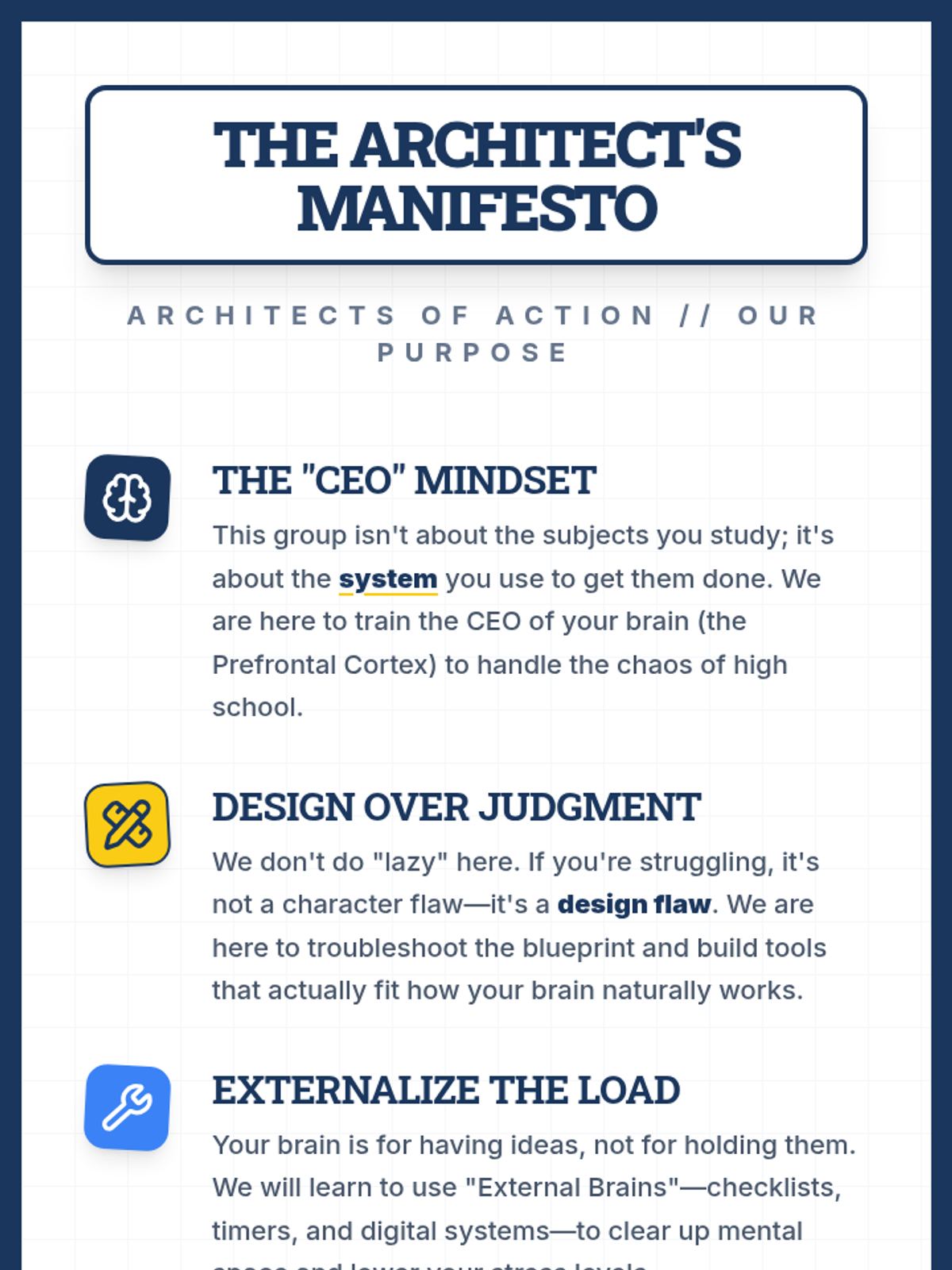
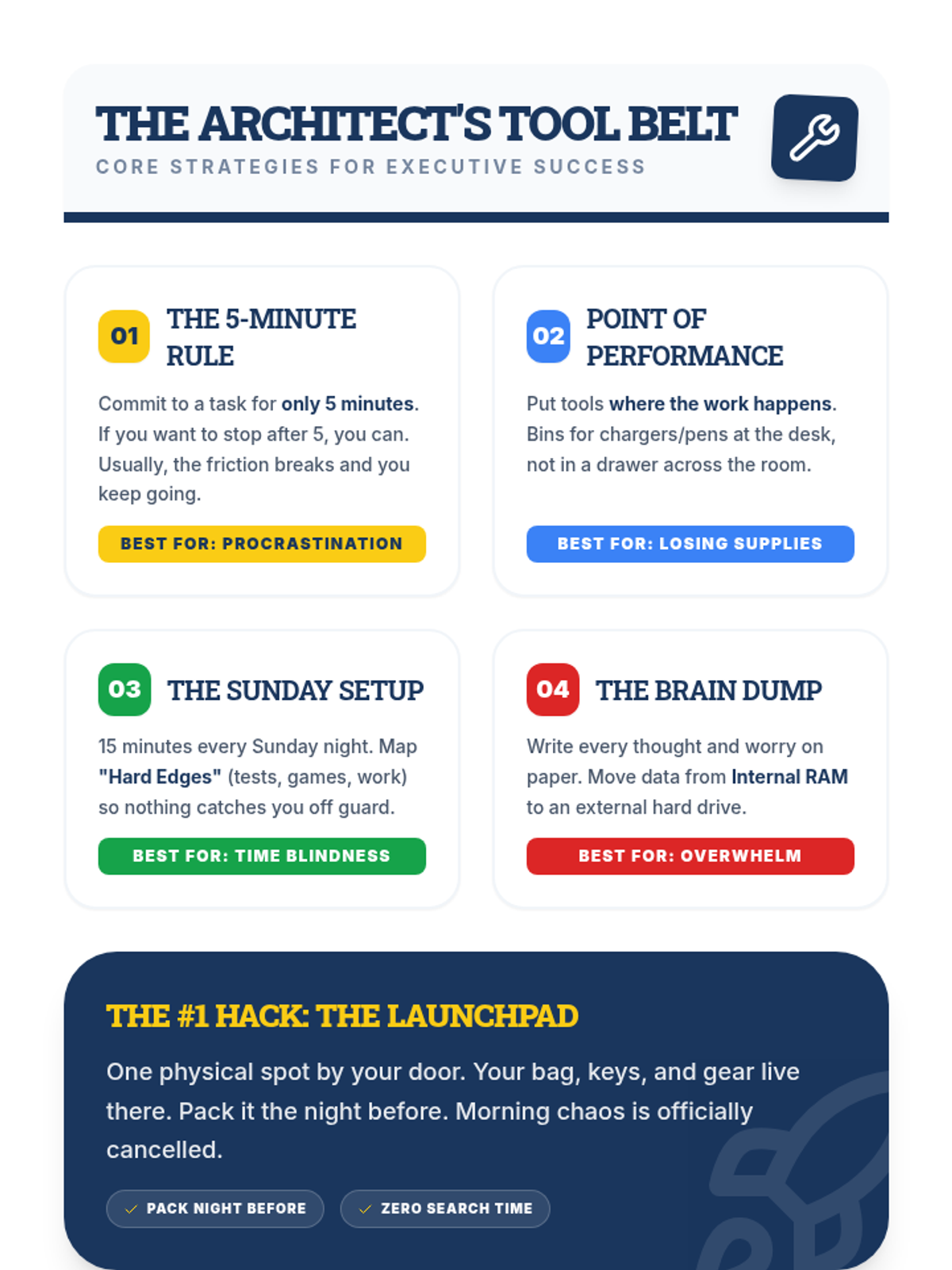
A series of lessons exploring the intersection of neuroscience and daily behavior, focusing on executive function and neurodivergence.
A comprehensive unit on self-advocacy and the ADA, helping students understand their rights in school, at home, and in the workplace. Students will learn how to navigate IEP accommodations, address non-compliance, and build independence.
A comprehensive 9-week instructional sequence designed for students with Blind and Low Vision needs, focusing on mastery of common Braille contractions through repetitive practice, tracing, and dictation.
A comprehensive unit designed for high school life skills students with intellectual disabilities to distinguish between hard (technical) and soft (interpersonal) job skills through visual aids and interactive sorting activities.
Une formation immersive de 12 heures destinée aux professeurs-documentalistes pour maîtriser les codes de la littérature adolescente actuelle et concevoir des stratégies de médiation innovantes au CDI.
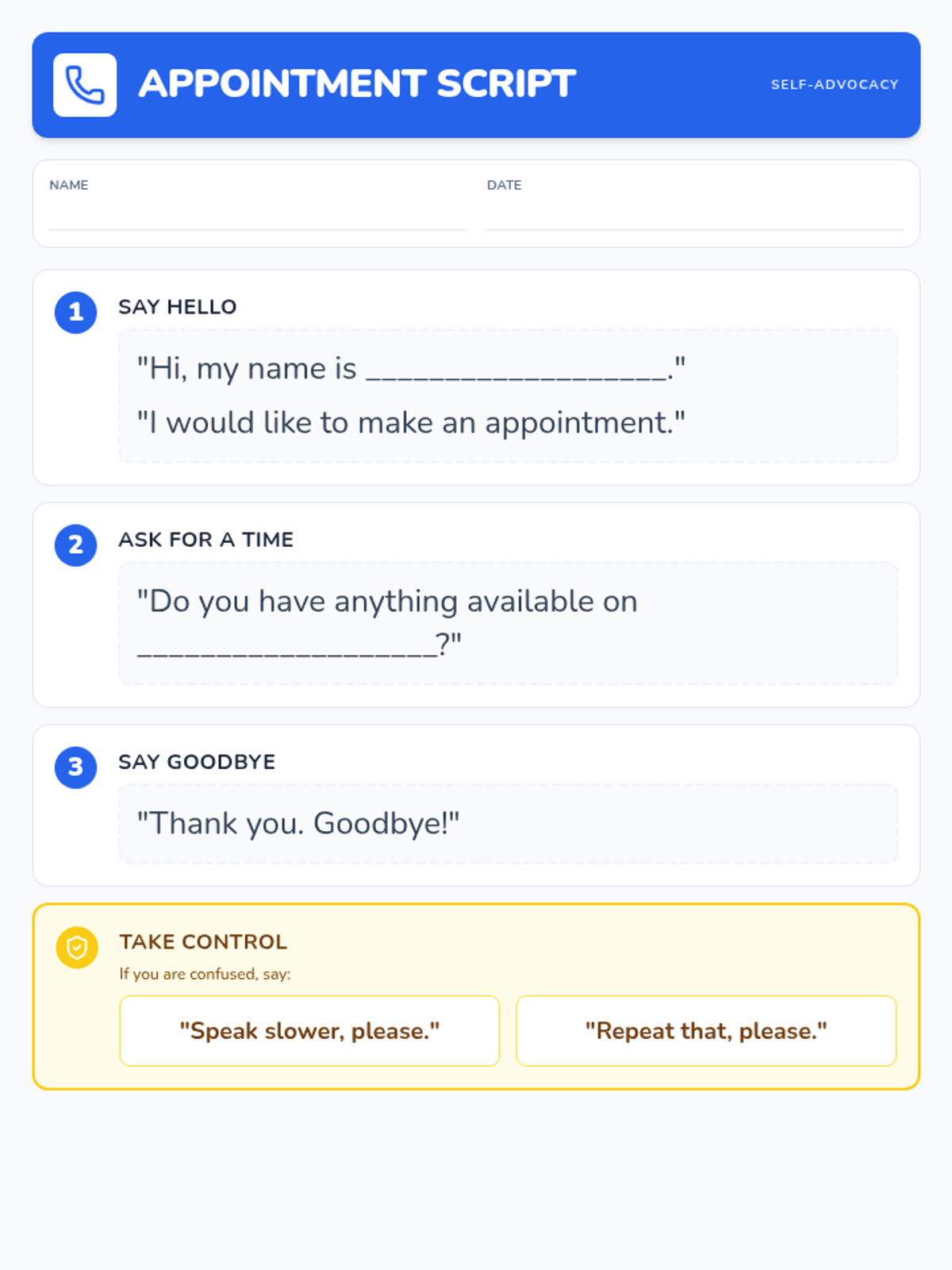
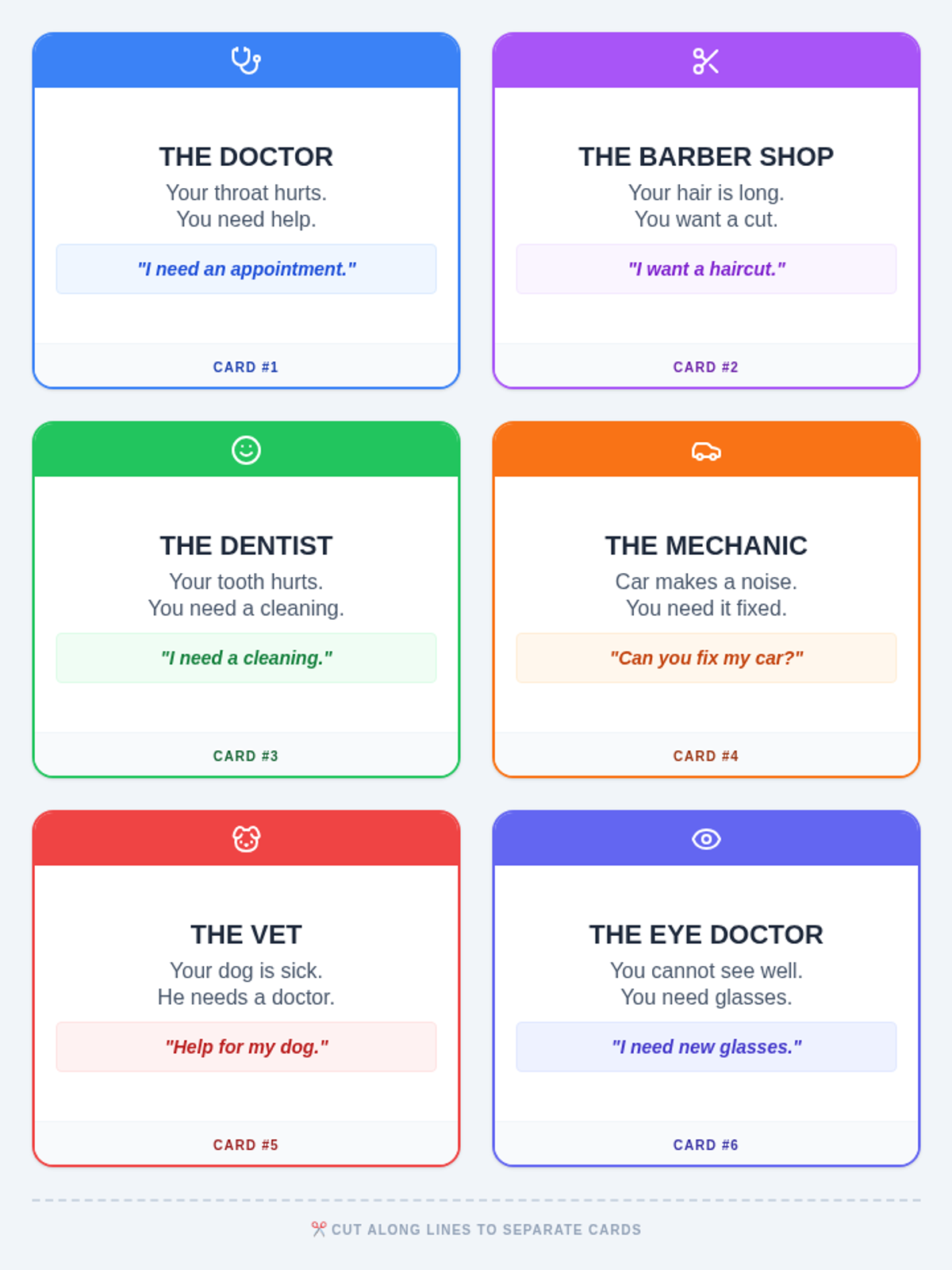
A comprehensive series of lessons designed to build community independence for students with intellectual disabilities, focusing on navigation, social interaction, and transactions in local spaces like CVS, the library, and cafes.
A 6-week life skills unit designed for high school students with low cognitive abilities, focusing on vocational readiness through visual resumes, on-campus job site visits, and simplified interview practice.
A comprehensive set of 10 evidence-ready work samples for the MCAS-Alt synonym identification strand, featuring consistent formatting for accuracy and independence tracking.
A 3-day life skills sequence for high school special education students to master the safe use of household tools and kitchen appliances through graphic organizers and project-based learning.
A series of mini-lessons designed to help students understand and optimize their working memory through environmental organization and cognitive strategies.
This life skills sequence for high schoolers with low cognitive abilities uses a traffic light model (Green, Yellow, Red) to teach digital safety. Students learn to navigate teen-relevant scenarios like social media requests, online shopping ads, and interacting with strangers in gaming or apps, focusing on the 'Pause and Ask' reflex.
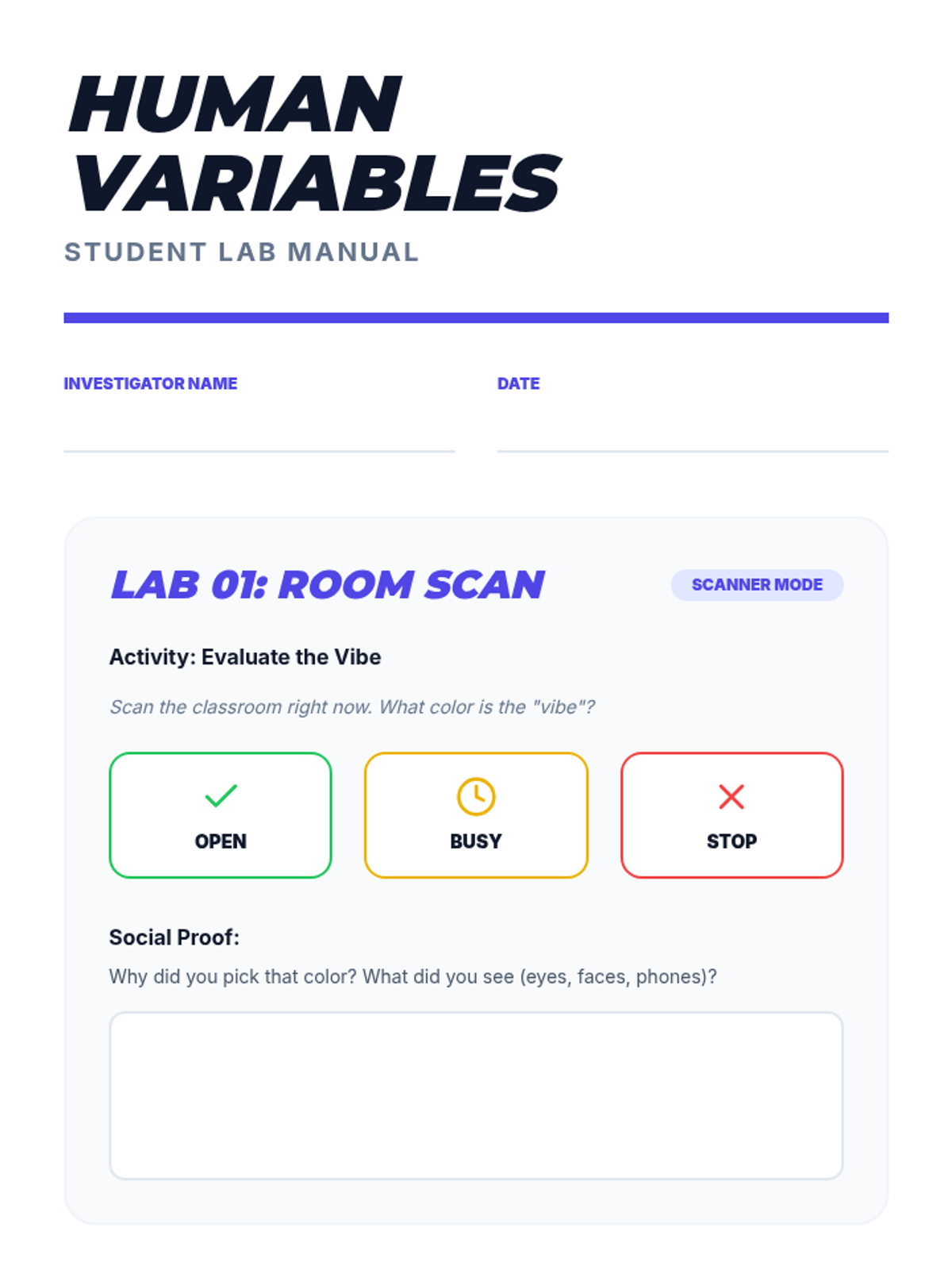
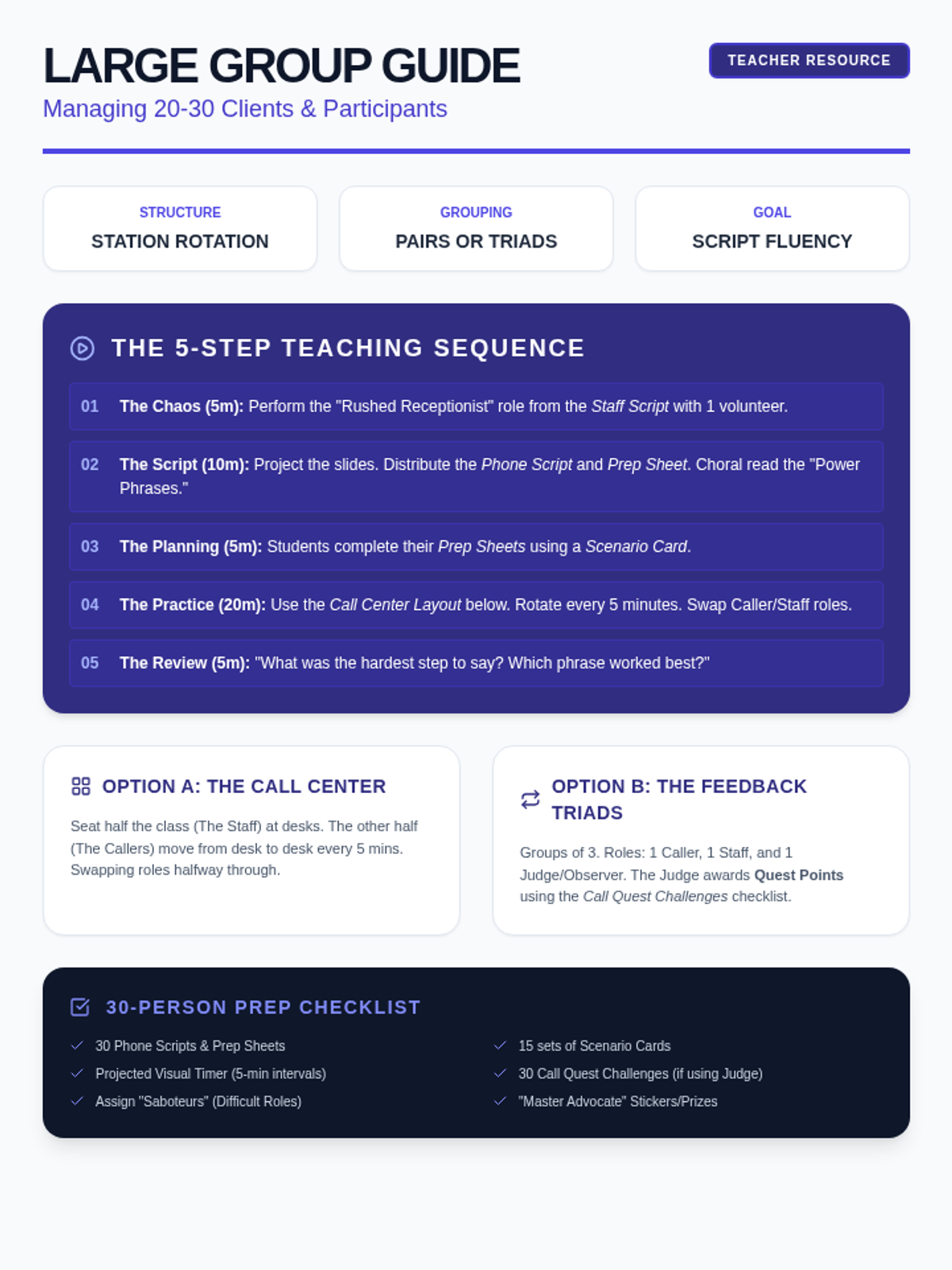
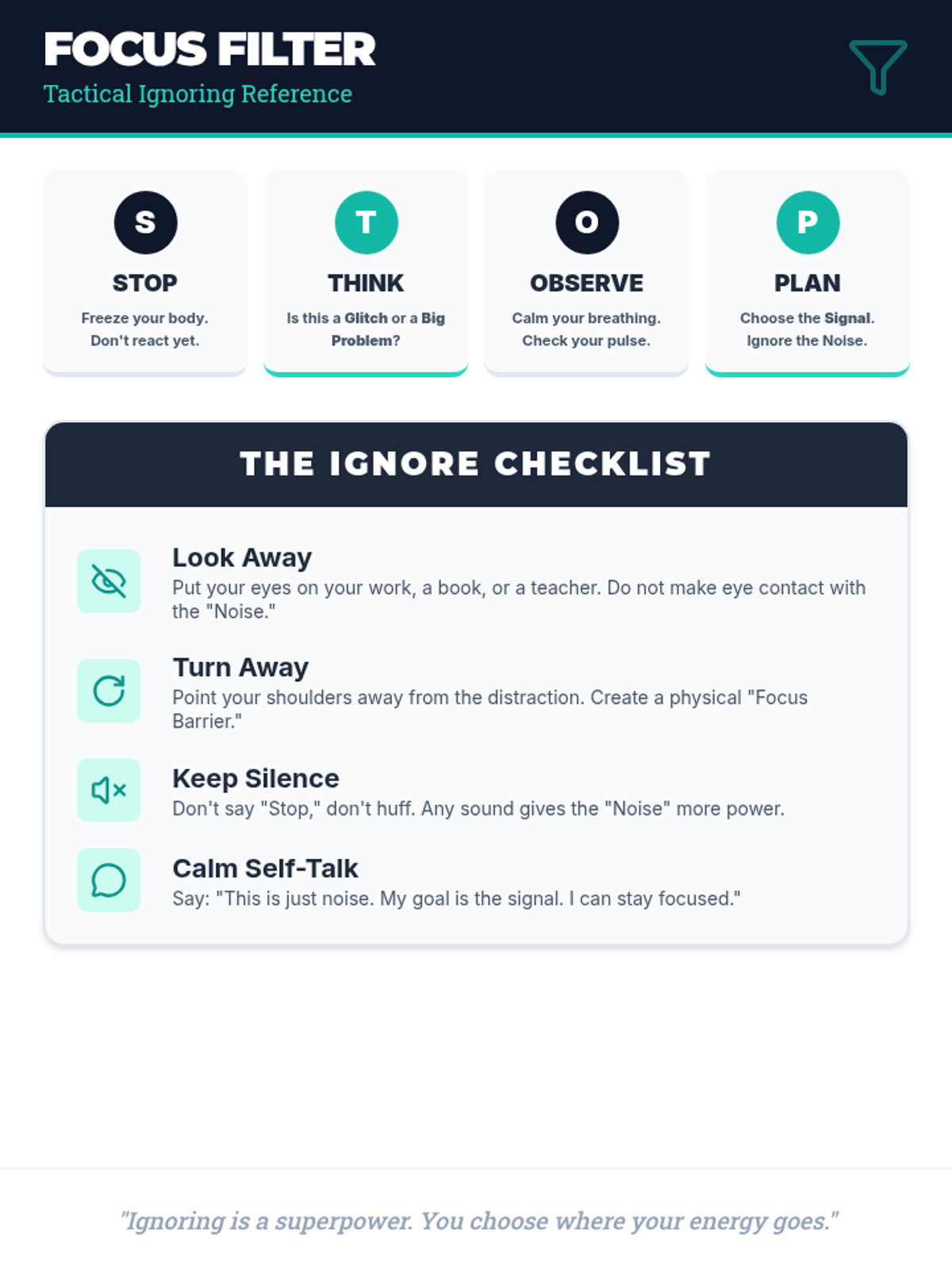
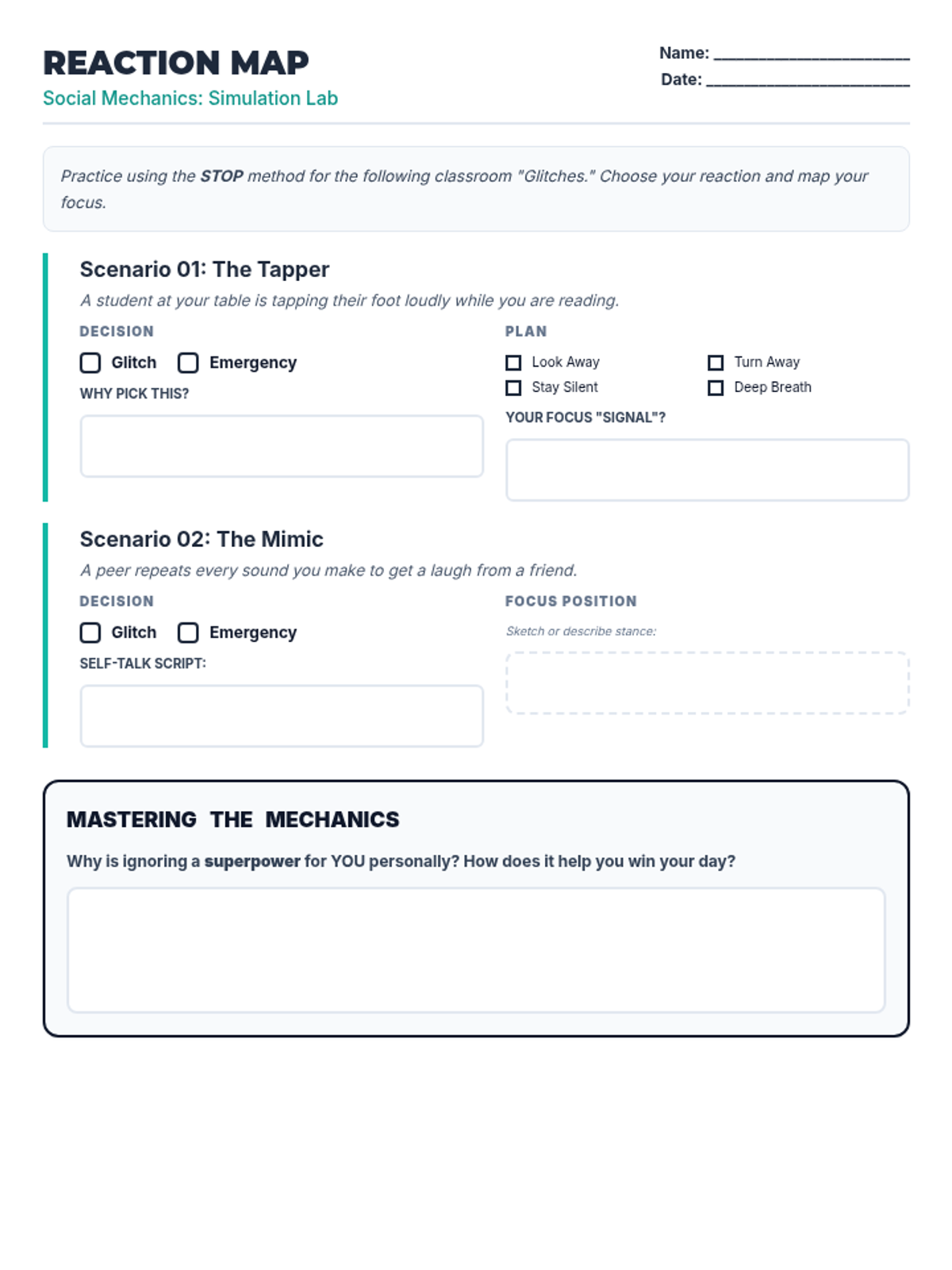
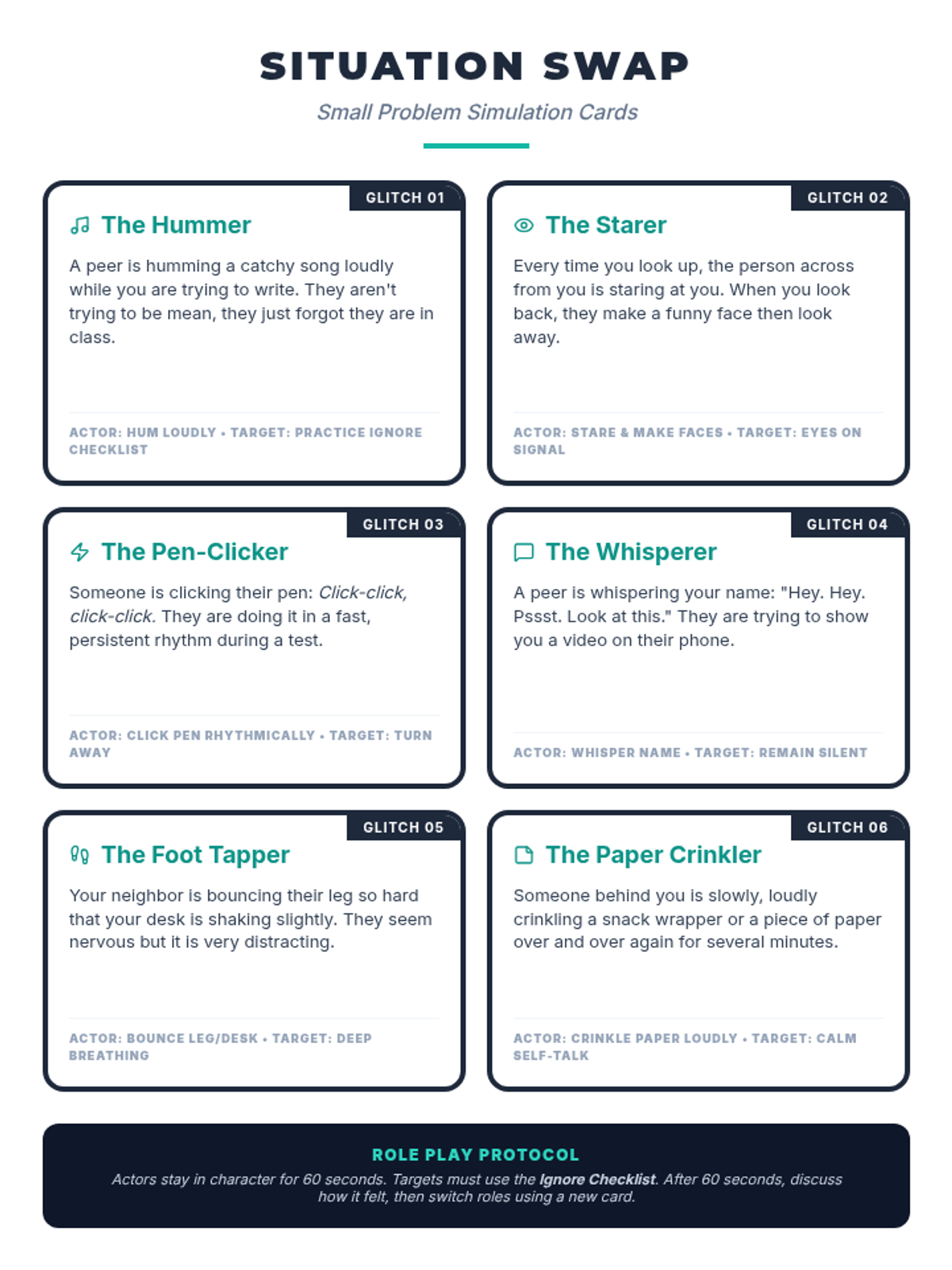
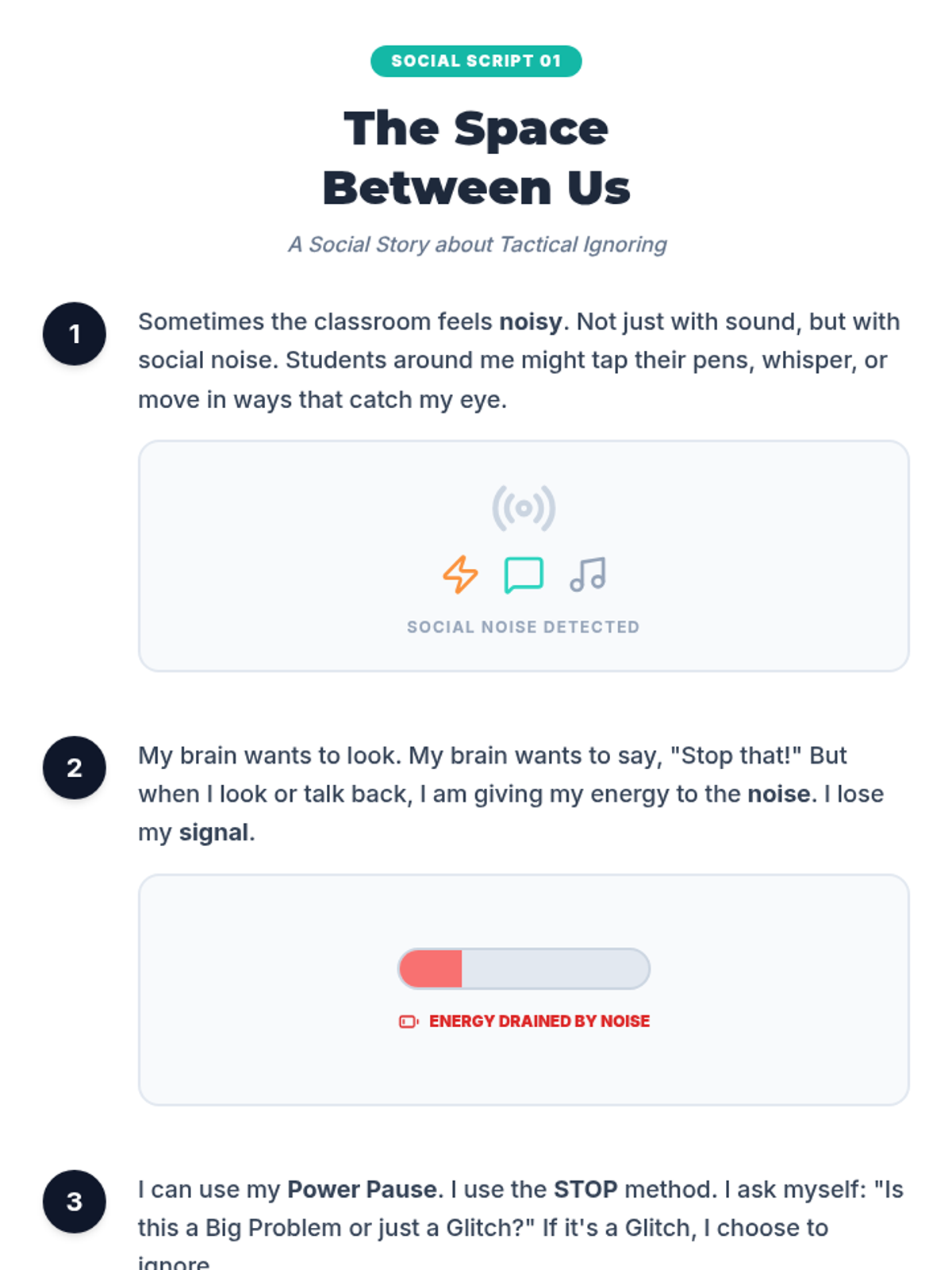
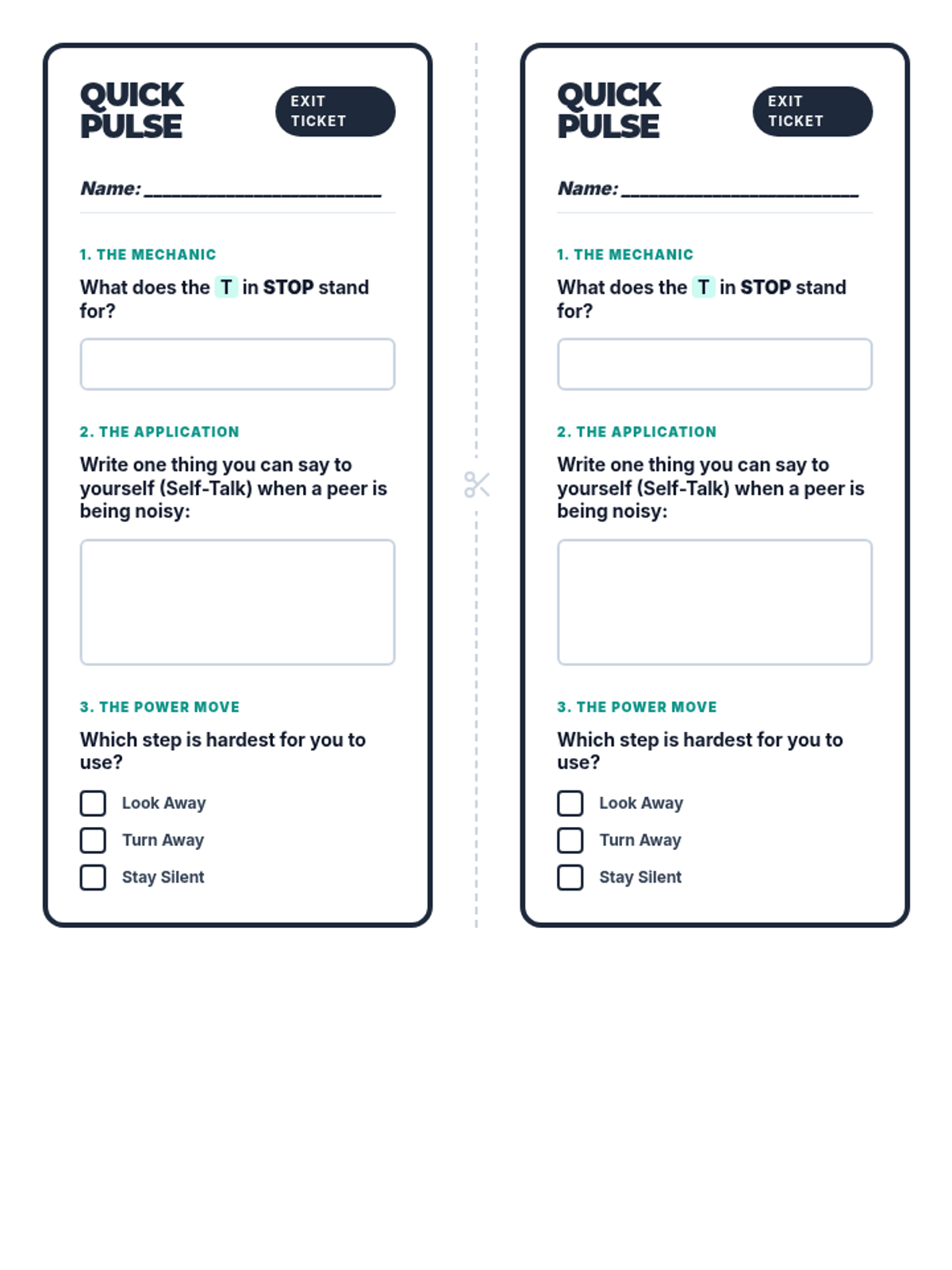
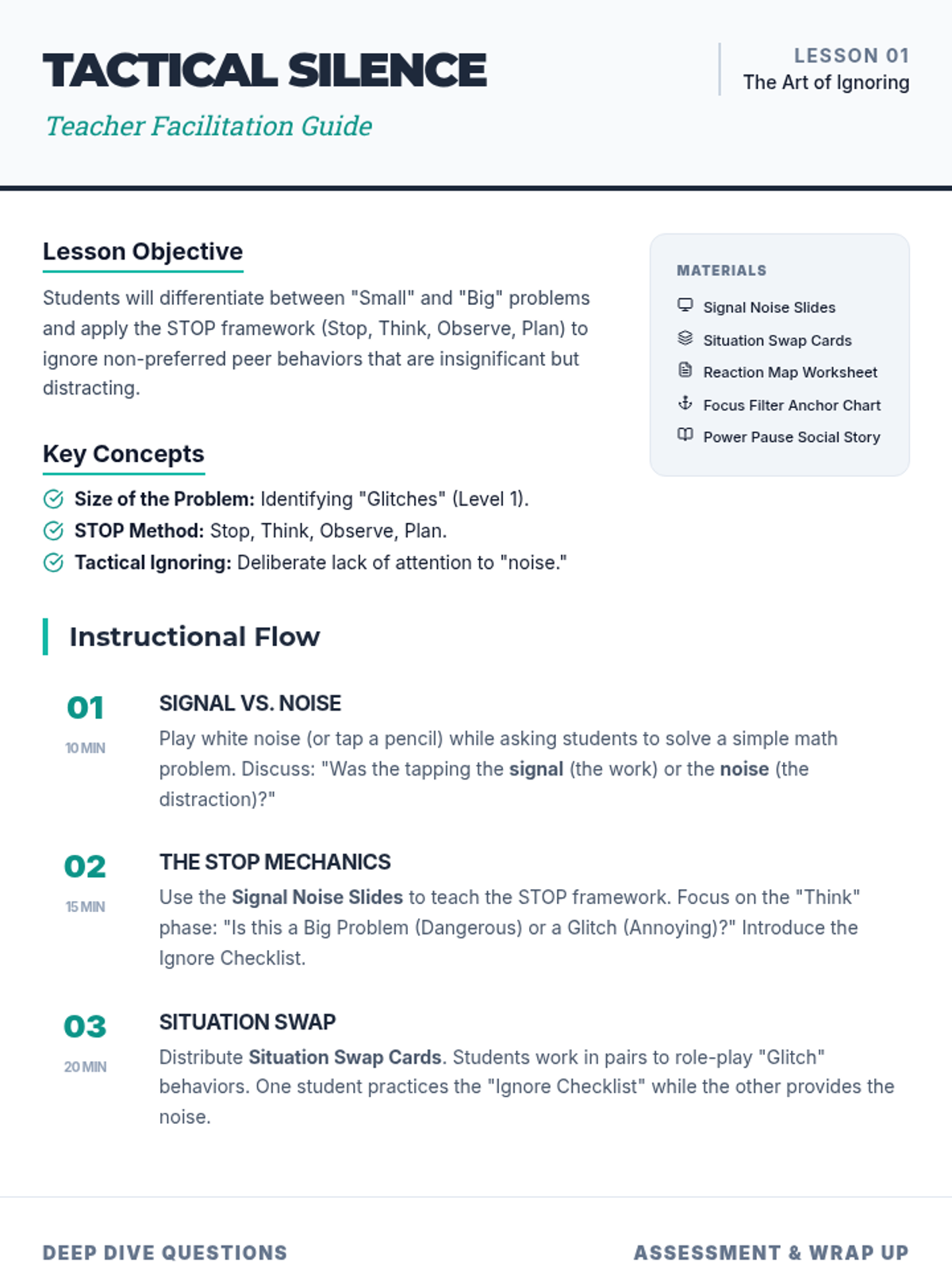
A specialized social skills sequence for high school students focusing on executive function, emotional regulation, and social boundaries. This sequence uses a modern, tech-inspired 'Social Navigator' theme to engage 9th-grade students in self-monitoring and problem-solving.
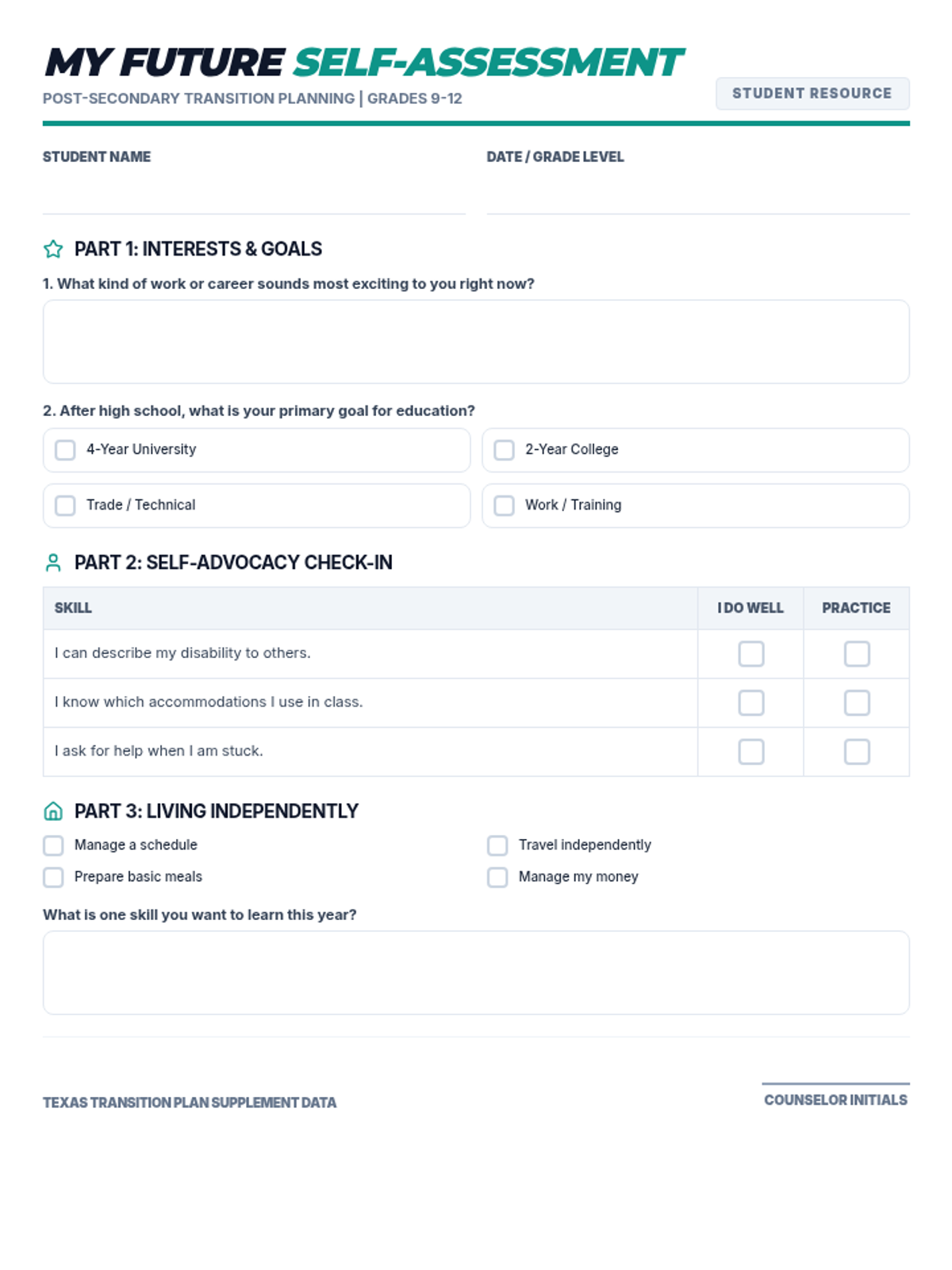
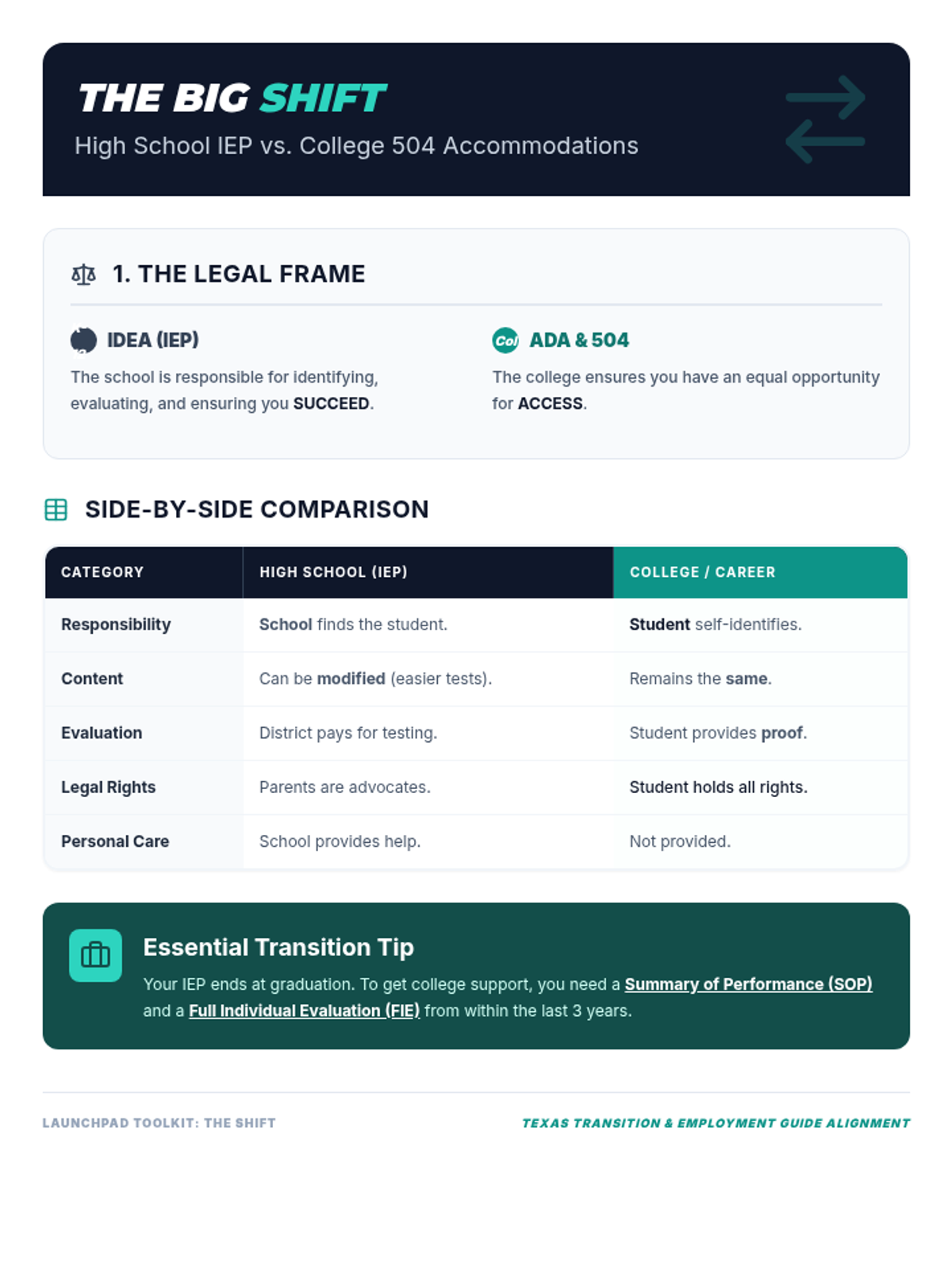
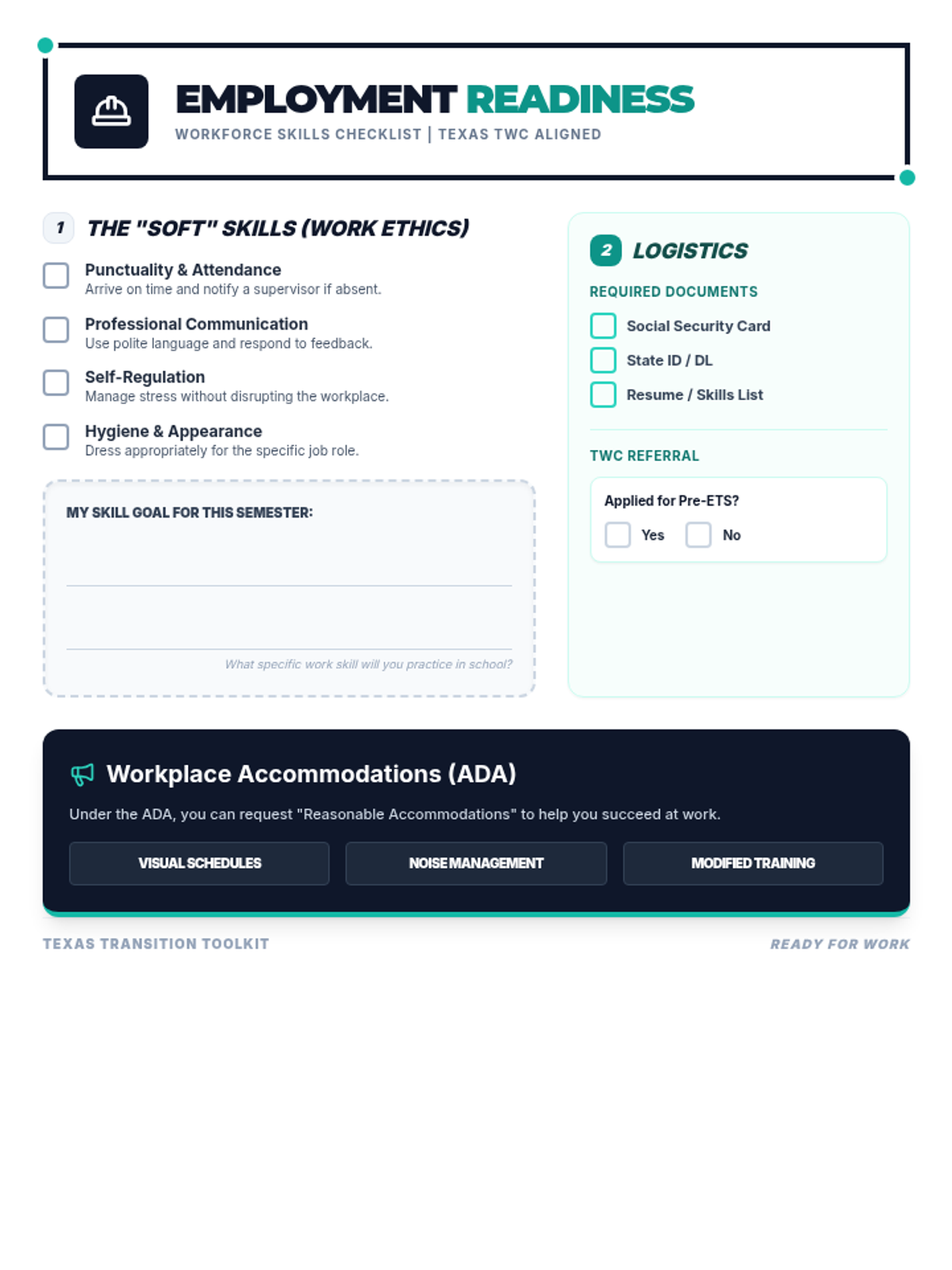
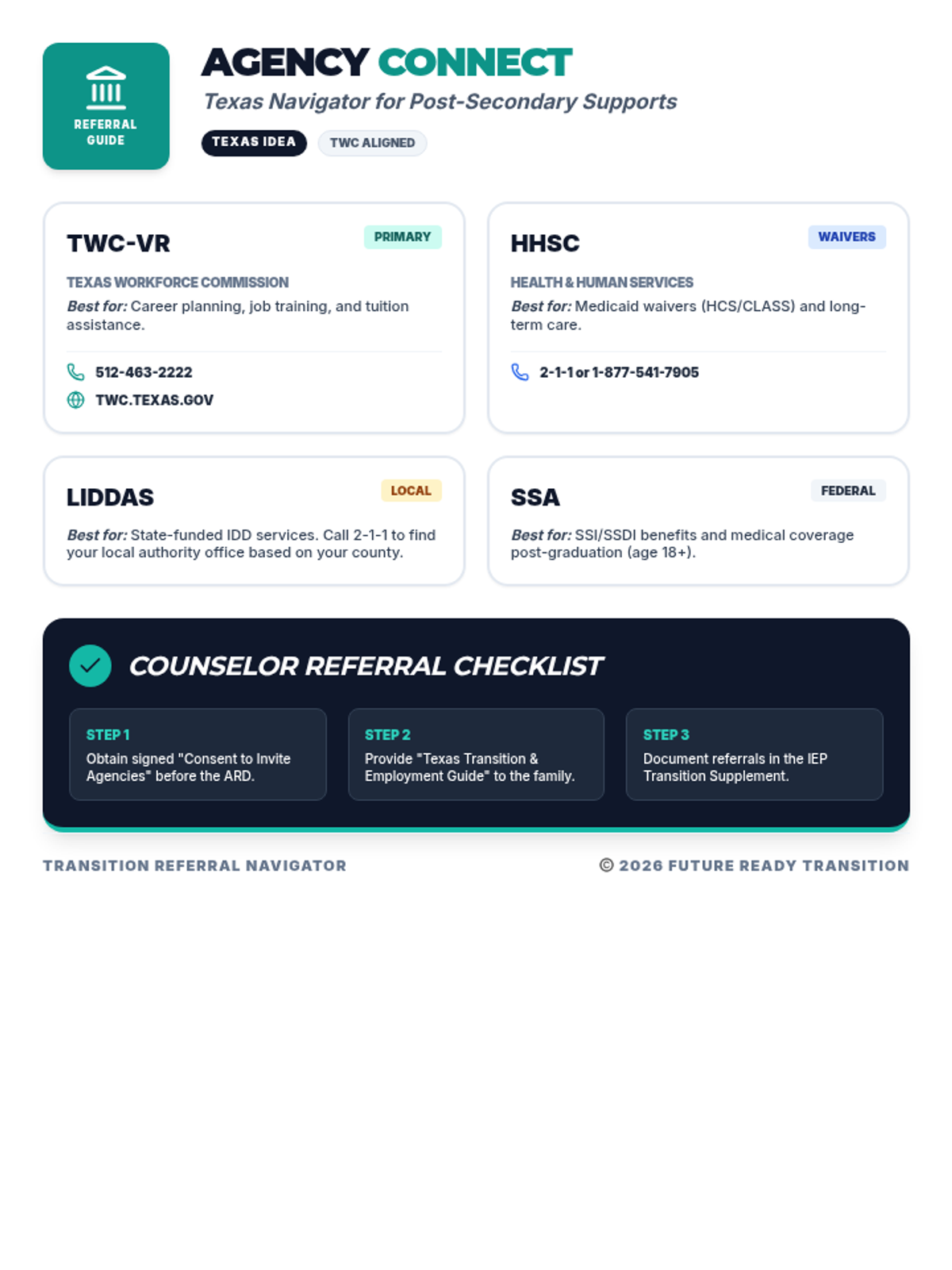
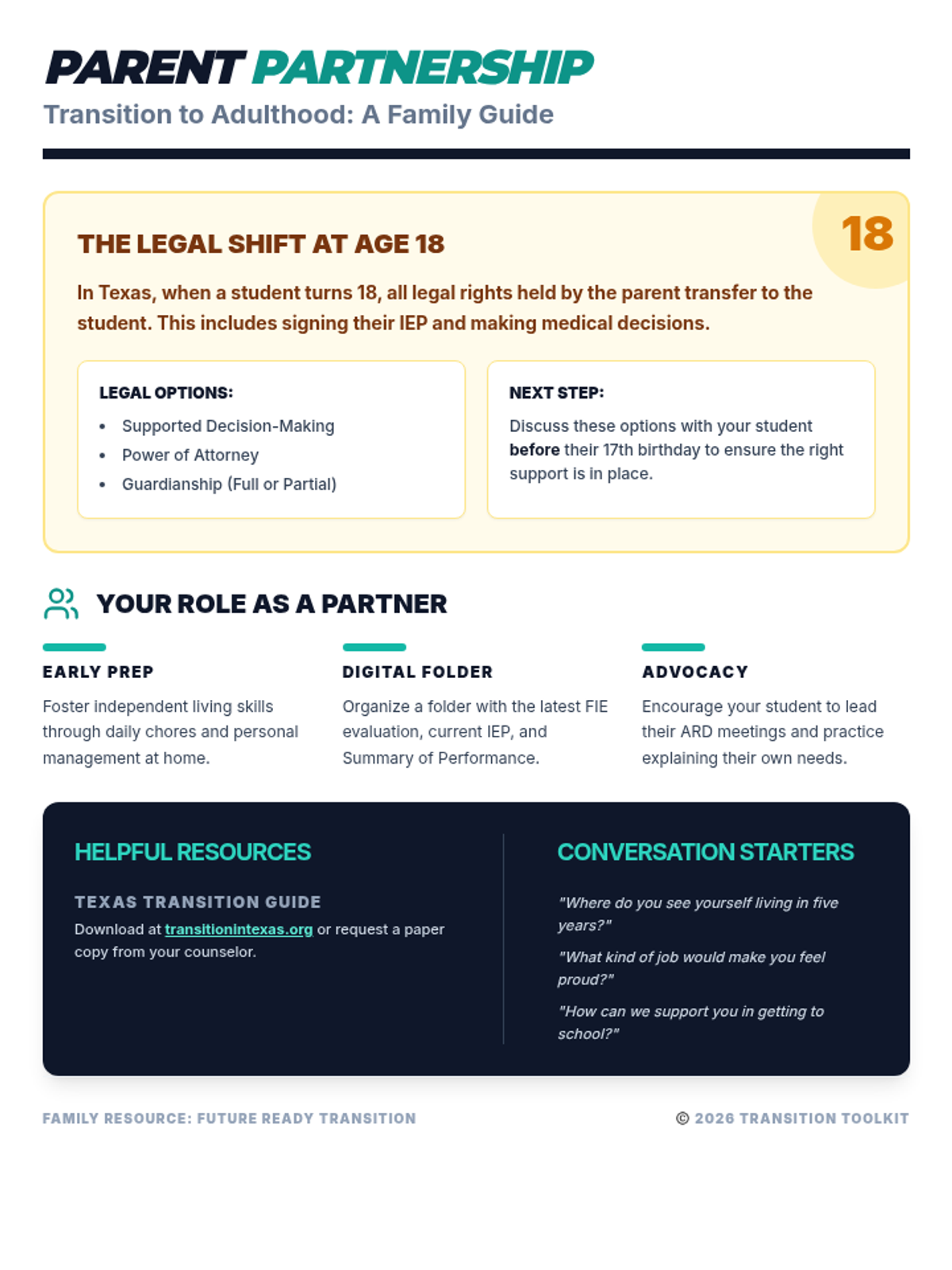
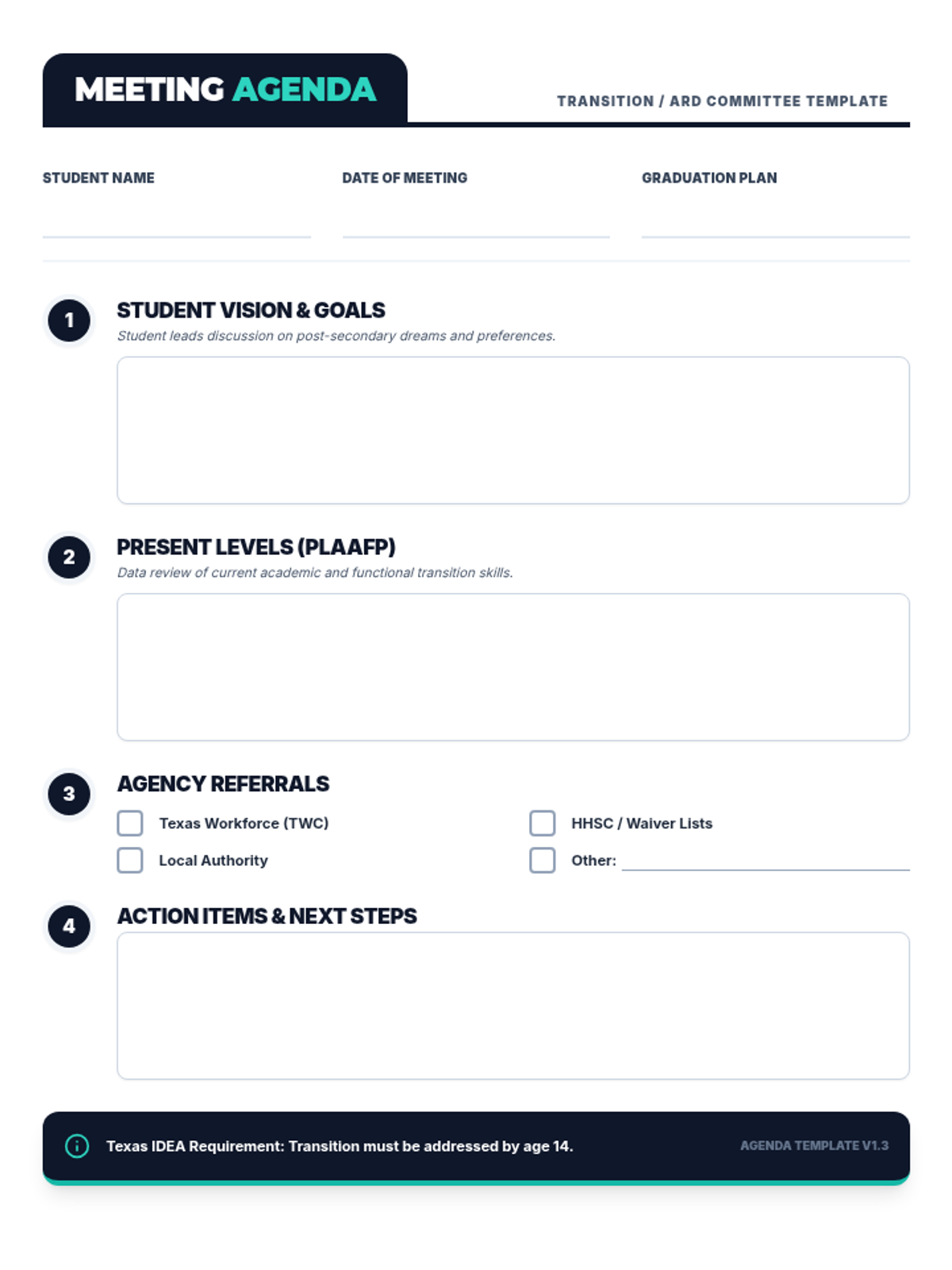
A comprehensive unit focused on preparing students with disabilities for the transition to post-secondary life, emphasizing self-advocacy, legal rights, and strategic disclosure.
A 10th-grade sequence focused on empowering students to manage their own IEP/504 timelines, accommodations, and administrative responsibilities through the lens of project management. Students transition from passive recipients of services to active managers of their educational milestones.
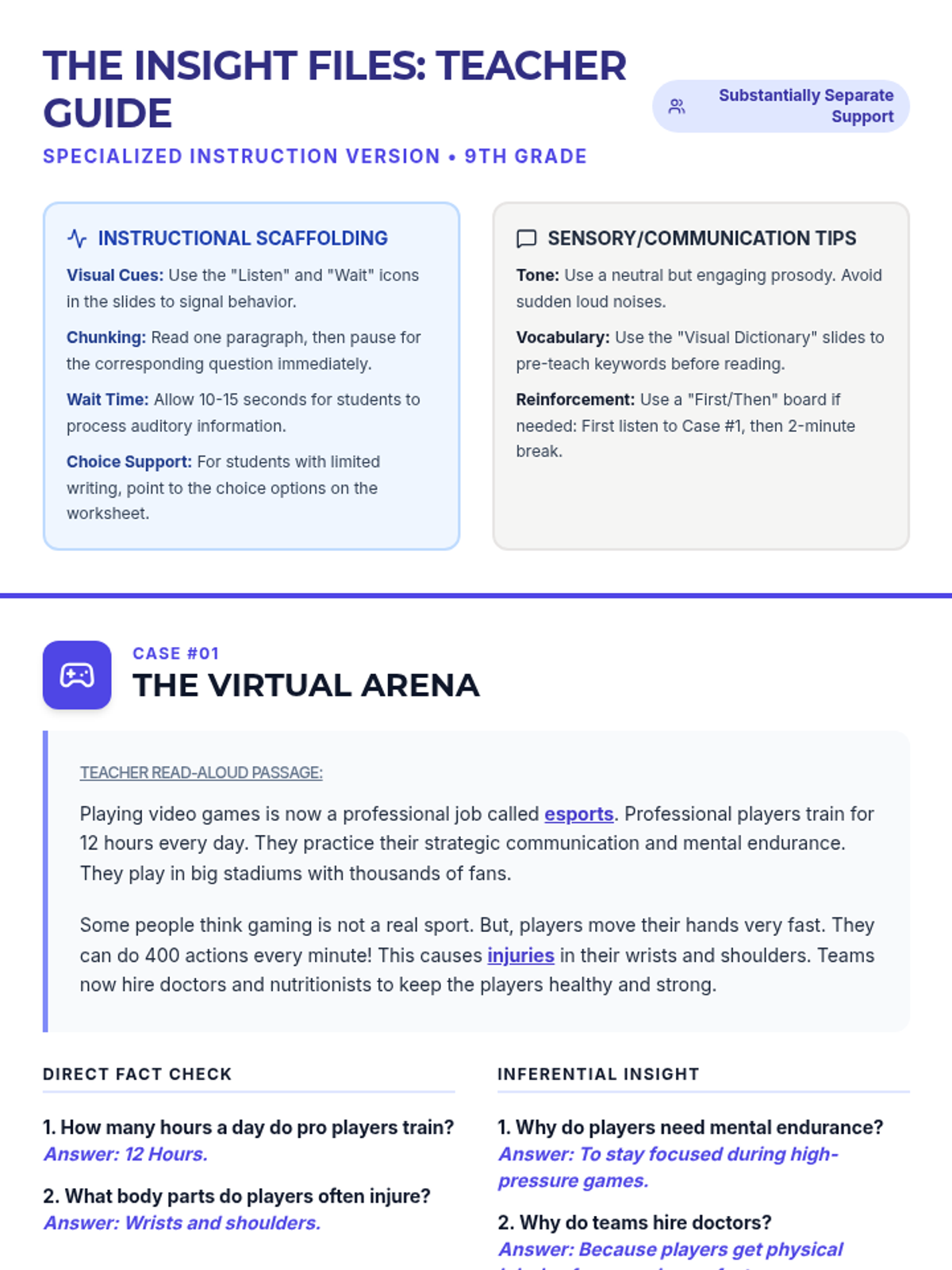
This sequence shifts the focus from assistive technology to the cognitive strategies required for auditory learning. Students engage in inquiry-based activities to distinguish between passive hearing and active listening, applying specific comprehension strategies while using text-to-speech (TTS) to access grade-level texts.
A 5-lesson sequence designed for 9th-grade students in an academic support setting to master digital annotation, highlighting, and collaborative text analysis tools. The sequence focuses on transitioning traditional paper-based strategies to digital environments like Google Docs and PDFs, emphasizing visible thinking and peer collaboration.
A 5-lesson sequence for 9th-grade students to master a systematic, three-color highlighting strategy, moving from identifying 'over-highlighting' pitfalls to independent application on non-fiction texts.