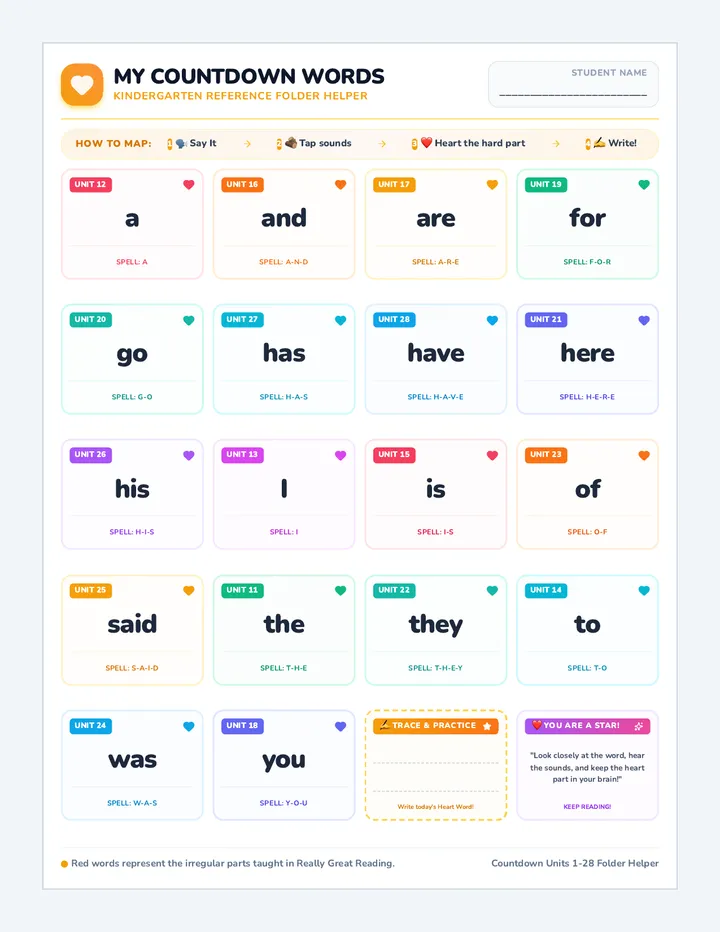
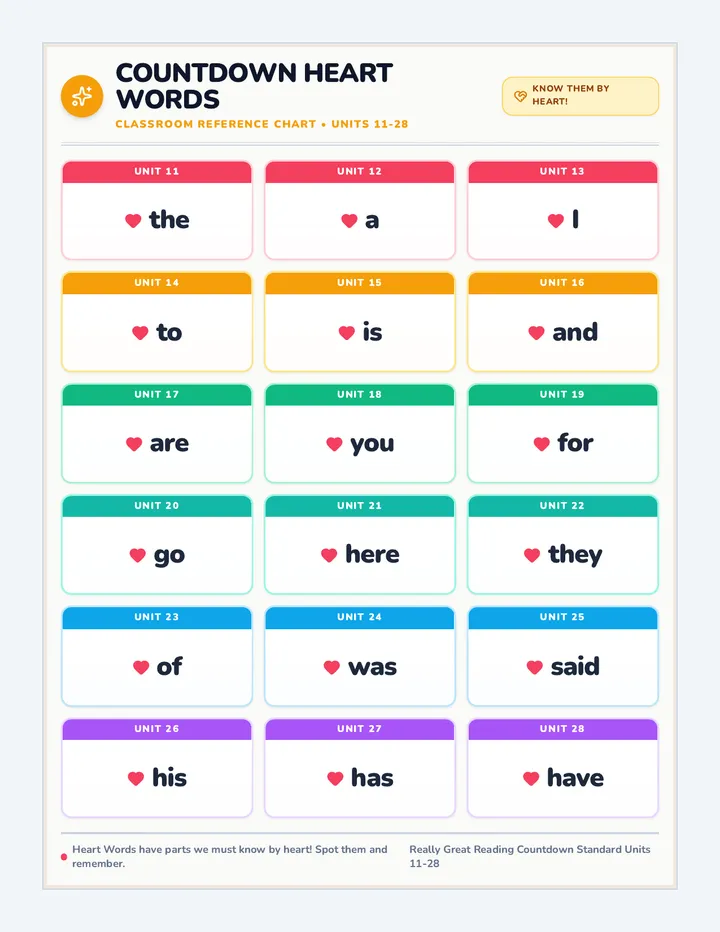
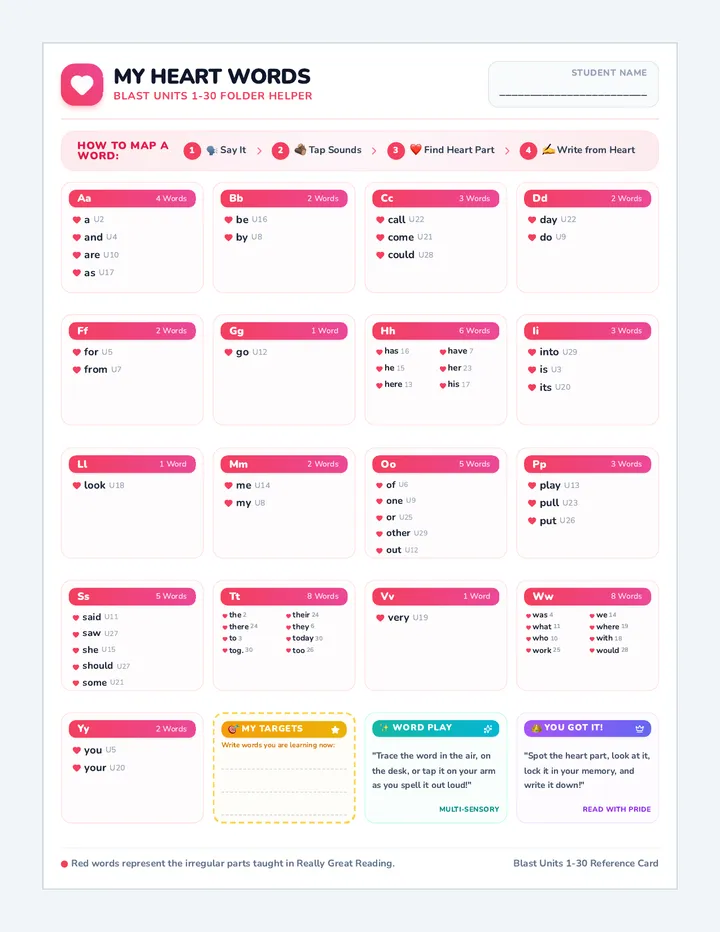
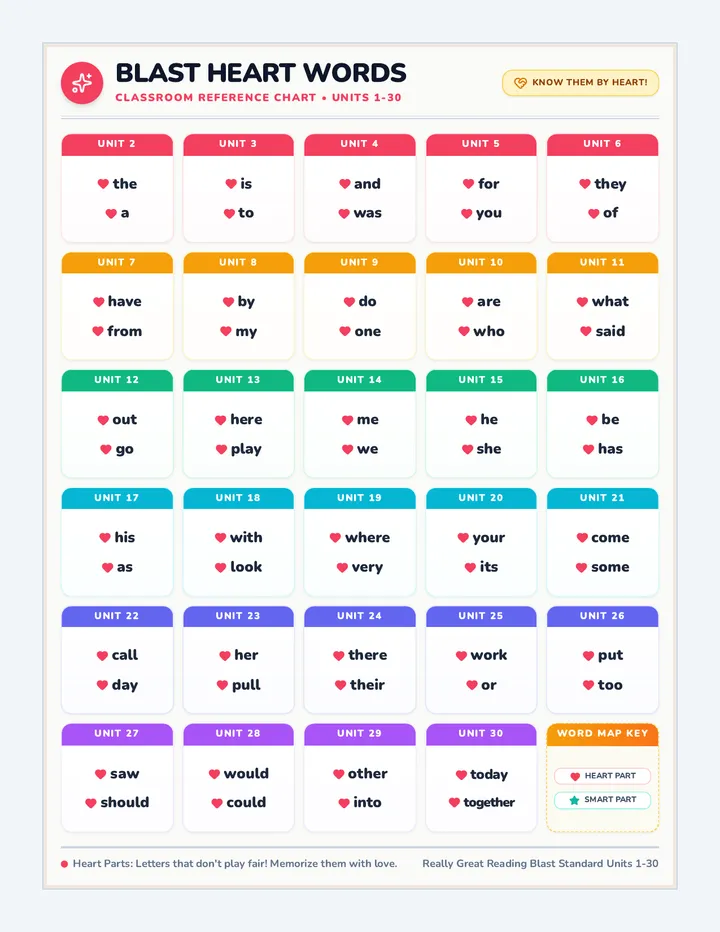
A magical introduction to Pre-Primer sight words, focusing on recognition and usage through sentence frames and cloze activities. Students will transform into Word Wizards to master high-frequency words.

A lesson designed to empower students to understand their IEP goals and practice self-advocacy through scenario-based roleplay. Students will learn the 'Blueprinting' method for communicating their needs effectively to teachers and staff.
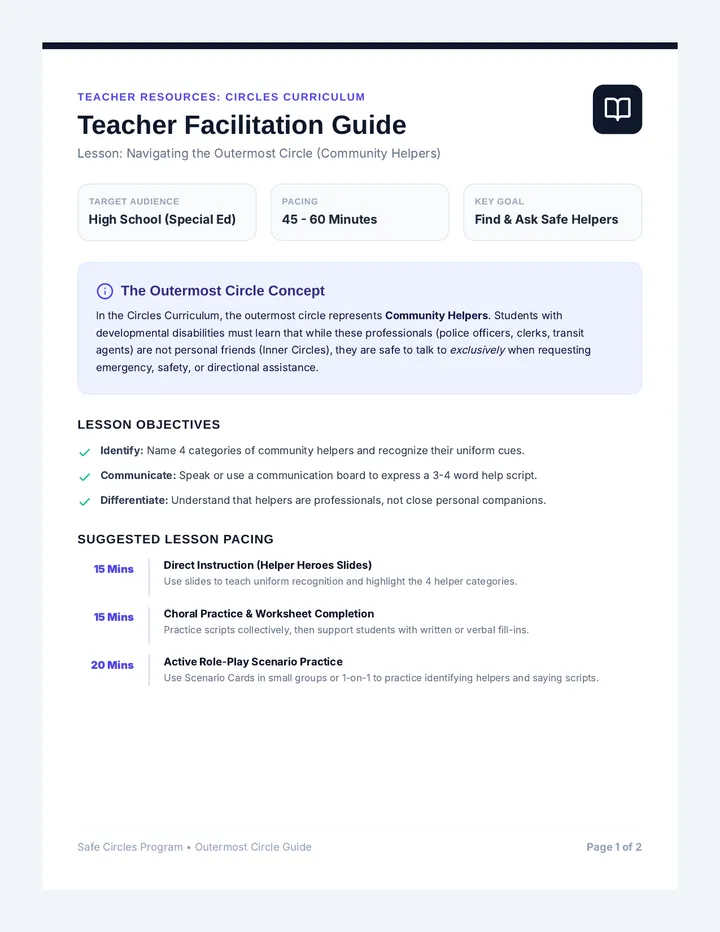
Teaching students to navigate personal space and handle social rejection with maturity and respect.
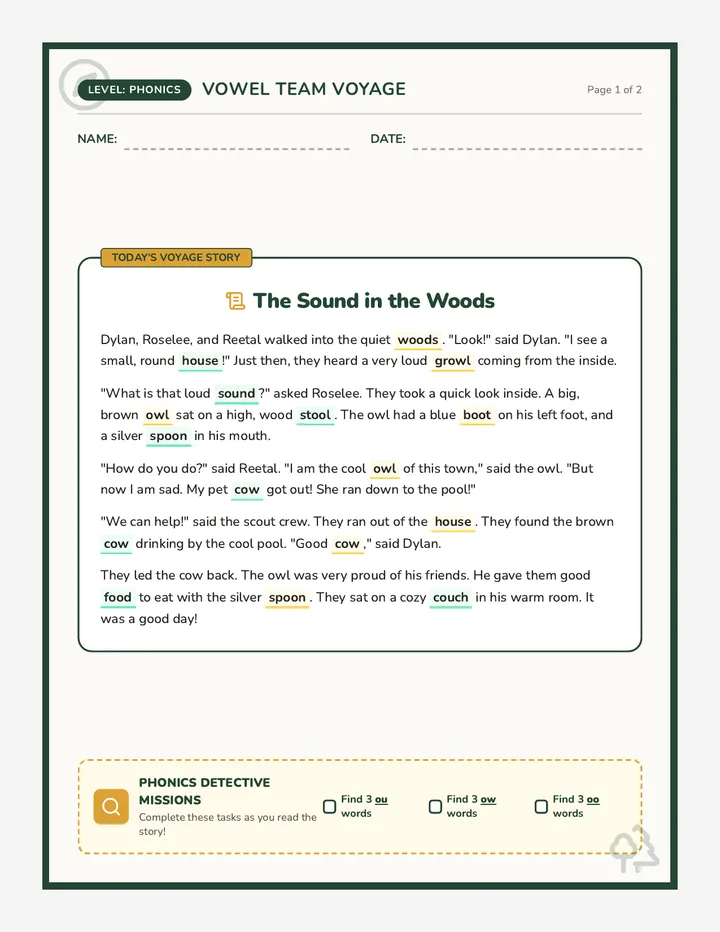
A foundational phonics lesson focusing on short vowel sounds (a, e, i, o, u) and high-frequency sight words using an adventure-themed "Vowel Valley" concept.
A foundational literacy lesson focusing on short vowel sounds and high-frequency sight words through an engaging 'nature expedition' theme. Students will identify vowel sounds in CVC words and practice common sight words.
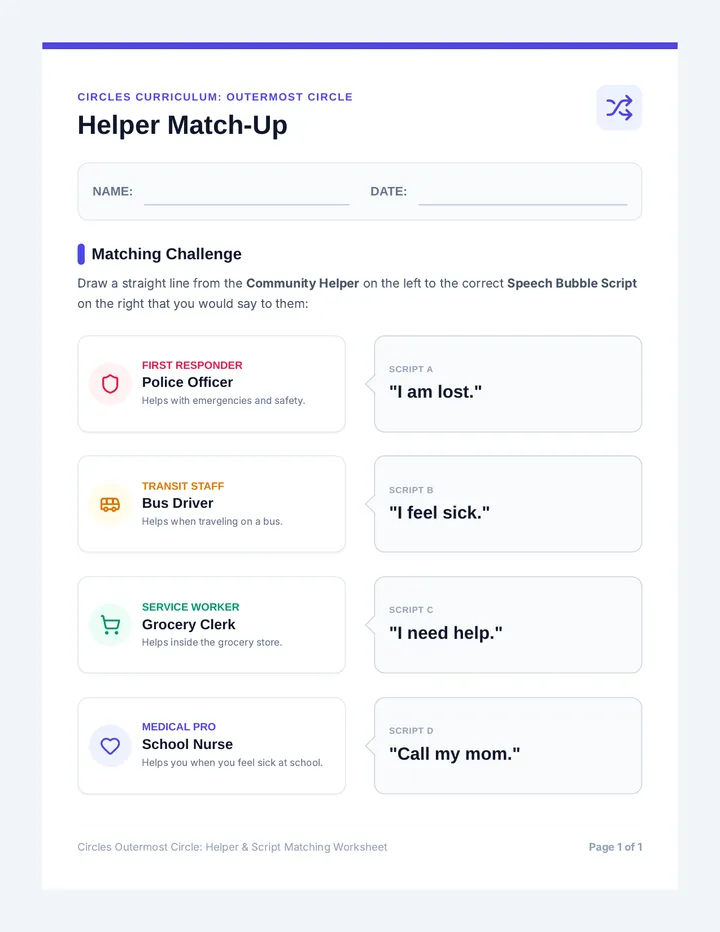
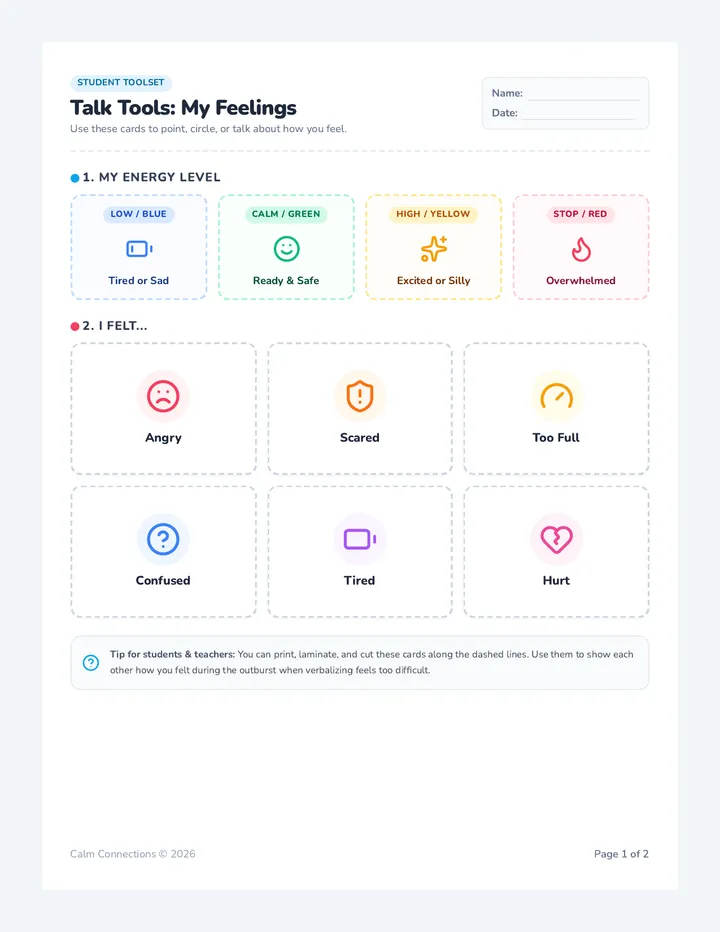
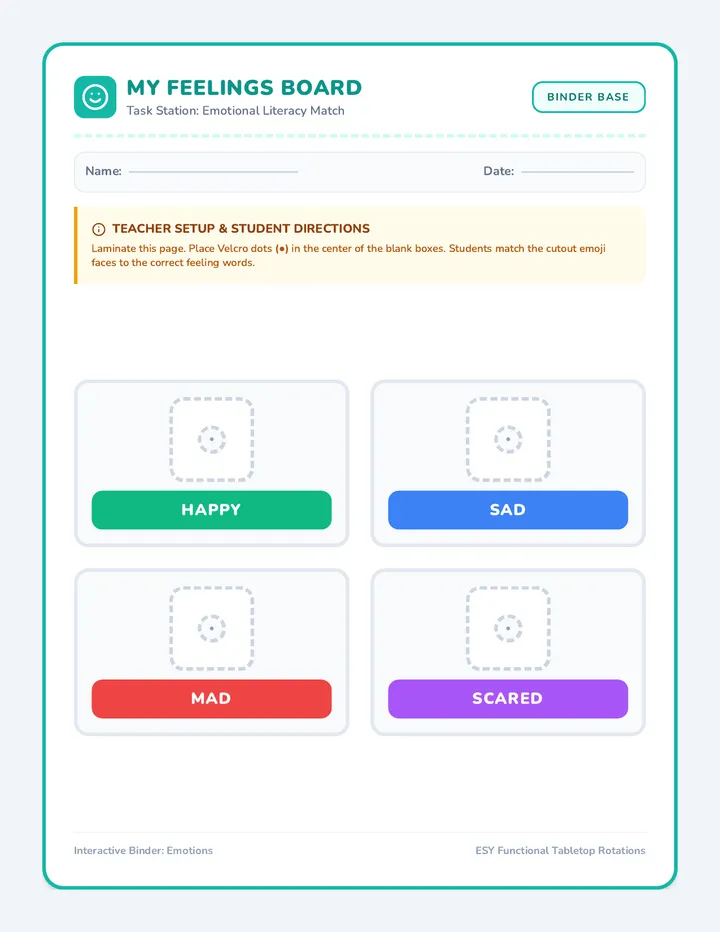
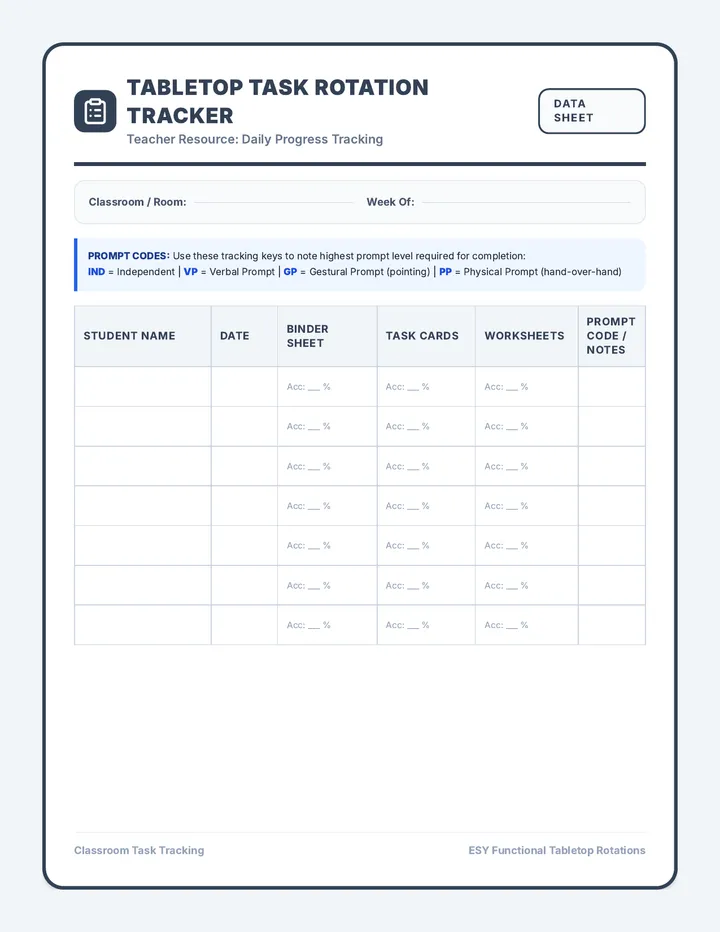
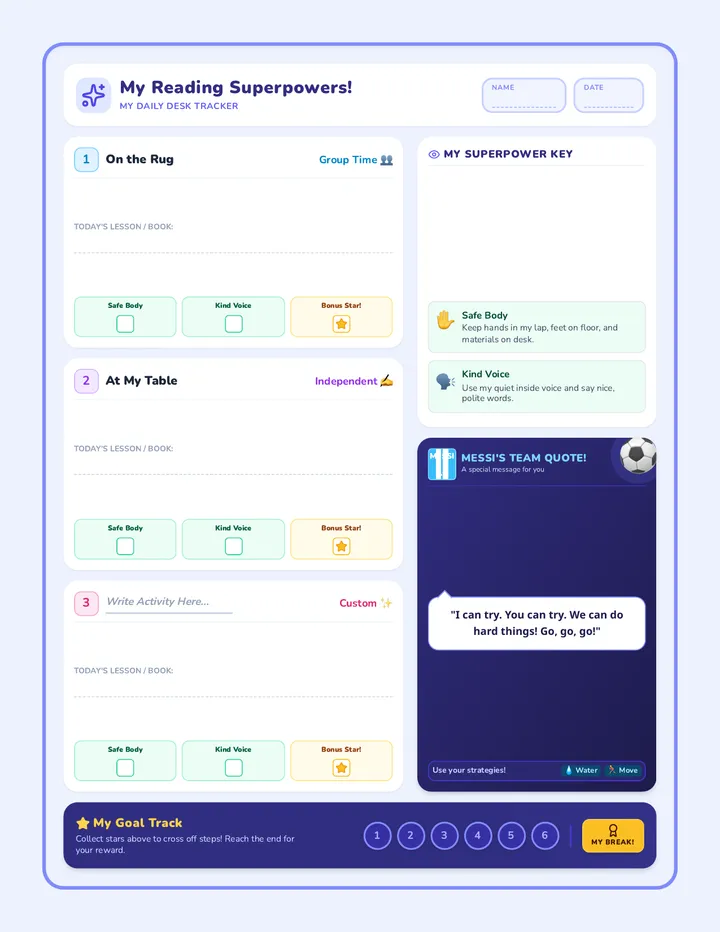
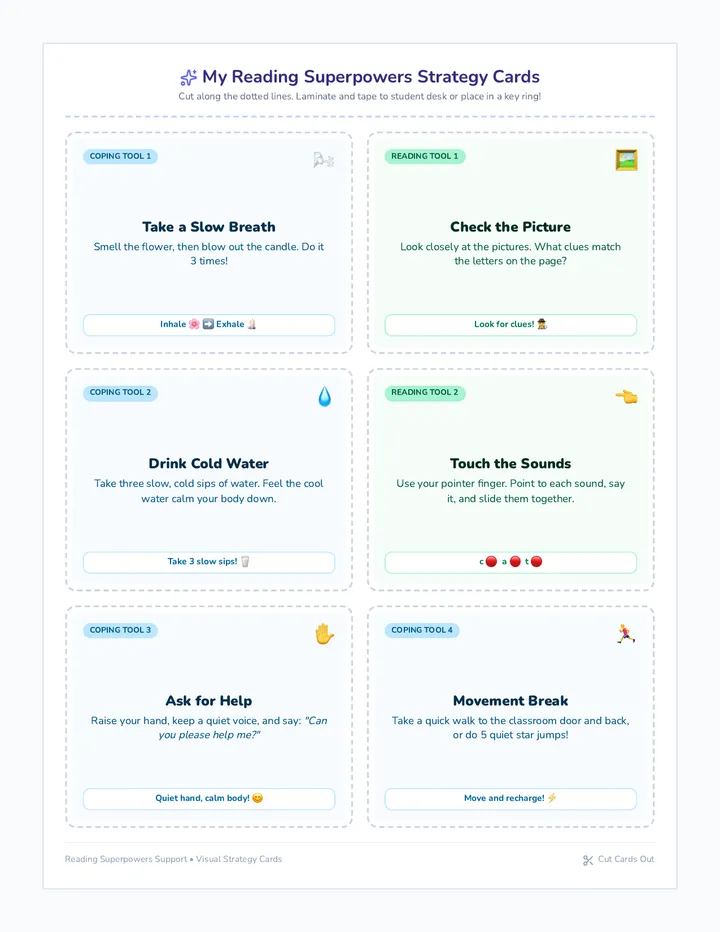
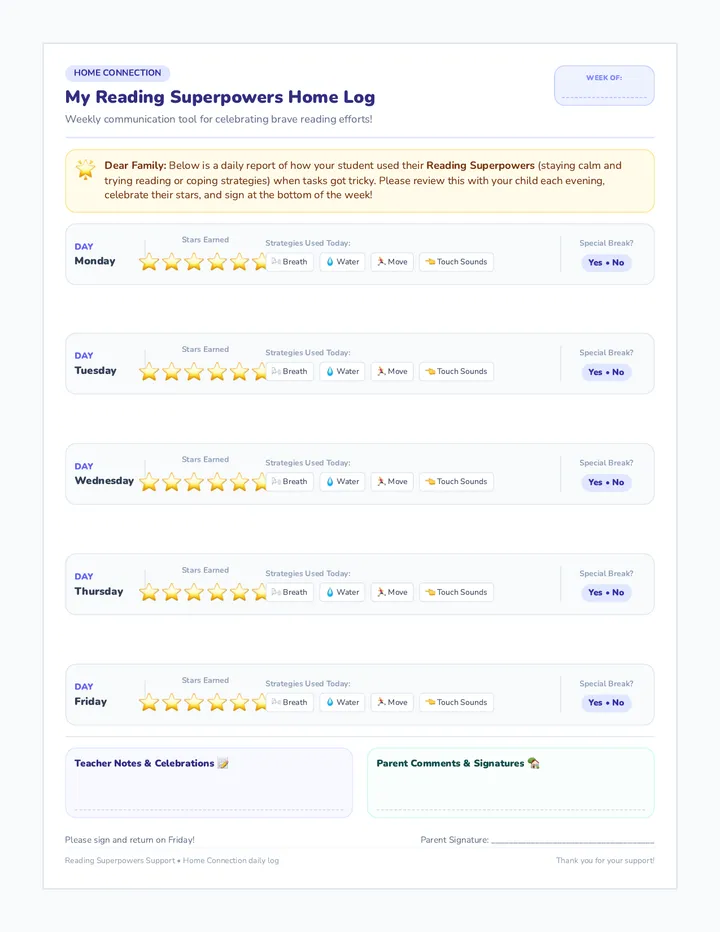
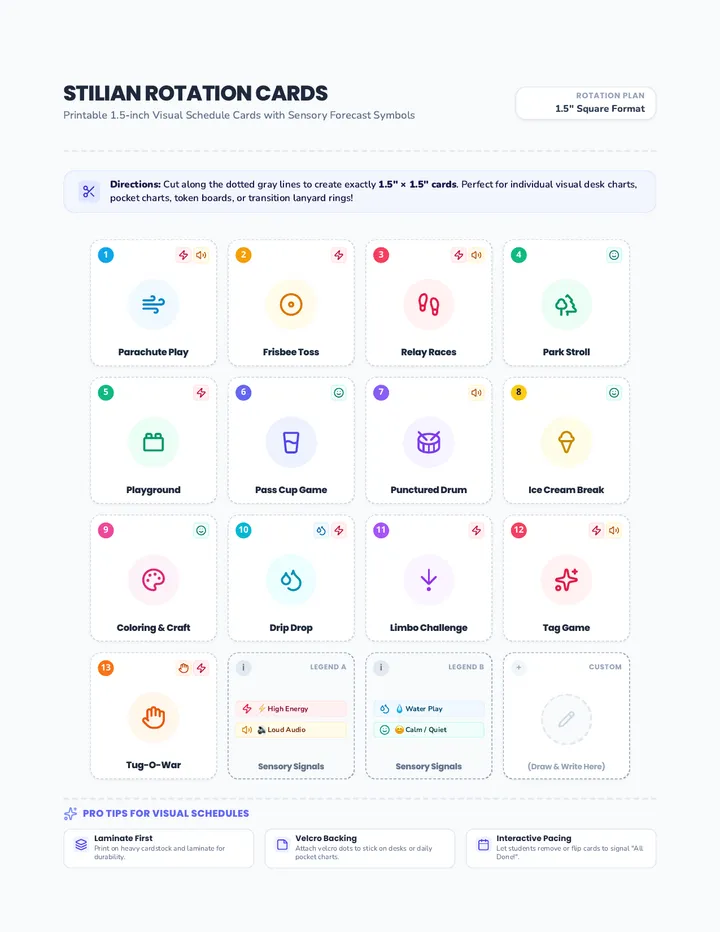
A collection of visual social stories, checklists, and activities designed to help autistic students navigate classroom expectations like listening, waiting, working, and taking breaks.
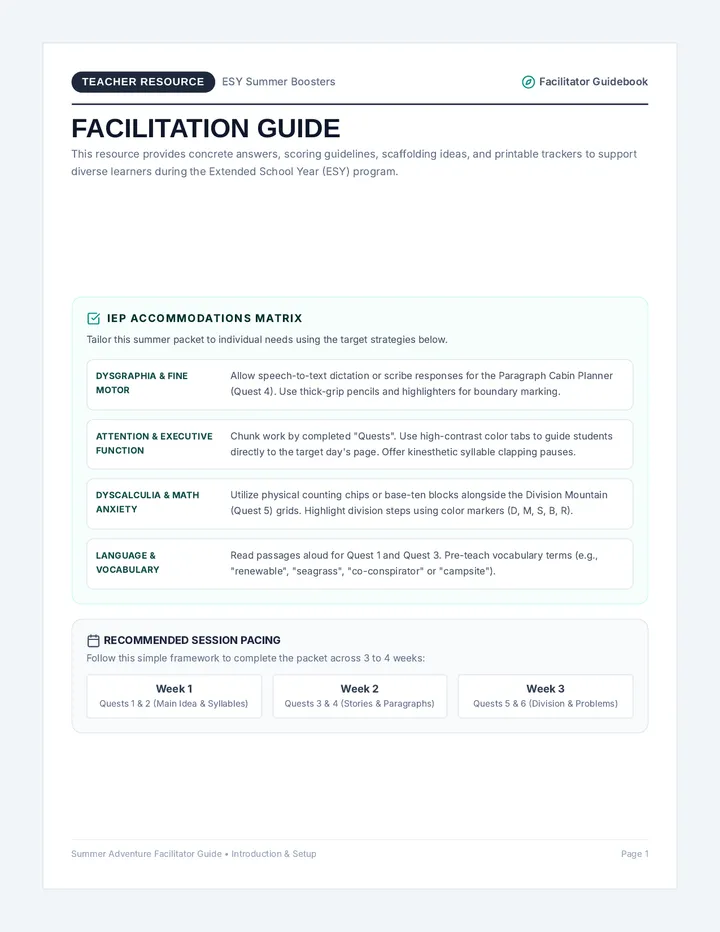
Strategies and quick-reference tools specifically designed for refocusing and redirecting students with ADHD and defiant behaviors in the Least Restrictive Environment.
Students practice reading comprehension and narrative sequencing by ordering sentences from Aesop's classic fable of the boy who cried wolf. The lesson includes a visual storytelling presentation, printable sentence strips for tactile learning, and a follow-up writing activity.
A comprehensive intervention suite designed for 8th-grade students struggling with elopement and vandalism. It focuses on restorative justice, structural scheduling, and teacher-led support strategies.
Sensory support strategies and proprioceptive activities designed for students in grades 3-5. Bridges the gap between play-based movement and functional household participation with age-appropriate "strength challenges."
Sensory support strategies and proprioceptive activities specifically designed for students in grades K-3. Focuses on play-based heavy work, animal walks, and simple household participation.
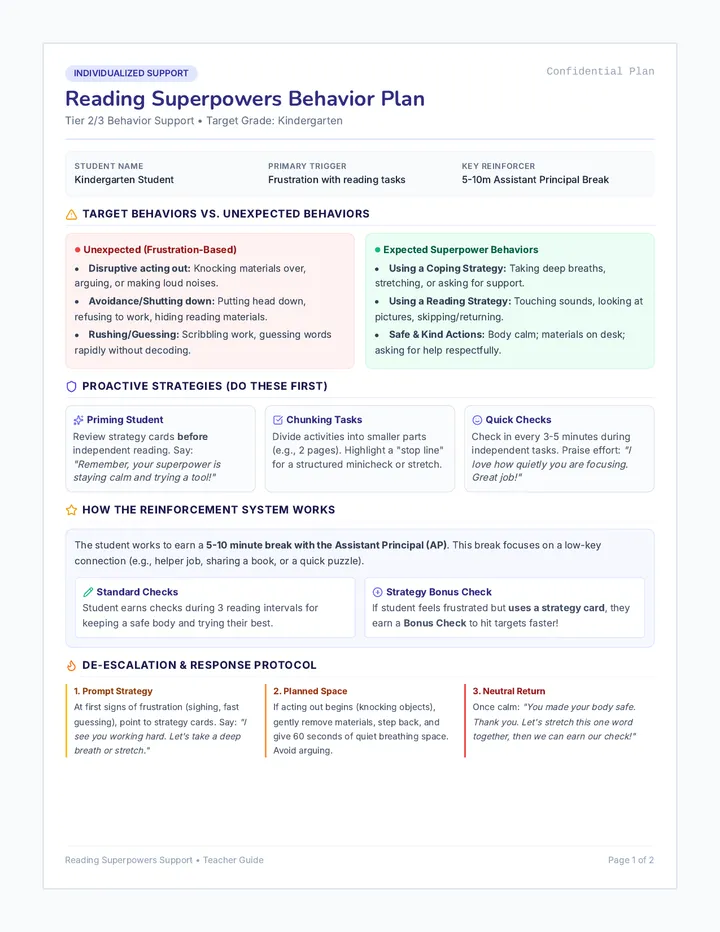
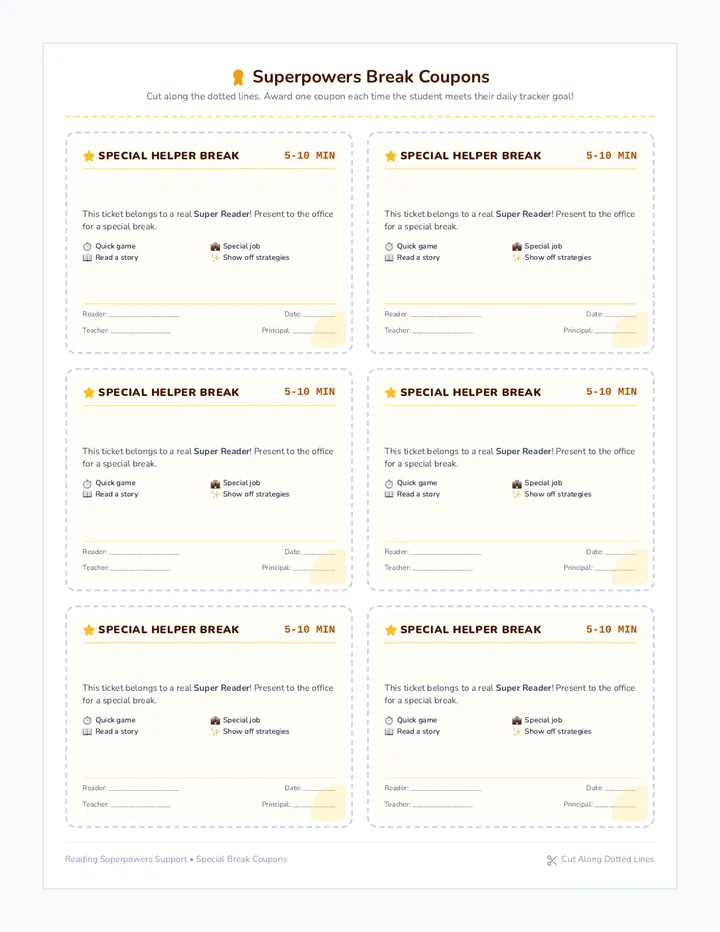
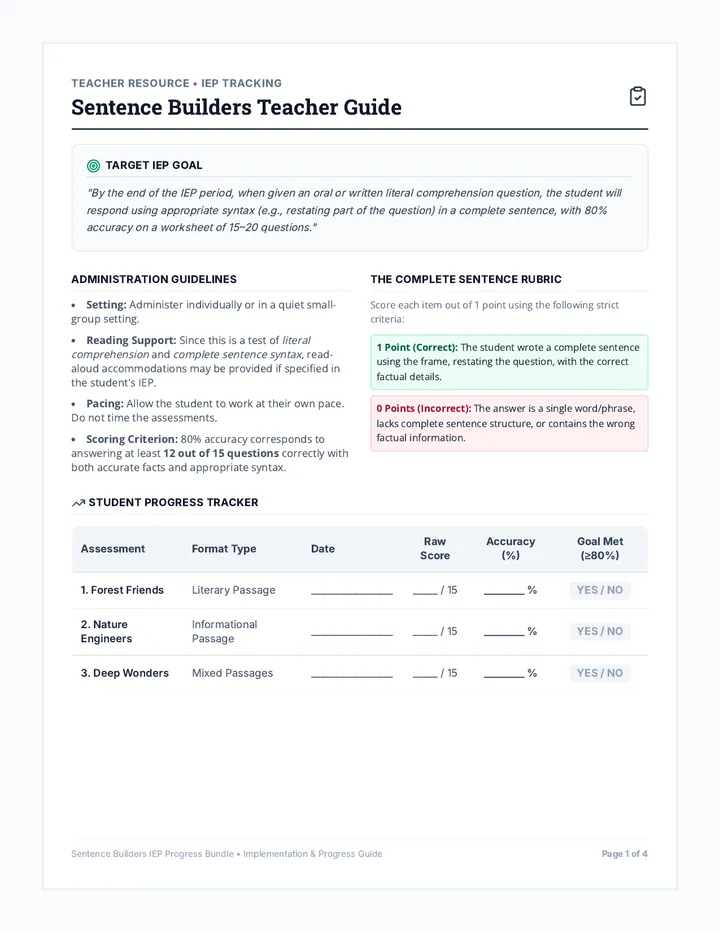
A classroom management system focused on positive reinforcement through a token economy, featuring non-tangible rewards.
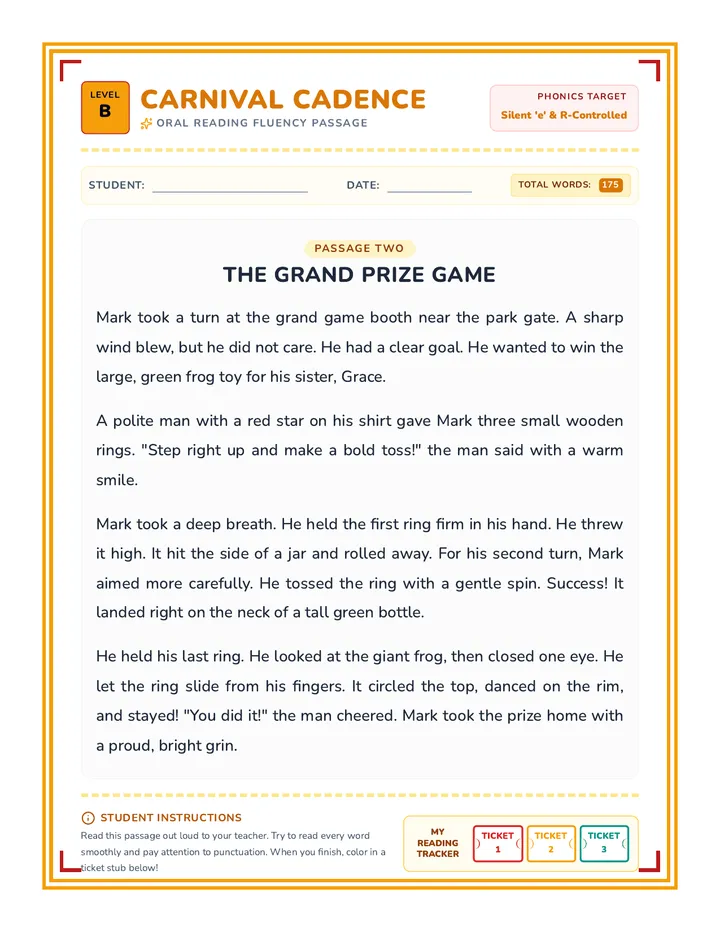
A comprehensive K-12 behavior management system that synthesizes best practices from MTSS, PBIS, and restorative justice frameworks. This lesson provides teachers with a clear decision-making flow and a detailed policy handbook for maintaining a positive school culture.
A collection of worksheets designed to help students write structured biographical paragraphs about historical figures using mind maps and sentence starters. Each worksheet features a unique theme tailored to the figure's profession.
A mini-lesson for a 6th-grade resource room ELA class focusing on Auggie's character traits and his development throughout the first month of school in the novel 'Wonder'. This lesson uses a space-exploration theme and provides high levels of scaffolding.
A comprehensive set of resources for parents of junior high and high school students, focusing on proprioception, sensory seeking behaviors, and practical home-based strategies.
Students synthesize the entire novel's events, including the final chapter and afterword, to identify themes and analyze the resolution of the plot.
Students examine the setting's impact on the plot and synthesize details from Annemarie's encounter with the soldiers in the woods.
Students analyze character growth and the impact of point of view as Annemarie takes on a dangerous mission in chapters 13 and 14.
Focusing on chapters 11 and 12, students analyze plot elements and practice synthesizing information to summarize the escape to the boat.
Students evaluate plot details and suspense techniques used in chapters 9 and 10, focusing on the mysterious funeral of 'Great-Aunt Birte'.
Students investigate point of view and make deeper inferences about Uncle Henrik's role and the move to the coast in chapters 7 and 8.
Focusing on chapters 5 and 6, students track plot development and practice summarizing the high-tension events of the soldiers' midnight visit.
Students analyze character traits and make inferences about the changing atmosphere in Copenhagen as the Nazi occupation intensifies in chapters 3 and 4.