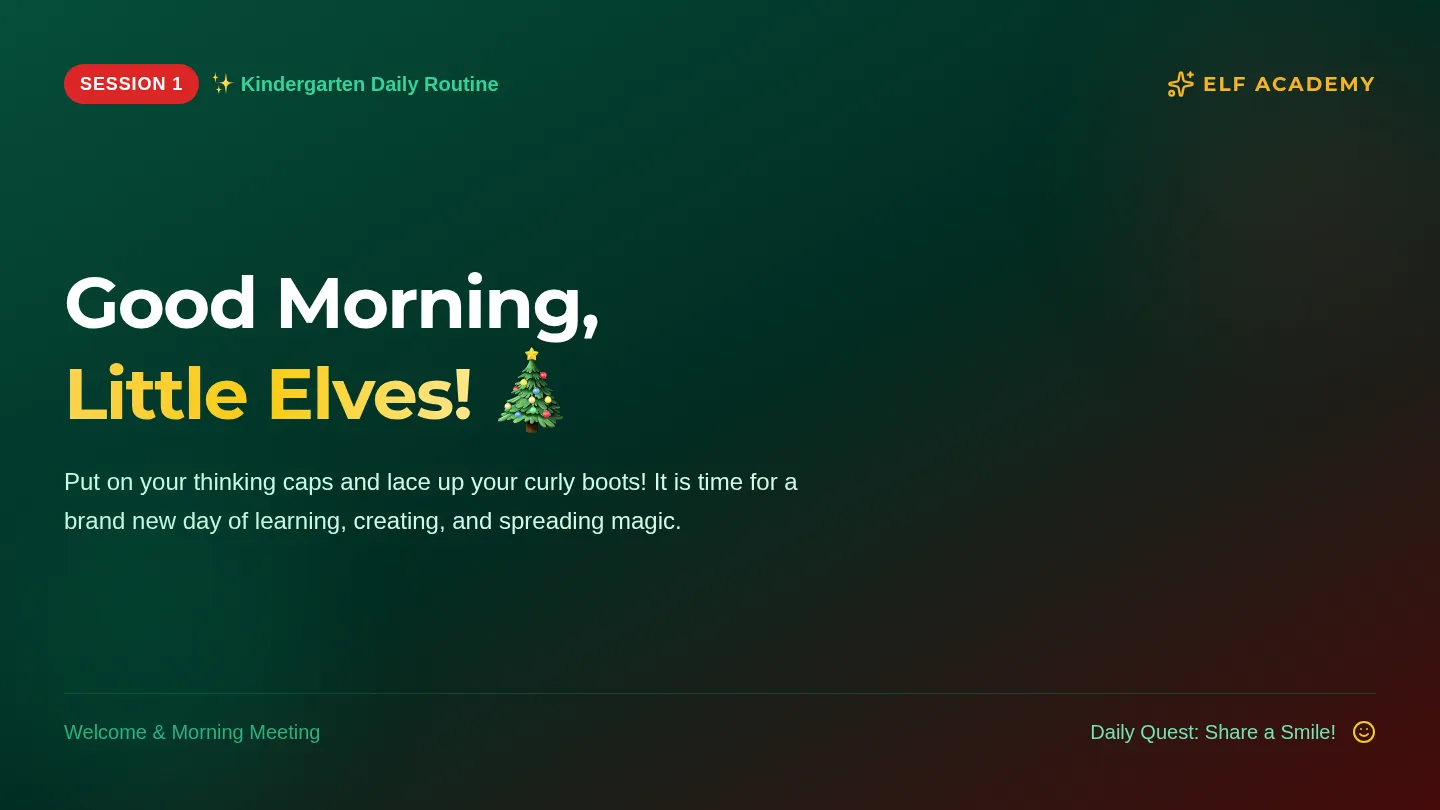
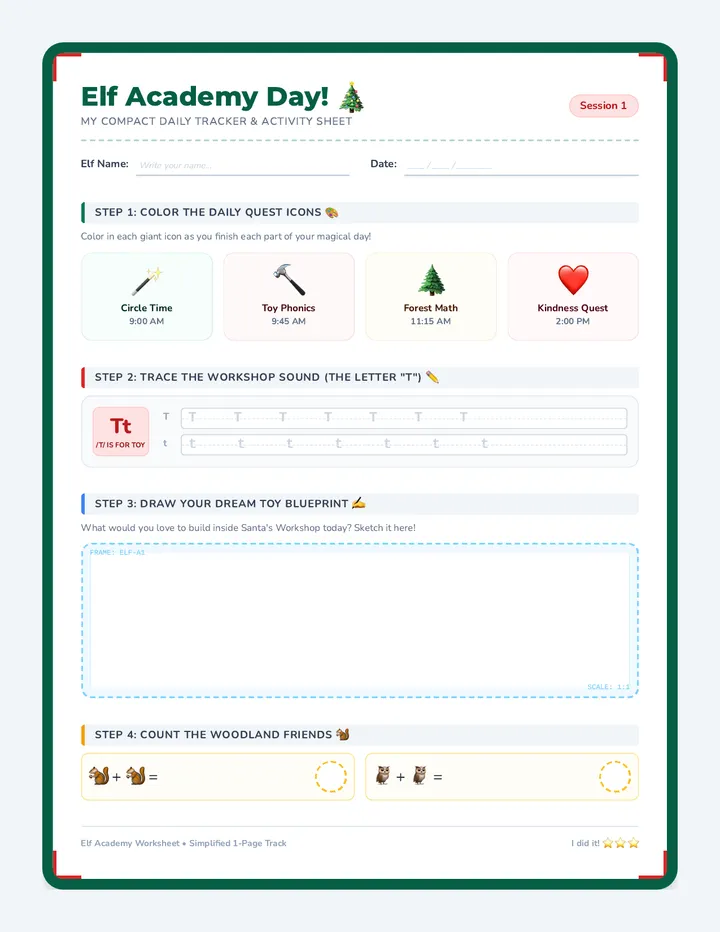
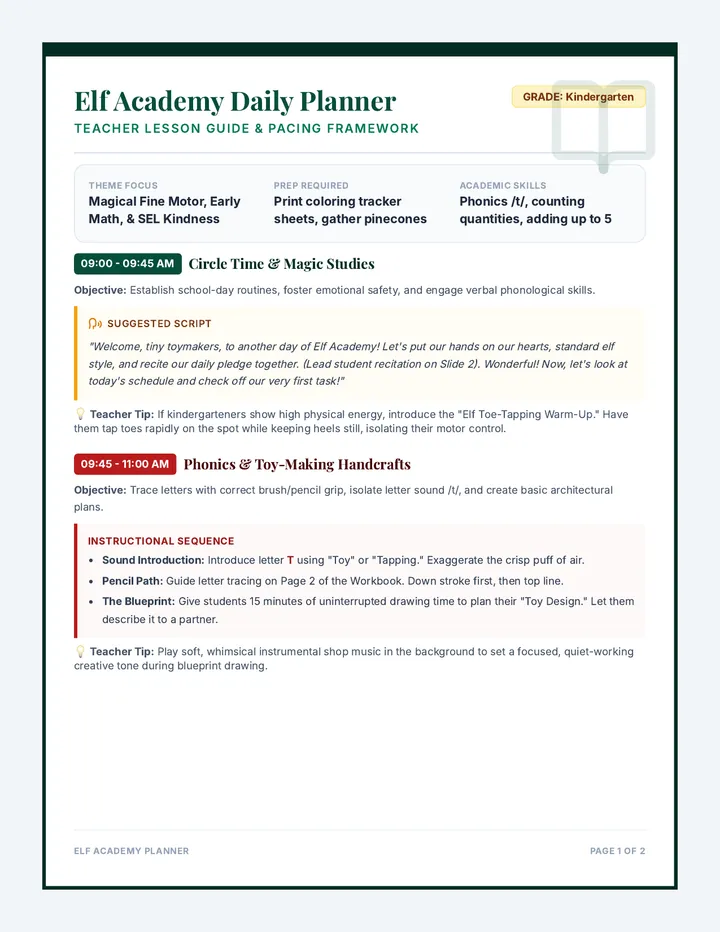
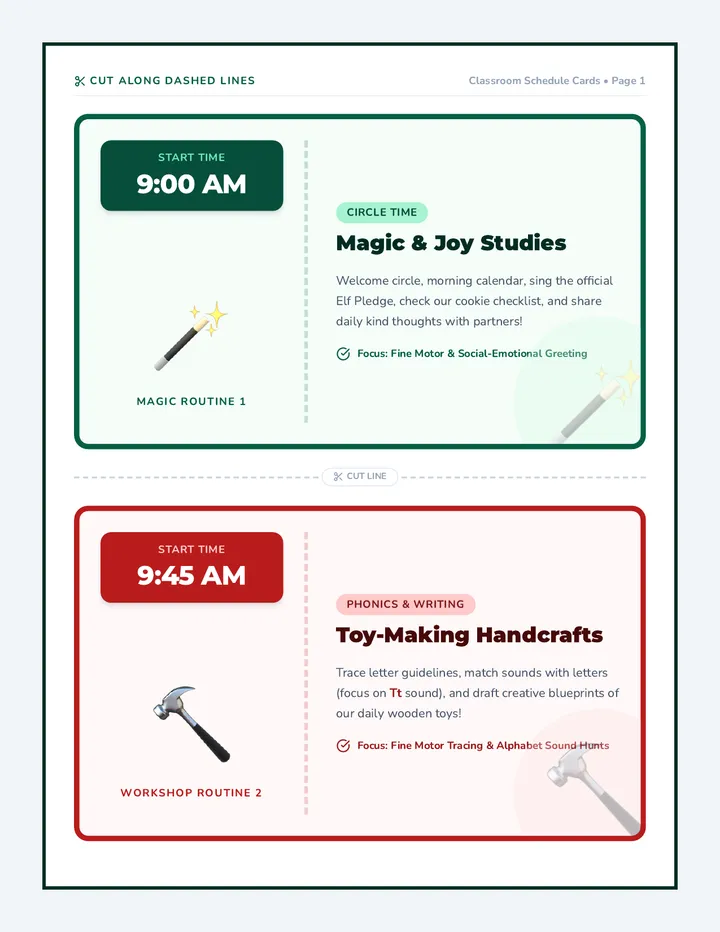
Early exposure to time management helps Pre-K students understand routines, anticipate transitions, and develop a sense of sequence, which reduces anxiety and builds independence.
A collection of visual social stories, checklists, and activities designed to help autistic students navigate classroom expectations like listening, waiting, working, and taking breaks.
Strategies and quick-reference tools specifically designed for refocusing and redirecting students with ADHD and defiant behaviors in the Least Restrictive Environment.
A comprehensive intervention suite designed for 8th-grade students struggling with elopement and vandalism. It focuses on restorative justice, structural scheduling, and teacher-led support strategies.
Sensory support strategies and proprioceptive activities designed for students in grades 3-5. Bridges the gap between play-based movement and functional household participation with age-appropriate "strength challenges."
Sensory support strategies and proprioceptive activities specifically designed for students in grades K-3. Focuses on play-based heavy work, animal walks, and simple household participation.
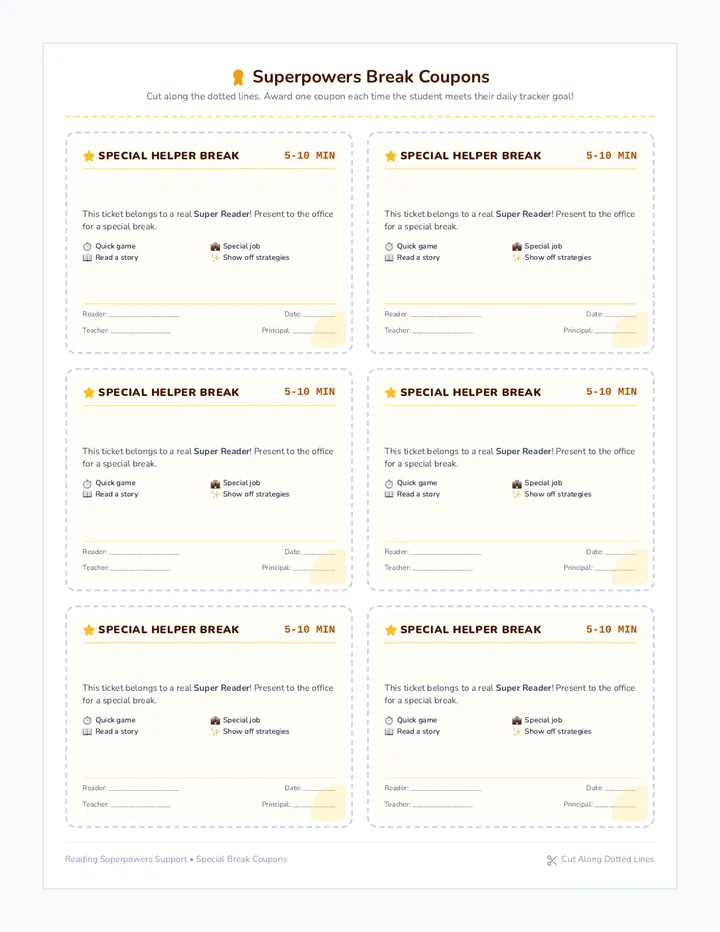
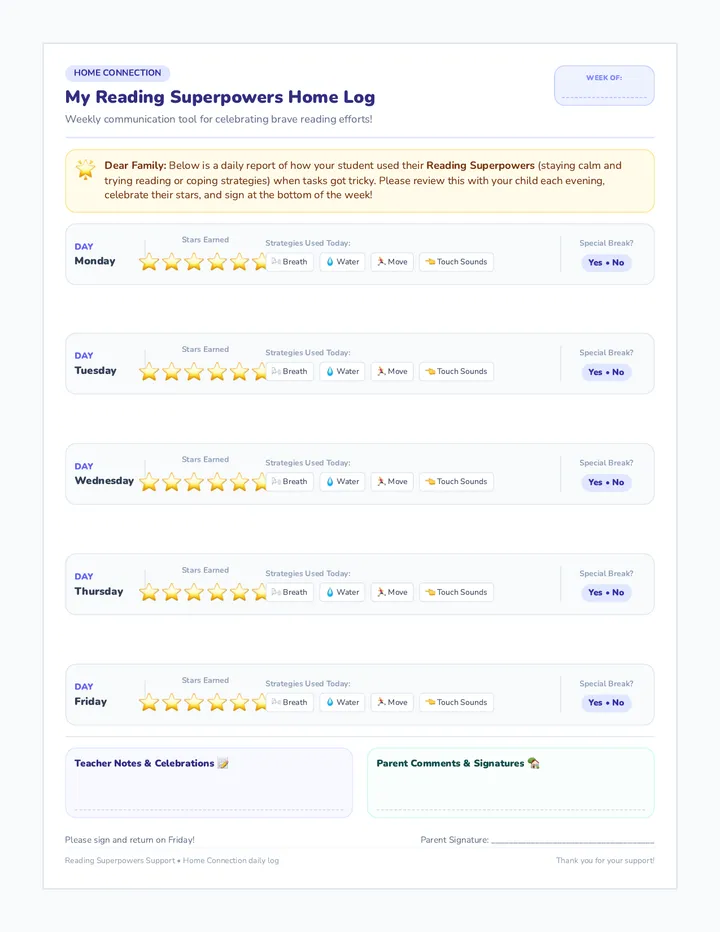
A classroom management system focused on positive reinforcement through a token economy, featuring non-tangible rewards.
A comprehensive K-12 behavior management system that synthesizes best practices from MTSS, PBIS, and restorative justice frameworks. This lesson provides teachers with a clear decision-making flow and a detailed policy handbook for maintaining a positive school culture.
A mini-lesson for a 6th-grade resource room ELA class focusing on Auggie's character traits and his development throughout the first month of school in the novel 'Wonder'. This lesson uses a space-exploration theme and provides high levels of scaffolding.
A comprehensive set of resources for parents of junior high and high school students, focusing on proprioception, sensory seeking behaviors, and practical home-based strategies.
A comprehensive set of articulation resources for kindergarteners focusing on /t/, /d/, /n/, /s/, and /z/ sounds in initial, medial, and final word positions through a playful safari theme.