Focuses on identifying and expressing the basic emotions of Happy and Sad using visual aids and modeling.
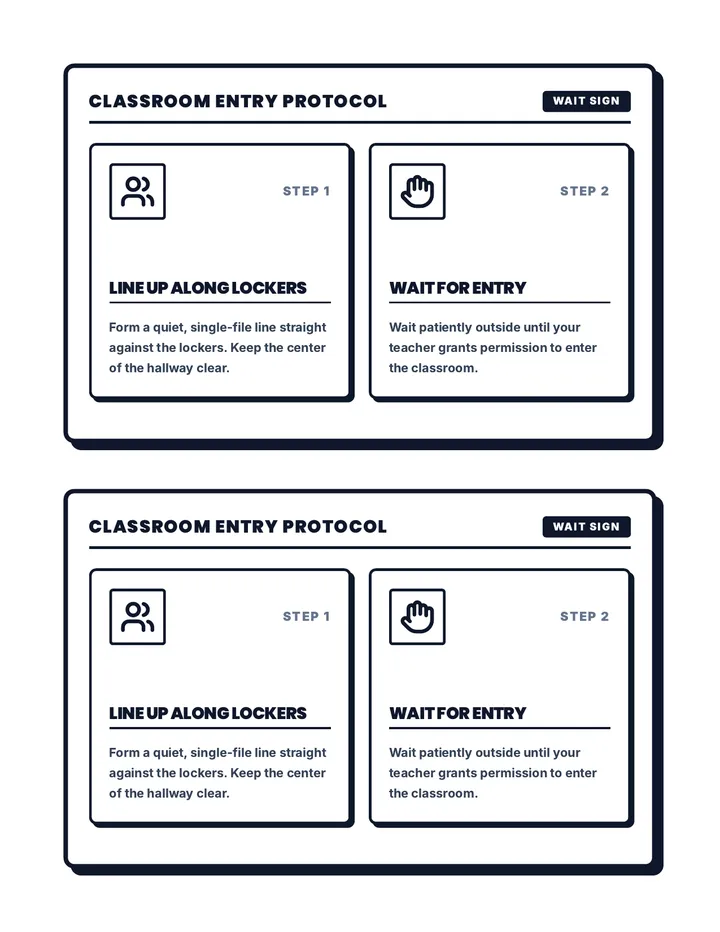
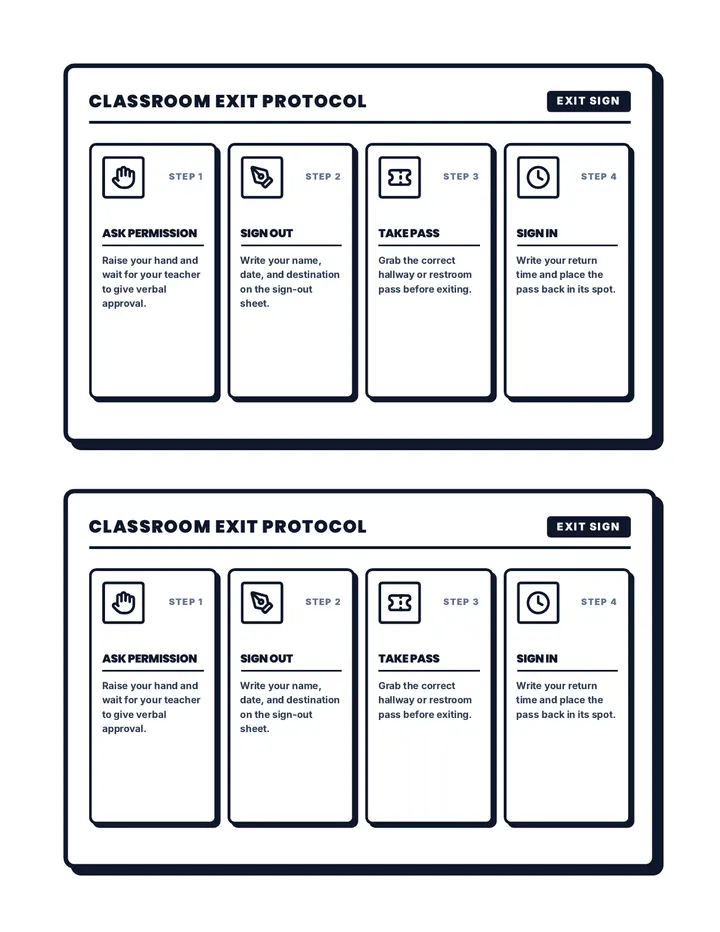
A collection of matching visual aids and signs to help manage classroom routines and expectations, including entry and exit procedures.
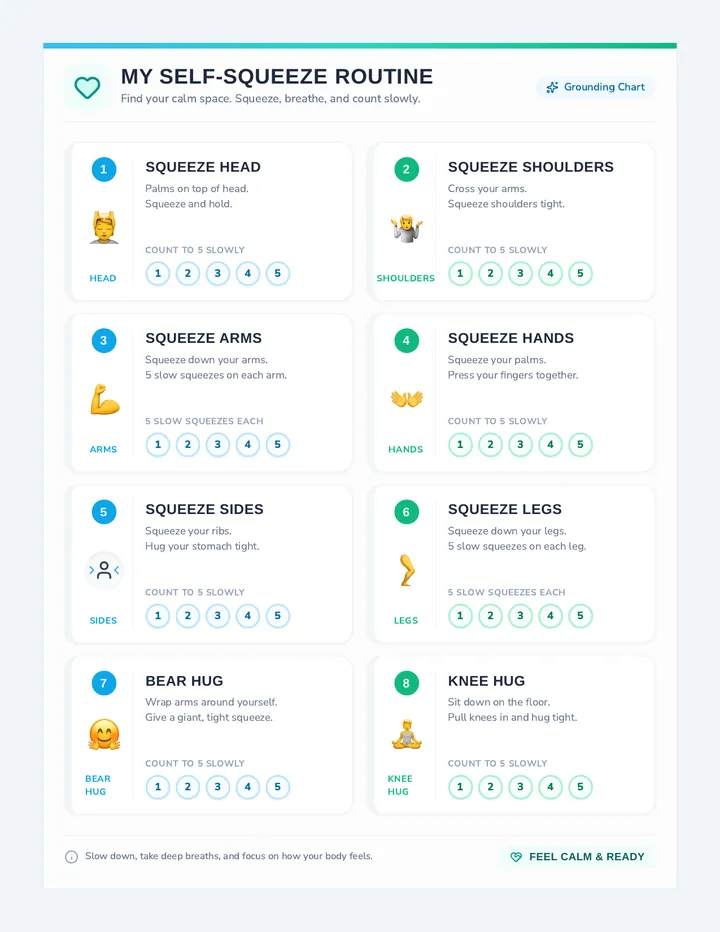
A pediatric grounding and sensory regulation lesson featuring a self-squeeze physical therapy routine to help students self-soothe and calm down.
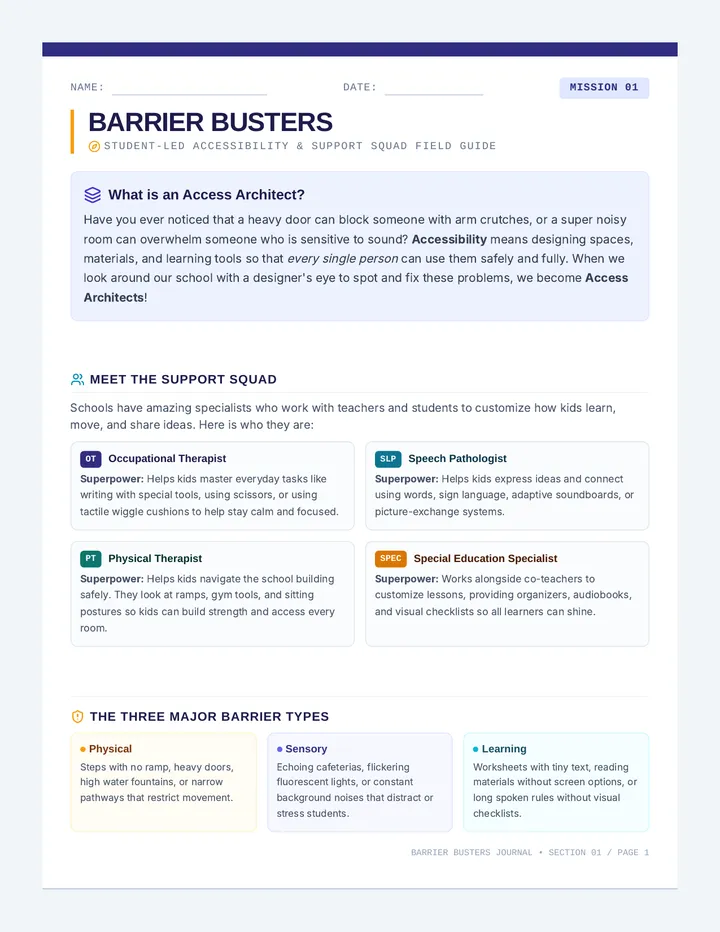
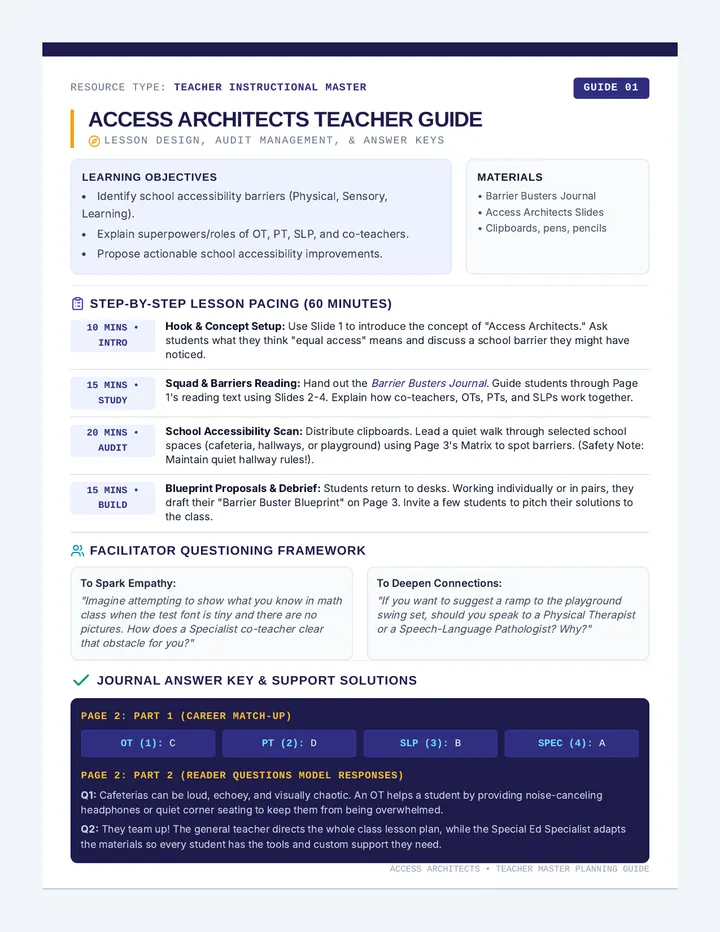
A student-led advocacy lesson focused on identifying school accessibility barriers and understanding special education careers. Students learn to collaborate with specialists, co-teachers, and therapists to make their school welcoming and accessible to everyone.
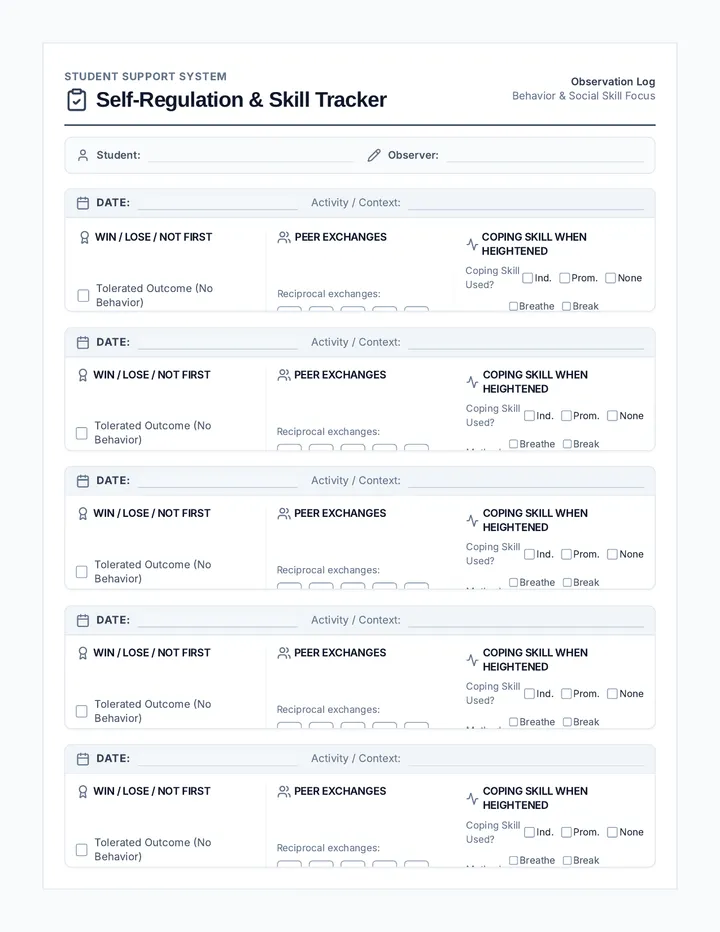
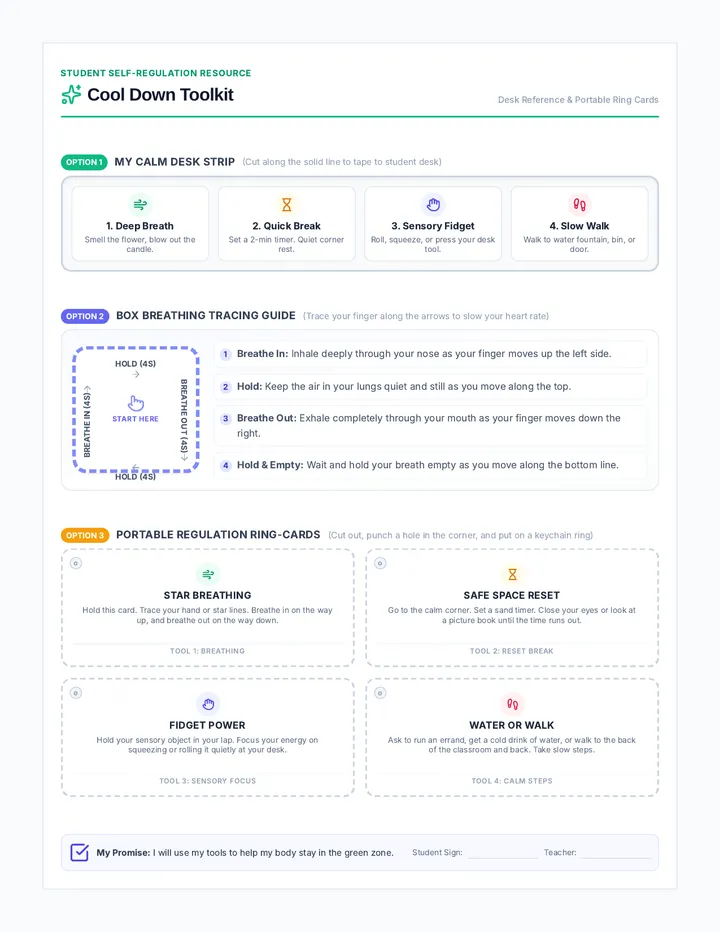
A comprehensive behavioral tracking and self-regulation kit focused on competitive grit, cooperative peer play, and calming strategies. This lesson contains a high-density daily data tracking sheet and a portable visual coping menu for desk-side student support.
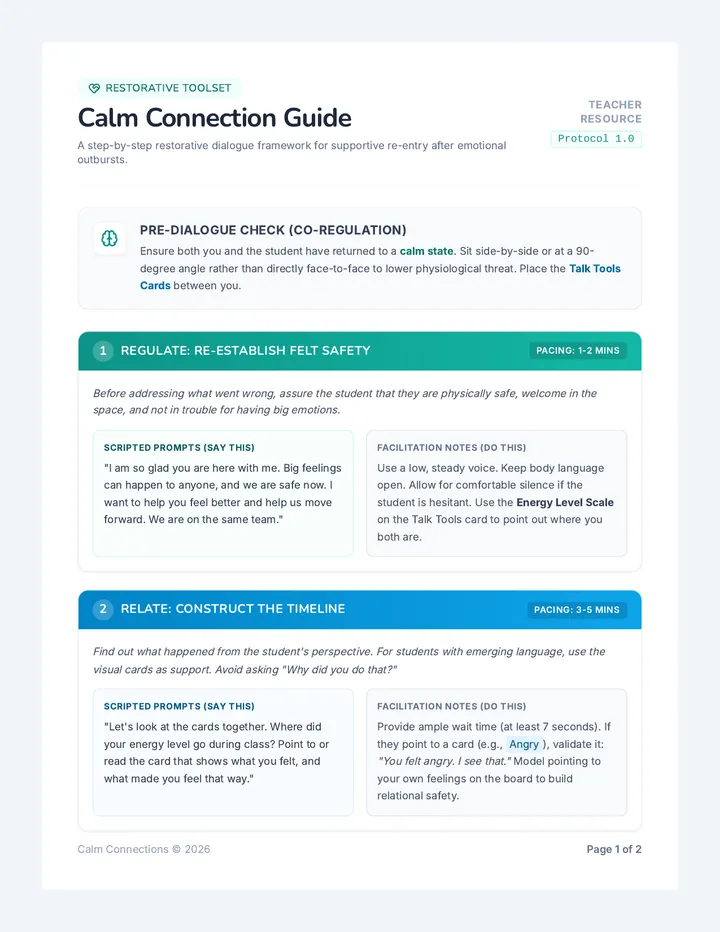
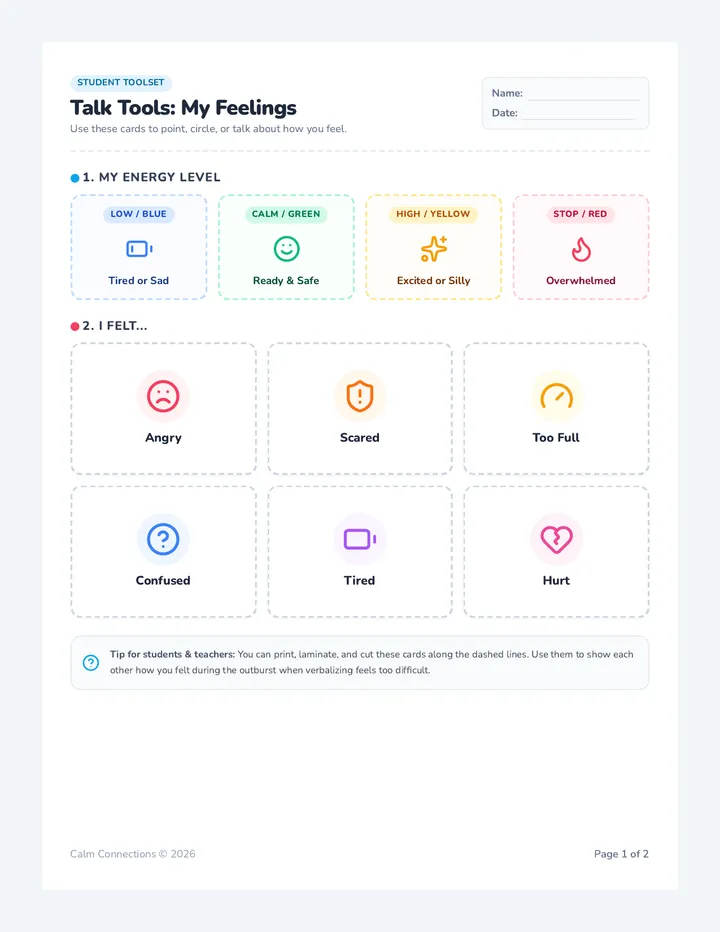
A comprehensive restorative dialogue system designed to repair relationships and re-integrate students after emotional outbursts, featuring a teacher scripting guide and highly visual student communication support cards.
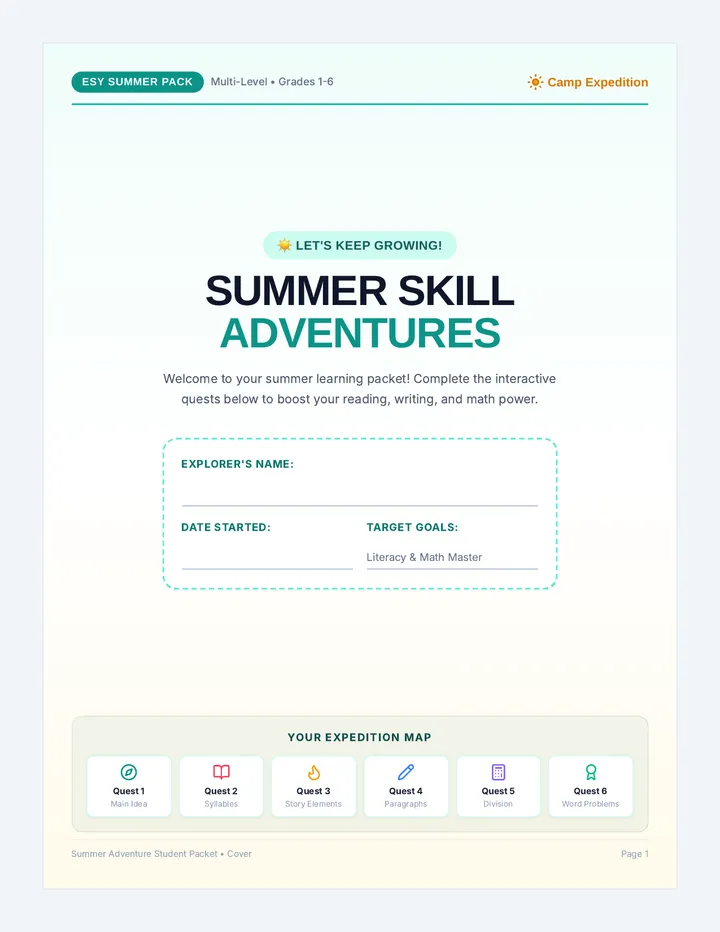
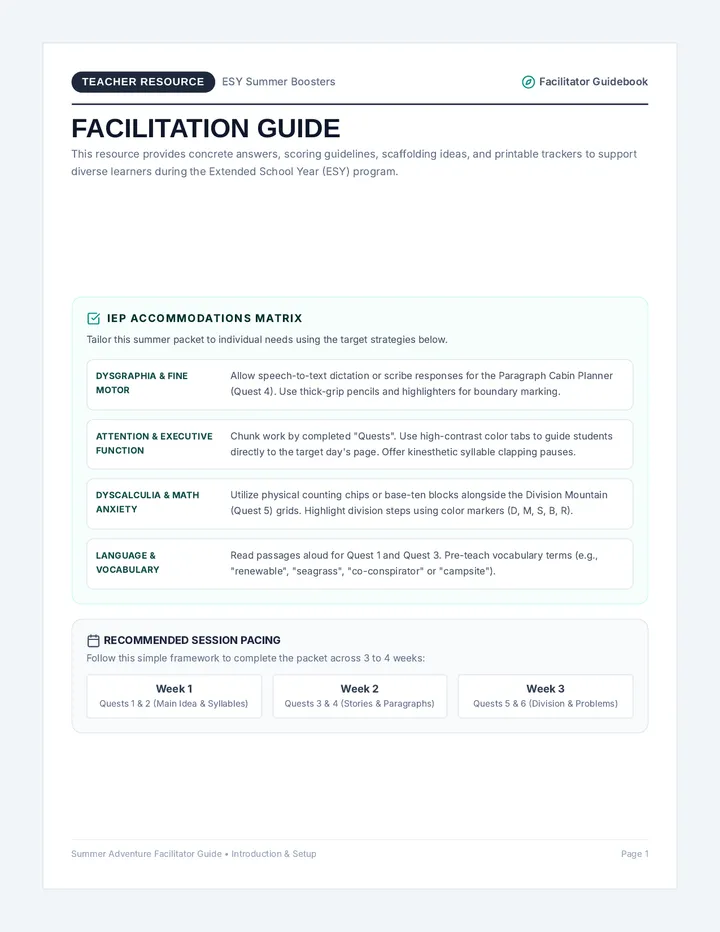
An Extended School Year (ESY) summer packet combining targeted skill-building in main idea, two-syllable words, story elements, paragraph writing, division, and multi-step word problems. Features visual scaffolds, grids, graphic organizers, and multi-level tasks spanning grades 1 to 6.
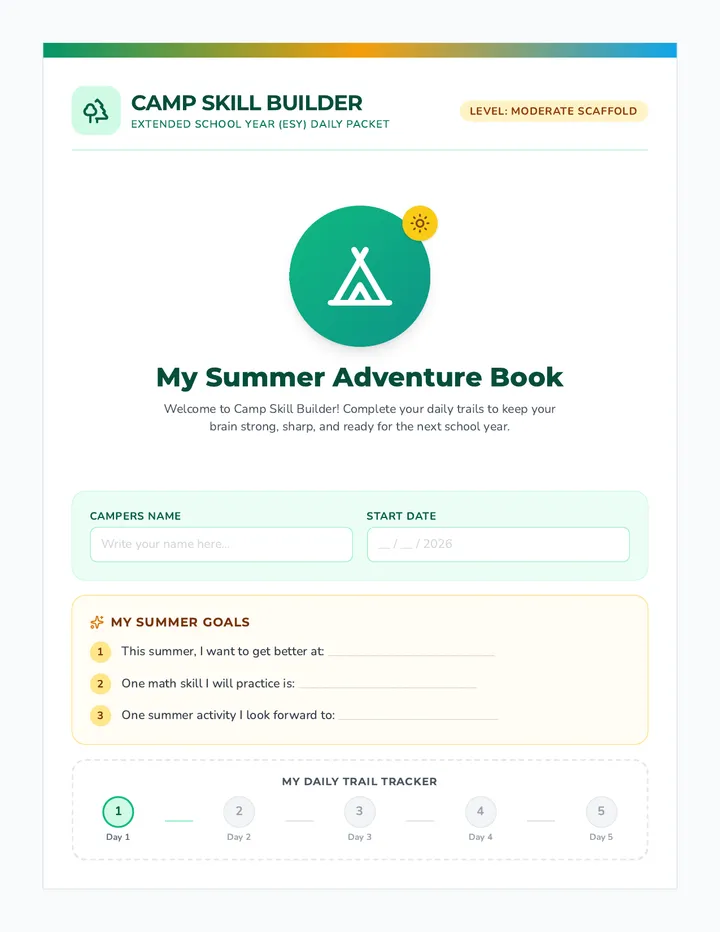
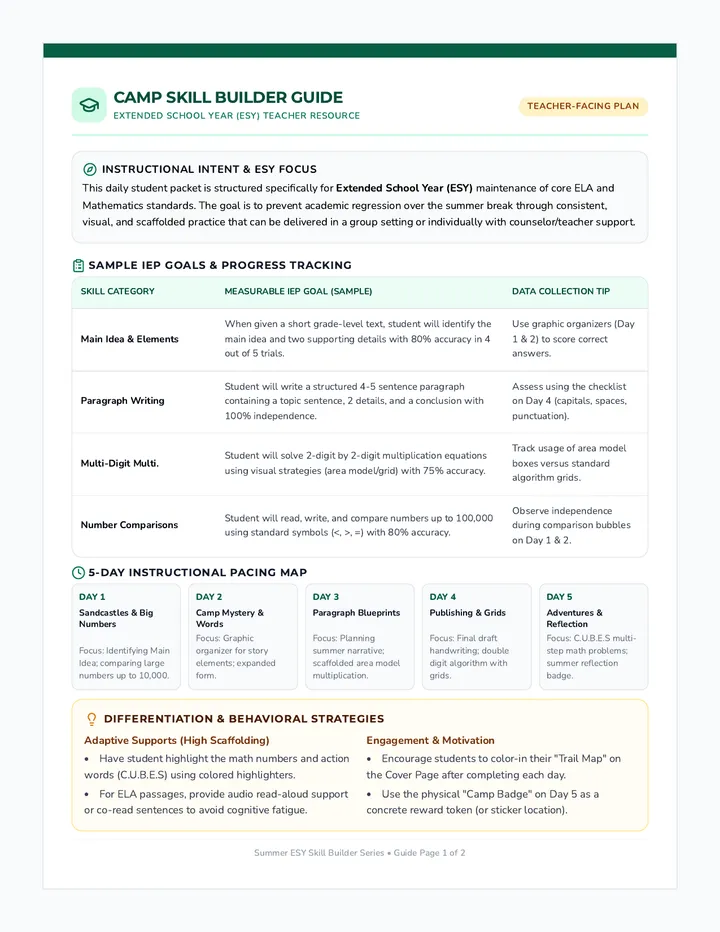
A comprehensive 5-day summer ESY packet and teacher guide focusing on core math and ELA maintenance skills, including main idea, story elements, paragraph writing, multi-digit multiplication, number comparisons, and word problems.
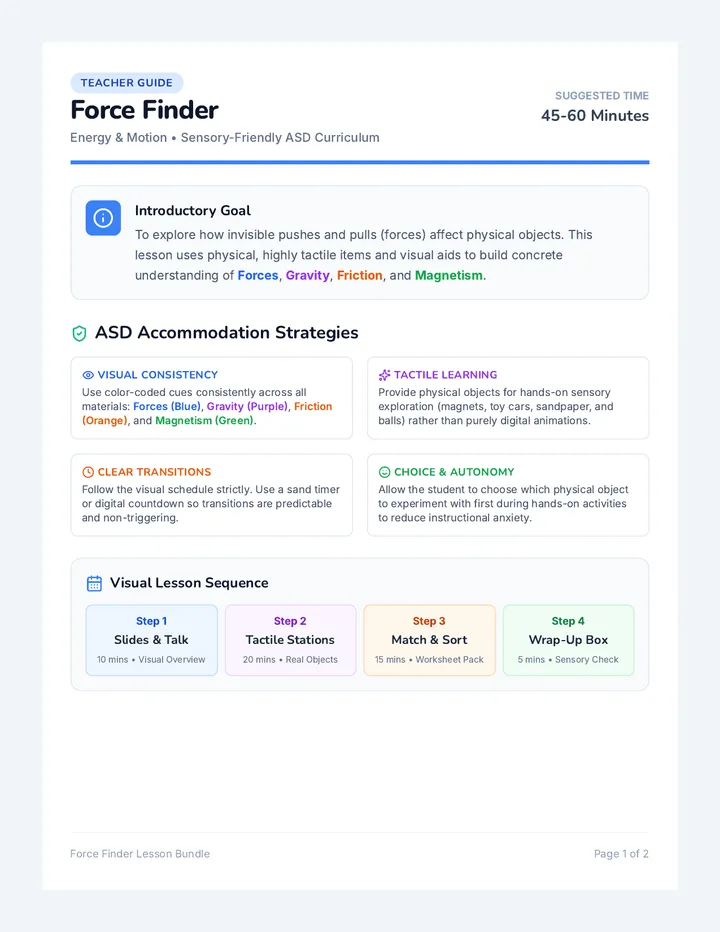
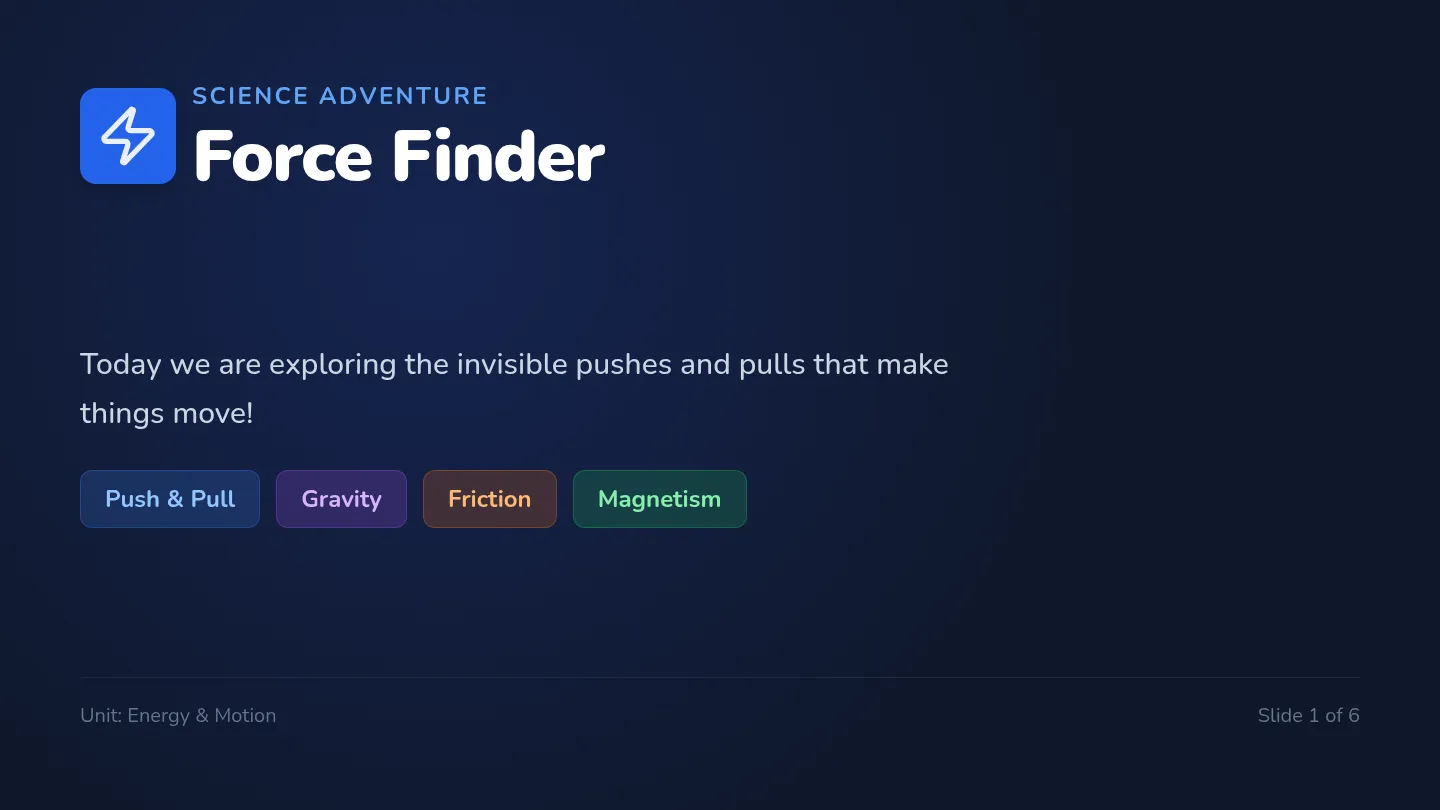
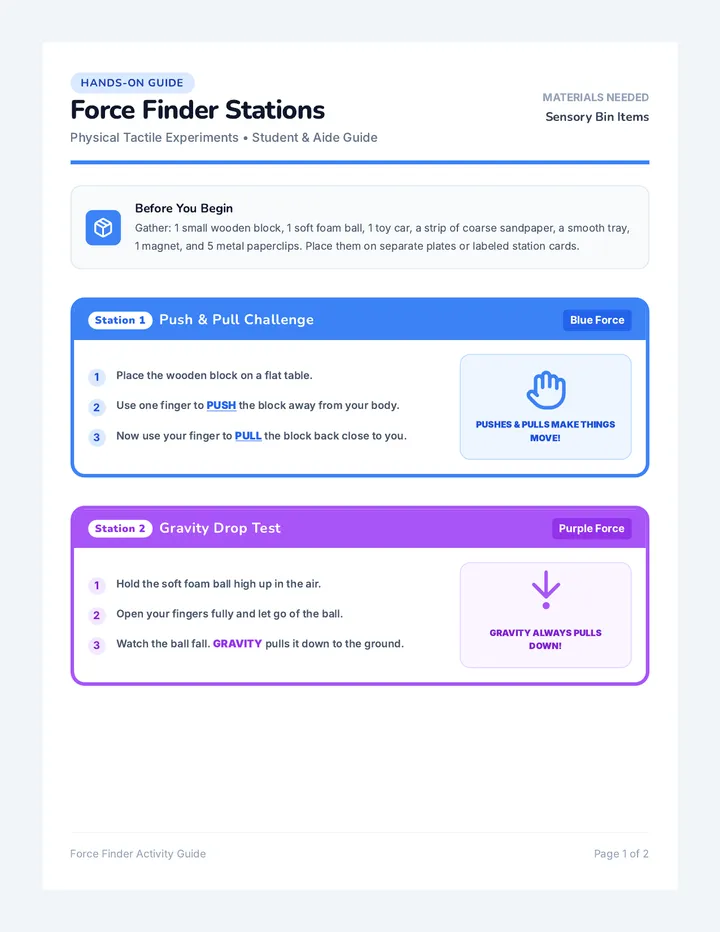
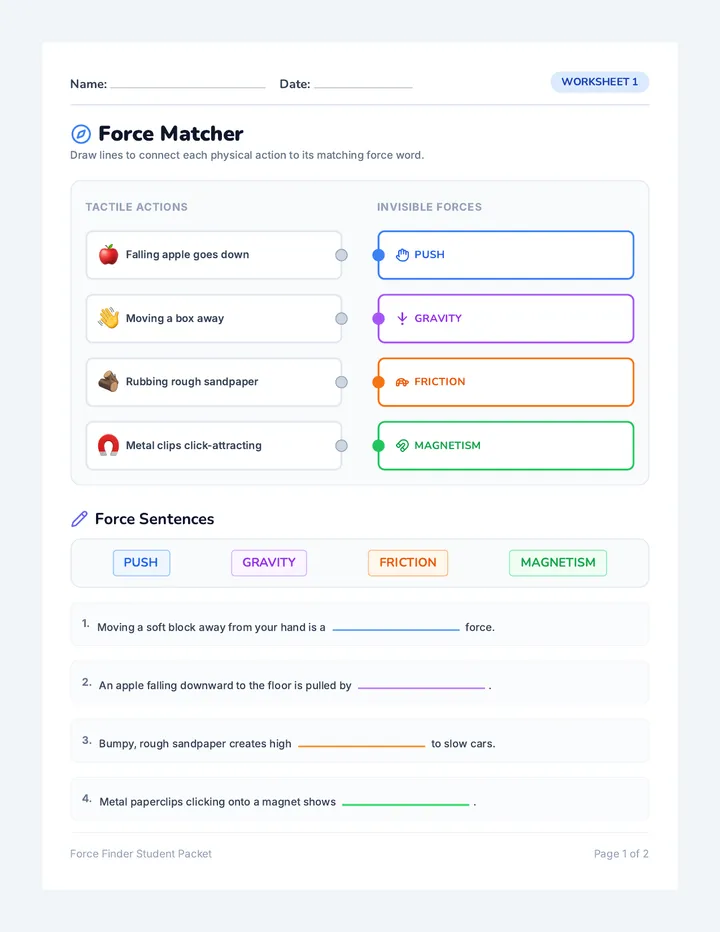
A highly visual, sensory-friendly introductory lesson on energy and motion designed for 5th graders with ASD. Covers pushing/pulling, gravity, friction, and magnetism using color-coded concepts, minimal text, and high-contrast visuals.
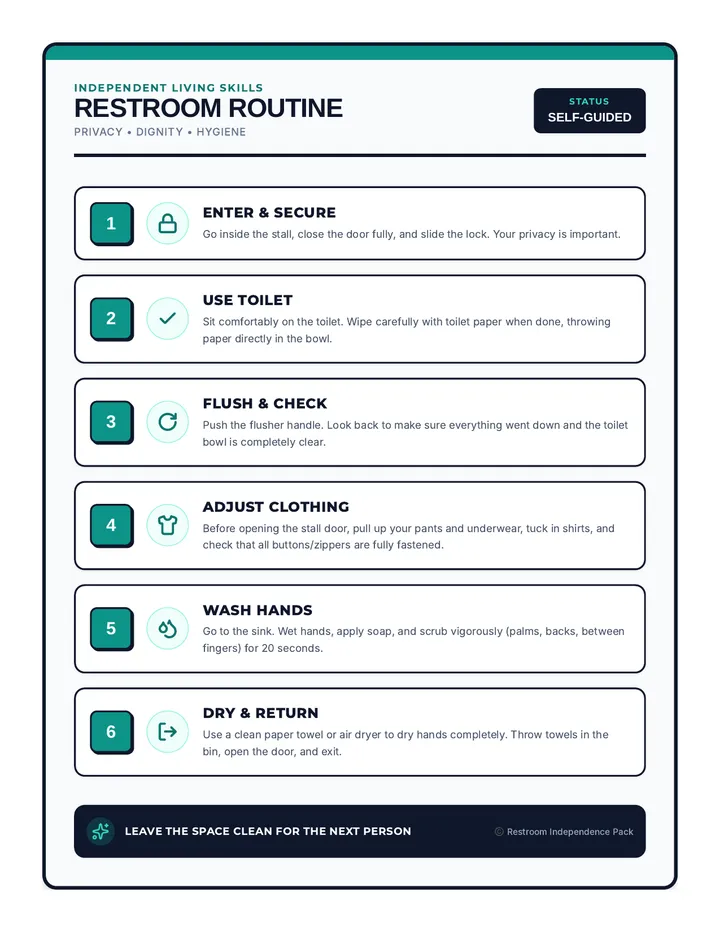
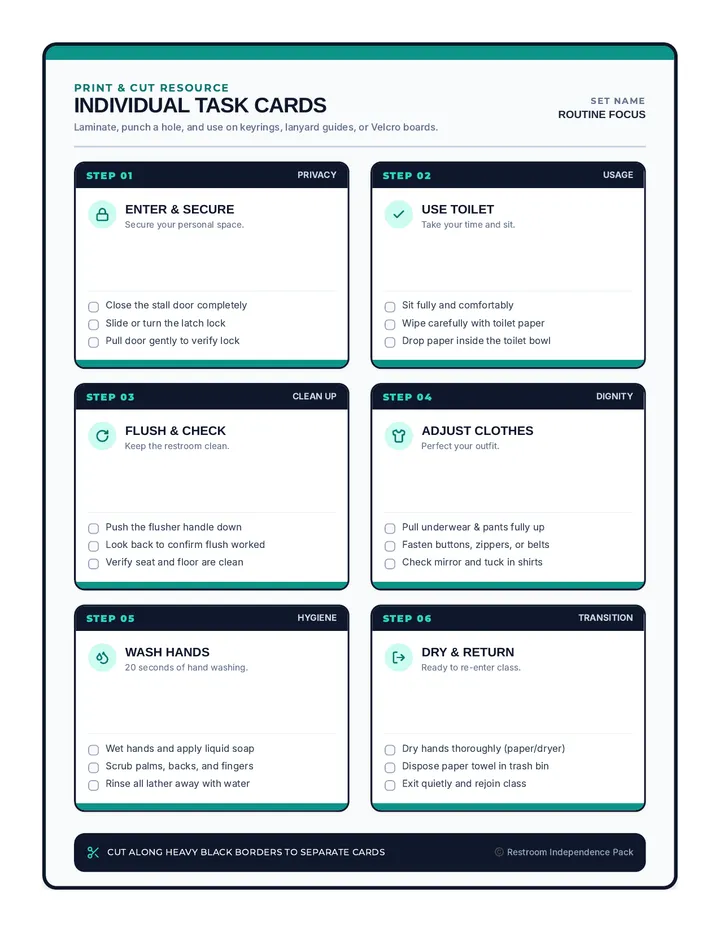
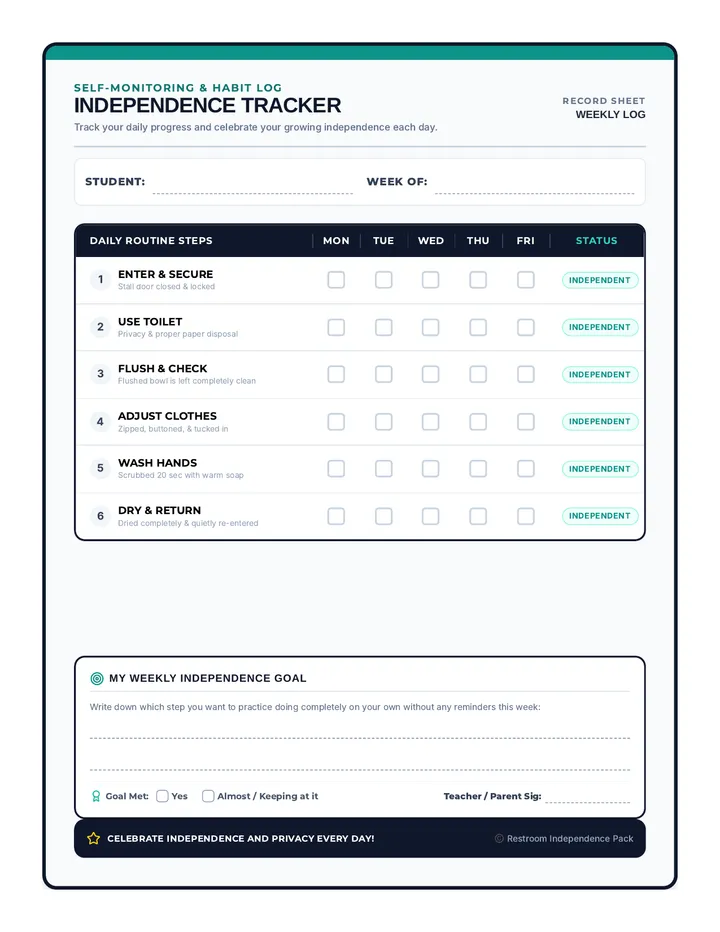
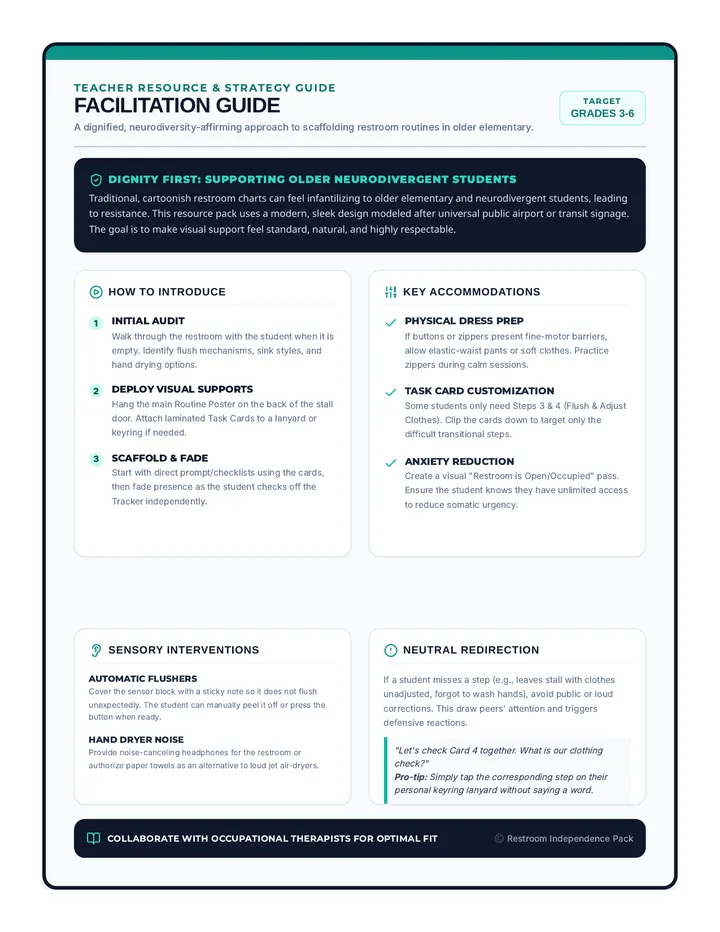
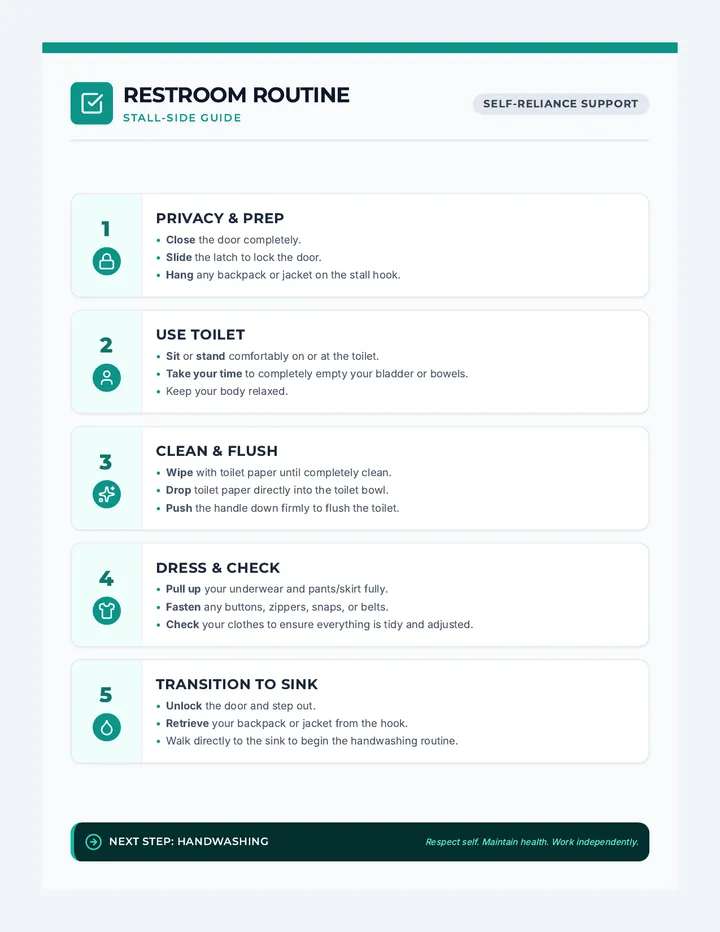
A complete visual support and routine mastery pack designed for older elementary and neurodivergent students. Includes a wall poster, individual task cards, a progress tracker, and a comprehensive implementation guide to foster dignity and privacy.
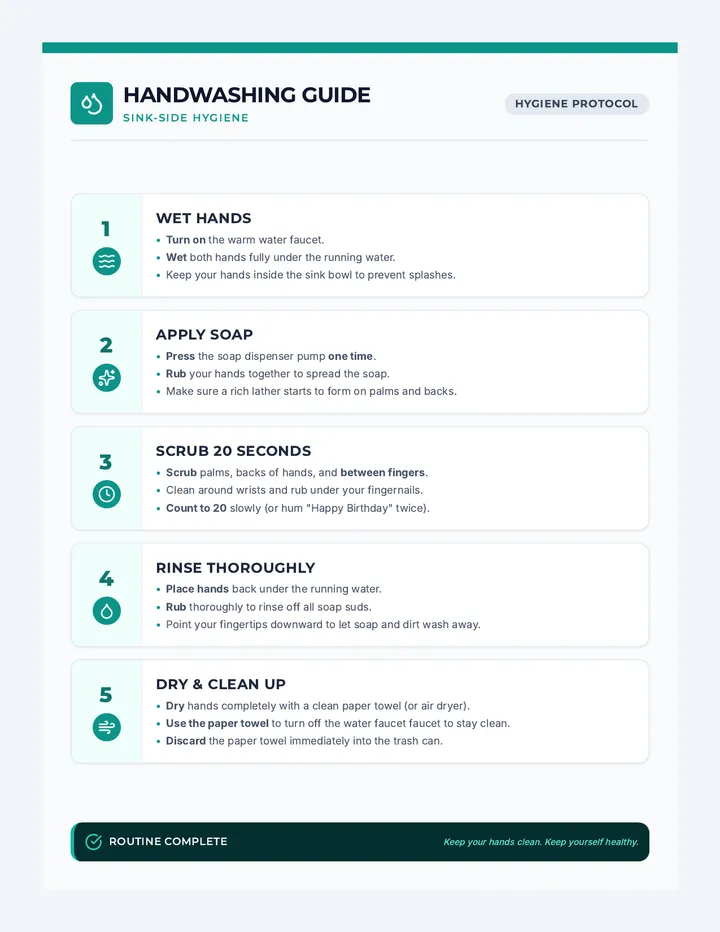
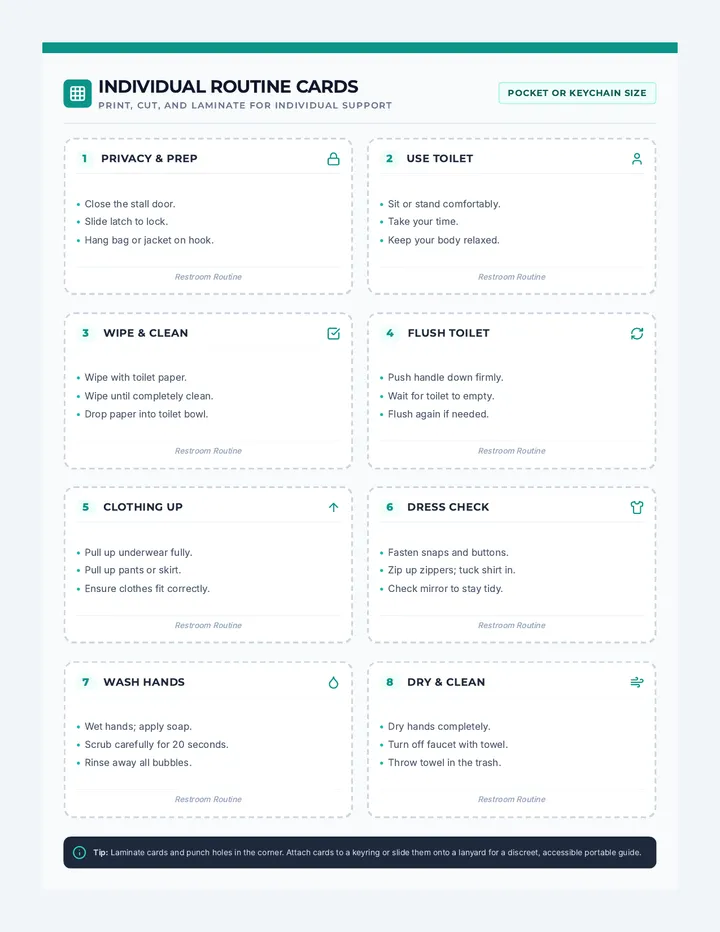
A comprehensive visual support system designed for older elementary and neurodivergent students to promote bathroom independence. Includes a stall-side routine poster, a sink-side handwashing guide, and printable individual visual support cards styled with a clean, modern aesthetic.
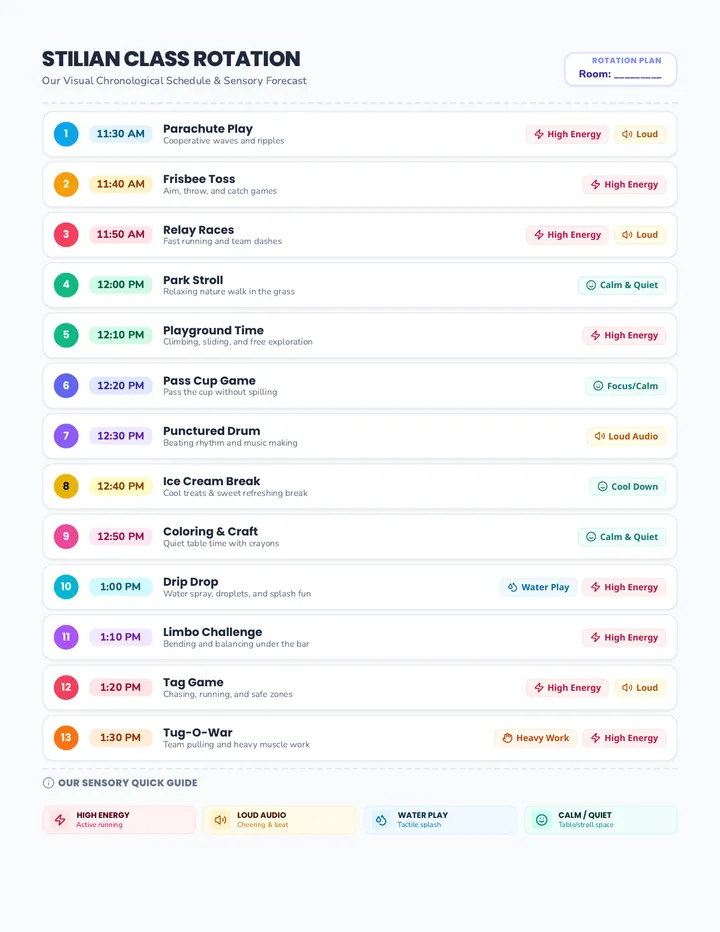
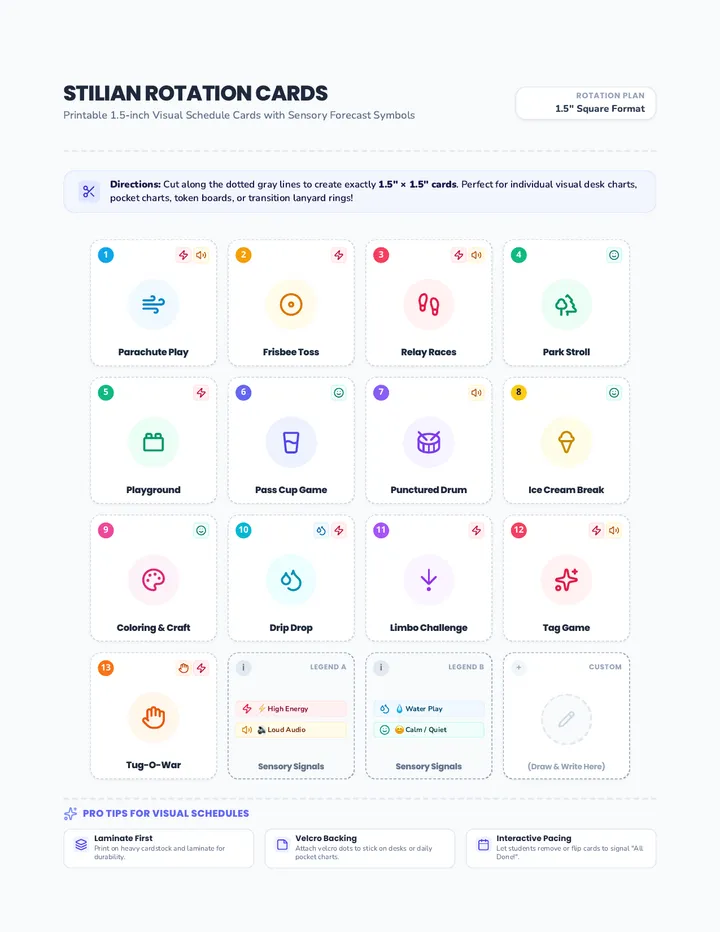
A sensory-friendly class rotation framework containing visual schedules and portable schedule cards to help students navigate activity transitions with confidence.
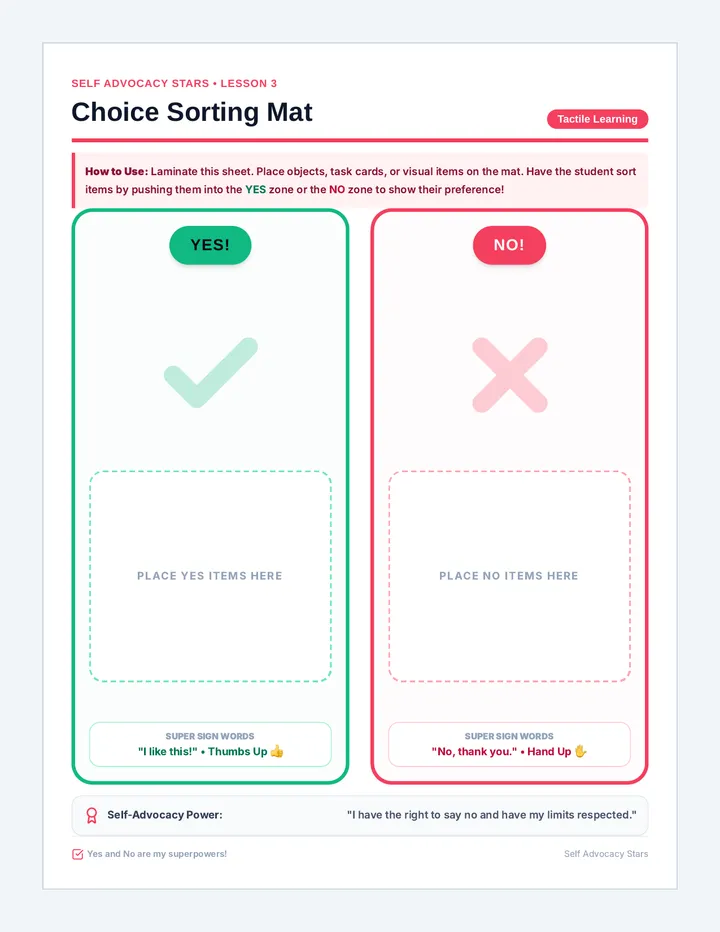
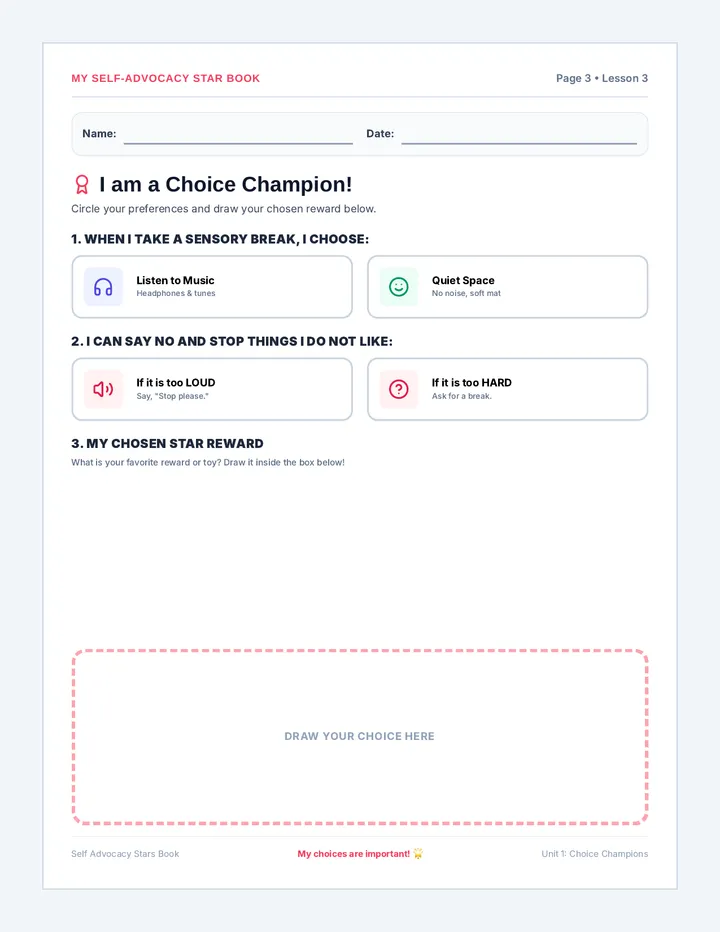
Students practice making independent choices, expressing preferences, and setting boundaries (saying "yes" or "no") using structured choice boards, tactile sorting mats, and interactive role-play.
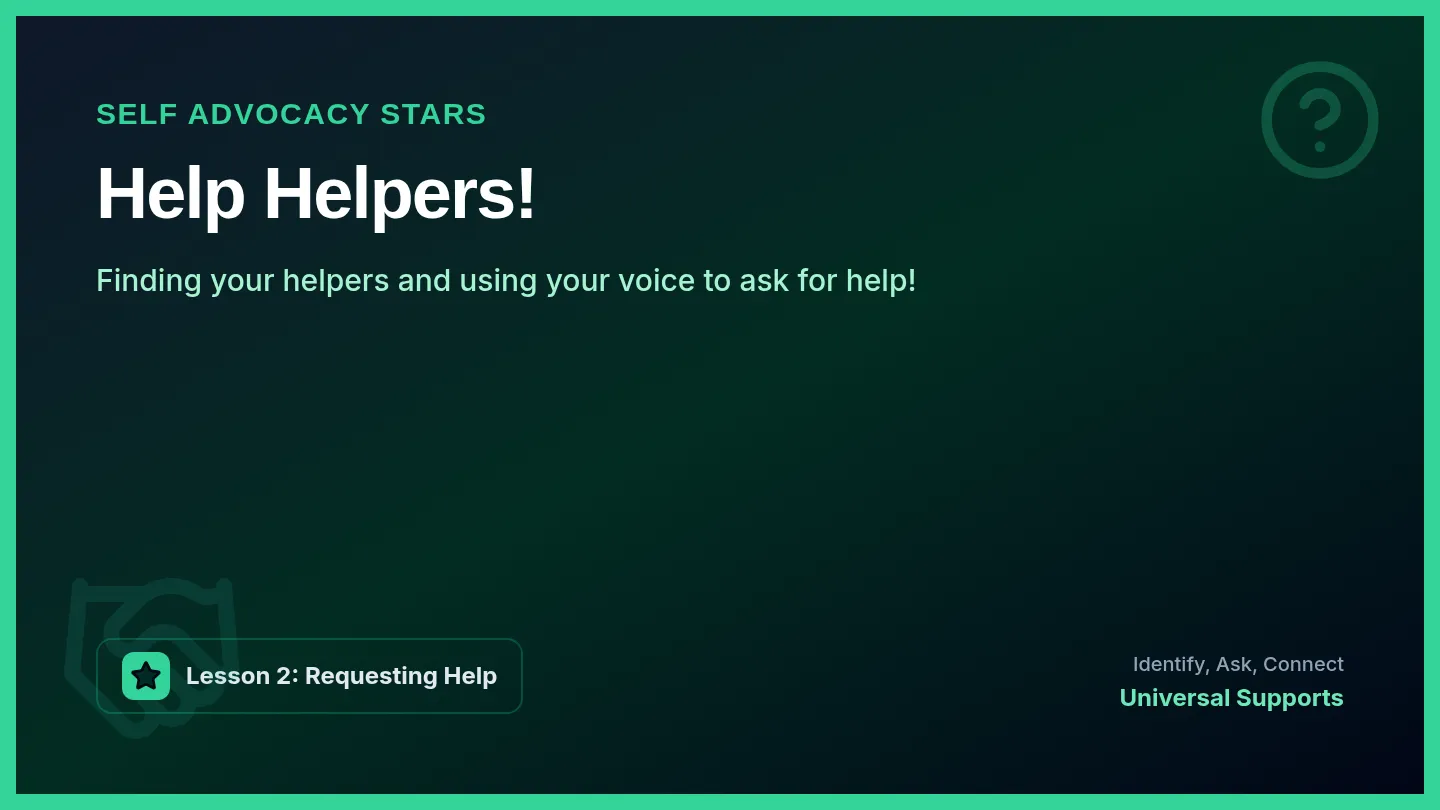
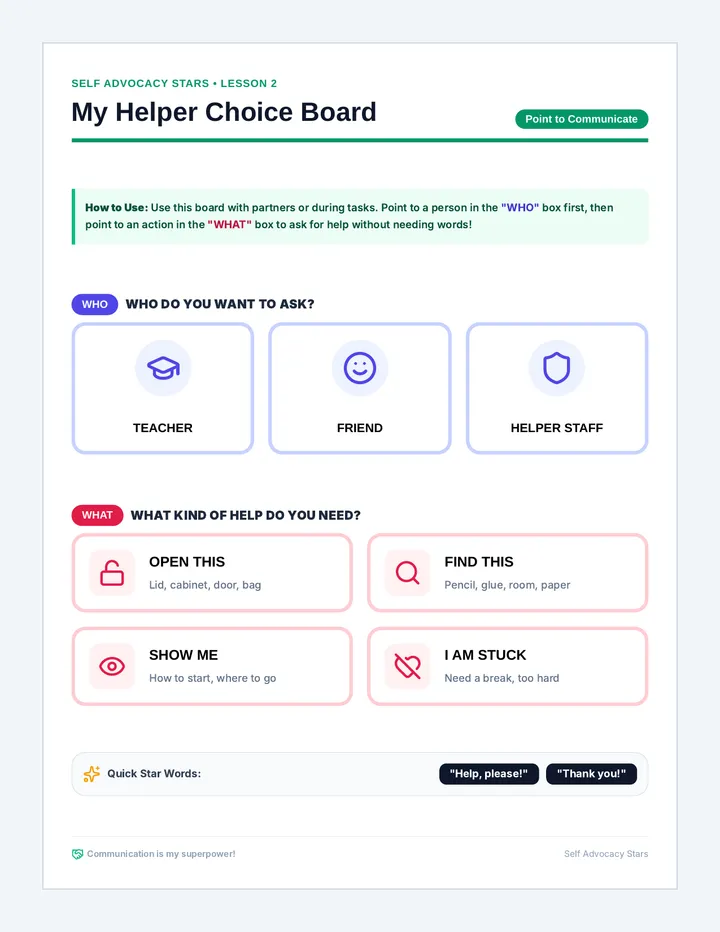
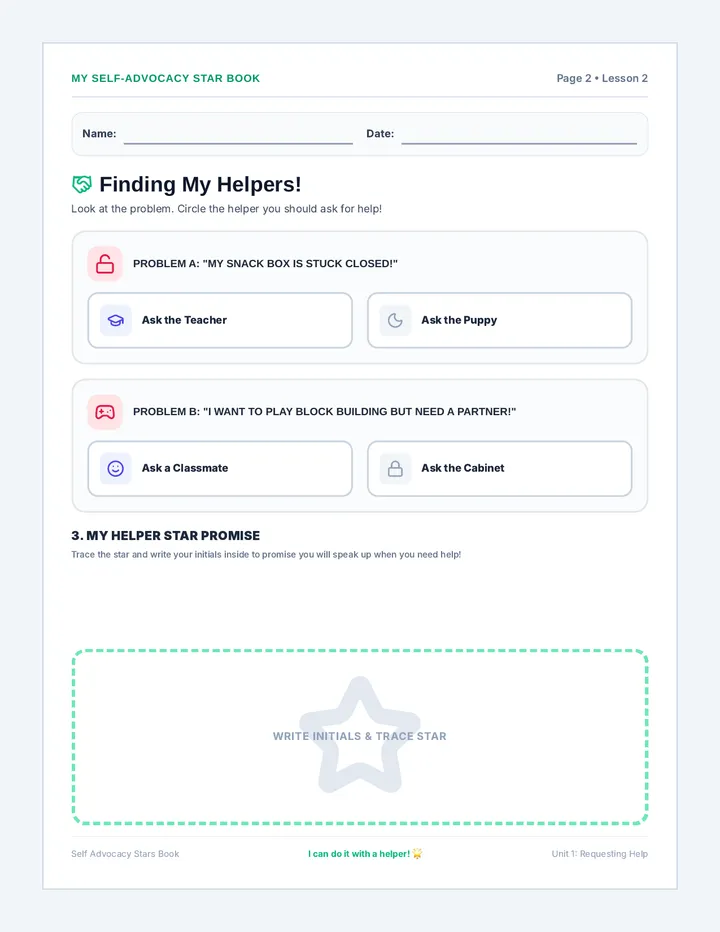
Students practice identifying when they need help, who to ask (teachers, peers, or helpers), and how to communicate that need using visual phrase cards and guided collaborative practice.
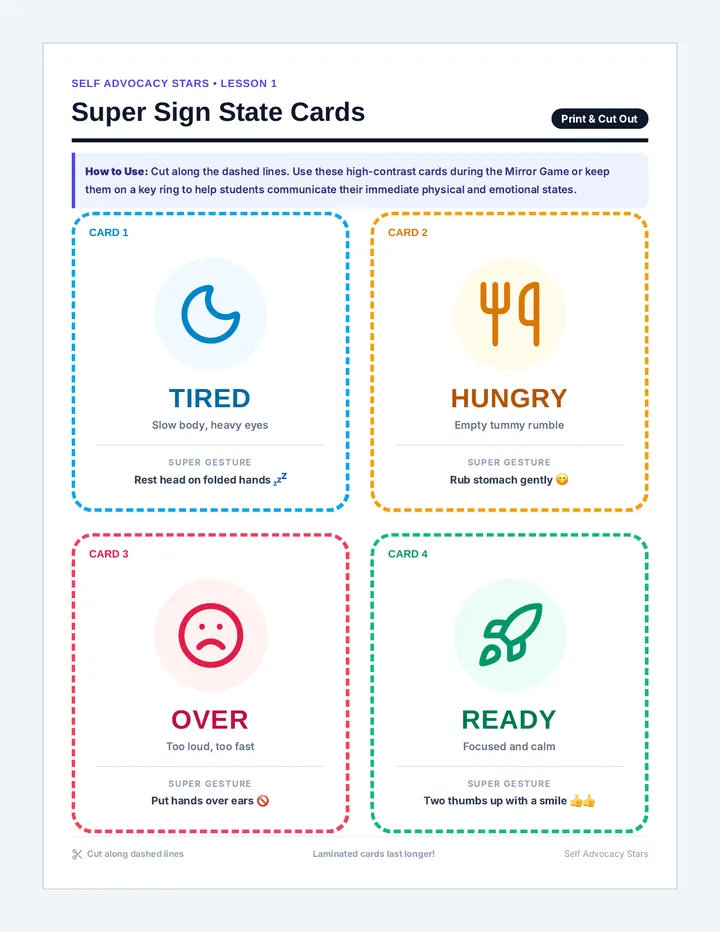
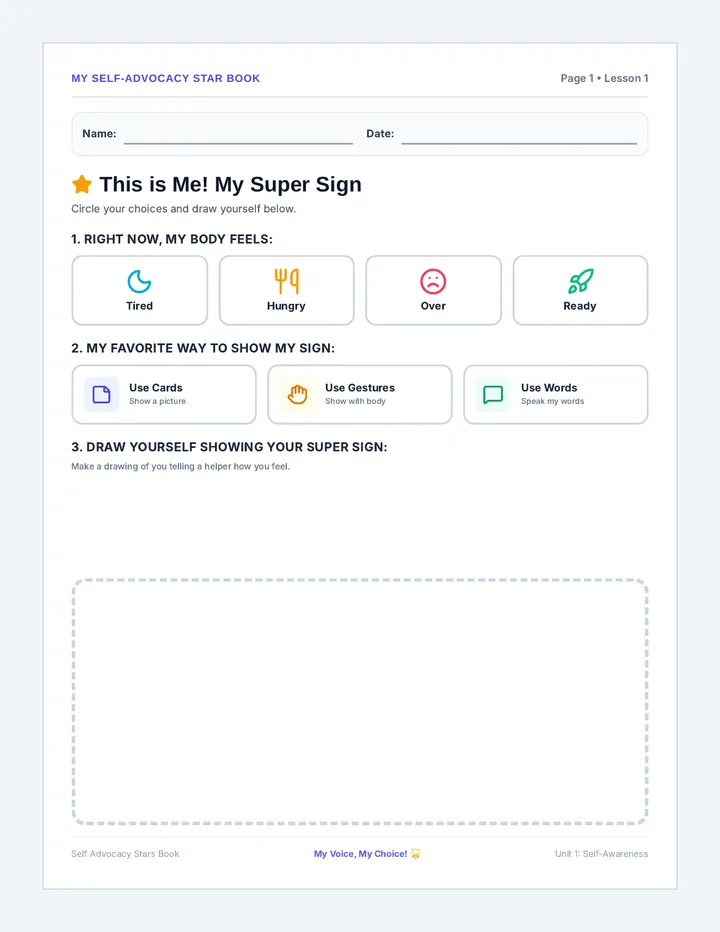
Students learn to recognize and communicate physical and emotional states (like tired, hungry, overwhelmed, or ready to learn) using simple gestures, vocalizations, or visual symbol cards.
An end-of-summer-school reward program celebrating students' growth, teamwork, academic, and social achievement under a vibrant cosmic space academy theme.
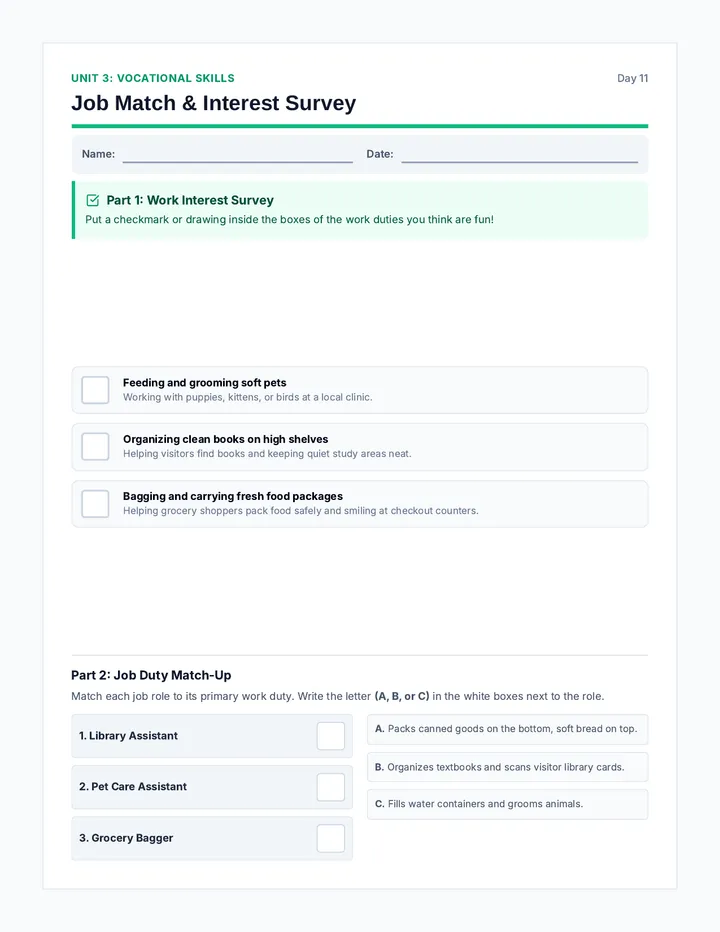
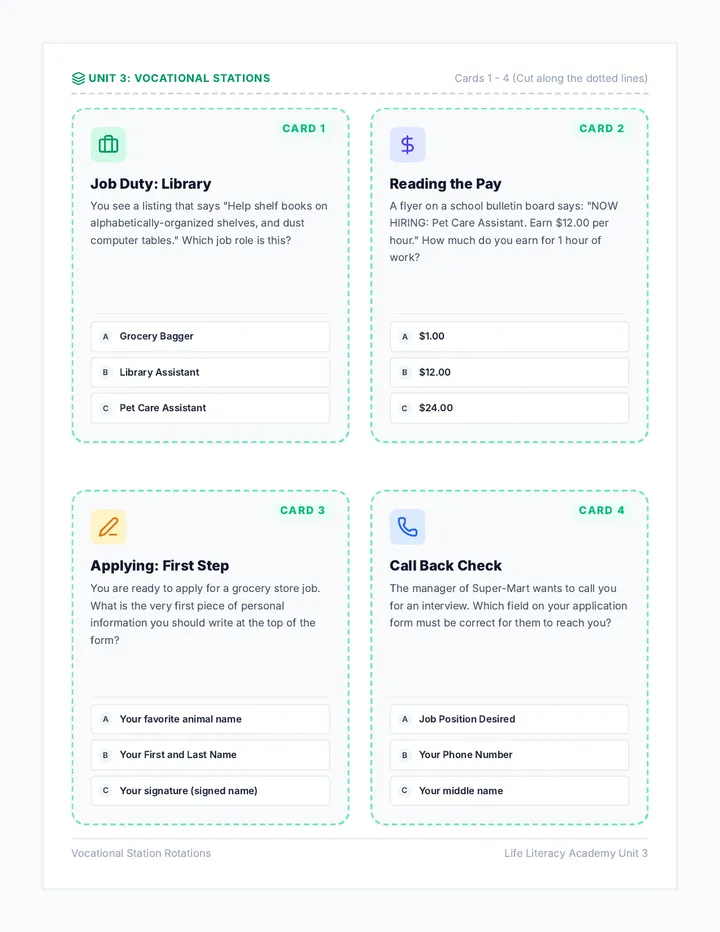
Days 11 to 15 focus on reading simple job postings, filling out functional job applications, understanding work sequencing, and determining theme/purpose.
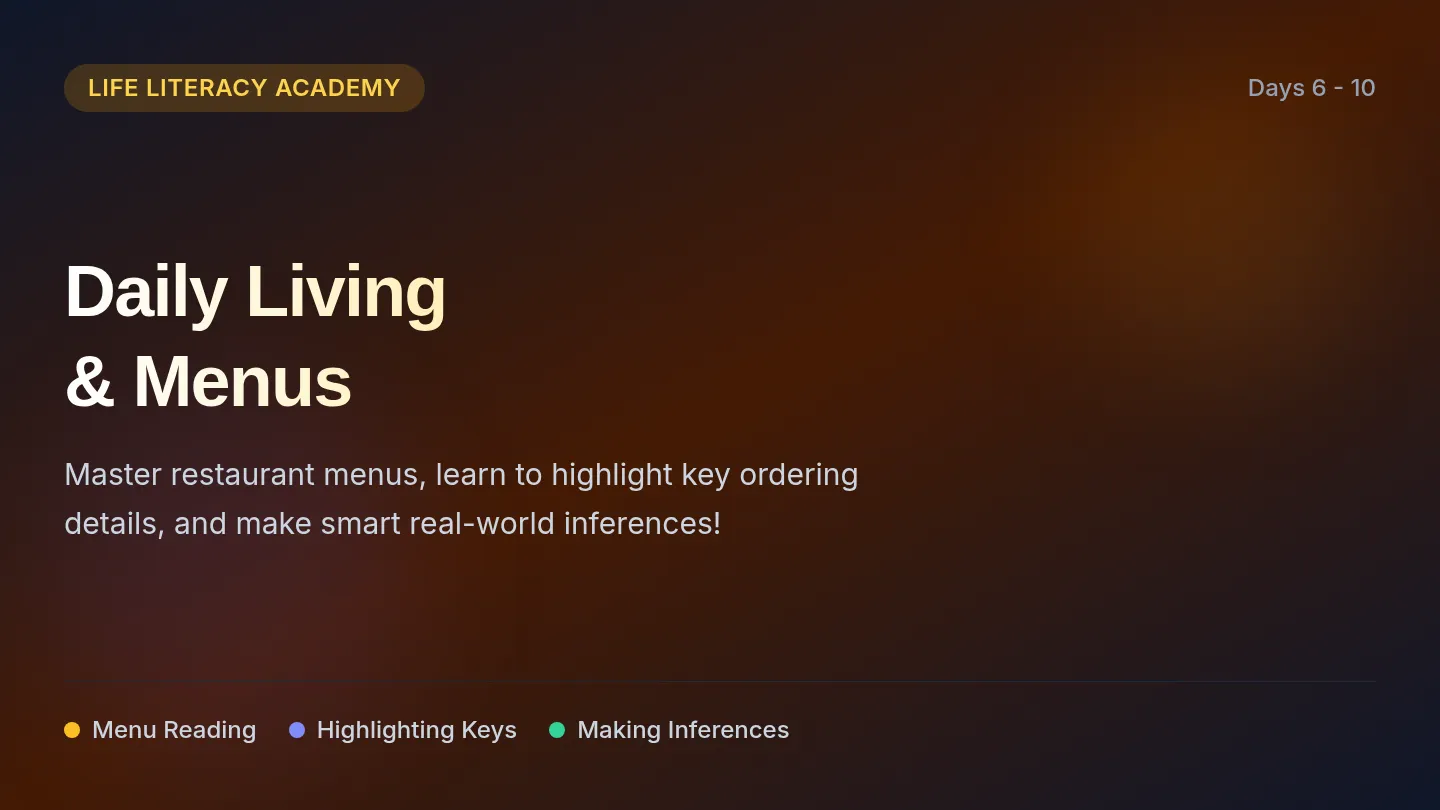
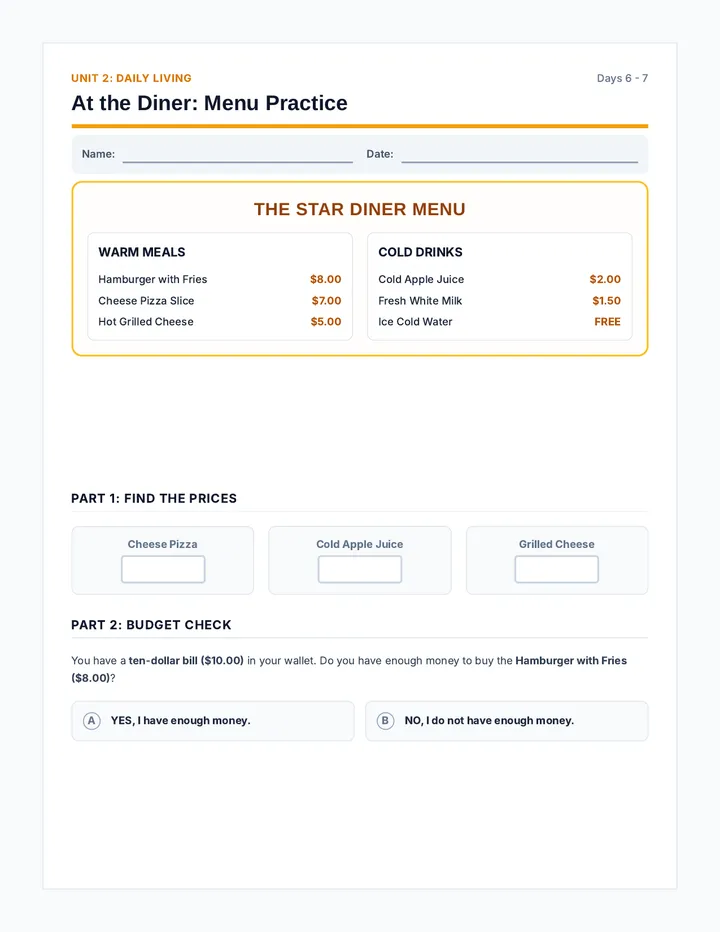
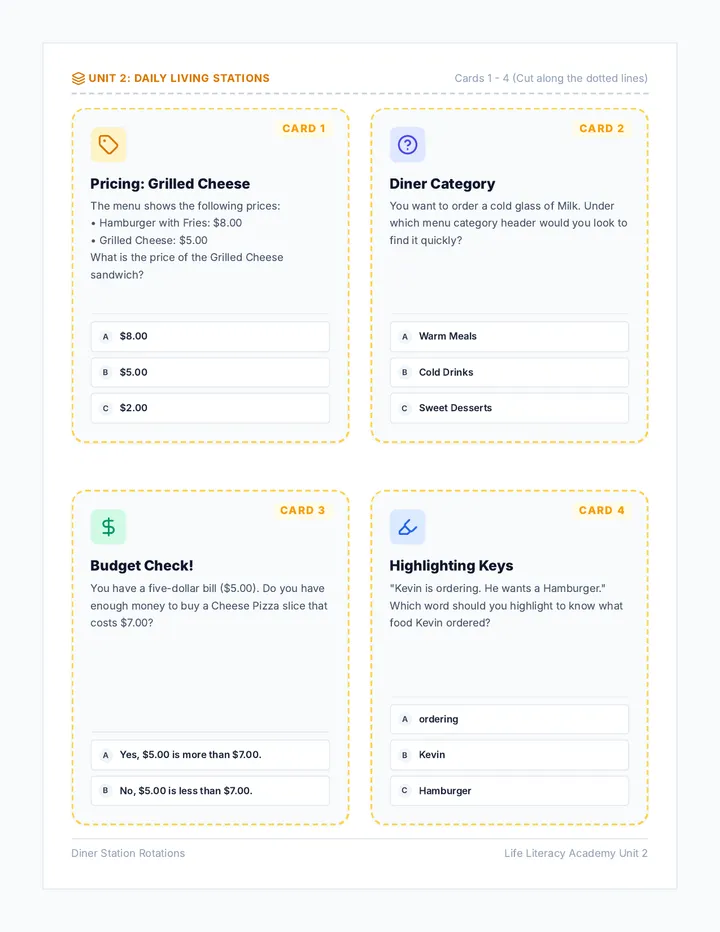
Days 6 to 10 focus on reading menus, highlighting key details, and making inferences about restaurant and everyday scenarios using functional text.
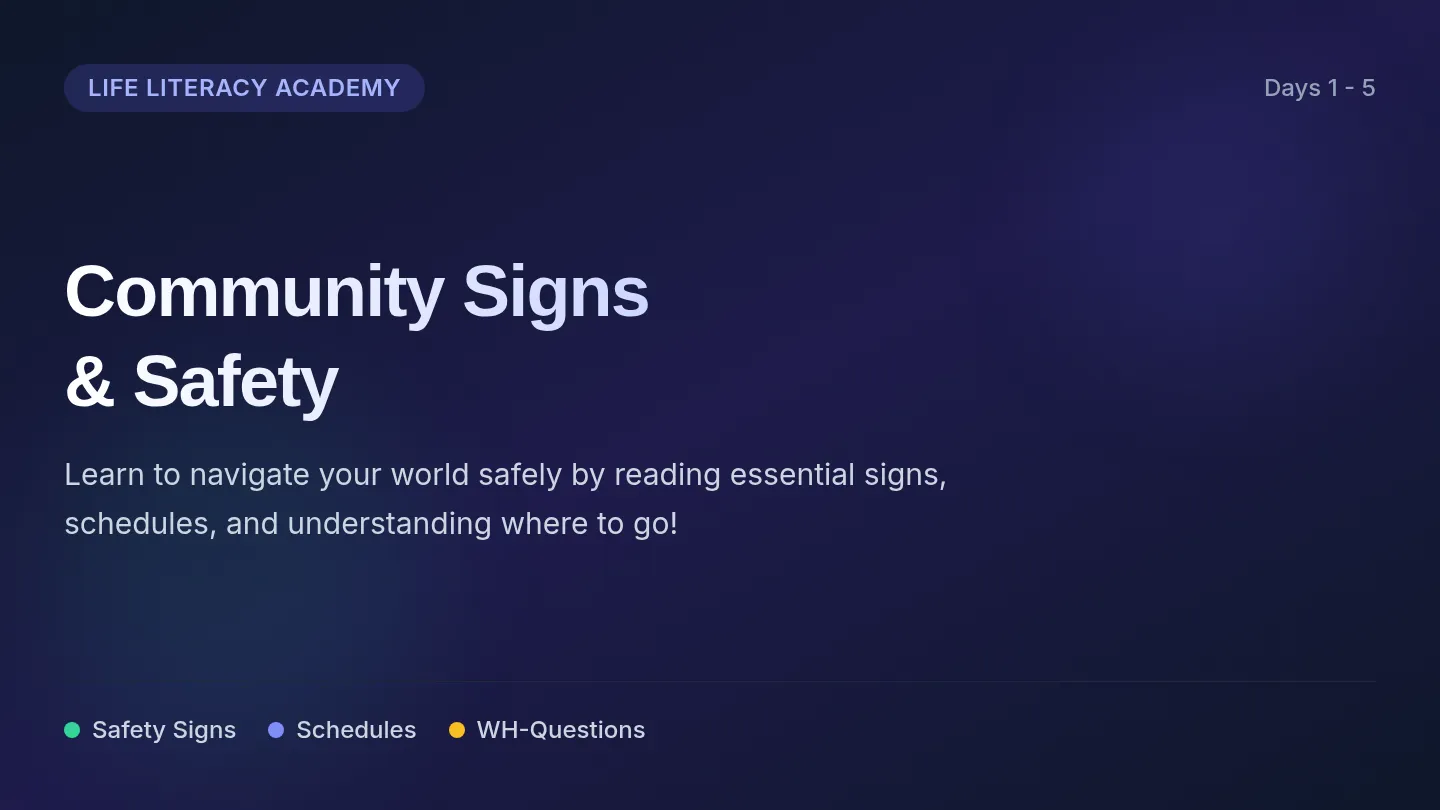
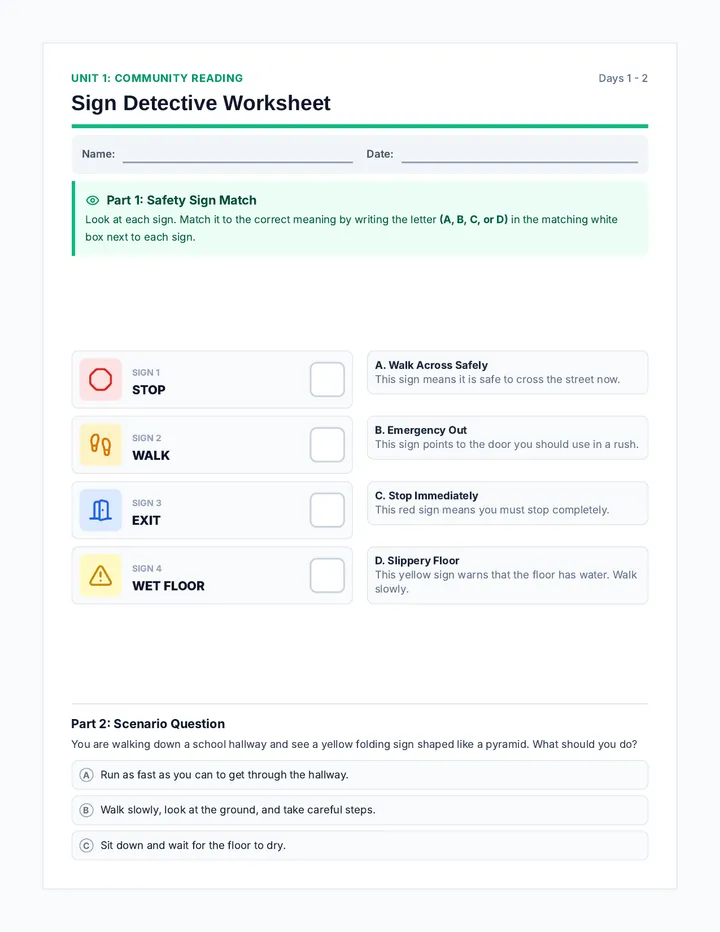
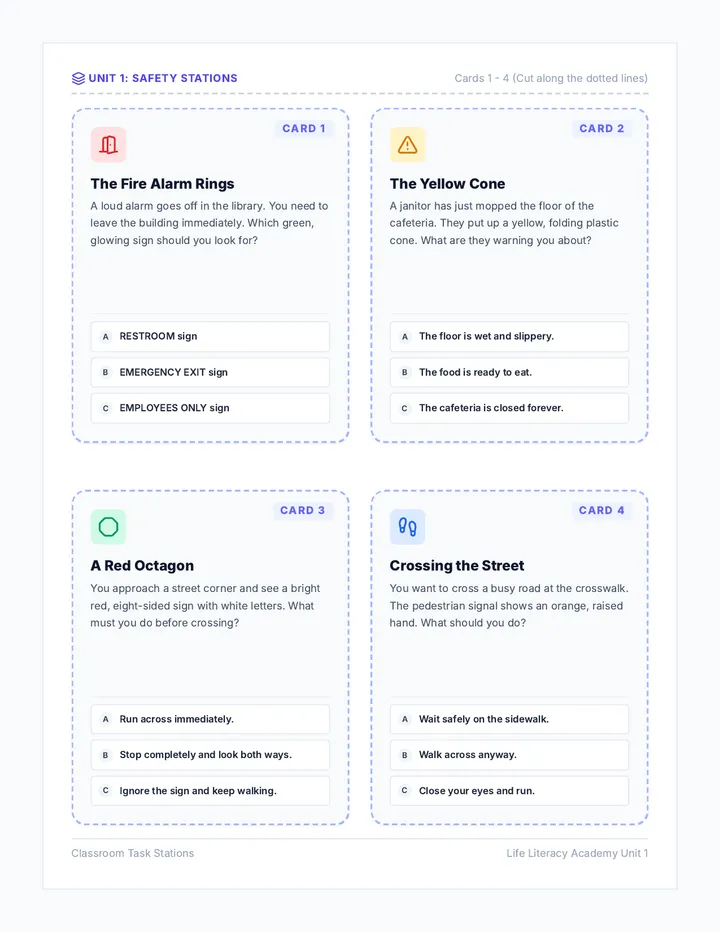
Days 1 to 5 focus on identifying crucial safety signs, understanding school and transit schedules, and answering WH questions about community and adapted literary texts.
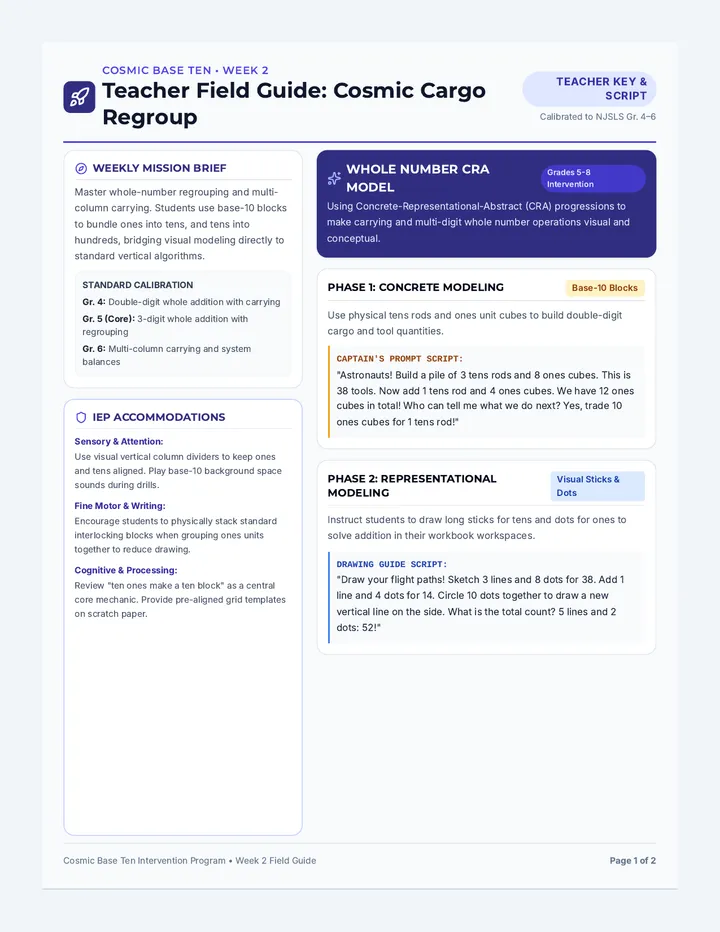
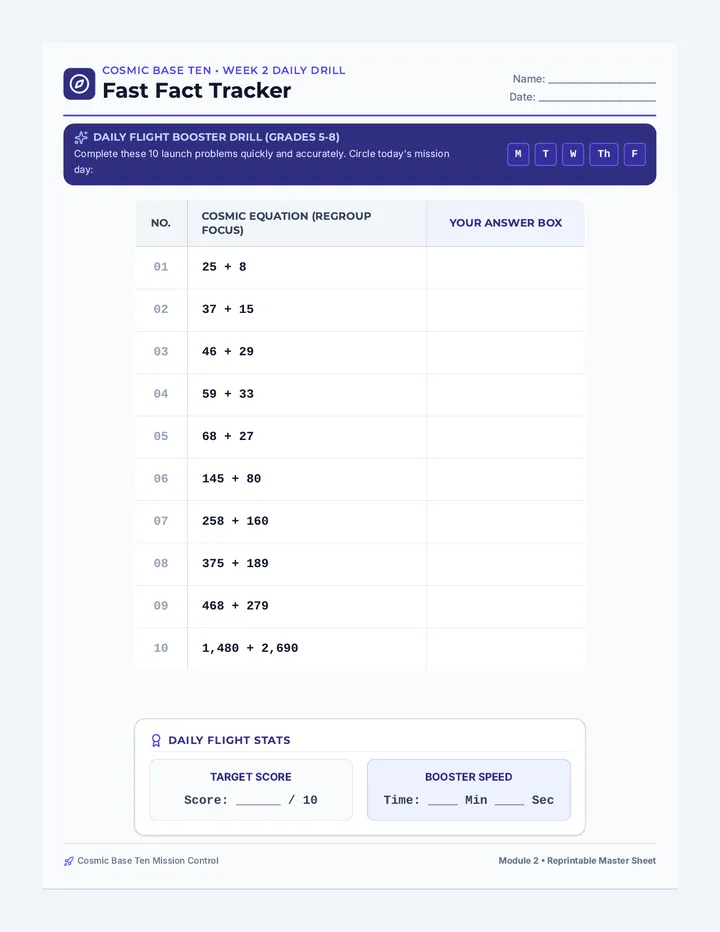
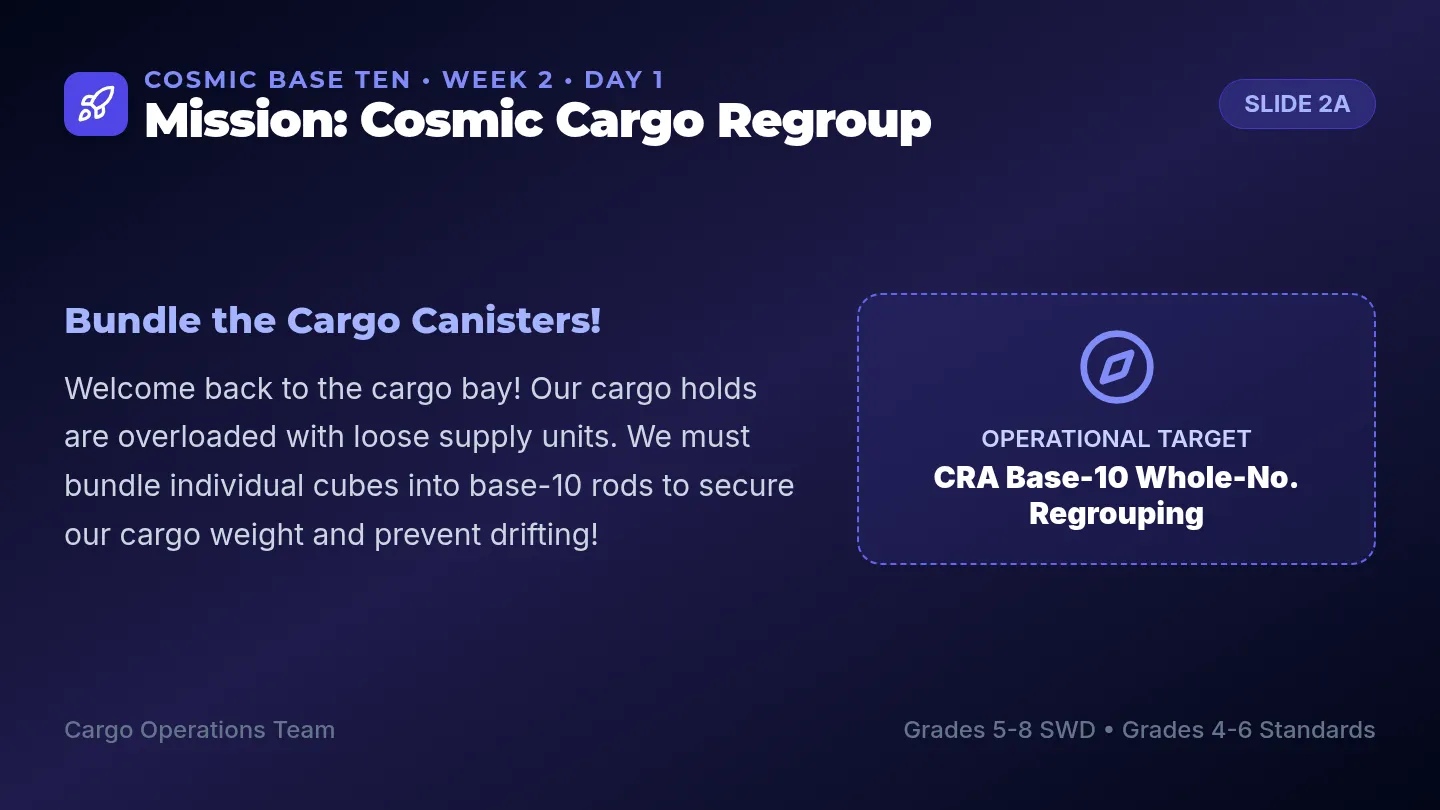
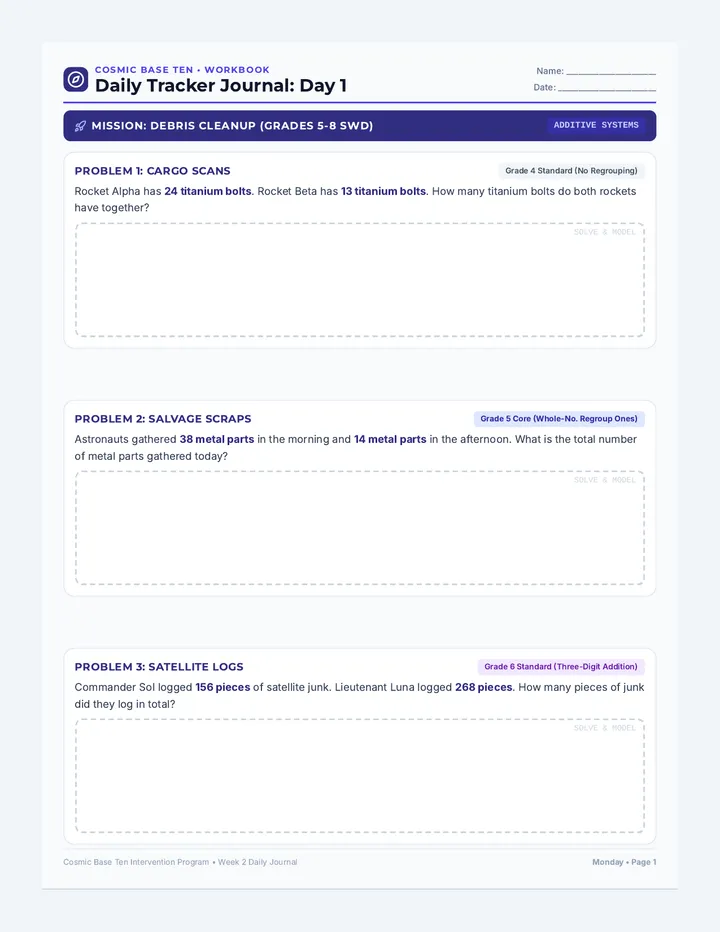
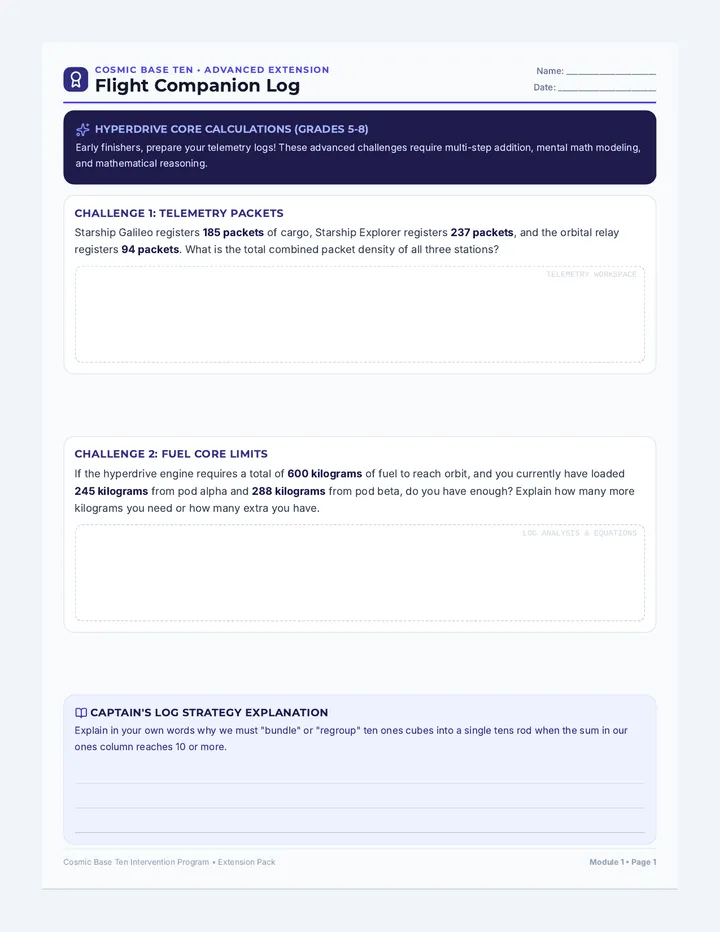
Week 2 focuses on mastering whole-number regrouping and multi-column carrying in the context of starship cargo inventories. Students use base-10 blocks to bundle ones into tens and tens into hundreds, bridging visual modeling directly to standard vertical algorithms.
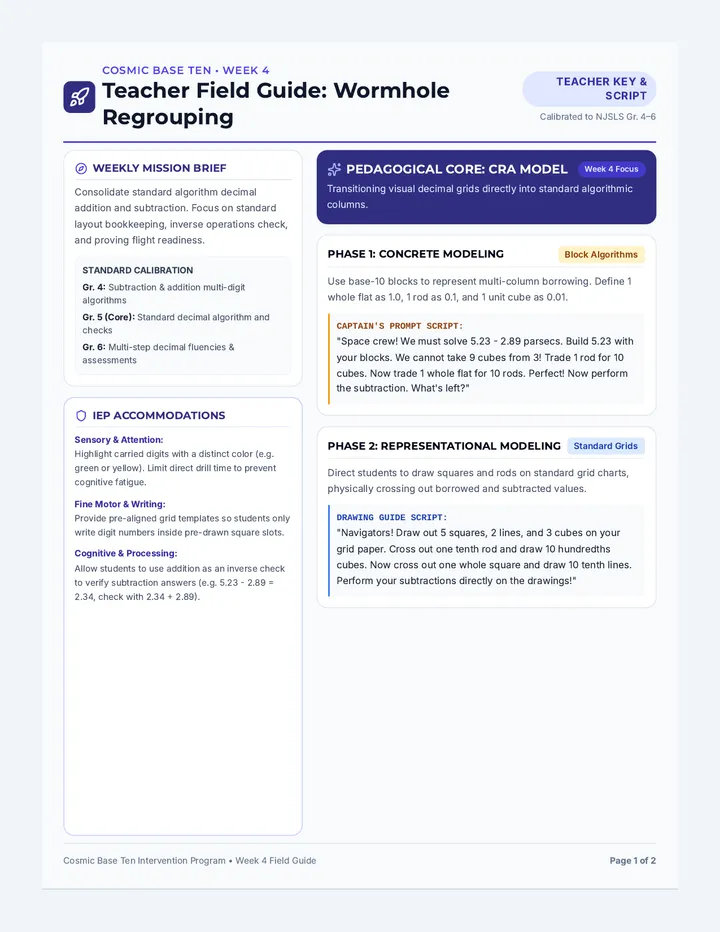
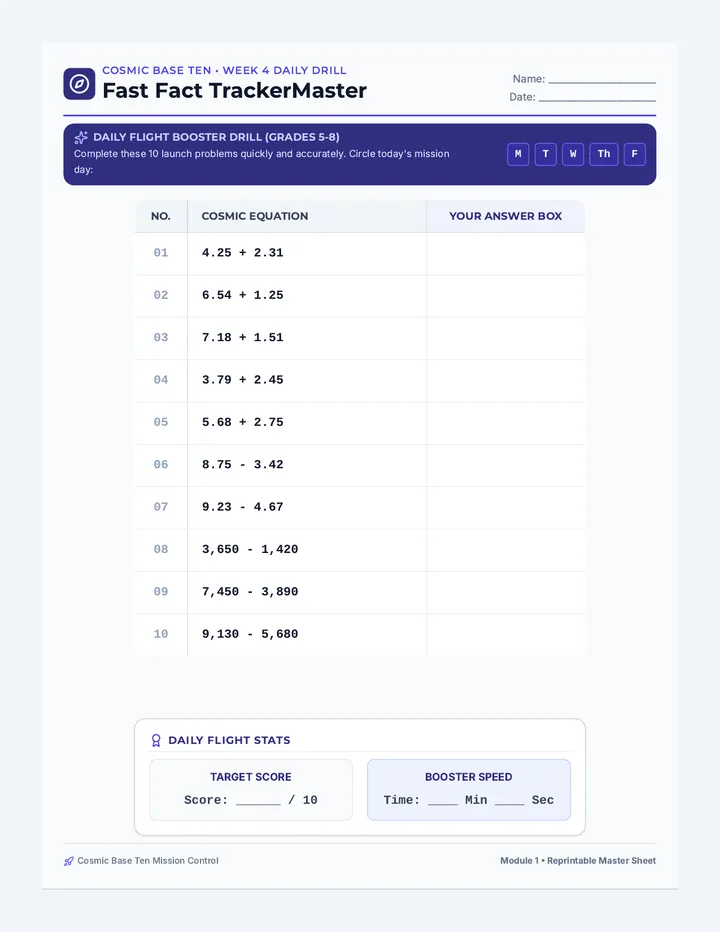
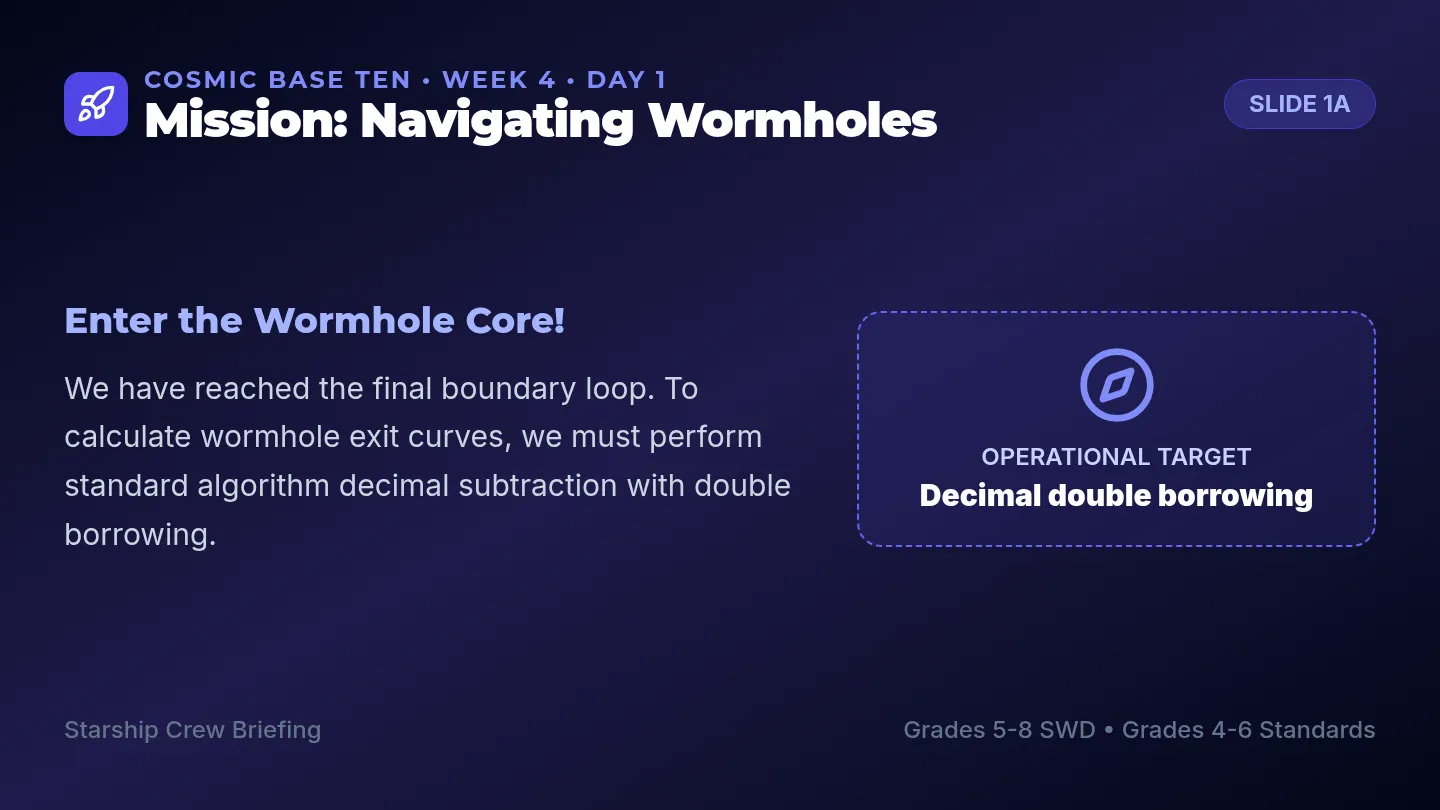
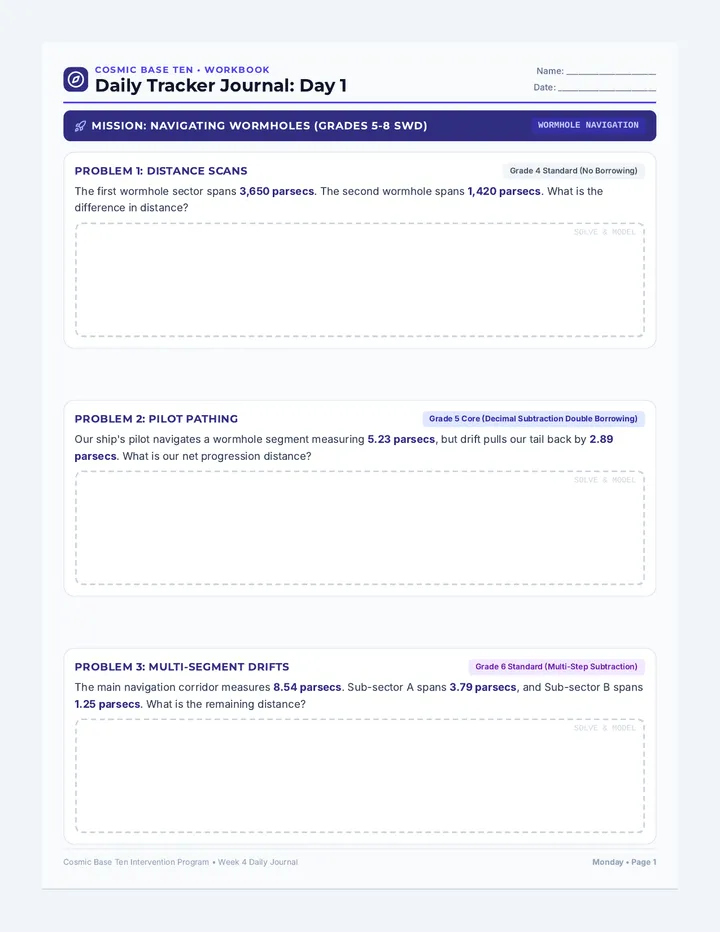
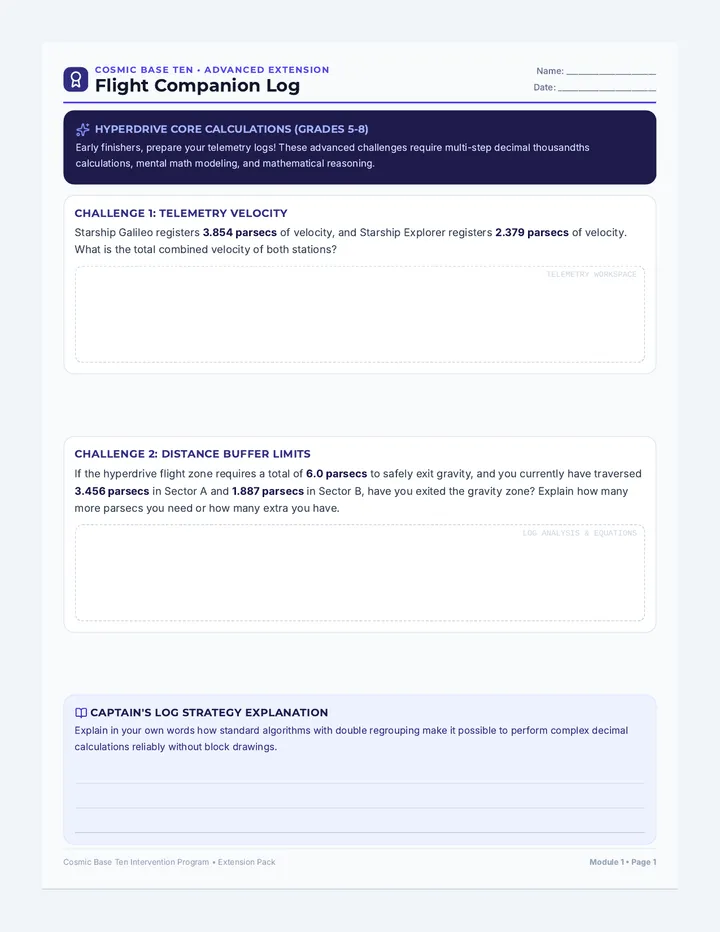
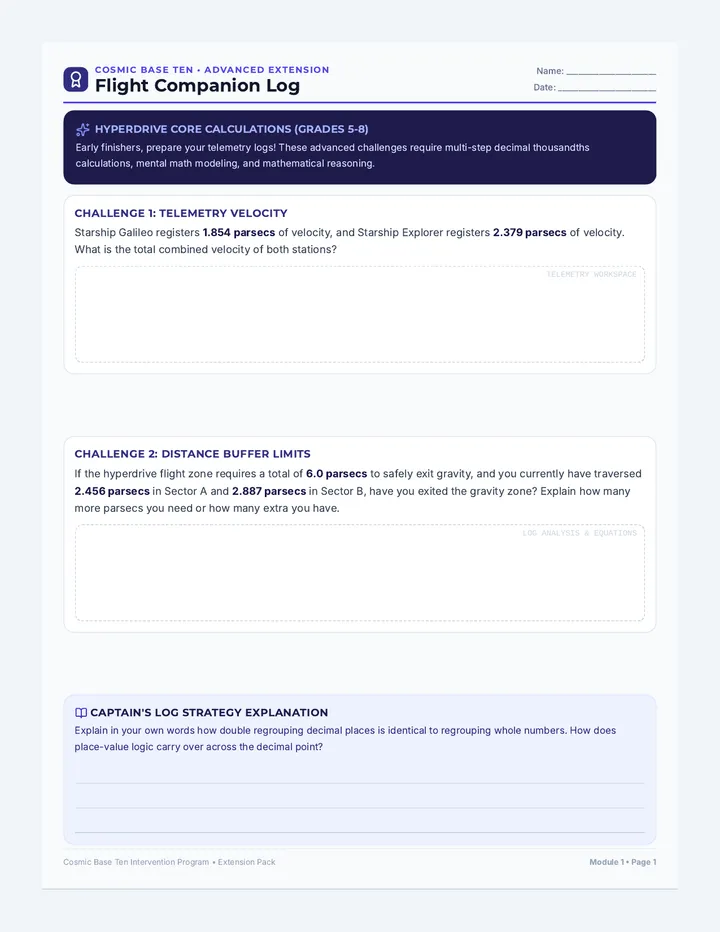
Week 4 focuses on standard algorithm decimal addition and subtraction, multi-step problem consolidation, and direct assessment of skills to confirm crew flight readiness.
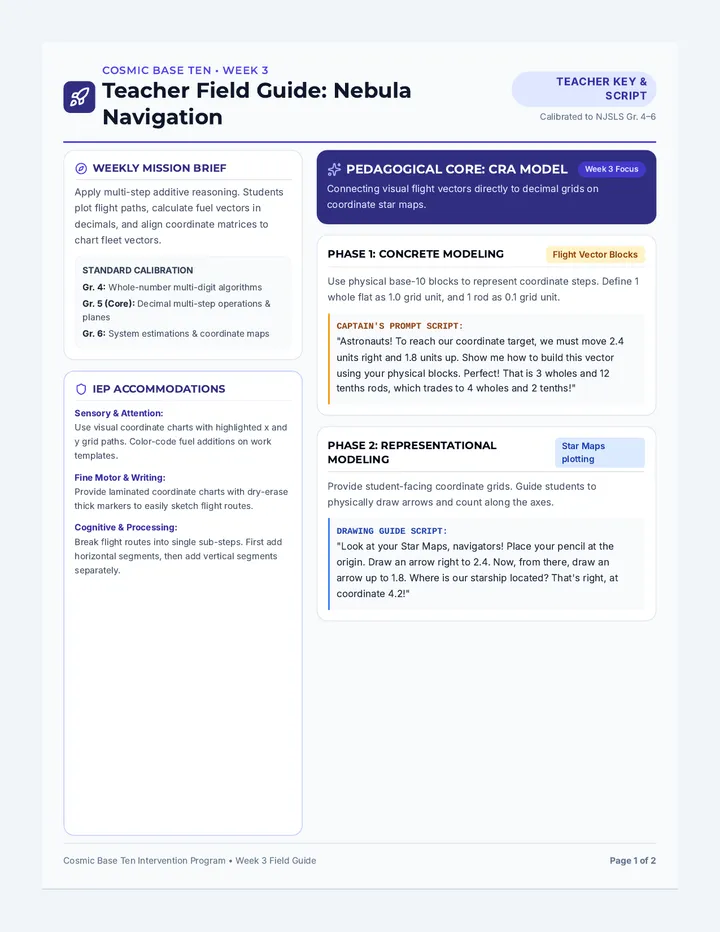
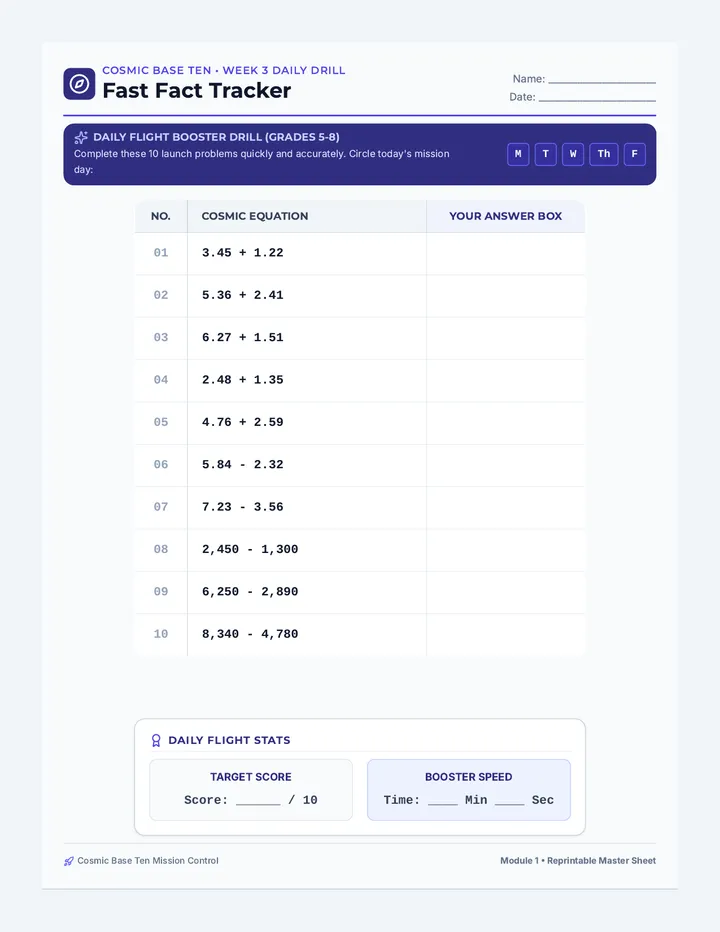
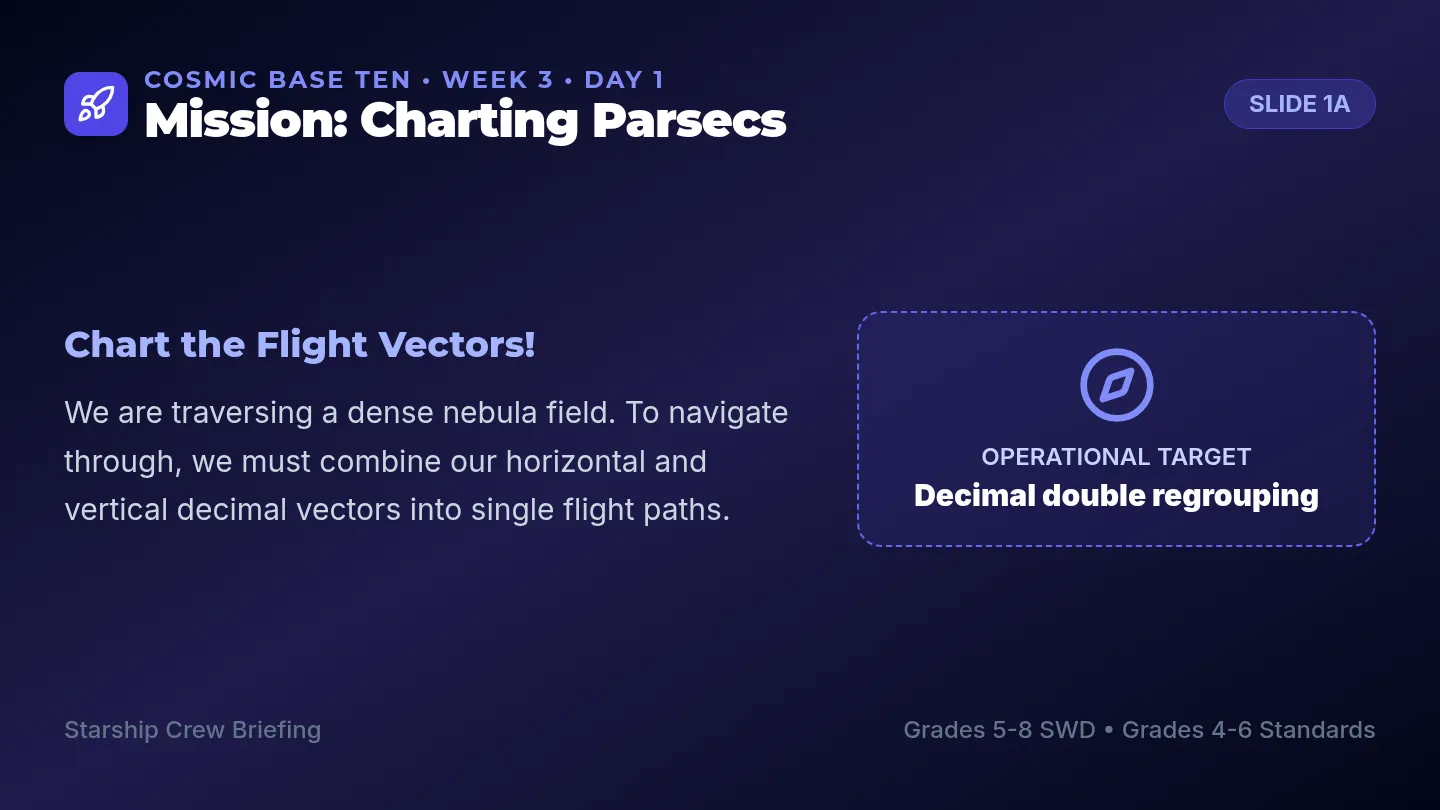
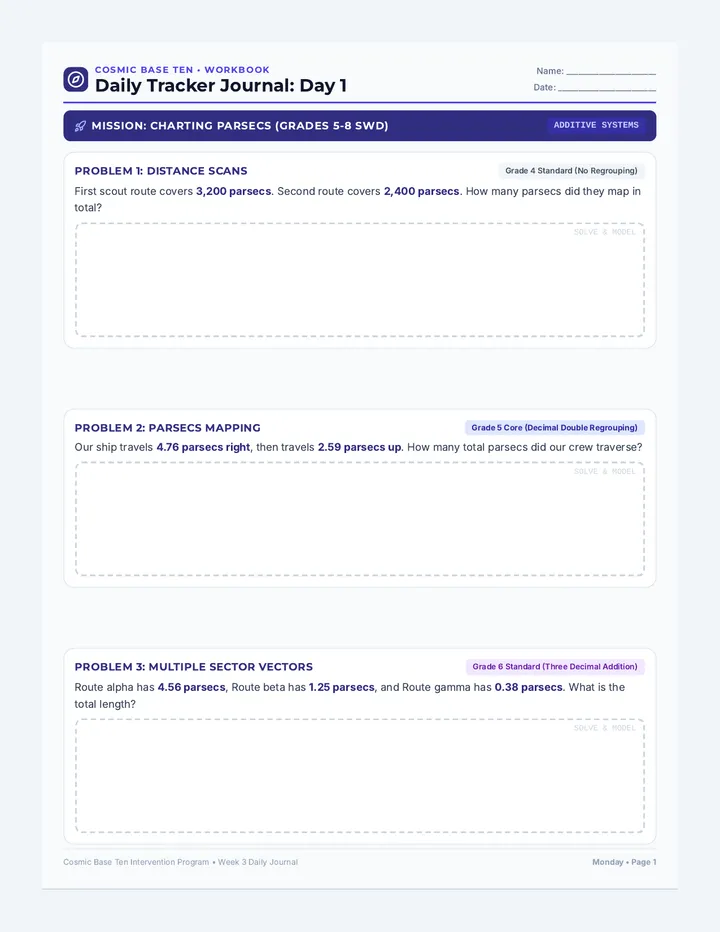
Week 3 focuses on multi-step additive reasoning, decimal subtraction, and aligning coordinates using star charts and compass tools to plan flight vectors for the fleet.
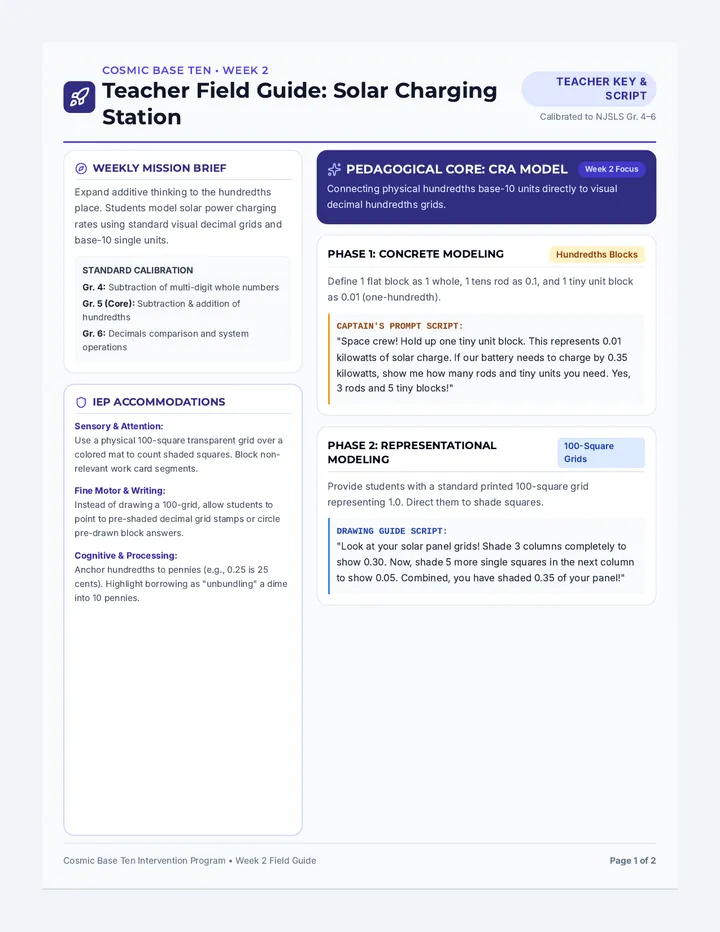
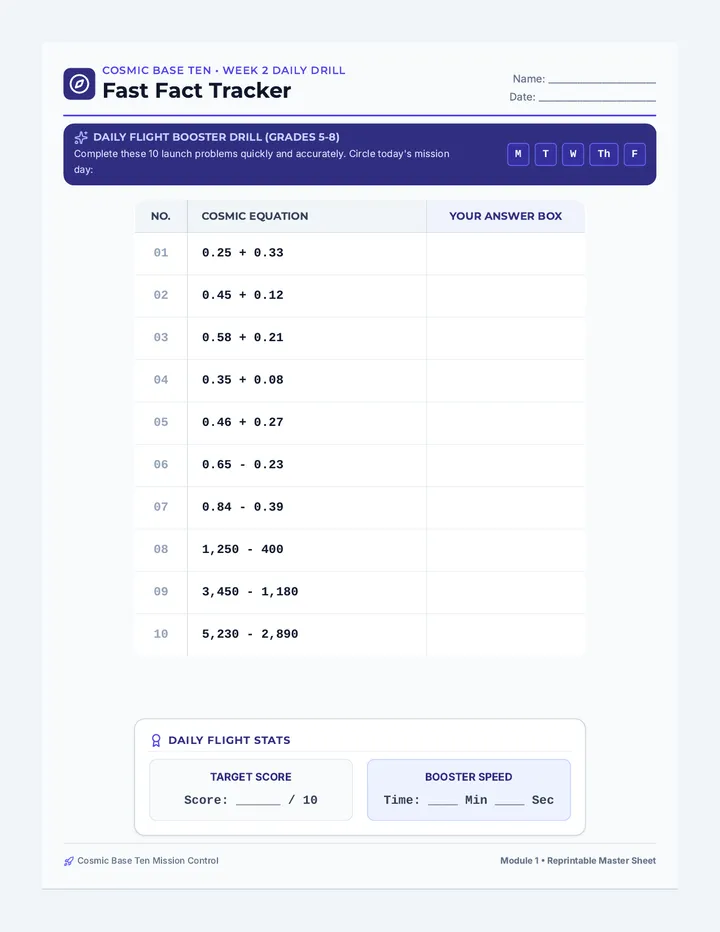
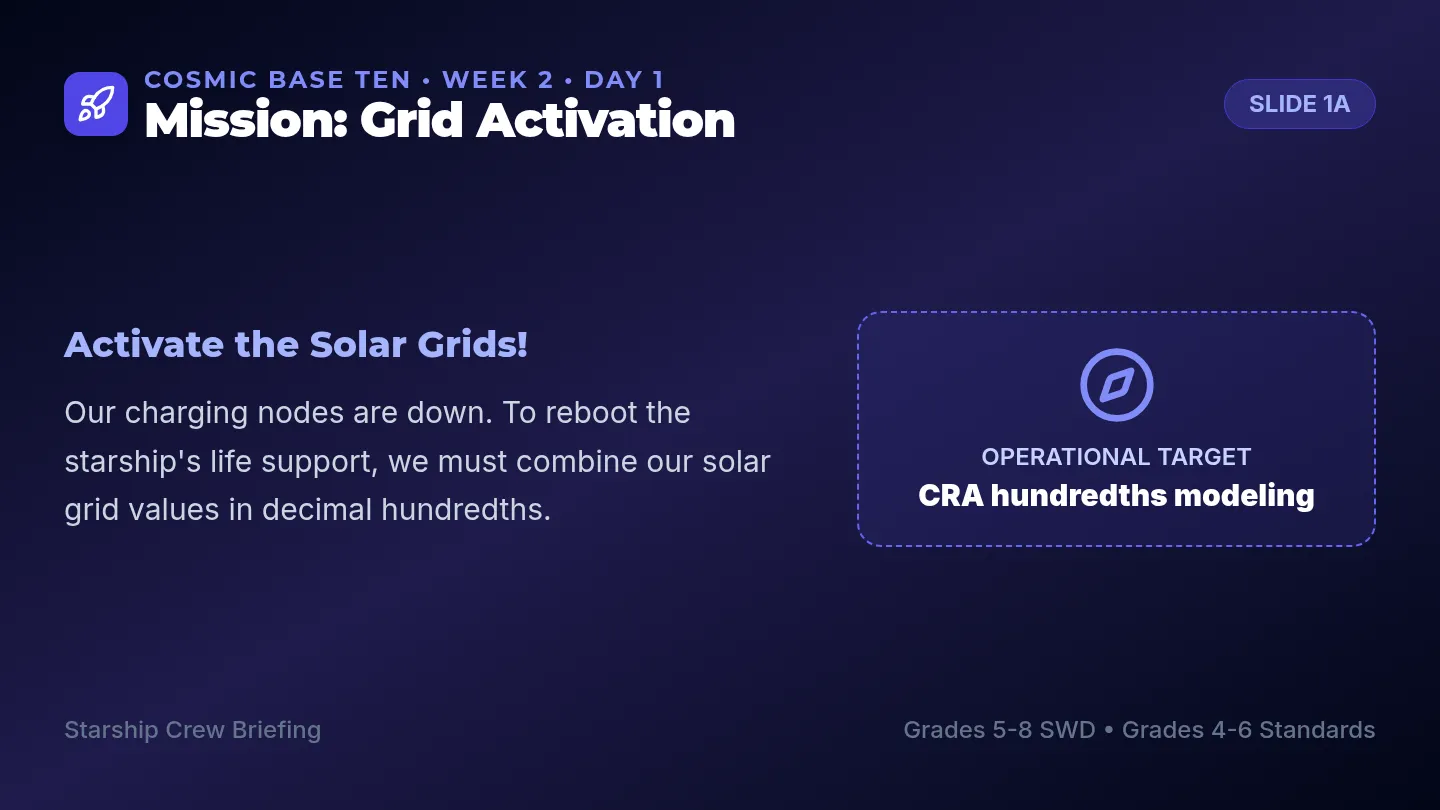
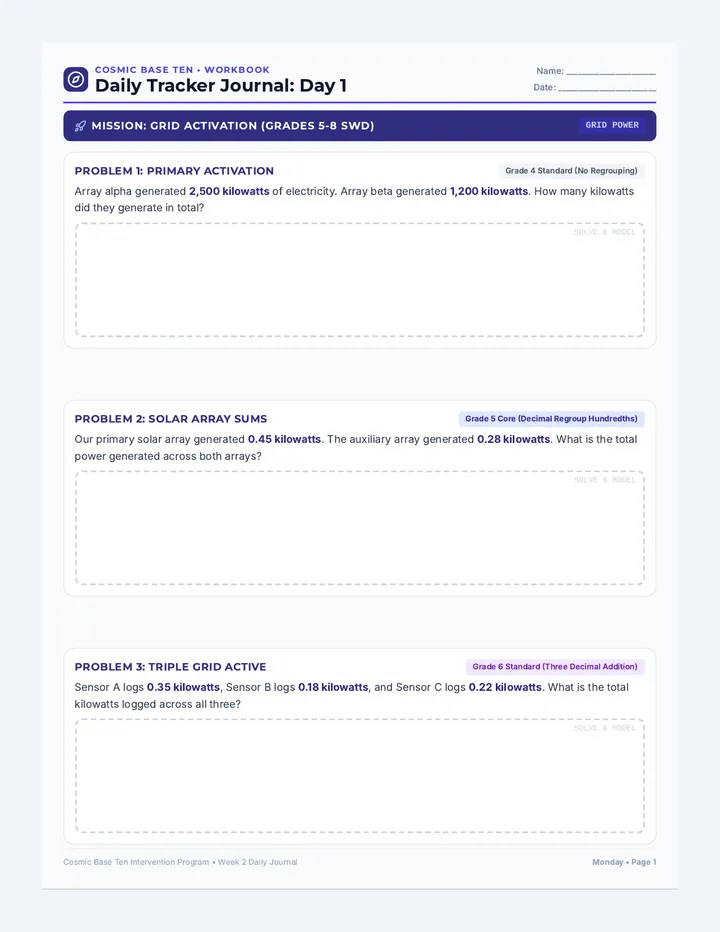
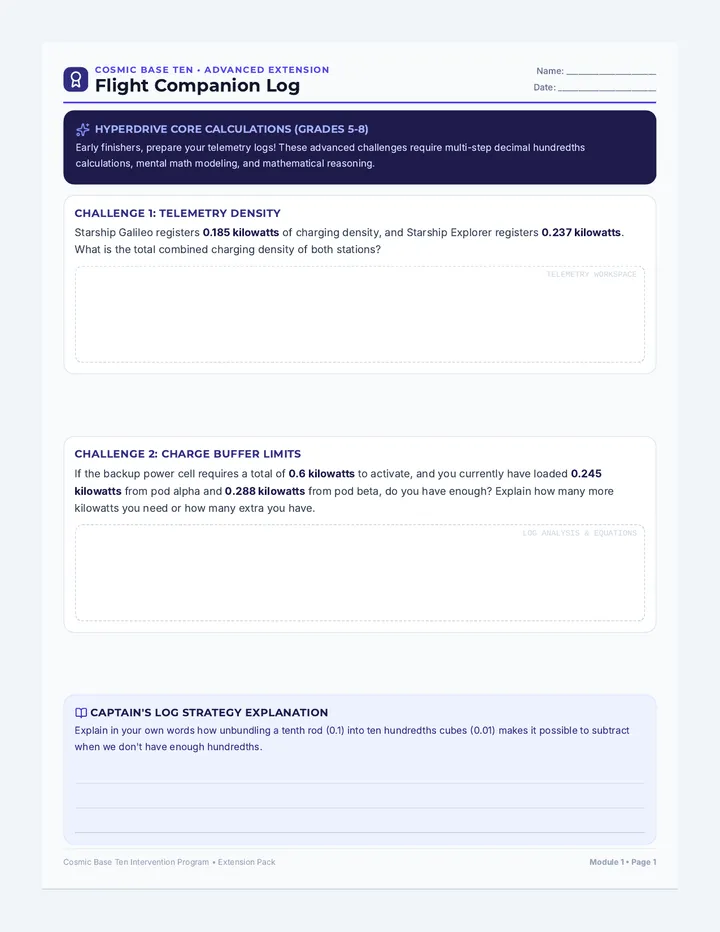
Week 2 focuses on decimal addition and subtraction with and without regrouping, using visual decimal grids and standard plastic base-10 blocks to represent tenths and hundredths in solar charging grid scenarios.