Covers short /u/ and /e/ versus their long VCe counterparts, incorporating advanced phoneme-grapheme mapping.
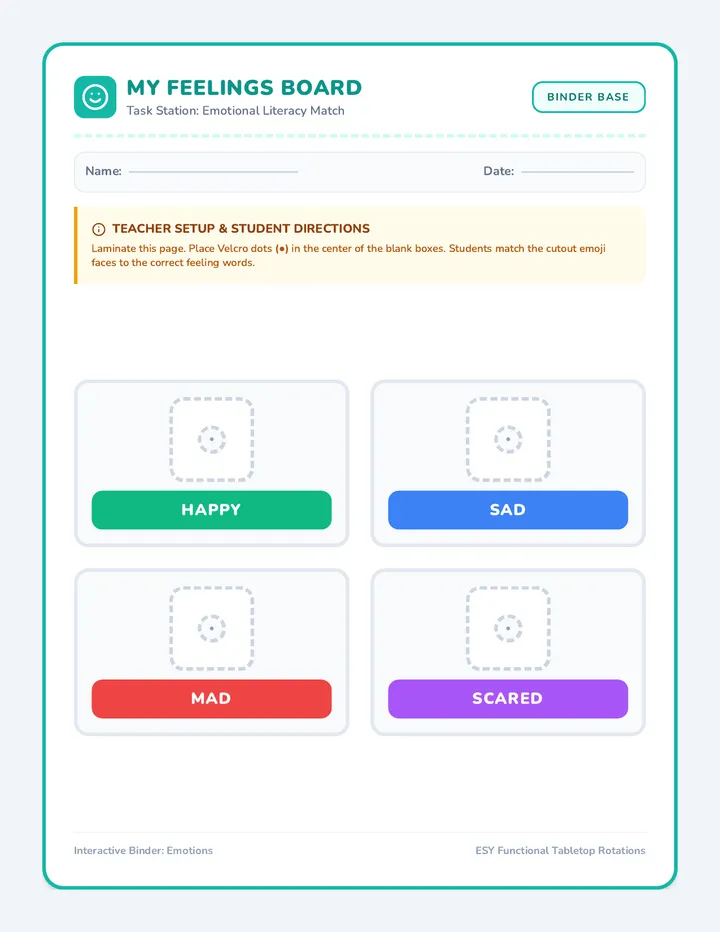
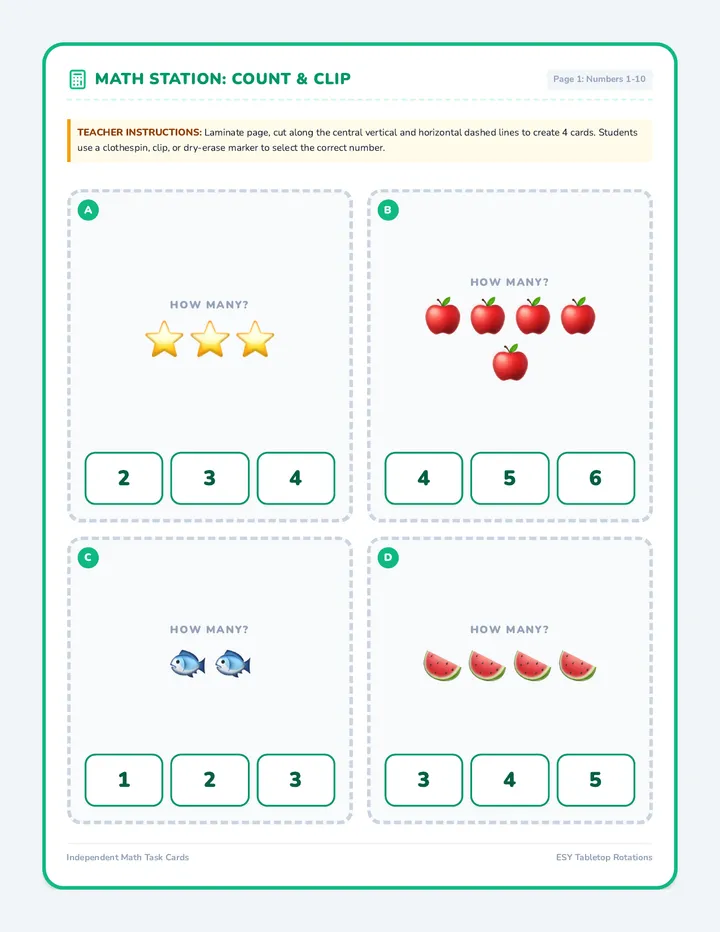
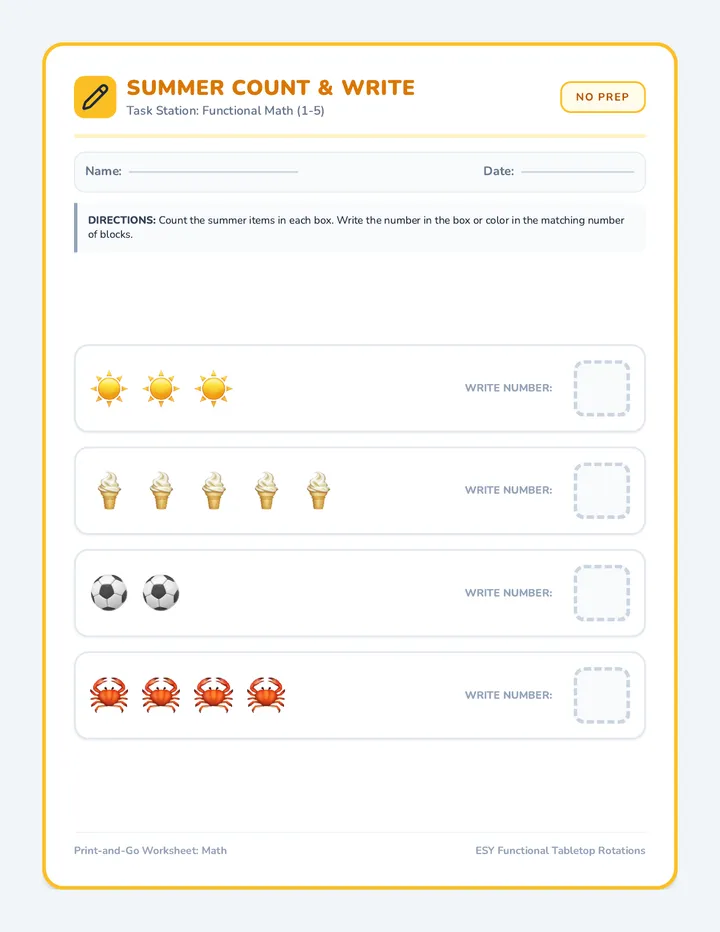
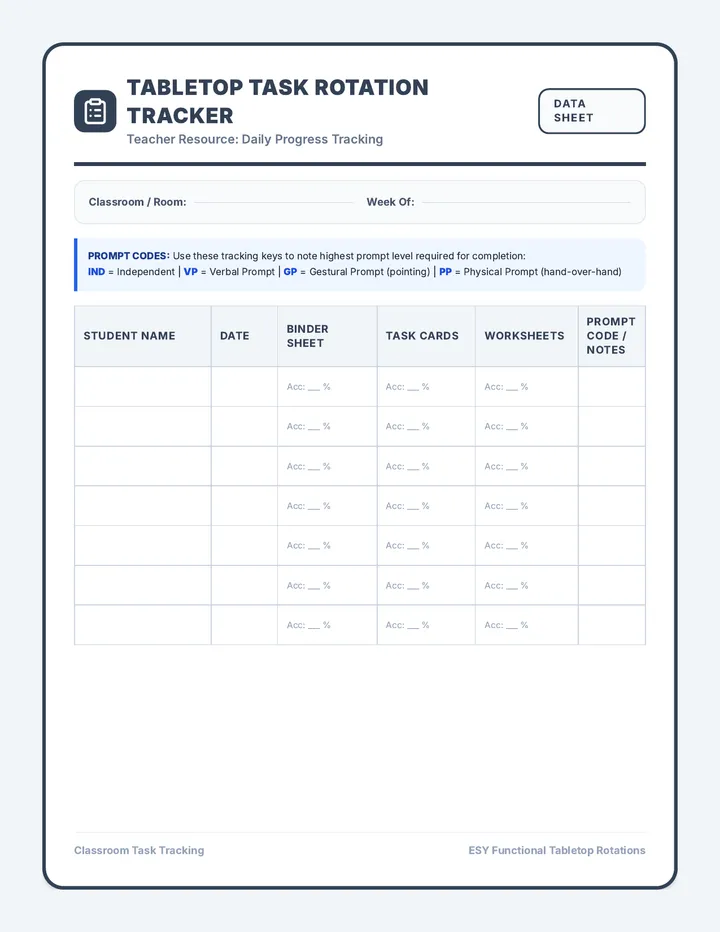
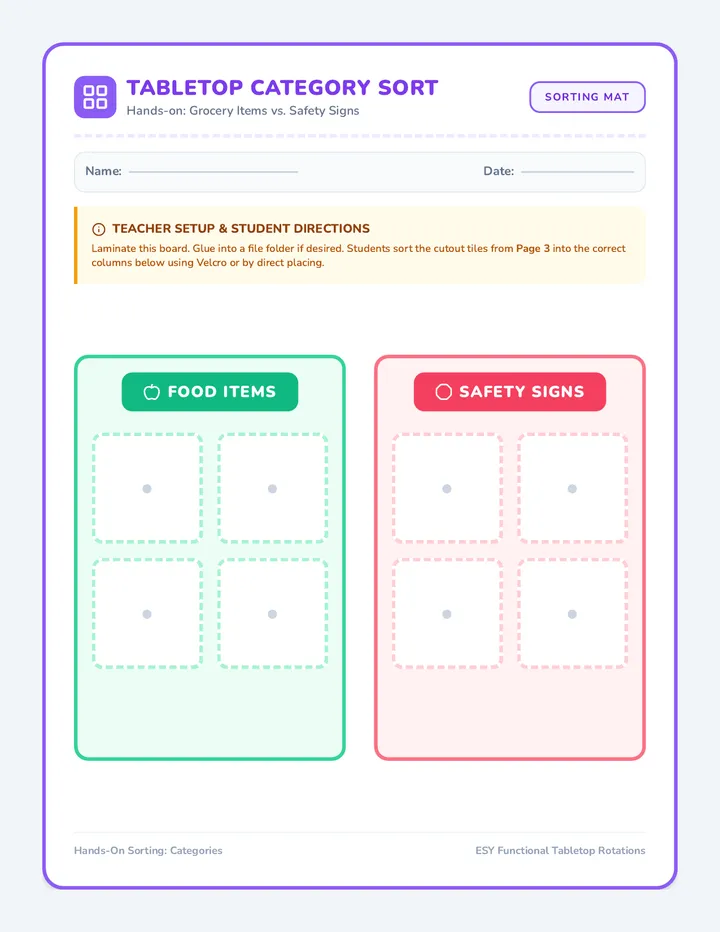
A cohesive suite of tabletop task stations, reusable binder sheets, print-and-go worksheets, and teacher data tracking sheets designed for ESY students with mild/moderate disabilities and autism. Focuses on functional math (counting objects), emotional literacy (identifying emotions), and functional sight words.
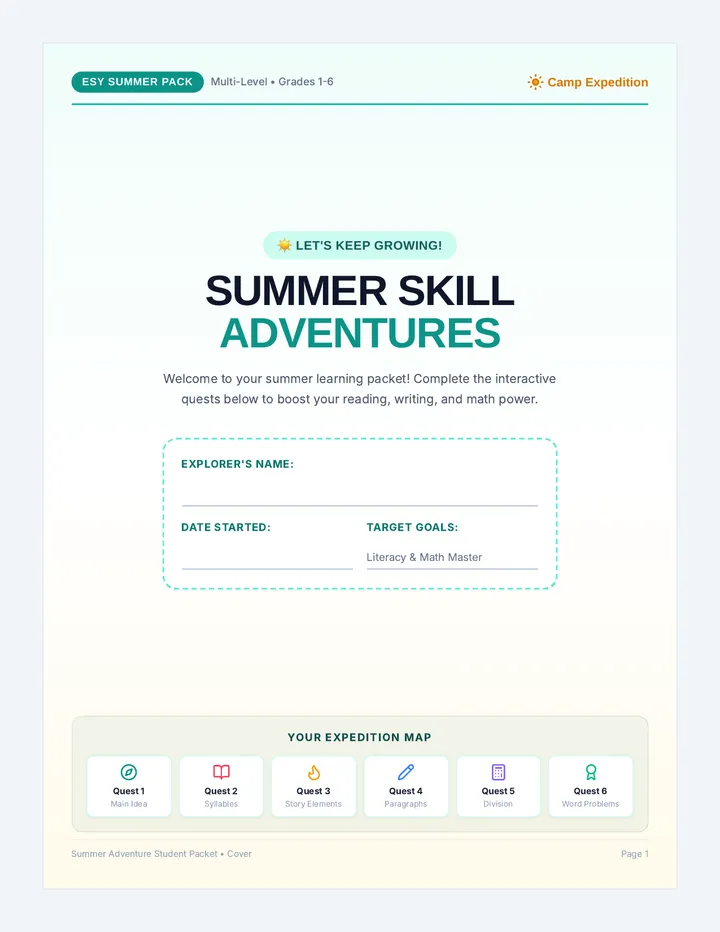
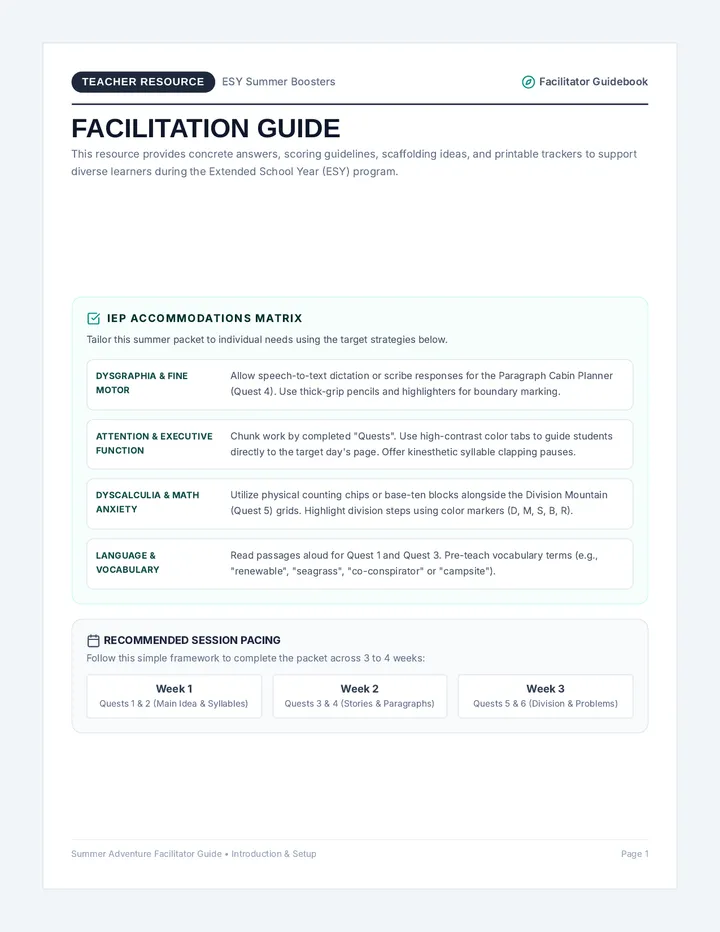
An Extended School Year (ESY) summer packet combining targeted skill-building in main idea, two-syllable words, story elements, paragraph writing, division, and multi-step word problems. Features visual scaffolds, grids, graphic organizers, and multi-level tasks spanning grades 1 to 6.
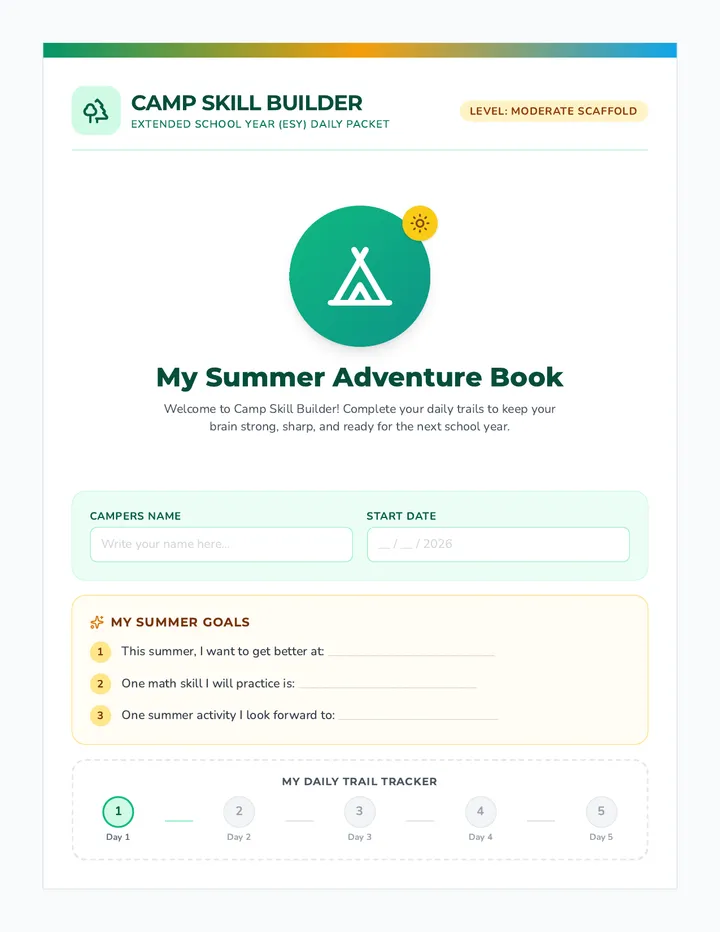
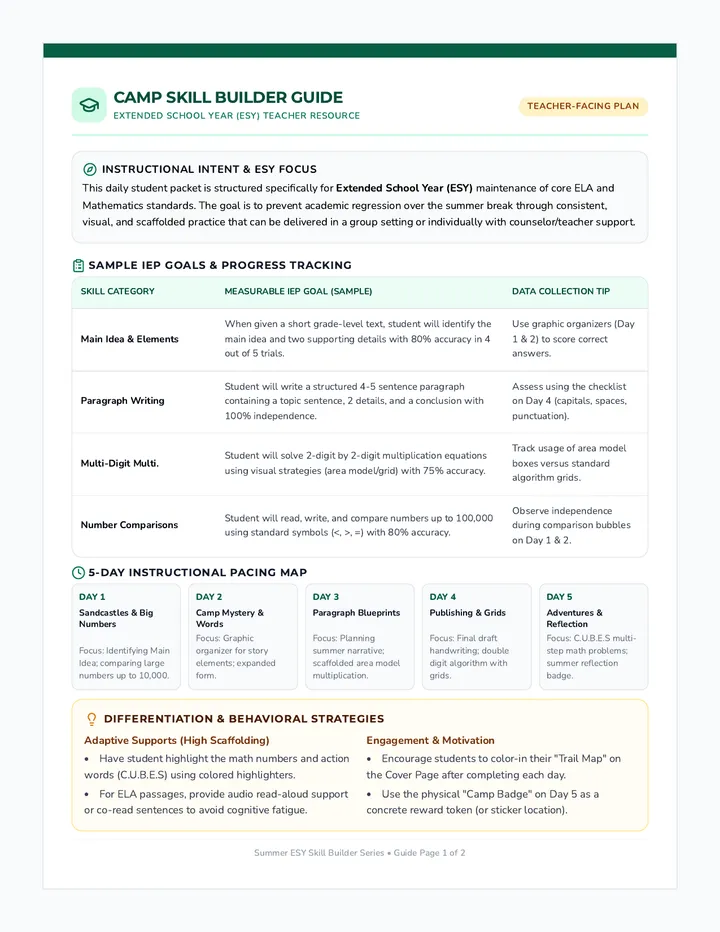
A comprehensive 5-day summer ESY packet and teacher guide focusing on core math and ELA maintenance skills, including main idea, story elements, paragraph writing, multi-digit multiplication, number comparisons, and word problems.
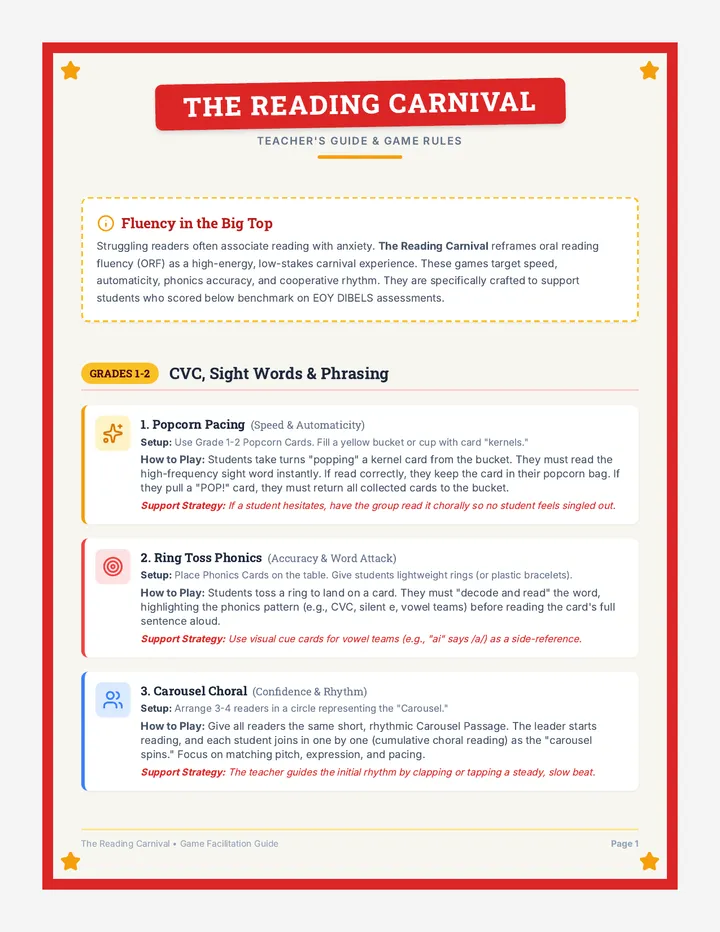
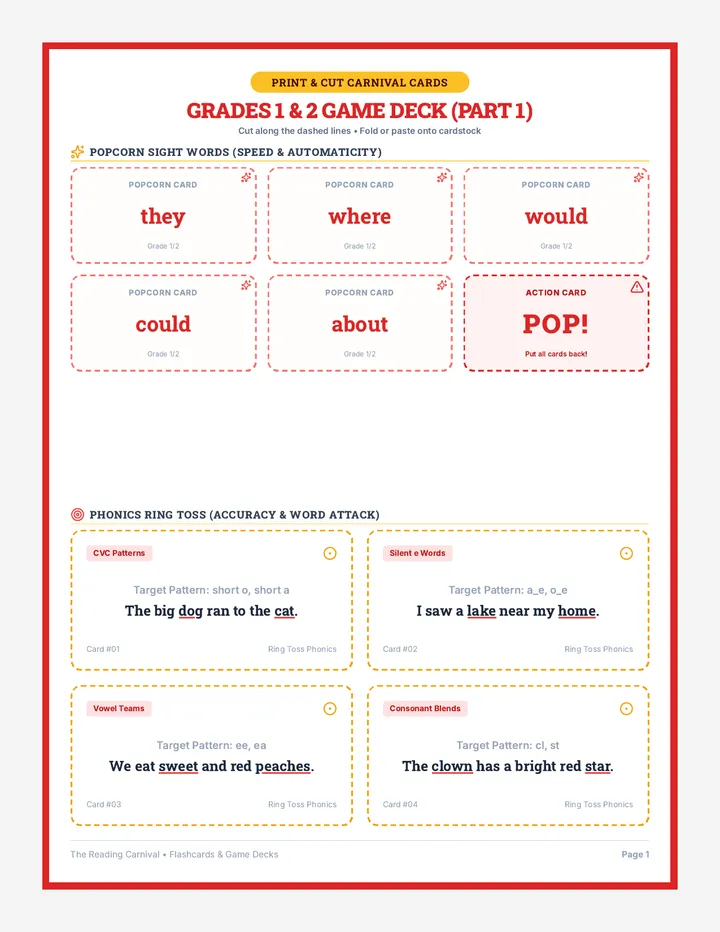
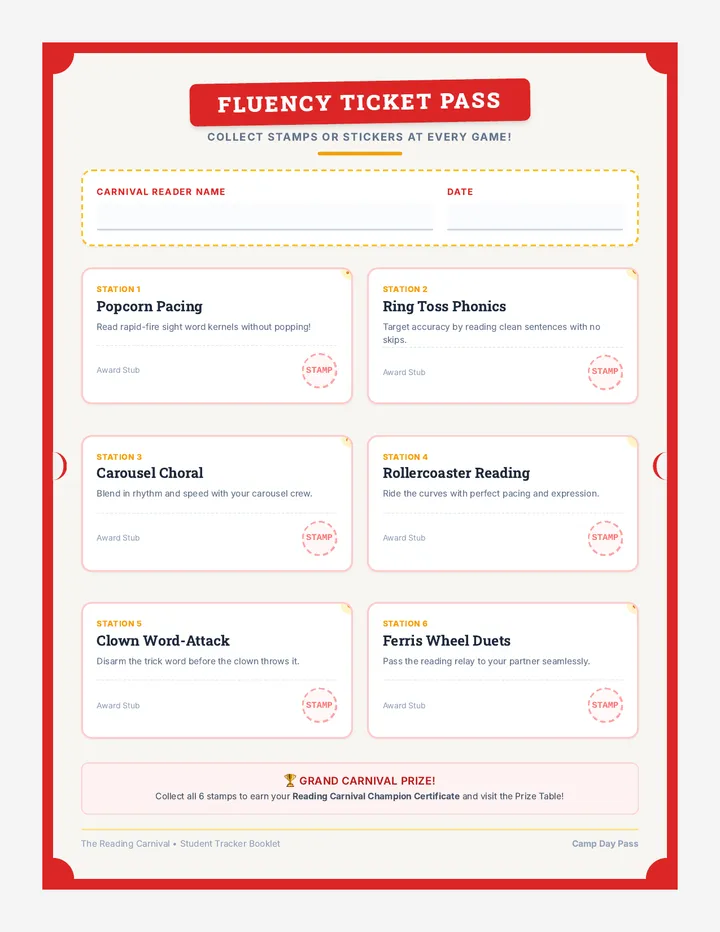
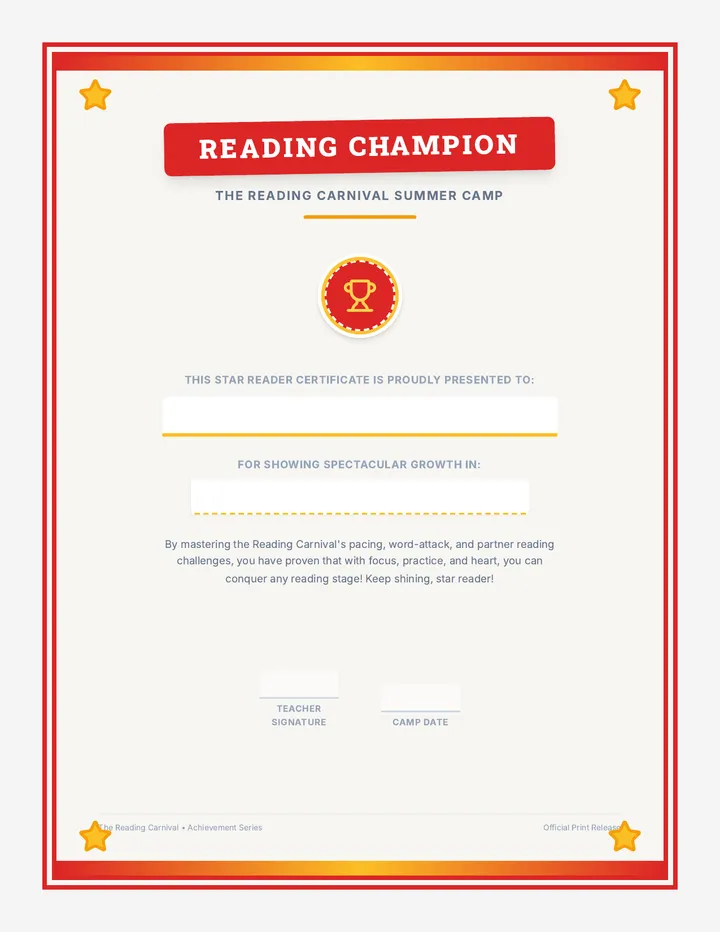
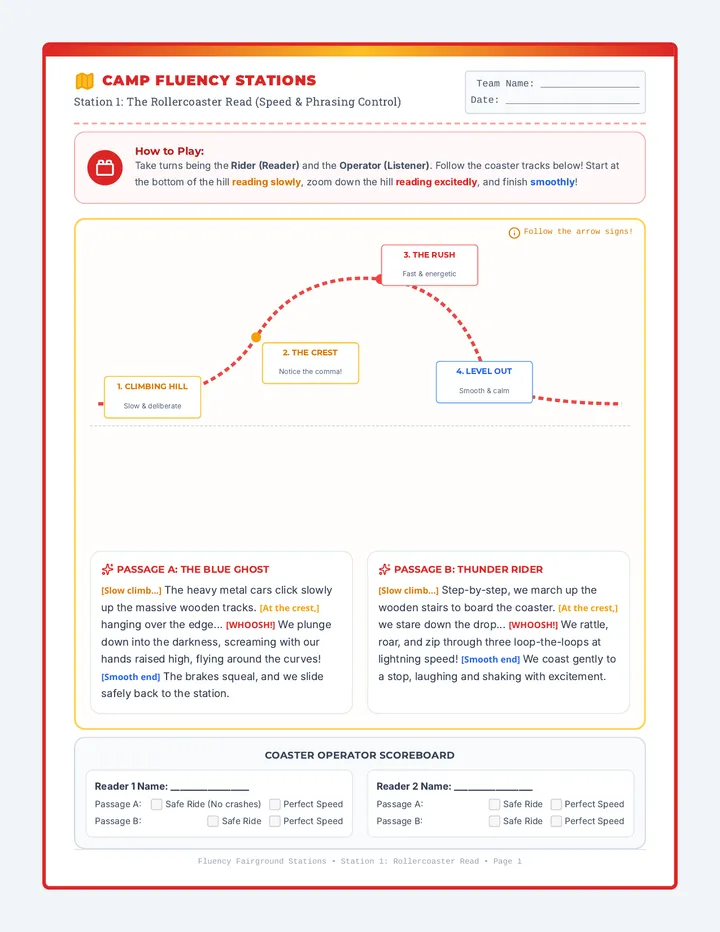
A comprehensive oral reading fluency bundle themed around 'The Reading Carnival'. It includes game guides, differentiated reading cards, progress trackers, and achievement awards designed specifically for struggling 1st-4th grade readers to build speed, accuracy, and confidence in a high-energy summer camp environment.
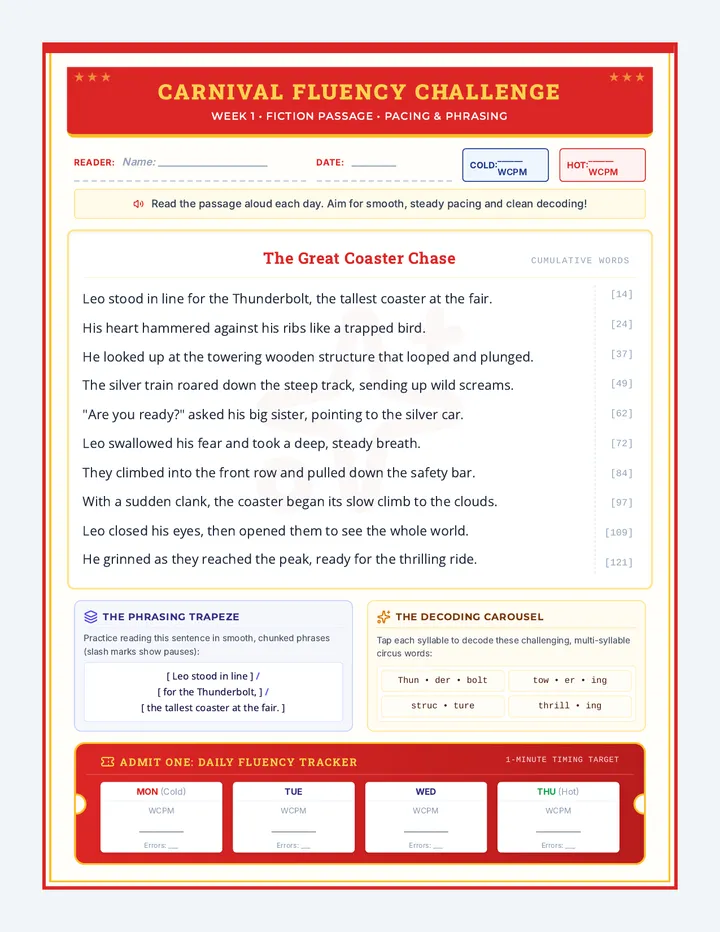
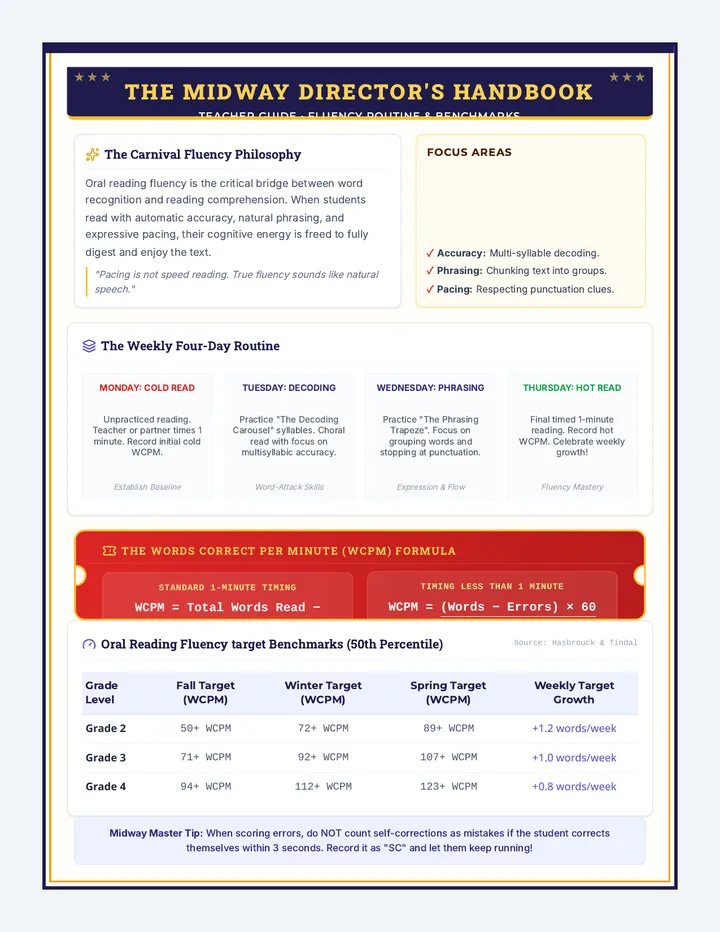
A weekly oral reading fluency program themed around a vintage carnival. It focuses on pacing, phrasing, and decoding multi-syllable words through engaging fiction and non-fiction passages with built-in trackers.
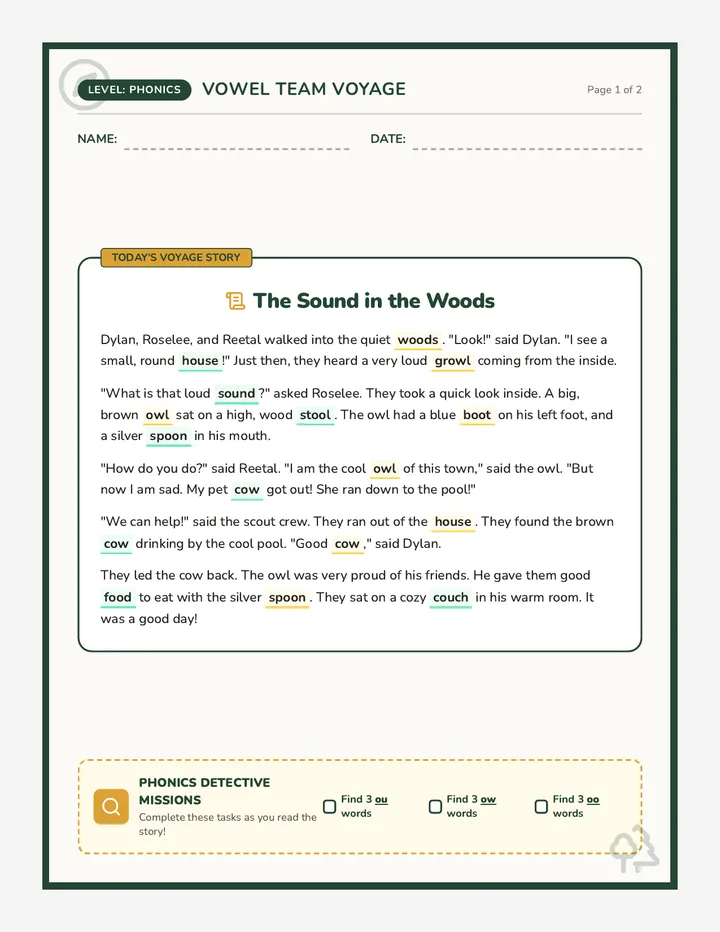
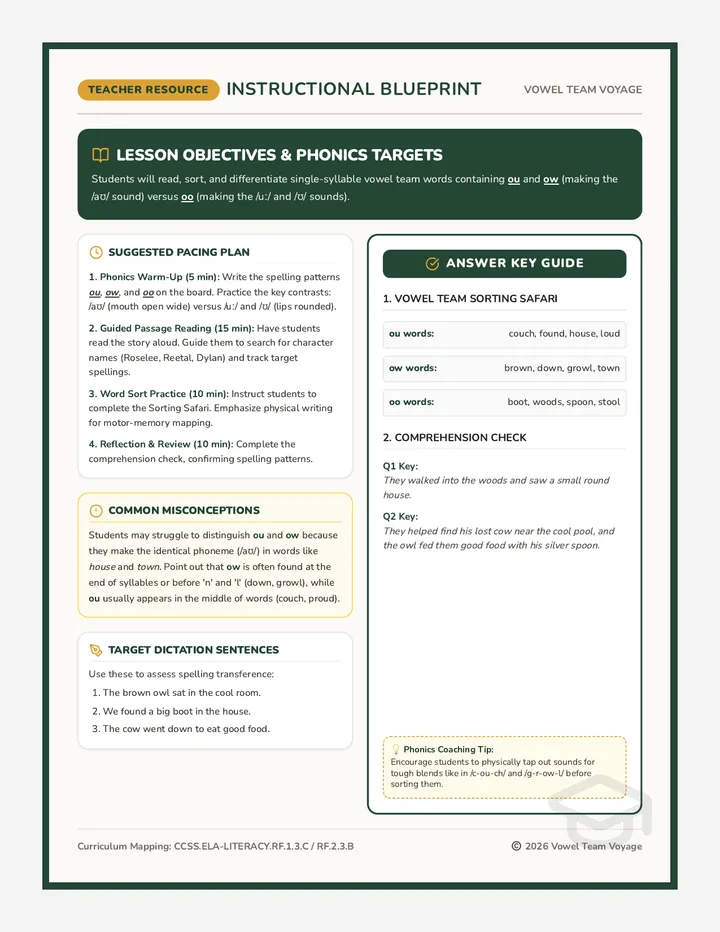
A targeted phonics lesson focused on contrasting single-syllable words containing 'ou', 'ow', and 'oo' vowel teams. Students read an engaging phonics story featuring Roselee, Reetal, and Dylan, and complete structured word-sorting and reading comprehension exercises.
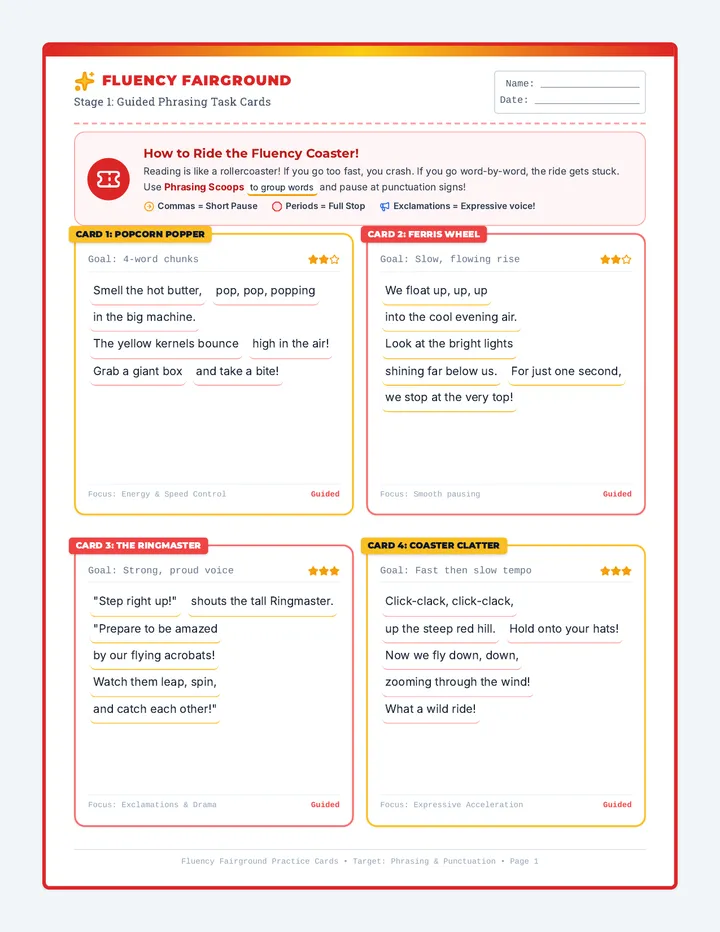
A high-energy, carnival-themed literacy package designed to boost oral reading fluency with a focus on phrasing and punctuation. Features print-and-cut phrasing task cards, partner-based carnival games, and a dramatic Reader's Theater script set under the Big Top.
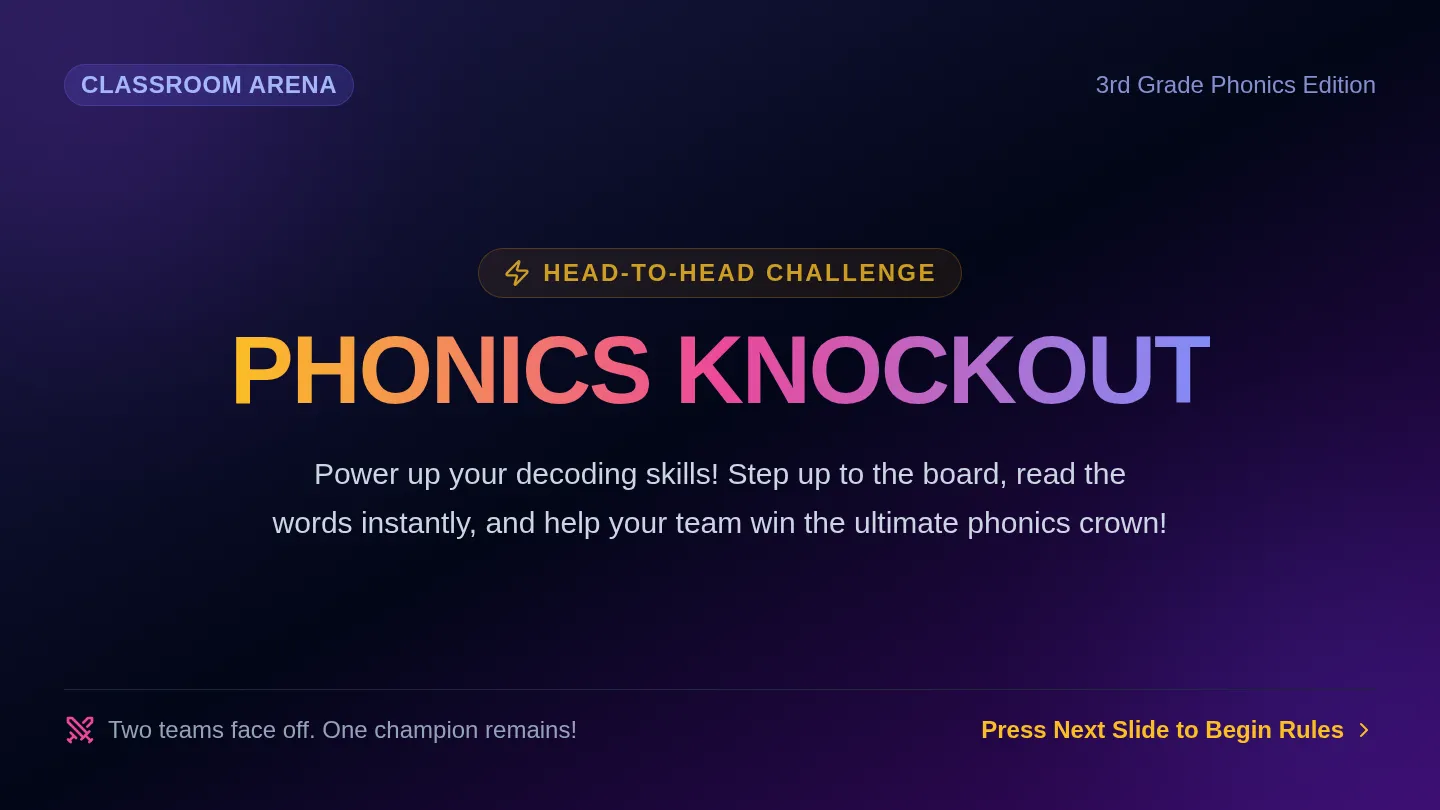
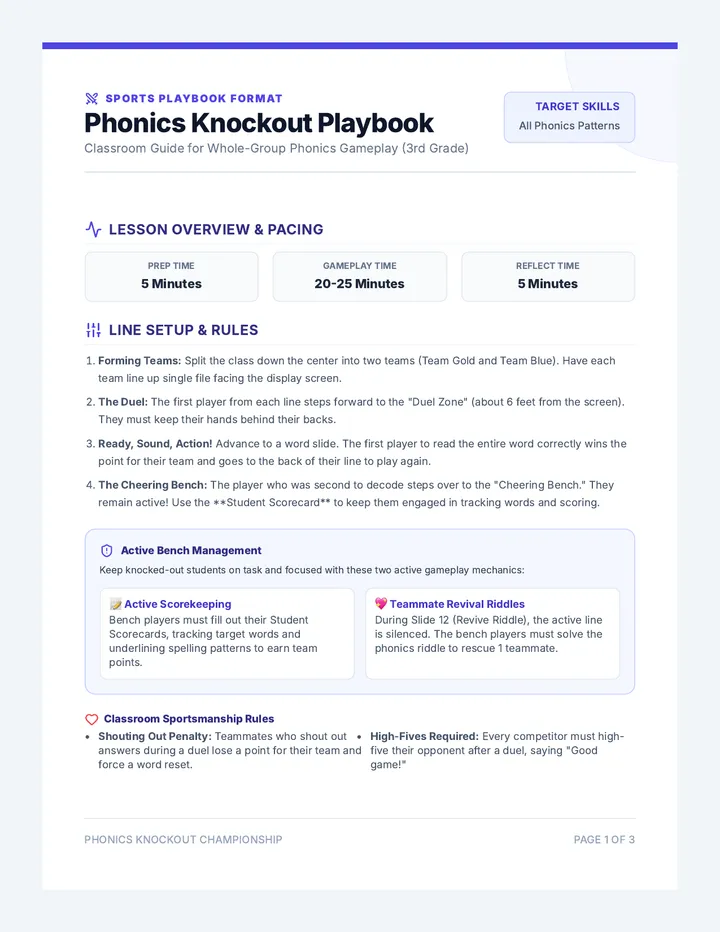
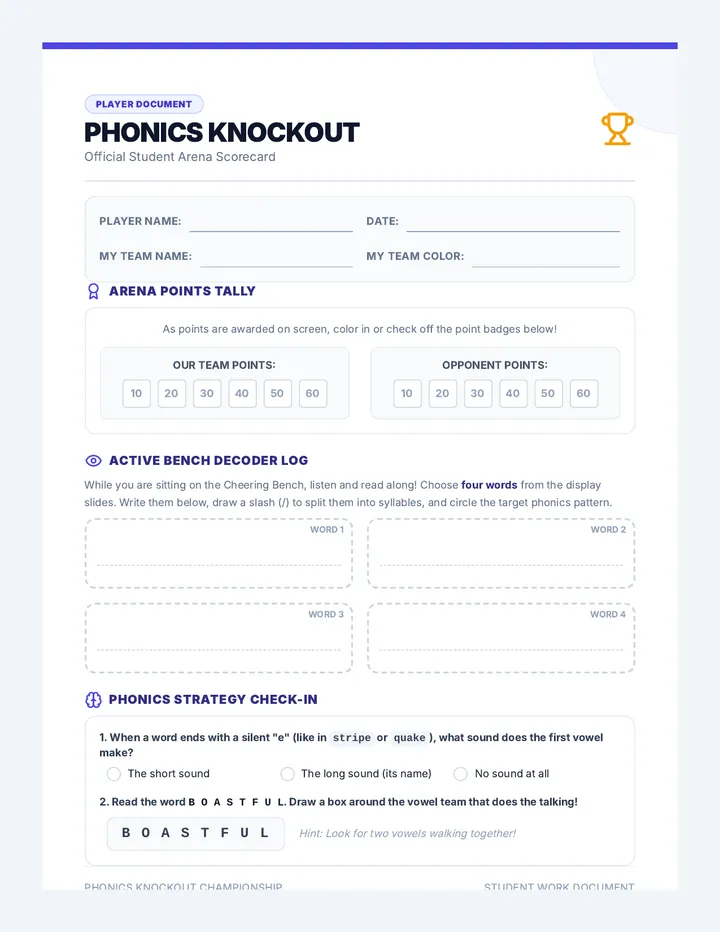
A high-energy, competitive phonics game designed for 3rd-grade classrooms. Students face off head-to-head to quickly decode complex phonics patterns including r-controlled vowels, vowel teams, digraphs, and silent e.
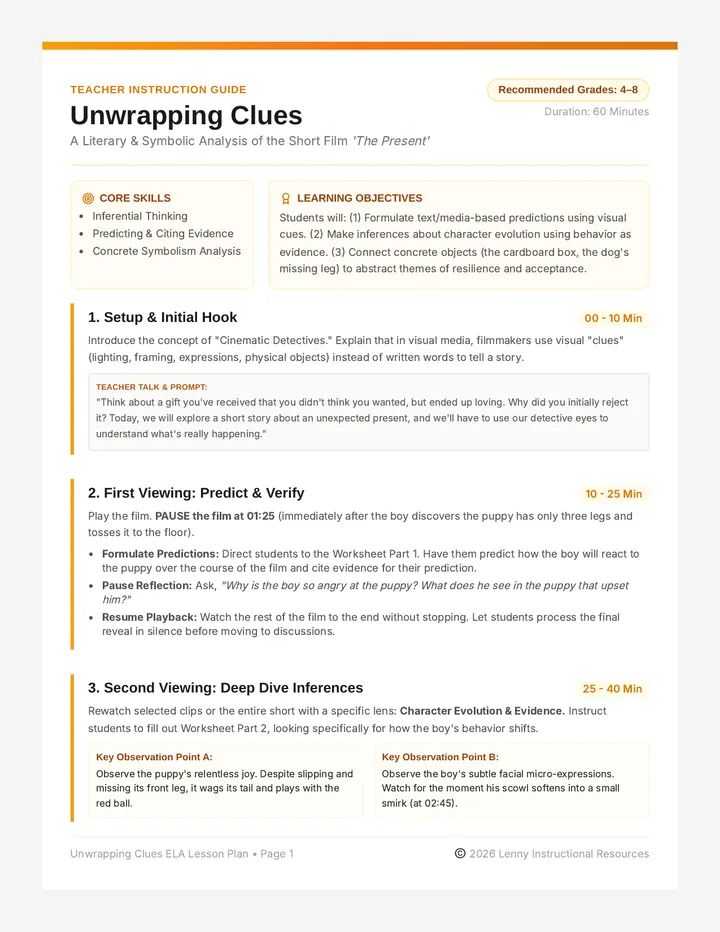
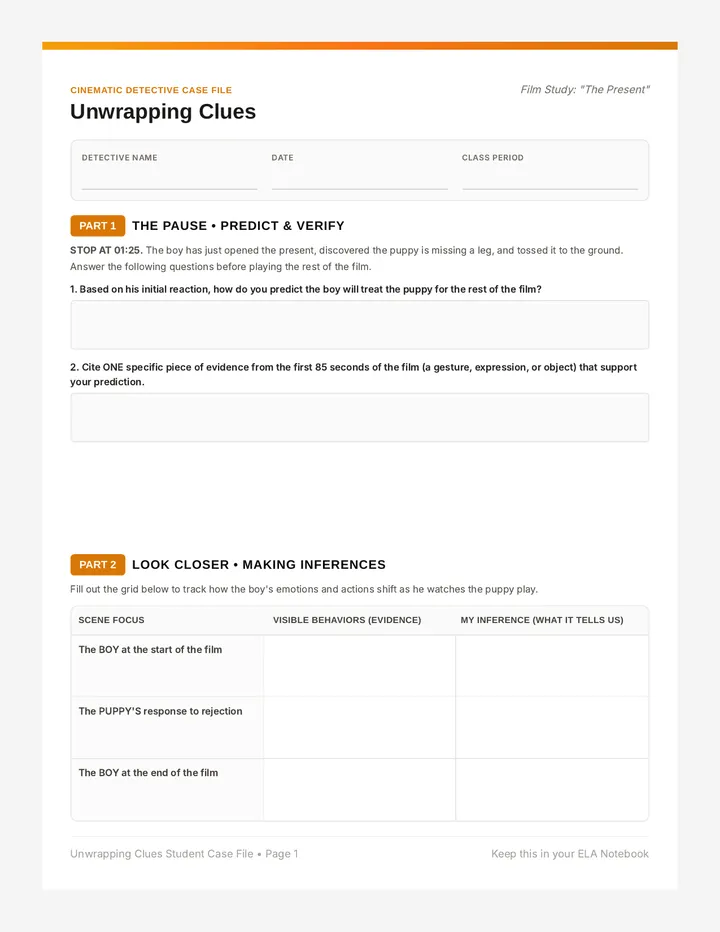
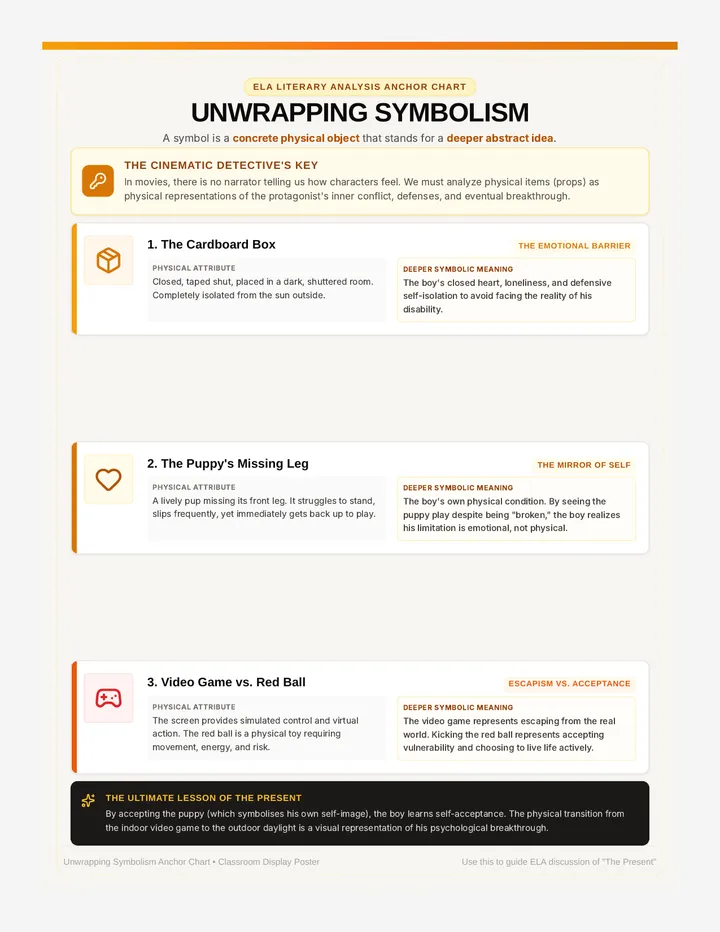
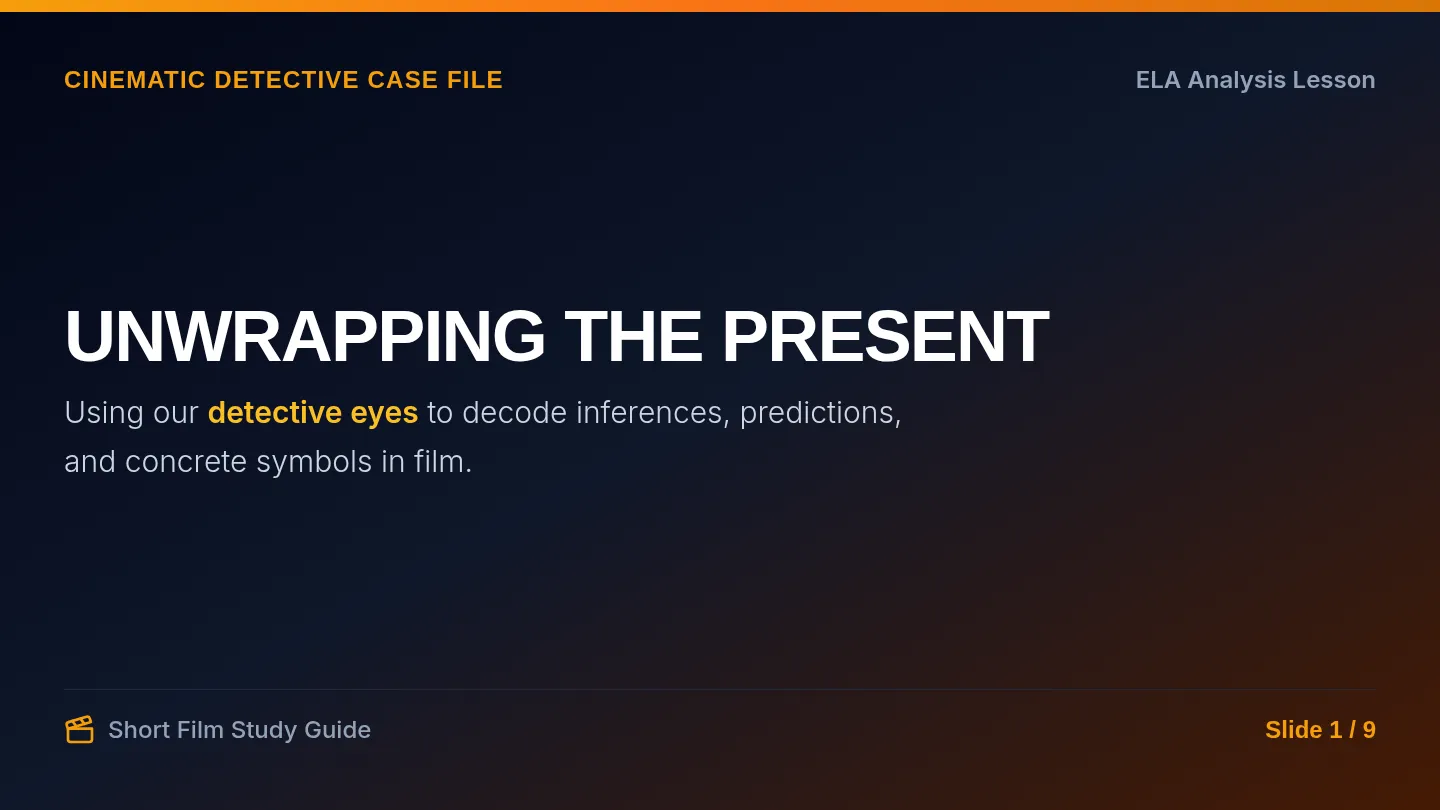
A comprehensive 60-minute ELA lesson focused on the animated short film 'The Present'. Students explore core reading skills—inferential thinking, prediction, citing evidence, and concrete symbolism—by analyzing the boy, the box, the dog, and the final reveal.
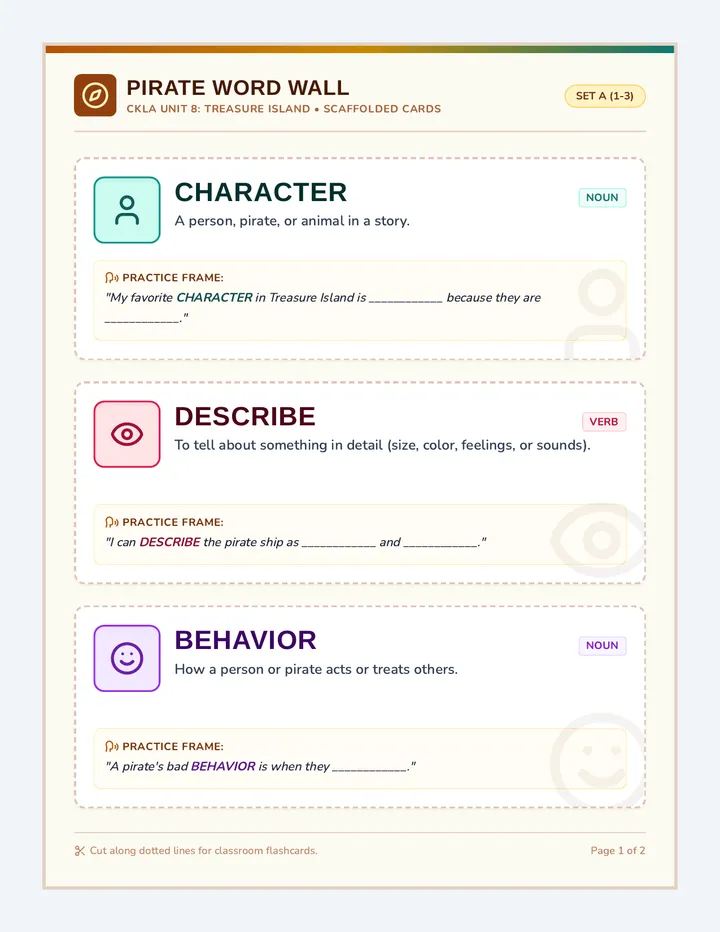
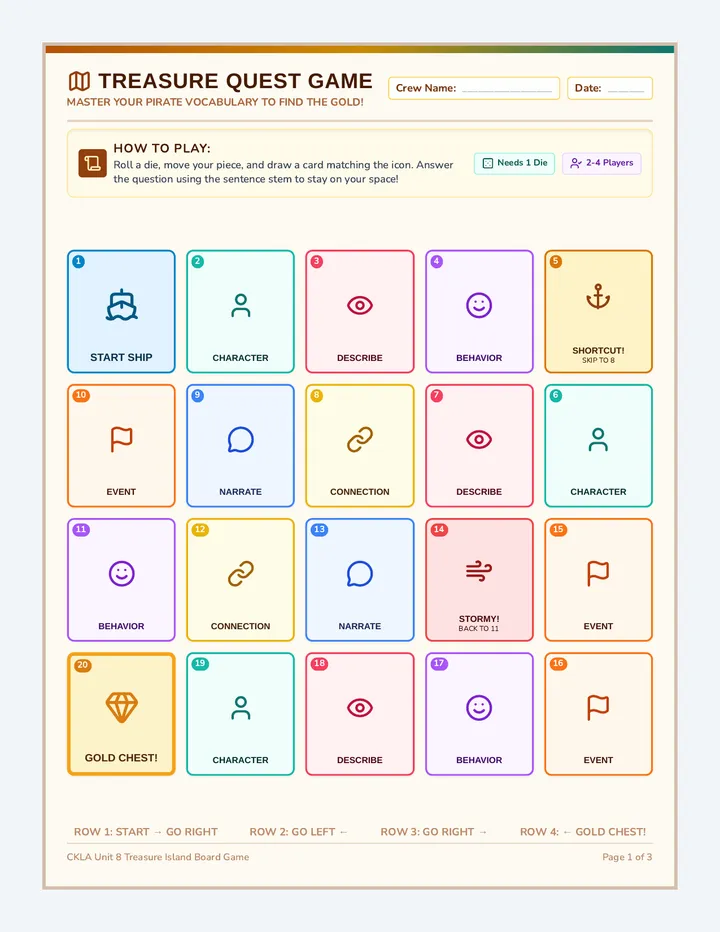
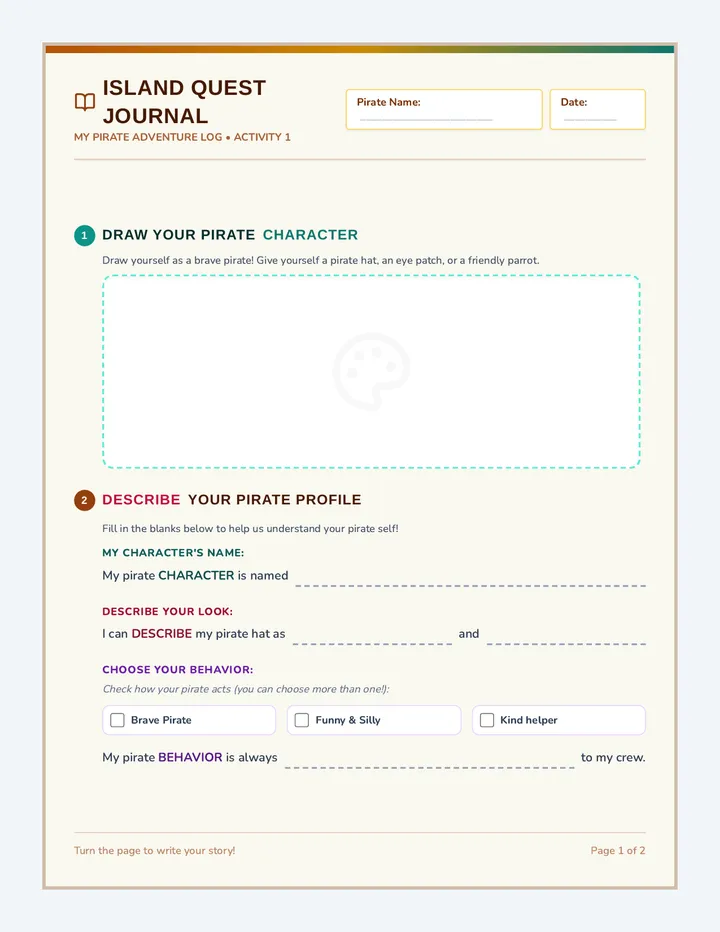
An engaging end-of-the-year activity bundle themed around CKLA Unit 8 Treasure Island, specifically scaffolded for 4th-grade students with low literacy. This lesson incorporates active gameplay, visual word wall cards, and sentence-stem writing prompts to master key vocabulary.
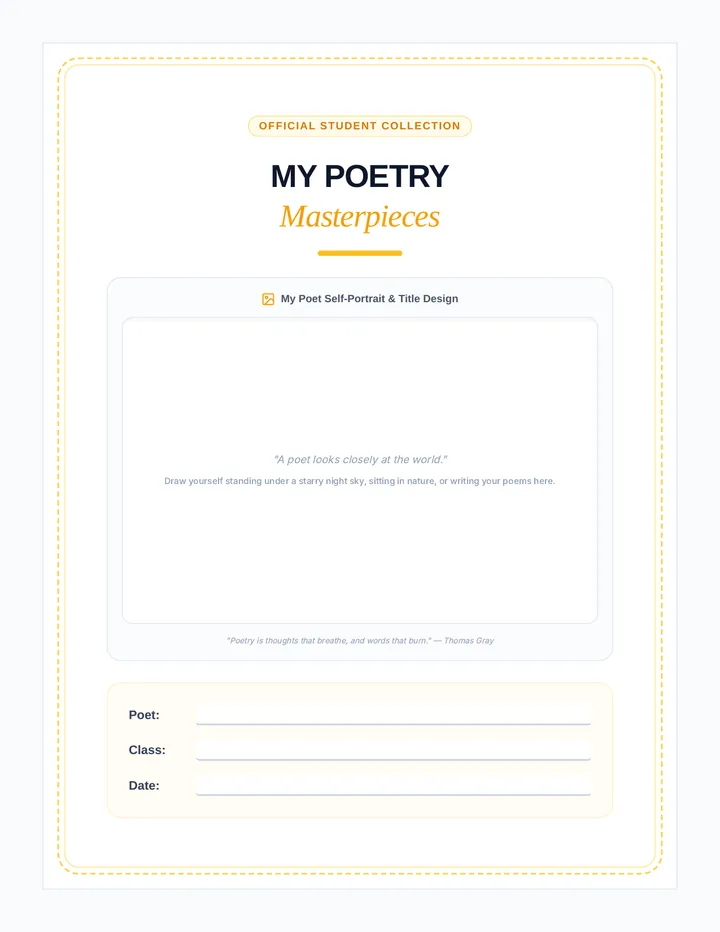
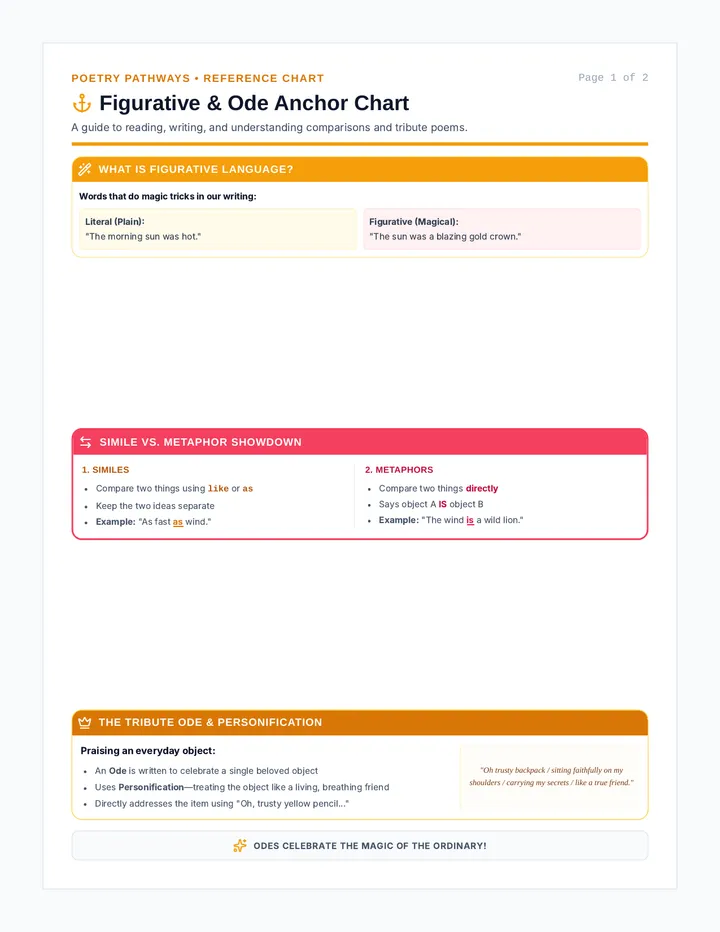
Focuses on using Metaphors and Similes to create powerful figurative imagery. Includes a final "My Poetry Masterpieces" portfolio cover and peer celebration review pages.
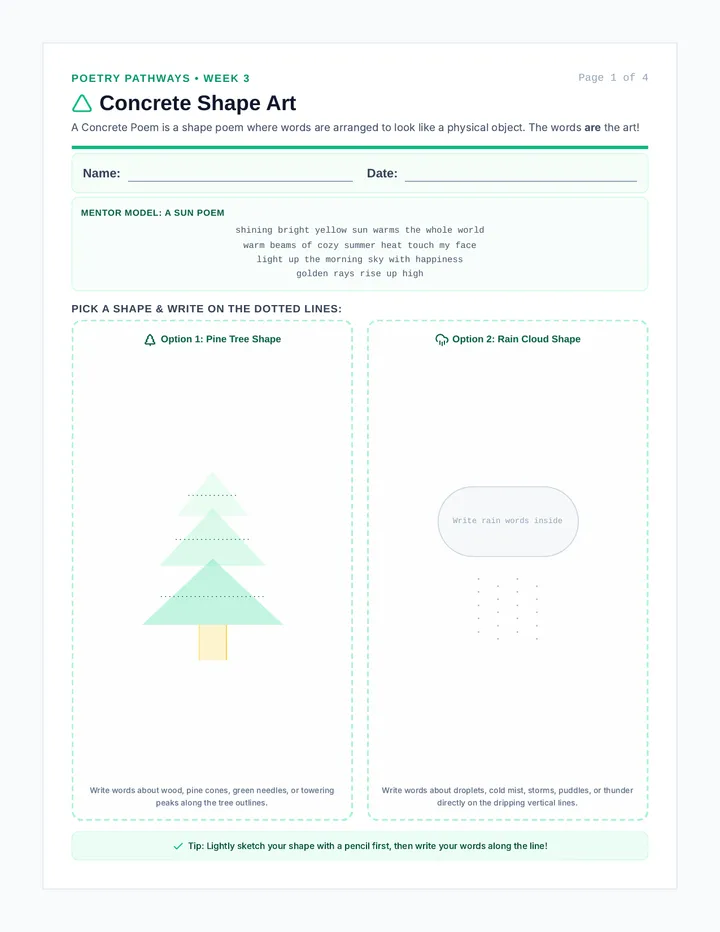
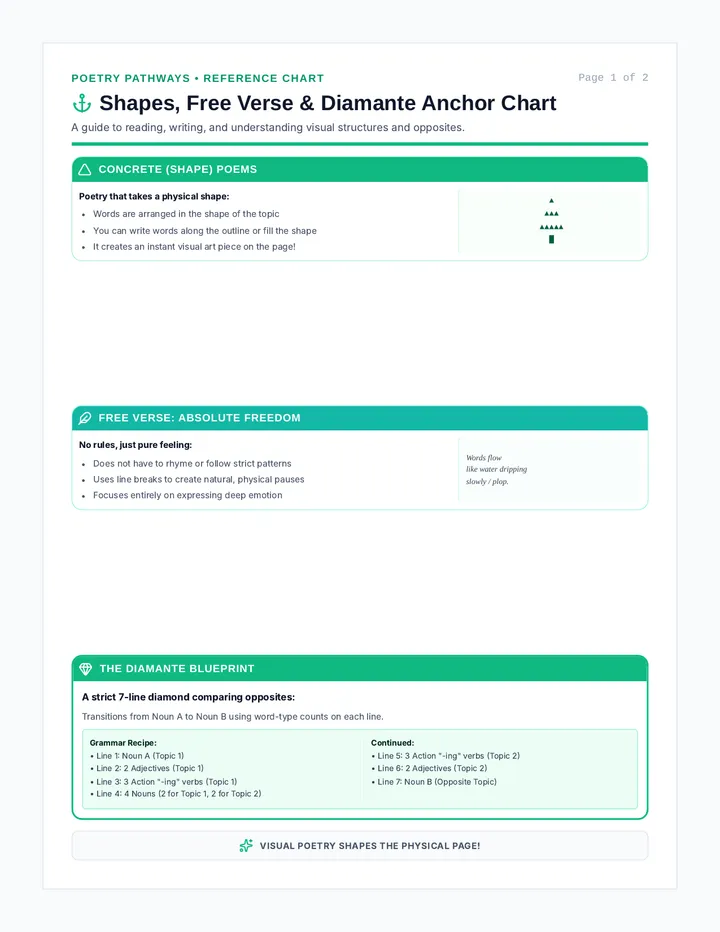
Focuses on shape, movement, and visual arrangement with Concrete (Shape) Poems and Free Verse. Provides scaffolded outline guides, word maps, and sensory feeling prompts.
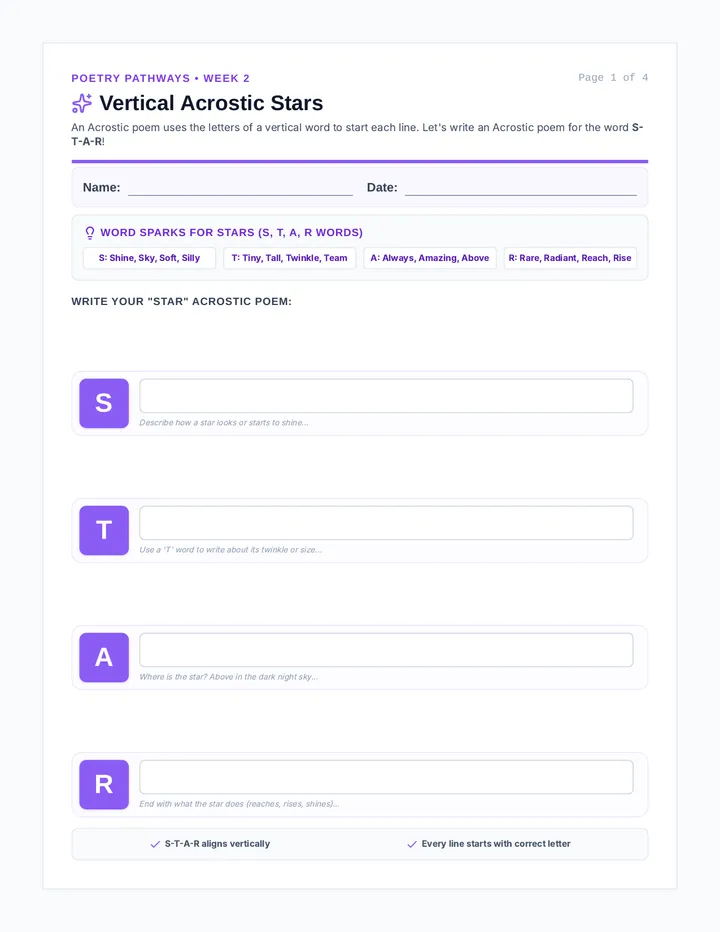
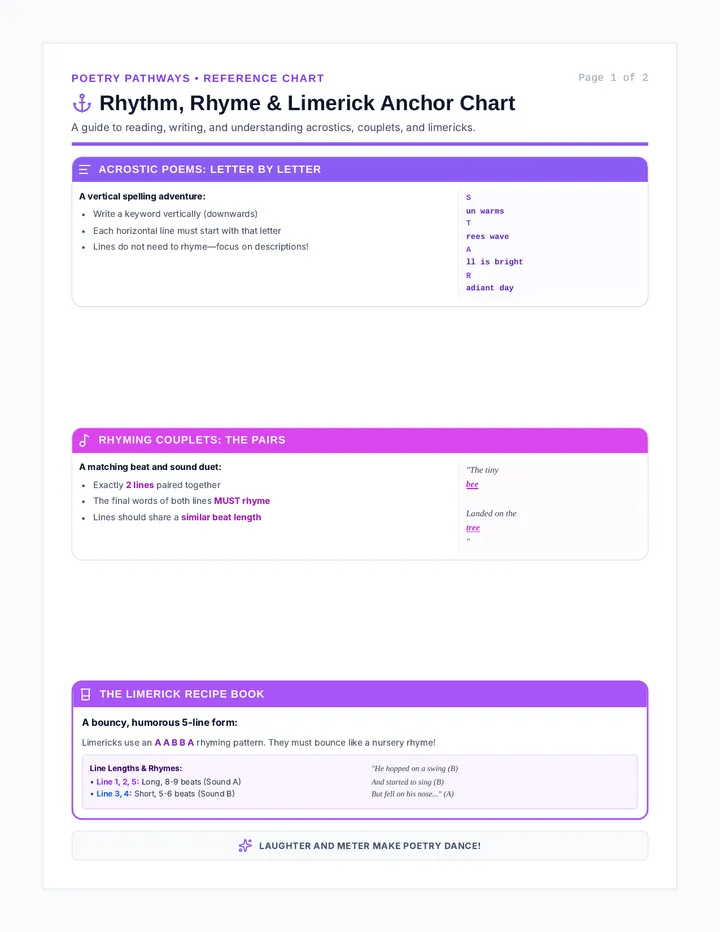
Focuses on structure, rhythm, and sound through Acrostic Poems and Rhyming Couplets. Offers step-by-step graphic templates, letter grids, rhyming dictionaries, and syllable beat counters.
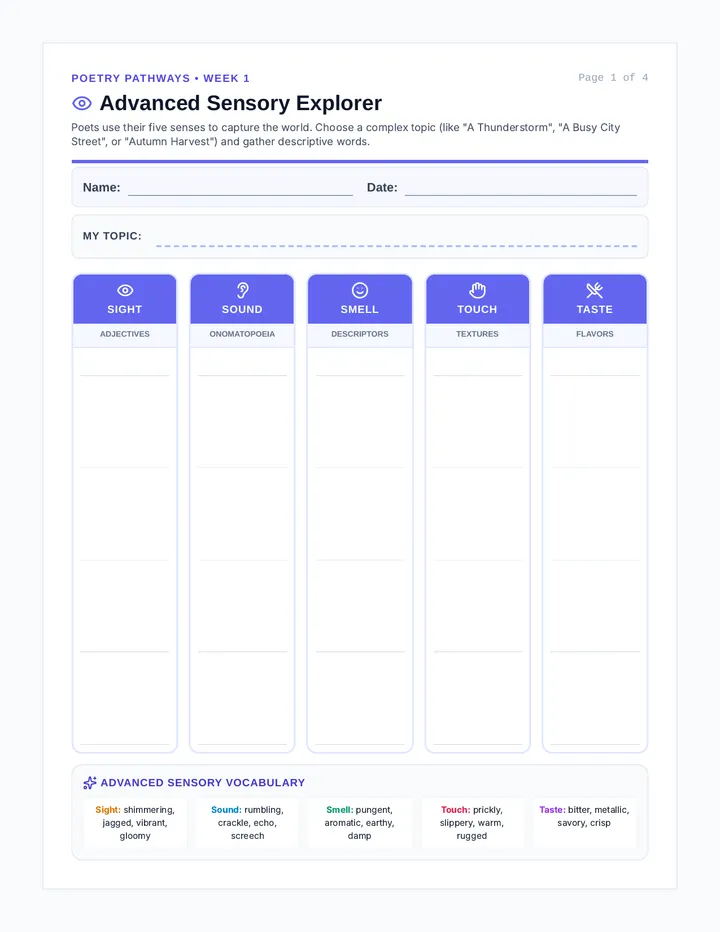
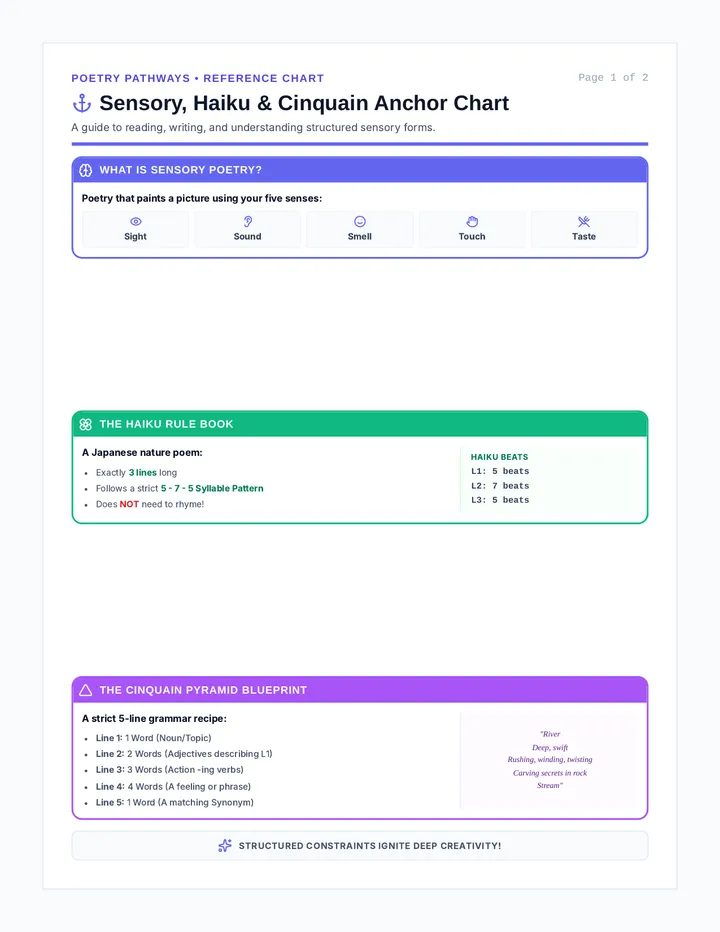
Focuses on Sensory and Color Poetry (Haiku and Color Poems). Students explore imagery using their five senses, utilizing highly visual sensory organizers, word banks, and syllable counters.
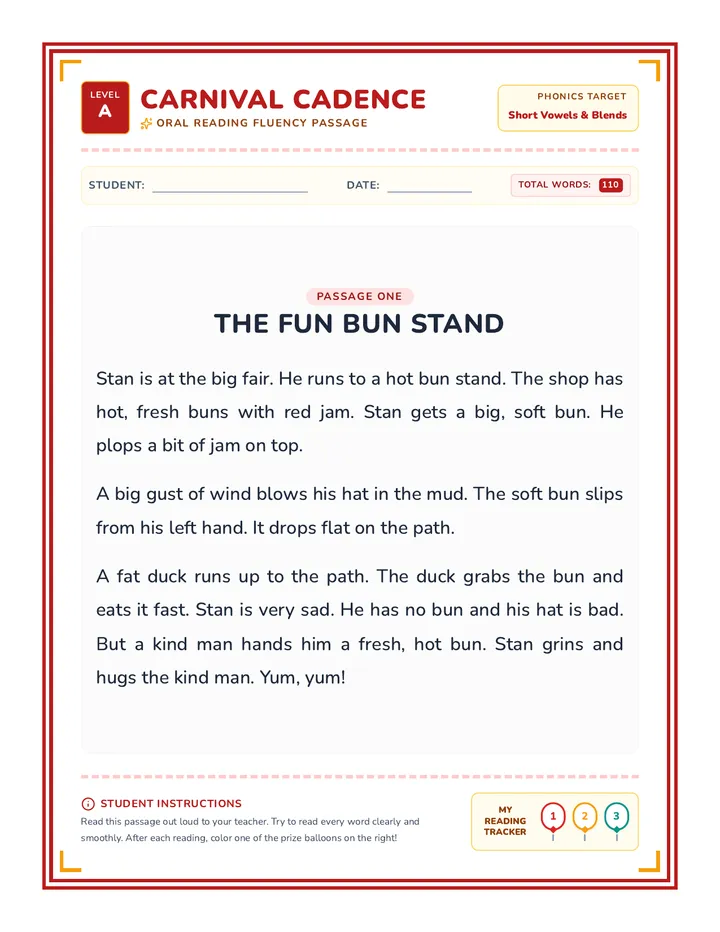
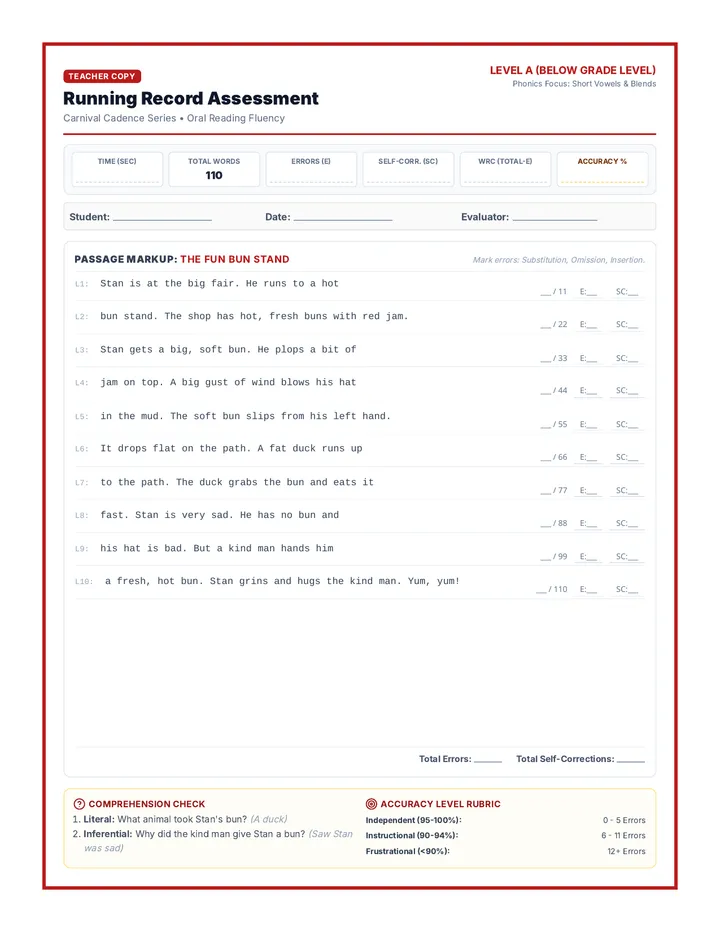
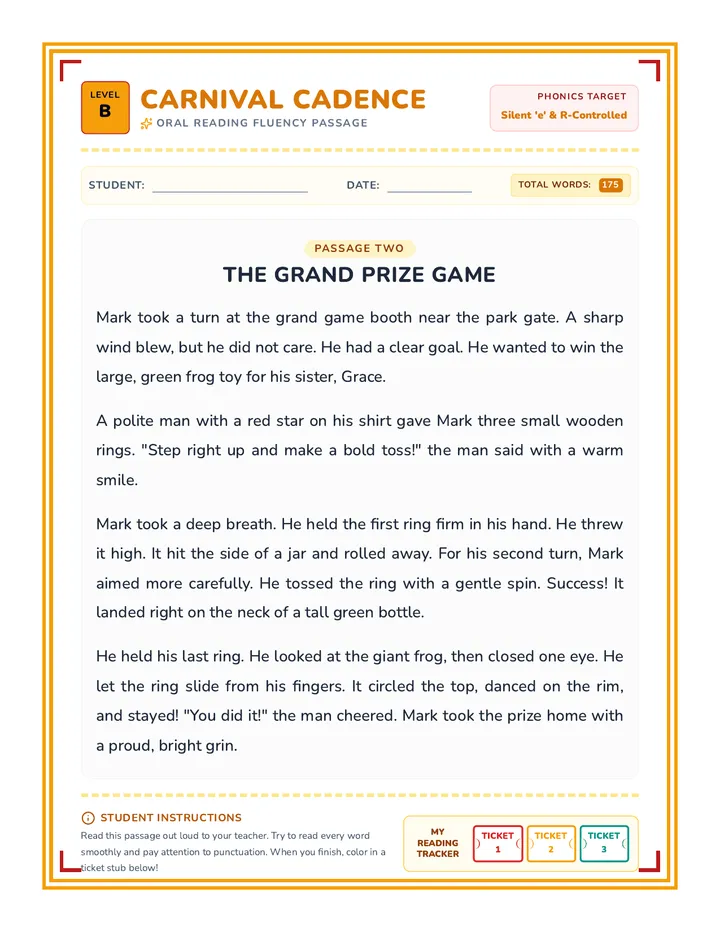
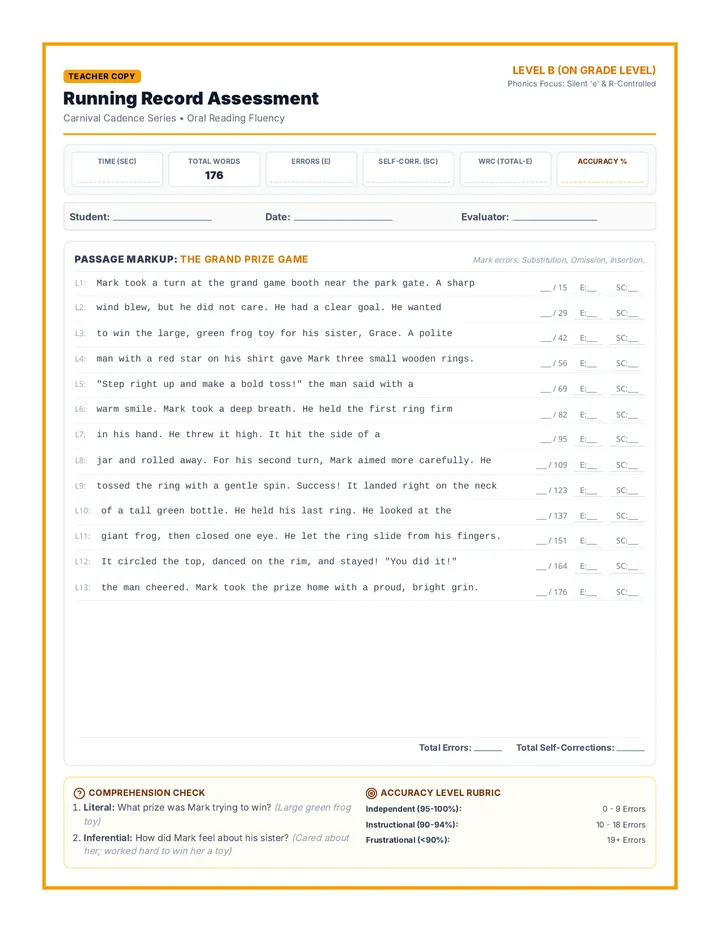
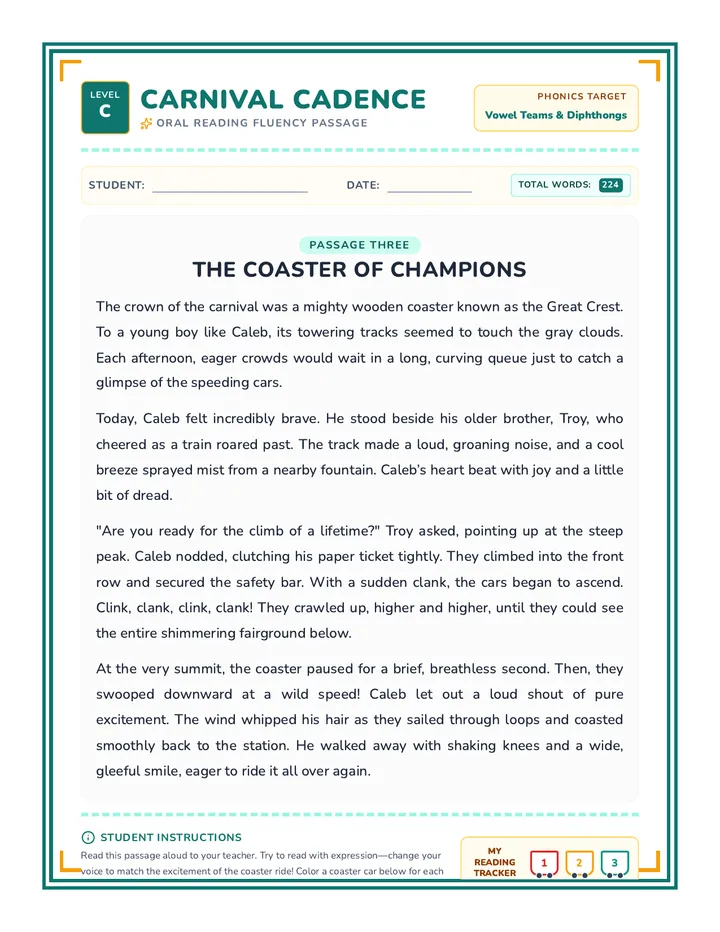
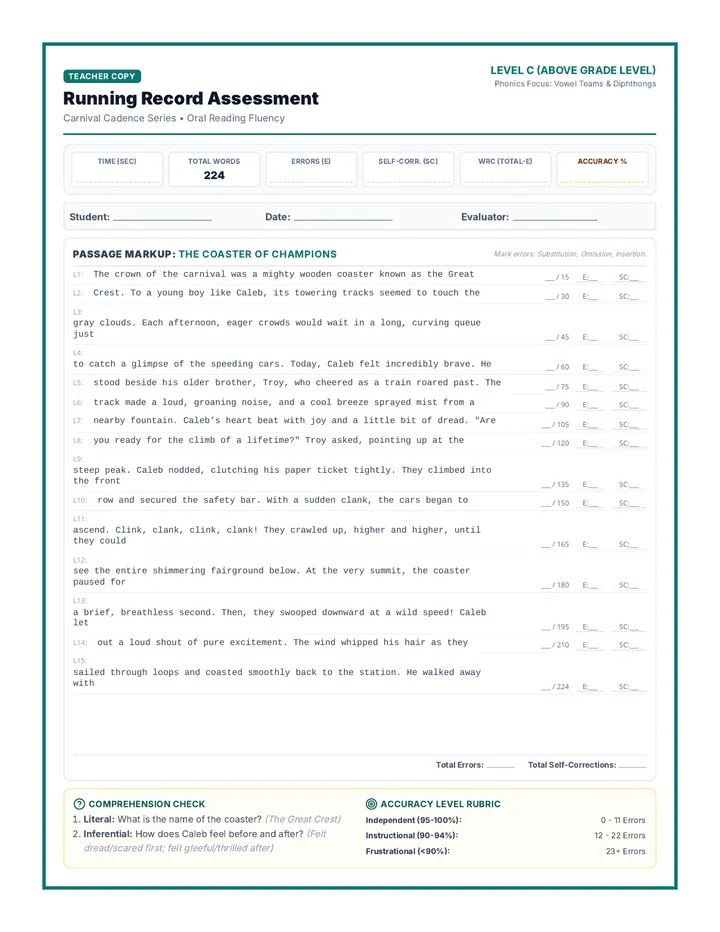
Differentiated carnival-themed reading passages and matching teacher running record forms designed to boost oral reading fluency and target specific phonics patterns.
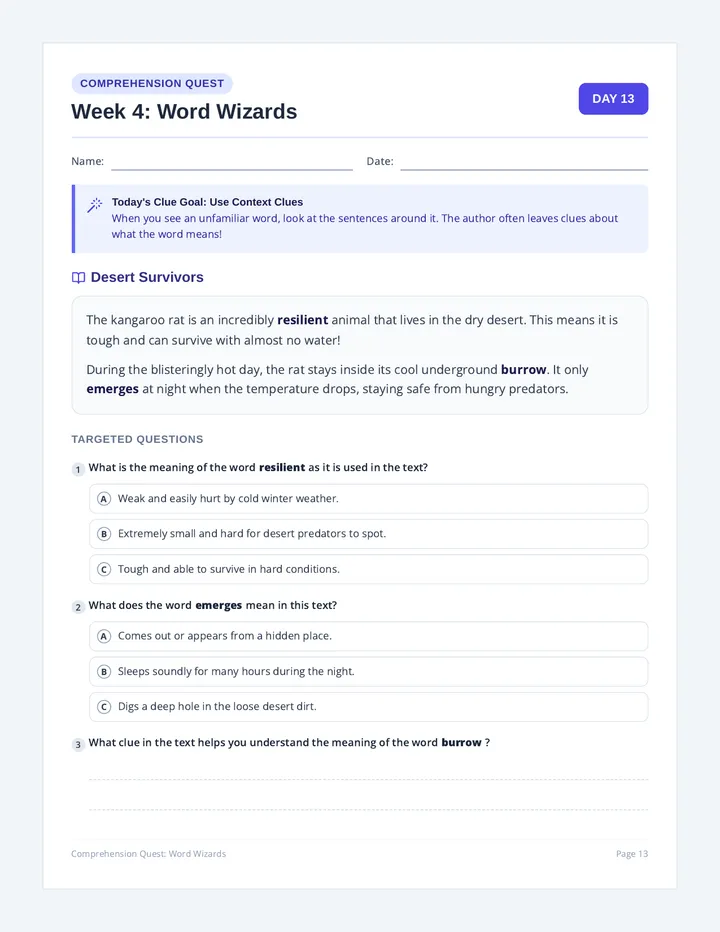
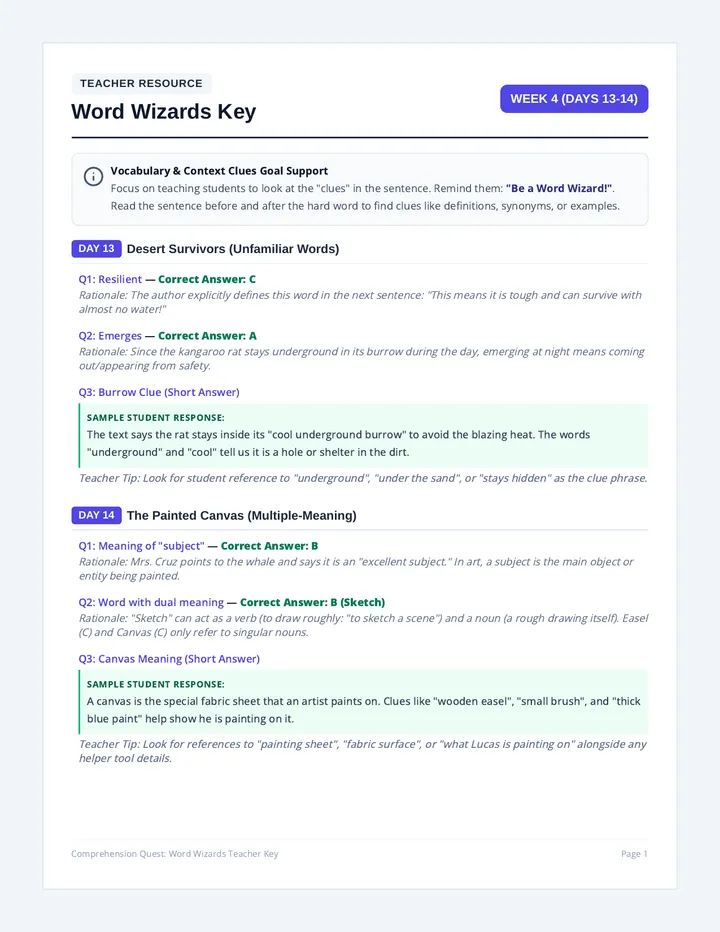
Week 4 focuses on context clues and vocabulary. Students learn to decipher the meanings of unfamiliar academic vocabulary, synonyms, and figurative language using clues in the surrounding text.
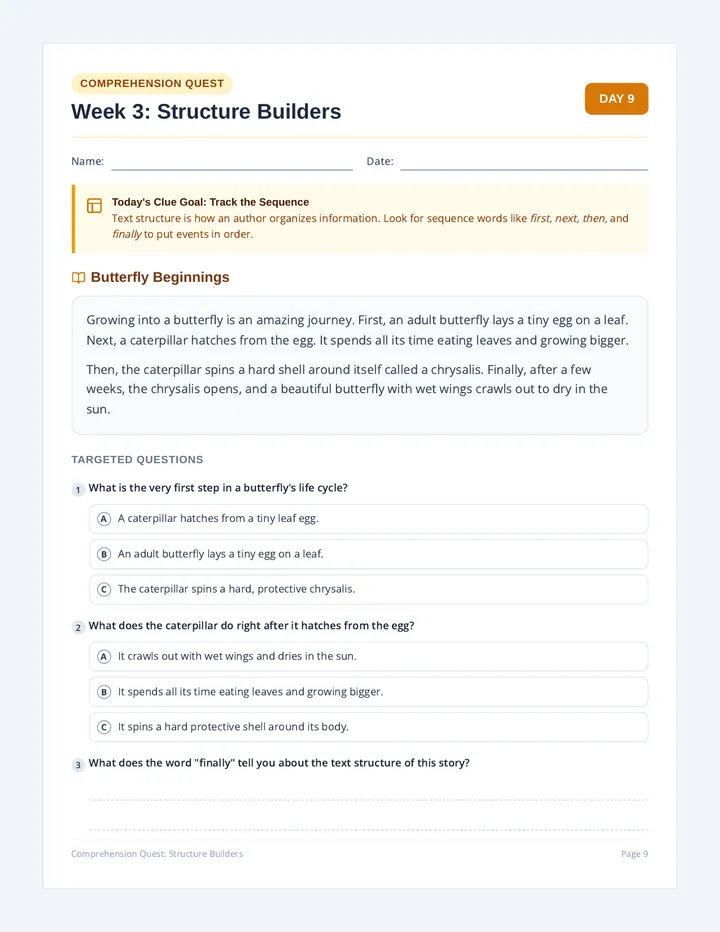
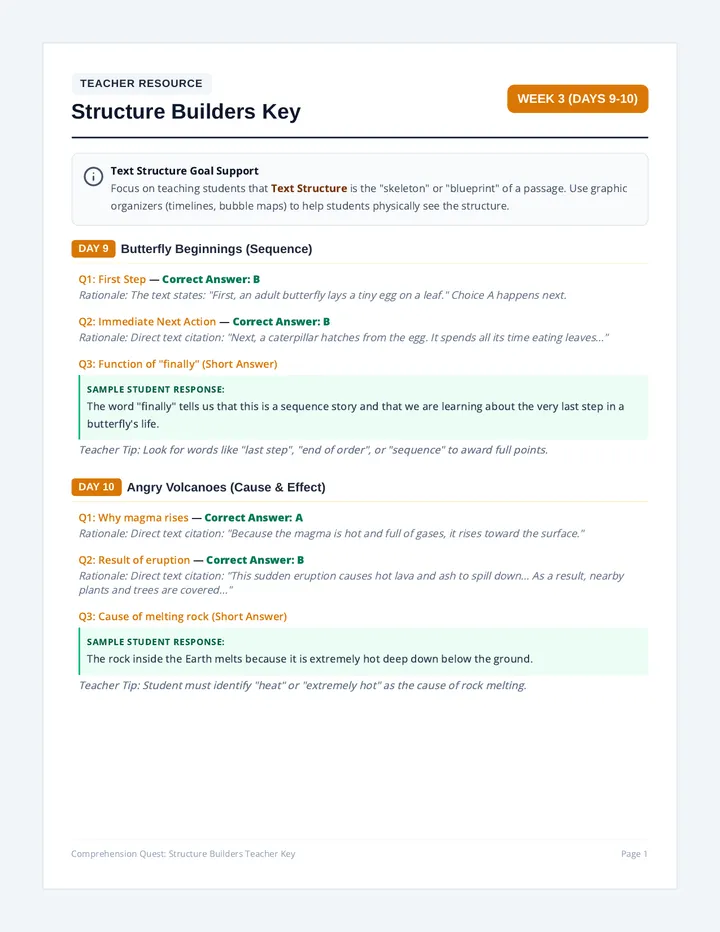
Week 3 focuses on understanding text structure. Students explore chronological order, cause and effect, compare and contrast, and problem/solution text structures.
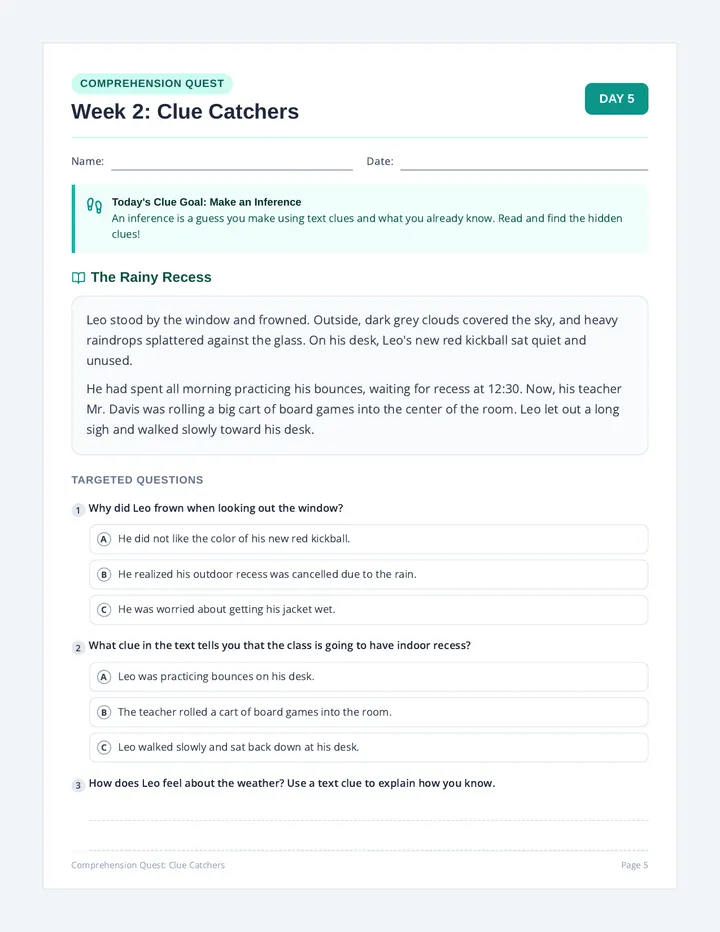
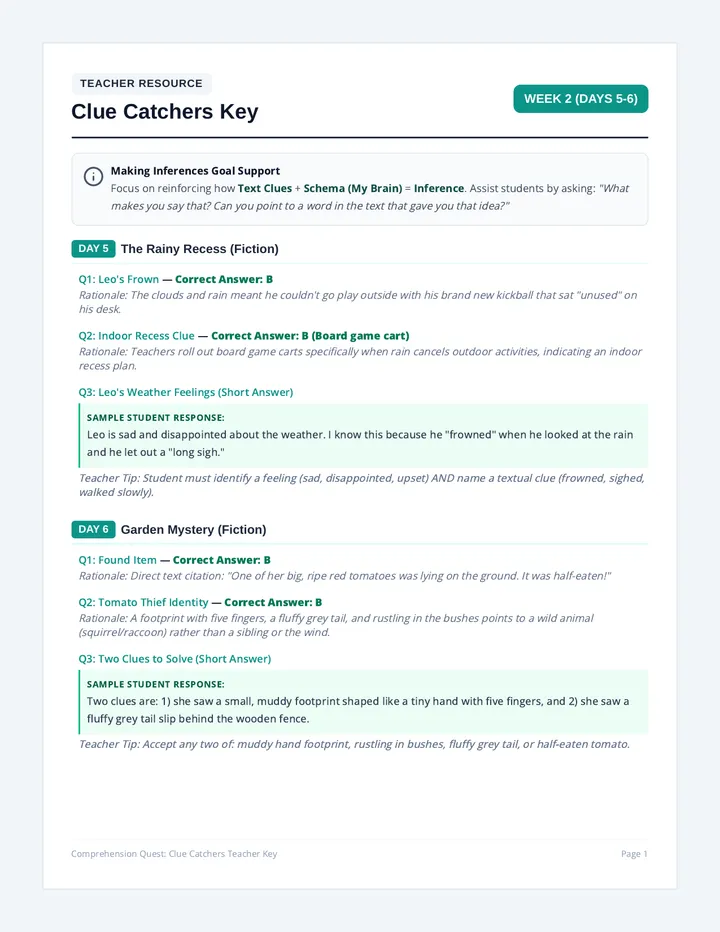
Week 2 focuses on making inferences. Students practice drawing conclusions, identifying clues in the text, and predicting what characters might do next based on evidence.
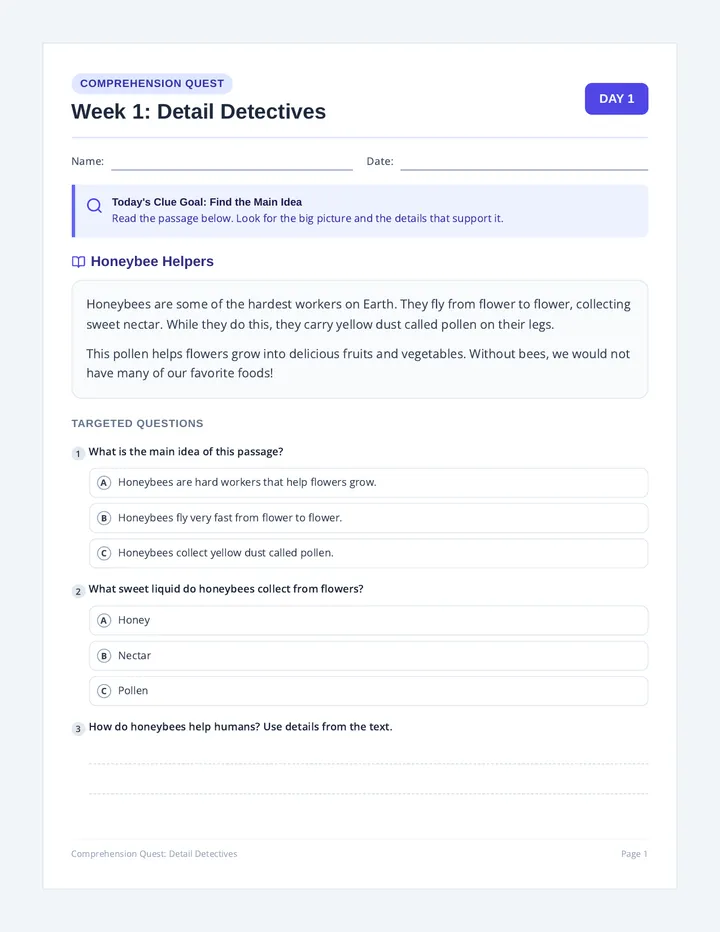
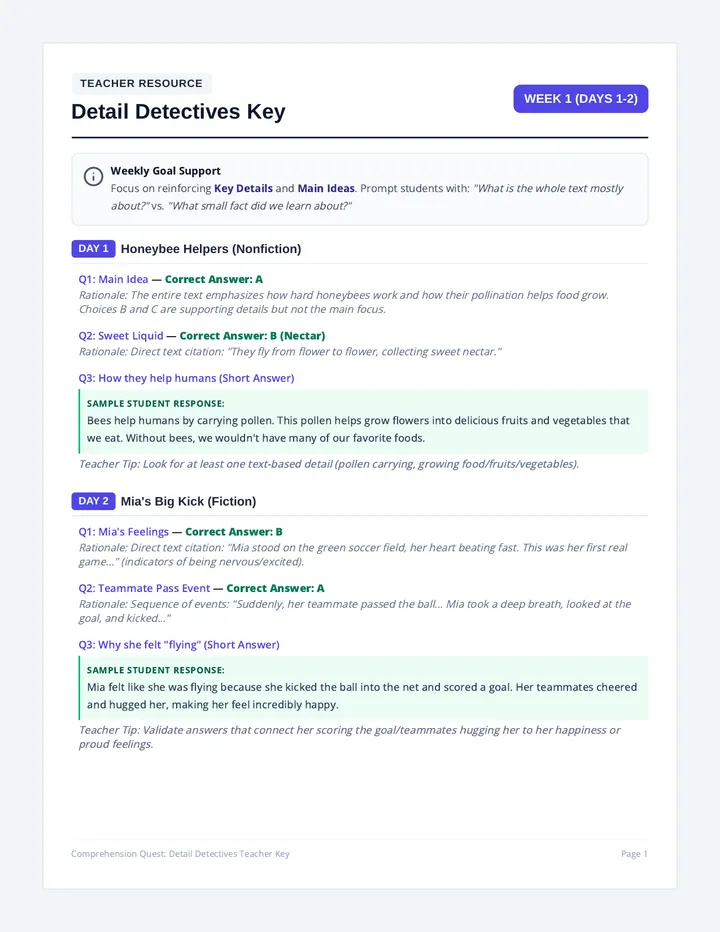
Week 1 focuses on finding key ideas and details. Students practice identifying main ideas, character motives, and summarizing essential details from both fiction and nonfiction passages.