Elias discovers the mysterious clock, requiring students to use logic and definition clues to understand words related to the clock's strange behavior.
An engaging indoor Easter activity for students to practice reading comprehension and problem-solving through rhyming riddles. The lesson includes printable clue strips designed to fit inside plastic eggs and a teacher's master key for setup.
A lesson designed to help students identify 'Right There' questions in text and use specific marking strategies (starring, underlining, and highlighting) to locate evidence directly within the passage.
A strategy-focused lesson teaching students three specific ways to collect text evidence (notetaking, annotating, and underlining) to improve performance on standardized tests, including a practice passage about monarch butterflies.
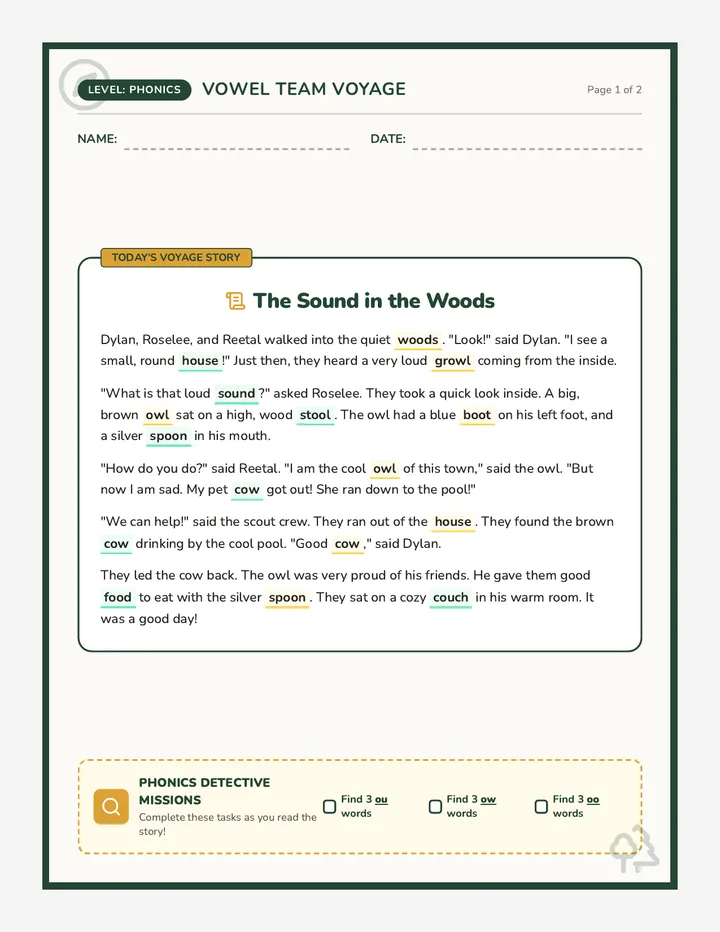
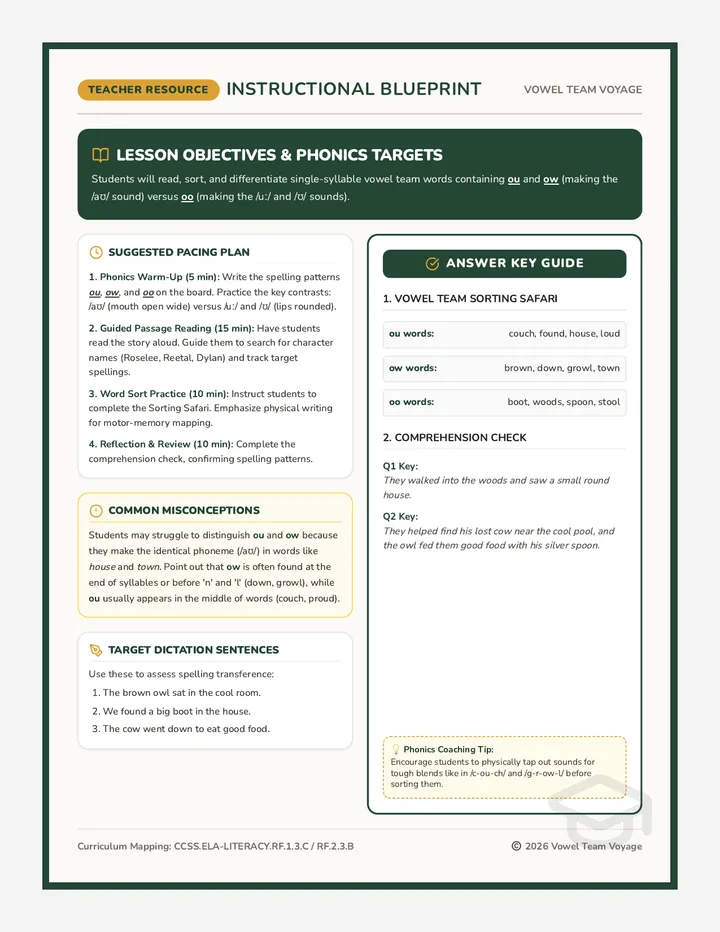
A high-flying exploration of kites that integrates long 'i' phonics patterns and multisyllabic decoding strategies for upper elementary and middle school students.
A 5-day handwriting practice program focused on animal kingdom facts and vocabulary, designed to improve fine motor skills through short, daily exercises.
A week-long focus on multi-digit subtraction with regrouping, focusing on 'trading' tens for ones and hundreds for tens. Materials utilize base ten block imagery and expanded form to make the abstract process of borrowing more concrete and manageable.
A week-long focus on multi-digit addition with regrouping, emphasizing the connection between base ten blocks and the expanded form method. Students will practice 'making a ten' and 'making a hundred' through guided visualization and structured practice.
A comprehensive review of the RACE writing strategy, focusing on analyzing author's purpose and figurative language through guided instruction and highly-scaffolded practice.
An investigation into the Boston Tea Party, focusing on identifying main ideas and evidence within primary and secondary accounts of the 1773 protest.
This lesson explores the historical layers of the English language, focusing on how invasions by the Celts, Vikings, and French shaped the vocabulary and grammar we use today. Students will trace the timeline from Old English to the Norman Conquest.
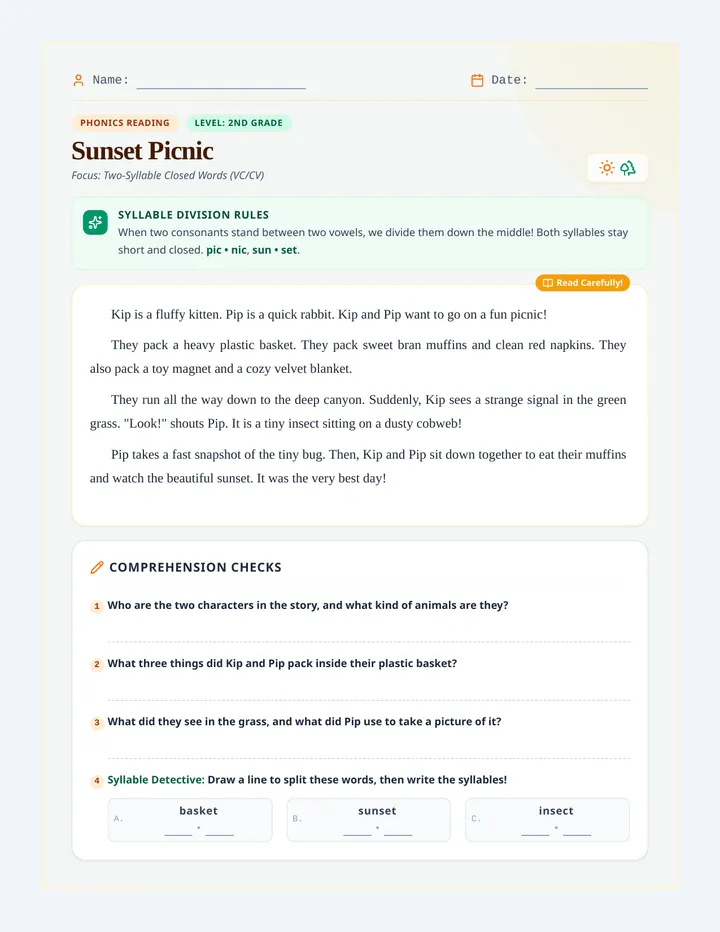
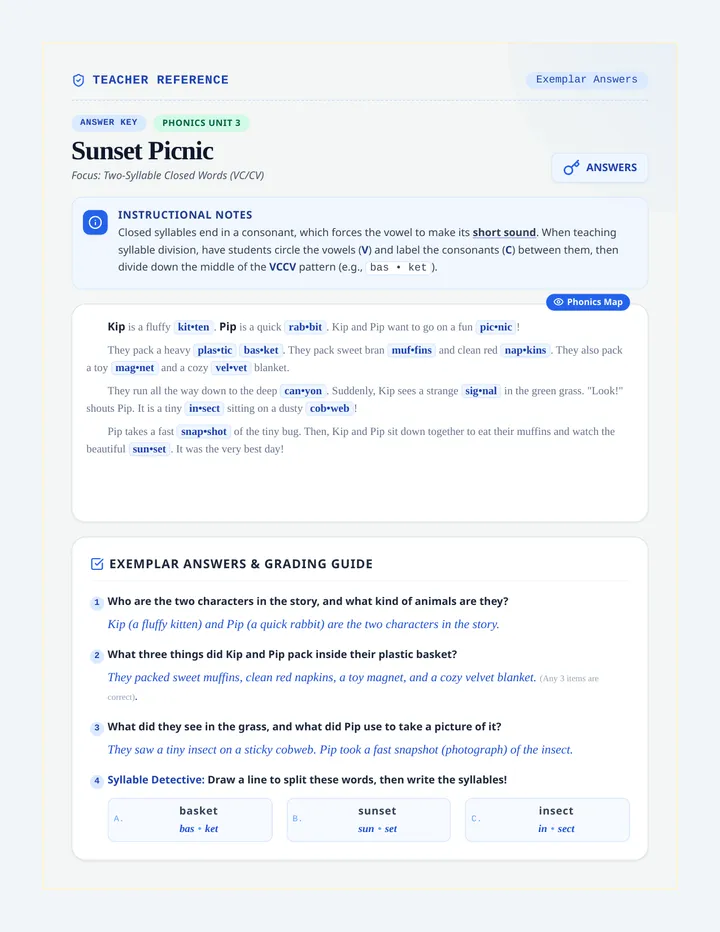
A reading intervention lesson focused on decoding VCCV pattern words within the context of the solar system. Students practice syllable division, sentence fluency, and reading a cohesive paragraph about the planets.
A reading companion for Roald Dahl's Matilda, designed for 5th-grade resource room students to track plot, character traits, and vocabulary in two-chapter increments.
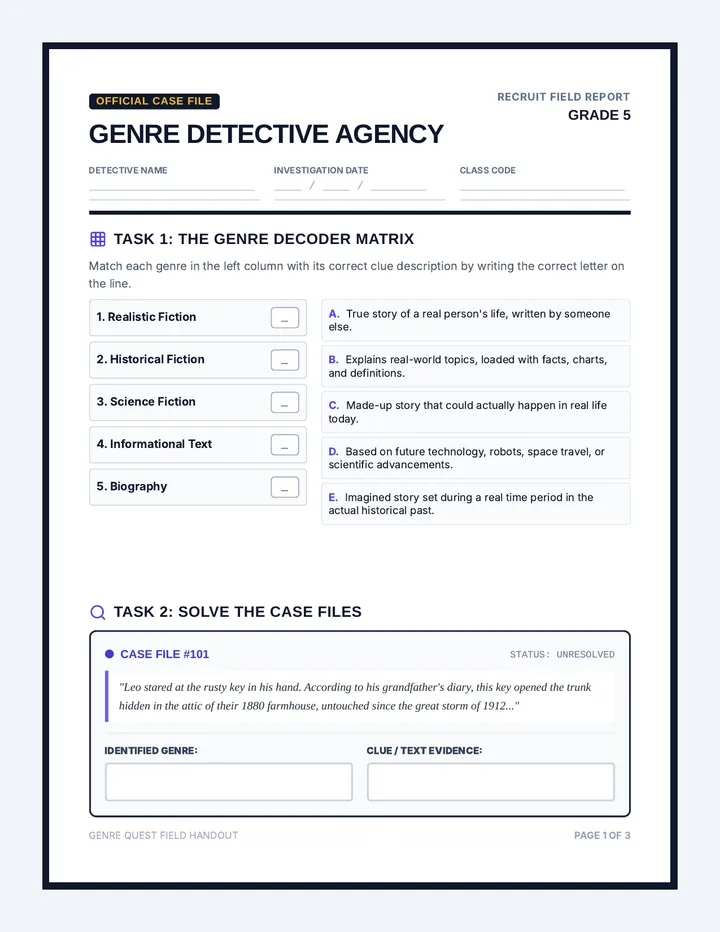
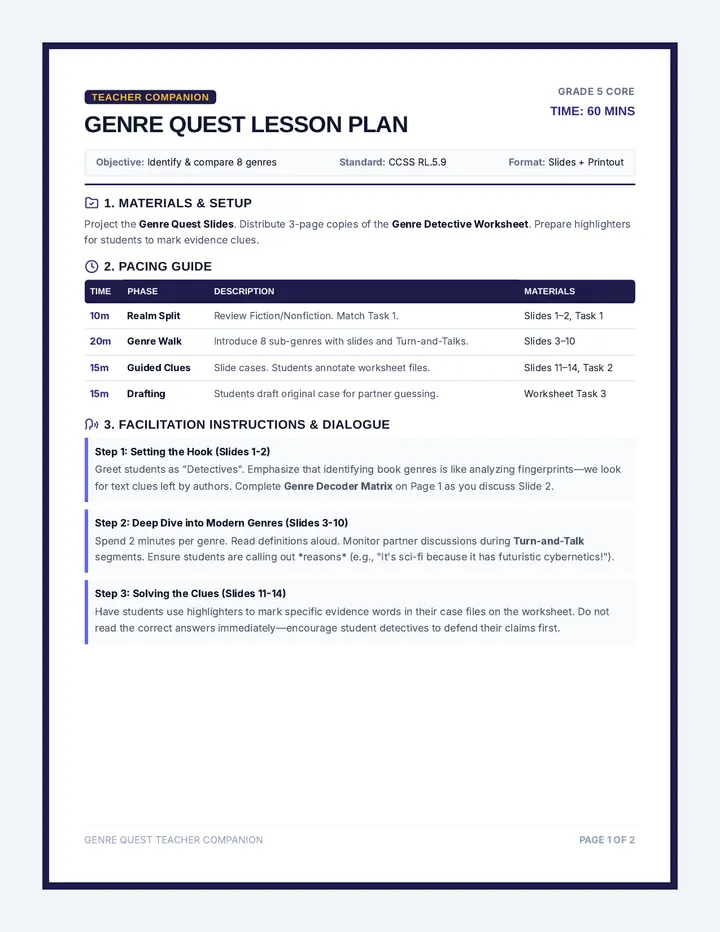
A lesson focused on identifying claims and supporting evidence within short persuasive paragraphs using a detective-themed approach. Students learn to distinguish between what an author wants them to believe (claim) and why they should believe it (evidence).
The mystery concludes as students use cause-and-effect inferences to understand the final vocabulary words and solve the clock's puzzle.