Royal Rights Teacher Guide
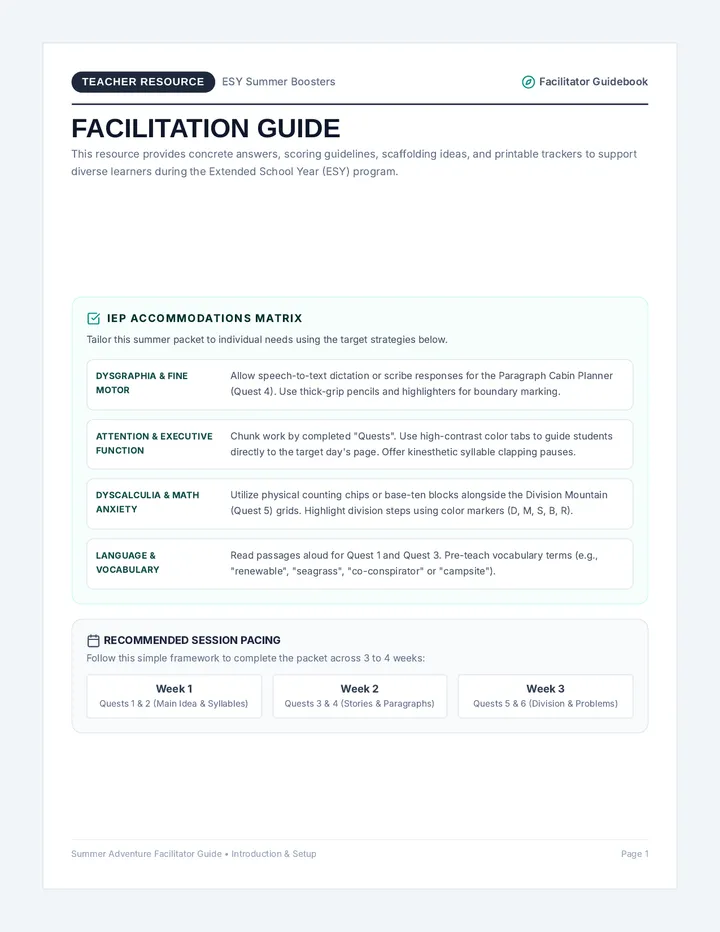
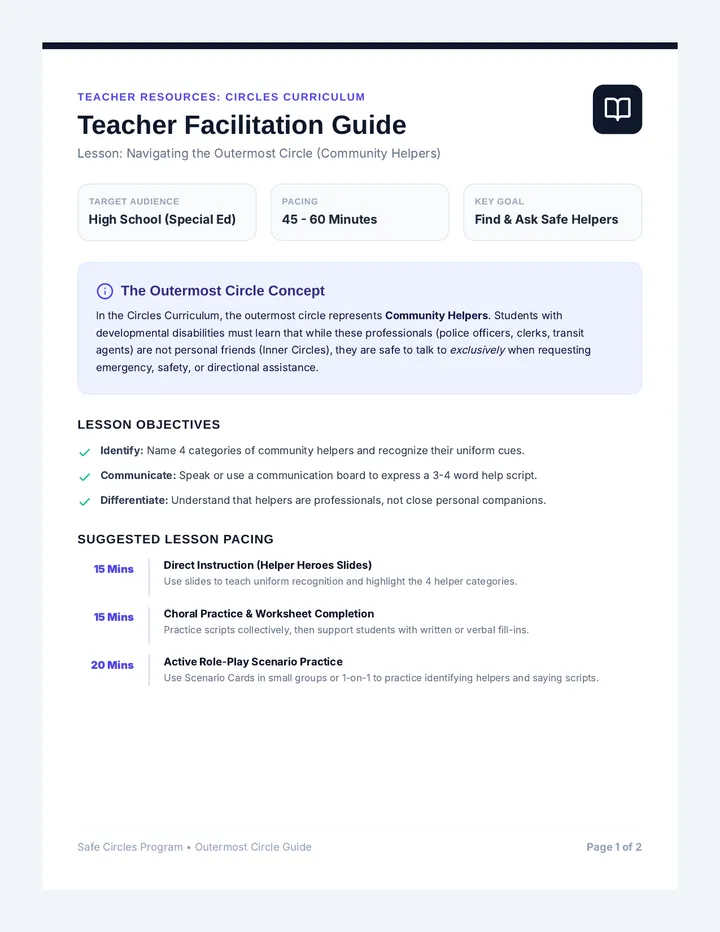
An updated teacher facilitation guide reflecting increased difficulty, with more complex learning objectives and comparative analysis activities.
Great Charter Slides
Updated instructional slides with increased complexity, focusing on King John's biography, specific clauses (12, 39, 61), and the role of the 25 Barons.
Simple Charter Reading
An upgraded simplified reading passage about the Magna Carta including details about Runnymede and specific clauses for slightly higher challenge.
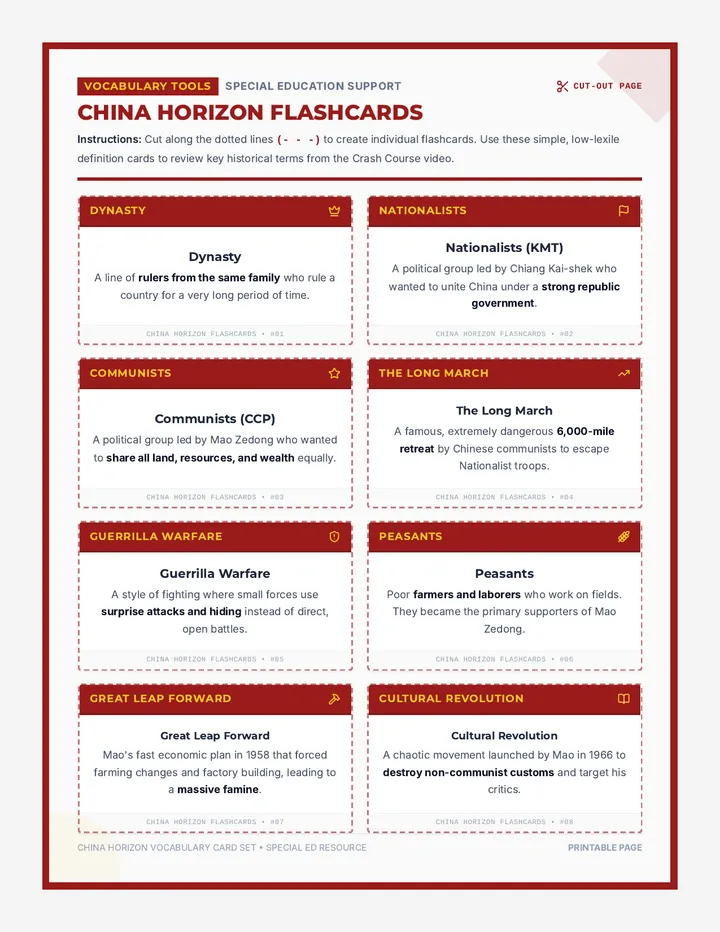
Kingdom Vocab Cards
An expanded set of vocabulary cards including more academic terms like "Trial", "Taxes", and "Runnymede" for increased difficulty.
Charter Checkup Quiz
An upgraded quiz with more options per question and a short-answer section to provide a slight challenge for students.
King John Bio Sheet
A biographical profile of King John, explaining his family background, his nickname, and why he was considered a "bad" king to provide more context for the Magna Carta.
Magna Carta Clauses Reference
A deeper look at four specific clauses of the Magna Carta (39, 40, 12, and 61) translated into simple language for students to understand the actual mechanics of the document.
Charter Checkup Answer Key
A teacher-facing answer key for the Charter Checkup Quiz, providing correct answers and brief explanations for each question.
Charter Crossword Puzzle
An advanced version of the Magna Carta crossword puzzle with more descriptive clues and the word bank removed for a higher challenge.
Charter Word Hunt Puzzle
An upgraded 12x12 word search with diagonal words and more academic terms for increased challenge.
Secret Charter Code Puzzle
An advanced icon-based cipher puzzle with a longer phrase and a more complex key to challenge students.