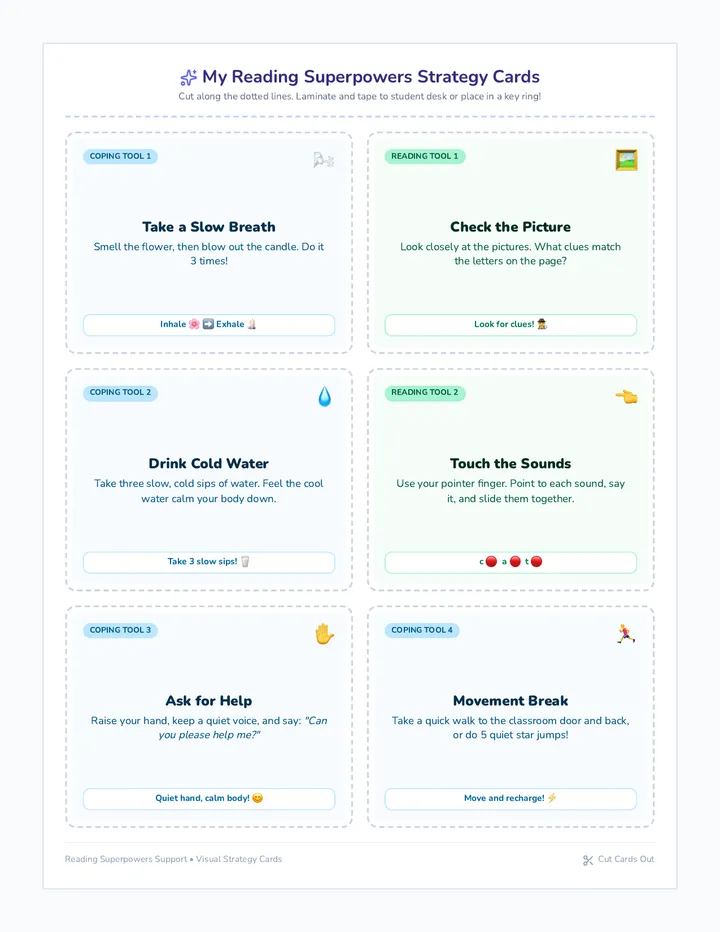
Students will identify and practice specific sensory, physical, and cognitive tools to manage their energy levels and return to the Green Zone.
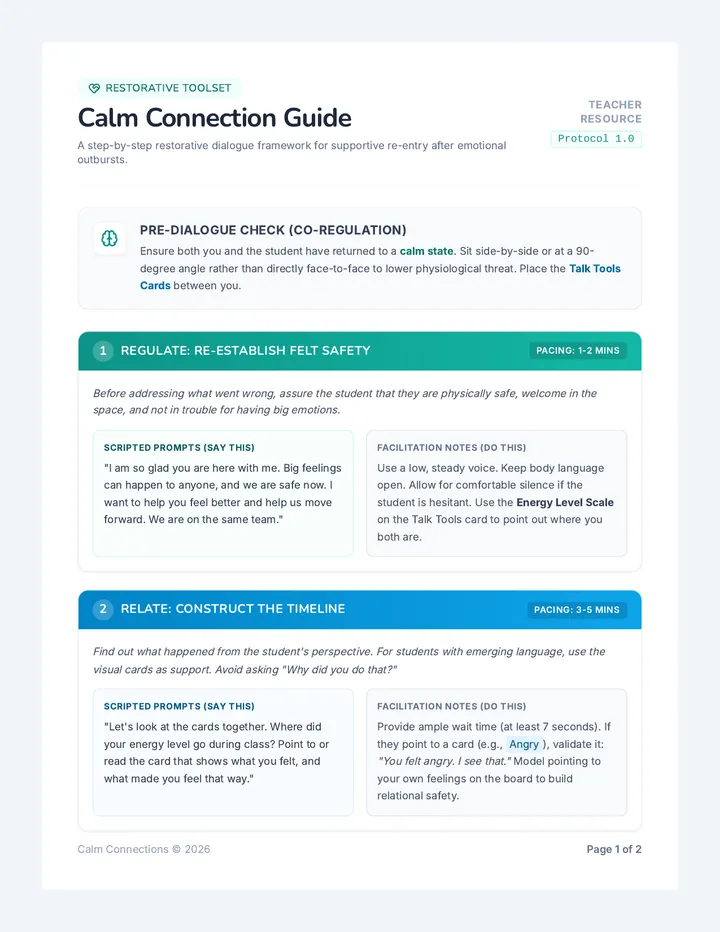
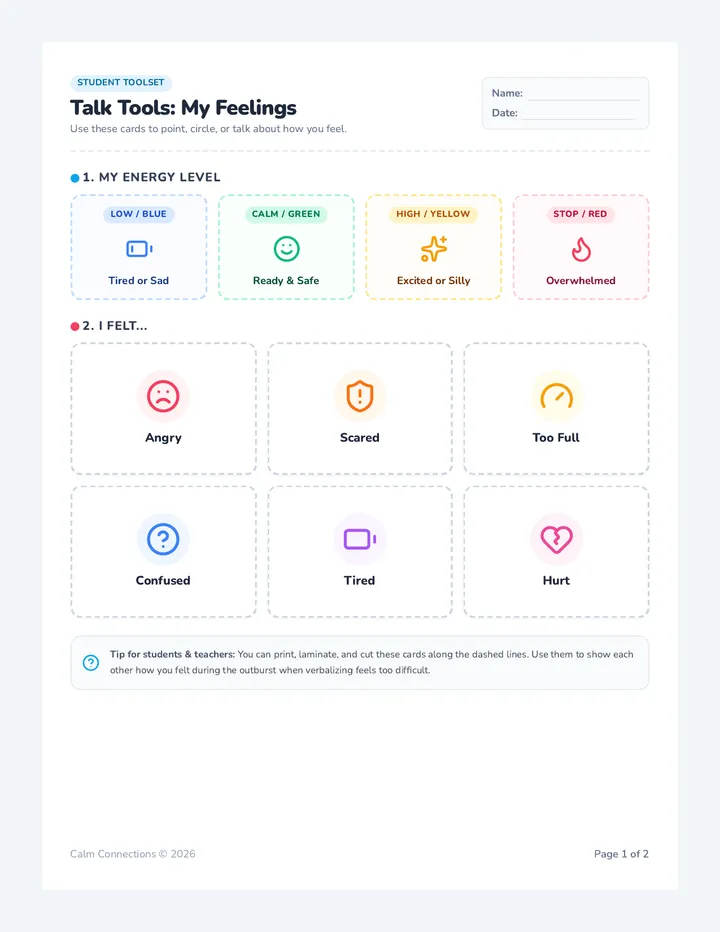
A comprehensive restorative dialogue system designed to repair relationships and re-integrate students after emotional outbursts, featuring a teacher scripting guide and highly visual student communication support cards.
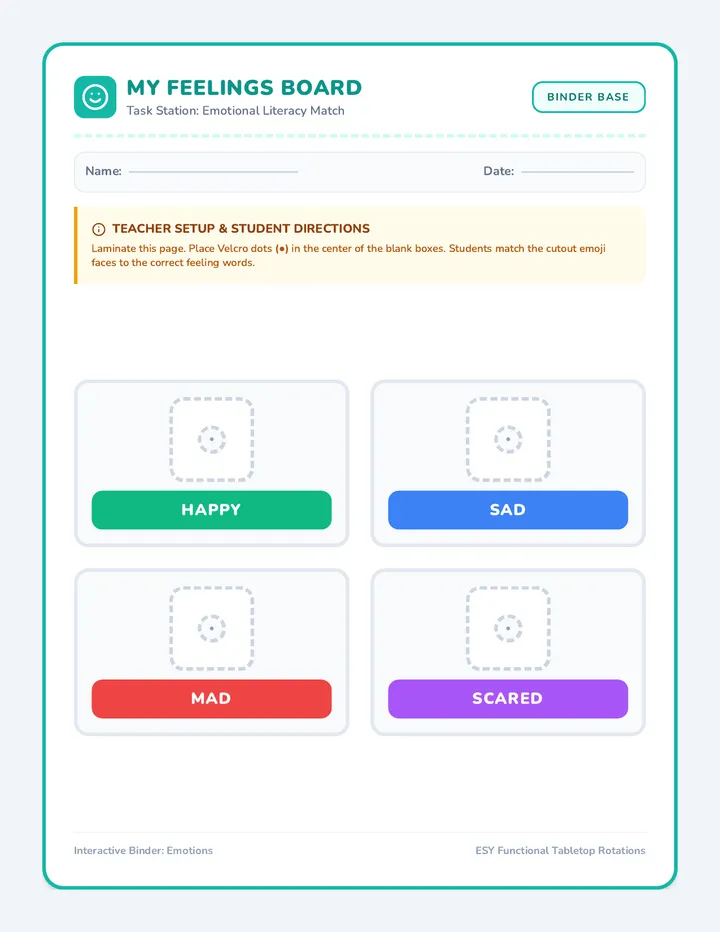
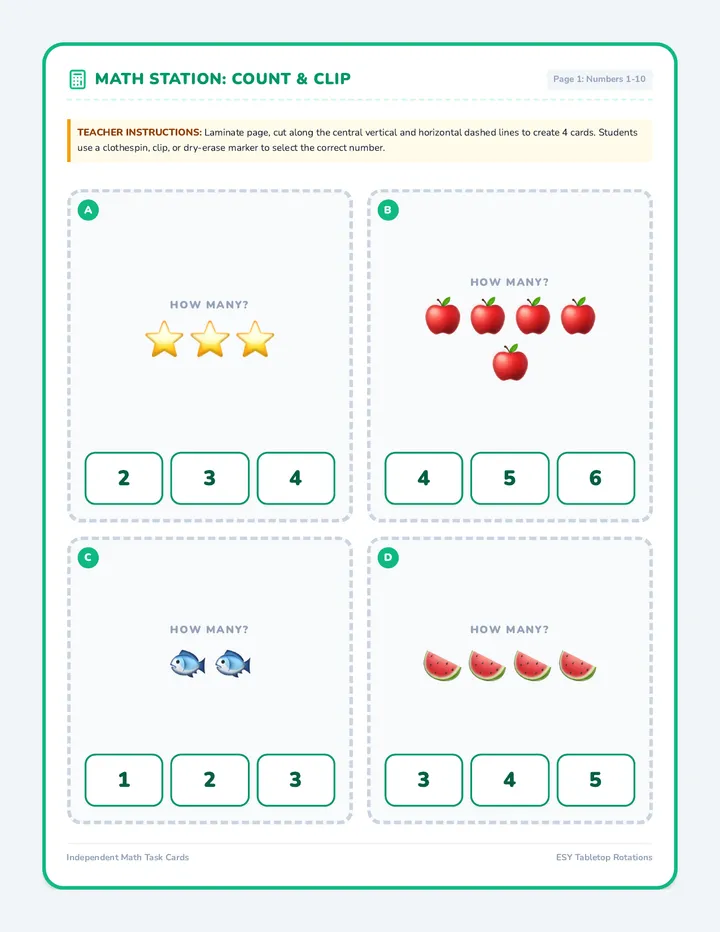
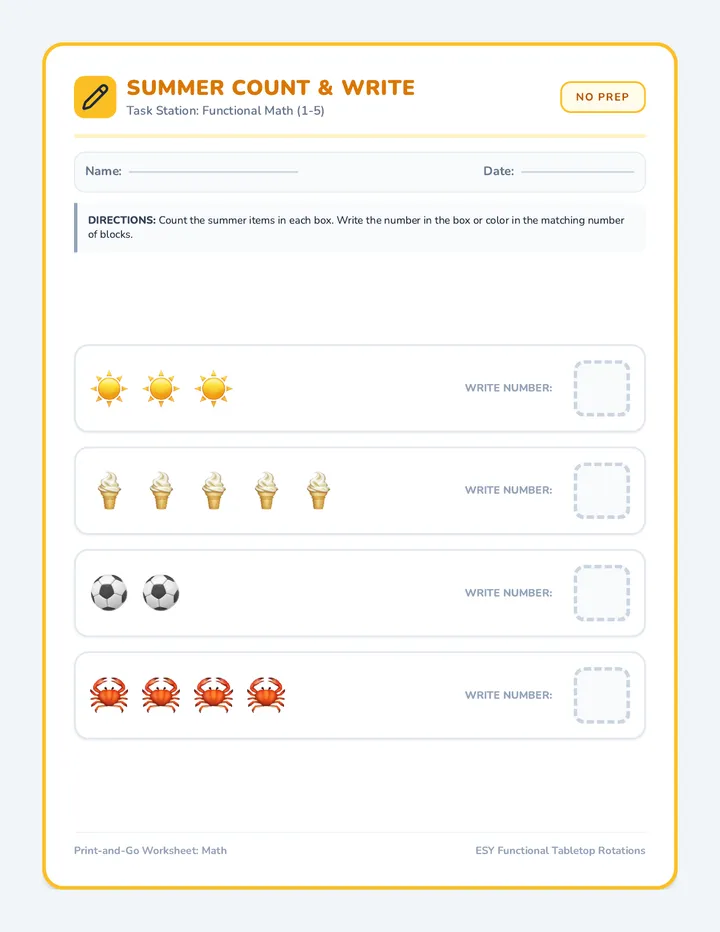
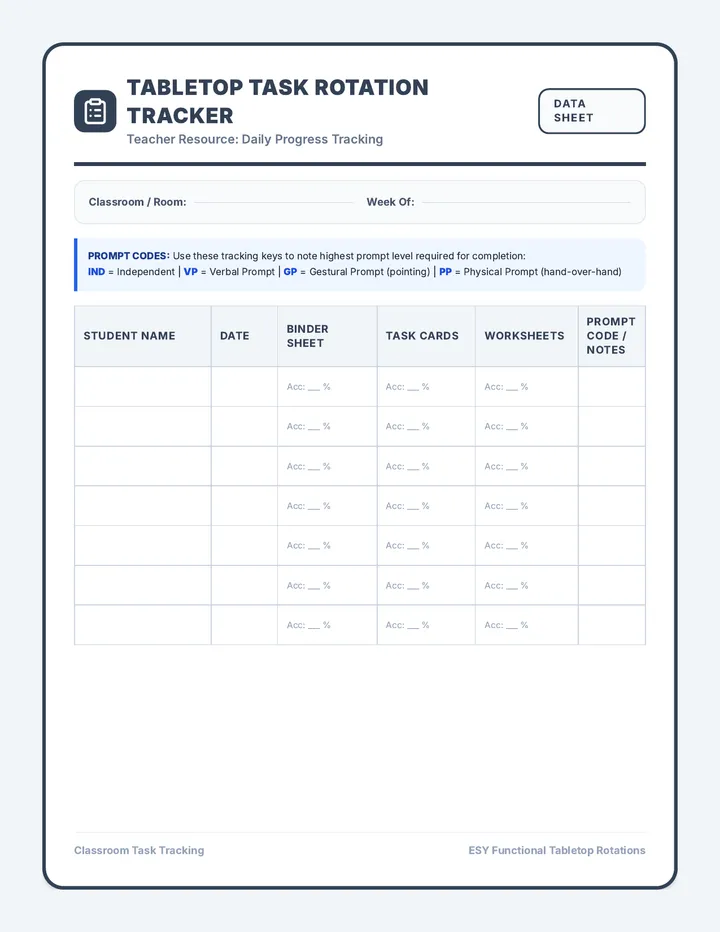
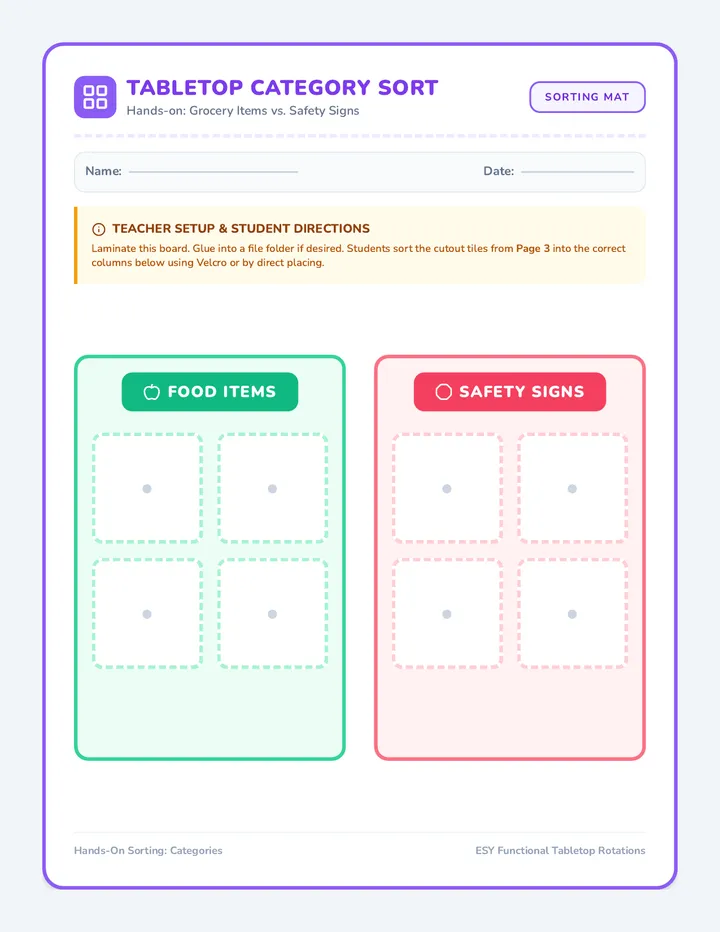
A cohesive suite of tabletop task stations, reusable binder sheets, print-and-go worksheets, and teacher data tracking sheets designed for ESY students with mild/moderate disabilities and autism. Focuses on functional math (counting objects), emotional literacy (identifying emotions), and functional sight words.
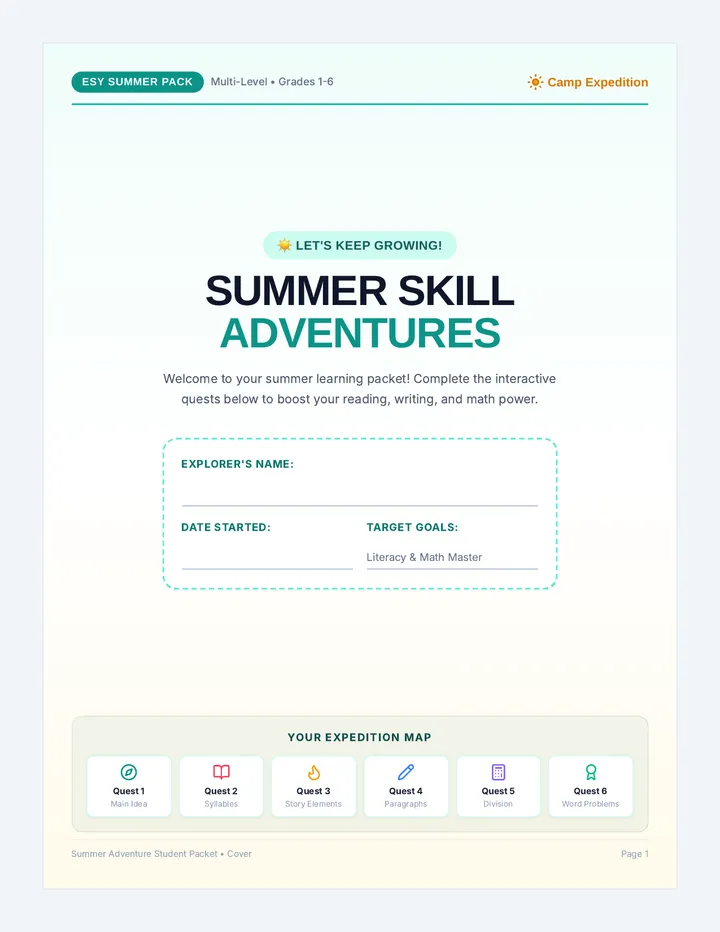
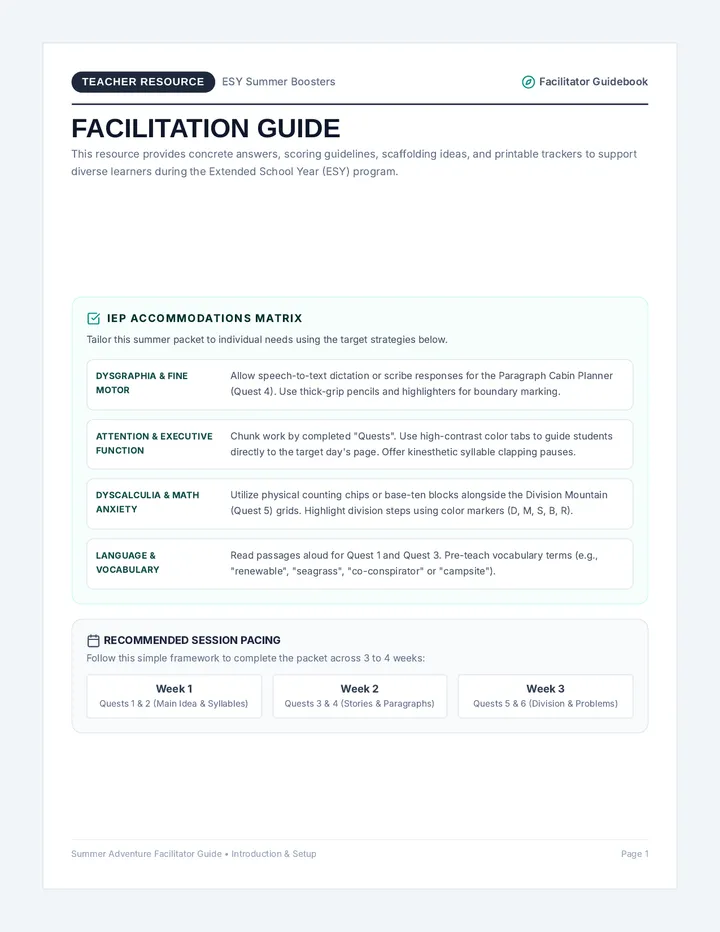
An Extended School Year (ESY) summer packet combining targeted skill-building in main idea, two-syllable words, story elements, paragraph writing, division, and multi-step word problems. Features visual scaffolds, grids, graphic organizers, and multi-level tasks spanning grades 1 to 6.
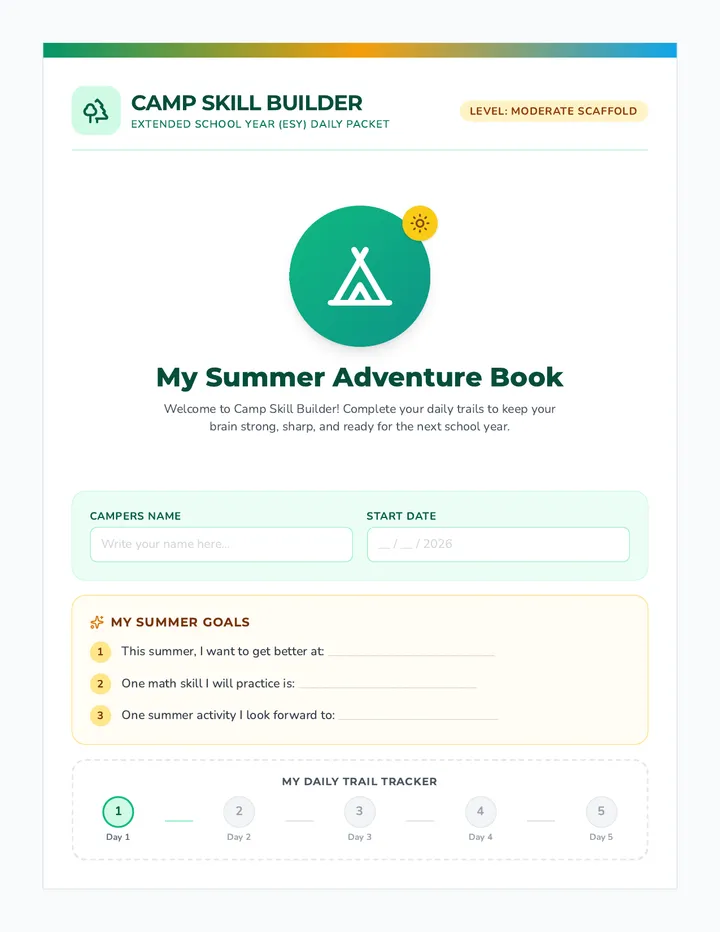
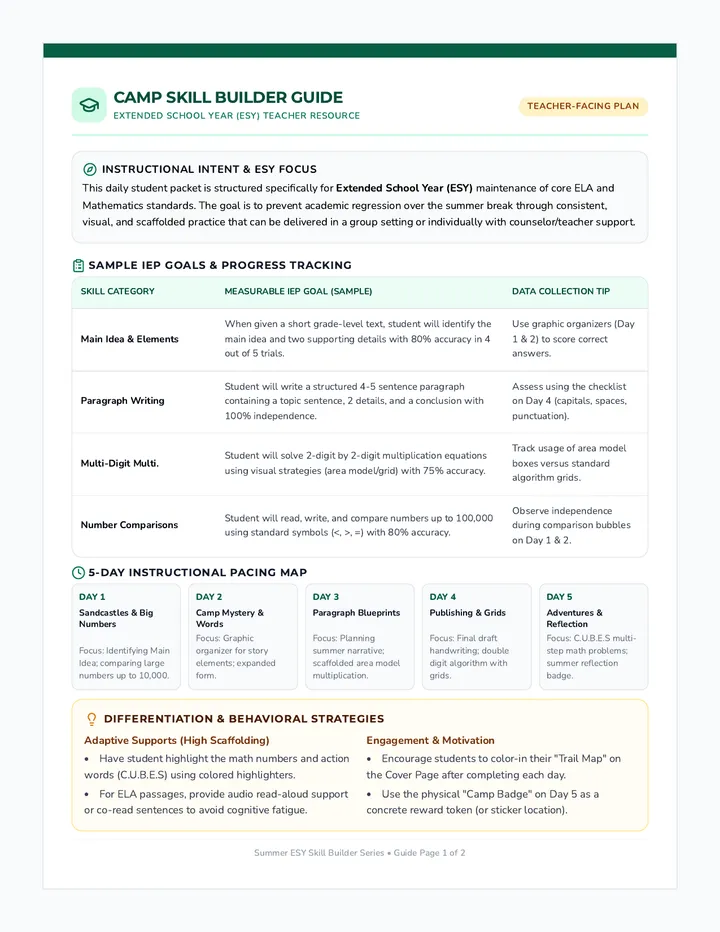
A comprehensive 5-day summer ESY packet and teacher guide focusing on core math and ELA maintenance skills, including main idea, story elements, paragraph writing, multi-digit multiplication, number comparisons, and word problems.
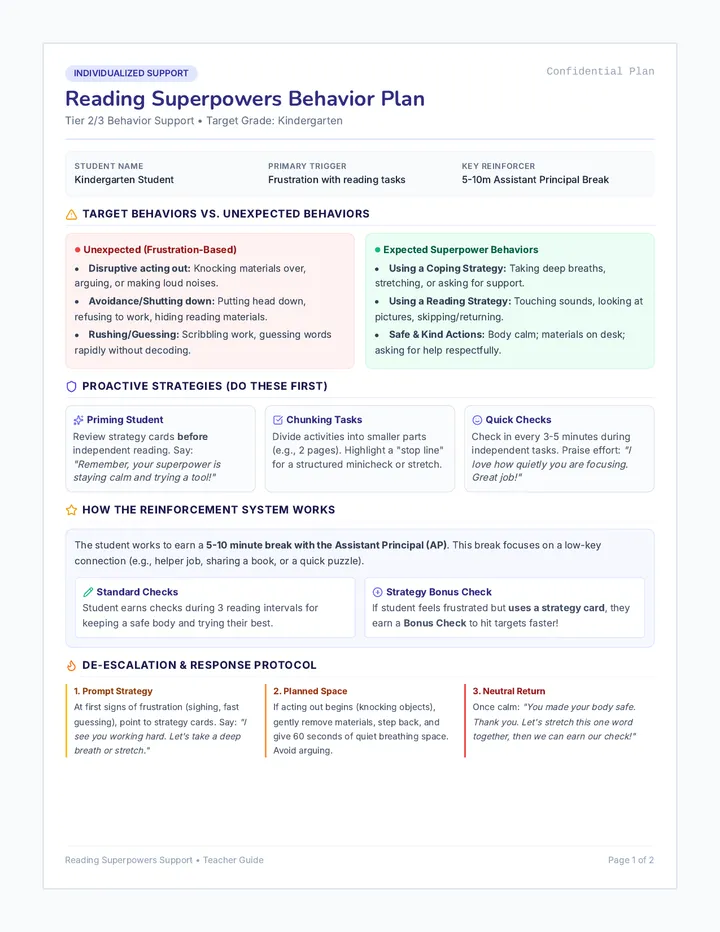
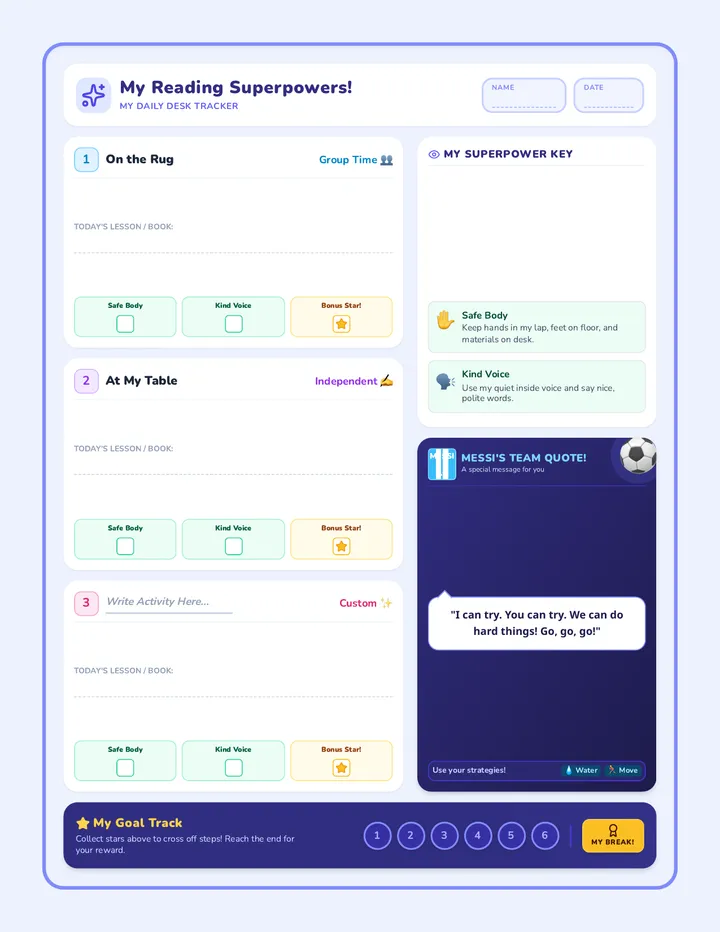
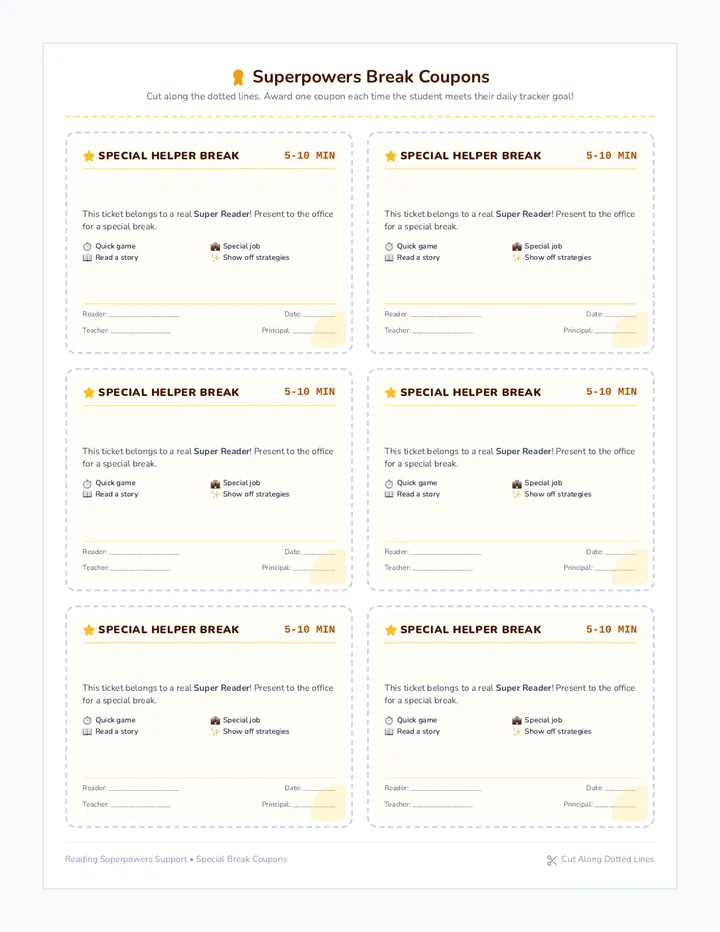
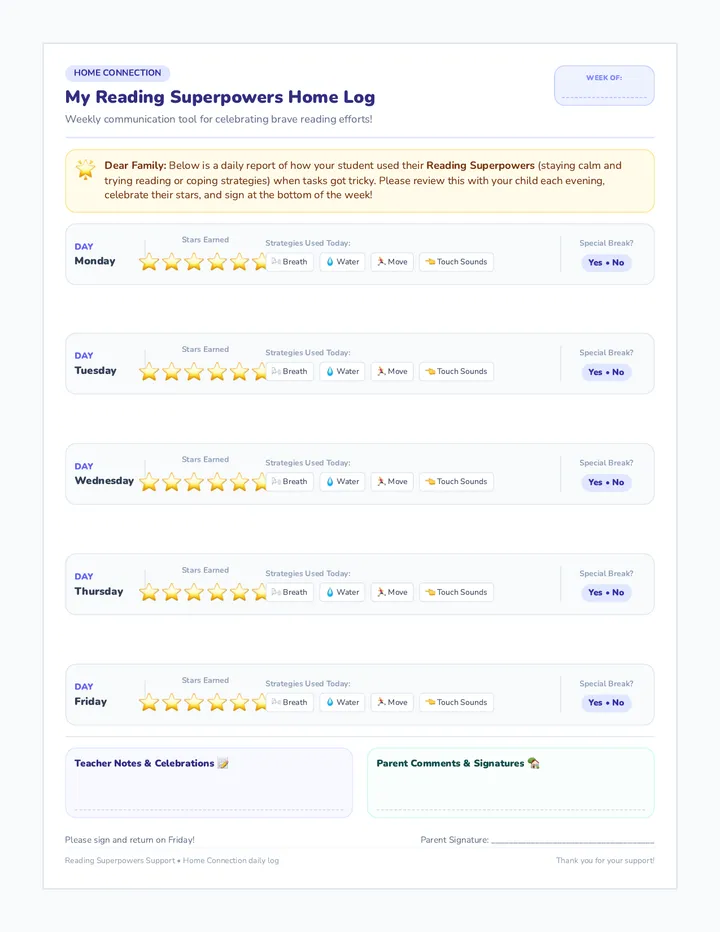
A complete visual behavior support kit for a kindergarten student experiencing frustration-based behaviors after graduating from small group reading. Includes a teacher-parent behavior plan, daily desk tracker, coping and reading strategy cards, assistant principal break coupons, and a weekly home communication log.
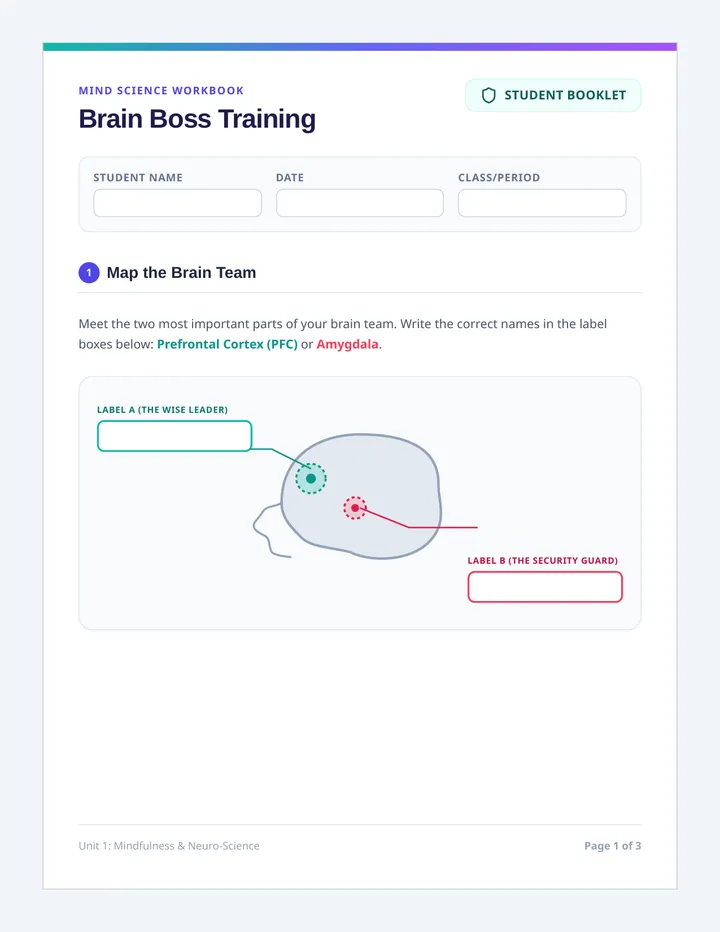
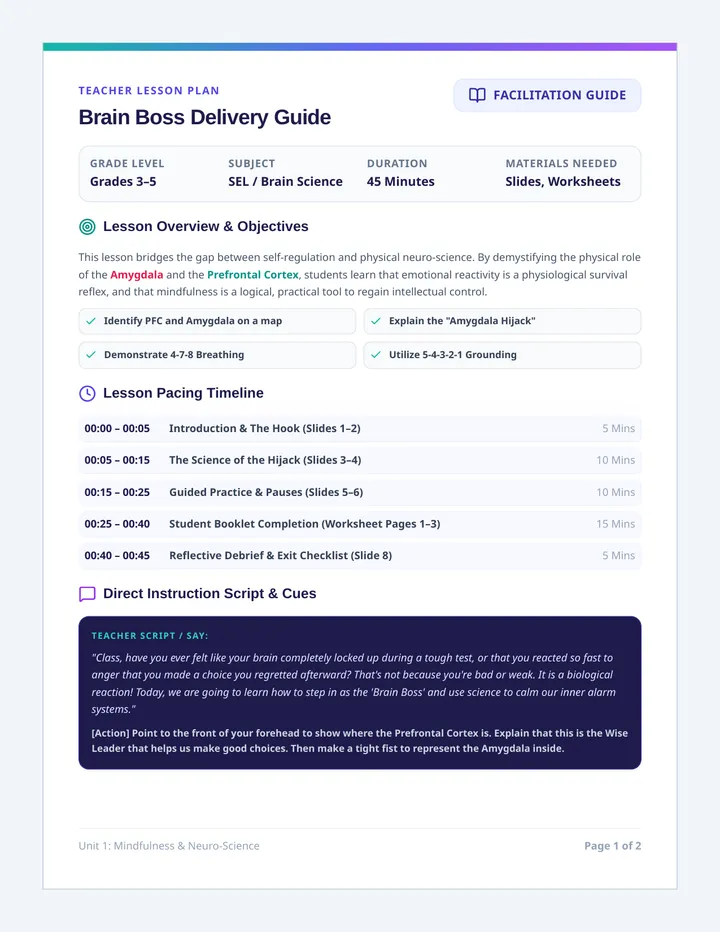
An explicit teaching lesson for Upper Elementary (grades 3-5) that introduces mindfulness through brain science, explaining the roles of the amygdala and prefrontal cortex, and provides concrete self-regulation strategies.
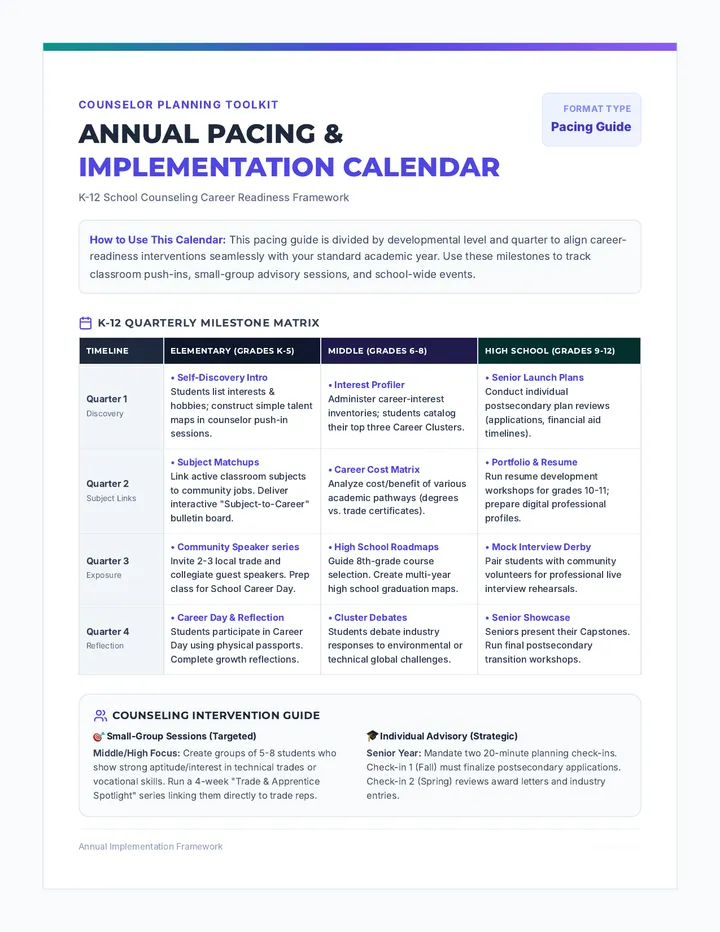
Actionable planning resources, school-wide career day guides, and implementation templates for school counselors to deploy career readiness curricula.
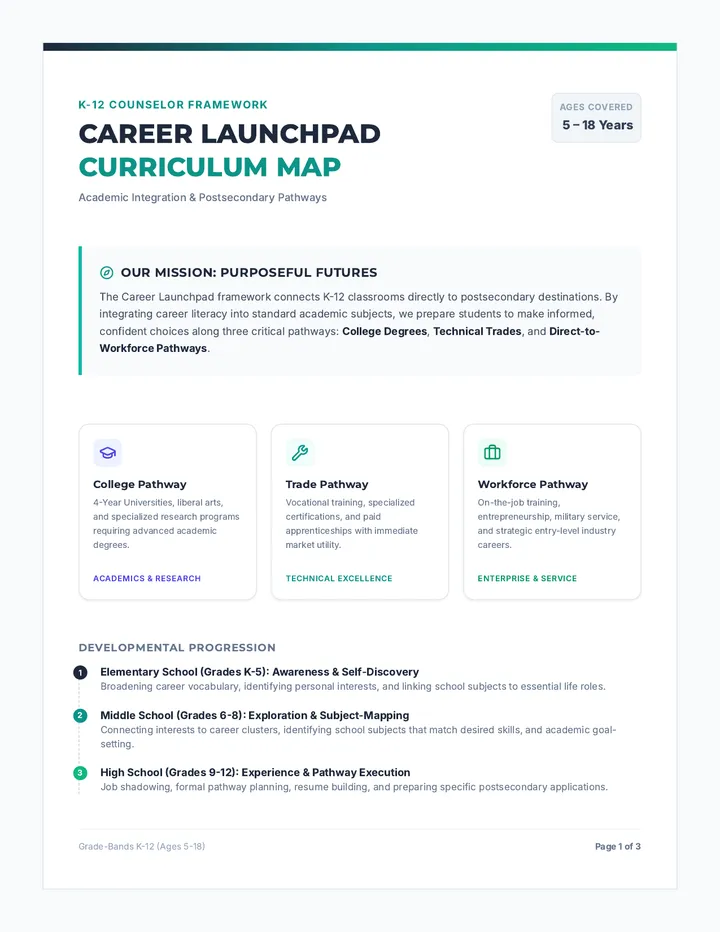
High-level scope, sequence, and developmental milestones for elementary, middle, and high school career exploration. This framework links classroom subjects to real-world college, trade, and workforce pathways.
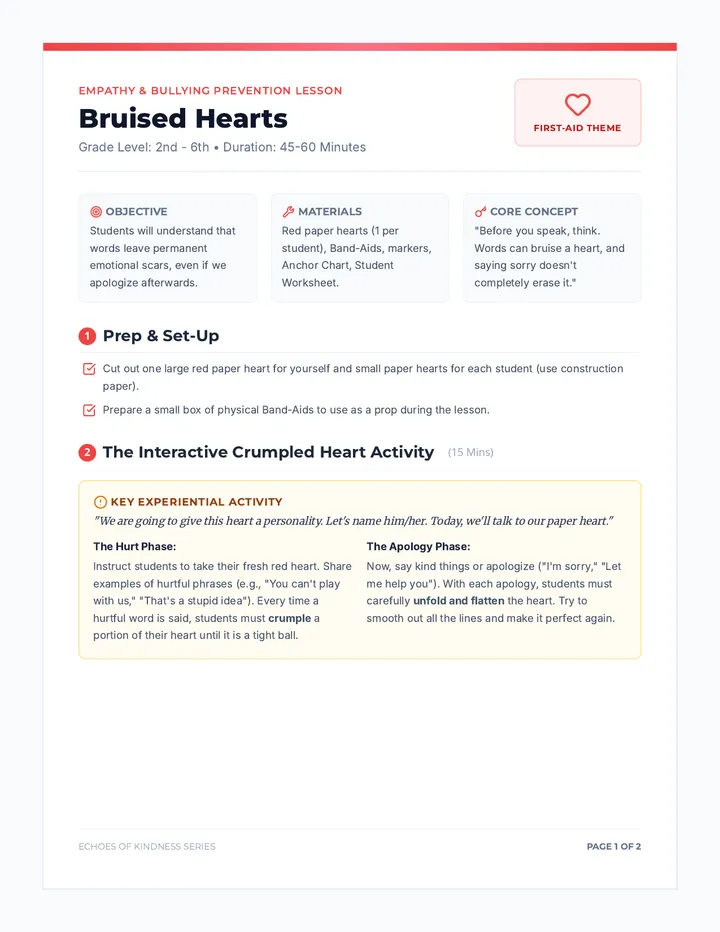
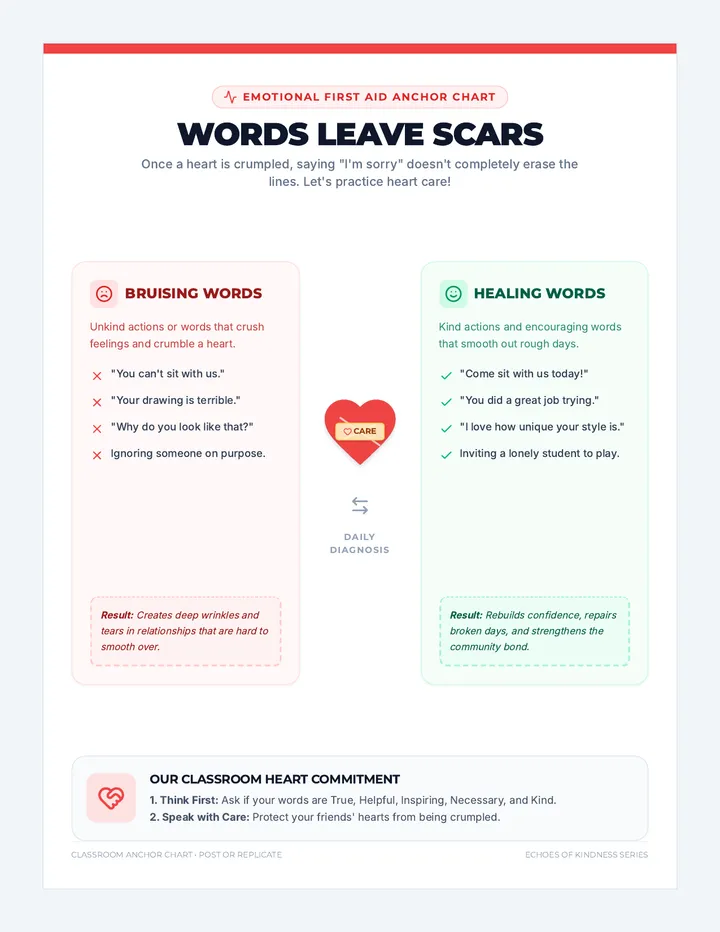
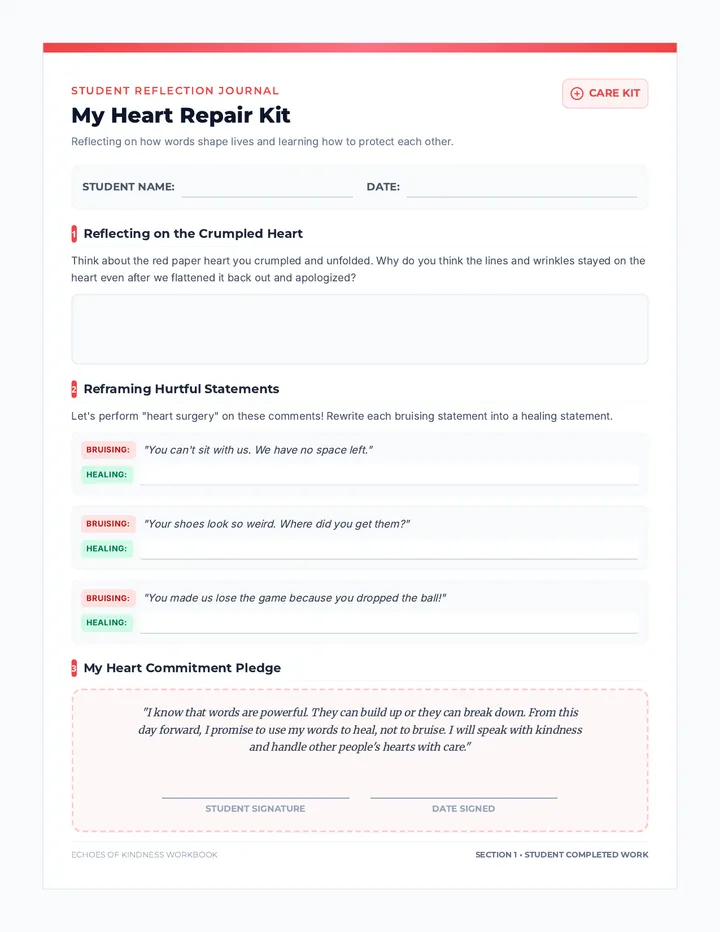
A powerful kindness and bullying prevention lesson exploring how hurtful words affect others and how we can repair hearts. Students engage in a paper-heart crumbling activity to visually understand the lasting impact of unkindness.
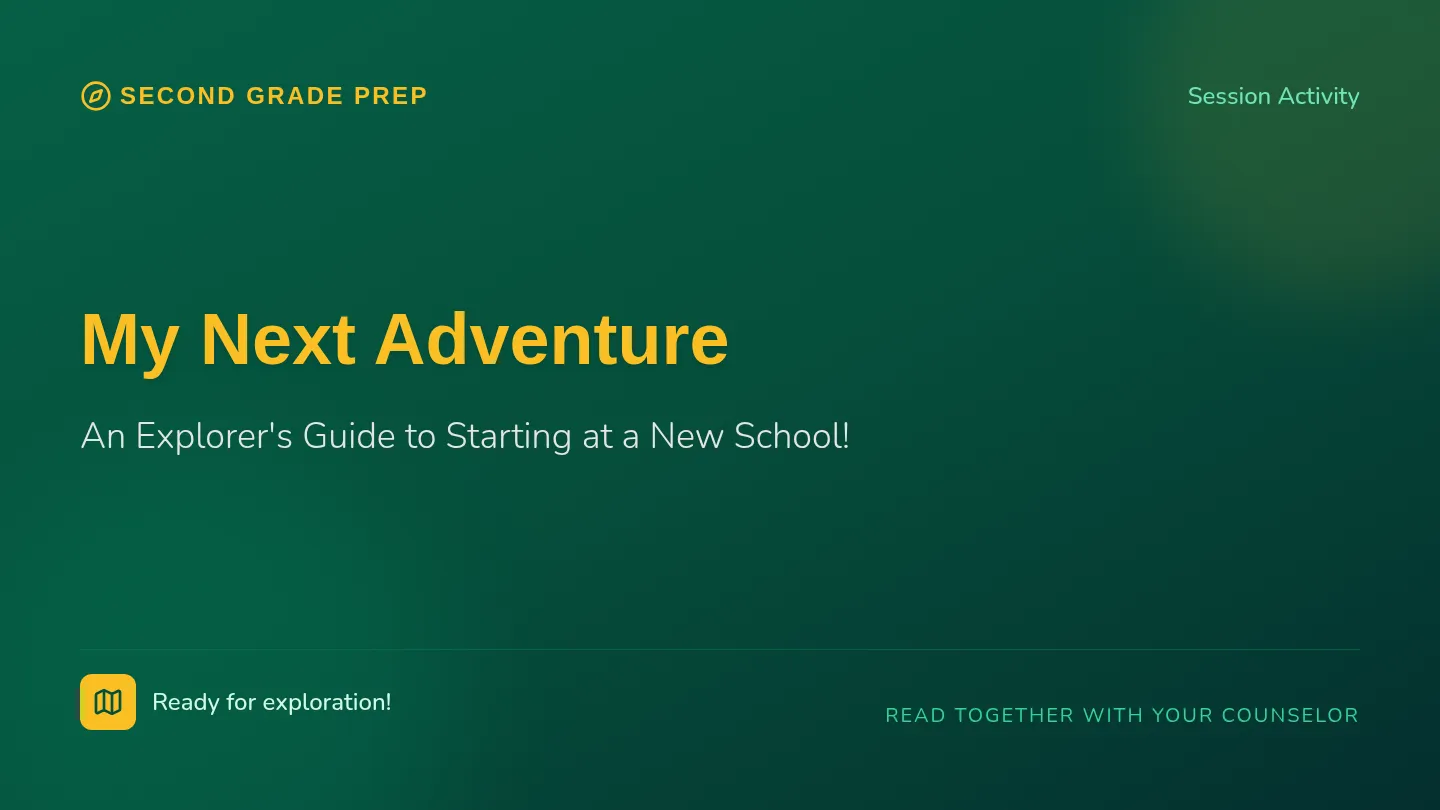
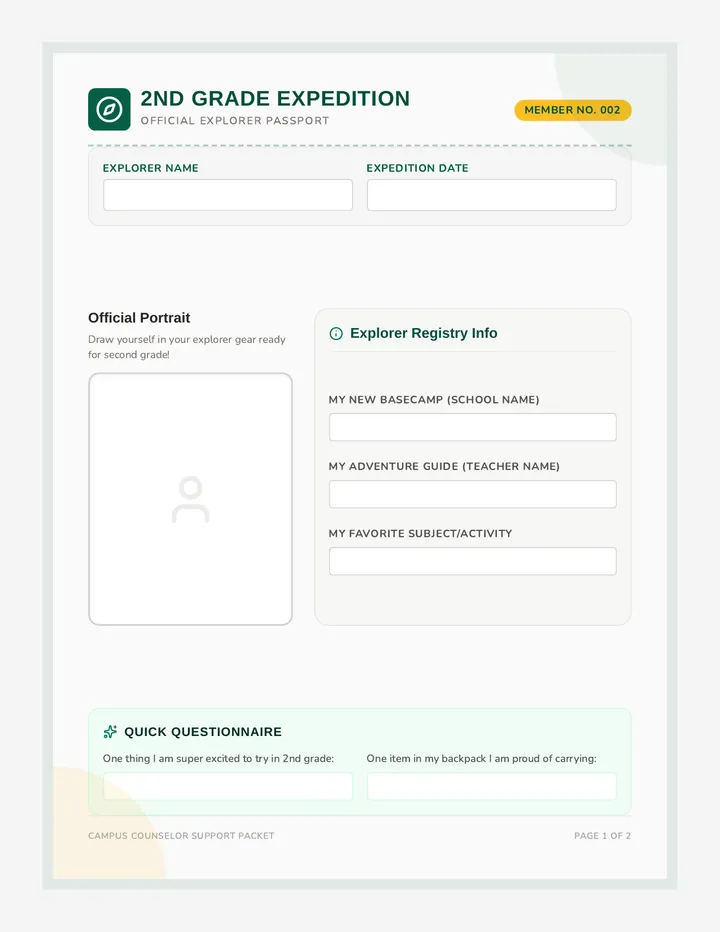
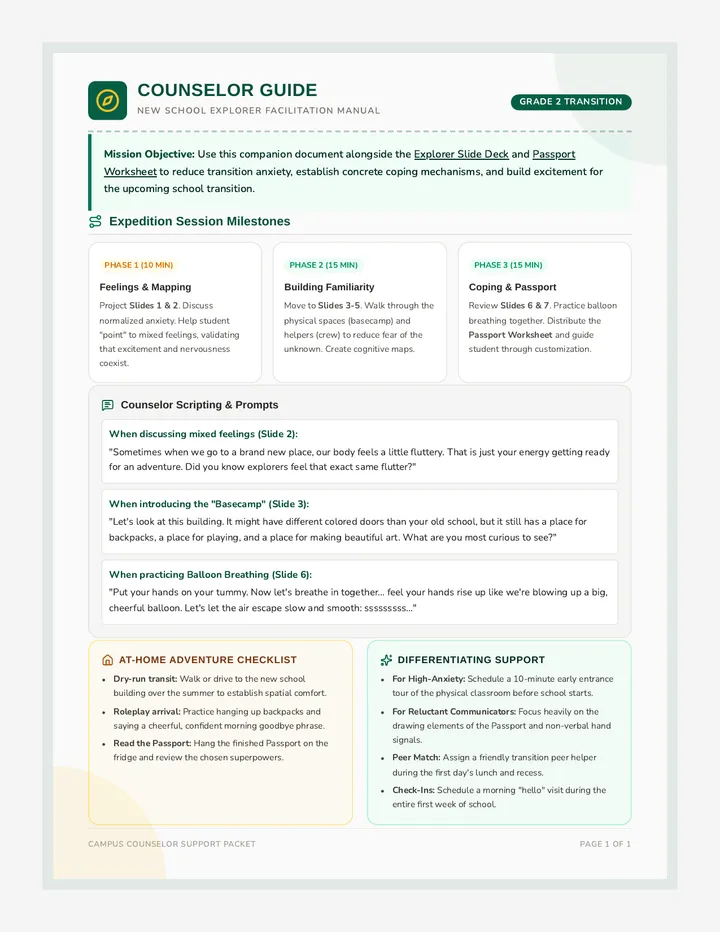
A transition support unit designed for rising 2nd graders entering a new school. Includes a social story presentation, a personal passport worksheet, and a counselor guidance document.
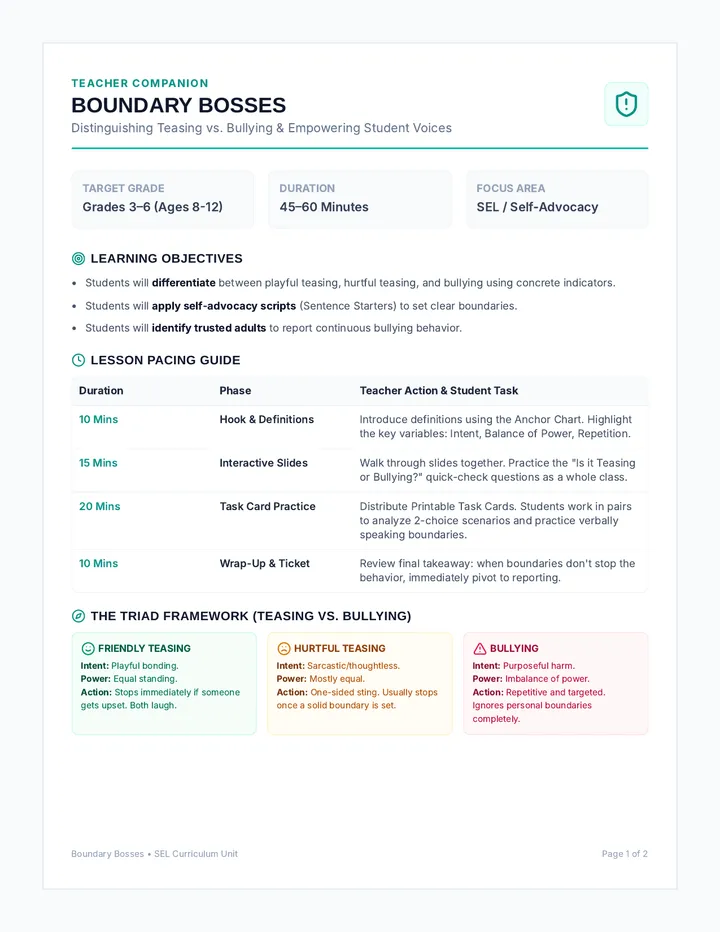
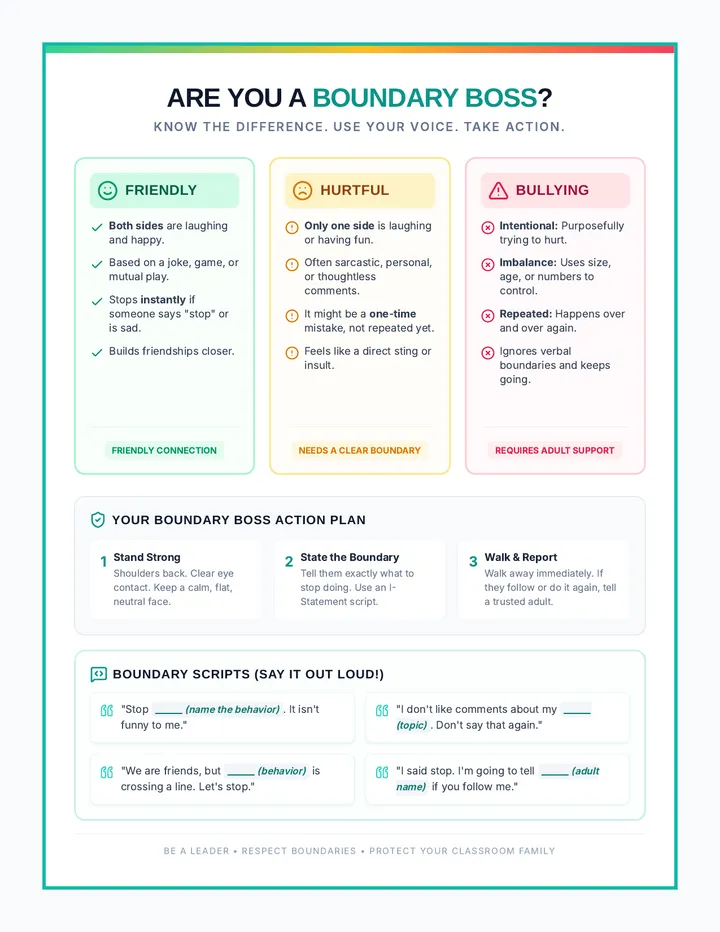
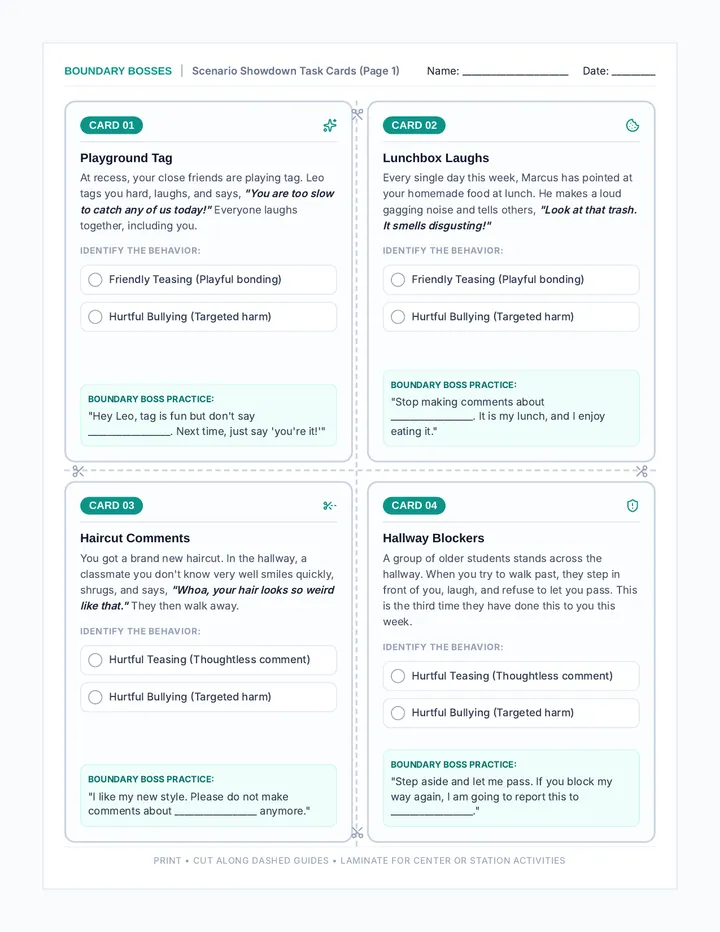
A comprehensive lesson helping students distinguish between friendly teasing, hurtful teasing, and bullying, while teaching concrete self-advocacy strategies and verbal boundary setting.
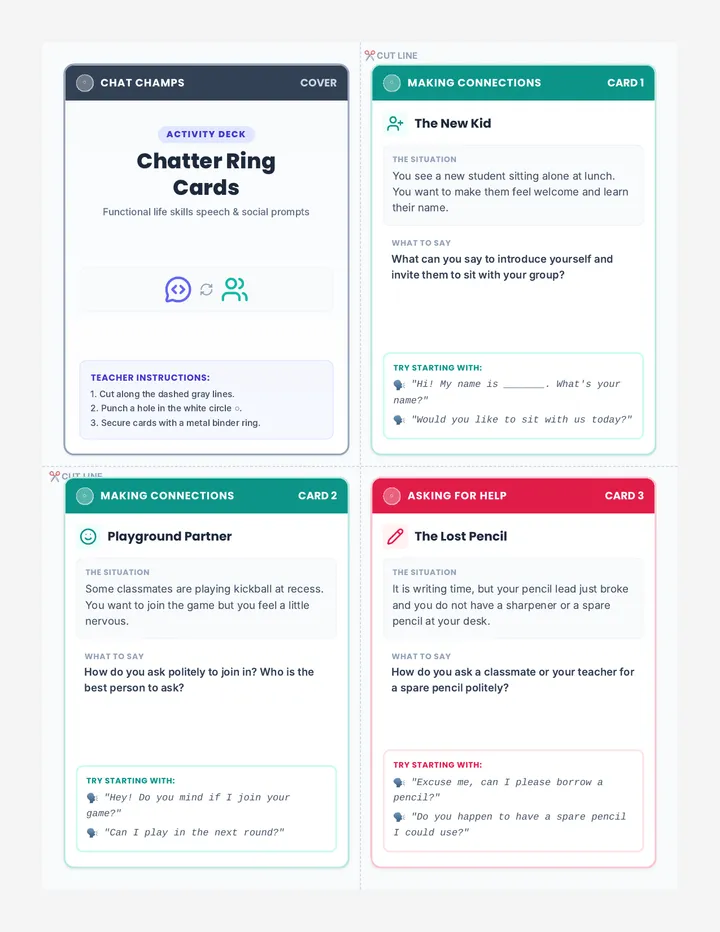
A lesson focused on equipping elementary students with functional verbal communication skills for everyday real-world interactions. Students practice through guided peer discussions, roleplays, and task cards.
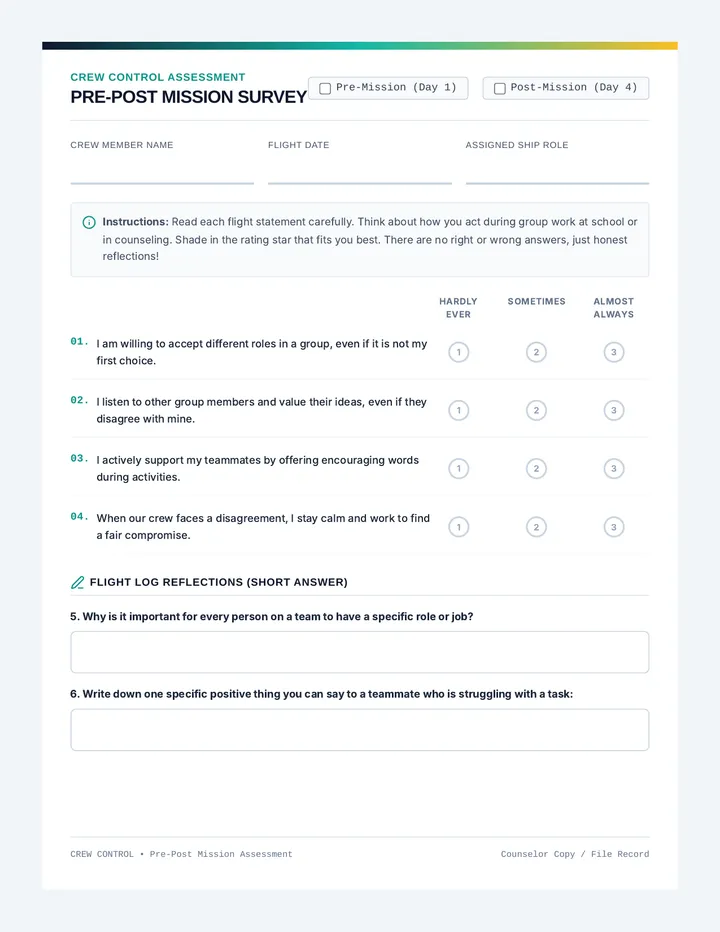
Consolidates learning with a collaborative micro-build challenge, group self-reflection, and administration of the identical post-test.
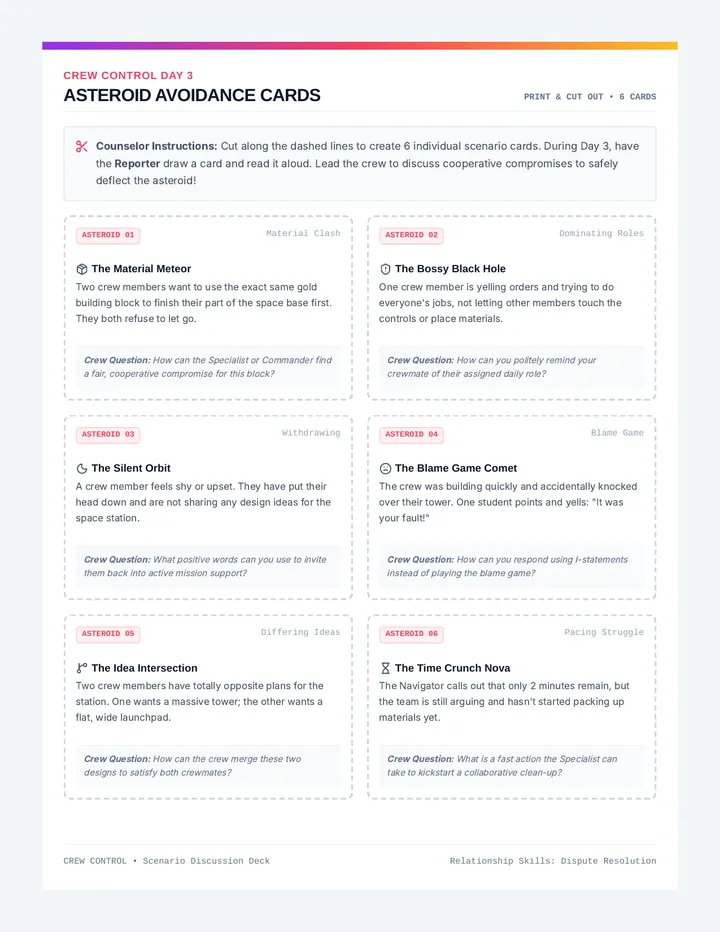
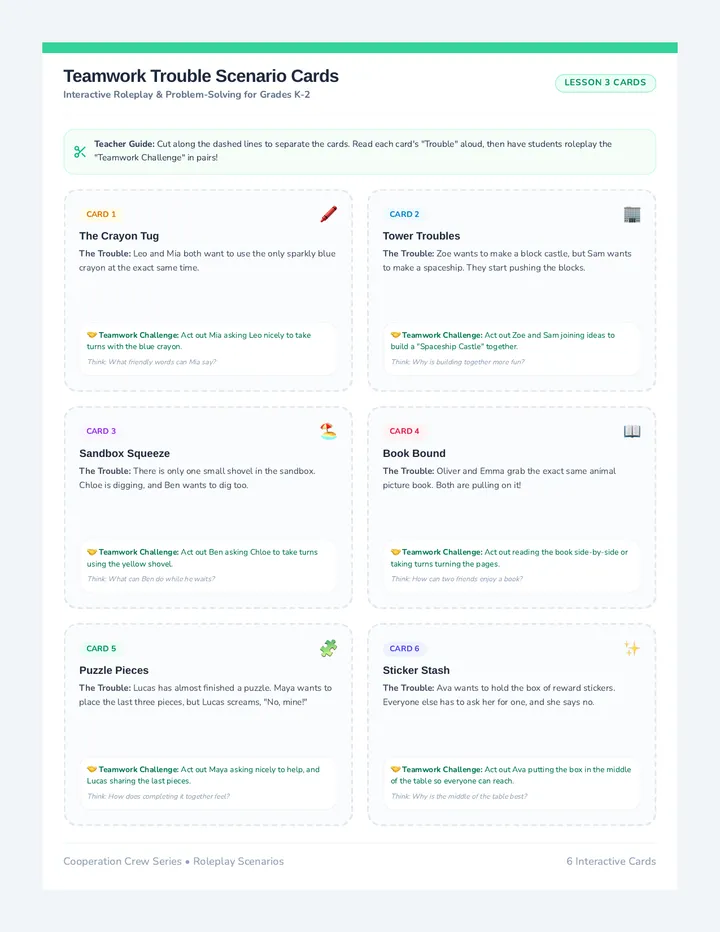
Focuses on identifying and navigating group conflicts (such as disagreements or resource sharing) using interactive discussion cards.
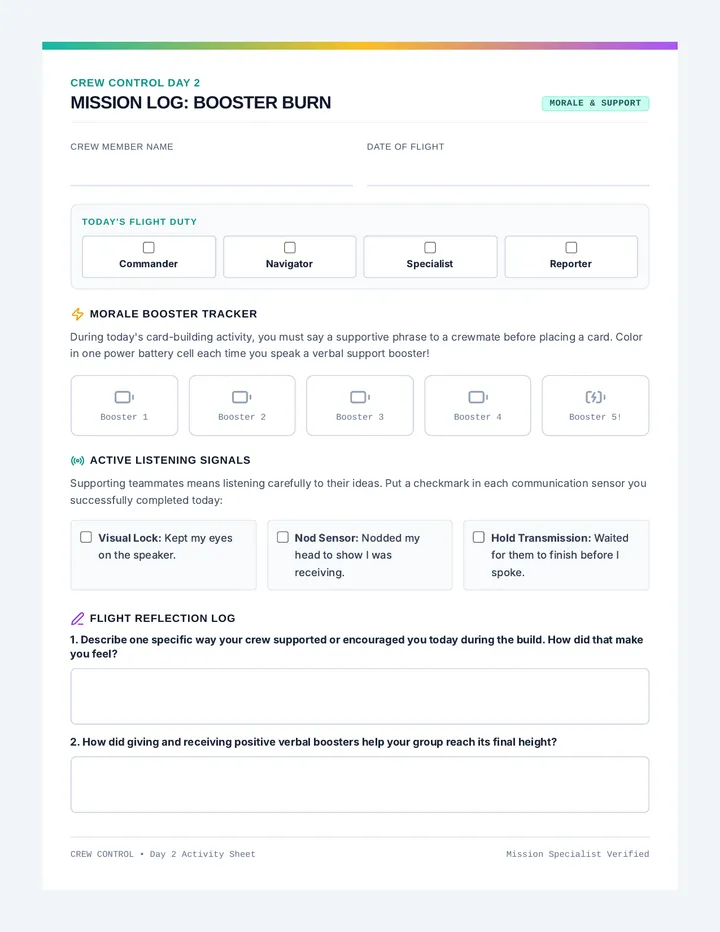
Focuses on positive peer reinforcement, active listening, and supporting teammates through verbal encouragement and collaborative challenge completion.
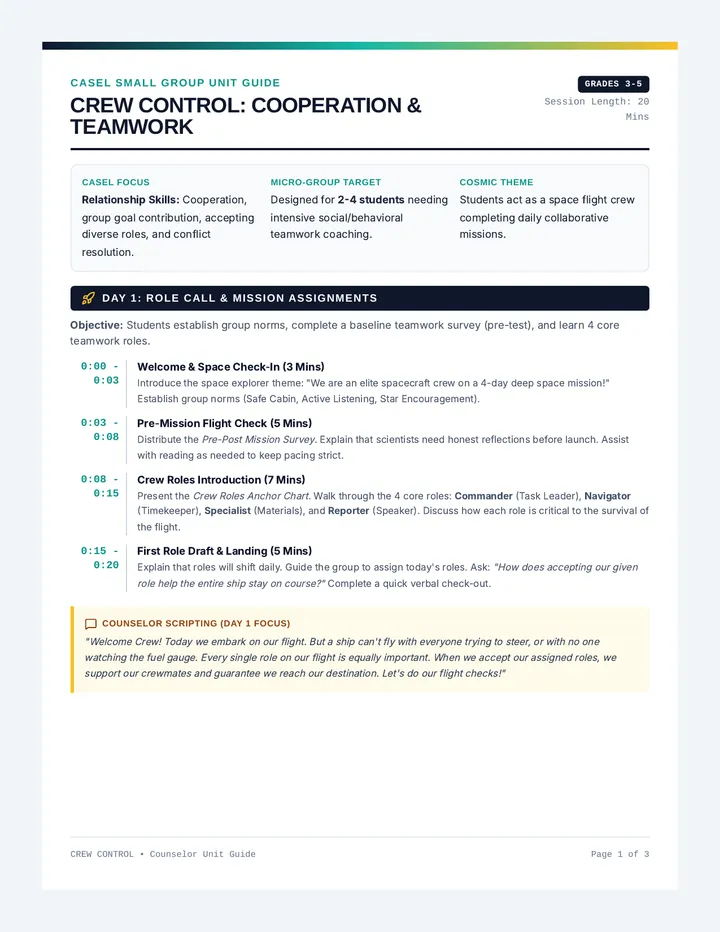
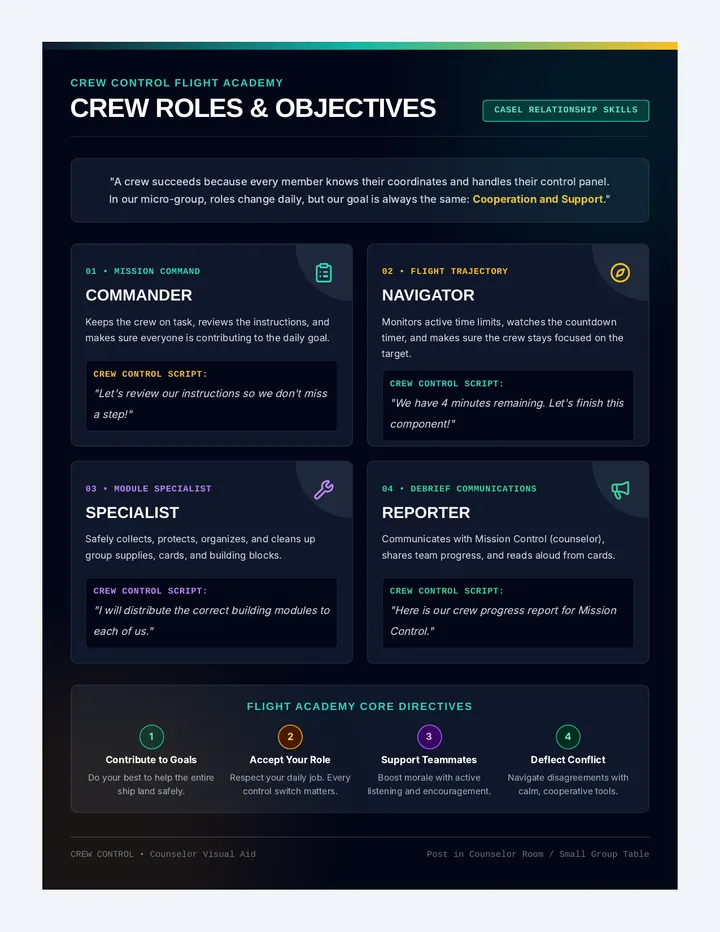
Focuses on setting group norms, administering the pre-test, and introducing the core teamwork roles (Commander, Navigator, Specialist, Reporter) using a retro space-explorer theme.
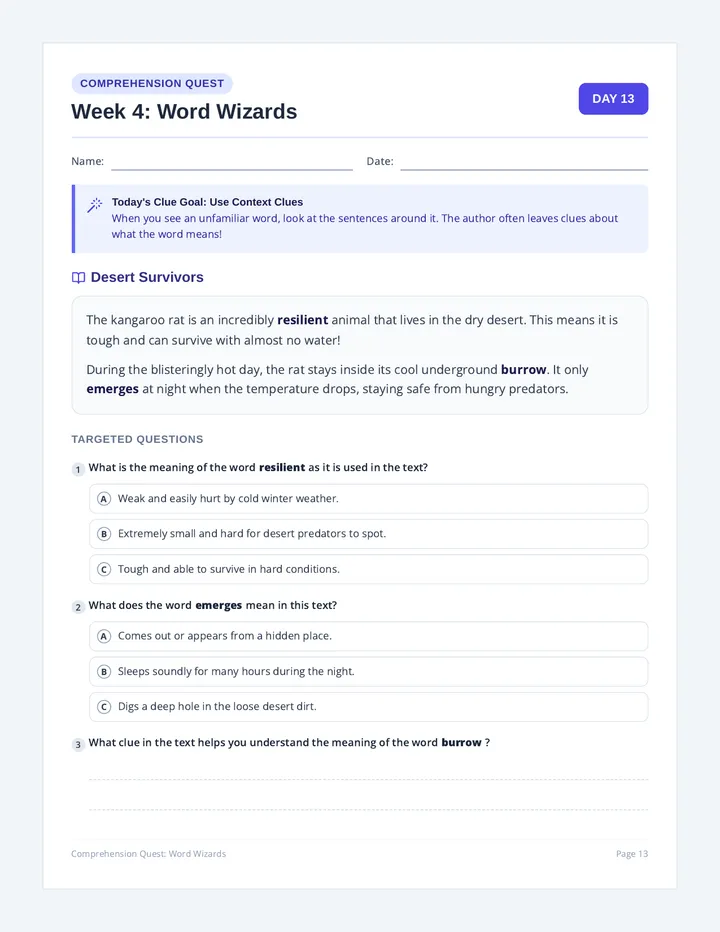
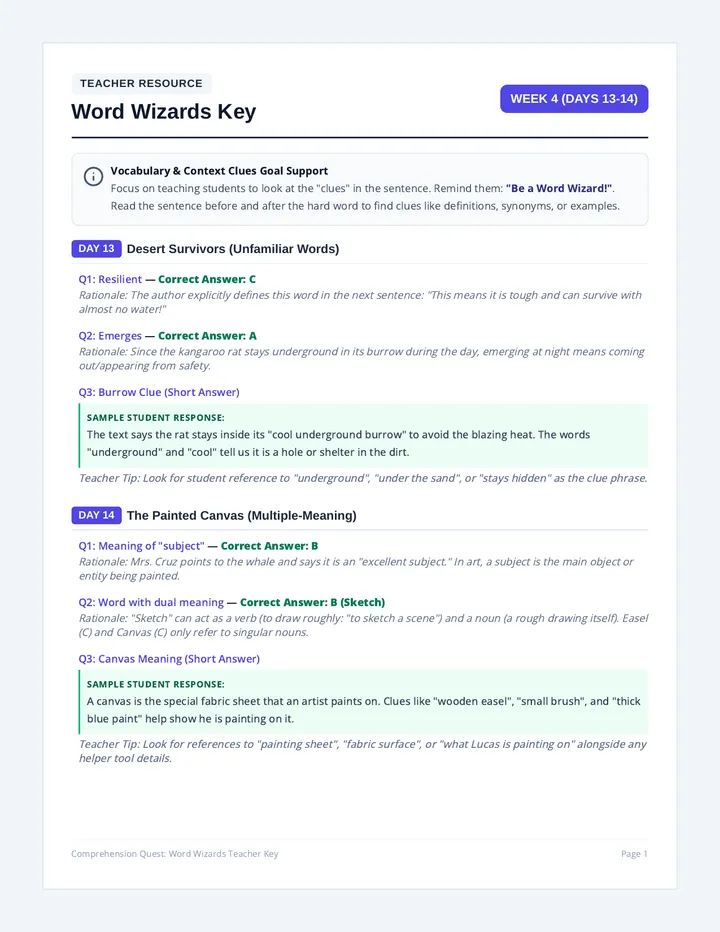
Week 4 focuses on context clues and vocabulary. Students learn to decipher the meanings of unfamiliar academic vocabulary, synonyms, and figurative language using clues in the surrounding text.
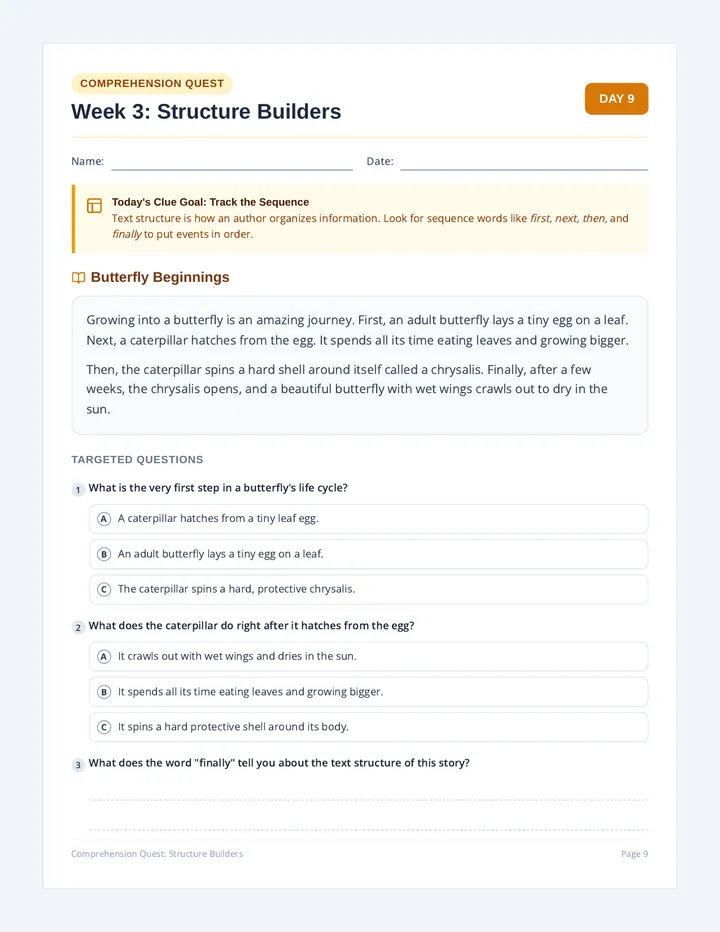
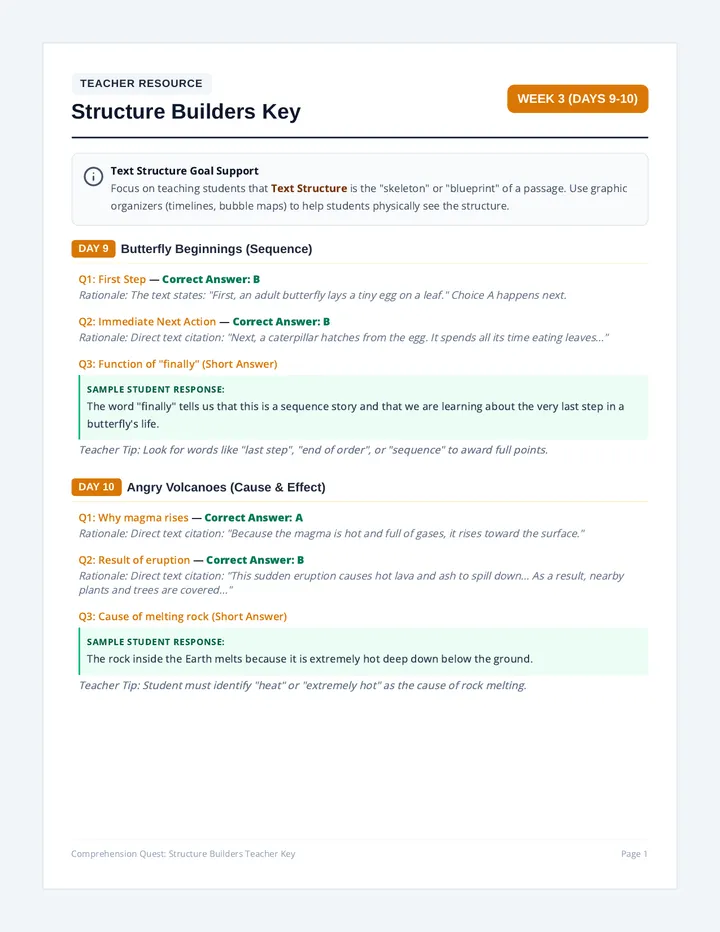
Week 3 focuses on understanding text structure. Students explore chronological order, cause and effect, compare and contrast, and problem/solution text structures.
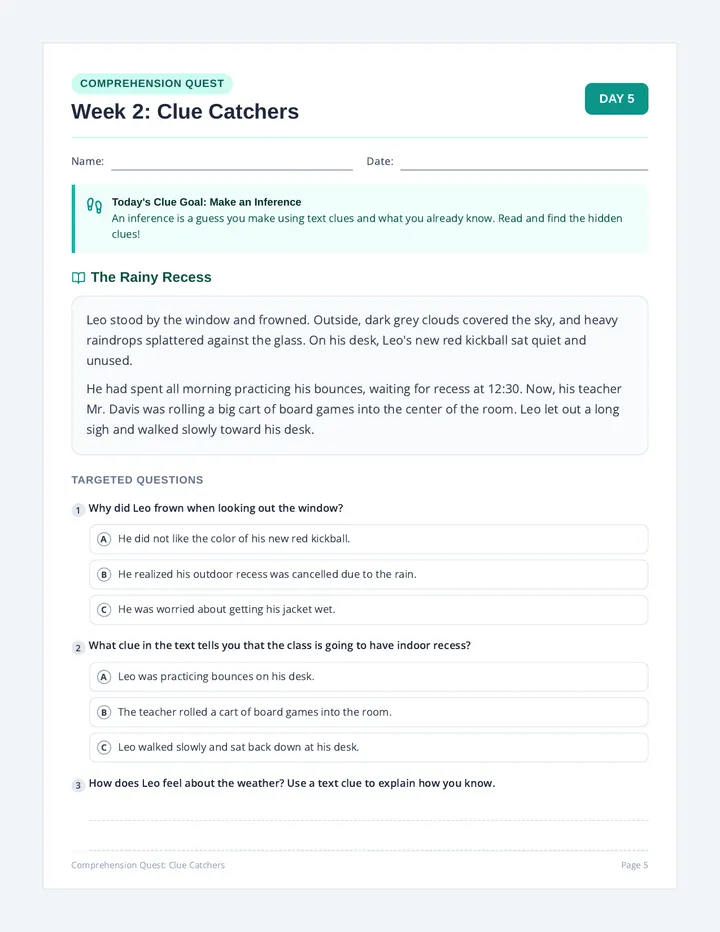
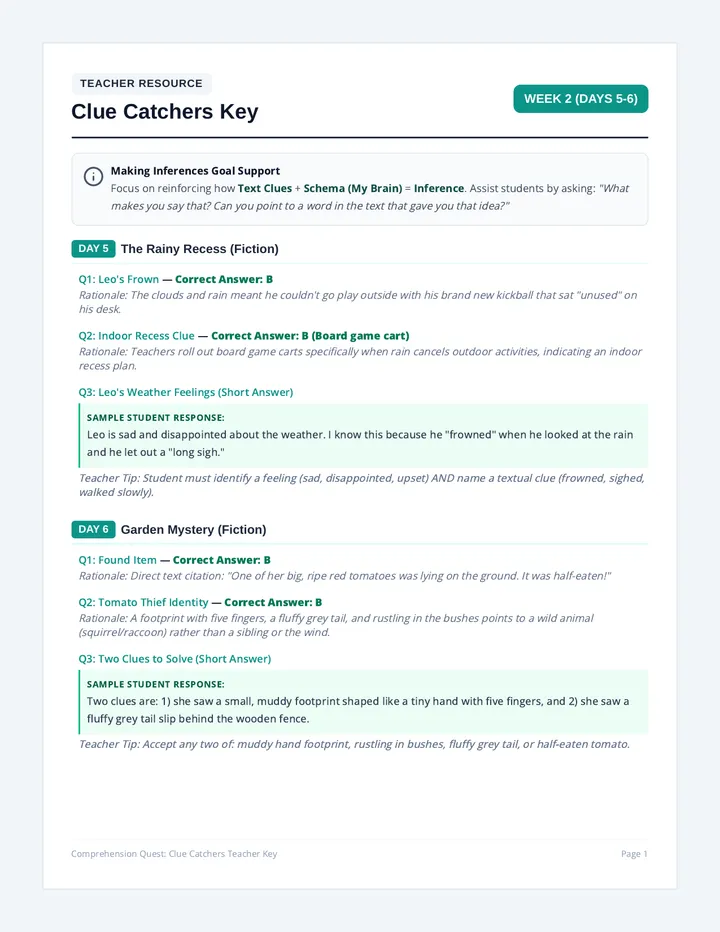
Week 2 focuses on making inferences. Students practice drawing conclusions, identifying clues in the text, and predicting what characters might do next based on evidence.
Day 3 focuses on cooperative group work to solve dilemmas, acting out teamwork scenarios, and completing the visual post-test to evaluate progress.
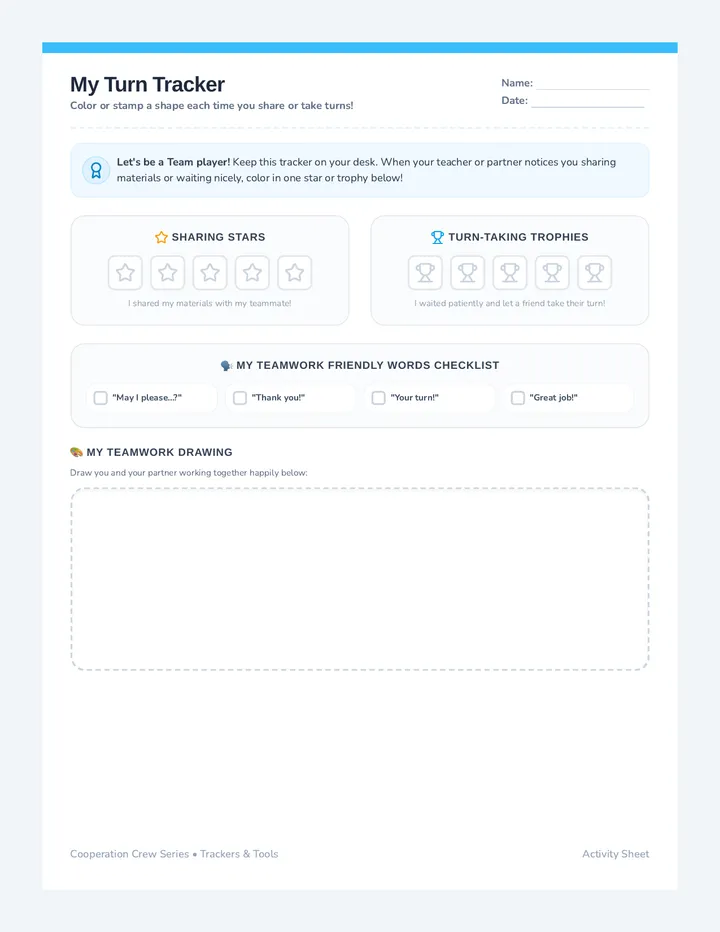
Day 2 emphasizes structured turn-taking, active waiting strategies, and practicing self-regulation with a physical tracker during small-group play.
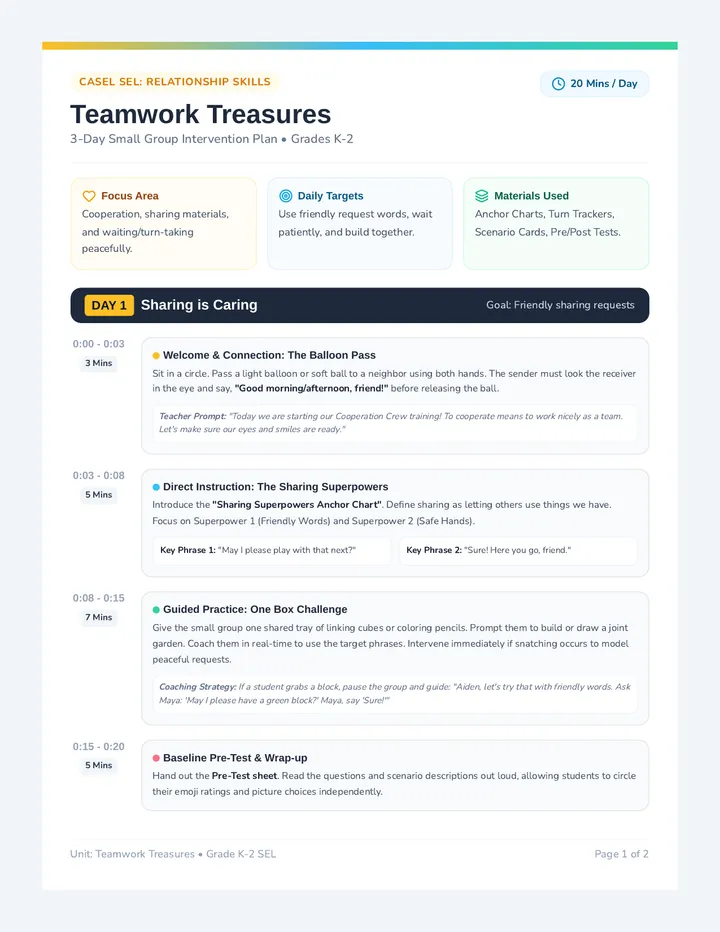
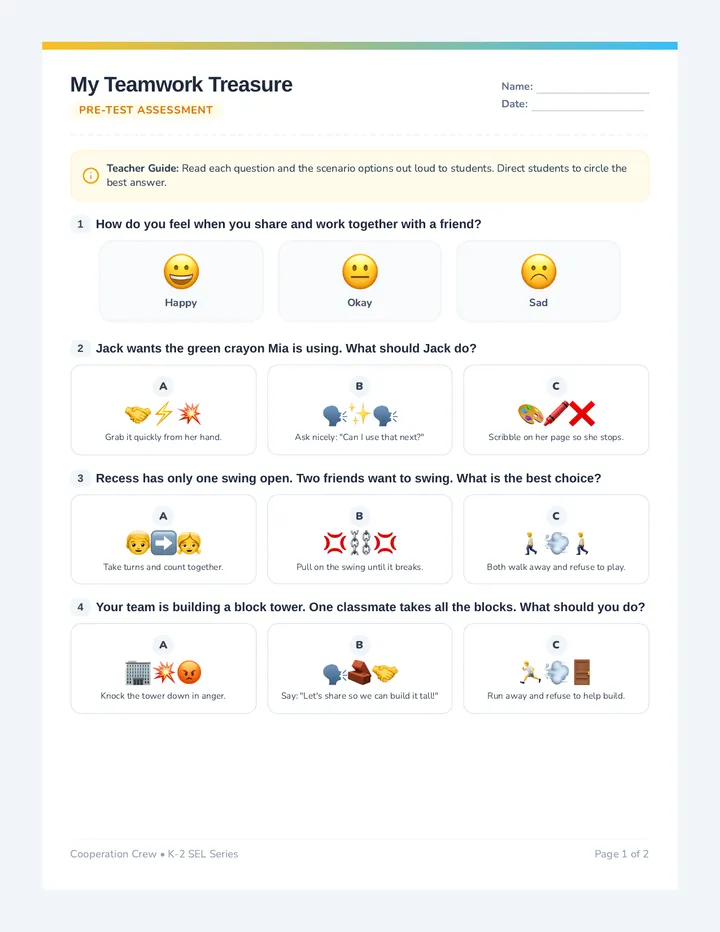
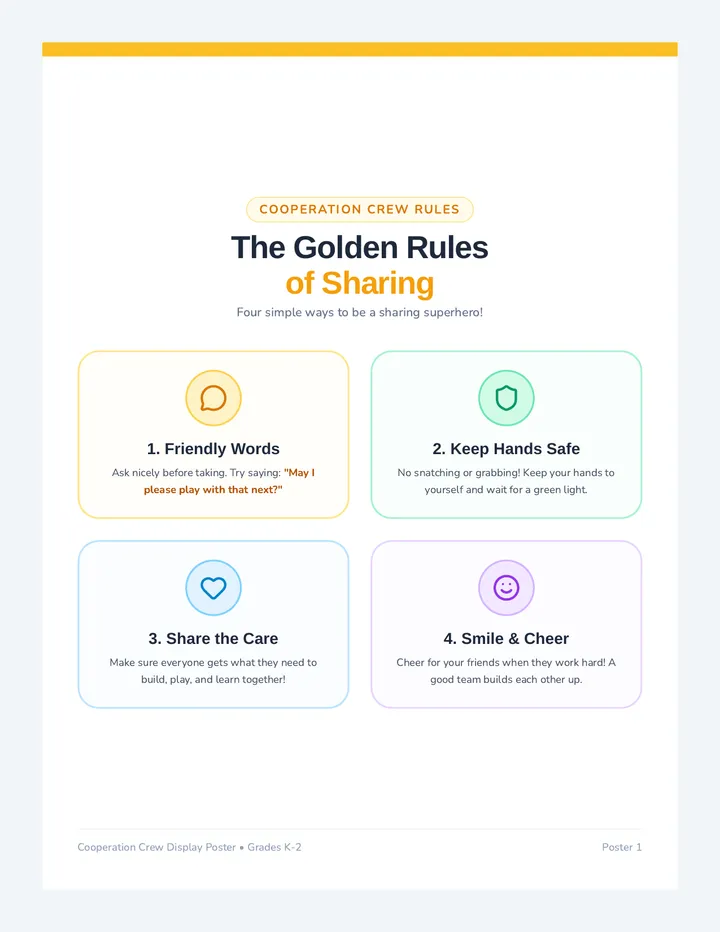
Day 1 focuses on the golden rules of sharing materials, using friendly request phrases, and administering the baseline visual pre-test.
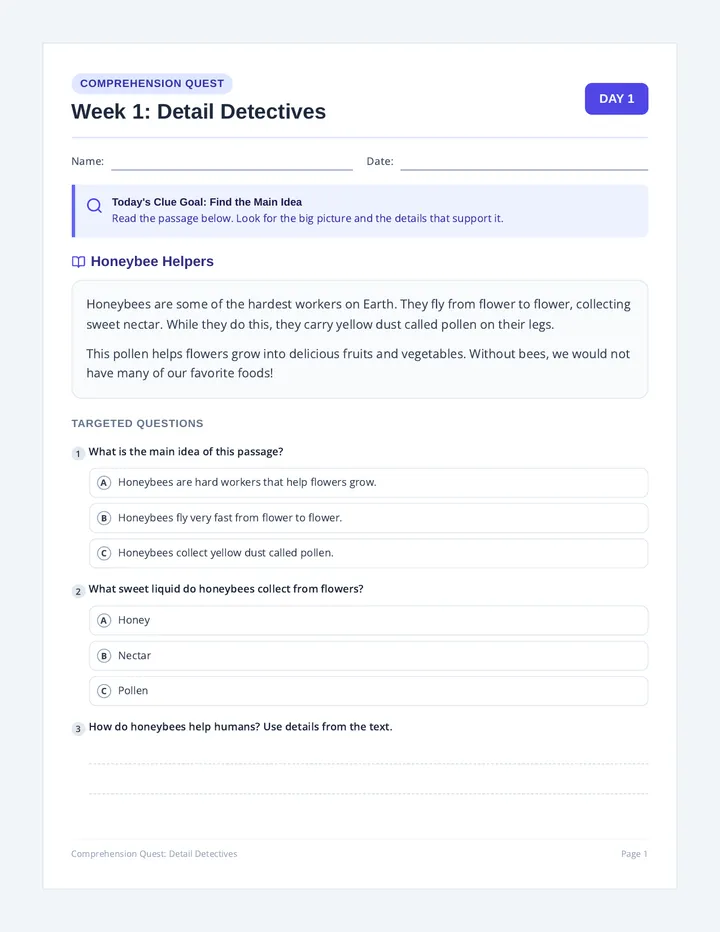
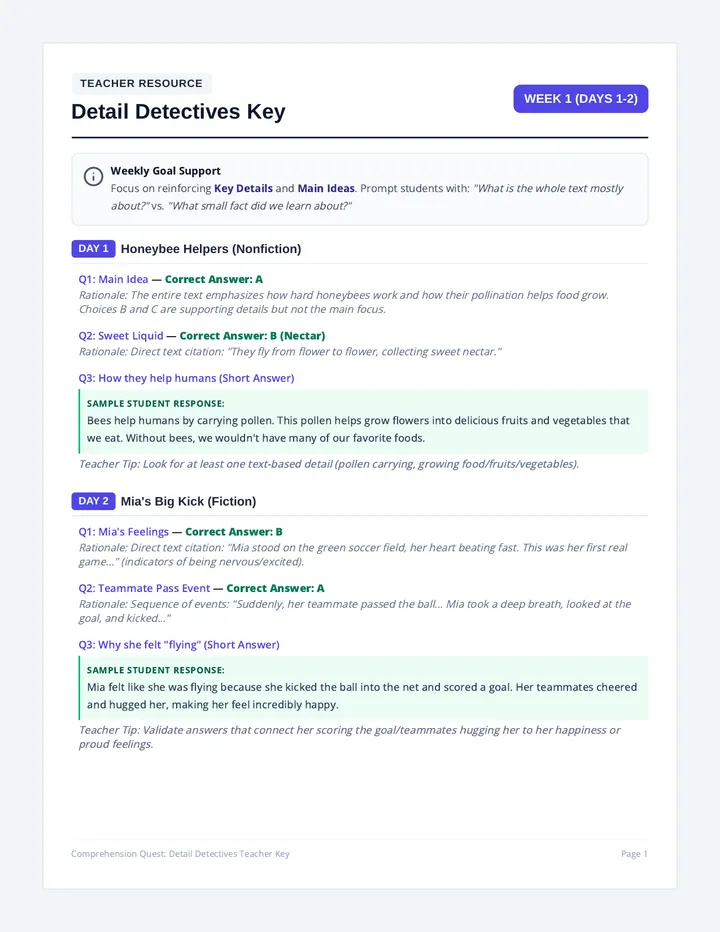
Week 1 focuses on finding key ideas and details. Students practice identifying main ideas, character motives, and summarizing essential details from both fiction and nonfiction passages.
Day 3 of the Sharing Squad small-group intervention. Students combine their sharing and turn-taking skills to complete a collaborative puzzle drawing peacefully, followed by a graduation ceremony.