A visual management system to help students transition between focused learning periods and restorative breaks, using a 'Focus Engine' metaphor.
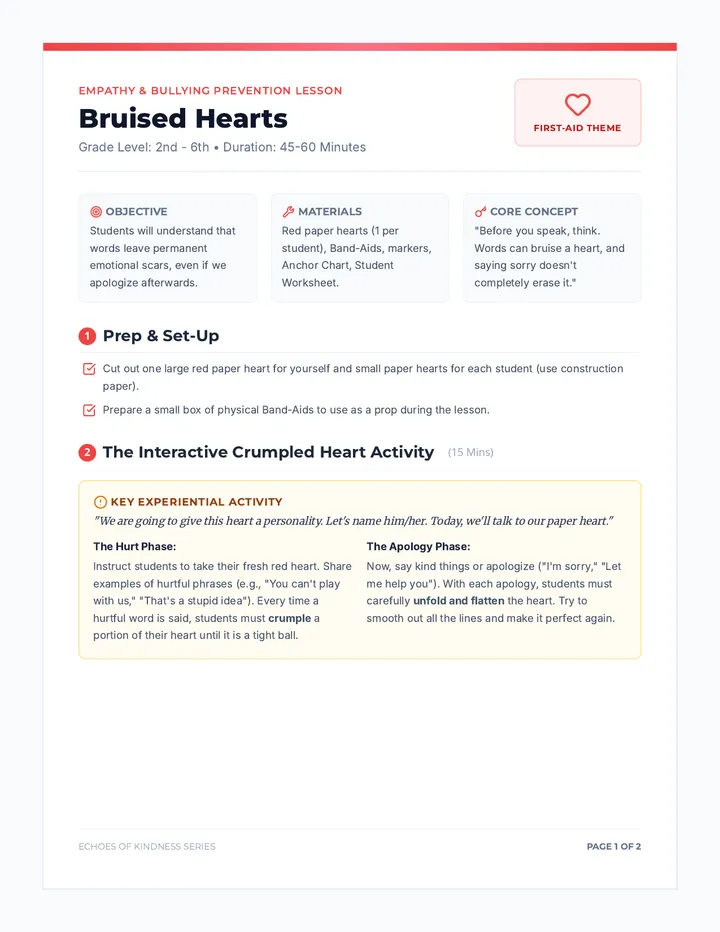
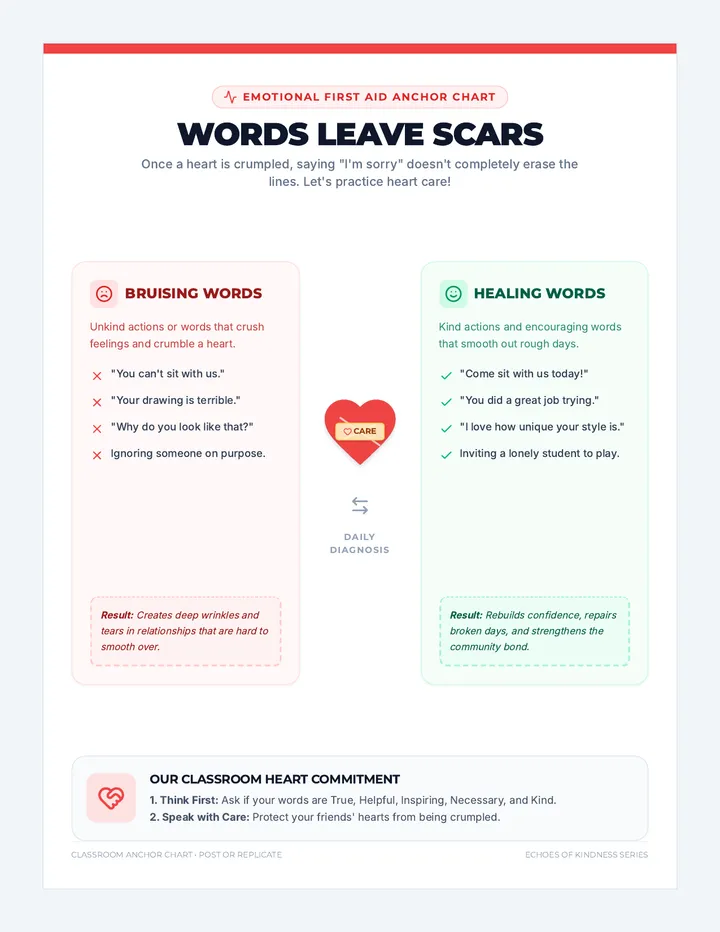
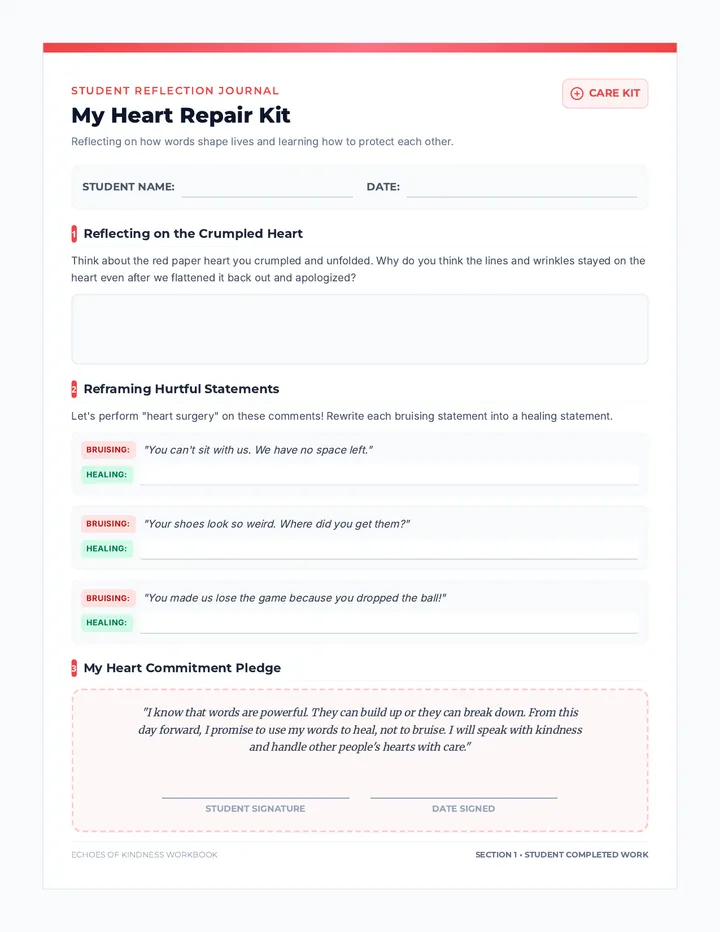
A powerful kindness and bullying prevention lesson exploring how hurtful words affect others and how we can repair hearts. Students engage in a paper-heart crumbling activity to visually understand the lasting impact of unkindness.
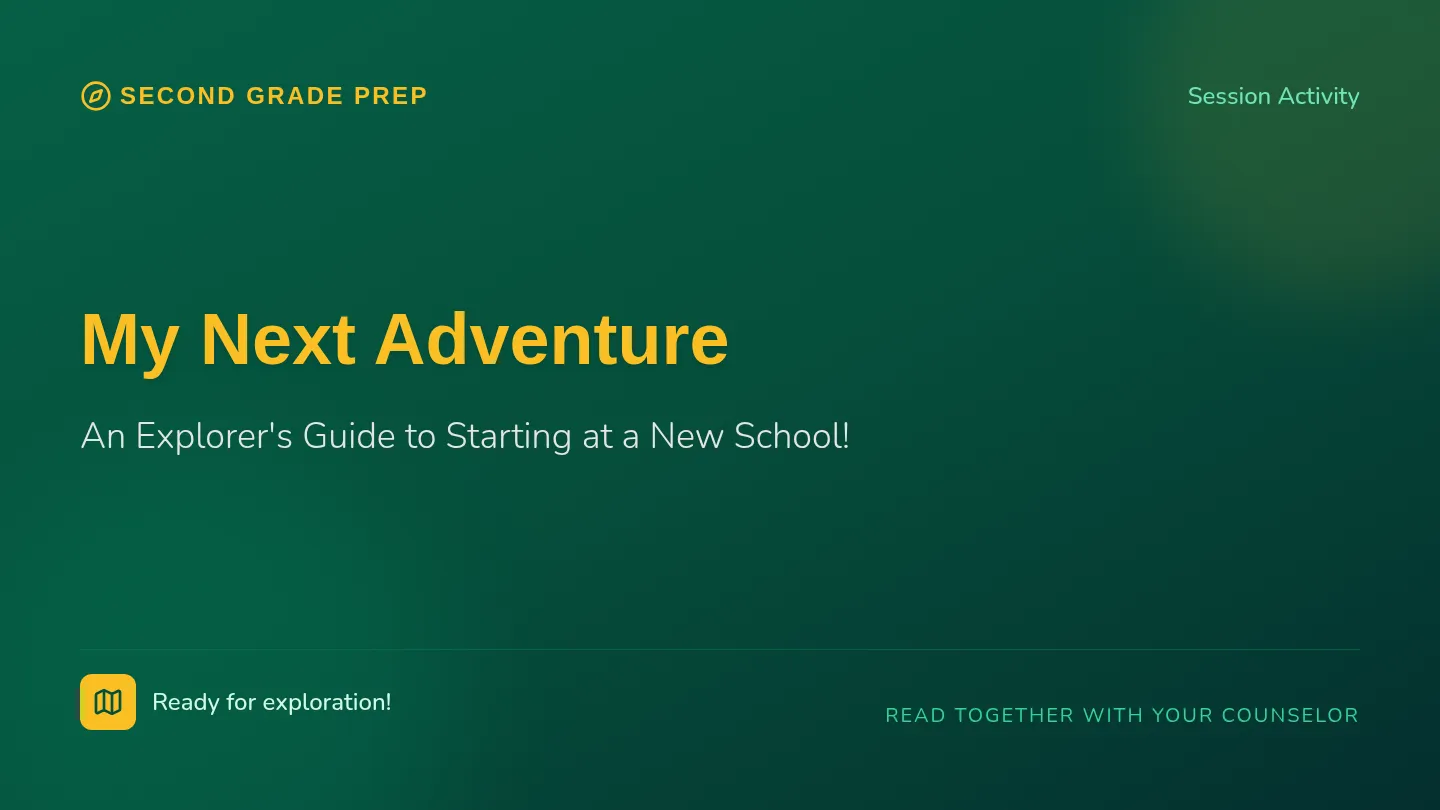
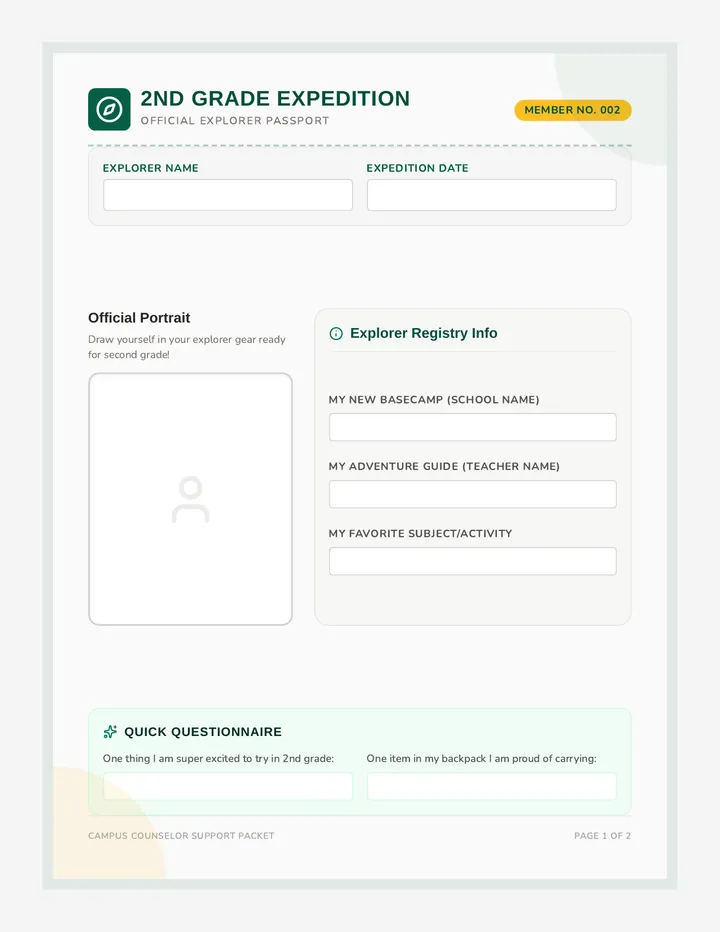
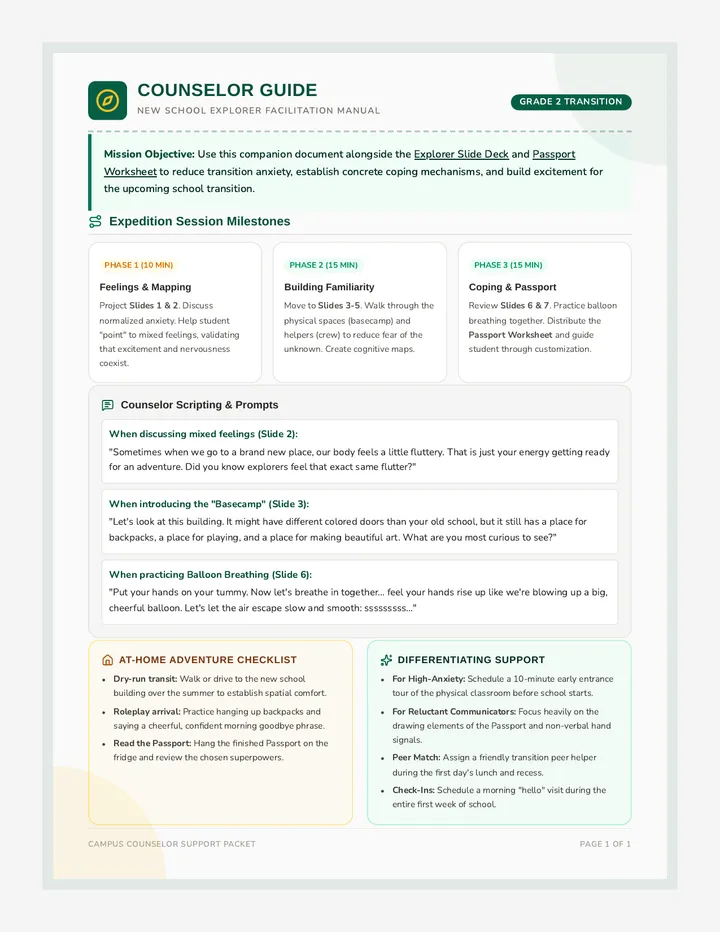
A transition support unit designed for rising 2nd graders entering a new school. Includes a social story presentation, a personal passport worksheet, and a counselor guidance document.
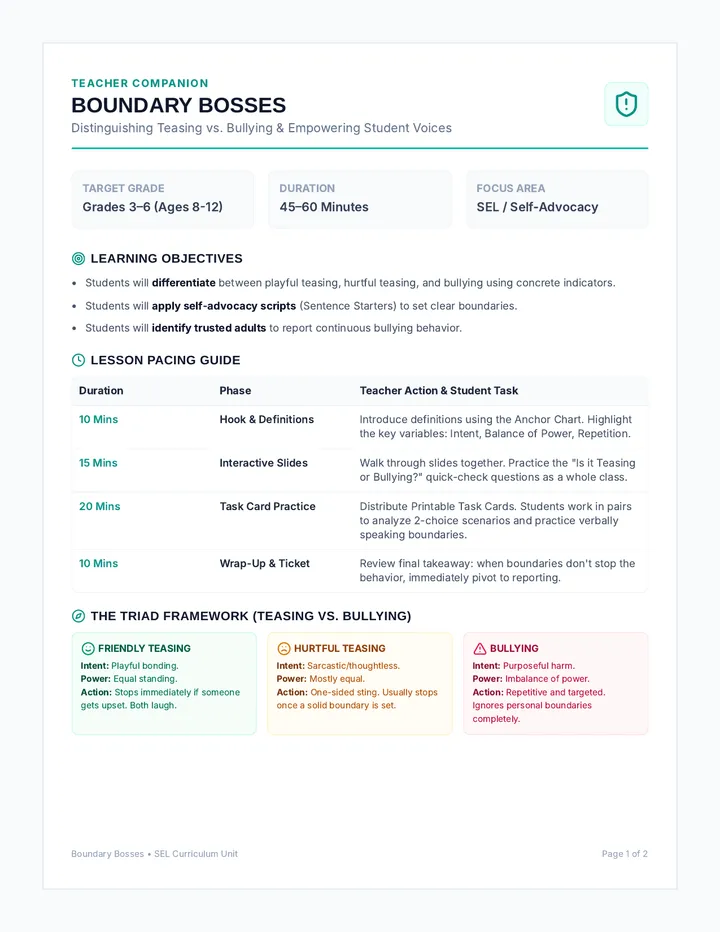
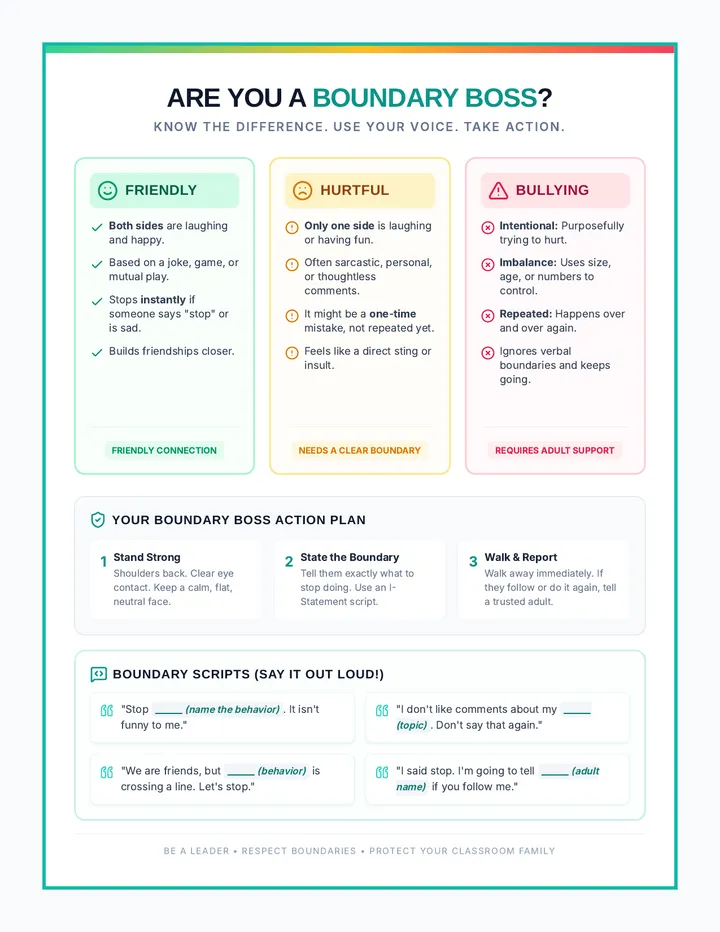
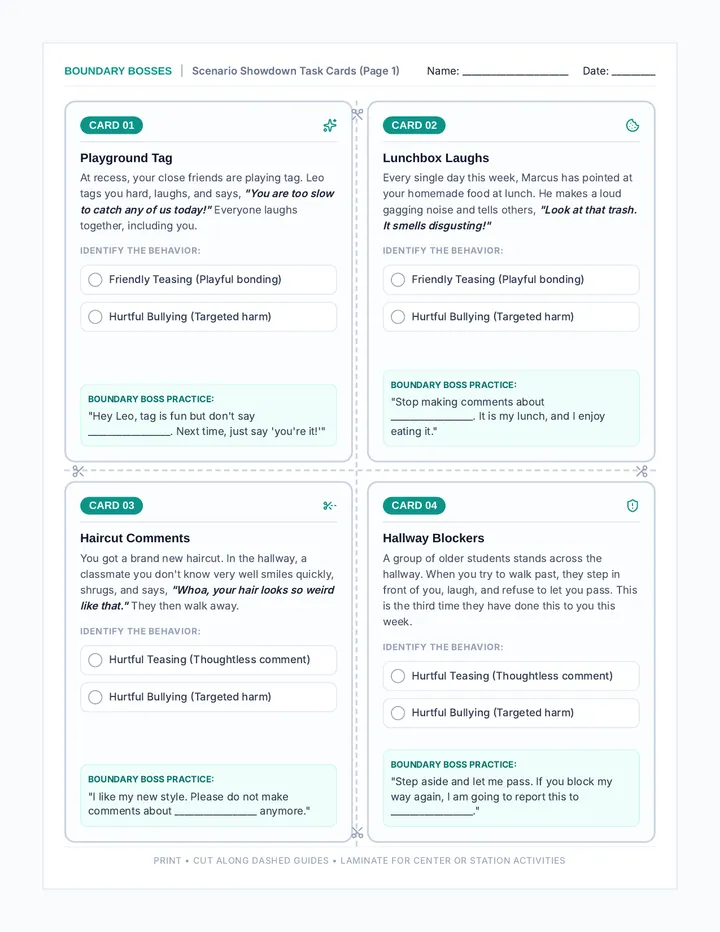
A comprehensive lesson helping students distinguish between friendly teasing, hurtful teasing, and bullying, while teaching concrete self-advocacy strategies and verbal boundary setting.
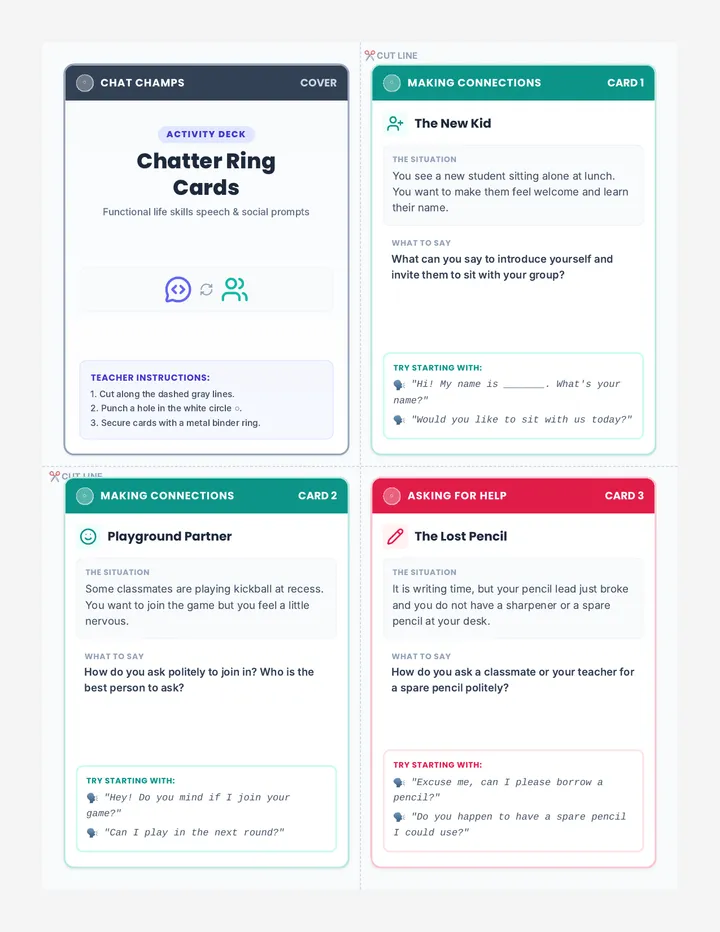
A lesson focused on equipping elementary students with functional verbal communication skills for everyday real-world interactions. Students practice through guided peer discussions, roleplays, and task cards.
Introduction to DBT STEPS-A Lesson 19, focusing on the core concept of Dialectics. This lesson helps 7th graders understand that two seemingly opposite truths can coexist, guiding them to find a balanced 'middle path' in their emotions, relationships, and daily lives.
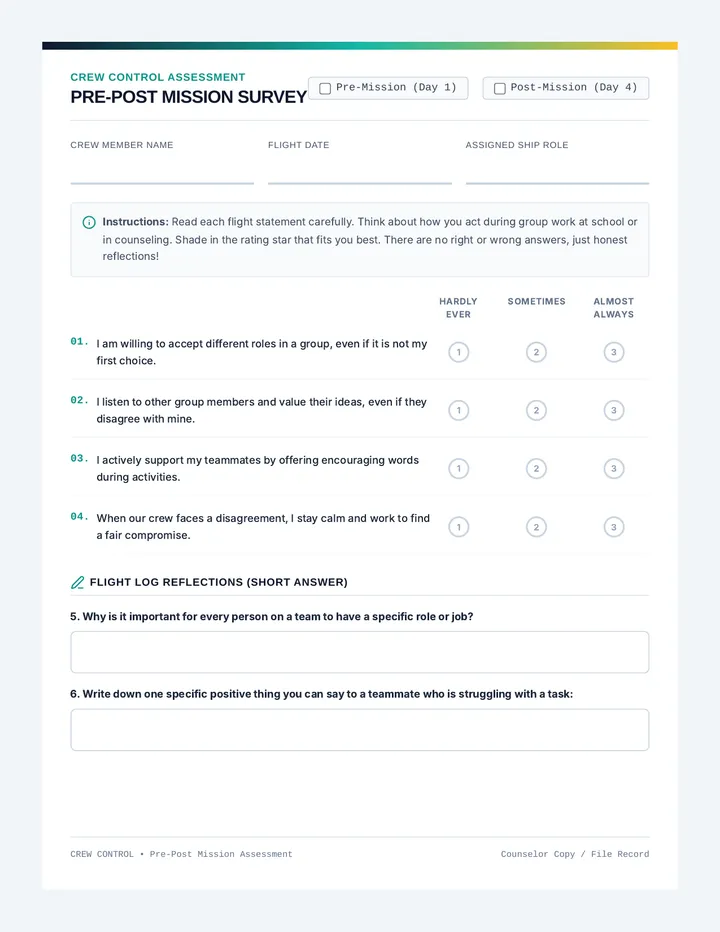
Consolidates learning with a collaborative micro-build challenge, group self-reflection, and administration of the identical post-test.
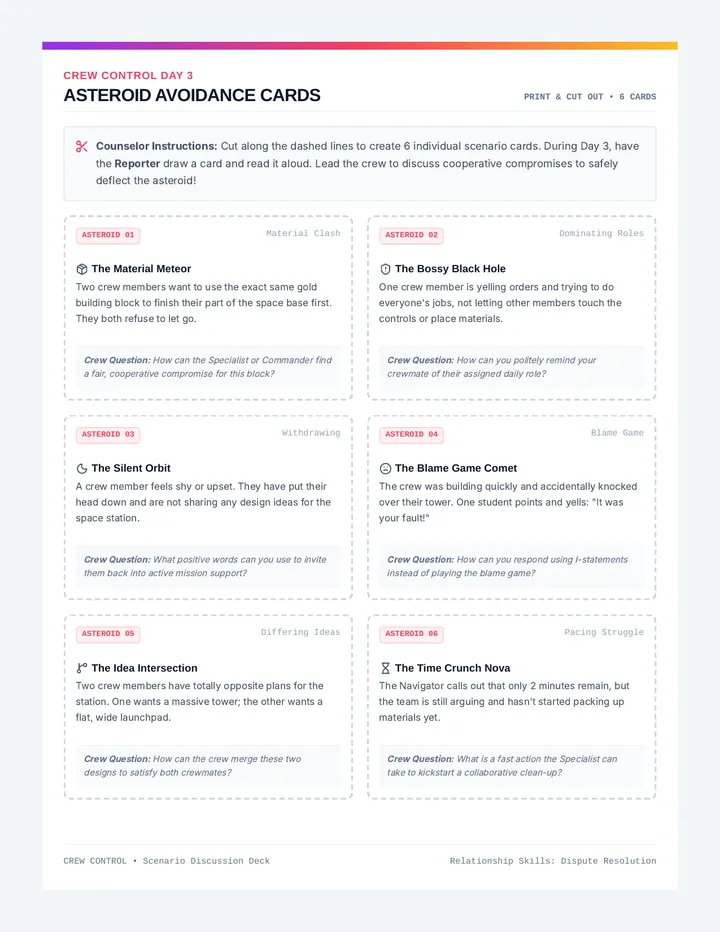
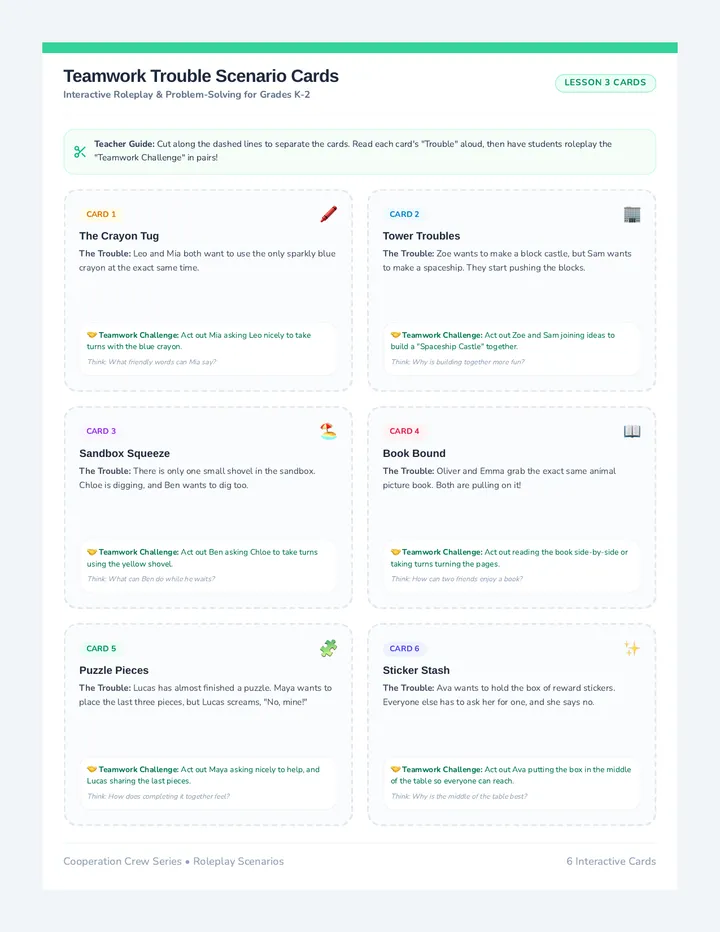
Focuses on identifying and navigating group conflicts (such as disagreements or resource sharing) using interactive discussion cards.
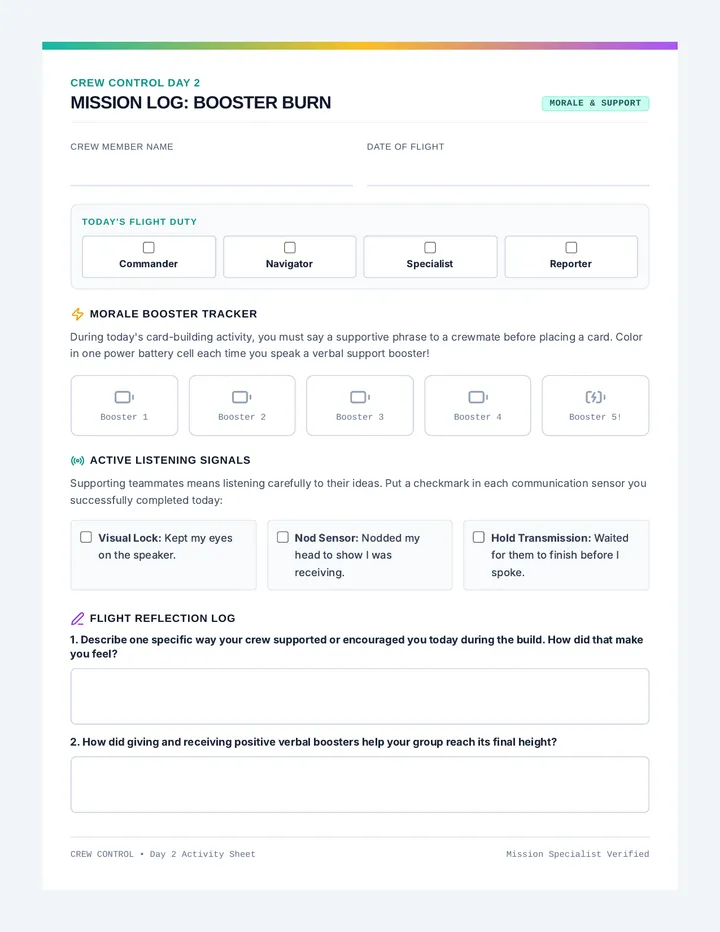
Focuses on positive peer reinforcement, active listening, and supporting teammates through verbal encouragement and collaborative challenge completion.
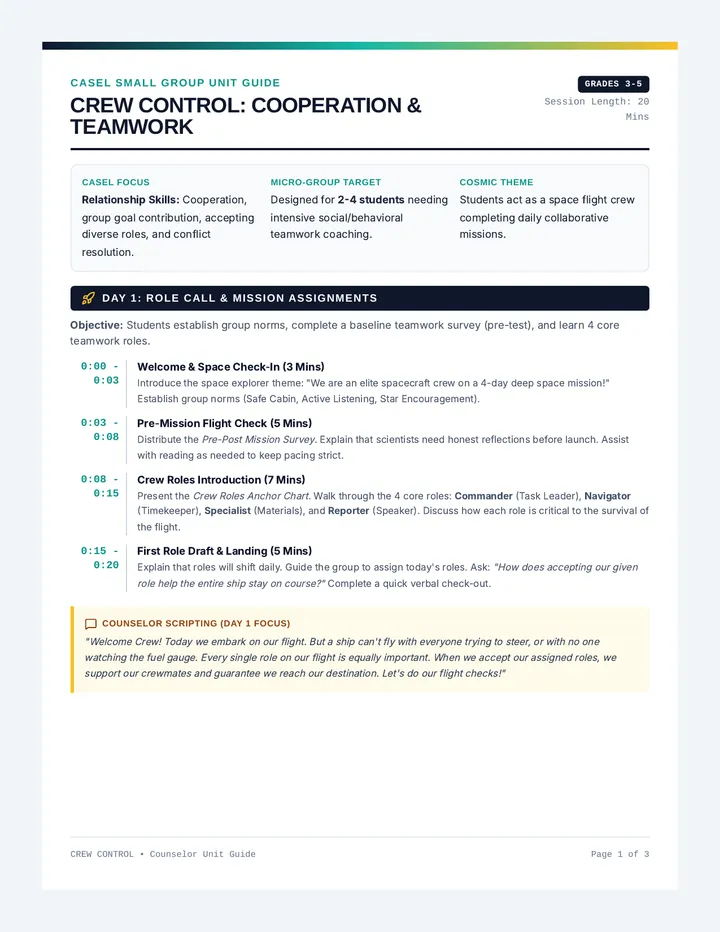
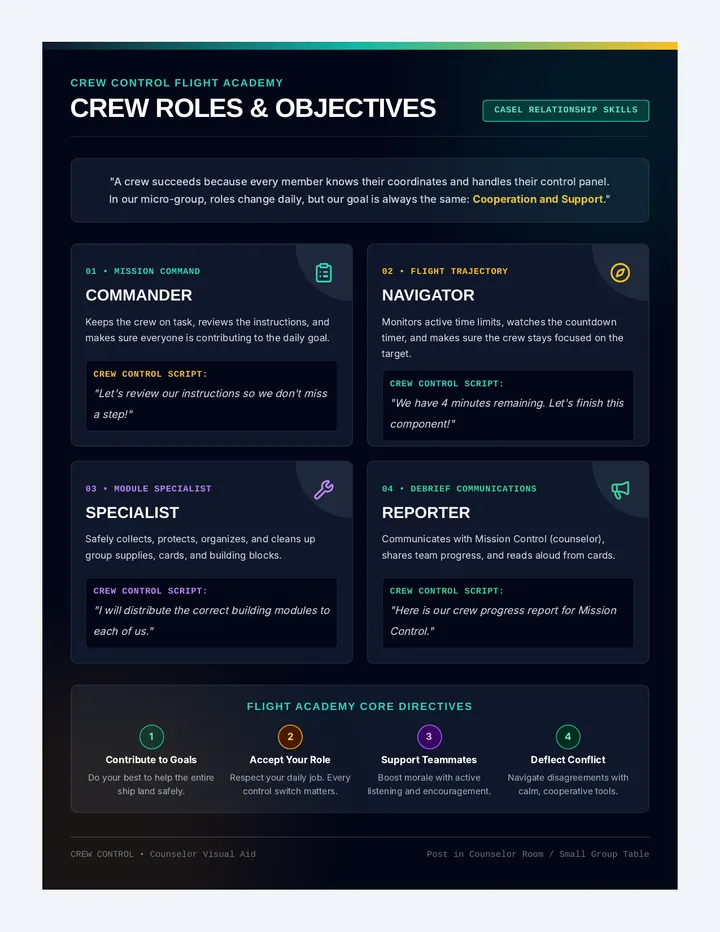
Focuses on setting group norms, administering the pre-test, and introducing the core teamwork roles (Commander, Navigator, Specialist, Reporter) using a retro space-explorer theme.
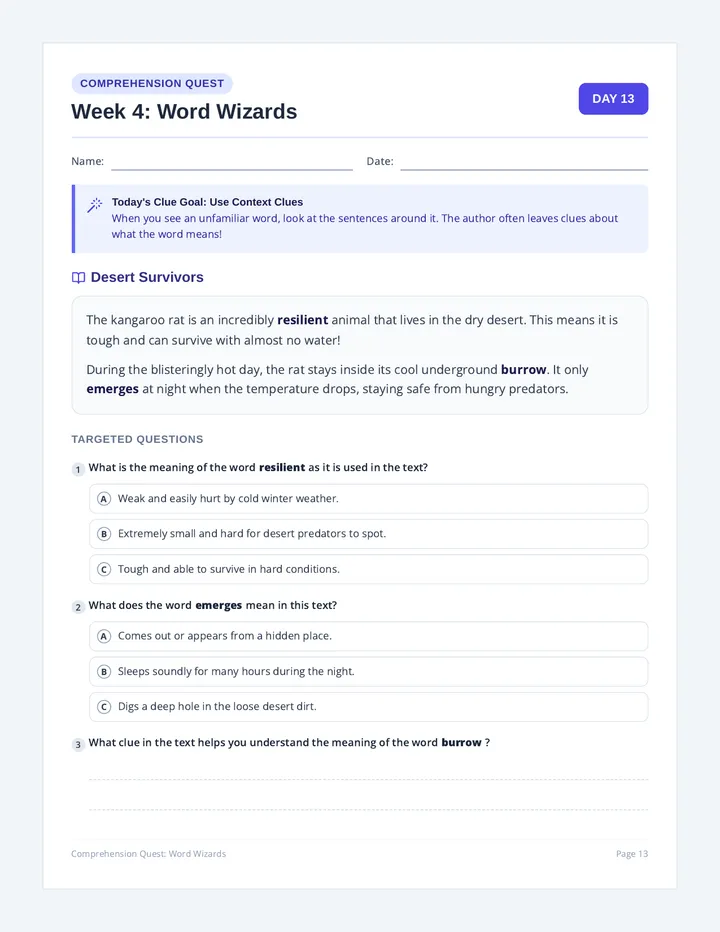
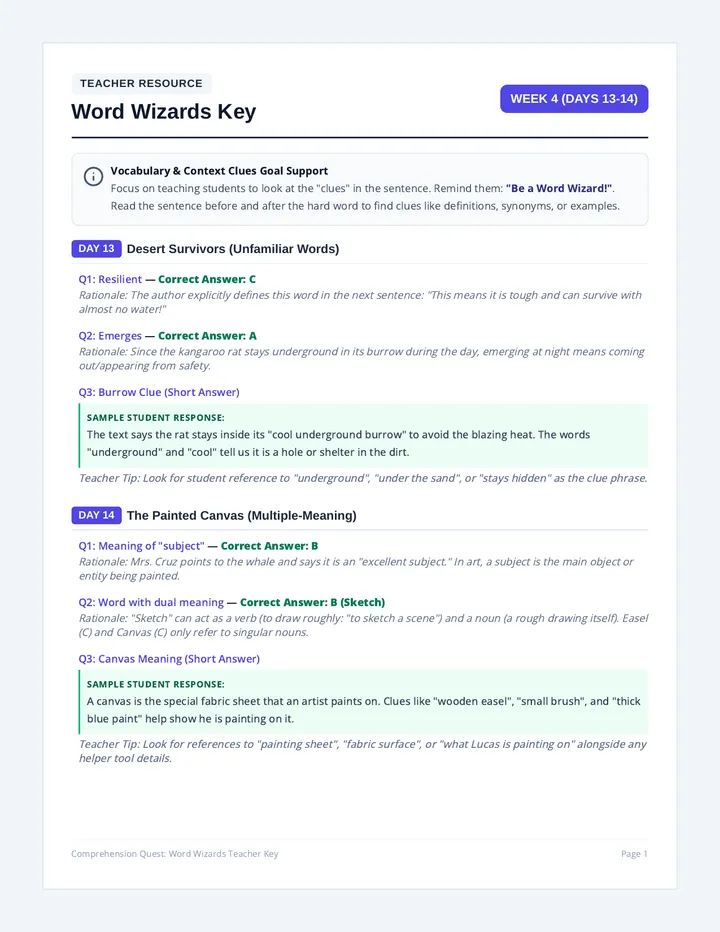
Week 4 focuses on context clues and vocabulary. Students learn to decipher the meanings of unfamiliar academic vocabulary, synonyms, and figurative language using clues in the surrounding text.
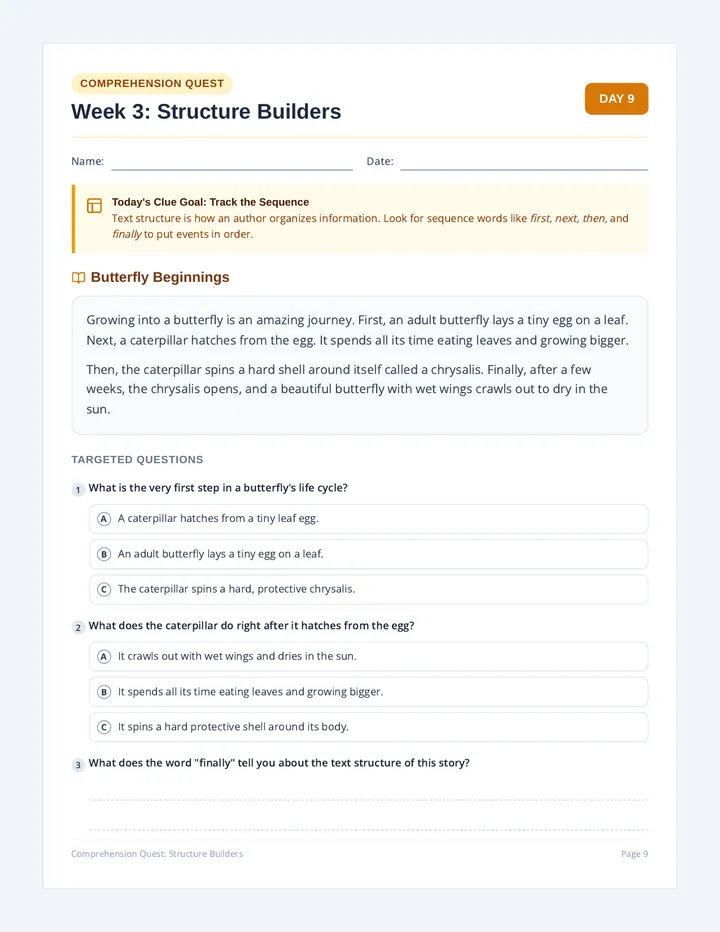
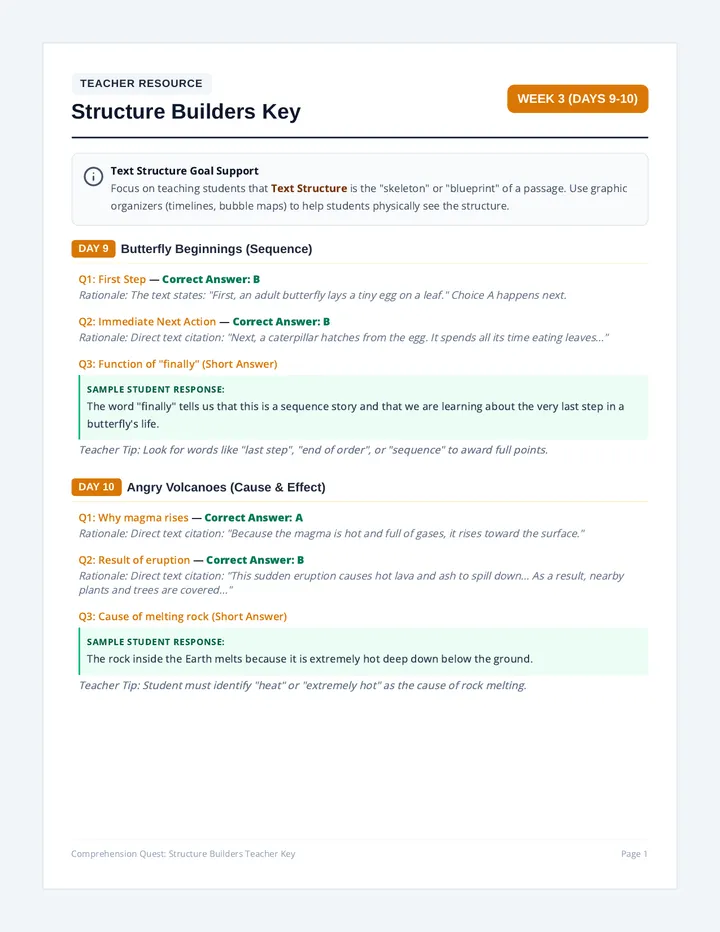
Week 3 focuses on understanding text structure. Students explore chronological order, cause and effect, compare and contrast, and problem/solution text structures.
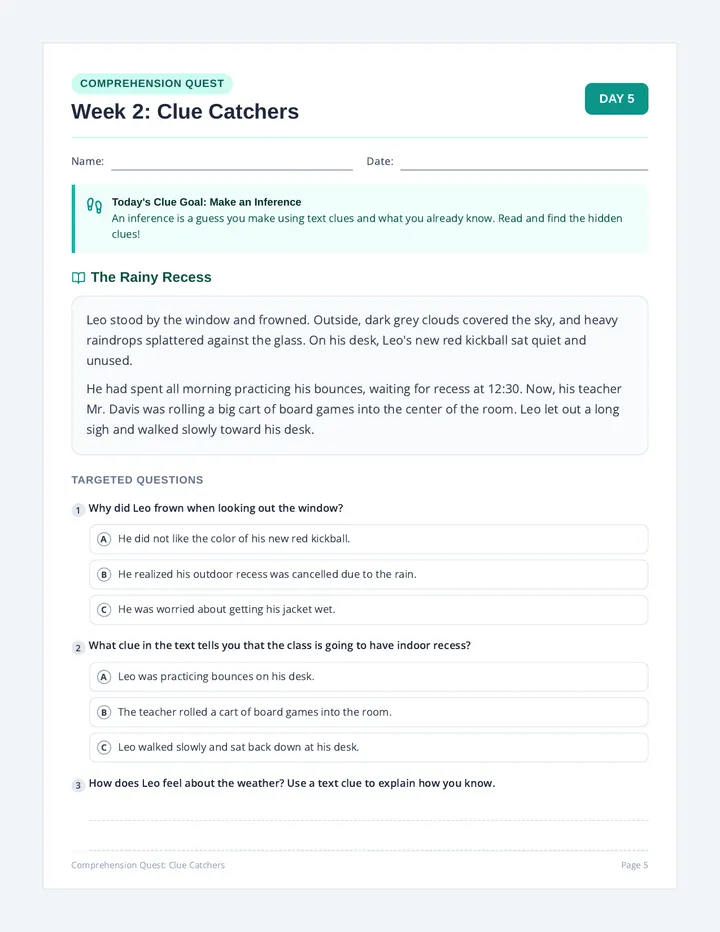
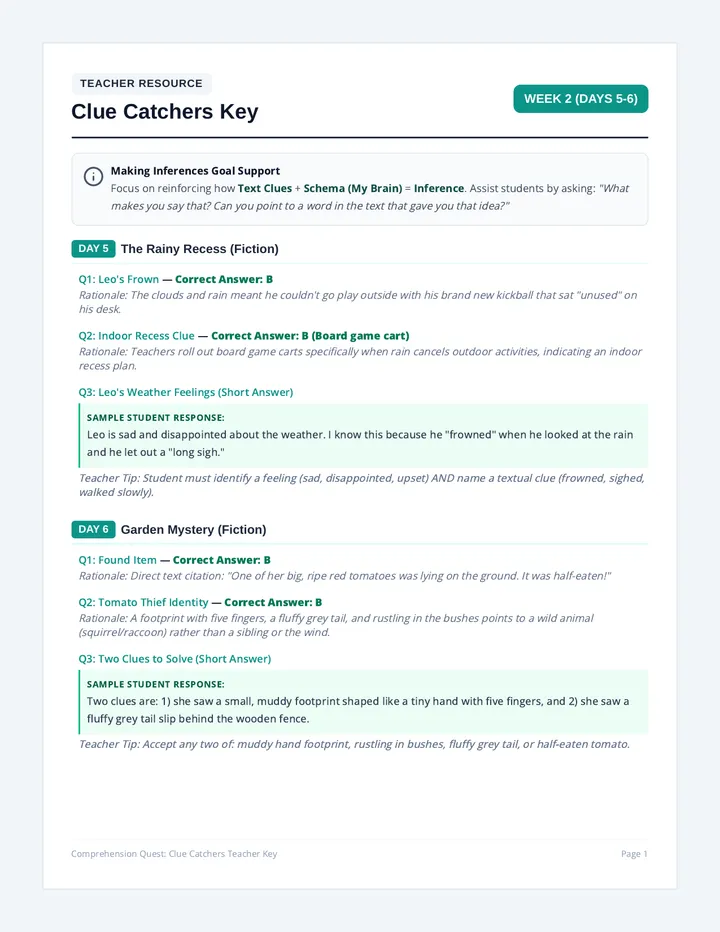
Week 2 focuses on making inferences. Students practice drawing conclusions, identifying clues in the text, and predicting what characters might do next based on evidence.
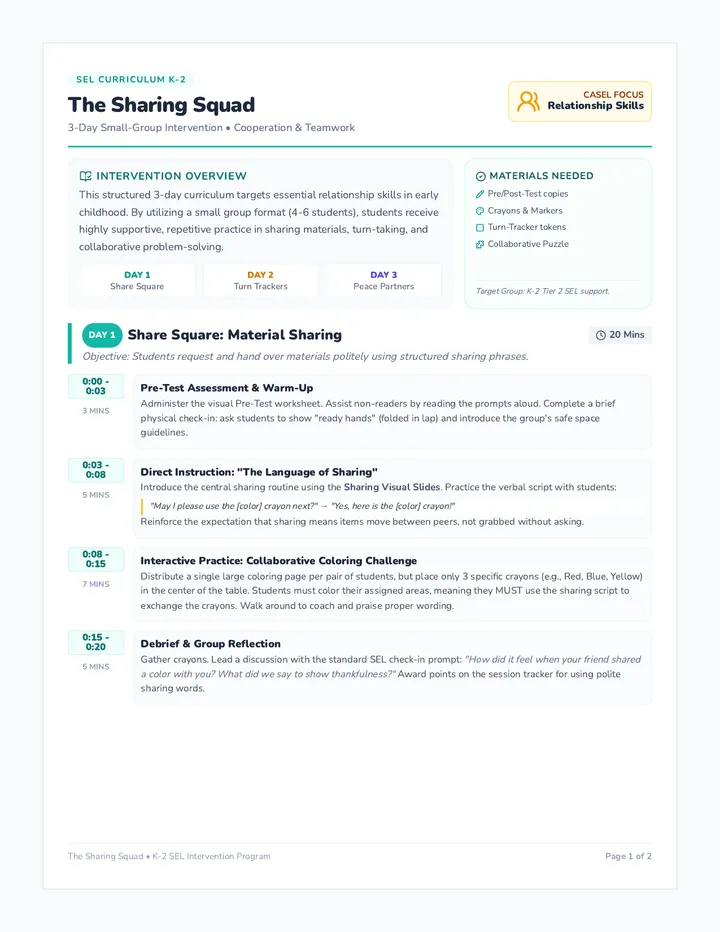
Day 3 focuses on cooperative group work to solve dilemmas, acting out teamwork scenarios, and completing the visual post-test to evaluate progress.
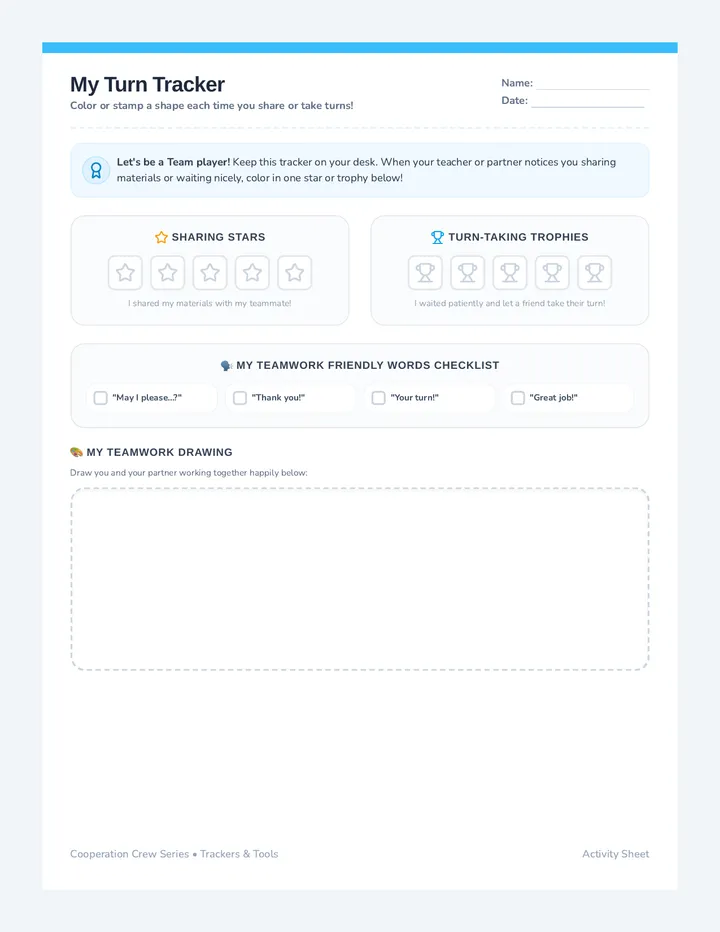
Day 2 emphasizes structured turn-taking, active waiting strategies, and practicing self-regulation with a physical tracker during small-group play.
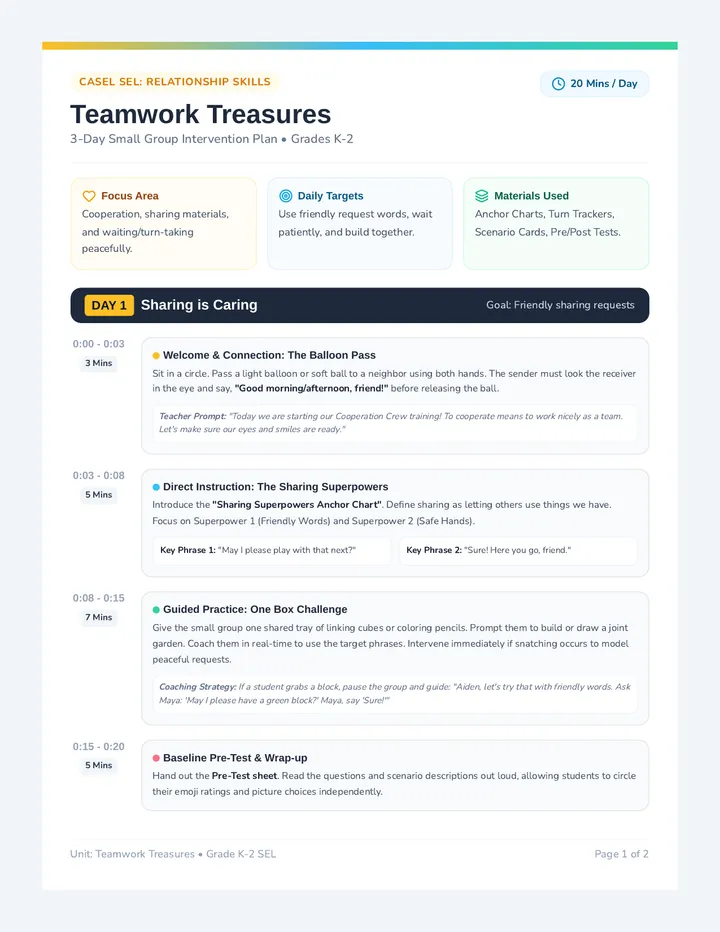
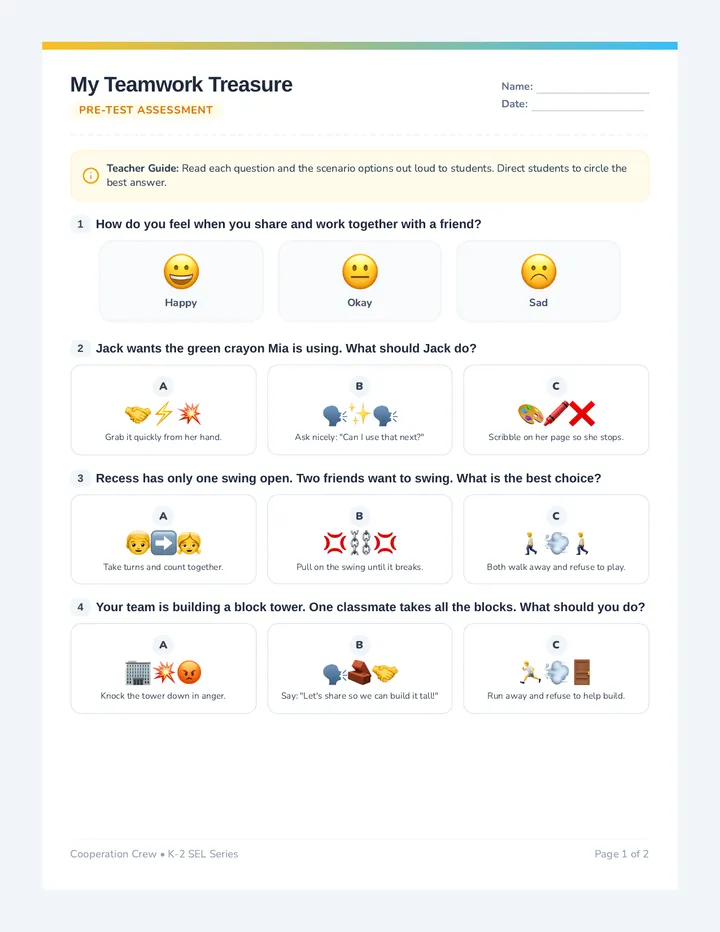
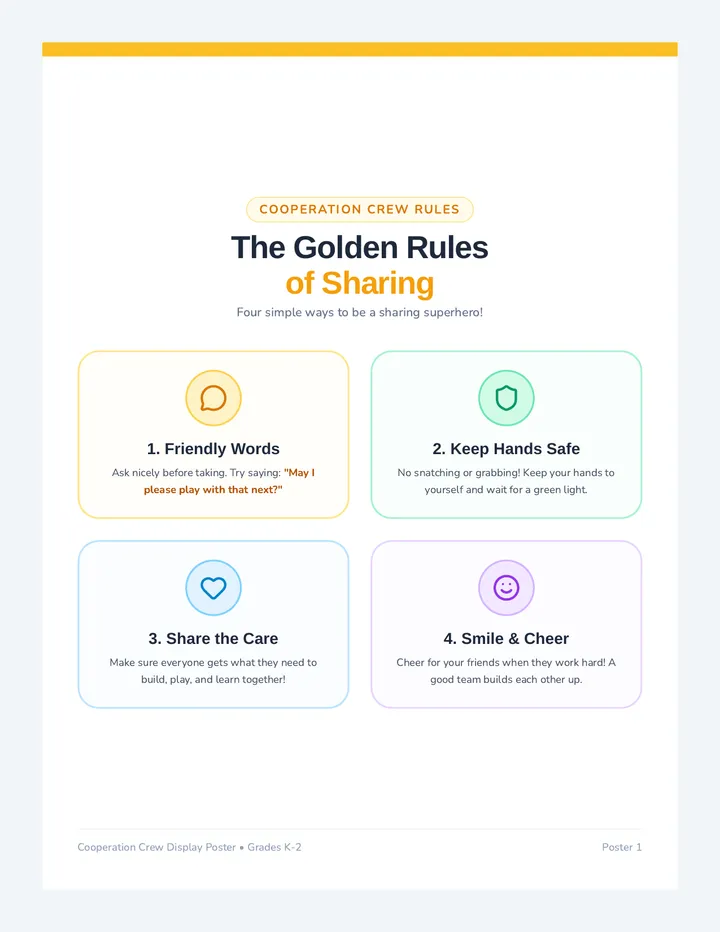
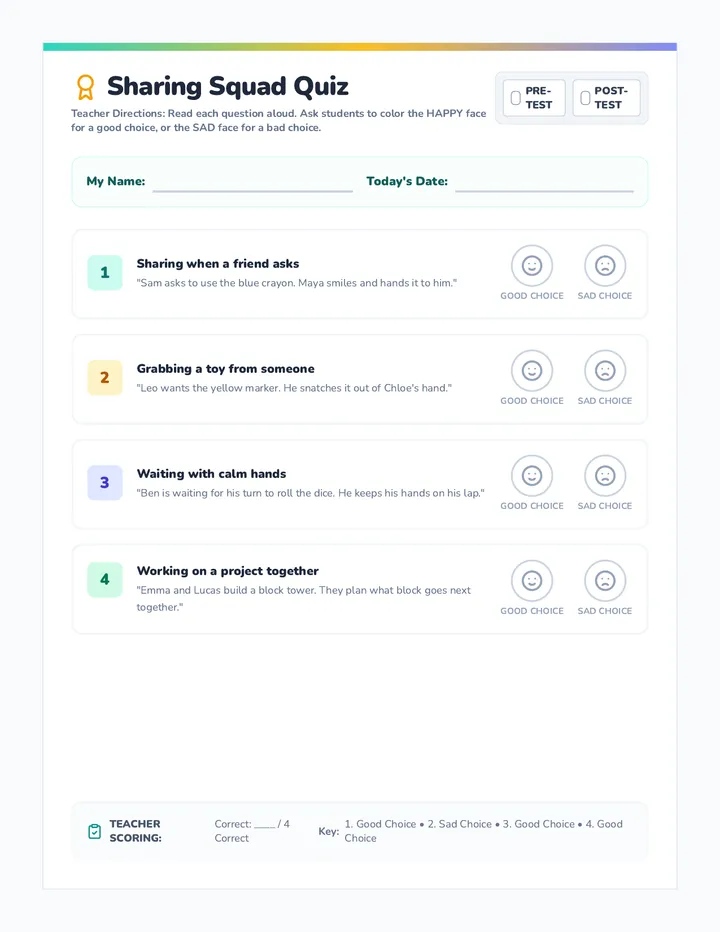
Day 1 focuses on the golden rules of sharing materials, using friendly request phrases, and administering the baseline visual pre-test.
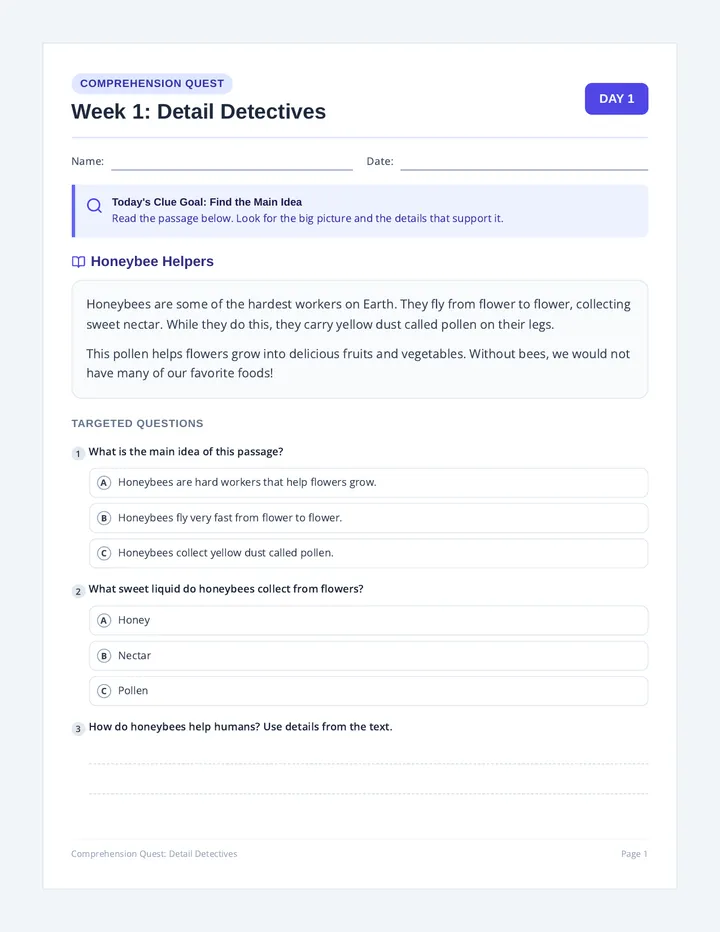
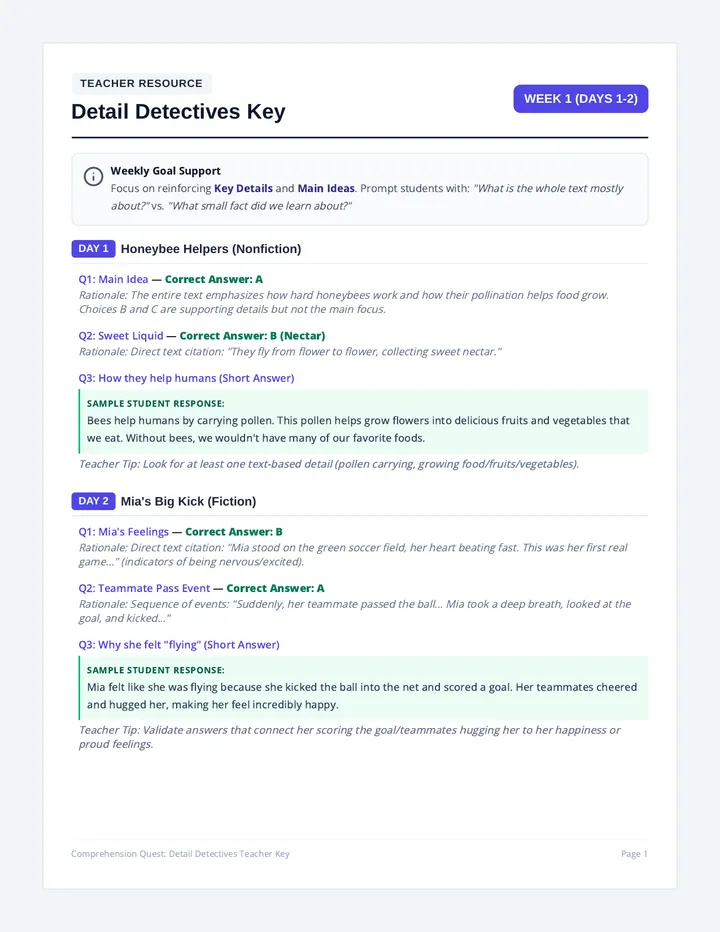
Week 1 focuses on finding key ideas and details. Students practice identifying main ideas, character motives, and summarizing essential details from both fiction and nonfiction passages.
Day 3 of the Sharing Squad small-group intervention. Students combine their sharing and turn-taking skills to complete a collaborative puzzle drawing peacefully, followed by a graduation ceremony.
Day 2 of the Sharing Squad small-group intervention. Students focus on the concept of wait time and turn-taking through interactive games and a physical "Turn Tracker" token activity.
Day 1 of the Sharing Squad small-group intervention. Students learn the importance of sharing art materials, practice key sharing phrases, and complete a collaborative coloring challenge.
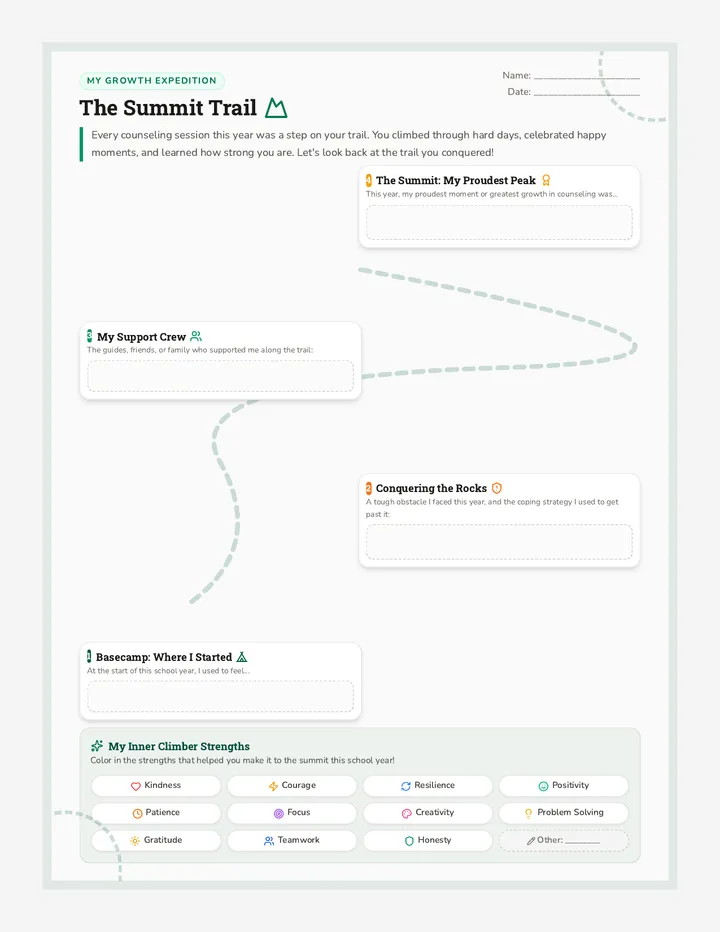
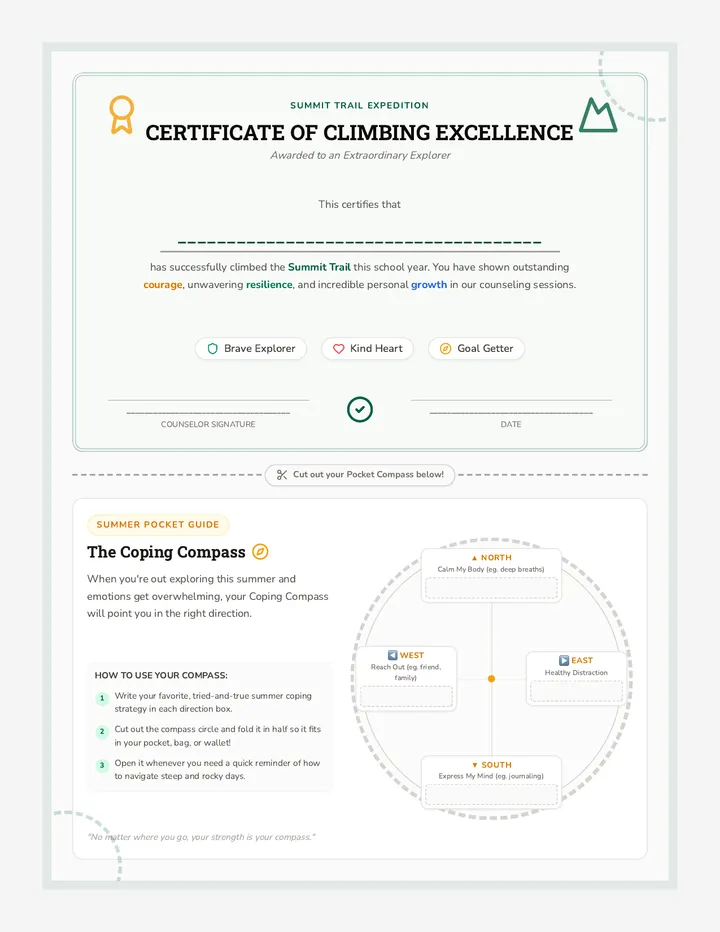
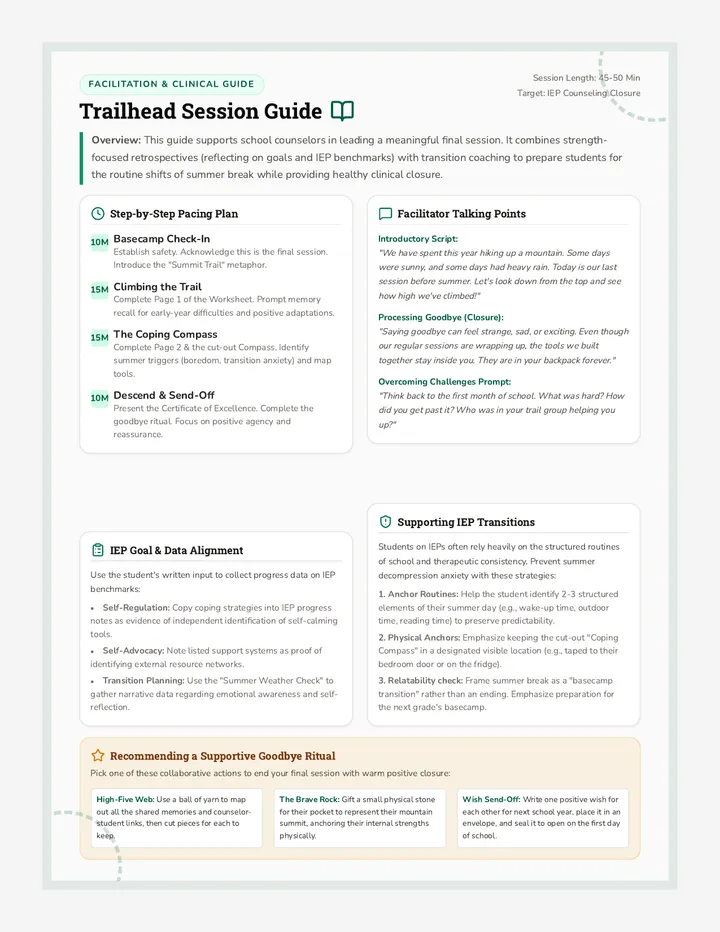
A supportive, mountain-trail-themed final counseling session designed for students on IEPs to celebrate their personal growth, develop summer coping strategies, set future goals, and process closure with their counselor.
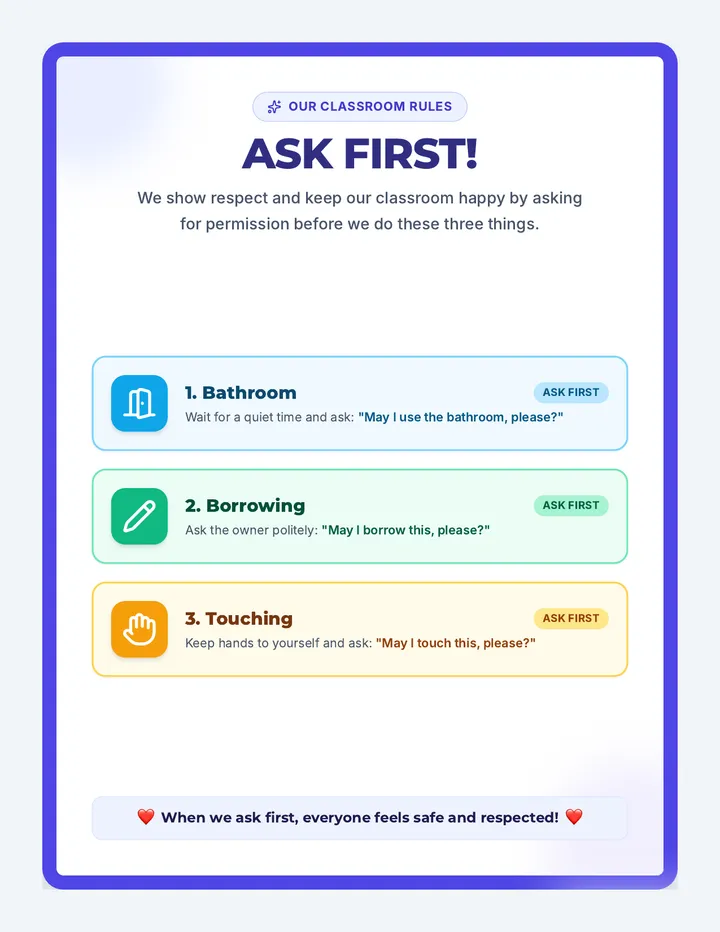
A collection of visual guides and posters to teach and remind elementary students how and when to ask for permission for daily routines.
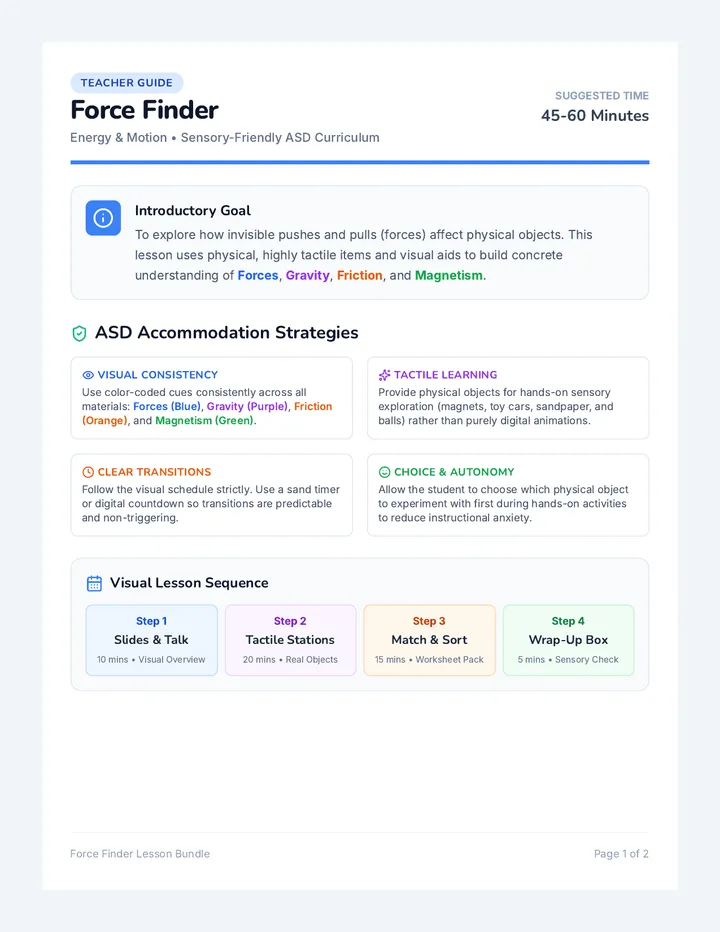
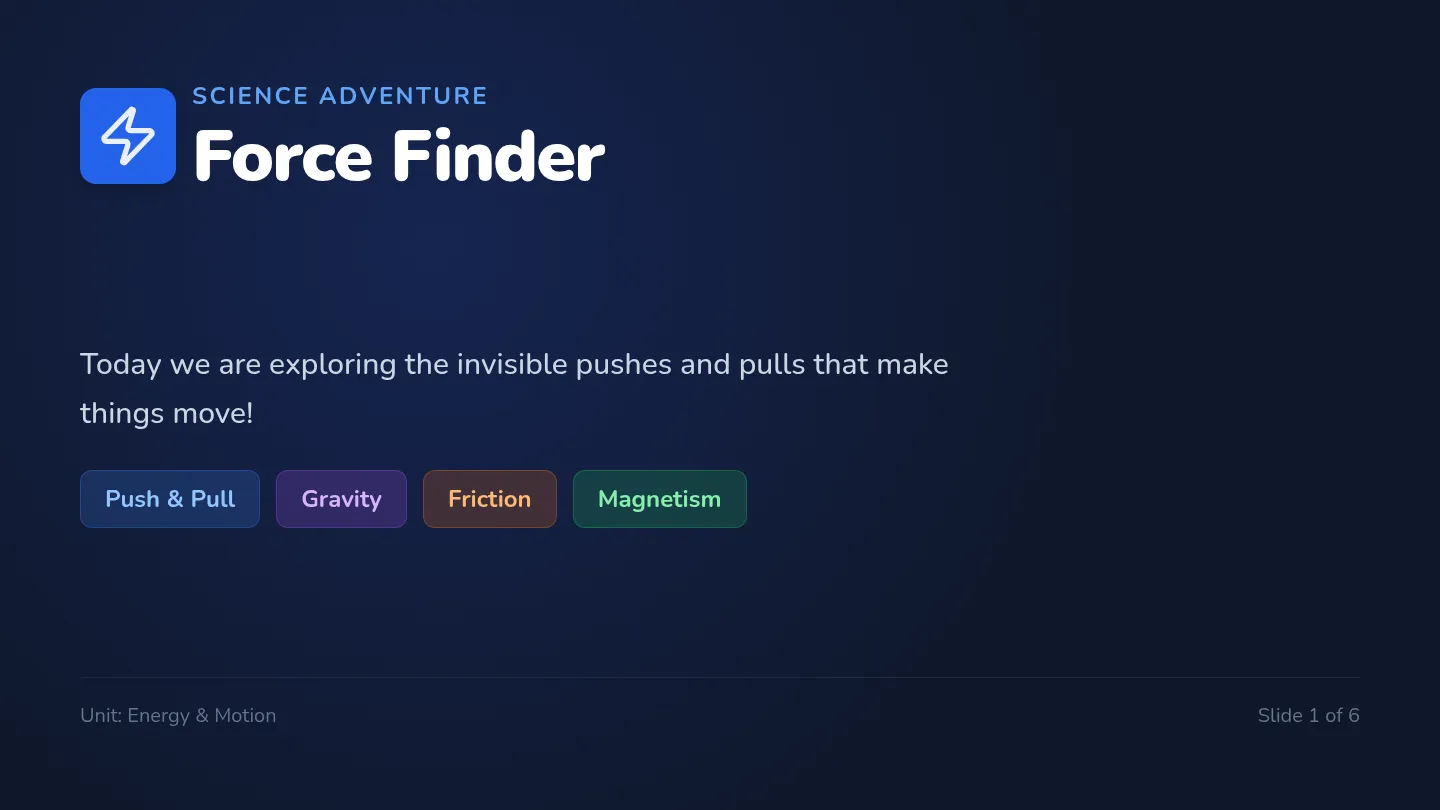
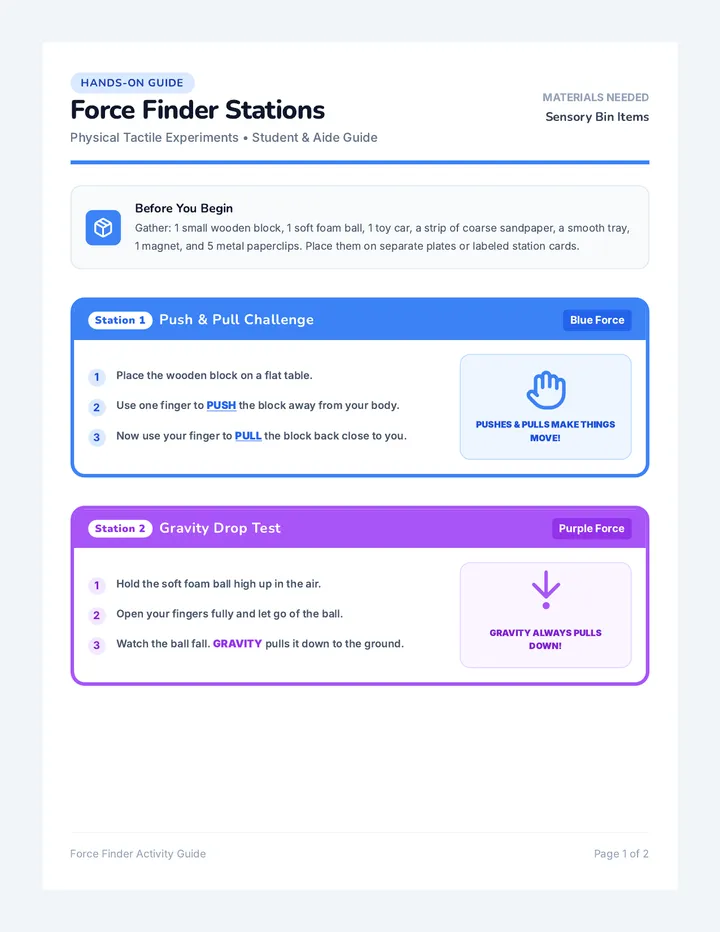
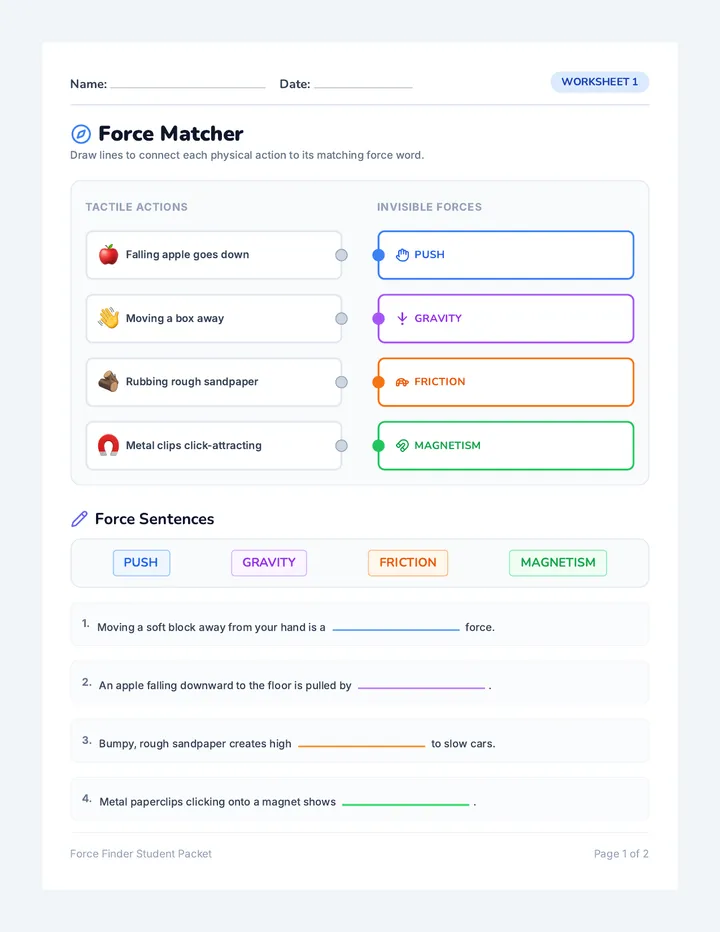
A highly visual, sensory-friendly introductory lesson on energy and motion designed for 5th graders with ASD. Covers pushing/pulling, gravity, friction, and magnetism using color-coded concepts, minimal text, and high-contrast visuals.
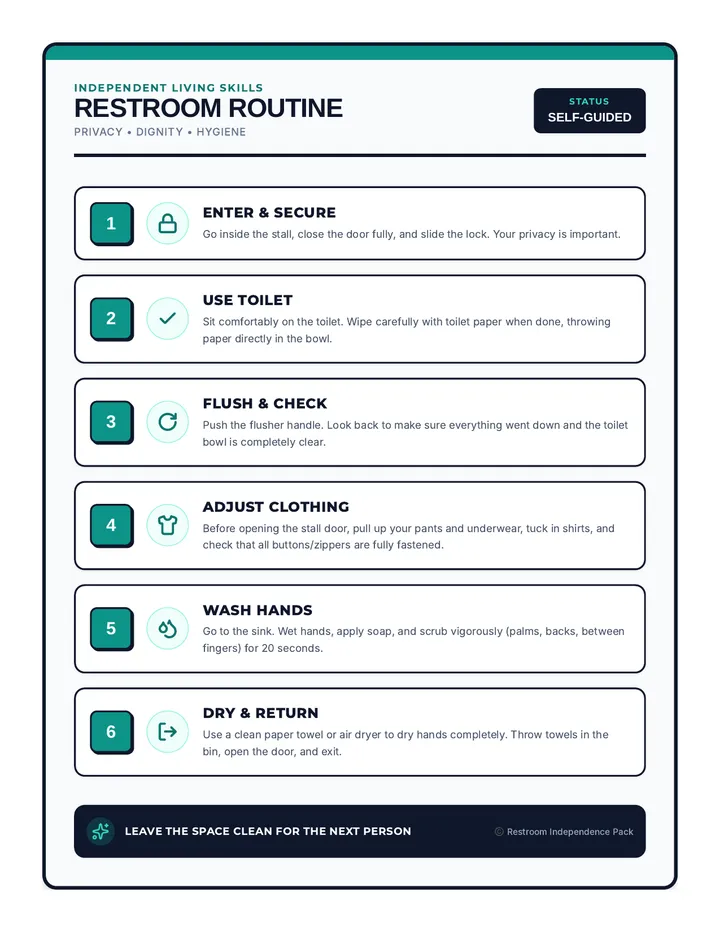
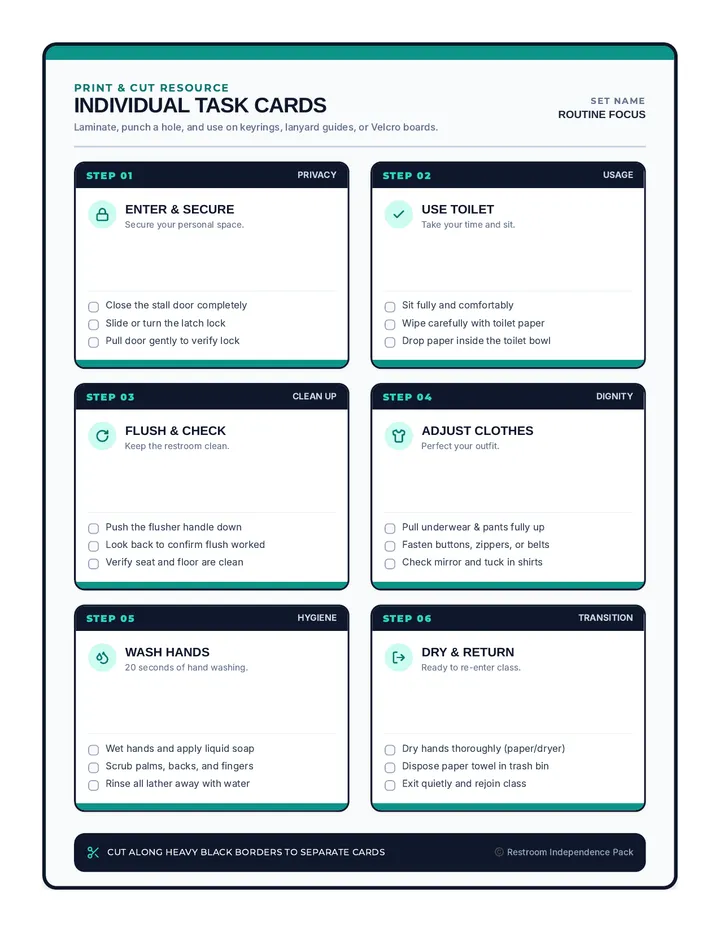
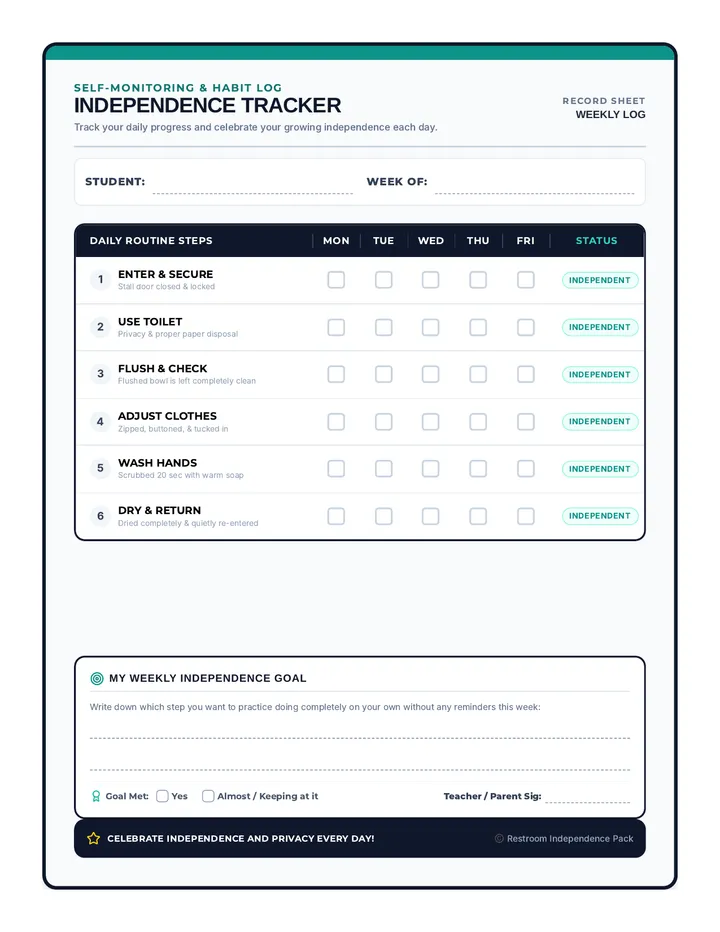
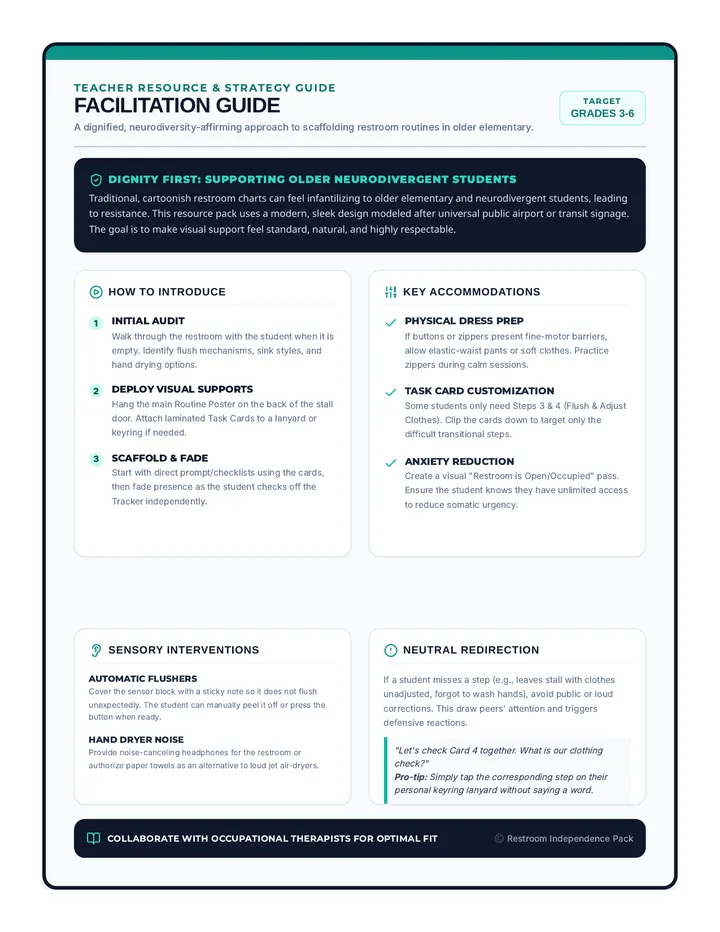
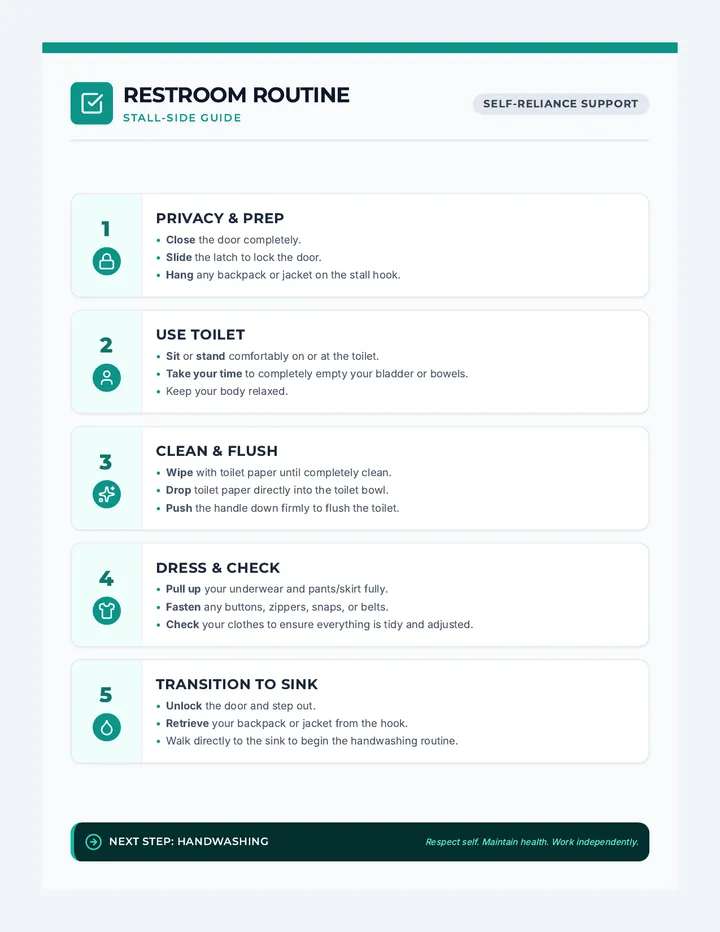
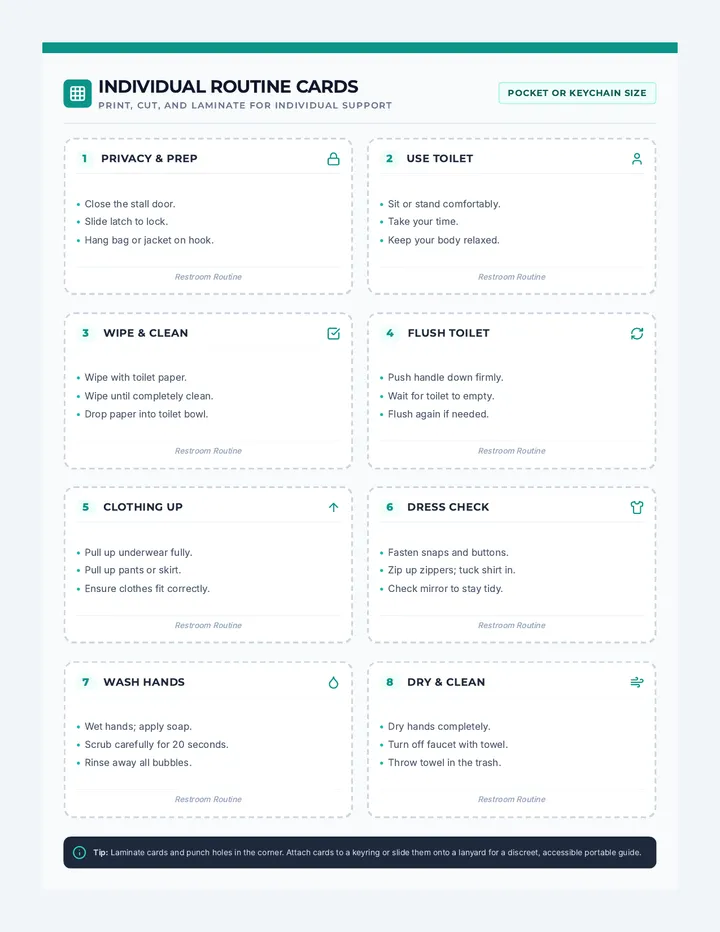
A complete visual support and routine mastery pack designed for older elementary and neurodivergent students. Includes a wall poster, individual task cards, a progress tracker, and a comprehensive implementation guide to foster dignity and privacy.
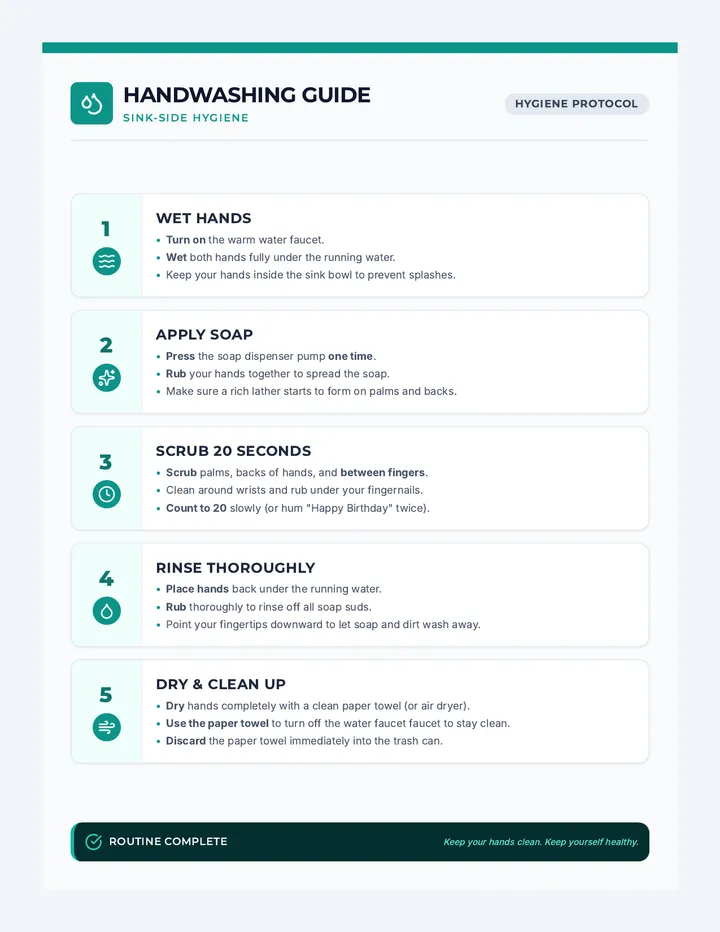
A comprehensive visual support system designed for older elementary and neurodivergent students to promote bathroom independence. Includes a stall-side routine poster, a sink-side handwashing guide, and printable individual visual support cards styled with a clean, modern aesthetic.
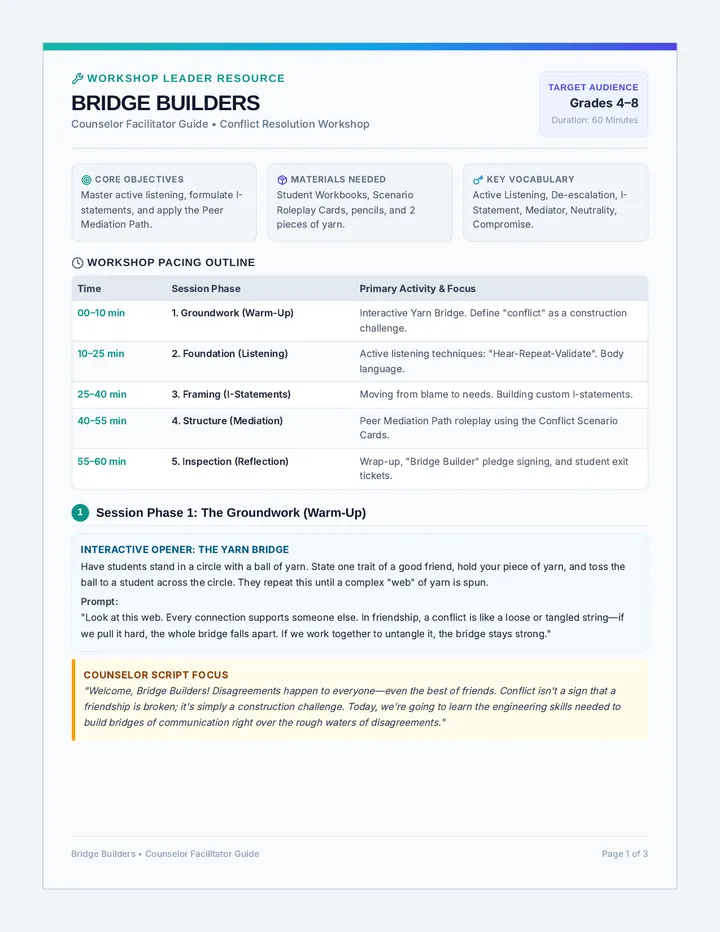
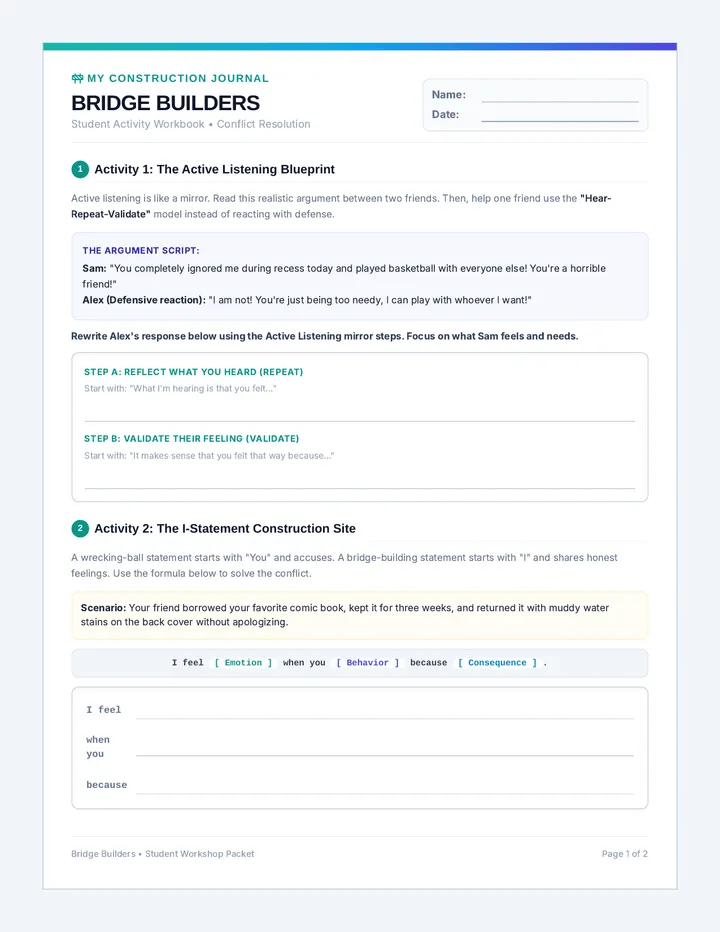
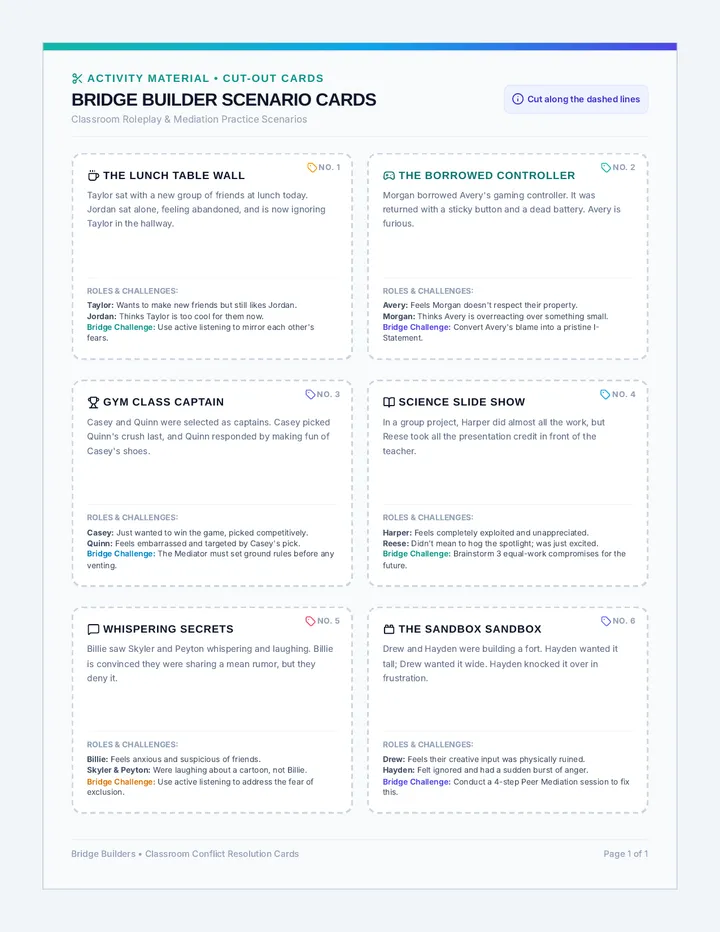
An interactive workshop teaching students essential conflict resolution skills, active listening techniques, and peer mediation frameworks to build stronger, more empathetic friendships.
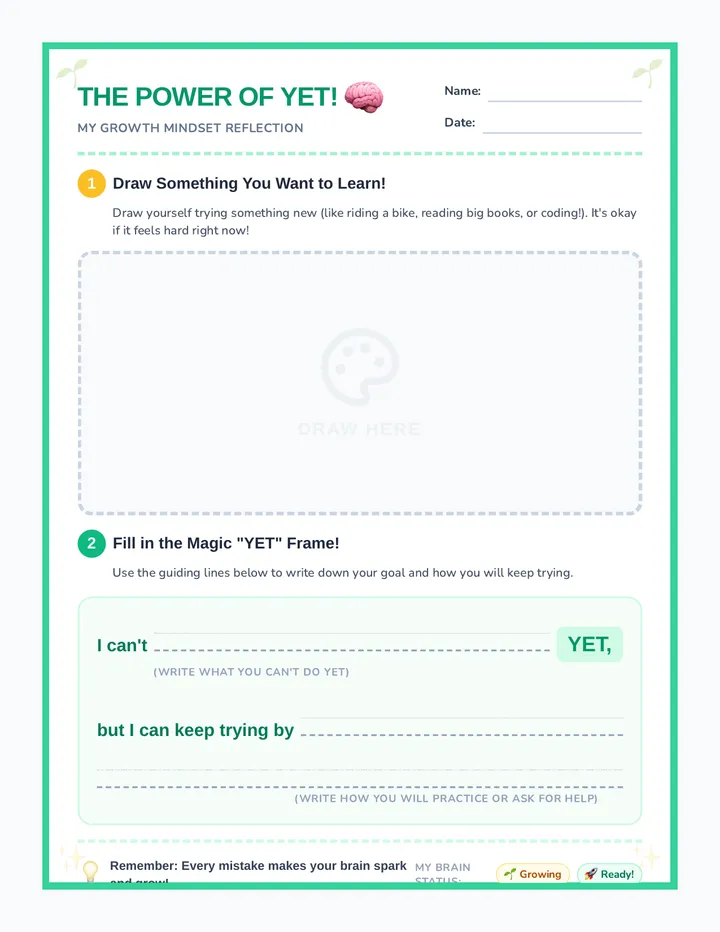
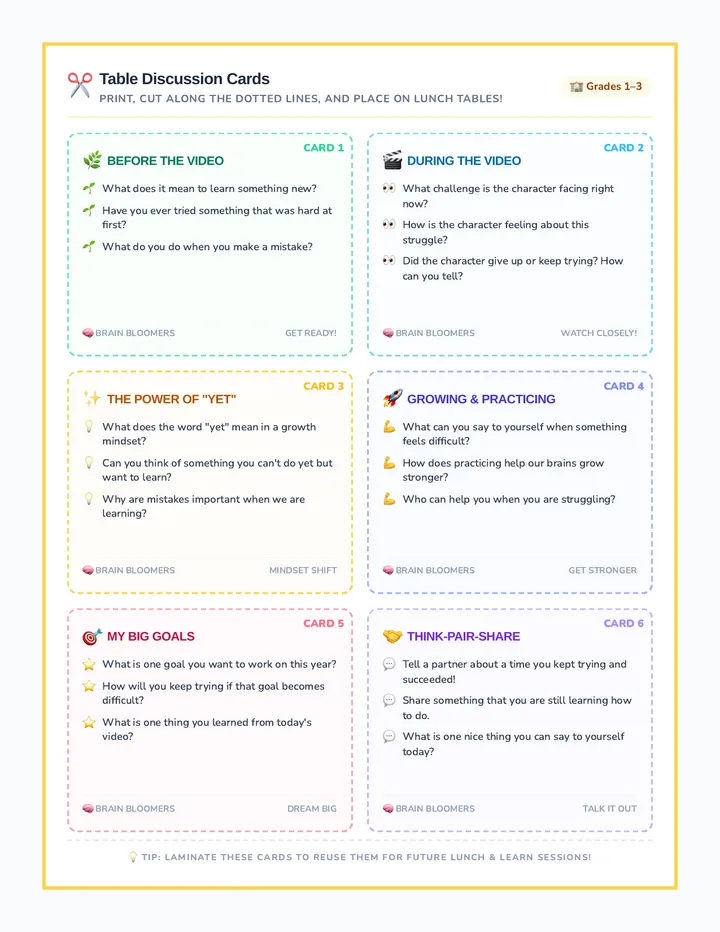
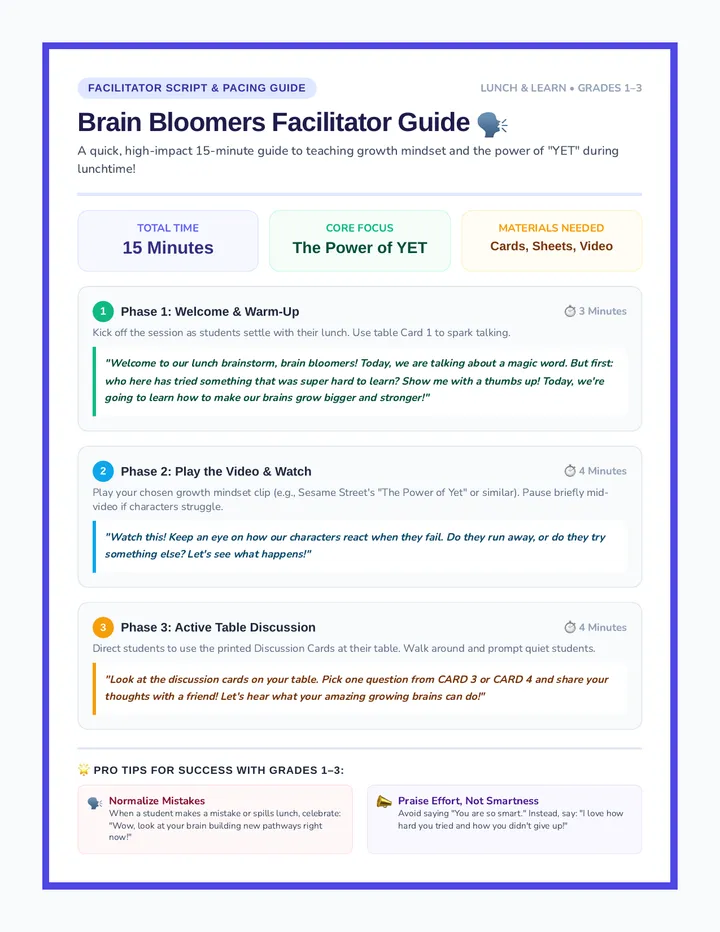
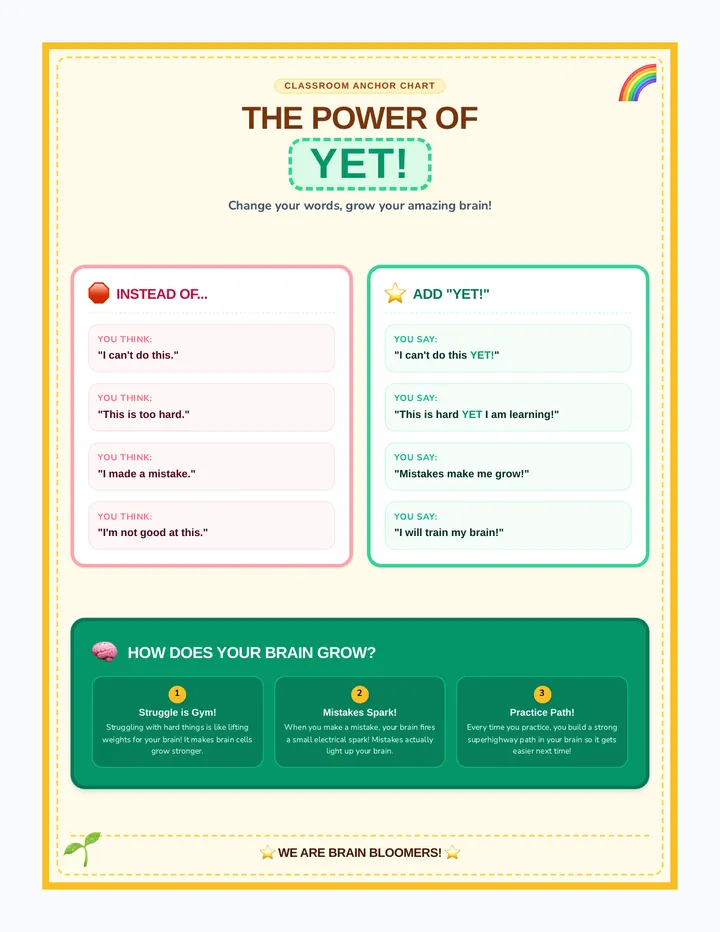
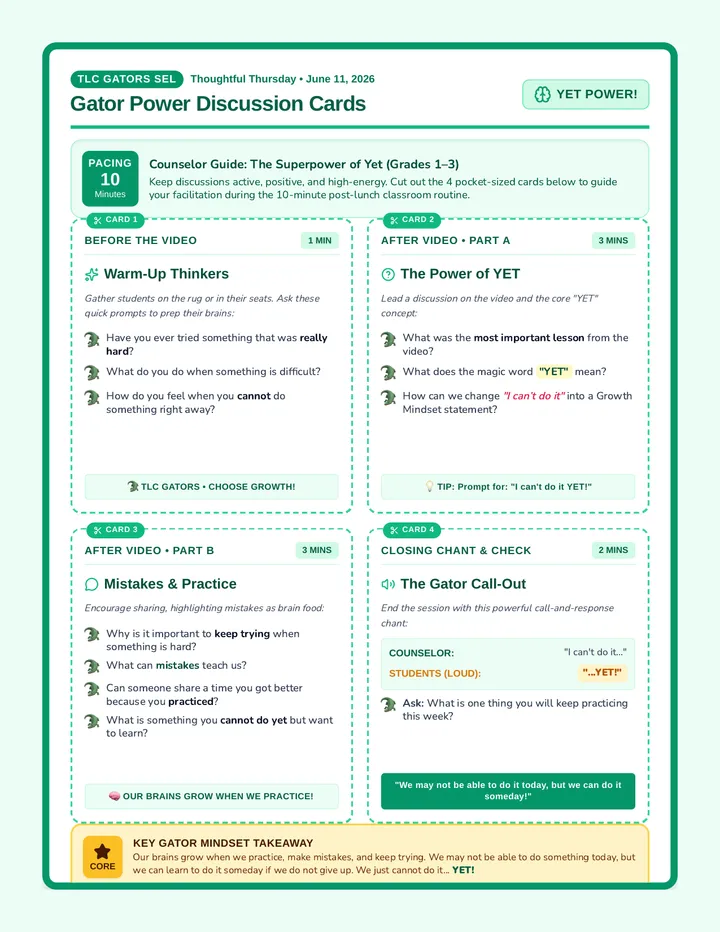
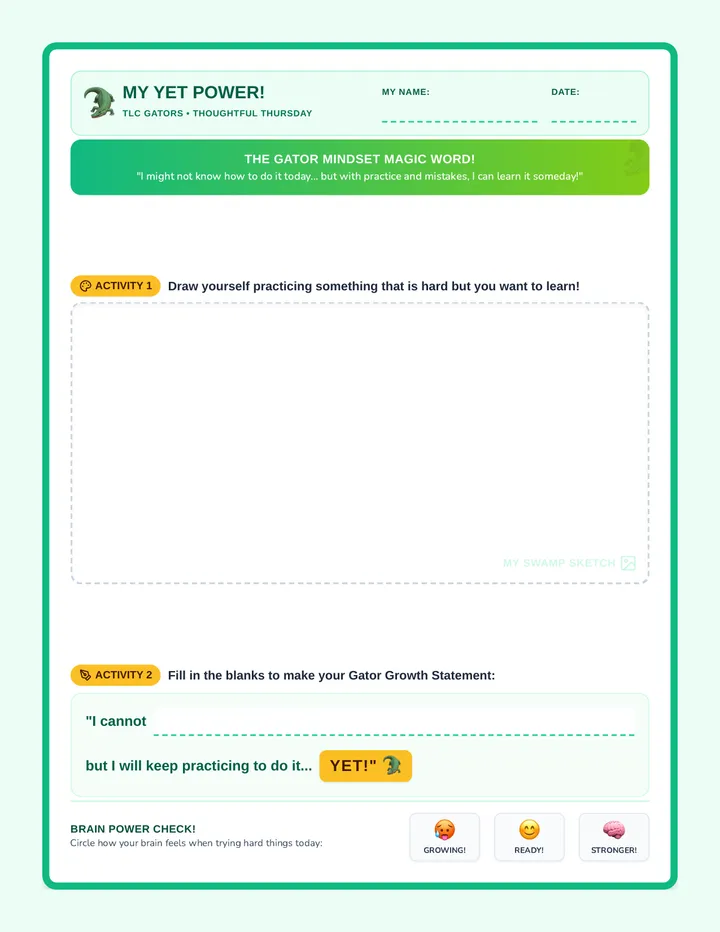
A highly interactive Lunch & Learn lesson for 1st-3rd graders focusing on growth mindset and 'The Power of Yet'. Includes a student worksheet, printable table discussion cards, a facilitator script, and a colorful classroom anchor chart.
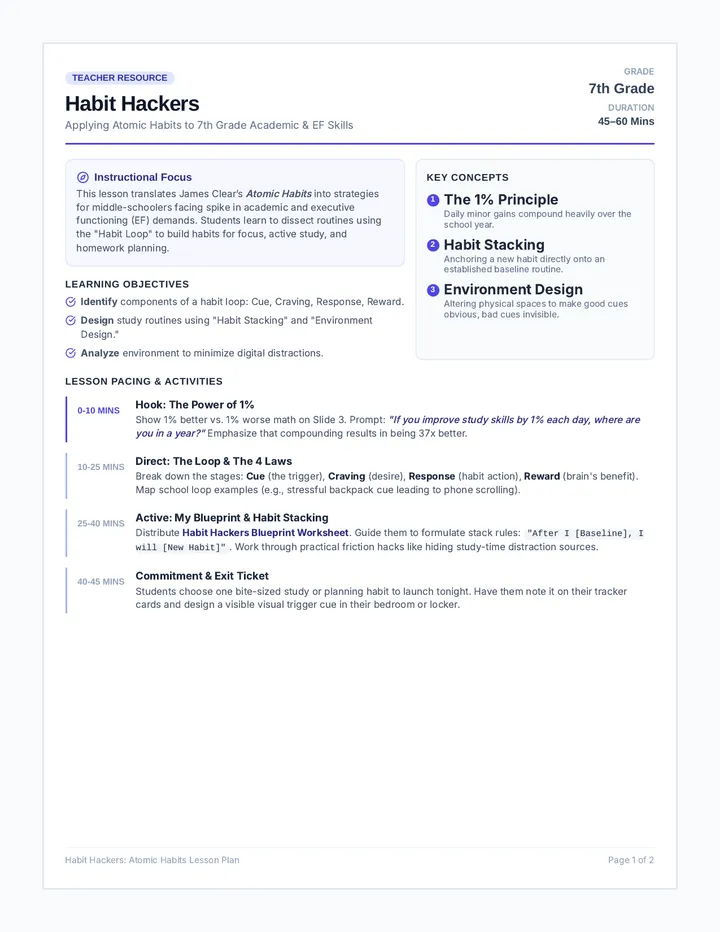
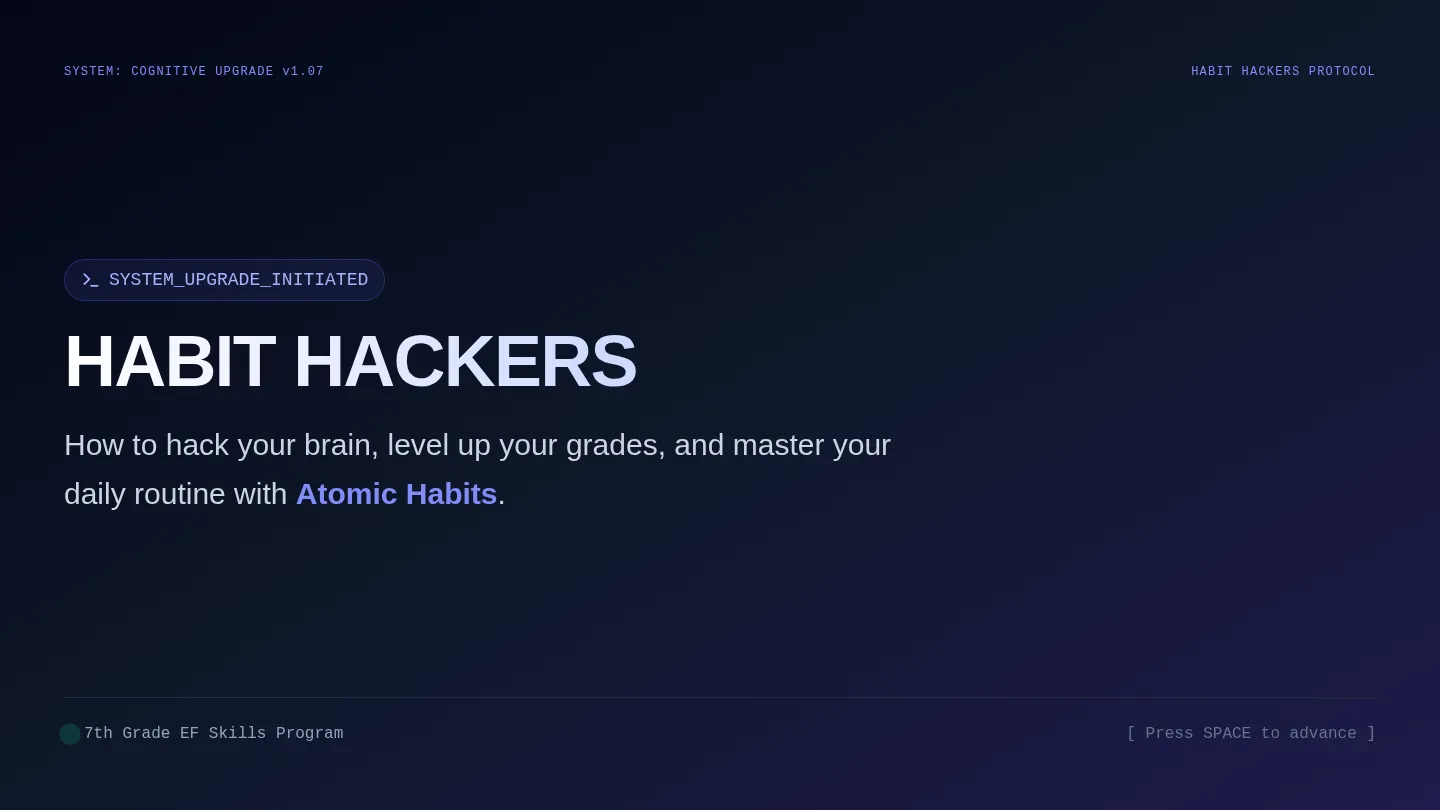
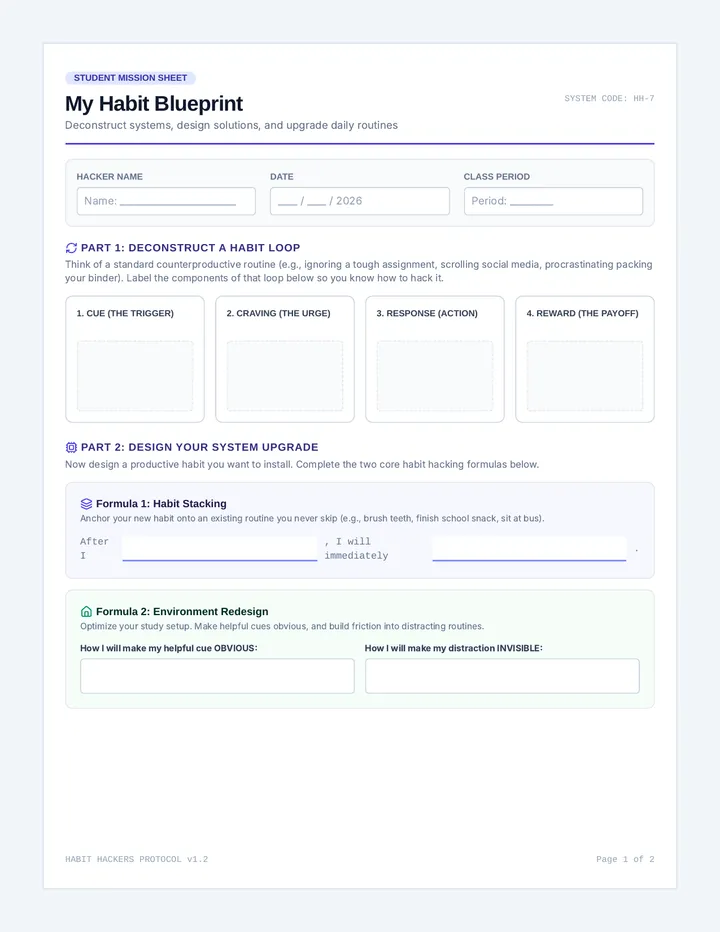
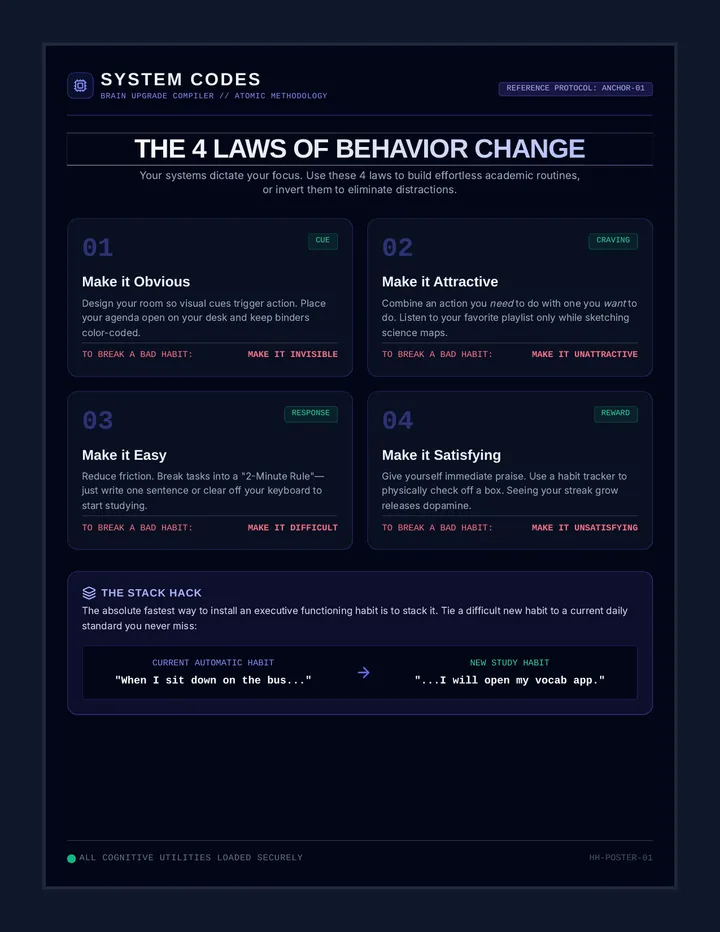
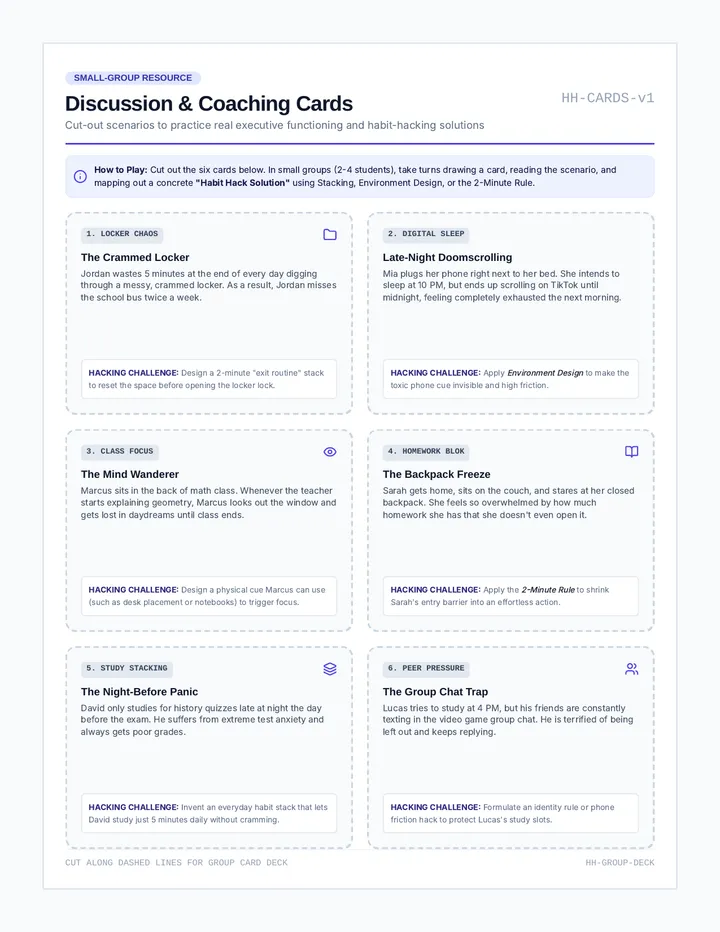
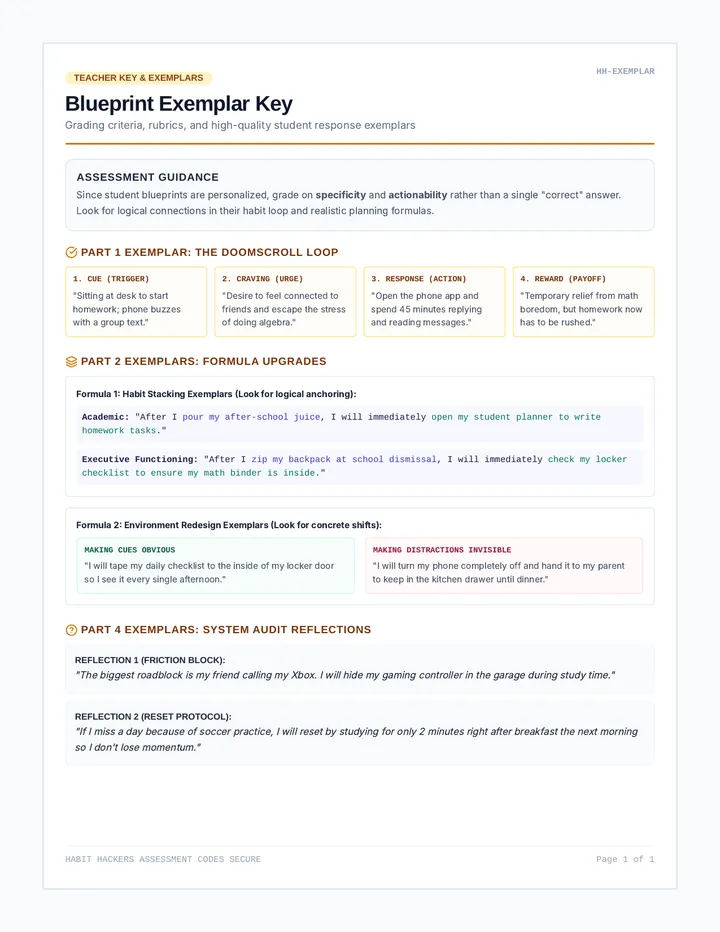
A comprehensive, highly engaging lesson that translates the core principles of Atomic Habits into practical academic, executive functioning, and social strategies for 7th graders. Through interactive slides, concrete worksheets, and structured small-group discussions, students learn to design and track habits that lead to continuous improvement.
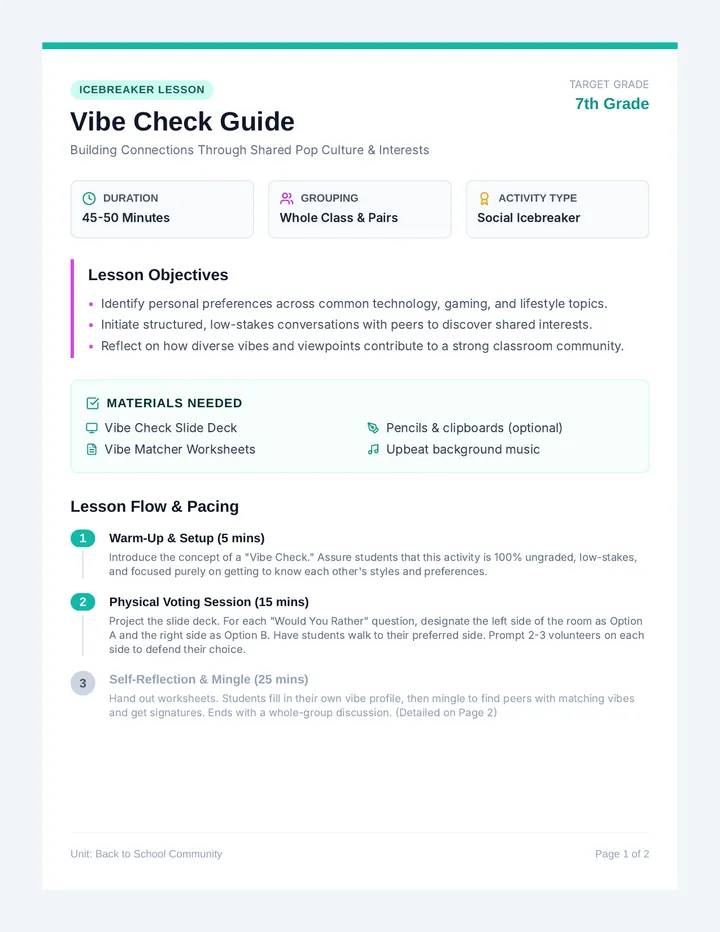
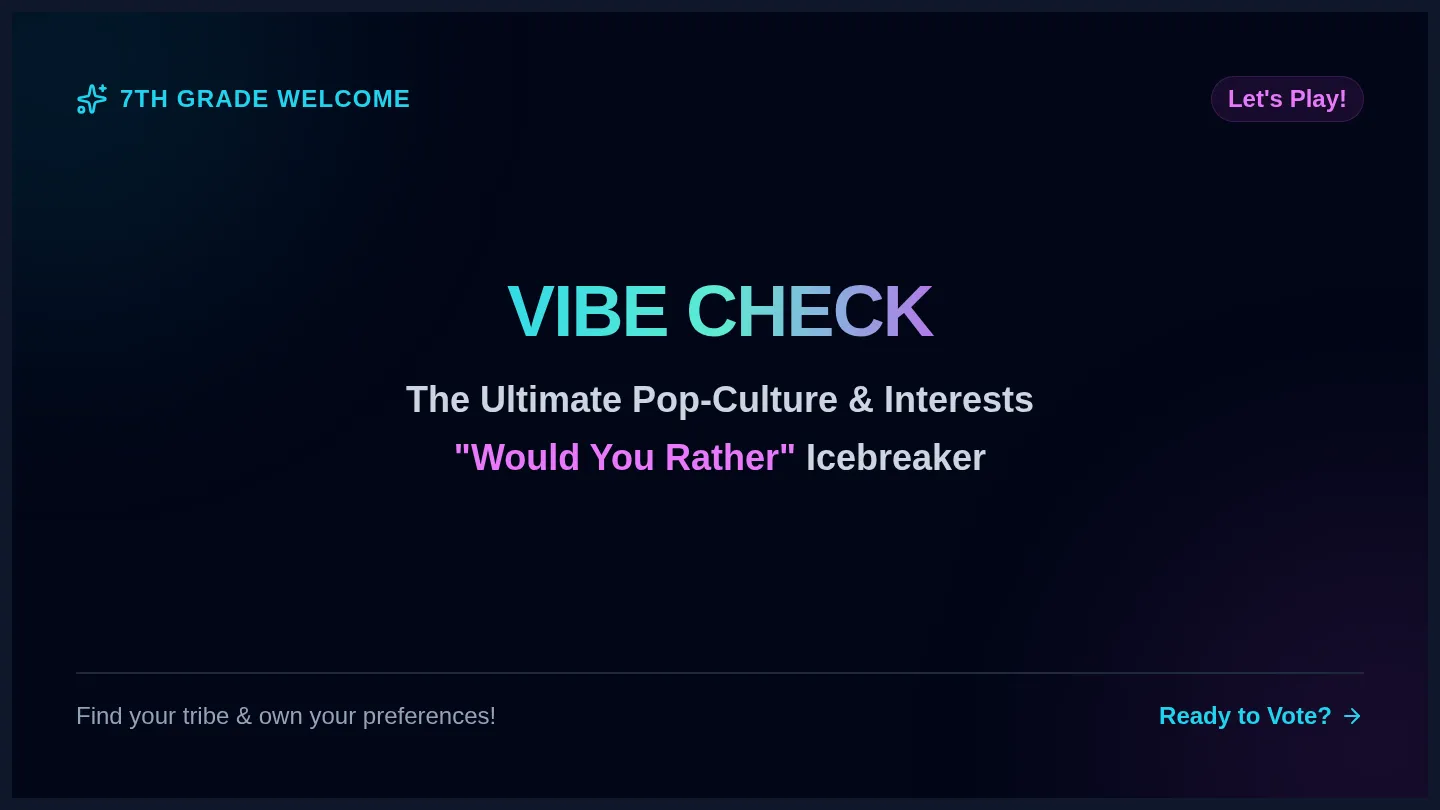
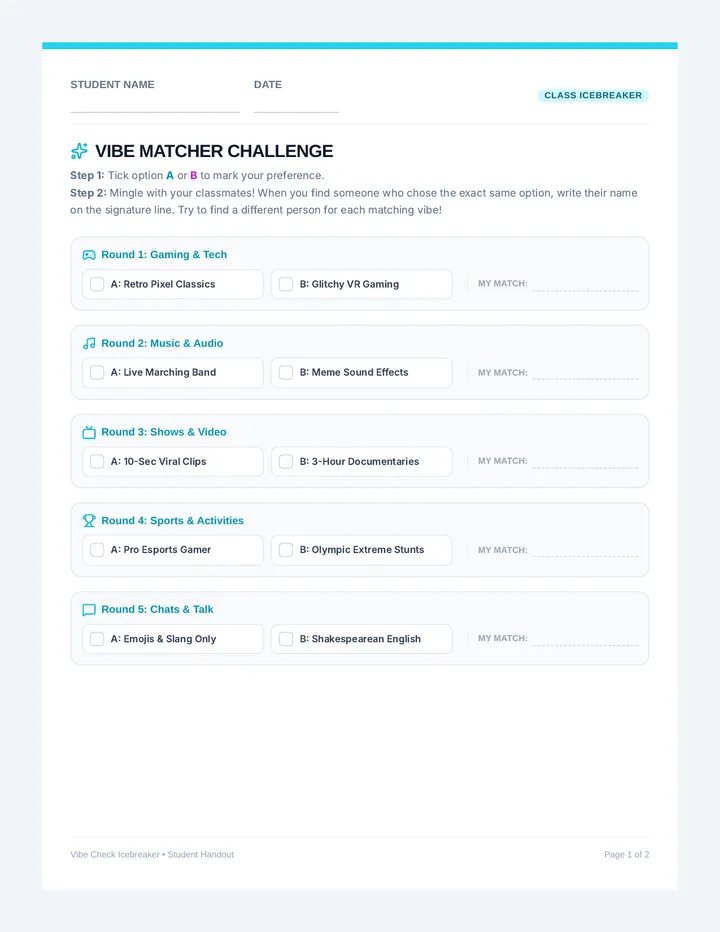
A high-energy, low-stakes icebreaker lesson for 7th graders to ease back-to-school anxiety. Students participate in a visual voting session using a slide deck, complete a self-reflection worksheet, and mingle to find classmates with matching pop culture and interest vibes.
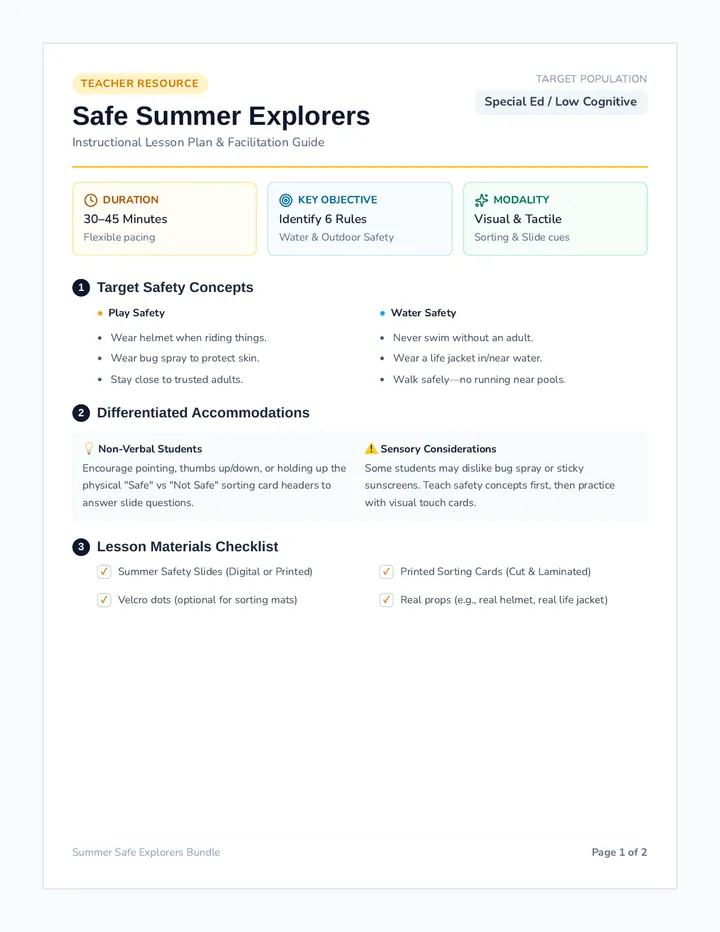
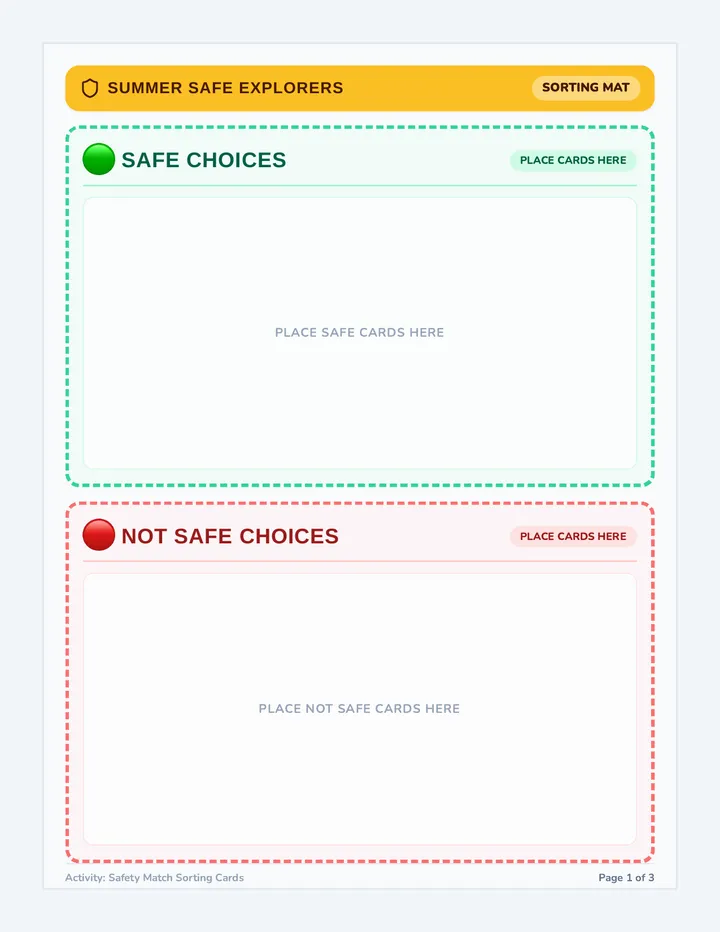
A highly visual, structured summer safety lesson designed for students with special needs and lower cognitive abilities, focusing on outdoor play and water safety rules through interactive sorting and clear visual cues.
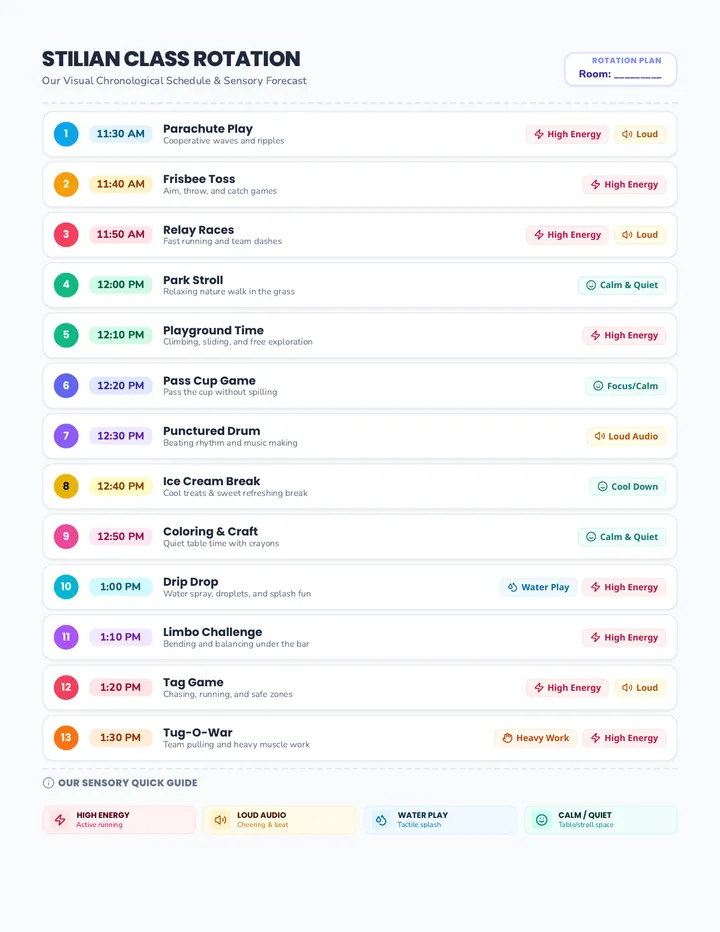
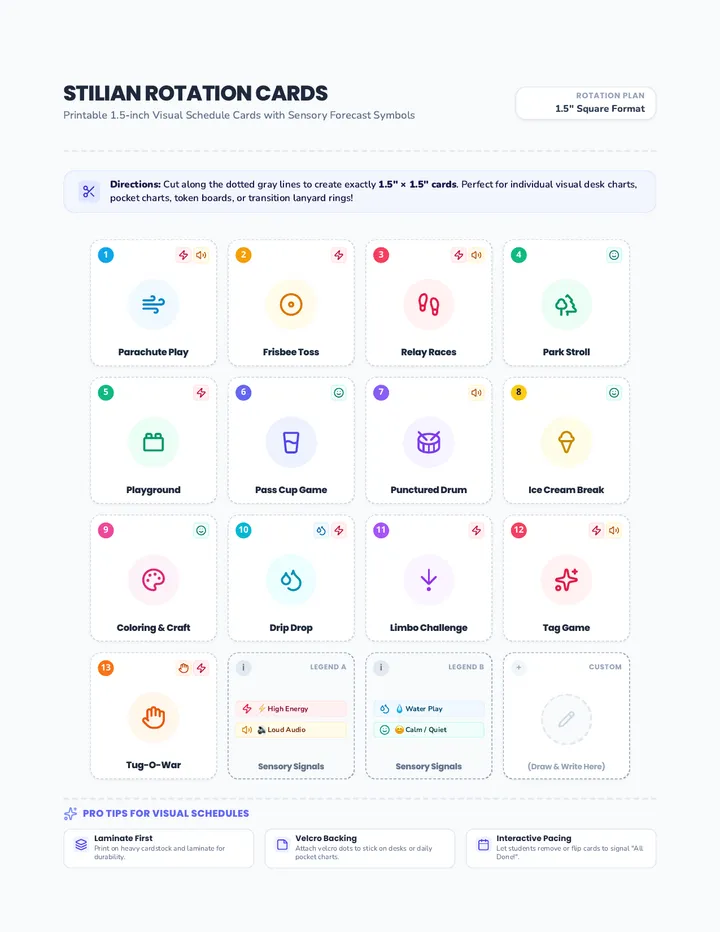
A sensory-friendly class rotation framework containing visual schedules and portable schedule cards to help students navigate activity transitions with confidence.
A quick, high-impact SEL lesson designed for Grades 1–3 to introduce the concept of a growth mindset through the 'Superpower of Yet' using the TLC Gators school mascot.
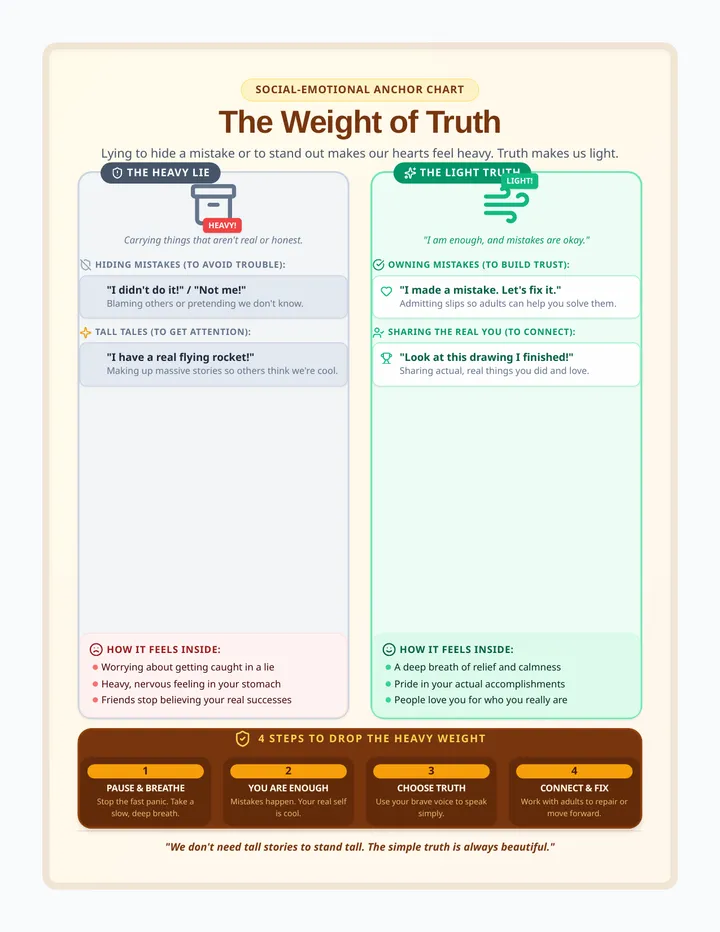
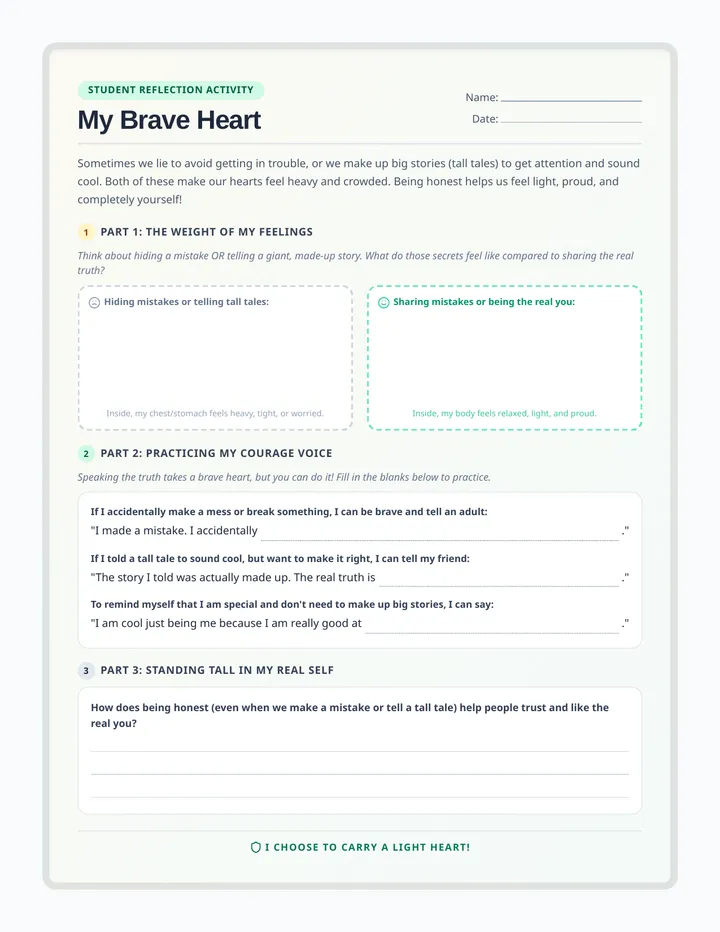
A 15-minute restorative social-emotional learning lesson for third graders struggling with lying to avoid consequences. It helps students understand that hiding mistakes with lies creates a heavy emotional burden, while speaking the truth—even when it requires great courage—brings relief, lightness, and restores trust.