A focused lesson covering essential executive function strategies including backward planning, organization through grouping, effective note-taking, and cognitive control.
A lesson exploring the critical differences between professional and social communication, helping students identify when to use each style and how to 'level up' their messaging.
A goal-setting workshop where students 'reverse engineer' a long-term aspiration into immediate, manageable steps. Focuses on clarity, motivation, and overcoming potential obstacles.
Students identify personal stress triggers and develop a 'relief valve' system of coping strategies. The lesson focuses on recognizing physical signs of stress and planning proactive responses.
Students explore the layers of their identity, distinguishing between how they see themselves and how they are perceived by others. Includes a guided activity to create a multi-layered identity map.
A comprehensive set of data collection tools designed for tracking IEP behavior frequency, duration, and academic accuracy, including a synthesis log for weekly reporting.
Students will learn to identify common financial scams, protect their personal information online, and understand the steps to take if they become a victim of identity theft.
An introduction to the world of credit, covering how credit scores work in Canada, the difference between credit and debit, and the true cost of borrowing money.
Students will explore the power of compound interest, understand the difference between simple and compound growth, and set SMART financial goals using Canadian savings tools like TFSAs.
Students will master the daily operations of a bank account, including using debit cards, avoiding common fees, using mobile banking apps safely, and tracking their spending.
Students will learn the difference between checking and savings accounts, compare different banking institutions, and identify the specific documents required to open an account as a minor.
A high-speed micro-lesson designed to give students actionable strategies for de-escalating conflicts with peers and teachers in under 10 minutes. Updated with the Peace Protocol framework.
A comprehensive 5-week intervention for high school English Learners focusing on decoding through nonsense word fluency, specifically designed for students with limited or interrupted formal education.
A technical guide and corrected codebase for creating switch-accessible mystery games for visually impaired students. Includes the fixed Python script and an explanation of common pitfalls in accessibility programming.
A targeted social-emotional learning lesson designed to help high school students recognize perfectionist patterns and apply self-compassion and cognitive reframing techniques.
A lesson focused on analyzing the arguments and perspectives within the text 'The Digital Paper Trail', specifically looking at the ethics and legality of using social media in hiring.
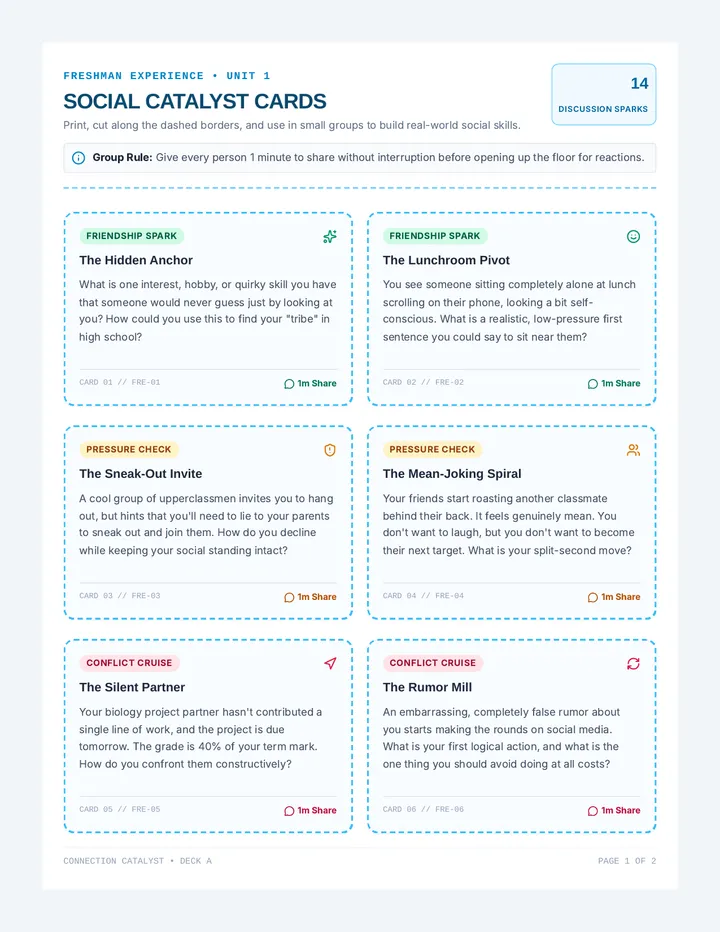
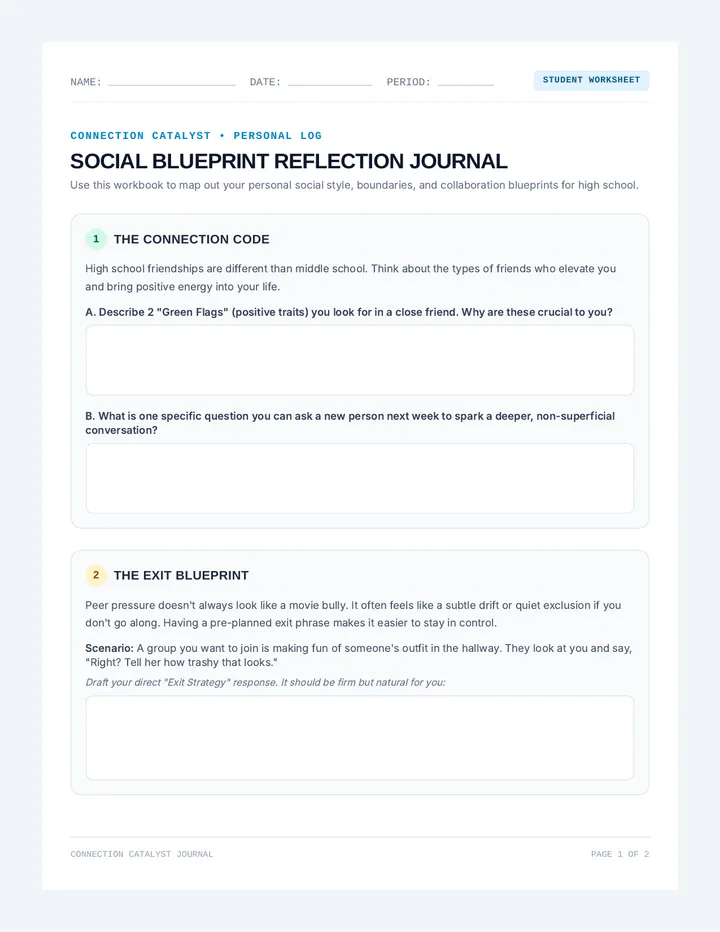
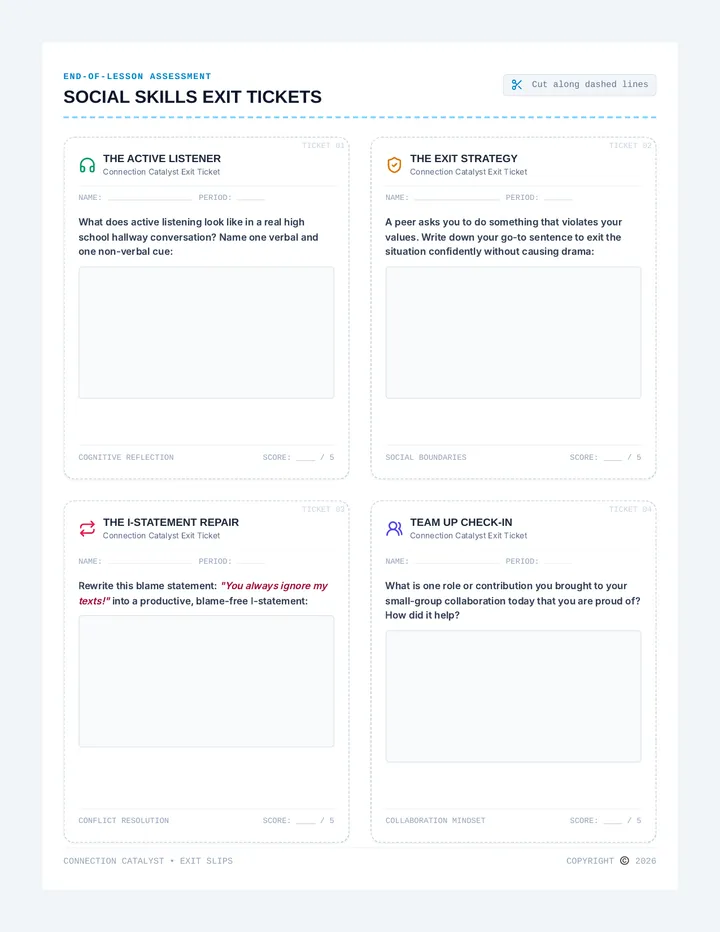
A lesson exploring how building strong interpersonal connections with teachers, peers, and school staff can make daily school life smoother, more supportive, and more efficient.
This lesson dismantles the stigma surrounding IEPs and emotional dysregulation by highlighting the 'twice-exceptional' nature of many brilliant minds. It features a slide presentation of successful African Americans who overcame learning and emotional challenges to achieve greatness.
A lesson exploring the ethical and legal implications of using social media as a screening tool during the hiring process, based on professional HR perspectives.
A focused 4-week history-themed intervention designed to help students overcome the 'blank page' hurdle by mastering task initiation through a structured 3-2-1 'Discovery Protocol'.
A comprehensive assessment covering developmental domains, brain growth, major ECE theorists, and strategies for supporting young children's self-concept and identity.
This lesson helps students identify personal barriers to school attendance, set actionable attendance goals, and reflect on the connection between presence and their future aspirations. It also provides teachers with a supportive framework for family communication regarding attendance.