A comprehensive 5-week intervention for high school English Learners focusing on decoding through nonsense word fluency, specifically designed for students with limited or interrupted formal education.
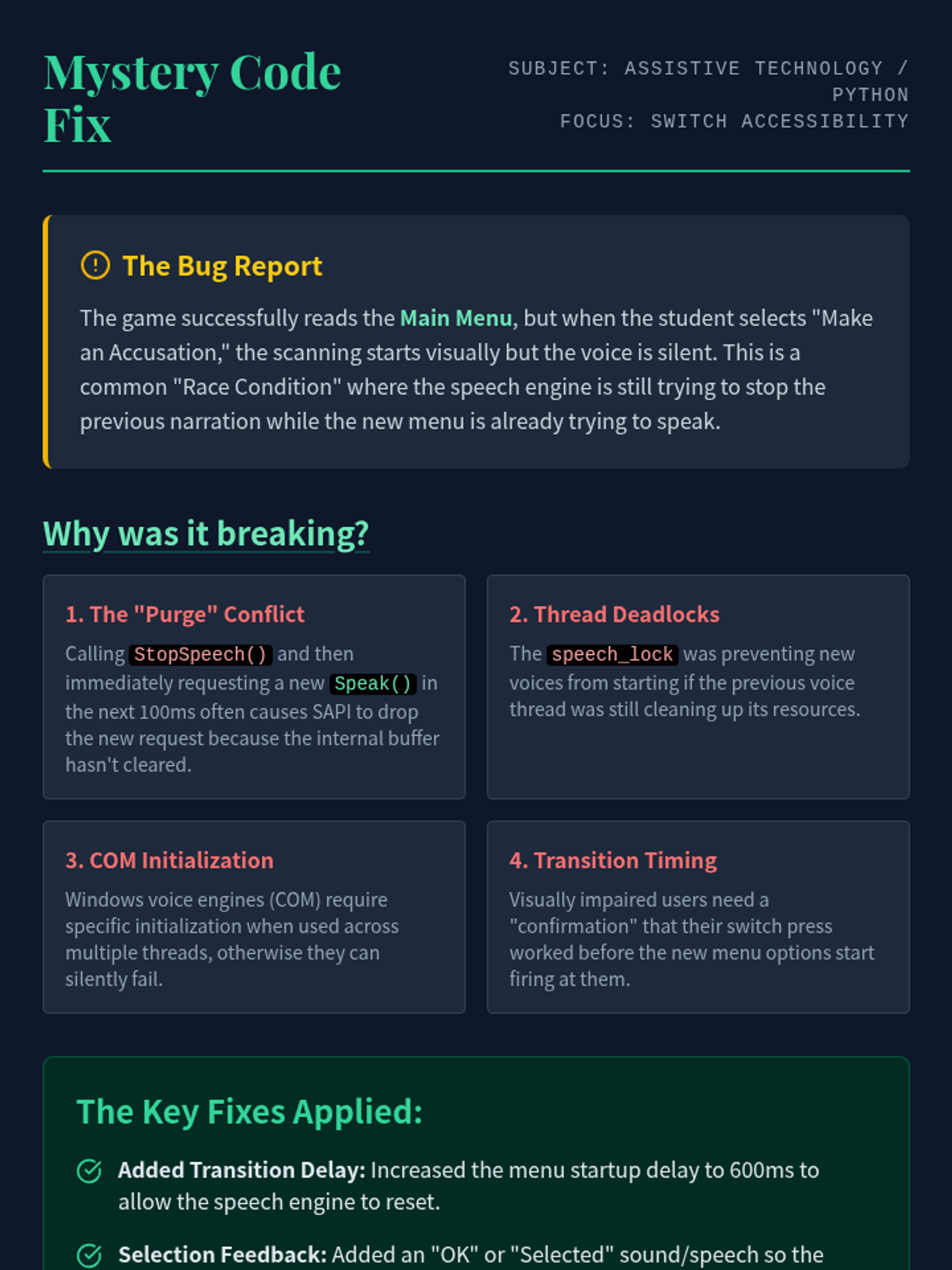
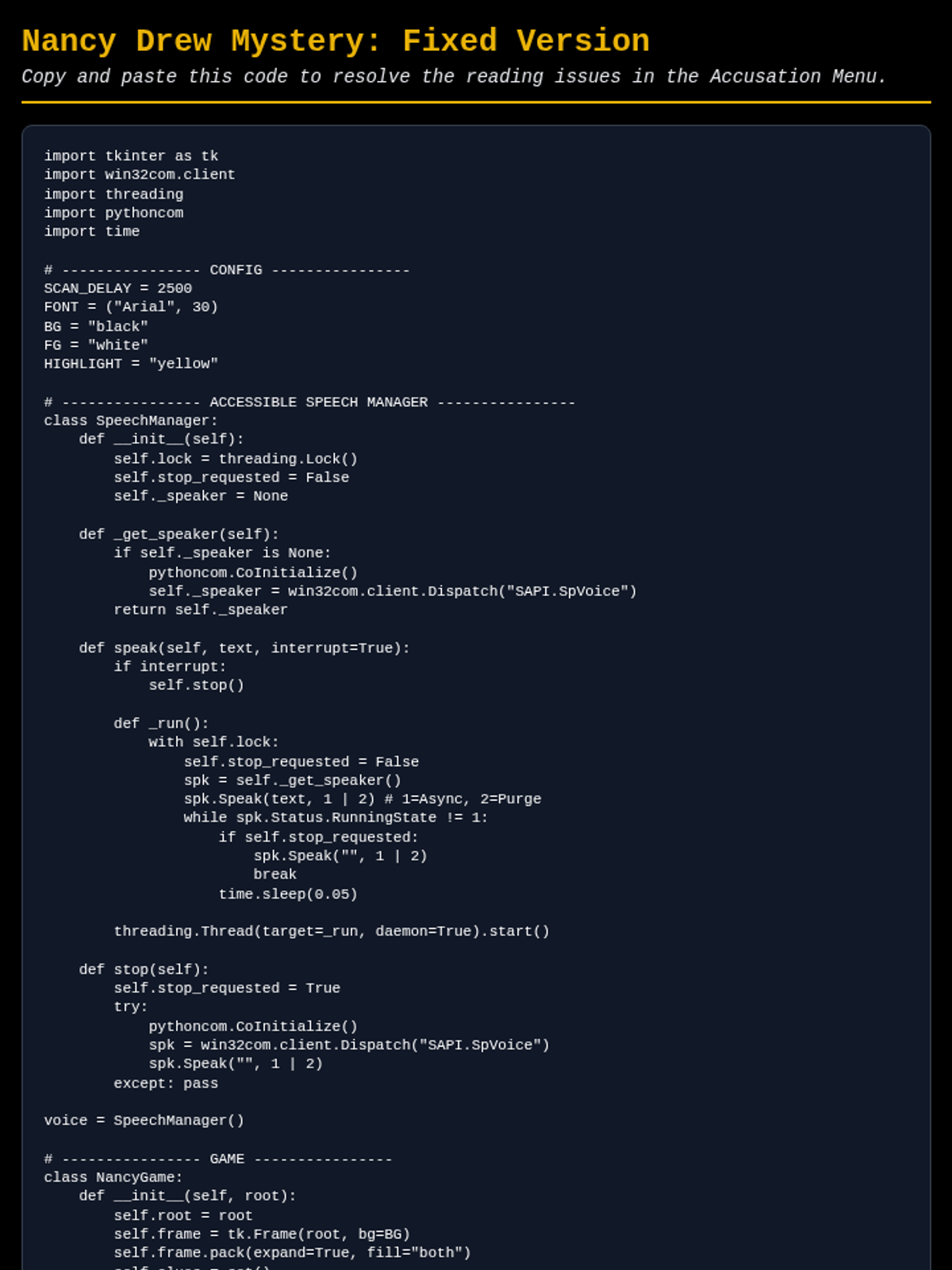
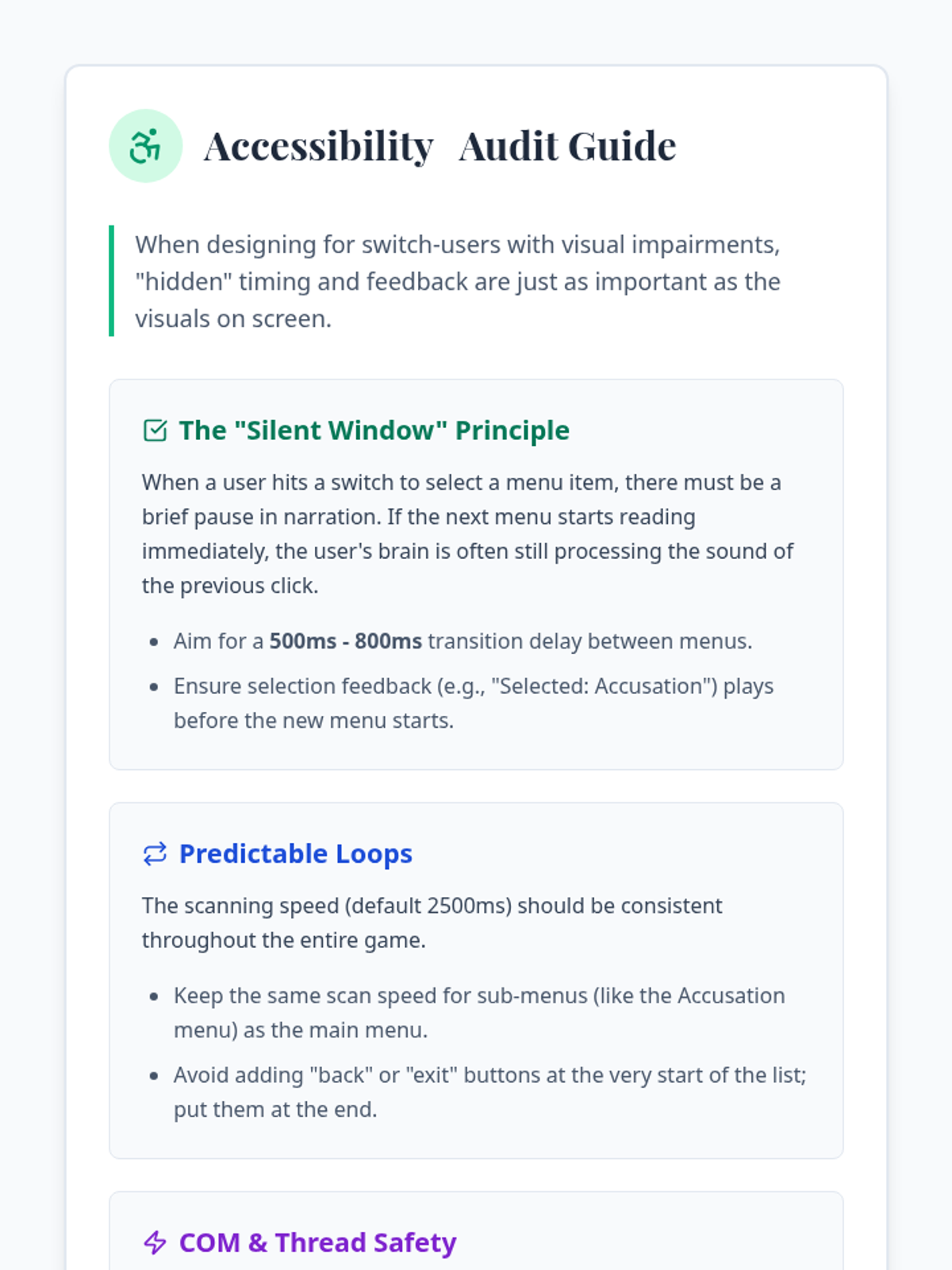
A technical guide and corrected codebase for creating switch-accessible mystery games for visually impaired students. Includes the fixed Python script and an explanation of common pitfalls in accessibility programming.
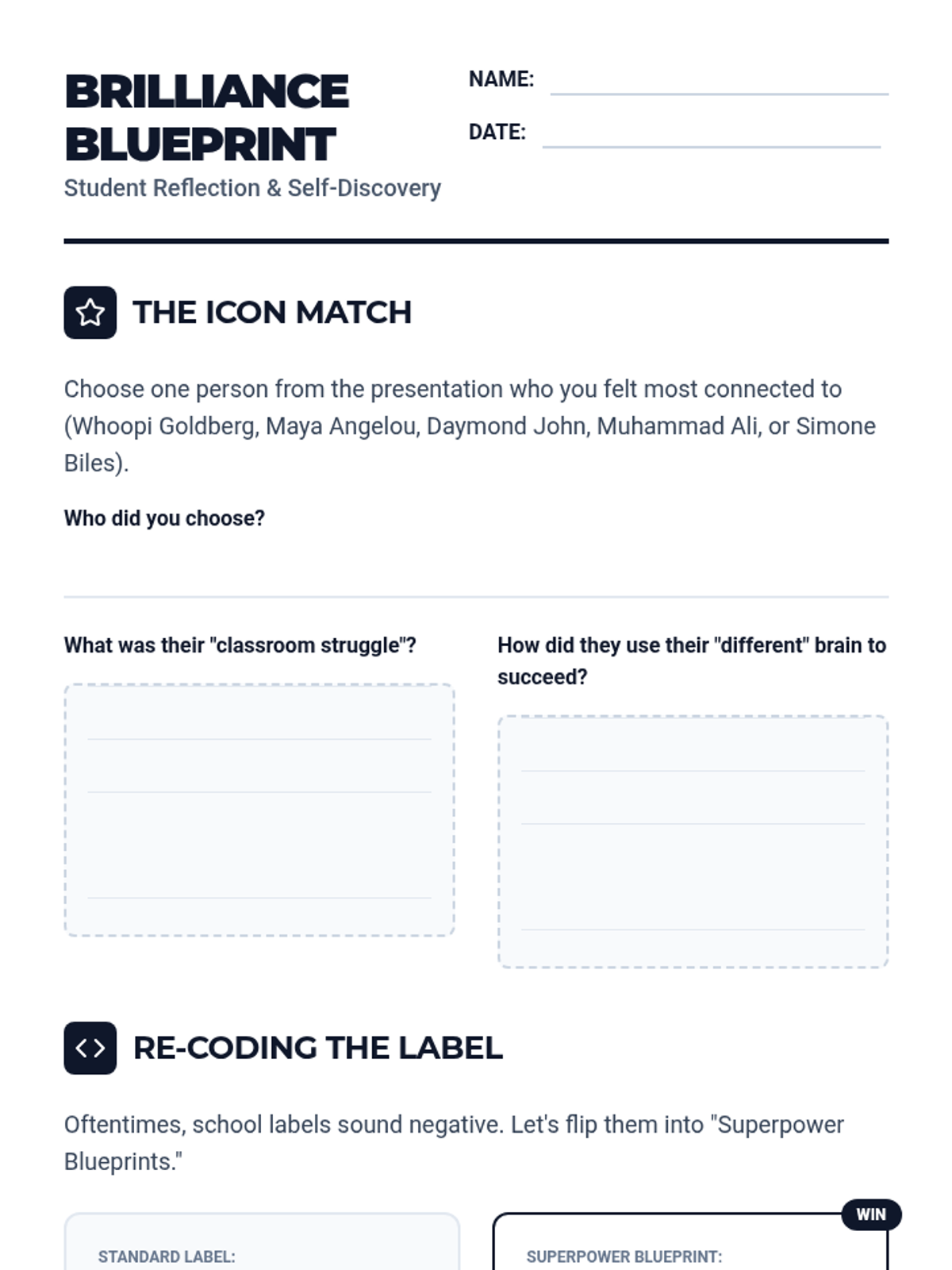
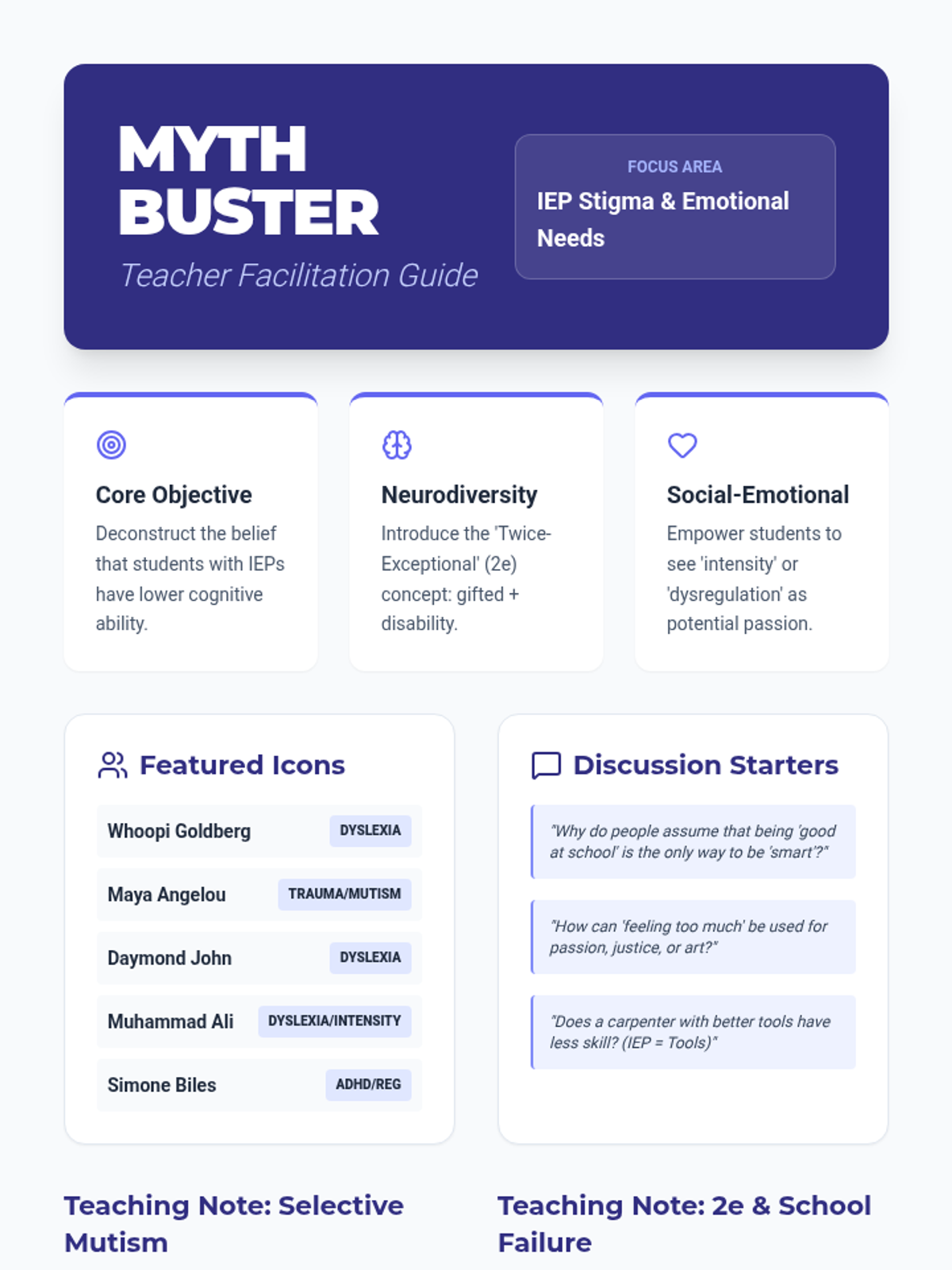
This lesson dismantles the stigma surrounding IEPs and emotional dysregulation by highlighting the 'twice-exceptional' nature of many brilliant minds. It features a slide presentation of successful African Americans who overcame learning and emotional challenges to achieve greatness.
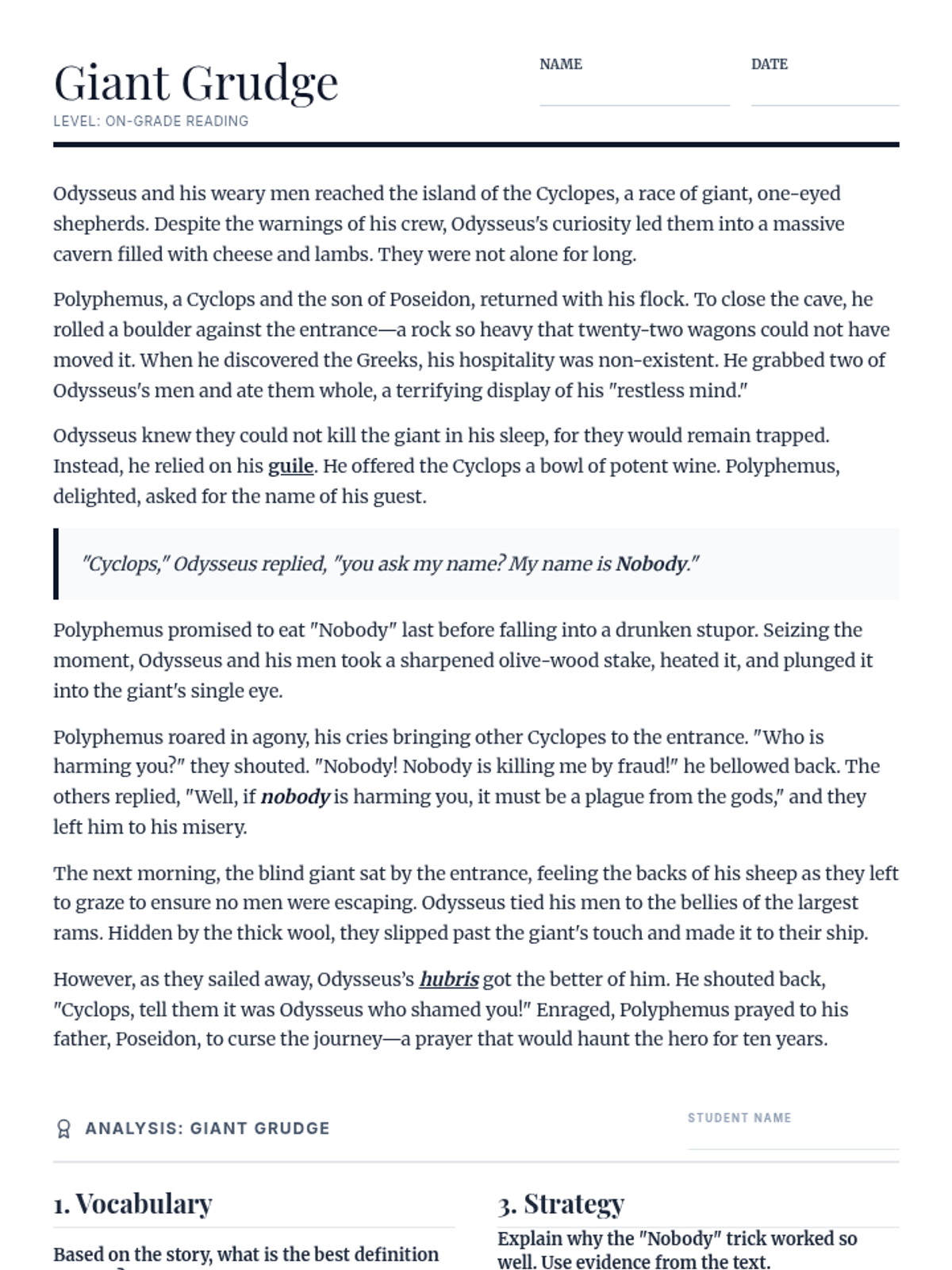
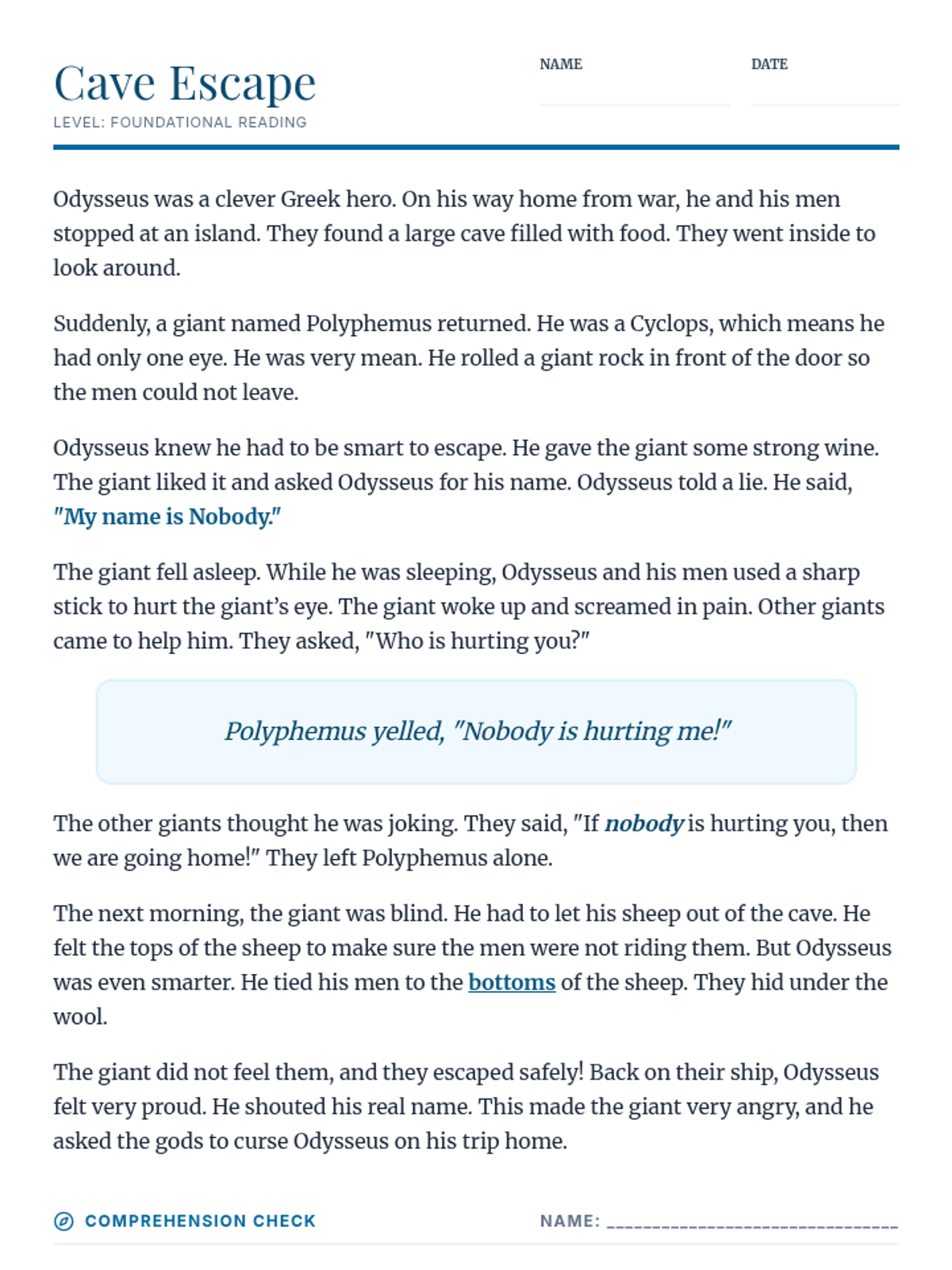
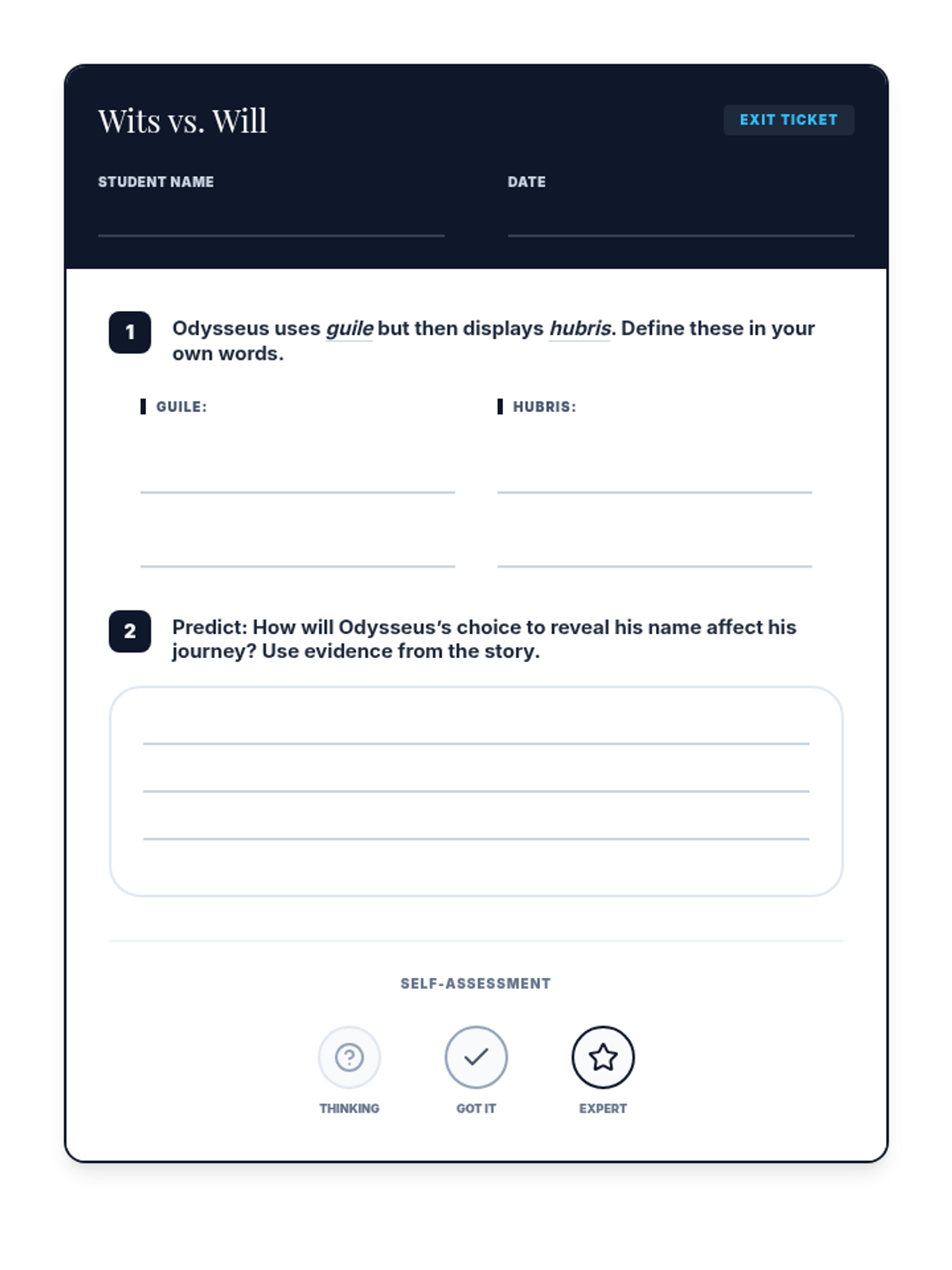
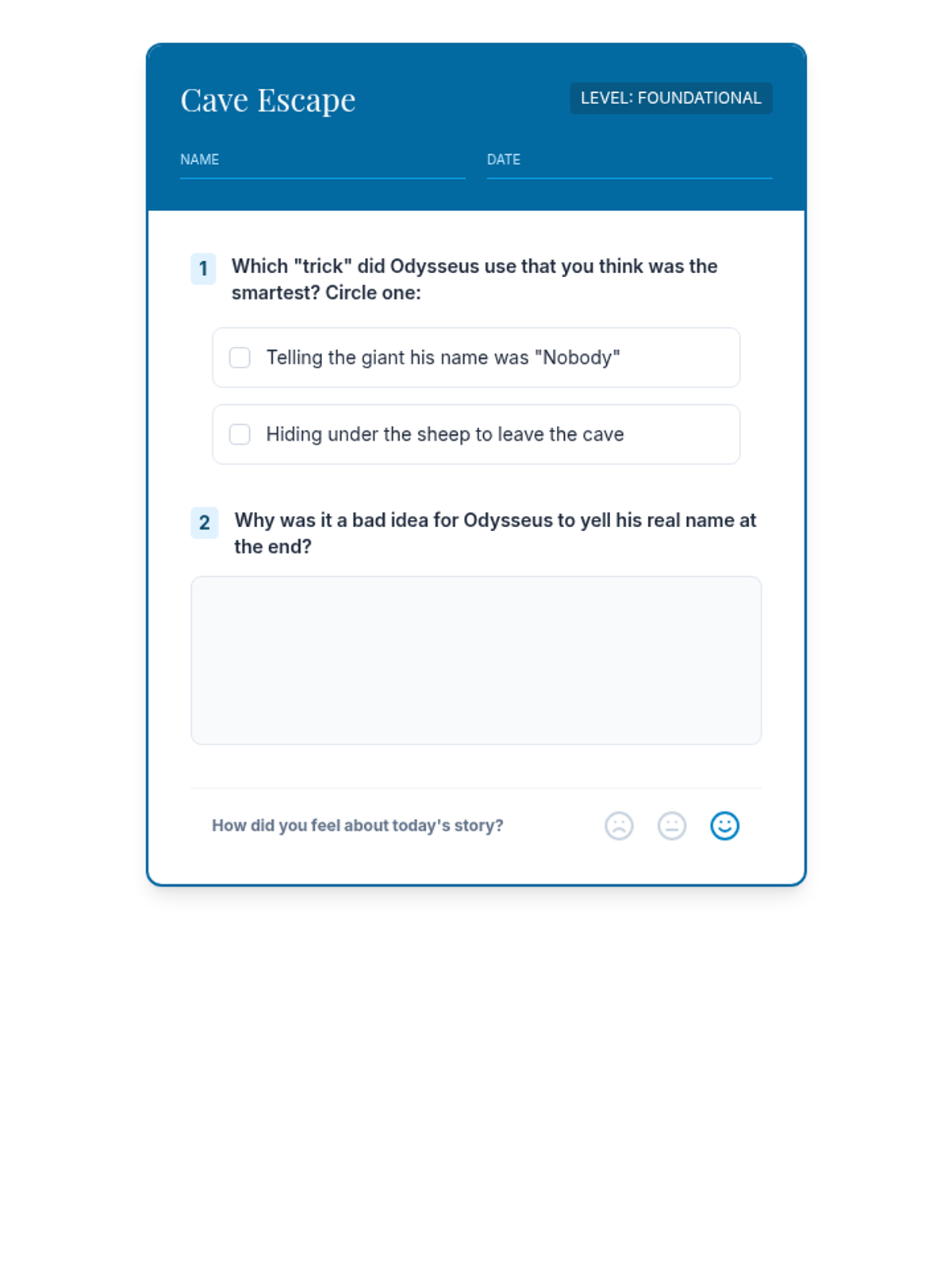
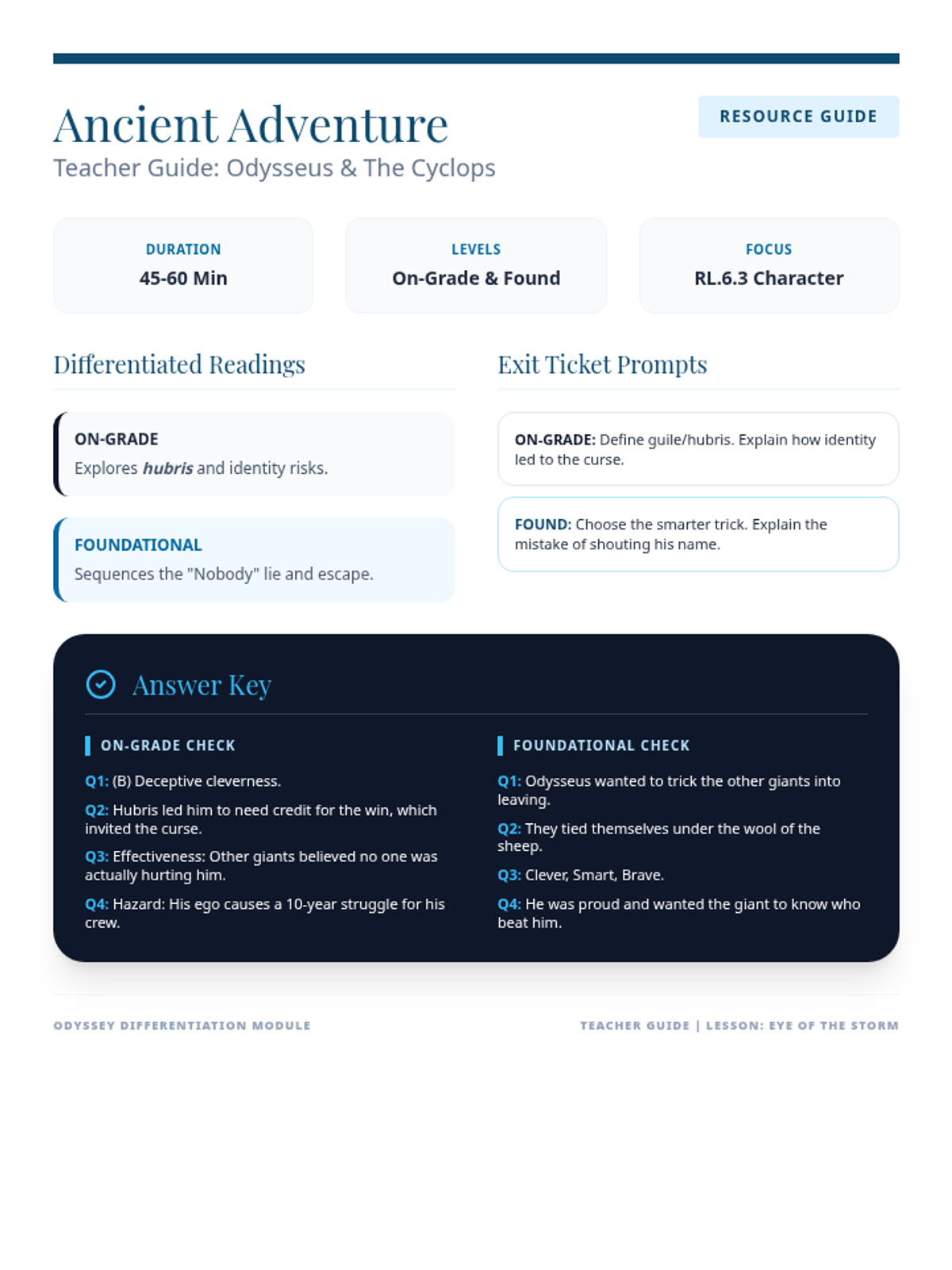
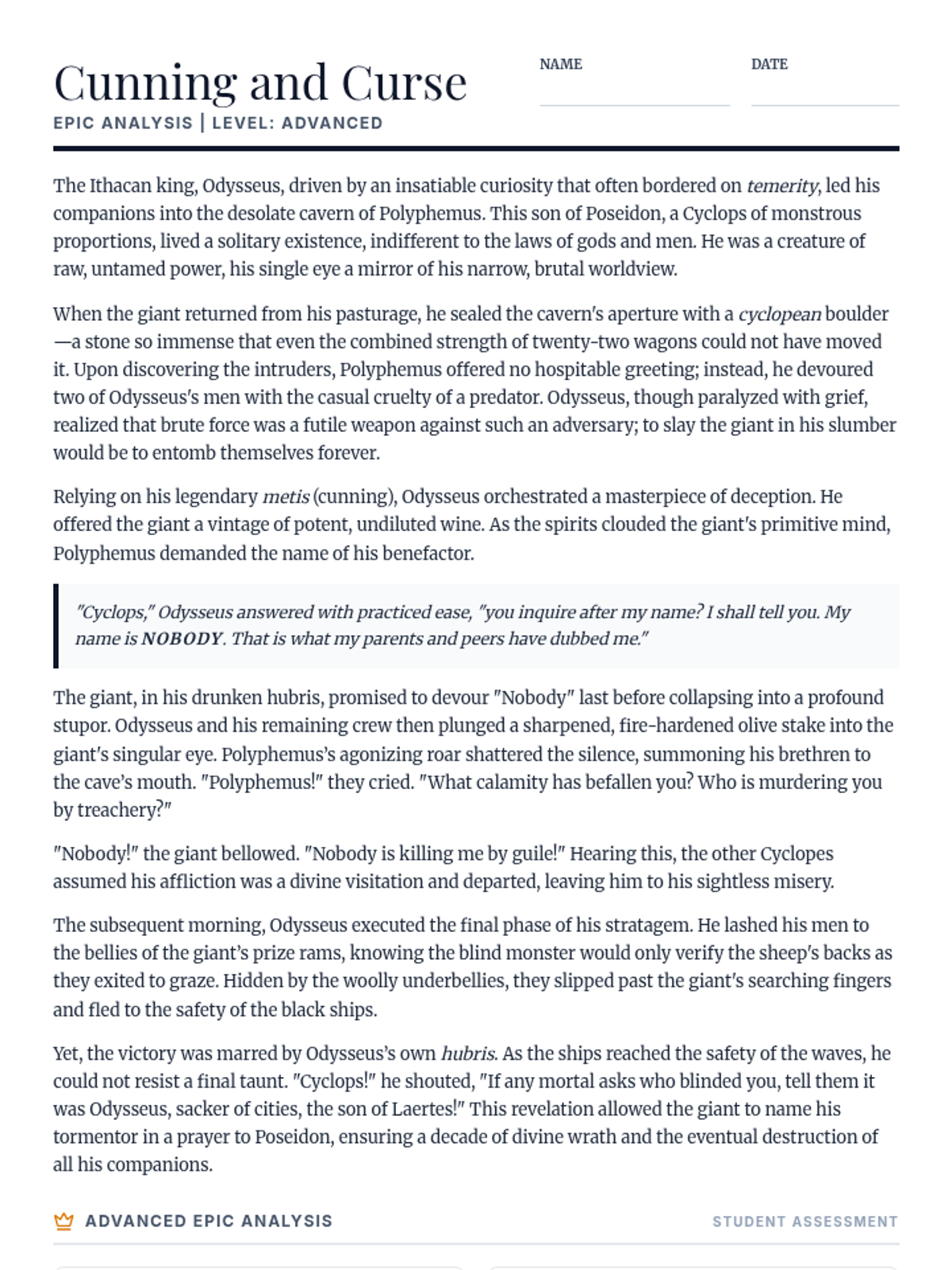
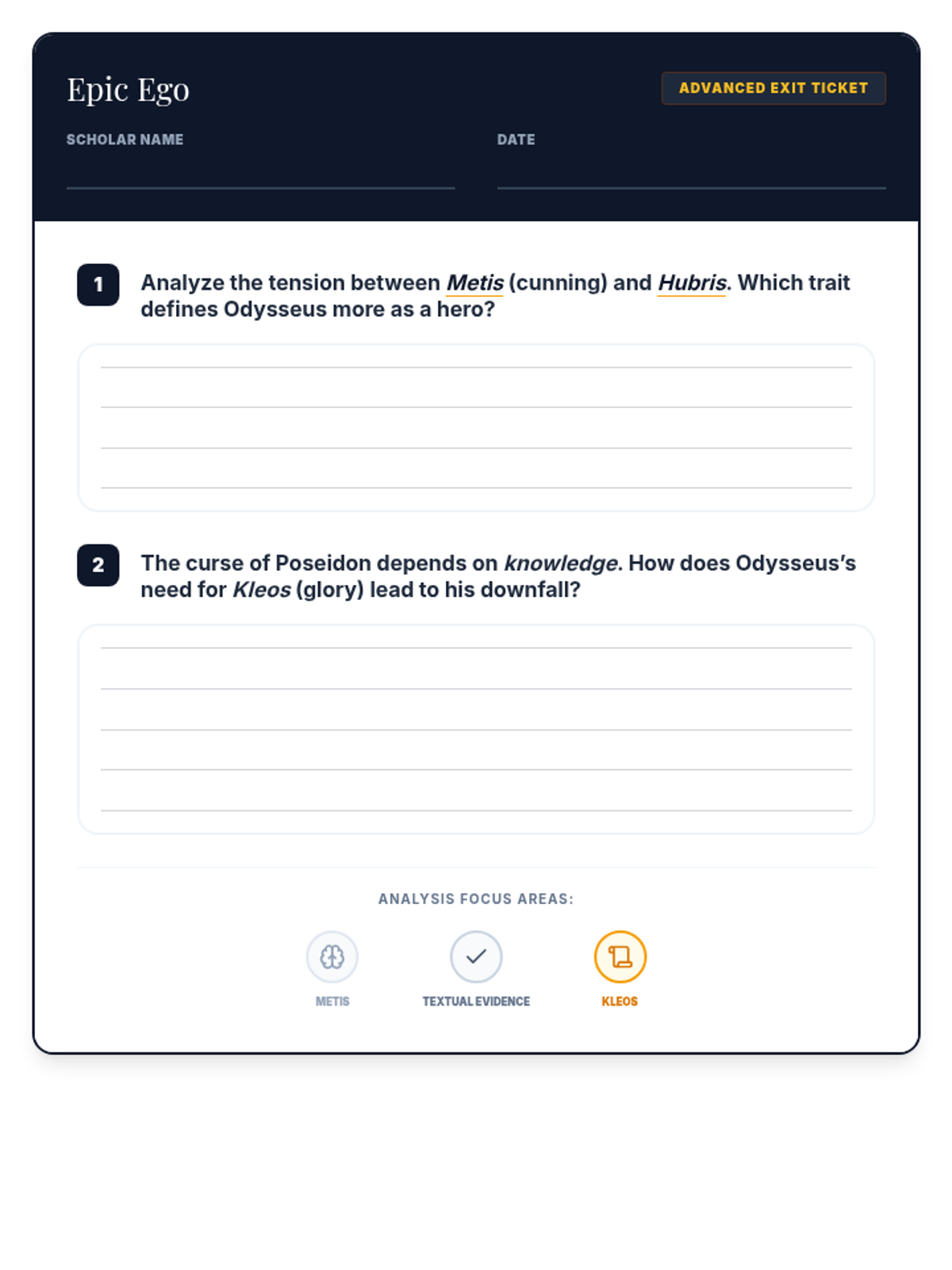
A lesson exploring the encounter between Odysseus and Polyphemus, focusing on character traits and cleverness through differentiated readings and assessments.
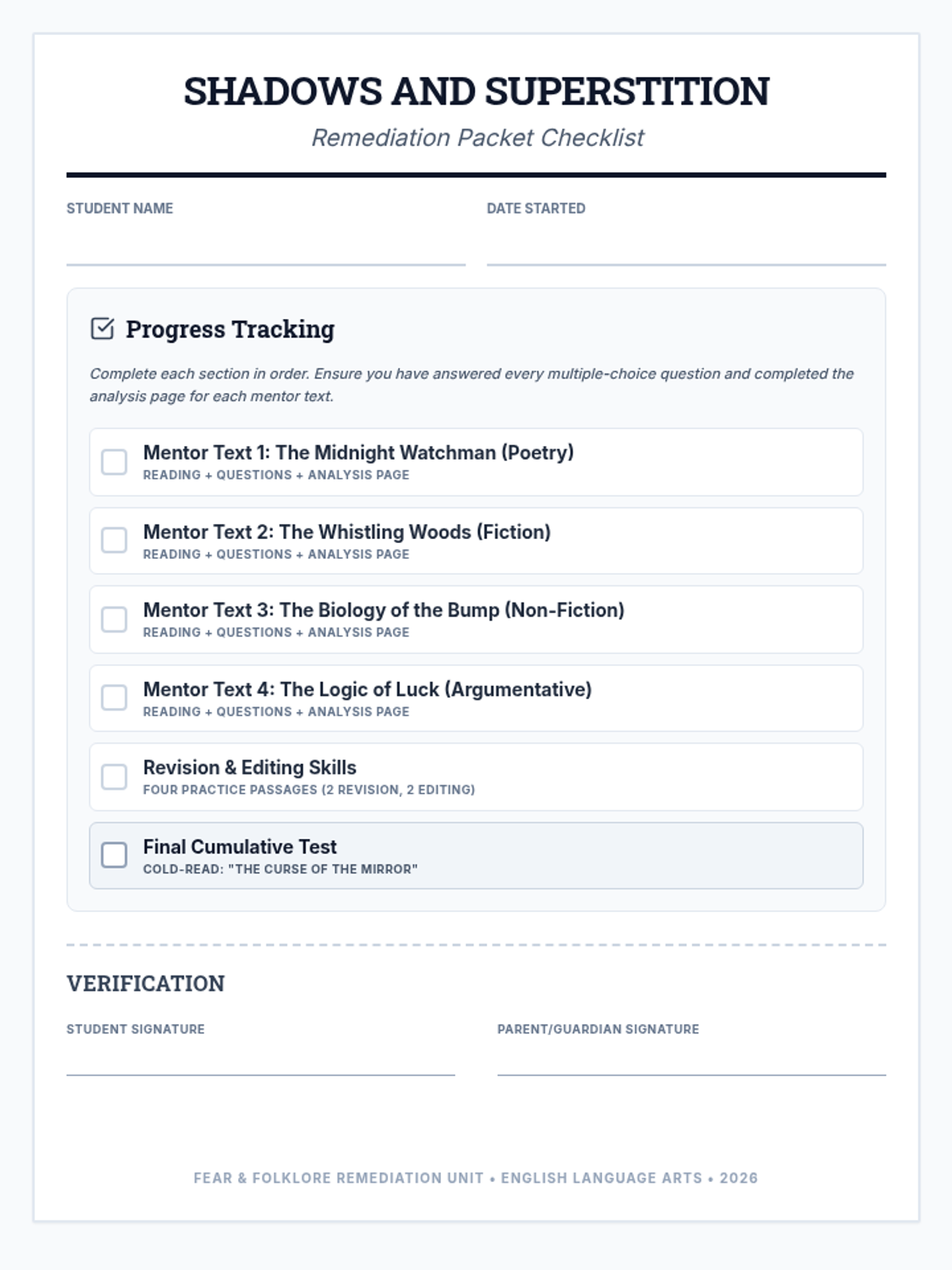
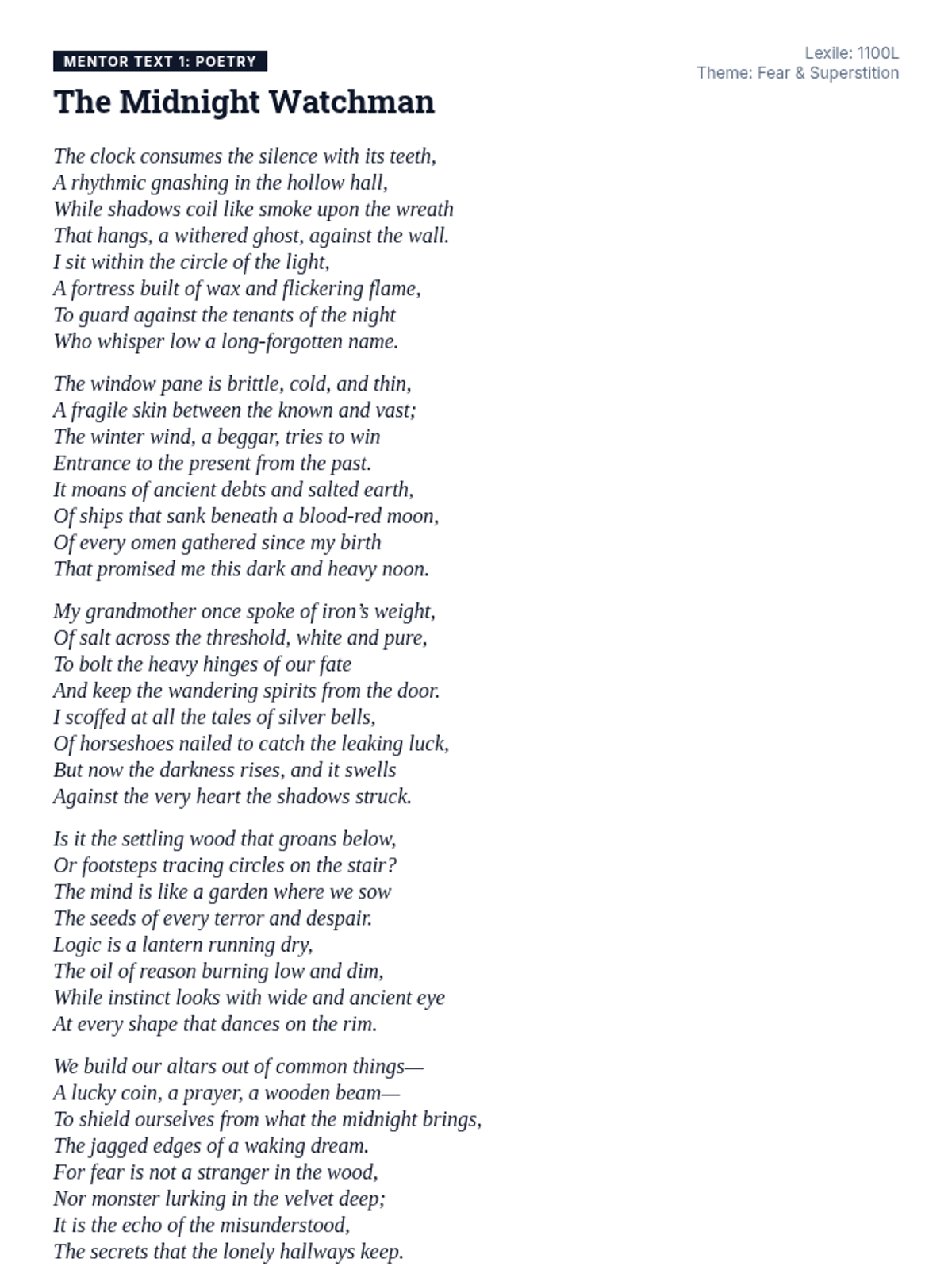
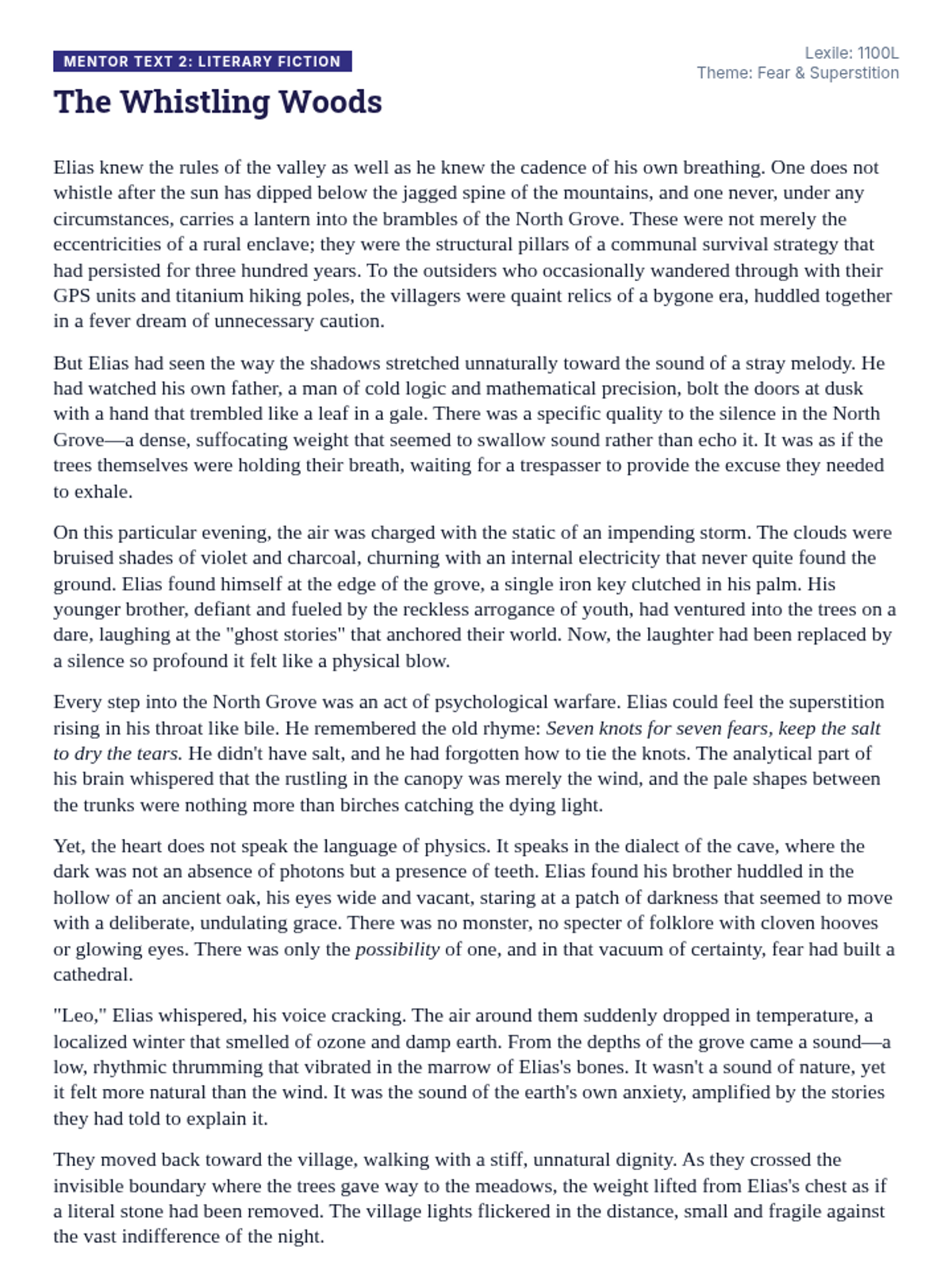
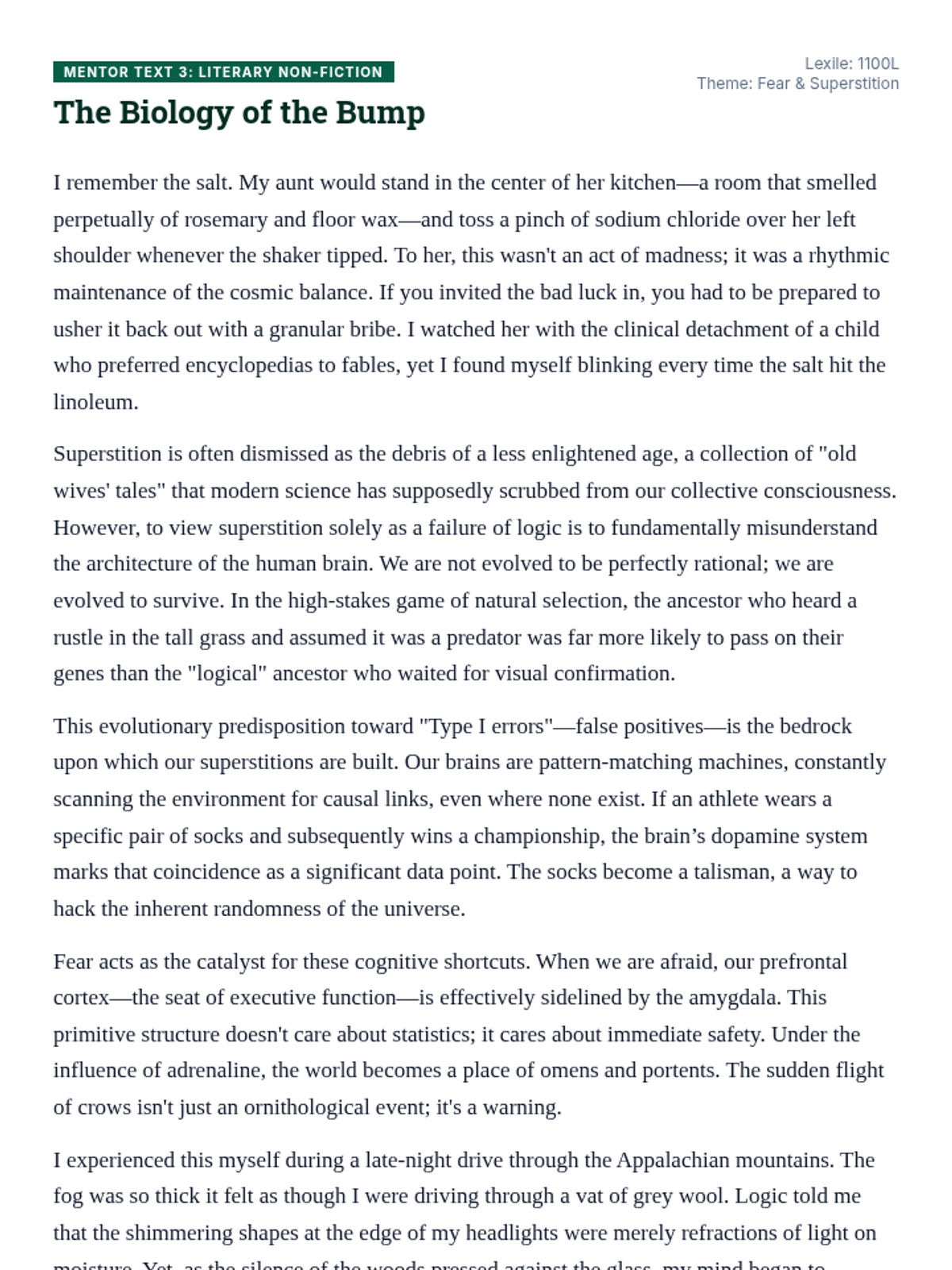
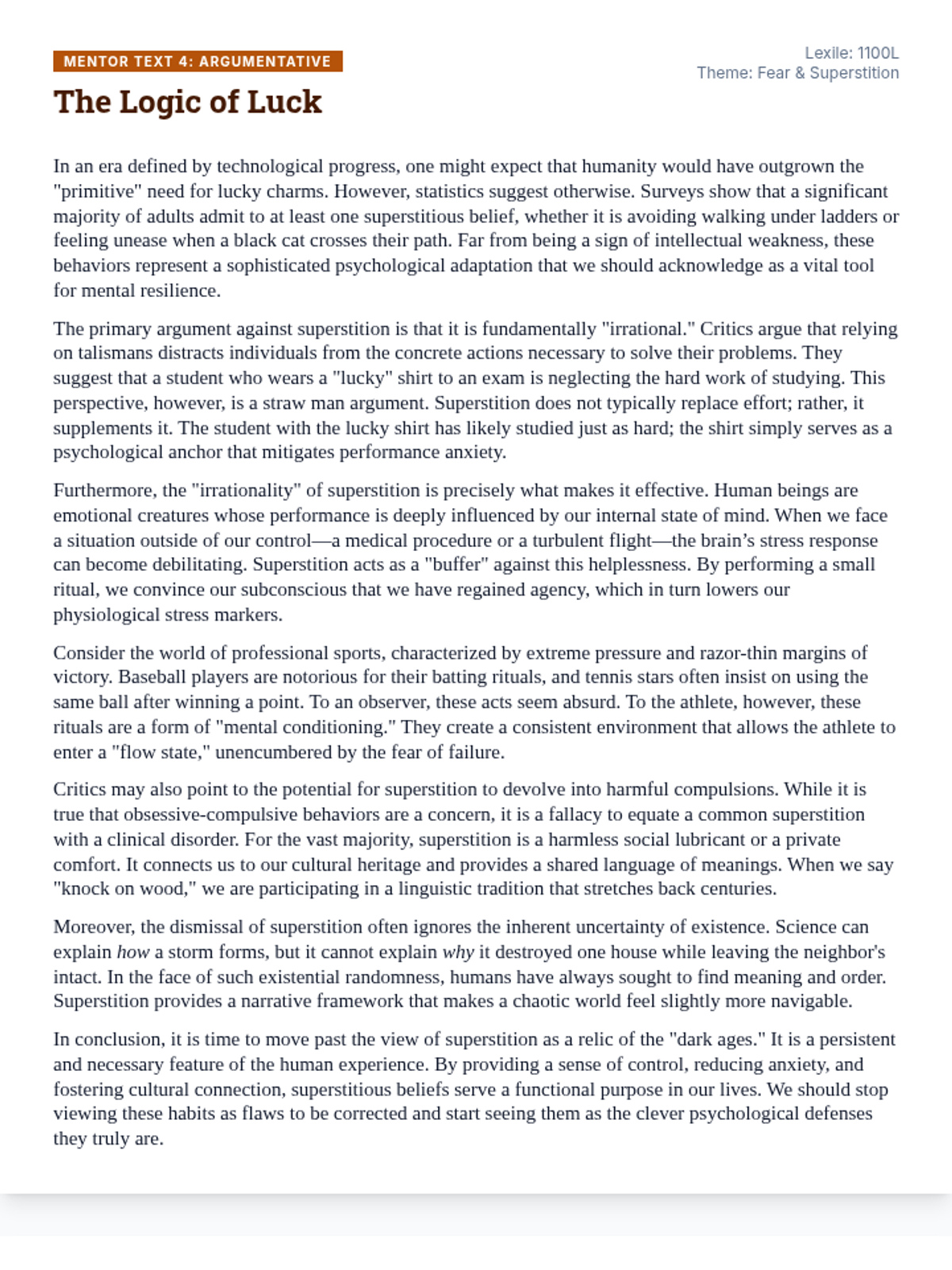
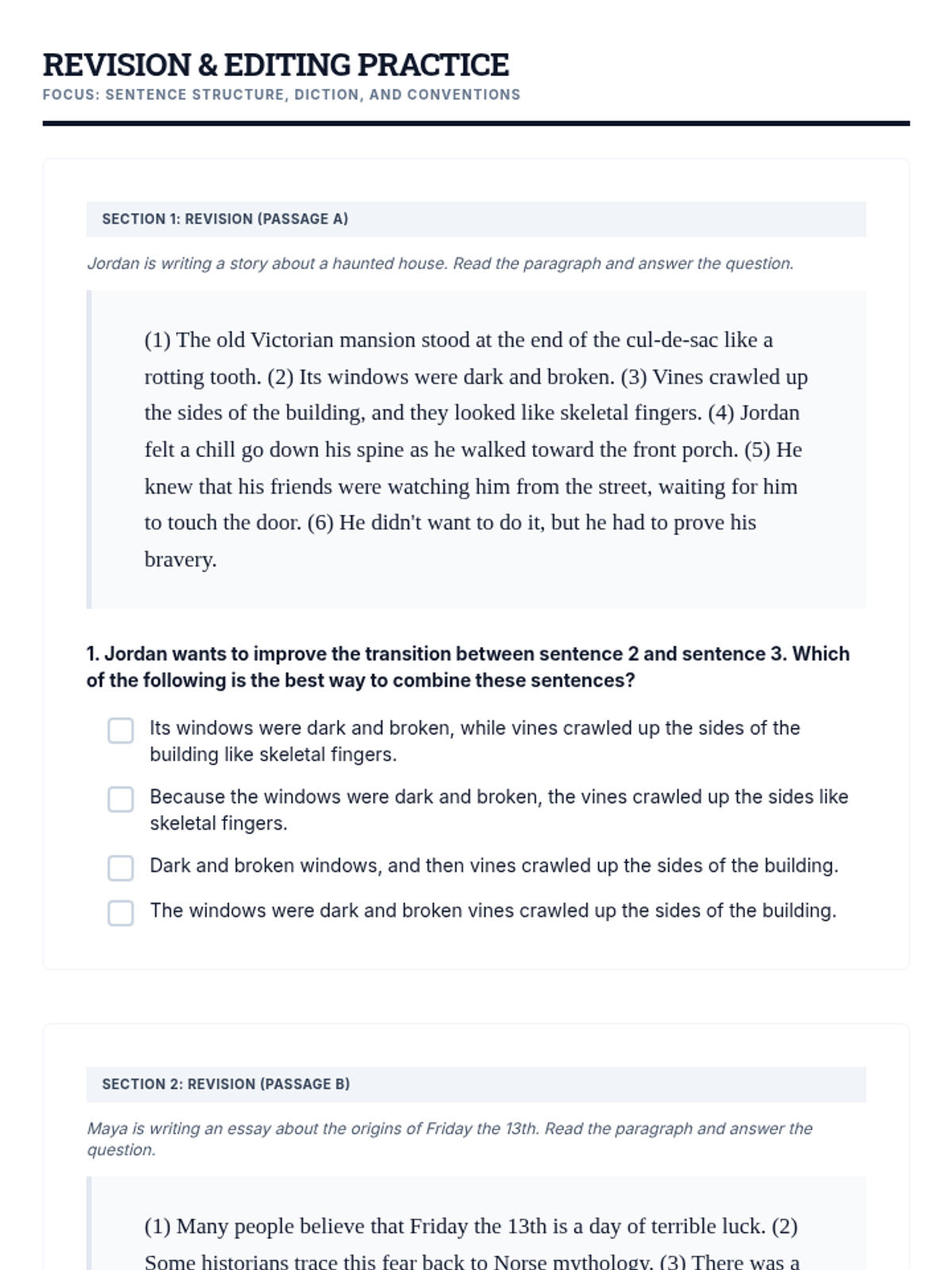
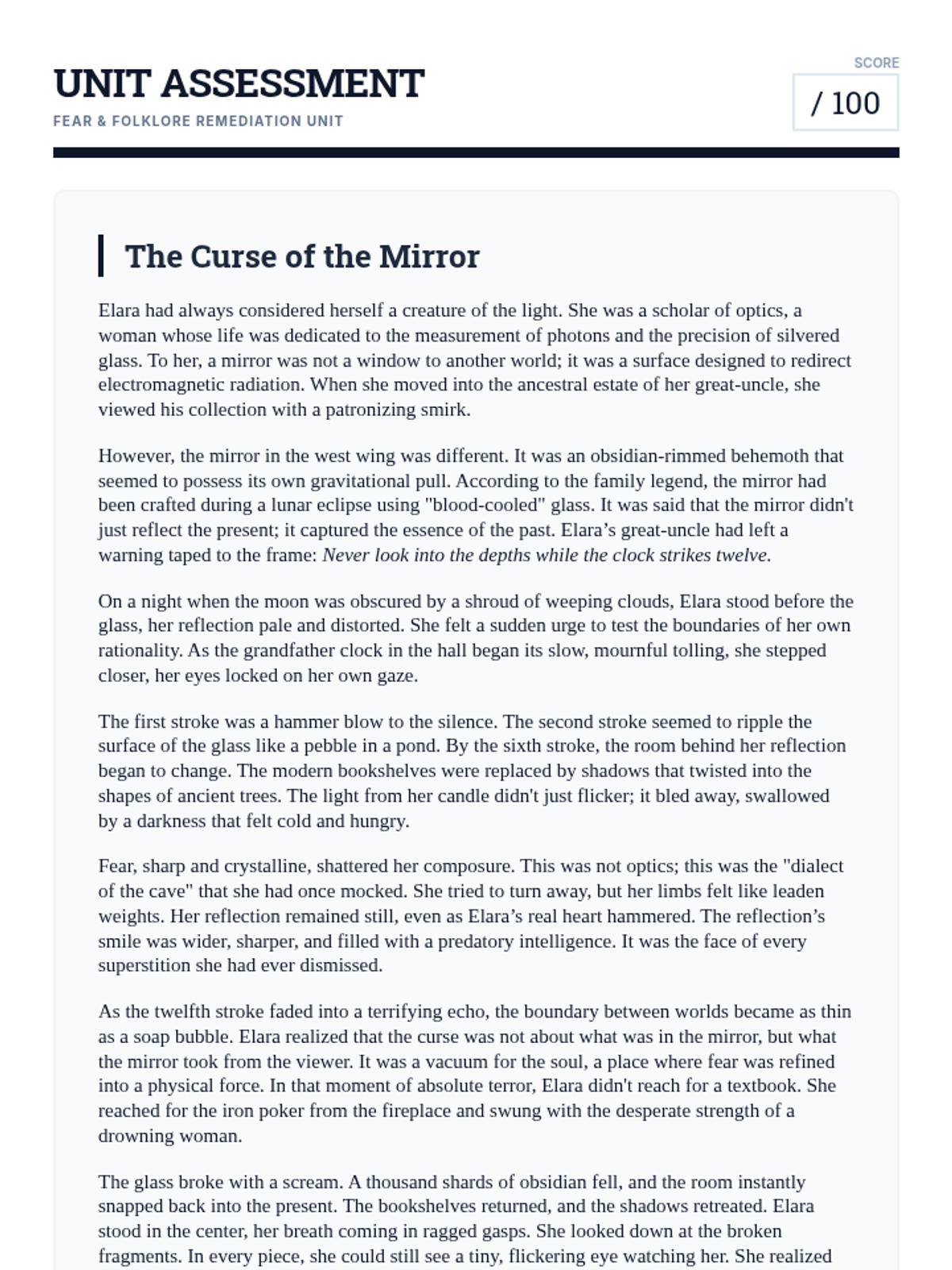
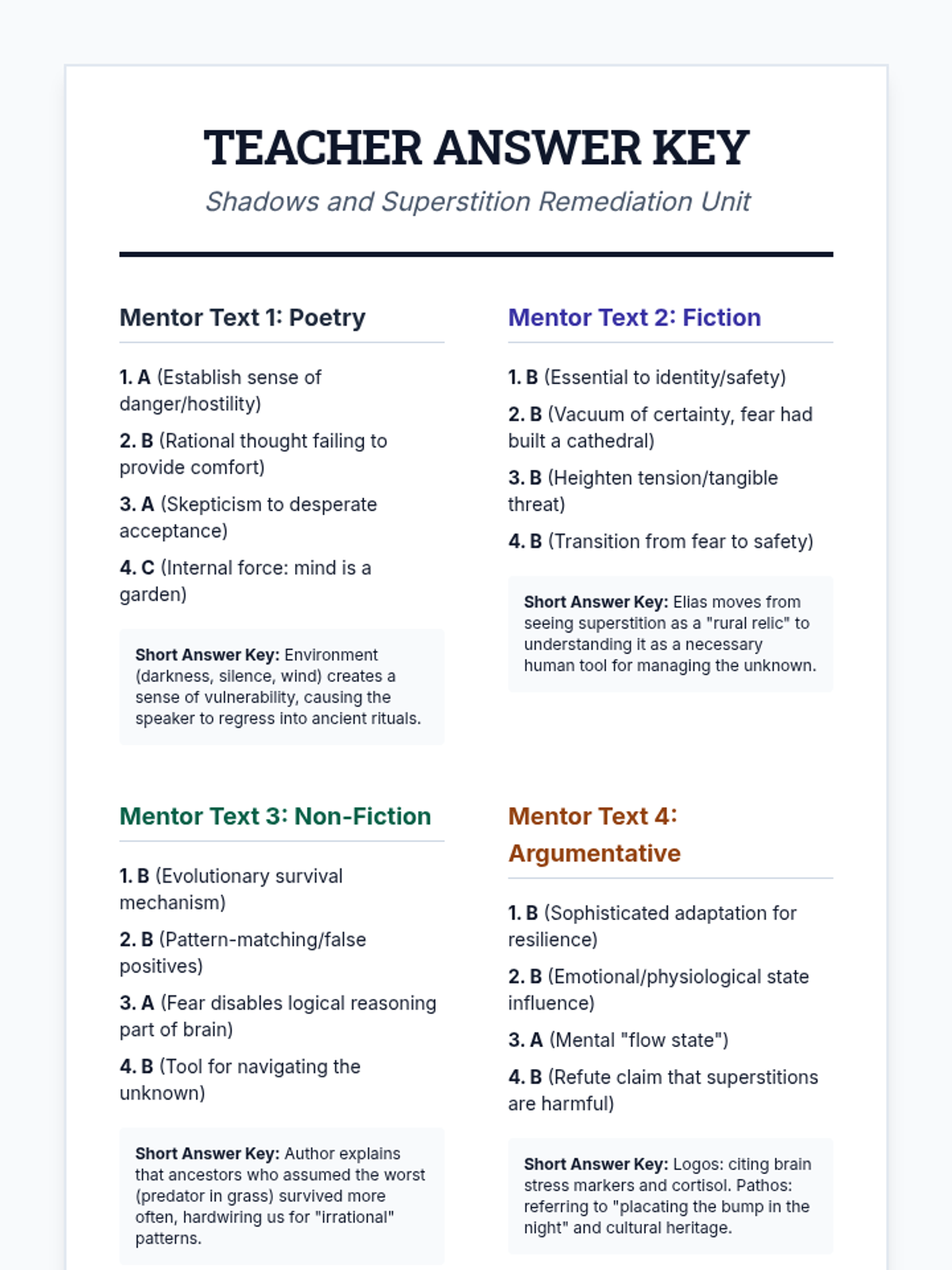
This lesson provides intensive remediation on core literacy skills using high-interest texts centered on fear and superstition. It includes mentor texts in four genres, revision and editing practice, and a final cold-read assessment.
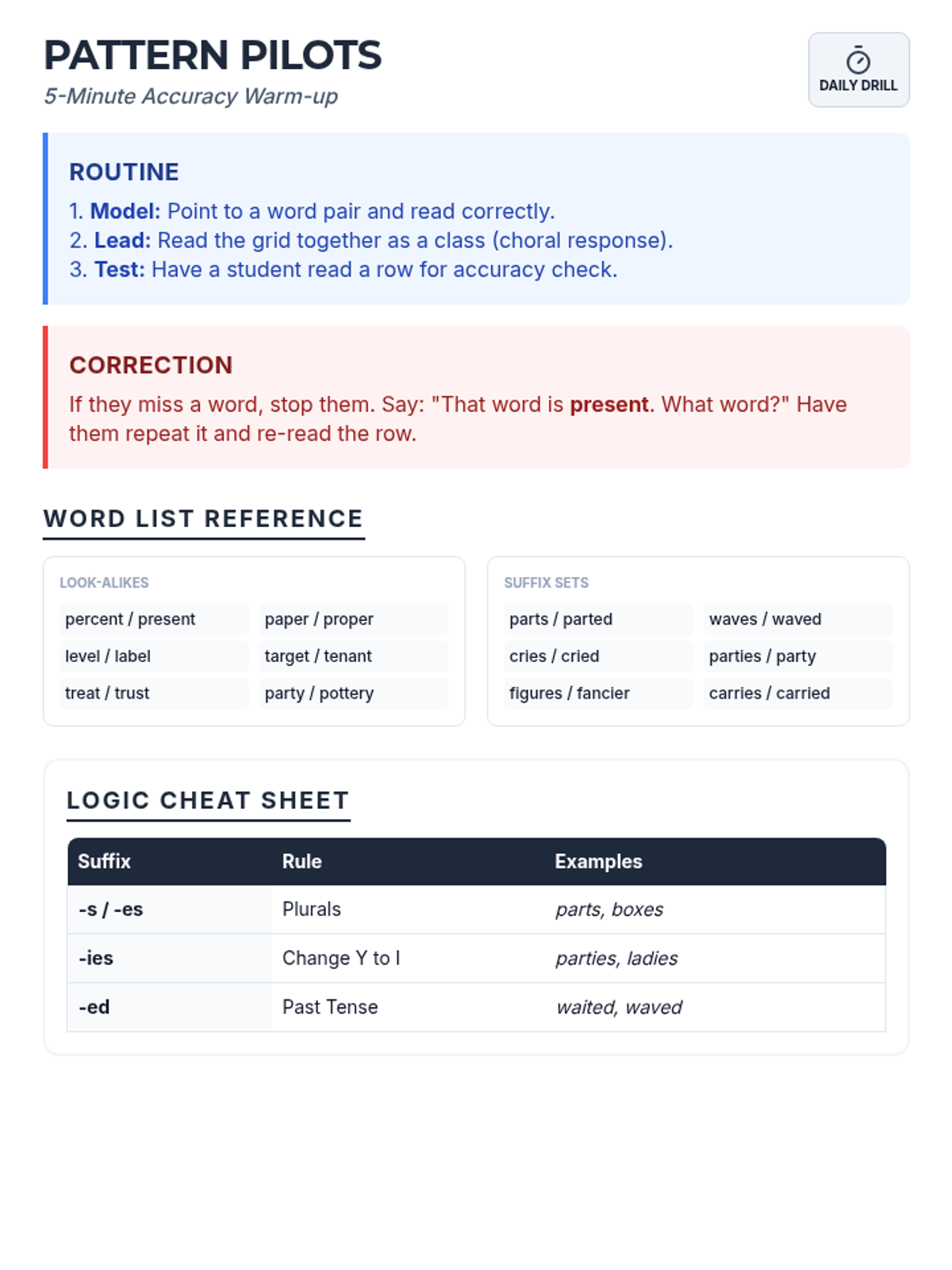
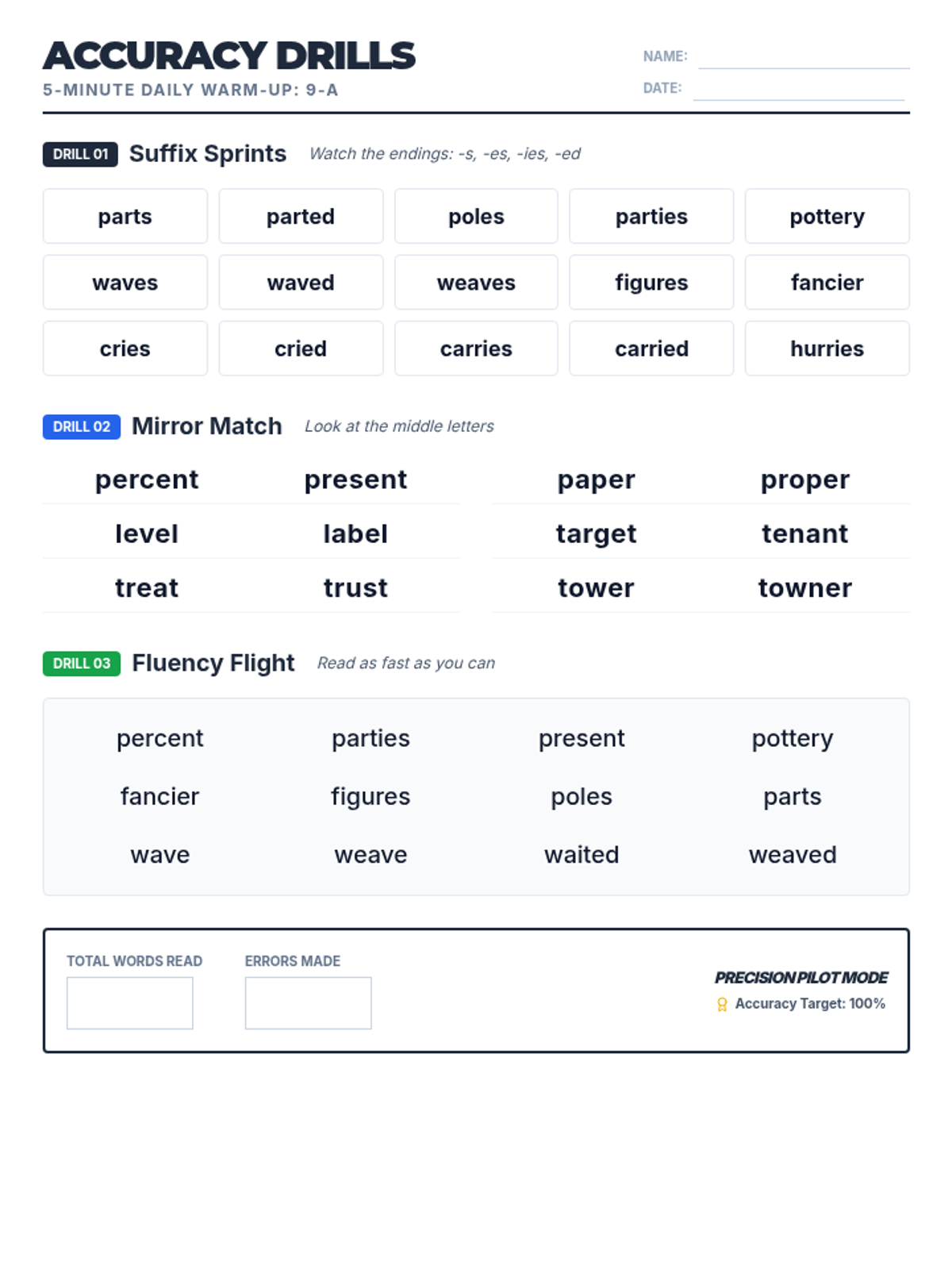
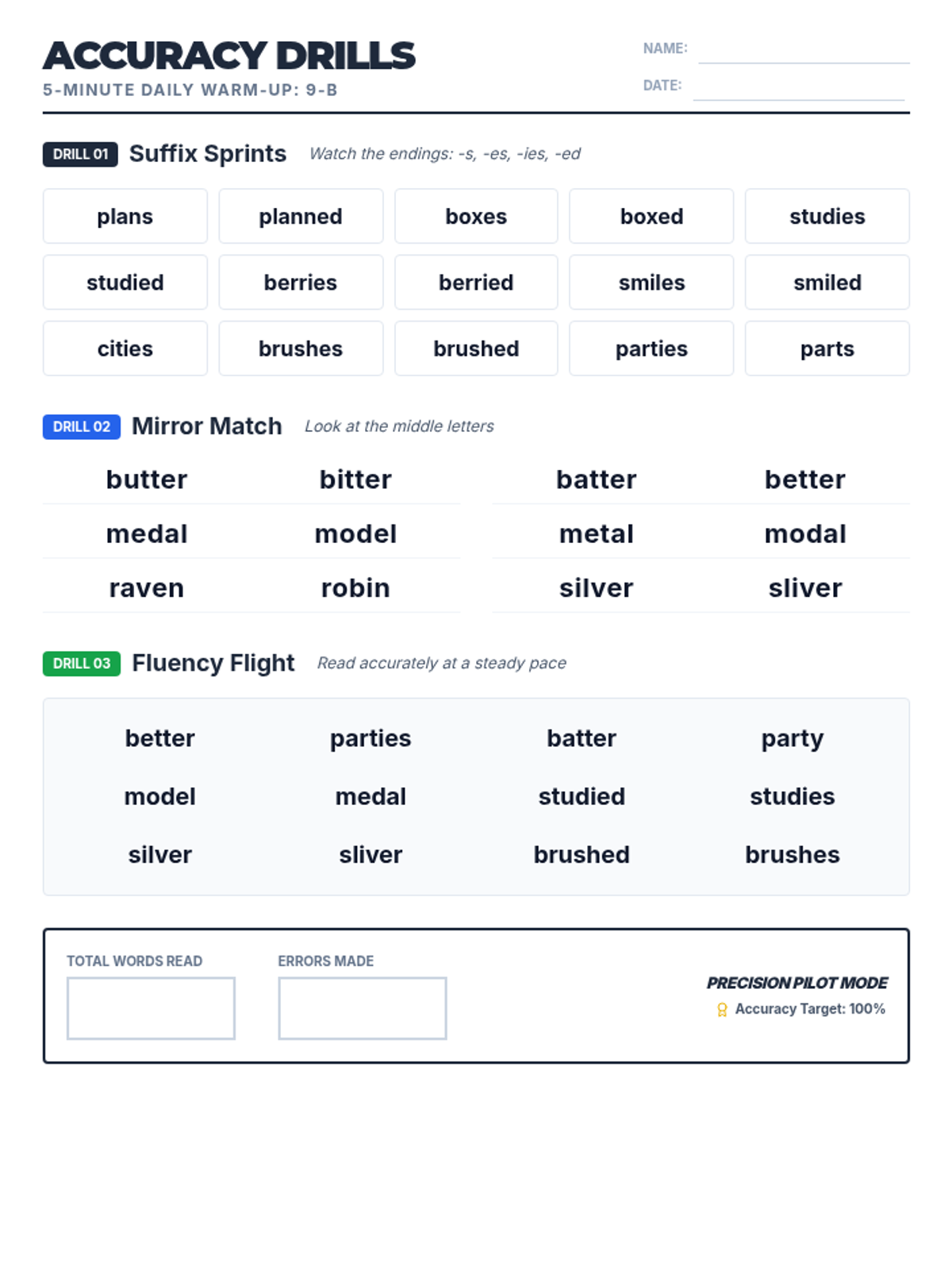
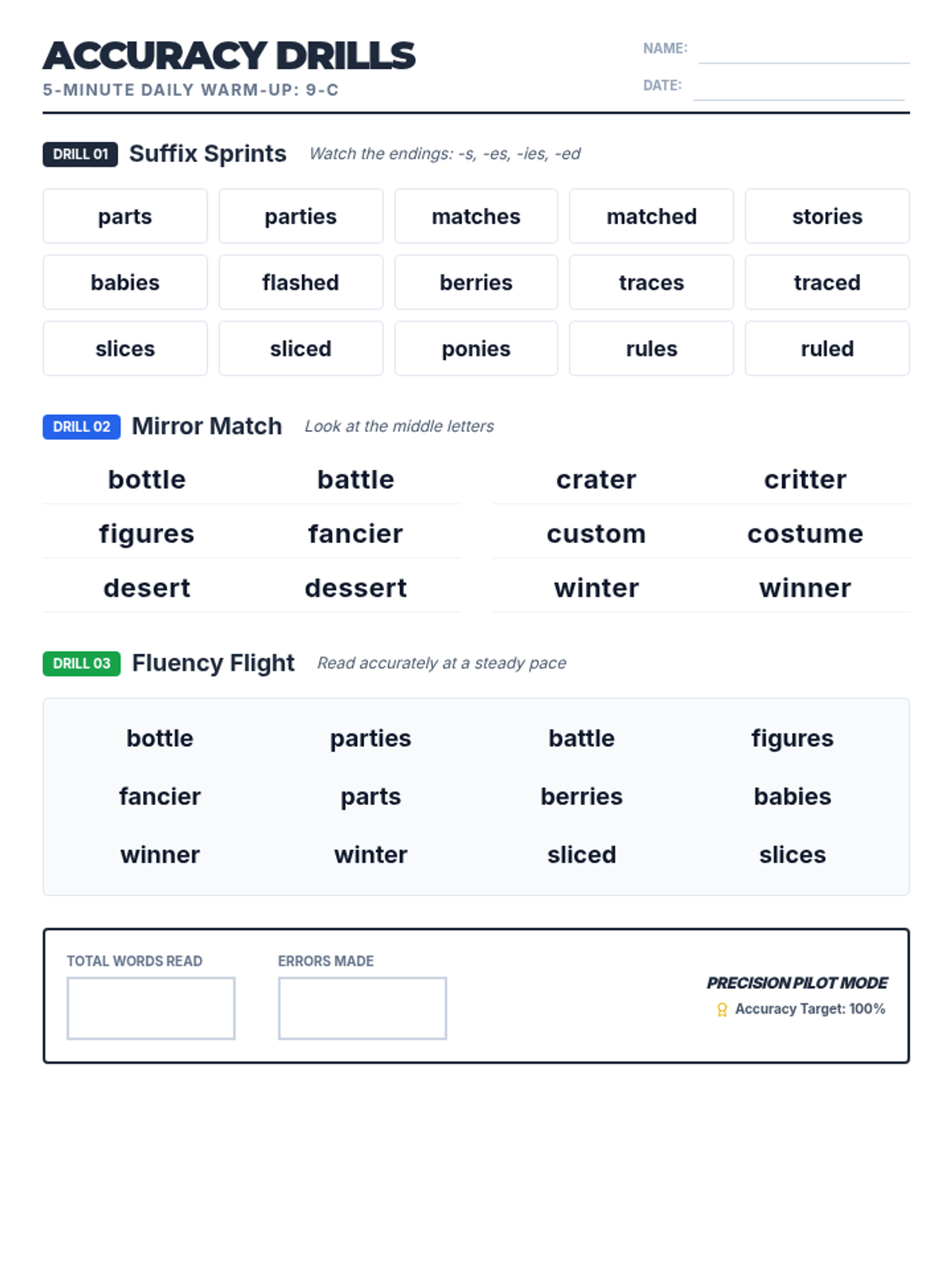
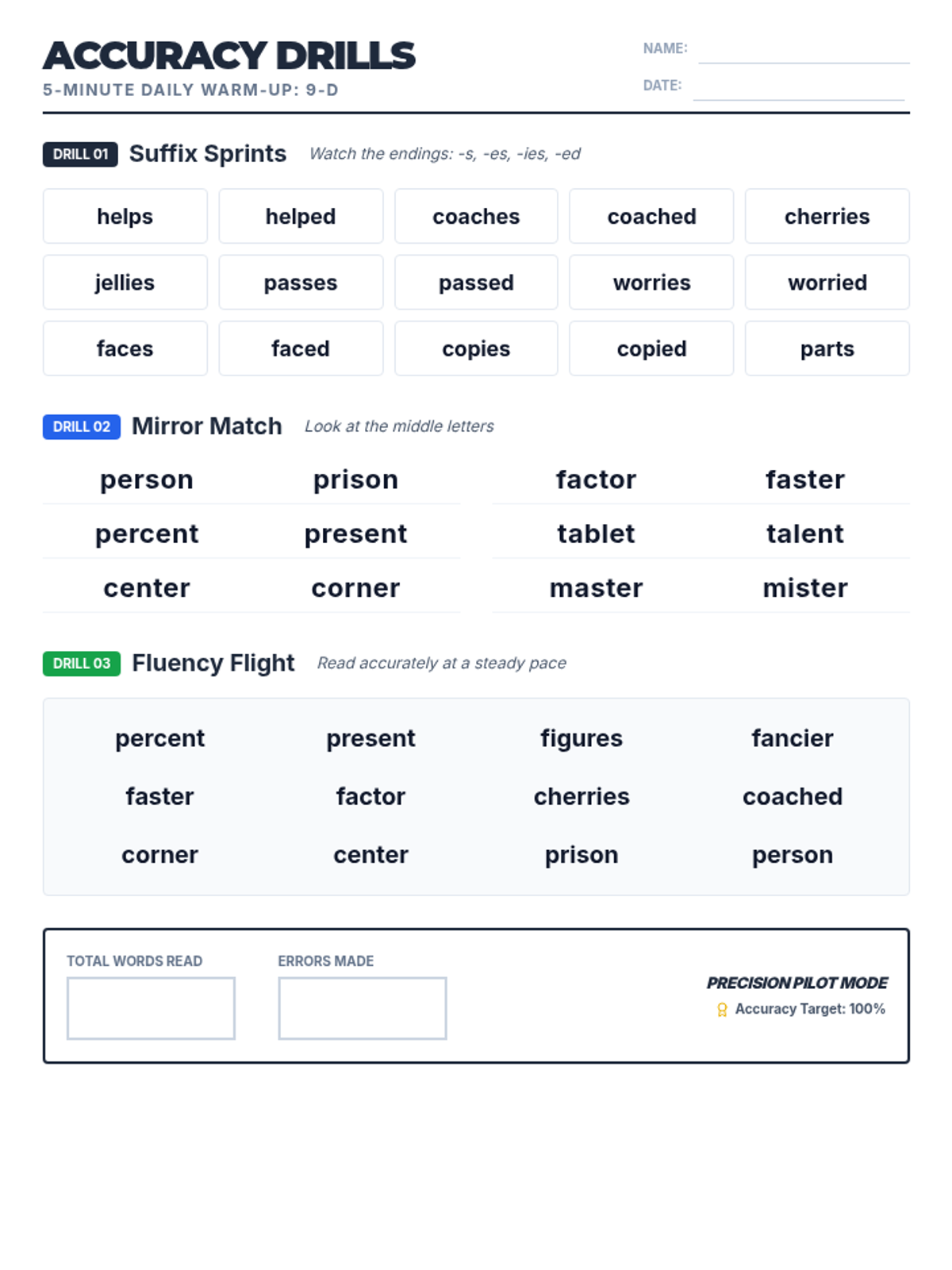
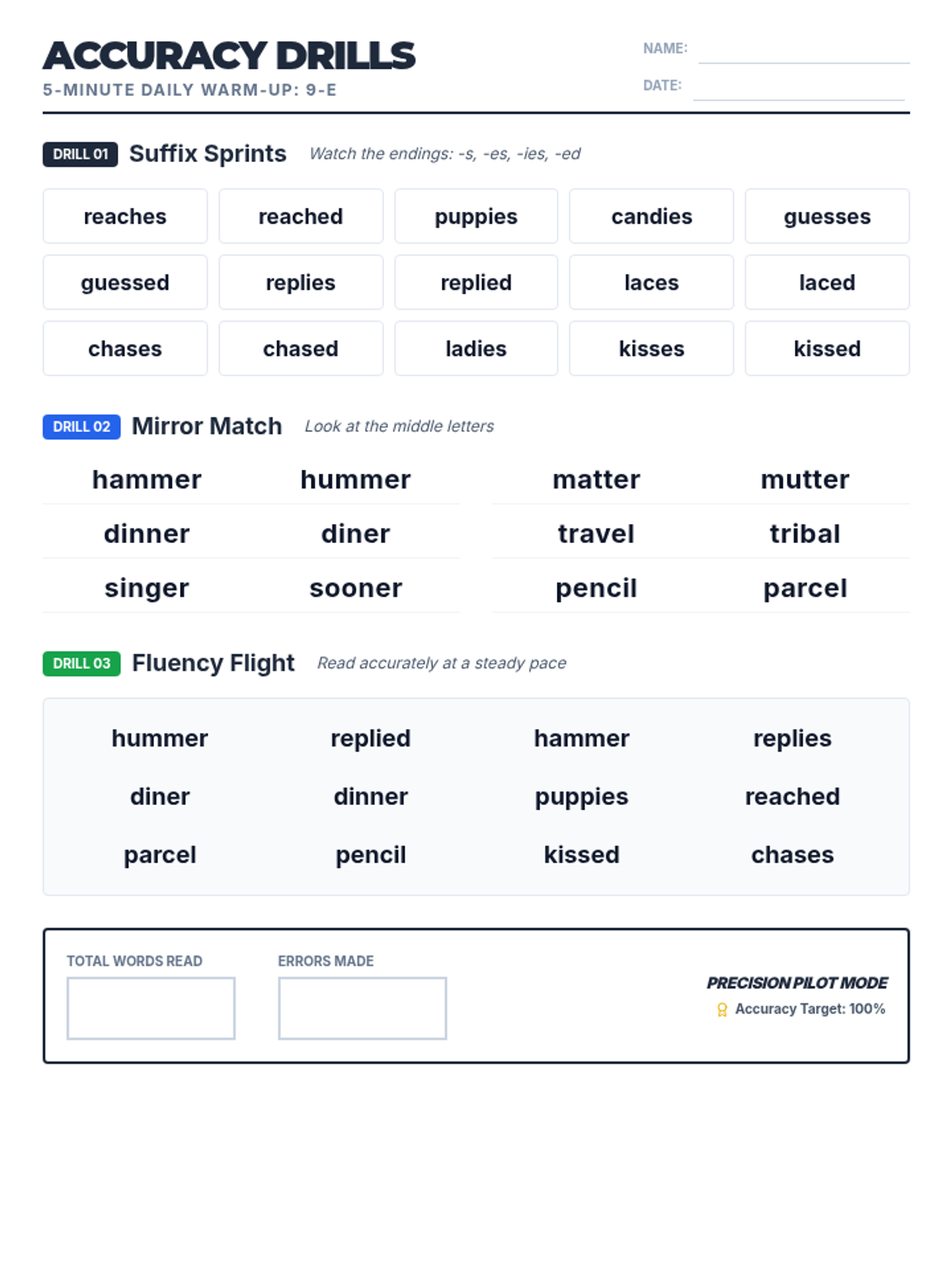
A series of high-intensity, five-minute reading drills designed for 9th-grade special education students to improve decoding accuracy for suffixes and visually similar word pairs.
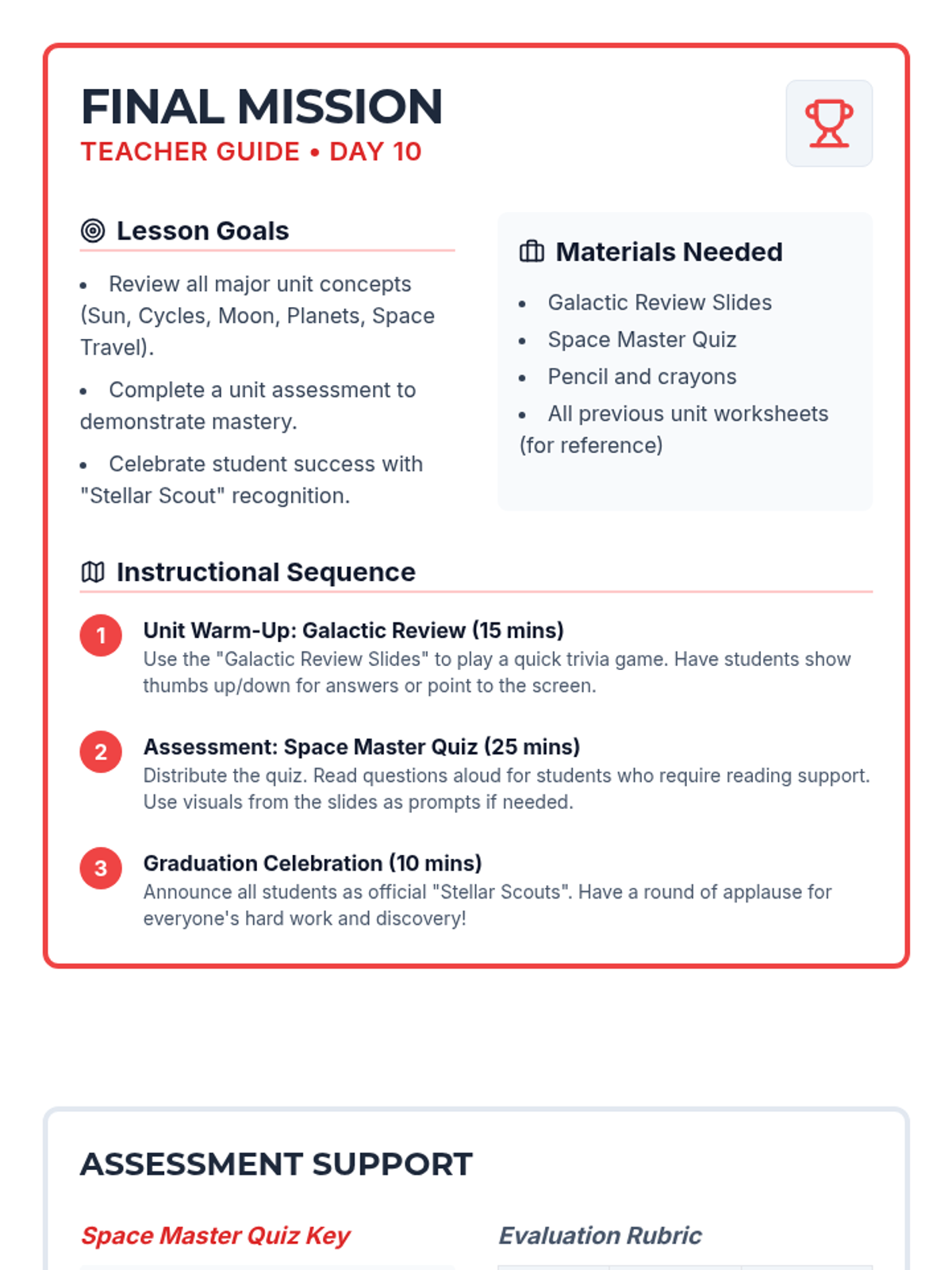
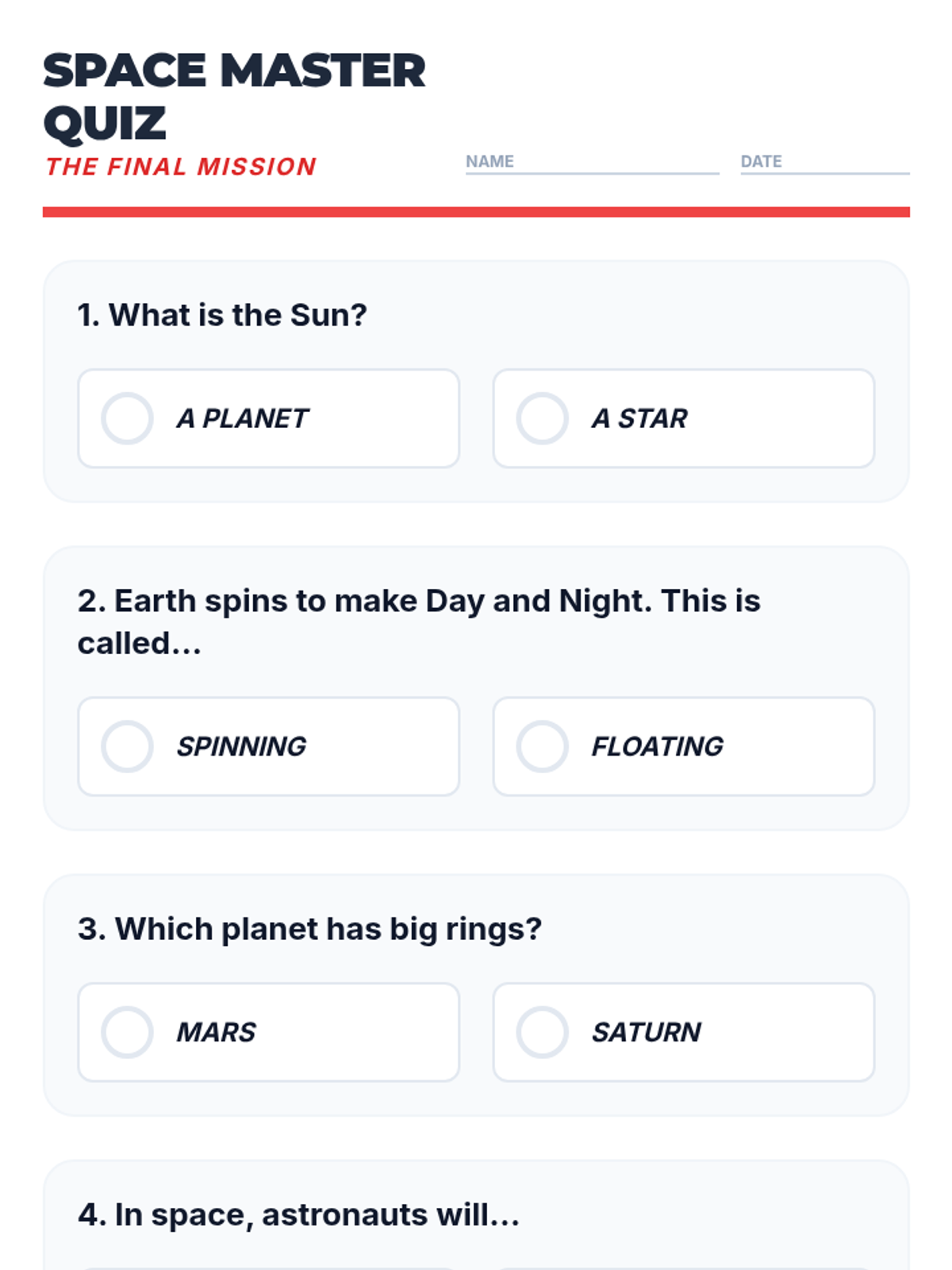
A comprehensive review of unit concepts followed by a final assessment designed for students with diverse learning needs.
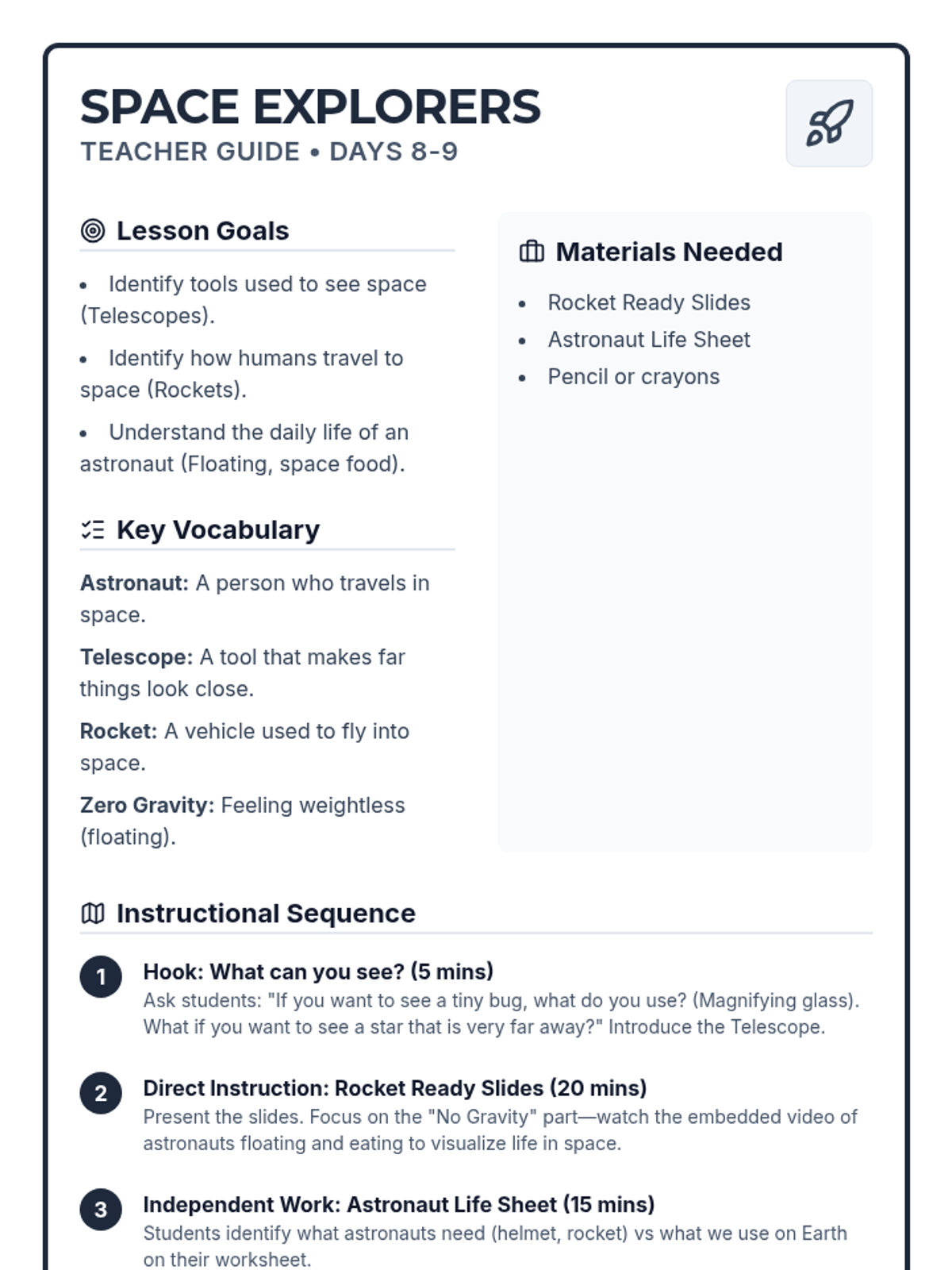
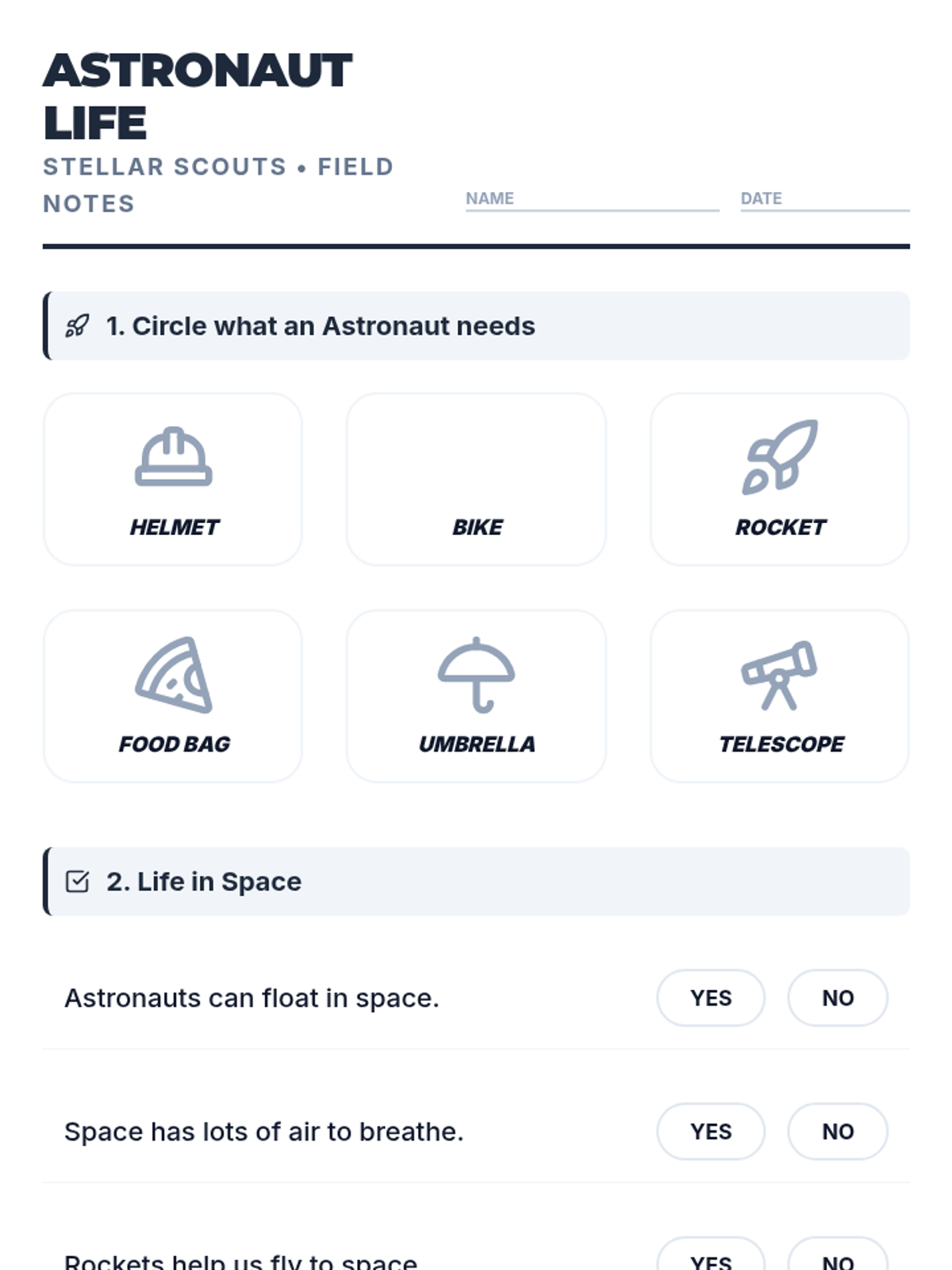
An introduction to how humans explore space, including the tools we use like telescopes and rockets, and what it is like to live and work as an astronaut.
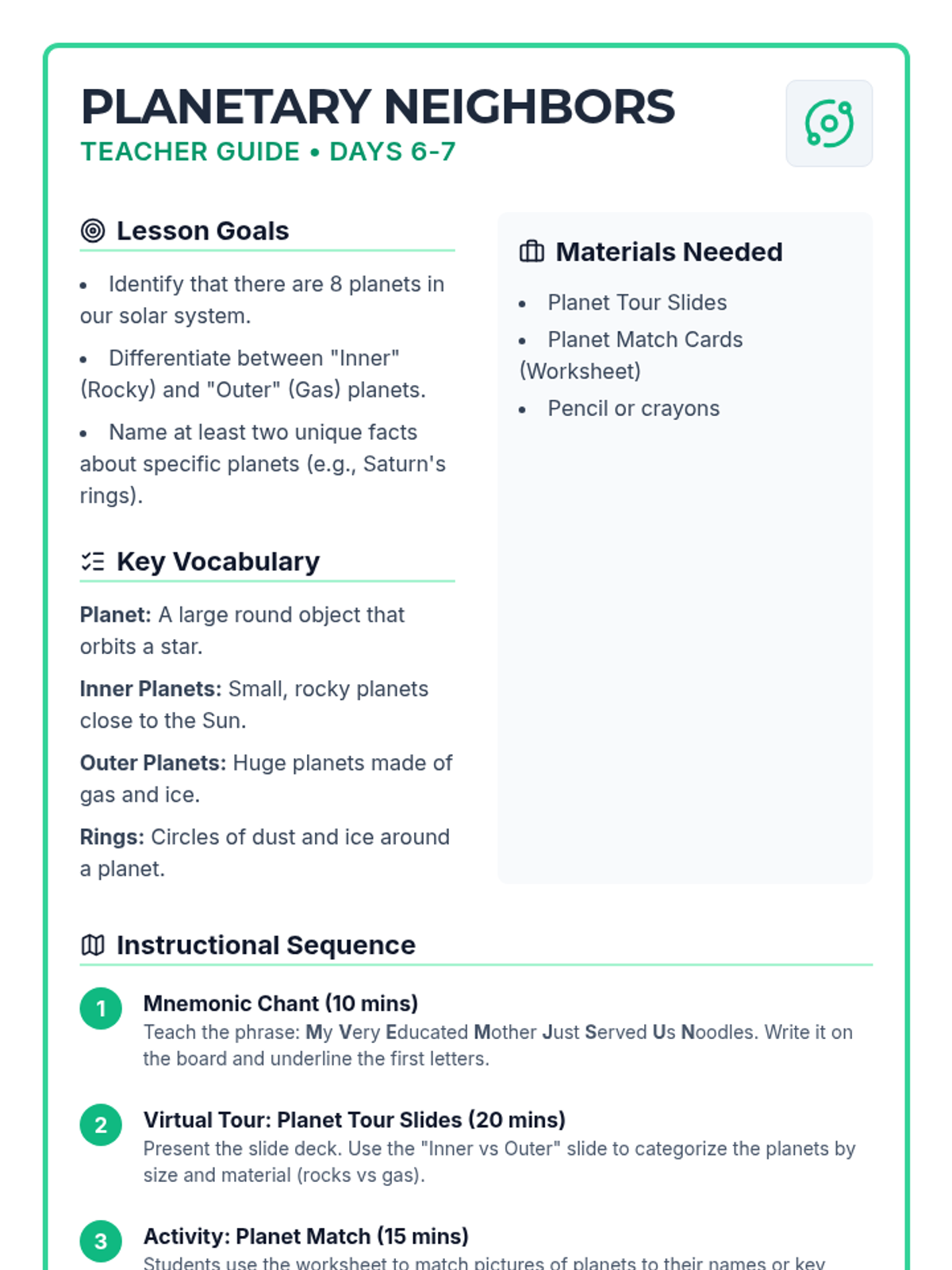
A guided tour of the eight planets in our solar system, categorized into rocky inner planets and gaseous outer planets with simple distinguishing characteristics for each.
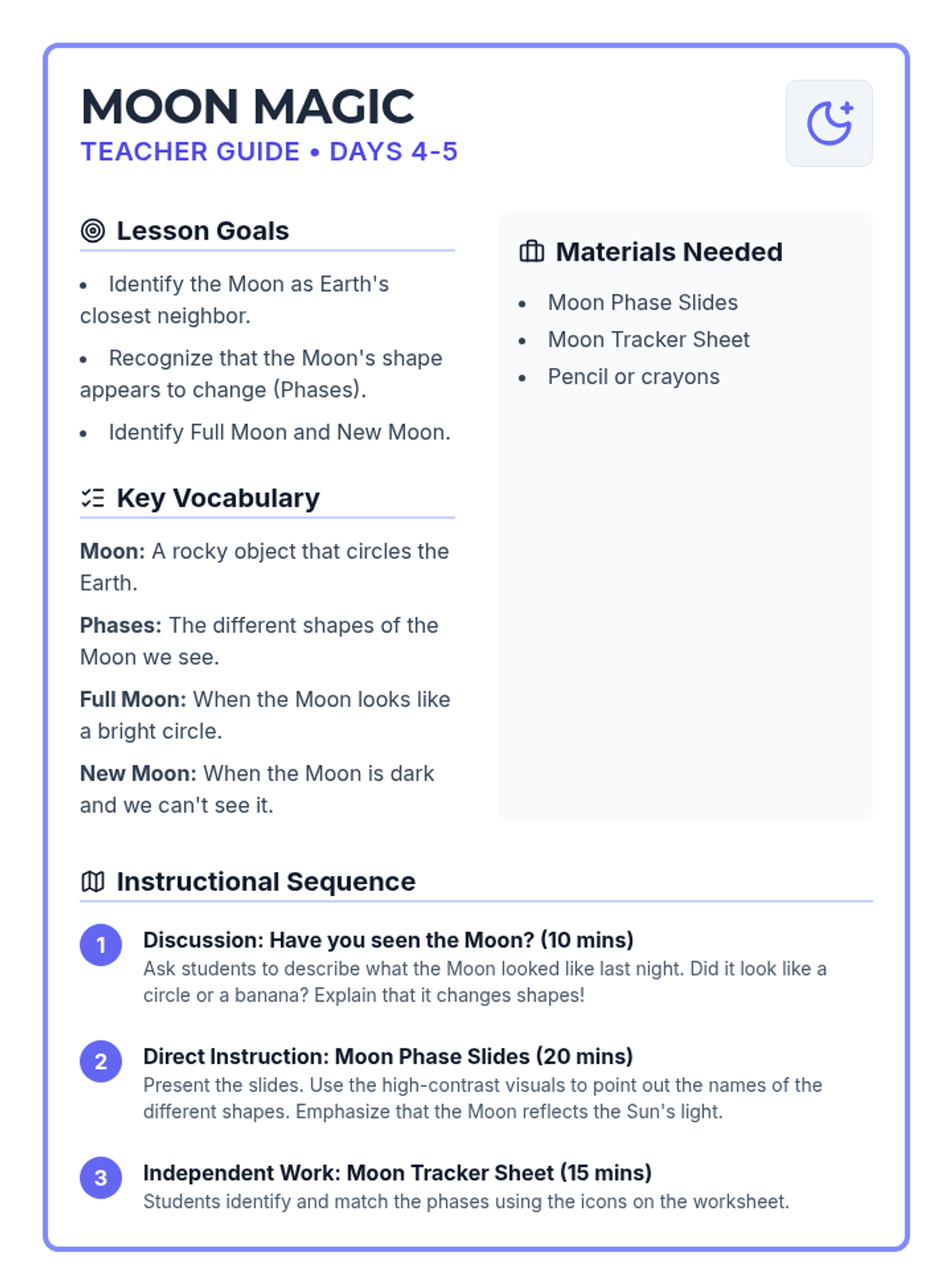
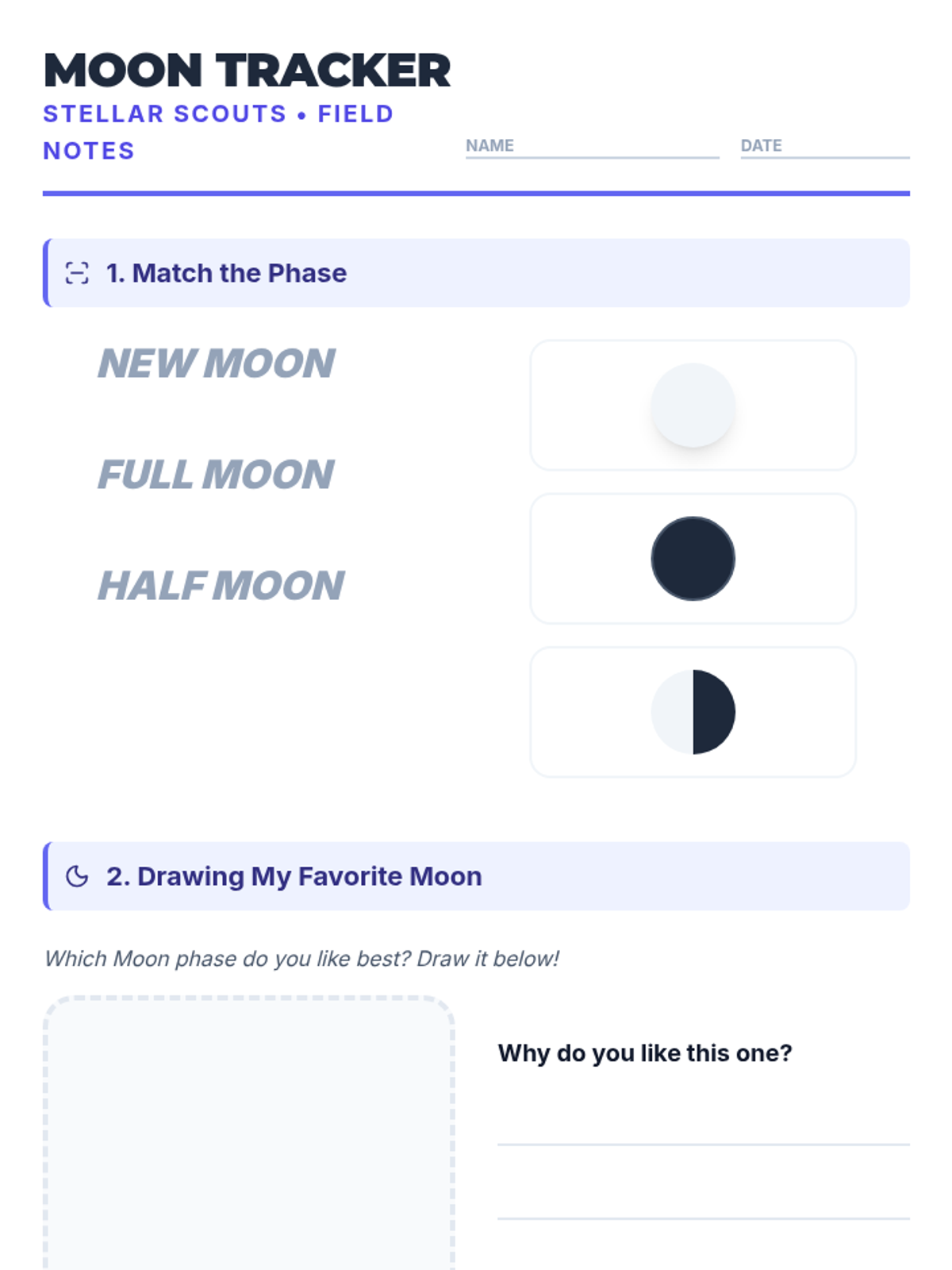
A study of the Moon's appearance and its relationship with Earth, focusing on the most recognizable phases and its role as our closest neighbor.
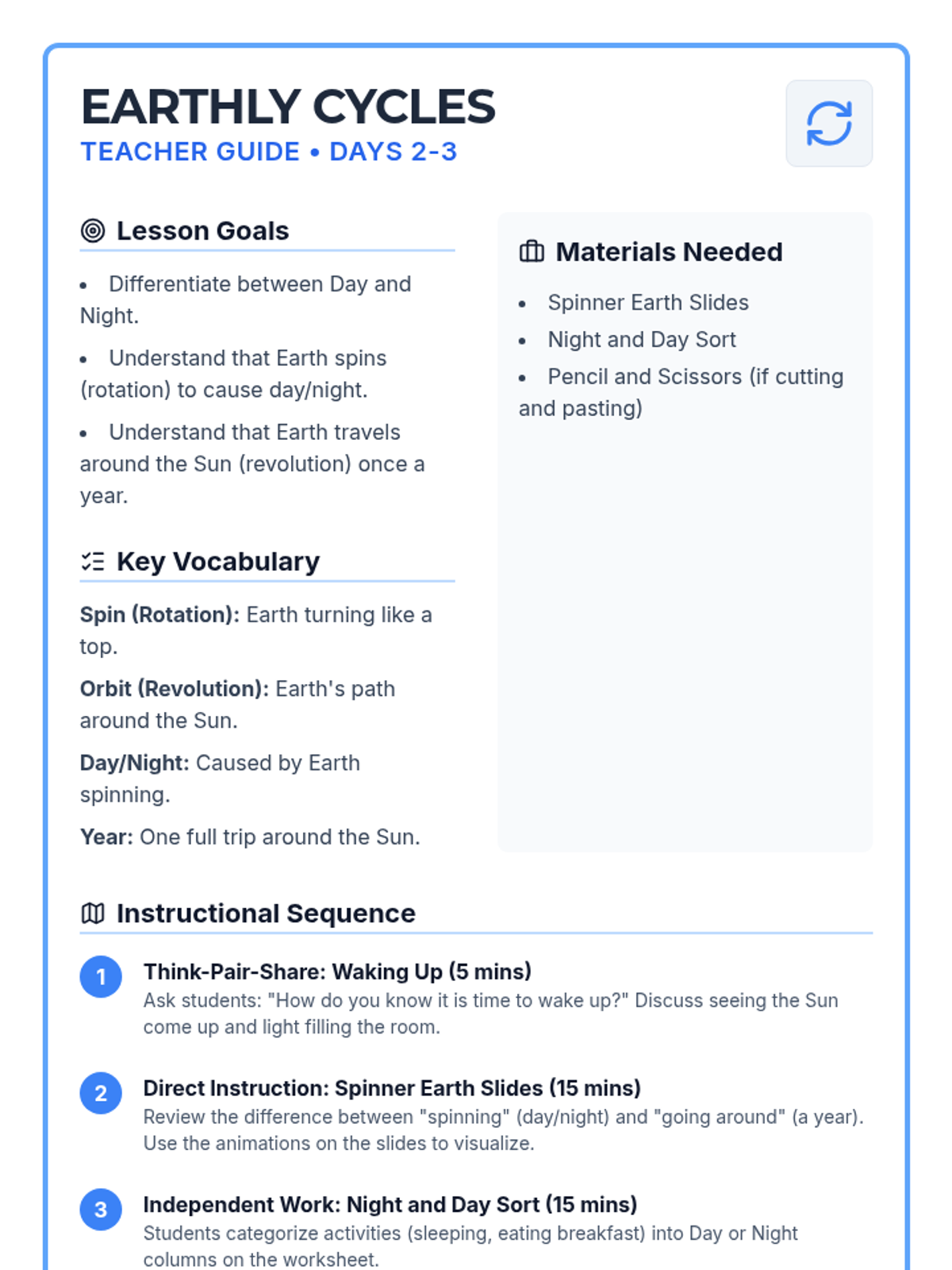
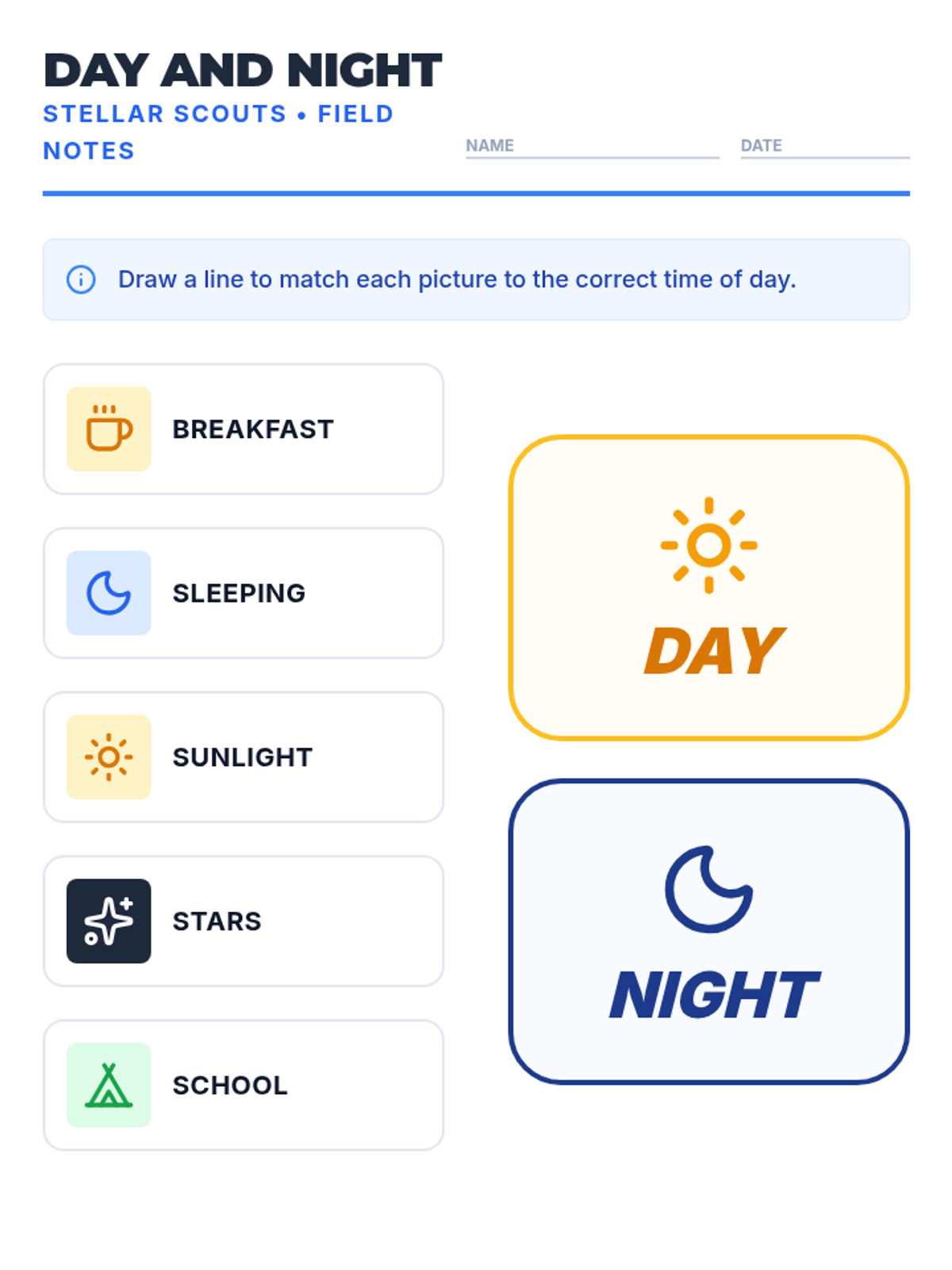
An exploration of why we have day and night (rotation) and why we have years and seasons (revolution), broken down into simple, relatable concepts.
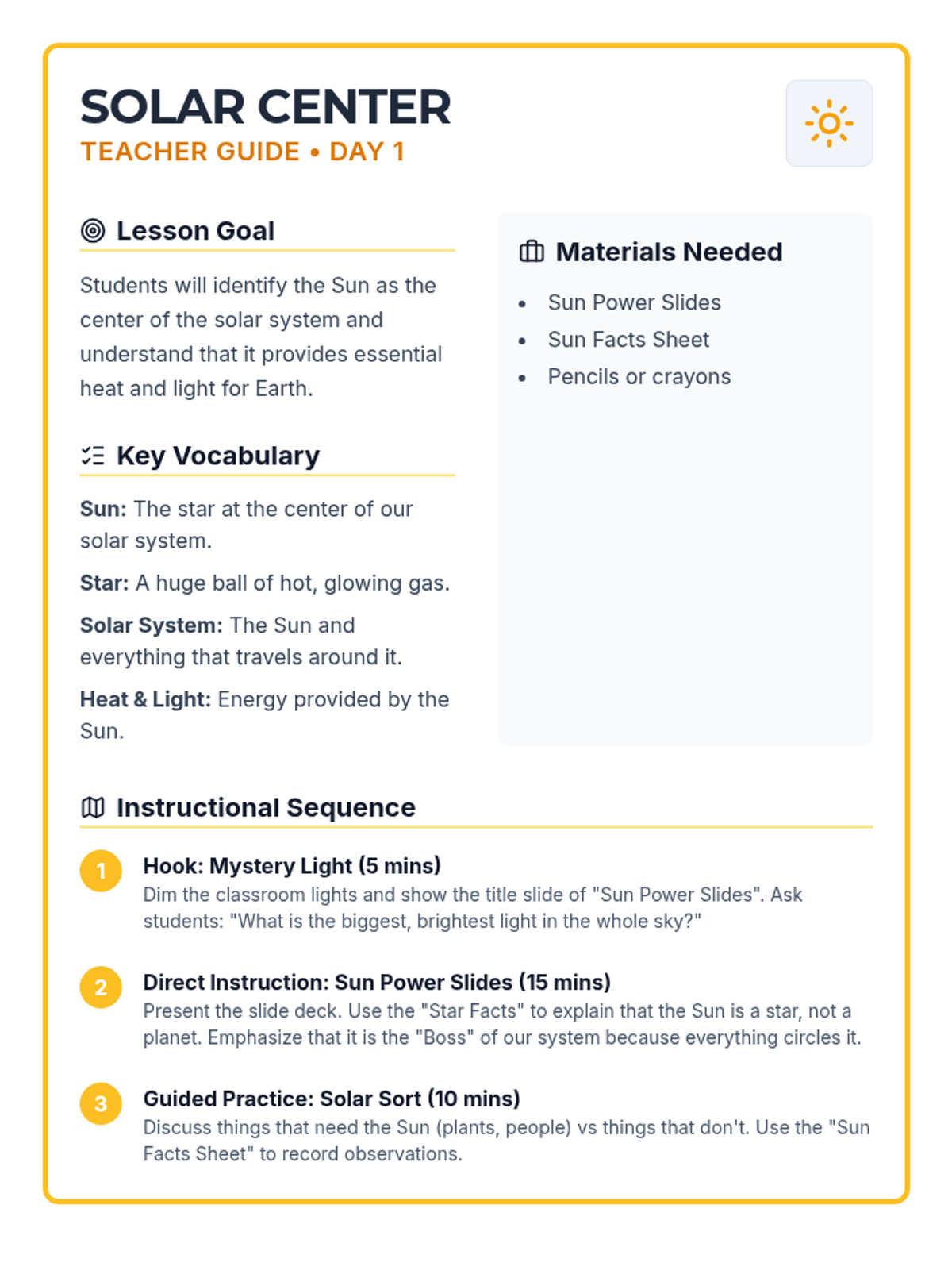
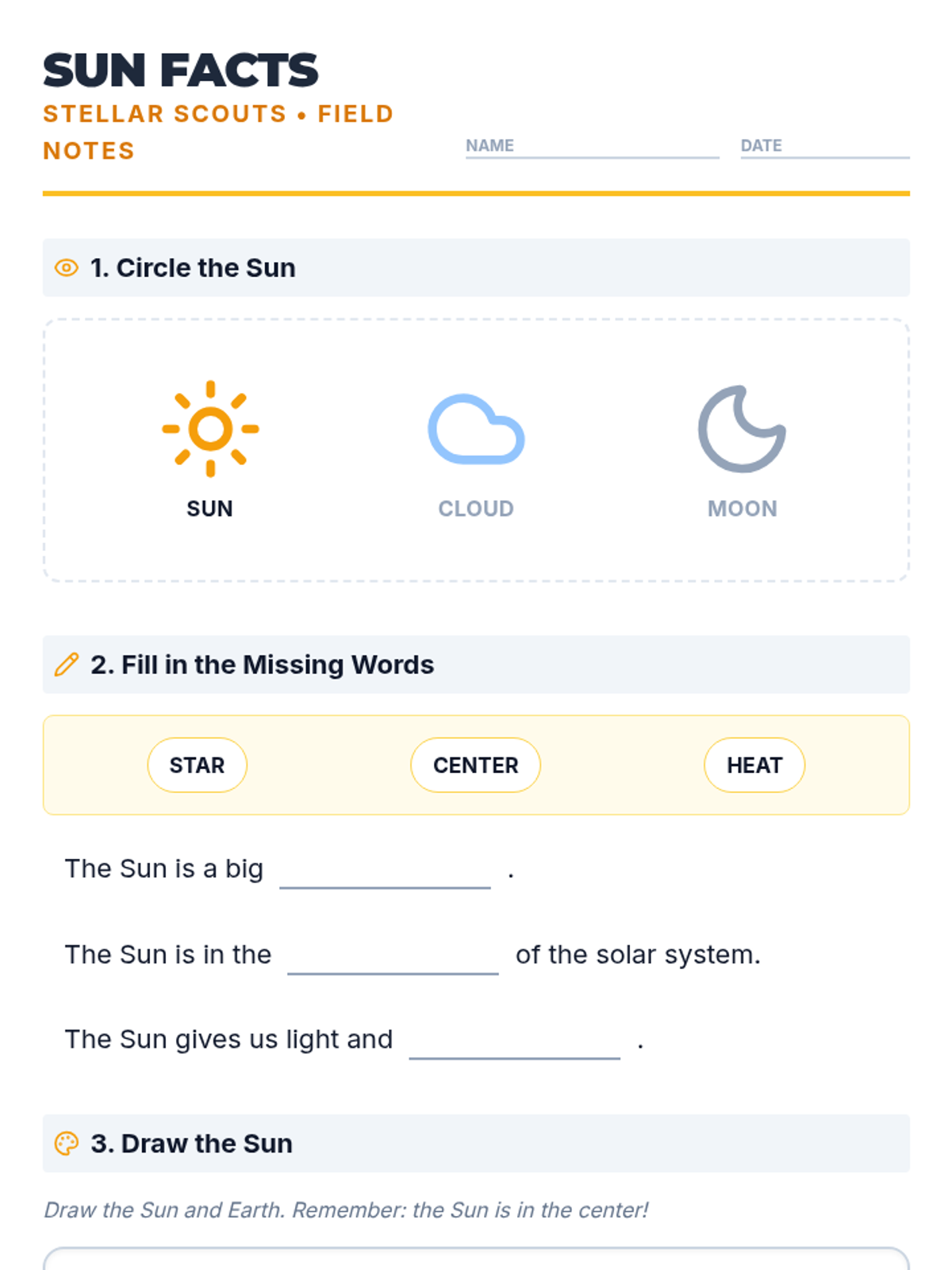
Students explore the Sun as the center of our solar system, learning about its heat, light, and importance for life on Earth using accessible language and clear visual aids.
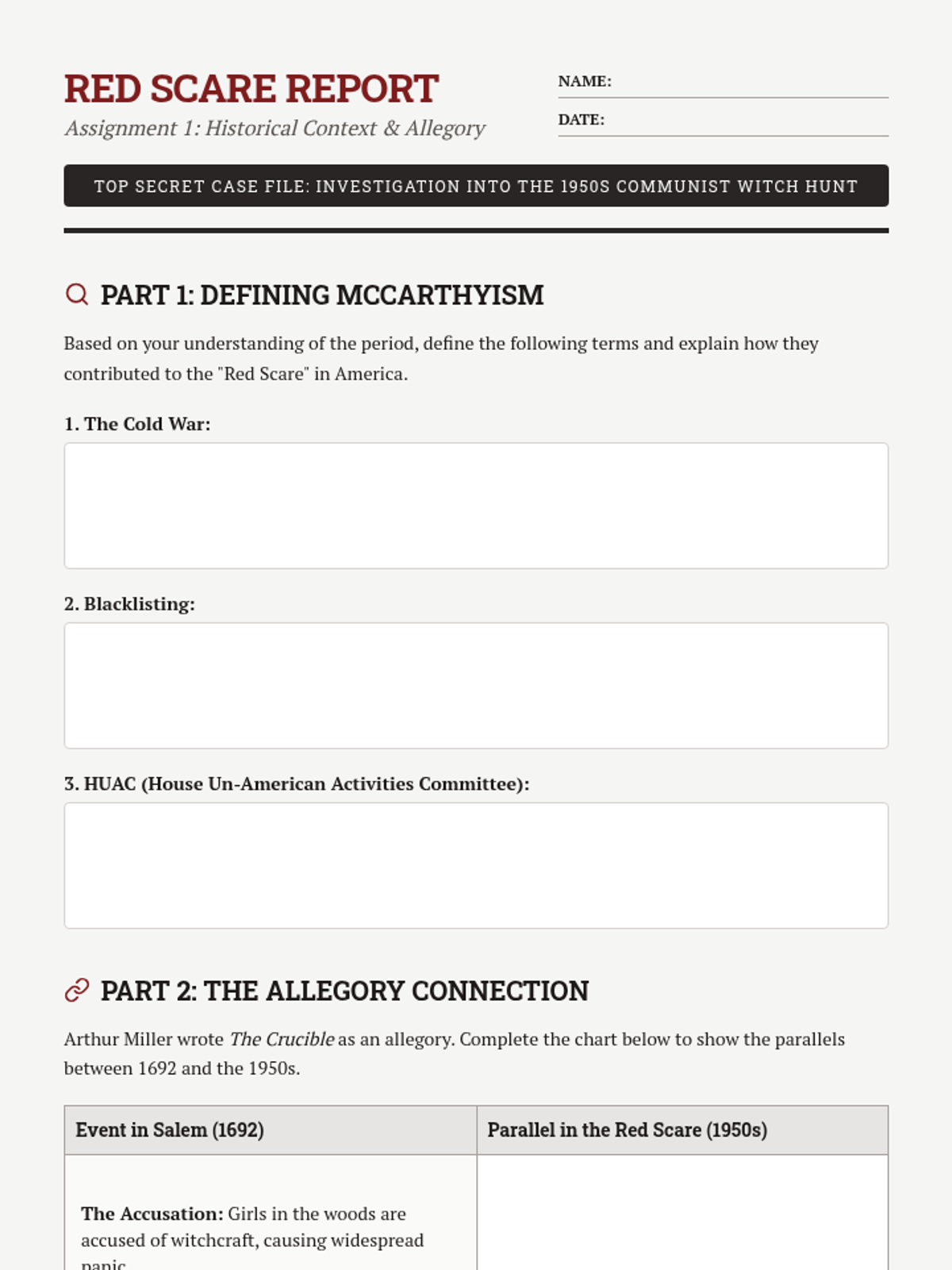
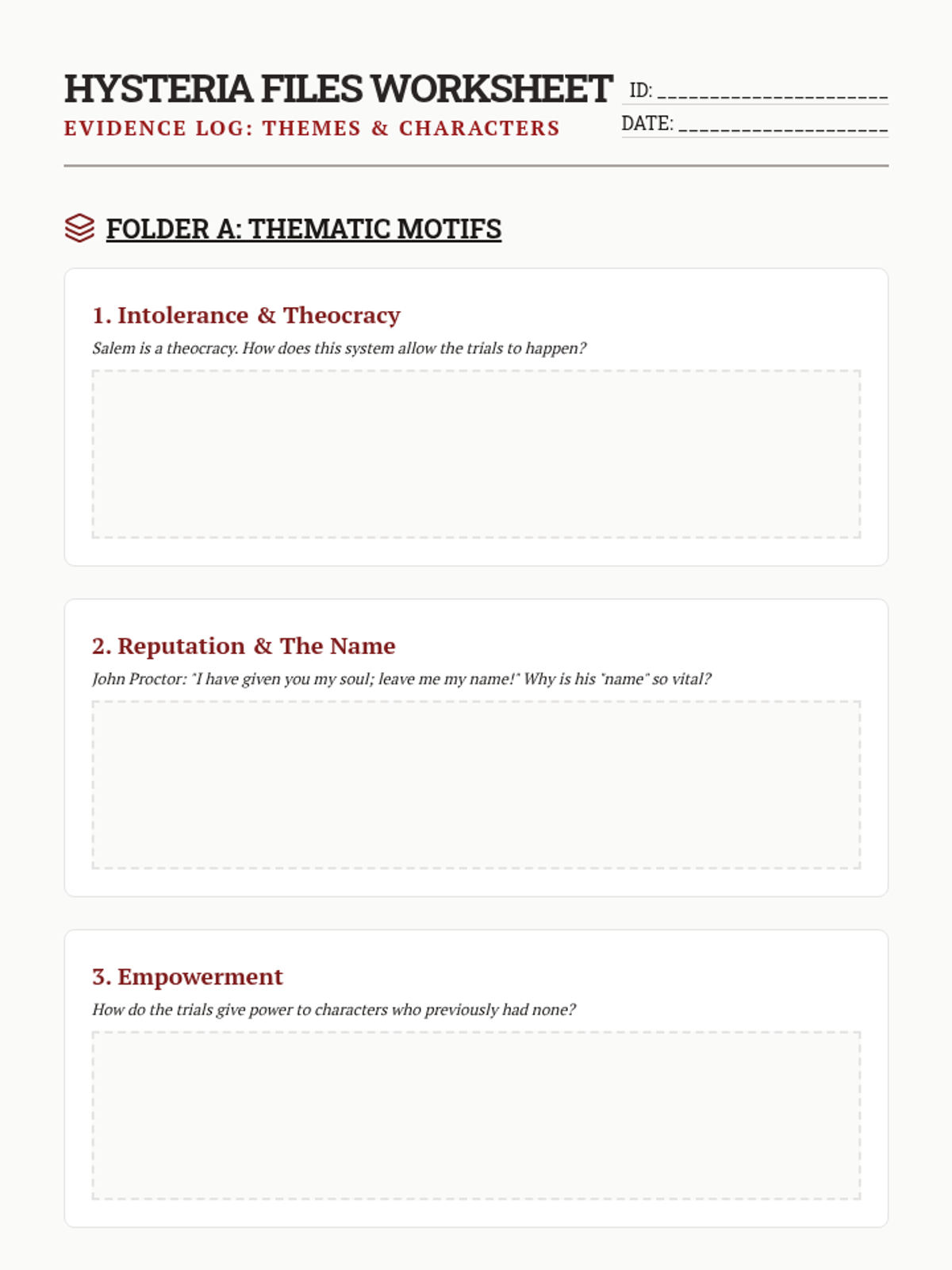
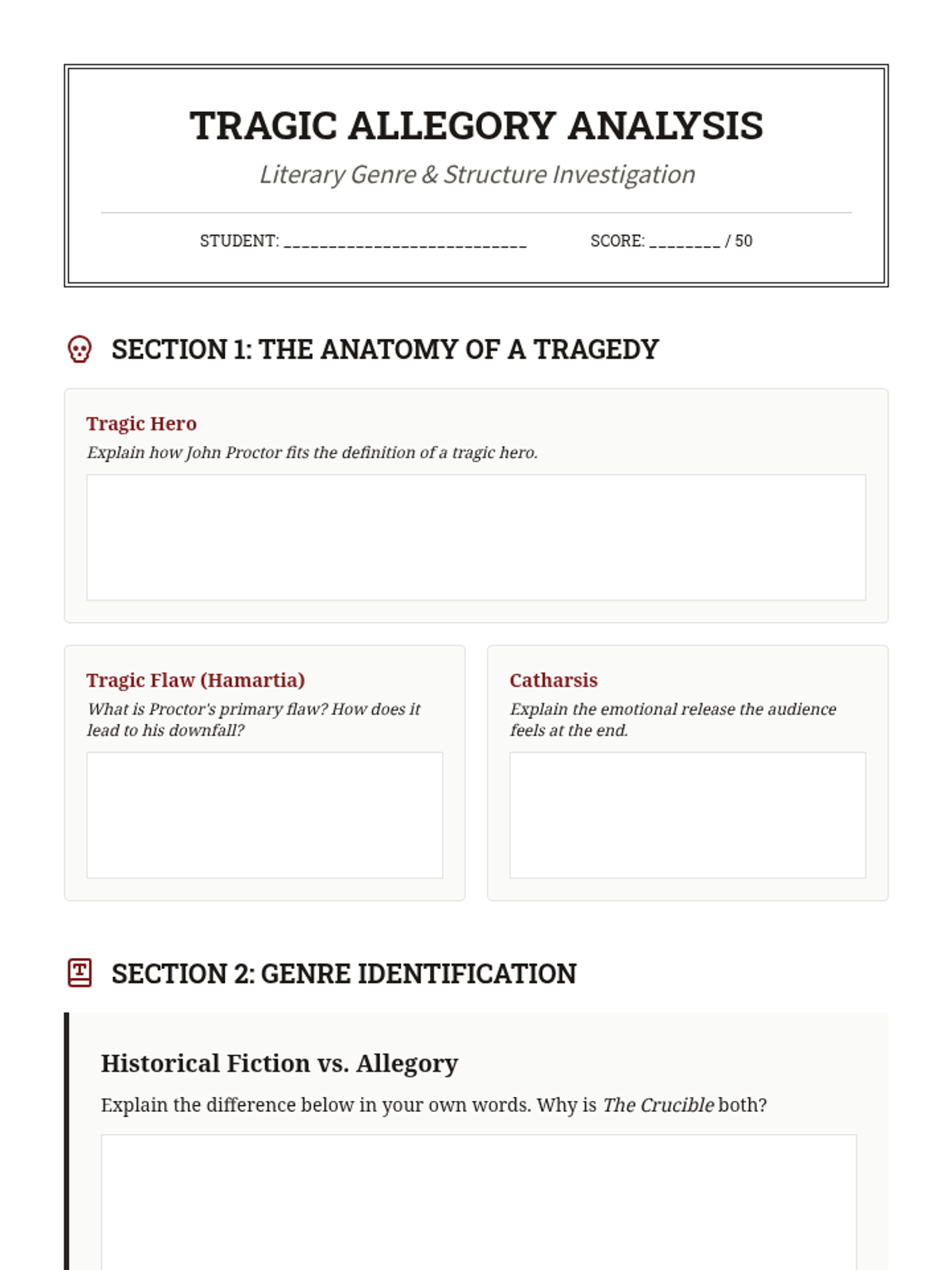
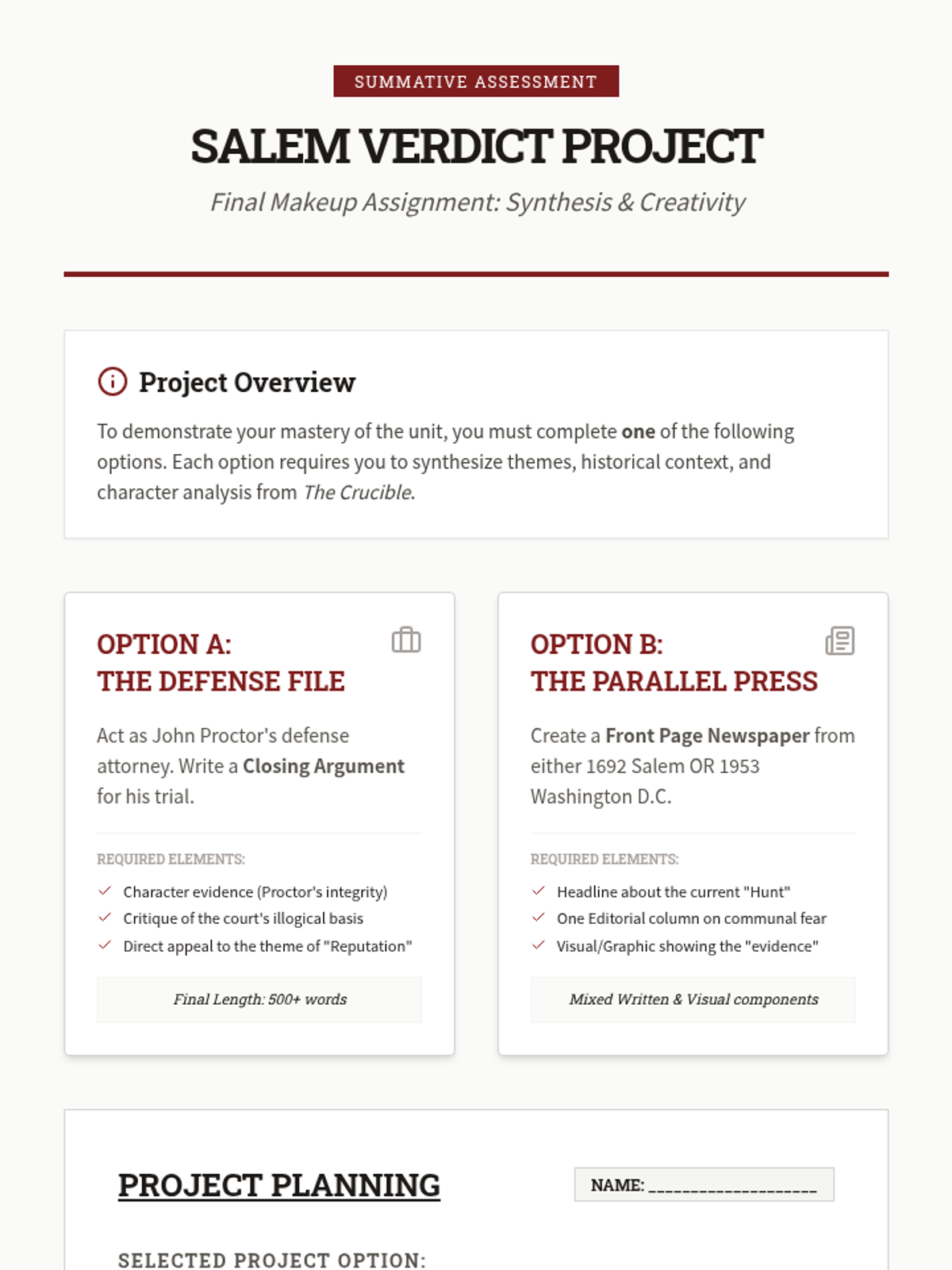
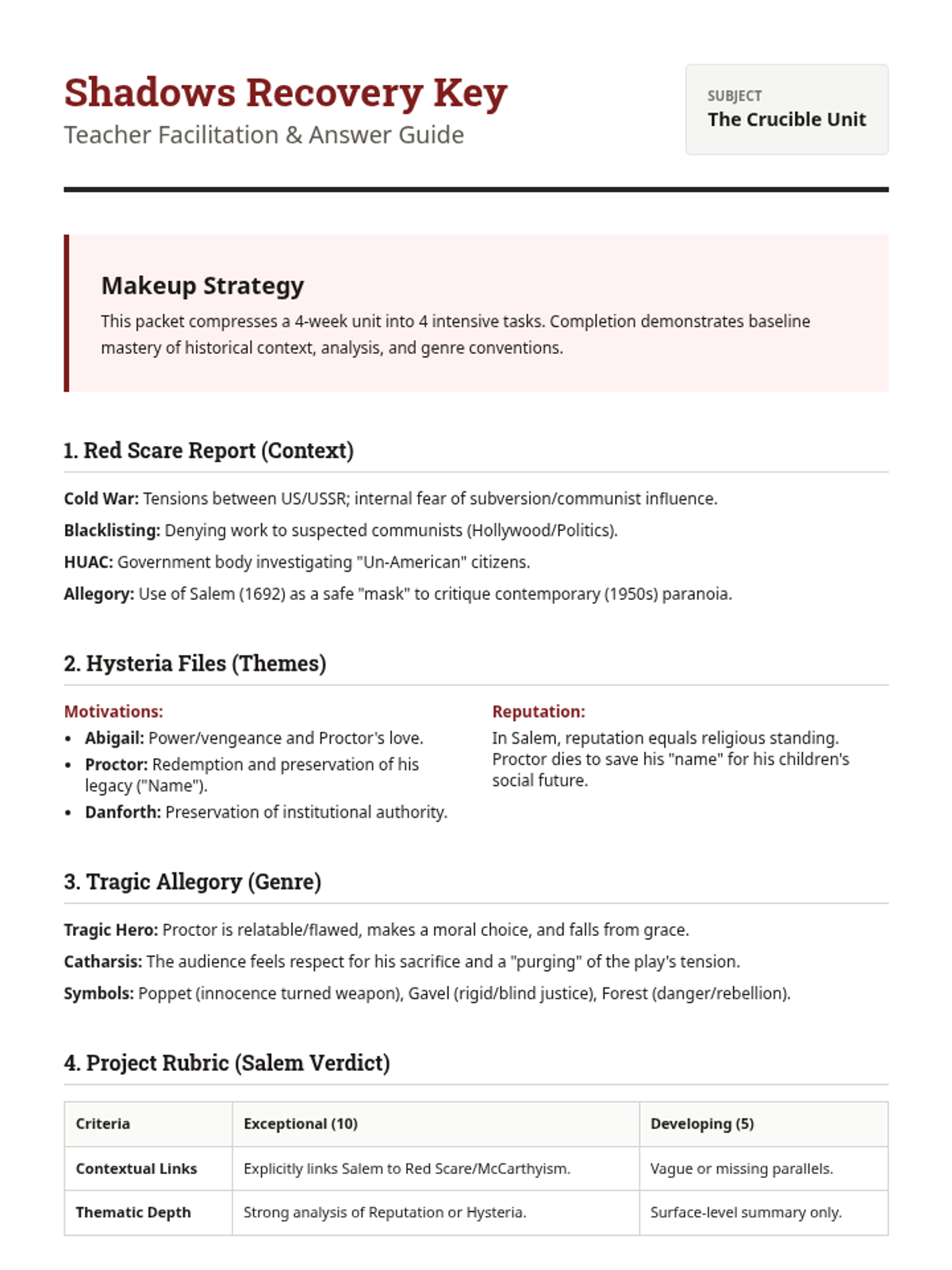
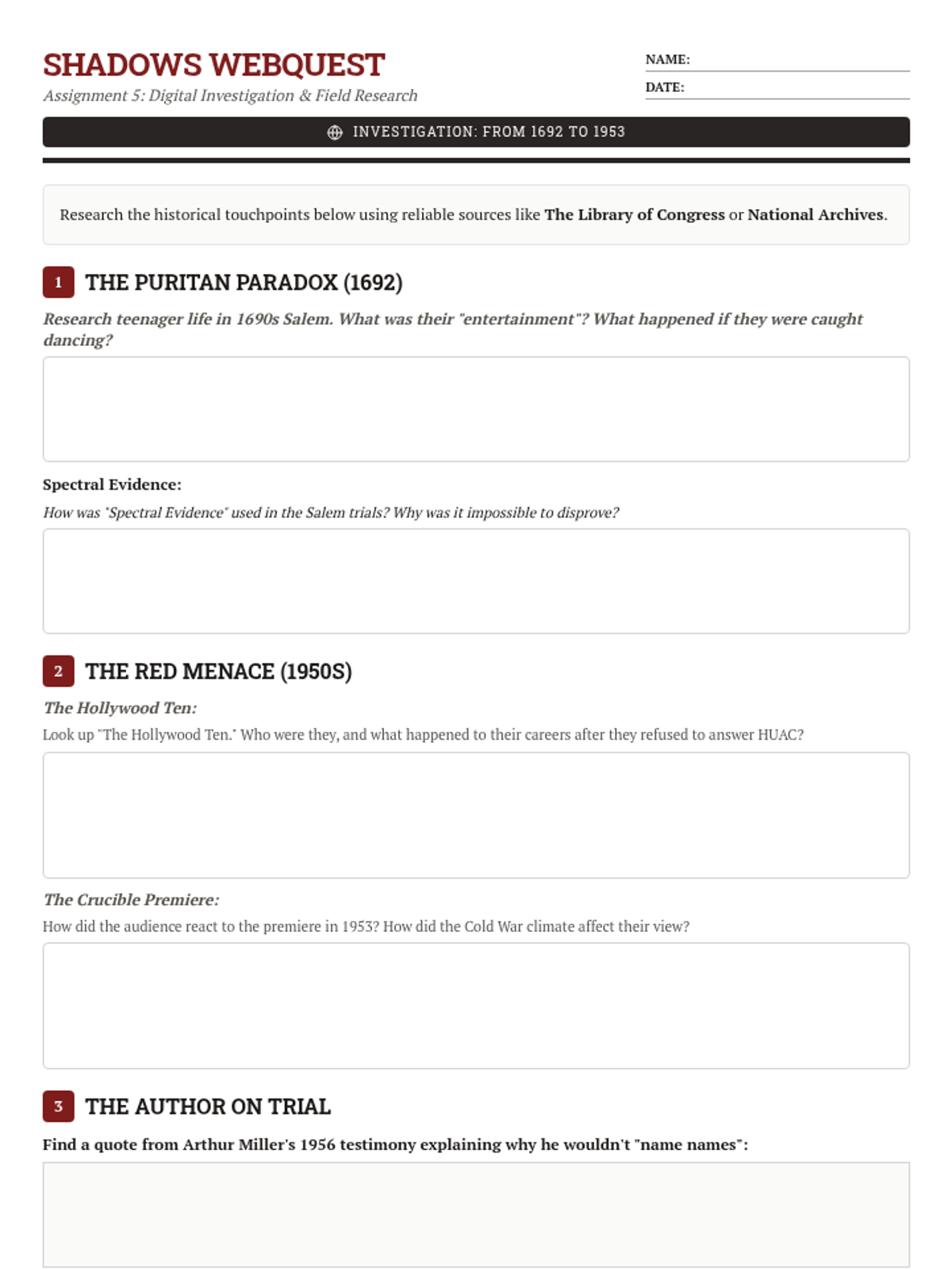
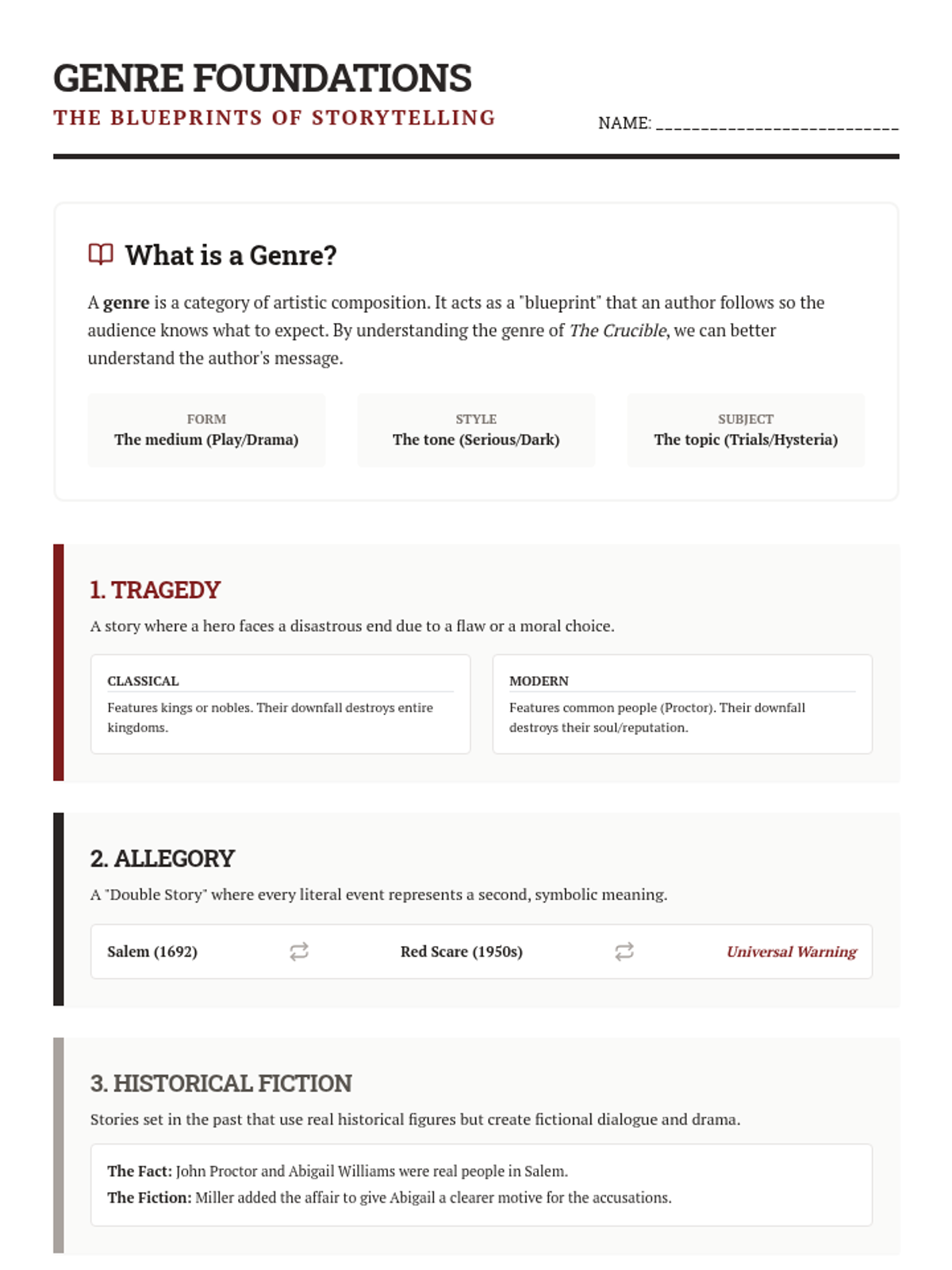
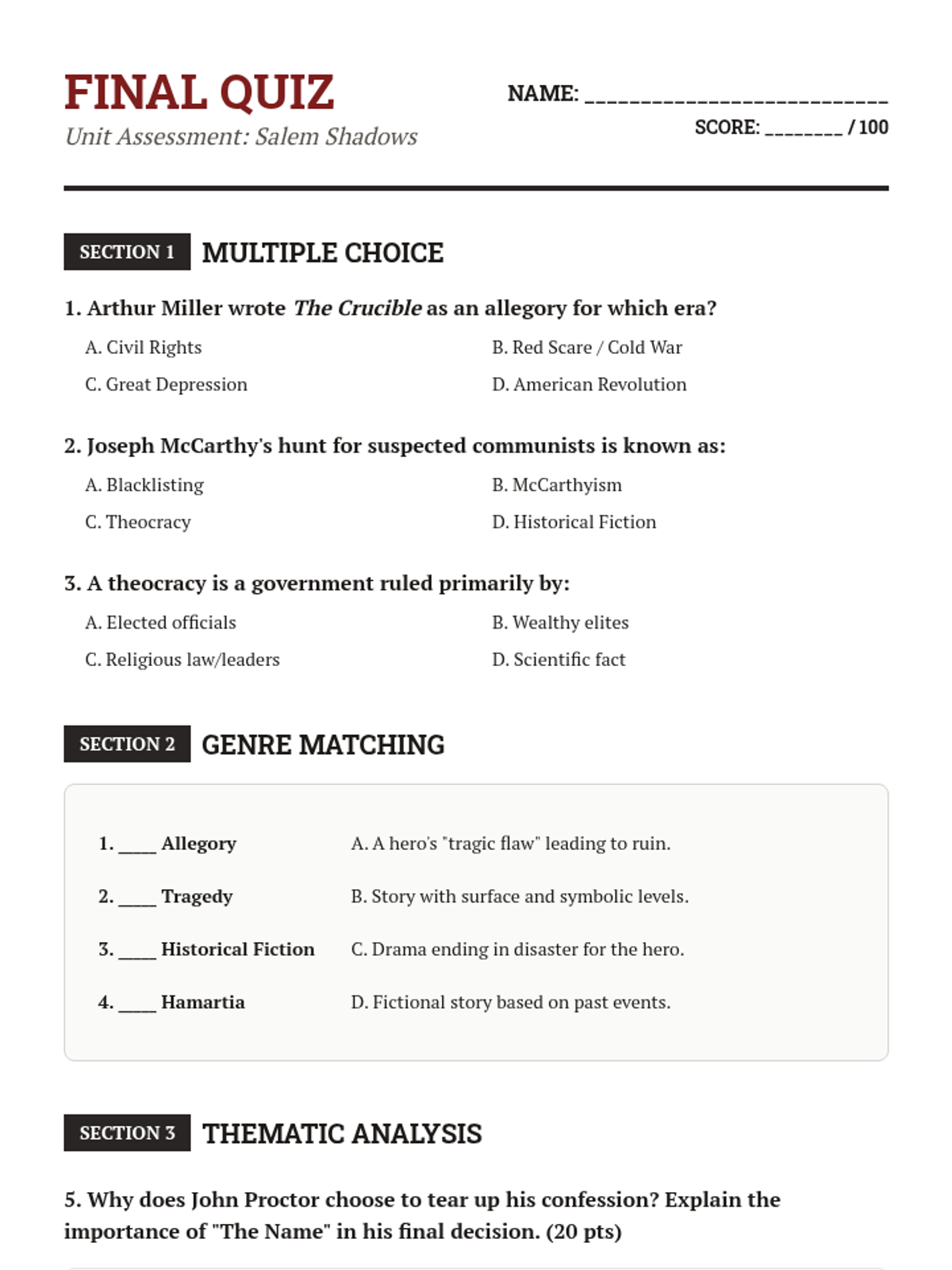
A comprehensive makeup packet for students to recover credit for a unit on The Crucible. It explores the historical context of McCarthyism, the play's themes of hysteria and reputation, and its classification as a tragic allegory.
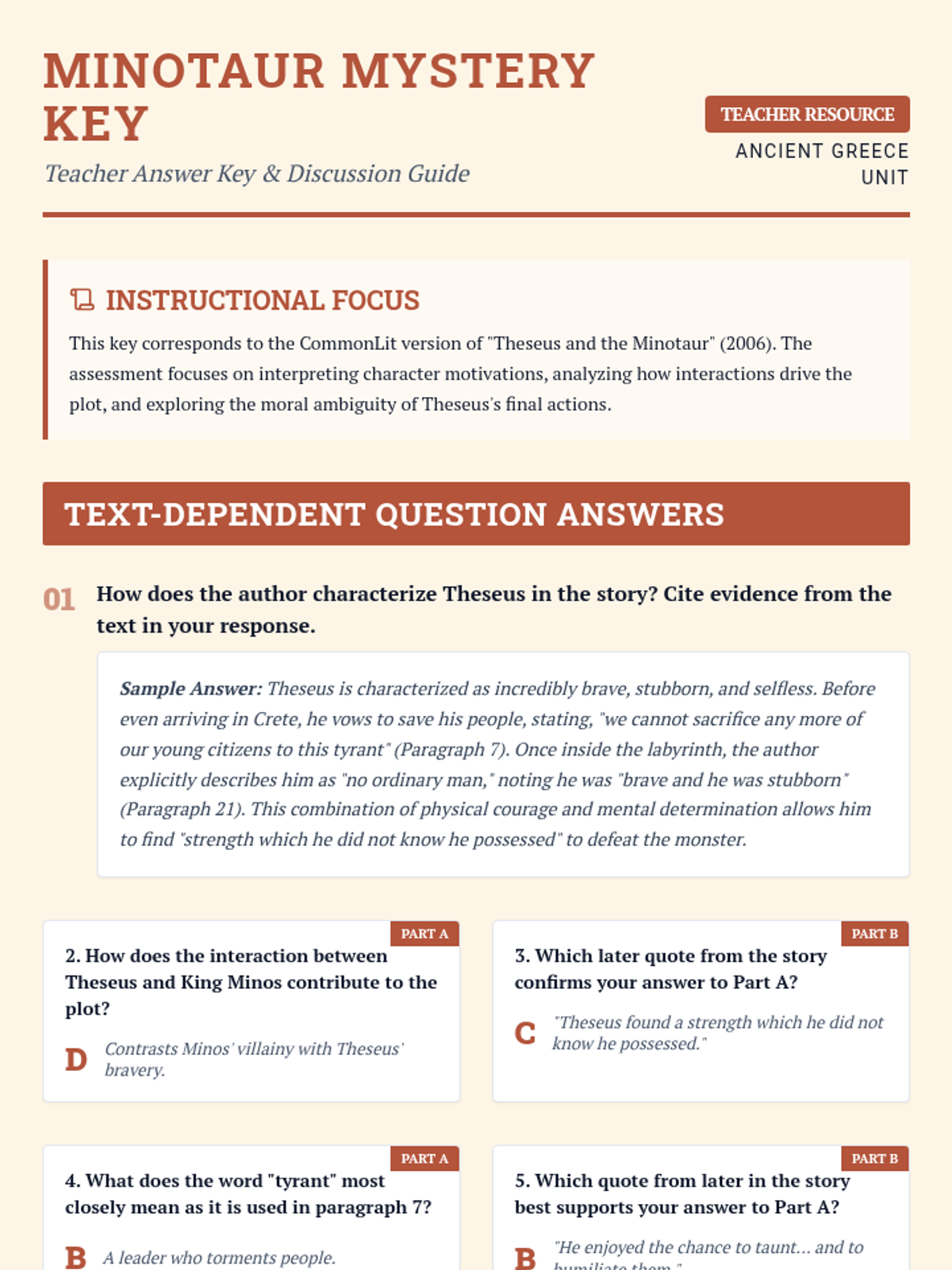
A deep dive into the classic Greek myth of Theseus and the Minotaur, focusing on characterization, plot structure, and the complex nature of heroism.
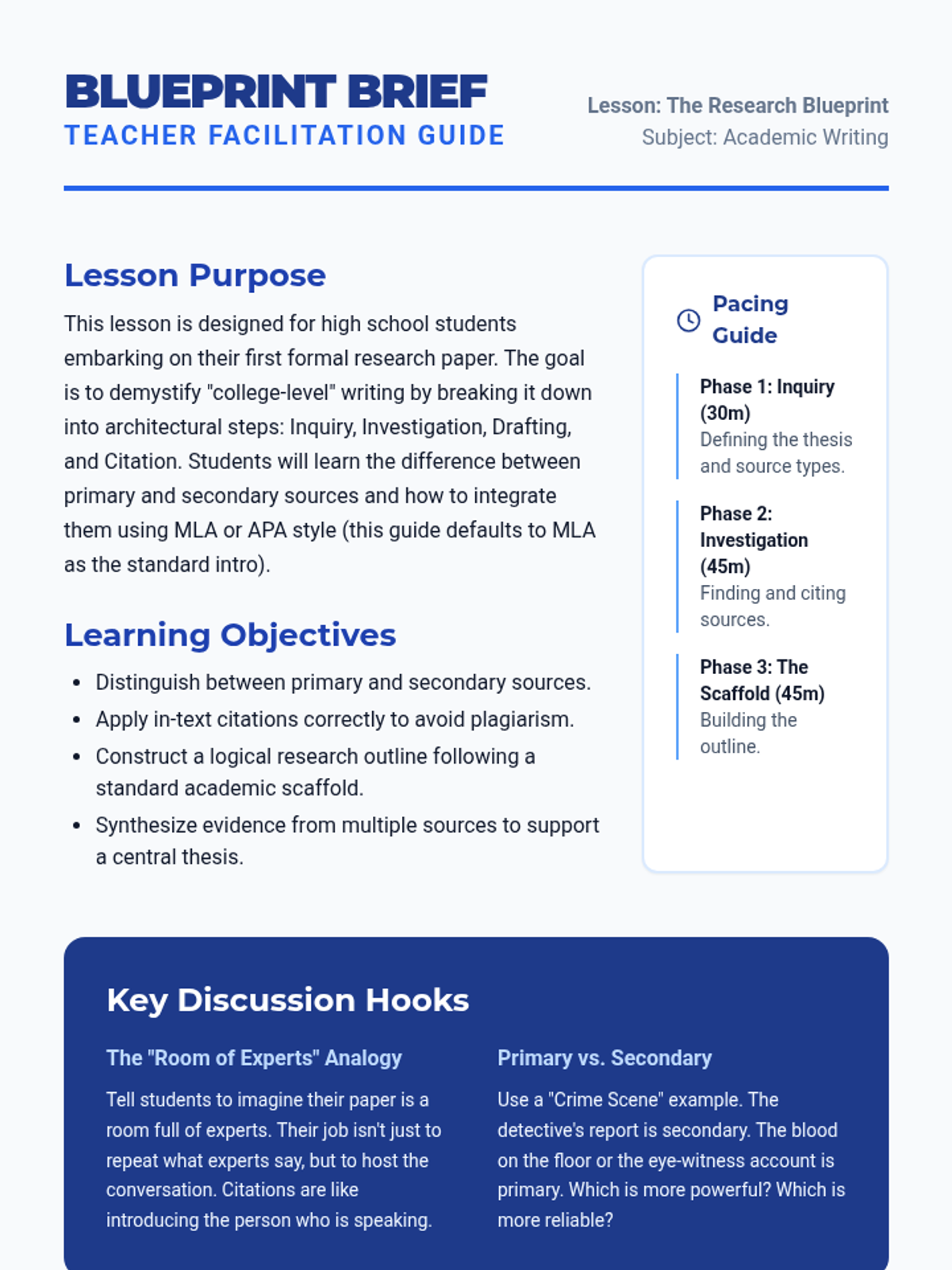
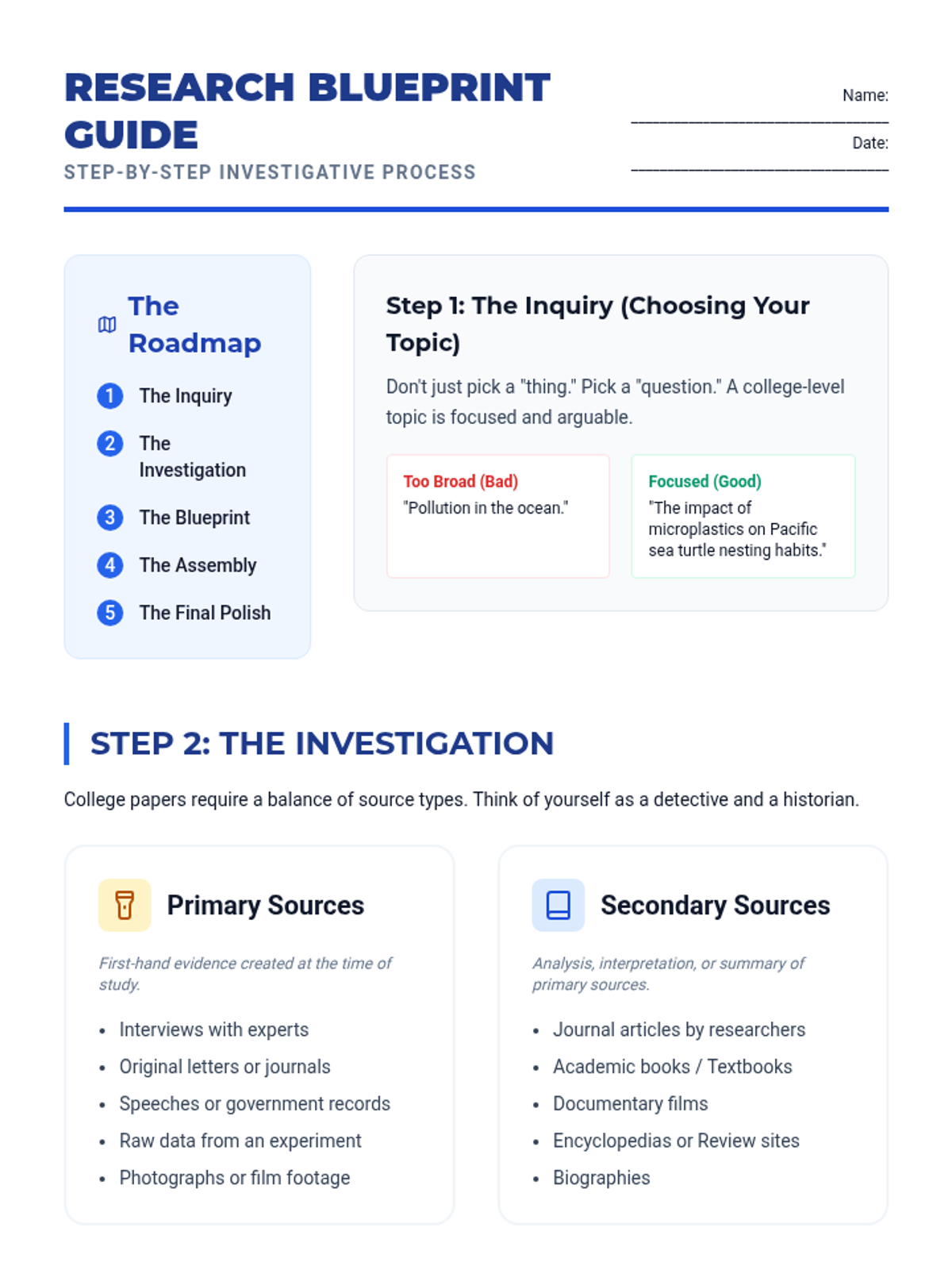
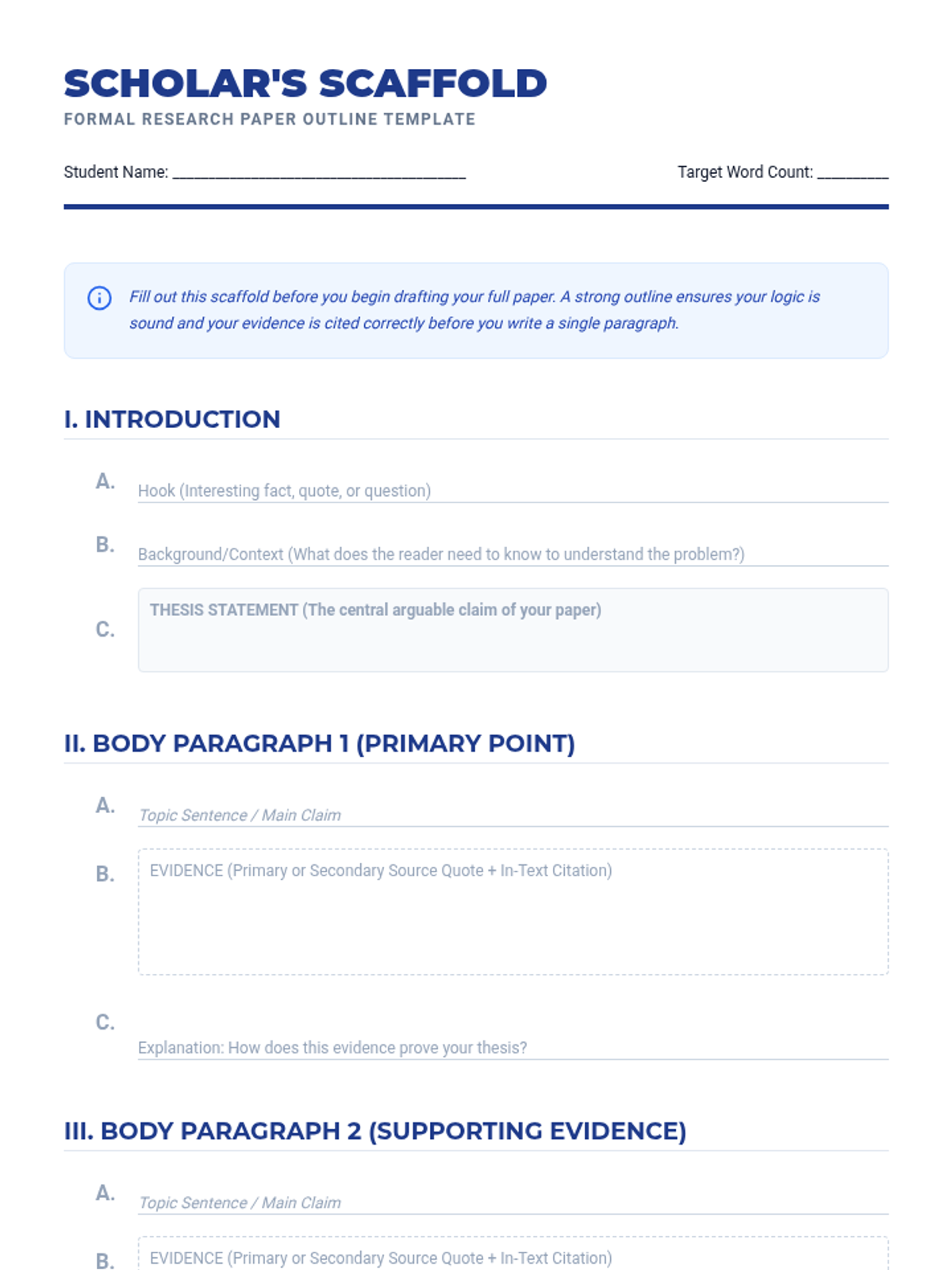
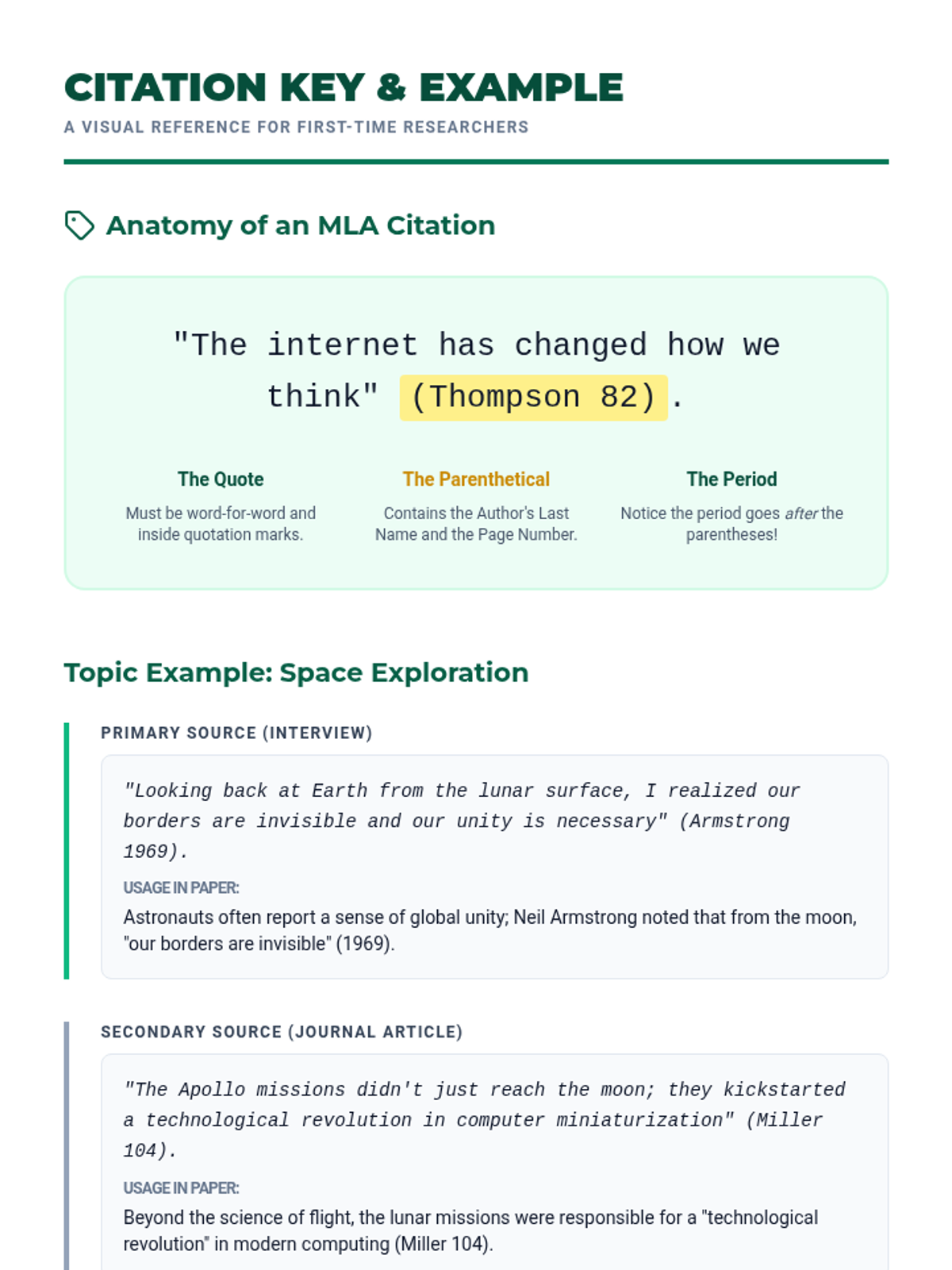
A foundational lesson designed to guide high school students through the complex process of writing their first academic research paper. It covers source evaluation, citation mechanics, and structural outlining with a focus on transitioning toward college-level standards.
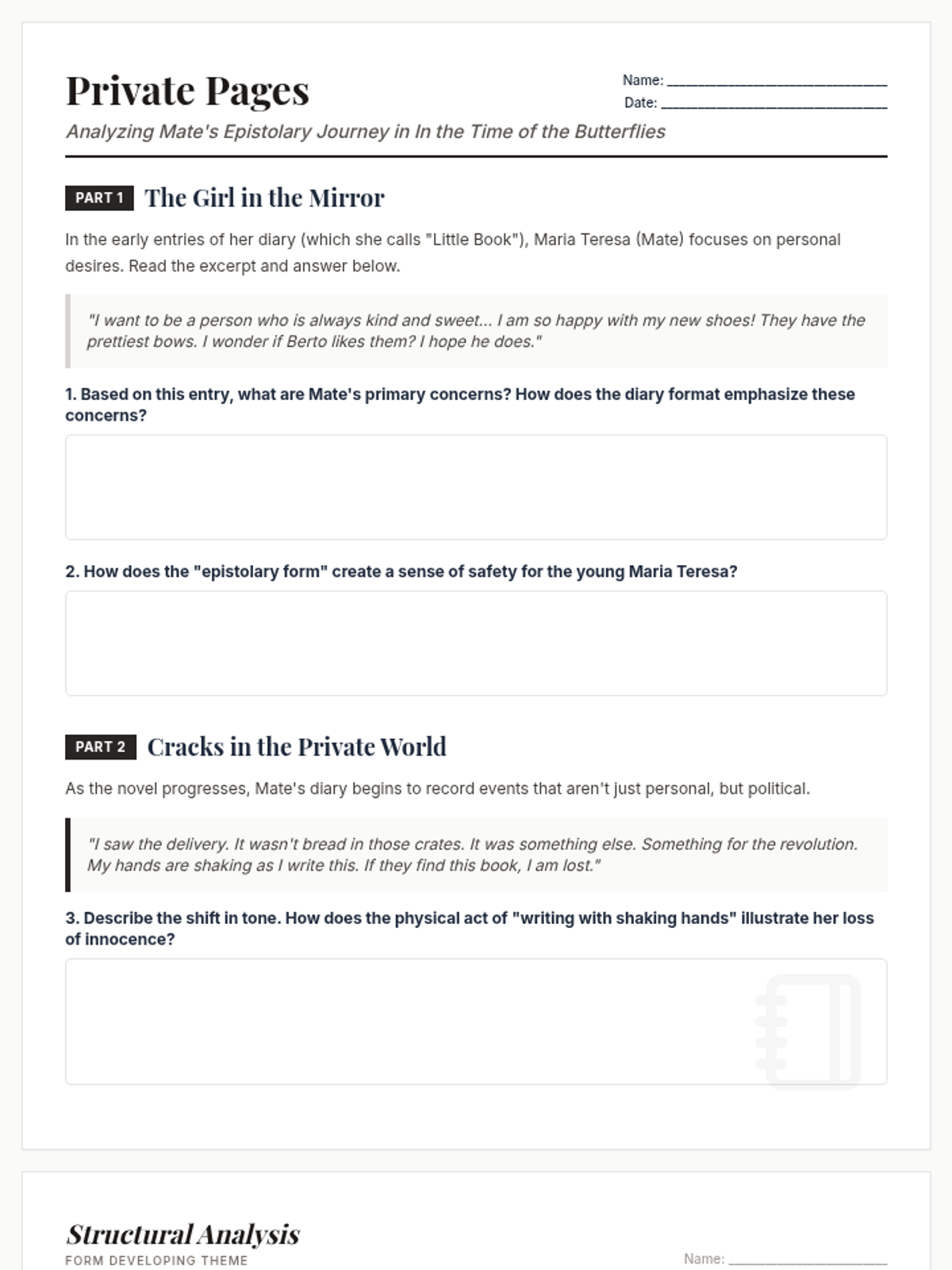
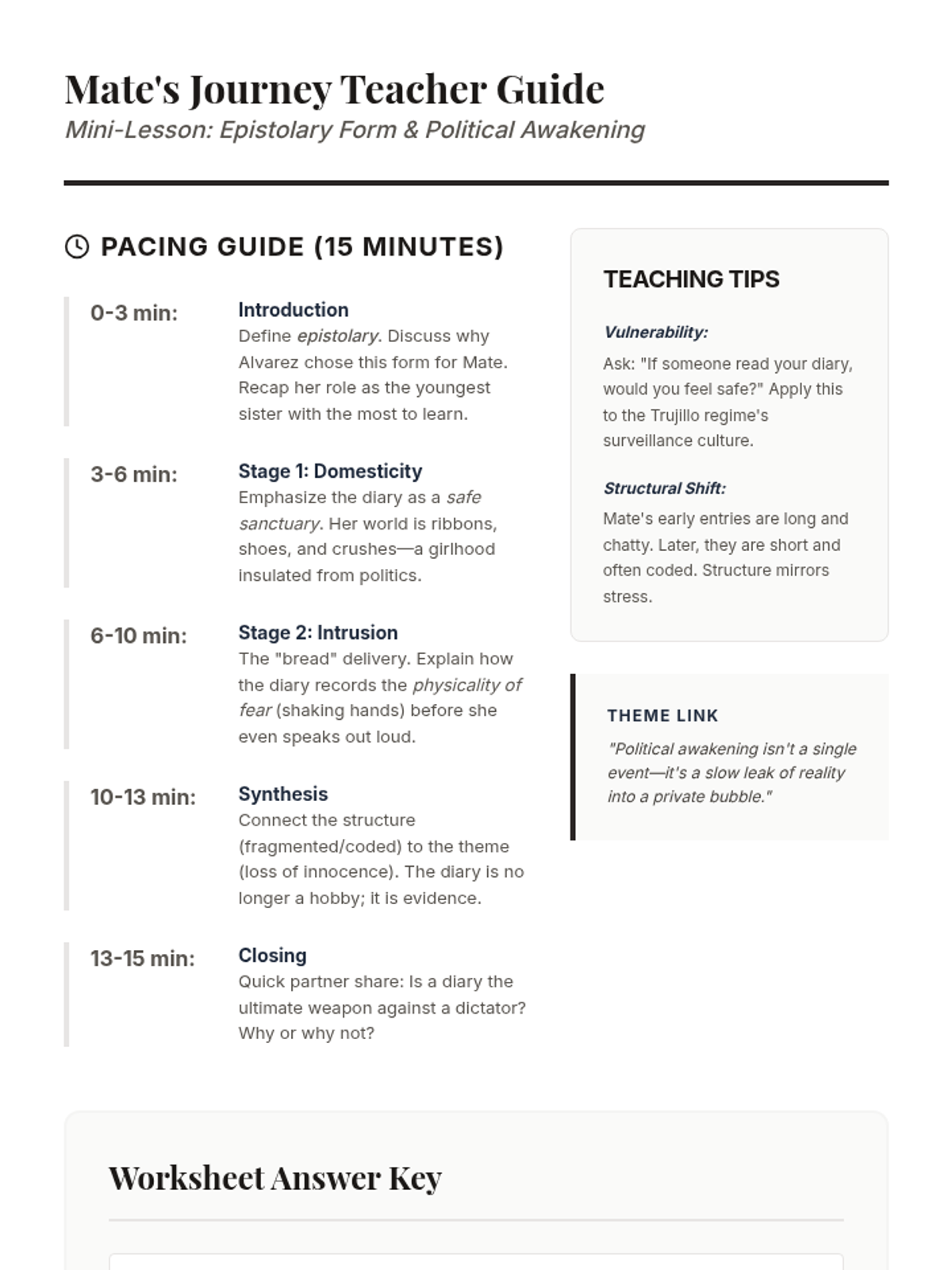
A 15-minute mini-lesson exploring how Maria Teresa's epistolary narration in 'In the Time of the Butterflies' charts her journey from innocence to political awakening. Students analyze the structural shift in her diary entries to see how the private form supports thematic development.
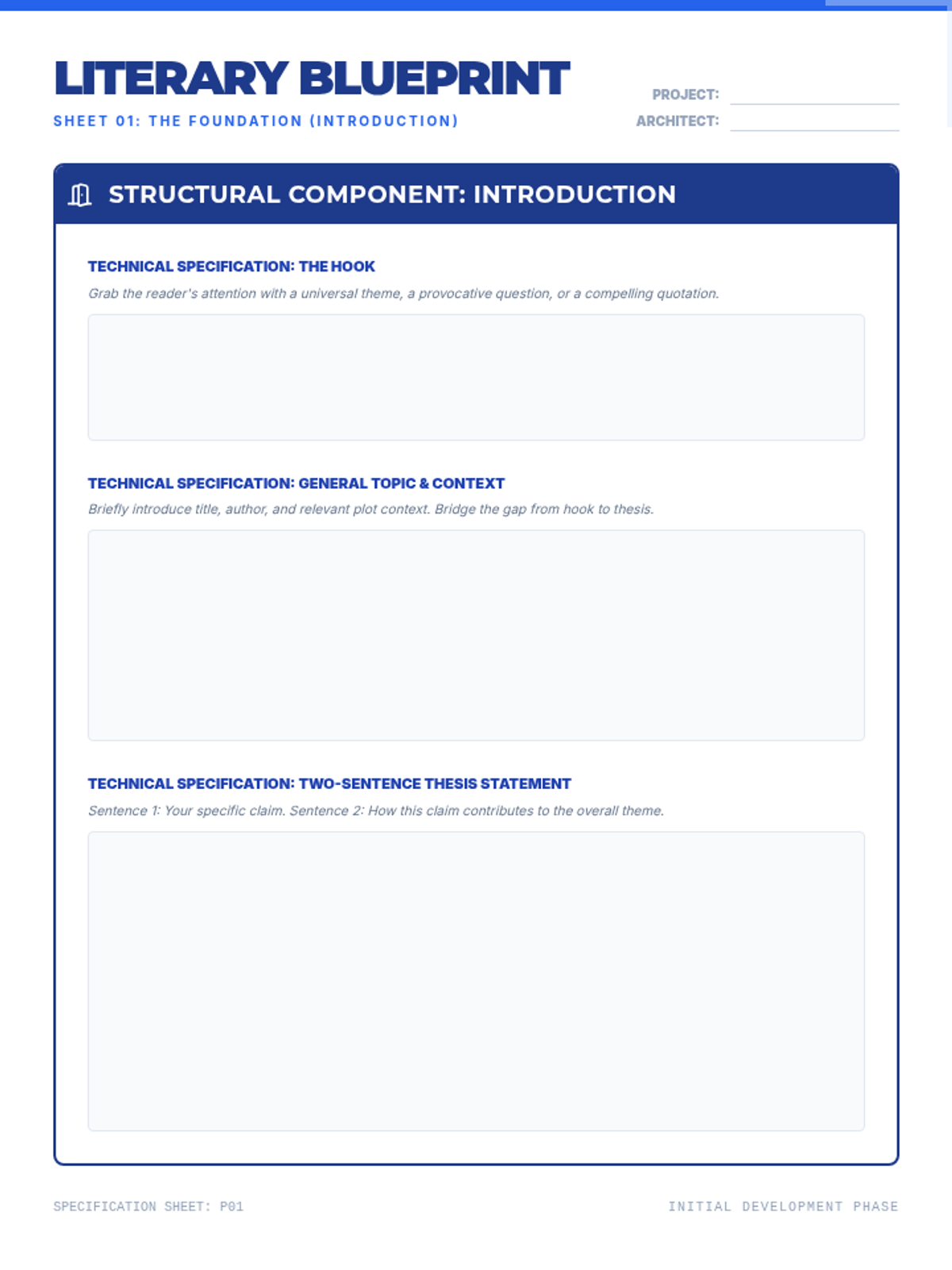
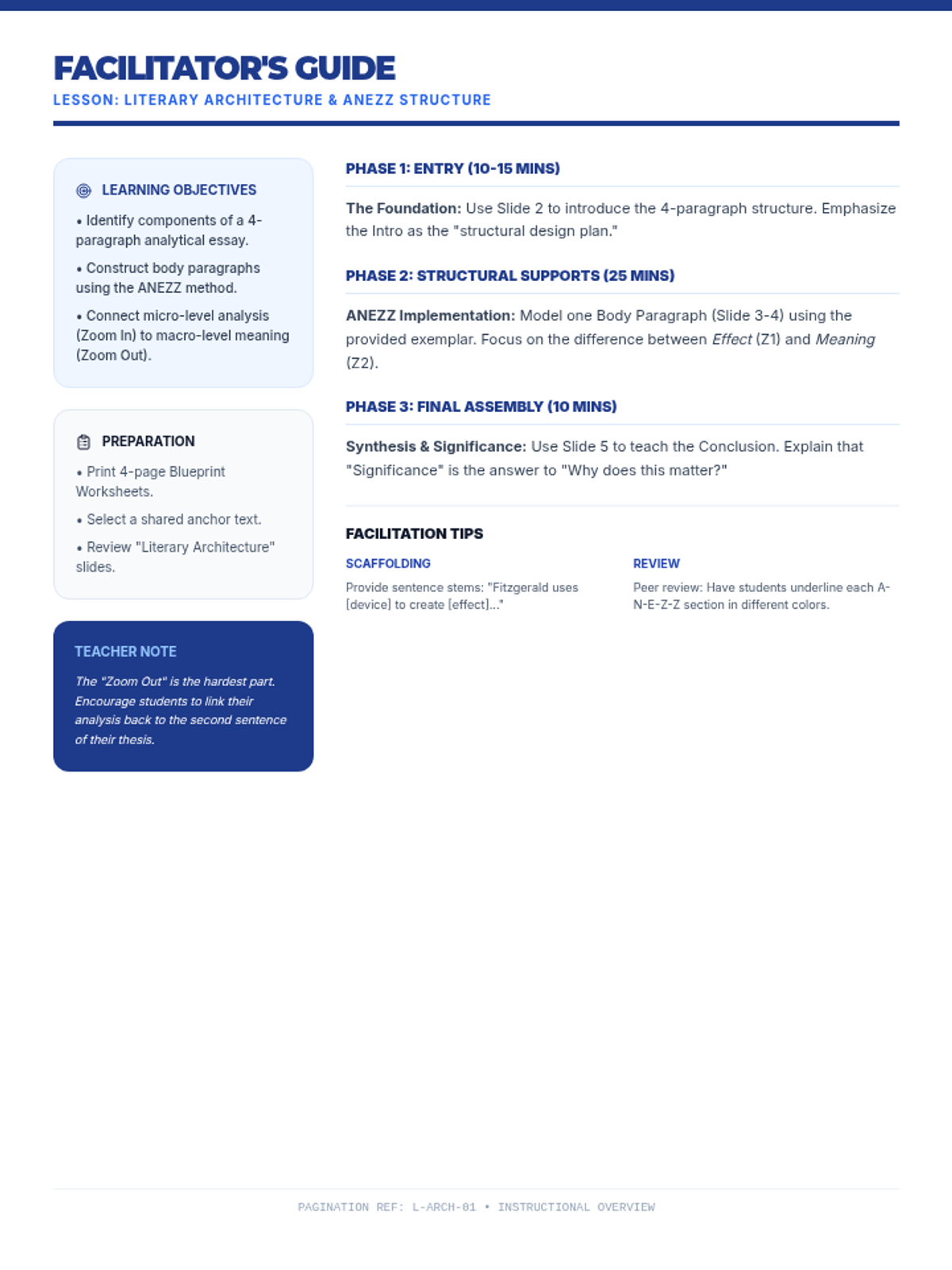
A comprehensive lesson focused on teaching students how to structure a 4-paragraph literary analysis essay using the ANEZZ body paragraph format. It includes a guiding presentation, a teacher's facilitator guide, and a detailed structural worksheet.
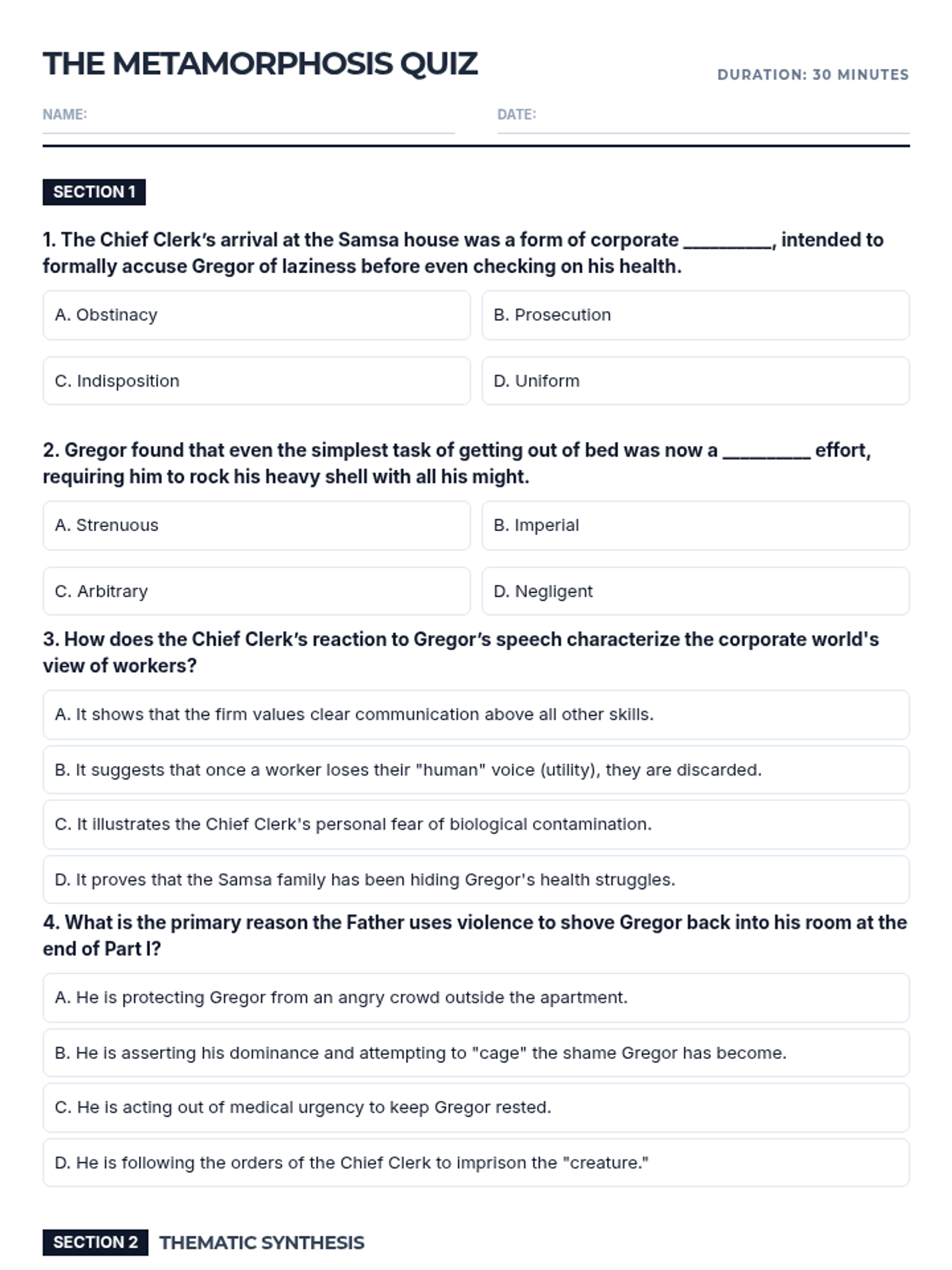
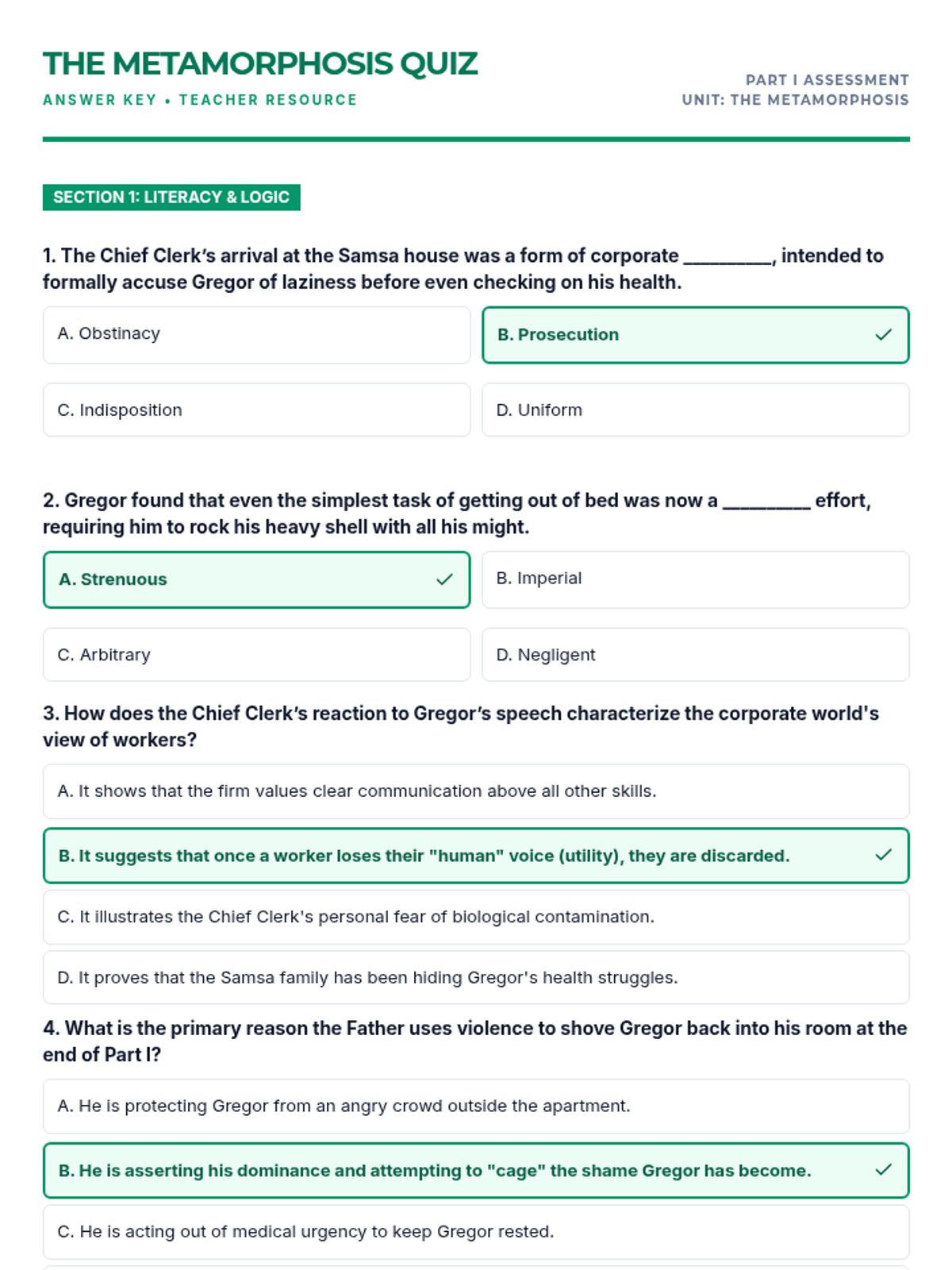
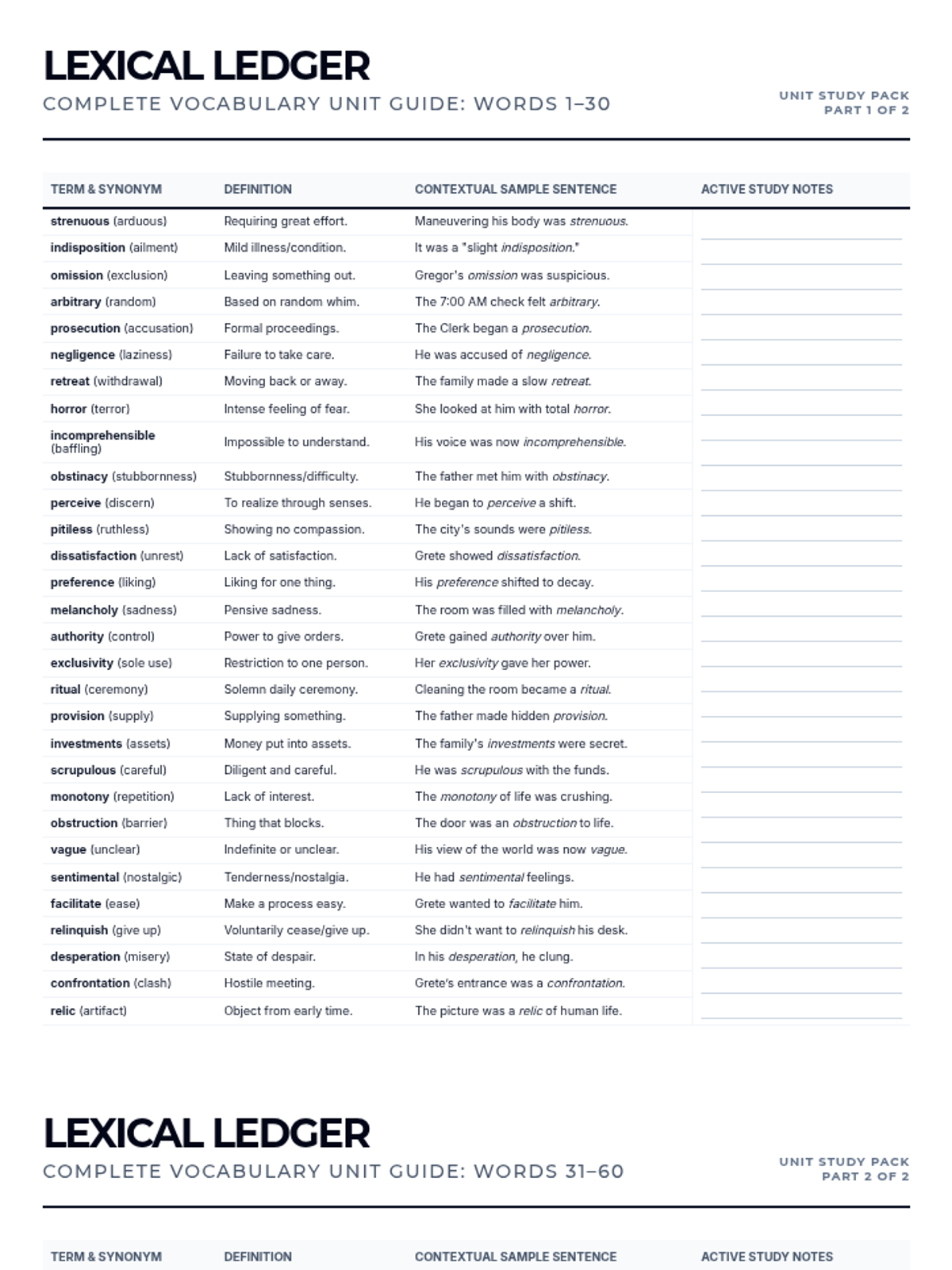
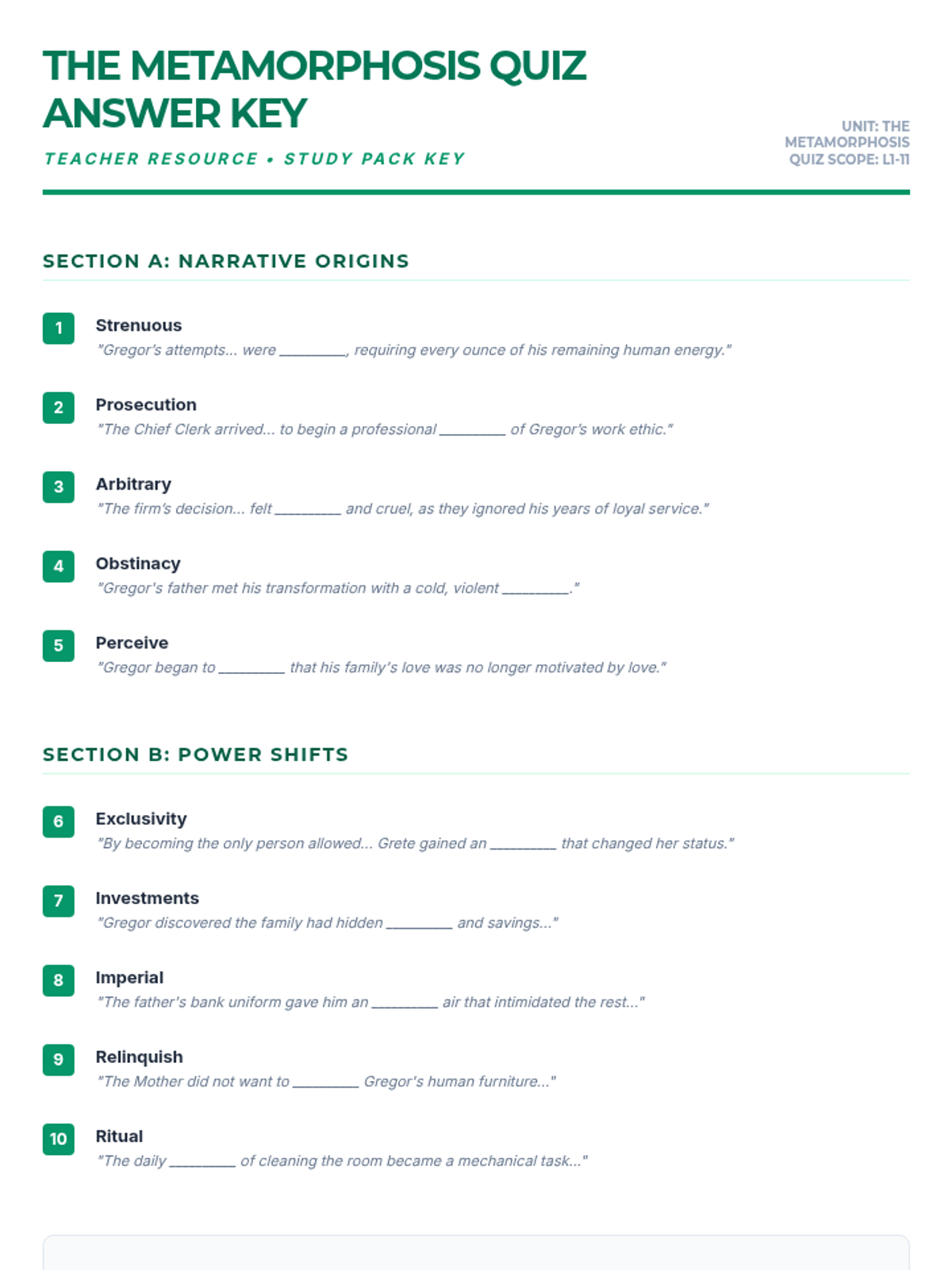
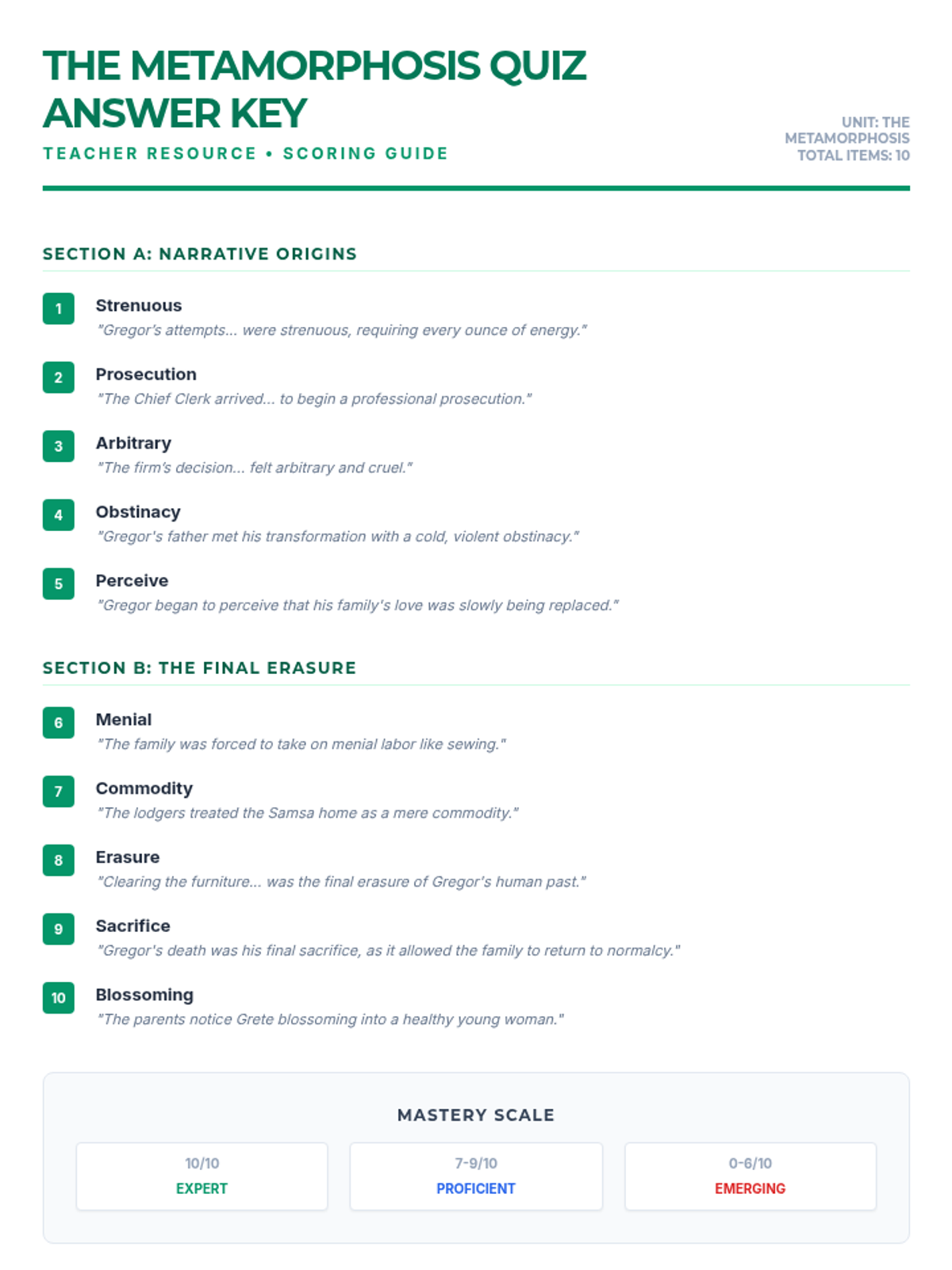
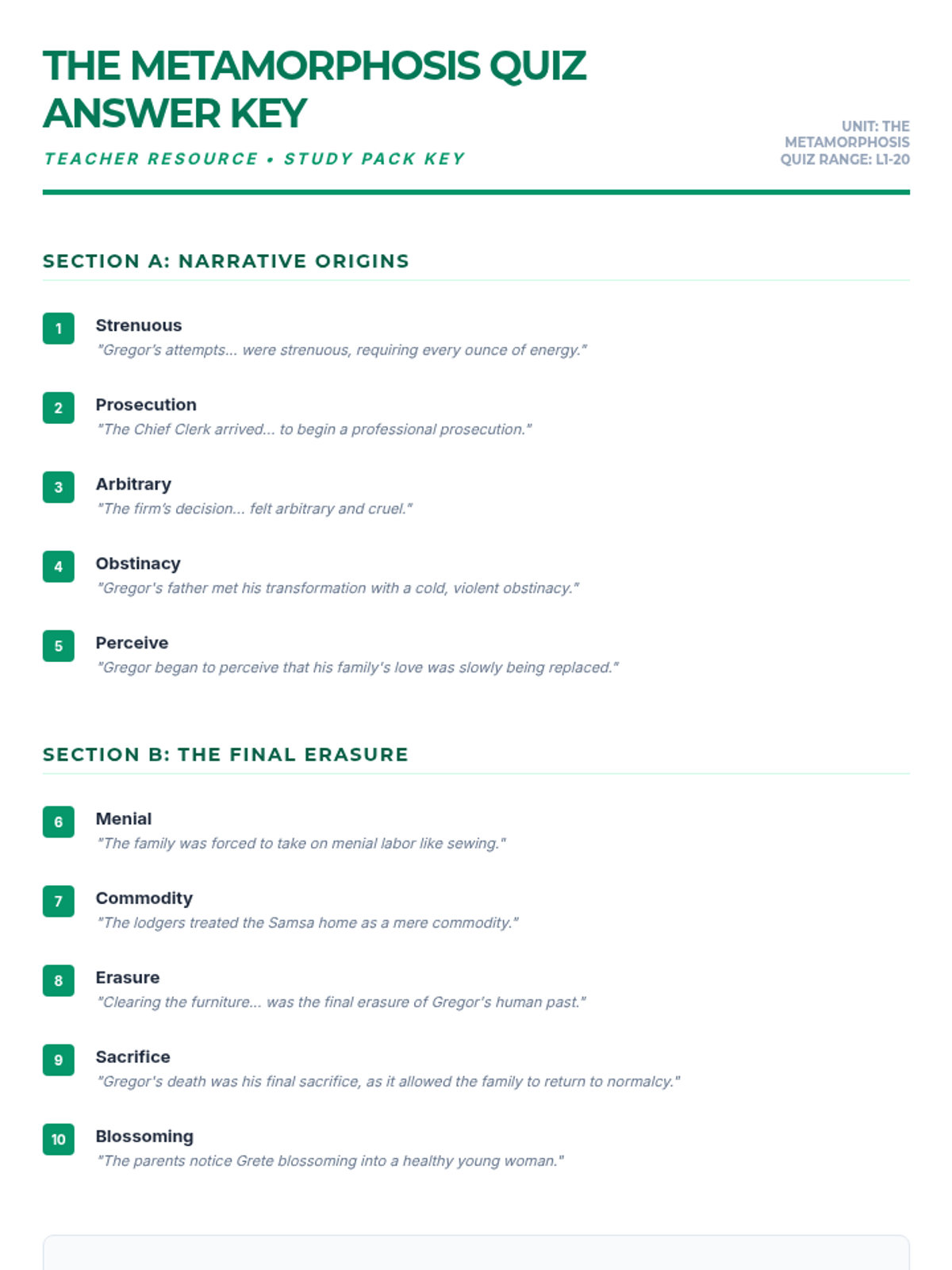
A summative assessment for the first third of the novel. Evaluates student mastery of vocabulary from Lessons 1-11, character motivation, and the central theme of corporate alienation through a mix of multiple choice, short answer, and a rigorous RACE response.
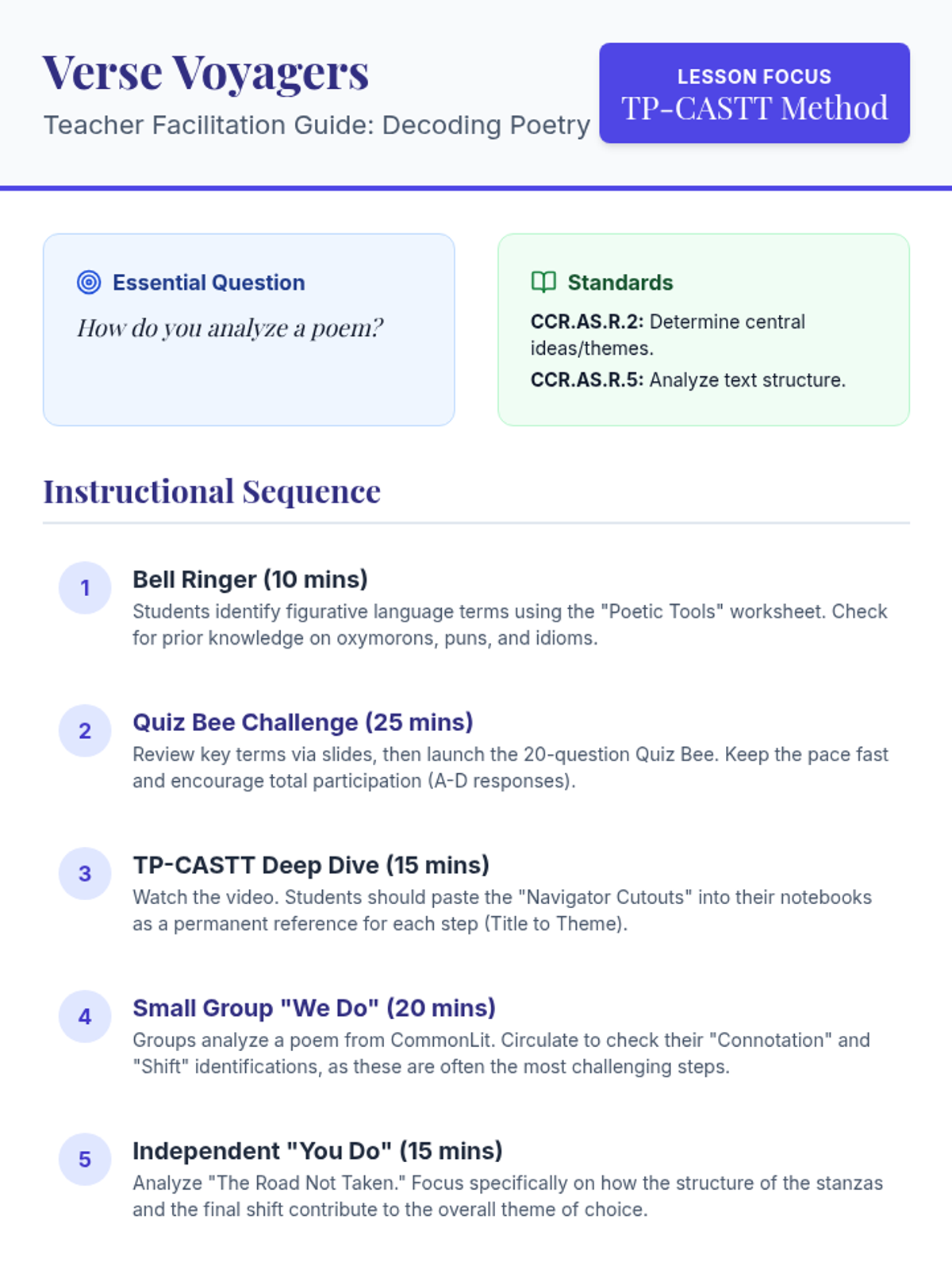
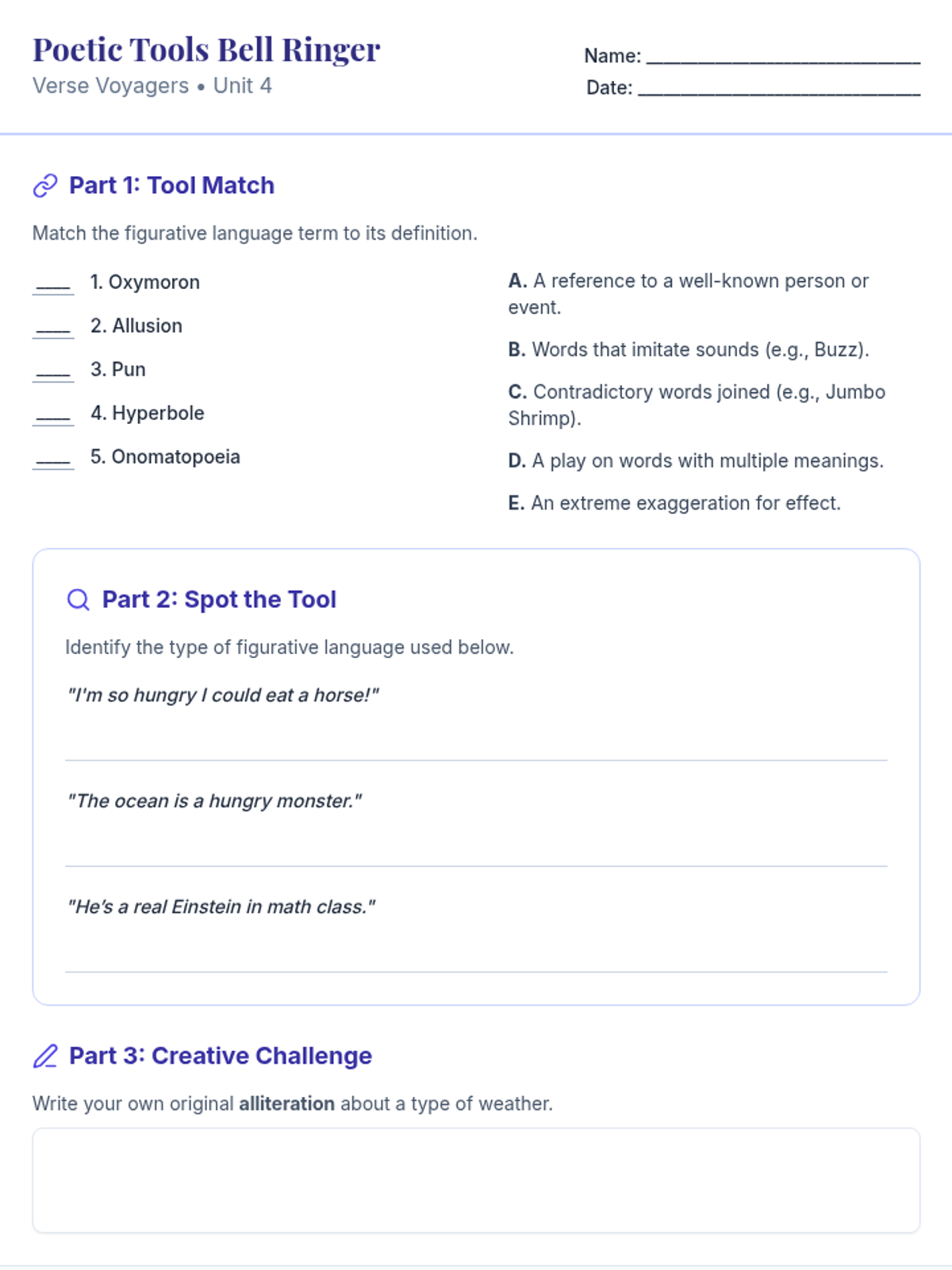
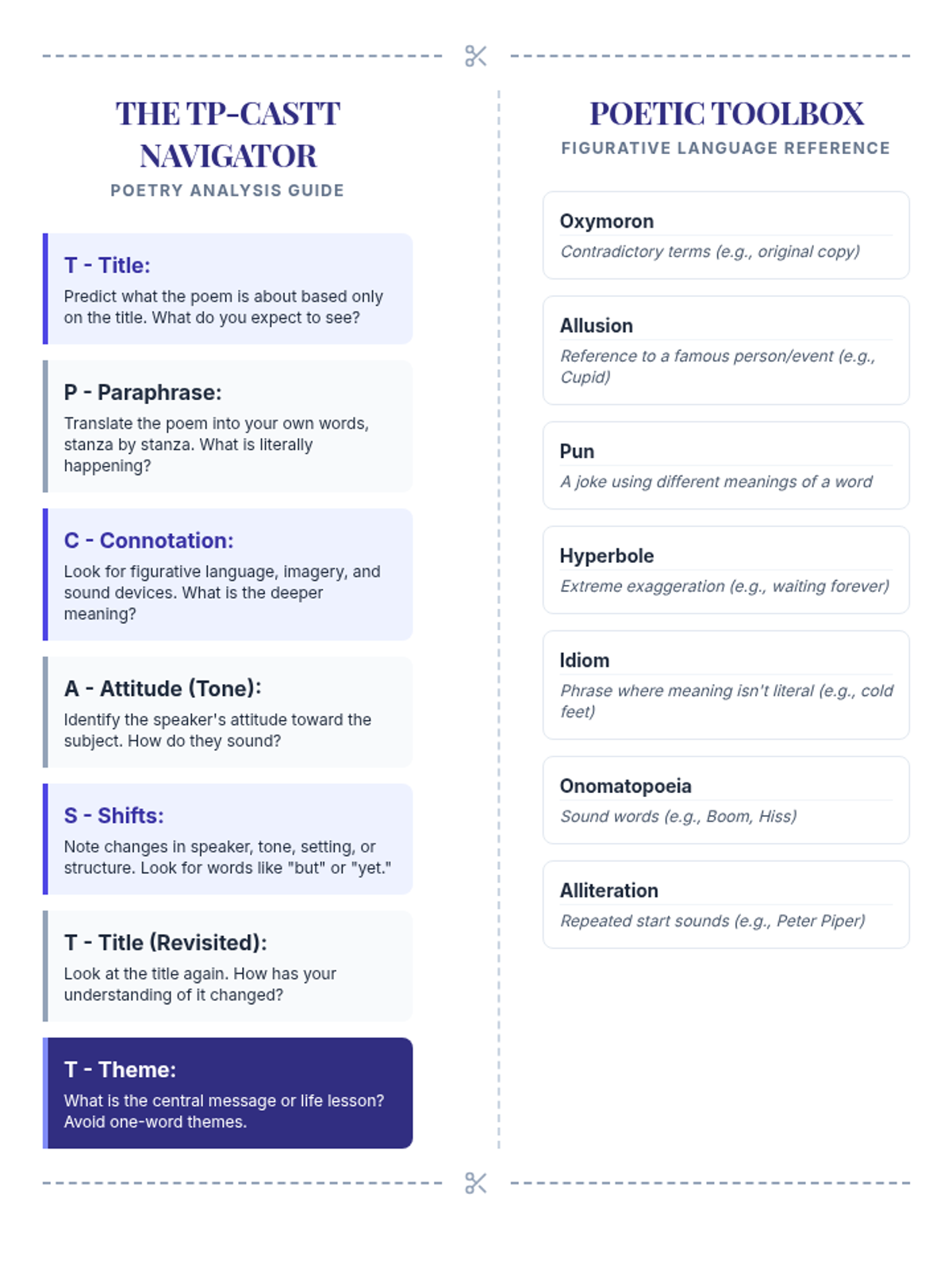
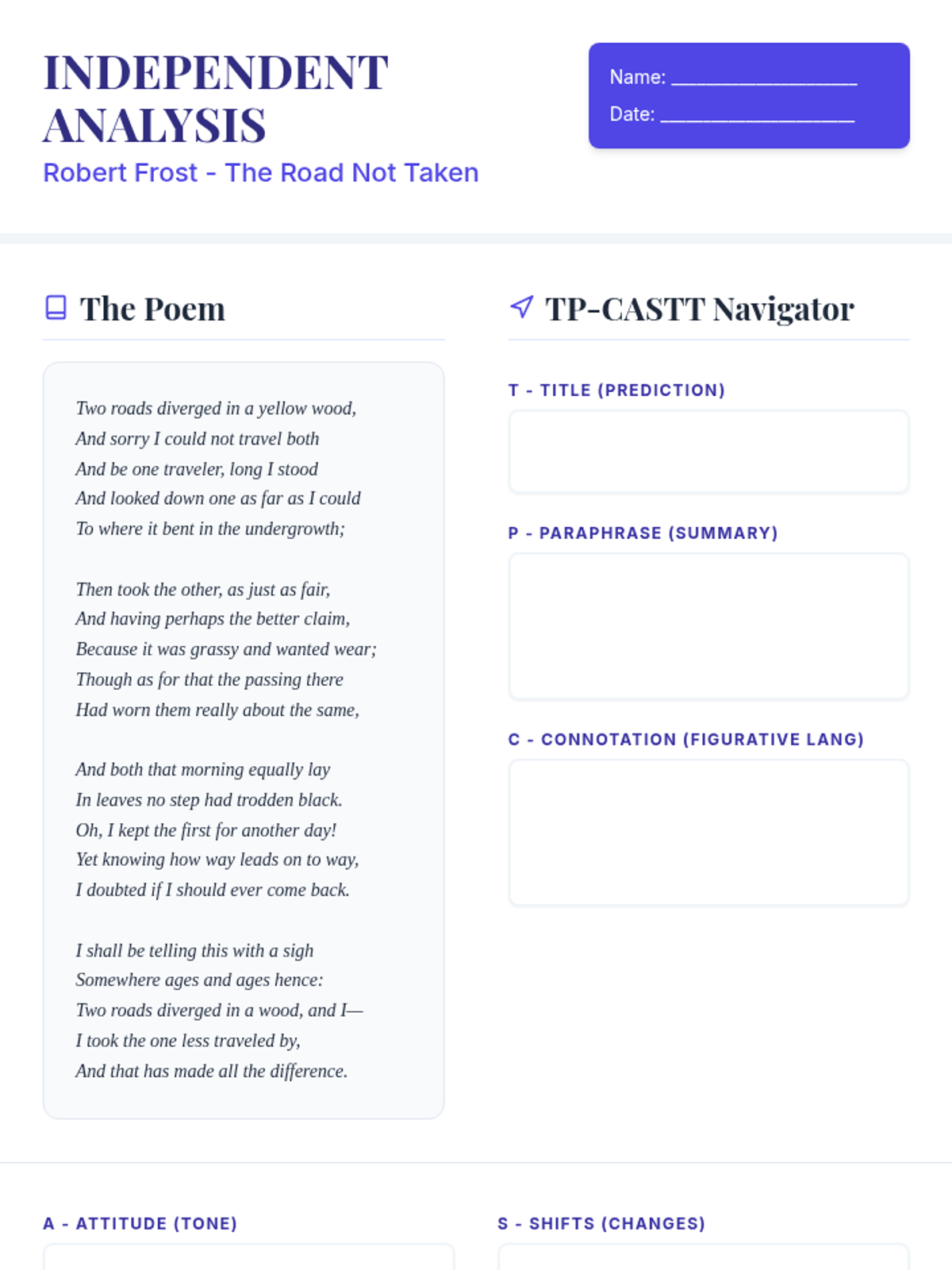
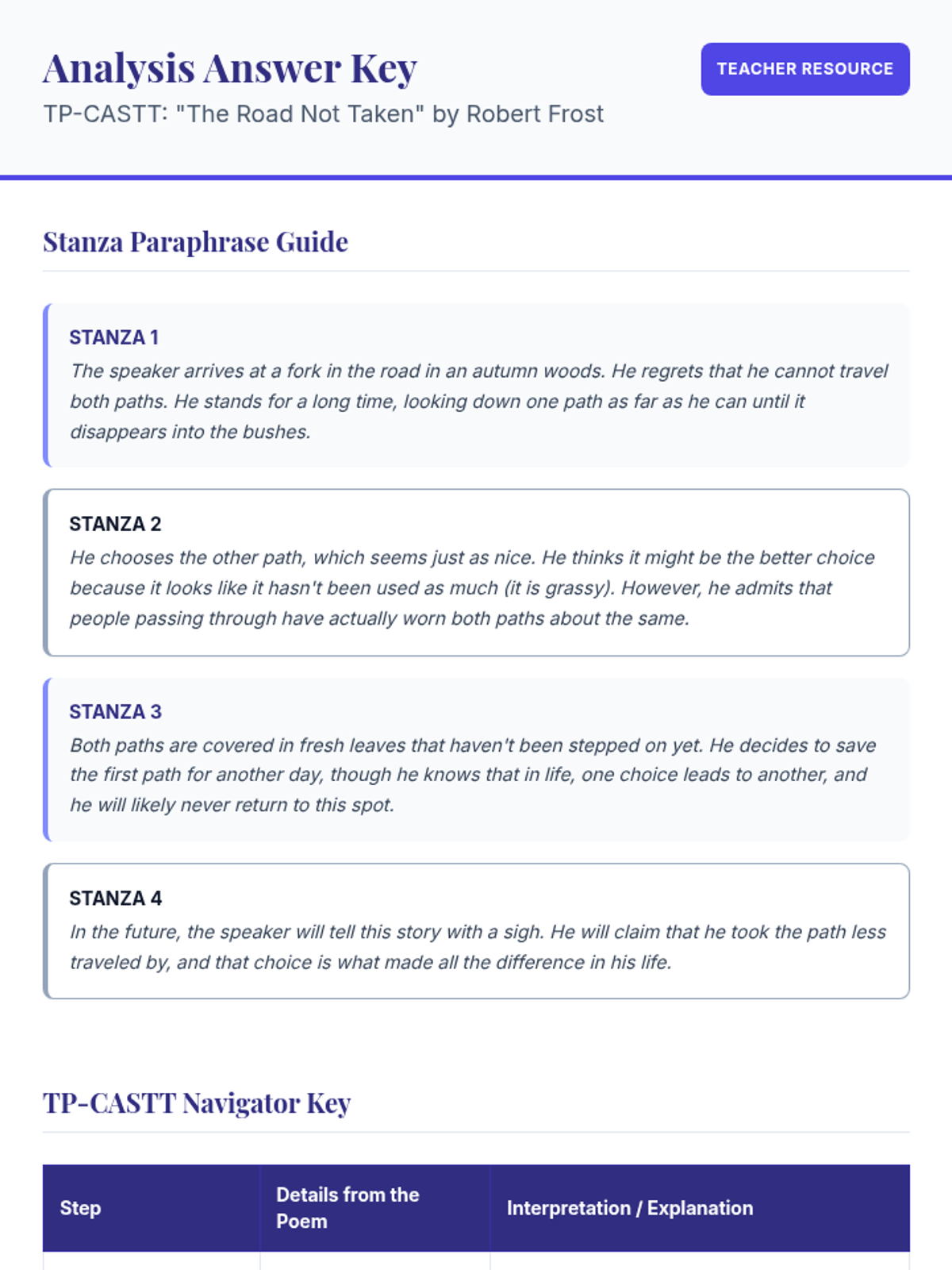
A comprehensive poetry analysis lesson focusing on the TP-CASTT method and figurative language, featuring a gamified 'Quiz Bee' and deep analysis of 'The Road Not Taken'.
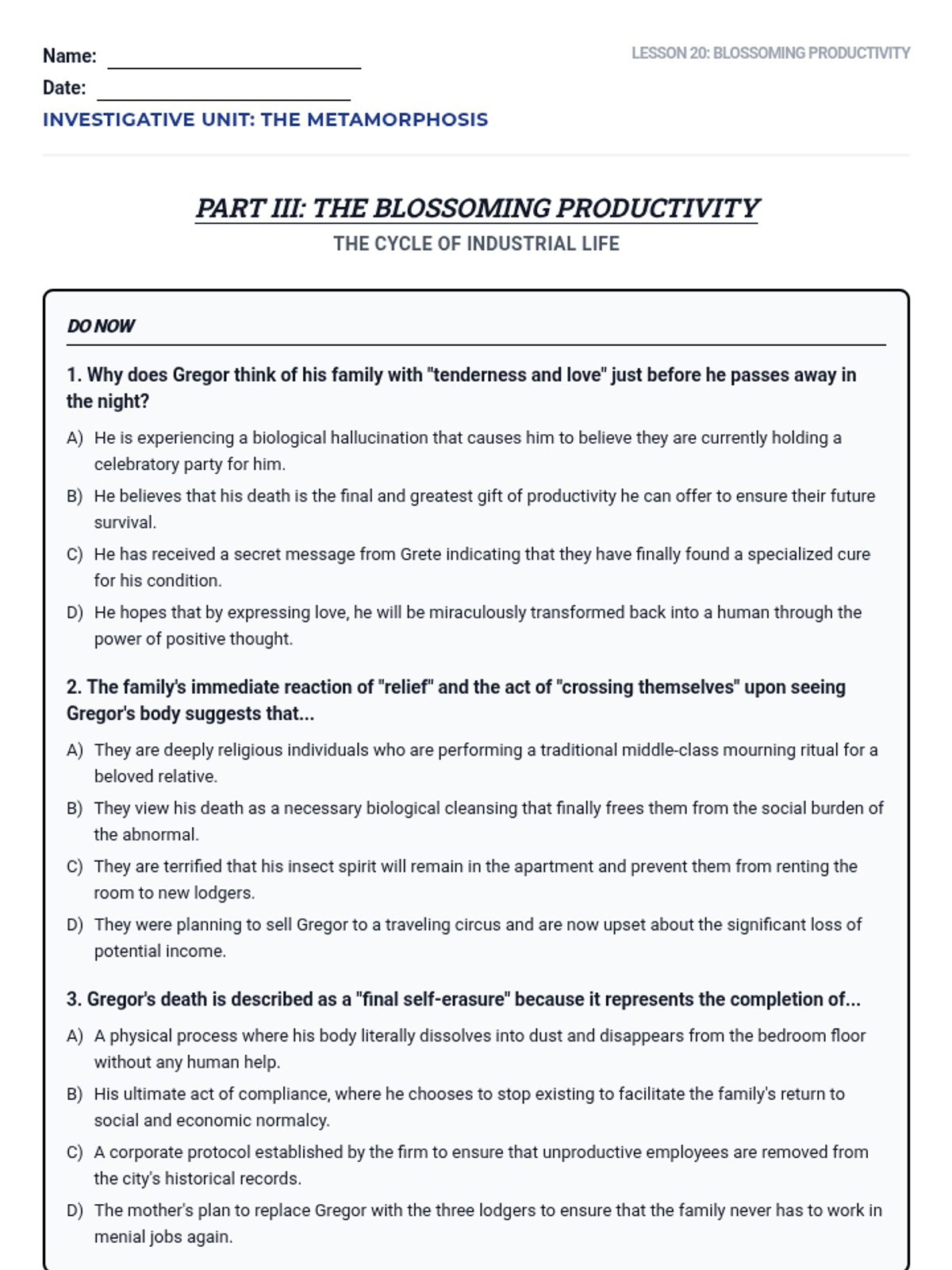
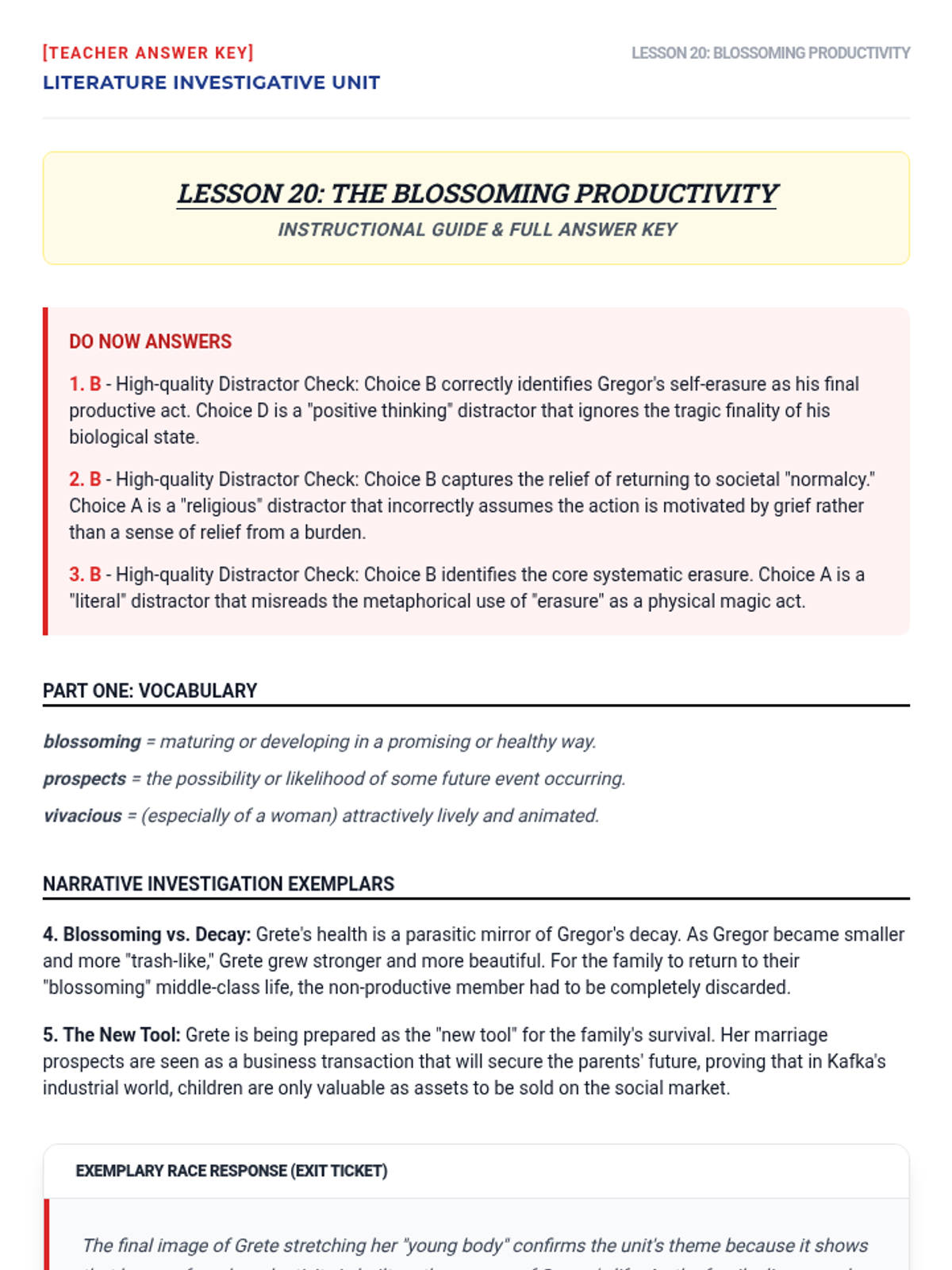
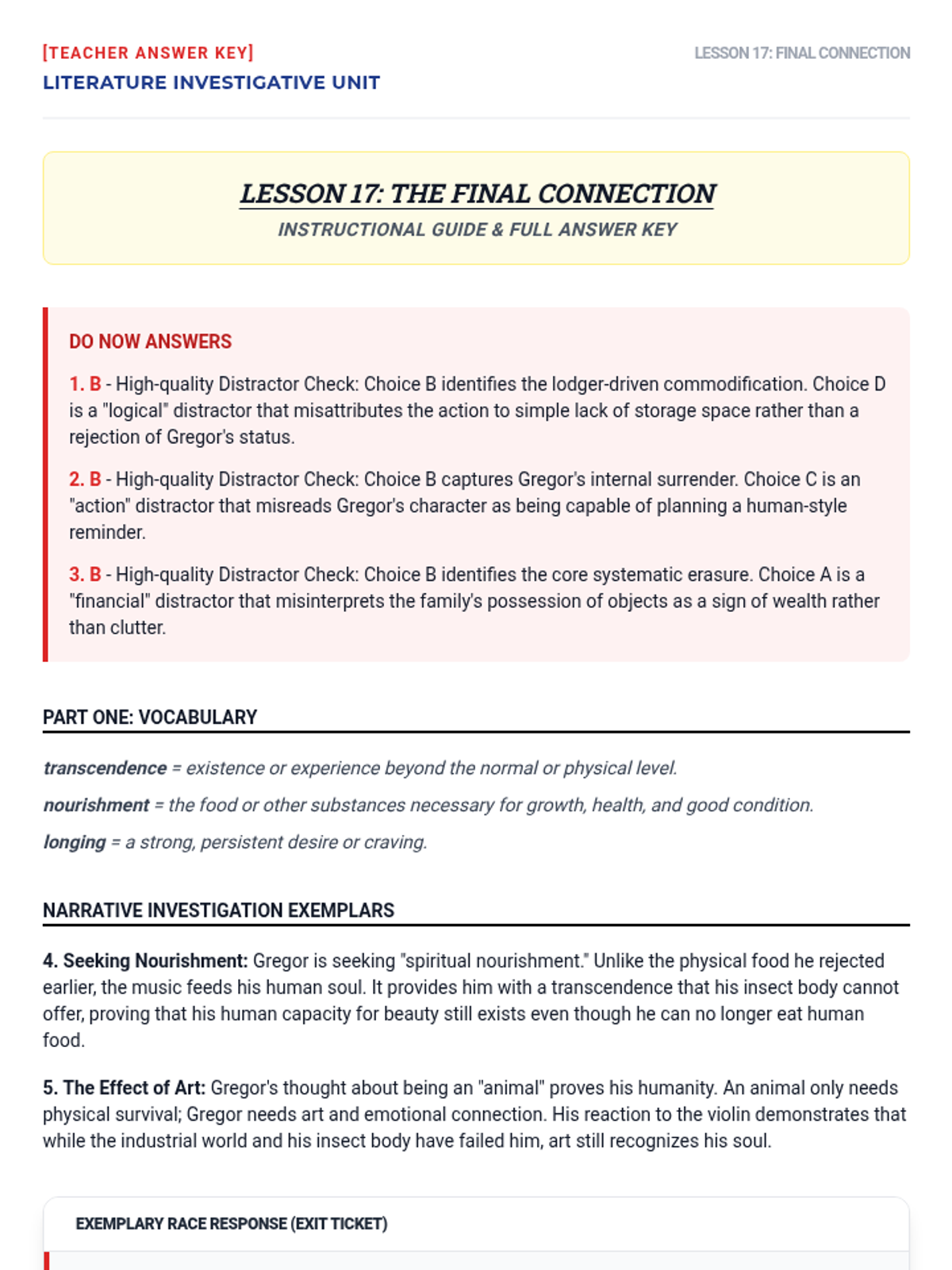
The family's recovery and the transition to a new source of productivity (Grete). Synthesis of the unit's themes.
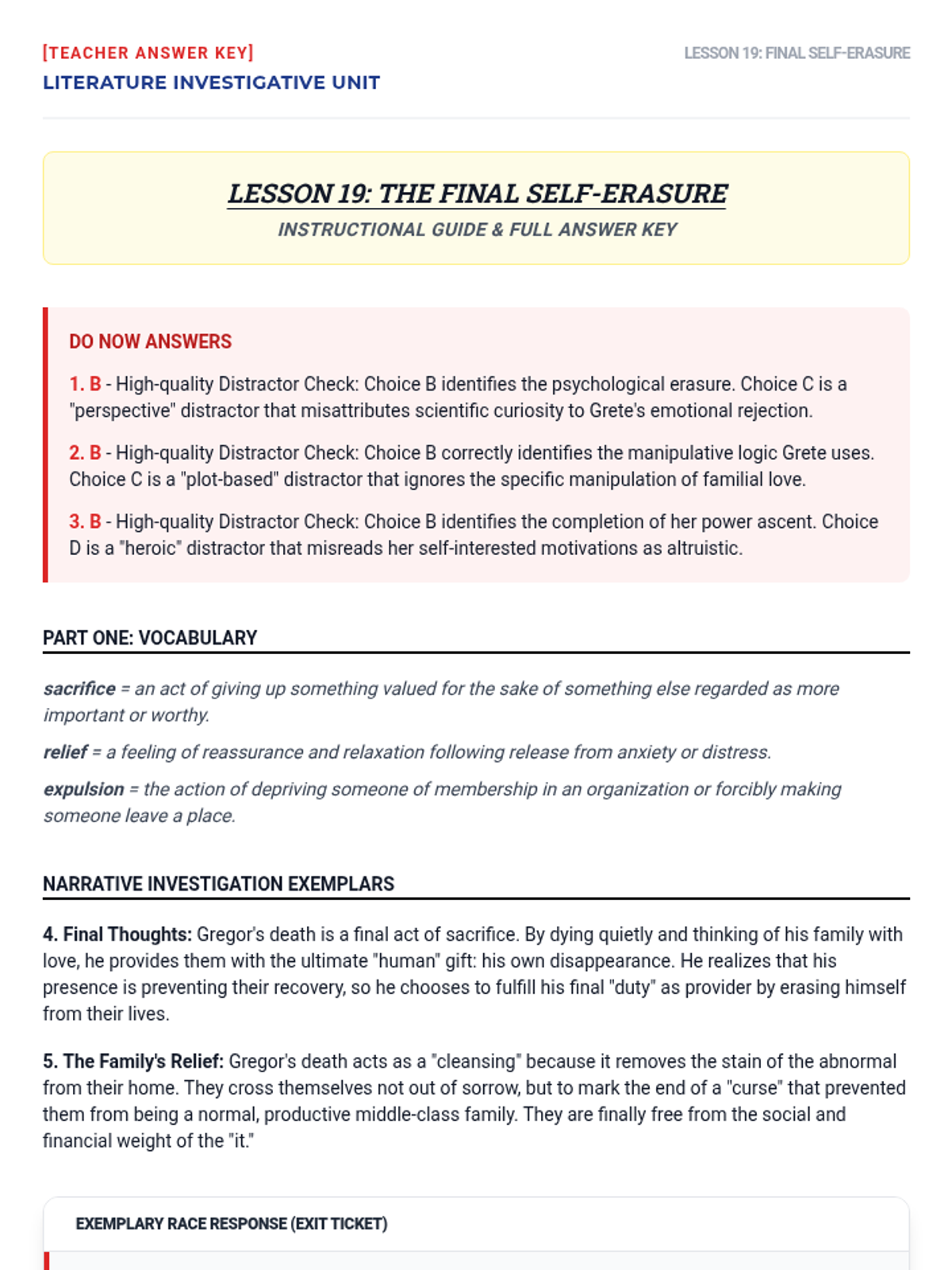
Gregor's death and self-sacrifice. Analysis of the relief of the family and the 'cleansing' of the home.
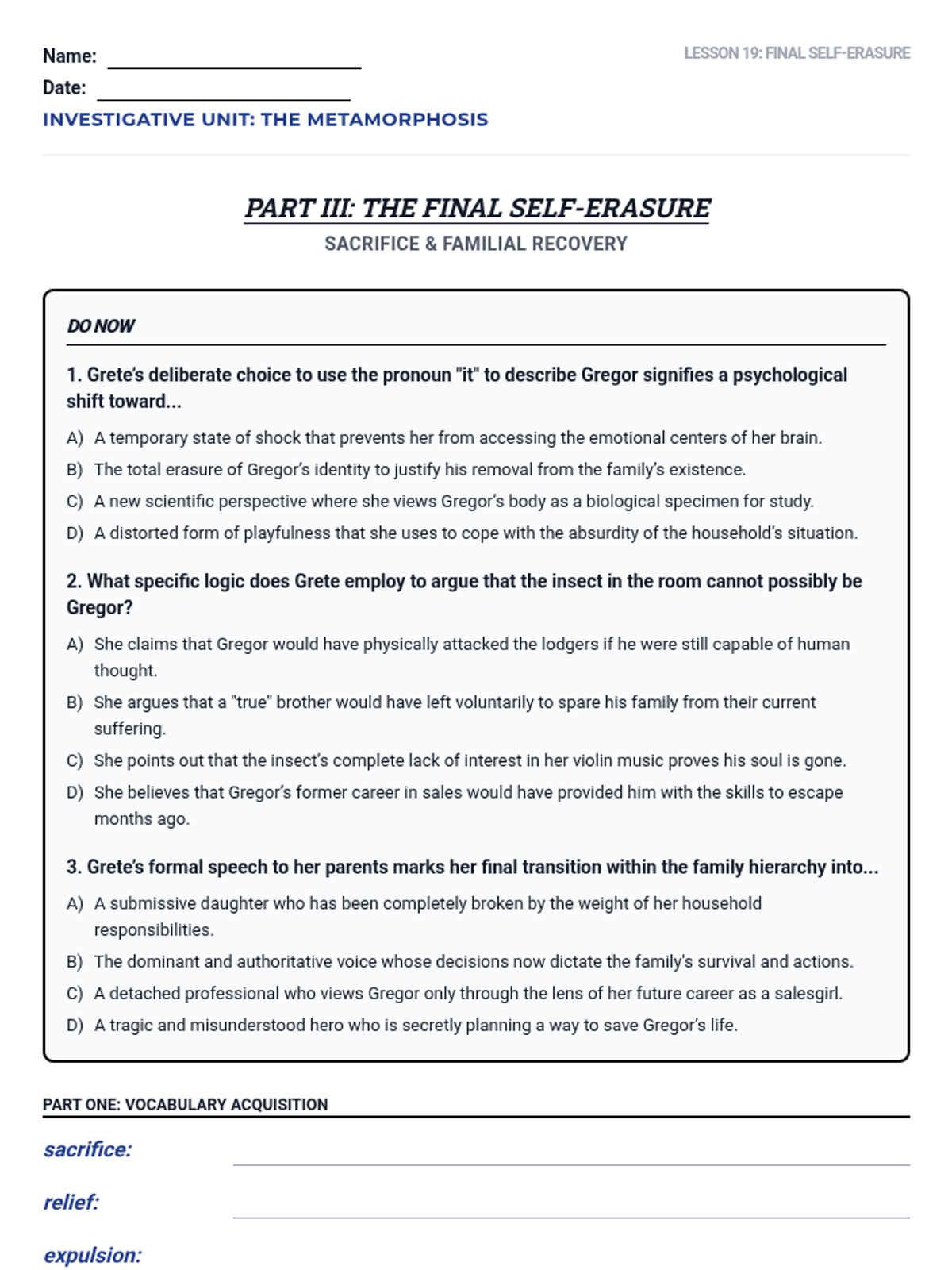
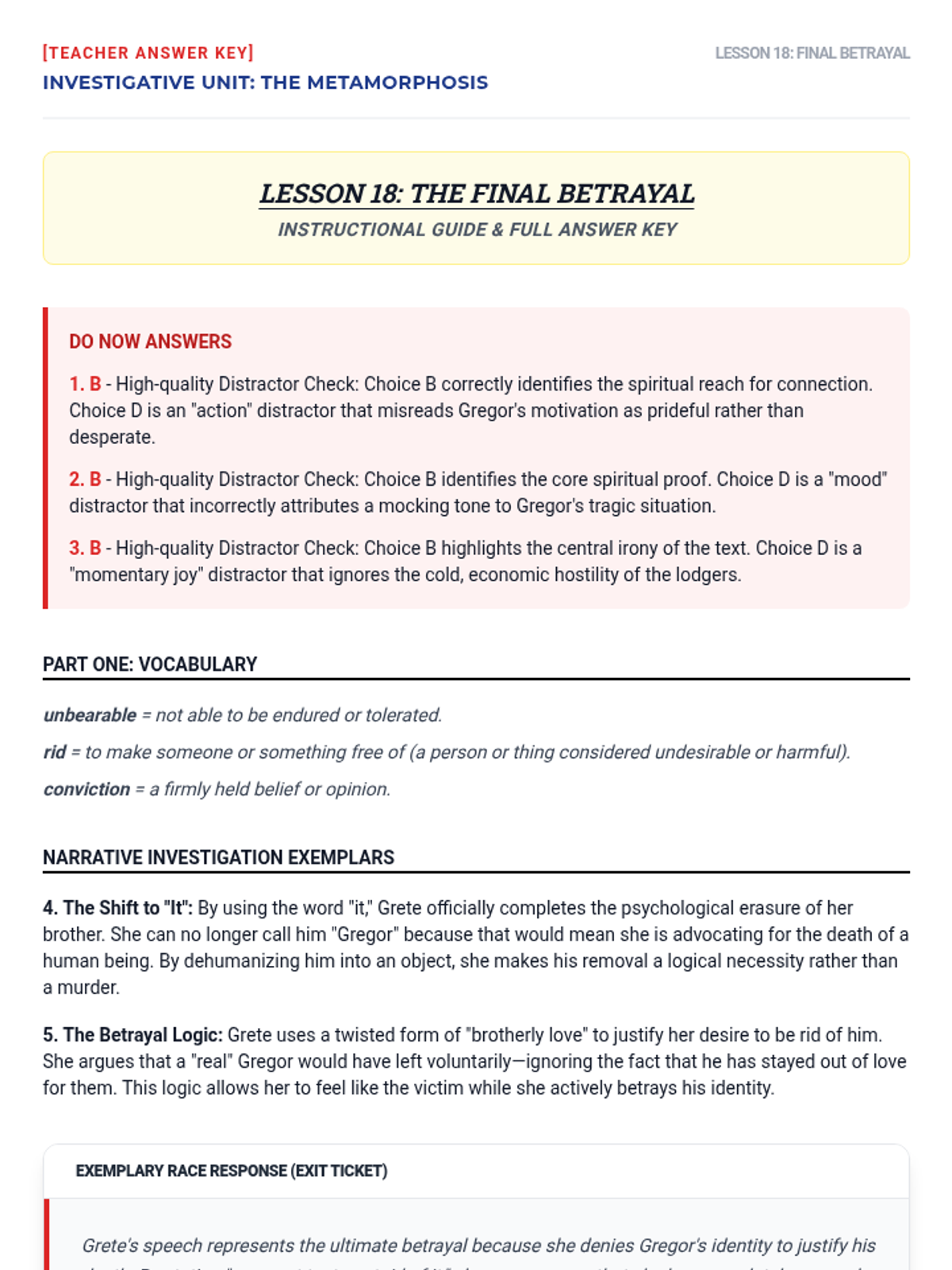
Grete's formal rejection of Gregor's identity. Analysis of the shift from sibling love to the necessity of his removal.
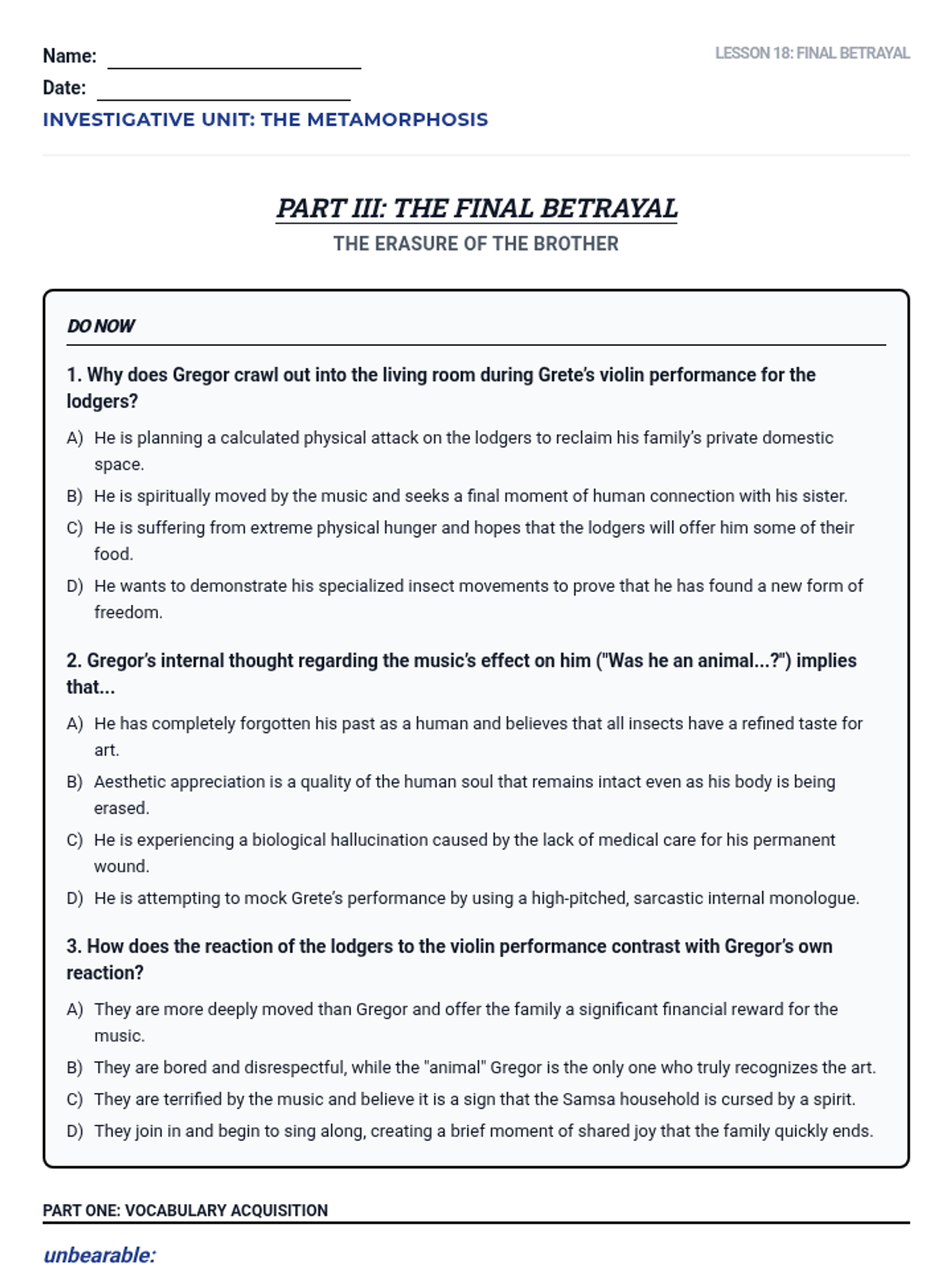
Gregor's reaction to Grete's violin performance. Themes of art, human connection, and the final reach for his human spirit.
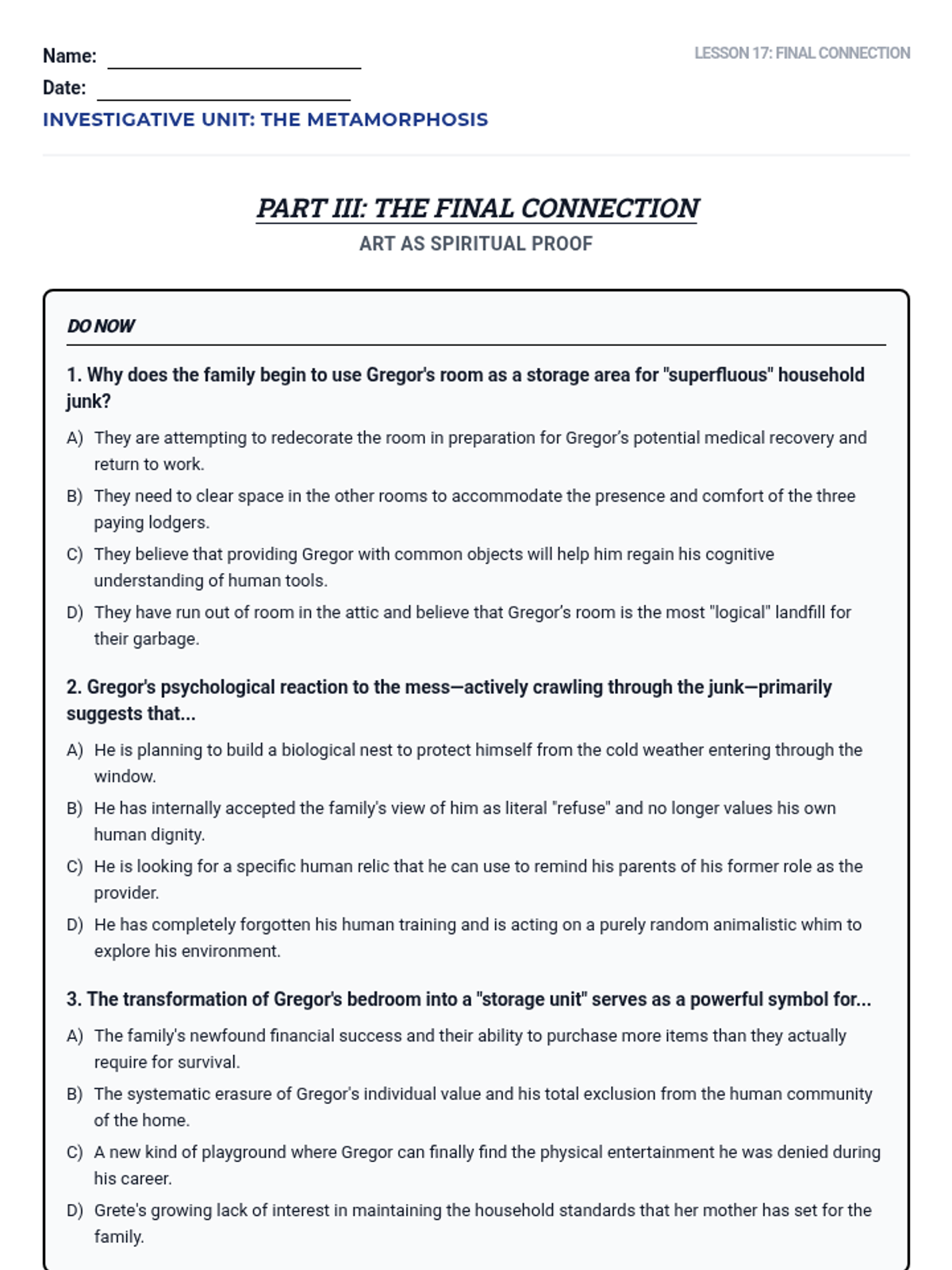
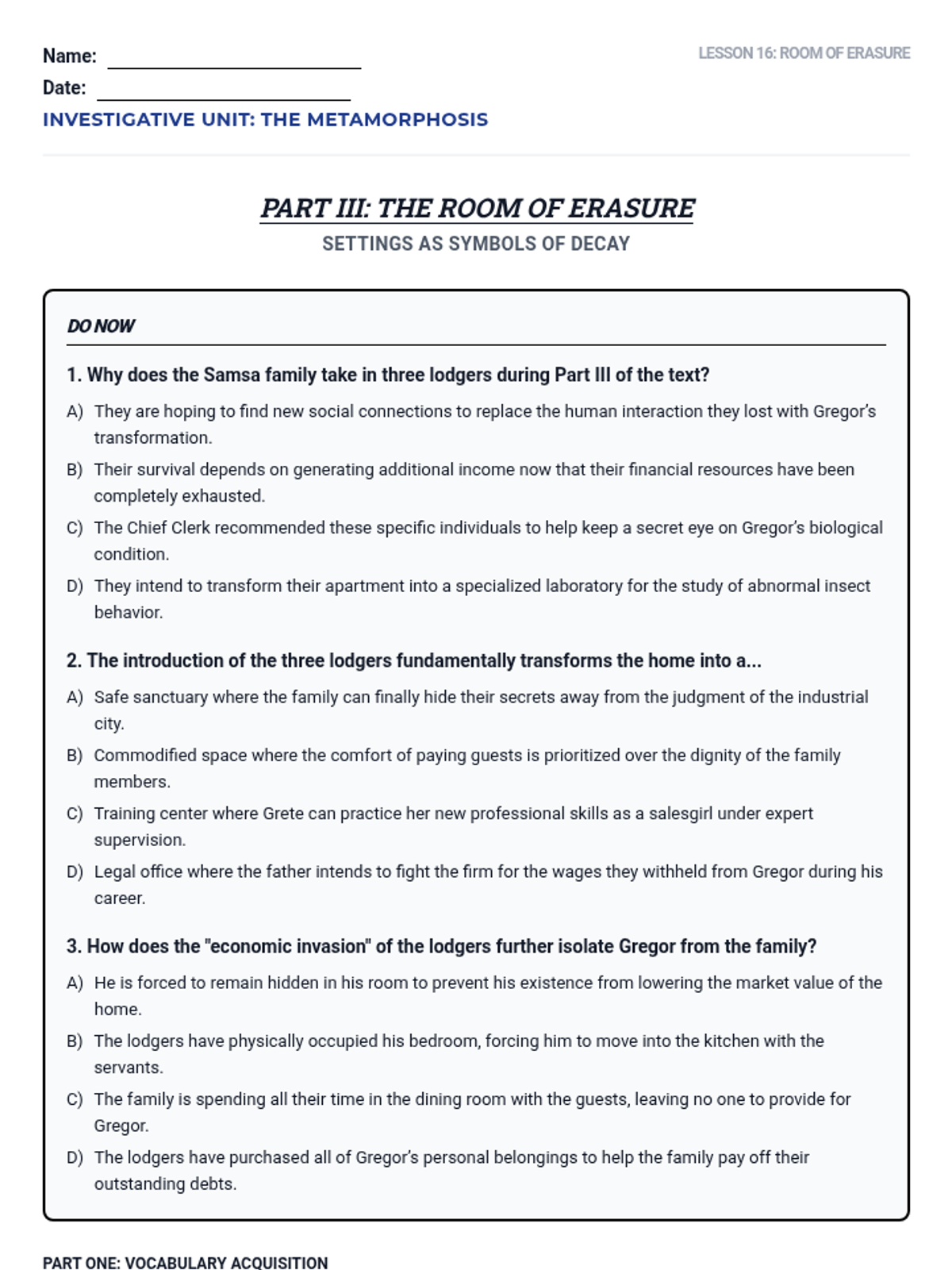
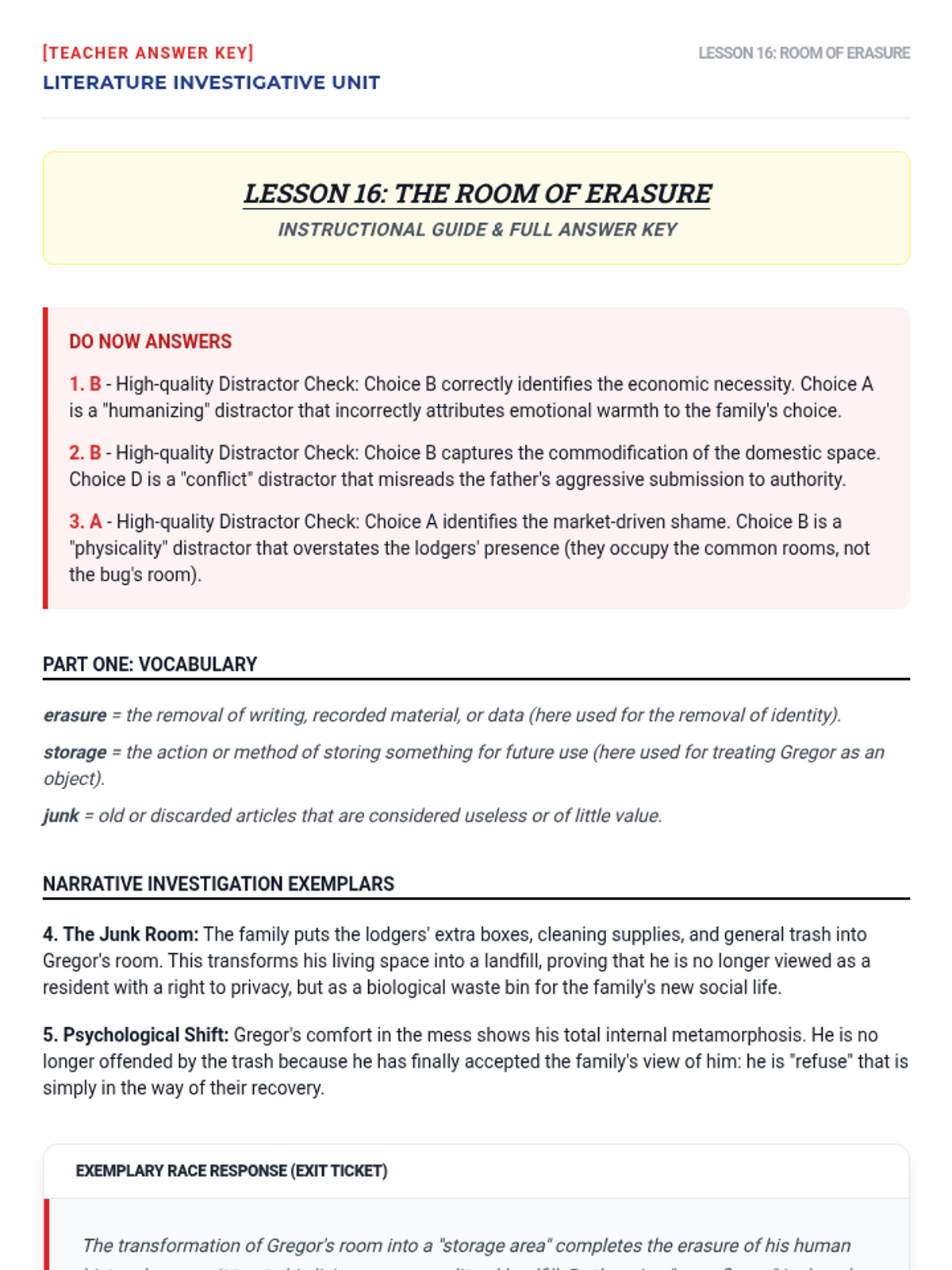
Gregor's room becomes a storage area for trash. Analysis of the complete erasure of his human space and history.
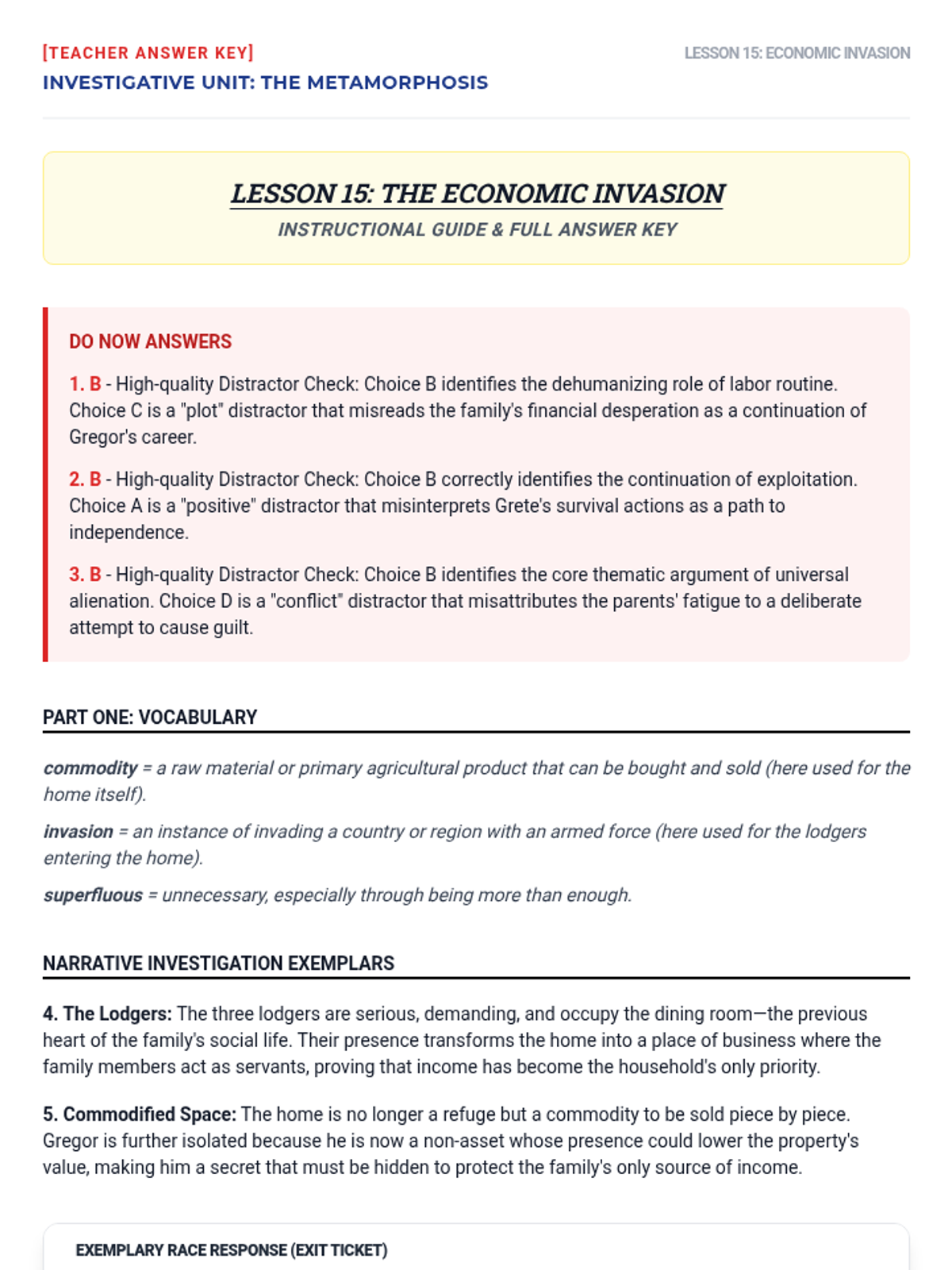
The introduction of the three lodgers. Analysis of the home as a commodified space and Gregor's further displacement.
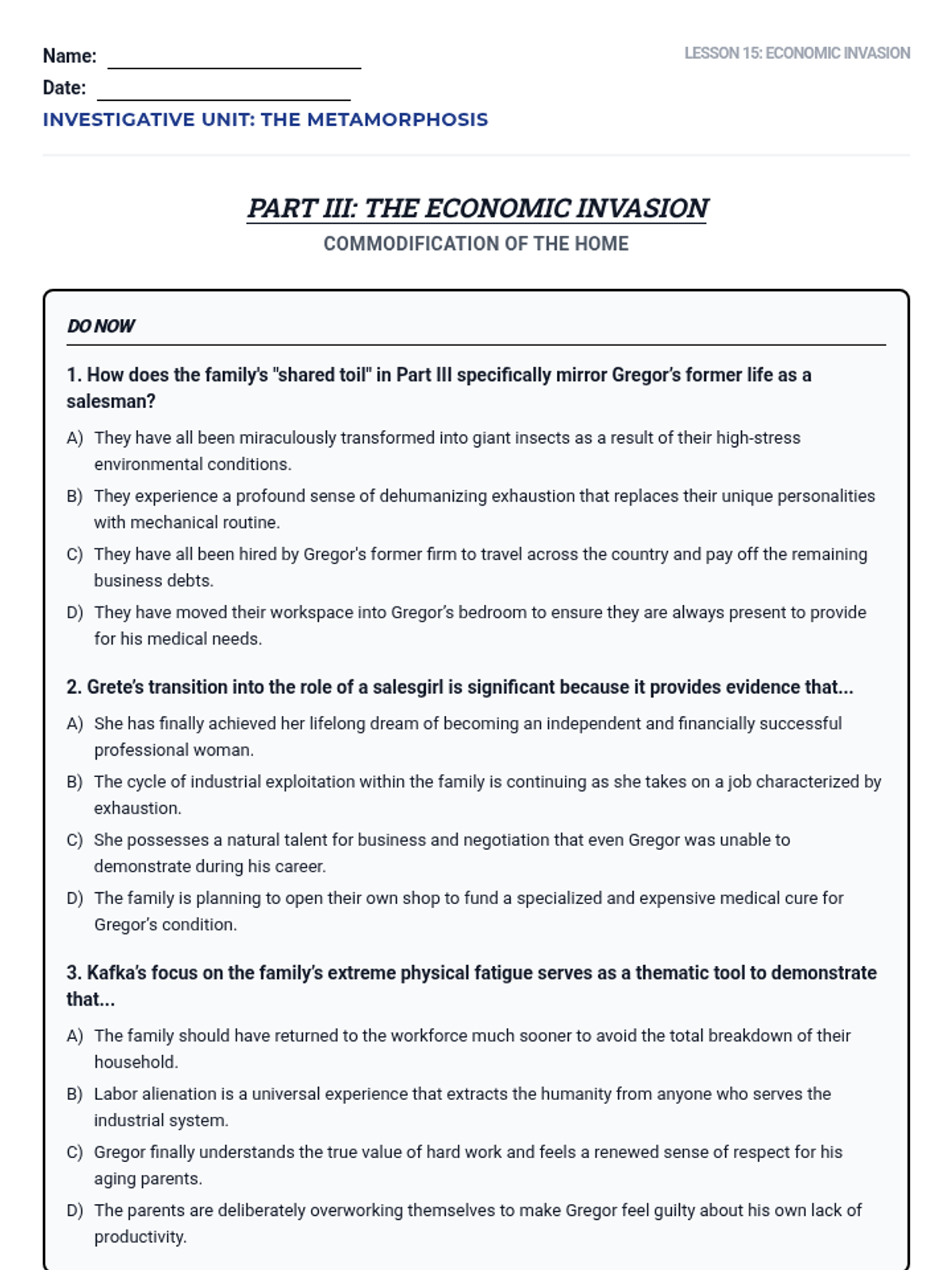
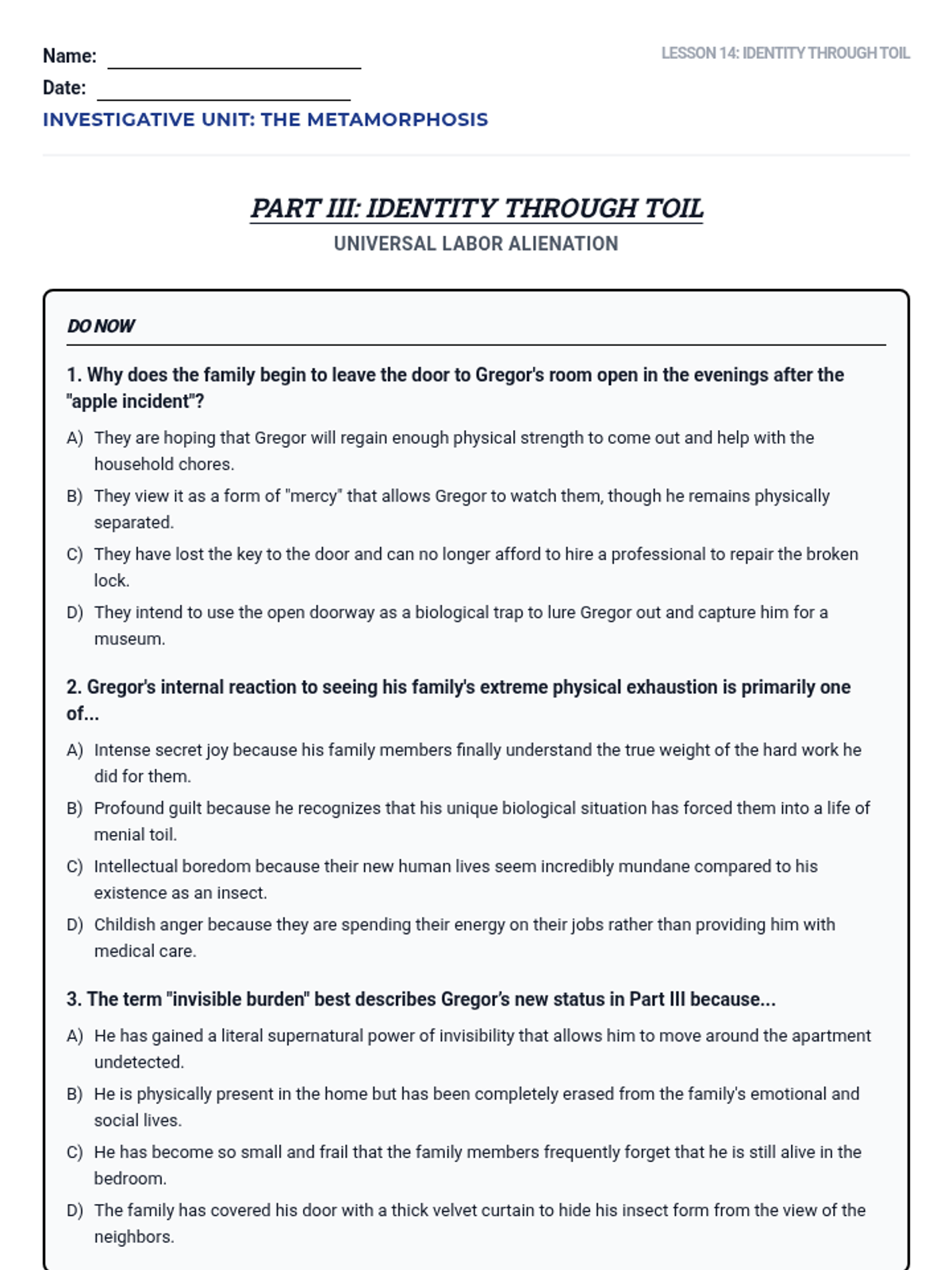
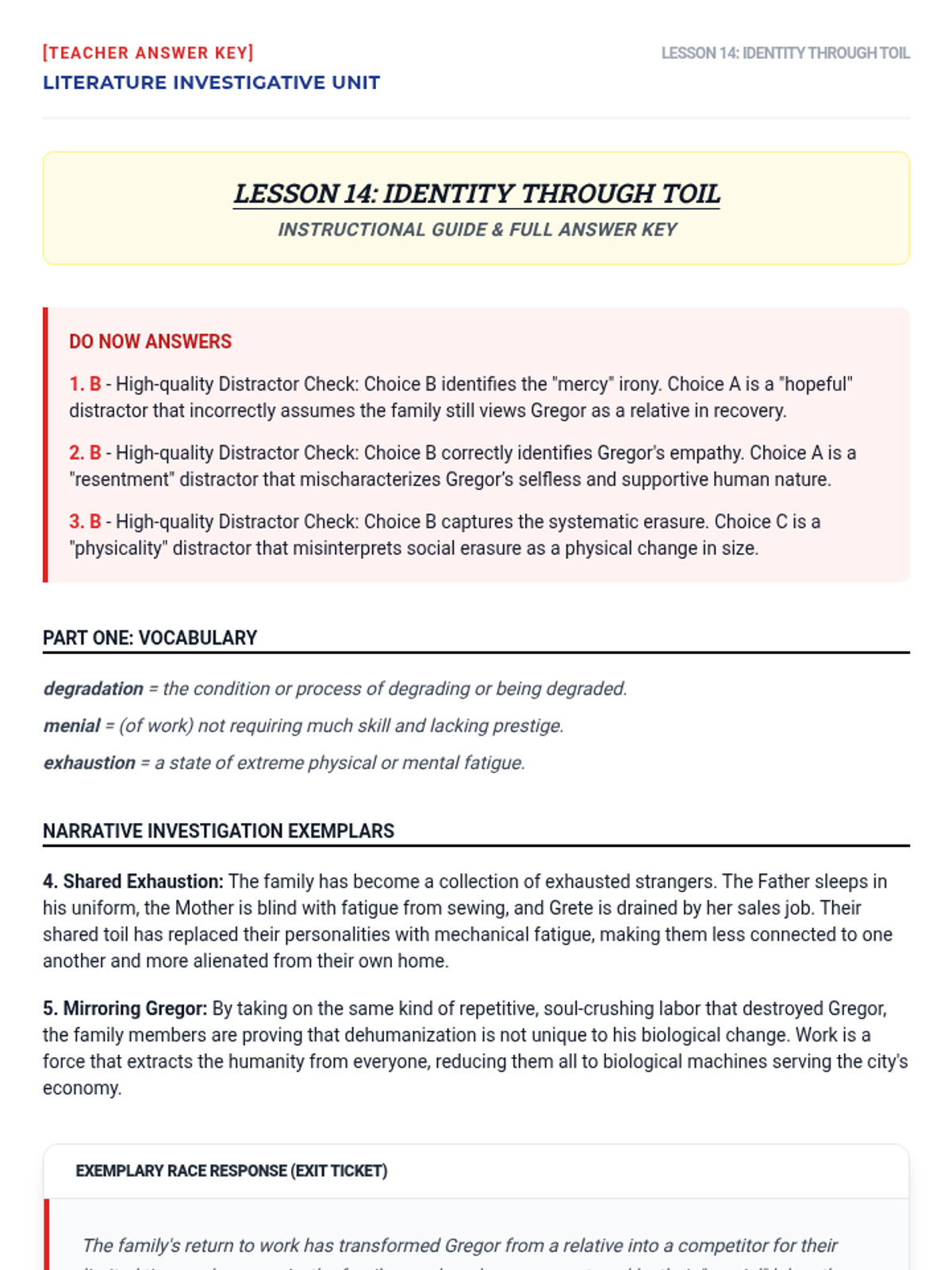
Analysis of the family taking on menial labor. Themes of exhaustion, loss of dignity, and the shared alienation of the working class.
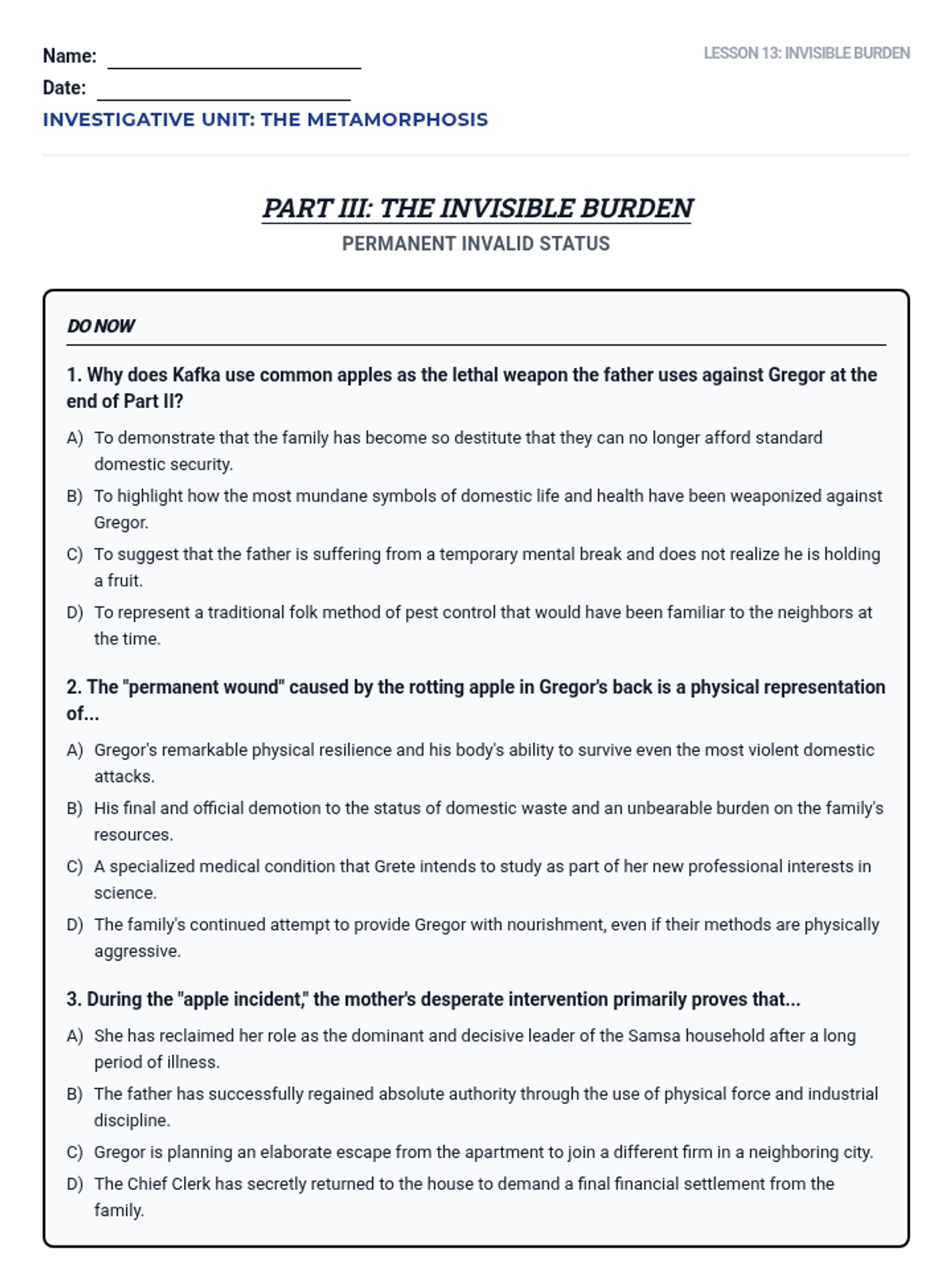
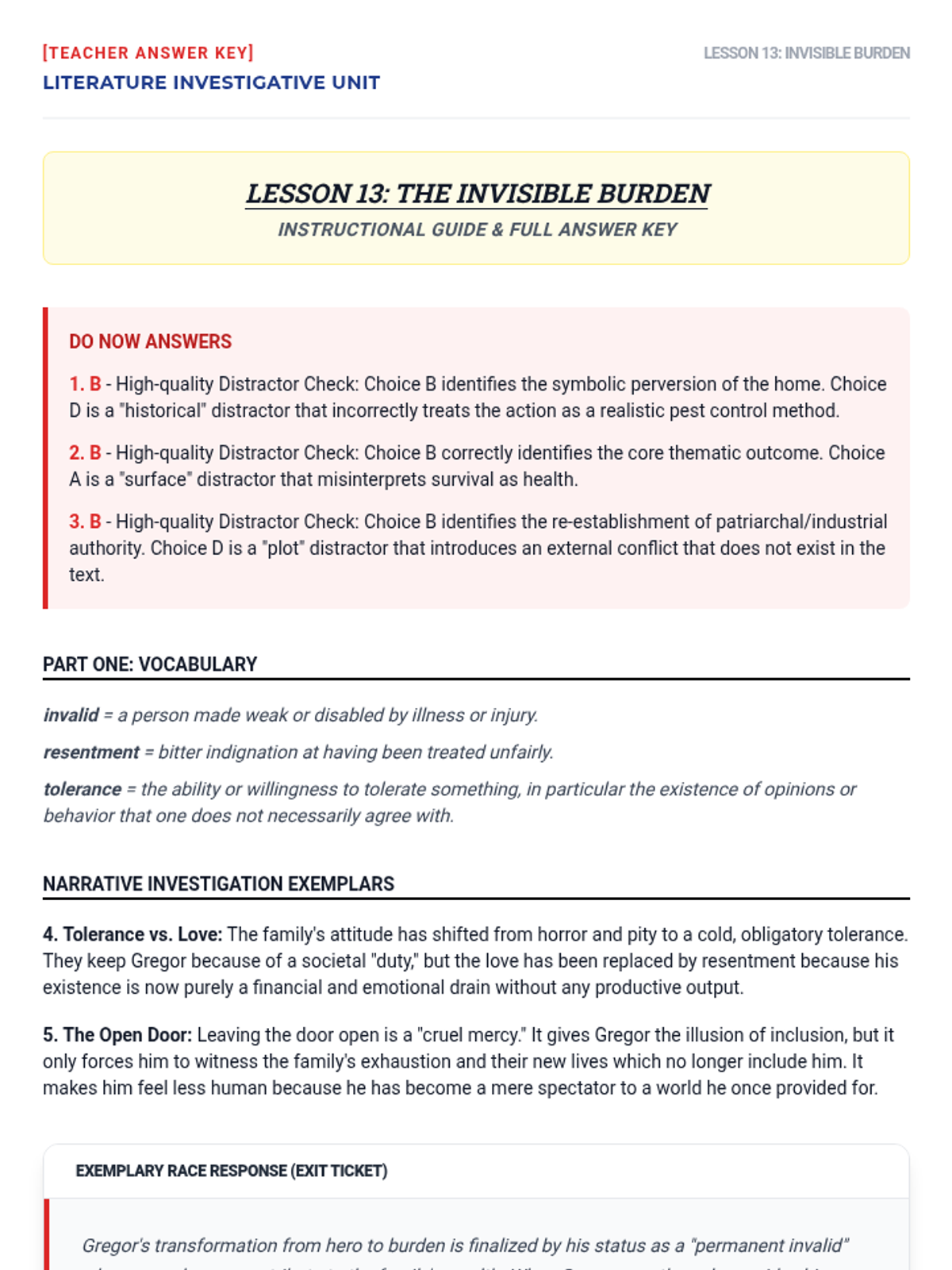
Gregor as a permanent invalid. Analysis of the family's growing resentment and the physical reminder of his non-productive status.
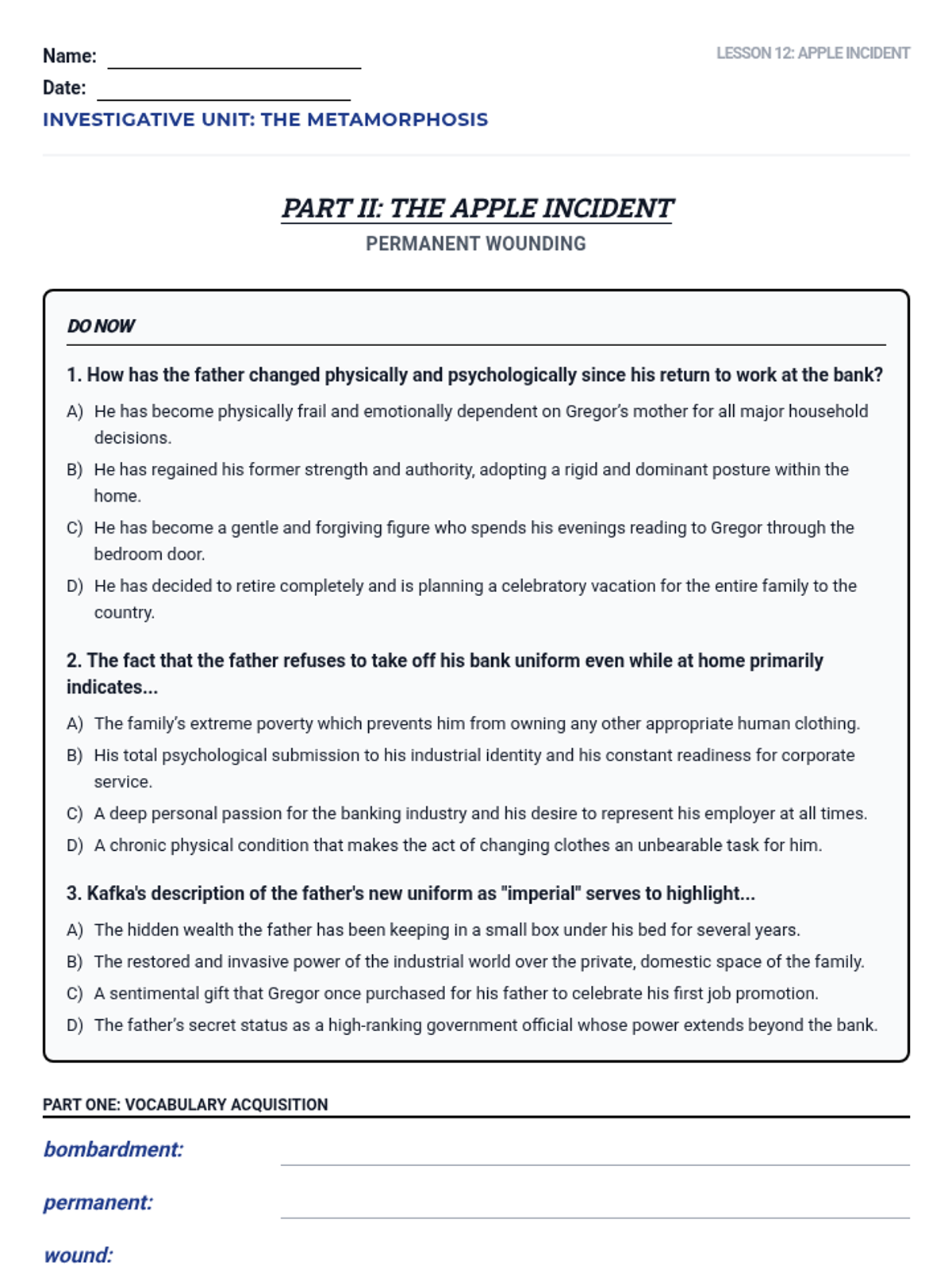
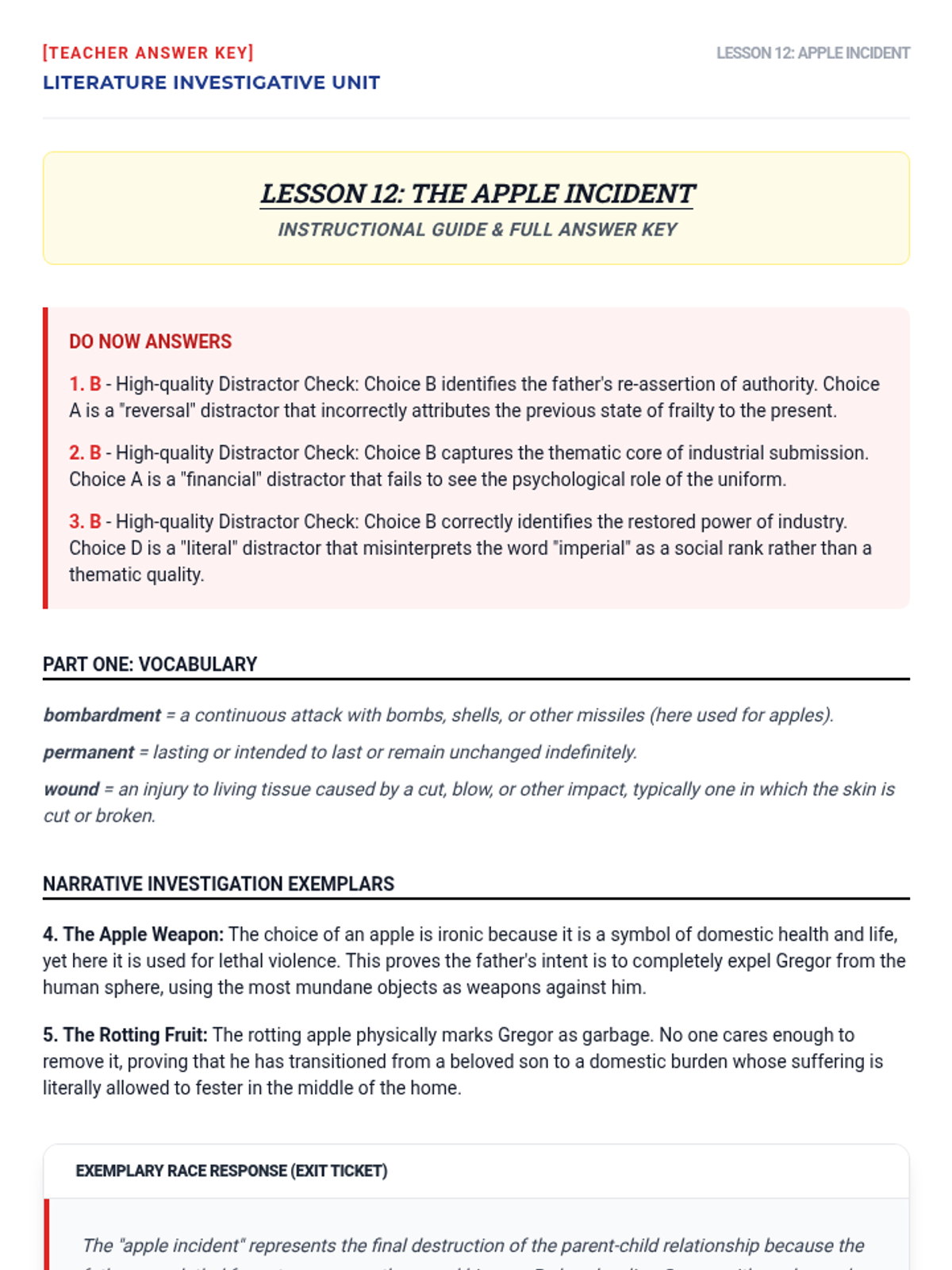
The father's violent attack with apples. Analysis of the apple as a symbol of permanent wounding and the transition from son to 'burden'.
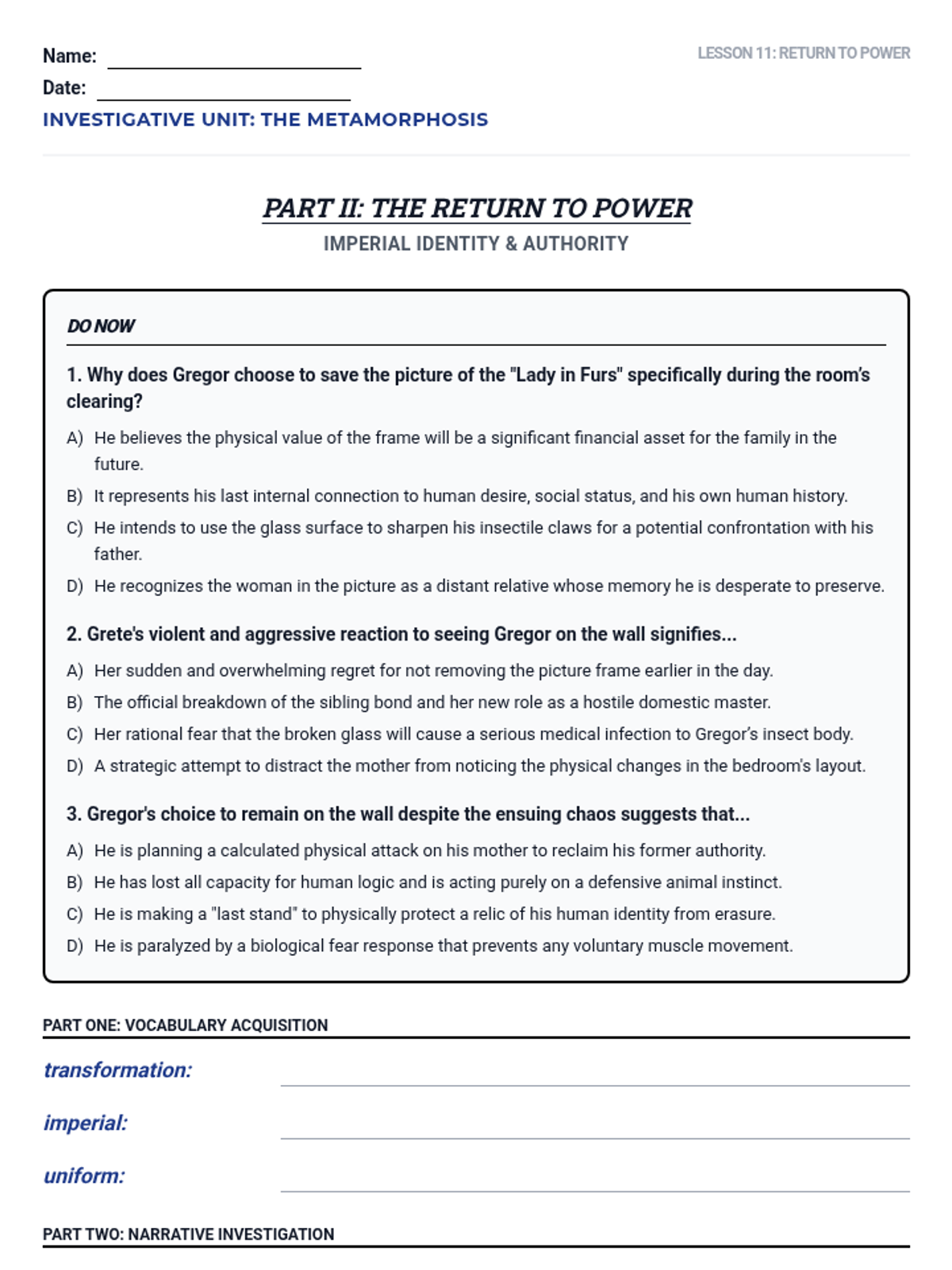
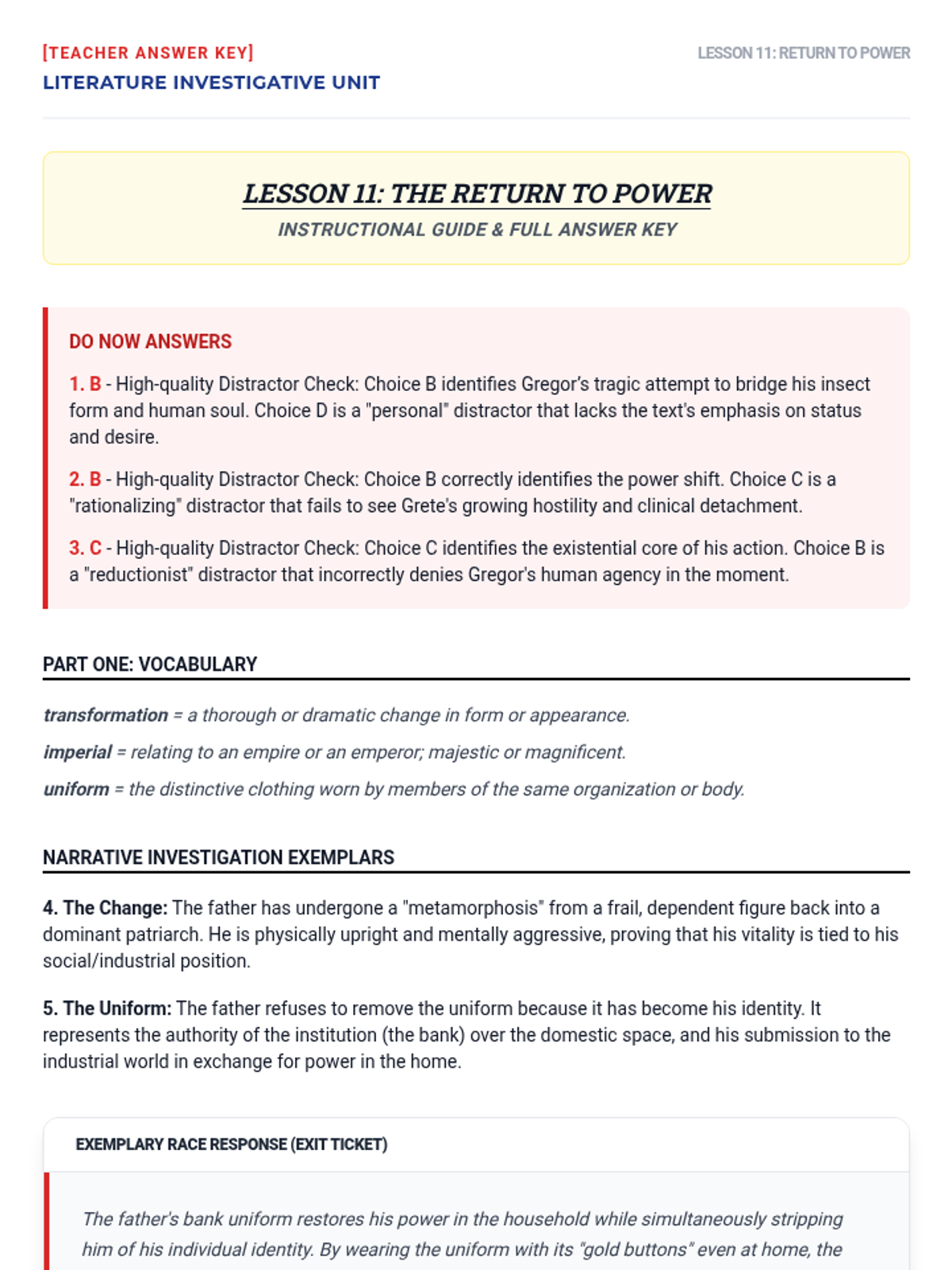
Analysis of the father's return to work and his transformation through the bank uniform. Themes of restored authority and industrial identity.
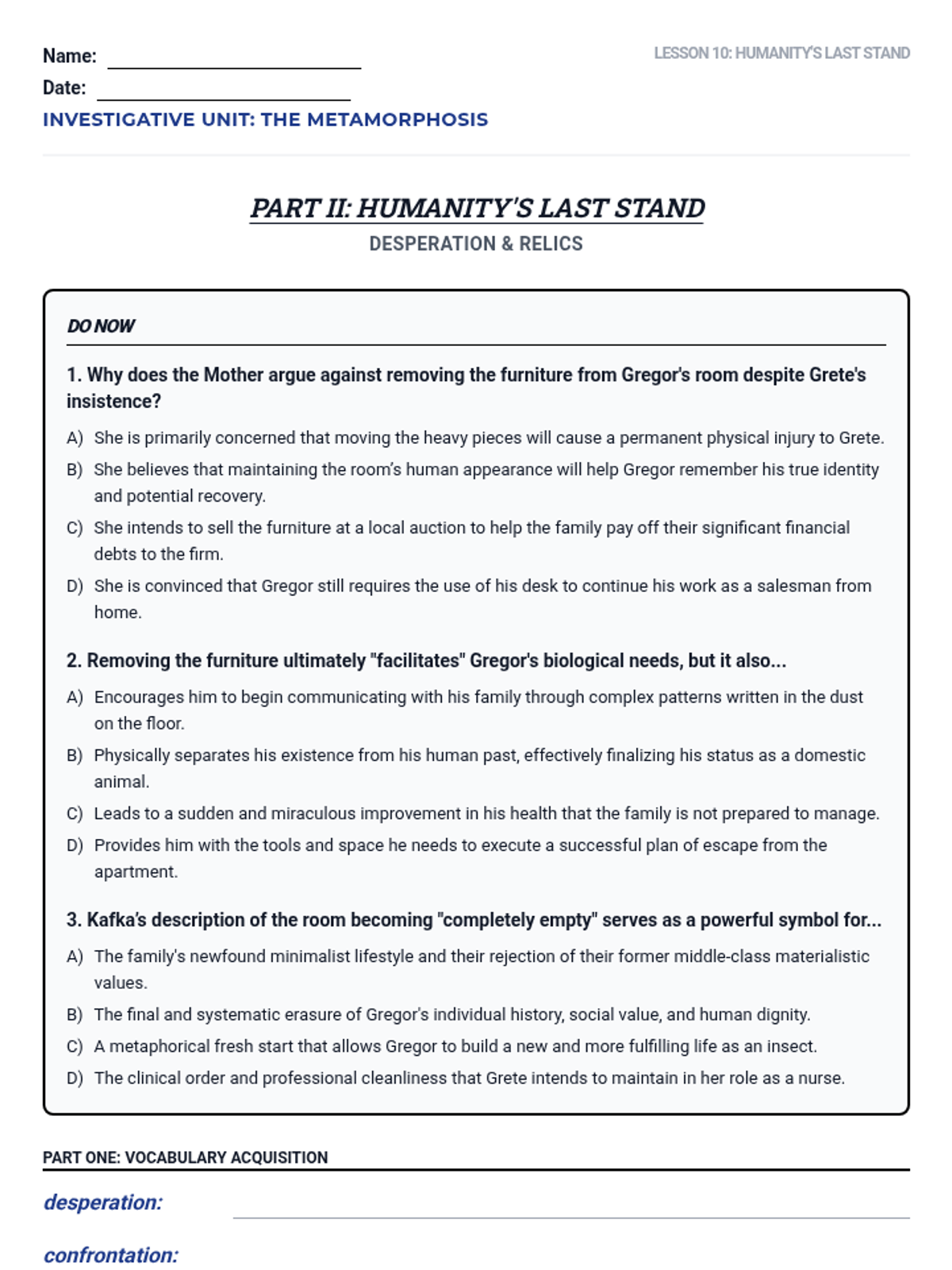
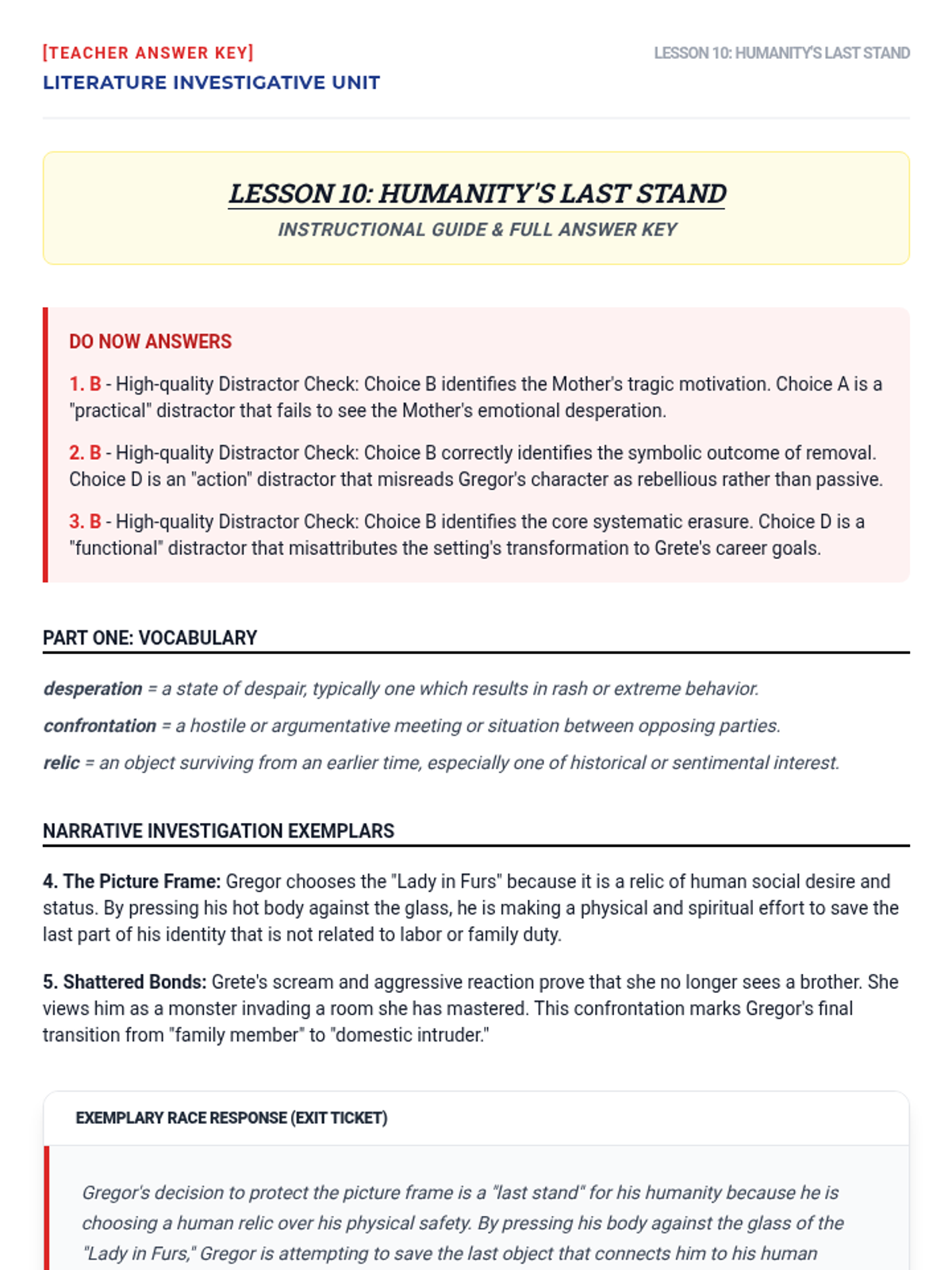
Gregor's desperate attempt to save his human identity by protecting the picture frame. Focus on the direct confrontation with Grete.
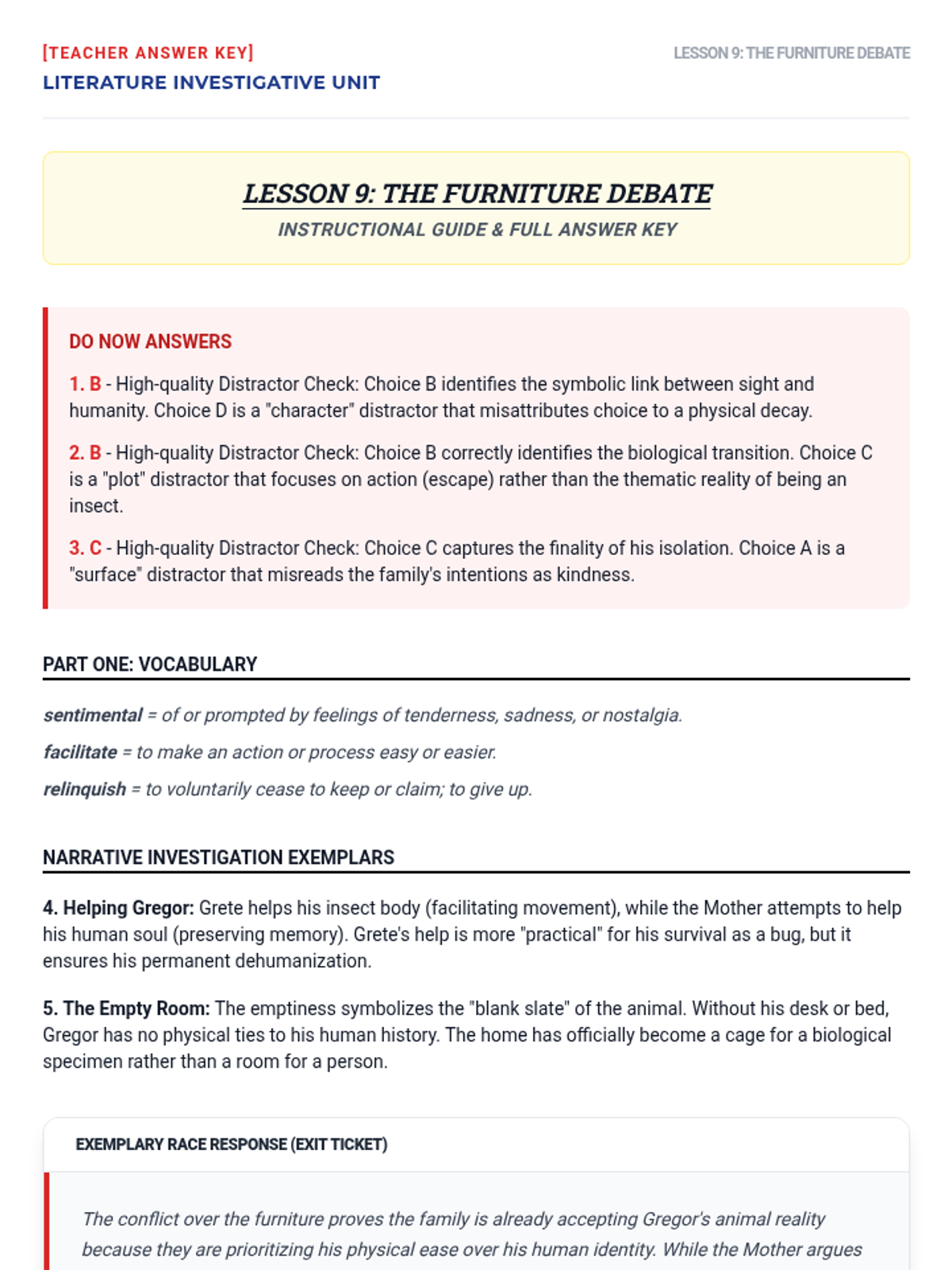
The conflict between Grete and the Mother over removing Gregor's furniture. Themes of preserving human memory vs. accepting animal reality.
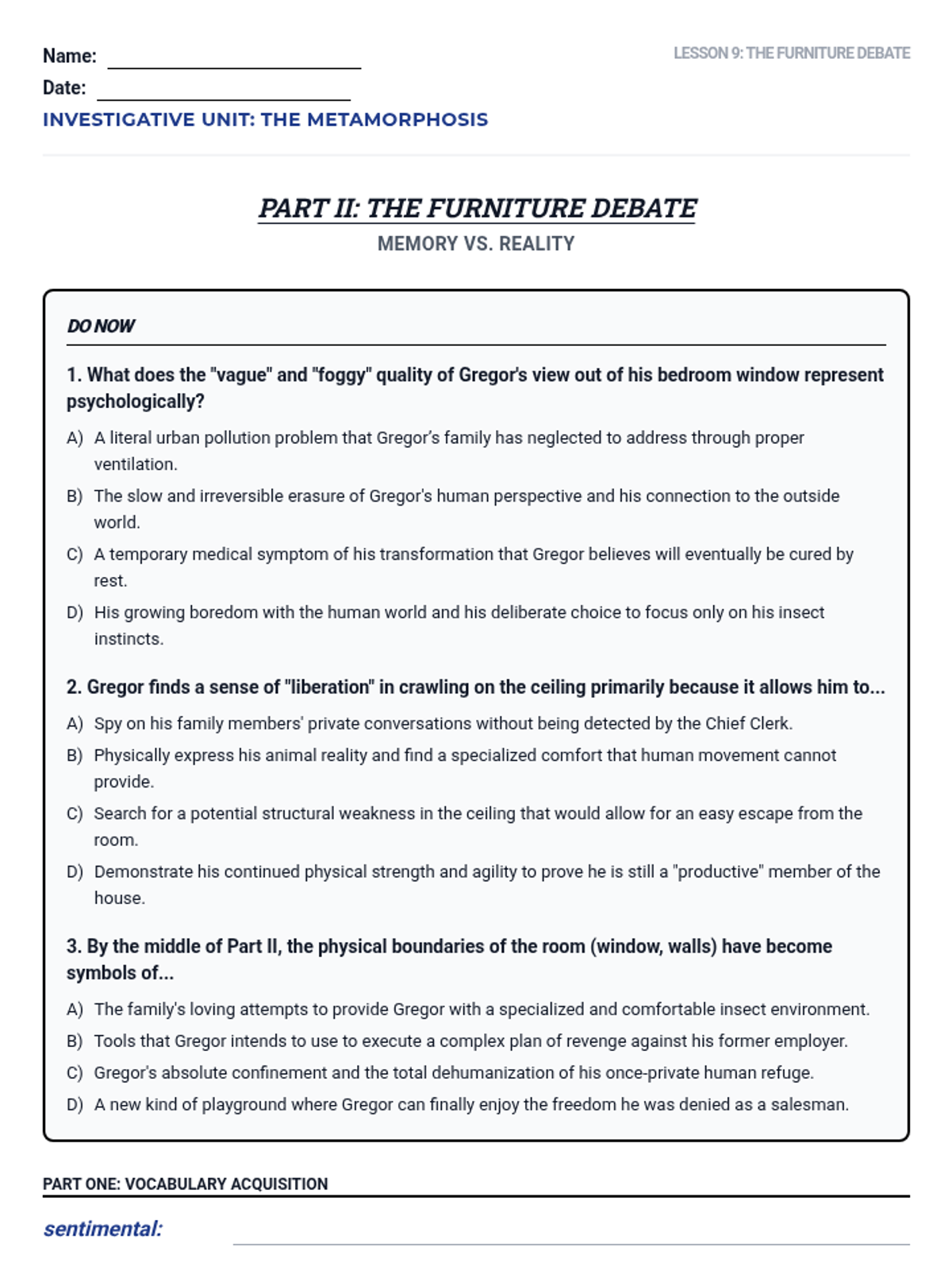
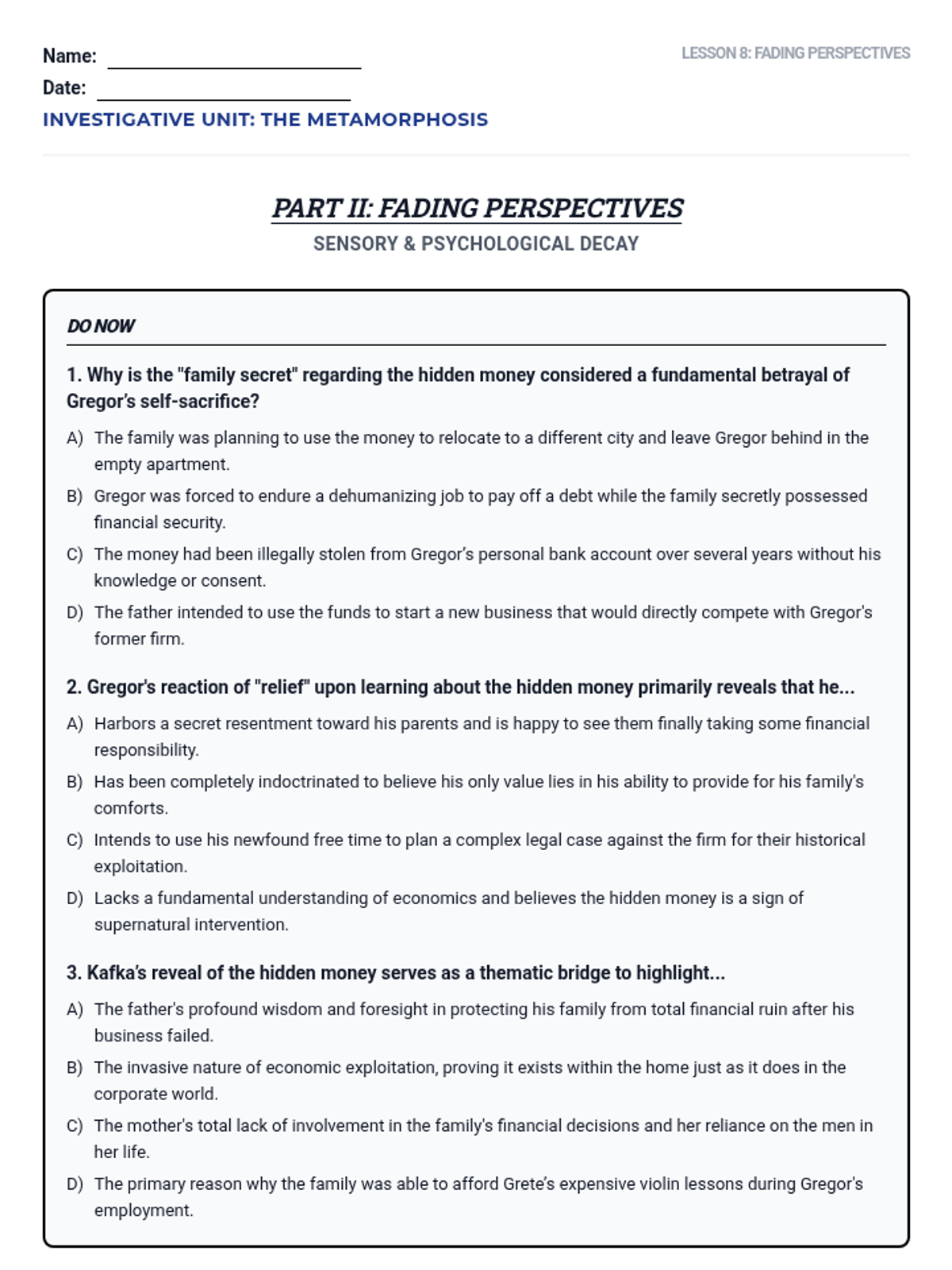
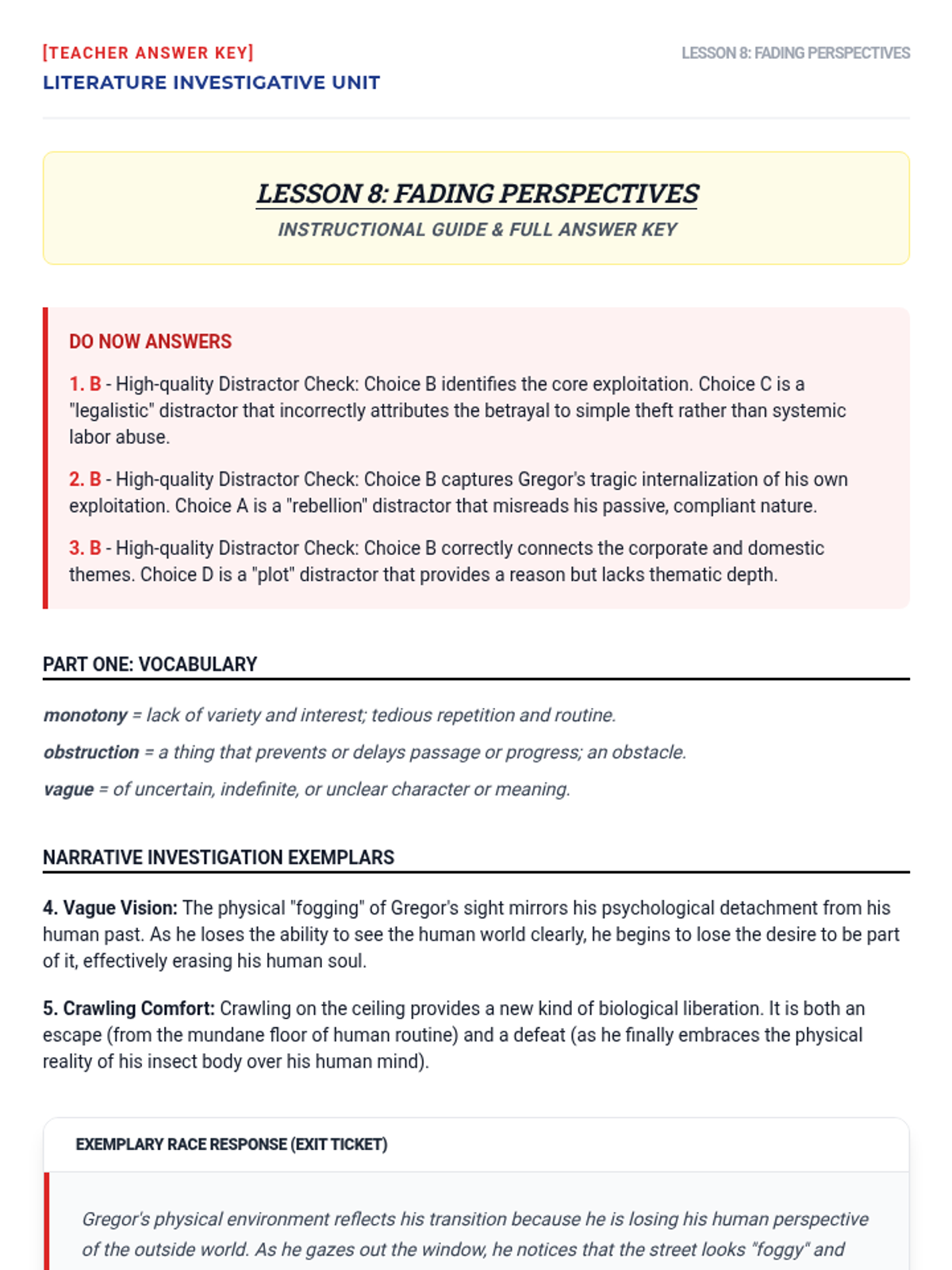
Students analyze Gregor's fading perception of the human world through his window view and his growing physical comfort in animalistic behaviors.
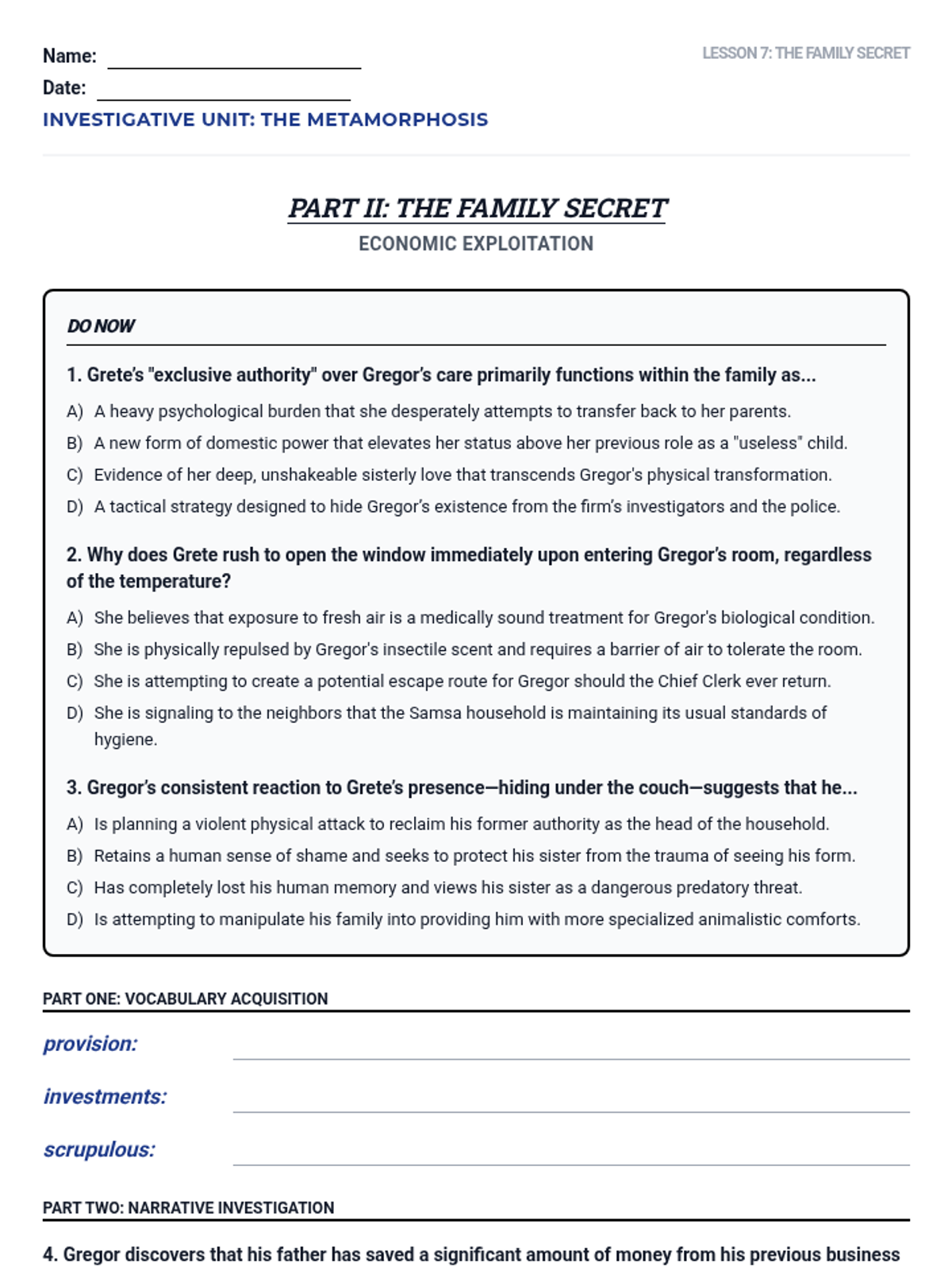
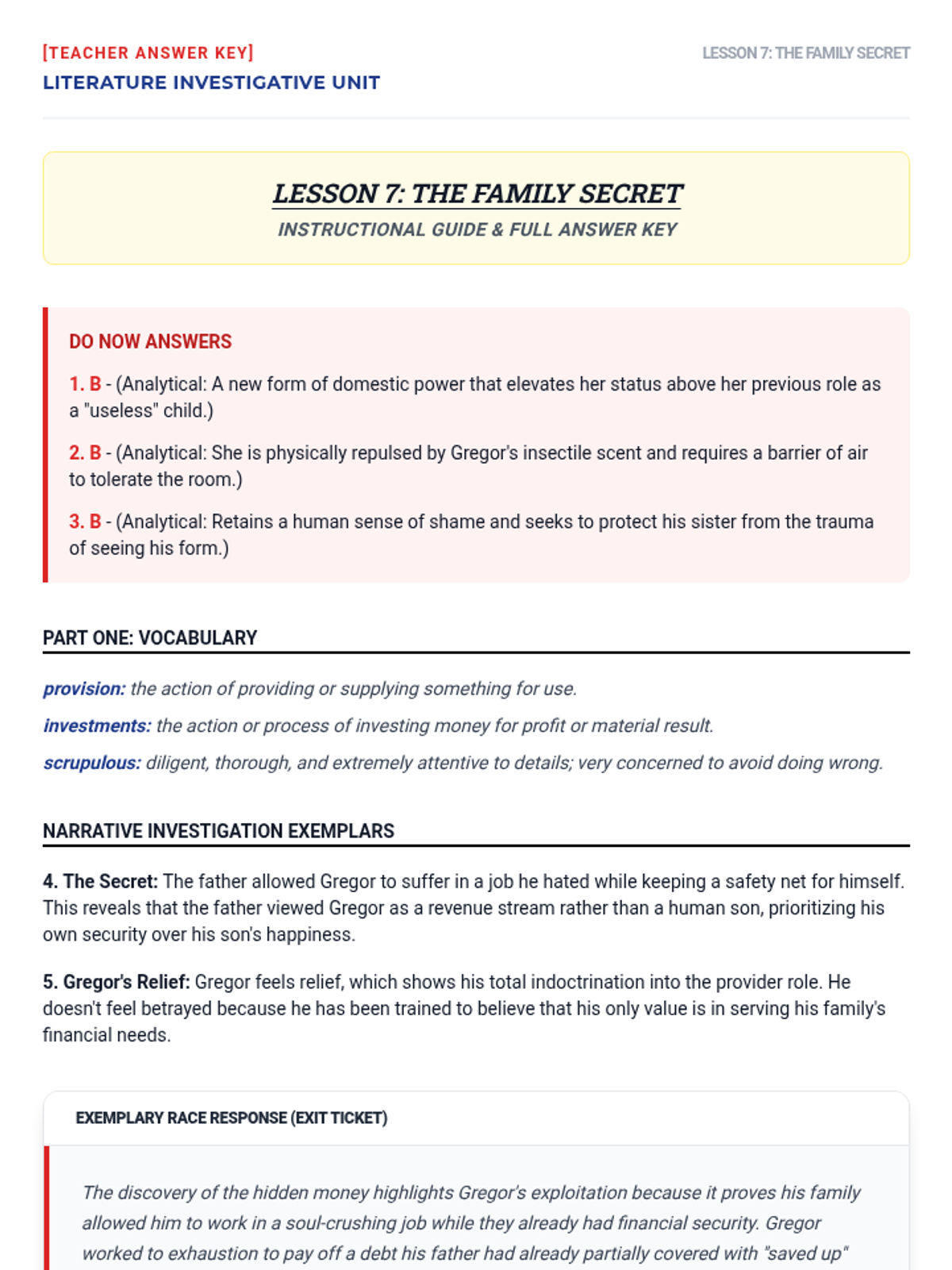
Analysis of the father's hidden financial assets and the betrayal of Gregor's role as the sole provider. Themes of economic exploitation.
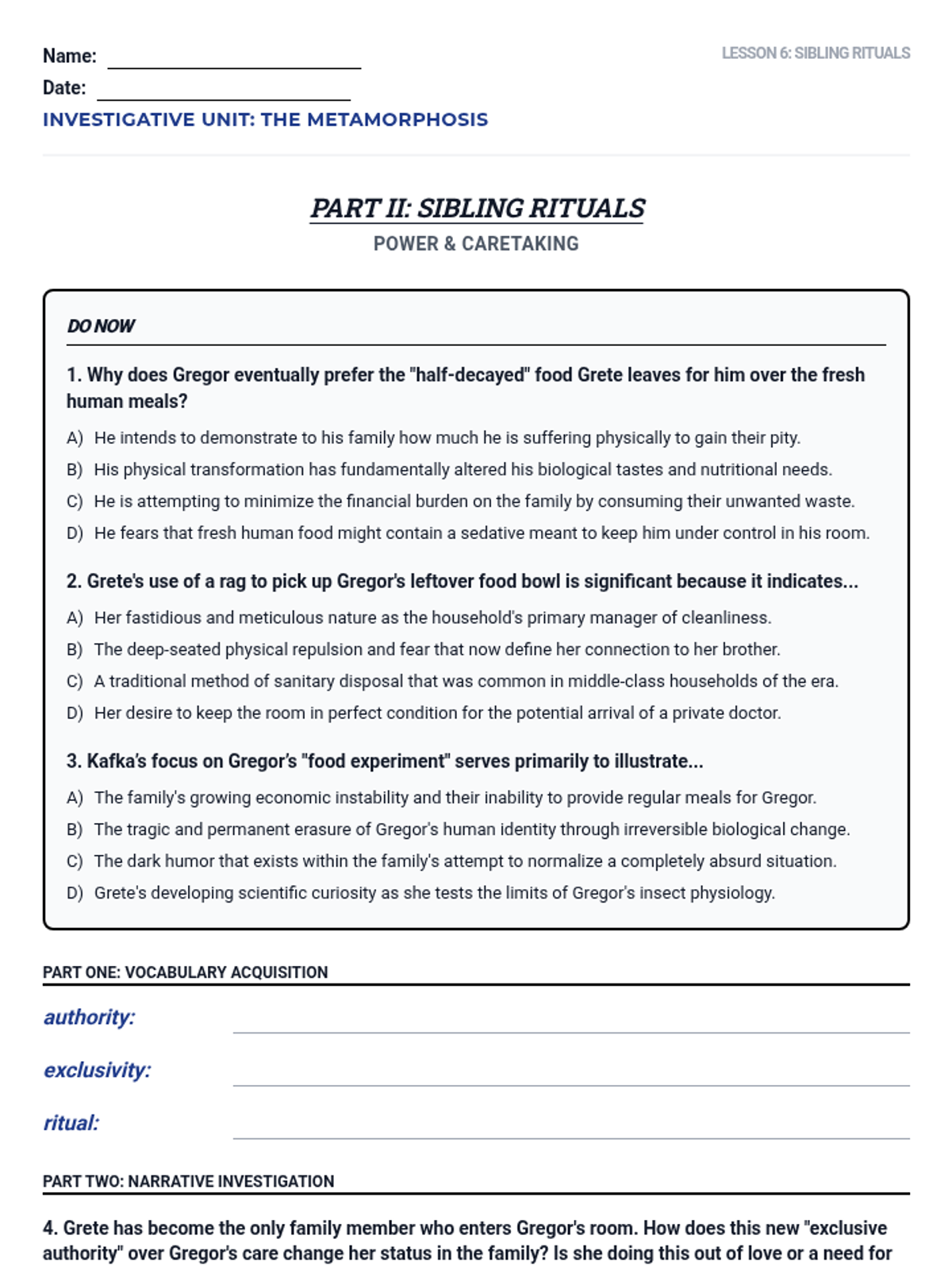
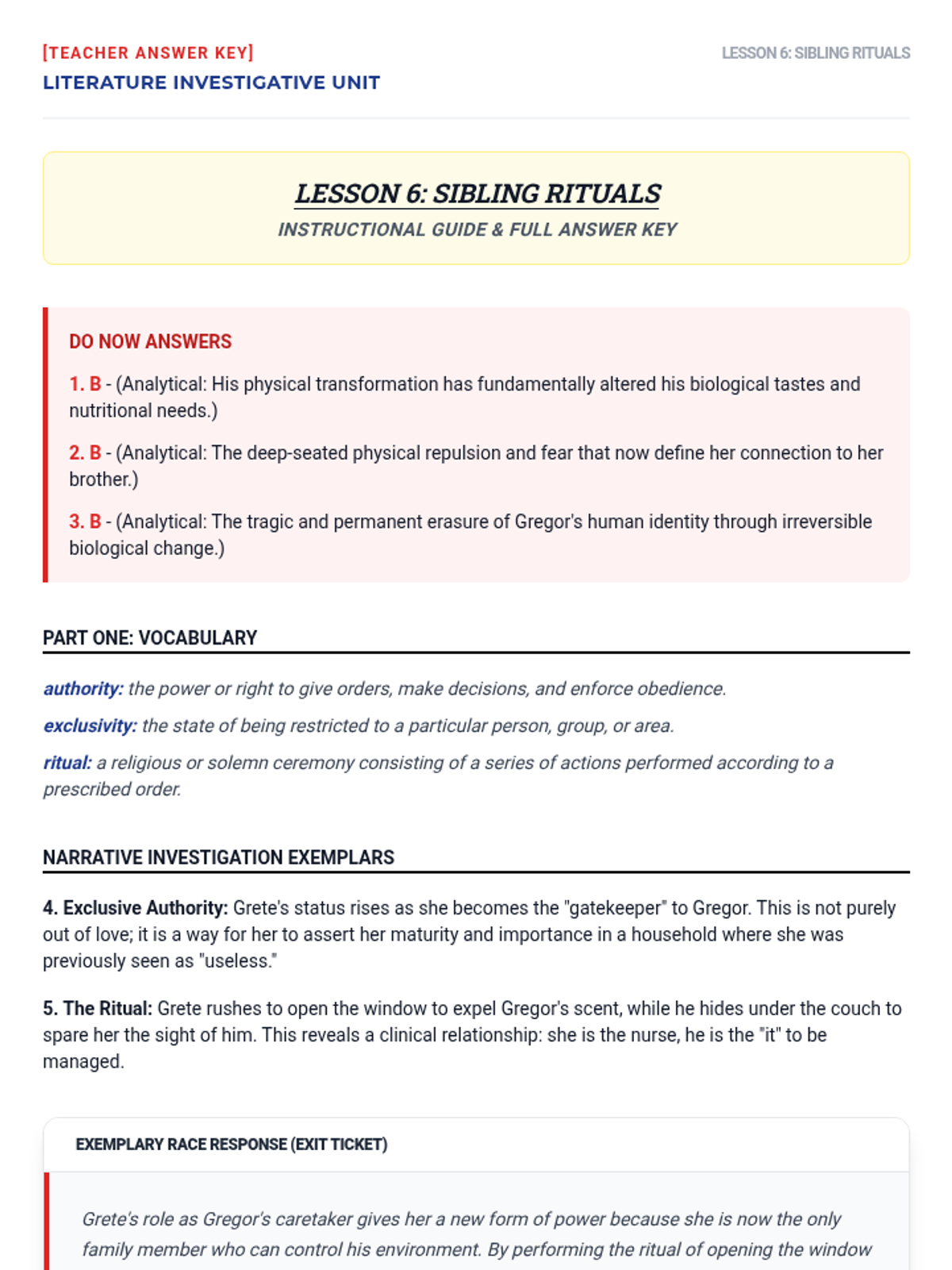
Students examine the changing power dynamic between Gregor and Grete, focusing on her new ritualistic authority as his sole caretaker.
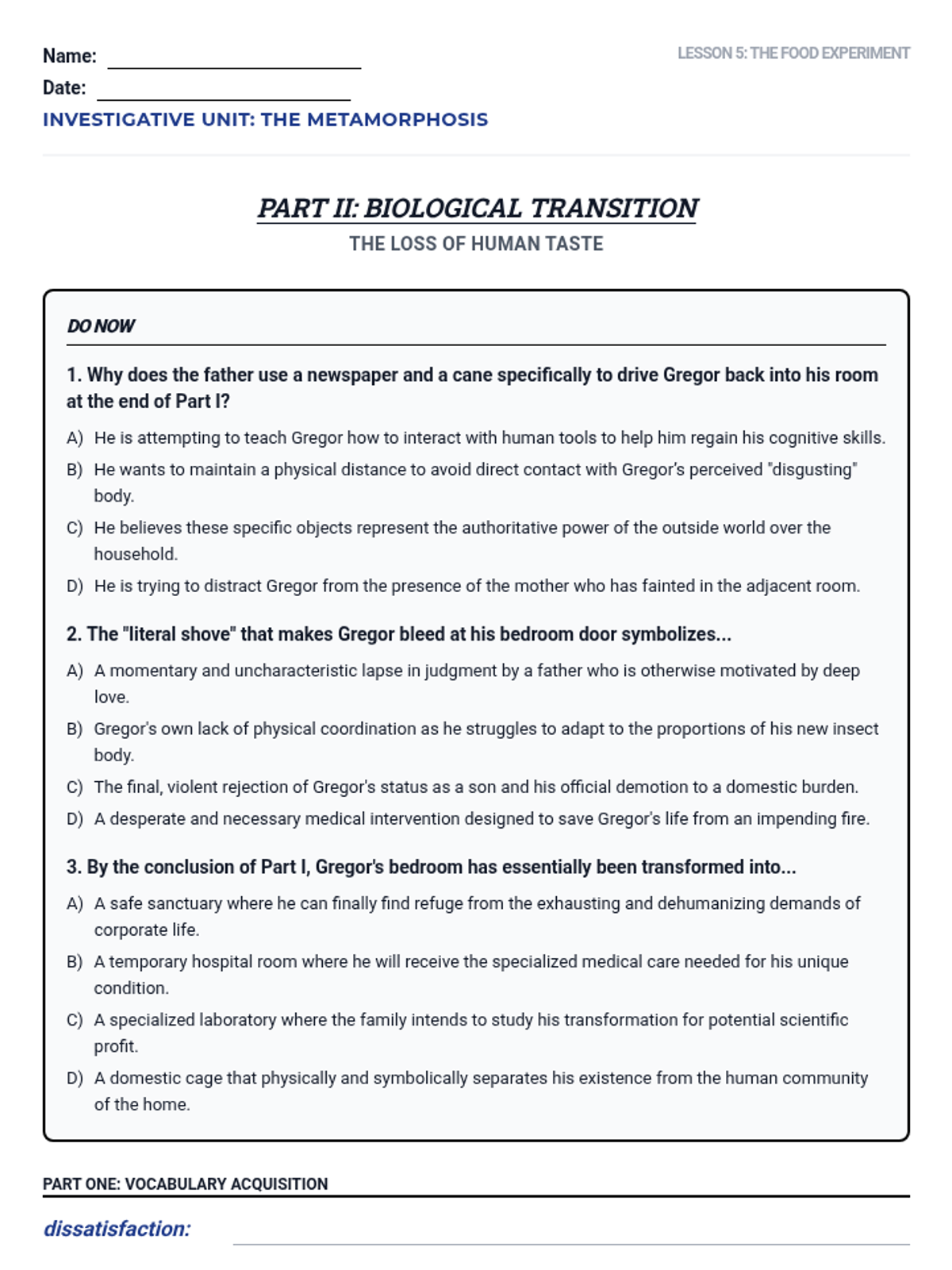
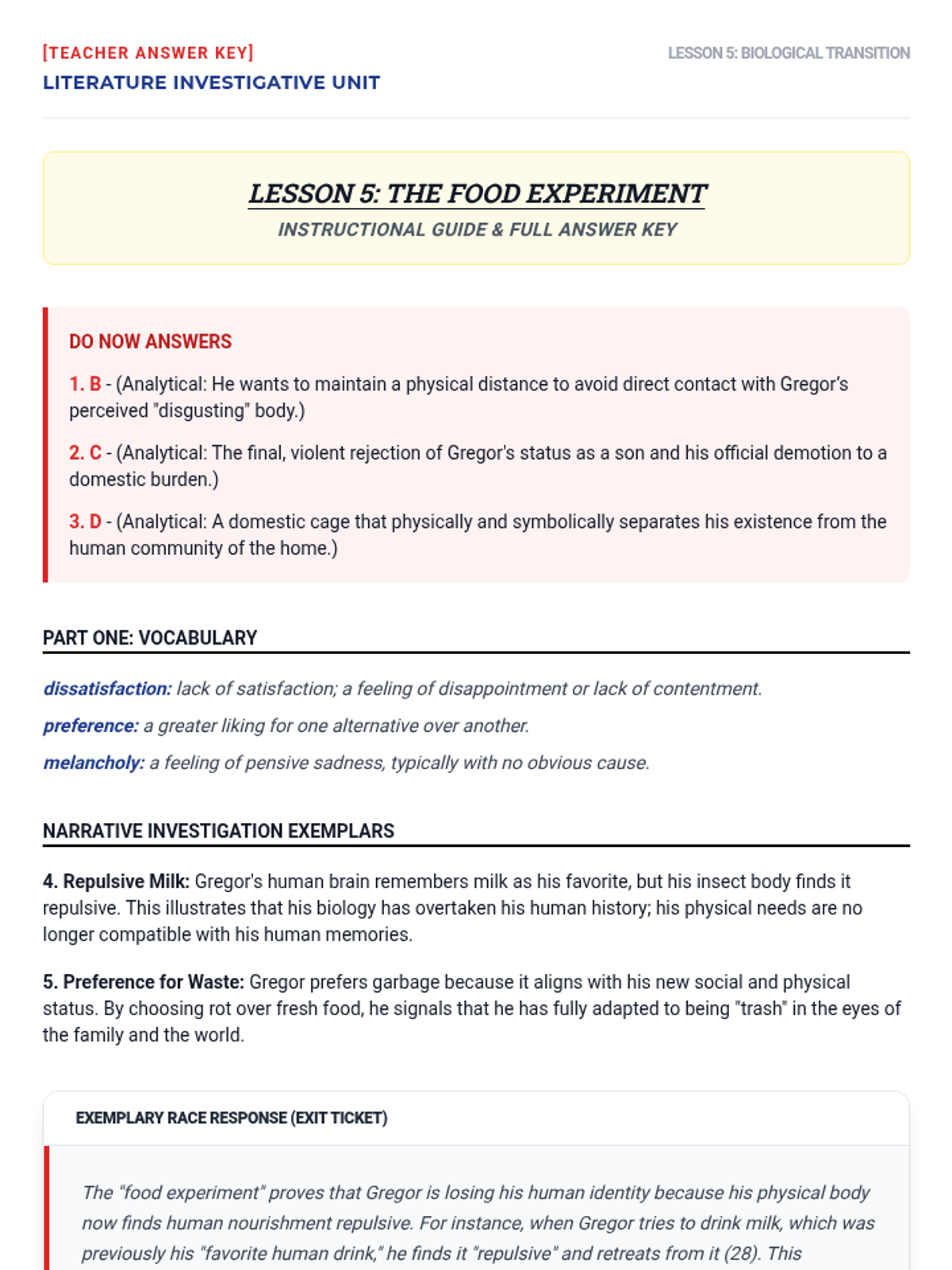
Part II begins with Gregor's physical transition, focusing on his change in taste and the shift from human food to animal waste as a symbol of dehumanization.
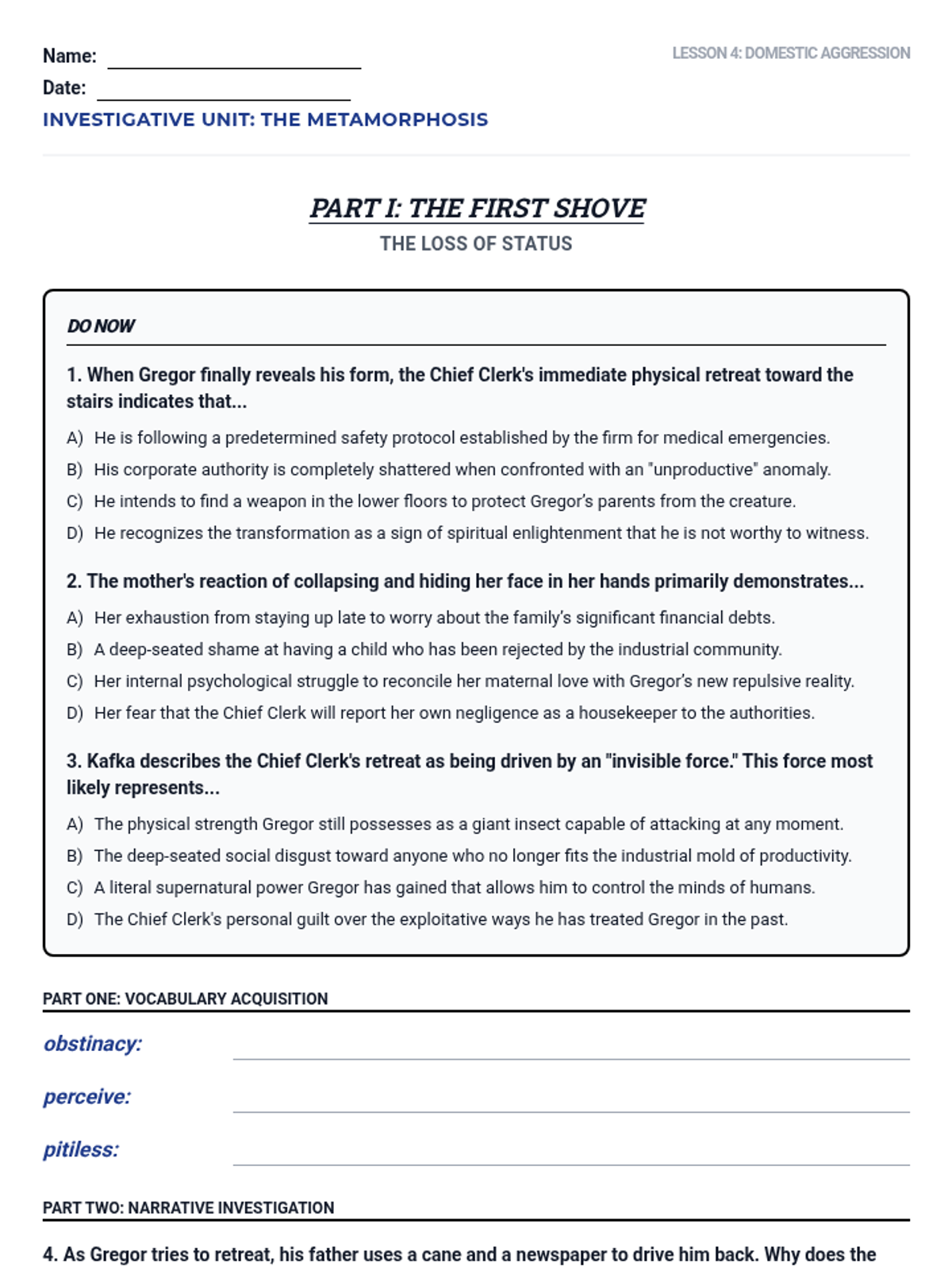
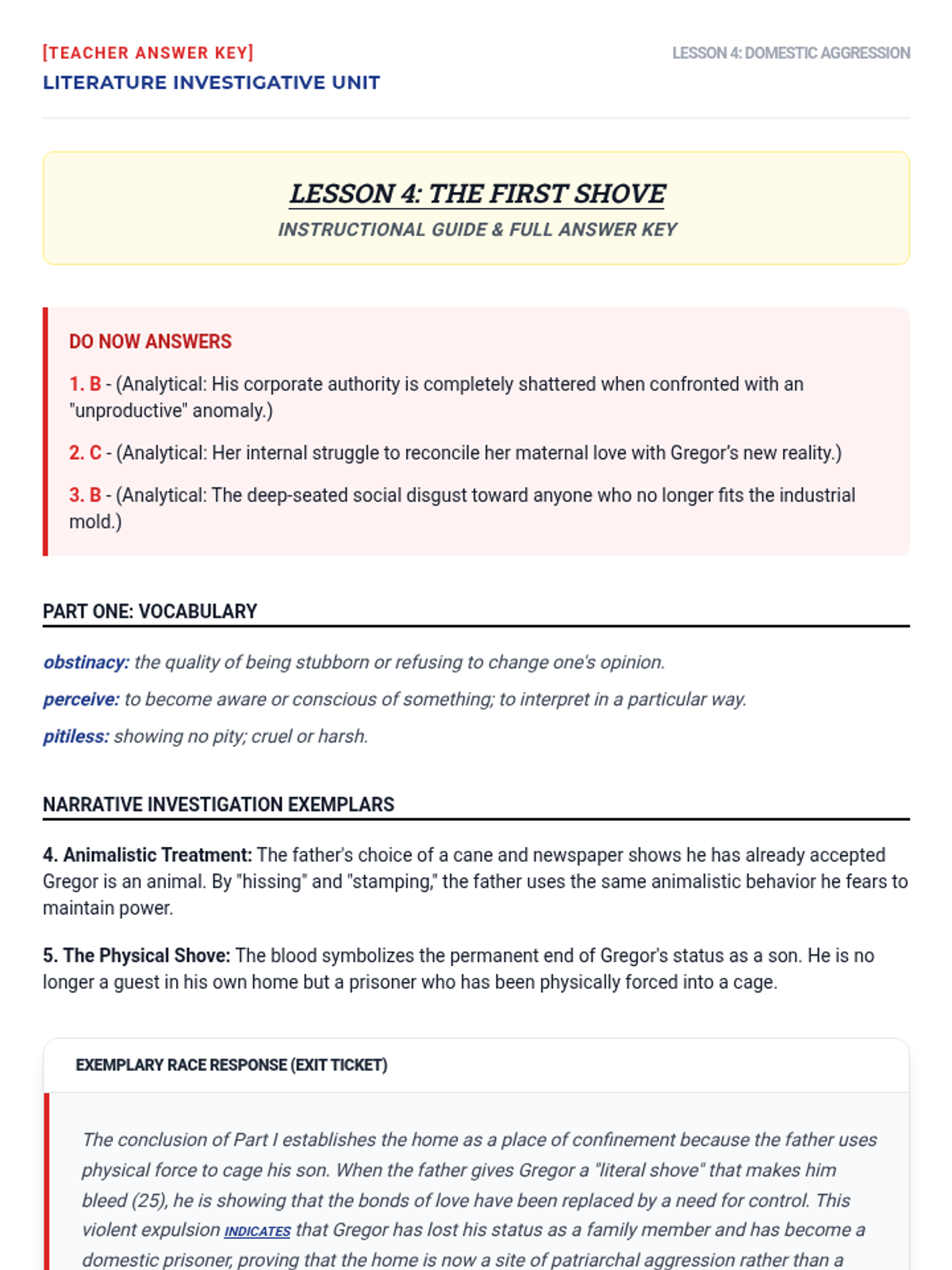
Students analyze the violent conclusion to Part I, focusing on the father's use of force to cage Gregor. Themes of domestic aggression and the loss of familial status.

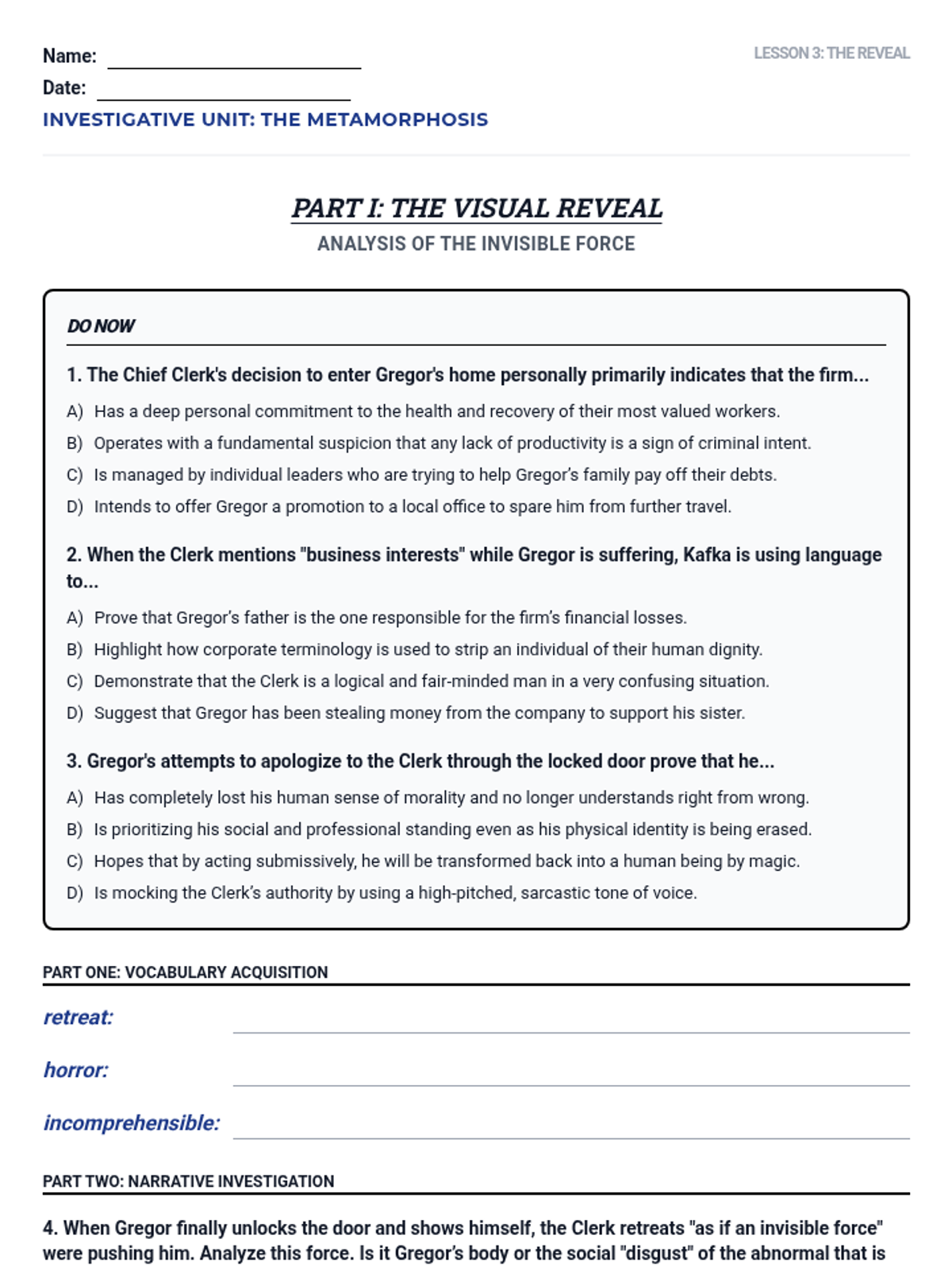
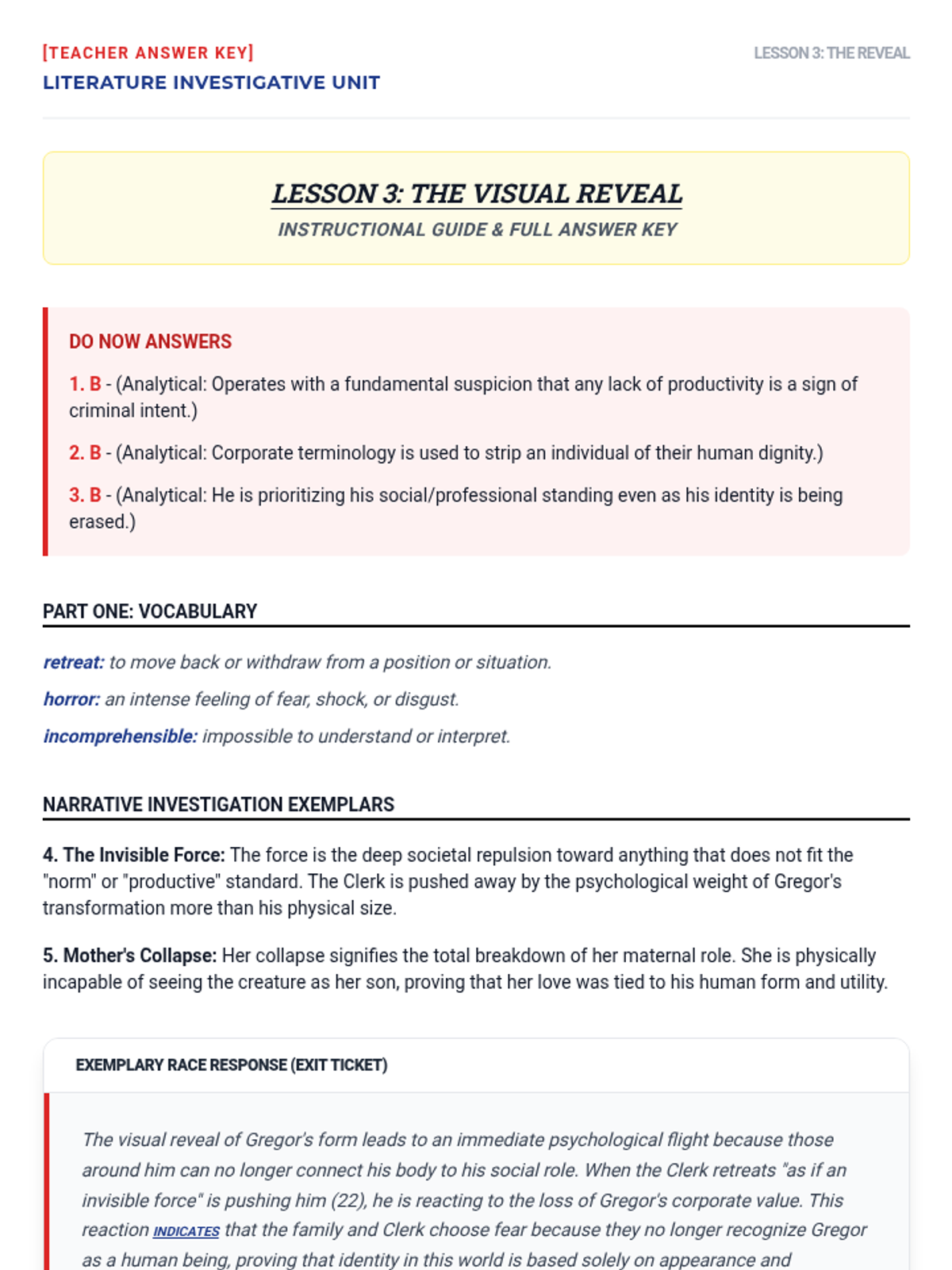
Students analyze the visual reveal of Gregor's form and the immediate physical and psychological retreat of the Chief Clerk and family. Focus on the 'Invisible Force' of alienation.