A lesson focused on emotional regulation and communication strategies for a student who struggles with spitting as a response to triggers, utilizing visual scales and structured reflection.

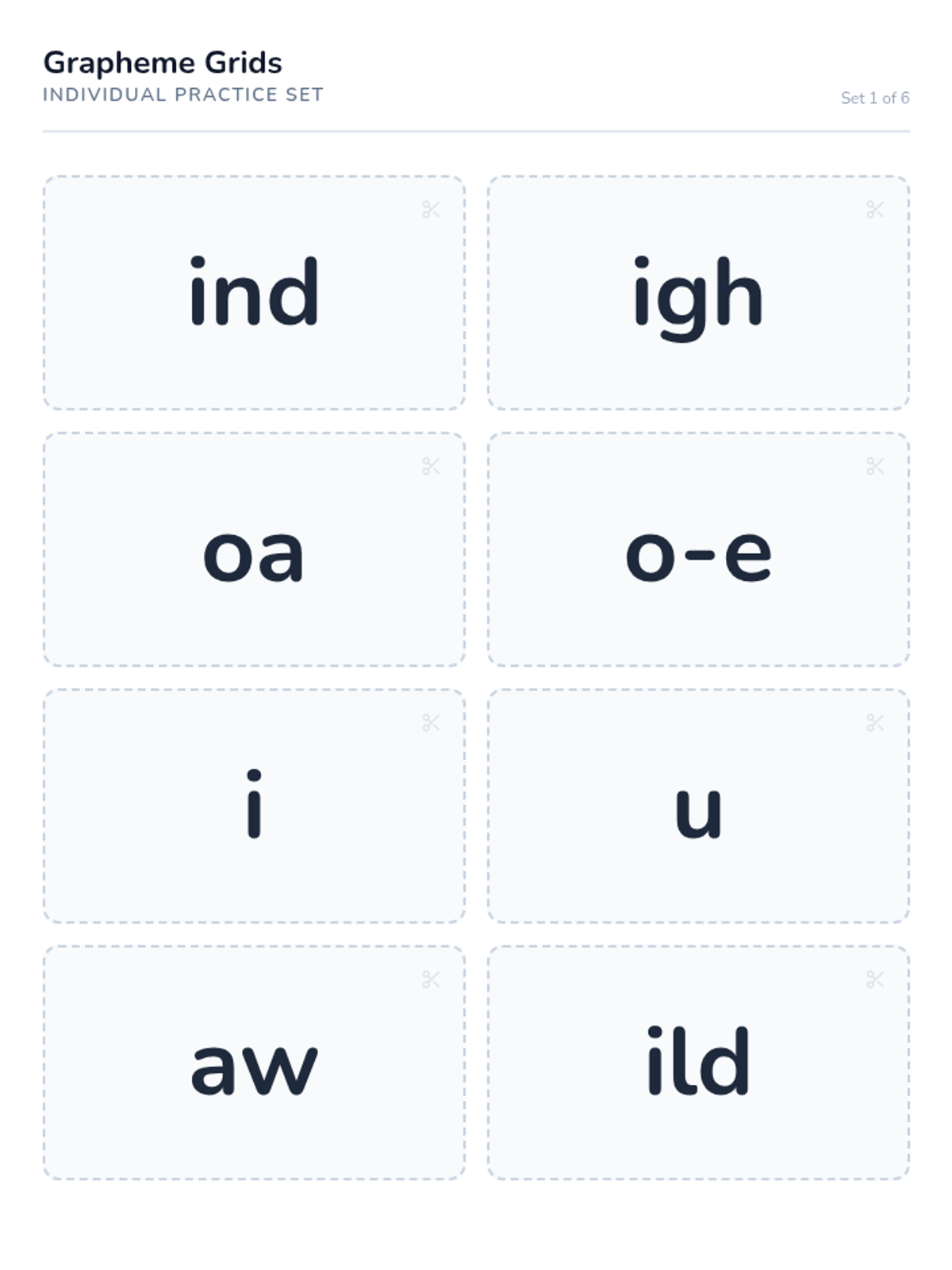
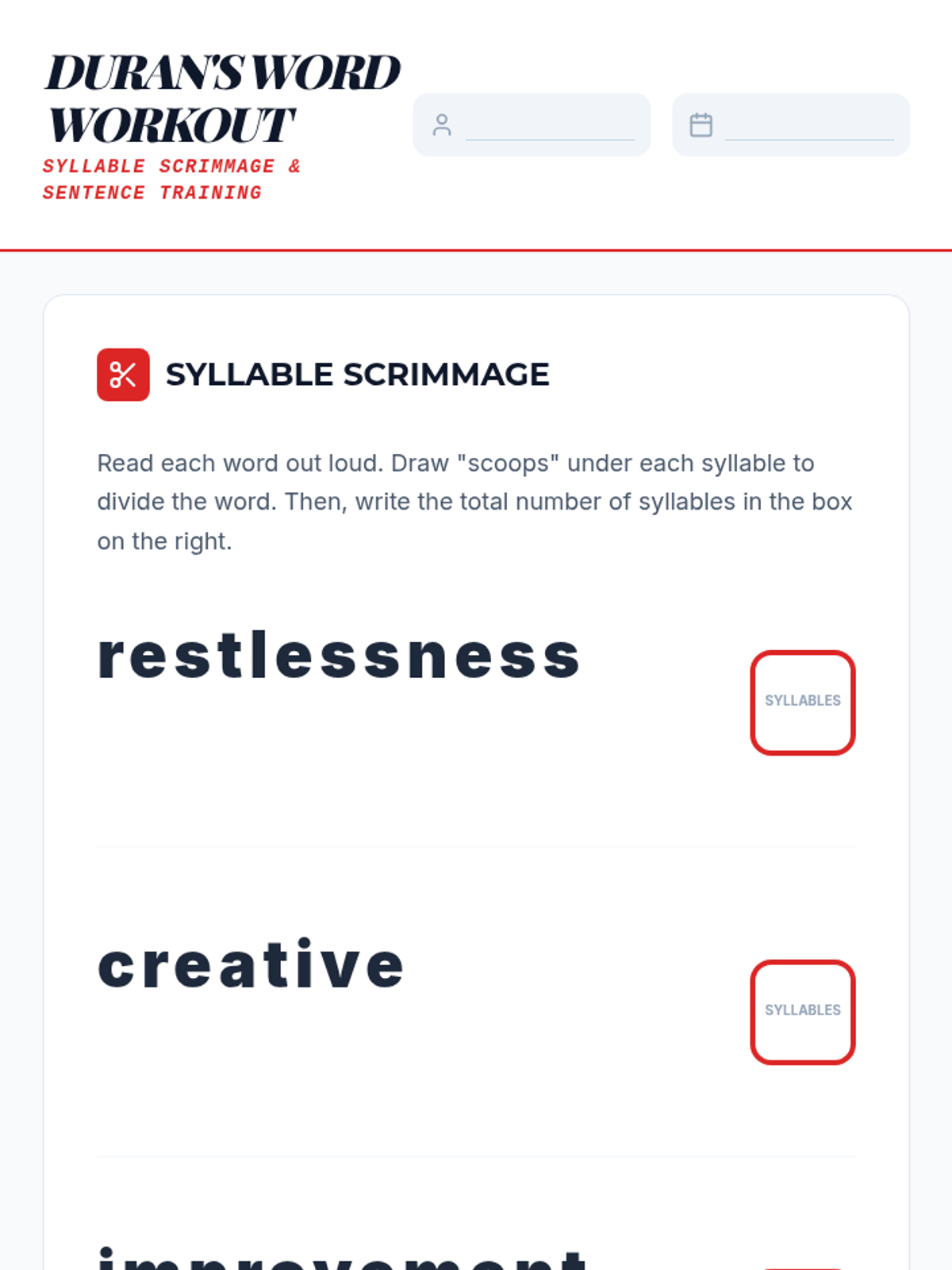
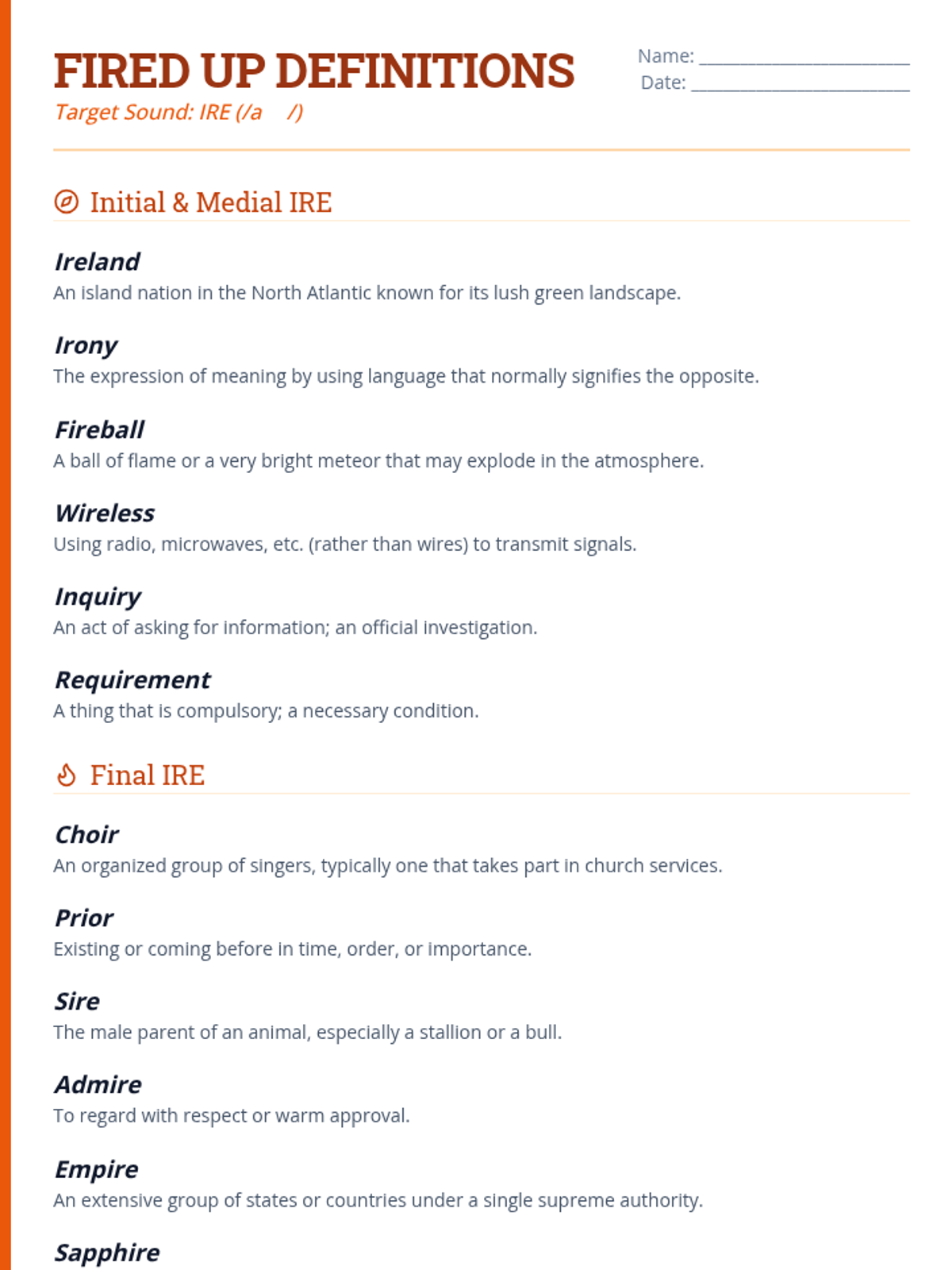
This lesson focuses on identifying, dividing, and reading multi-syllabic words with open syllables (Step 5.2). It includes daily warm-ups and structured practice.
A Valentine's Day themed lesson for high school educational life skills students focusing on fine motor skills and following multi-step visual directions through a craft and snack assembly activity.
A lesson designed for 5th-grade students who are Hard of Hearing, focusing on the essential life skill of requesting repetition and clarification. It features a modified 'Telephone' game based on kitchen instructions and provides differentiated pathways for varying levels of independence.
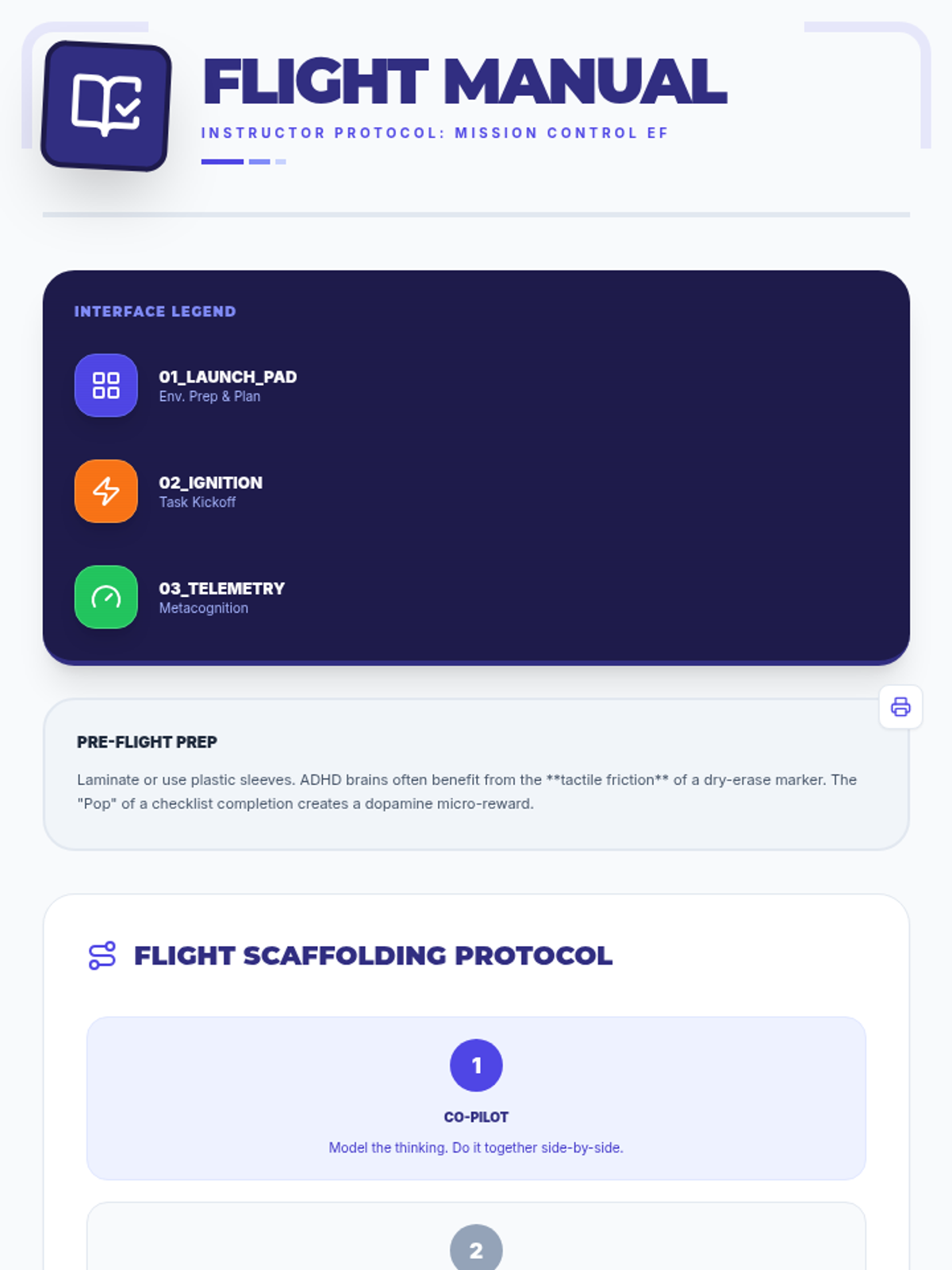
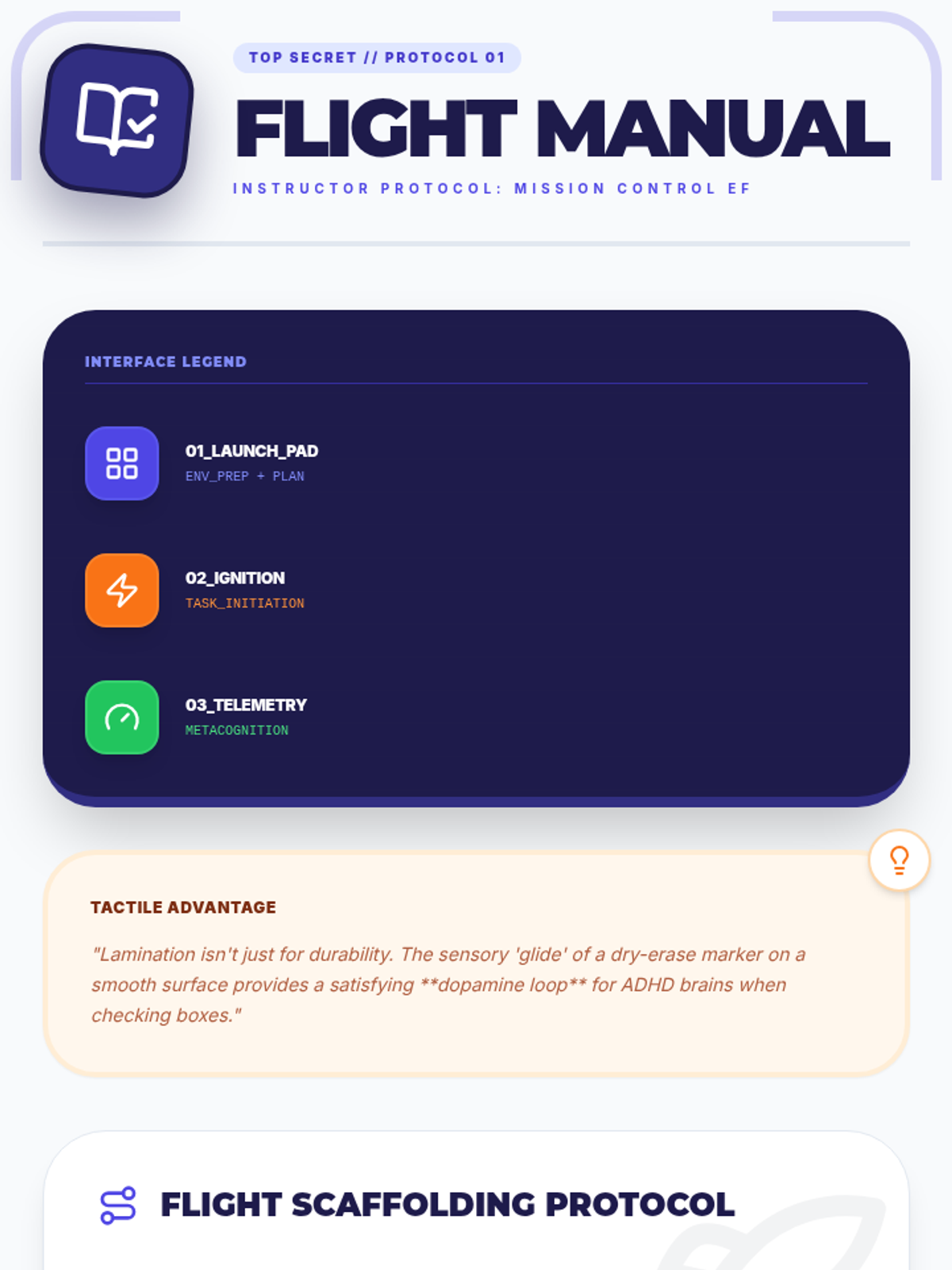
Teacher implementation guide and sequence overview for the Valentine Venture activities.
Focuses on visual matching skills and object recognition with a Valentine's shadow match activity.
Focuses on intensive fine motor control through complex line tracing and path-finding.
Focuses on logical reasoning and visual discrimination through heart-themed pattern completion.
Focuses on fine motor literacy skills through tracing Valentine-themed words and identifying letters.
Focuses on basic numeracy and color recognition through counting candy hearts and coloring tasks.
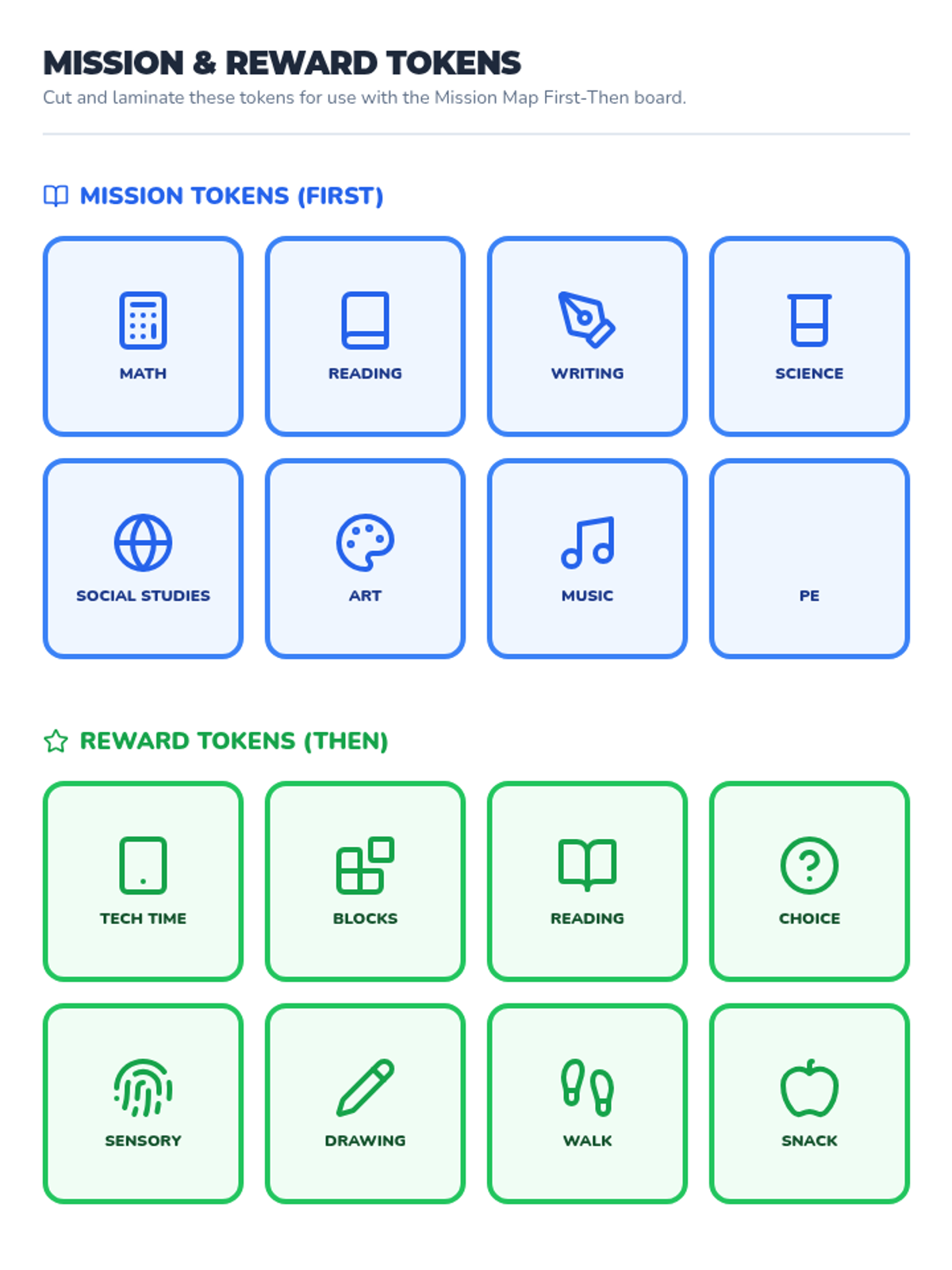
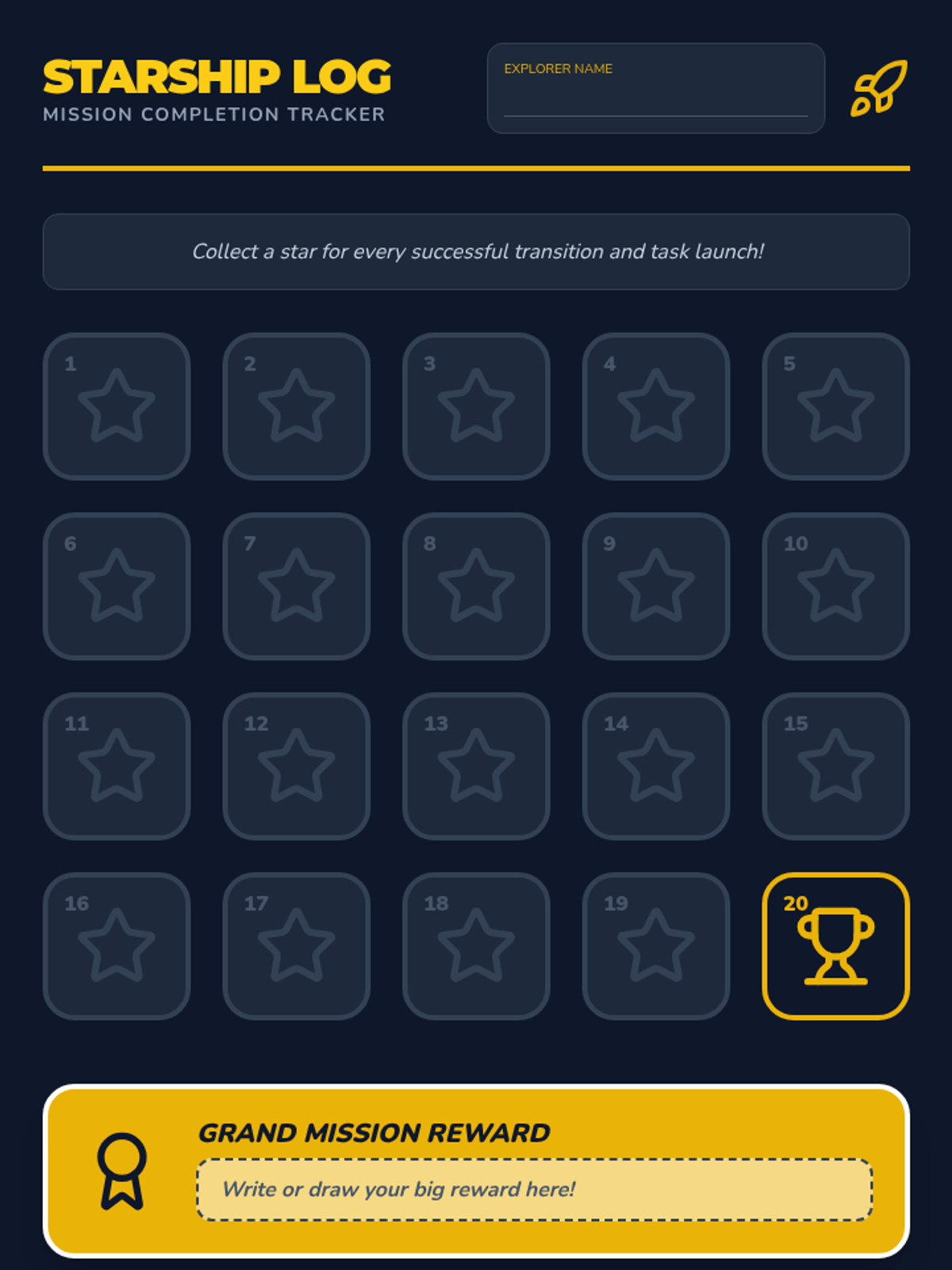
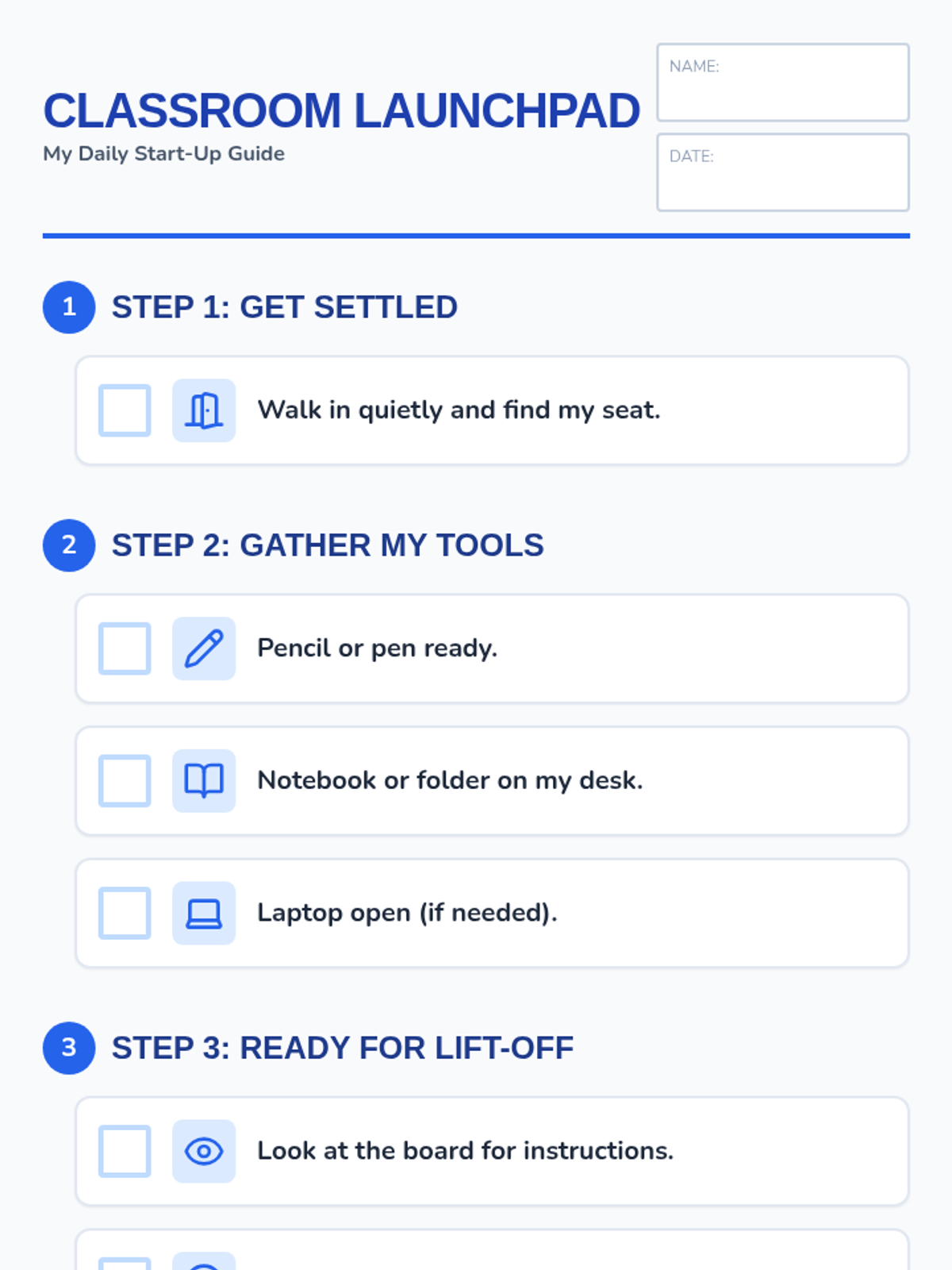
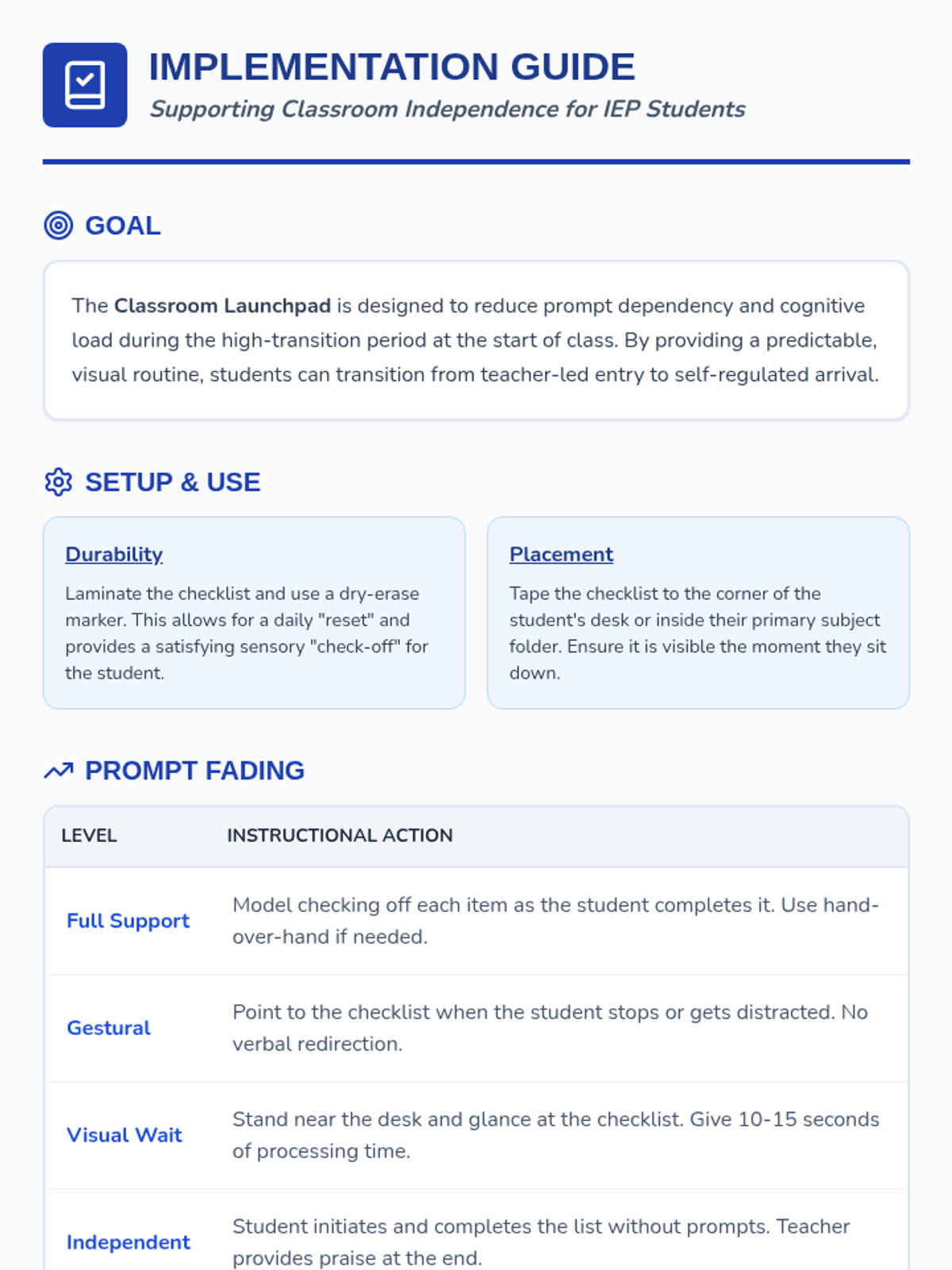
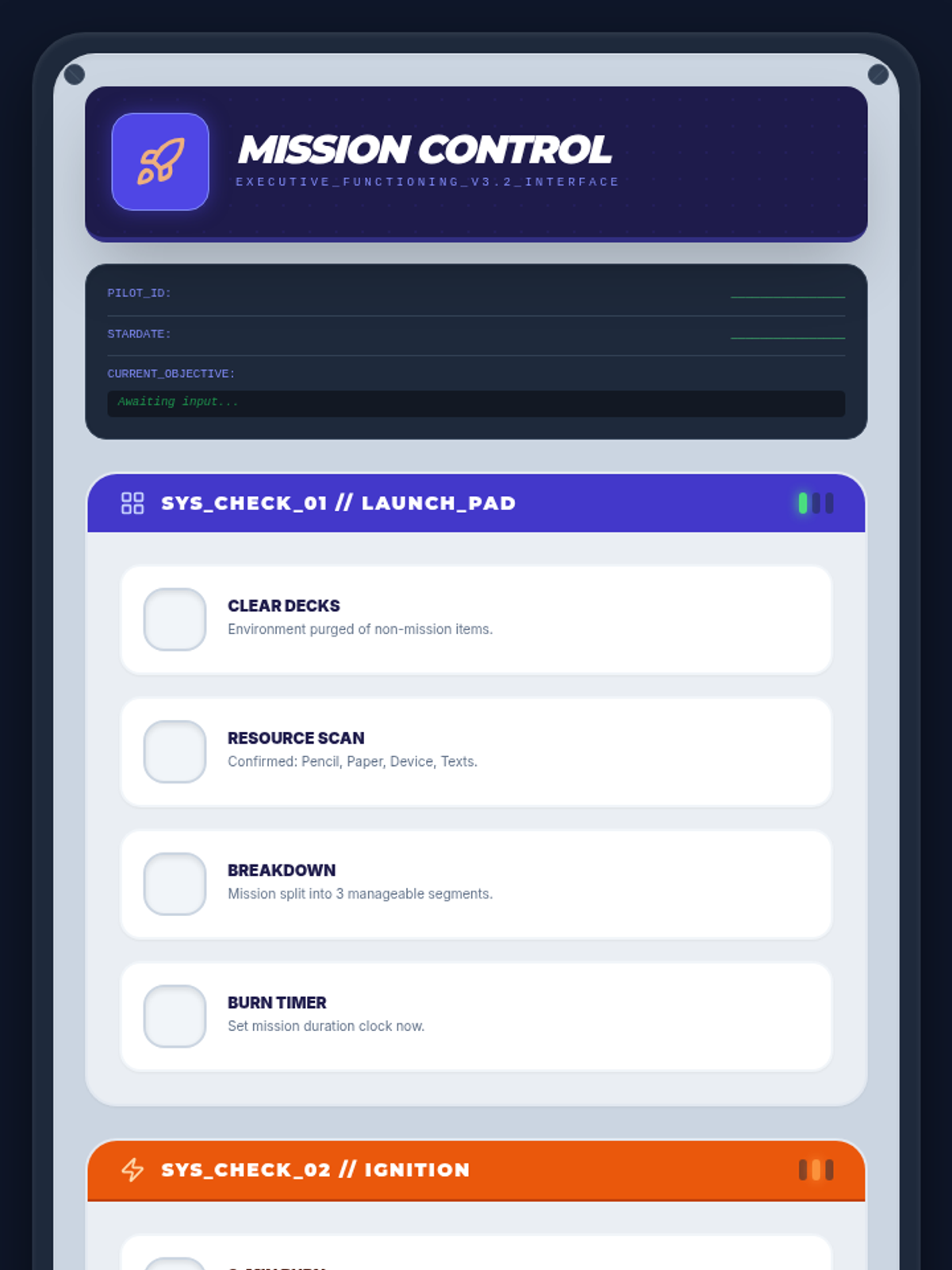
A set of tools to support a student's daily behavioral goals through a consistent check-in/check-out system.
A comprehensive set of resources designed to establish clear behavioral expectations for middle school students to earn their way onto an upcoming field trip. The lesson includes a rubric, a classroom poster, a parent/student contract, and a student tracking checklist.
A functional budgeting lesson designed for young adults with intellectual disabilities and autism, focusing on making choices within a fixed budget. Includes a visual shopping worksheet, an answer key, and a guide for substitute teachers.
Establishes a formal safety plan (The Calm Protocol) that identifies safe spaces, trusted adults, and step-by-step actions for high-stress moments, ensuring the student feels secure even when home life is unpredictable.
Focuses on identifying the physical and emotional signs of dysregulation and building a personalized 'toolkit' of grounding strategies that work across different classroom environments.