Students learn to calculate conditional probabilities to determine the likelihood of behavior given specific antecedents or consequences, validating hypotheses through statistical analysis.
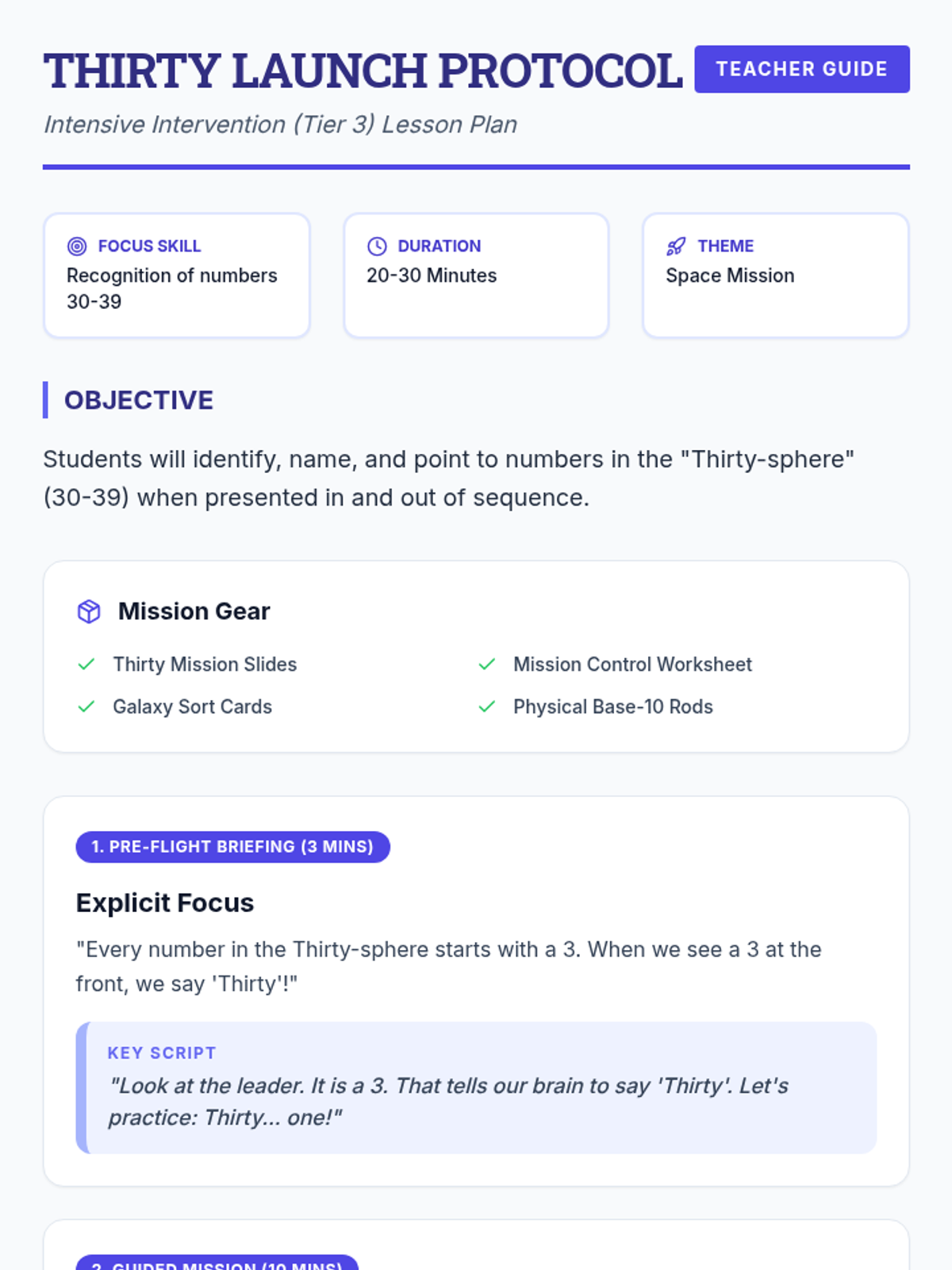
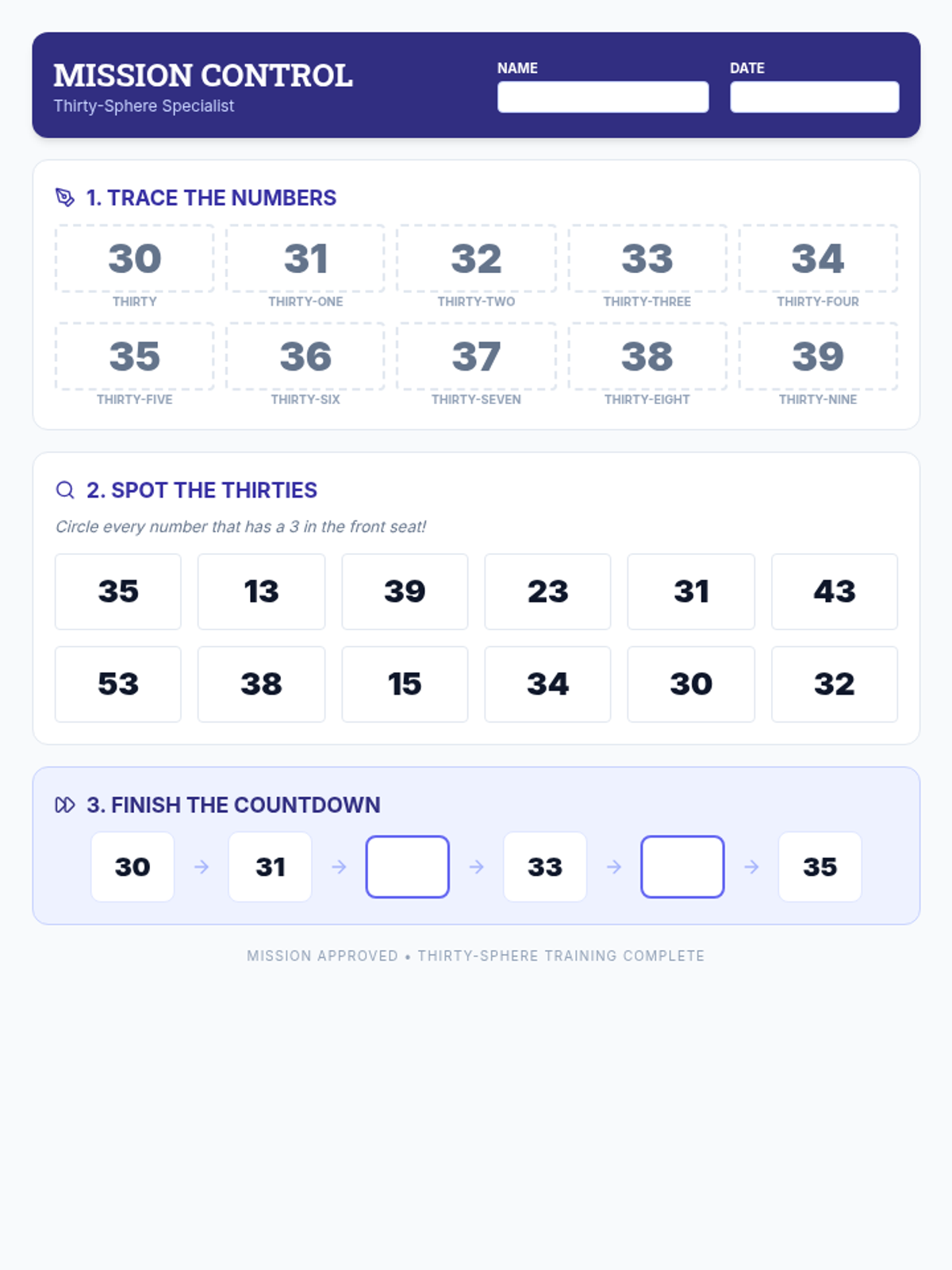
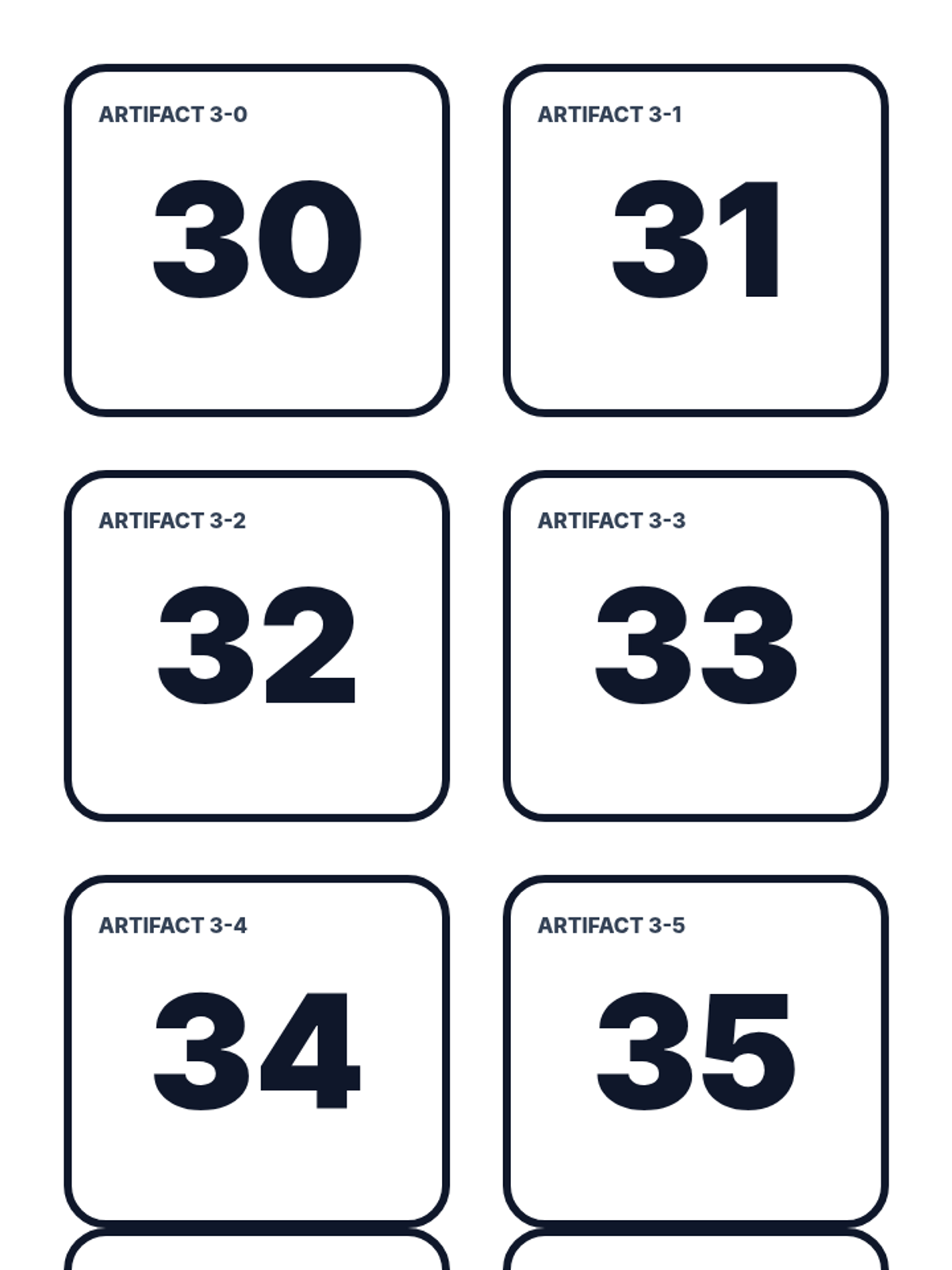
An intensive intervention lesson for Tier 3 students to master recognizing and naming numbers 30-39 through a high-engagement space mission theme.
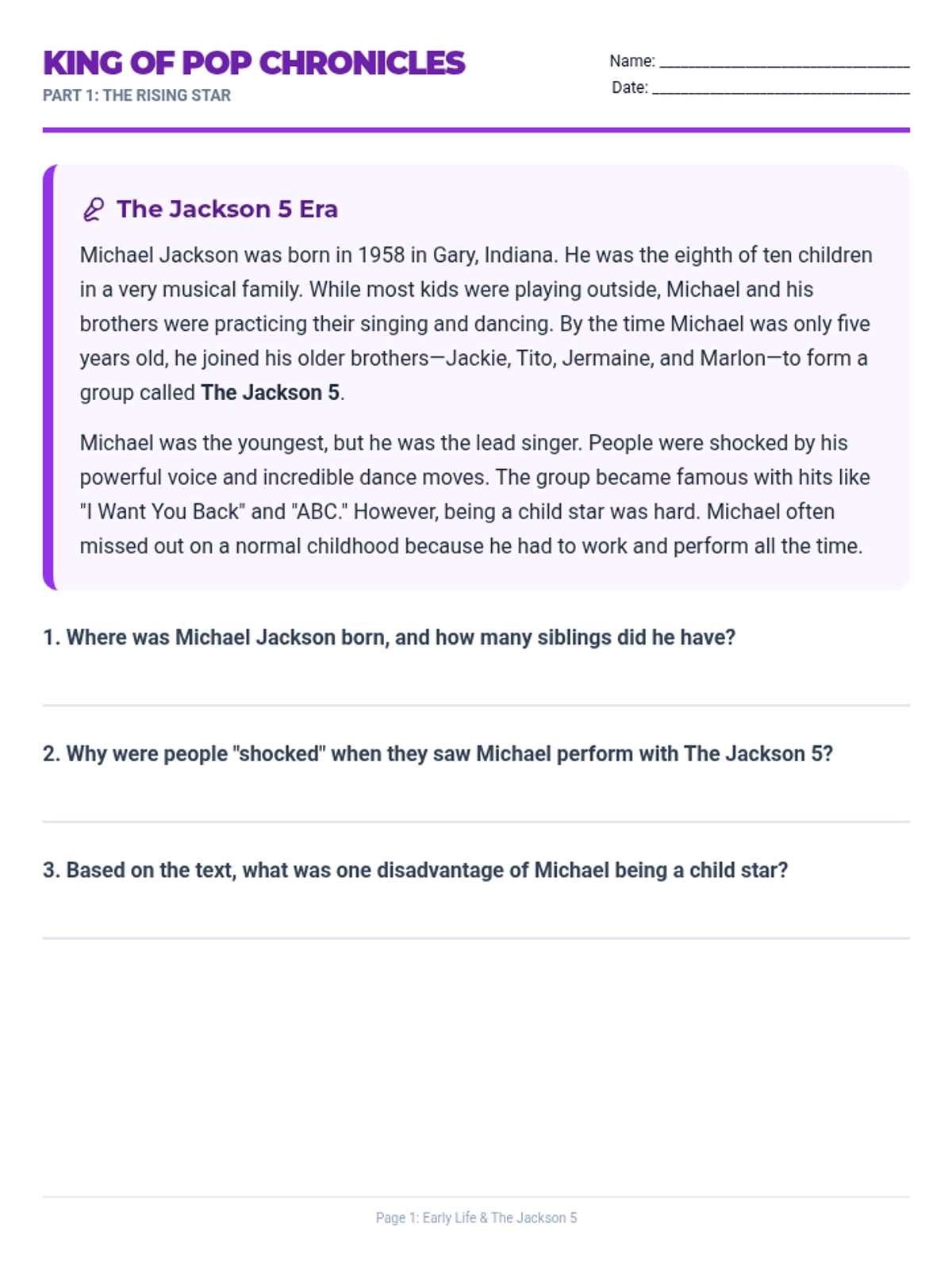
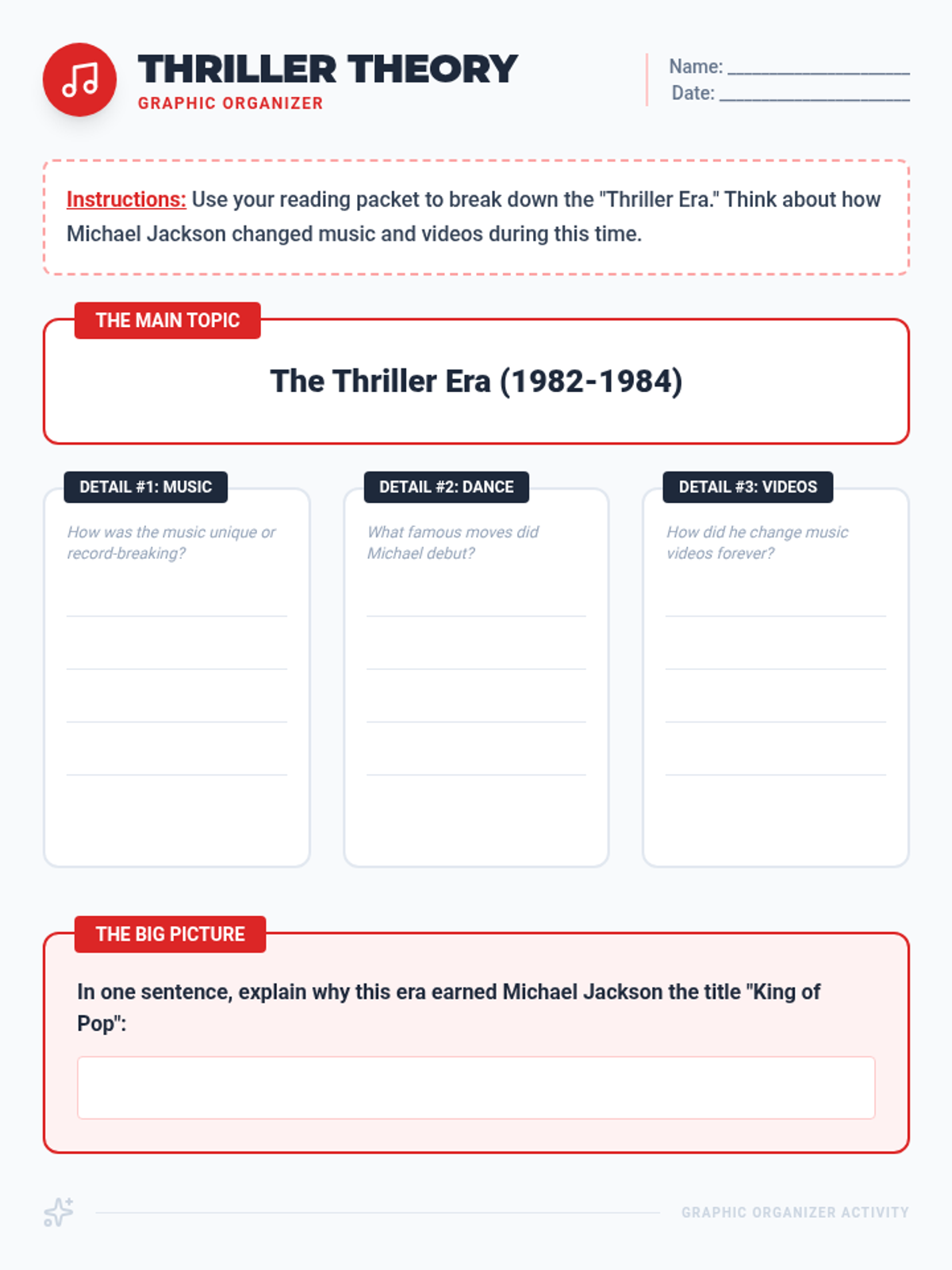
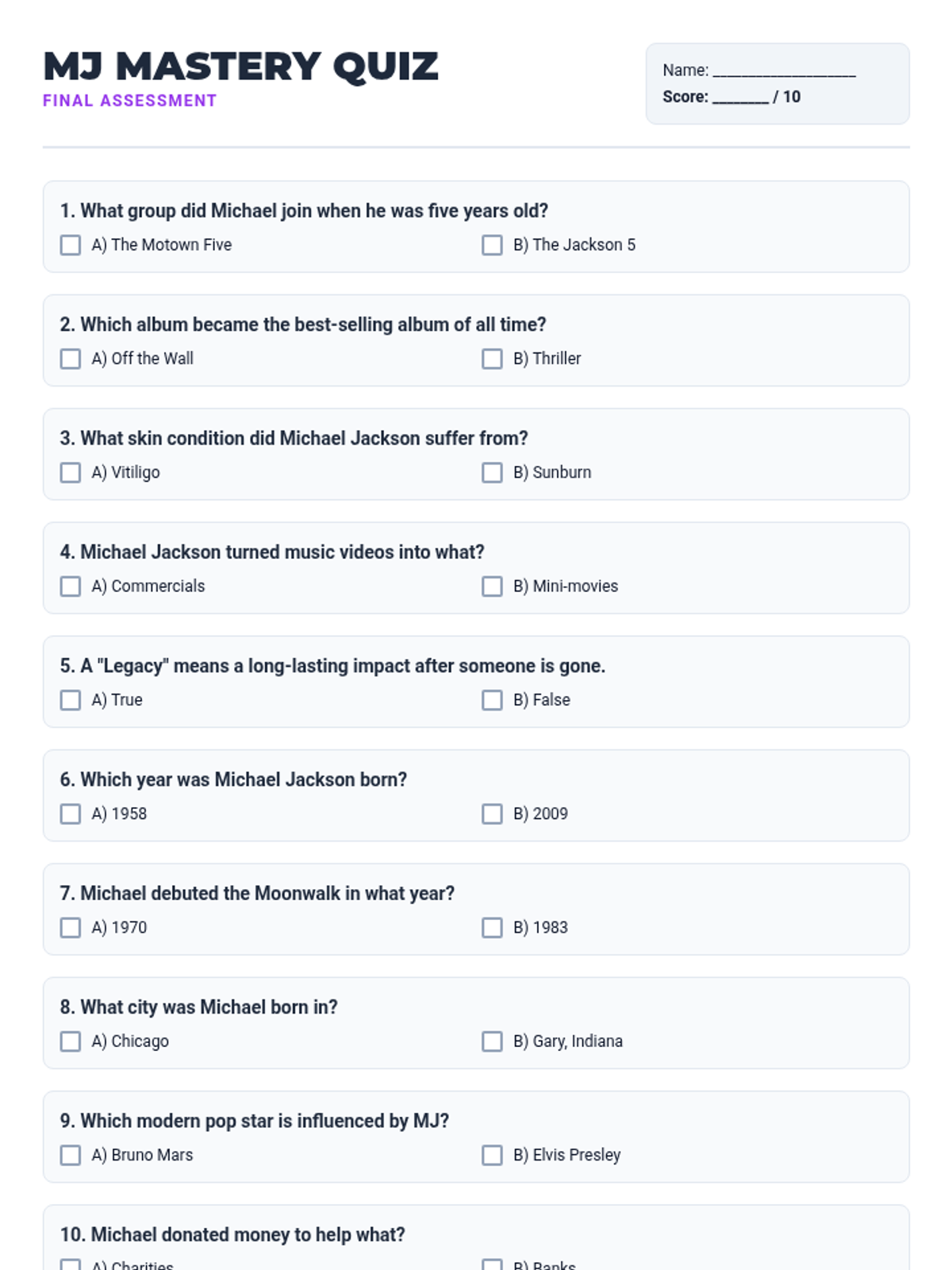
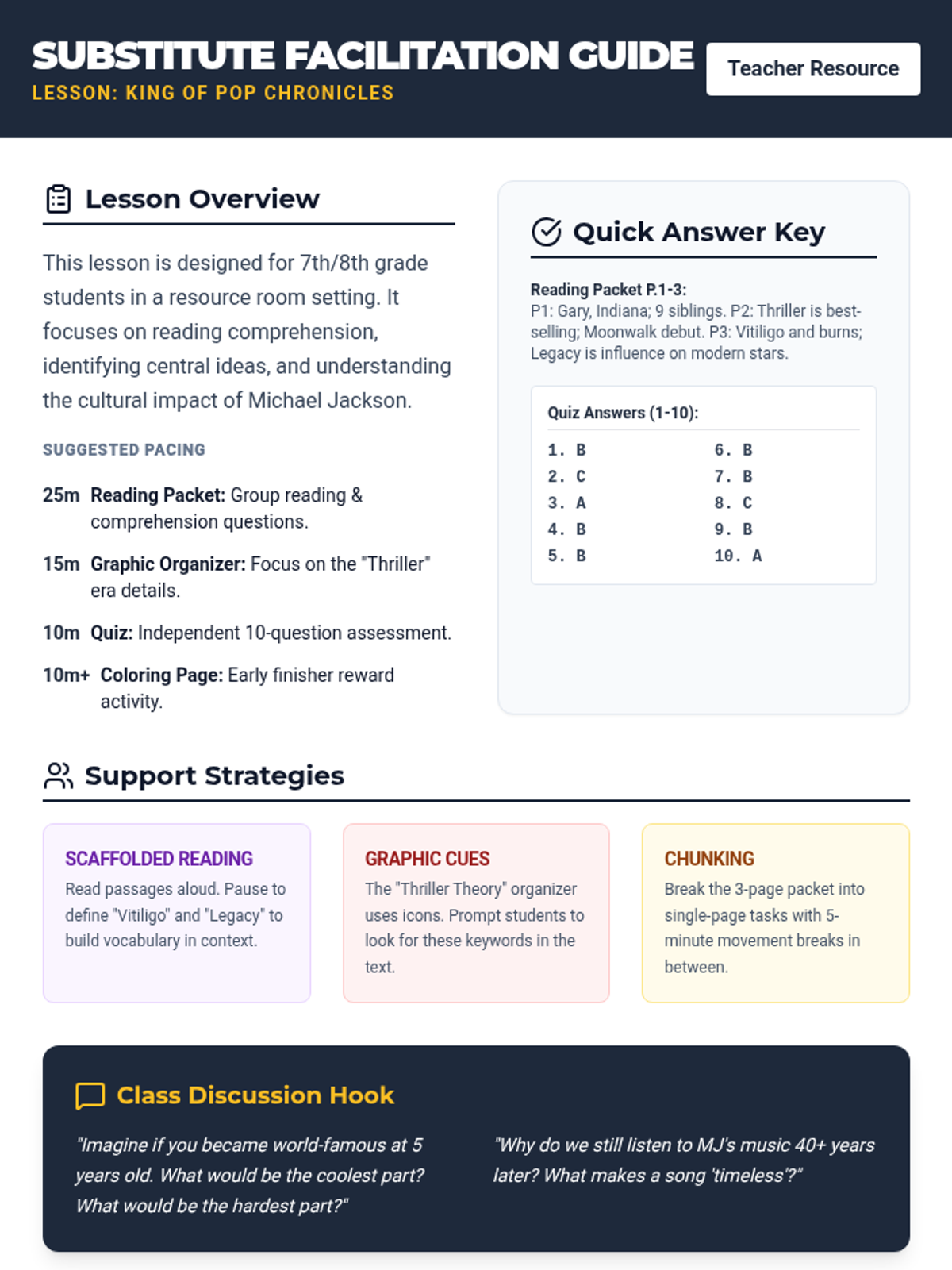
A comprehensive substitute lesson plan exploring the life, career, and enduring legacy of Michael Jackson, designed specifically for middle school resource room students with a focus on central idea and reading comprehension.
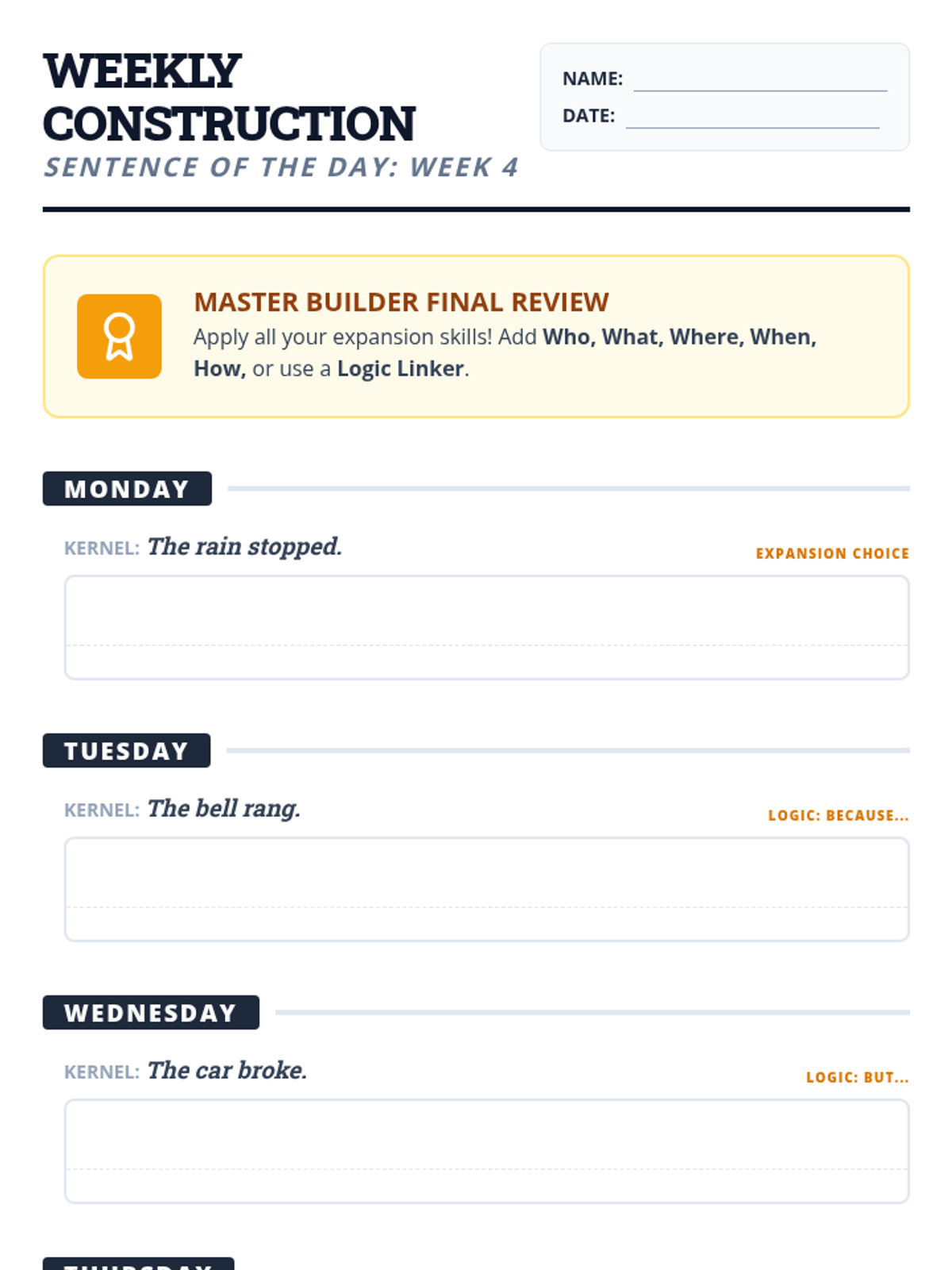
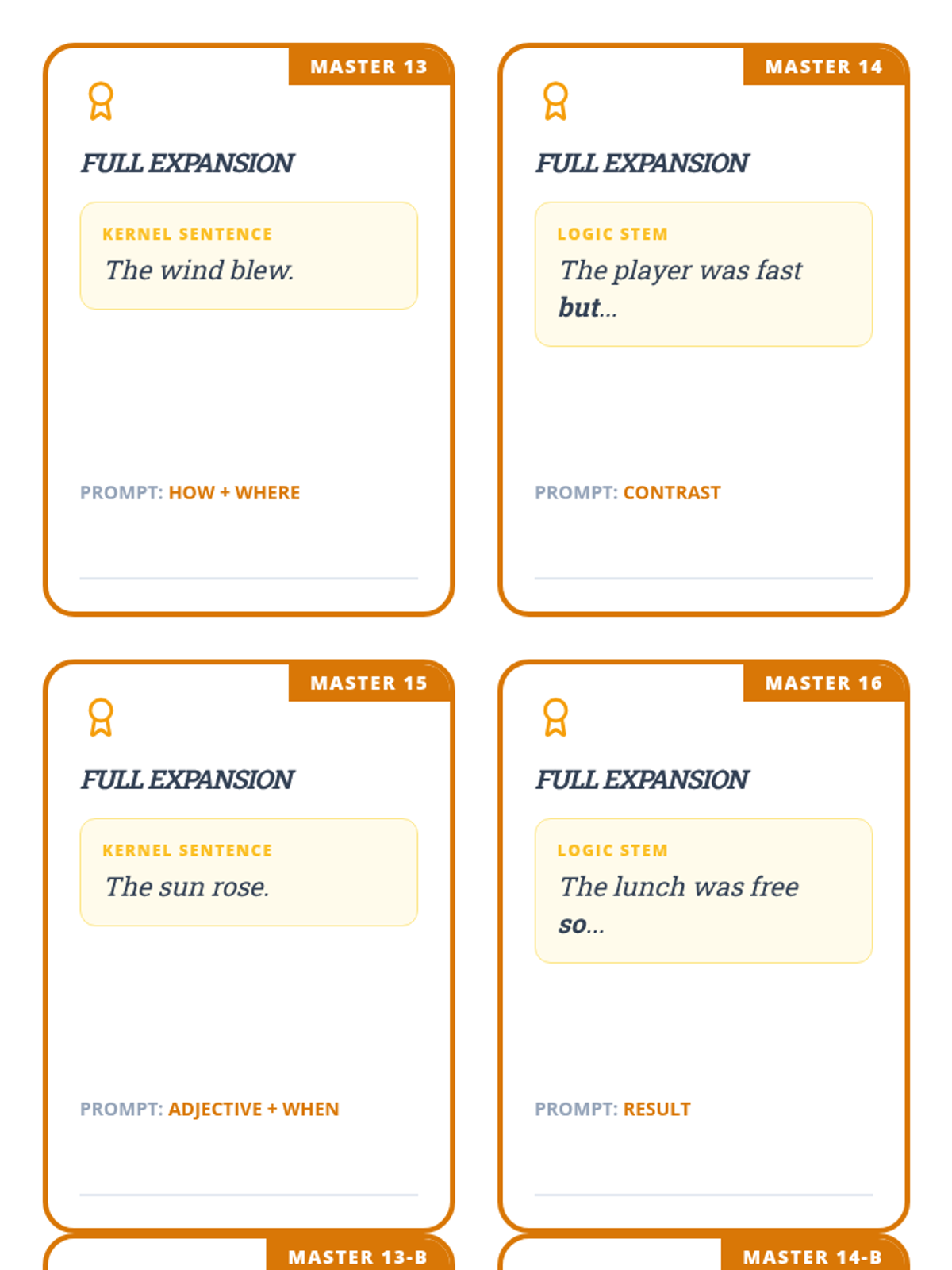
The final review lesson where students apply all previous strategies (adjectives, situational details, and logical conjunctions) to create complex and polished sentences.
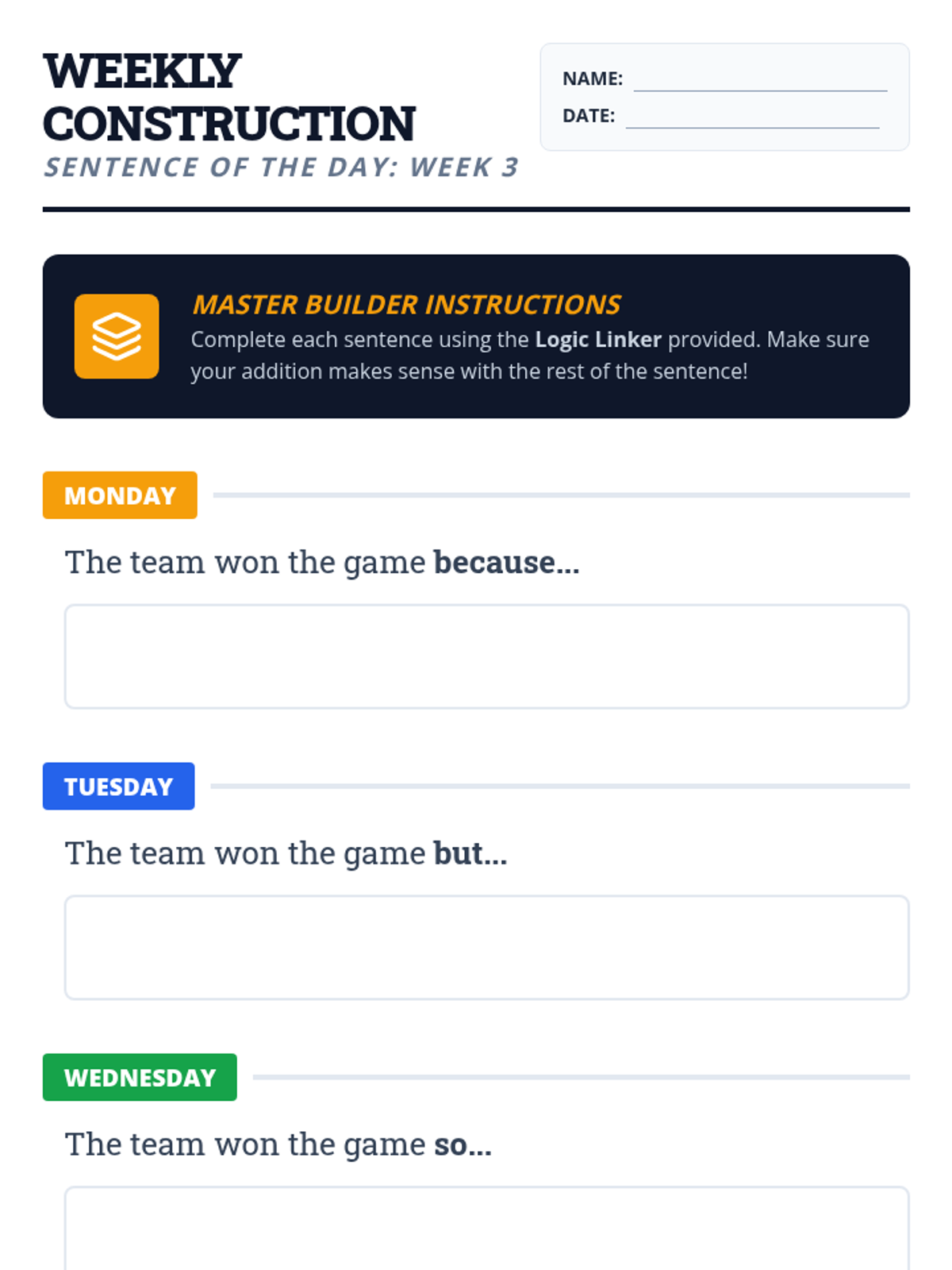
The final lesson focuses on using 'Because, But, So' to expand sentences logically and demonstrate deeper reasoning and detail.
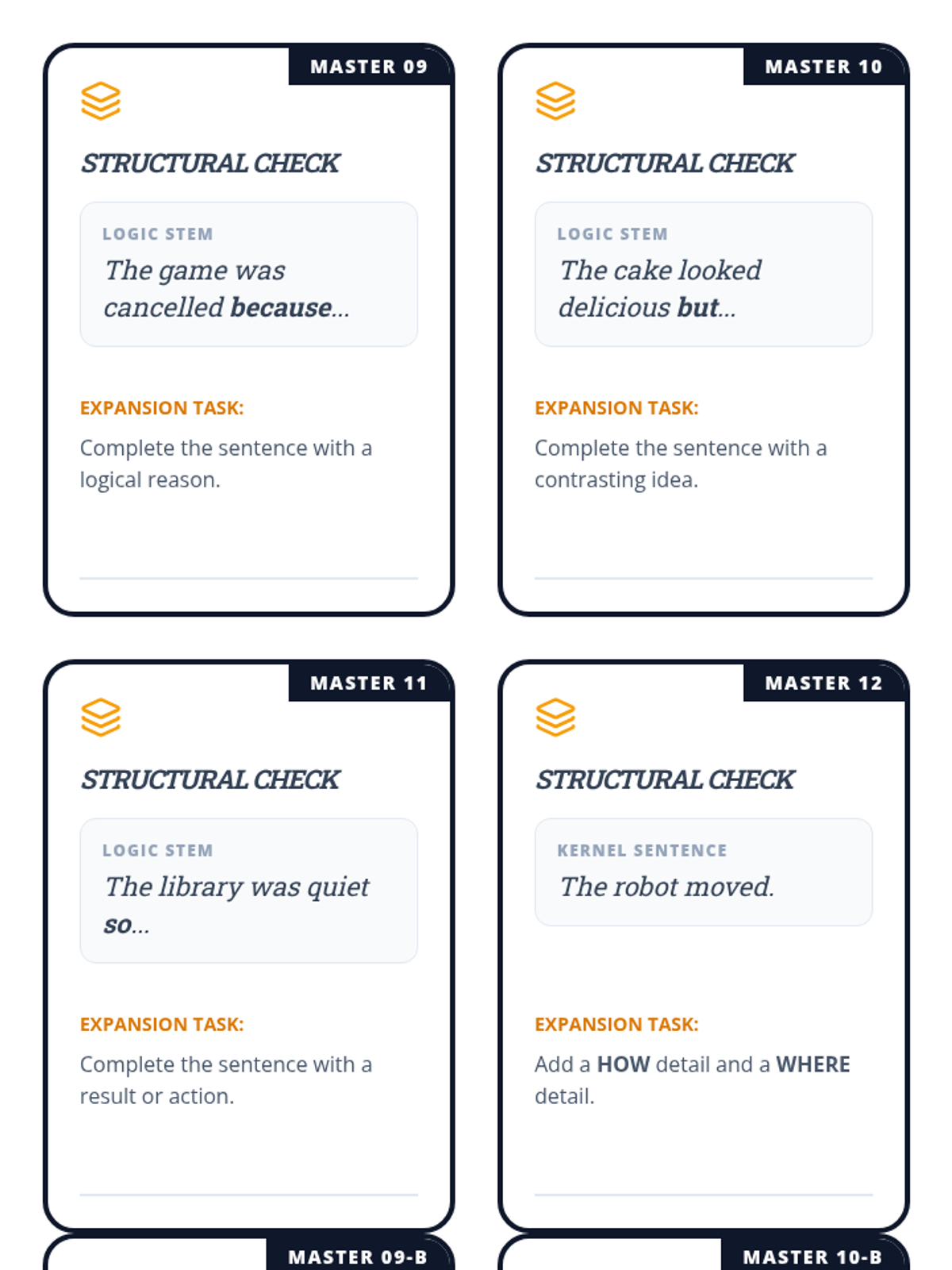
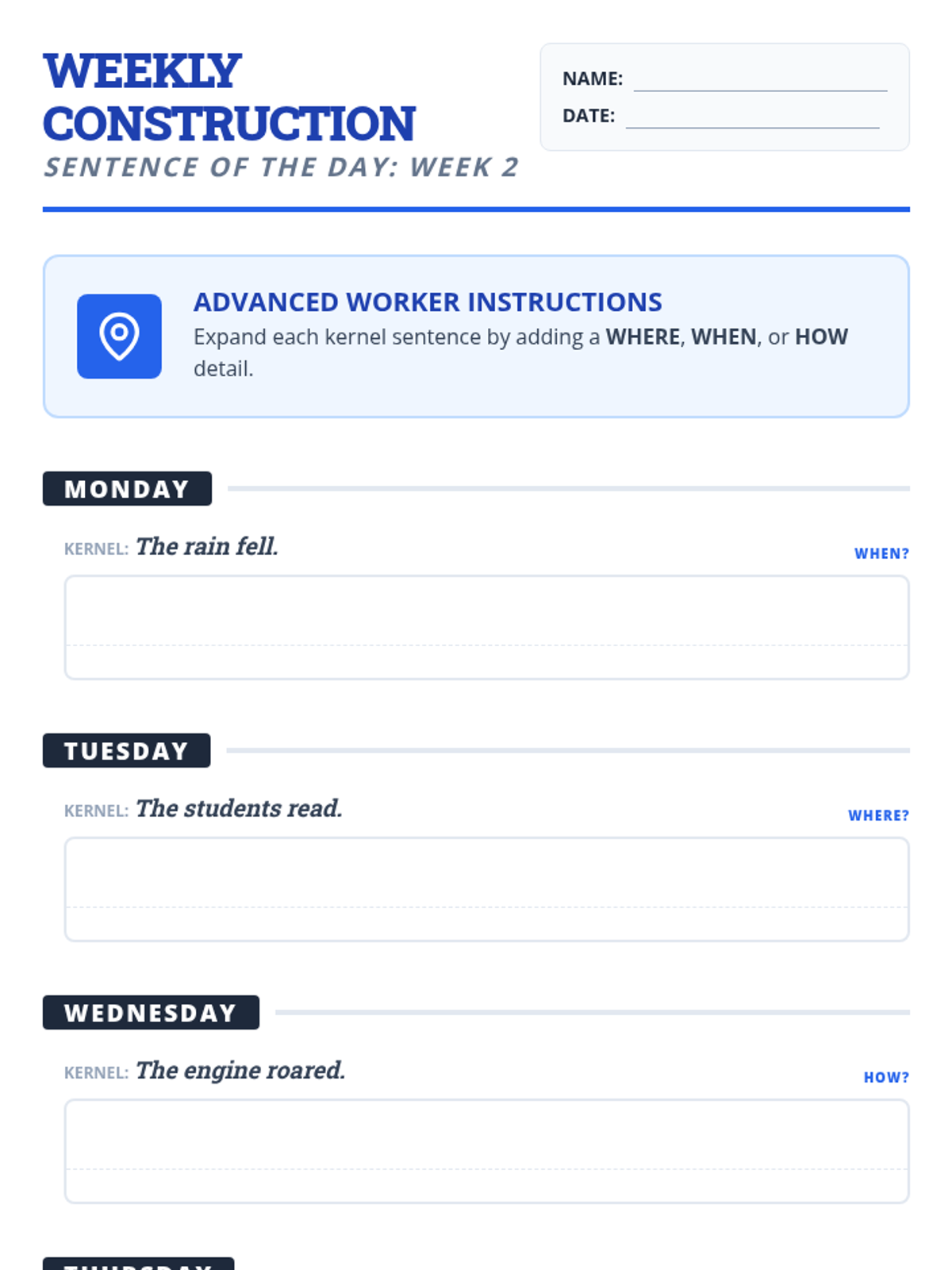
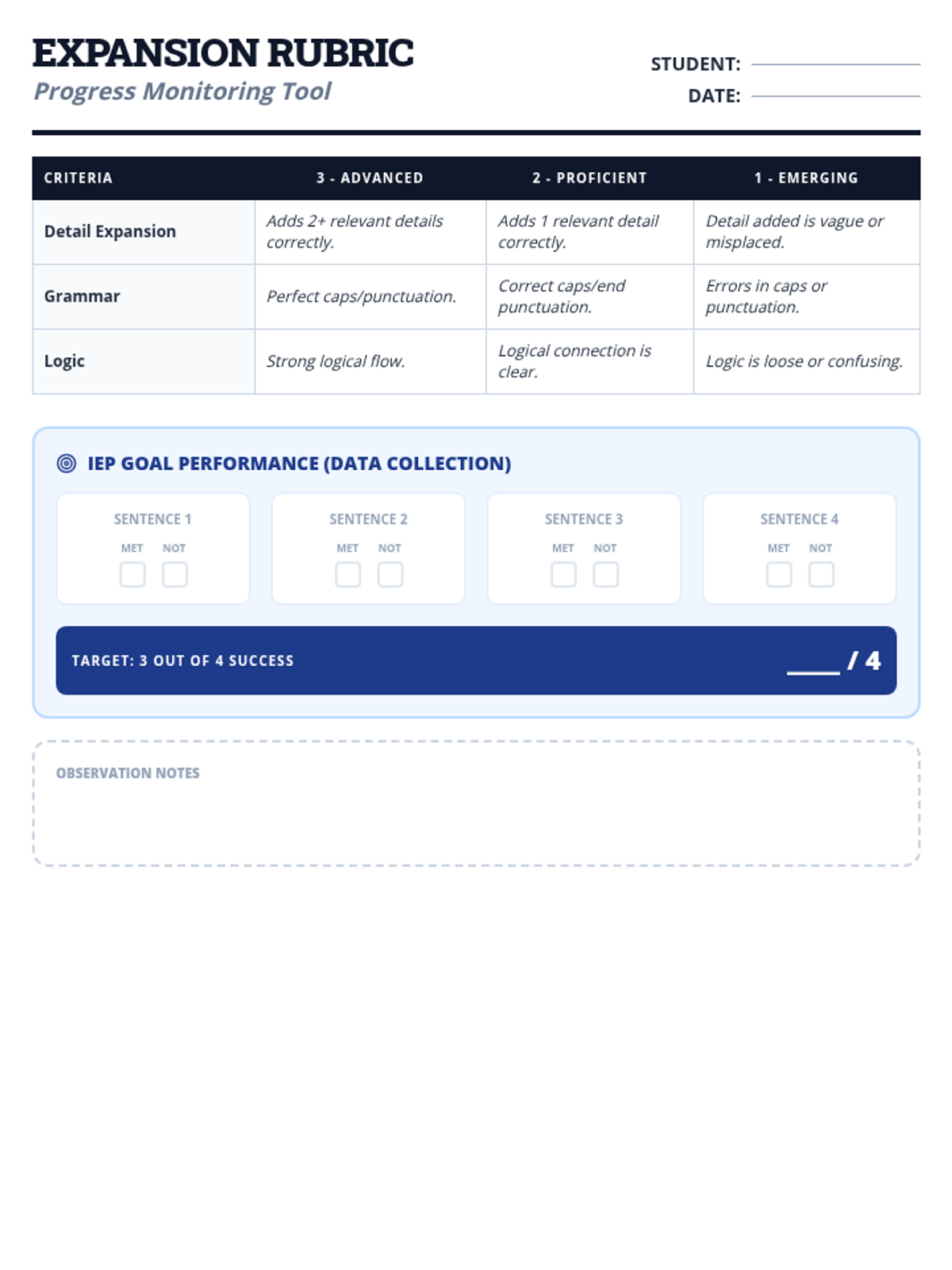
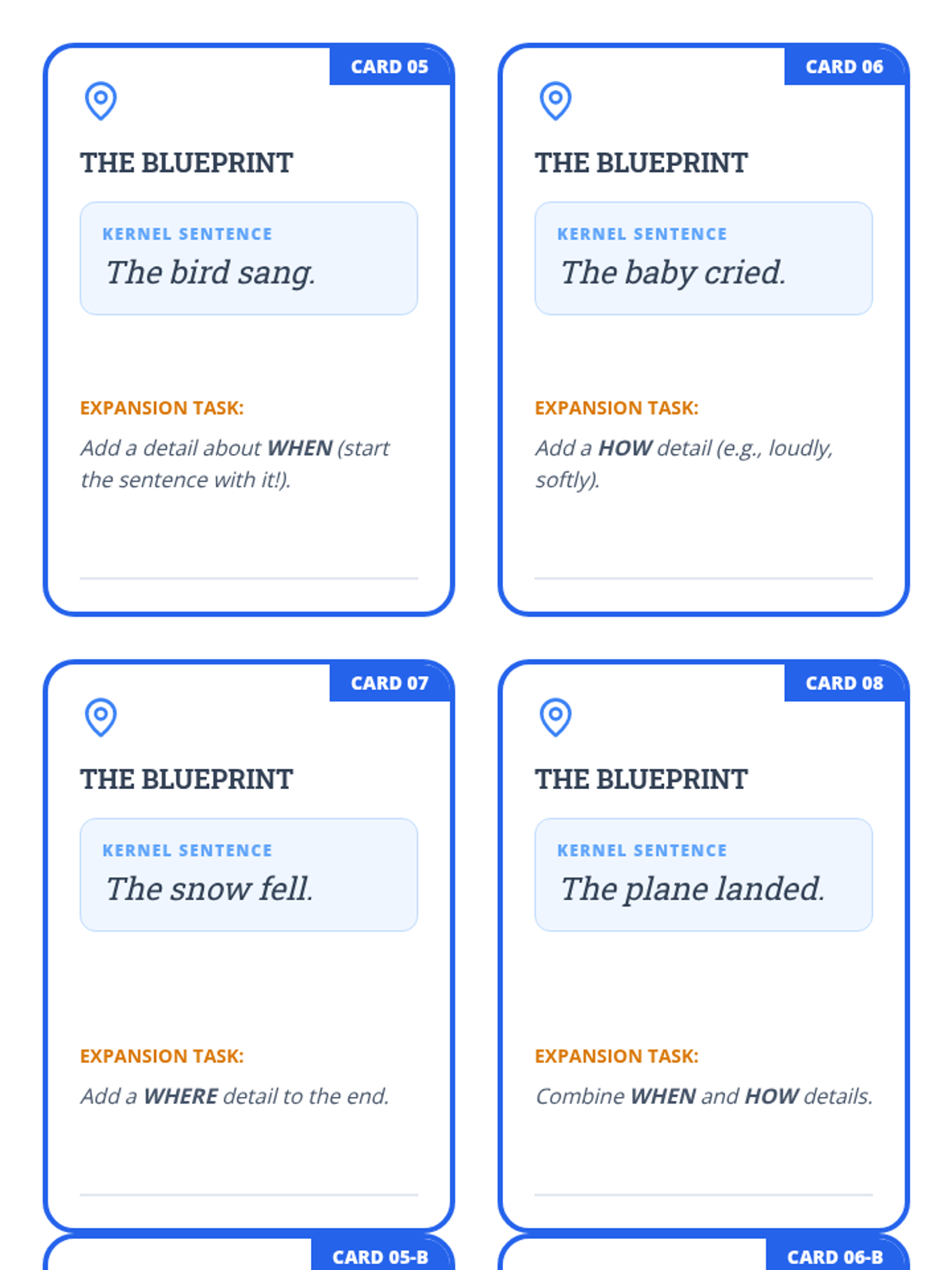
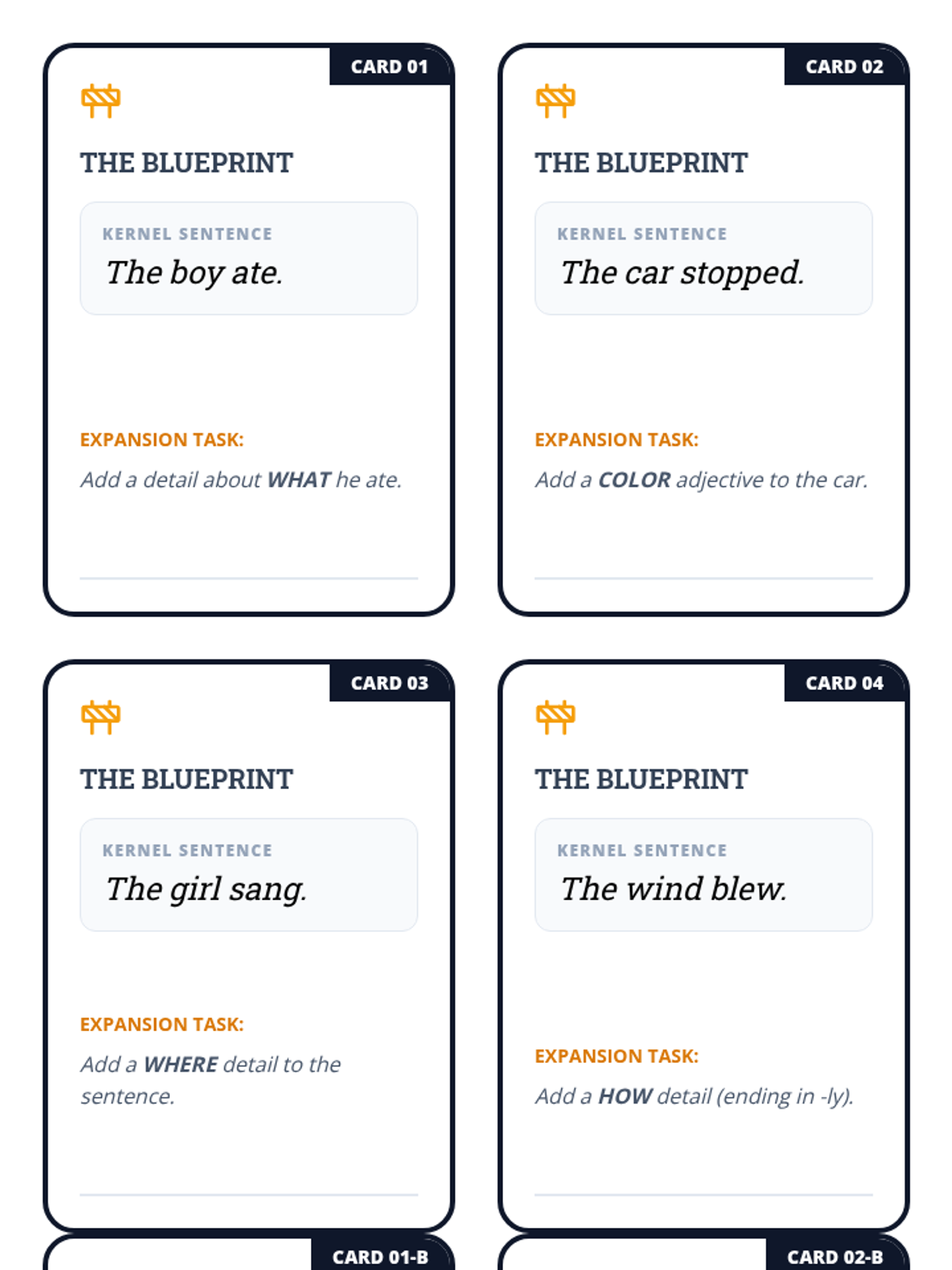
In this lesson, students learn to add situational details to their sentences using 'Where', 'When', and 'How' question words.
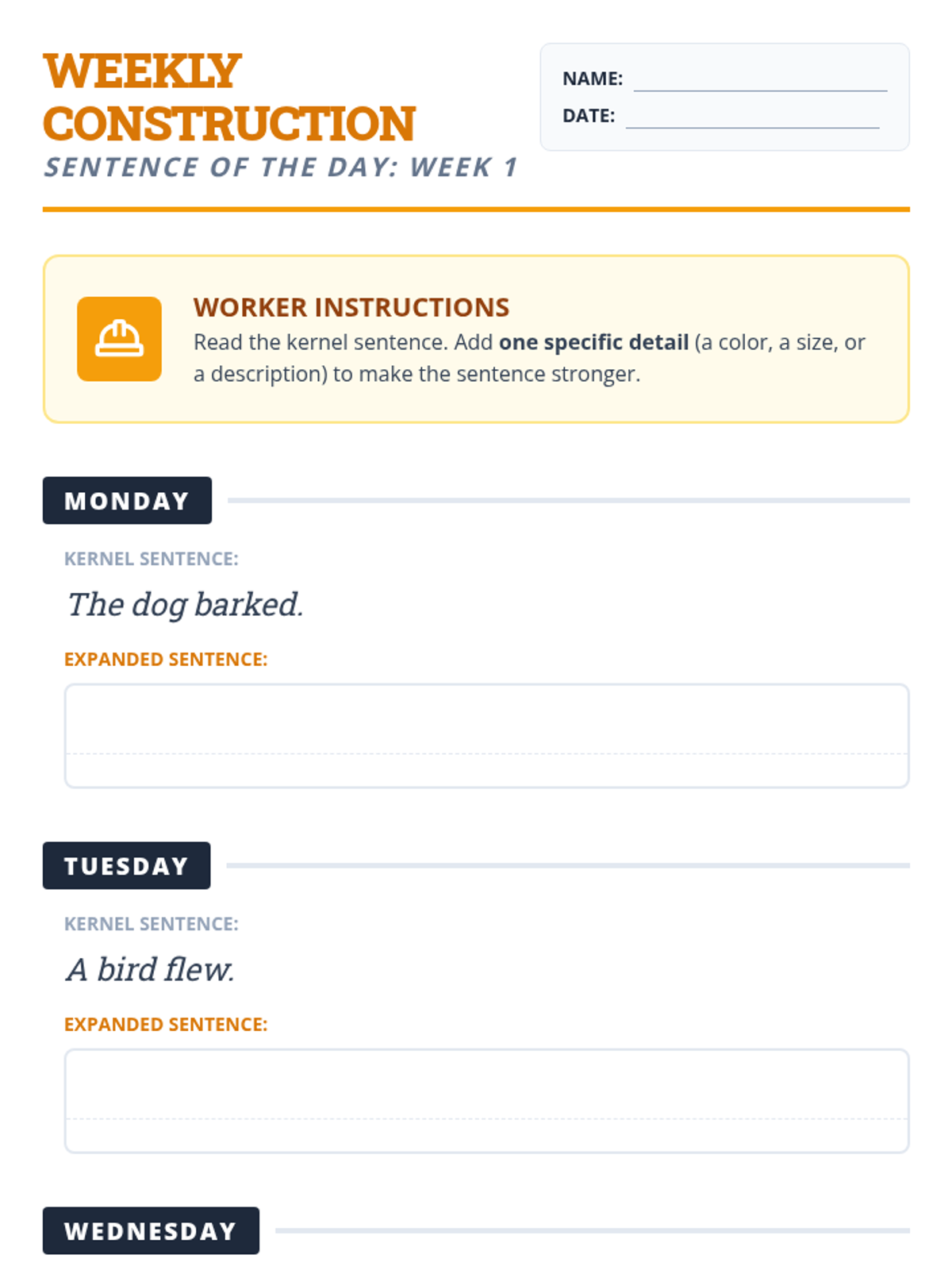
This lesson introduces the concept of a complete sentence versus a fragment and begins basic sentence expansion using 'Who' and 'What' details.
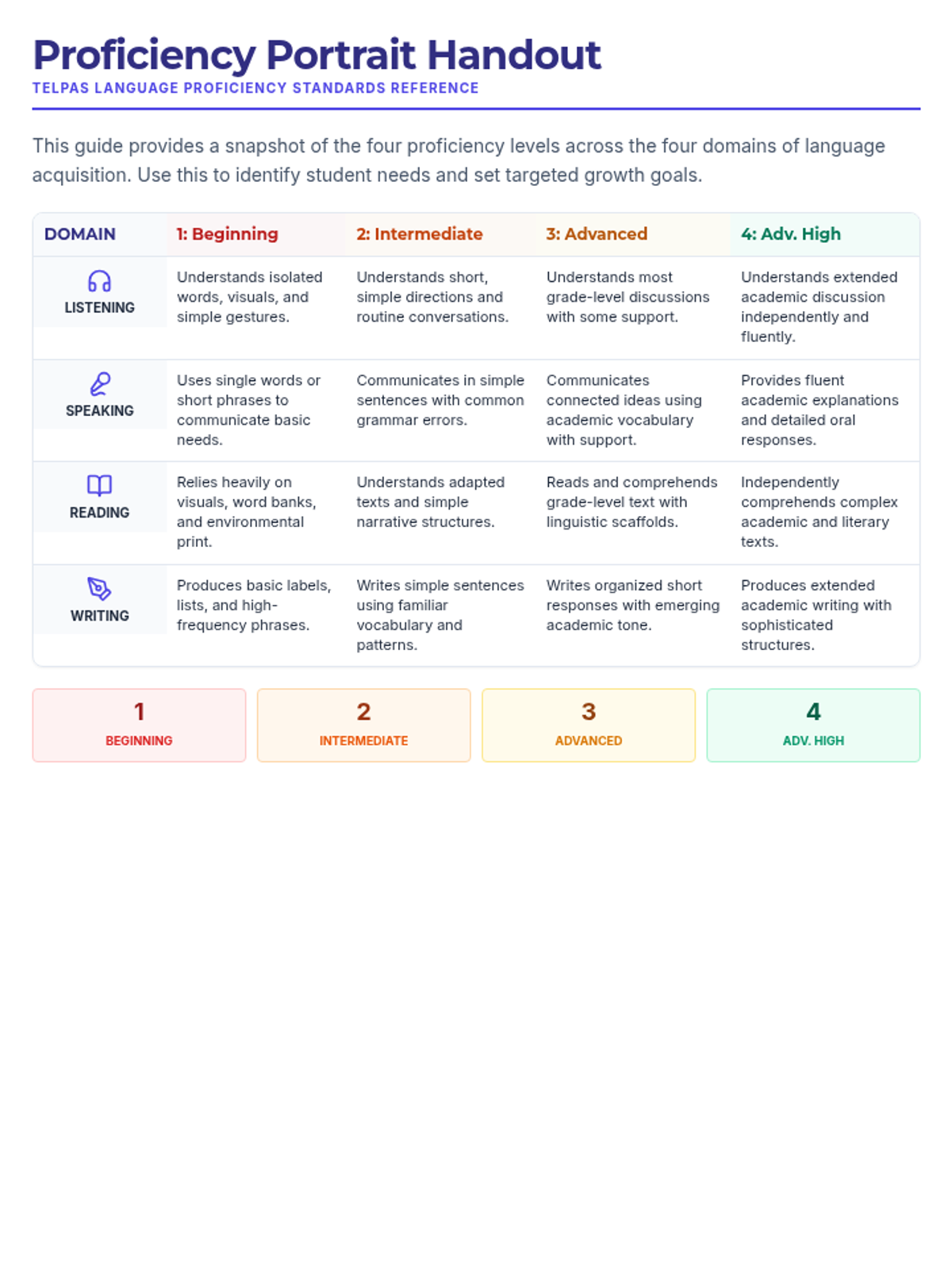
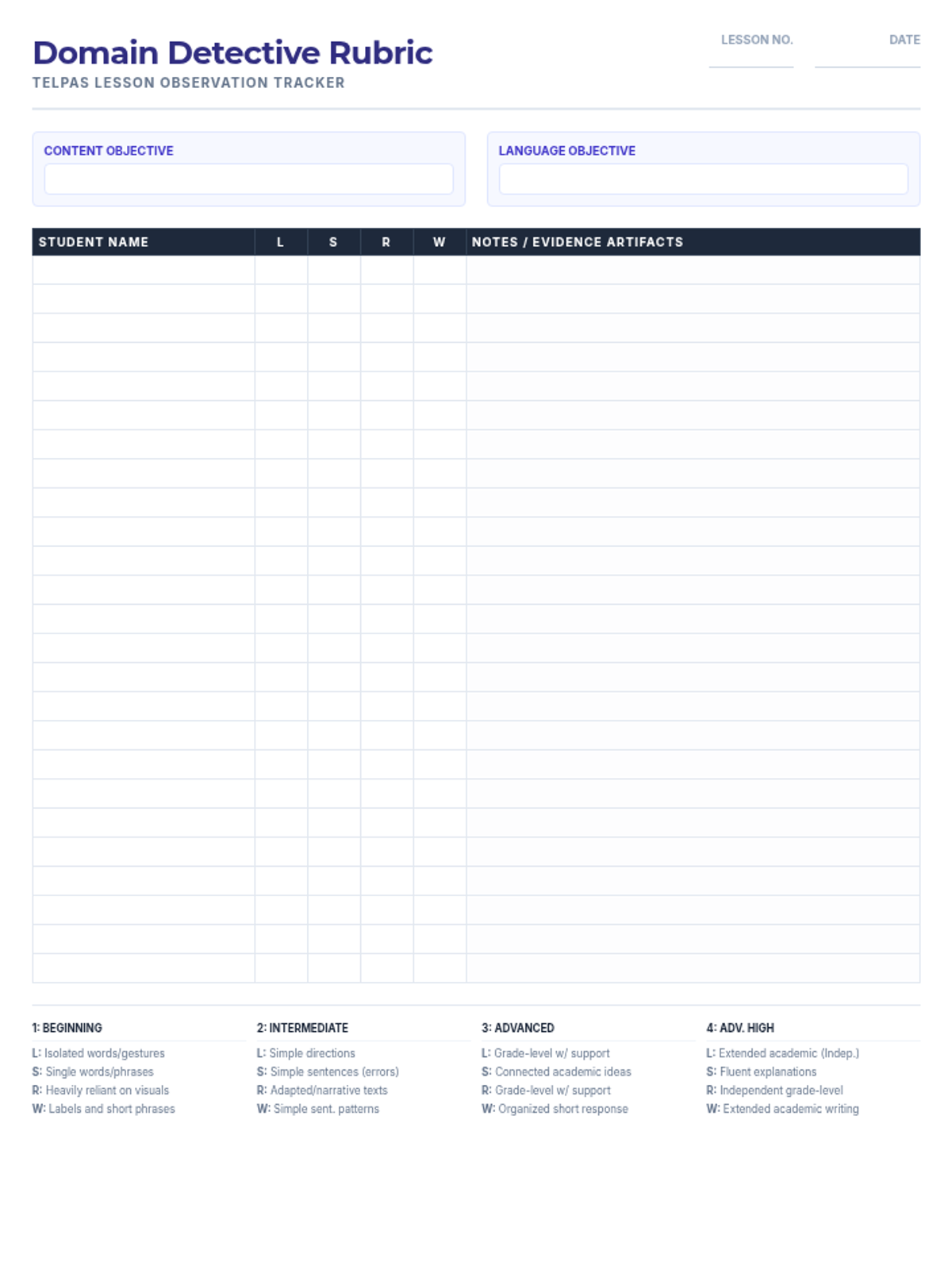
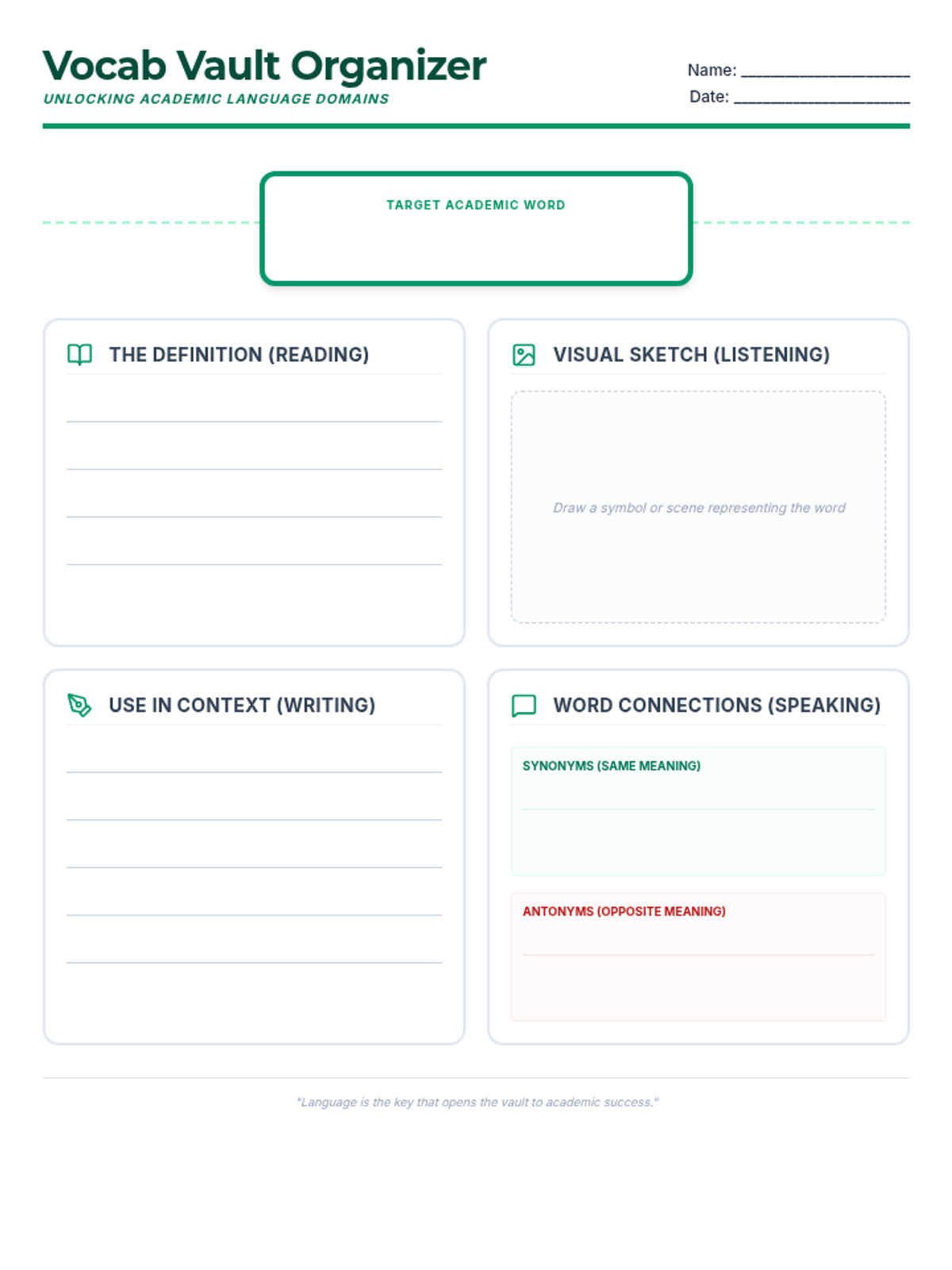
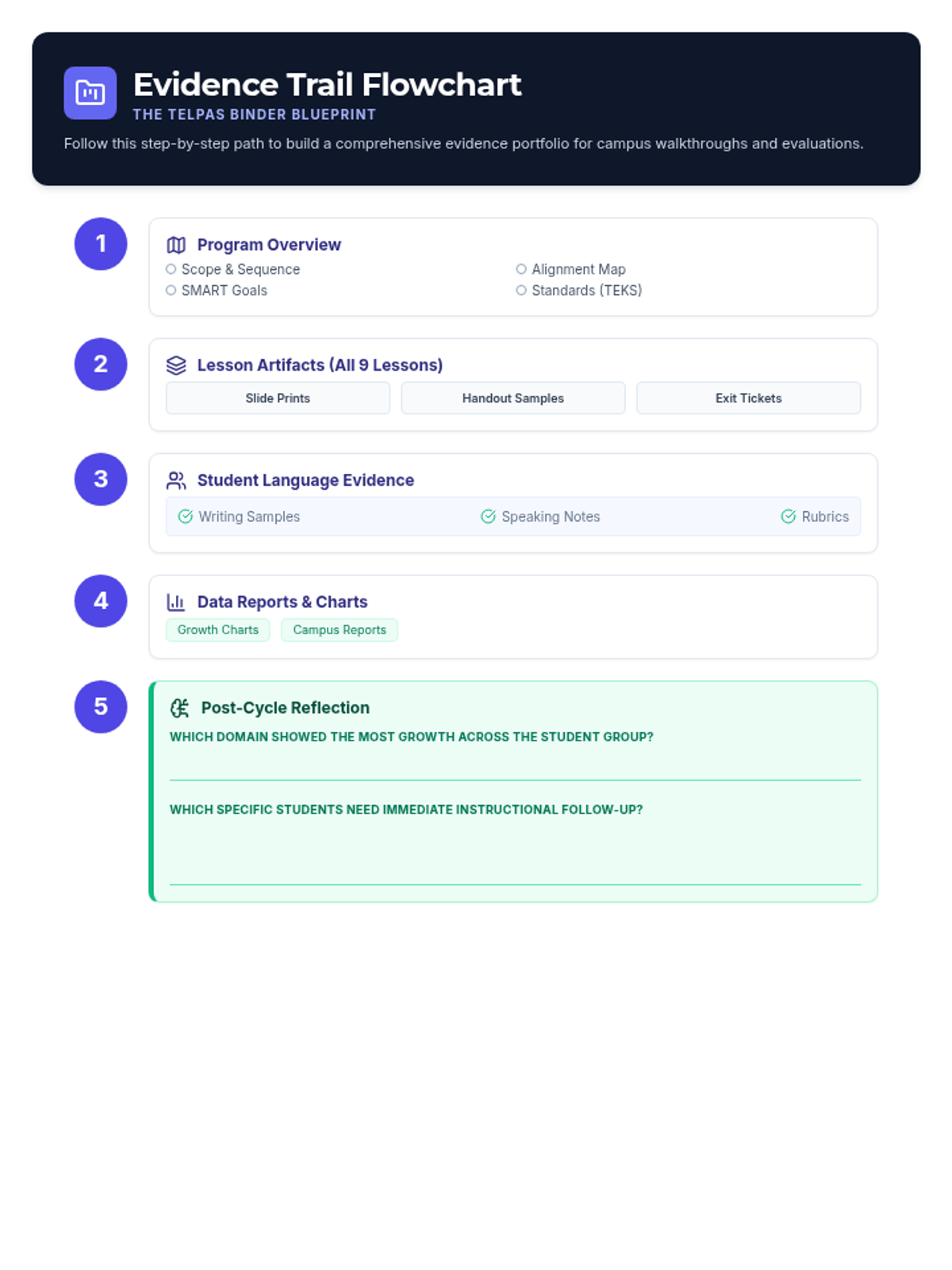
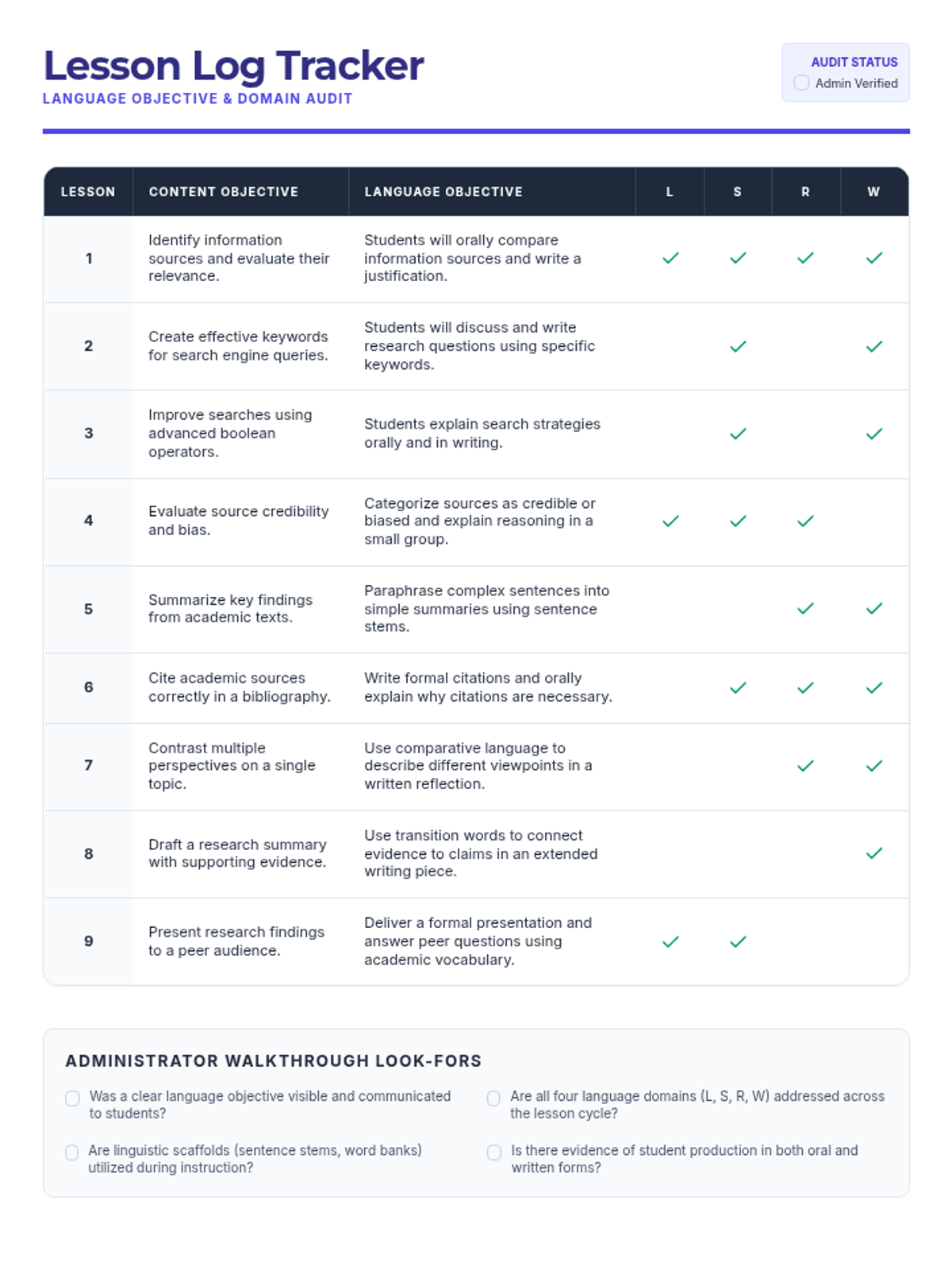
A comprehensive toolkit for teachers to track, document, and support student English language proficiency growth using TELPAS criteria across all four domains.
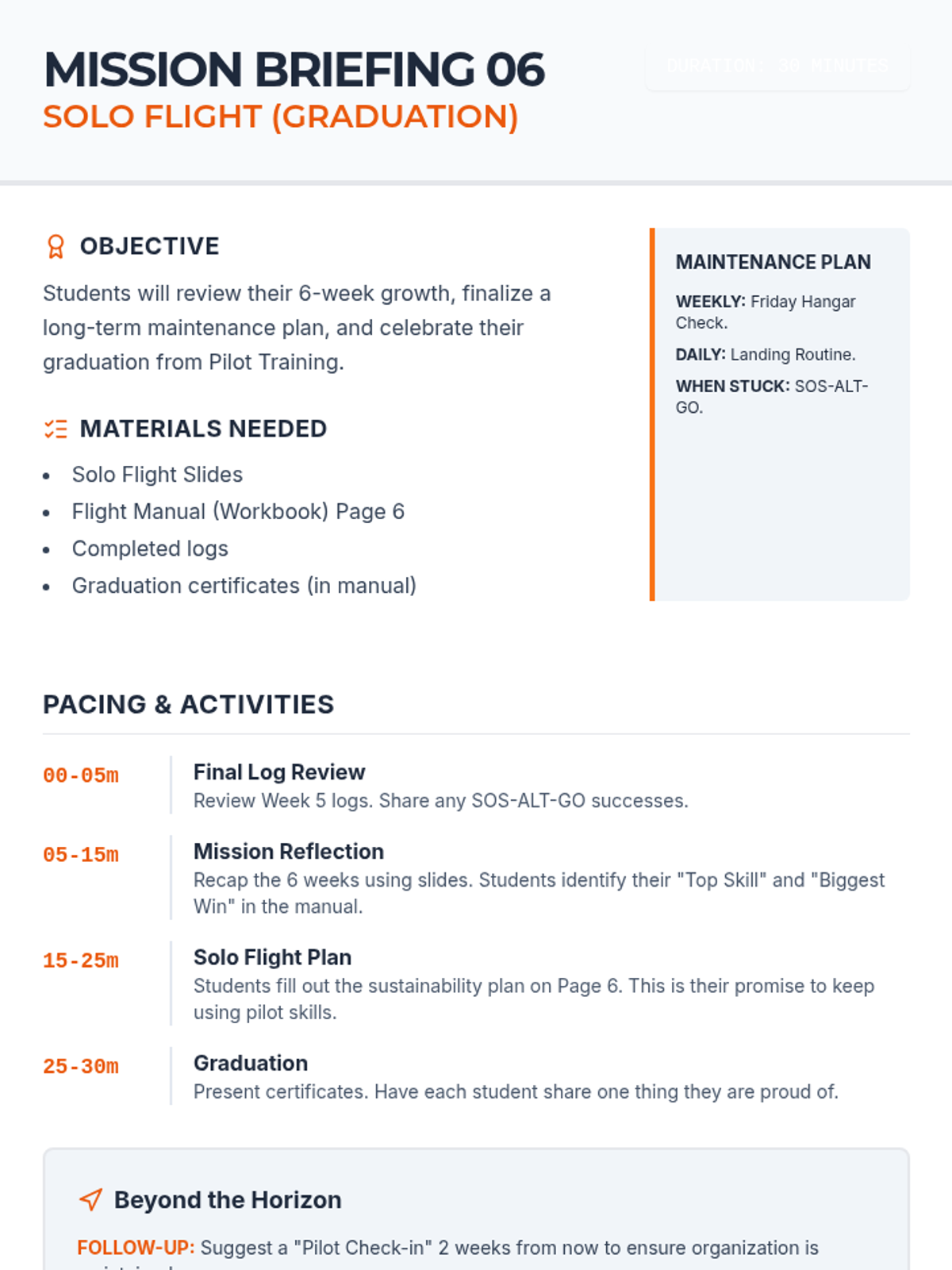
Reviewing all skills and creating a sustainable long-term maintenance plan for continued success.
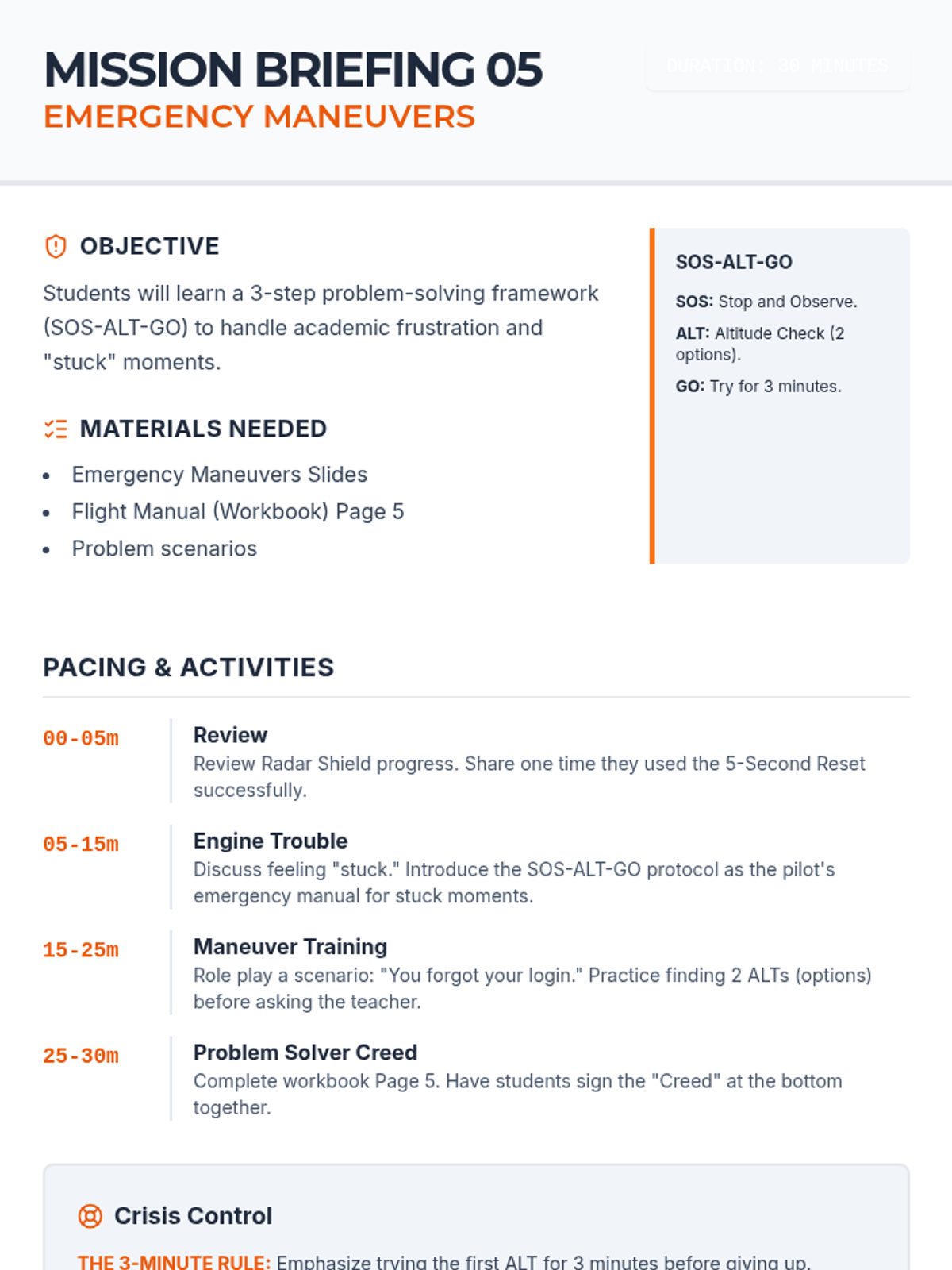
Developing a step-by-step framework for solving school-based problems and managing frustration.
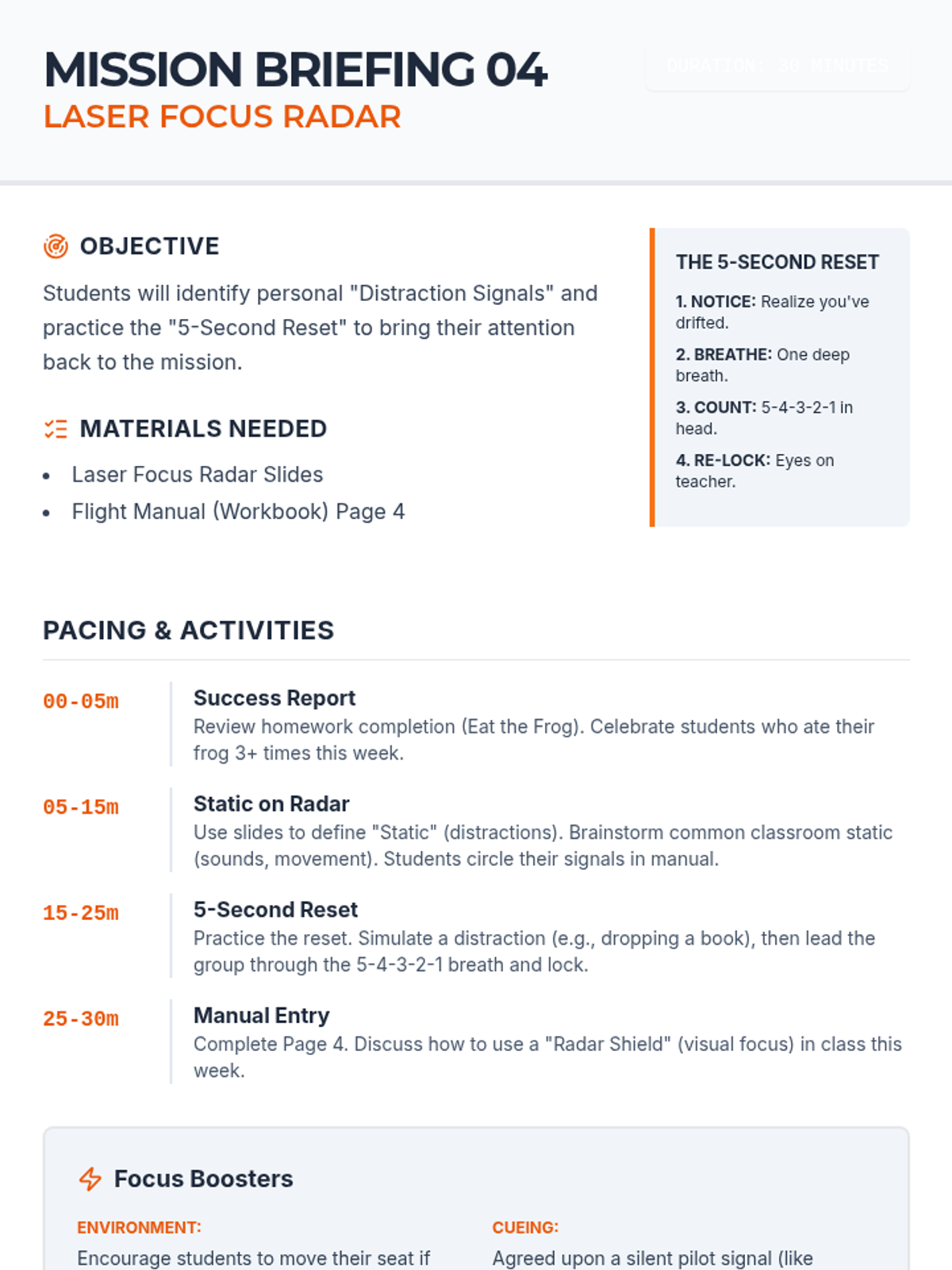
Learning strategies to improve sustained attention and ignore distractions in the classroom environment.
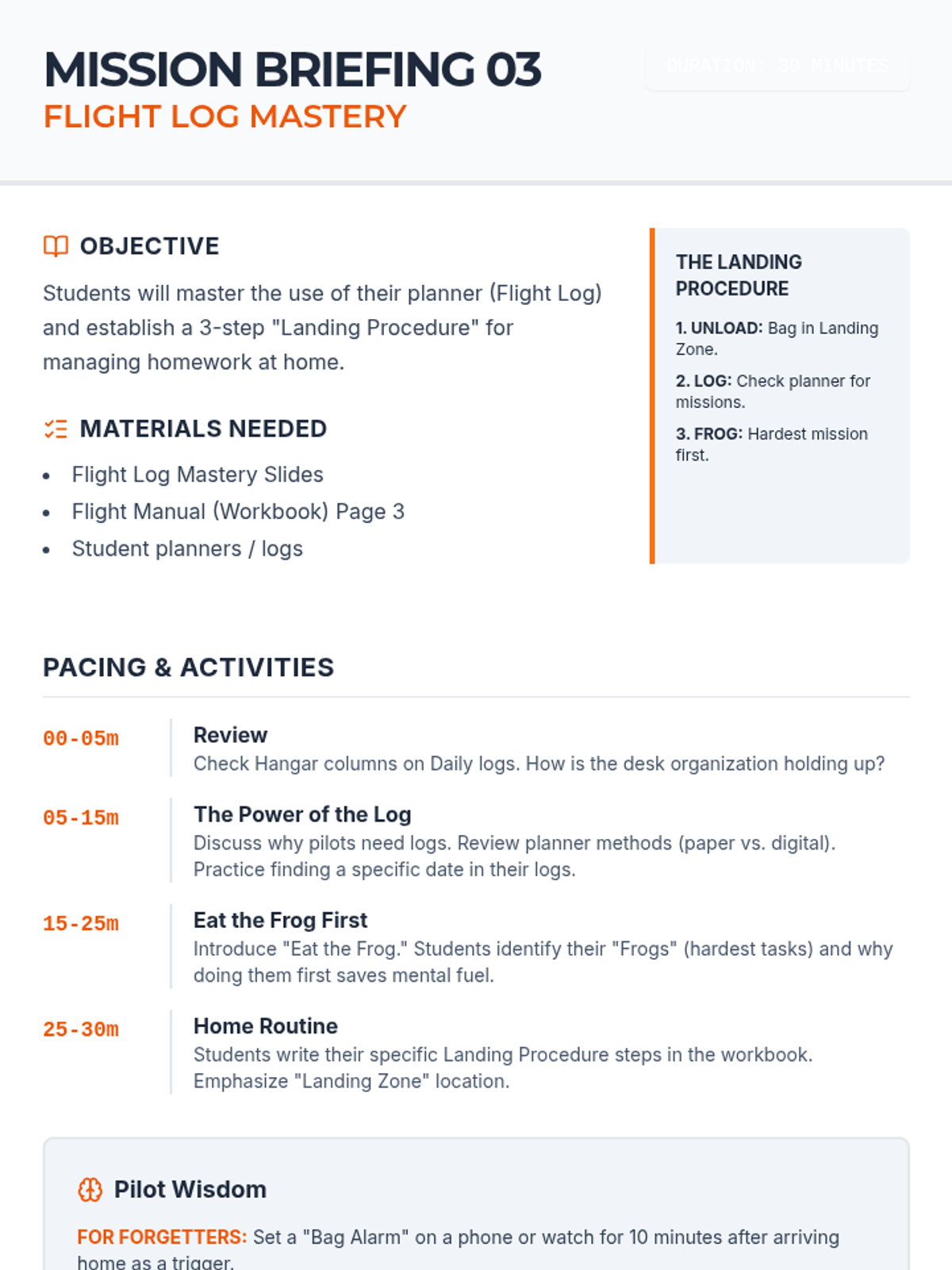
Mastering the use of planners and logs to ensure homework completion and efficient time management.
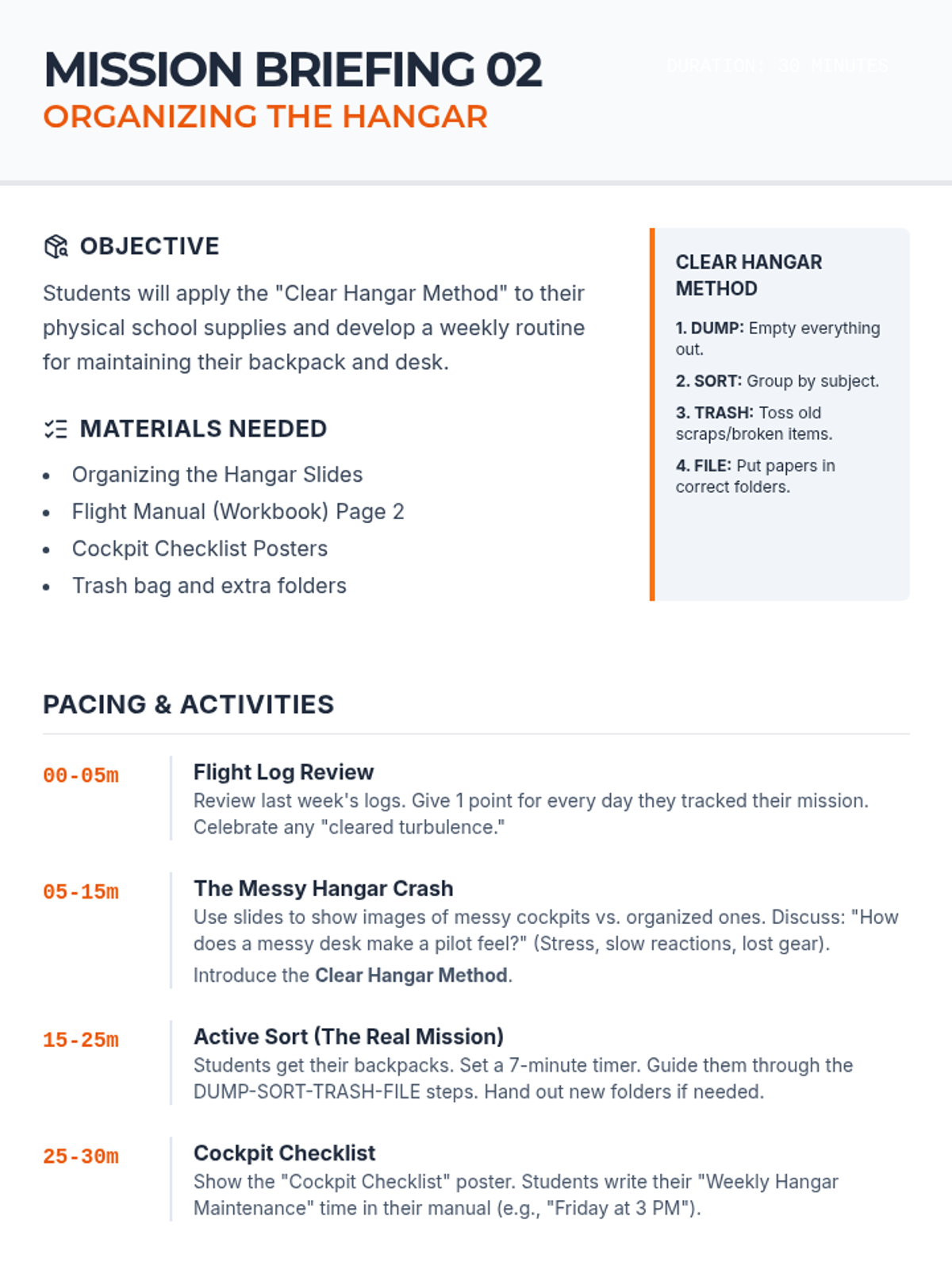
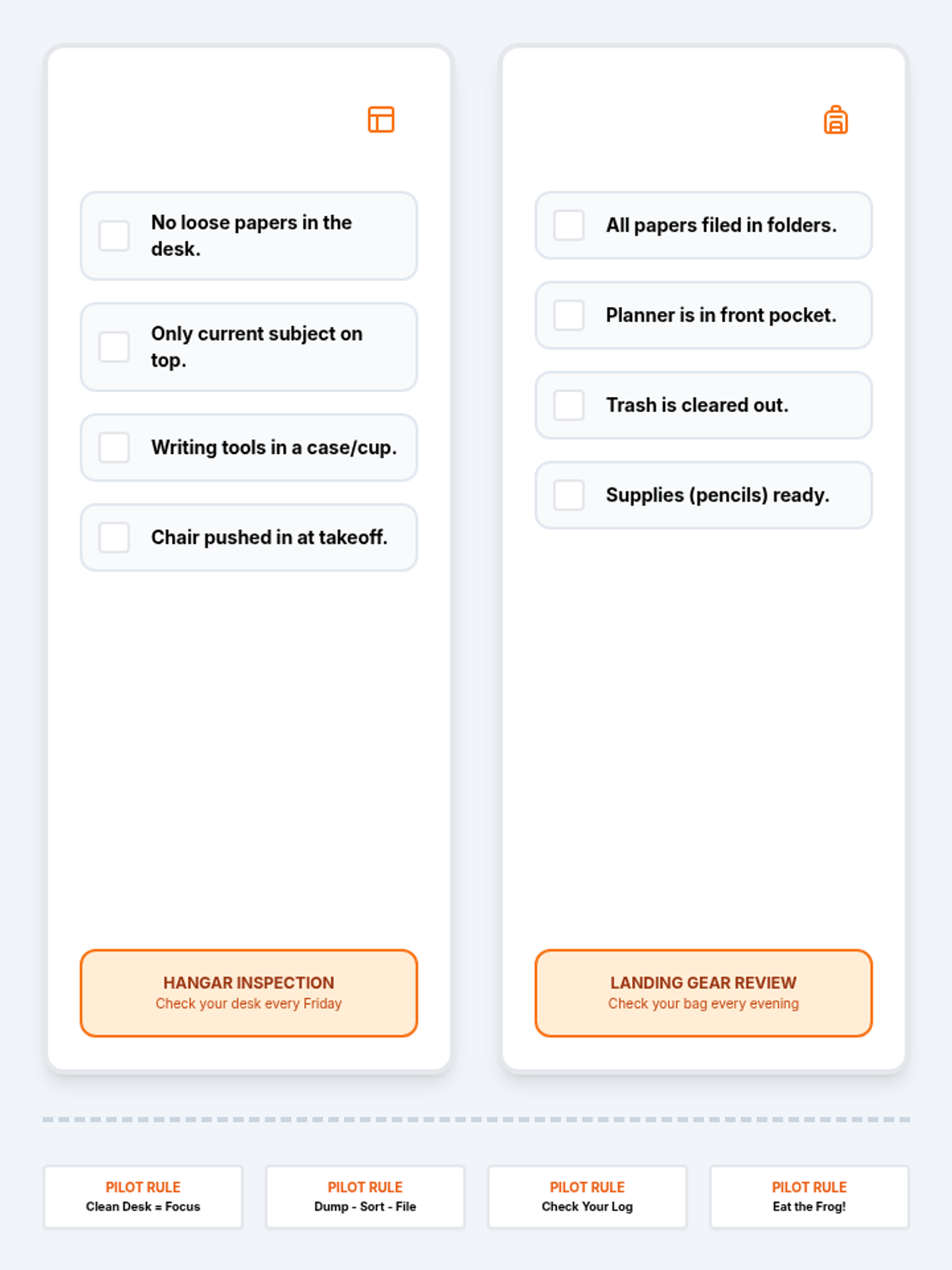
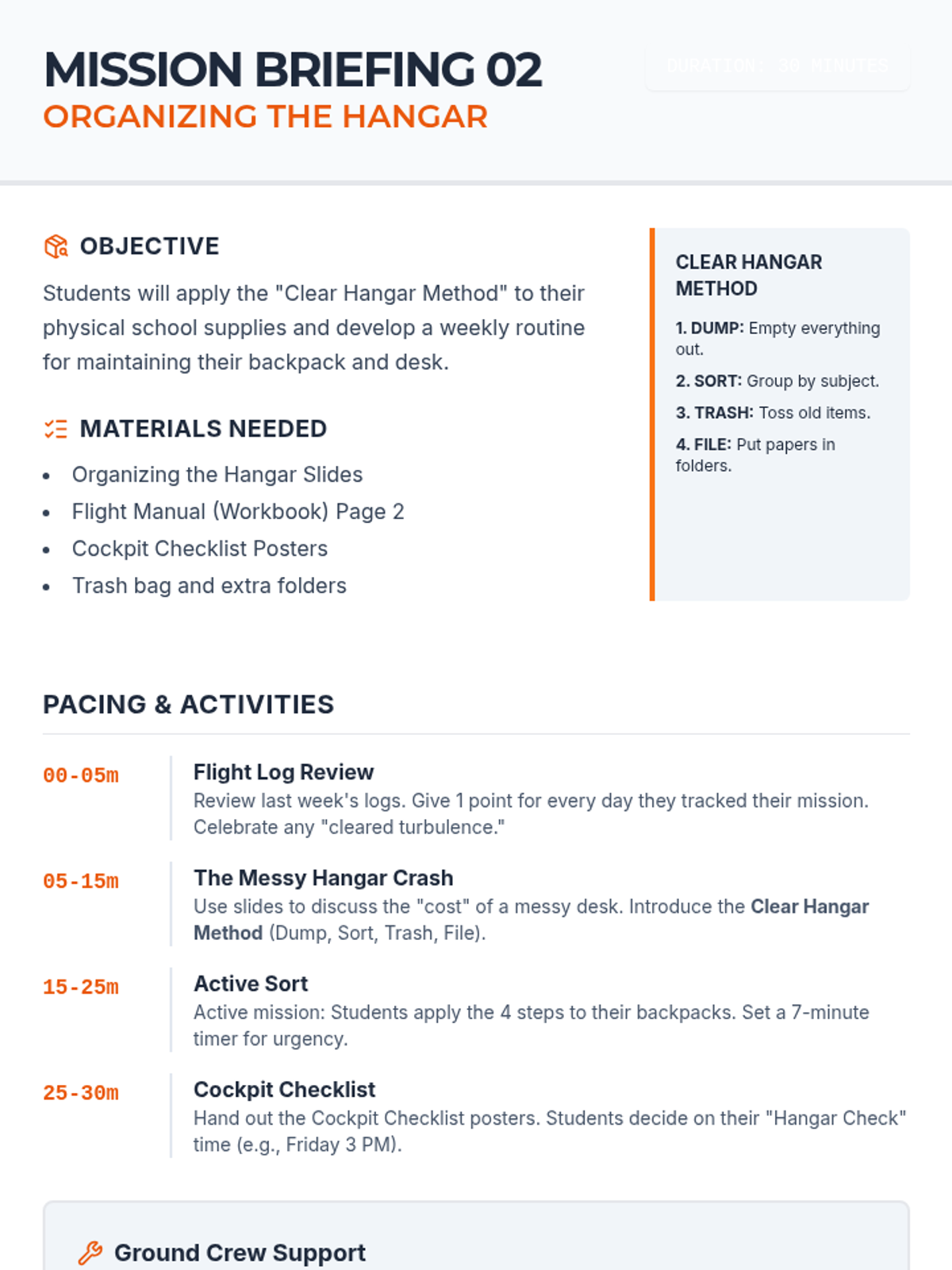
Focusing on physical organization strategies for desks, backpacks, and personal spaces using the 'Clear Hangar' method.
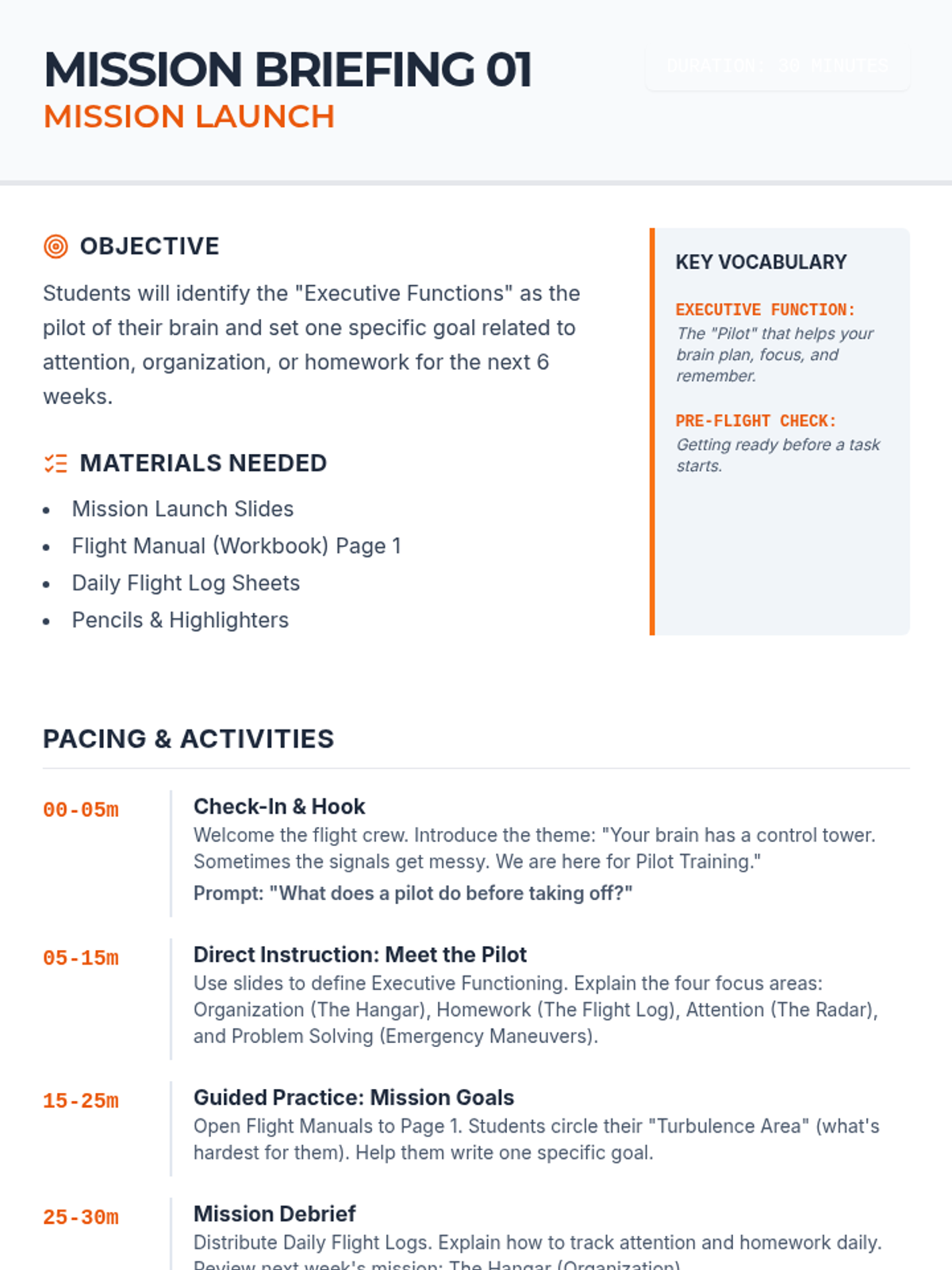
Introduction to executive functioning as the 'brain's pilot' and setting personal mission goals for the 6-week program.
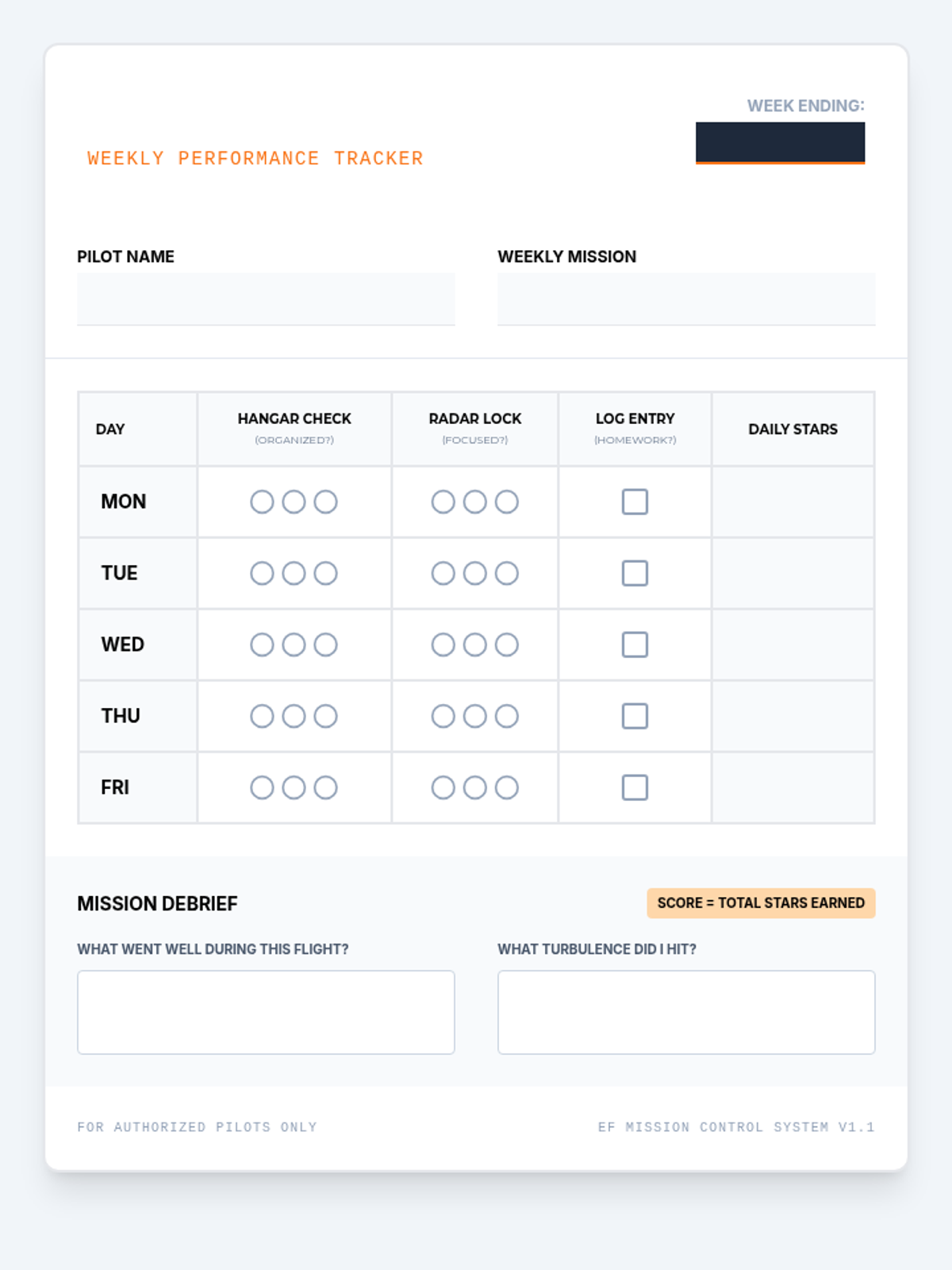
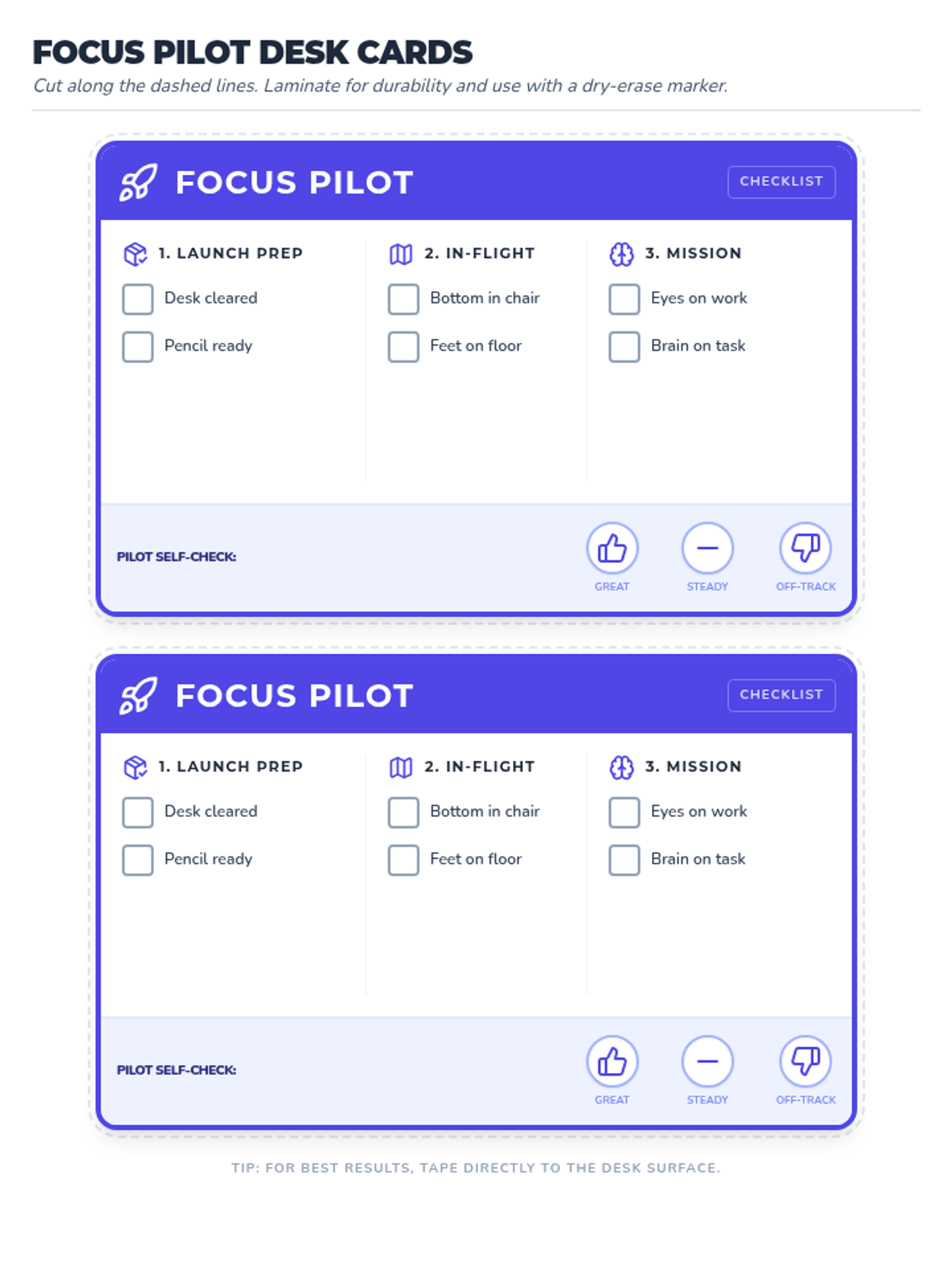
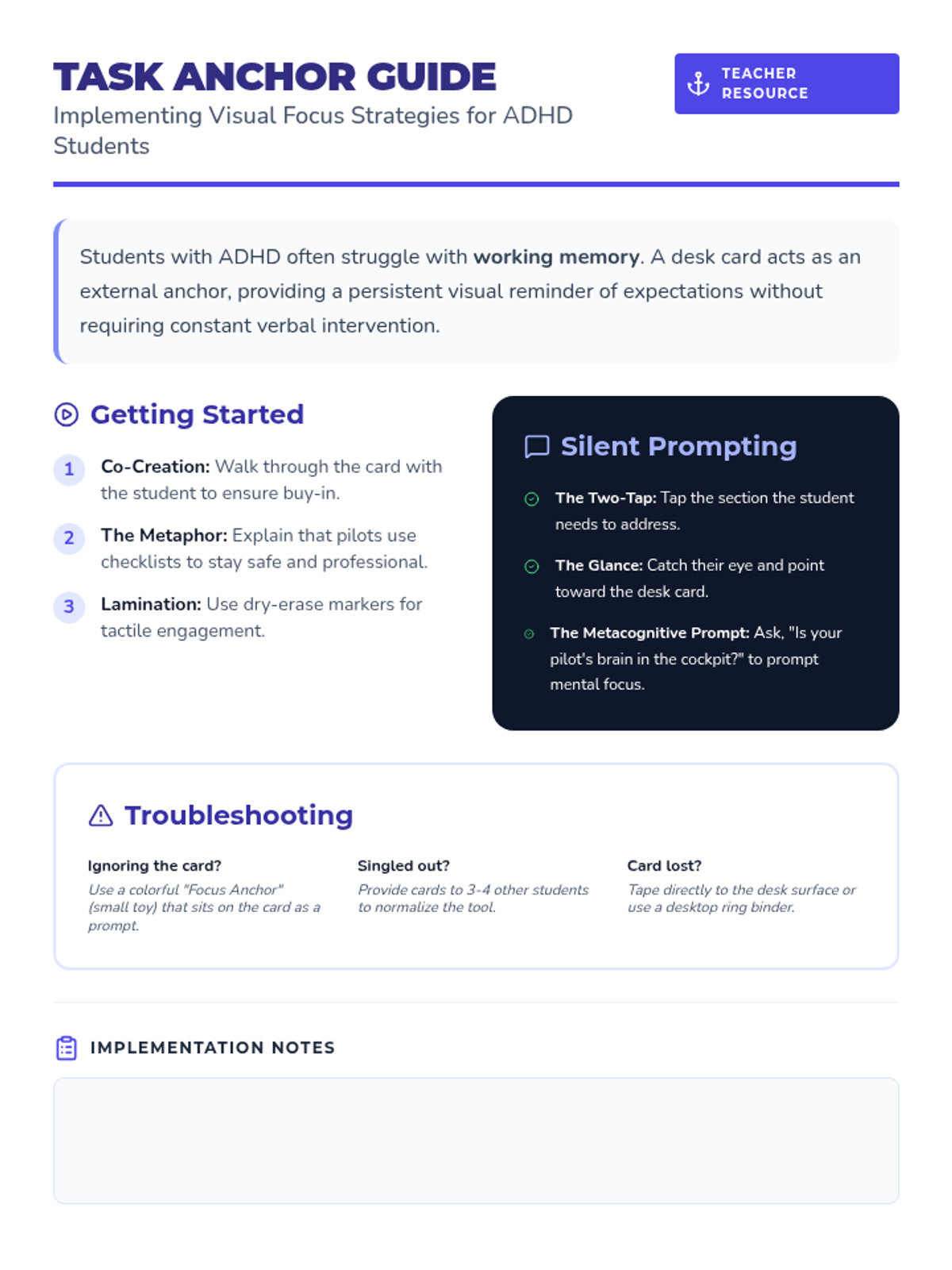
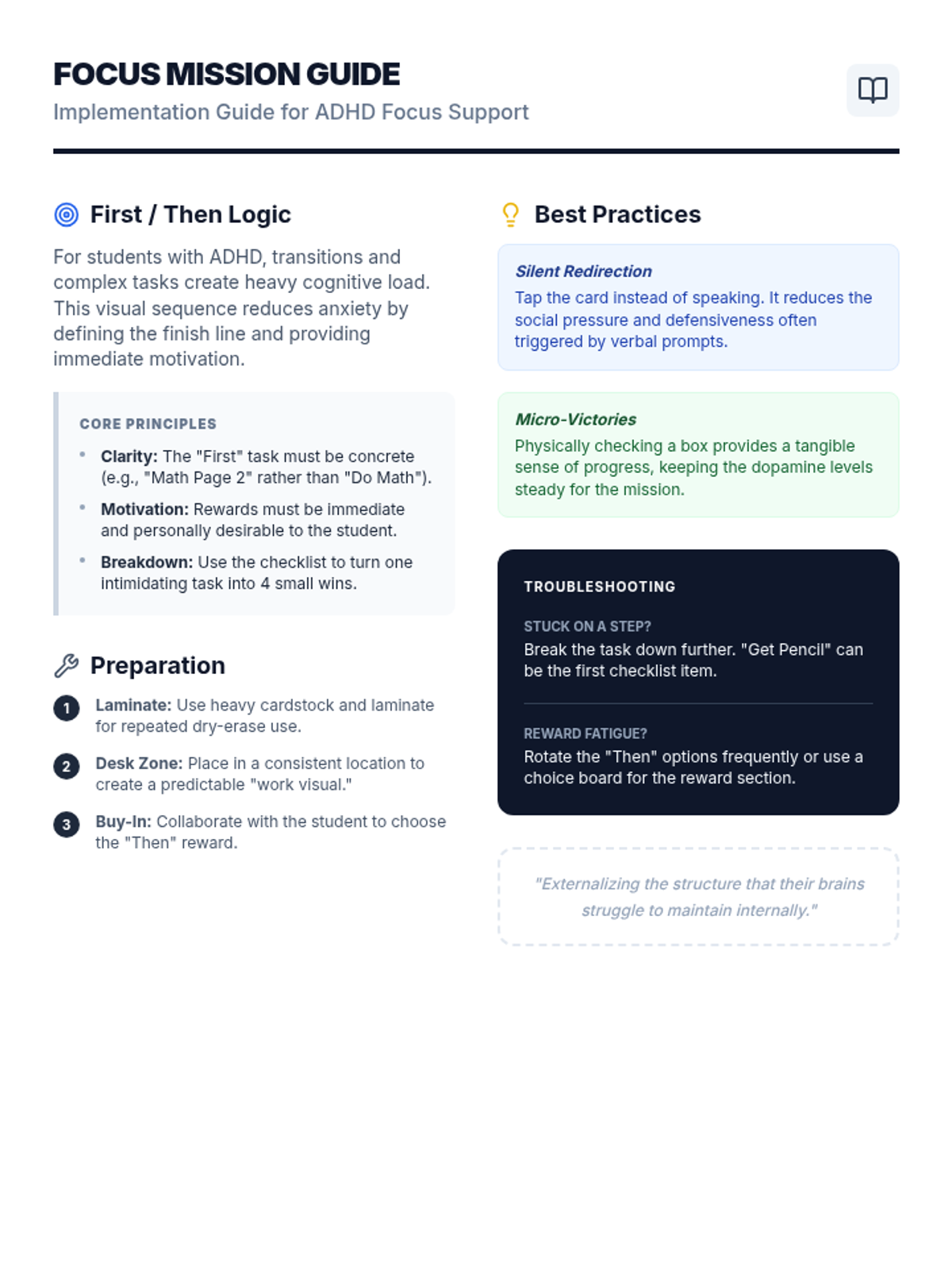
A focused toolkit designed to help students with ADHD improve their executive functioning through visual reminders and self-monitoring strategies.
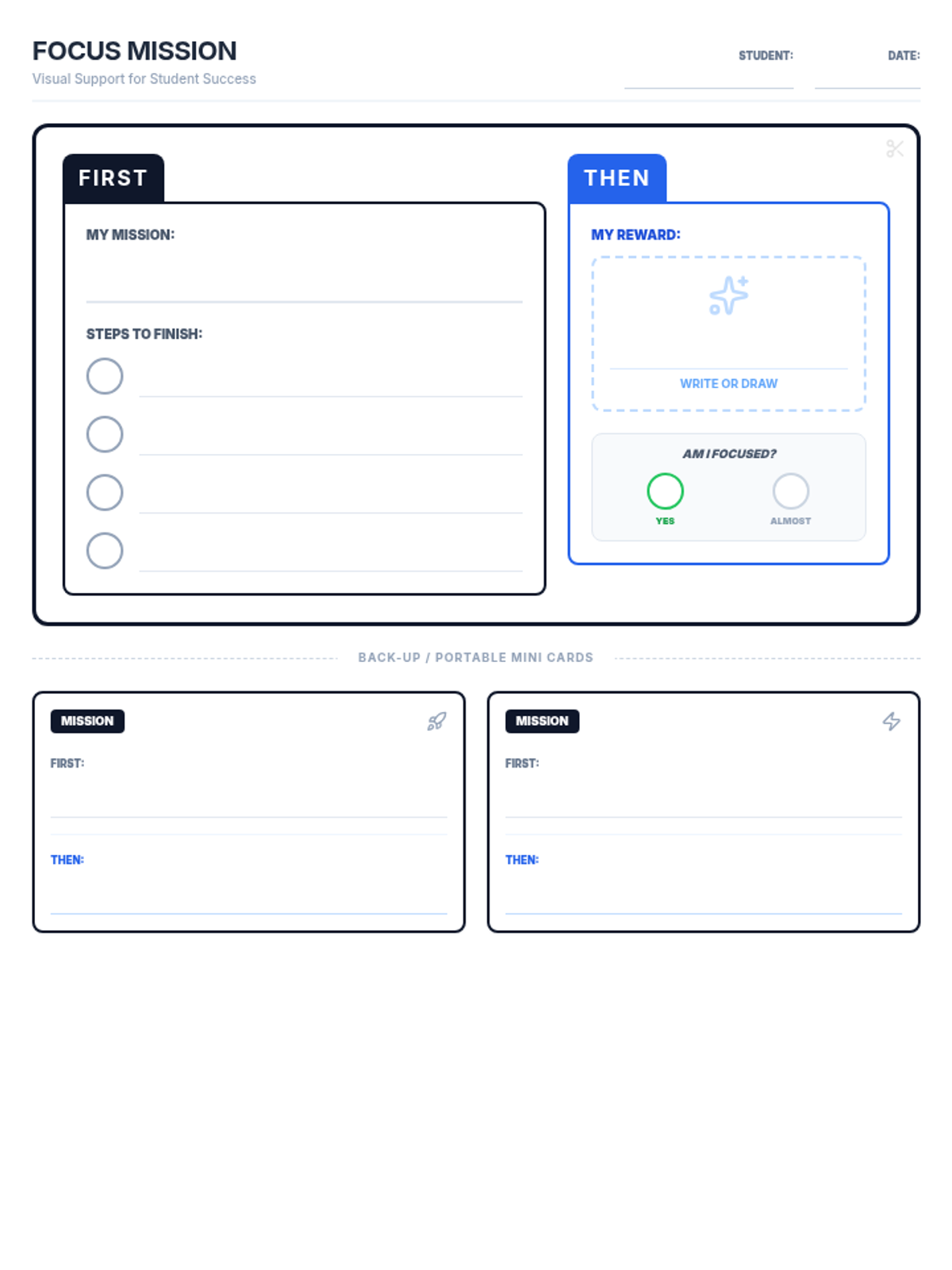
A visual support system using First/Then logic and structured checklists to help students with ADHD maintain focus and manage transitions.
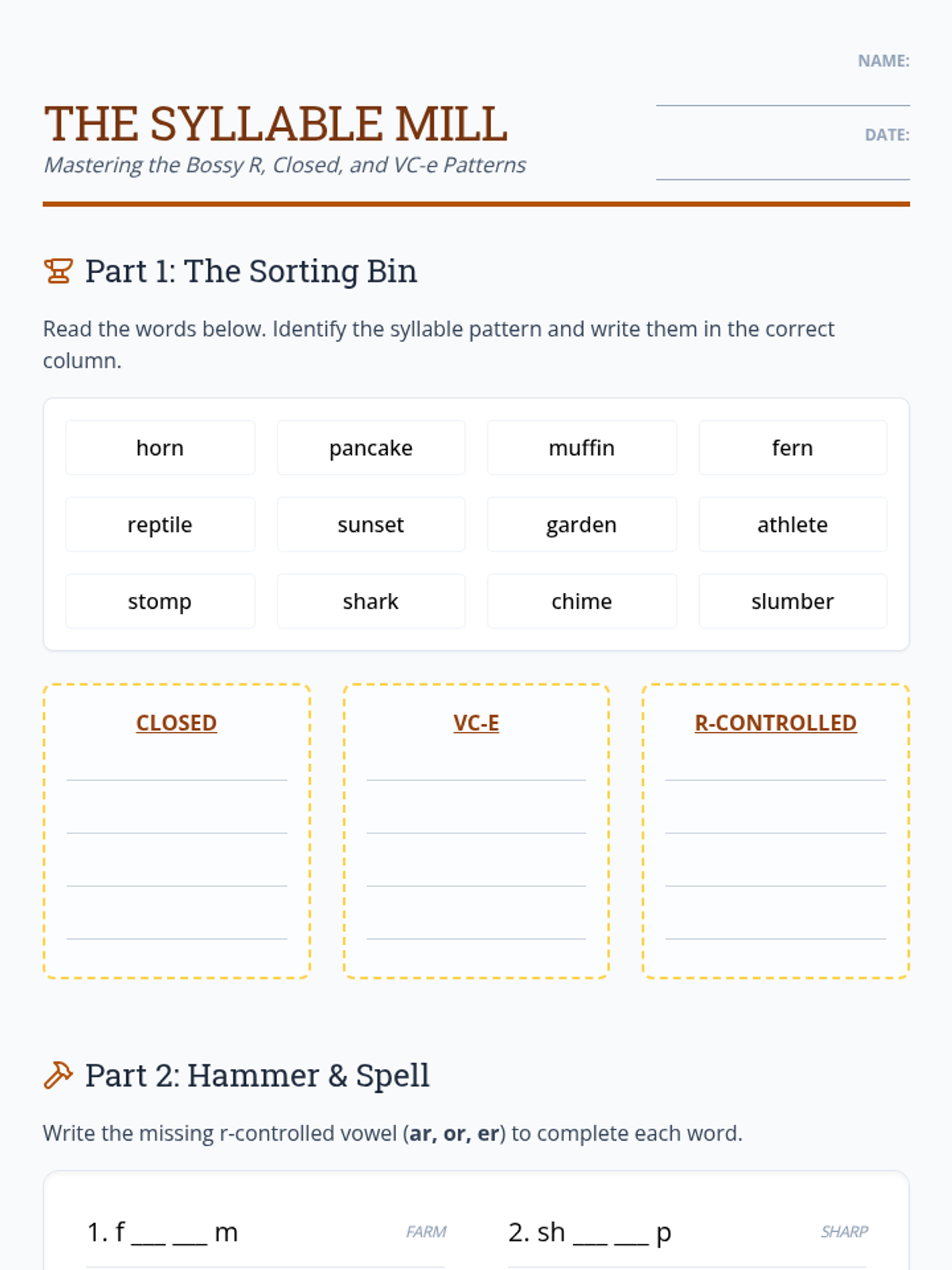
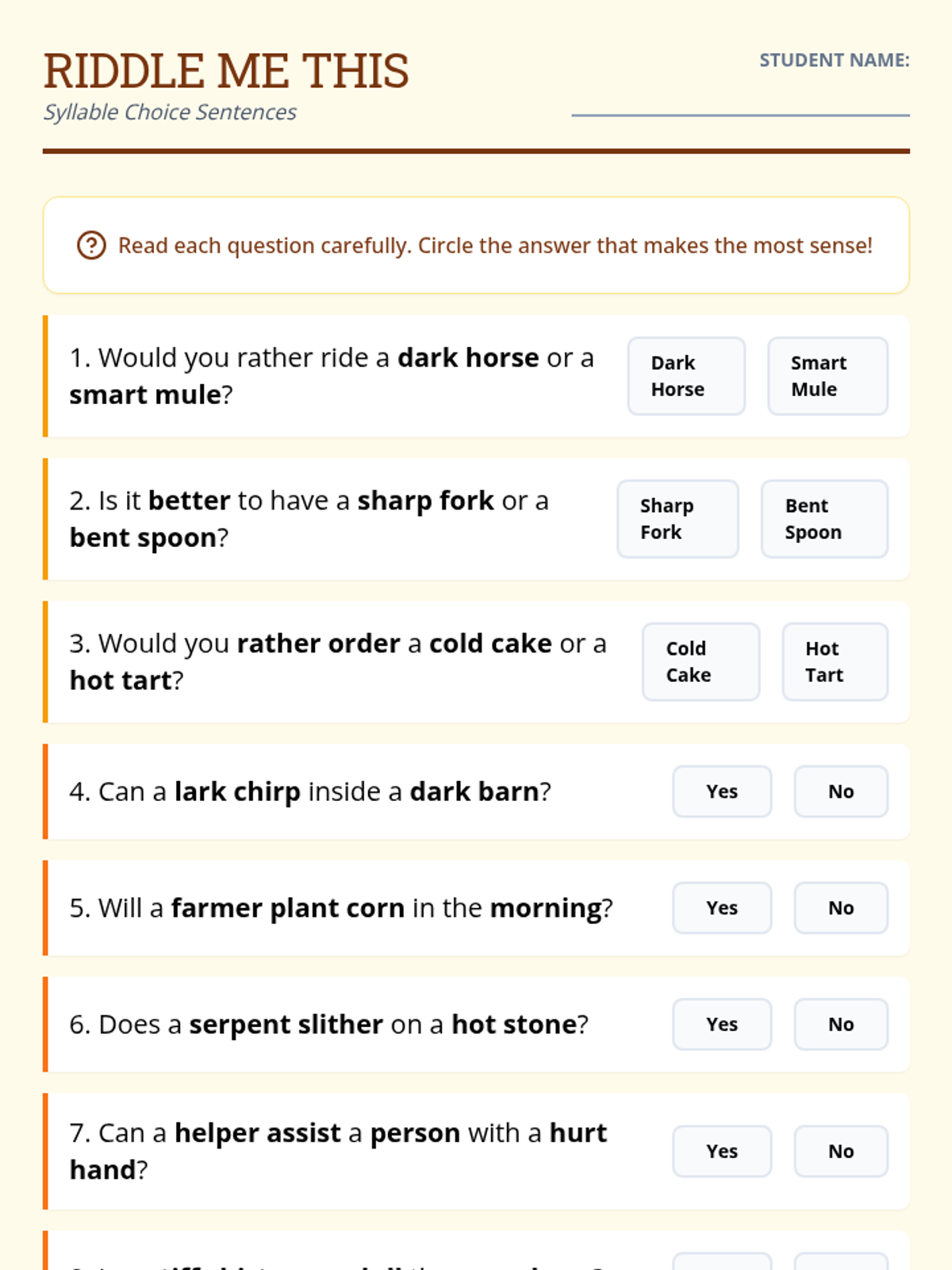
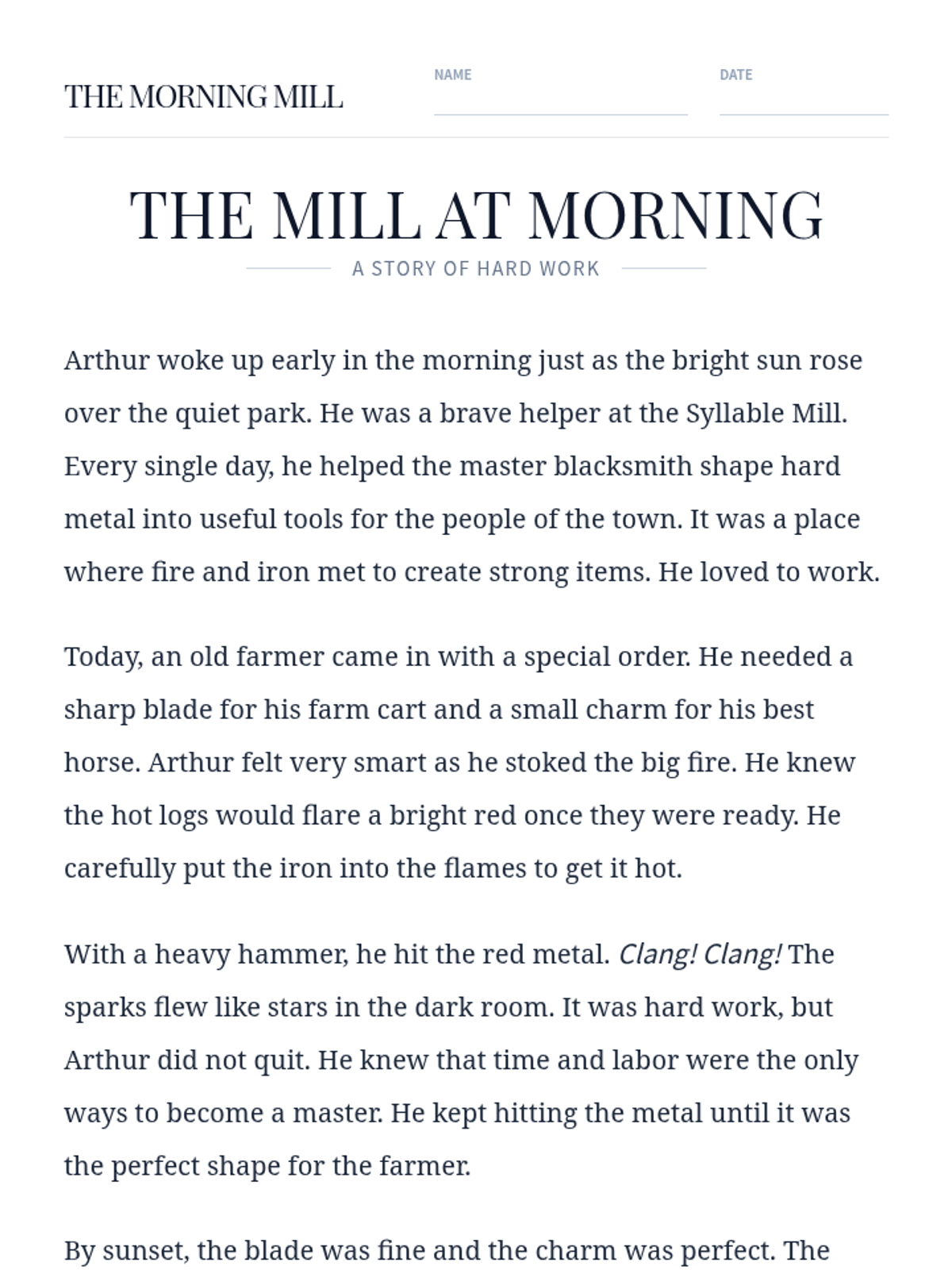
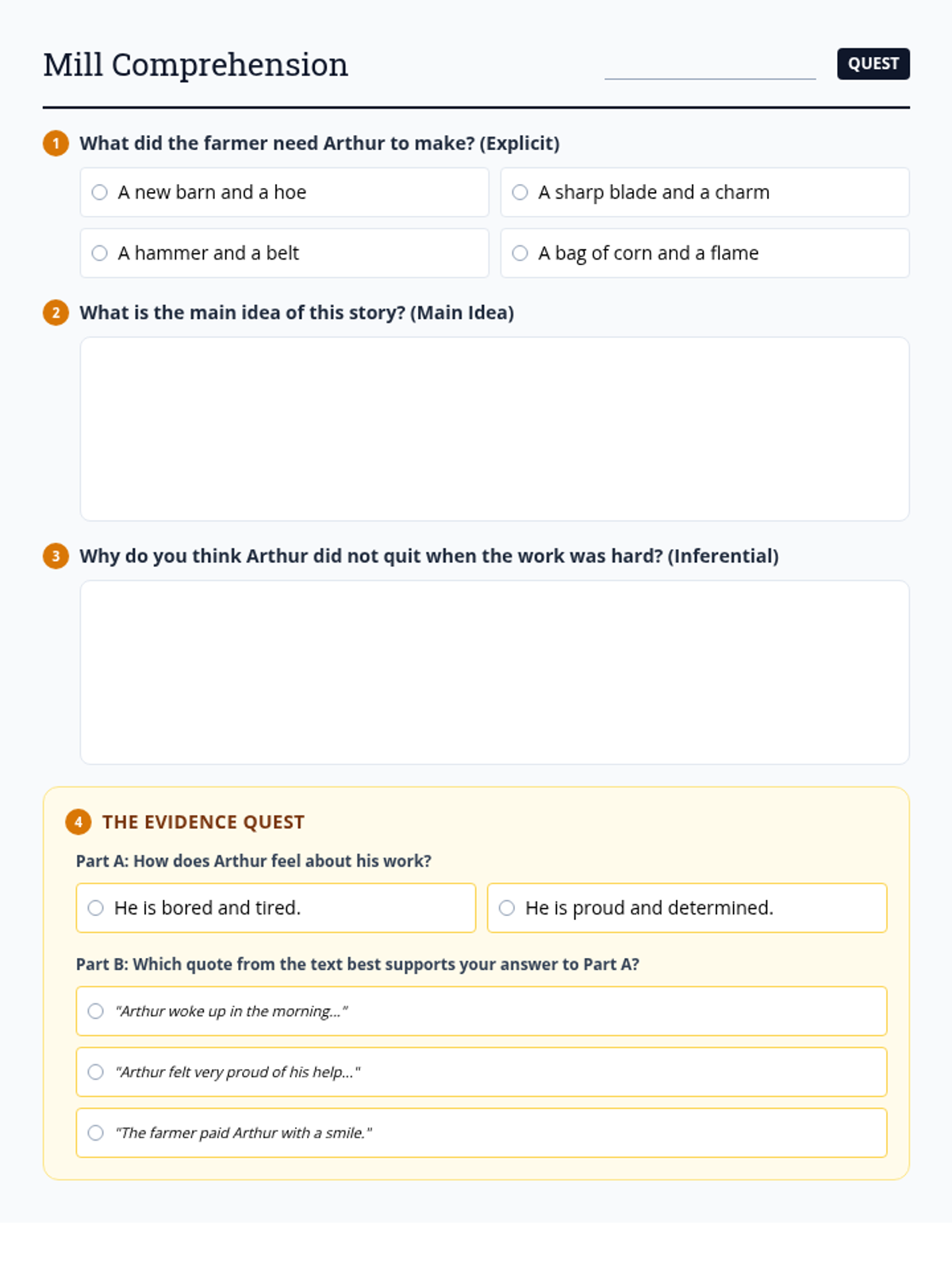
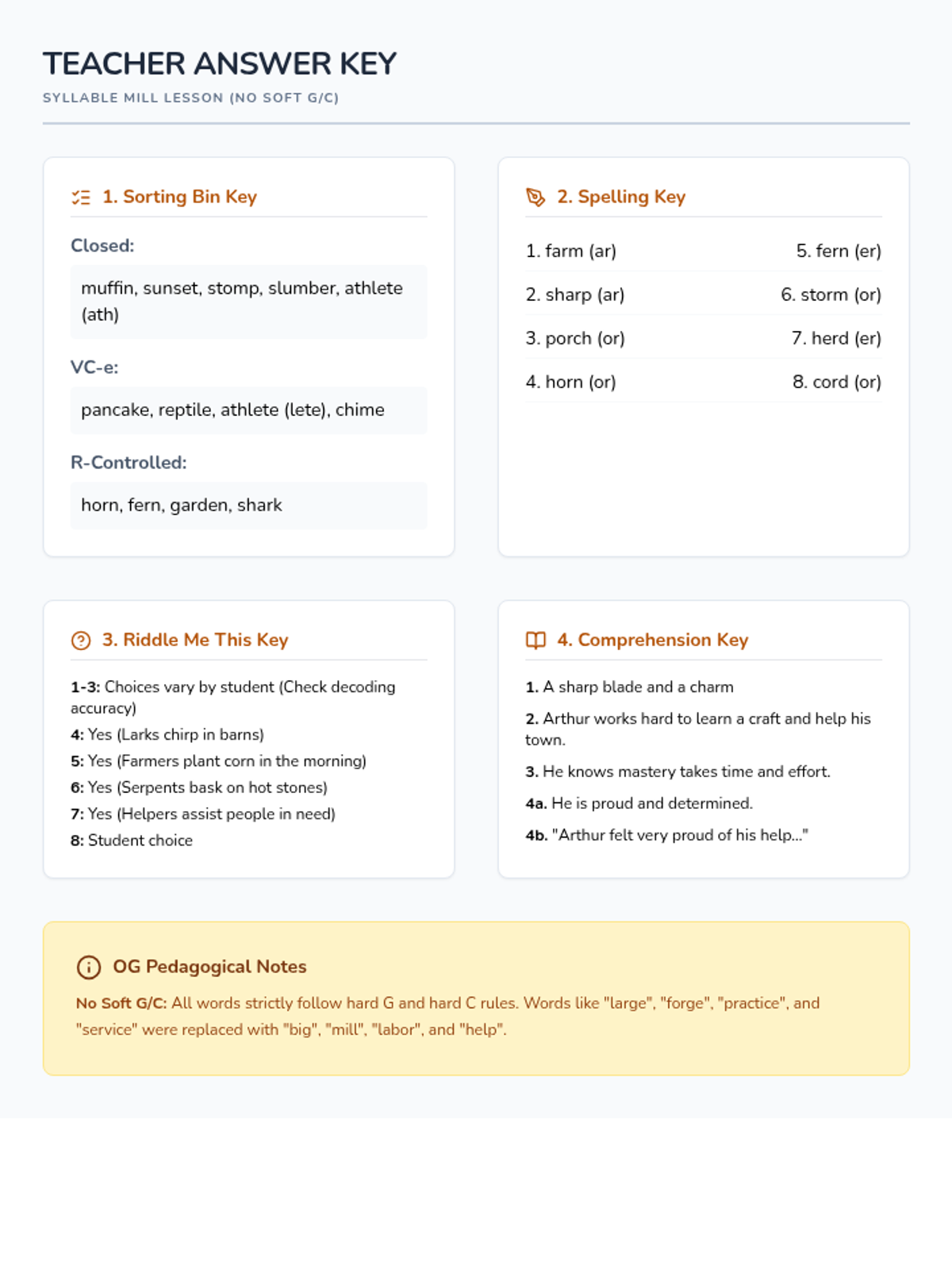
A comprehensive Orton-Gillingham lesson focusing on R-controlled syllables (ar, or, er, ir, ur) with a review of Closed and VC-e patterns. Includes word reading, interactive riddle sentences, an original reading passage, and in-depth comprehension questions. Strictly excludes soft g and soft c words.
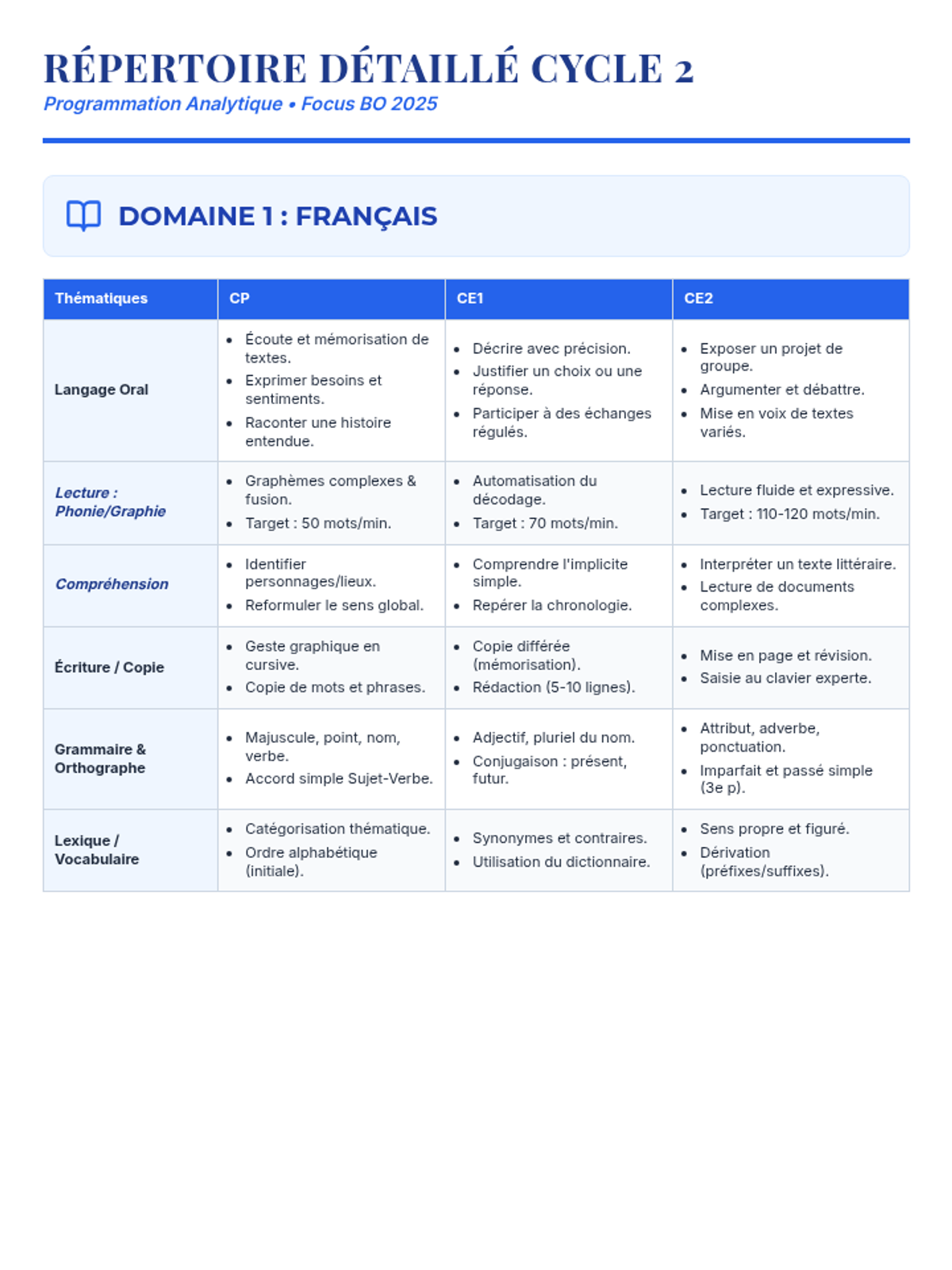
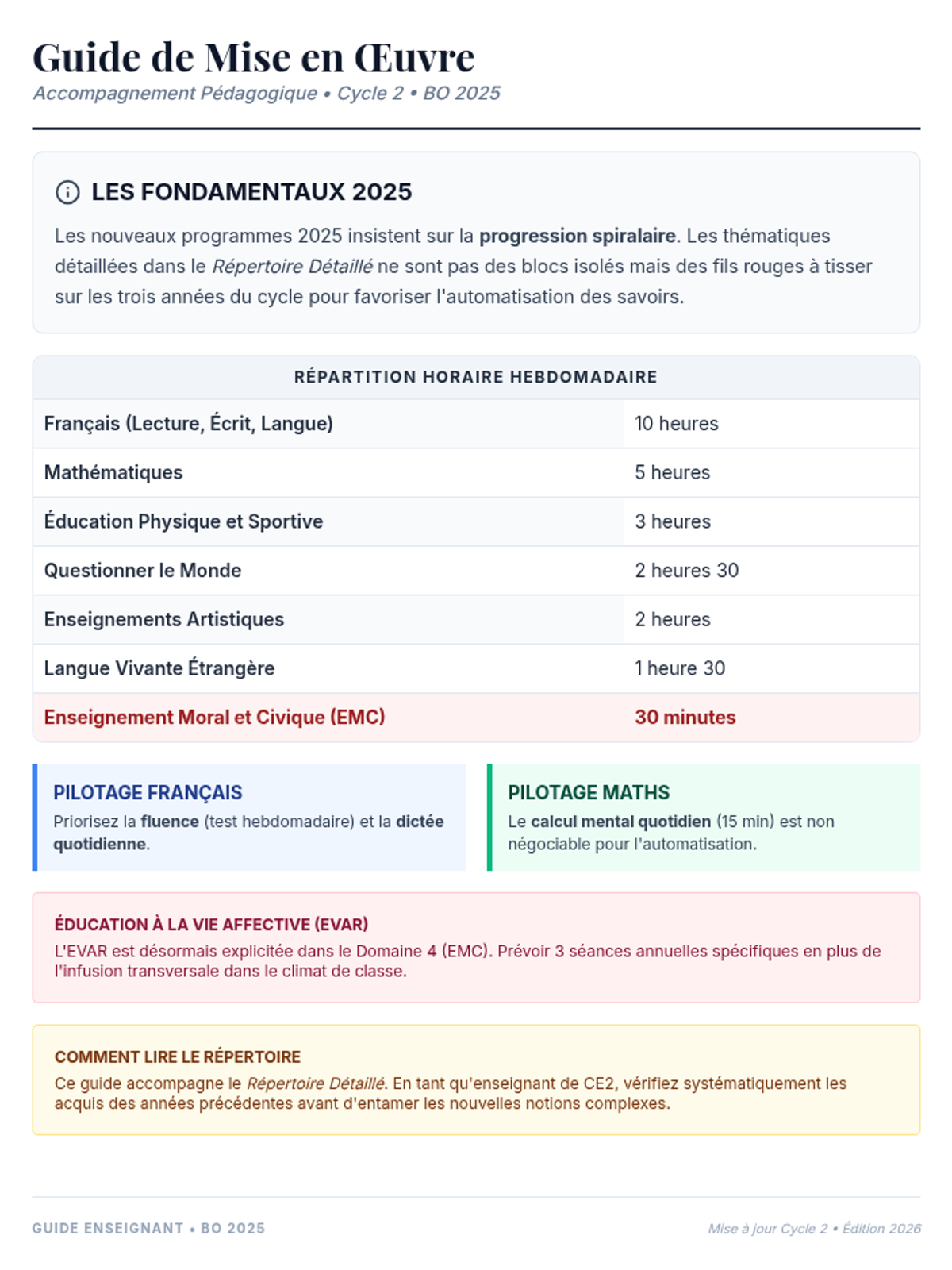
Une programmation complète pour le Cycle 2 basée sur les nouveaux programmes de 2025, structurée par thématiques et par année (CP, CE1, CE2) pour toutes les matières.
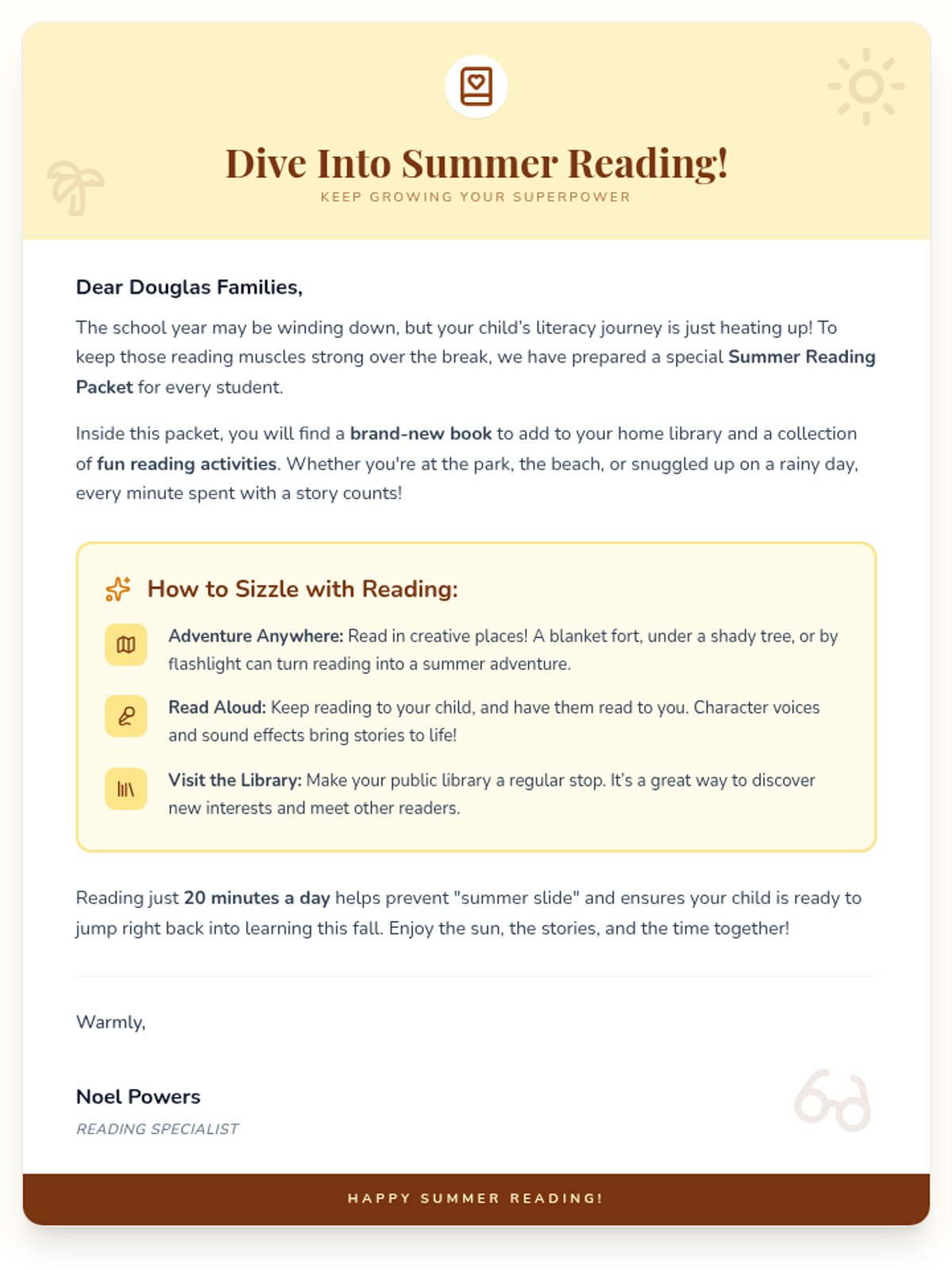
A collection of resources to encourage and track reading progress over the summer break for K-3 students, including a parent letter and activity suggestions.
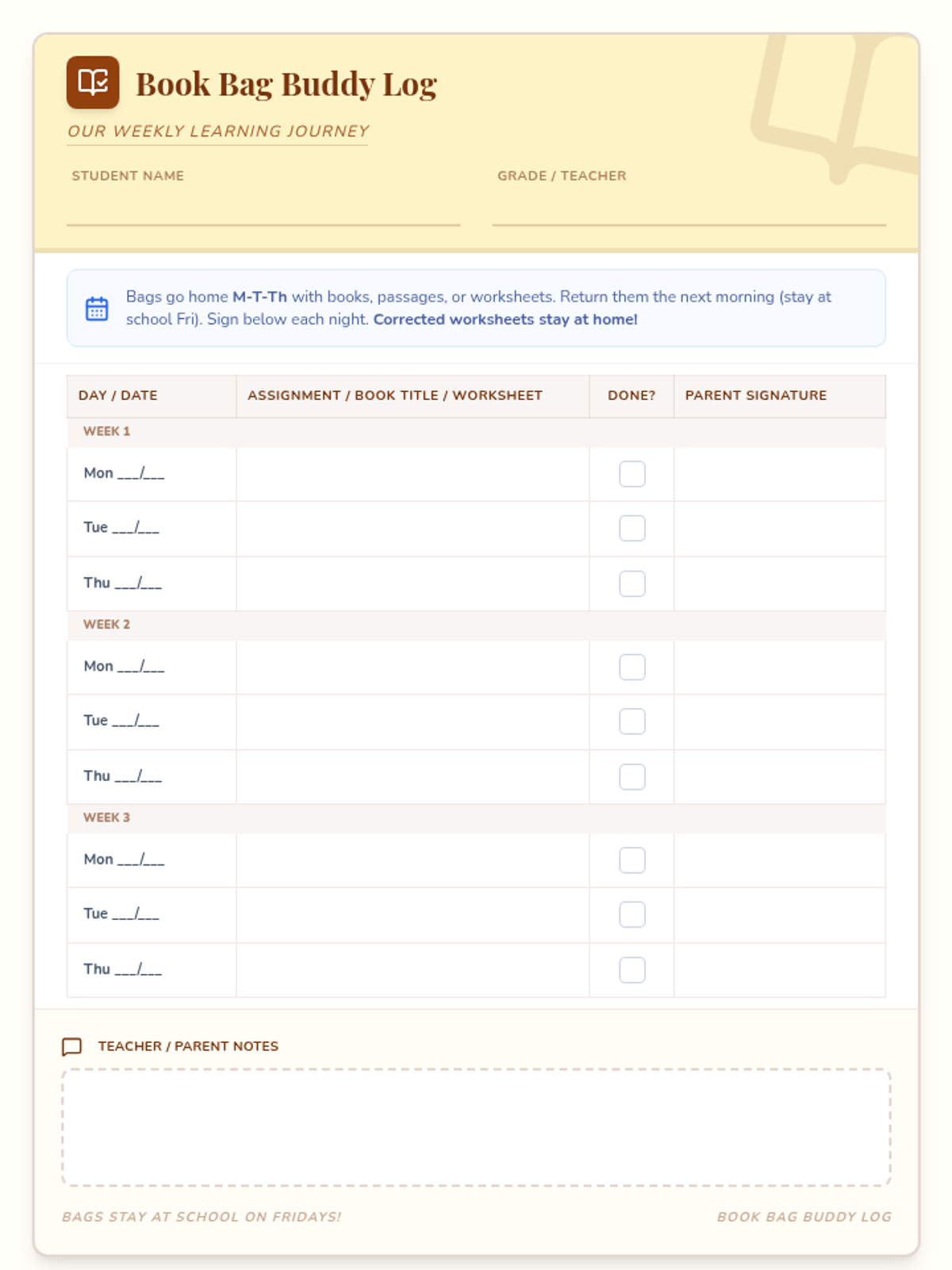
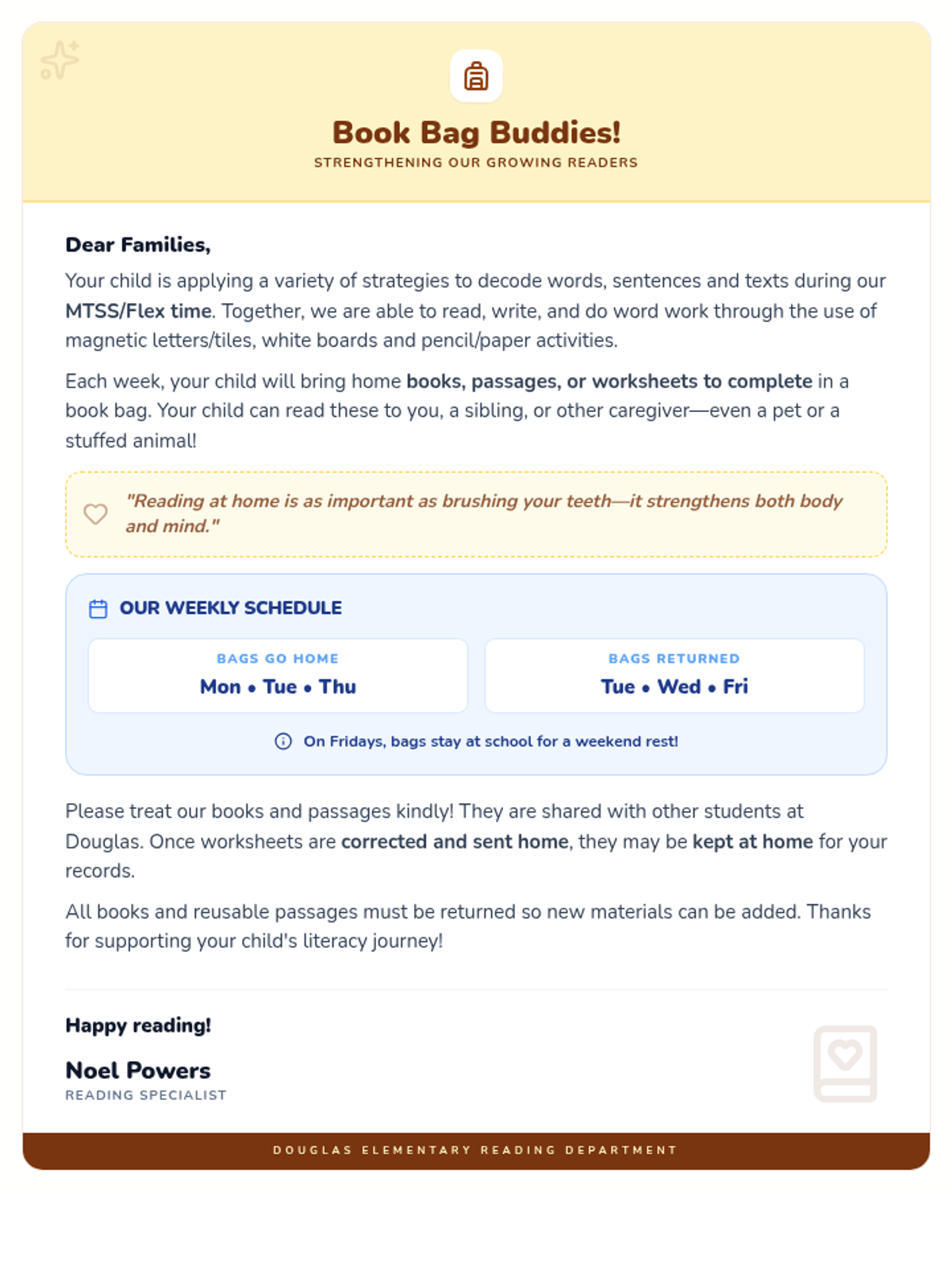
A home-school communication system for K-3 students featuring a homework bag log and an introductory letter for parents, detailing a Monday-Tuesday-Thursday homework schedule.
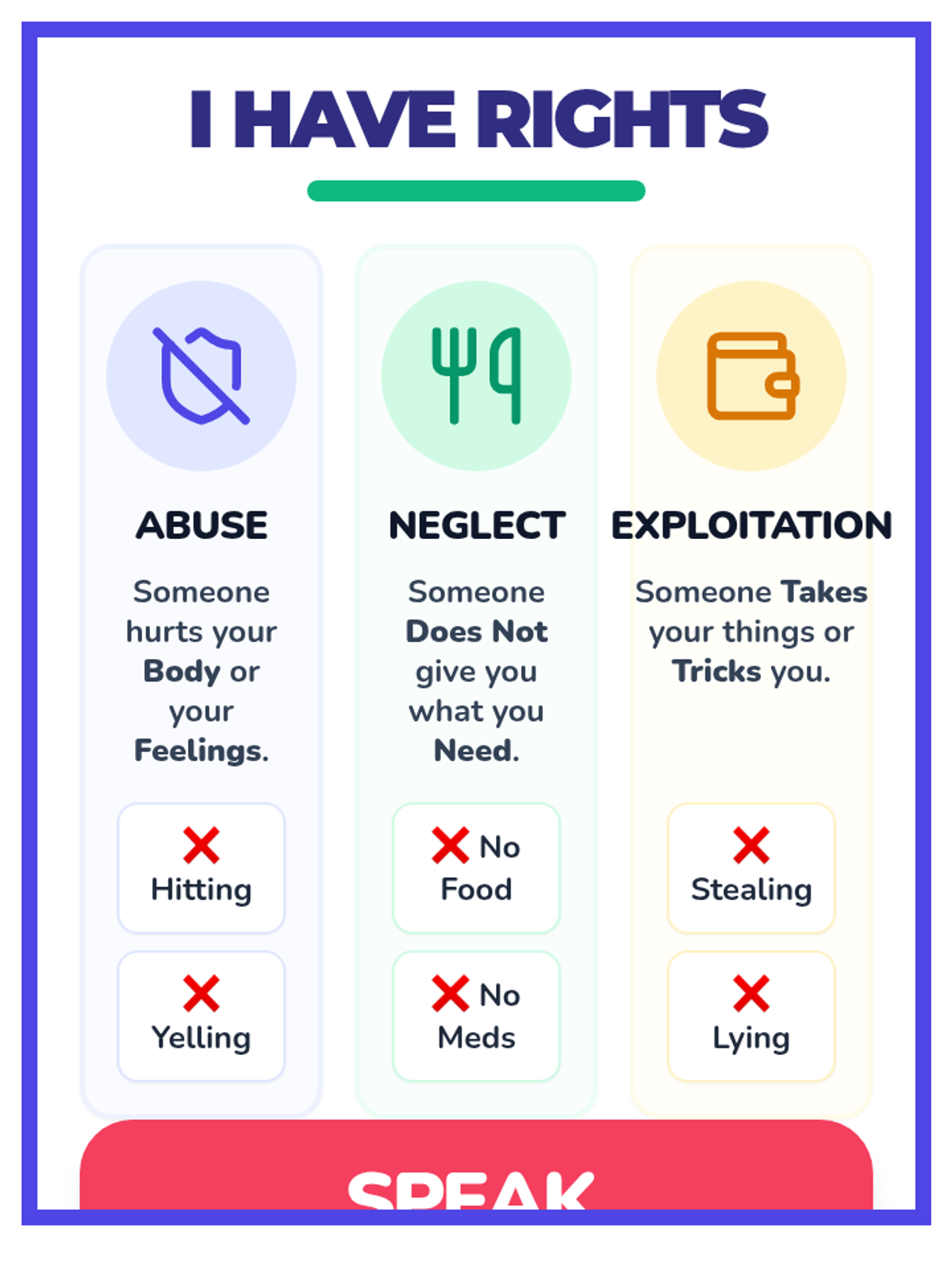
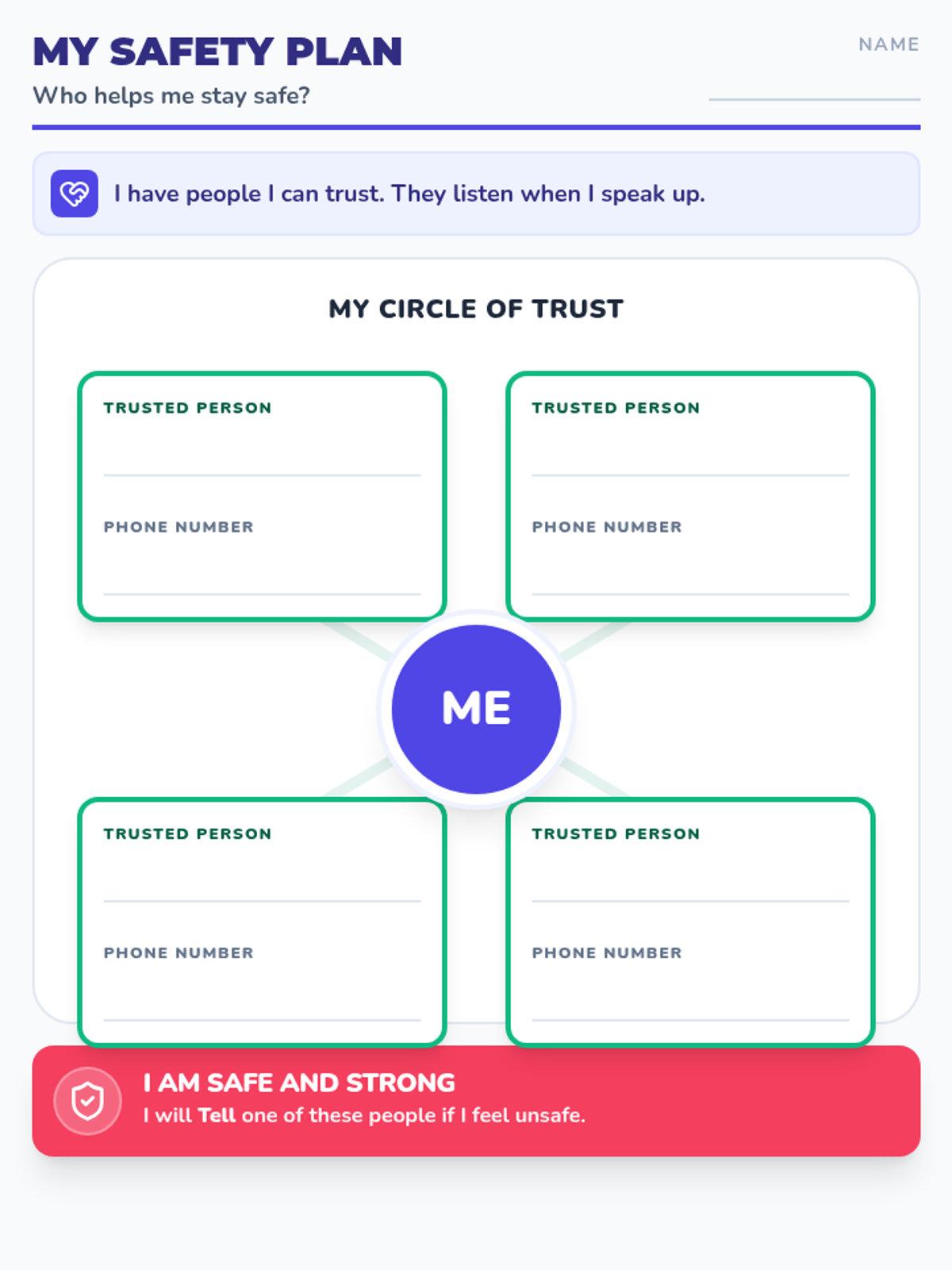
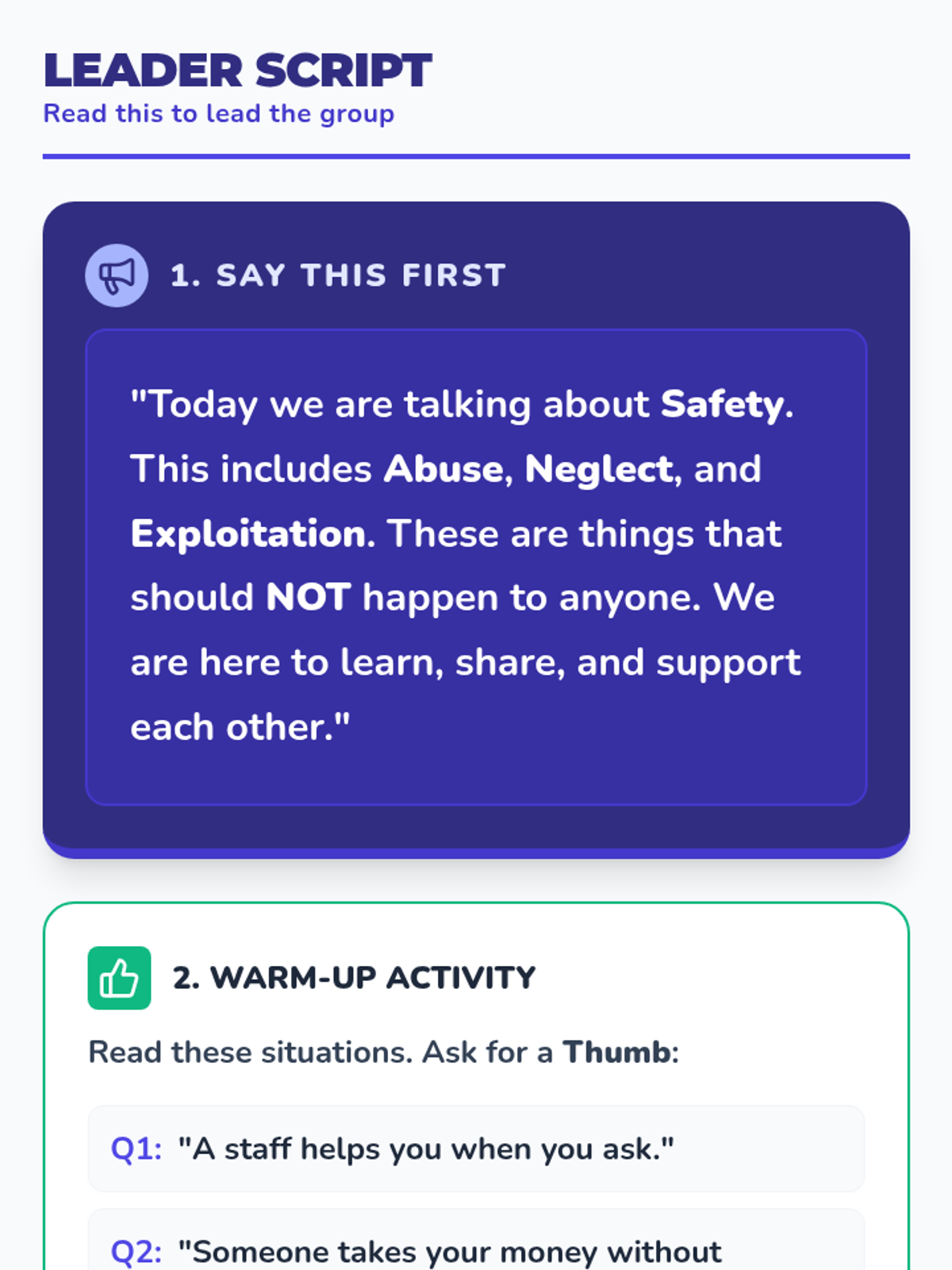
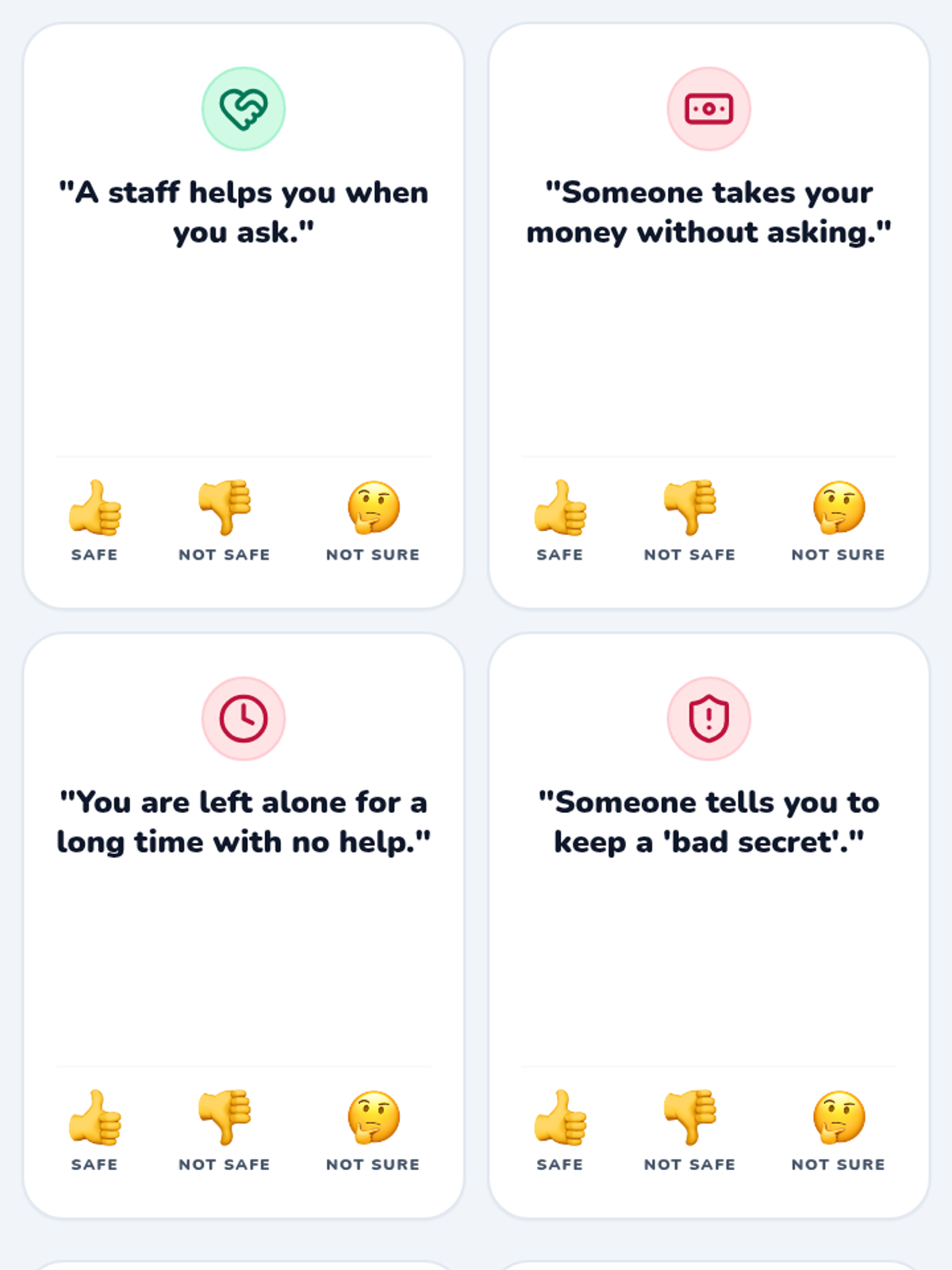
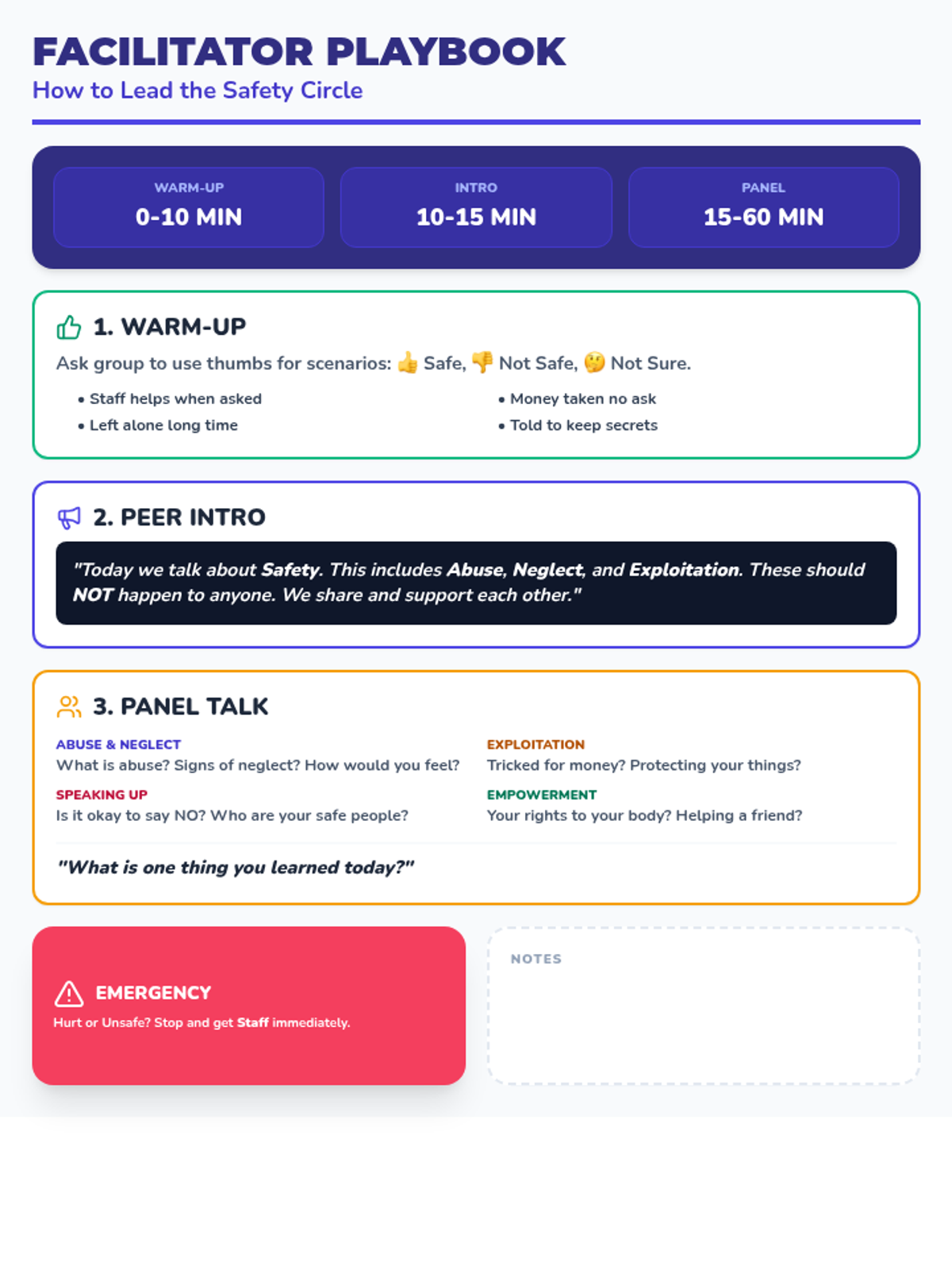
A peer-led lesson designed for adults with IDD to discuss personal safety, rights, and how to identify and report abuse, neglect, and exploitation. The materials prioritize high-readability text, visual icons, and interactive Q&A cards to empower students to lead their own advocacy discussion.
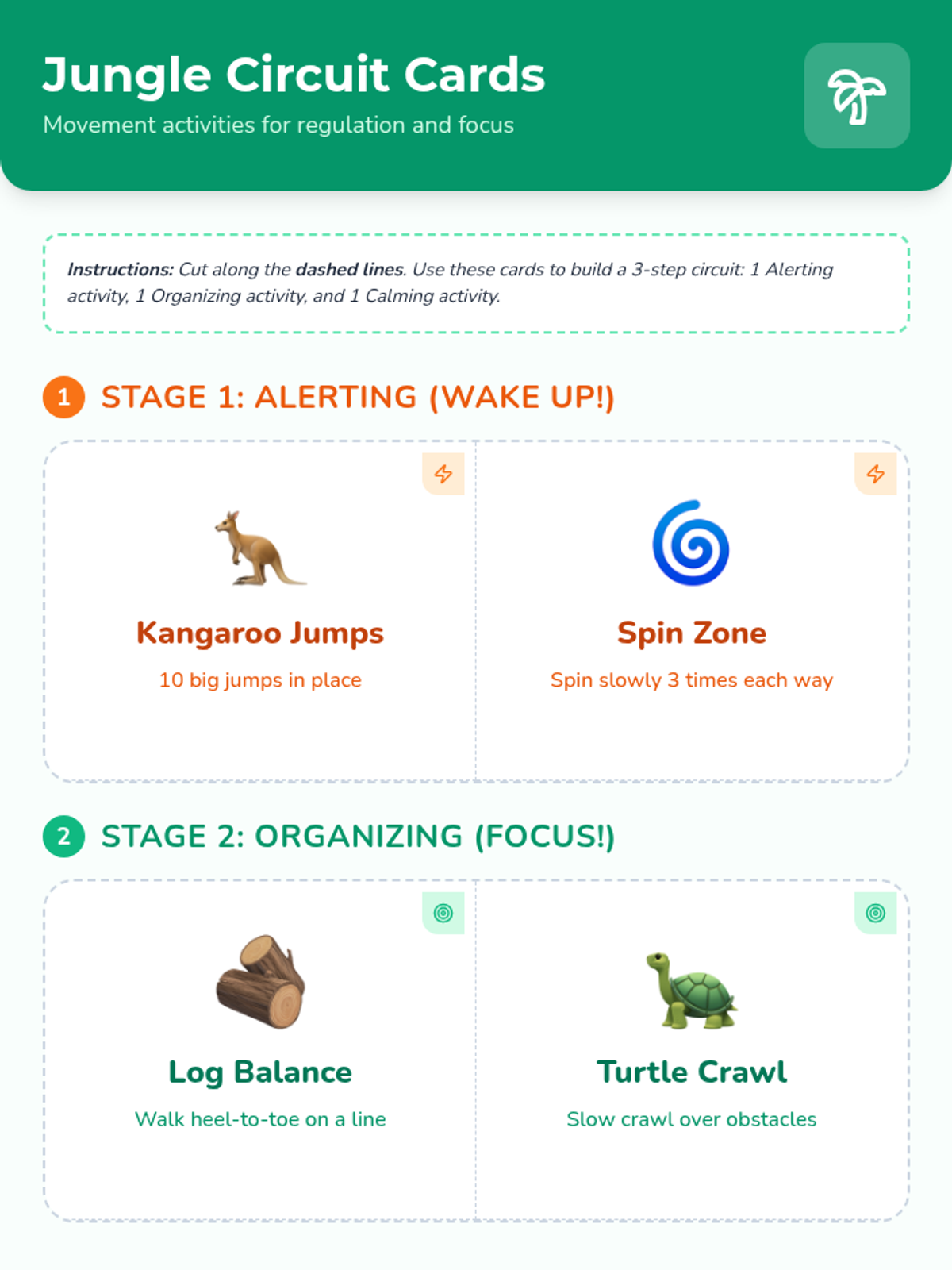
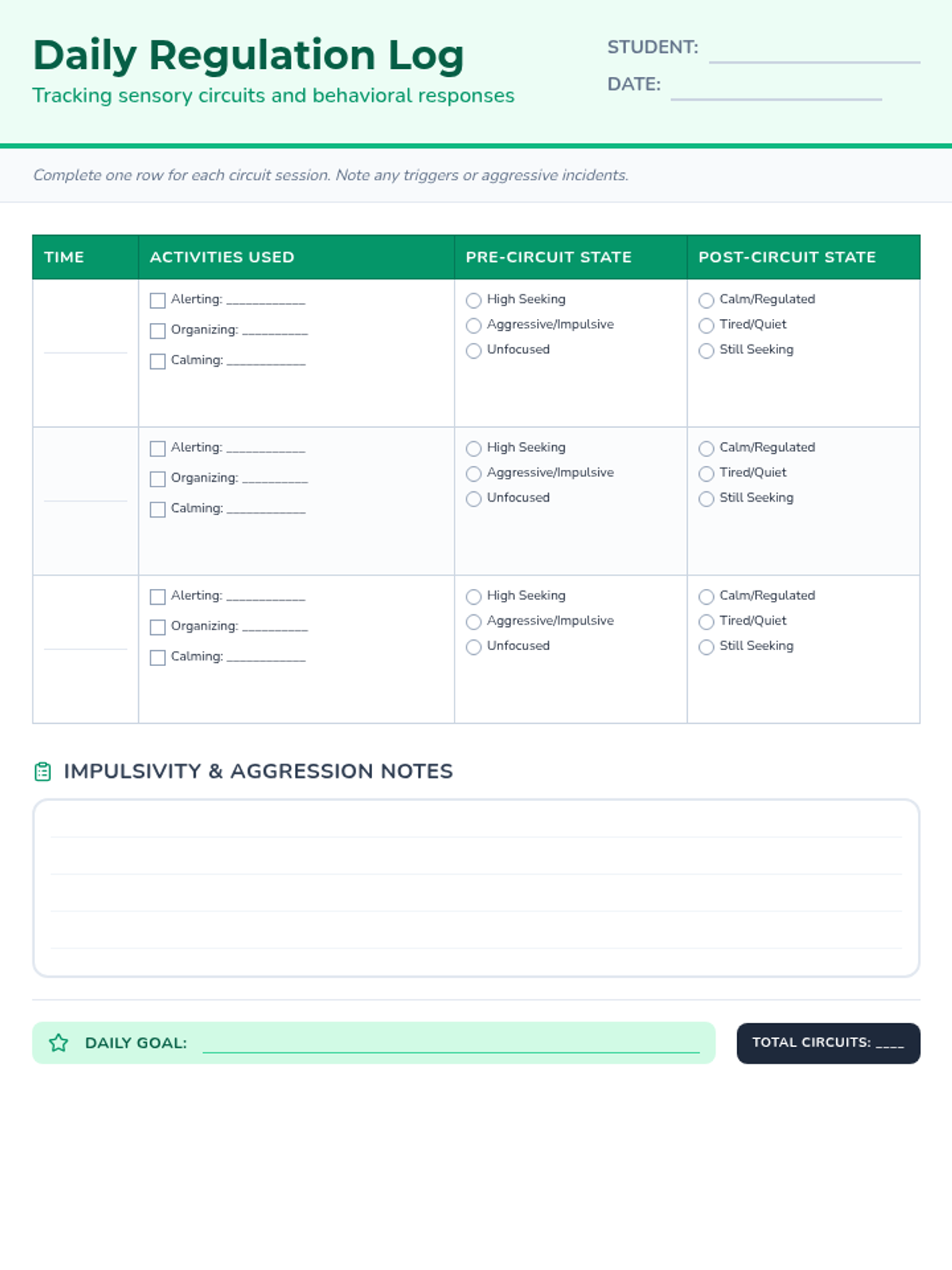
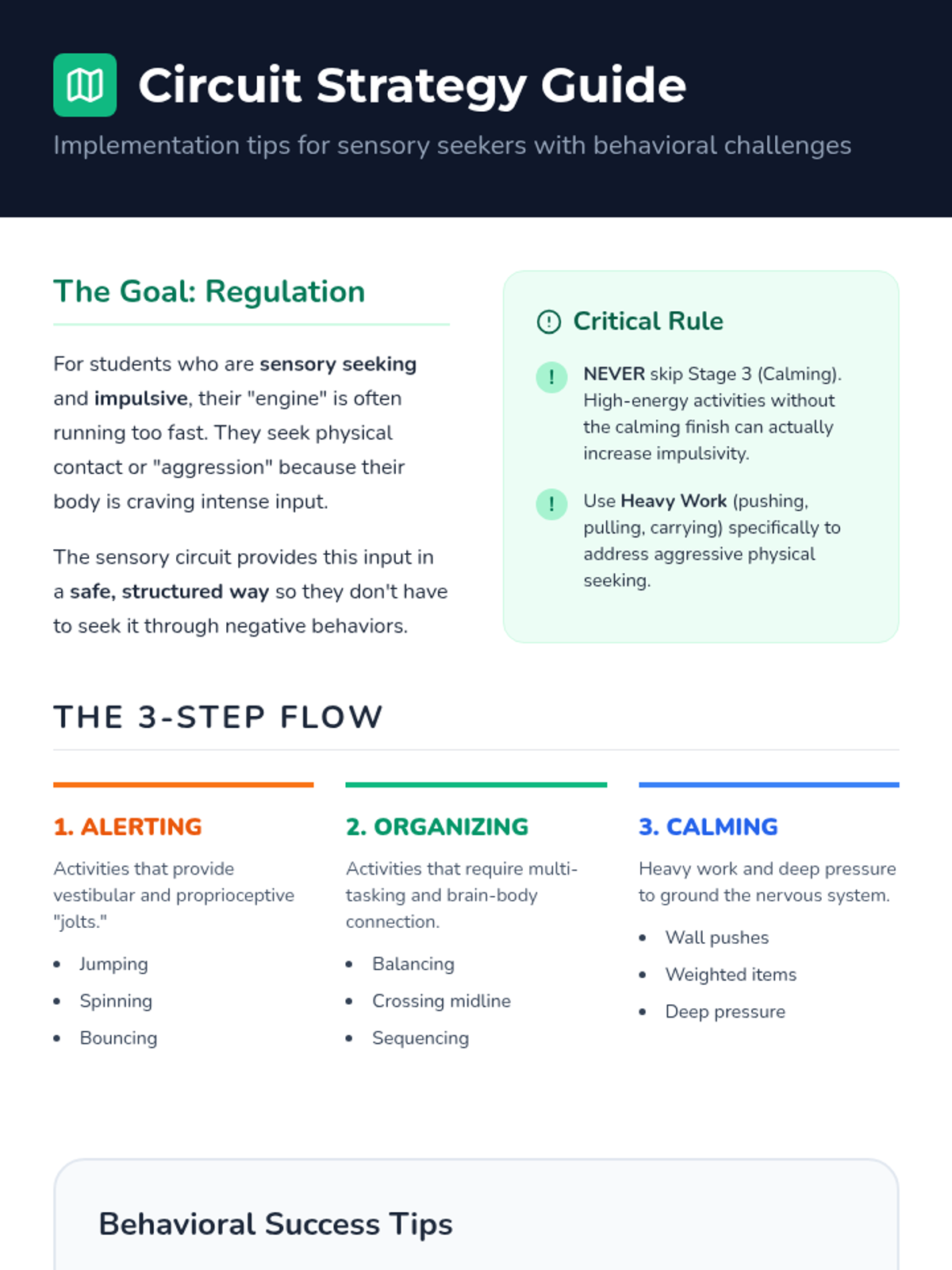
A sensory circuit program designed for preschool students to manage high energy and impulsivity through structured alerting, organizing, and calming activities.
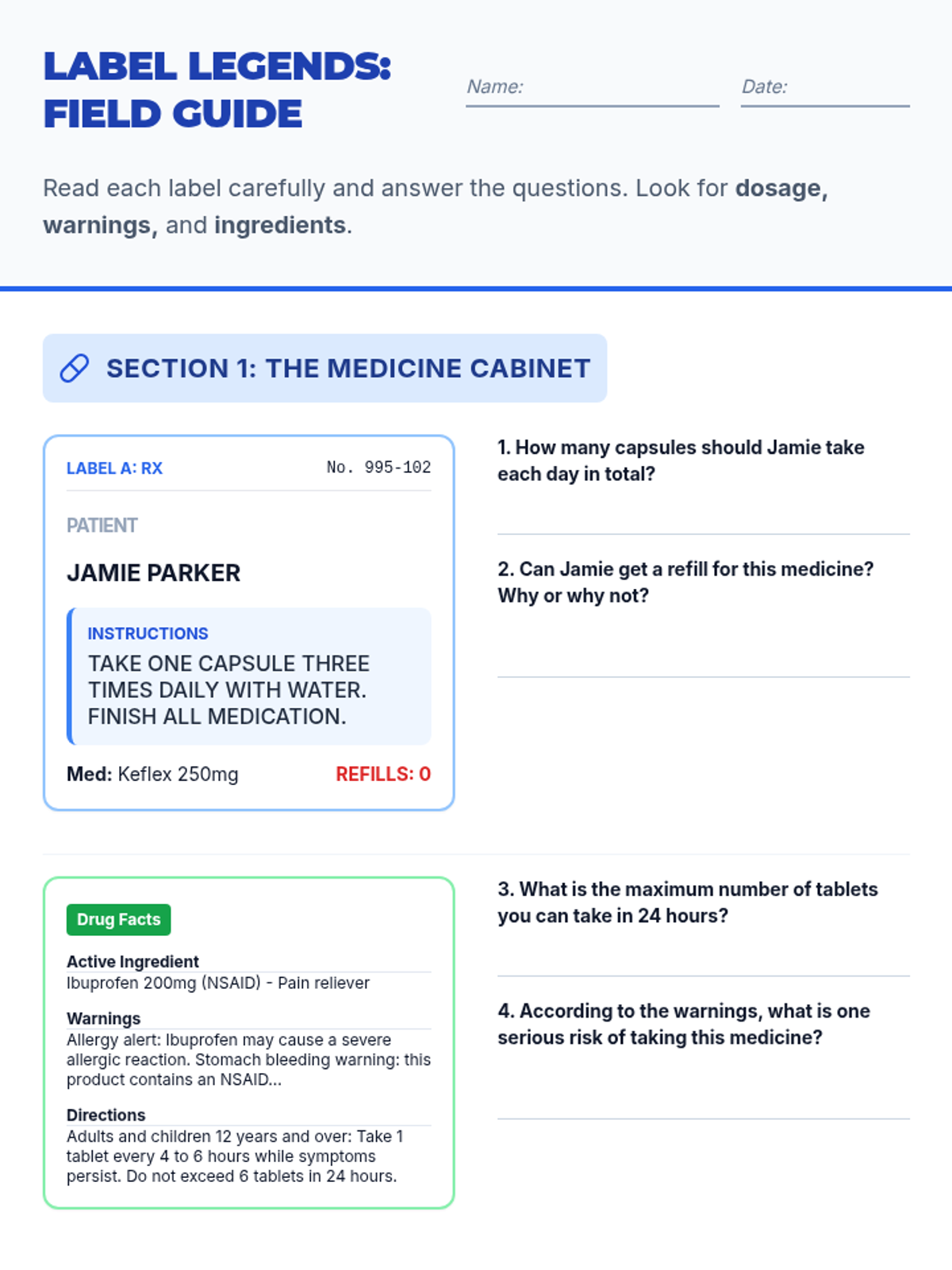
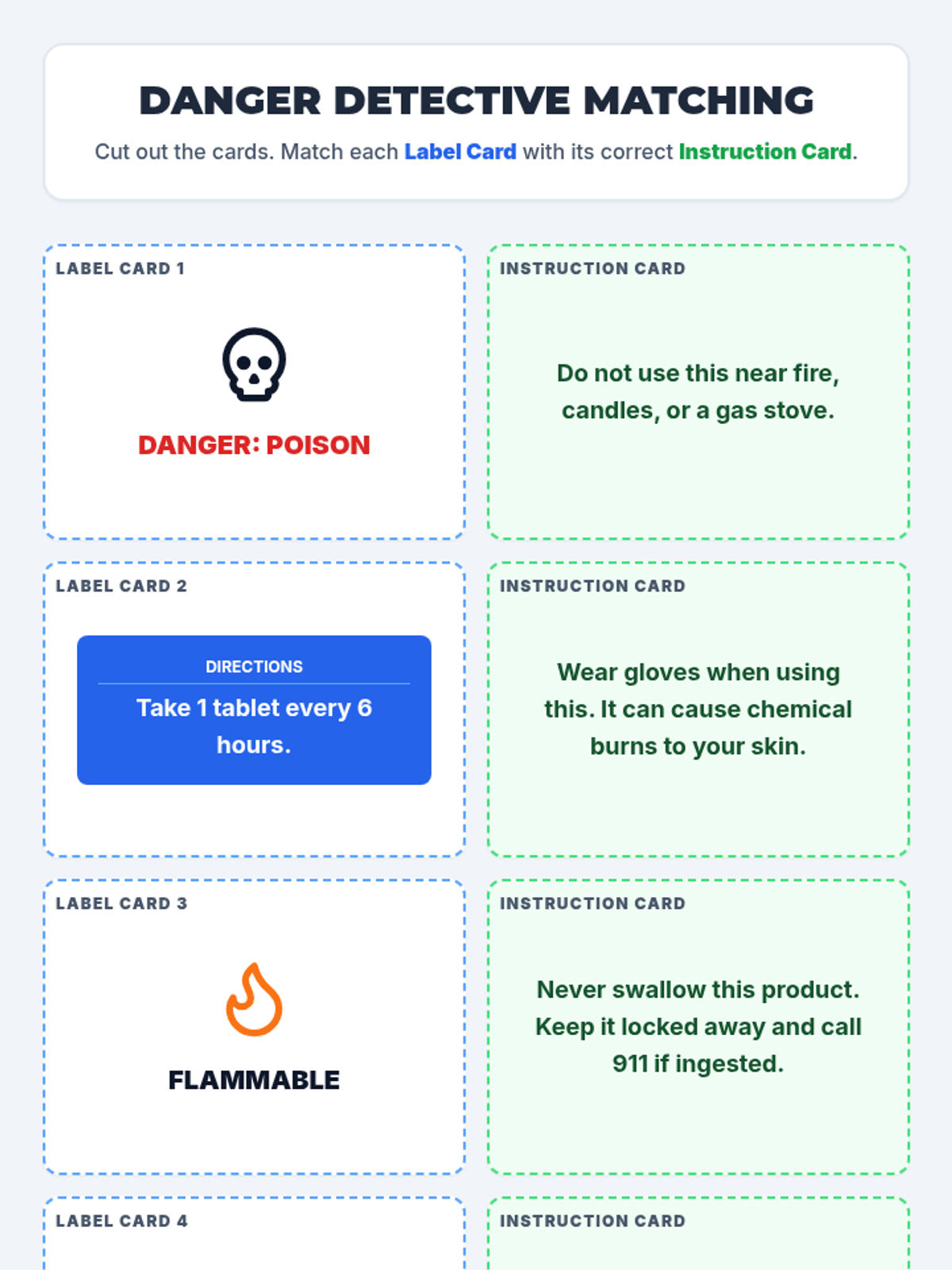
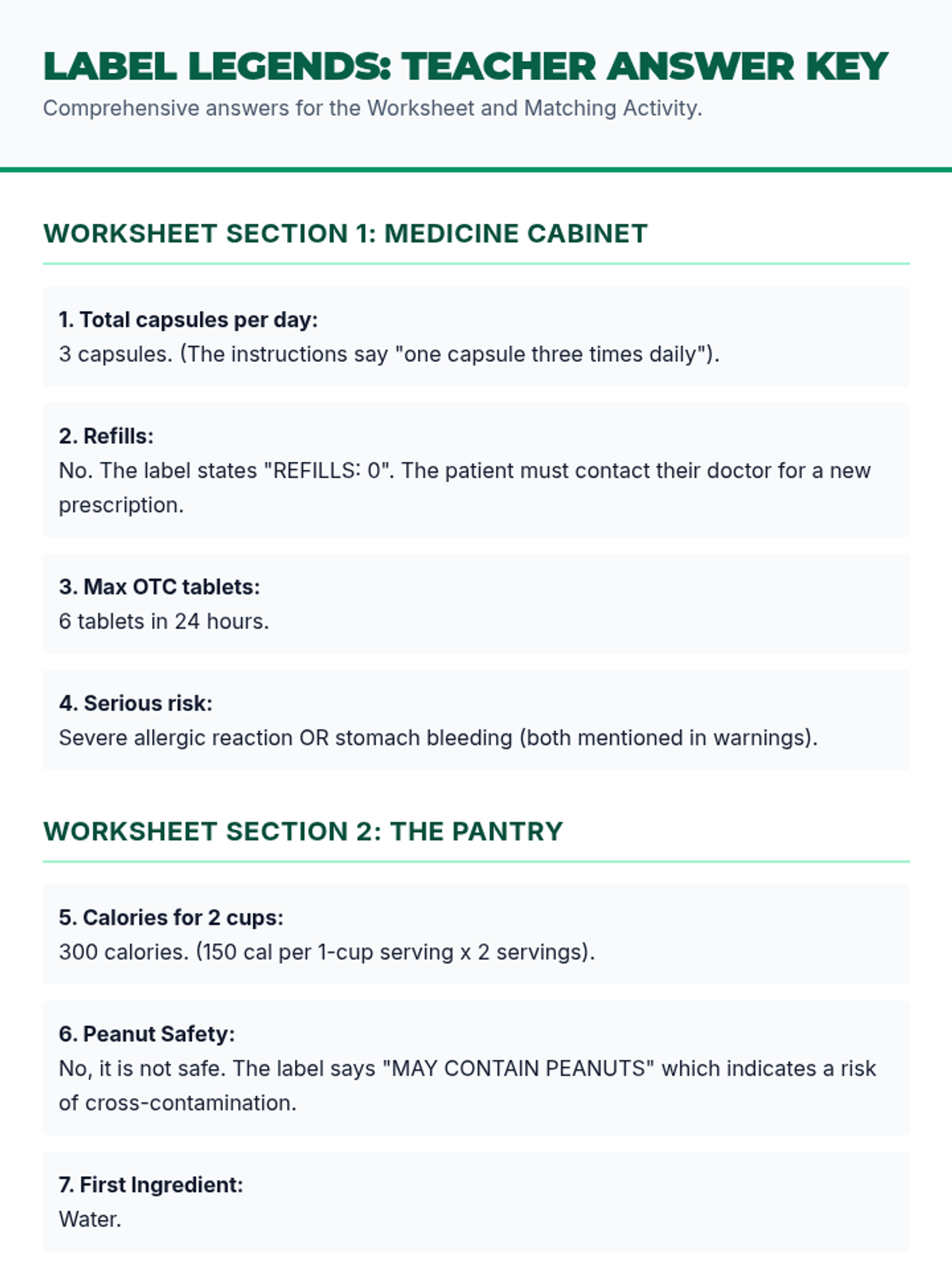
A comprehensive lesson on functional reading for everyday survival, focusing on interpreting medication, nutrition, and chemical safety labels for independent living.
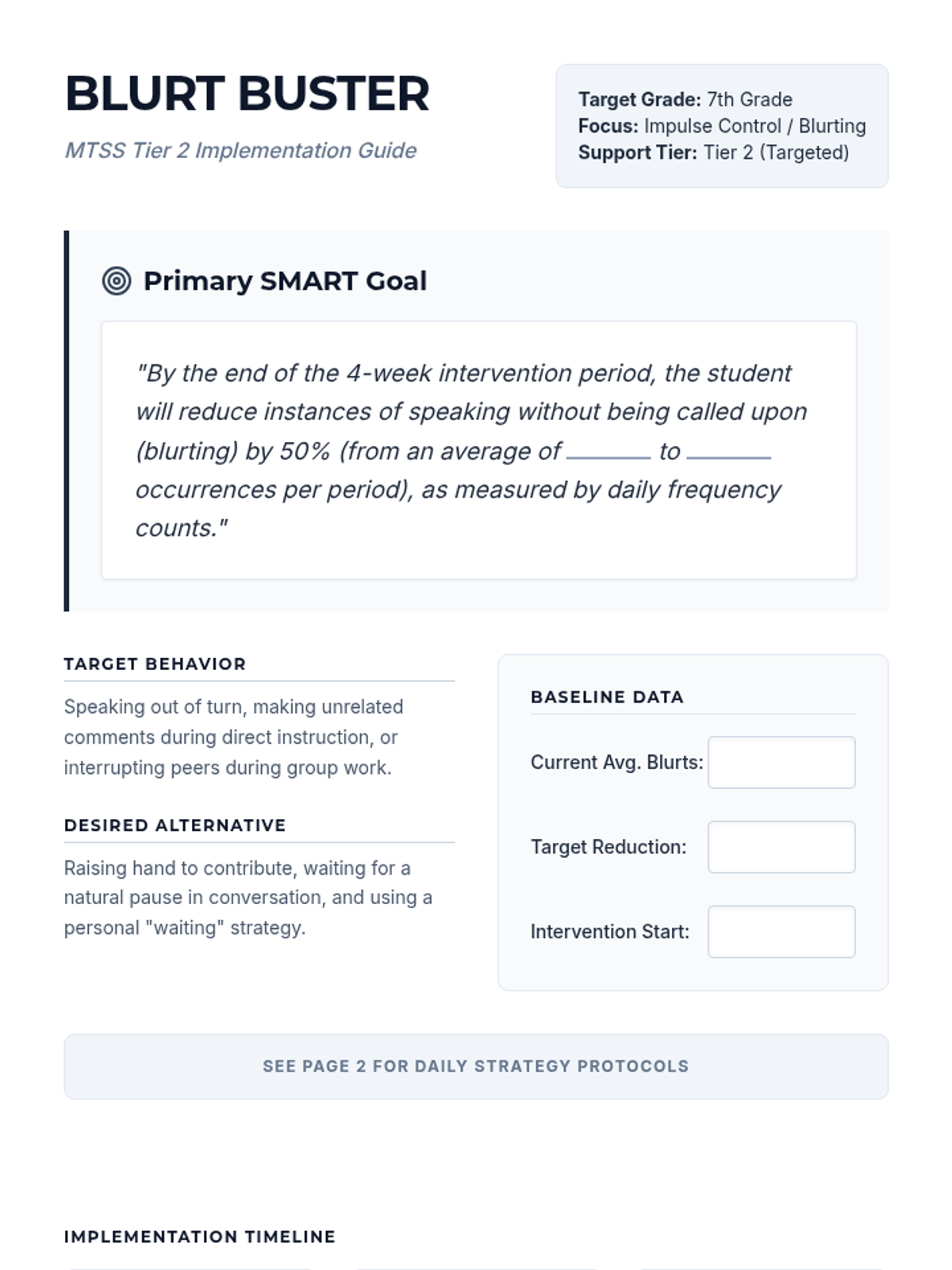
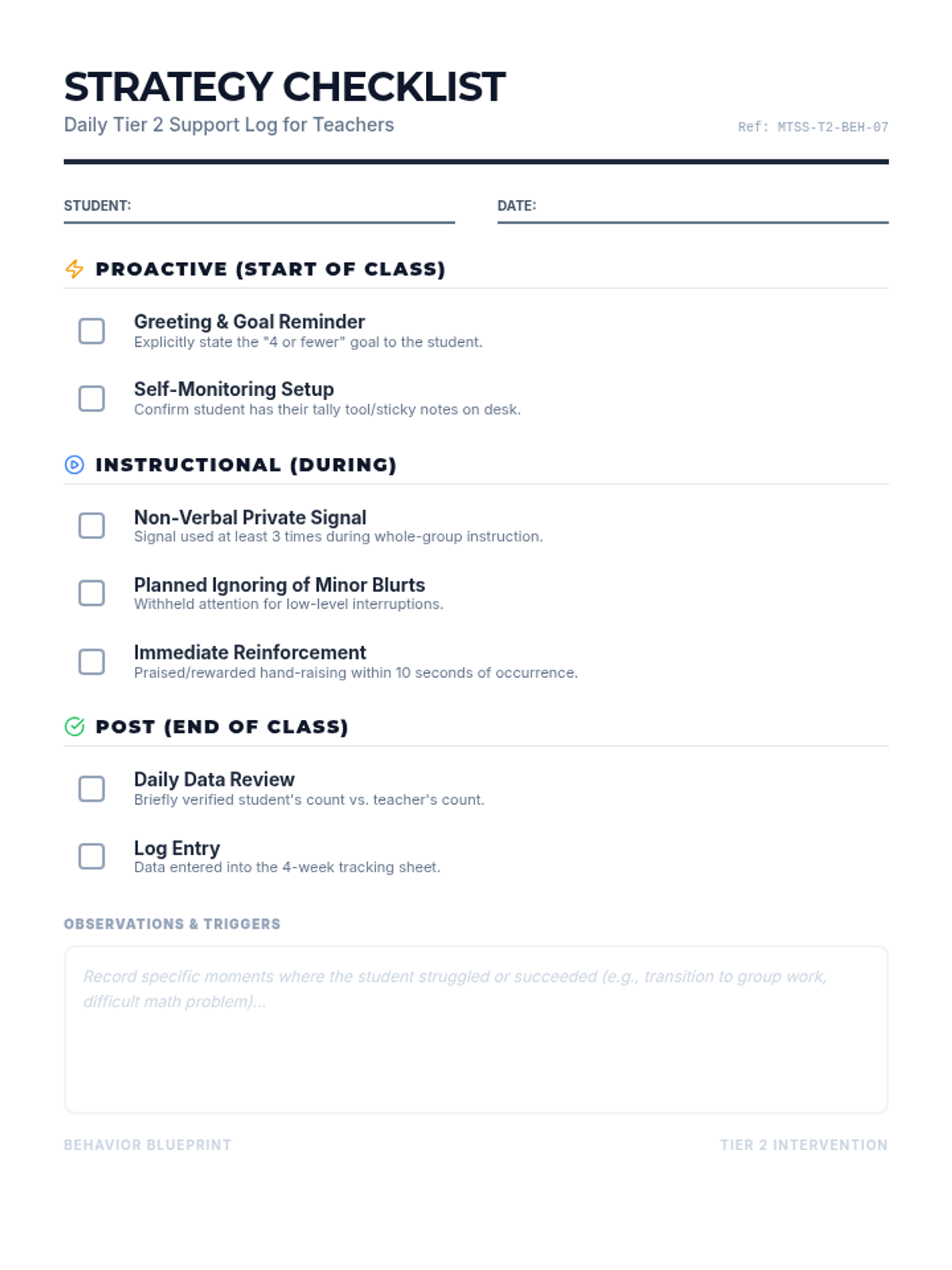
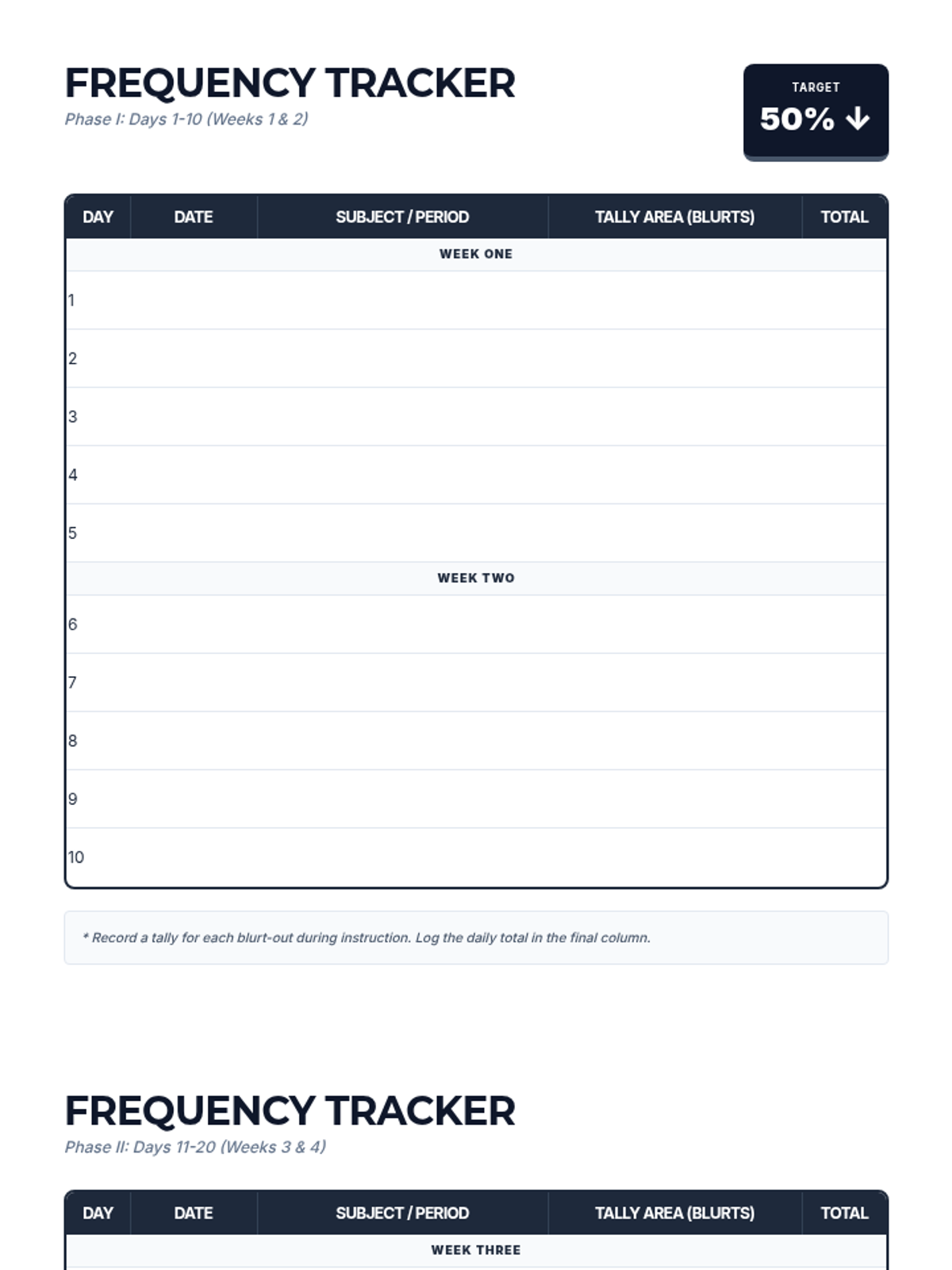
This lesson focuses on reducing blurting behaviors in 7th-grade students through structured MTSS Tier 2 interventions, including goal setting and progress monitoring.