Students identify specific learning challenges in a safe, constructive environment. They learn to frame these challenges as 'areas of need' and understand the difference between a failure and a hurdle that requires a strategy.

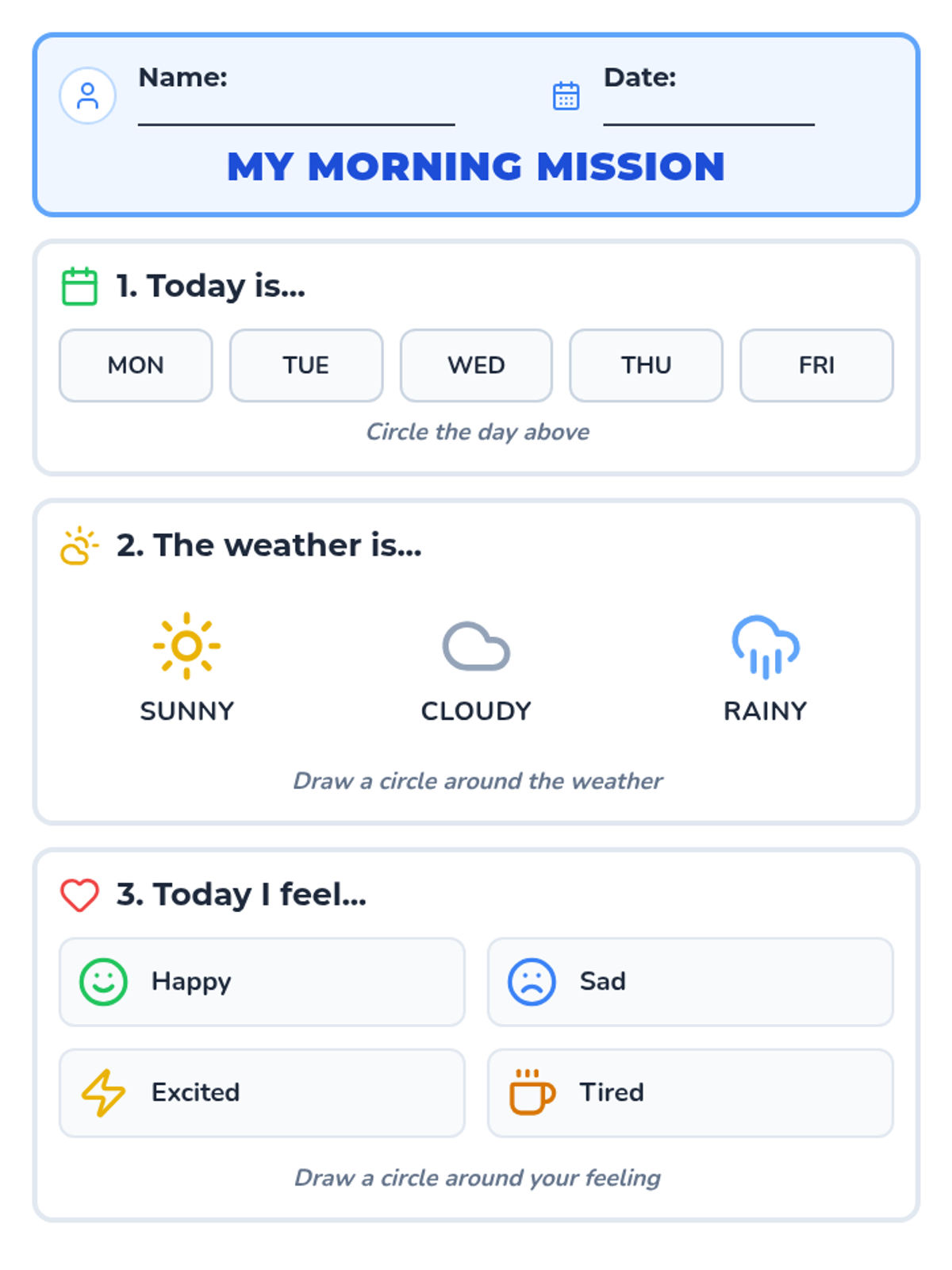
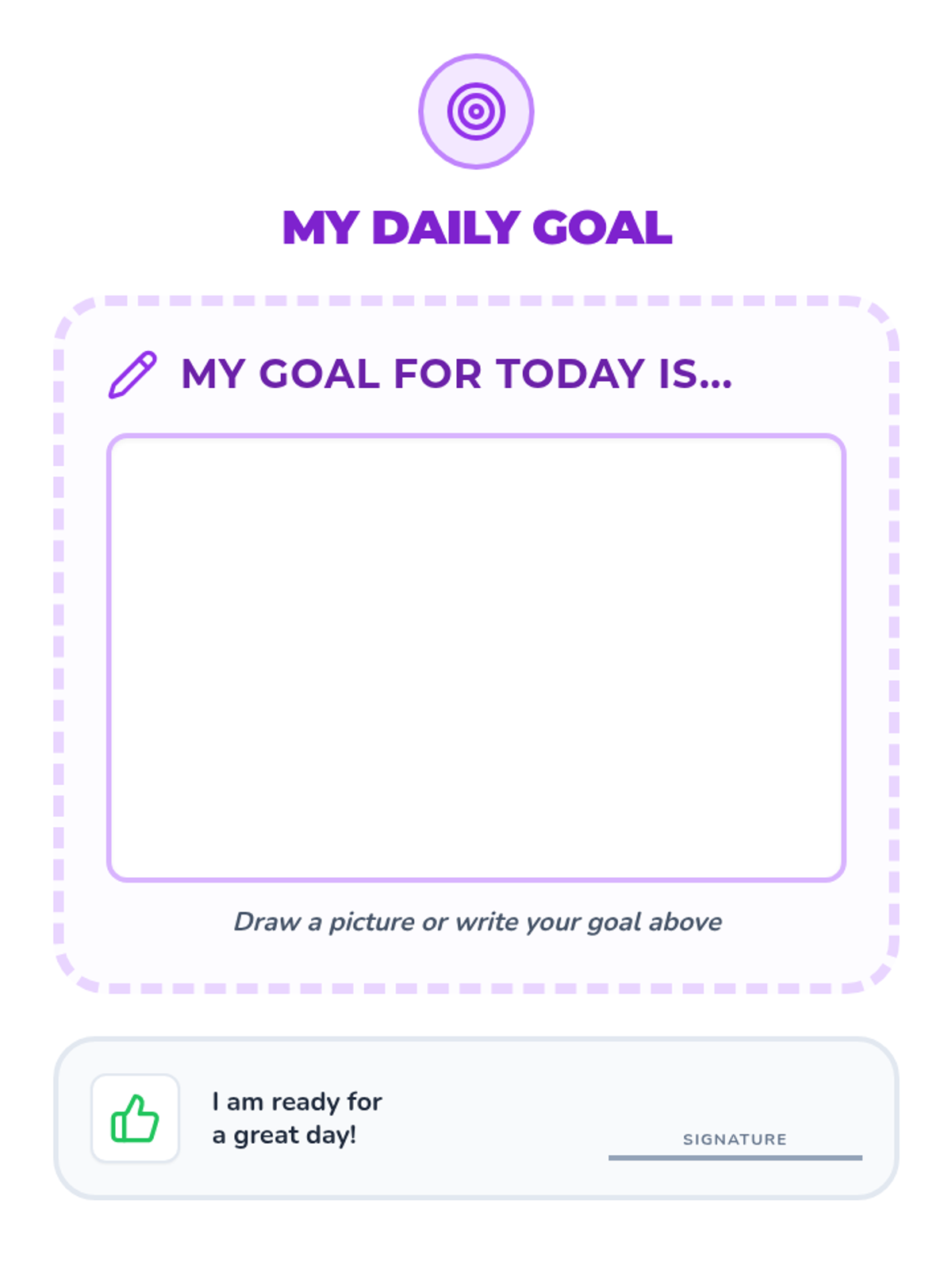
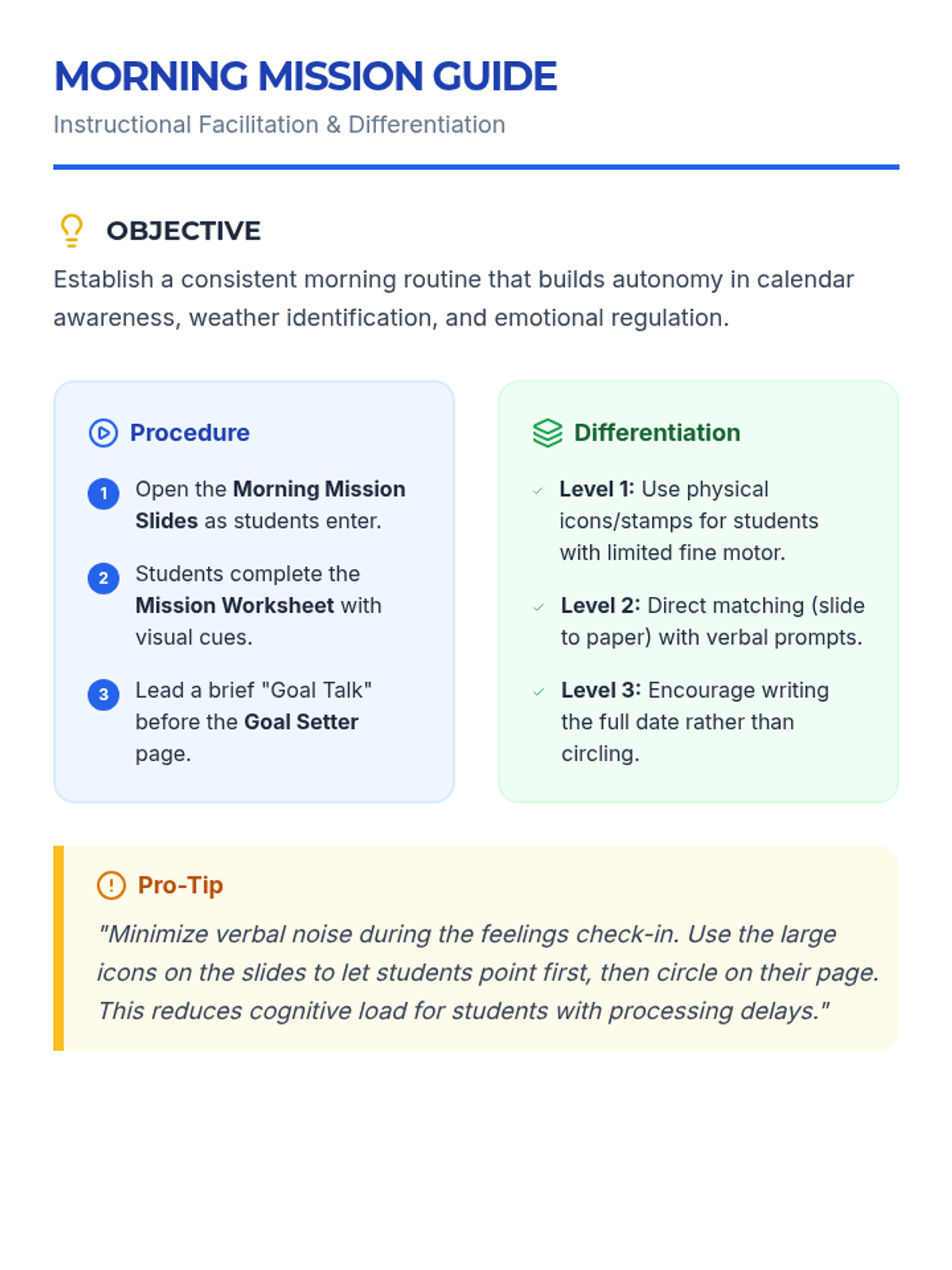
A structured morning routine lesson that guides students through checking the calendar, identifying feelings, and setting a positive goal for the day.
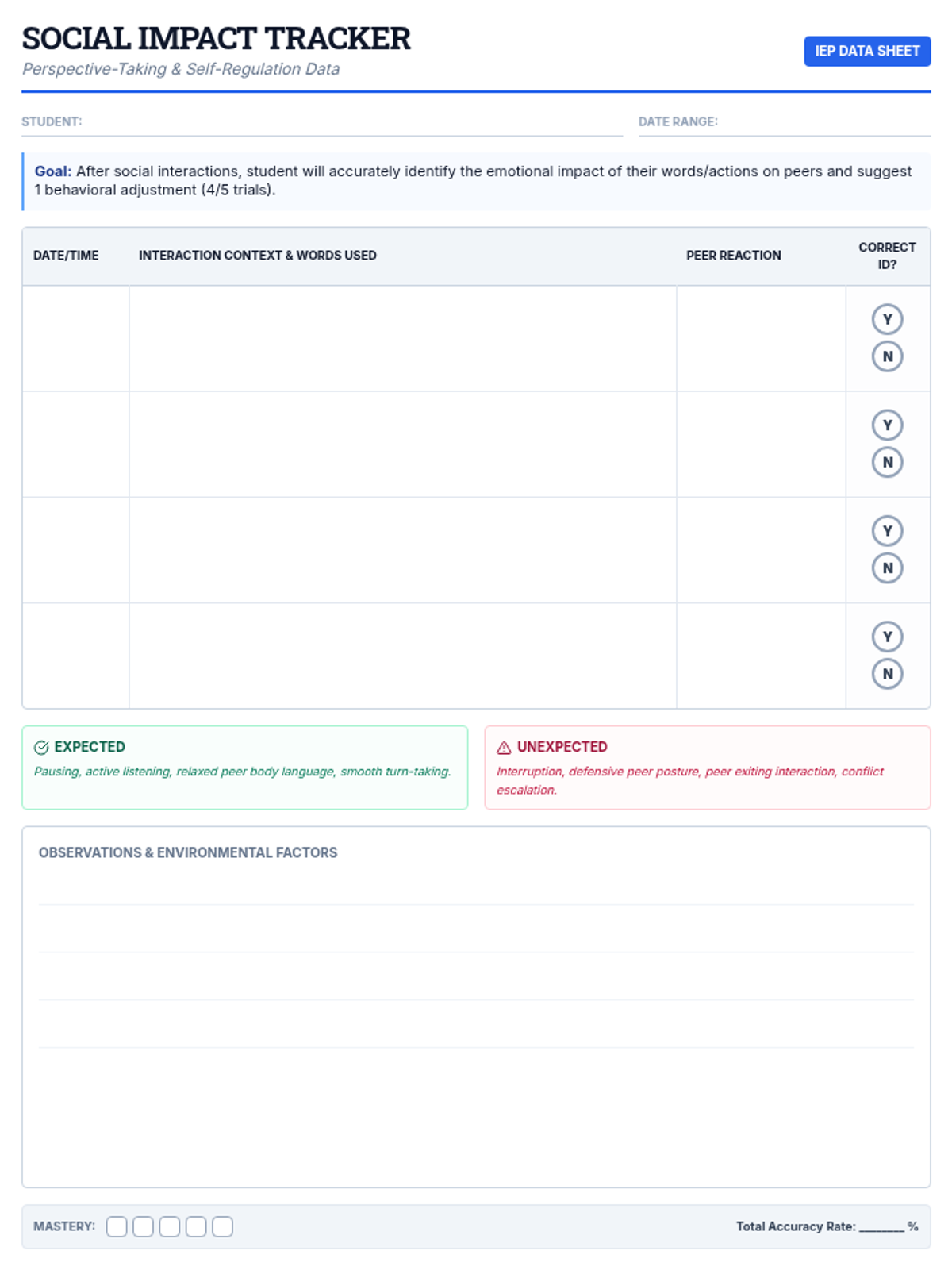
This lesson focuses on developing perspective-taking skills, specifically helping students understand the ripple effect of their words and actions on the people around them. It includes tools for monitoring progress and reflective practice.
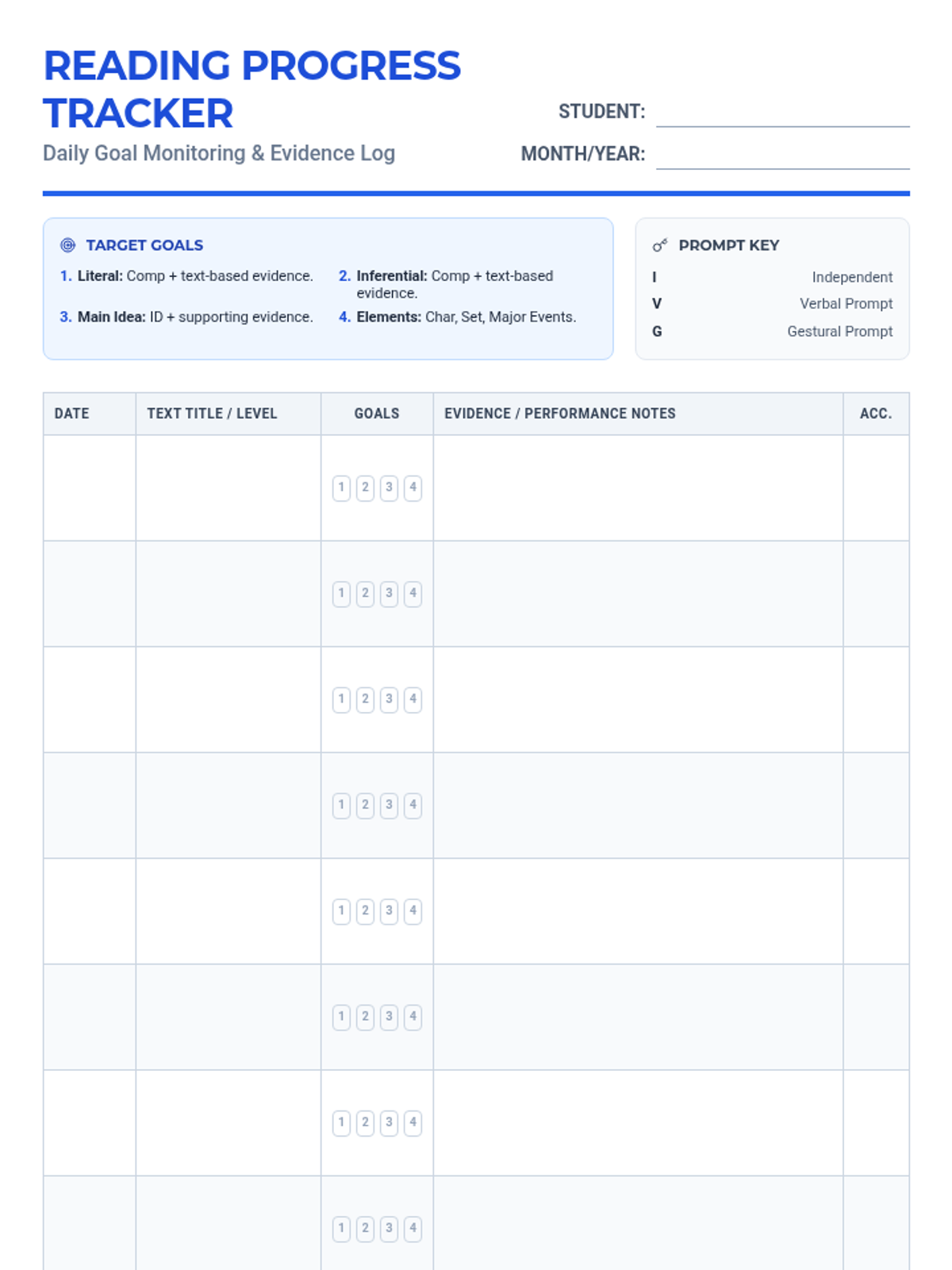
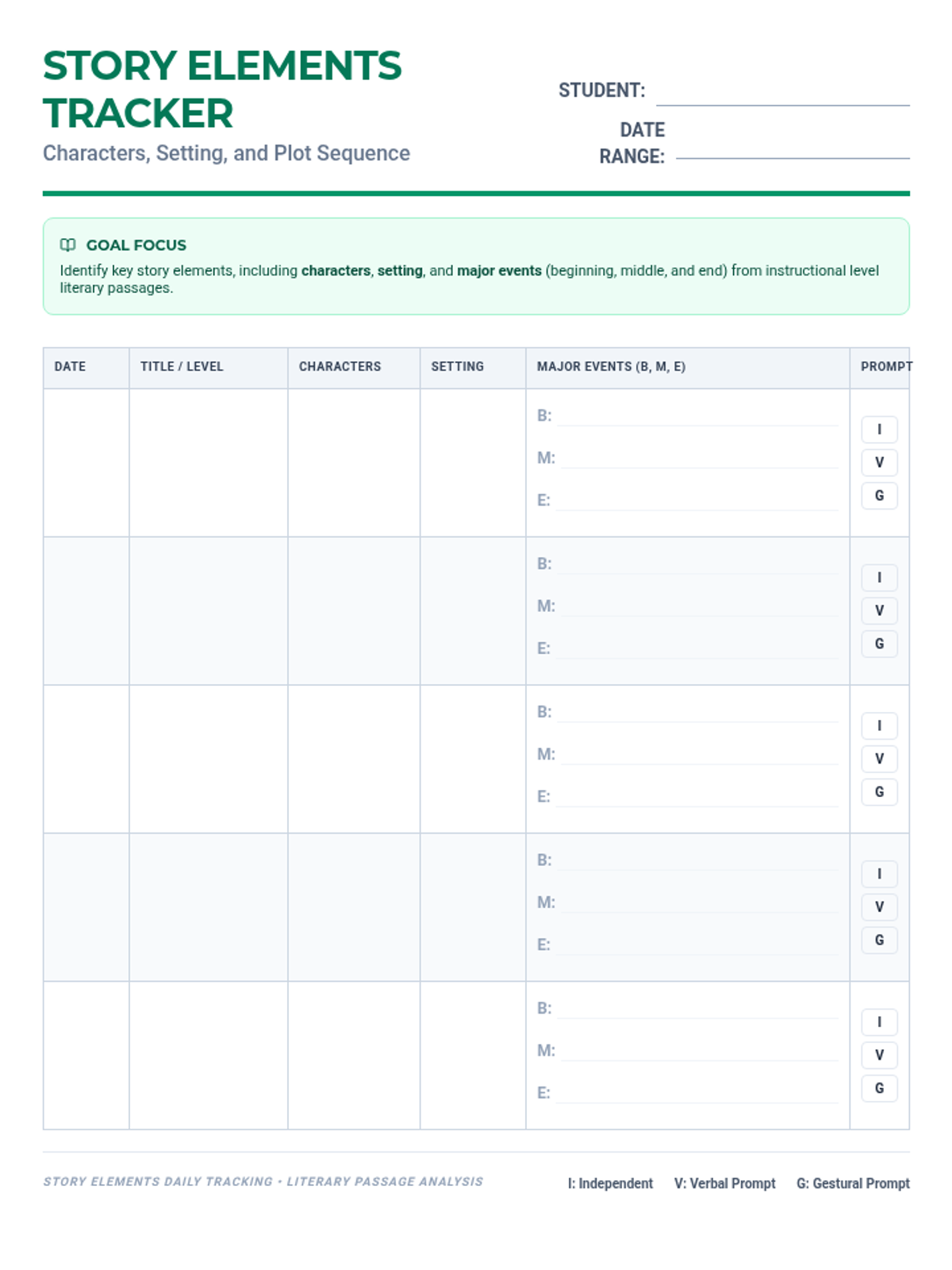
A collection of professional data tracking sheets for monitoring specific reading comprehension goals, including literal, inferential, and story element identification.
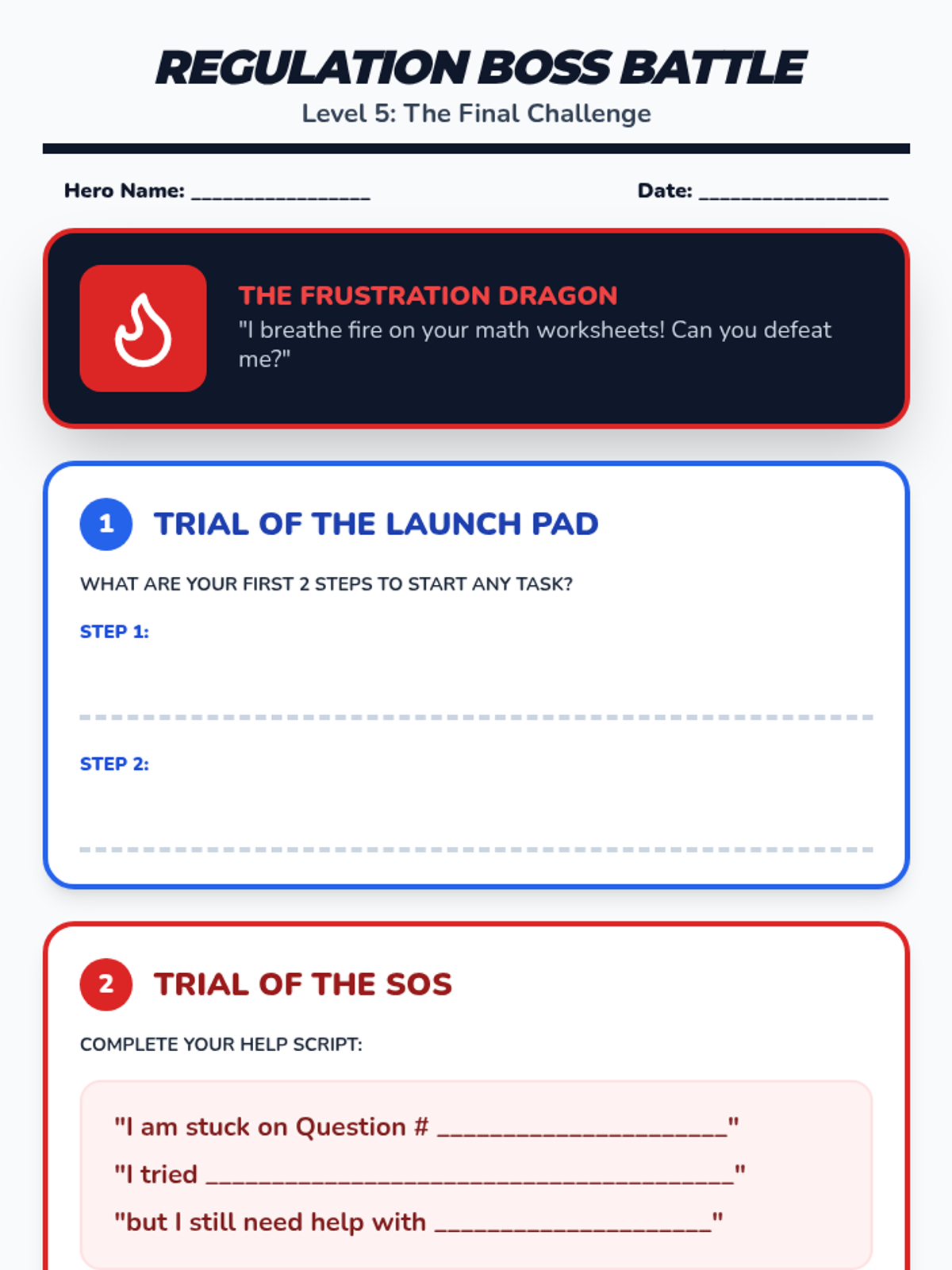
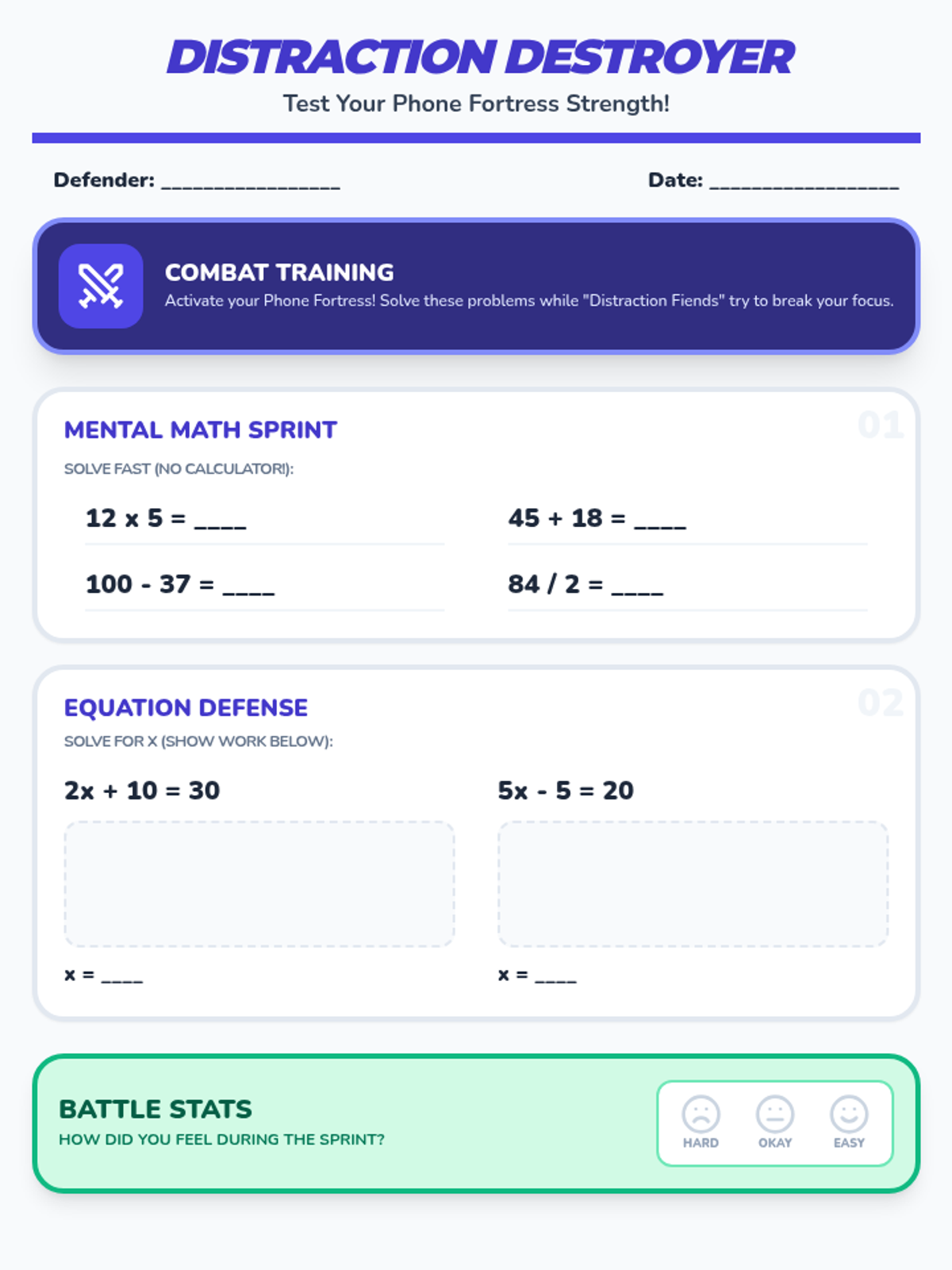
A cumulative 'Boss Battle' review where students use all their regulation tools to solve a series of math-related regulation challenges.
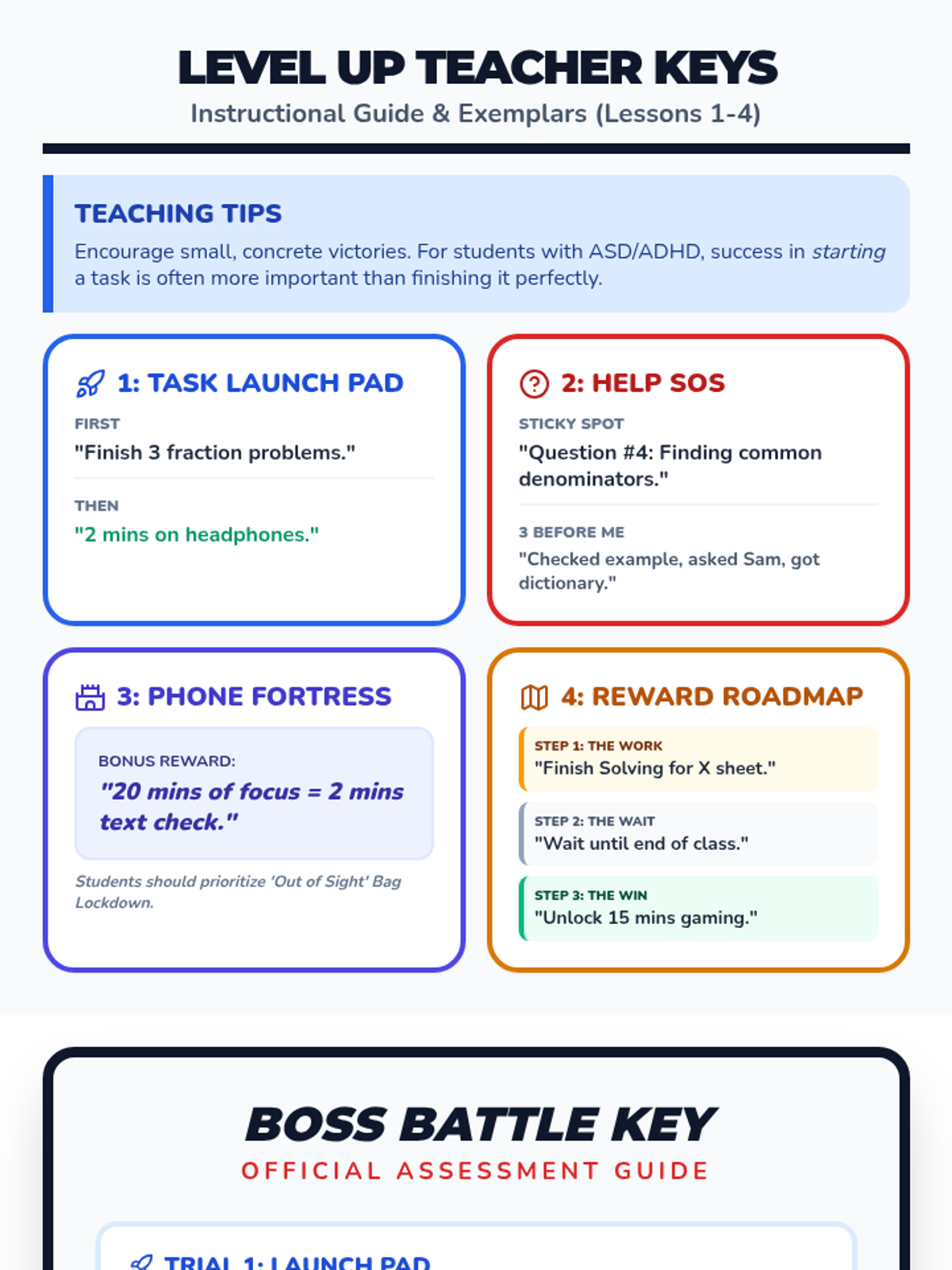
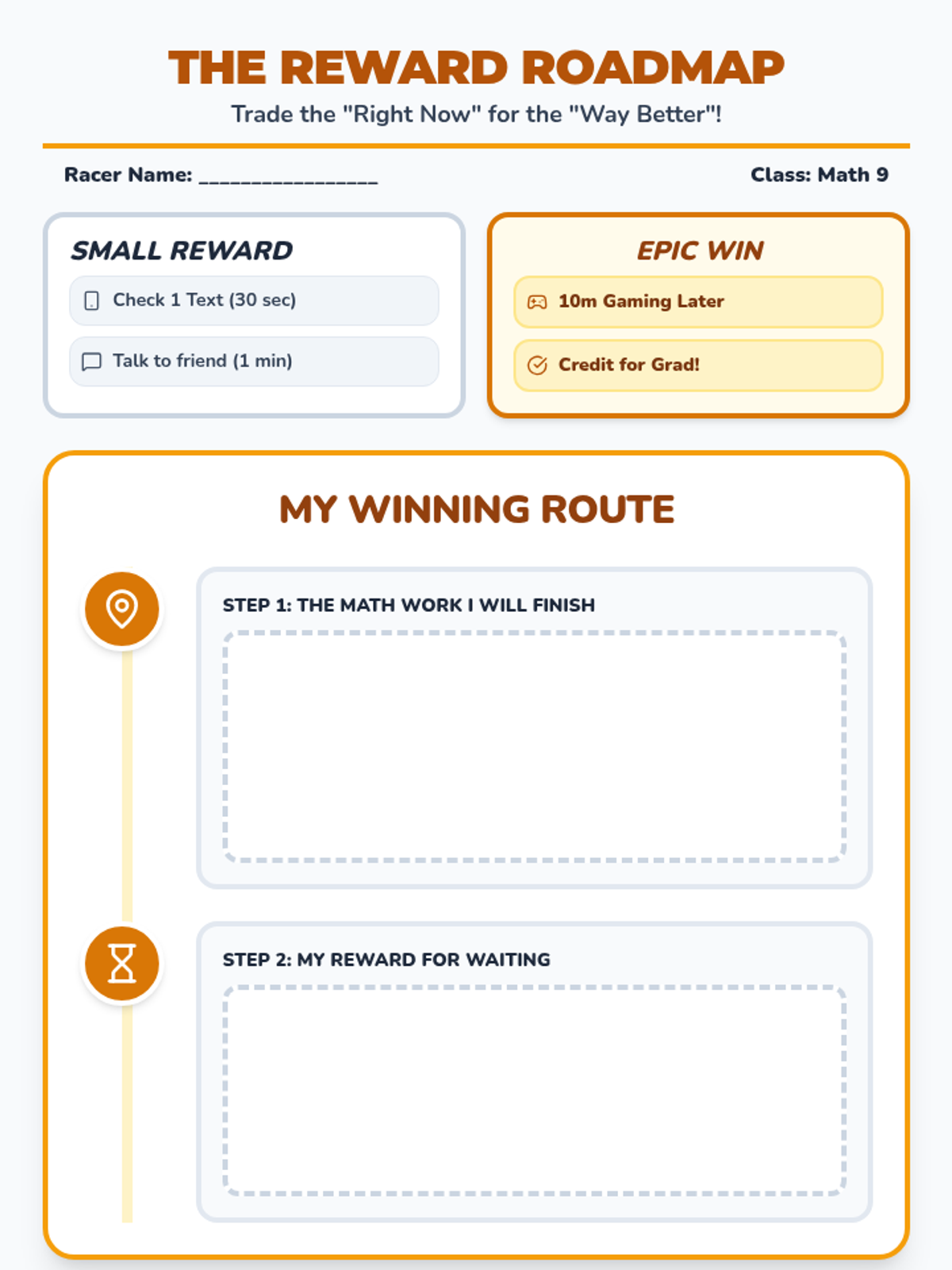
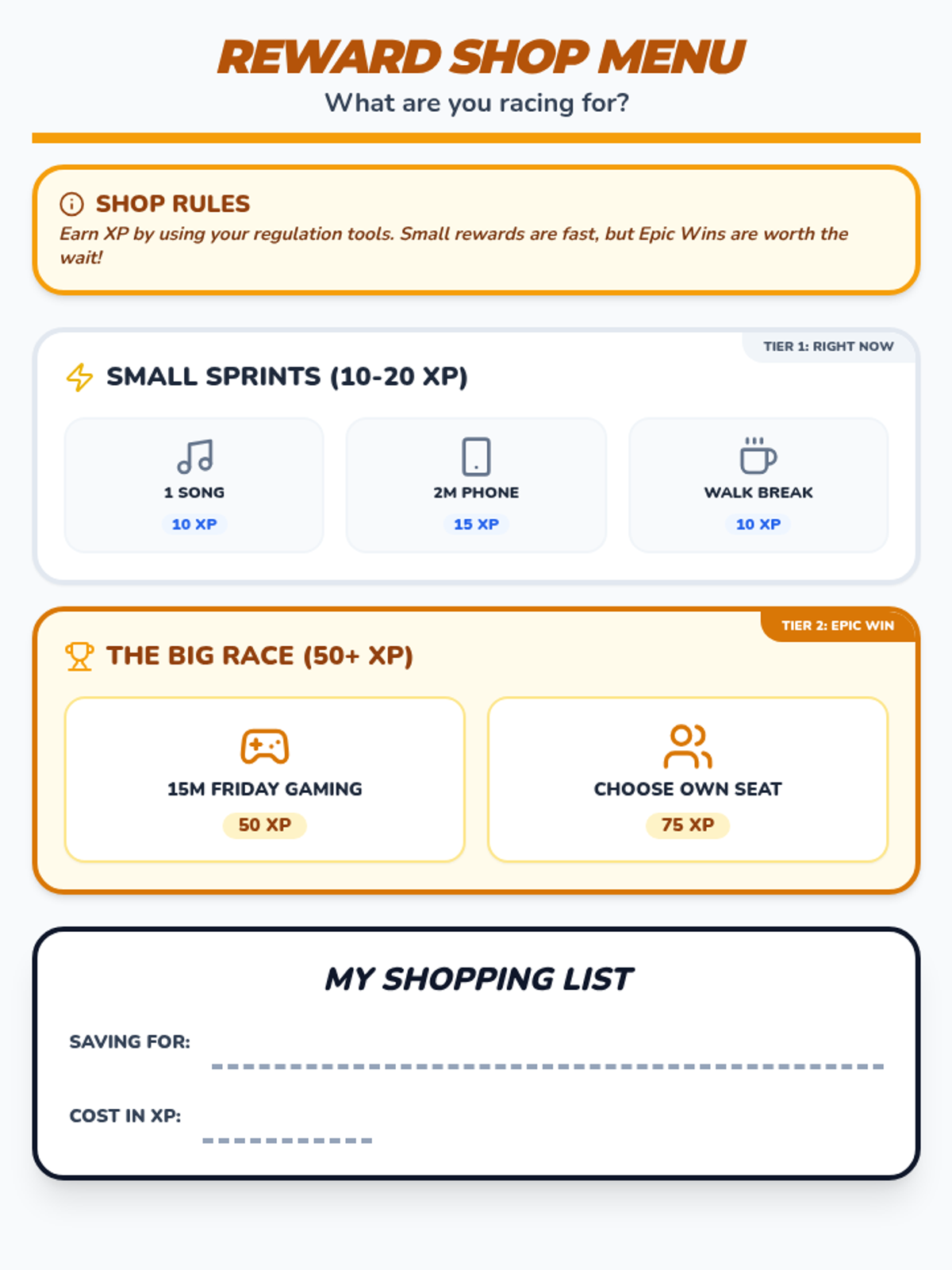
Explores delayed gratification through a 'Reward Roadmap' activity, teaching students to trade immediate distractions for long-term academic success.
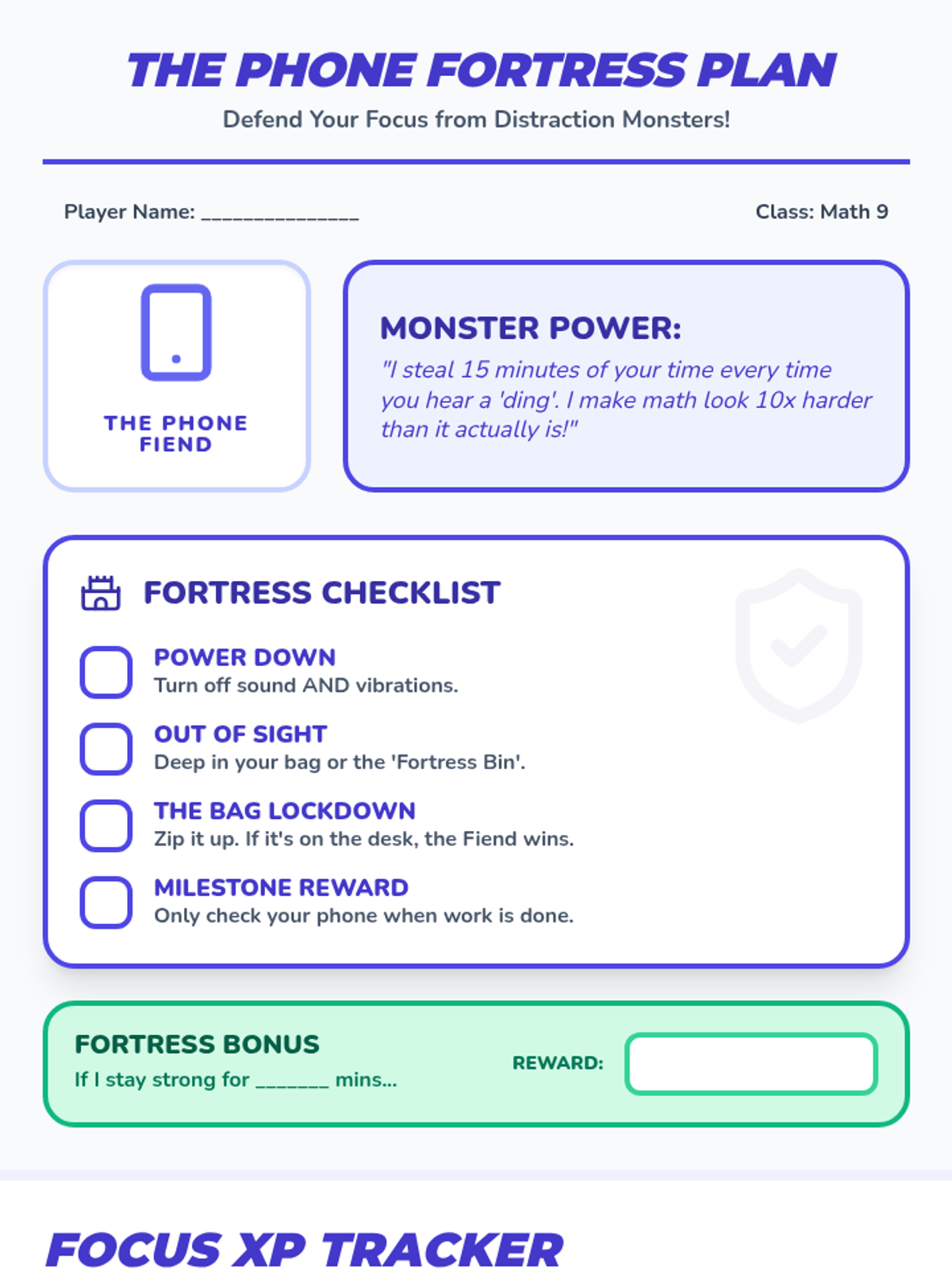
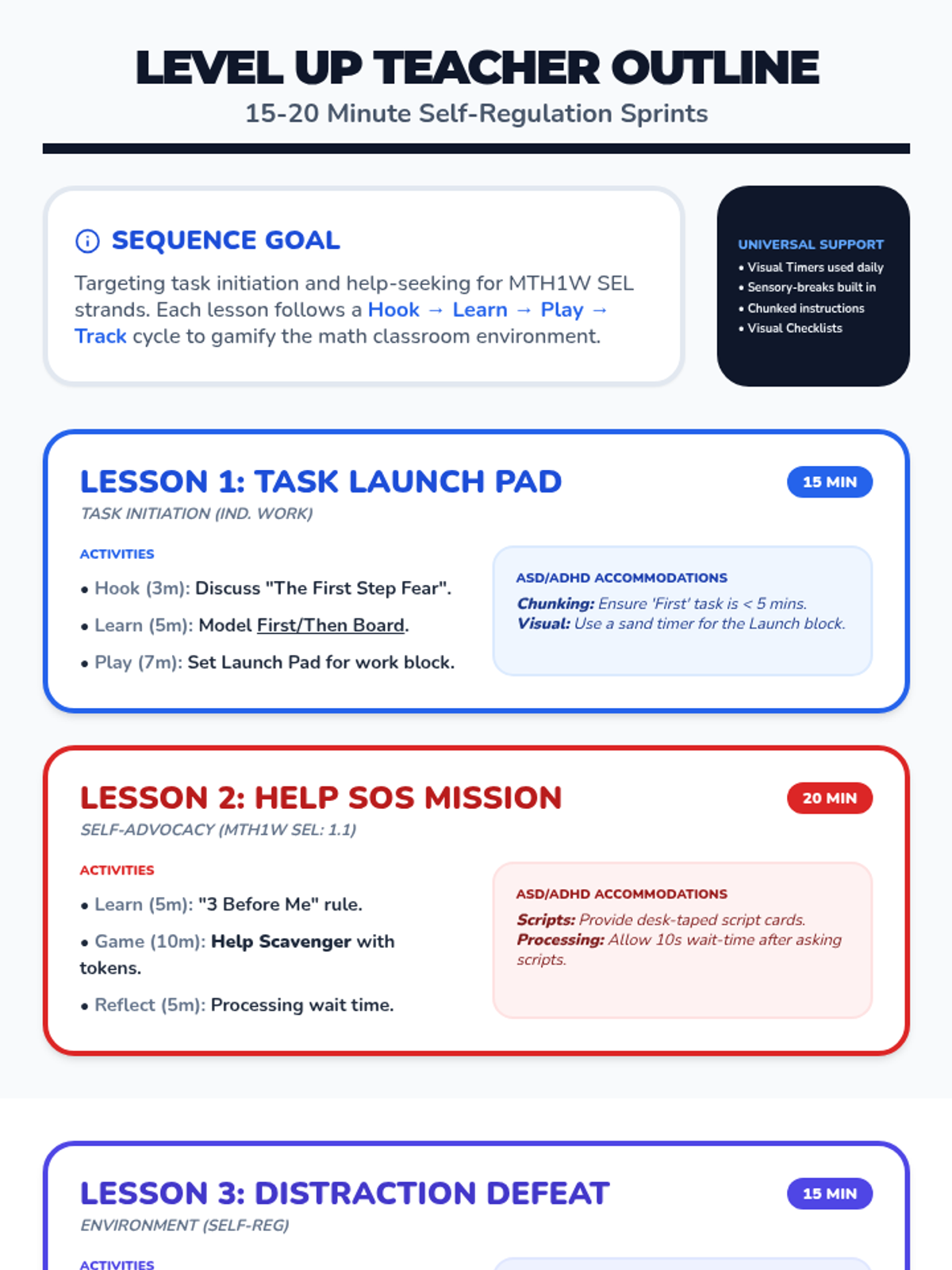
Students identify environmental distractions, specifically phones, and create a 'Phone Fortress' plan using visual checklists to maintain focus.
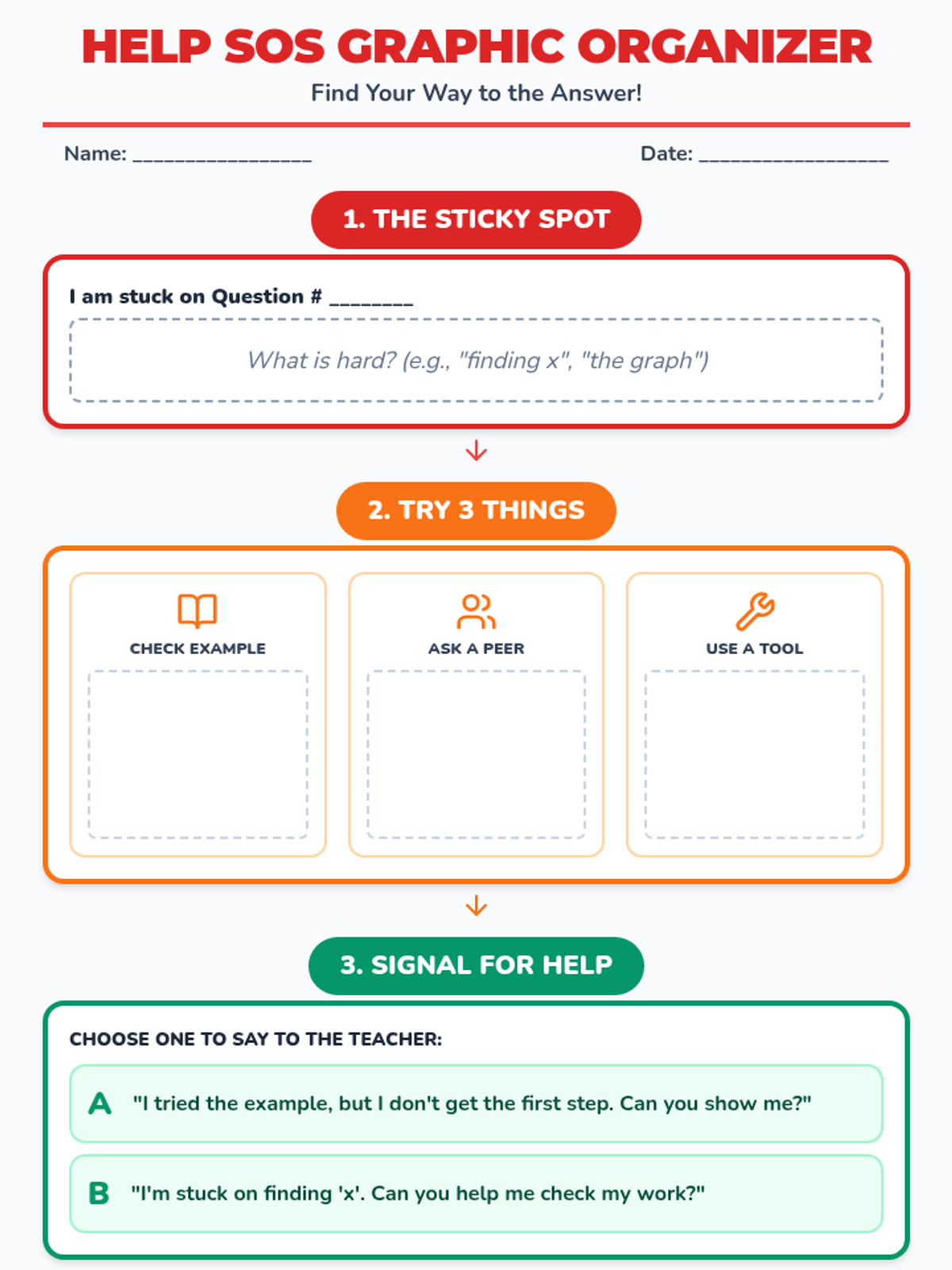
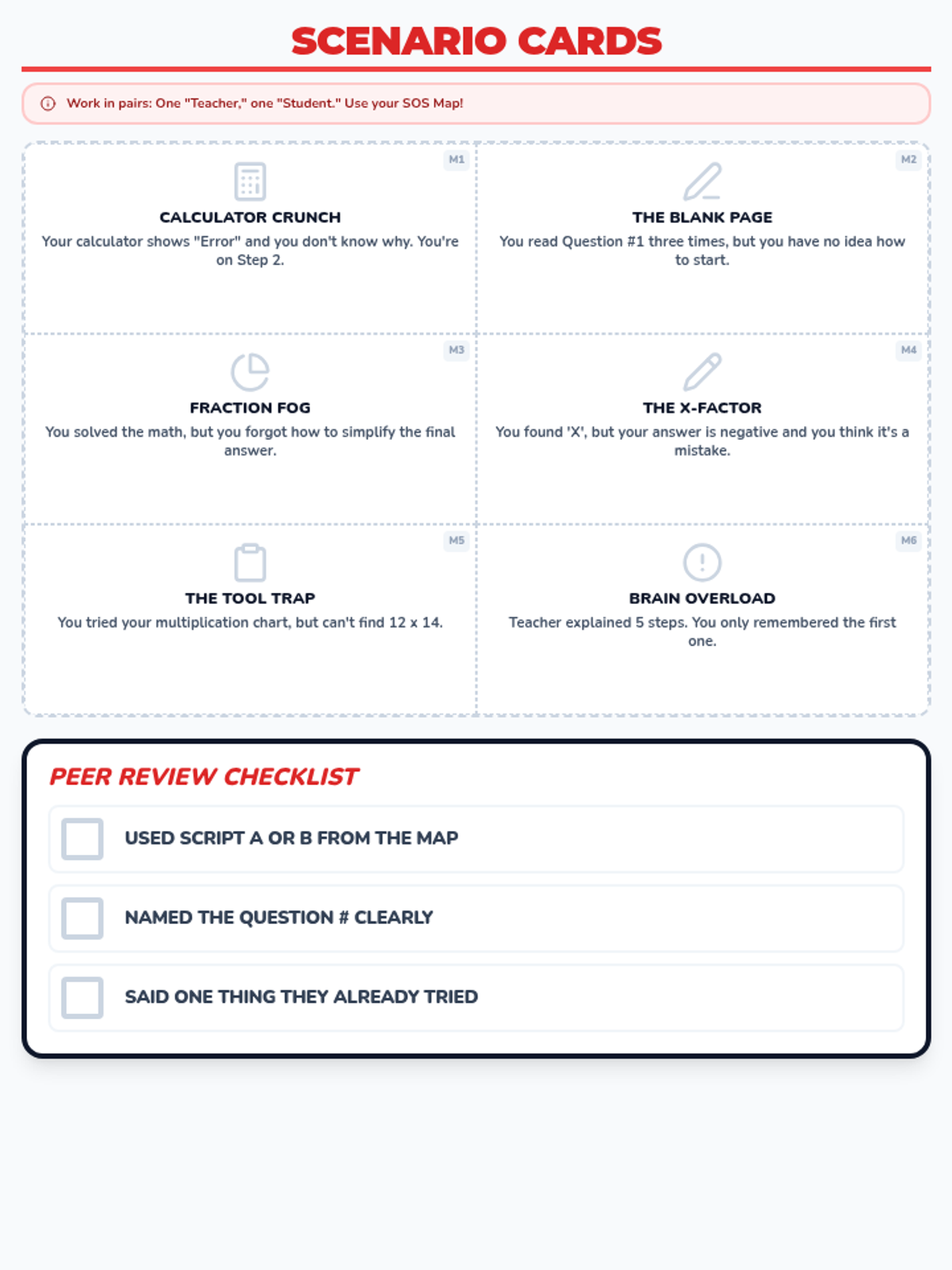
A gamified approach to recognizing when to ask for help and using a structured graphic organizer to communicate specific needs during math problem-solving.
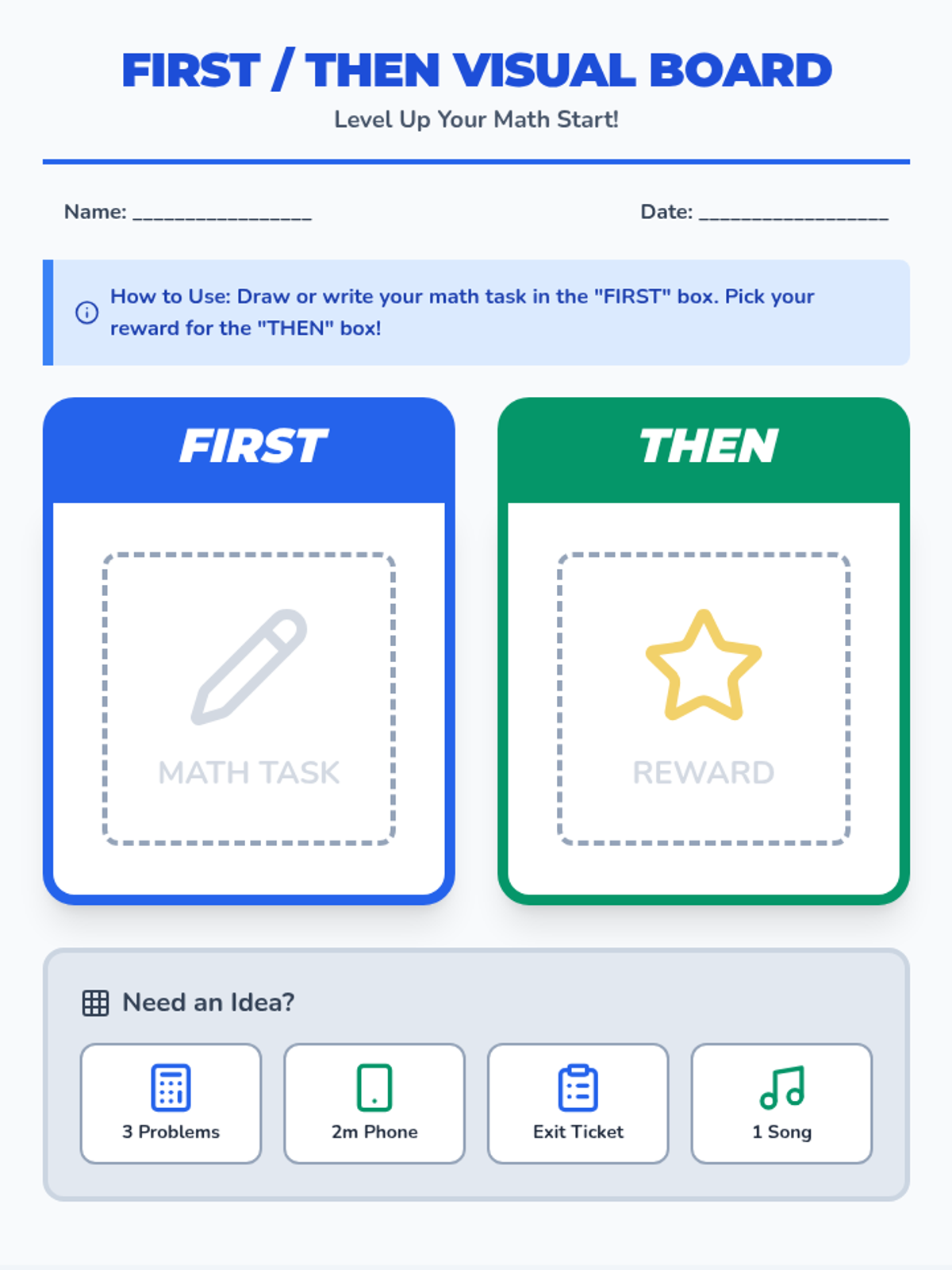
Students learn to use First/Then visual boards and illustrated checklists to overcome task initiation hurdles in math class.
Cumulative review of the year's vocabulary and final progress monitoring to prepare for the transition to 5th grade.
Mastery of advanced multiple-meaning words and applying self-advocacy vocabulary in unstructured school settings.
Focusing on self-regulation vocabulary and identifying themes or 'lessons' in 3rd/4th grade level fiction.
Learning functional vocabulary for school-based transitions and academic vocabulary for story structure (rising action/climax).