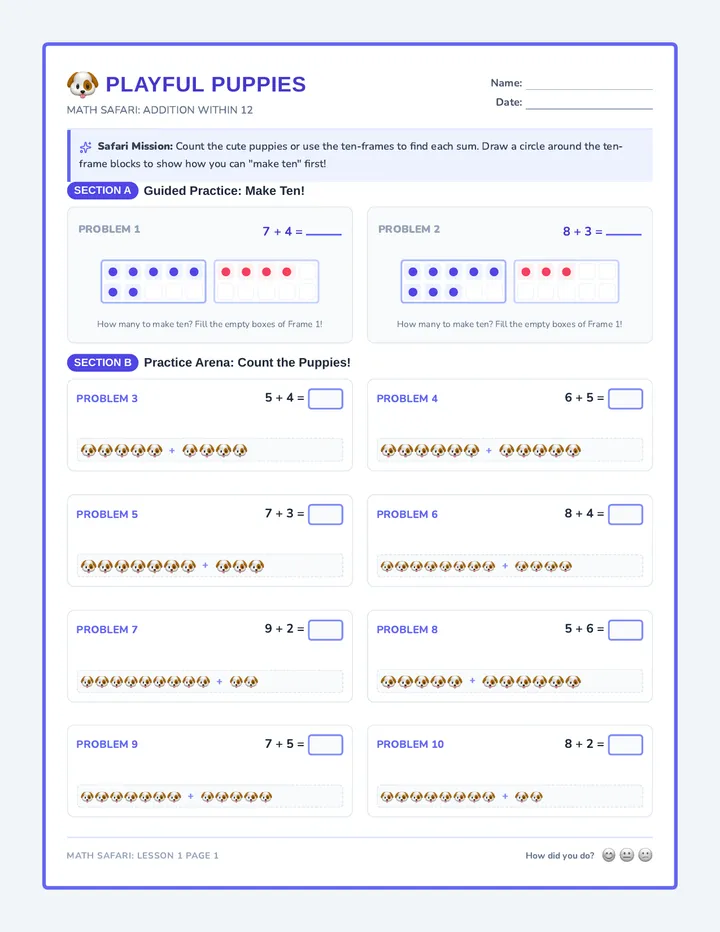
A series of high-energy, hands-on activities designed for 1st graders to master the 'make a ten' strategy for addition and subtraction within 20.
An animal-themed math adventure for mastering addition within 20. Through visual ten-frames and countable picture icons, students build strong number sense and operational fluency across 20 distinct animal worksheets.
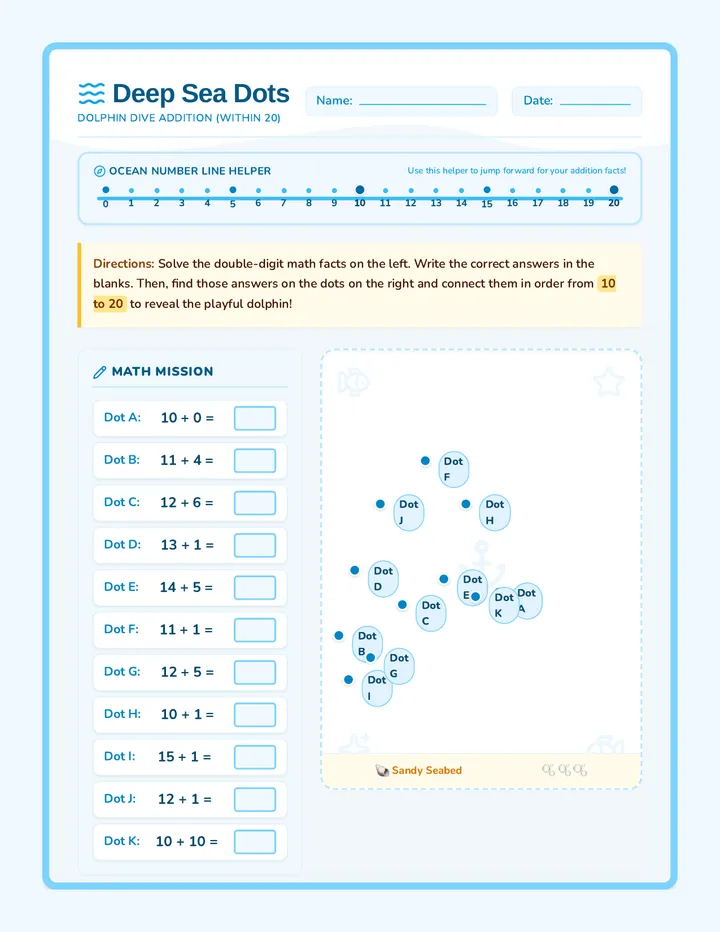
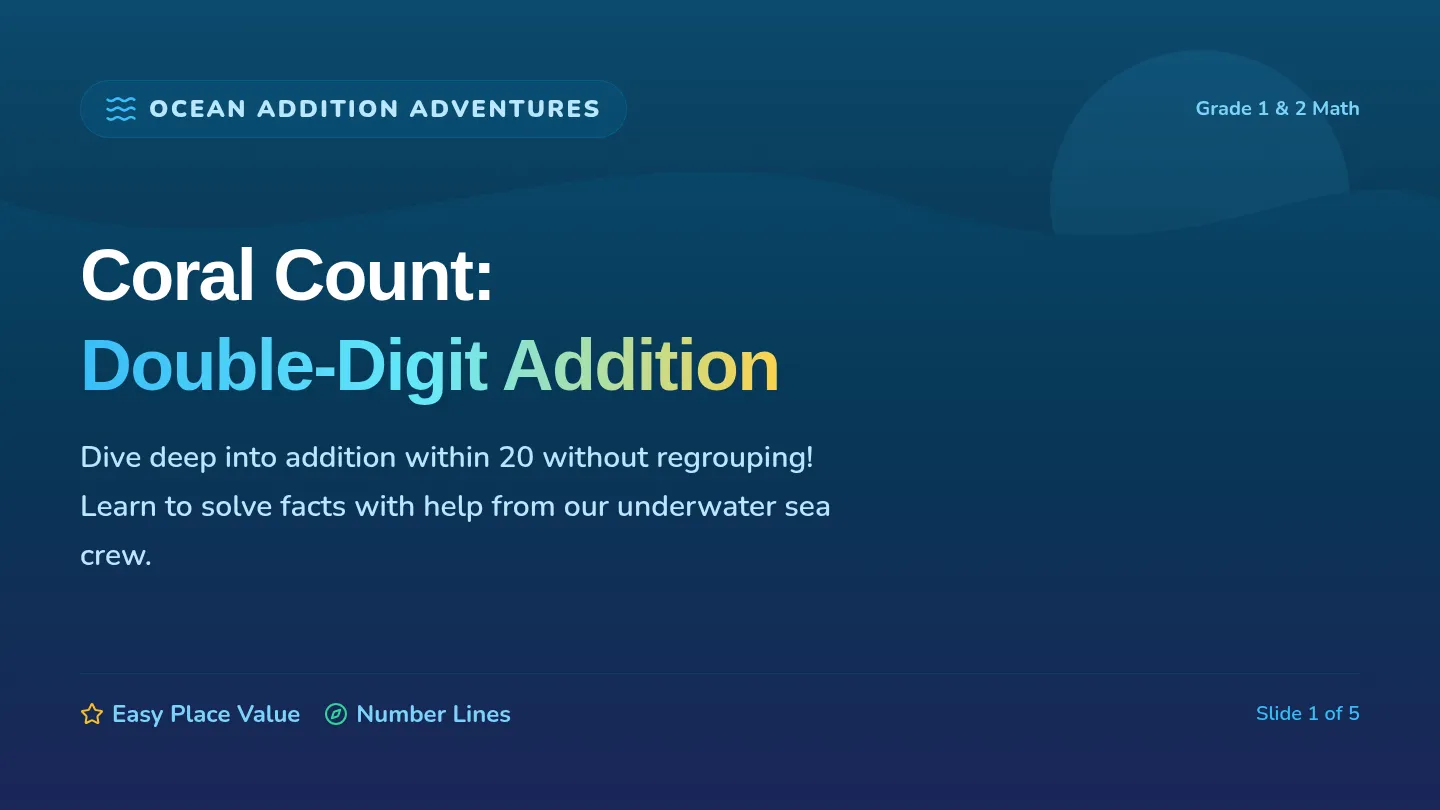
An under-the-sea addition adventure for early elementary students, focusing on double-digit addition within 20 without regrouping. Features engaging marine themes, interactive slides, and connect-the-dots worksheets with built-in number lines.
Interactive lecture slides introducing double-digit addition within 20 without regrouping. Employs under-the-sea visual metaphors, a built-in interactive slide number line, place value shells, and practice examples with minimum 24px font size for excellent visibility.
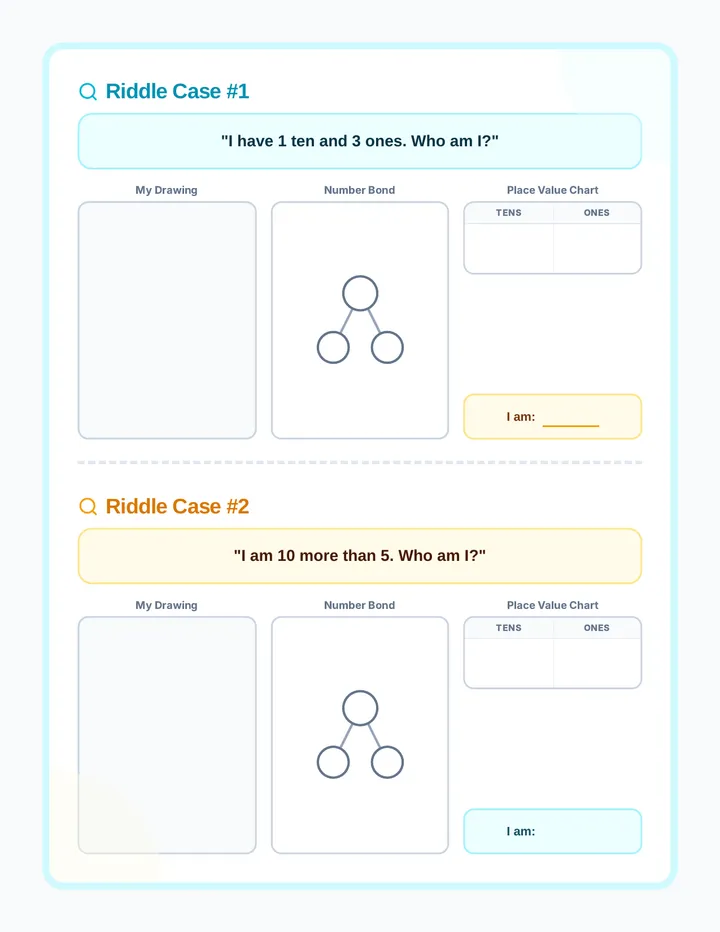
First-grade place value and number sense center activity sheets. Each sheet contains two interactive math riddles where students draw a picture, fill in a number bond, and complete a place value chart.
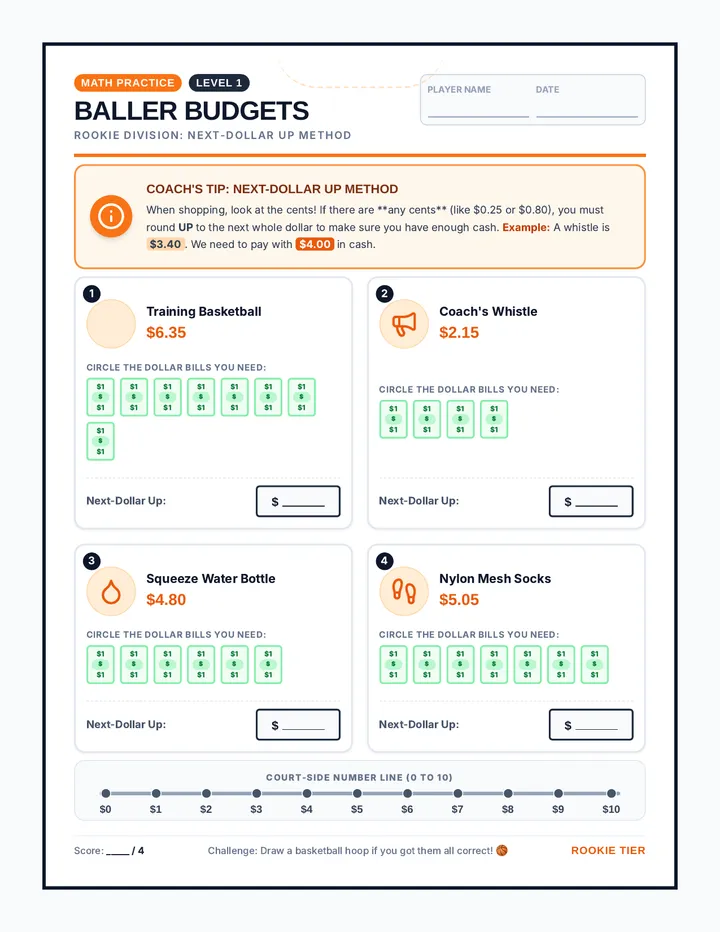
A functional math lesson teaching the Next-Dollar Up method through a basketball team shopping scenario. Includes differentiated worksheets with visual scaffolds to help students round prices to the next whole dollar for purchasing equipment.
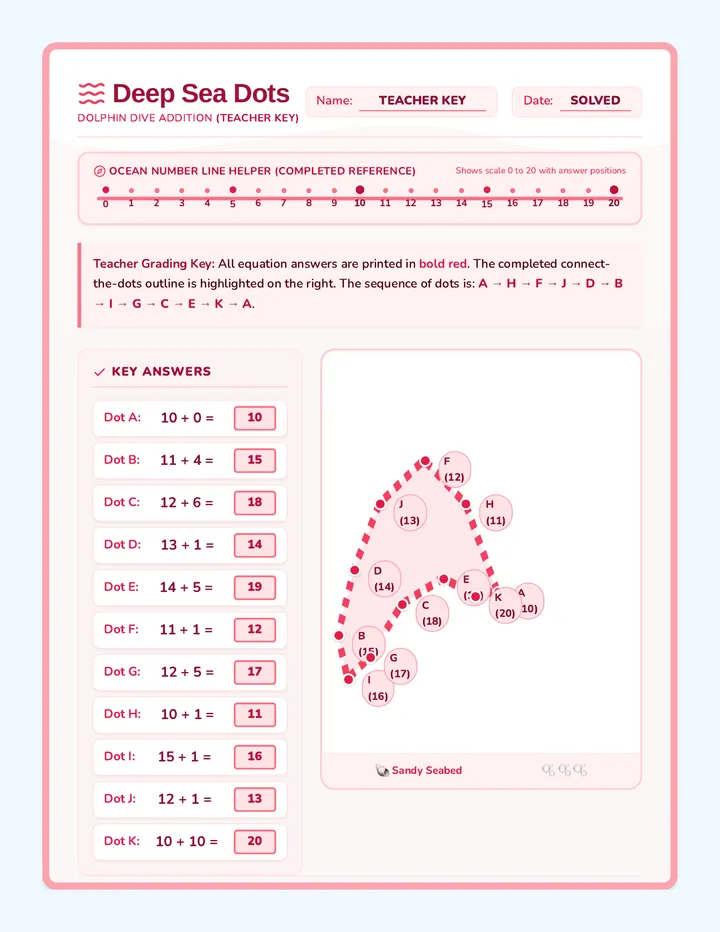
A teacher answer key for the Deep Sea Dots worksheet. Displays the correct mathematical answers for all double-digit addition equations, and overlays completed connect-the-dots outlines (the dolphin and the sea turtle) directly on the canvas grid for easy grading.
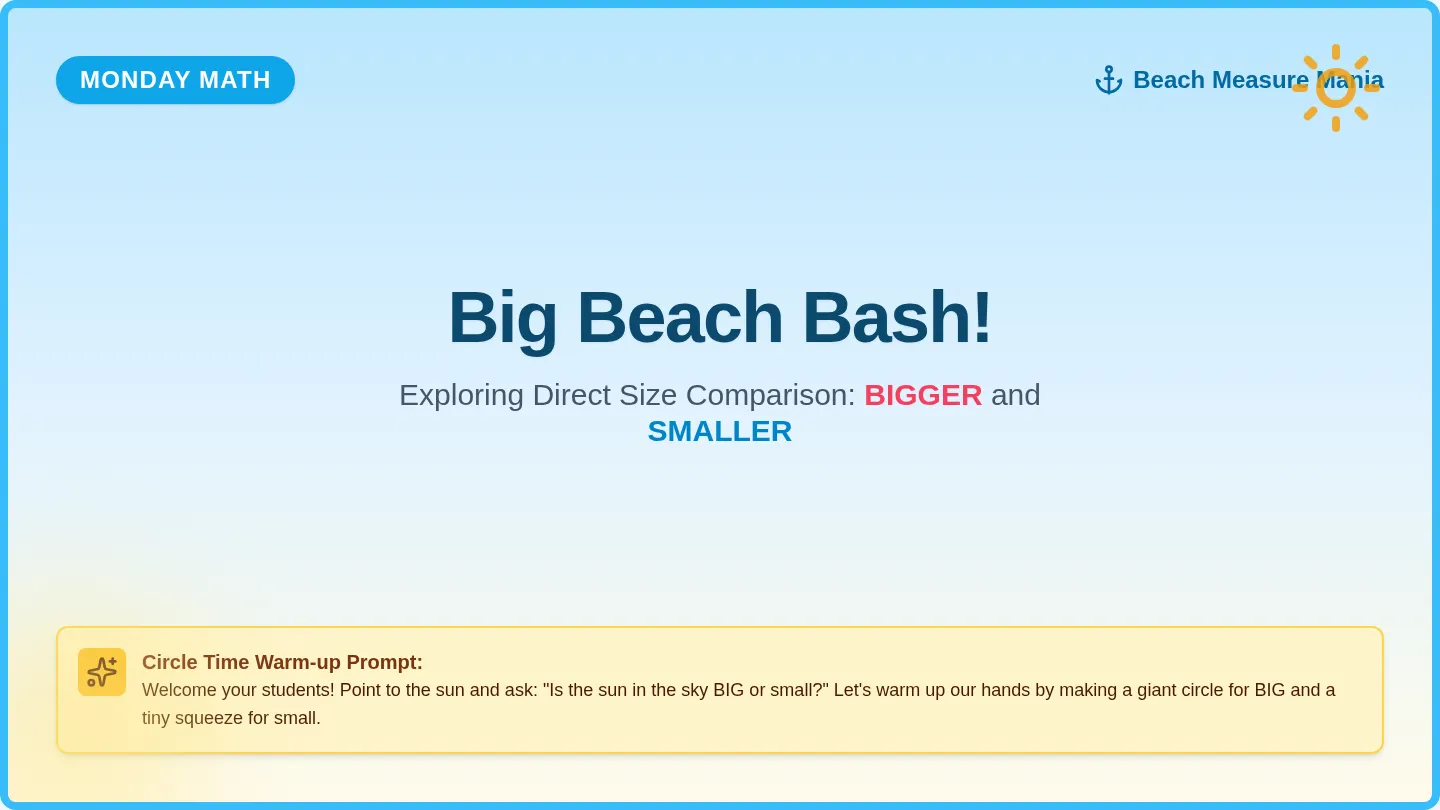
A beach-themed weekly measurement unit designed for diverse learners, aligning with the Unique Learning System (ULS) curriculum. It provides standard and adapted math instruction spanning direct size comparison, non-standard measurement, capacity, height ordering, and basic standard measurement.
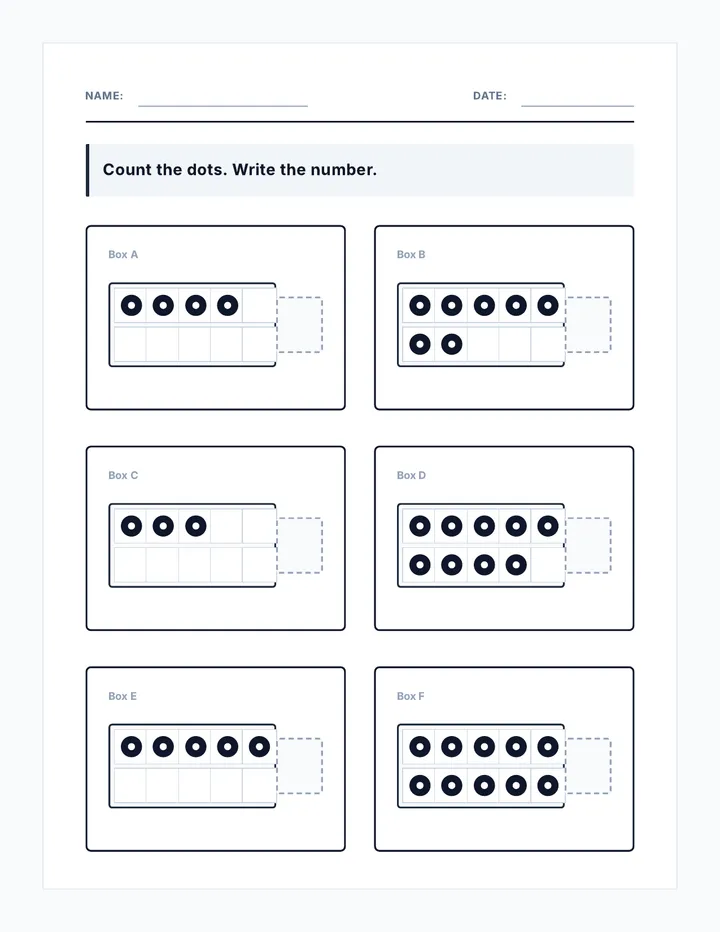
A minimalist math lesson tailored for neurodivergent learners, utilizing highly structured grids, high-contrast touchpoints, and predictable, repetitive patterns to foster independent work.
An under-the-sea connect-the-dots student worksheet focusing on double-digit addition within 20 without regrouping. Includes 2 pages of scrambled facts, beautiful visual number lines at the top of each page, and custom dolphin and sea turtle connect-the-dot puzzles.