A set of six printable discussion cards focusing on empathy, the mechanics of hearing technology, and inclusive social scenarios. Designed for small-group or partner discussions.
A detailed full-week 9am-1pm lesson plan for a toddler classroom (5 students), featuring daily core lessons and specific process-art projects for each day. No water play.
A printable observation log for toddler teachers to track individual student milestones and developmental progress during Lego week.
A parent communication handout summarizing the week's Lego-themed activities, now featuring dry sensory exploration and extending learning to home routines.
A teacher facilitation card for Day 5 of Lego week, detailing a problem-solving activity. Modified for 5 kids. No water play.
A teacher facilitation card for Day 4 of Lego week, providing instructions for a brick-stamping art activity. Modified for 5 kids. No water play.
A teacher facilitation card for Day 3 of Lego week, outlining a dry sensory hunt activity using pom-poms and bricks, designed for a group of 5 toddlers.
A teacher facilitation card for Day 2 of Lego week, focused on color matching. Modified for a 5-student group. No water play.
A teacher facilitation card for Day 1 of Lego week, outlining steps to teach vertical stacking and balance to 17-18 month old toddlers. Modified for a group of 5. No water play.
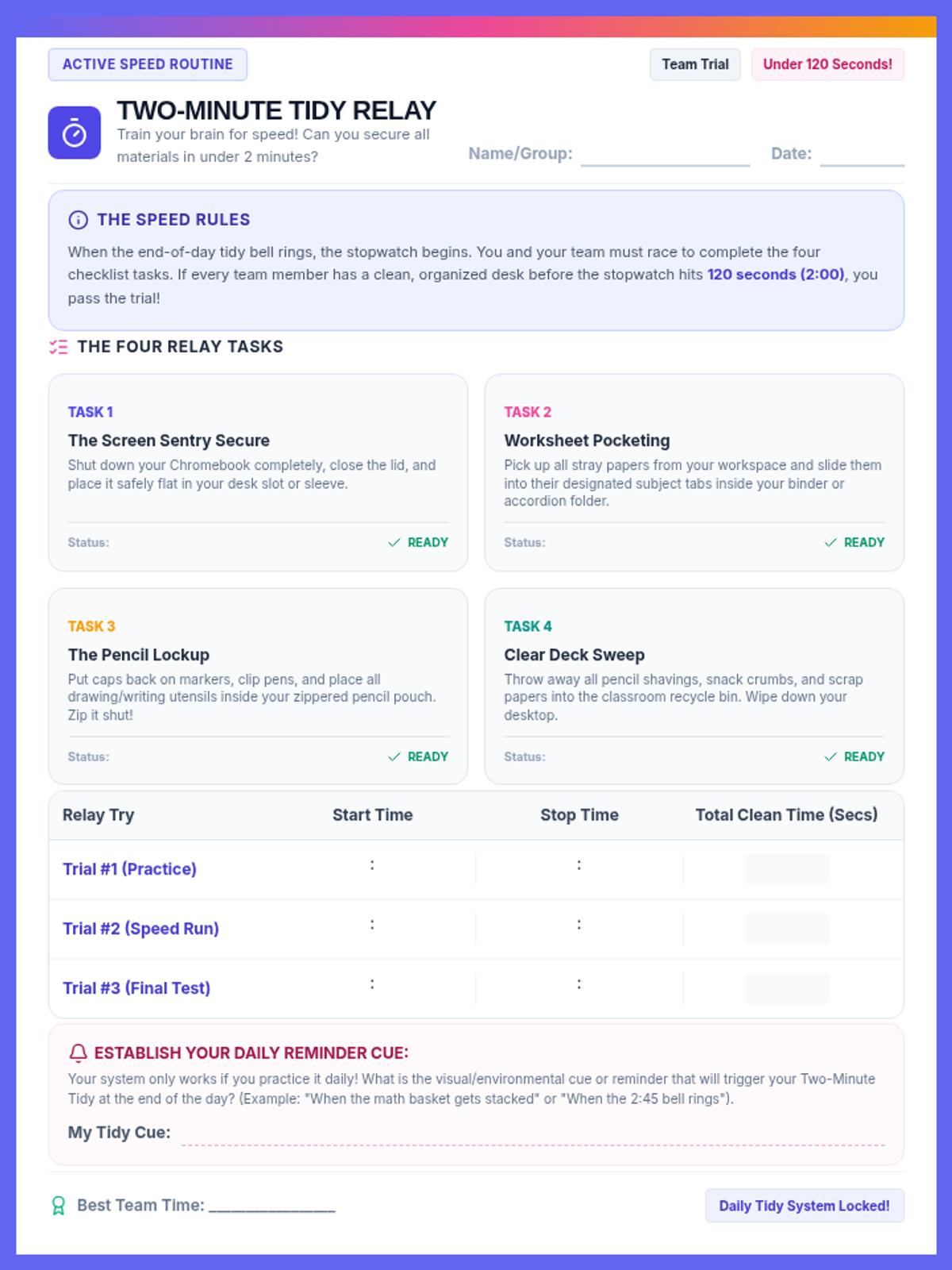
A revised two-page weekly curriculum overview for toddlers, modified for a 5-child group and removing all water play. Includes daily schedules, art themes, and center setup guides.
A detailed facilitator guide for the Bridge Builders professional development session, including a 15-minute pacing guide and engagement tips.
A one-page reference sheet for instructional assistants providing testing support for English Learners, including highlighting techniques and a do's/don'ts checklist.
A professional 7-slide presentation for instructional assistants about supporting English Learners during unit testing, featuring highlighting techniques, support strategies, and ethical boundaries.
A set of discussion prompt cards for EL teachers to use when analyzing ACCESS data. Focuses on domain divergence, intermediate plateaus, newcomers, and long-term ELs.
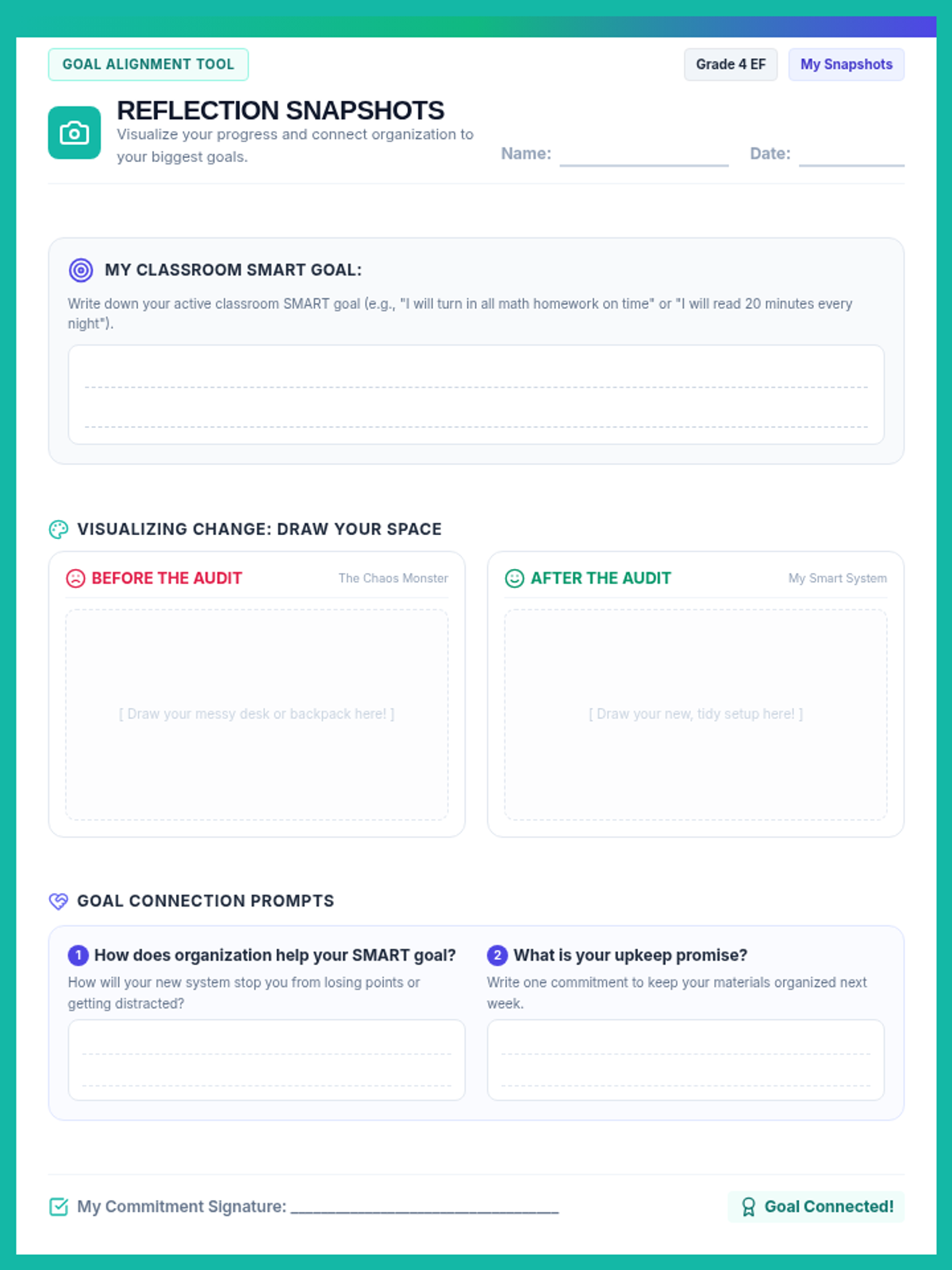
A printable checklist for high school EL teachers to manage end-of-year documentation, material collection, and summer school hand-offs. Includes a reflection section for professional growth planning.
A professional 14-slide presentation for a high school EL department meeting. It covers end-of-year documentation, material collection, ACCESS data analysis, and instructional strategies for the upcoming school year.
A teacher's resource guide containing the dictation word bank, sentences, and Orton-Gillingham instructional tips for teaching 2-syllable 'ar' and 'or' words.
A student dictation worksheet with numbered lines for 10 words and 6 sentences, specifically for spelling 2-syllable 'ar' and 'or' words.
A reading list for students featuring 2-syllable words and sentences with the 'ar' and 'or' vowel teams, designed with a maritime theme.
A detailed answer key for the Mystery Solvers Worksheet. It breaks down each problem into its component operations (Step 1 and Step 2) with clear explanations and final answers for quick teacher reference.
A structured worksheet for students featuring a 'Detective' theme. Each of the three multi-step word problems includes a visual checklist, segmented workspaces for Step 1 and Step 2, and clear formatting to support executive function.
A comprehensive teacher resource containing instructional strategies, IEP-specific scaffolding tips, and a detailed lesson plan for teaching multi-step word problems. It includes differentiation ideas and facilitation prompts.
An engaging slide deck designed for direct instruction on multi-step word problems. It features a 'Detective' theme with a consistent 4-step visual checklist, color-coded modeling, and a guided practice slide.
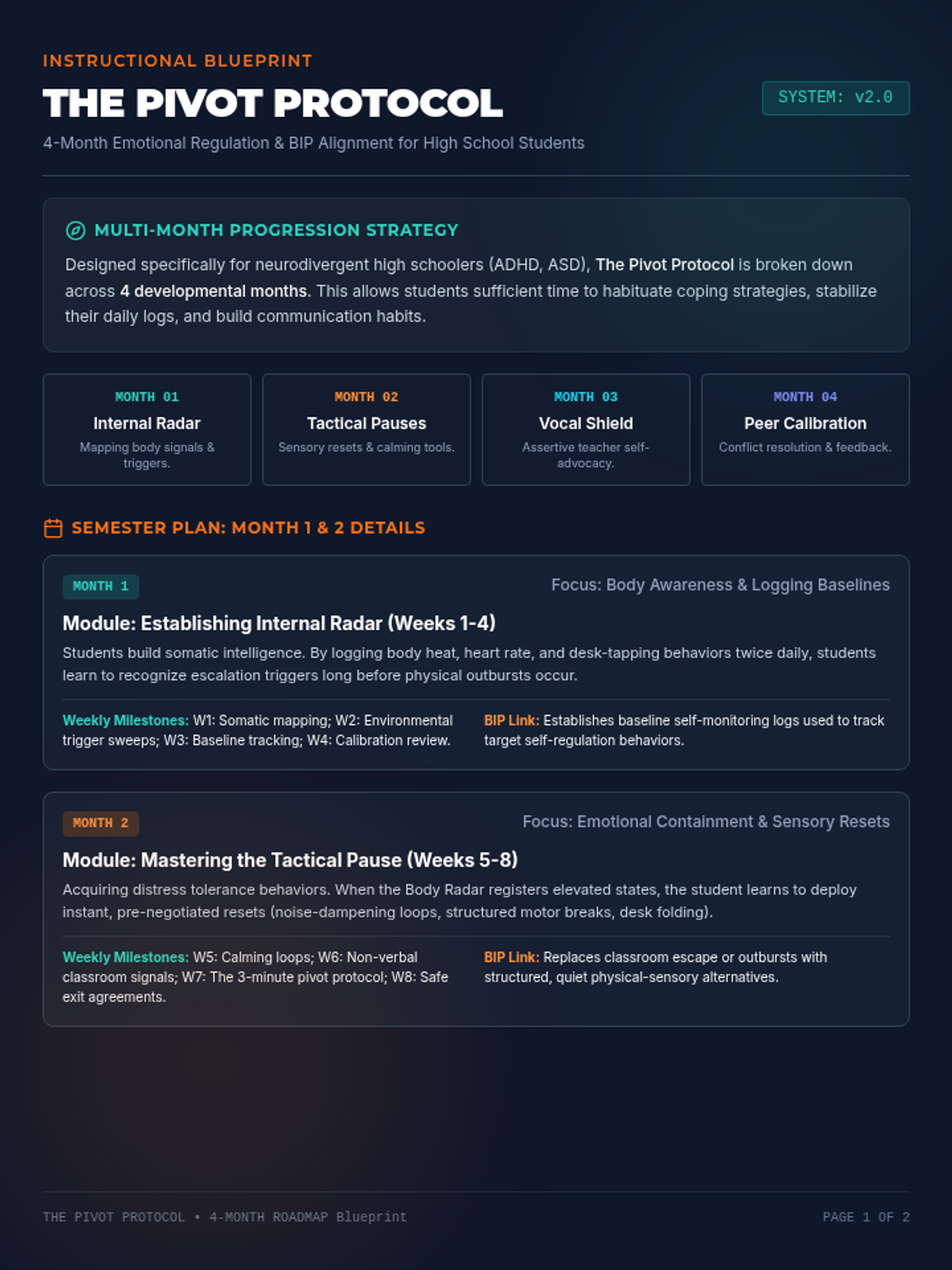
A teacher-facing instructional guide for implementing the Reaction Reset system. It provides strategic advice on introducing cue cards, using visual prompts, and managing accountability sessions with students who exhibit antagonistic behaviors.
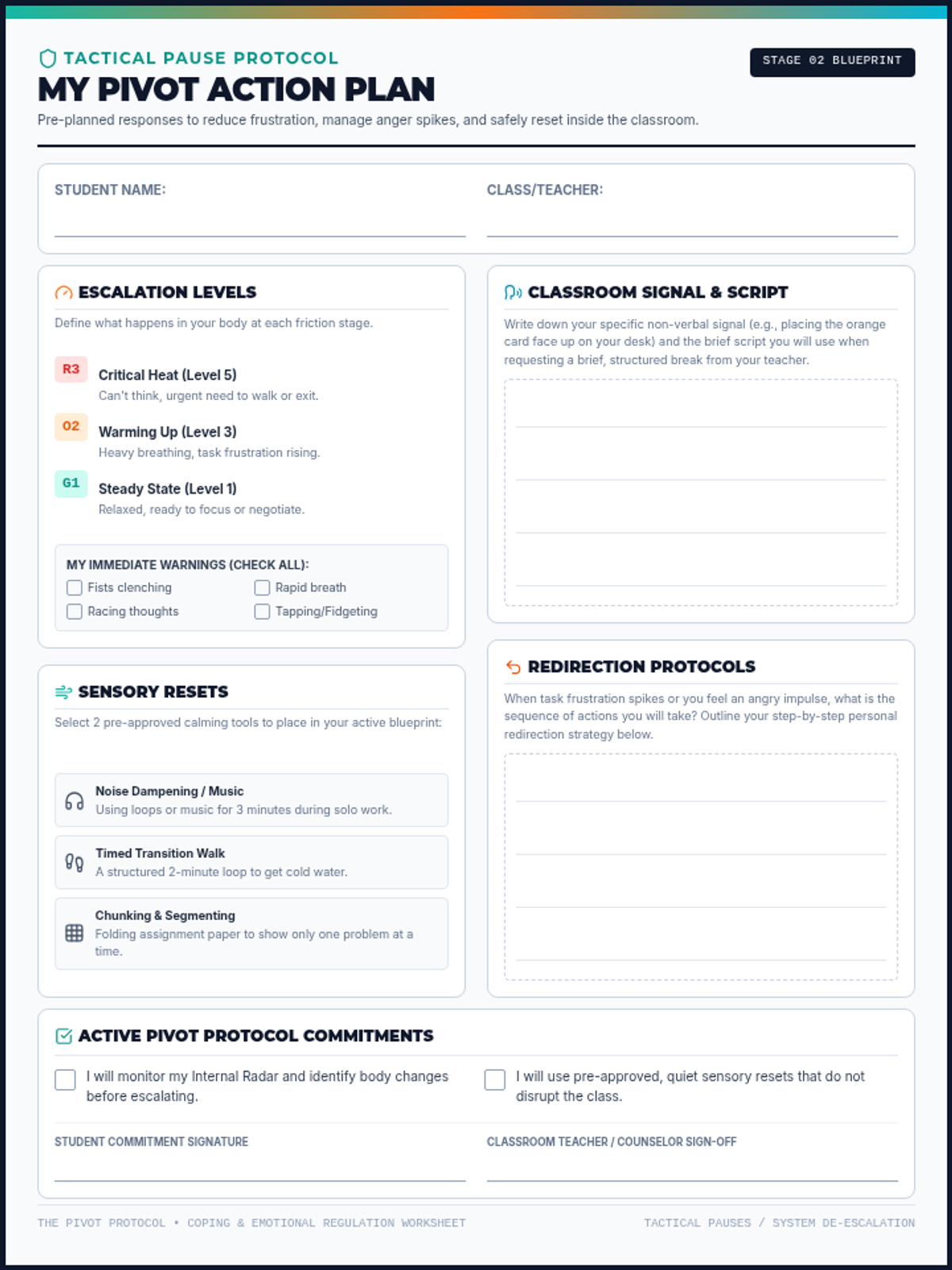
A structured accountability document for students to complete after a behavioral incident. It prompts the student to reflect on the situation, the impact on their peers and teacher, and commit to using their replacement behaviors (counting to 10 or using a fidget) next time.
A set of four portable, pocket-sized cue cards for a student to use for behavioral self-regulation. Each card focuses on a different aspect: replacement behaviors (counting to 10, using a fidget), logical consequences (choice paths), communication prompts, and self-empowerment.
A teacher guide providing instructional strategies, differentiation tips, and implementation guidance for teaching international trade to IEP students using visual supports.
A cut-and-paste sequencing activity where students order the steps of how goods travel from another country to their local store.
A vocabulary matching activity that pairs key international trade terms with large, clear icons to support non-readers or developing readers.
A comprehension worksheet featuring picture-based multiple choice and True/False questions with visual cues, specifically adapted for IEP students.
A symbol-supported reading passage about international trade, featuring simple sentences, large fonts, and visual icons to support comprehension for IEP students.
A therapist-facing data collection tool for the Anxiety mission. Evaluates physiological symptoms, triggers, and coping strategy effectiveness. Revised with improved icon contrast and expanded note areas.
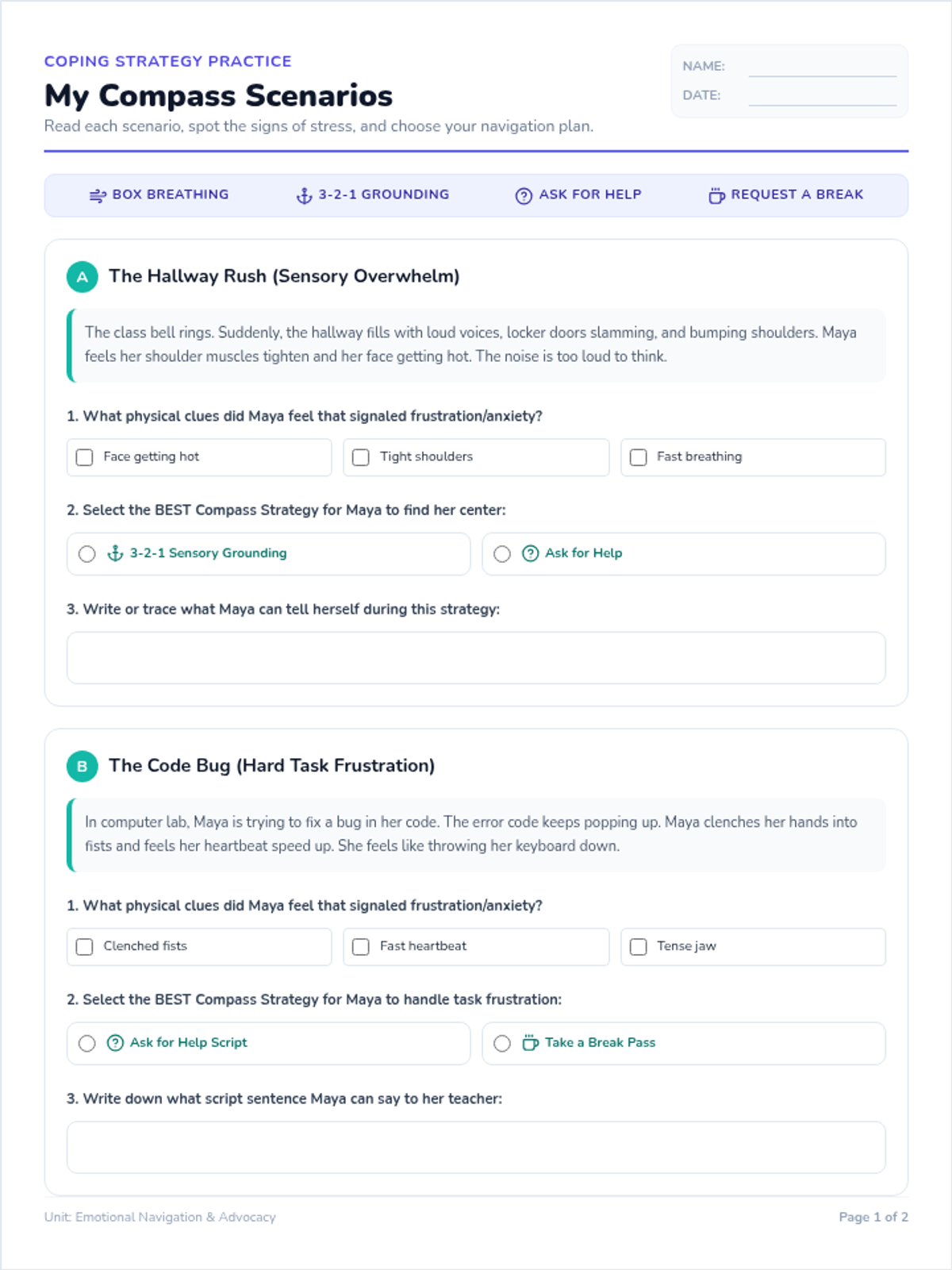
A student worksheet for identifying physiological signs of anxiety and school-based triggers. Revised to include a 1-5 Worry Level rating scale and ensure all content fits on one page.
A teacher's guide for the "Shine Bright" lesson, providing step-by-step instructions, simplified vocabulary, and specific accommodations for students with developmental disabilities.
A simplified worksheet with large icons and clear text designed for students with developmental disabilities to identify their strengths and select a positive self-talk phrase.
A visually engaging slide deck focused on self-esteem for students with developmental disabilities. It uses large fonts, simplified language, and clear icons to explain strengths and positive self-talk.
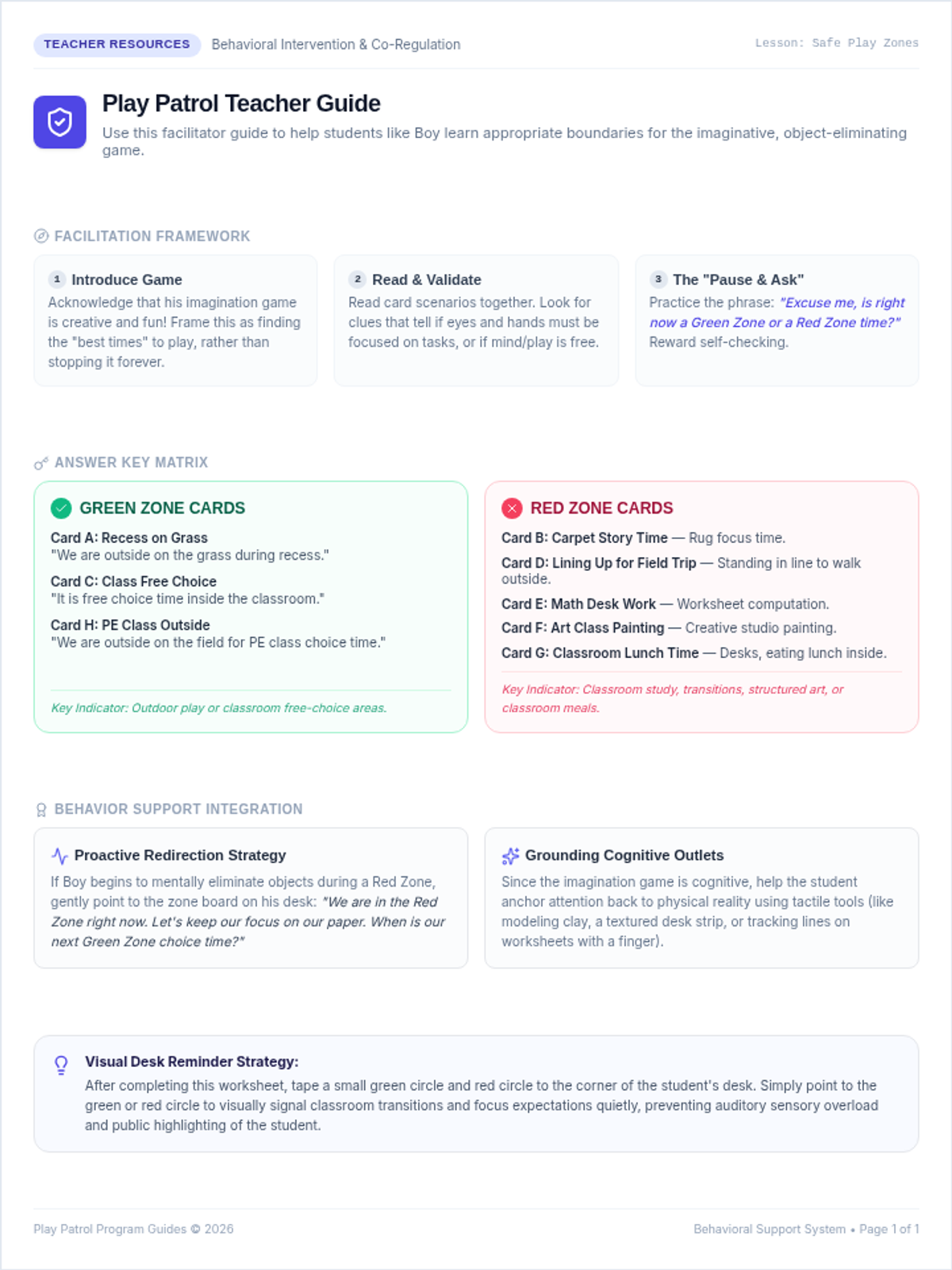
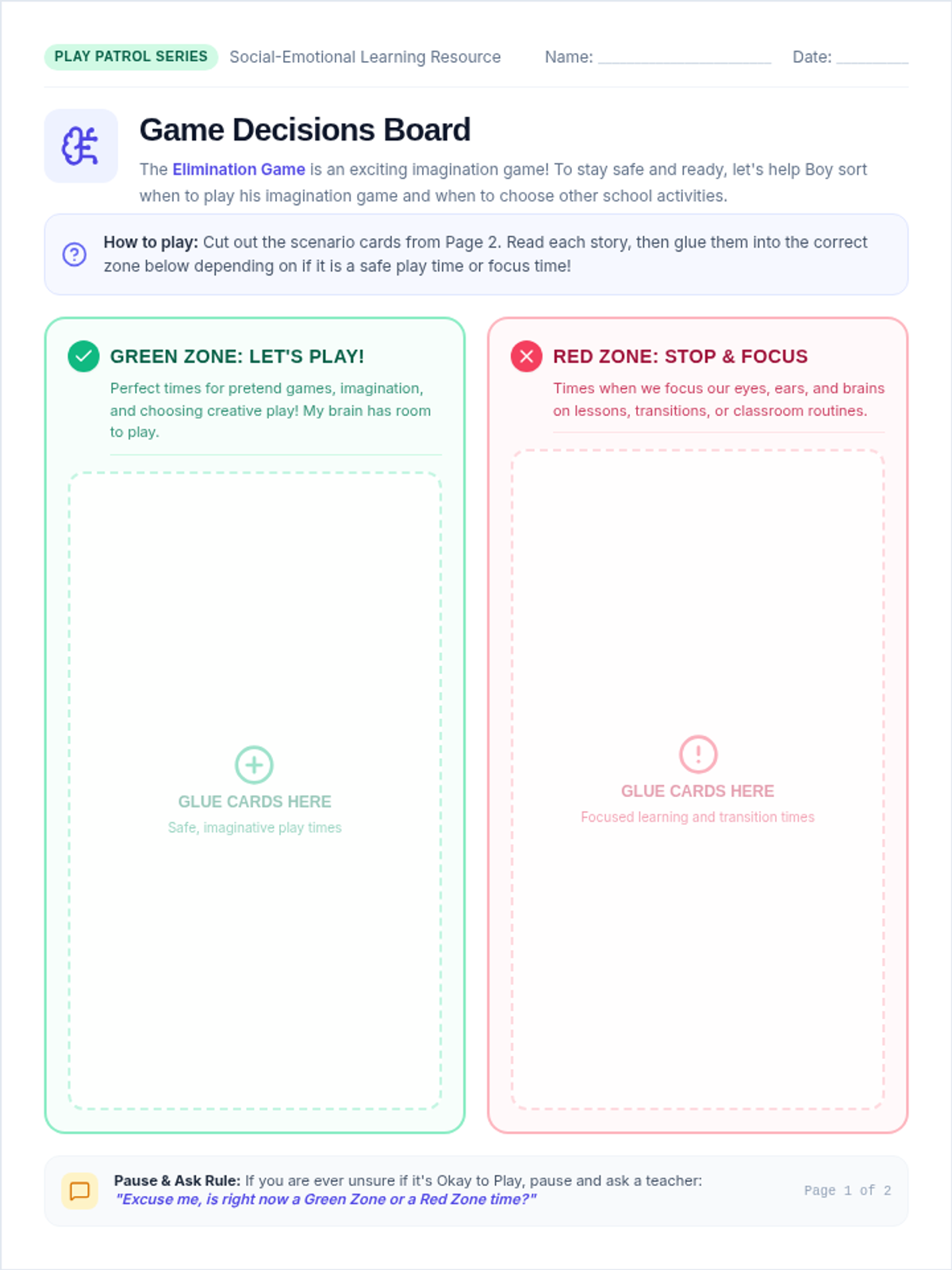
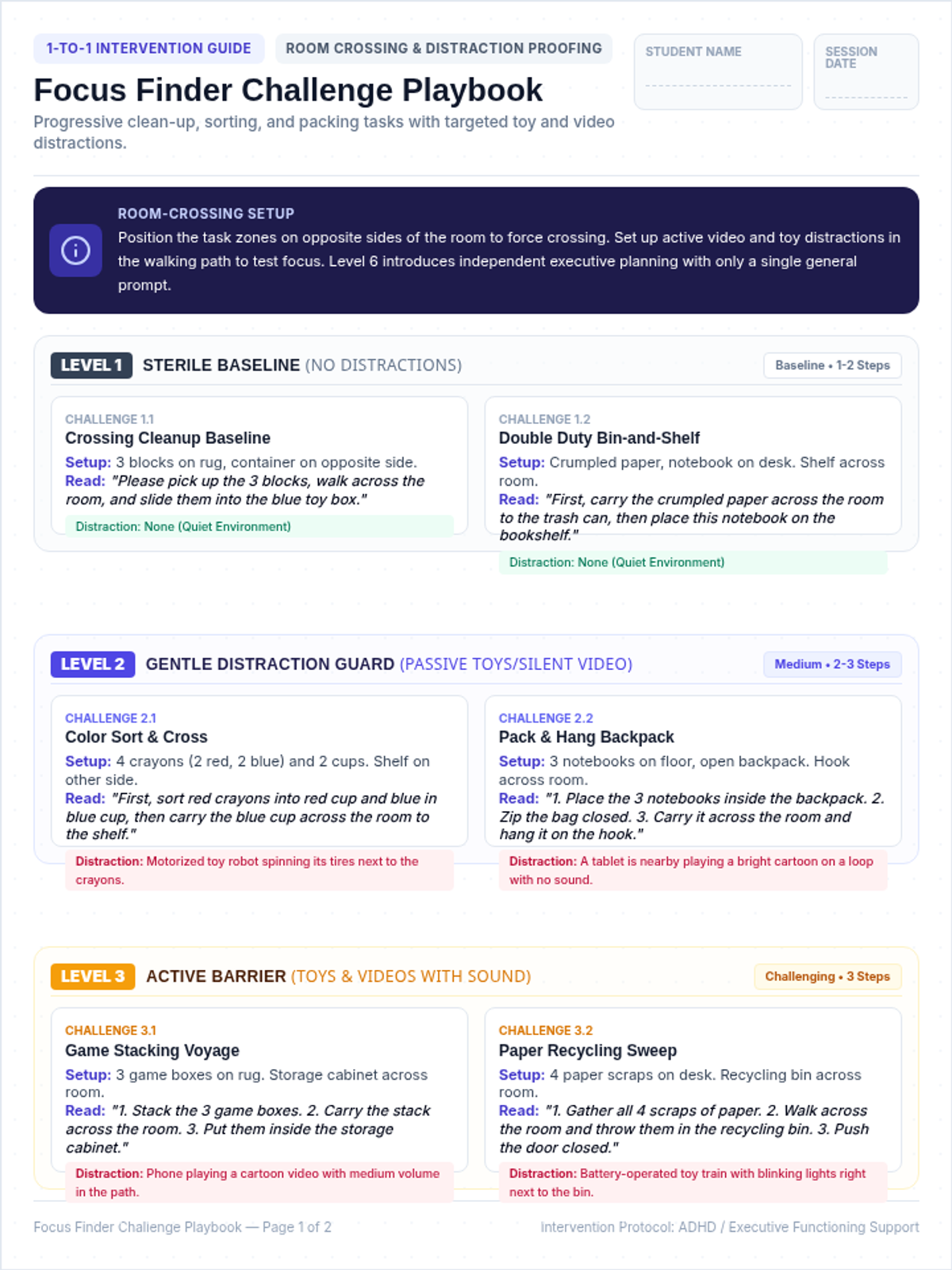
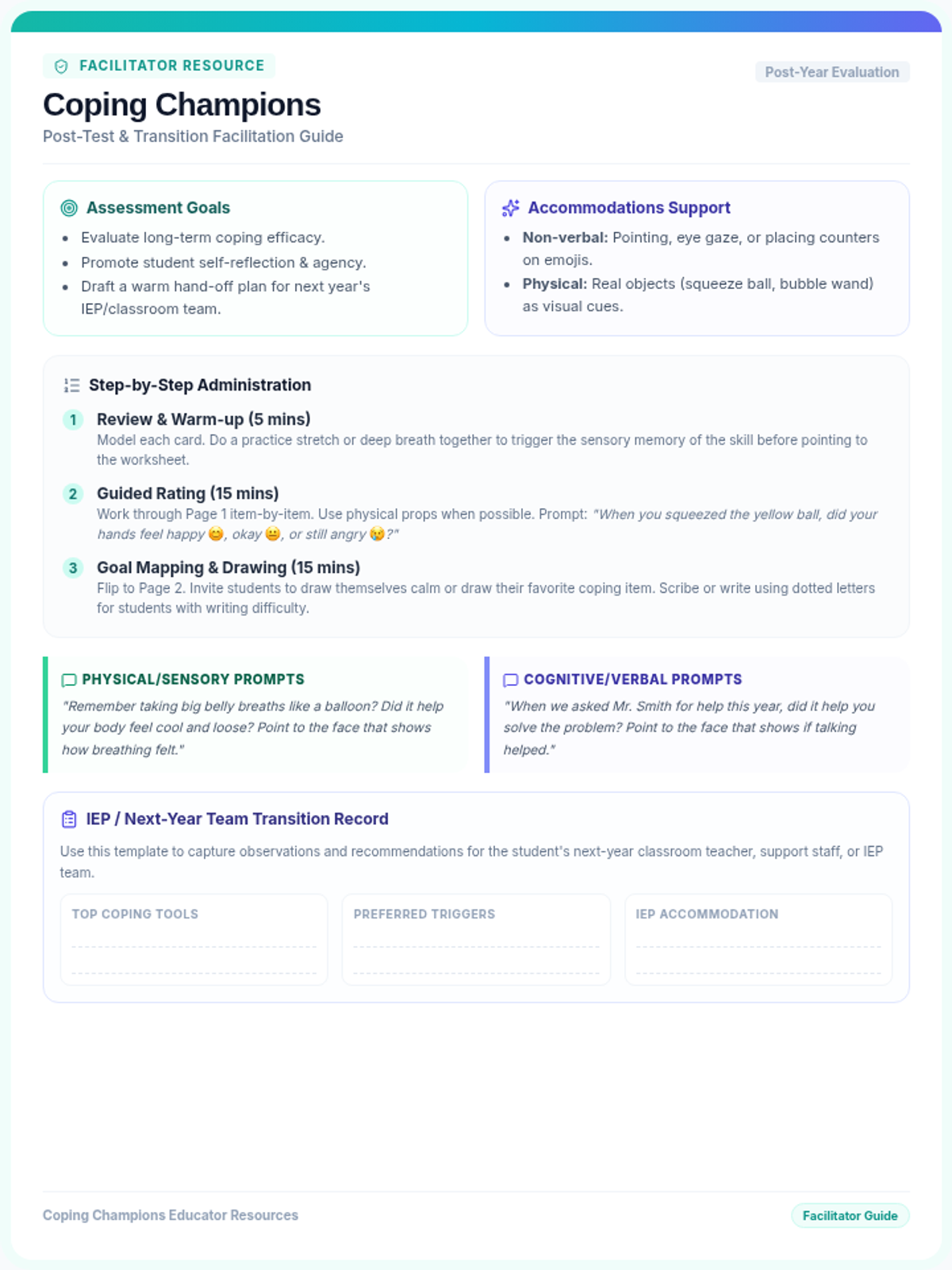
A 1-page visual role-play map using literal picture symbols (emojis) to guide a student and staff member through safe interactions. Includes an improved 1-10 counting tracker with high-contrast stars.