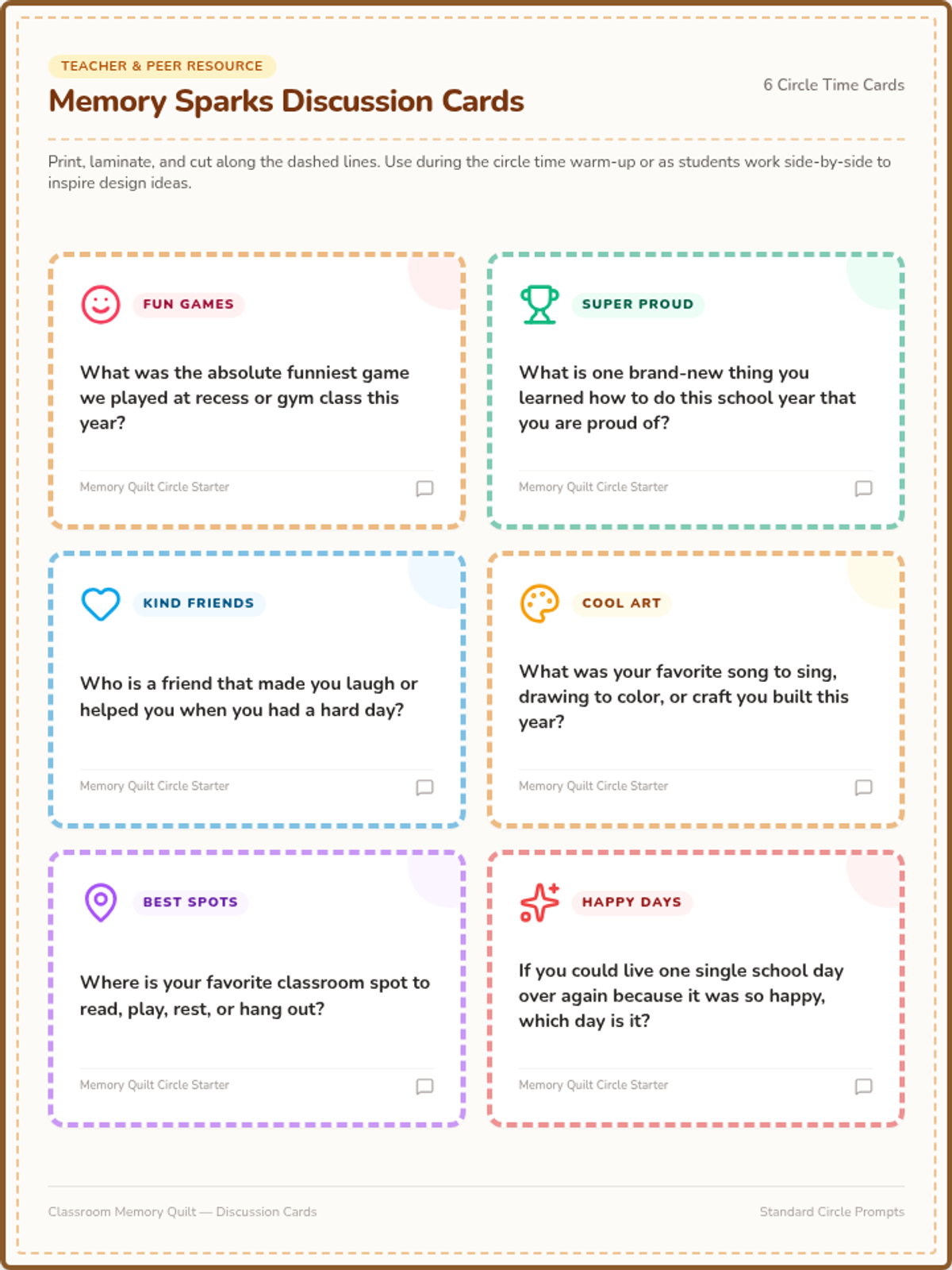
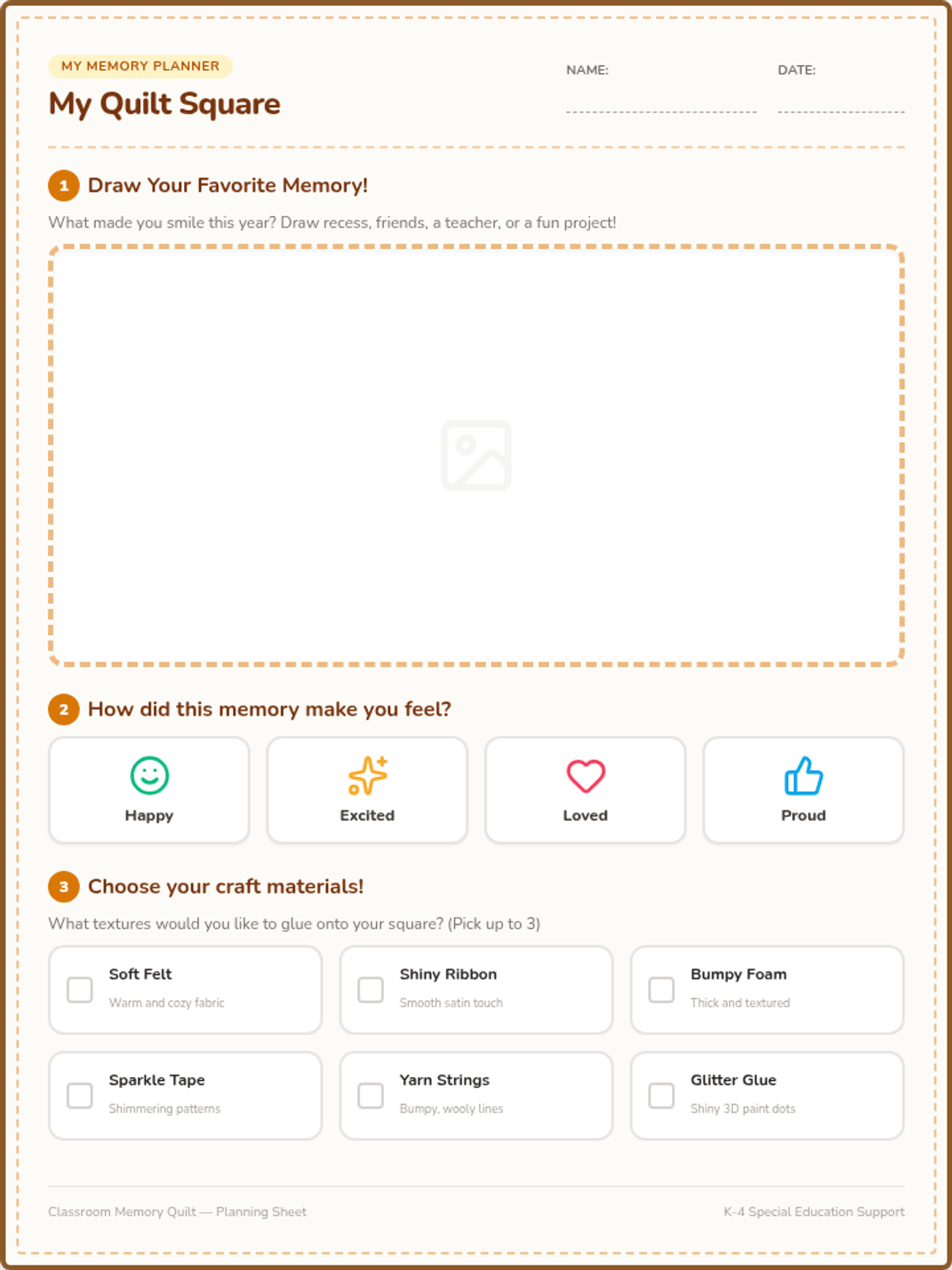
Unit 2 slides for the Neural Nexus module. Focuses on the neurochemistry of motivation (dopamine anticipation loops) and introduces the GPS (Goal, Probability, Systems) method for advanced goal setting. Sophisticated, tech-inspired design.
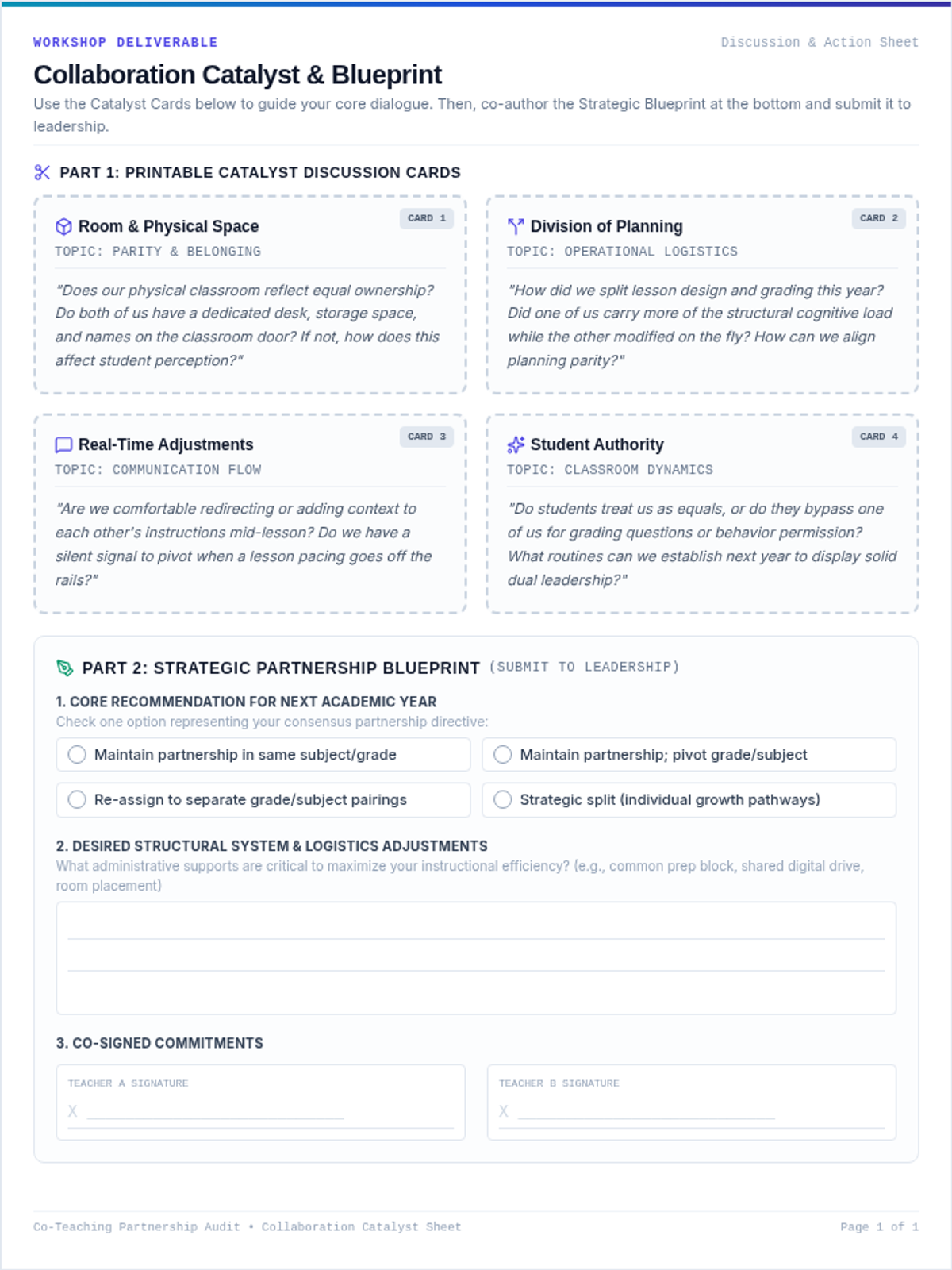
A detective-themed reflection sheet for students to assess their confidence and application of the RT vs. TQ test-prep strategy.
A set of 10 printable question cards for the sorting activity, featuring dashed lines for cutting and subtle visual icons for scaffolding.
A detective-themed sorting mat for students to categorize test questions as 'Right There' or 'Thinking' during the Question Detectives lesson.
A comprehensive teacher guide for the Question Detectives lesson, including pacing, a hook script, instructional tips, and discussion prompts tailored for a 6th grade SPED environment.
A visually engaging slide deck designed for 6th grade SPED students, using a detective theme and real-world analogies to teach the difference between 'Right There' and 'Thinking' questions. Includes a specific visual equation for 'Thinking' questions combining text evidence and personal knowledge.
The absolute final version optimized for 100% printer compatibility. All background colors and "white text on black" elements have been removed. Every piece of text is now pure black on a pure white background with massive font sizes for guaranteed visibility. All complex CSS effects like transparency and overflow have been stripped. Page heights are capped at 960px but using simple block elements to prevent printer driver failures.
A behavior tracker strip with three identical vertical strips per page. Each strip features four daily segments with enlarged participation checkboxes, a snack goal area, and parent/teacher signature lines.
Fully revised student workbook (v2) matching all updates in the teacher's manual, including the long-form fluency passages, revised activities, and the complete 2-page sequence assessments with optimized one-page layouts for Parts A & B. Designed for high-legibility printing with specific page breaks for Part D.
Comprehensive student workbook containing all sequence-level assessments and 5 weeks of daily student activities (Word Labs, Sentence Missions, Fluency passages, and Graduation tests). Designed for 8.5x11 printing with no page breaks within activities.
Revised sequence post-assessment with 10 total written decoding items (6 division, 4 construction) for a clean score out of 10. Includes a separate score box for pattern identification.
Revised sequence pre-assessment with 10 total written items for consistent accuracy scoring. Includes 6 division words and 4 pattern spotting items.
Comprehensive answer key for the revised 5-week Syllable Squad decoding mission, including sequence pre/post assessments, correct syllable divisions, and special activity solutions.
A high-density one-page reference chart for teachers summarizing WIDA Key Language Uses and language features across proficiency levels 1-5.
A high-impact instructional presentation for teachers, explaining the WIDA Key Language Uses and providing specific Grade 1 examples and scaffolding strategies for each curriculum unit.
A comprehensive, two-page landscape-oriented table that enhances the Grade 1 scope and sequence by integrating WIDA Key Language Uses (Inform, Narrate, Argue, Explain) and proficiency-leveled language features, while separating oral and writing projects into distinct columns as requested.
An annotated version of the Unit 1 Part 1 scope and sequence, visually mapping WIDA Narrate functions and highlighting specific instructional extension points for proficiency levels 2-4.