A practical activity guide for interventionists working with 2nd-year ELLs. It features visual-semantic mapping activities and kinesthetic blending techniques to support decoding with comprehension.
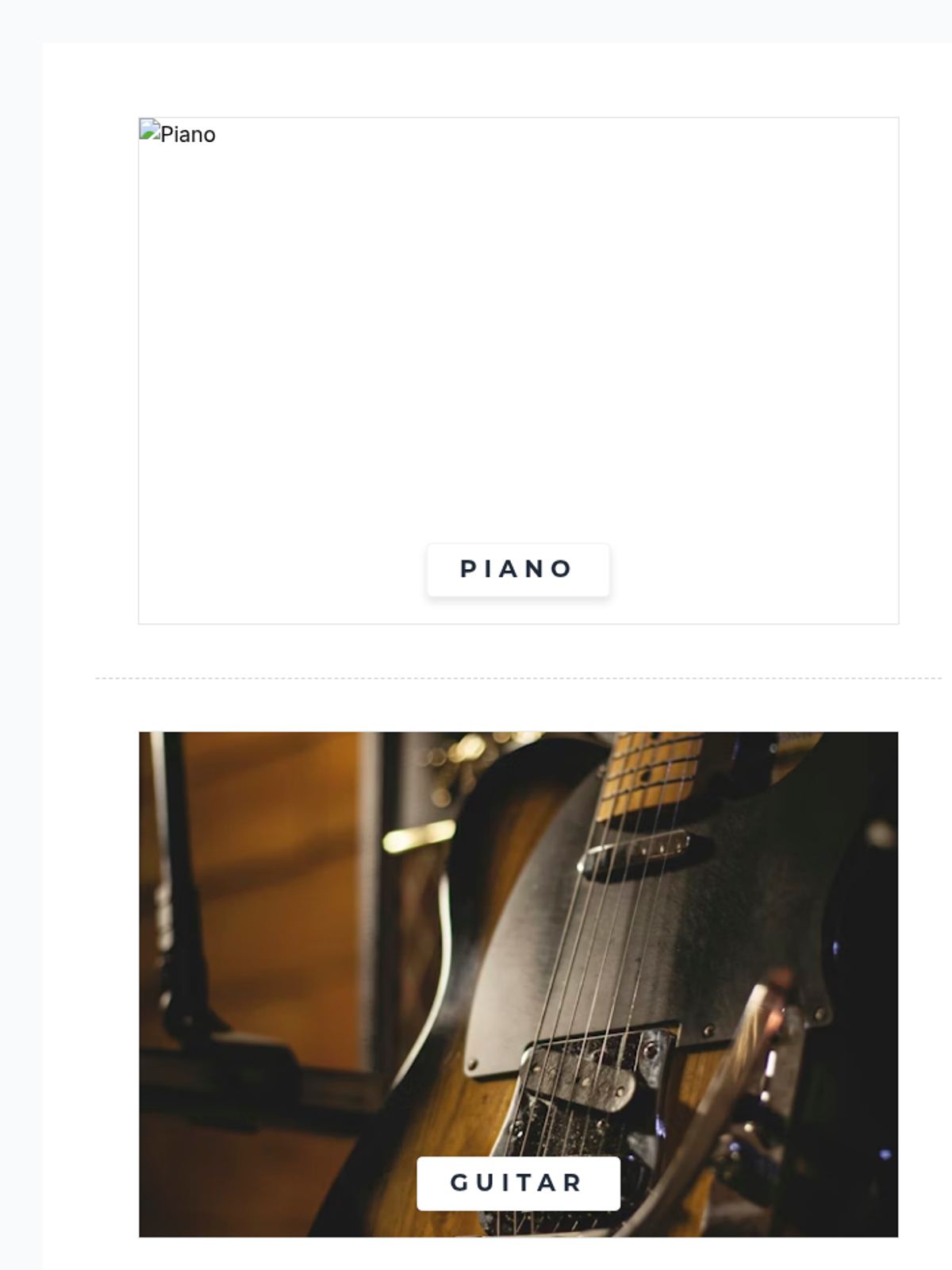
A set of 15 realistic-style sorting cards (4x6 inches) featuring instruments, vehicles, and furniture for early childhood categorization activities. Each card follows a clean photographic aesthetic with clear labels.
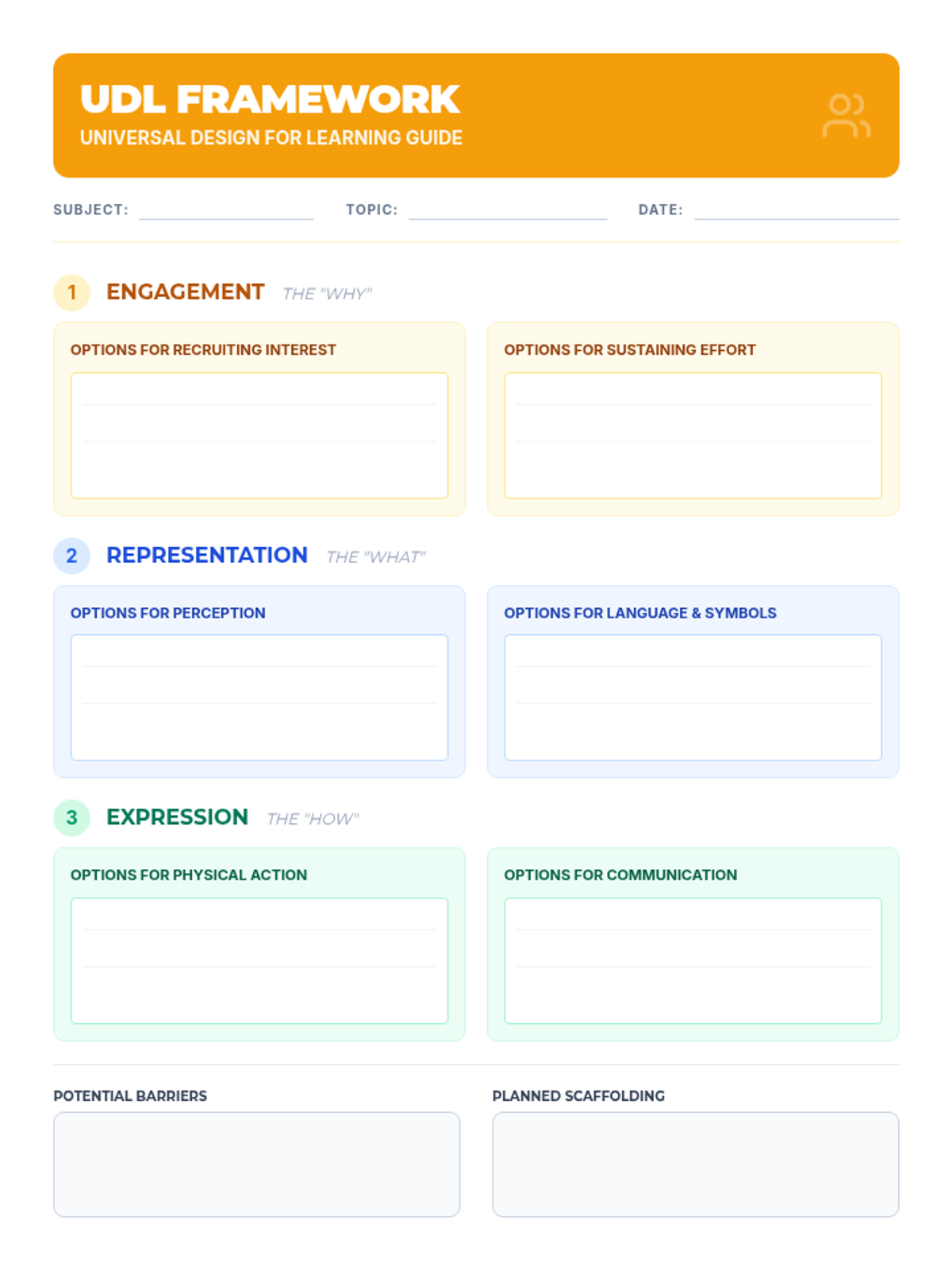
A UDL-focused planning framework focusing on Engagement, Representation, and Action & Expression. Revised for single-page use with clear prompts, increased planning space, and header identifiers.
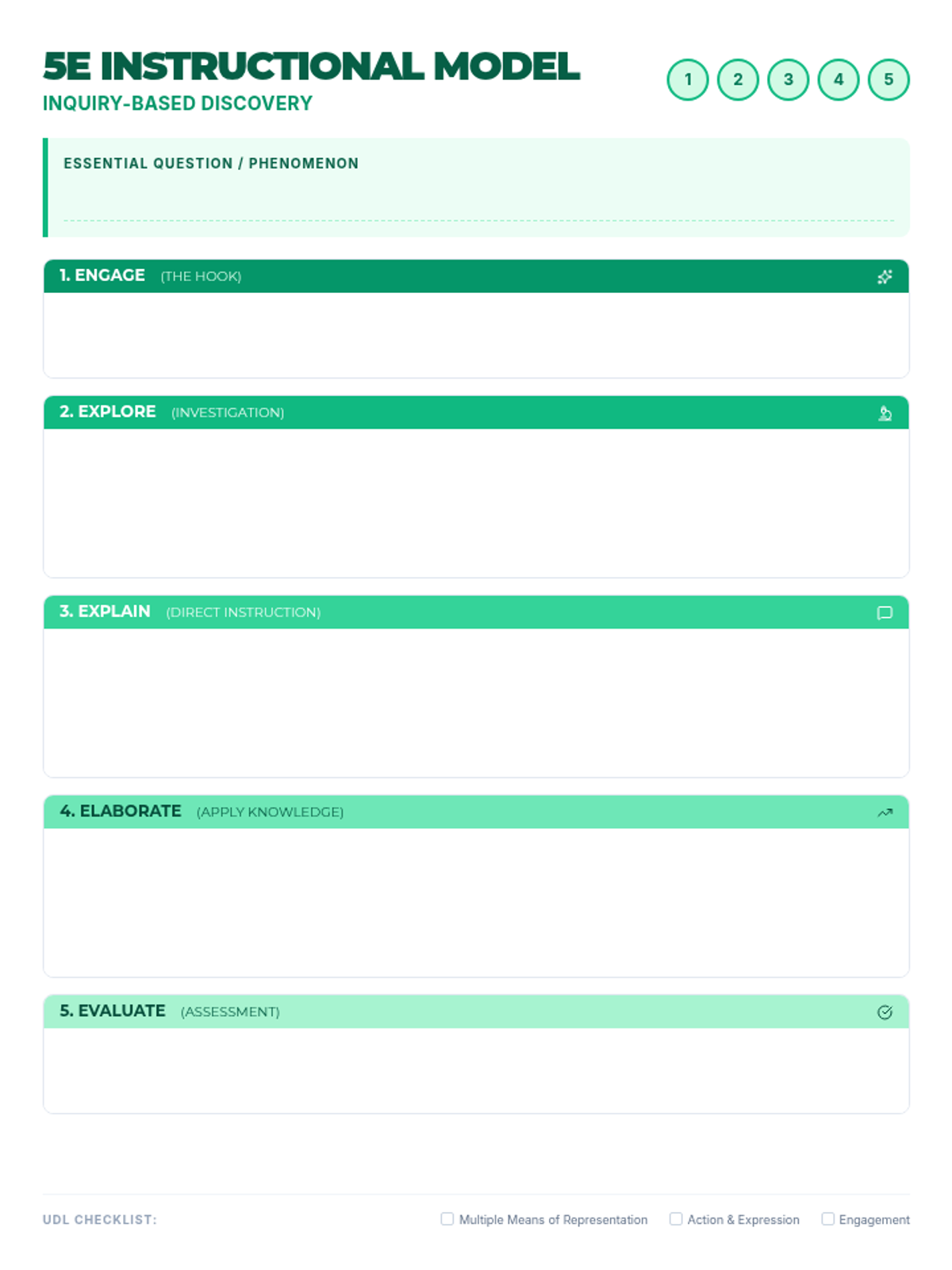
An inquiry-based lesson template following the 5E model. Revised for single-page use with consistent header styling and UDL integration.
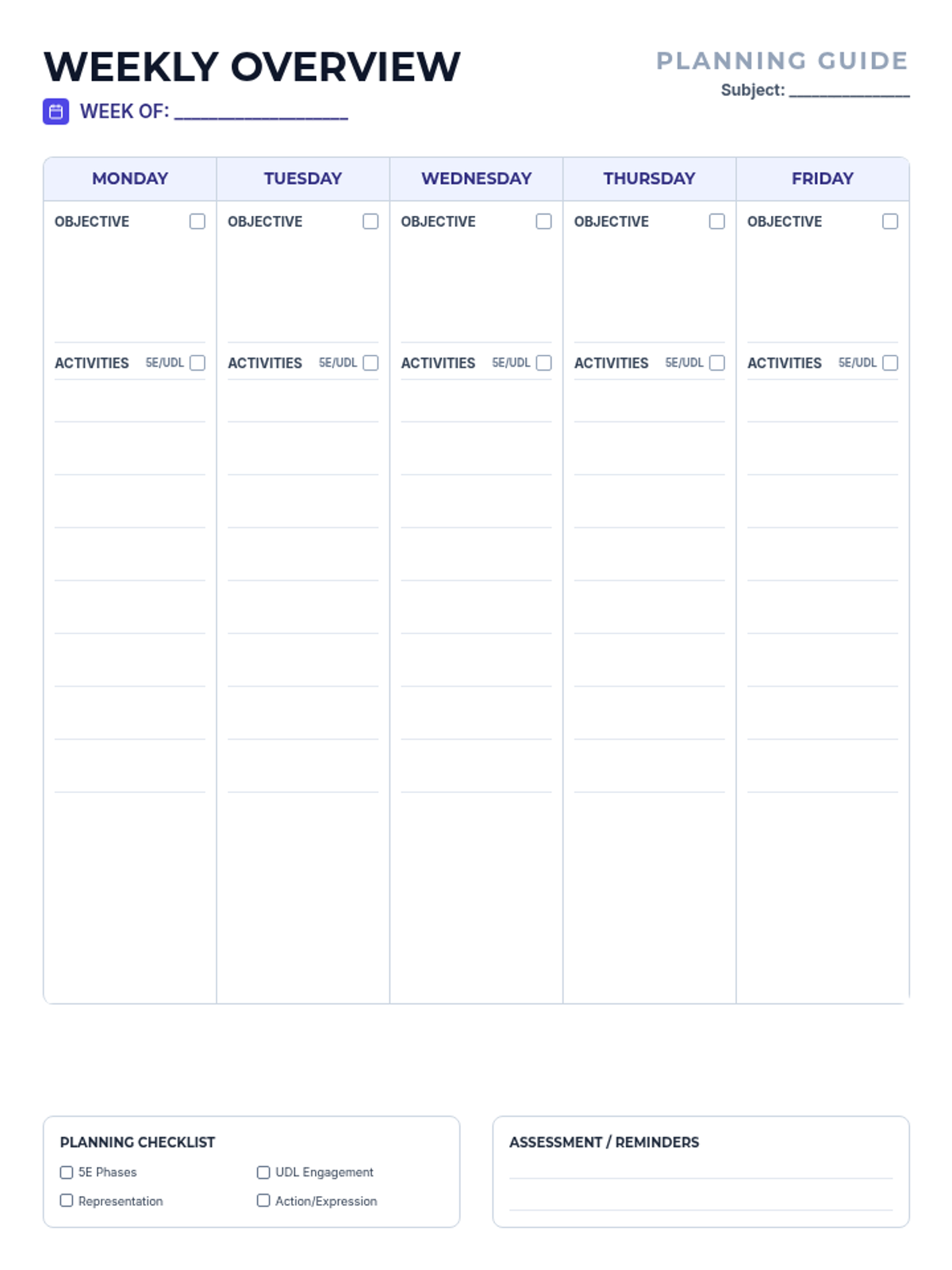
A one-page weekly overview template for high-level planning. Revised with darker labels, UDL/5E indicators, and writing lines. Fixes rendering errors.
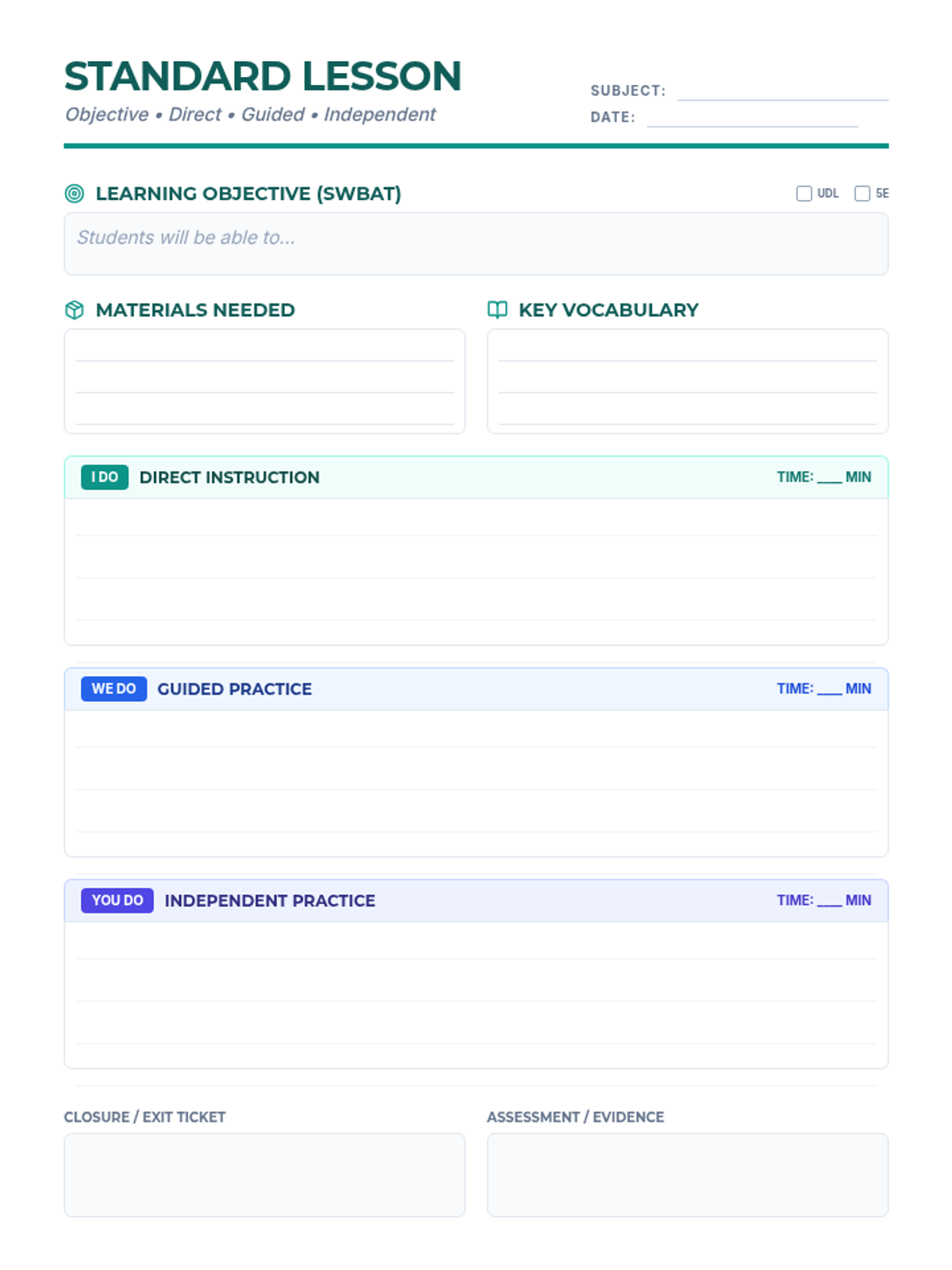
A structured template for standard direct instruction, featuring I Do, We Do, and You Do sections. Revised to fit on a single page with improved readability, writing lines, and framework indicators.
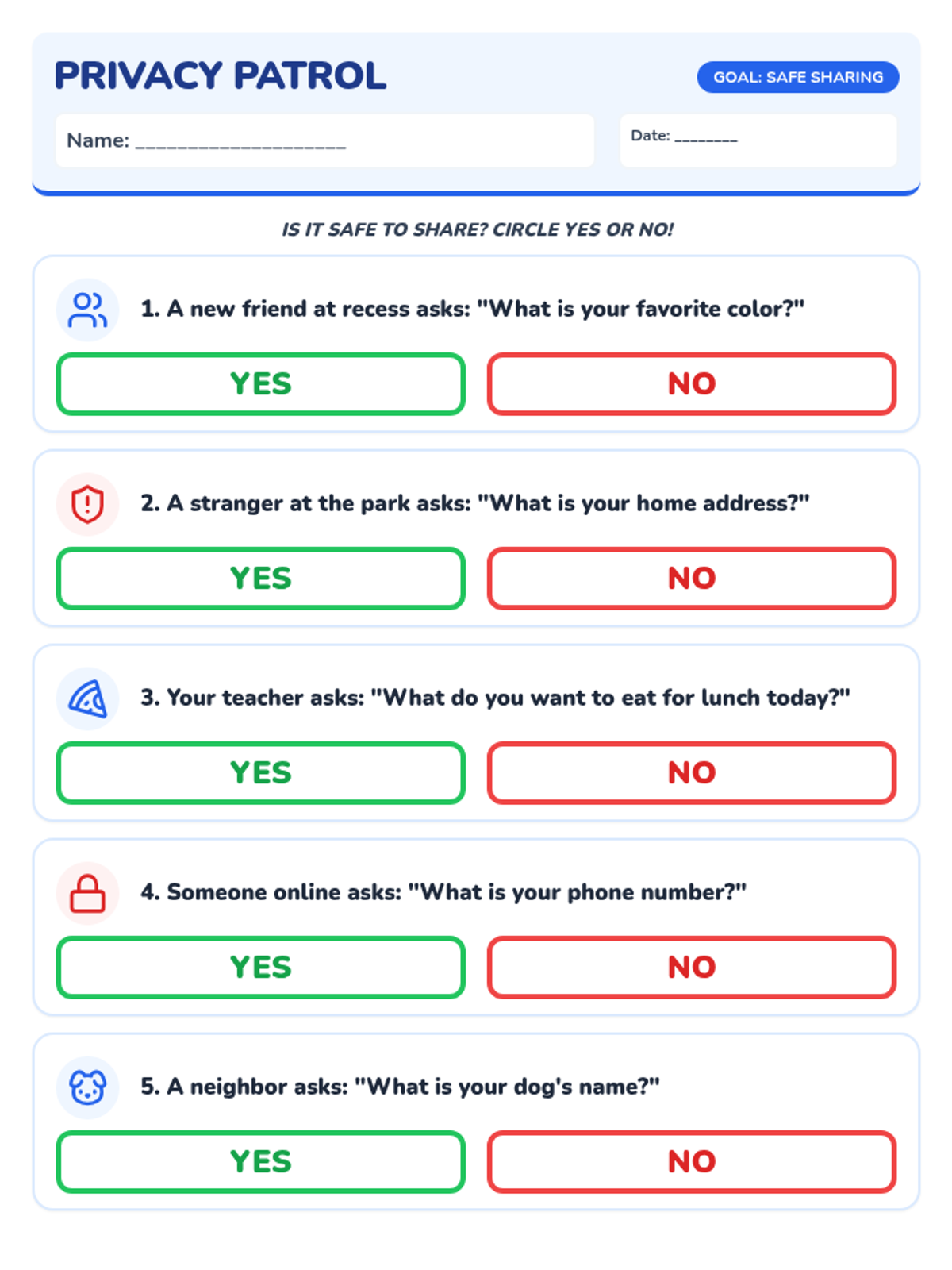
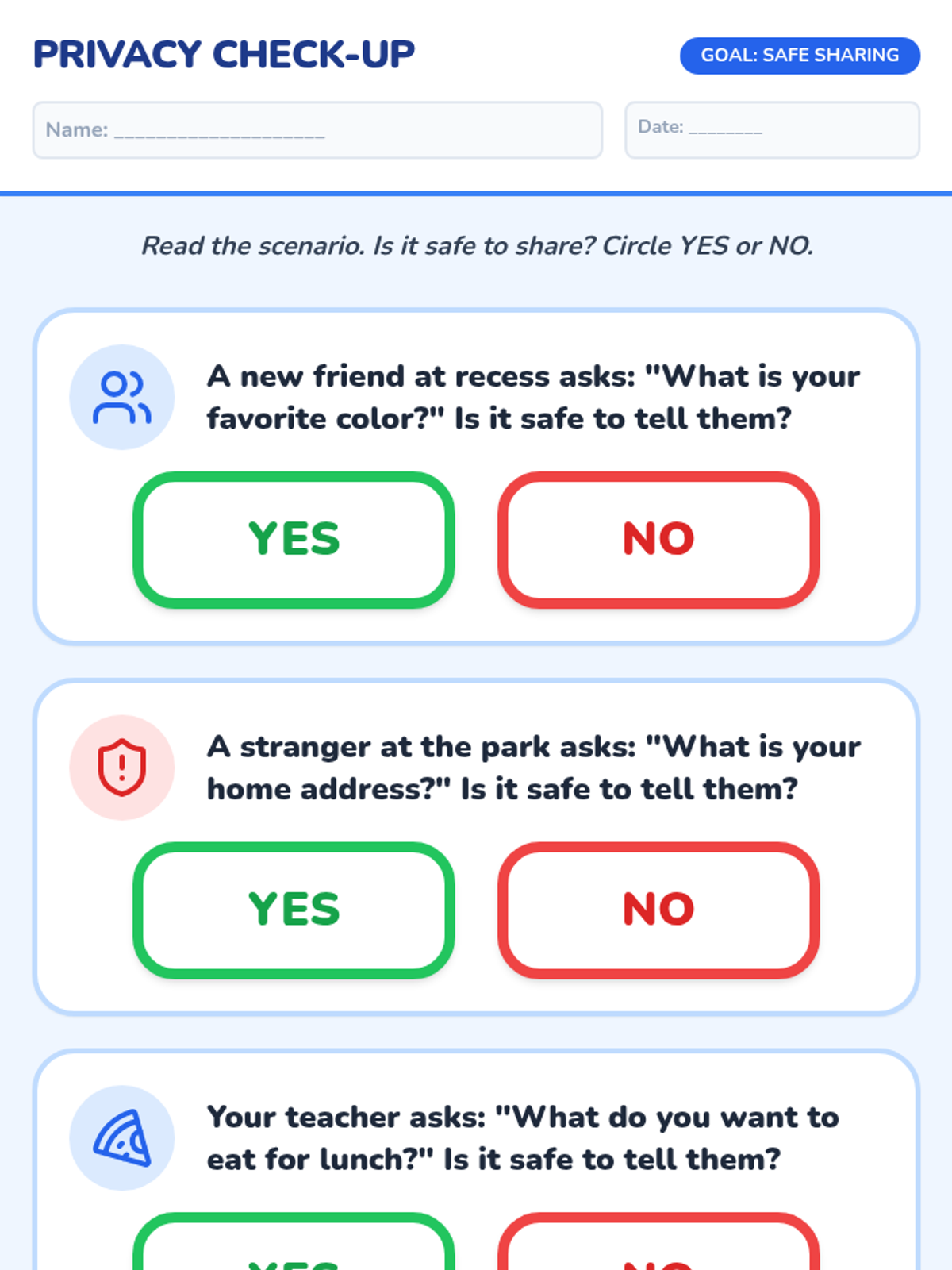
A 2-page adaptive worksheet with 10 large yes/no scenario cards to help students practice distinguishing between safe public sharing and risky private sharing. Includes updated scenario count and fixed page breaks. Clean white background for ink efficiency.
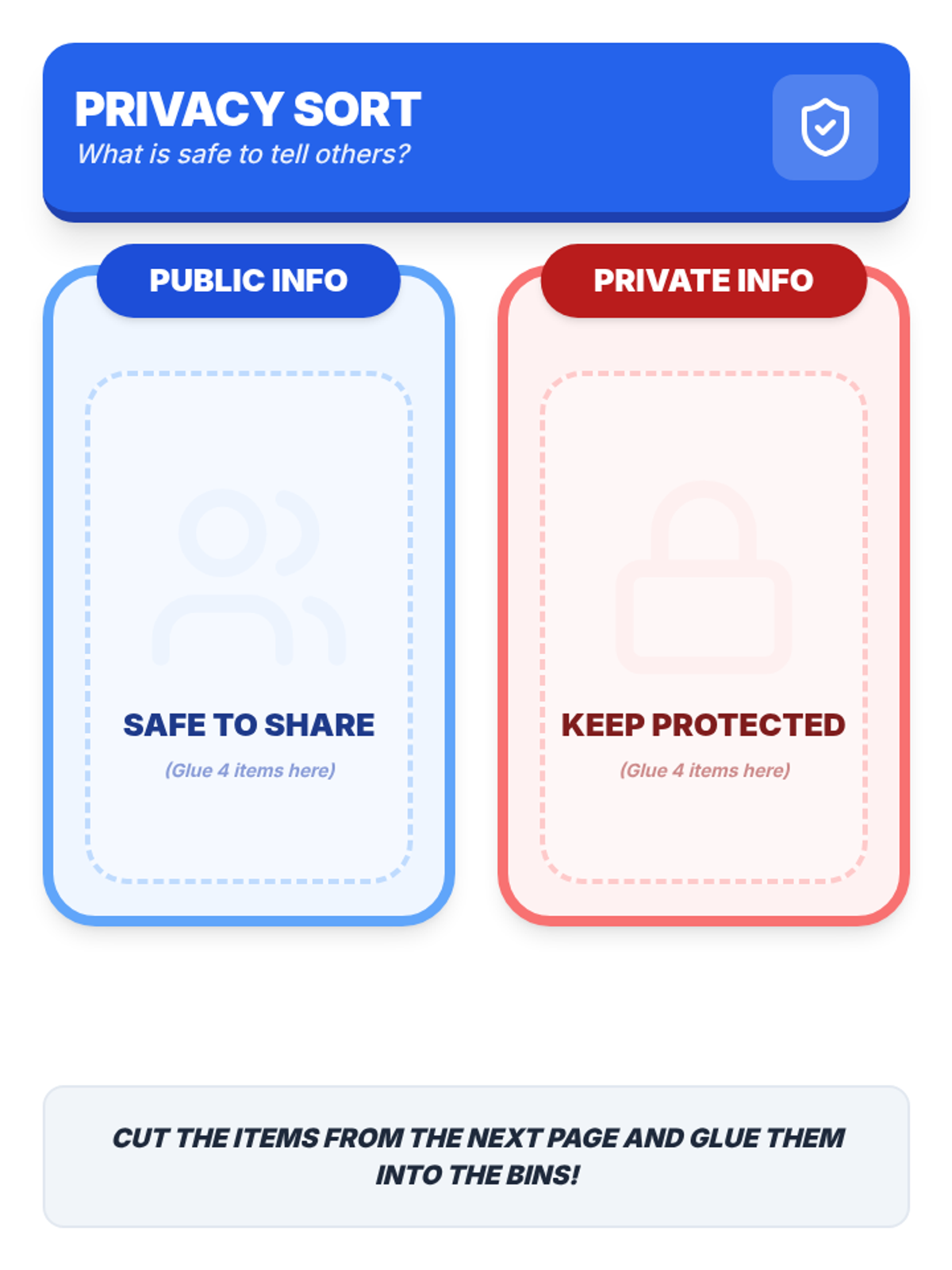
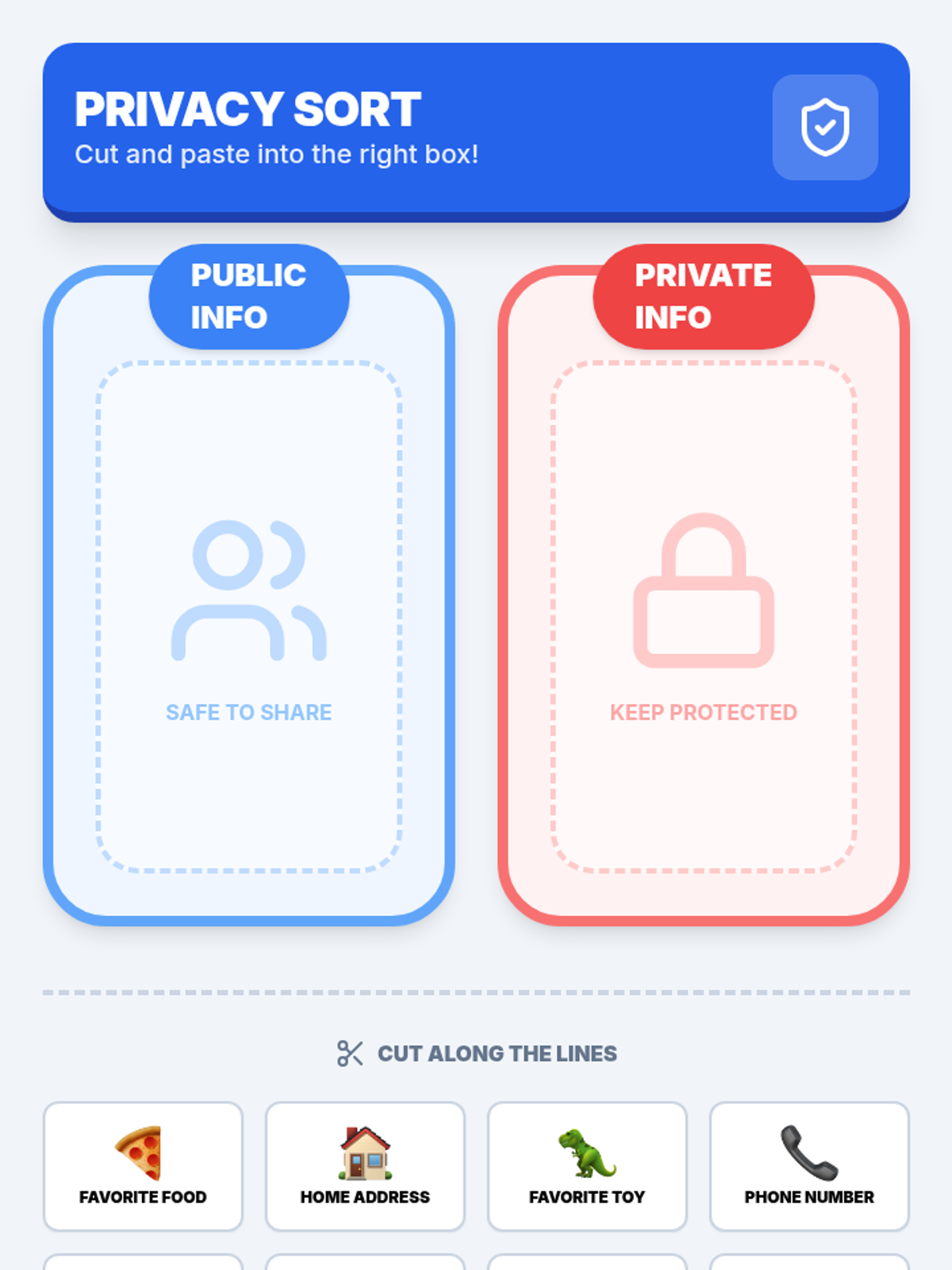
A 2-page cut-and-paste sorting activity for public vs. private information. Page 1 is the sorting board, and Page 2 contains 8 cut-out items with dashed guide lines. background color removed for ink efficiency.
A 1-page adaptive worksheet with large yes/no scenario cards to help students practice distinguishing between safe public sharing and risky private sharing.
A cut-and-paste sorting activity where students categorize various types of personal information (e.g., home address vs. favorite food) as either Public or Private.
An introductory slide deck for the Privacy Patrol lesson, teaching students the difference between Public (safe to share) and Private (keep protected) information through visual examples.
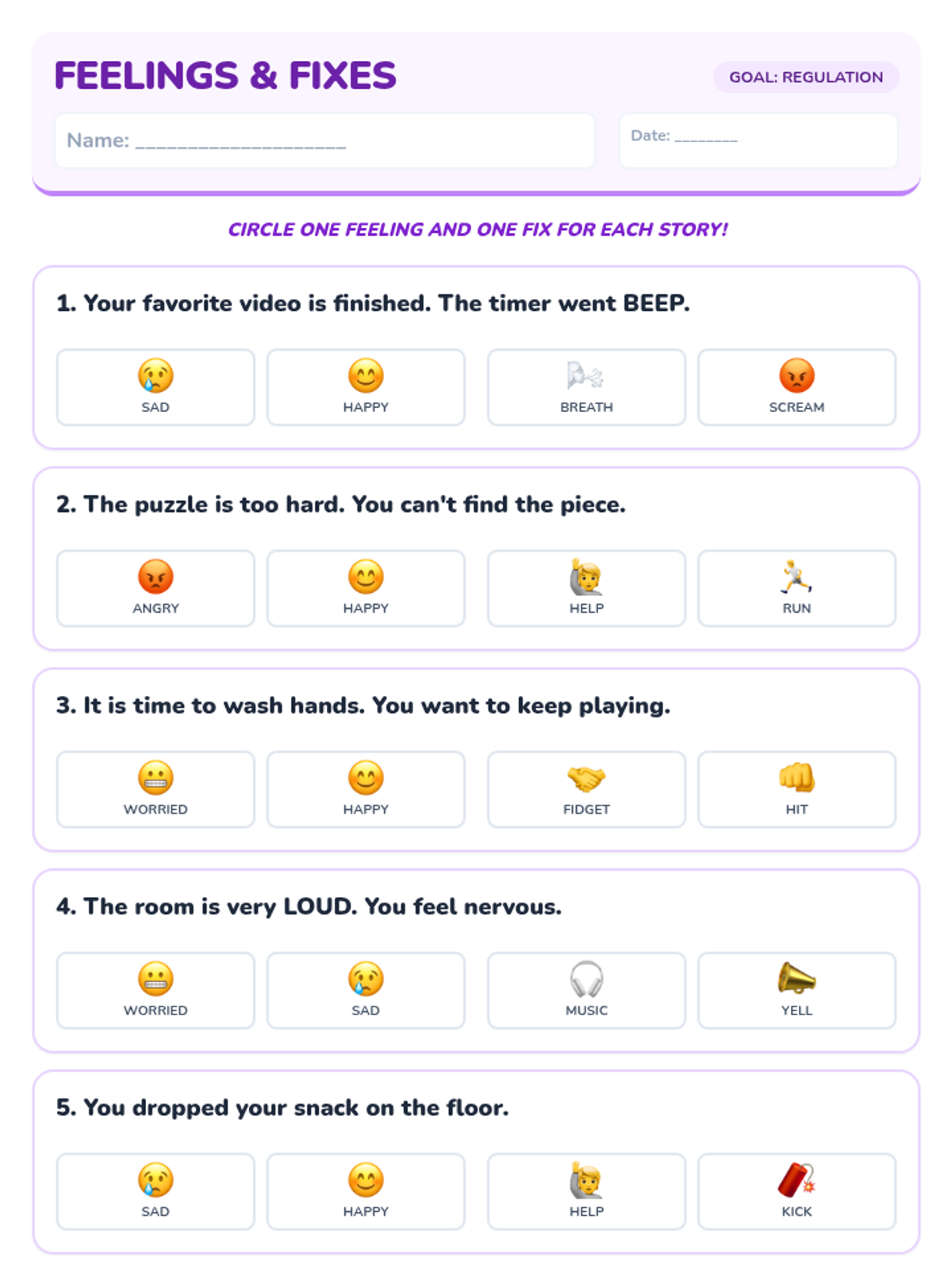
A 2-page adaptive worksheet featuring 10 emotional regulation scenarios with neutral choice formatting. Students identify emotions and appropriate coping strategies using visual choice icons. No character references.
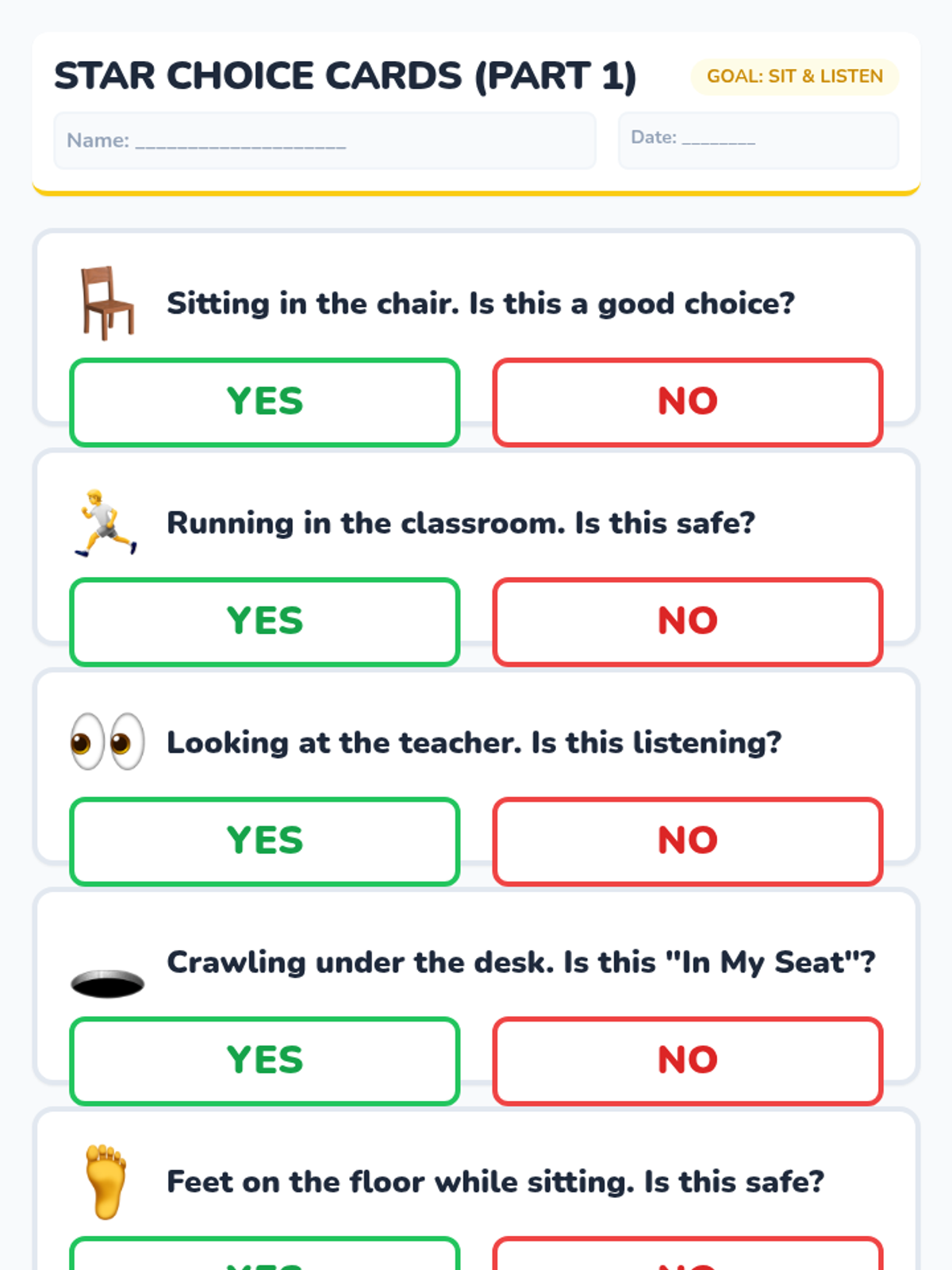
A 2-page adaptive worksheet featuring 10 generic yes/no scenario cards designed for a student with autism. The cards focus on classroom behaviors like staying in seat and listening, with star student branding and no character references.
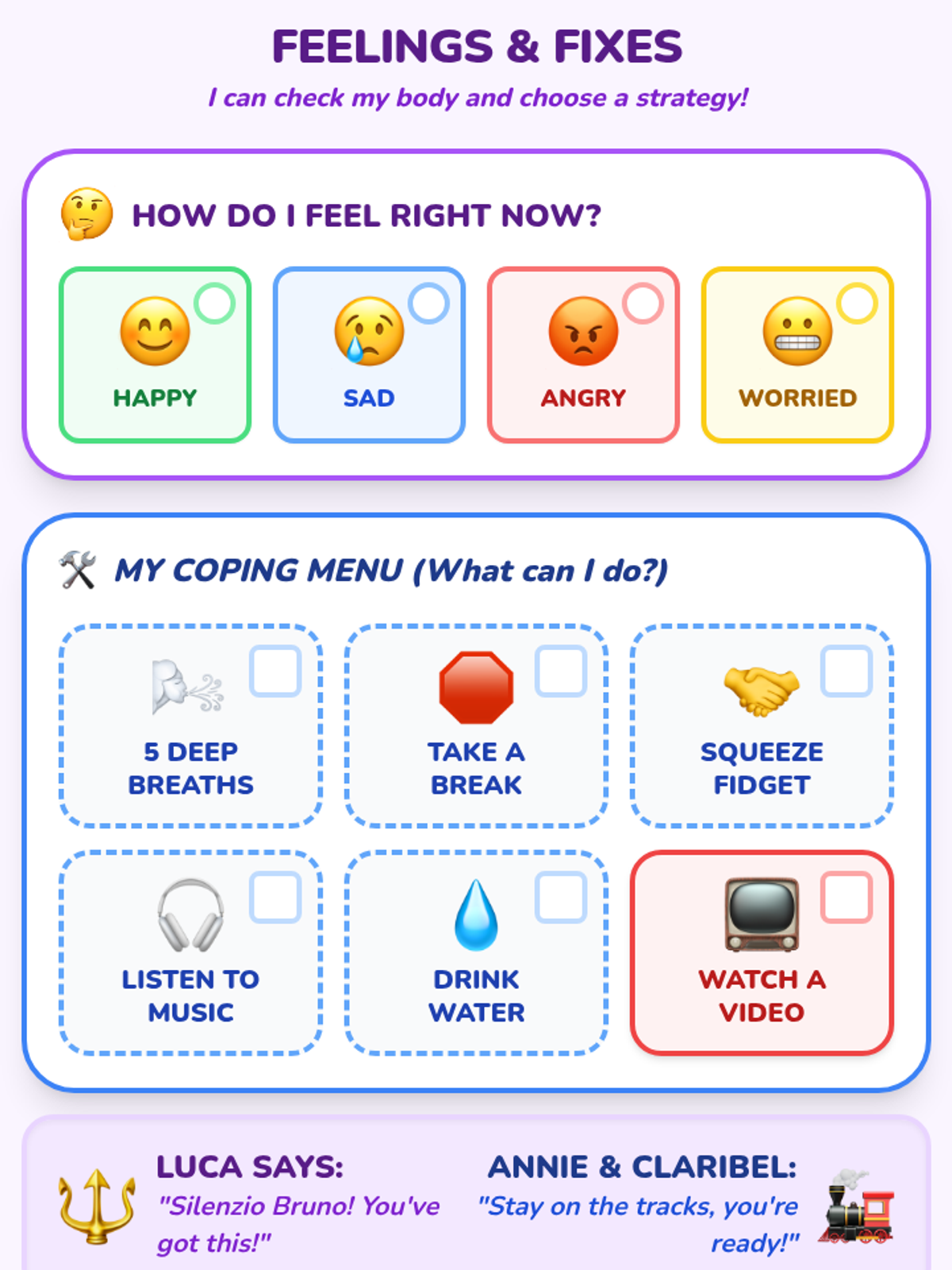
An adaptive emotional regulation board for a non-verbal student. It features a top section for identifying current feelings and a bottom 'menu' of coping strategies, using characters like Luca and Annie for motivation.
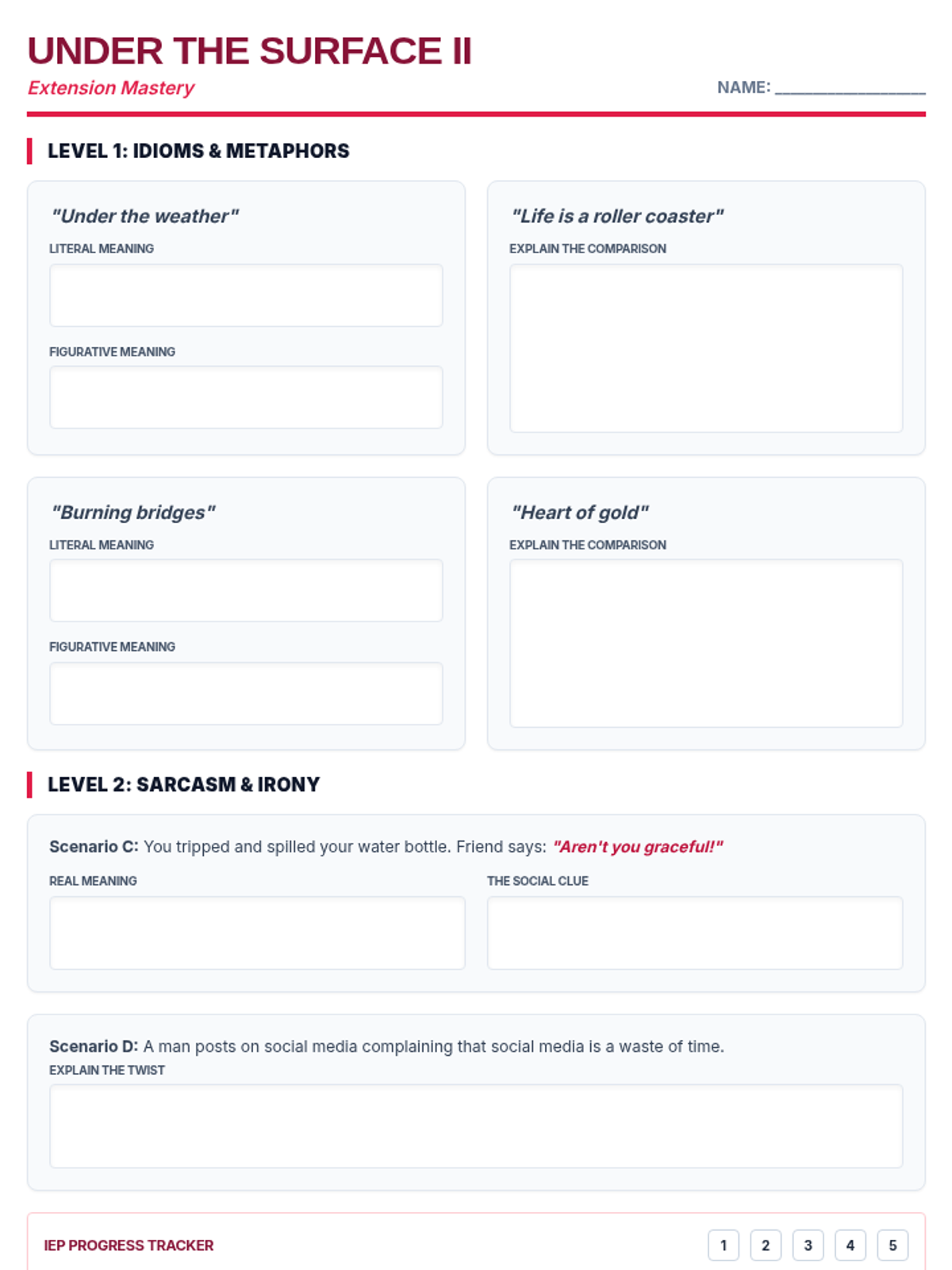
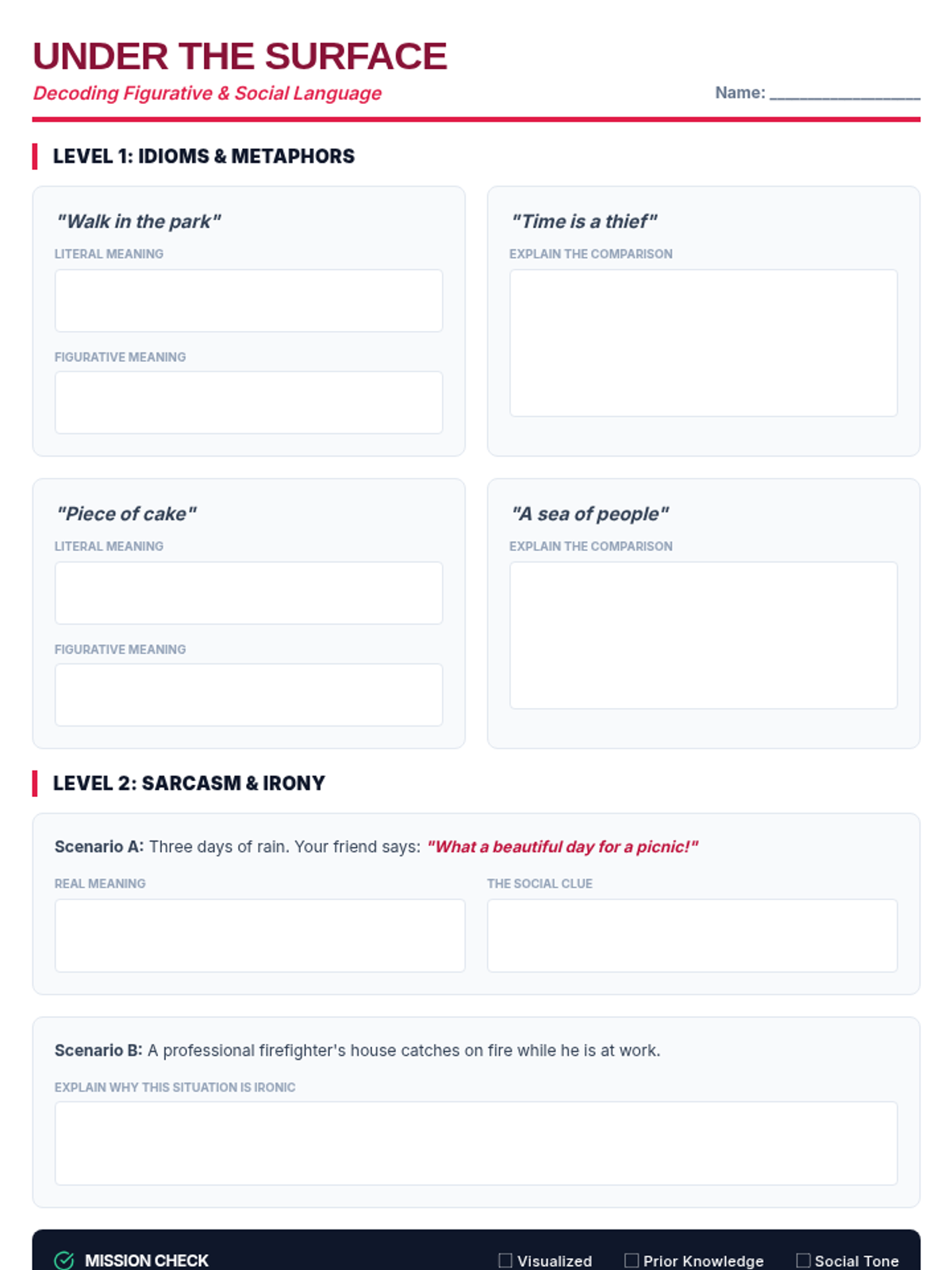
Ultra-condensed extension worksheet for figurative language. Includes four new Level 1 items and two Level 2 scenarios on a single page by utilizing a compact grid and optimized work areas. This version has corrected contrast and handwriting space.
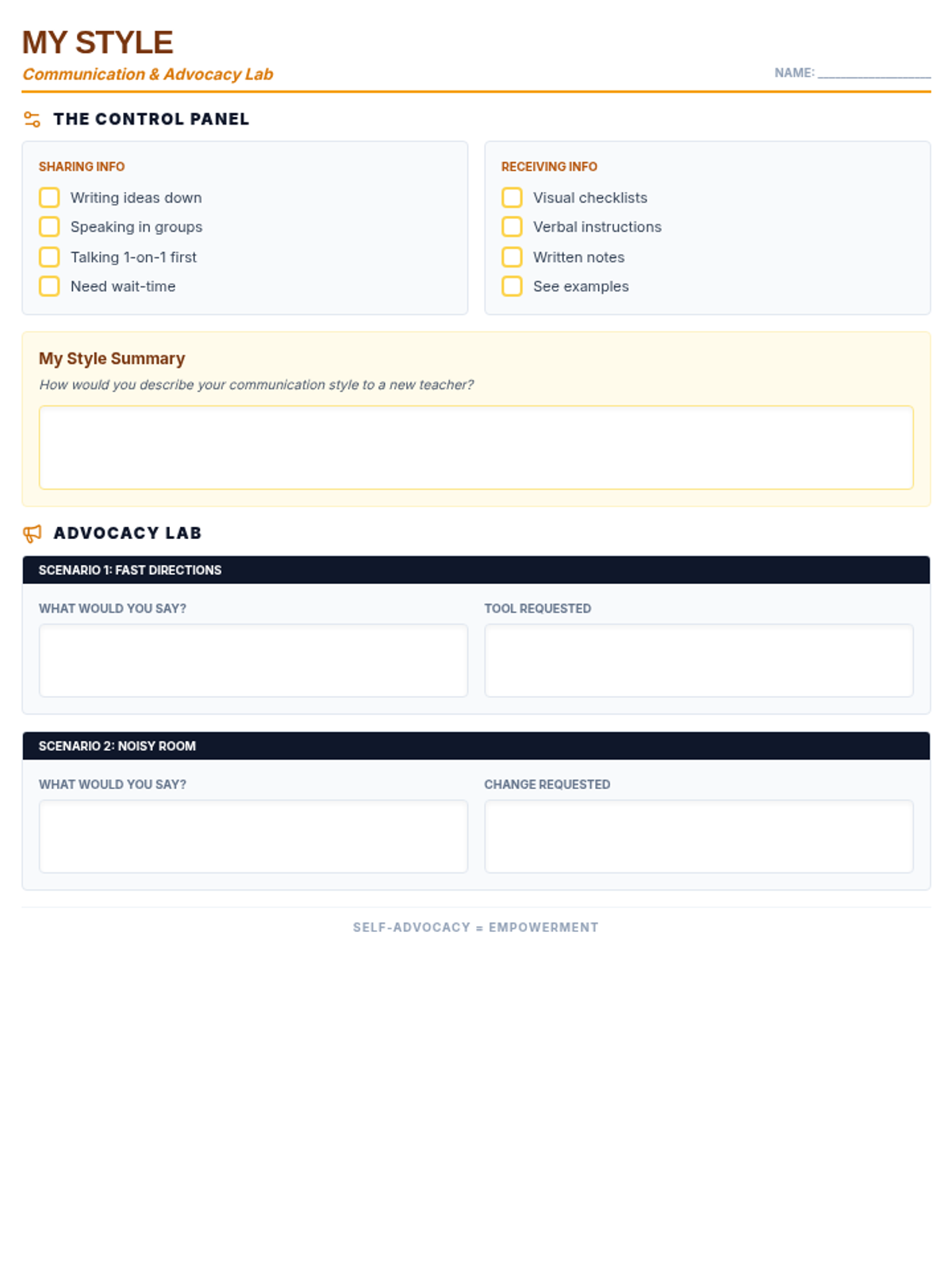
Condensed version of the self-advocacy worksheet. Fits communication preferences, a style summary, and two distinct advocacy scenarios on a single page with optimized writing spaces for handwriting legibility.
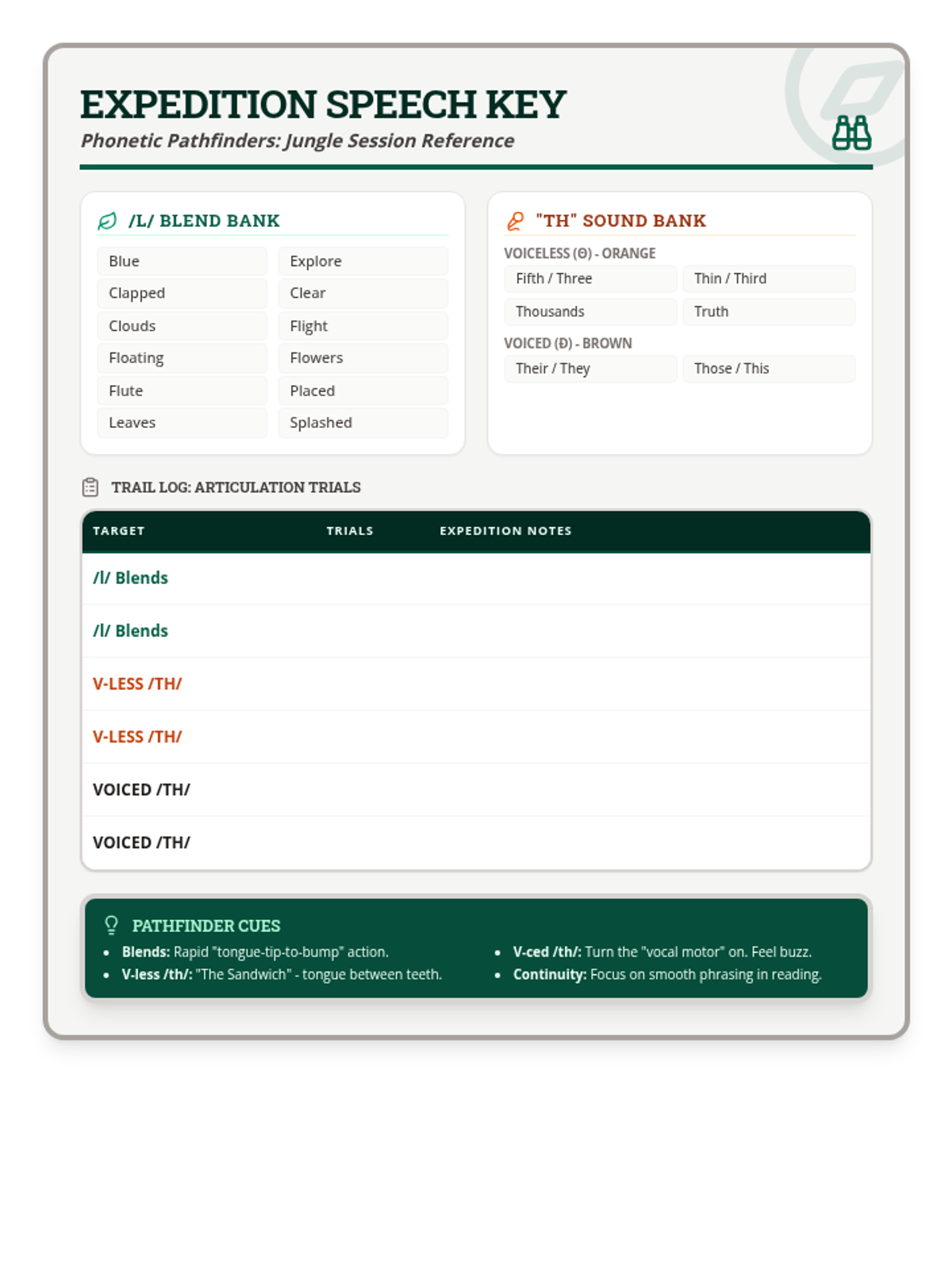
A teacher-facing reference guide including word lists for targets and a data tracking table for session management.
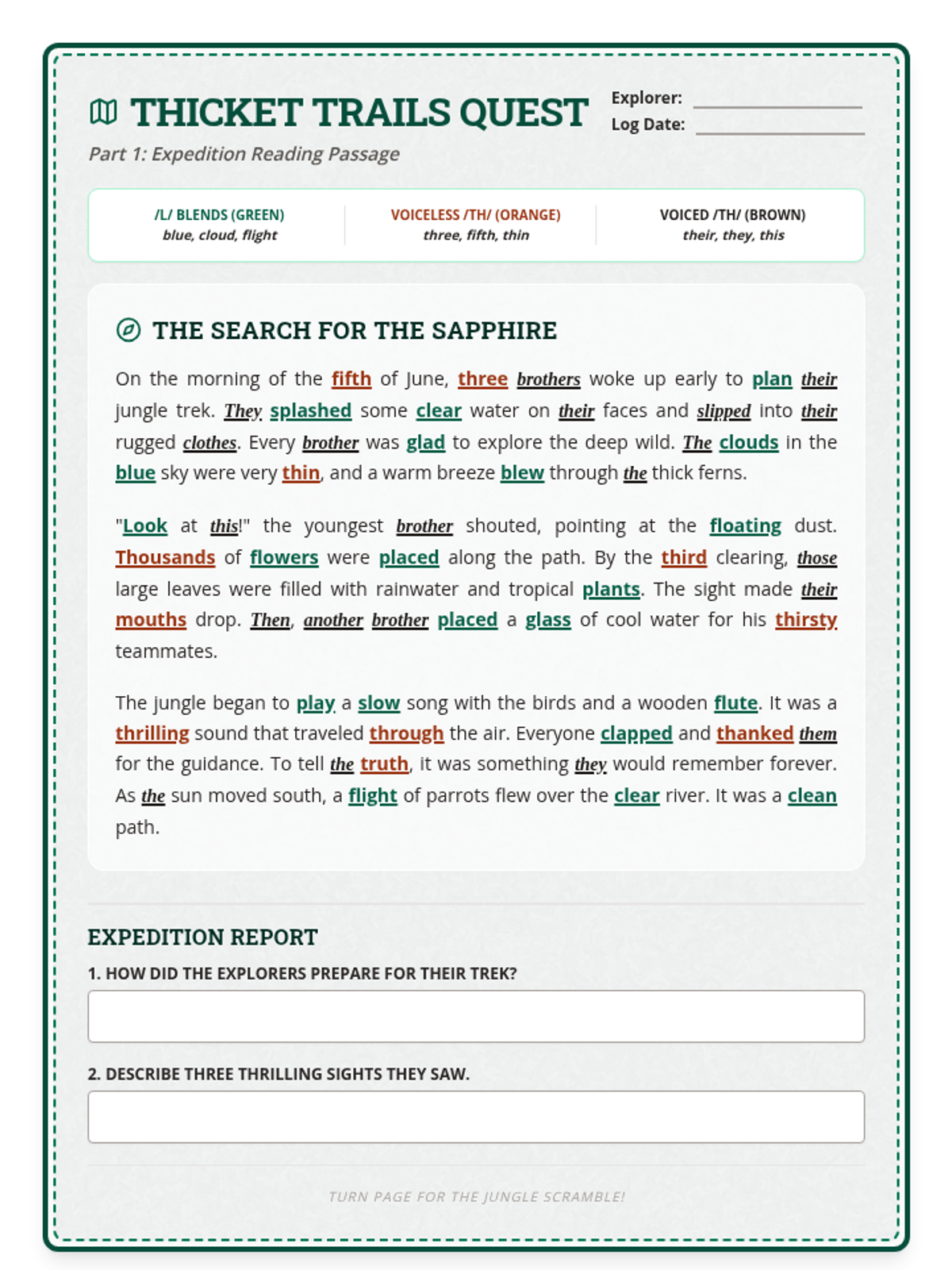
A 3-page articulation activity featuring an expanded reading passage, a word scramble game with a secret code, and a clarity strategy guide with a student reflection section.
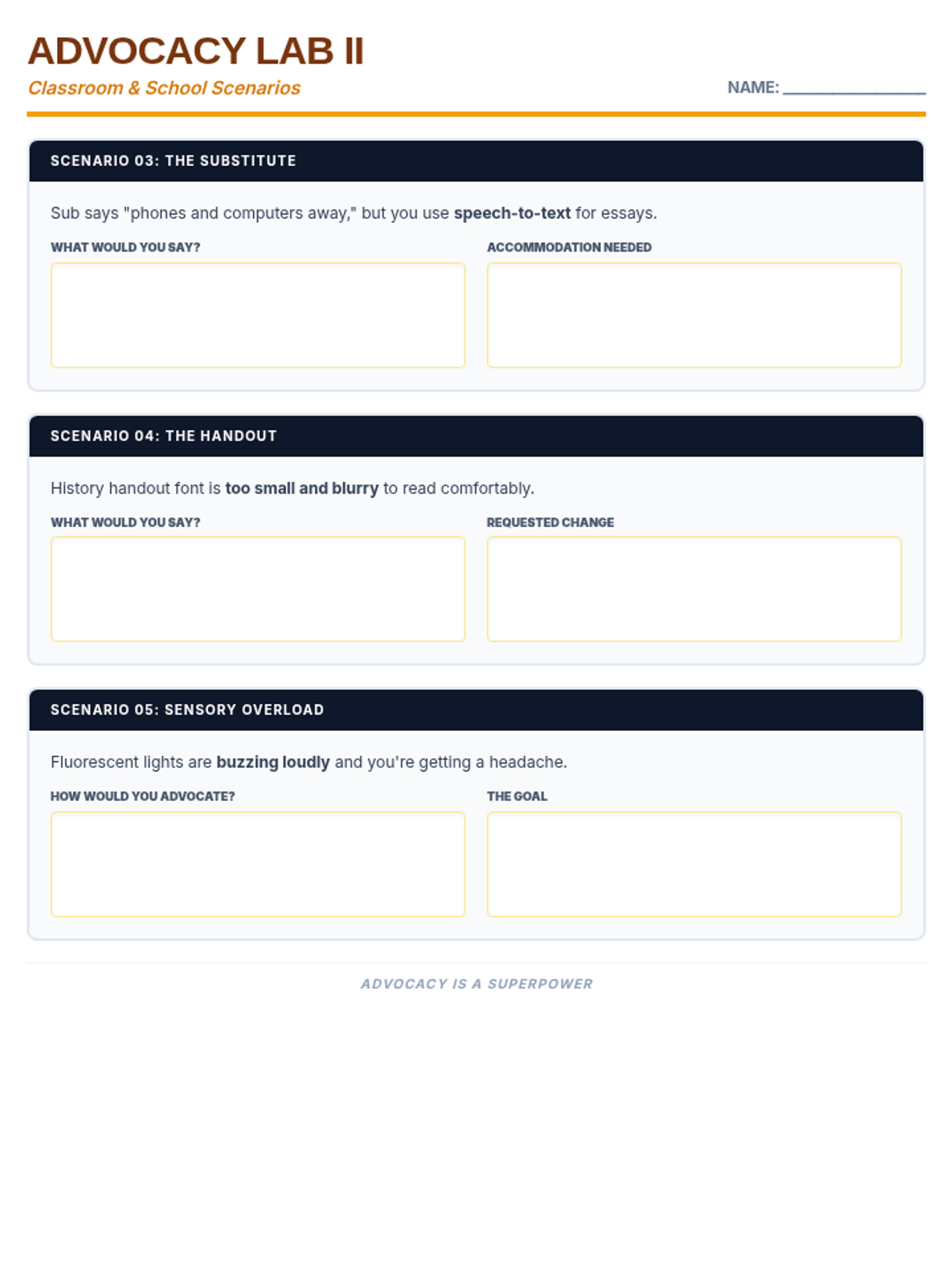
Additional self-advocacy practice scenarios for 8th-grade students. Targets complex situations like substitute teachers, poorly formatted materials, and sensory needs in school settings. Provides structured areas for drafting responses and identifying specific needs. This version is ultra-condensed to fit on one page with optimized work areas.
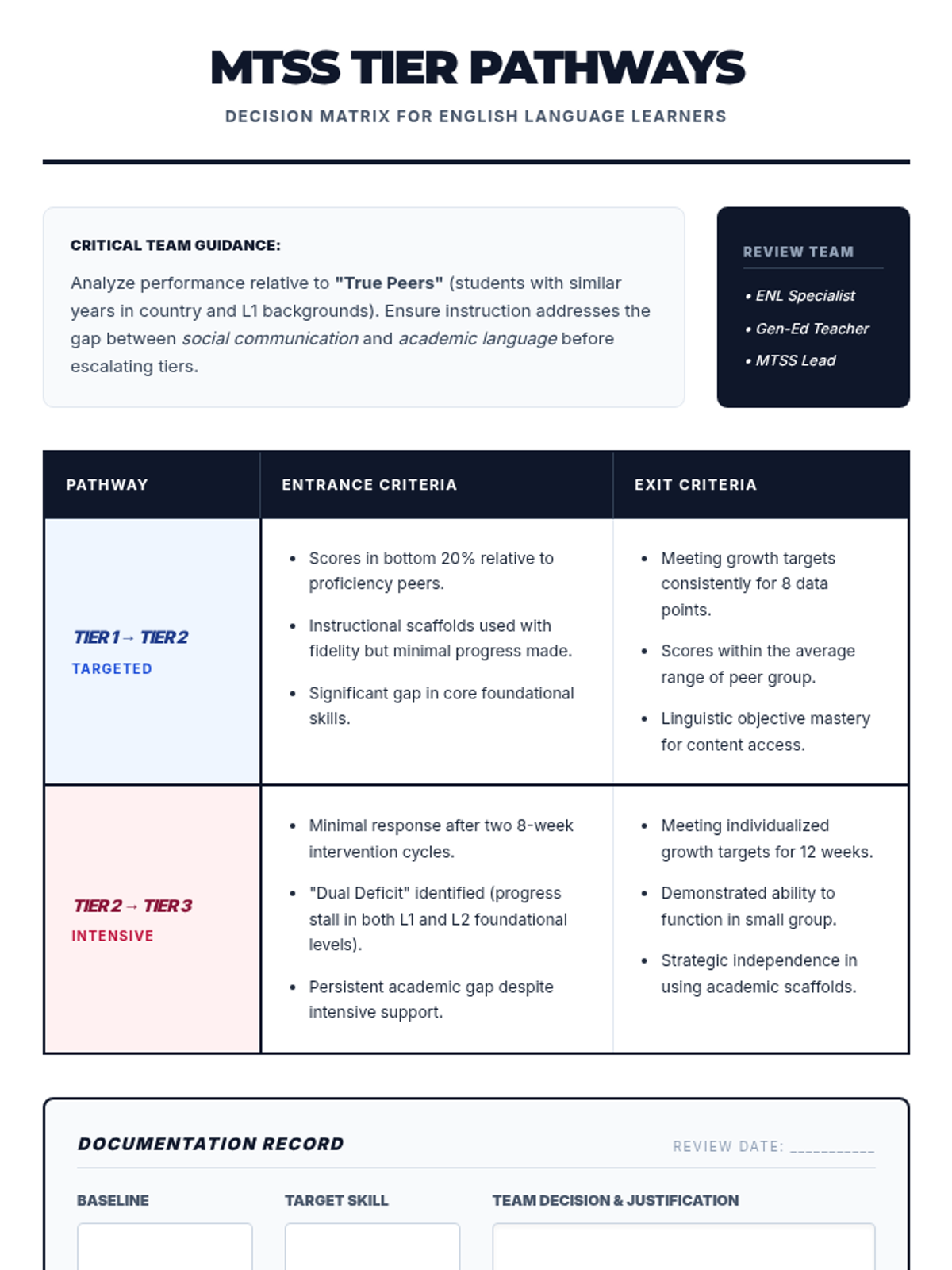
A decision-making matrix for district teams to determine student placement and movement within the MTSS tiers for ENL, focusing on entrance/exit triggers and comparative peer data.
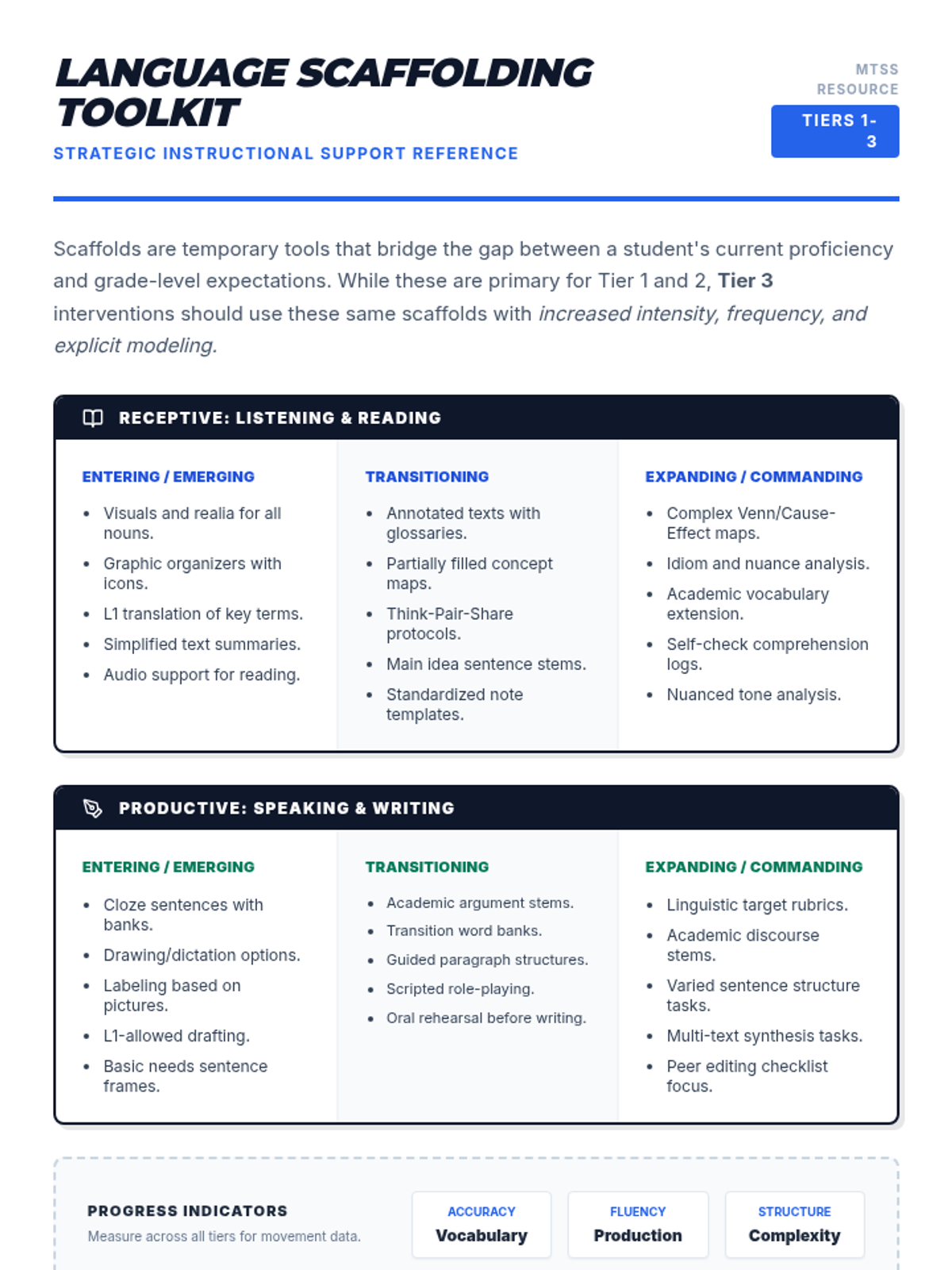
A professional reference guide for teachers that categorizes instructional scaffolds for ENL students by language domain and proficiency level, supporting Tier 1 and Tier 2 instruction.
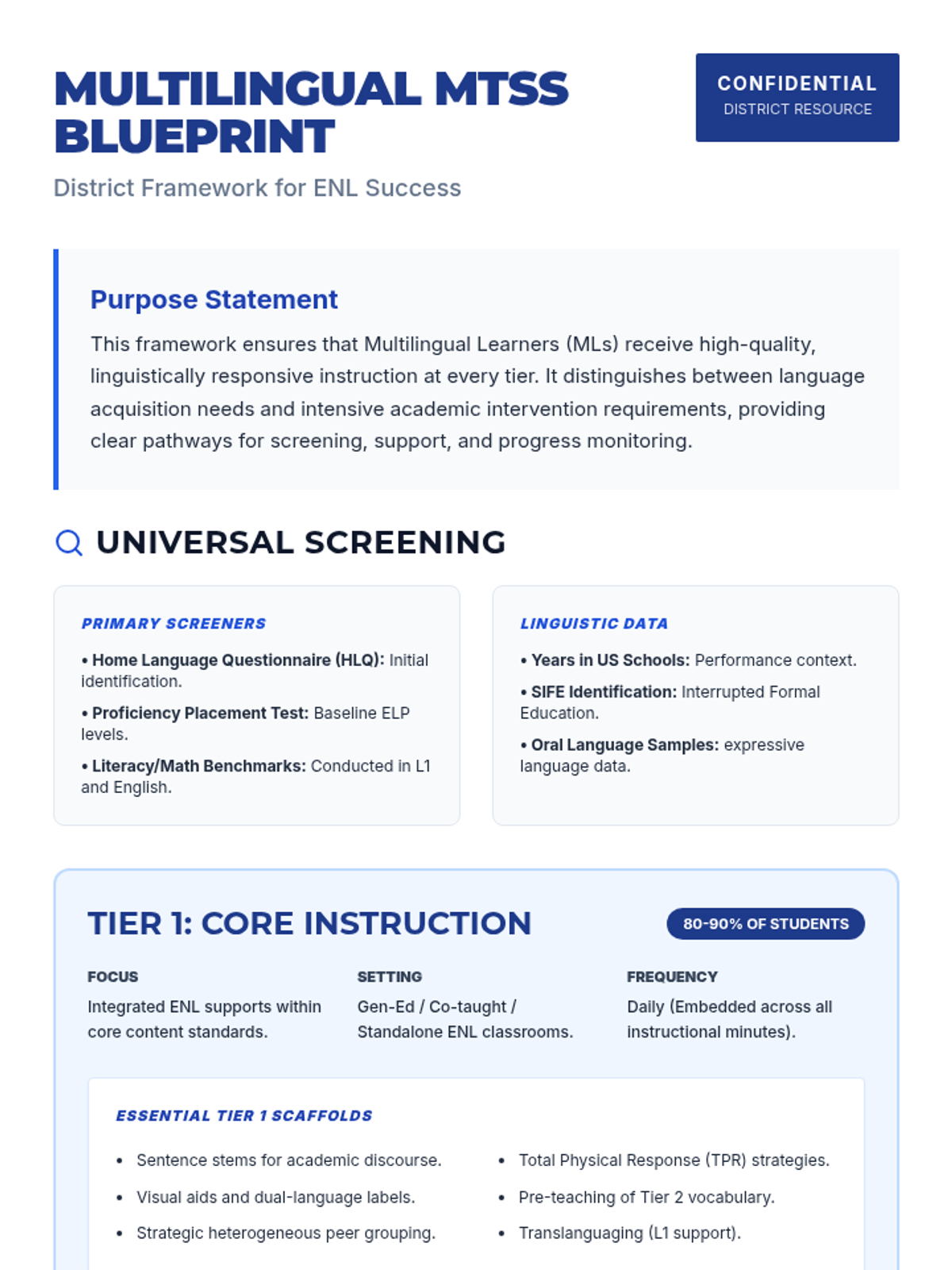
A strategic district-level handbook outlining the three-tiered MTSS model for ENL students, featuring specific entrance/exit criteria, screening protocols, and tier-specific focus areas.
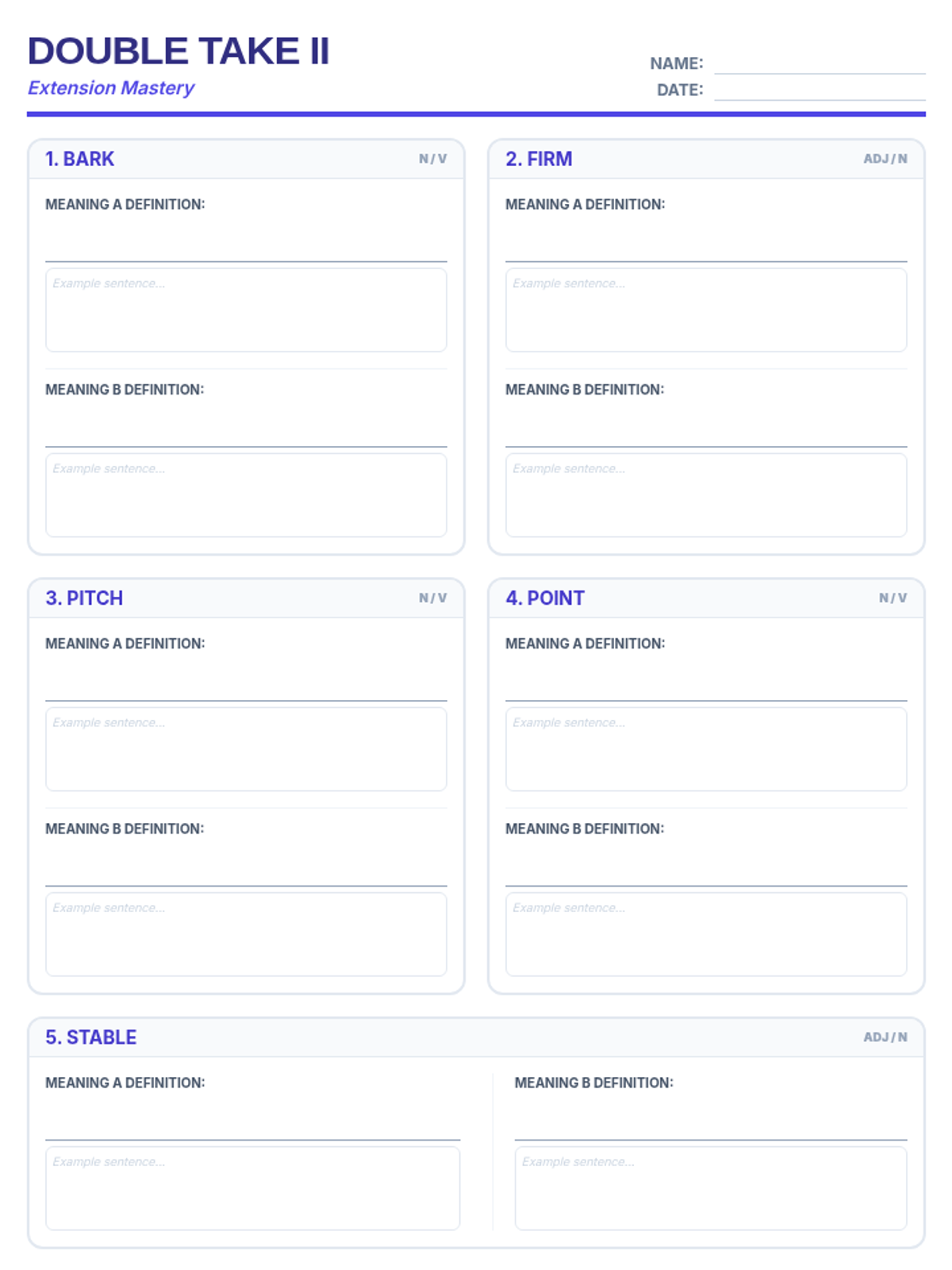
Ultra-condensed version of the multiple-meaning extension worksheet. Fits 5 extension words and a creative challenge on a single page by using a space-efficient layout and optimized work areas. This version has corrected consistency in item 5 and improved handwriting space.
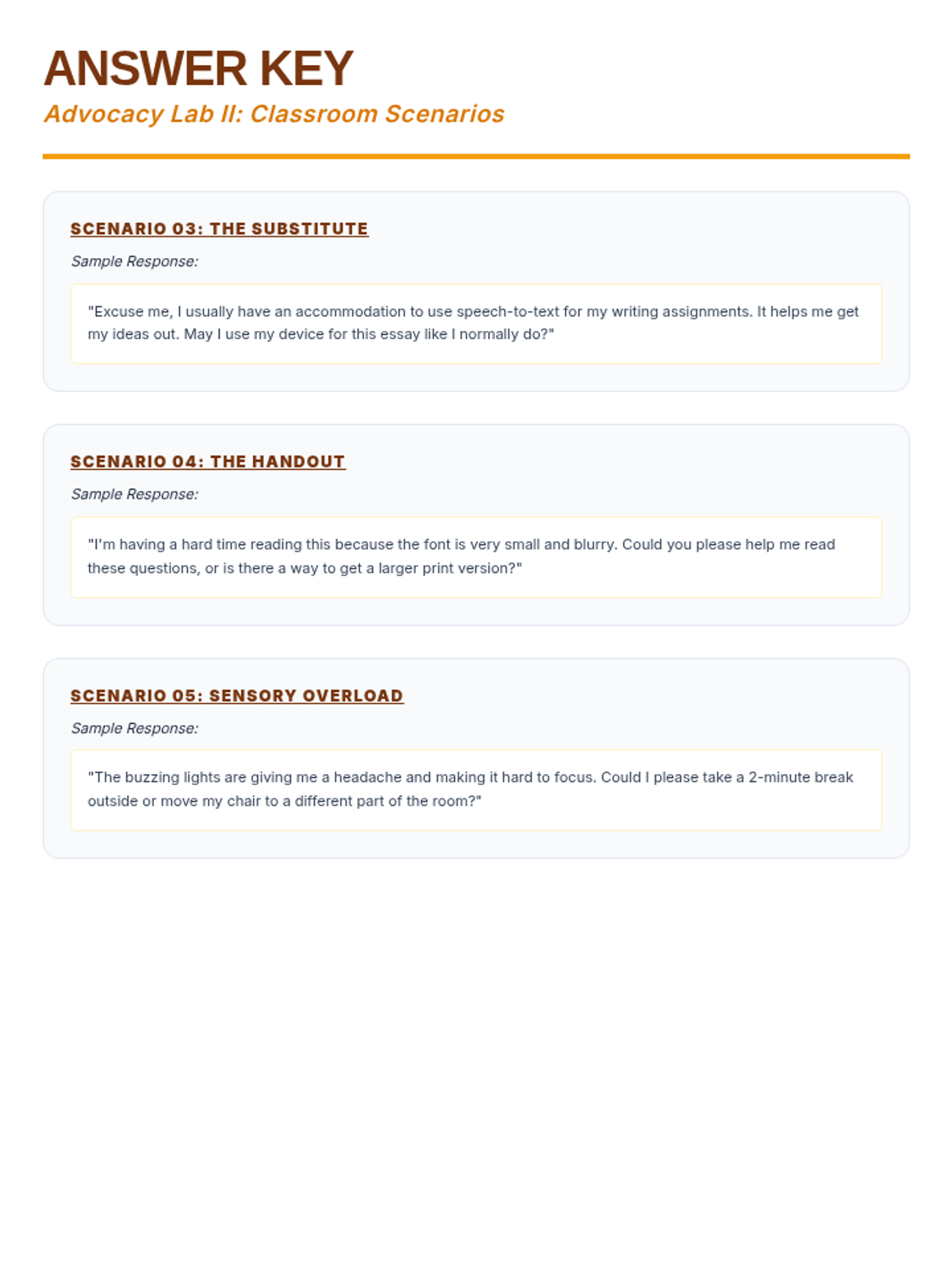
Answer key for Advocacy Scenarios Set 2. Provides model responses for advocating during substitute teacher sessions, handling poorly formatted materials, and addressing sensory needs.
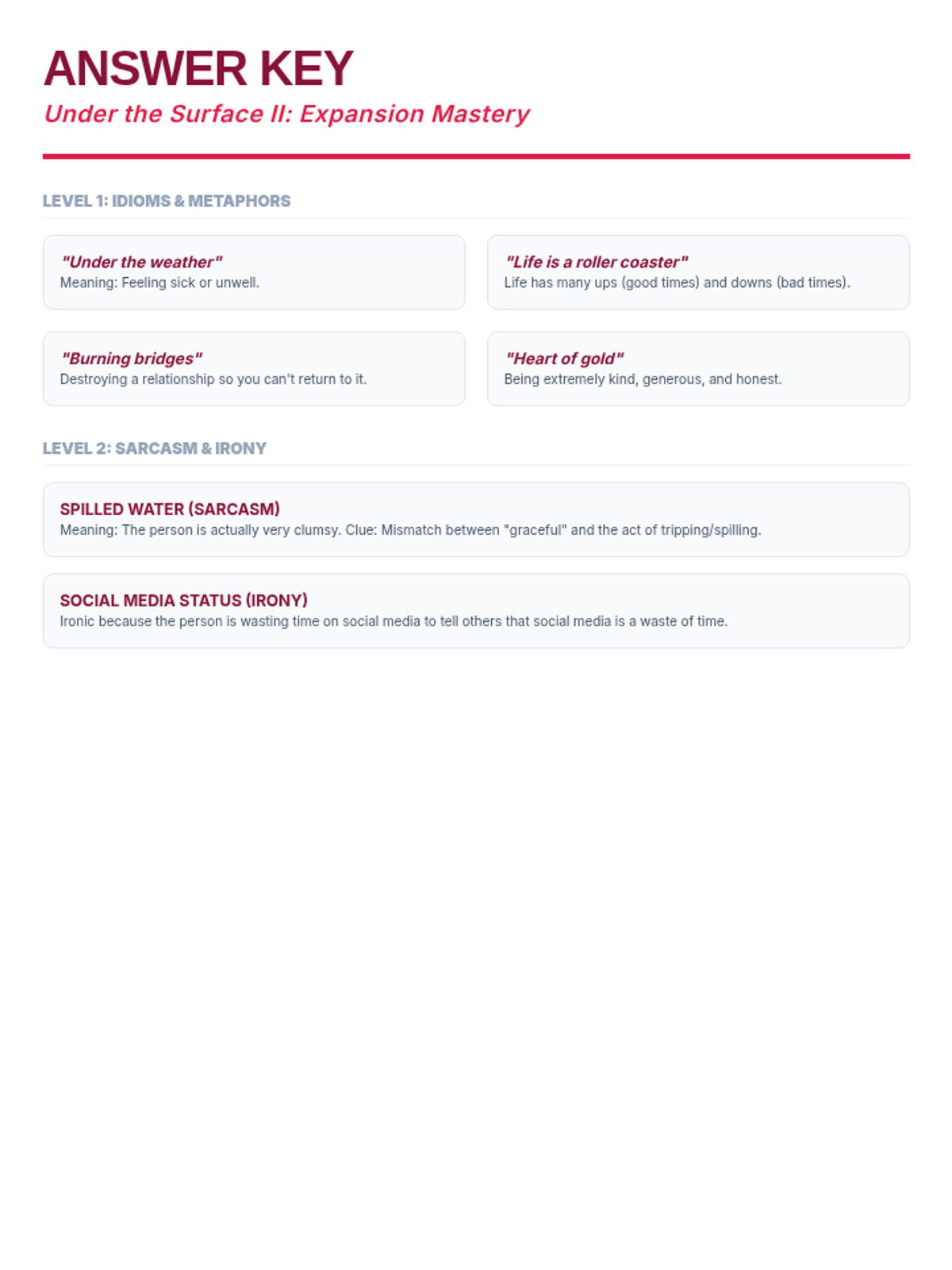
Answer key for the Under the Surface Expansion worksheet. Provides interpretations for new idioms, metaphors, and social scenarios involving sarcasm and irony.
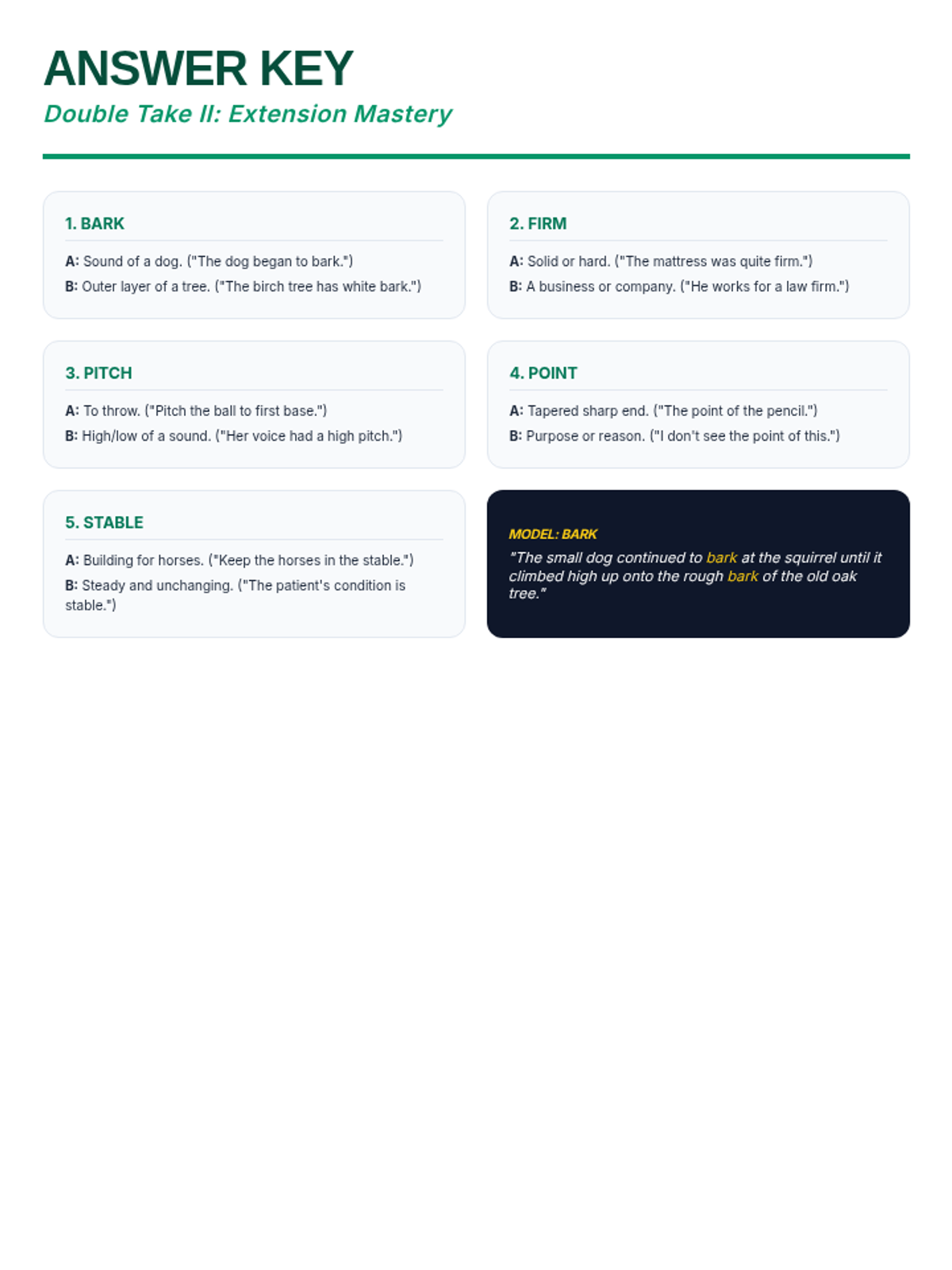
Answer key for the Double Take Extension worksheet. Includes model definitions and sentences for Bark, Firm, Pitch, Point, and Stable, along with a sample response for the creative context challenge.
A condensed version of the figurative language worksheet. It fits 4 Level 1 items and 2 Level 2 scenarios on a single page by utilizing a compact grid and larger response areas for handwriting. This version has corrected contrast and removed placeholder text.
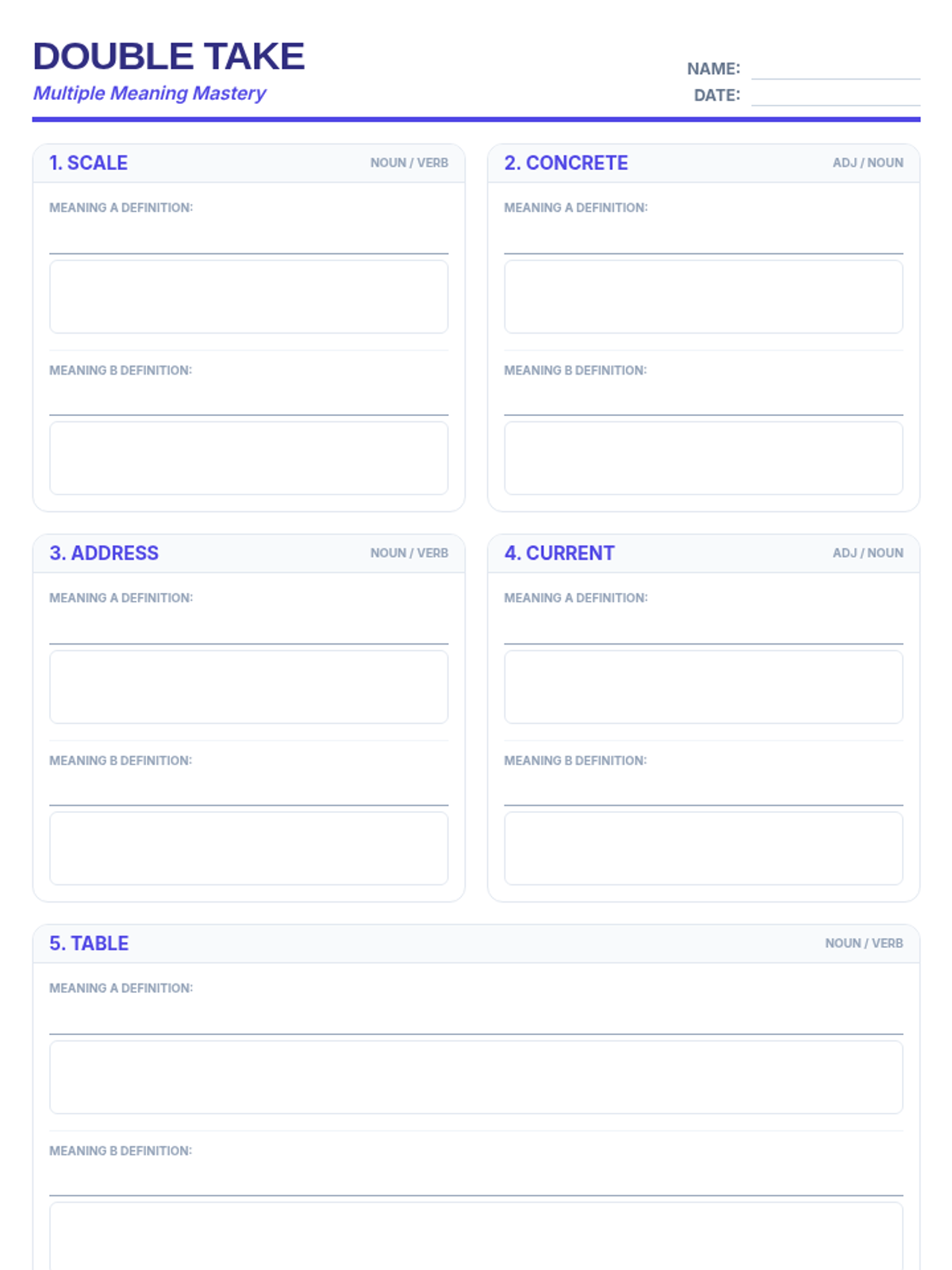
Ultra-condensed version of the multiple-meaning word worksheet. Fits 5 target words and a bonus section on a single page by using a highly efficient grid layout and optimized writing spaces for legible handwriting. This version has corrected definition line heights and improved label contrast.
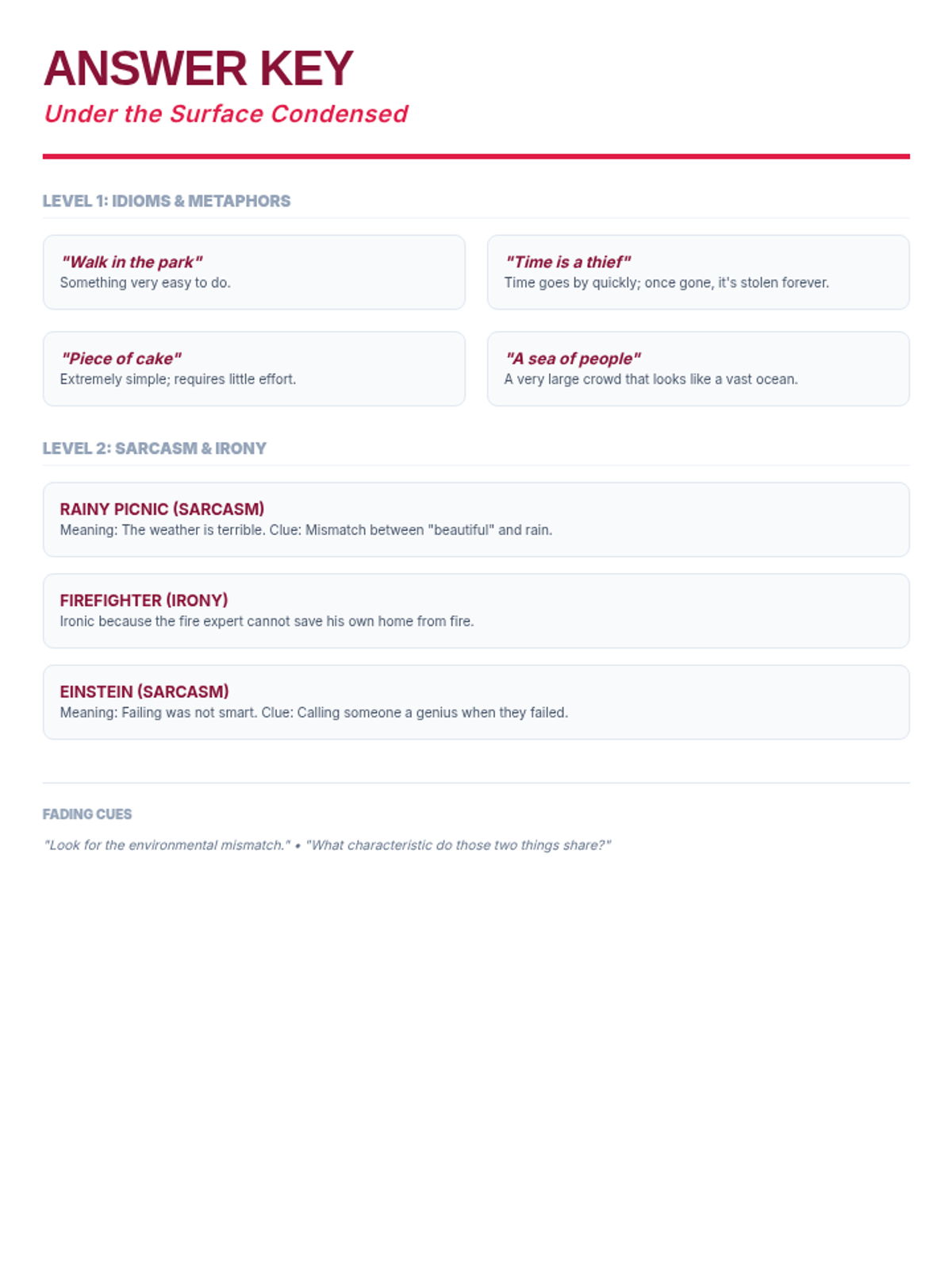
Updated answer key for the condensed Under the Surface worksheet. Includes interpretations for all 4 Level 1 items and 2 Level 2 scenarios on a single page.
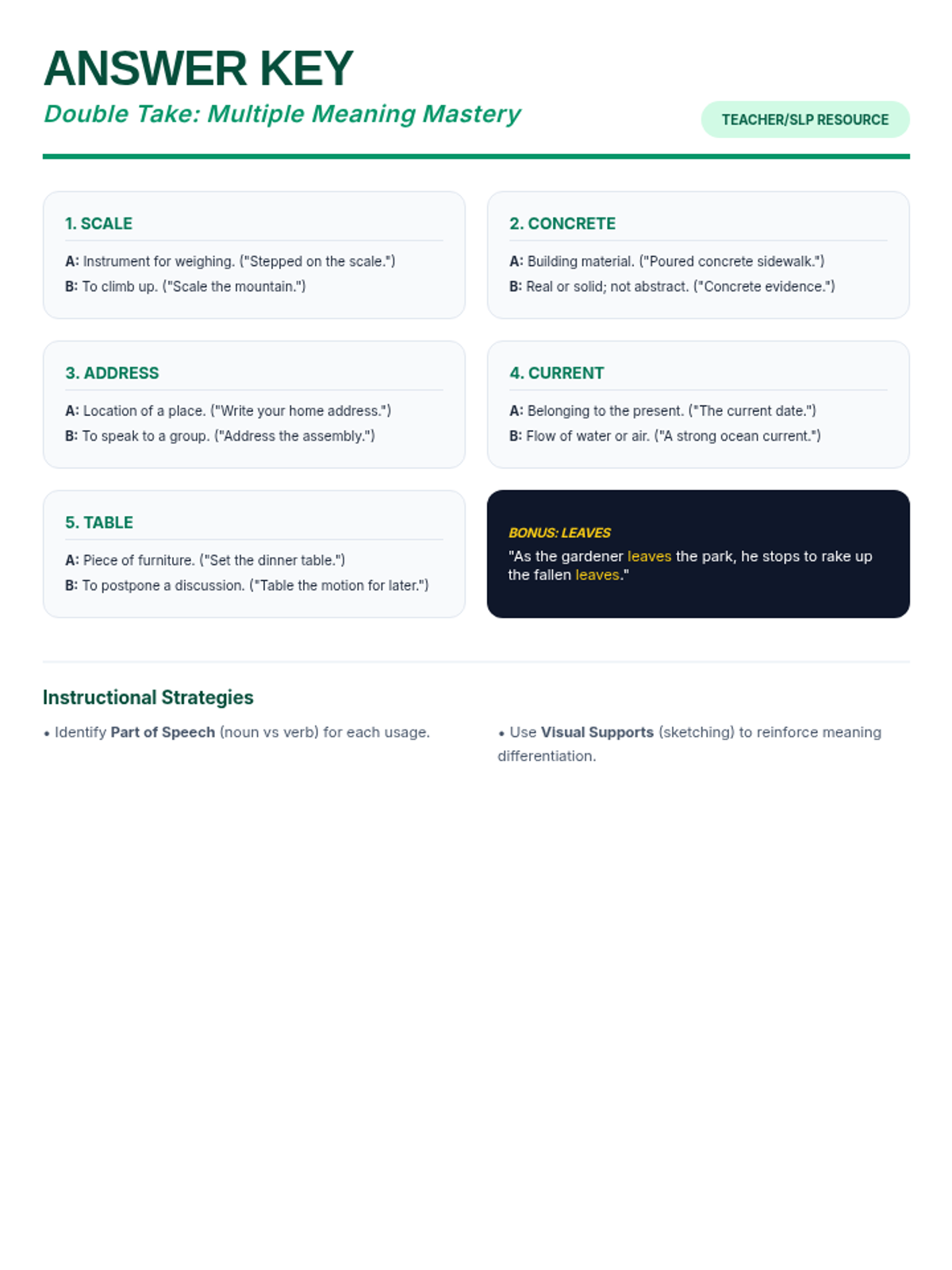
Updated answer key for the condensed Double Take worksheet. Includes model definitions and sentences for all 5 words plus the bonus challenge on a single page.
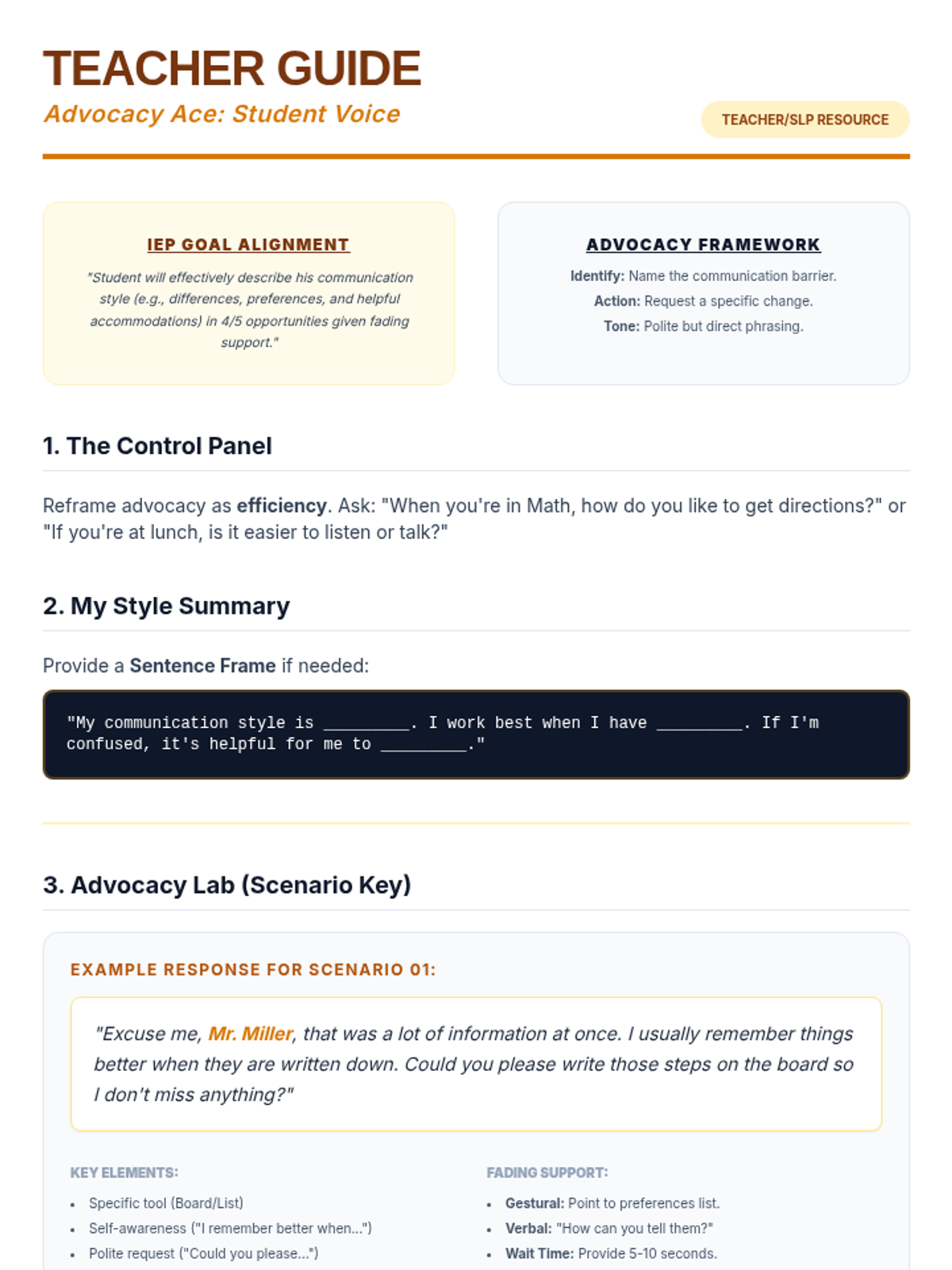
An advocacy facilitator guide for speech-language pathologists. Includes prompting strategies, sentence frames for modeling, and specific instructional tips for helping 8th-grade students articulate their communication needs. This version features corrected layout consistency and placeholder text.
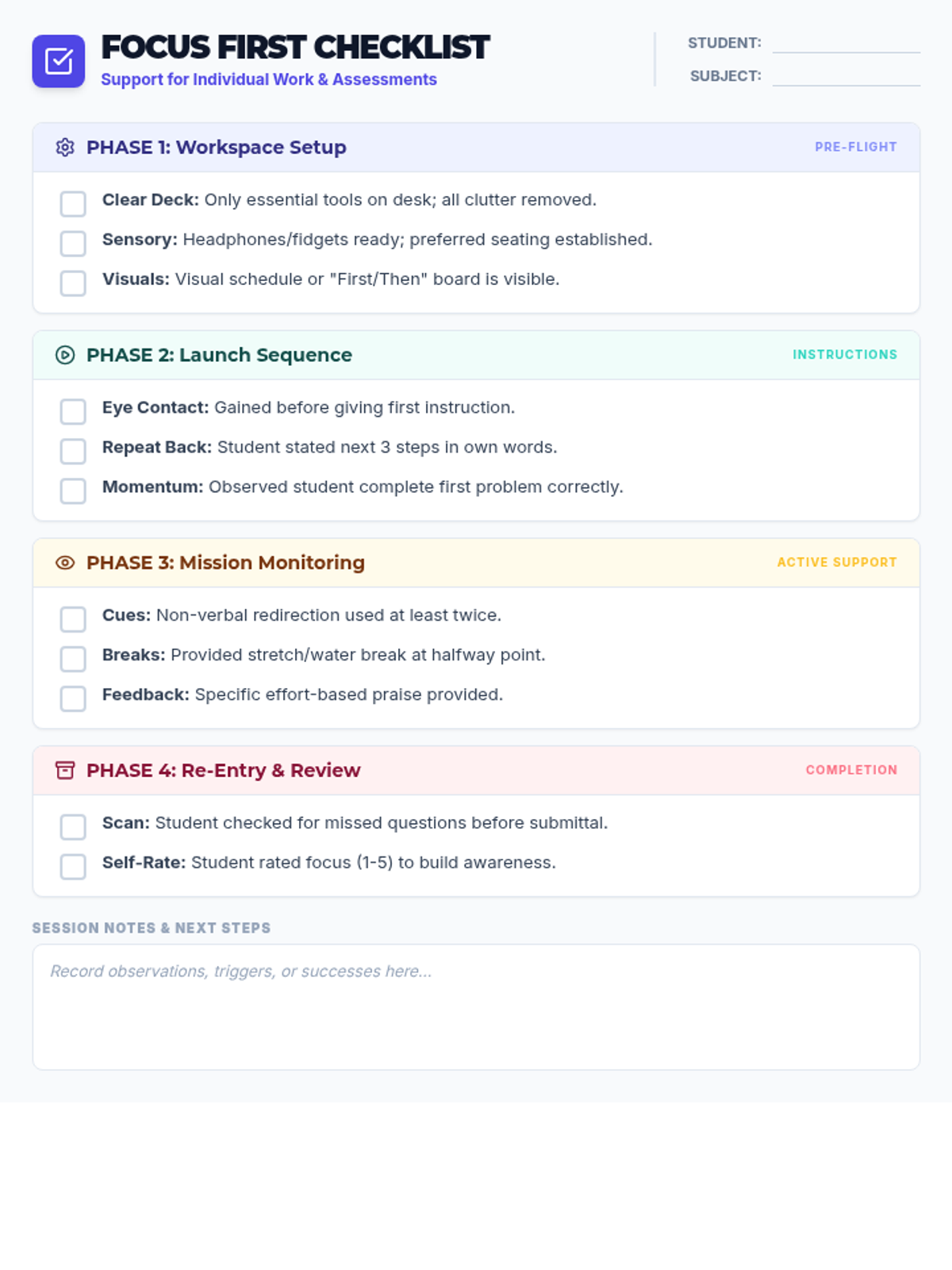
An actionable checklist for teachers to ensure necessary focus-related supports are in place before, during, and after a 3rd-grade classwork session or test.
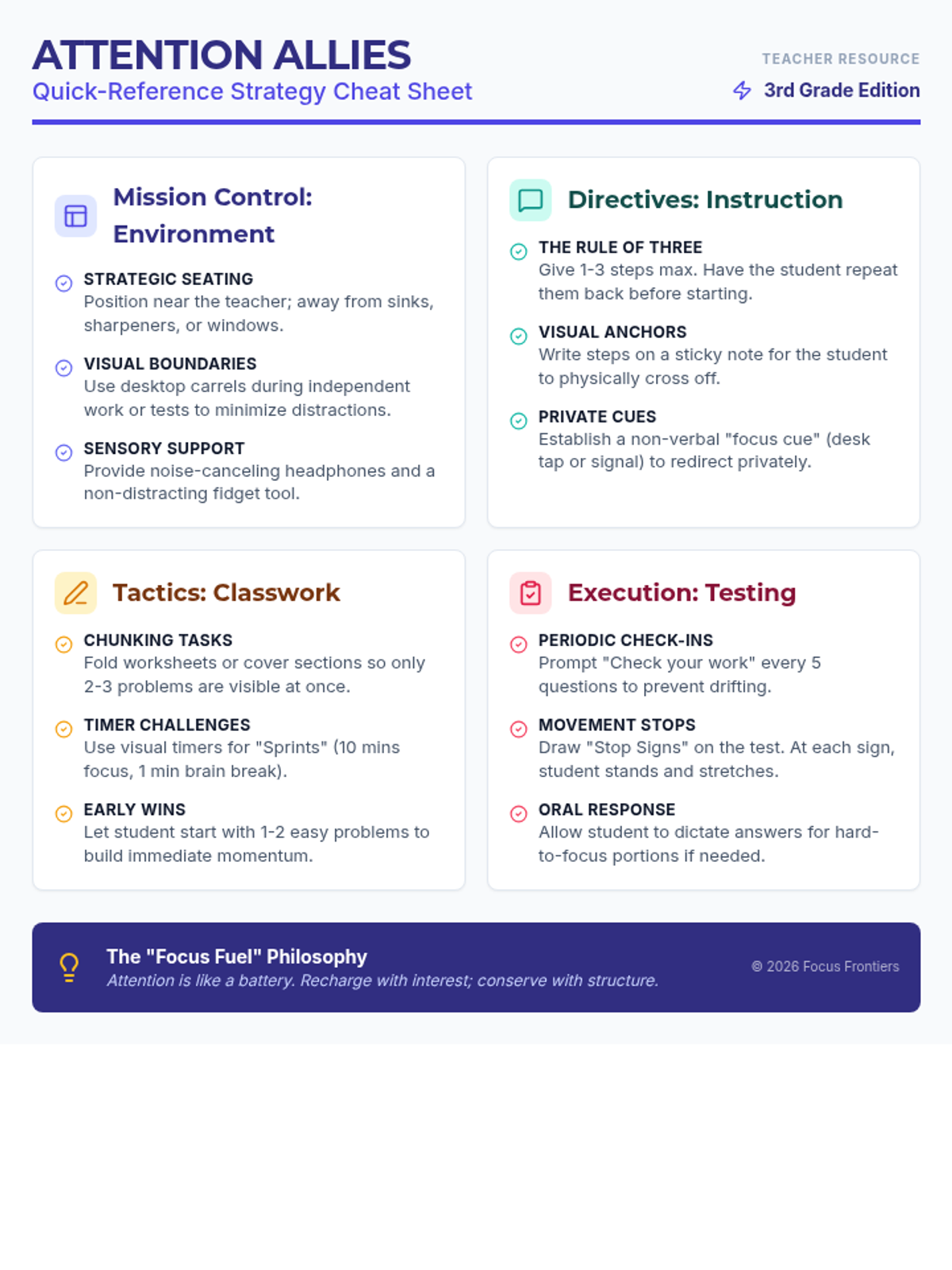
A high-level strategy guide for teachers, providing specific, actionable interventions for environment, instruction, classwork, and testing for 3rd-grade students with attention needs.
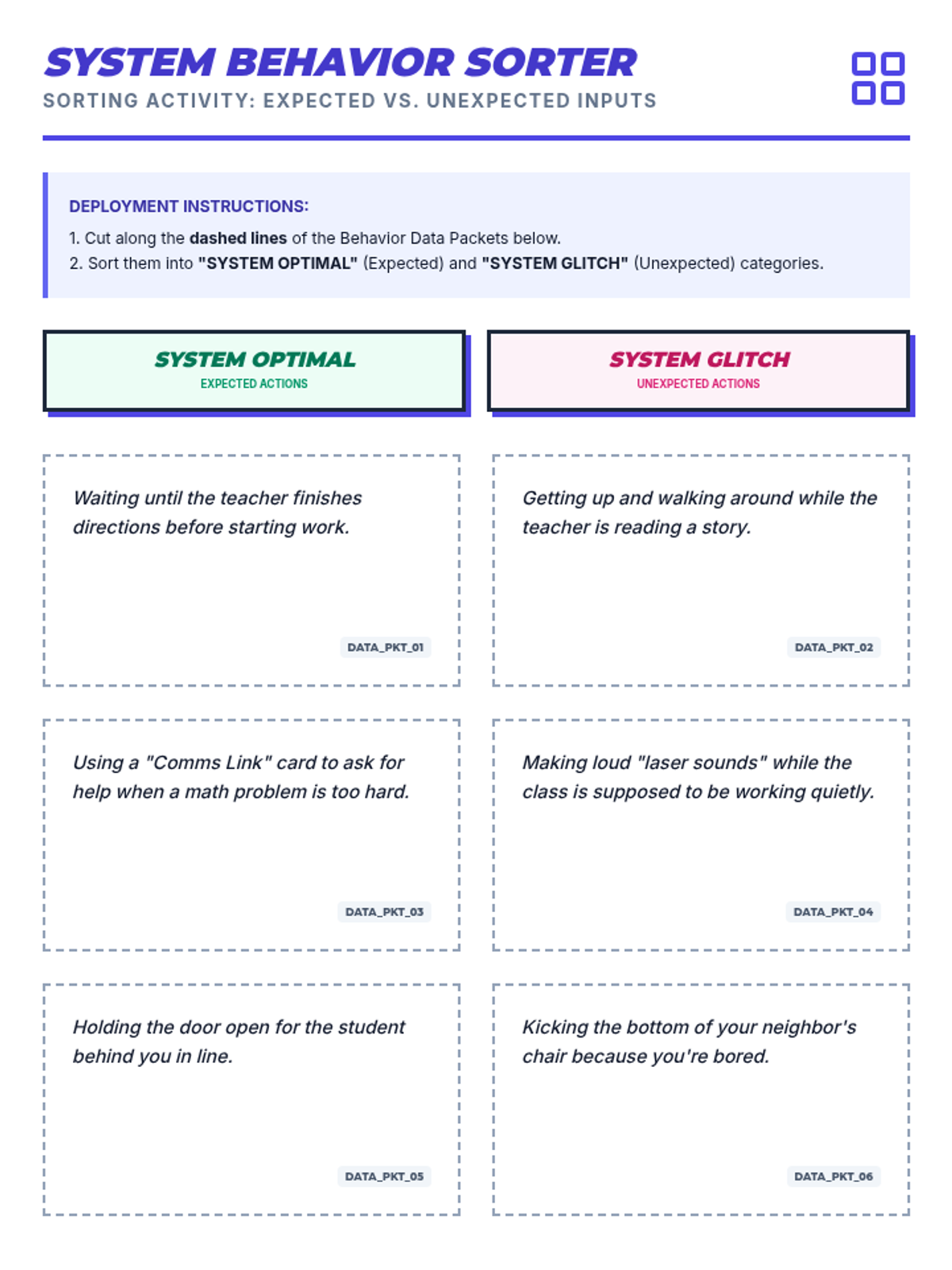
A consolidated behavior sorting activity featuring 24 scenarios themed around Quest Master training. Scenarios cover classroom, bus, honesty, and appropriate language protocols. The material is distributed across four pages with high-contrast status badges and thematic footers for a polished finish.
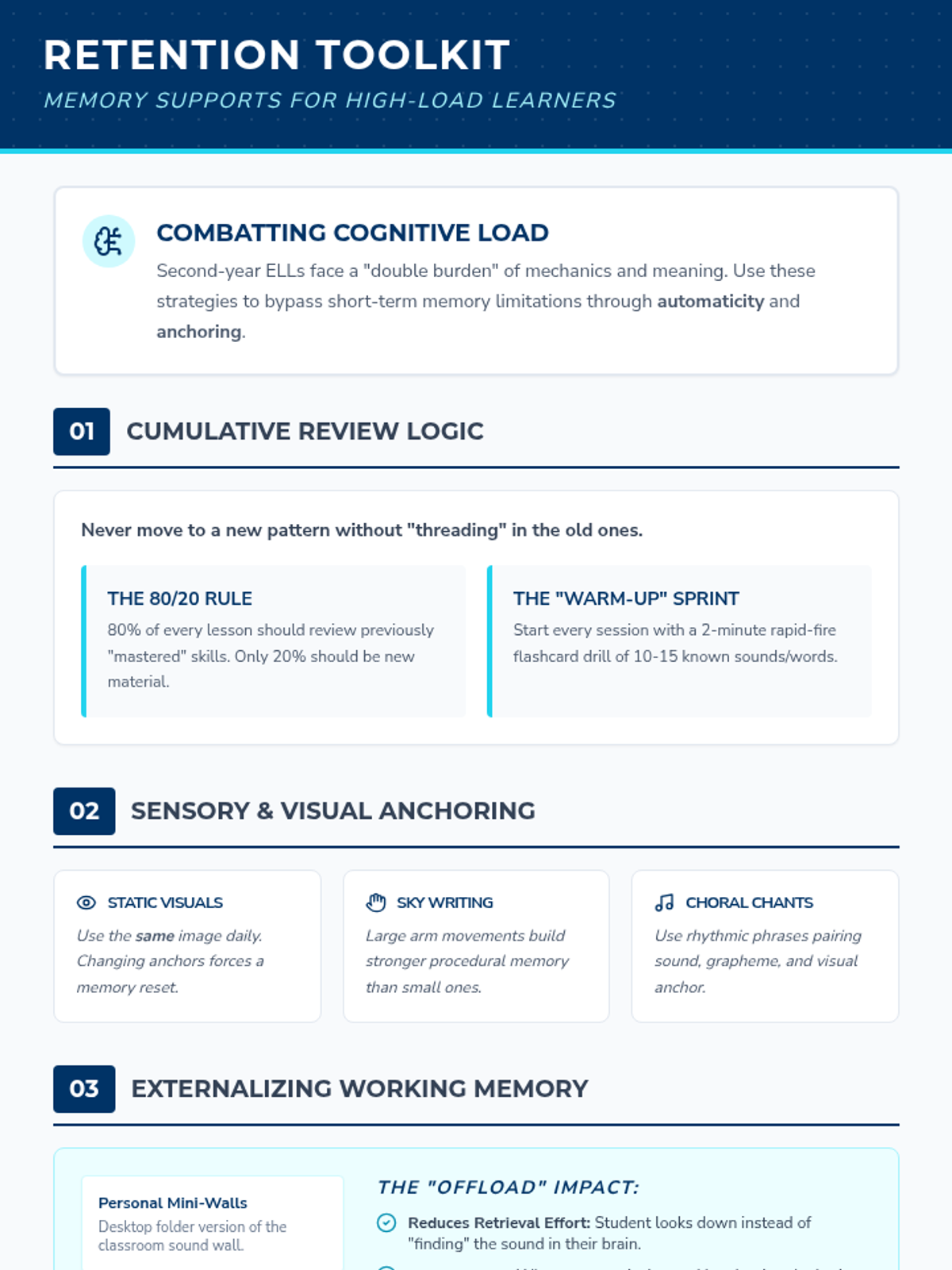
A specialized reference for interventionists supporting Year 2 ELLs with working memory challenges. It features strategies for cumulative review, sensory anchoring, and external memory supports to reduce cognitive load.
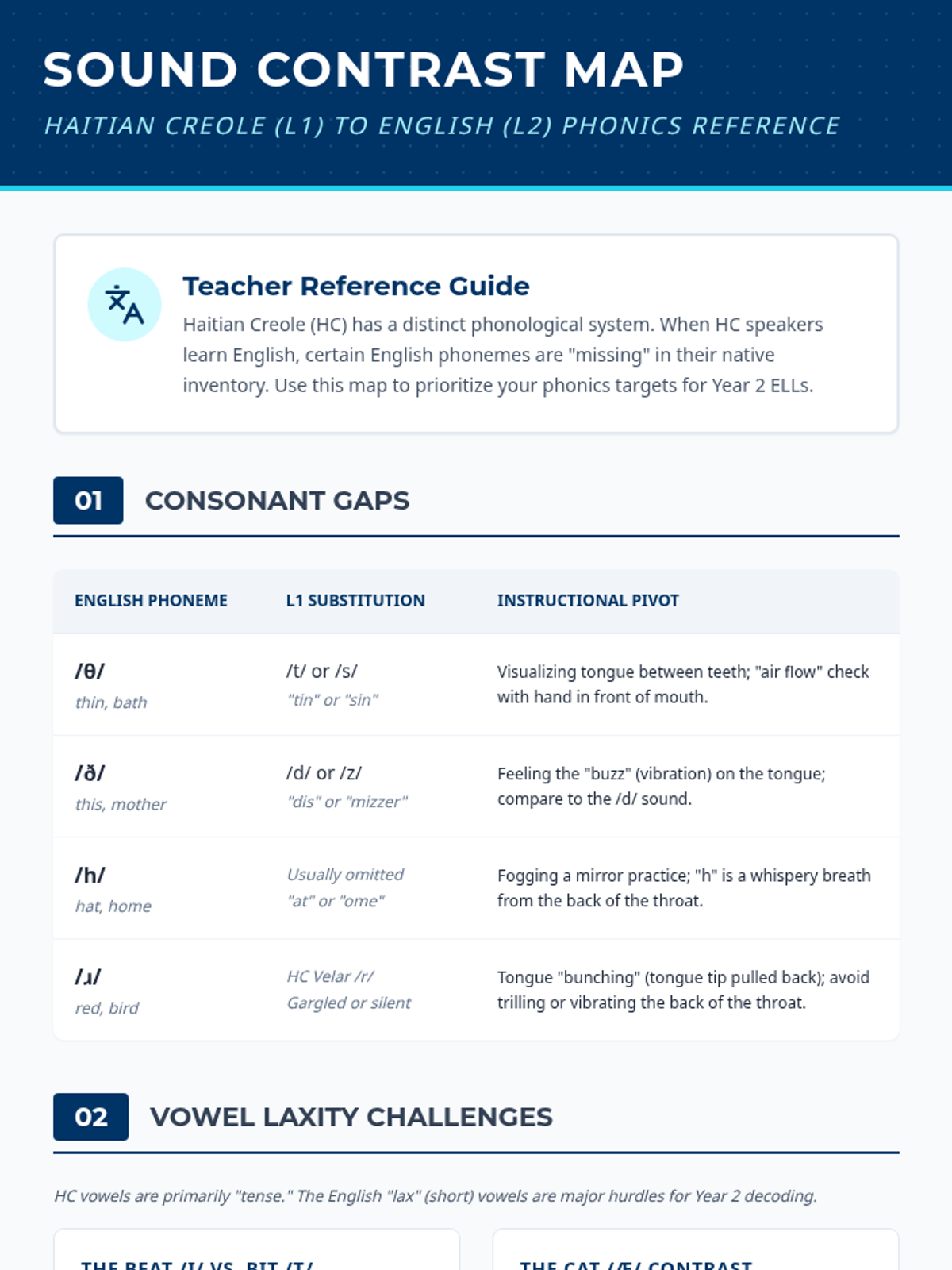
A teacher-facing linguistic reference comparing Haitian Creole and English phonology. It highlights "missing" sounds in Haitian Creole to help interventionists prioritize phonics targets for Year 2 ELLs.