Deep dive into negative prefixes (in-, im-, il-, ir-, non-) and their phonetic patterns.
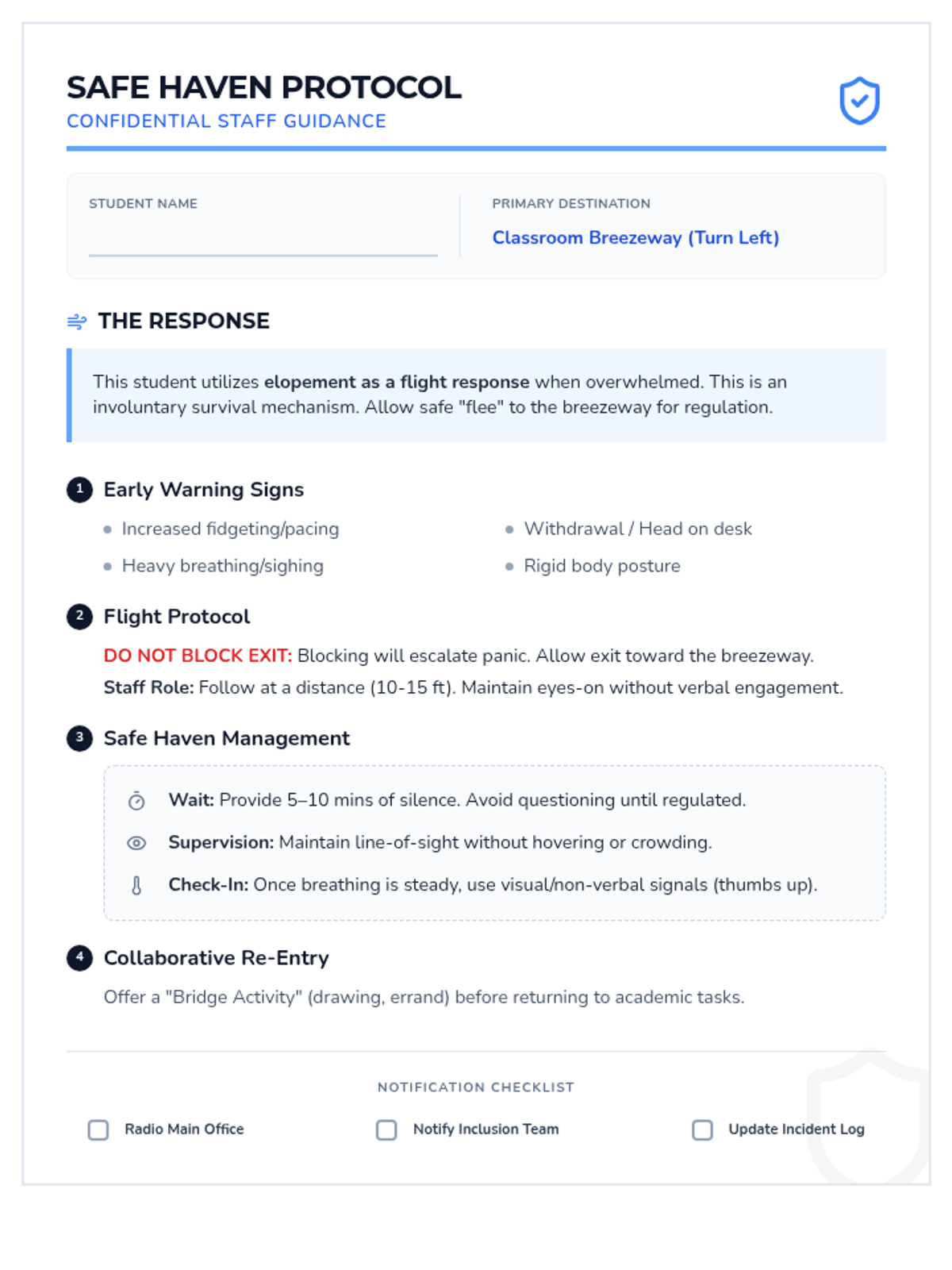
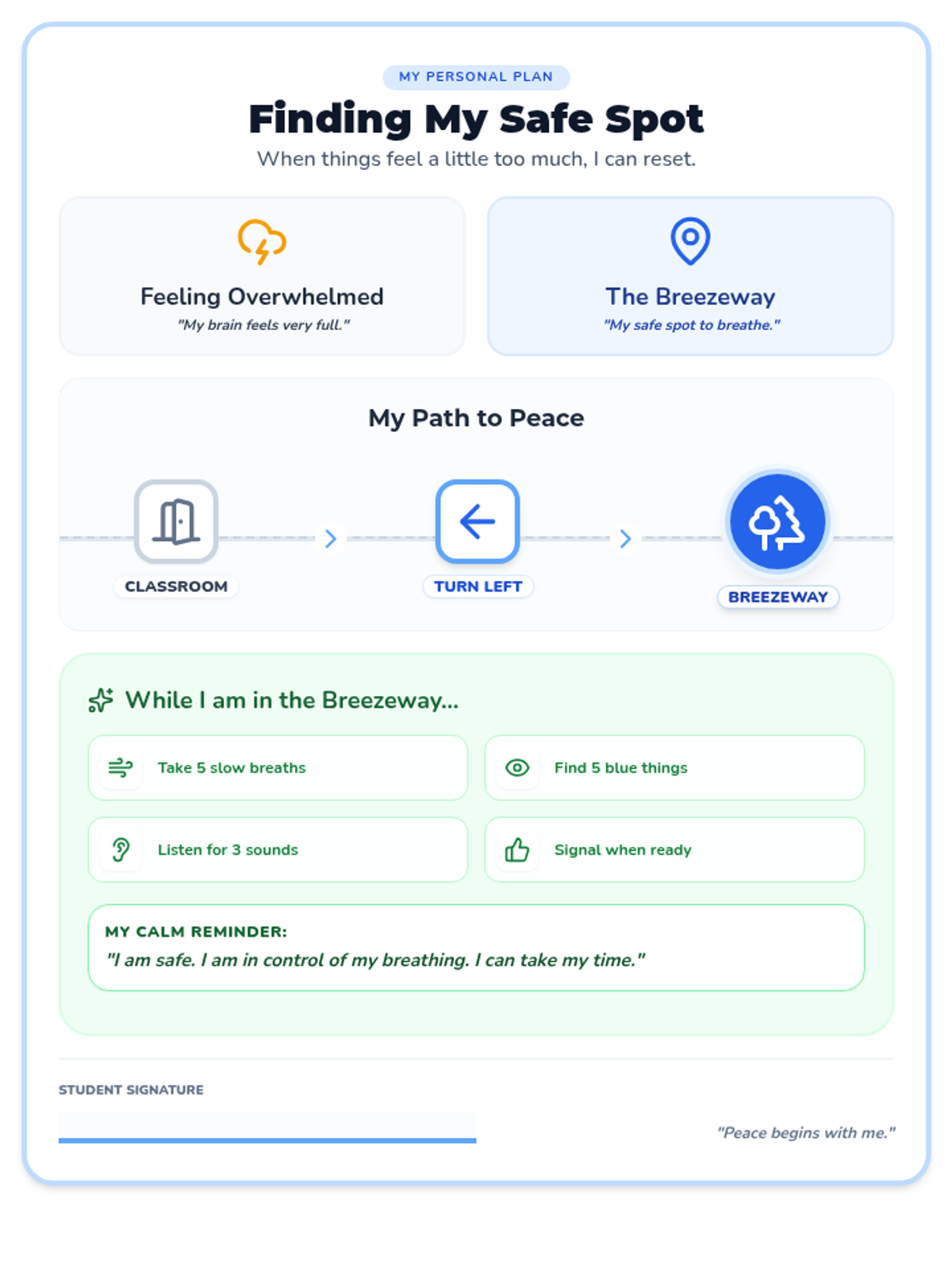
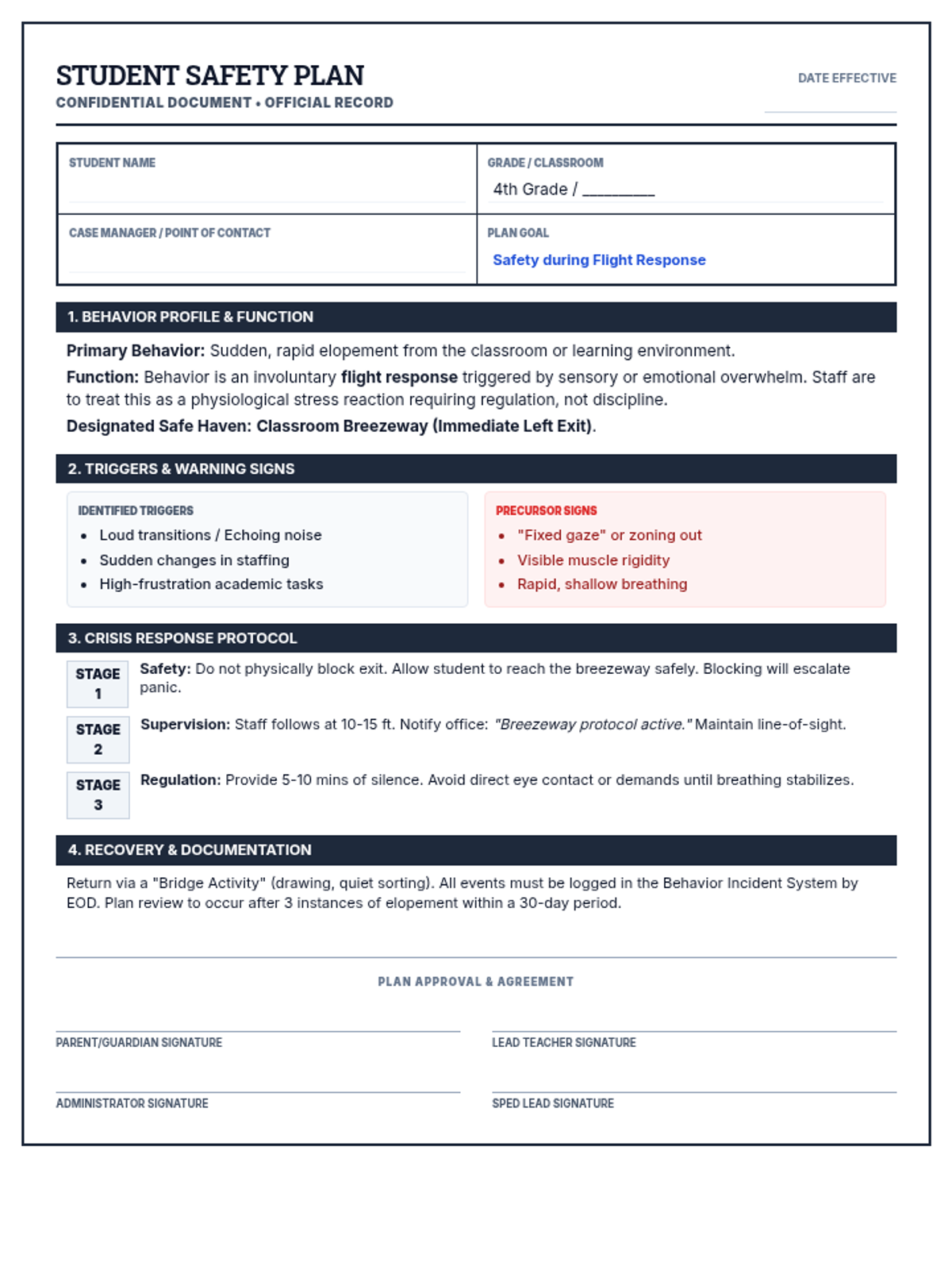
A comprehensive safety and support plan for a student who uses elopement as a flight response, featuring a staff protocol and a student-facing visual reminder.
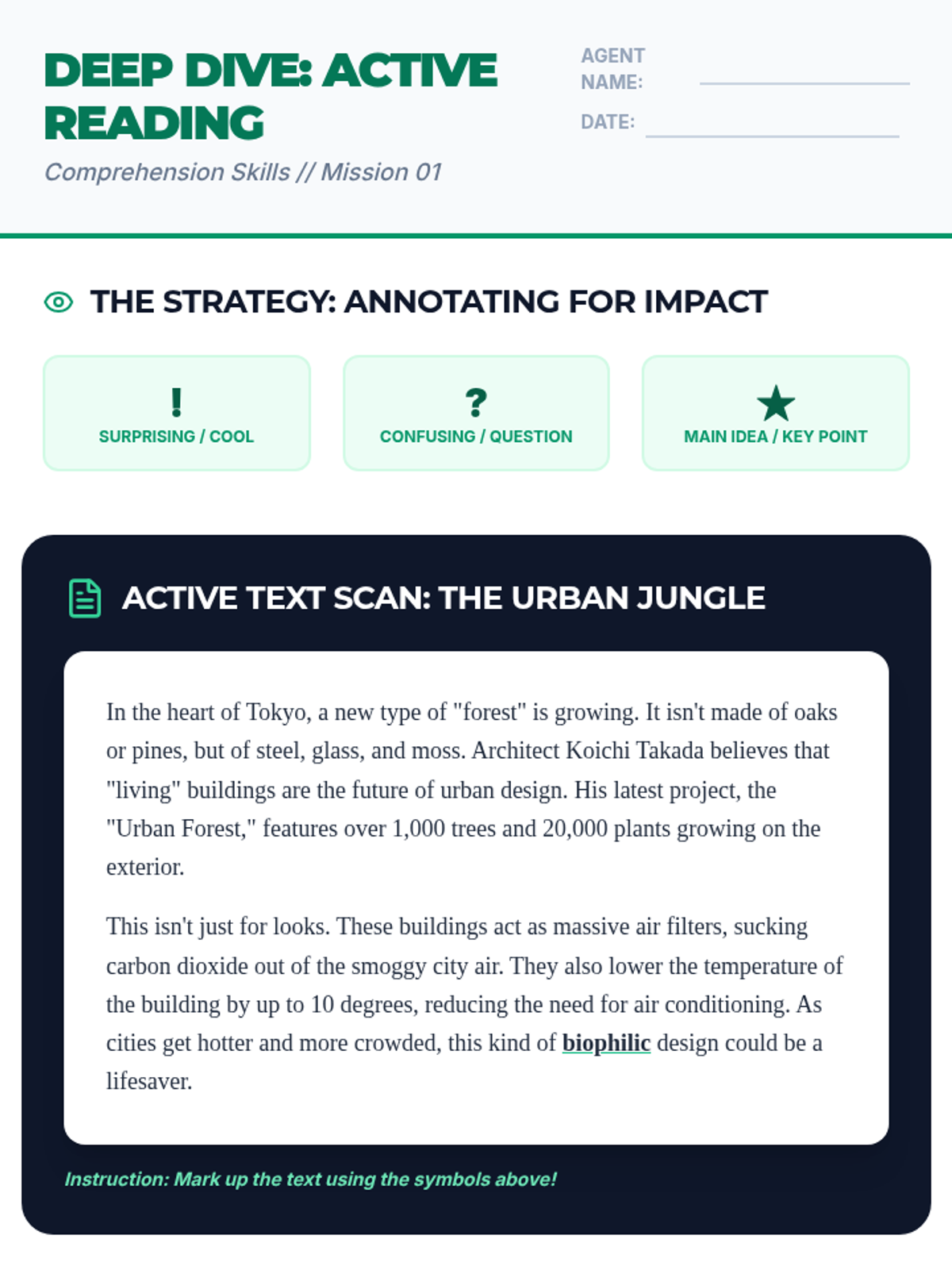
Introduction to active reading strategies: annotating, identifying main ideas, and summarizing complex high-interest texts.
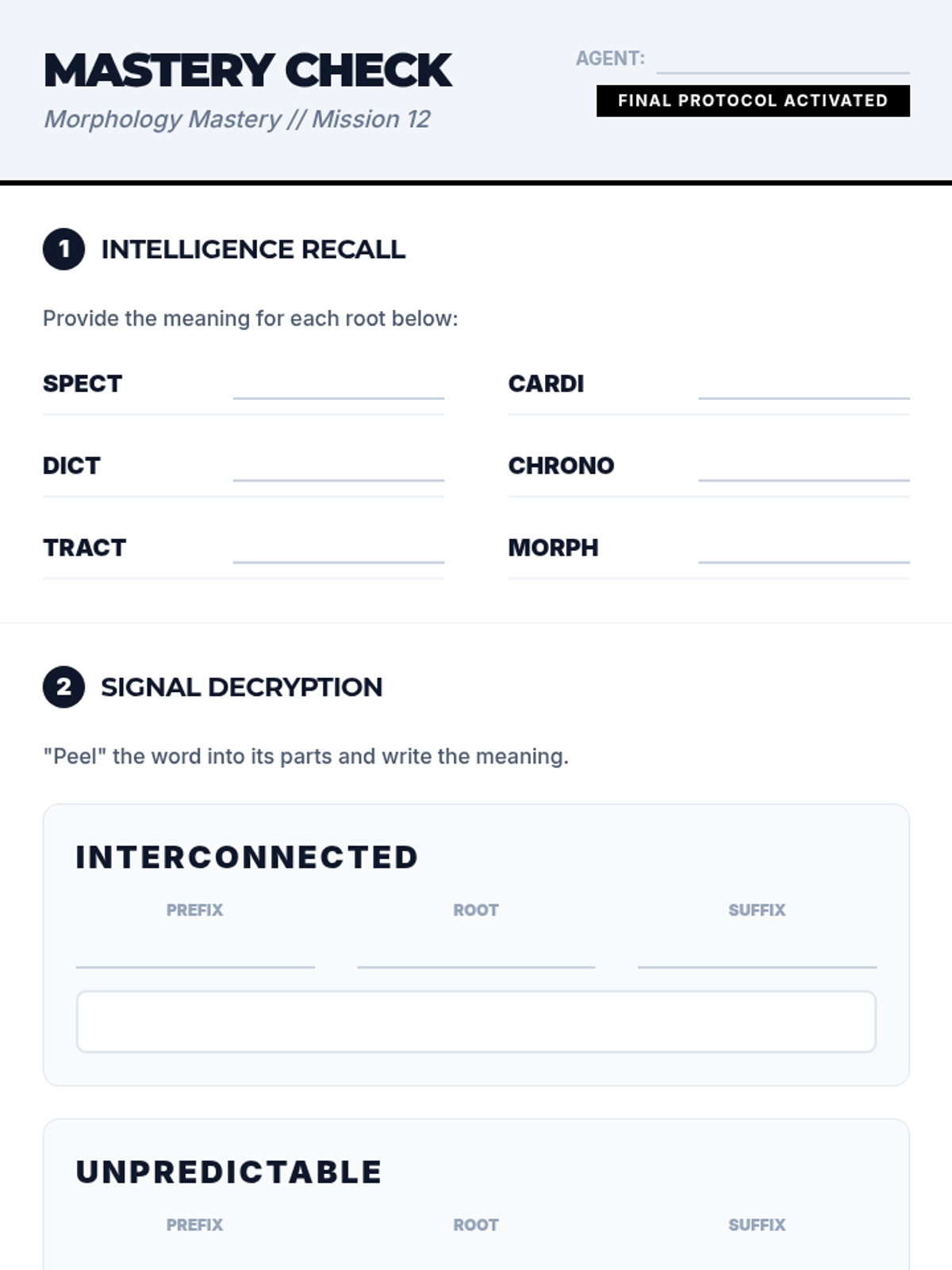
Summative assessment on morphology skills including decoding, building, and identifying word parts in context.
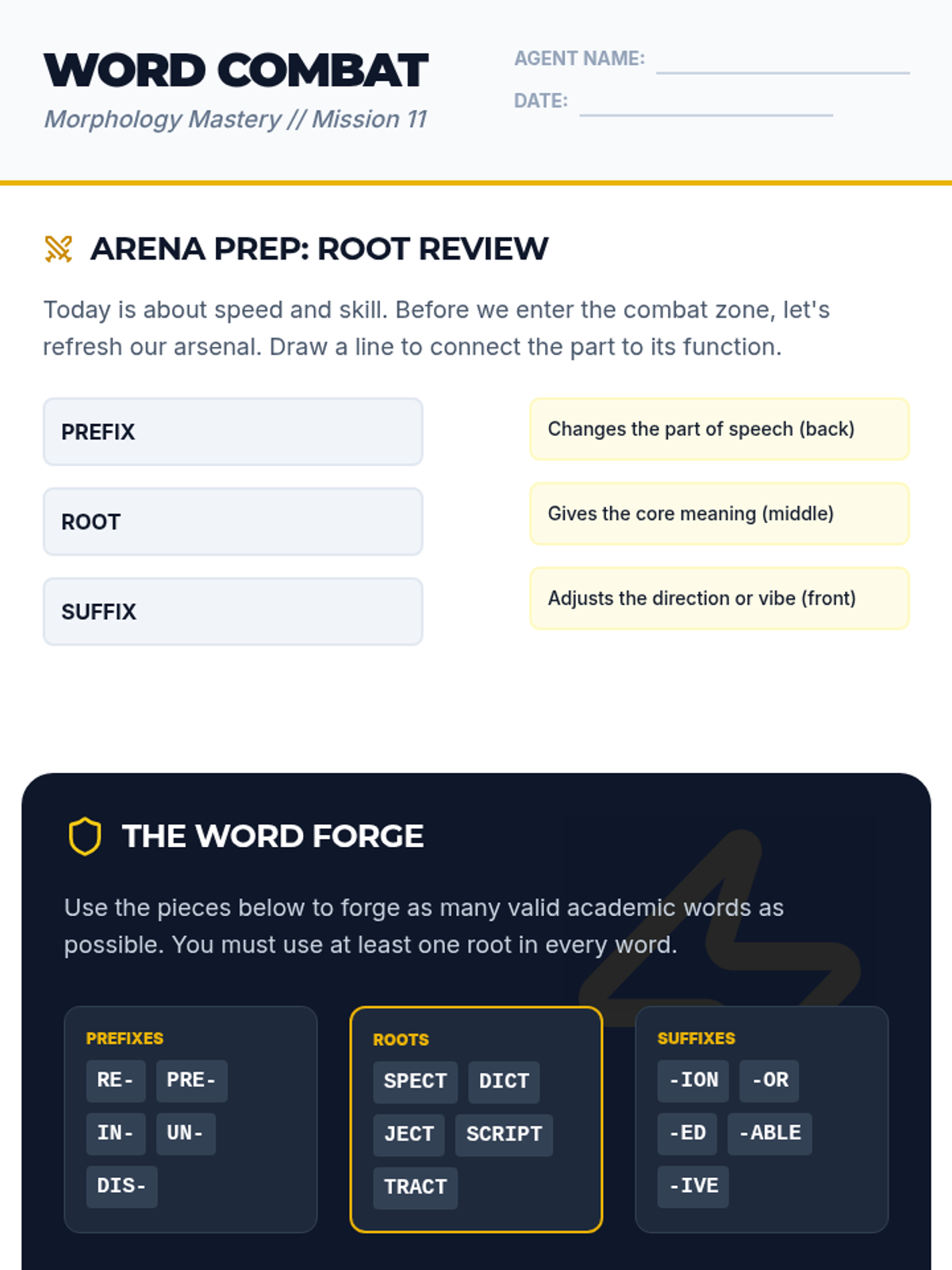
Interactive word building challenge using all learned roots, prefixes, and suffixes.
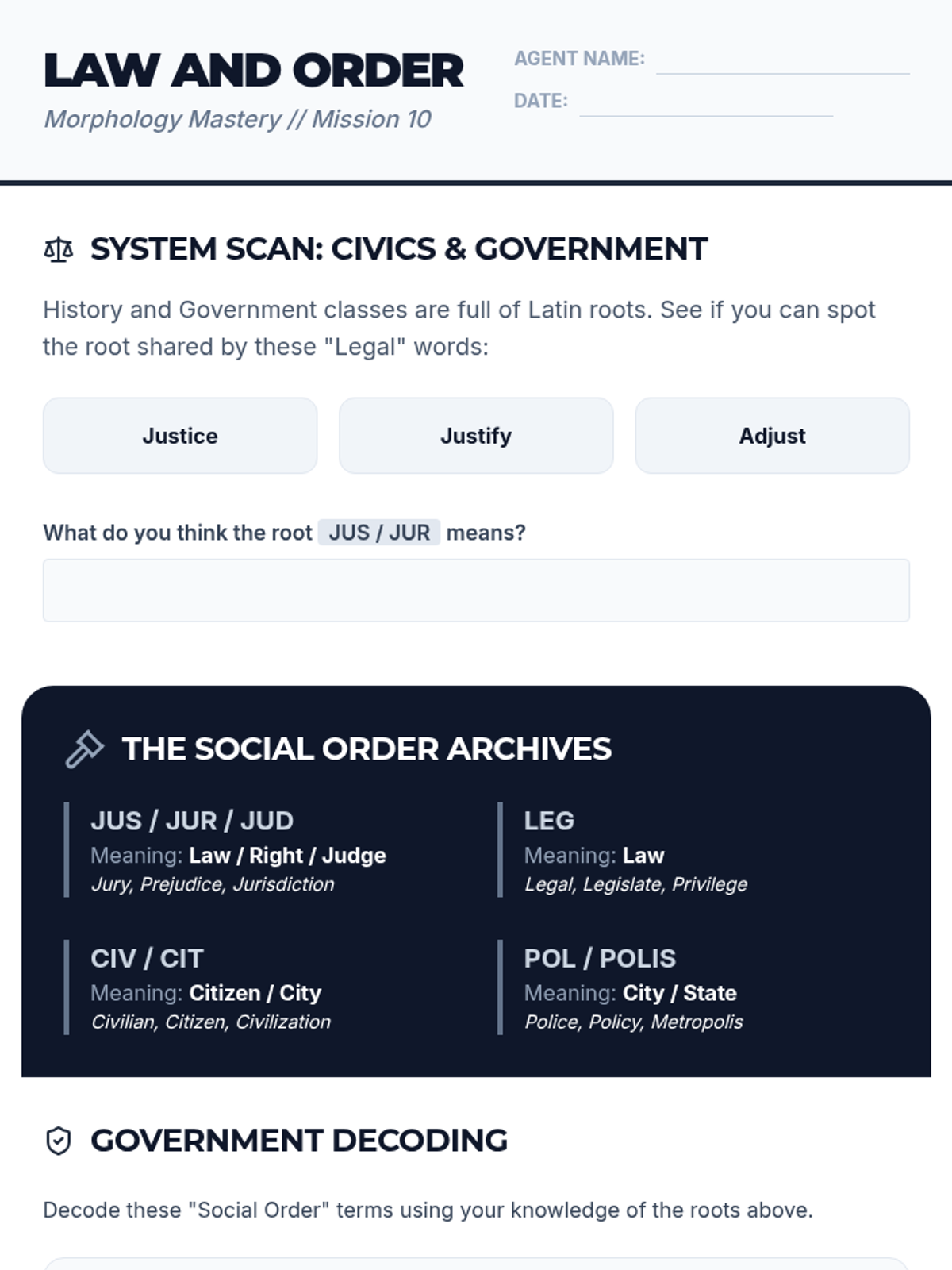
Legal and social roots (jud, jus, leg, civ, pol) found in government and history curriculum.
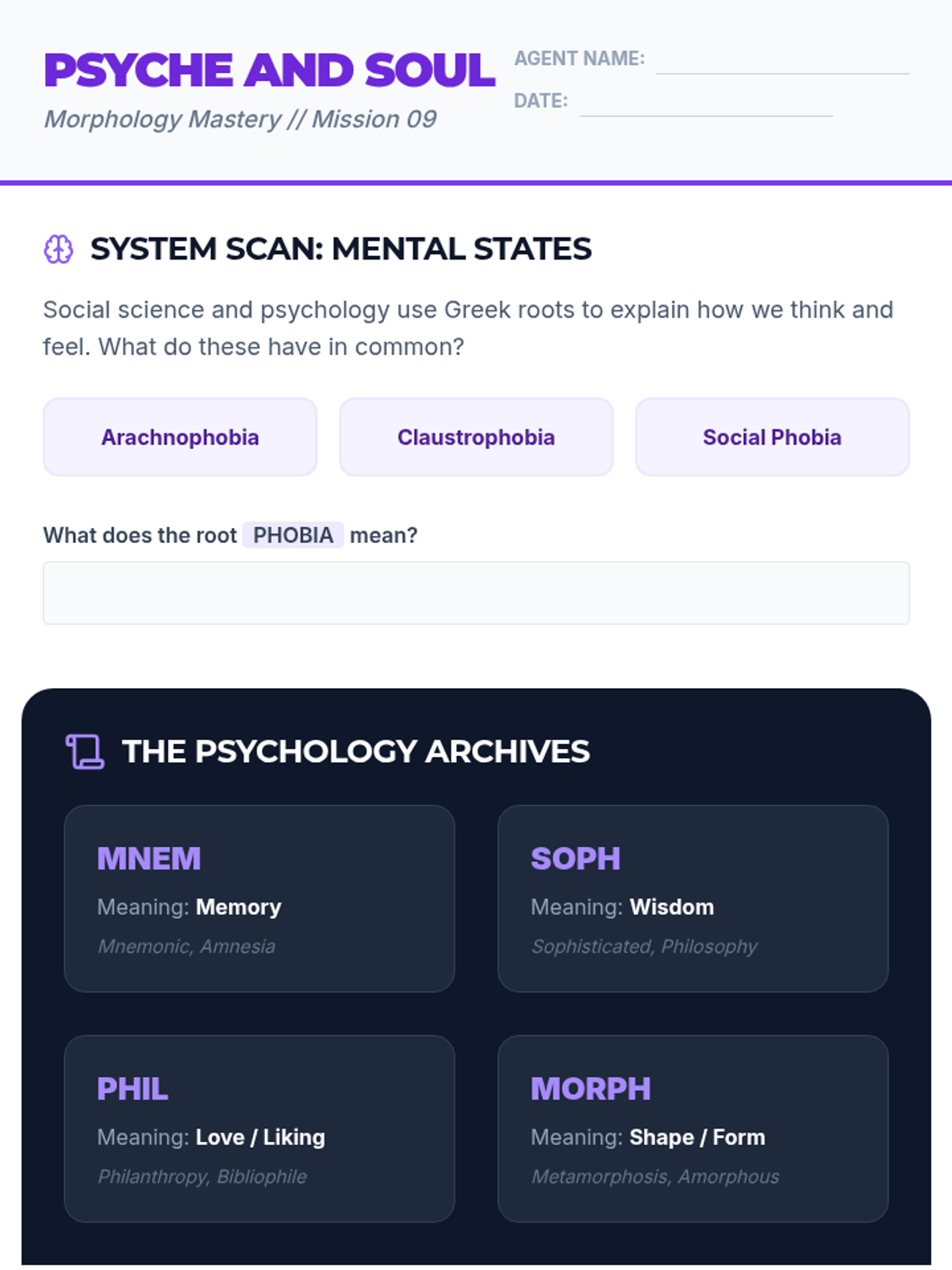
Psychological and philosophical roots (psych, phobia, soph, phil, mnem) for social science literacy.
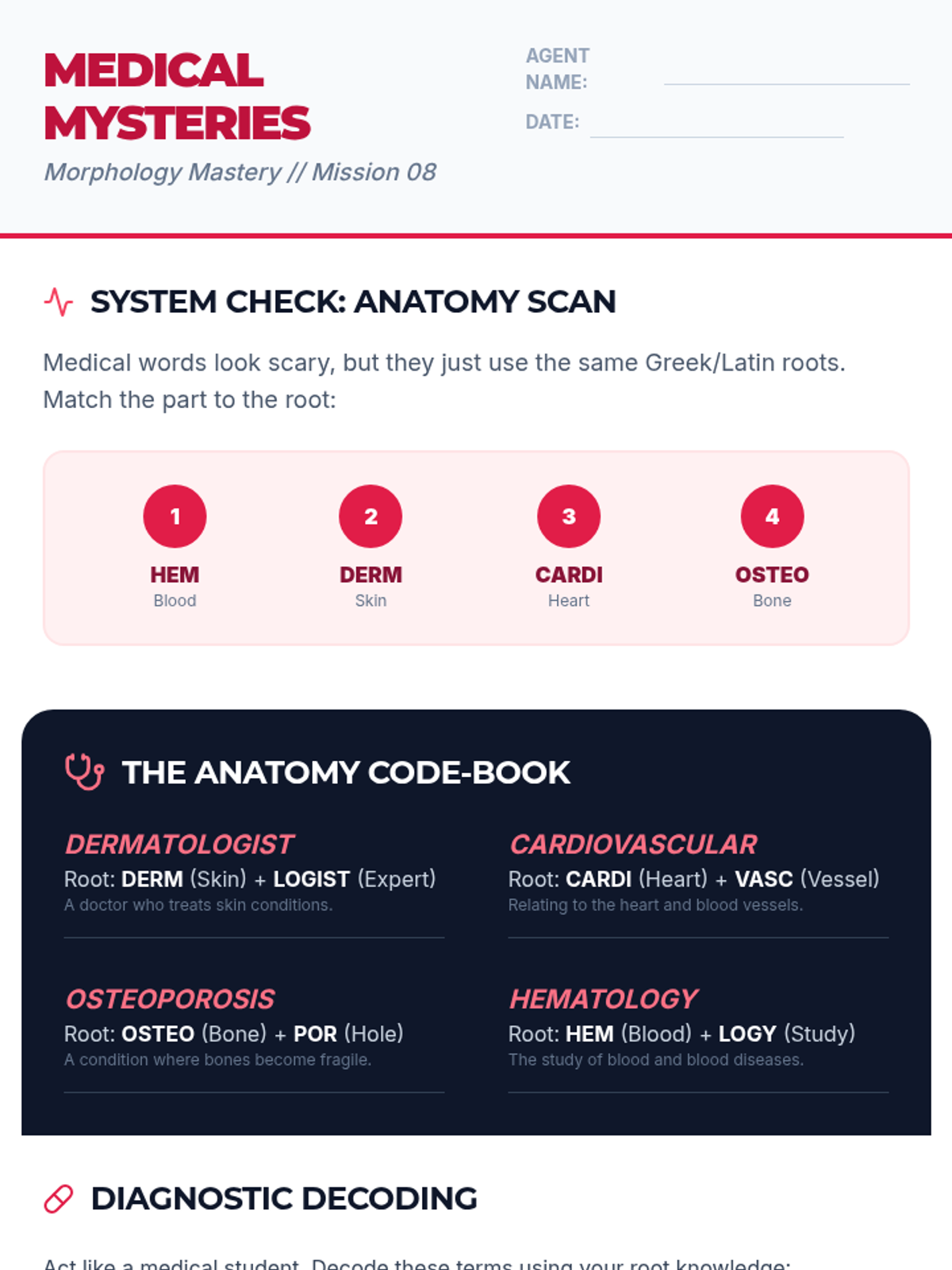
Biological and medical roots (corp, cardi, derm, hem, osteo) found in anatomy and health classes.
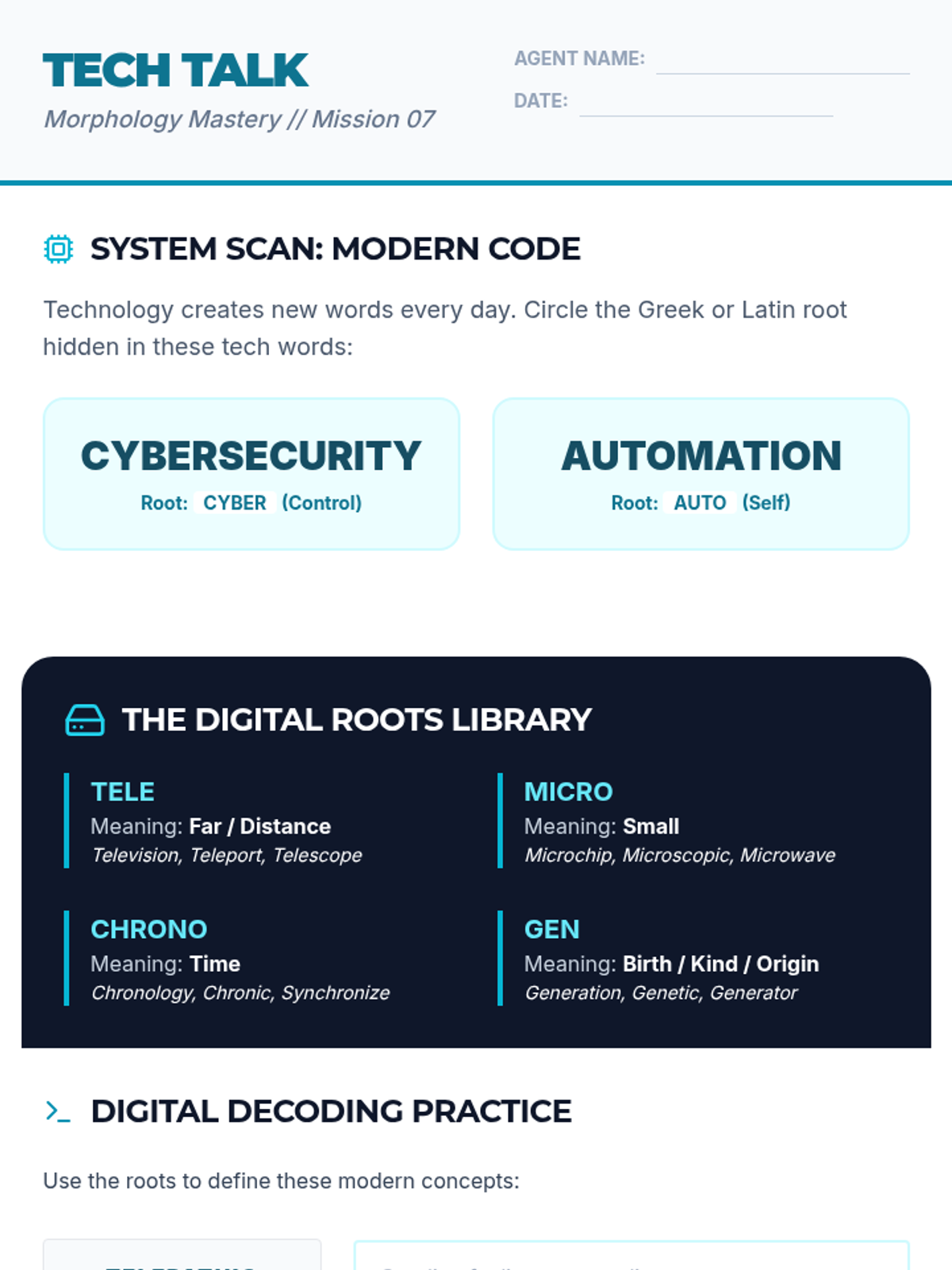
Modern neologisms and technology-based morphology (cyber, auto, micro, tele) for digital literacy.
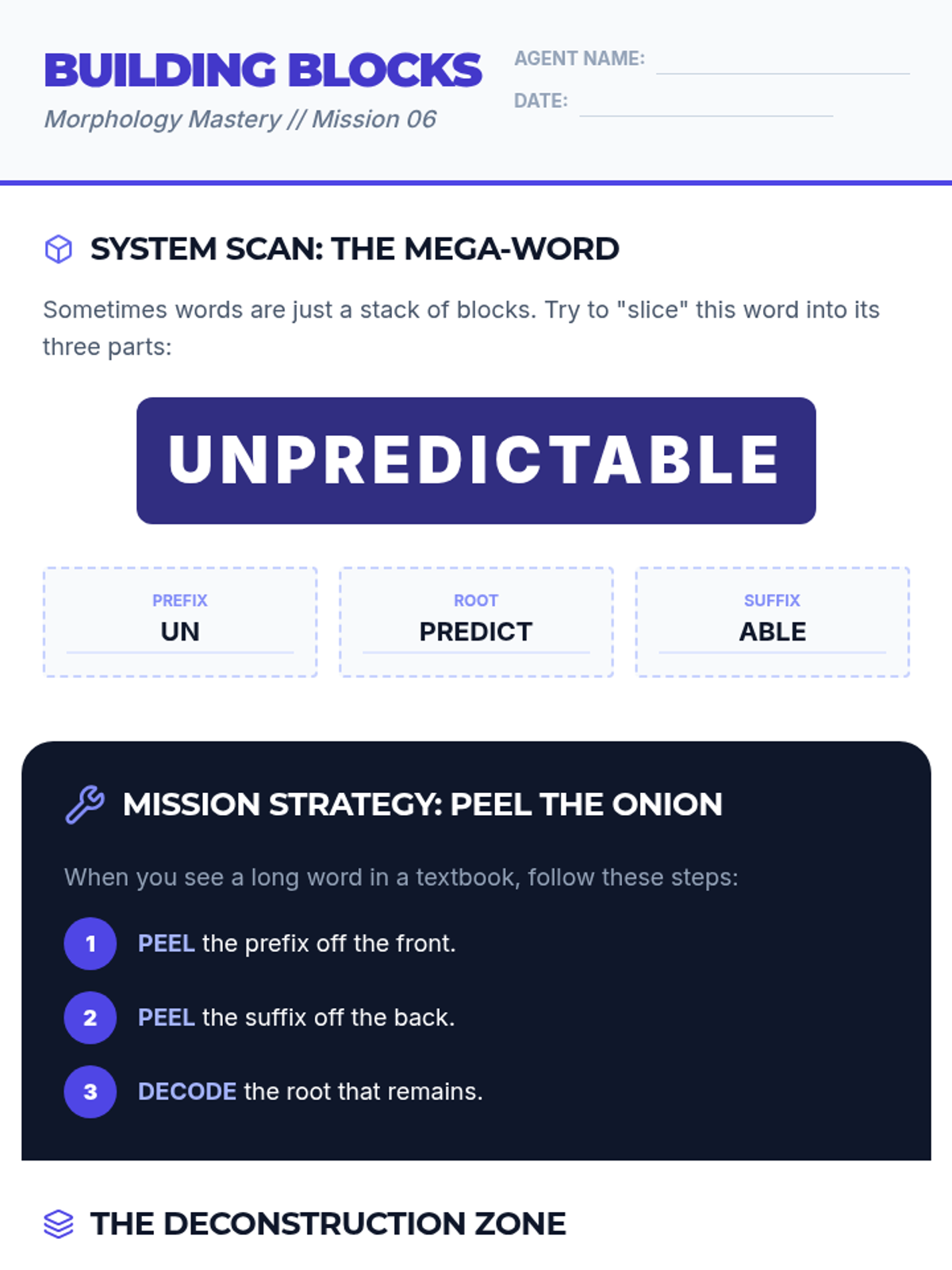
Practice building and breaking down multi-morphemic words (words with 3+ parts) common in textbooks.
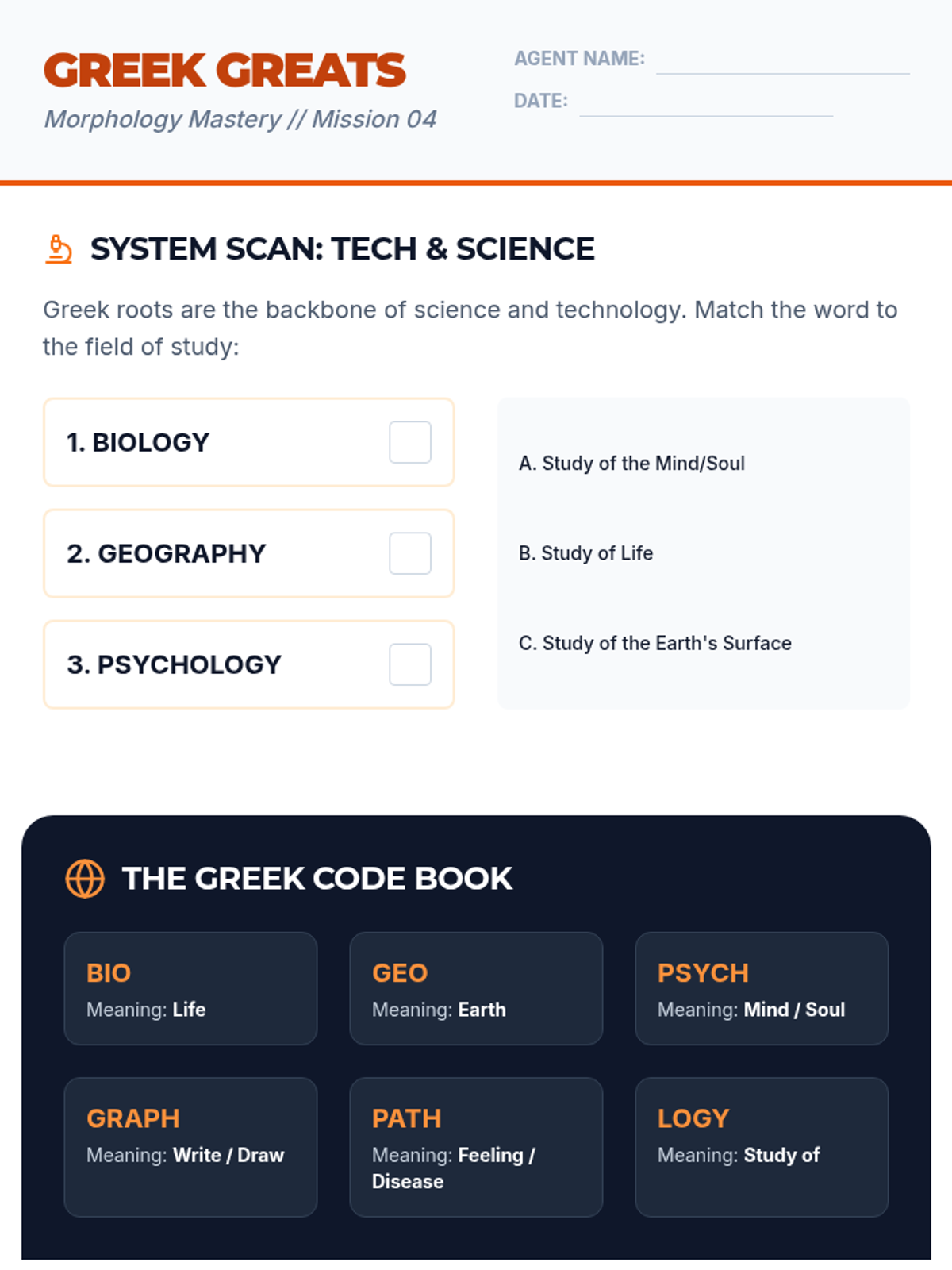
Greek roots common in science and technology (bio, psych, path, geo, graph) for technical literacy.
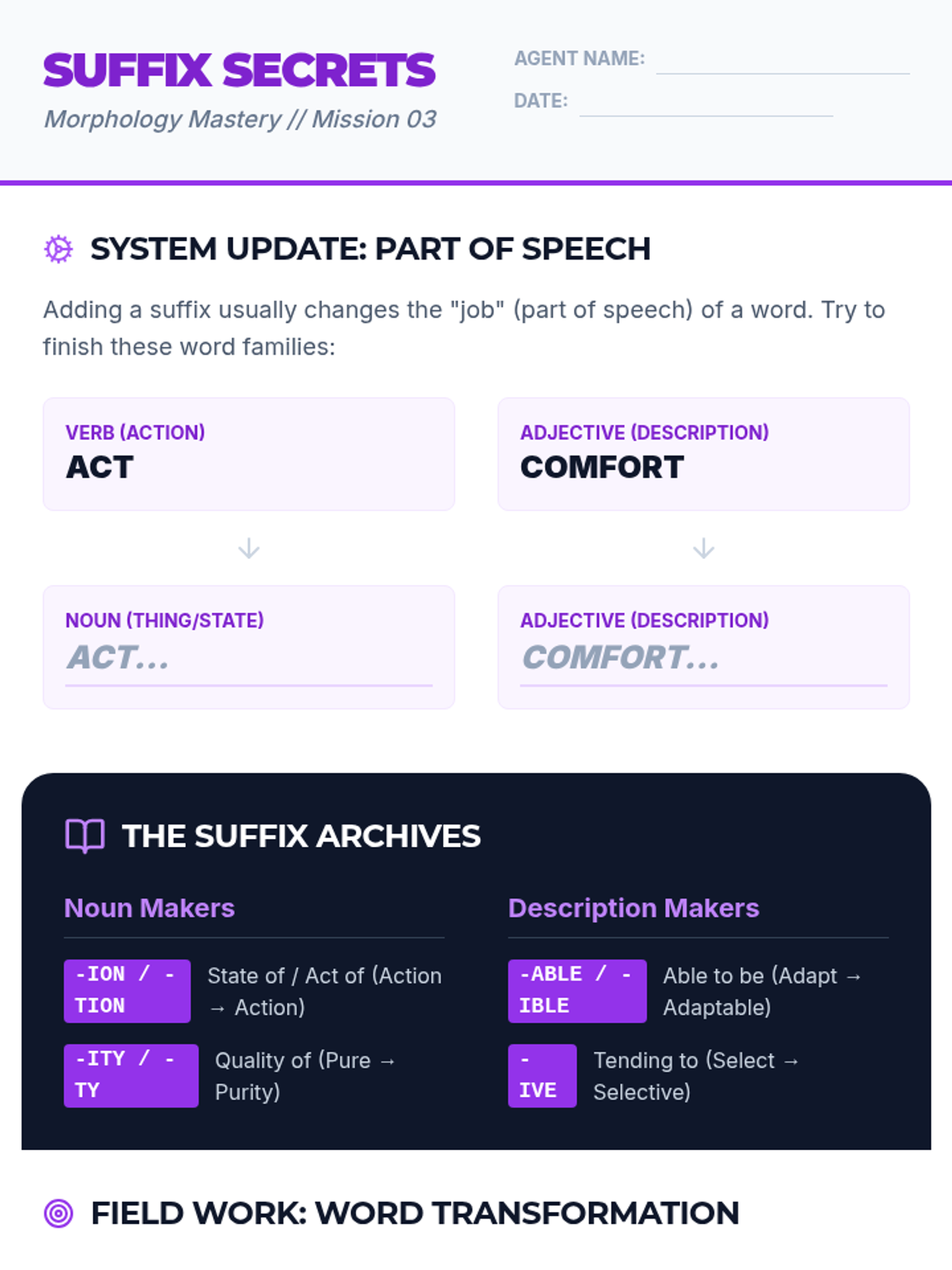
Focus on suffixes that change the part of speech (-ion, -ity, -able, -ize, -ly) and how to identify them in complex sentences.
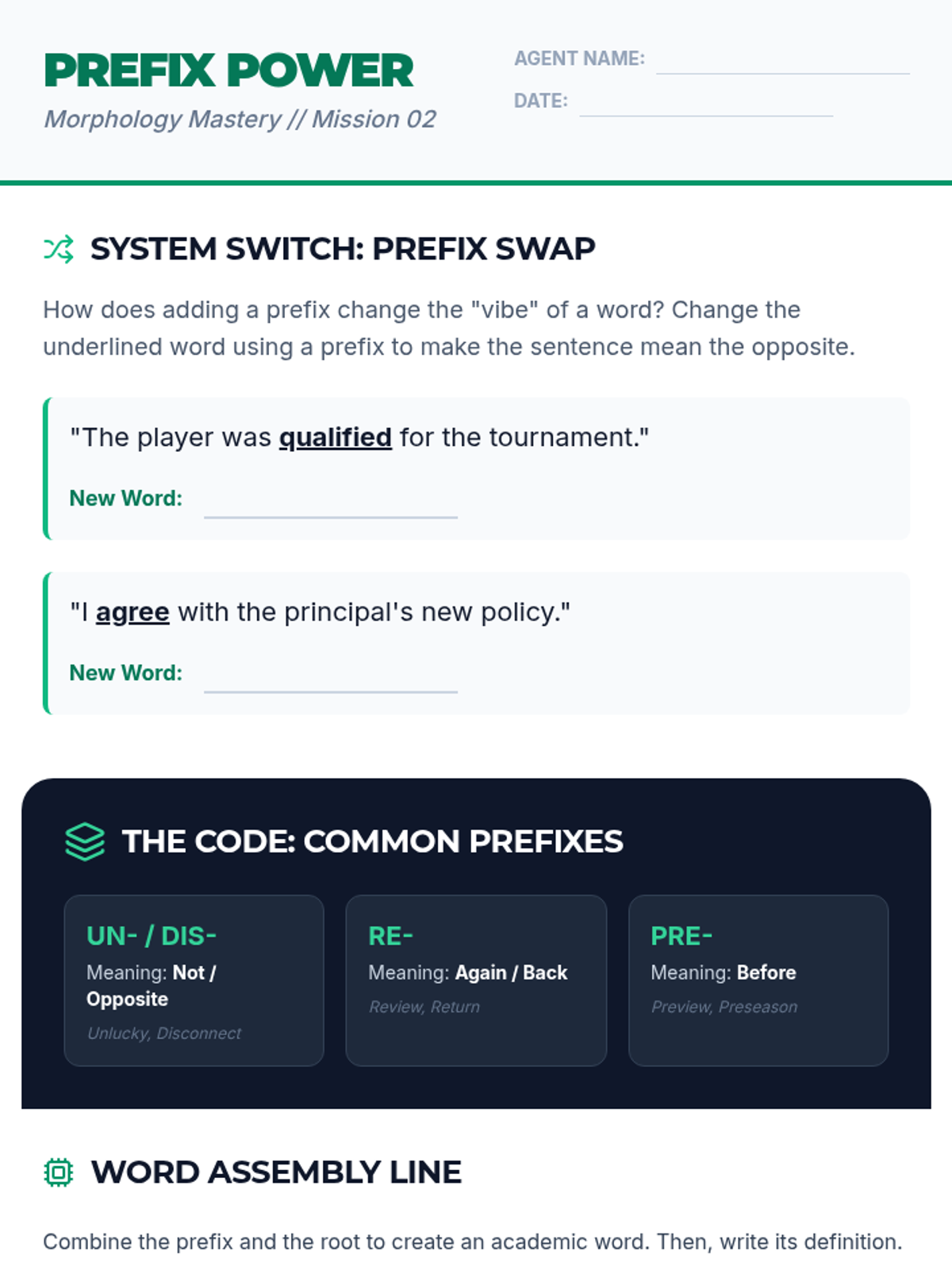
Exploration of common prefixes (un-, re-, pre-, mis-, dis-) and how they modify root meanings for high school readers.
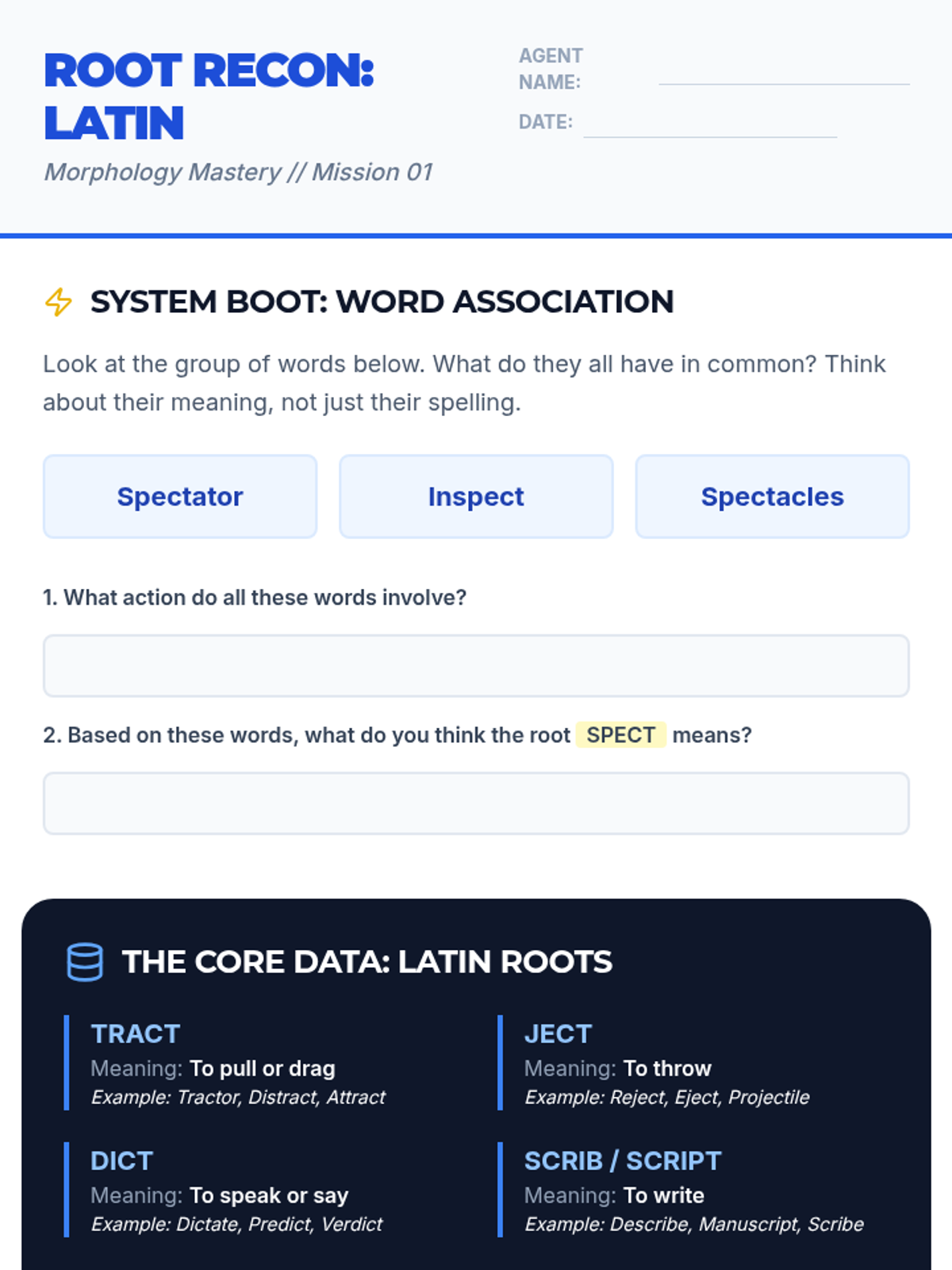
Introduction to high-frequency Latin roots and how to use them to decode complex academic vocabulary.
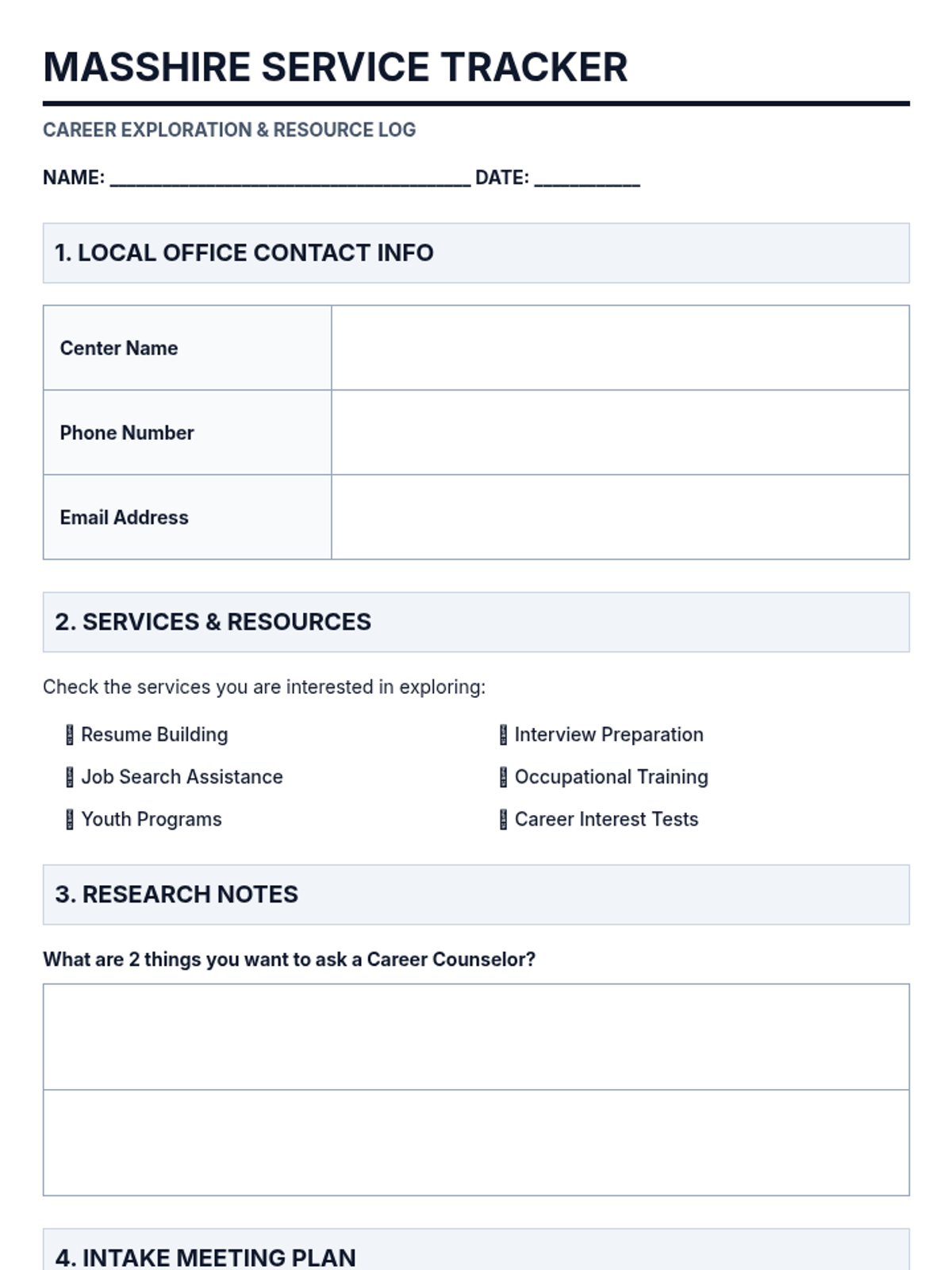
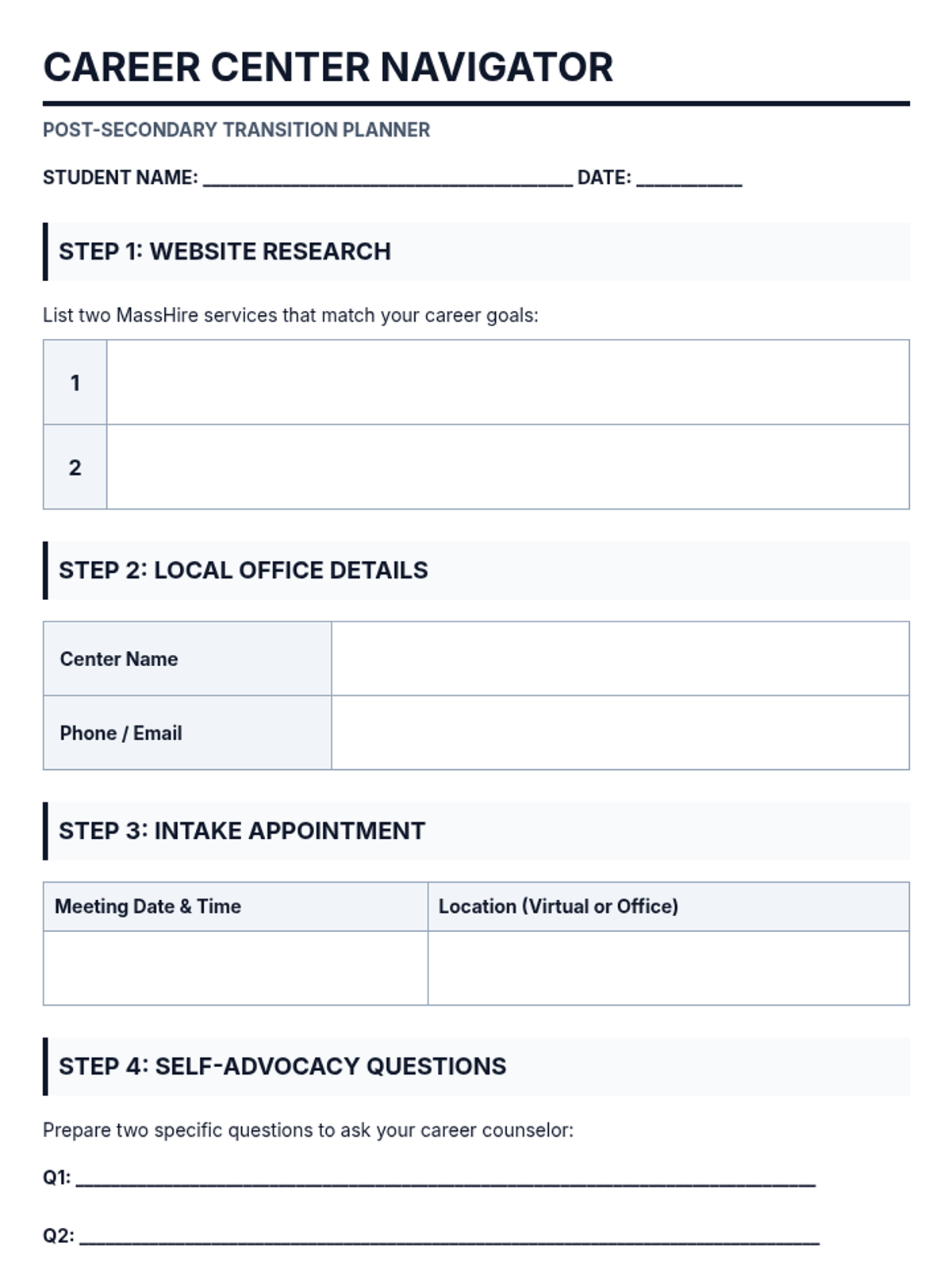
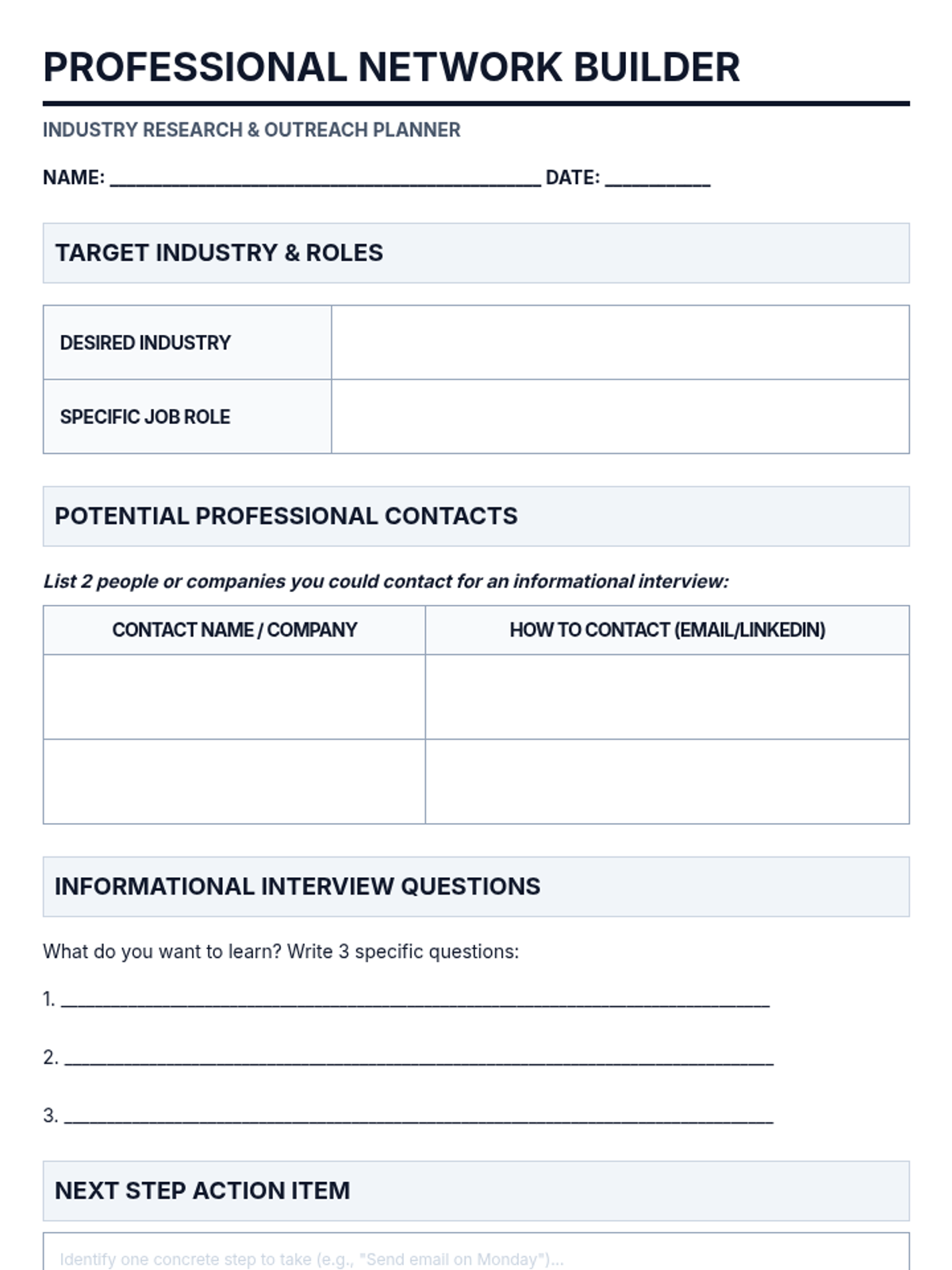
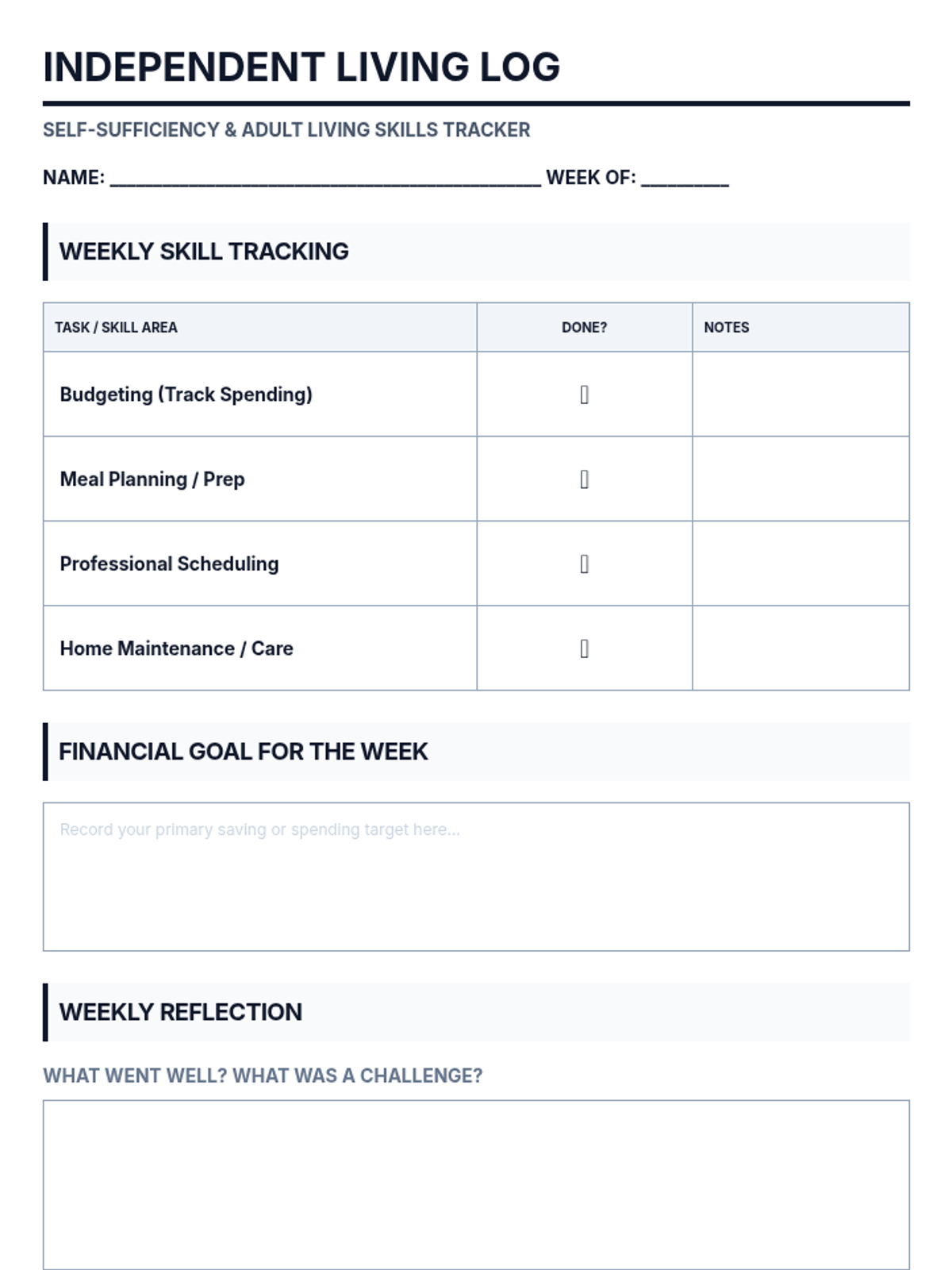
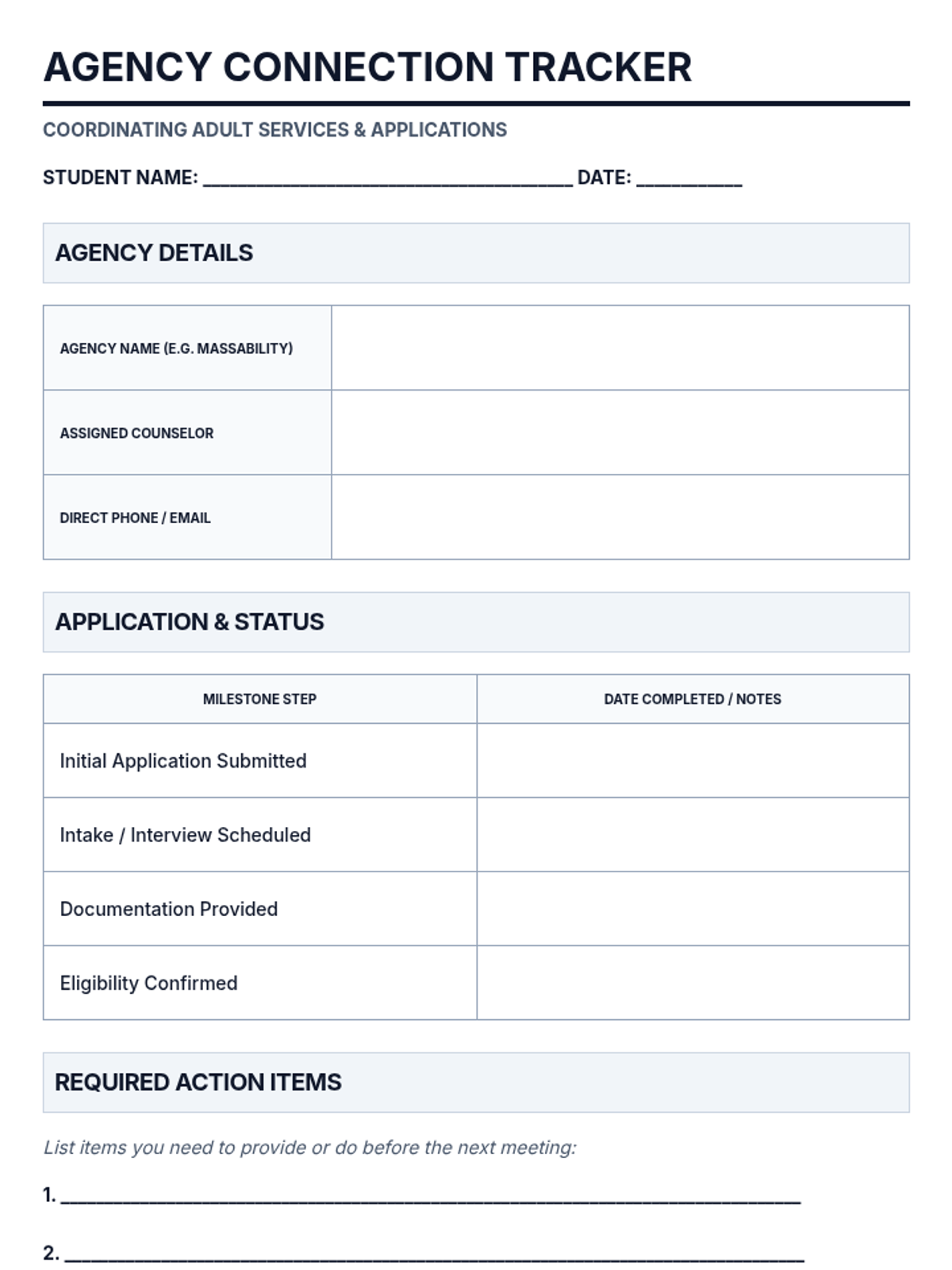
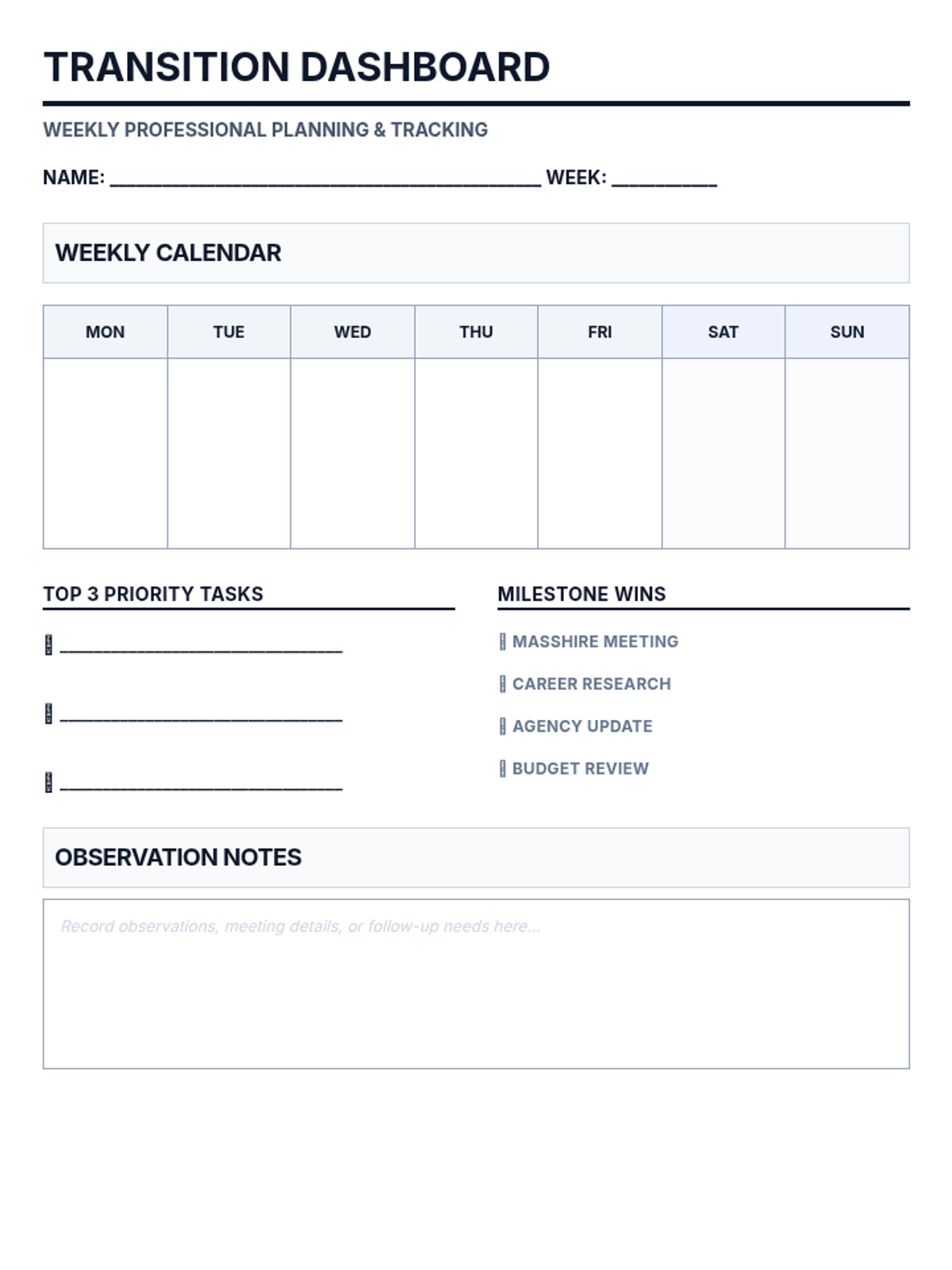
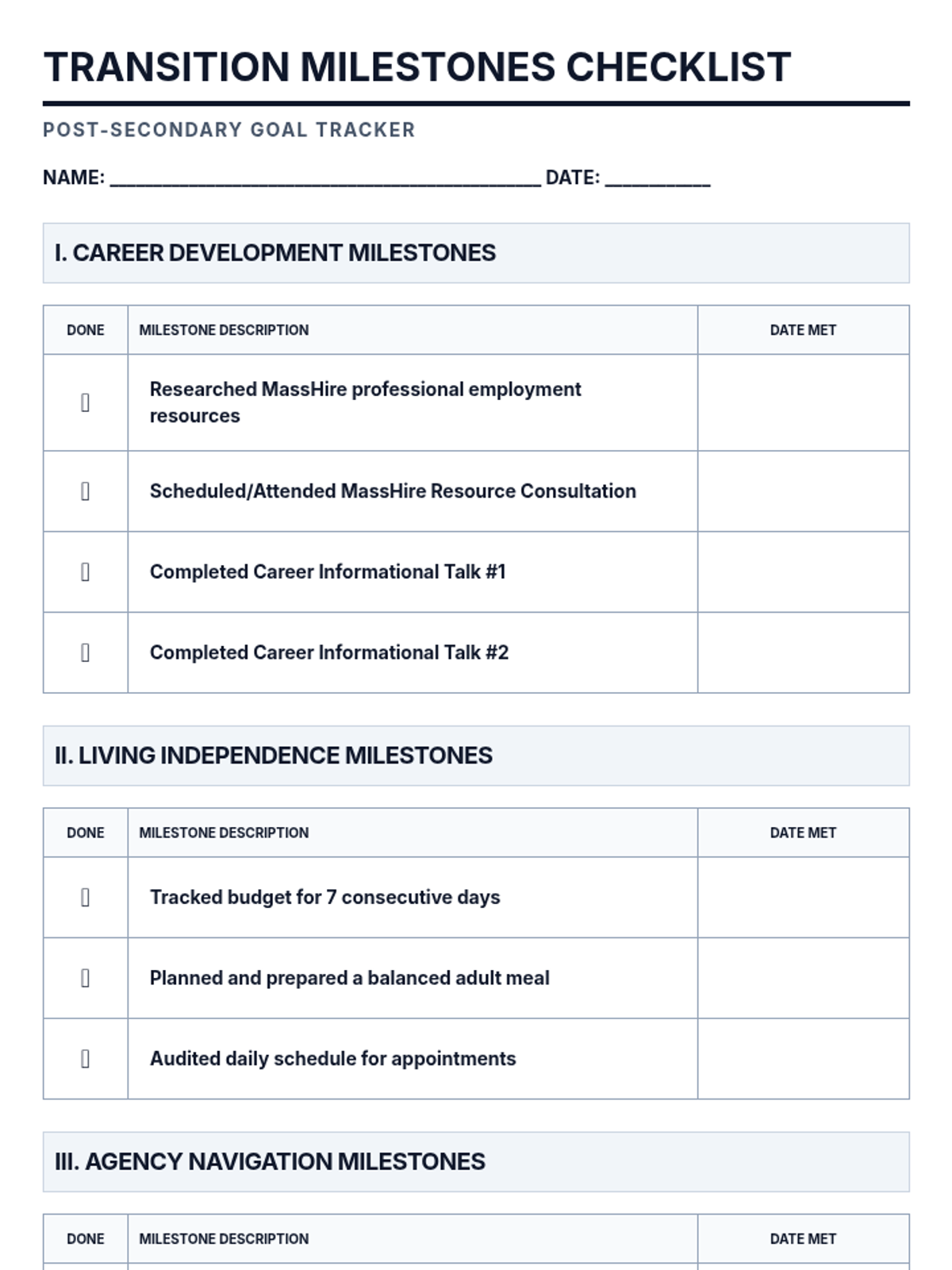
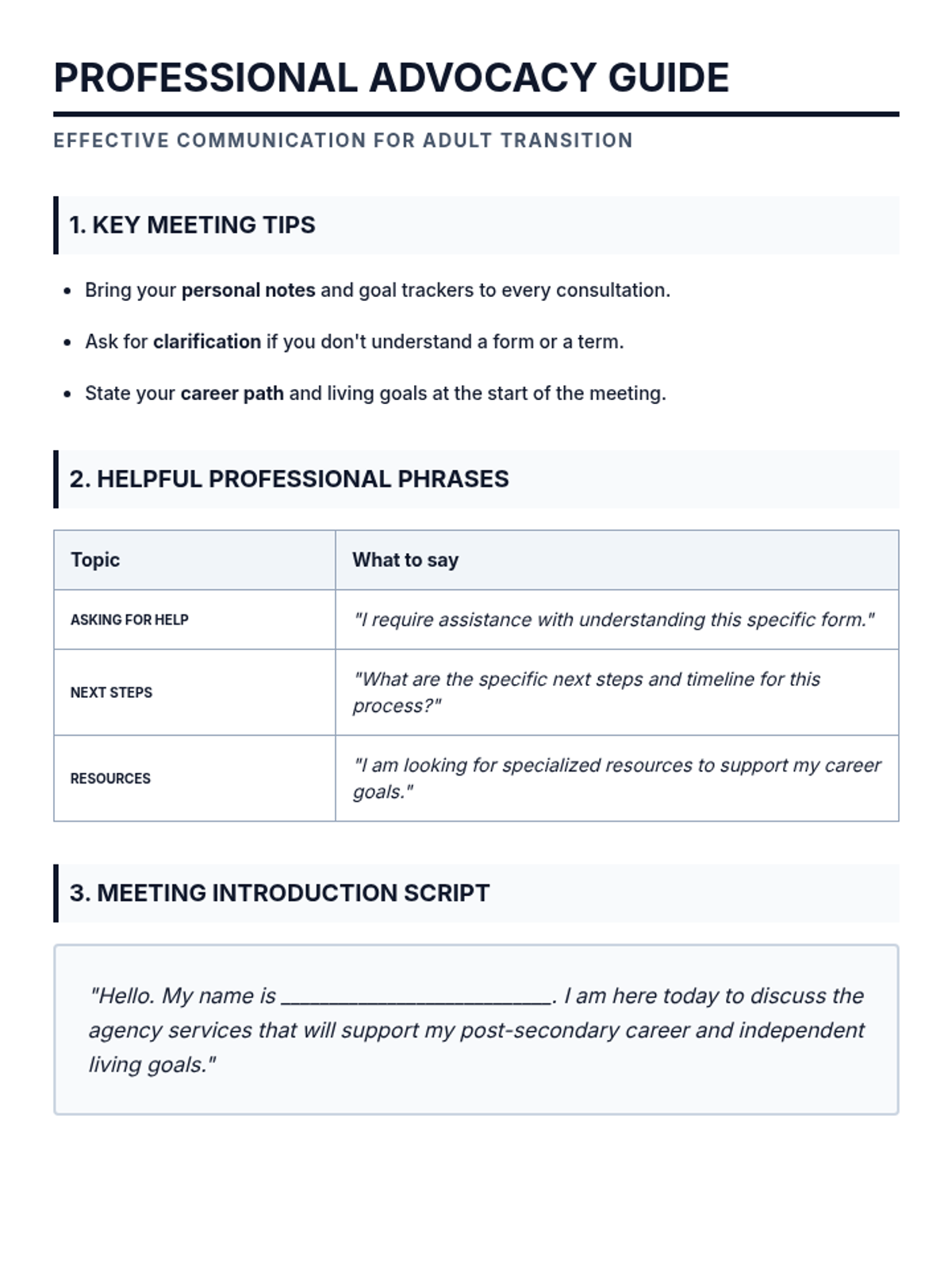
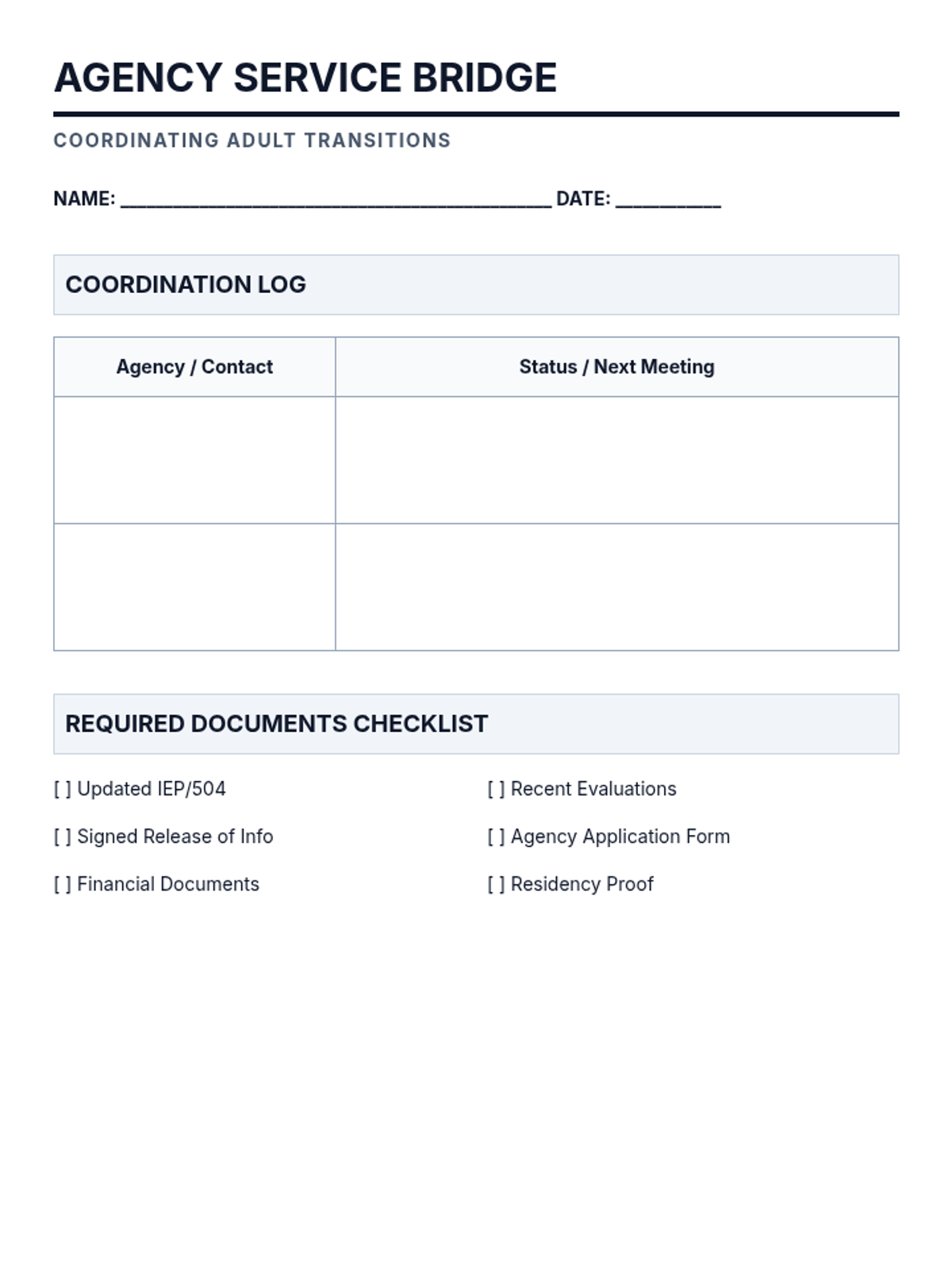
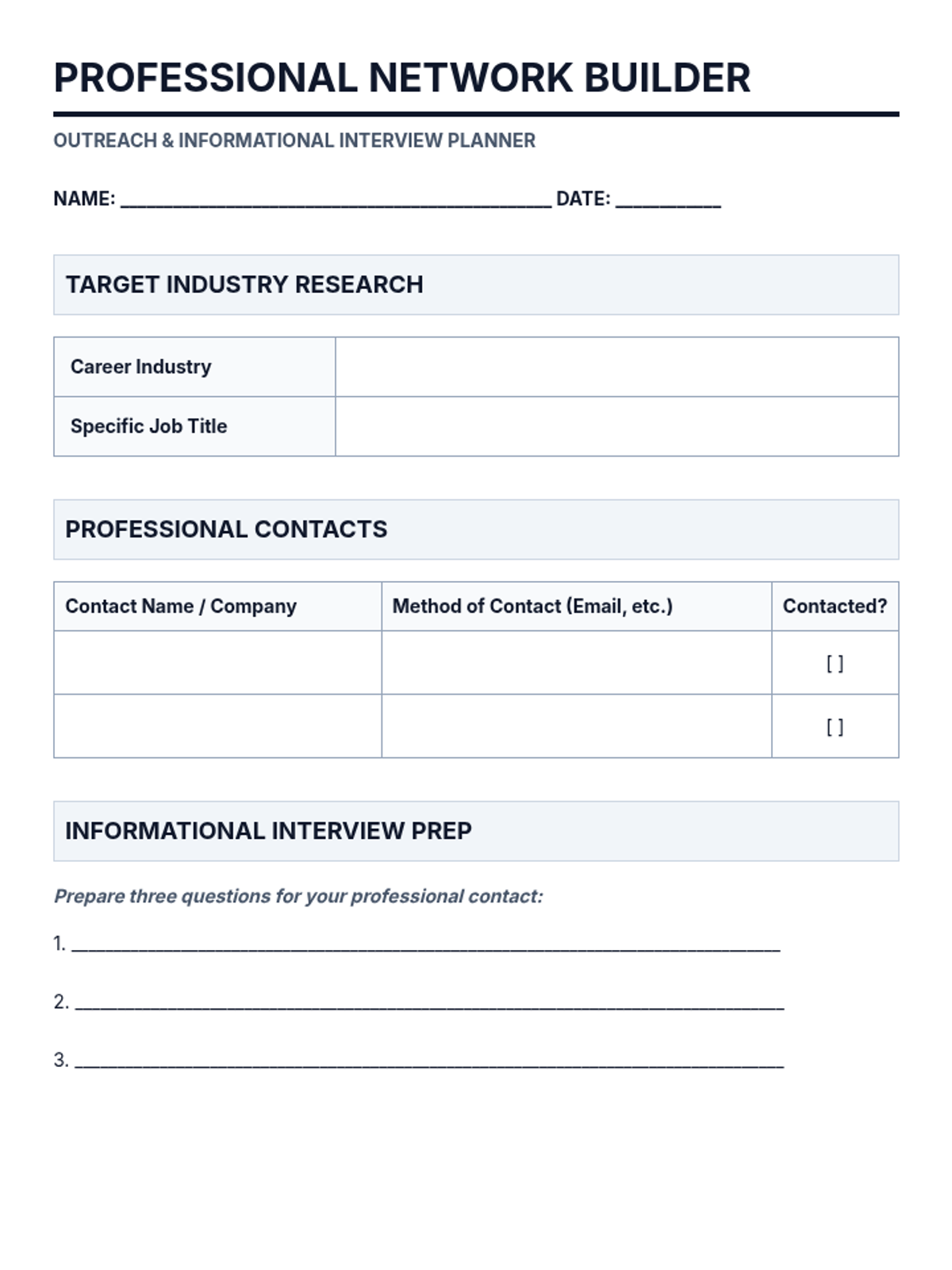
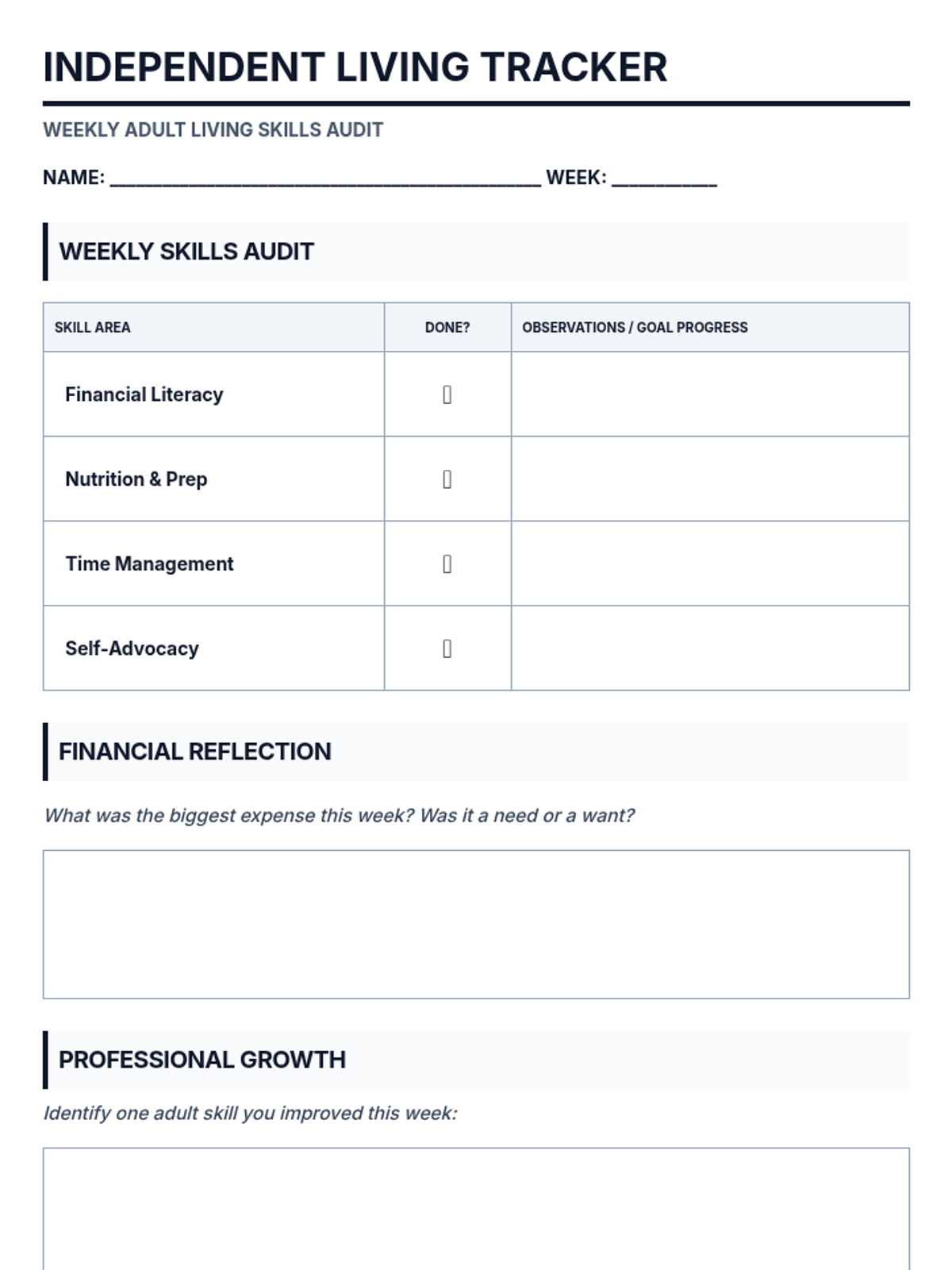
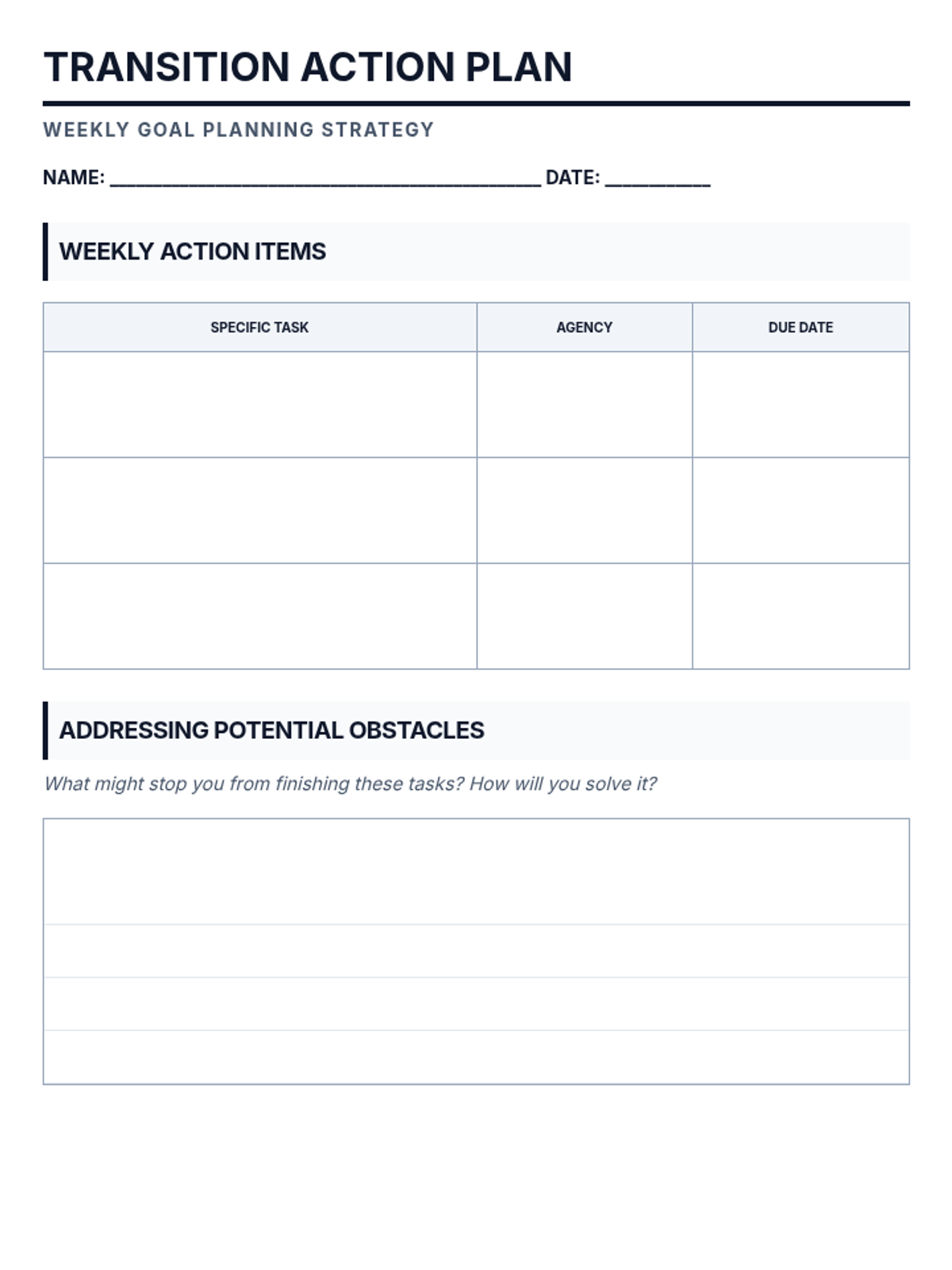
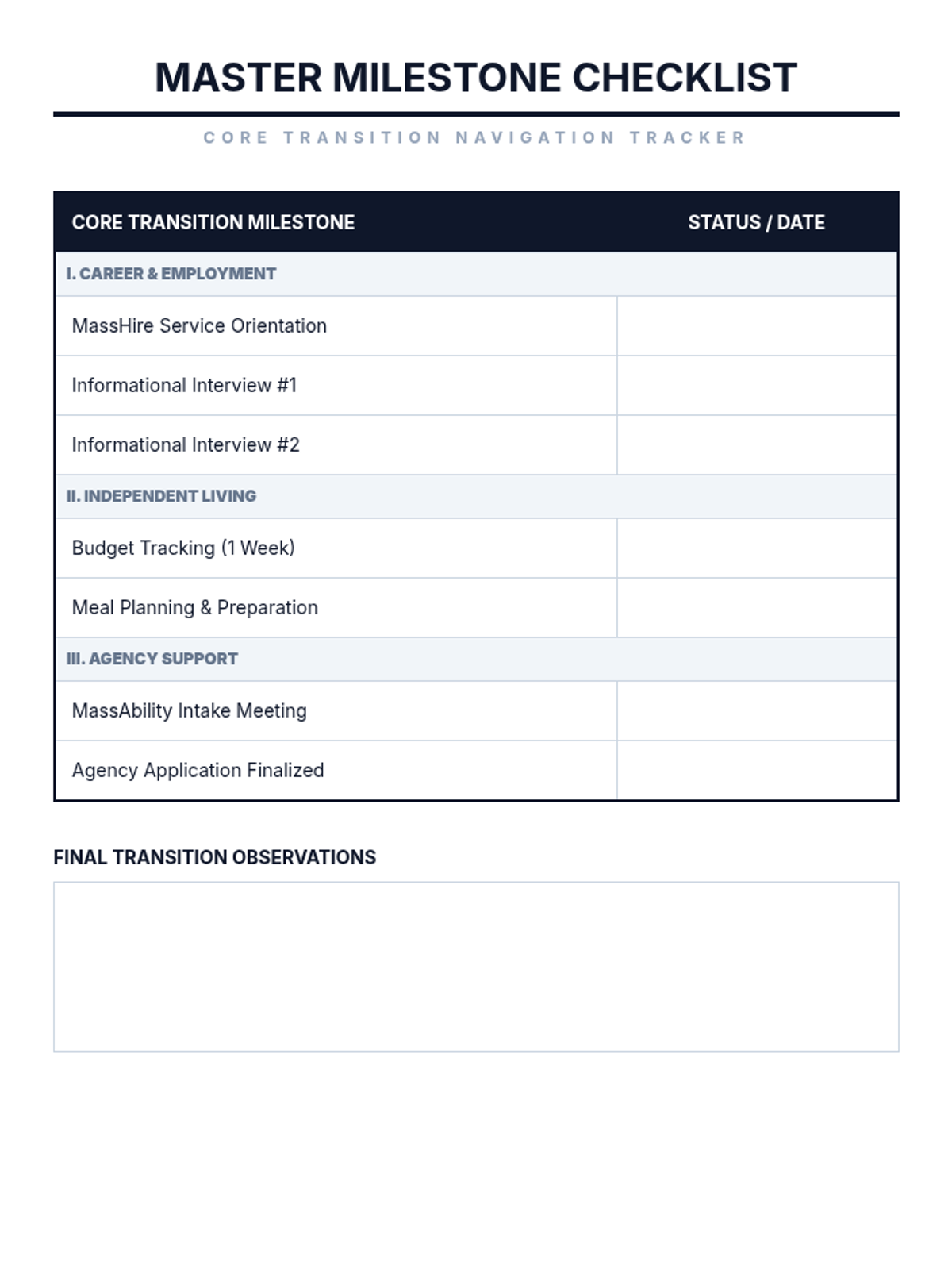
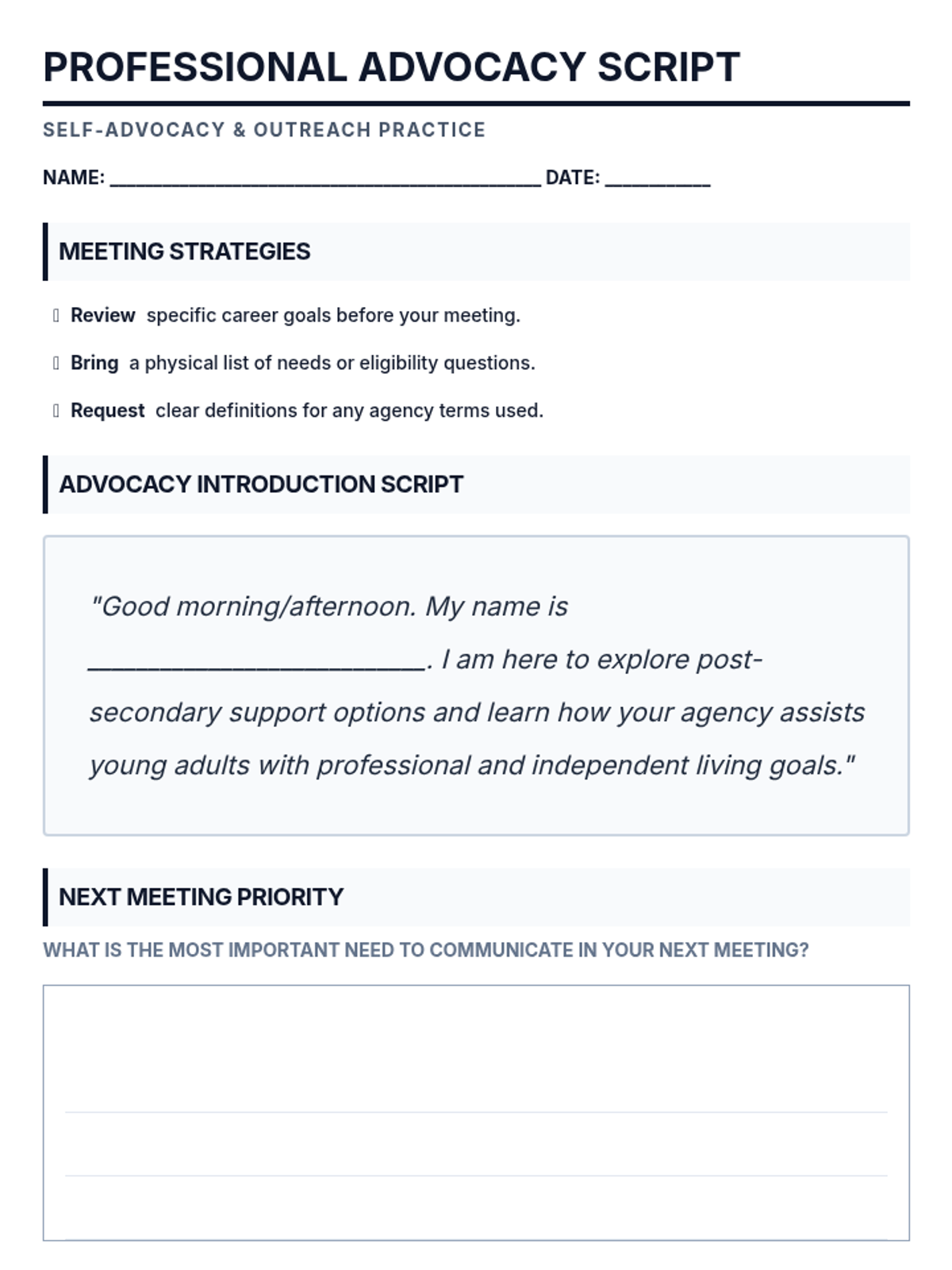
Advanced transition tools focused on post-secondary success, career networking, and independent adult living. Updated for professional maturity and document compatibility.