A reading passage and companion activities focused on identifying past tense -ed verbs and possessive -s nouns within a winter-themed story.
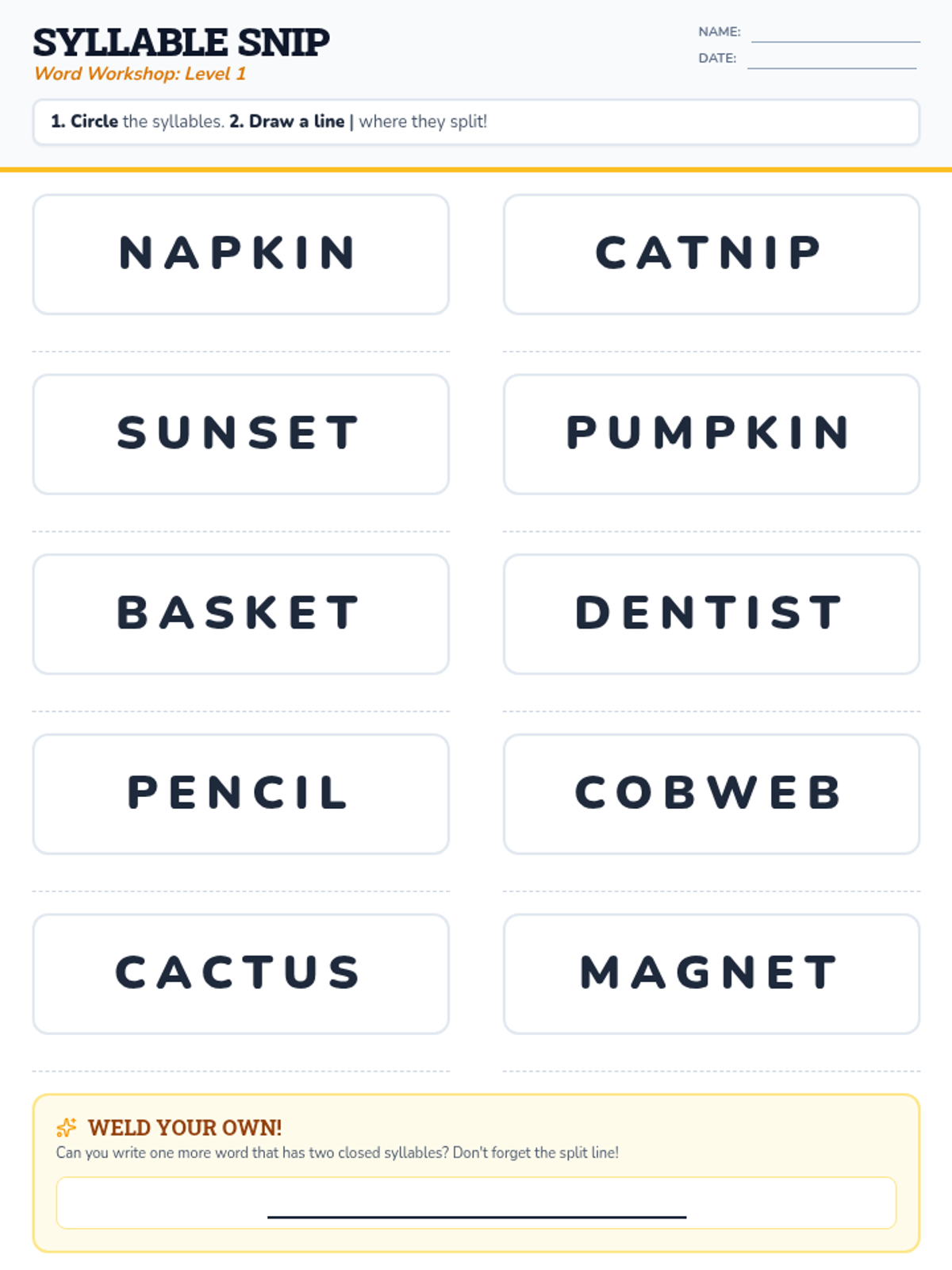
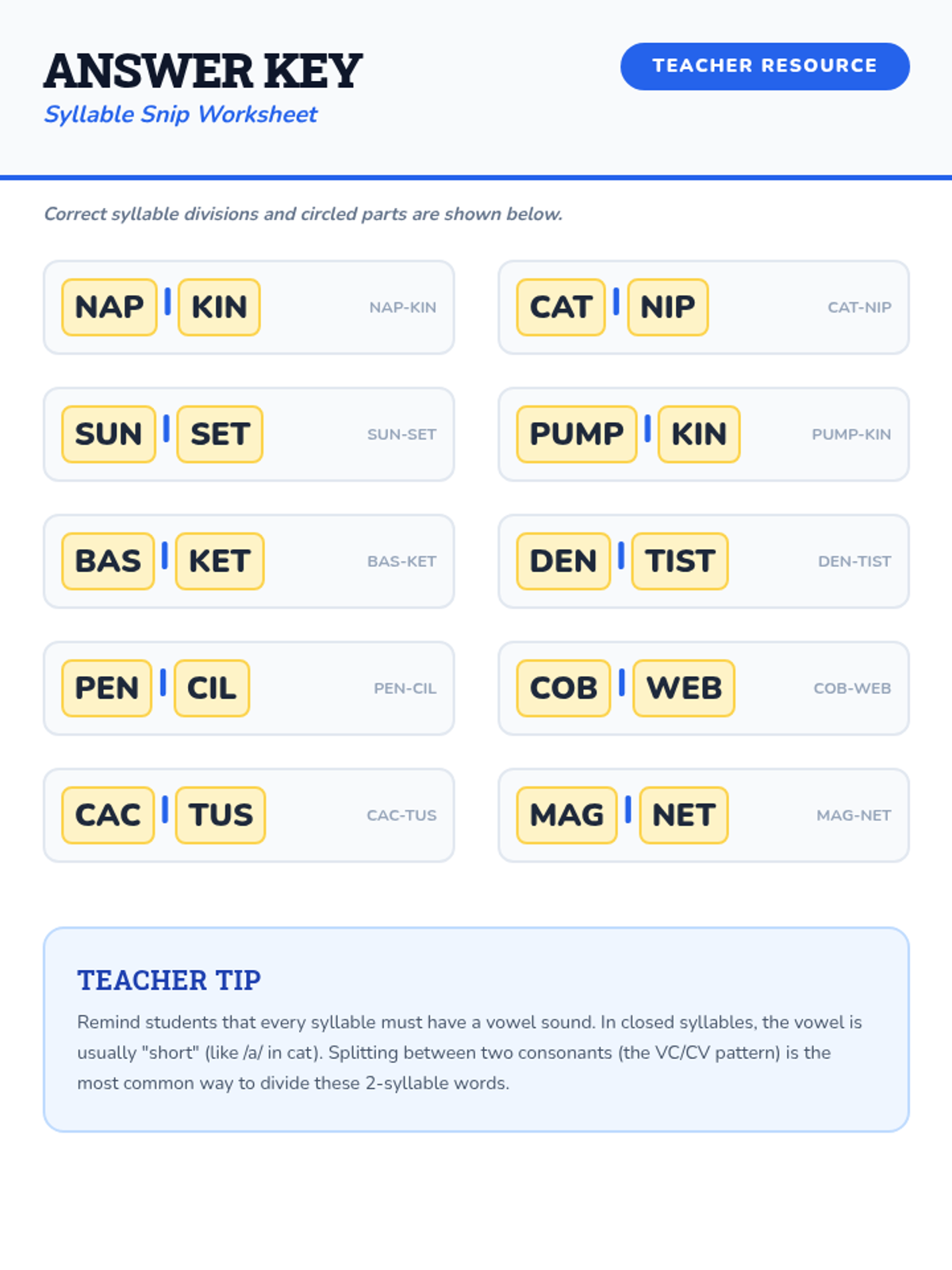
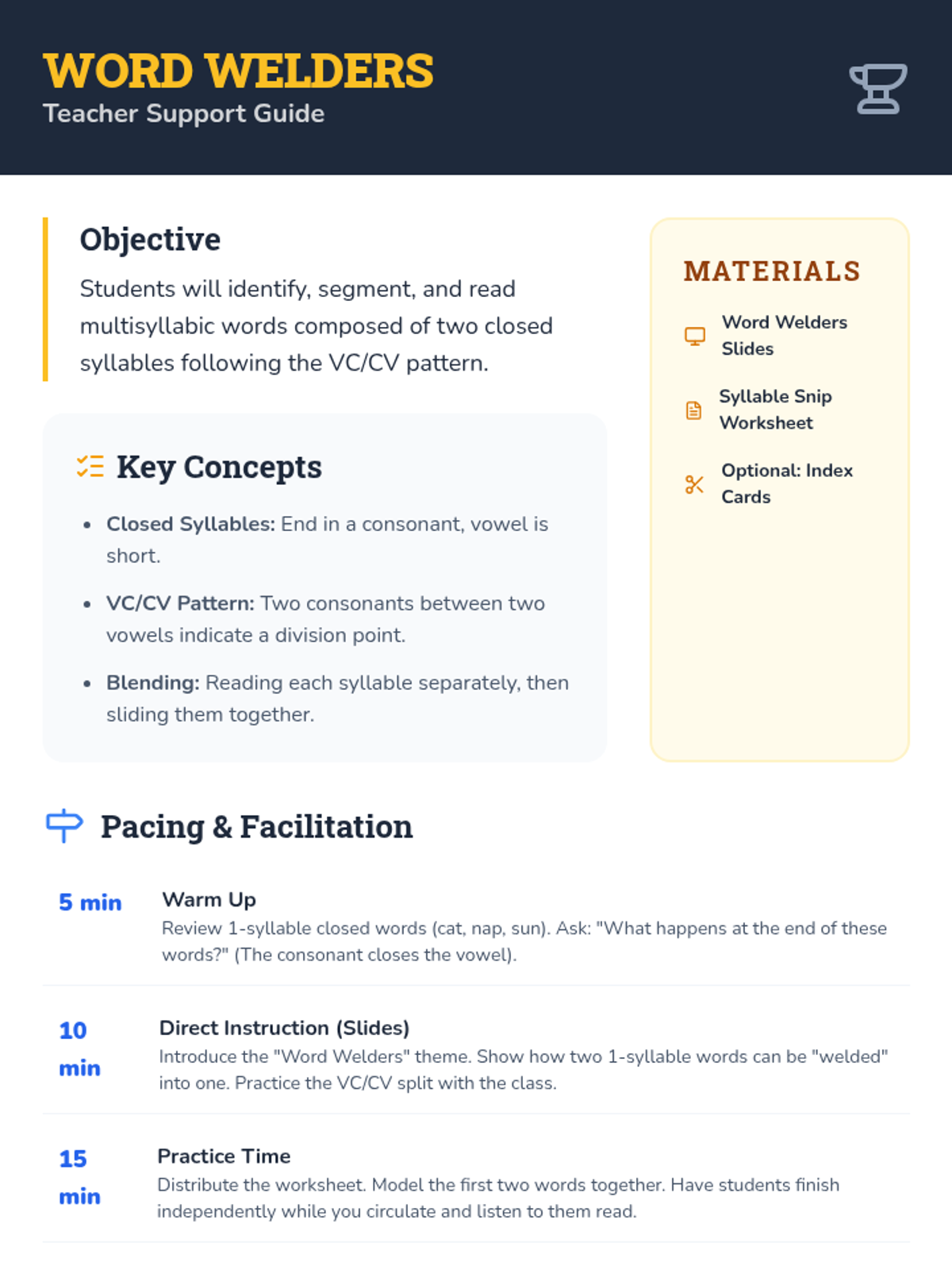
A hands-on lesson for first graders to identify and divide multisyllabic words with two closed syllables using the VC/CV pattern. Students will learn to spot the "vowel-consonant-consonant-vowel" pattern to decode longer words.
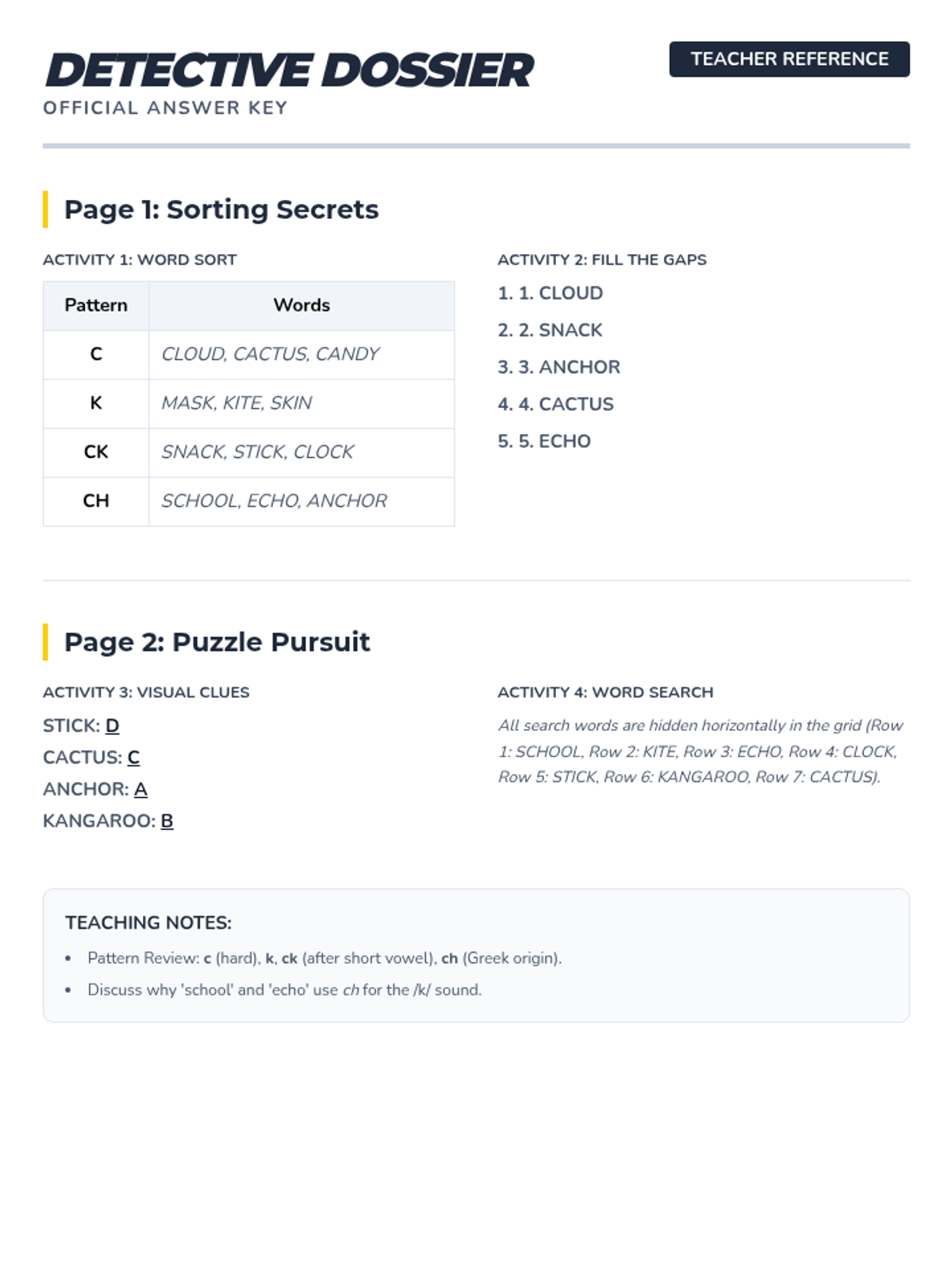
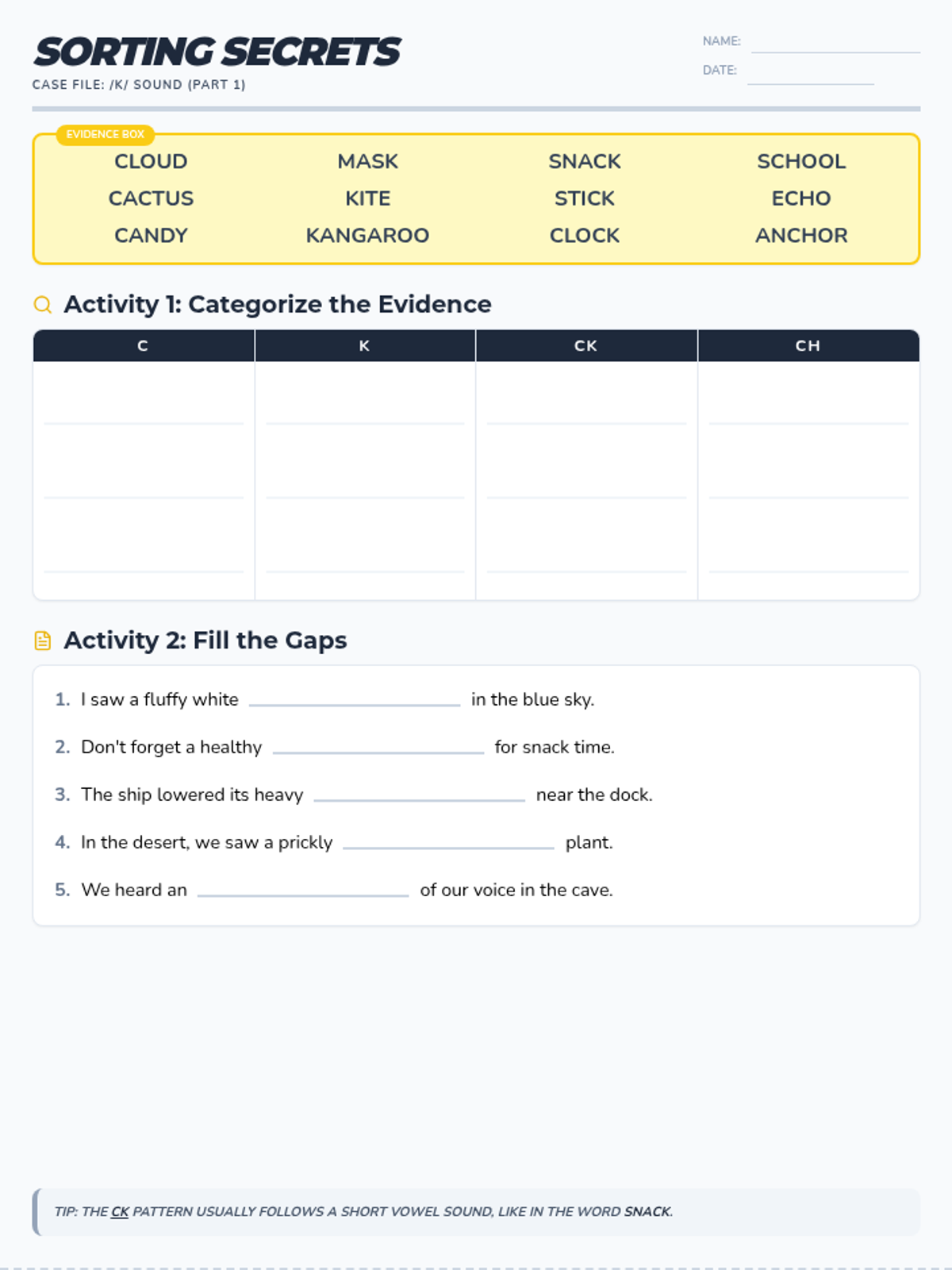
Students explore the four main ways to spell the /k/ sound using a detective-themed series of worksheets. Activities include sorting words by pattern, filling in context-rich sentences, matching pictures, and solving a crossword.
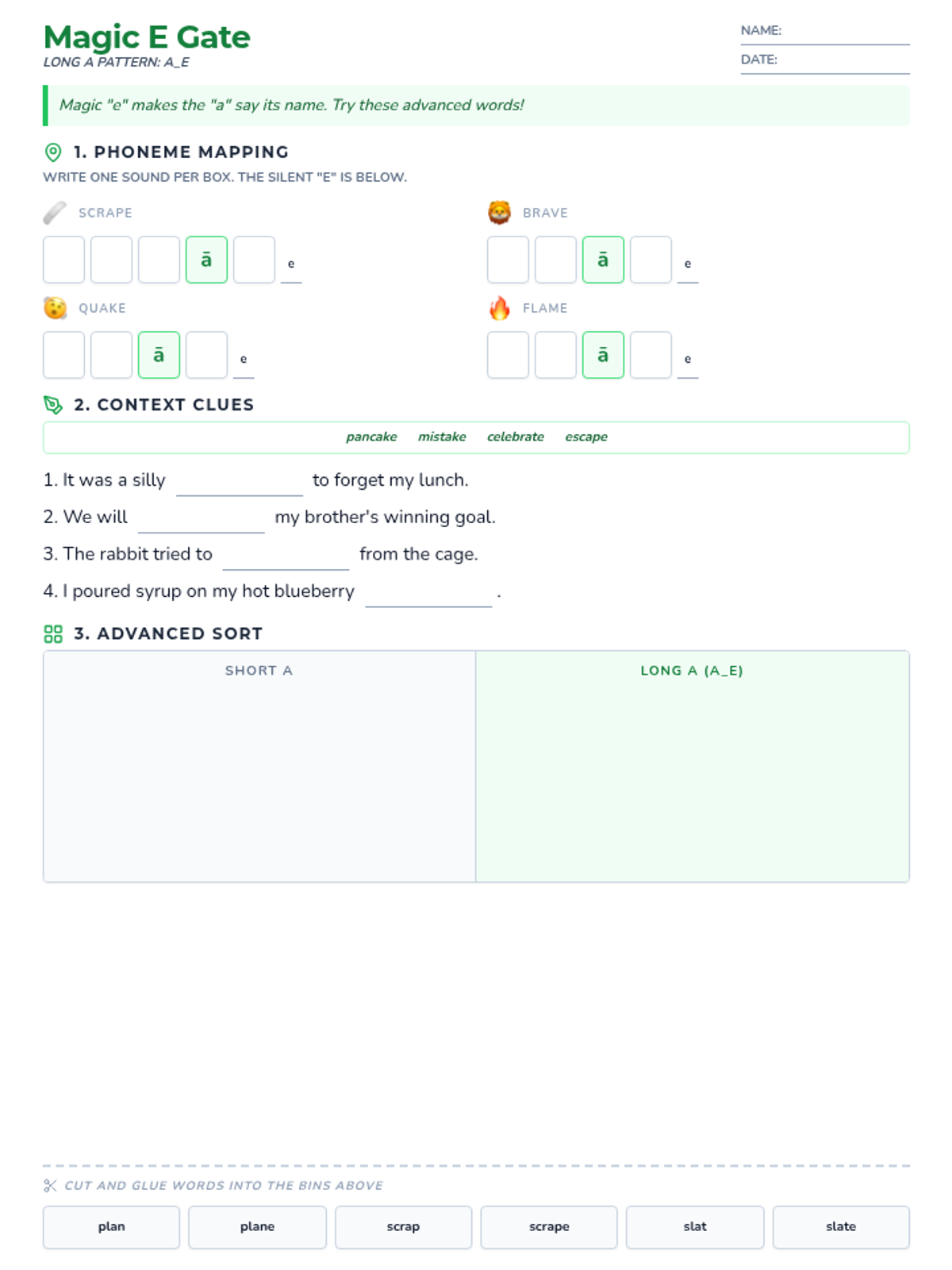
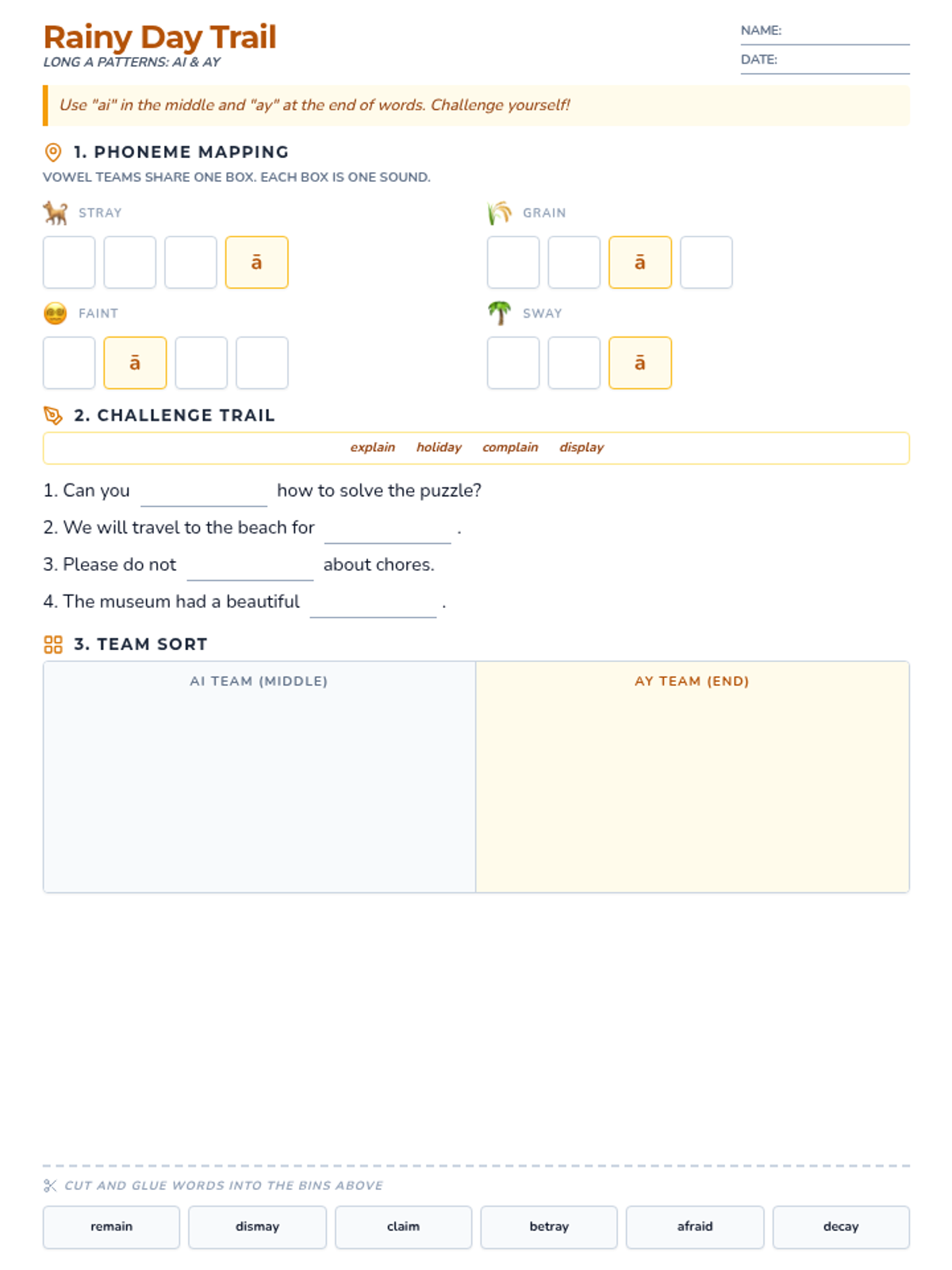
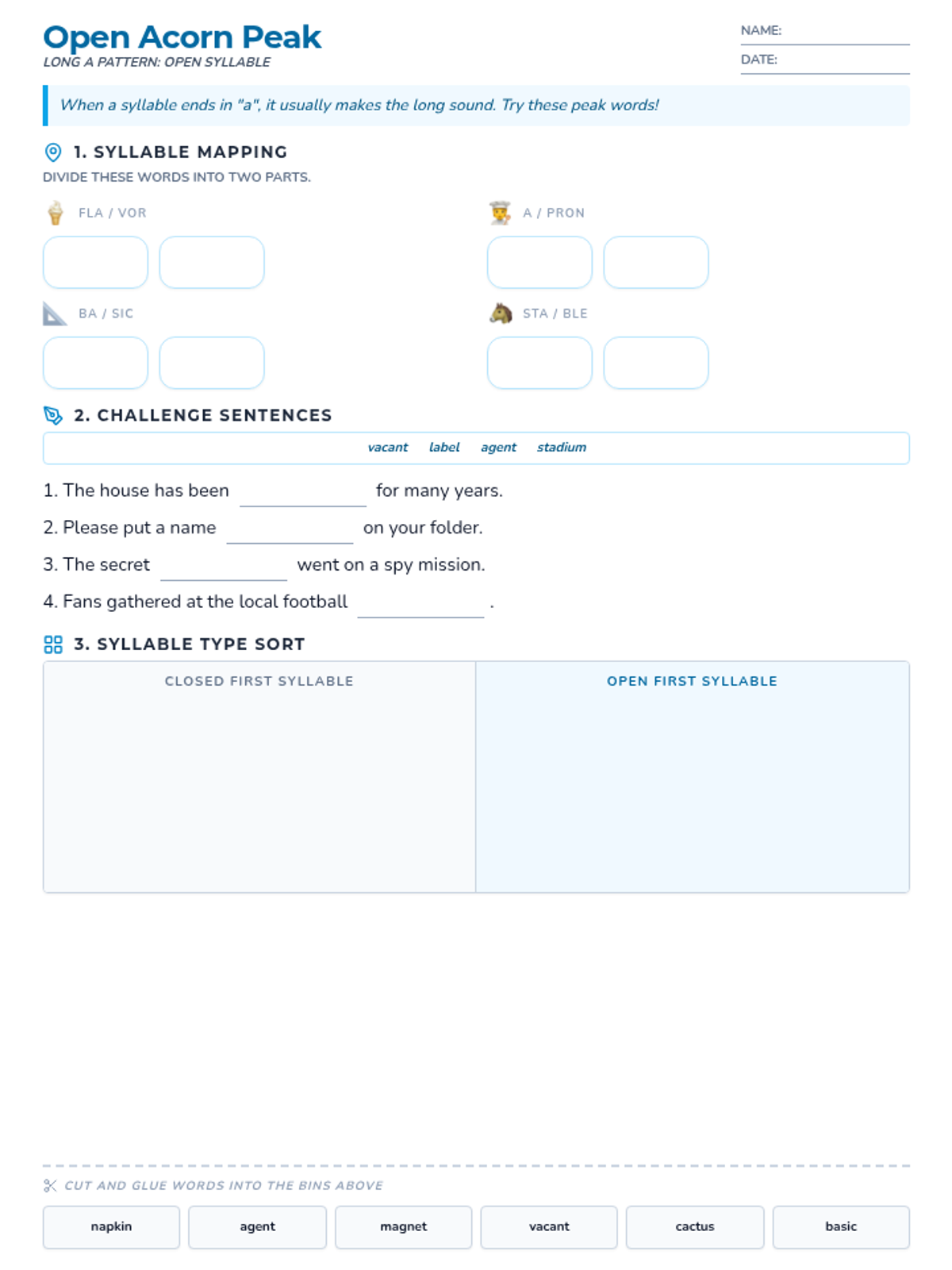
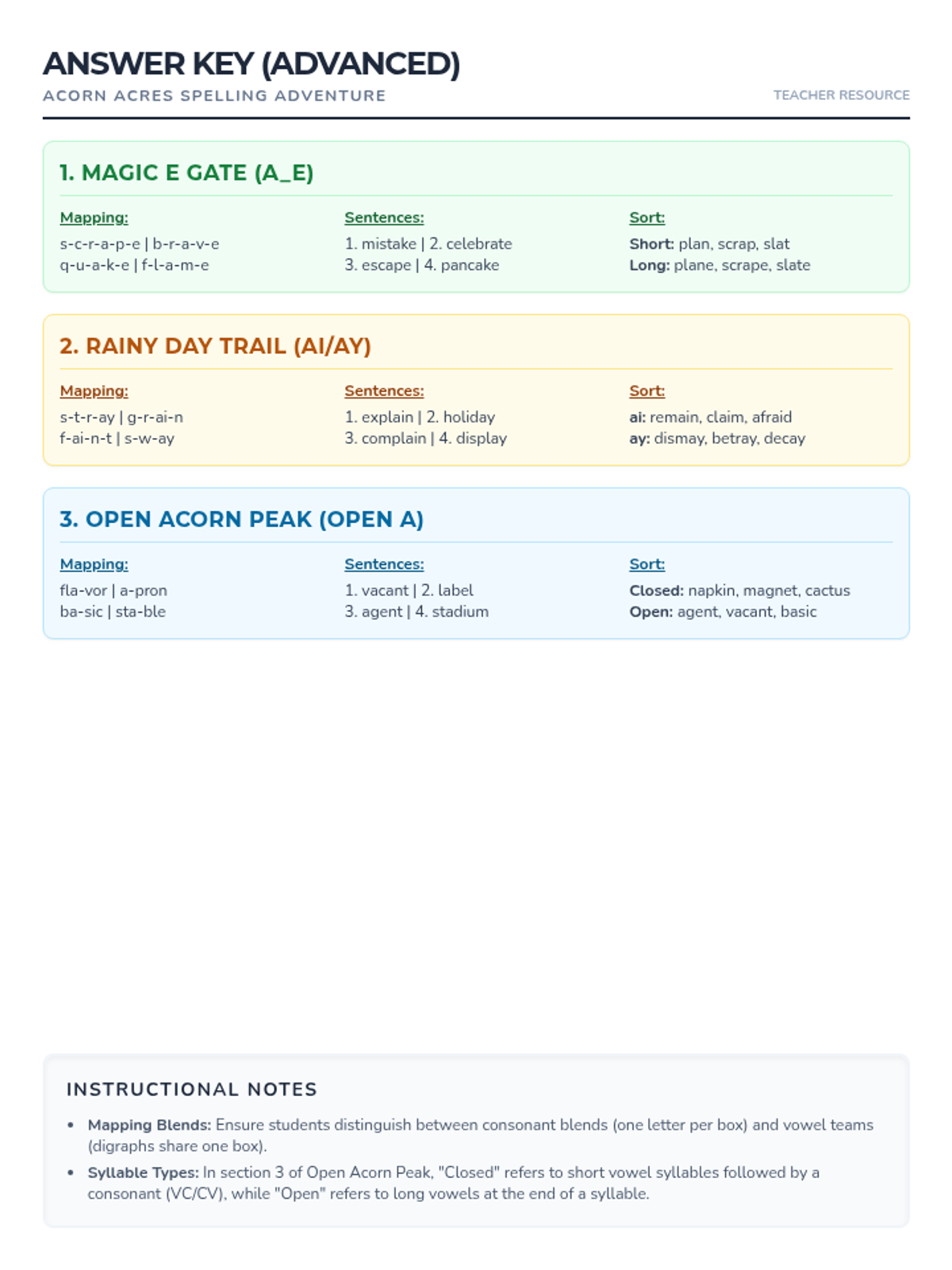
A series of activities focusing on long 'a' spelling patterns: a-consonant-e, vowel teams ai/ay, and open syllables. Students practice mapping sounds, completing sentences, and sorting words to build phonemic awareness and spelling proficiency.
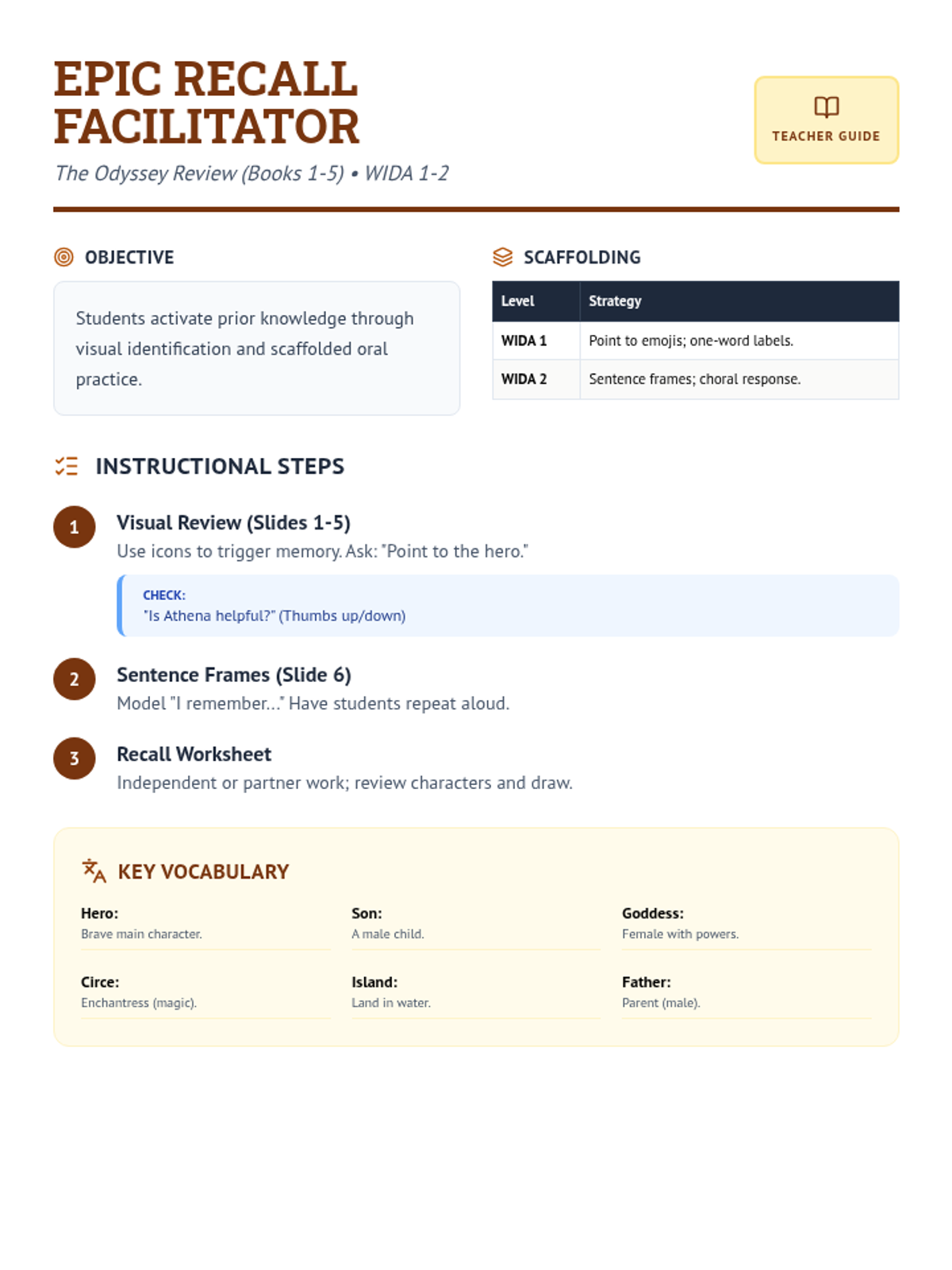
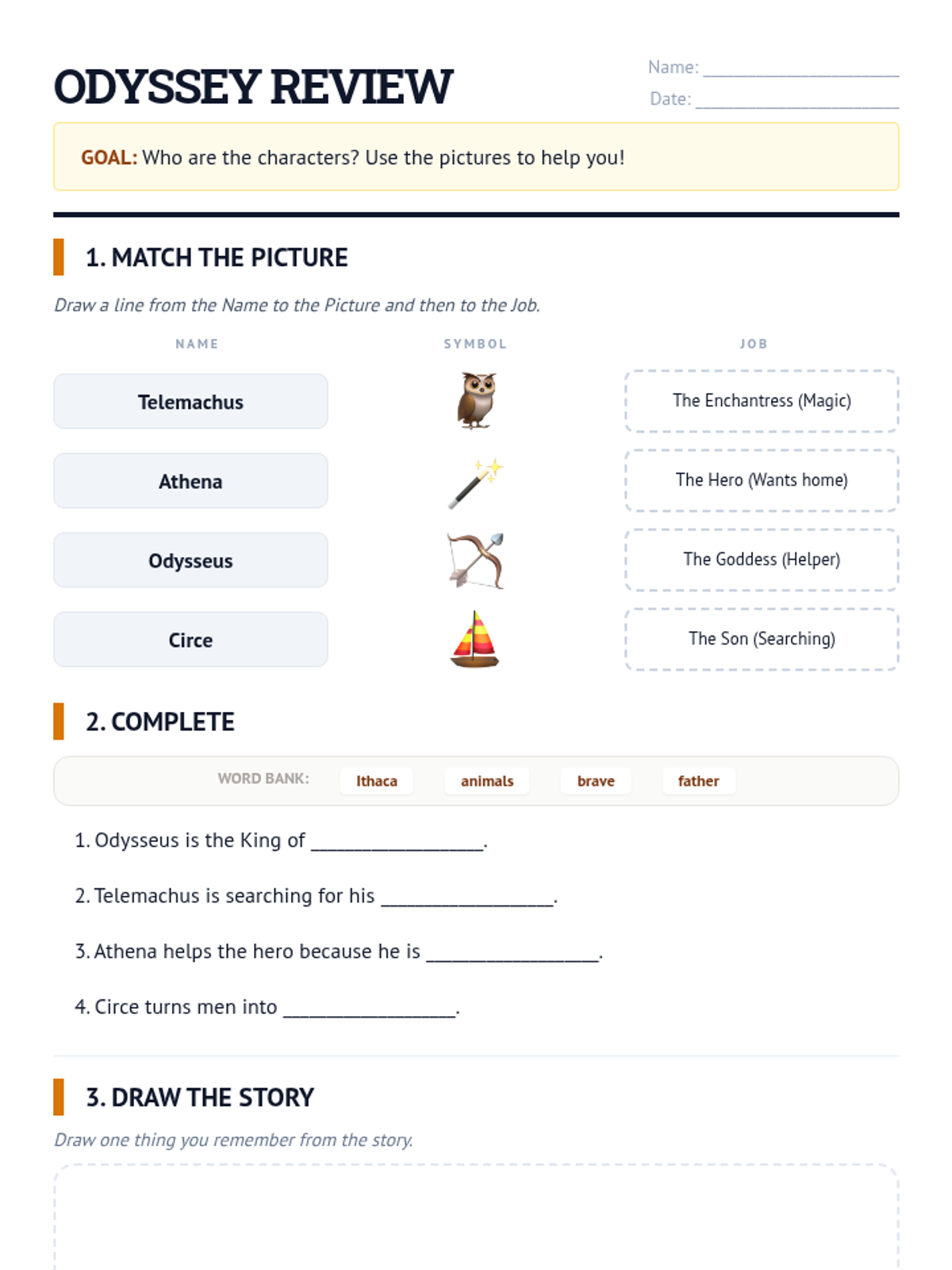
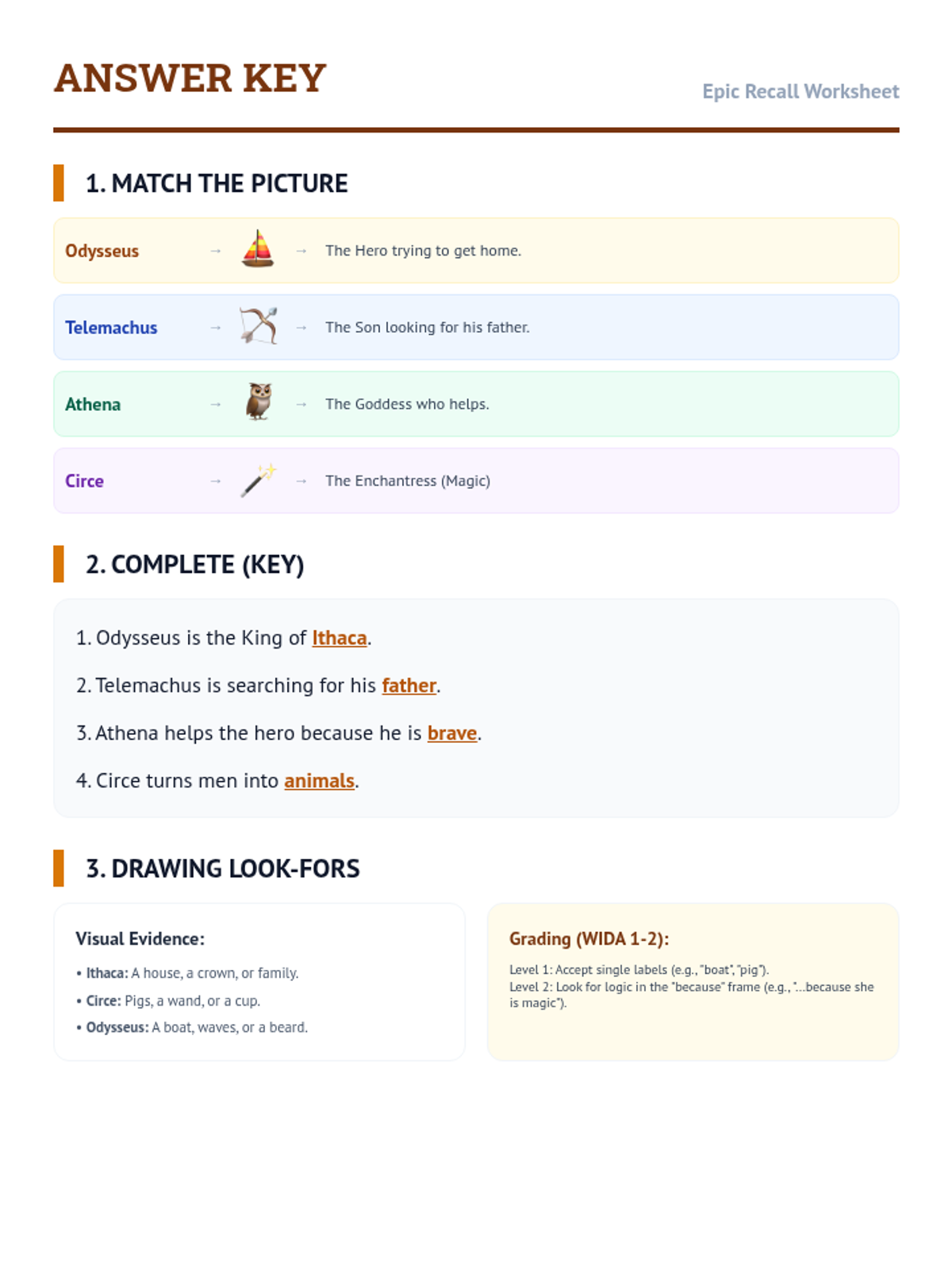
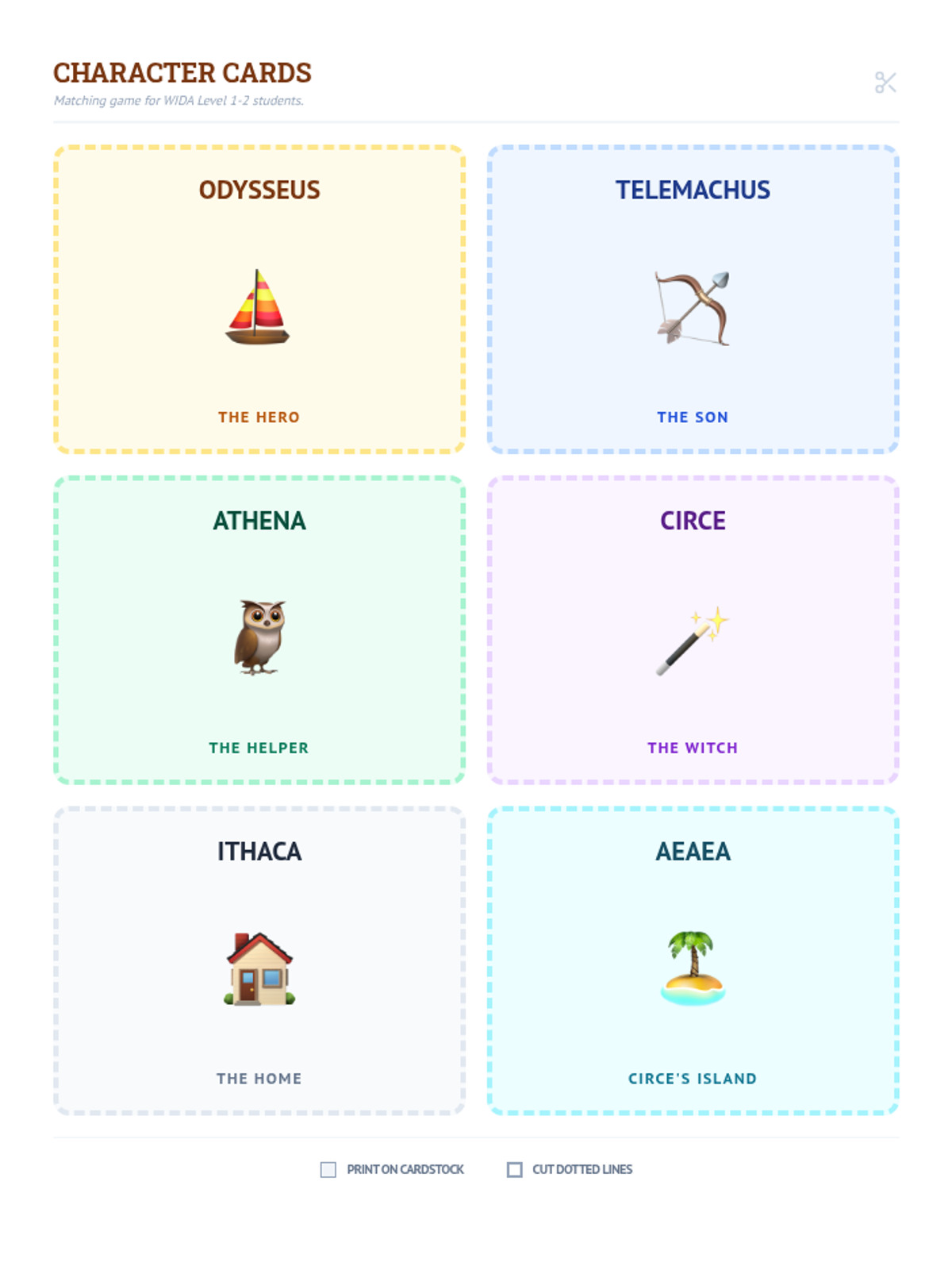
A review lesson for ELL students focused on recalling key characters and events from Books 1-5 of The Odyssey after a school break.
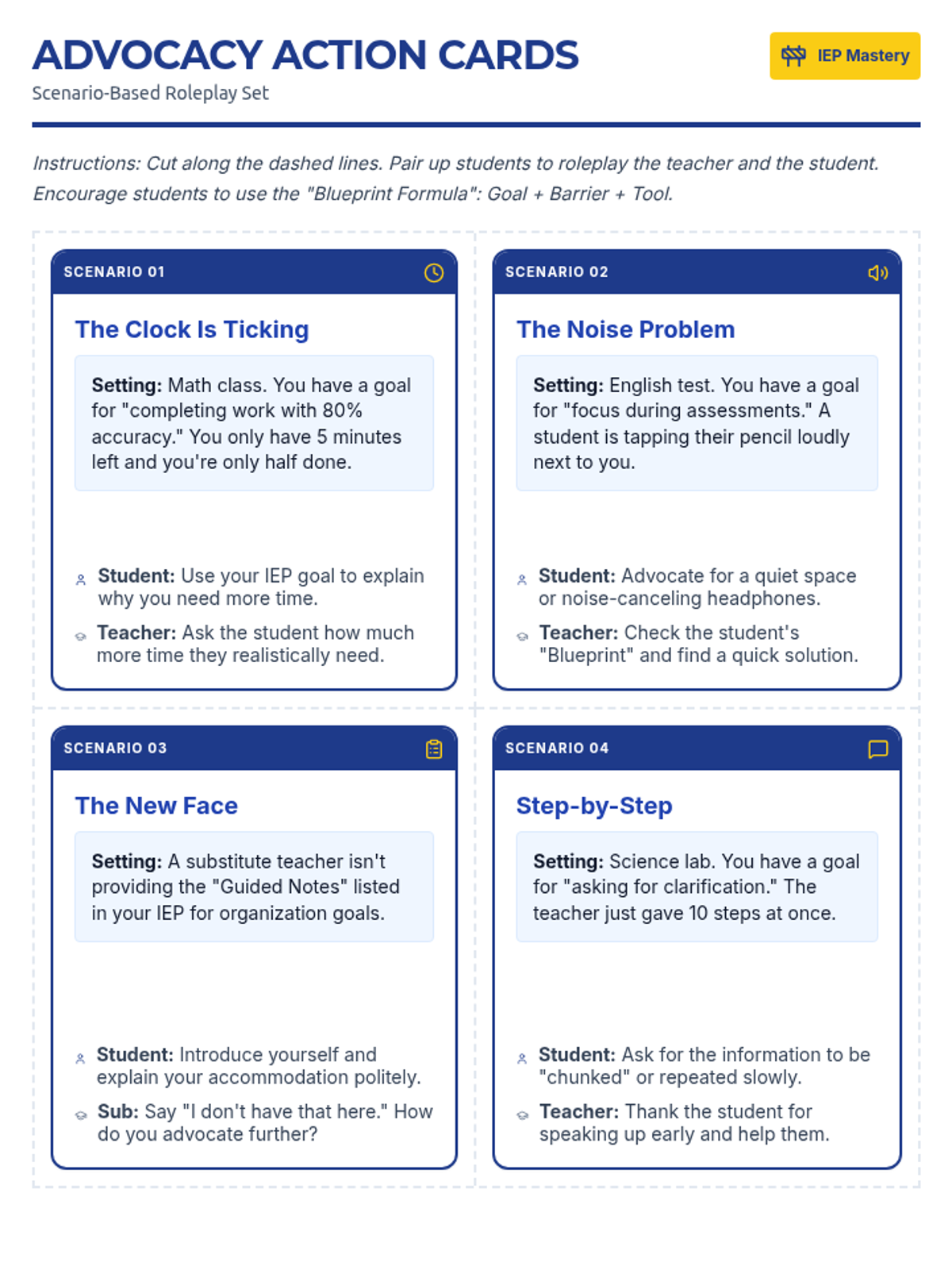
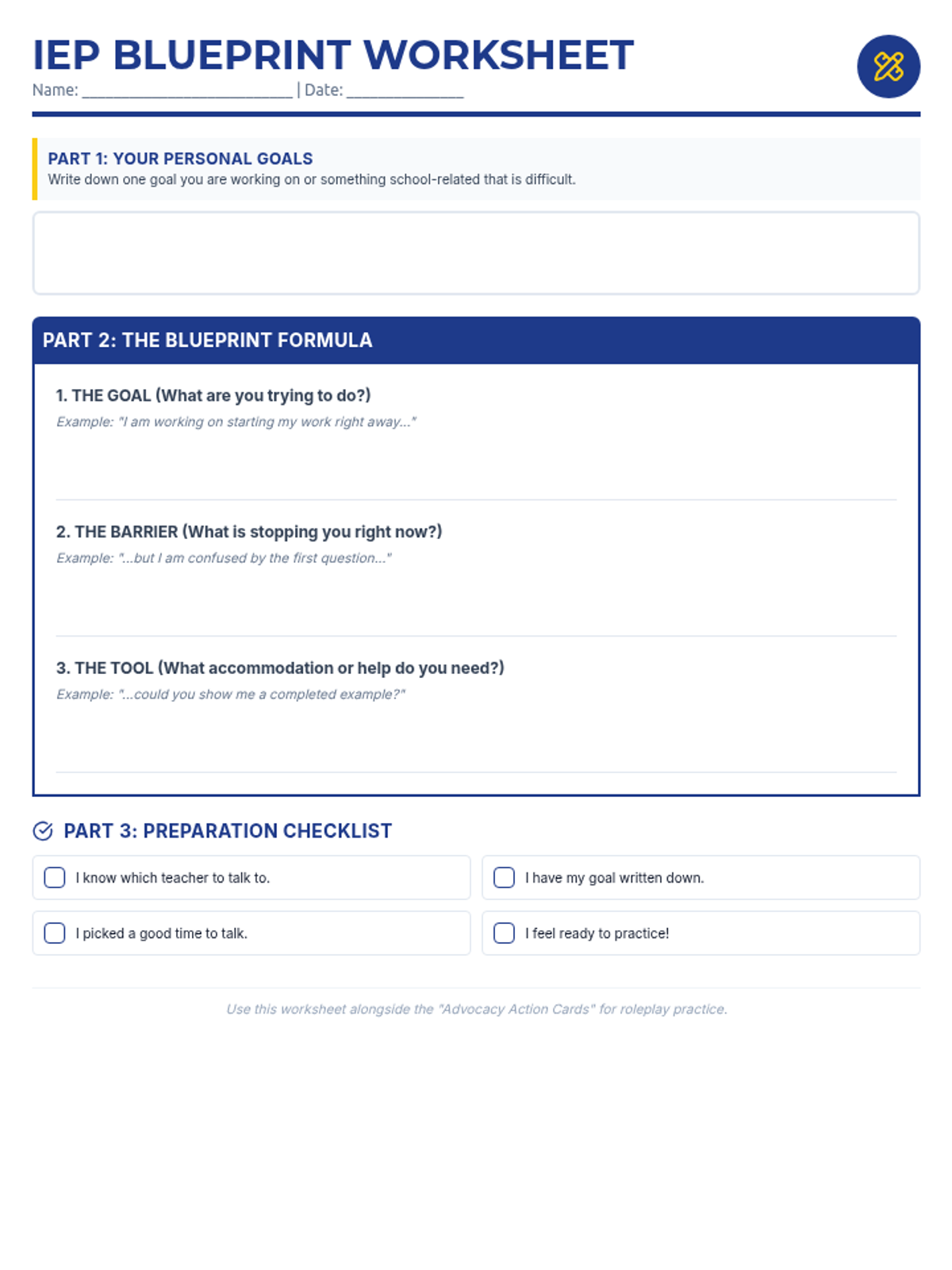
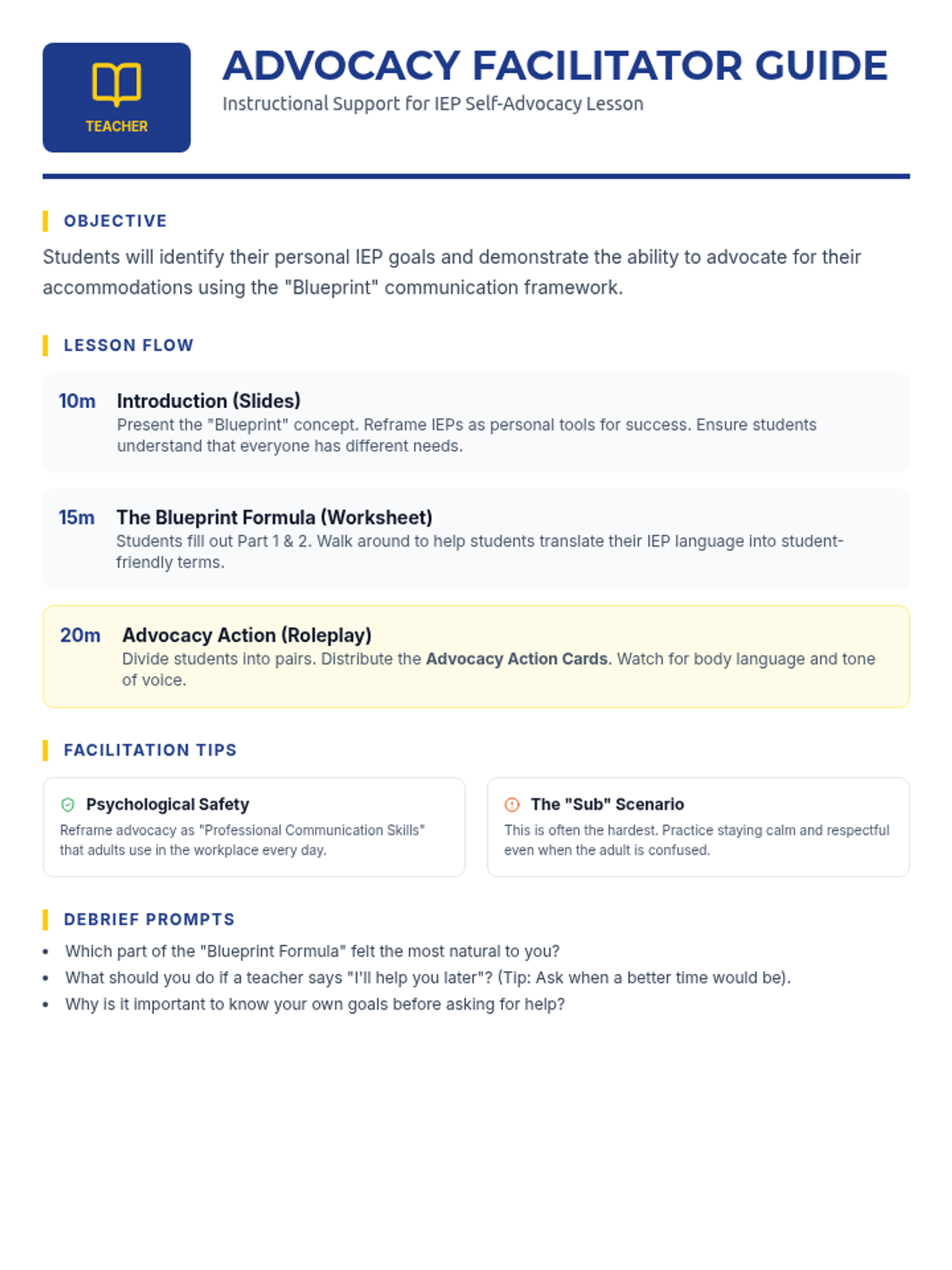
A lesson designed to empower students to understand their IEP goals and practice self-advocacy through scenario-based roleplay. Students will learn the 'Blueprinting' method for communicating their needs effectively to teachers and staff.
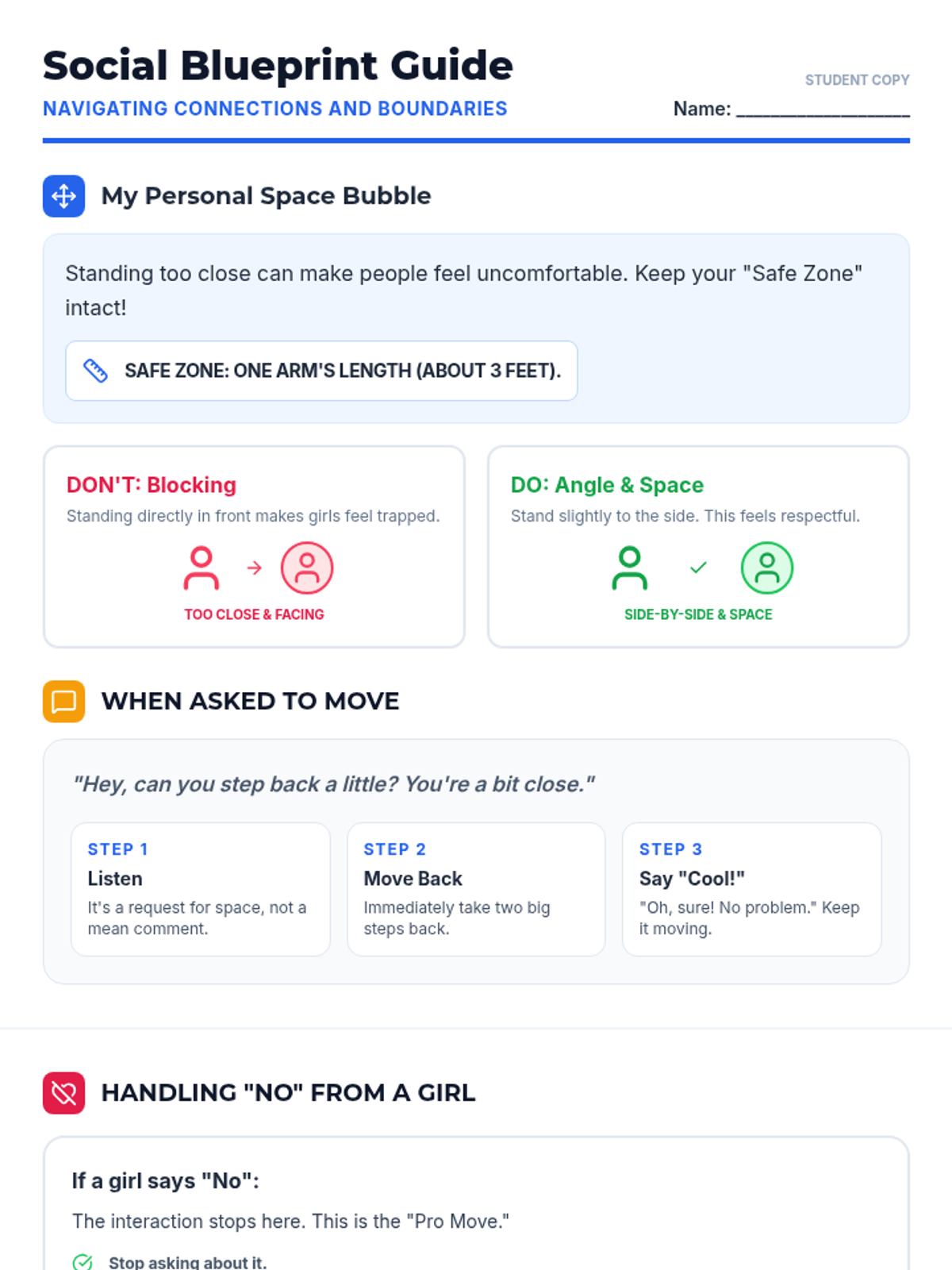
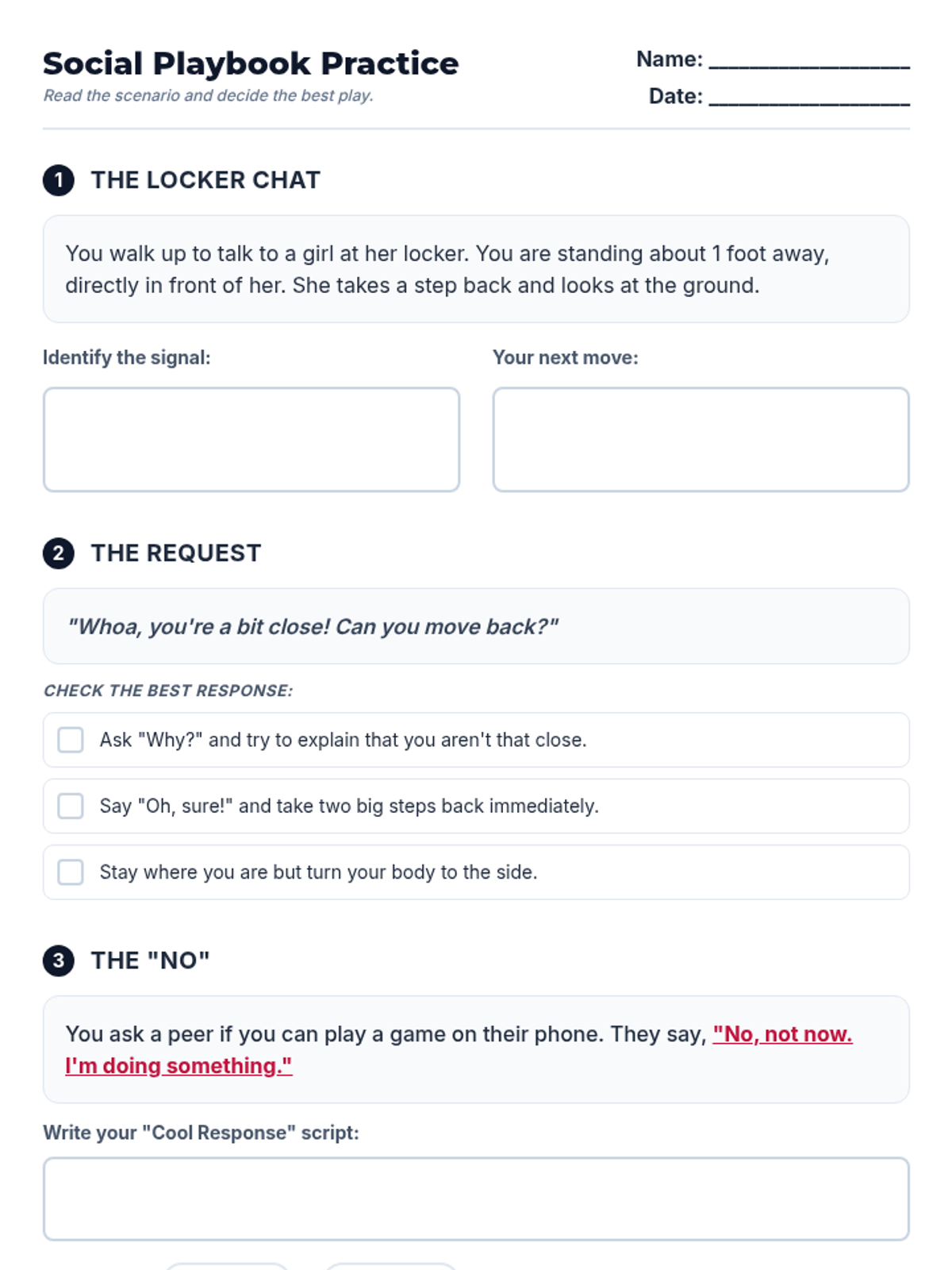
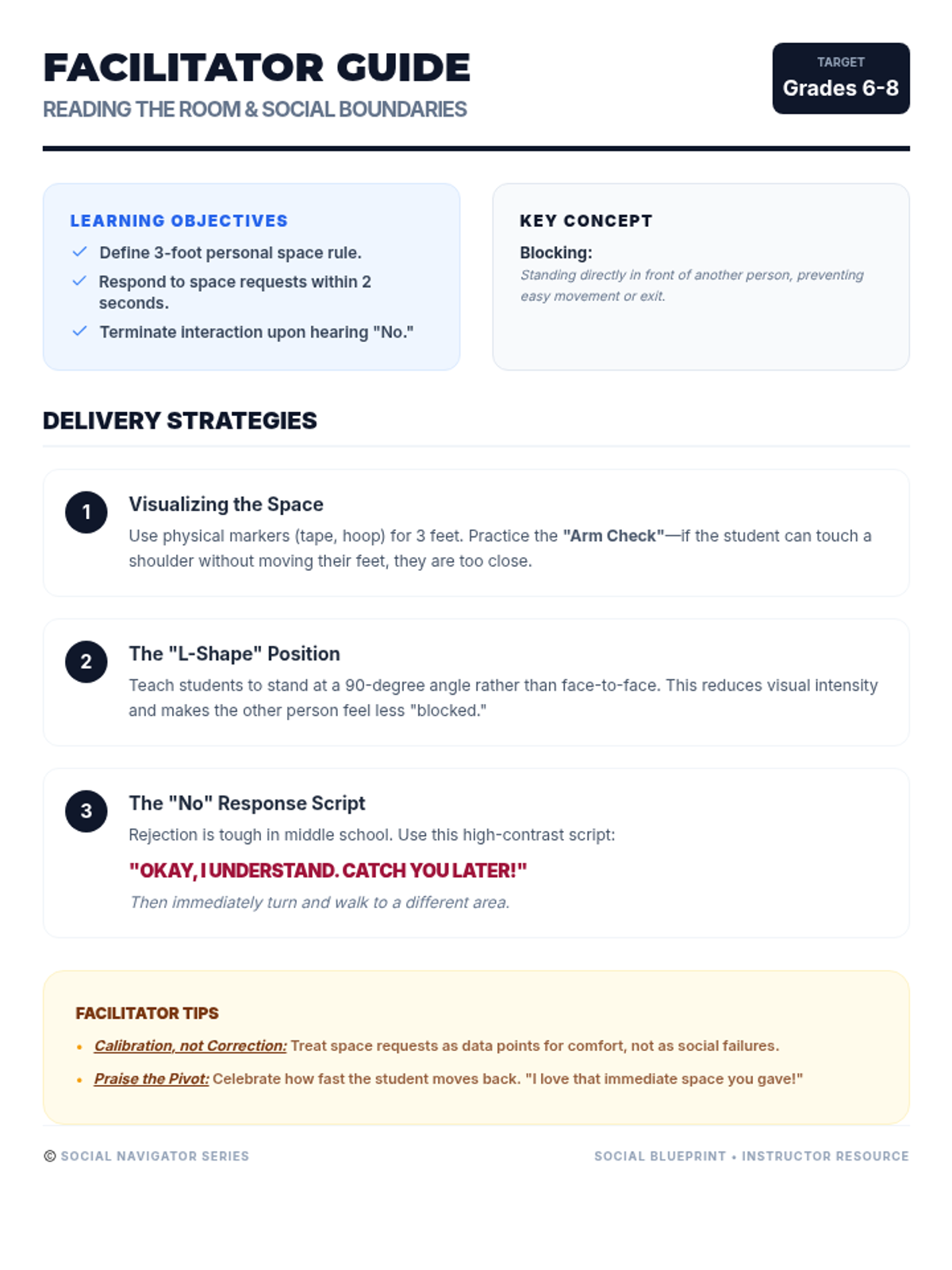
Teaching students to navigate personal space and handle social rejection with maturity and respect.
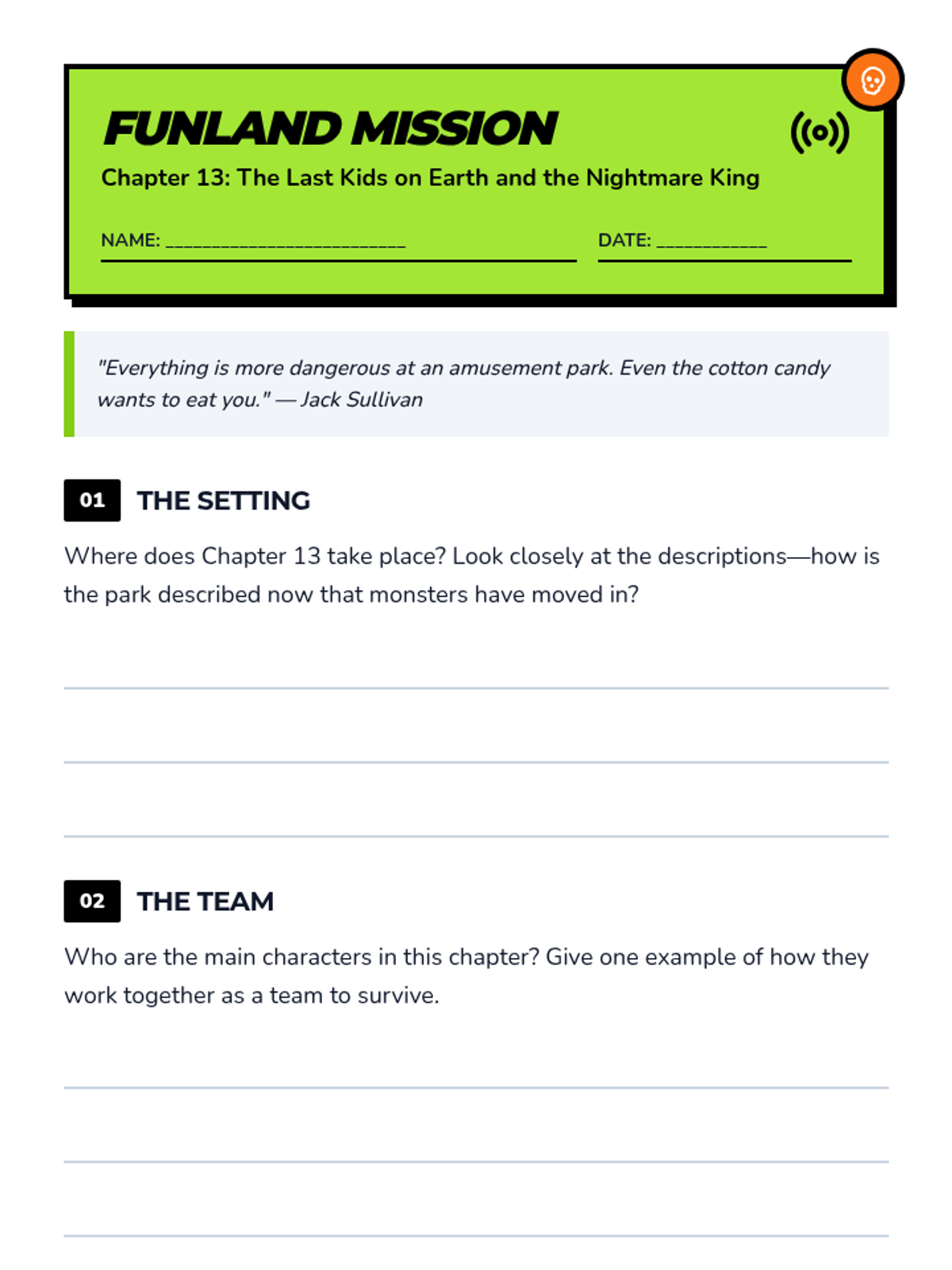
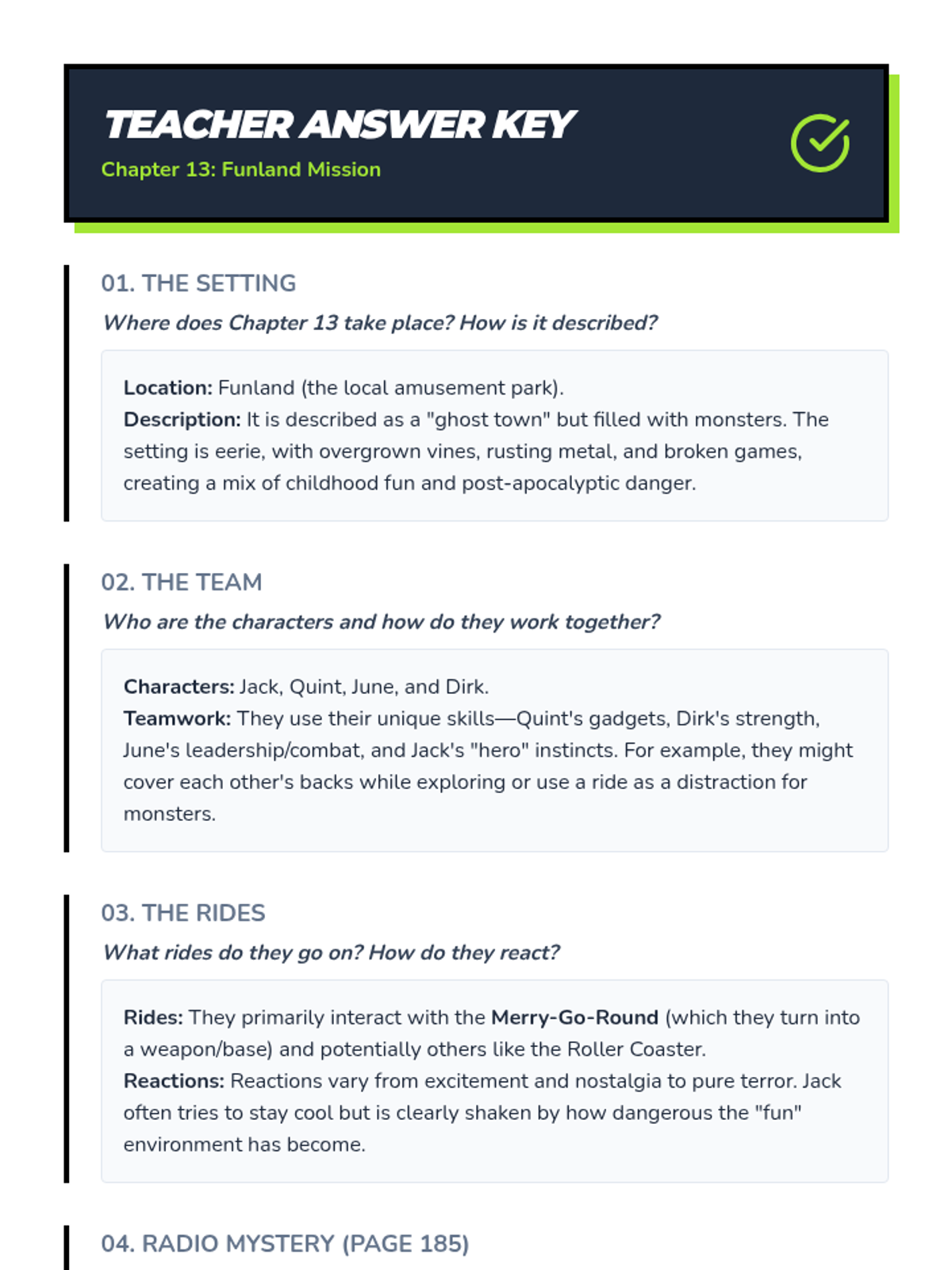
A comprehension lesson focused on Chapter 13 of 'The Last Kids on Earth and the Nightmare King', where students analyze setting, character teamwork, and a major plot turning point involving a radio signal.
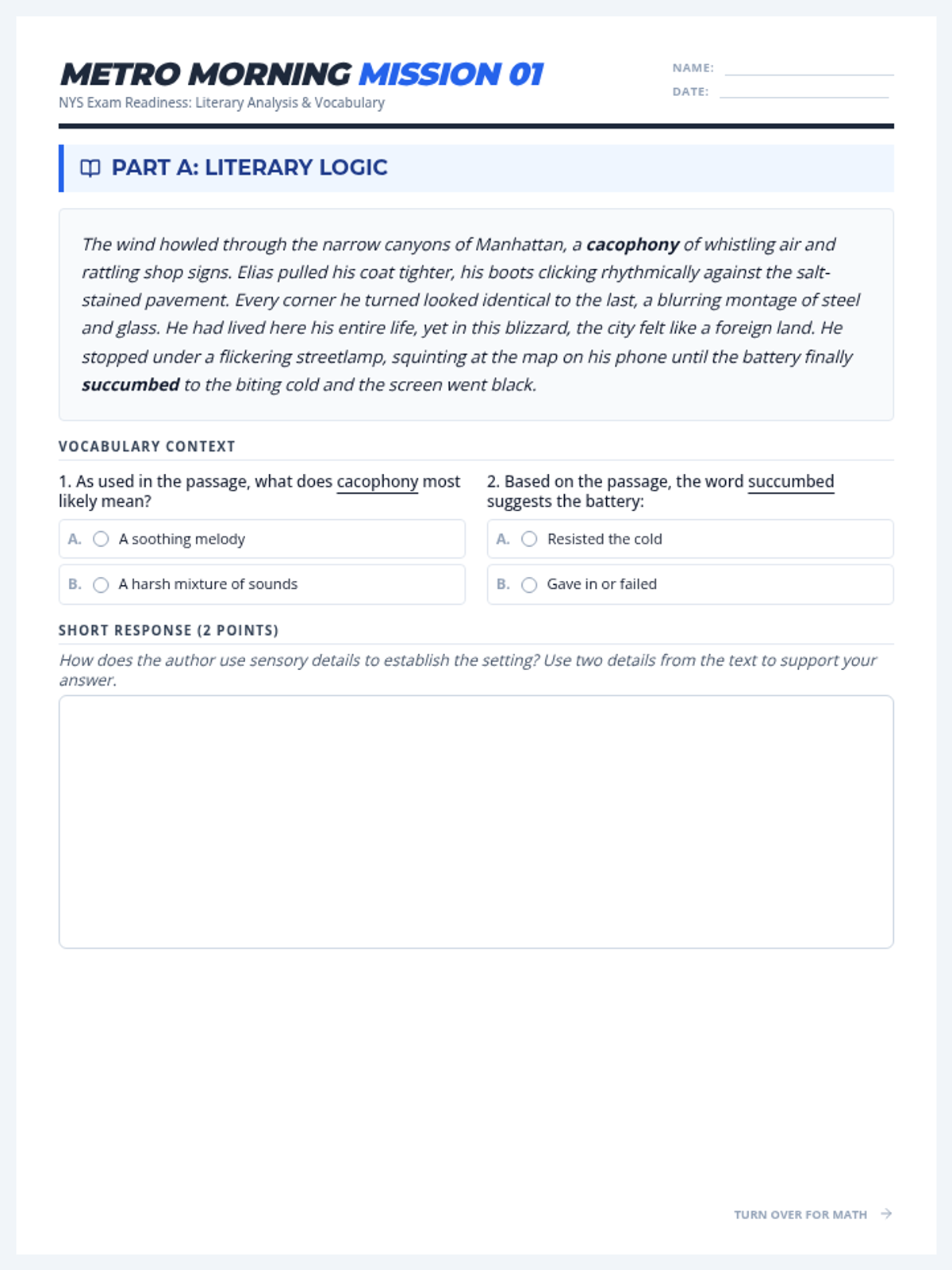
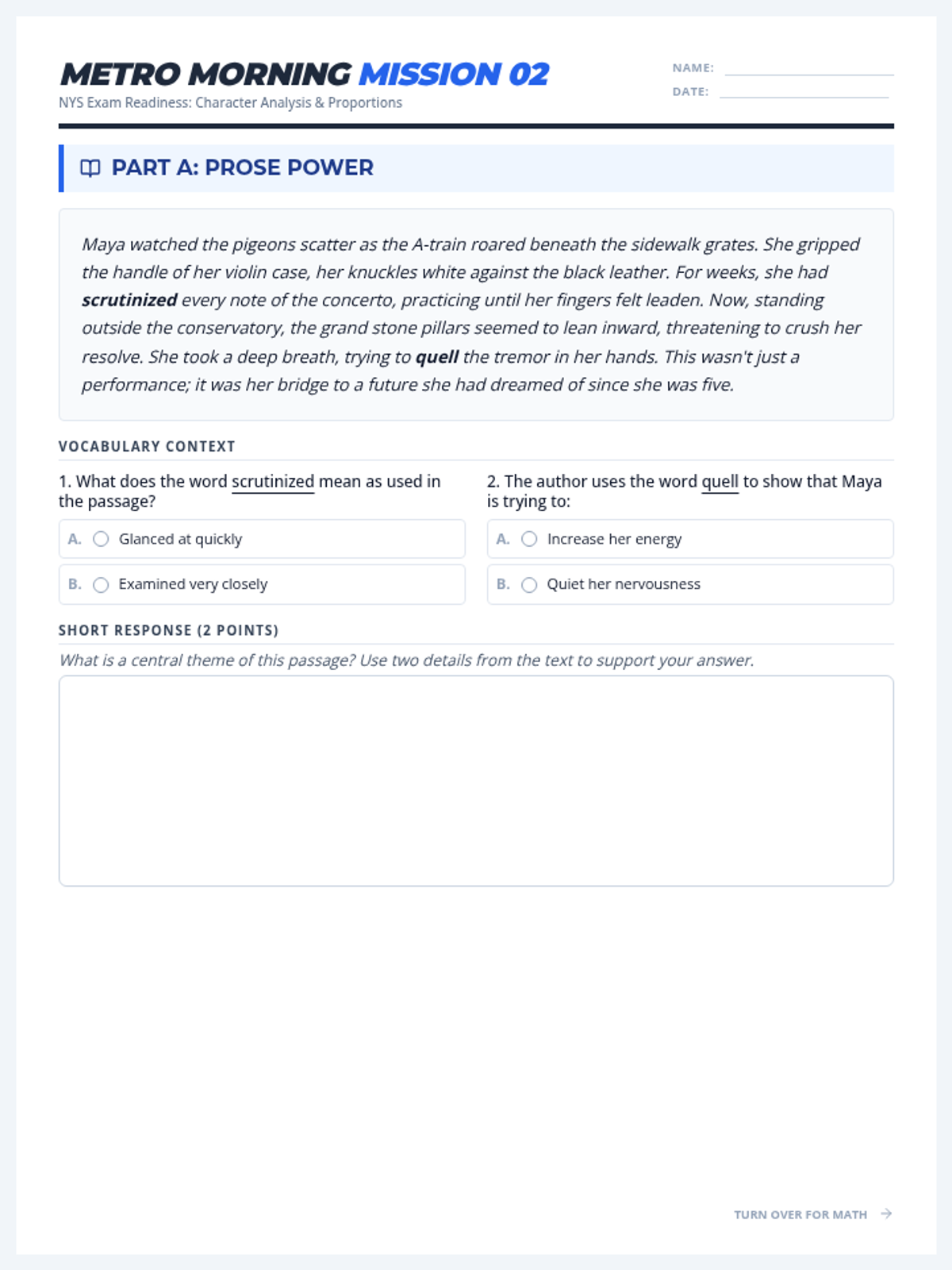
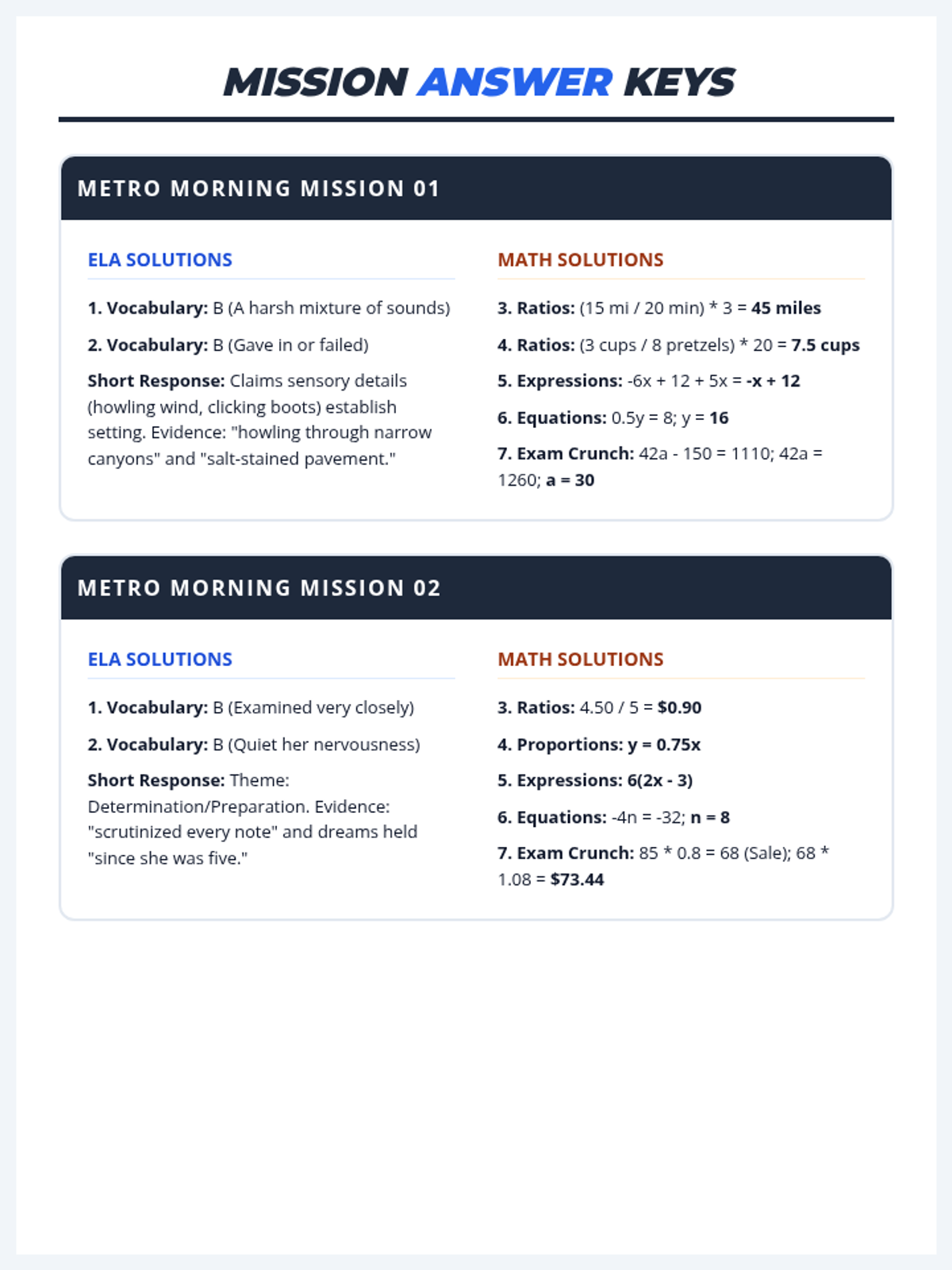
Two double-sided morning work assignments designed for 7th-grade students preparing for NYS ELA and Math exams, focusing on high-leverage standards like Ratios, Expressions, Context Clues, and Short Response writing.
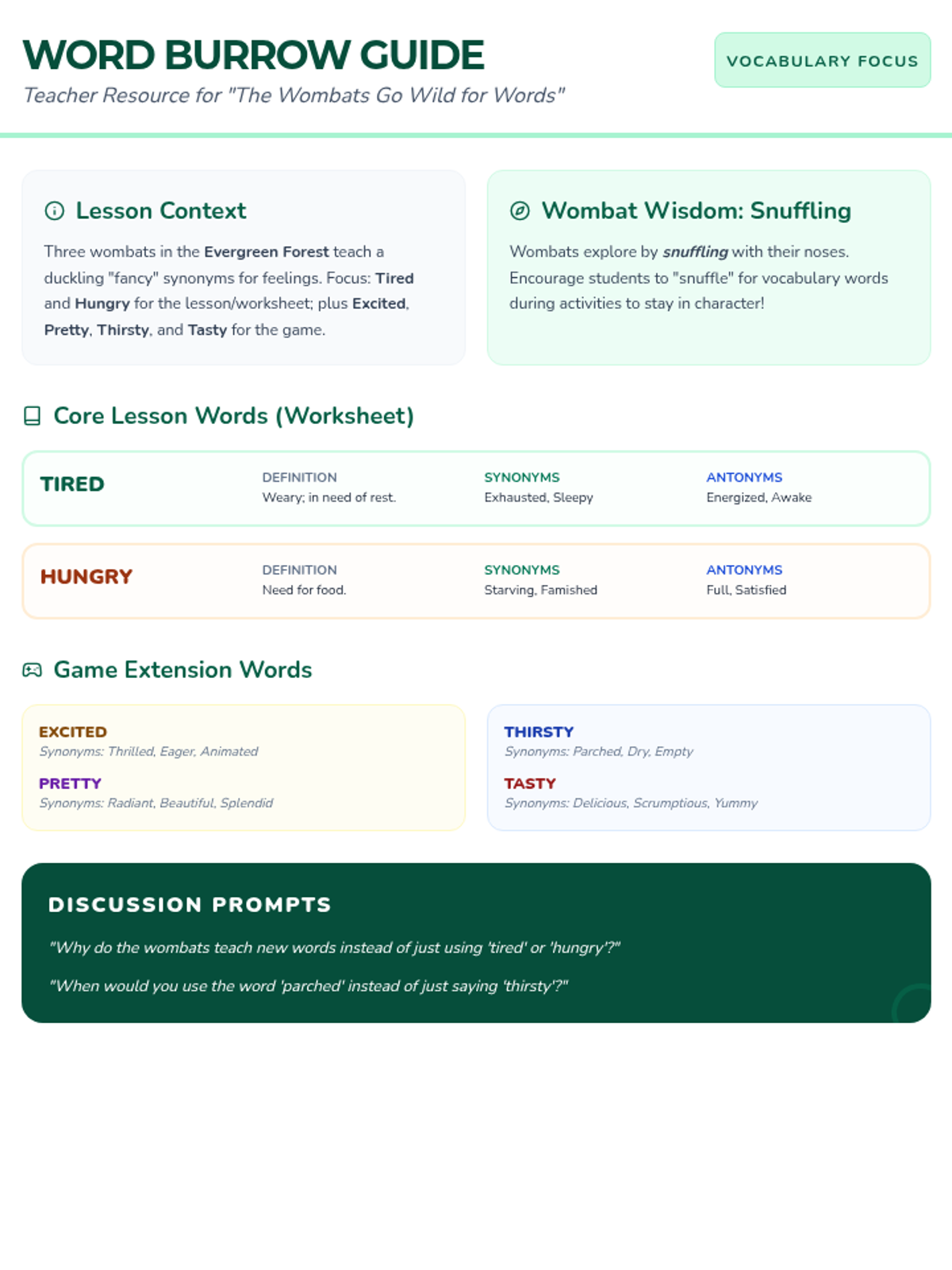
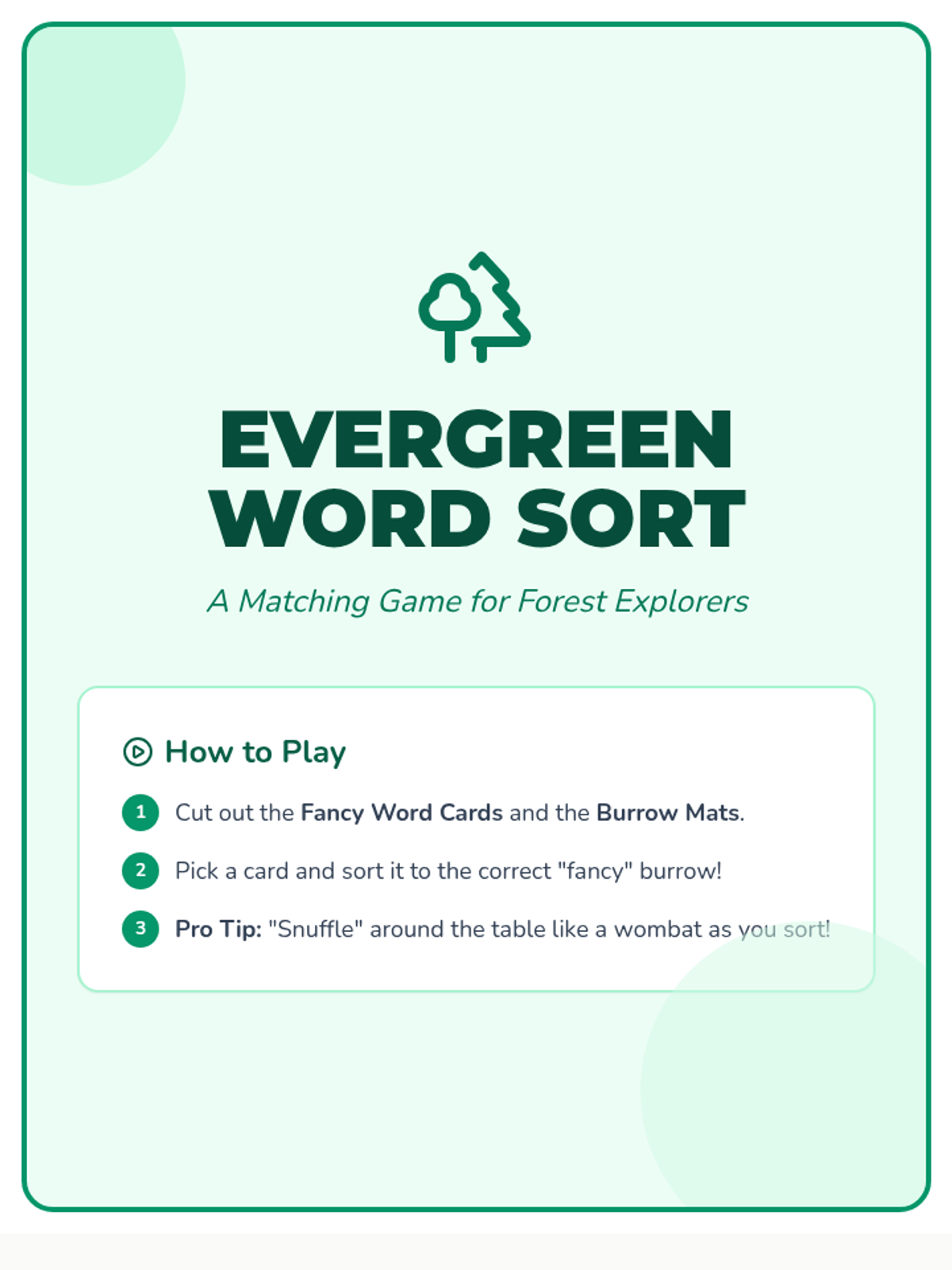
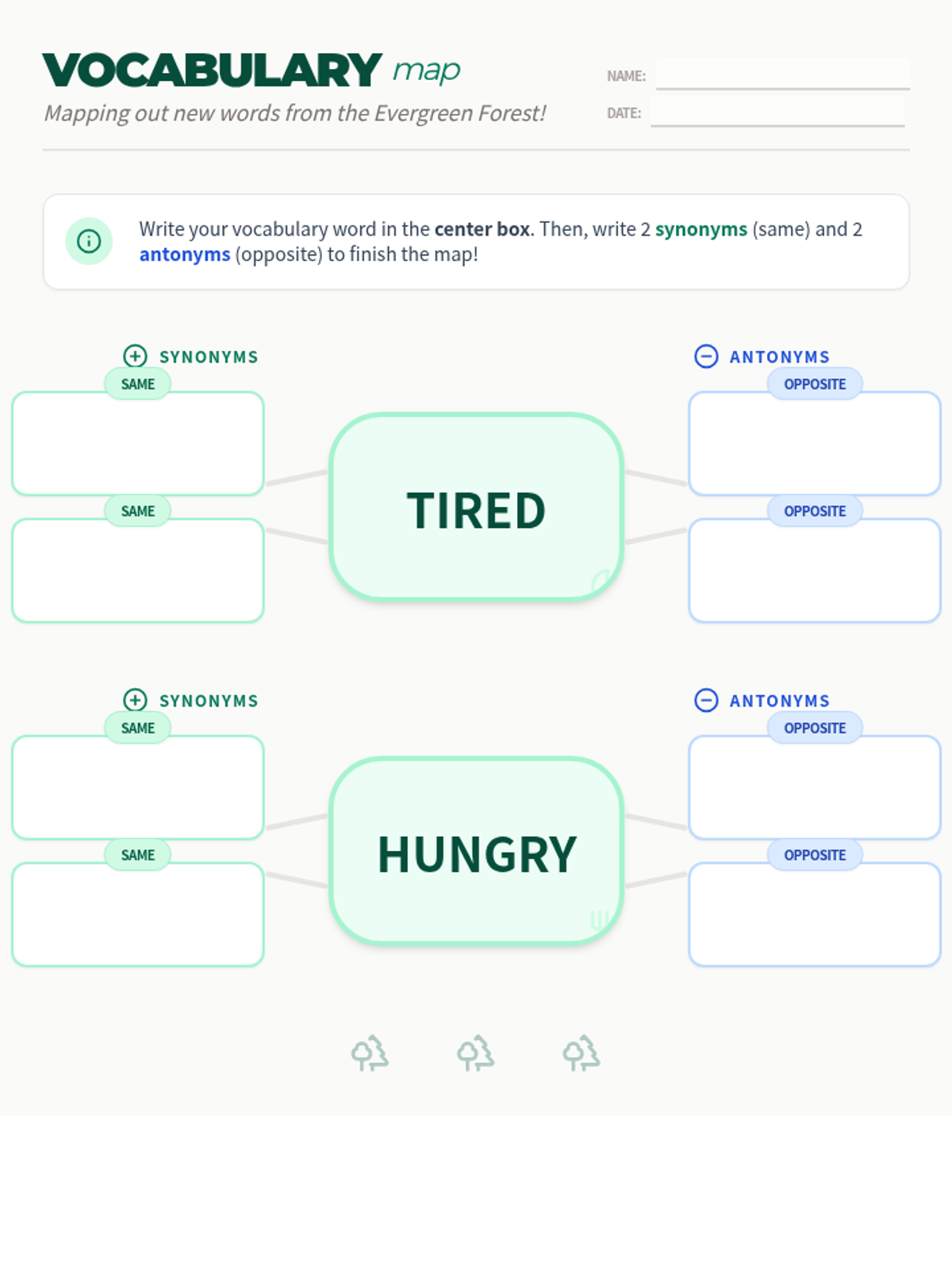
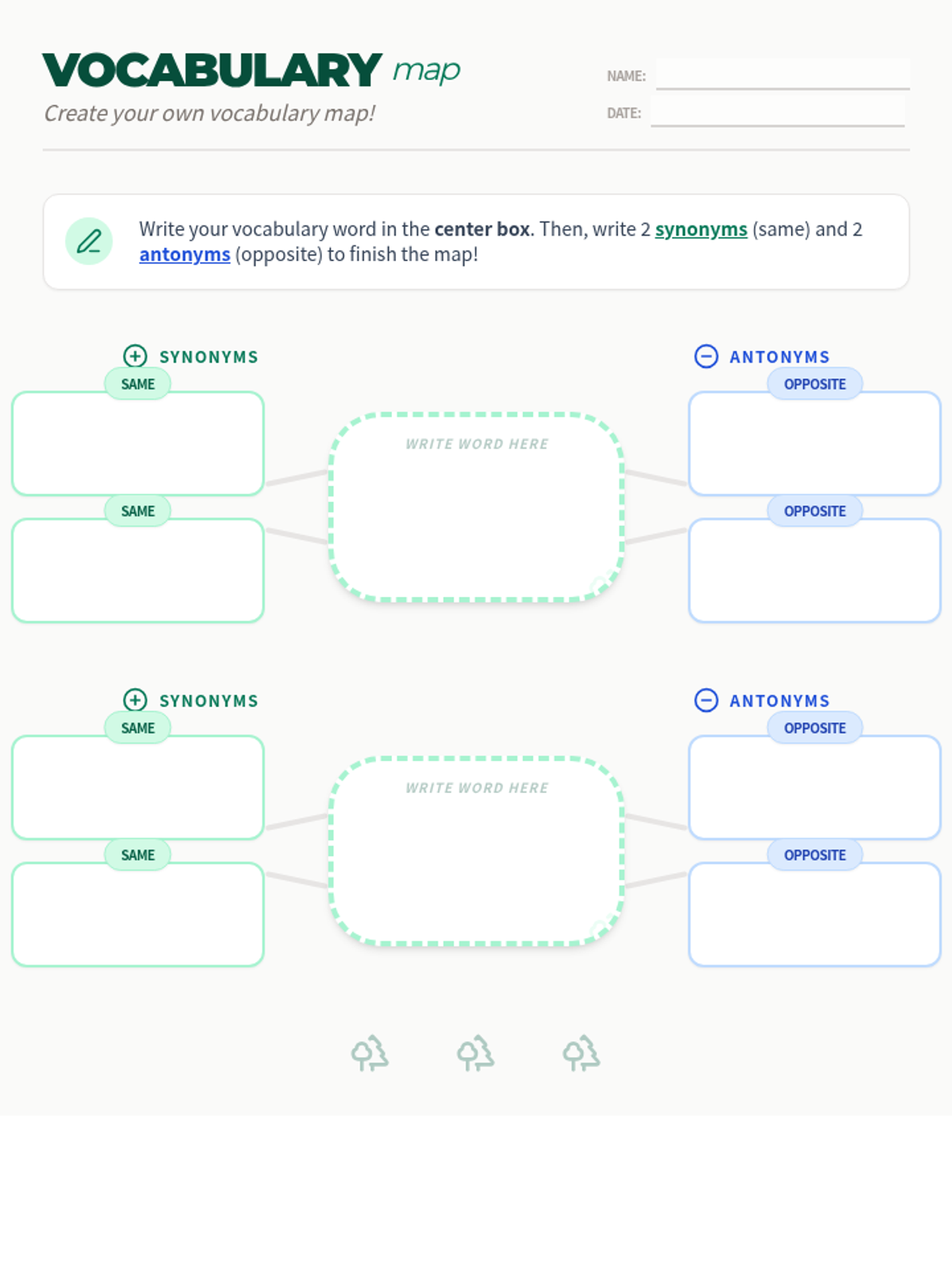
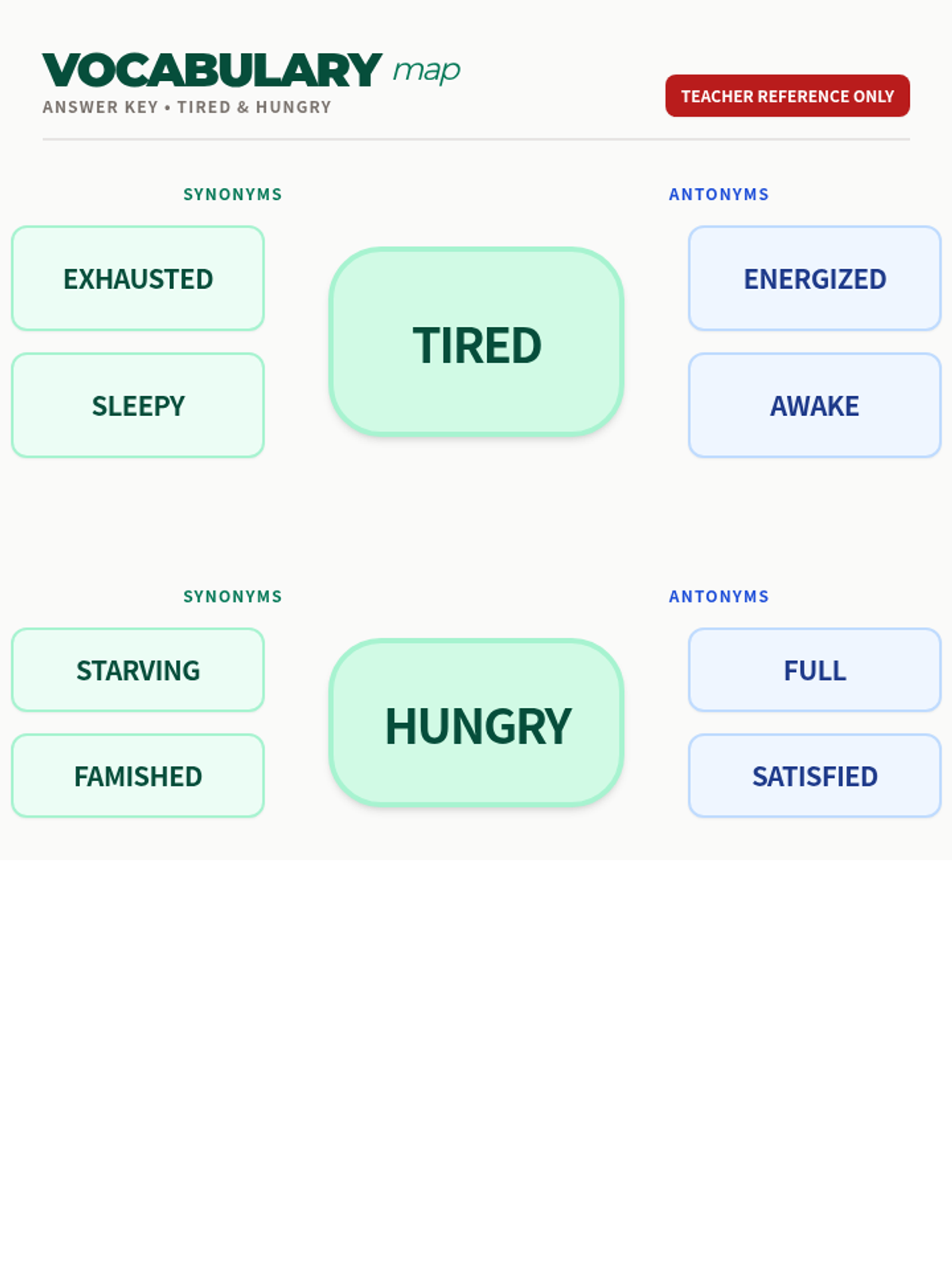
Students explore vocabulary from the picture book 'The Wombats Go Wild for Words' by identifying synonyms and antonyms using a graphic organizer. This lesson builds 2nd-grade language skills through character-driven word exploration.
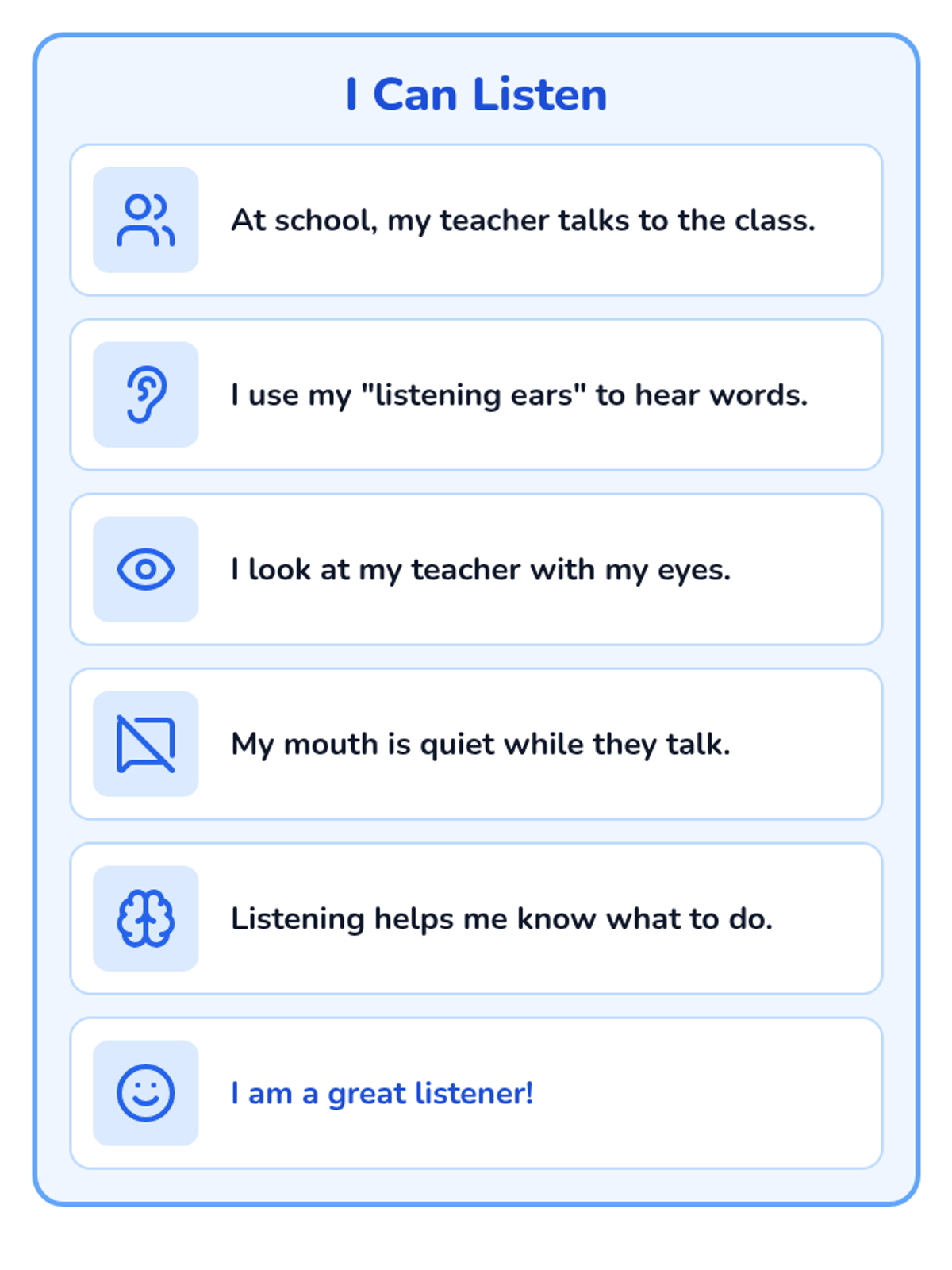
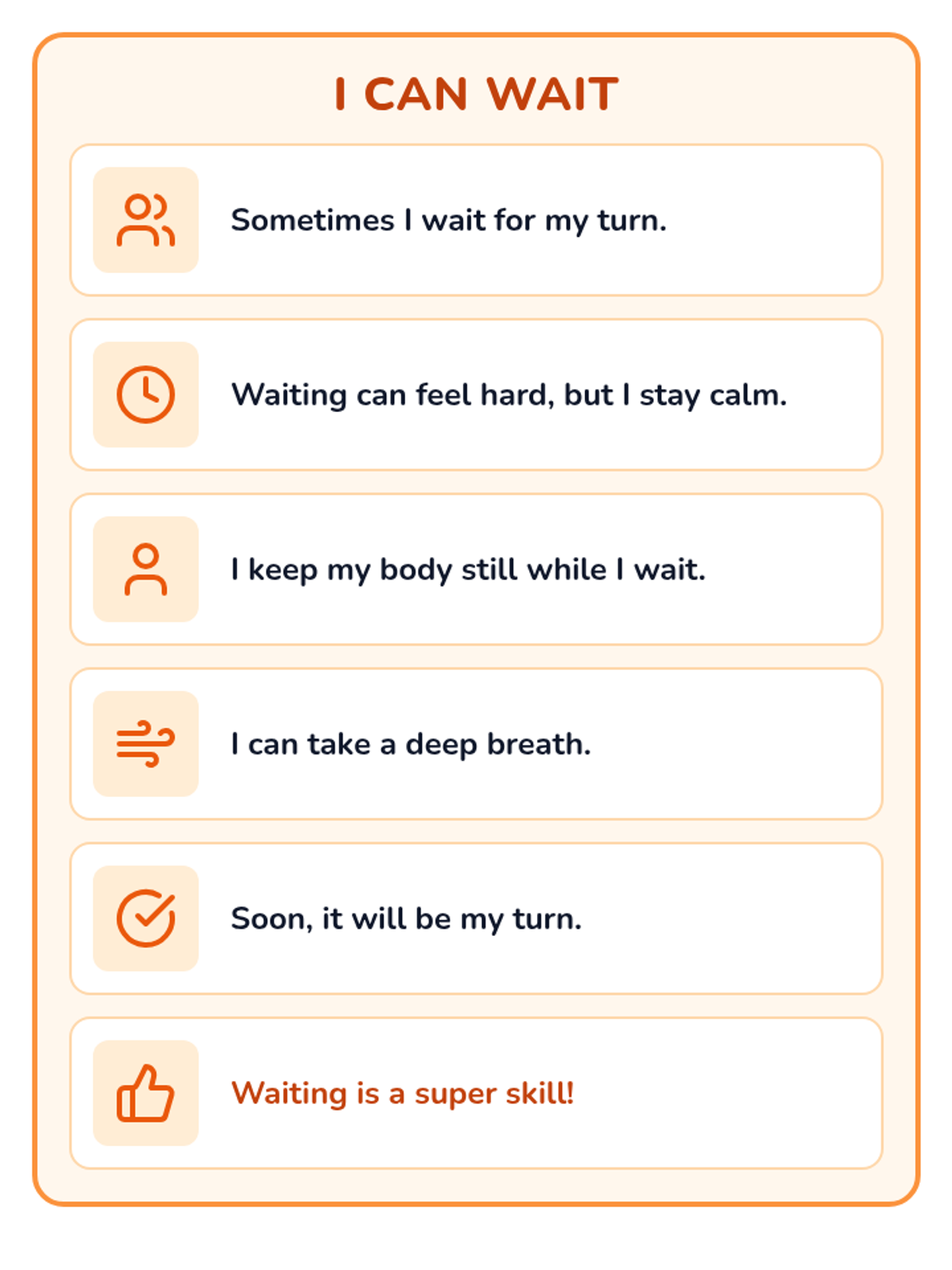
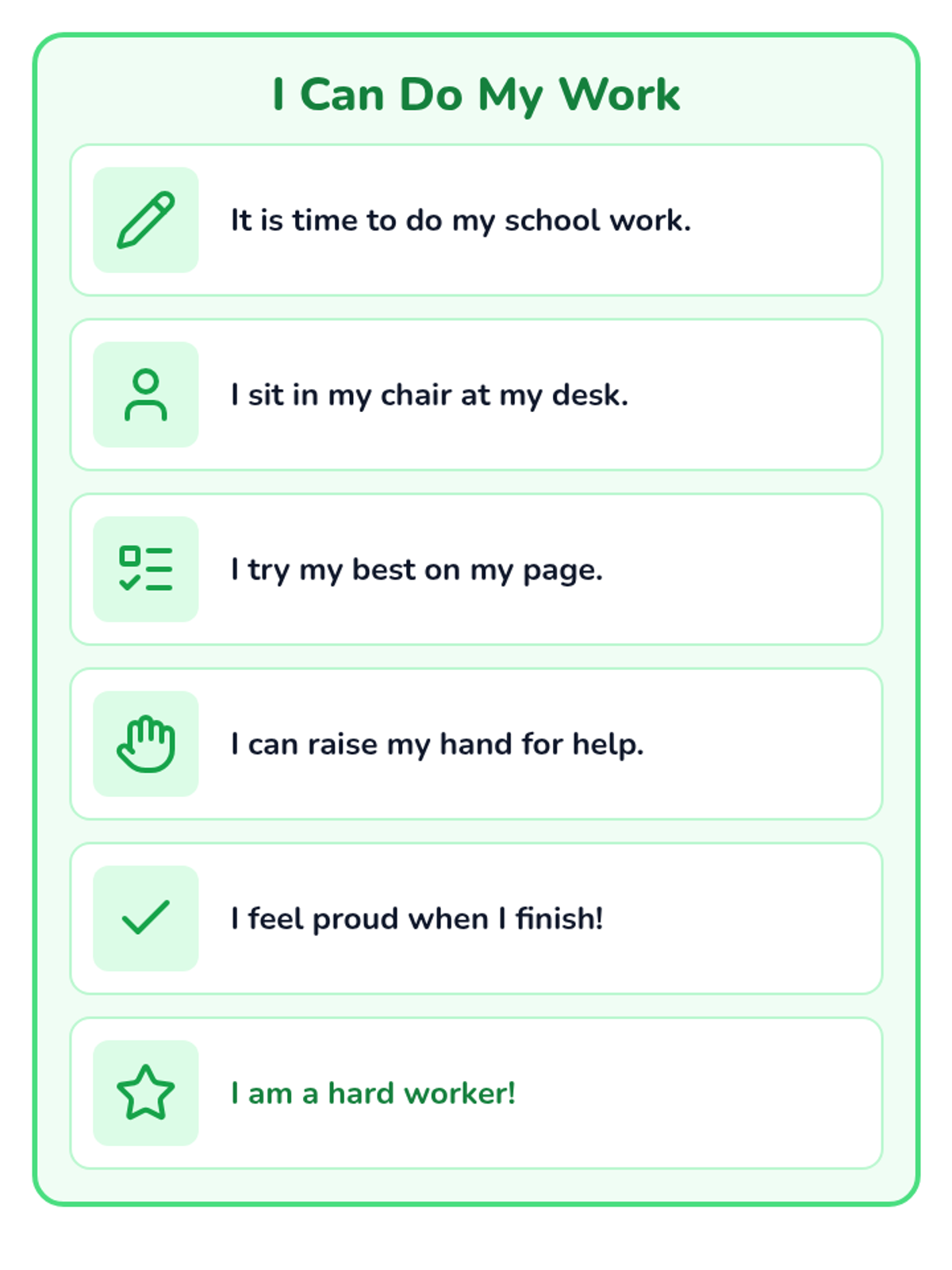
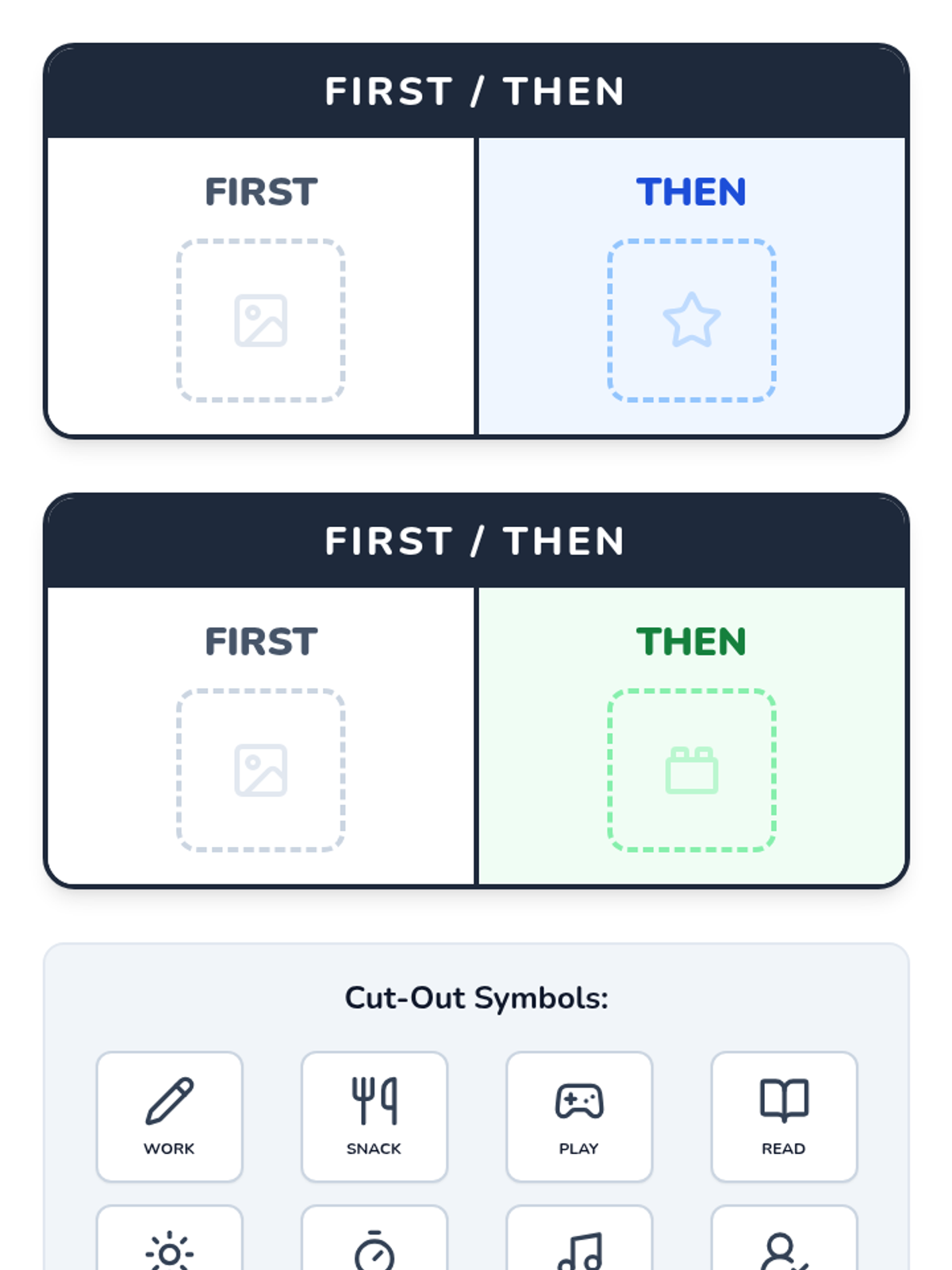
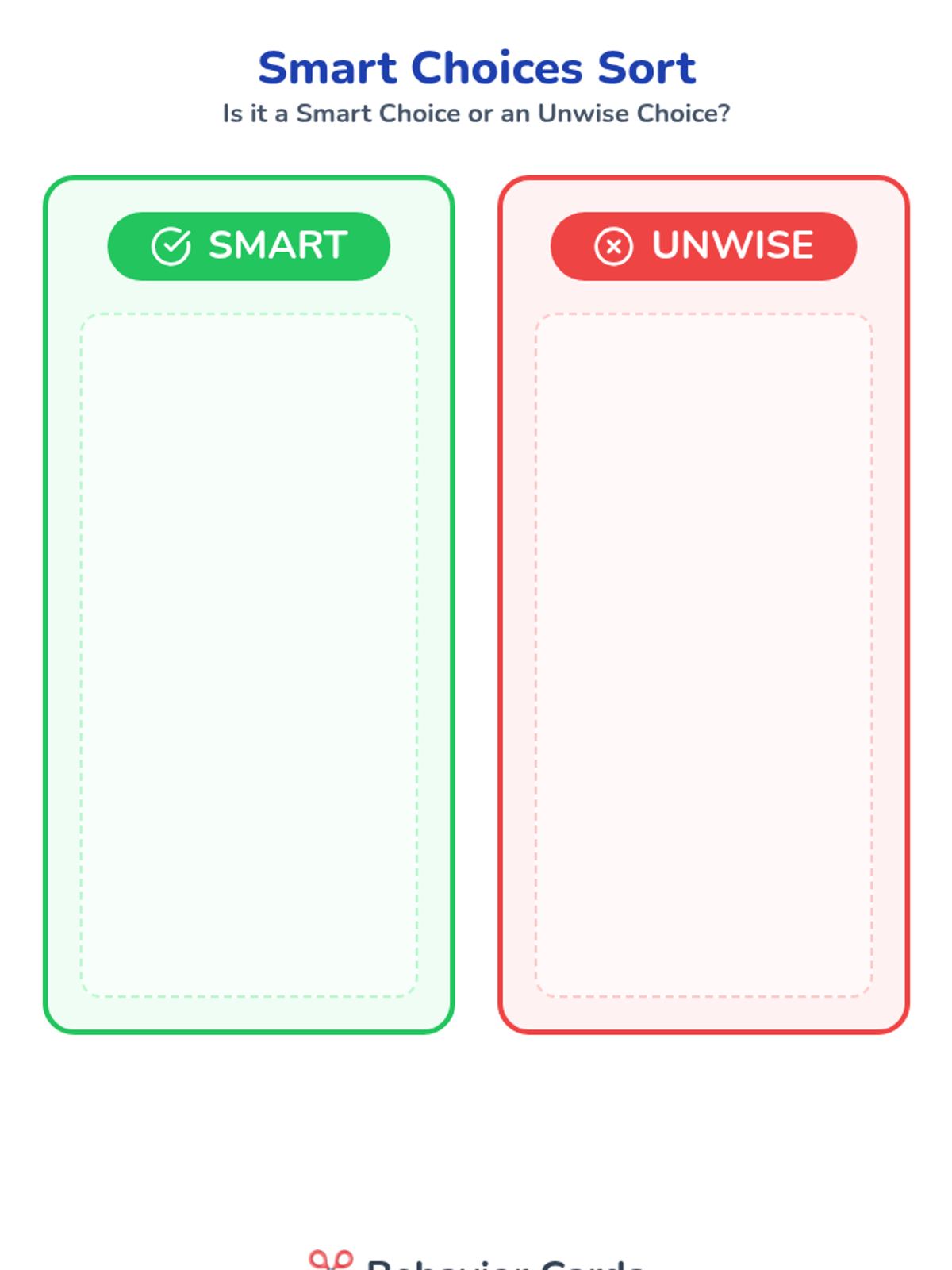
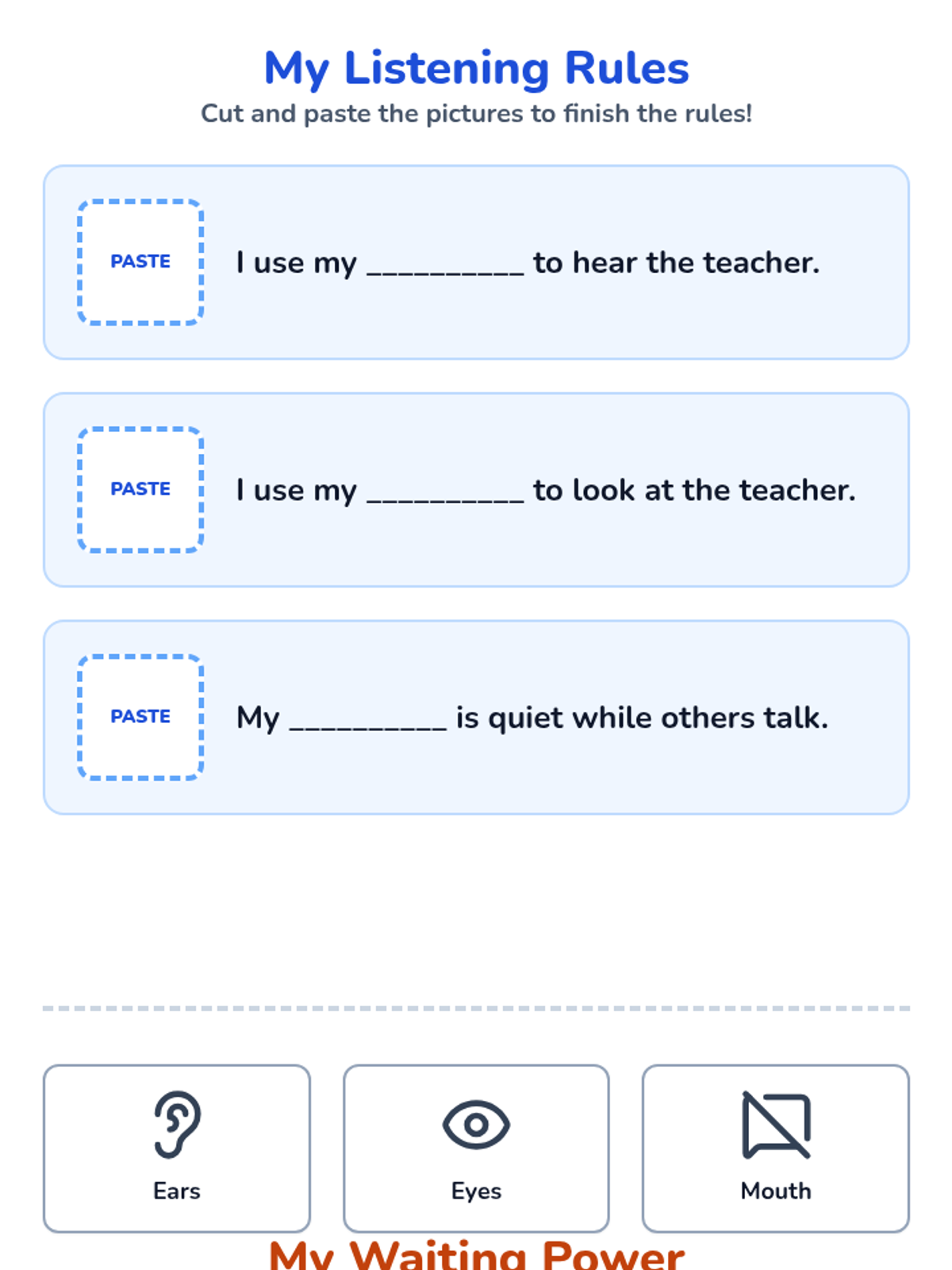
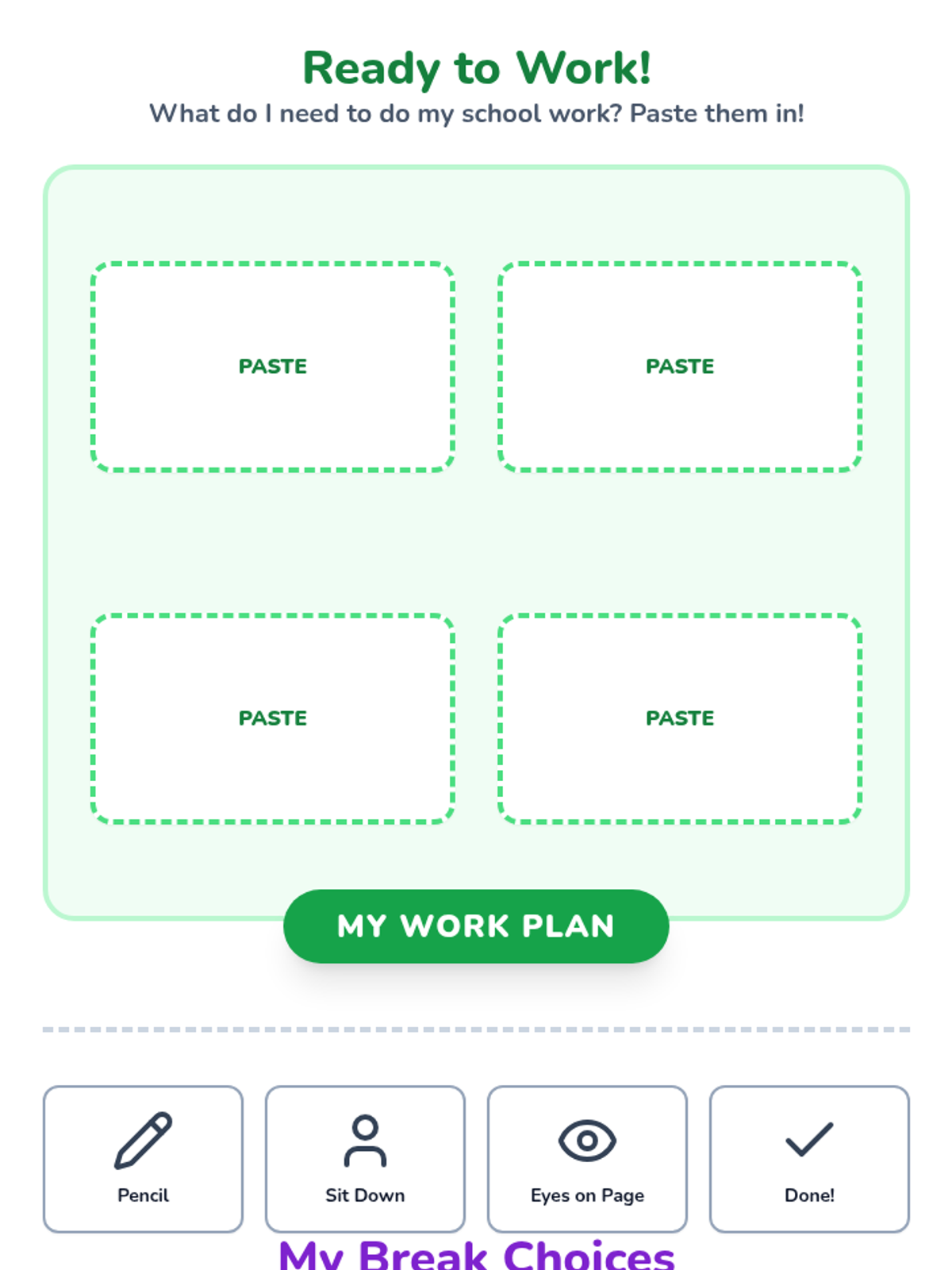
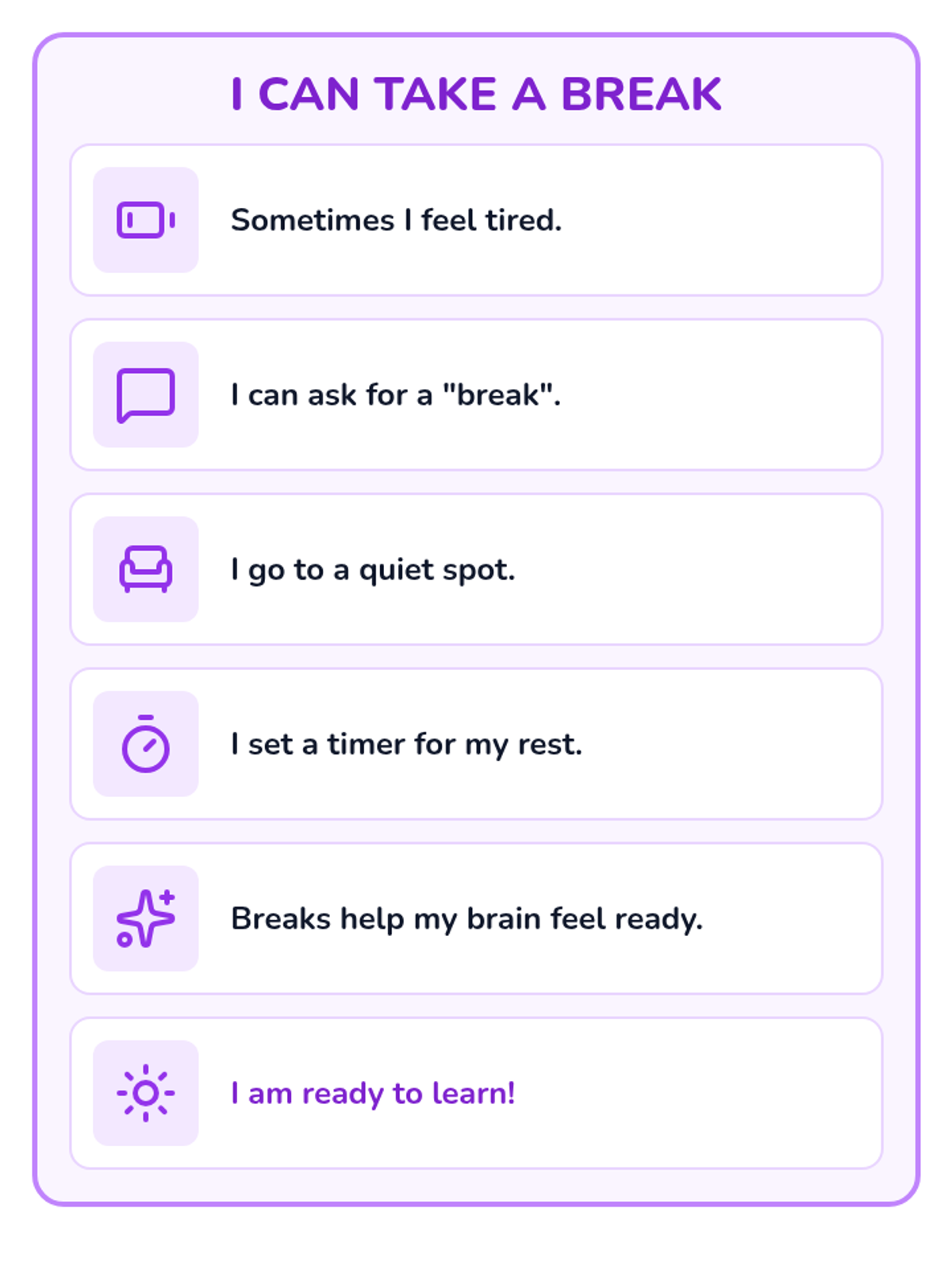
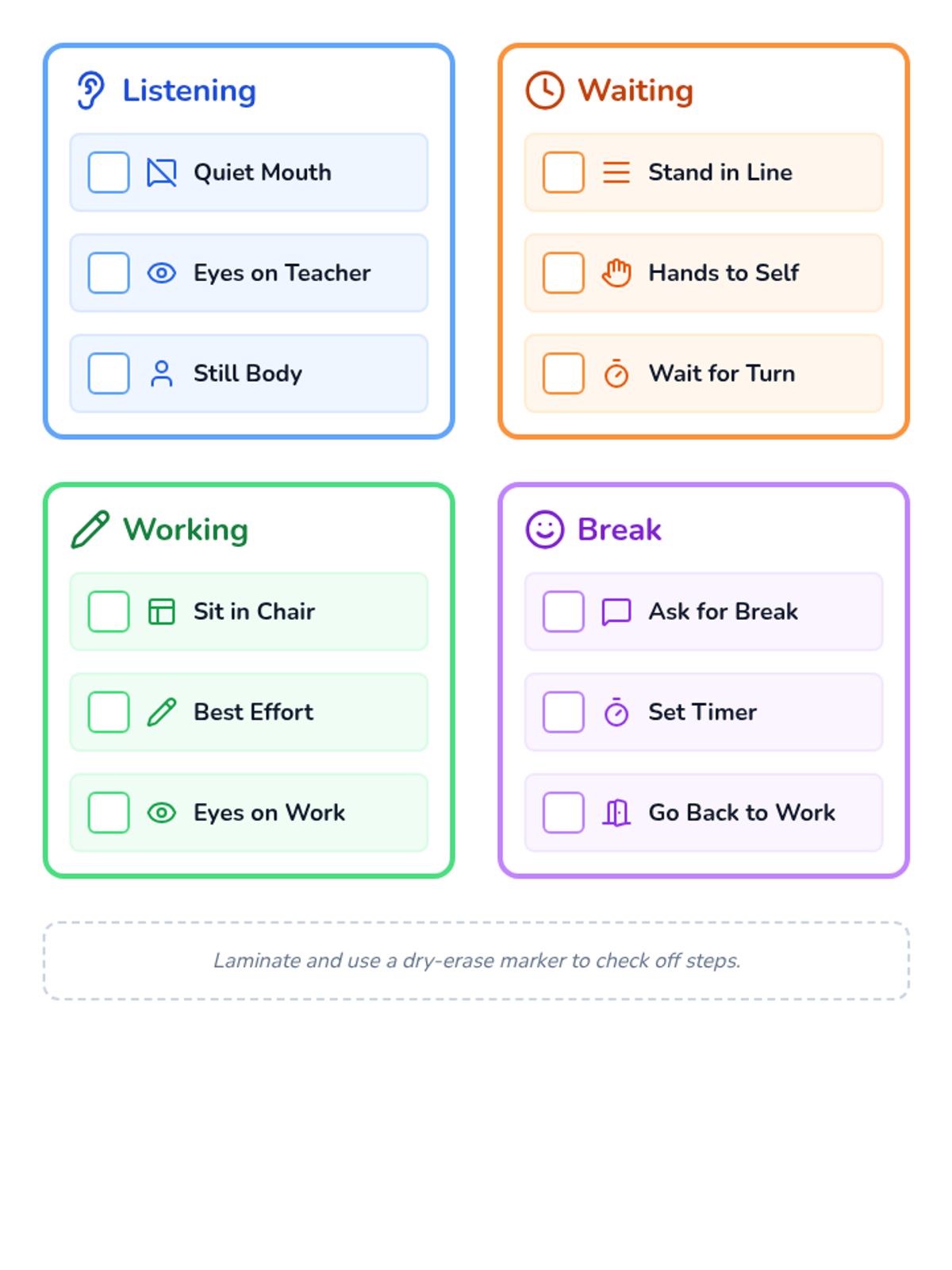
A collection of visual social stories, checklists, and activities designed to help autistic students navigate classroom expectations like listening, waiting, working, and taking breaks.
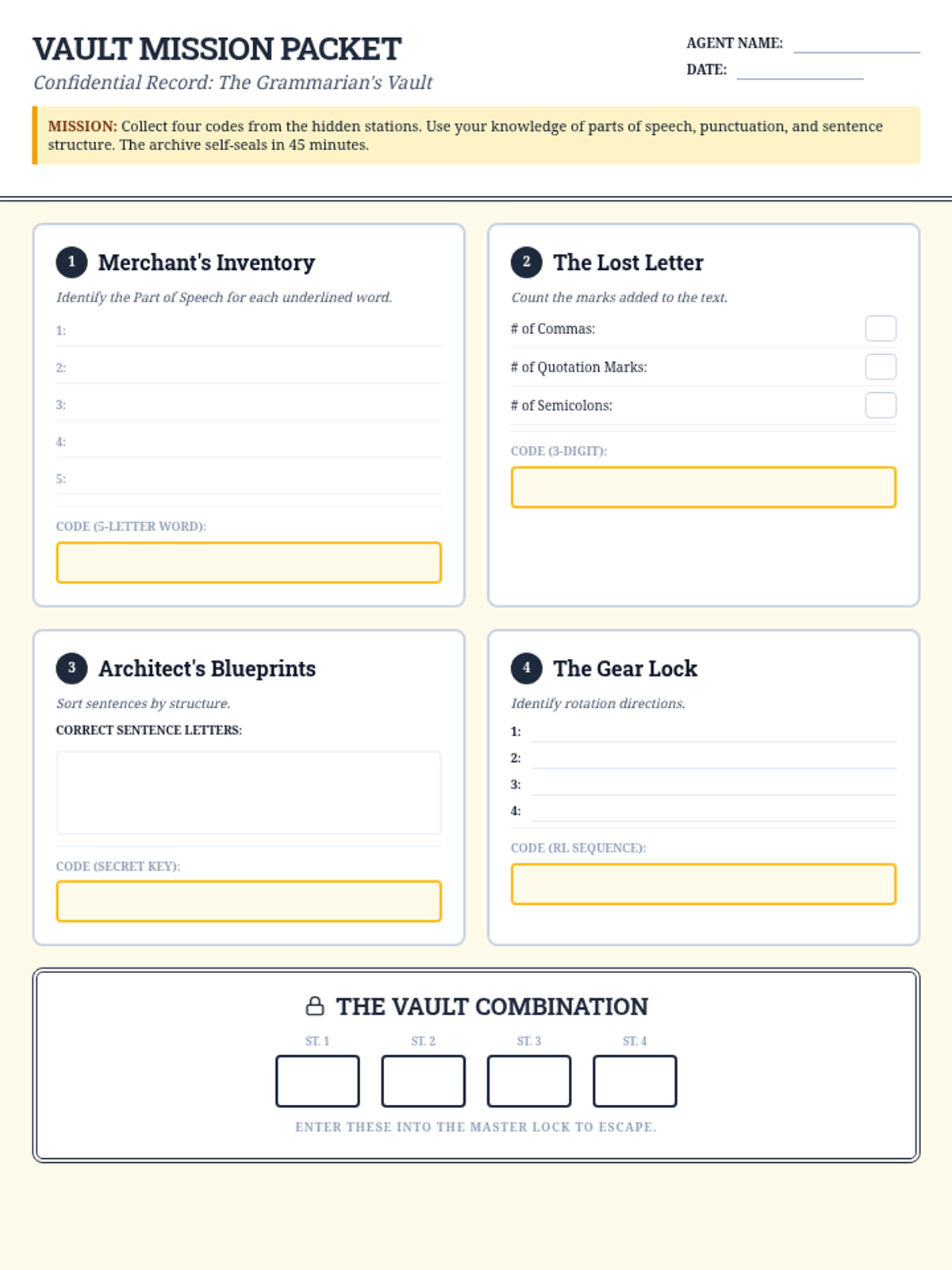
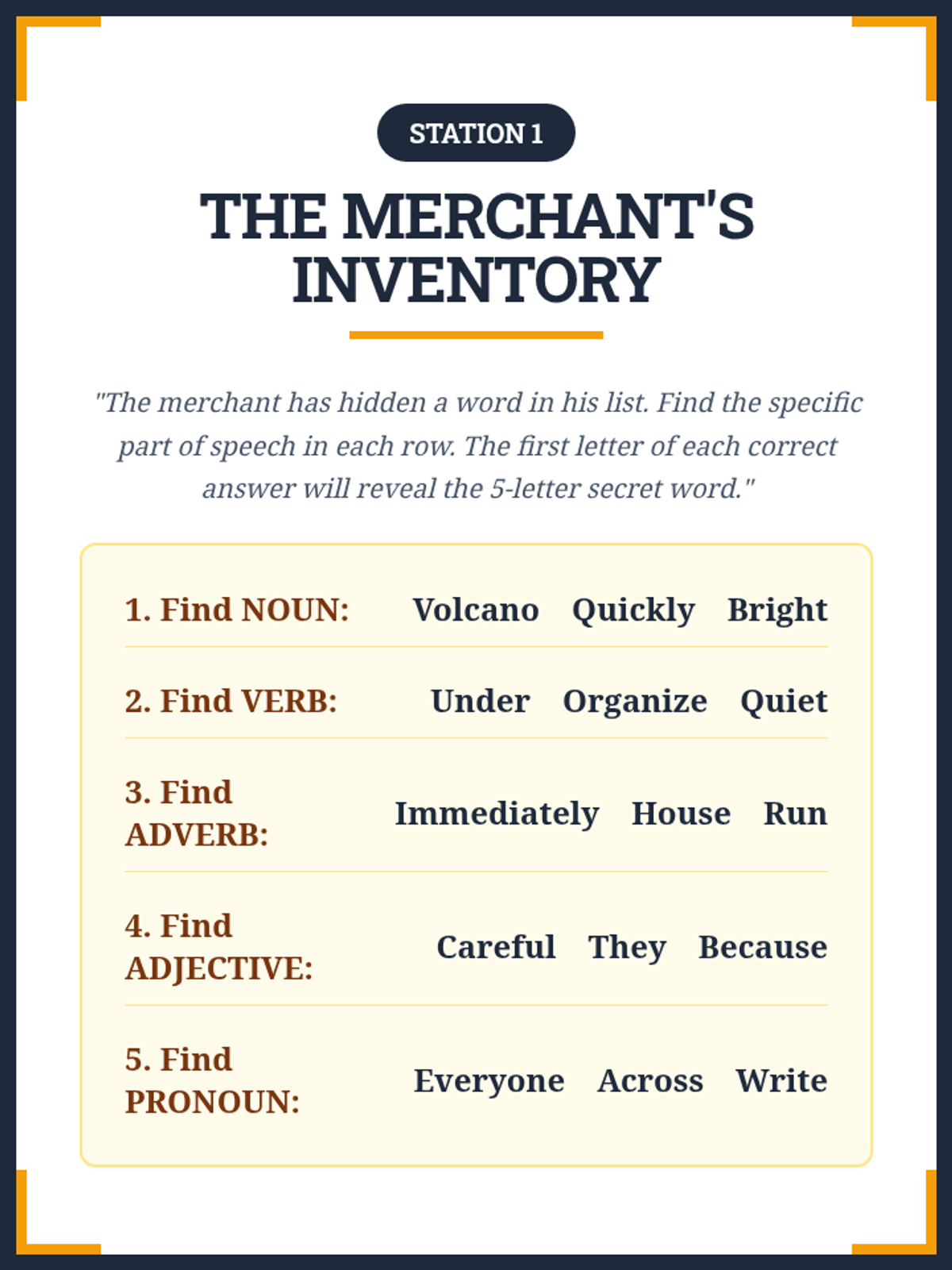
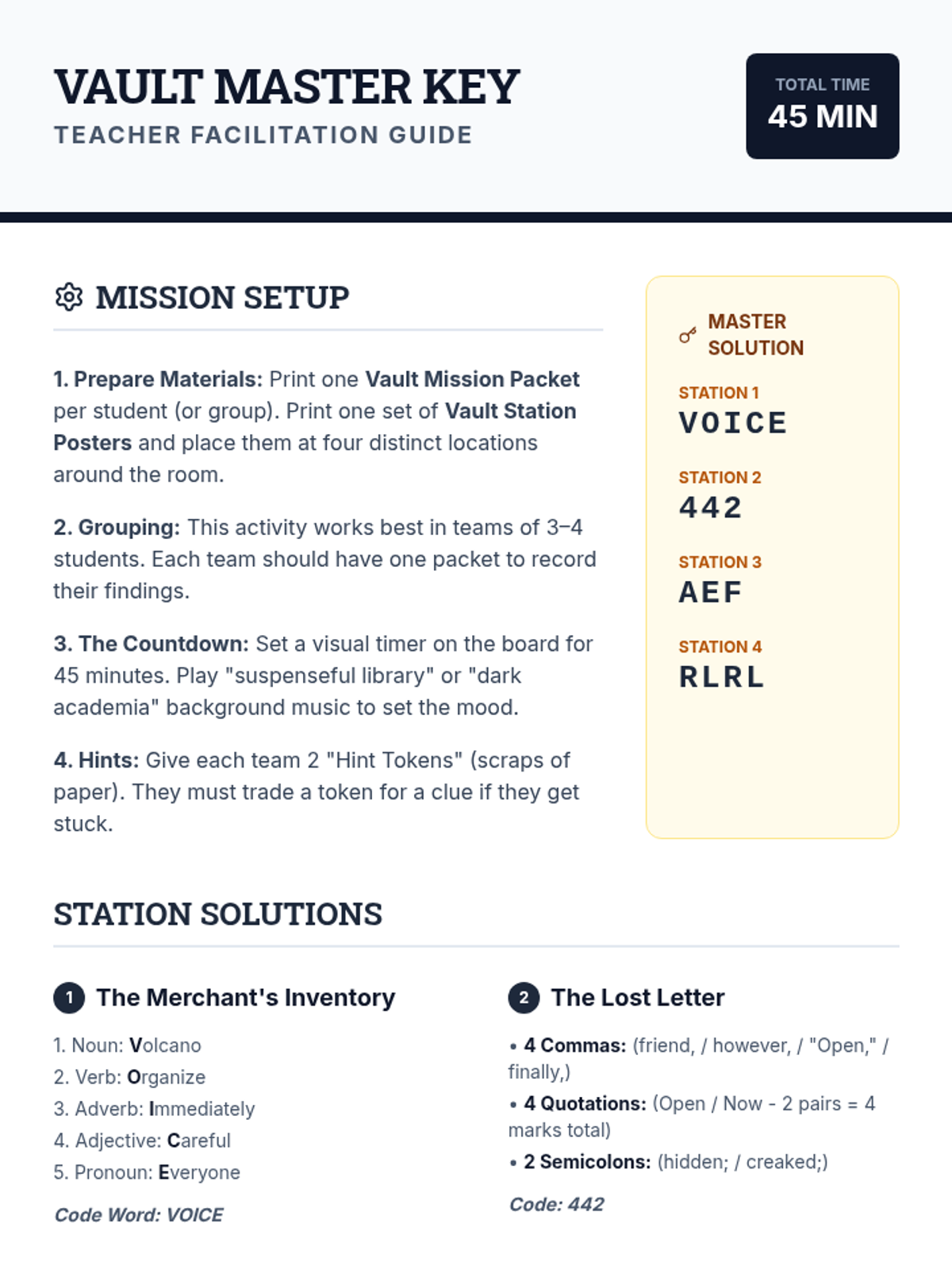
An immersive 45-minute grammar escape room where 6th-grade students solve puzzles involving parts of speech, punctuation, and sentence structure to unlock 'The Grammarian's Vault'.
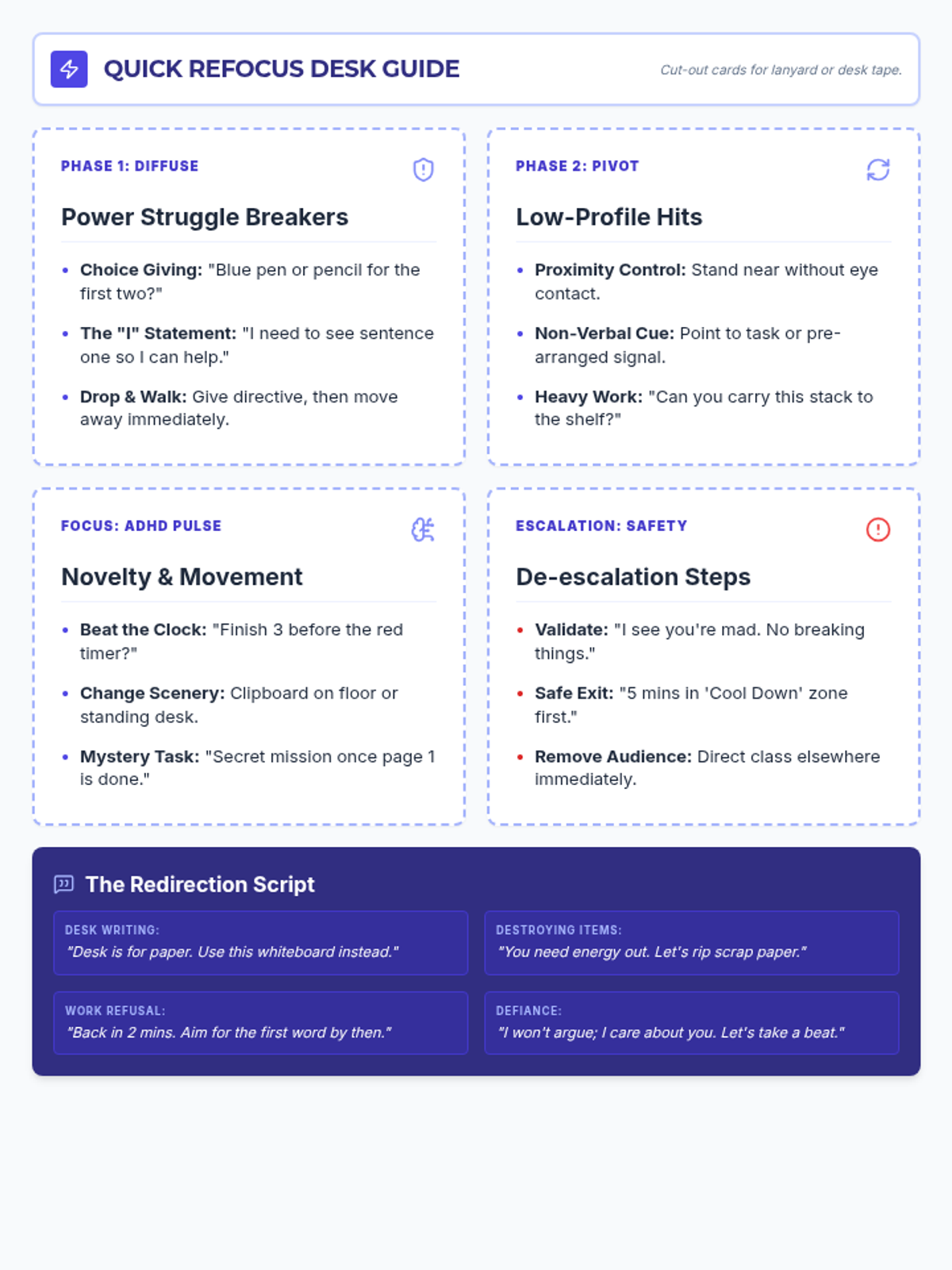
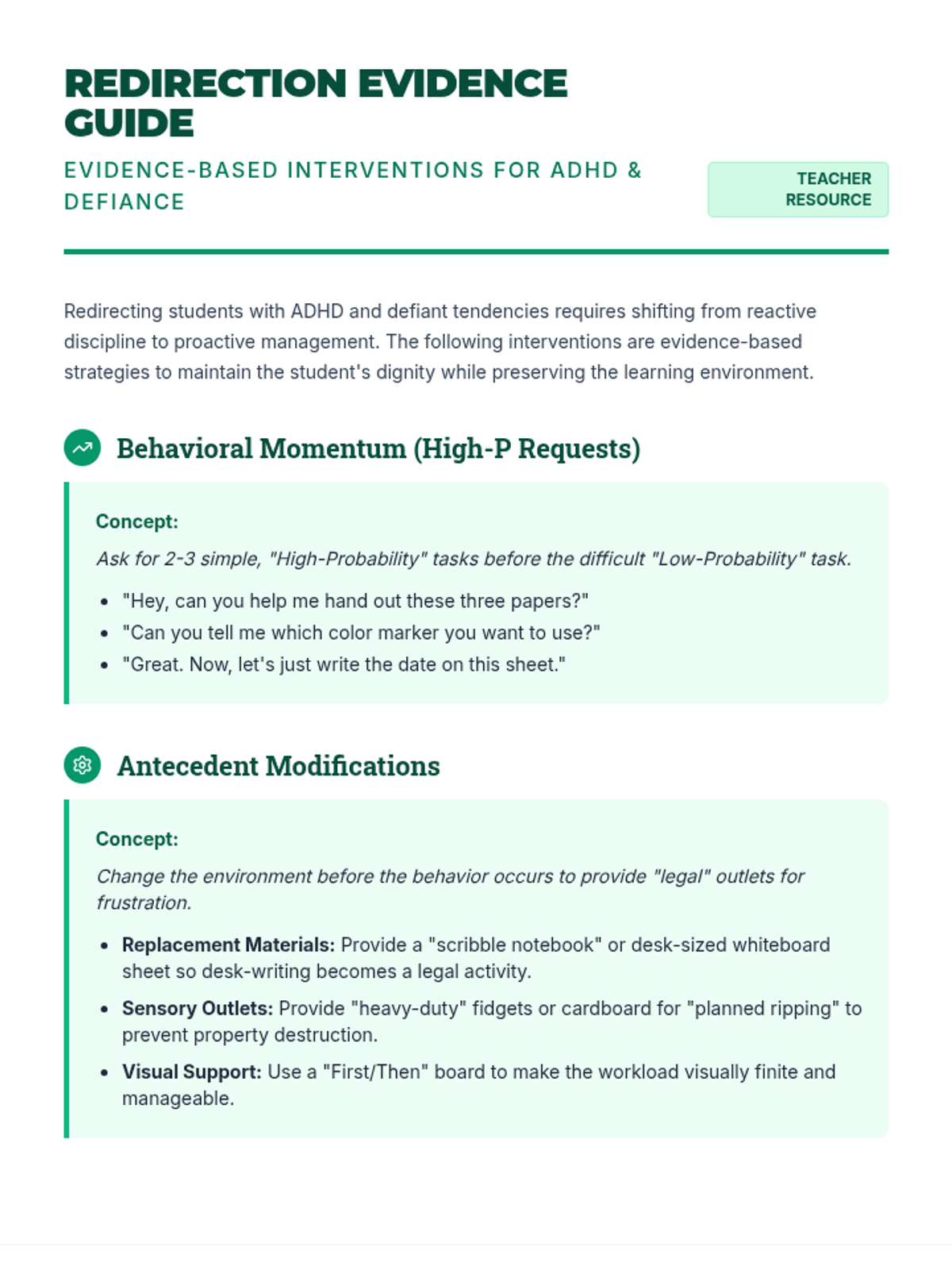
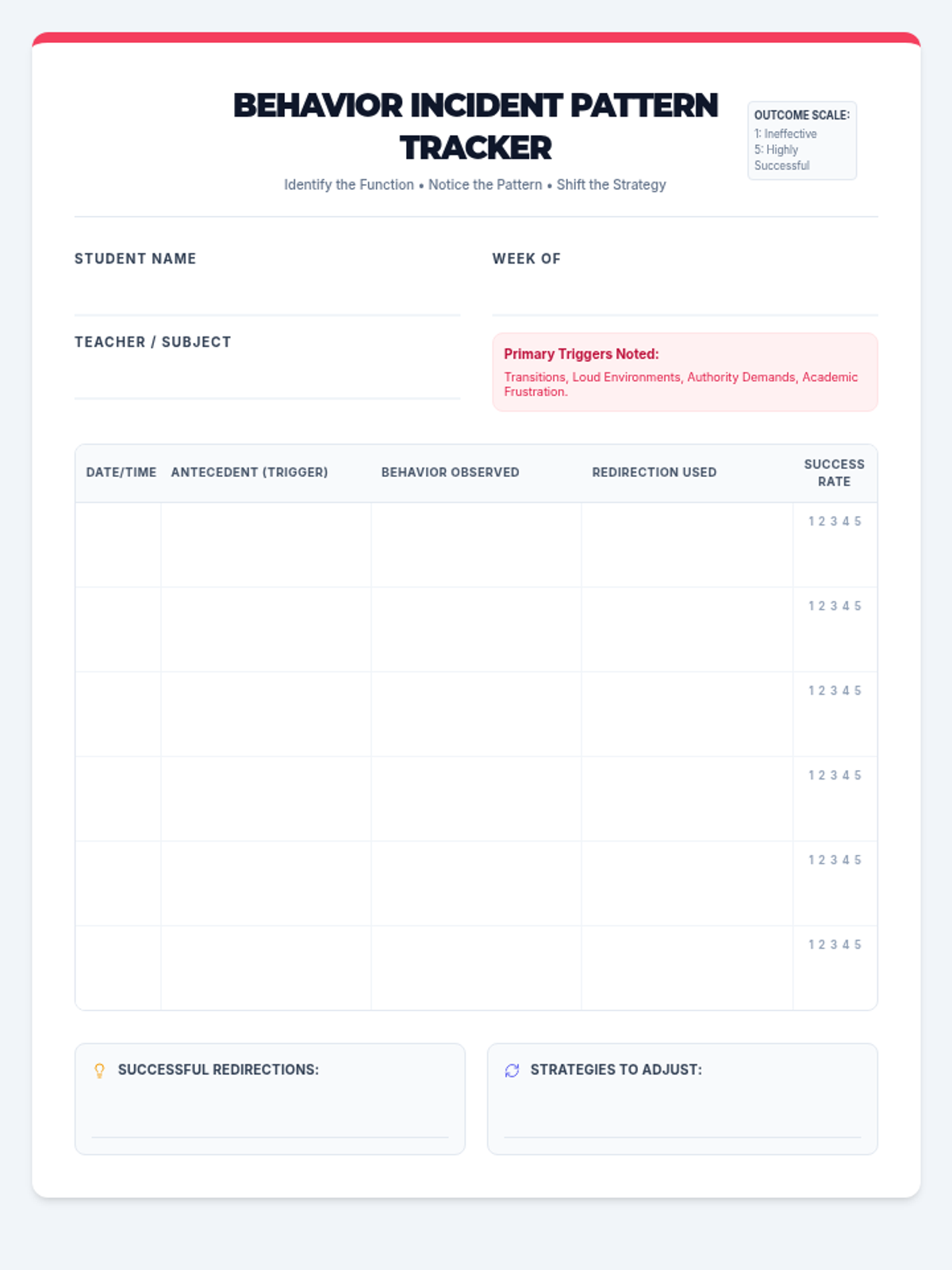
Strategies and quick-reference tools specifically designed for refocusing and redirecting students with ADHD and defiant behaviors in the Least Restrictive Environment.
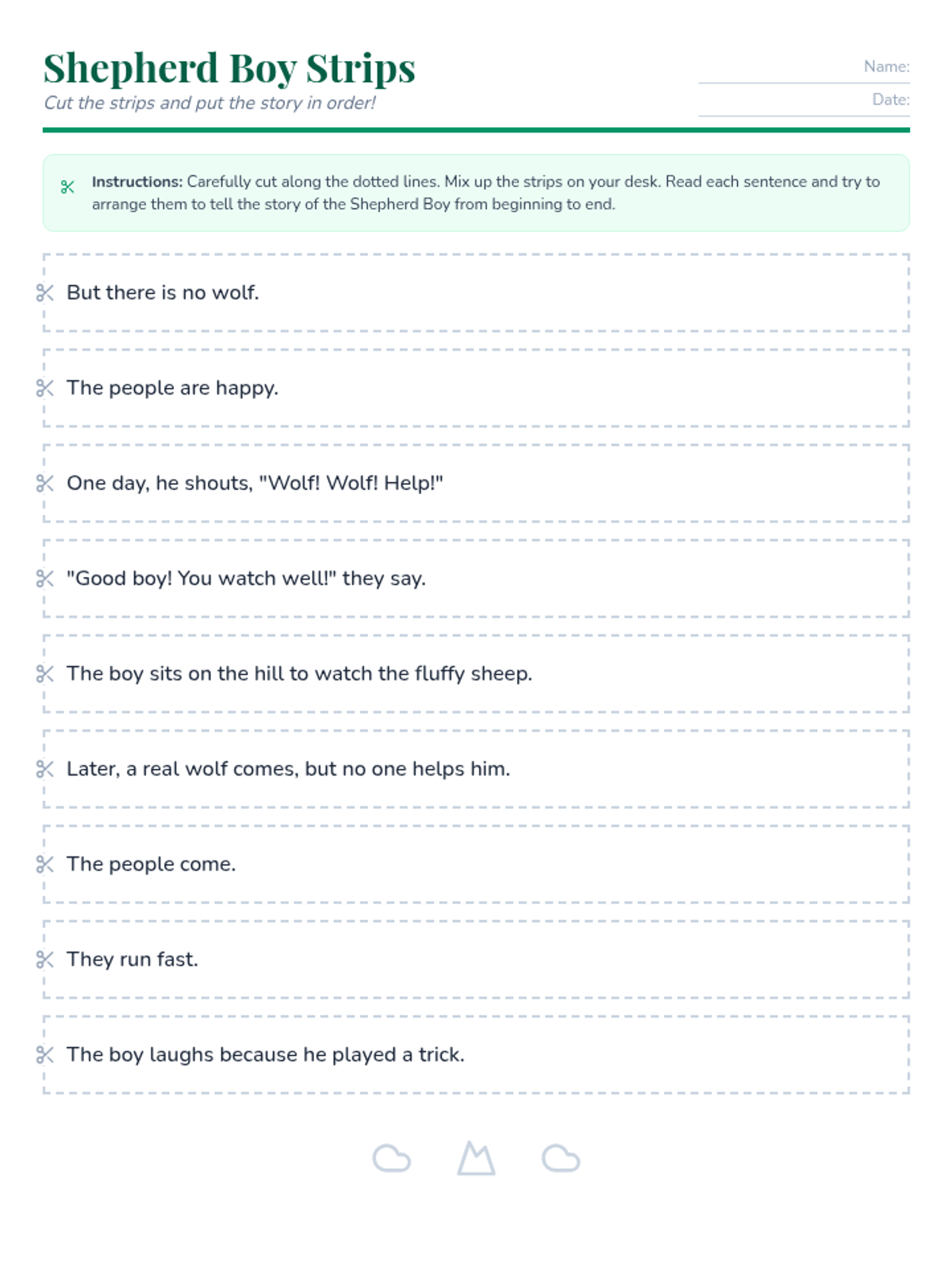
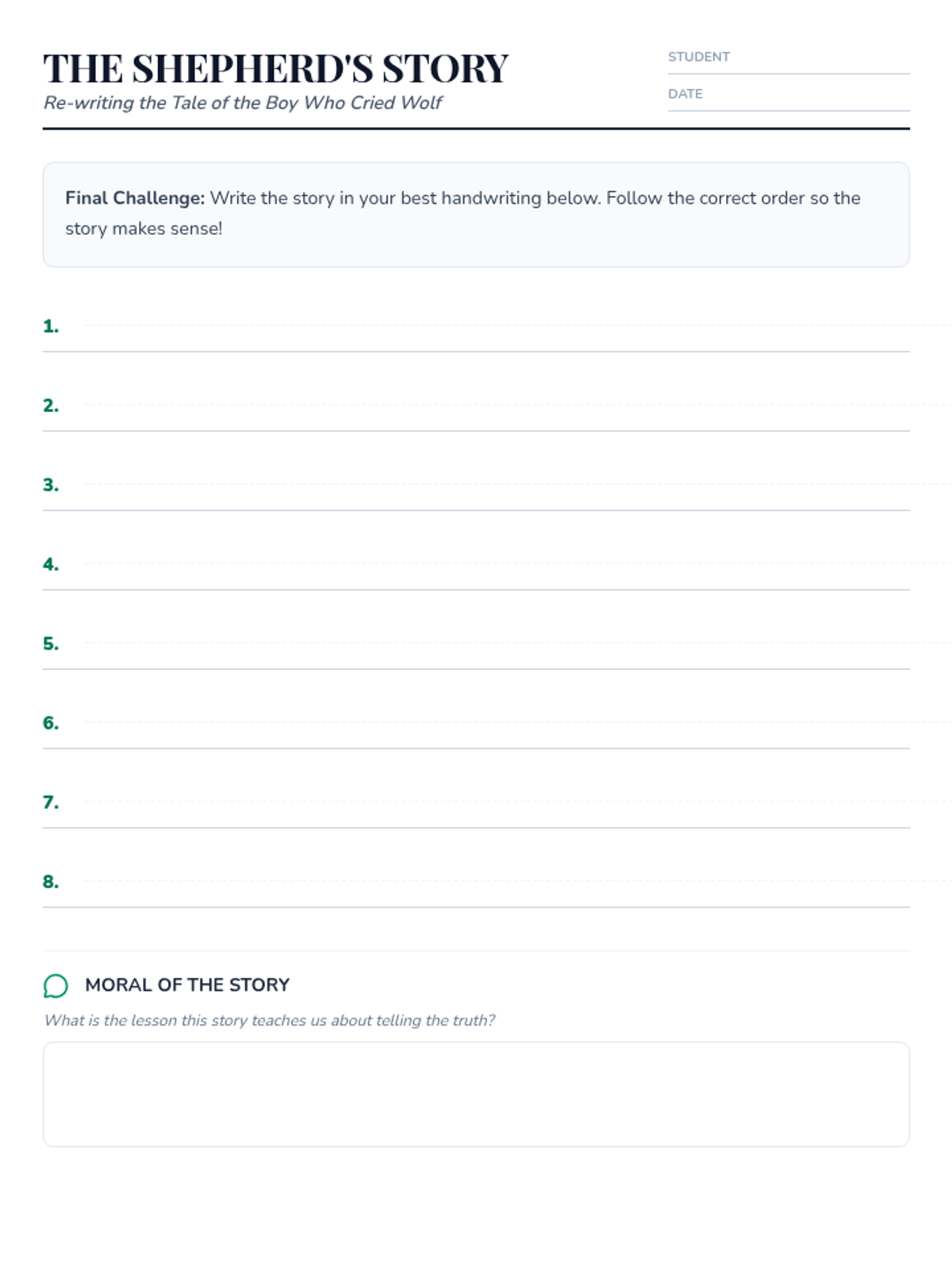
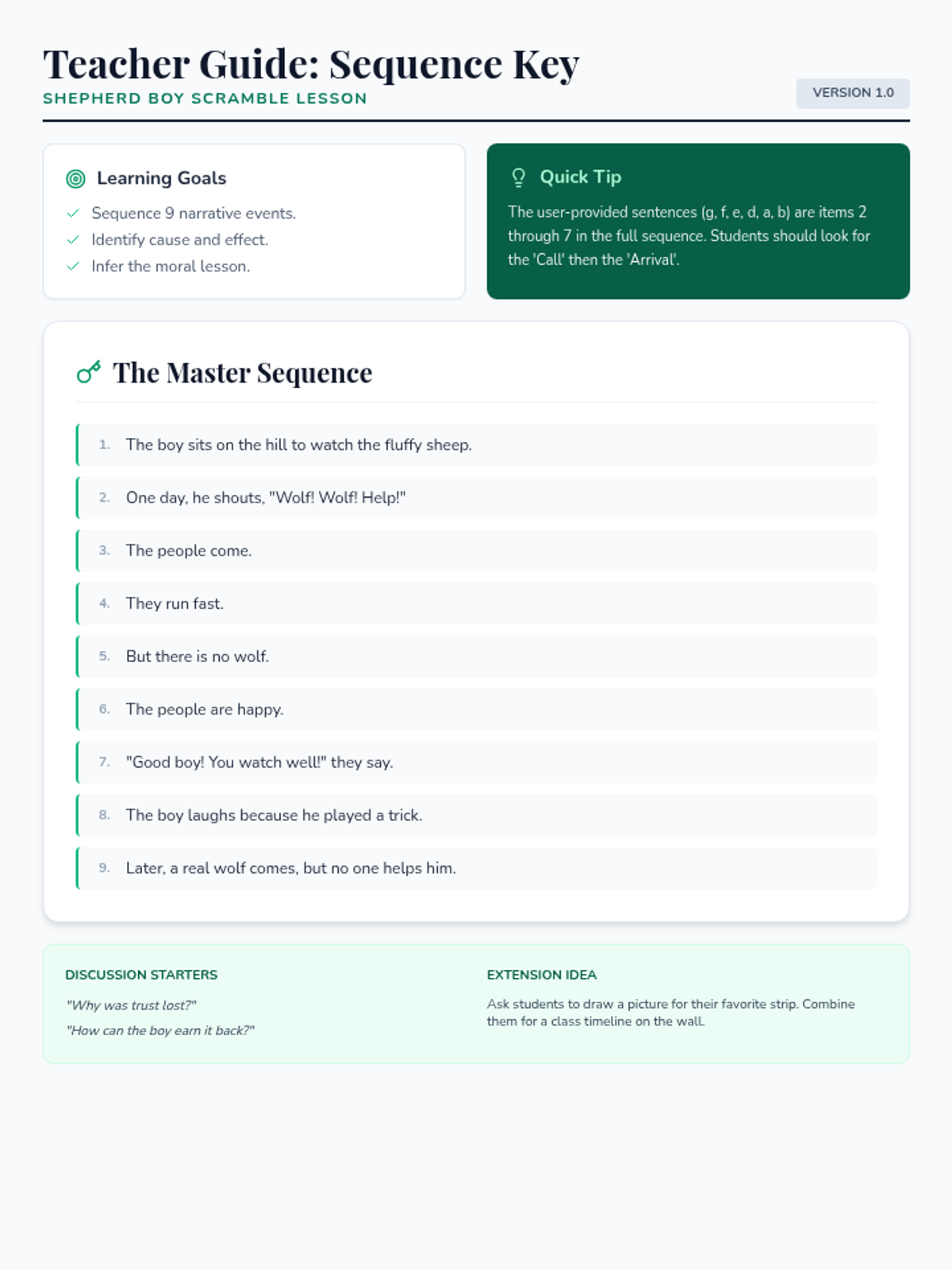
Students practice reading comprehension and narrative sequencing by ordering sentences from Aesop's classic fable of the boy who cried wolf. The lesson includes a visual storytelling presentation, printable sentence strips for tactile learning, and a follow-up writing activity.
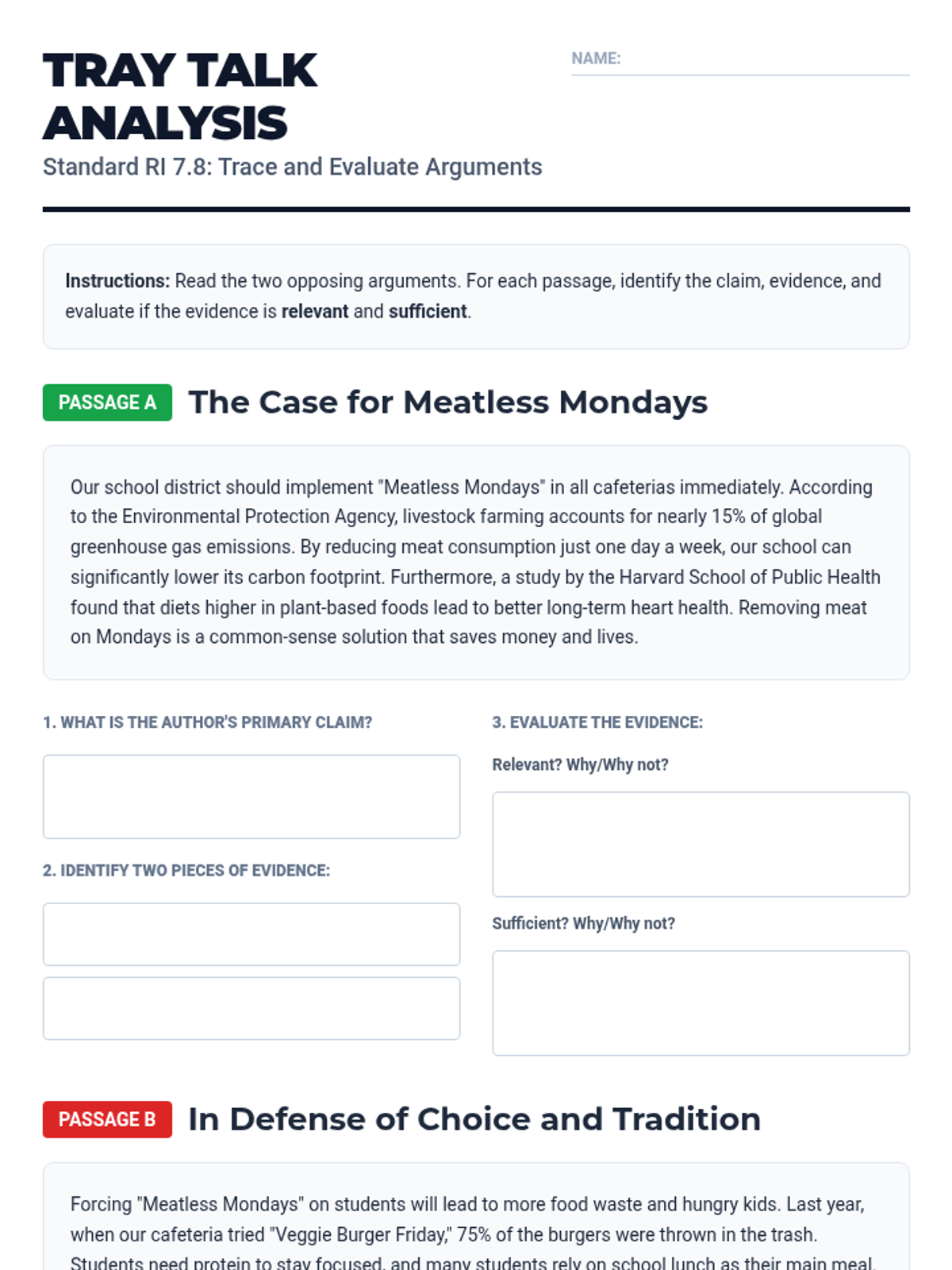
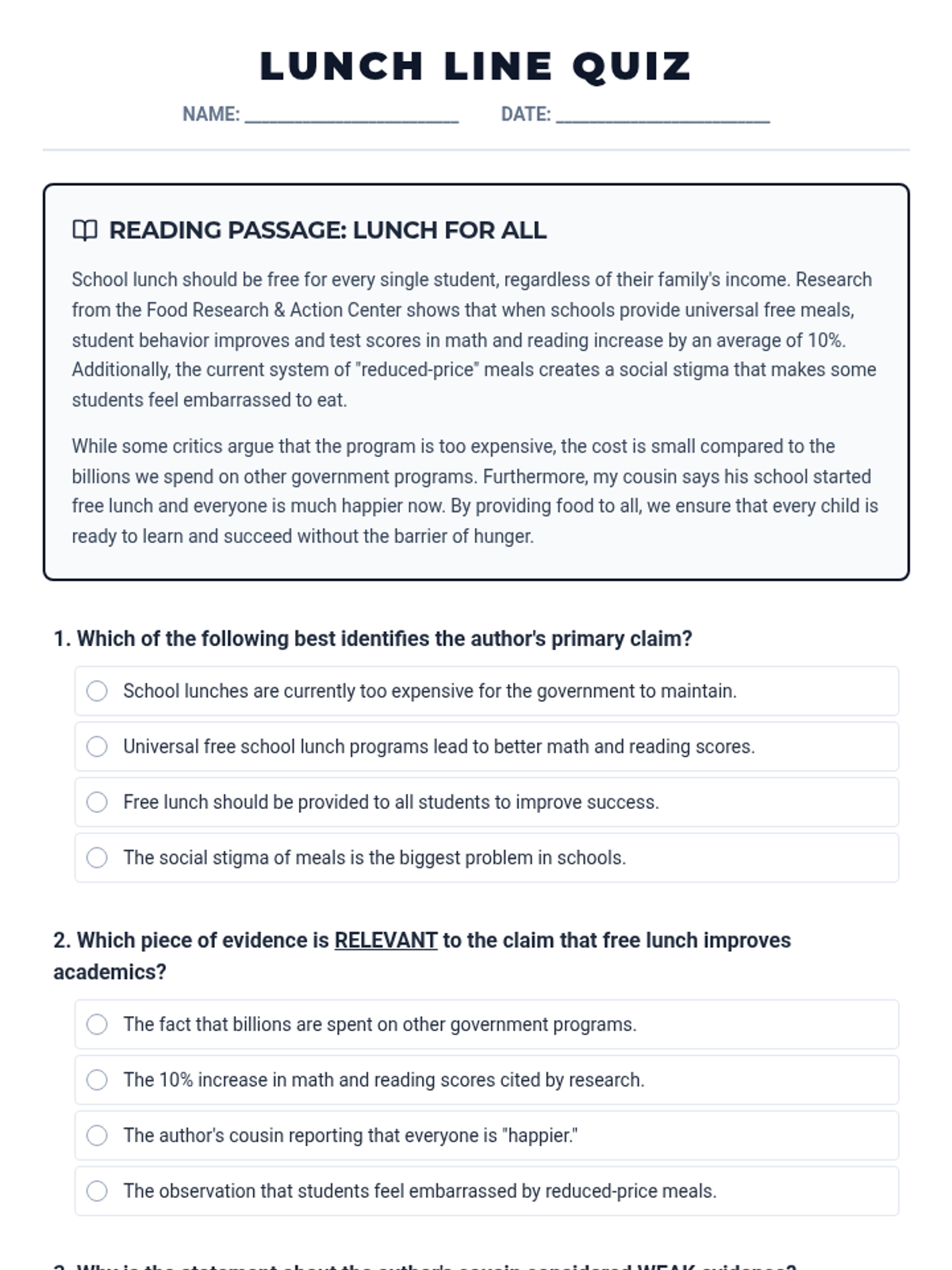
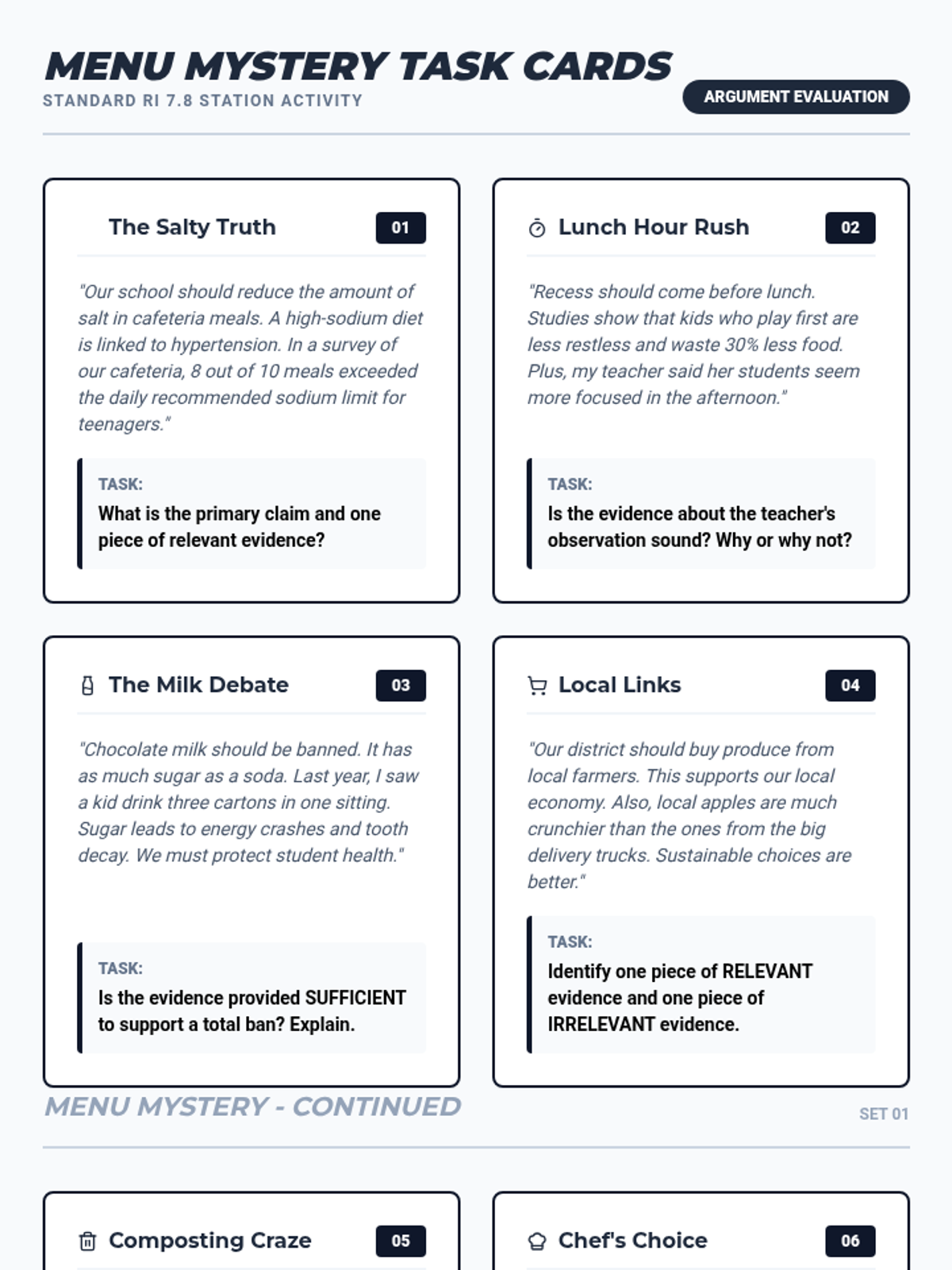
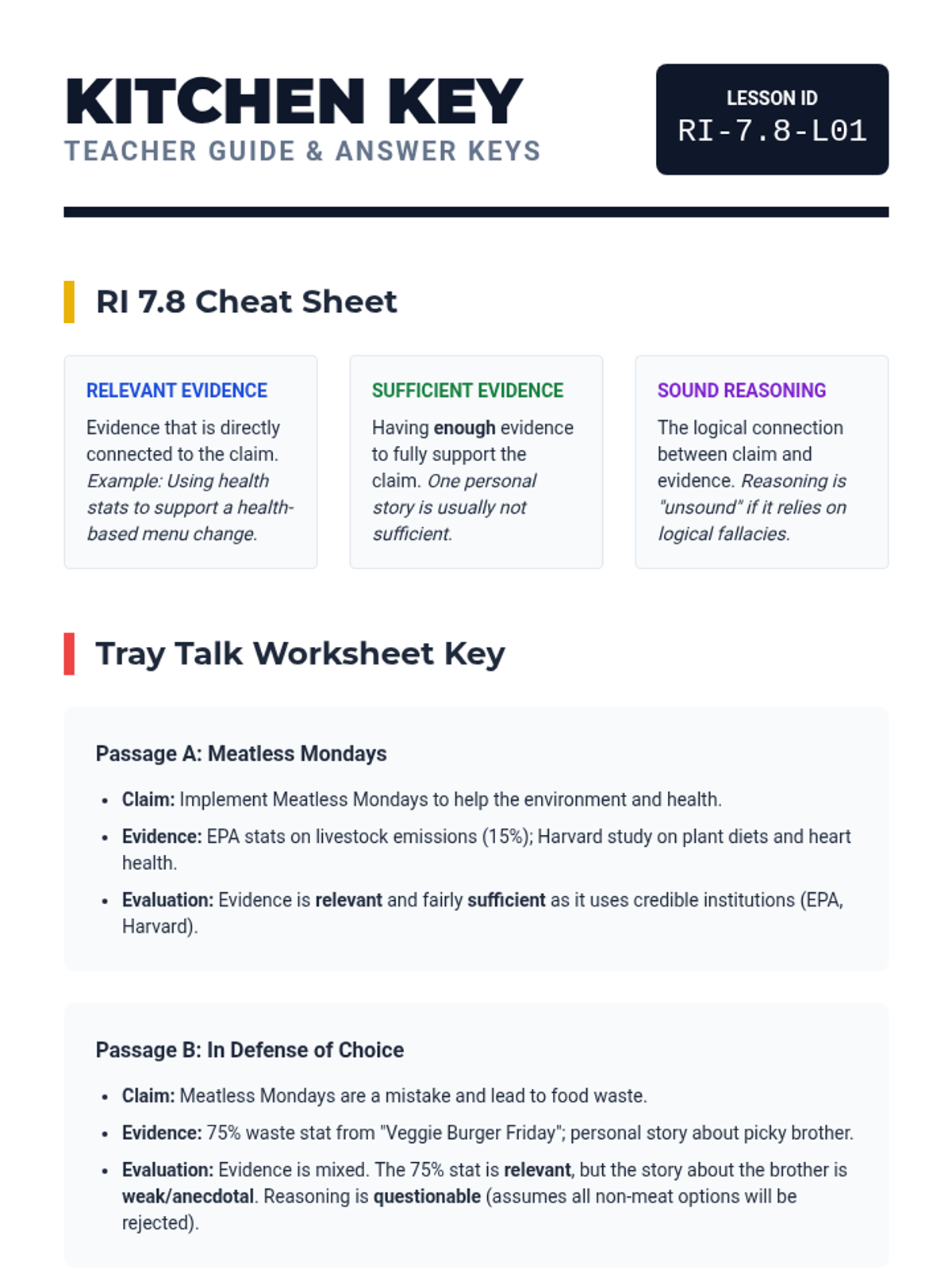
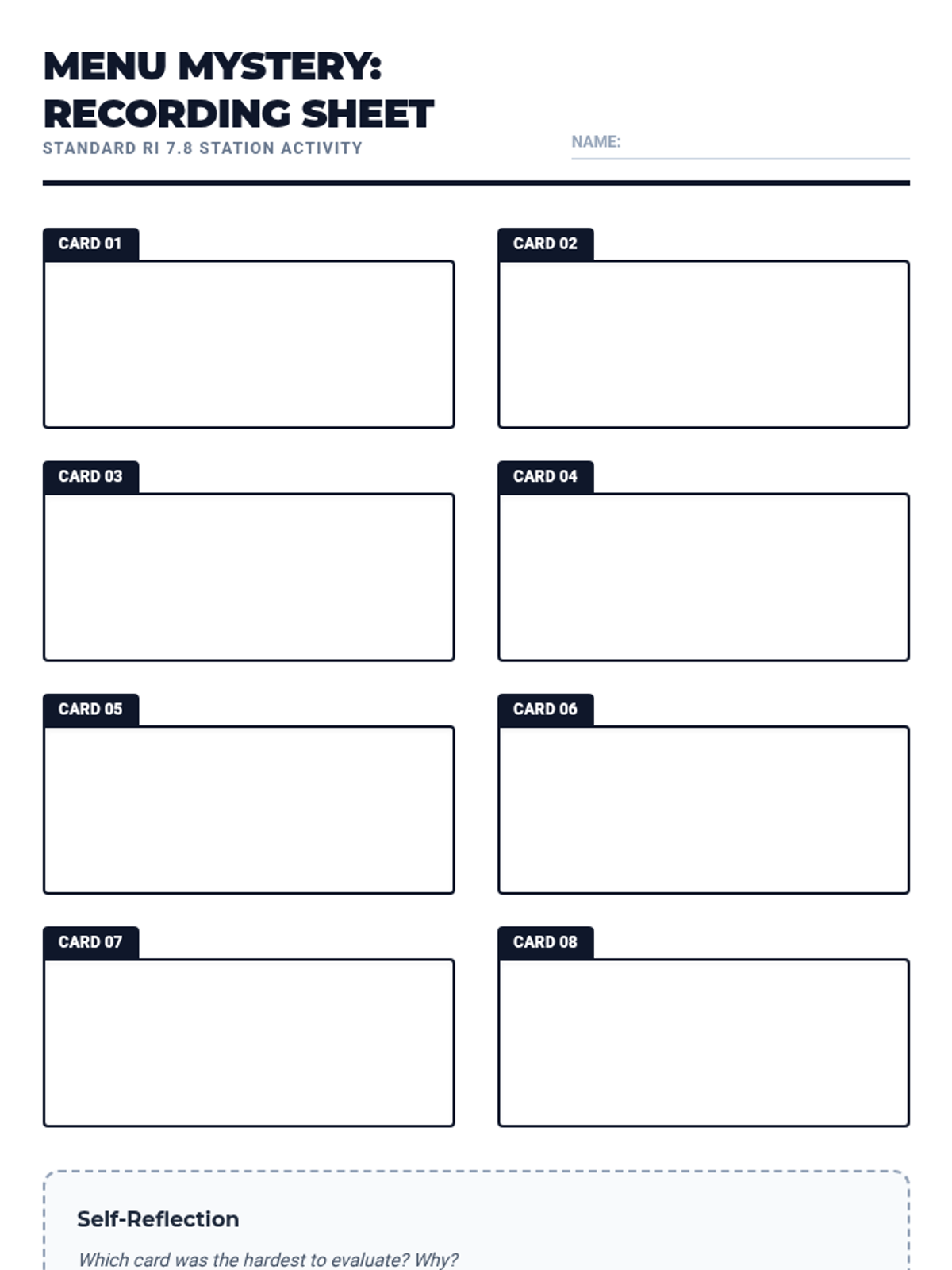
In this lesson, students will trace and evaluate arguments regarding school lunch policies, focusing on identifying claims, assessing the relevance and sufficiency of evidence, and determining if reasoning is sound.
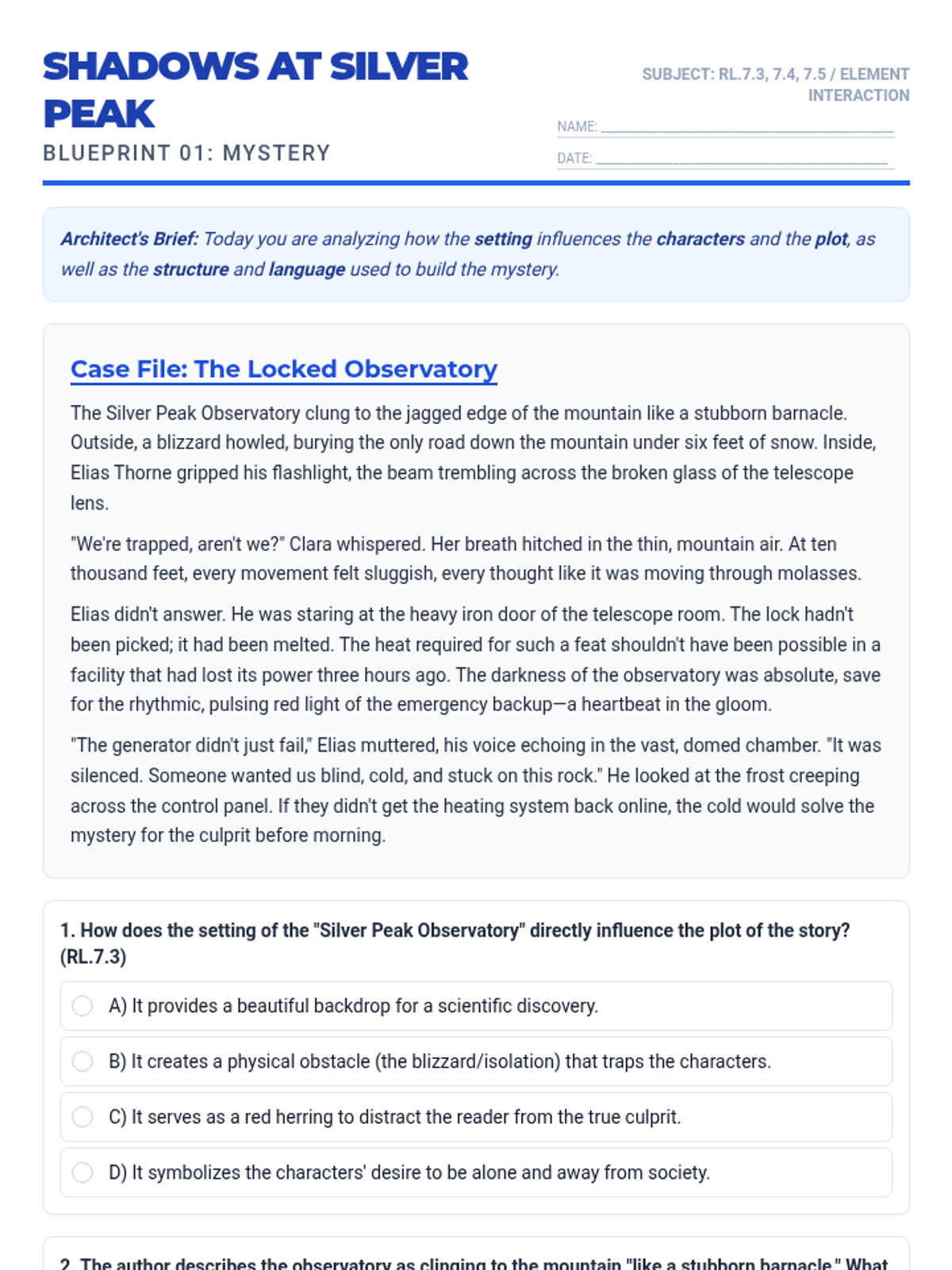
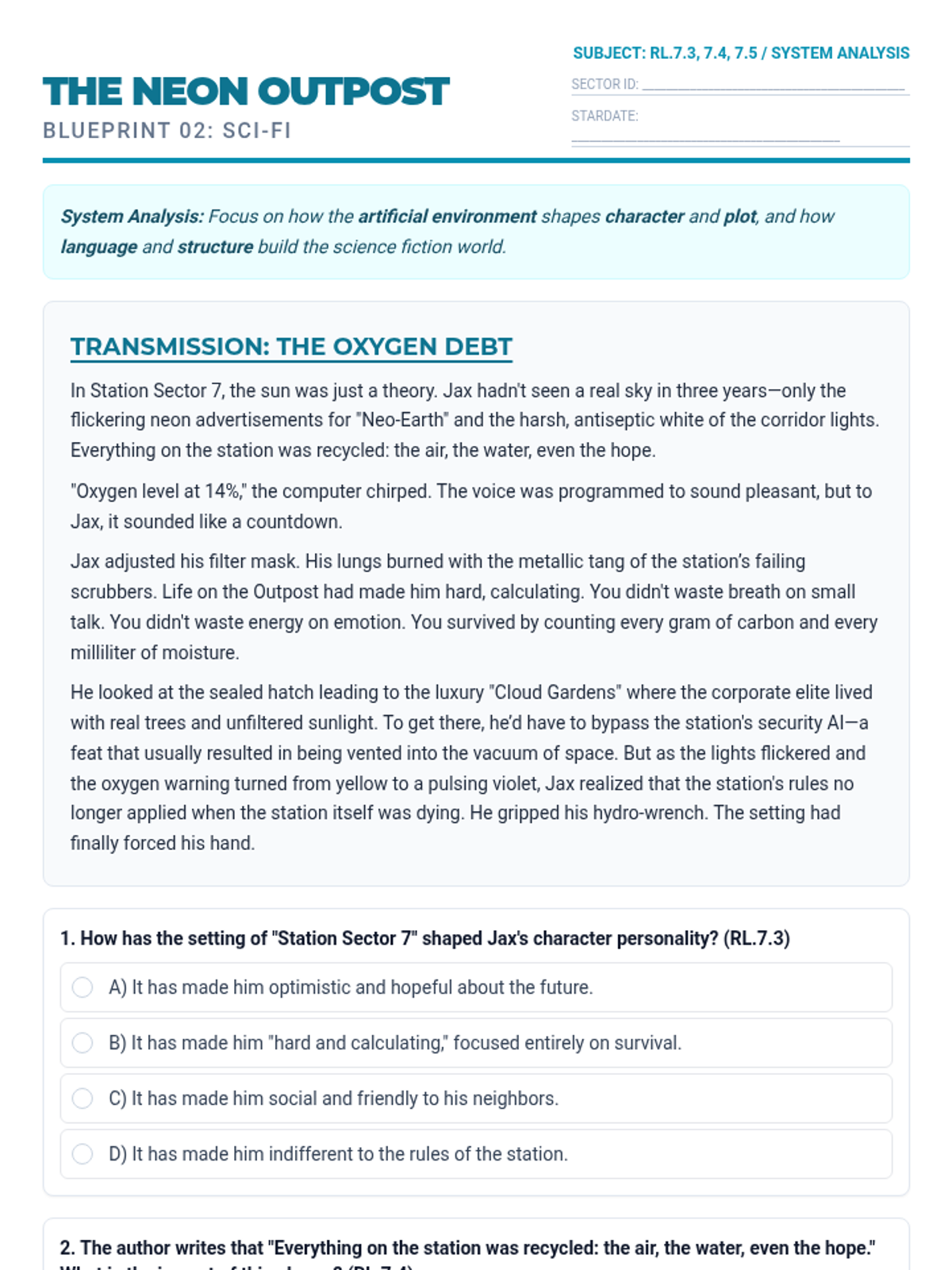
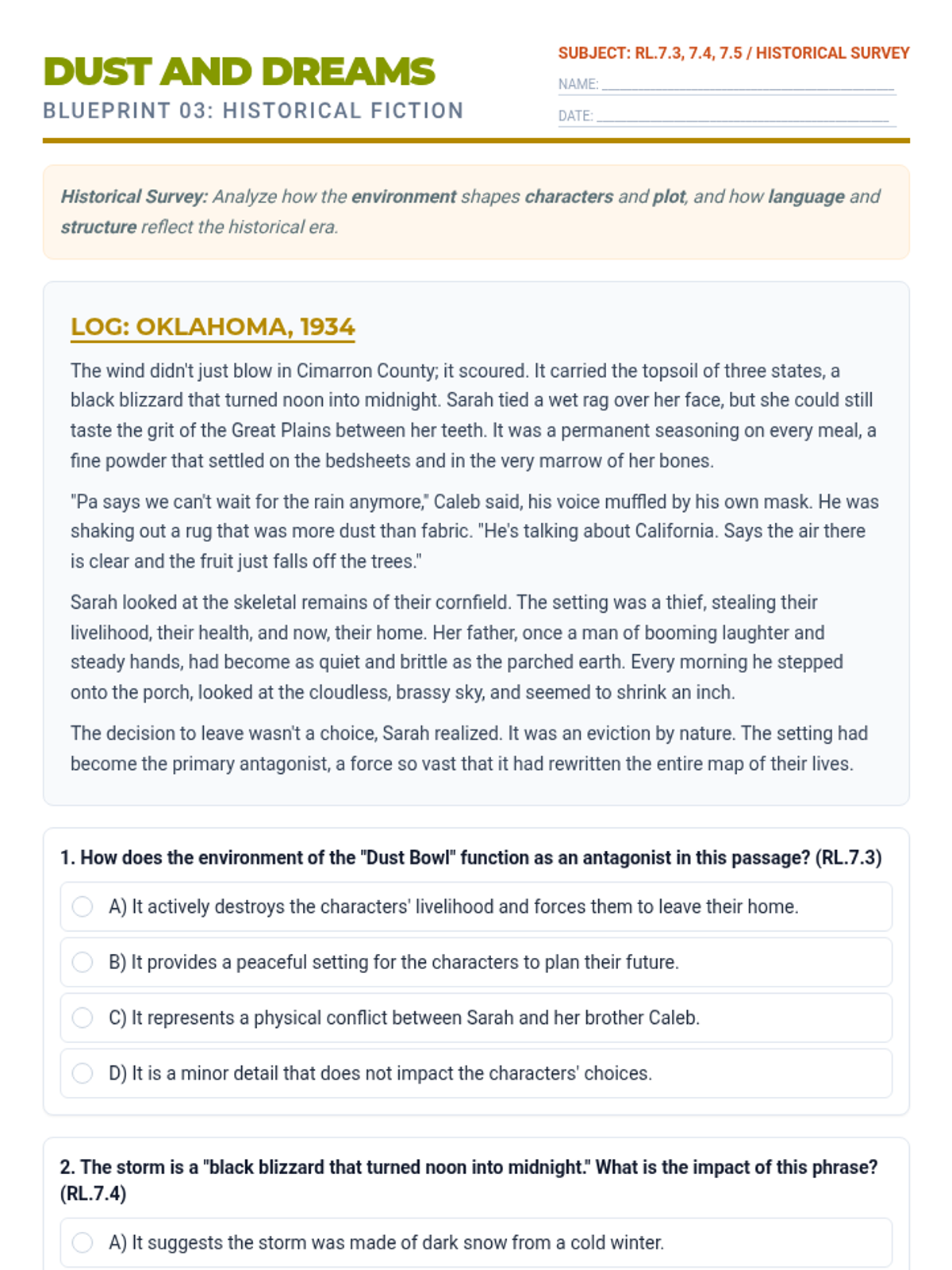
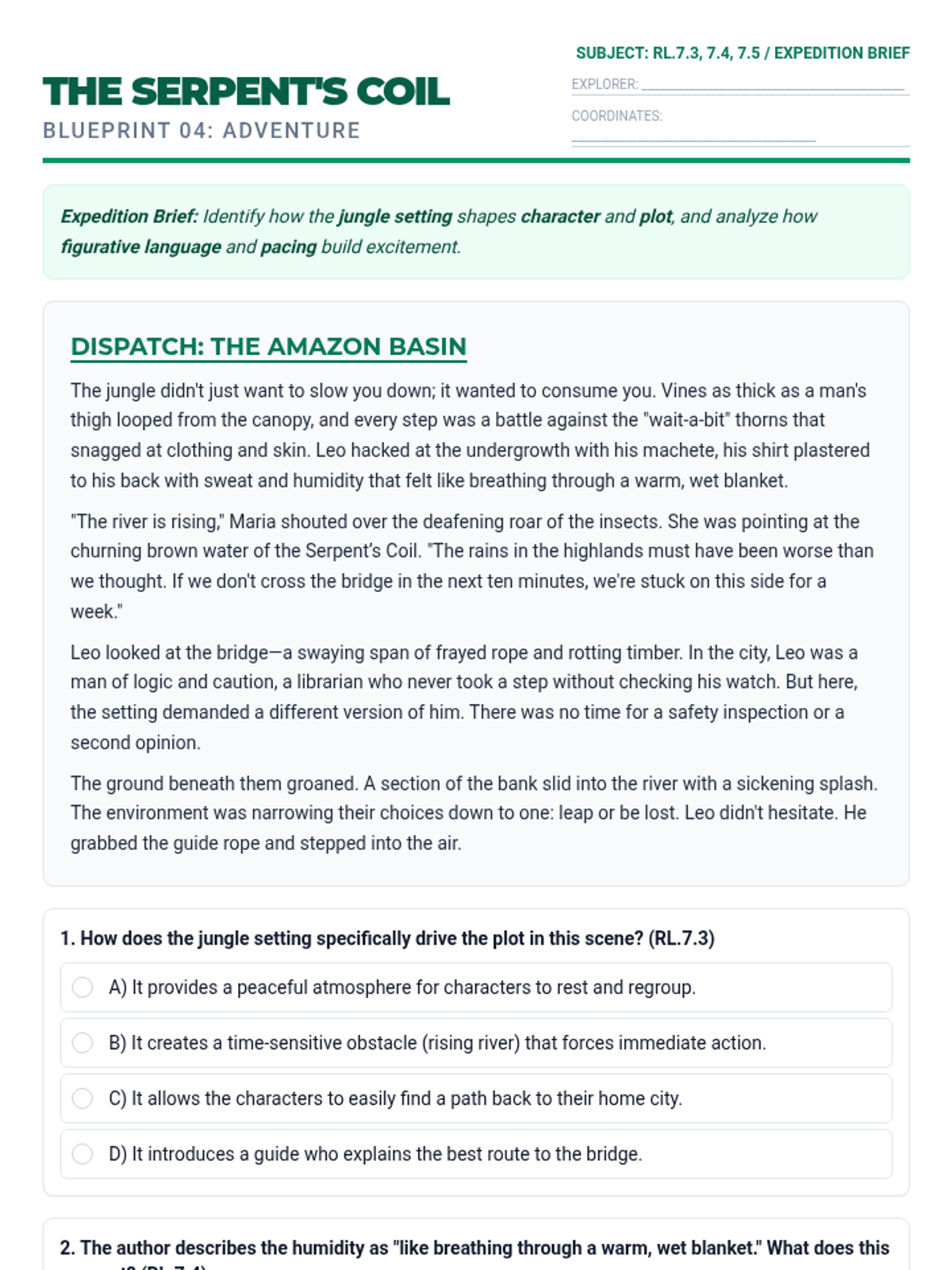
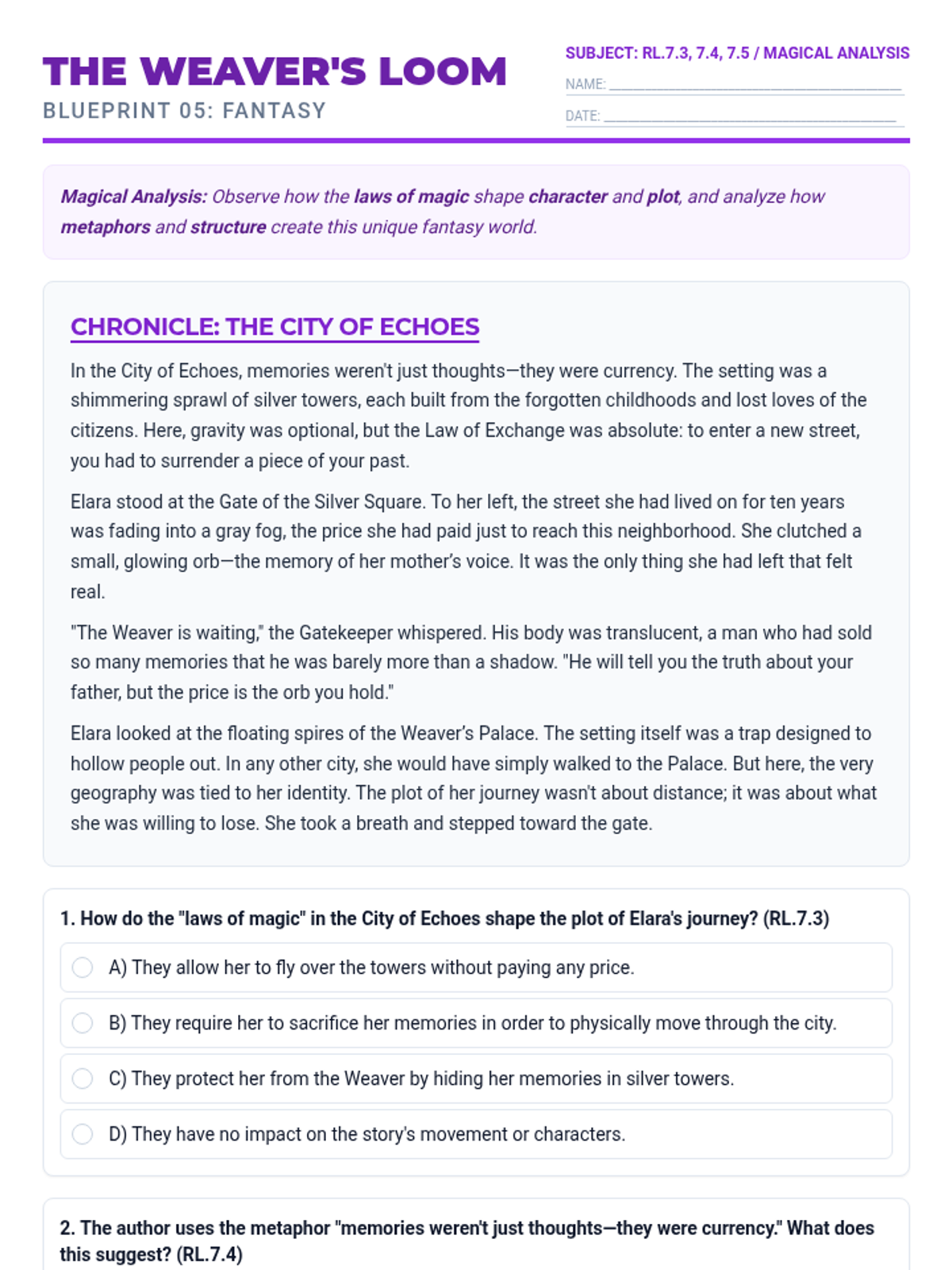
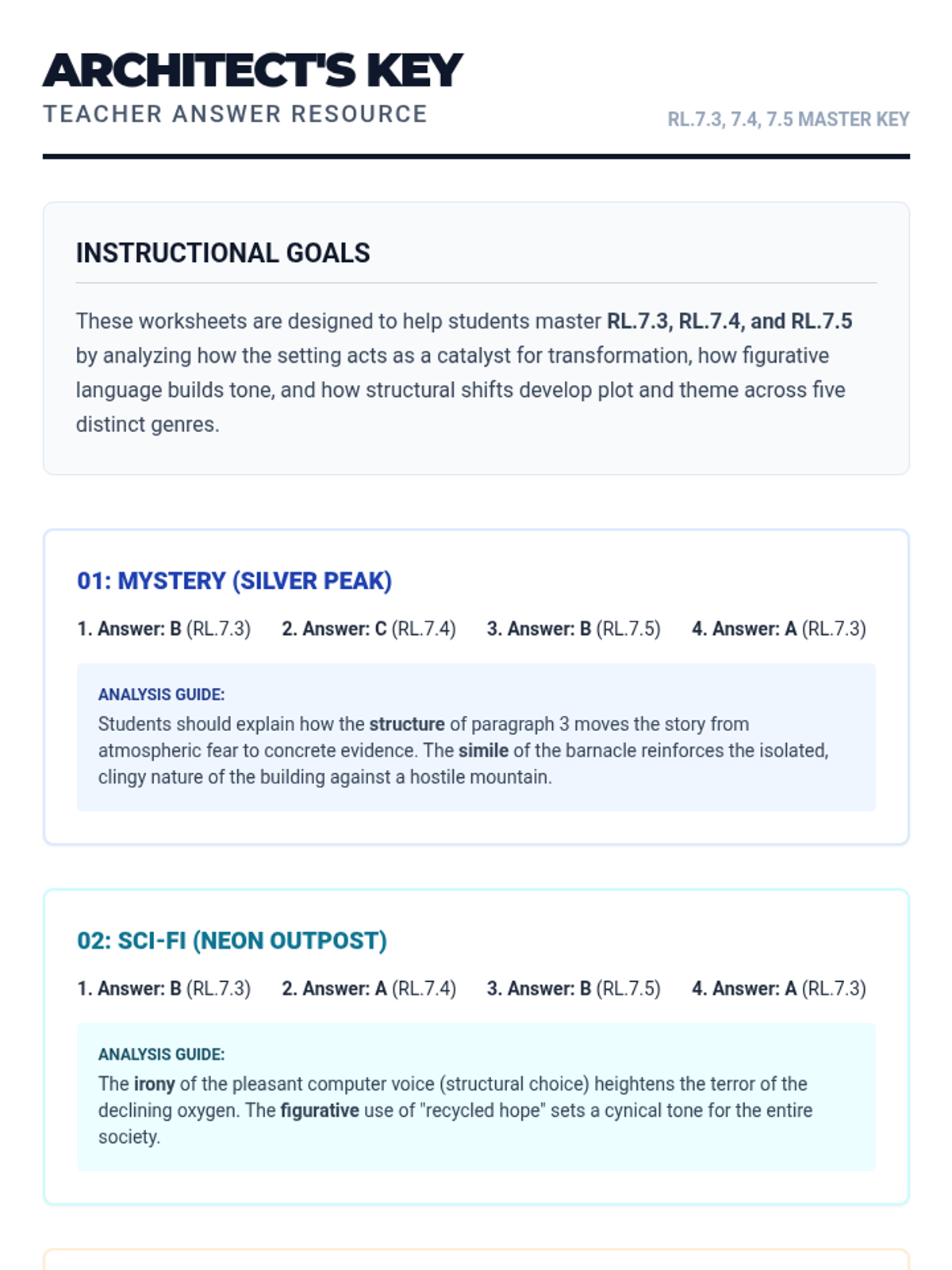
A comprehensive deep-dive into standard RL 7.3, exploring how setting, character, and plot interact across five distinct genres through analytical passages and comparative slides.
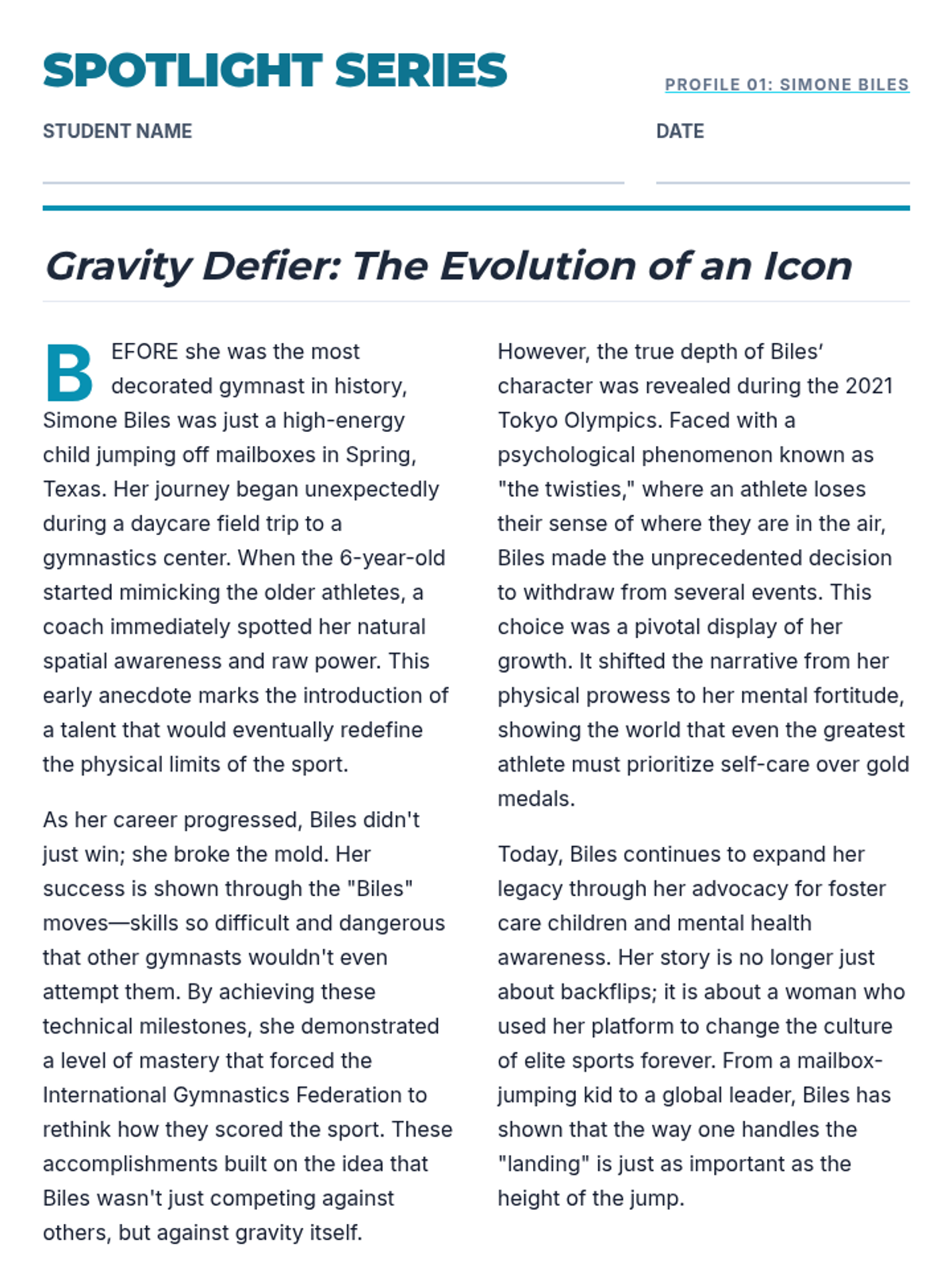
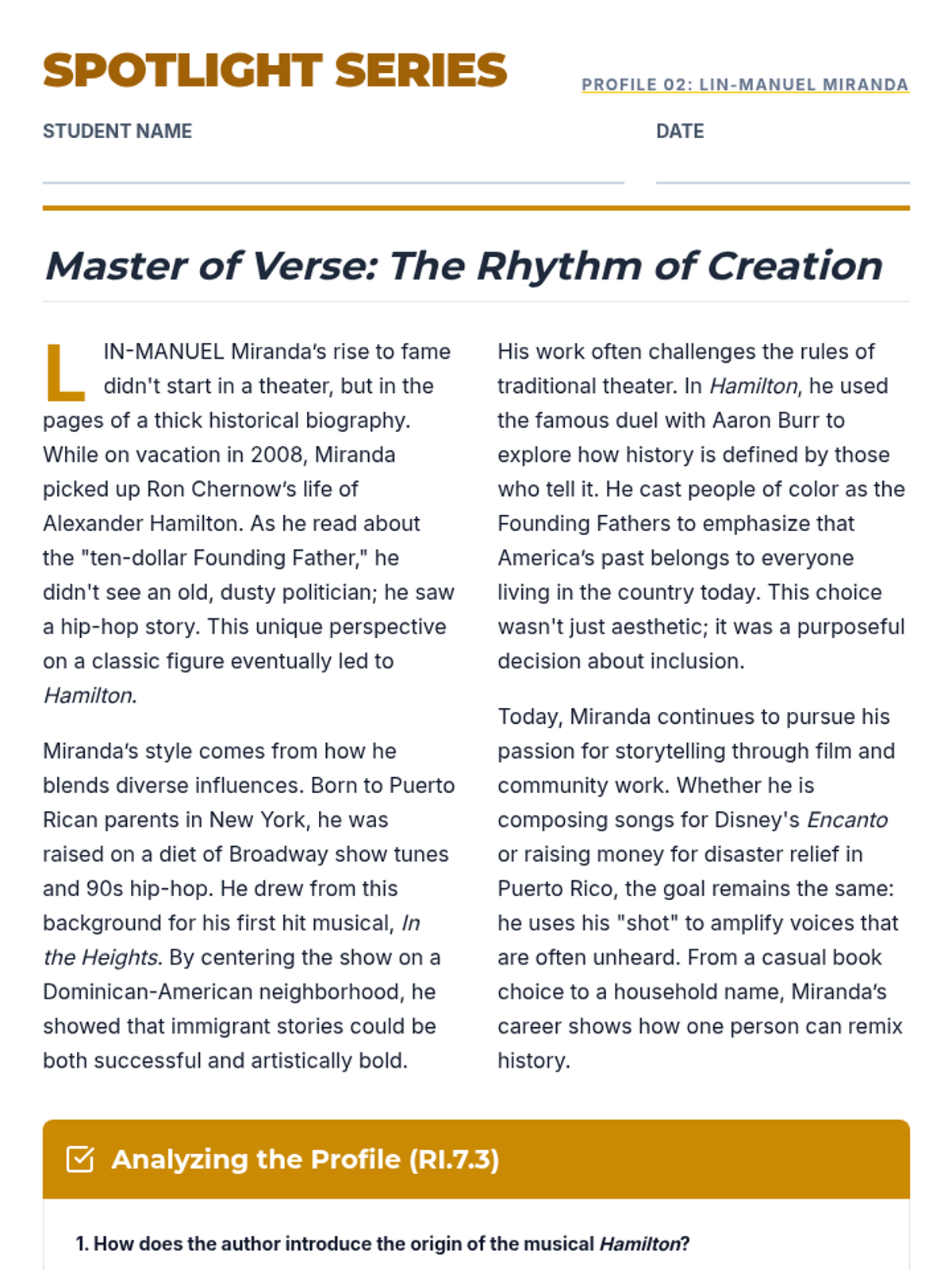
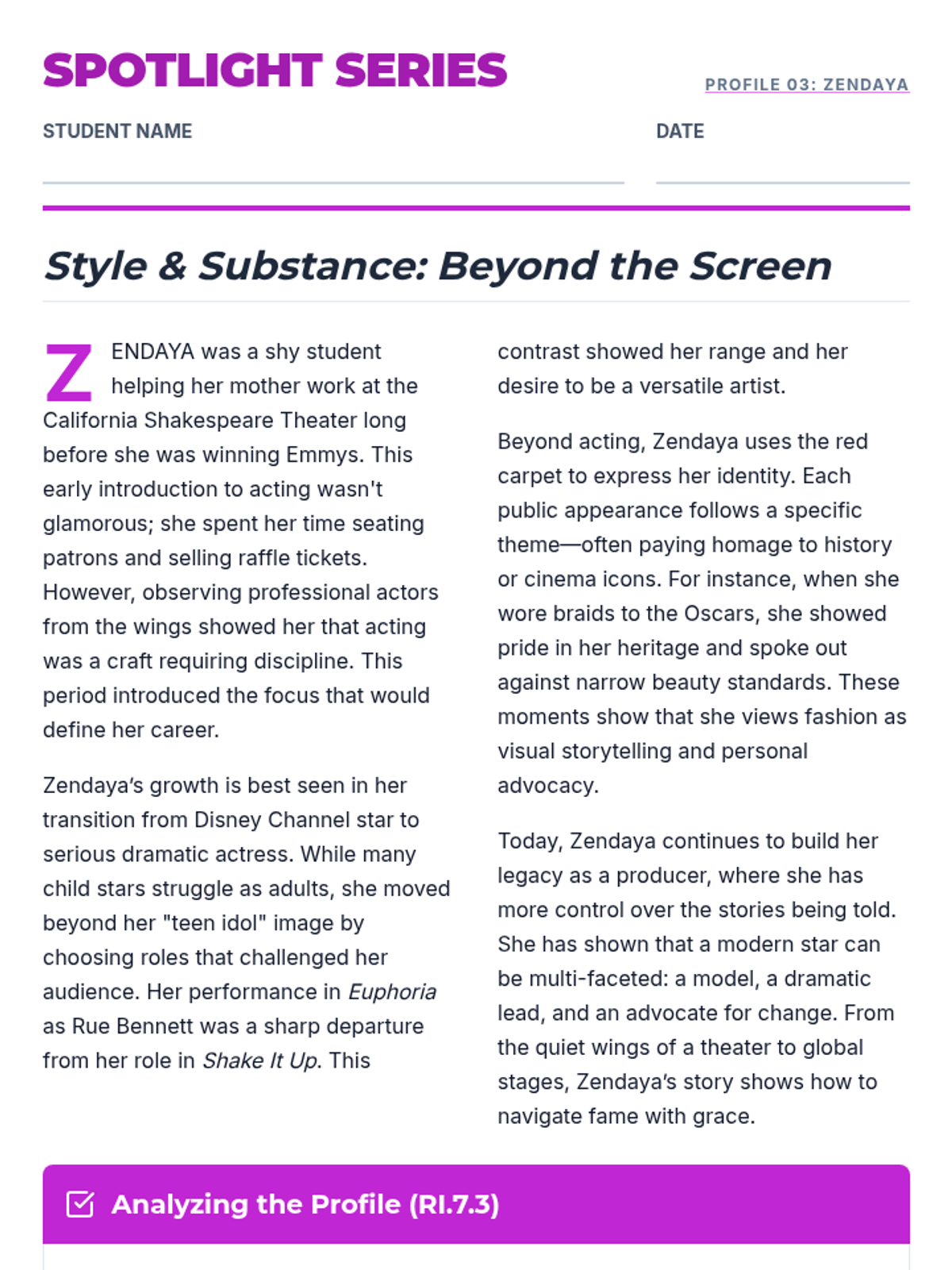
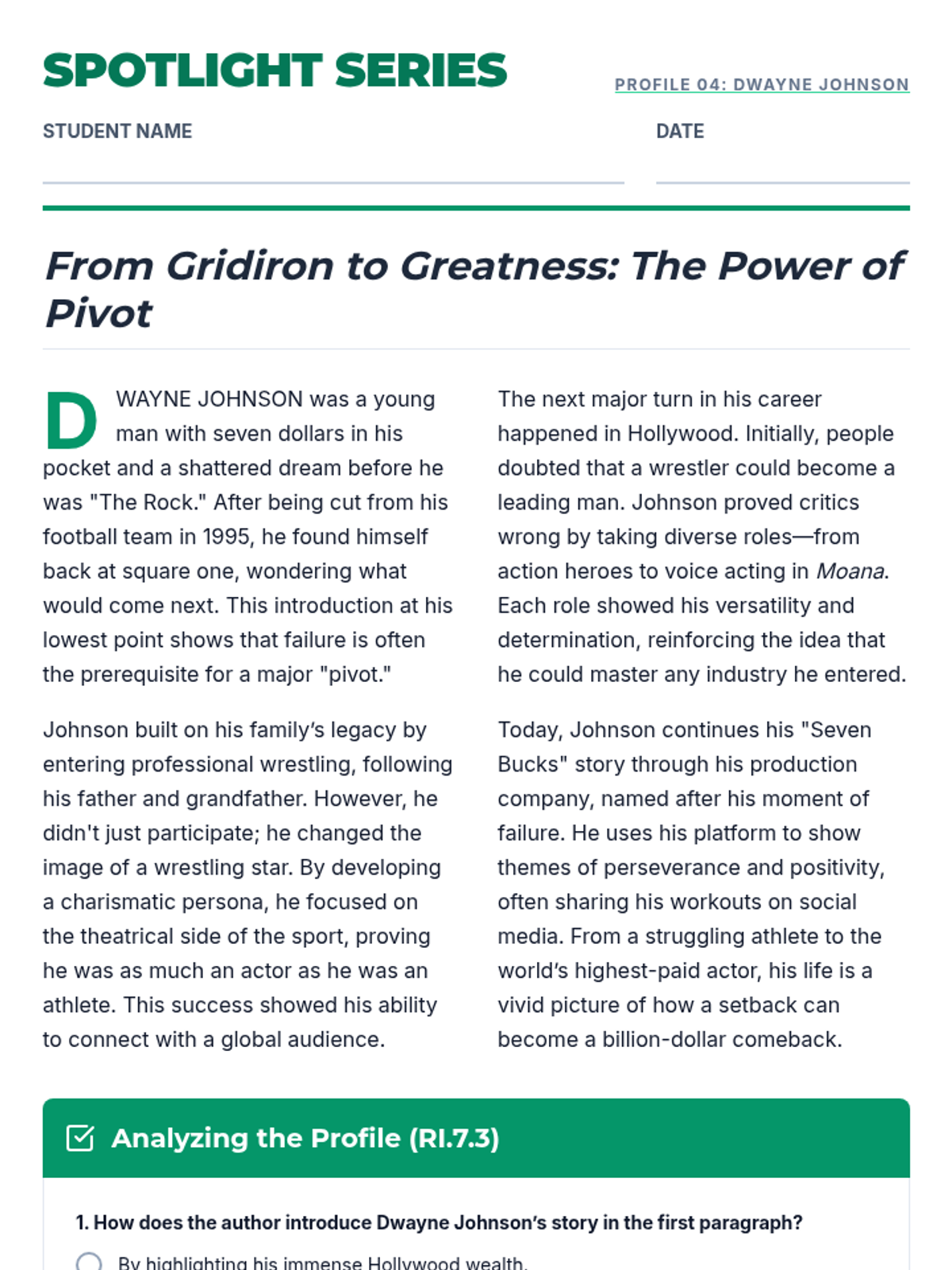
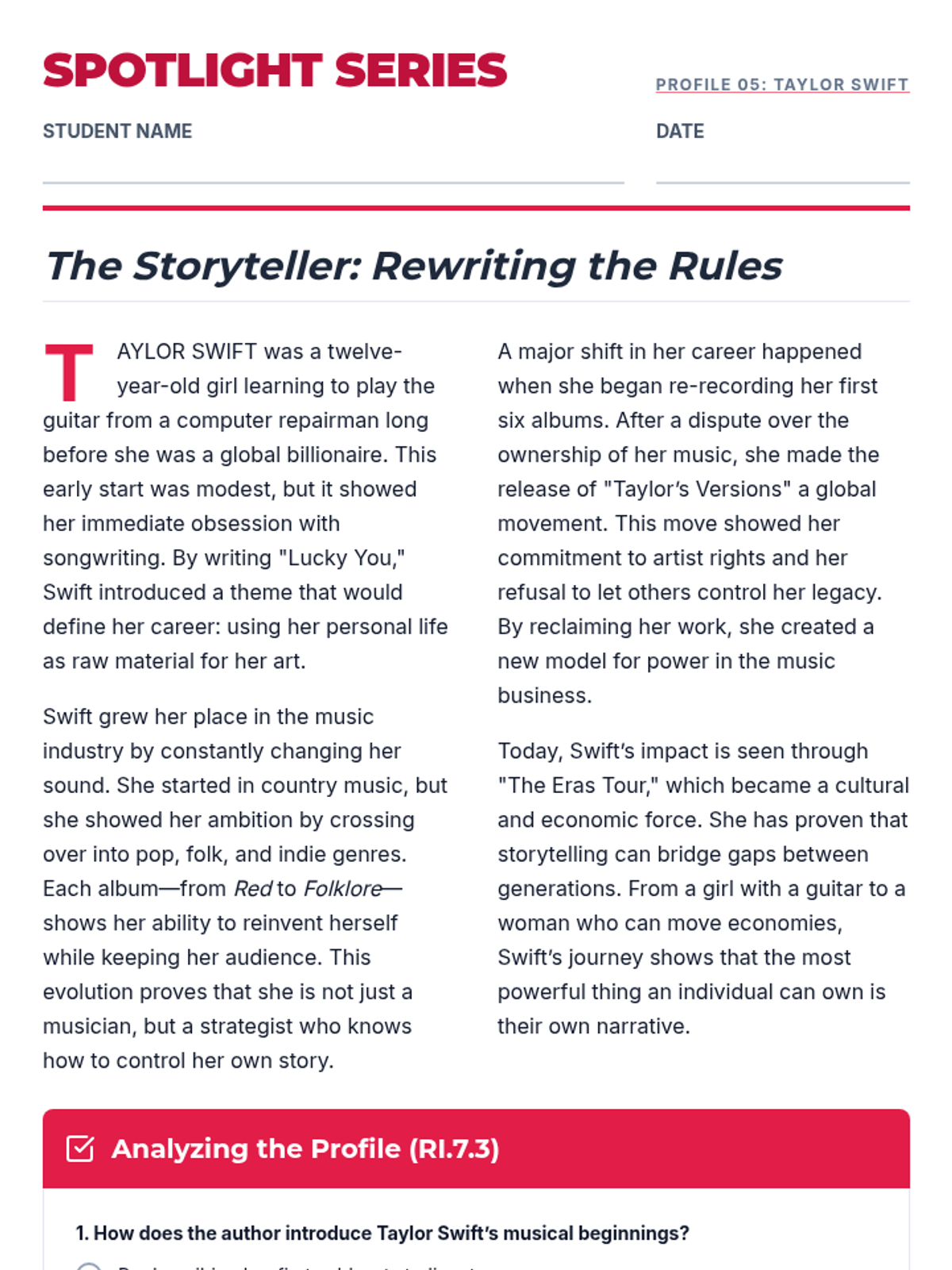
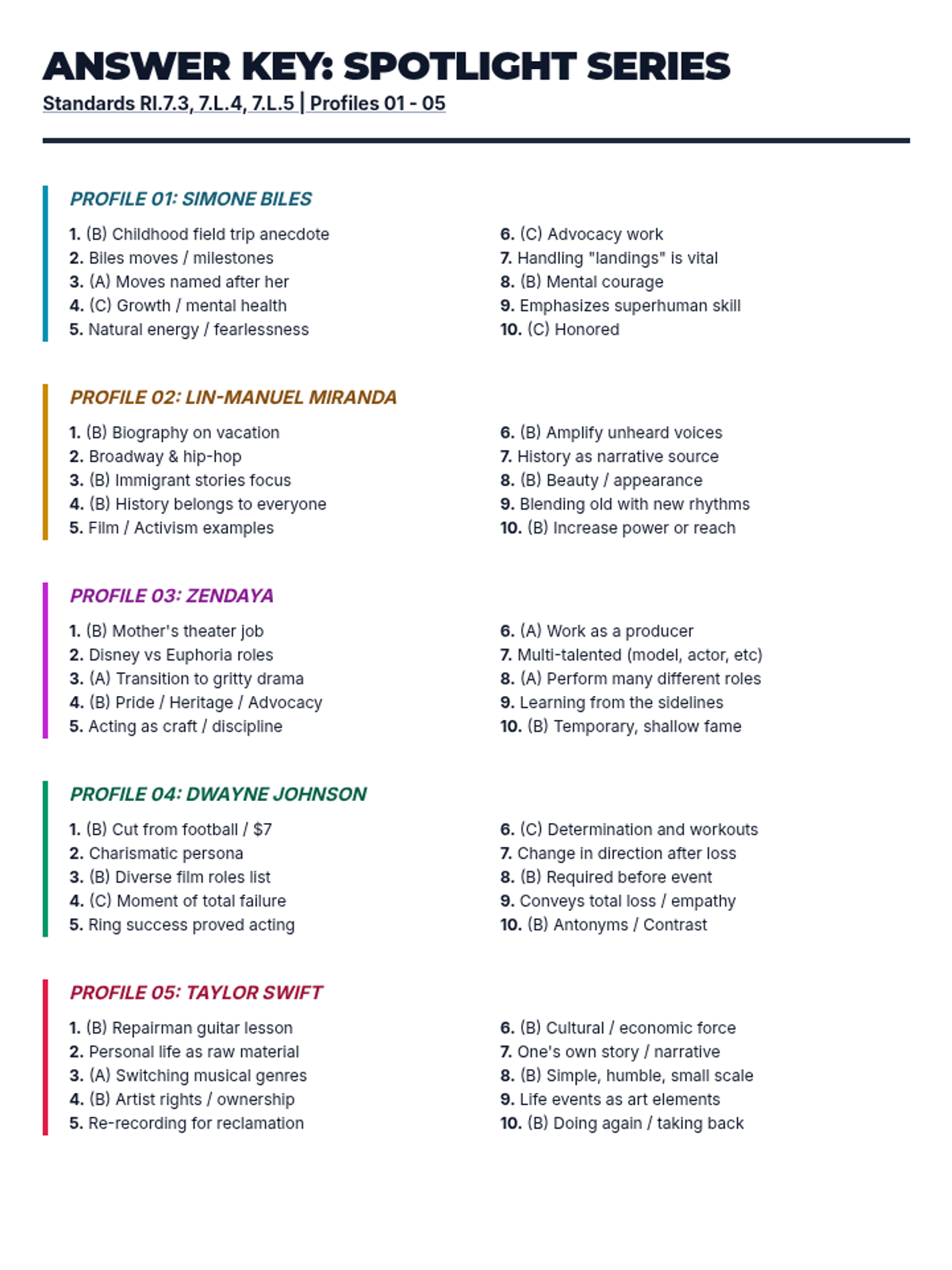
A collection of five informational passages and assessments focused on RI.7.3, featuring modern icons like Simone Biles and Taylor Swift. Students will analyze how individuals and events are introduced and elaborated upon through anecdotes and examples.
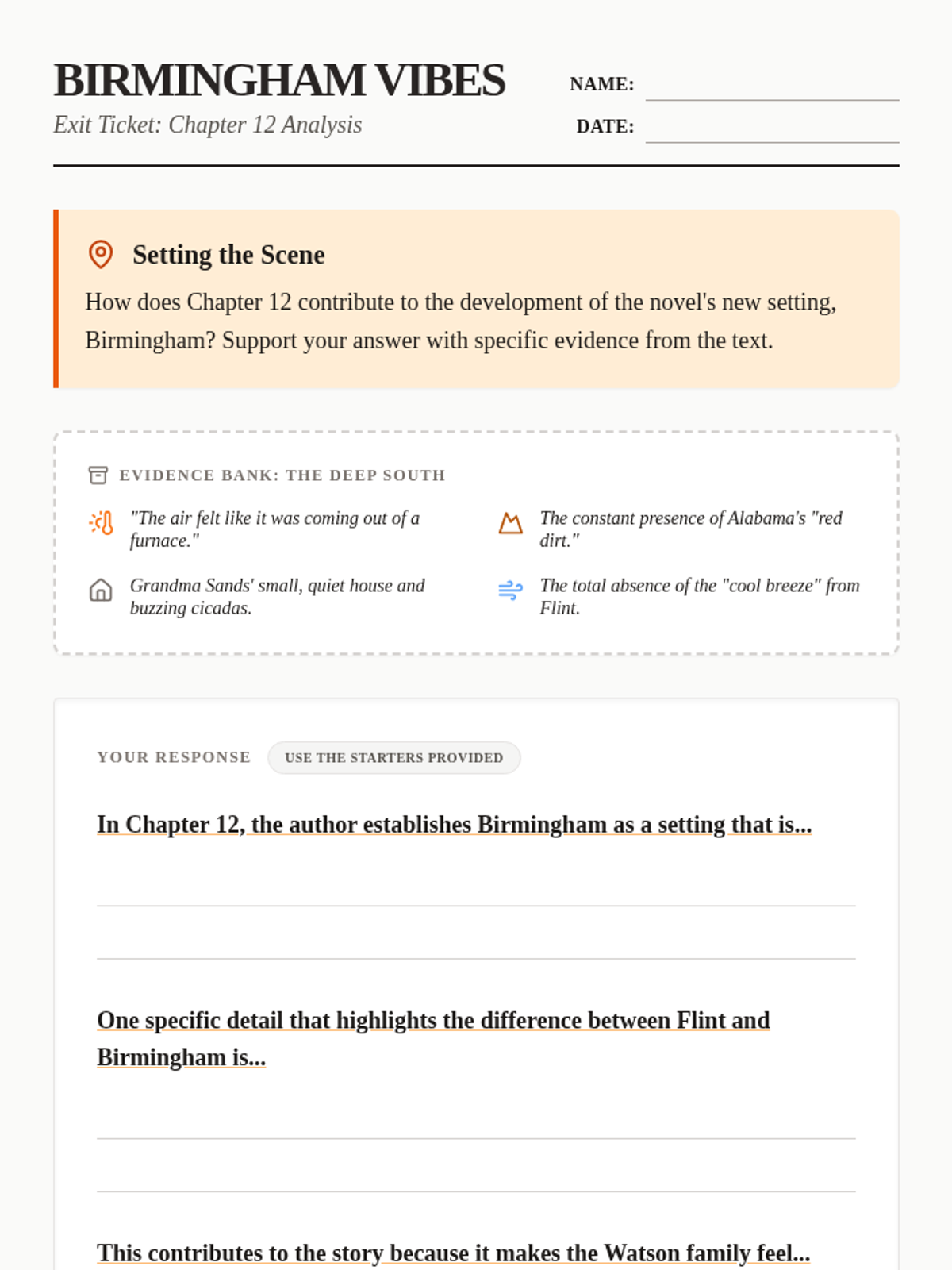
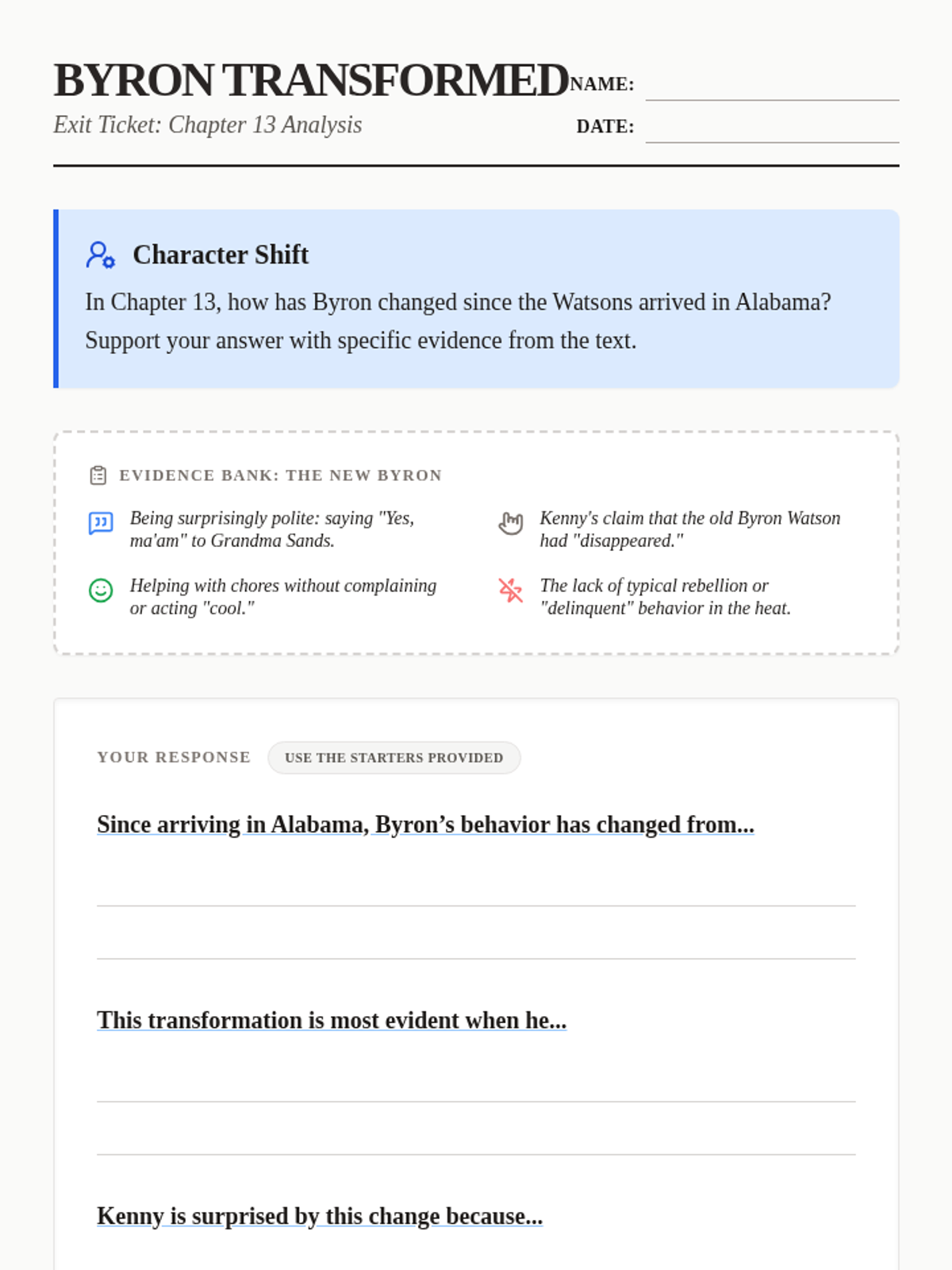
A lesson focusing on the transition of the Watson family from Flint to Birmingham, analyzing setting development and character shifts in chapters 12 and 13.
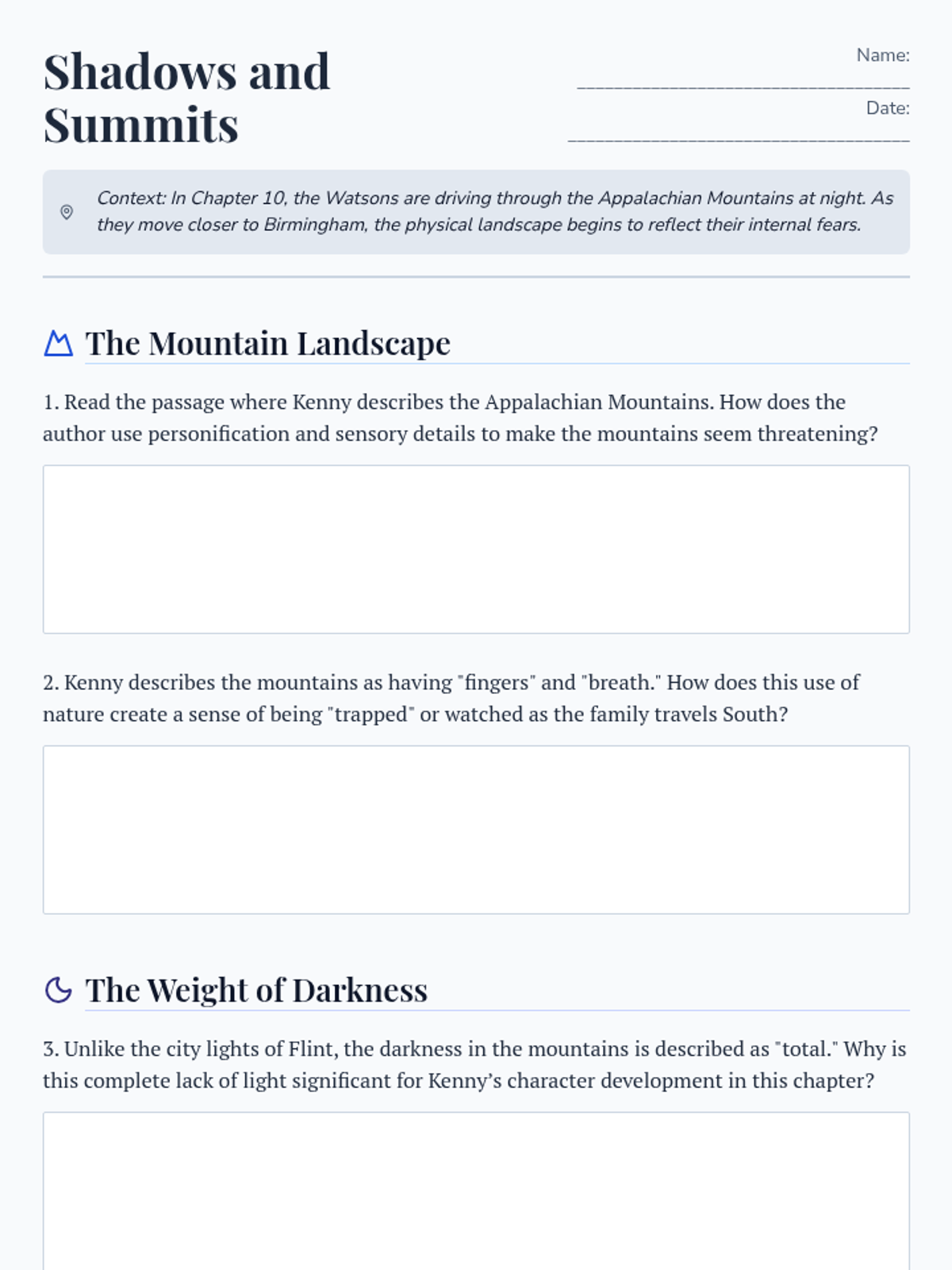
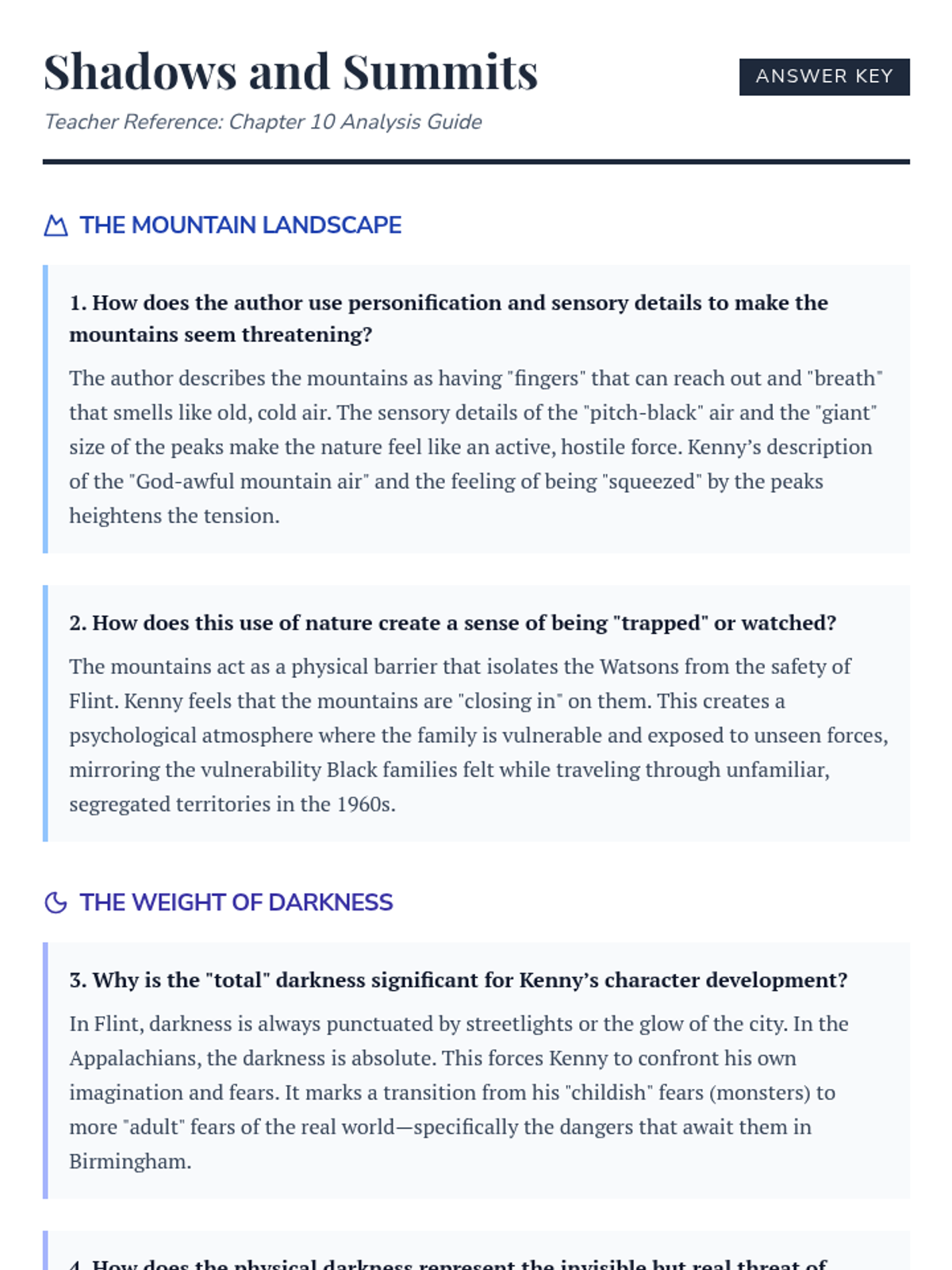
A deep dive into Chapter 10 of 'The Watsons Go to Birmingham – 1963', focusing on how the Appalachian setting and the shroud of night symbolize the growing racial tensions as the family heads South.
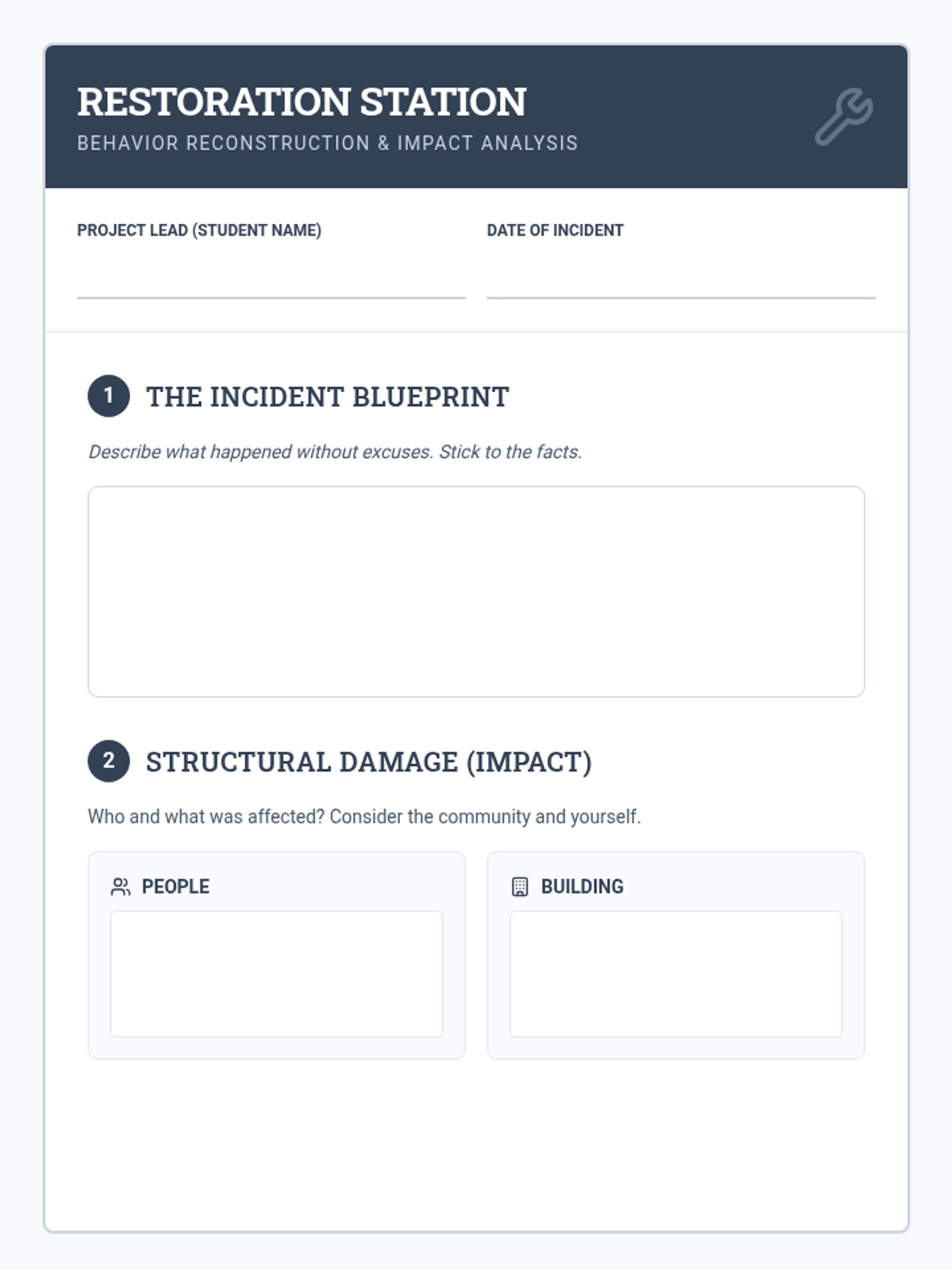
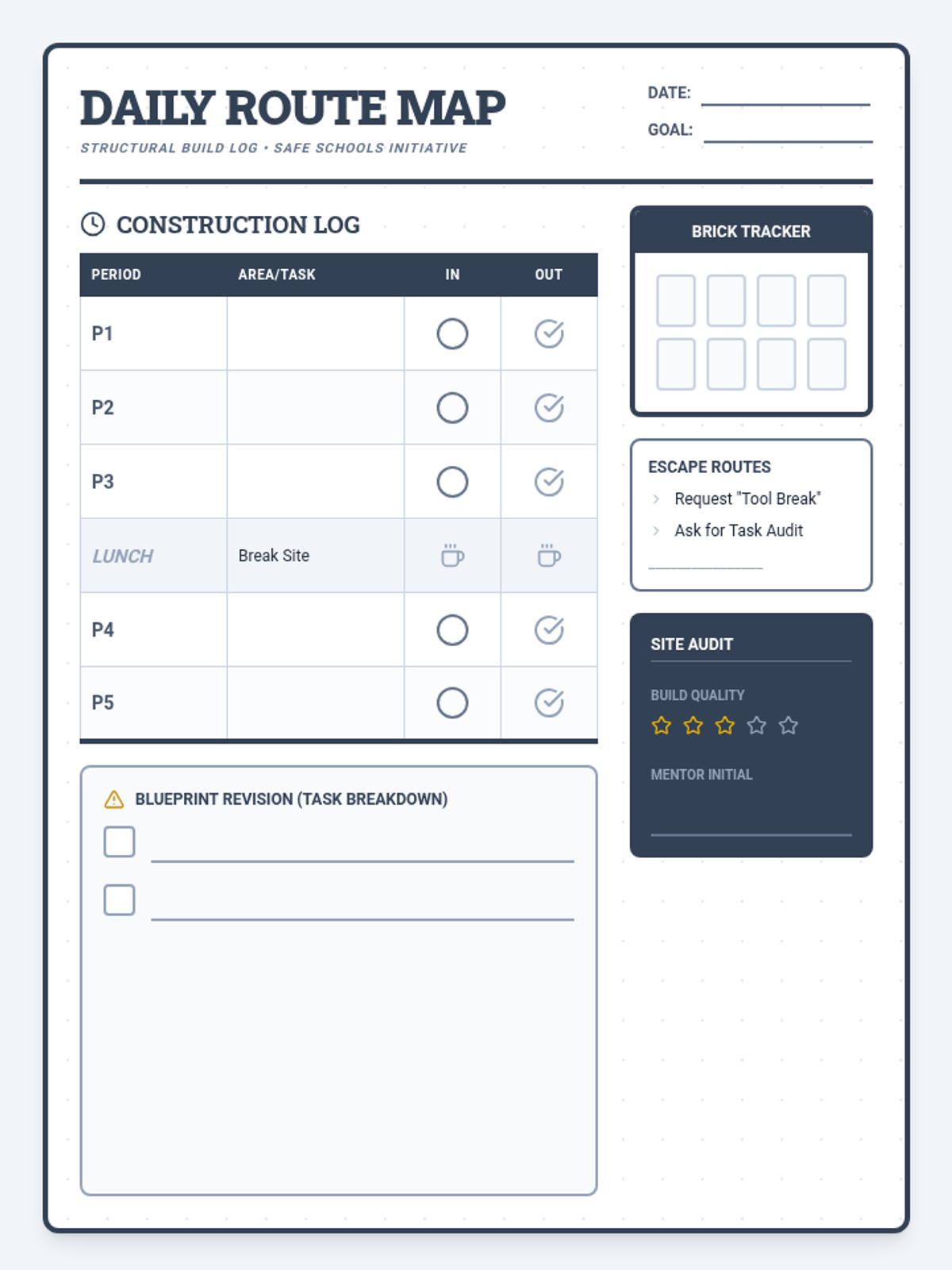
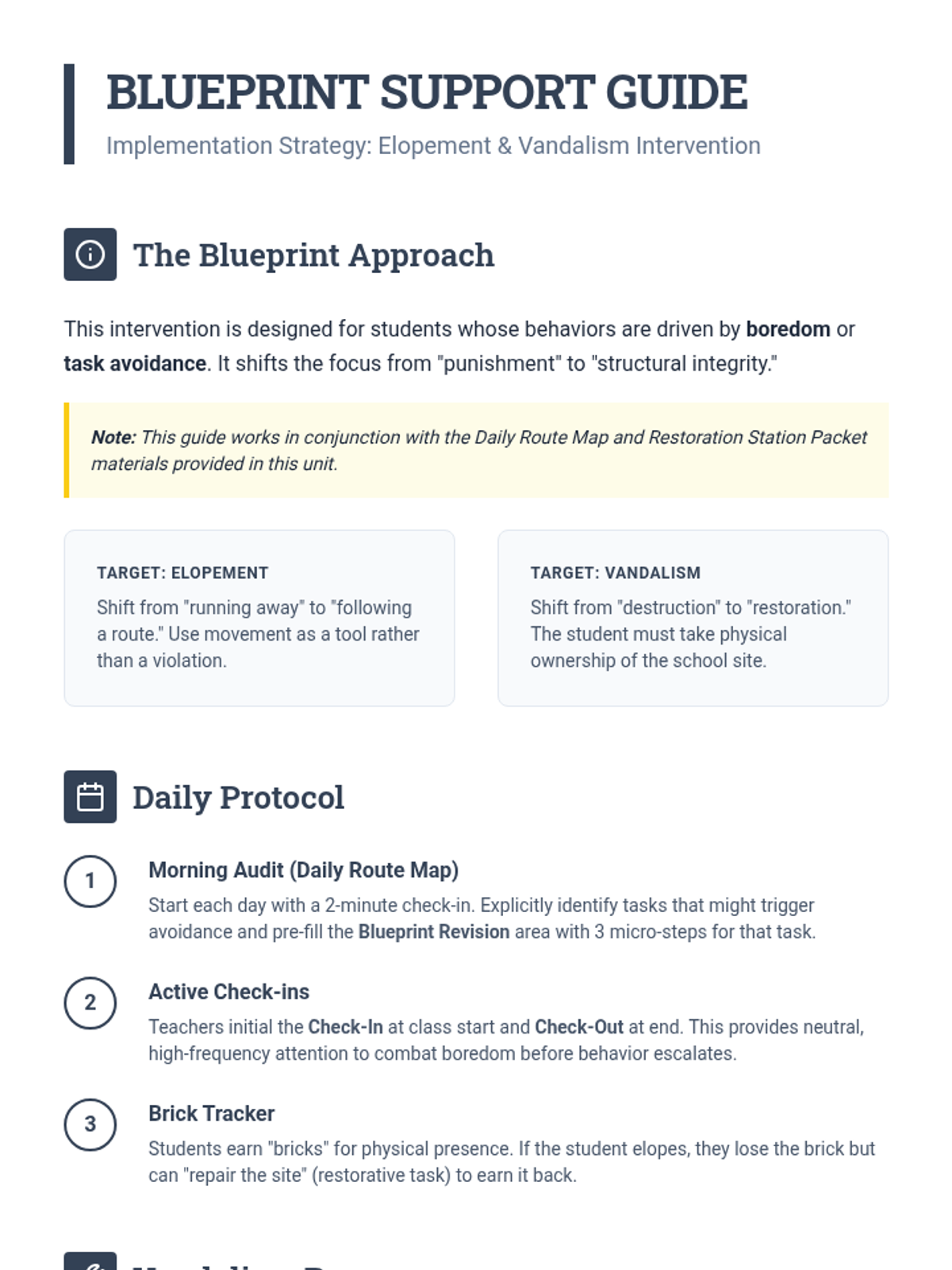
A comprehensive intervention suite designed for 8th-grade students struggling with elopement and vandalism. It focuses on restorative justice, structural scheduling, and teacher-led support strategies.
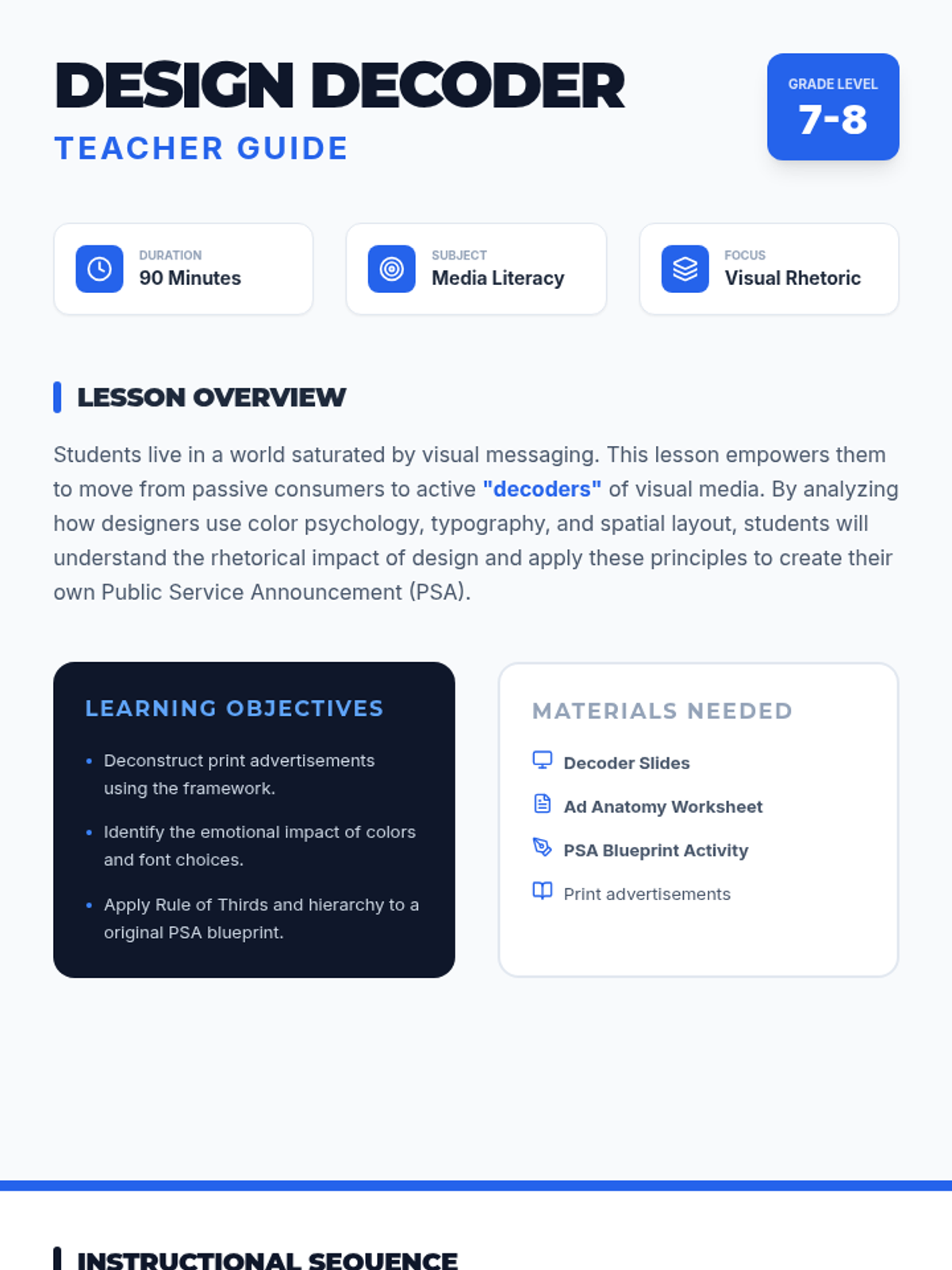
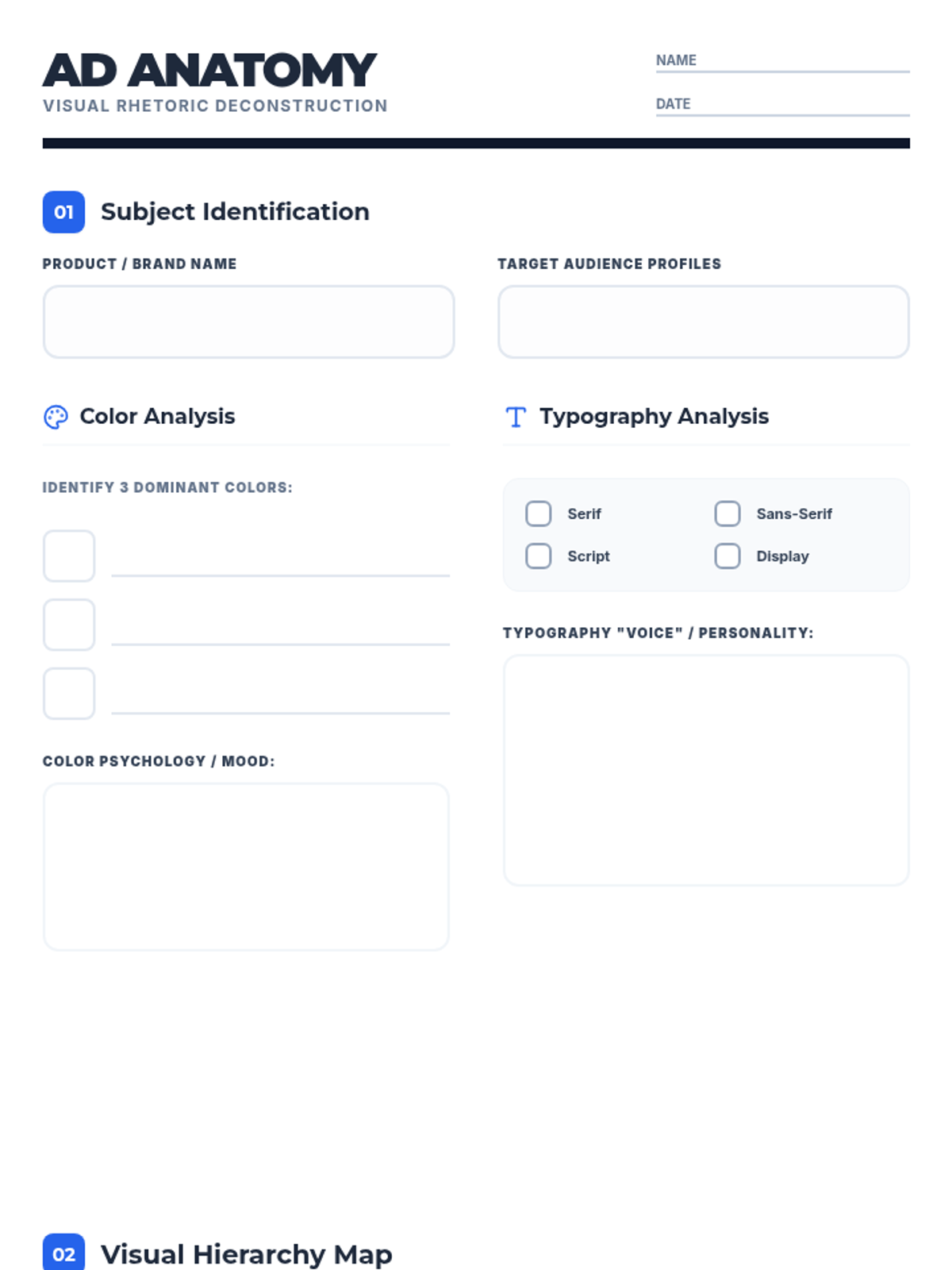
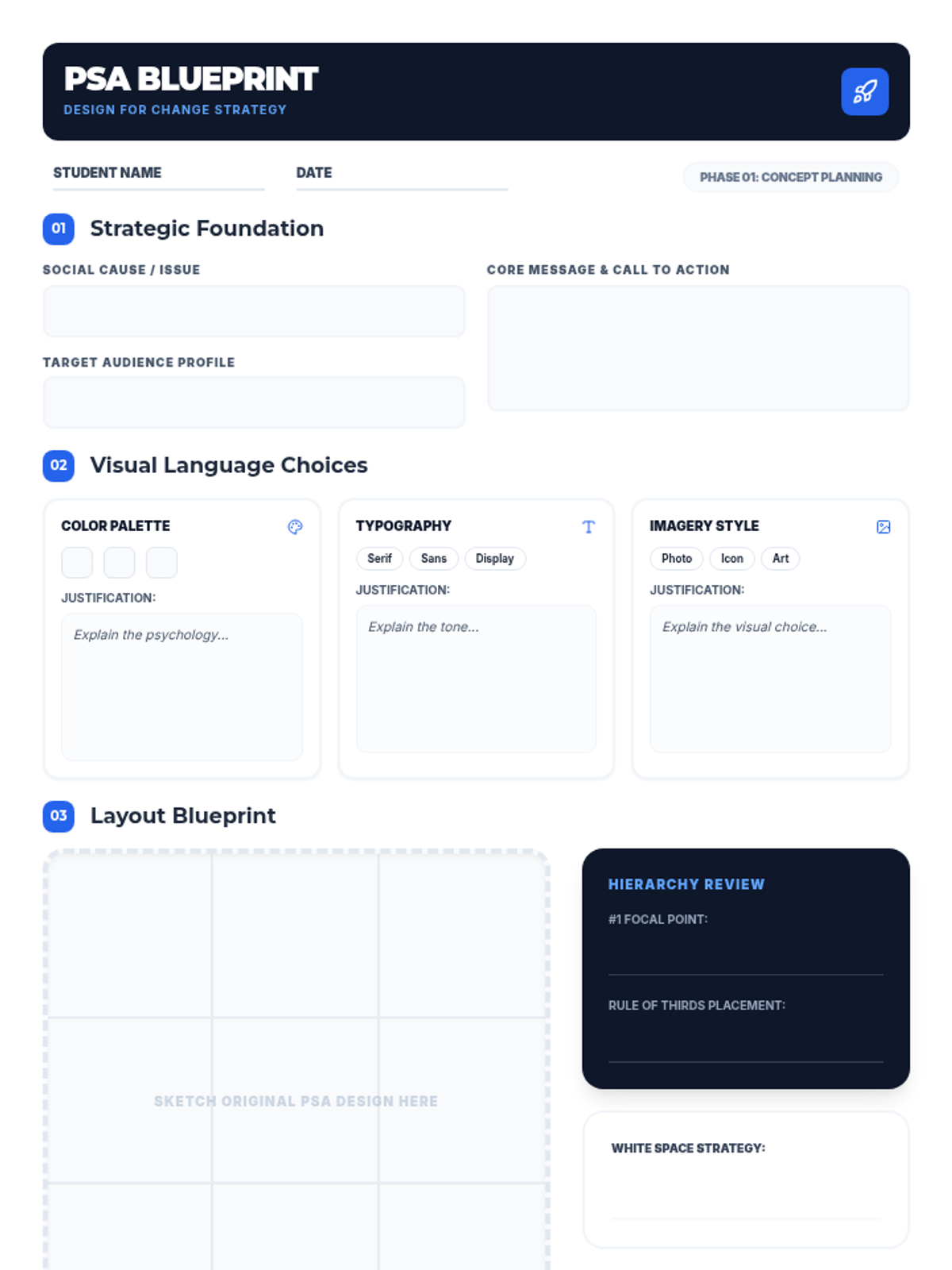
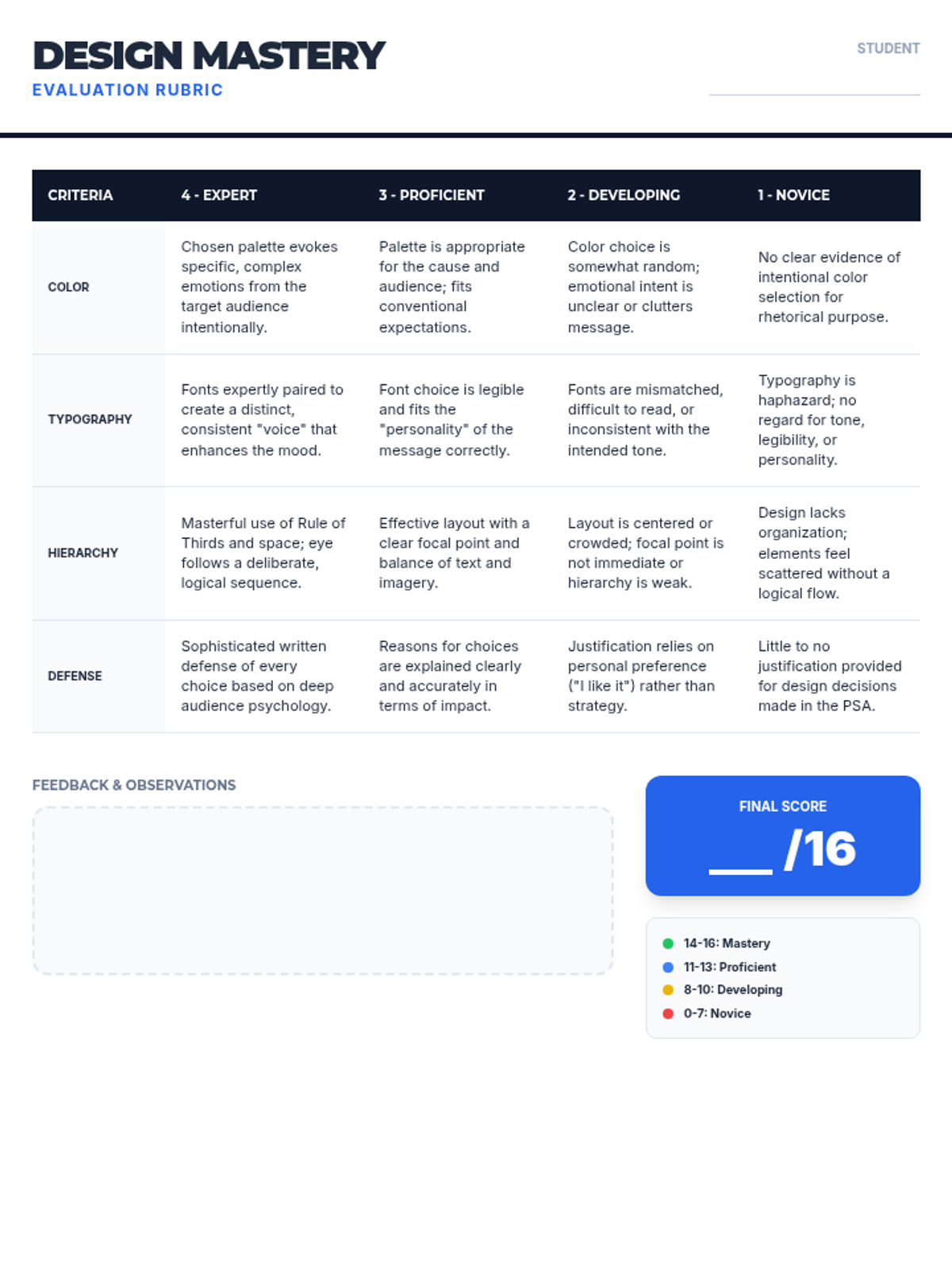
A middle school lesson on visual rhetoric, teaching students how to analyze and use color, layout, and typography to influence audience perception in media and advertising.
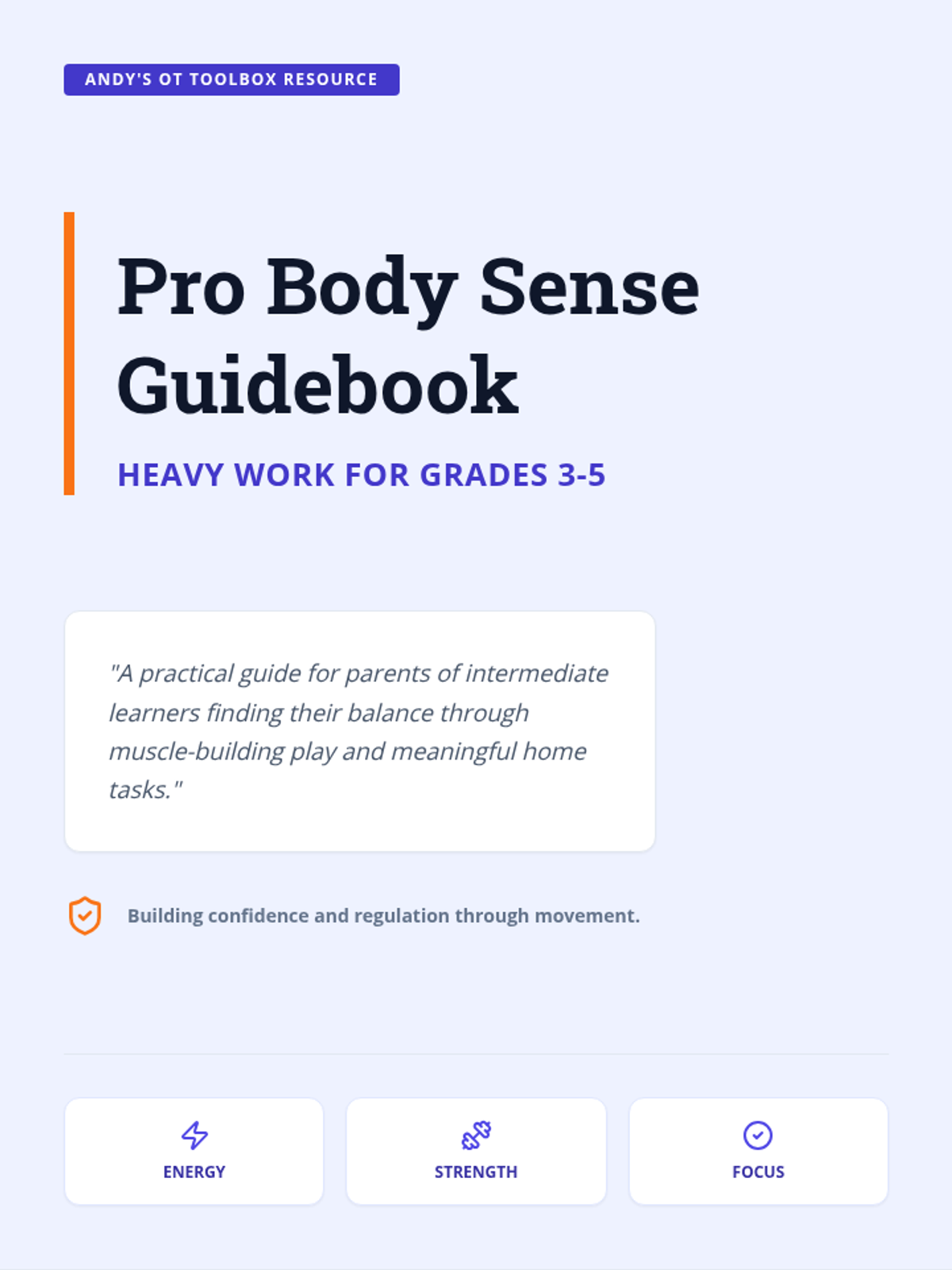
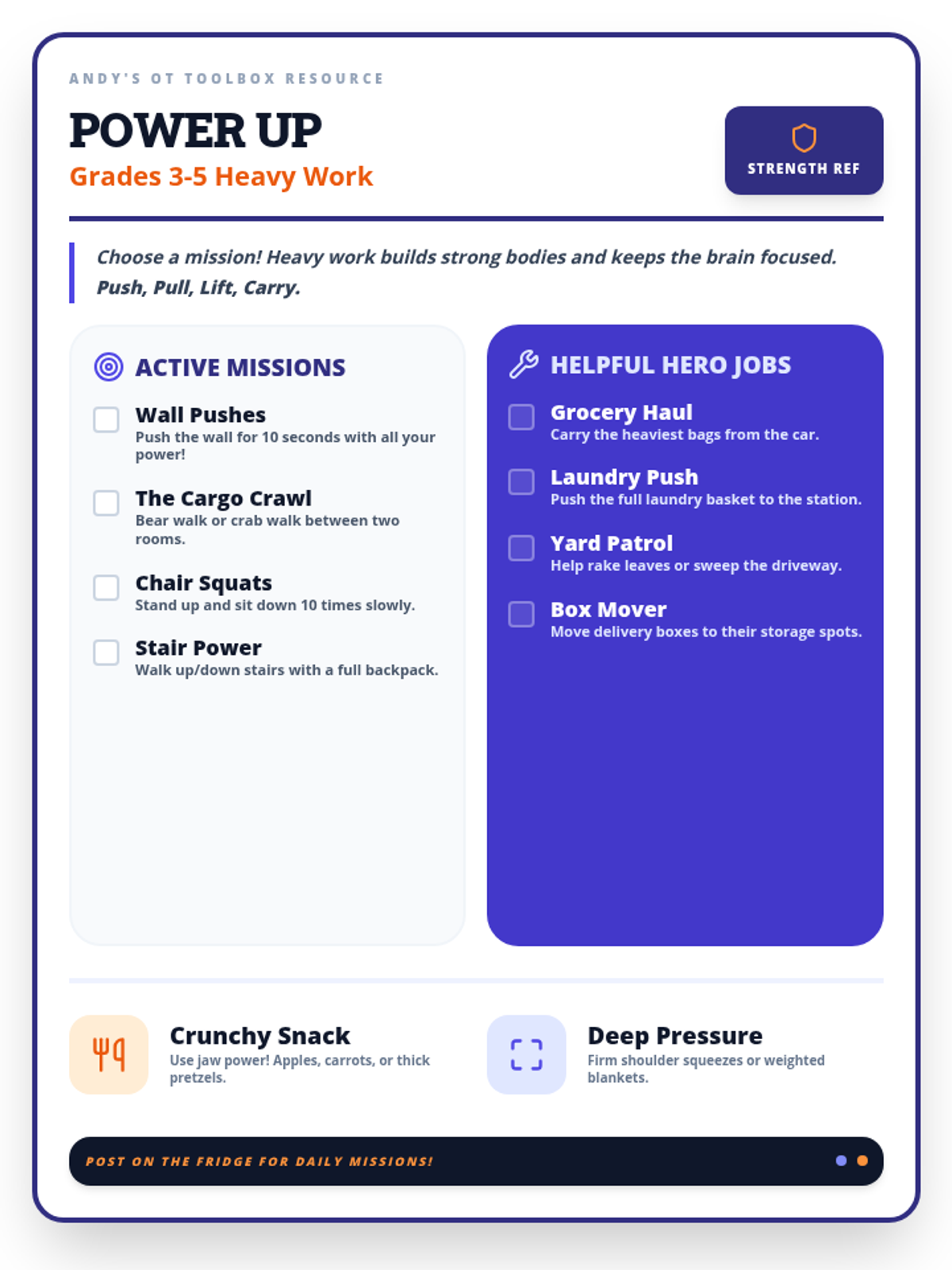
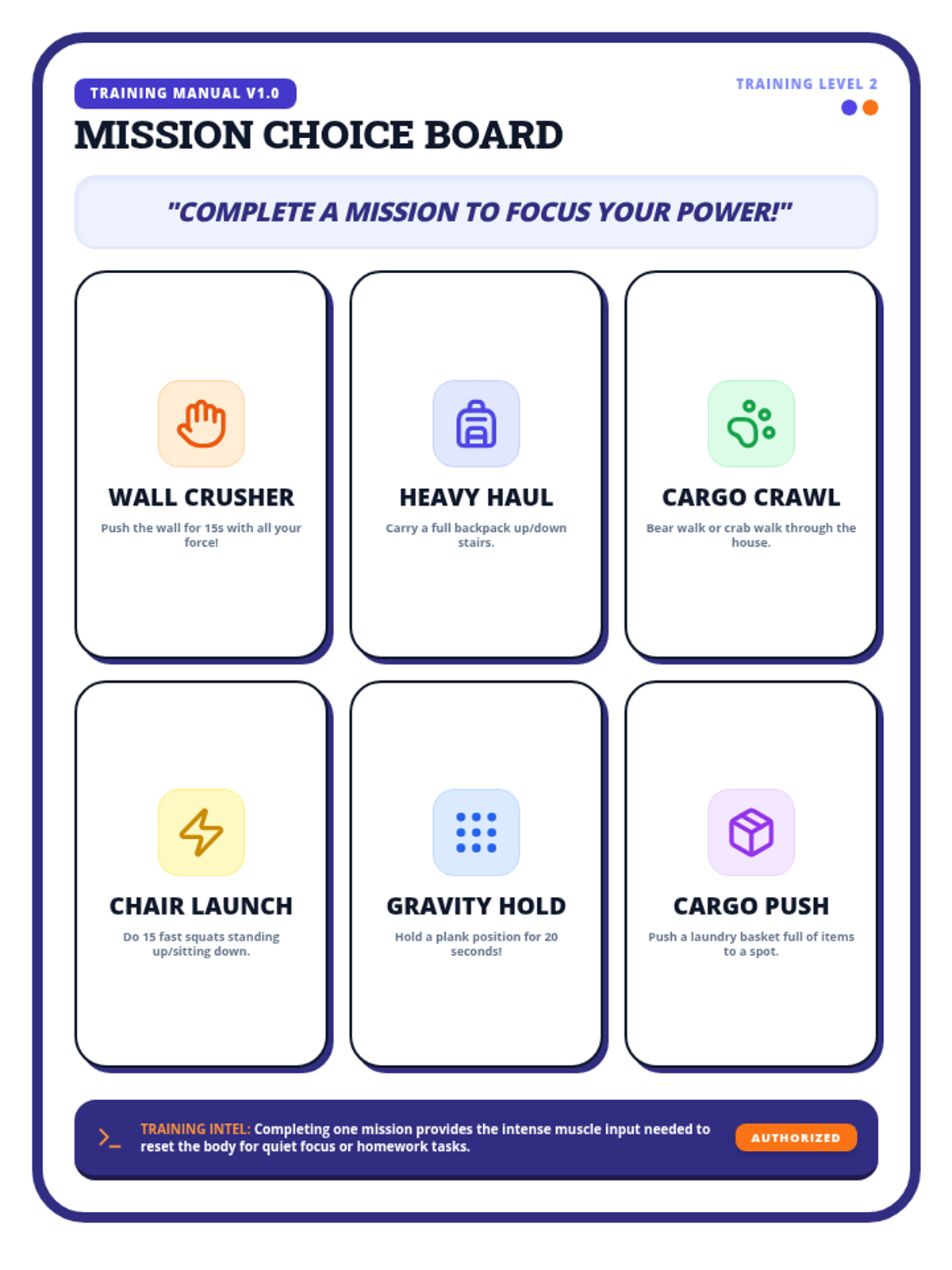
Sensory support strategies and proprioceptive activities designed for students in grades 3-5. Bridges the gap between play-based movement and functional household participation with age-appropriate "strength challenges."
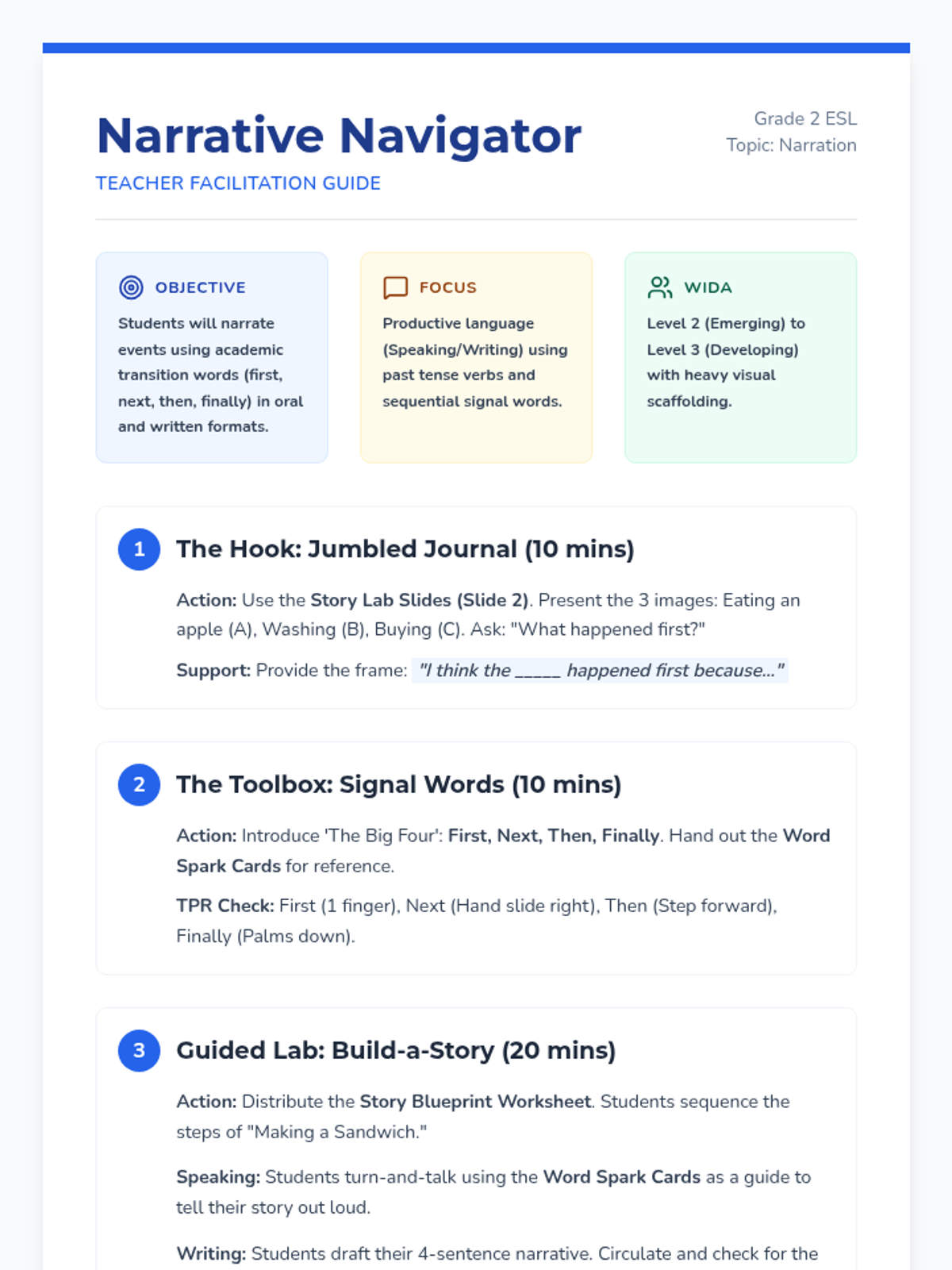
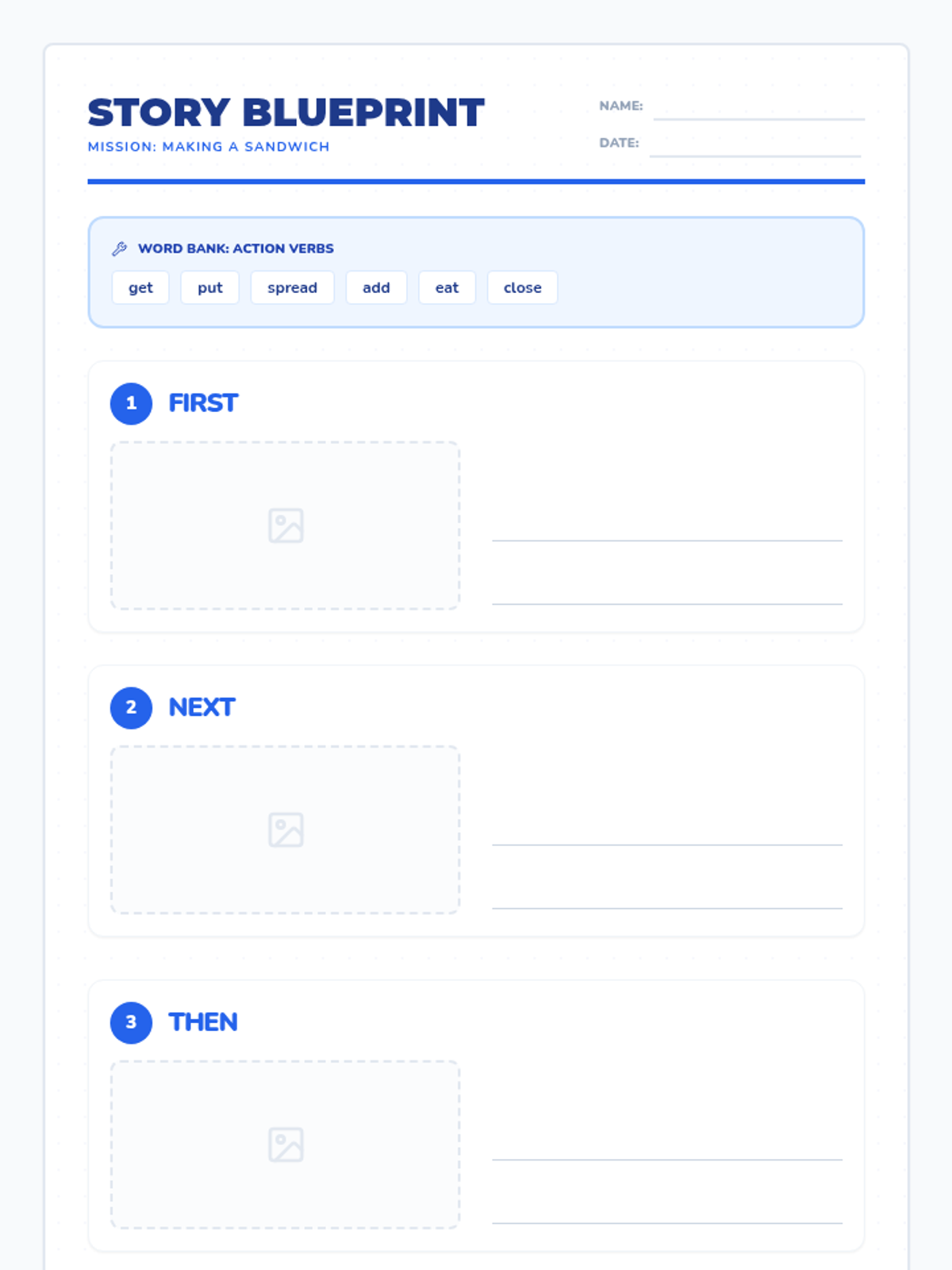
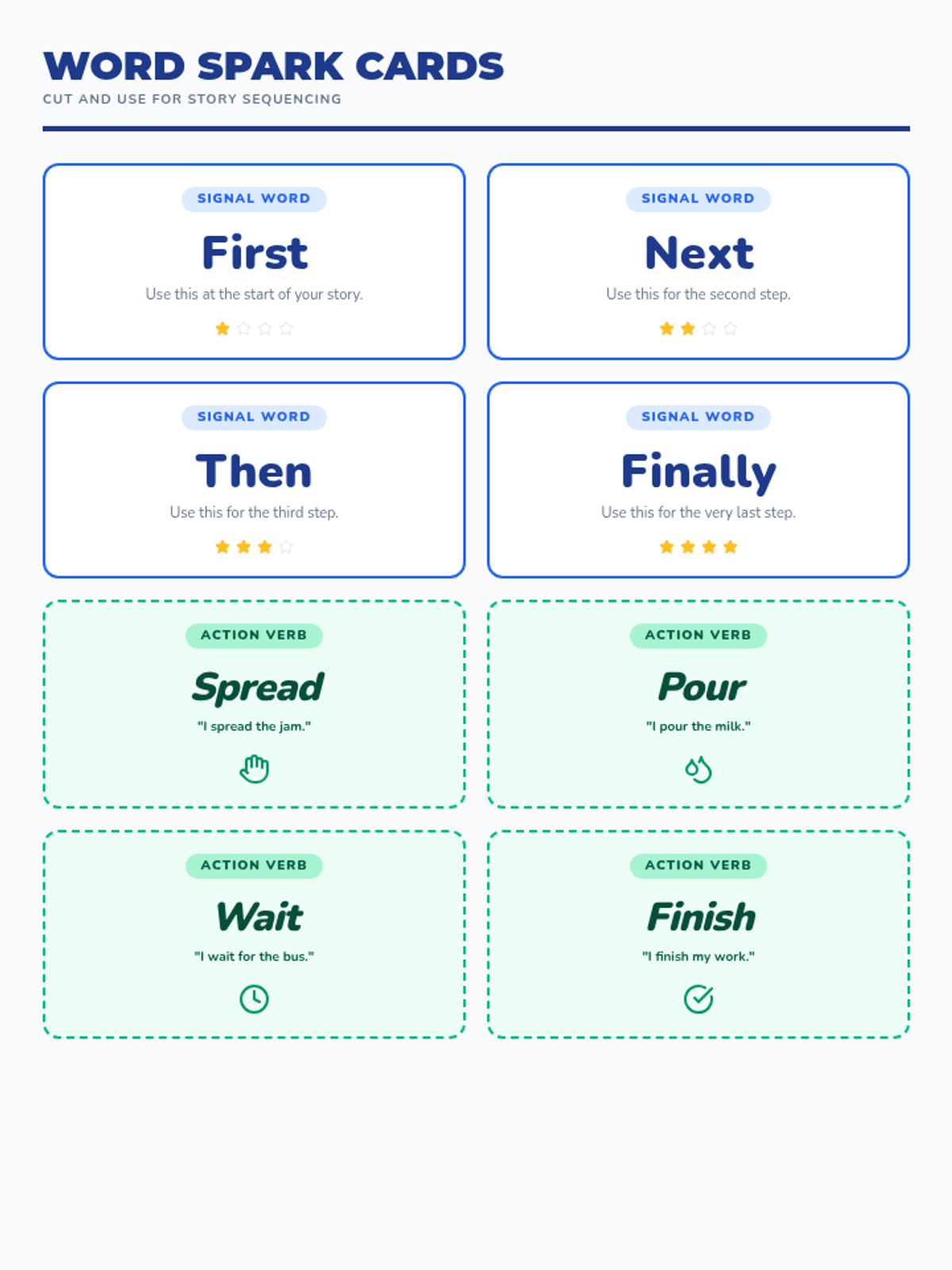
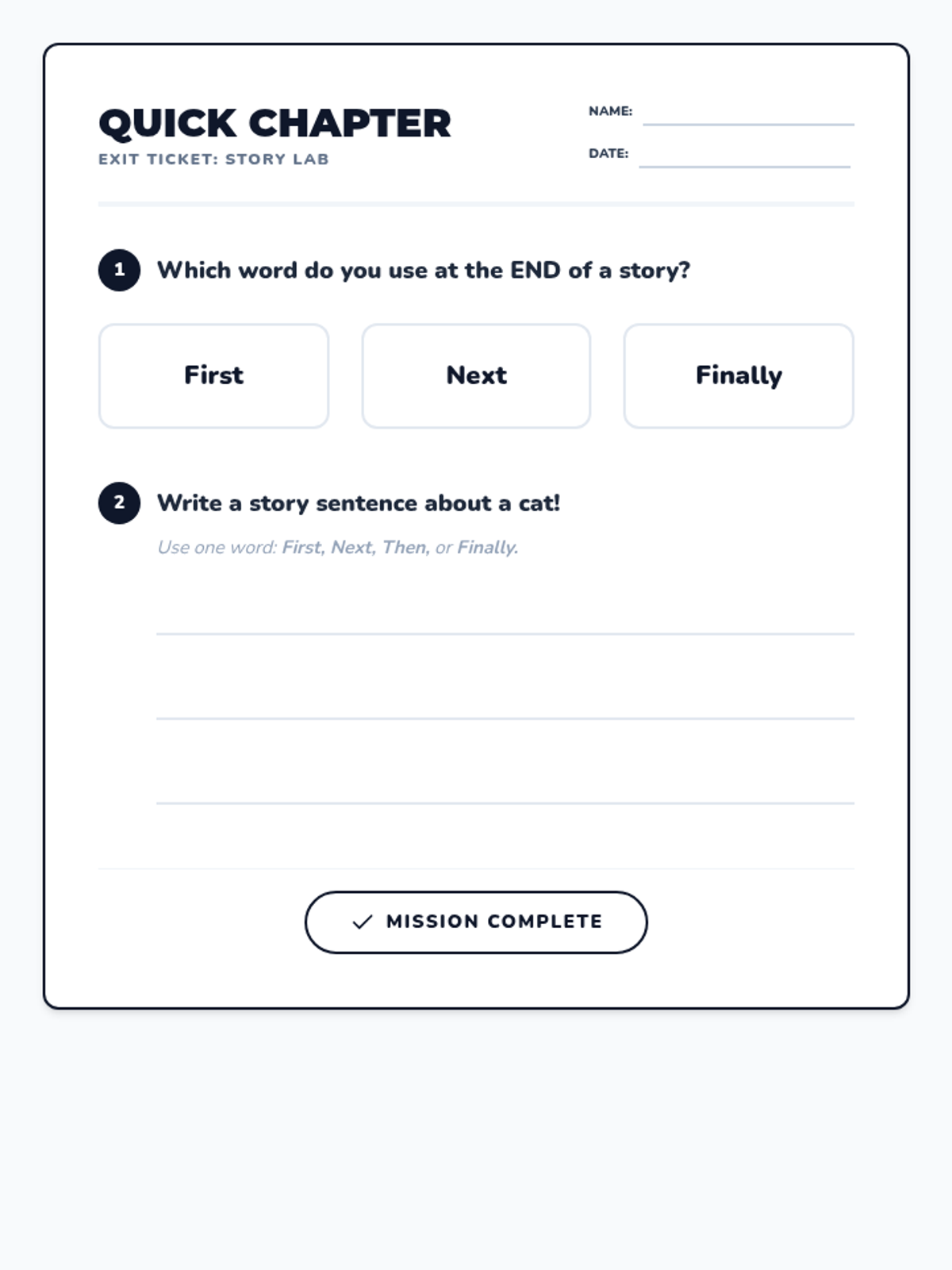
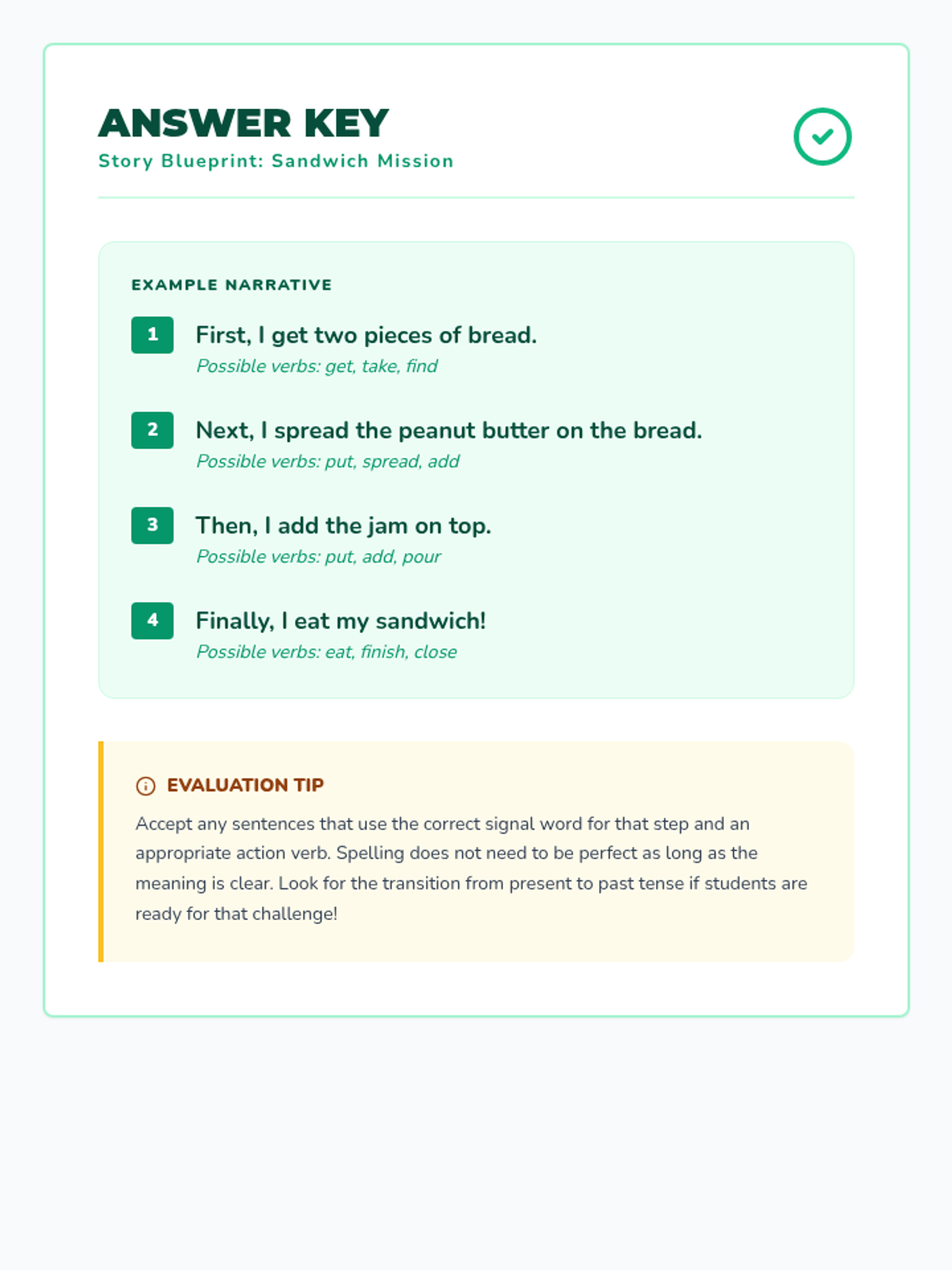
A comprehensive Grade 2 ESL lesson focused on the art of narration. Students develop academic language through sequencing words and transition phrases while practicing all four language domains (reading, writing, listening, and speaking) through a creative 'Story Lab' theme.
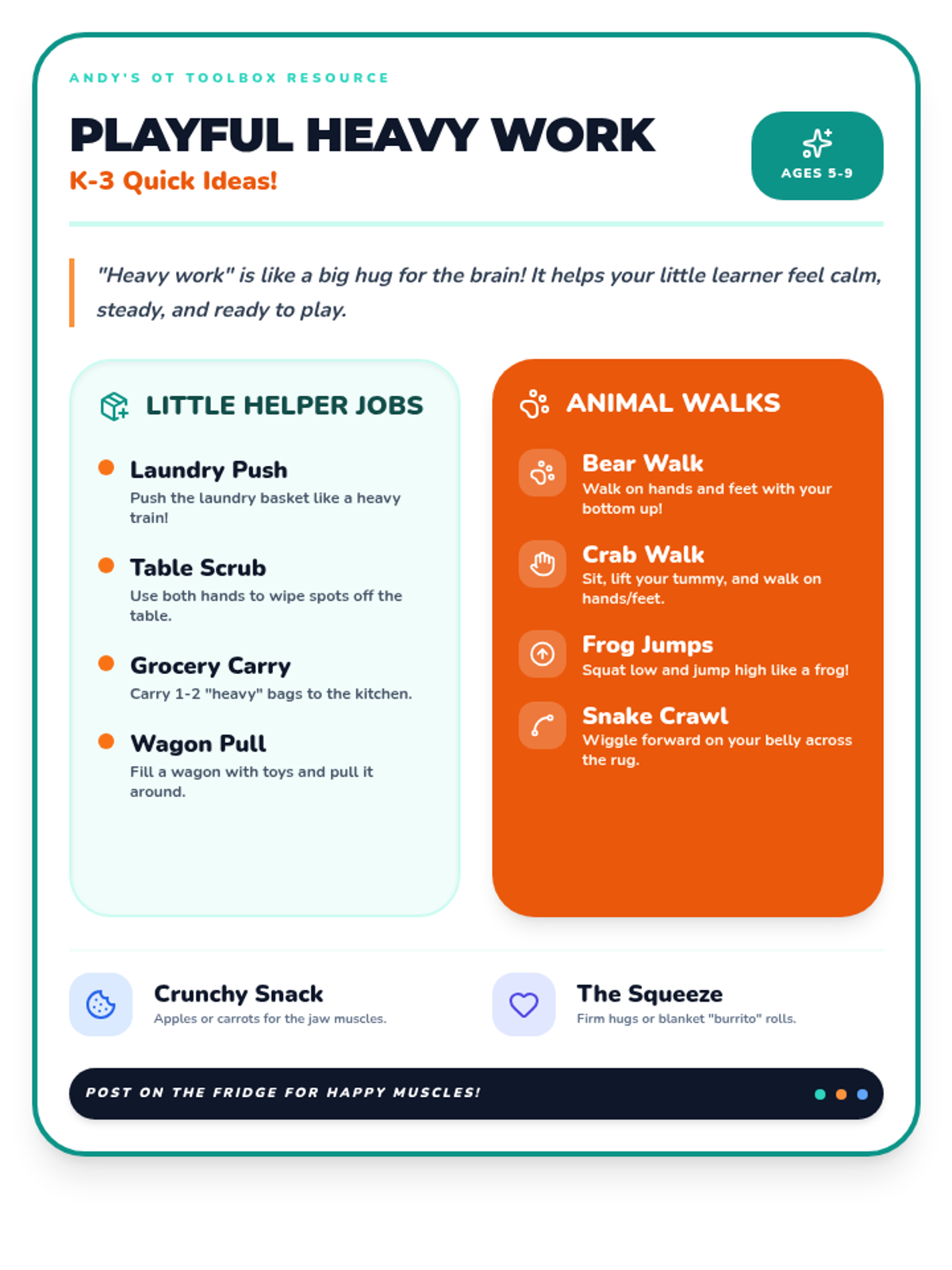
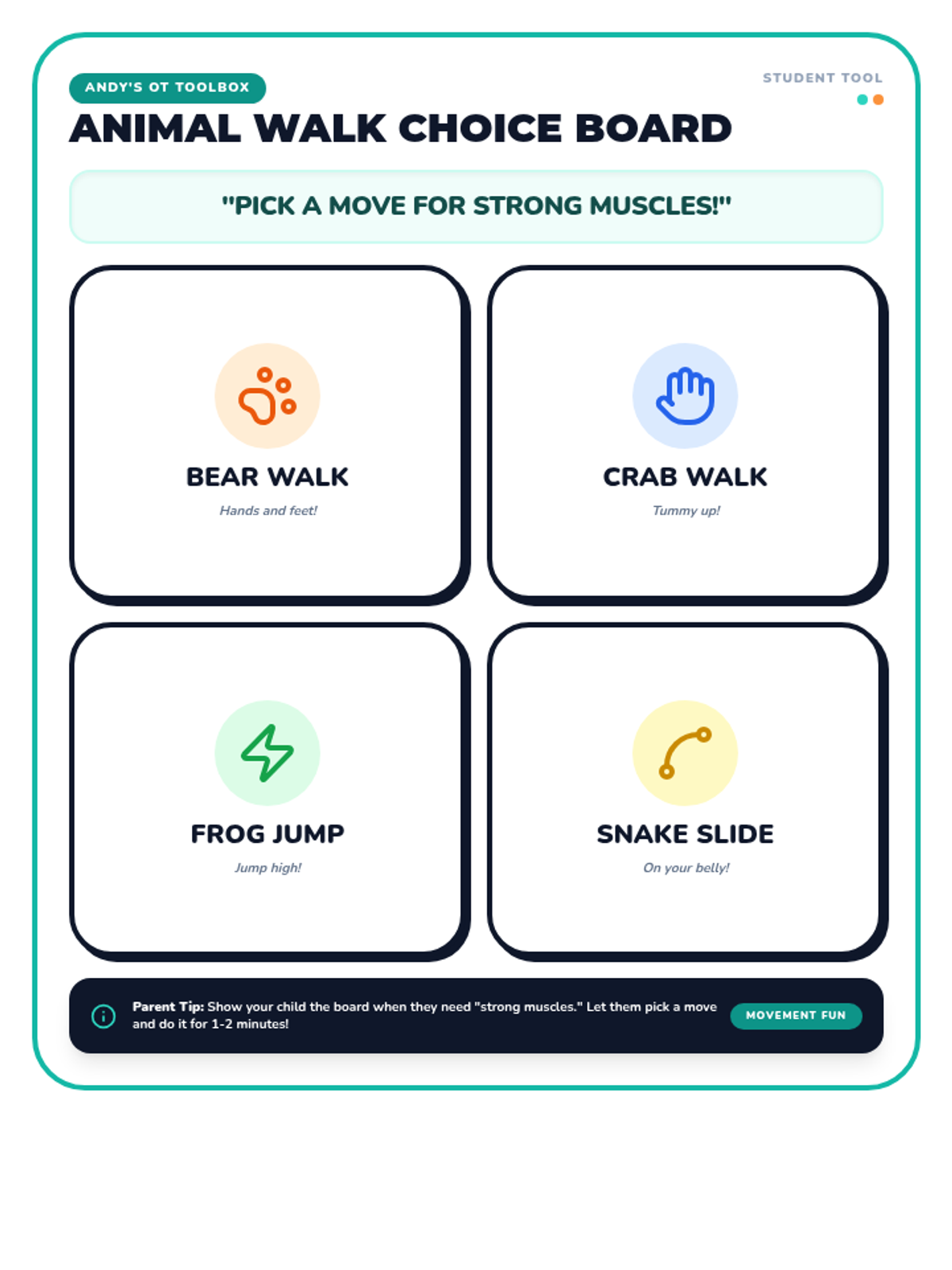
Sensory support strategies and proprioceptive activities specifically designed for students in grades K-3. Focuses on play-based heavy work, animal walks, and simple household participation.
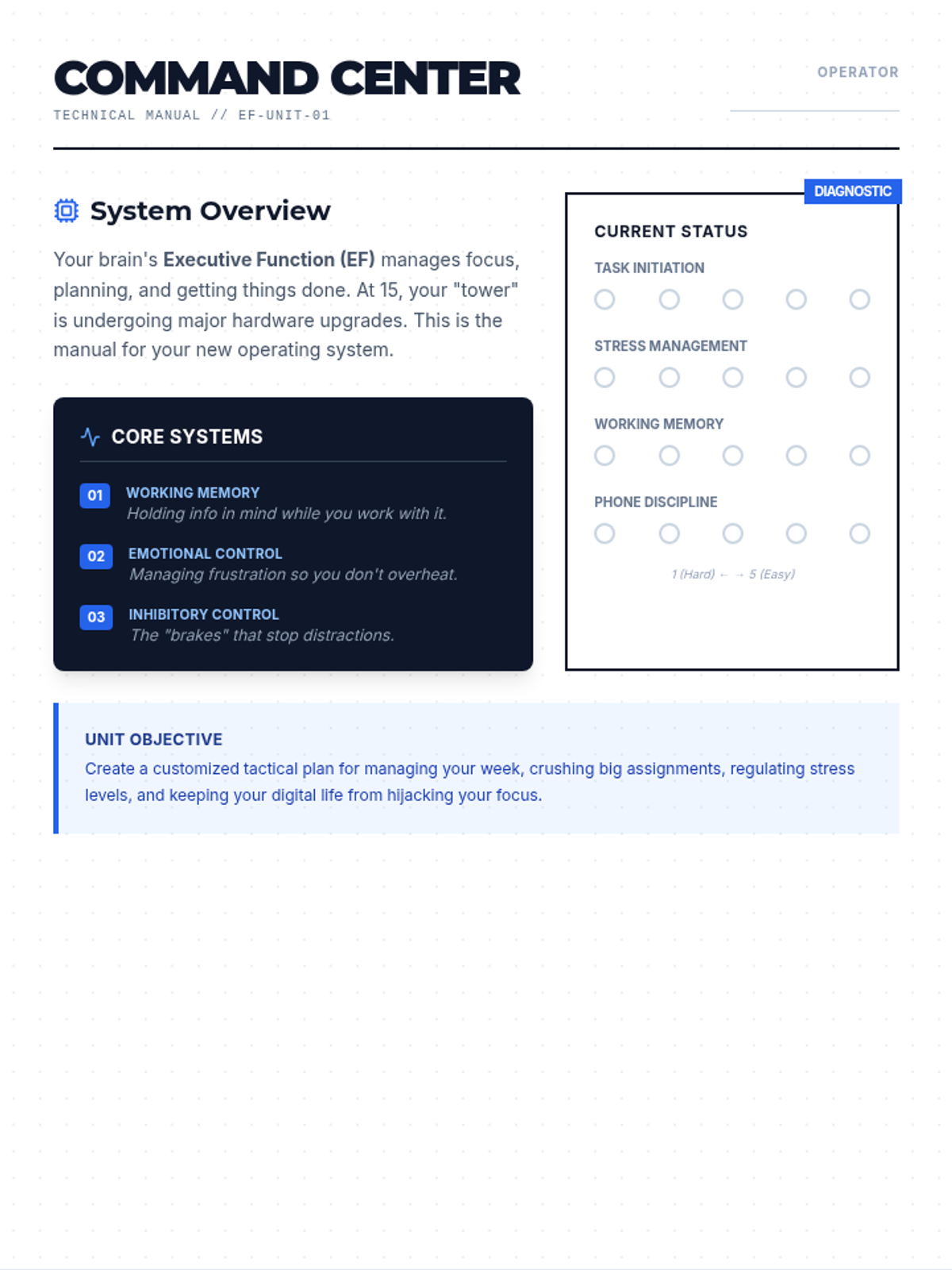
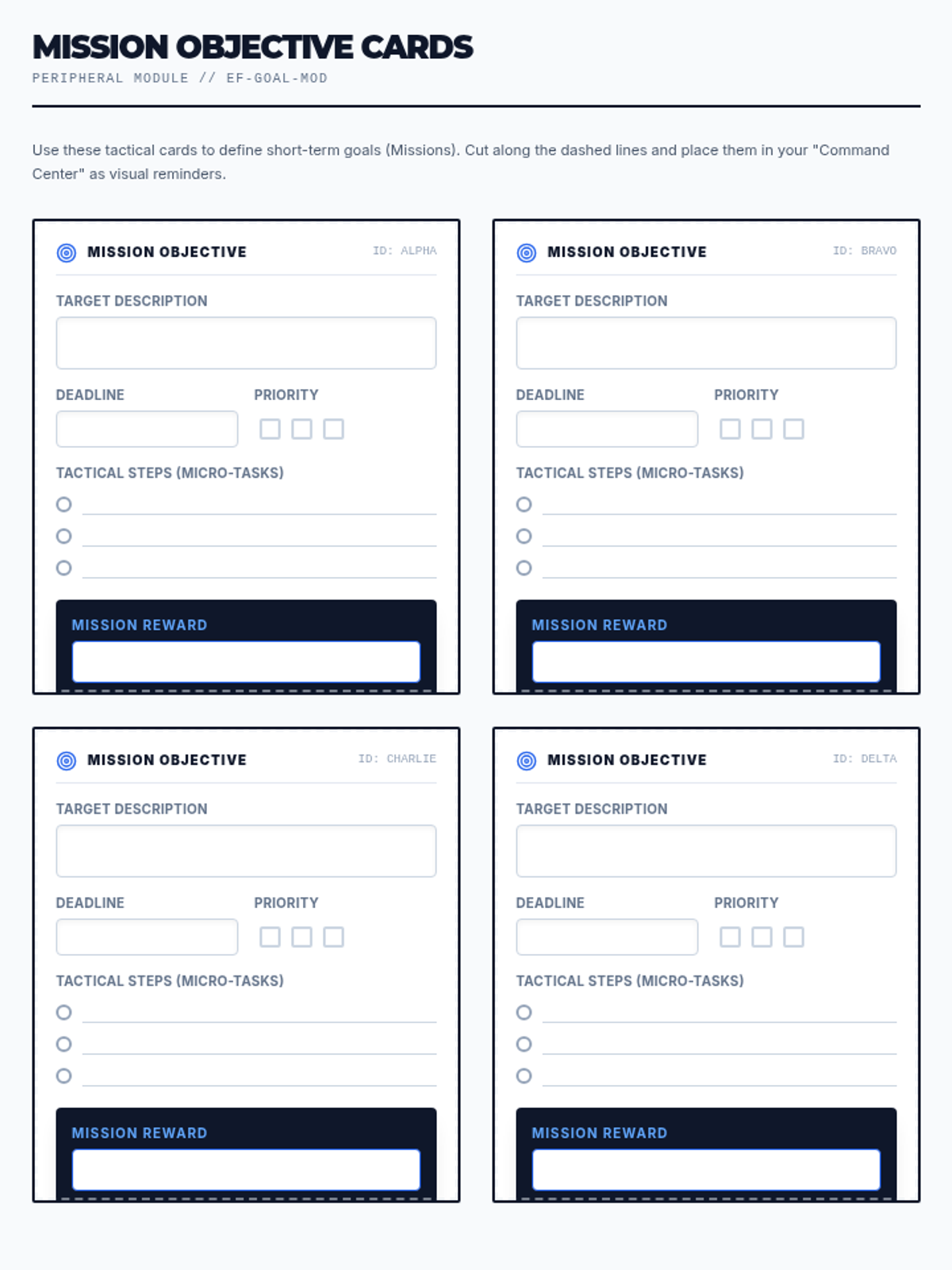
A 5-page workbook unit focused on strengthening executive functioning and planning skills for teenagers, using a 'Command Center' technical manual theme.
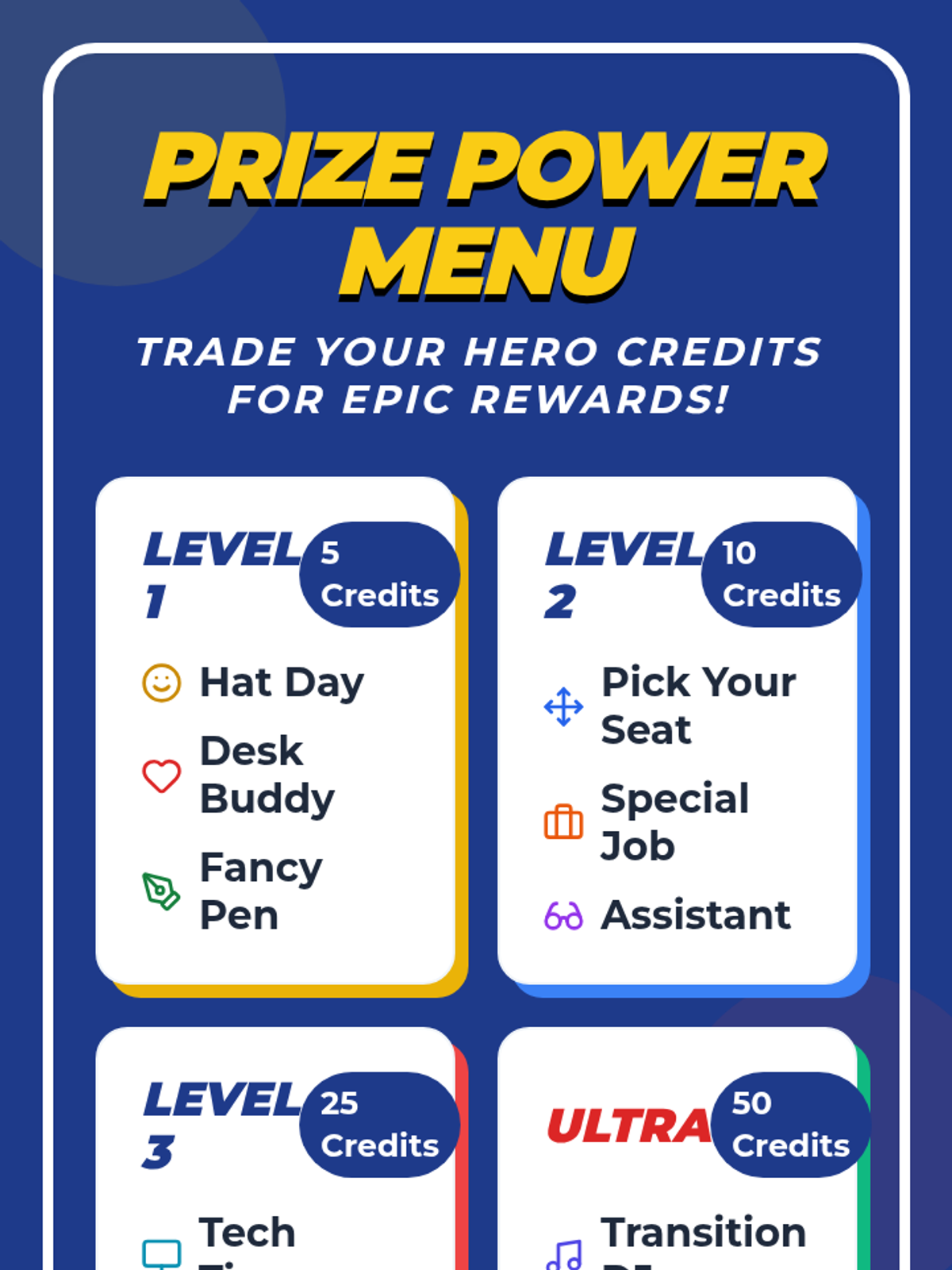
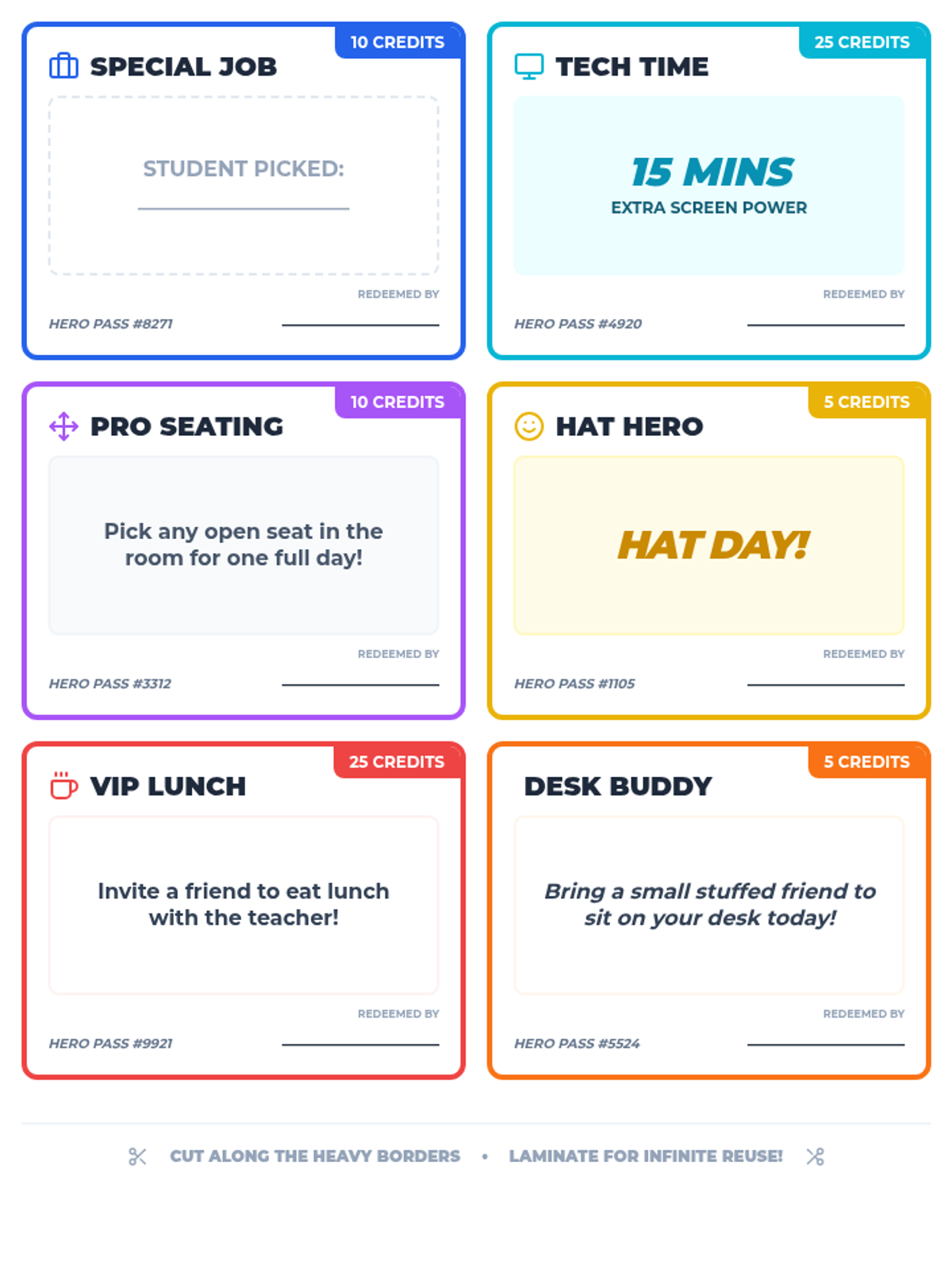
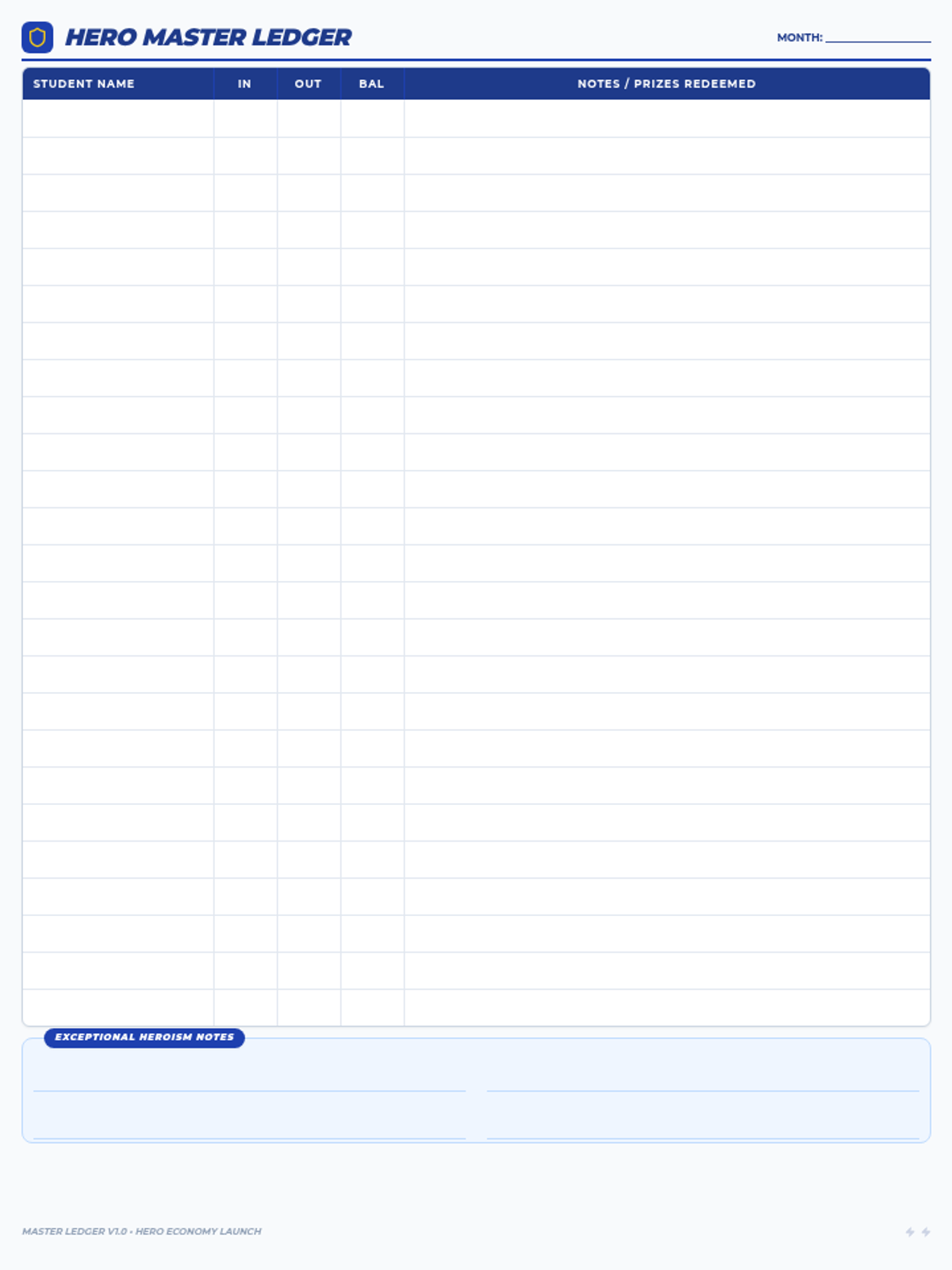
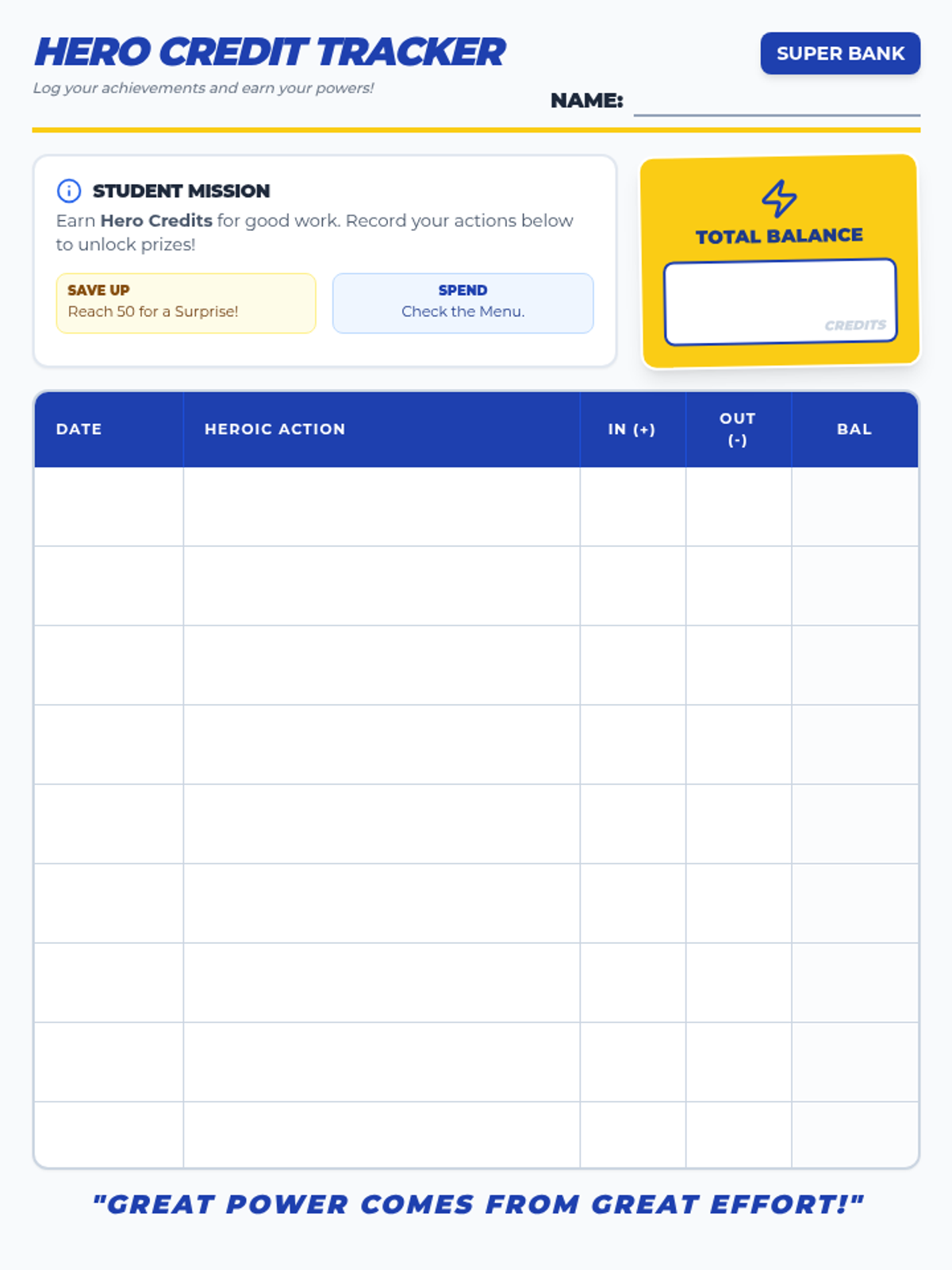
A classroom management system focused on positive reinforcement through a token economy, featuring non-tangible rewards.