A visual guide connecting story problems to equal group models. The lesson covers multiplication (finding the total), sharing division (finding the group size), and grouping division (finding the number of groups).
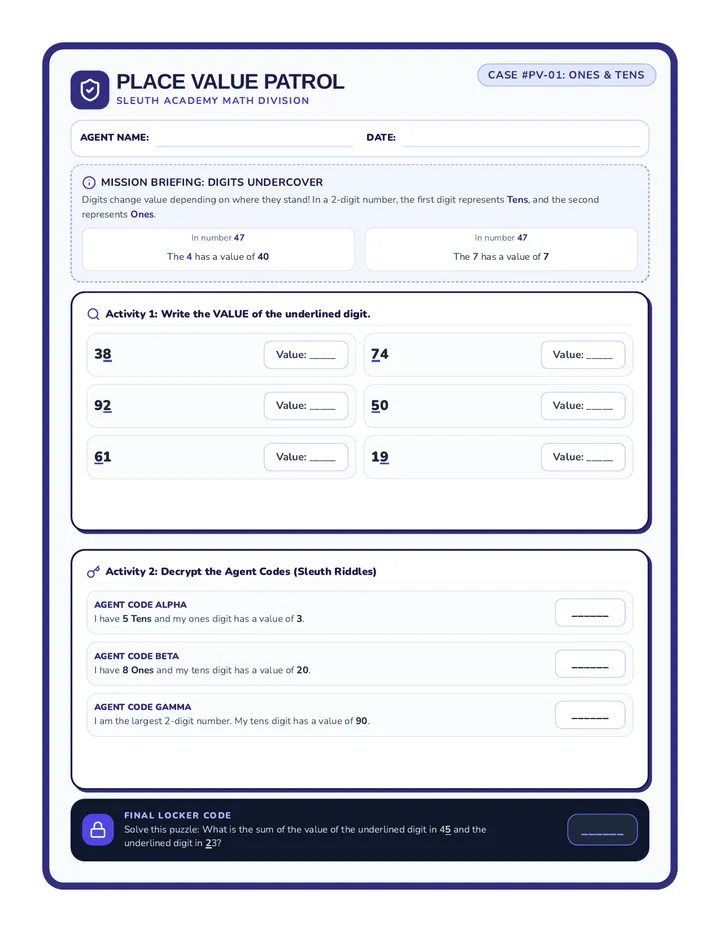
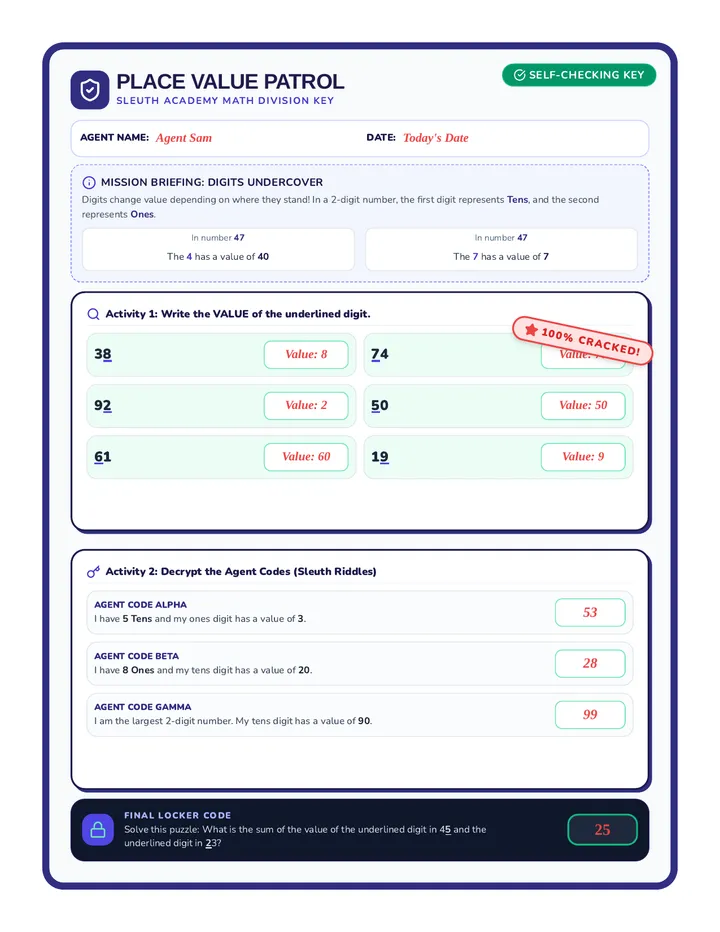
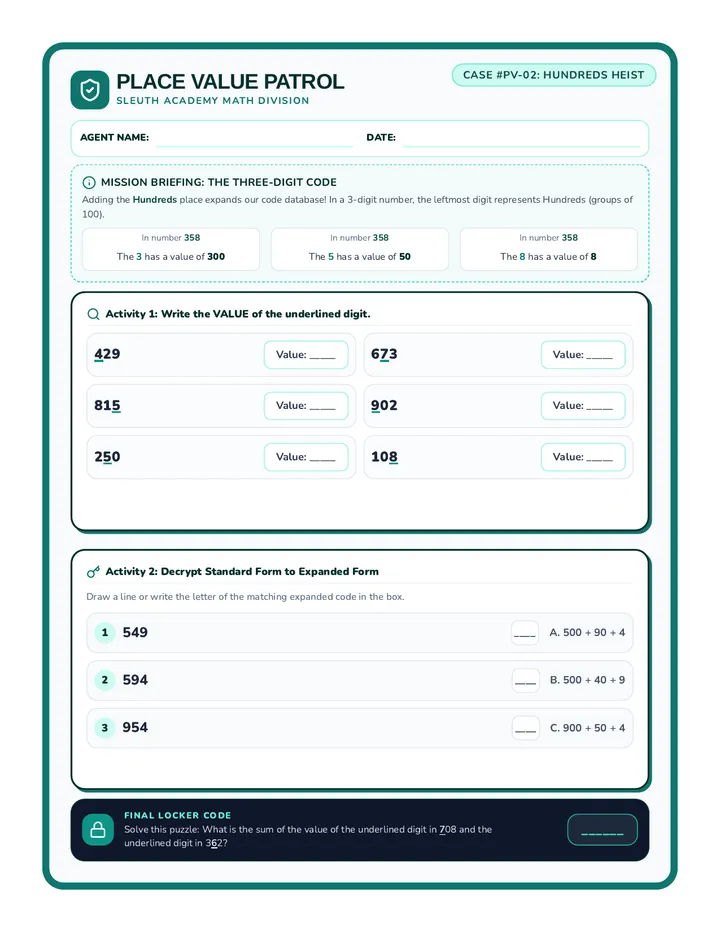
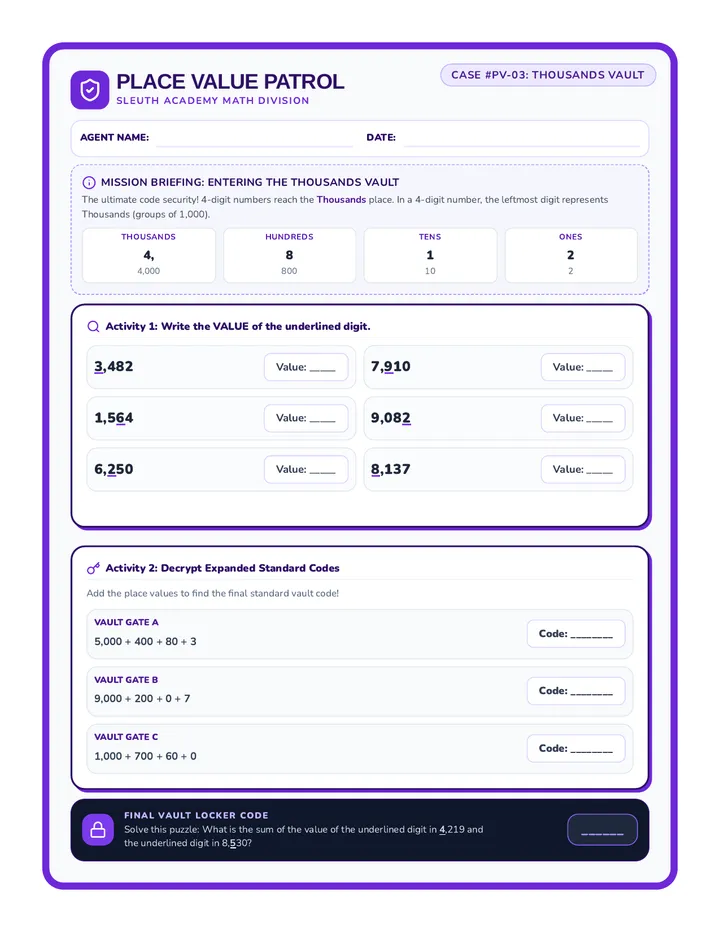
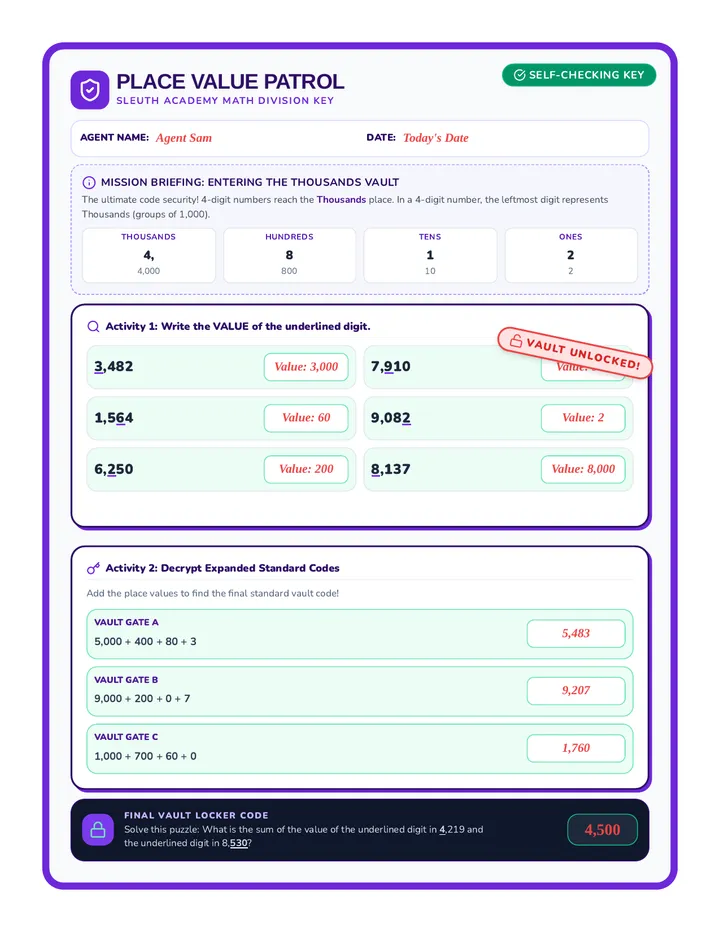
A math place value unit focusing on identifying digit values through the thousands place with interactive detective-themed worksheets and puzzles.
A comprehensive, adventure-style 4th-grade math review board game where students solve challenges across 8 core curriculum units to escape the ruins of Numeria. Designed for 2-3 players, it features a printable game board, challenge cards, a player rulebook, and a quick-reference answer key.
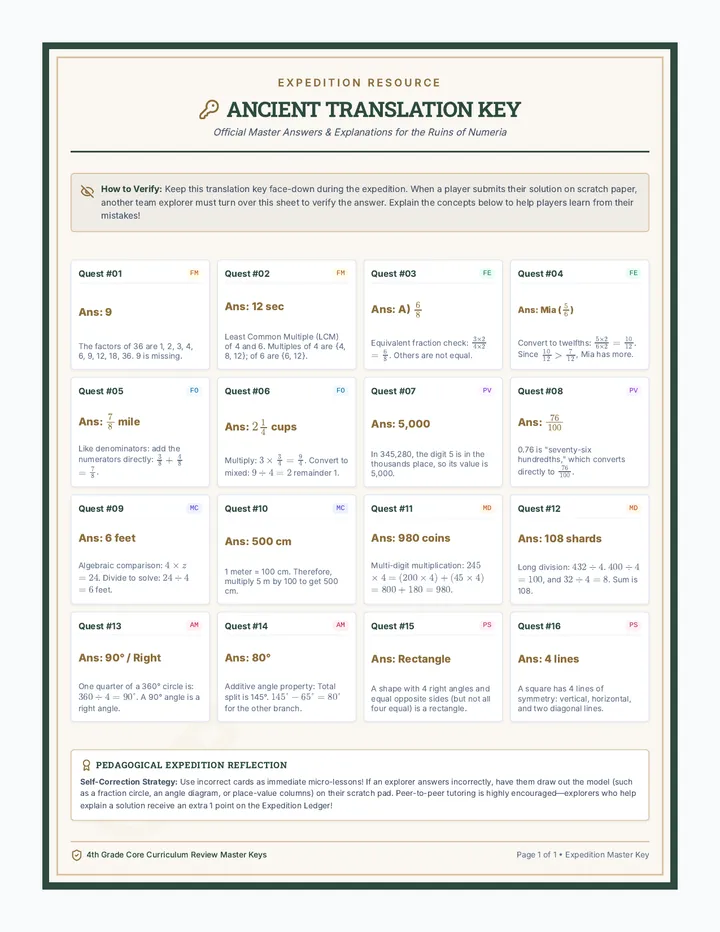
A quick-reference answer key for teachers or student self-assessment. Styled as an ancient translation stone, it includes clear numerical answers and detailed conceptual steps for all 16 Quest Cards.
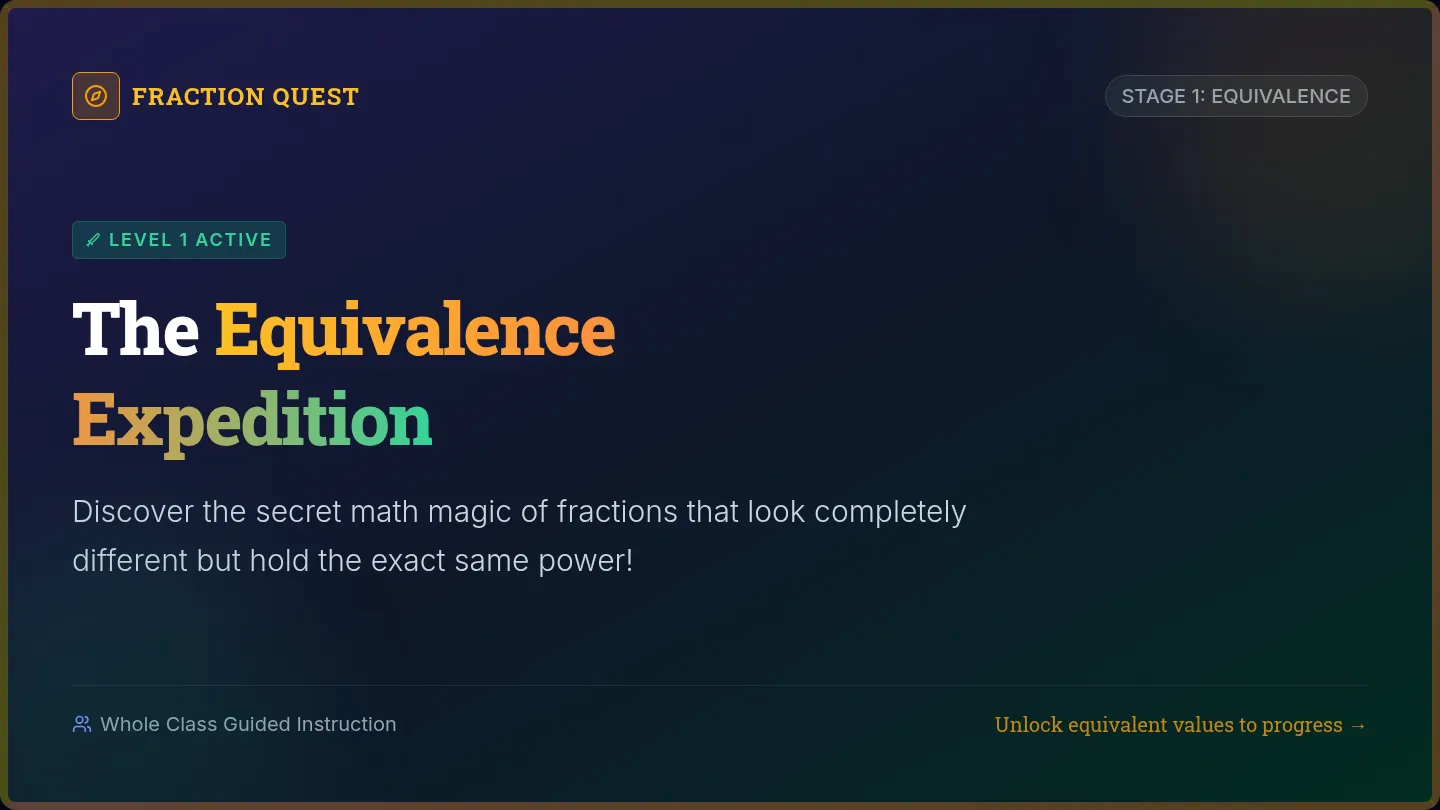
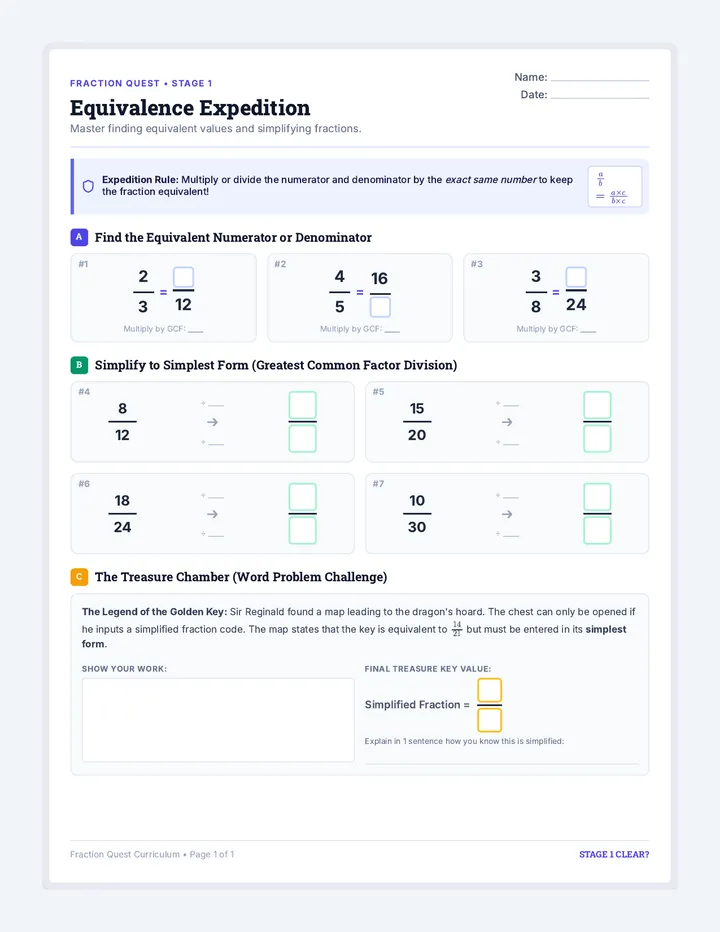
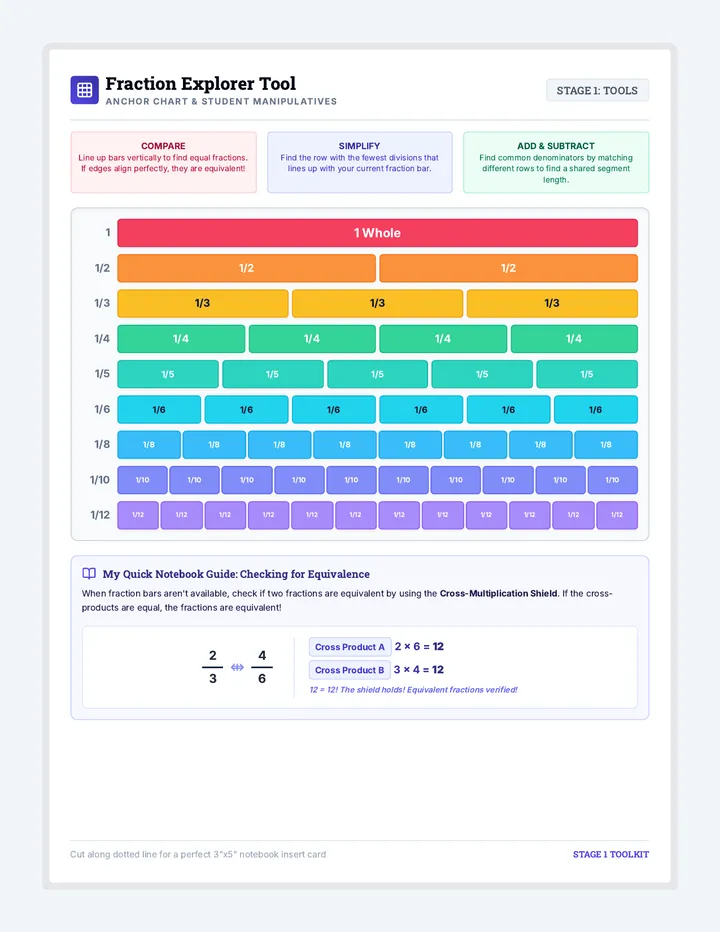
A comprehensive visual math curriculum sequence focusing on fraction equivalence, addition, subtraction, multiplication, division, and comprehensive multi-operation mastery. Includes visual lesson slides, independent practice worksheets, small-group centers, visual tools, and robust assessments.
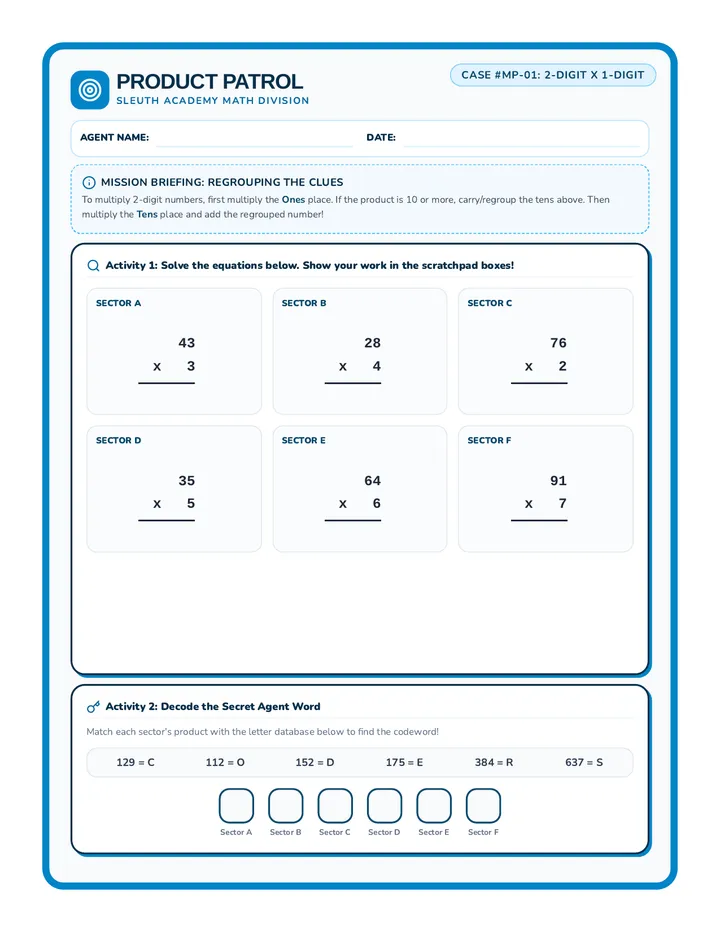
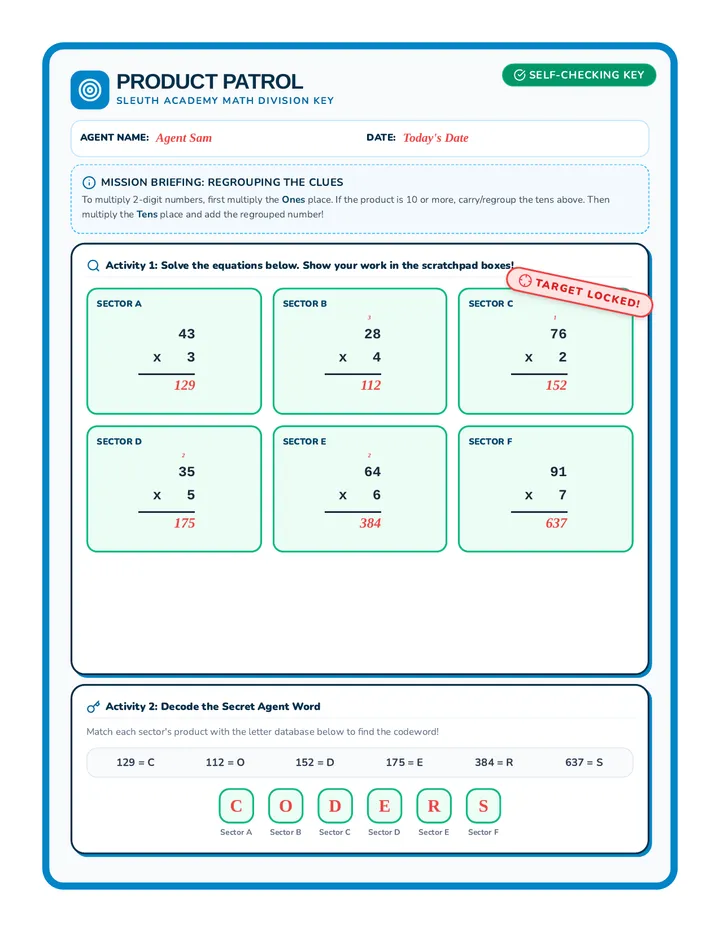
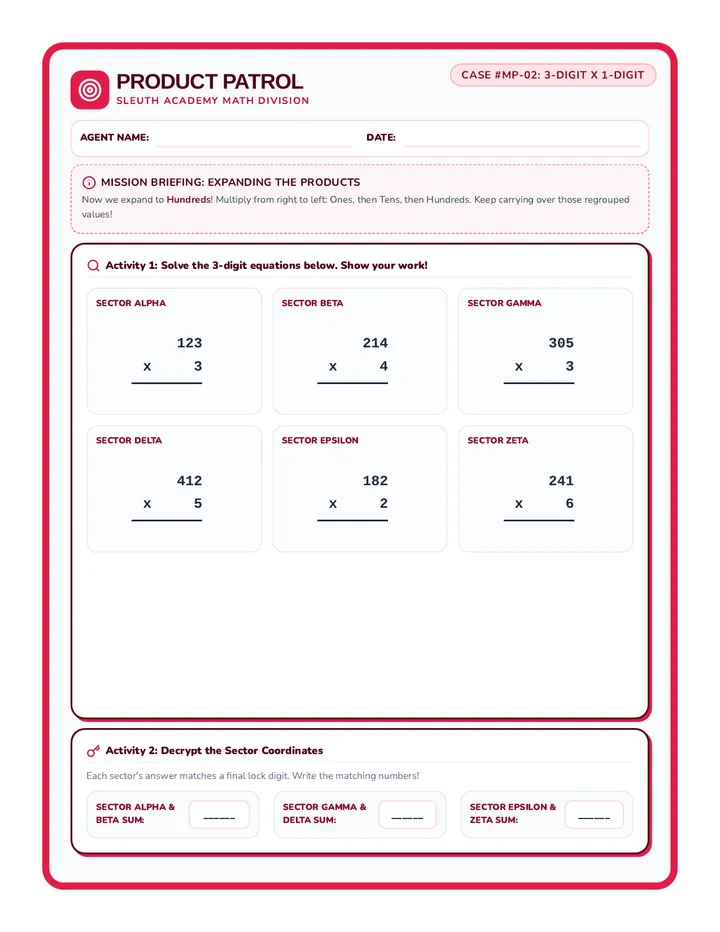
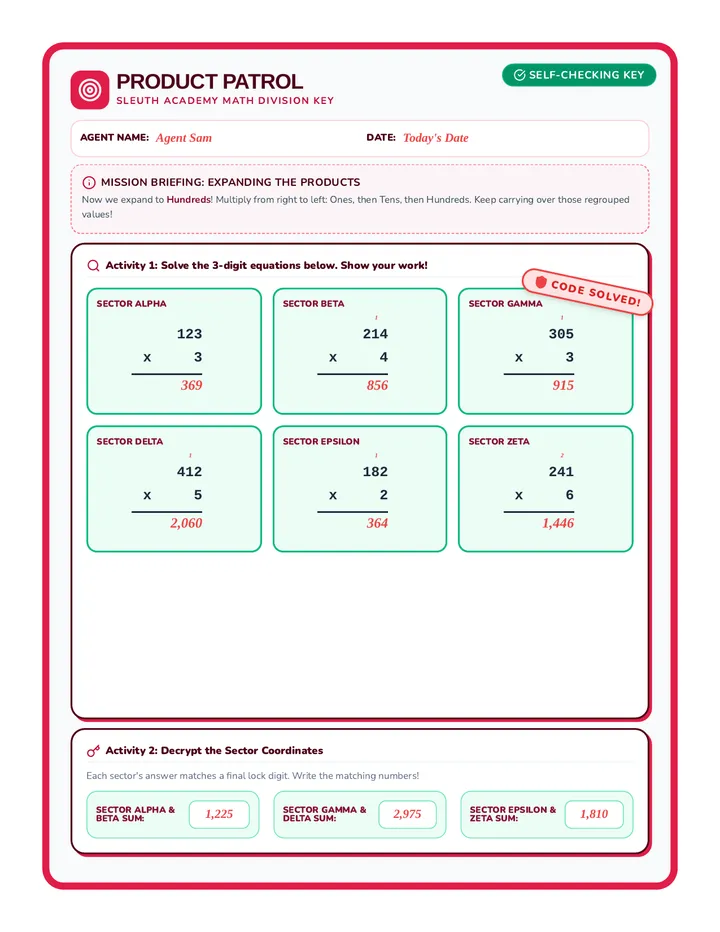
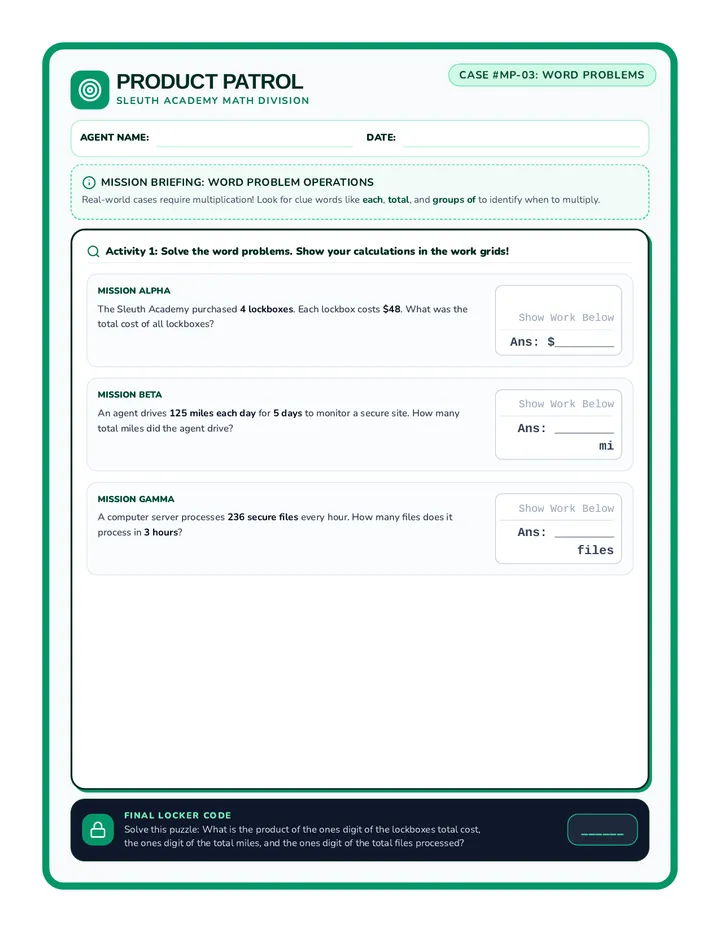
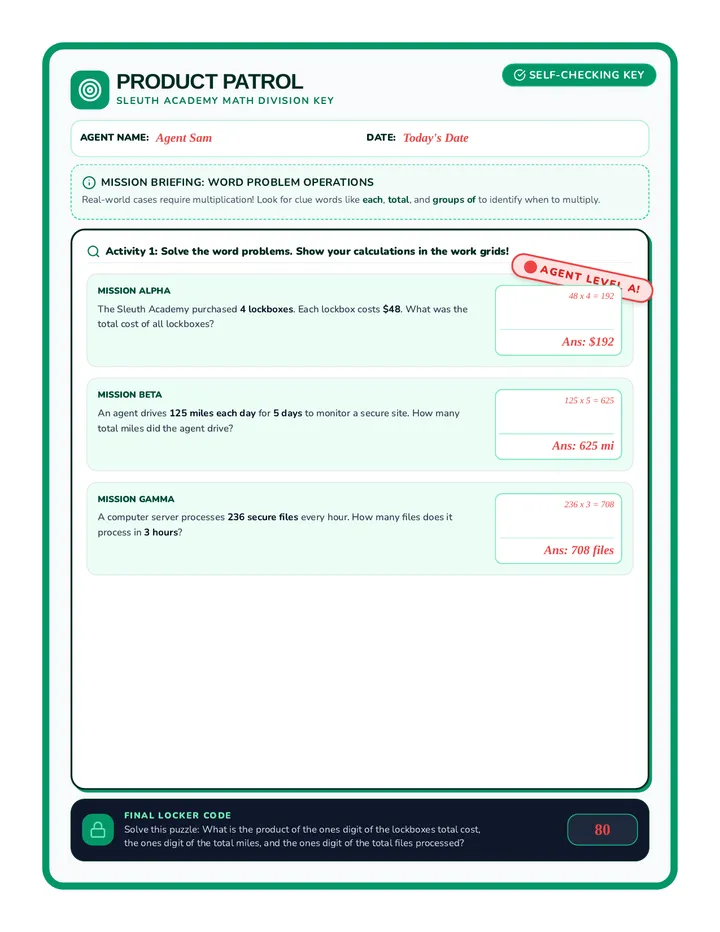
A practical multi-digit multiplication lesson where students solve 2-digit by 1-digit and 3-digit by 1-digit equations using engaging spy-agency themes and mystery puzzles.
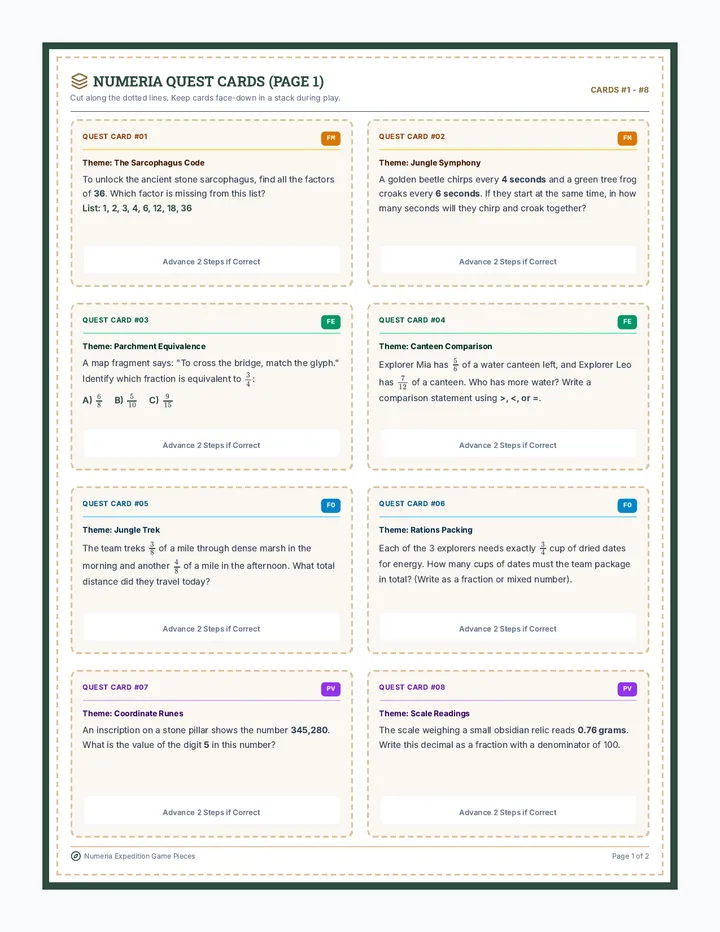
Printable quest cards for Numeria Expedition. Features 16 beautifully designed adventure-themed math challenges across all 8 core domains, structured in a 2x4 grid per page for clean, easy cutting.
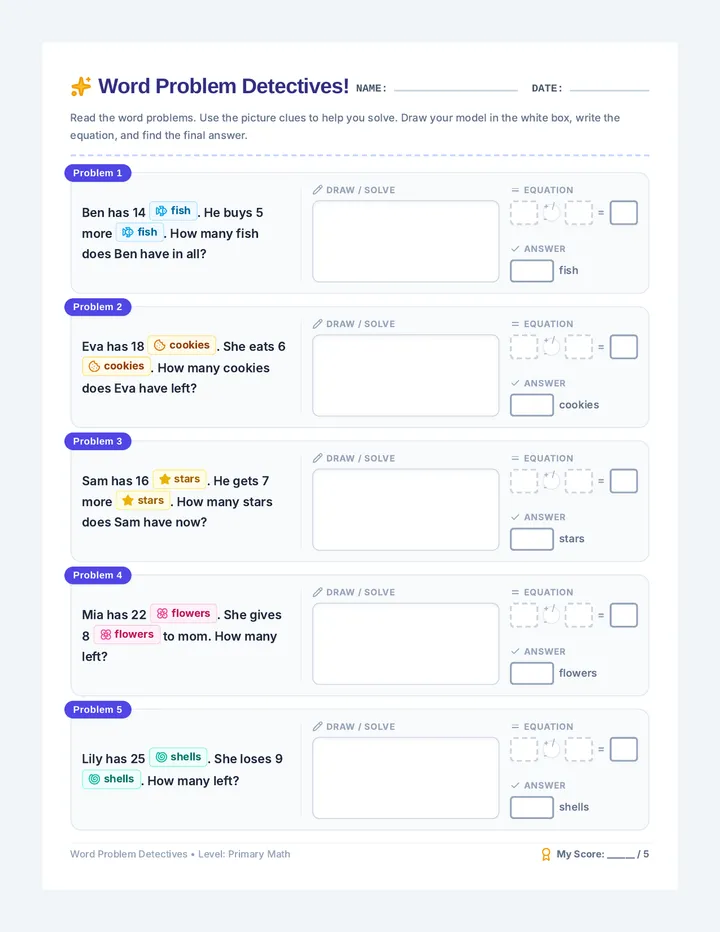
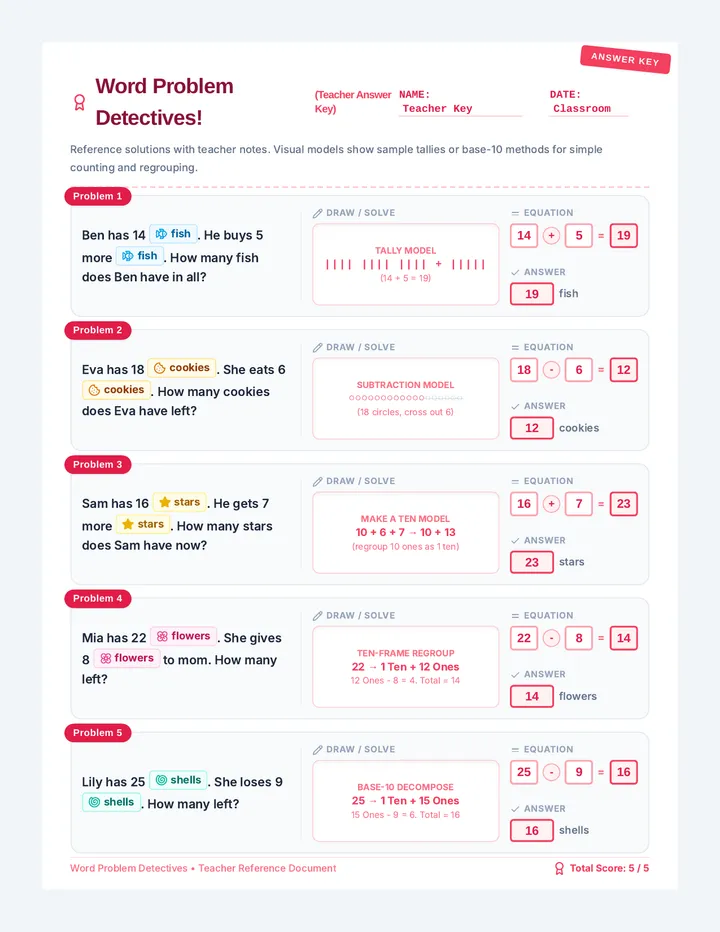
A primary math unit designed to build confidence in solving one-step addition and subtraction word problems. The sequence combines engaging visual cues, scaffolded modeling spaces, and explicit transition strategies between concrete and abstract math representation.
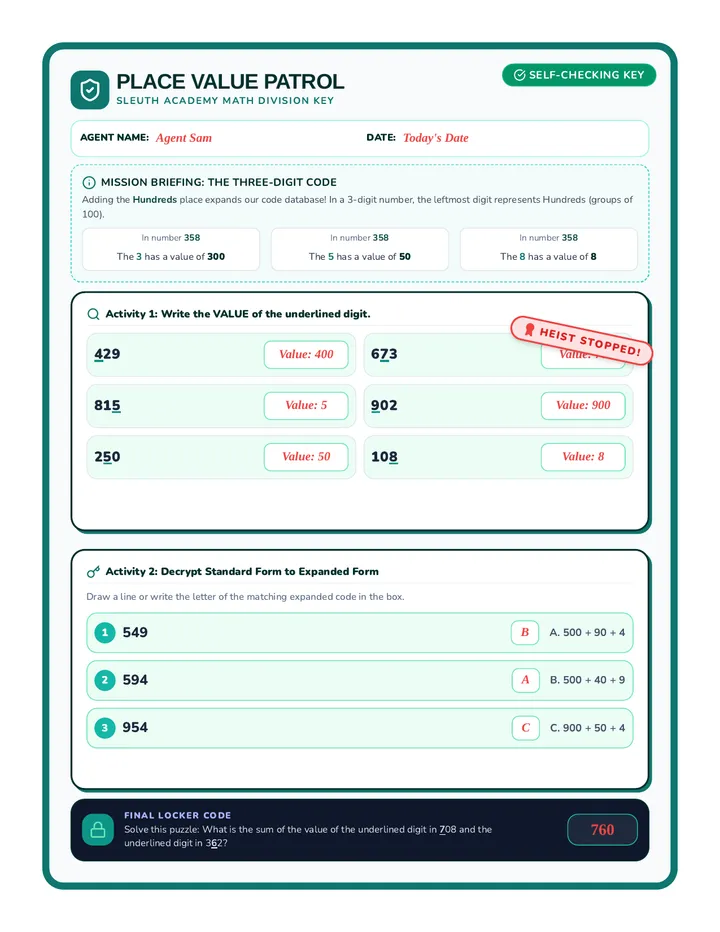
A progressive place value lesson where students identify the value of digits in ones, tens, hundreds, and thousands using interactive secret-agent themed math worksheets.
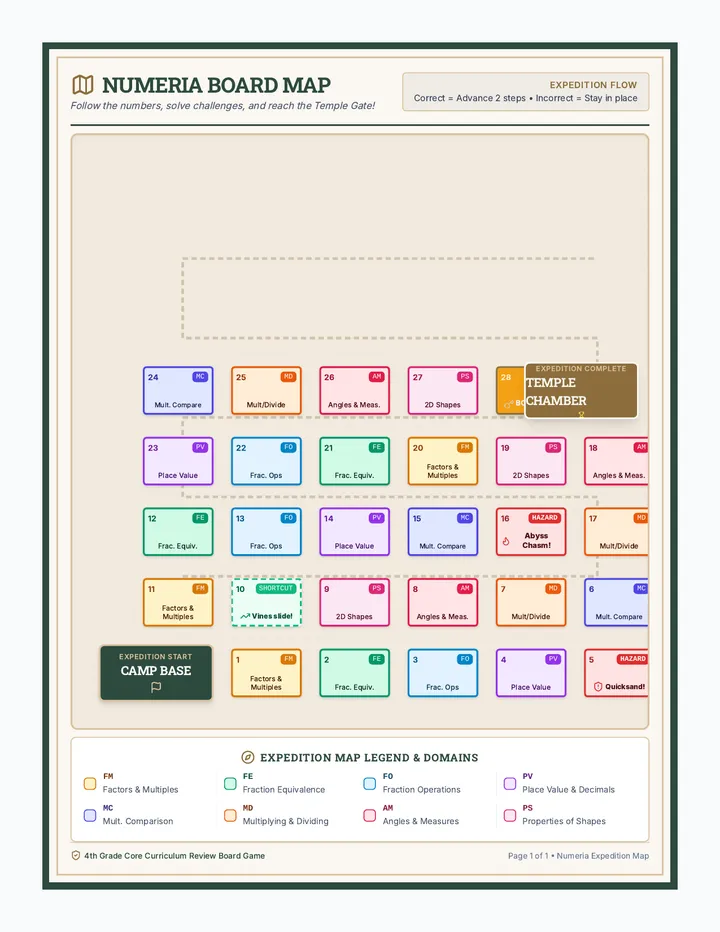
A beautifully styled, high-impact adventure game board for Numeria Expedition. Features a winding 27-step path representing 8 color-coded math domains, detailed with hazard zones (Quicksand, Jungle Slide, Abyss Chasm), a visual legend, and arrows to guide students.
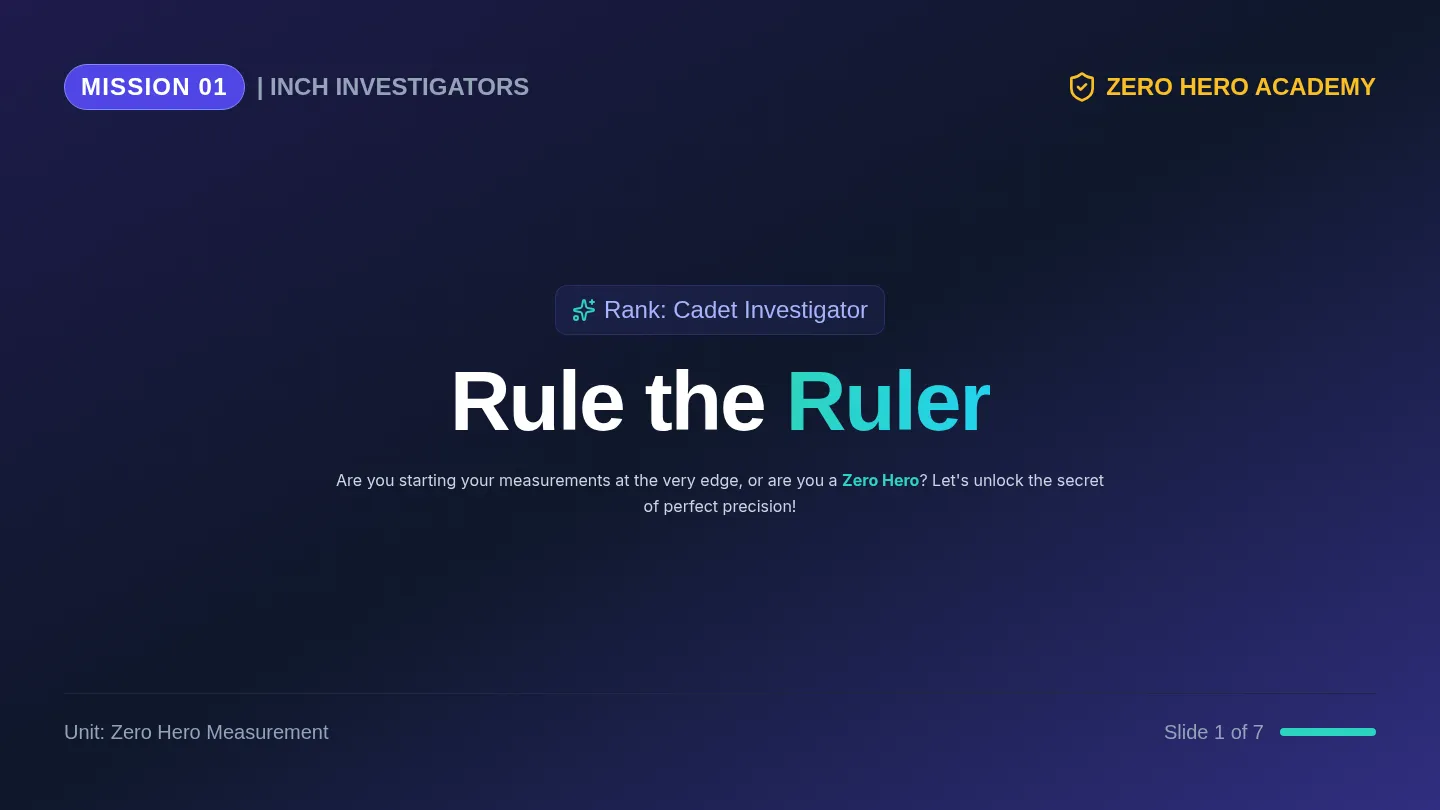
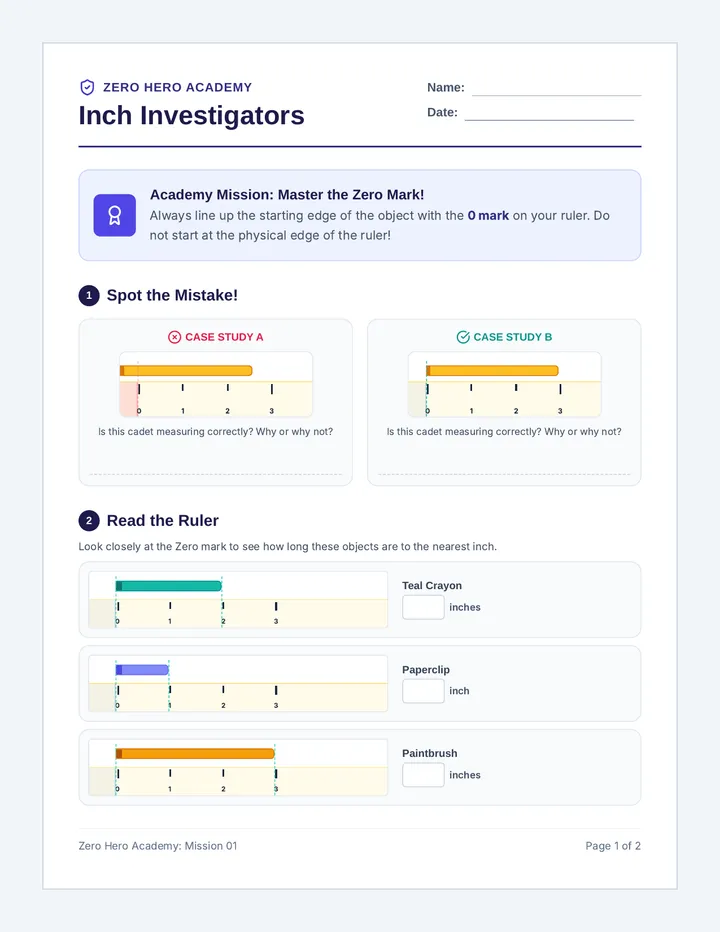
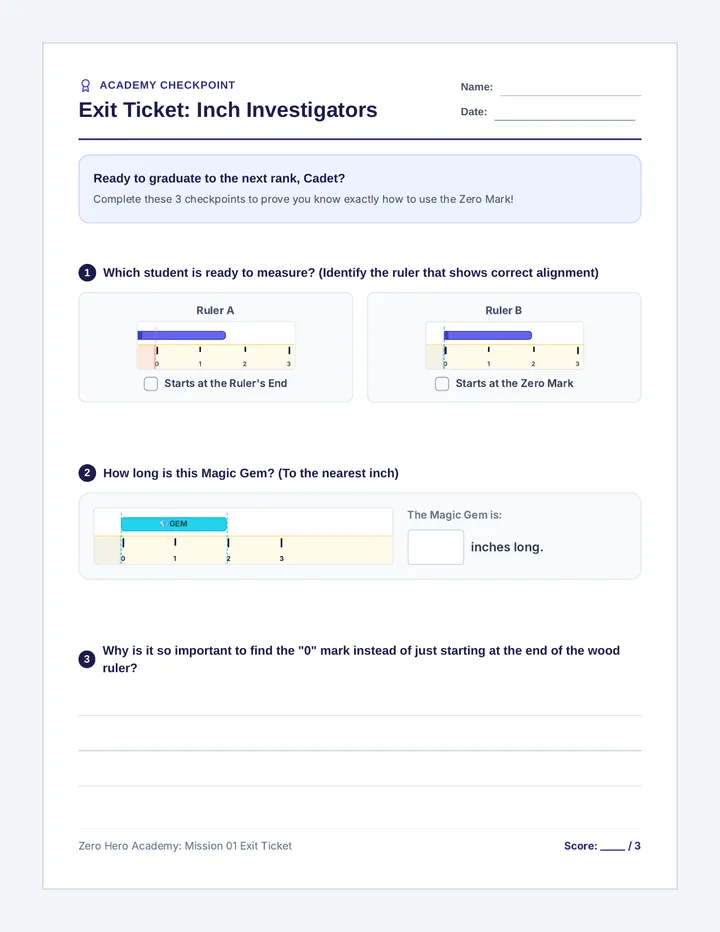
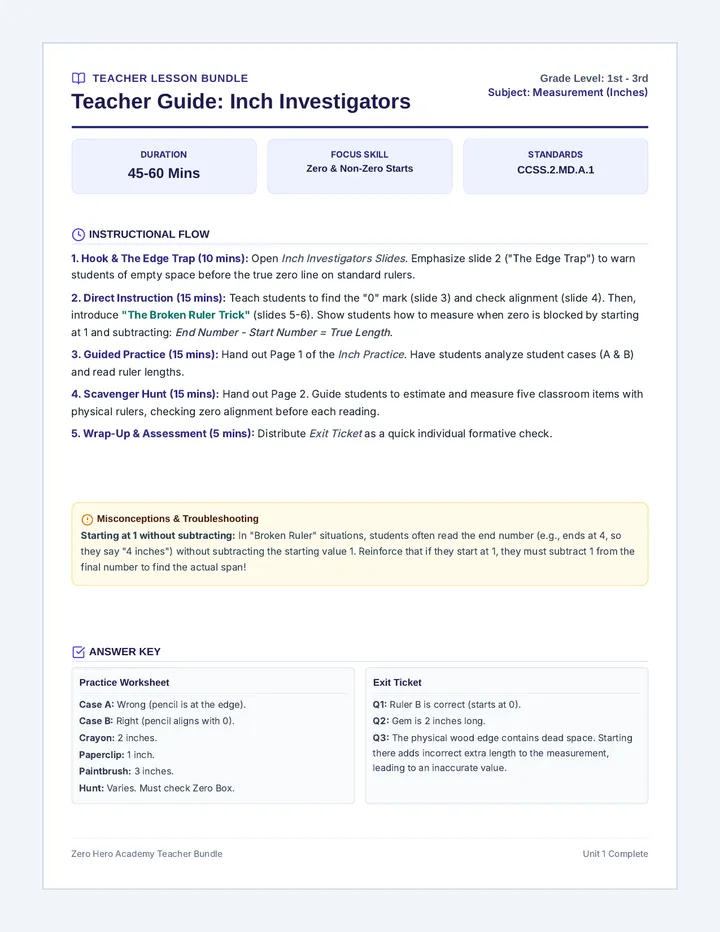
A two-part measuring adventure where students join the Zero Hero Academy to master measuring in inches and centimeters, with a strong focus on aligning the start of objects with the ruler's zero mark.
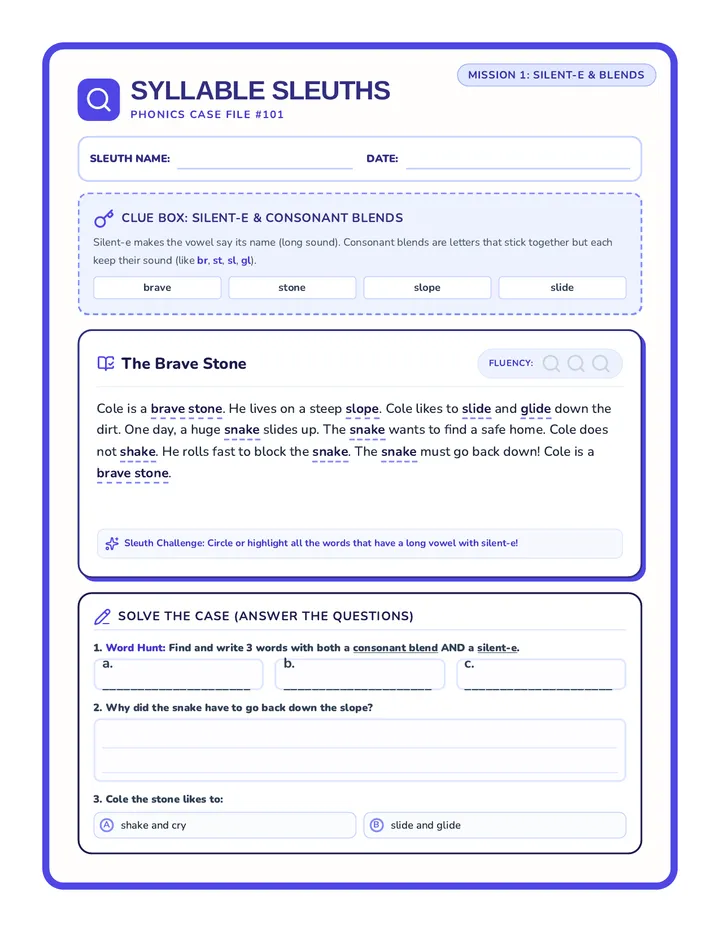
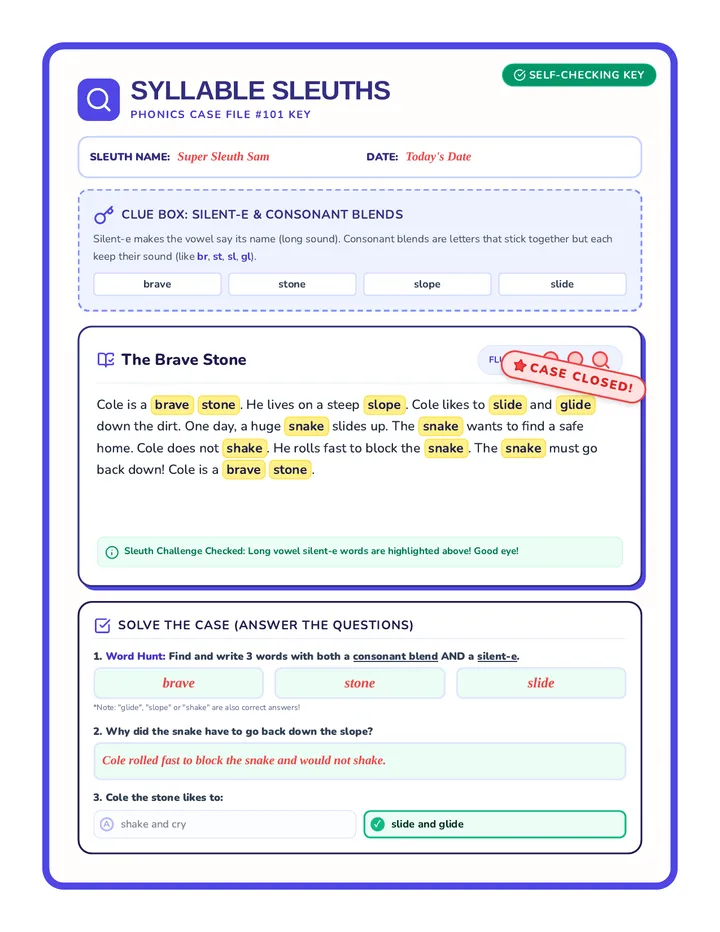
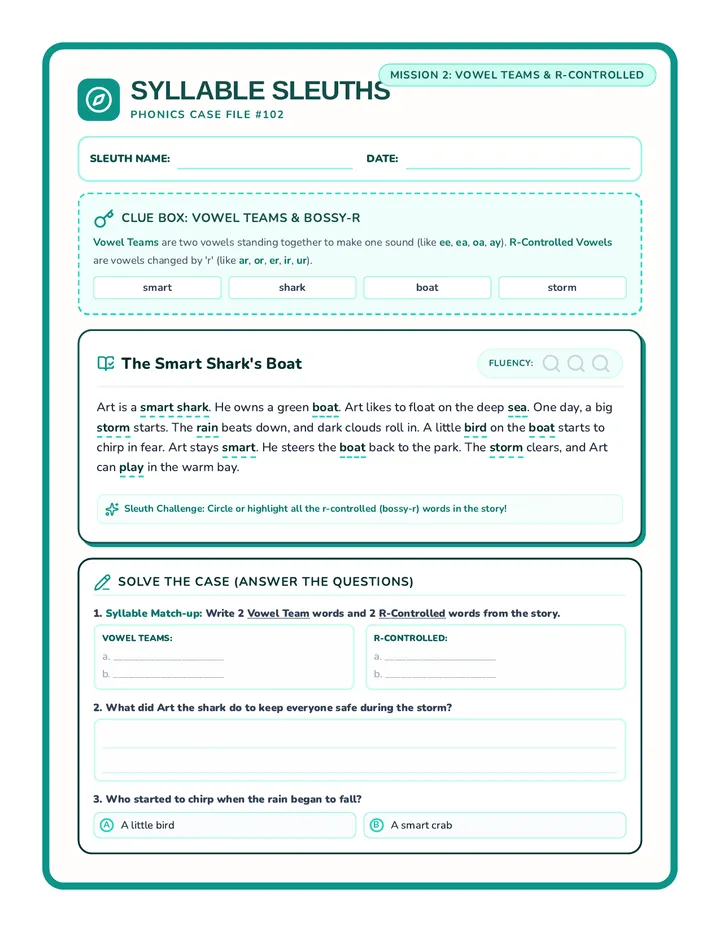
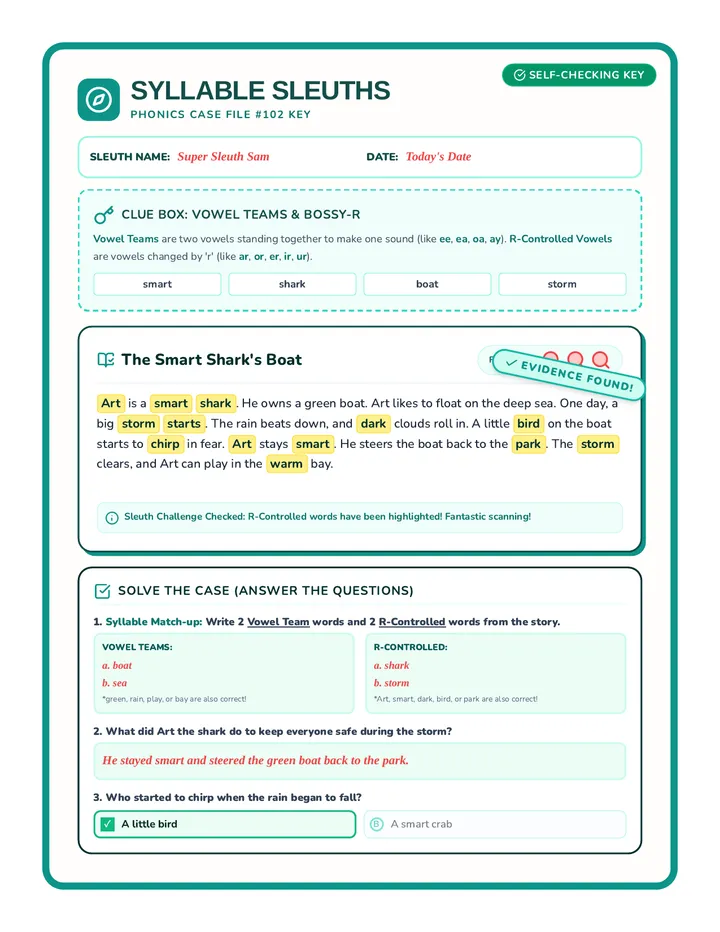
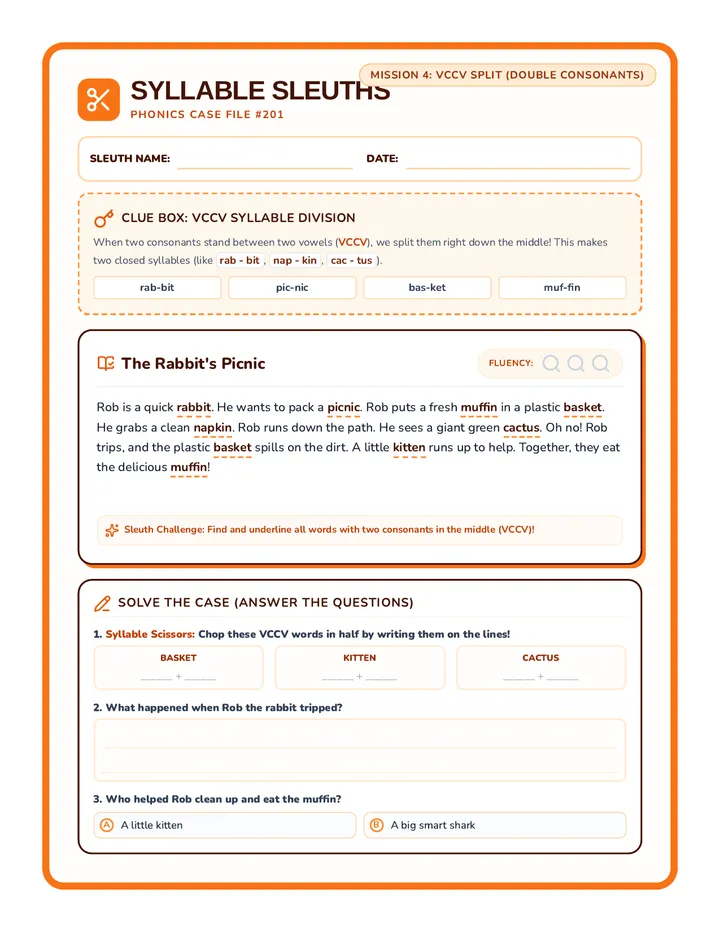
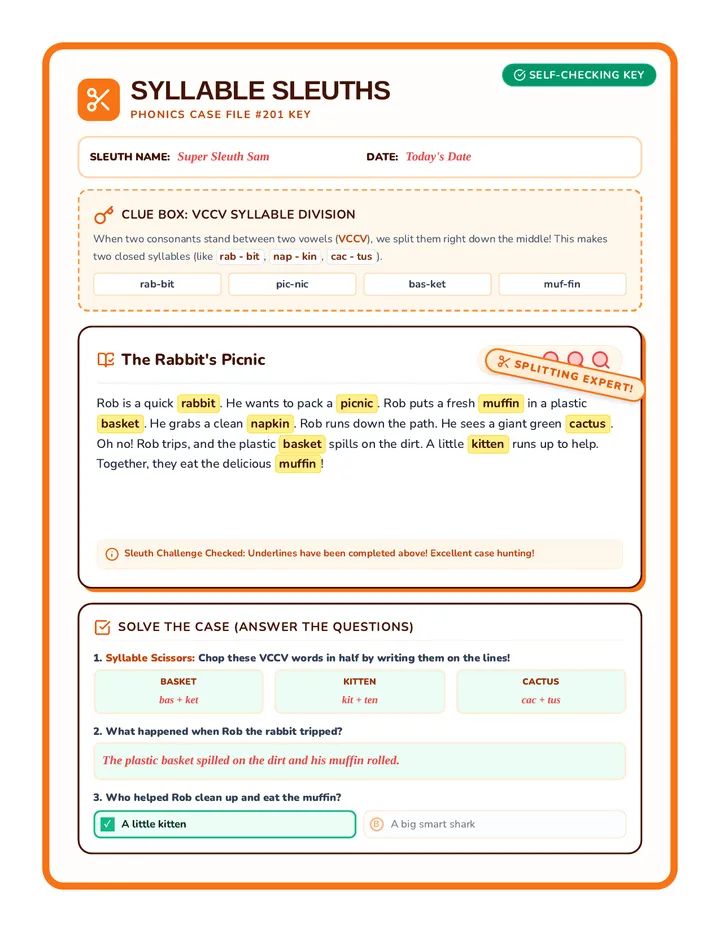
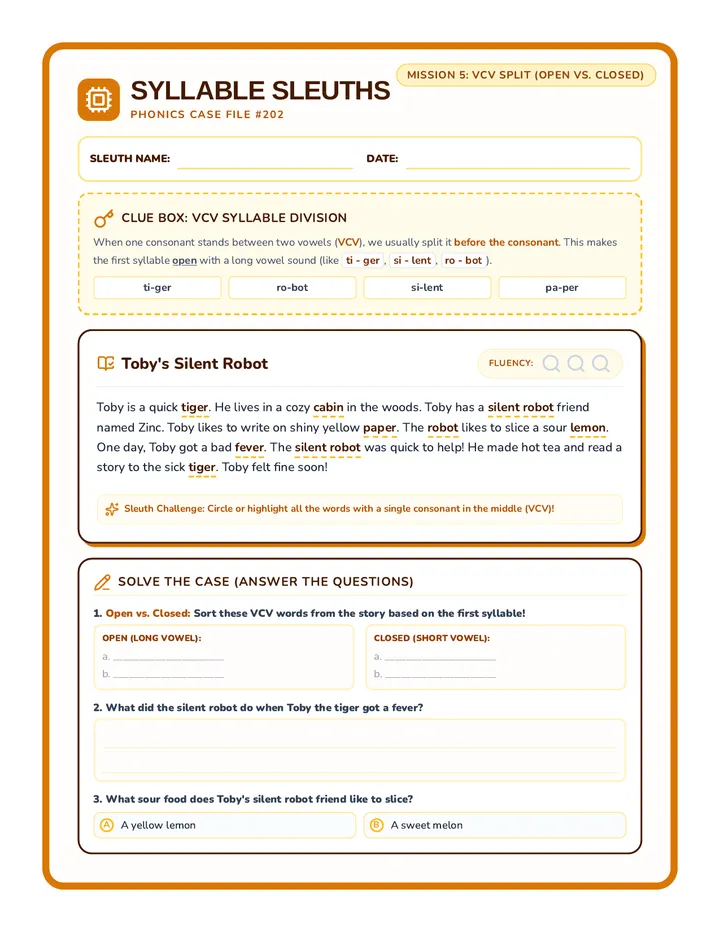
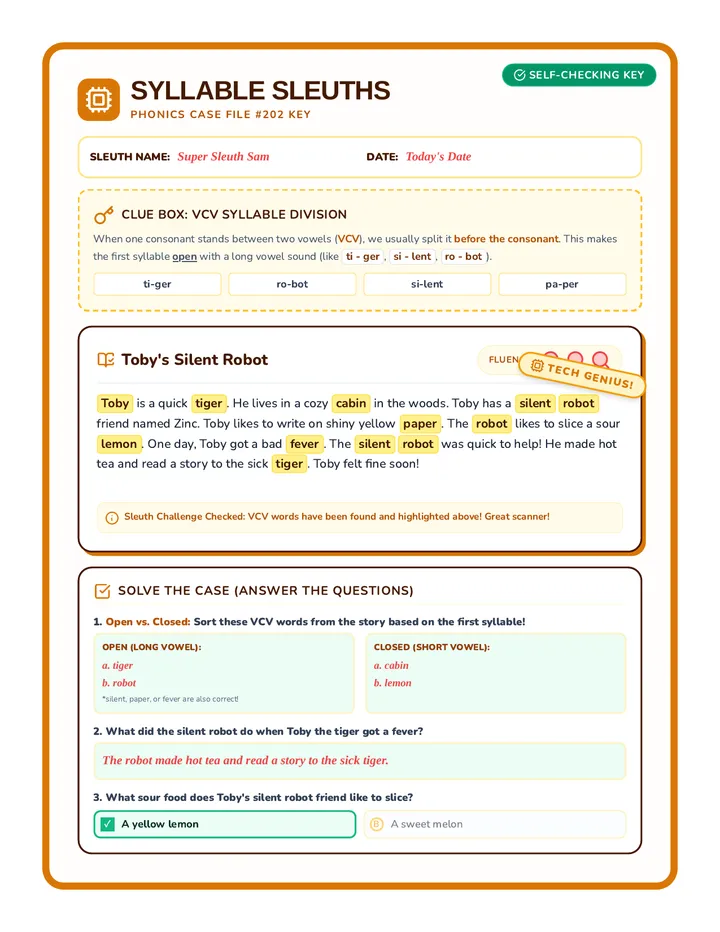
A structured, multi-part phonics intervention lesson focusing on compound words and syllable division rules (VCCV, VCV) for decoding 2-syllable and 3-syllable words.
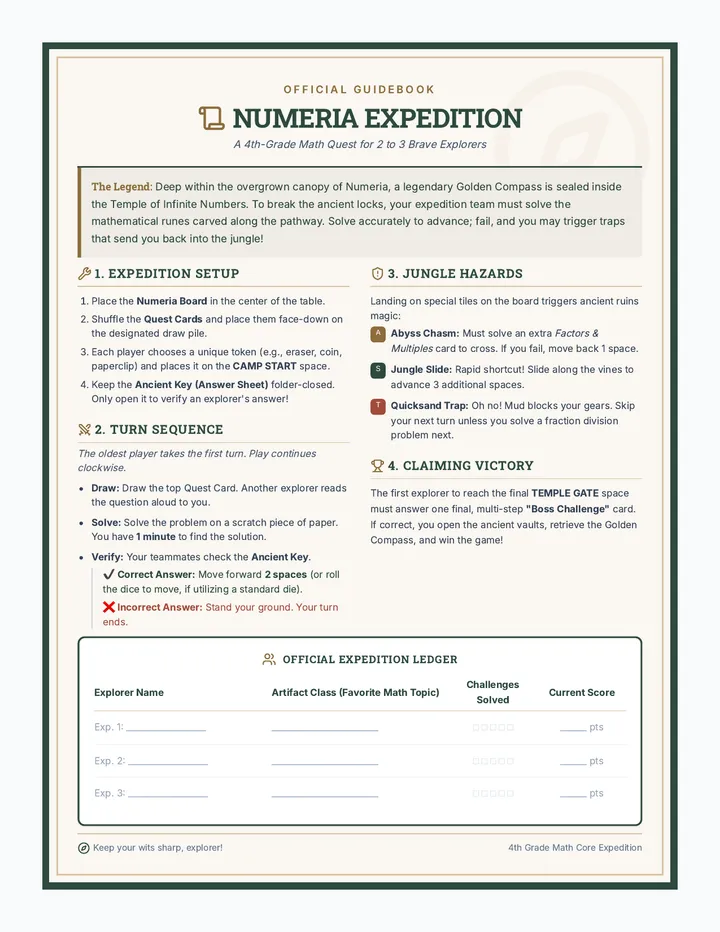
A complete student-facing rulebook for the Numeria Expedition board game. Includes an immersive adventure introduction, setup steps, detailed gameplay rules, descriptions of special spaces, and a team ledger to track explorer names and points.