Focuses on comparing sharks and whales (RI.3.9) and solving measurement-based division problems (3.OA.A.3).
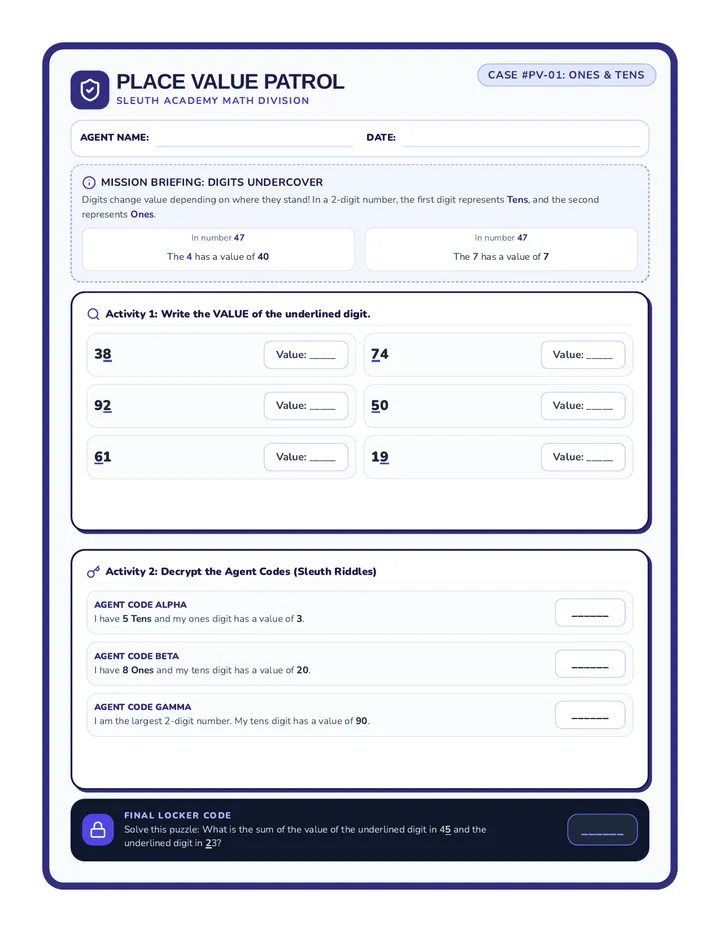
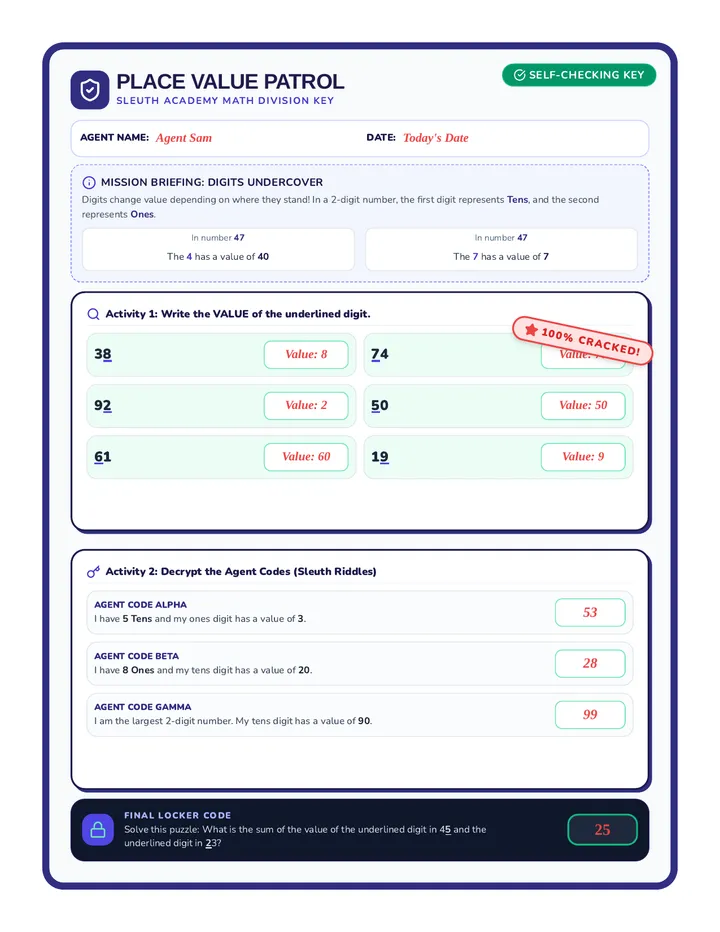
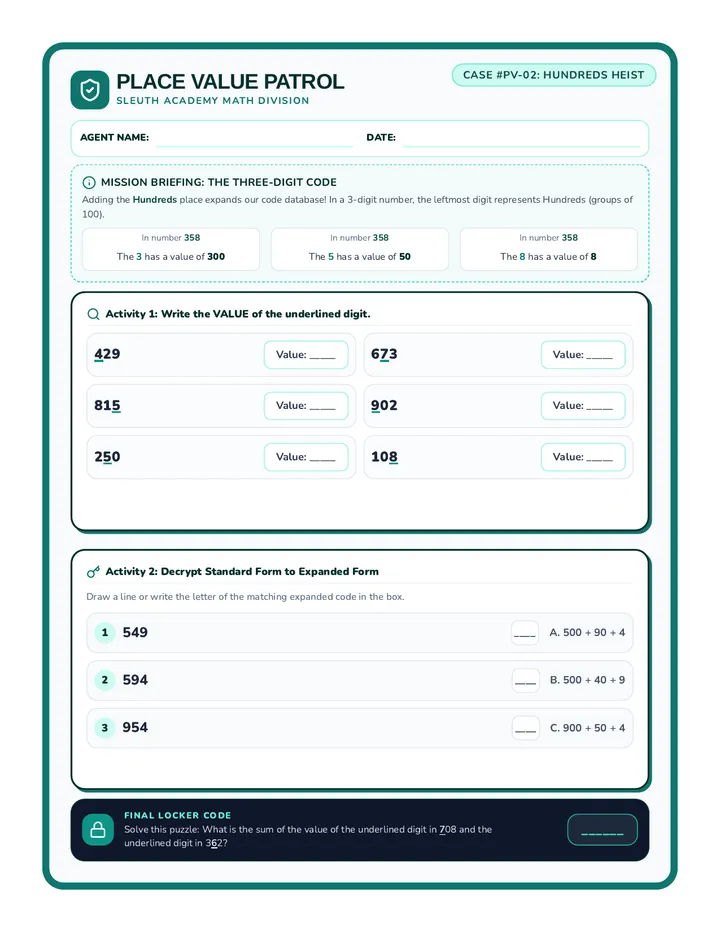
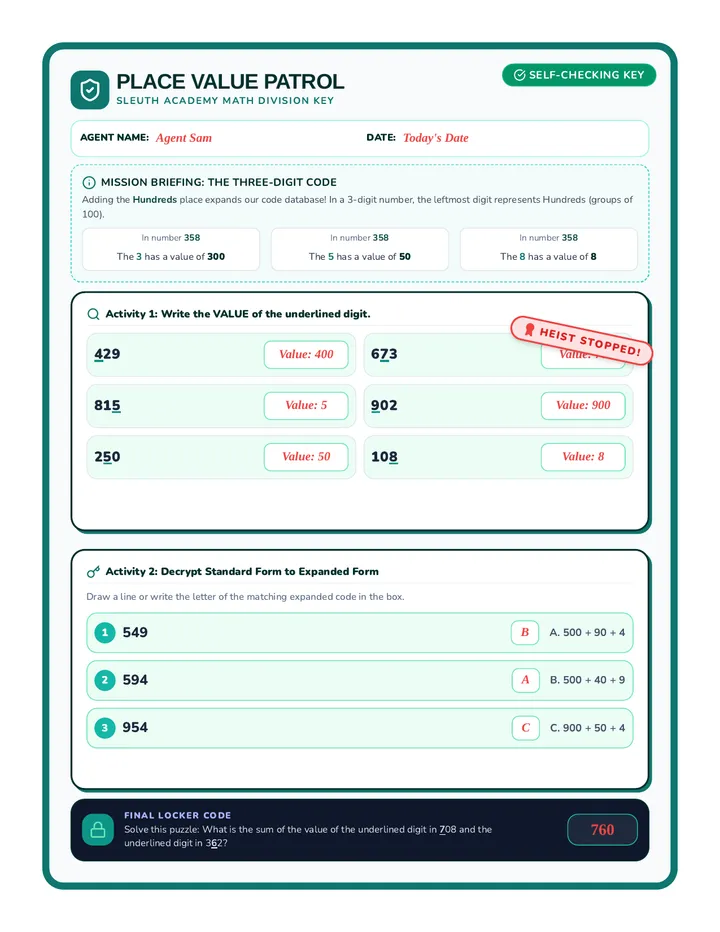
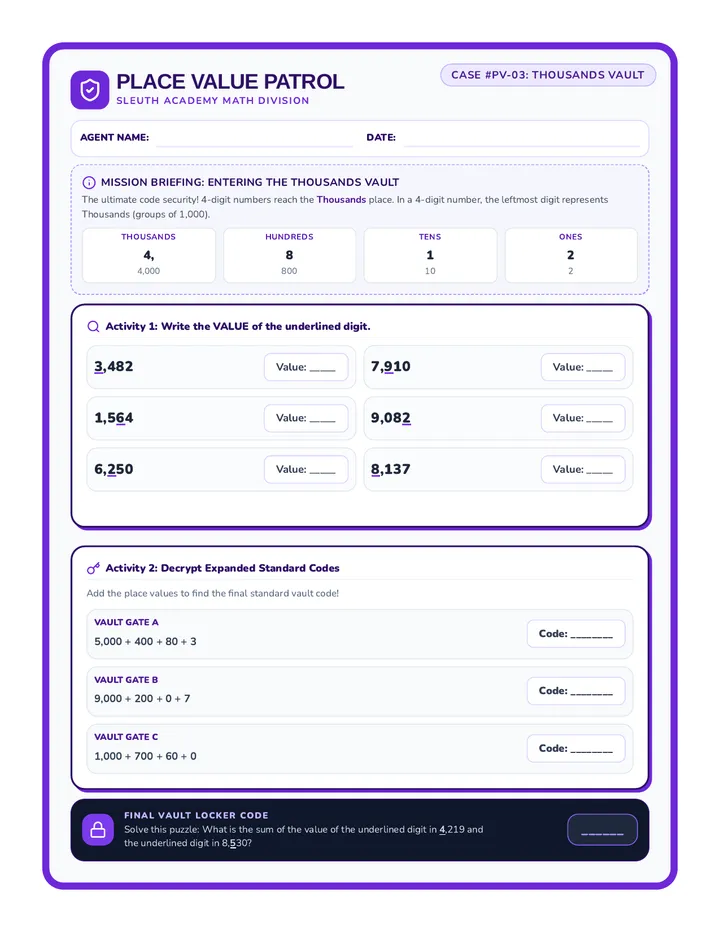
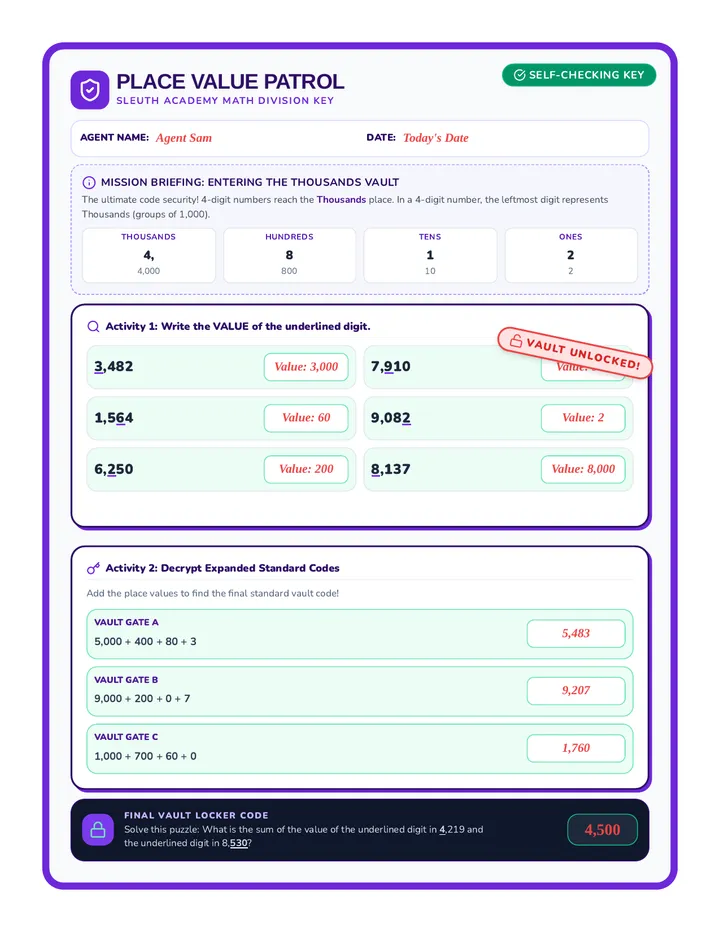
A math place value unit focusing on identifying digit values through the thousands place with interactive detective-themed worksheets and puzzles.
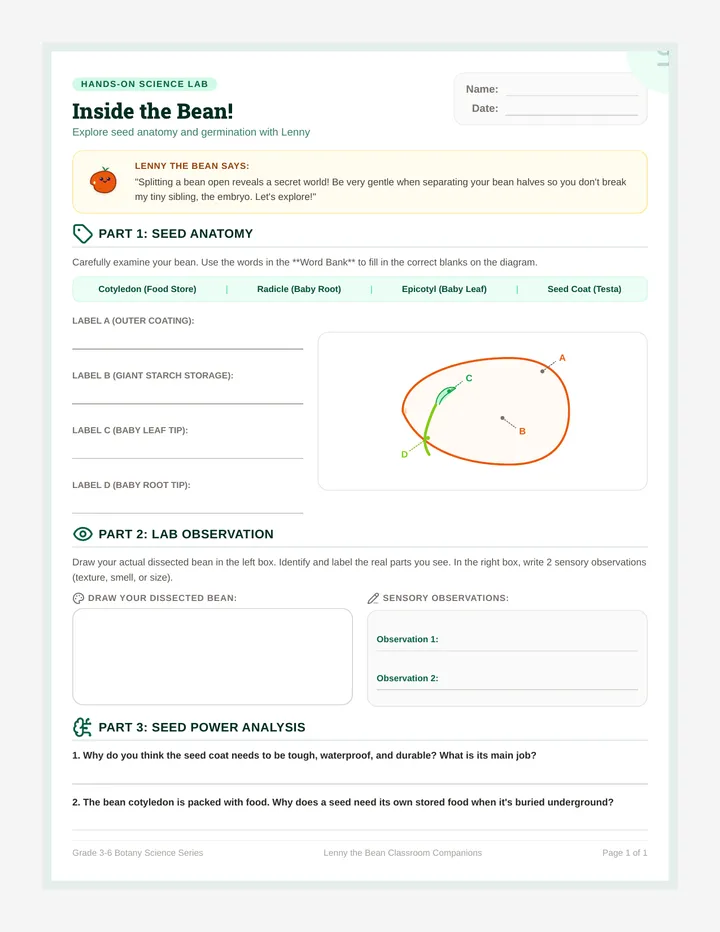
Explore the fascinating biology of seeds and germination guided by Lenny the Bean! Students will dissect a bean, identify its parts, and understand how a tiny seed contains everything needed to start a new life.
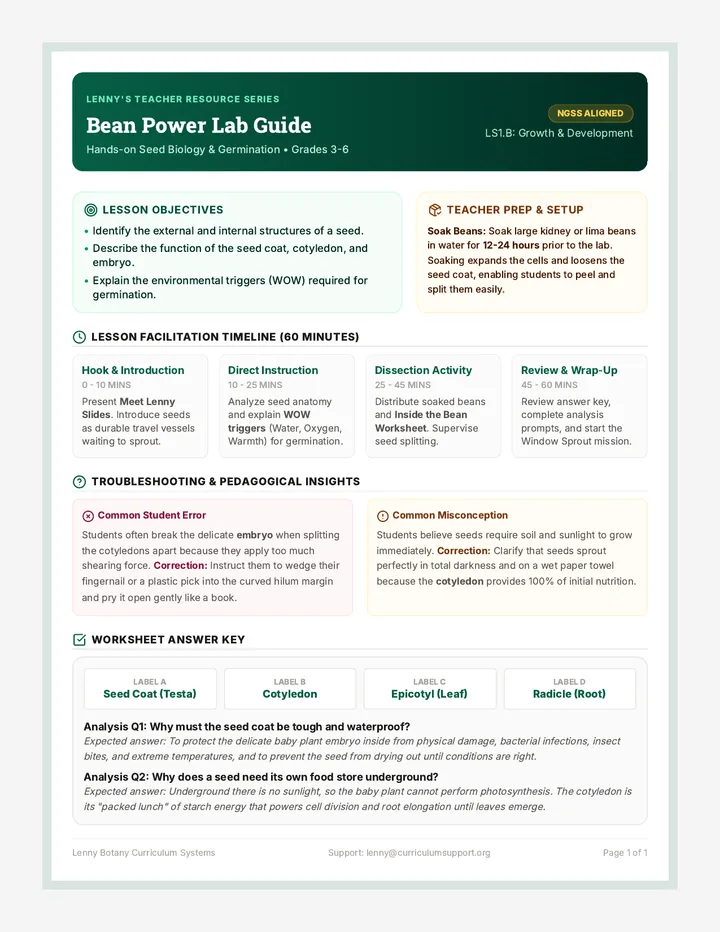
A comprehensive facilitation and answer guide for teachers using the Bean Power lesson. It features alignment with standards, a lesson timeline, lab safety/setup instructions, and a completed answer key for the student worksheet.
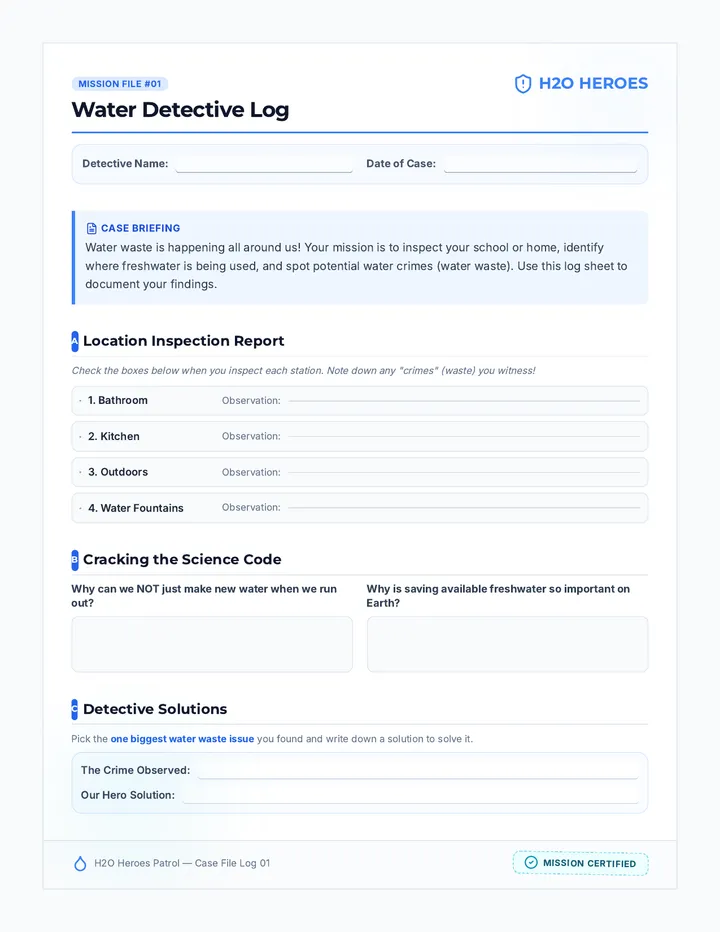
A comprehensive third-grade science and ELA unit focusing on freshwater distribution, conservation, and persuasive public service announcements. Students learn about global water resources and work in teams to design and produce a persuasive PSA to save water in their school or community.
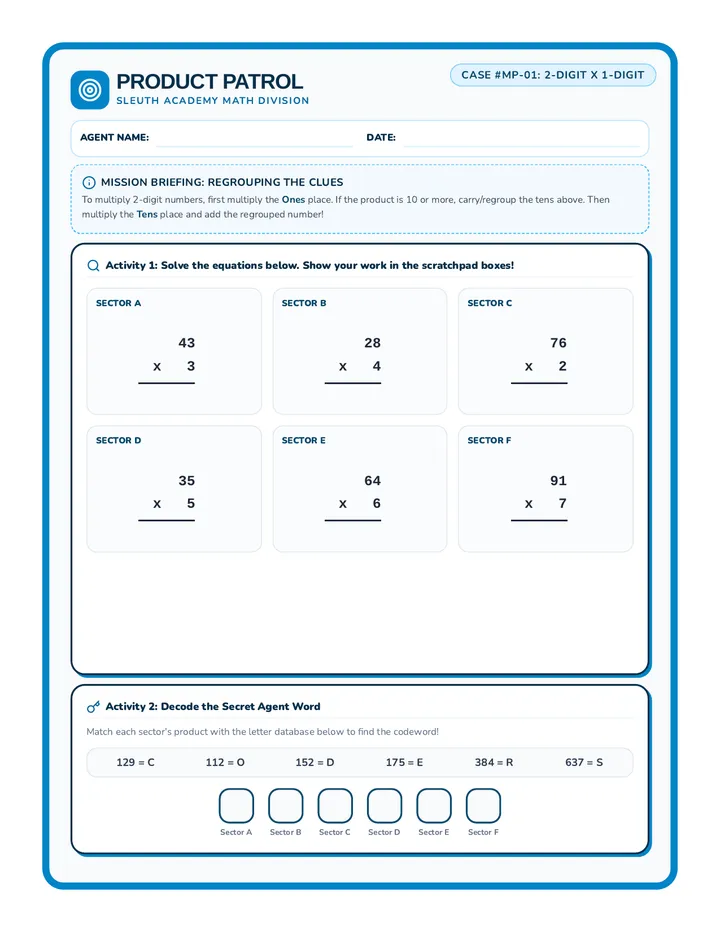
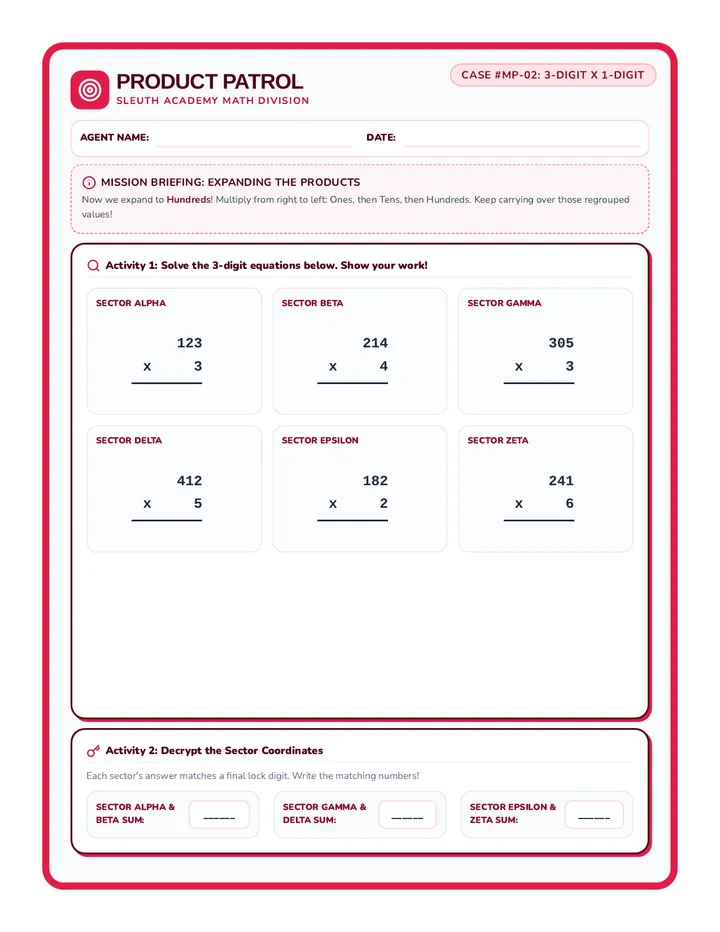
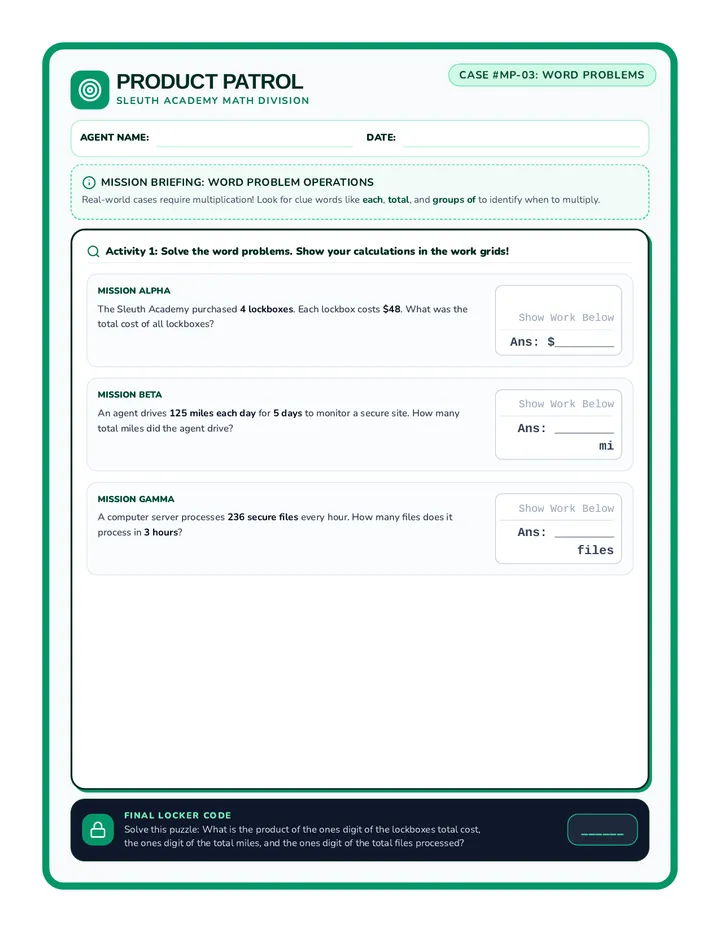
A practical multi-digit multiplication lesson where students solve 2-digit by 1-digit and 3-digit by 1-digit equations using engaging spy-agency themes and mystery puzzles.
A printable student worksheet for the bean dissection activity. It features labeling exercises, space for hand-drawing observations, and comprehension questions, all guided by Lenny the Bean.
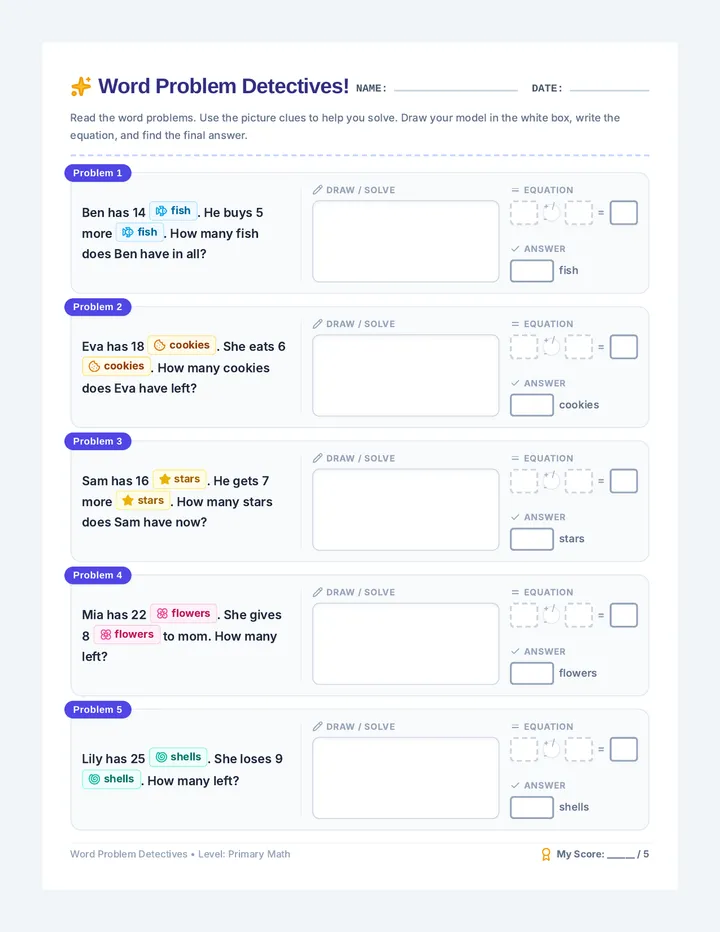
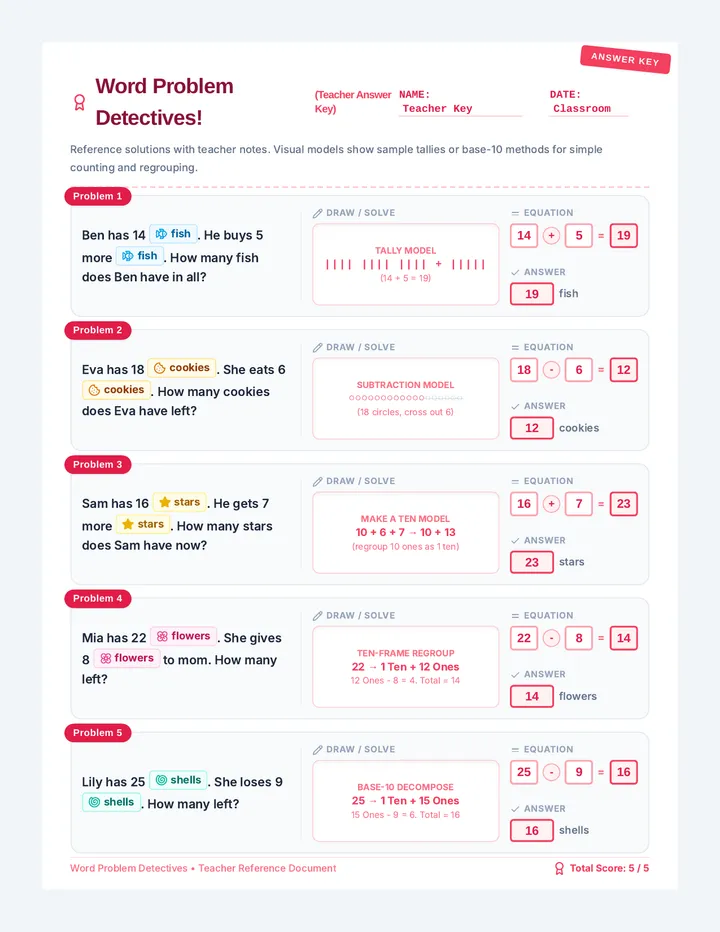
A primary math unit designed to build confidence in solving one-step addition and subtraction word problems. The sequence combines engaging visual cues, scaffolded modeling spaces, and explicit transition strategies between concrete and abstract math representation.
A progressive place value lesson where students identify the value of digits in ones, tens, hundreds, and thousands using interactive secret-agent themed math worksheets.
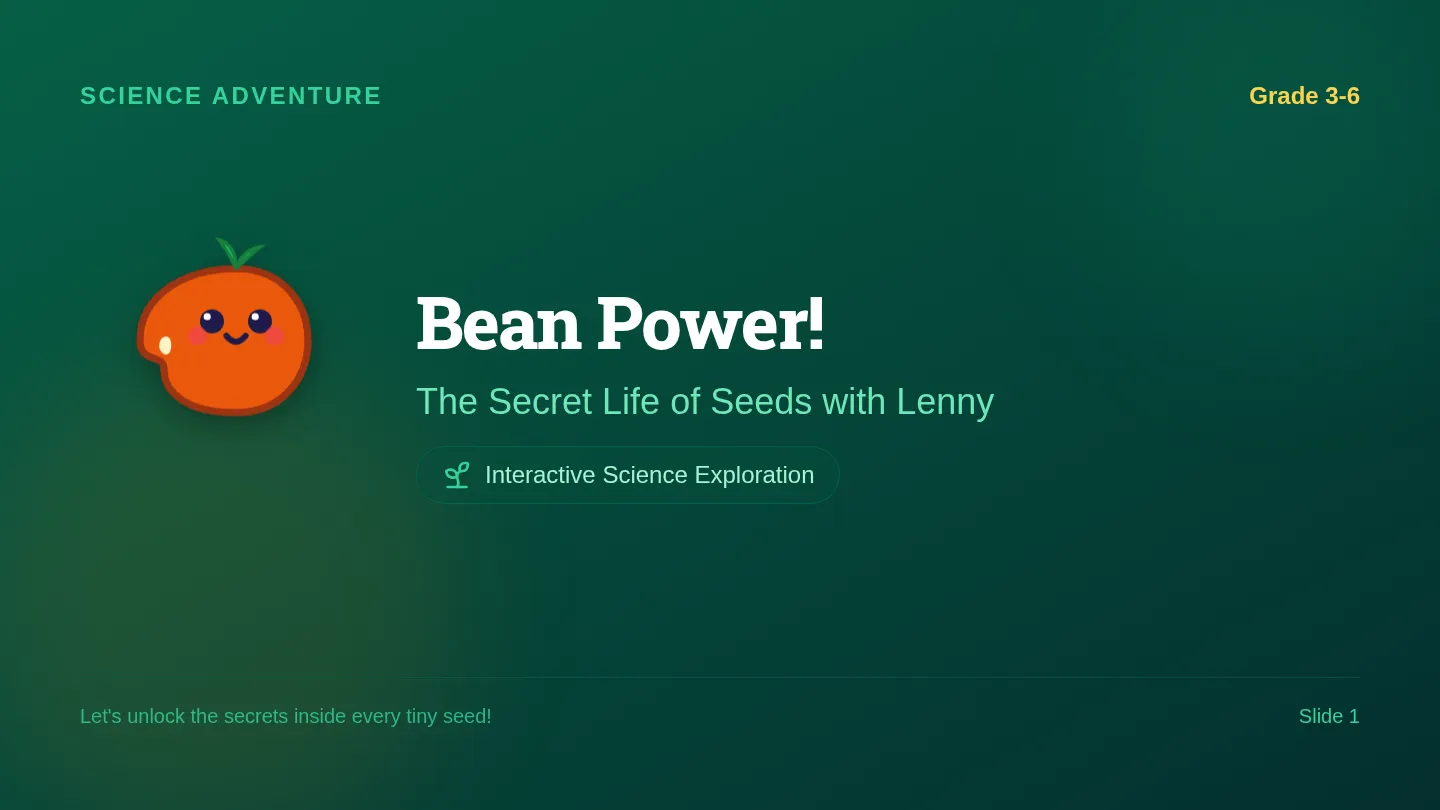
A visually stunning, interactive slide deck featuring Lenny the Bean. This presentation teaches seed anatomy, germination, and guides students through a hands-on bean dissection with a fun, engaging science narrative.
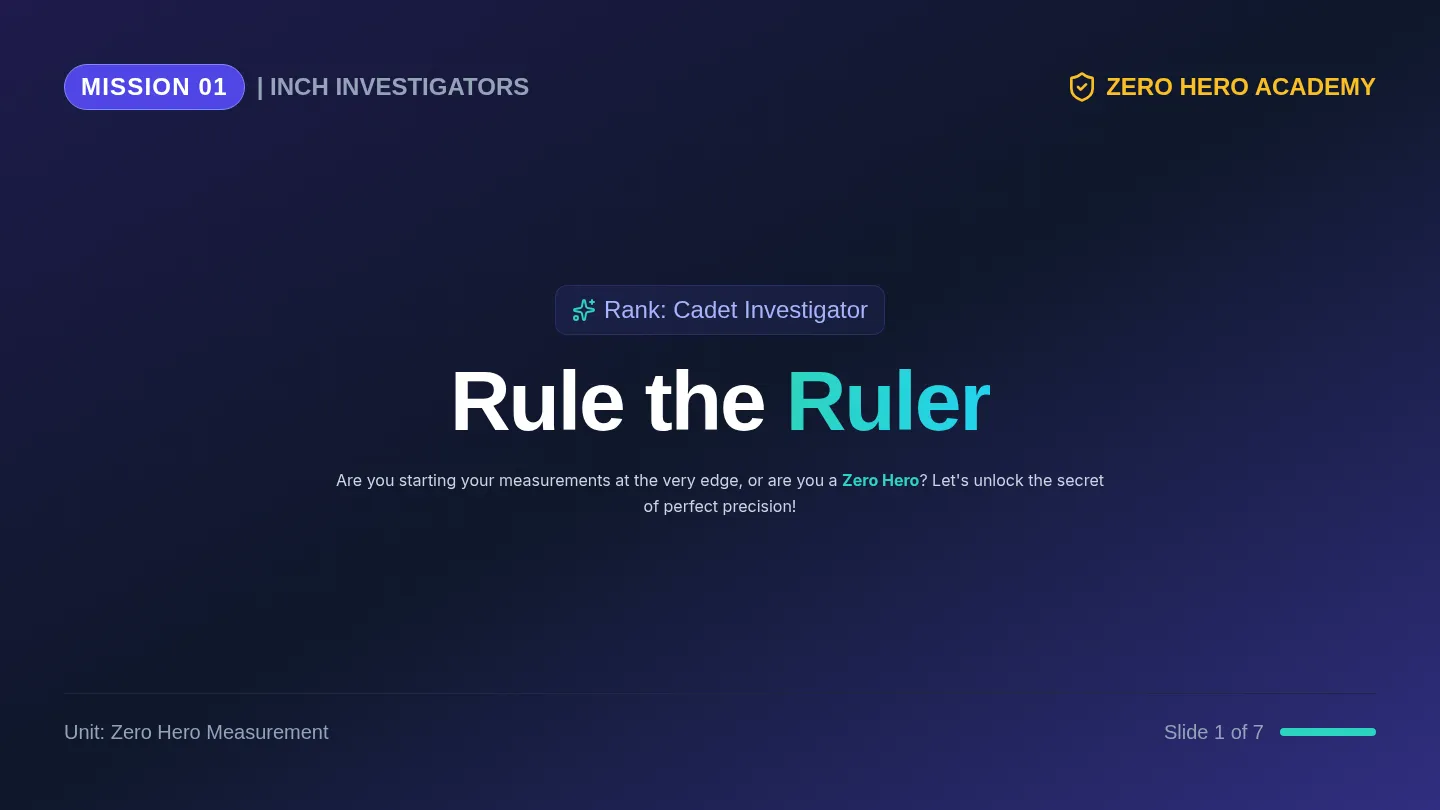
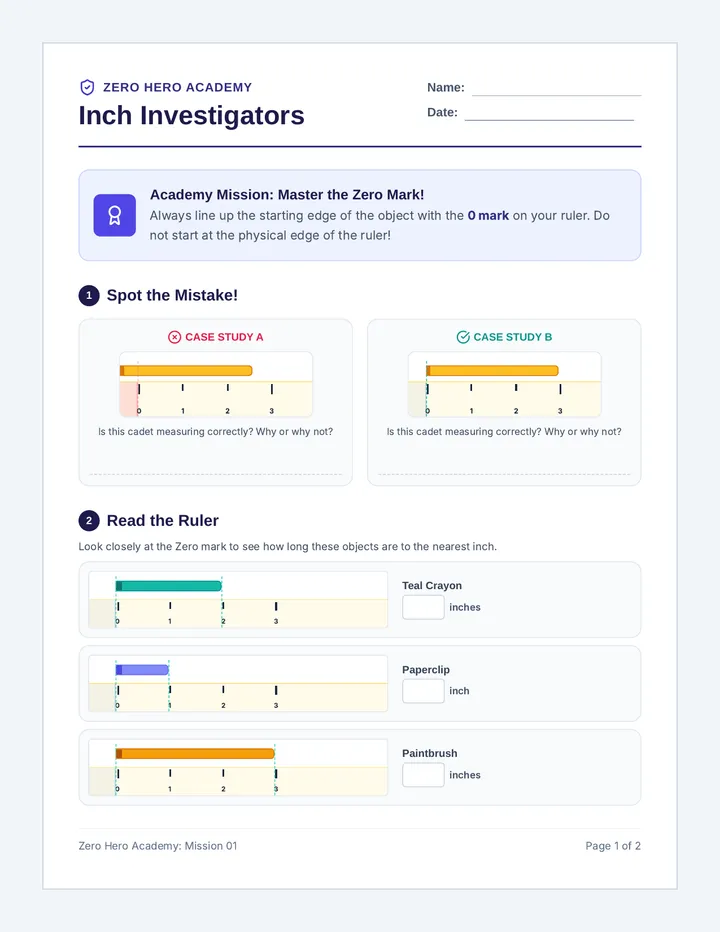
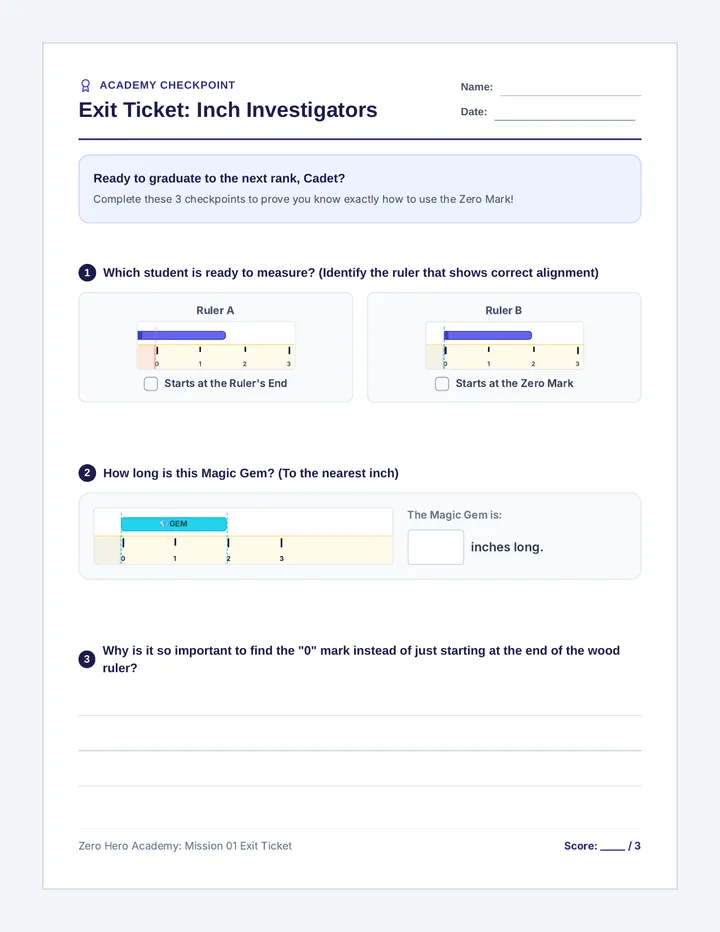
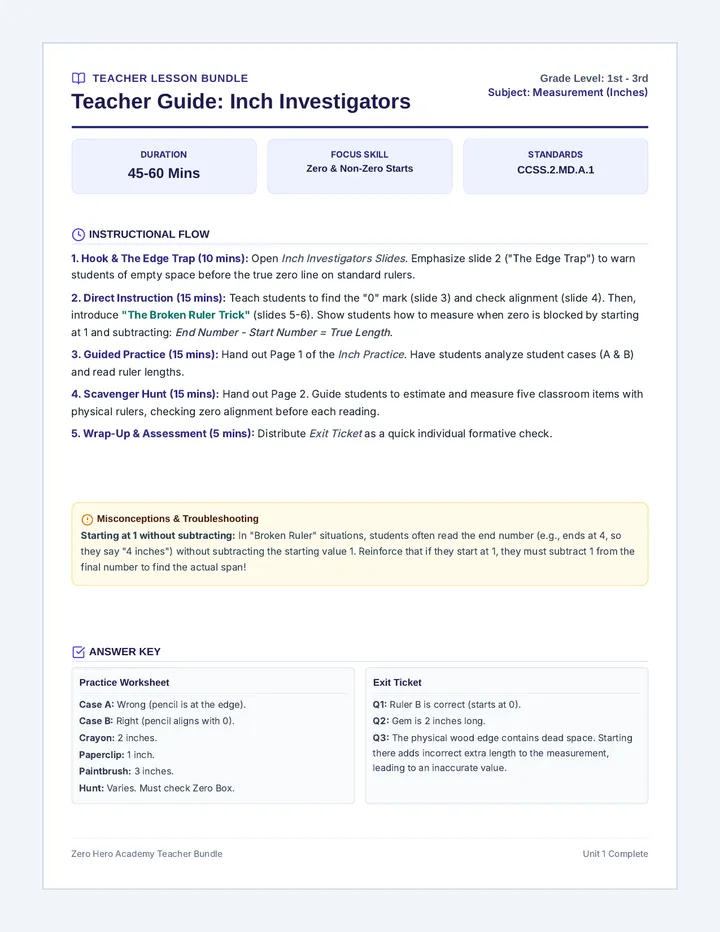
A two-part measuring adventure where students join the Zero Hero Academy to master measuring in inches and centimeters, with a strong focus on aligning the start of objects with the ruler's zero mark.
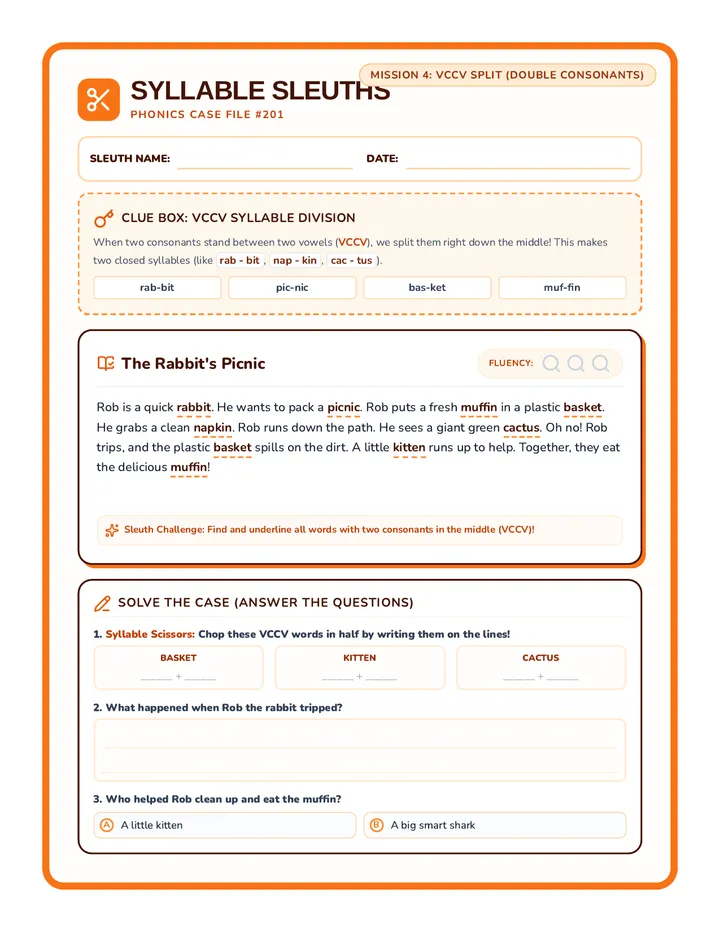
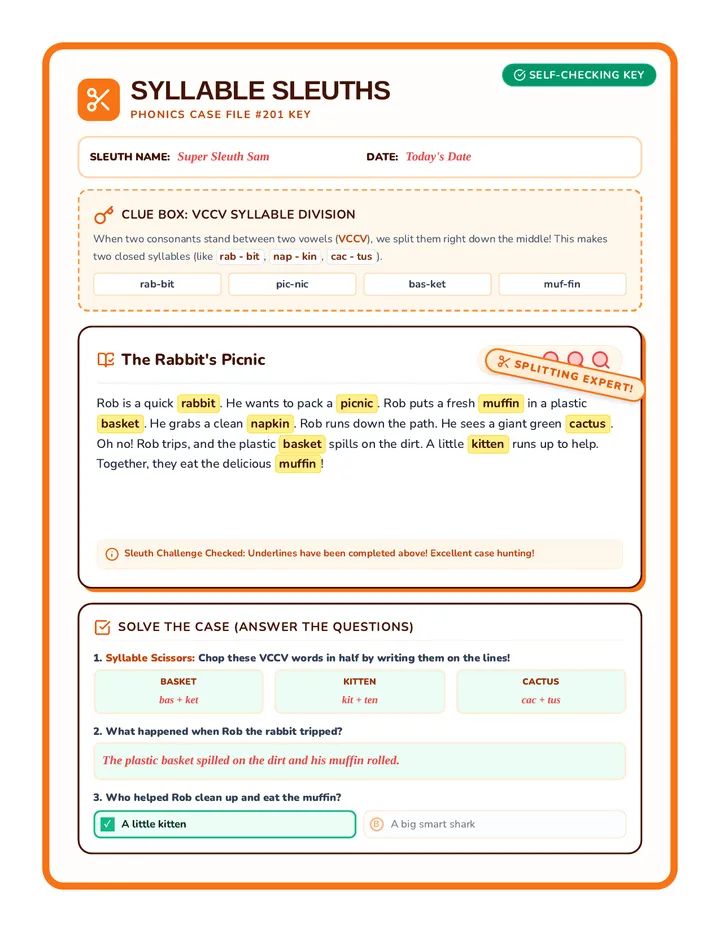
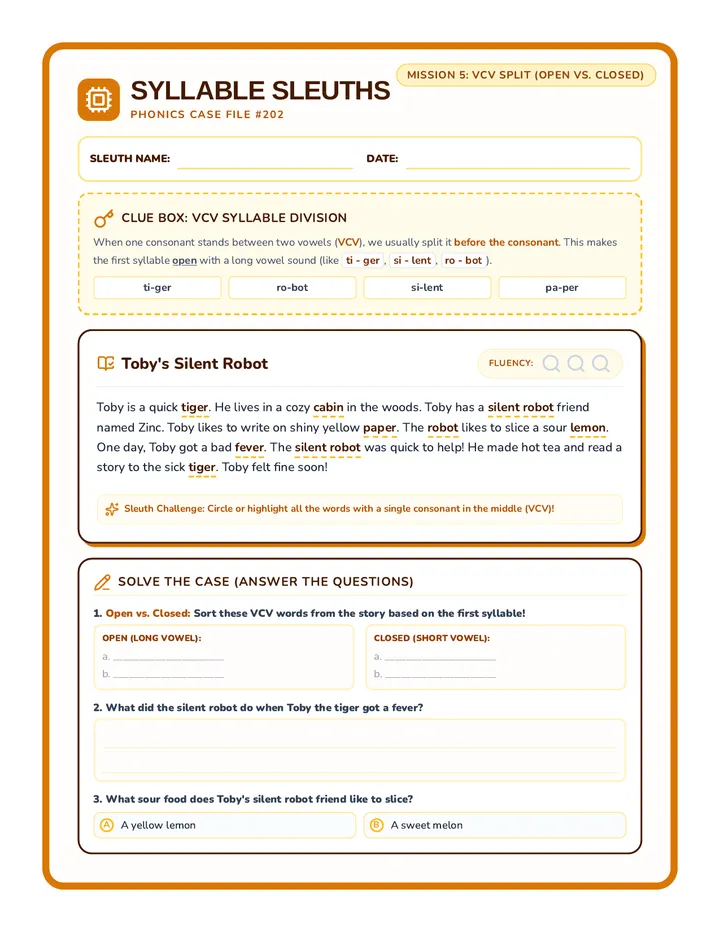
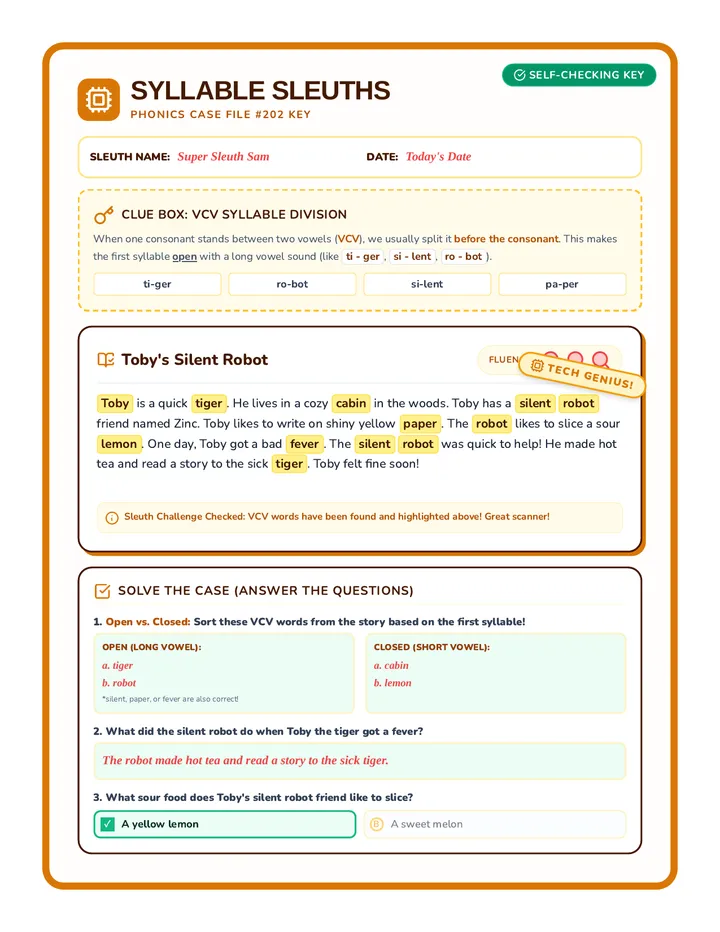
A structured, multi-part phonics intervention lesson focusing on compound words and syllable division rules (VCCV, VCV) for decoding 2-syllable and 3-syllable words.
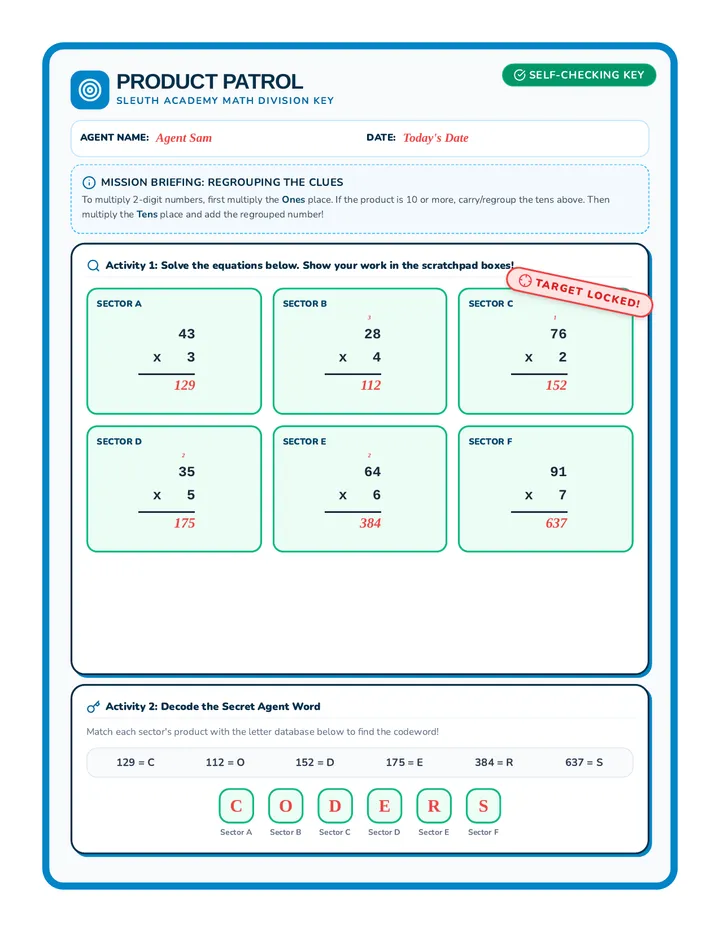
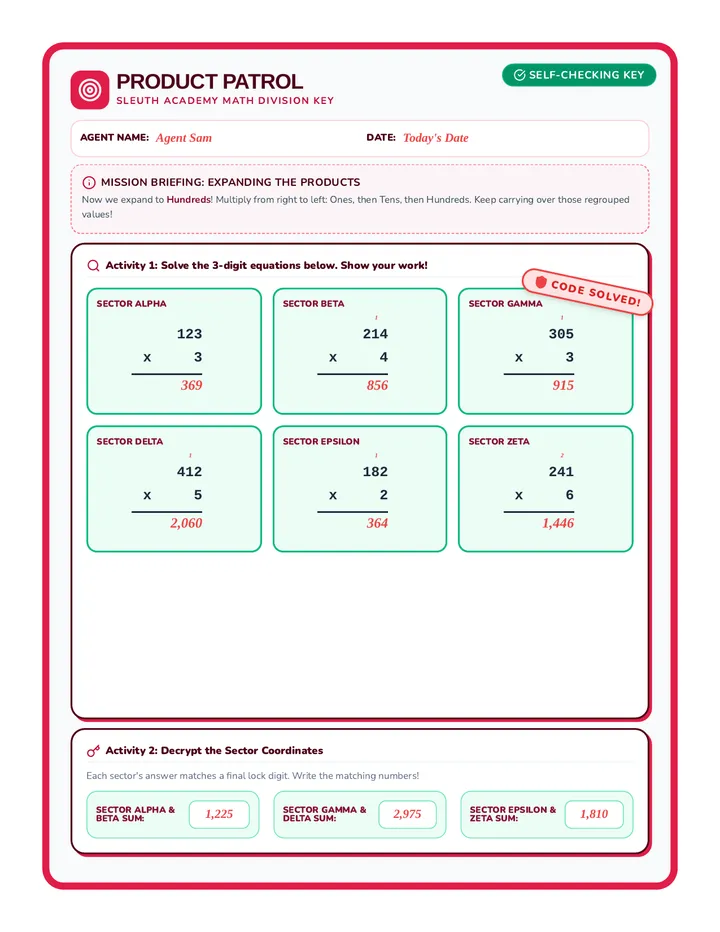
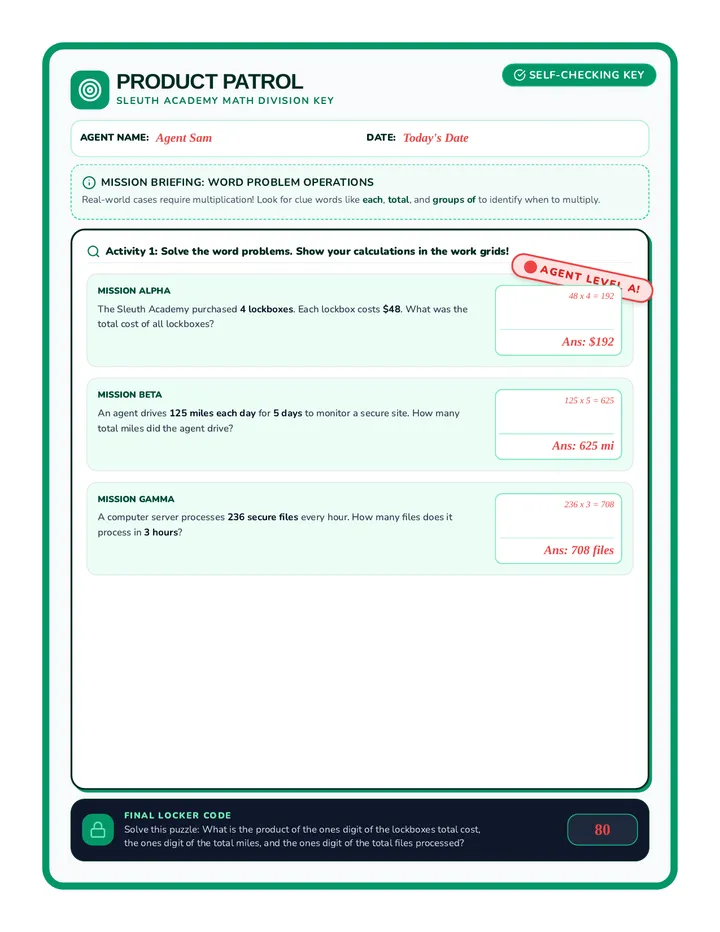
A child-friendly, self-checking answer key for the Multi Digit Worksheet. It displays correct answers in red handwriting style with detective-themed grade stamp.