Lenny.com
Explore
Create
ActivitiesNewMathEnglish Language ArtsScience & EngineeringSocial StudiesGlobal LanguagesHealth & Physical EducationSpecial EducationCounseling & Life SkillsArts & CreativityESL
Lenny.com
Lenny.com
Explore
Create
ActivitiesNewMathEnglish Language ArtsScience & EngineeringSocial StudiesGlobal LanguagesHealth & Physical EducationSpecial EducationCounseling & Life SkillsArts & CreativityESL
Lenny.com
MathNumbers & CountingCounting ObjectsNumber NamesComparing NumbersNumber OperationsCounting SequenceNumbers 0-10Place Value Understanding and SystemAdd and Subtract Within 20Addition and Subtraction ConceptsAddition and Subtraction EquationsAddition and Subtraction ProblemsFoundations for MultiplicationMultiplication and Division PropertiesMultiply and Divide Within 100Multiplication and Division ProblemsFactors and MultiplesProperties of OperationsPatterns and RelationshipsGenerate and Analyze PatternsMulti-Digit ArithmeticPlace Value OperationsMulti-Digit and Decimal OperationsNumerical ExpressionsFour Operations and PatternsFour Operations Problem SolvingMeasurement & DataMeasurable AttributesMeasuring LengthsMeasure and Estimate Lengths in Standard UnitsRelate Addition and Subtraction to LengthClassifying and Counting ObjectsTime and MoneyArea Concepts and MeasurementPerimeter and Area MeasuresAngle Concepts and MeasurementTime, Volume, and MassMeasurement Unit ConversionsGeometryIdentifying ShapesShapes and AttributesShape Attributes and ReasoningShapes and CompositionClassifying 2D FiguresGeometric Figures and RelationshipsLines, Angles, and ShapesAngle, Area, and VolumeGeometric MeasurementVolume of 3D ShapesCoordinate Plane ApplicationsTransformations in the PlaneCongruence and SimilarityUnderstand congruence in terms of rigid motionsSimilarity and TransformationsProve Theorems Involving SimilarityPythagorean TheoremTrigonometry for General TrianglesMake Geometric ConstructionsProve Geometric TheoremsTheorems About CirclesFind Arc Lengths And Areas of Sectors of CirclesVolume FormulasRelationships Between Two-Dimensional and Three-Dimensional ObjectsProve Simple Geometric Theorems AlgebraicallyTranslate Between Geometric Description and Equation for Conic SectionApply Geometric Concepts in Modeling SituationsFractions & DecimalsFractions as NumbersBuilding FractionsFraction Equivalence and OrderingAdding and Subtracting FractionsMultiplying and Dividing FractionsDividing FractionsDecimal FractionsMulti-Digit Computation and FactorsAdd, Subtract, Multiply, and Divide Rational NumbersRational Number SystemIrrational Numbers and ApproximationsRatiosRatios and ProportionsProportional RelationshipsUnit RateAlgebraAlgebraic ExpressionsGenerate Equivalent ExpressionsQuantitative RelationshipsProportional Relationships and Linear EquationsEquations and InequalitiesEquation Solving and ReasoningLinear Equations and SystemsGraph Equations and InequalitiesSystems of EquationsReal-World Algebraic ProblemsQuantitative Reasoning with UnitsExpression StructureEquivalent Expression FormsRadicals and Integer ExponentsRational ExponentsRational and Irrational NumbersPolynomial OperationsPolynomial IdentitiesPolynomial Zeros and FactorsRational ExpressionsComplex Number OperationsComplex Numbers in PolynomialsComplex Numbers on PlaneStatistics & ProbabilityRepresent and Interpret DataData DistributionsStatistical VariabilityProbability ModelsCompound Event ProbabilitiesStatistical SamplingInterpret Categorical and Quantitative DataBivariate Data PatternsInterpret Linear ModelsComparing Two PopulationsRandom Processes in StatisticsIndependence and Conditional ProbabilityExpected ValuesProbability-Based Decision MakingStatistical Inference and ConclusionsFunctionsFunction Concepts and NotationDefine and Compare FunctionsInterpret Functions in ContextAnalyze Function RepresentationsModel Relationships with FunctionsIdentify Linear vs Exponential GrowthDistinguish Between Function TypesCompare Growth RatesInterpret Function ExpressionsBuild Functions from RelationshipsConstruct and Model FunctionsTransform and Combine FunctionsModel Comparison and SelectionSolve Exponential EquationsTrigonometryTrigonometric Ratios Involving Right TrianglesTrigonometric Functions and Unit CircleModel with Trigonometric FunctionsTrigonometric IdentitiesVectors & MatricesIntroduction to Vectors and MatricesVector QuantitiesVector OperationsMatrix OperationsCalculusLimits and ContinuityDerivative Concepts and NotationDerivative Rules and TechniquesApplications of DerivativesOptimization ProblemsRelated RatesCurve Sketching and AnalysisIntegration Concepts and NotationAntiderivatives and Indefinite IntegralsDefinite Integrals and AreaFundamental Theorem of CalculusIntegration TechniquesApplications of IntegrationDifferential EquationsSequences and SeriesParametric and Polar FunctionsVector-Valued Functions

Multi-Digit Computation and Factors

Standard algorithms for multi-digit multiplication and long division alongside prime factorization, GCF, and LCM. Strengthens computational fluency with decimal operations across all four basic functions.

Lenny.com

Solutions

Lenny for EducatorsLenny for SchoolsLenny for Districts

Product

ExploreSign inCreateSupportAbout

Resources

Getting startedMTSS Acceleration Program

© 2026 Lenny Learning Inc.

TermsPrivacyAccessibility
LinkedInInstagramX
Lenny

Videos

How to Round Decimals to One Decimal Place

How to Round Decimals to One Decimal Place

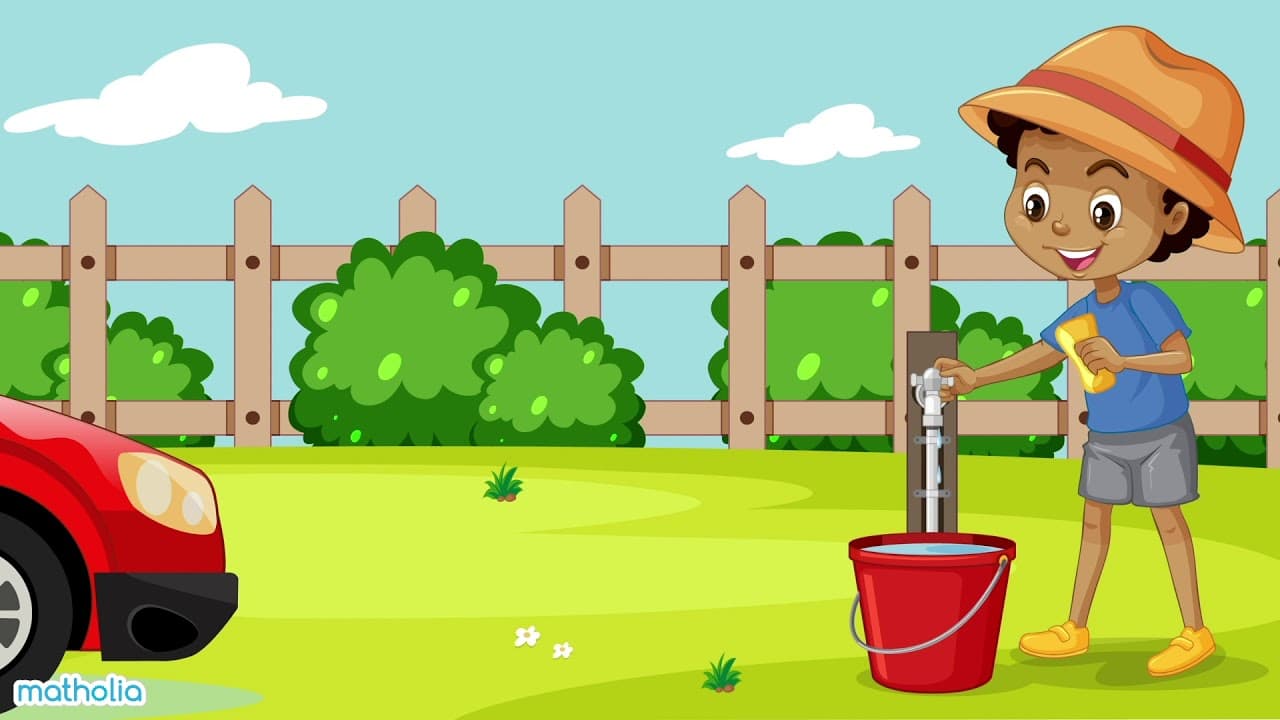
This educational video provides a clear, step-by-step guide on how to round decimal numbers to one decimal place (the nearest tenth). Using engaging animated scenarios—a girl riding a bike and a boy washing a car—the video demonstrates practical applications of rounding measurements in distance and volume. It explicitly breaks down the rules of rounding: looking at the digit in the hundredths place to determine whether to round up or keep the tenths digit the same. The content focuses on key mathematical themes such as place value identification (tenths vs. hundredths), the specific criteria for rounding (digits 0-4 round down, digits 5-9 round up), and the use of the approximation symbol (≈). It transitions from contextual word problems to abstract numeric practice, reinforcing the procedural rules through repetition and visual highlighting of critical digits. For educators, this video serves as an excellent instructional hook or review tool for upper elementary students learning decimal operations. It simplifies the abstract concept of rounding by grounding it in real-life examples before moving to skill drills. Teachers can use the pauses between the problem presentation and the solution to check for student understanding, making it an interactive component of a math lesson on estimation and number sense.

MatholiaChannelMatholiaChannel

2mins 25s

Mastering Division by 100: Shifting Digits and Decimal Points

Mastering Division by 100: Shifting Digits and Decimal Points

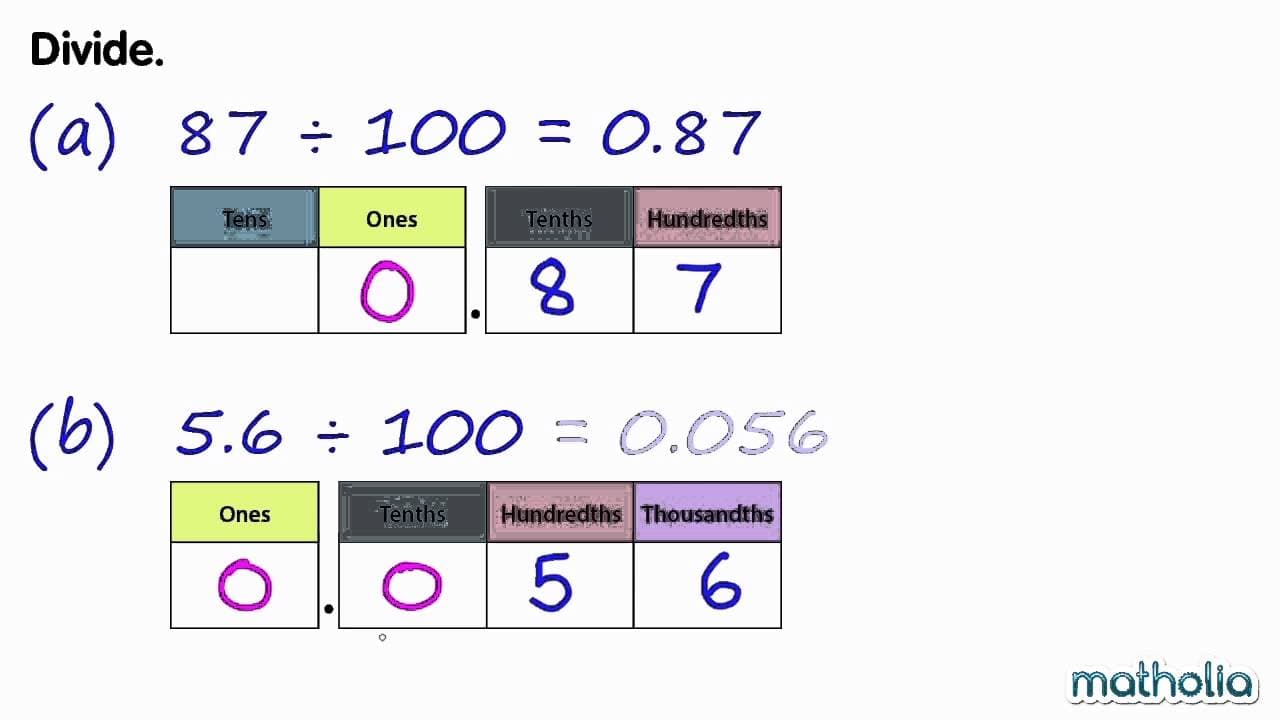
This educational video provides a clear, step-by-step demonstration of how to divide whole numbers and decimals by 100. It introduces two distinct visual strategies for solving these problems: using a place value chart to shift digits to the right, and using the shortcut method of shifting the decimal point two places to the left. The video uses four specific examples—ranging from whole numbers to decimals with tenths—to illustrate these concepts practically.

MatholiaChannelMatholiaChannel

1min 27s

Calculating What Percent One Number Is of Another

Calculating What Percent One Number Is of Another

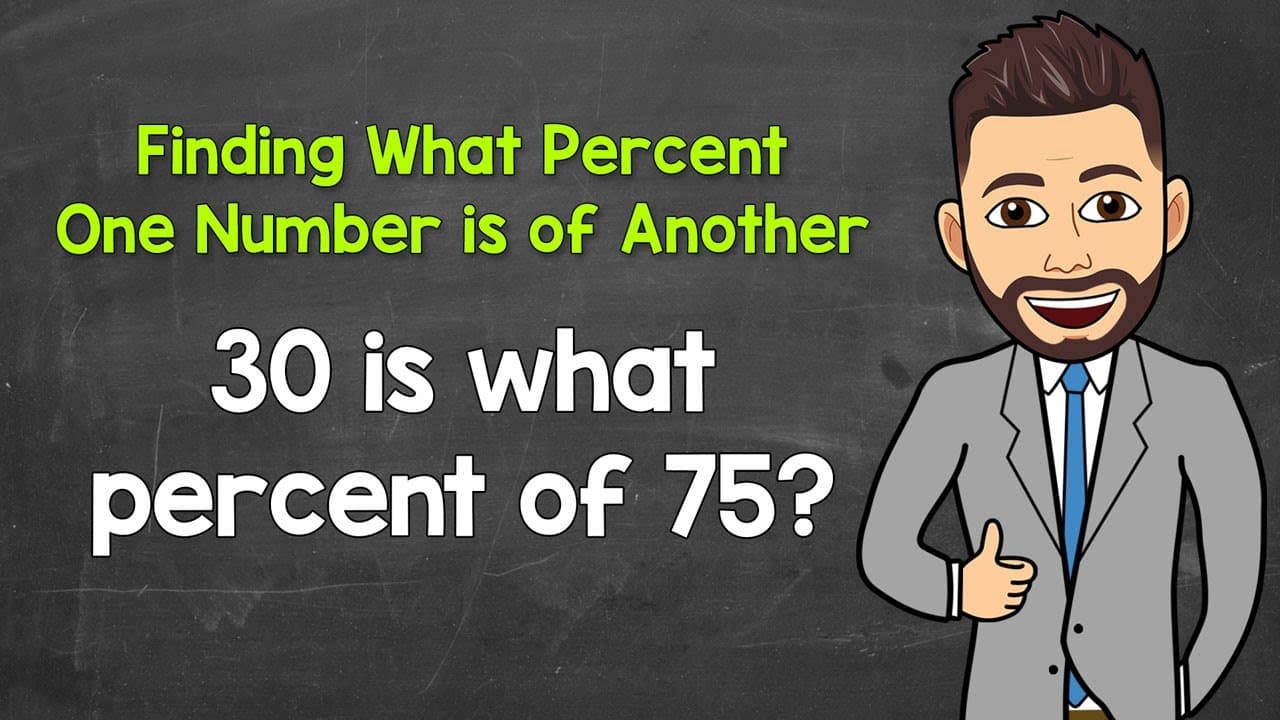
This math tutorial provides a clear, step-by-step demonstration of how to calculate what percentage one number is of another. Using the specific example "30 is what percent of 75?", the video breaks down the process into a three-step strategy: converting the relationship into a fraction, dividing to find a decimal, and finally converting that decimal into a percentage. The narrator, Mr. J, emphasizes the conceptual framework of "part" and "whole" to help students correctly set up the problem. The video covers key mathematical procedures including setting up ratios as fractions, performing long division with decimals, and the mechanics of converting decimals to percentages by moving the decimal point. It specifically addresses the common student struggle of dividing a smaller number by a larger one by demonstrating how to add a decimal point and a zero to the dividend. For educators, this resource serves as an excellent direct instruction tool for introducing percent calculations or as a review for students struggling with the algorithm. The visual presentation uses a blackboard style with color-coded text to distinguish between steps, making it easy for students to follow along. It is particularly useful for bridging the gap between fractions, decimals, and percents in middle school math curriculums.

Math with Mr. JMath with Mr. J

3mins 26s

How to Divide Decimals by Whole Numbers Without Regrouping

How to Divide Decimals by Whole Numbers Without Regrouping

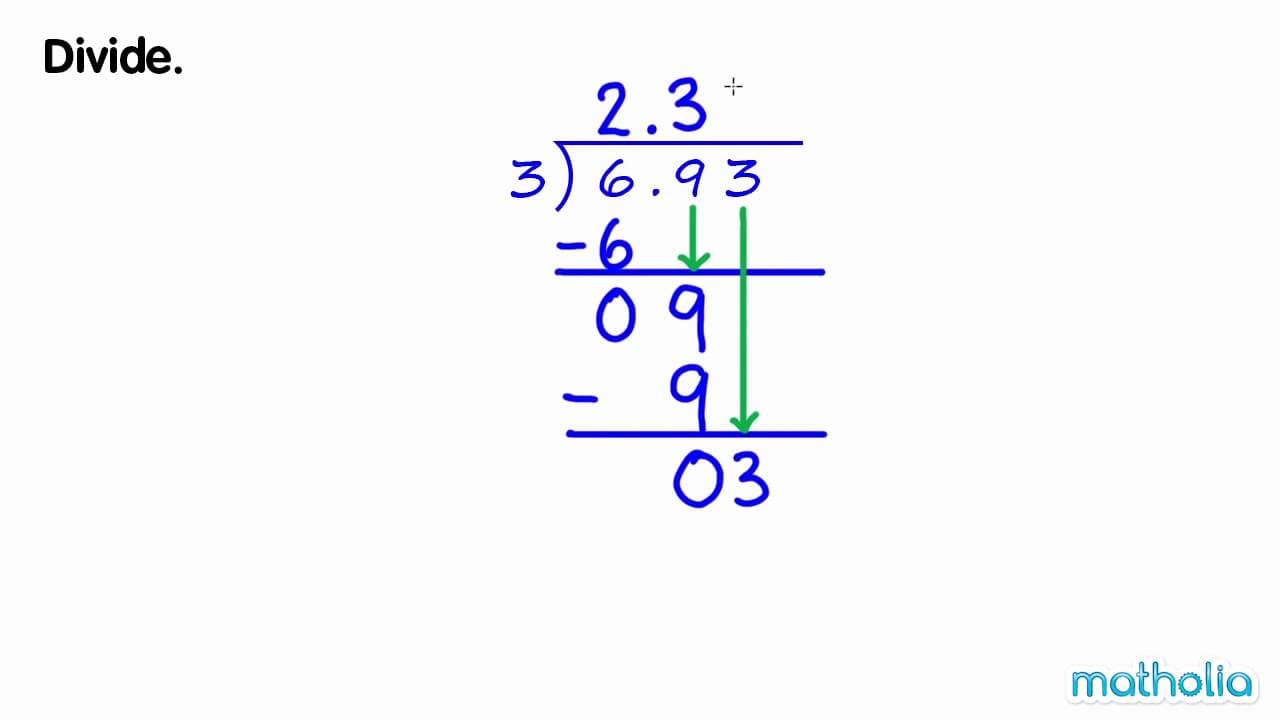
This educational video provides a clear, step-by-step demonstration of how to perform long division with decimals by whole numbers, specifically focusing on problems that do not require regrouping. Through three distinct examples of increasing complexity—starting with tenths, moving to hundredths, and finally thousandths—the narrator guides viewers through the standard algorithm process: divide, multiply, subtract, and bring down.

MatholiaChannelMatholiaChannel

2mins 50s

How to Calculate the Original Price from Discounts and Markups

How to Calculate the Original Price from Discounts and Markups

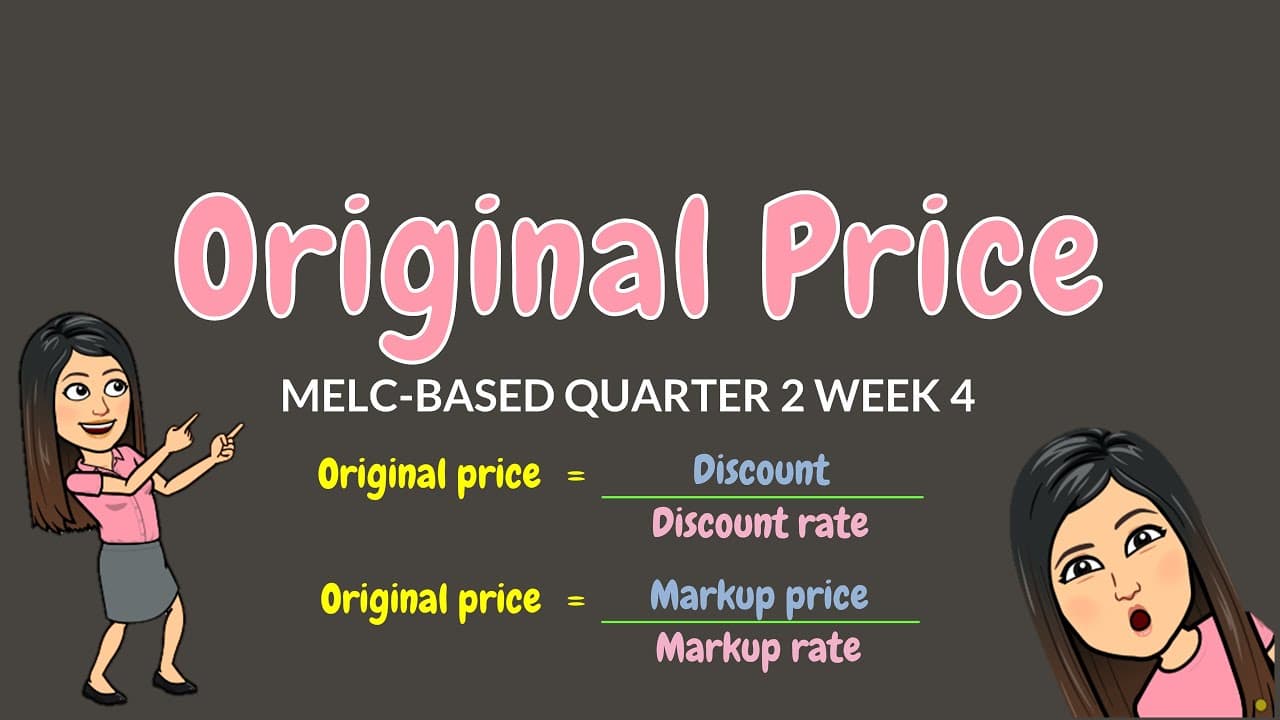
This instructional math video provides a comprehensive tutorial on calculating the original price of items in various real-world scenarios involving discounts and markups. Through a series of clear, step-by-step examples, the narrator demonstrates how to reverse-engineer the starting price when given different variables, such as the discount amount, the sale price, or the markup rate. The video uses specific formulas for each scenario, emphasizing the relationship between percentages, decimals, and whole numbers. The content covers four distinct problem types: finding the original price given a discount amount, finding it given a final sale price, finding it given a markup amount, and finding it given a final selling price including markup. A significant portion of the video is dedicated to the procedural math skills required to solve these problems, specifically converting percentages to decimals and performing long division with decimal movements. The step-by-step visualizations of the division process help demystify the arithmetic that students often struggle with. For educators, this video serves as an excellent resource for 6th and 7th-grade math units on ratios, proportions, and percentage applications. It effectively bridges the gap between abstract formulas and practical application by using shopping and retail examples. Teachers can use this video to introduce the concept of 'working backward' in percent problems or as a remediation tool for students who struggle with the specific mechanics of dividing by decimals.
Sheena DoriaSheena Doria

12mins 35s

Understanding Ratios, Proportions, and Cross-Multiplication

Understanding Ratios, Proportions, and Cross-Multiplication

This educational math video provides a comprehensive introduction to the concepts of ratios and proportions, specifically tailored for upper elementary and middle school students. It begins by defining a ratio as a comparison of two quantities and demonstrates three different ways to write them: word form (is to), colon form (:), and fraction form. Using clear visual aids like fruits and bakery items, the video explains how to simplify ratios to their lowest terms and identify equivalent ratios. The second half of the video transitions into proportions, defining them as statements of equality between two ratios. It introduces specific vocabulary such as "means" and "extremes" and teaches students how to verify if two ratios form a proportion using cross-multiplication. The video concludes by demonstrating how to solve for a missing term (variable) within a proportion using algebra-lite steps, providing both real-world word problems and abstract numerical examples. This resource is highly valuable for teachers introducing pre-algebraic thinking. The step-by-step visual demonstrations make abstract concepts concrete, while the clear procedures for cross-multiplication provide students with a reliable tool for checking their work. The video effectively scaffolds learning from basic identification to solving for unknown variables, making it excellent for direct instruction or review stations.

Sheena DoriaSheena Doria

13mins 21s

Materials

Rational Rules Reference Sheet

Rational Rules Reference Sheet

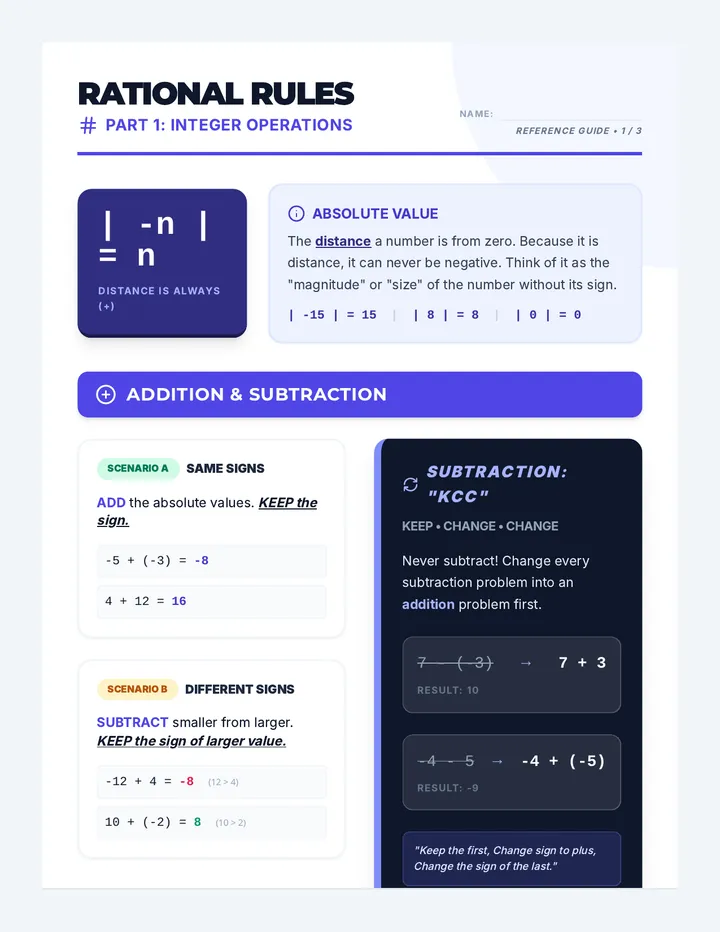
A redesigned three-page reference sheet for rational number operations. Page one focuses on integer rules with absolute value, addition, subtraction (KCC), and multiplication/division sign tricks. Page two covers decimals with detailed guides on lining up dots, counting places for multiplication, and the 'Top in the Box' method for division. Page three masters fractions with common denominators, the KCF method, mixed-to-improper conversion (MAD), and a table of common conversions, ending with a logical 'Reality Check' section.

WM

Will M

Math Forge Review Worksheet

Math Forge Review Worksheet

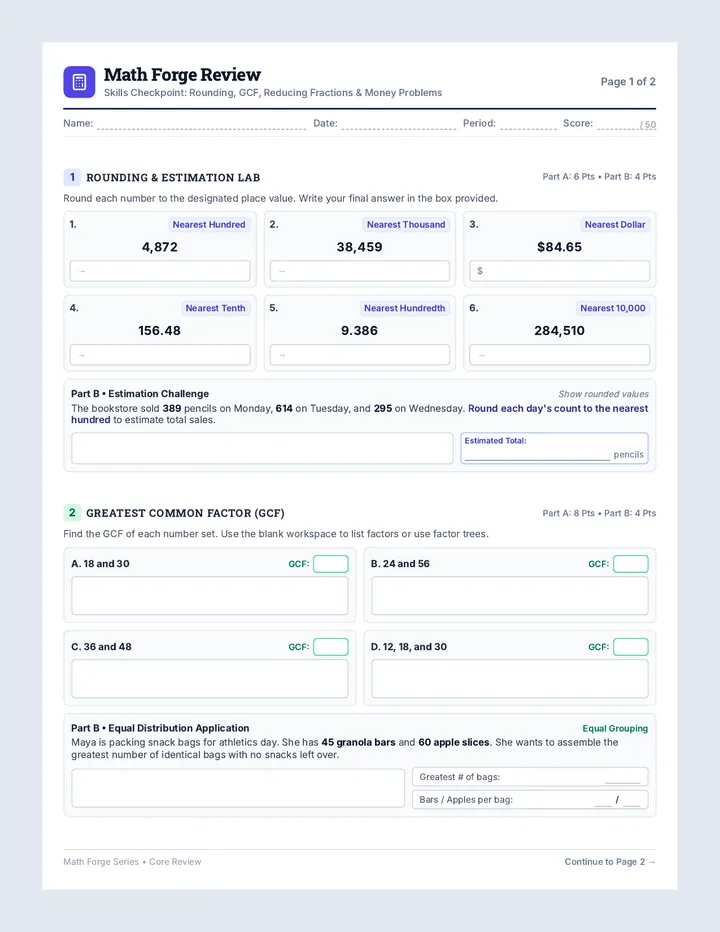
A comprehensive two-page printable review worksheet covering whole number and decimal rounding, greatest common factor computation and real-world grouping, simplifying fractions to lowest terms, and multi-step money word problems with generous dedicated workspaces.

S

stewart

Decimal Operations Grid Handout

Decimal Operations Grid Handout

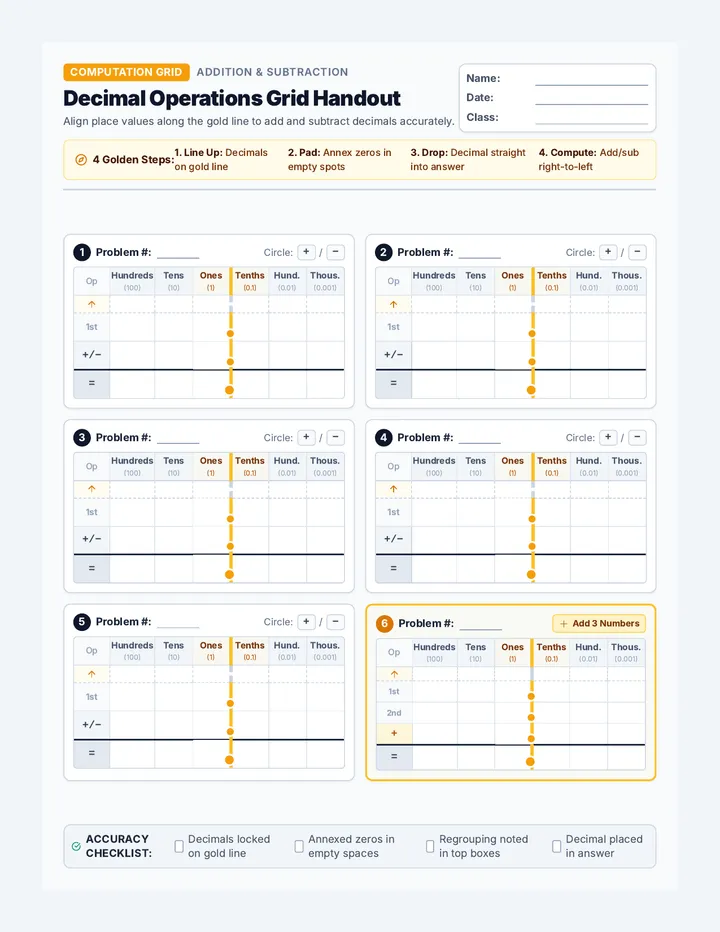
A blank decimal computation grid handout for adding and subtracting decimals, featuring five 2-number grid templates and one specialized 3-number addition template, complete with regrouping rows, operation indicators, answer lines, and gold decimal alignment guides.

TP

tiffany priest

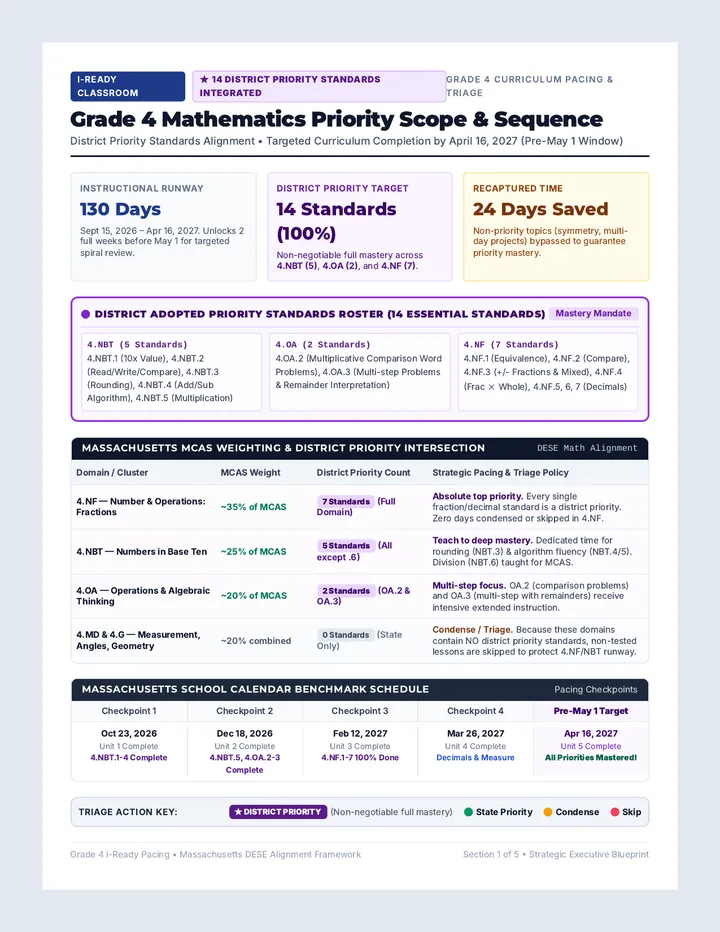
Grade 4 Math Priority Pacing Guide

Grade 4 Math Priority Pacing Guide

A comprehensive 5-page standards-aligned Grade 4 Mathematics curriculum pacing guide for i-Ready Classroom Mathematics, specifically incorporating the 14 designated District Priority Standards across 4.OA, 4.NBT, and 4.NF. Calibrated to the Massachusetts Curriculum Frameworks to guarantee 100% completion of all district priority standards before May 1, featuring explicit district priority badging, unit-by-unit pacing dates, strategic triage rationales for non-priority topics, and a Tier 2 prerequisite intervention bridge.

AS

Ashley Santiago

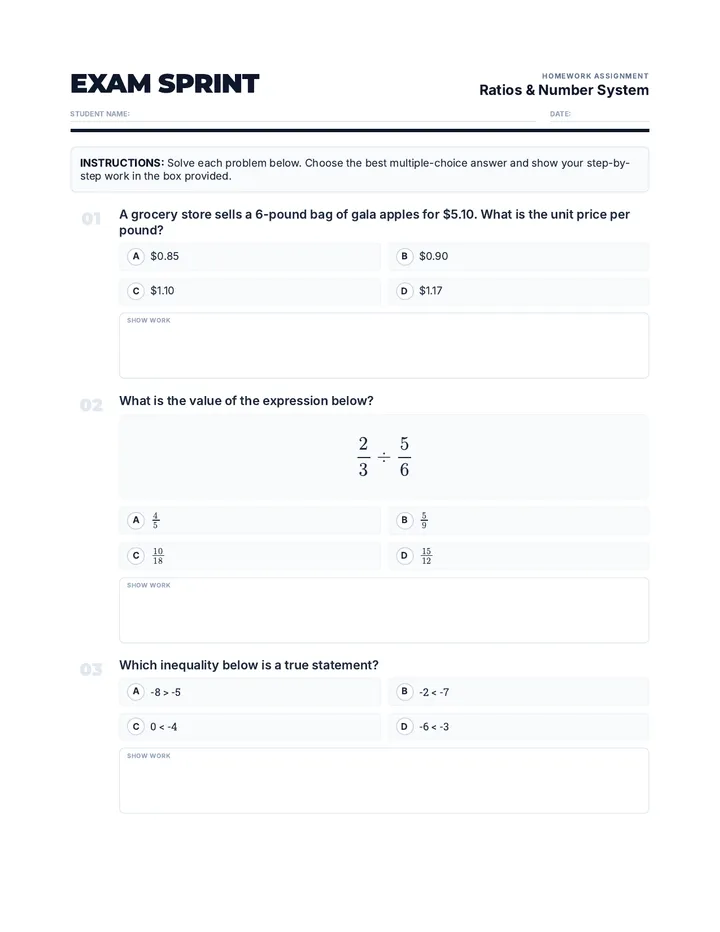
Exam Sprint Worksheet Reformatted

Exam Sprint Worksheet Reformatted

A reformatted, 2-page multiple-choice worksheet featuring 6th-grade math questions. This version uses optimized spacing to ensure exactly three questions fit per page, each with its own dedicated work area and a final scratch space.

FB

Faith Bain-Lucey

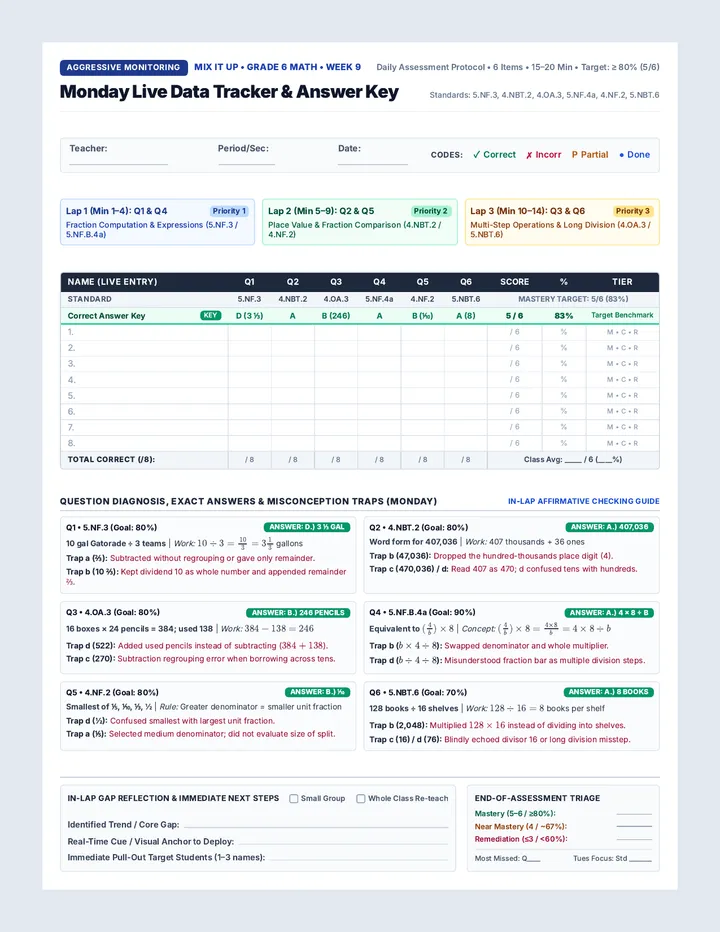
Mix It Up Monitoring Tracker

Mix It Up Monitoring Tracker

Daily aggressive monitoring tracking system for Mix It Up 6th grade math Week 9 assessments covering Monday through Thursday. Features an 8-student live active monitoring roster, targeted three-lap affirmative checking pathways, detailed question diagnoses with distractor misconception traps, and real-time intervention triage.

M

menyon.reeves

Sequences

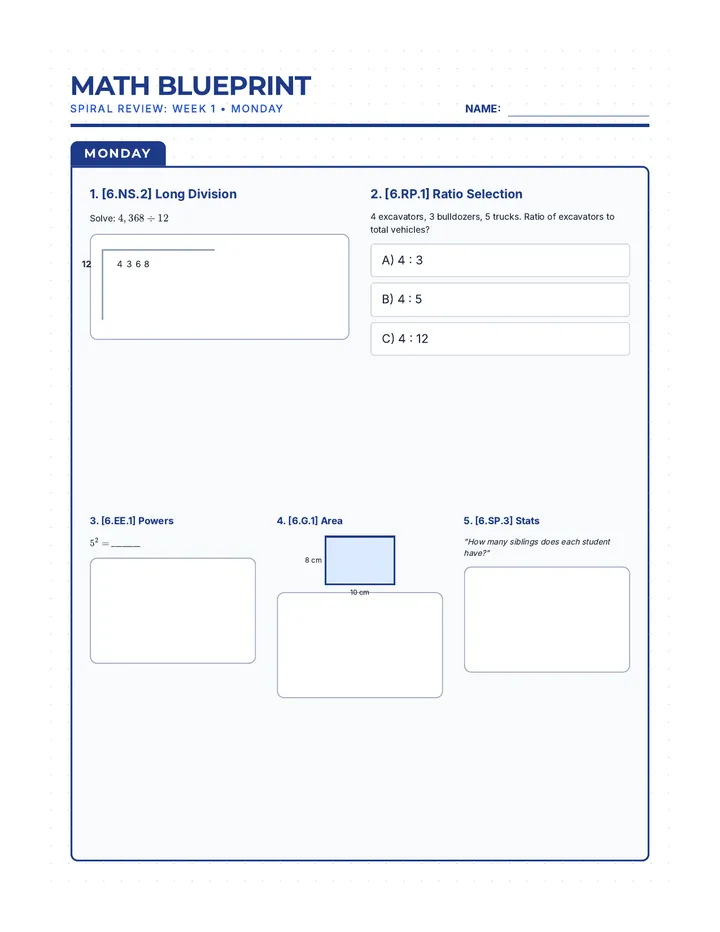
Math Blueprint Week 1 Booklet (Definitive)

Math Blueprint Spiral

A 7-week comprehensive math review sequence designed to prepare 6th-grade students for North Carolina state testing, covering Number Systems, Ratios, Expressions, Geometry, and Statistics.

MK

Michell Kisler

27
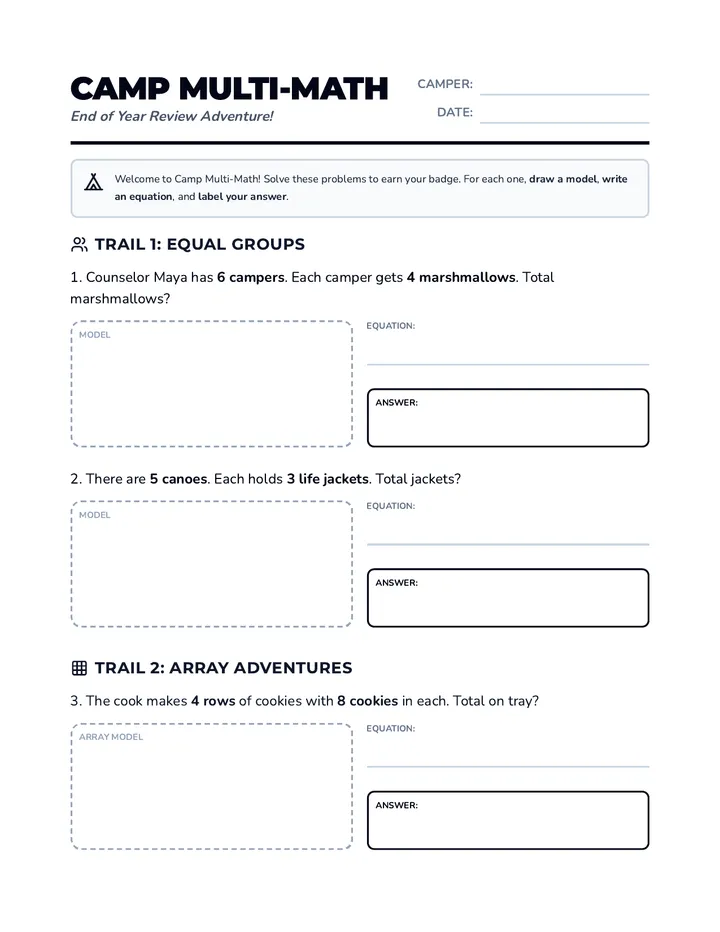
Camp Multi-Math Worksheet

Math Review Adventures

A collection of themed end-of-year math review adventures for different grade levels, focusing on spiraling key standards and problem-solving.

DB

Deborah Burton

21
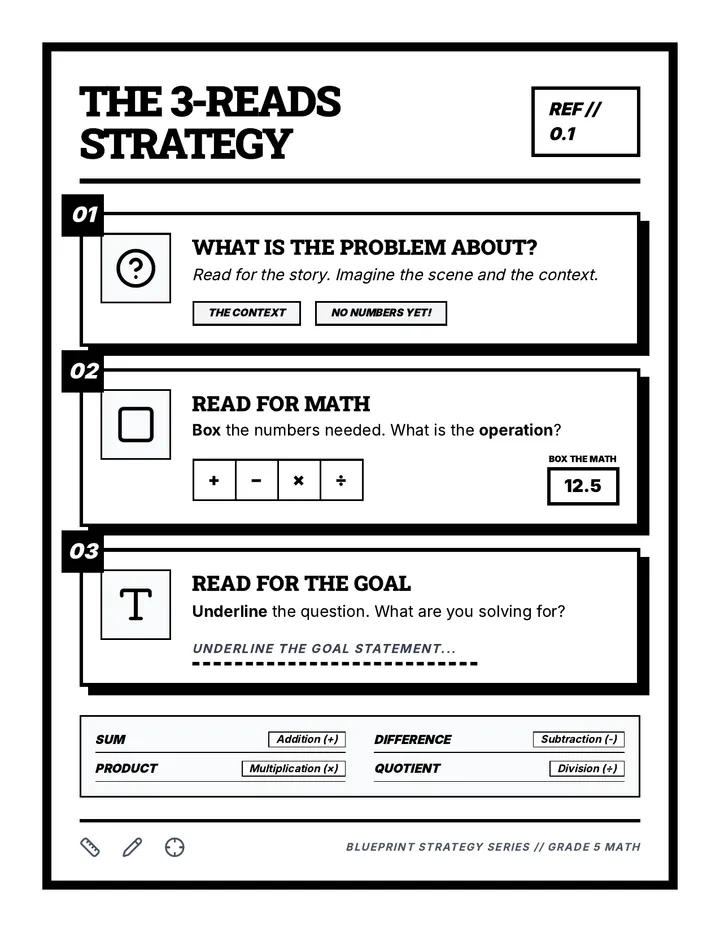
3 Reads Strategy Poster

Math Blueprints Grade 5

A comprehensive set of math supports for 5th-grade students in a co-taught environment. Each unit includes visual vocabulary, worked examples, cloze-style guided notes, and exit tickets featuring a 'Mistake of the Day' analysis.

HJ

Hope Joel

23
Fraction Fundamentals Slides

Fraction Factory

A comprehensive 3-week unit covering the full spectrum of fraction operations, from basic identification and equivalence to multiplication and division, themed as a precision engineering factory.

C

corteza

15
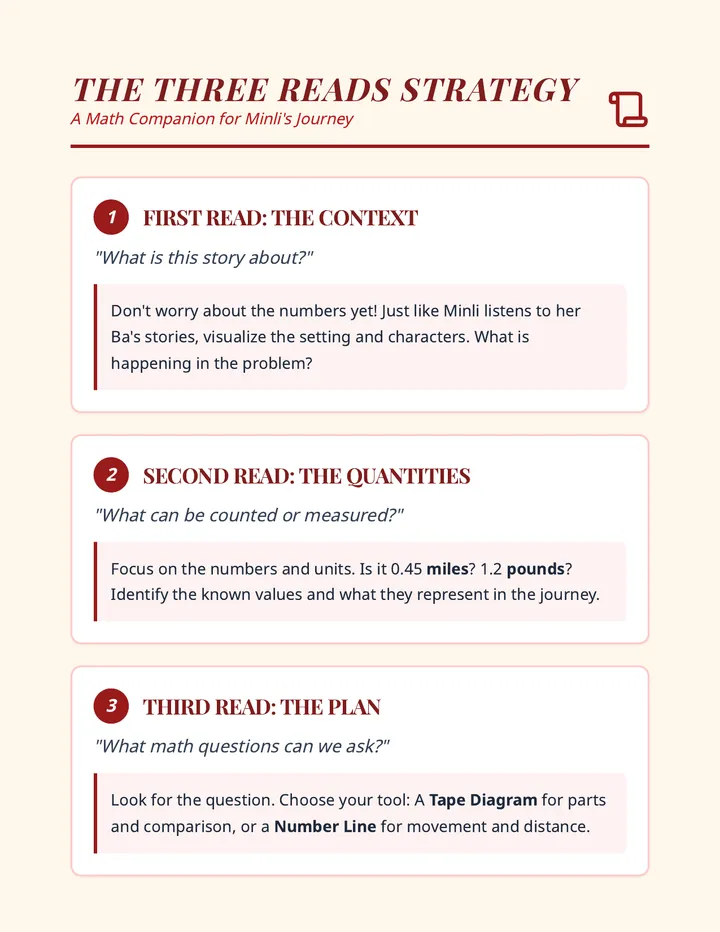
Three Reads Reference Sheet

Quest Mastery 4-Day Bridge

A 4-lesson intensive math intervention for 5th graders designed to bridge 4th-grade decimal foundations to 5th-grade mastery. Features the Three Reads strategy and mental math logic (Counting Up, Matching Units) themed around 'Where the Mountain Meets the Moon'.

K

kthompson

21
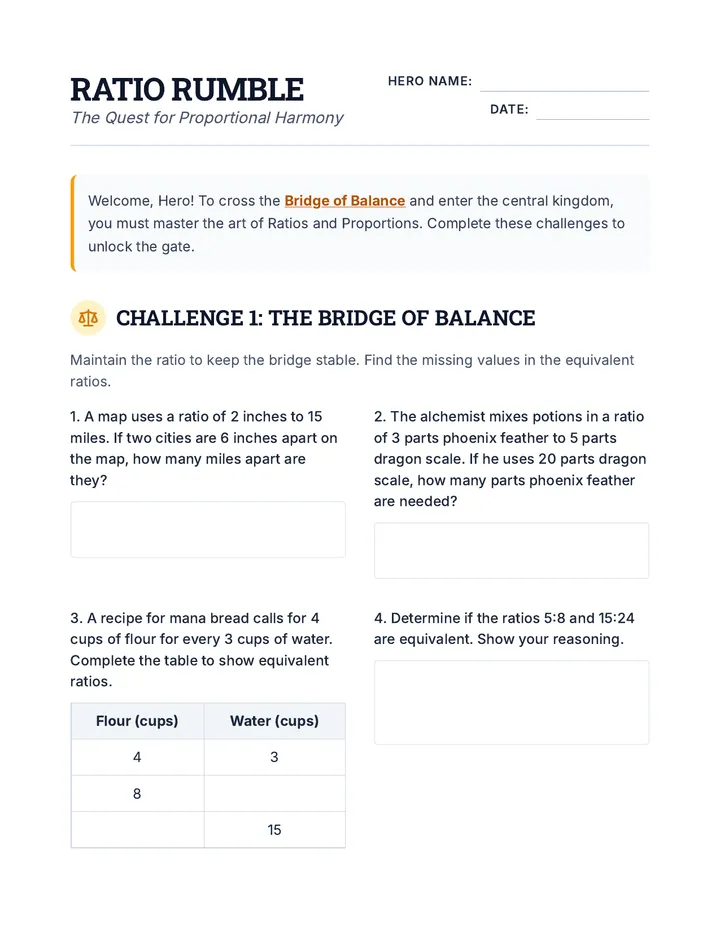
Ratio Rumble Worksheet

Math Quest Review

A week-long adventure-themed 6th-grade math review covering major clusters: Ratios & Proportions, Number System, Expressions & Equations, and Geometry. The sequence culminates in a mixed-review 'Quest Finale' to assess student mastery and readiness.

C

carlsond

15

Lessons

Muffin Madness Worksheet

Bakery Batch Division

A comprehensive series of fifteen bakery-themed math worksheets focusing on multi-digit multiplication using area models (both 2-digit by 2-digit and 3-digit by 2-digit) and multi-digit long division (up to 5-digits by 1-digit), complete with a consolidated answer key. Worksheets 10-15 feature advanced word problems with extraneous numerical information to build critical thinking, offered in both scaffolded and independent practice formats.

N

nmack

19
Math Radar Intake Slides

Math Skill Radar

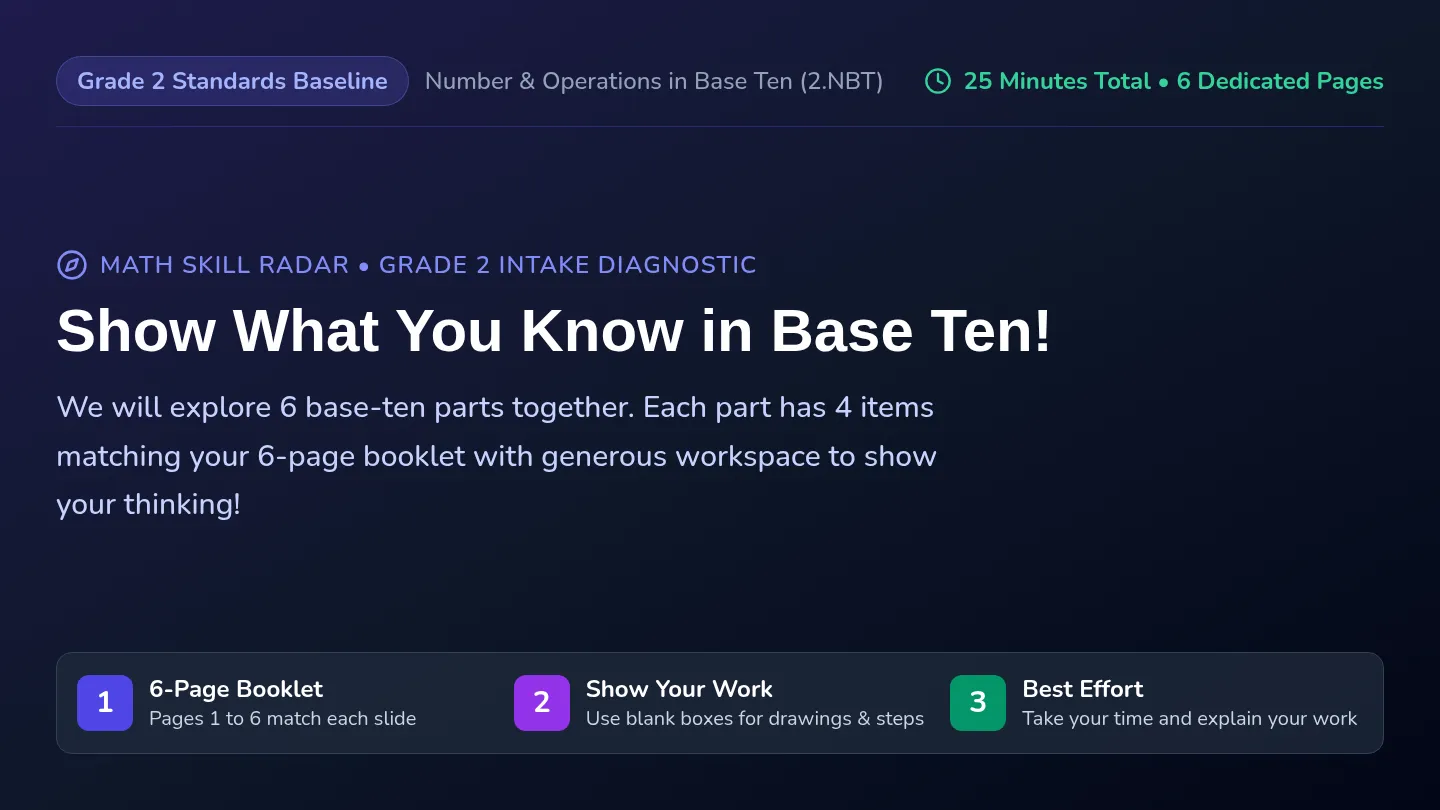
A comprehensive baseline math diagnostic and intervention suite for special education spanning early numeracy through Grade 4. Features complete tiered intake assessments, practice packets, manipulative work mats, and master scoring keys for both 1st Grade Base Ten (1.NBT) and 2nd Grade Base Ten (2.NBT), alongside K-1 early number sense tools.

S

Sara

20
Percent Power Doodle Notes

Percent Power

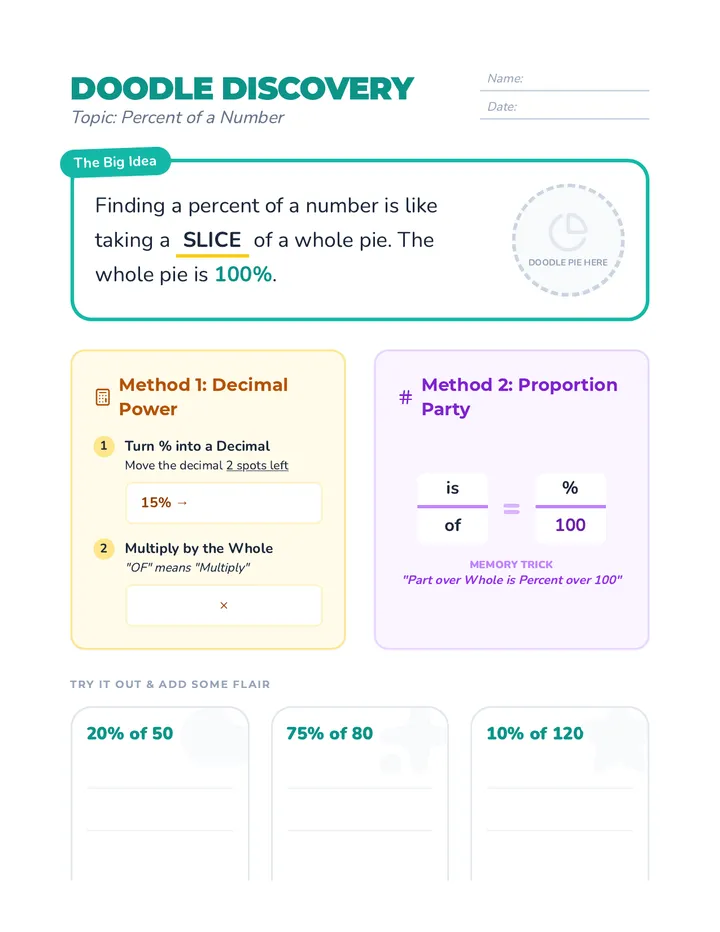
A comprehensive set of visual, interactive doodle notes and practice activities designed to help students with ADHD master the concept of finding a percent of a number through single-concept focus and hands-on elements.

J

jedriend

5
Bakery Blitz Worksheet

Whisk and Wonder Math

A collection of word problems centered around a bakery theme, focusing on mixed operations with whole numbers and addition/subtraction of fractions with like denominators.

DG

Danielle Gagnon

10
Fact Fluency Tracker Document

Fluency Progress Trackers

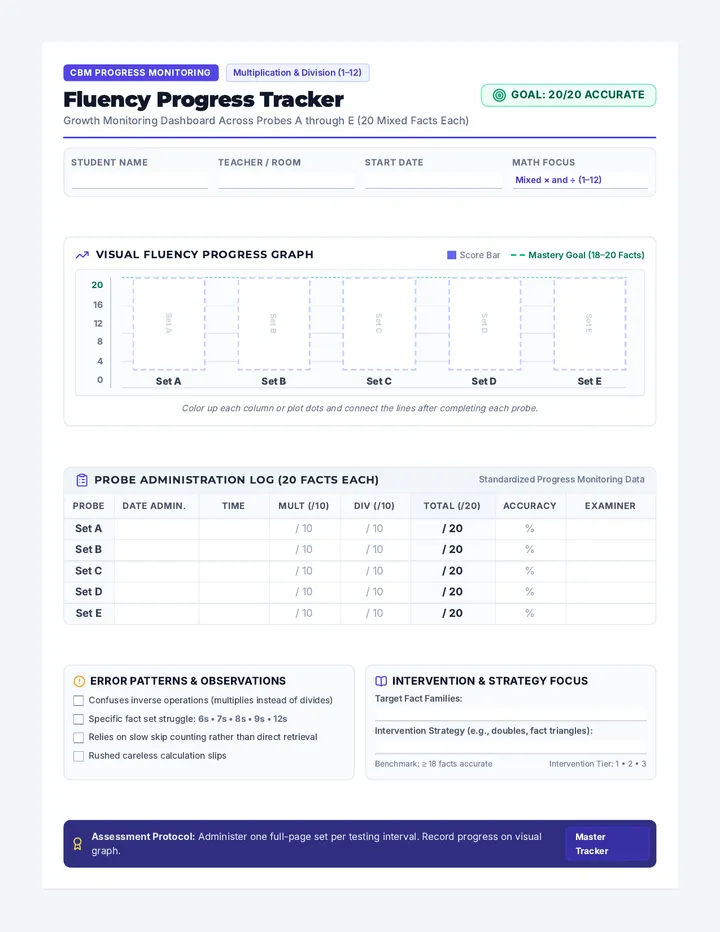
A comprehensive progress monitoring toolkit designed for elementary math intervention. Features standardized CBM fluency probes and multi-attempt tracking dashboards across essential computation skills.

AS

Annie Shields

6
Blueprint Basics Worksheet

Fraction Blueprint Lesson

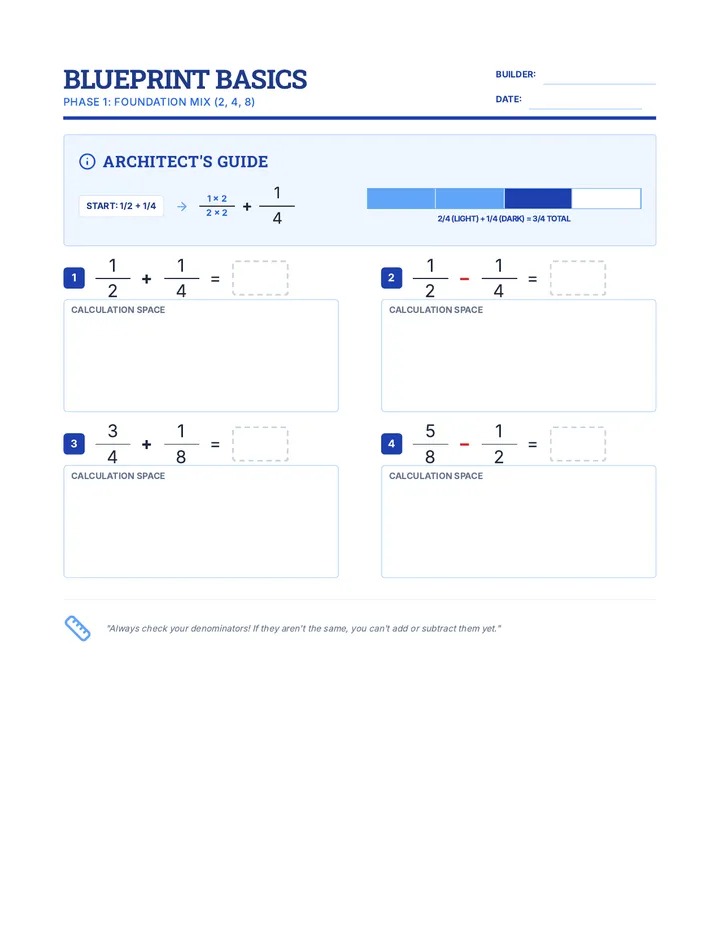
A series of 9 structured worksheets focusing on adding and subtracting fractions with simple denominators (2, 3, 4, 5, 6, 7, 8, 9, 10, 11) using a blueprint-inspired design. Includes step-by-step examples and visual scaffolds for students to master both like and unlike denominators.

TP

tiffany priest

13