A high school trigonometry sequence that uses the physics of sound waves to teach modeling with trigonometric functions. Students explore pitch as frequency, volume as amplitude, and the superposition of waves to create harmonies and digital tones.
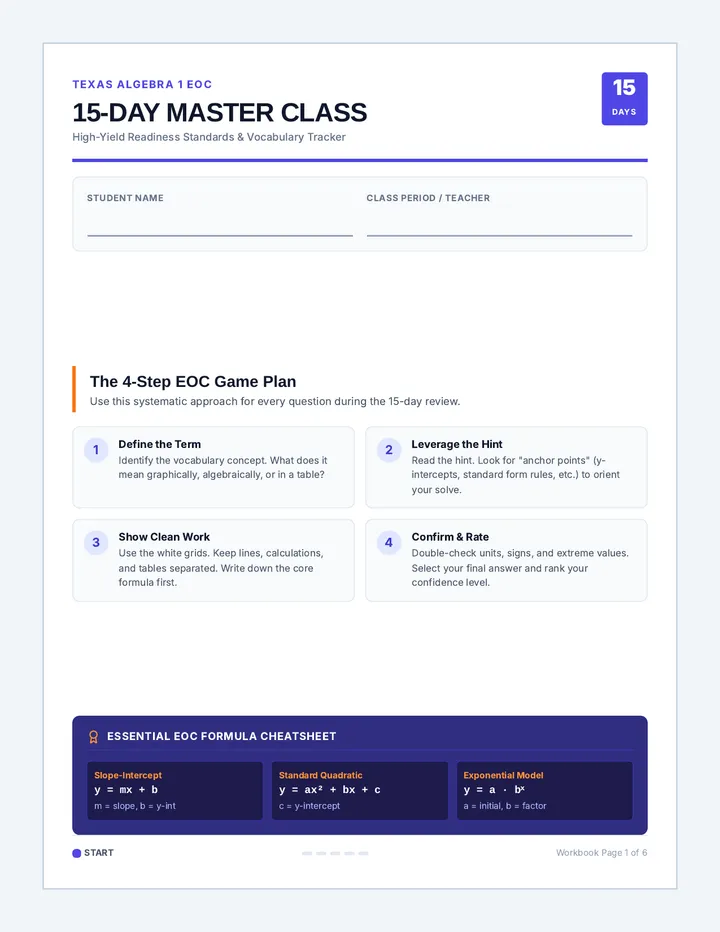
A specialized intervention sequence designed for Algebra I students to master TEKS A2A and A6A, focusing on the domain and range of linear and quadratic functions through tiered small-group instruction.
Une introduction complète aux statistiques universitaires, couvrant la classification des données, les mesures descriptives, la visualisation et les fondements de la loi normale. L'approche est axée sur l'analyse de données réelles et la compréhension conceptuelle.
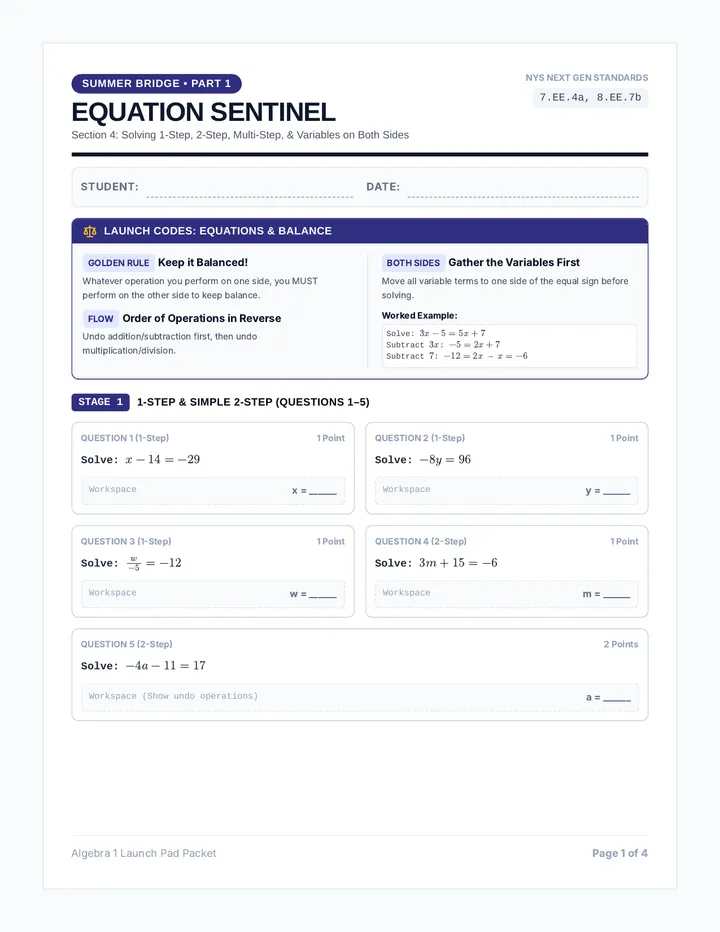
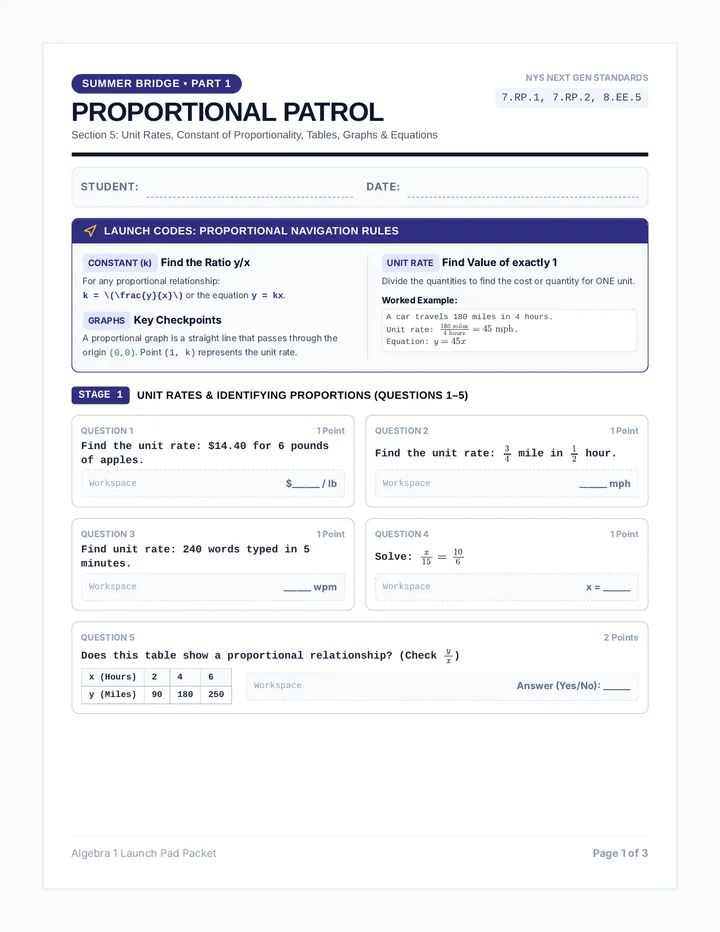
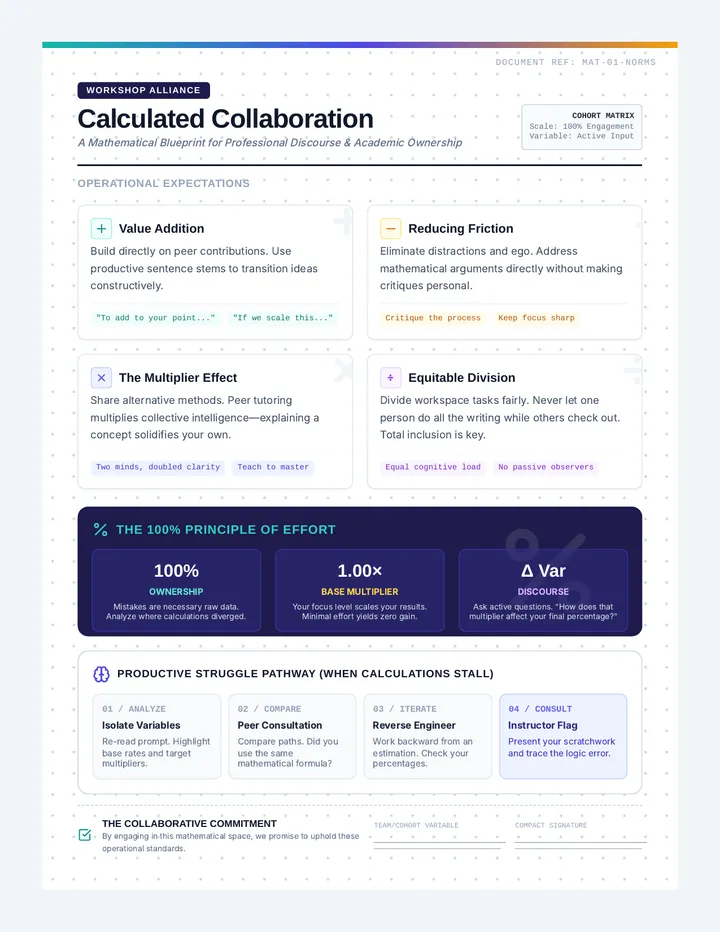
A comprehensive math unit focusing on applying percentage calculations, sales tax, and multi-step budgeting to real-world scenarios. students act as event planners to manage a fixed budget while accounting for specific tax rates.
A lesson sequence focusing on the algebraic and graphical properties of radical equations, bridging the gap between symbolic manipulation and visual intersection points.
A series of higher-level mathematics lessons exploring calculus foundations through engaging, thematic activities and visual demonstrations.
A series of geometry lessons focused on points of concurrency and their real-world applications in urban planning and design.
A specialized unit focused on identifying and correcting algebraic misconceptions in function transformations, specifically reflections. Students develop critical analysis skills by acting as "Error Doctors" to diagnose and treat common mathematical pitfalls.
A lesson sequence focusing on compound probability, specifically analyzing events where order matters versus where it doesn't, using marble jar scenarios and tree diagrams.
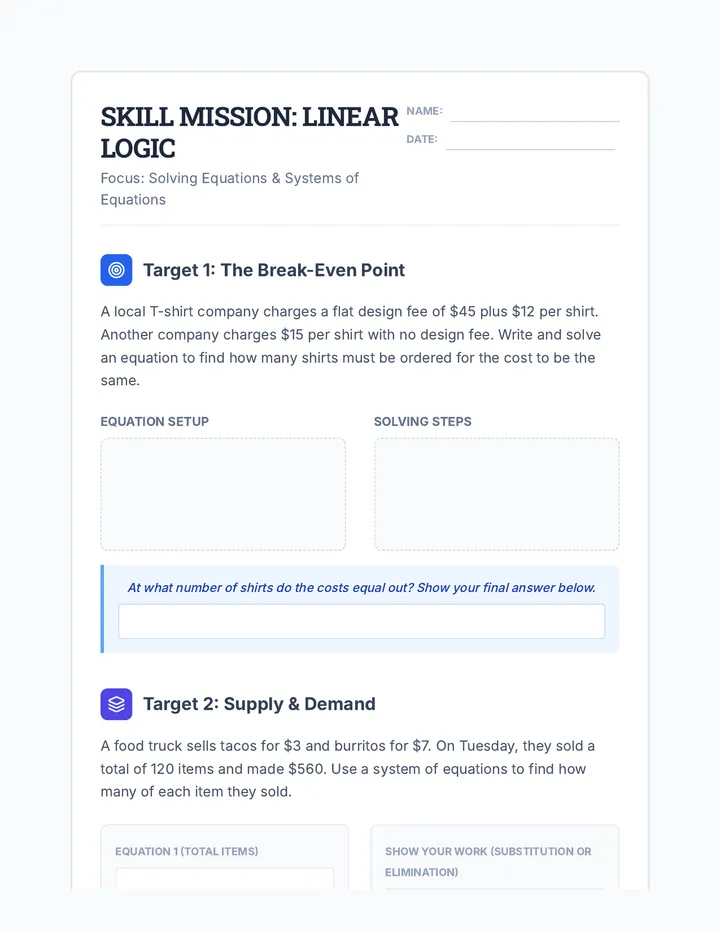
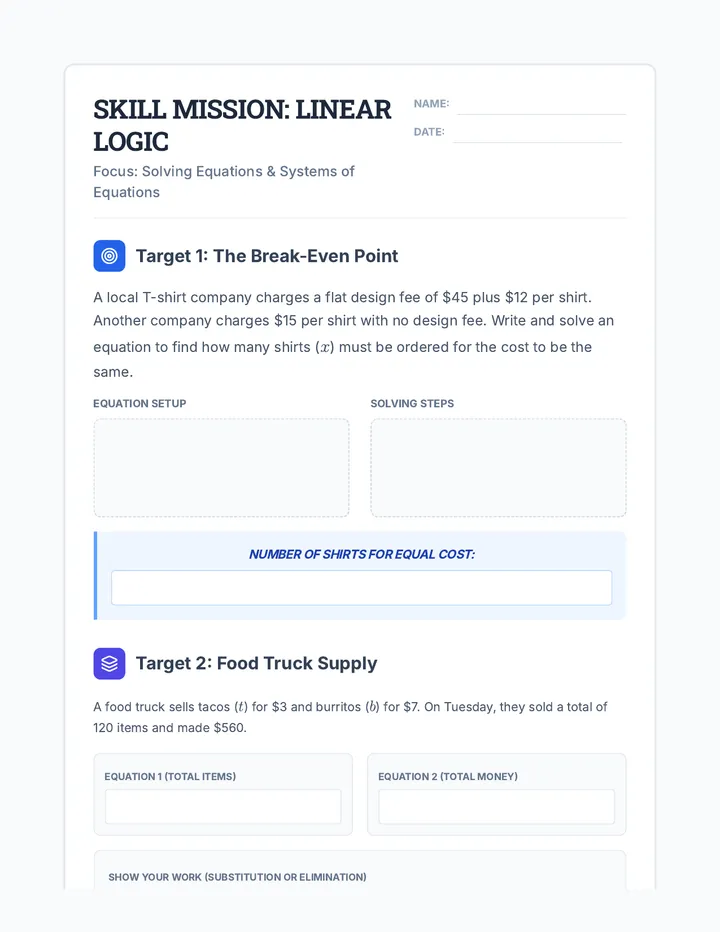
A series of lessons focused on the practical applications of linear equations, slope, and geometric relationships in real-world contexts like urban planning and engineering.
A lesson sequence for Algebra 2 focusing on the relationship between rational exponents and radical expressions, including conversion, simplification, and negative exponents.
A series of advanced mental math and historical algorithm lessons designed to build deep number sense and computational fluency in middle and high school students.
A lesson sequence focusing on the transition from expanded ellipsis notation to formal Sigma notation within the context of arithmetic series proofs. Students analyze a standard proof and reformulate it using summation properties.
A series of lessons exploring exponential functions, their components, graphs, and real-world applications in Algebra 1.
A lesson sequence focusing on advanced factoring techniques, specifically targeting the difference of squares with higher-degree exponents (4, 6, 8) through visual recognition and verification.
A high-level Honors Algebra lesson focused on complex recursive sequences where students analyze notation, explore the Fibonacci sequence, and engage in a 'Sequence Maker' activity to reverse-engineer formulas.
A specialized unit on advanced exponent rules, focusing on simplifying complex algebraic expressions involving fractions and negative powers.
A series of Algebra I support lessons designed to address fundamental misconceptions in linear functions through interactive, theme-based activities.
A specialized unit exploring the geometric properties of slope, connecting algebraic rates of change to trigonometric functions and the geometry of inclination.
A unit focused on applying percentages to real-world financial contexts, including discounts, markups, and interest.
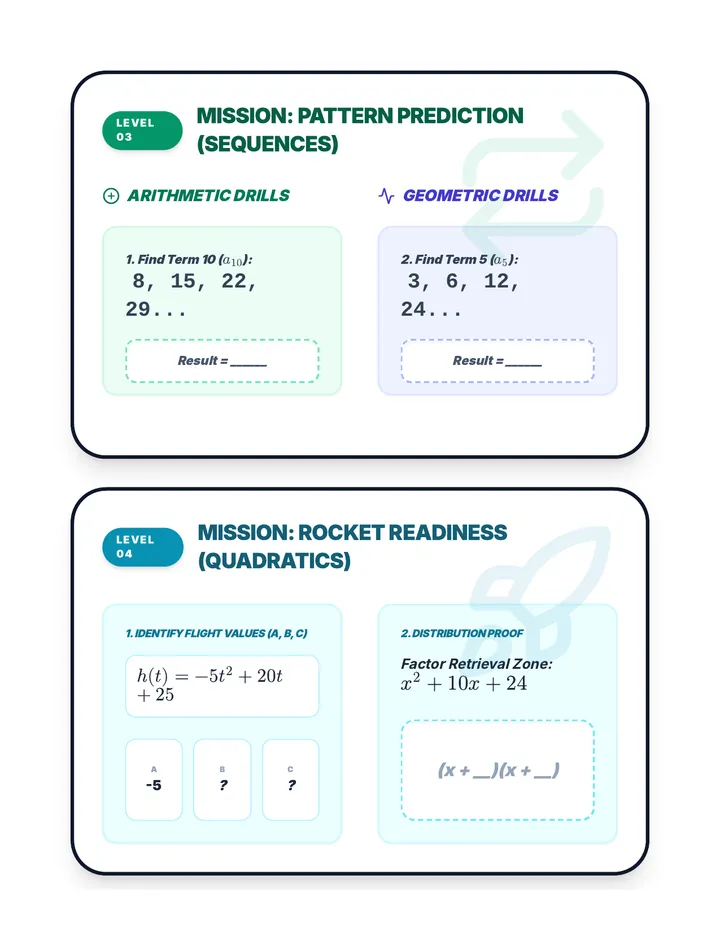
A comprehensive 9th-grade algebra unit exploring the patterns, formulas, and real-world applications of arithmetic and geometric sequences. Students progress from recursive logic to explicit modeling.
An 11th-grade mathematics sequence focused on analyzing linear-quadratic systems through algebraic and geometric lenses, specifically utilizing the discriminant to predict intersection counts.
A middle school algebra lesson focused on identifying terms, combining like terms, and recognizing equivalent expressions through video analysis and a matching card game.
A targeted remediation sequence focused on identifying, analyzing, and correcting high-frequency algebra errors in polynomial operations.
A lesson sequence focused on identifying and correcting domain restriction errors for 9th-10th grade algebra students. Students act as 'Error Doctors' to diagnose and treat mathematical misconceptions using video-based instruction and peer review.
A high school geometry and algebra sequence focused on applying 3D geometry formulas to real-world optimization problems, specifically focusing on cones.
A lesson sequence focusing on the nuances of exponential decay, specifically distinguishing between annual rates and those occurring over non-standard time intervals like months or half-lives.
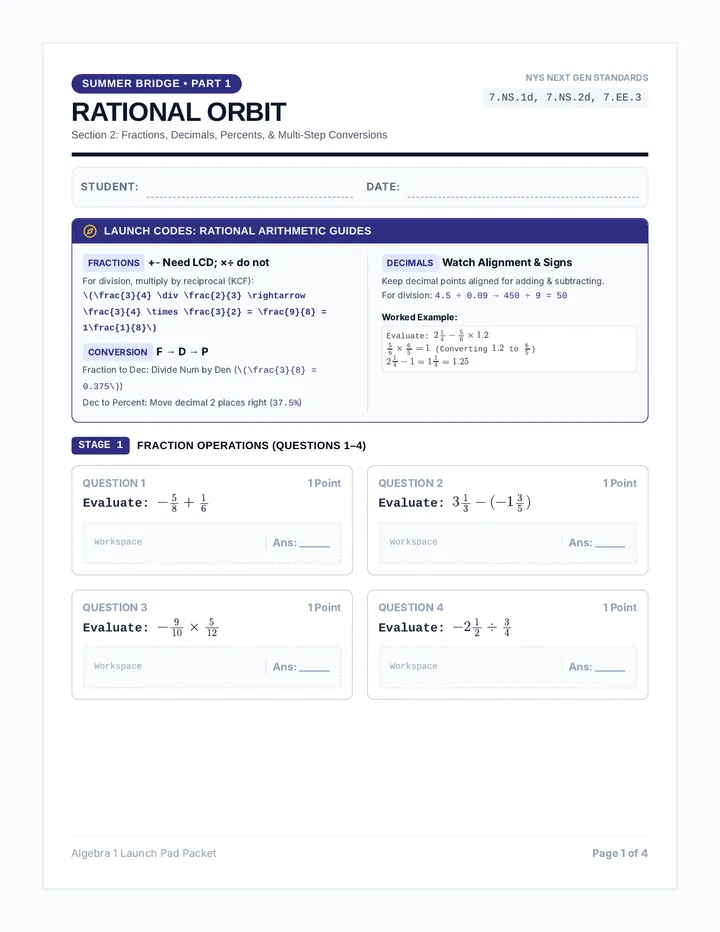
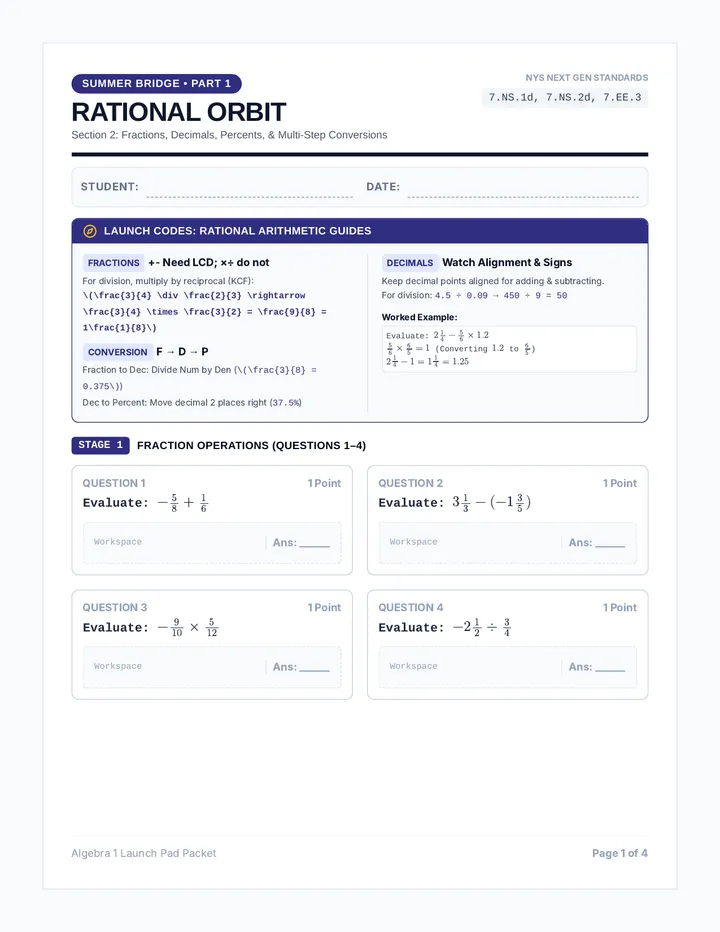
A series of lessons focused on mastering algebraic and numerical fractions through visual strategies and structural simplification.
A lesson sequence focusing on modeling real-world business scenarios using two-step inequalities, centered around the concepts of profit, revenue, and cost.
A focused unit on mastering the volume of cones, specifically identifying and correcting common calculation errors like the 'diameter trap'.
A comprehensive pre-calculus unit focused on the algebraic and geometric properties of inverse functions, including composition-based verification and domain restrictions.
A foundational sequence for 11th Grade Pre-Calculus focusing on the essential building blocks of functions, their graphs, and their behavior. Students develop the ability to recognize, sketch, and analyze parent functions which serves as the basis for all future transformation and modeling work.
A comprehensive lesson on calculating slope using both the algebraic formula and the visual rise-over-run method, featuring guided video notes and a competitive group activity.
A unit focused on mastering polynomial operations, from long division to advanced shortcuts like the Remainder and Factor Theorems. Students move from laborious calculation to strategic evaluation.
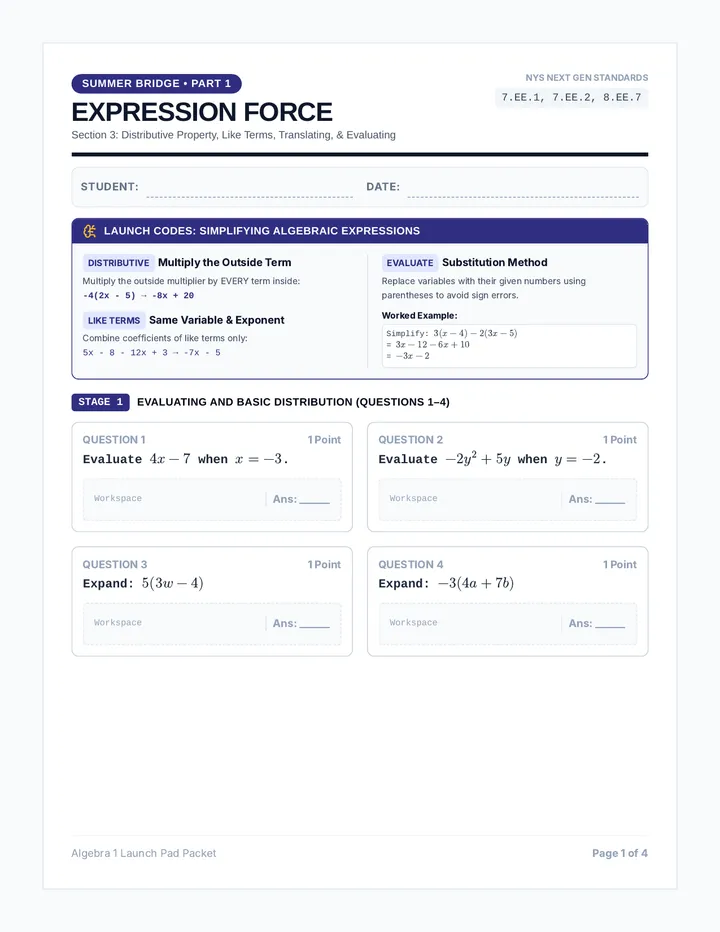
A Pre-Algebra sequence focused on mastering the distributive property through visual analogies, emoji-based patterns, and color-coded modeling. Students transition from concrete sushi and emoji examples to abstract algebraic expressions.
A lesson on rationalizing binomial denominators using complex conjugates for 11th Grade Pre-Calculus students. The sequence focuses on the algebraic logic behind conjugates and their relationship to the difference of squares.
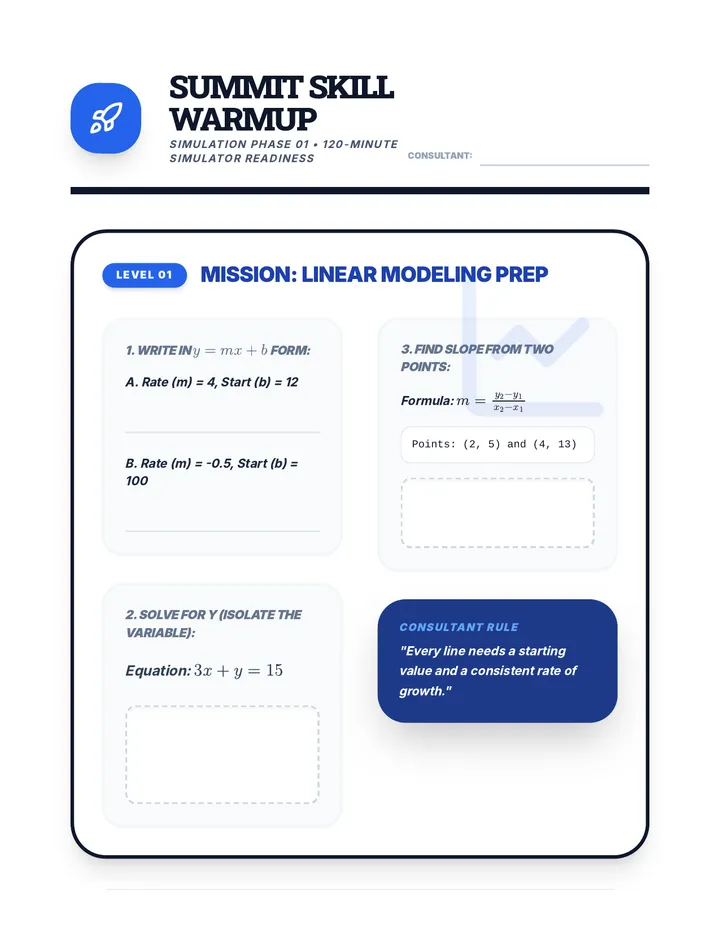
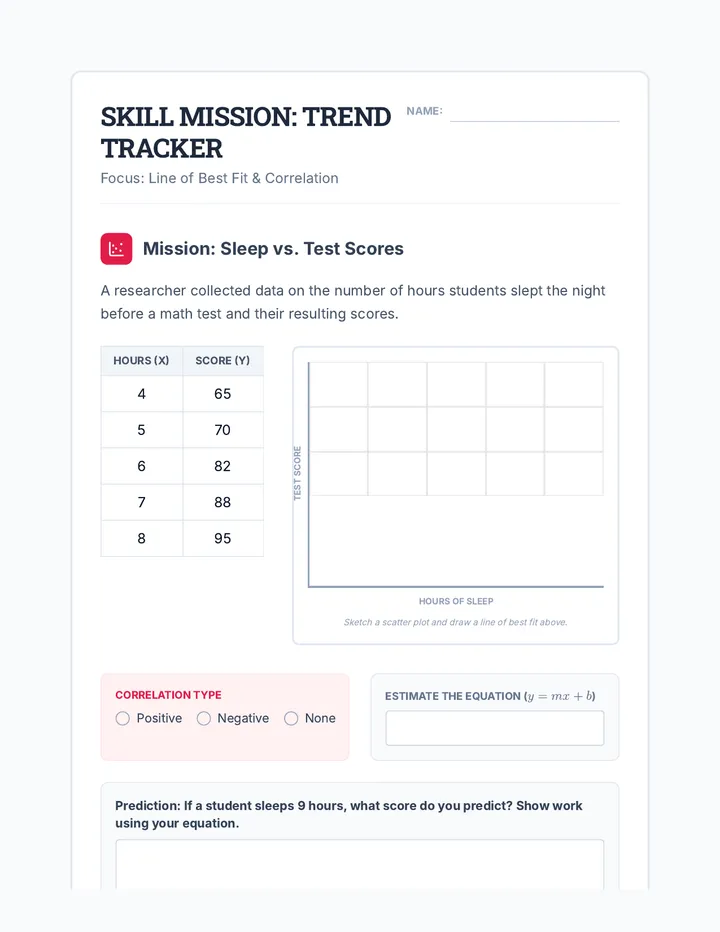
A foundational algebra sequence focused on linear relationships, starting with the calculation of slope and graphing equations in slope-intercept form. Students progress from conceptual understanding to procedural fluency using visual and kinesthetic activities.
A comprehensive lesson sequence for Undergraduate College Algebra focused on synthesizing and selecting the most efficient strategies for solving exponential equations, utilizing common bases, logarithms, and quadratic forms.
A lesson sequence focusing on the geometric properties of quadratic functions, specifically using symmetry to locate key features like the vertex and axis of symmetry.
A lesson sequence focused on the critical thinking skills required to verify mathematical patterns, using geometric sequences as the primary vehicle for exploration. Students learn that initial data points can be deceptive and that rigorous verification is essential for mathematical proof and real-world predictions.
An Algebra intervention sequence focusing on the critical distinction between vertical and horizontal line equations ($x=c$ vs $y=c$). This sequence targets common misconceptions through visual analysis, coordinate consistency, and guided practice.
A comprehensive lesson sequence for 12th Grade Pre-Calculus/Calculus students on solving and visualizing systems of nonlinear equations involving conic sections. Students move from sketching predictions to algebraic verification and creative system design.
A lesson sequence focusing on analyzing and manipulating exponential functions to reveal true growth rates, using real-world financial contexts and exponent rules.
A unit focused on linear inequalities, boundary logic, and systems of constraints, moving from basic graphing to multi-variable solution regions and real-world scenarios.
A comprehensive unit exploring circle geometry, vocabulary, arcs, angles, and properties through visual and hands-on investigation.
A sequence focused on algebraic substitution in linear equations, moving from basic coordinate completion to complex variable isolation and graphing.
A comprehensive math sequence for 10th-grade academic support focused on using base-ten manipulatives to master decimal operations through a financial lens. Students progress from foundational place value to complex budgeting simulations, bridging concrete understanding with abstract calculations.
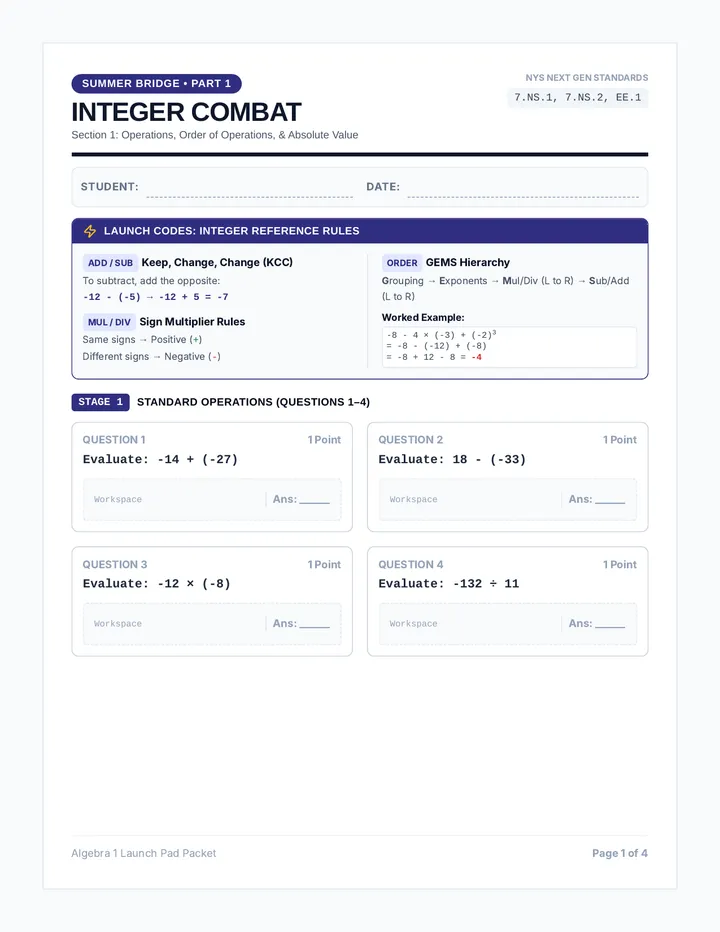
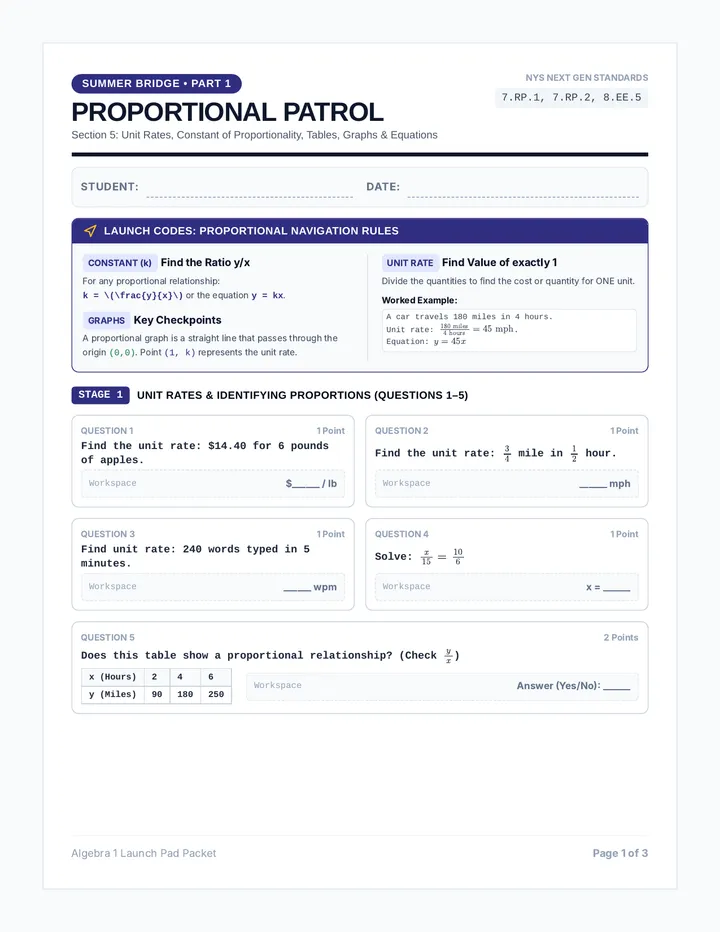
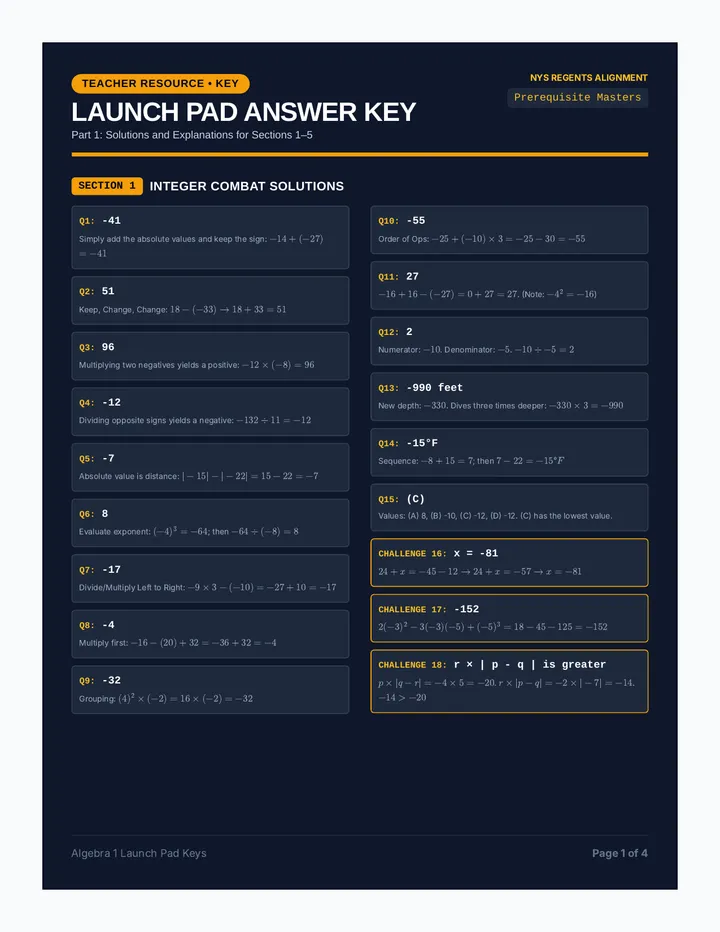
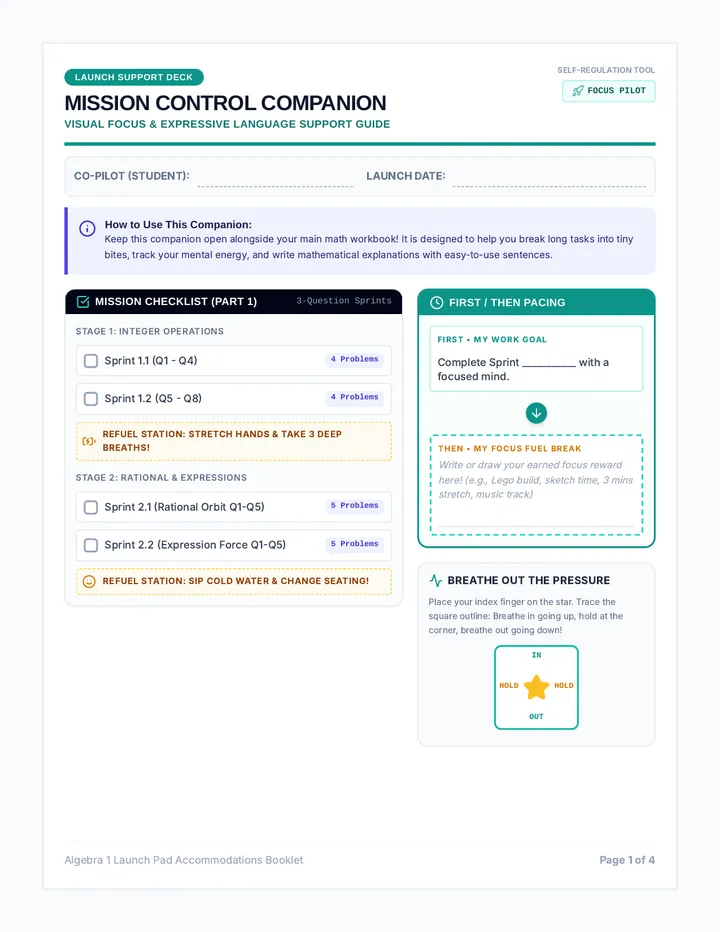
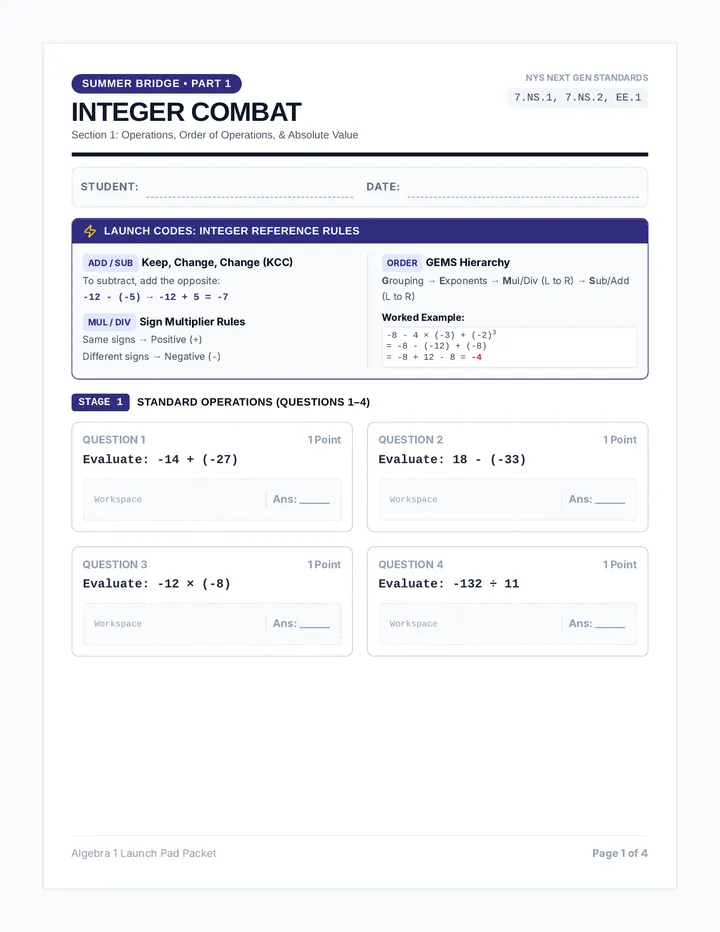
A scaffolded sequence for 10th-grade academic support, focusing on using two-color counters and algebra tiles to master integer operations and transition to algebraic reasoning. This sequence moves from concrete manipulation to representational drawing and finally to abstract procedural fluency.
A mastery-based sequence using base-ten blocks and area models to build conceptual understanding of multi-digit multiplication and division for high school students. This sequence bridges the gap between concrete manipulatives and abstract algorithms through the visual scaffold of area.
A specialized math sequence for 11th-grade students focusing on practical fraction operations and ratios through the lens of construction and design. Students move from basic measurement precision to complex scaling tasks using physical manipulatives like tape measures and Cuisenaire rods.