A reflection journal for the Prime Hunters lesson, featuring three structured prompts about prime number density, predictions for larger numbers, and the definition of prime numbers.
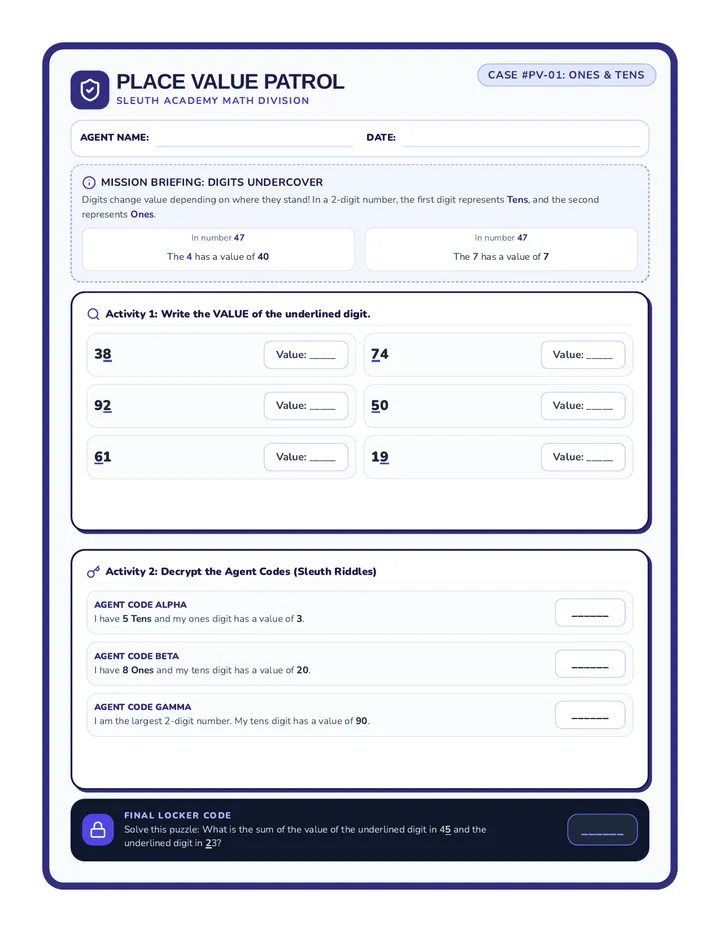
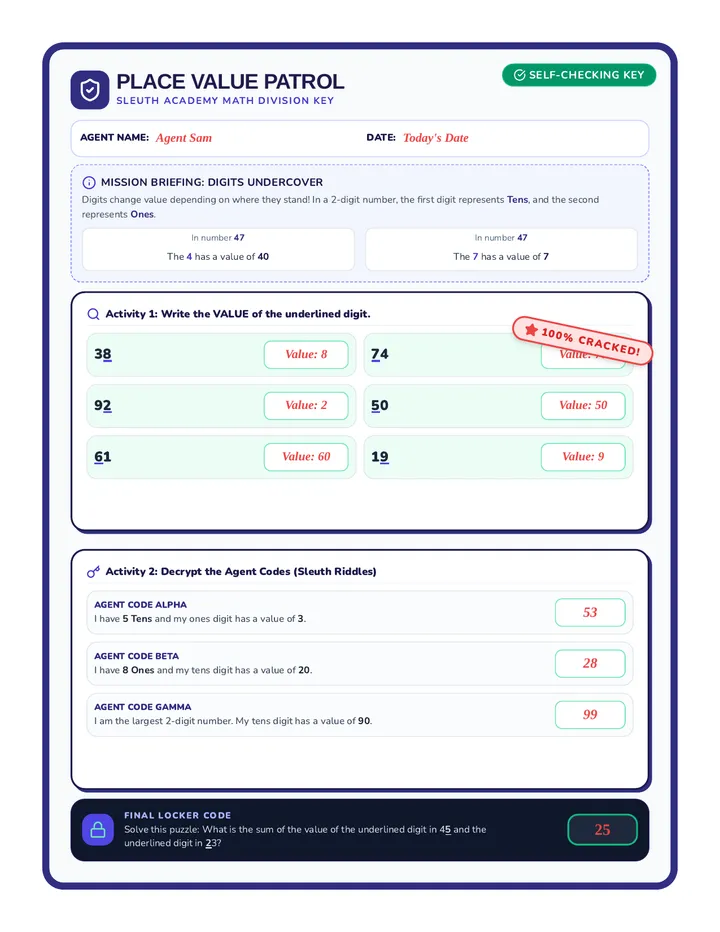
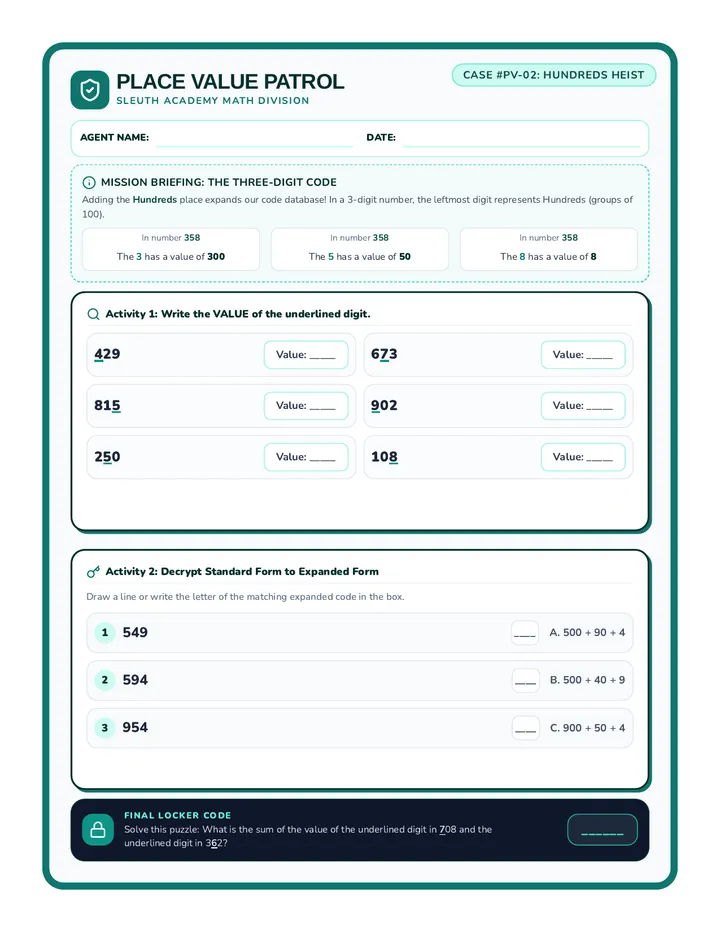
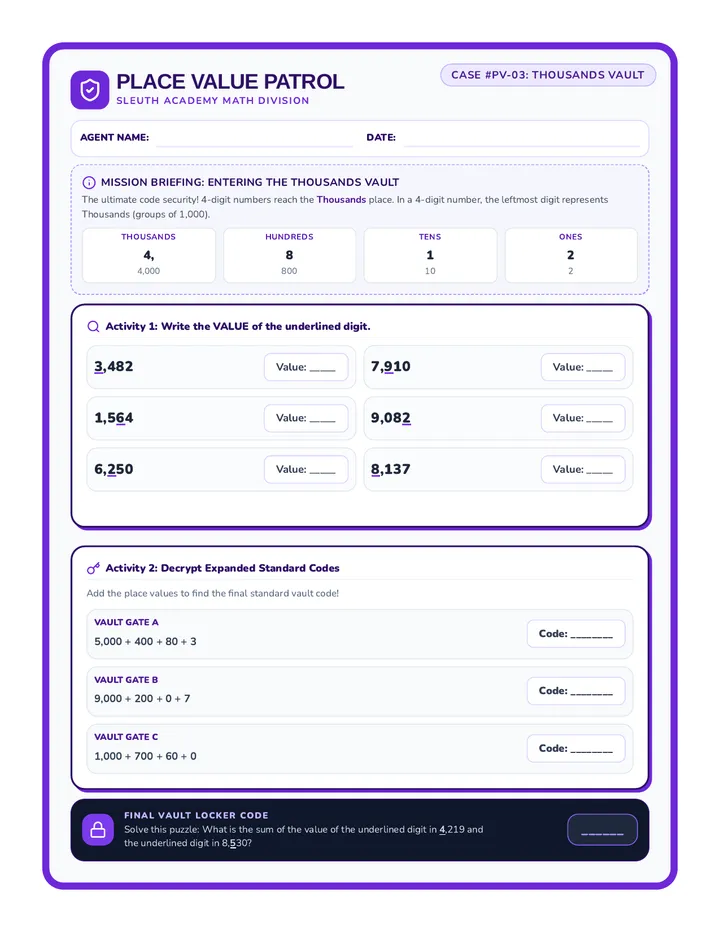
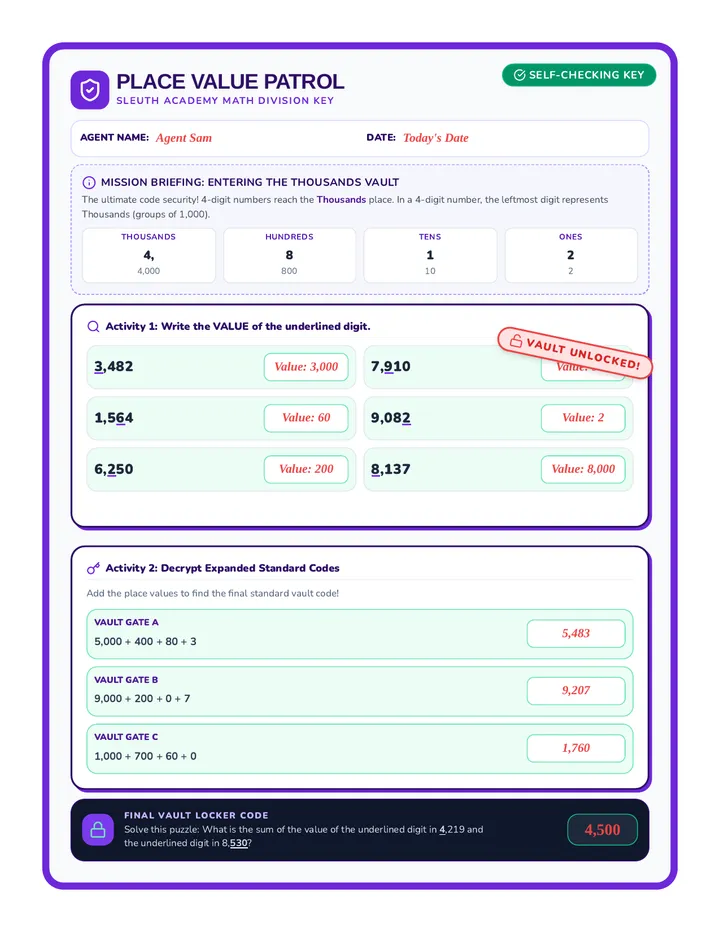
A math place value unit focusing on identifying digit values through the thousands place with interactive detective-themed worksheets and puzzles.
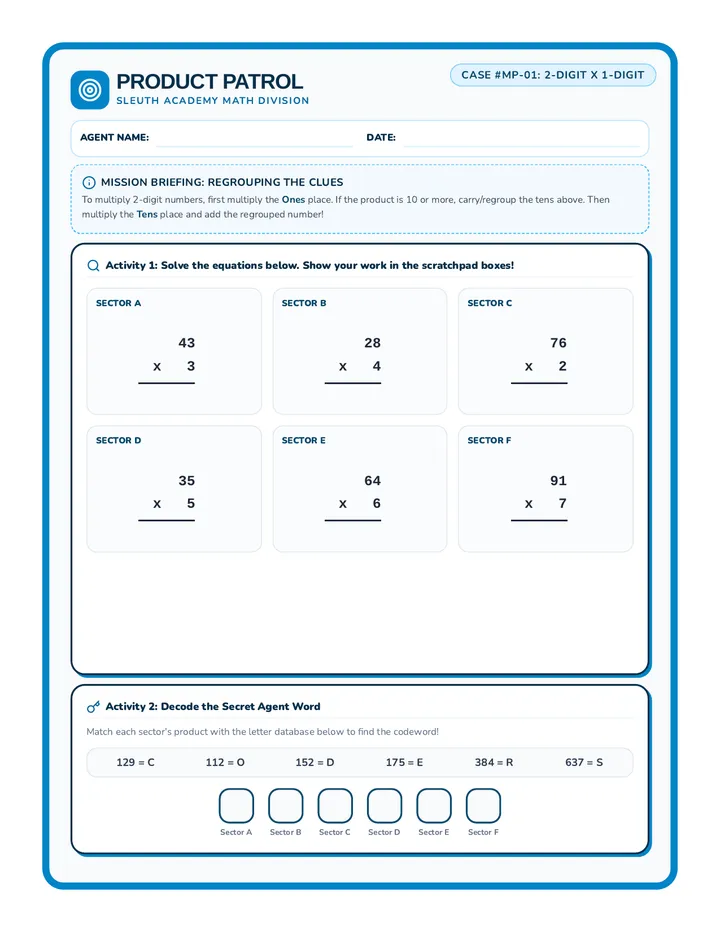
A practical multi-digit multiplication lesson where students solve 2-digit by 1-digit and 3-digit by 1-digit equations using engaging spy-agency themes and mystery puzzles.
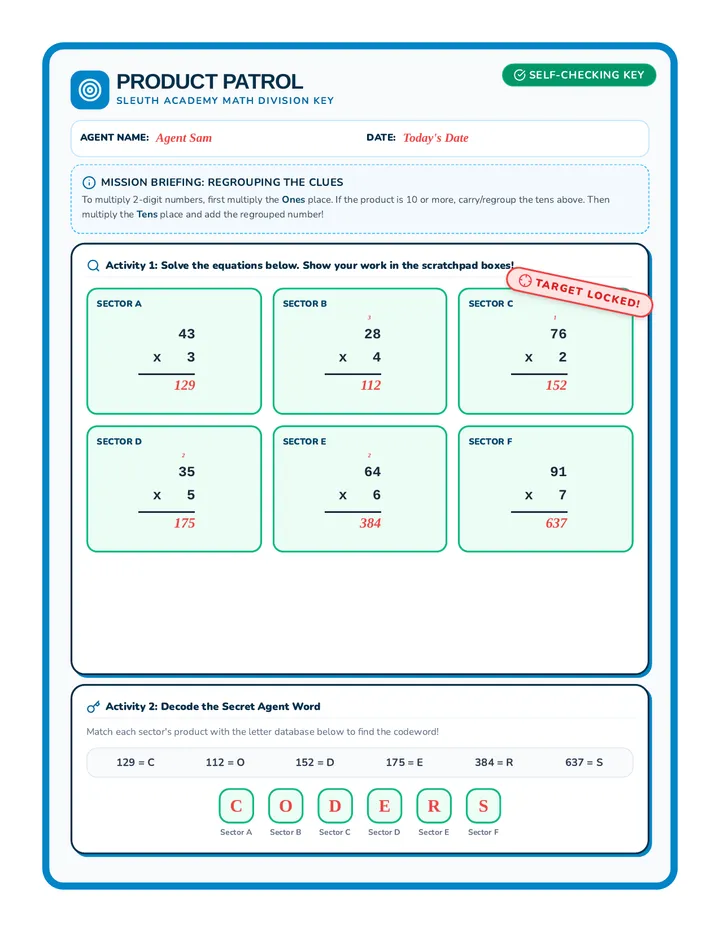
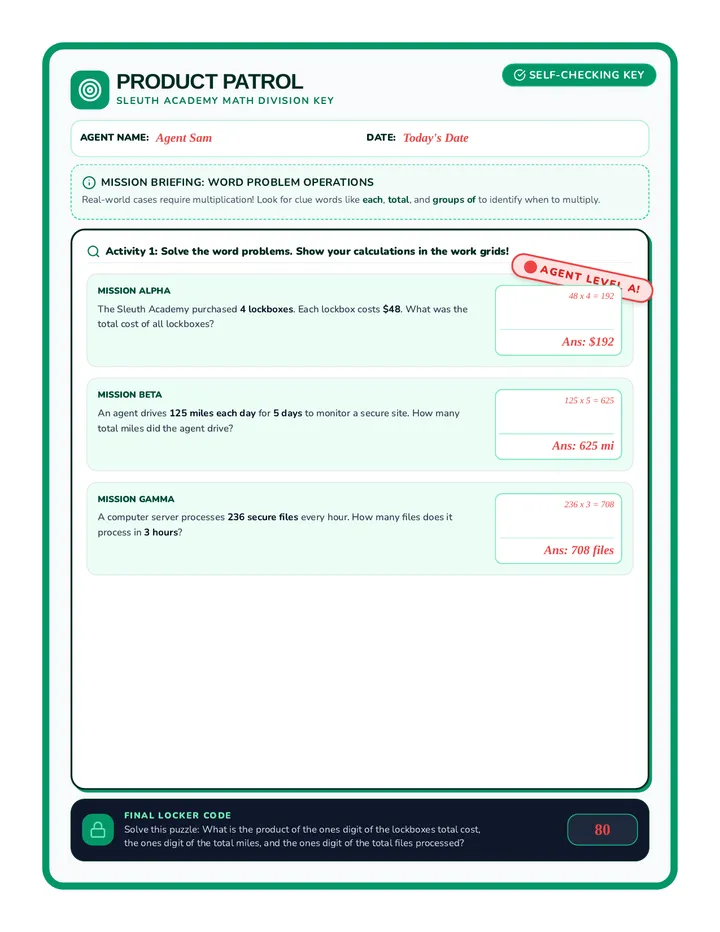
A child-friendly, self-checking answer key for the Multi Digit Worksheet. It displays correct answers in red handwriting style with detective-themed grade stamp.
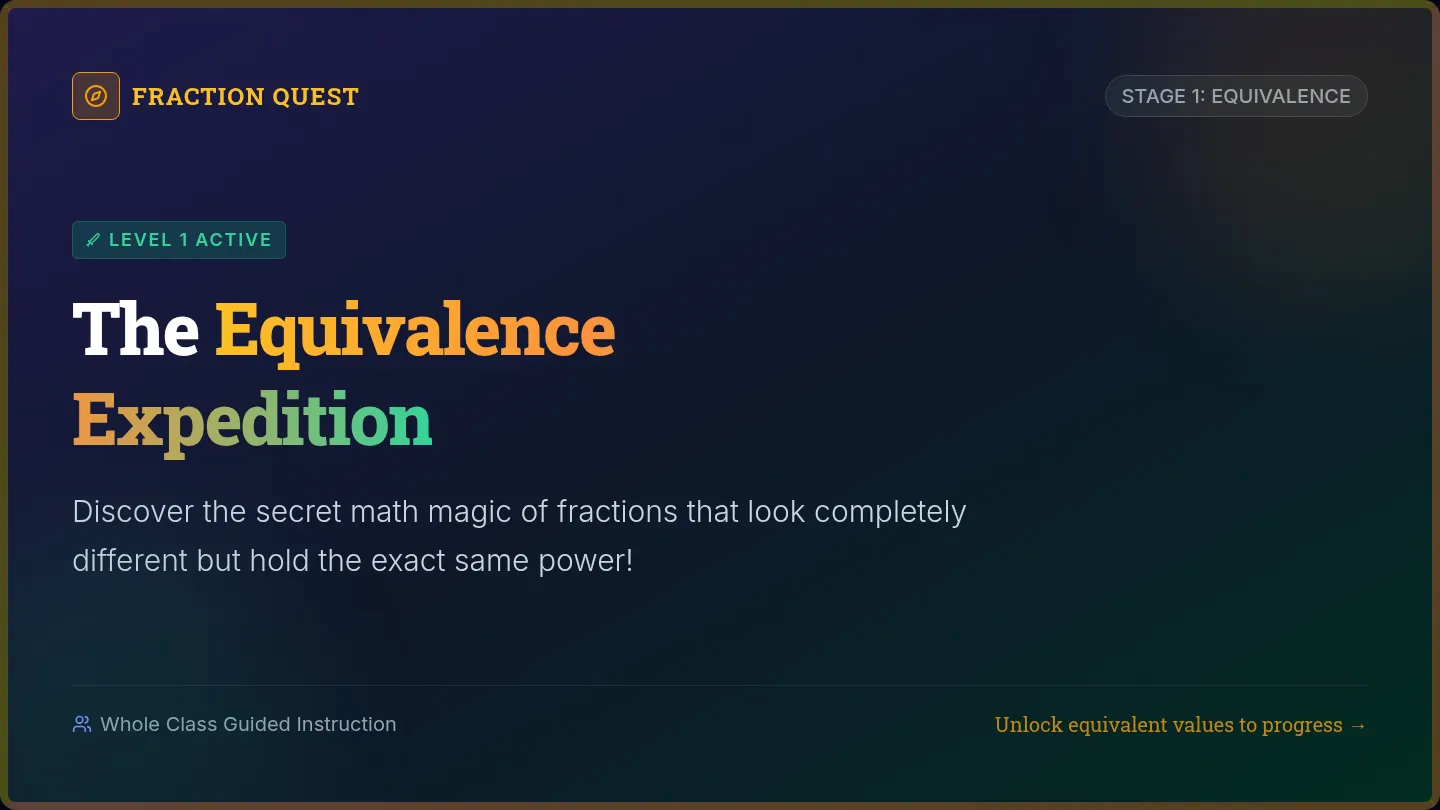
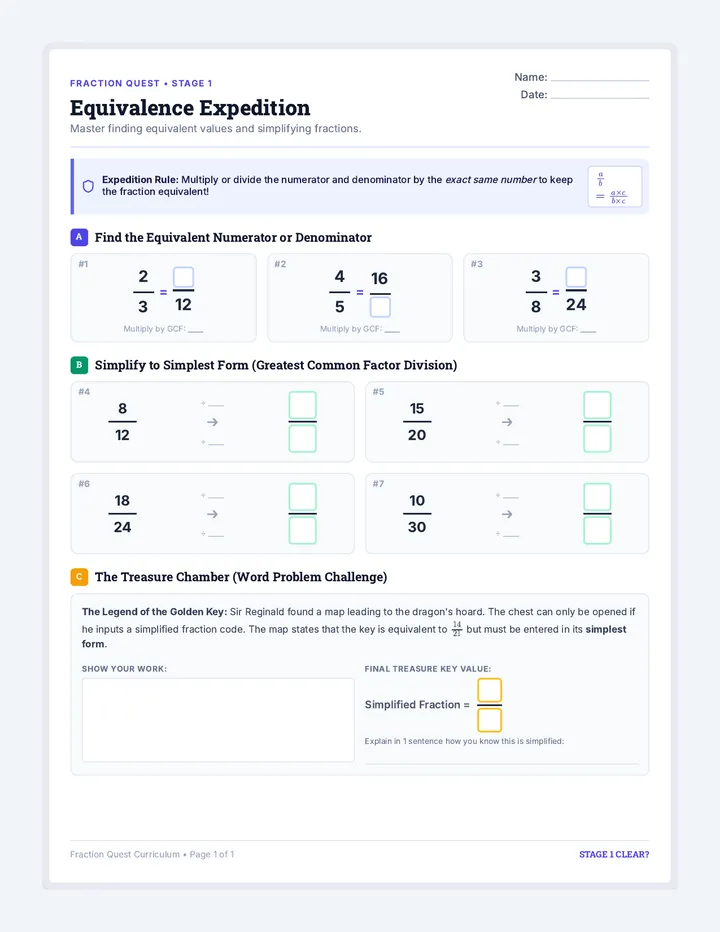
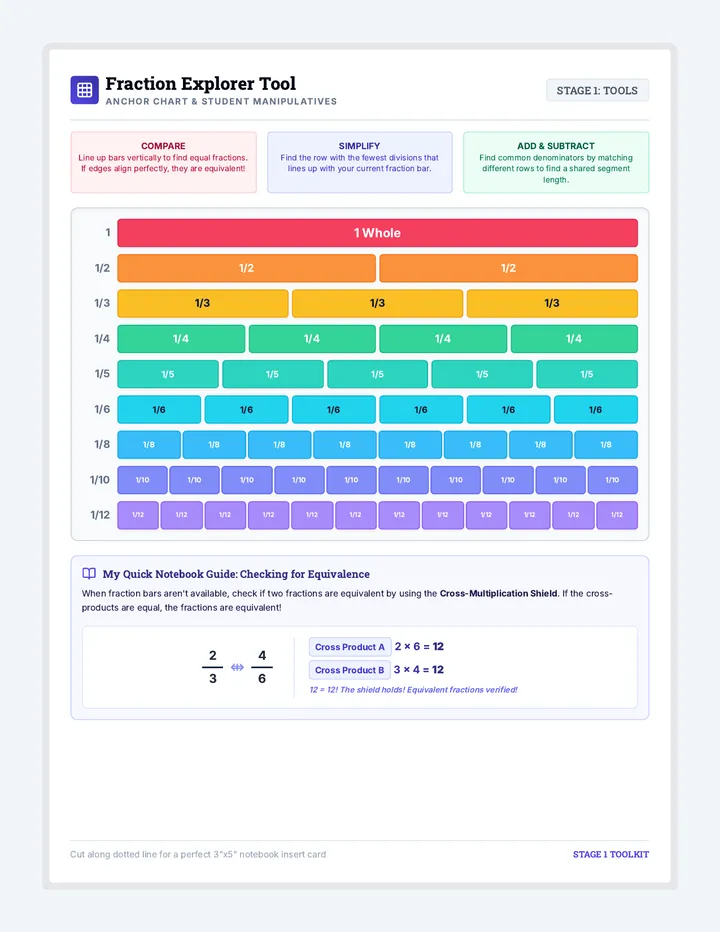
A comprehensive visual math curriculum sequence focusing on fraction equivalence, addition, subtraction, multiplication, division, and comprehensive multi-operation mastery. Includes visual lesson slides, independent practice worksheets, small-group centers, visual tools, and robust assessments.
A progressive place value lesson where students identify the value of digits in ones, tens, hundreds, and thousands using interactive secret-agent themed math worksheets.
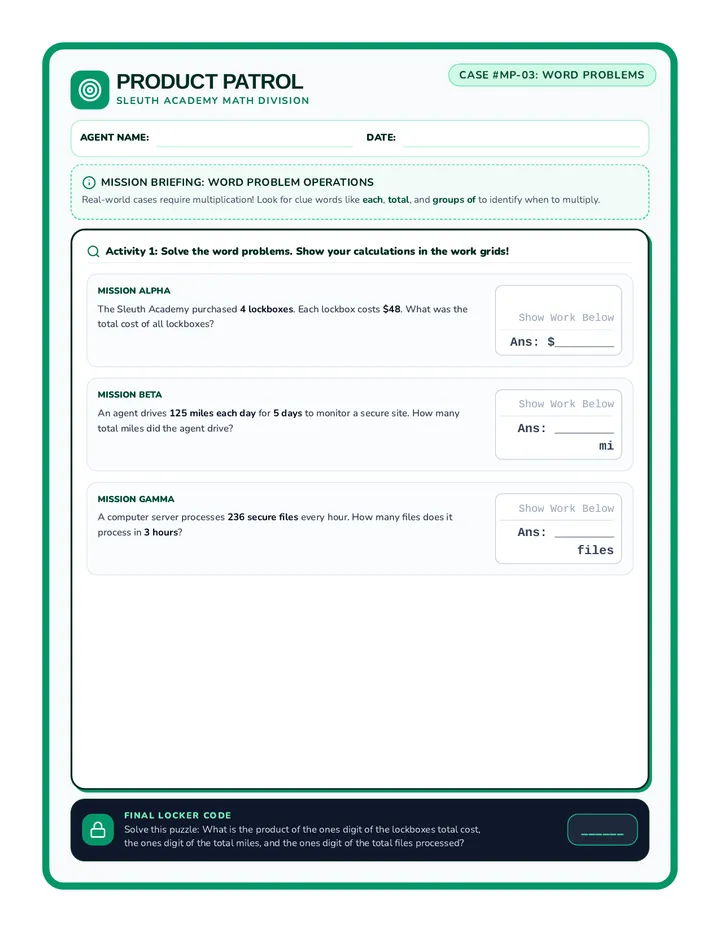
A student-facing math worksheet focusing on word problems for 2-digit and 3-digit by 1-digit multiplication. Includes beautiful, spacious scratchpad boxes for student work.
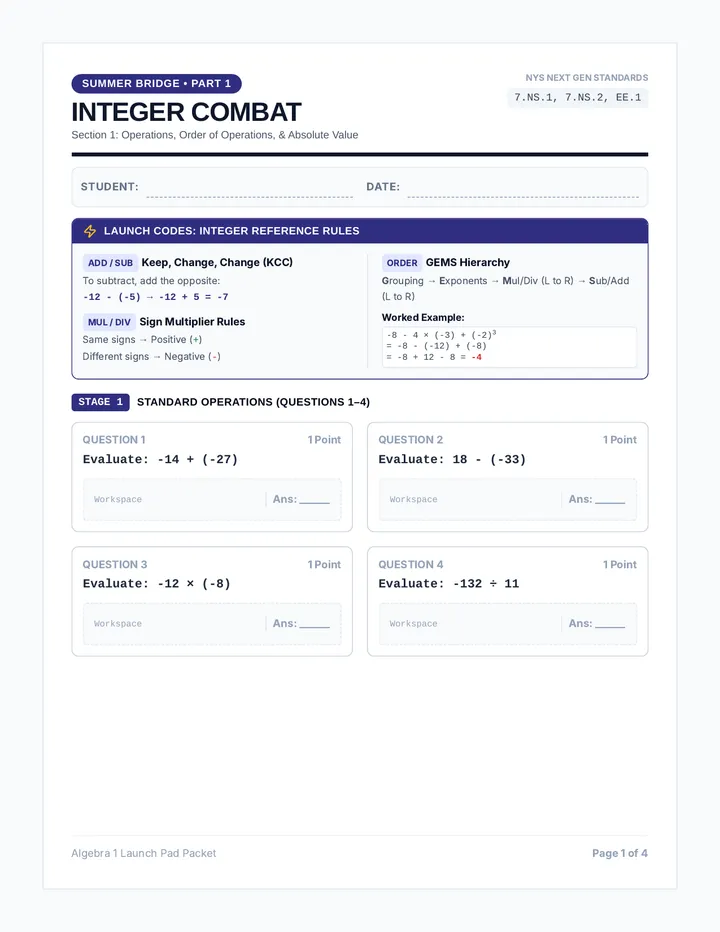
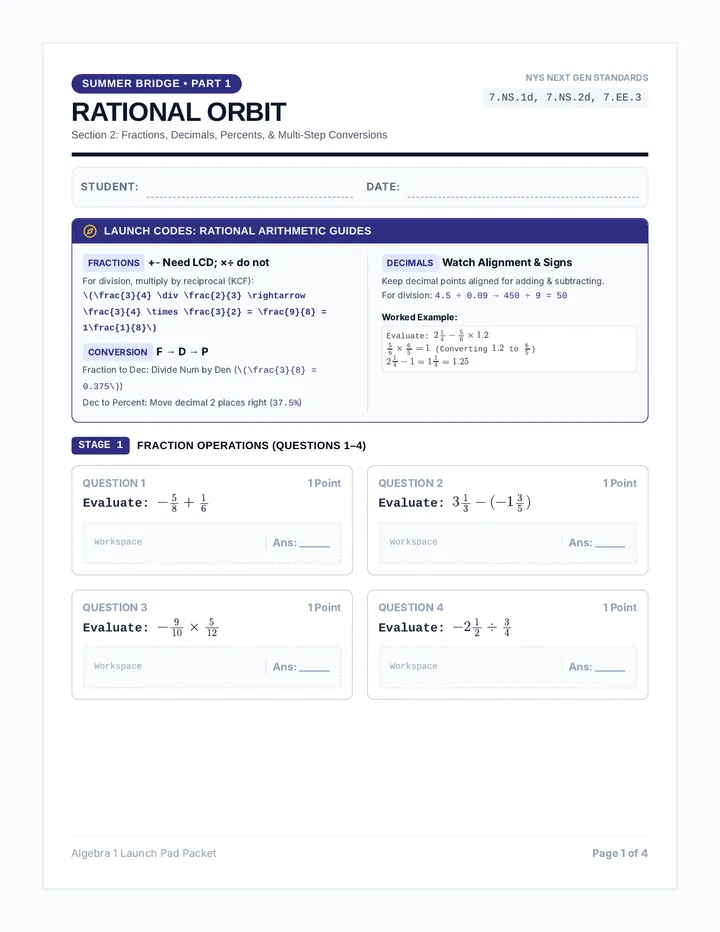
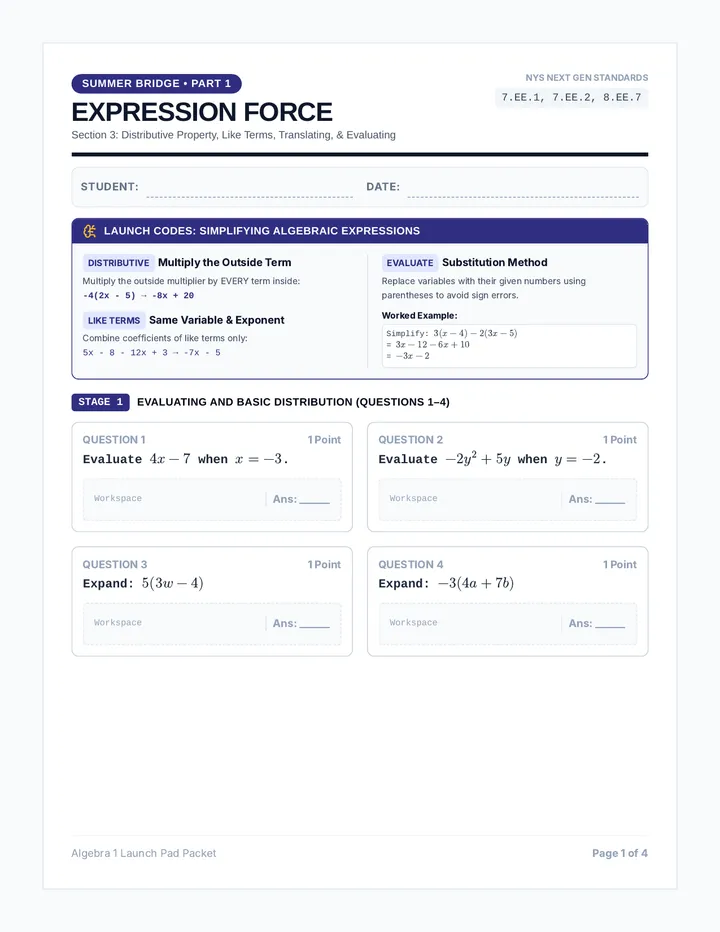
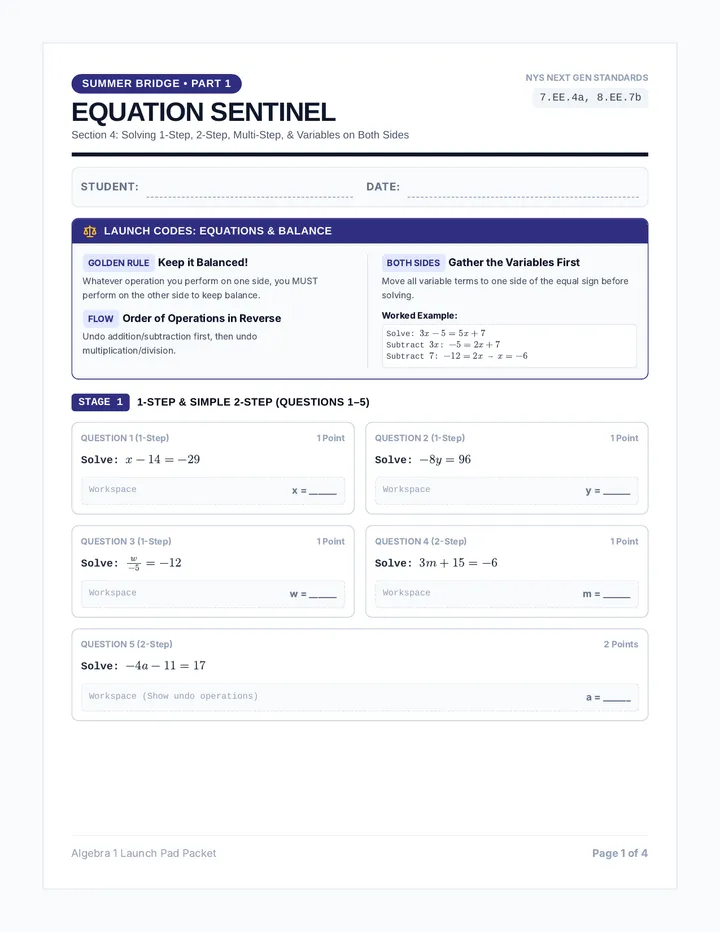
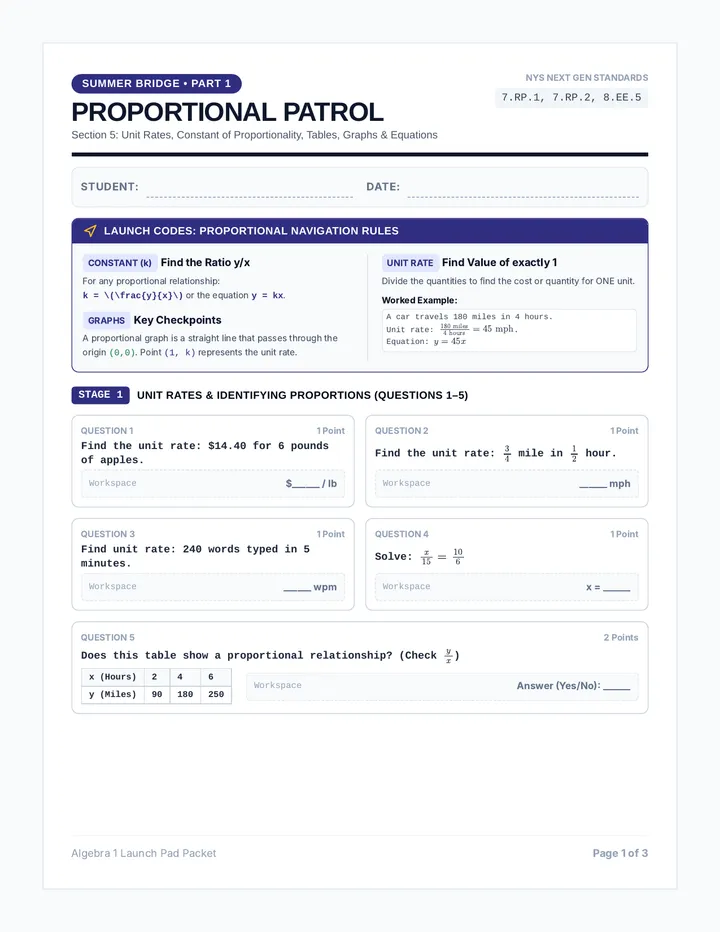
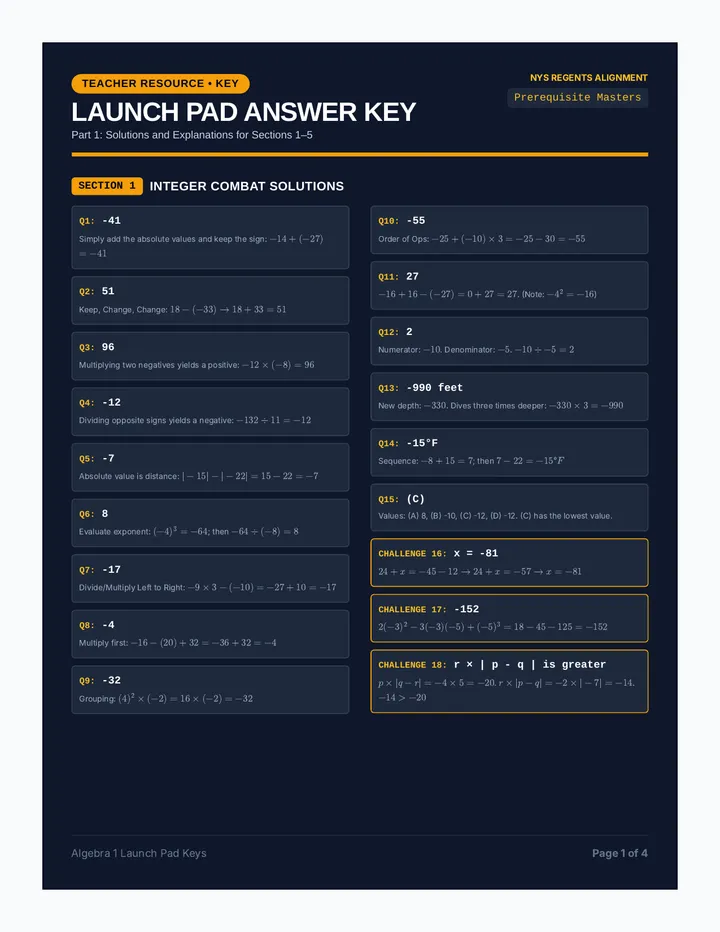
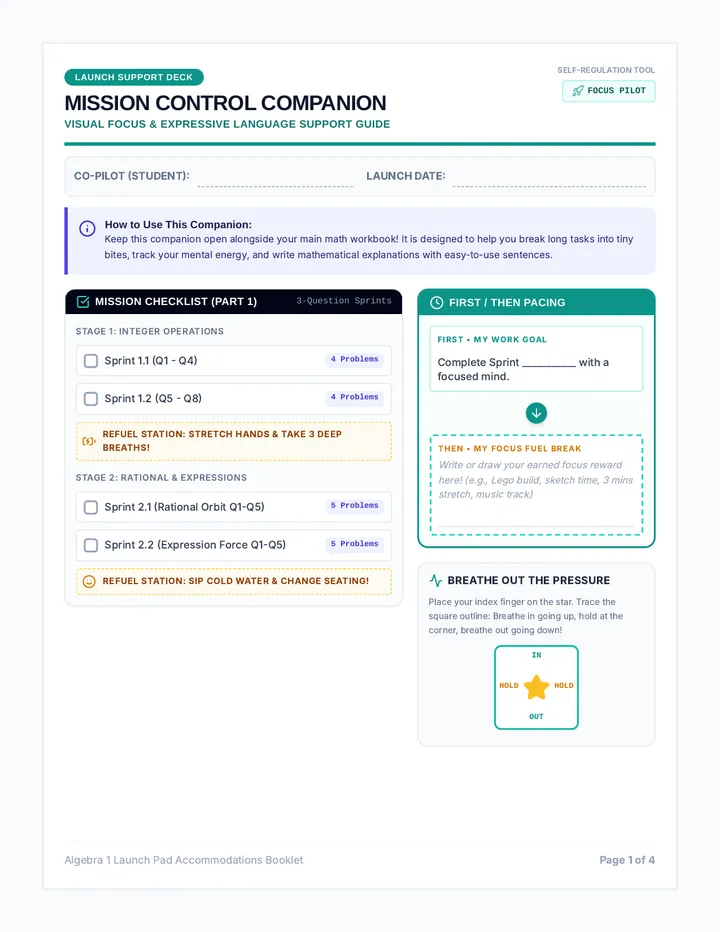
A comprehensive summer bridge workbook for rising 8th graders transitioning to Algebra 1. Contains review of prerequisite topics, advanced pre-algebra skills, real-world application, and an Algebra Escape Challenge.
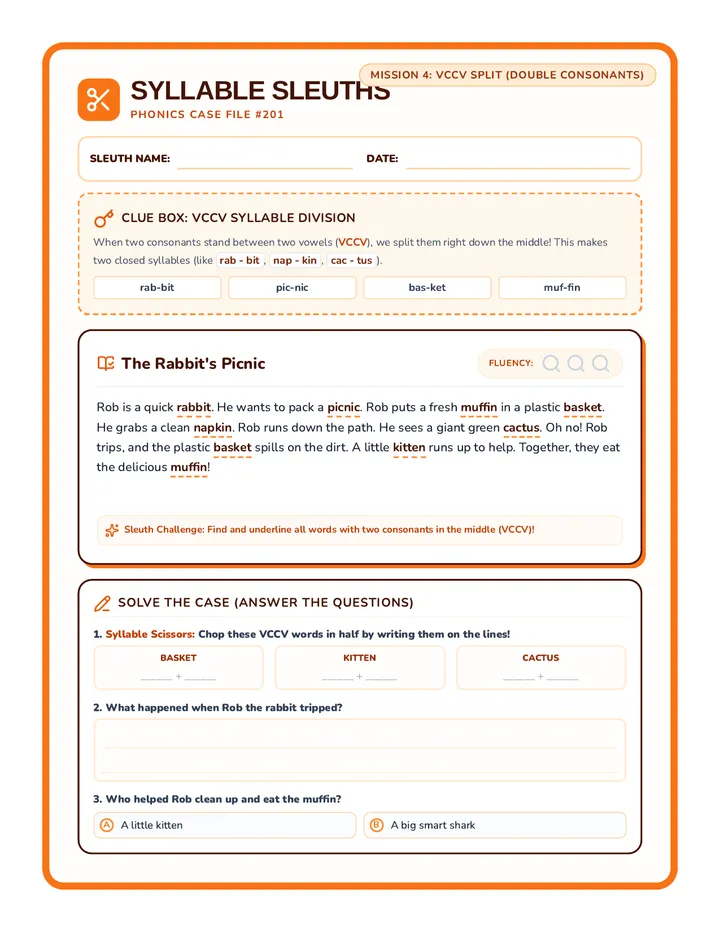
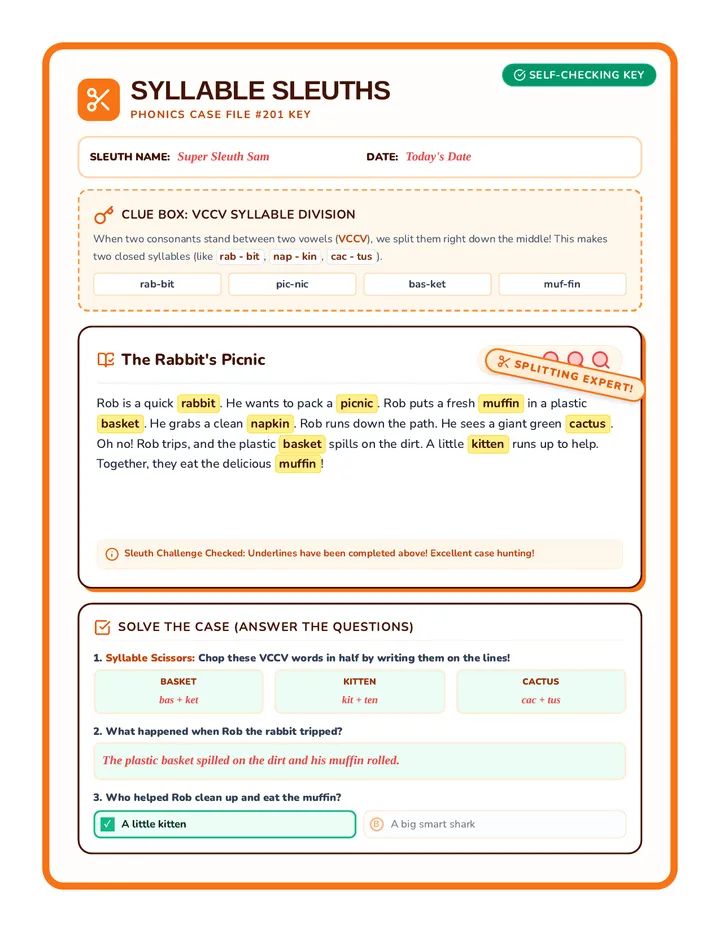
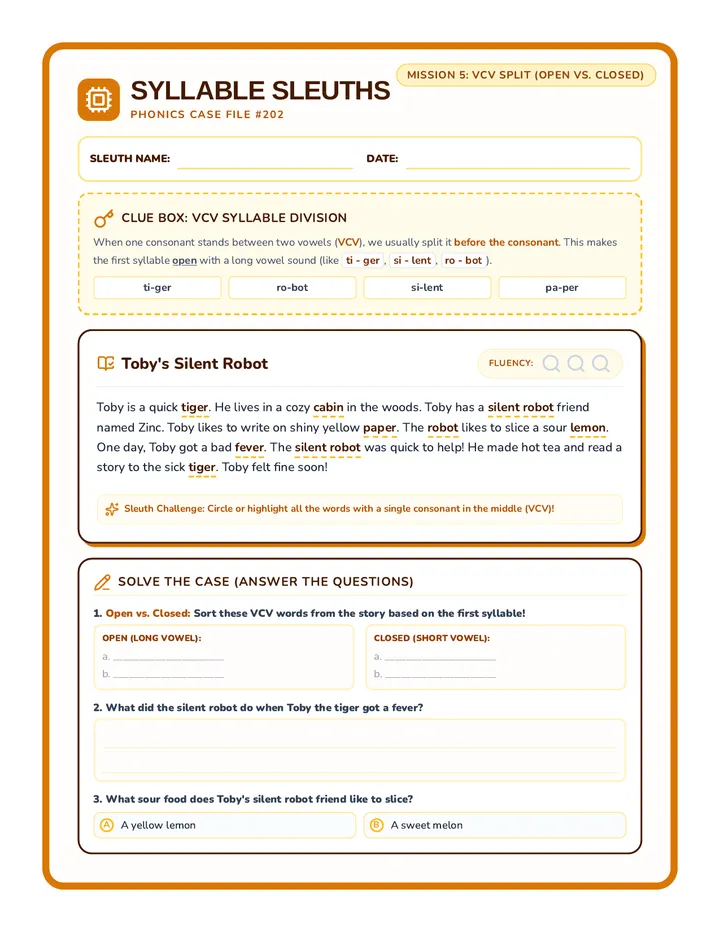
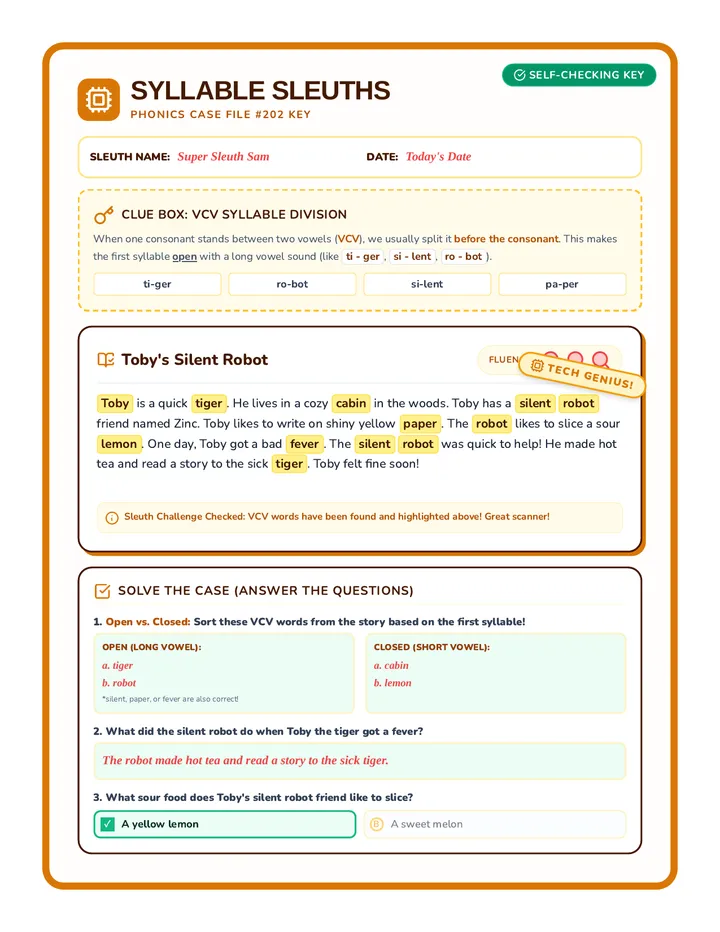
A structured, multi-part phonics intervention lesson focusing on compound words and syllable division rules (VCCV, VCV) for decoding 2-syllable and 3-syllable words.
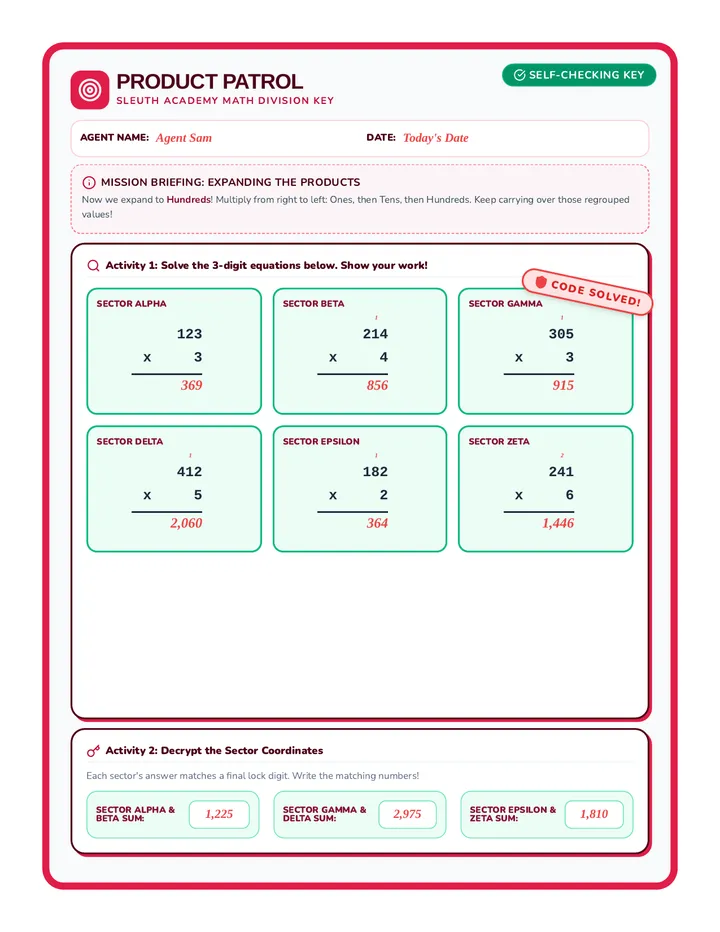
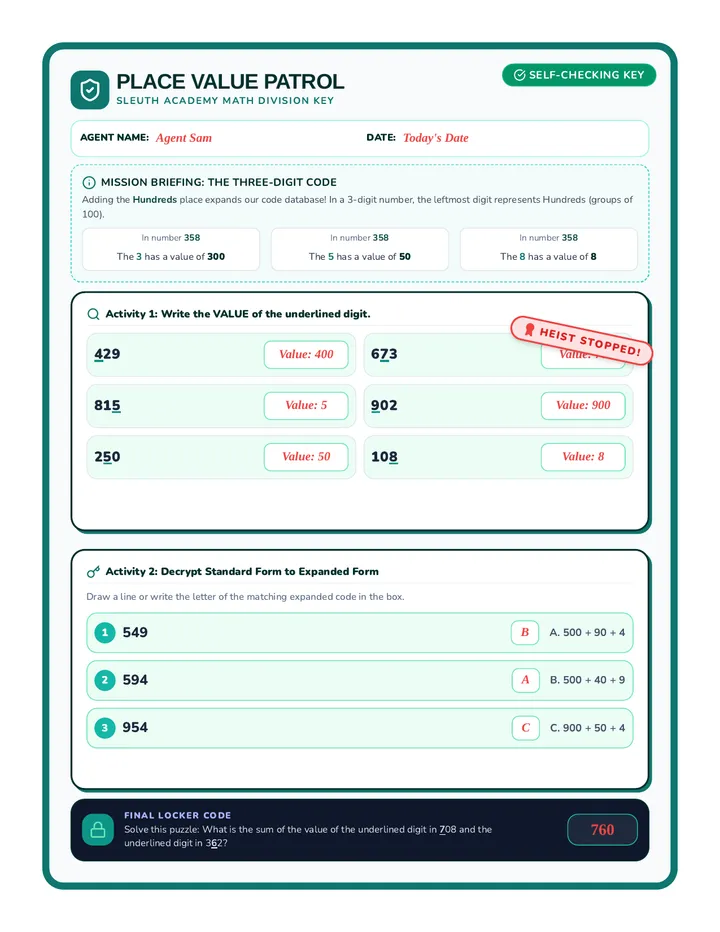
A child-friendly, self-checking answer key for the Triple Digit Worksheet. It displays correct answers in red handwriting style with detective-themed grade stamp.
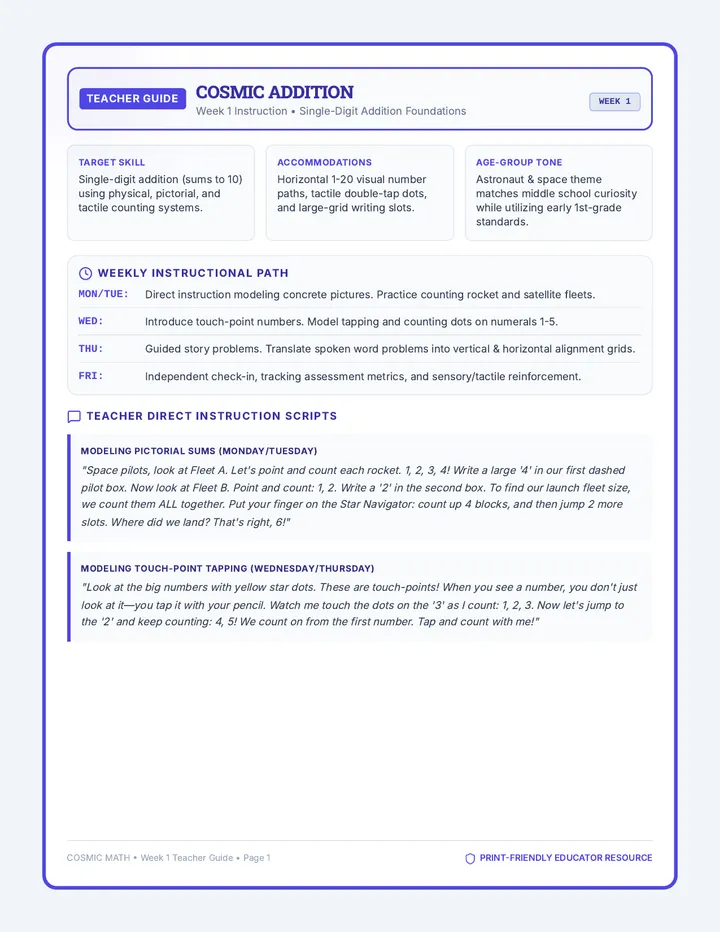
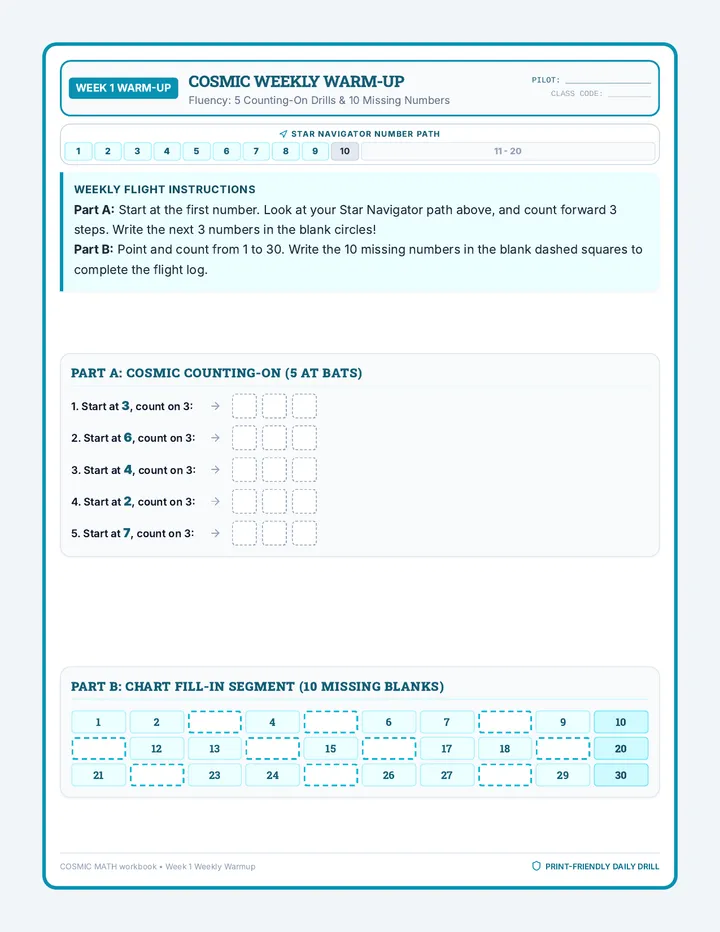
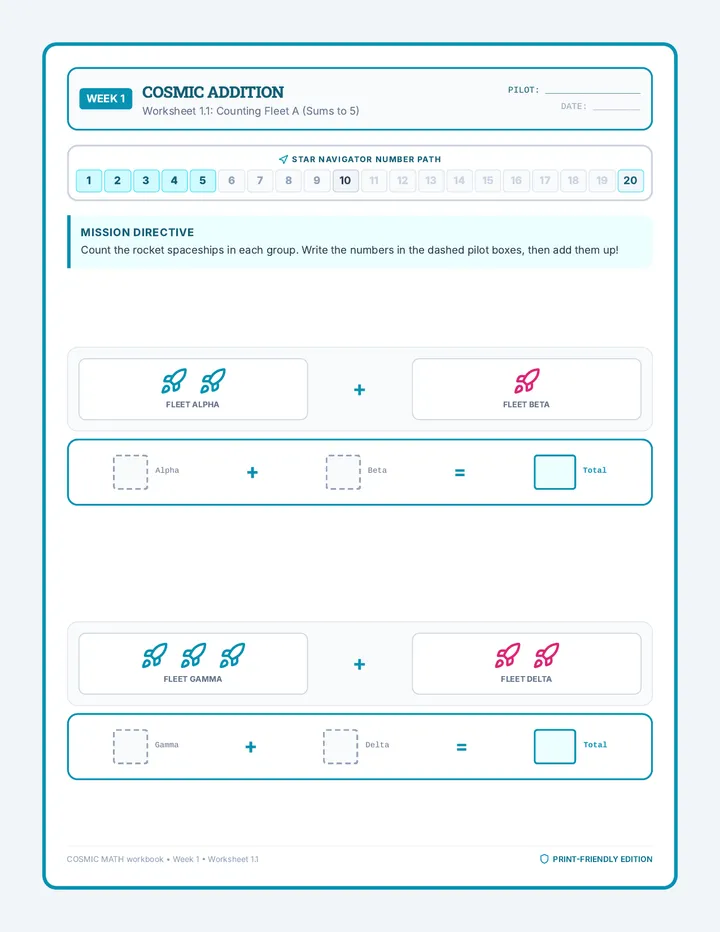
A 4-week math workbook and instructional sequence themed around outer space exploration, specifically designed for middle school students with disabilities (SWDs) working at an early 1st-grade level. Features embedded touch-points, base-ten icons, visual number paths, and age-appropriate space exploration visuals to teach single-digit operations, place value, and patterns.
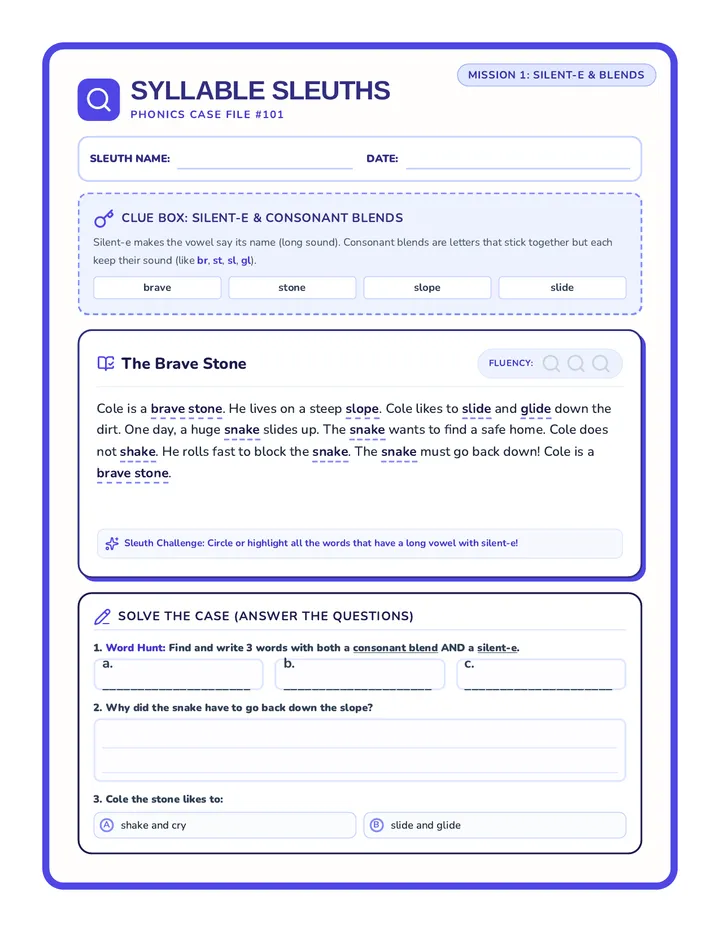
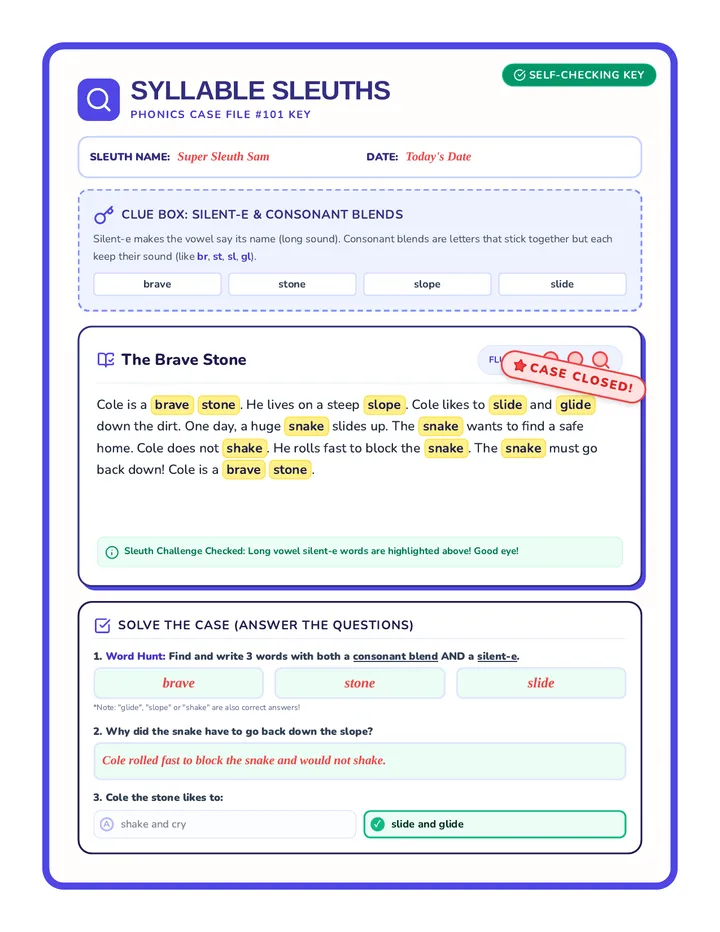
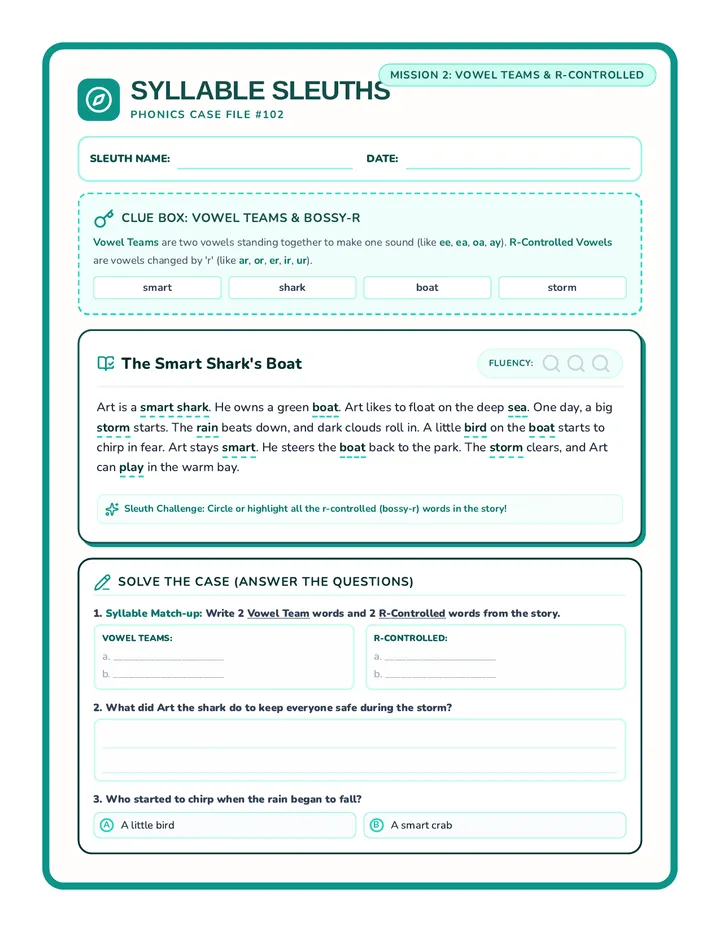
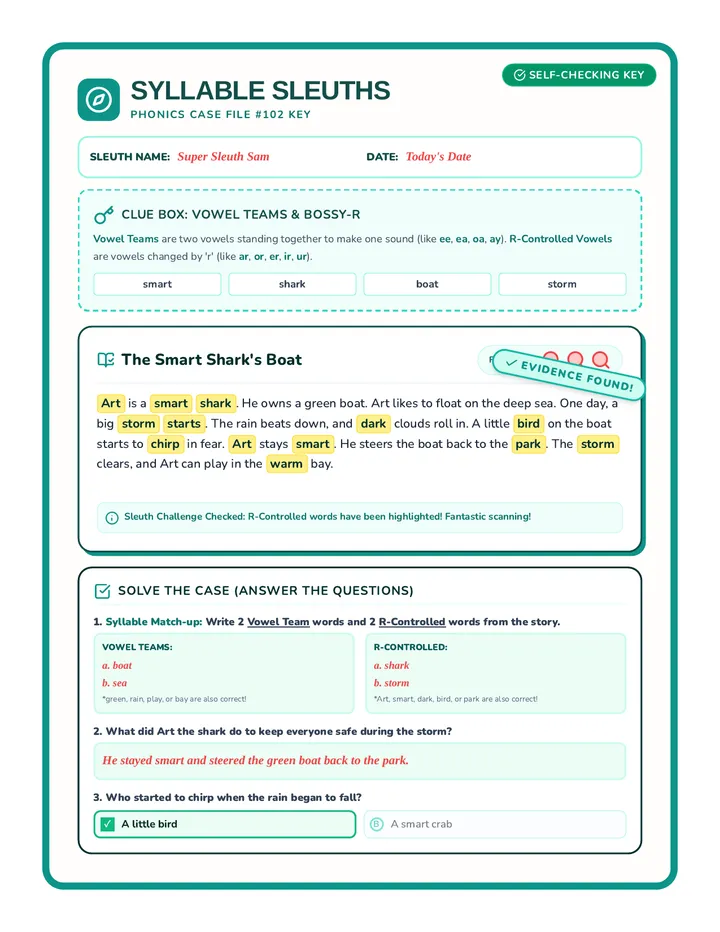
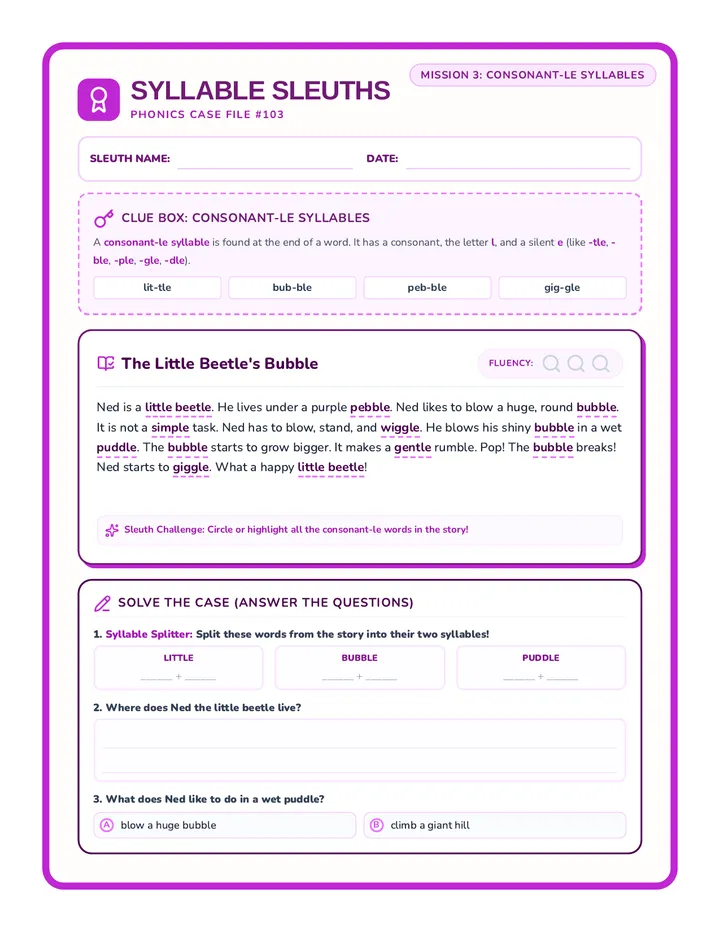
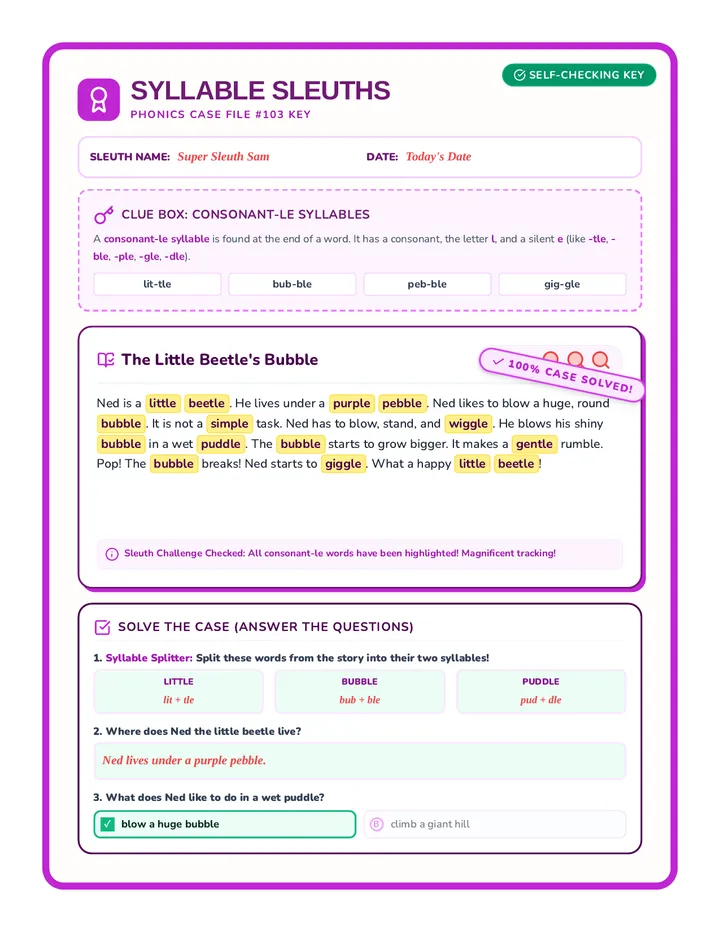
A highly structured, 3-part phonics intervention lesson focusing on advanced syllable types, consonant blends, silent-e, vowel teams, r-controlled vowels, and consonant-le syllables through decodable texts and self-checking materials.
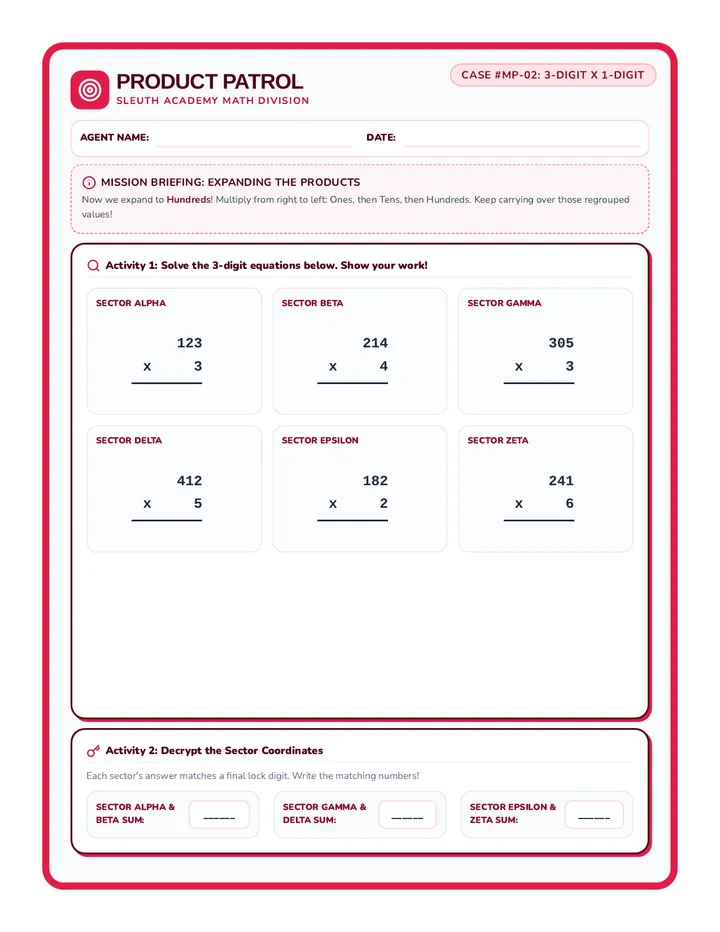
A student-facing math worksheet focusing on 3-digit by 1-digit multiplication. Features spacious work areas and a sector-code cracking challenge.