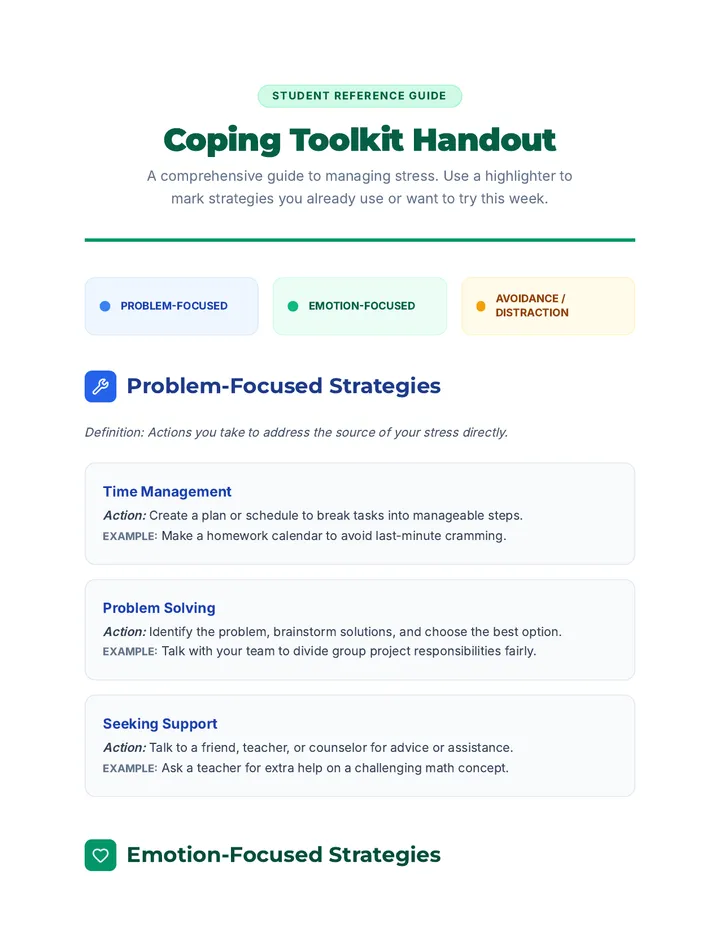
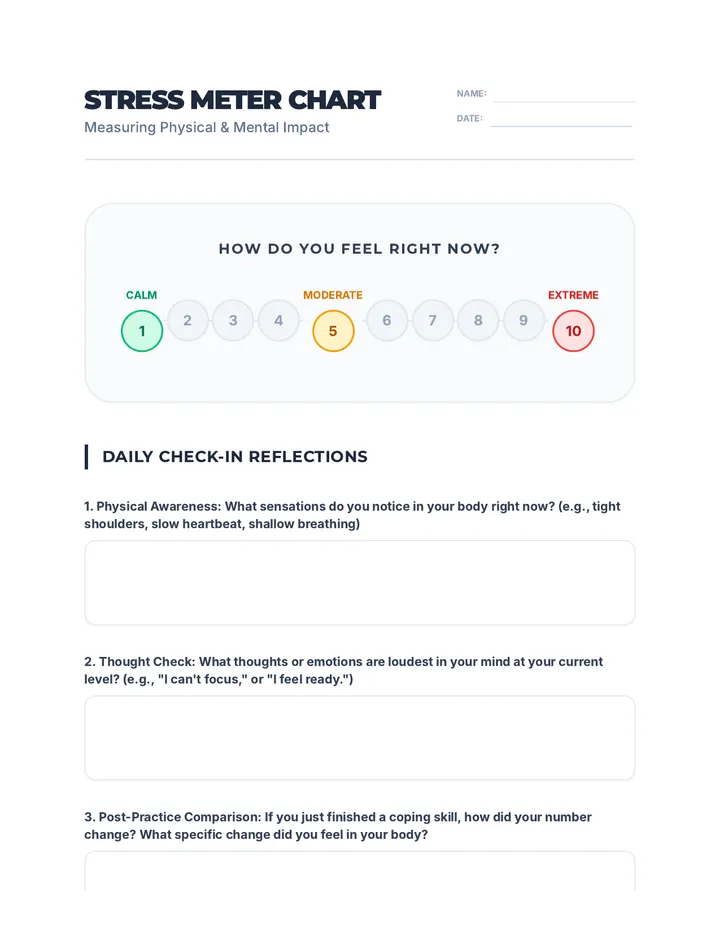
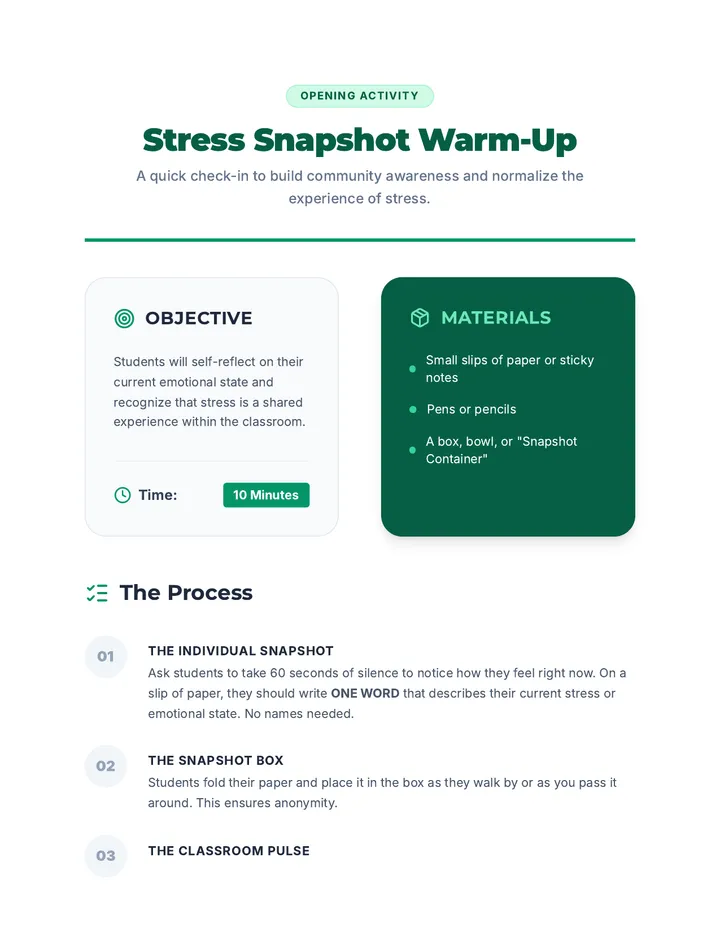
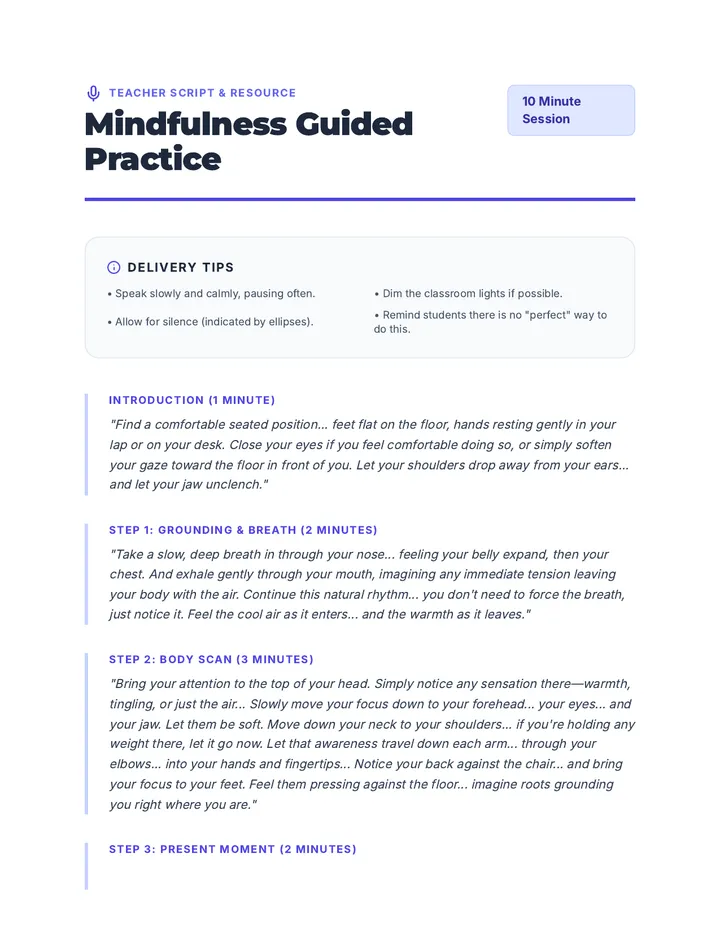
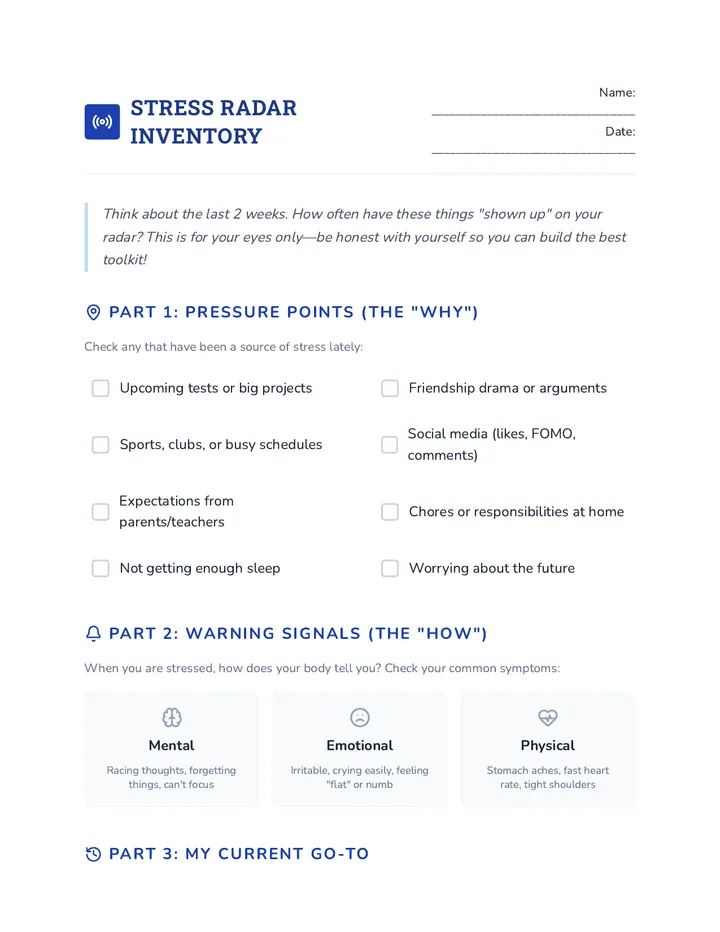
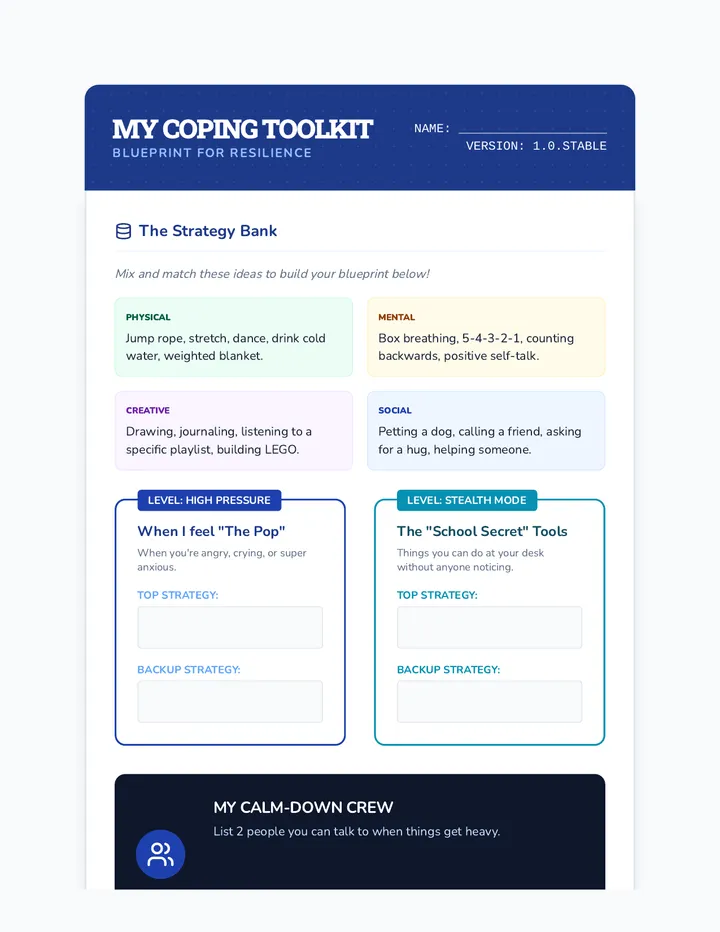
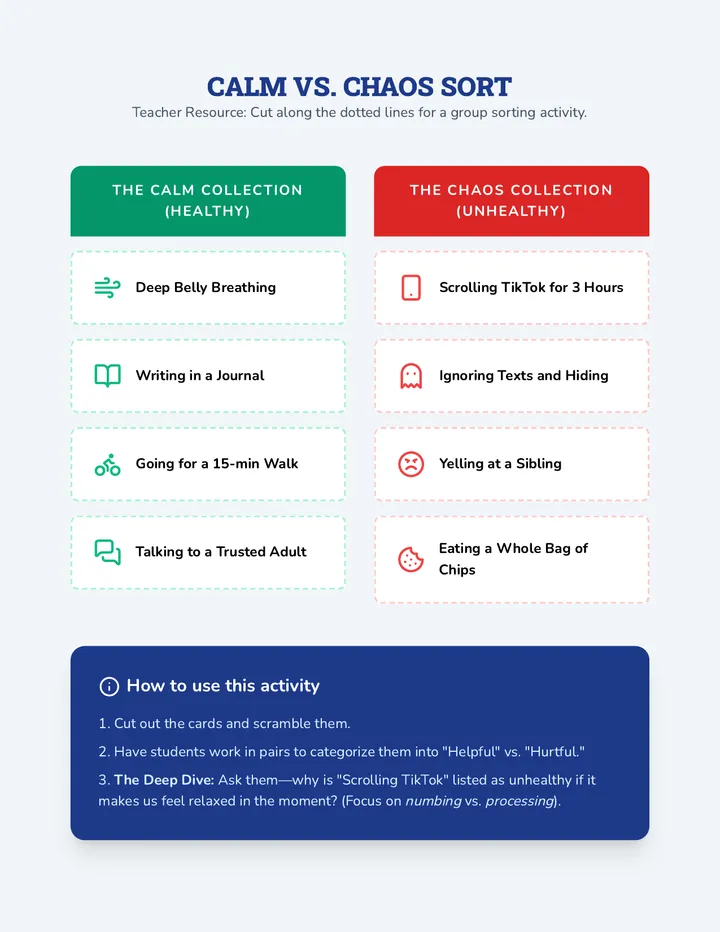
Fundamental concepts of emotional intelligence, stress reduction, and relaxation exercises. Develops skills for healthy relationships, digital balance, and resilience while establishing pathways for help-seeking and support systems.
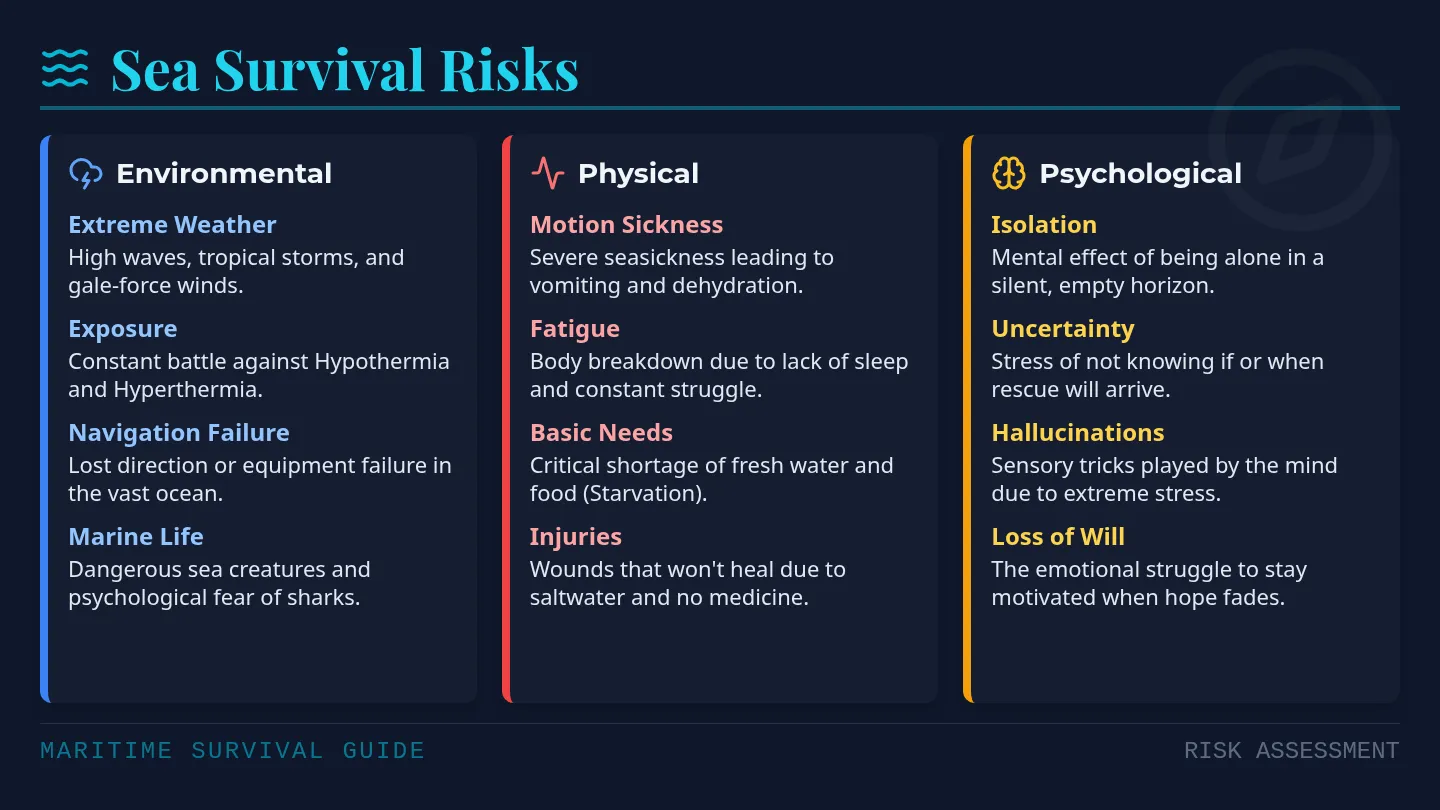
A professional and balanced slide summarizing the environmental, physical, and psychological risks of sea survival with standardized presentation font sizes and layout.
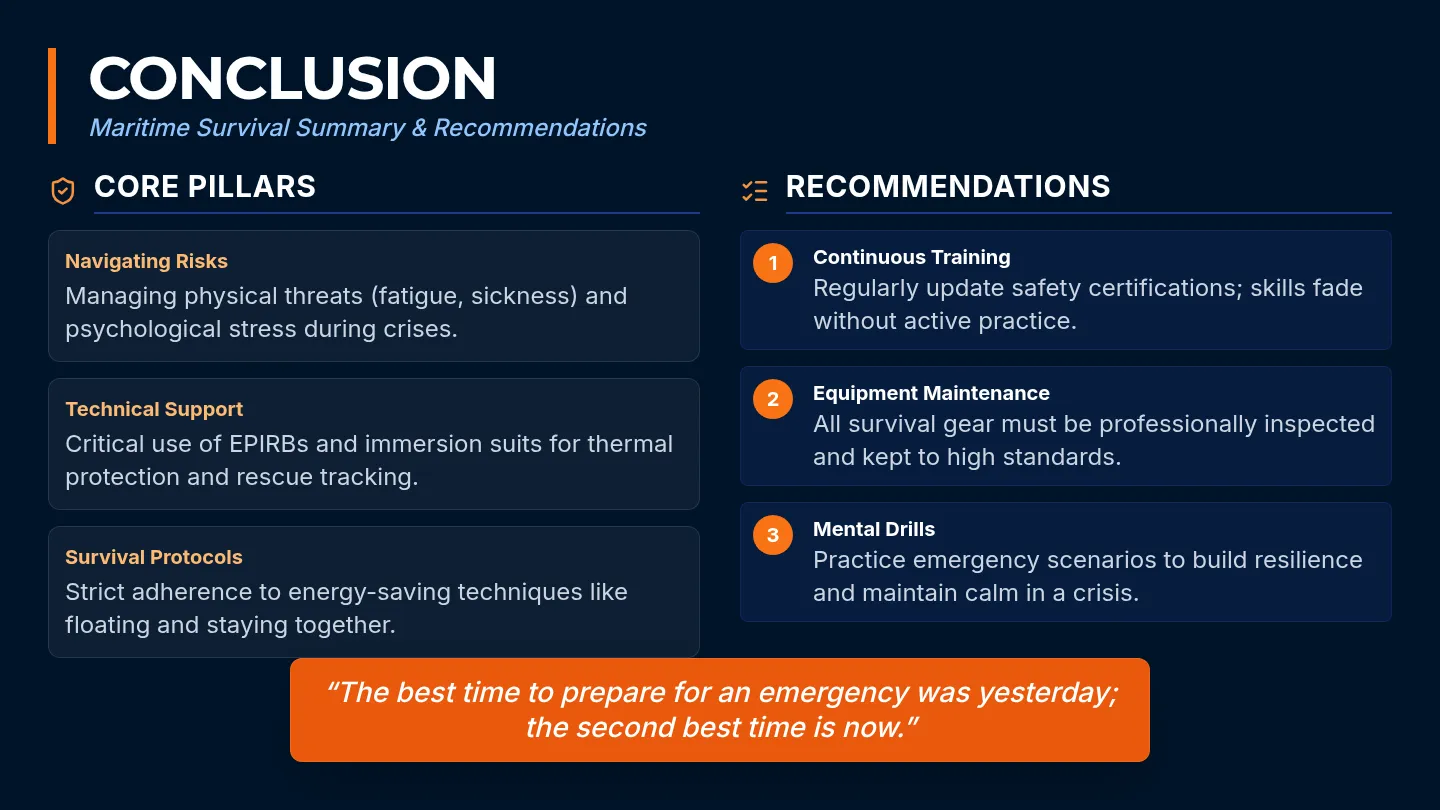
A high-impact conclusion and recommendations slide for a maritime survival presentation, featuring a solid Navy Blue (كحلي ساده) background and clear pillars of information. Background decorations have been removed for a cleaner look.
A concise 3-slide morning announcement presentation for K-4 students about staying cool. Covers hydration, shade, identifying 'Heat Grumpiness,' and using coping tools like breathing and asking for help. Designed for informational delivery without interactive prompts.
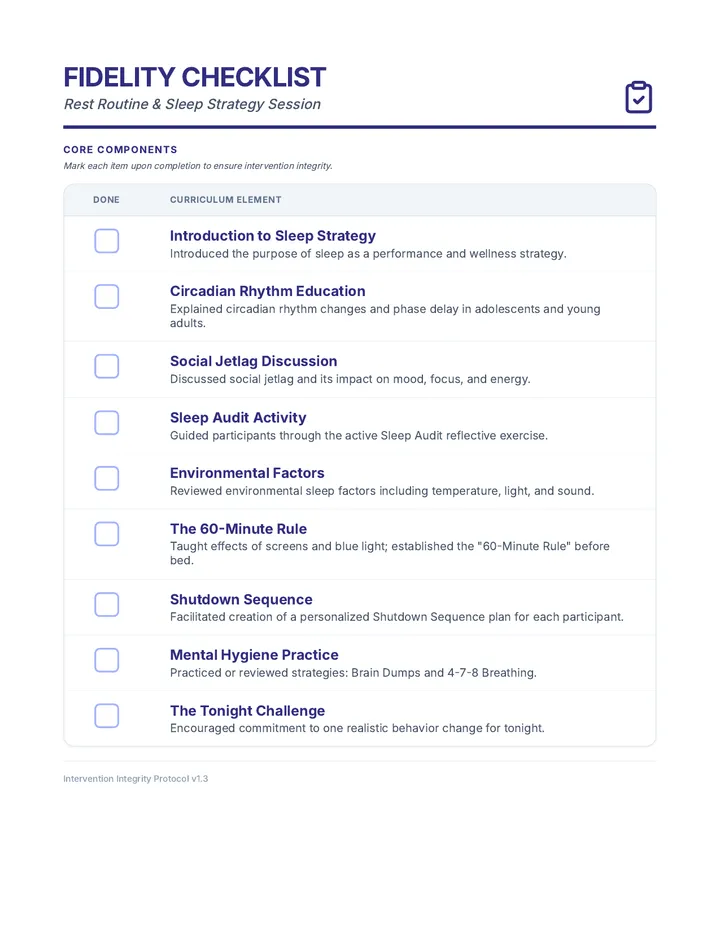
A final streamlined version of the fidelity checklist focusing solely on core components. Removed session metadata, observation sections, and the signature line for a clean, simple verification tool.
A 12-week introductory cooking curriculum for elementary students focusing on safety, nutrition, and the emotional connection to food.
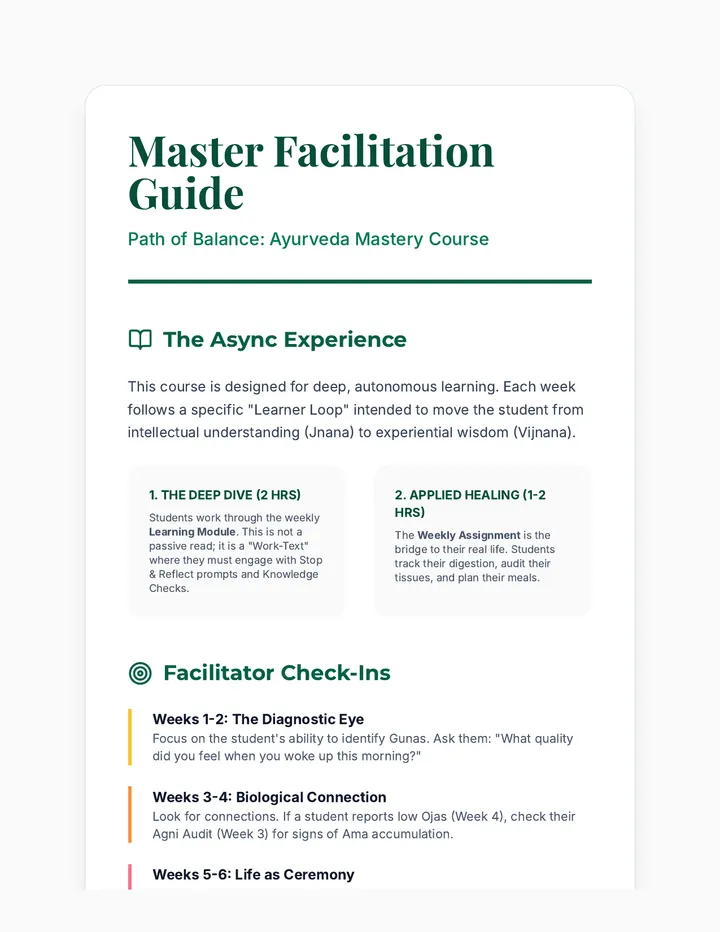
A professional 6-week certification-style journey into Ayurveda. Each week features a comprehensive 2-hour 'Deep Dive Module' combining academic reading, interactive reflections, and knowledge checks, supported by practical 'Applied Healing' assignments (1-2 hours) for real-world integration.
A comprehensive 5-day unit designed to educate students on the physiological effects of vaping and provide actionable, healthy coping mechanisms like deep breathing and mindfulness.
A multi-lesson unit designed to build mental health literacy, identify internal system alerts (Anxiety, Depression, Anger), and develop a sustainable toolkit of coping strategies. Students explore the 'Wellness Spectrum', 'Neuroplasticity', and the deceptive nature of 'System Bypasses' like substances.
A comprehensive 9th-grade mental health curriculum focused on building resilience, understanding mental health challenges, managing stress, and navigating the digital world. Students will engage in self-reflection and practical skill-building to support their emotional well-being.
A Grade 10 health sequence exploring the intersection of environmental interaction and mental wellness through the lens of nature journaling and eco-therapy. Based on the Massachusetts Health Education Framework, students will analyze how nature impacts stress regulation and emotional well-being.
A 5th-grade health sequence that reframes substance awareness through the lens of emotional wellness. Students learn to identify stress triggers, understand the brain's natural reward system, and build a personal 'toolkit' of healthy coping mechanisms as alternatives to substances like cannabis.
A project-based sequence where 9th-grade students analyze, write, and record their own guided meditation scripts. Students explore the mechanics of relaxation through critical listening, creative writing, and audio production to advocate for mental health.
A comprehensive 5-lesson sequence for 7th-grade students focused on understanding the physiological basis of stress, practicing immediate coping strategies, distinguishing healthy habits, and building a personalized resilience plan.
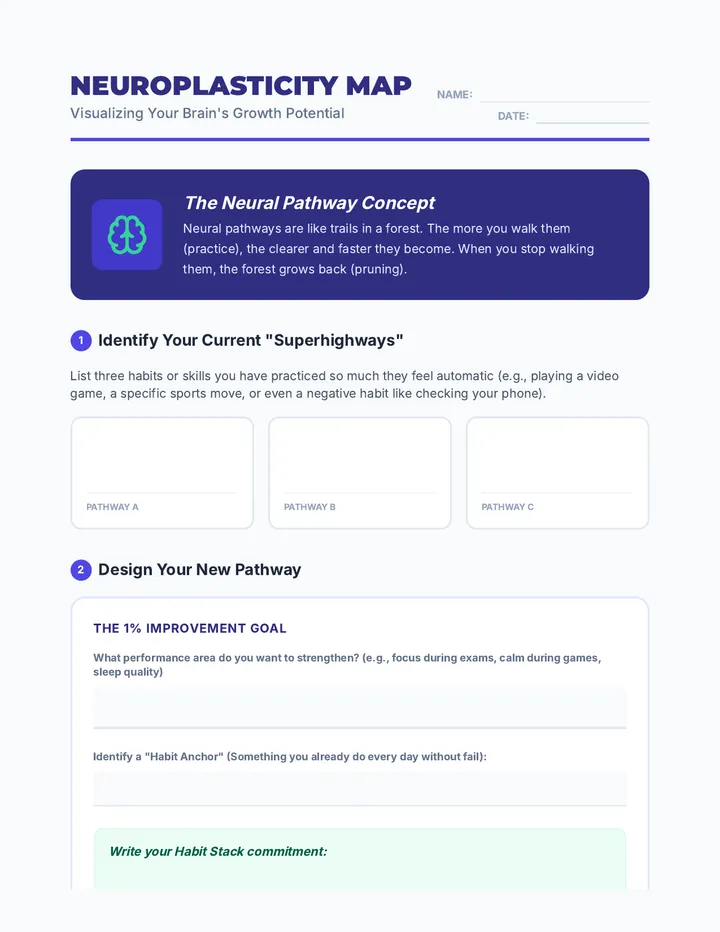
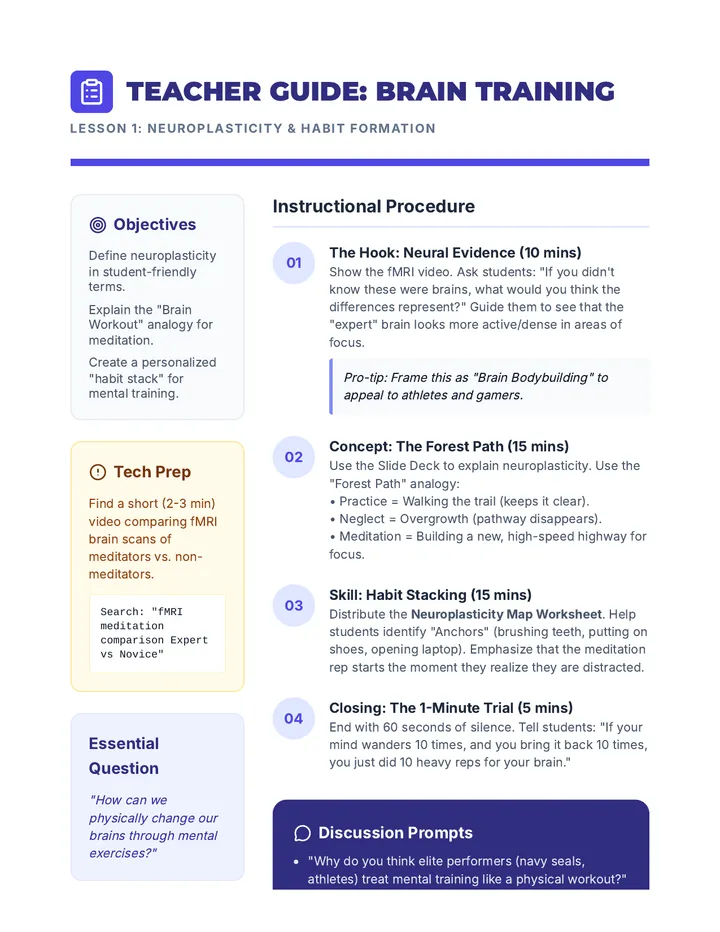
This 8th-grade health sequence explores meditation through the lens of performance and neuroscience. Students learn how mental training rewires the brain (neuroplasticity), practice visualization techniques used by elite athletes, and develop their own 5-minute pre-performance routines for sports, academics, or sleep.
This 8th-grade sequence explores the biological connection between the nervous system and stress. Students learn the science of the 'fight or flight' response and practice evidence-based breathing and relaxation techniques like diaphragmatic breathing, box breathing, and progressive muscle relaxation to consciously regulate their physiological state.
This sequence guides 5th-grade students through recognizing internal body signals, maintaining hygiene, understanding the physical manifestations of emotions, and setting personal boundaries. It culminates in the creation of a personalized wellness 'User Manual' for their own bodies.
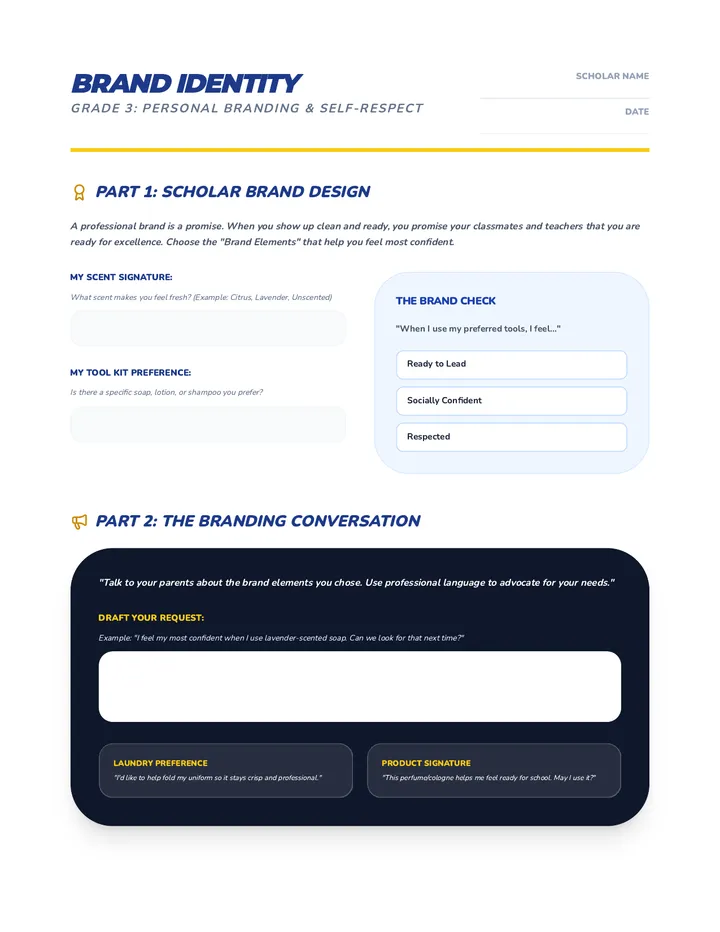
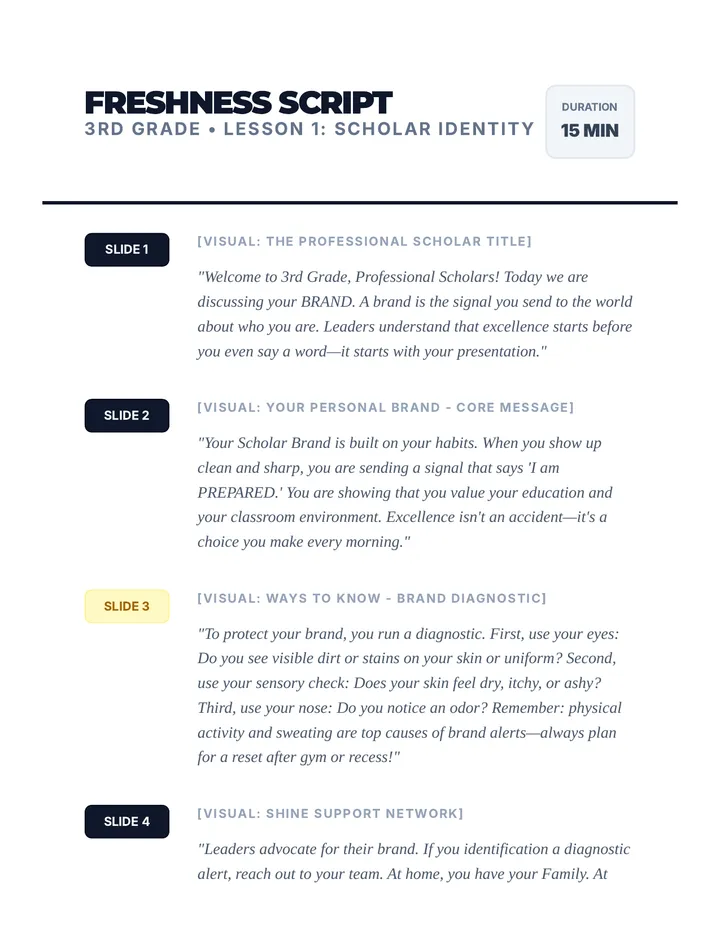
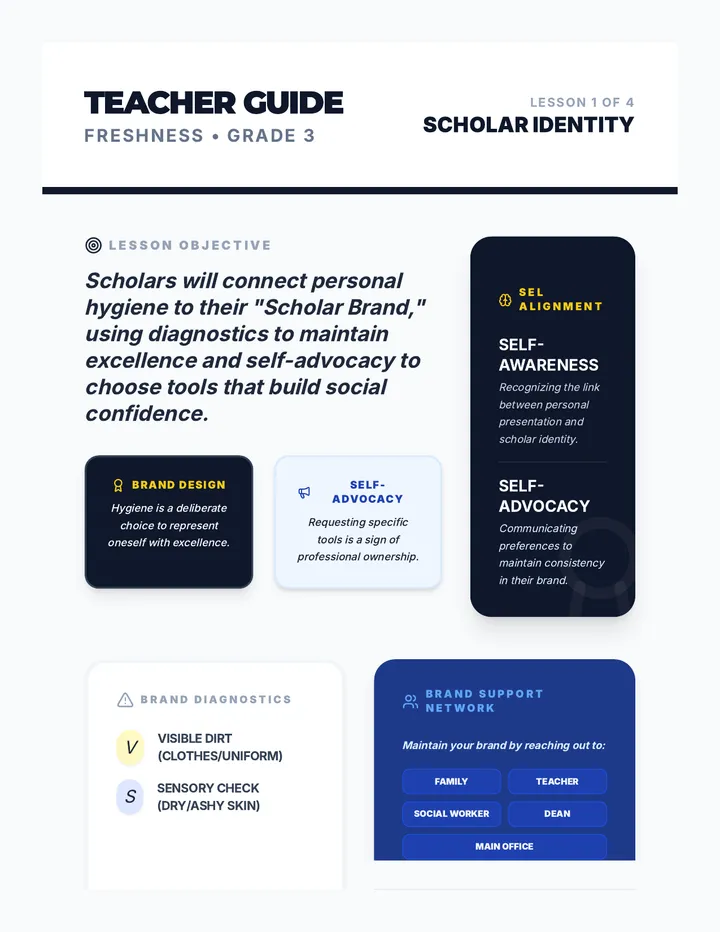
A comprehensive SEL-integrated hygiene curriculum for elementary scholars (K-4), focusing on self-awareness, social impact, and personal responsibility through the lens of a 'Glow Up'.
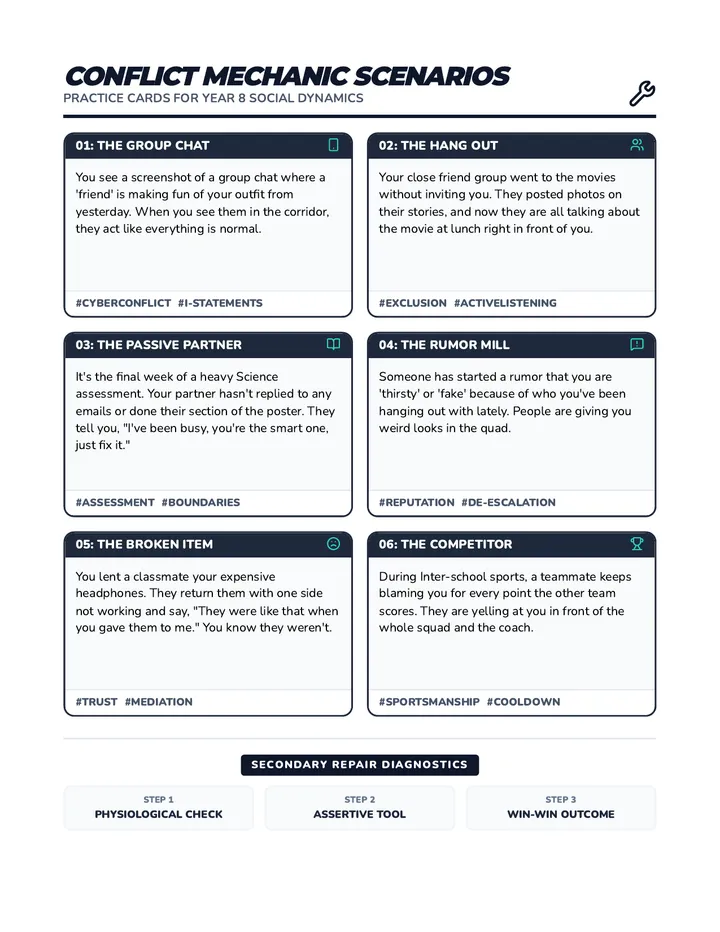
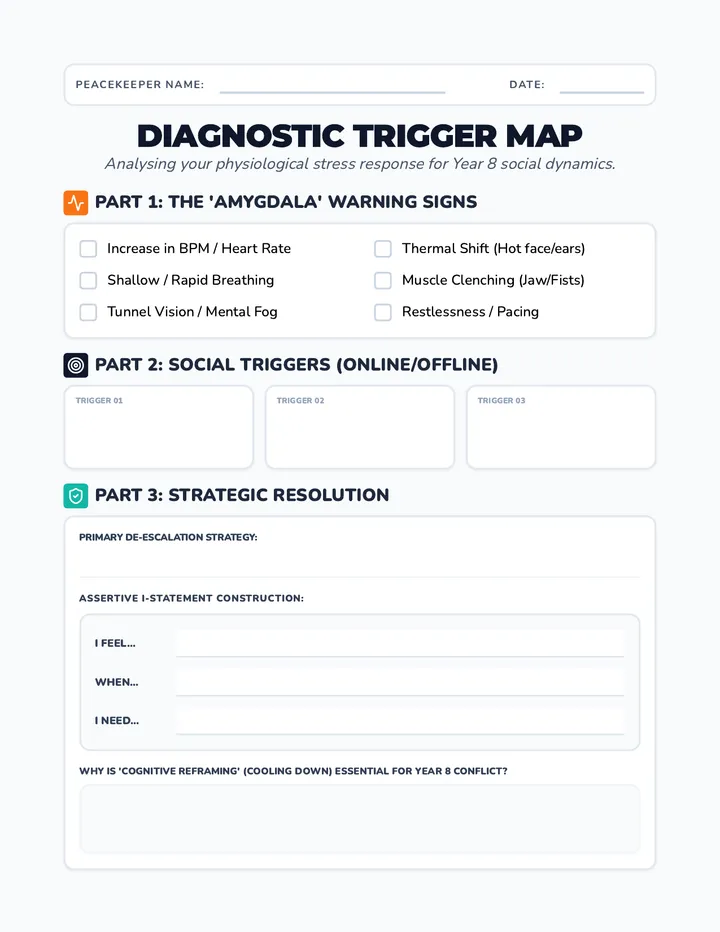
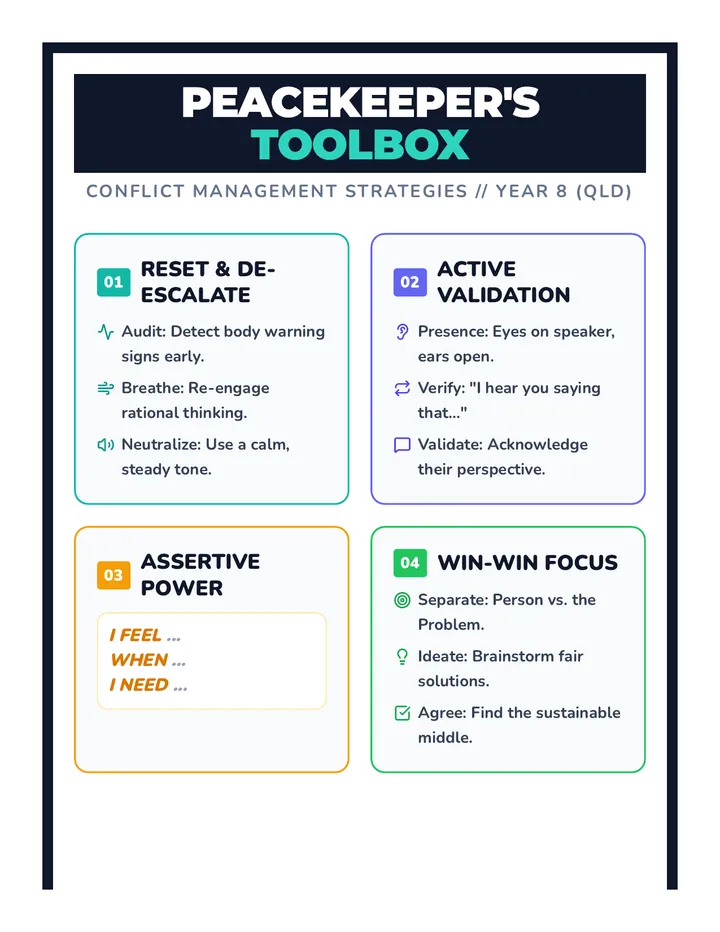
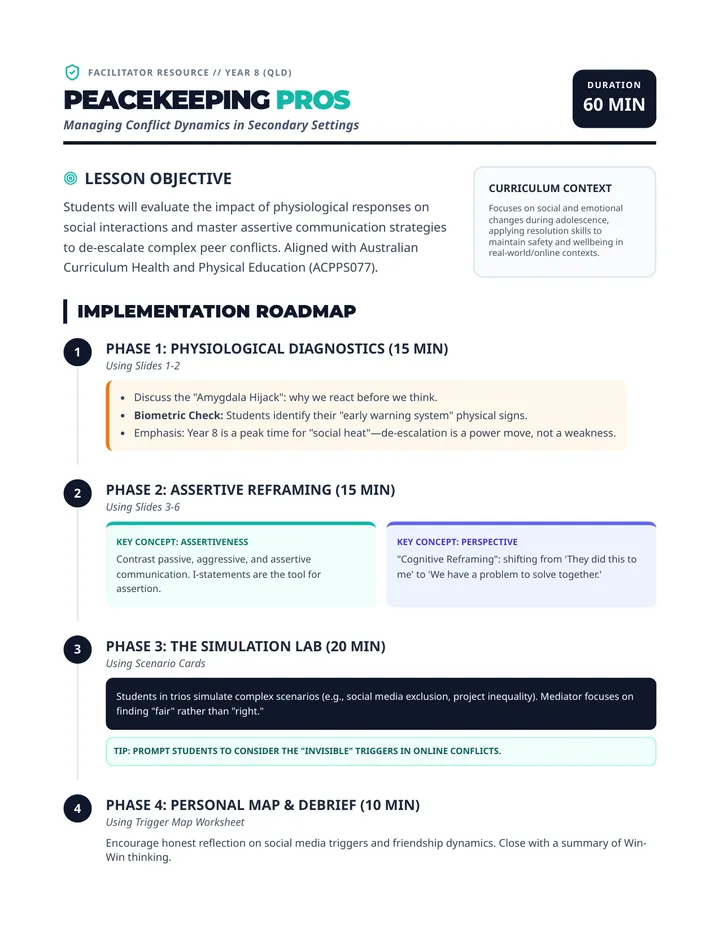
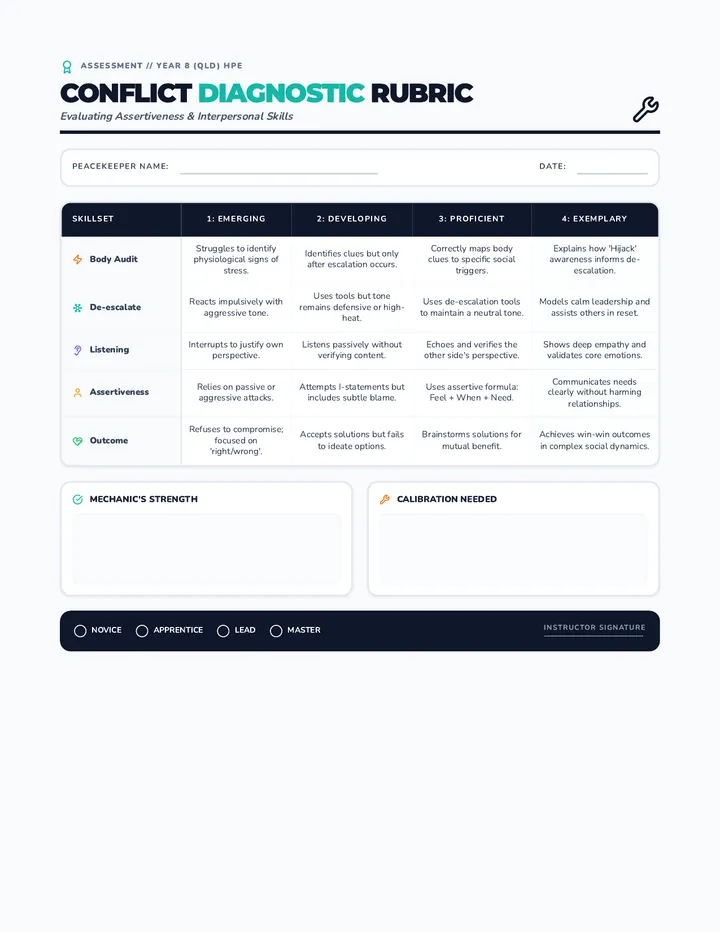
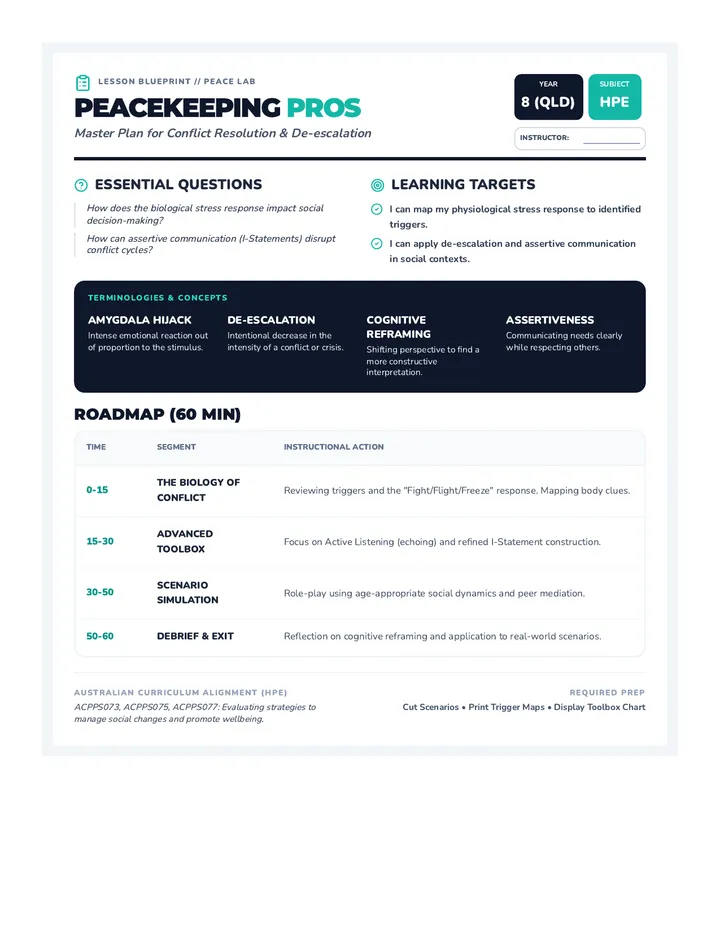
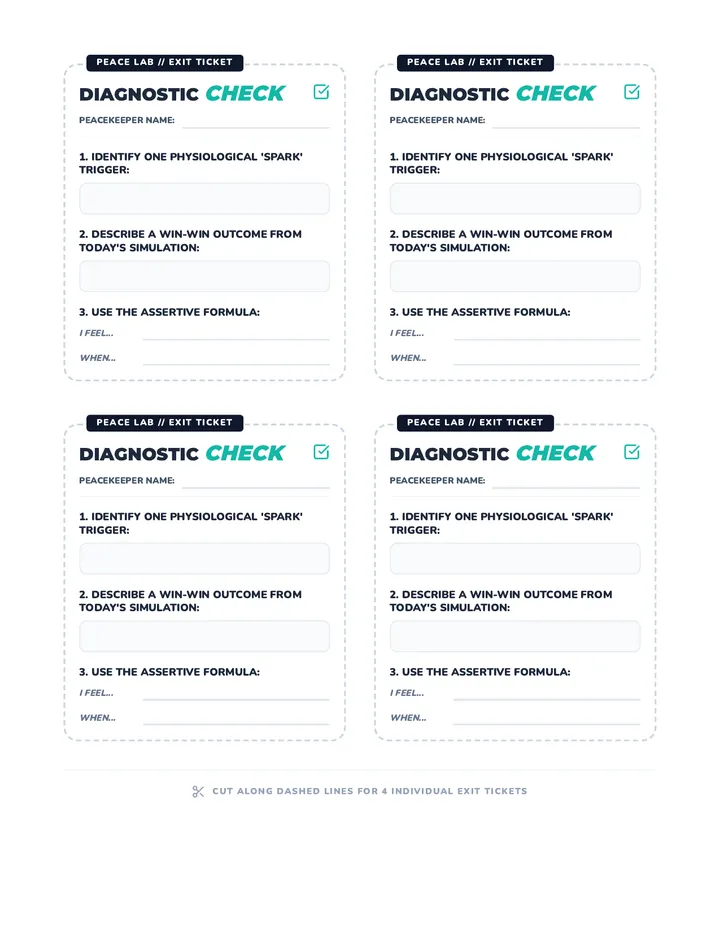
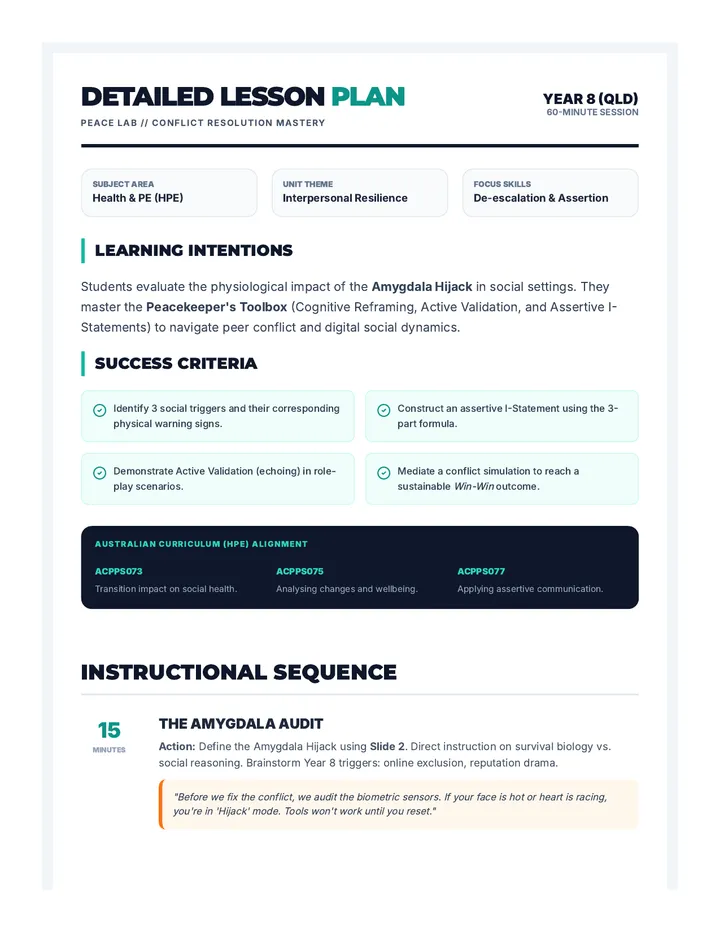
A comprehensive sequence of lessons for secondary students (Yr 7-8) focused on conflict resolution, social media responsibility, and assertive communication in both physical and digital spaces.
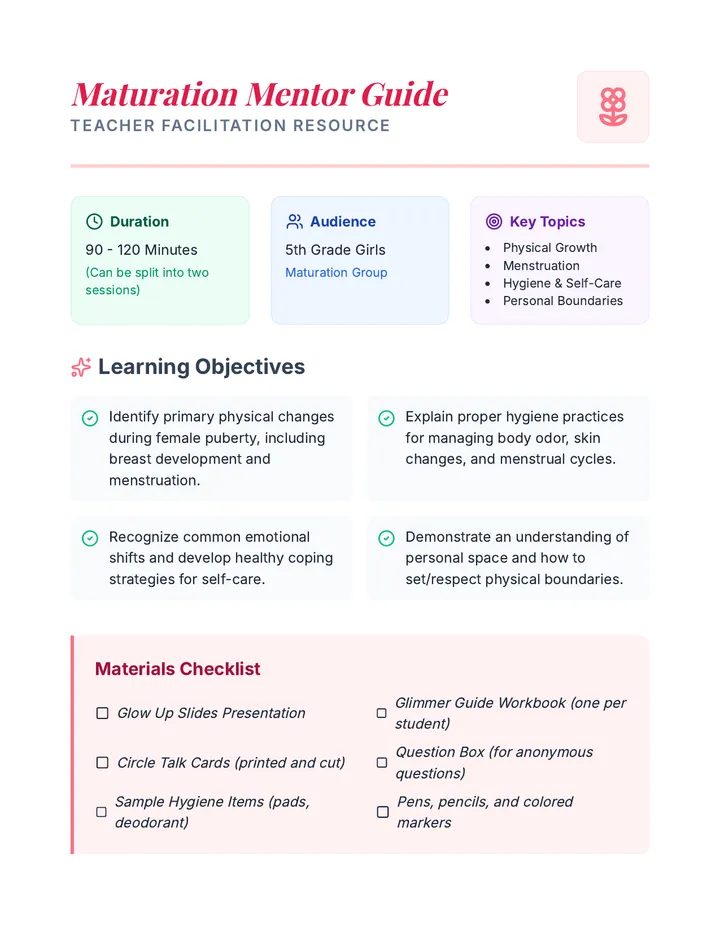
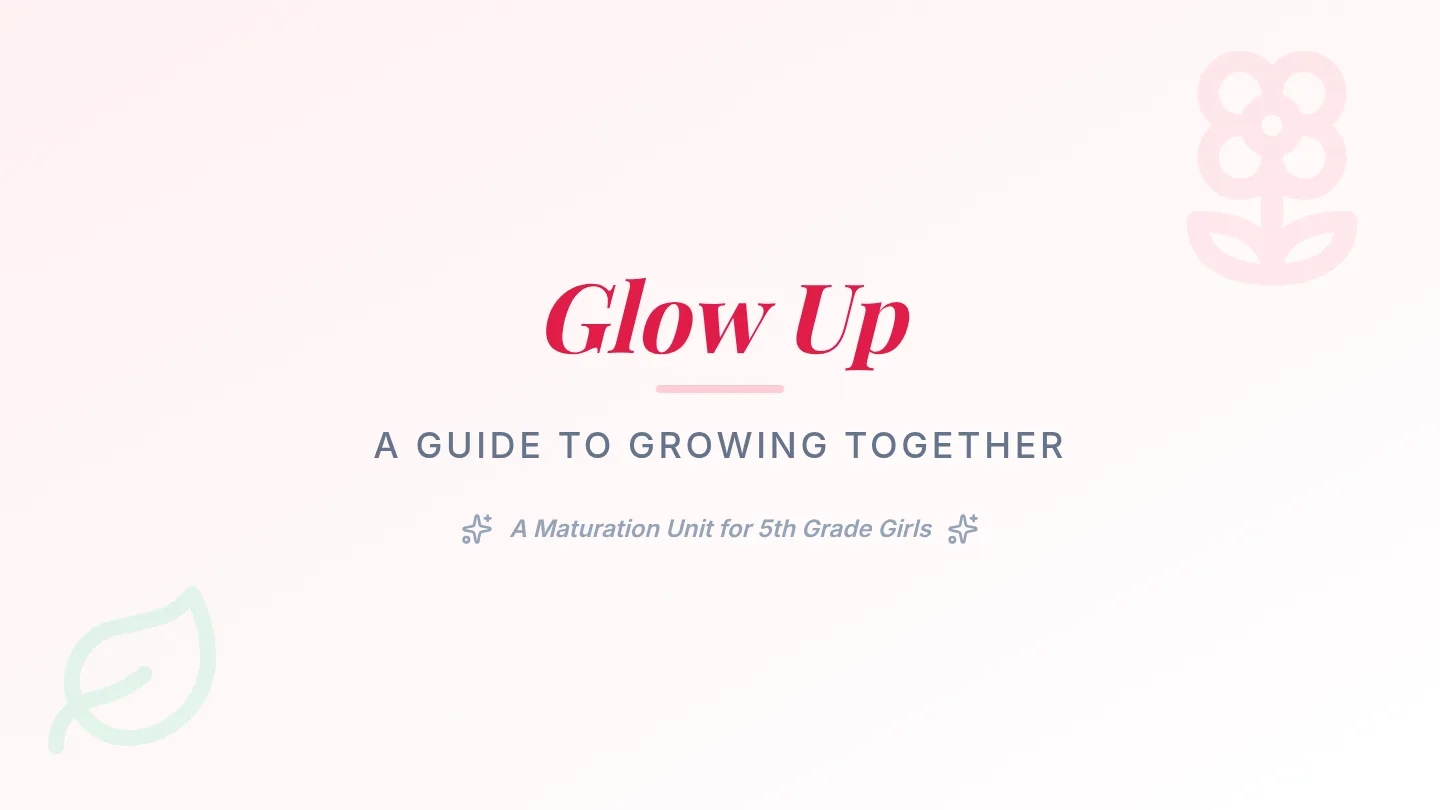
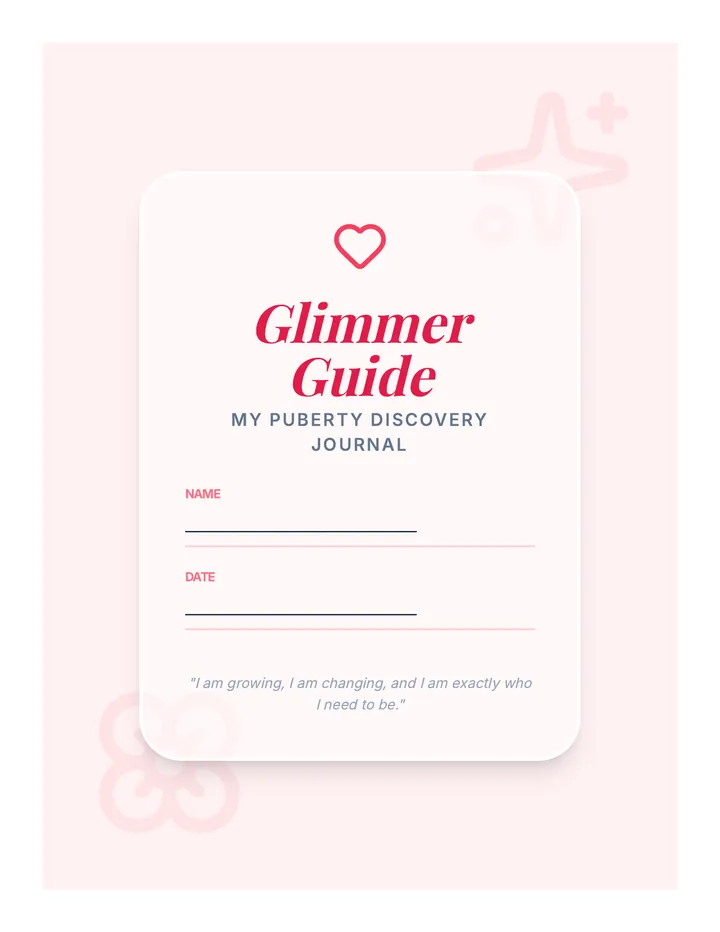
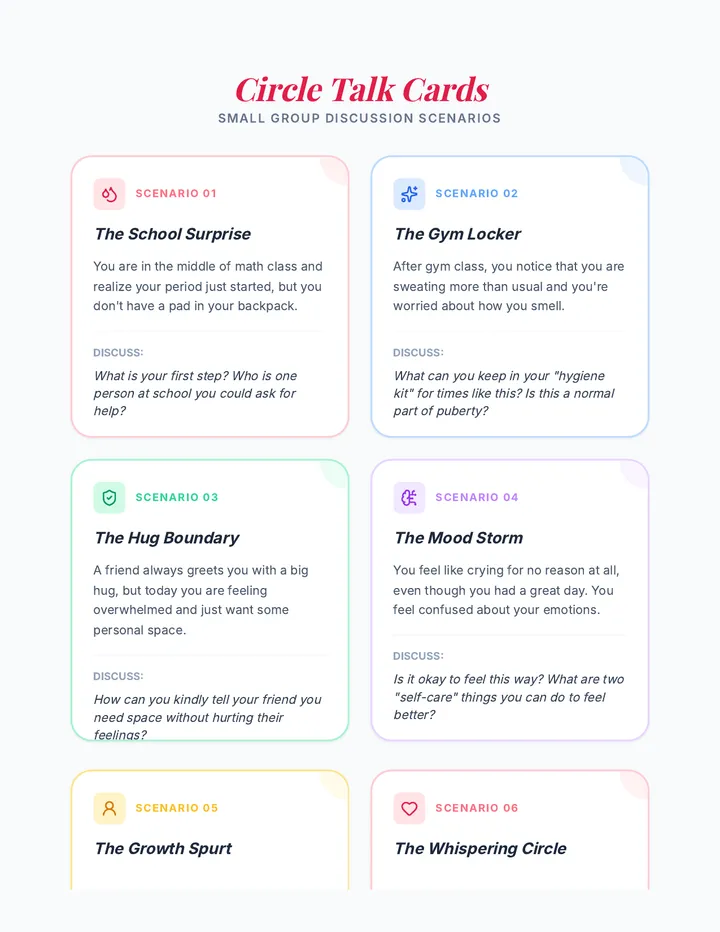
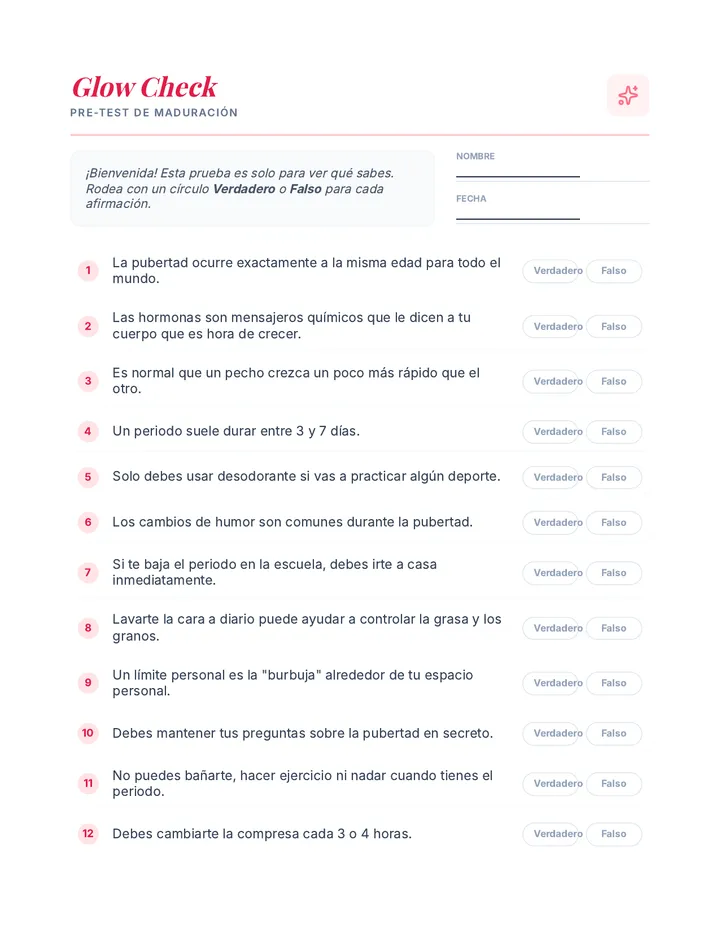
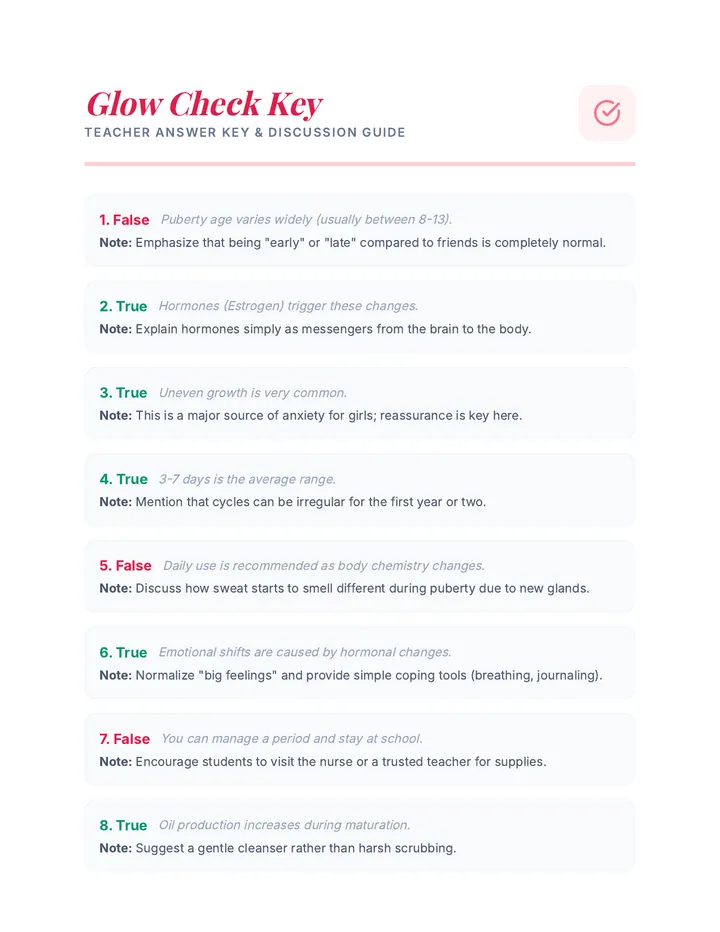
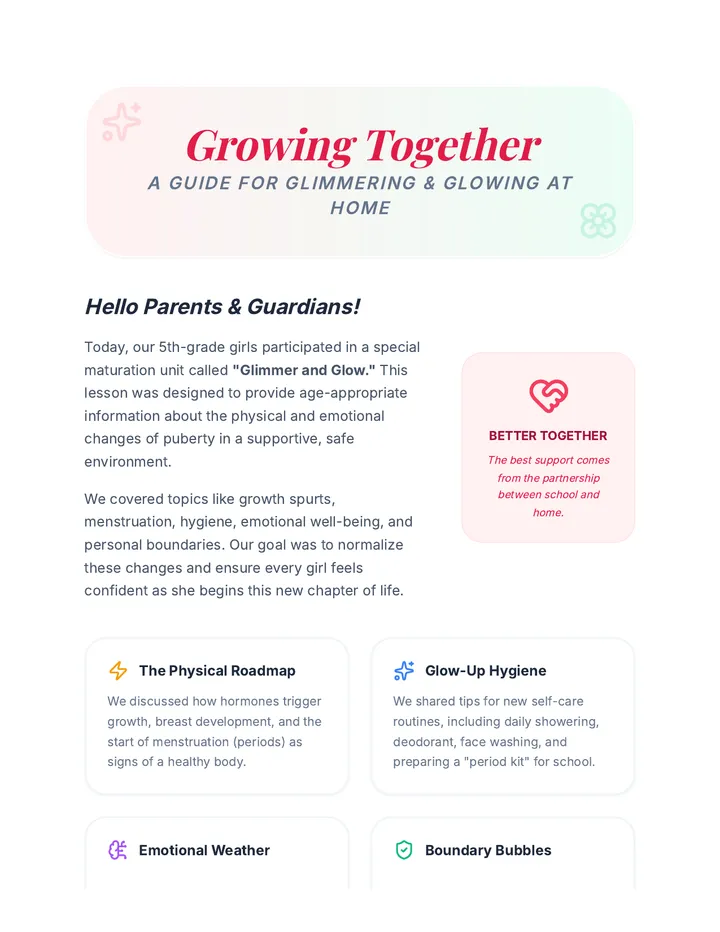
A comprehensive maturation unit for 5th-grade girls covering physical, emotional, and social changes during puberty. Includes a detailed teacher guide, interactive slides, a student workbook, and discussion cards to foster a supportive and informative environment.
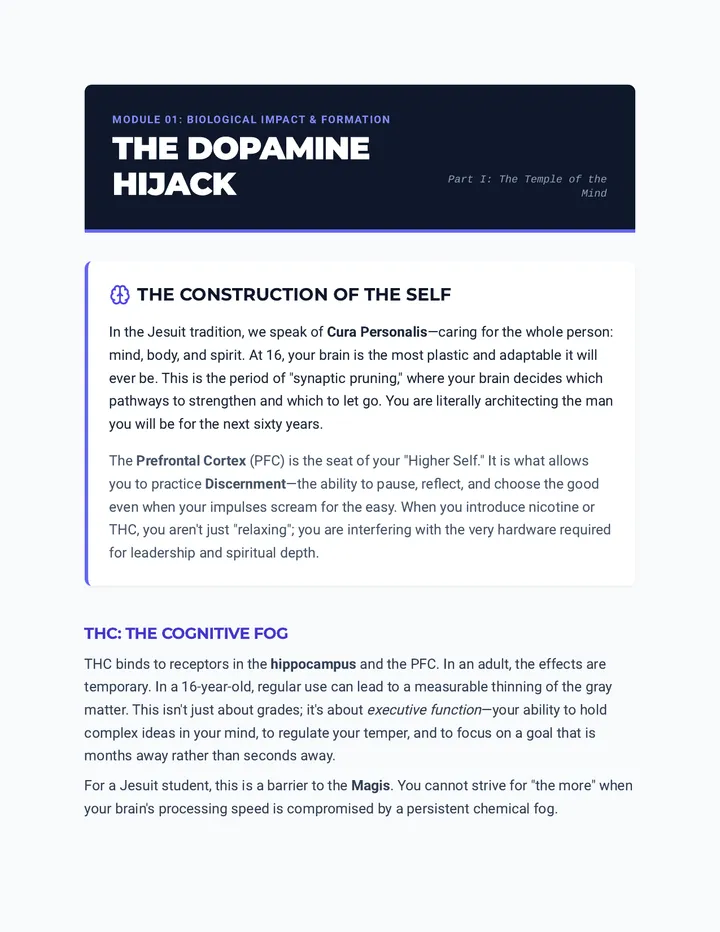
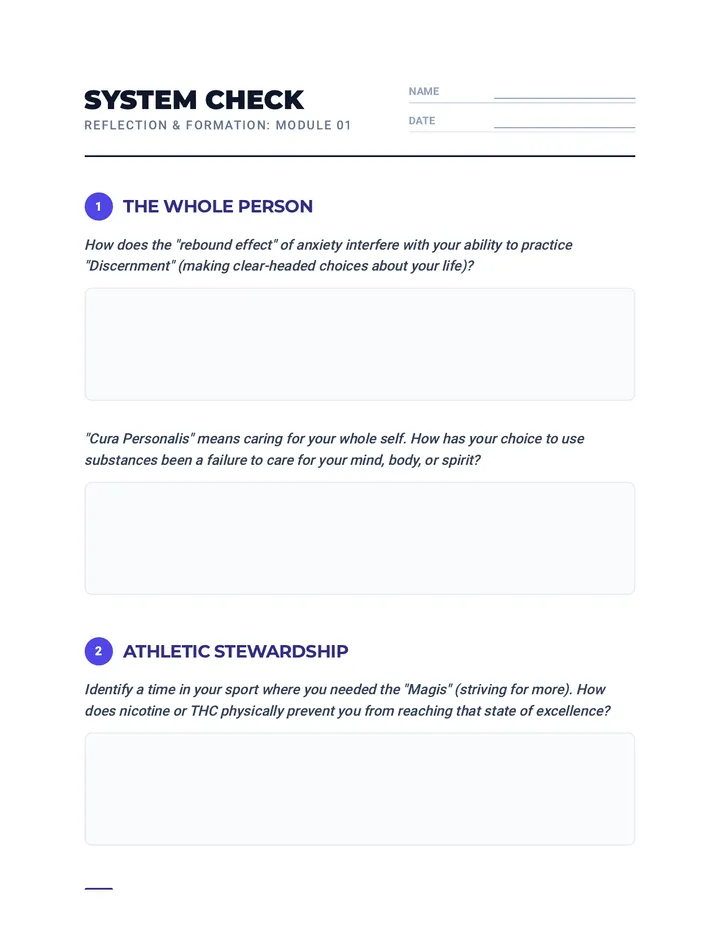
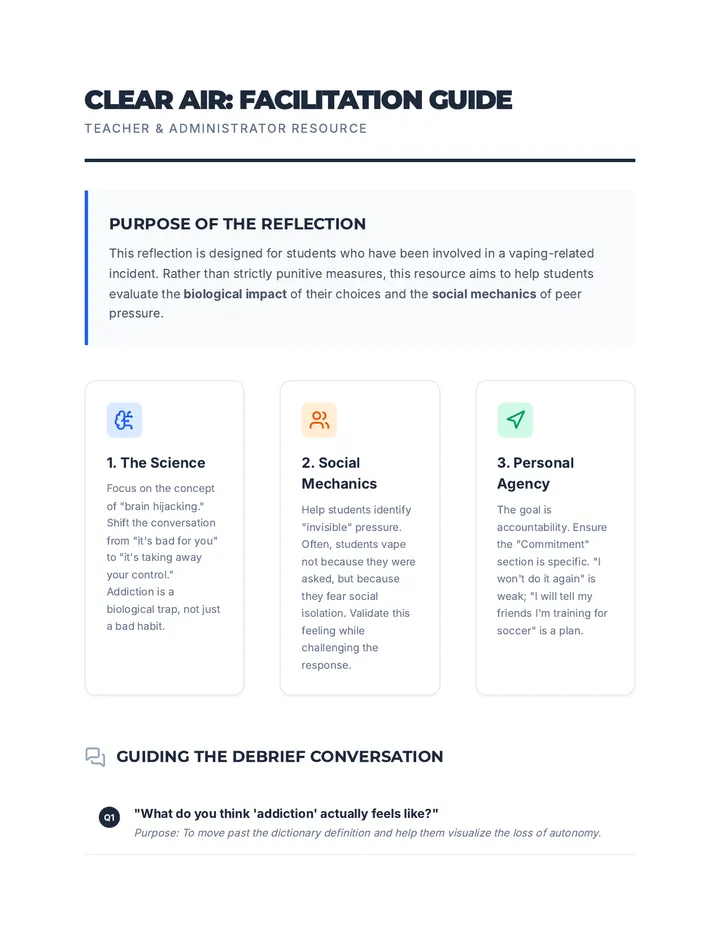
A restorative learning program designed for high school students to reflect on the impact of substance use and prepare for a positive return to their school community. The program balances scientific facts with deep personal reflection.
A three-part developmental series exploring Emotional Intelligence and its role within the four dimensions of holistic health: physical, emotional, social, and spiritual.
A two-week wellness unit for middle schoolers focused on analyzing influences (media, tech, values) and mastering health-enhancing decision-making models. Students culminate their learning by creating a collaborative research poster on a chosen wellness topic.
A multi-grade social-emotional learning unit focused on 'Summer Safety Heroes'. Lessons are tailored for different developmental levels, from 1st-grade foundations to 3rd-grade scientific mastery and risk management.
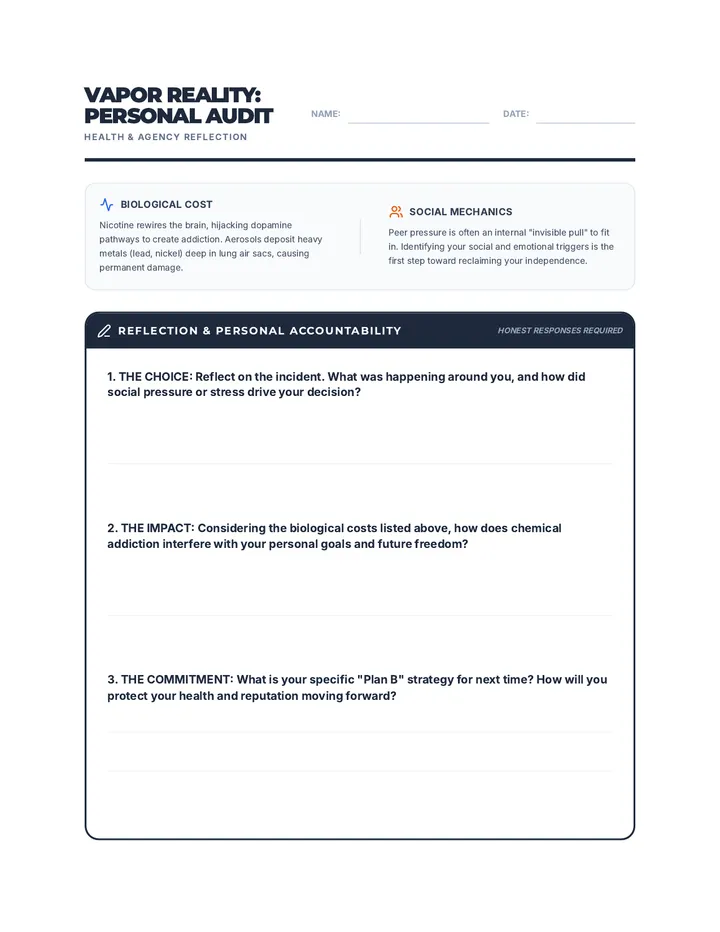
A comprehensive vaping prevention unit that covers health risks, the science of nicotine addiction, and social refusal strategies for middle and high school students.
A comprehensive session exploring the relationship between nutrition, mental health, and substance abuse recovery, focusing on carbohydrate timing and fiber's impact on mood and energy.
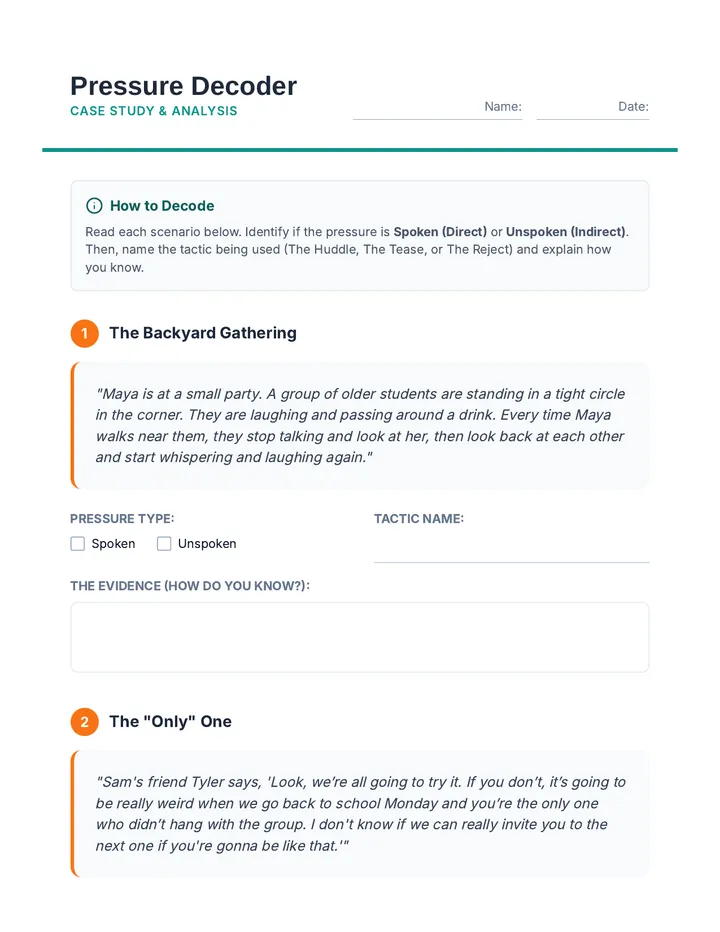
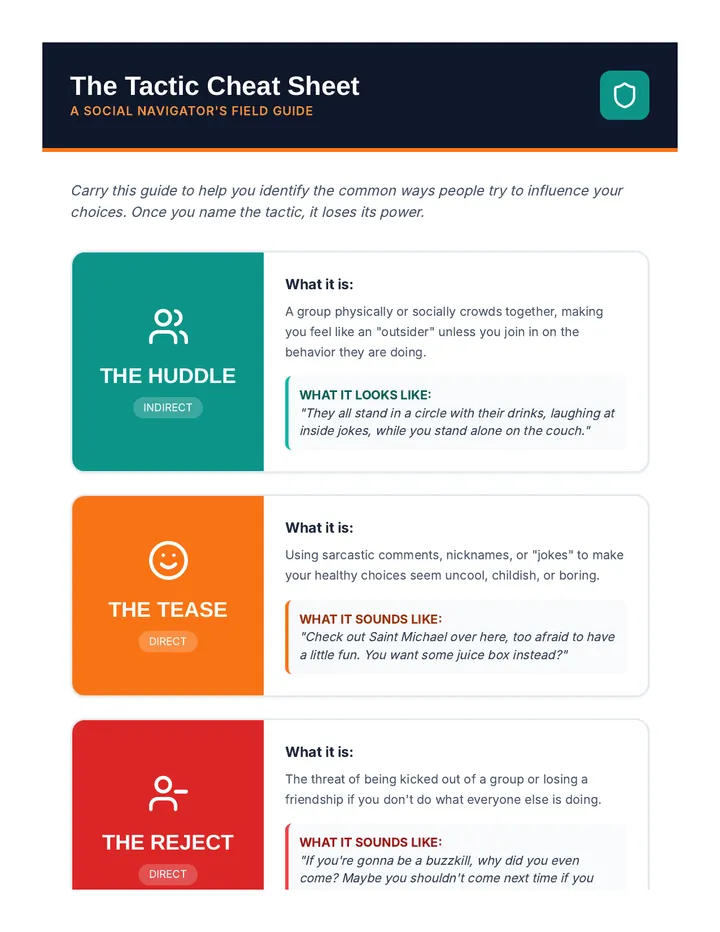
This comprehensive health workshop equips 6th-grade students with the practical social skills needed to navigate peer pressure regarding alcohol. Students learn to identify direct and indirect pressure, practice verbal and non-verbal refusal strategies, and develop personal safety plans for difficult social situations.
A 4th-grade sequence focused on media literacy and debunking myths surrounding prescription drug safety, encouraging critical thinking and healthy coping mechanisms.
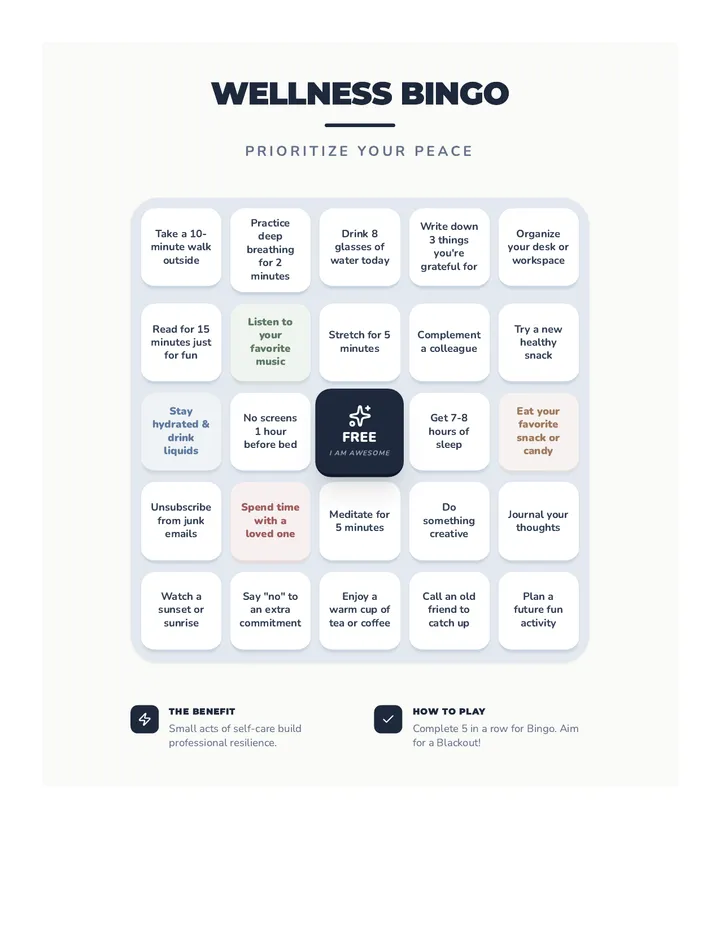
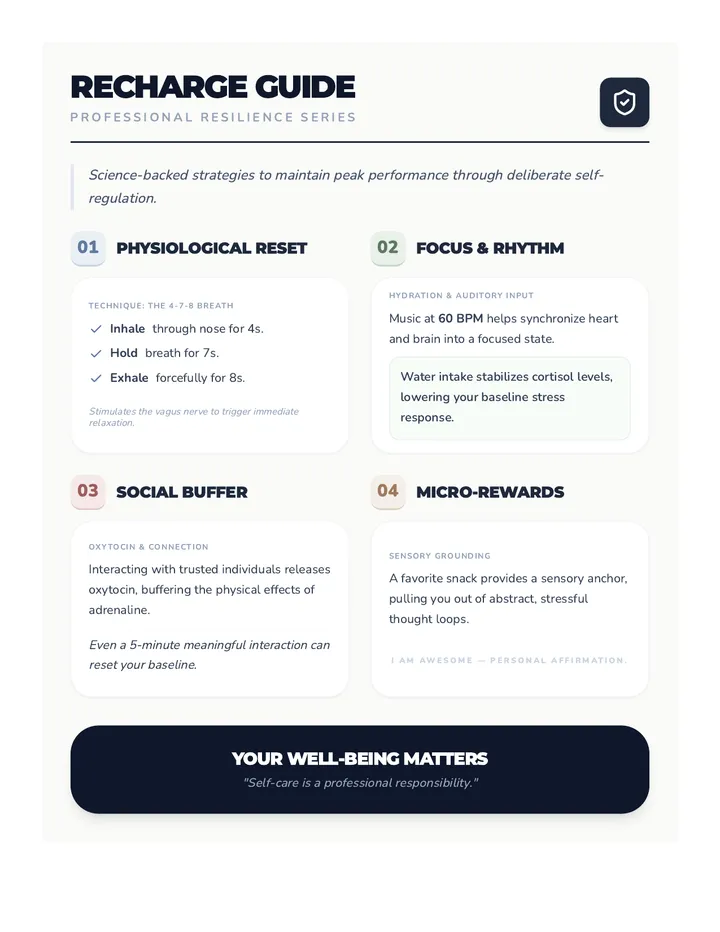
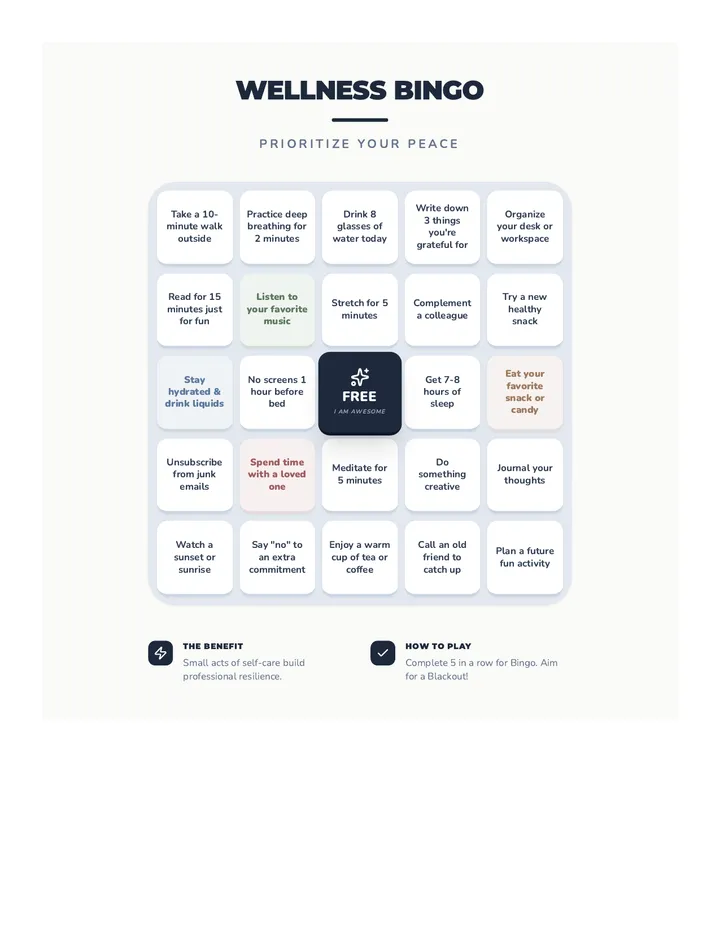
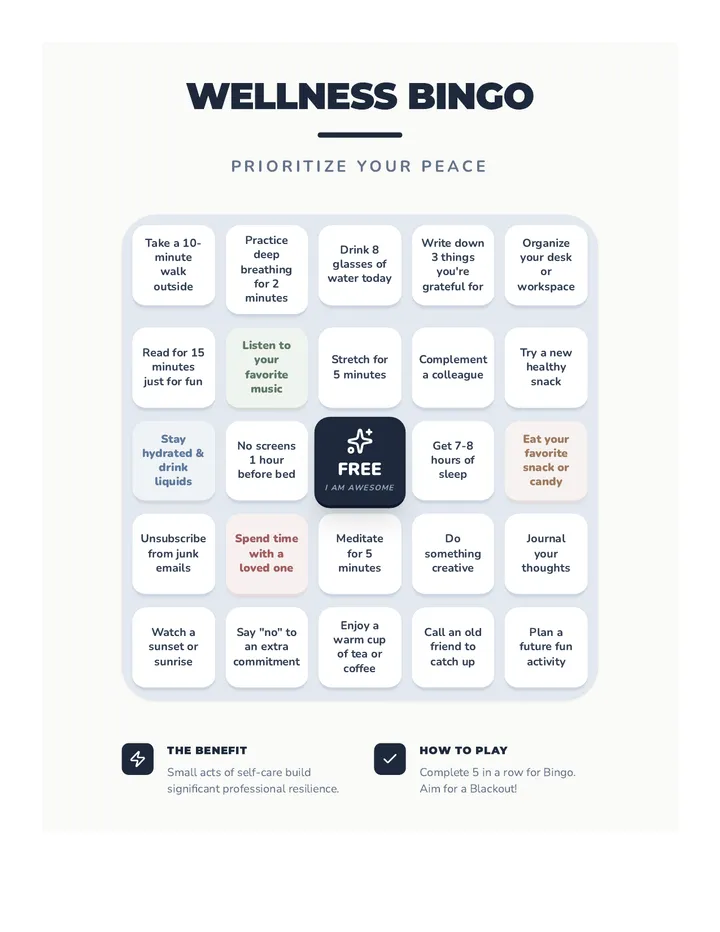
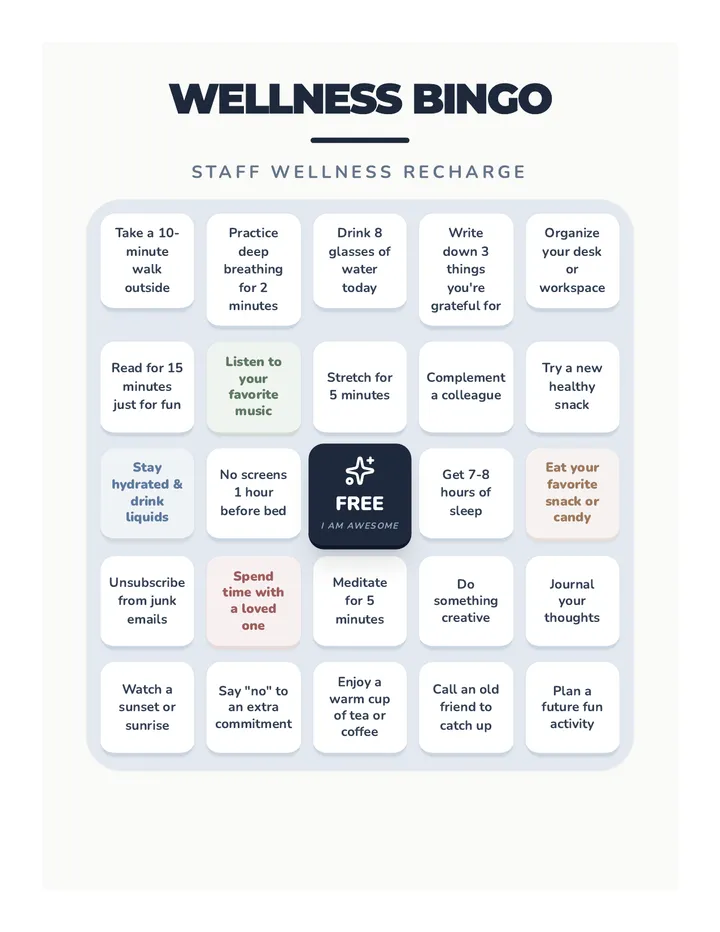
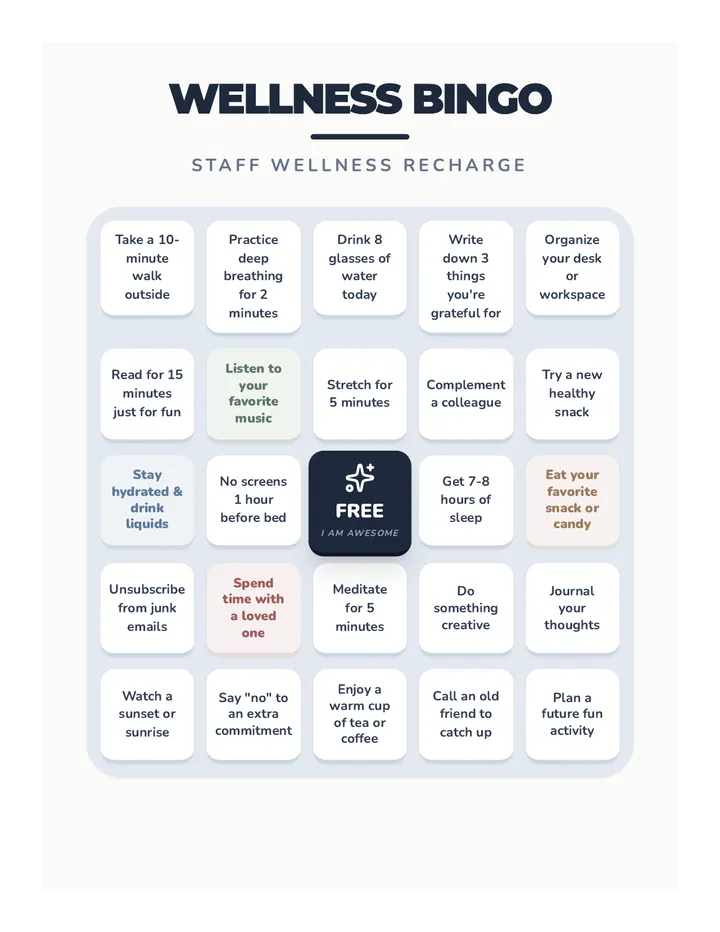
A collection of resources designed to help staff members prioritize their mental health, manage stress, and build a culture of wellness in the workplace.
An introductory lesson on mindfulness and yoga, teaching students how to regulate their emotions and relax their bodies through focused breathing and gentle movement.
An advanced yoga lesson for 11th graders focusing on the intersection of physical posture and mental resilience. Students explore breathing techniques and a 'Zen Strength' flow designed to enhance athletic performance and stress management.
A 30-minute health and wellness lesson where 3rd graders become 'Health Heroes' by learning about balanced meals, daily movement, and mindfulness.
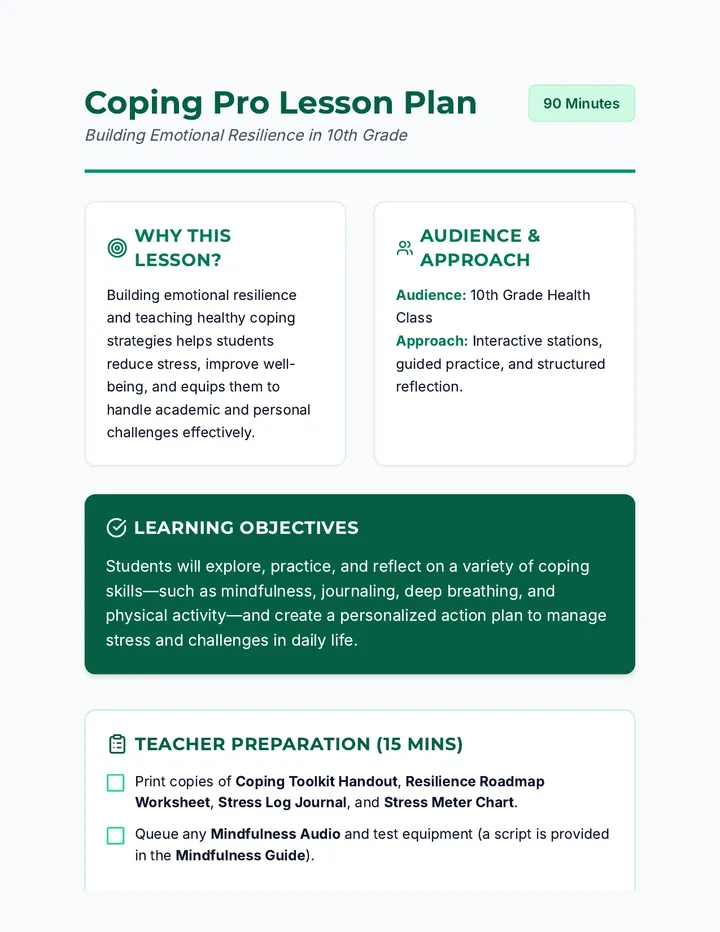
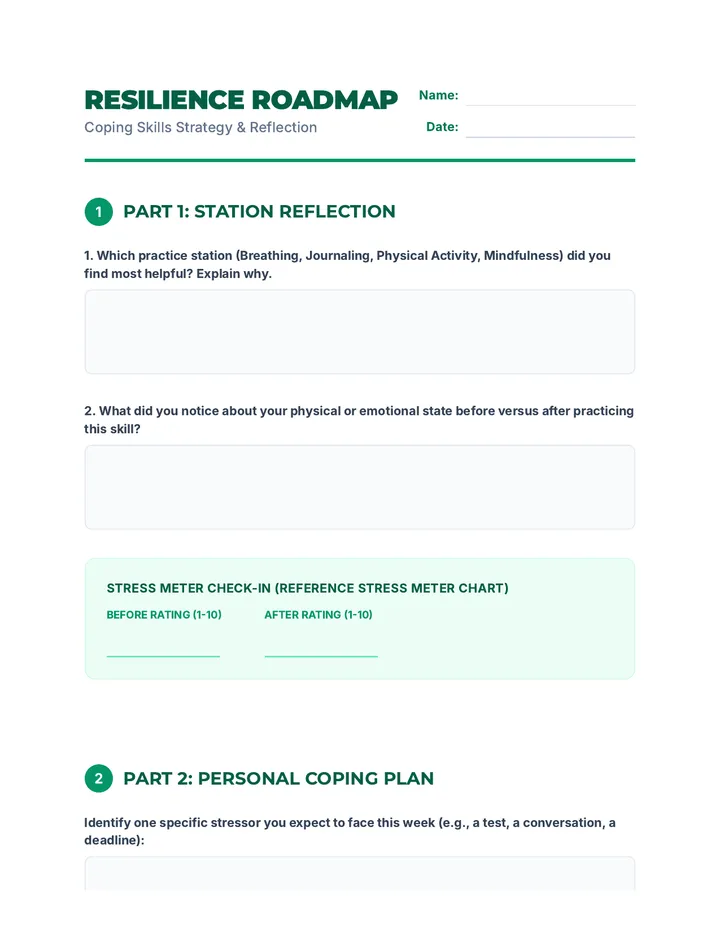
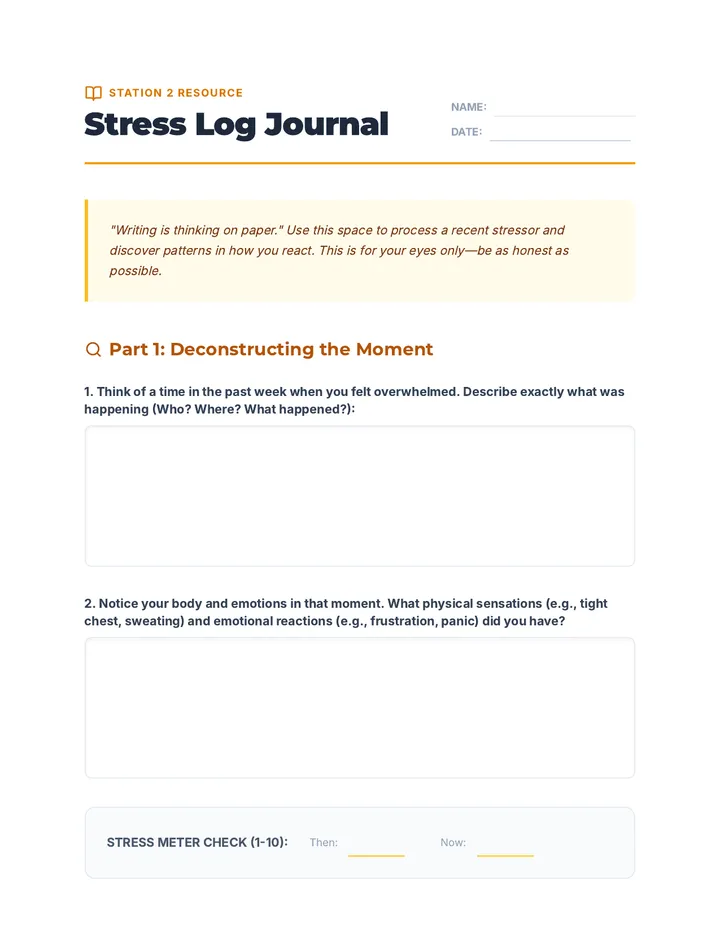
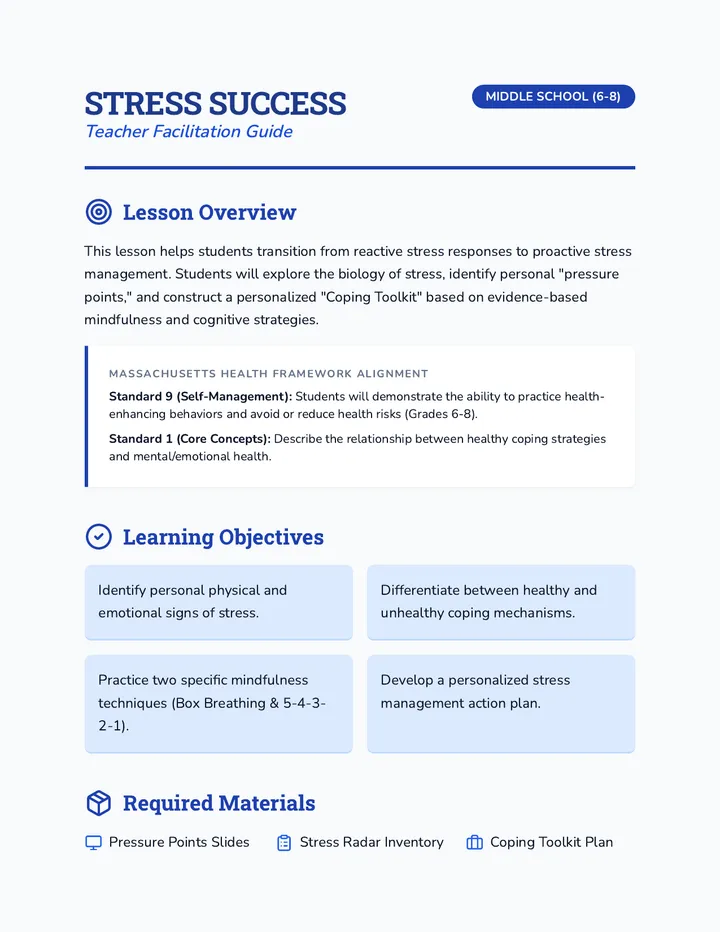
A comprehensive 90-minute health lesson for 10th graders focused on identifying stressors and building a personalized toolkit of healthy coping strategies through interactive stations and reflection.
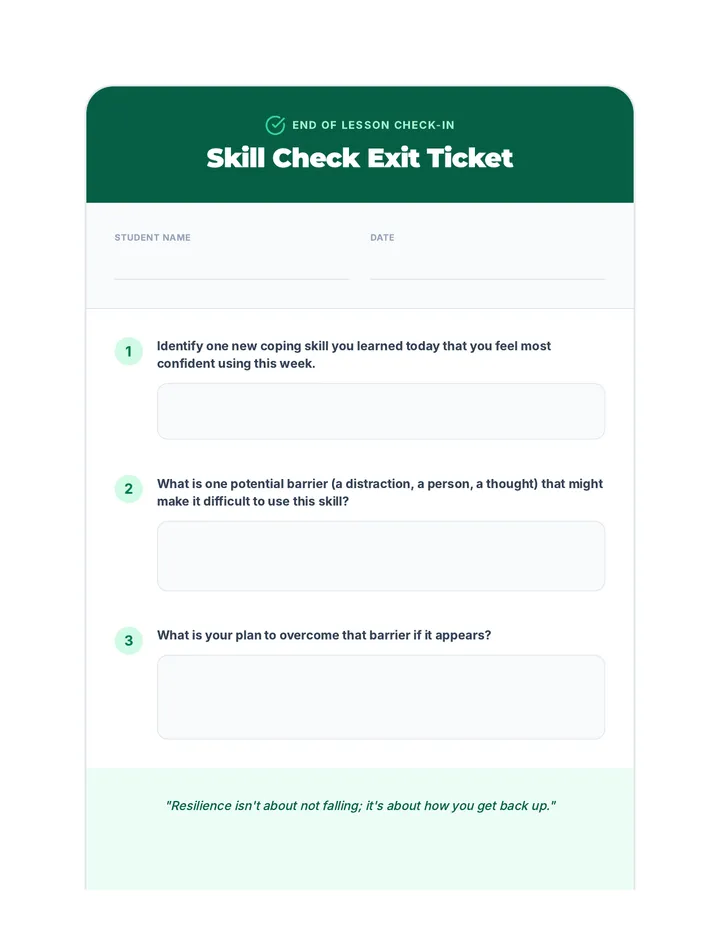
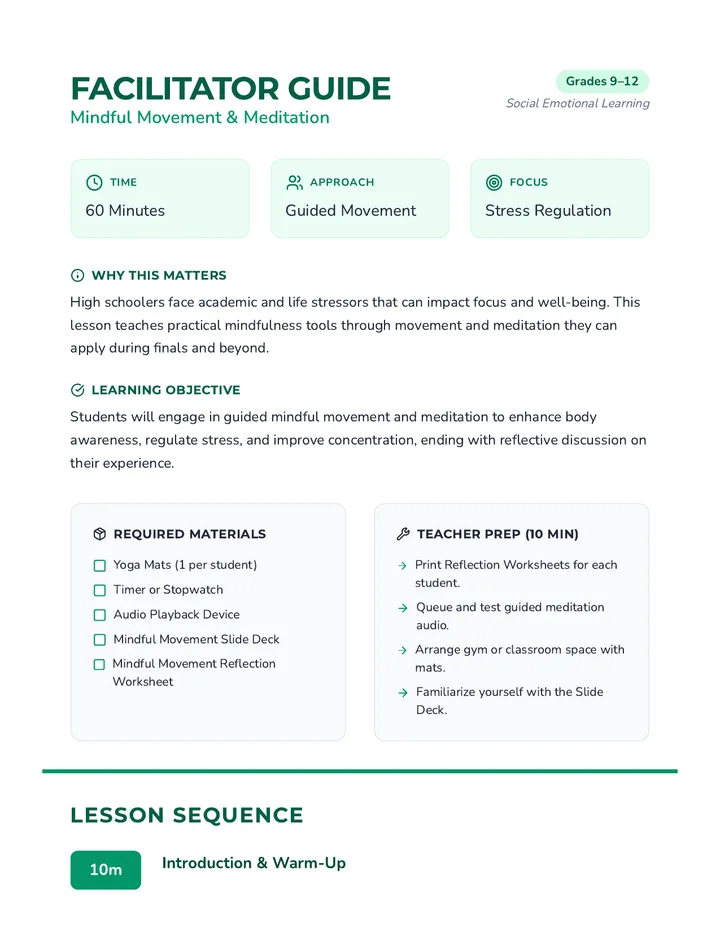
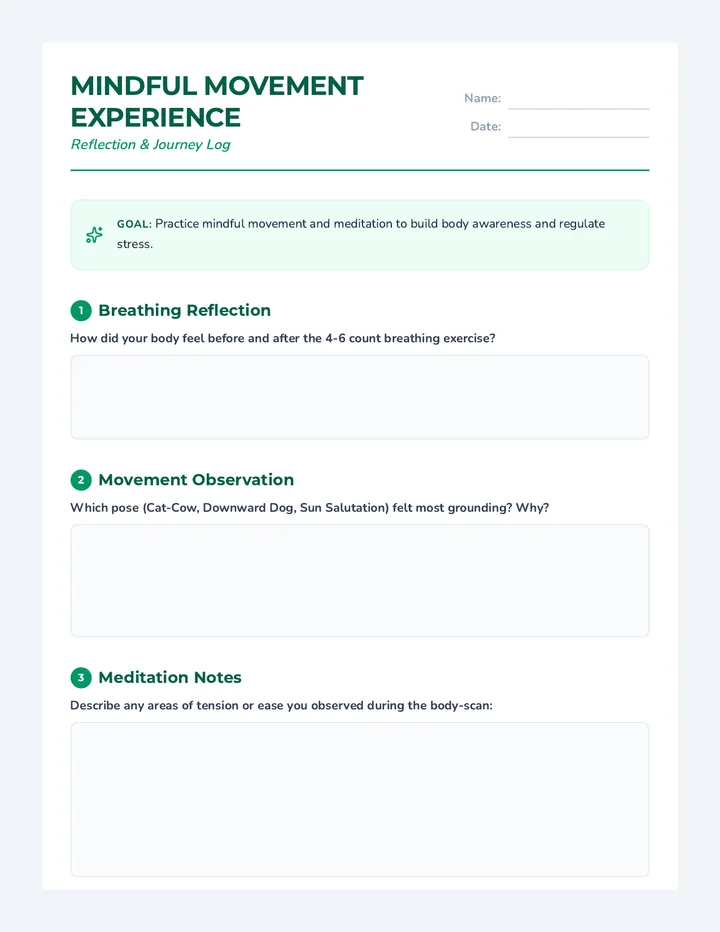
A comprehensive lesson for high schoolers to manage stress through diaphragmatic breathing, yoga sequences, and body-scan meditation. It includes a facilitator guide, visual slides, and a reflection worksheet designed for use during high-stress periods like finals.
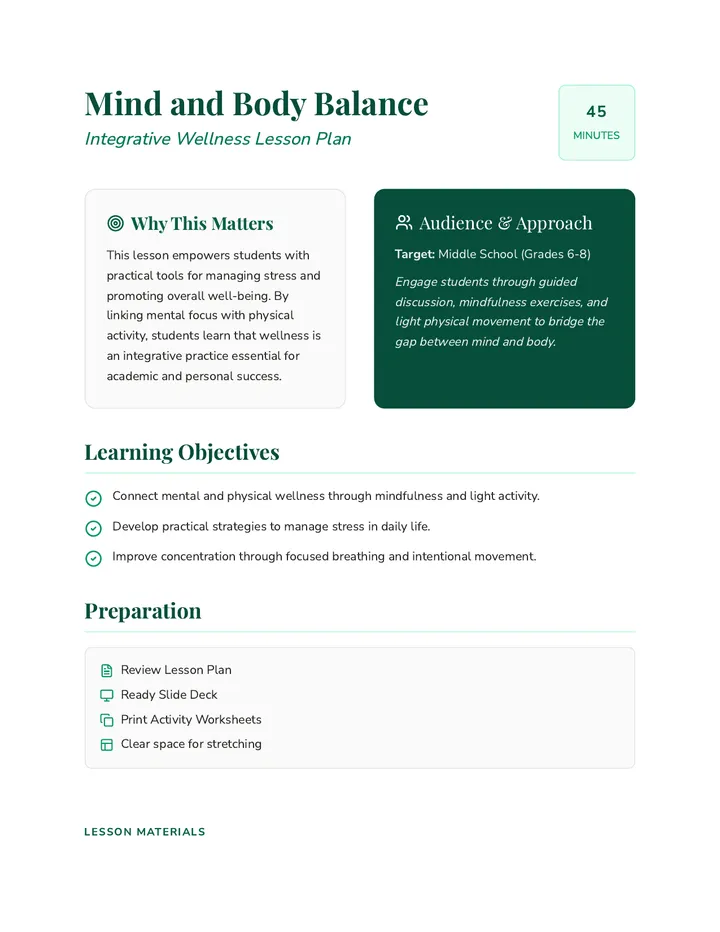
A comprehensive lesson designed to help middle school students understand the connection between mental and physical health through mindfulness and light movement. Students will learn practical stress management tools and strategies to improve daily concentration.
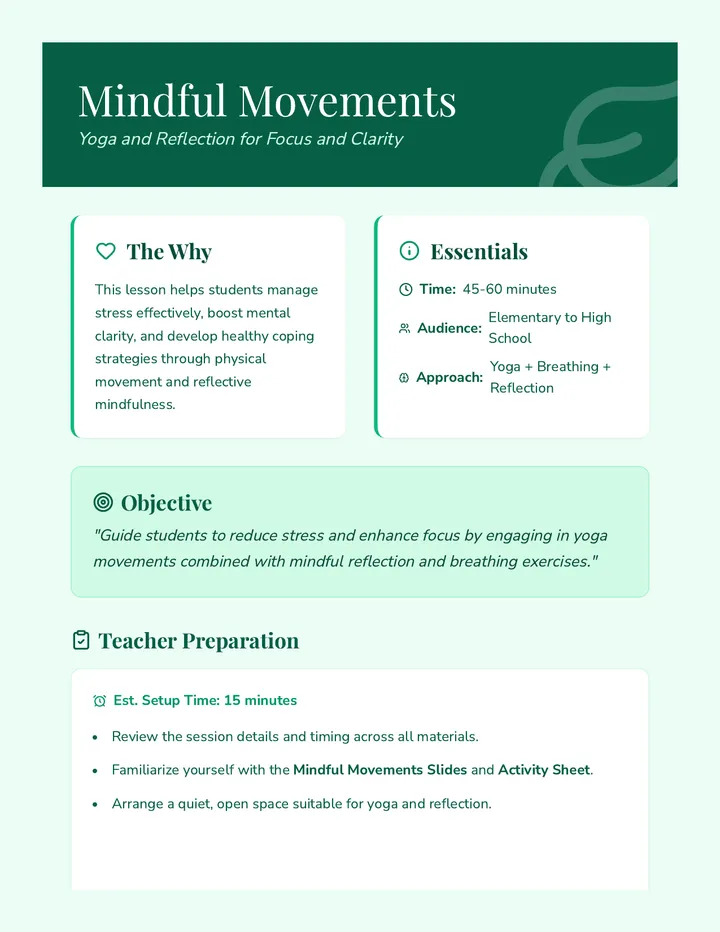
A lesson that combines yoga poses with mindfulness and reflection to help students manage stress, improve focus, and develop mental clarity through physical movement and breathing.
Introduce students to basic yoga poses and mindfulness exercises as a means to promote mental clarity and emotional regulation. Ideal for students in grades 5-8.
An enchanting yoga adventure that combines storytelling with mindfulness and physical activity. Students explore a whimsical wonderland through yoga poses, fostering flexibility and relaxation.
This lesson explores the biological and psychological links between daily habits—such as diet, exercise, and screen time—and brain function. Students will watch a video on brain health, categorize habits into 'Brain Fuel' or 'Brain Drain,' and set a personal goal for the week.
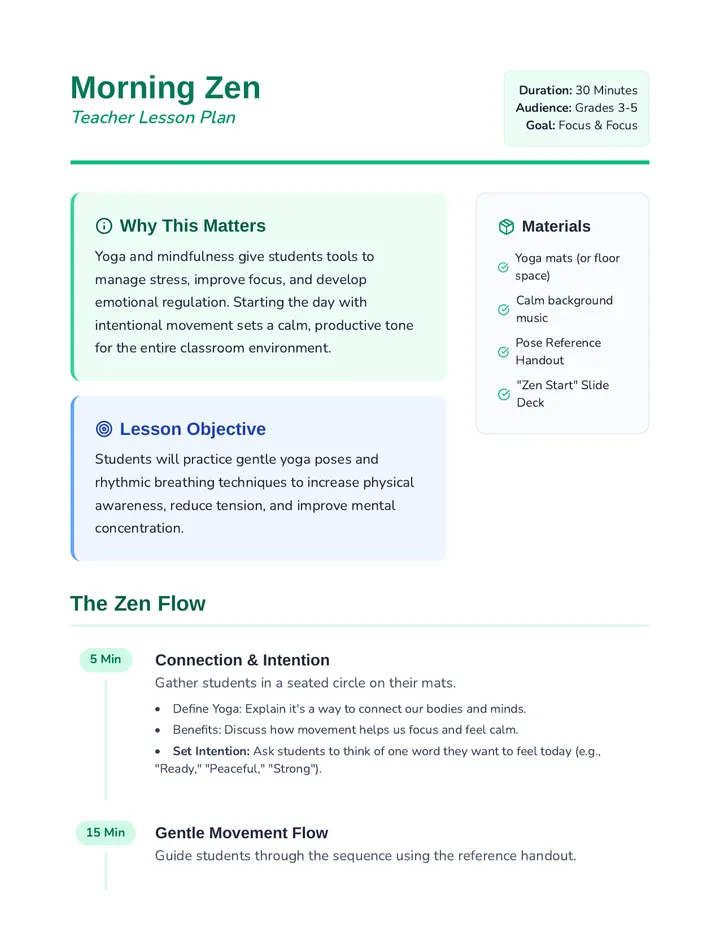
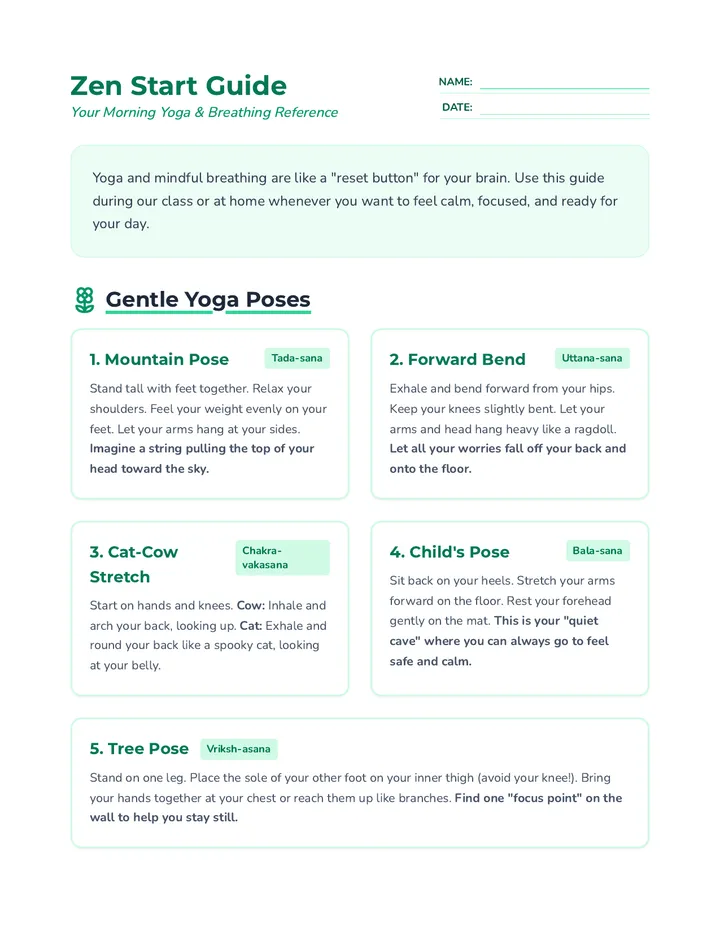
This lesson introduces students to gentle yoga and breathing exercises designed to increase focus and reduce stress. Students will learn specific poses and breathing techniques to promote physical and mental well-being, setting a positive tone for their school day.
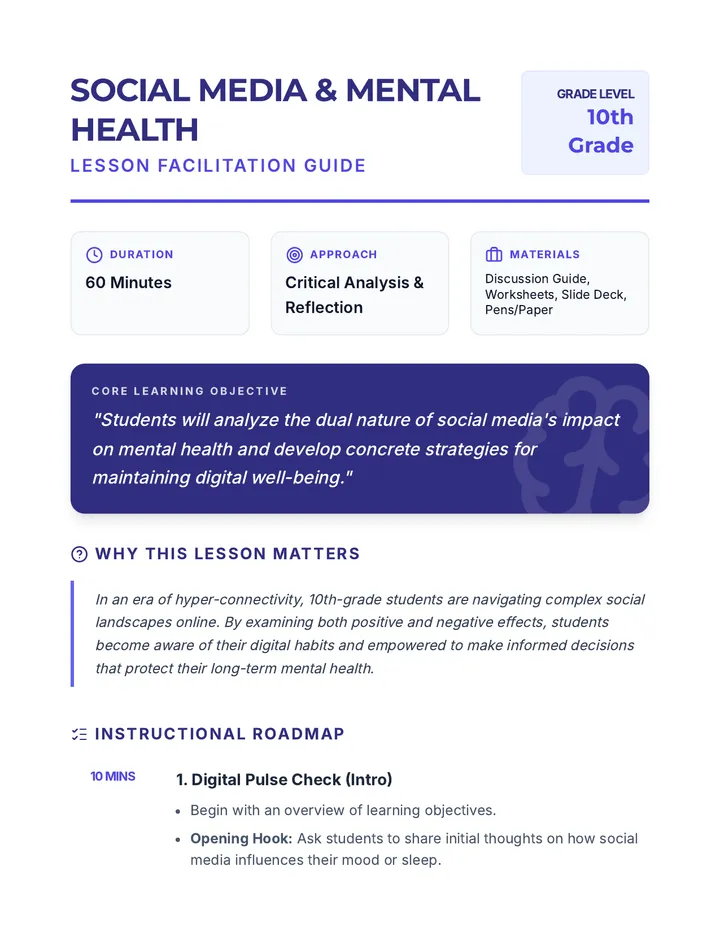
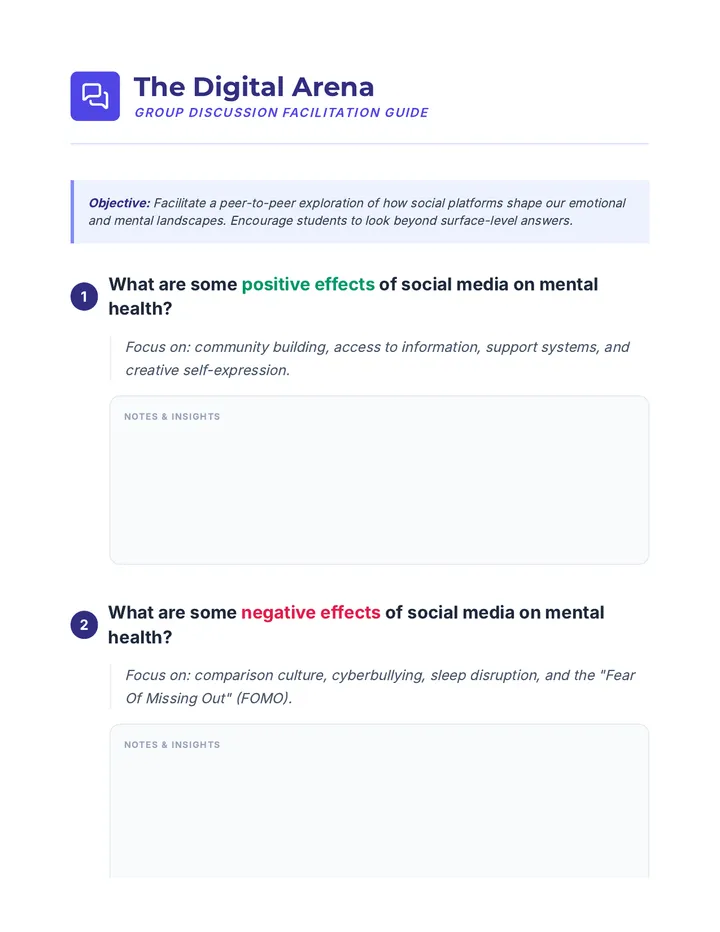
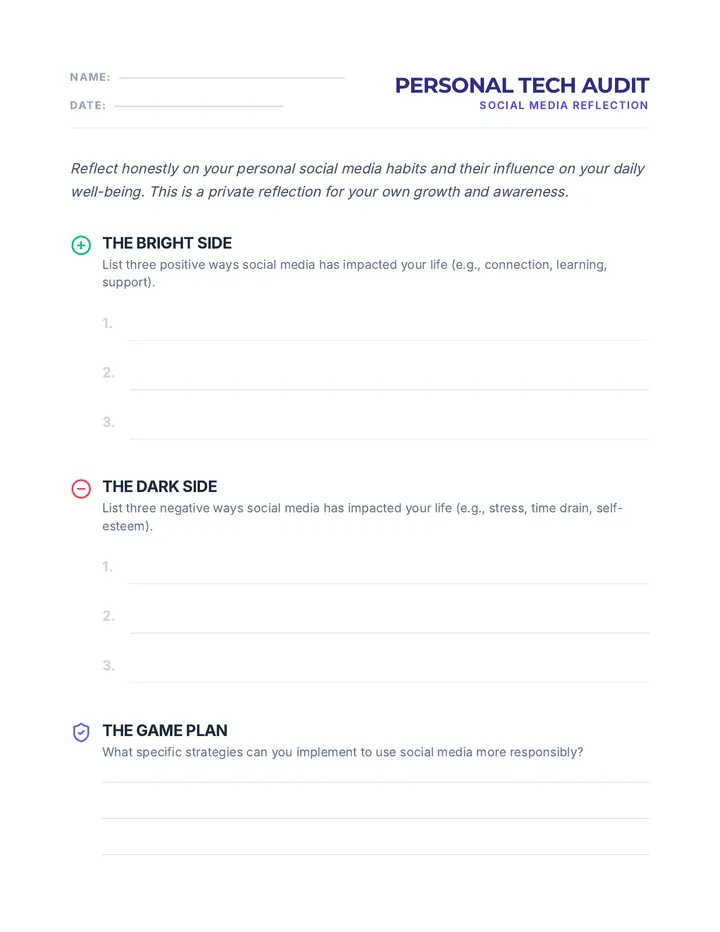
This lesson explores the dual nature of social media's impact on mental health. Students will analyze positive and negative effects, engage in peer discussions, and develop personal strategies for responsible digital consumption.
A comprehensive study guide covering nutrition, body systems, mental health, and disease prevention based on the Health Final Exam.
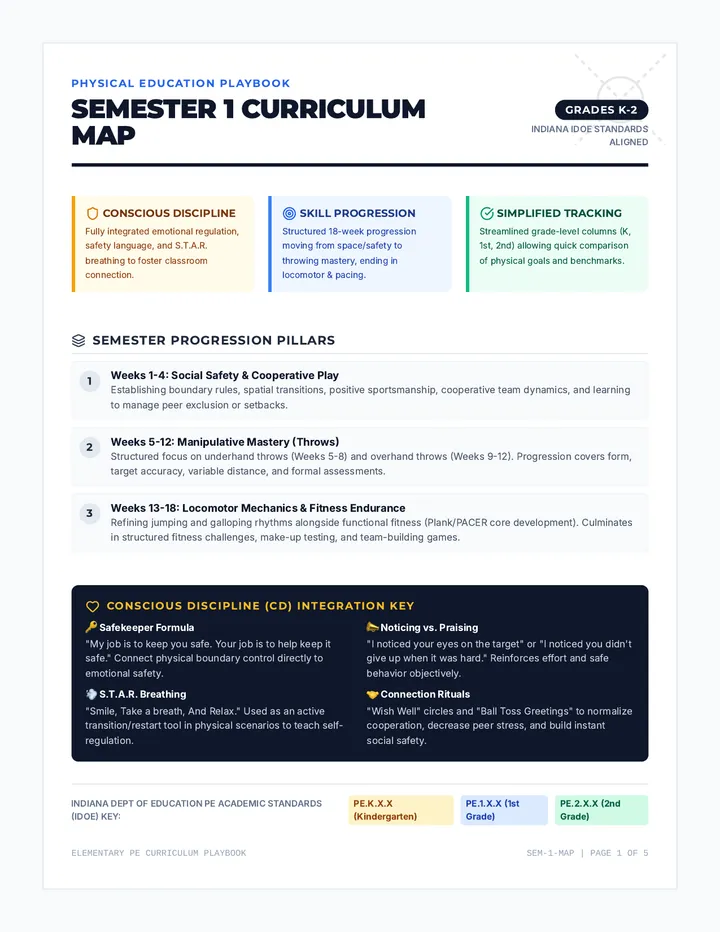
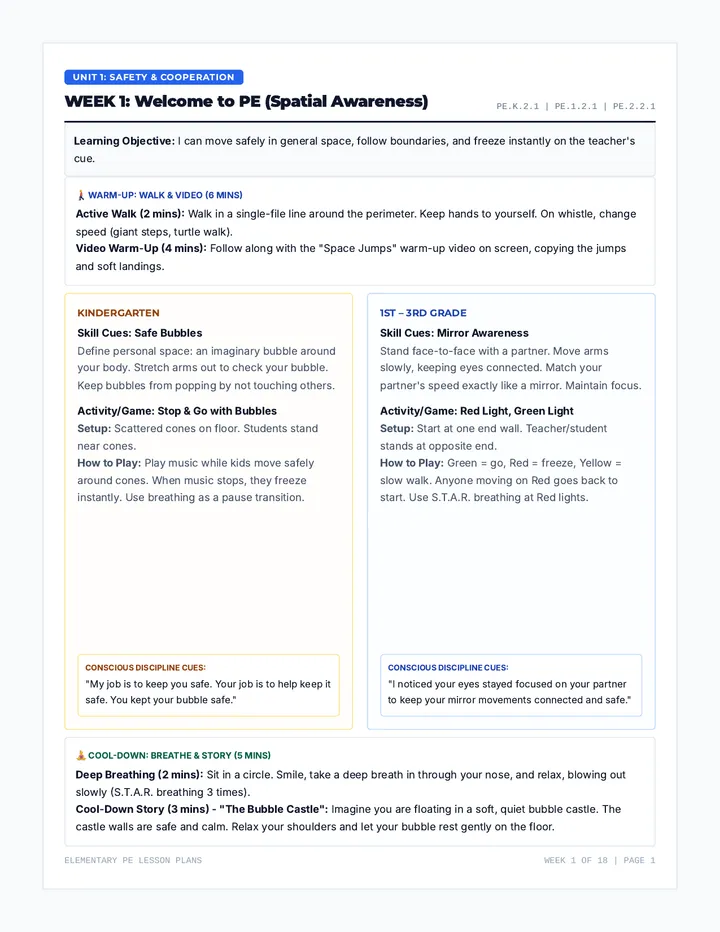
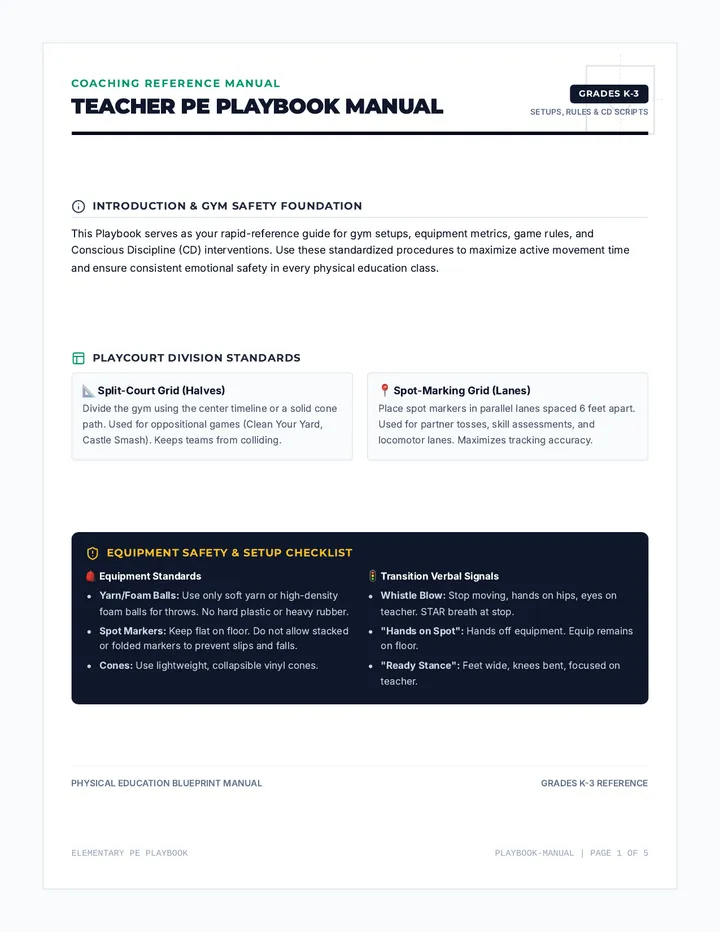
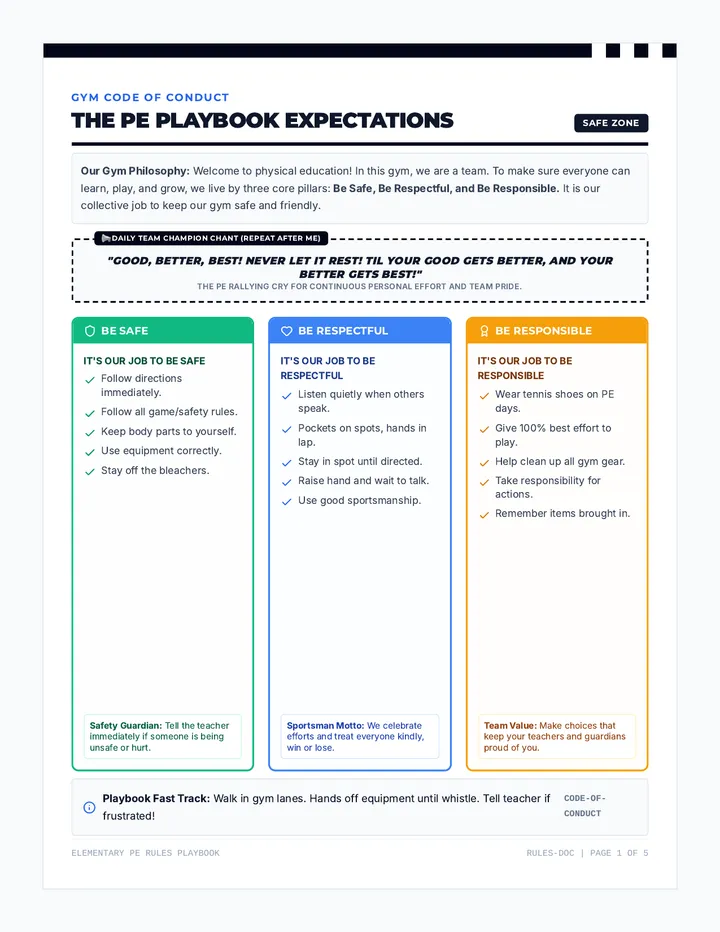
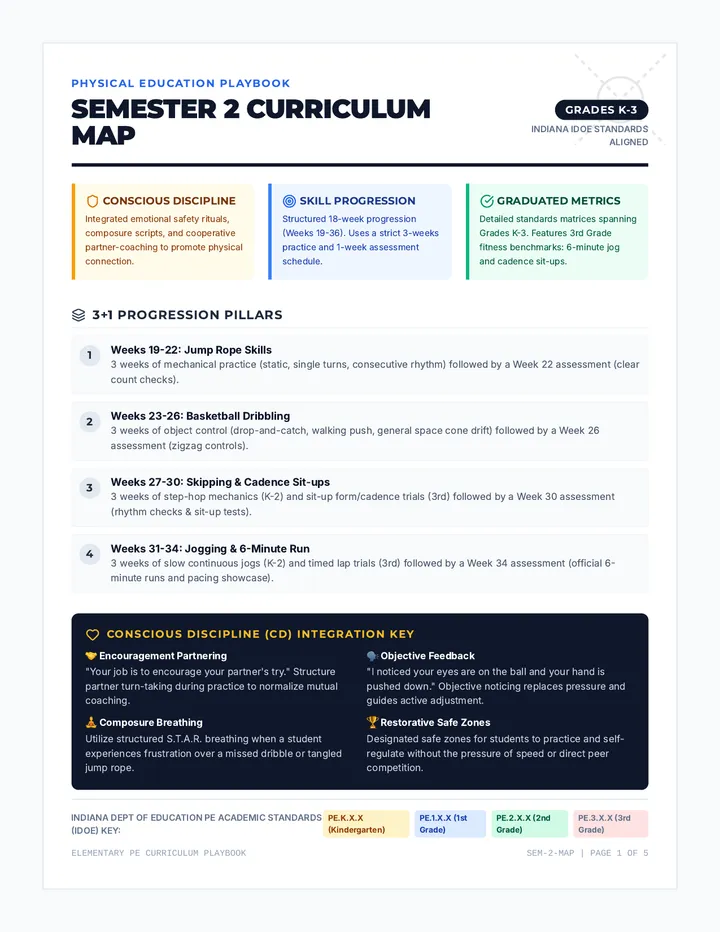
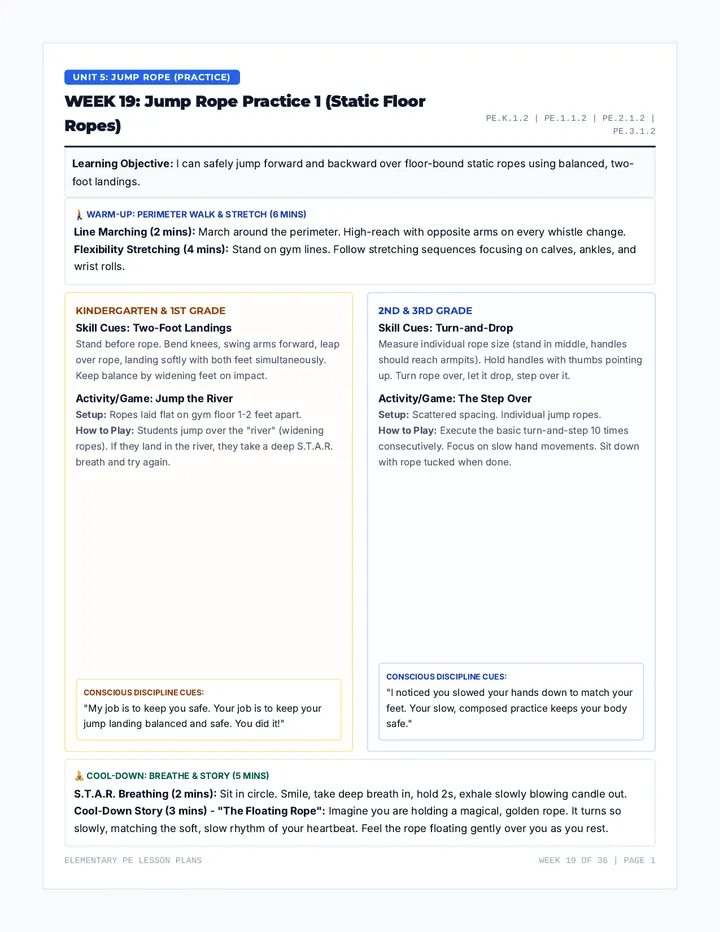
Comprehensive Physical Education curriculum map lesson containing the Semester 1 visual mapping, aligned with Indiana Department of Education (IDOE) standards and Conscious Discipline strategies.
A 30-minute lesson for 12th graders exploring the science of sleep, its impact on academic success, and practical strategies for better sleep hygiene.
A 30-minute lesson for 8th graders on identifying and resisting negative peer pressure through refusal strategies and personal 'out' plans.
A teen-focused sleep and mood tracking suite that combines physical tracking with mindfulness. Includes a 1-Page Weekly Tracker, Pocket-Sized Mini Trackers for phone cases/wallets, and a 7-Day Guided Daily Journal with deep reflection prompts. Helps teens identify connections between screen time, caffeine, physical activity, and sleep quality.
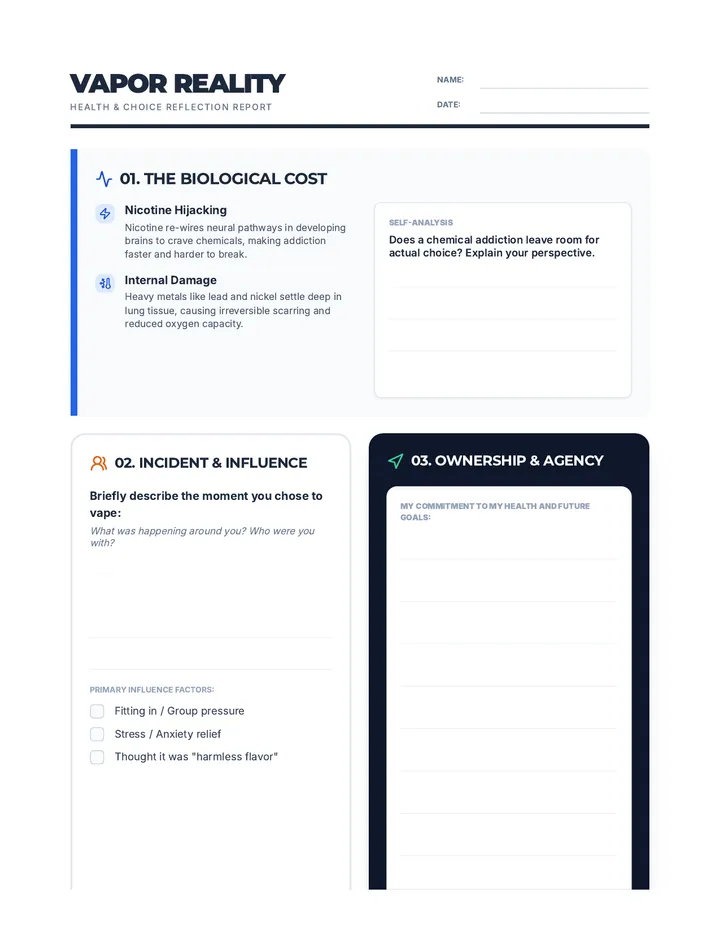
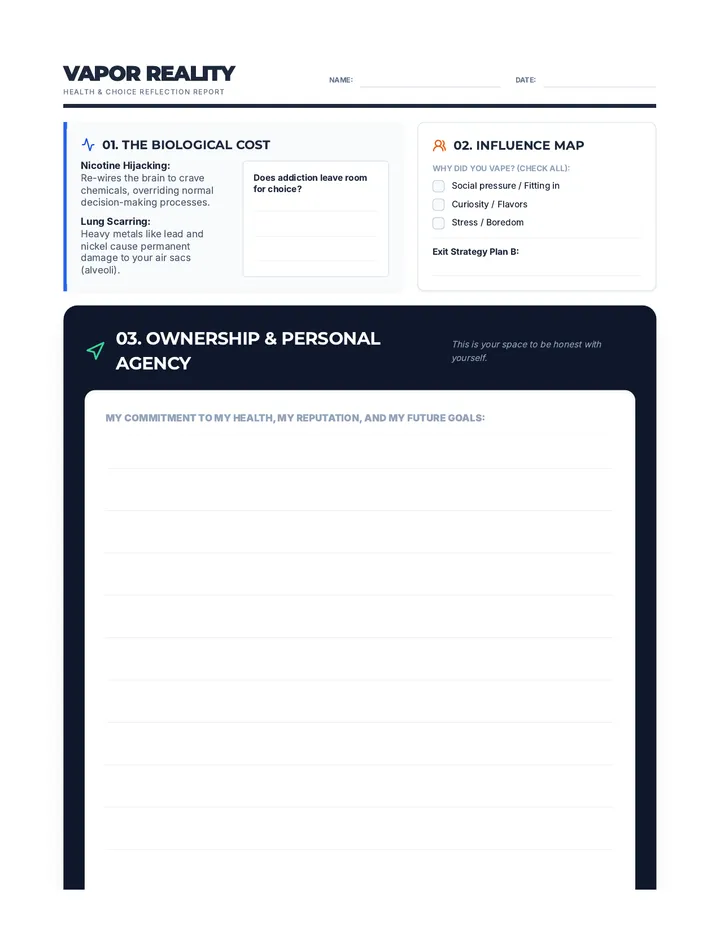
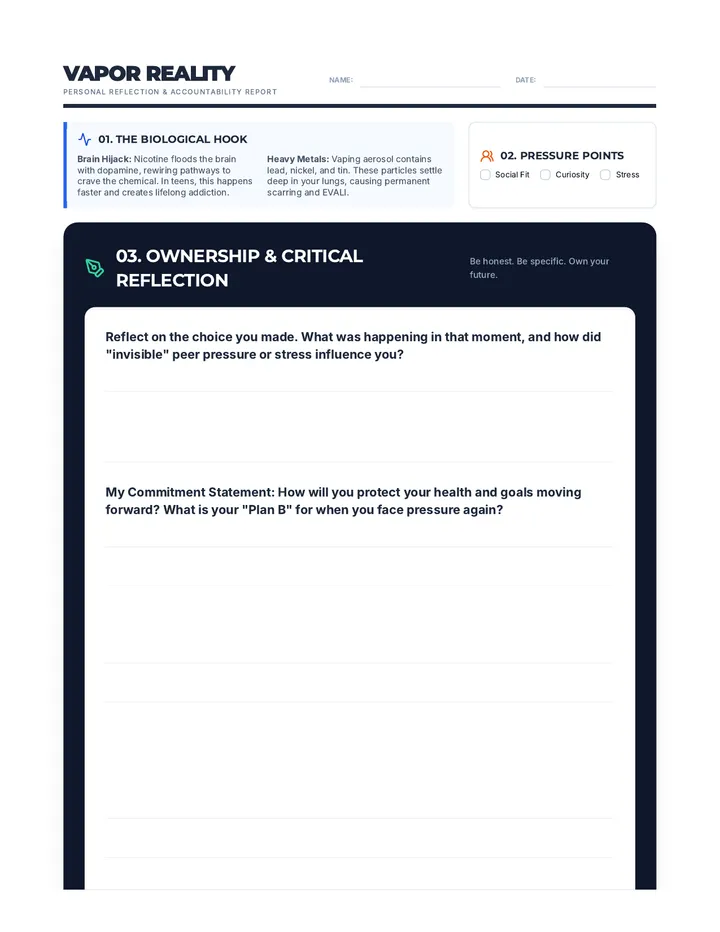
A reflective lesson designed for students to evaluate the health risks of vaping and the social pressures that lead to it, focusing on long-term consequences and personal agency.
A collection of resources aimed at promoting staff well-being and work-life balance through low-pressure activities.
A dynamic lesson where 7th graders explore the link between physical habits and mental performance, designing their own 'hero' routines for success.
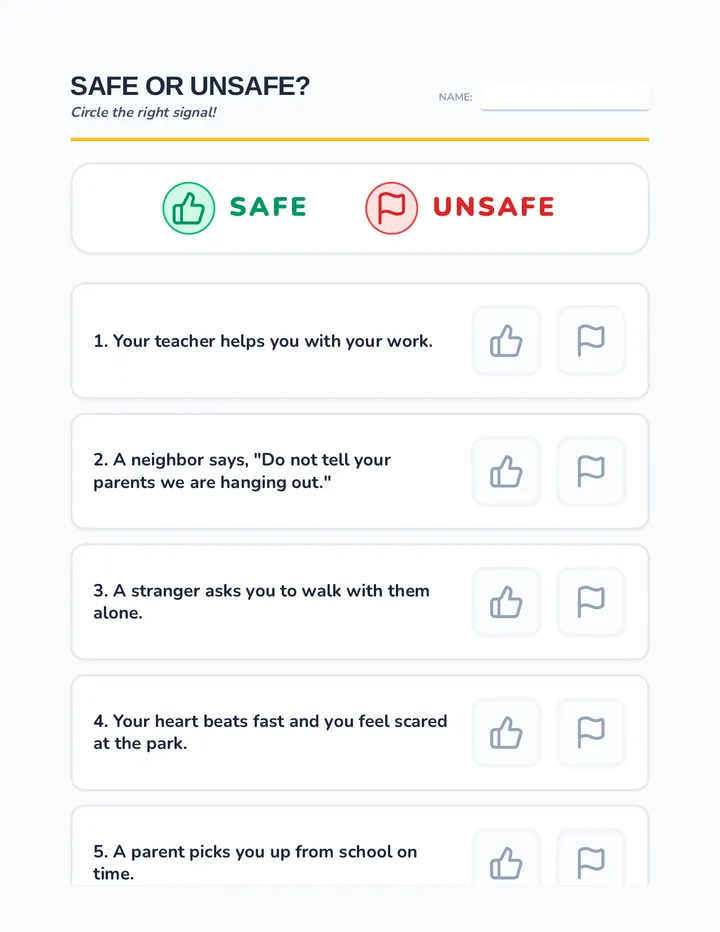
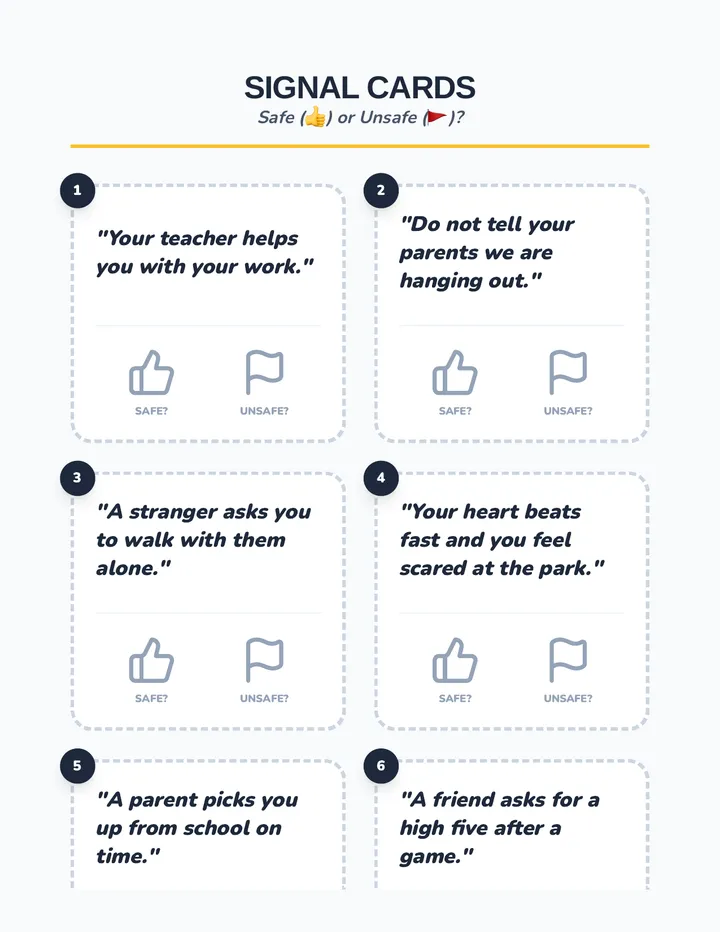
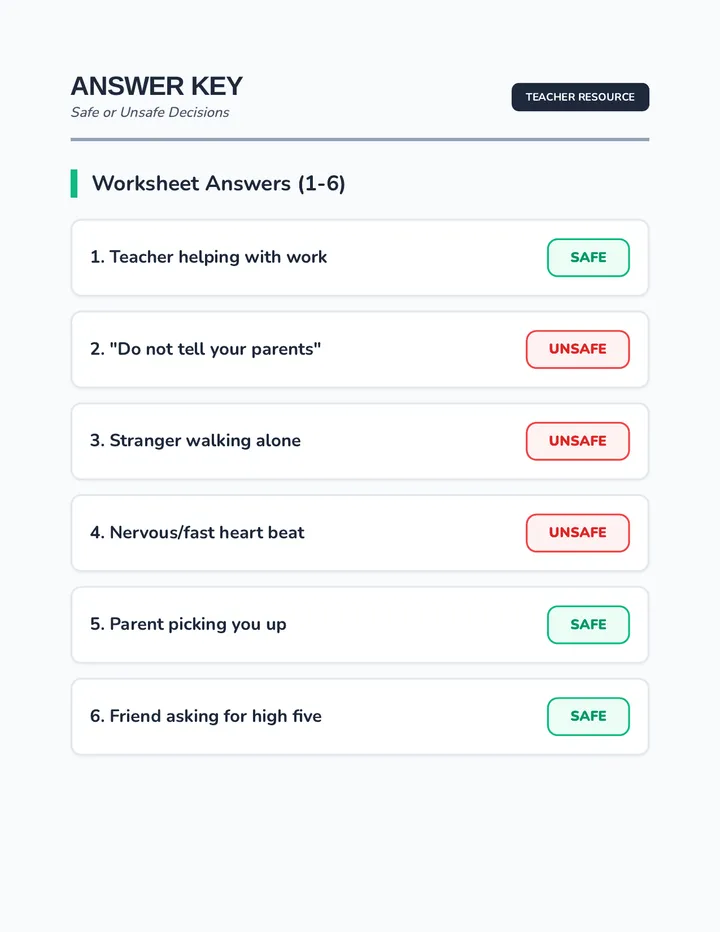
This lesson focuses on identifying 'red flags' in social situations, understanding the importance of 'gut feelings', and practicing exit strategies to move to safety. Students will learn to recognize subtle warning signs and identify trusted adults they can turn to for help.
A comprehensive lesson for middle schoolers to identify stressors, understand the physical response to stress, and build a personalized toolkit of healthy coping strategies through interactive sorting and mindfulness practice.
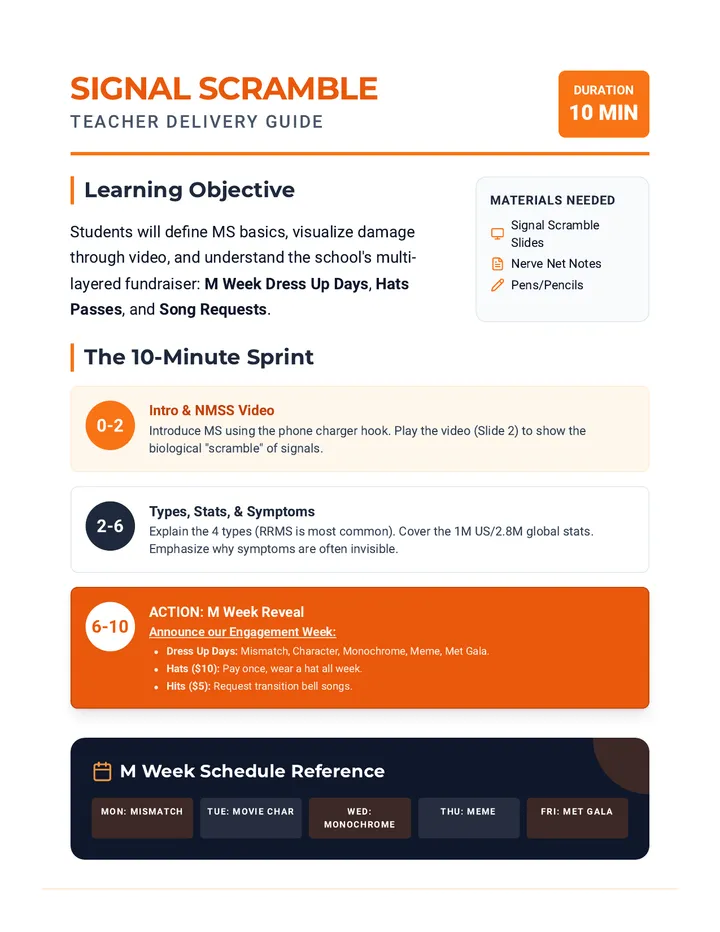
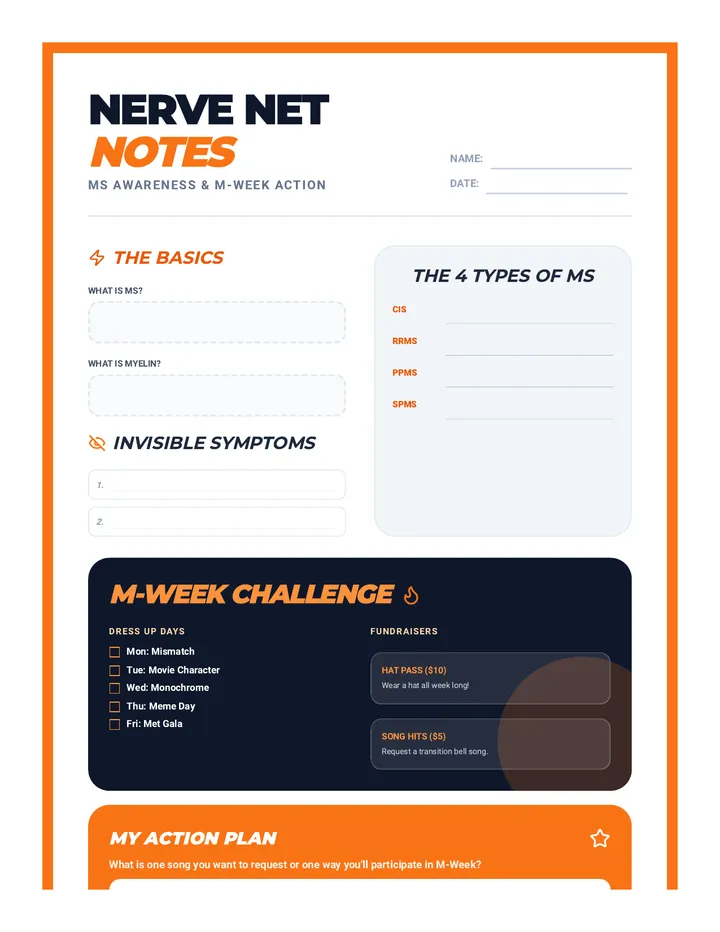
A quick, high-impact lesson designed to teach middle schoolers about Multiple Sclerosis through the lens of a 'signal scramble' in the nervous system. Students learn about myelin, global statistics, and the invisible nature of the disease.
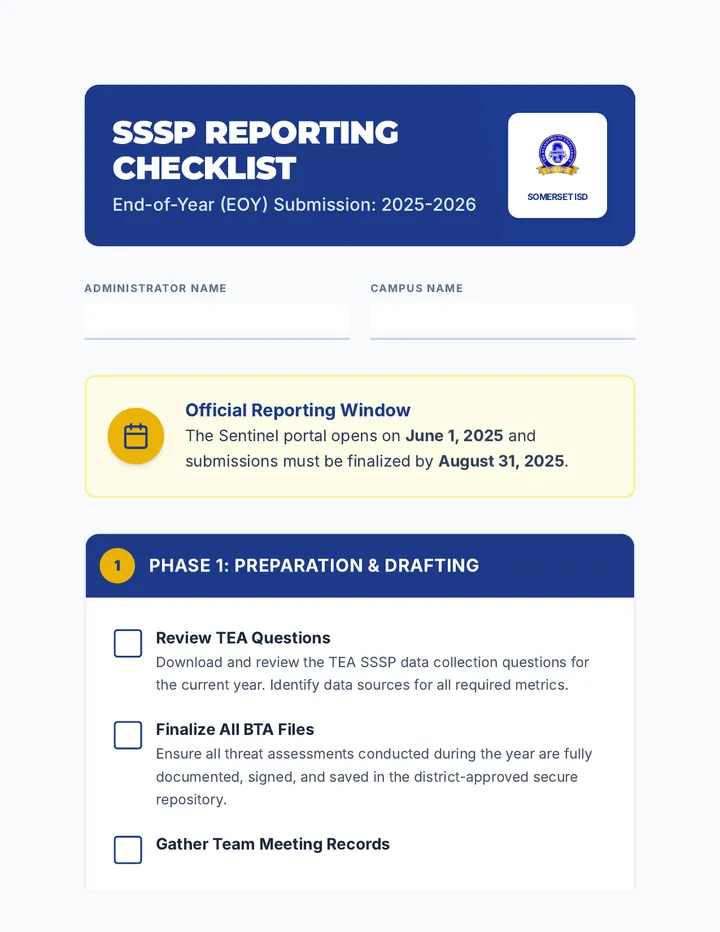
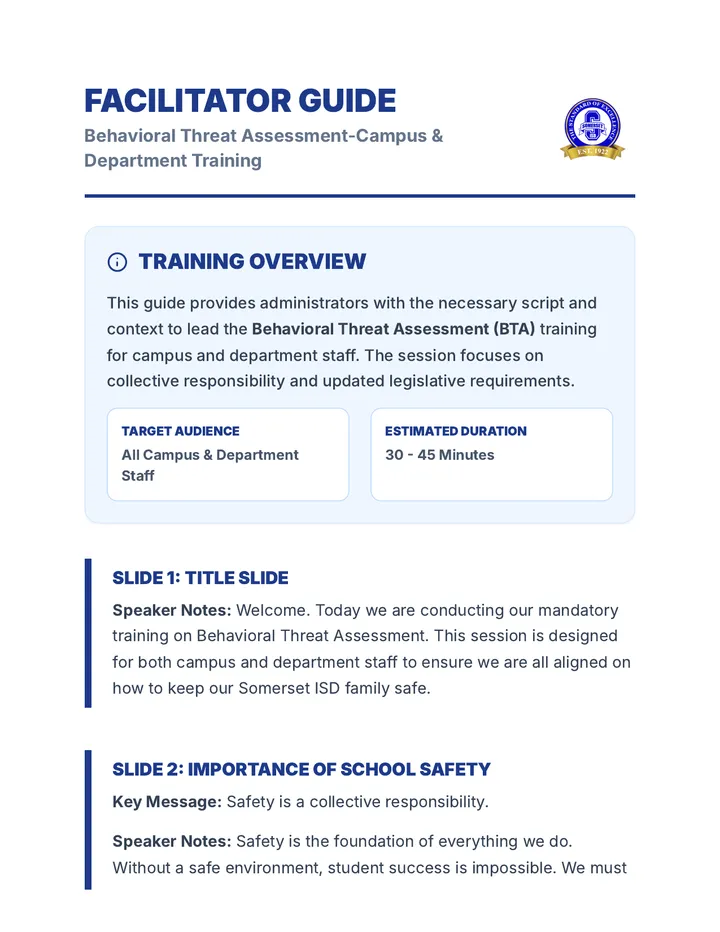
A professional presentation and administrative guide for school leaders regarding the end-of-year Behavioral Threat Assessment (BTA) and Safe and Supportive School Program (SSSP) reporting processes and future planning.
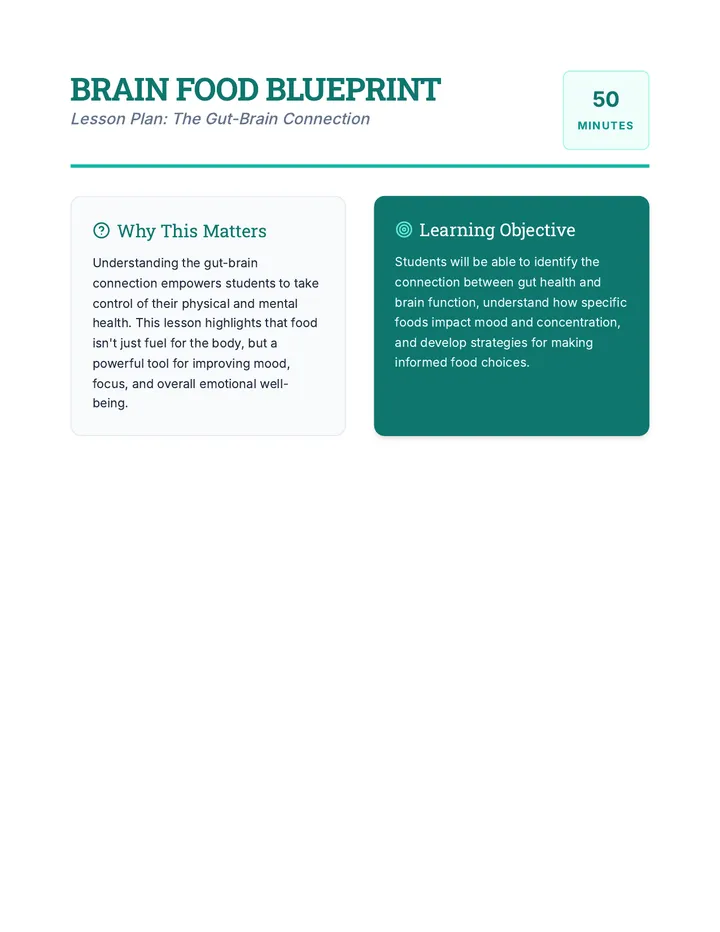
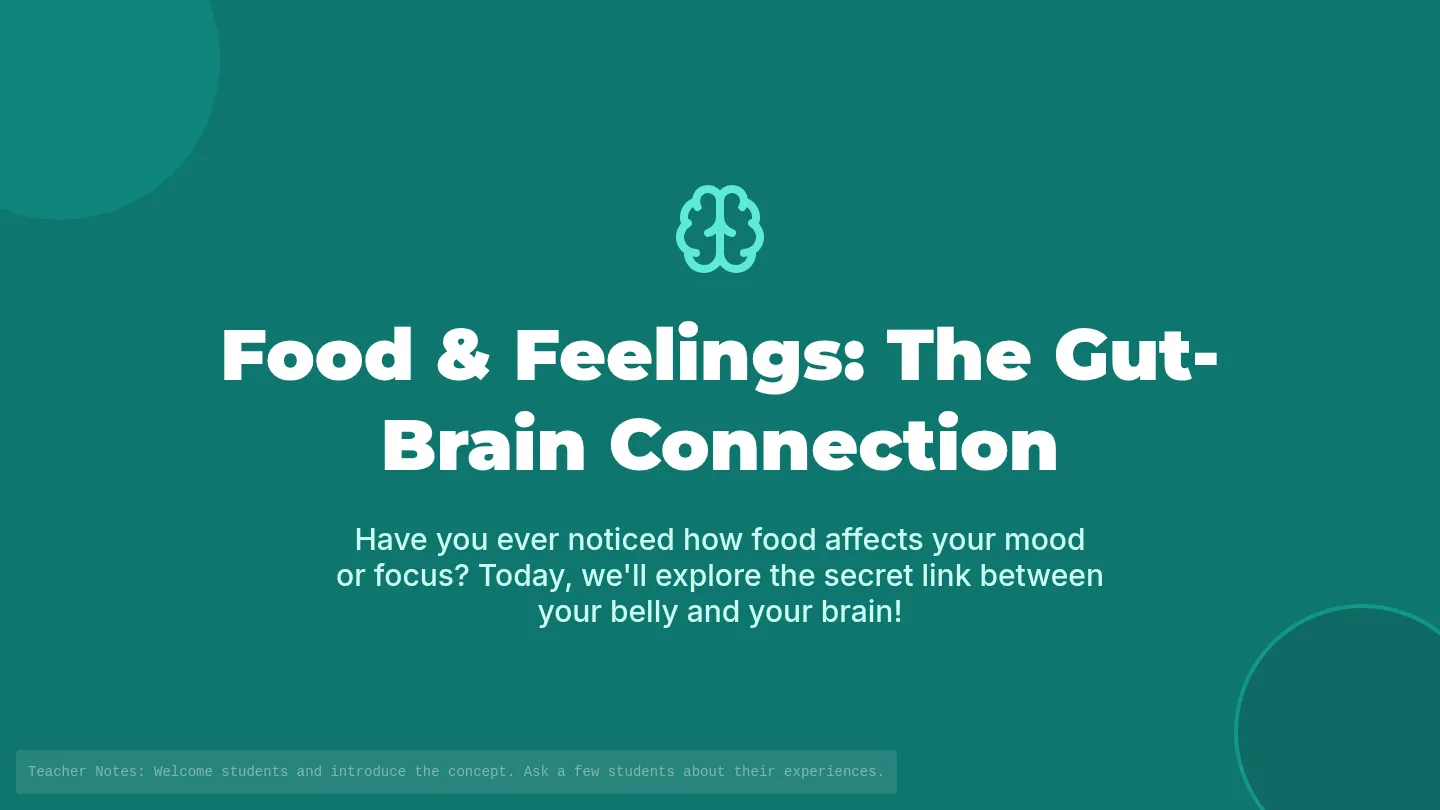
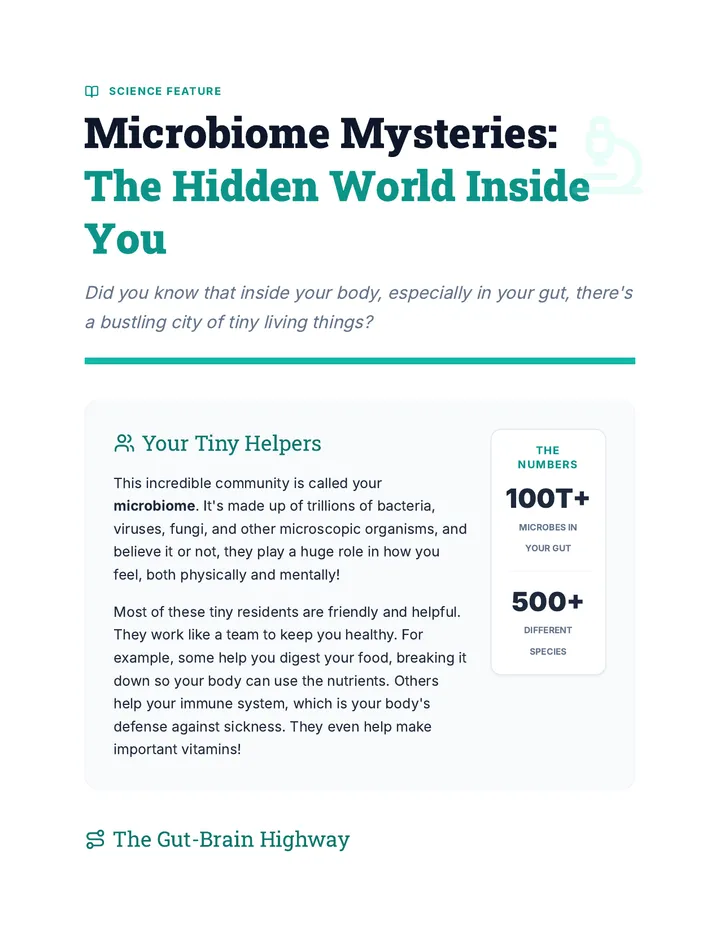
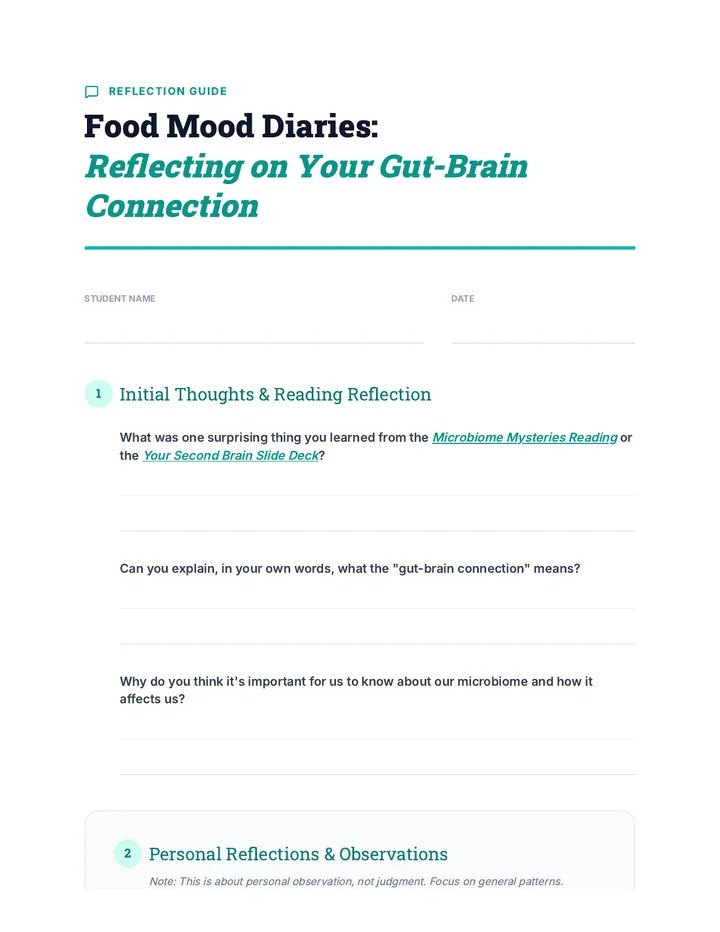
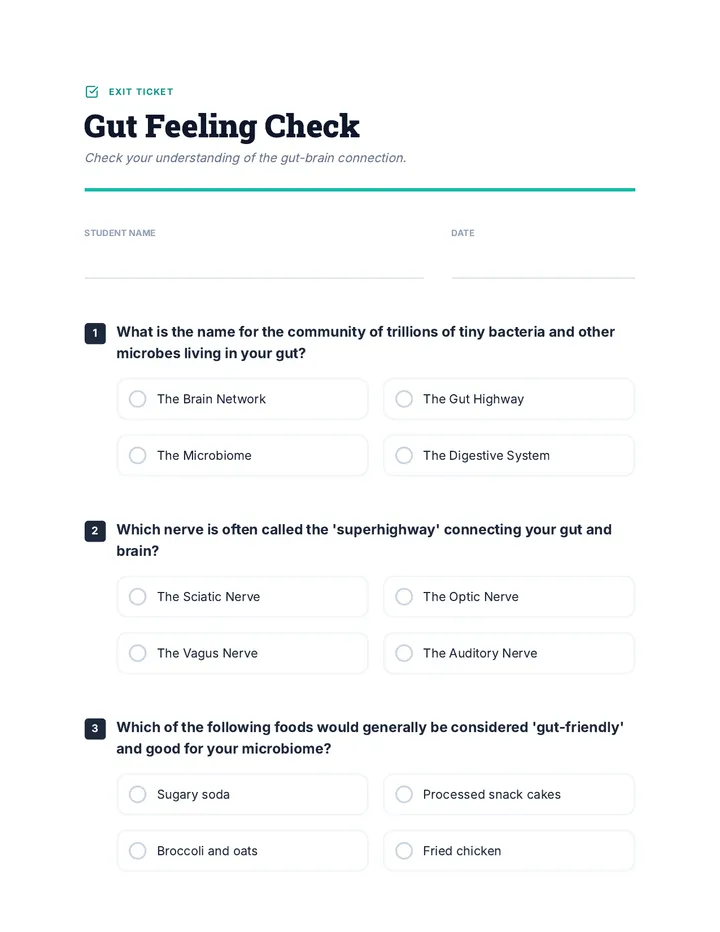
A comprehensive lesson exploring the link between nutrition, the gut microbiome, and mental well-being, designed for middle schoolers.
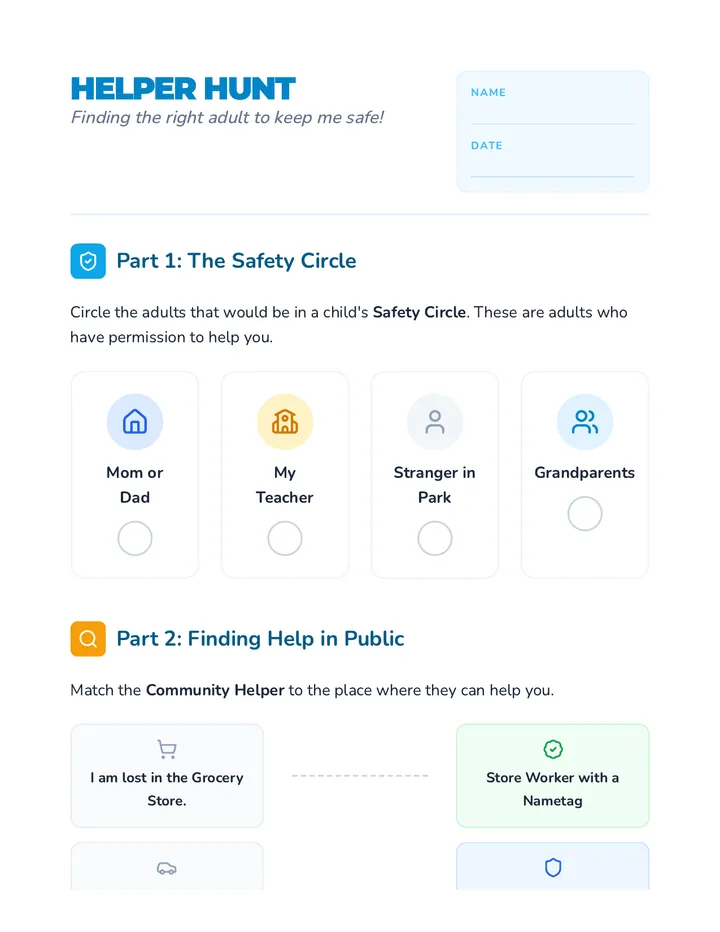
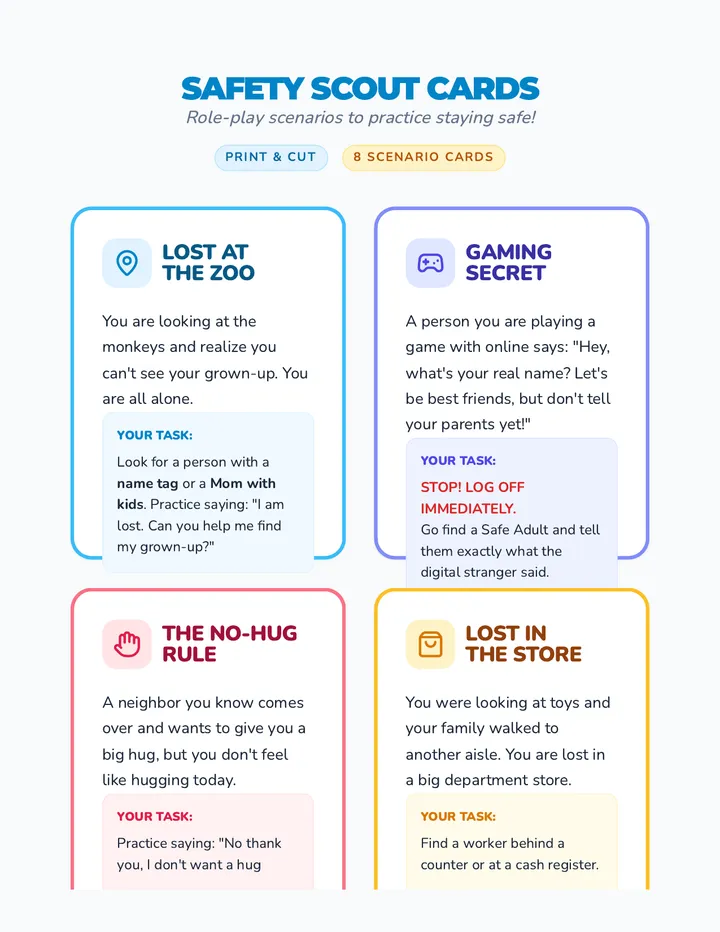
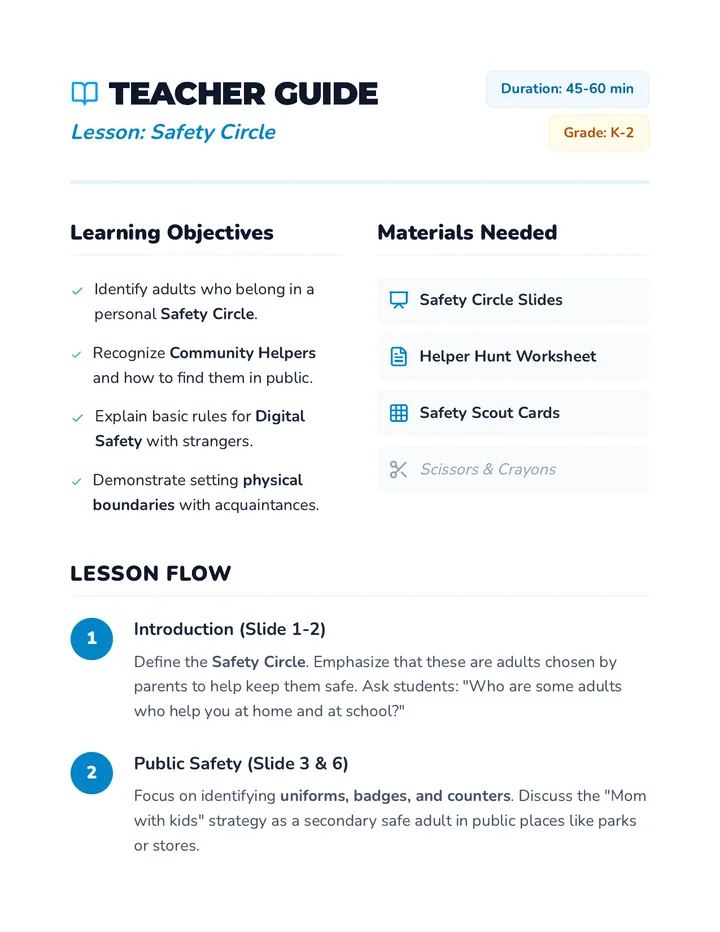
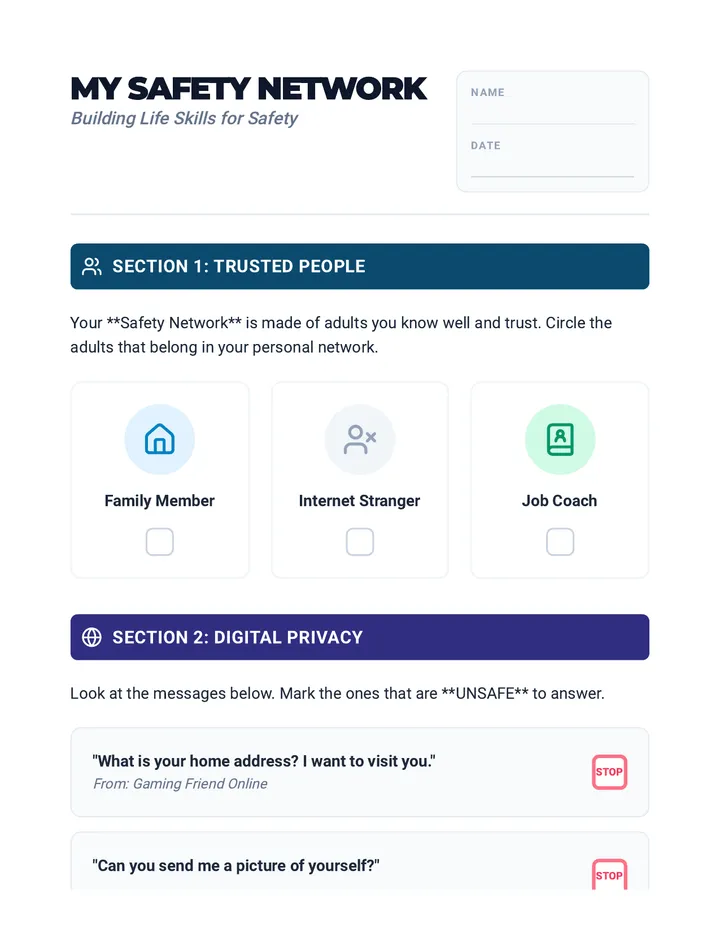
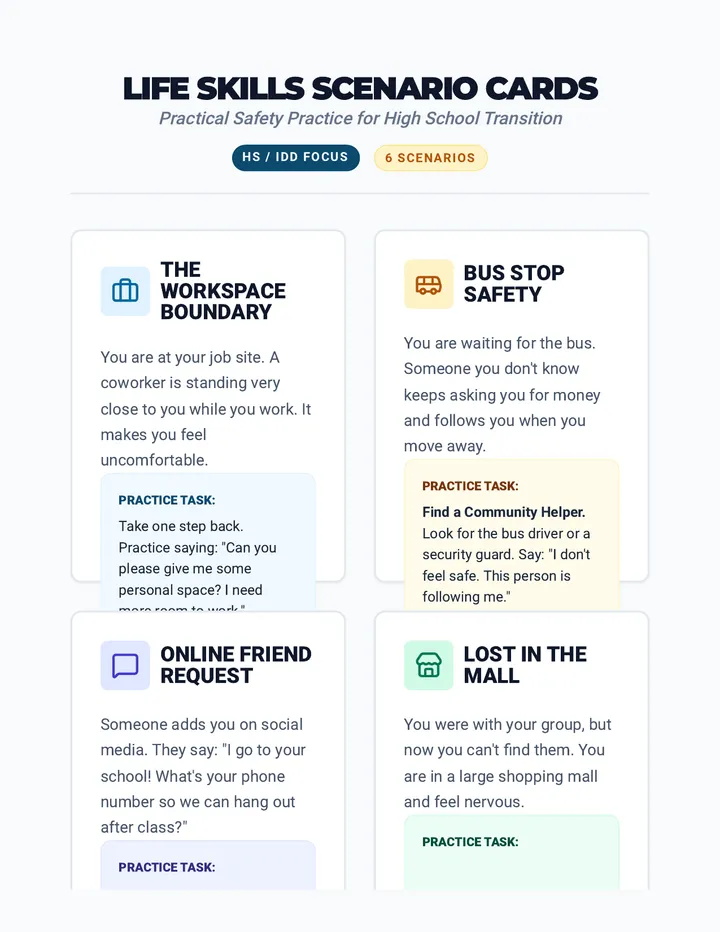
A comprehensive lesson teaching students how to identify safe adults, navigate digital interactions, ask for help in public, and maintain healthy boundaries with acquaintances.