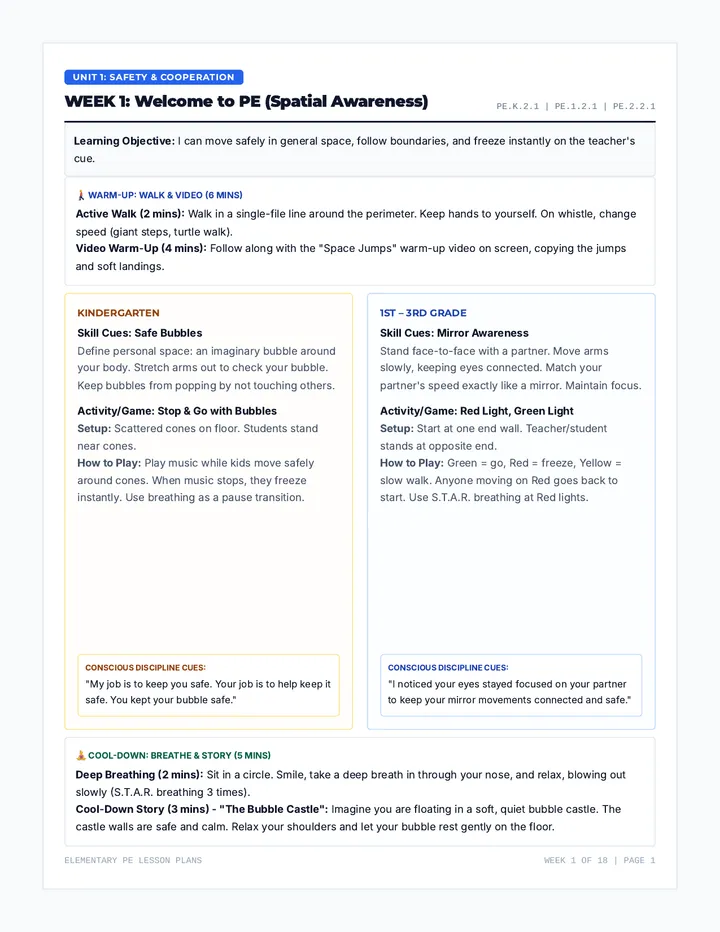
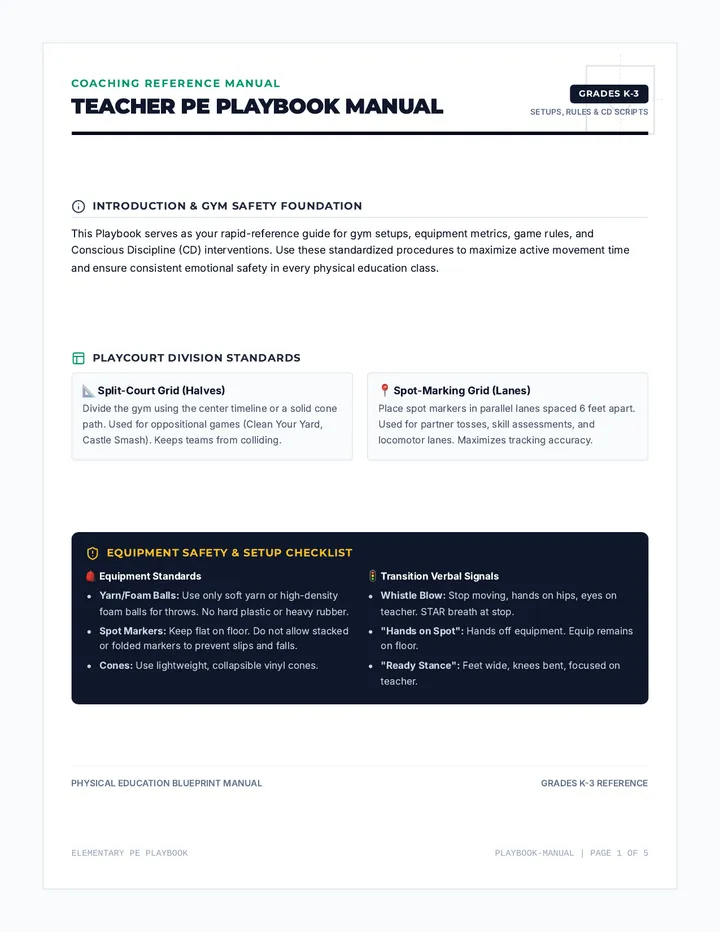
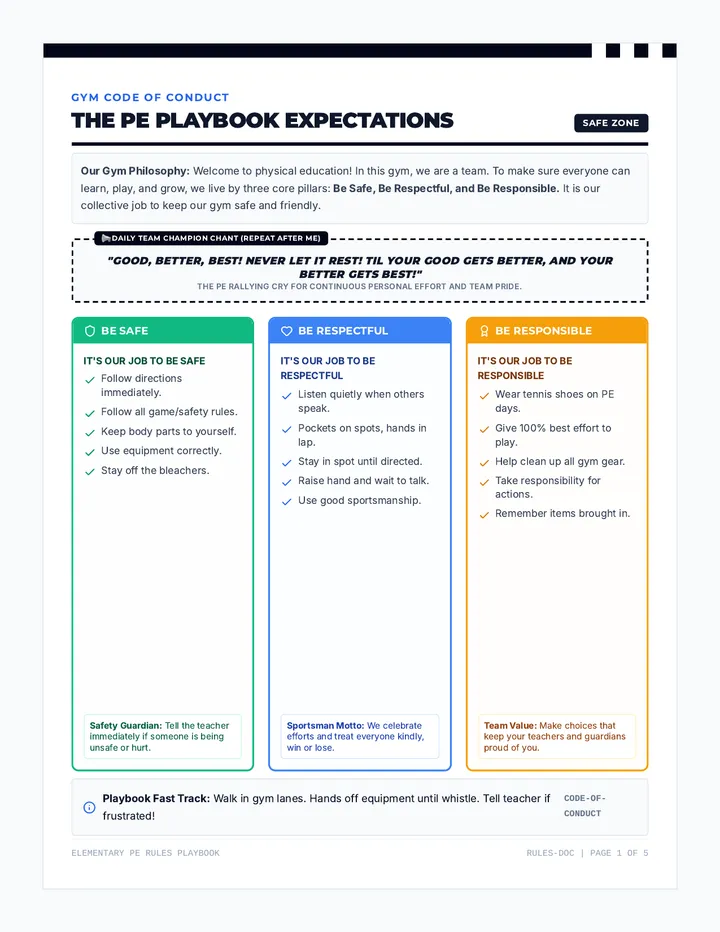
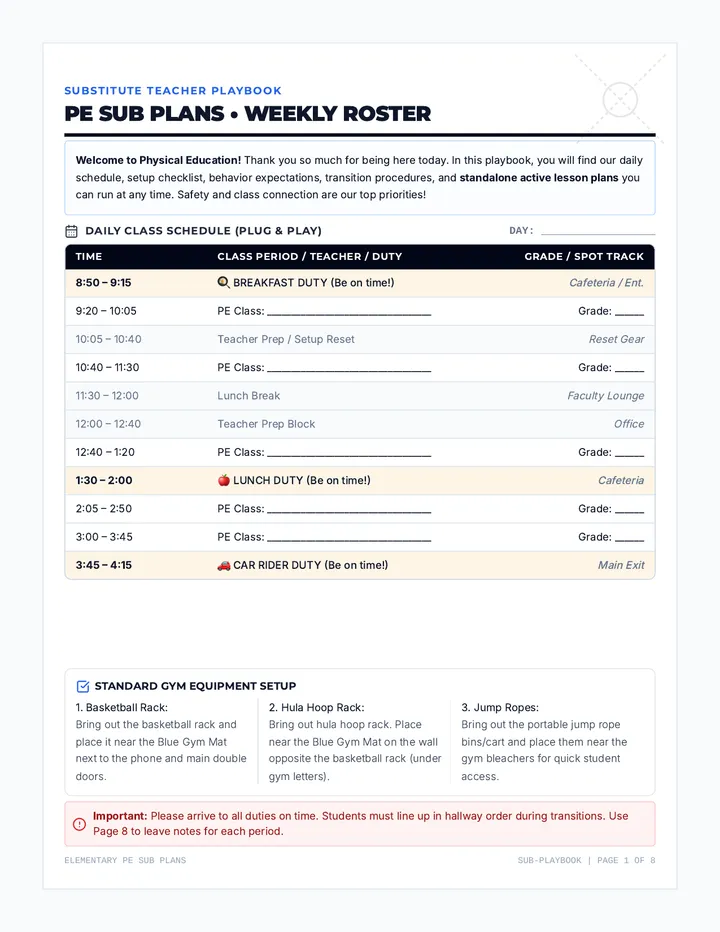
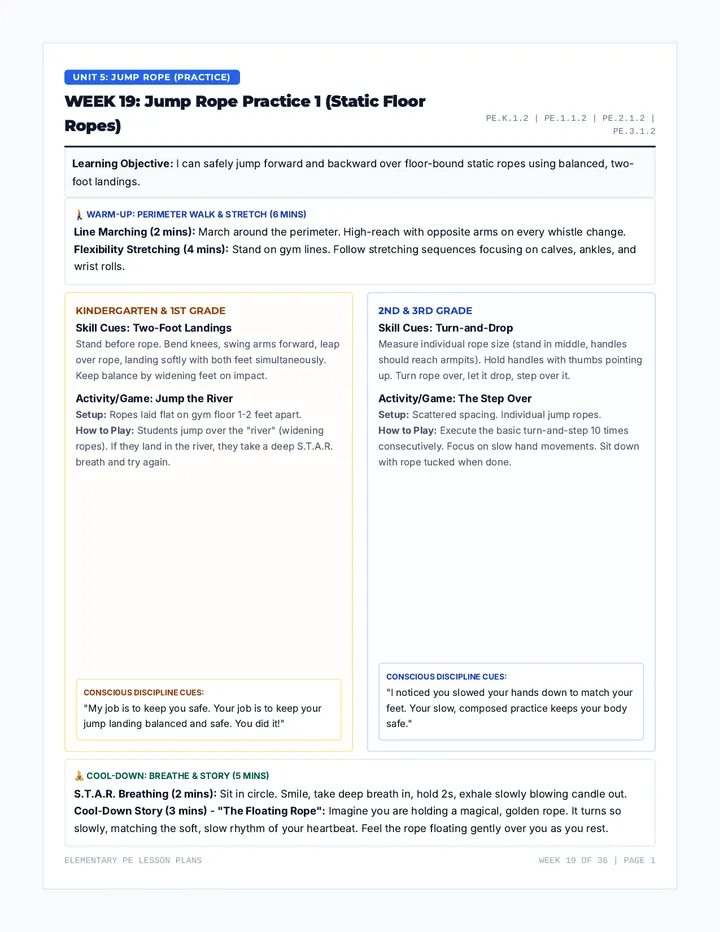
Fundamental movement patterns including locomotor actions, non-locomotor stability, and spatial awareness. Develops body control through fine motor precision and manipulative skills such as throwing and catching.
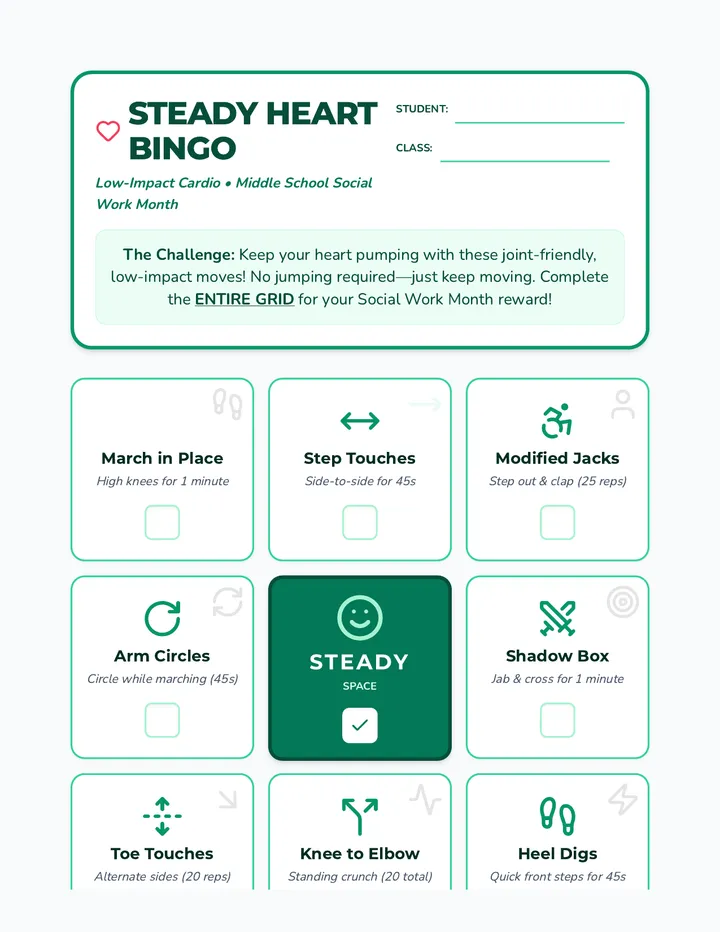
A 3x3 low-impact cardio bingo card for middle school students, featuring joint-friendly movements like modified jacks and shadow boxing for Social Work Month.
An updated set of 10 printable yoga task cards featuring character-based illustrations. Each card uses CSS-rendered characters with diverse skin tones, hair styles, and clothing to represent the poses more realistically while maintaining a clean, classroom-friendly aesthetic.
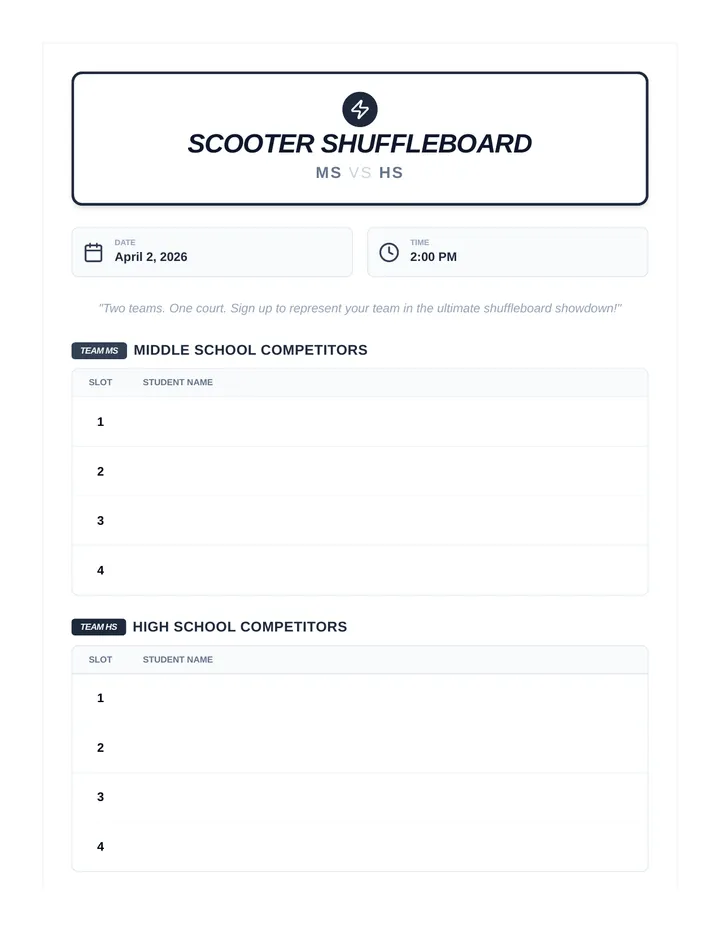
A neutral-toned pep rally sign-up sheet for the Scooter Shuffleboard competition, featuring a 6x8 (3:4) print size and dark, high-contrast slot numbers for maximum legibility.
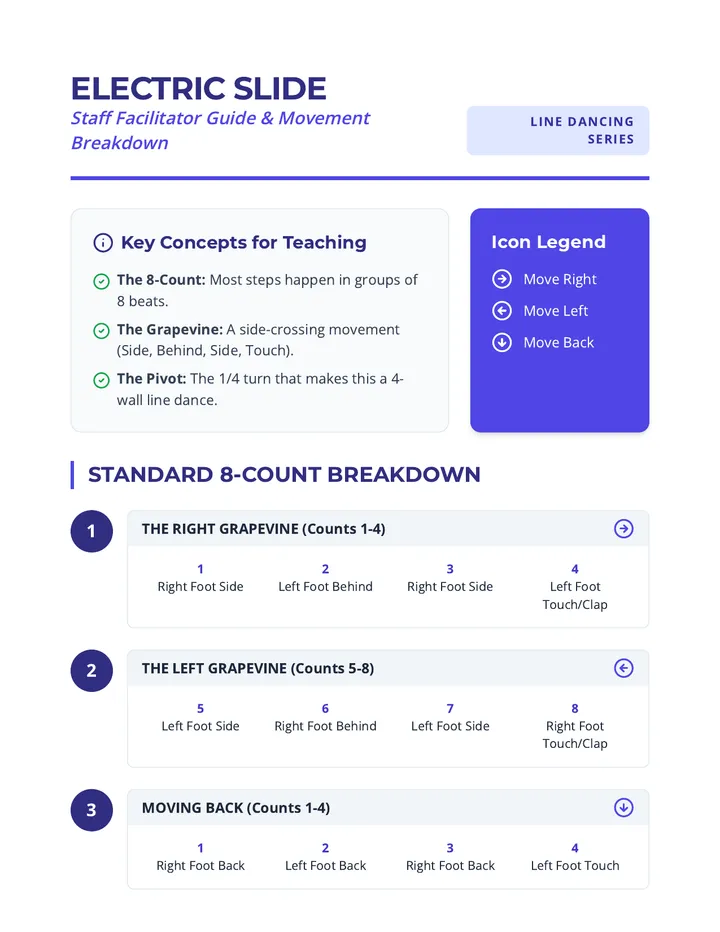
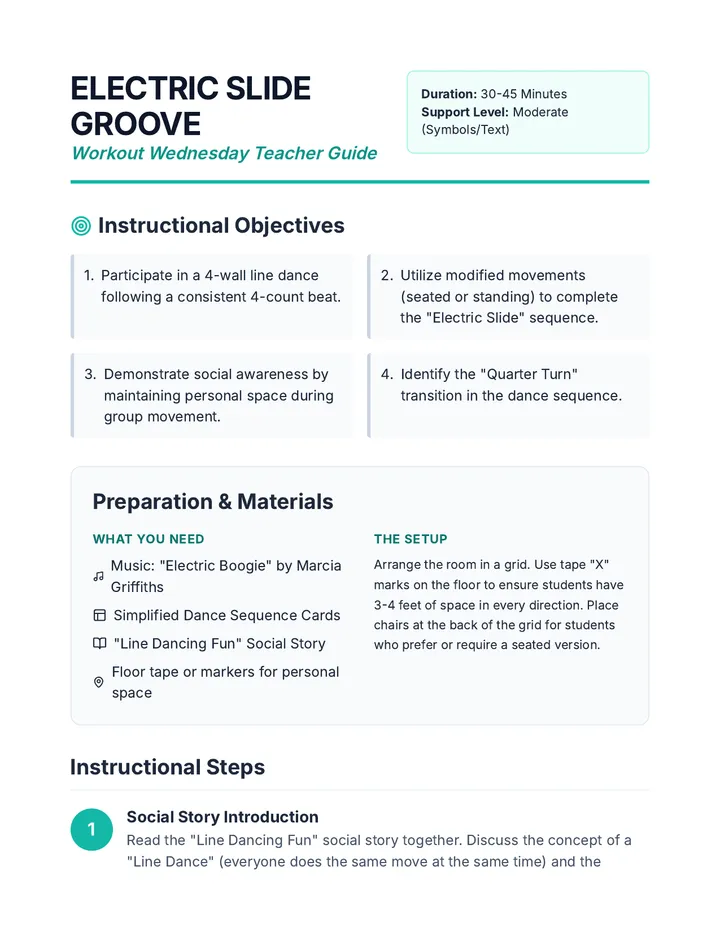
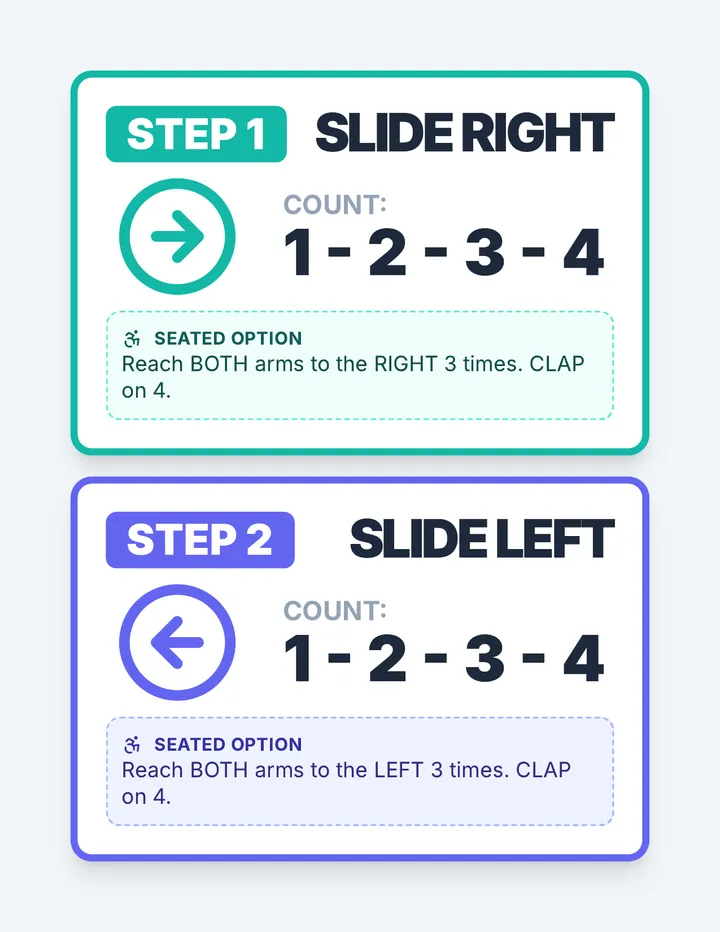
A comprehensive staff facilitator guide for teaching the Electric Slide, featuring an 8-count breakdown, directional arrows, a modified seated version for mobility, and a visual 4-count cheat sheet.
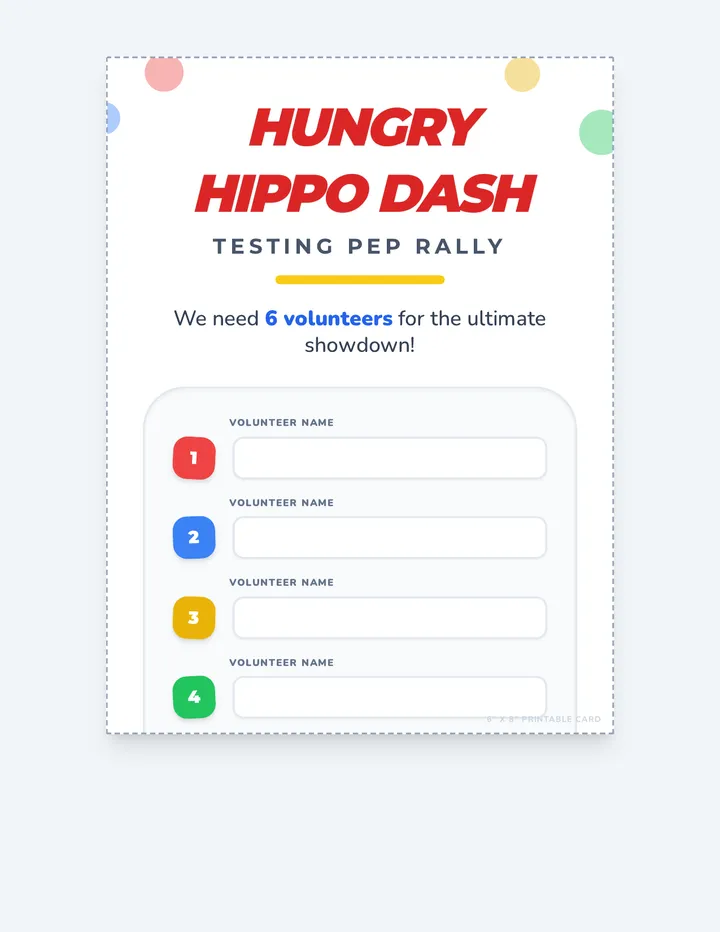
A colorful 6x8 inch volunteer sign-up card for 'Hungry Hippo Dash', designed to be printed and cut, featuring 6 slots for volunteer names.
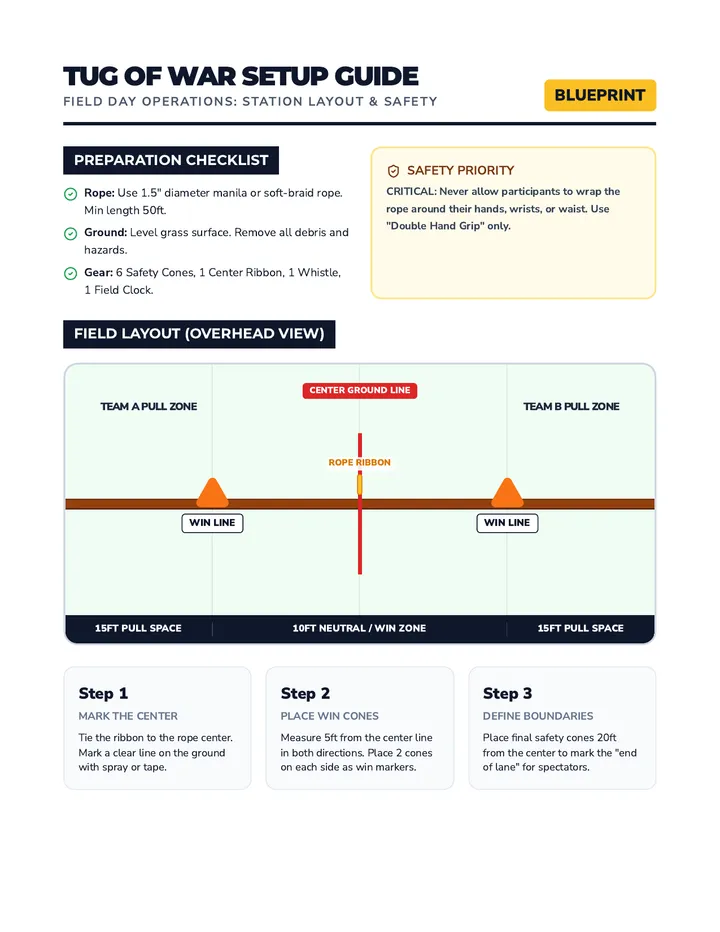
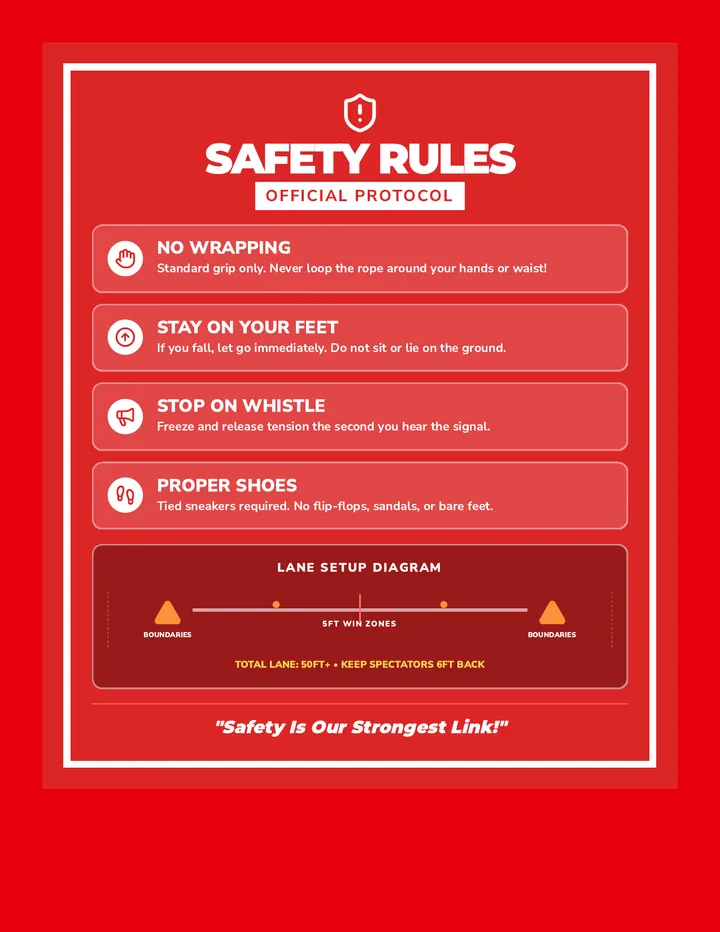
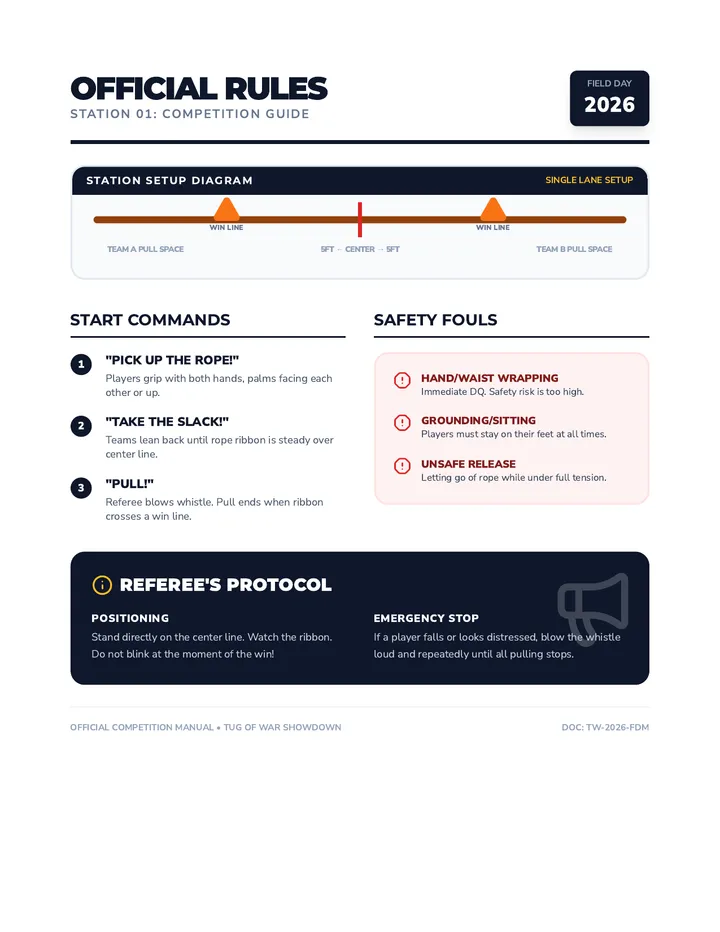
A comprehensive collection of field day game guides, setup diagrams, and safety protocols for popular outdoor activities.
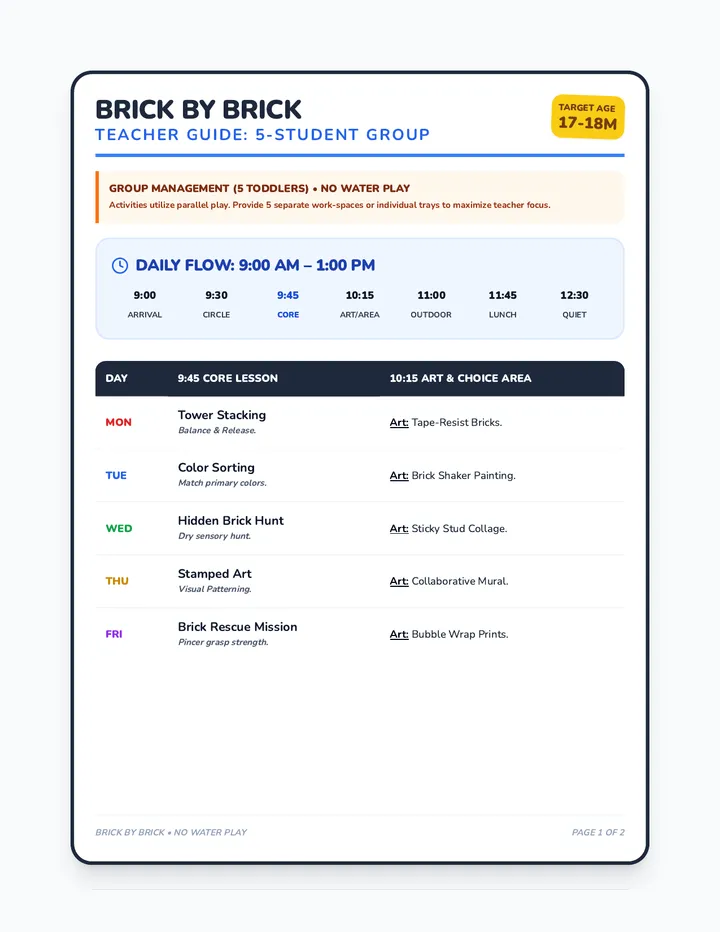
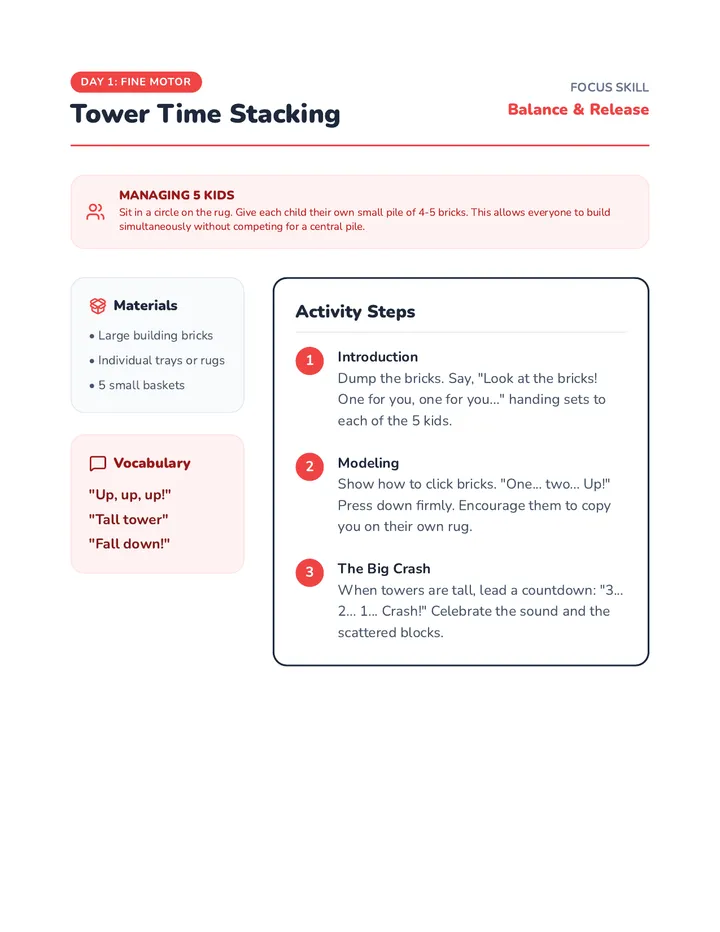
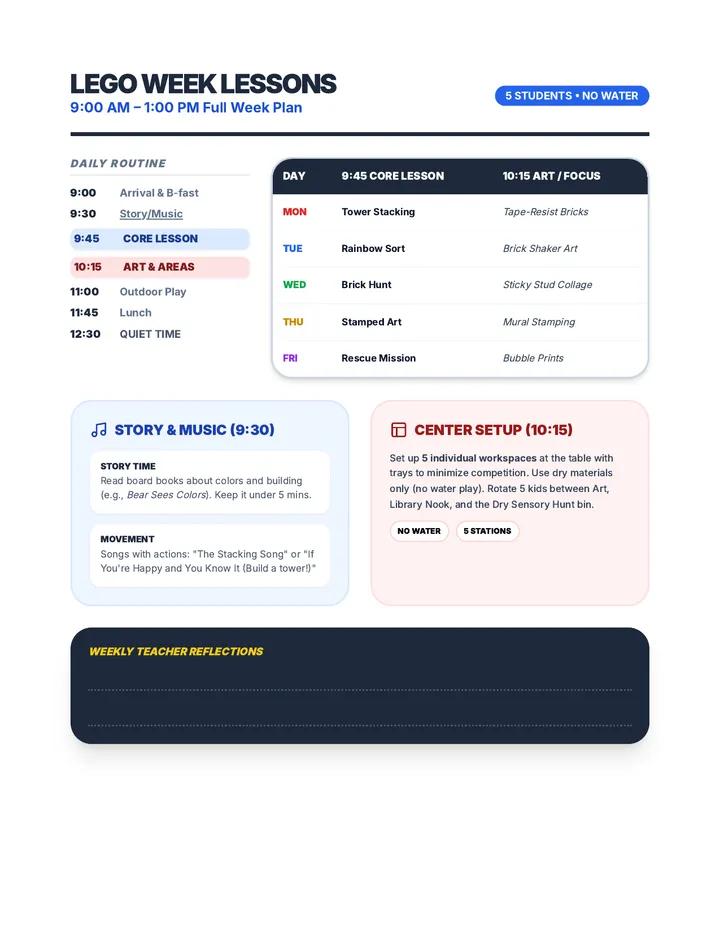
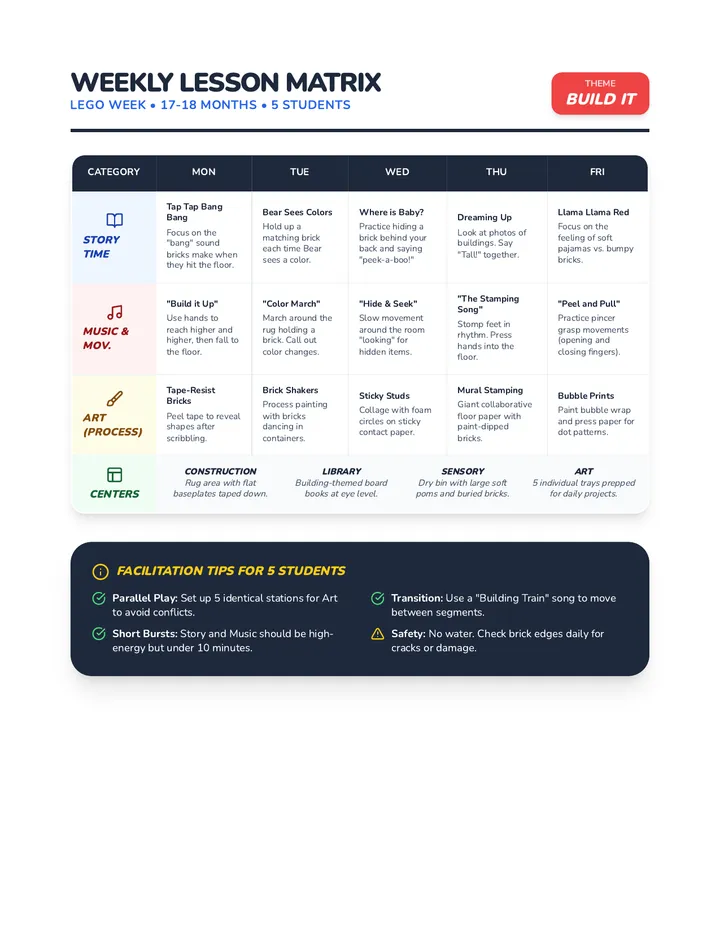
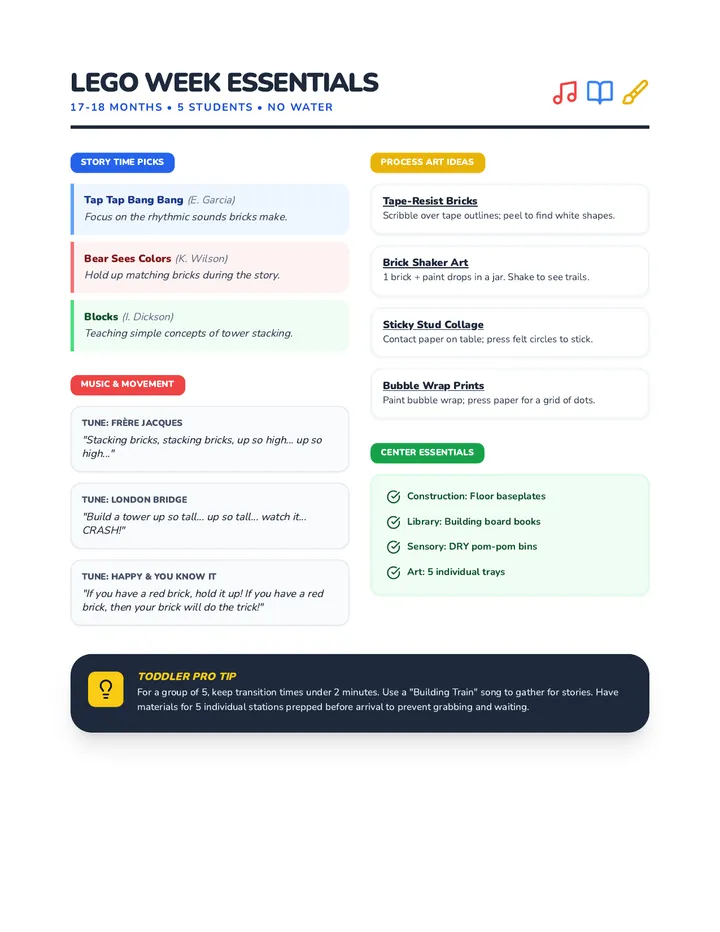
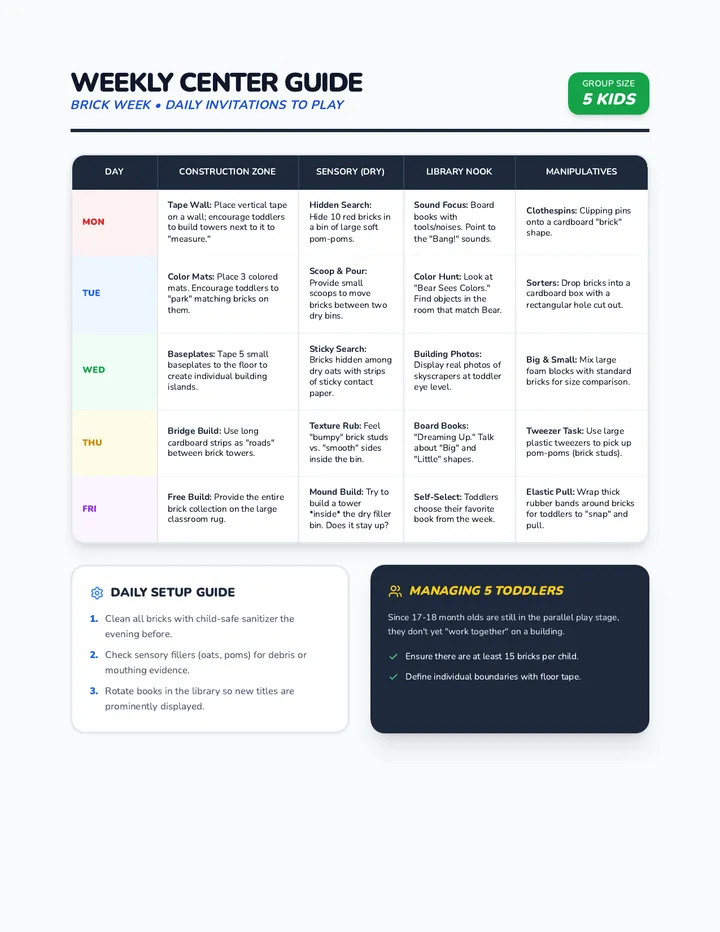
A collection of comprehensive week-long curricula for toddlers aged 17-18 months. Each themed week focuses on developmental play, sensory exploration, and fine motor skills for a group of 5 students with zero water play.
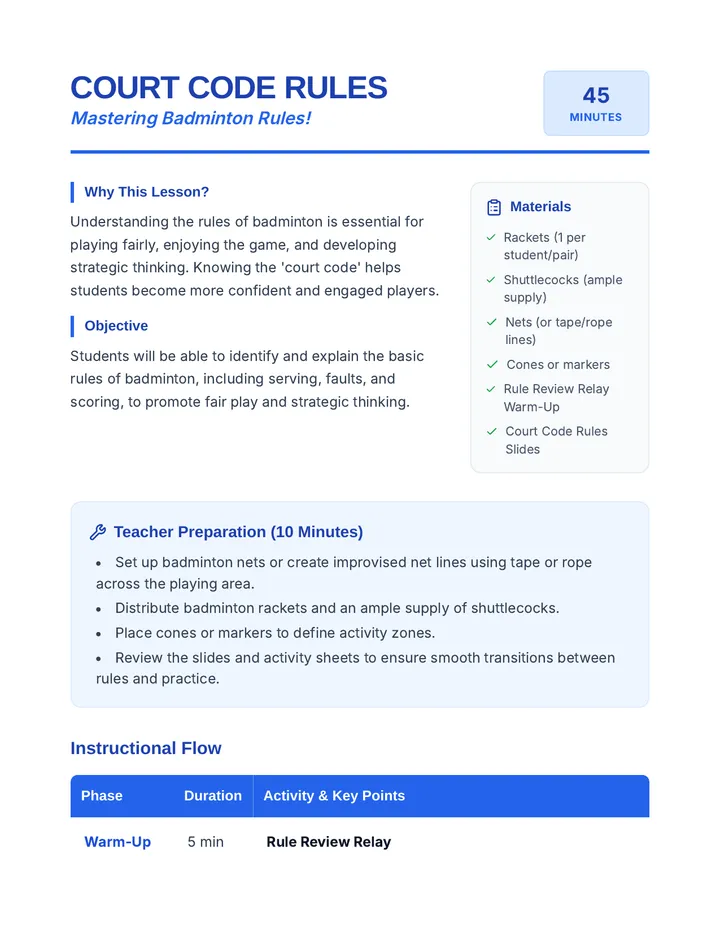
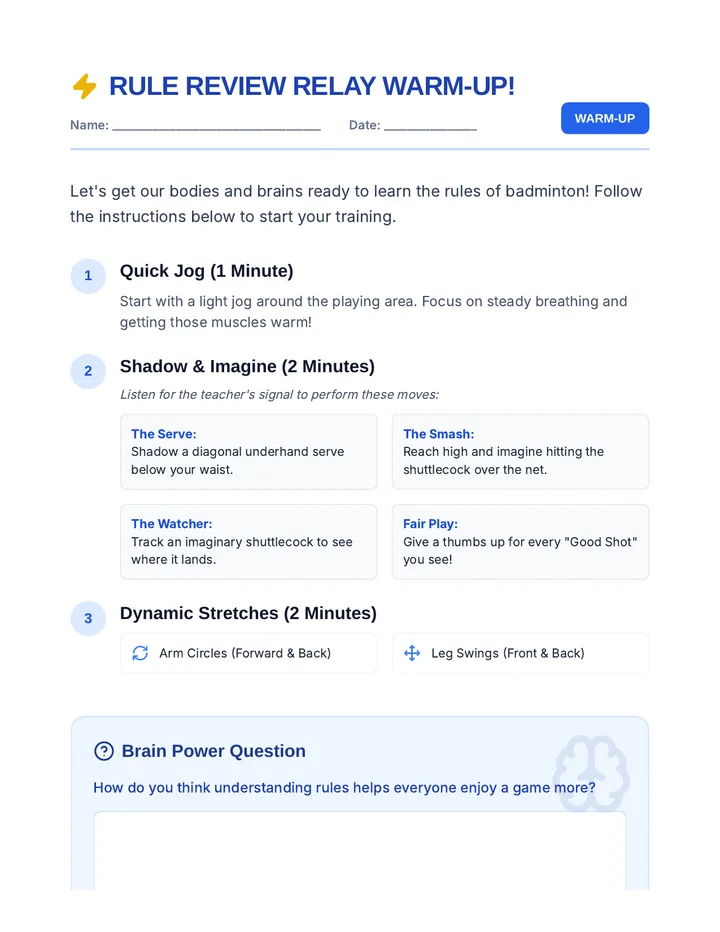
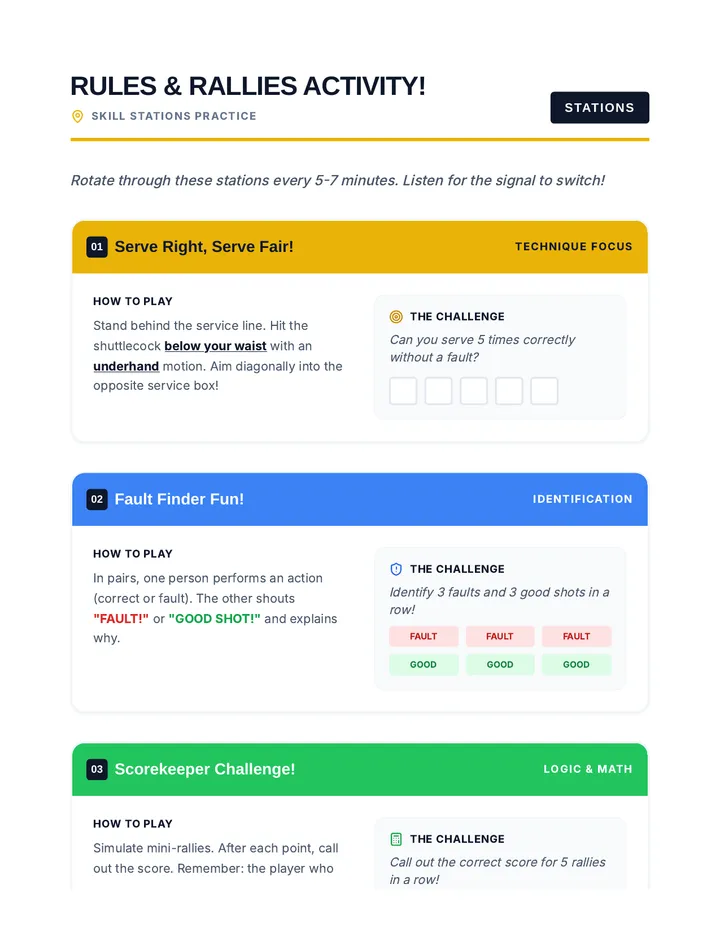
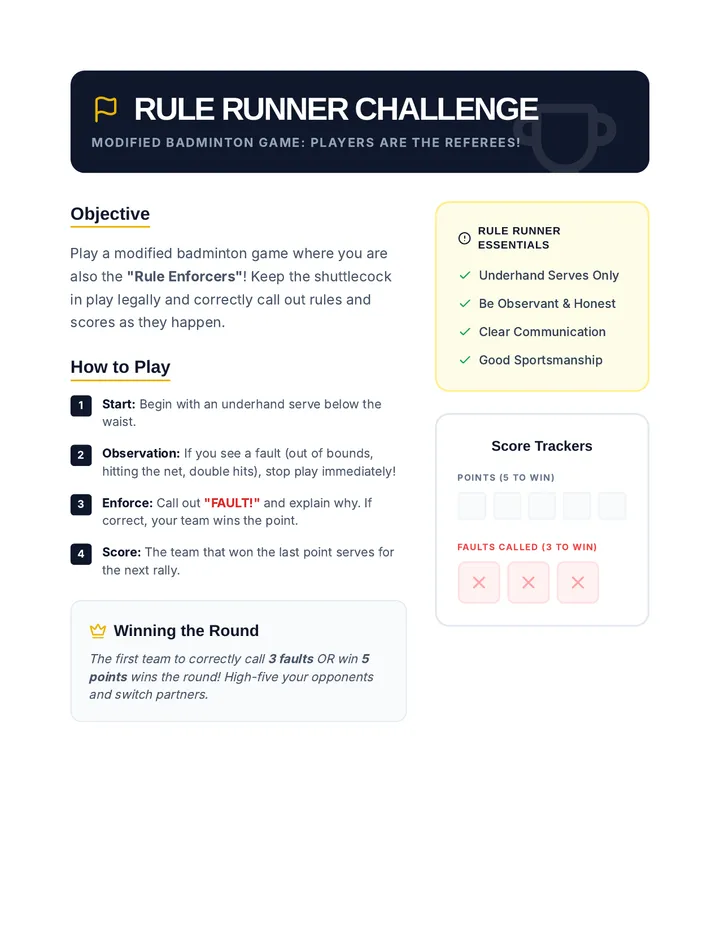
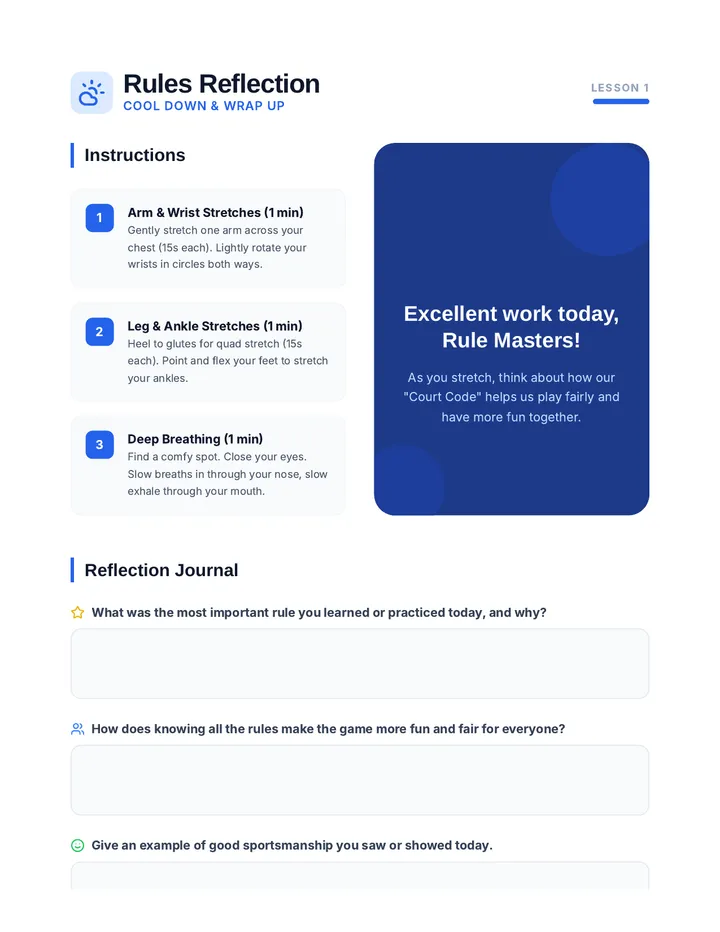
A 5-lesson sequence for 3rd-5th graders to master the fundamentals of badminton, from basic rules and serving to advanced strokes like the forehand drive, overhead clear, and backhand. Students build physical skills, hand-eye coordination, and strategic court awareness through interactive drills and cooperative games.
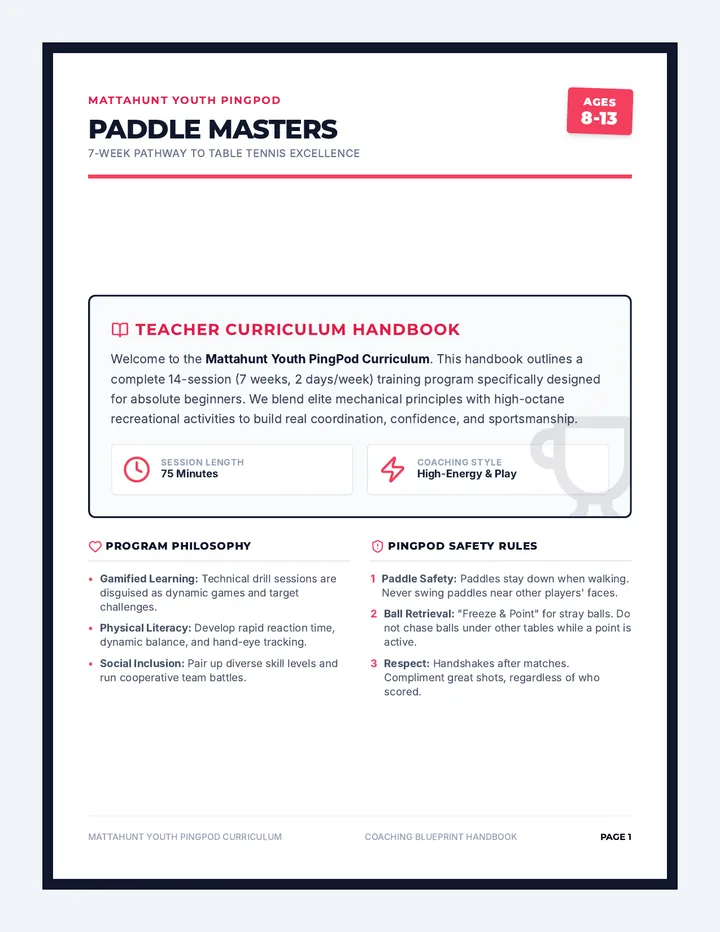
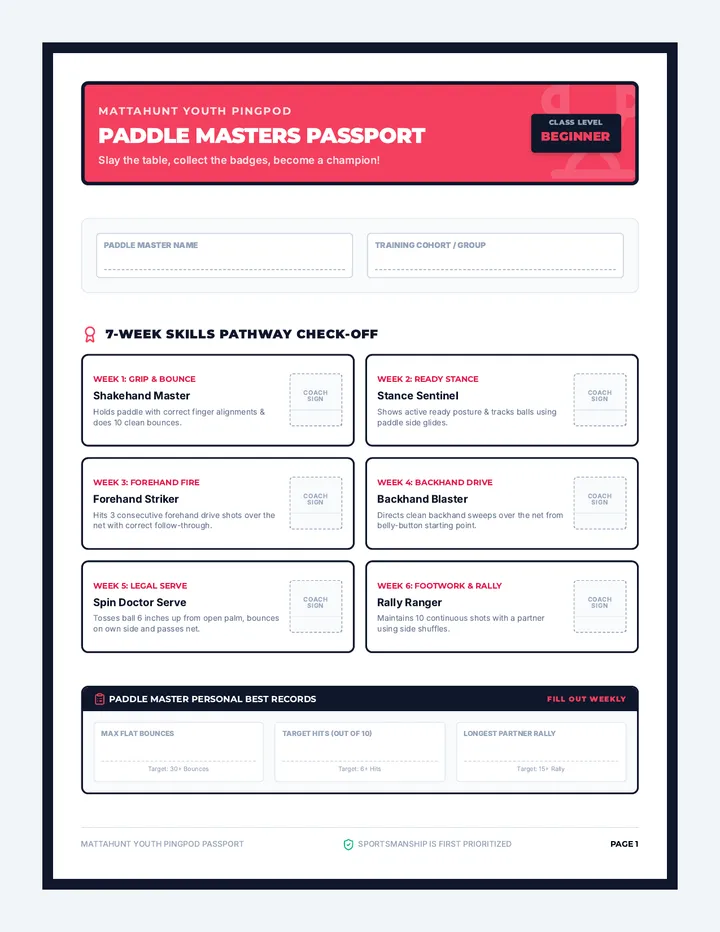
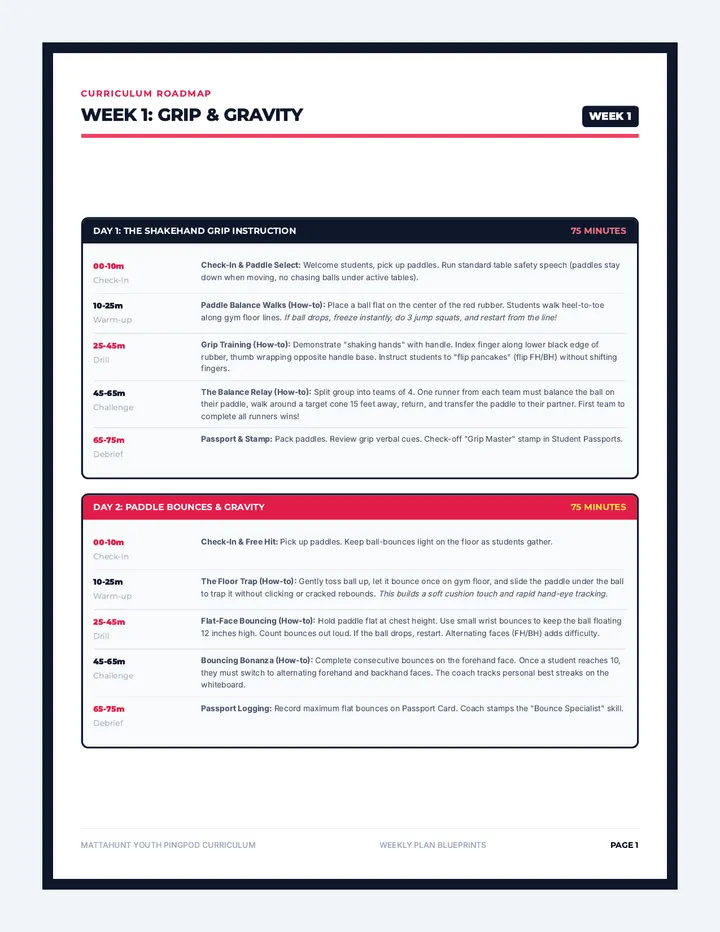
A comprehensive 7-week, 2-day-a-week youth table tennis curriculum designed for absolute beginners ages 8-13 at Mattahunt Youth PingPod. Focuses on physical literacy, hand-eye coordination, basic strokes, and highly gamified, social challenges.
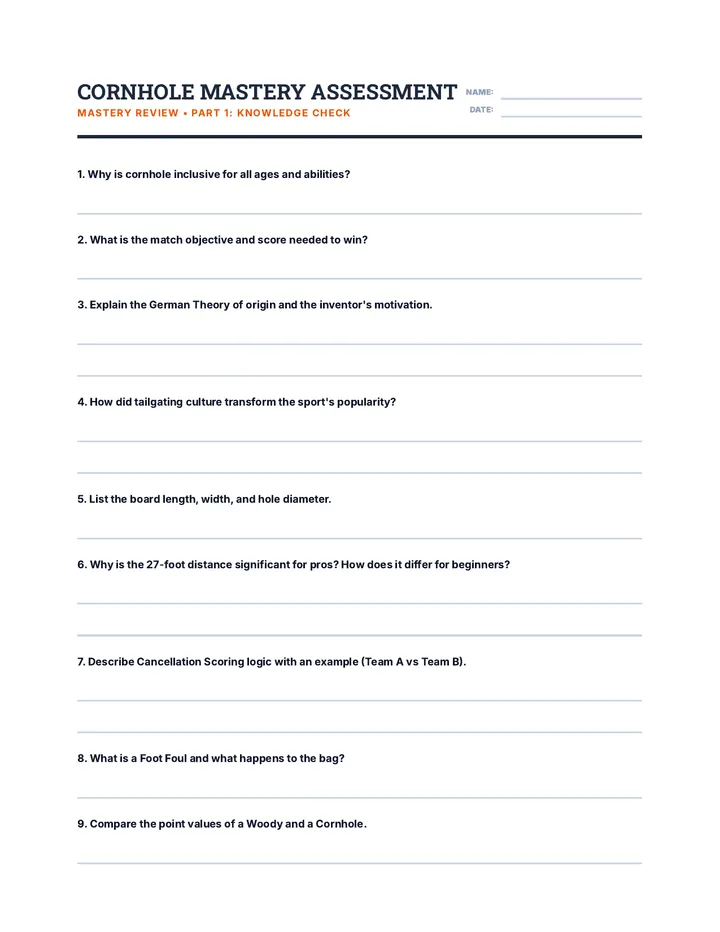
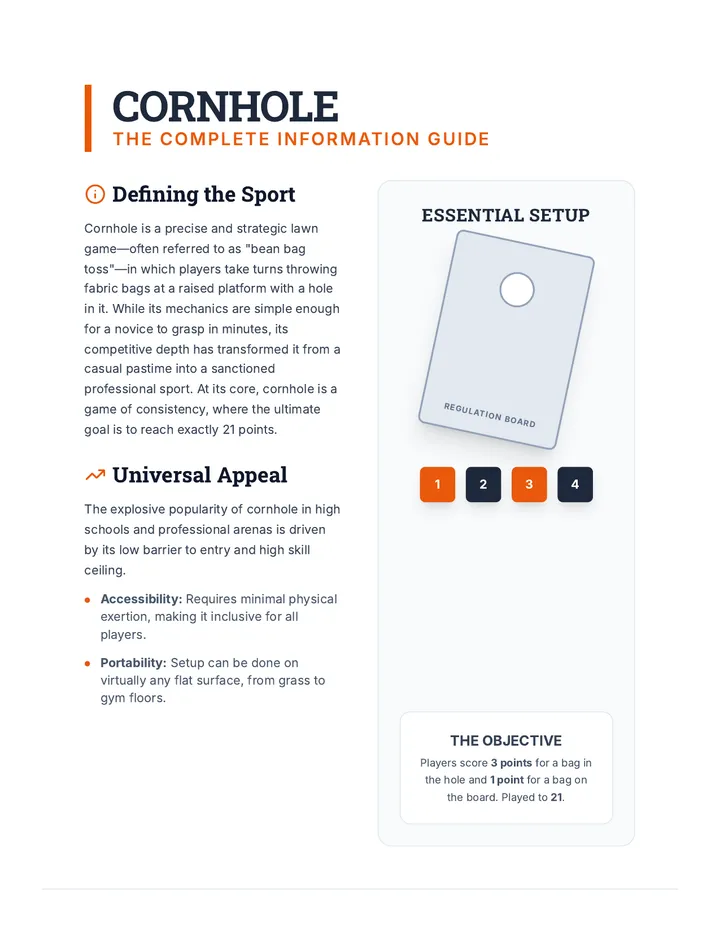
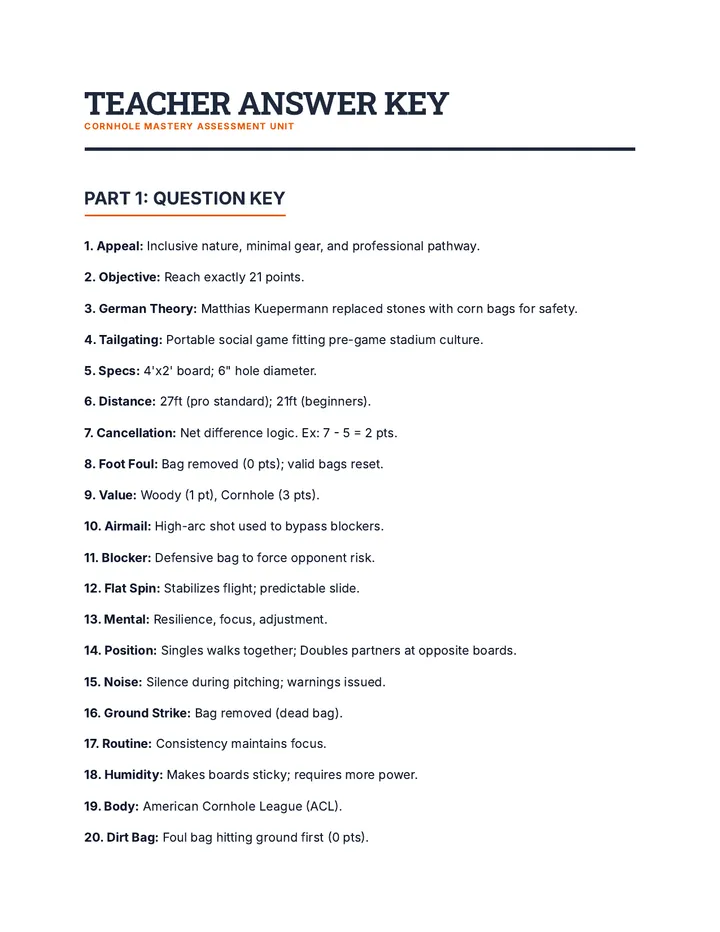
A comprehensive high school unit on cornhole covering its history, rules, equipment, and advanced strategies through an informational packet, review questions, and a crossword puzzle.
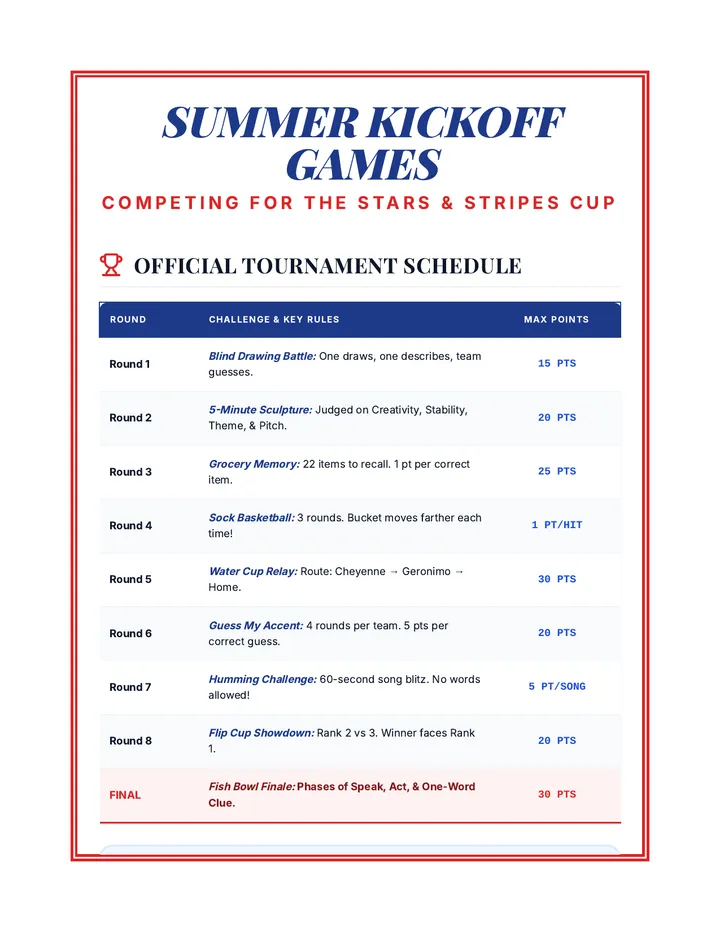
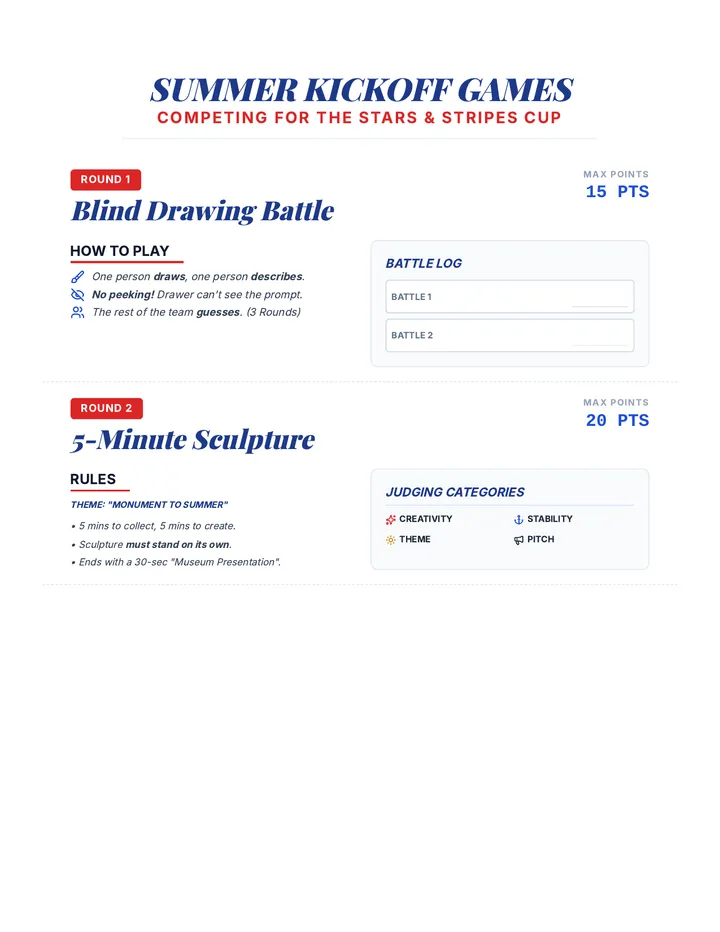
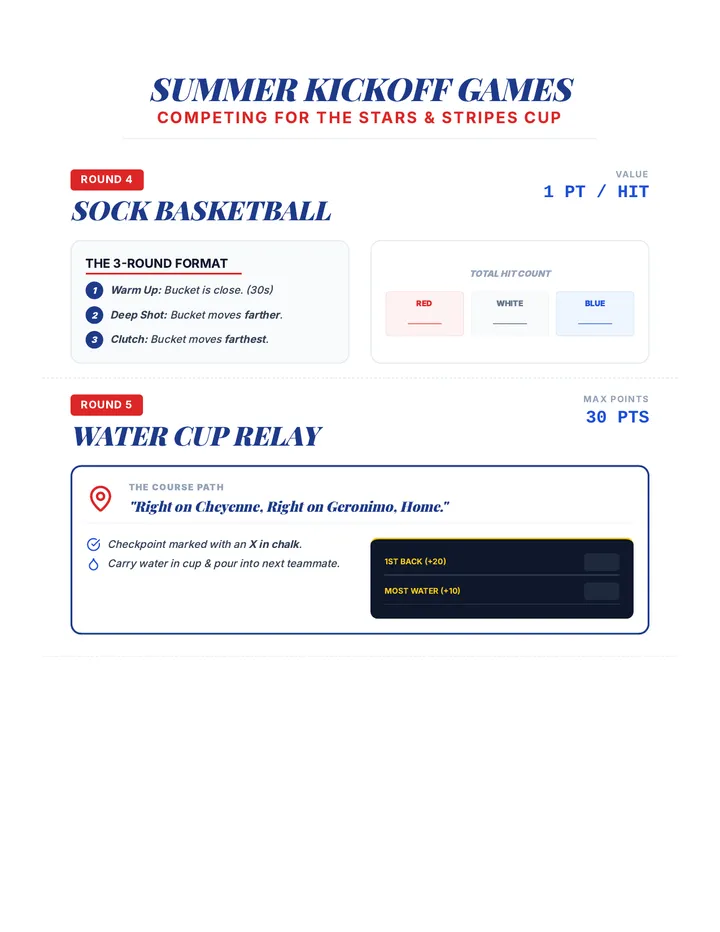
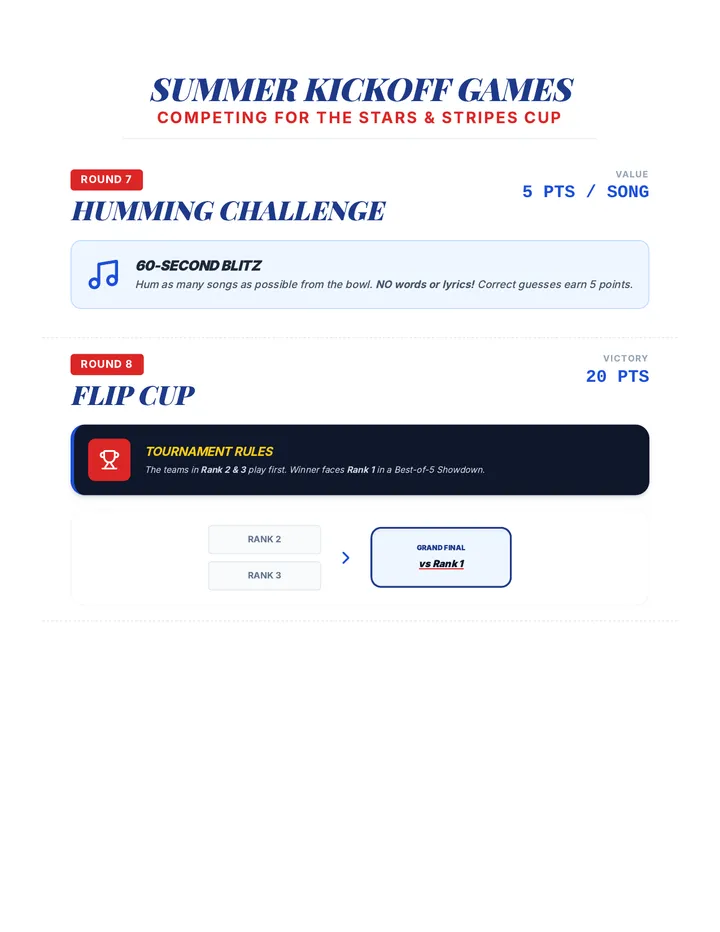
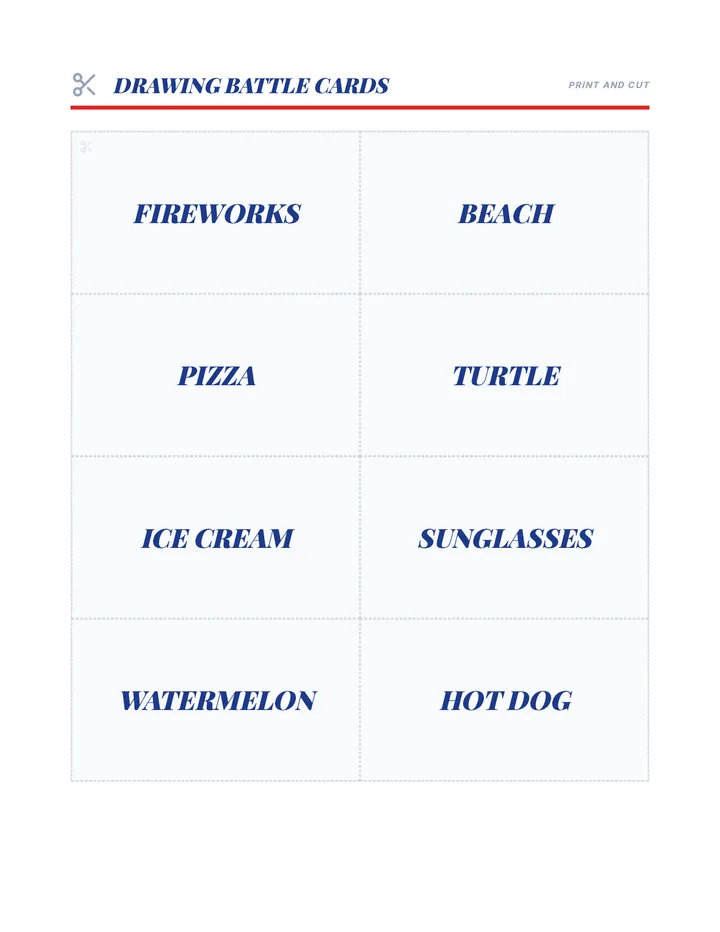
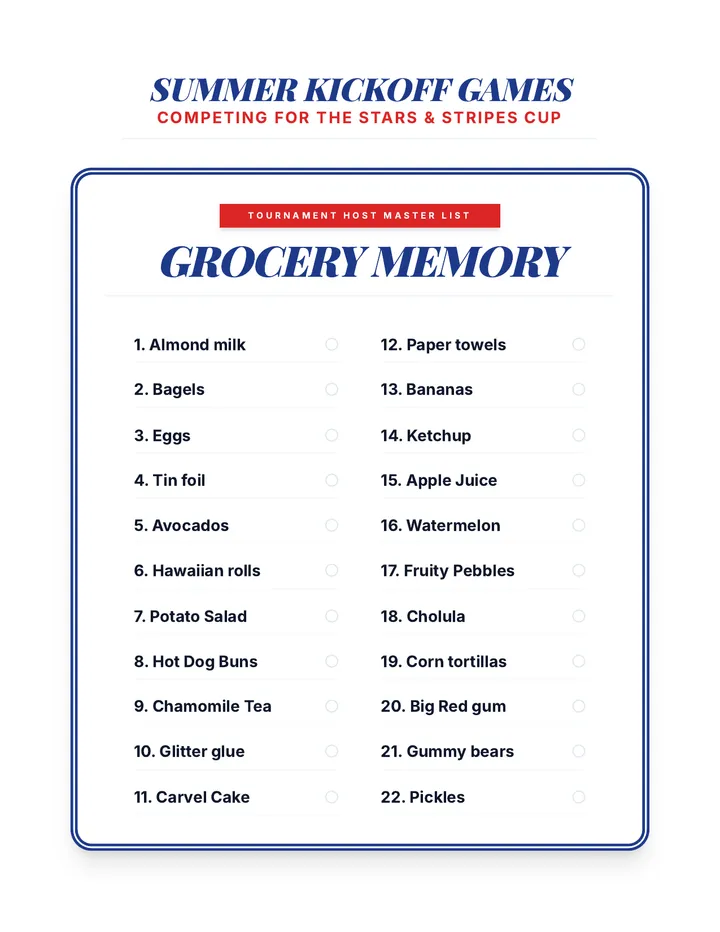
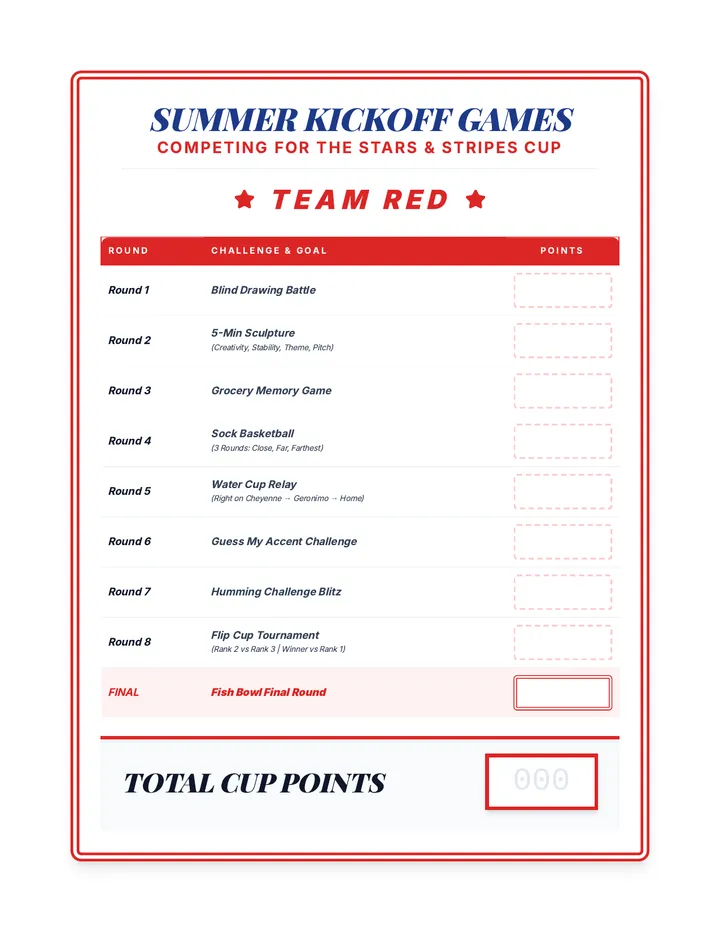
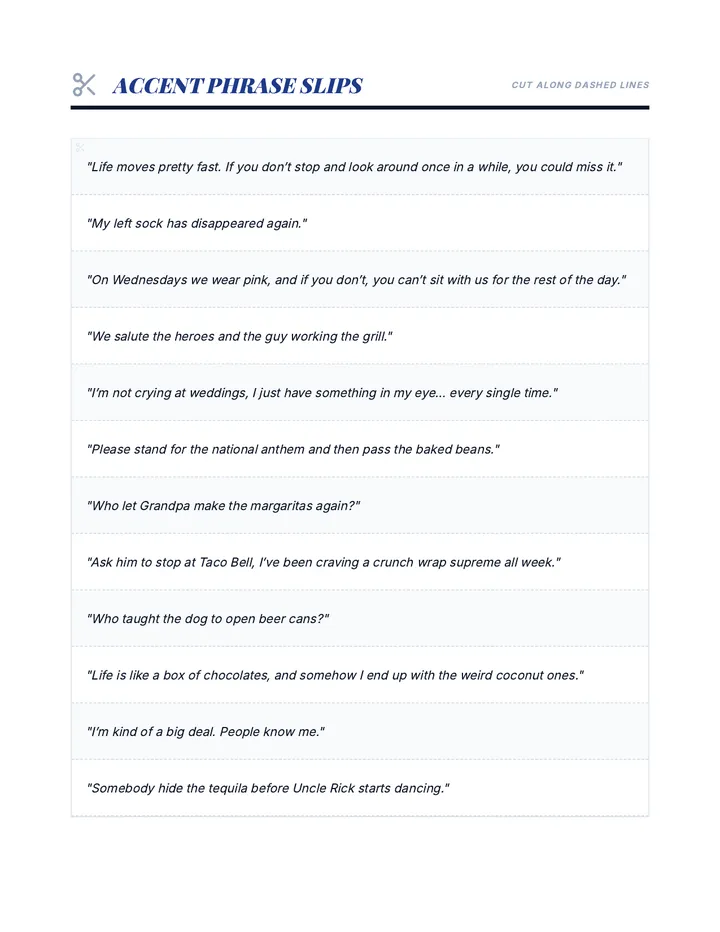
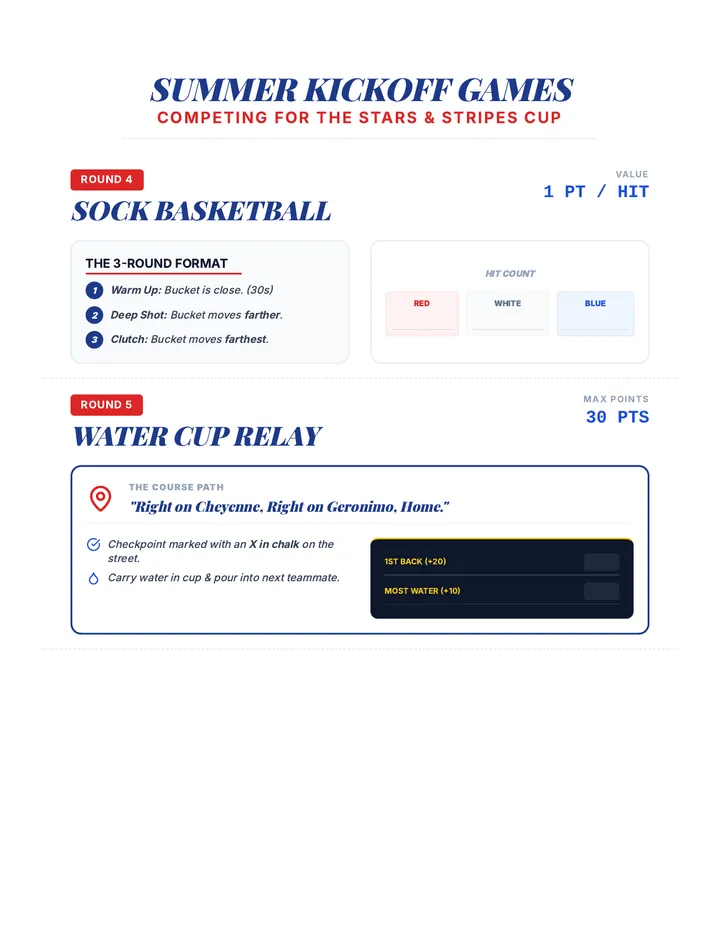
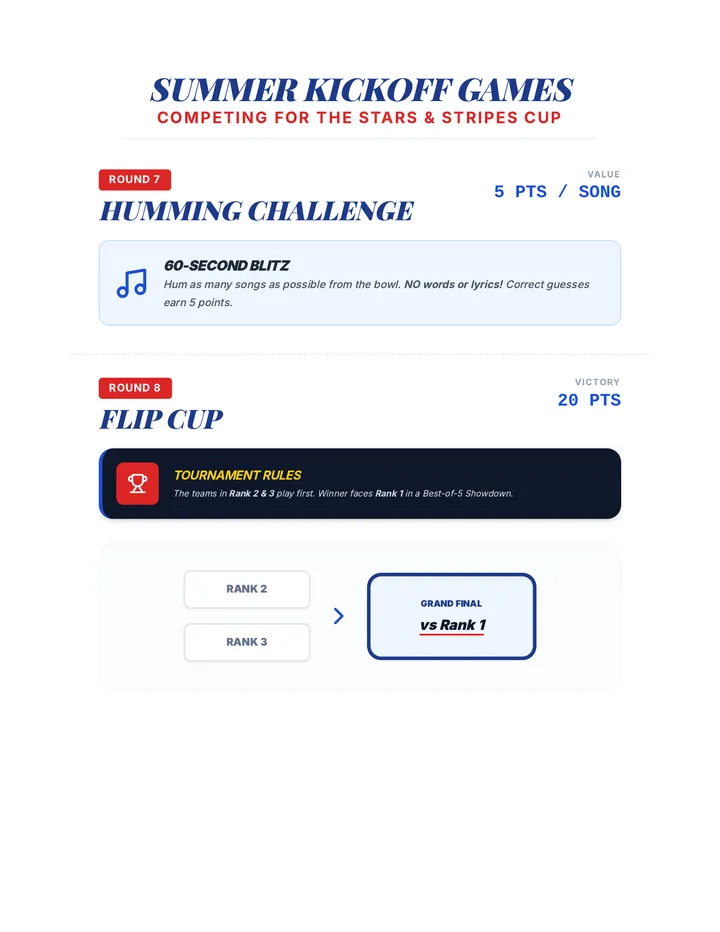
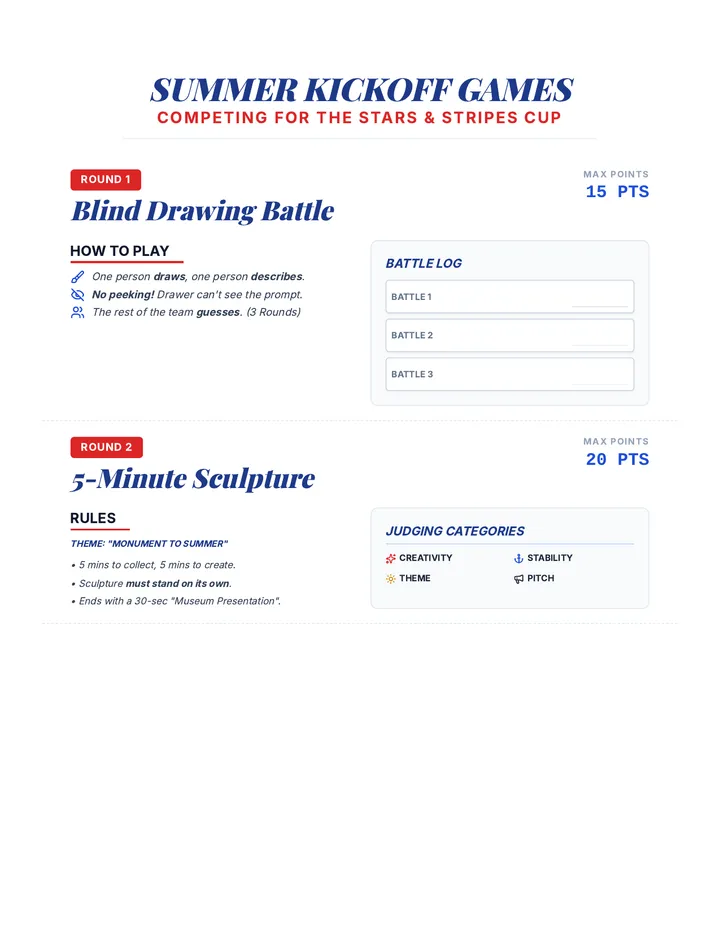
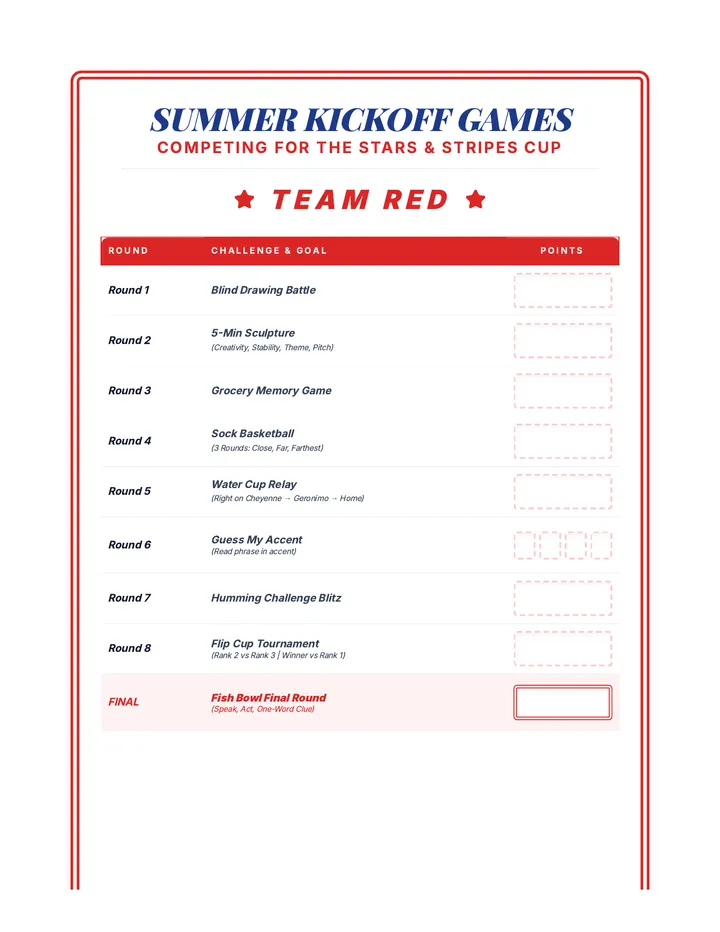
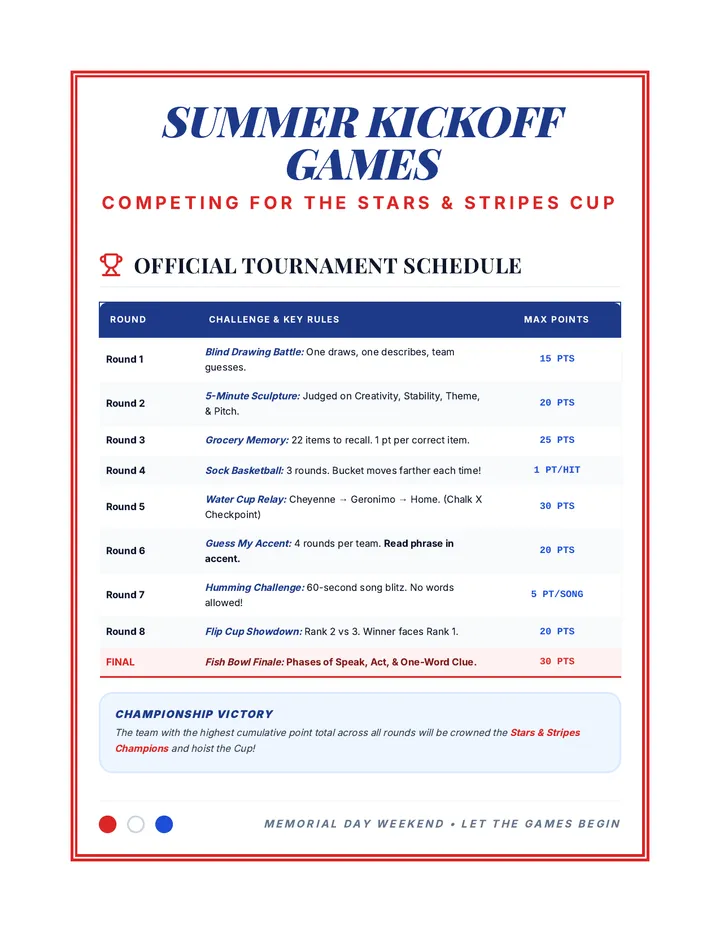
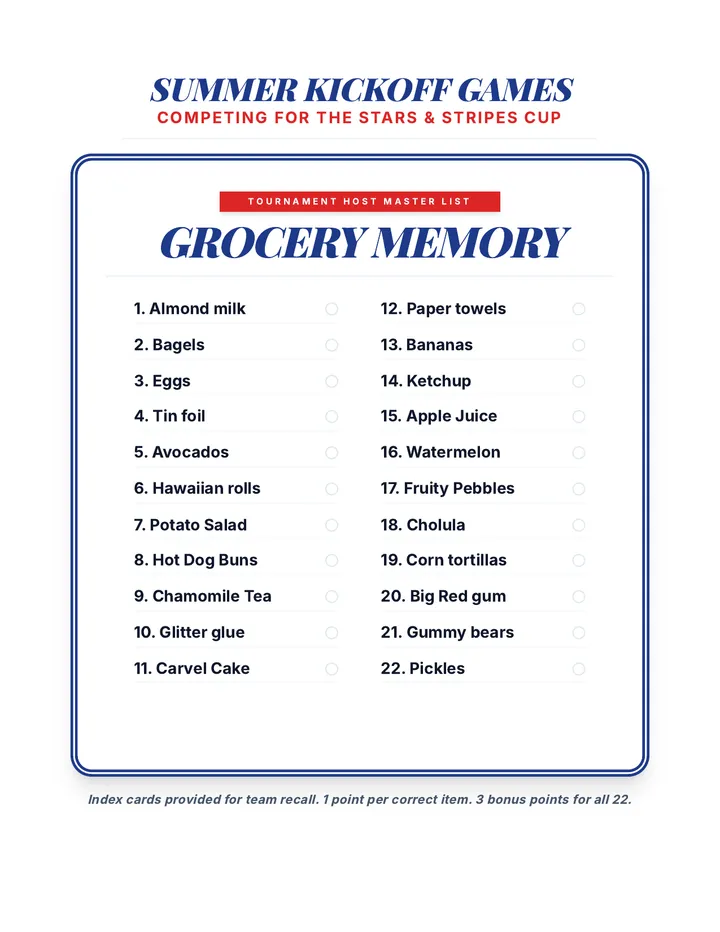
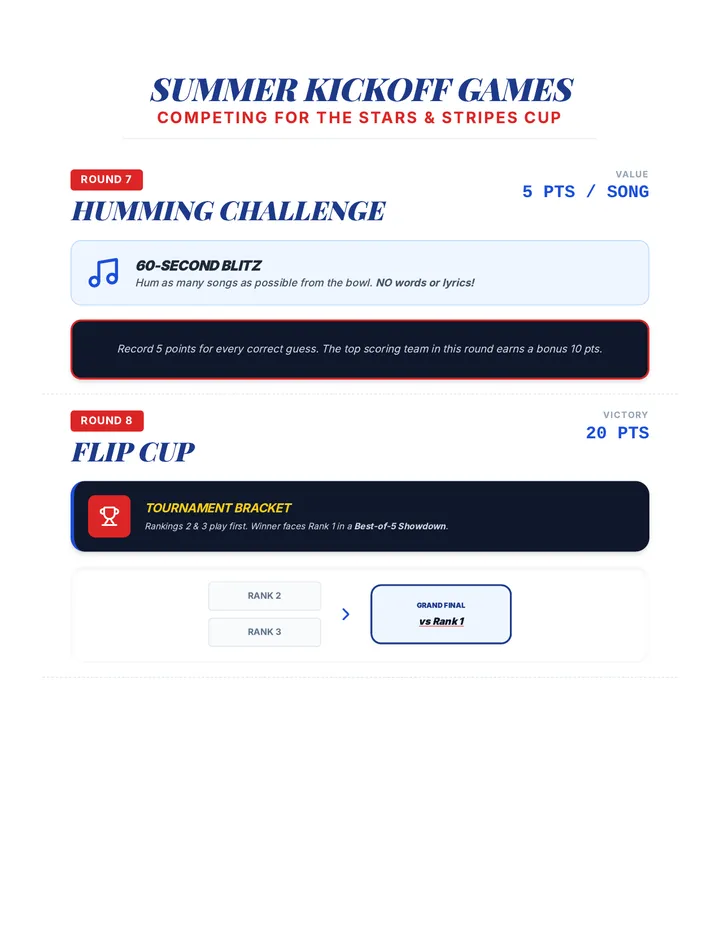
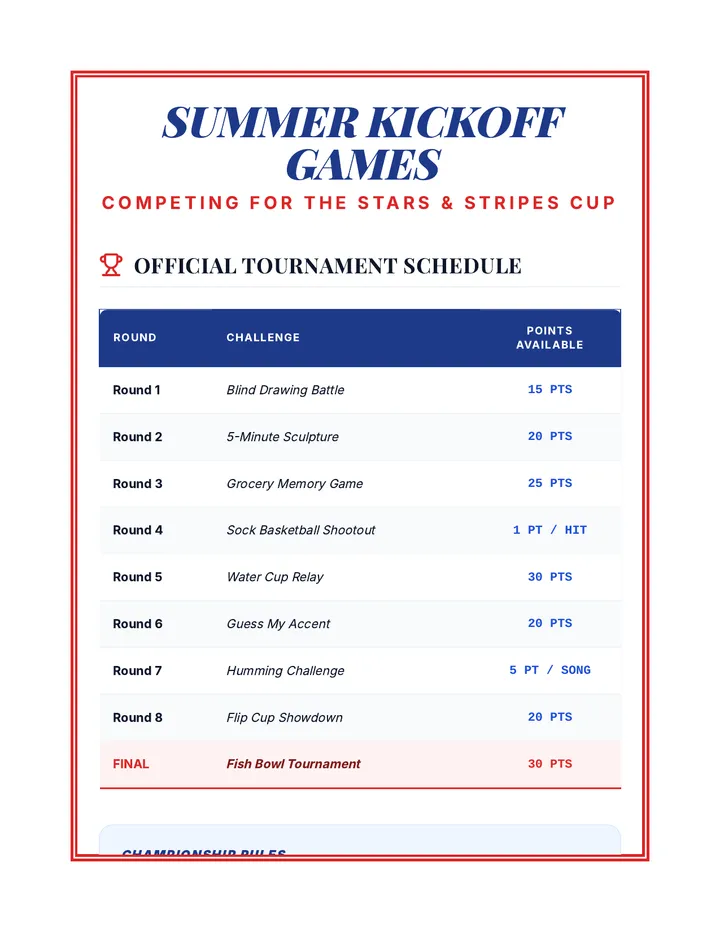
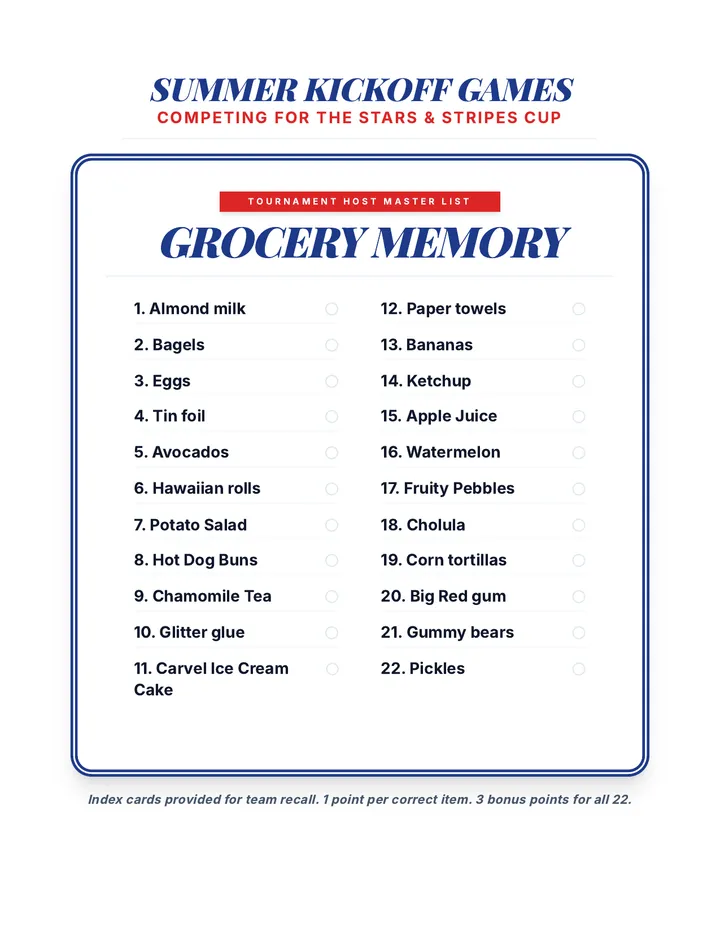
A high-energy collection of Memorial Day themed backyard games for Red, White, and Blue teams competing for the Stars & Stripes Cup. Includes rule sheets, scoring guides, and printable game materials.
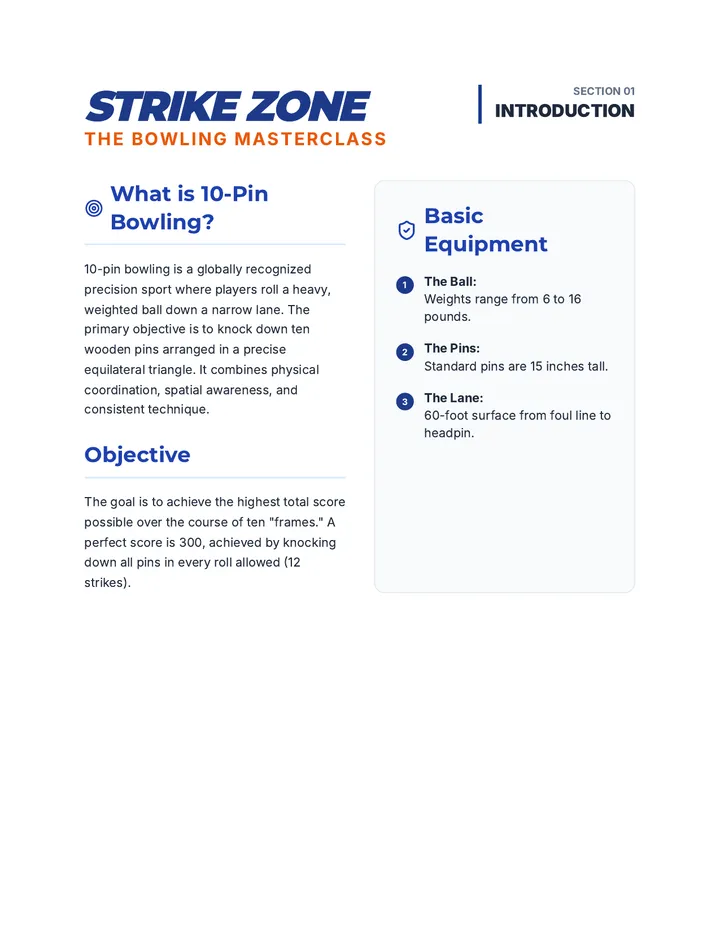
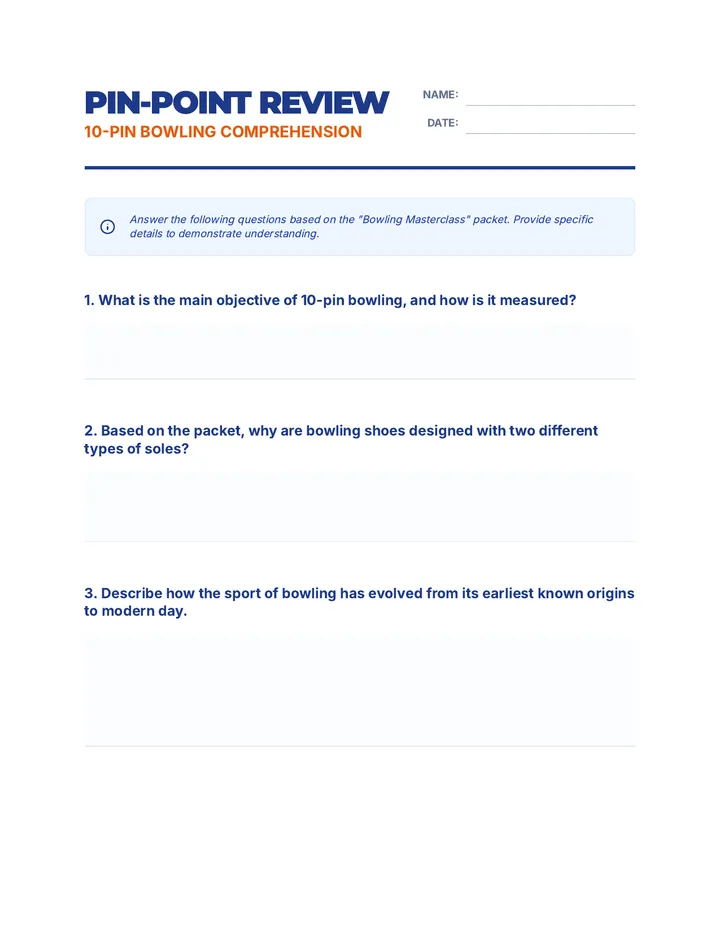
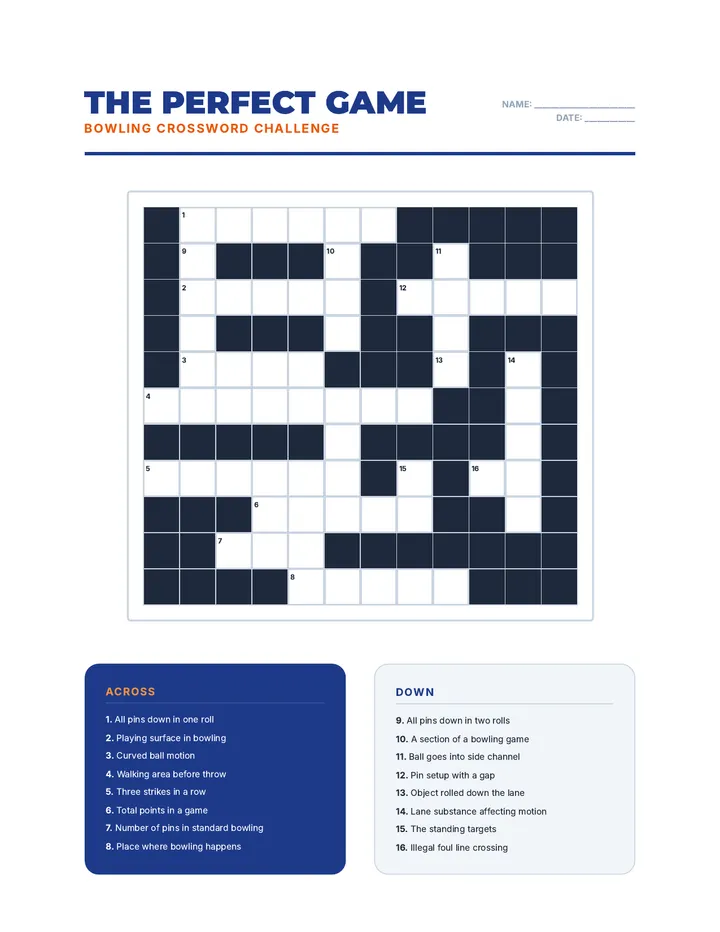
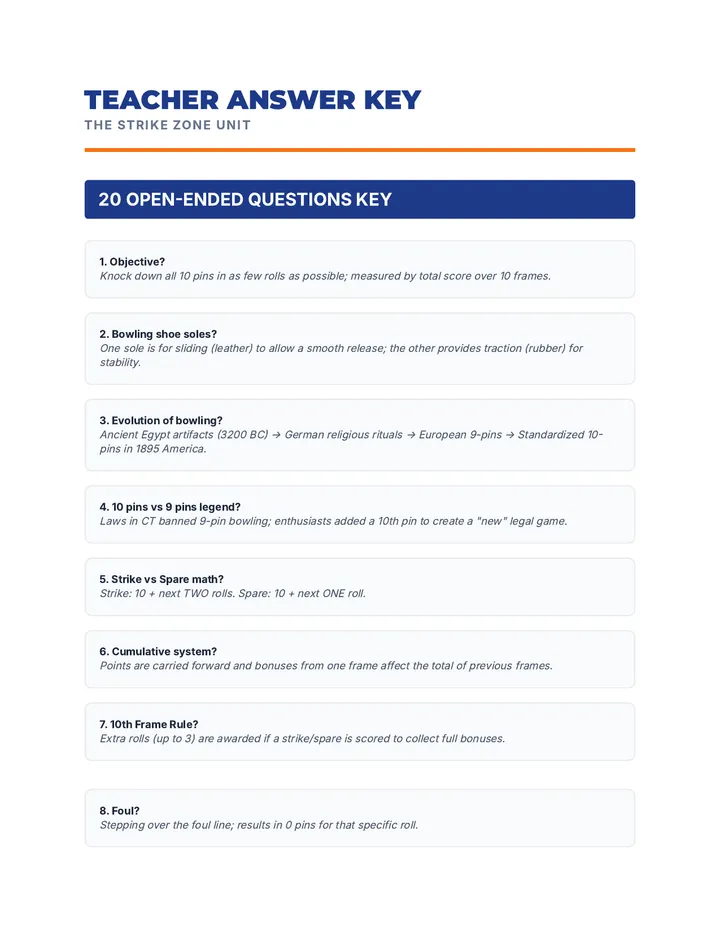
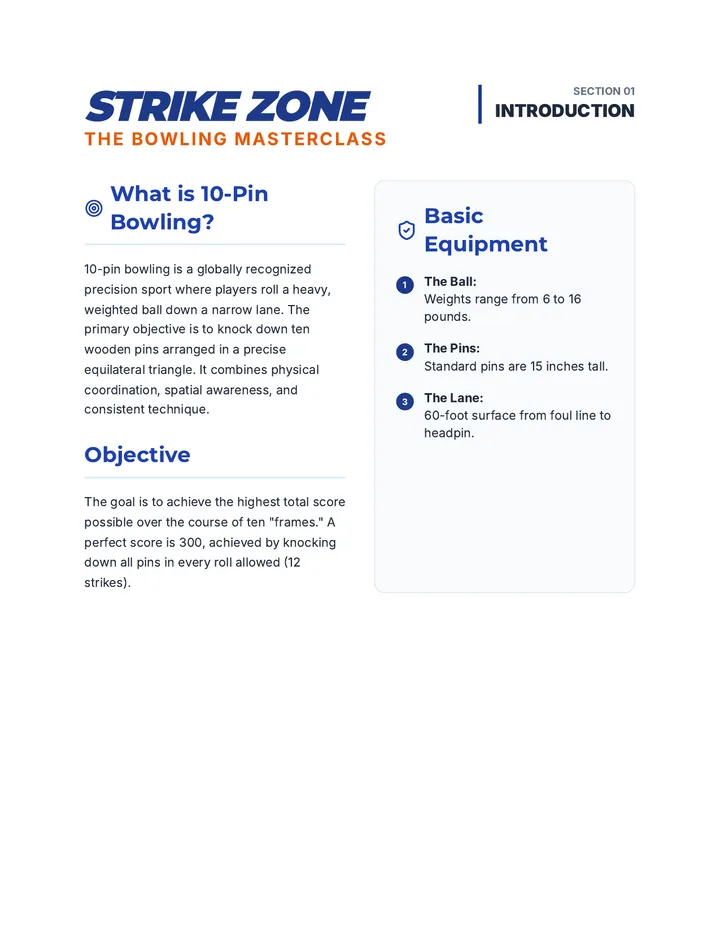
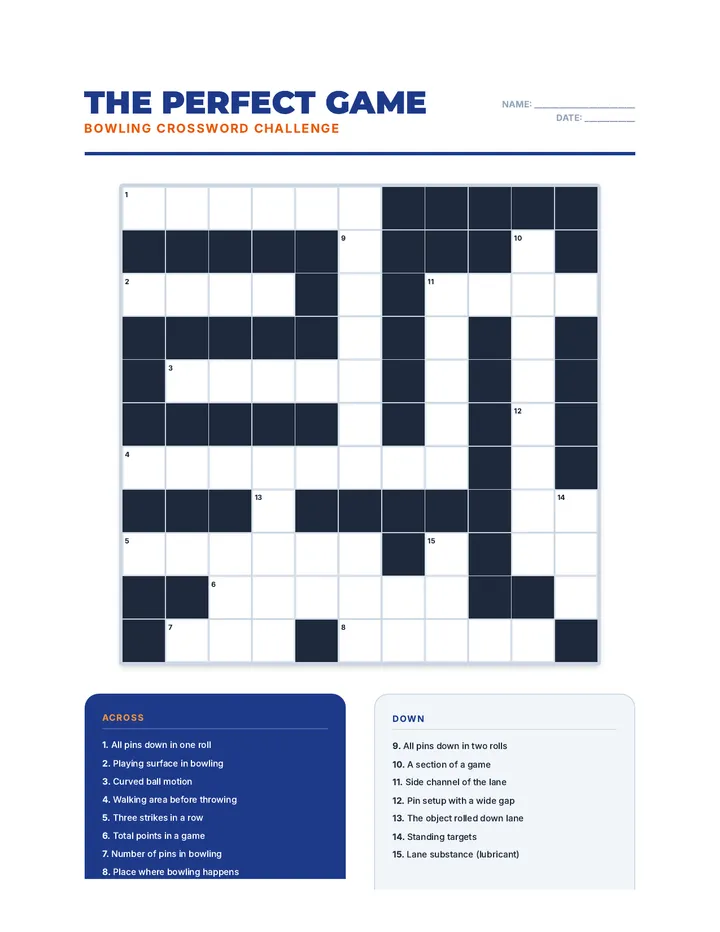
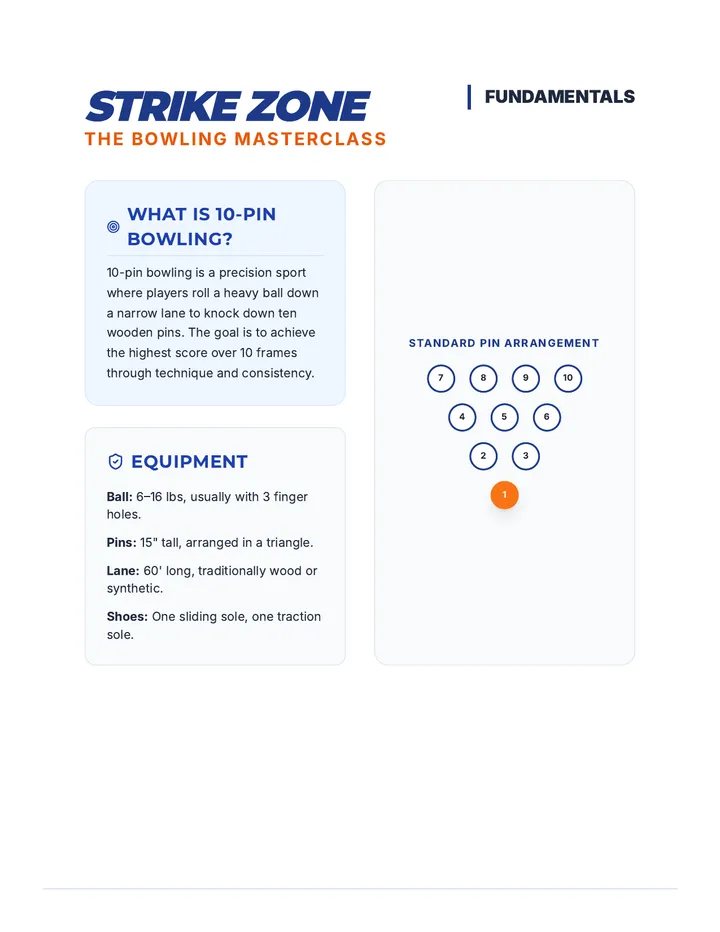
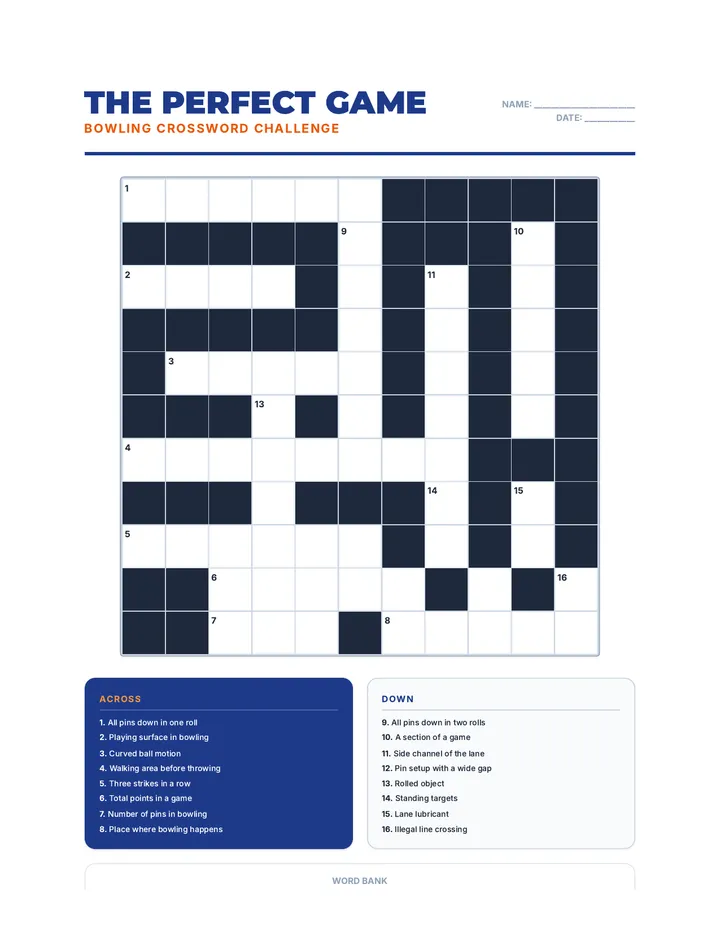
A comprehensive unit on the sport of 10-pin bowling, covering history, rules, advanced strategies, and etiquette for high school students.
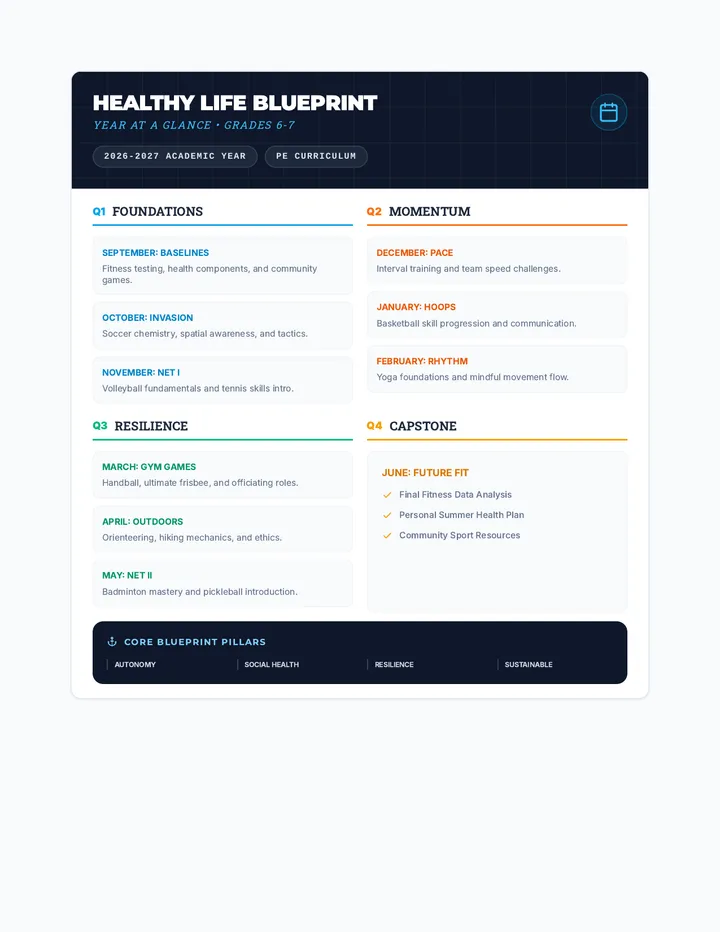
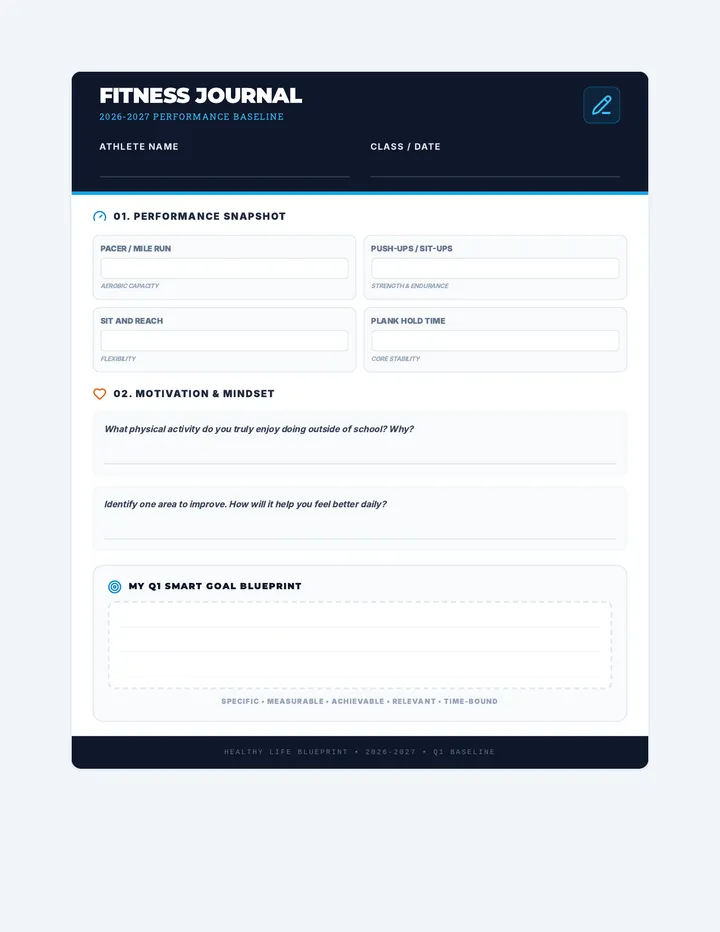
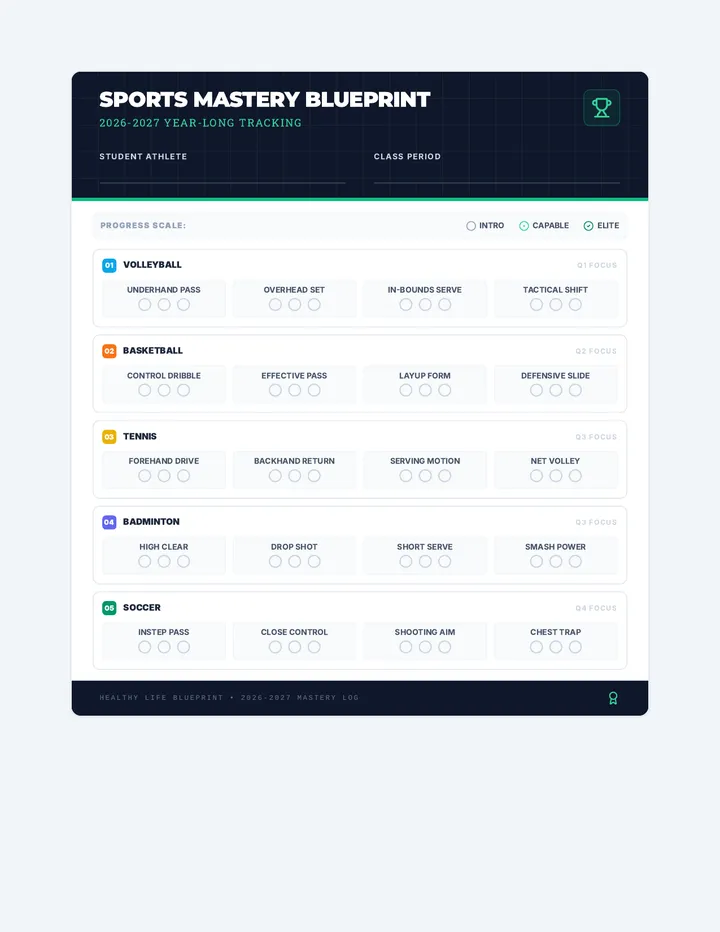
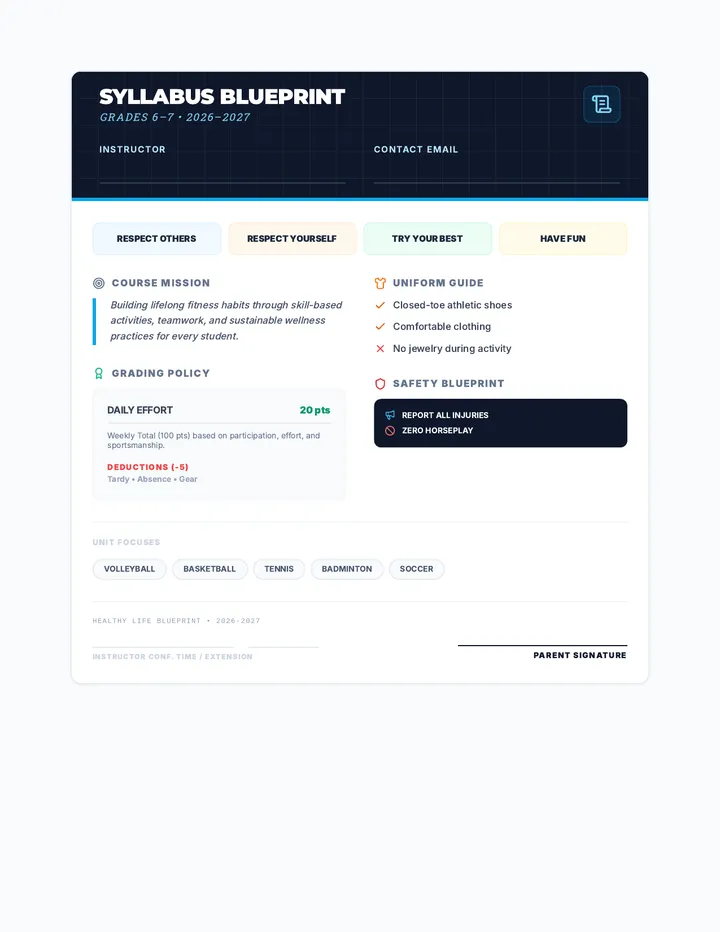
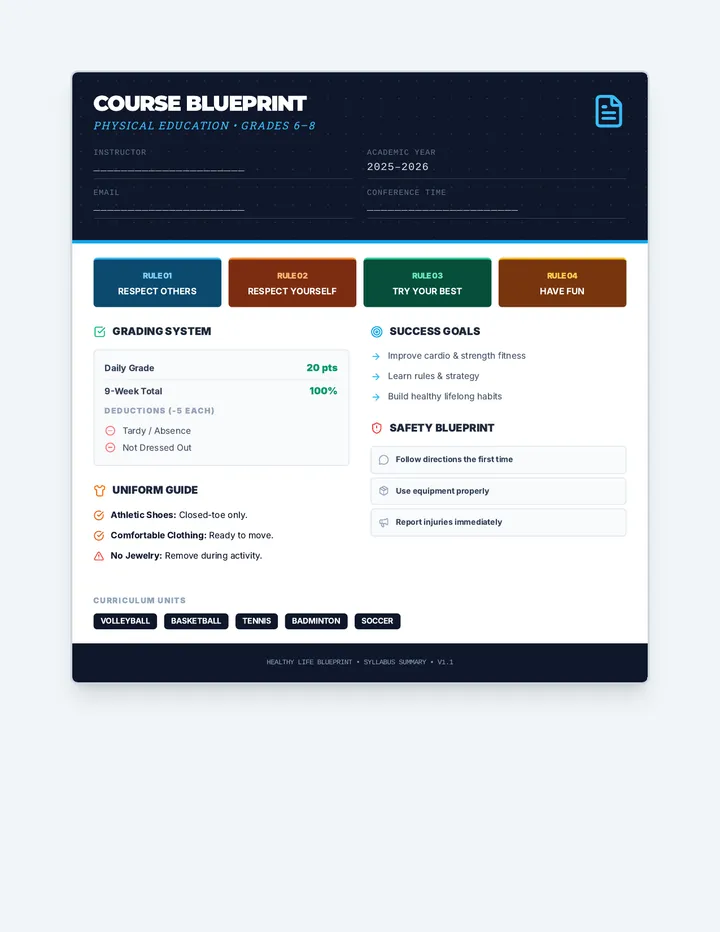
A comprehensive middle school PE curriculum for mixed 6th and 7th grade classes, focusing on developing sustainable physical health habits through varied movement, teamwork, and personal goal-setting. This year-long program balances traditional sports with modern wellness practices to ensure every student finds their path to lifelong fitness.
A unit on classic lawn and court sports, focusing on precision, strategy, and sportsmanship.
A comprehensive 5-lesson sequence for 8th-grade students focusing on badminton mechanics, from basic grips and serves to advanced offensive/defensive tactics and doubles strategy. Students develop technical precision, spatial awareness, and officiating skills through a workshop-style approach.
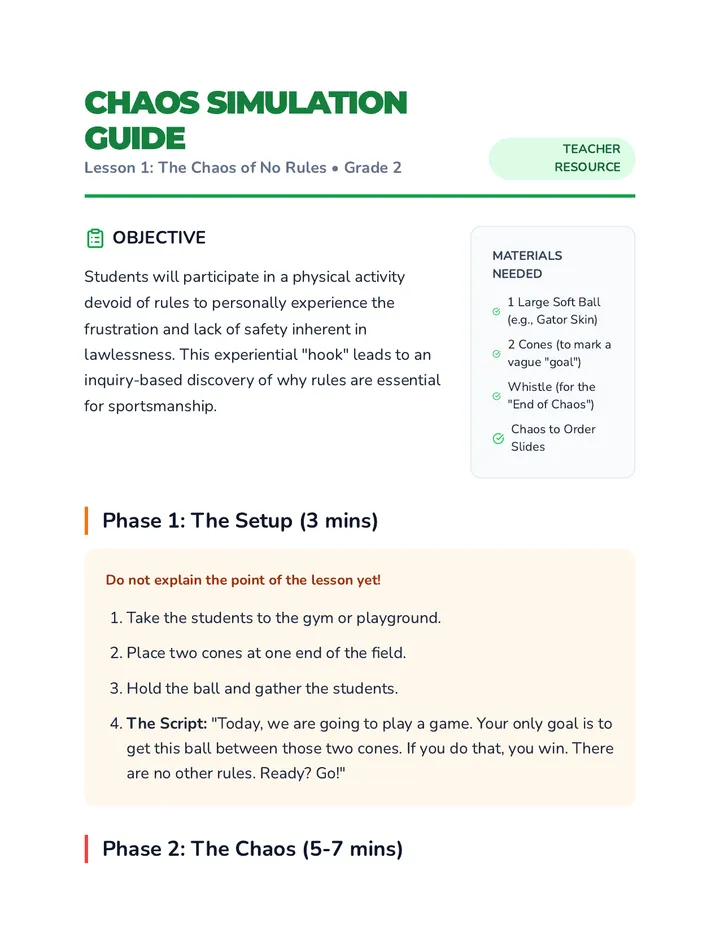
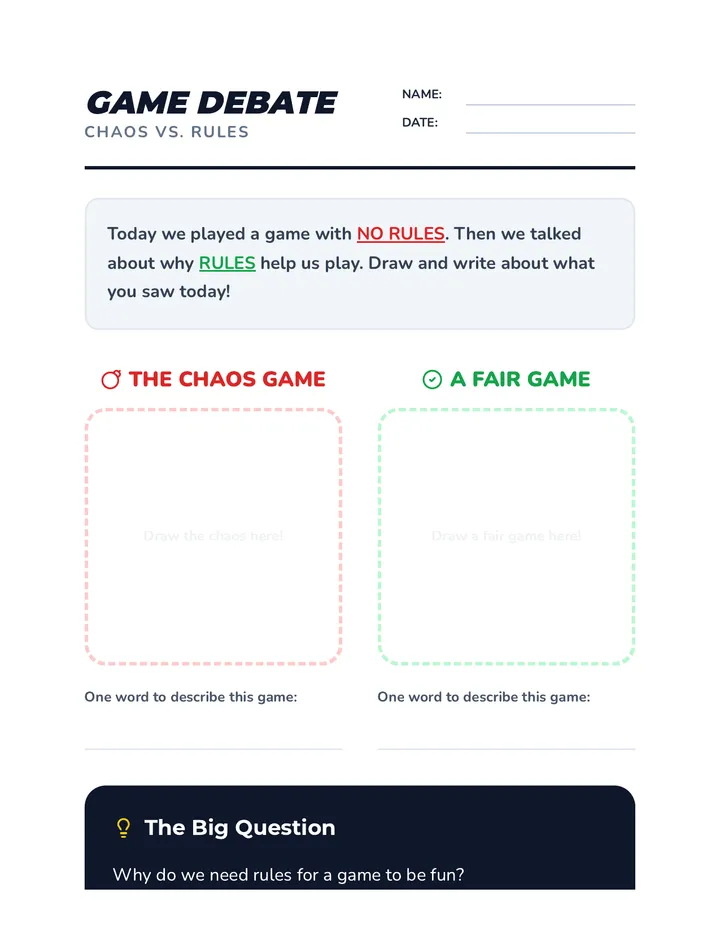
An inquiry-based sequence for 2nd Grade students to discover why rules, honesty, and inclusion are the foundation of fair play and sportsmanship. Students move from experiencing the chaos of a lawless game to drafting their own 'Code of Fair Play' for their school.
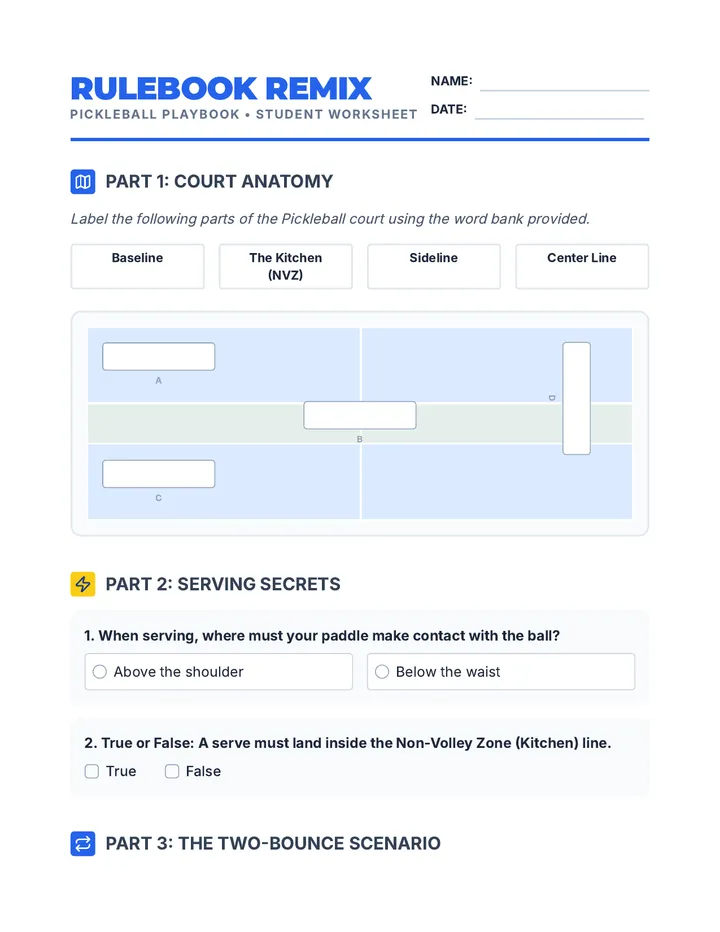
A comprehensive unit for 7th-grade students on Pickleball, focusing on dual sports strategy, positioning, and rule application. Students progress from basic serving and the two-bounce rule to advanced doubles tactics and officiating in a tournament setting.
A 4-day end-of-semester review event where students compete in 'Olympic heats' covering child development from toddlers to middle childhood, safety protocols, and nutrition. Each day features competitive activities that reward accuracy and teamwork as teams aim for the gold medal.
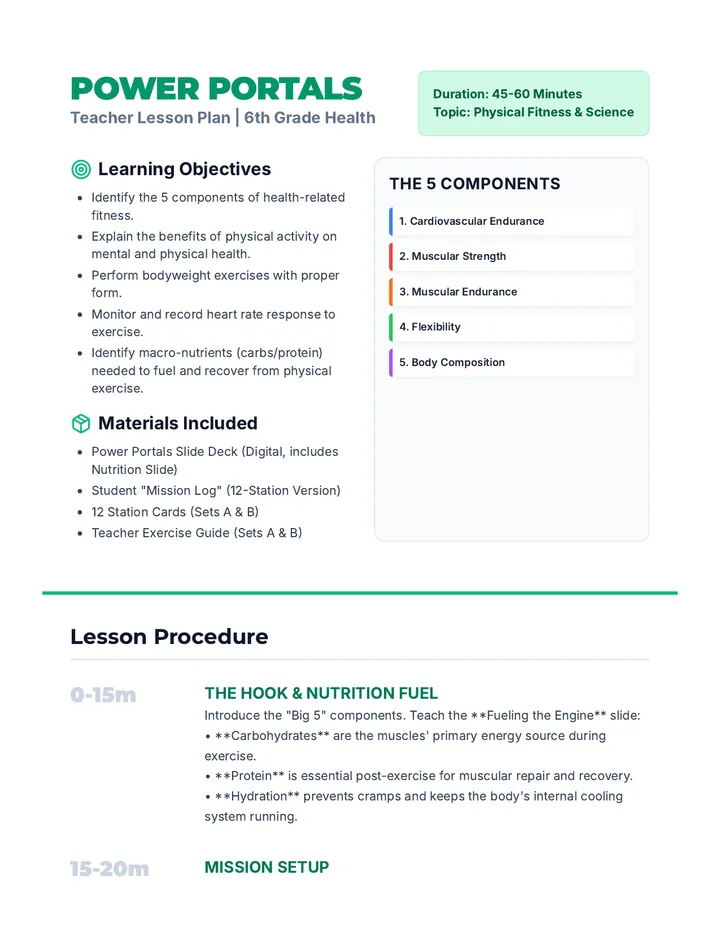
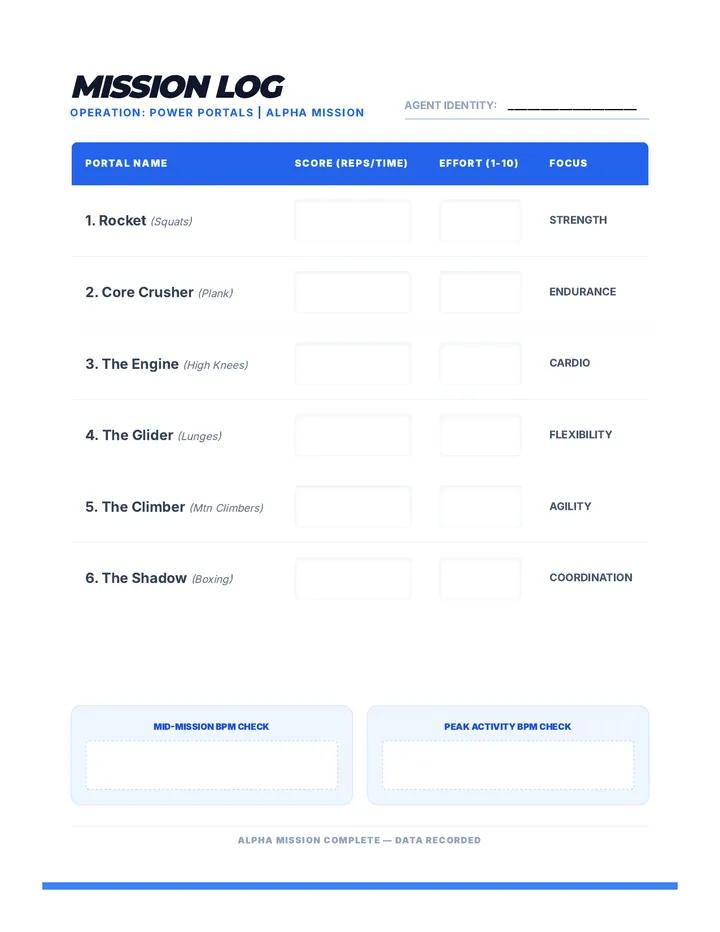
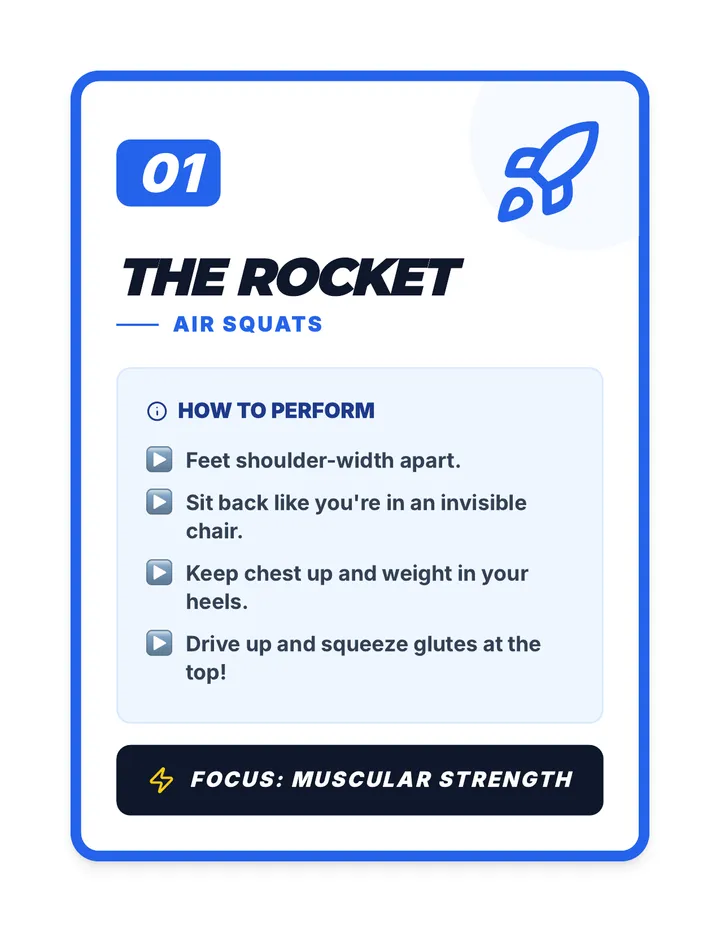
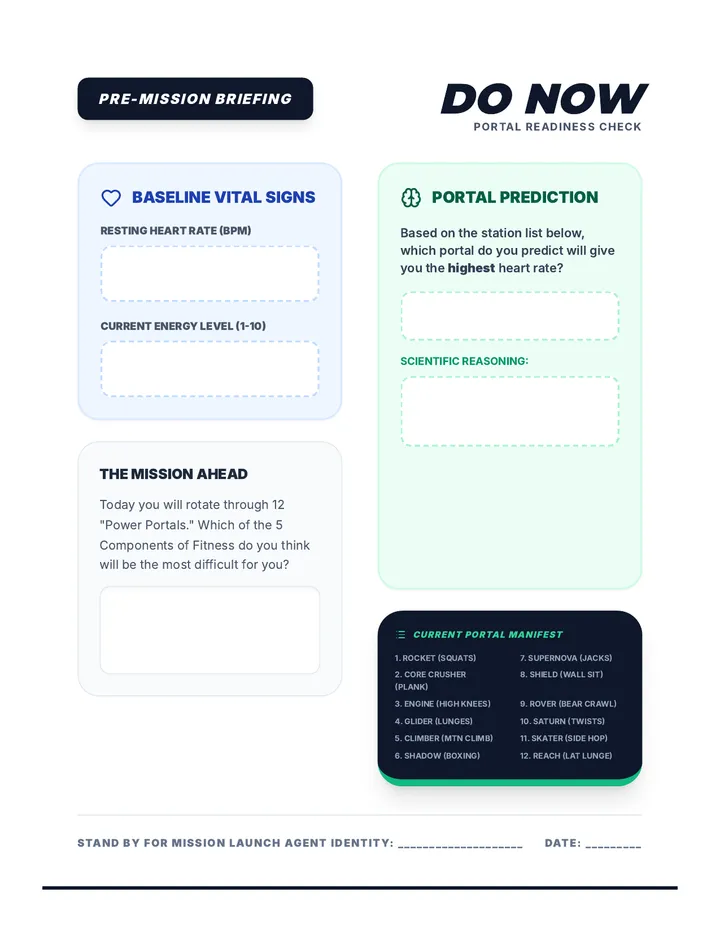
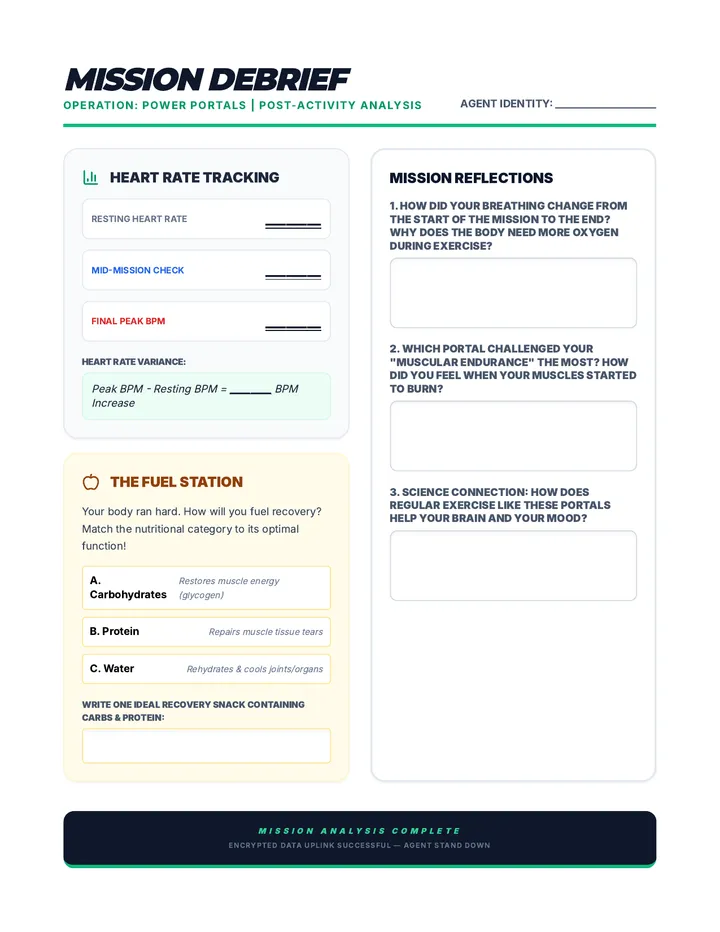
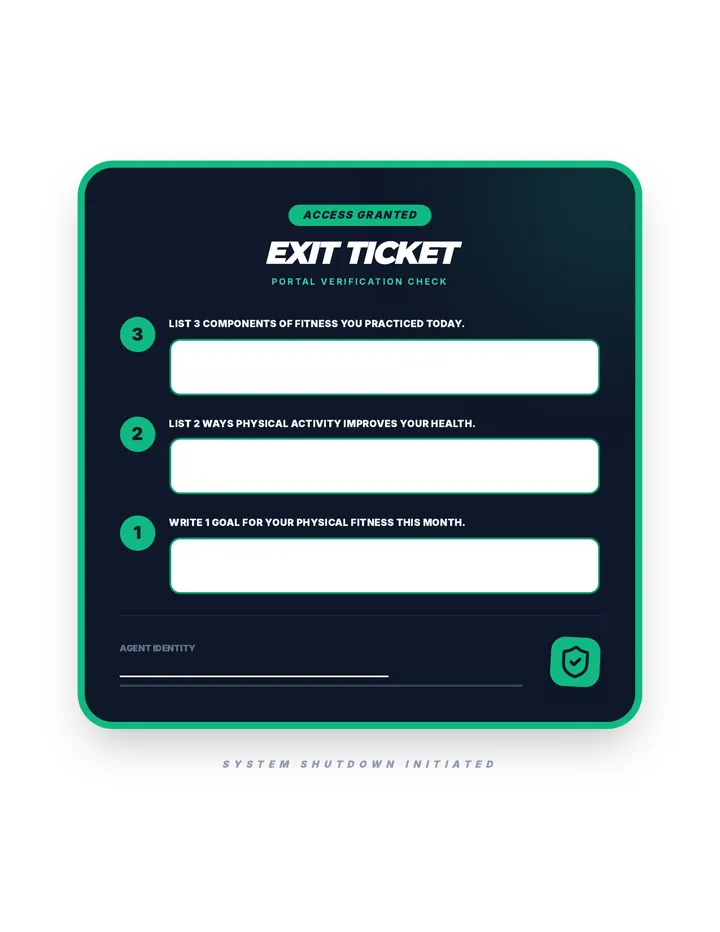
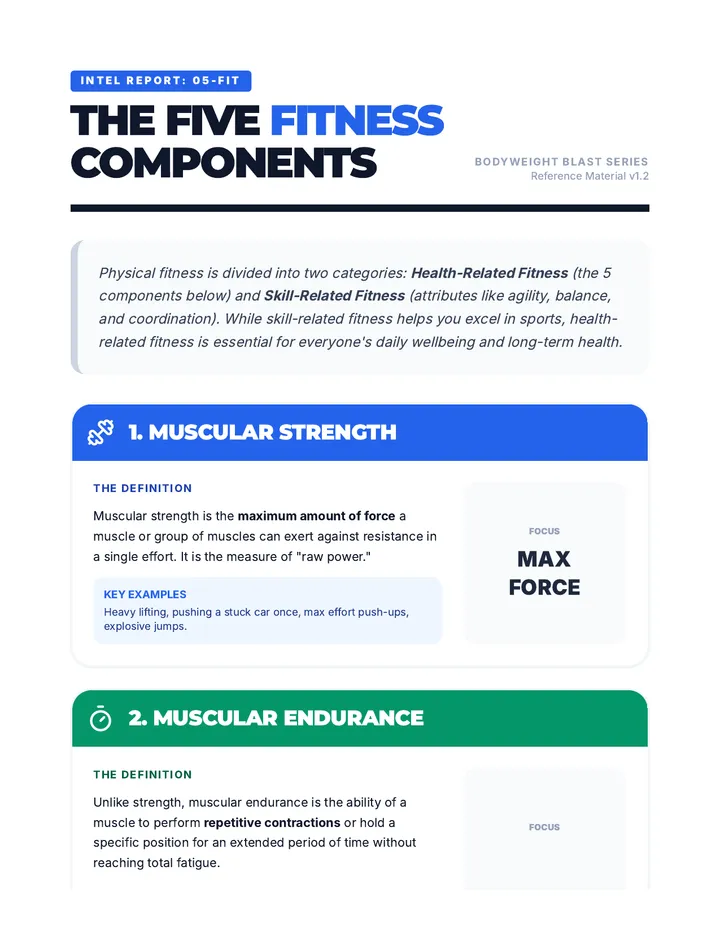
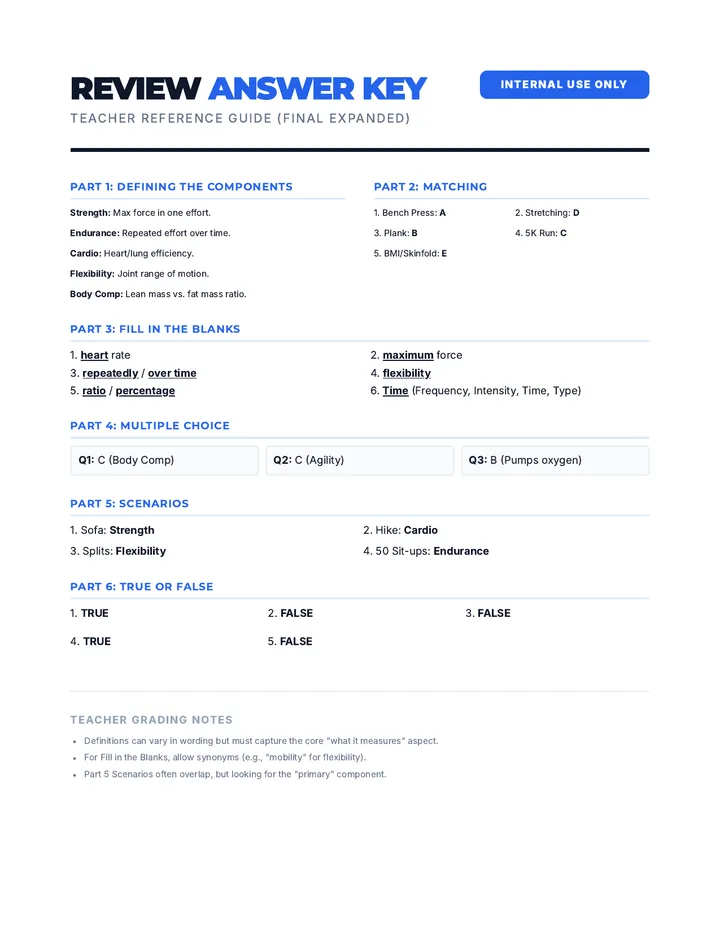
An interactive 6th-grade health and fitness unit where students learn the science of health-related fitness components, monitor heart rate, explore sports nutrition, and ultimately design their own fitness circuits in a gamified, zero-equipment framework.
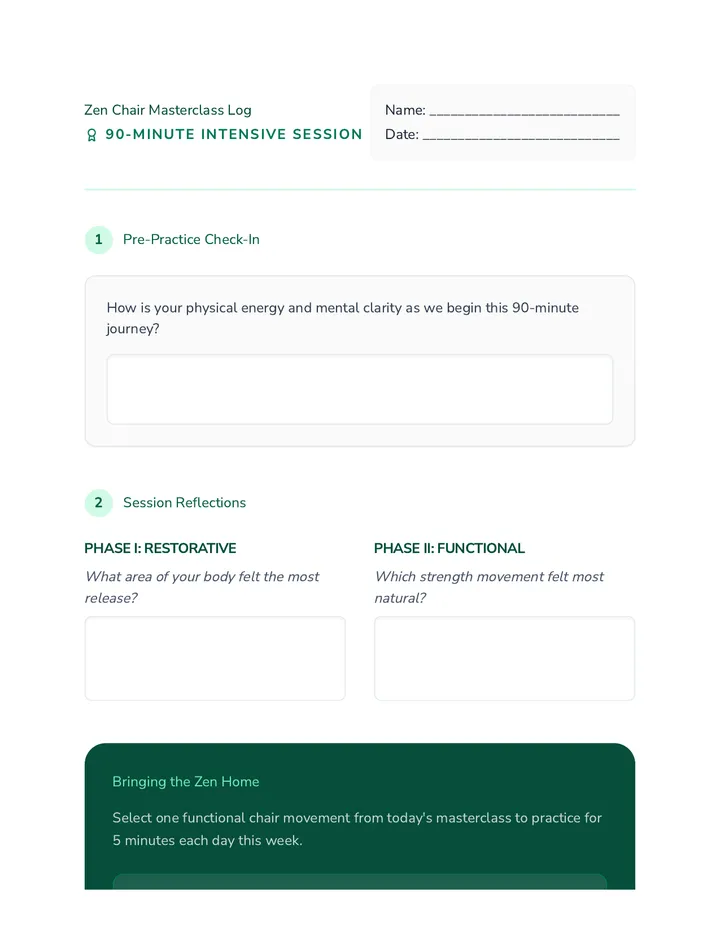
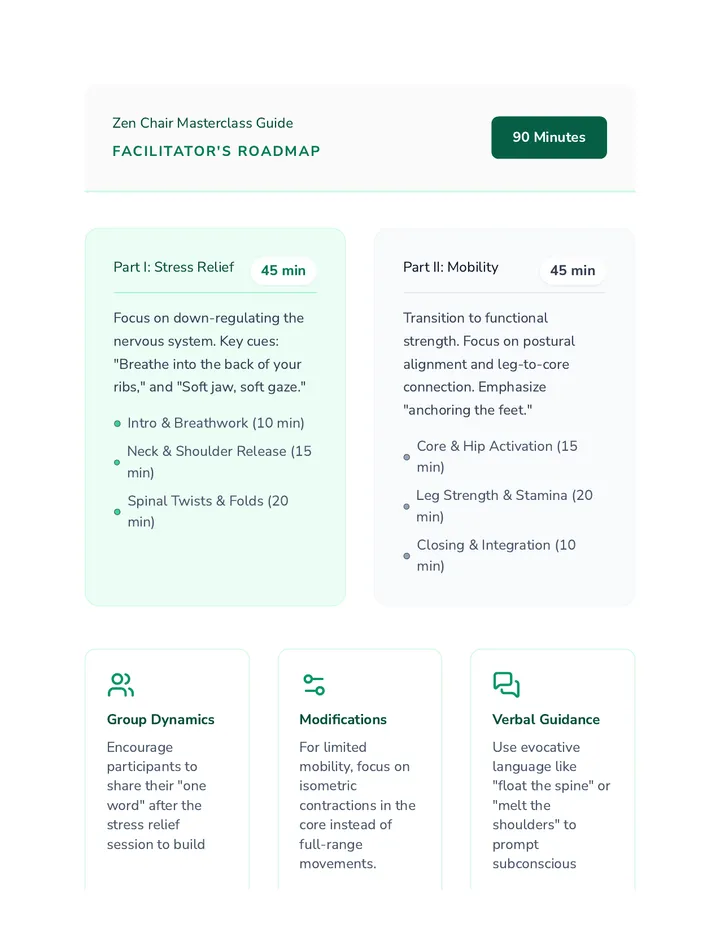
A comprehensive yoga series featuring a deep-dive chair yoga masterclass with guided videos and a follow-up standing flow session for beginners. Designed to build both mental calm and physical strength.
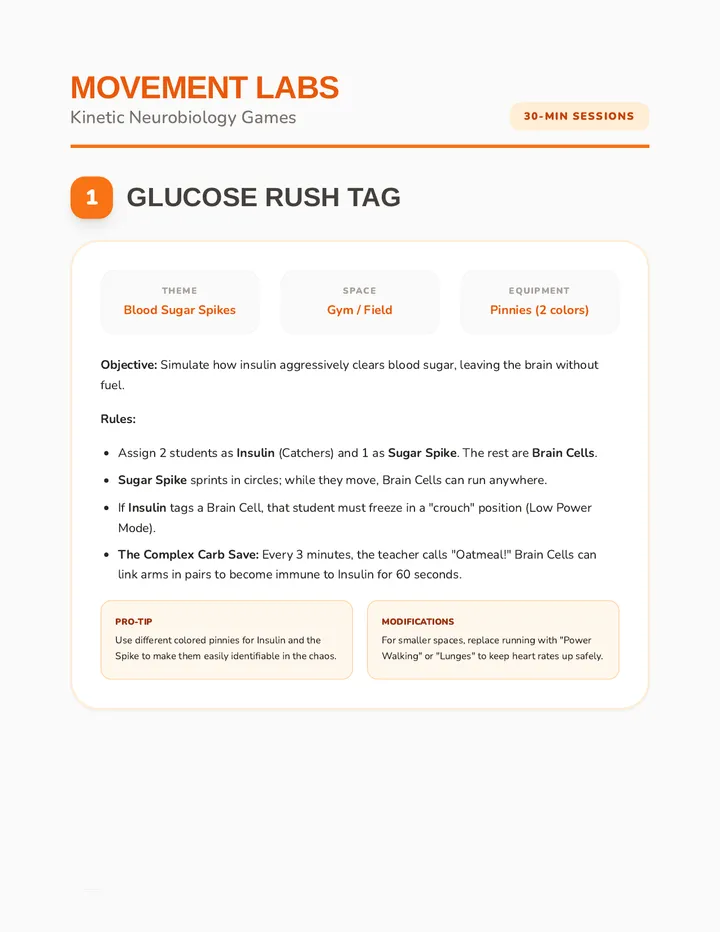
A weekly fitness and movement series designed for students of all abilities, focusing on social-emotional learning through physical activity and group coordination.
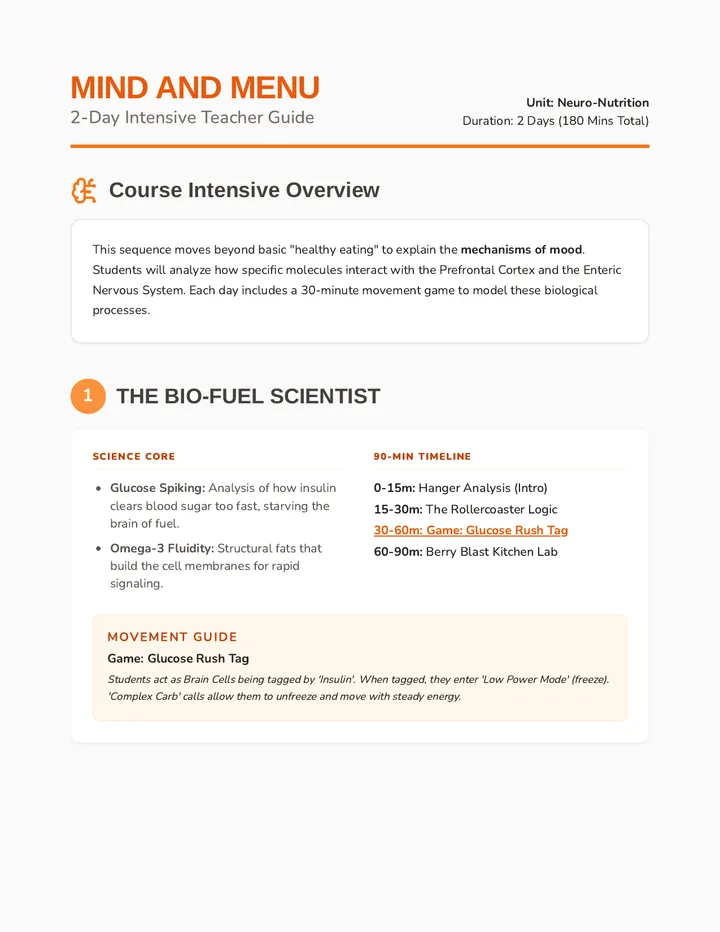
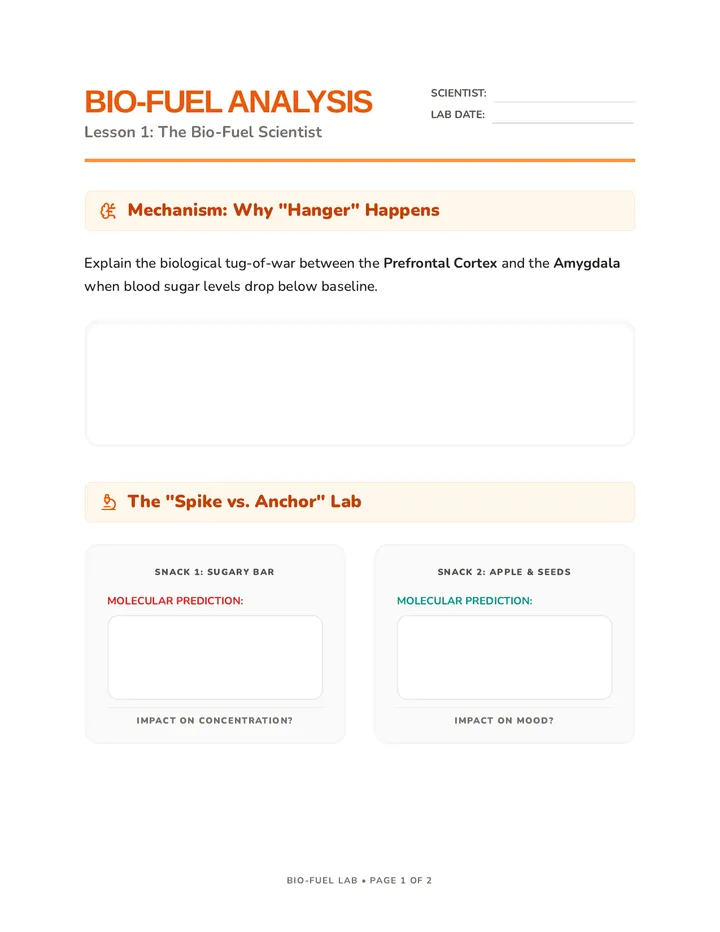
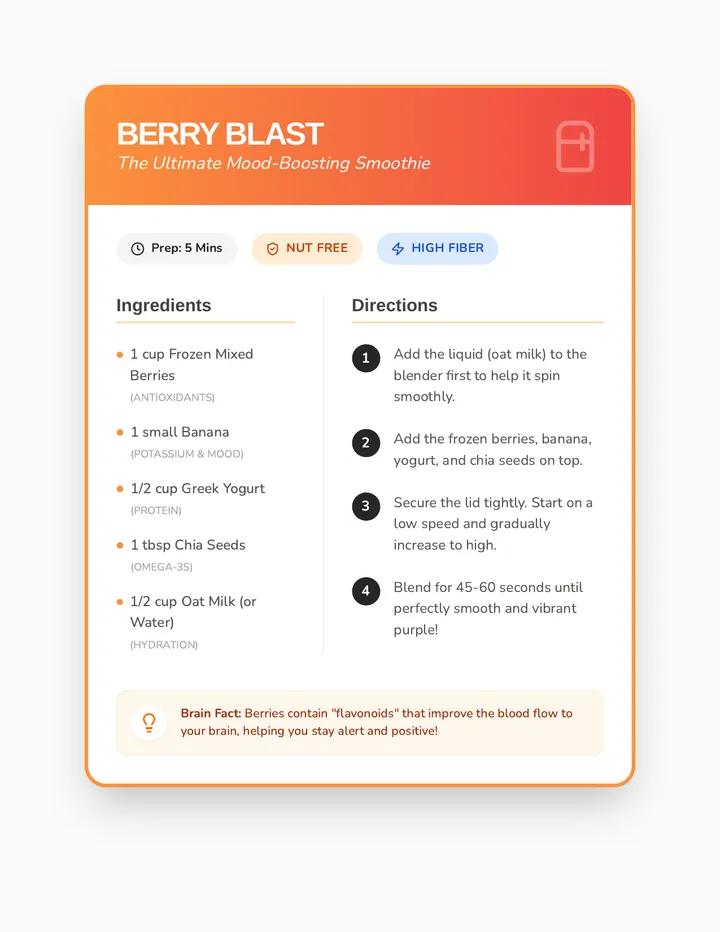
A 2-day intensive exploration into the neurobiology of nutrition and the physiological feedback loops between gut health, movement, and mental well-being for middle schoolers.
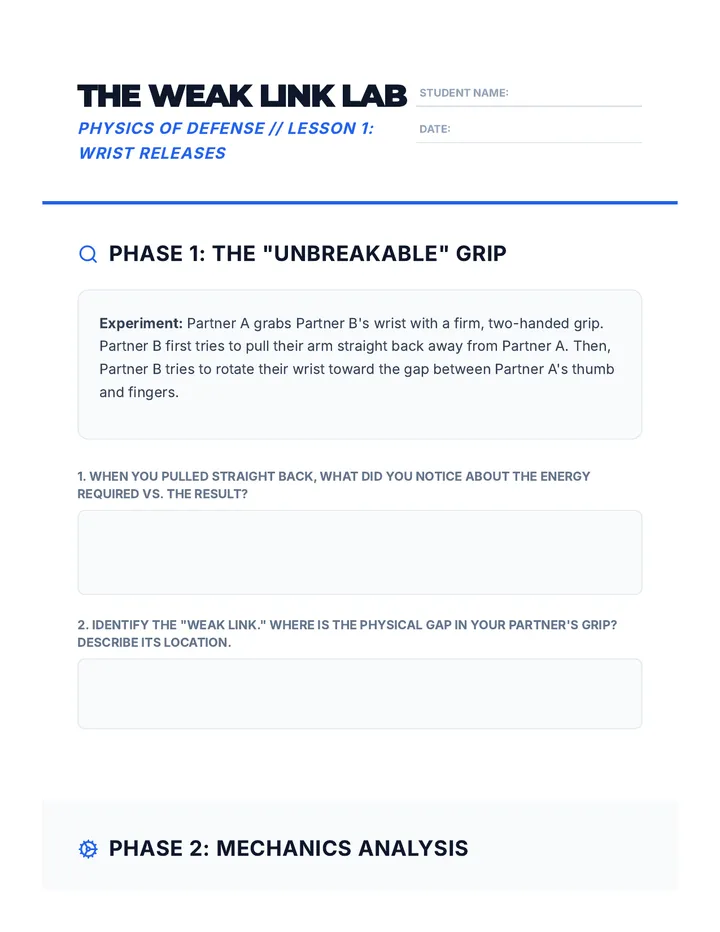
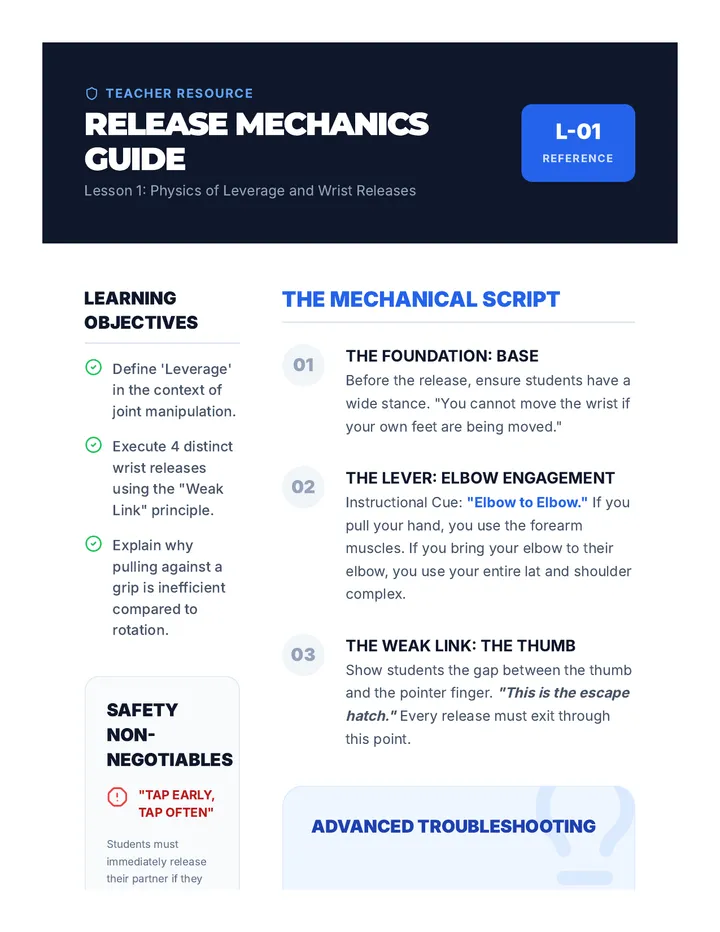
A 10th-grade physical education unit focusing on grappling defense, leverage-based escapes, and safe falling techniques. Students apply physics principles to self-defense scenarios, moving from standing releases to ground-based recovery.
An inquiry-based exploration of the endocannabinoid system and the specific physiological impacts of cannabis on the developing adolescent brain. Students transition from understanding natural homeostasis to analyzing how external cannabinoids like THC disrupt memory, motivation, and executive function.
This 8th-grade sequence explores the biological connection between the nervous system and stress. Students learn the science of the 'fight or flight' response and practice evidence-based breathing and relaxation techniques like diaphragmatic breathing, box breathing, and progressive muscle relaxation to consciously regulate their physiological state.
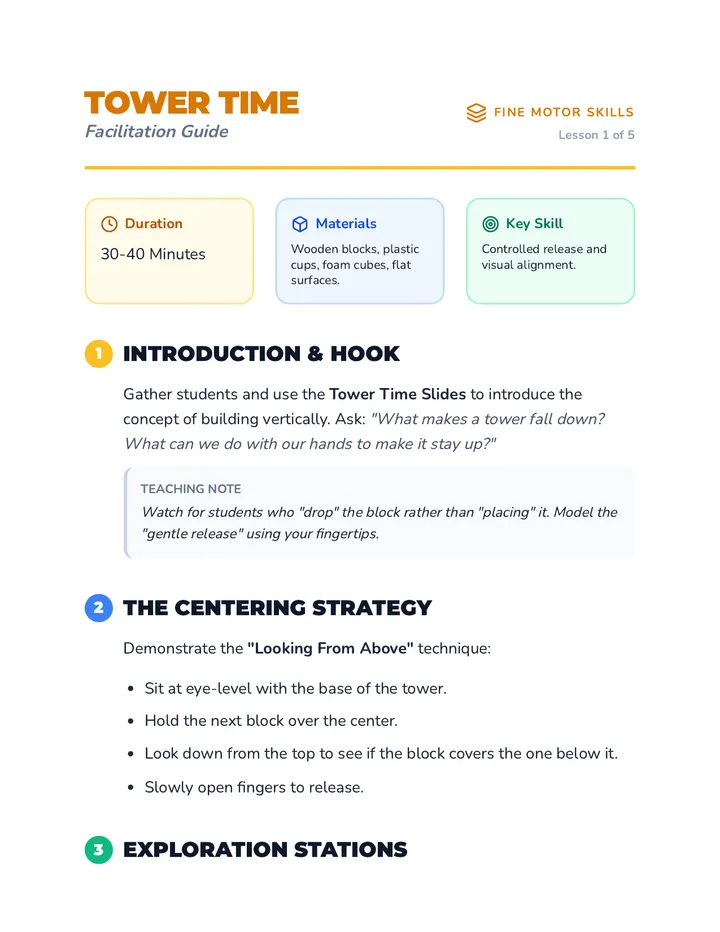
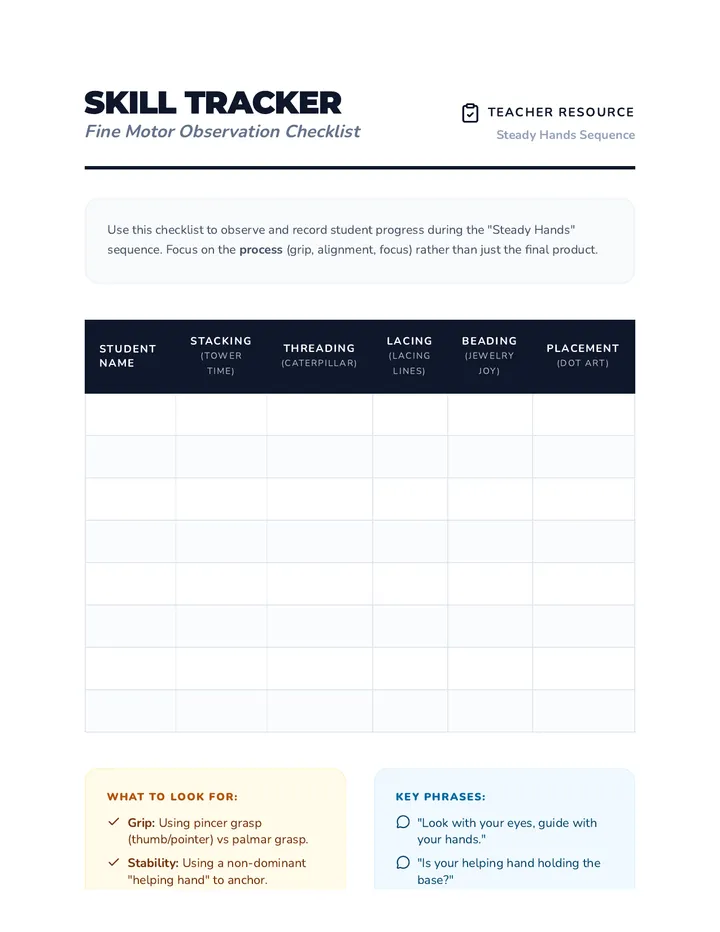
A Kindergarten sequence focused on developing eye-hand coordination and fine motor precision through stacking, threading, lacing, and precise placement activities. Students progress from large, rigid objects to flexible materials, building the foundation for daily life skills and handwriting.
A lesson for kindergarteners to explore and identify how they have grown and changed from infancy to school age, focusing on needs, physical changes, and new skills.
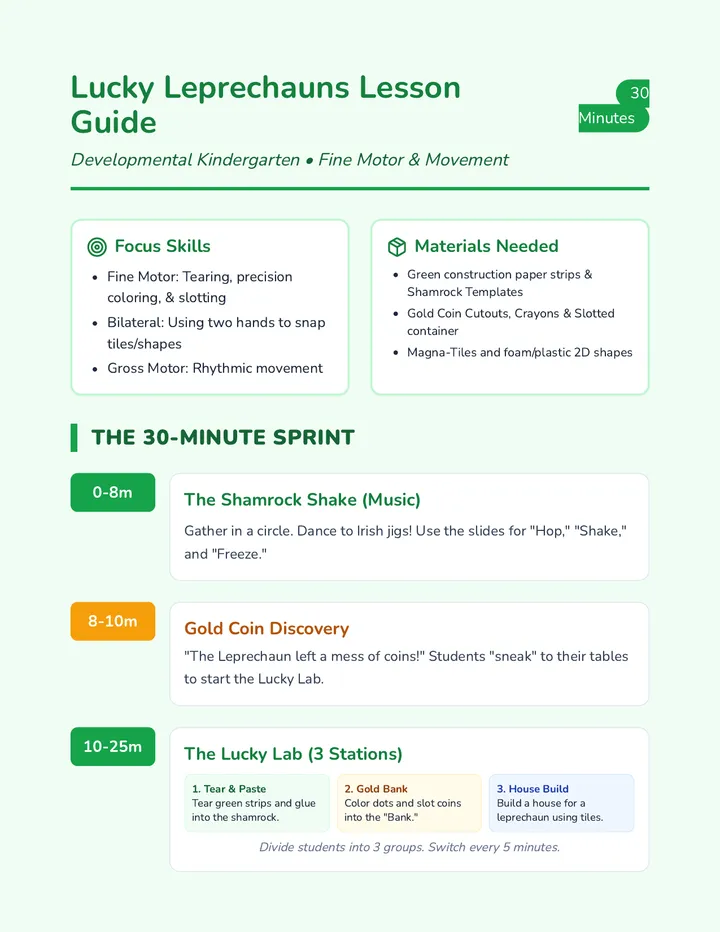
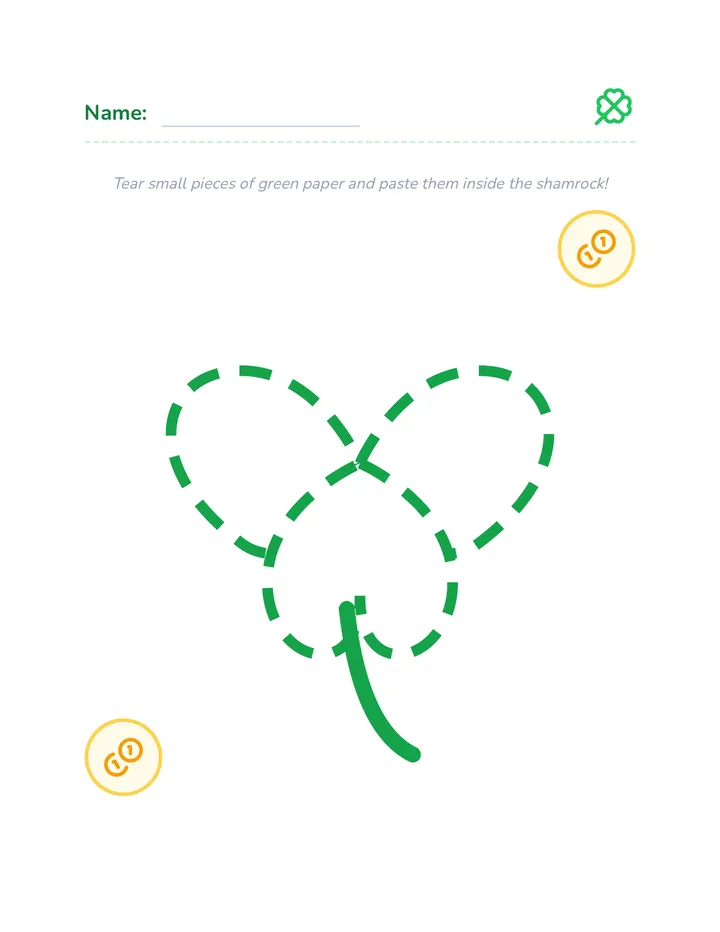
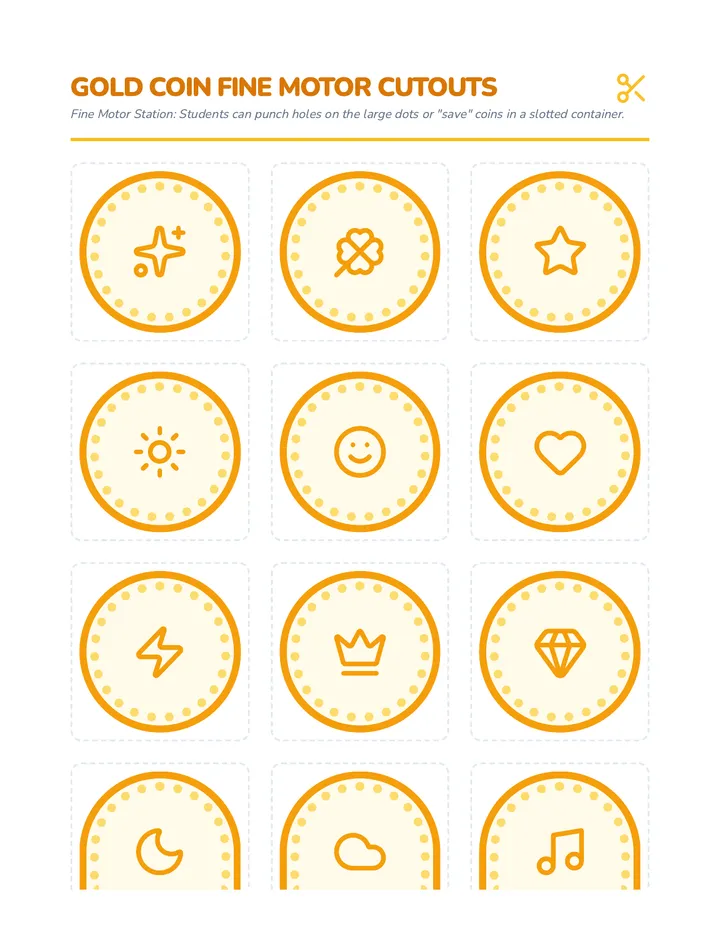
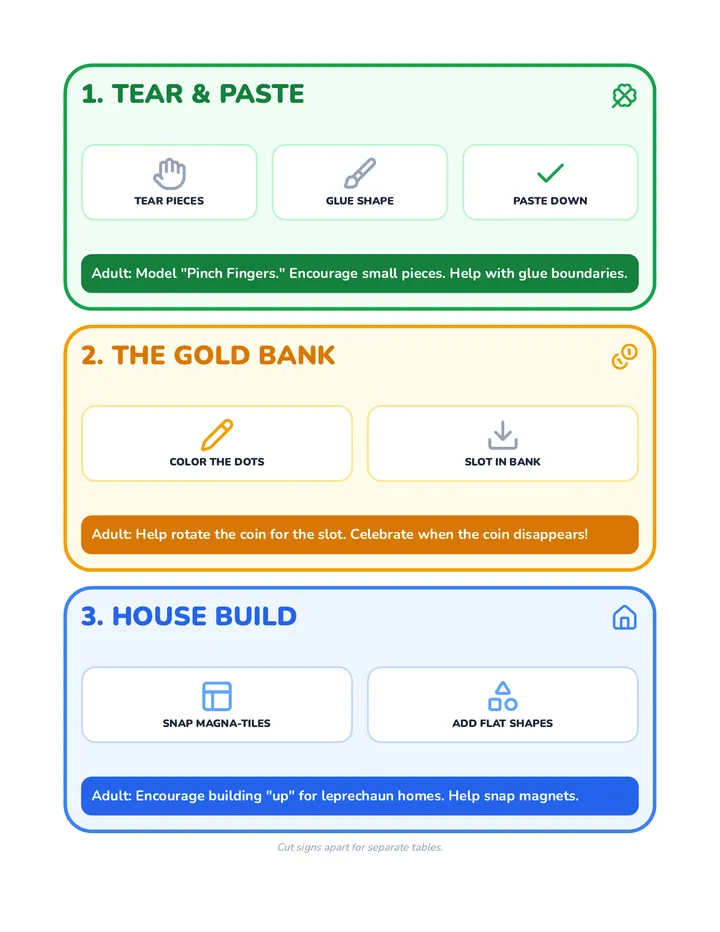
A high-energy, 30-minute St. Patrick's Day lesson focusing on fine motor skills through a 'Tear and Paste' shamrock craft and a 'Shamrock Shake' movement activity. Designed specifically for developmental kindergarteners with short attention spans.
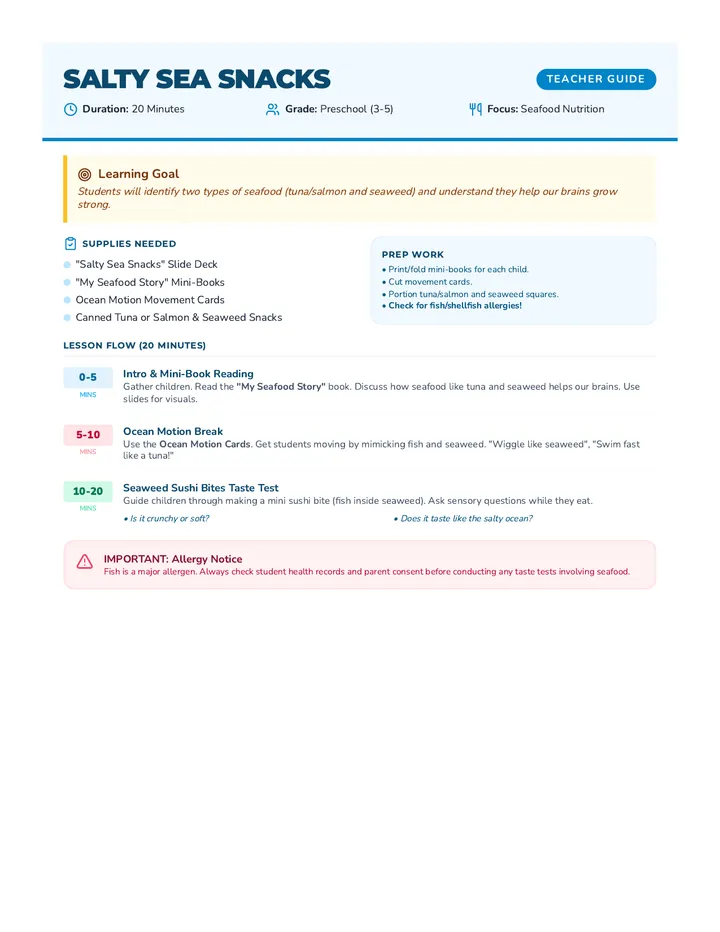
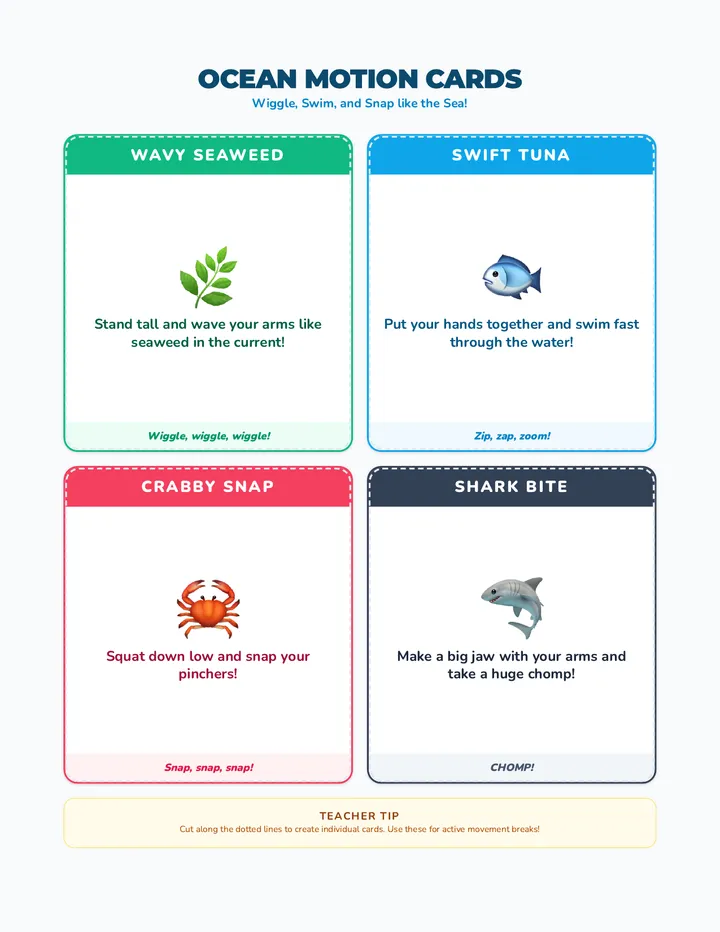
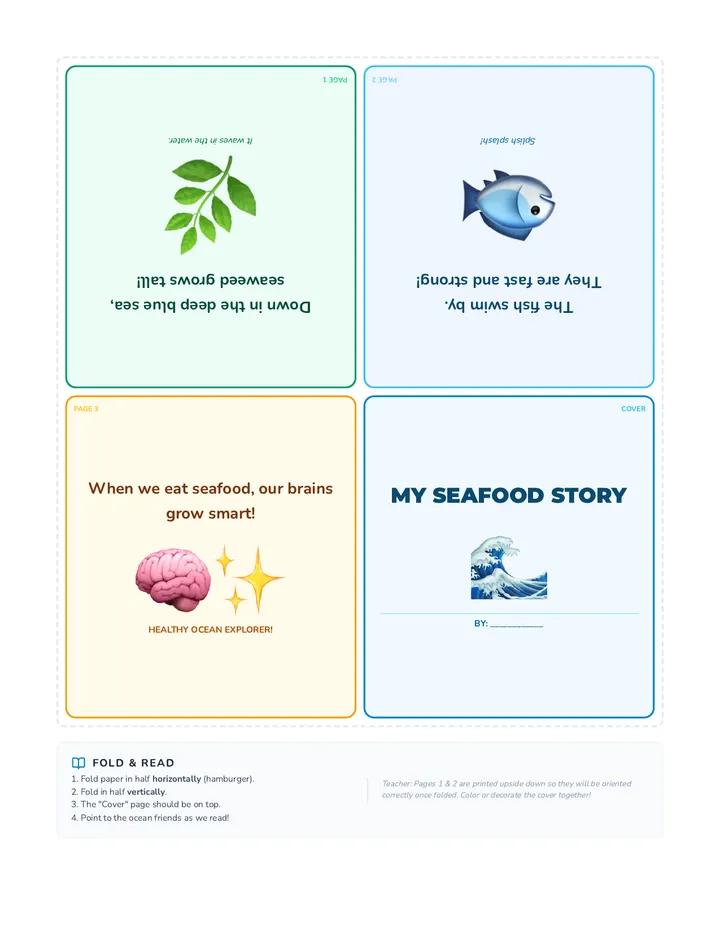
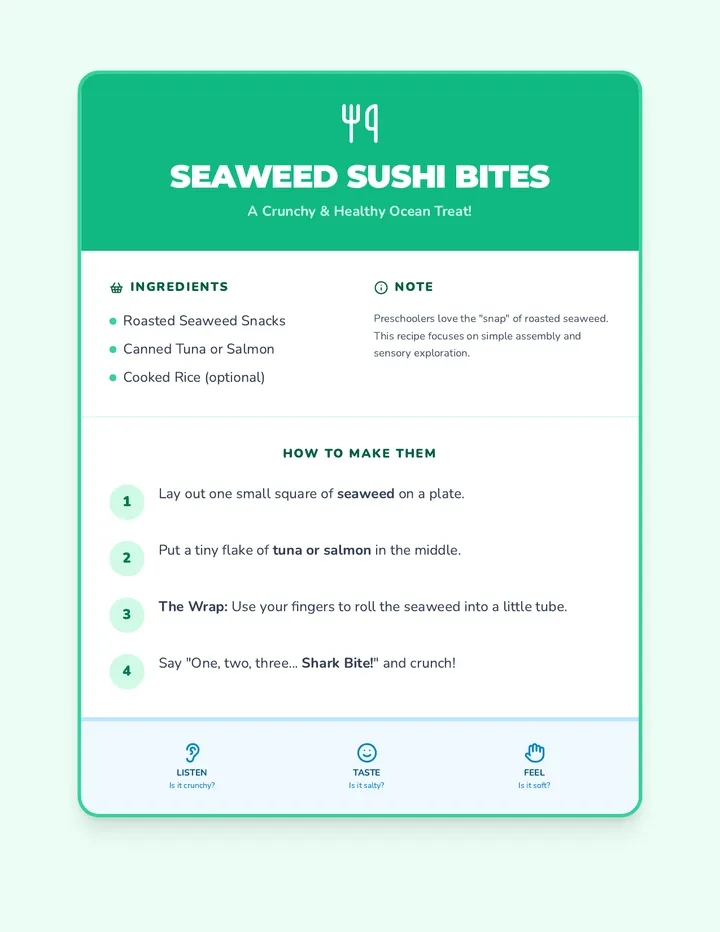
A 20-minute interactive nutrition lesson for preschoolers focusing on seafood through a printable mini-book, movement activities, and a seaweed sushi taste test.
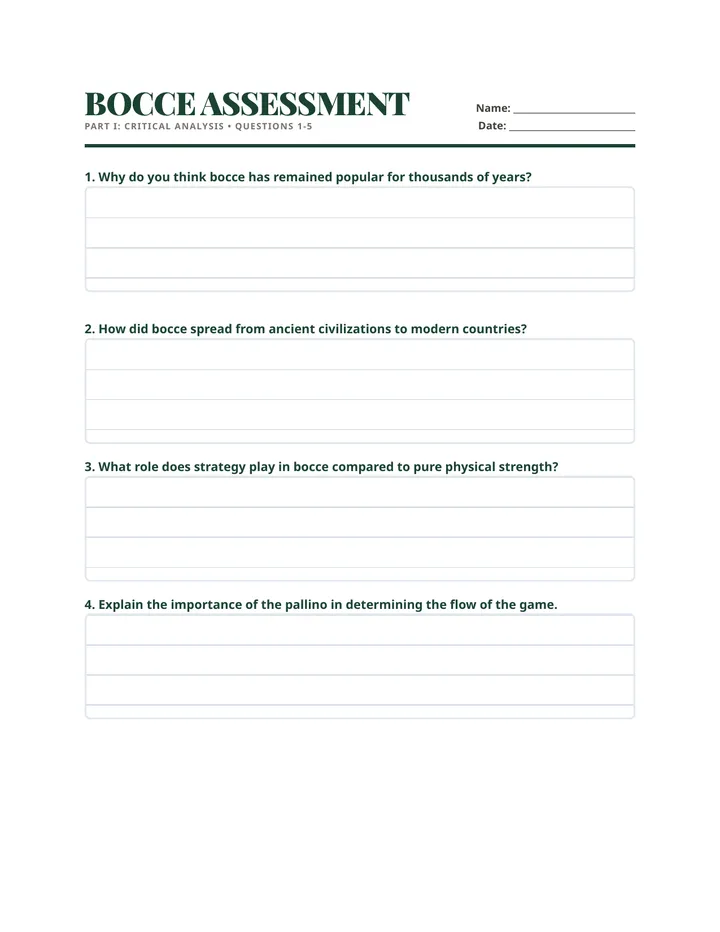
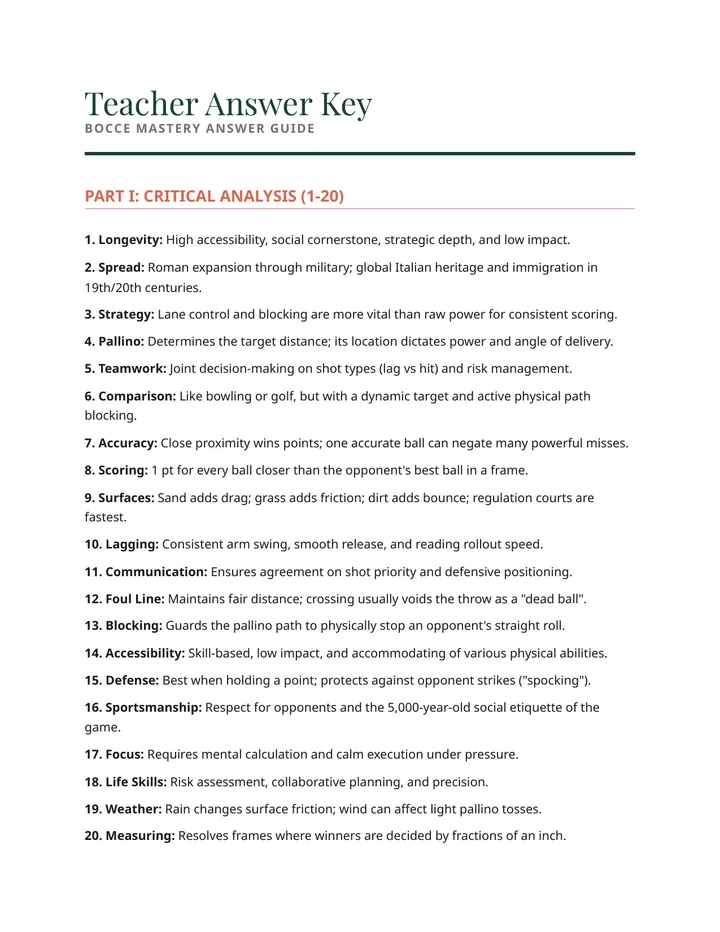
A comprehensive guide to the sport of bocce, covering its ancient origins, modern rules, and strategic nuances for high school students.
A comprehensive curriculum layout and resource set designed for toddlers aged 17-18 months, focusing on developmental play across six thematic weeks.
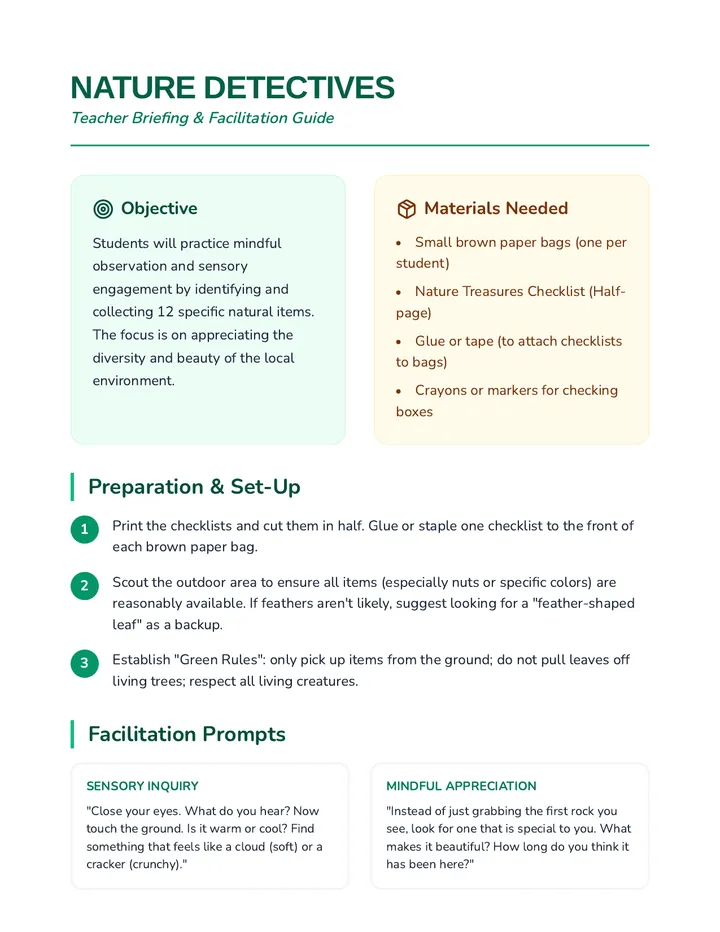
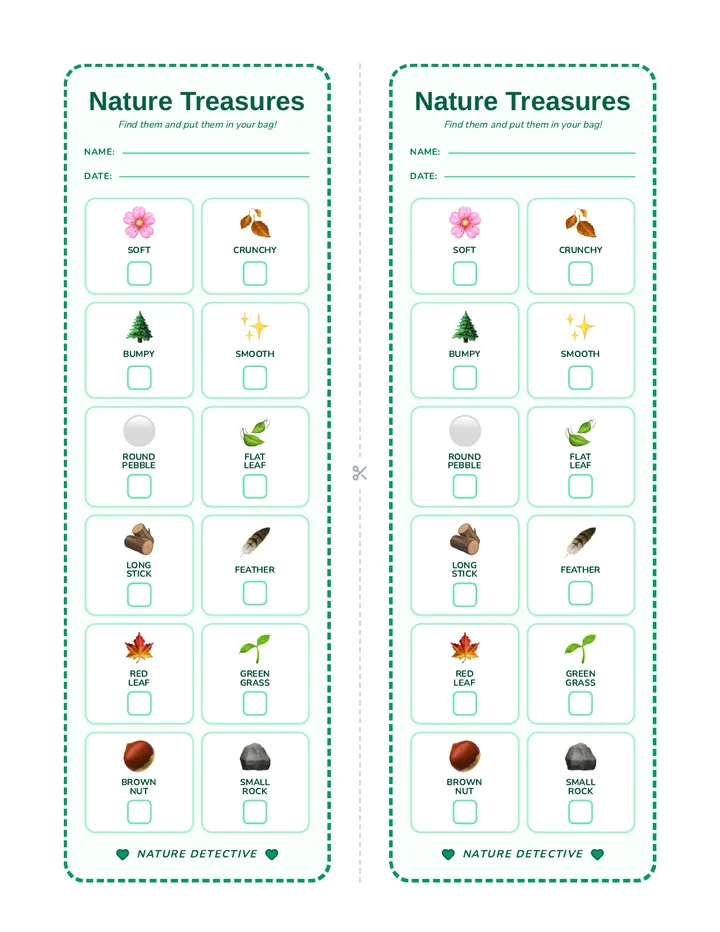
A sensory-focused outdoor activity where K-2 students practice mindfulness and observation by collecting natural treasures. Students explore textures, shapes, and colors while developing an appreciation for the environment.
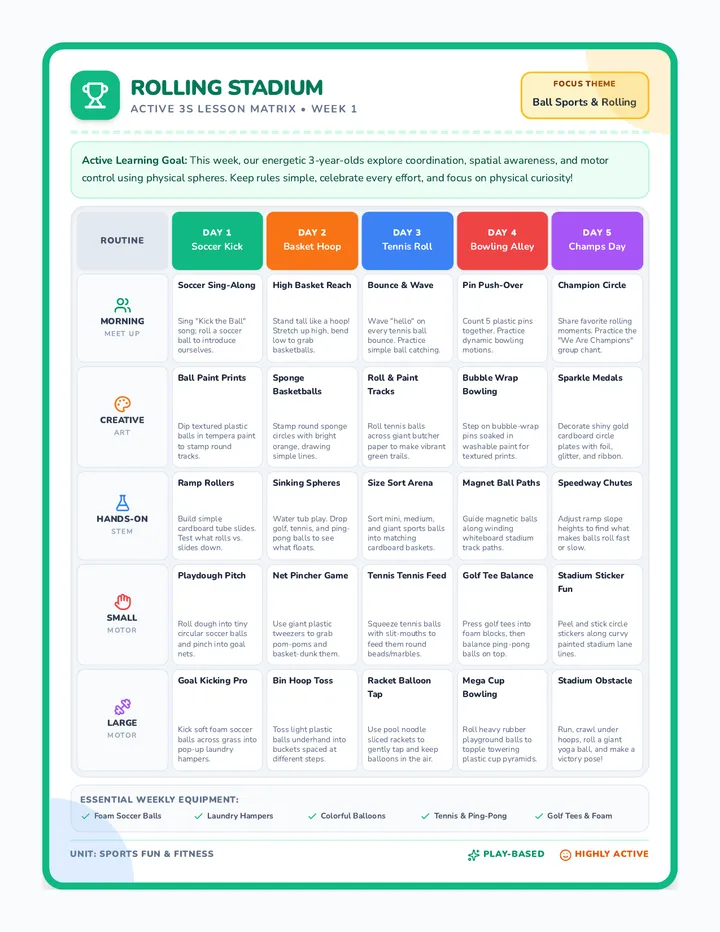
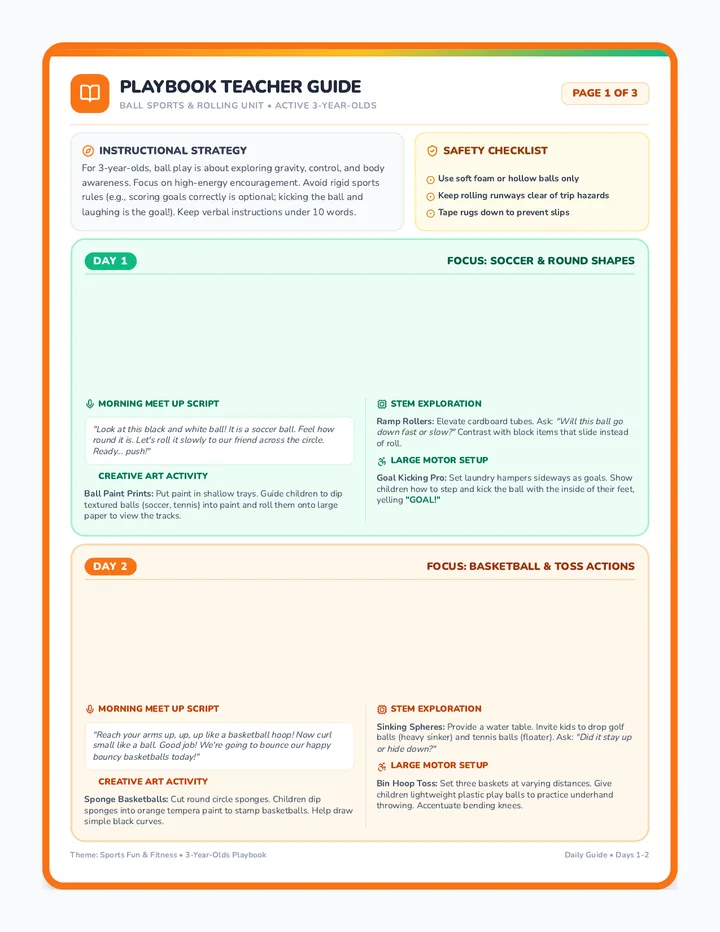
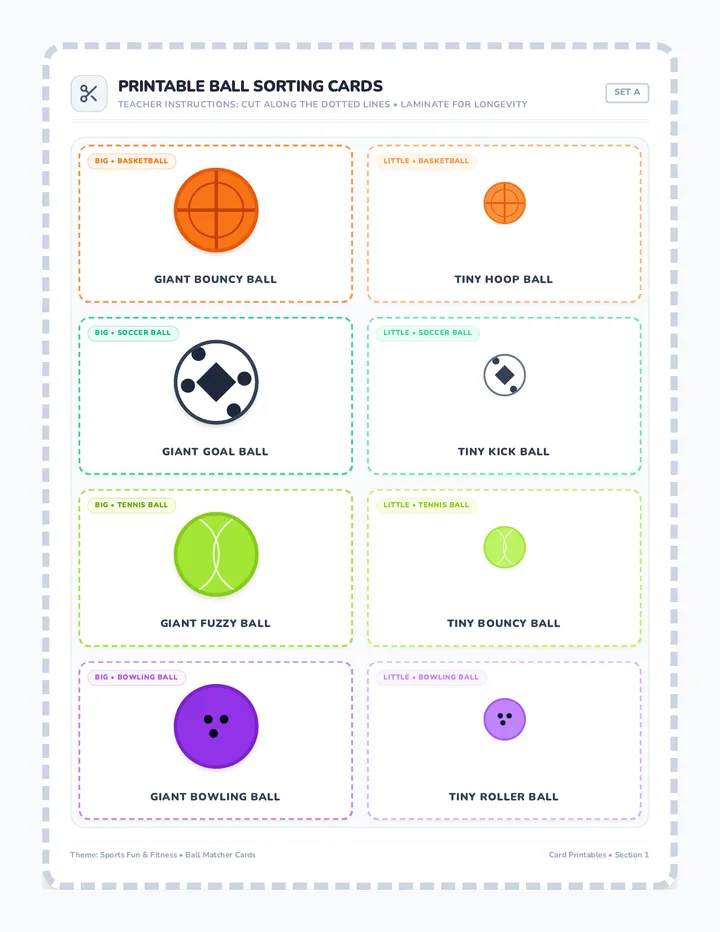
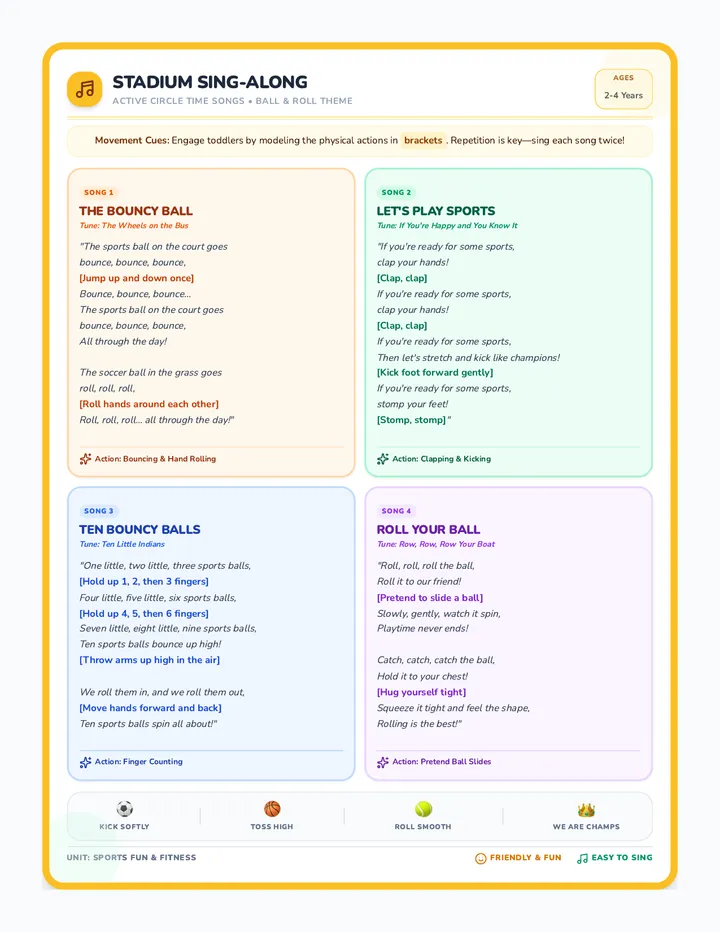
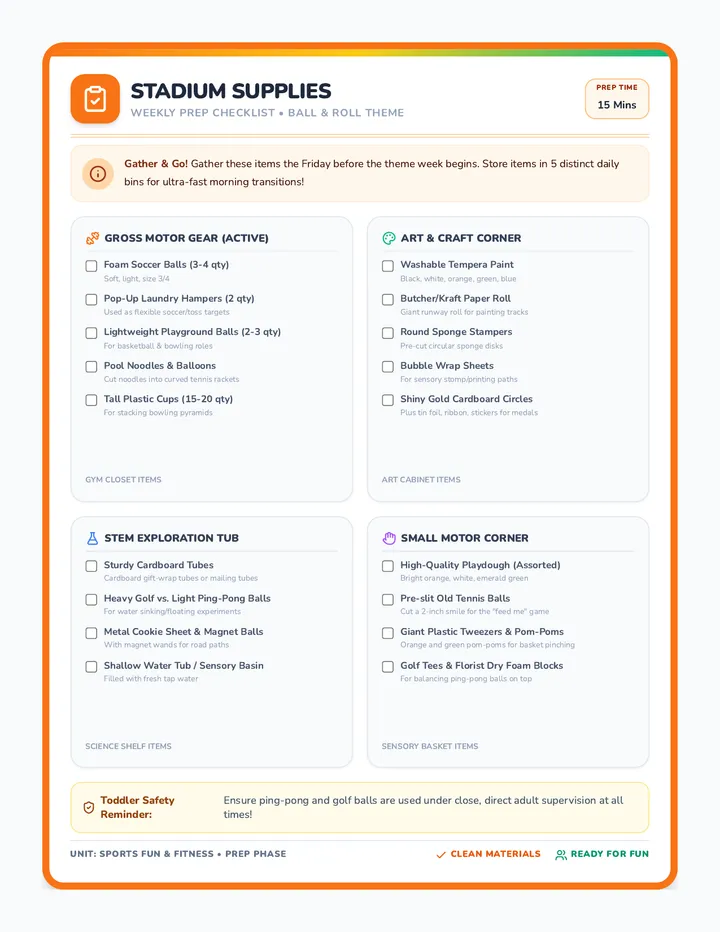
A 5-day active curriculum unit for 3-year-olds themed around Ball Sports & Rolling. Includes a weekly planning matrix, a detailed teacher guide with daily scripts, and printable classroom materials for sorting, patterning, and movement games.
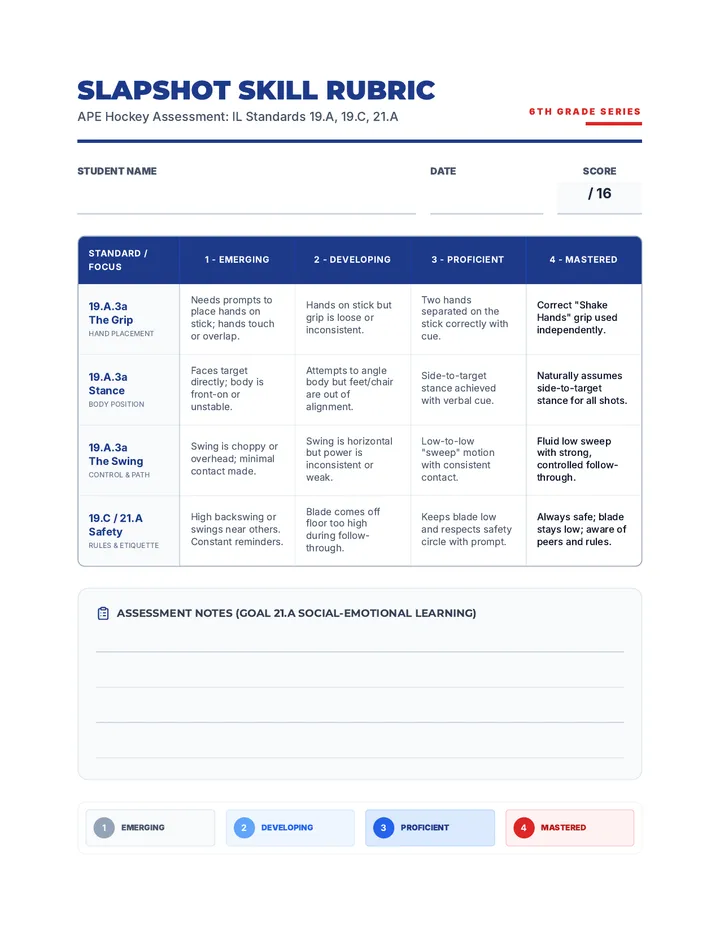
An adapted physical education lesson focused on the mechanics of striking a hockey puck or ball, featuring modifications for various mobility and sensory needs.
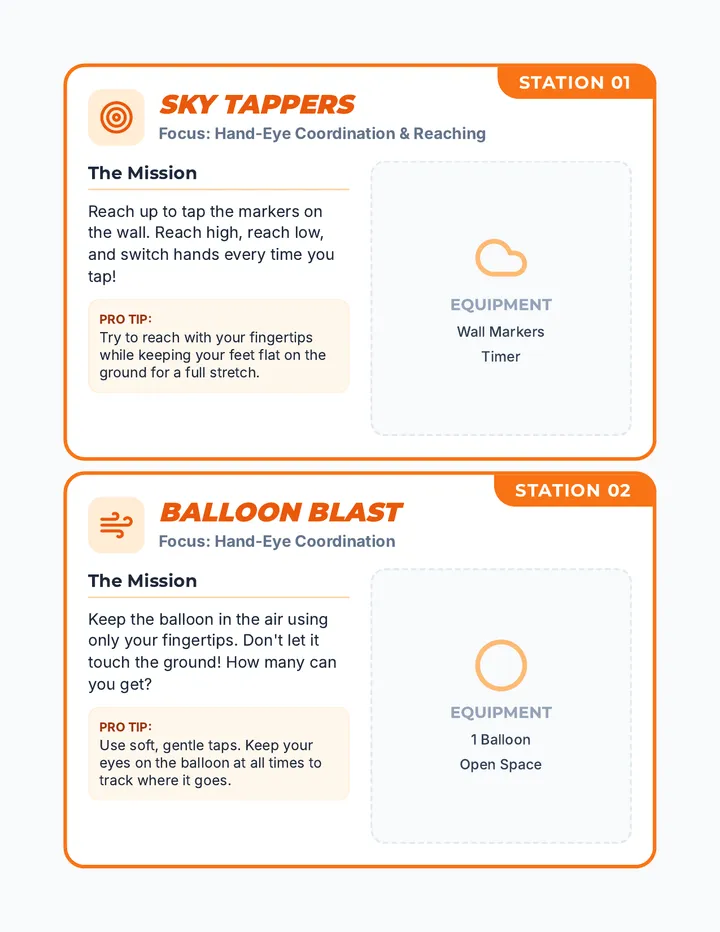
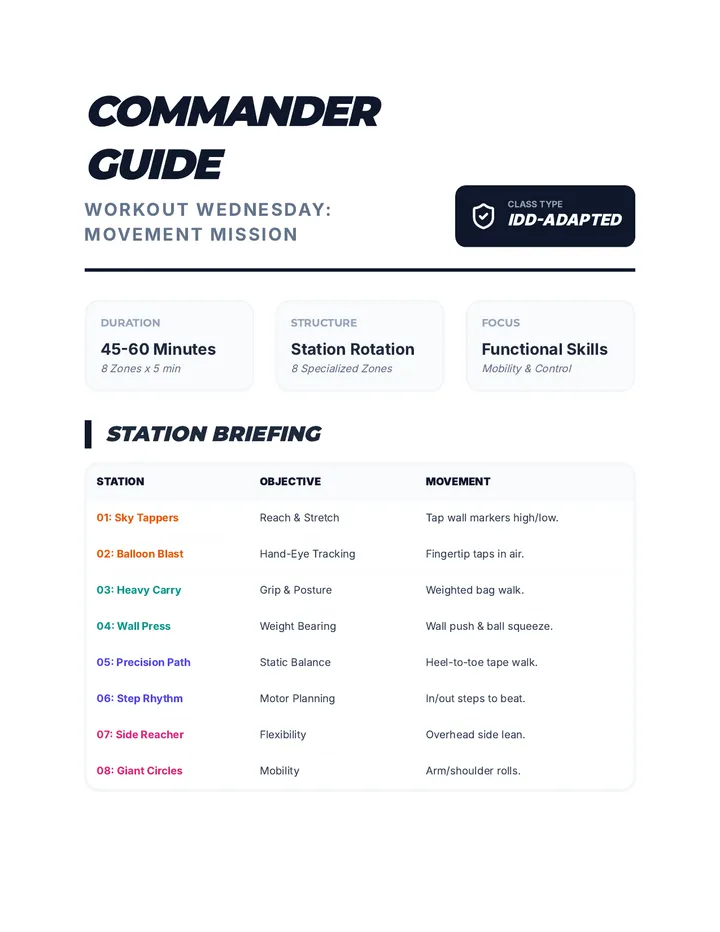
A high-energy station rotation lesson focused on developing hand-eye coordination, grip strength, and balance through a 'Movement Mission' theme. Students rotate through six specialized zones to build physical literacy and motor control.
A hands-on introductory lesson for kindergarteners to learn the basics of table setting, focusing on spatial awareness and utensil identification through a cut-and-paste activity.
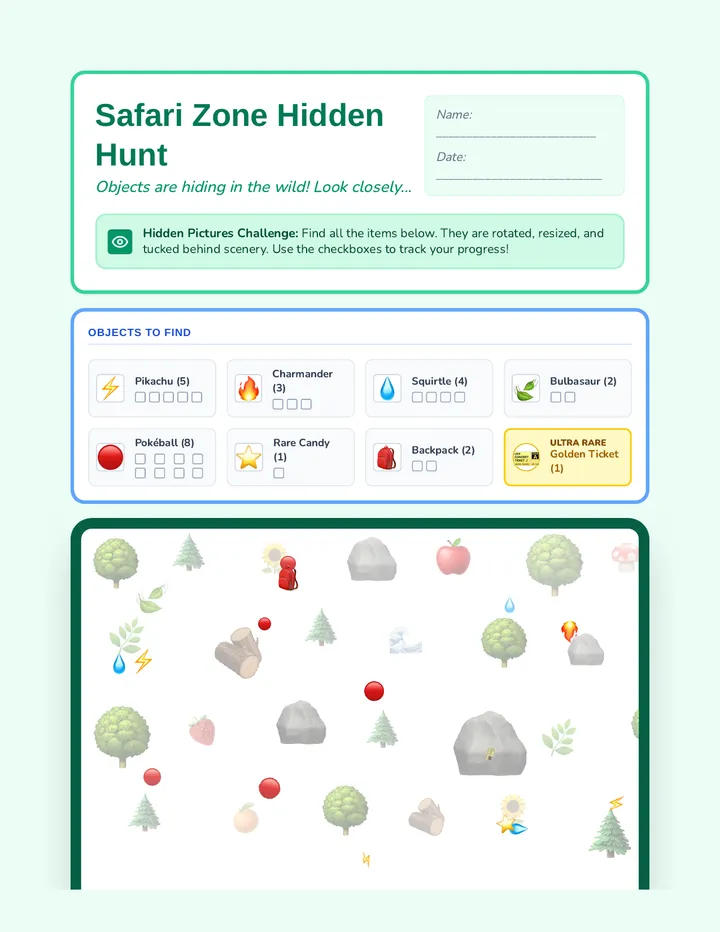
A fun, engaging search-and-find activity featuring popular pocket monsters in a dense, colorful safari environment. Perfect for a brain break or a reward activity for 4th-grade students.
A high-energy wrap-up session for K-2 students to integrate their knowledge of the five senses and mindfulness through a superhero-themed training challenge. Students rotate through sensory stations and create their own superhero gear to represent their 'Senses Superpowers'.
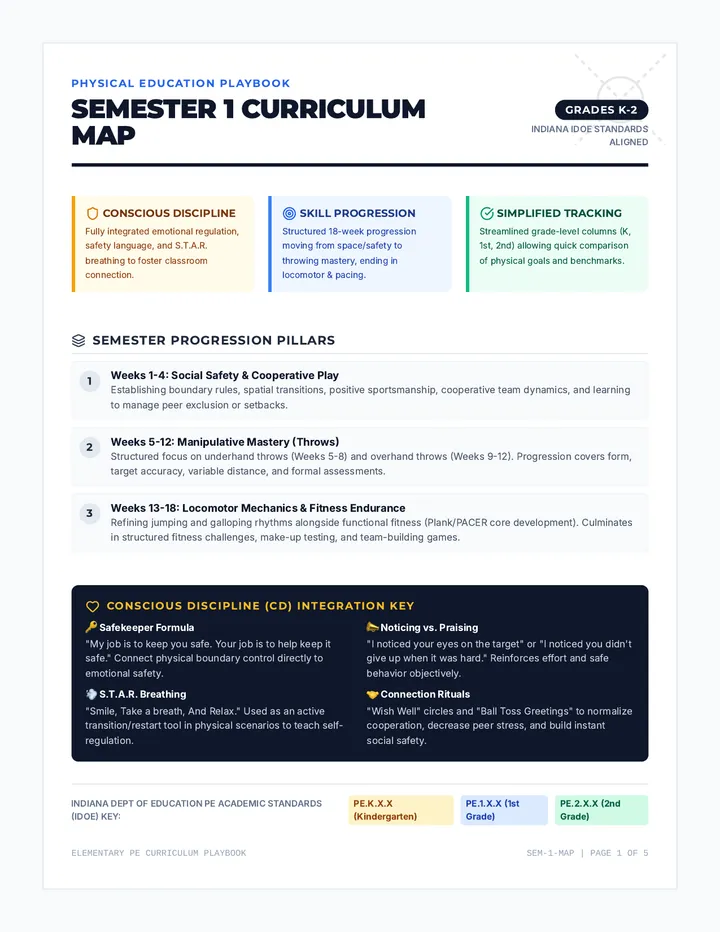
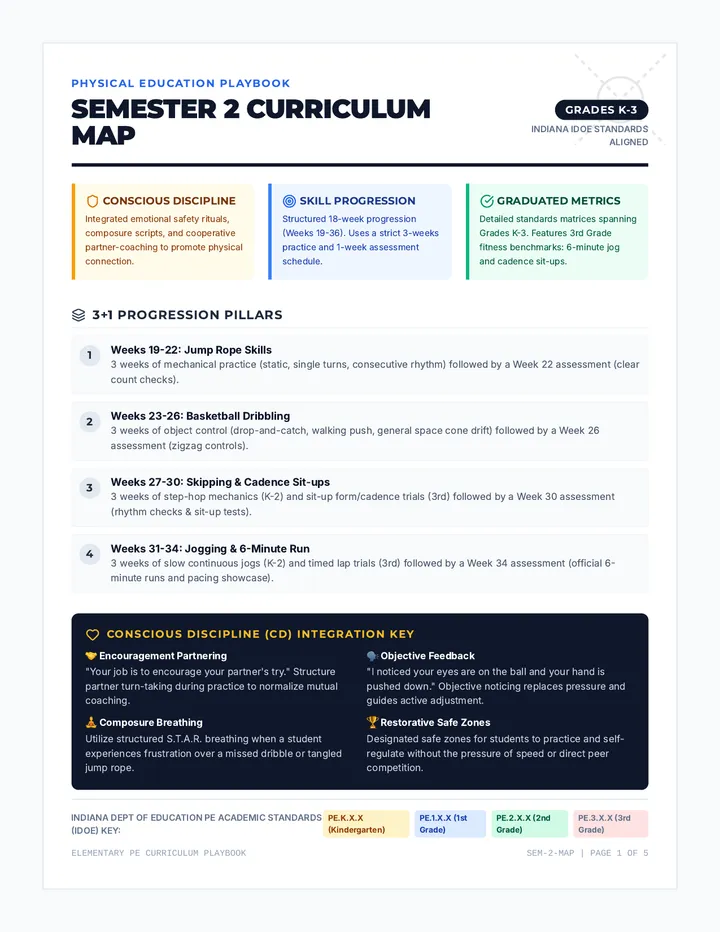
Comprehensive Physical Education curriculum map lesson containing the Semester 1 visual mapping, aligned with Indiana Department of Education (IDOE) standards and Conscious Discipline strategies.
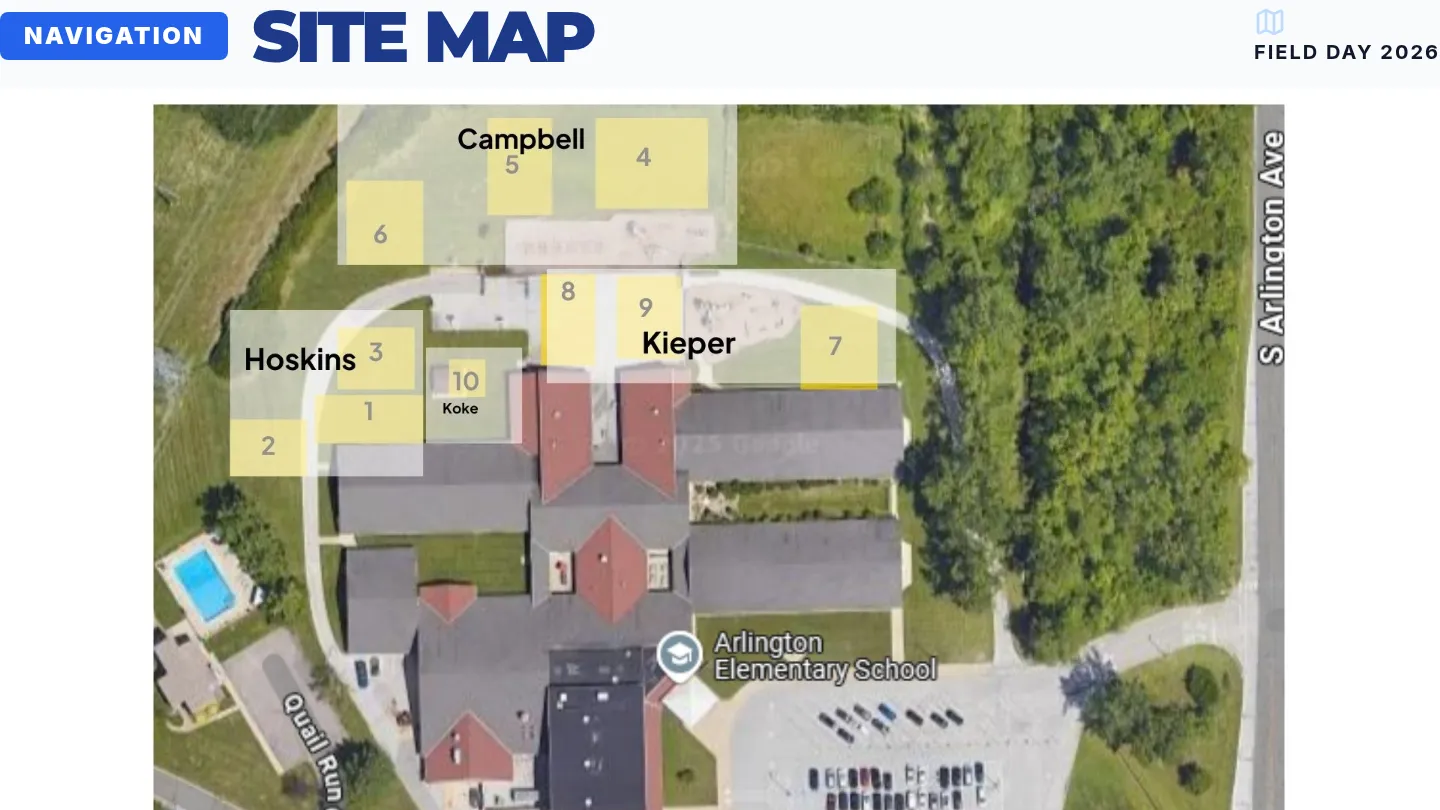
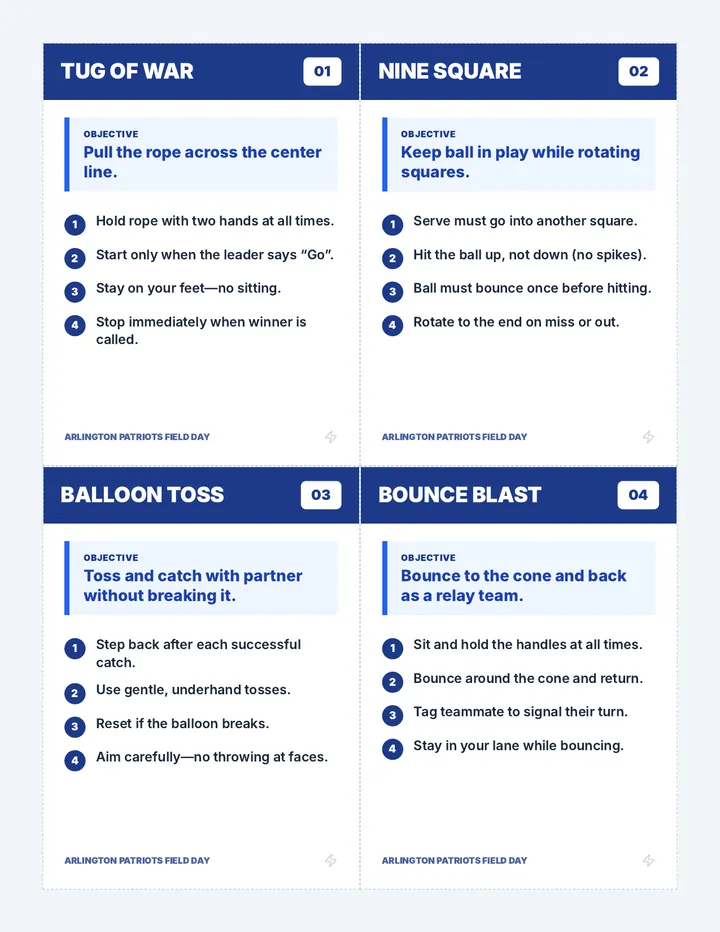
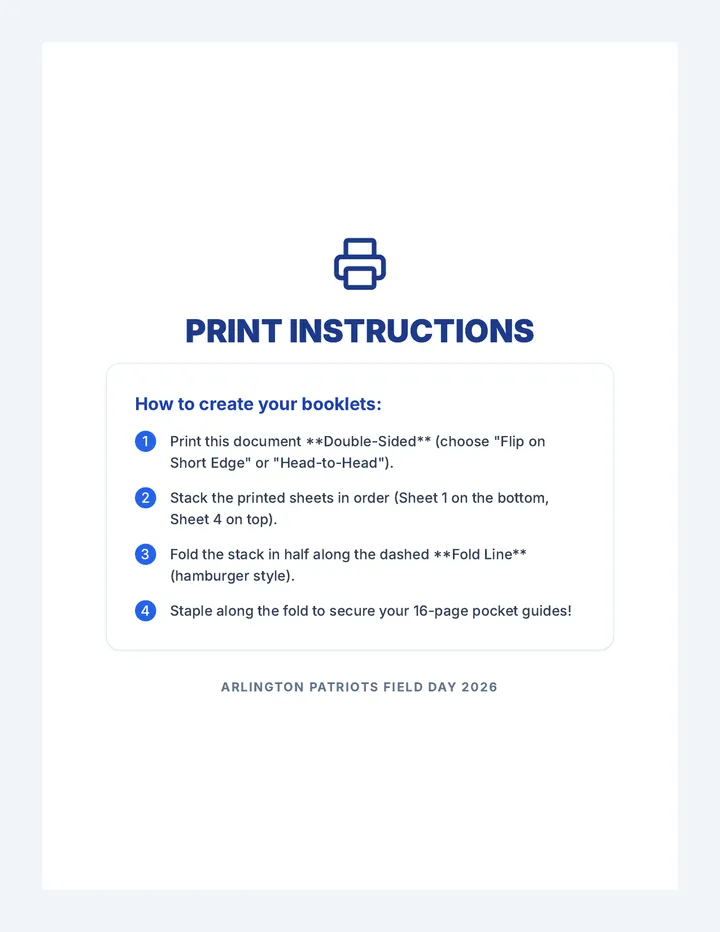
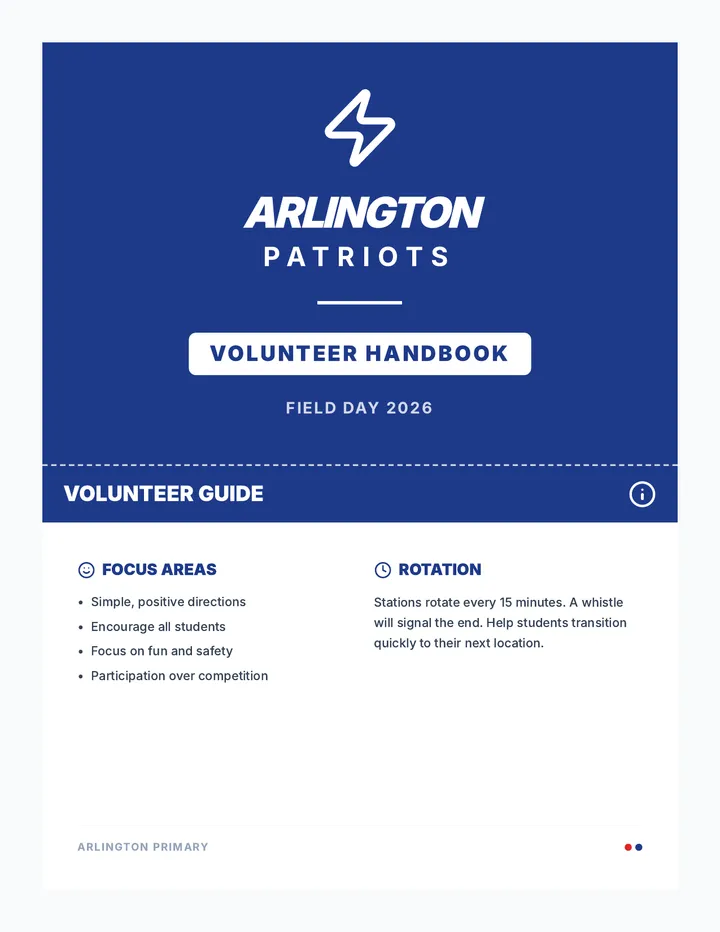
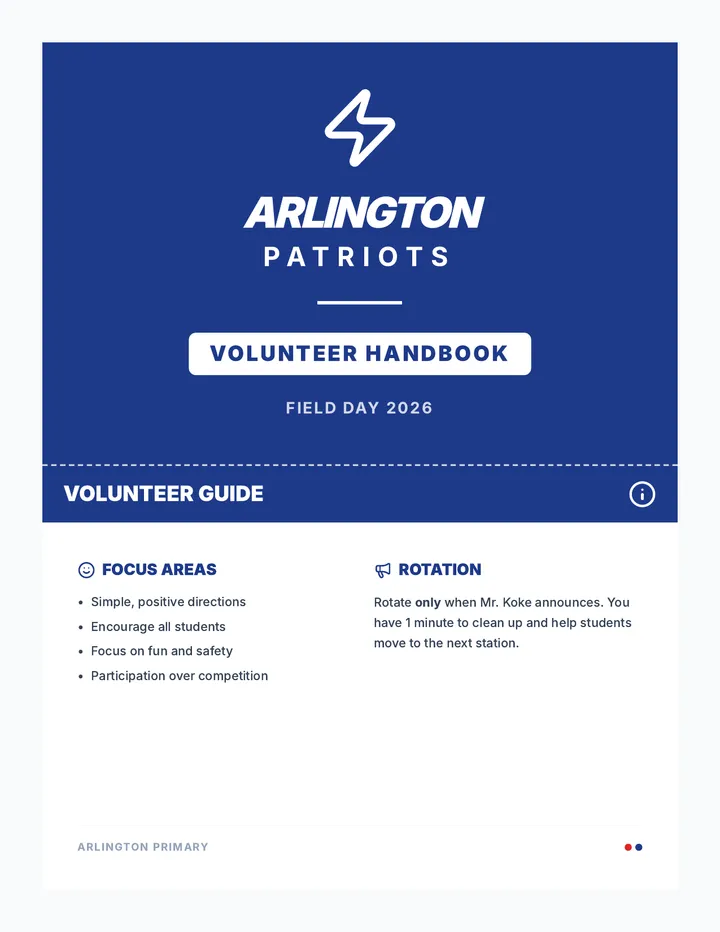
A comprehensive set of resources for the Arlington Patriots Field Day event, including presentation slides for instruction and printable station cards for volunteers.
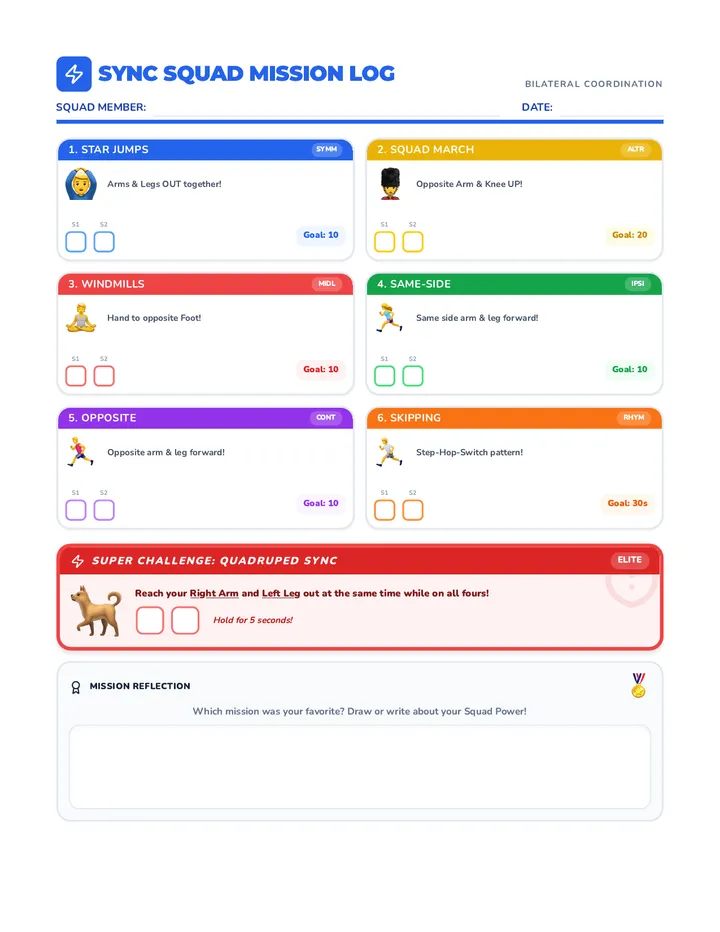
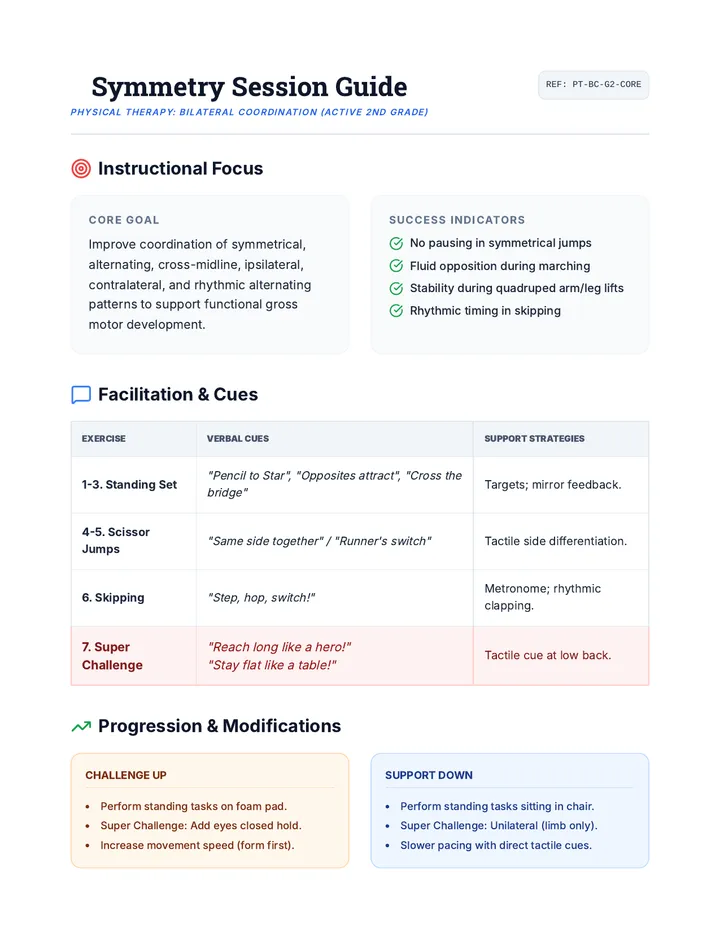
A physical therapy lesson focused on bilateral coordination for active 2nd graders, featuring the 'Sync Squad' theme to make symmetrical and alternating movements engaging and fun.
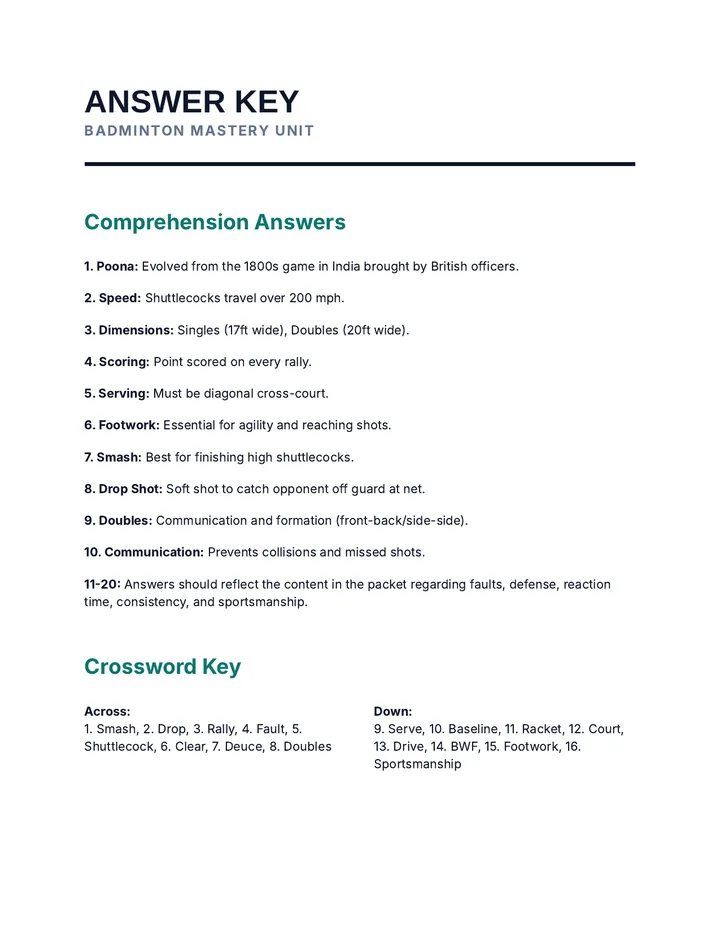
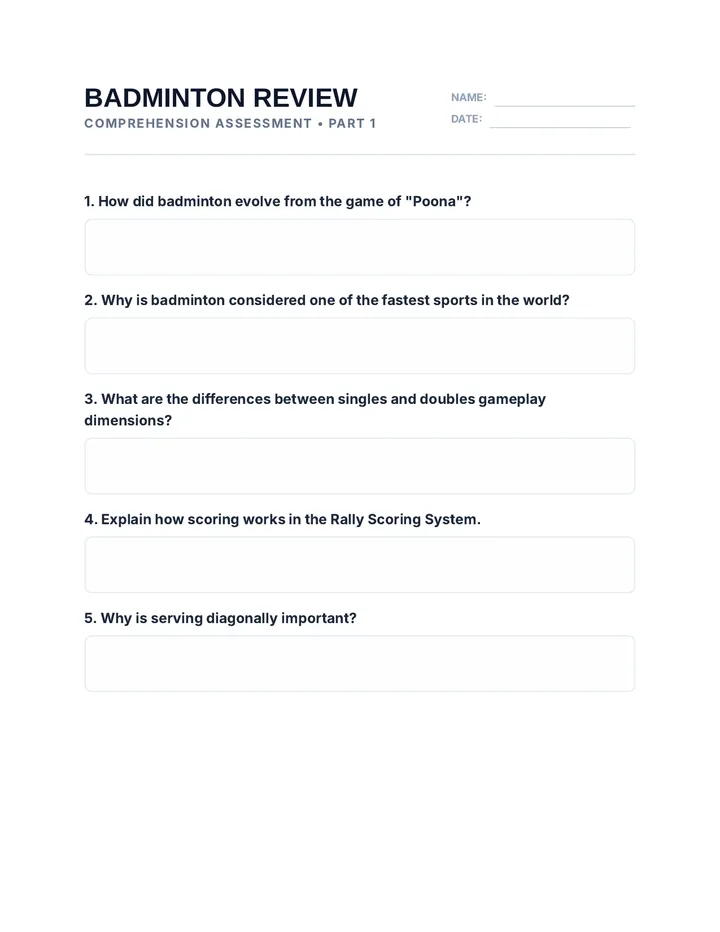
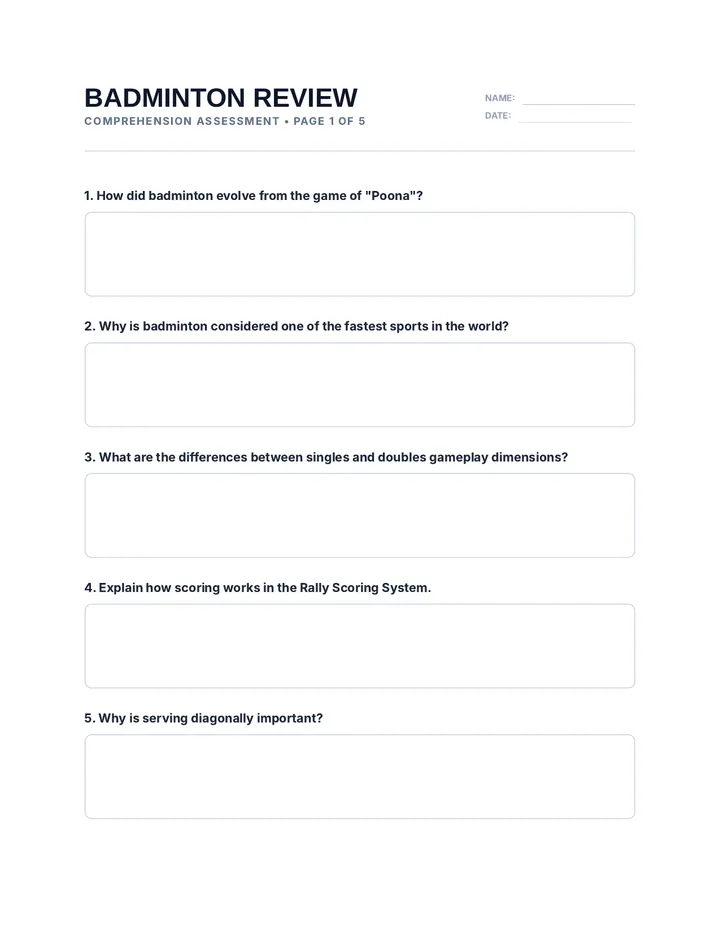
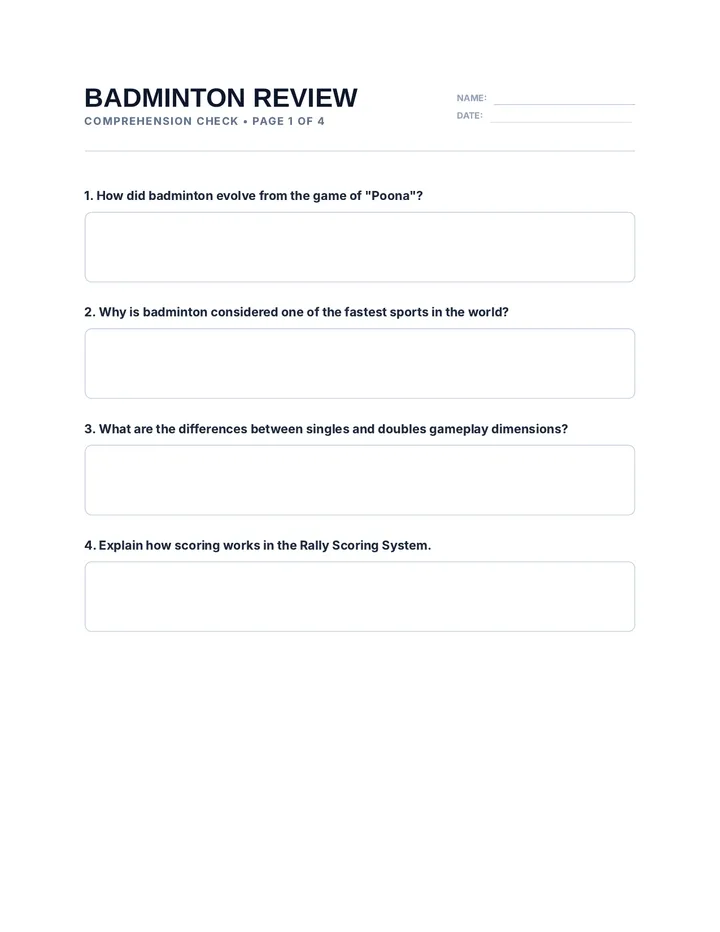
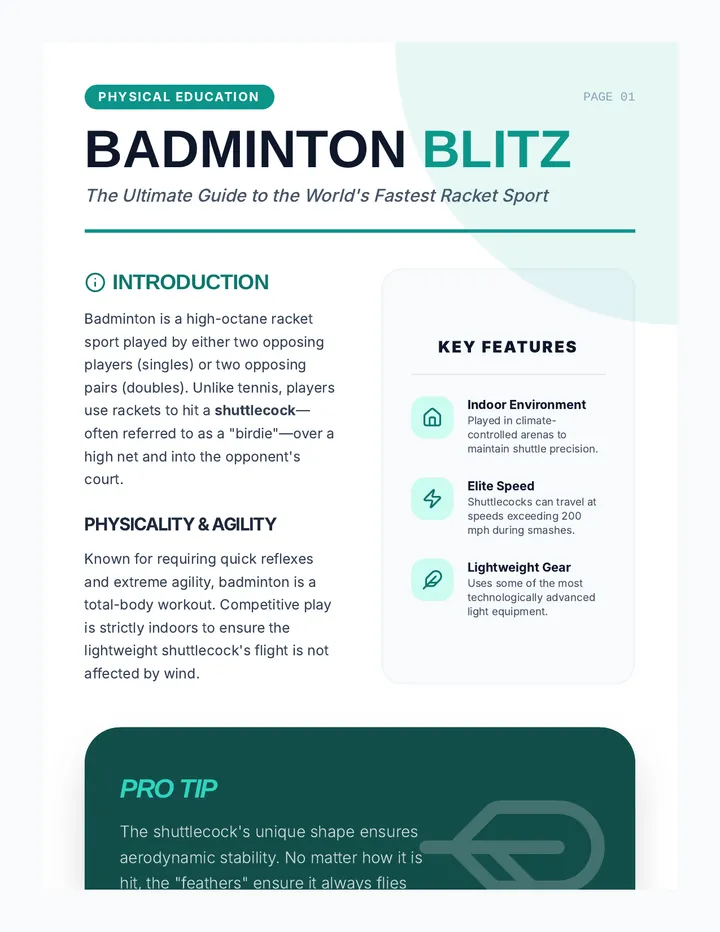
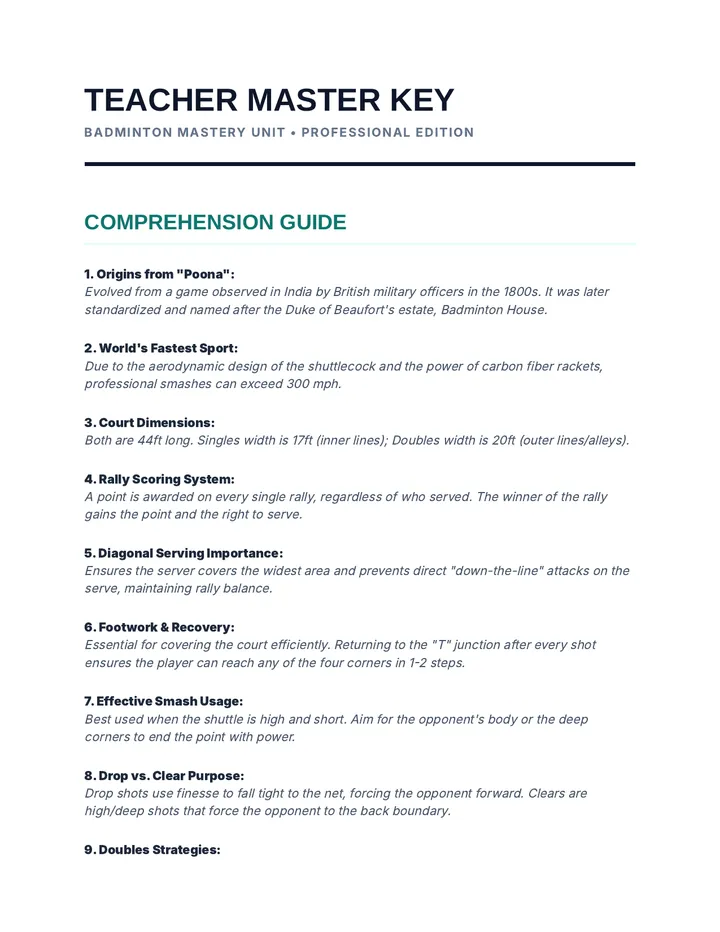
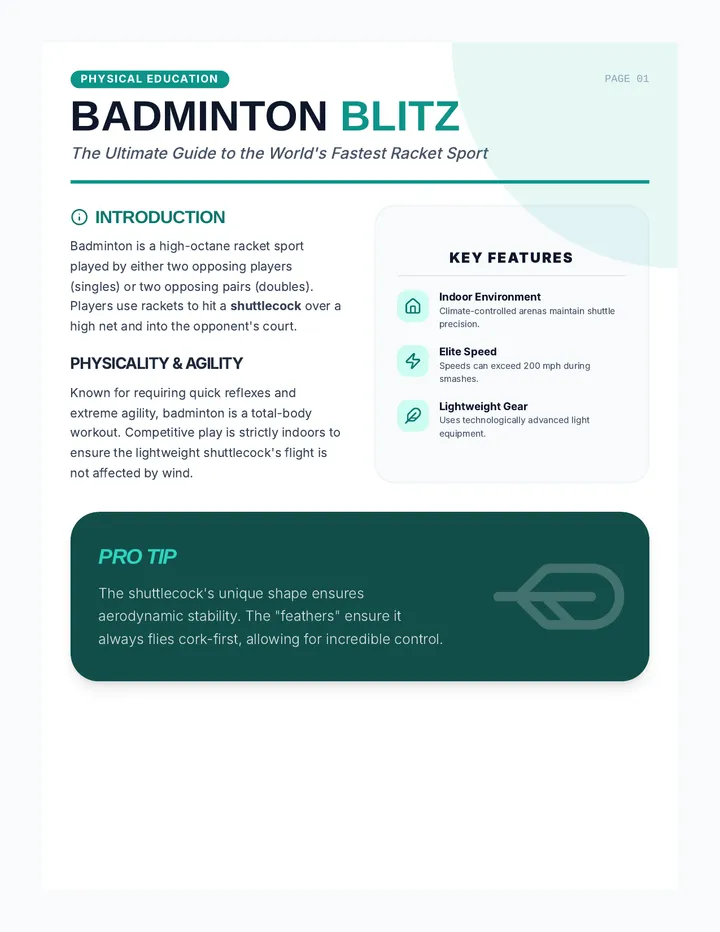
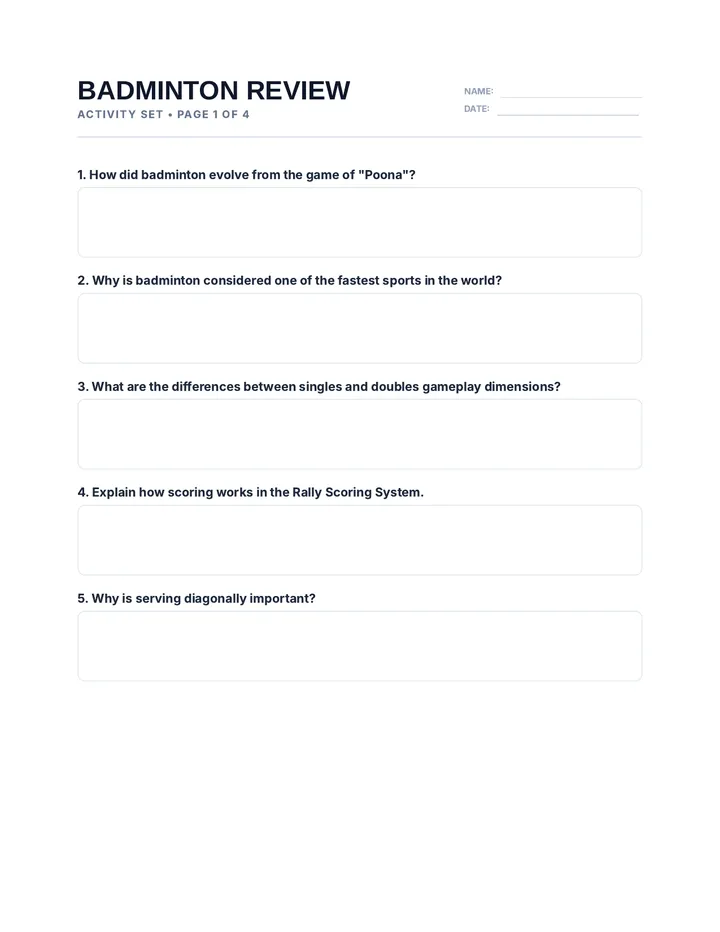
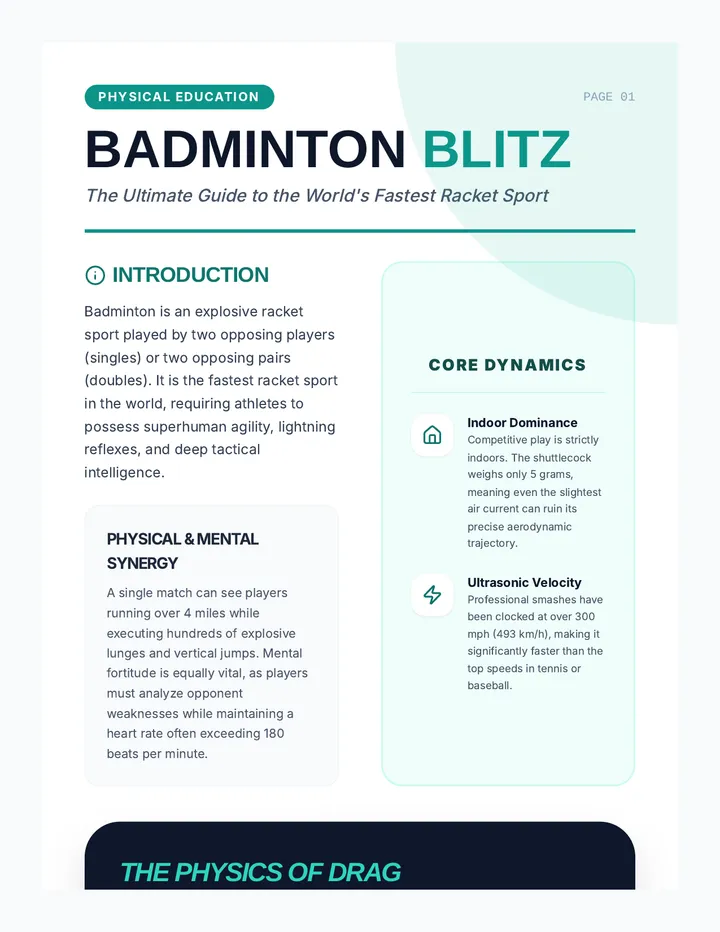
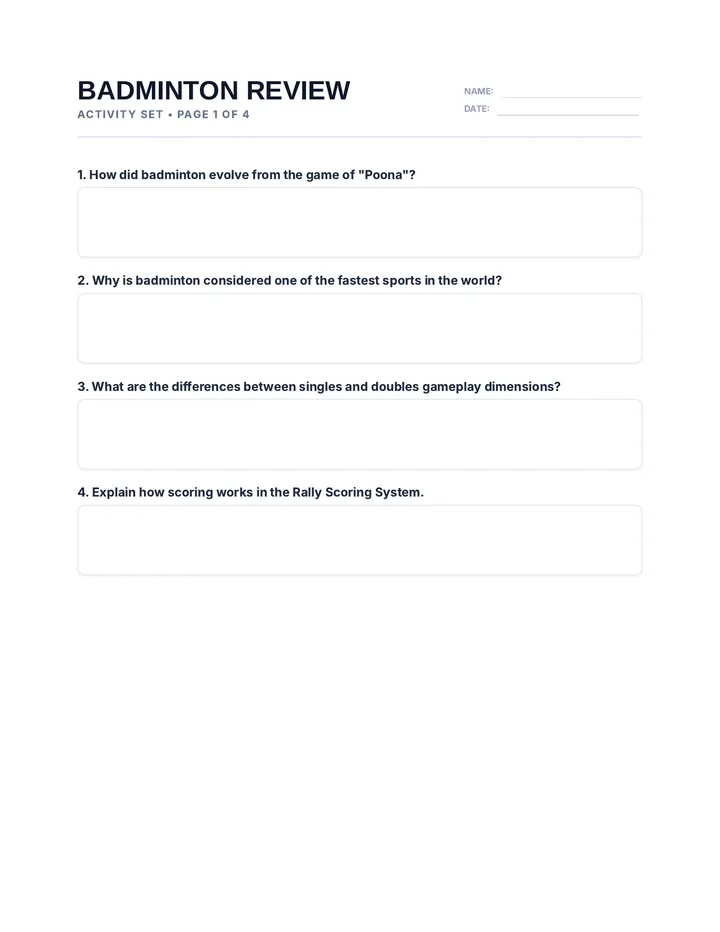
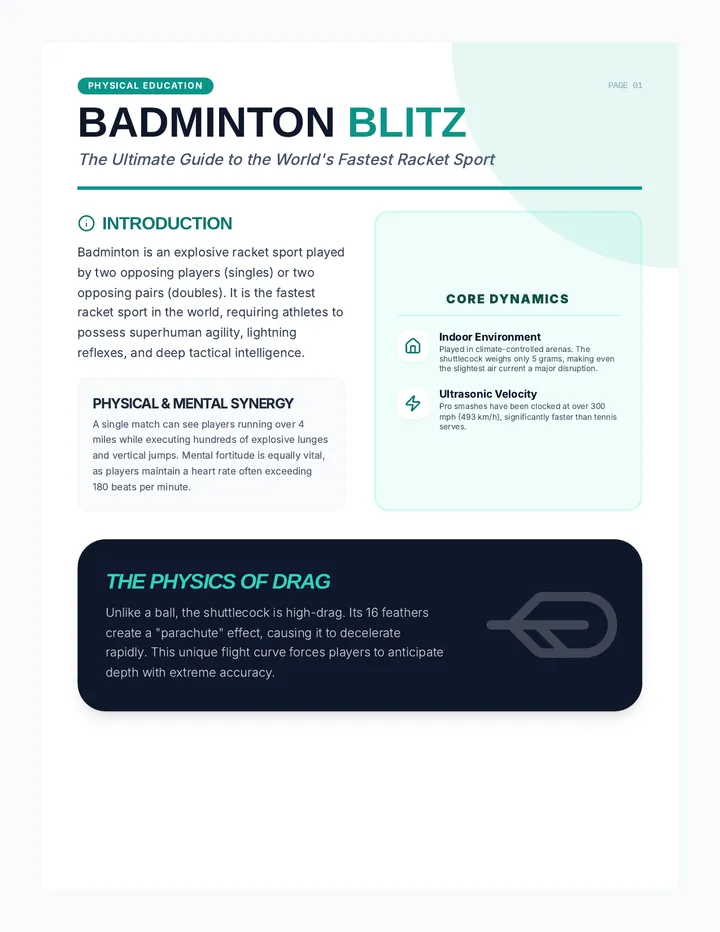
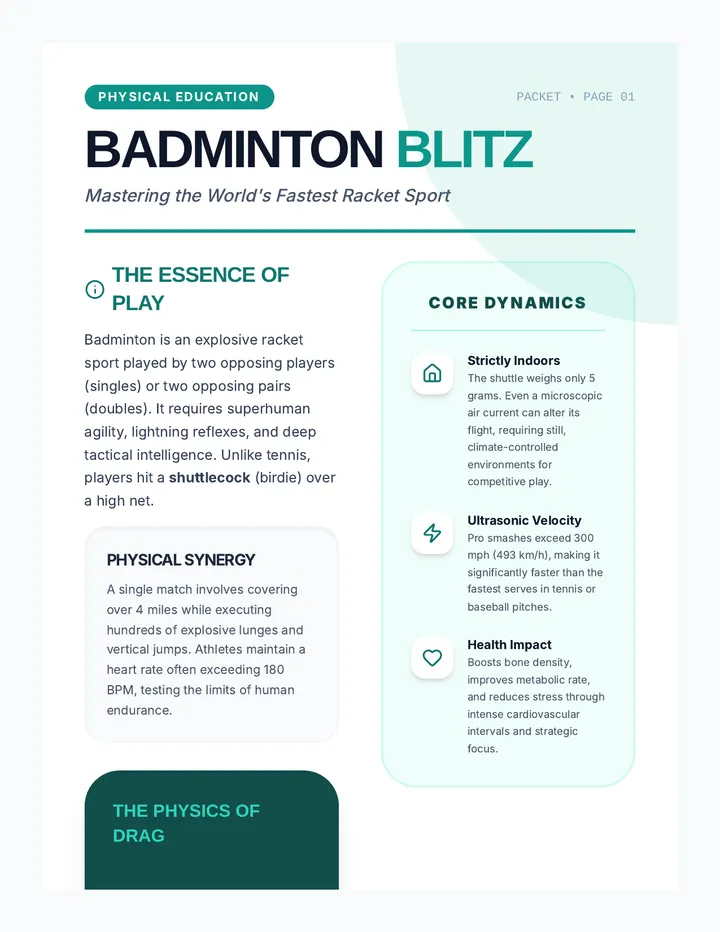
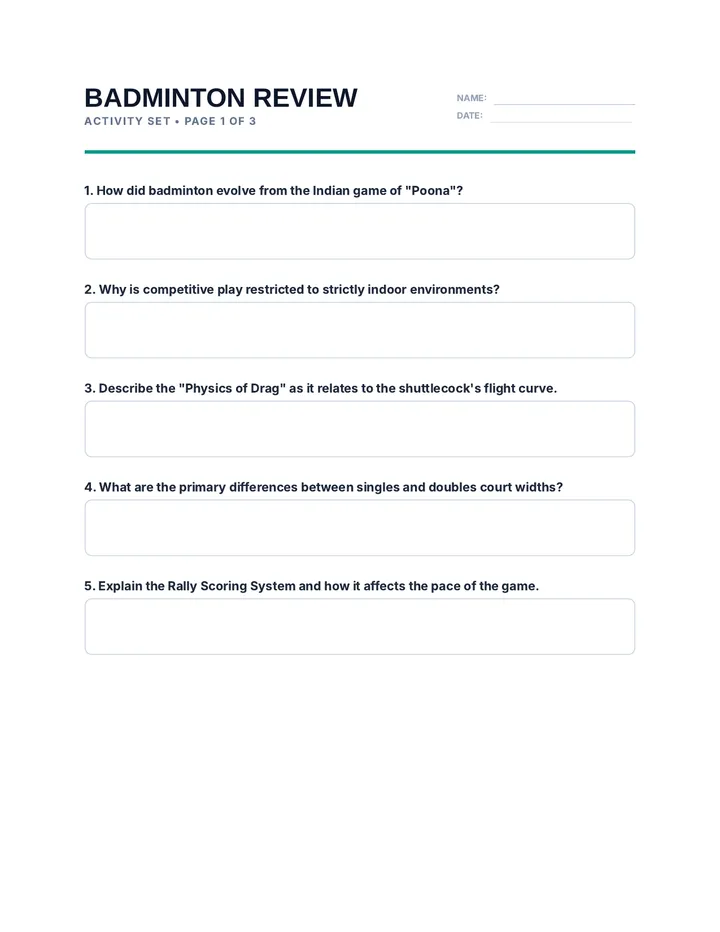
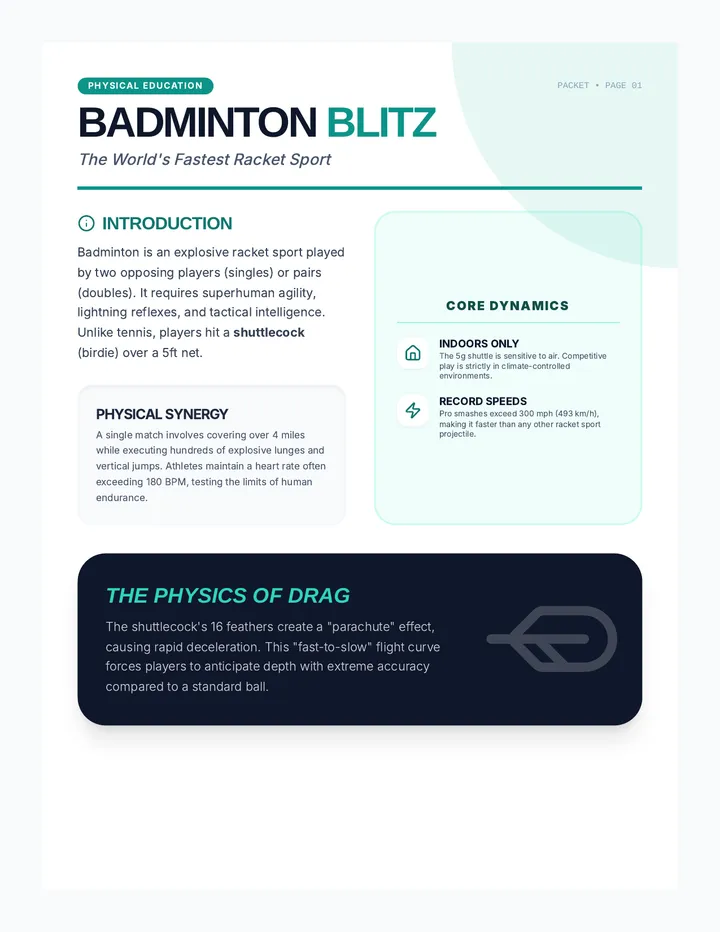
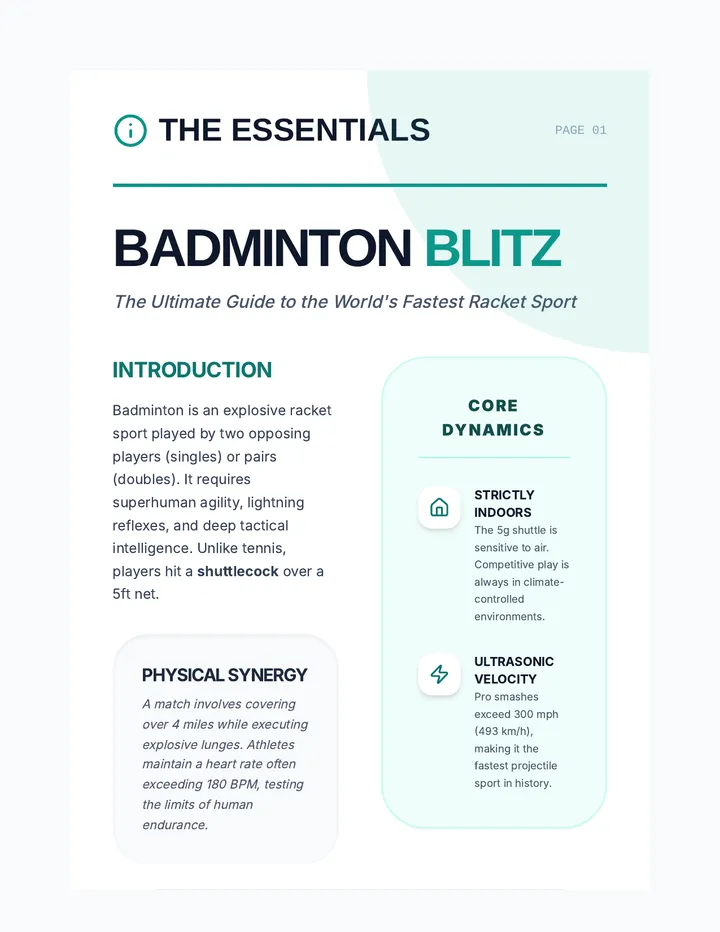
A comprehensive unit on badminton covering its history, official rules, terminology, and advanced strategies through an informational packet, comprehension exercises, and interactive puzzles.
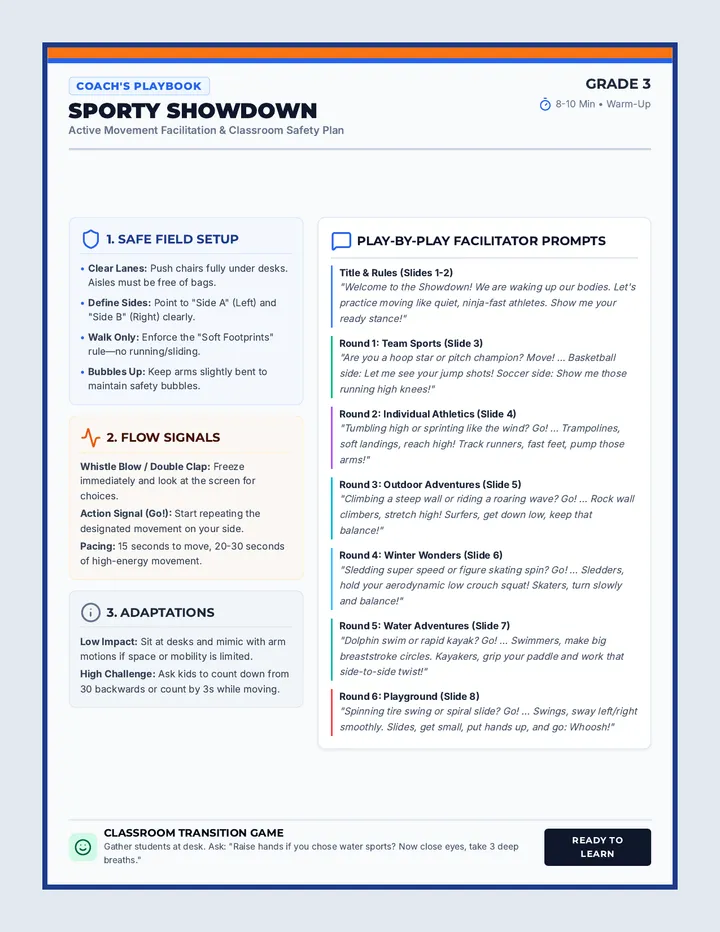
An active movement lesson designed for third graders, combining physical activity with decision-making through sports-themed 'Would You Rather' slides and a comprehensive teacher guide.
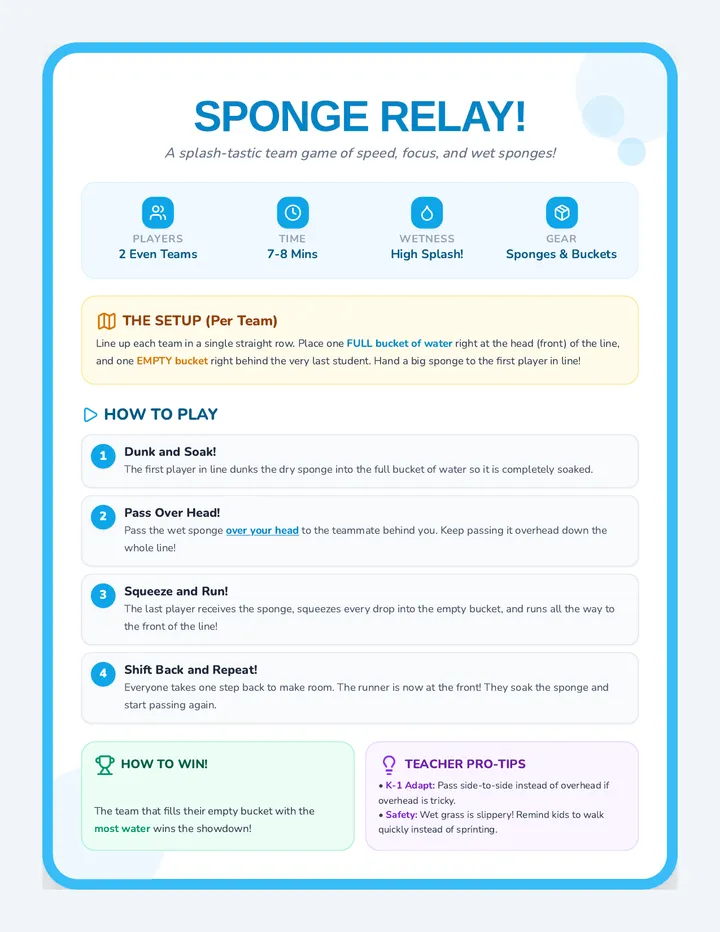
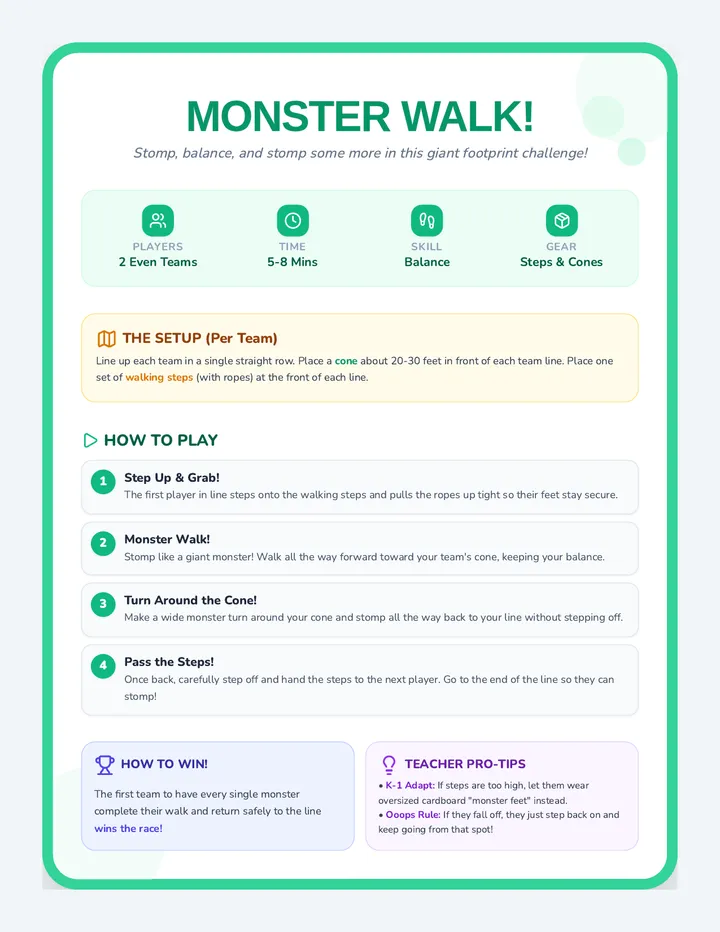
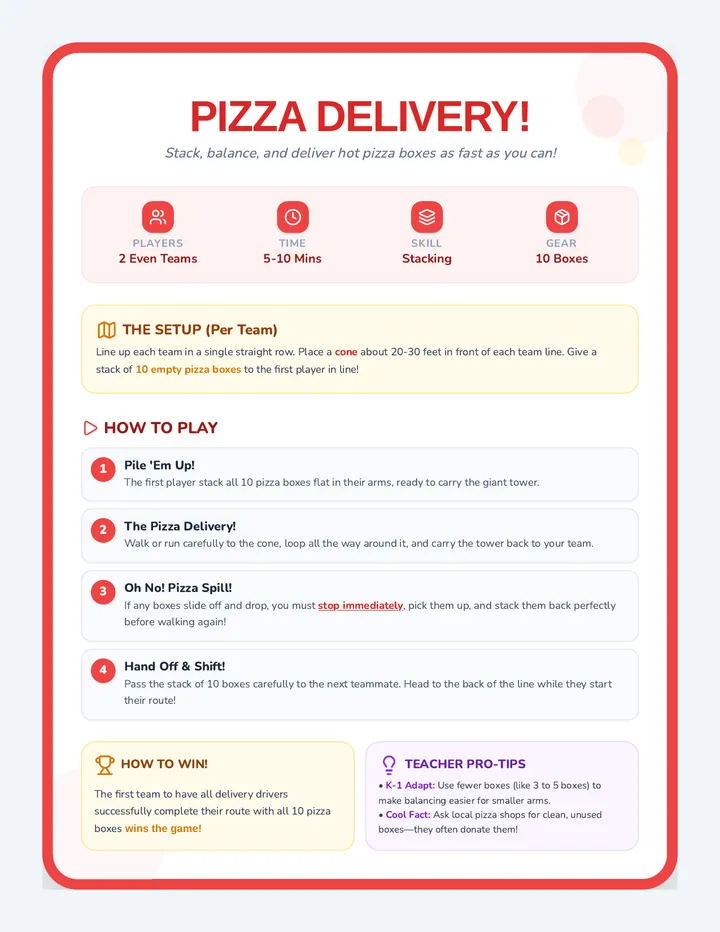
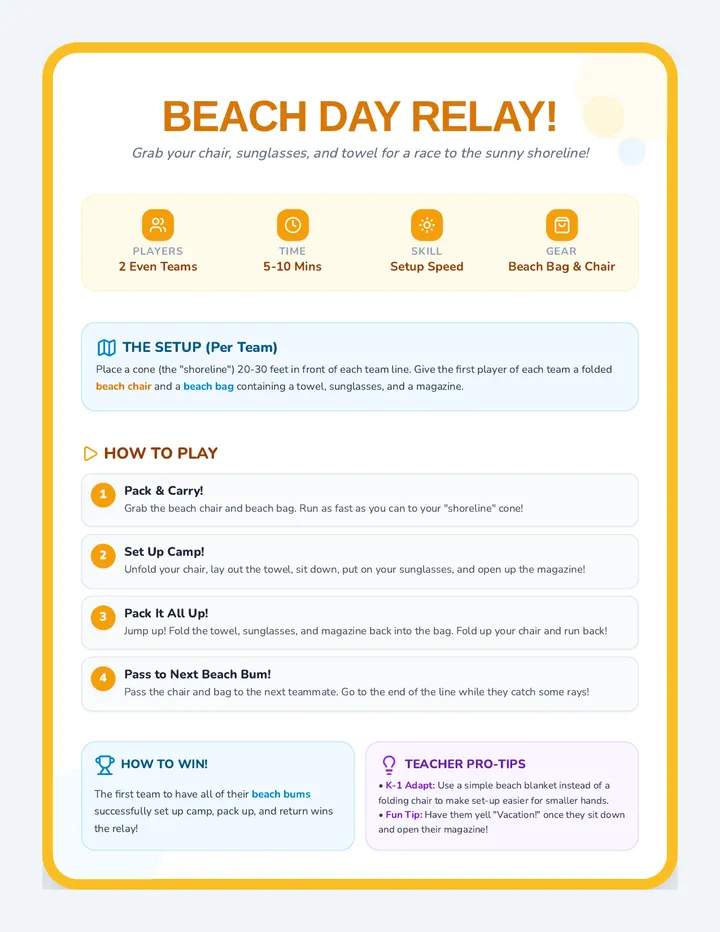
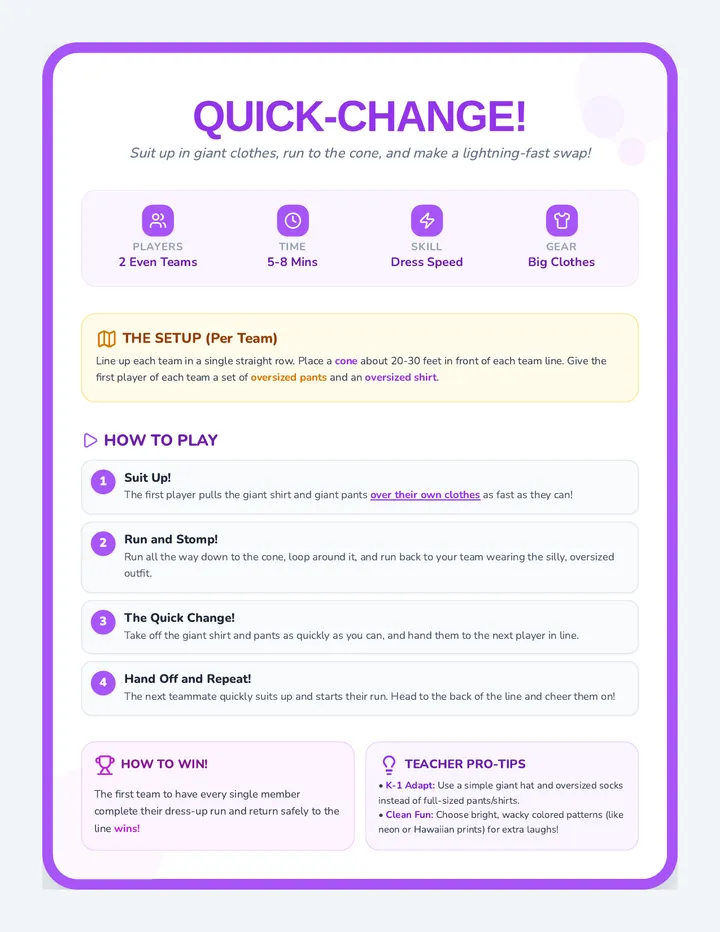
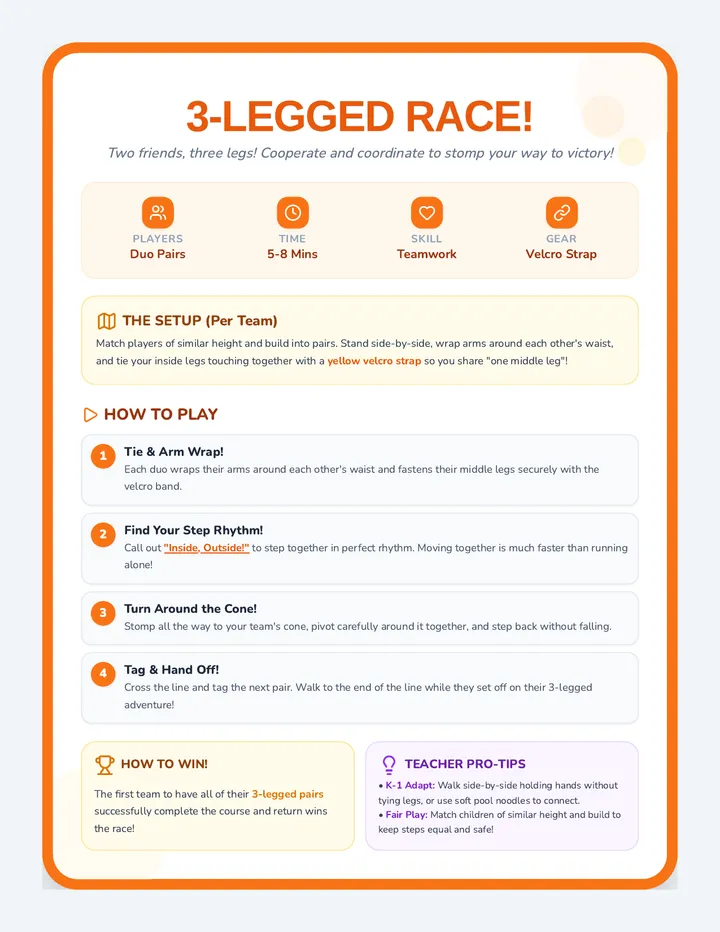
A collection of energetic, active relay races designed for physical education classes, field days, and outdoor school events.
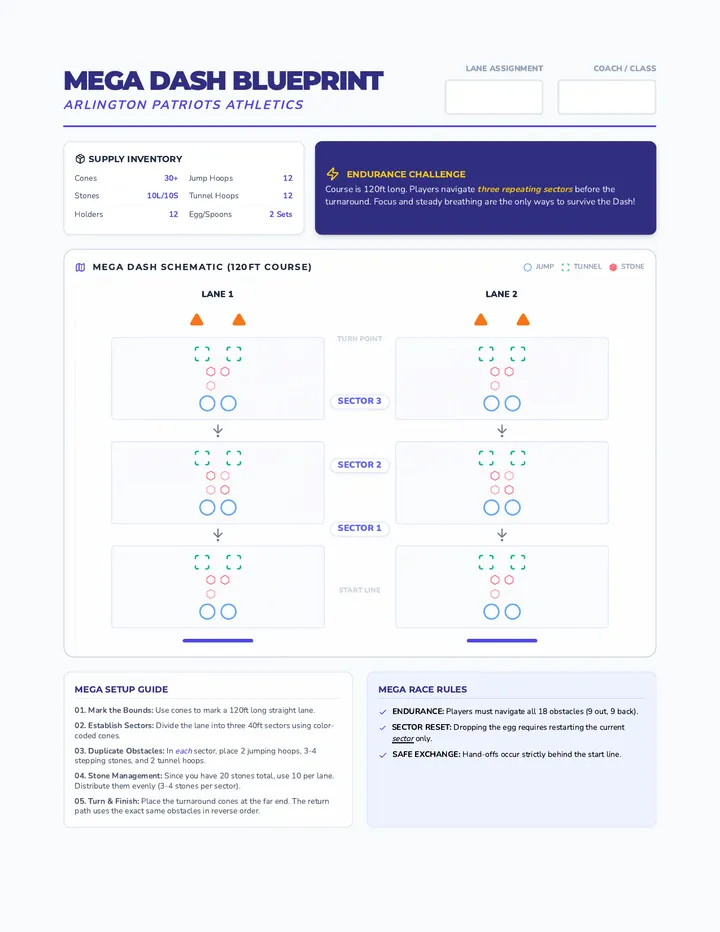
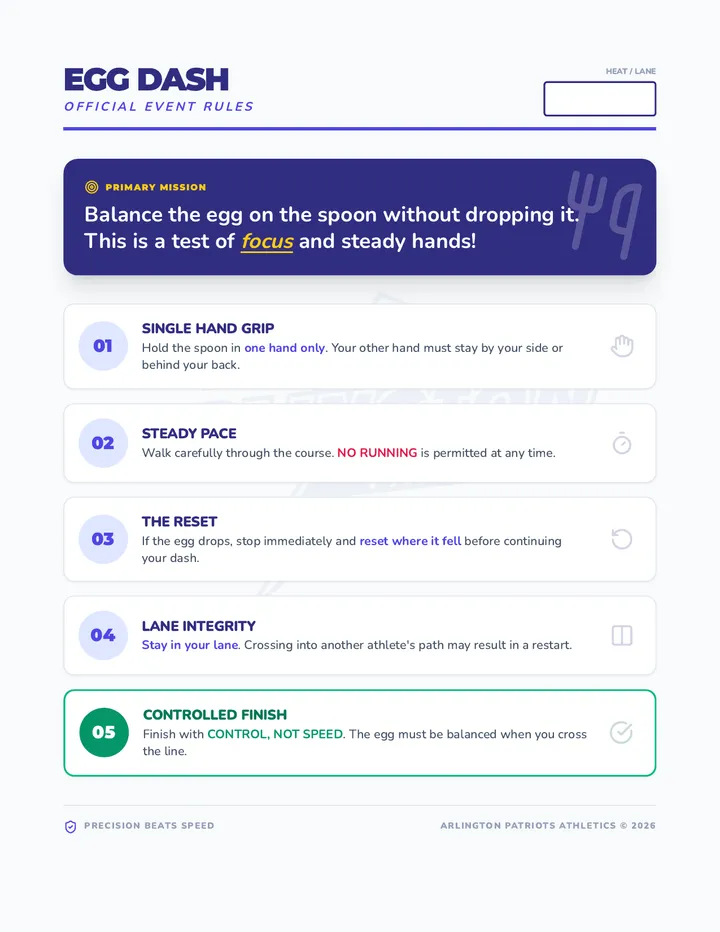
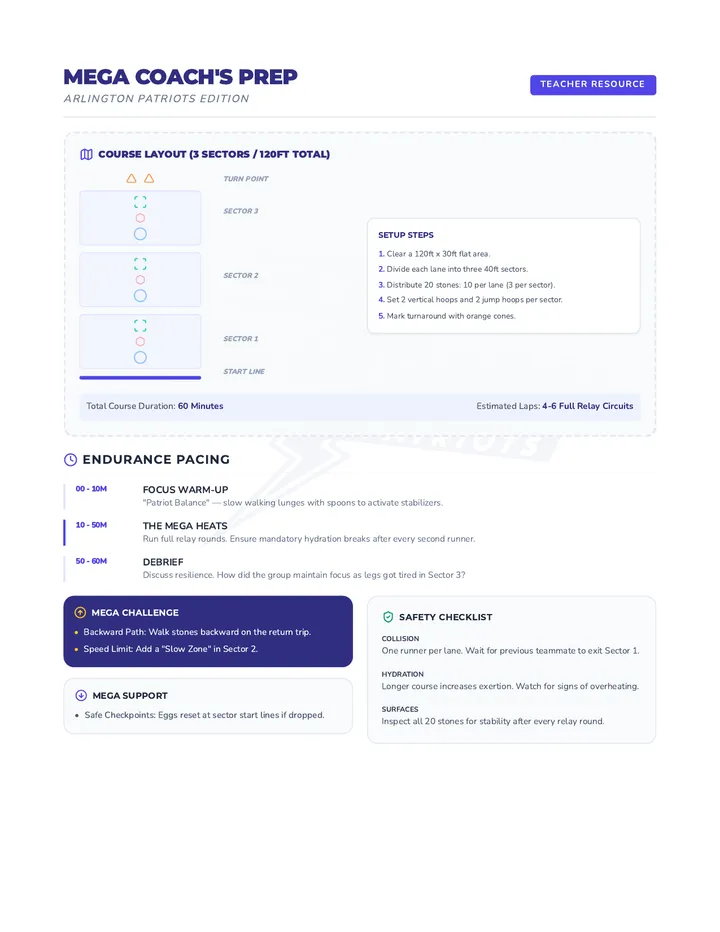
A high-energy relay race lesson where students navigate an expanded 120ft obstacle course while balancing a giant egg. Focuses on motor skills, endurance, and coordination for the Arlington Patriots.
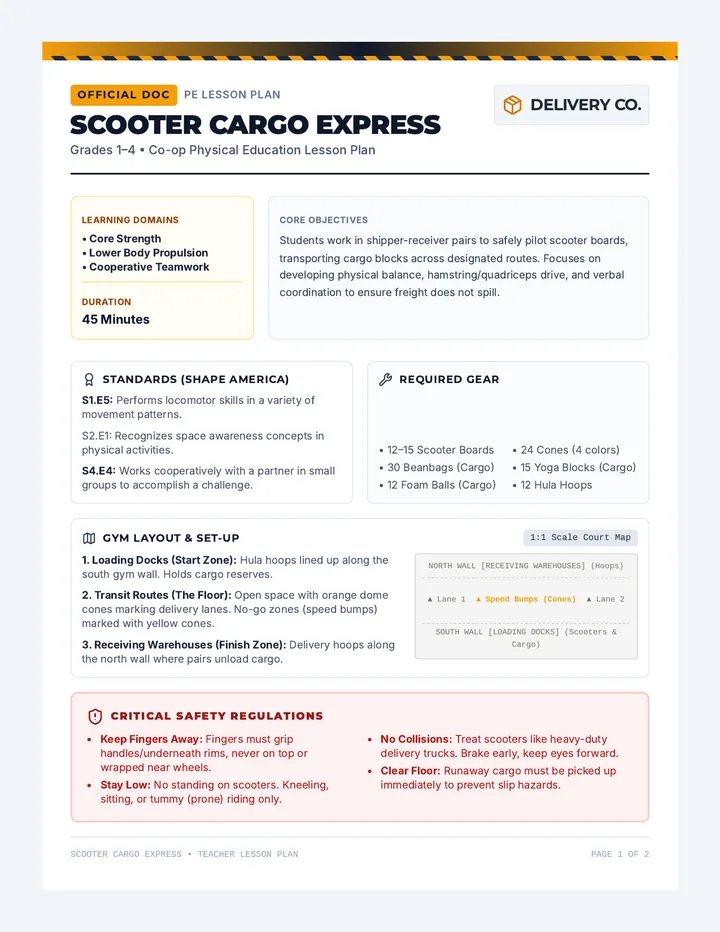
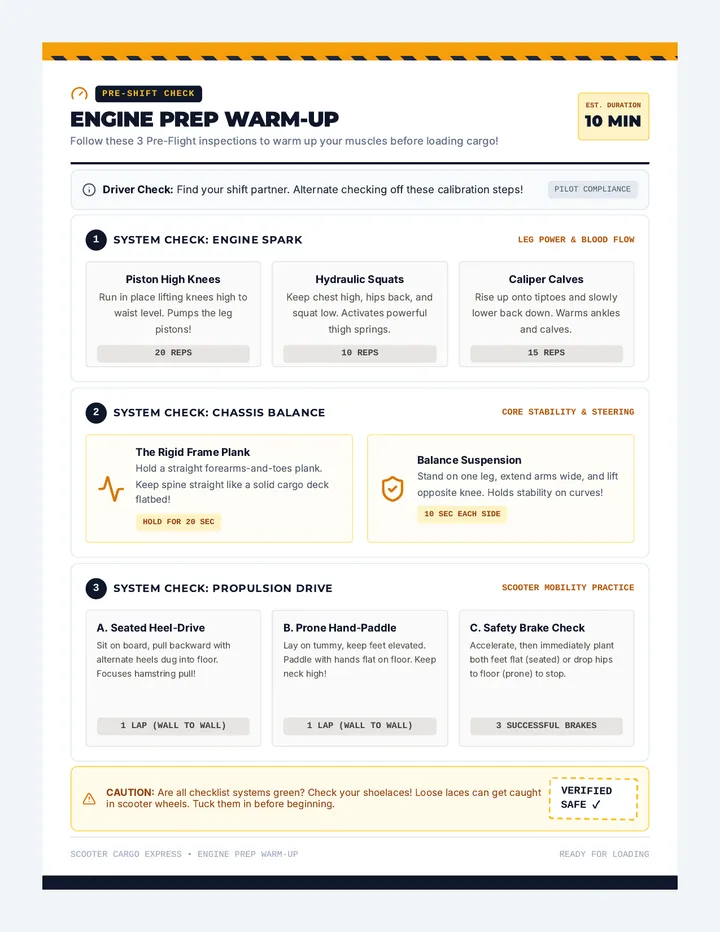
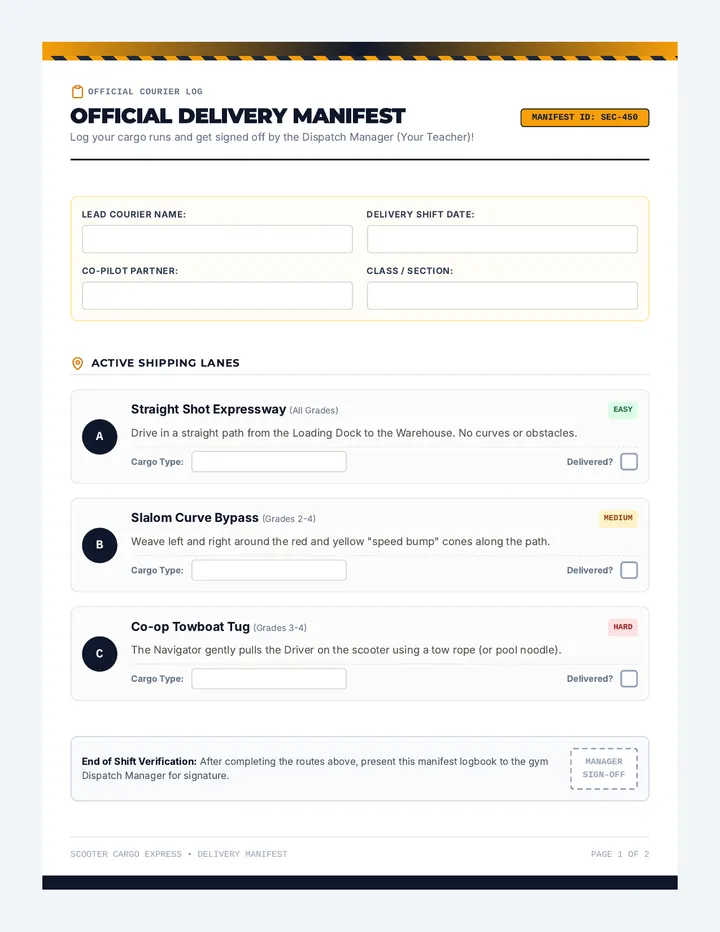
A physical education lesson where students work in pairs to transport 'cargo' safely across the gym floor on scooter boards. Focuses on core strength, lower body propulsion, safety rules, and cooperative communication for grades 1-4.
A comprehensive lesson on Four Square rules, etiquette, and fair play, designed for 5th-grade physical education or recess. Focuses on specific house rules regarding hits, boundaries, and referee authority.
A guide to the rules, etiquette, and court layout of Four Square, focusing on specific house rules and sportsmanship.
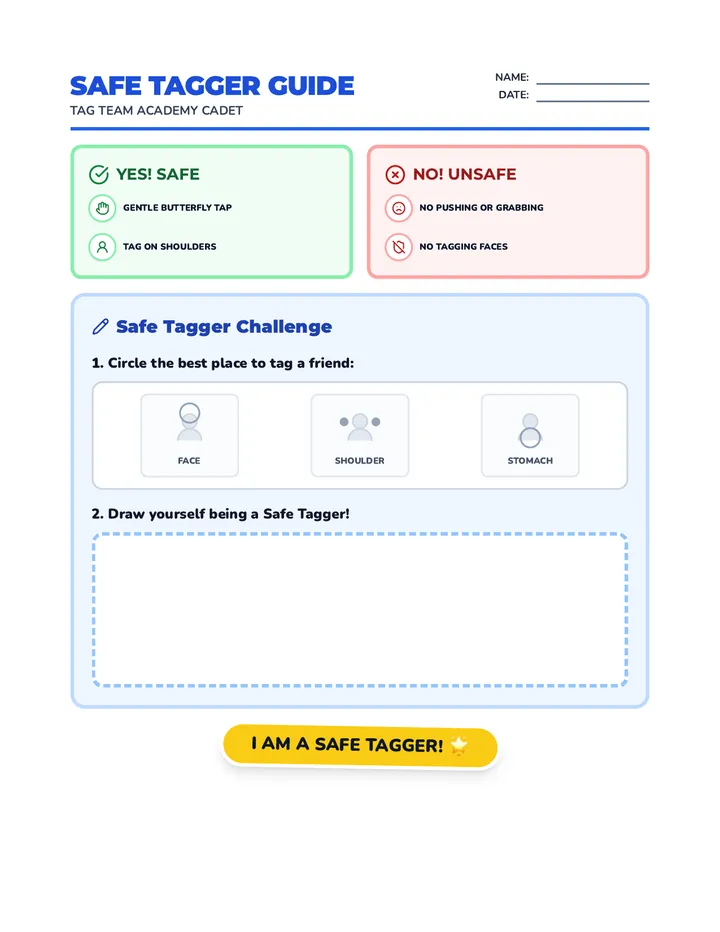
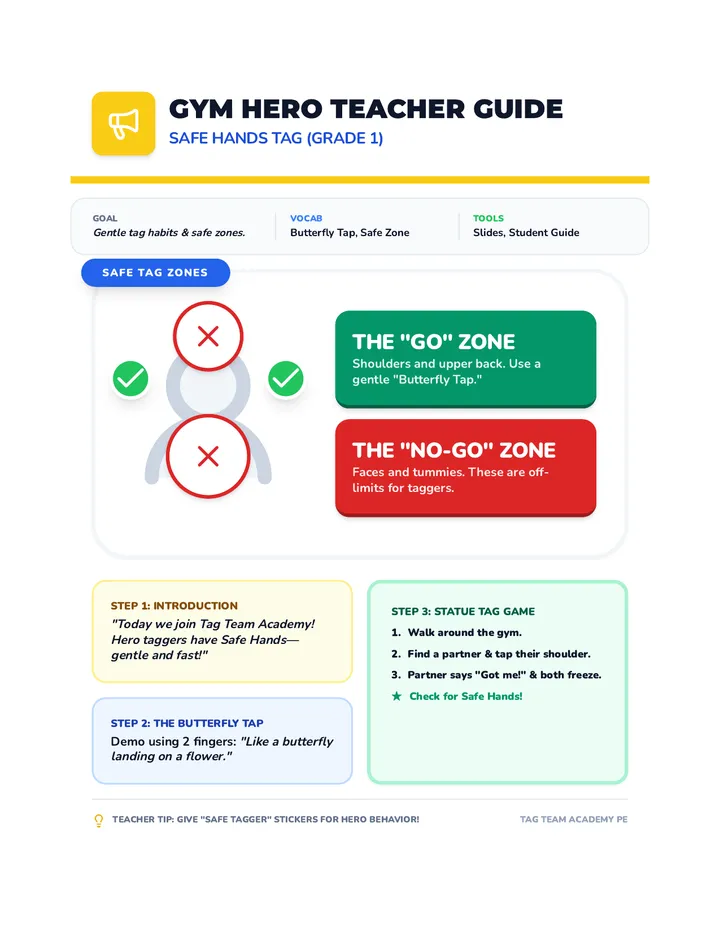
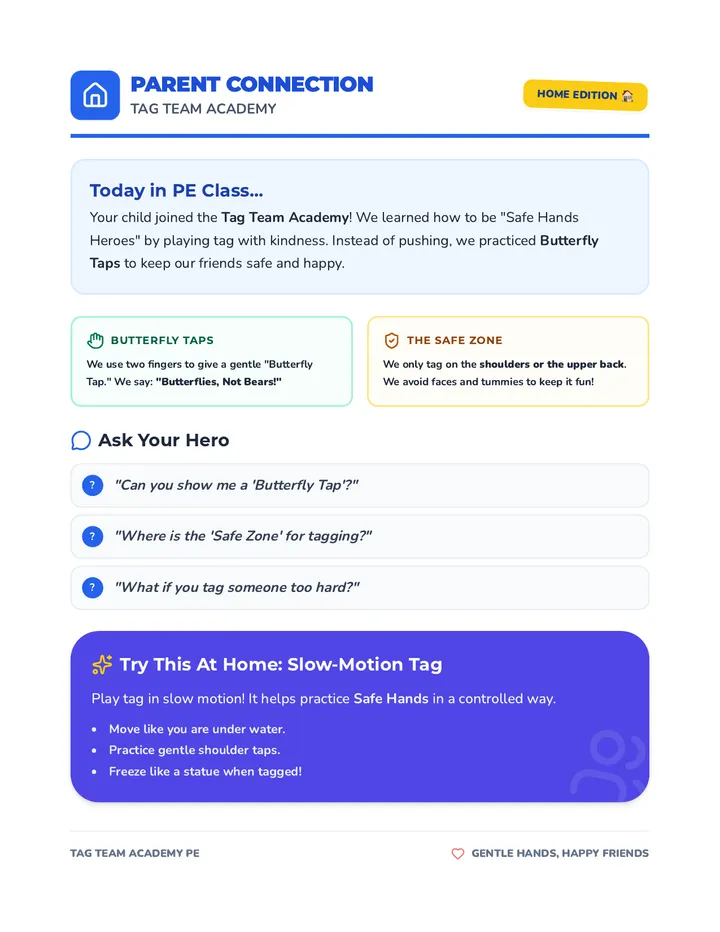
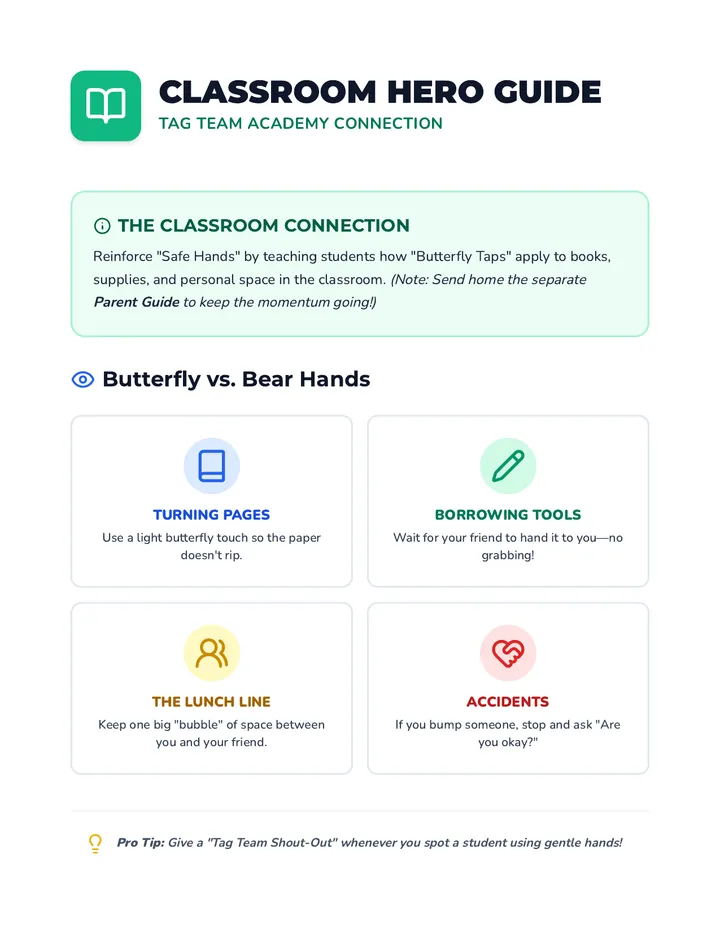
A lesson designed for 1st graders to learn the importance of 'safe hands' during tag games in PE. The lesson focuses on gentle touches, appropriate body parts for tagging, and the social-emotional aspect of keeping friends safe while playing.
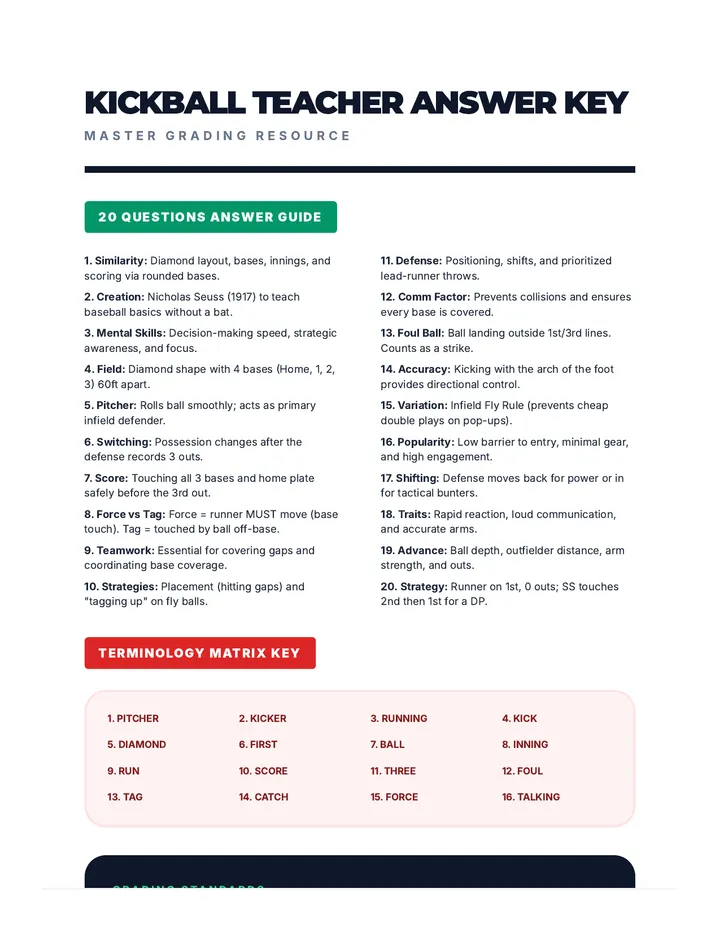
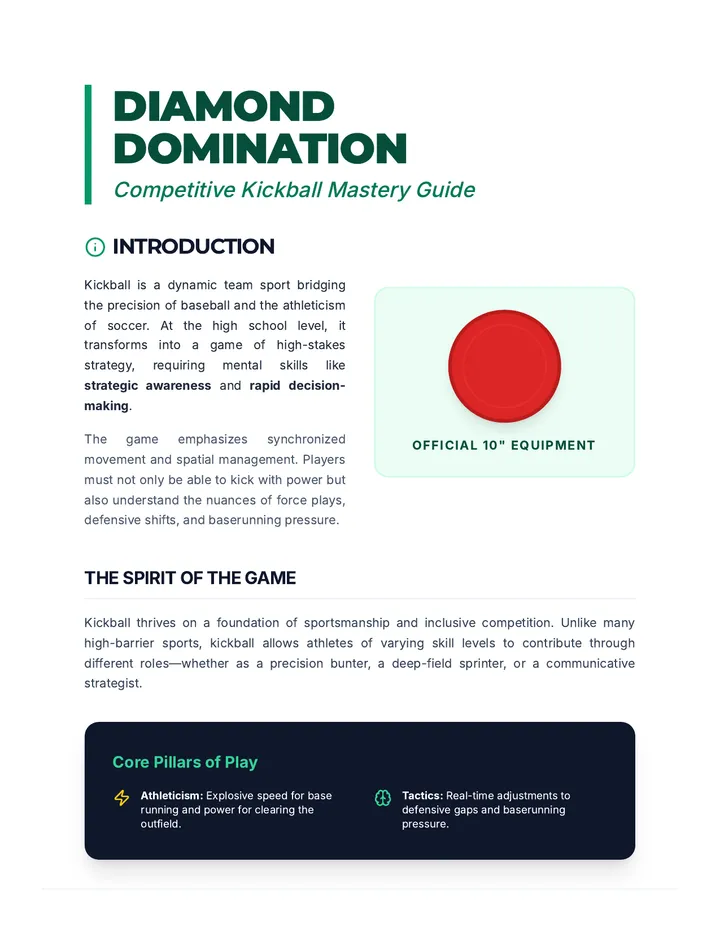
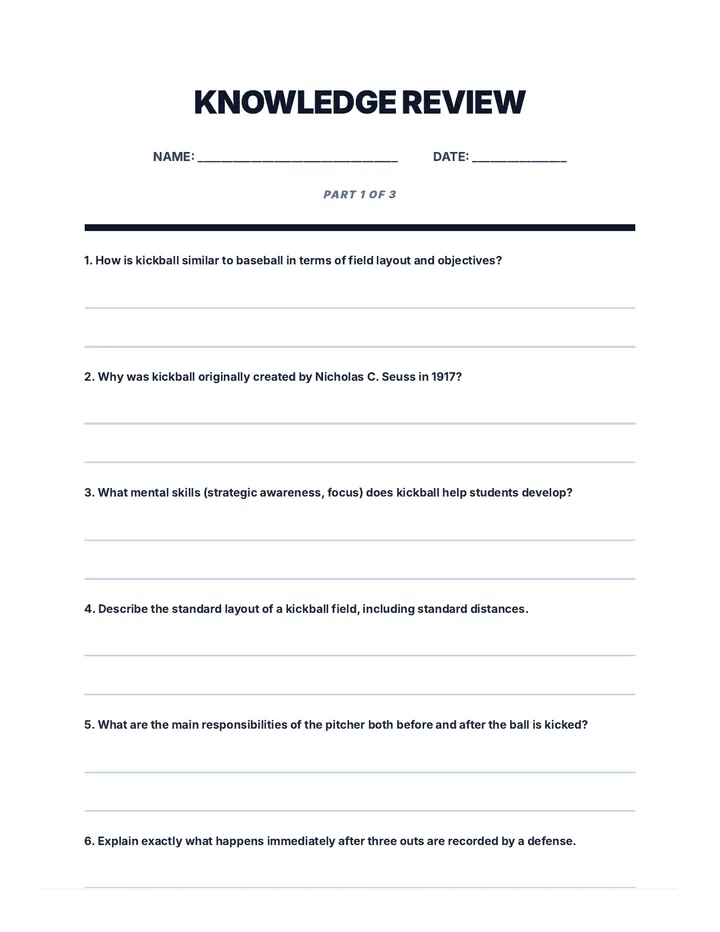
A comprehensive 10-page guide and activity set for high school students covering kickball history, rules, strategies, and vocabulary. Includes a 20-question review and a themed crossword puzzle.
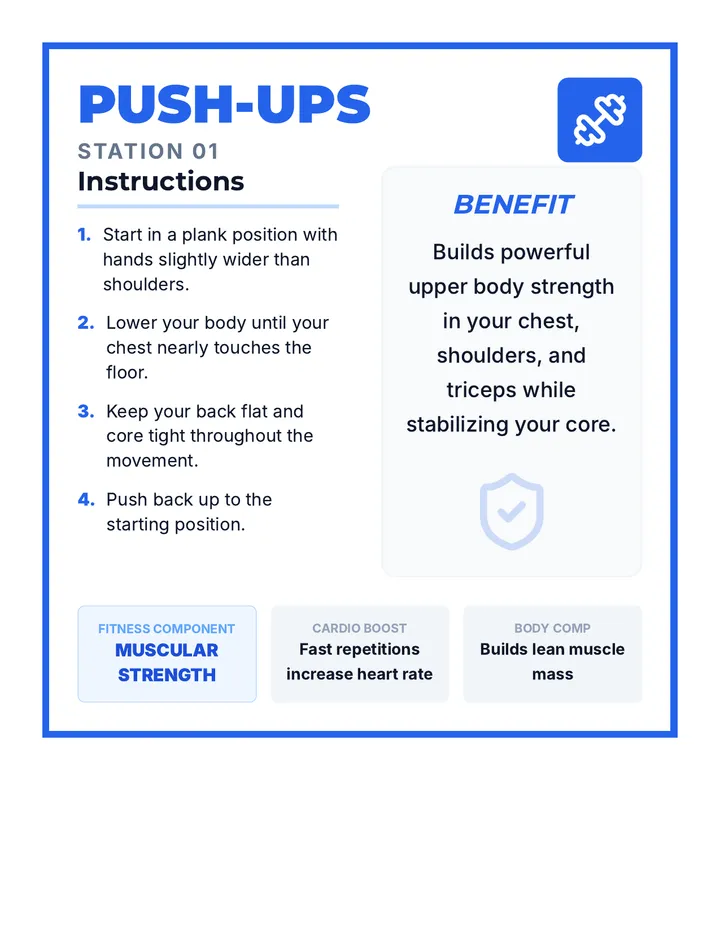
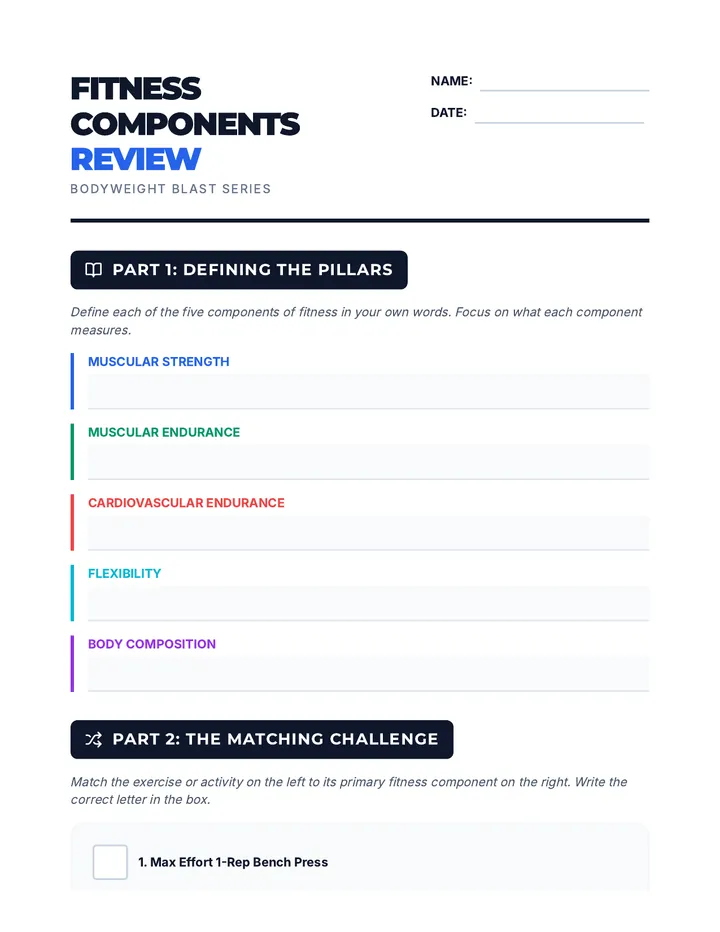
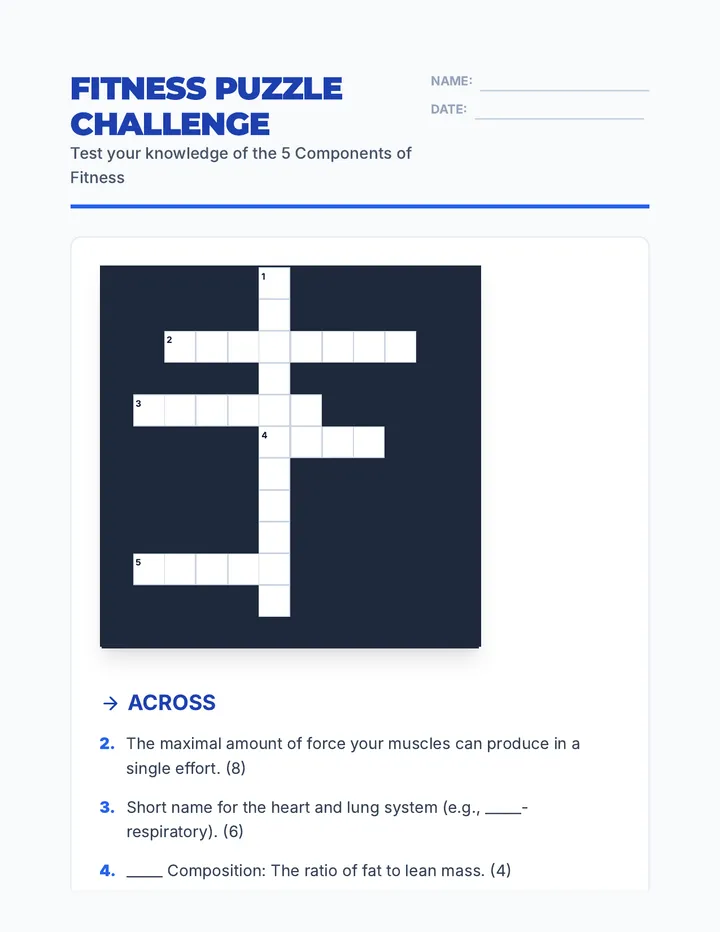
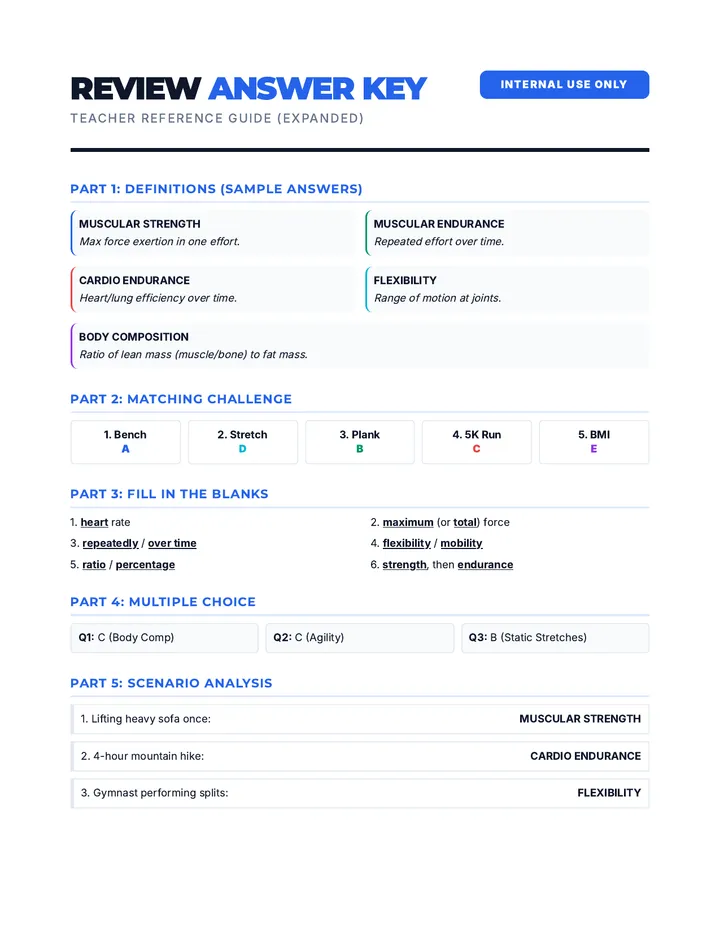
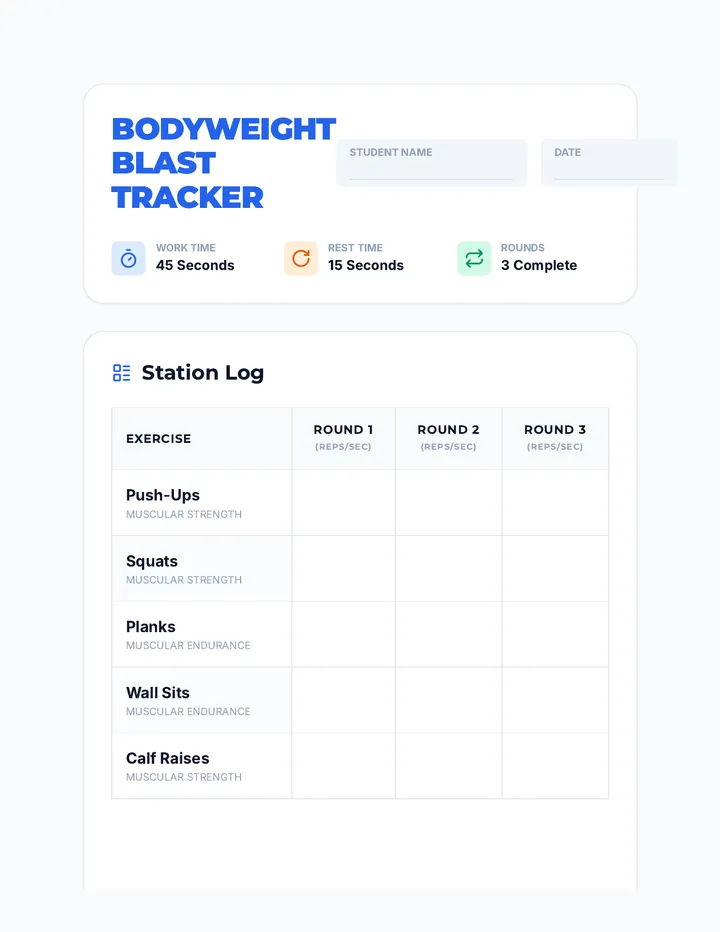
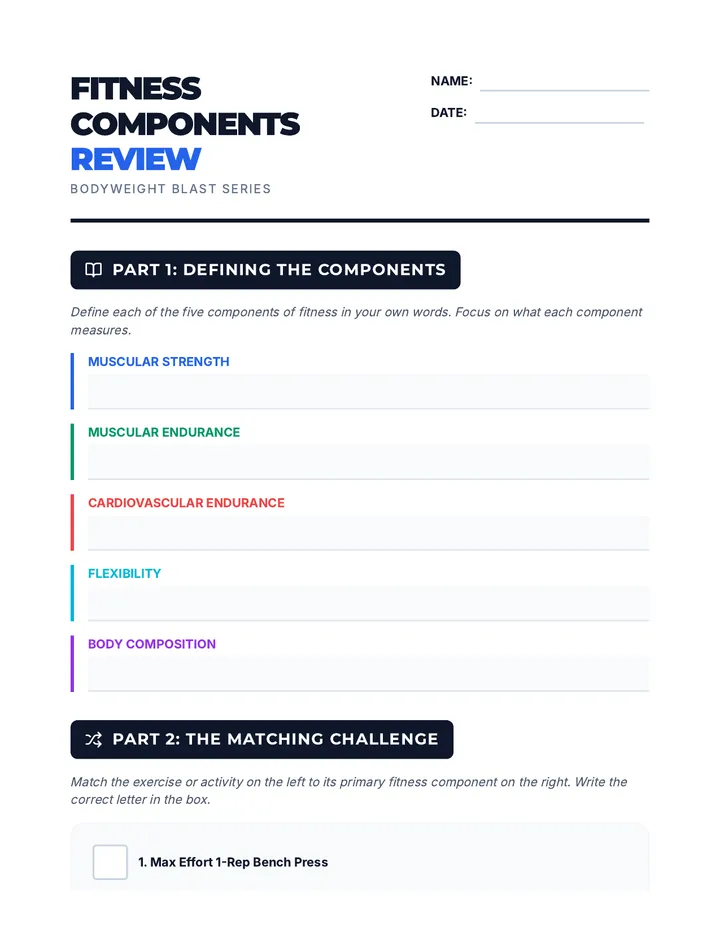
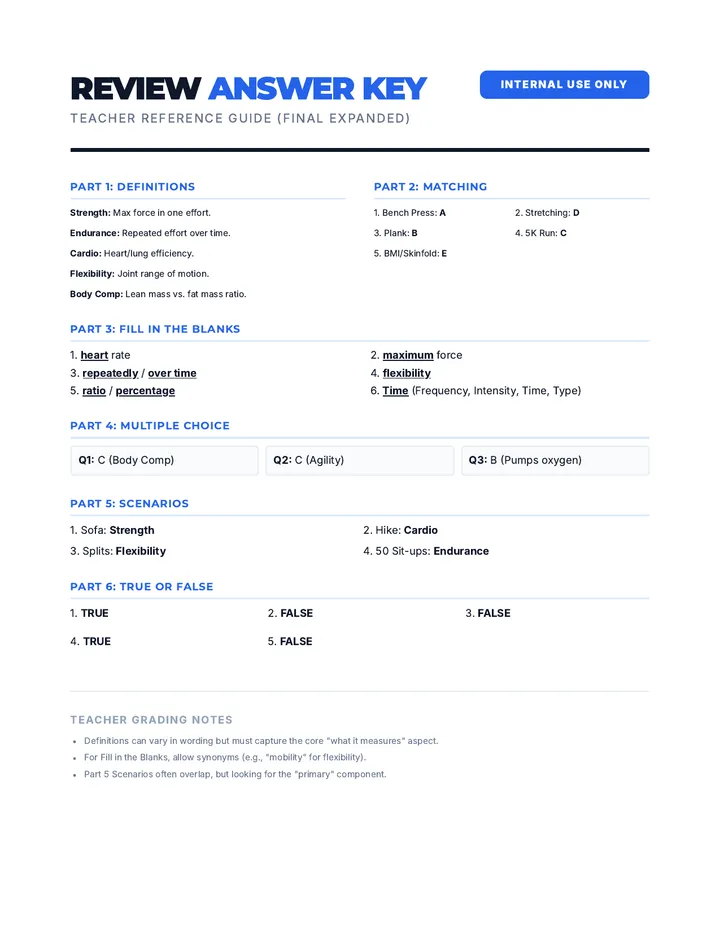
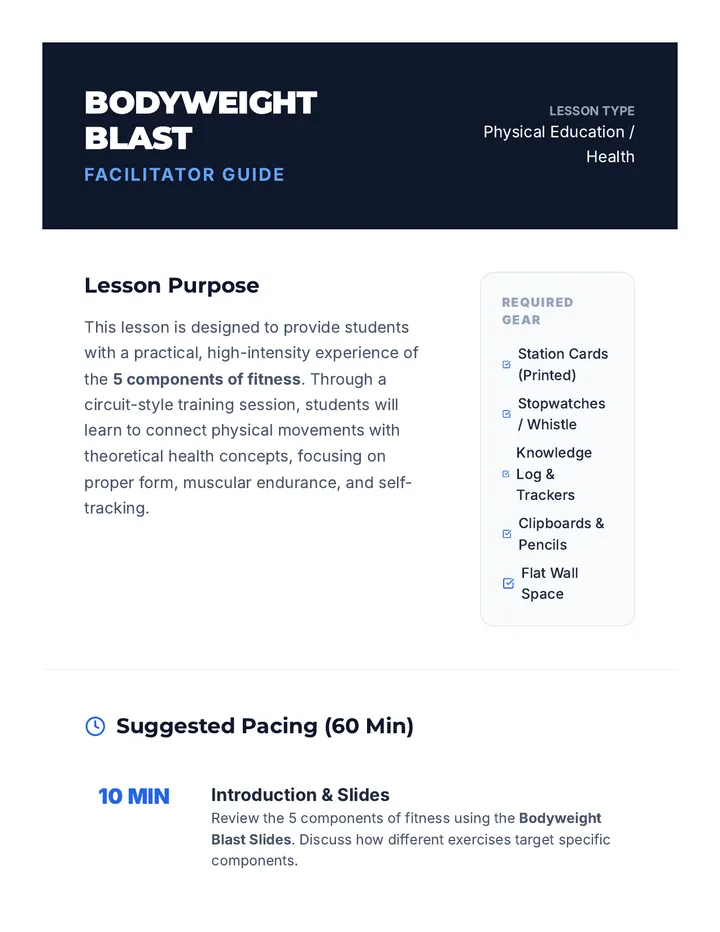
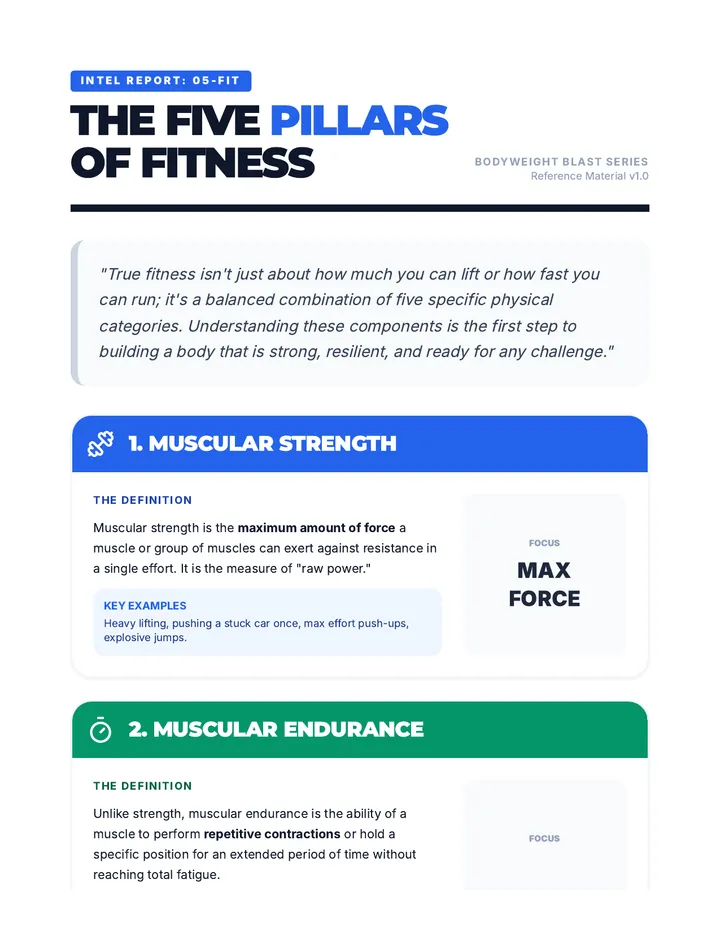
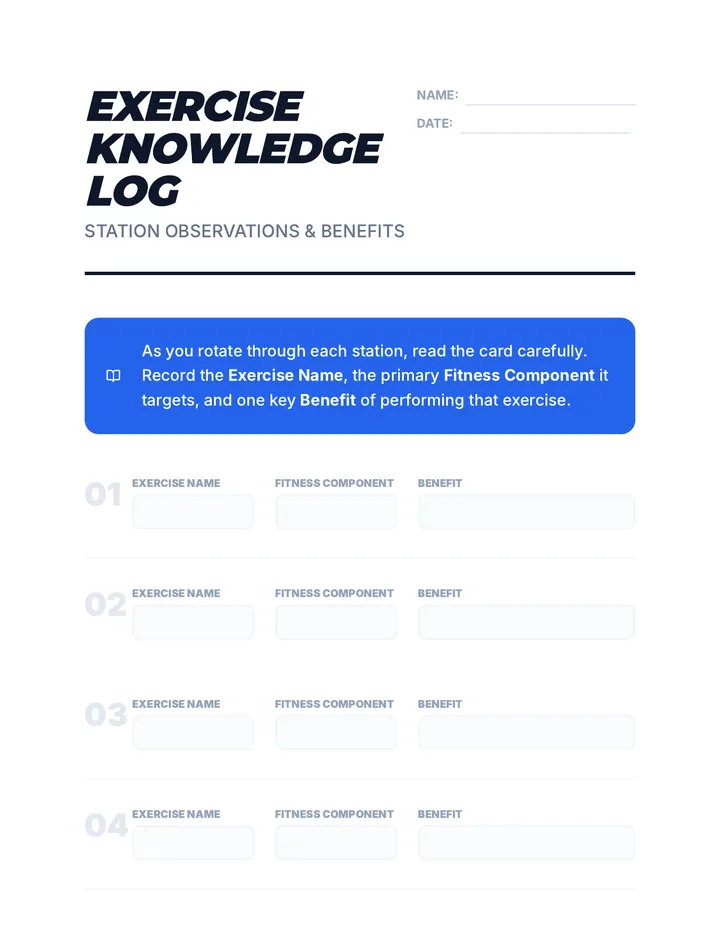
A high-energy lesson focused on bodyweight exercises that target the five components of fitness through a circuit-style training session. Students will learn proper form, the benefits of each exercise, and how they contribute to overall health.
A lesson focused on the lifelong benefits of physical activity and the decision-making skills required to promote health for individuals, families, and communities.
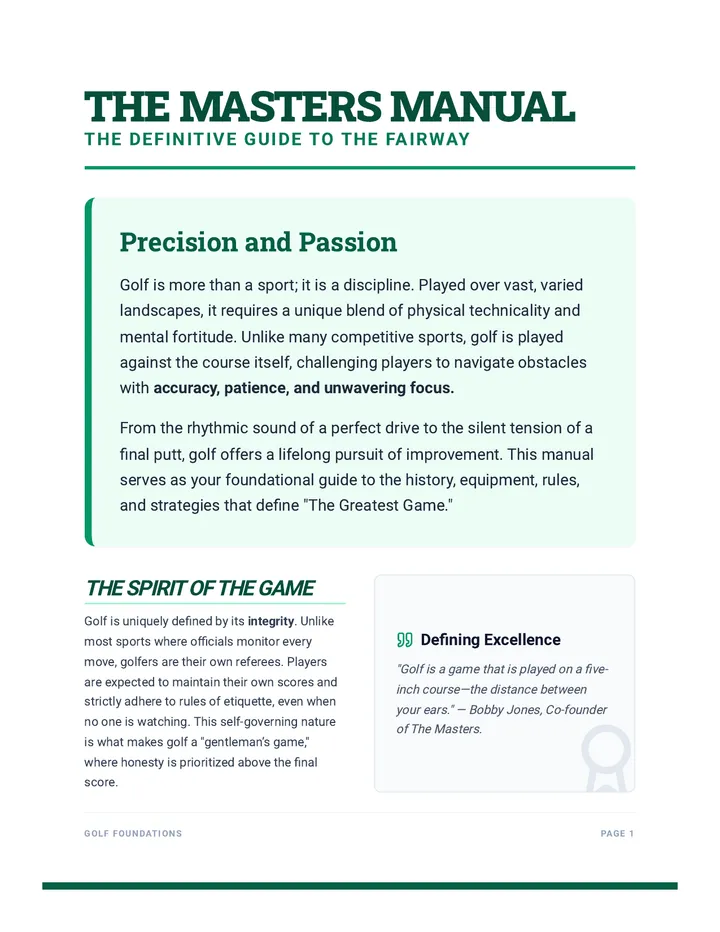
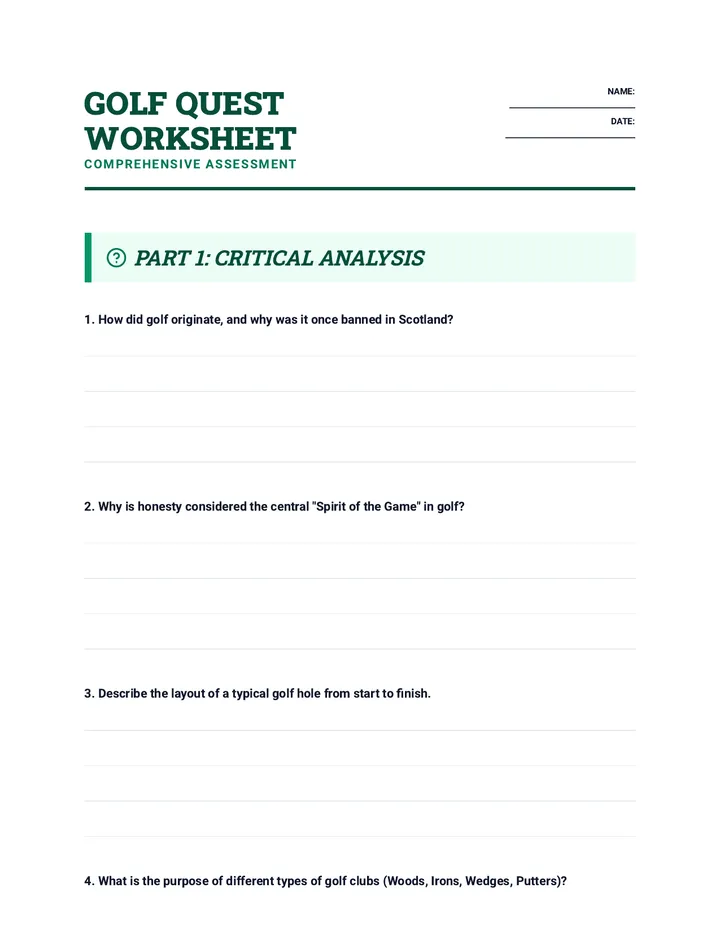
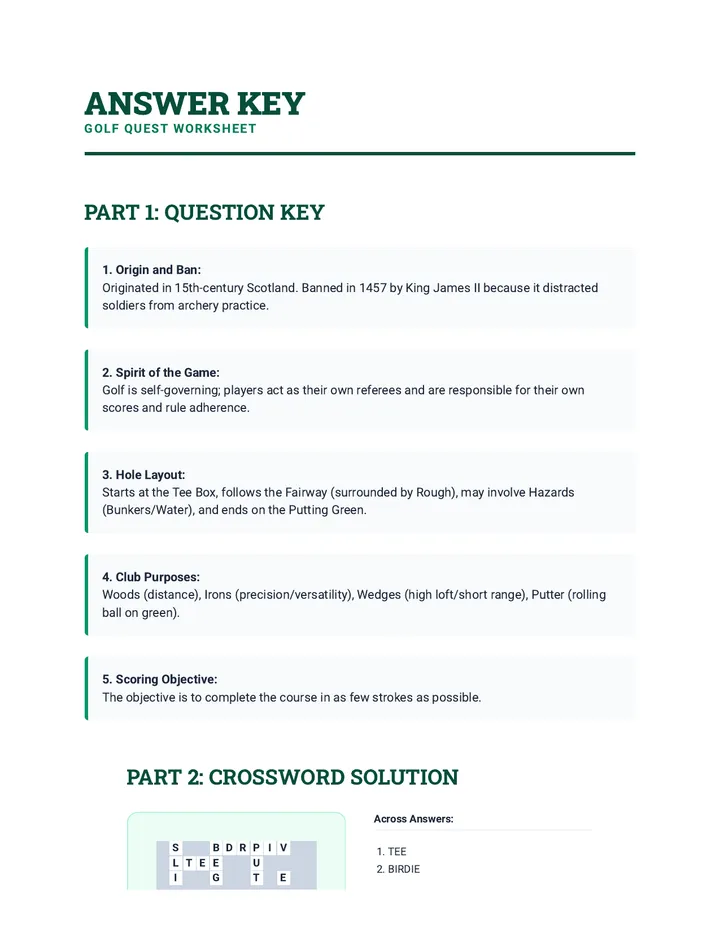
A comprehensive introduction to the game of golf, covering its historical roots in Scotland, the technical anatomy of a course, essential equipment, rules, and the mental strategies required for success.
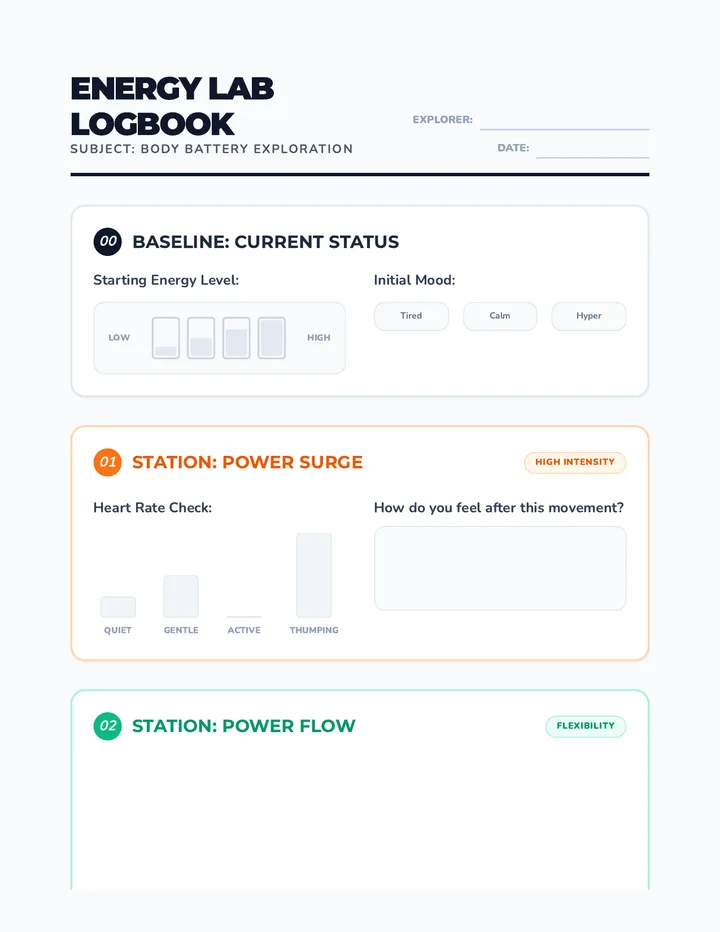
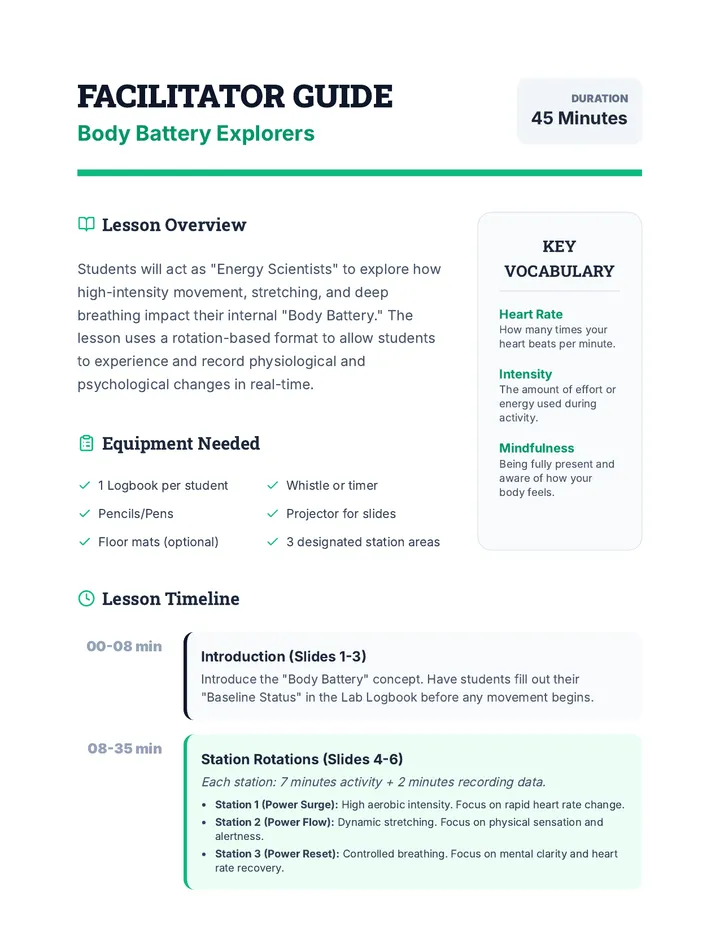
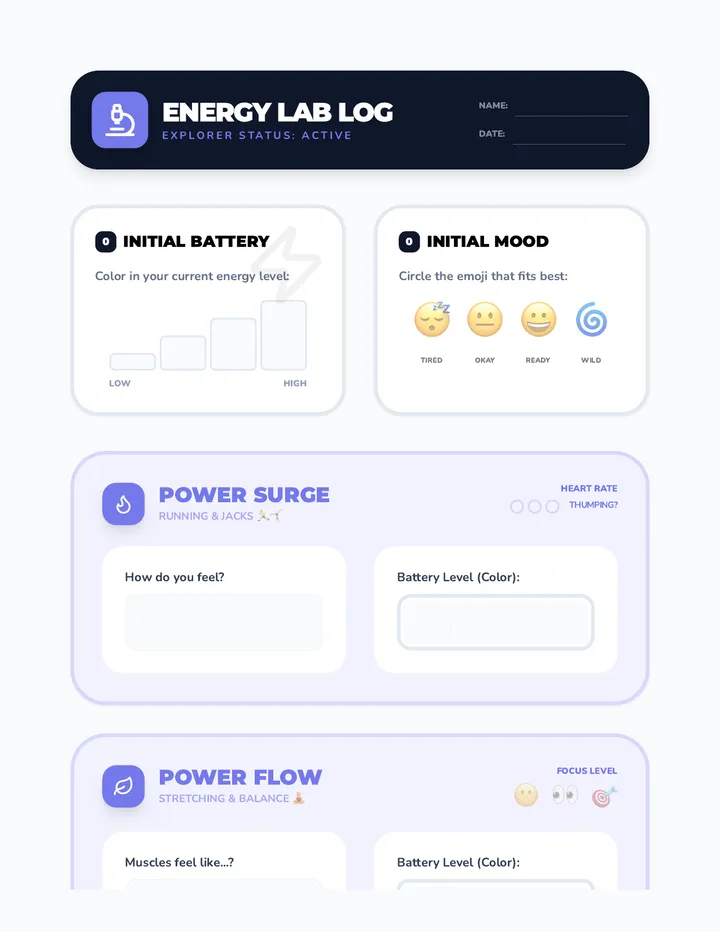
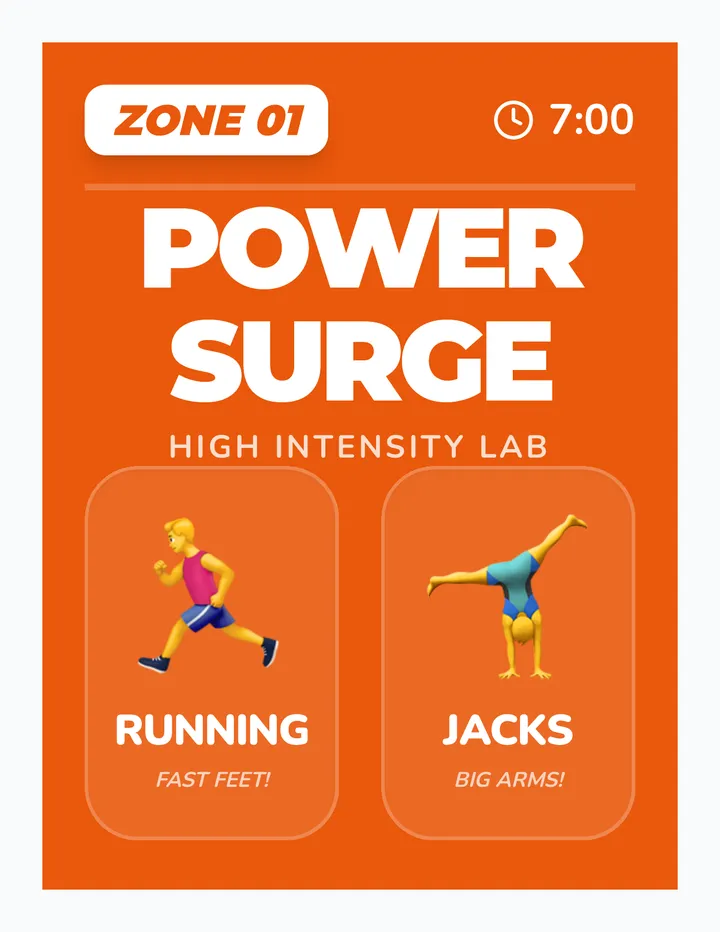
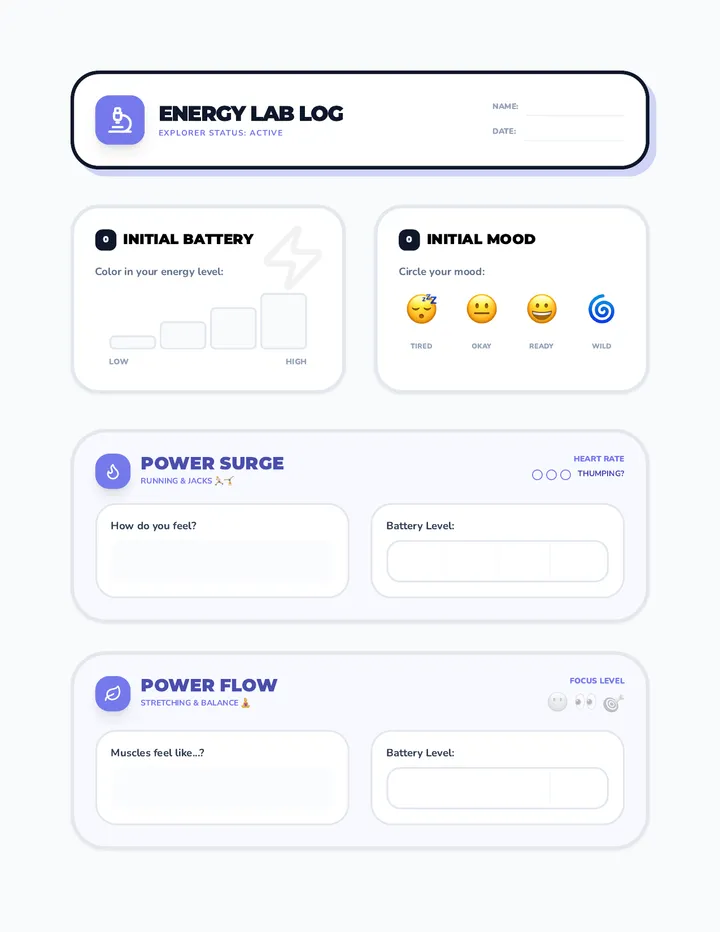
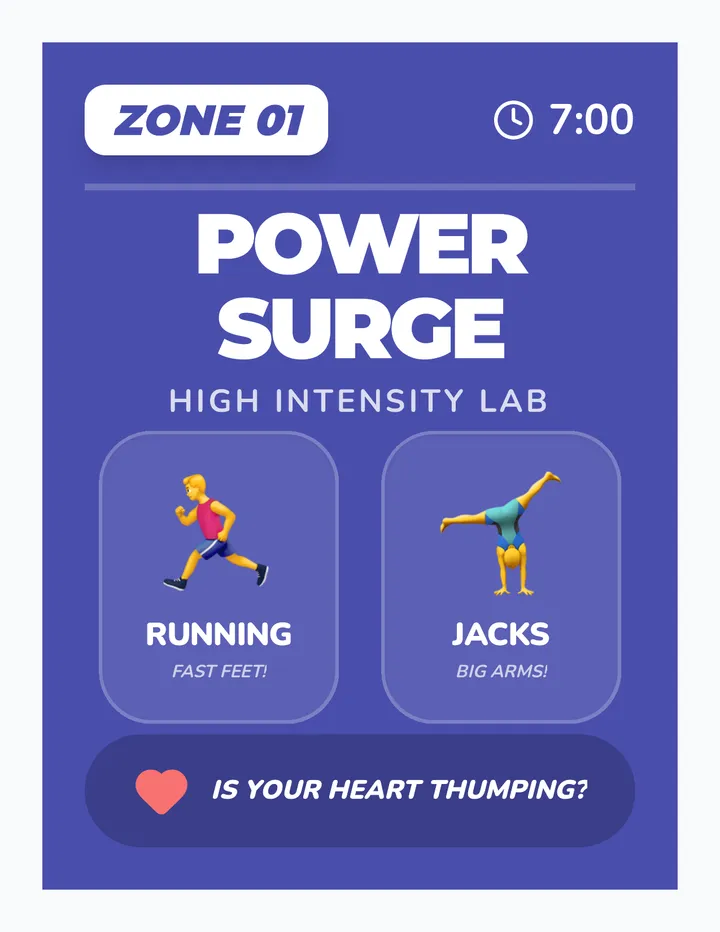
A movement-based physical health lesson where students investigate how different physical activities (aerobic, stretching, and breathing) impact their heart rate and perceived energy levels through 'Body Battery' stations.