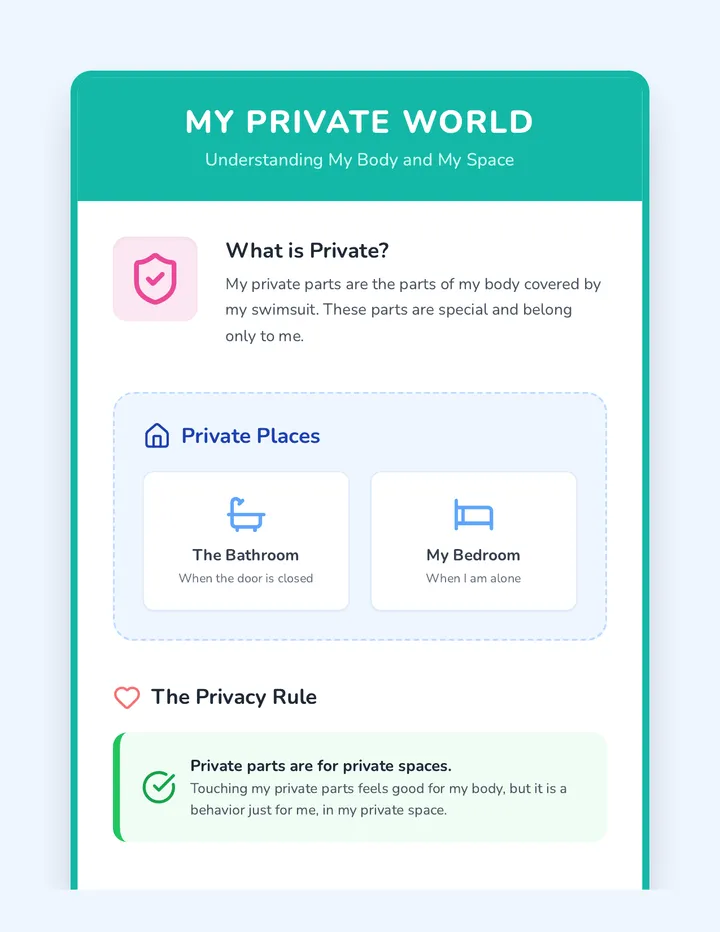
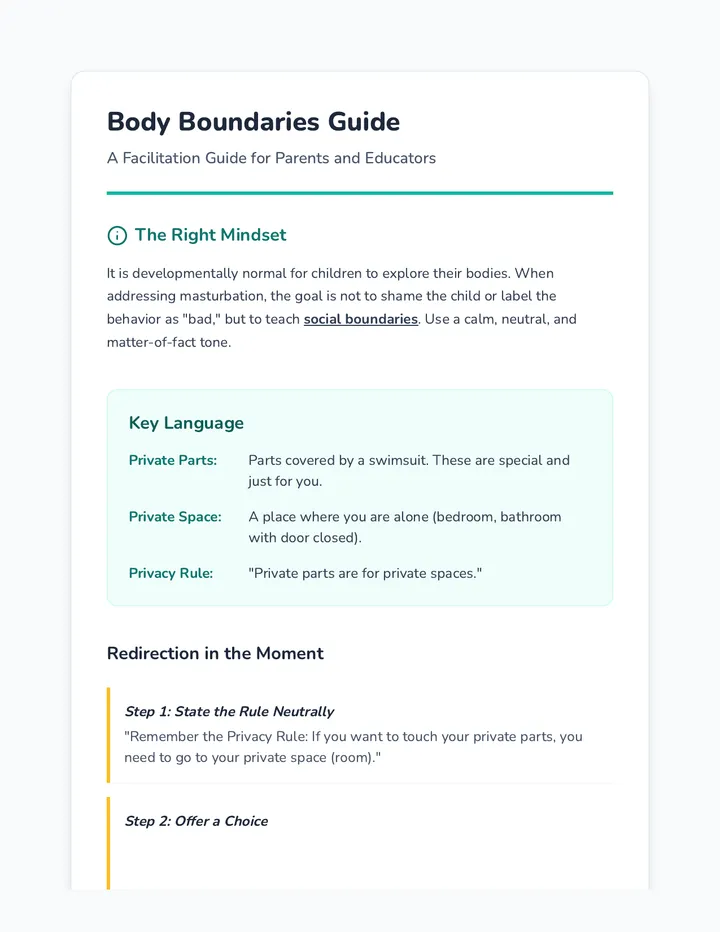
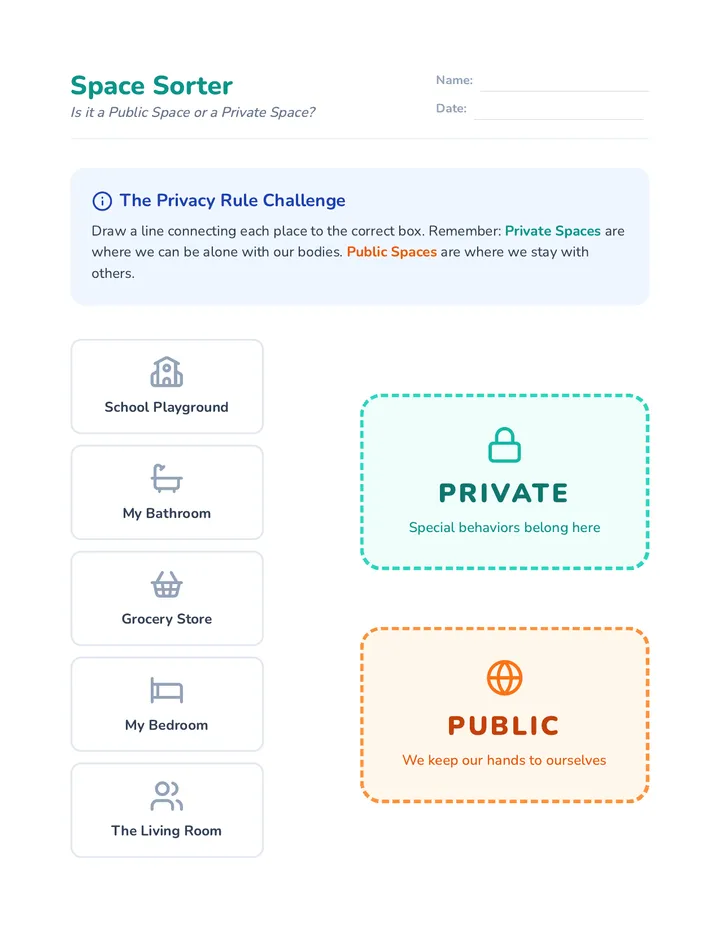
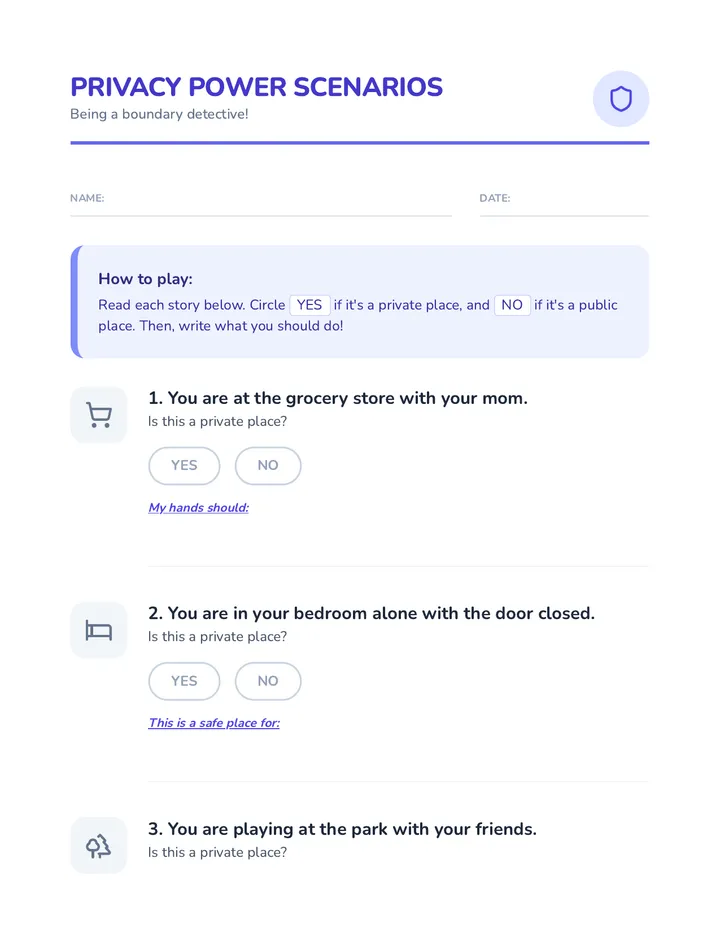
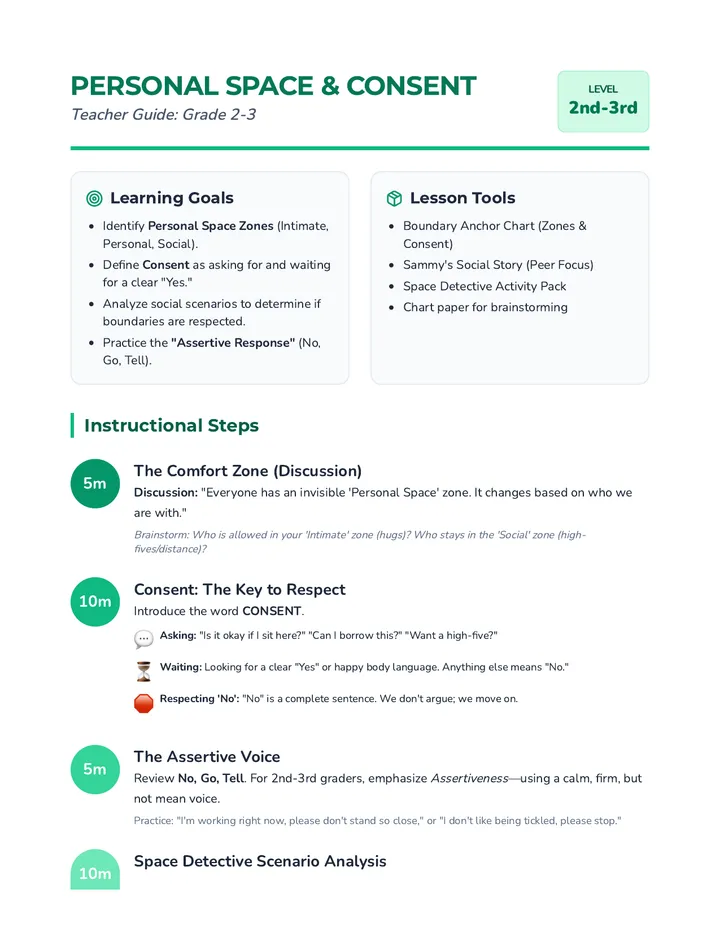
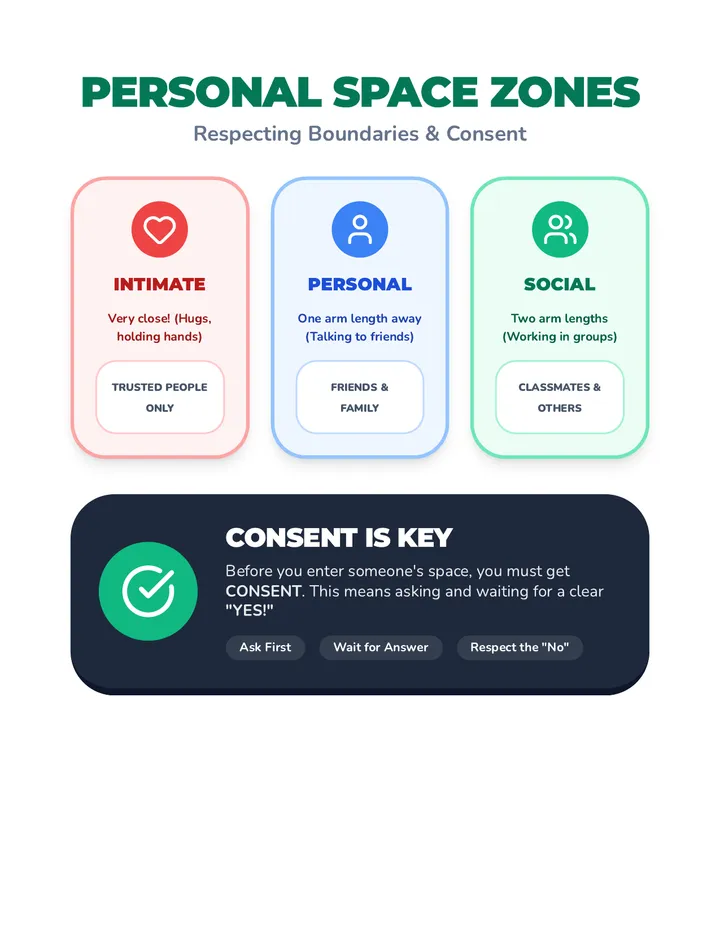
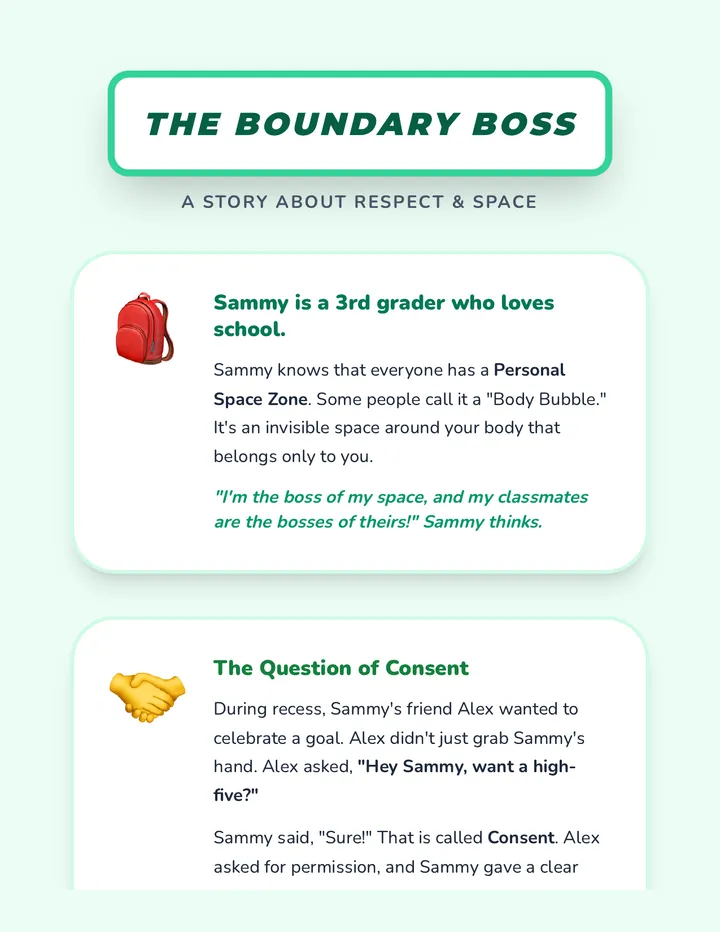
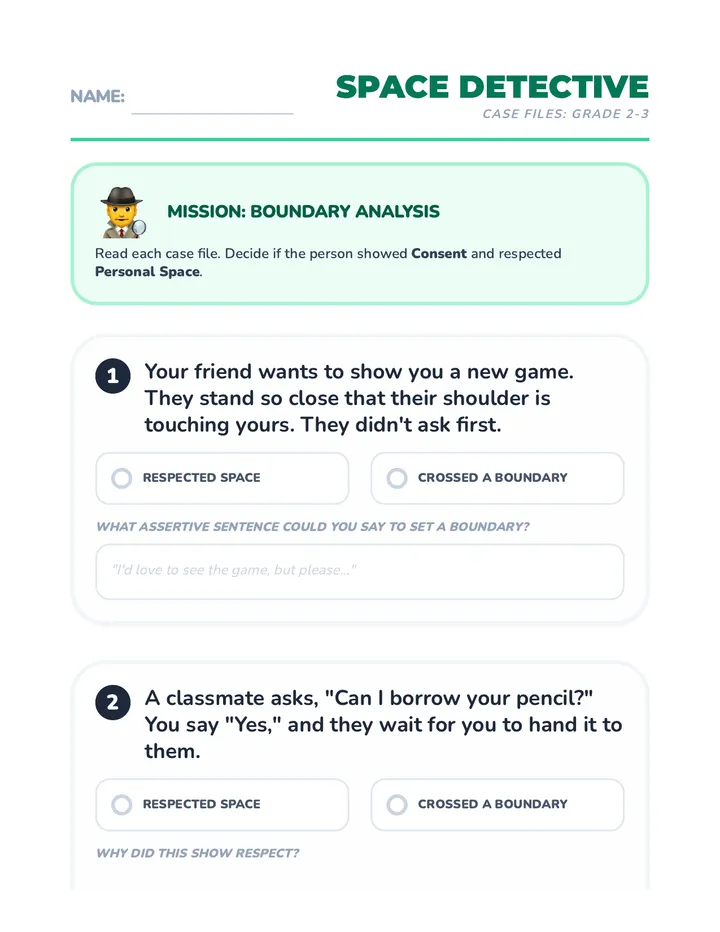
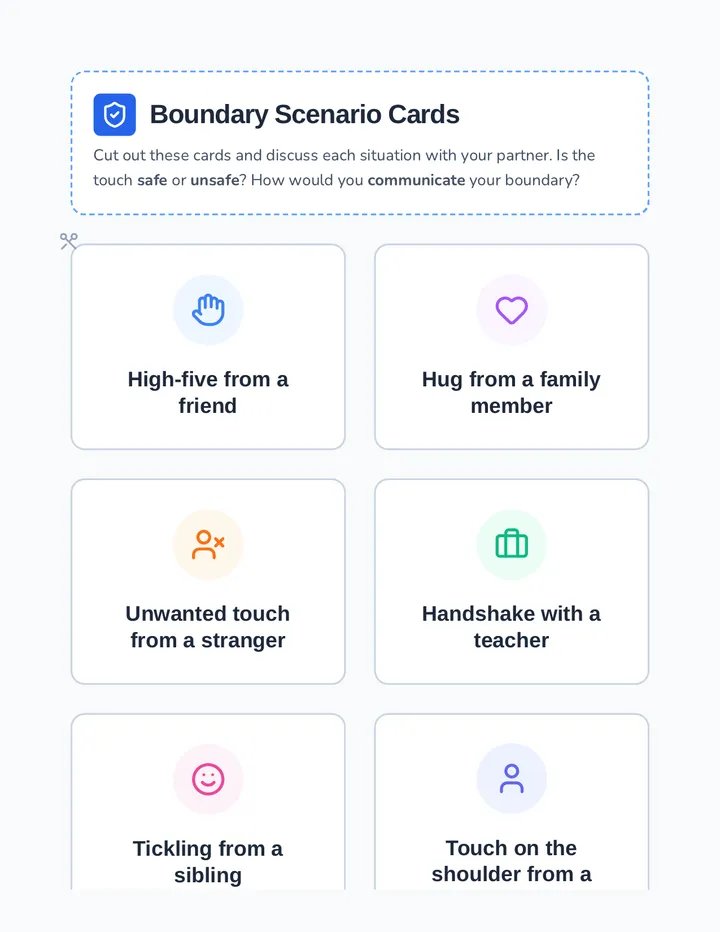
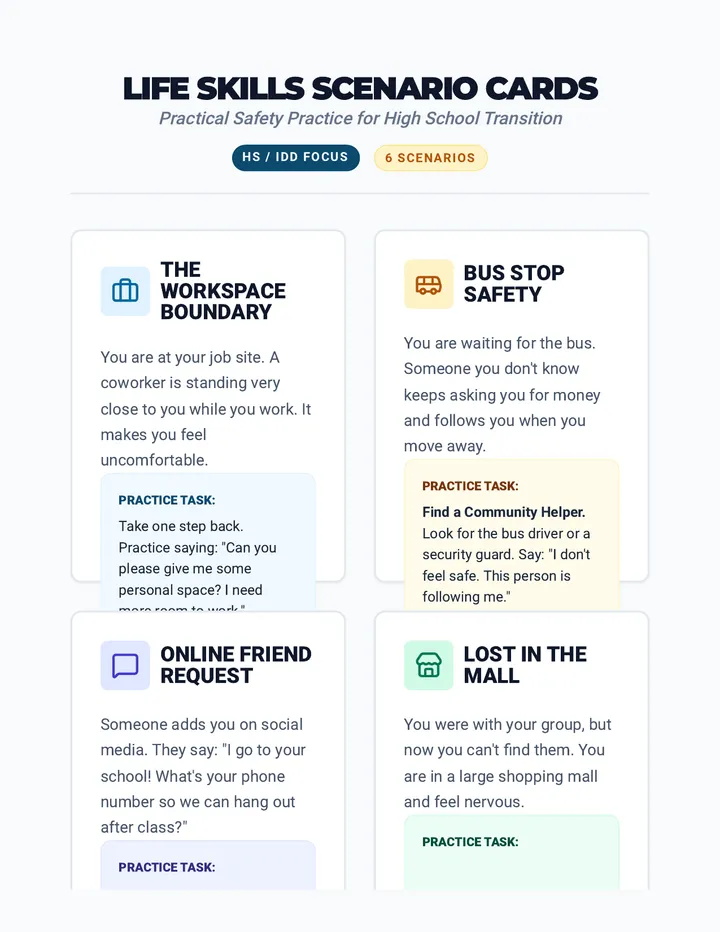
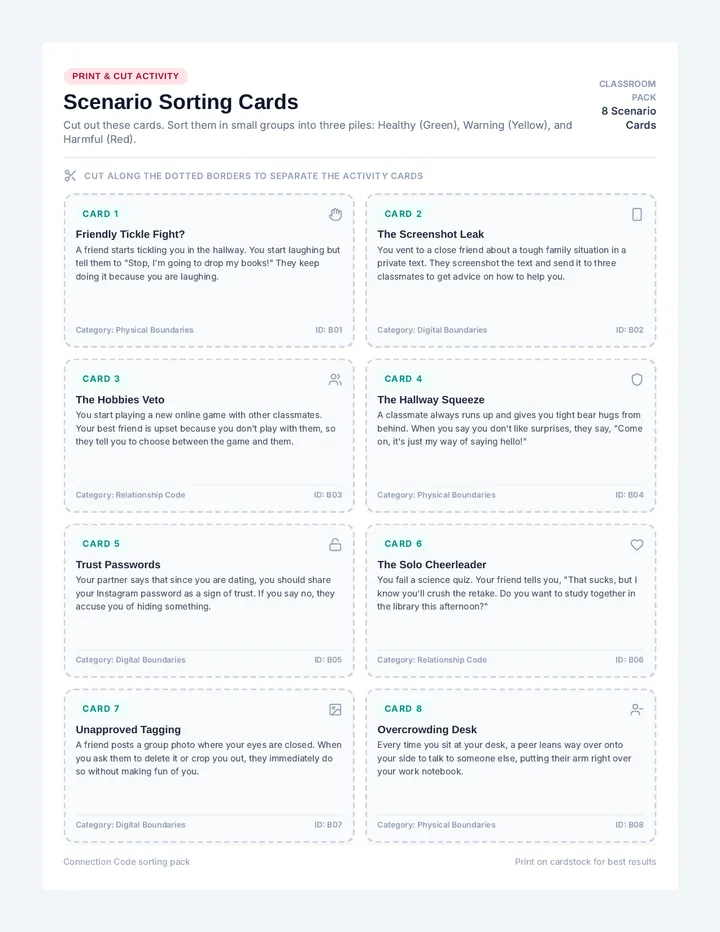
Identification of personal space, consent, and verbal boundary-setting strategies. Equips students to communicate comfort levels and recognize appropriate physical interactions in social contexts.
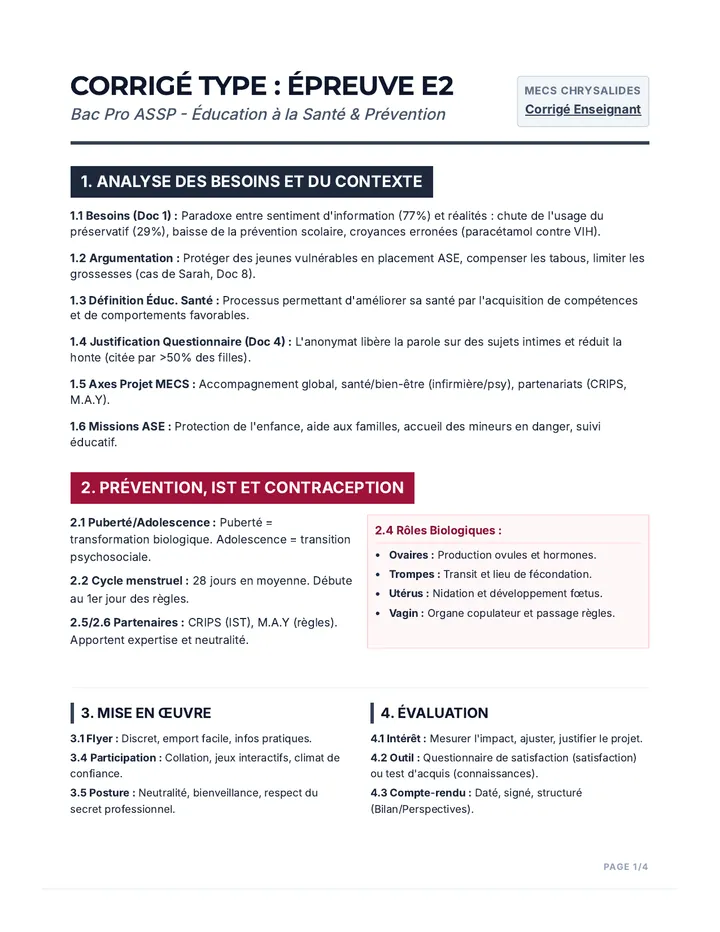
A complete teacher-facing answer key for a Bac Pro ASSP exam (E2 type) covering health education, prevention, and anatomy. Includes a detailed correction guide, a labeled anatomical diagram, a health education action sheet, and a visual poster mock-up for STI prevention.
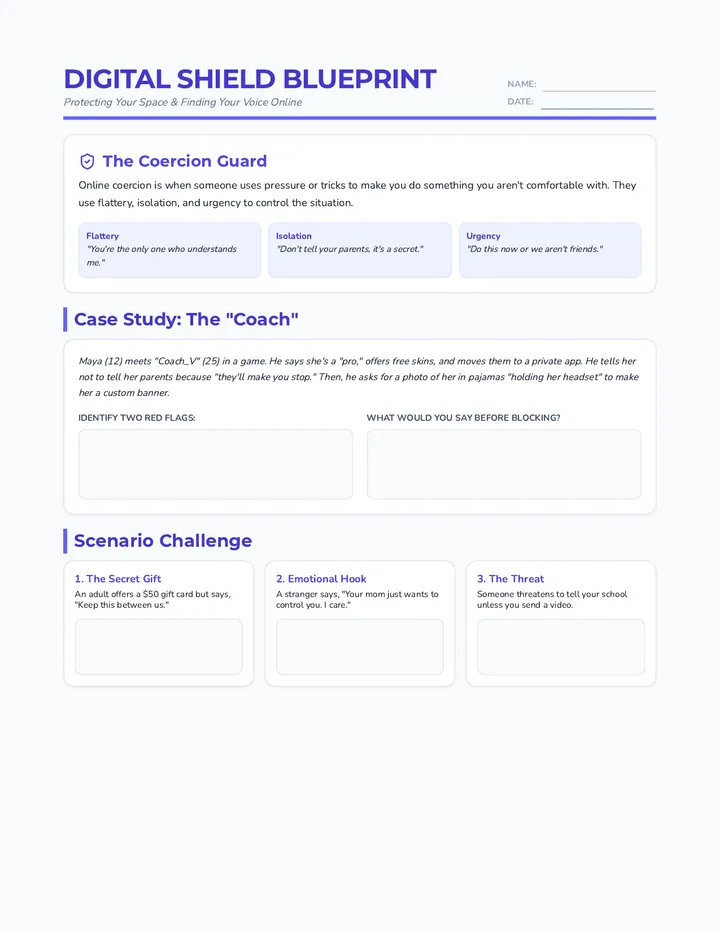
A comprehensive internet safety worksheet for 6th-grade students focusing on online coercion and personal boundaries. It includes a detailed case study, short scenarios, quick-check examples, and a personal safety plan template to empower students to recognize and respond to predatory adult behavior online. Revised for better page breaks and clarity.
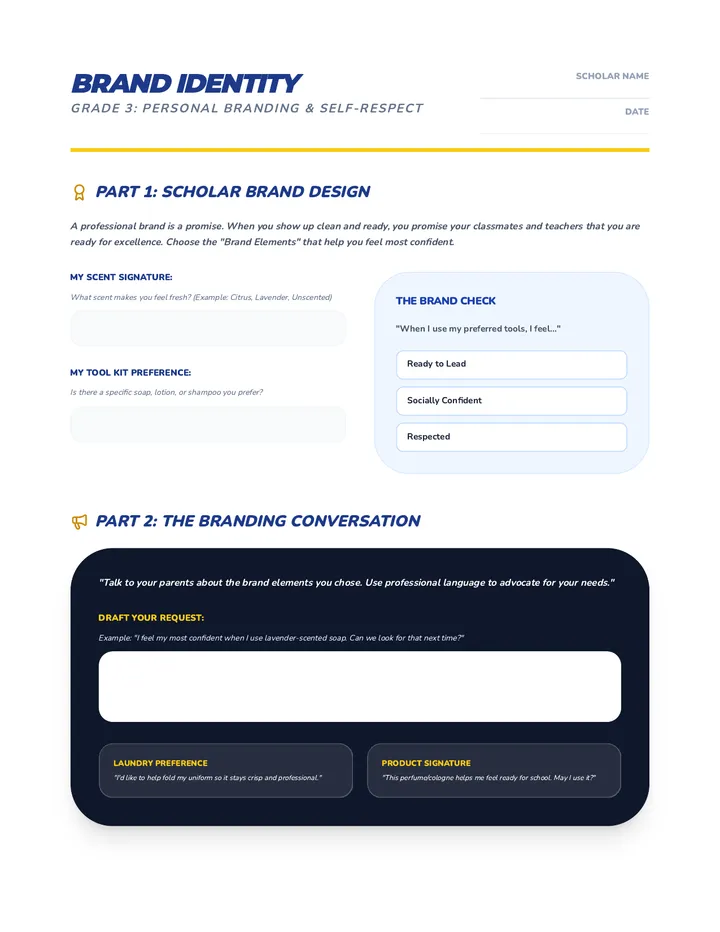
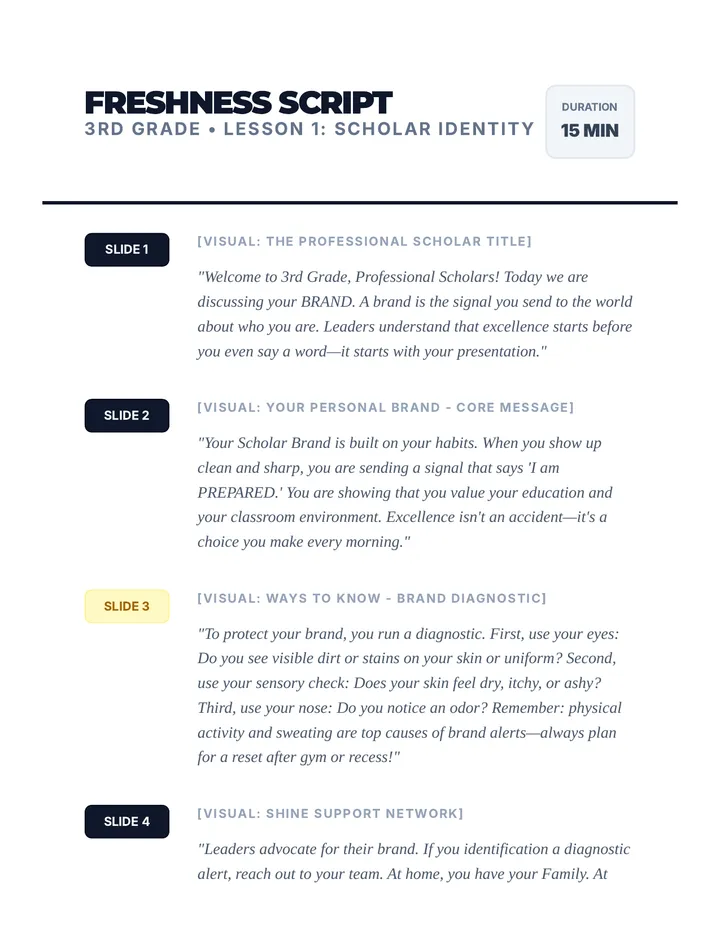
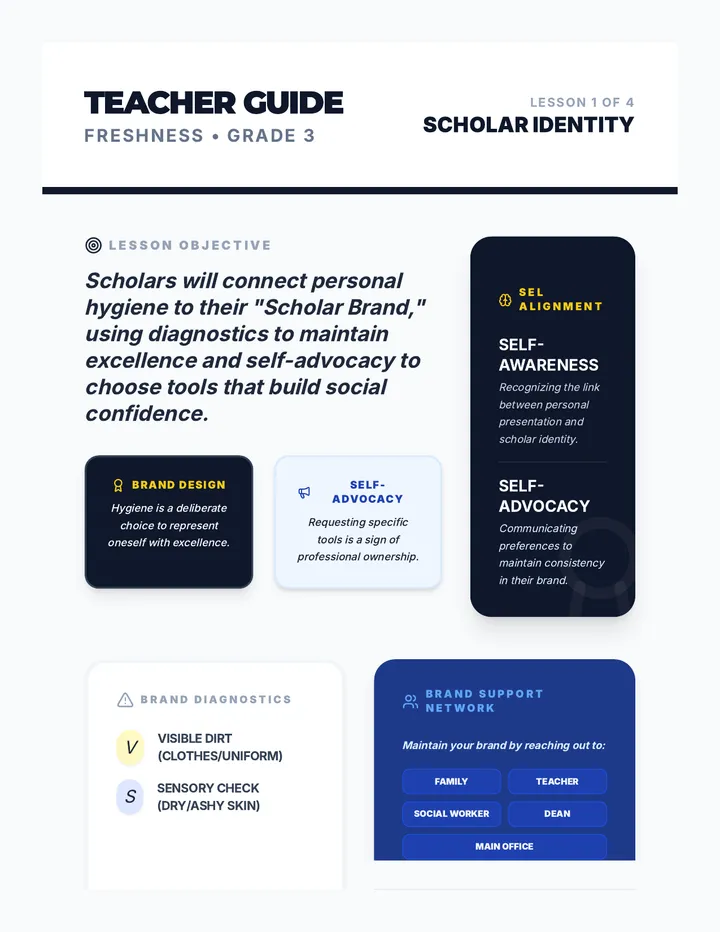
A comprehensive SEL-integrated hygiene curriculum for elementary scholars (K-4), focusing on self-awareness, social impact, and personal responsibility through the lens of a 'Glow Up'.
A two-week wellness unit for middle schoolers focused on analyzing influences (media, tech, values) and mastering health-enhancing decision-making models. Students culminate their learning by creating a collaborative research poster on a chosen wellness topic.
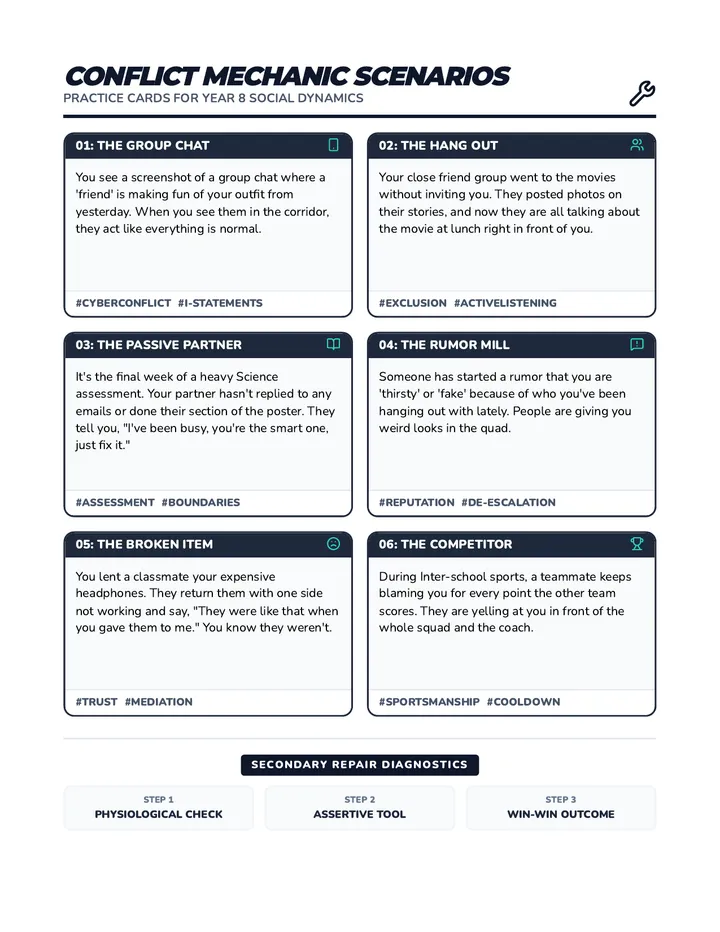
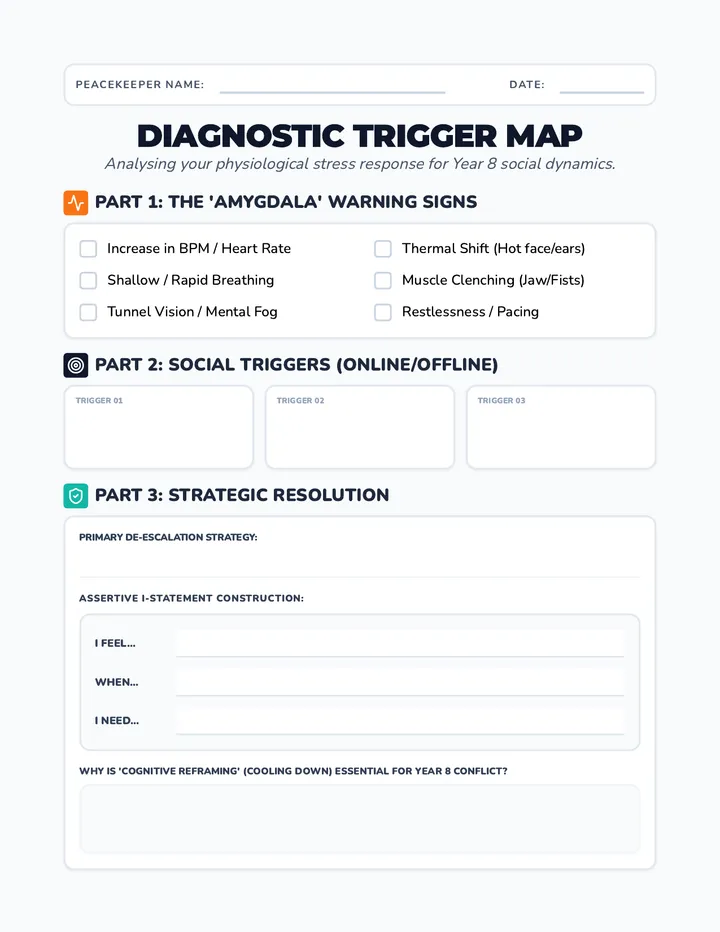
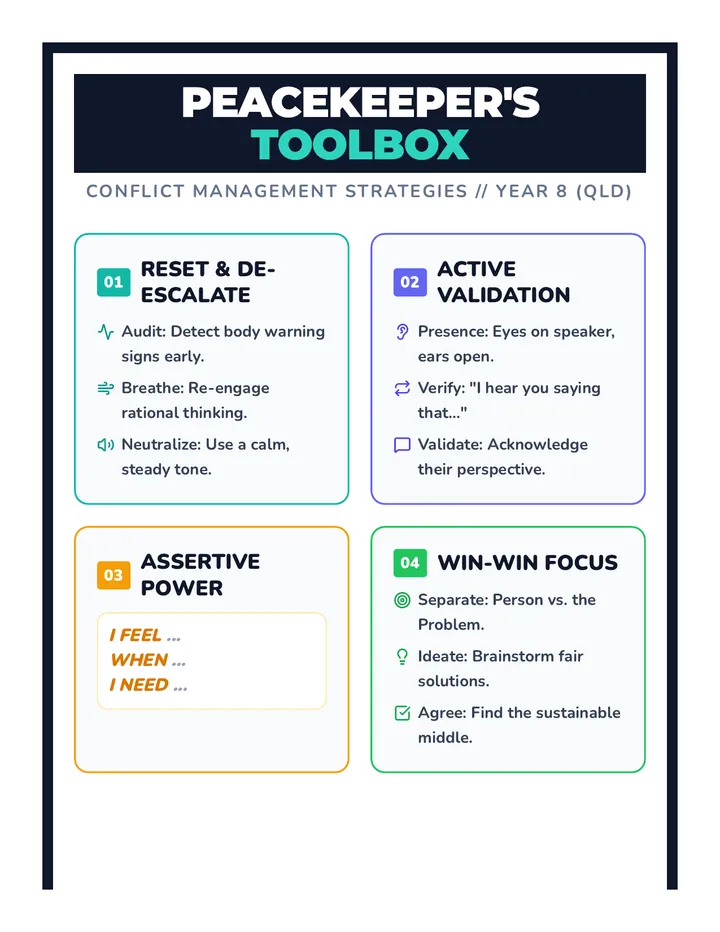
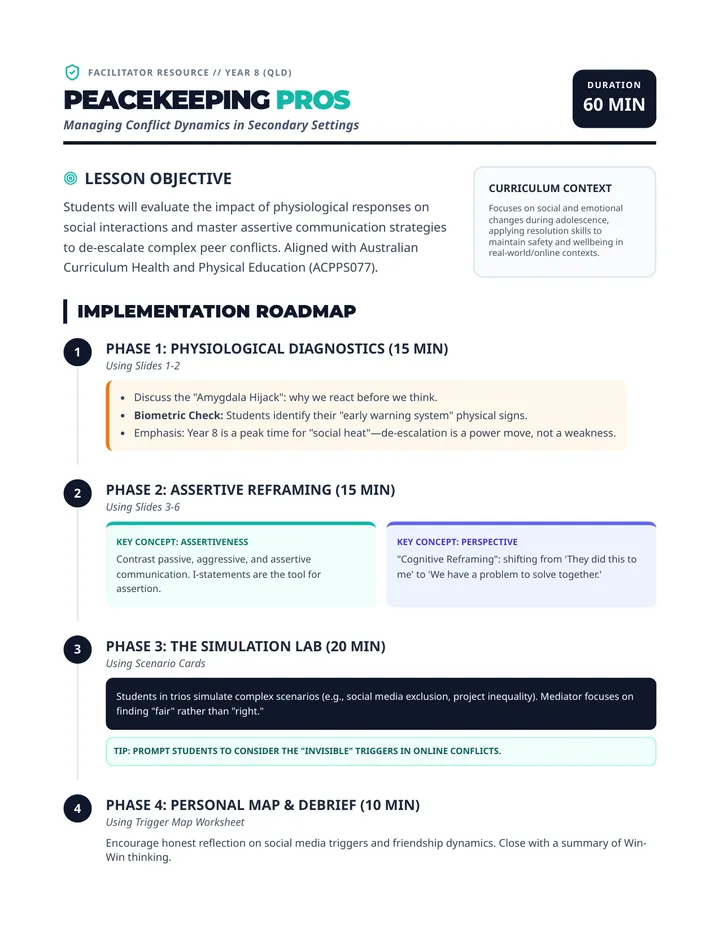
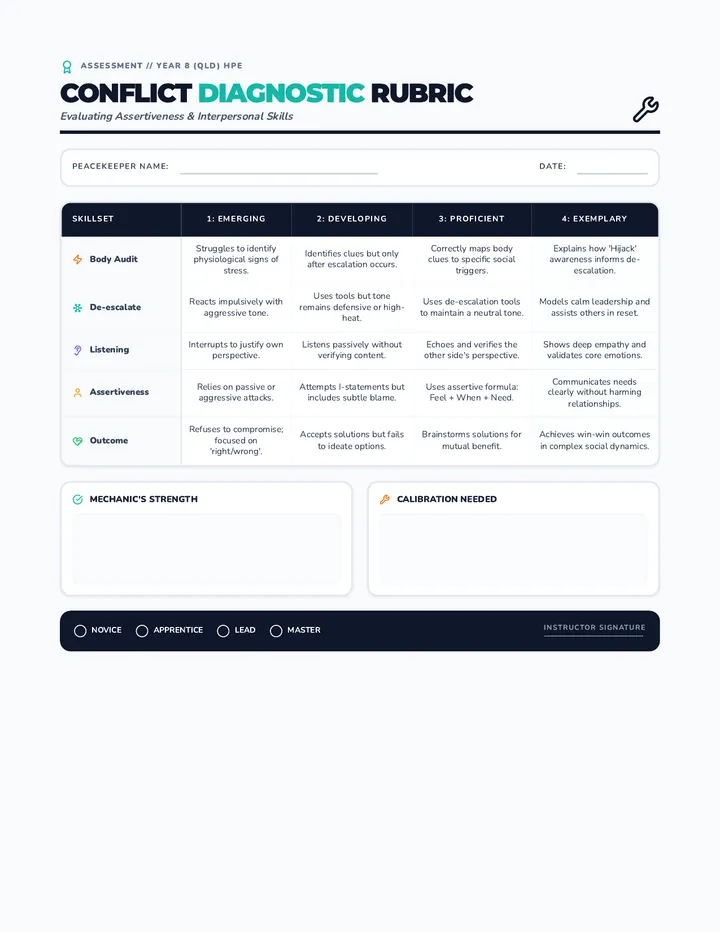
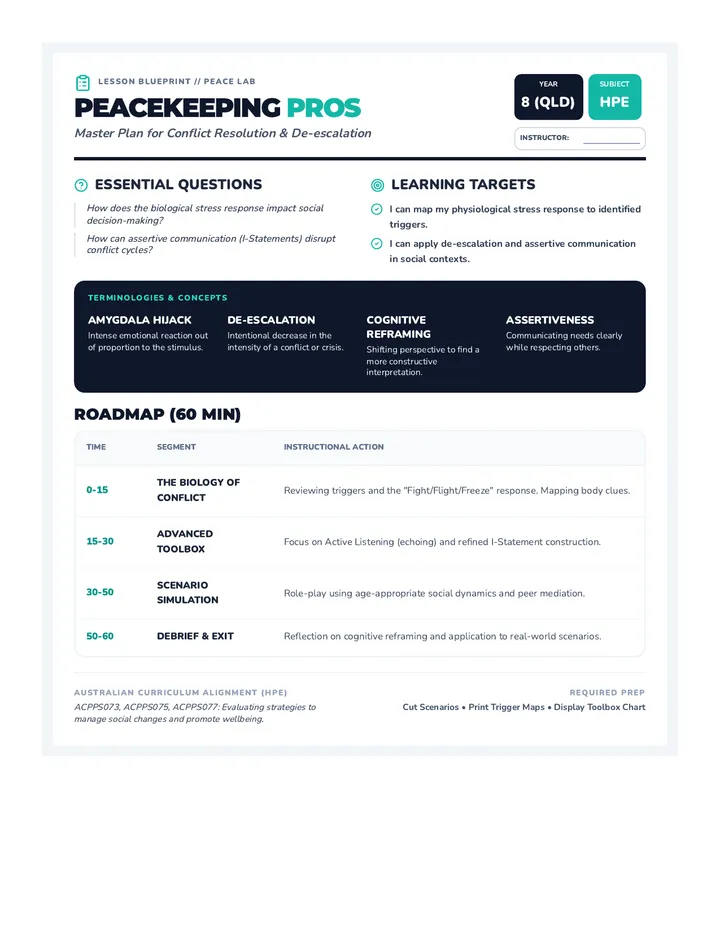
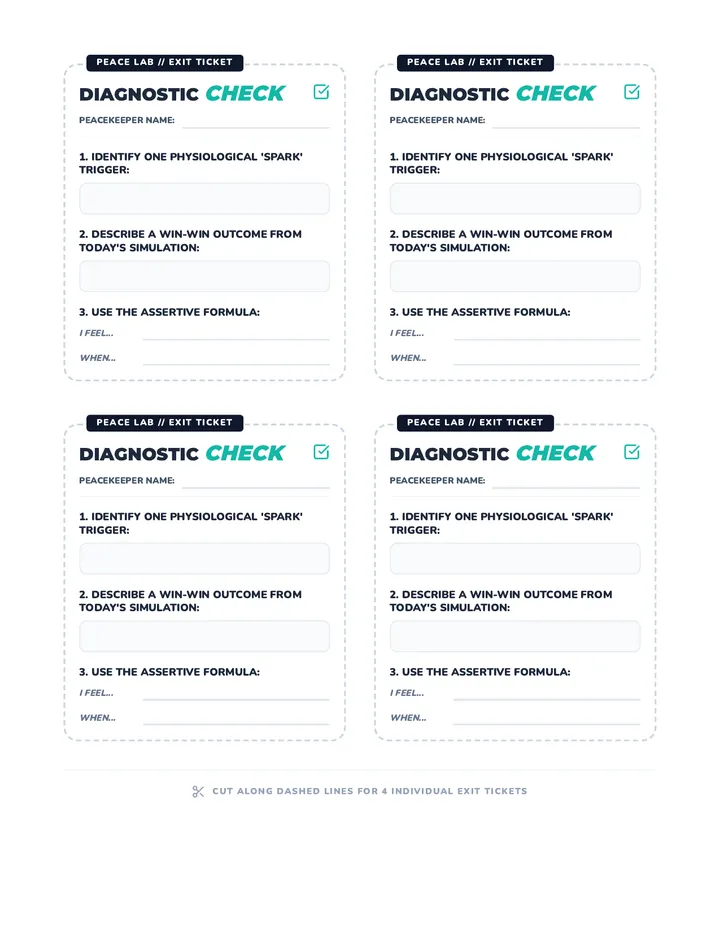
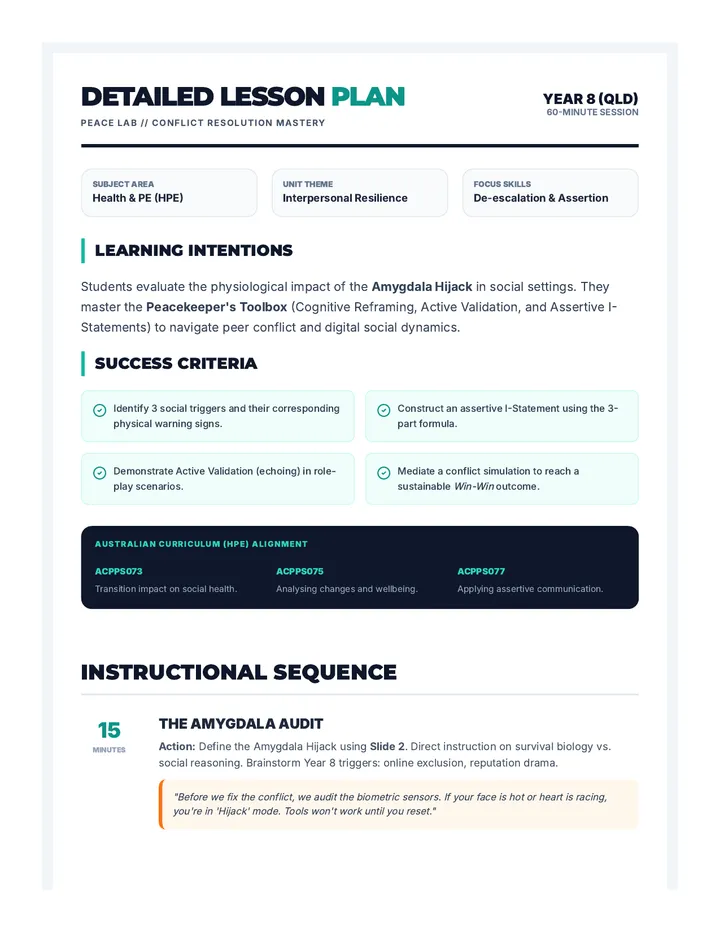
A comprehensive sequence of lessons for secondary students (Yr 7-8) focused on conflict resolution, social media responsibility, and assertive communication in both physical and digital spaces.
A 12-week introductory cooking curriculum for elementary students focusing on safety, nutrition, and the emotional connection to food.
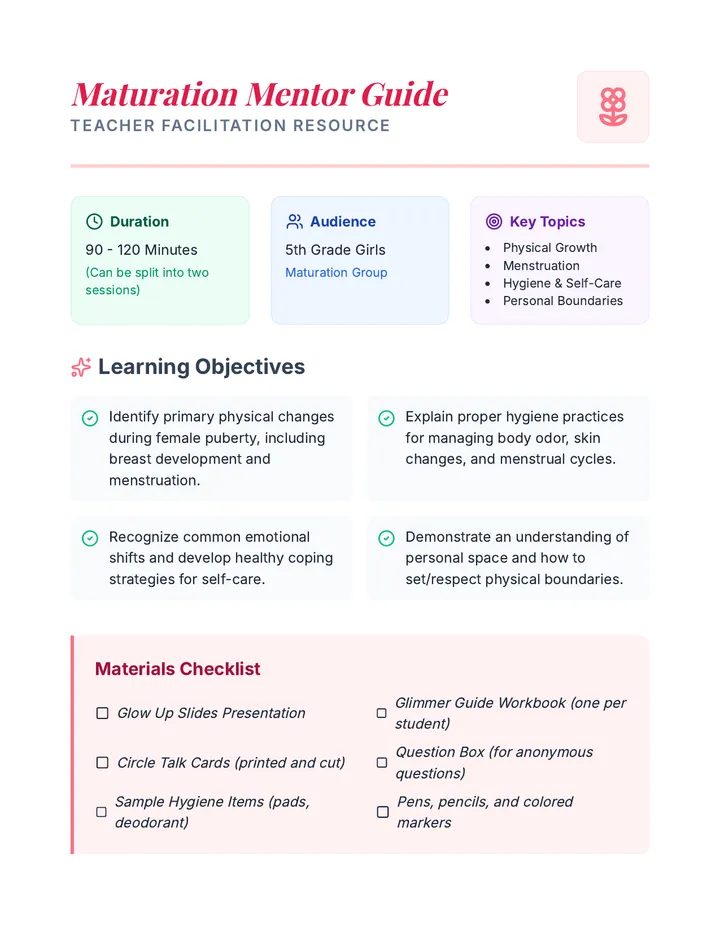
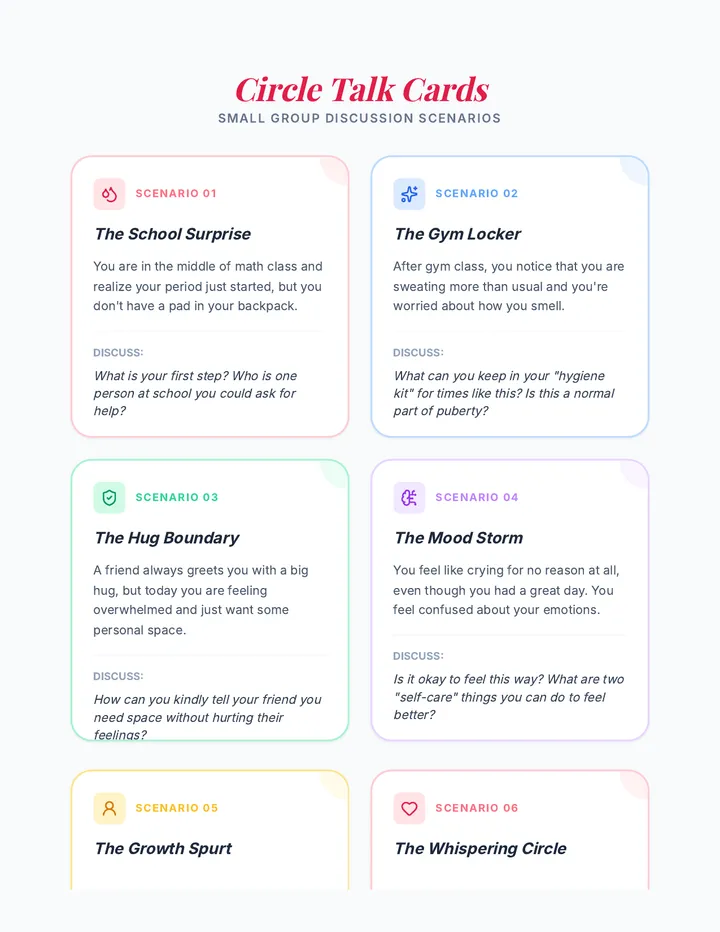
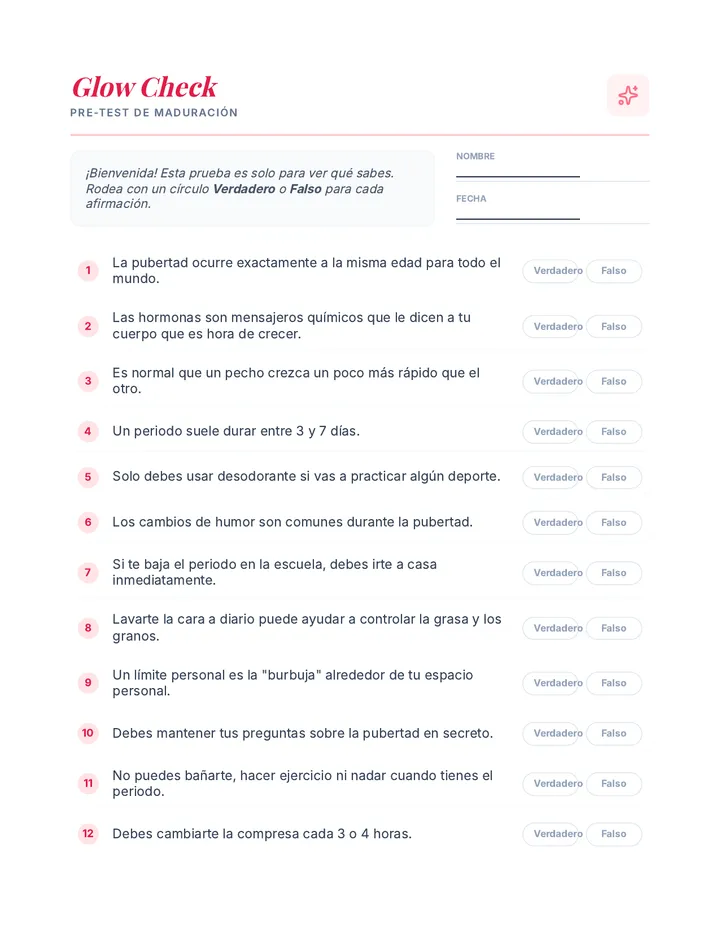
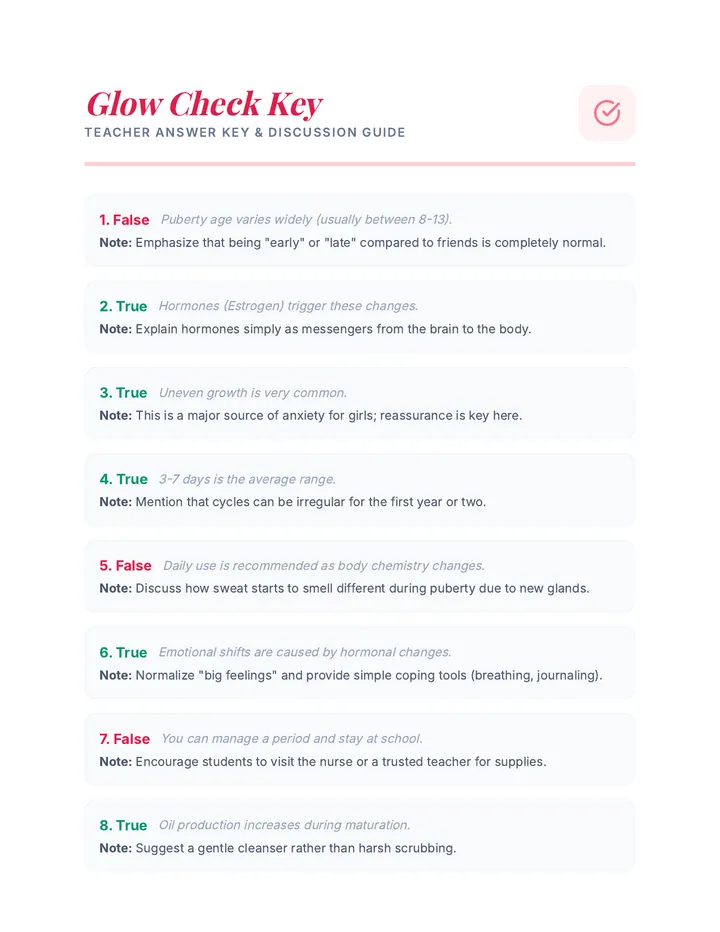
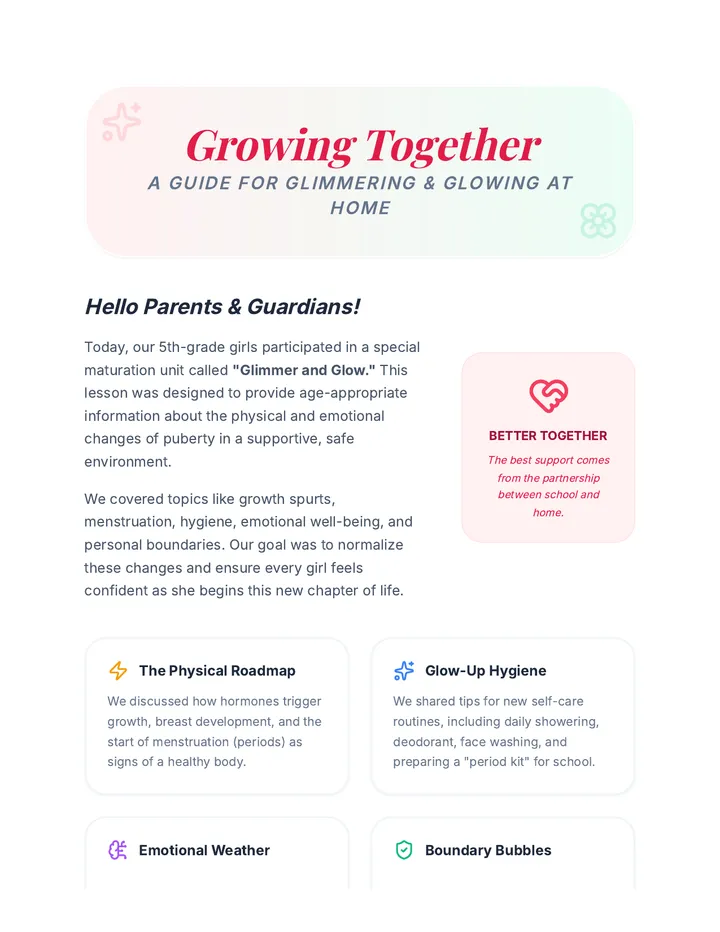
A comprehensive maturation unit for 5th-grade girls covering physical, emotional, and social changes during puberty. Includes a detailed teacher guide, interactive slides, a student workbook, and discussion cards to foster a supportive and informative environment.
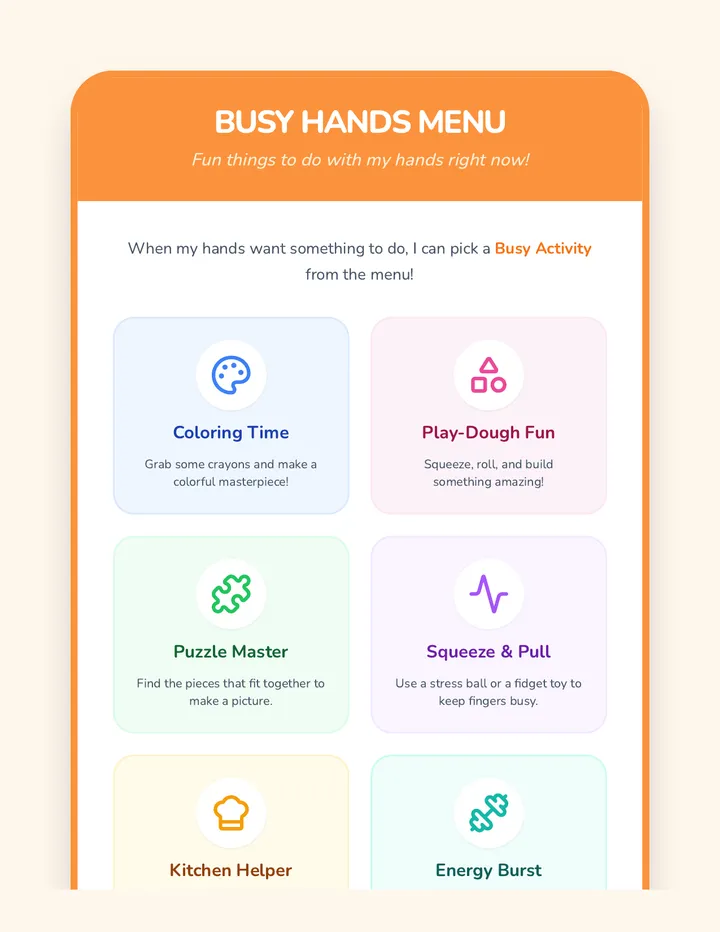
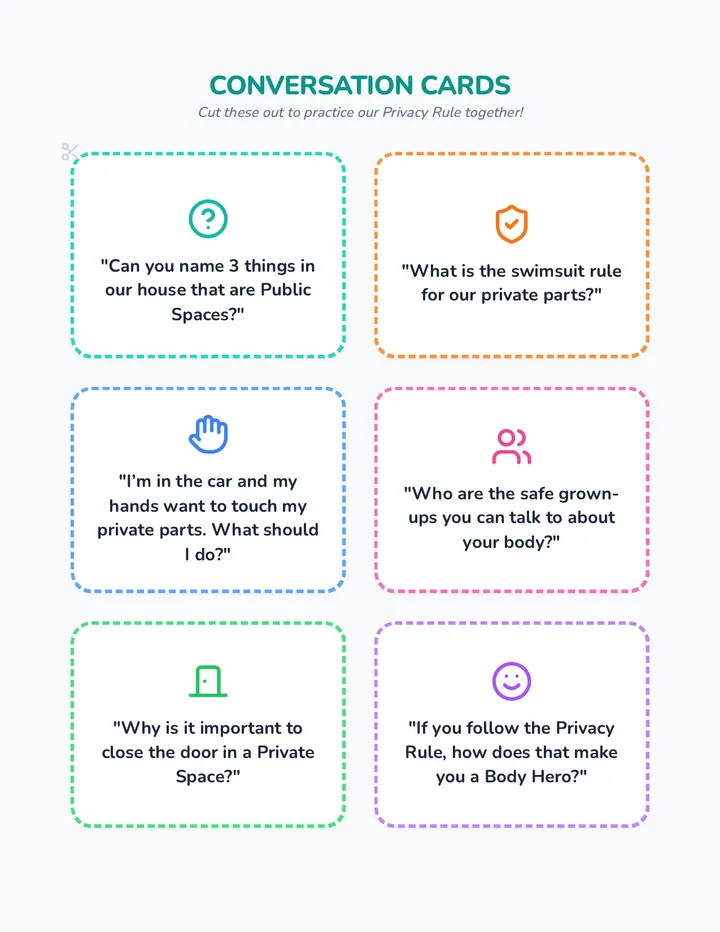
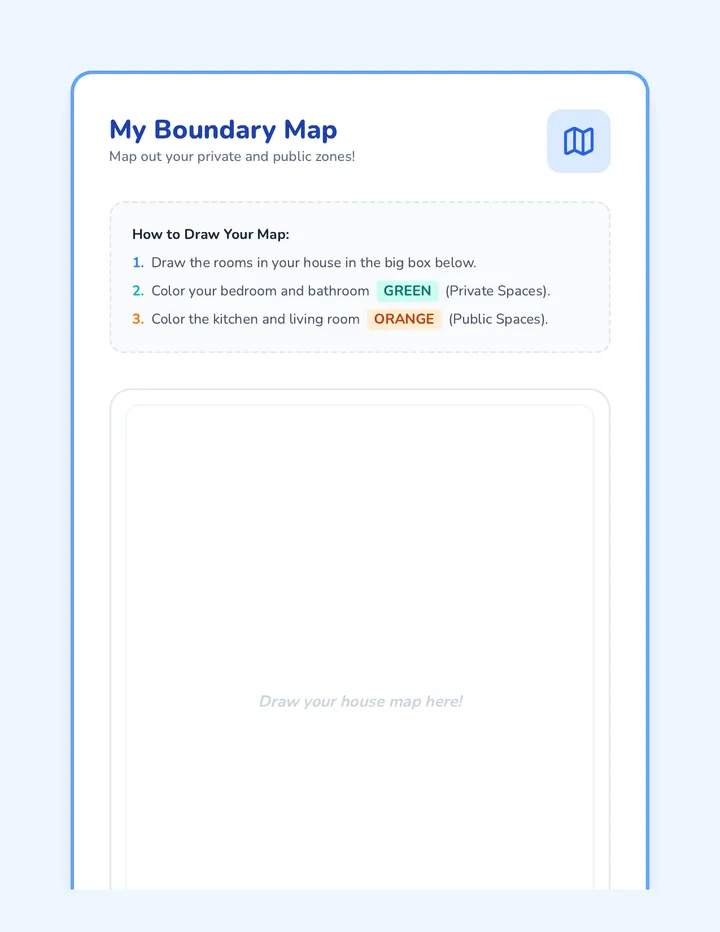
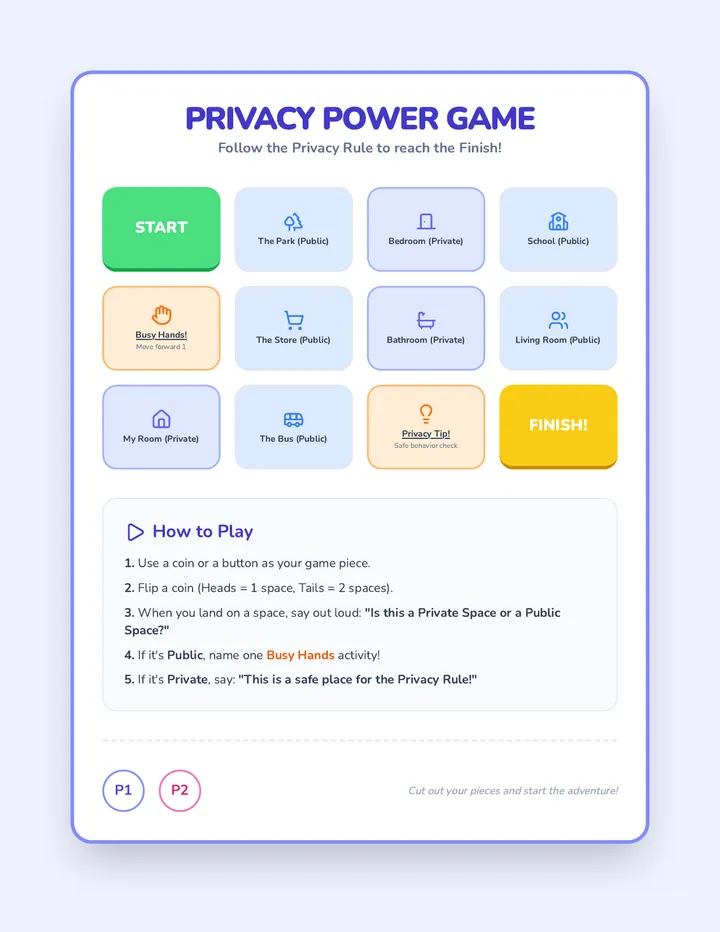
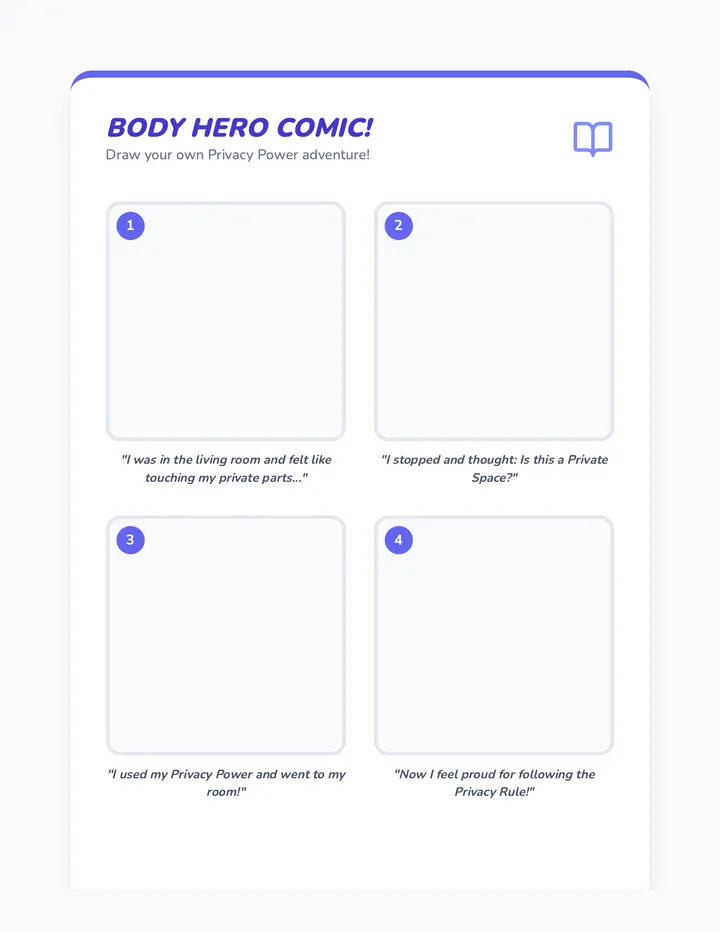
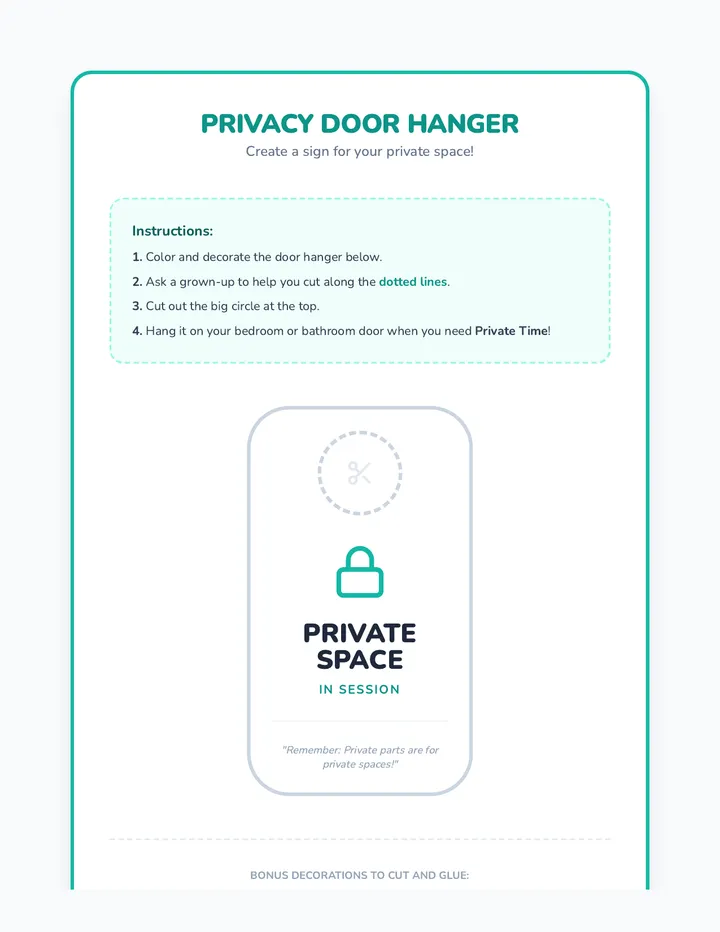
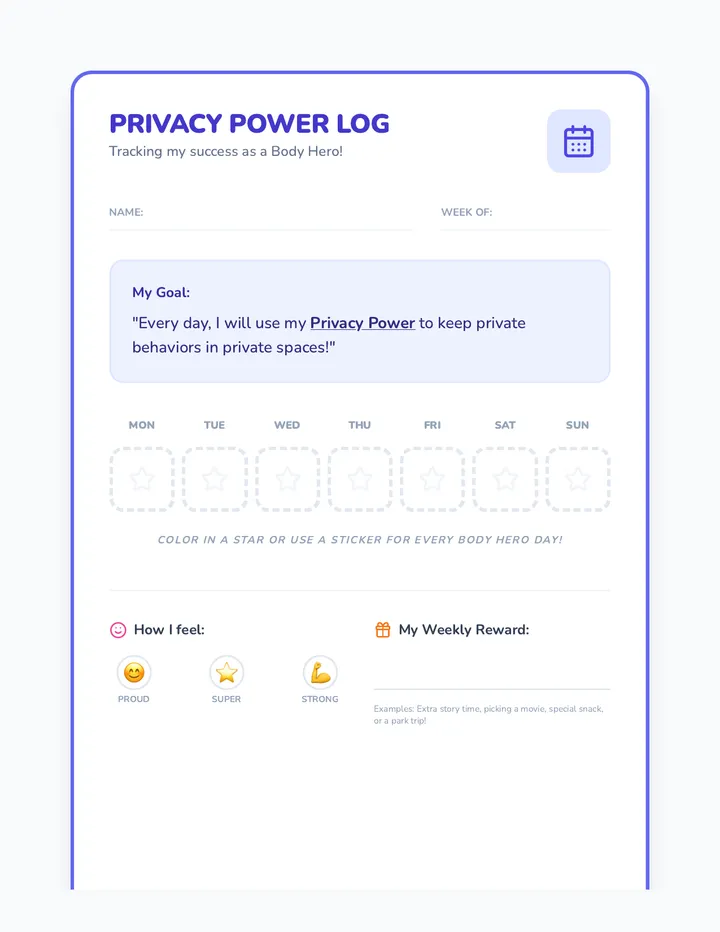
A series of lessons focused on personal safety, body autonomy, and social-emotional development for young children.
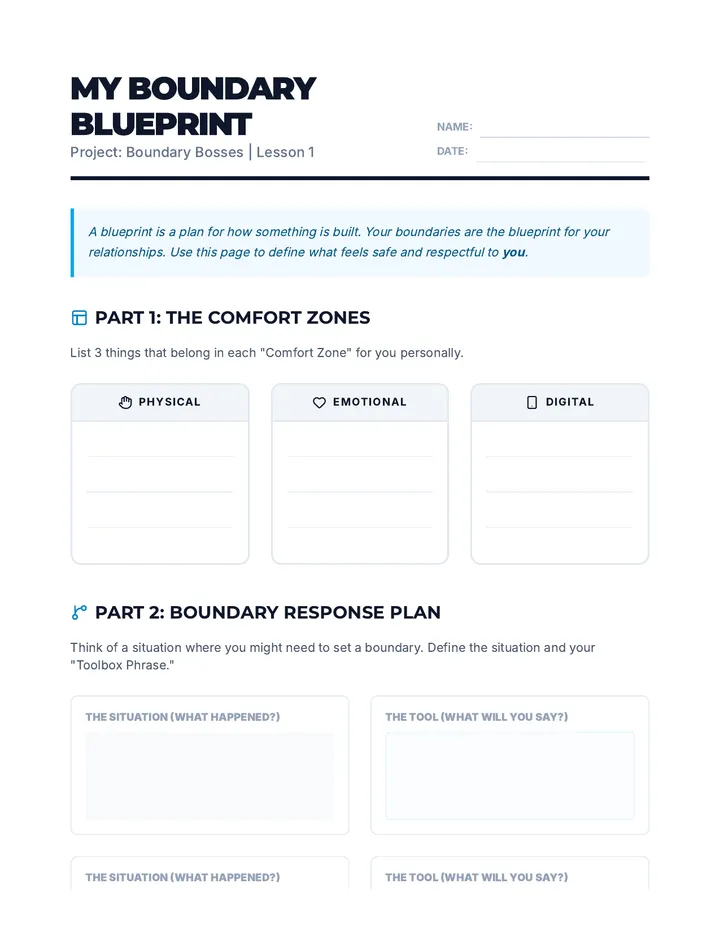
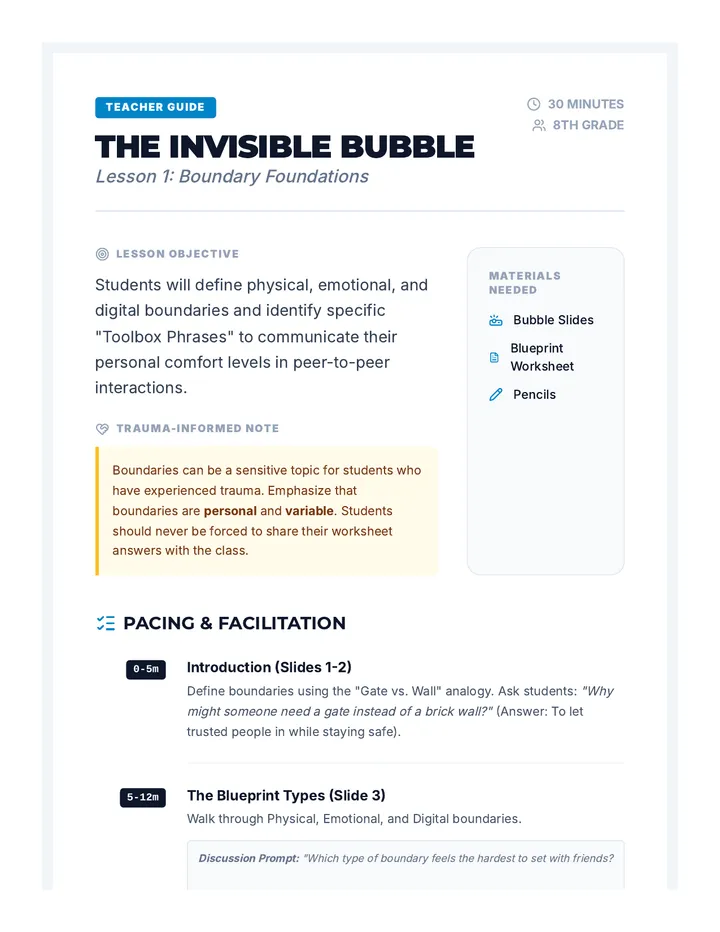
A two-lesson sequence for 8th graders focusing on personal boundaries, digital privacy, consent, and safe touch using a 'Blueprint' aesthetic.
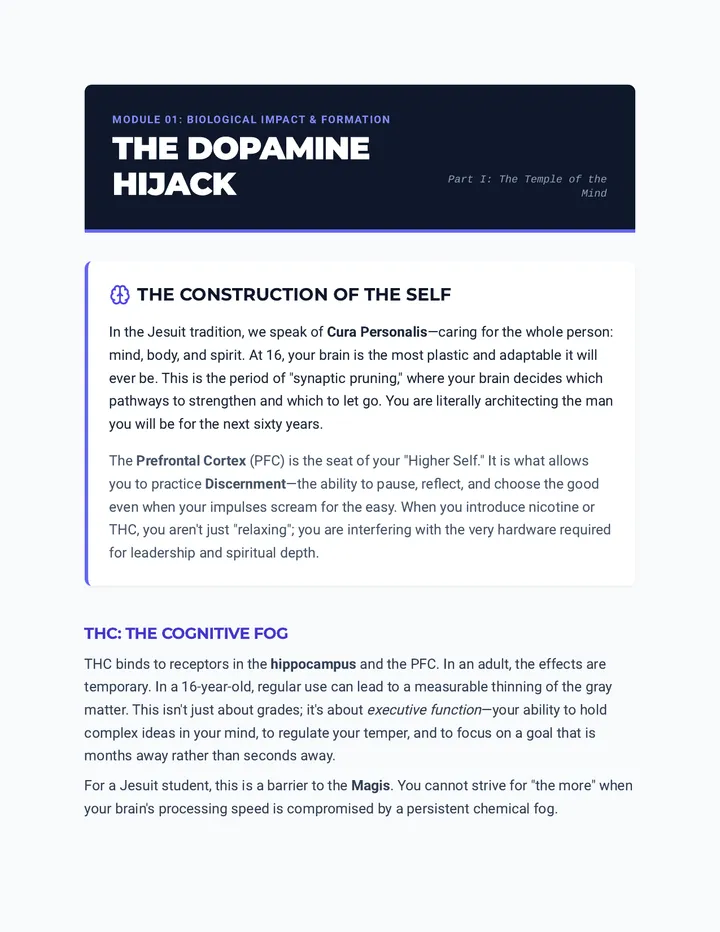
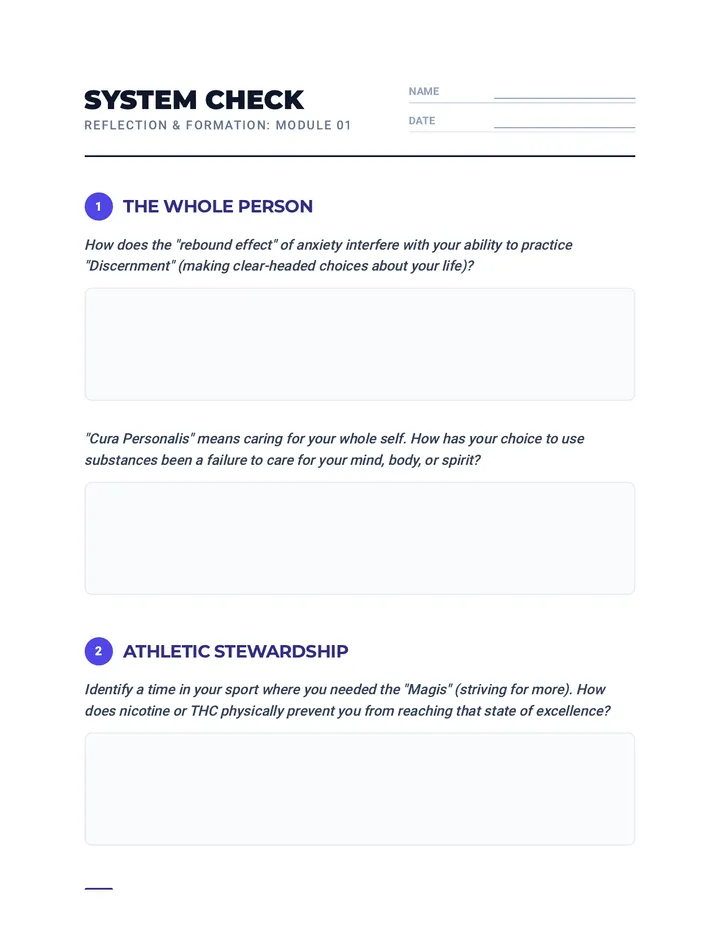
A restorative learning program designed for high school students to reflect on the impact of substance use and prepare for a positive return to their school community. The program balances scientific facts with deep personal reflection.
A comprehensive 5-lesson sequence for 4th grade students focused on refusal skills and social decision-making regarding prescription drugs. Students learn to identify pressure tactics, communicate assertively, use non-verbal cues, and identify trusted adults for support.
This comprehensive health workshop equips 6th-grade students with the practical social skills needed to navigate peer pressure regarding alcohol. Students learn to identify direct and indirect pressure, practice verbal and non-verbal refusal strategies, and develop personal safety plans for difficult social situations.
A comprehensive 5-lesson sequence for 7th-grade students focused on understanding the physiological basis of stress, practicing immediate coping strategies, distinguishing healthy habits, and building a personalized resilience plan.
A comprehensive 5-lesson sequence for 4th graders focused on identifying peer pressure and developing practical verbal and non-verbal refusal strategies related to alcohol awareness. Students build a 'social shield' of skills to navigate uncomfortable situations with confidence.
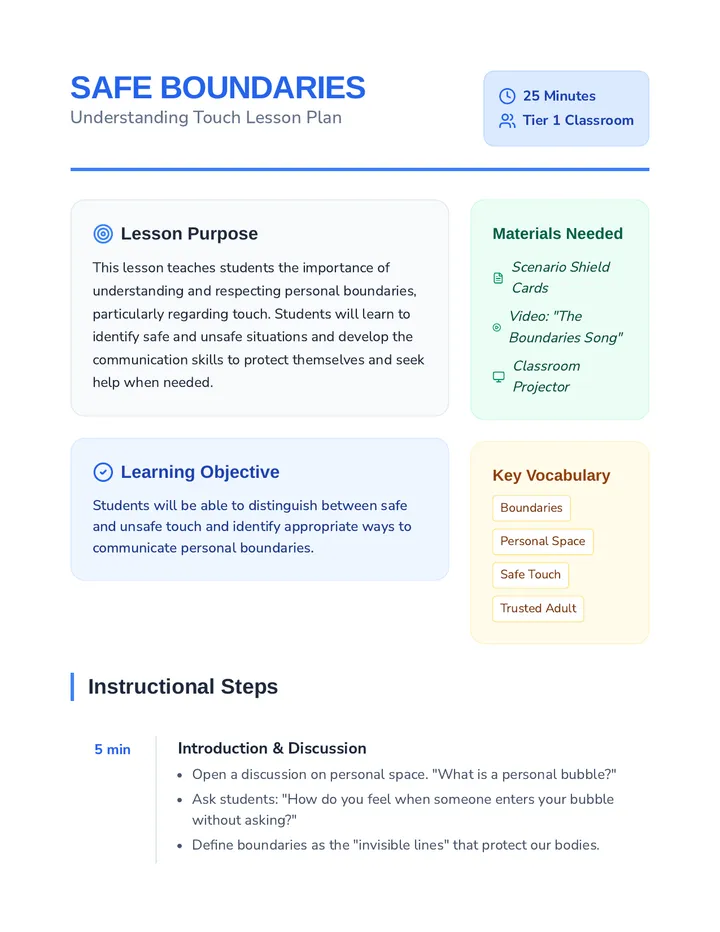
A 30-minute introductory lesson on personal boundaries, body ownership, and differentiating between safe and unsafe touch. Students learn to identify trusted adults and practice communication skills for setting boundaries.
A 30-minute lesson for 8th graders on identifying and resisting negative peer pressure through refusal strategies and personal 'out' plans.
This lesson teaches students about personal boundaries and inappropriate touch through discussion, a video, and scenario-based activities. Students learn to identify safe and unsafe touch and how to communicate their boundaries effectively.
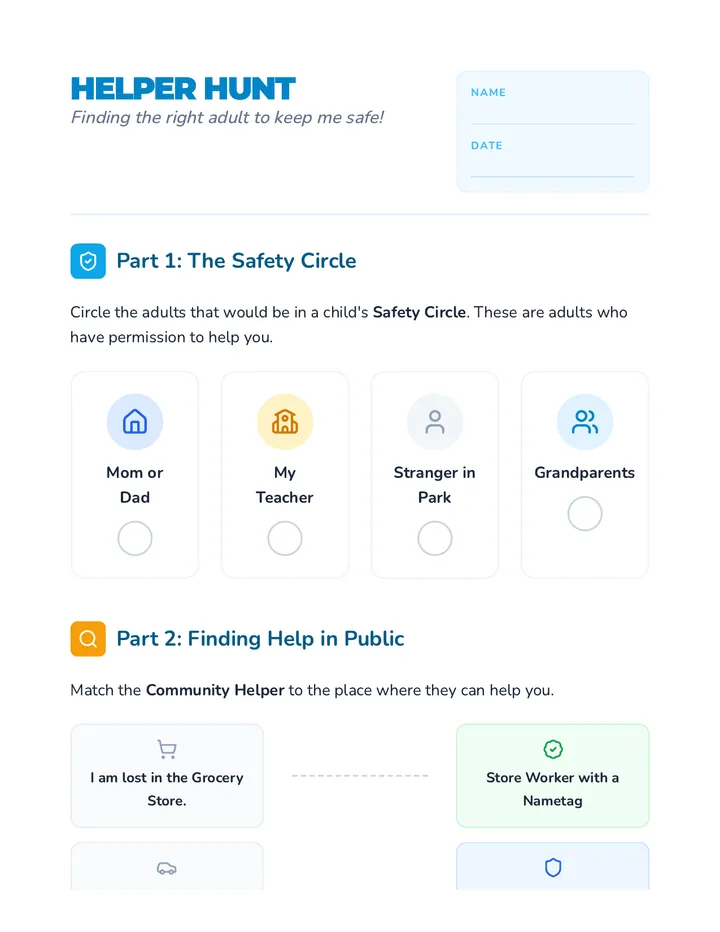
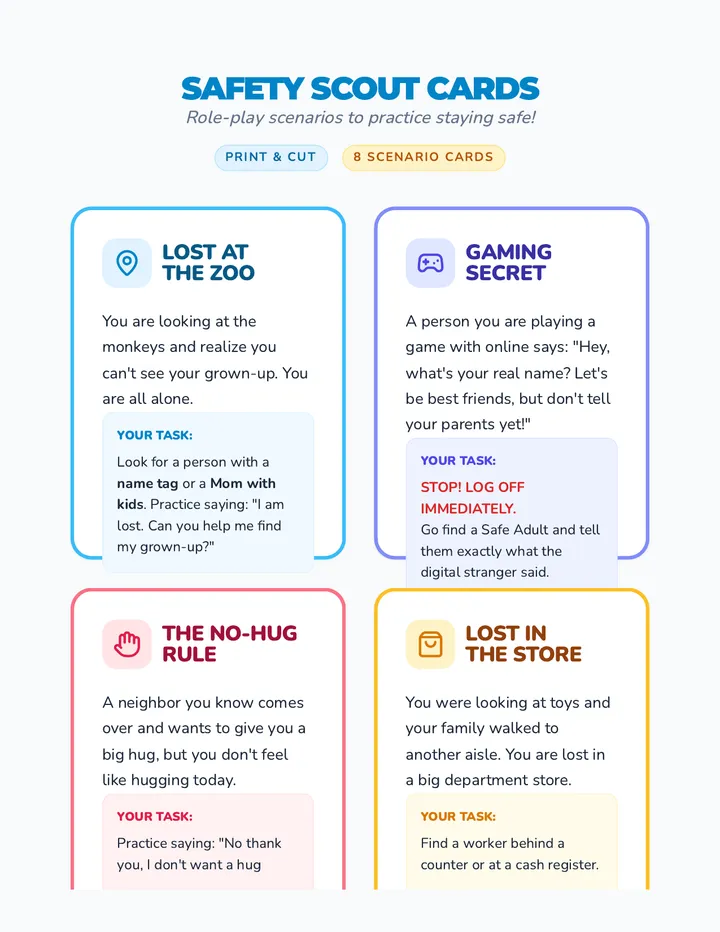
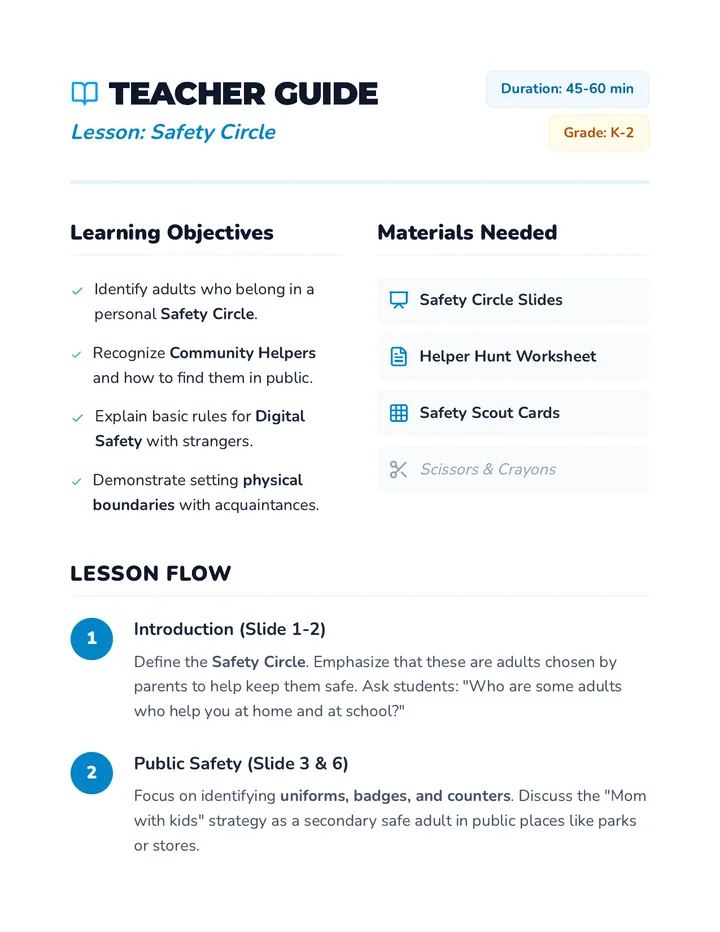
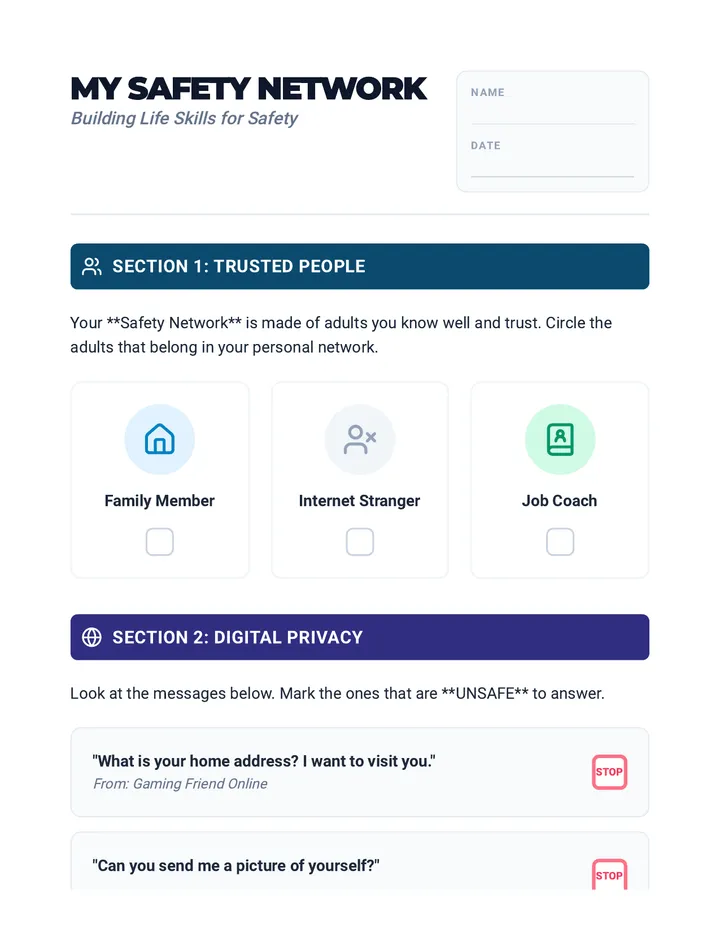
A comprehensive lesson teaching students how to identify safe adults, navigate digital interactions, ask for help in public, and maintain healthy boundaries with acquaintances.
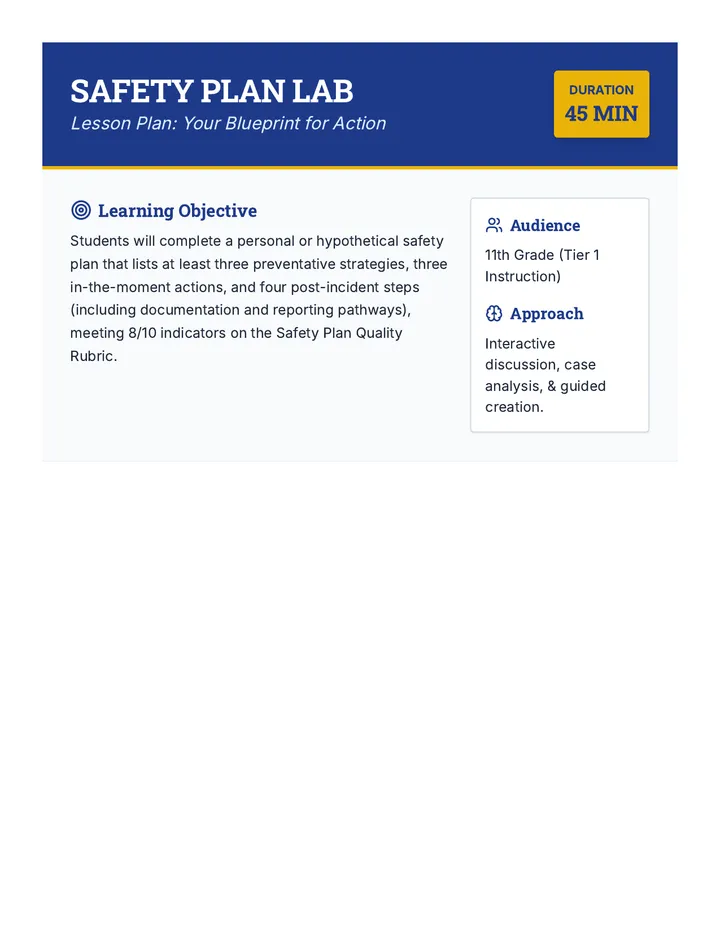
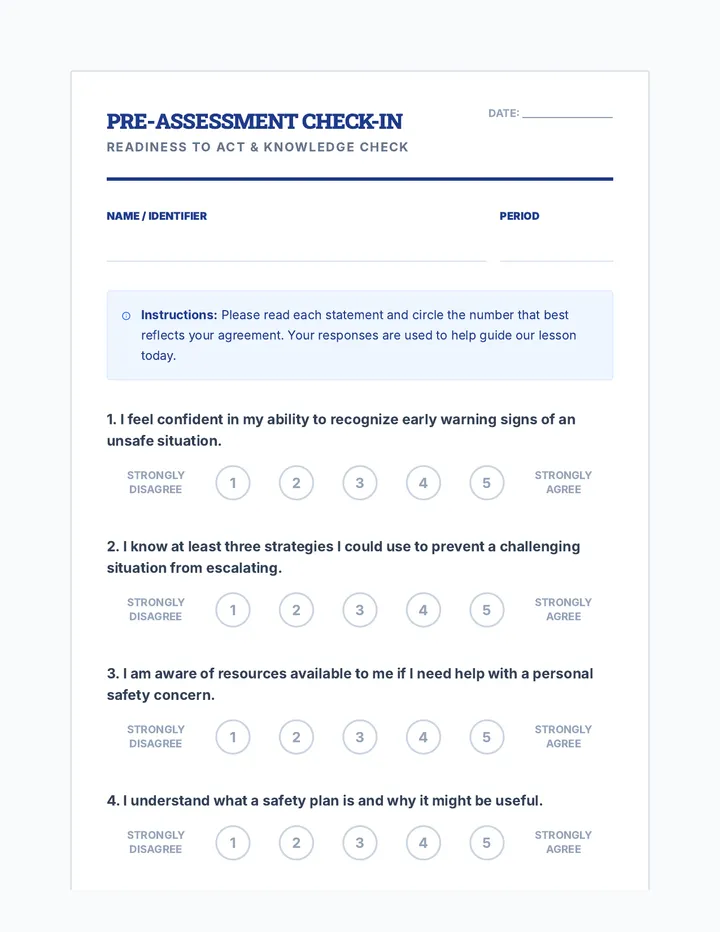
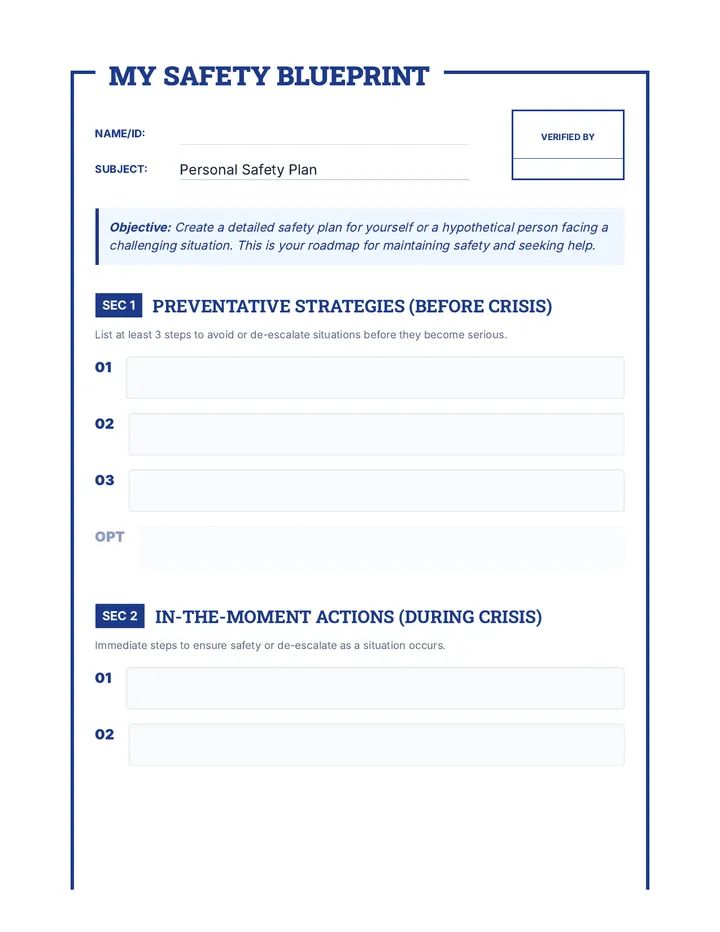
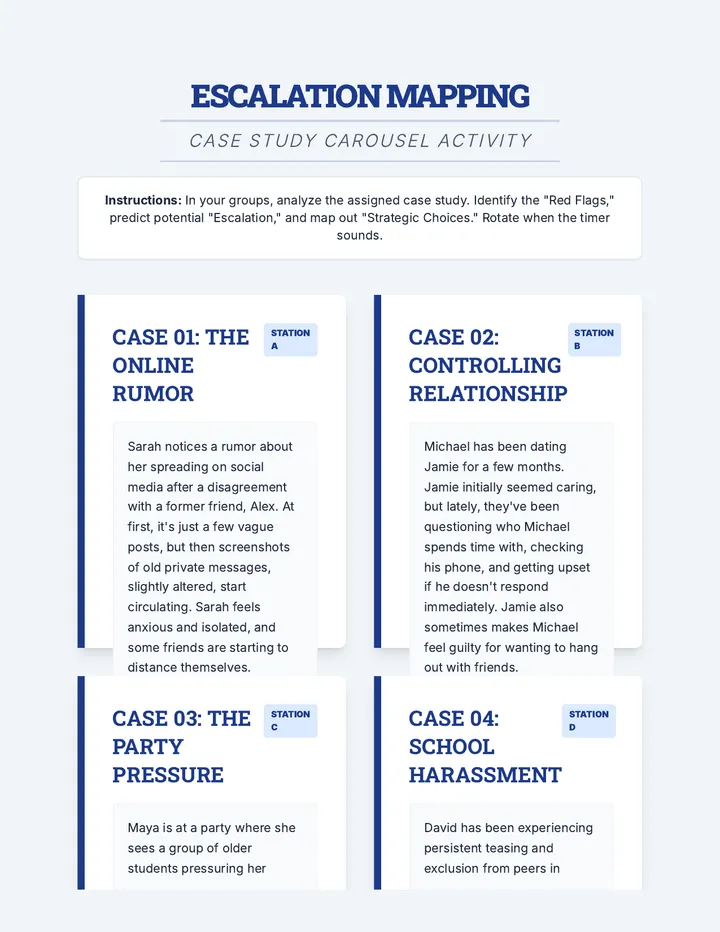
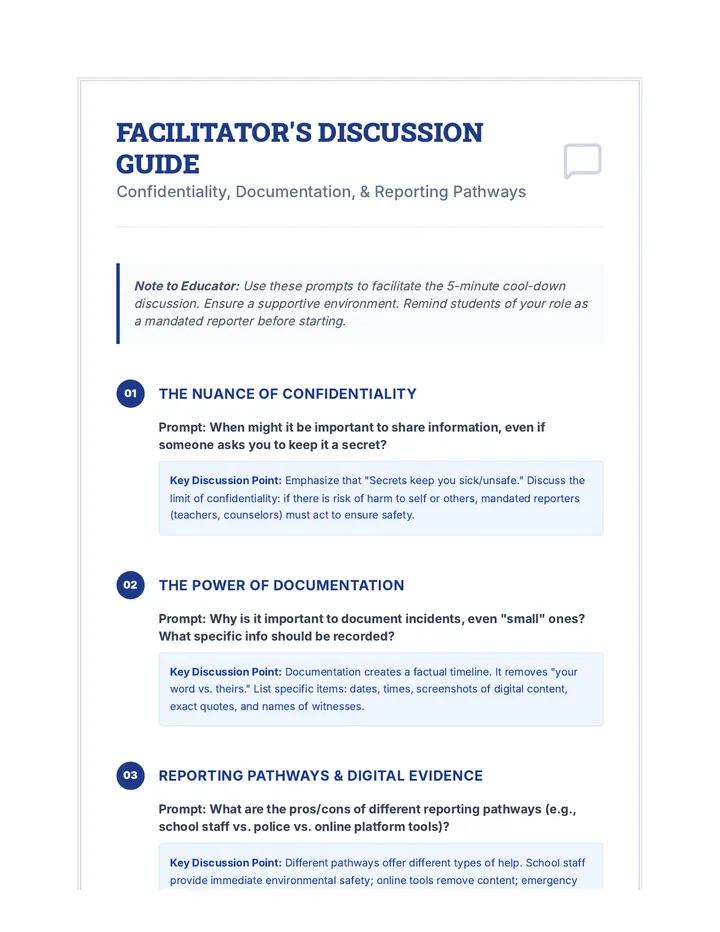
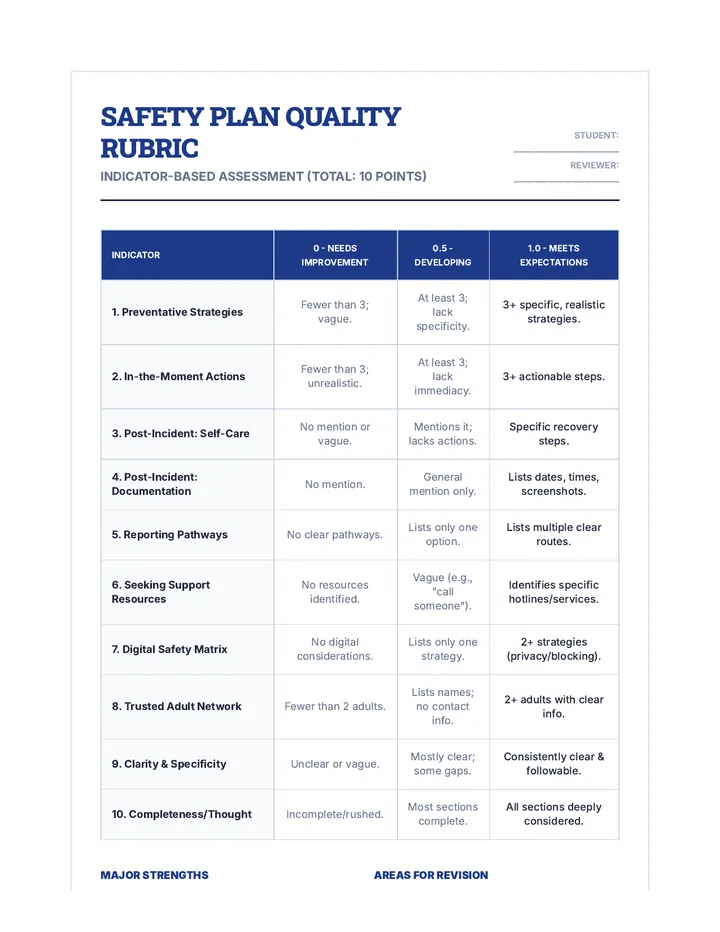
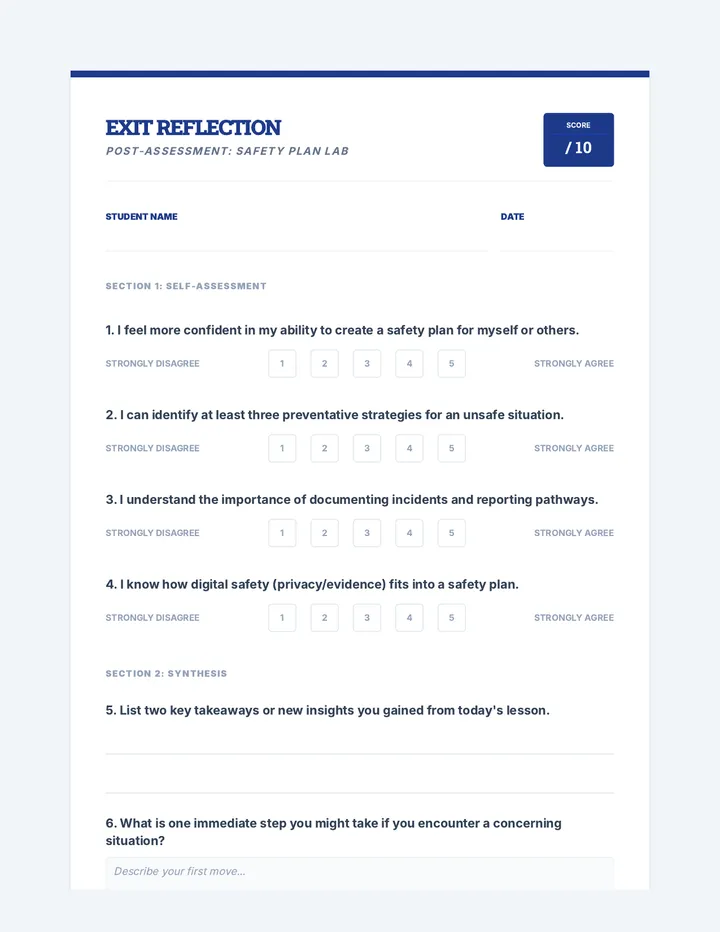
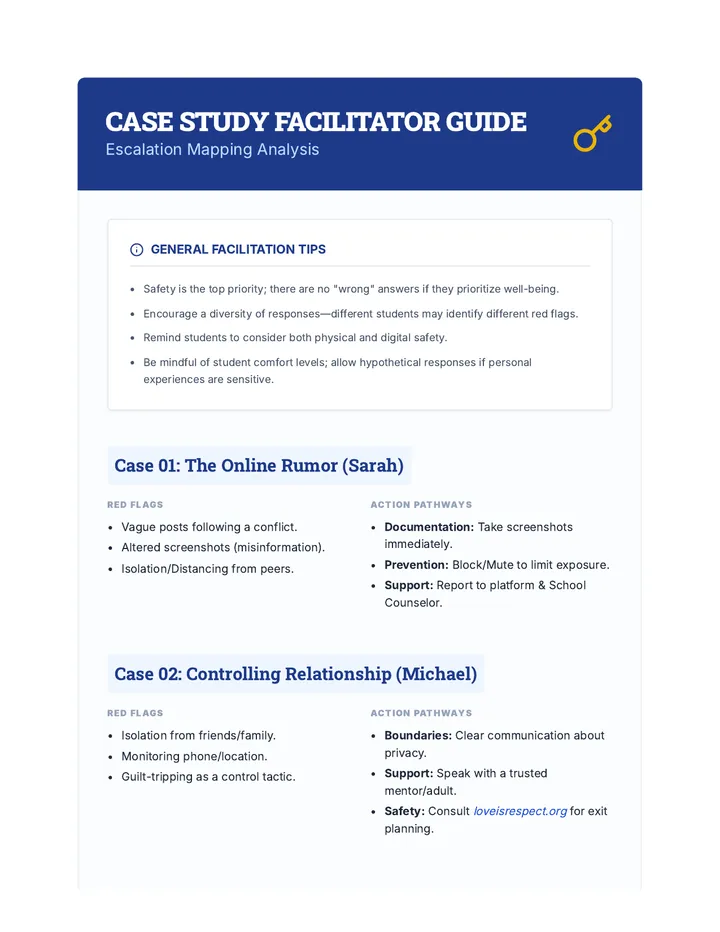
This 11th-grade lesson empowers students to create proactive safety plans for challenging situations. Through case study analysis and guided drafting, students learn to recognize risks, develop preventative strategies, and identify reporting pathways.
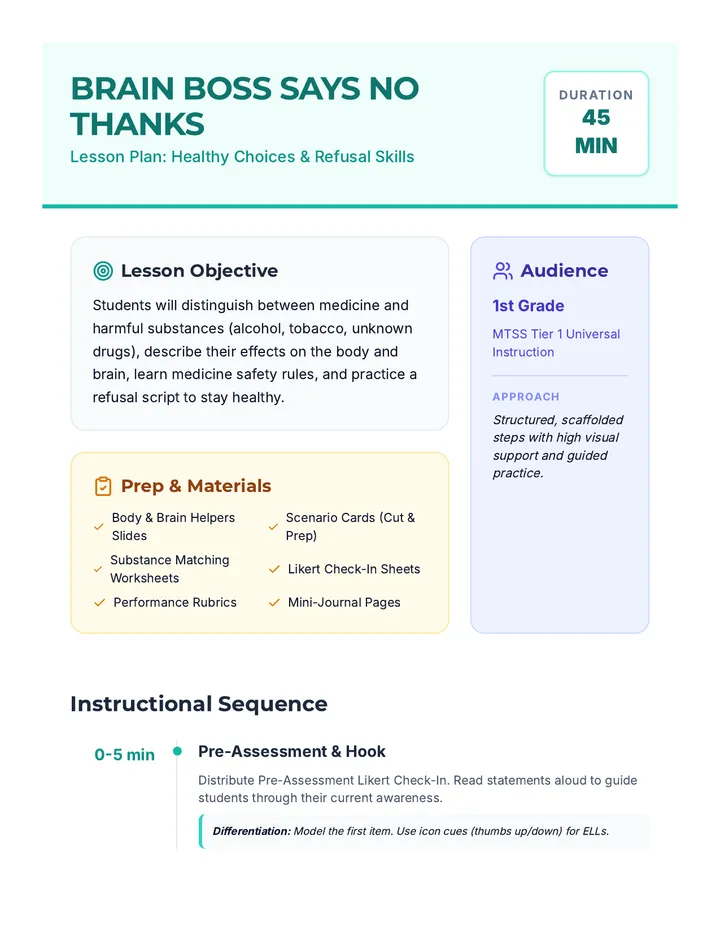
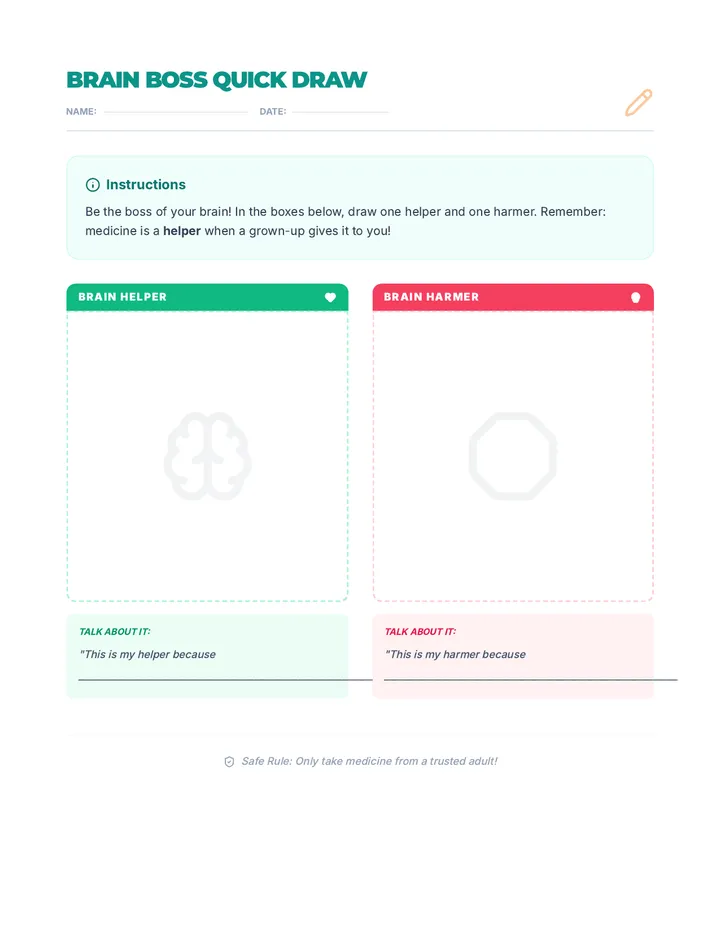
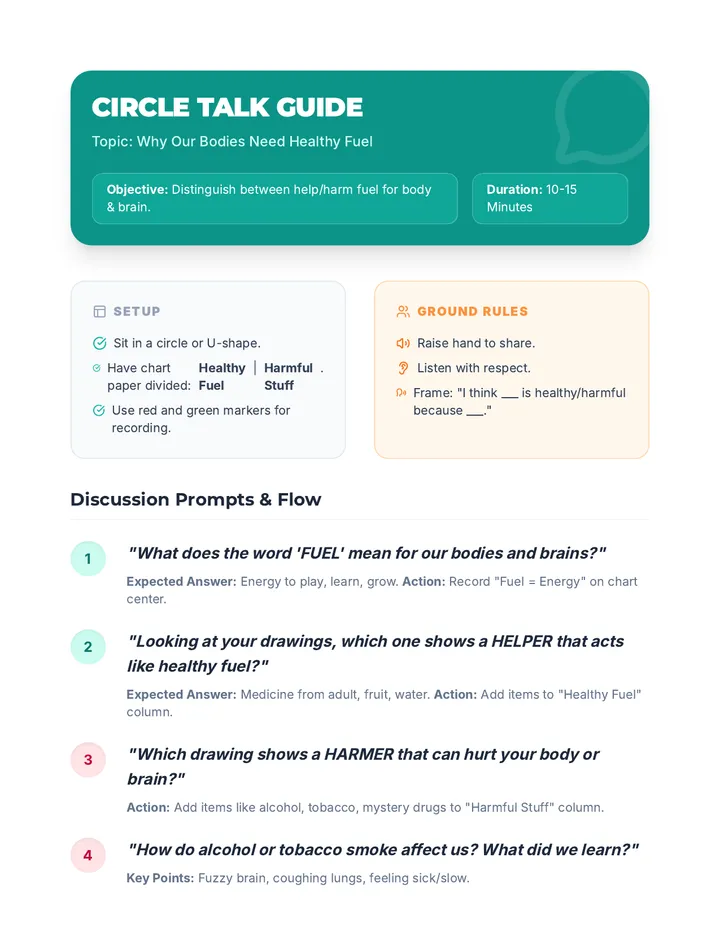
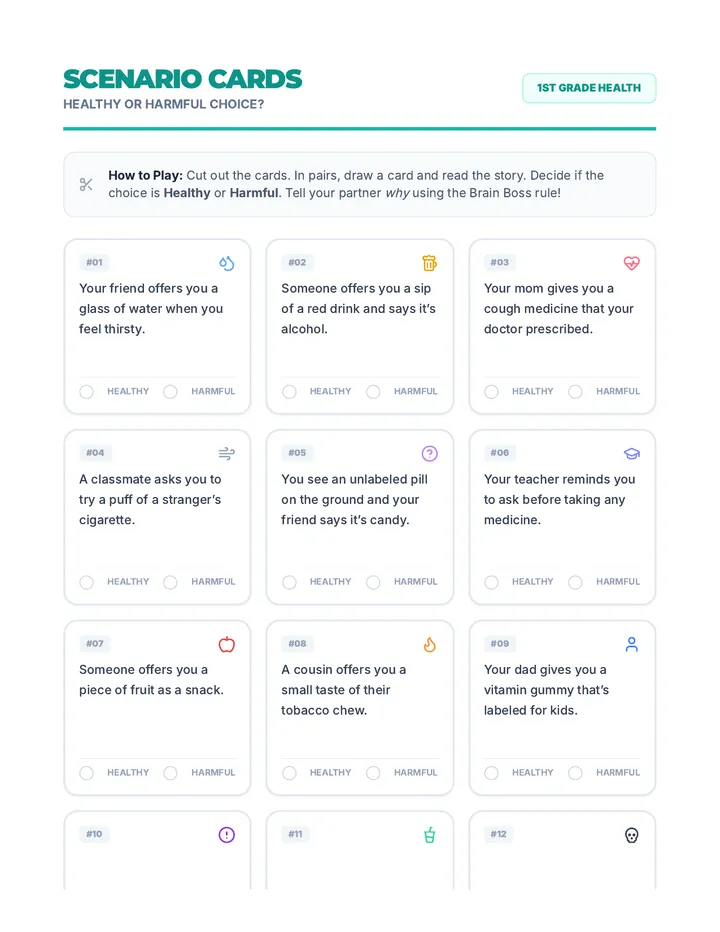
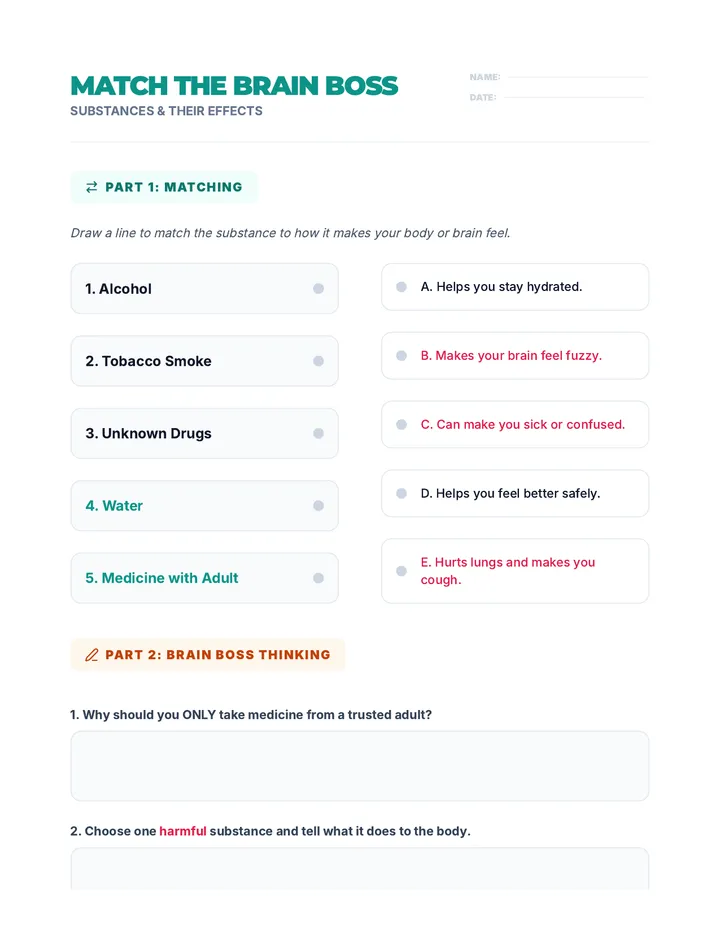
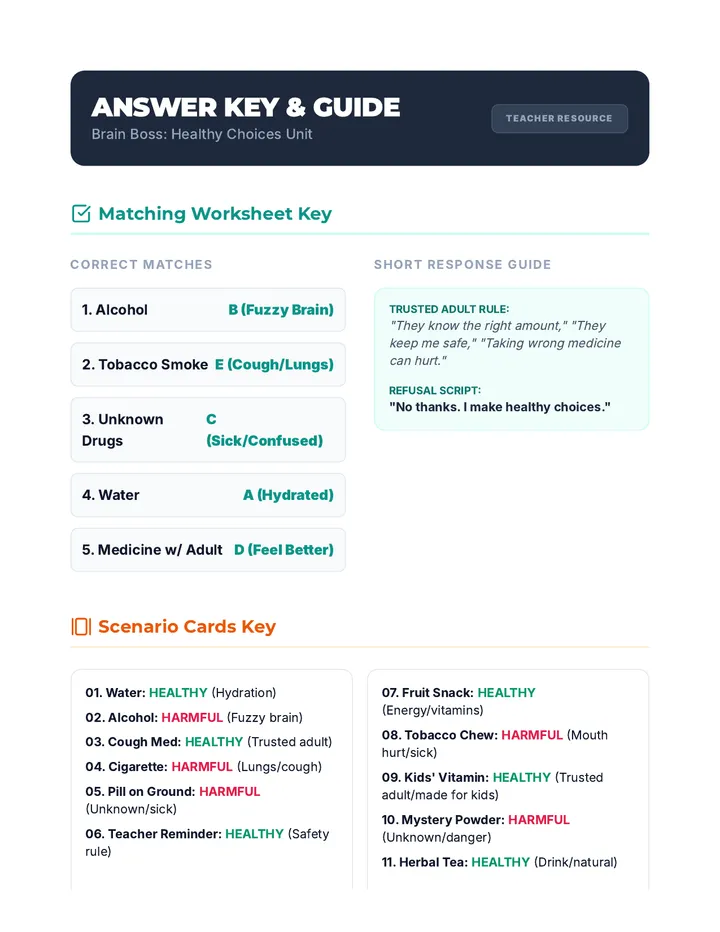
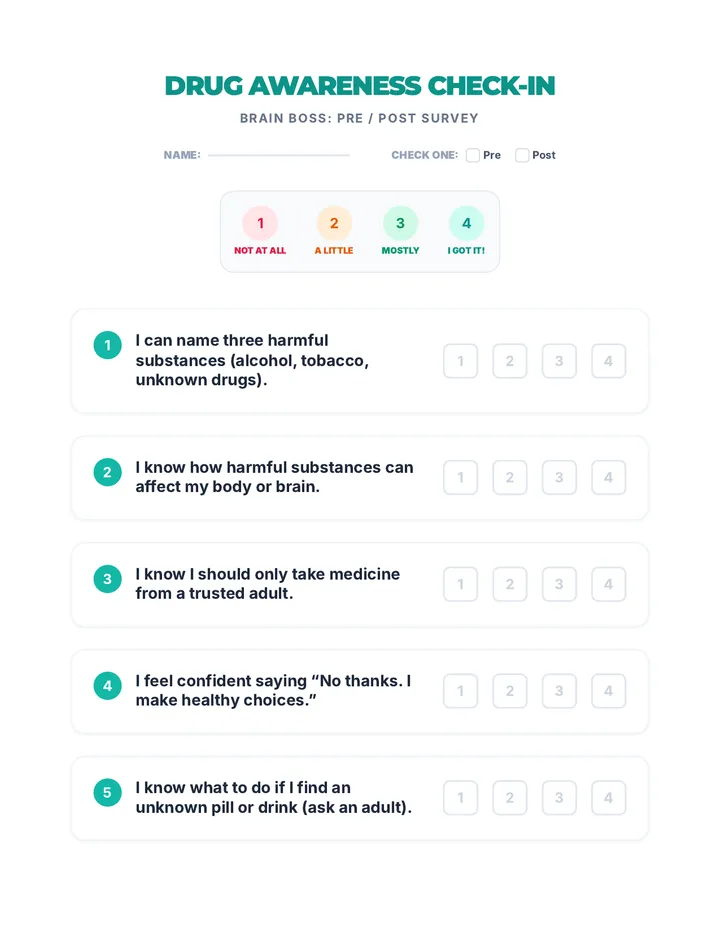
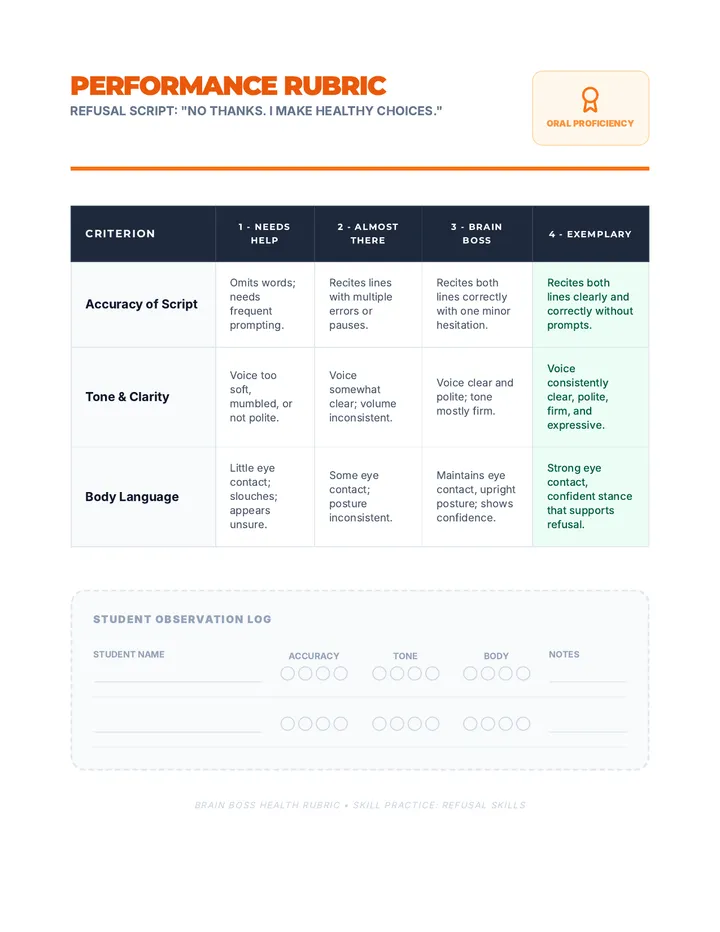
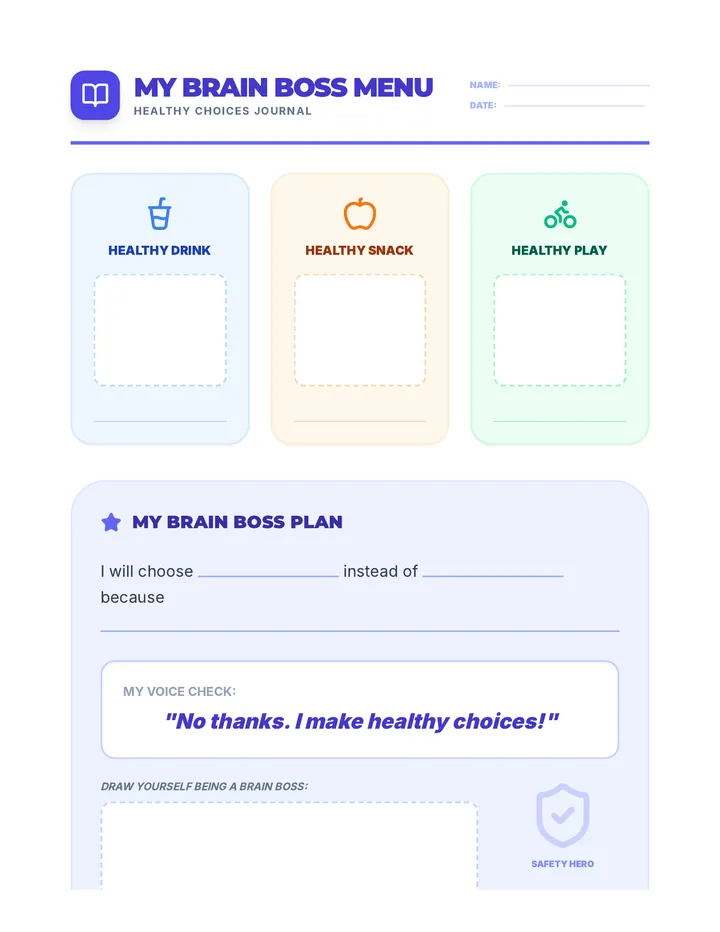
A 45-minute 1st Grade lesson teaching students to distinguish between medicine and harmful substances like alcohol, tobacco, and unknown drugs, while practicing healthy decision-making and refusal skills.
A 45-minute 6th grade lesson on identifying personal boundaries, distinguishing safe versus unsafe touch, and seeking help from trusted adults. Students engage in interactive sorting, mapping, and role-play to build safety skills.
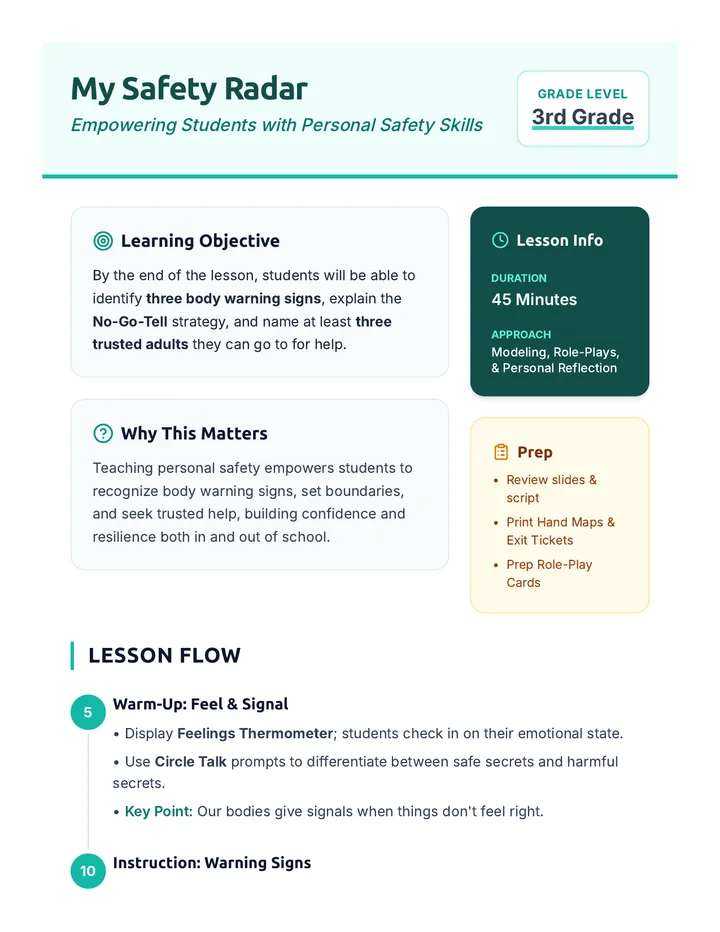
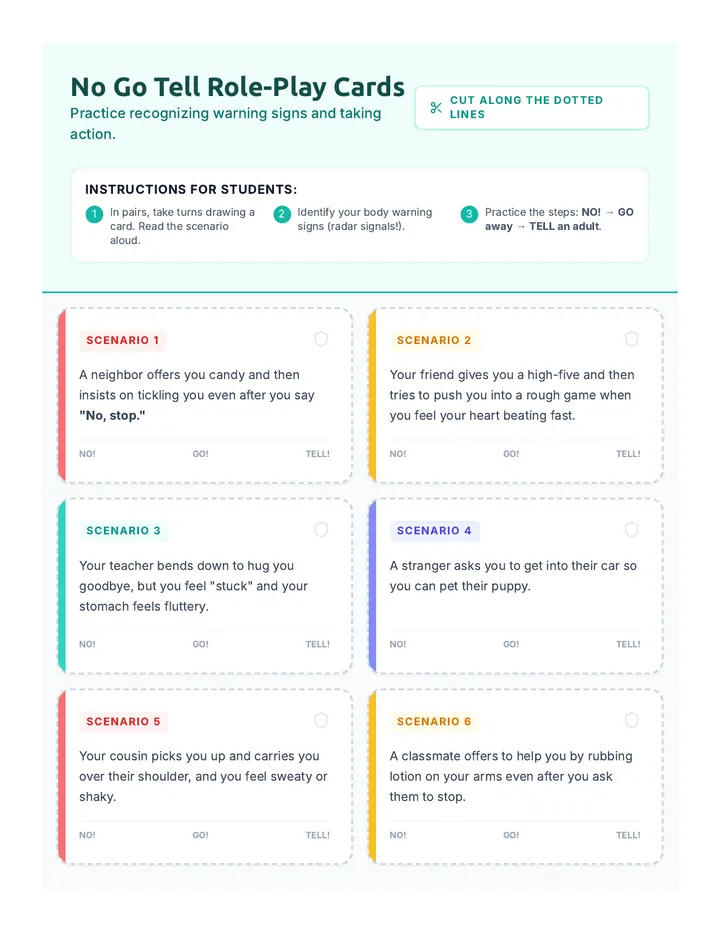
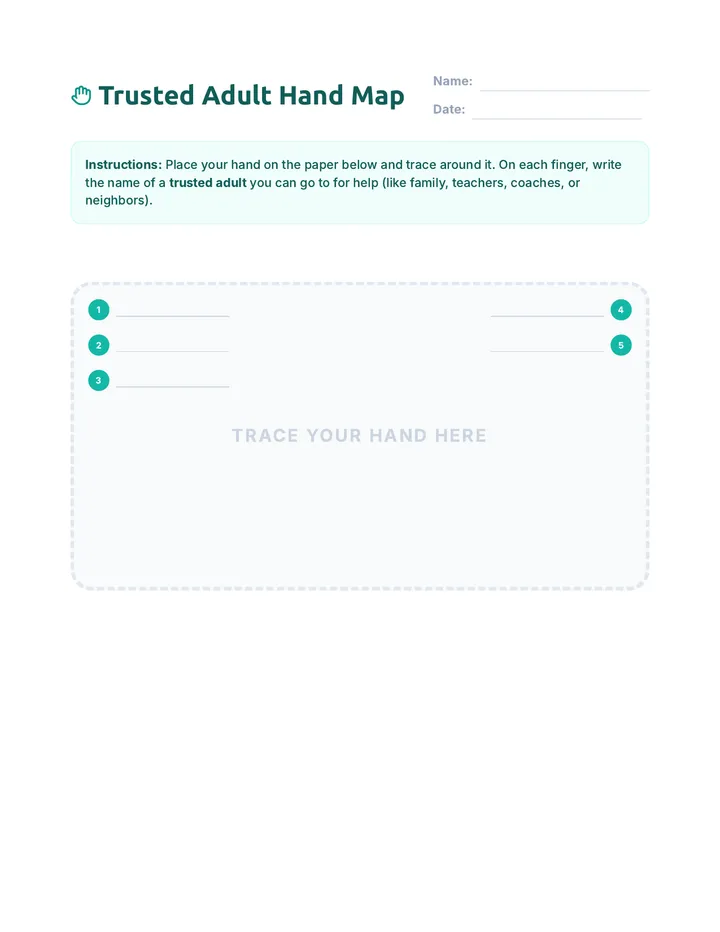
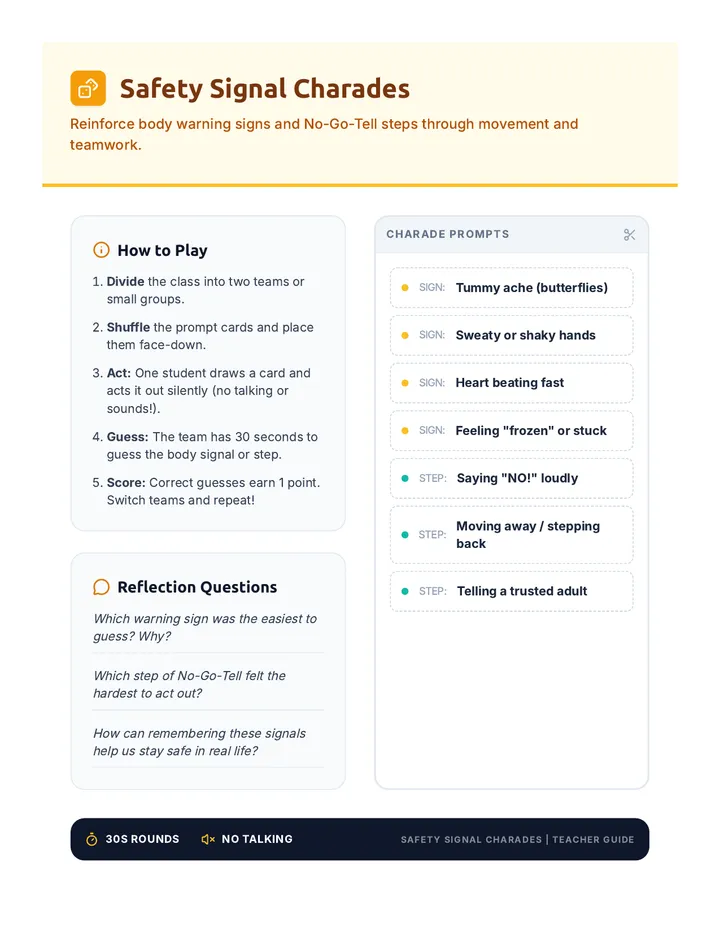
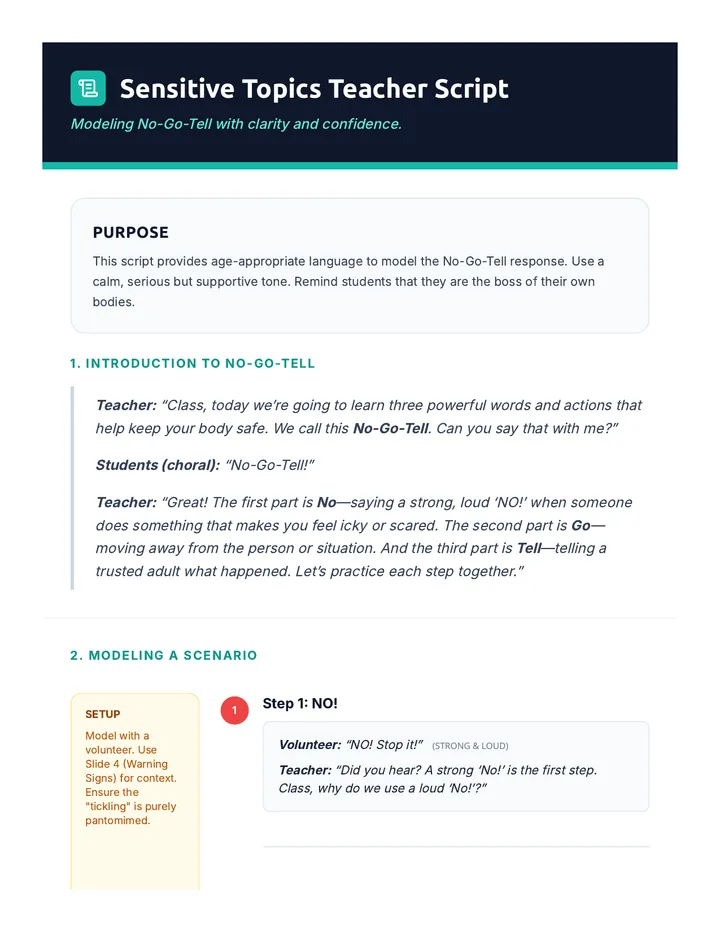
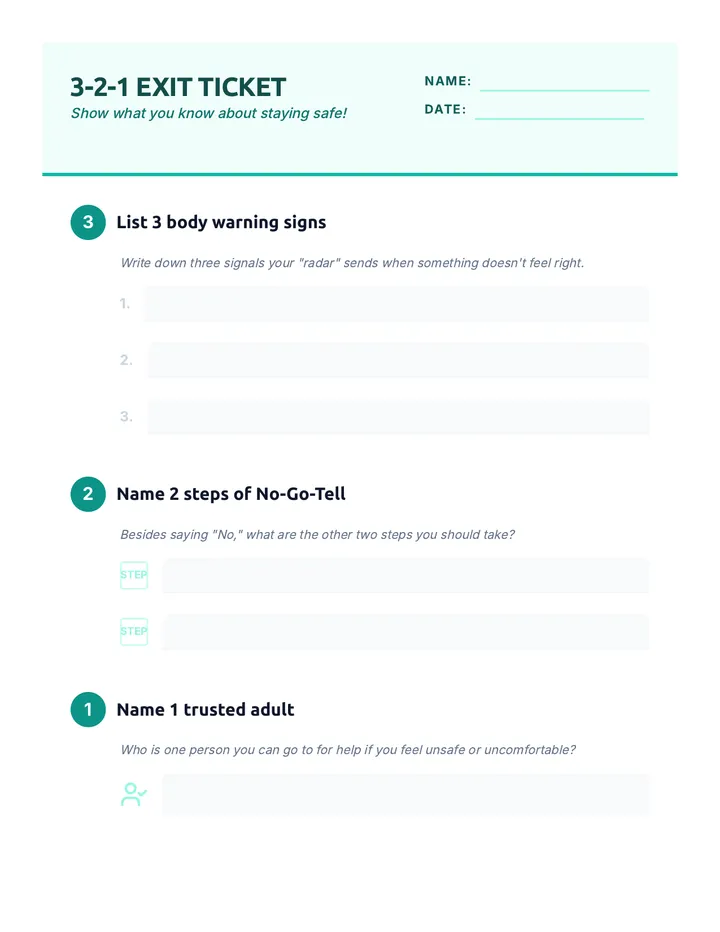
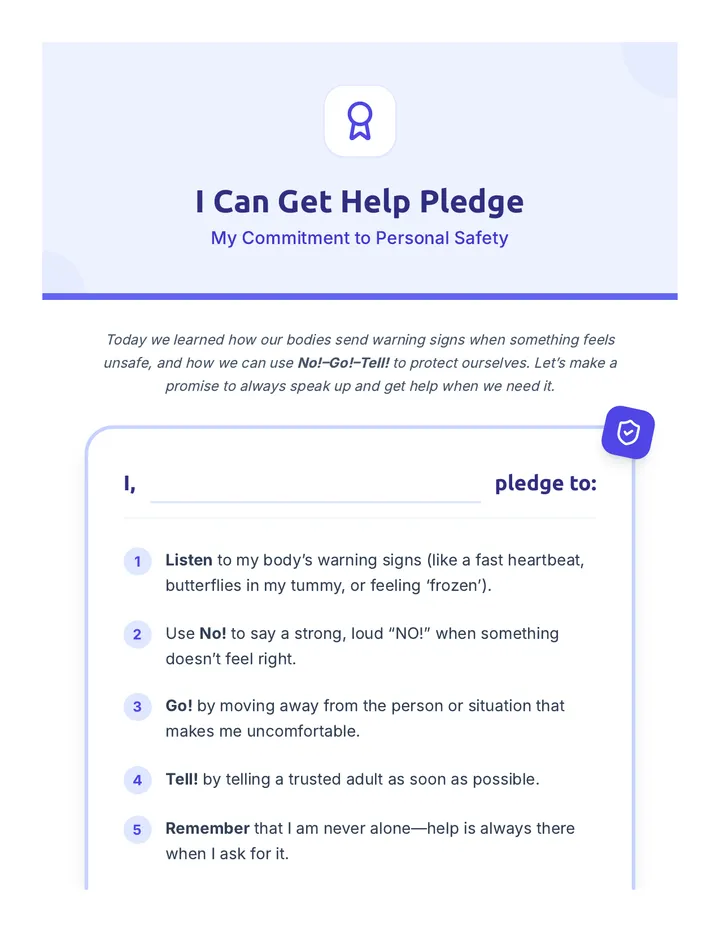
In this 45-minute 3rd grade lesson, students learn to recognize body warning signs, practice the No-Go-Tell response, and identify trusted adults for help. This vital lesson empowers children with personal safety skills and confidence to seek support when needed.
A 45-minute lesson for 11th graders exploring how substances impair the adolescent brain and performance, potential consequences, and refusal strategies. Includes a personalized 3-2-1 coping plan to protect future goals.
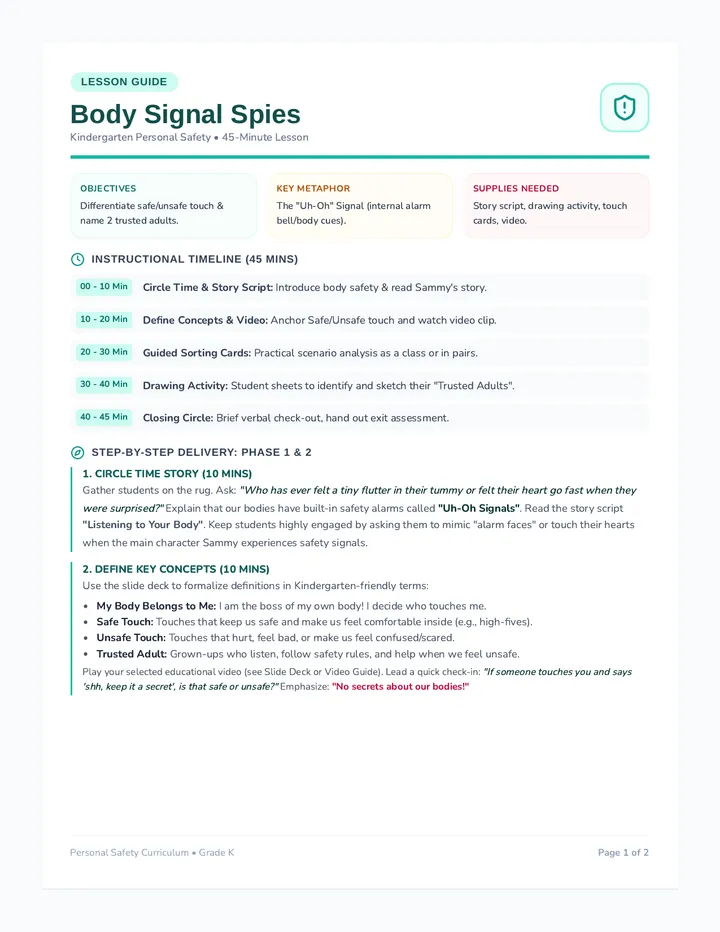
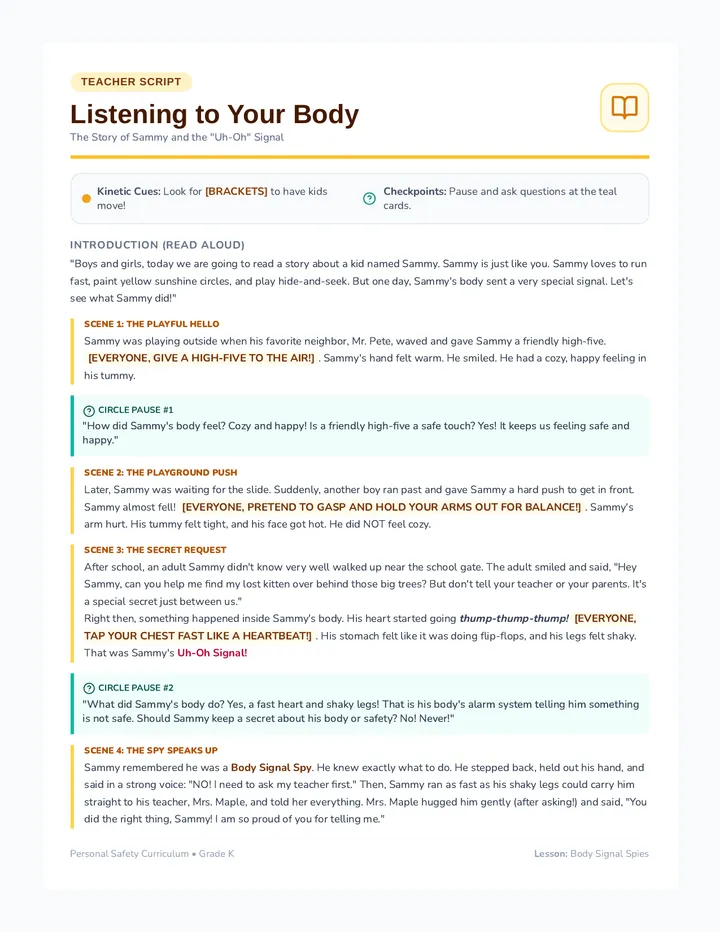
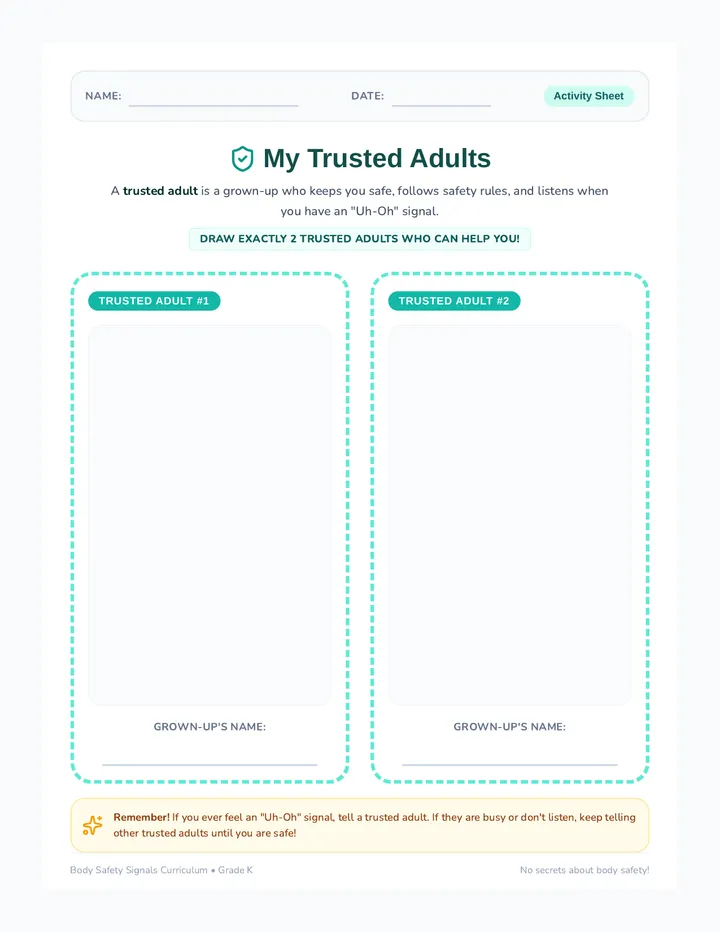
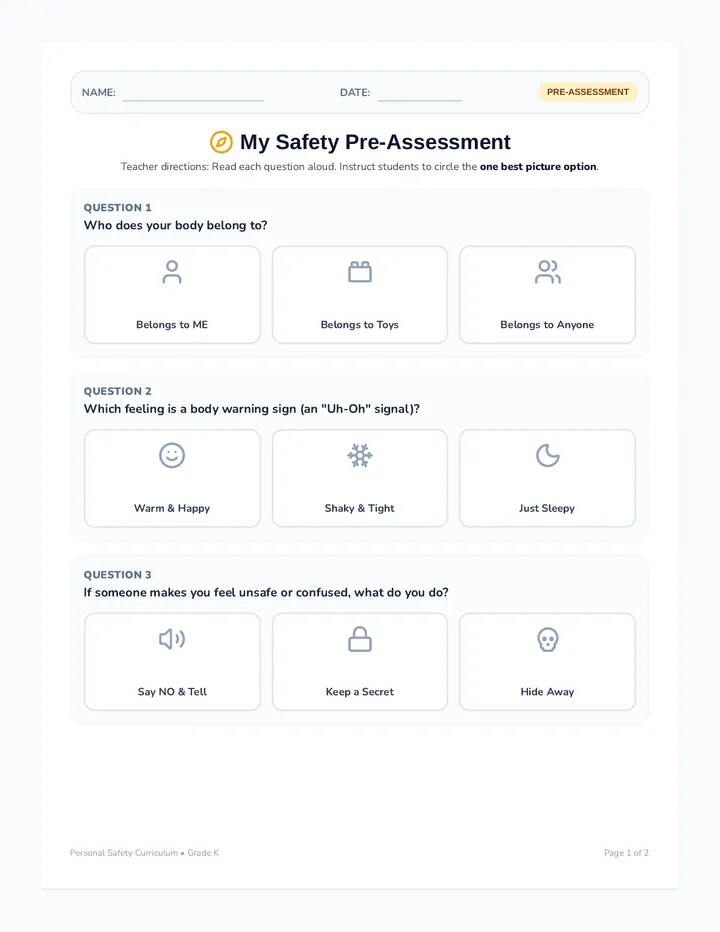
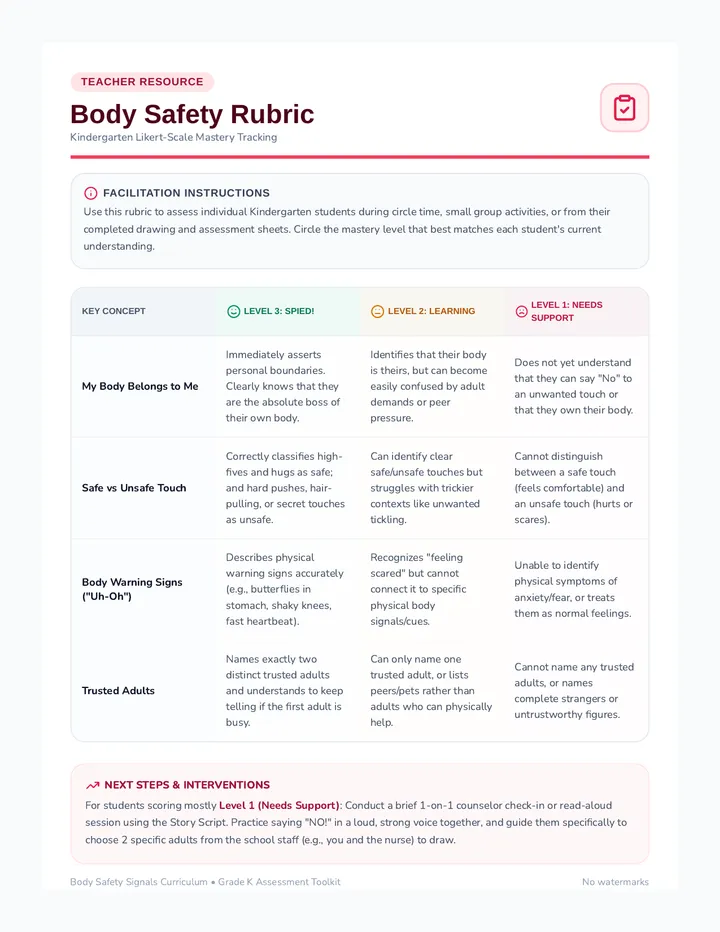
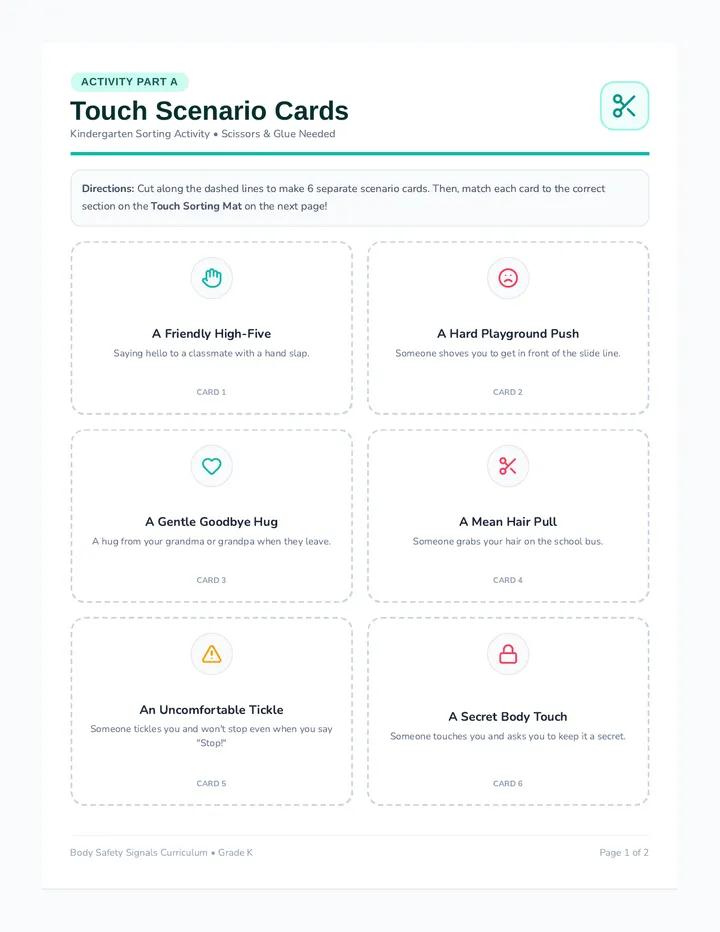
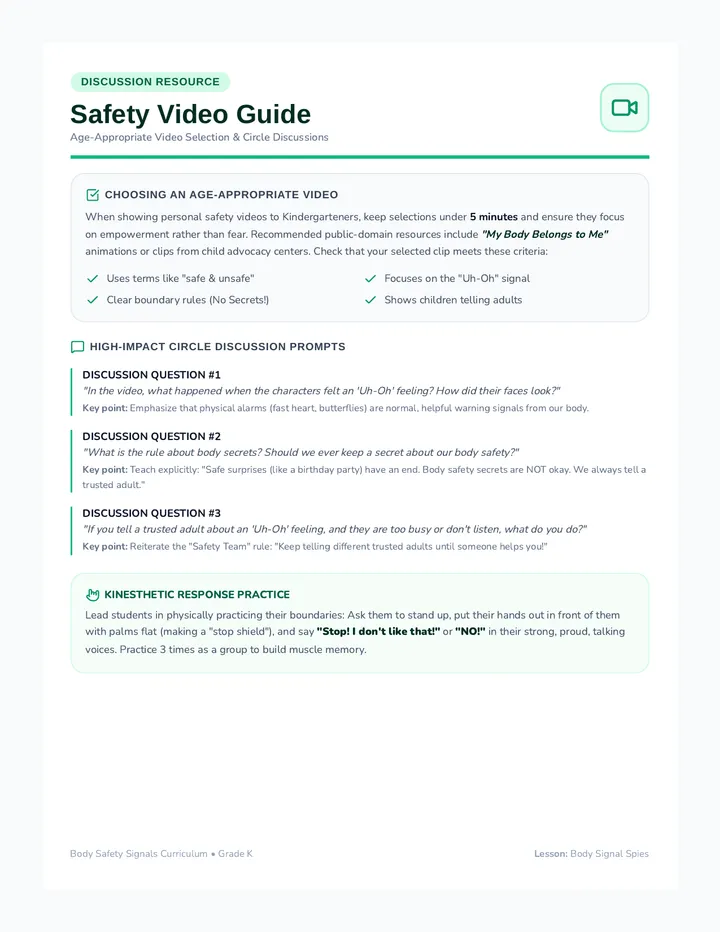
A comprehensive Kindergarten body safety lesson that teaches students to recognize physical warning signs ('uh-oh' feelings), differentiate between safe and unsafe touch, and identify trusted adults.
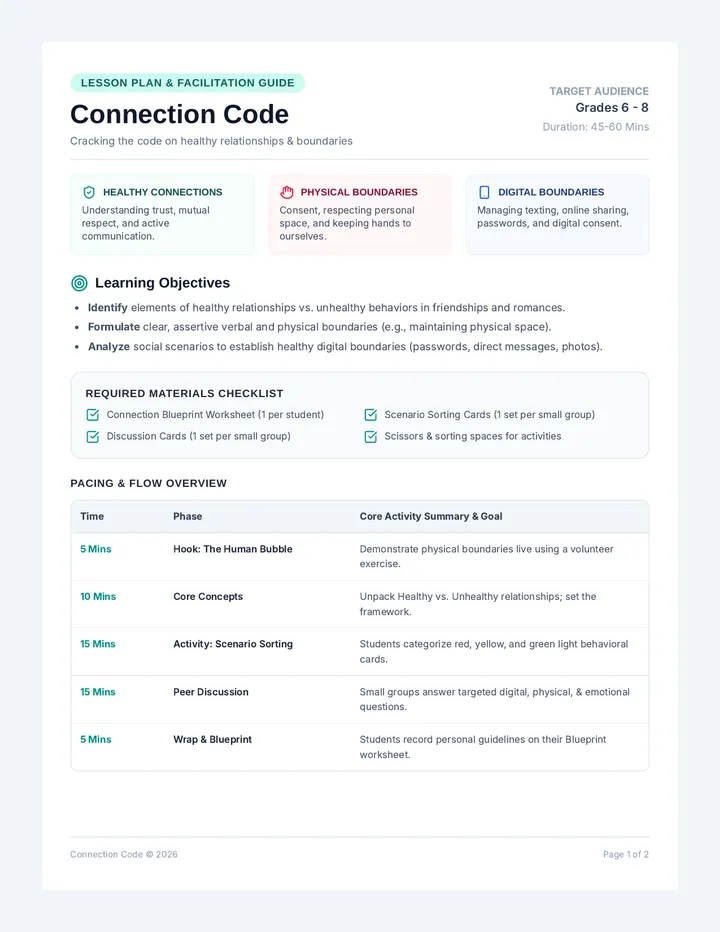
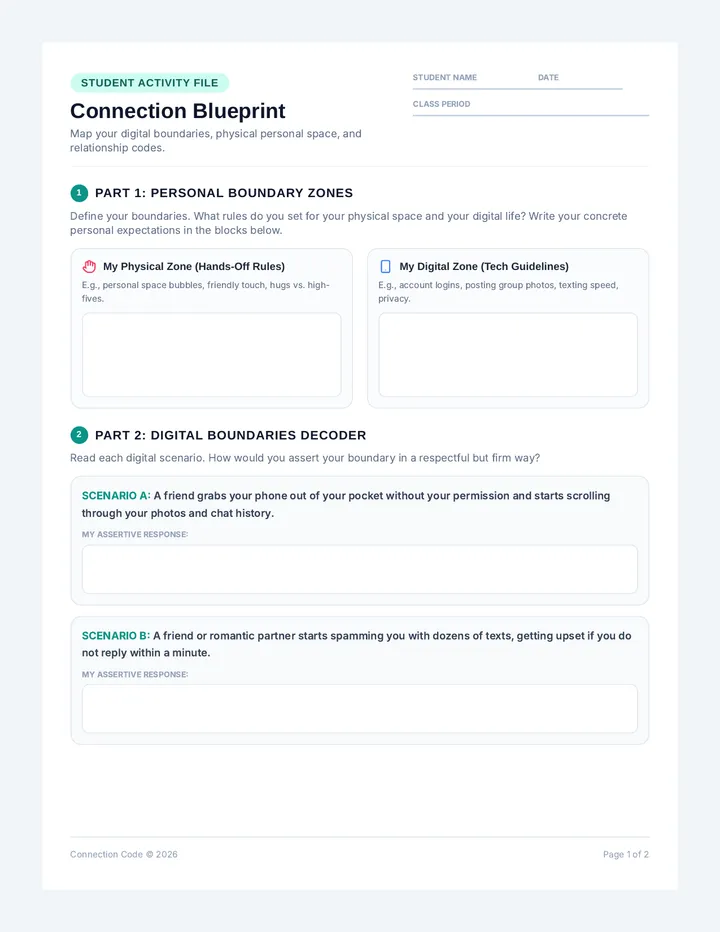
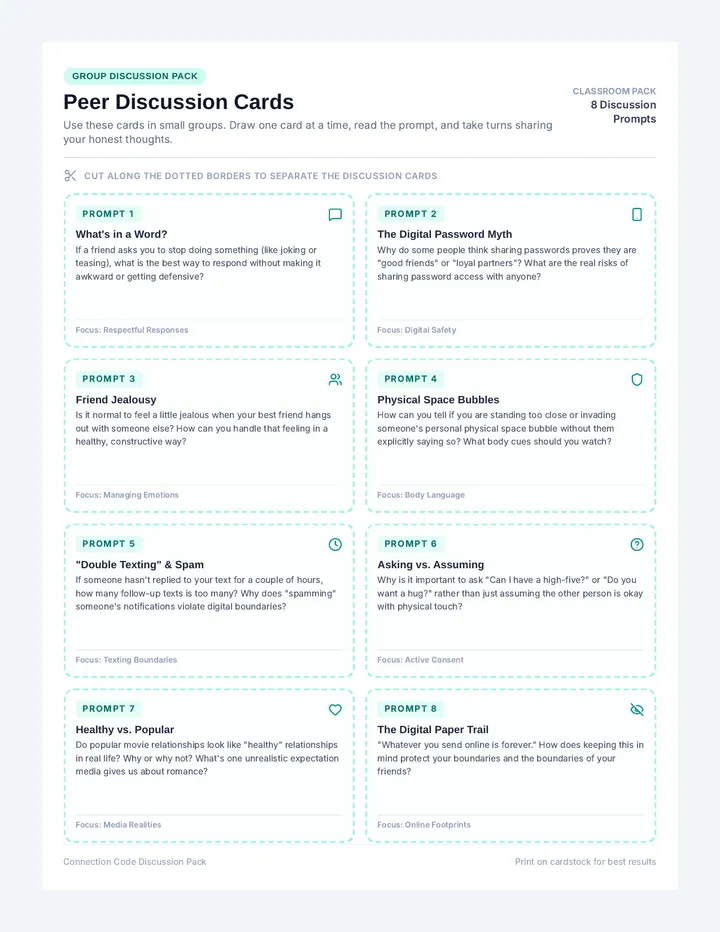
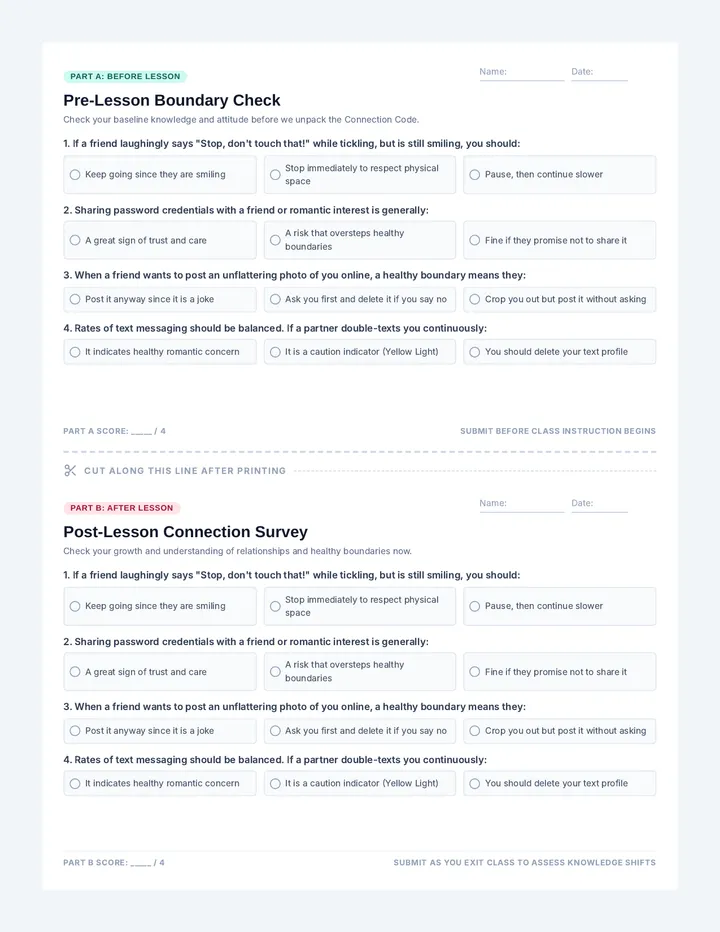
An interactive, high-impact middle school lesson plan focusing on healthy relationships, physical boundaries, and digital consent. Includes a step-by-step teacher guide, student blueprint worksheet, scenario sorting activity, and peer discussion cards.
A hands-on stations activity for 6th graders to explore the impact of social media on mental health, identifying both the benefits and risks of digital connection.