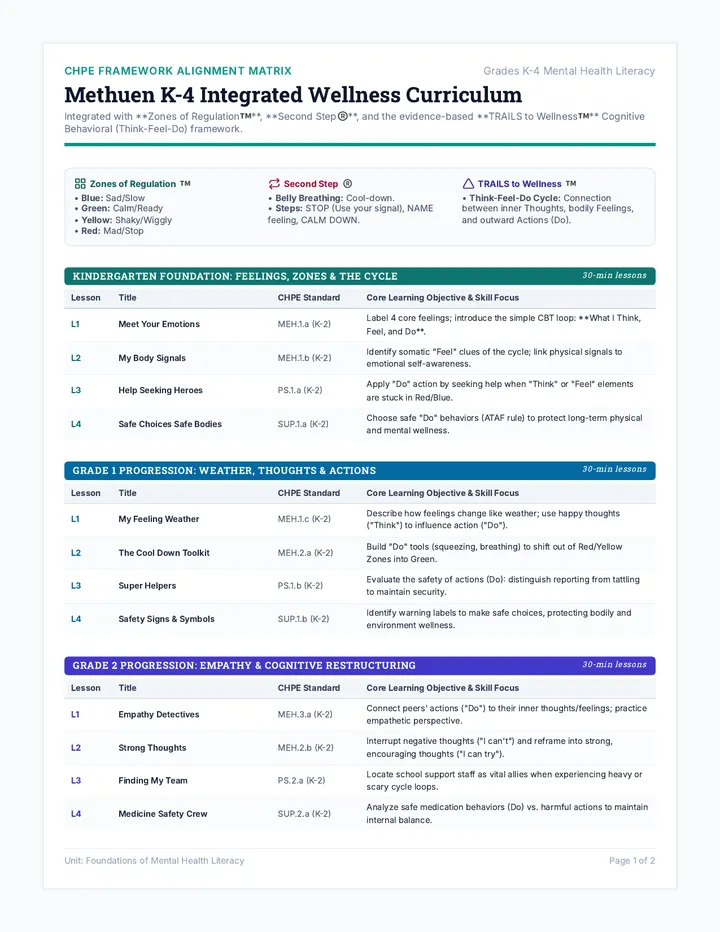
Fundamental concepts of emotional intelligence, stress reduction, and relaxation exercises. Develops skills for healthy relationships, digital balance, and resilience while establishing pathways for help-seeking and support systems.
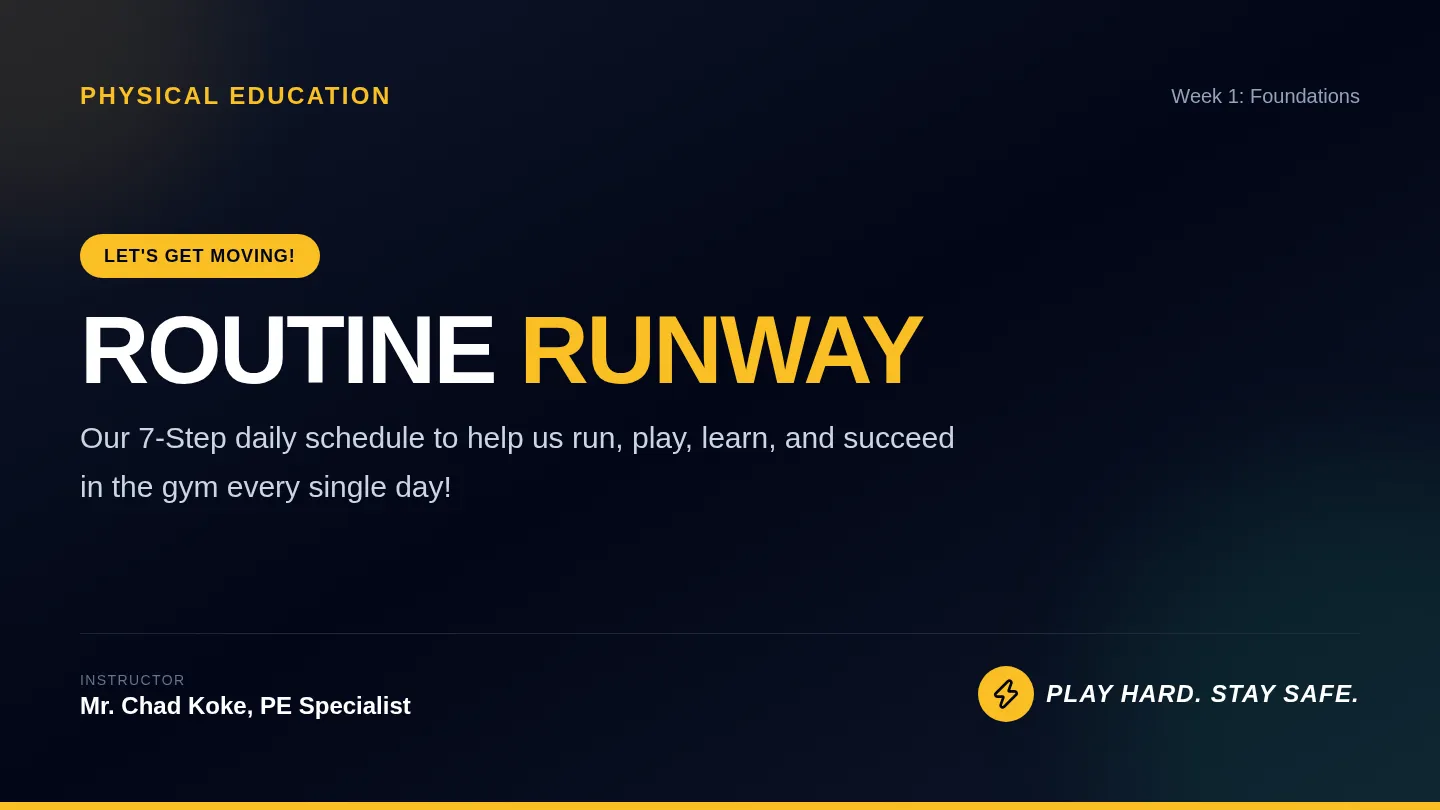
A comprehensive middle school PE curriculum for mixed 6th and 7th grade classes, focusing on developing sustainable physical health habits through varied movement, teamwork, and personal goal-setting. This year-long program balances traditional sports with modern wellness practices to ensure every student finds their path to lifelong fitness.
A 5-session wellbeing sequence for high-functioning students, framing the human body as an advanced biological machine. Each session combines high-level technical facts with interoceptive and self-regulation protocols.
A 3-day exploration into mental health for 11th graders, moving from the biological foundations of the adolescent brain to clinical recognition of disorders and concluding with practical resilience-building strategies.
A comprehensive mental health unit focused on the "Garden of the Mind" metaphor and habit formation. Students explore mental well-being through physical seed planting, Atomic Habits strategies for personal goals, and the identification of protective factors to build a long-term wellness blueprint.
A 12-week introductory cooking curriculum for elementary students focusing on safety, nutrition, and the emotional connection to food.
A Grade 10 health sequence exploring the intersection of environmental interaction and mental wellness through the lens of nature journaling and eco-therapy. Based on the Massachusetts Health Education Framework, students will analyze how nature impacts stress regulation and emotional well-being.
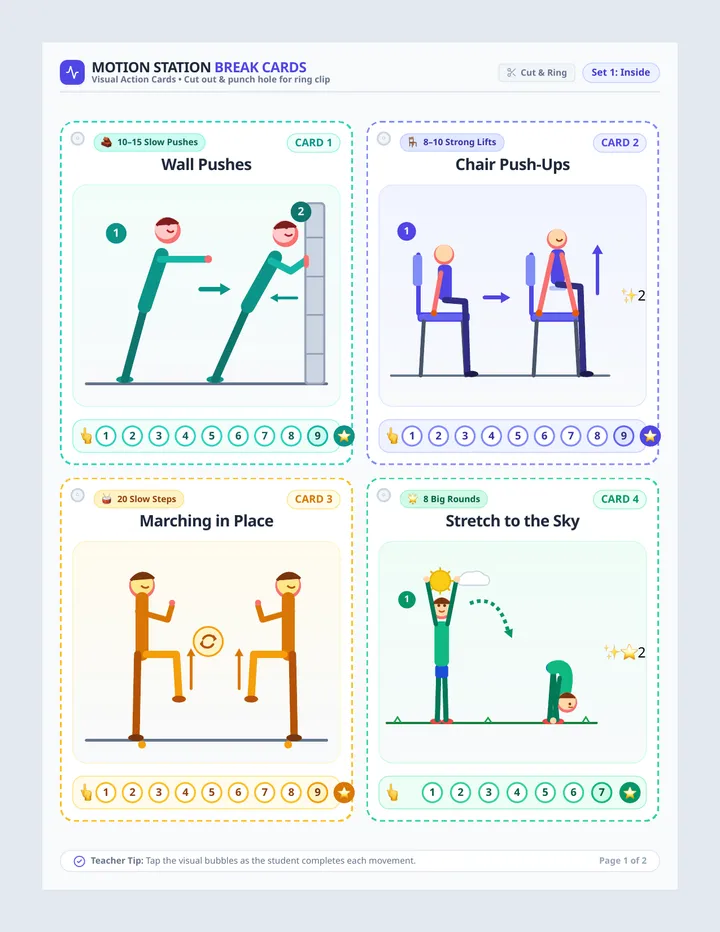
A comprehensive yoga series featuring a deep-dive chair yoga masterclass with guided videos and a follow-up standing flow session for beginners. Designed to build both mental calm and physical strength.
A multi-lesson unit designed to build mental health literacy, identify internal system alerts (Anxiety, Depression, Anger), and develop a sustainable toolkit of coping strategies. Students explore the 'Wellness Spectrum', 'Neuroplasticity', and the deceptive nature of 'System Bypasses' like substances.
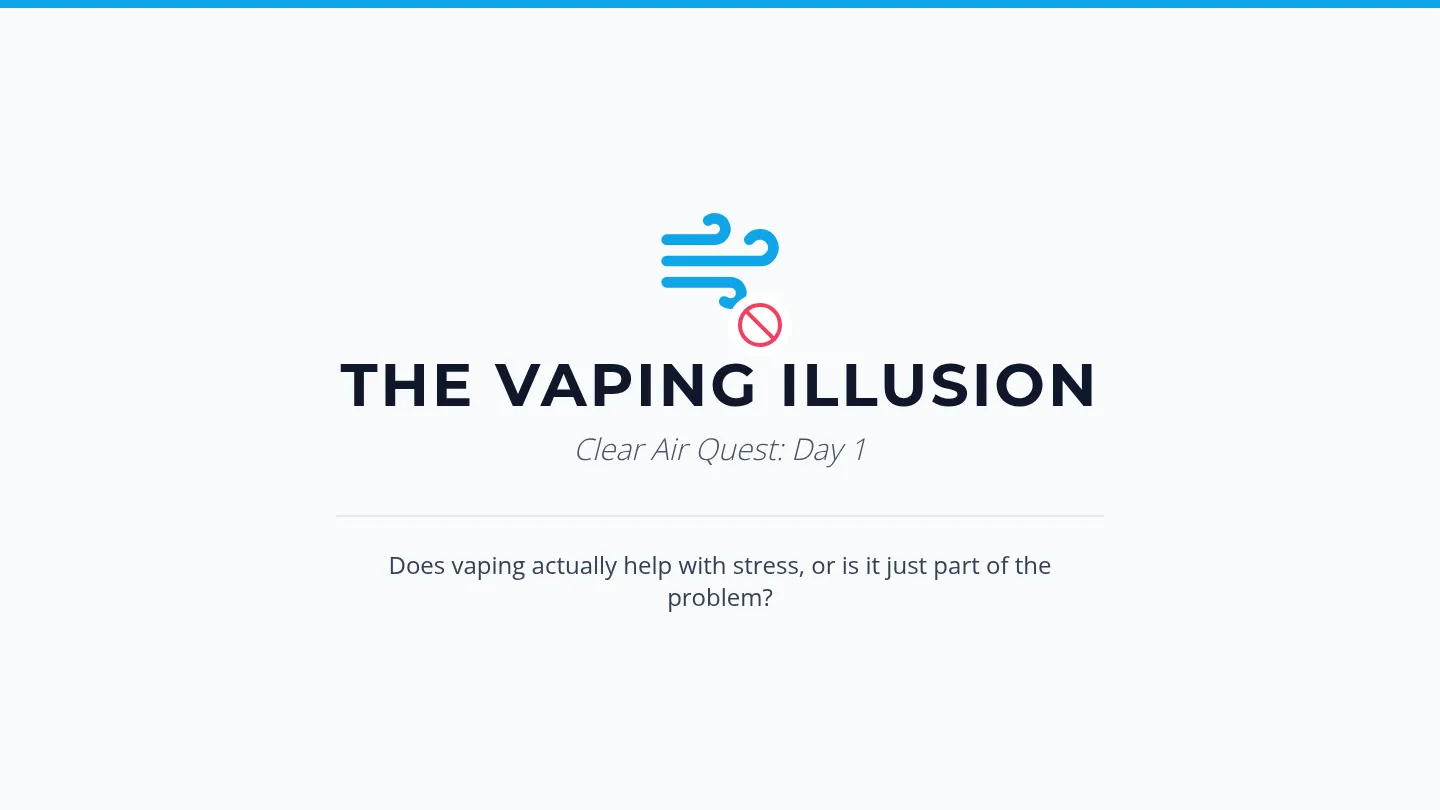
A comprehensive 5-day unit designed to educate students on the physiological effects of vaping and provide actionable, healthy coping mechanisms like deep breathing and mindfulness.
A high school health lesson focused on the physiological effects of stress, specifically cortisol's impact on the brain, and practical laboratory testing of stress-reduction techniques. Students explore eustress versus distress and measure their own heart rate and stress levels during guided interventions.
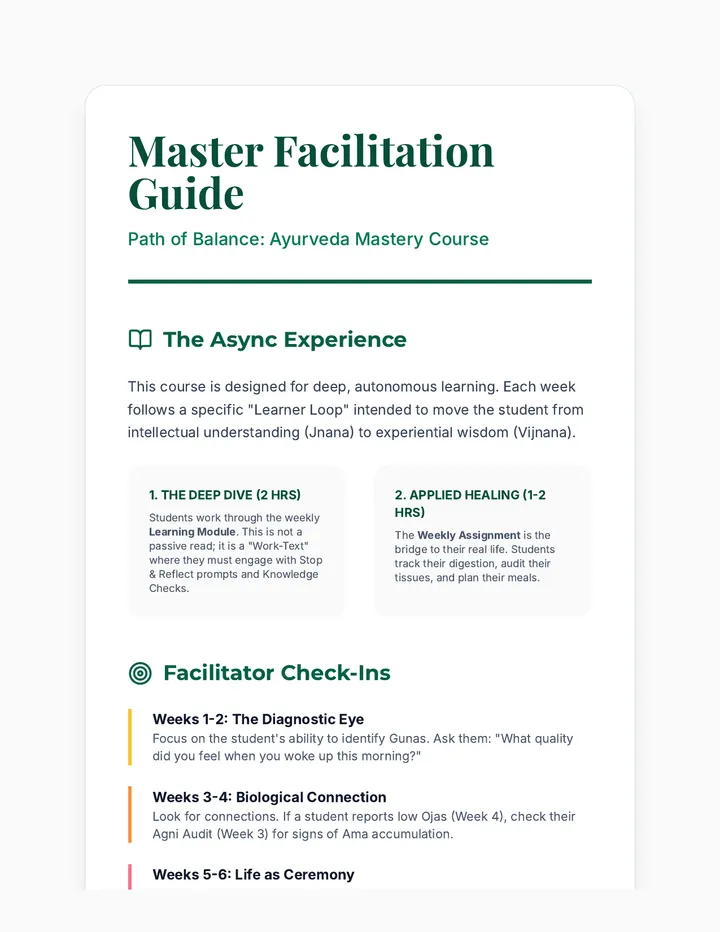
A professional 6-week certification-style journey into Ayurveda. Each week features a comprehensive 2-hour 'Deep Dive Module' combining academic reading, interactive reflections, and knowledge checks, supported by practical 'Applied Healing' assignments (1-2 hours) for real-world integration.
A comprehensive 9th-grade mental health curriculum focused on building resilience, understanding mental health challenges, managing stress, and navigating the digital world. Students will engage in self-reflection and practical skill-building to support their emotional well-being.
A beginner-friendly 90-minute standing yoga session focused on grounding, balance, and fundamental postures to transition from seated to standing practice.
A deep-dive chair yoga experience combining stress relief and functional mobility, featuring two full-length guided practice videos. This 90-minute masterclass is designed to build both mental calm and physical strength.
A collection of resources designed to help staff members prioritize their mental health, manage stress, and build a culture of wellness in the workplace.
An advanced yoga lesson for 11th graders focusing on the intersection of physical posture and mental resilience. Students explore breathing techniques and a 'Zen Strength' flow designed to enhance athletic performance and stress management.
This lesson explores the biological and psychological links between daily habits—such as diet, exercise, and screen time—and brain function. Students will watch a video on brain health, categorize habits into 'Brain Fuel' or 'Brain Drain,' and set a personal goal for the week.
Students differentiate between eustress and distress, analyze the biological mechanism of the HPA axis through a video, and conduct a self-experiment ('Cortisol Control Lab') to test meditation and movement as stress-reduction strategies.
An introductory lesson on mindfulness and yoga, teaching students how to regulate their emotions and relax their bodies through focused breathing and gentle movement.
Students collaborate to create and present a fusion demonstration that synthesizes techniques and values from across the unit.
Introduction to 'internal' and rhythmic arts, exploring the slow control of Tai Chi and the dance-like defense of Capoeira.
A comparative study of Karate and Taekwondo, focusing on linear power versus rhythmic kicking and biomechanics.
Exploration of Judo principles focusing on balance, leverage, and momentum through safe, standing partner drills.
Introduction to dojo etiquette, universal martial arts ethics, and the importance of respect and discipline in training.
A comprehensive sequence of lessons for secondary students (Yr 7-8) focused on conflict resolution, social media responsibility, and assertive communication in both physical and digital spaces.
A 2-day intensive exploration into the neurobiology of nutrition and the physiological feedback loops between gut health, movement, and mental well-being for middle schoolers.
A 3-part series for morning meetings focused on how breakfast, sugar intake, and hydration directly impact energy, mood stability, and concentration for 4th graders.
A comprehensive 10th-grade health sequence exploring the physical and mental health risks of cannabis use, focusing on respiratory health, mental health correlations, and dependency criteria (CUD).
A comprehensive 4-week high school health unit covering mental health, nutrition, substance use, and sexual health. Students analyze health behaviors, influence, and prevention strategies to promote lifelong well-being.
A multi-disciplinary approach to mental health awareness for middle schoolers, covering the four pillars through Health, PE, and Art.
A sequence designed for 10-12 year olds to explore the psychological and social factors that influence decision-making, specifically regarding substance use. Students will learn to distinguish between internal emotions and external social pressures.
A comprehensive 1-page answer key and discussion guide for the Headspace Detectives Case Files. It provides exemplar student responses and therapeutic rationales for both peer cases.
A 2-page collaborative or individual student worksheet containing structured 'Case Files' (peer scenarios) to analyze physical-mental-social links and write customized coping strategy prescriptions. Includes a personal reflection exit ticket.
An engaging 1-page student anchor chart and reference sheet mapping the connections between physical, mental, and social health. It includes a comprehensive, color-coded 'Coping Strategy Toolkit' to help students analyze real-world case files.
A comprehensive 2-page instructional guide for teachers leading the 60-minute Headspace Detectives lesson. It contains a detailed pacing timeline, step-by-step facilitation instructions, discussion prompts, and differentiation strategies.
A 2-page student worksheet packet focused on identifying personal stress triggers and practicing emotional regulation. Includes a 'Stress Body Map' to connect physical sensations to emotions, a cognitive reframing exercise, and a guided box-breathing mindfulness activity.
A comprehensive 2-page teacher guide and substitute plan for the Well-Being Web lesson. Includes a detailed lesson timeline, substitute teacher instructions, interactive classroom discussion prompts, a complete answer key for vocabulary and case studies, and a simple grading rubric.
A complete 4-page student workbook on physical, mental, and emotional health. Features engaging reading passages, visual explanations of the health triangle, a vocabulary matching section, real-world case studies, and a stress-management planning worksheet.
A visually premium, interactive-feeling 6-slide presentation designed for high school classes to explore autonomic stress responses, somatic/cognitive coping mechanisms, and Box Breathing active modeling.
A comprehensive curriculum alignment and planning guide that maps the Stress Busters lesson to the Massachusetts Comprehensive Health and Physical Education Framework, featuring a 4-week mental health unit scope and sequence.
Visual, step-by-step interactive slide deck to guide student group exercises and mindfulness discussions. Includes embedded movement videos for Mindful Flow, Brain Gym, and Express Resets, alongside guided group reflection prompts.
A single-page, double-slip student exit ticket. It contains two identical cut-out reflection cards prompting students to name a personal physical coping skill, list a school-based trusted adult, and self-rate their confidence.
A 2-page student activity sheet bundle. Page 1 features a core vocabulary matching activity on stress, mental health, and coping strategies. Page 2 presents real-world stress scenarios (Maya's test anxiety and Jordan's friendship conflict) for analysis and coping tool application.
A 4-week 1:1 wellbeing sequence for Year 2-5 students focused on Growth Mindset and Resilience. Includes weekly student journal worksheets and matching teacher facilitation cards for targeted 20-30 minute check-ins.
A comprehensive 2-week unit on Substance Use & Abuse for 8th grade, focusing on vaping, alcohol, and marijuana. Students analyze influences, evaluate health impacts across dimensions, and investigate legal consequences in relation to personal goals through a creative group project.
A two-week wellness unit for middle schoolers focused on analyzing influences (media, tech, values) and mastering health-enhancing decision-making models. Students culminate their learning by creating a collaborative research poster on a chosen wellness topic.
A multi-grade social-emotional learning unit focused on 'Summer Safety Heroes'. Lessons are tailored for different developmental levels, from 1st-grade foundations to 3rd-grade scientific mastery and risk management.
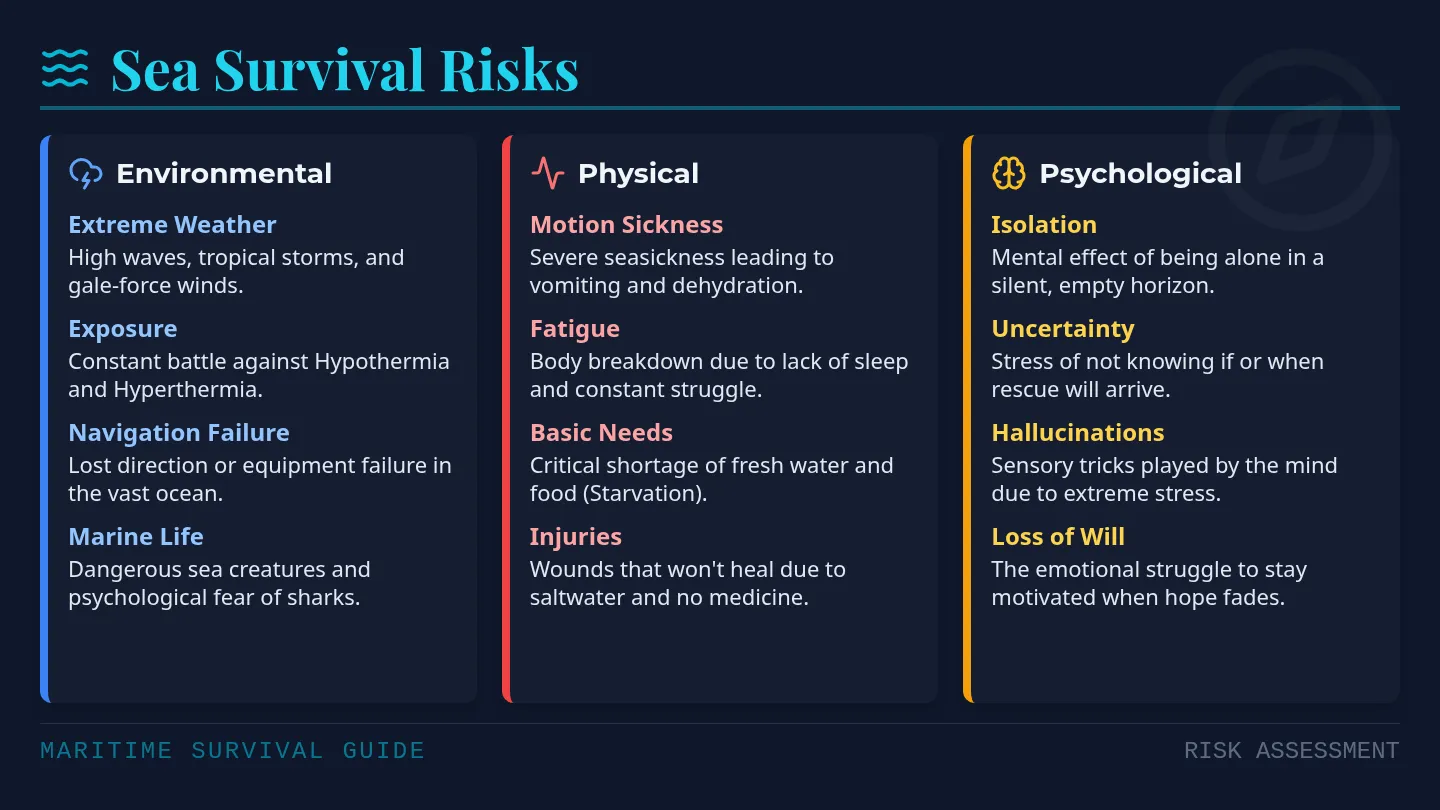
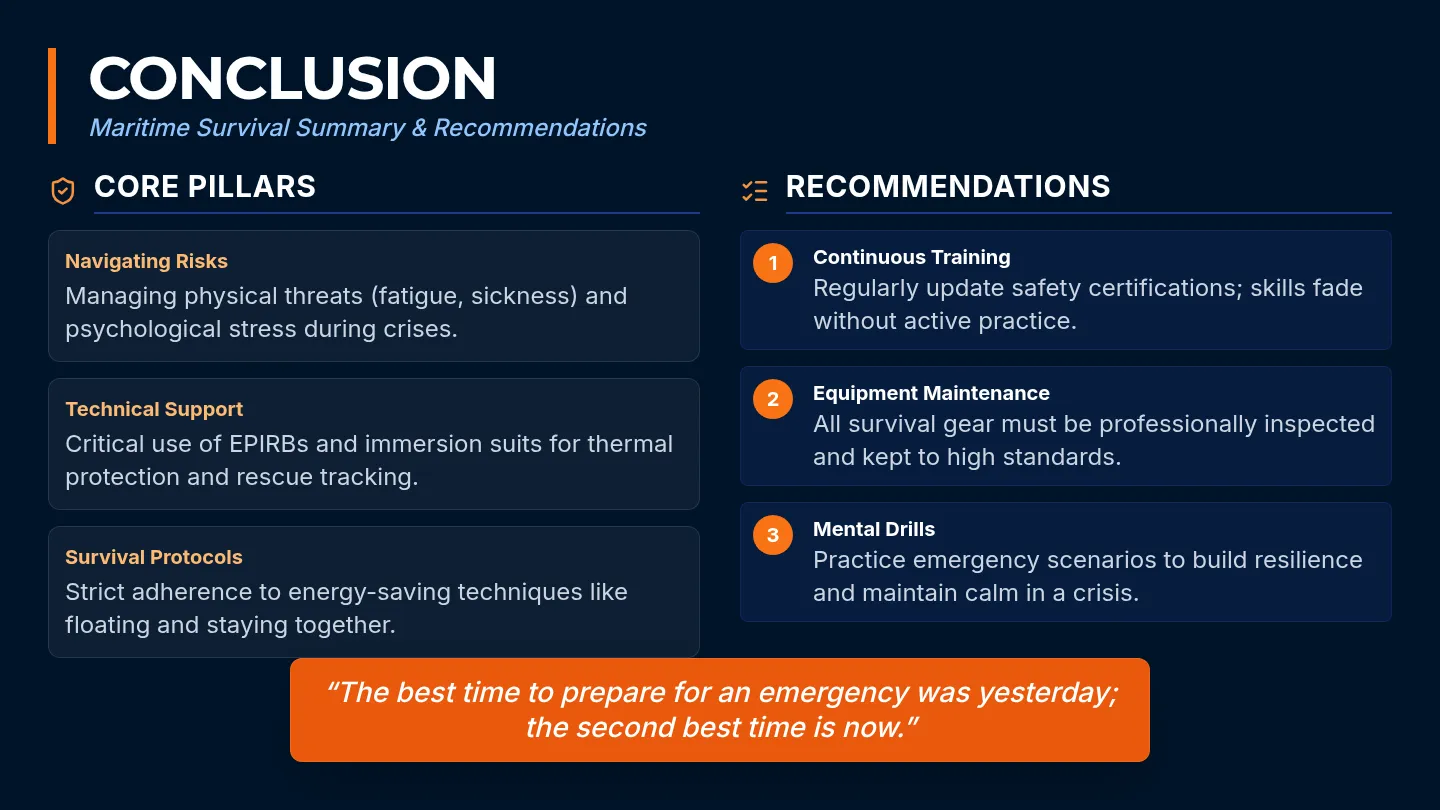
A sequence focusing on maritime safety and survival techniques, covering risks, essential equipment, and psychological resilience for nautical emergencies.
A comprehensive set of empathetic hygiene guides tailored for different age groups, from primary students to adults. The sequence focuses on building self-esteem and health through consistent, simple self-care routines.
A comprehensive 60-minute lesson designed to teach students how mental health connects to physical and social well-being. Students act as 'Headspace Detectives' to analyze real-world peer scenarios, identify underlying mind-body links, and recommend healthy coping strategies from a toolkit.
Year 5 specific 4-week check-in set. Formatted to SCSA Year 5 Health syllabus, focusing on cognitive reframing of negative self-talk, identifying supportive external coping resources, and goal-setting.
Year 3 specific 4-week check-in set. Formatted to SCSA Year 3 Health syllabus, focusing on identifying personal strengths, talking to safe helpers, and managing emerging school worries.
Year 2 specific 4-week check-in set. Formatted to SCSA Year 2 Health syllabus, focusing on emotional identification, safety networks, and visual/drawing prompts for growth-mindset.
An independent substitute packet focusing on the interconnectedness of physical, mental, and emotional health. Students analyze real-world scenarios, complete guided readings, and practice stress-management and coping strategies.
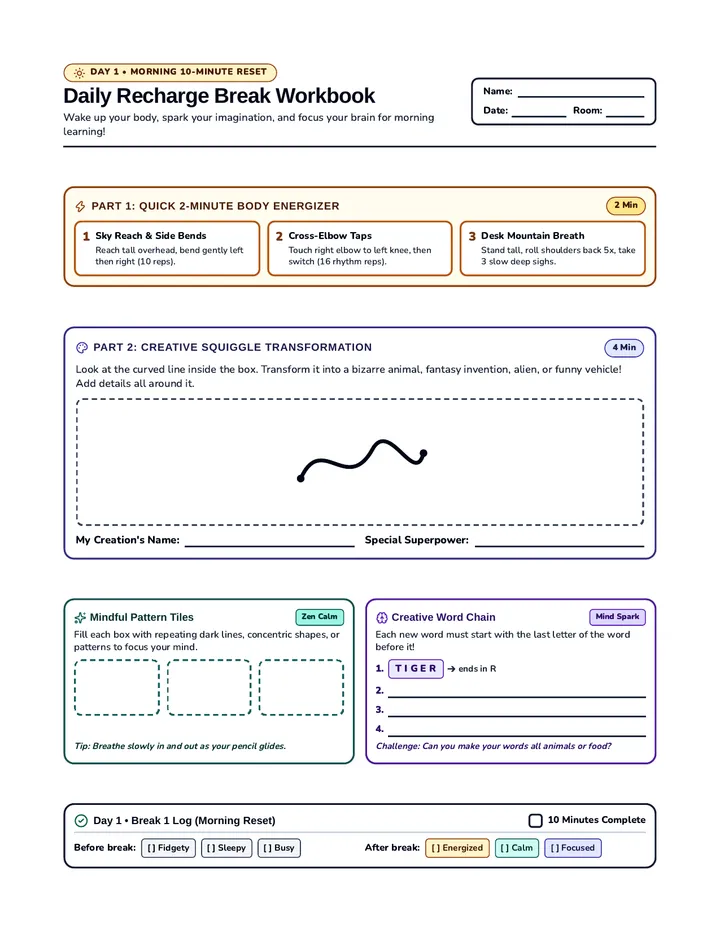
An active mindfulness and coordination lesson that combines low-impact yoga, cross-body brain gym exercises, and express sensory resets to optimize student focus and well-being.
A comprehensive, student-led health lesson designed for substitutes covering mental health awareness, physical/mental/social coping strategies, and identifying trusted adult support systems for 6th-grade students.
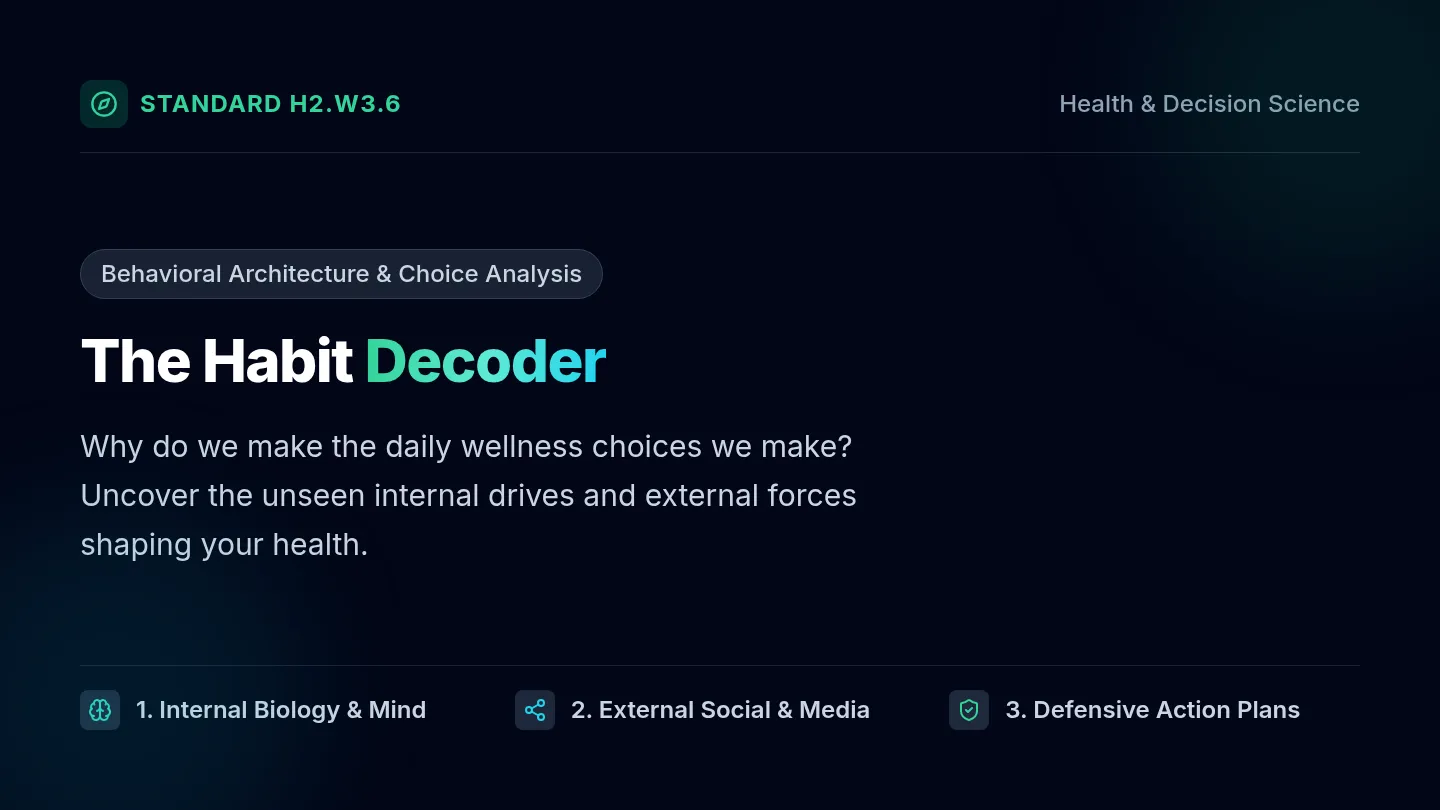
A comprehensive health portfolio project where students log their sleep, emotional regulation, and personal choices, analyze the internal and external factors influencing their behaviors, and design a personalized action plan. Includes student logs, an analytical rubric, and a teacher facilitation guide.
A Tier 3 intensive coaching intervention designed to help 7th-grade students build self-confidence and sustainable habits around fitness, diet, and personal follow-through. The lesson features a structured clinical coach guide, an engaging student goal-setting and tracking workbook, and a collaborative progress contract.
The grand finale week of the curriculum. Students execute a massive live bracket tournament and showcase their esports career portfolios.
Covers mental stamina, character matchup analysis, and competitive coaching roles. Students learn how to analyze gameplay video (VOD review) and support team members mentally.
Team-based competitive Minecraft gameplay including Bedwars, Spleef, and build-offs. Teaches communication, tournament coordination, brackets, and conflict resolution.
A 4-page teacher facilitation card set for Year 5 wellbeing sessions (Weeks 8-11), detailing exact conversation prompts, SCSA curriculum links, and developmental advice.
A 4-page student journal set specifically designed for Year 5 students, aligned to SCSA Year 5 HPE outcomes. Features cognitive reframing of negative self-talk, identifying supportive external coping resources, and goal-setting.
A printing-friendly, light-themed 4-page teacher facilitation card set for Year 3 wellbeing sessions (Weeks 8-11), detailing exact conversation prompts, SCSA curriculum links, and developmental advice.
A 4-page student journal set specifically designed for Year 3 students, aligned to SCSA Year 3 HPE outcomes. Features structured writing prompts, strength builders, and self-talk anchors.
A printing-friendly, light-themed 4-page teacher facilitation card set for Year 2 wellbeing sessions, detailing conversation prompts and SCSA alignments.
A 4-page student journal set specifically designed for Year 2 students, aligned to SCSA Year 2 HPE outcomes. Features high-visual drawing spaces, friendly animal motifs, and simple text fields.
A 6th-grade health lesson focusing on mental health, identifying trusted adults, and supporting peers while maintaining healthy boundaries. Students learn to map their support systems and practice conversations with trusted adults.
An active, highly differentiated lesson where Grade 9 students design individual game components (cards, tokens, challenges) representing the 8 dimensions of wellness. Built for a fast-paced 30-minute workspace session followed by a 15-minute collaborative gallery walk and peer reflection.
A 45-minute wellness lesson for 9th graders where they design a customized, realistic self-care micro-plan. Students explore self-care domains, master habit stacking, establish boundaries to protect their time, and map personal barriers and support systems.
An interactive 9th-grade health and science lesson where students explore the physiological impacts of stress, track their personal stress symptoms, and practice evidence-based calming techniques like 4-7-8 breathing and Progressive Muscle Relaxation (PMR).