Lenny.com
Explore
Create
ActivitiesNewMathEnglish Language ArtsScience & EngineeringSocial StudiesGlobal LanguagesHealth & Physical EducationSpecial EducationCounseling & Life SkillsArts & CreativityESL
Lenny.com
Lenny.com
Explore
Create
ActivitiesNewMathEnglish Language ArtsScience & EngineeringSocial StudiesGlobal LanguagesHealth & Physical EducationSpecial EducationCounseling & Life SkillsArts & CreativityESL
Lenny.com
Lenny.com

Solutions

Lenny for EducatorsLenny for SchoolsLenny for Districts

Product

ExploreSign inCreateSupportAbout

Resources

Getting startedMTSS Acceleration Program

© 2026 Lenny Learning Inc.

TermsPrivacyAccessibility
LinkedInInstagramX
Lenny

Coping Strategies

Practical techniques for emotional regulation, stress management, and resilience building. Targets specific tools such as mindfulness, cognitive reframing, and healthy communication skills for navigating personal challenges.

Health & Physical EducationMovement Skills and ConceptsBody ControlLocomotor SkillsNon-Locomotor SkillsFine Motor SkillsManipulative SkillsBalance and CoordinationSpatial AwarenessMovement PatternsRhythmic Activities and DanceRhythm and TimingDance BasicsIndividual and Dual SportsGymnastics and TumblingTrack and FieldRacket SportsSelf-Defense and Martial ArtsTeam SportsCooperative GamesSportsmanshipTeam CommunicationBasketball SkillsSoccer SkillsVolleyball SkillsFootball SkillsGame StrategiesFitness and Physical ActivityCardio FitnessFlexibility and StretchingMuscular Strength and EnduranceSetting Fitness GoalsHealthy HabitsHygiene PracticesSleep and RestPhysical Activity HabitsHydrationInjury PreventionBody Awareness and Self-CareDisease PreventionHealth Decision-MakingHelp-Seeking and Self-AdvocacyMental HealthMental Health BasicsEmotional AwarenessStress ManagementCoping StrategiesMindfulness PracticesBreathing and Relaxation TechniquesMeditation BasicsResilience and PerseveranceHealthy RelationshipsSocial and Emotional SkillsHelp-Seeking and Support SystemsDigital WellbeingNutritionNutrition BasicsFood GroupsBalanced MealsHealthy Eating HabitsReading Food LabelsPersonal SafetyRecognizing Unsafe SituationsHuman and Child TraffickingStranger DangerPersonal BoundariesFire and Water SafetyEmergency ResponseConflict Resolution BasicsInternet and Social Media SafetySafe Personal RelationshipsSubstance AwarenessTobacco AwarenessAlcohol AwarenessCannabis AwarenessOpioid AwarenessStimulant AwarenessPrescription Drug AwarenessRefusing Peer PressureOutdoor and Adventure ActivitiesOutdoor Recreation SafetyHiking and OrienteeringTeam Building Activities

Videos

Why We Get Scared: The Fight or Flight Response

Why We Get Scared: The Fight or Flight Response

This educational video from SciShow Kids explores the biological and physiological reasons behind fear through the concept of the "fight or flight" response. Hosted by Jessi and her robot mouse friend Squeaks, the video uses a friendly skit involving a surprise scare to introduce how the brain and body react to perceived danger. It breaks down complex biological processes into child-friendly terms, explaining how the brain sends signals to organs like the heart and lungs to prepare the body for action. The video covers key themes such as instincts, the nervous system's automatic responses, and the connection between physical sensations and emotions. It distinguishes between the "fight" reaction (defending oneself) and the "flight" reaction (running away to safety), clarifying that these are automatic choices made by the brain, not conscious decisions. The video also details the physical symptoms of this response, such as increased heart rate, faster breathing, and sharper vision. For educators, this resource is excellent for both science and social-emotional learning (SEL) curricula. It helps students understand their own bodies by normalizing the physical sensations of fear, removing the stigma of being scared. The video concludes with a practical deep-breathing strategy to help manage these automatic responses, providing students with a tangible tool for emotional regulation in the classroom.

SciShow KidsSciShow Kids

3mins 59s

What to Expect at a Doctor's Checkup

What to Expect at a Doctor's Checkup

This reassuring and informative video from SciShow Kids tackles the common childhood anxiety surrounding doctor visits. Host Jessi and her robot rat friend Squeaks—who is nervous about his upcoming appointment—are joined by pediatrician Dr. Aaron Carroll. Together, they walk viewers through a step-by-step simulation of a typical checkup, demystifying the tools and procedures involved to help children feel more comfortable and prepared. The video covers the entire process of a medical appointment, starting from the waiting room and moving through the collection of vital signs like blood pressure, temperature, and oxygen levels. Dr. Carroll demonstrates real medical equipment, including a blood pressure cuff and stethoscope, on Squeaks, explaining how each tool works and what sensations a child might feel (like a "tight hug" on the arm). The segment details the physical exam from head to toe, explaining why doctors check eyes, ears, throats, hearts, lungs, and bellies. Ideally suited for early elementary students, this resource serves as an excellent tool for Health and Science curriculums or for social-emotional learning regarding anxiety. It provides clear, age-appropriate explanations for why medical procedures—including the dreaded shots—are necessary for staying healthy. Teachers can use this video to introduce units on the human body, community helpers, or healthy habits, fostering a positive attitude toward healthcare professionals.

SciShow KidsSciShow Kids

9mins 24s

Keeping Your Brain Healthy

Keeping Your Brain Healthy

This educational video outlines practical, everyday strategies for maintaining and improving mental wellness, framing brain health as an active process similar to physical fitness. It introduces viewers to actionable habits such as practicing mindfulness, minimizing screen time, spending time in nature, maintaining a balanced diet, and seeking professional support when needed. The narration emphasizes that mental health requires consistency and patience, just like exercising any other muscle in the body. Key themes explored include the mind-body connection, digital wellness, the therapeutic benefits of nature, and the destigmatization of seeking therapy. The video explicitly connects lifestyle choices—like nutrition and exercise—directly to cognitive function and emotional well-being. It also addresses the impact of substance use on brain health, providing a holistic view of what it means to stay mentally fit. For educators, this video serves as an excellent primer for Social Emotional Learning (SEL) units focused on self-care, stress management, and health education. It provides a non-threatening entry point for discussing mental health, normalizing the idea of "brain check-ups," and empowering students with tangible tools they can use immediately to manage stress and anxiety.

Brain Health BootcampBrain Health Bootcamp

1min 48s

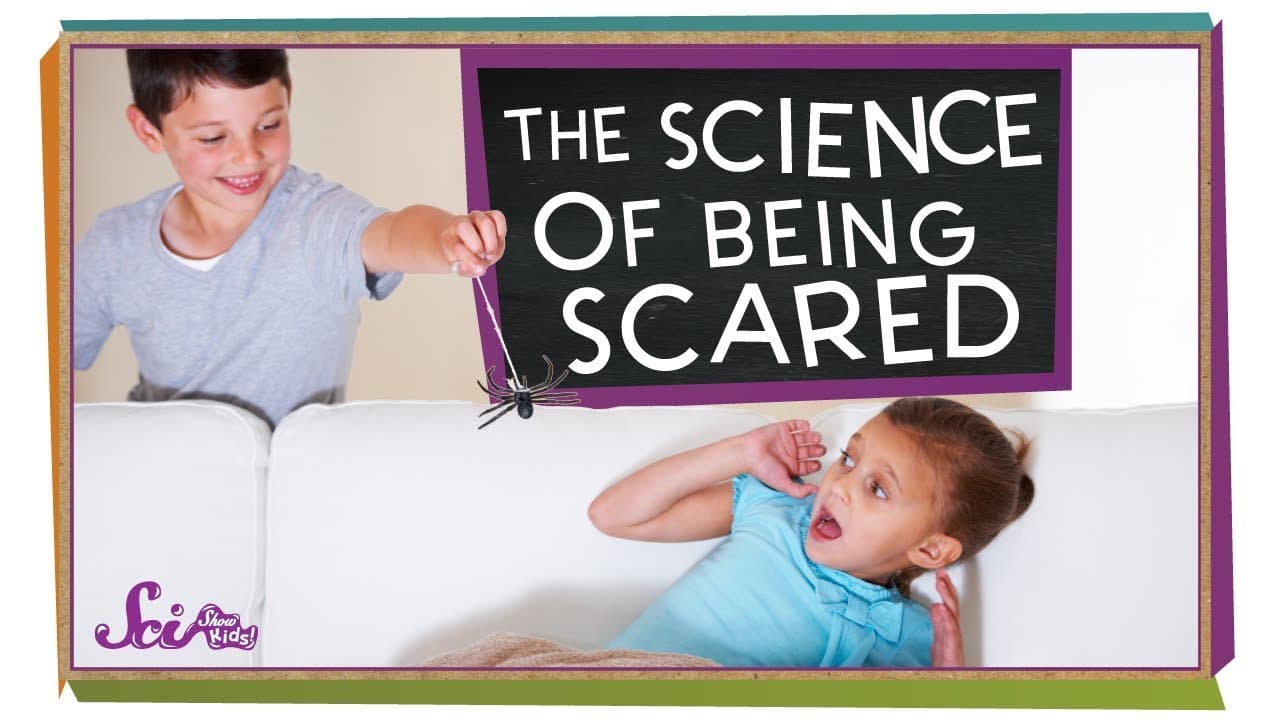
Why drugs & alcohol don't help you cope with stress

Why drugs & alcohol don't help you cope with stress

This educational video explains the biological relationship between stress and substance use, debunking the common myth that drugs and alcohol are effective coping mechanisms. It begins by defining the body's natural "stress response"—increased heart rate, faster breathing, and muscle tension—as a functional tool to face challenges. The video then systematically breaks down how different categories of substances (depressants like alcohol, stimulants like caffeine/cocaine, and opioids) actually disrupt this natural process and ultimately exacerbate stress levels, anxiety, and depression in the long term. The content highlights the physiological impact of these substances on the central nervous system. For instance, it explains how alcohol acts as a depressant that slows brain function and coordination, while stimulants increase heart rate and blood pressure, mimicking and worsening stress symptoms. The narrative emphasizes the "rebound effect" where users feel more tired, irritable, and stressed once the substances wear off, creating a cycle of dependency rather than relief. Designed for health education classrooms, this video provides a crucial pivot from problem identification to solution. It concludes by offering actionable, healthy alternatives for stress management, such as exercise to release endorphins, engaging in hobbies, talking to trusted individuals, and seeking professional help. It also provides specific resources like the 988 Suicide & Crisis Lifeline, making it a practical tool for teachers addressing mental health, substance abuse prevention, and emotional well-being.
Brain Health BootcampBrain Health Bootcamp

4mins 2s

Healthy Lifestyle

Healthy Lifestyle

This educational video explores the profound connection between physical habits and mental health. It clearly illustrates how lifestyle choices—such as physical activity, diet, and substance use—directly impact our psychological wellbeing. The narrative emphasizes that caring for the body is an essential strategy for caring for the mind, debunking the idea that physical and mental health are separate entities. The video covers key themes including the biochemical benefits of exercise (endorphins), the accessibility of physical activity without expensive gyms, the importance of a balanced diet, and the negative spiral caused by alcohol, drugs, and smoking. It offers practical, manageable advice for making small changes, such as brisk walking, gardening, or using free apps to track progress. For educators, this resource is a powerful tool to introduce holistic health concepts. It shifts the conversation from "exercise for weight loss" to "exercise for mood regulation," which is often more motivating for students. It can spark discussions in health, physical education, and psychology classes about self-care strategies, the science of stress, and building sustainable healthy habits.

Every Mind MattersEvery Mind Matters

3mins 12s

Materials

Calm Motion Worksheet

Calm Motion Worksheet

A two-page student worksheet combining yoga postures and breathing techniques for stress relief and emotional regulation. Includes visual step-by-step cue cards, before-and-after tension check-ins, a guided reset sequence, and structured emotional regulation reflection prompts.

CS

Charity Stolworthy

Motion Station Break Cards

Motion Station Break Cards

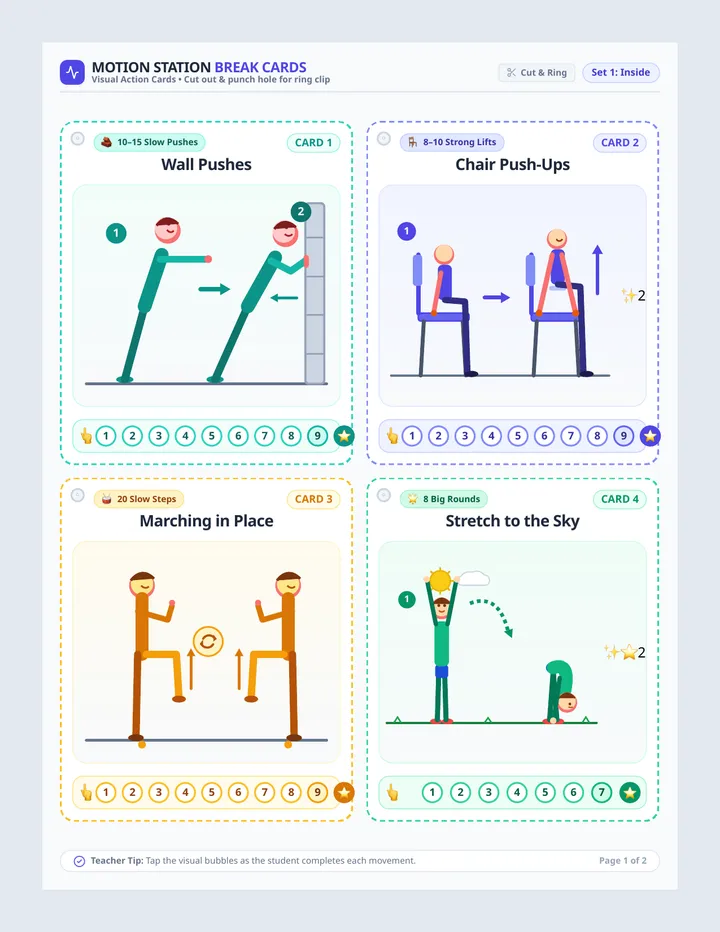
Printable set of 8 movement break cards with prominent titles, tactile counting bubbles, and a completely redesigned Card 7 (Starfish Breaths) featuring an ultra-clean 5-finger tracing track with paired green inhale and blue exhale paths.

L

lhicks

Operation Ice Cube Slides

Operation Ice Cube Slides

A concise 3-slide morning announcement presentation for K-4 students about staying cool. Covers hydration, shade, identifying 'Heat Grumpiness,' and using coping tools like breathing and asking for help. Designed for informational delivery without interactive prompts.

DG

Devlin Gauthier

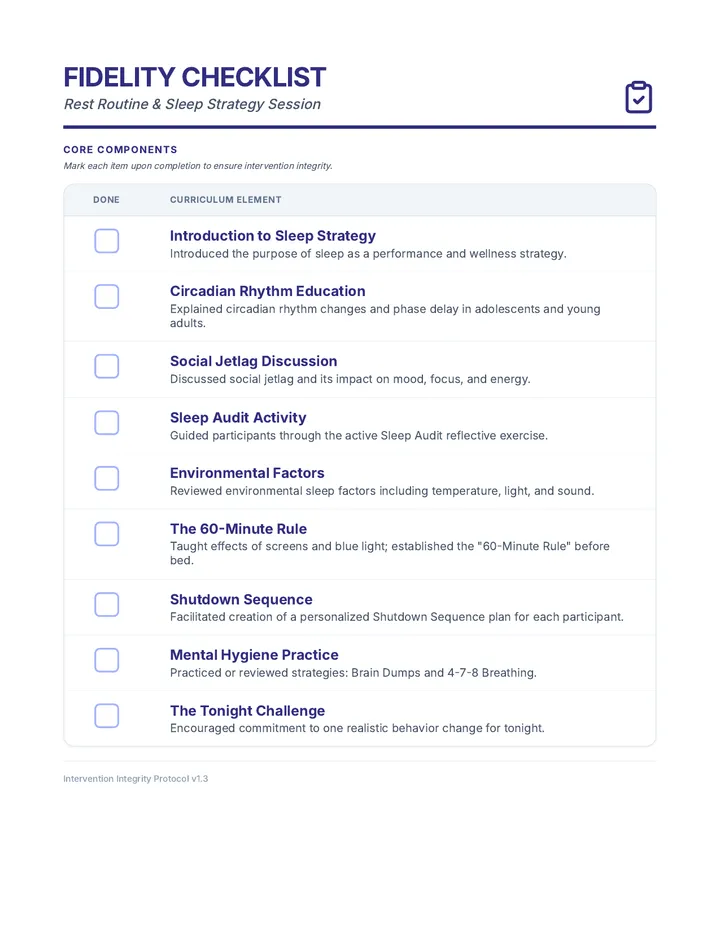
Rest Routine Fidelity Checklist v3

Rest Routine Fidelity Checklist v3

A final streamlined version of the fidelity checklist focusing solely on core components. Removed session metadata, observation sections, and the signature line for a clean, simple verification tool.

CL

Chloe LeBlanc

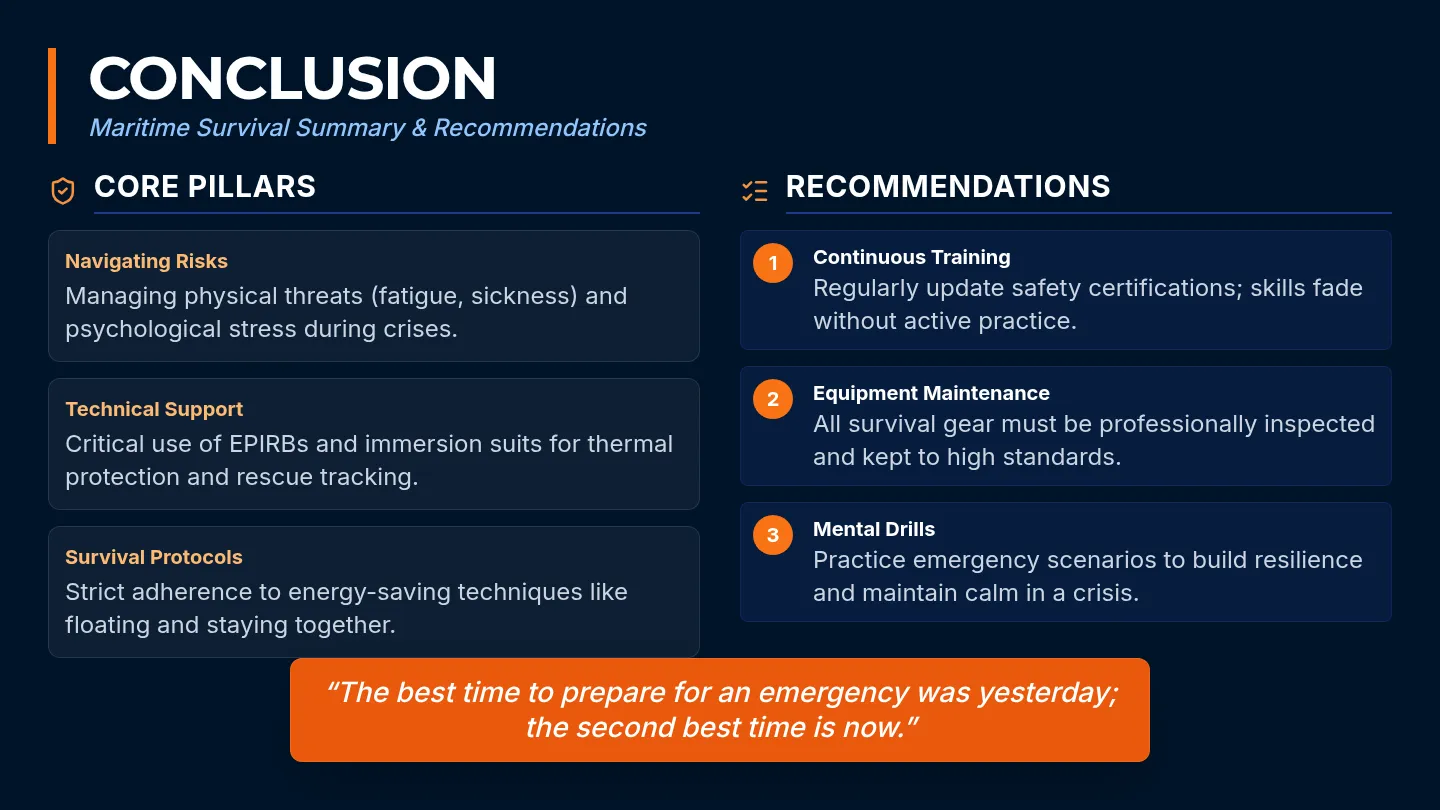
Conclusion Slide

Conclusion Slide

A high-impact conclusion and recommendations slide for a maritime survival presentation, featuring a solid Navy Blue (كحلي ساده) background and clear pillars of information. Background decorations have been removed for a cleaner look.

YA

Yara Alqwaizani

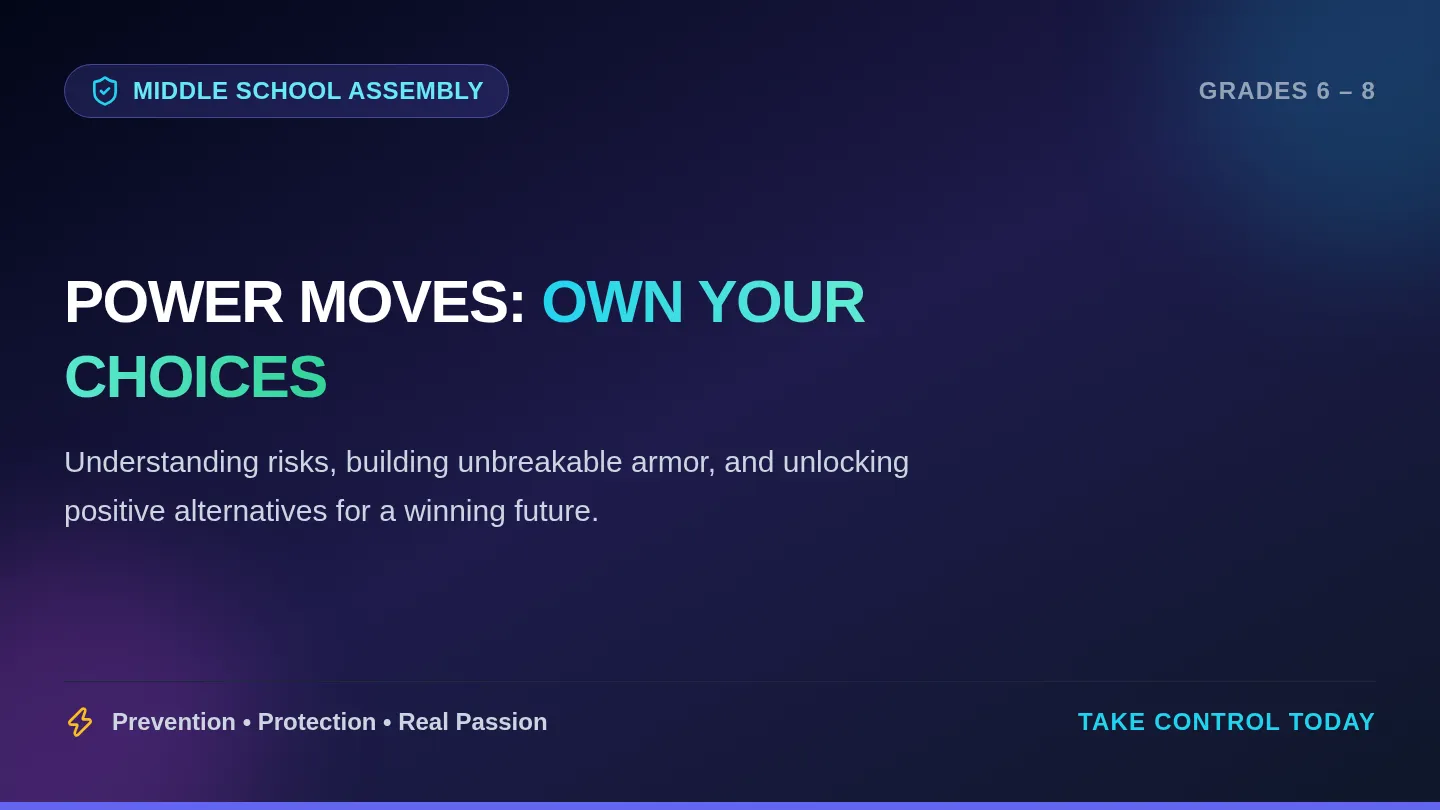
Power Moves Slides

Power Moves Slides

An energetic, high-impact assembly slide deck designed for 6th-8th graders introducing risk prevention, protective factors, and positive alternatives with bold visuals and auditorium-scale typography.

AS

Angela Scott

Sequences

Freshness Slides (3) v2

Glow Up Guide (K-4)

A comprehensive SEL-integrated hygiene curriculum for elementary scholars (K-4), focusing on self-awareness, social impact, and personal responsibility through the lens of a 'Glow Up'.

T

tkeya.void

86
Safe Circles Slides

Mindful Choices

A two-week wellness unit for middle schoolers focused on analyzing influences (media, tech, values) and mastering health-enhancing decision-making models. Students culminate their learning by creating a collaborative research poster on a chosen wellness topic.

CH

Collin Harney

39
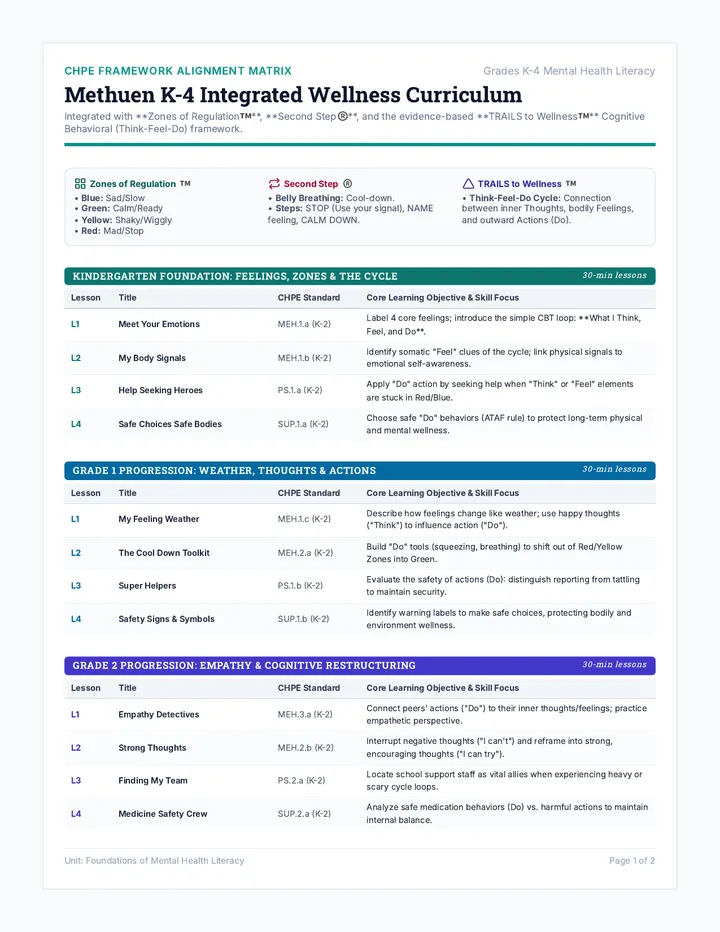
Methuen Wellness Curriculum Reference Sheet

Methuen K-4 Integrated Wellness Curriculum

A comprehensive, developmentally appropriate mental health literacy curriculum for elementary students (Grades K-4) aligned with the CHPE Framework. This curriculum delivers structured lessons across multiple grades covering emotion identification, physical body signals, trusted helpers, and safe choices, integrated with Zones of Regulation, Second Step, and TRAILS to Wellness.

JC

John Crocker

61
Peacekeeper Slides Presentation

Social Harmony Sequence

A comprehensive sequence of lessons for secondary students (Yr 7-8) focused on conflict resolution, social media responsibility, and assertive communication in both physical and digital spaces.

KH

Kellee Hodge

29
Brain Hack Slides

The Vape Void

A comprehensive tobacco and vaping cessation program focused on the science of addiction, long-term health impacts, and practical refusal and quitting strategies for students.

GG

Gina Guerrero

8
Safety Squad Teacher Guide

Kitchen Heroes Academy

A 12-week introductory cooking curriculum for elementary students focusing on safety, nutrition, and the emotional connection to food.

CC

Chara C.

74