Lenny.com
Explore
Create
ActivitiesNewMathEnglish Language ArtsScience & EngineeringSocial StudiesGlobal LanguagesHealth & Physical EducationSpecial EducationCounseling & Life SkillsArts & CreativityESL
Lenny.com
Lenny.com
Explore
Create
ActivitiesNewMathEnglish Language ArtsScience & EngineeringSocial StudiesGlobal LanguagesHealth & Physical EducationSpecial EducationCounseling & Life SkillsArts & CreativityESL
Lenny.com
Lenny.com

Solutions

Lenny for EducatorsLenny for SchoolsLenny for Districts

Product

ExploreSign inCreateSupportAbout

Resources

Getting startedMTSS Acceleration Program

© 2026 Lenny Learning Inc.

TermsPrivacyAccessibility
LinkedInInstagramX
Lenny

Stimulant Awareness

Examines the physiological effects of prescription and illicit stimulants on the central nervous system. Addresses the risks of misuse, signs of dependency, and evidence-based strategies for harm reduction.

Health & Physical EducationMovement Skills and ConceptsBody ControlLocomotor SkillsNon-Locomotor SkillsFine Motor SkillsManipulative SkillsBalance and CoordinationSpatial AwarenessMovement PatternsRhythmic Activities and DanceRhythm and TimingDance BasicsIndividual and Dual SportsGymnastics and TumblingTrack and FieldRacket SportsSelf-Defense and Martial ArtsTeam SportsCooperative GamesSportsmanshipTeam CommunicationBasketball SkillsSoccer SkillsVolleyball SkillsFootball SkillsGame StrategiesFitness and Physical ActivityCardio FitnessFlexibility and StretchingMuscular Strength and EnduranceSetting Fitness GoalsHealthy HabitsHygiene PracticesSleep and RestPhysical Activity HabitsHydrationInjury PreventionBody Awareness and Self-CareDisease PreventionHealth Decision-MakingHelp-Seeking and Self-AdvocacyMental HealthMental Health BasicsEmotional AwarenessStress ManagementCoping StrategiesMindfulness PracticesBreathing and Relaxation TechniquesMeditation BasicsResilience and PerseveranceHealthy RelationshipsSocial and Emotional SkillsHelp-Seeking and Support SystemsDigital WellbeingNutritionNutrition BasicsFood GroupsBalanced MealsHealthy Eating HabitsReading Food LabelsPersonal SafetyRecognizing Unsafe SituationsHuman and Child TraffickingStranger DangerPersonal BoundariesFire and Water SafetyEmergency ResponseConflict Resolution BasicsInternet and Social Media SafetySafe Personal RelationshipsSubstance AwarenessTobacco AwarenessAlcohol AwarenessCannabis AwarenessOpioid AwarenessStimulant AwarenessPrescription Drug AwarenessRefusing Peer PressureOutdoor and Adventure ActivitiesOutdoor Recreation SafetyHiking and OrienteeringTeam Building Activities

Videos

Why drugs & alcohol don't help you cope with stress

Why drugs & alcohol don't help you cope with stress

This educational video explains the biological relationship between stress and substance use, debunking the common myth that drugs and alcohol are effective coping mechanisms. It begins by defining the body's natural "stress response"—increased heart rate, faster breathing, and muscle tension—as a functional tool to face challenges. The video then systematically breaks down how different categories of substances (depressants like alcohol, stimulants like caffeine/cocaine, and opioids) actually disrupt this natural process and ultimately exacerbate stress levels, anxiety, and depression in the long term. The content highlights the physiological impact of these substances on the central nervous system. For instance, it explains how alcohol acts as a depressant that slows brain function and coordination, while stimulants increase heart rate and blood pressure, mimicking and worsening stress symptoms. The narrative emphasizes the "rebound effect" where users feel more tired, irritable, and stressed once the substances wear off, creating a cycle of dependency rather than relief. Designed for health education classrooms, this video provides a crucial pivot from problem identification to solution. It concludes by offering actionable, healthy alternatives for stress management, such as exercise to release endorphins, engaging in hobbies, talking to trusted individuals, and seeking professional help. It also provides specific resources like the 988 Suicide & Crisis Lifeline, making it a practical tool for teachers addressing mental health, substance abuse prevention, and emotional well-being.

Brain Health BootcampBrain Health Bootcamp

4mins 2s

Materials

Pressure Point Flashcards

Pressure Point Flashcards

A set of 12 flashcards designed for 7th and 8th graders to practice refusal skills regarding drugs, alcohol, and peer pressure. The material includes a refusal strategy reference guide and scenarios styled as vintage index cards for role-playing exercises.

GS

Gabrielle Self

Sequences

Mind Mechanics Master Facilitation Guide

Mind Mechanics Sequence

A multi-lesson unit designed to build mental health literacy, identify internal system alerts (Anxiety, Depression, Anger), and develop a sustainable toolkit of coping strategies. Students explore the 'Wellness Spectrum', 'Neuroplasticity', and the deceptive nature of 'System Bypasses' like substances.

RD

Rebecca Del Nigro

5
Brain Blueprints Worksheet

Substance Impact

A comprehensive exploration of how substances affect both the brain's reward system and the physical health of the body's vital organs over time.

F

fradunsky

10
Supplement Facilitation Guide

Supplement Safety Express

A 2-day condensed unit for 10th-grade sports nutrition focused on identifying industry "Red Flags" and expert consensus for supplement safety. Students complete a digital Label Hunt and a final synthesis assessment to demonstrate mastery.

EF

Elizabeth Fulks

7
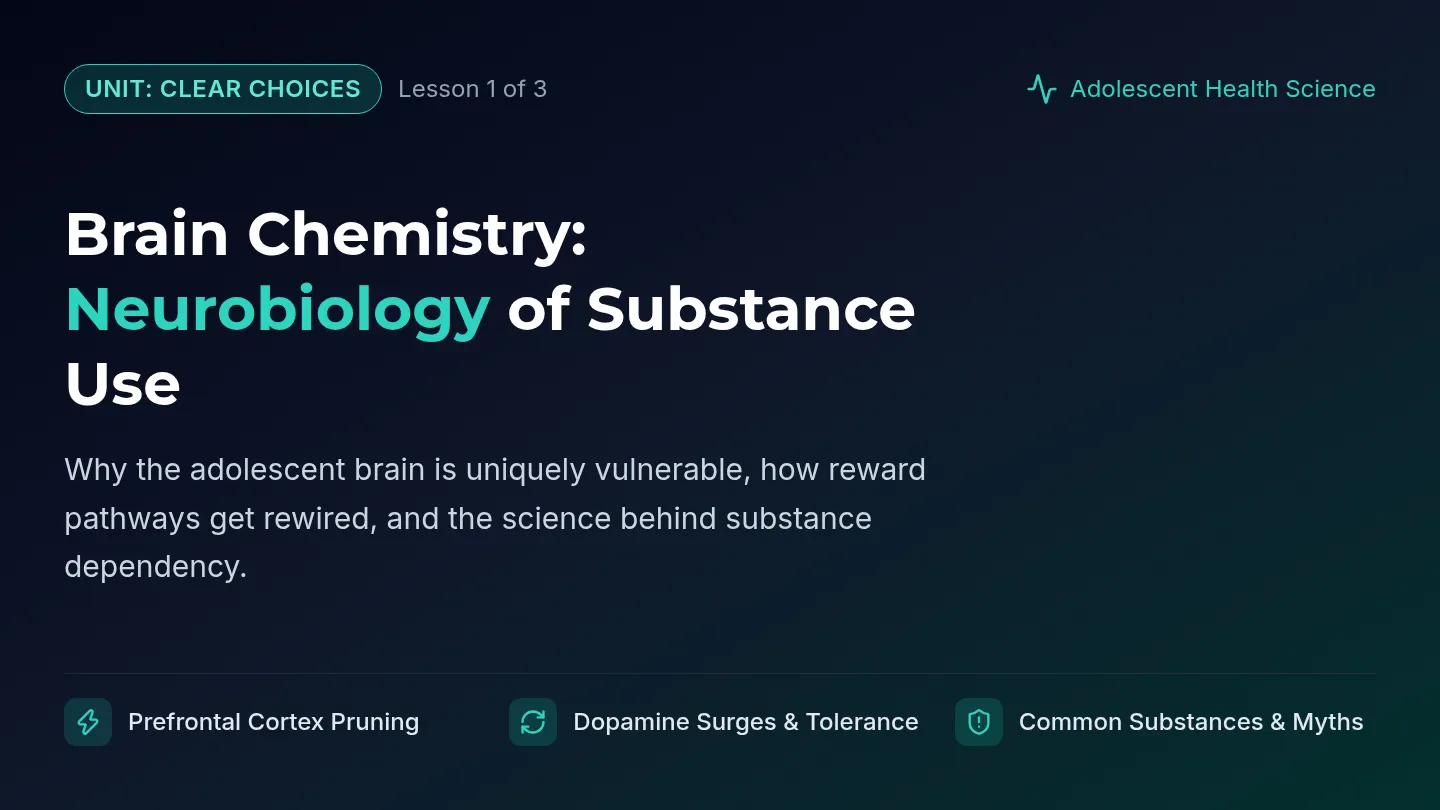
Brain Chemistry Slides

Clear Choices

A multi-day substance awareness and prevention sequence for high school students exploring substance neurobiology, risk assessment and warning signs, and proactive refusal and support strategies.

SA

Sara Allen

6
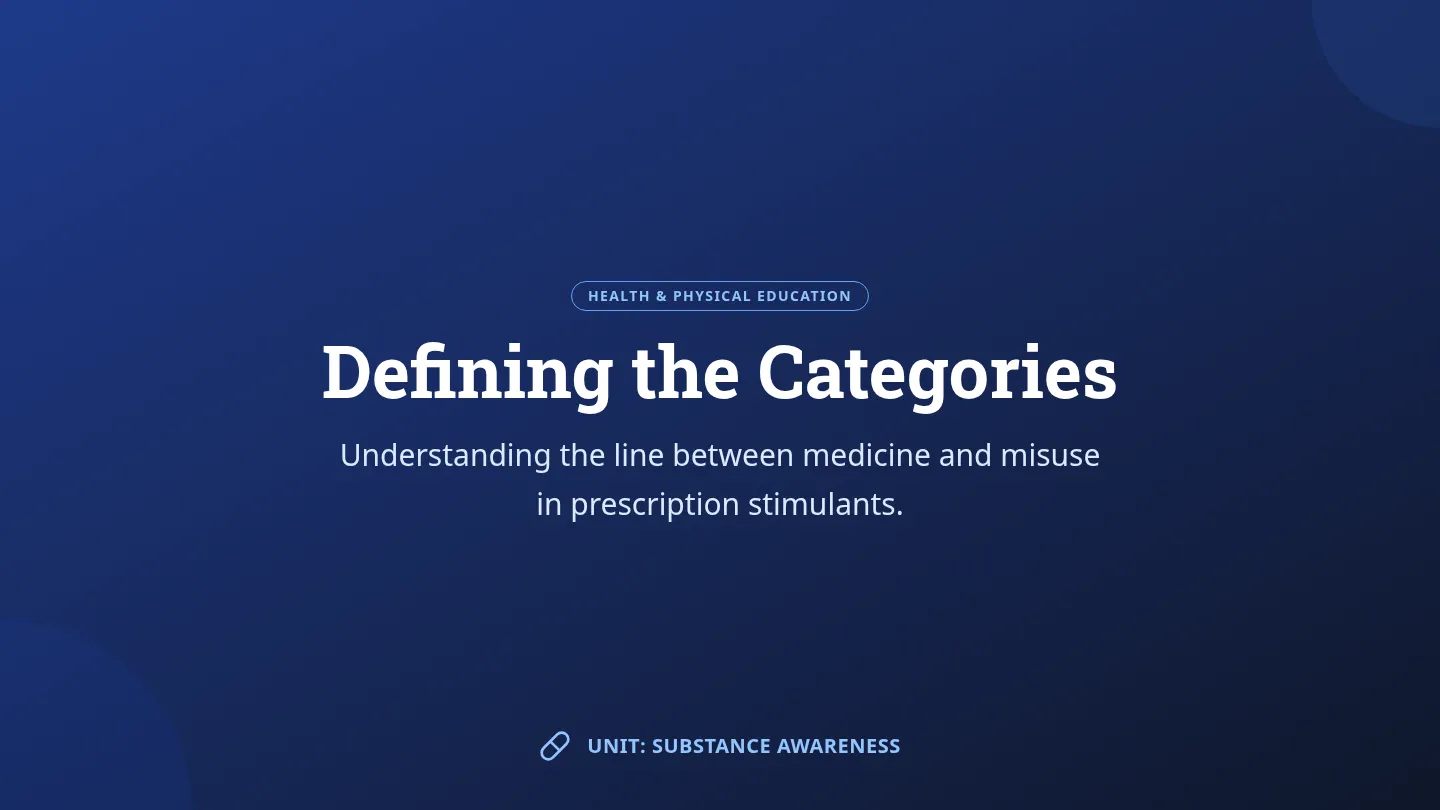
Stimulant Categories Slides

Prescription Stimulant Safety and Misuse Prevention

This sequence explores the critical distinction between therapeutic use and illicit misuse of prescription stimulants. Students analyze case studies, legal ramifications, and ethical implications while developing healthy alternatives for academic focus and stress management.

10
Pressure Patterns Worksheet

Pressure Proof Toolkit

A 5-lesson sequence for 6th graders focused on identifying peer pressure regarding stimulants (energy drinks, pills) and developing practical refusal strategies through role-play and decision-making simulations.

8

Lessons

Energy Buzz Teacher Guide

Energy Buzz Breakdown

A comprehensive lesson exploring the science of energy drinks, their health impacts, and how to make better beverage choices through scenario analysis and data comparison.

DL

Domonique Lytle

7
Caffeine Caps Slides

Caffeine Safety Limits

This lesson covers the physiological effects of caffeine on the body and provides clear, evidence-based guidelines for safe consumption across different age groups based on FDA and NIH standards.

EF

Elizabeth Fulks

3
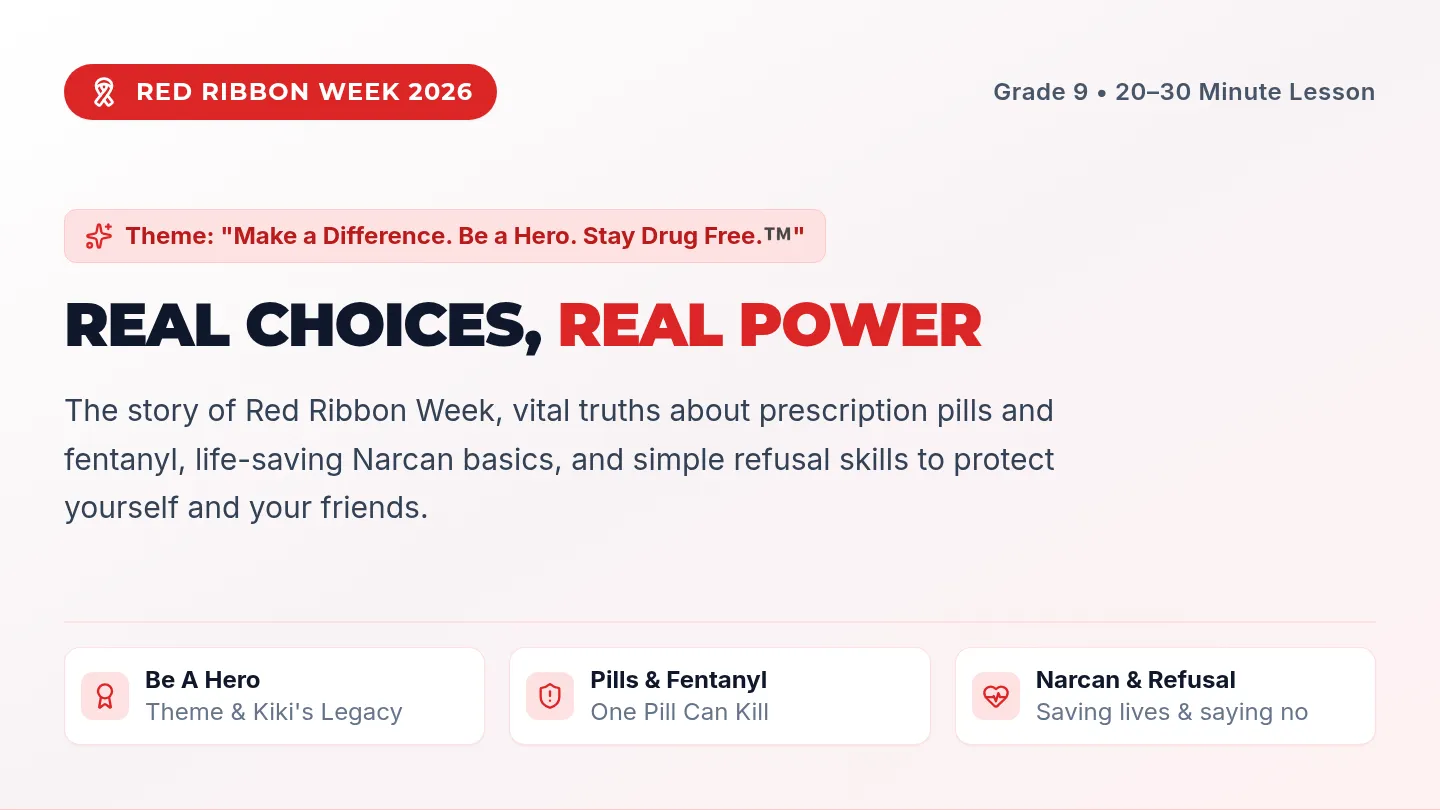
Red Ribbon Realities Slides

Red Ribbon Realities

A focused 20–30 minute 9th-grade Red Ribbon Week lesson covering the history of Enrique "Kiki" Camarena, essential facts about prescription pills and fentanyl lethality, and practical refusal skills with a student commitment pledge.

DN

Donna Nelson

3
Caffeine Coach Teacher Guide

Caffeine Crash

A comprehensive look at the biological impact of caffeine on the human body, exploring how it interferes with brain chemistry and the distinction between temporary energy boosts and long-term health risks.

HE

Hannah Eye

4
System Sync Slides

System Sync

A comprehensive lesson exploring the bi-directional relationship between gut health and mental well-being, specifically tailored for high schoolers in therapeutic settings. The lesson covers the enteric nervous system, the impact of nutrition, hydration, and substances on mood, energy, and cognitive function.

C

cahearn

3
Liquid Lightning Teacher Guide

Liquid Lightning

A comprehensive 10th-grade health lesson exploring the physiological effects of sports and energy drinks. Students analyze ingredients, caffeine, and sugar content to make informed decisions about performance fueling and health.

EF

Elizabeth Fulks

6