Lenny.com
Explore
Create
ActivitiesNewMathEnglish Language ArtsScience & EngineeringSocial StudiesGlobal LanguagesHealth & Physical EducationSpecial EducationCounseling & Life SkillsArts & CreativityESL
Lenny.com
Lenny.com
Explore
Create
ActivitiesNewMathEnglish Language ArtsScience & EngineeringSocial StudiesGlobal LanguagesHealth & Physical EducationSpecial EducationCounseling & Life SkillsArts & CreativityESL
Lenny.com

Help-Seeking and Support Systems

Identification of internal and external barriers to seeking help alongside navigation of school and community support networks. Develops communication skills for disclosing mental health concerns to trusted adults and health professionals.

Lenny.com

Solutions

Lenny for EducatorsLenny for SchoolsLenny for Districts

Product

ExploreSign inCreateSupportAbout

Resources

Getting startedMTSS Acceleration Program

© 2026 Lenny Learning Inc.

TermsPrivacyAccessibility
LinkedInInstagramX
Lenny
Health & Physical EducationMovement Skills and ConceptsBody ControlLocomotor SkillsNon-Locomotor SkillsFine Motor SkillsManipulative SkillsBalance and CoordinationSpatial AwarenessMovement PatternsRhythmic Activities and DanceRhythm and TimingDance BasicsIndividual and Dual SportsGymnastics and TumblingTrack and FieldRacket SportsSelf-Defense and Martial ArtsTeam SportsCooperative GamesSportsmanshipTeam CommunicationBasketball SkillsSoccer SkillsVolleyball SkillsFootball SkillsGame StrategiesFitness and Physical ActivityCardio FitnessFlexibility and StretchingMuscular Strength and EnduranceSetting Fitness GoalsHealthy HabitsHygiene PracticesSleep and RestPhysical Activity HabitsHydrationInjury PreventionBody Awareness and Self-CareDisease PreventionHealth Decision-MakingHelp-Seeking and Self-AdvocacyMental HealthMental Health BasicsEmotional AwarenessStress ManagementCoping StrategiesMindfulness PracticesBreathing and Relaxation TechniquesMeditation BasicsResilience and PerseveranceHealthy RelationshipsSocial and Emotional SkillsHelp-Seeking and Support SystemsDigital WellbeingNutritionNutrition BasicsFood GroupsBalanced MealsHealthy Eating HabitsReading Food LabelsPersonal SafetyRecognizing Unsafe SituationsHuman and Child TraffickingStranger DangerPersonal BoundariesFire and Water SafetyEmergency ResponseConflict Resolution BasicsInternet and Social Media SafetySafe Personal RelationshipsSubstance AwarenessTobacco AwarenessAlcohol AwarenessCannabis AwarenessOpioid AwarenessStimulant AwarenessPrescription Drug AwarenessRefusing Peer PressureOutdoor and Adventure ActivitiesOutdoor Recreation SafetyHiking and OrienteeringTeam Building Activities

Videos

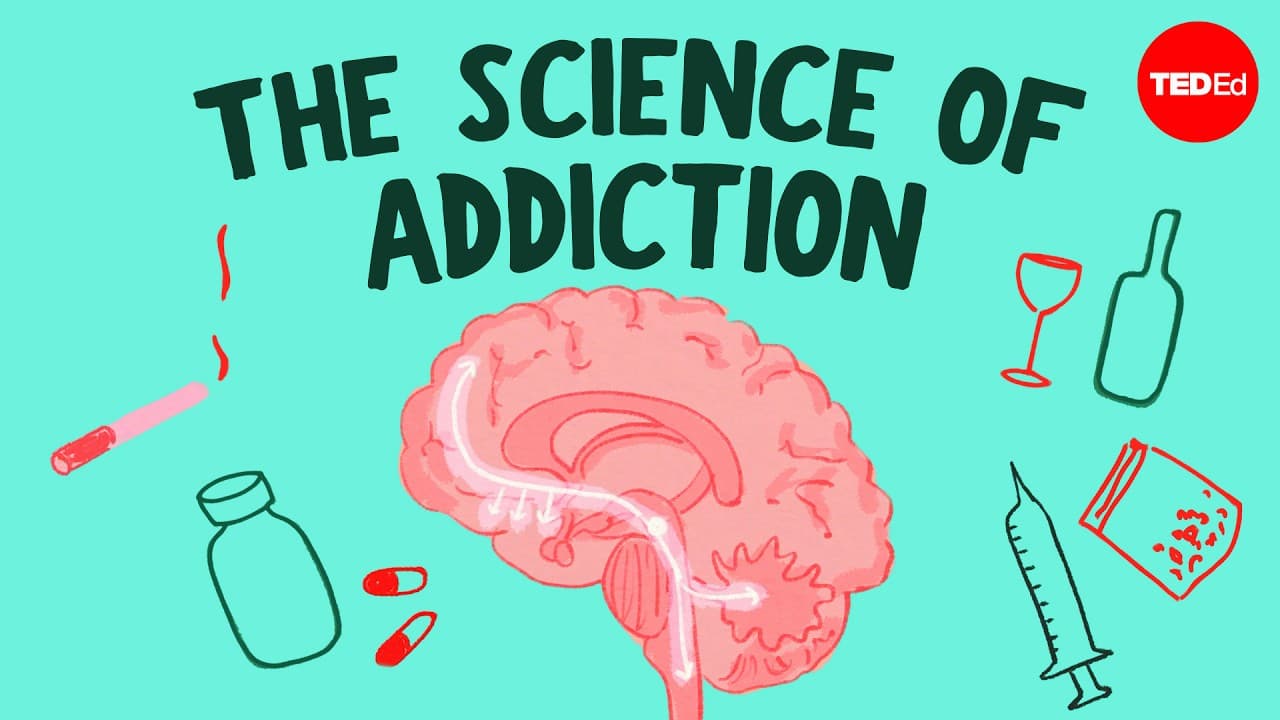
What causes addiction, and why is it so hard to treat? - Judy Grisel

What causes addiction, and why is it so hard to treat? - Judy Grisel

This animated educational video explores the biological and psychological mechanisms behind substance abuse disorder and addiction. It delves into neuroscience concepts such as tolerance, dependence, and the role of the brain's reward system, specifically how dopamine and the nucleus accumbens are hijacked by addictive substances. The video also explains the chemical differences between various drugs and why some methods of delivery (like smoking versus patches) are more addictive than others. Key themes include the brain's adaptability (neuroplasticity) in response to drugs, the distinction between the cortex (decision-making) and subcortex (impulse/habit), and the factors that influence susceptibility, including genetics, trauma, and age of first use. It emphasizes that addiction is not merely a choice but a complex physiological response where the brain recalibrates to function with the substance present. For educators, this video serves as a powerful tool for health and biology curriculums. It moves the conversation about drugs away from simple "just say no" rhetoric toward a scientific understanding of how chemical substances physically alter brain function and behavior. It provides a biological basis for empathy towards those struggling with addiction and offers a strong foundation for discussions about mental health, risk factors, and the science of recovery.

TED-EdTED-Ed

5mins 43s

Sunshine - Don't Confuse Love & Abuse - Day One

Sunshine - Don't Confuse Love & Abuse - Day One

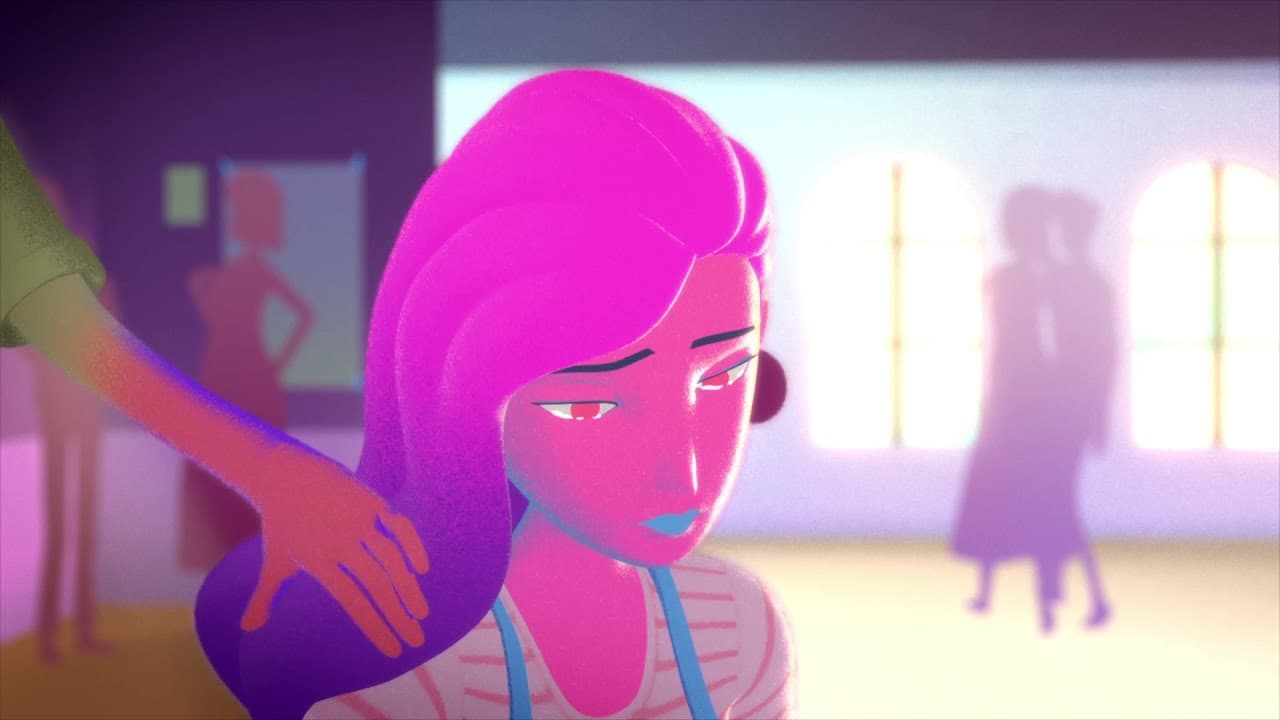
This powerful animated short film serves as a Public Service Announcement (PSA) regarding teen dating violence. By juxtaposing the upbeat, jubilant lyrics of Katrina and the Waves' "Walking on Sunshine" with a visual narrative of a progressively abusive relationship, the video creates a stark cognitive dissonance that mirrors the confusion victims often feel. Viewers watch a young couple's relationship evolve from seemingly romantic beginnings into a nightmare of control, isolation, and intimidation. The video explores critical themes of relationship health, specifically the "Cycle of Abuse." It visually demonstrates subtle red flags that escalate over time, such as controlling what a partner wears, isolating them from friends, public humiliation, reckless driving to induce fear, and the "honeymoon phase" where abusers apologize with gifts to restart the cycle. The animation style shifts from bright, pastel colors to dark, jagged, nightmarish imagery to represent the psychological toll on the victim. For educators, this is an invaluable tool for Health and Social Emotional Learning (SEL) curriculums. It allows students to identify warning signs of abuse in a format that is engaging but emotionally resonant. It provides a safe third-party scenario for students to analyze unhealthy behaviors without needing to disclose personal experiences immediately, serving as a perfect launchpad for discussions about consent, boundaries, and how to seek help.

DayOneNYDayOneNY

2mins 46s

Intro to depressive disorders

Intro to depressive disorders

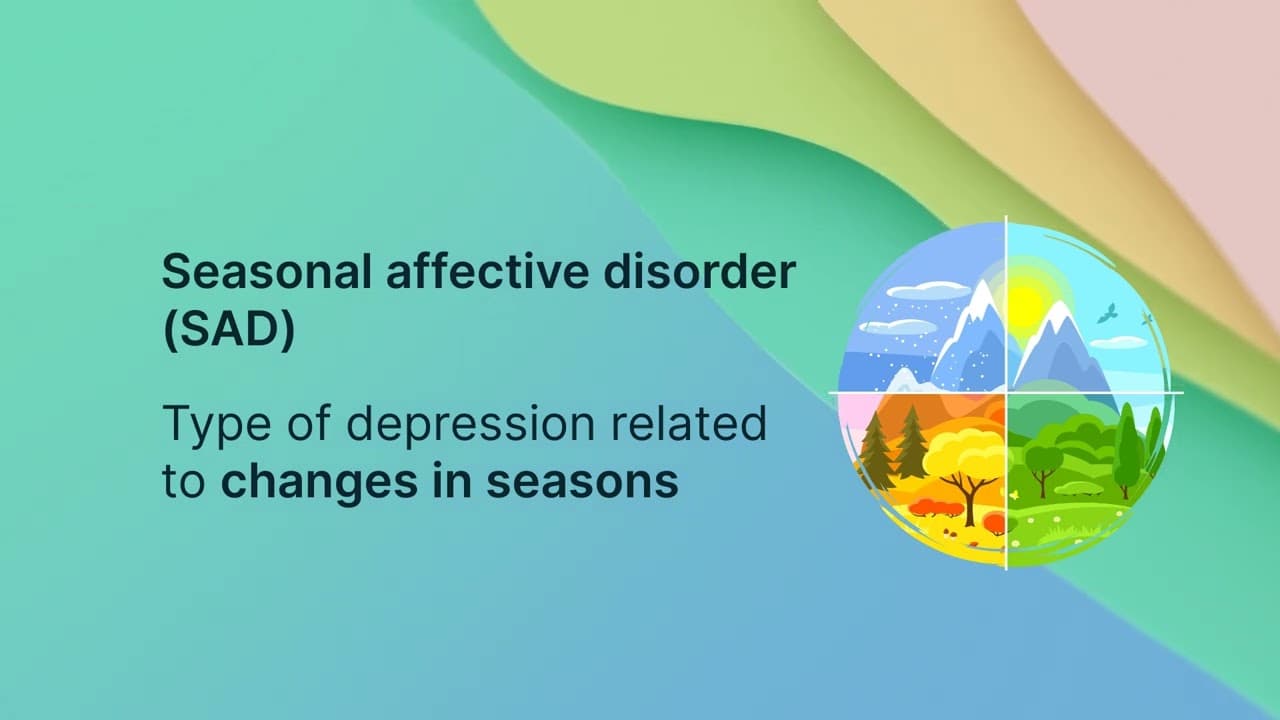
This educational video provides a concise and accessible introduction to depressive disorders, specifically focusing on Major Depressive Disorder (MDD) and Seasonal Affective Disorder (SAD). It distinguishes between normal feelings of sadness and clinical depression by highlighting the intensity, duration, and interference with daily life that characterizes a disorder. The content utilizes clear, animated visuals to explain symptoms and impacts on functioning. The video explores key themes such as the definition of mood disorders, the specific characteristics of MDD and SAD, and the distinction between a "rough patch" and a medical condition. It emphasizes that depression affects thoughts, feelings, and actions, and is not merely an emotional state but a serious health issue. The narrative concludes on a hopeful note, outlining that with early detection, diagnosis, and a treatment plan involving medication, therapy, and lifestyle changes, recovery is possible. For educators, this video is a valuable tool for health and psychology curriculums. It serves as a non-threatening entry point into mental health discussions, helping to destigmatize depression. It is particularly useful for teaching students how to recognize signs in themselves or others, understanding the medical nature of mental health, and realizing that professional help is available and effective.
Brain Health BootcampBrain Health Bootcamp

2mins 24s

DJ And Danny Talk About Body Image [Full house]

DJ And Danny Talk About Body Image [Full house]

In this poignant clip from the sitcom "Full House," teenager DJ Tanner struggles with severe body image issues leading up to a pool party. Attempting to lose weight rapidly, she resorts to starving herself for three days, sparking concern among her family members. The situation escalates from a kitchen confrontation where her dangerous behavior is revealed, to an intimate heart-to-heart with her father, Danny, in her bedroom. The video explores critical themes of self-worth, the toxic influence of media standards on beauty, and the dangers of eating disorders. It highlights the disparity between how we view ourselves versus how others view us, and the importance of valuing internal character over external appearance. Danny Tanner's gentle parenting approach provides a model for discussing sensitive topics without judgment. For educators, this video serves as an excellent prompt for Social Emotional Learning (SEL) and Health classes. It provides a safe, fictional entry point to discuss real-world pressures regarding appearance, the unrealistic nature of magazine models, and the difference between "crash dieting" and healthy living. It allows students to critique societal beauty standards and practice positive self-talk.

KitanaaKitanaa

4mins 20s

The 5 Major Anxiety Disorders

The 5 Major Anxiety Disorders

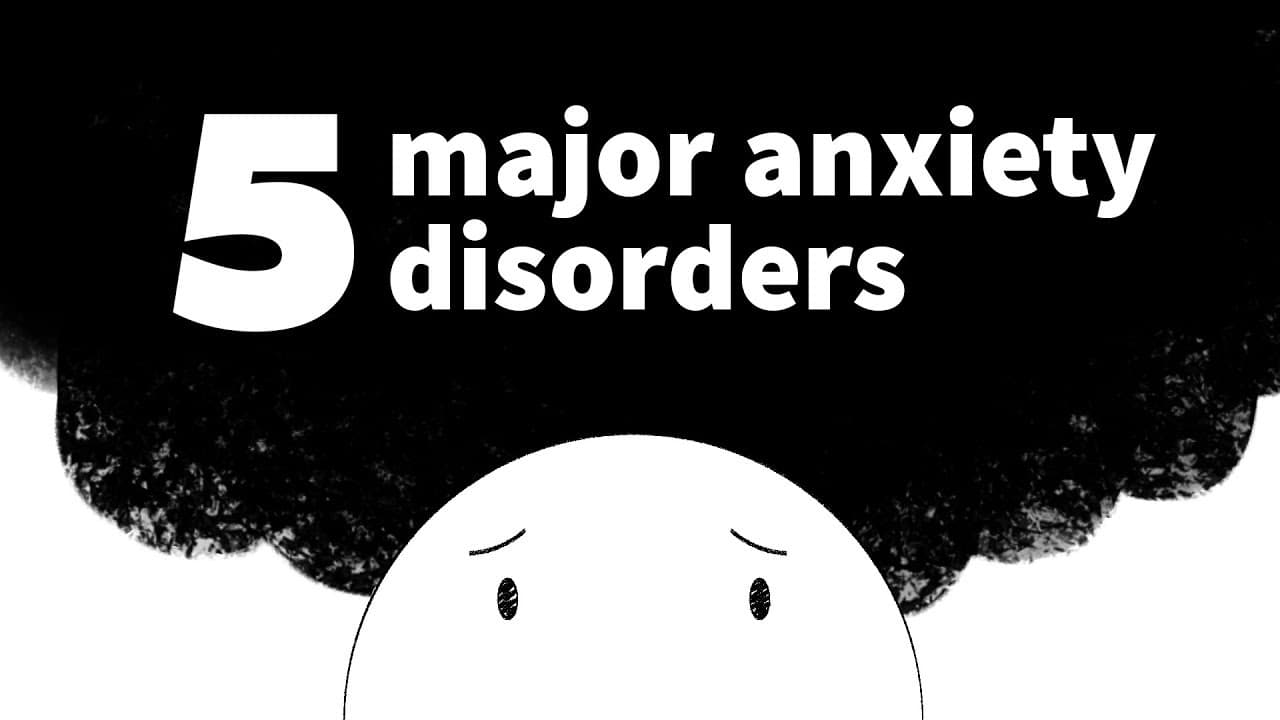
This educational video provides a concise yet comprehensive overview of five distinct types of anxiety disorders: Obsessive-Compulsive Disorder (OCD), Generalized Anxiety Disorder (GAD), Social Anxiety Disorder, Panic Disorder, and Post-Traumatic Stress Disorder (PTSD). Through minimalist animation and clear narration, the video breaks down the specific symptoms that characterize each condition, ensuring viewers understand that anxiety is not a "one size fits all" diagnosis. It also outlines the standard treatments for each, ranging from specific medications like SSRIs and beta-blockers to various forms of psychotherapy like CBT. The video explores key themes of mental health awareness, the importance of accurate diagnosis, and the destigmatization of mental illness. A significant portion of the content is dedicated to distinguishing between similar disorders (such as the difference between a panic attack as a symptom versus Panic Disorder as a condition) and debunking common myths, particularly regarding who can suffer from PTSD. The narrative emphasizes that treatment is highly personalized and often requires a combination of medication and therapy. For educators and mental health professionals, this video serves as an excellent introductory tool for high school Health or Psychology curriculums. It simplifies complex pharmacological and psychological terminology into accessible concepts. The video concludes with a strong message about empathy and social support, making it valuable for Social Emotional Learning (SEL) contexts to teach students how to support peers who may be struggling with these invisible conditions.

Psych2GoPsych2Go

6mins 33s

Keeping Your Brain Healthy

Keeping Your Brain Healthy

This educational video outlines practical, everyday strategies for maintaining and improving mental wellness, framing brain health as an active process similar to physical fitness. It introduces viewers to actionable habits such as practicing mindfulness, minimizing screen time, spending time in nature, maintaining a balanced diet, and seeking professional support when needed. The narration emphasizes that mental health requires consistency and patience, just like exercising any other muscle in the body. Key themes explored include the mind-body connection, digital wellness, the therapeutic benefits of nature, and the destigmatization of seeking therapy. The video explicitly connects lifestyle choices—like nutrition and exercise—directly to cognitive function and emotional well-being. It also addresses the impact of substance use on brain health, providing a holistic view of what it means to stay mentally fit. For educators, this video serves as an excellent primer for Social Emotional Learning (SEL) units focused on self-care, stress management, and health education. It provides a non-threatening entry point for discussing mental health, normalizing the idea of "brain check-ups," and empowering students with tangible tools they can use immediately to manage stress and anxiety.

Brain Health BootcampBrain Health Bootcamp

1min 48s

Materials

Mind Matters Slides

Mind Matters Slides

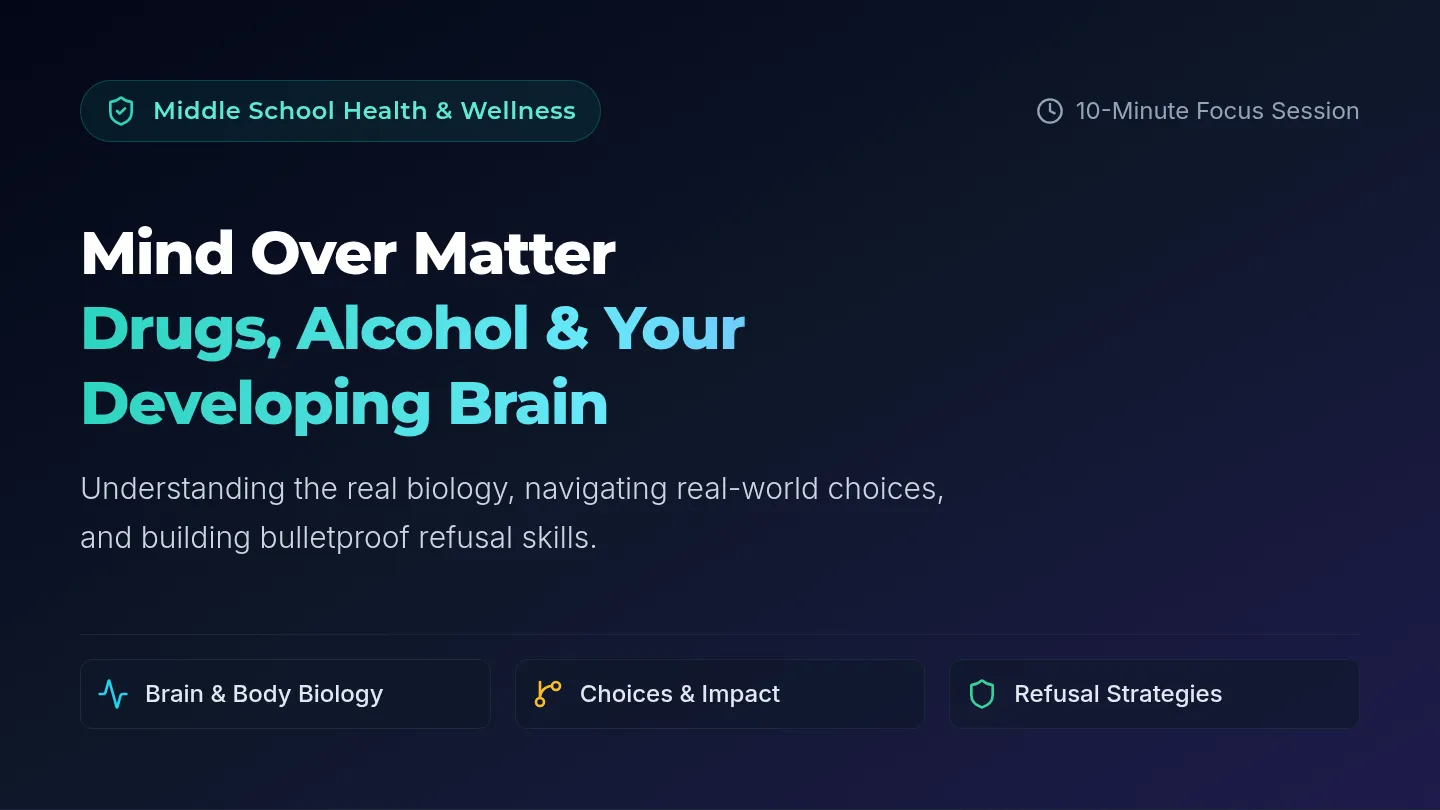
An engaging 8-slide presentation for middle school students exploring the science of the developing adolescent brain, short- and long-term consequences of drug and alcohol use, practical peer pressure refusal strategies, and trusted support resources.

AS

Angela Scott

Operation Ice Cube Slides

Operation Ice Cube Slides

A concise 3-slide morning announcement presentation for K-4 students about staying cool. Covers hydration, shade, identifying 'Heat Grumpiness,' and using coping tools like breathing and asking for help. Designed for informational delivery without interactive prompts.

DG

Devlin Gauthier

Power Moves Slides

Power Moves Slides

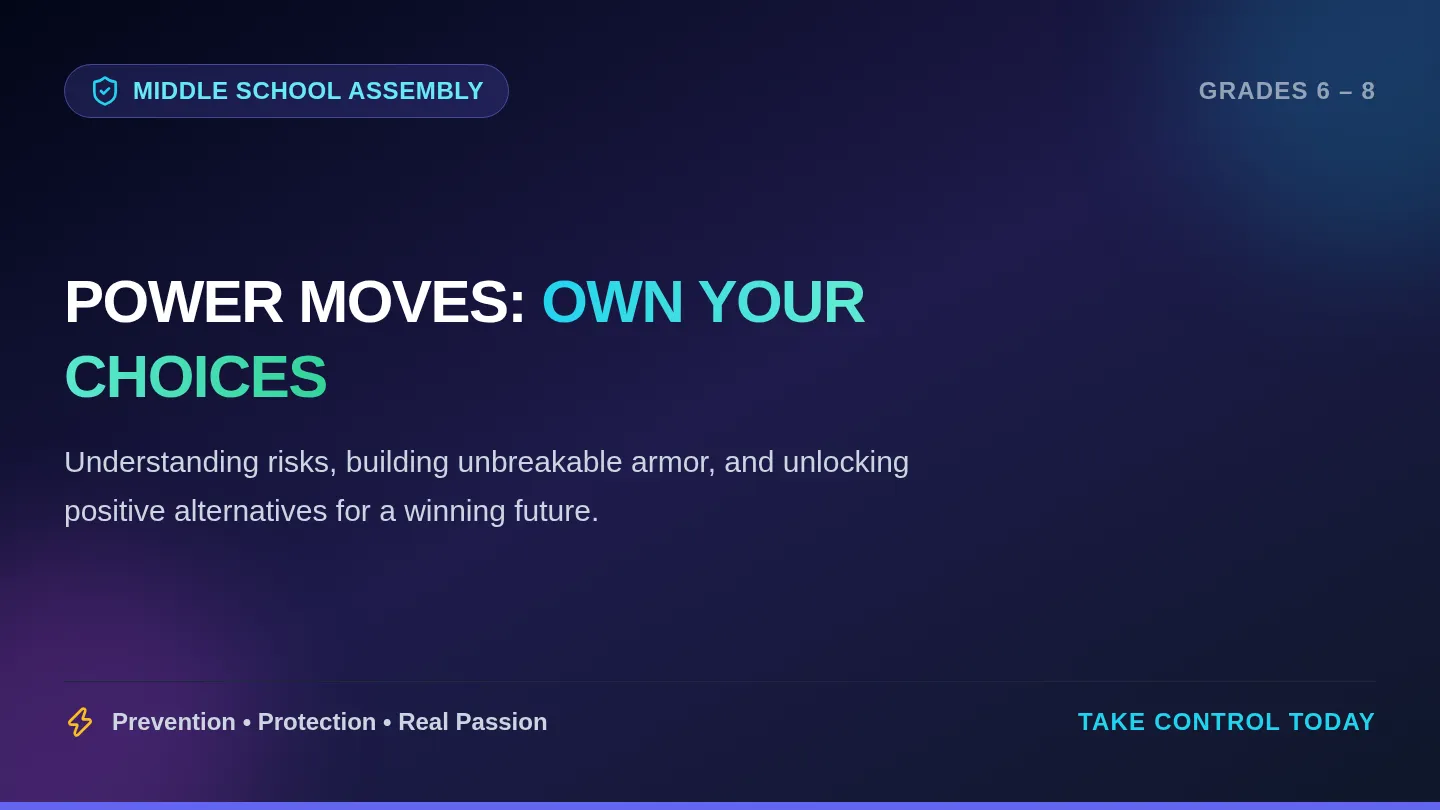
An energetic, high-impact assembly slide deck designed for 6th-8th graders introducing risk prevention, protective factors, and positive alternatives with bold visuals and auditorium-scale typography.

AS

Angela Scott

Vape Truths Handout

Vape Truths Handout

A high-impact 2-page psychoeducational infographic handout and decision-making graphic organizer. Page 1 delivers a visual breakdown of adolescent neurobiology, chemical aerosol contents, the nicotine-anxiety cycle, and physiological risks. Page 2 provides an actionable student decision-making matrix, refusal scripts, healthy dopamine coping alternatives, and a personalized trigger action plan.

W

westerling

Sequences

Freshness Slides (3) v2

Glow Up Guide (K-4)

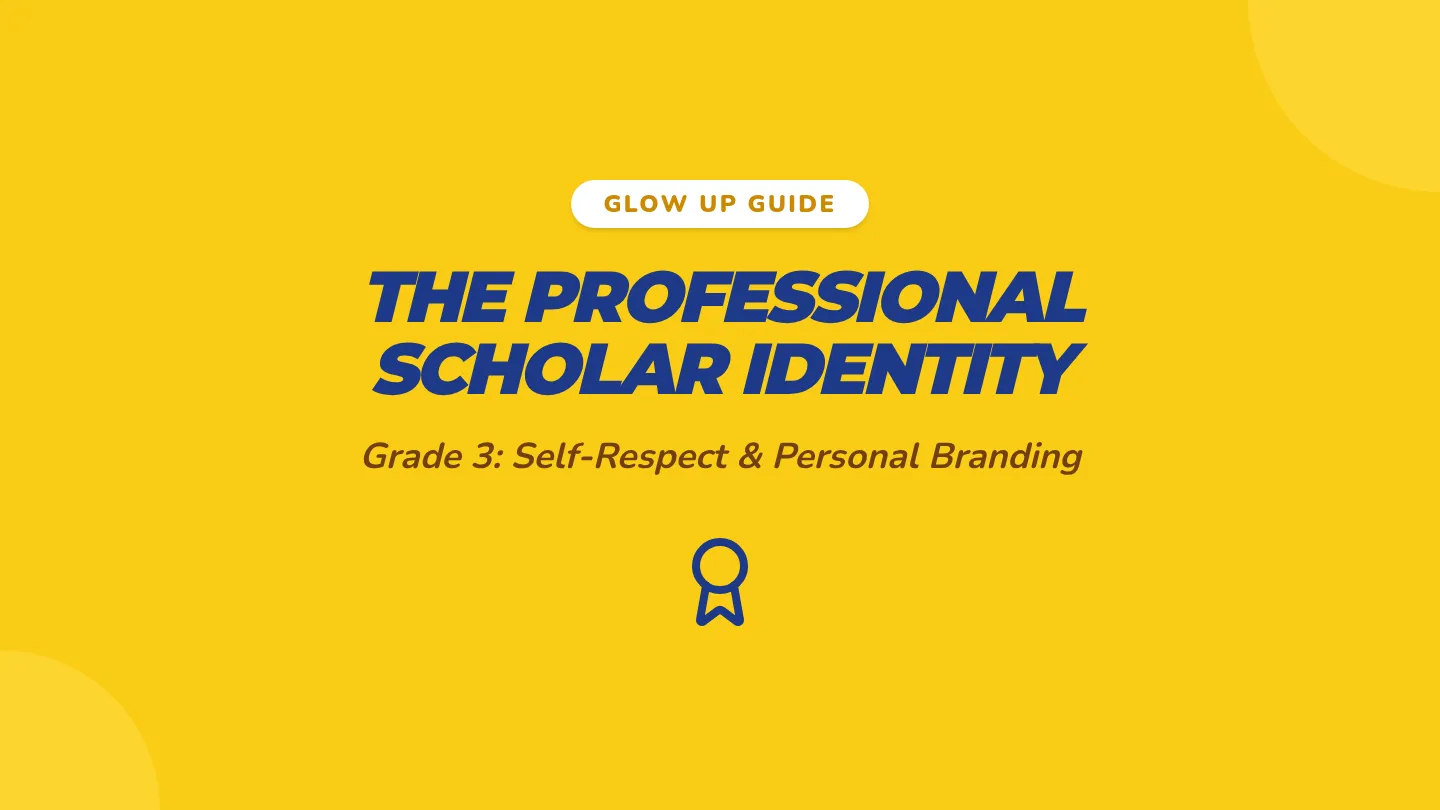
A comprehensive SEL-integrated hygiene curriculum for elementary scholars (K-4), focusing on self-awareness, social impact, and personal responsibility through the lens of a 'Glow Up'.

T

tkeya.void

86
Safe Circles Slides

Mindful Choices

A two-week wellness unit for middle schoolers focused on analyzing influences (media, tech, values) and mastering health-enhancing decision-making models. Students culminate their learning by creating a collaborative research poster on a chosen wellness topic.

CH

Collin Harney

39
Methuen Wellness Curriculum Reference Sheet

Methuen K-4 Integrated Wellness Curriculum

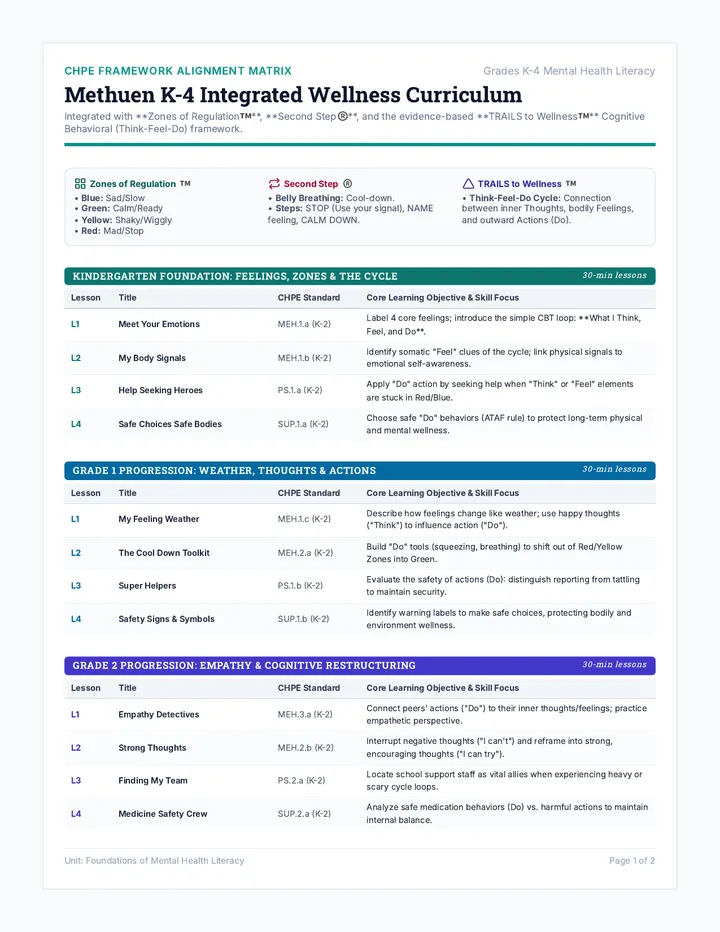
A comprehensive, developmentally appropriate mental health literacy curriculum for elementary students (Grades K-4) aligned with the CHPE Framework. This curriculum delivers structured lessons across multiple grades covering emotion identification, physical body signals, trusted helpers, and safe choices, integrated with Zones of Regulation, Second Step, and TRAILS to Wellness.

JC

John Crocker

61
Peacekeeper Slides Presentation

Social Harmony Sequence

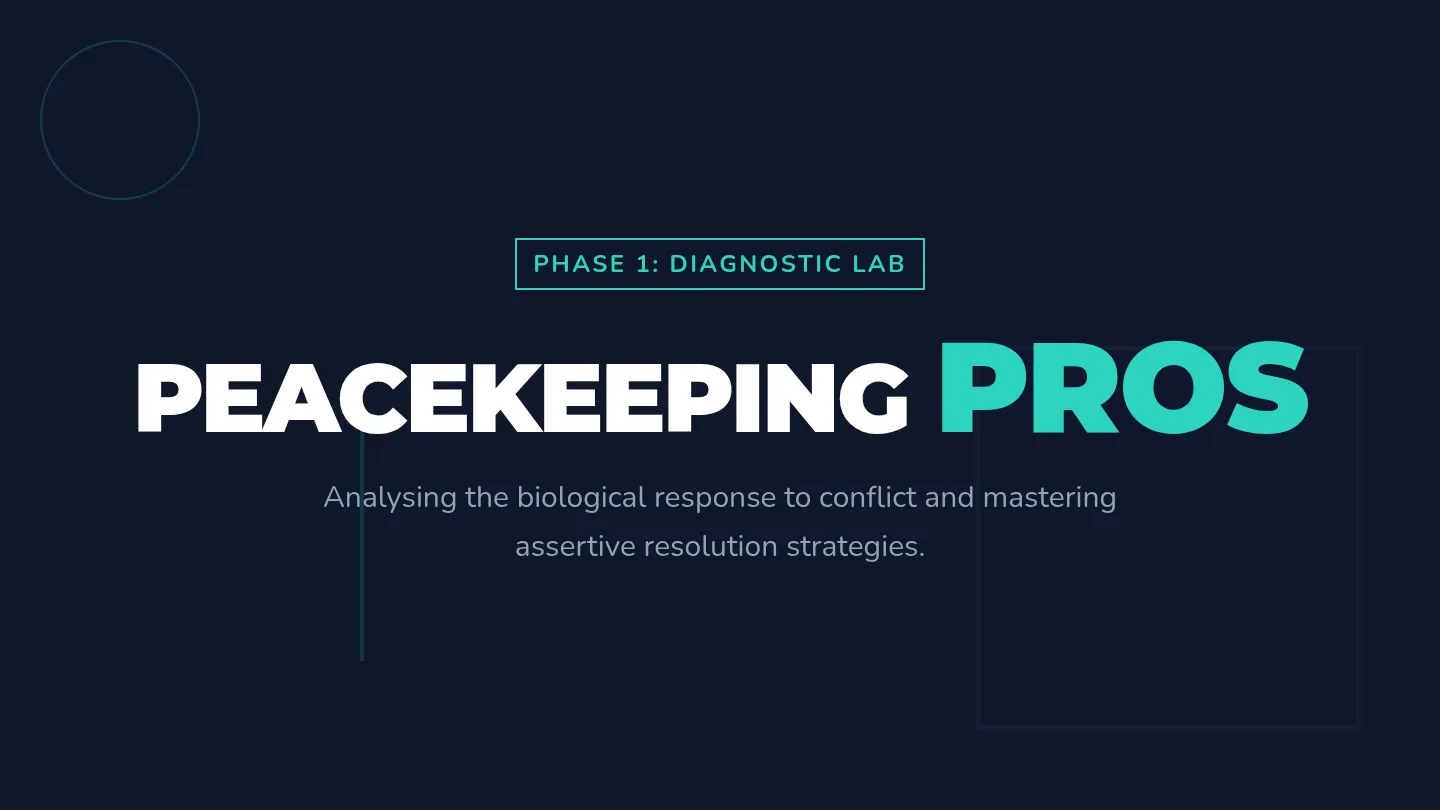
A comprehensive sequence of lessons for secondary students (Yr 7-8) focused on conflict resolution, social media responsibility, and assertive communication in both physical and digital spaces.

KH

Kellee Hodge

29
Brain Hack Slides

The Vape Void

A comprehensive tobacco and vaping cessation program focused on the science of addiction, long-term health impacts, and practical refusal and quitting strategies for students.

GG

Gina Guerrero

8
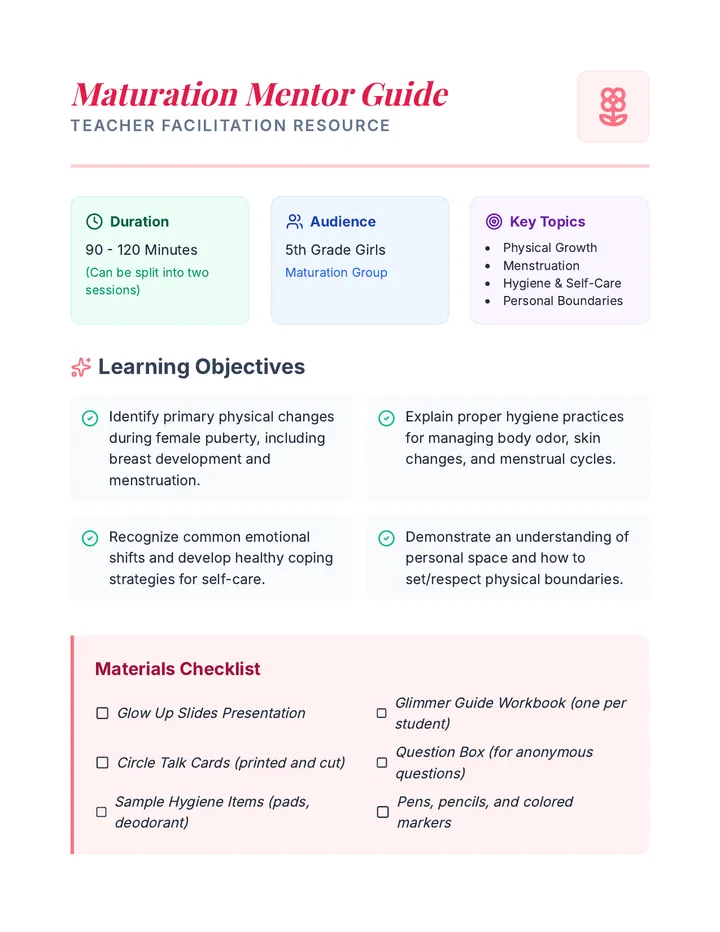
Maturation Mentor Guide Lesson Plan

Glimmer and Glow

A comprehensive maturation unit for 5th-grade girls covering physical, emotional, and social changes during puberty. Includes a detailed teacher guide, interactive slides, a student workbook, and discussion cards to foster a supportive and informative environment.

W

wwiedeman

7

Lessons

Health Hero Study Guide

Health Essentials Review

A comprehensive study guide covering nutrition, body systems, mental health, and disease prevention based on the Health Final Exam.

F

fradunsky

7
Safety Blueprint Slides

Safety Blueprint

A comprehensive 2-hour lesson for 9th graders on identifying and responding to dangerous situations at home, school, and in the community, including emergency and disaster preparedness.

SG

Sara Gutierrez

8
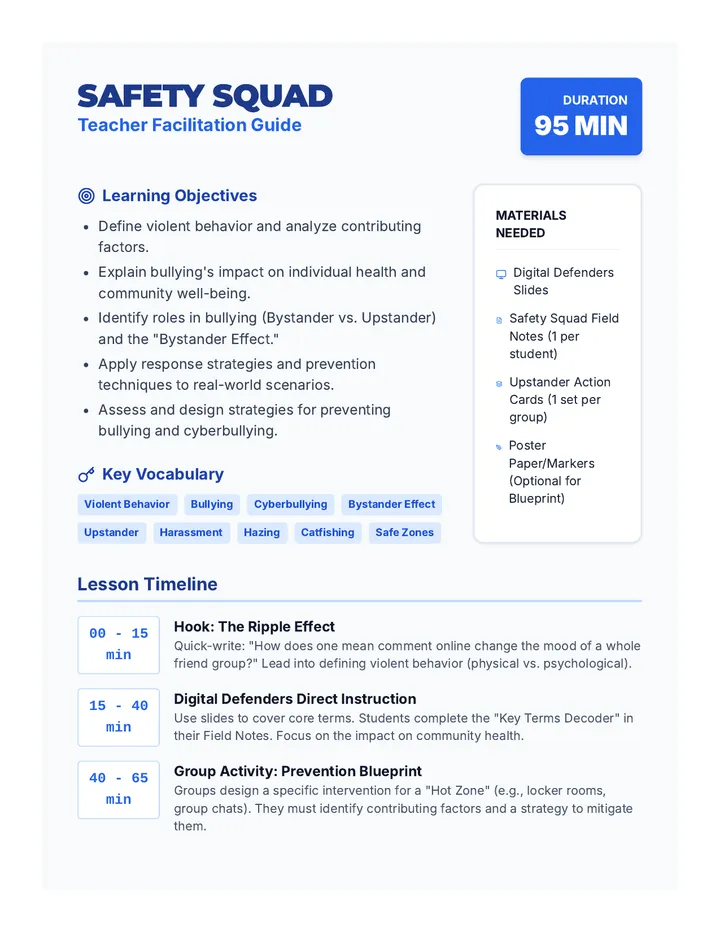
Safety Squad Teacher Guide

Safety Squad Defenders

A comprehensive 95-minute lesson for 9th graders focusing on defining violent behavior, understanding the impacts of bullying and cyberbullying, and developing upstander skills through case studies and role-playing.

SG

Sara Gutierrez

5
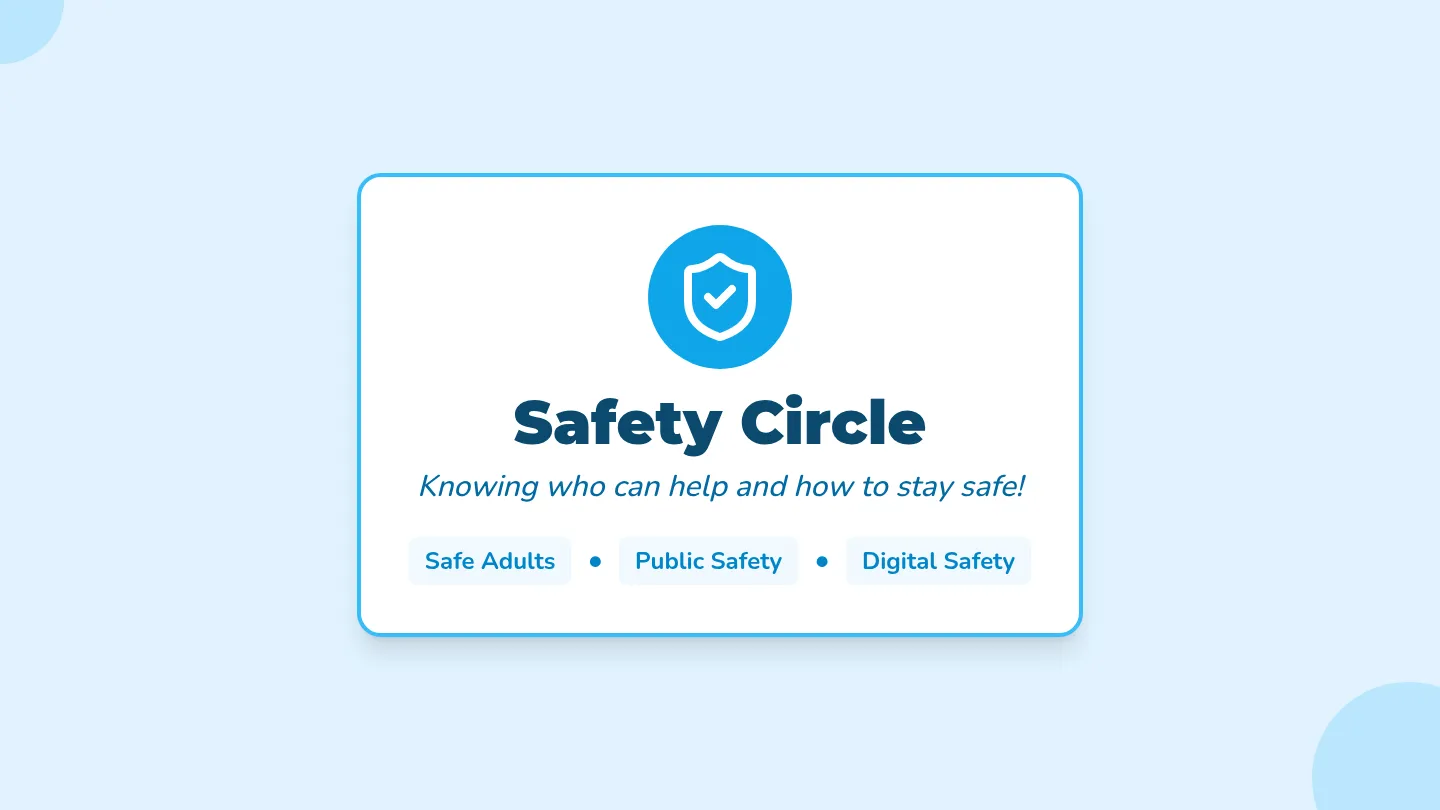
Safety Circle Slides

Safety Circle

A comprehensive lesson teaching students how to identify safe adults, navigate digital interactions, ask for help in public, and maintain healthy boundaries with acquaintances.

AK

Alexandra Kotowski

7
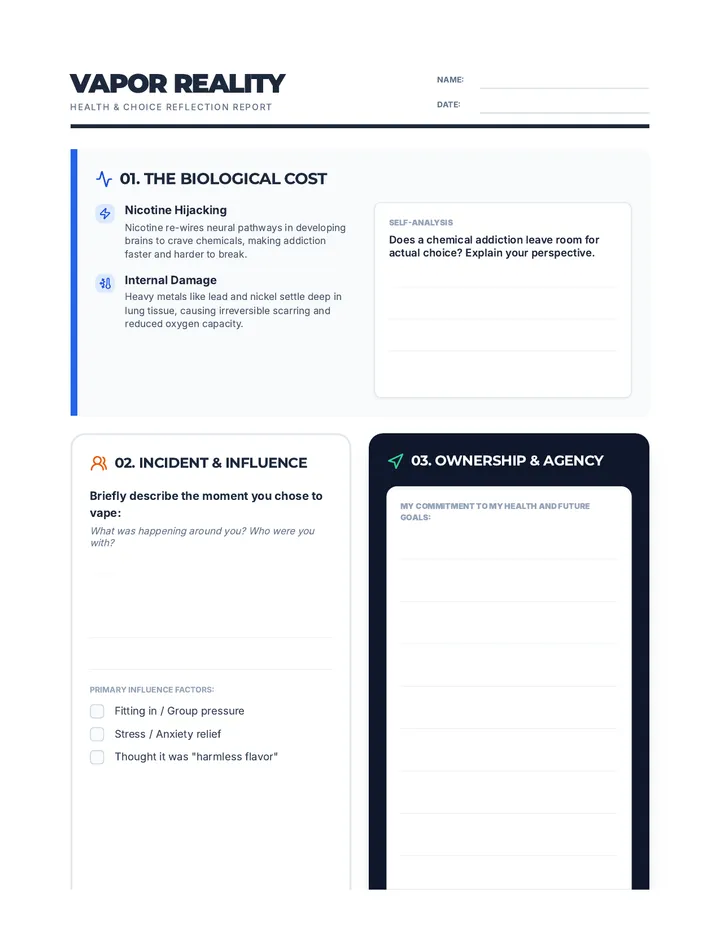
Vapor Reality Worksheet Plus Writing Space

Clear Air

A reflective lesson designed for students to evaluate the health risks of vaping and the social pressures that lead to it, focusing on long-term consequences and personal agency.

CK

Cassidy Klohr

6
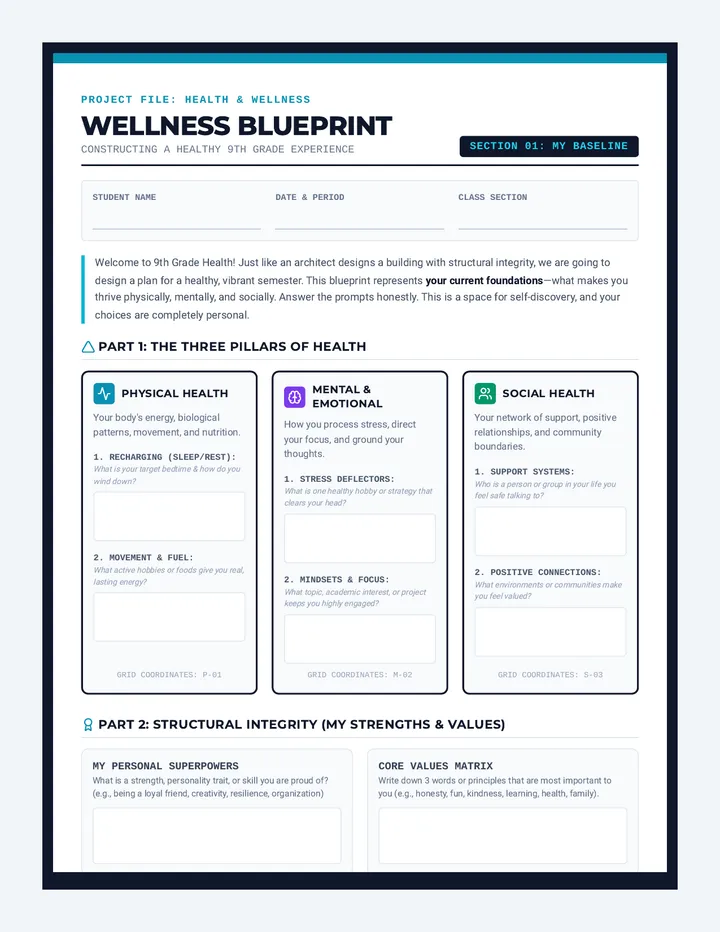
Wellness Blueprint Project Worksheet

Wellness Blueprint

A first-day introductory lesson for 9th-grade Health that blends student self-discovery with the three pillars of health (physical, mental/emotional, and social). Students create a personal wellness blueprint that introduces key unit concepts while establishing a supportive classroom community.

DK

Dionisios Katehis

4