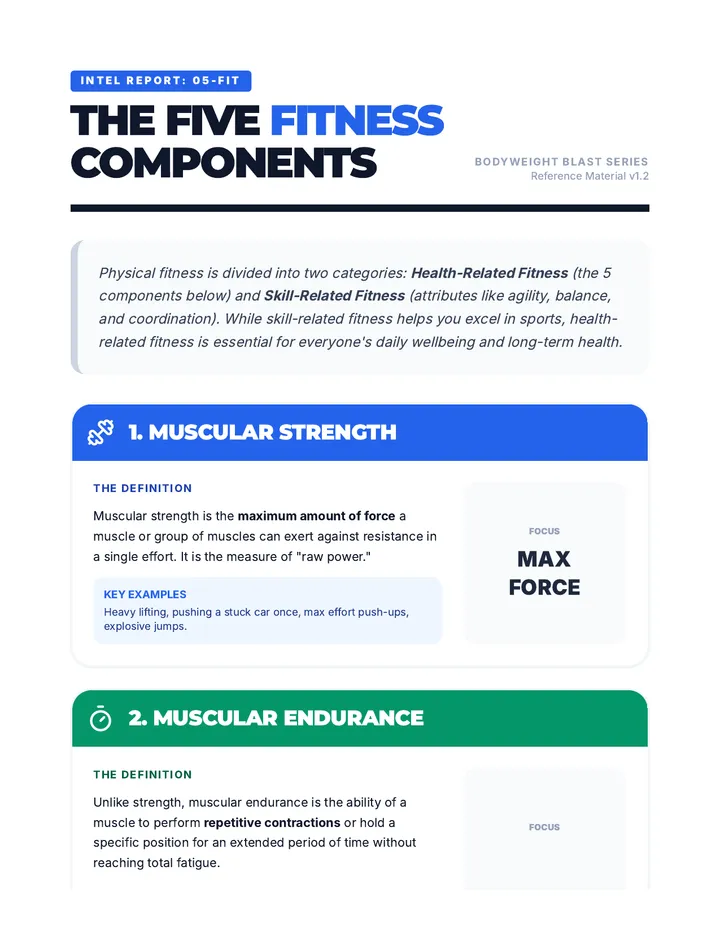
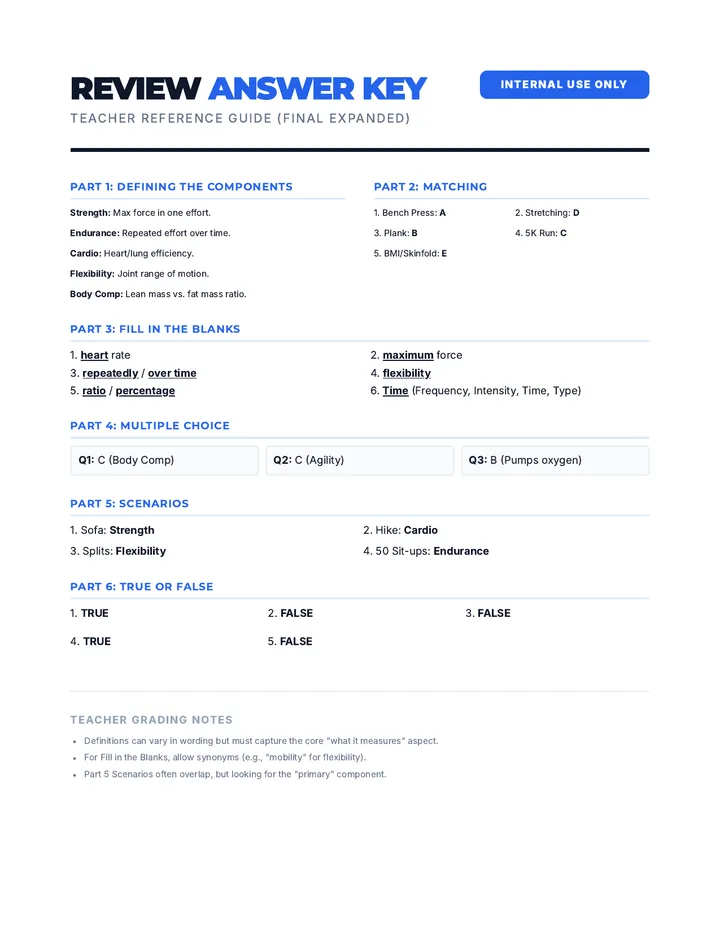
Principles of muscular strength, endurance, and cardiovascular conditioning. Develops skills for setting personal fitness goals while incorporating flexibility and stretching techniques for injury prevention.
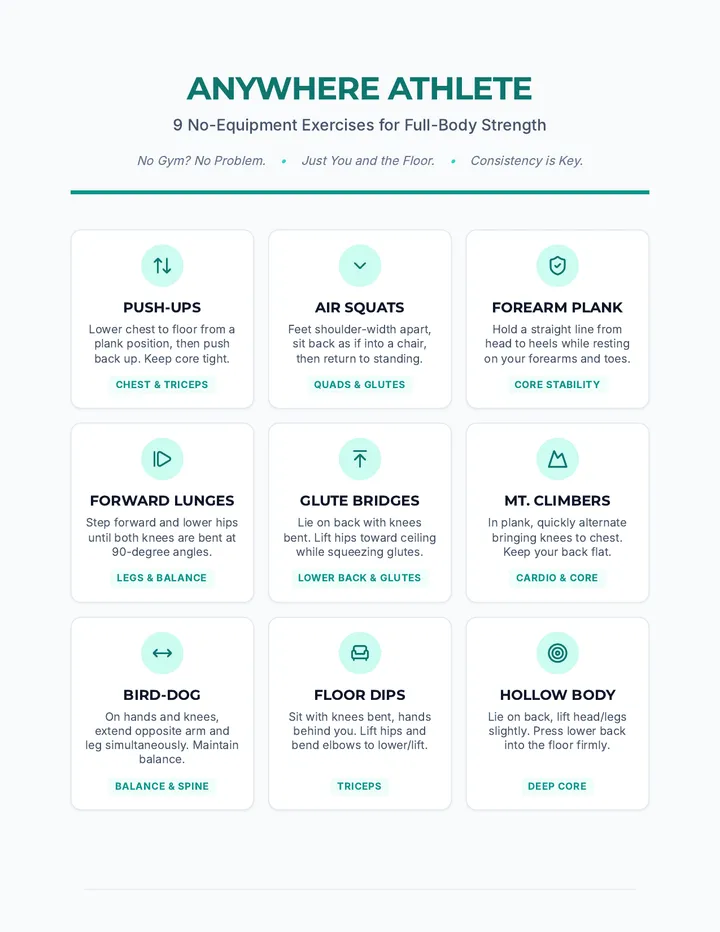
A clean, minimalist poster featuring 9 mat-based bodyweight exercises suitable for home workouts without equipment. Each exercise includes an icon, clear instructions, and target muscle groups.
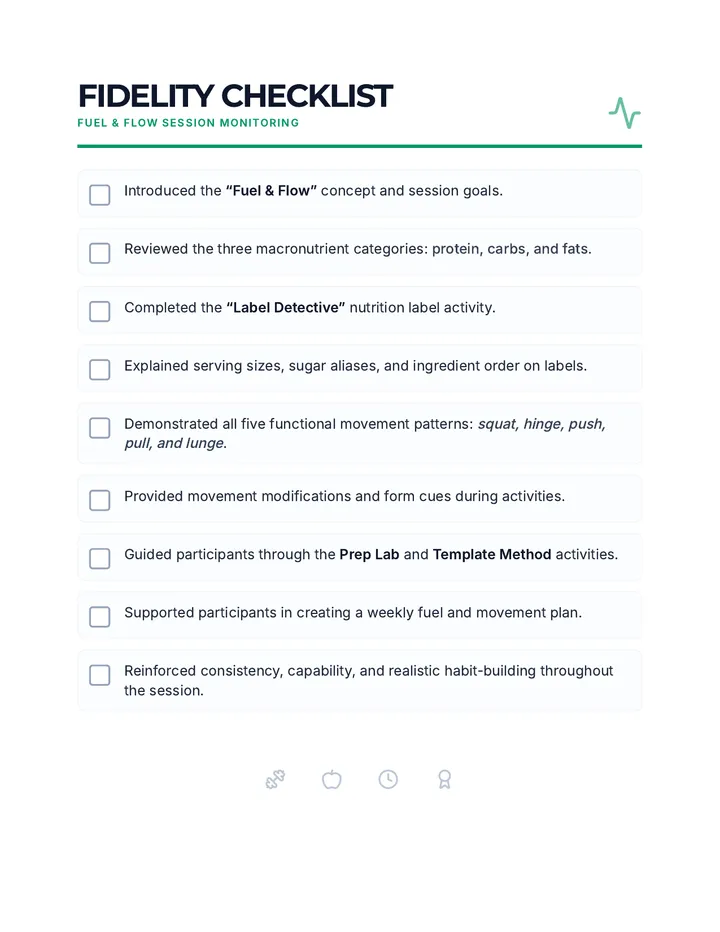
A clean, athletic-themed checklist for monitoring the fidelity of the Fuel & Flow session, optimized for a single-page layout with clear checkboxes and no observer info fields.
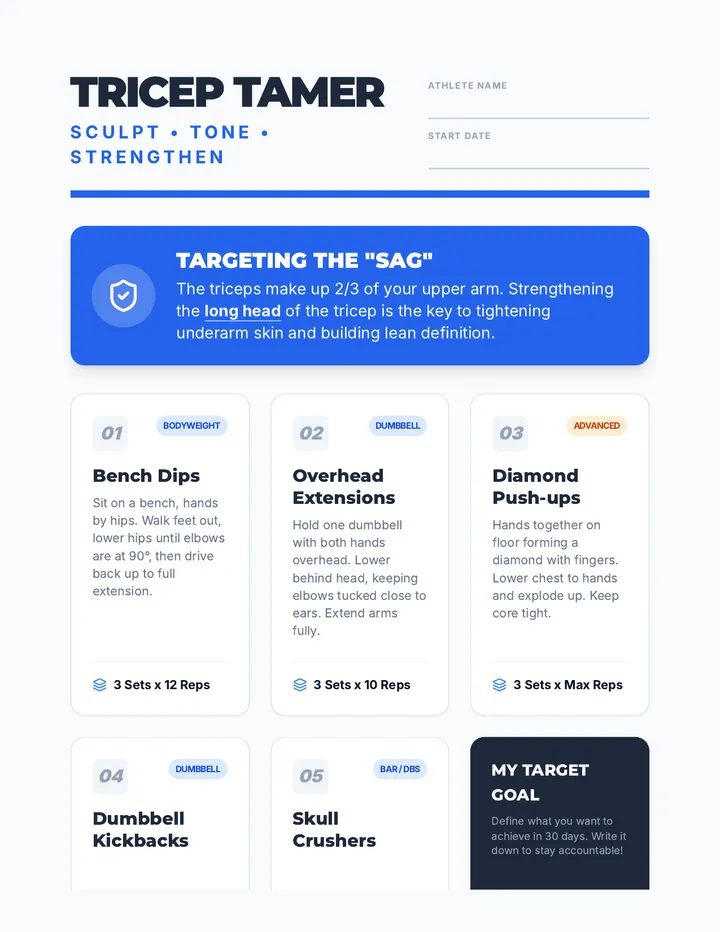
A visual workout poster focused on triceps exercises to help eliminate underarm sag, featuring 5 key exercises with instructions, rep counts, and professional training tips. Includes a workout tracker and goal-setting area.
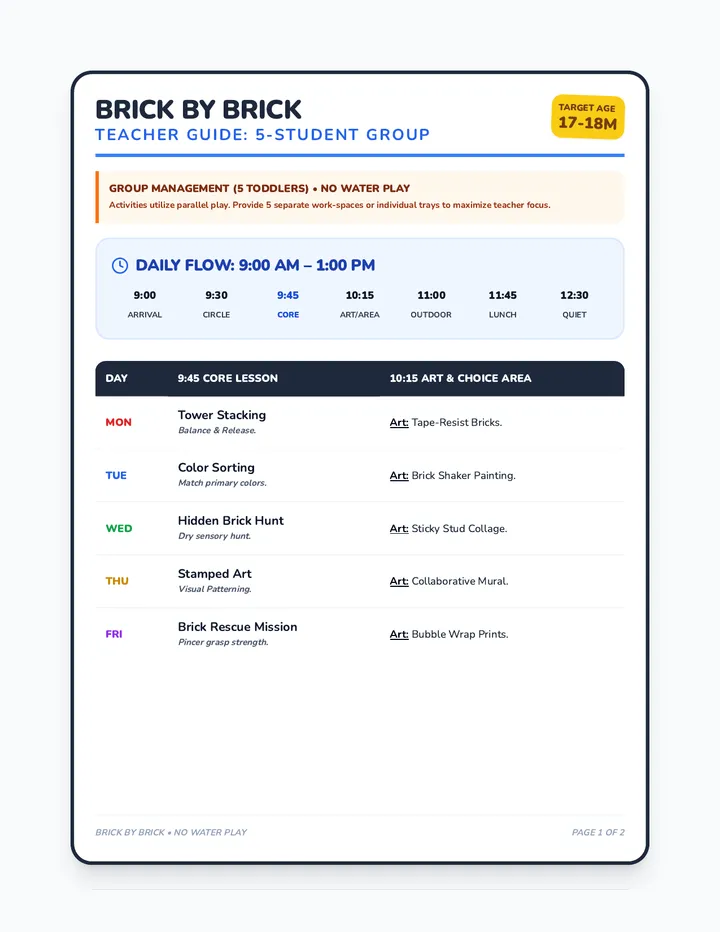
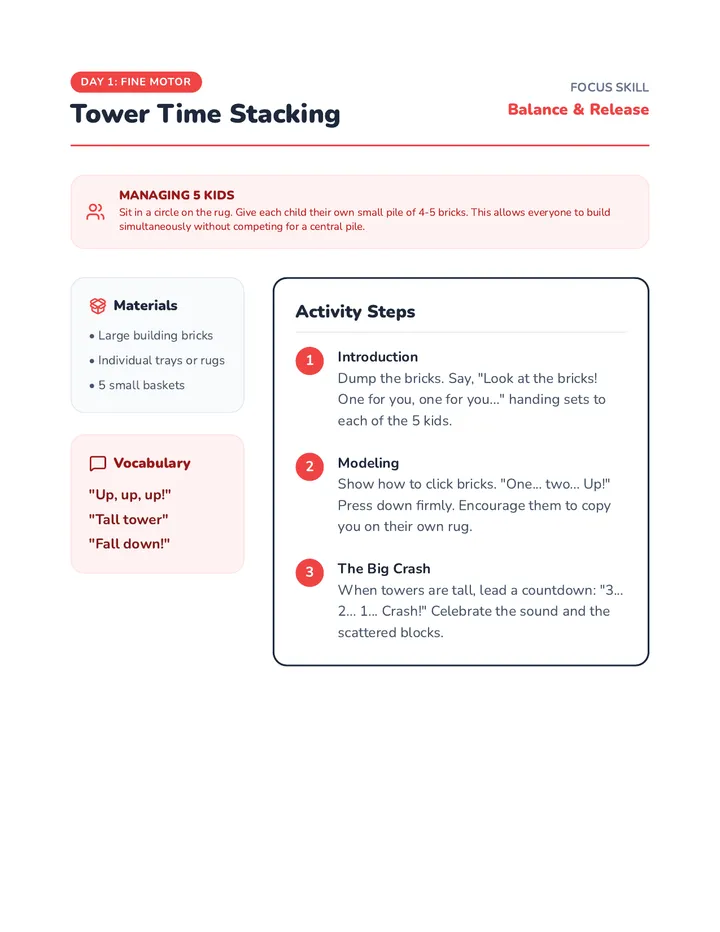
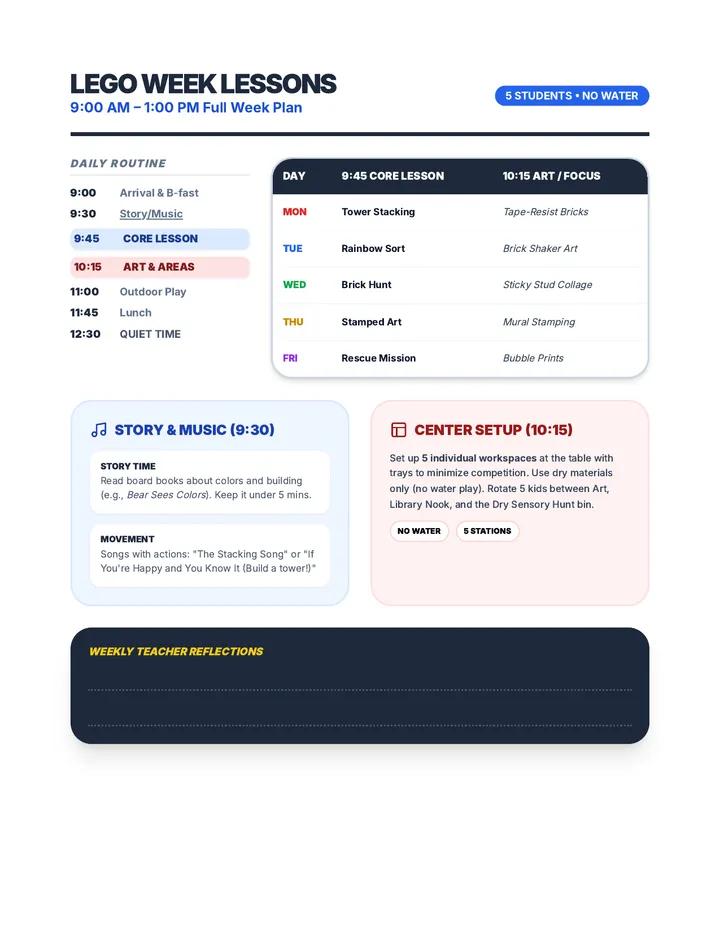
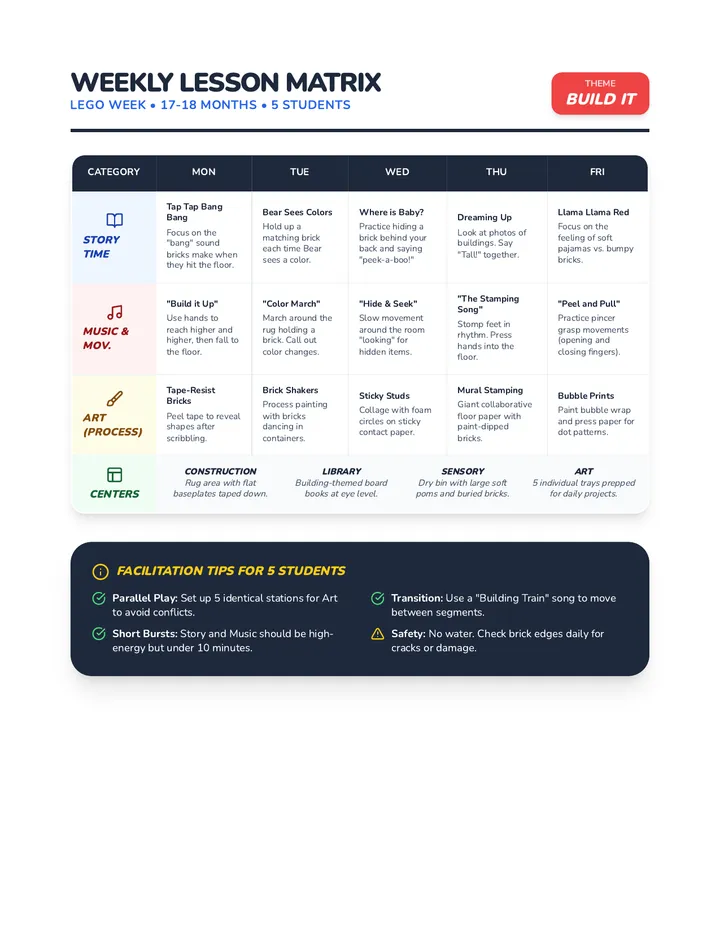
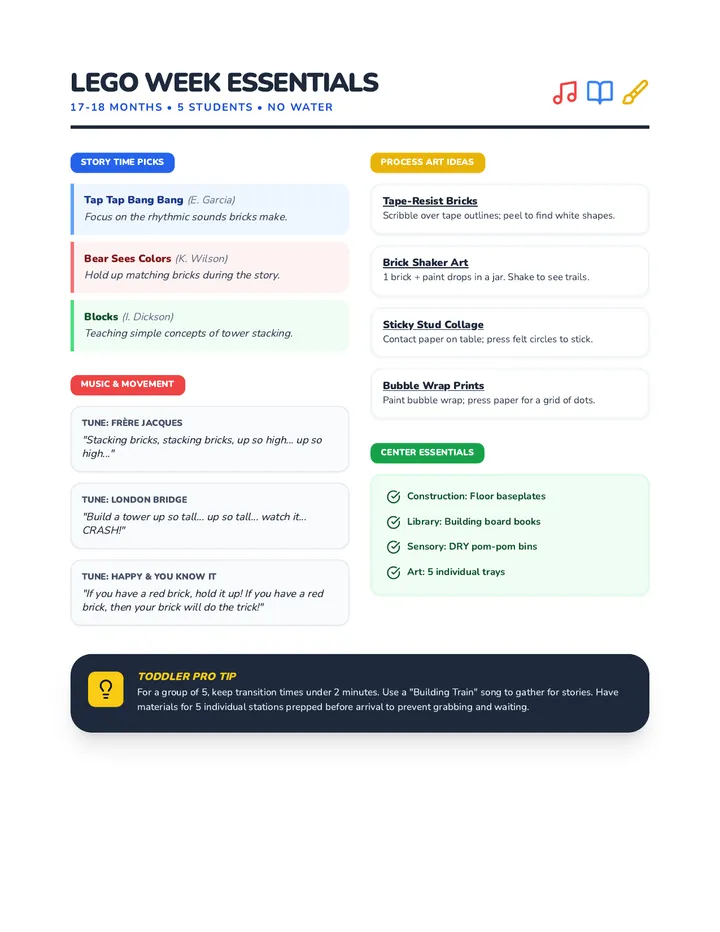
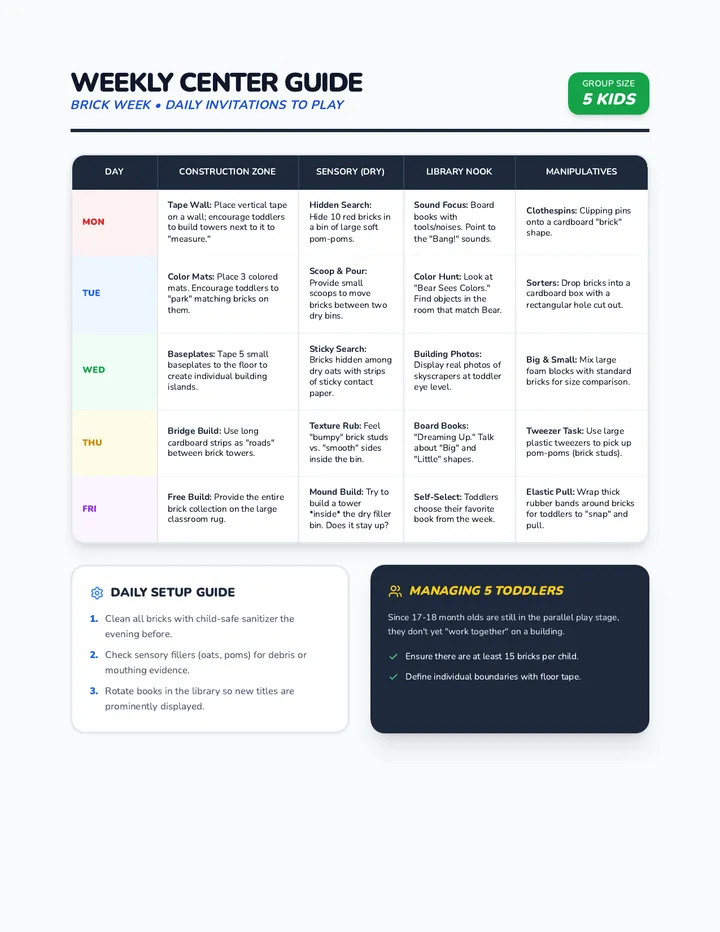
A collection of comprehensive week-long curricula for toddlers aged 17-18 months. Each themed week focuses on developmental play, sensory exploration, and fine motor skills for a group of 5 students with zero water play.
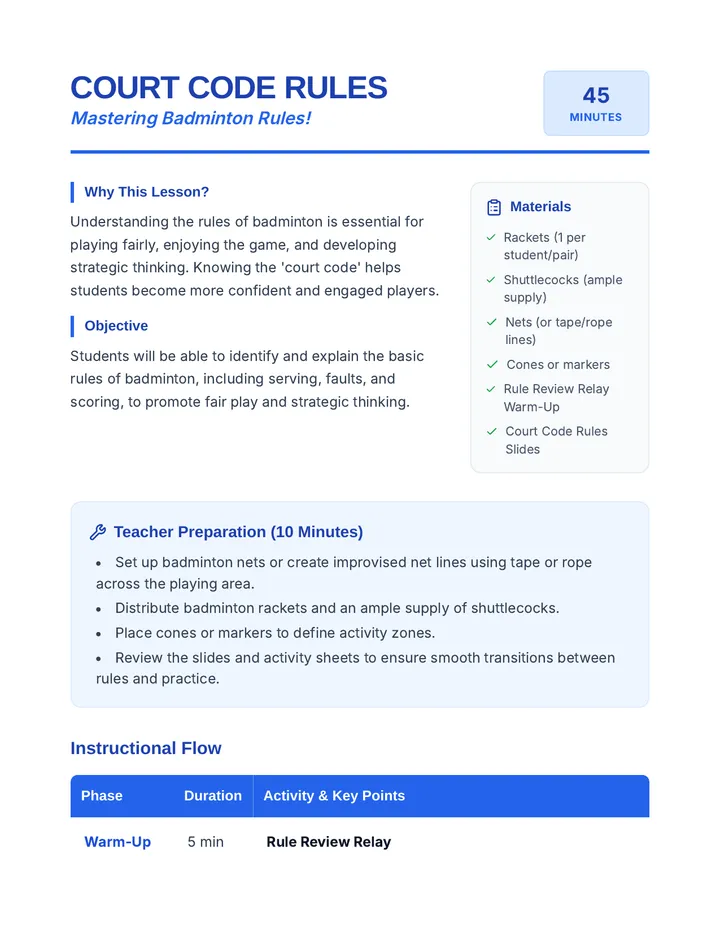
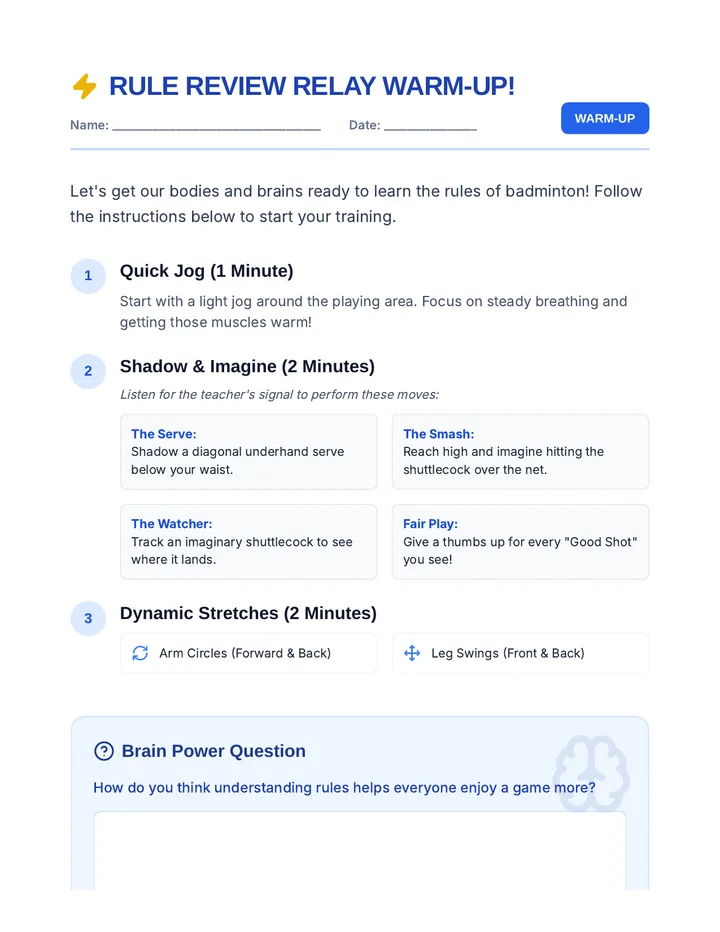
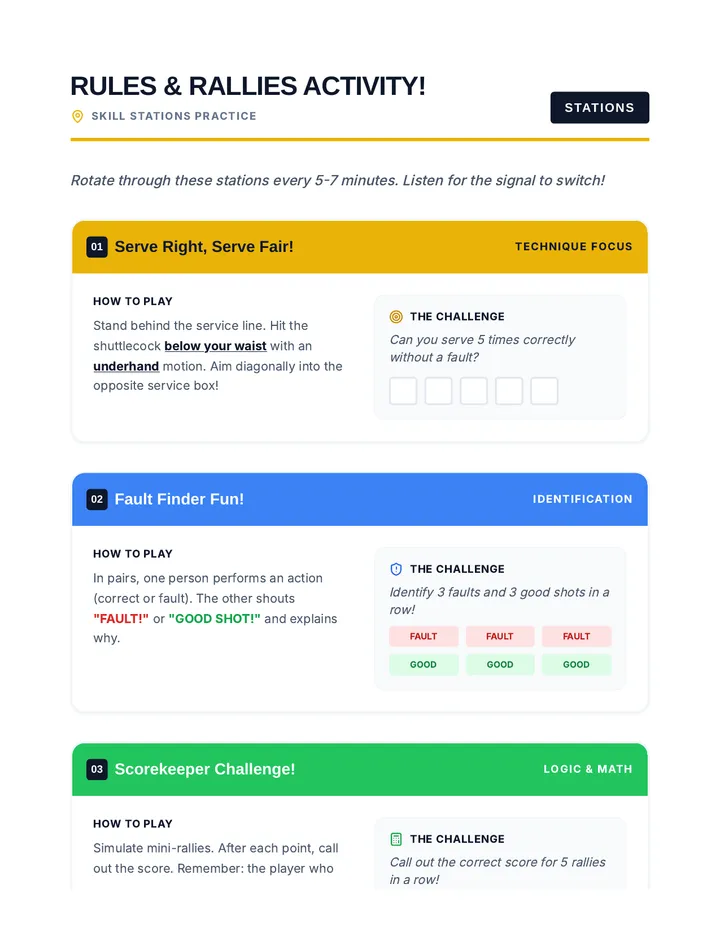
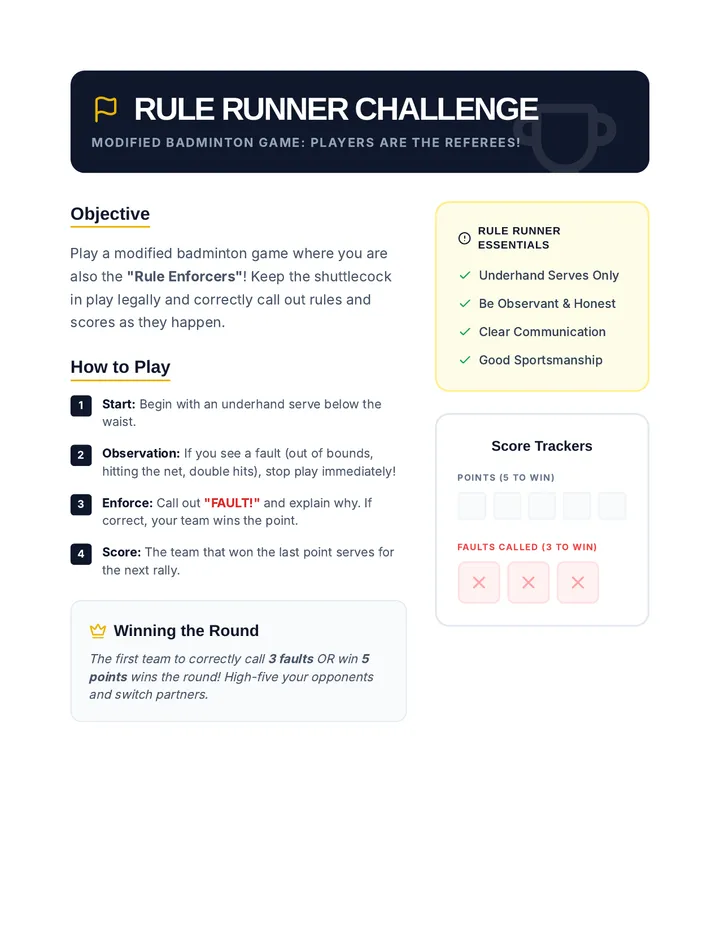
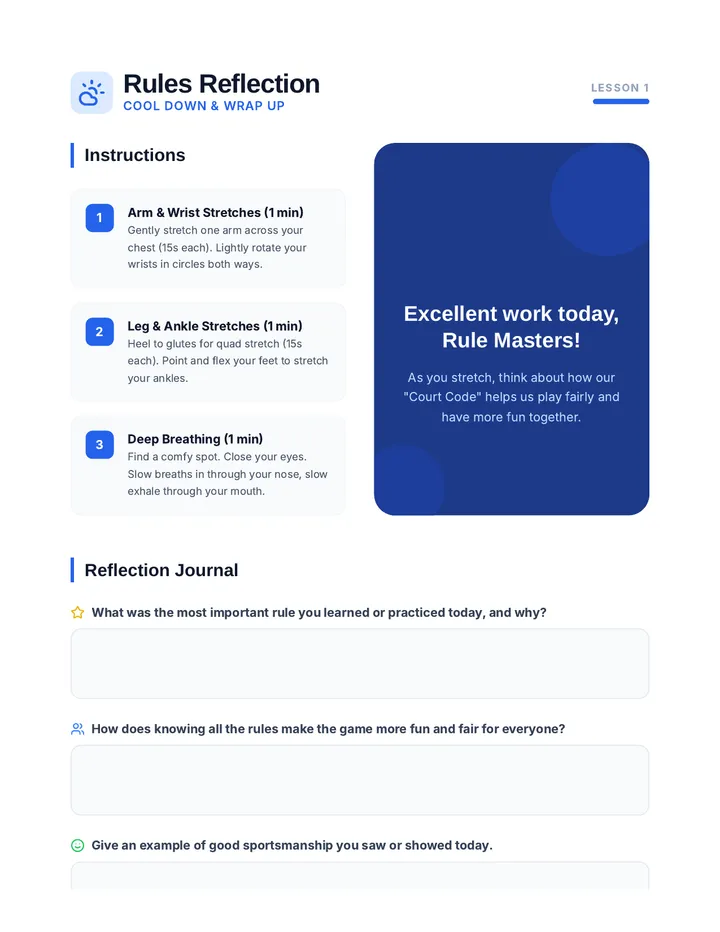
A 5-lesson sequence for 3rd-5th graders to master the fundamentals of badminton, from basic rules and serving to advanced strokes like the forehand drive, overhead clear, and backhand. Students build physical skills, hand-eye coordination, and strategic court awareness through interactive drills and cooperative games.
A comprehensive 5-day unit designed to educate students on the physiological effects of vaping and provide actionable, healthy coping mechanisms like deep breathing and mindfulness.
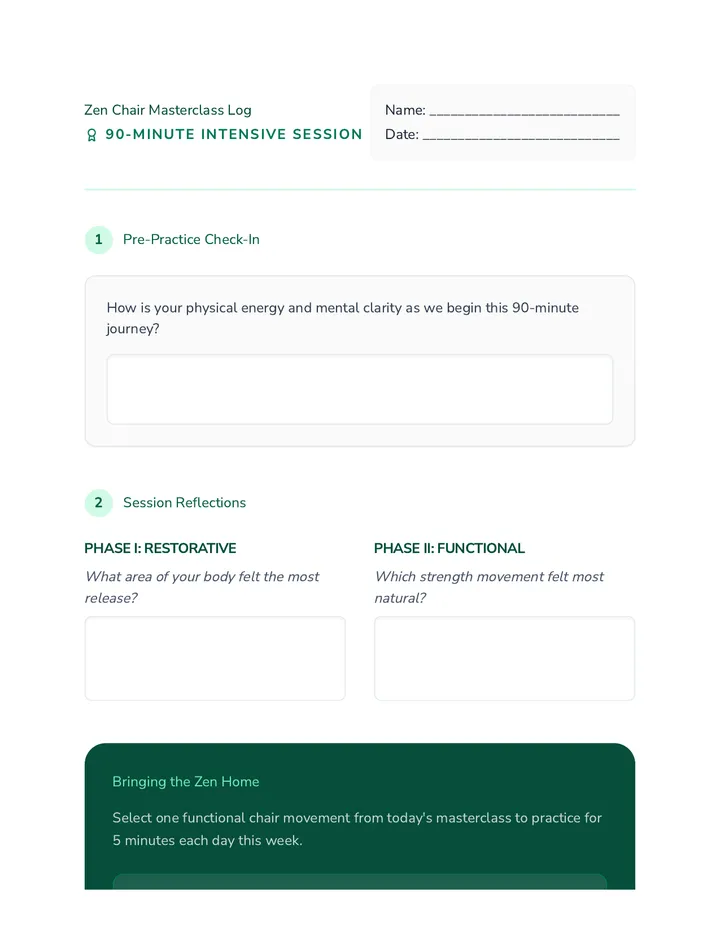
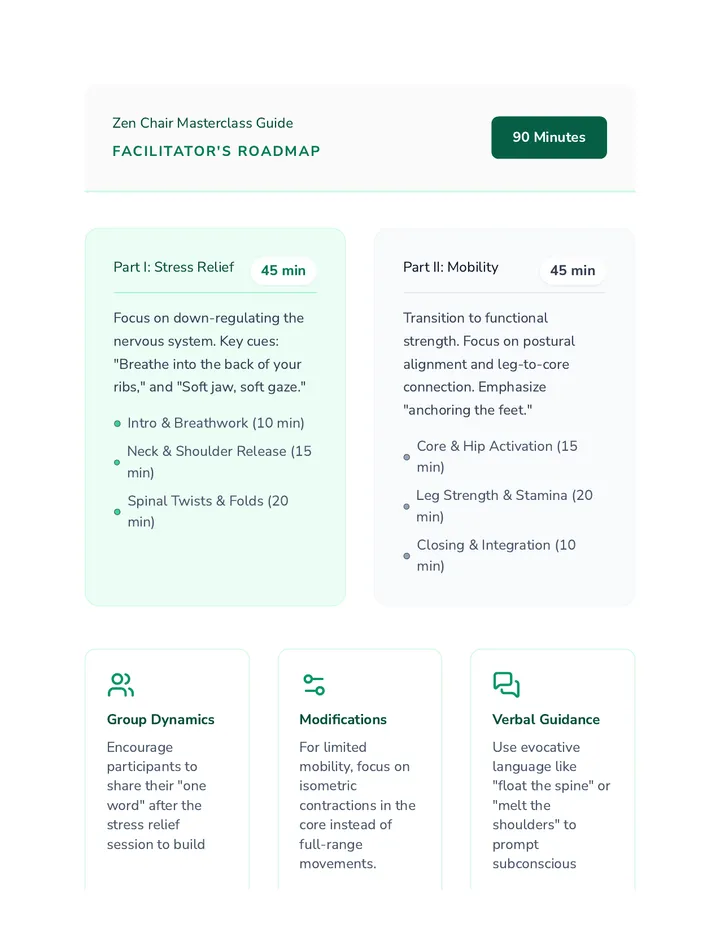
A comprehensive yoga series featuring a deep-dive chair yoga masterclass with guided videos and a follow-up standing flow session for beginners. Designed to build both mental calm and physical strength.
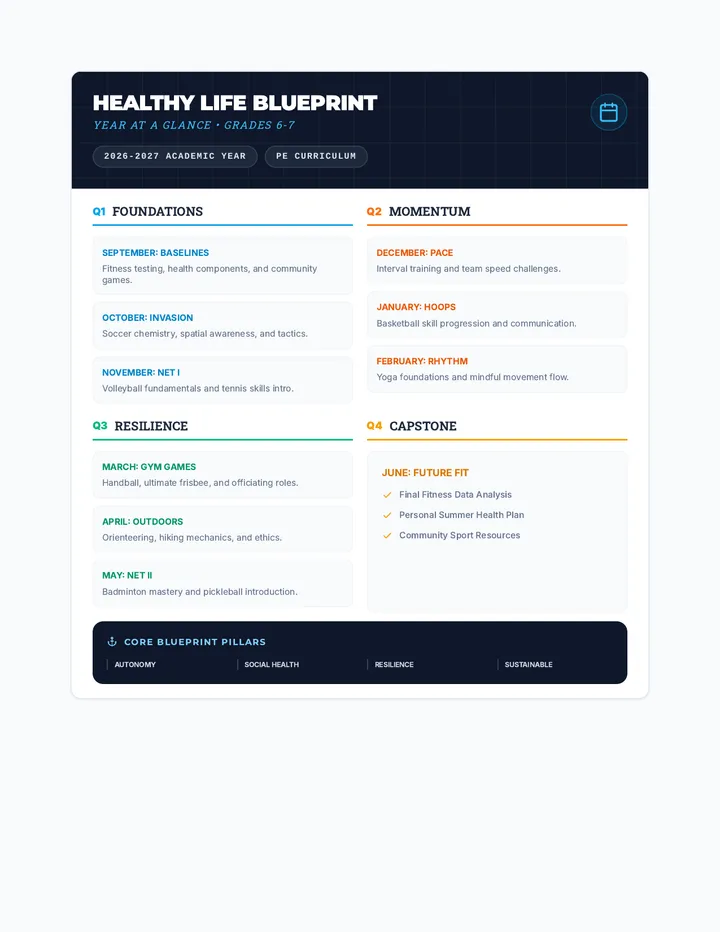
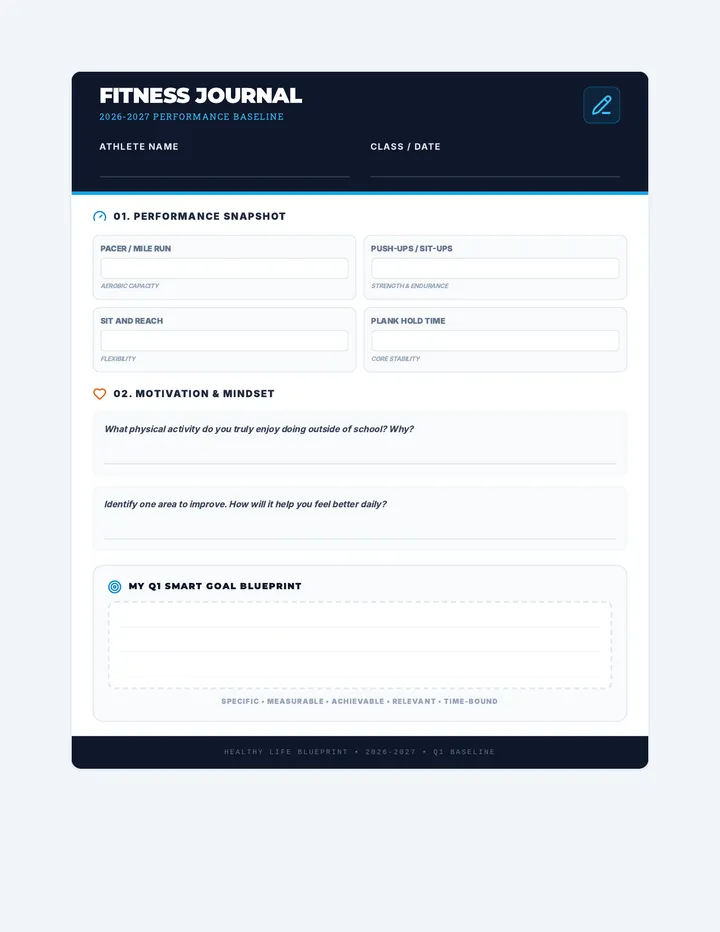
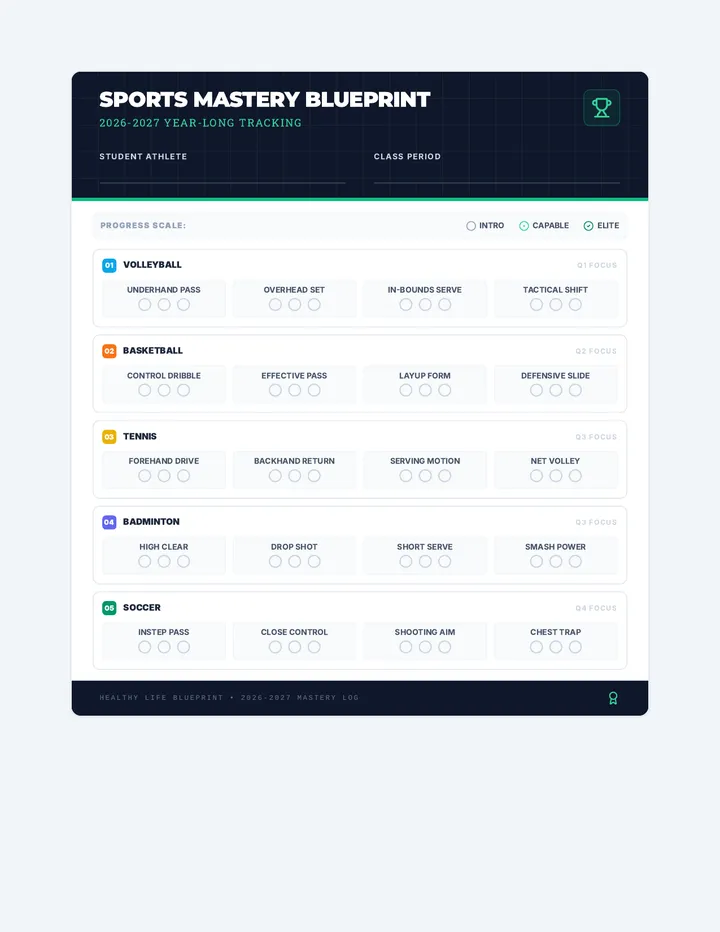
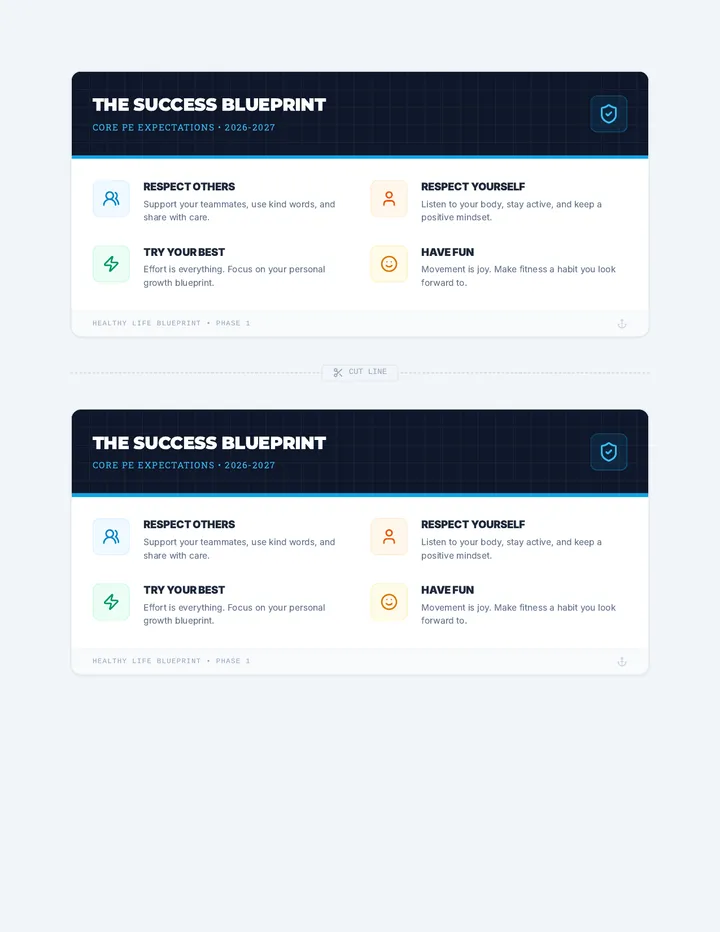
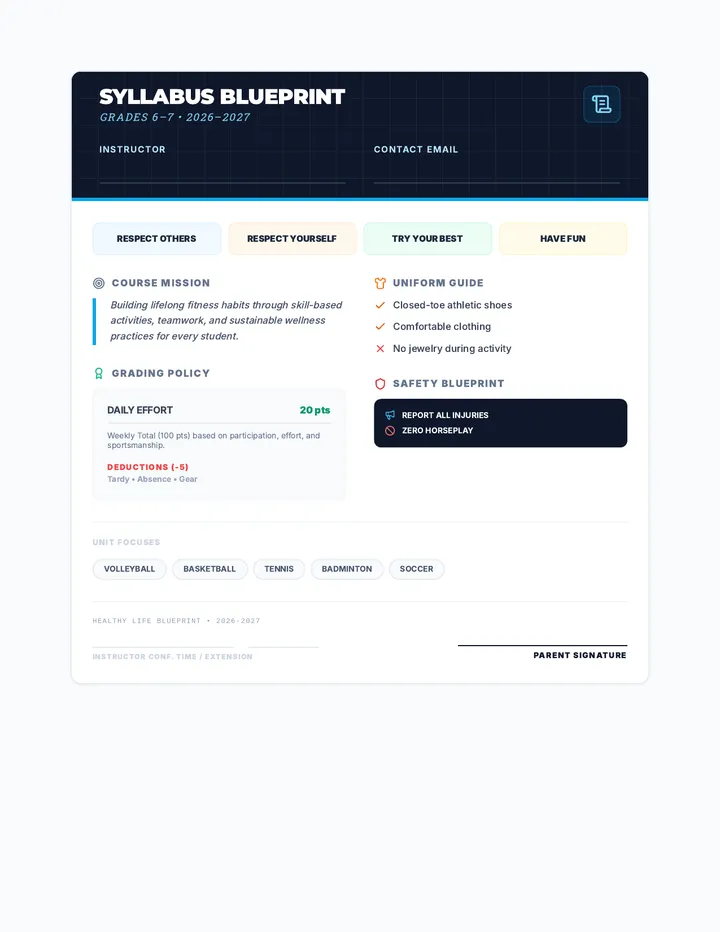
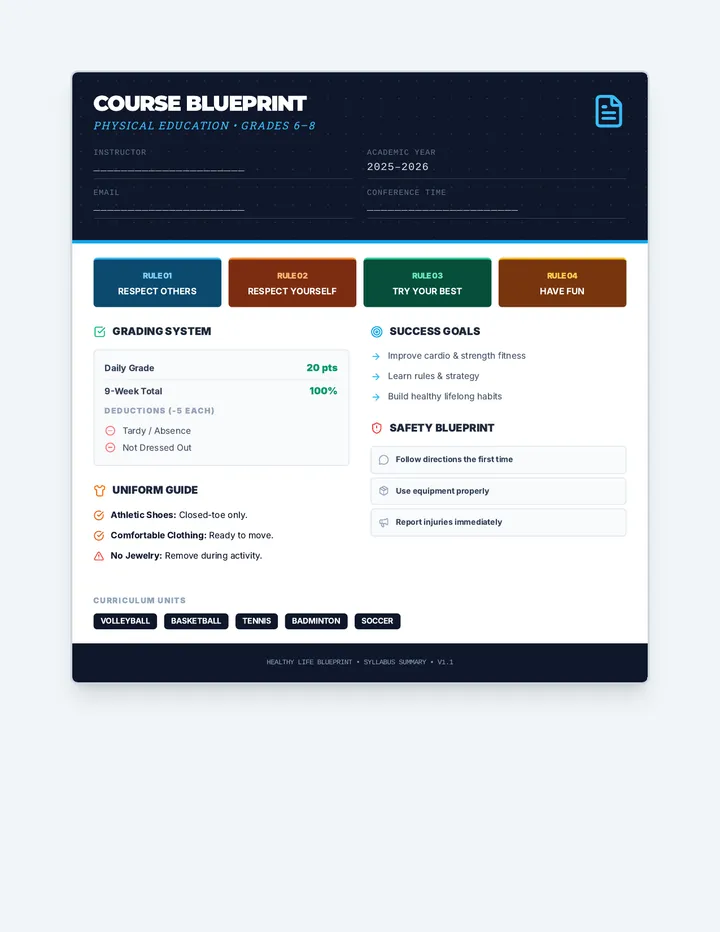
A comprehensive middle school PE curriculum for mixed 6th and 7th grade classes, focusing on developing sustainable physical health habits through varied movement, teamwork, and personal goal-setting. This year-long program balances traditional sports with modern wellness practices to ensure every student finds their path to lifelong fitness.
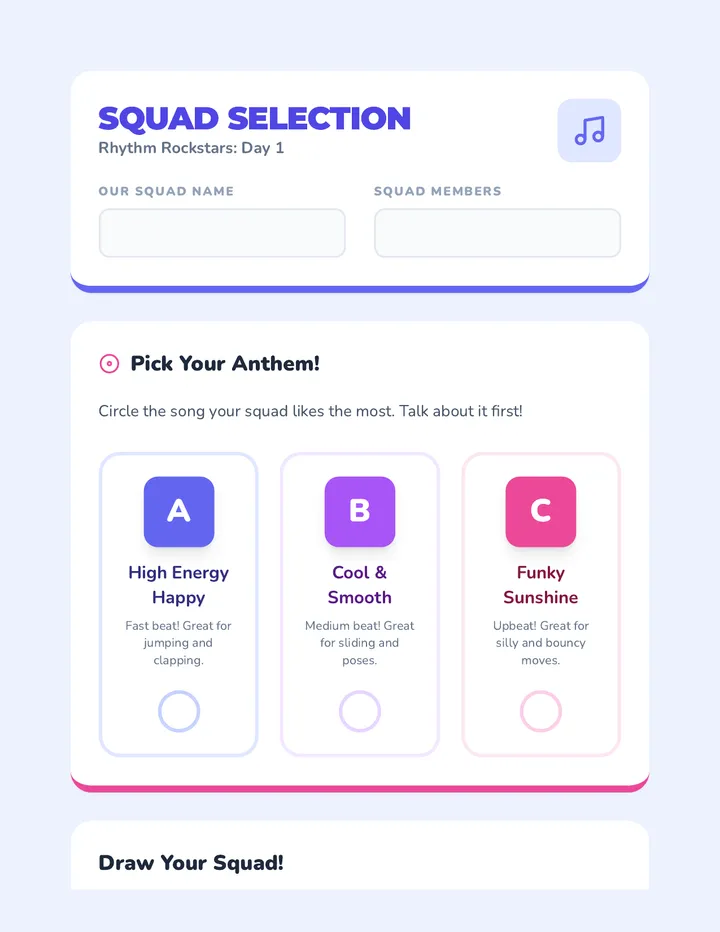
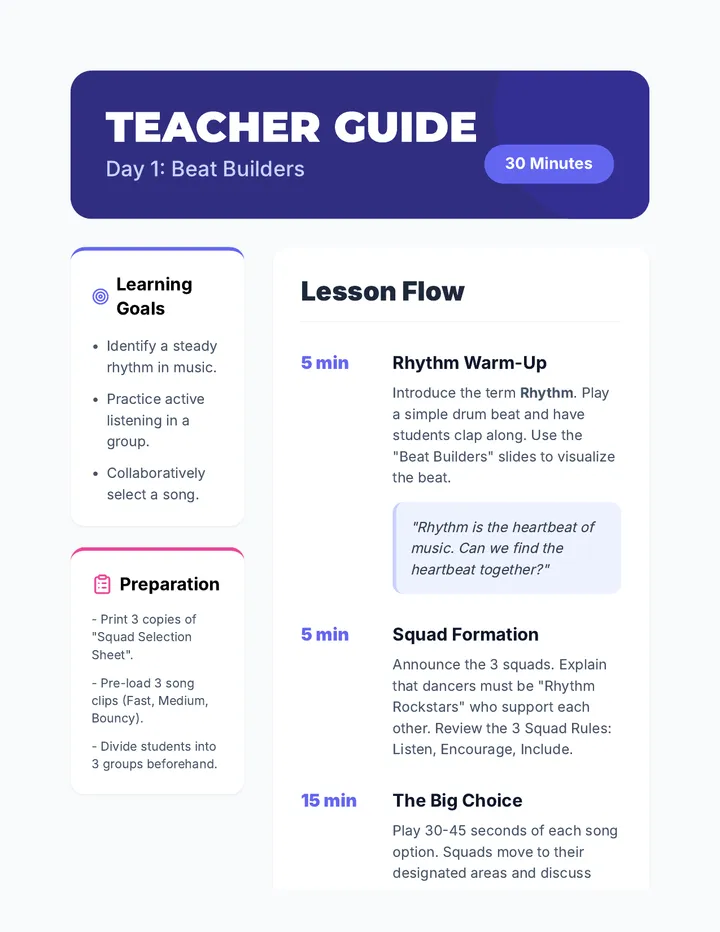
A four-day music and movement unit for K-3 students focused on collaboration, rhythm, and creative choreography. Groups work together to select songs and build original dance routines.
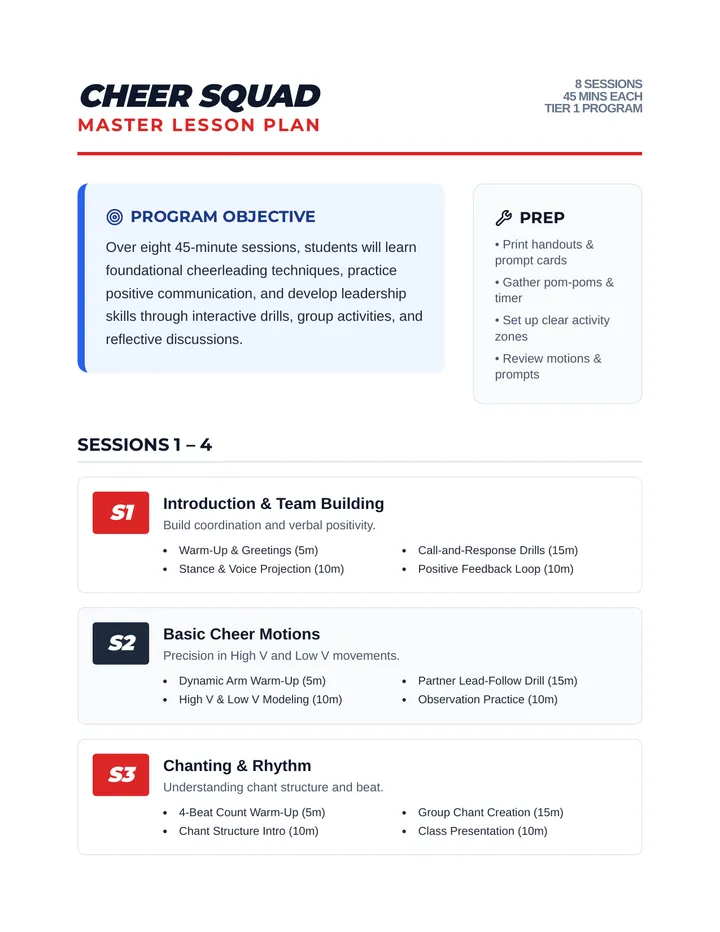
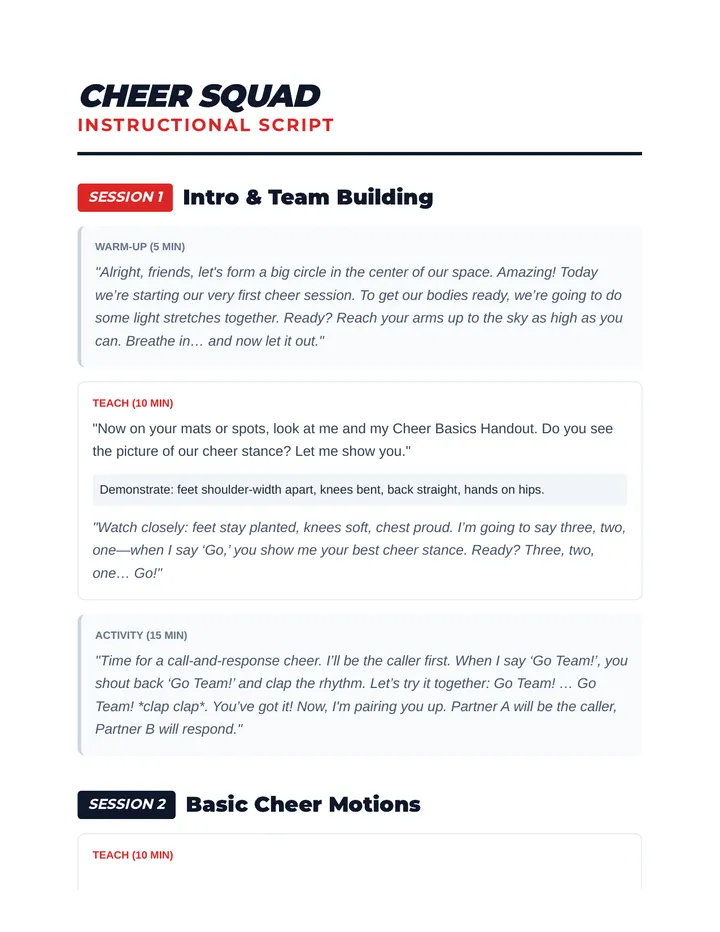
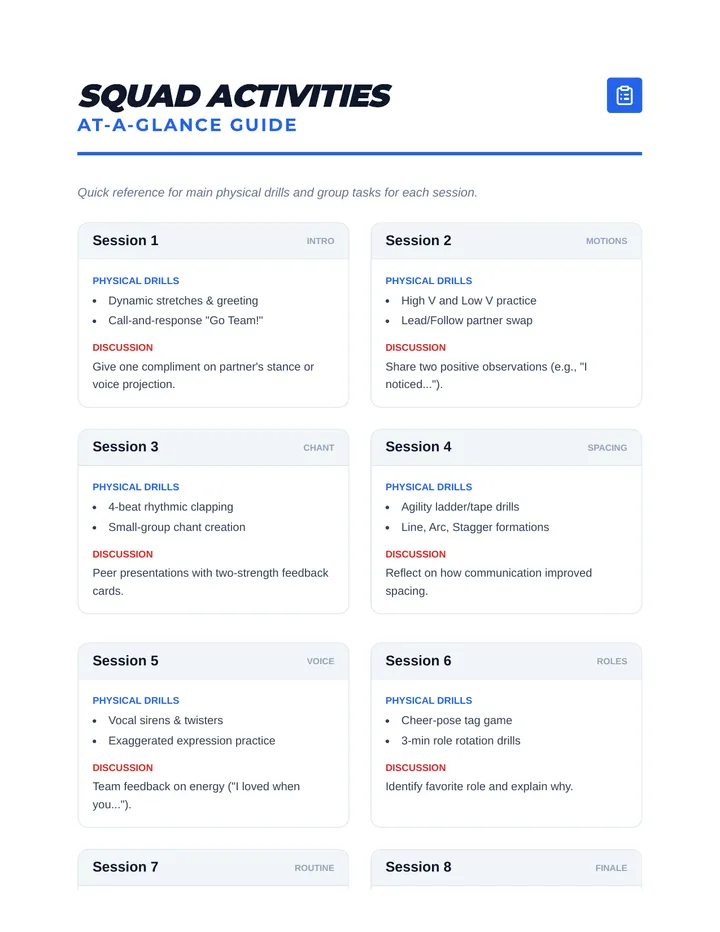
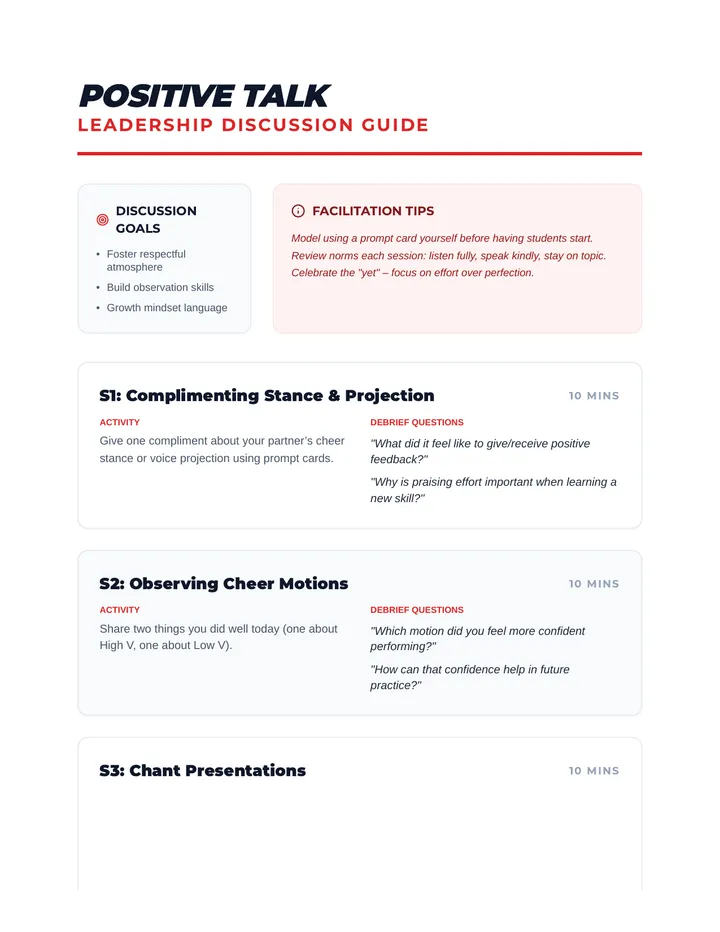
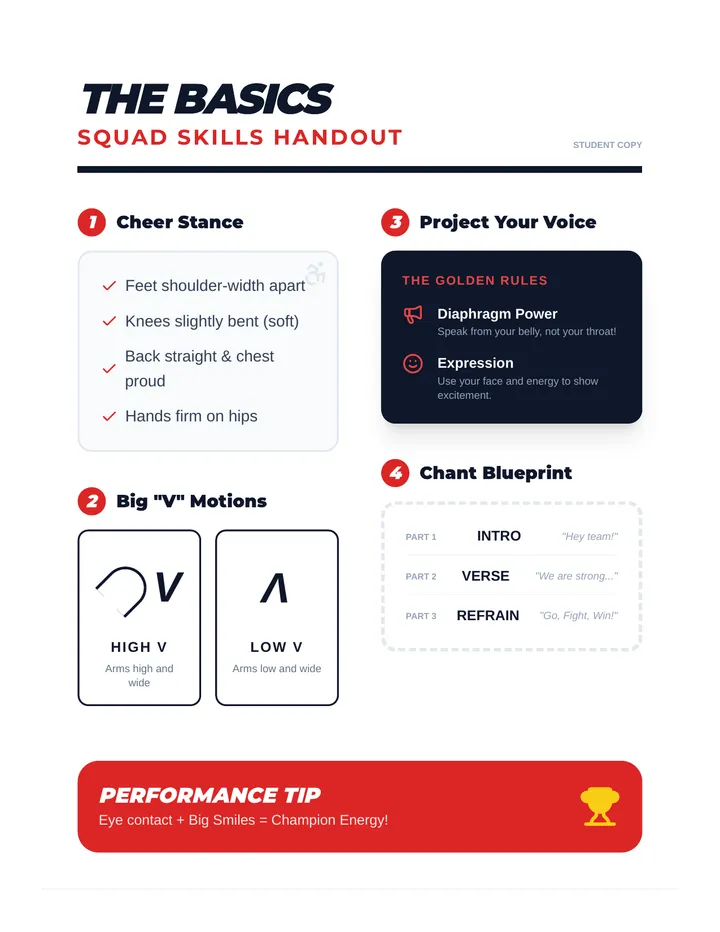
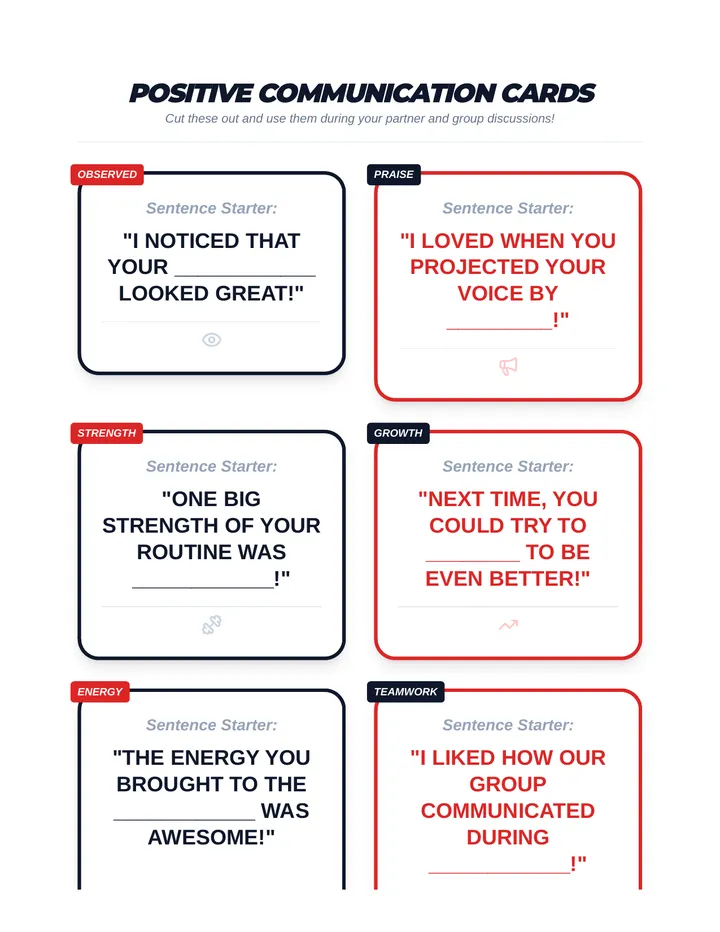
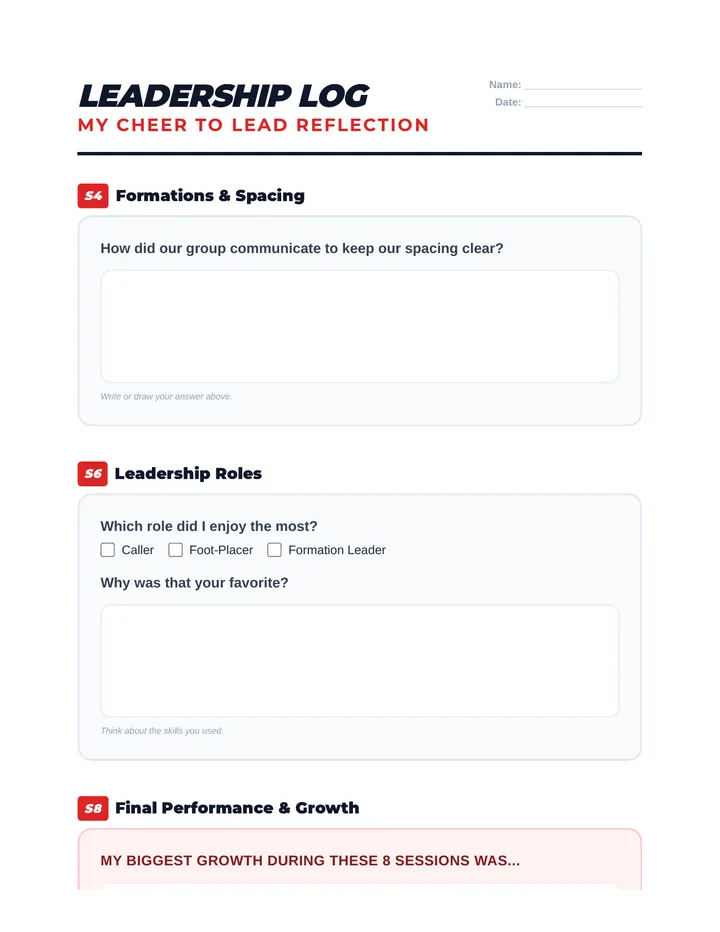
An 8-session Tier 1 social-emotional and physical activity program that builds leadership through foundational cheerleading.
A 5-lesson sequence for 6th-grade students focusing on the biological and behavioral foundations of emotional regulation through daily routines, culminating in a personalized Wellness Blueprint.
This 8th-grade sequence explores the biological connection between the nervous system and stress. Students learn the science of the 'fight or flight' response and practice evidence-based breathing and relaxation techniques like diaphragmatic breathing, box breathing, and progressive muscle relaxation to consciously regulate their physiological state.
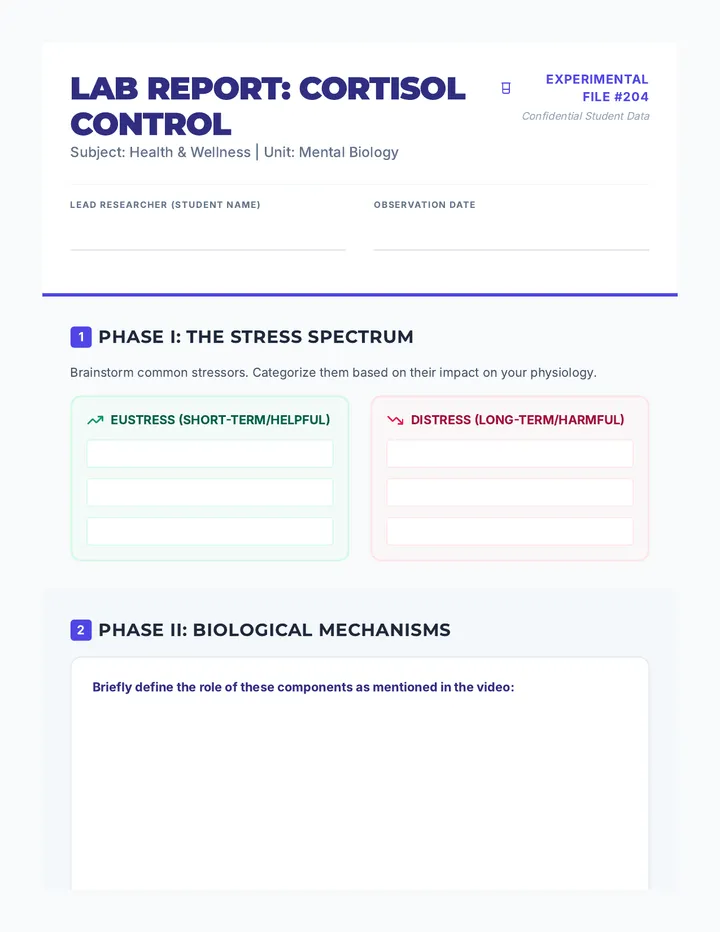
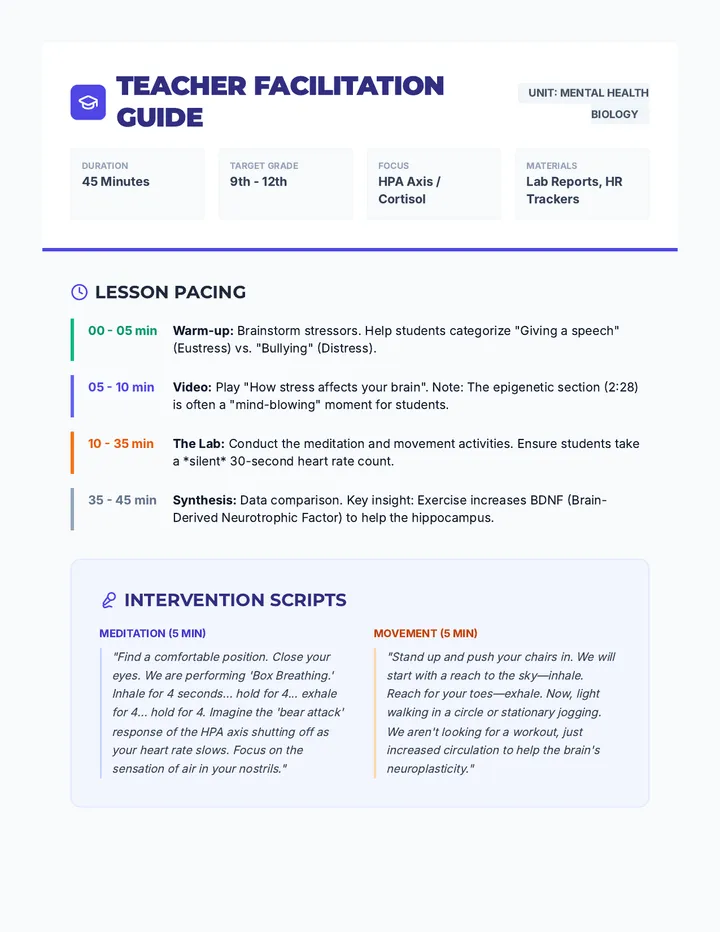
A high school health lesson focused on the physiological effects of stress, specifically cortisol's impact on the brain, and practical laboratory testing of stress-reduction techniques. Students explore eustress versus distress and measure their own heart rate and stress levels during guided interventions.
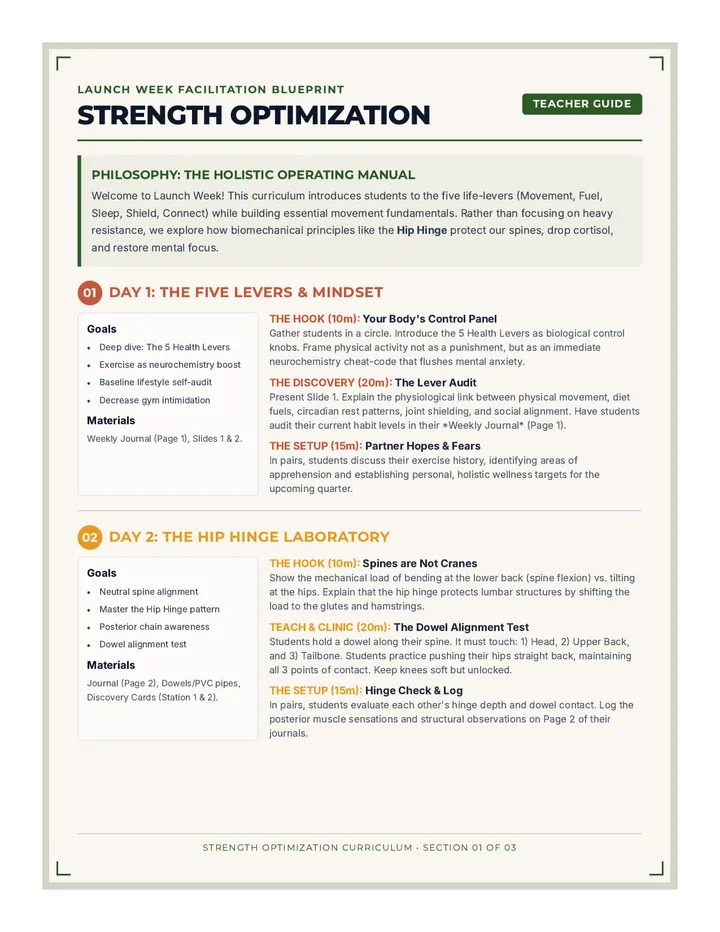
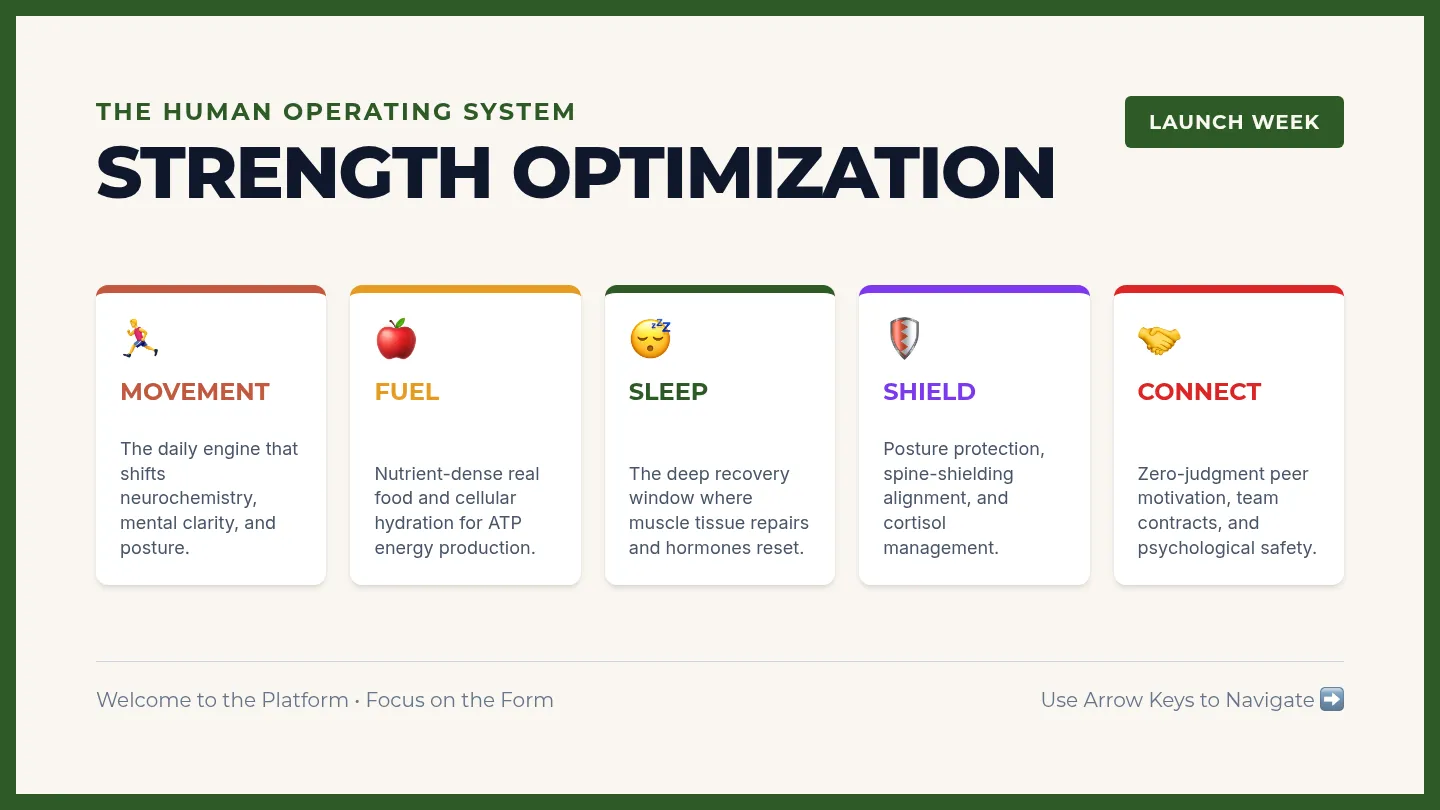
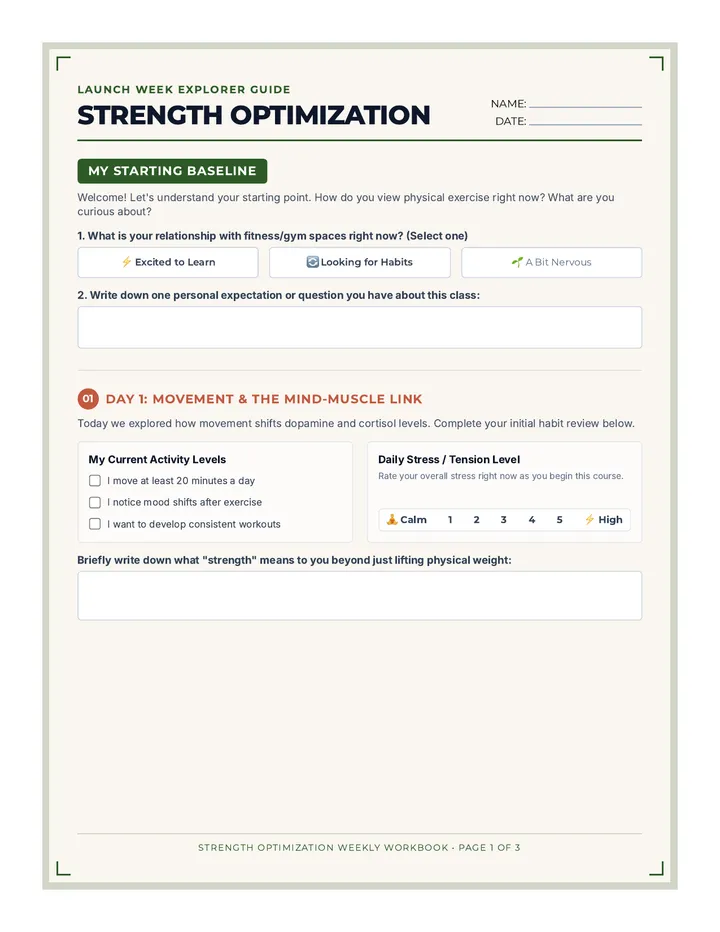
A five-day high school introductory physical education unit that blends basic strength training with five essential health levers (Movement, Fuel, Sleep, Shield, Connect) to optimize human performance and foster lifelong wellness.
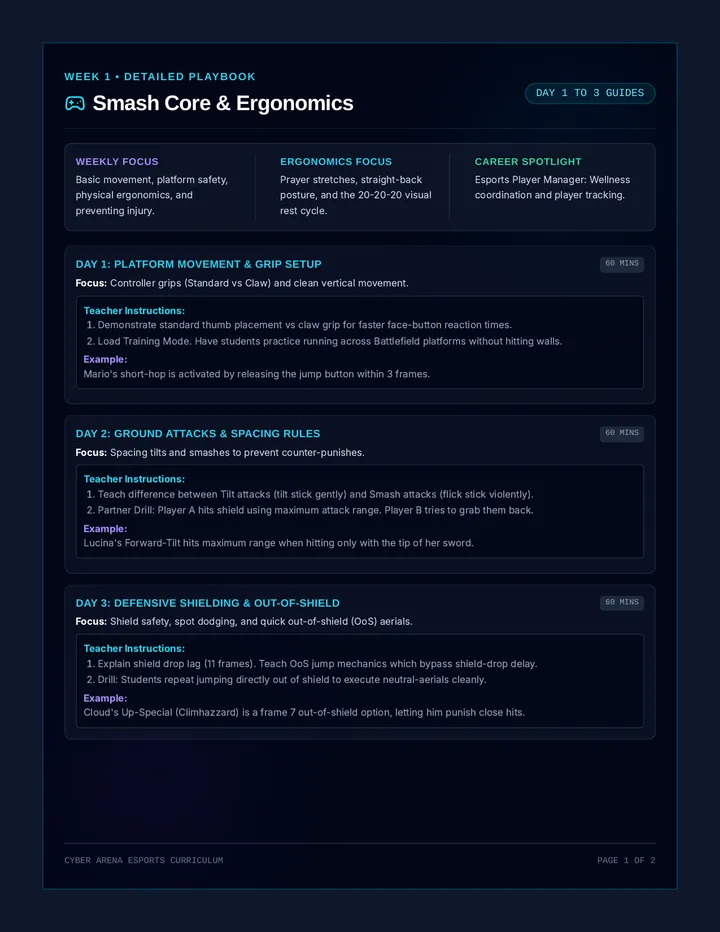
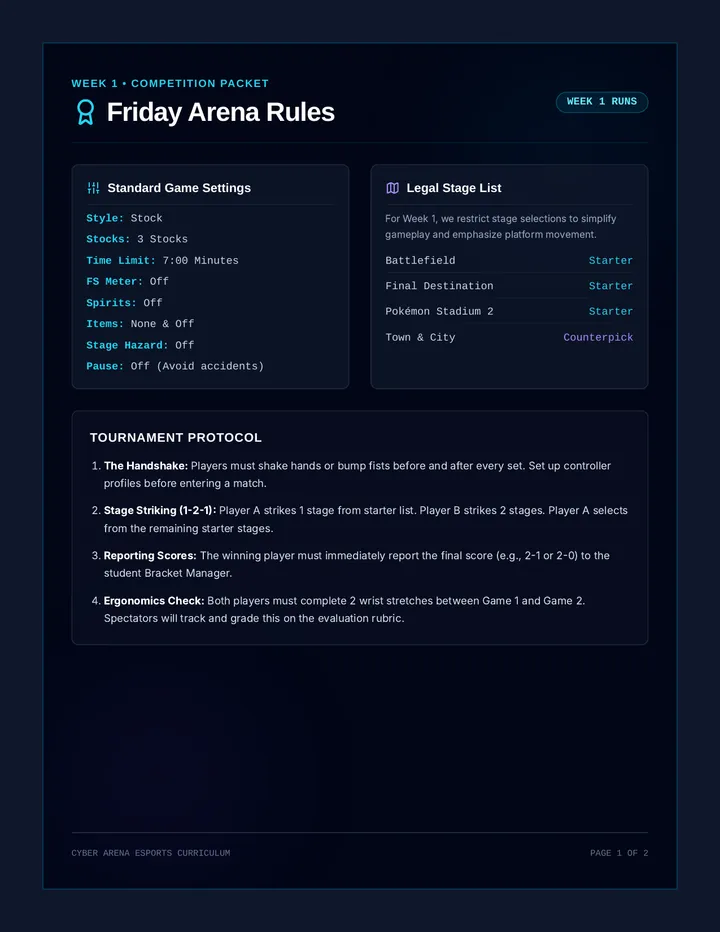
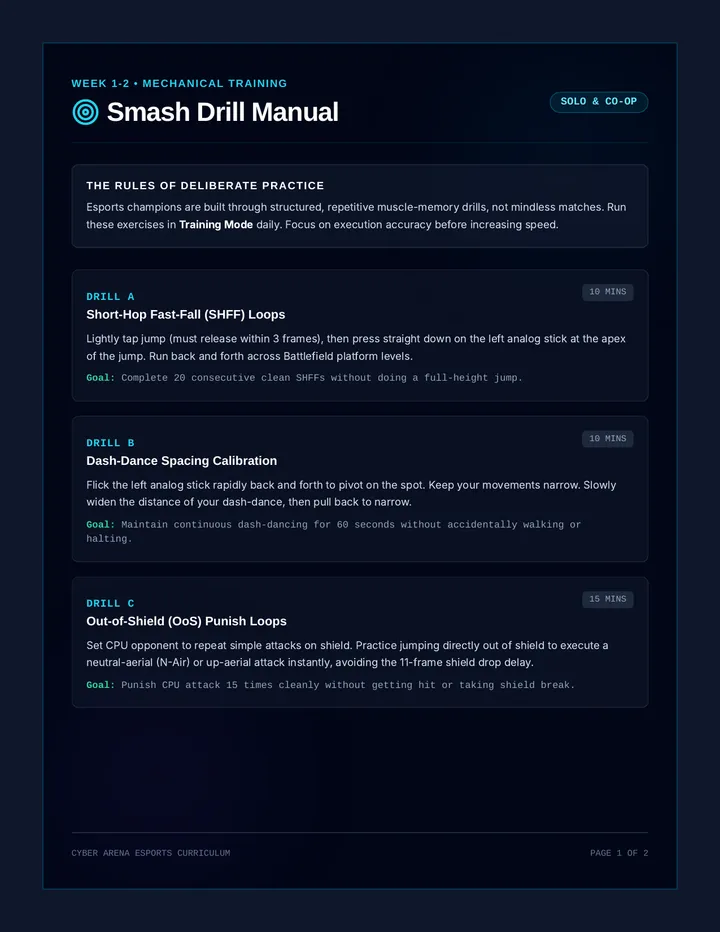
A high-tech 6-week curriculum for high school Esports, focusing on competitive Super Smash Bros. Ultimate and Minecraft. Students master game mechanics, character frame data, and competitive building while exploring industry careers and developing healthy physical and mental gaming habits.
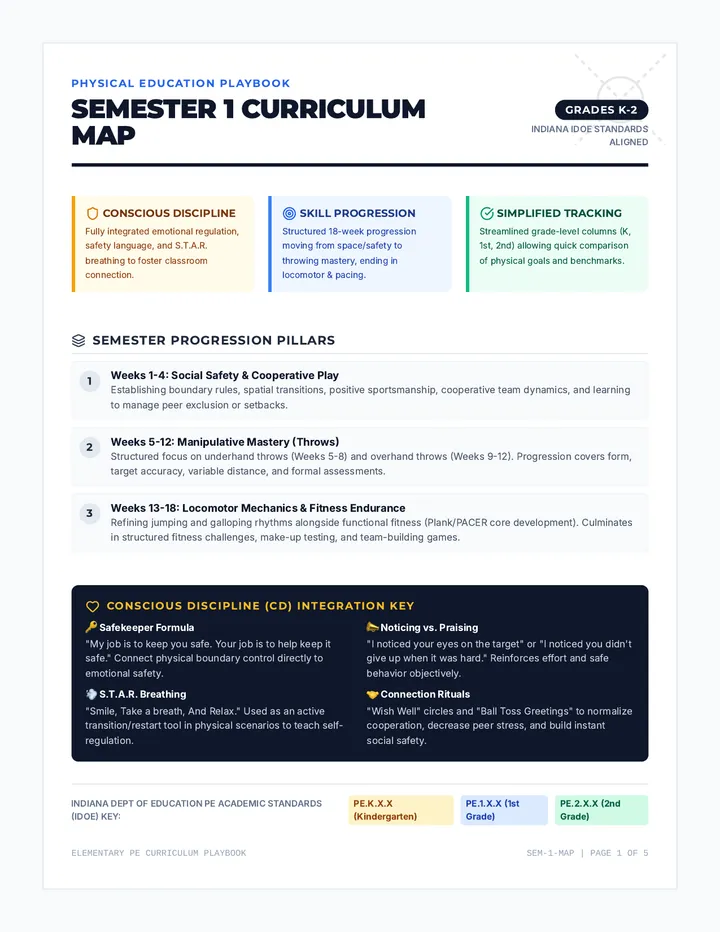
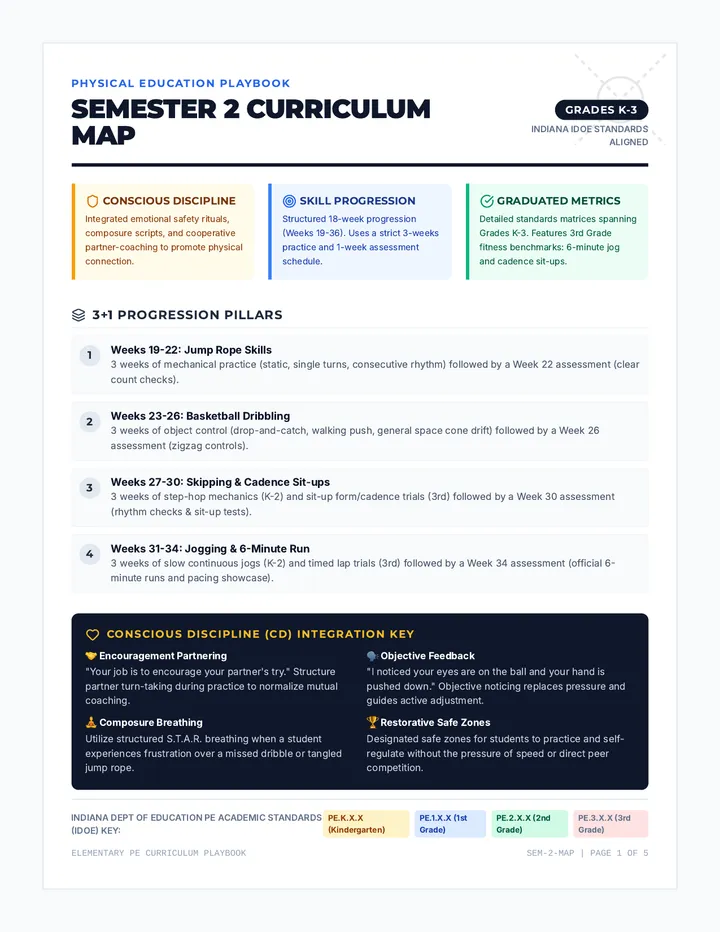
Comprehensive Physical Education curriculum map lesson containing the Semester 1 visual mapping, aligned with Indiana Department of Education (IDOE) standards and Conscious Discipline strategies.
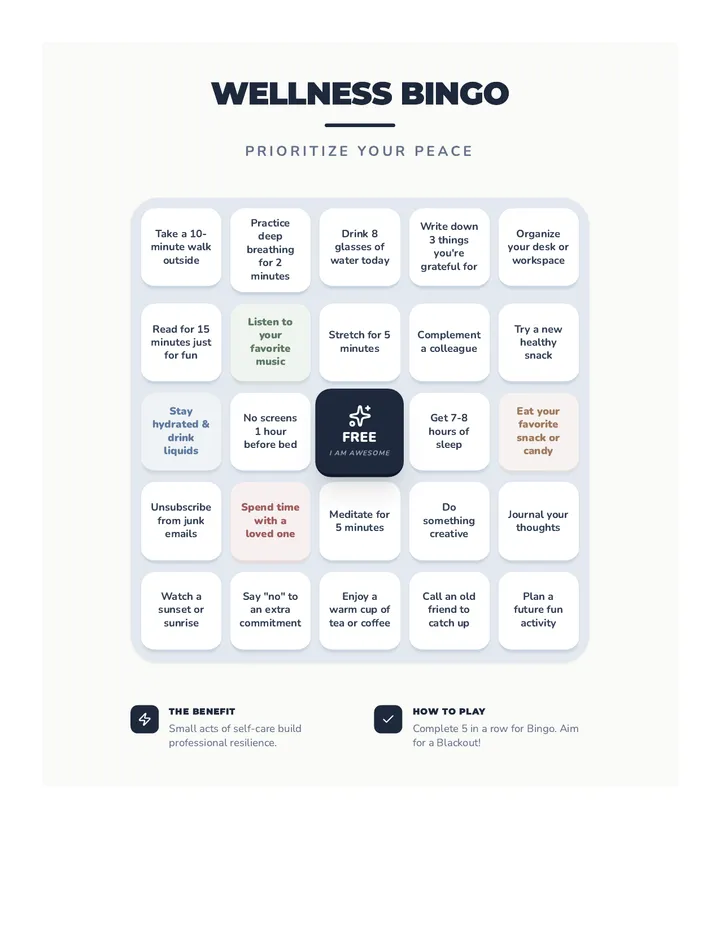
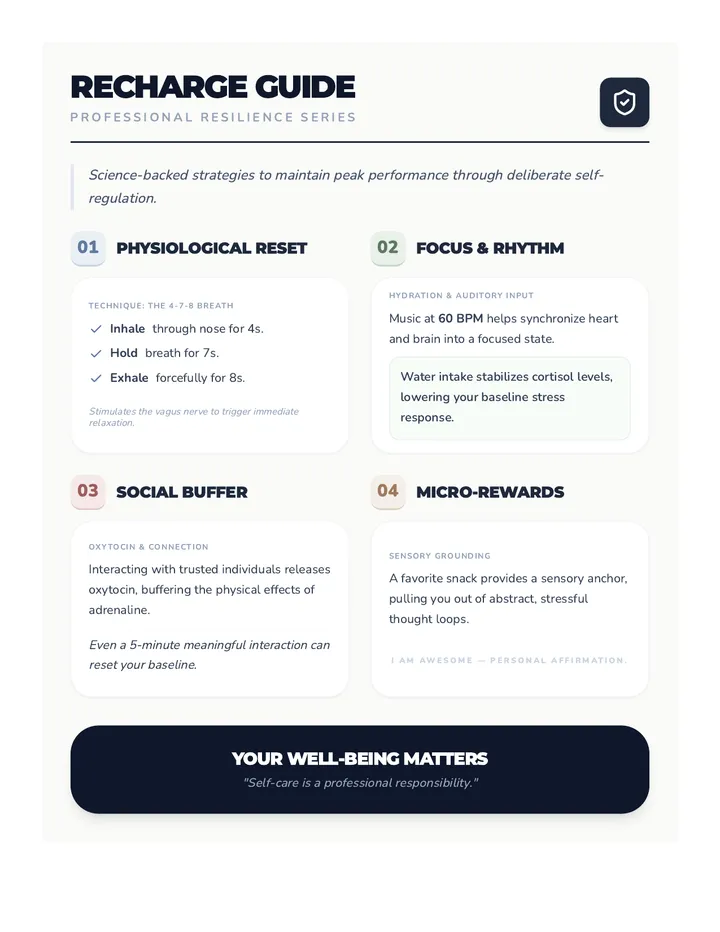
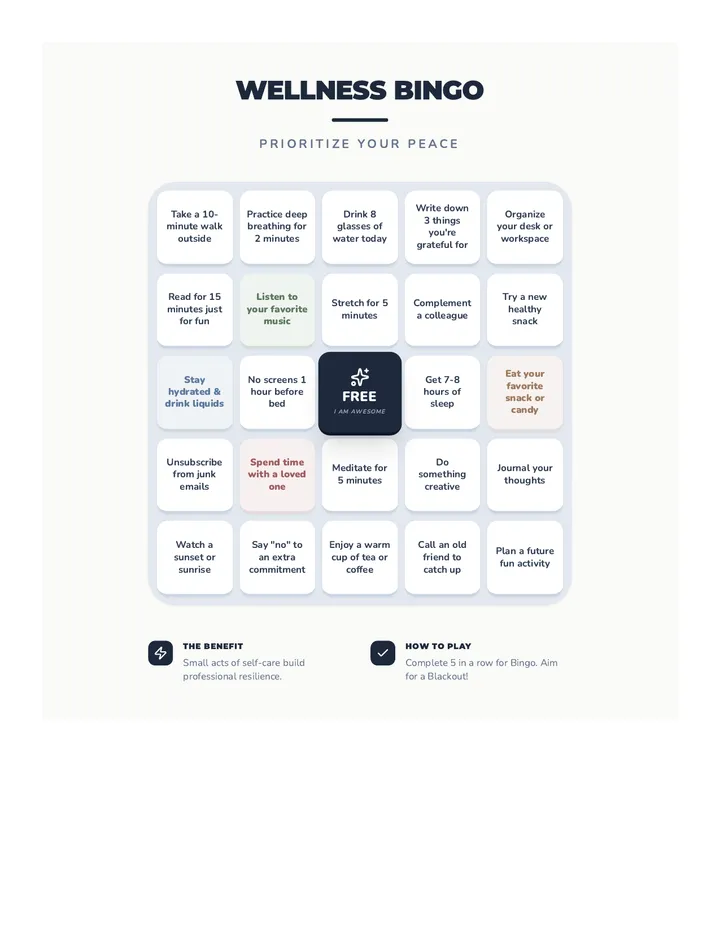
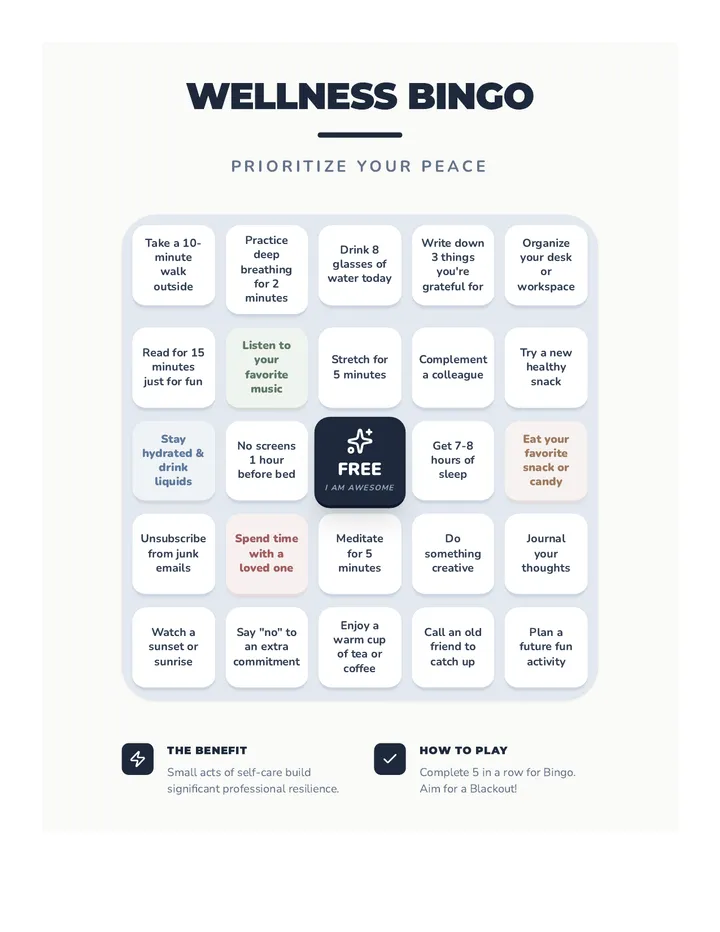
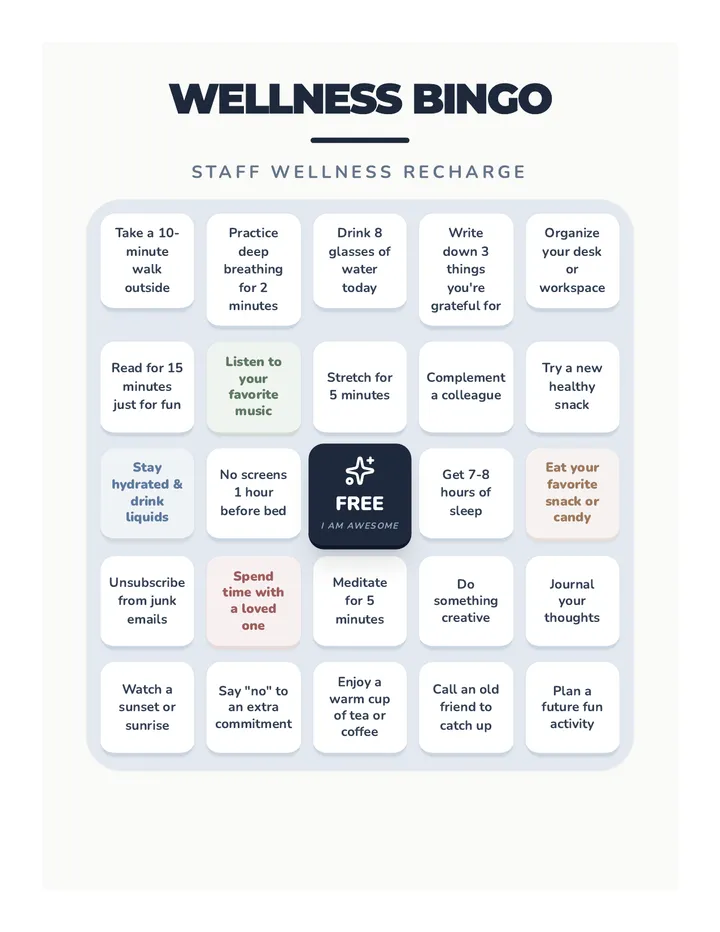
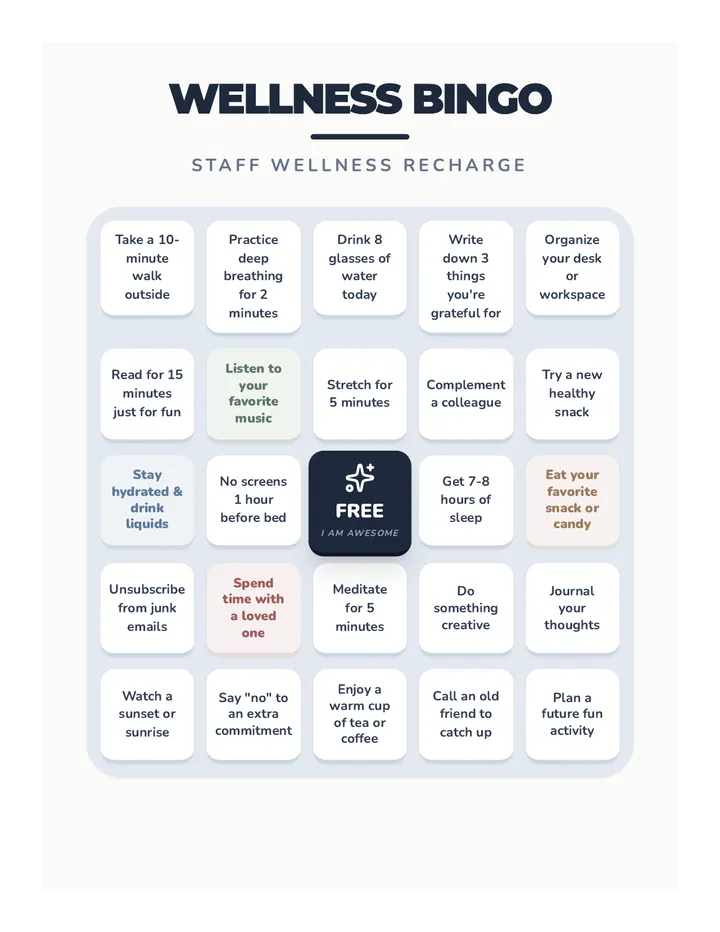
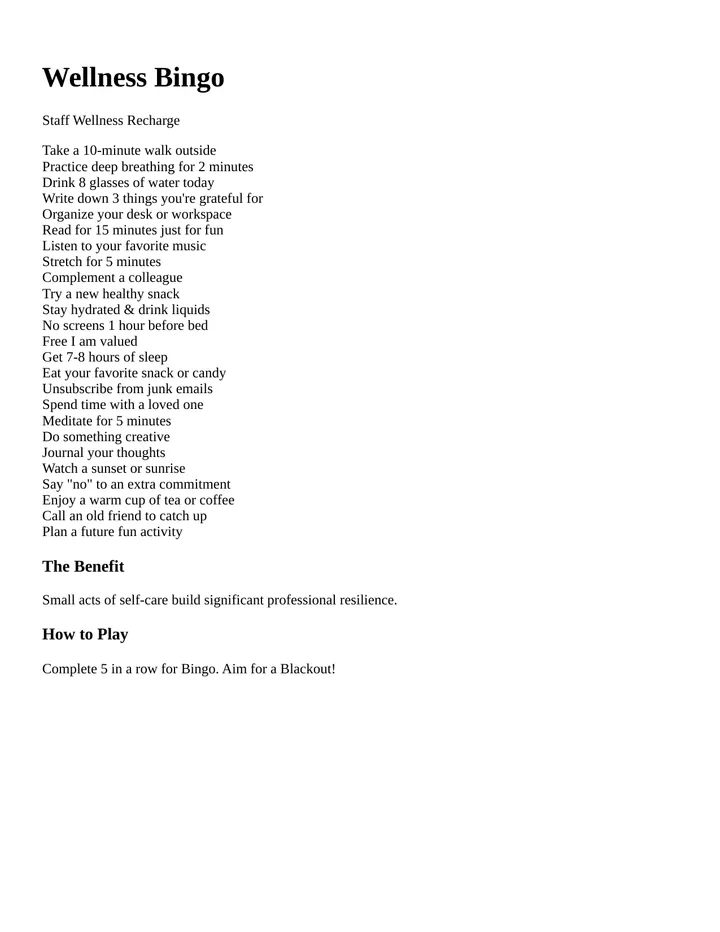
A collection of resources designed to help staff members prioritize their mental health, manage stress, and build a culture of wellness in the workplace.
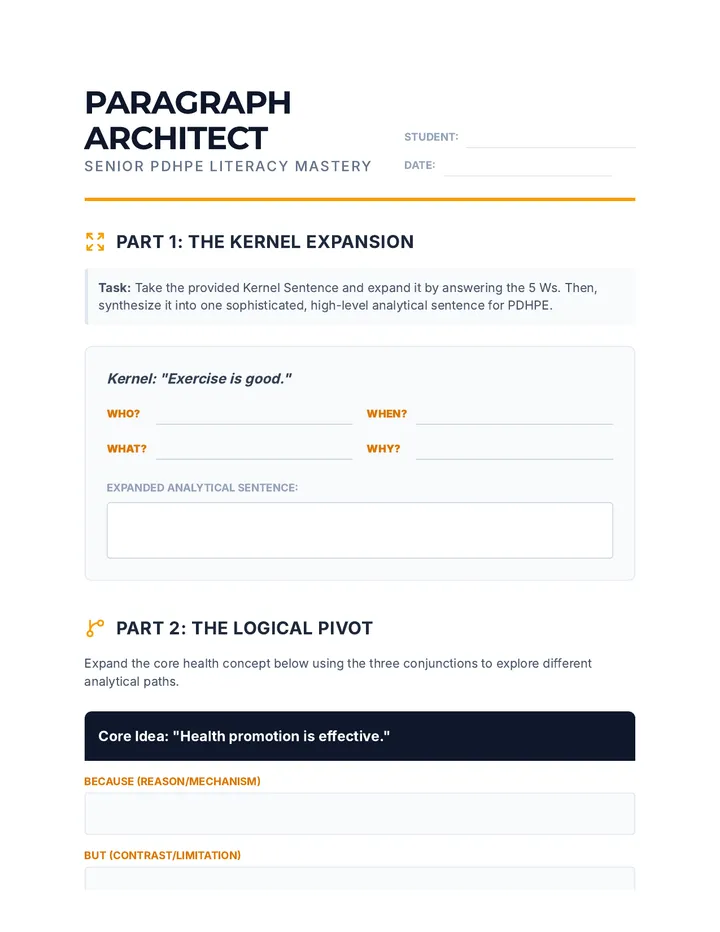
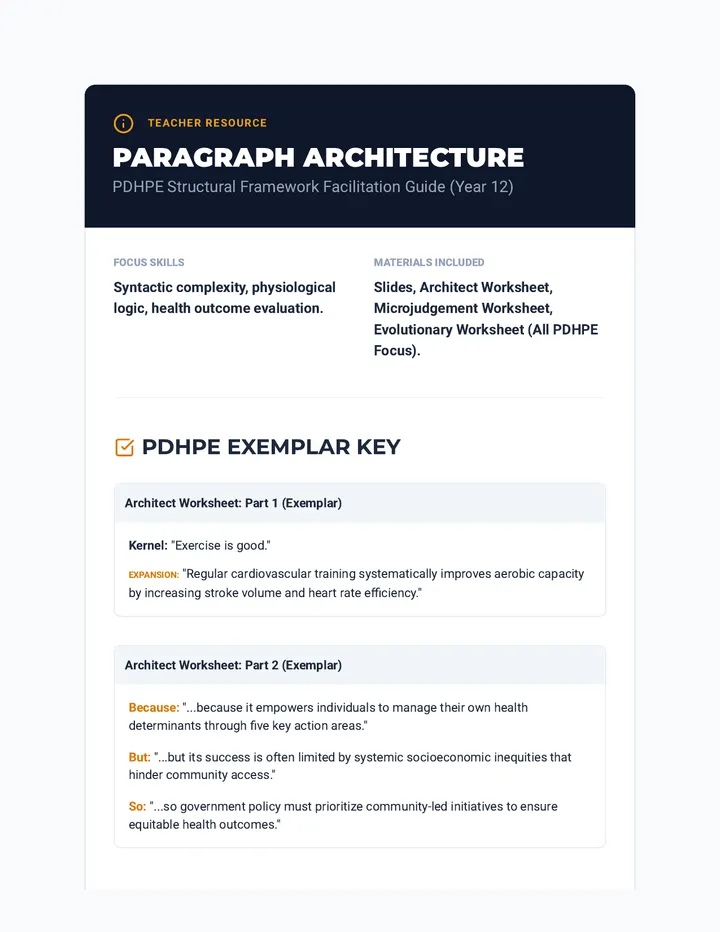
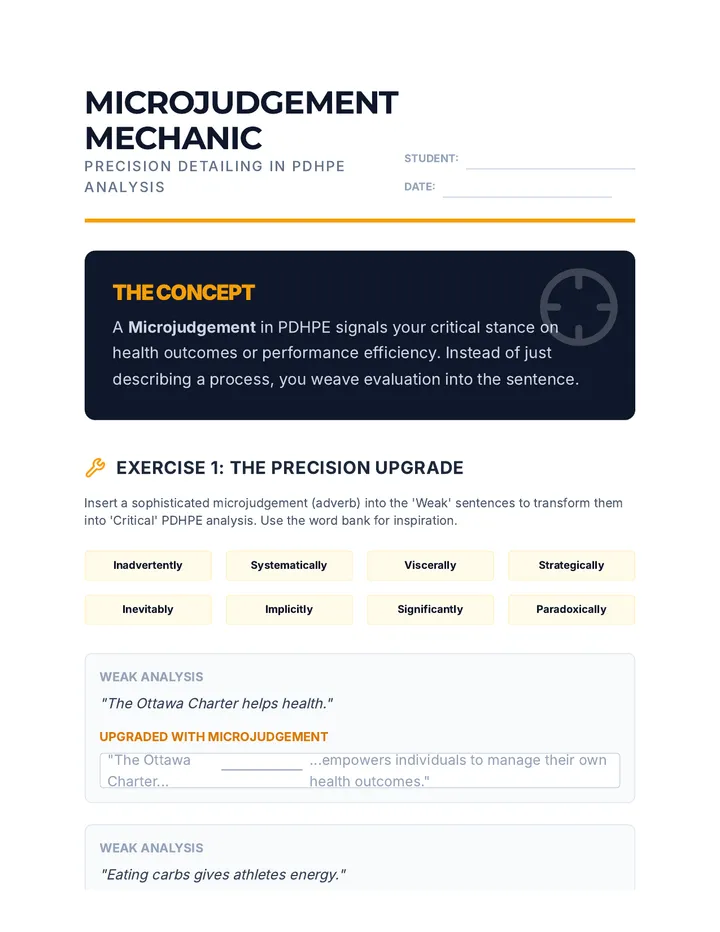
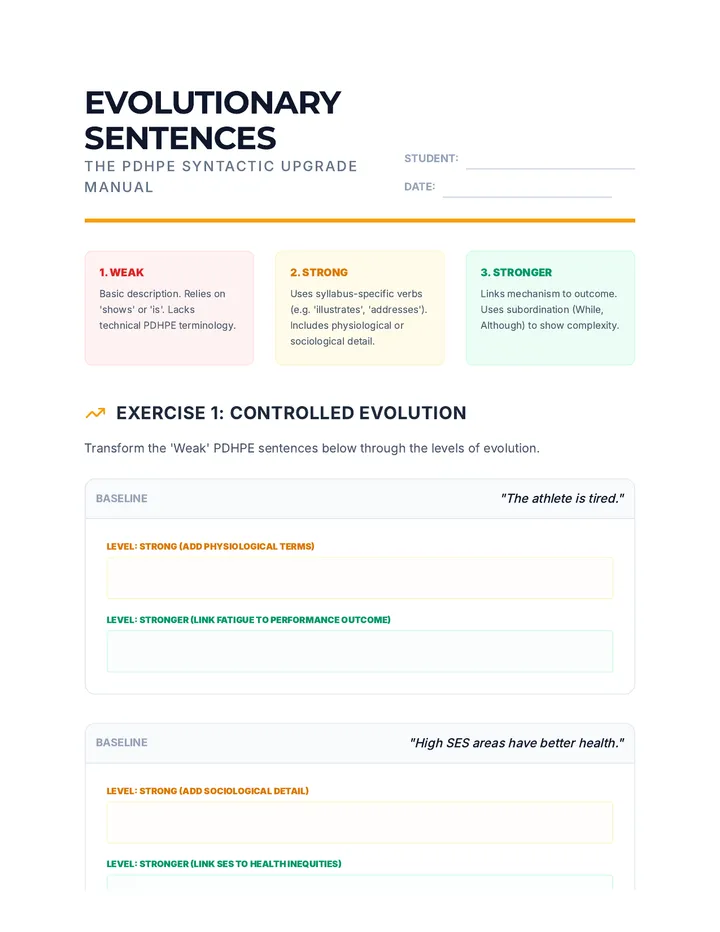
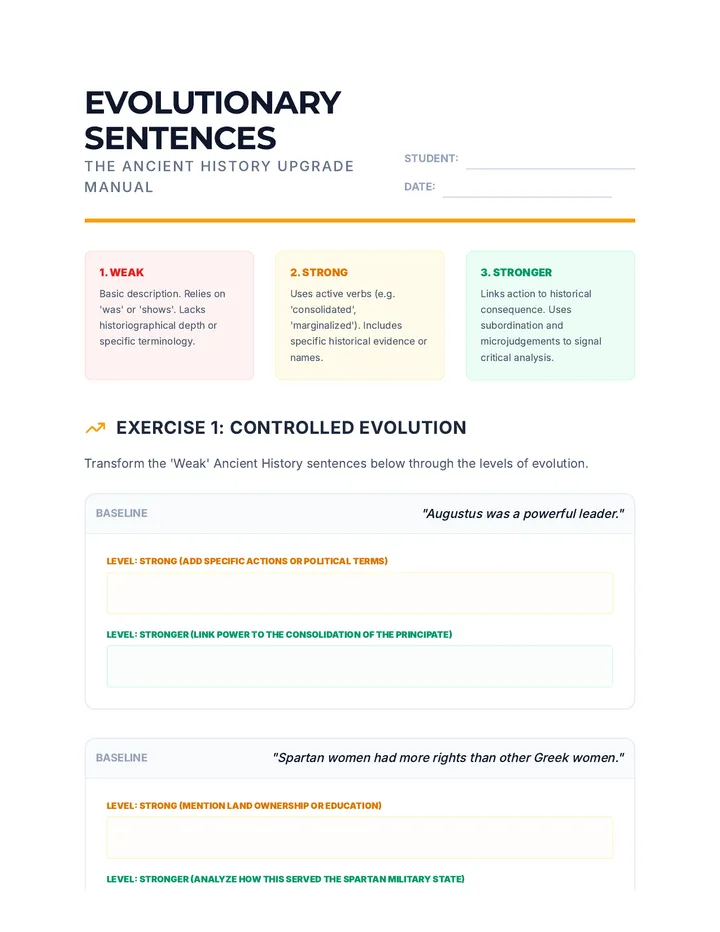
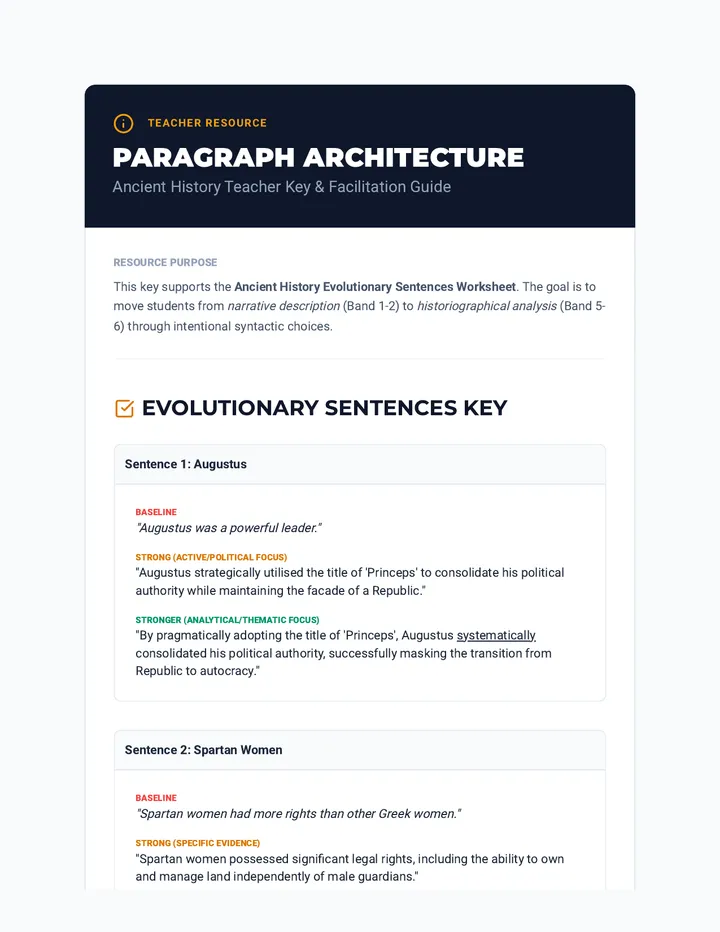
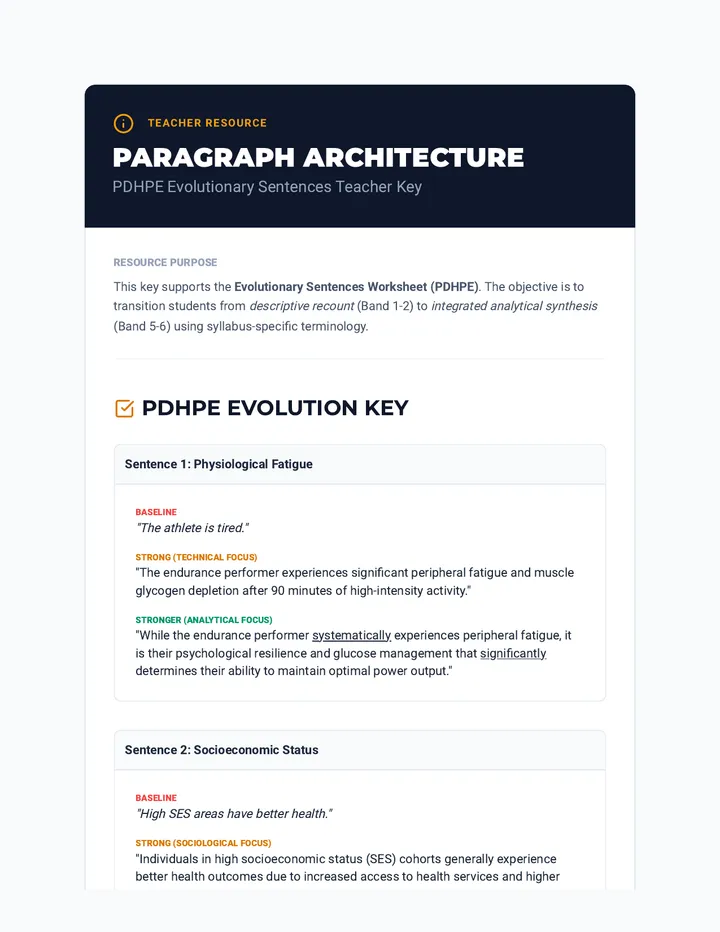
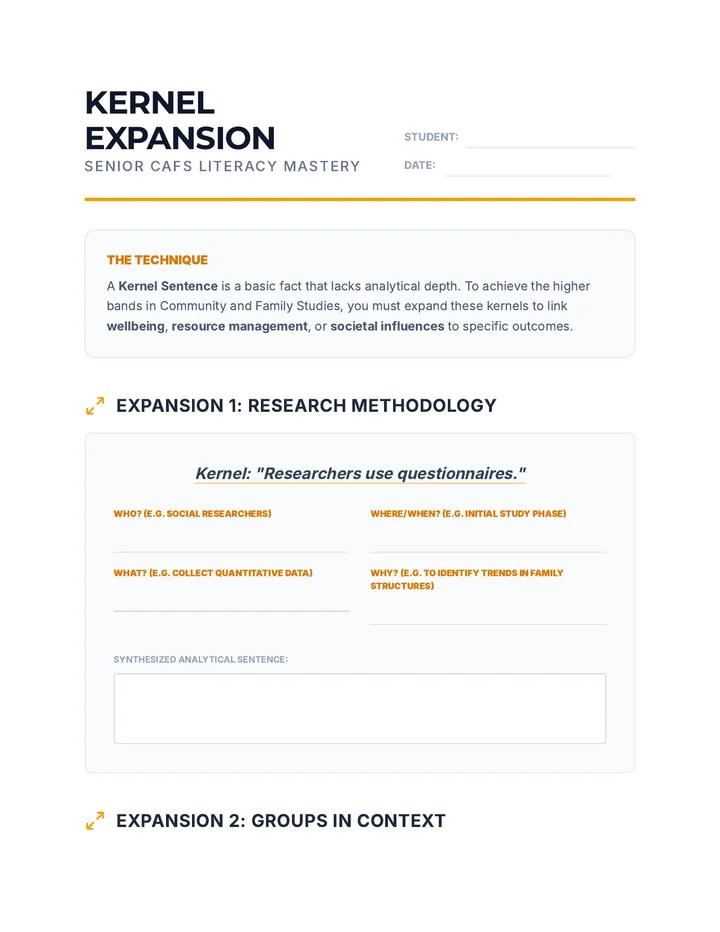
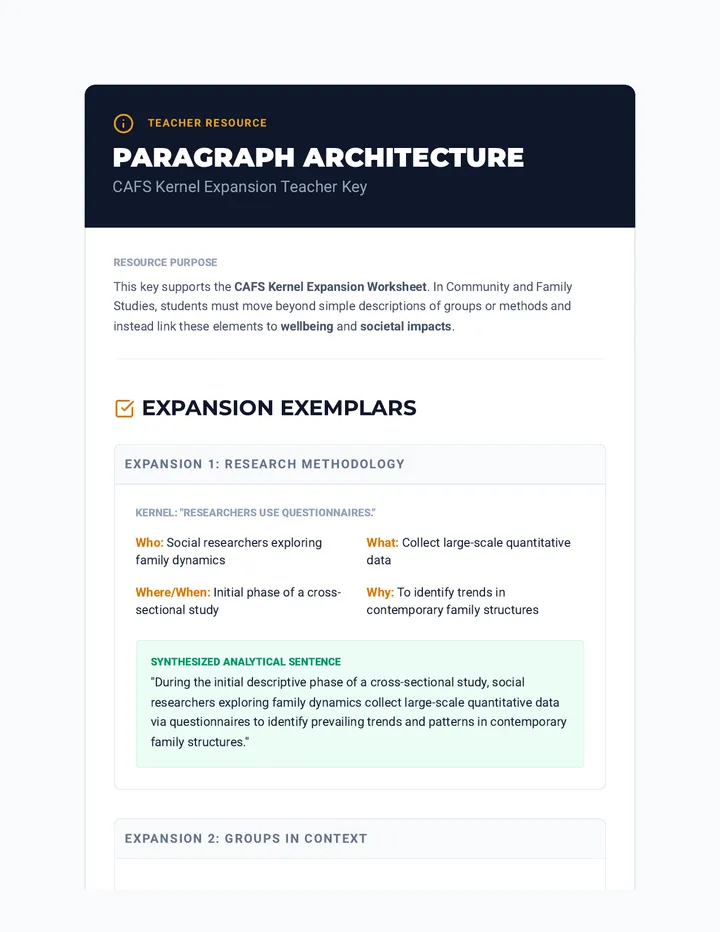
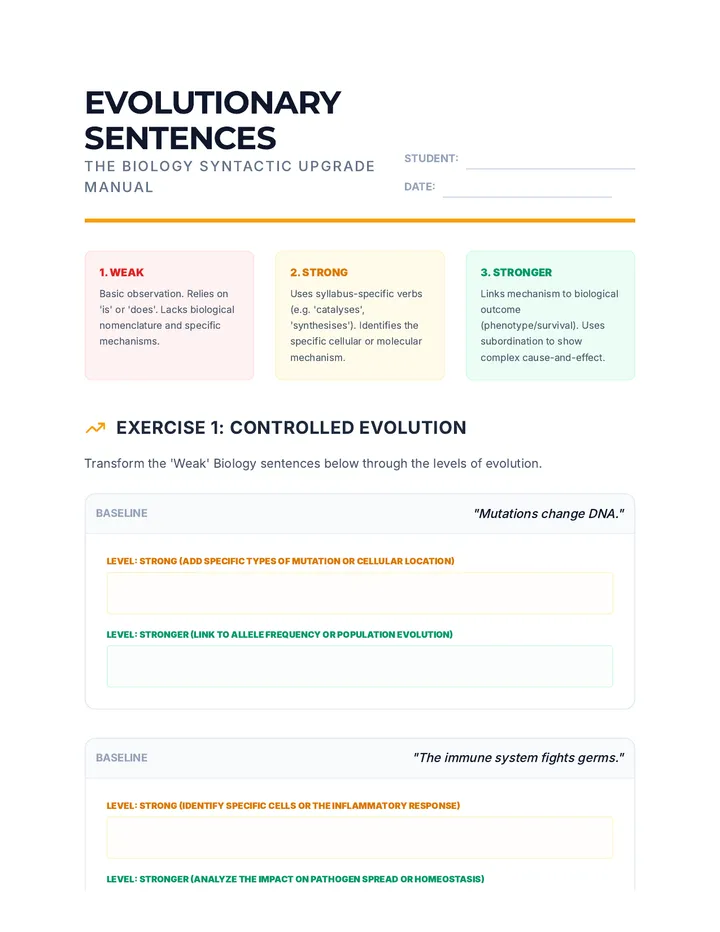
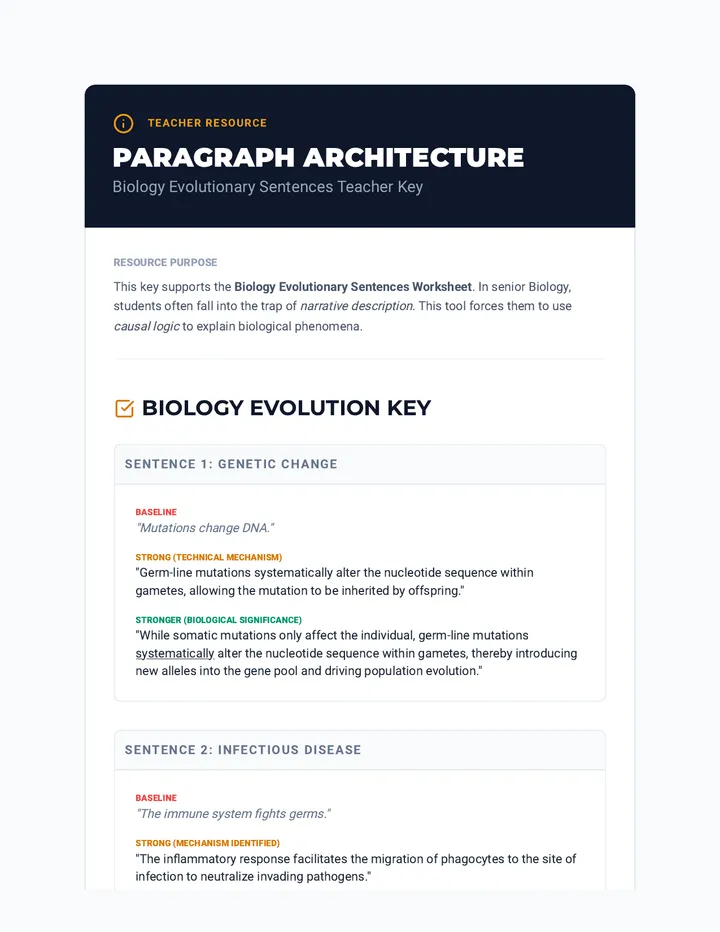
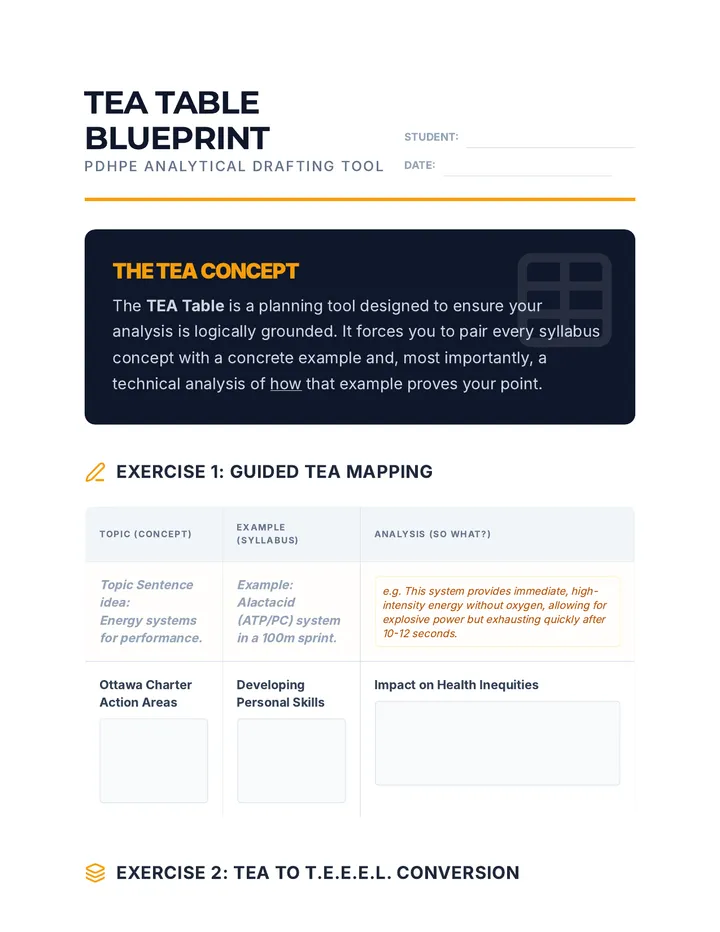
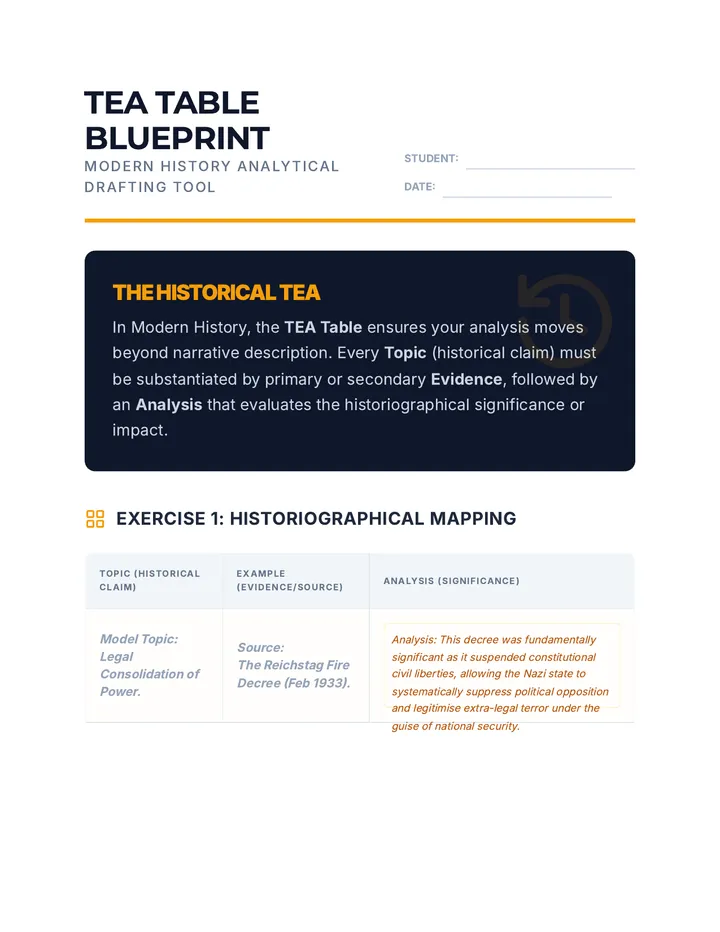
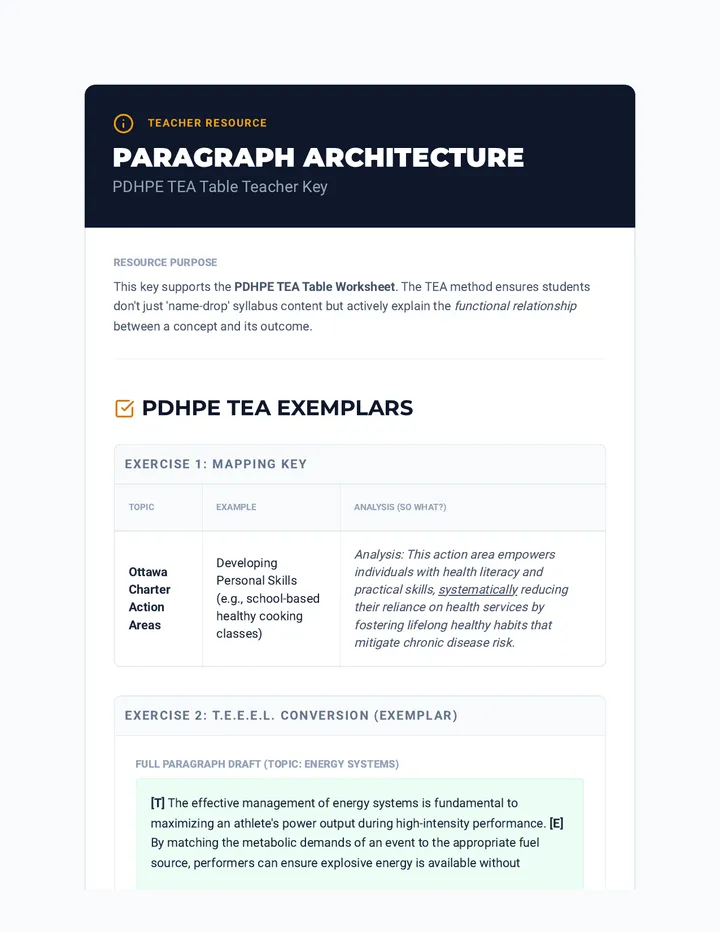
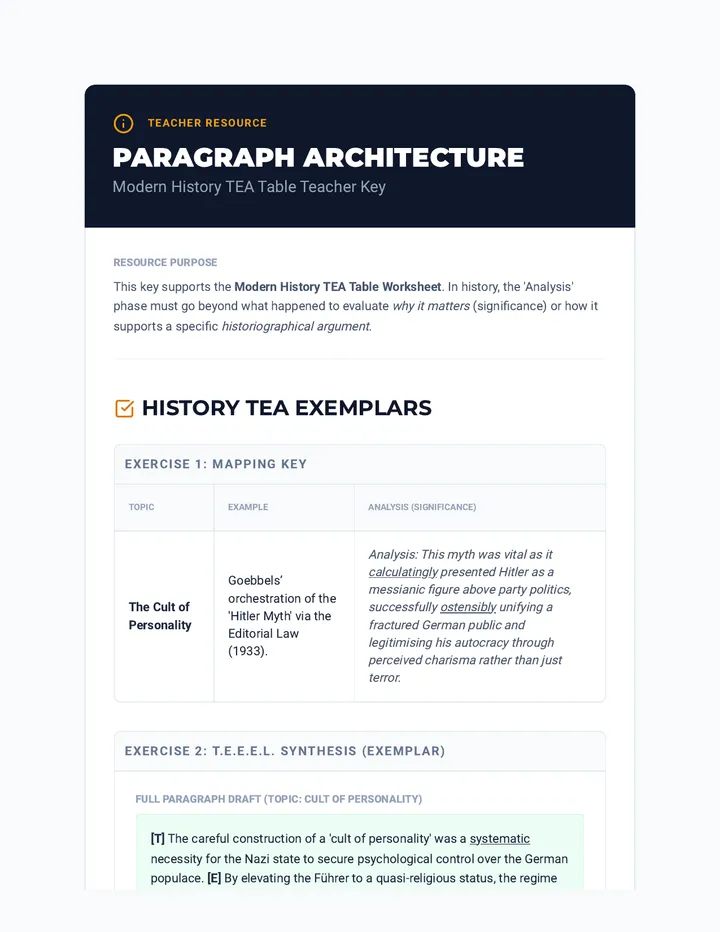
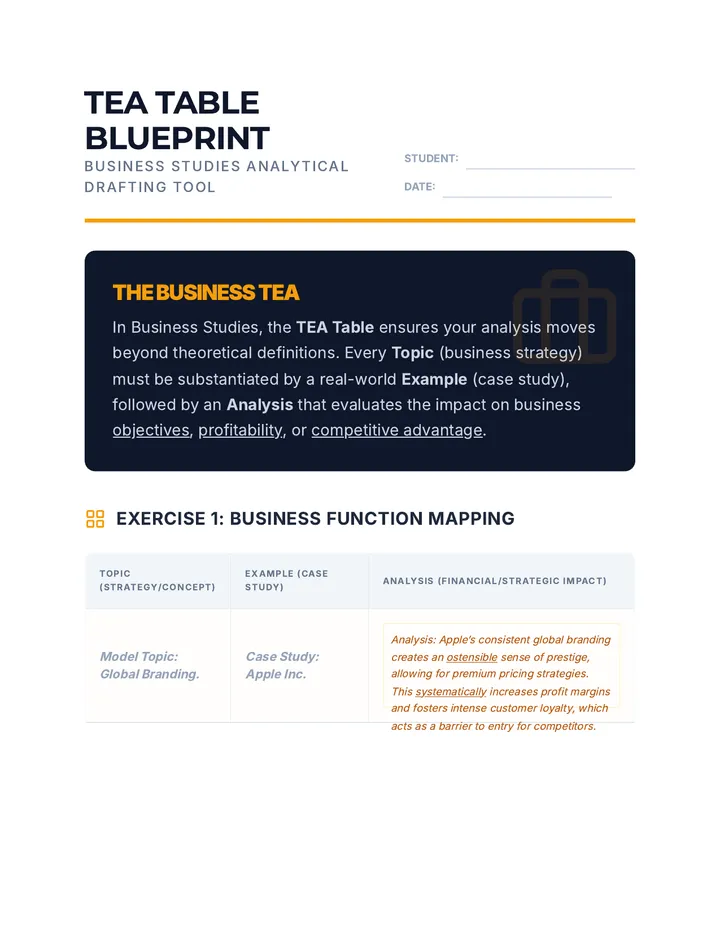
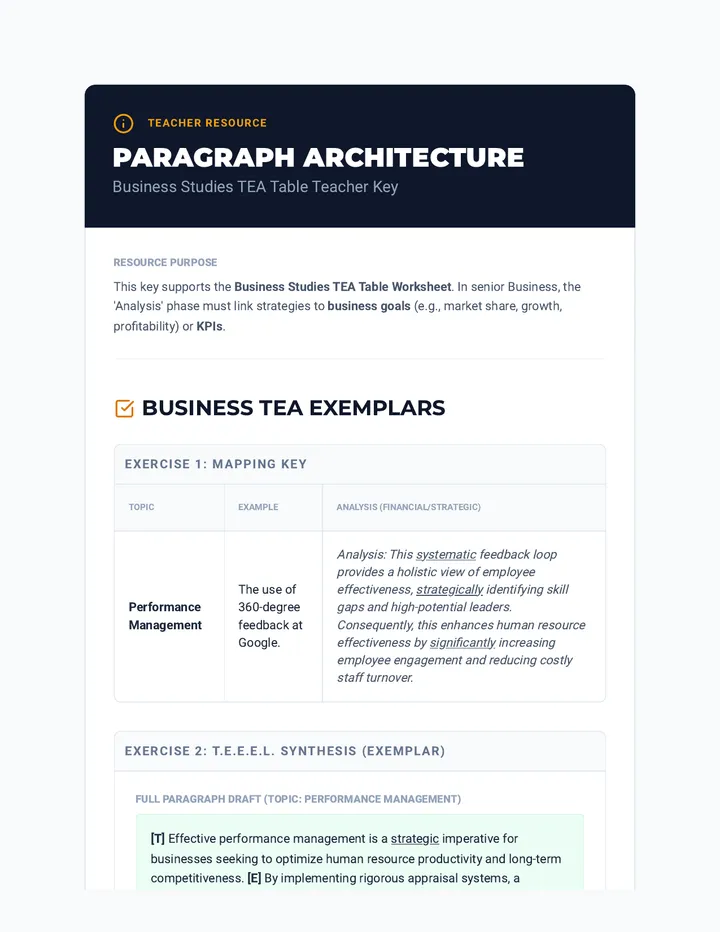
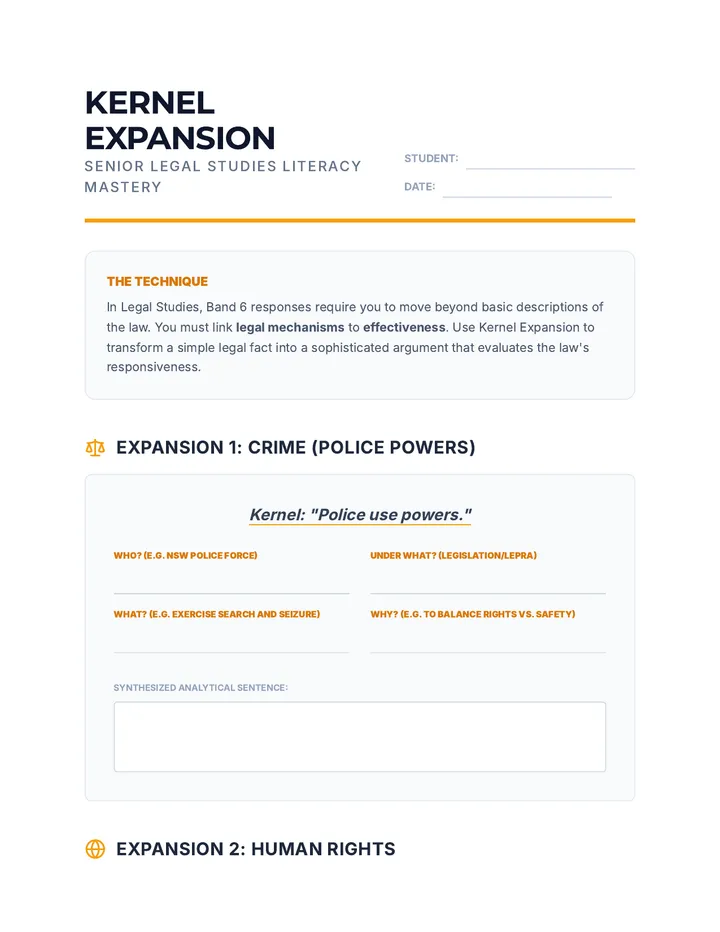
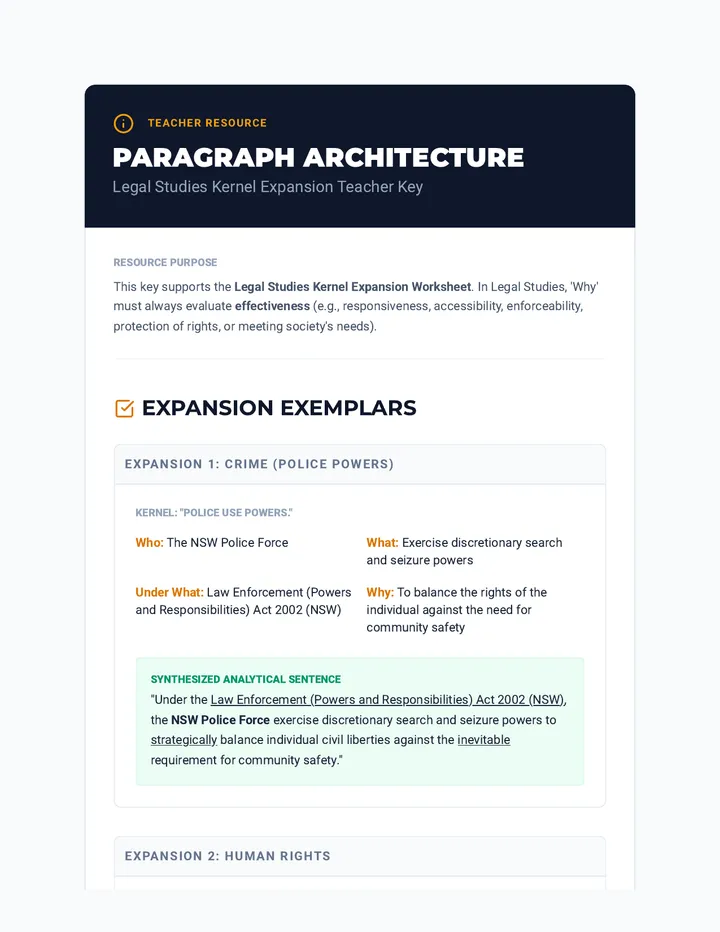
A senior secondary literacy lesson focused on advanced paragraph construction techniques including Kernel Sentences, the Seldon Method, and sentence upgrading for high-level analysis.
A lesson focused on the lifelong benefits of physical activity and the decision-making skills required to promote health for individuals, families, and communities.
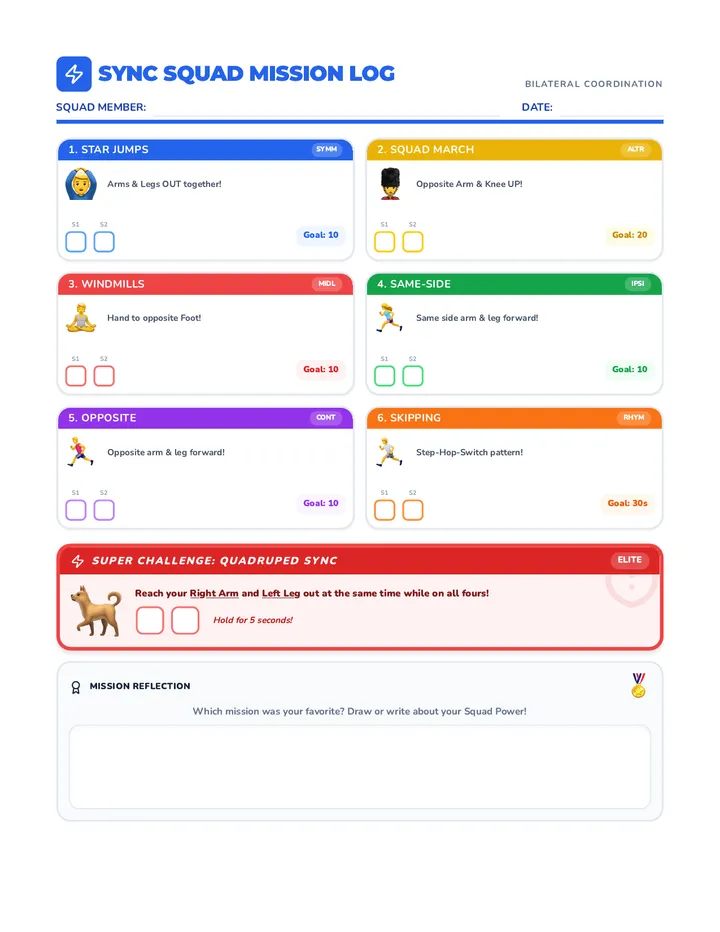
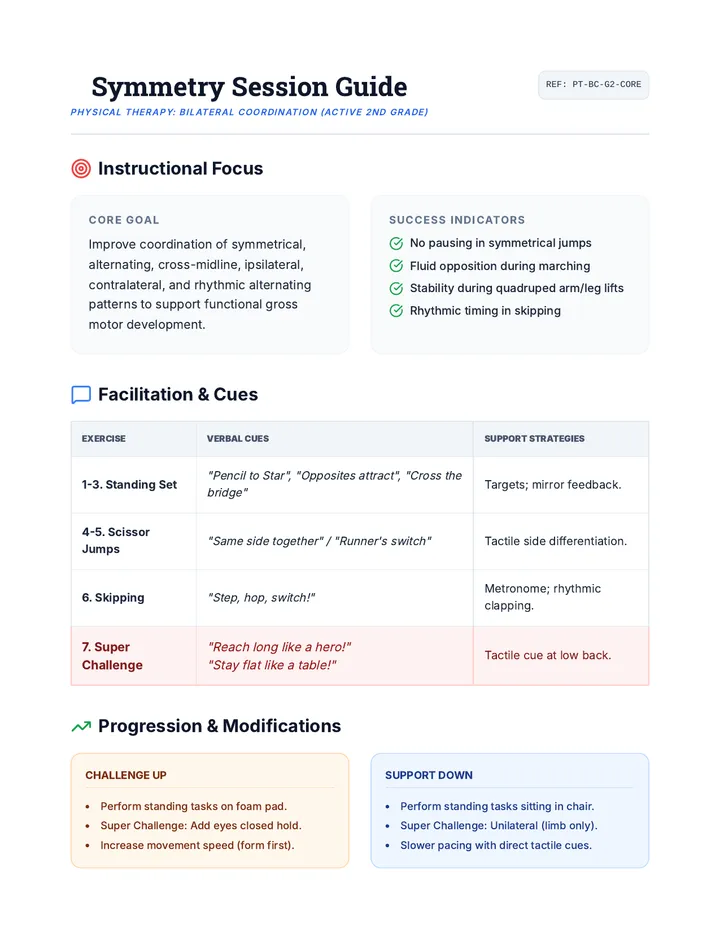
A physical therapy lesson focused on bilateral coordination for active 2nd graders, featuring the 'Sync Squad' theme to make symmetrical and alternating movements engaging and fun.
A dynamic lesson where 7th graders explore the link between physical habits and mental performance, designing their own 'hero' routines for success.
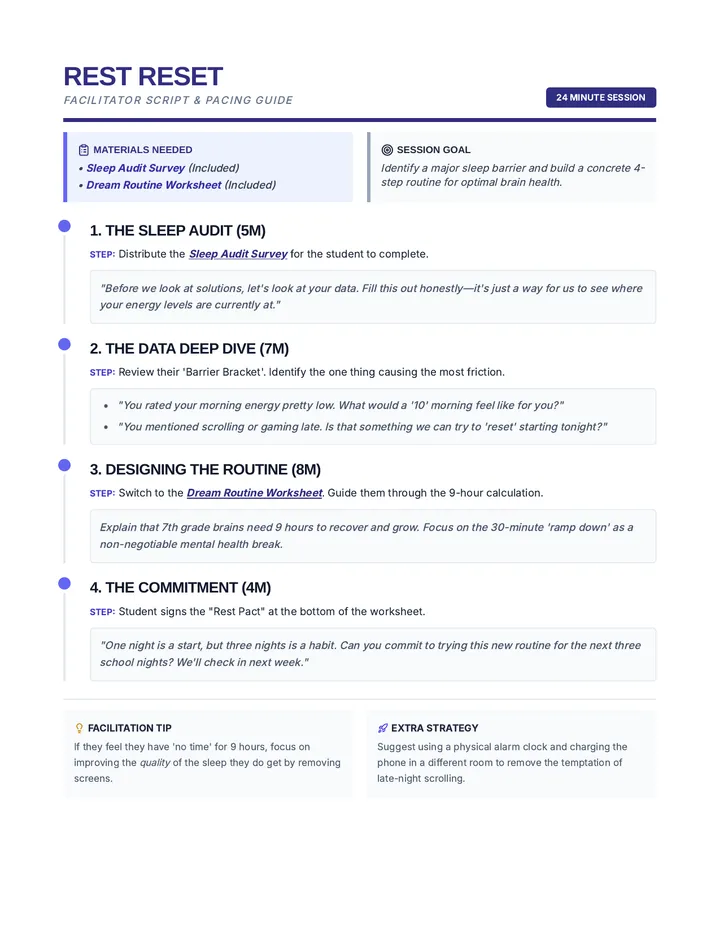
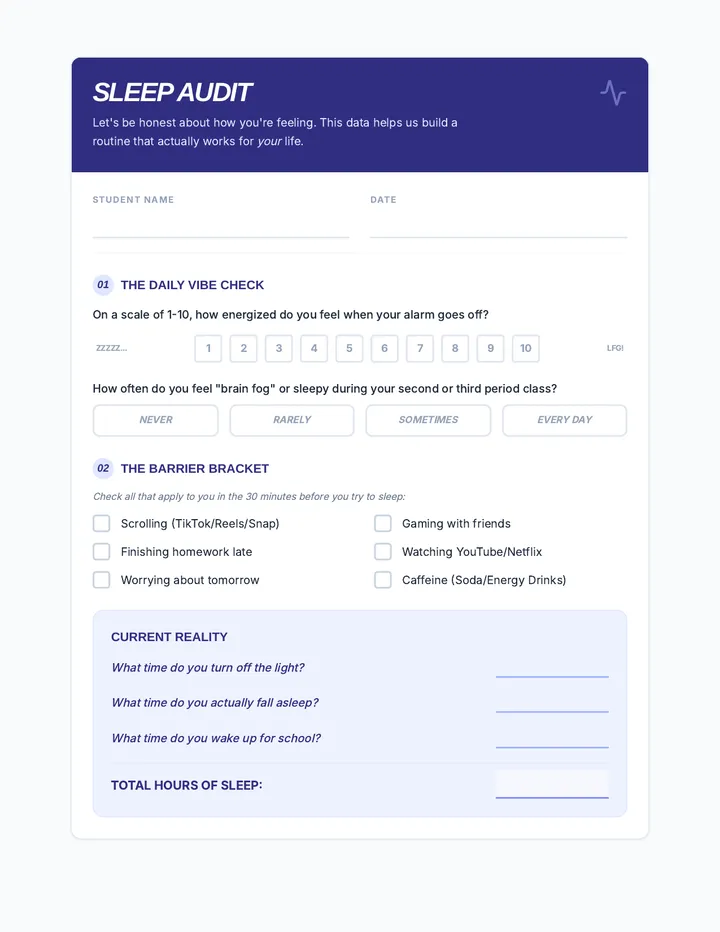
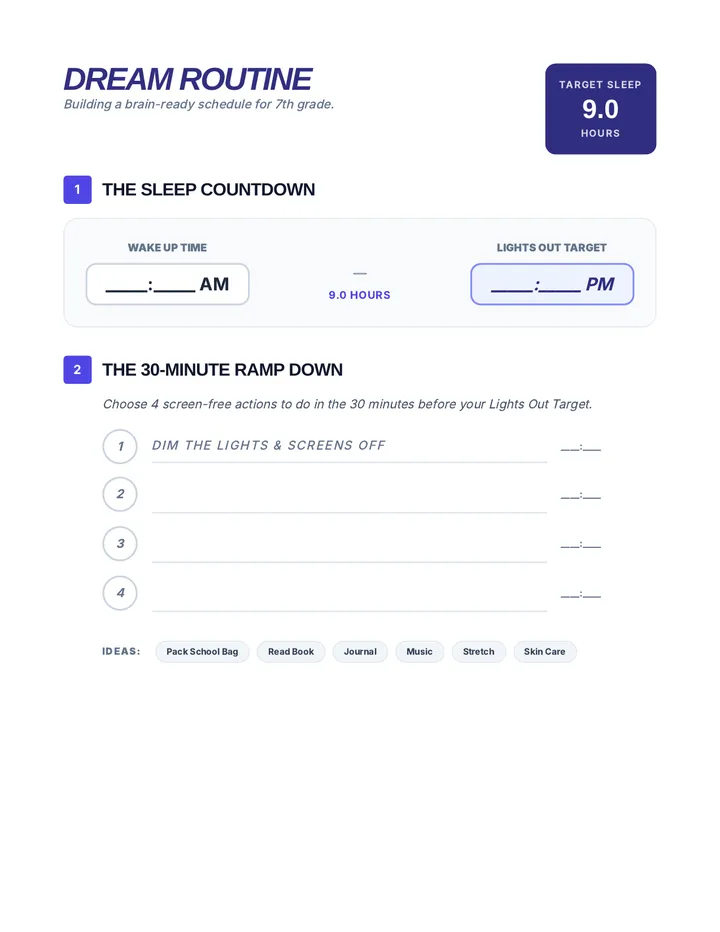
A focused 24-minute session designed to help middle schoolers audit their current sleep habits and design a sustainable bedtime routine for optimal brain health.
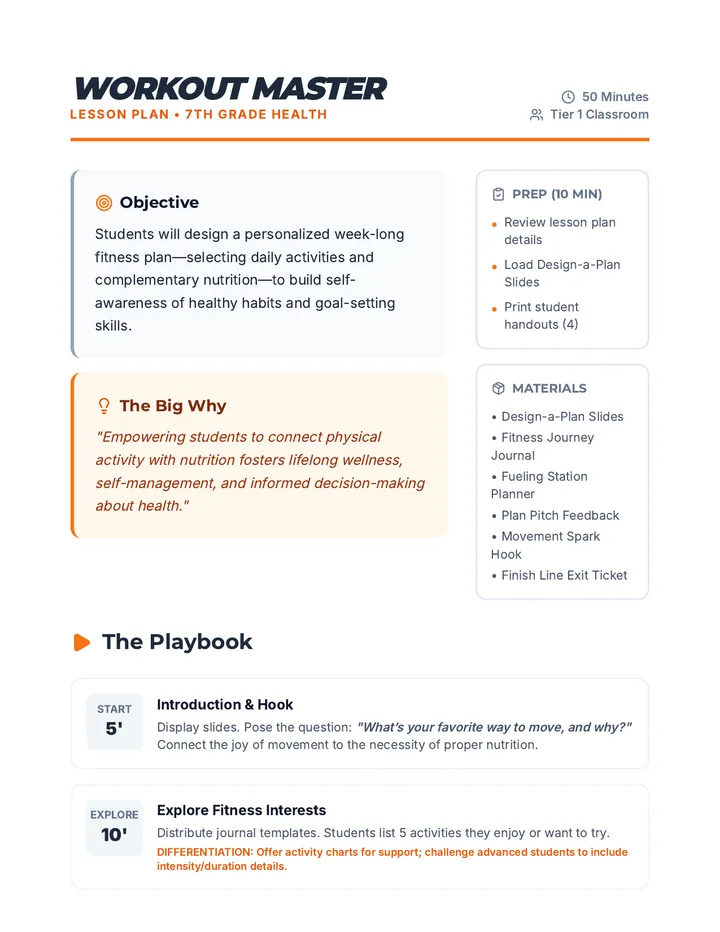
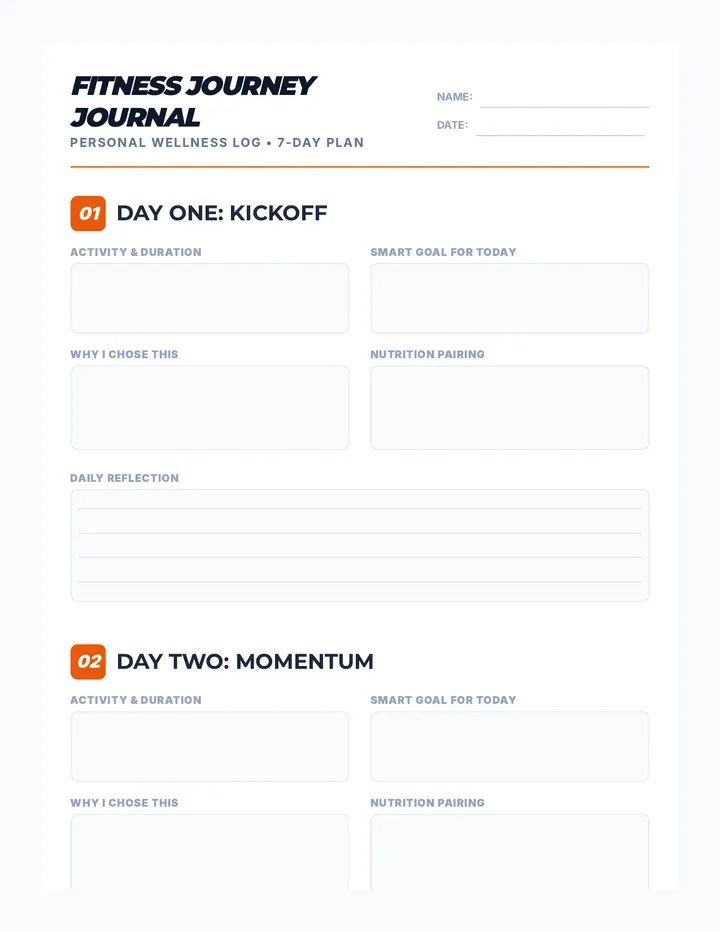
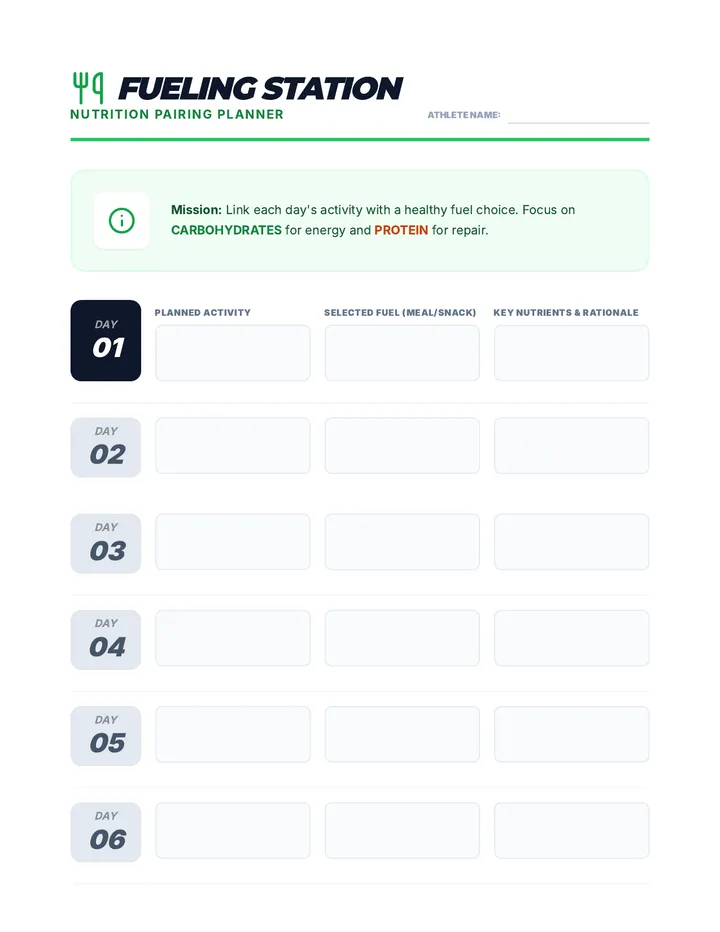
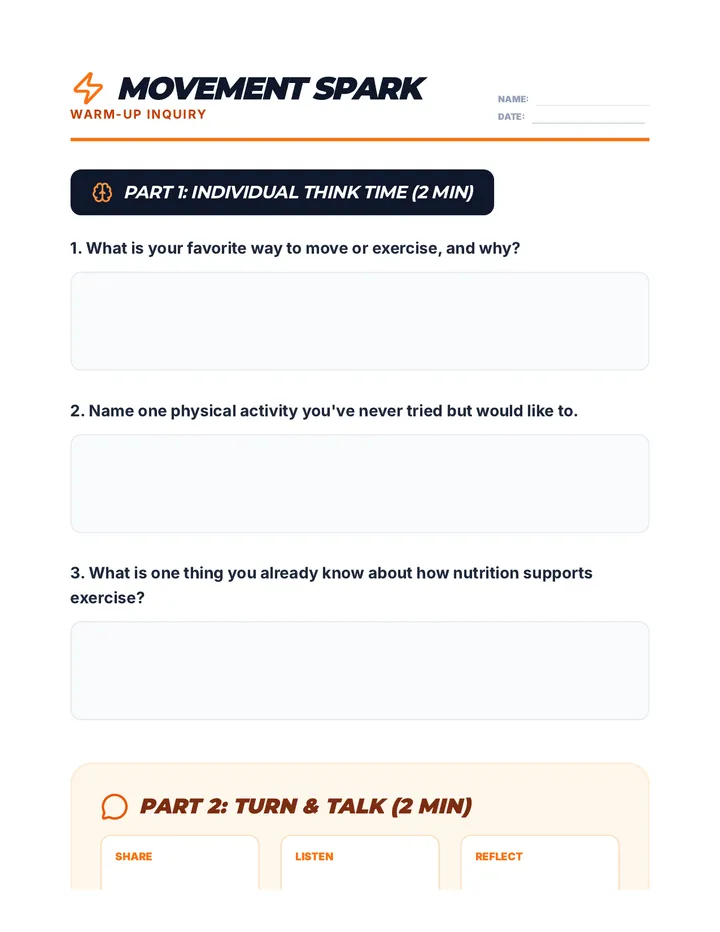
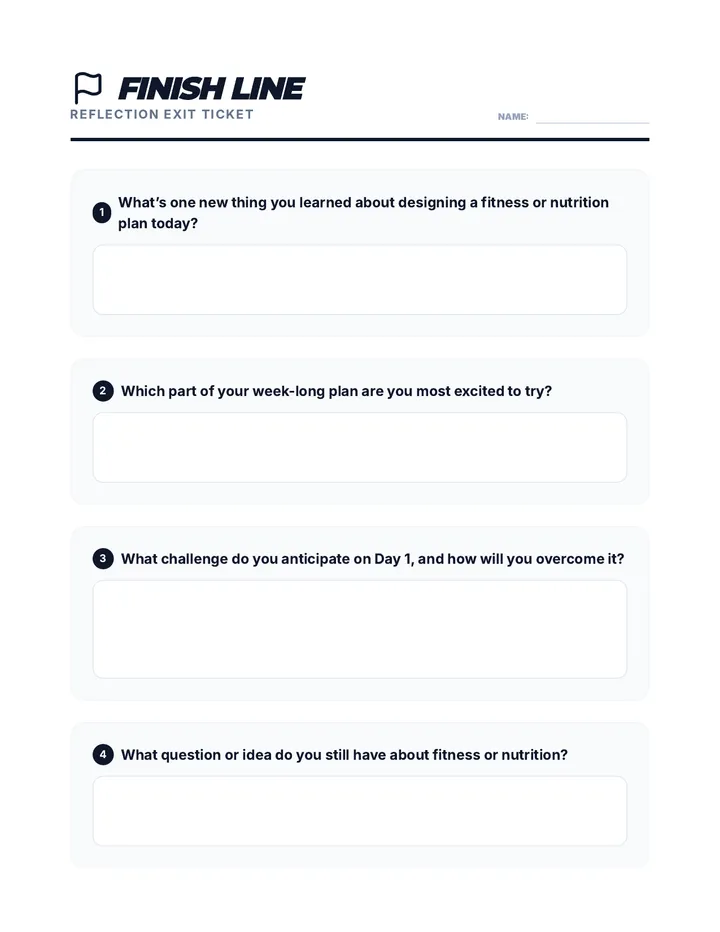
A 50-minute health and fitness lesson for 7th graders where students design a personalized week-long fitness and nutrition plan to build self-awareness and healthy habits.
An introductory health lesson for 6th graders exploring the three pillars of health: physical, mental, and social. Students will understand how these three areas are interconnected and form the 'Health Triangle'.
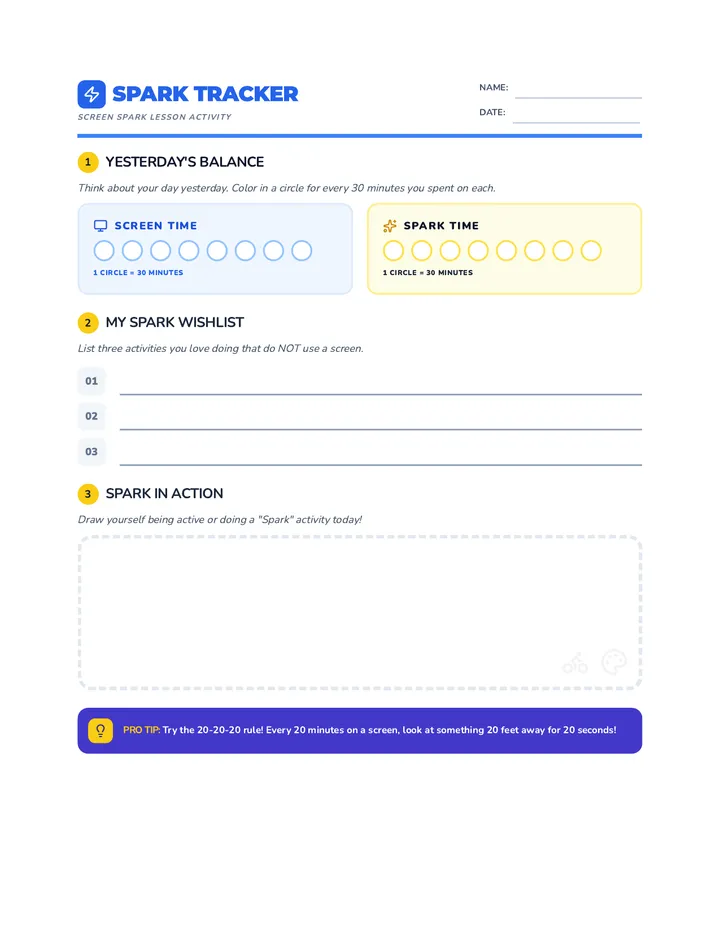
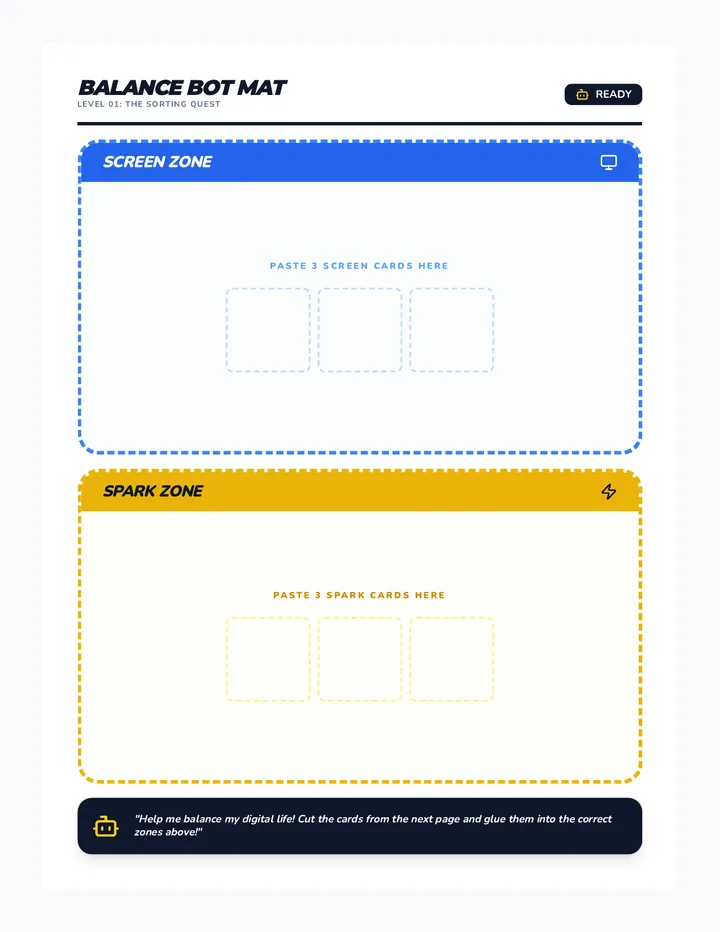
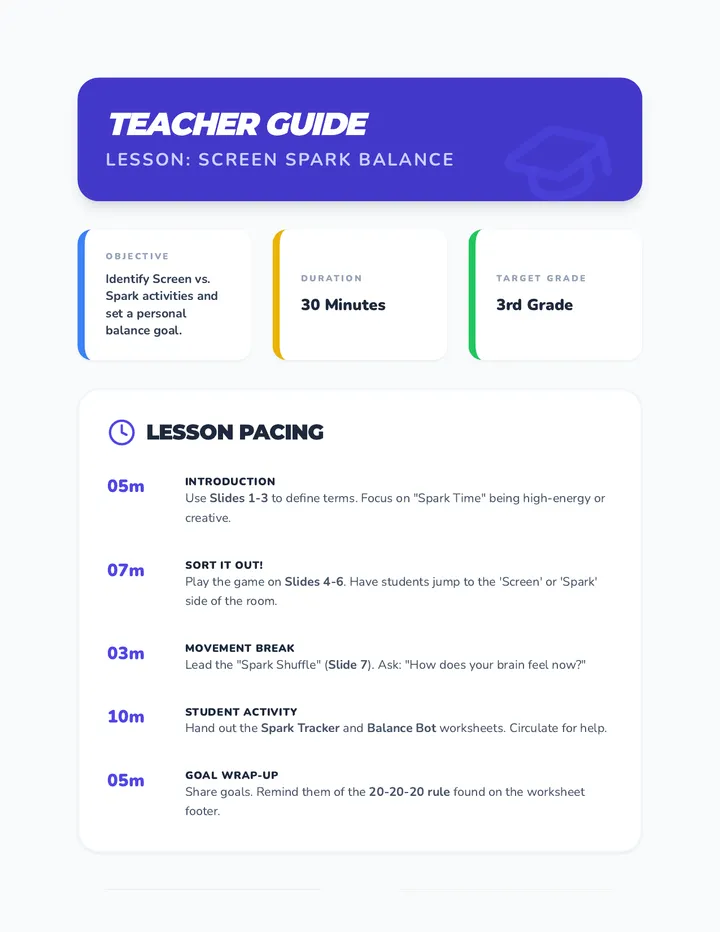
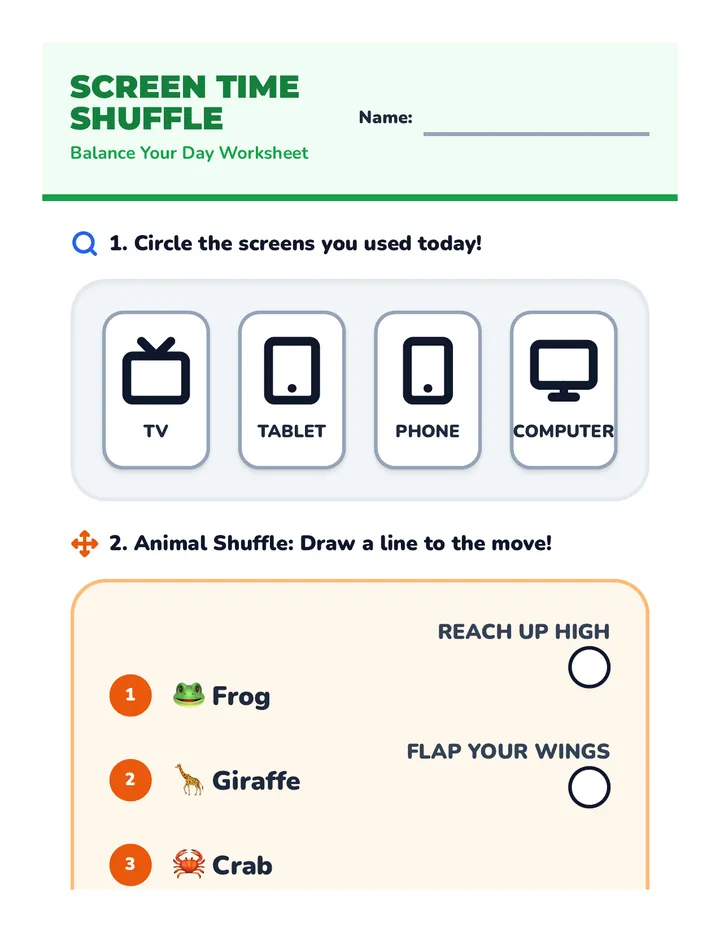
A 30-minute lesson for 3rd graders on balancing digital device use with physical activity, featuring a 'Screen Spark' theme to encourage healthy habits.
This lesson empowers middle school students to become 'Health Heroes' by mastering nutrition, activity, sleep, and stress management through interactive missions and self-reflection.
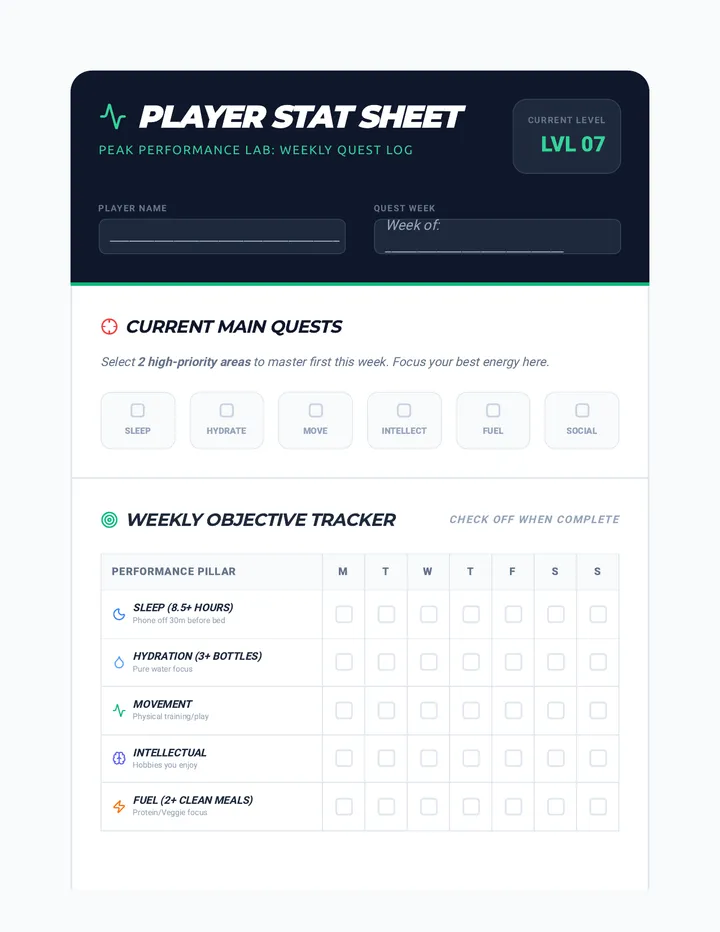
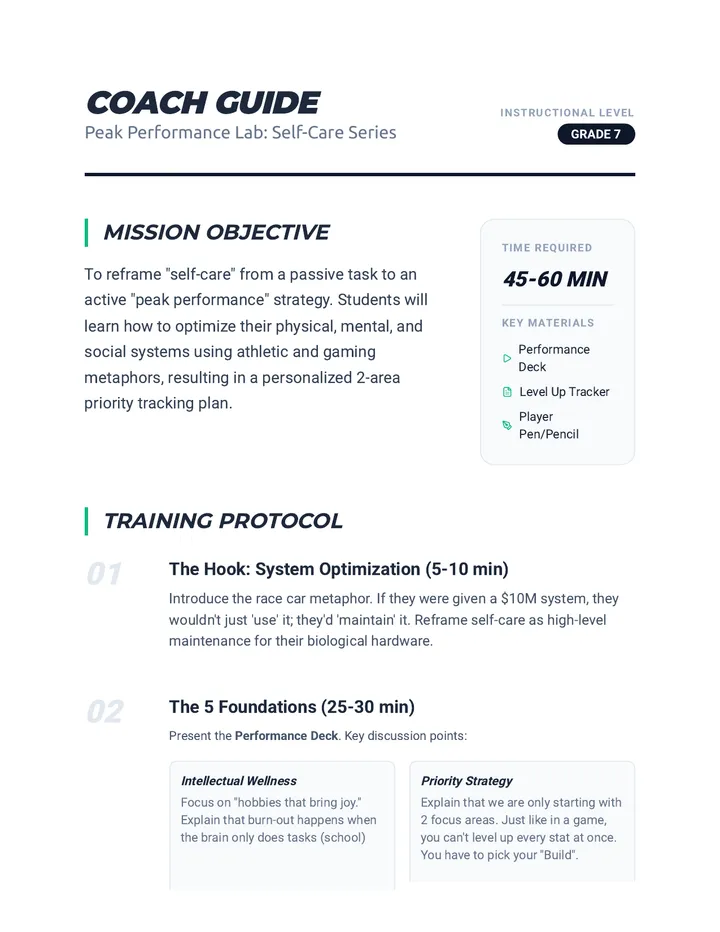
A high-performance themed lesson for 7th grade boys that reframes self-care as 'system optimization' for peak physical, mental, and social performance. Students will learn the science behind sleep, nutrition, exercise, and social connection while building a personalized weekly tracking plan.
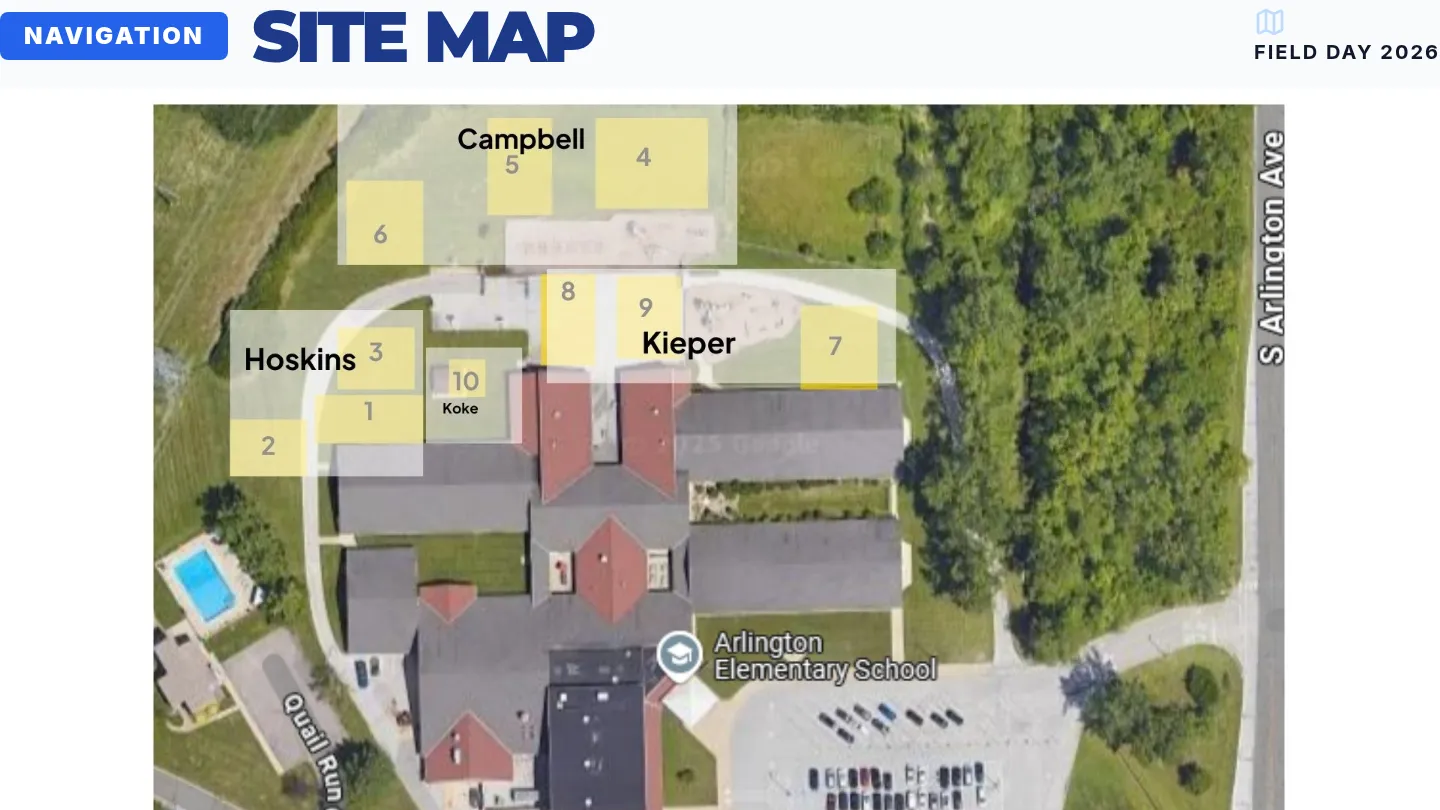
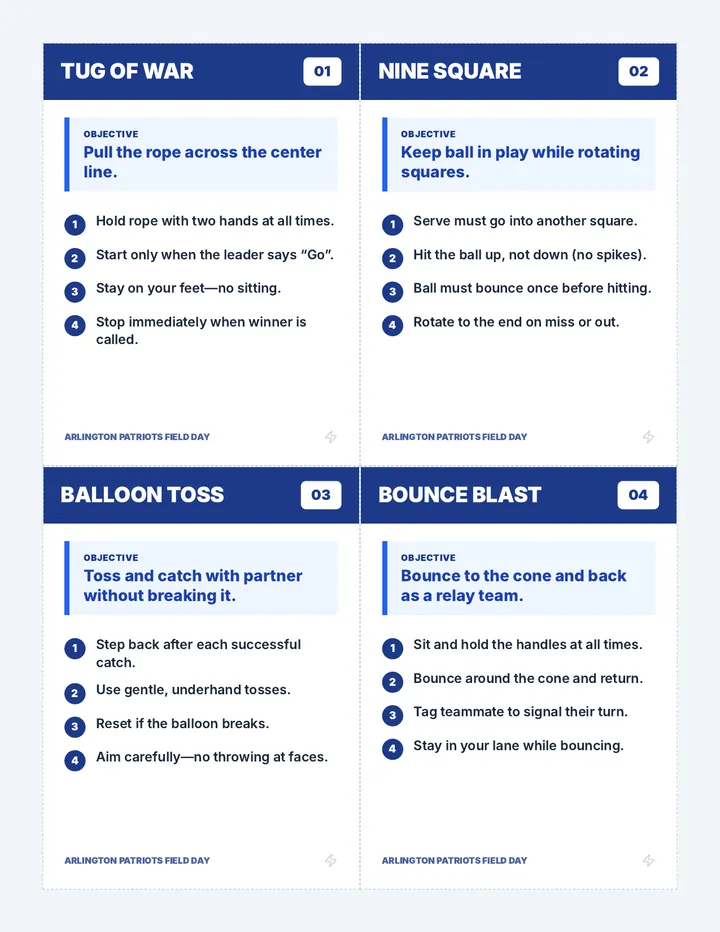
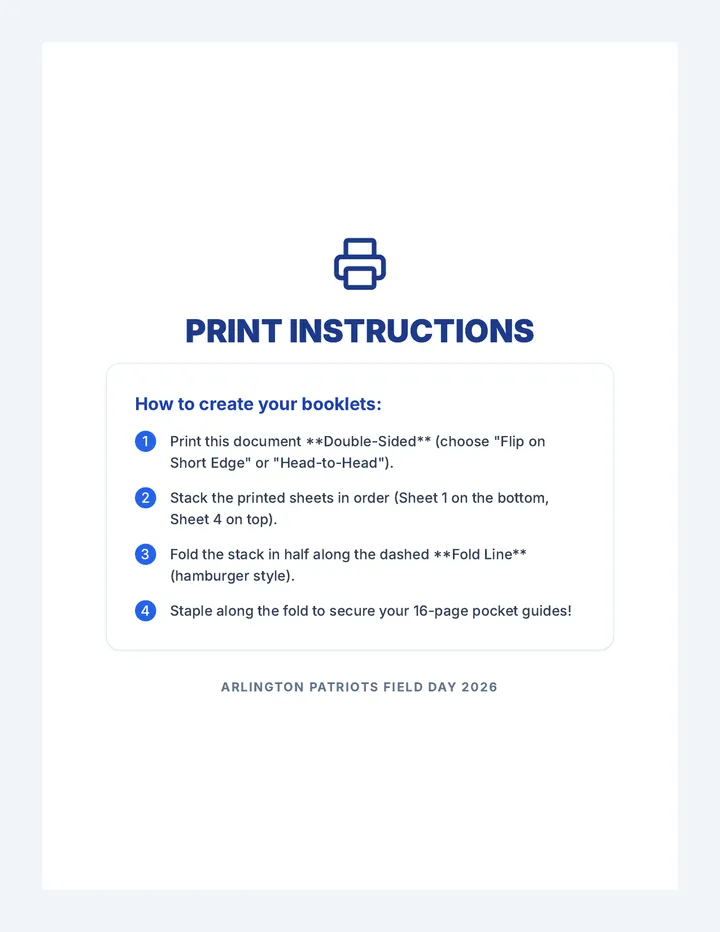
A comprehensive set of resources for the Arlington Patriots Field Day event, including presentation slides for instruction and printable station cards for volunteers.
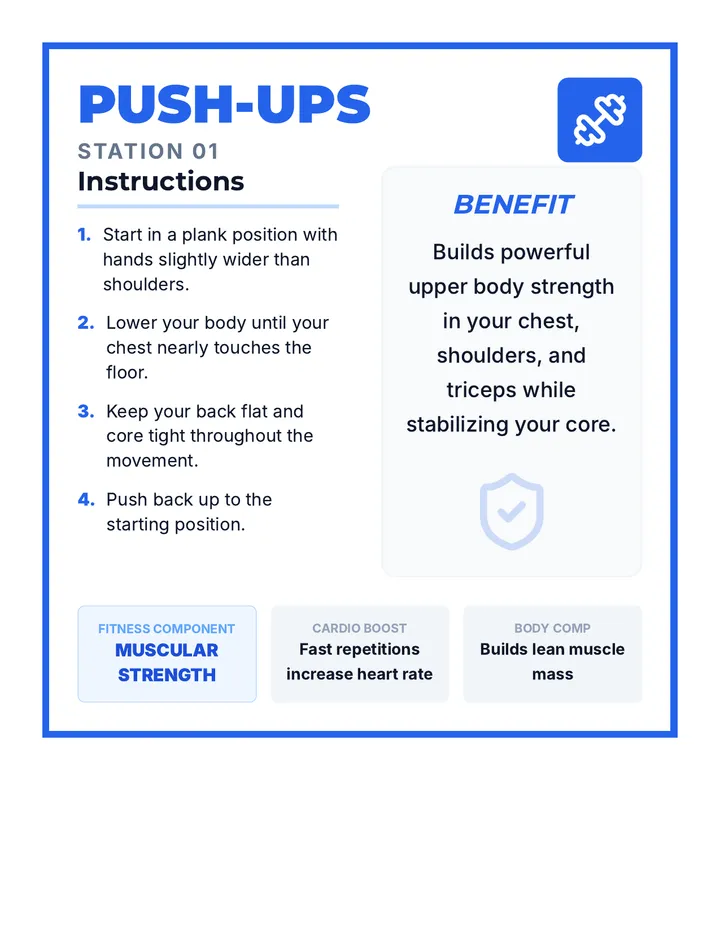
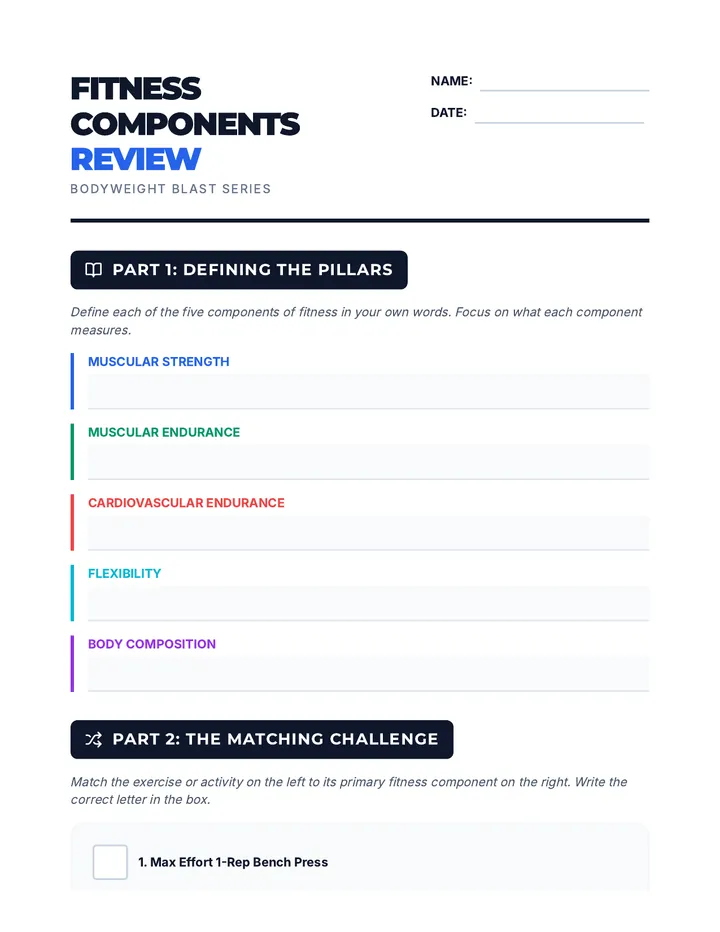
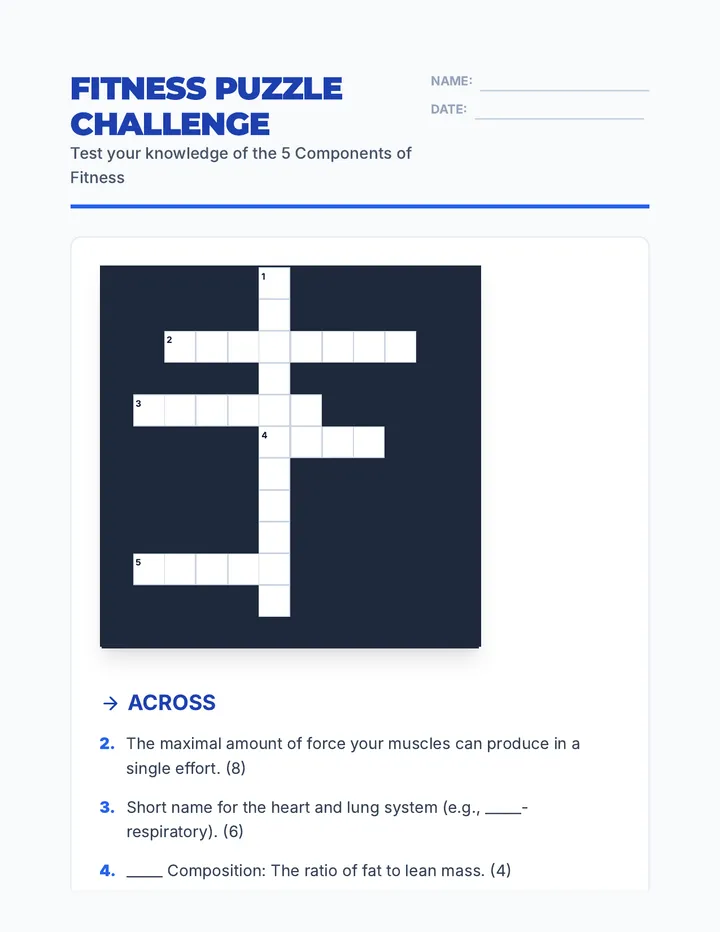
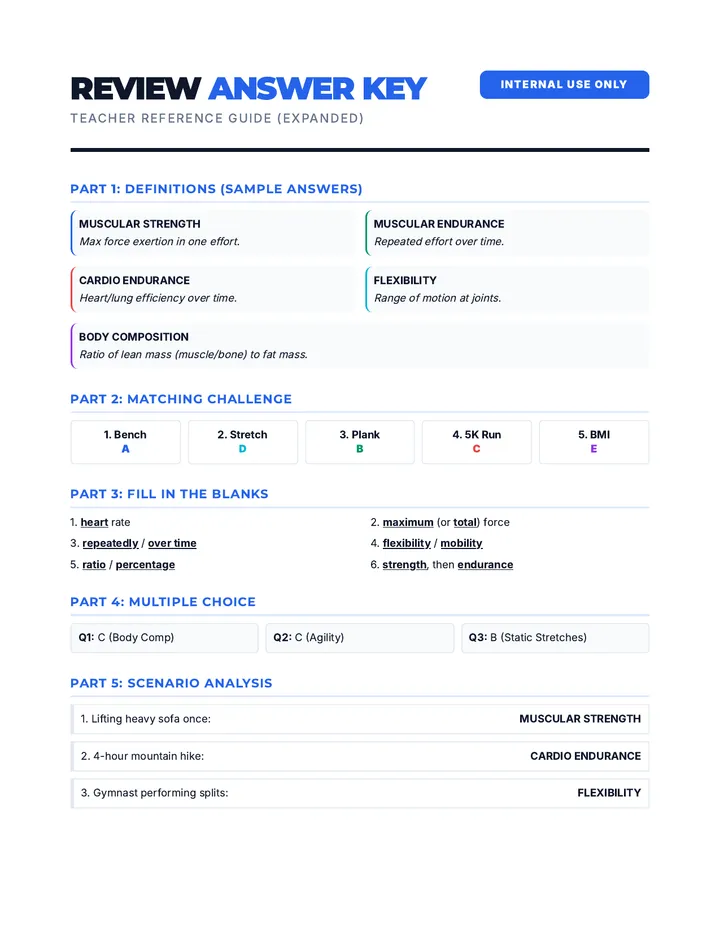
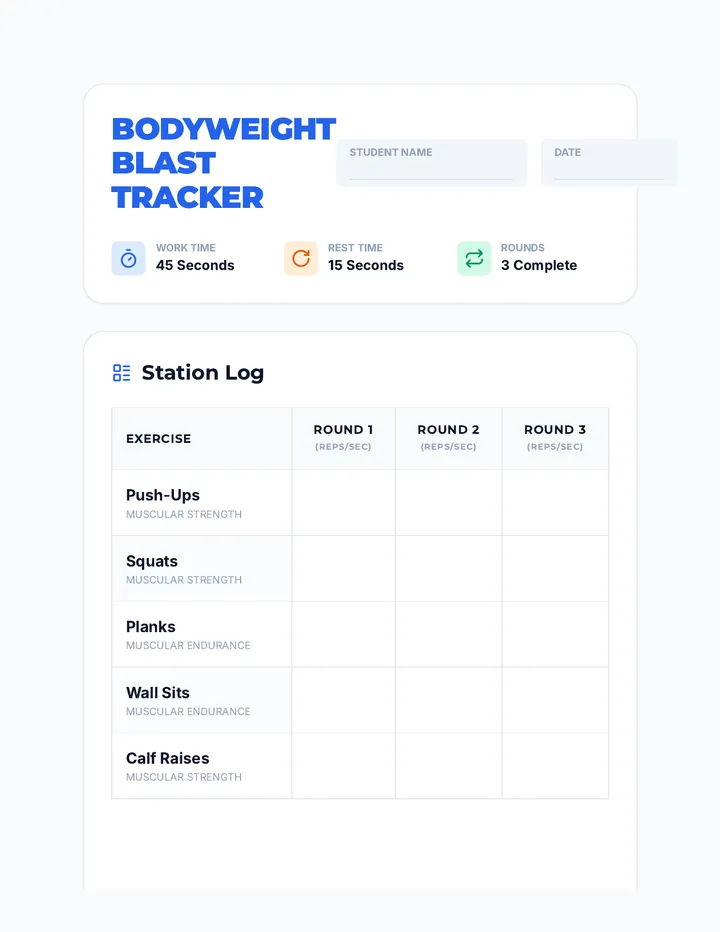
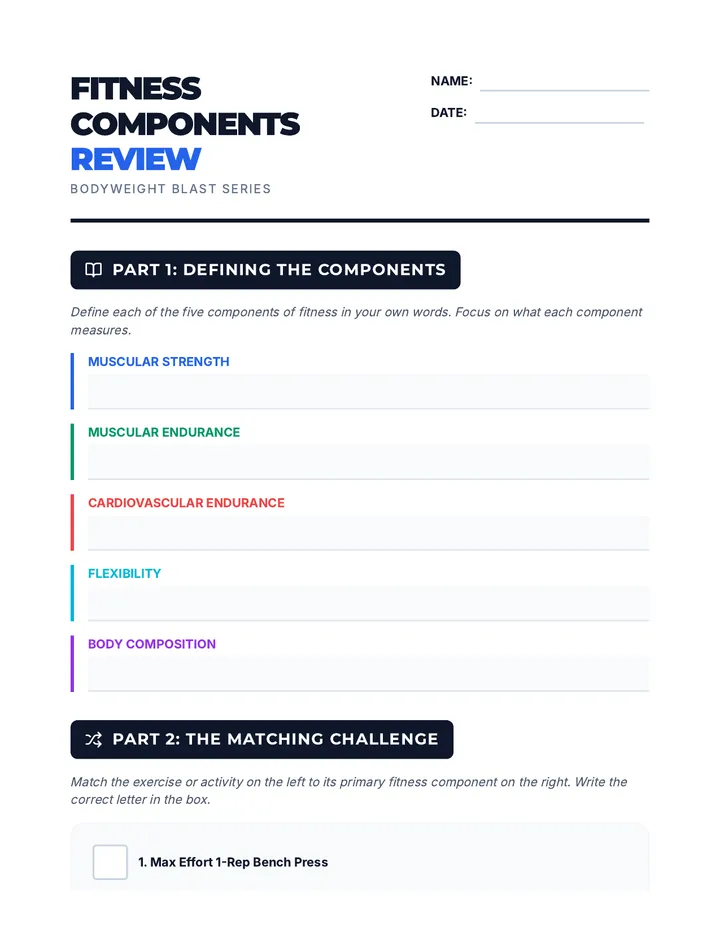
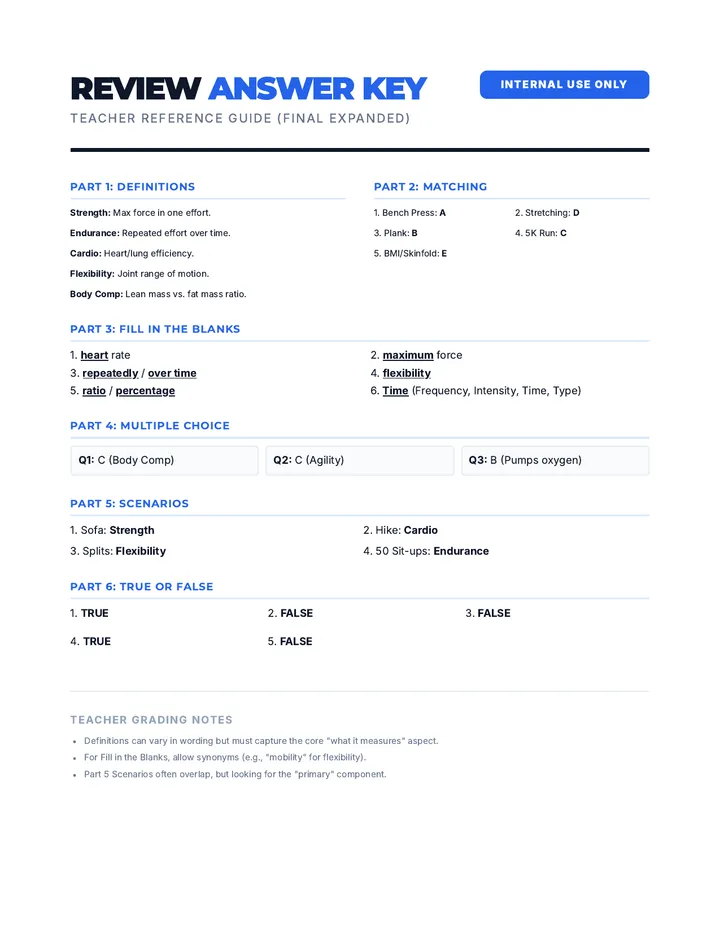
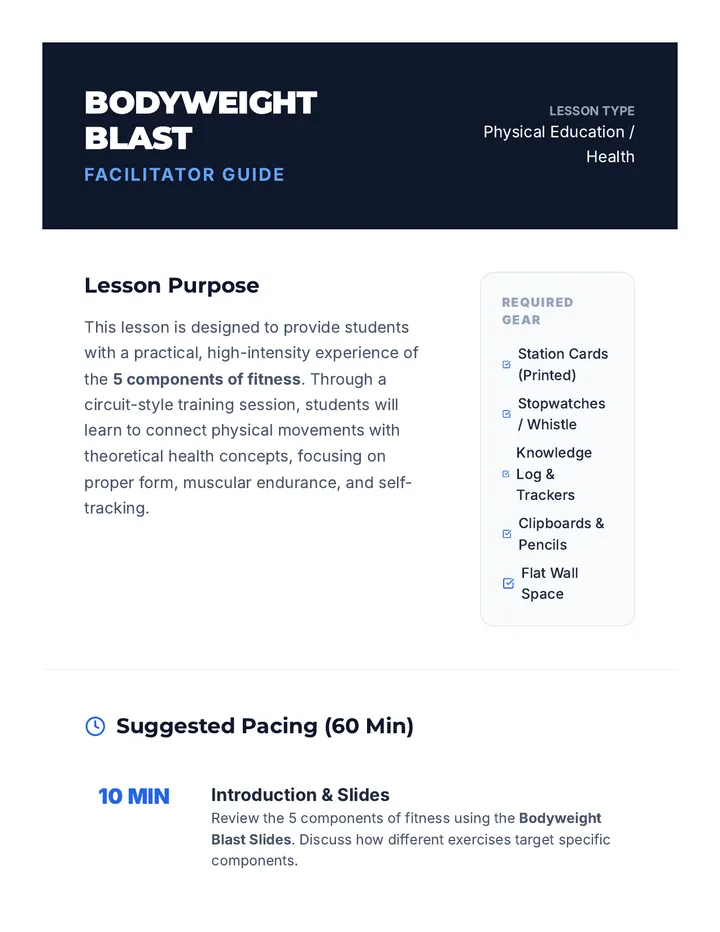
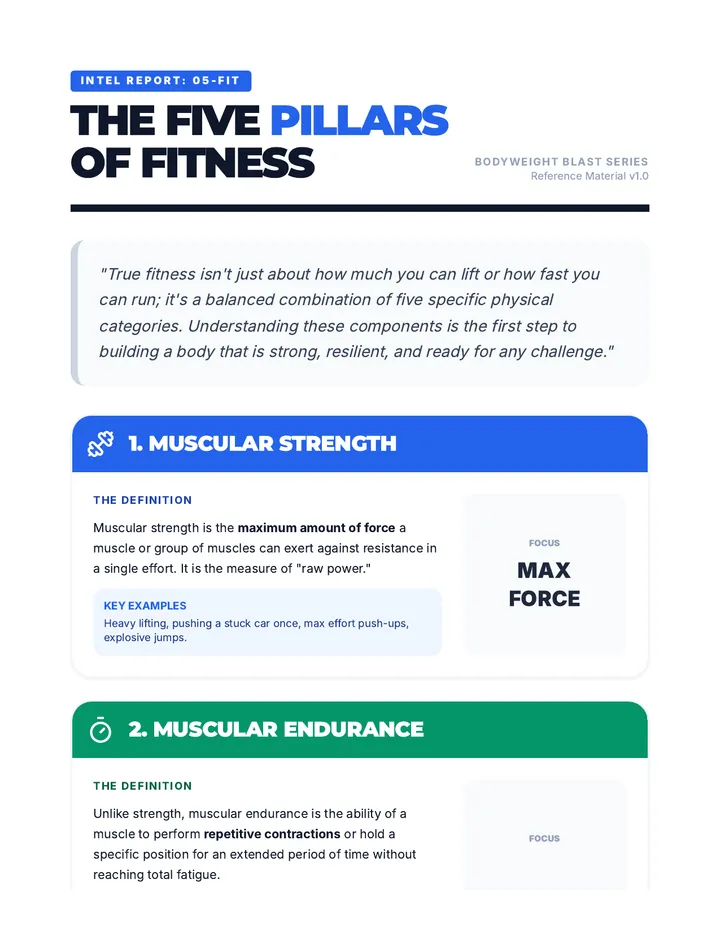
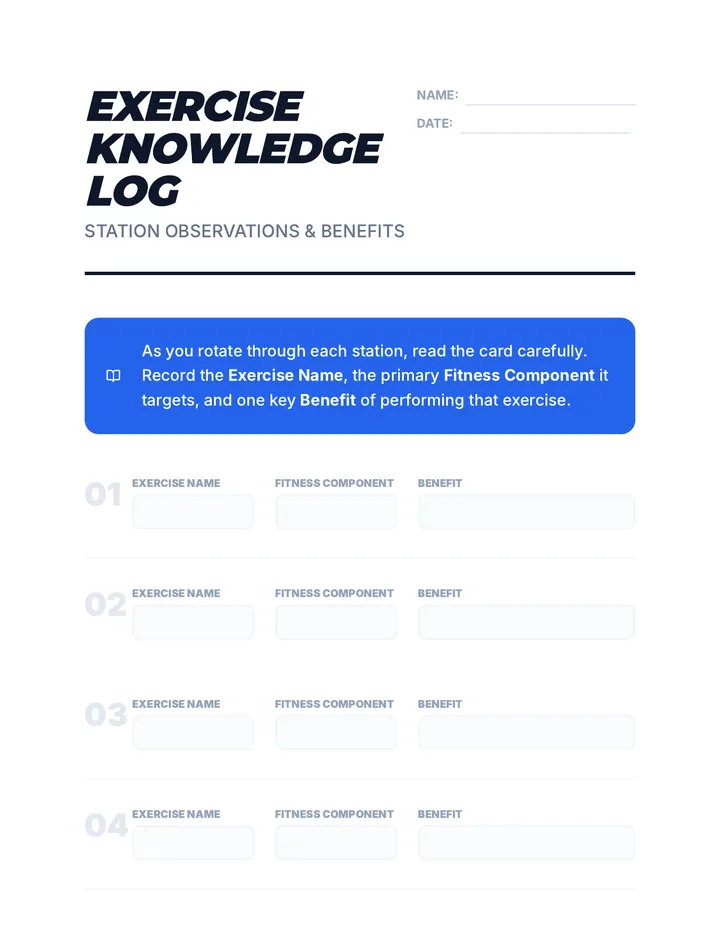
A high-energy lesson focused on bodyweight exercises that target the five components of fitness through a circuit-style training session. Students will learn proper form, the benefits of each exercise, and how they contribute to overall health.
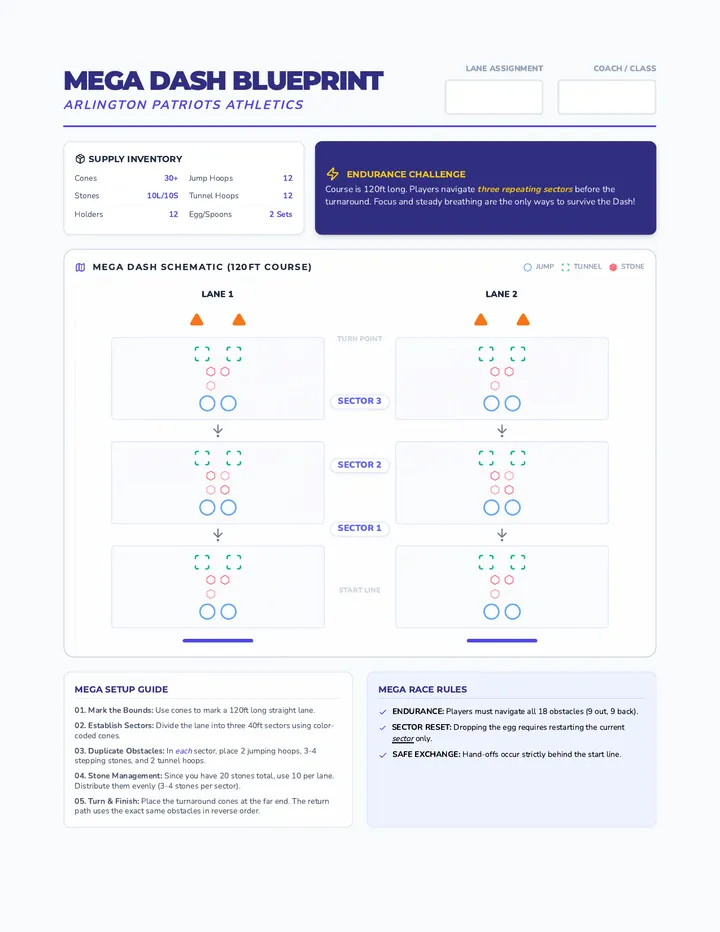
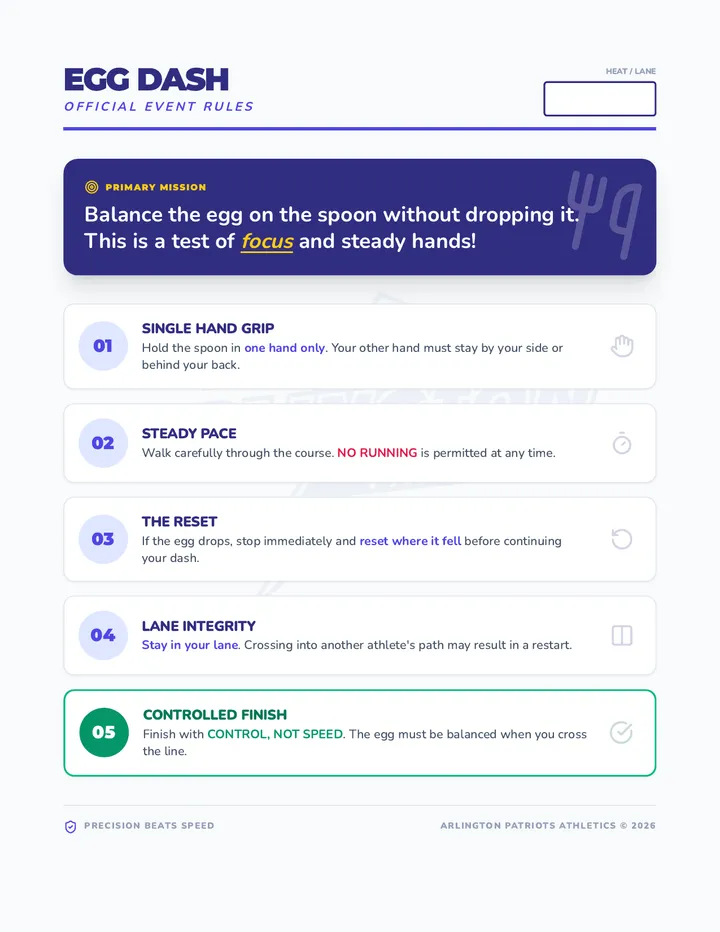
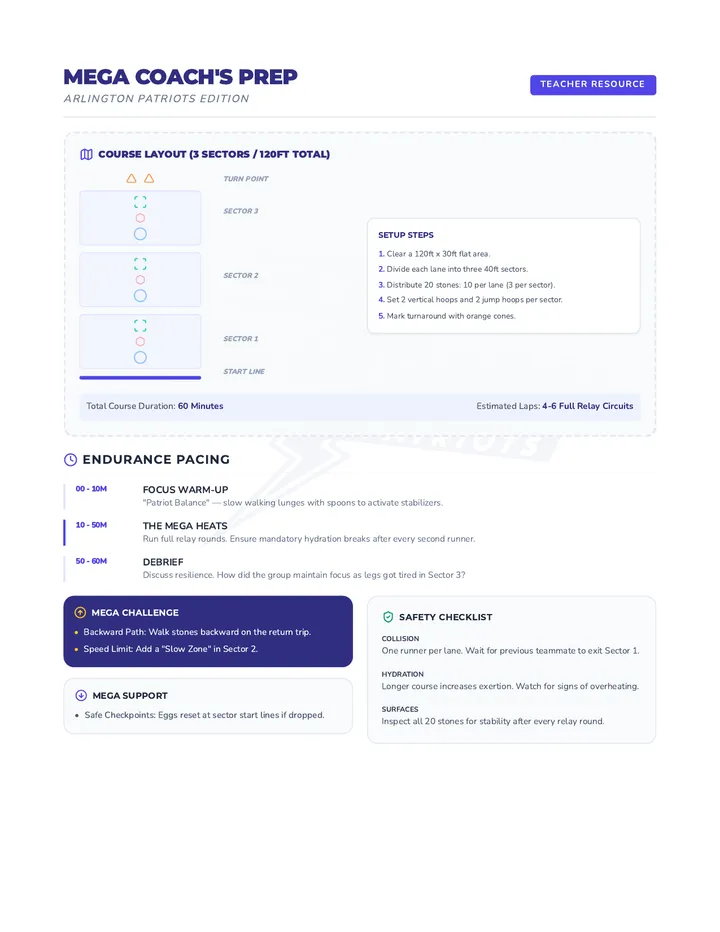
A high-energy relay race lesson where students navigate an expanded 120ft obstacle course while balancing a giant egg. Focuses on motor skills, endurance, and coordination for the Arlington Patriots.
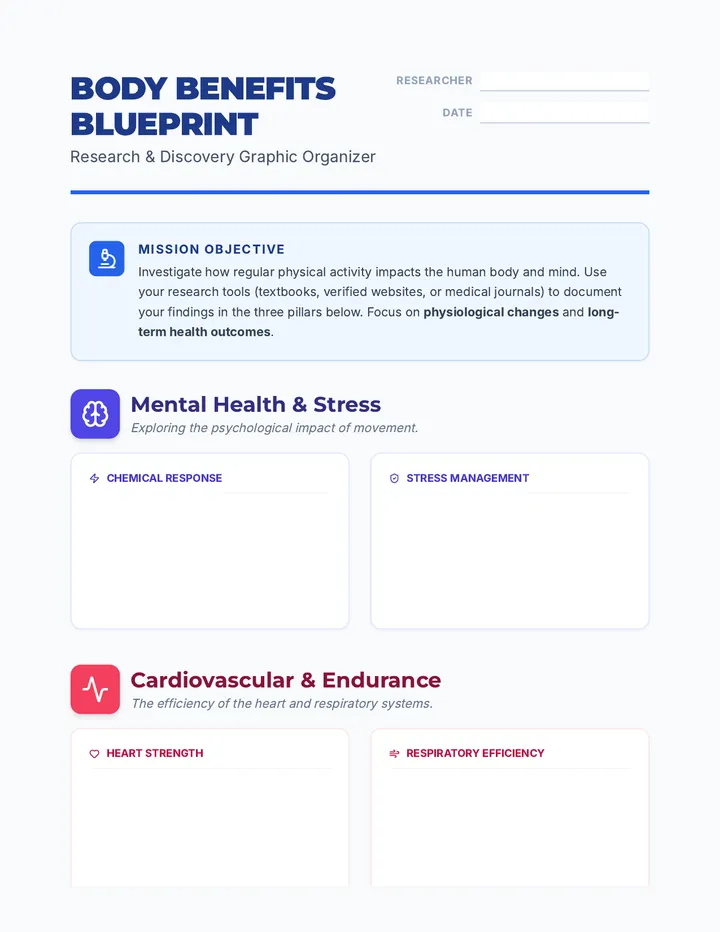
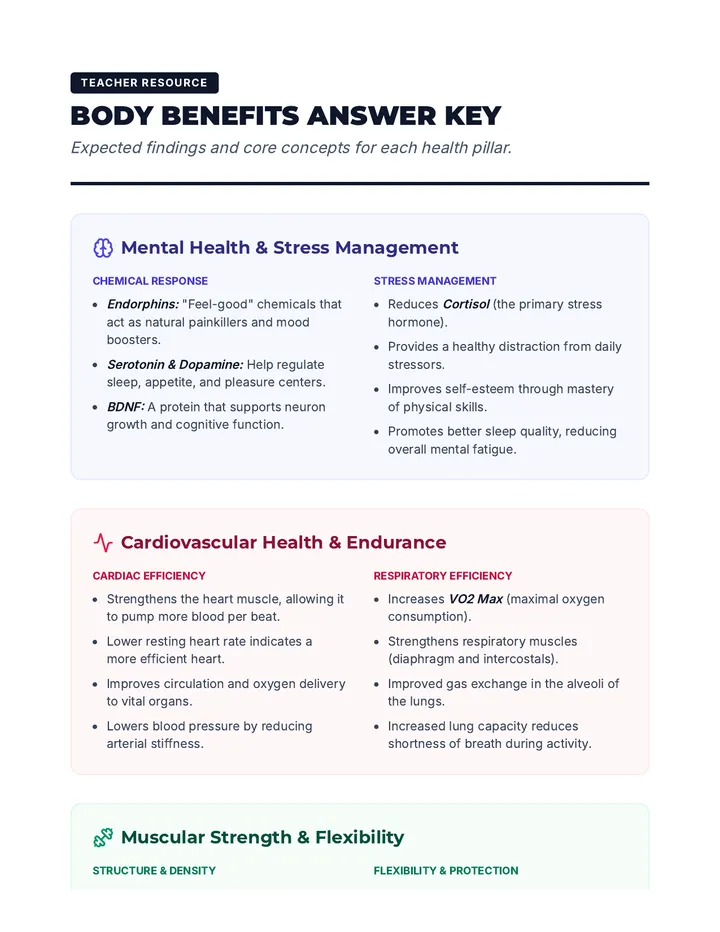
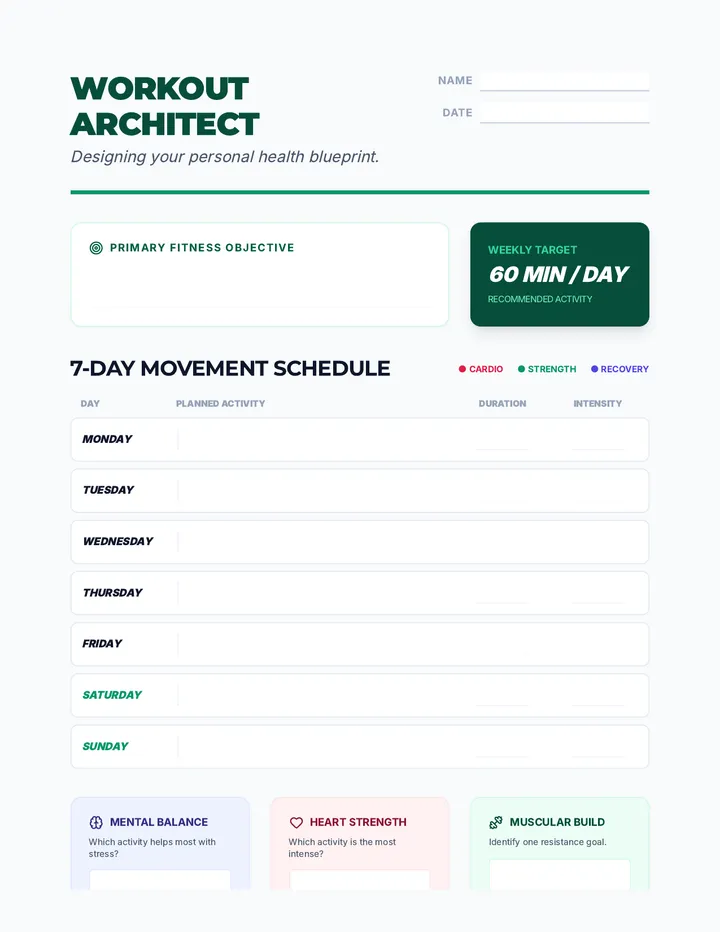
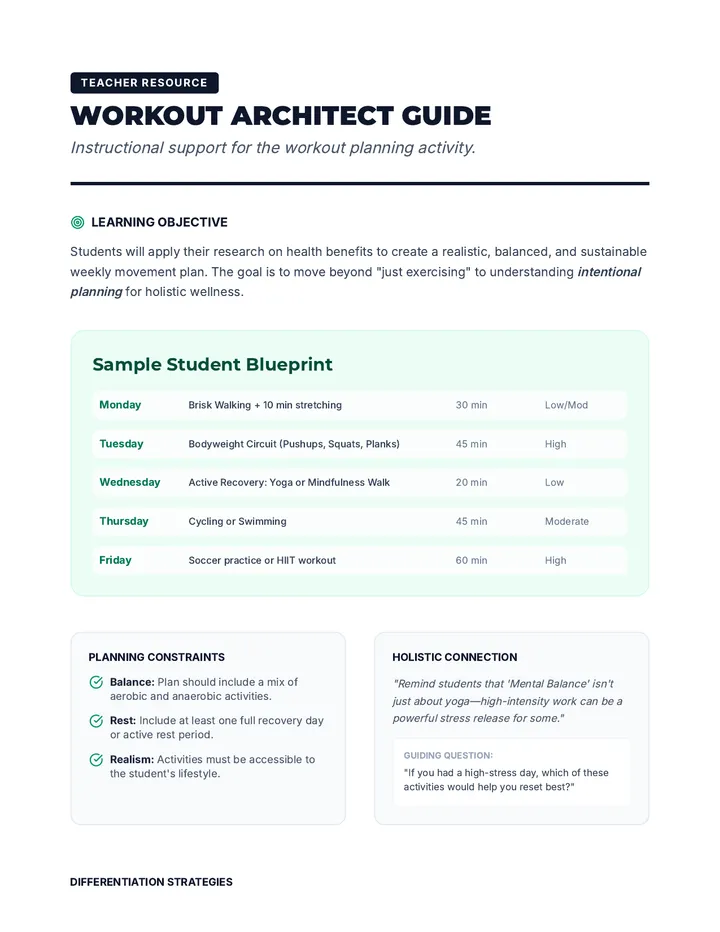
Students research and categorize the various physiological and psychological benefits of regular physical activity, focusing on three key pillars: mental health, cardiovascular health, and muscular fitness.
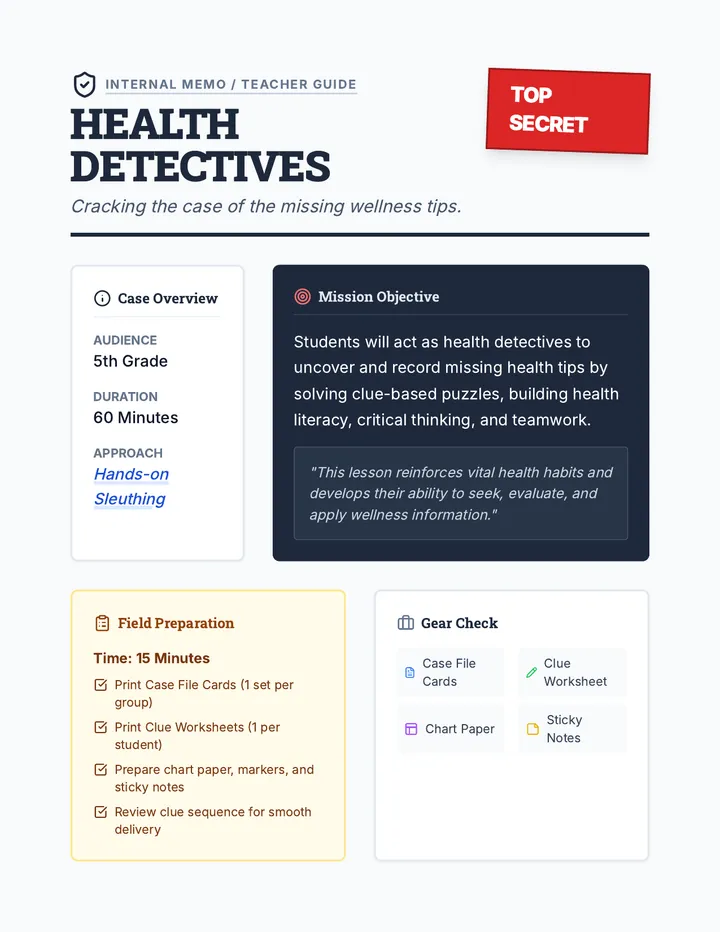
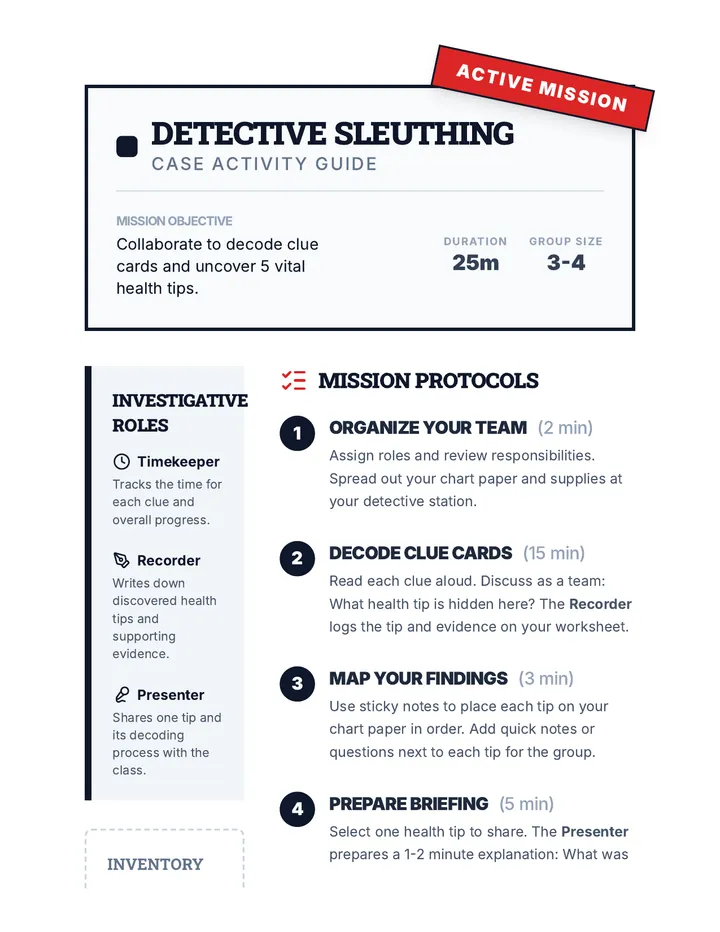
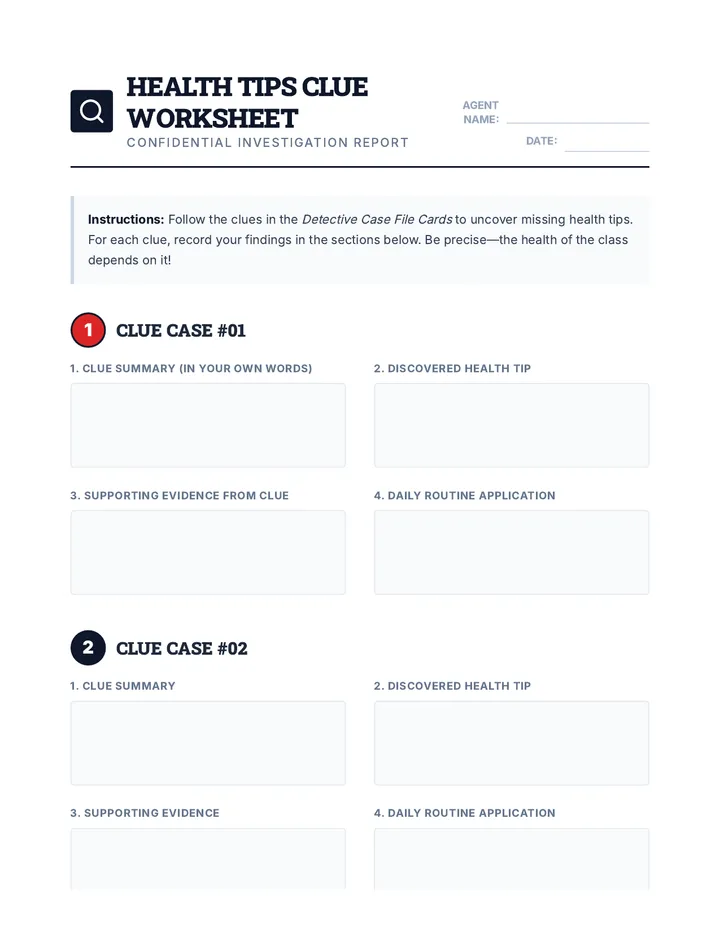
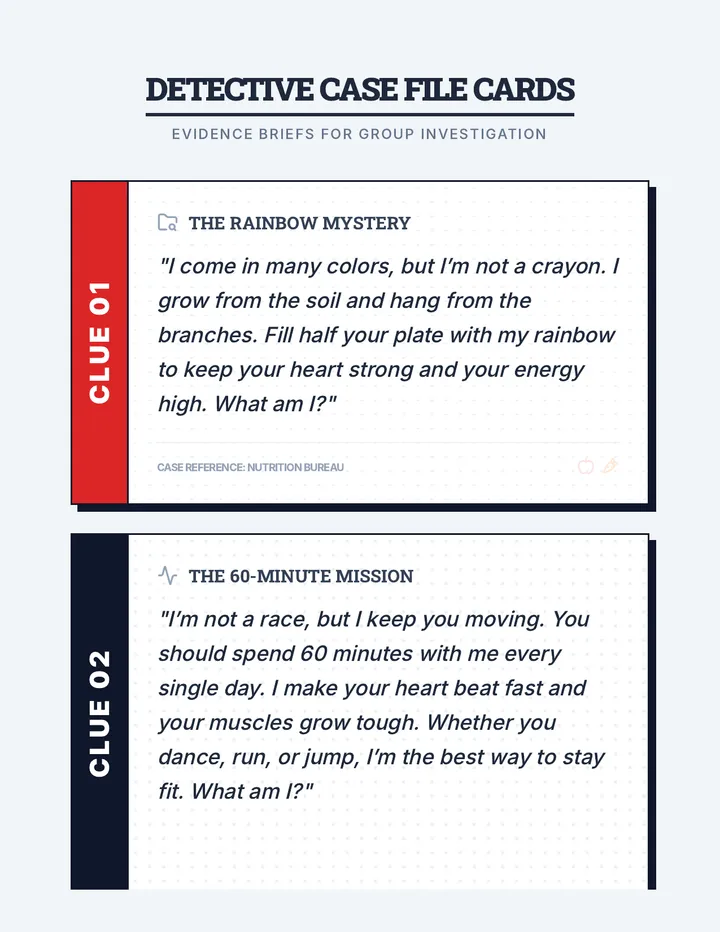
A detective-themed health literacy lesson where 5th graders solve clues to uncover vital wellness tips, fostering teamwork and critical thinking.
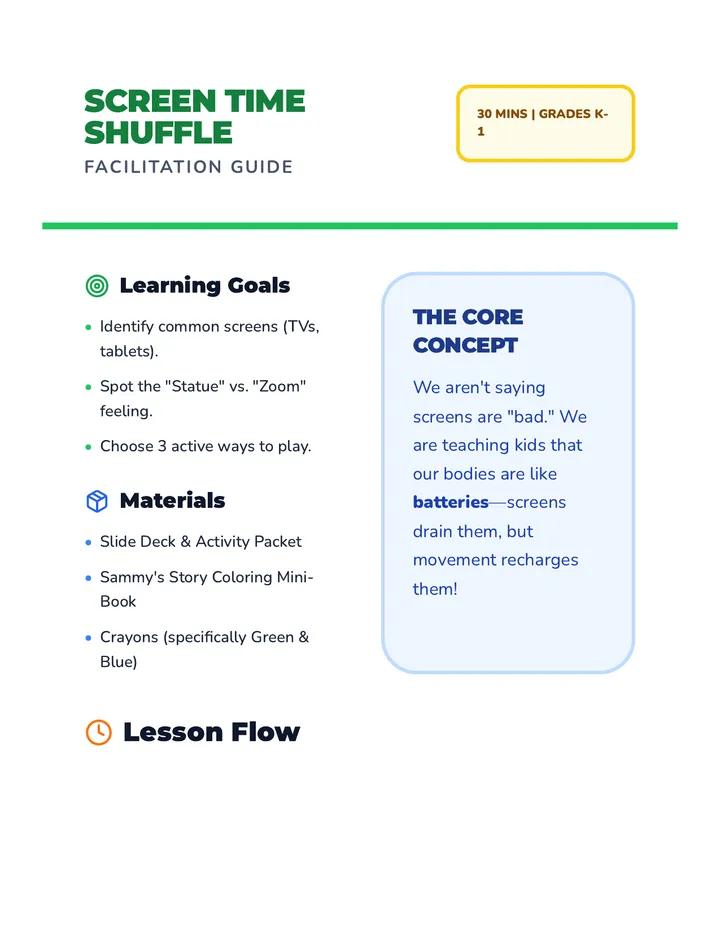
A high-energy lesson for K-1 students focusing on the balance between screen use and physical movement, featuring a narrative story and interactive movement breaks.
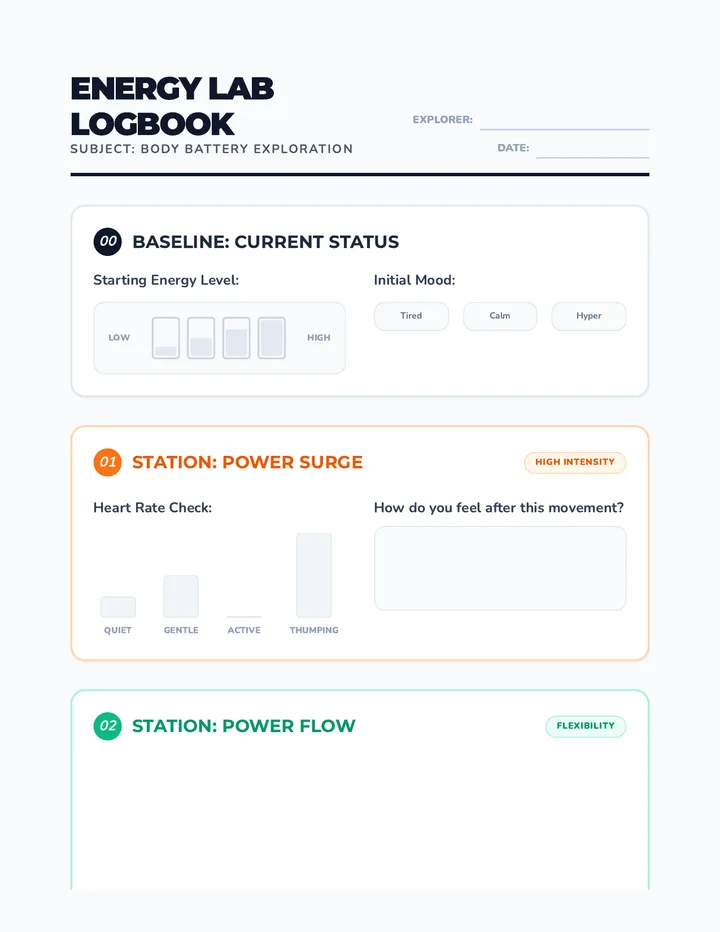
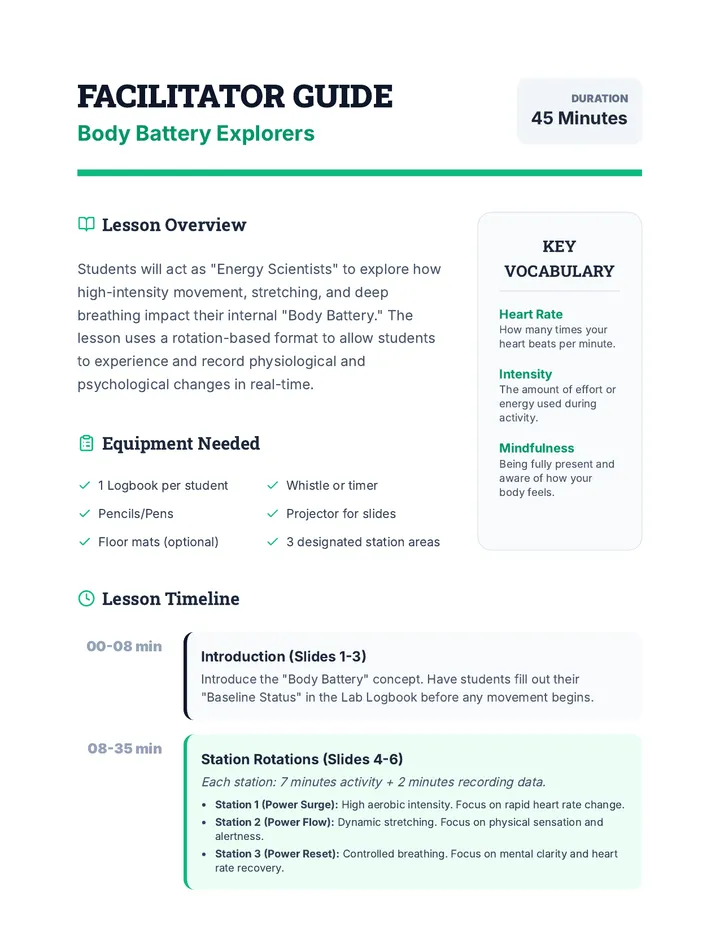
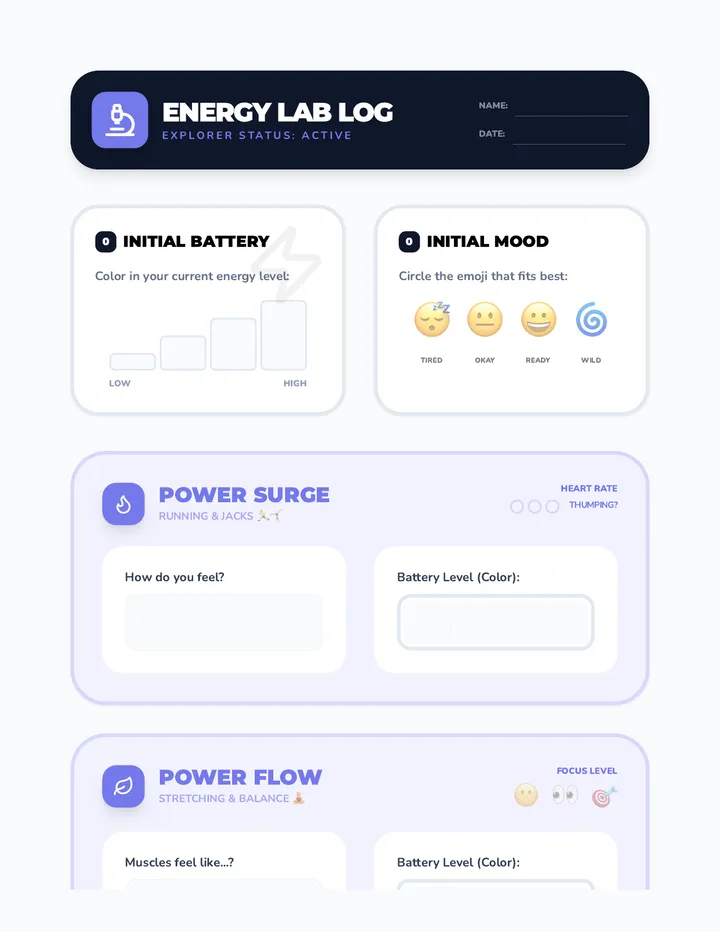
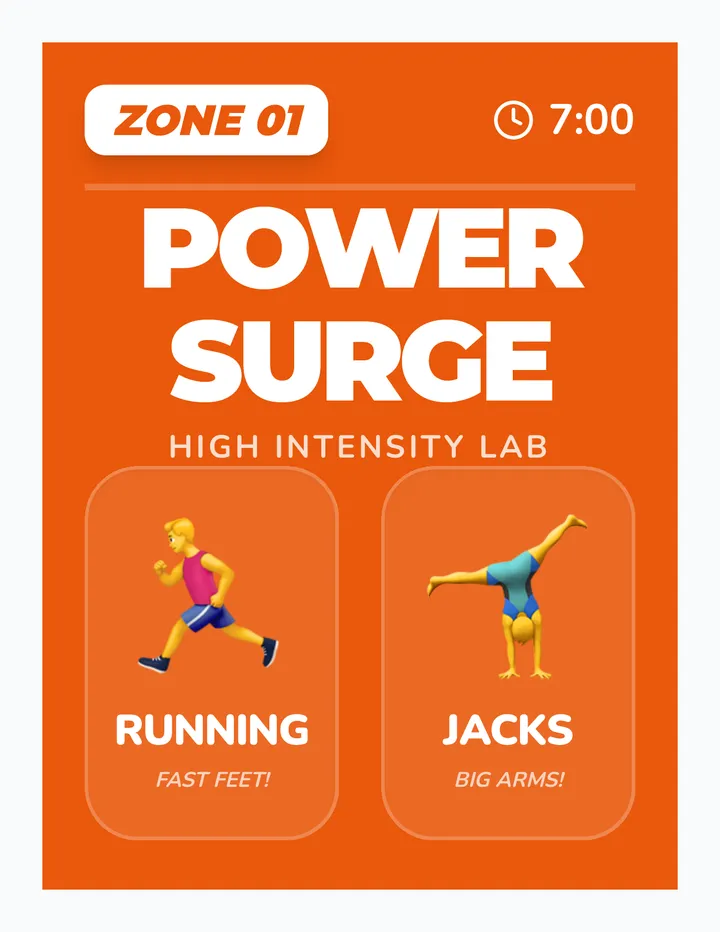
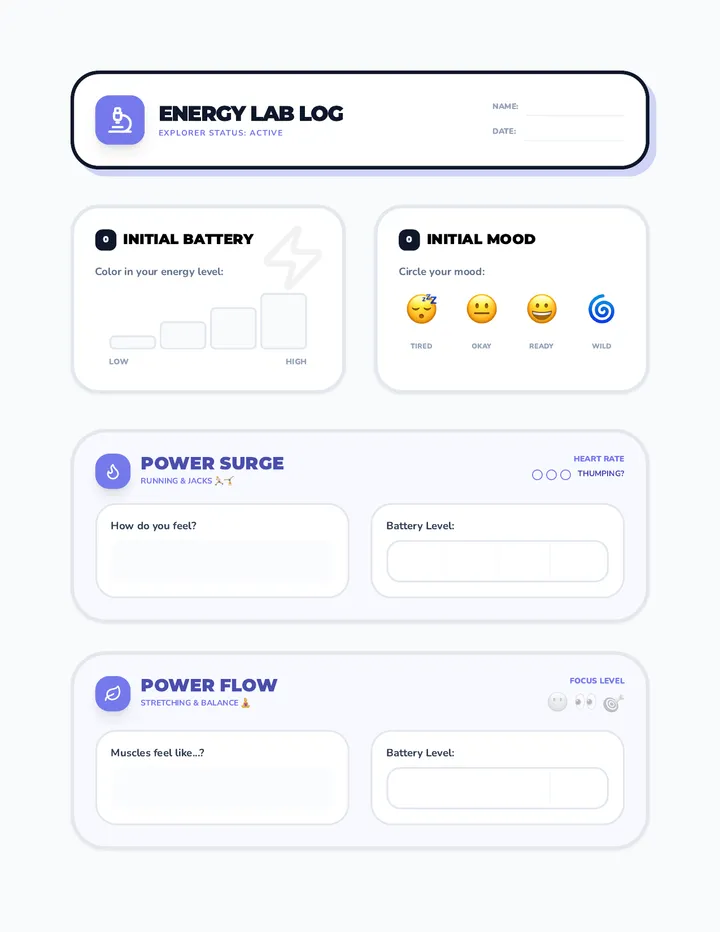
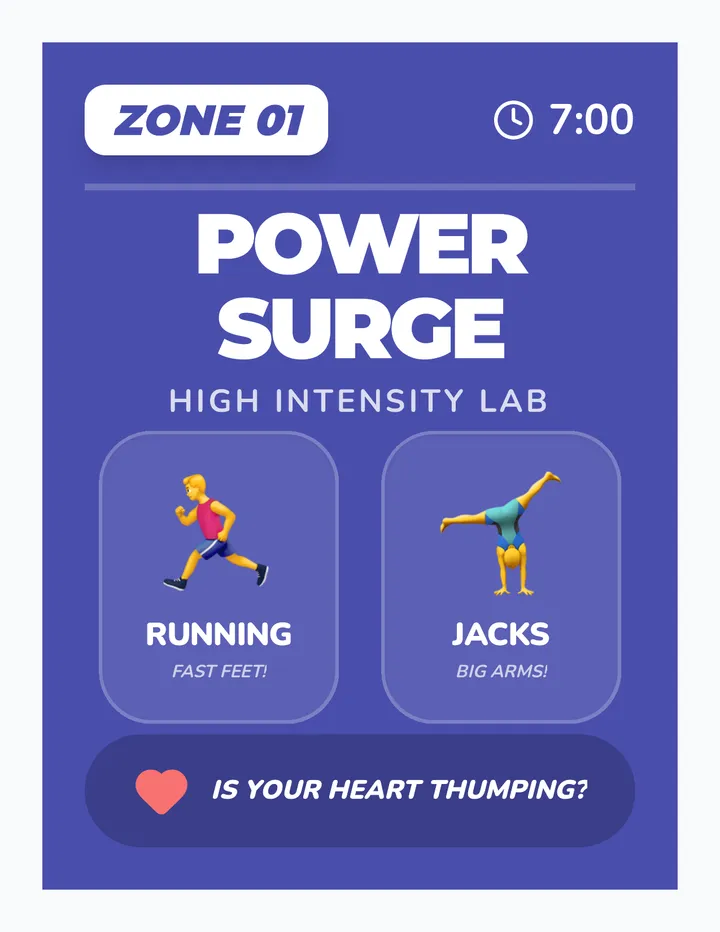
A movement-based physical health lesson where students investigate how different physical activities (aerobic, stretching, and breathing) impact their heart rate and perceived energy levels through 'Body Battery' stations.