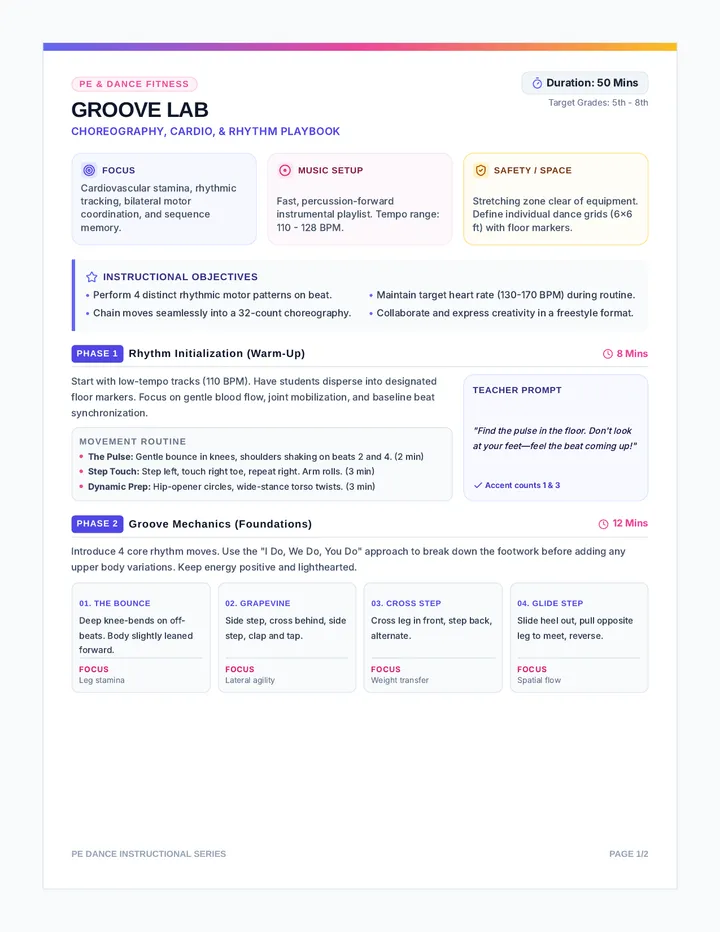
Fundamental footwork, spatial awareness, and body coordination within various dance styles. Develops beat synchronization, tempo recognition, and movement patterns to enhance physical rhythm.
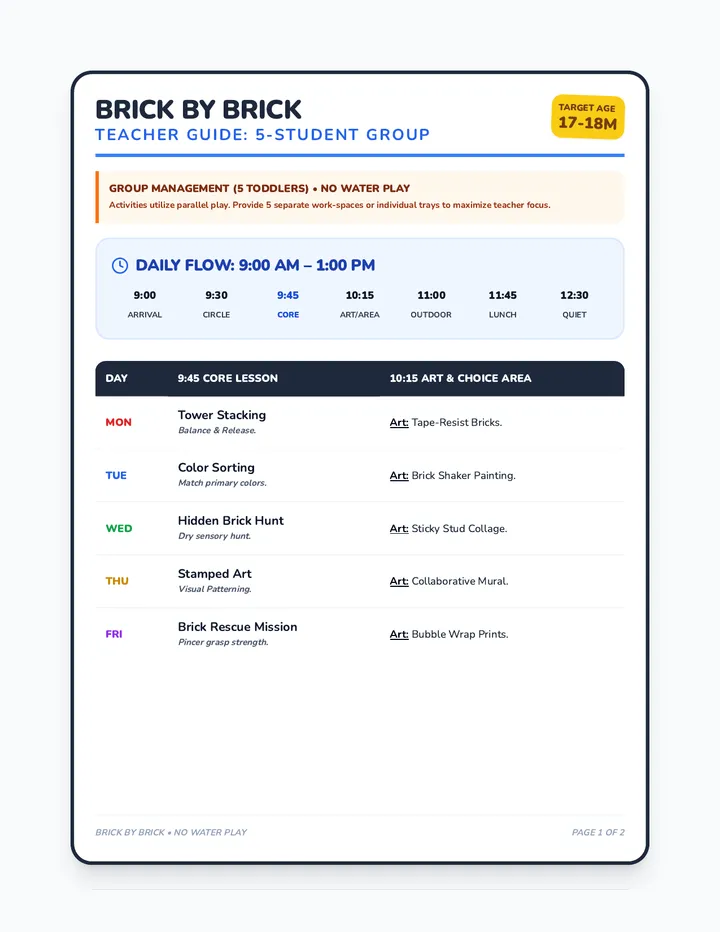
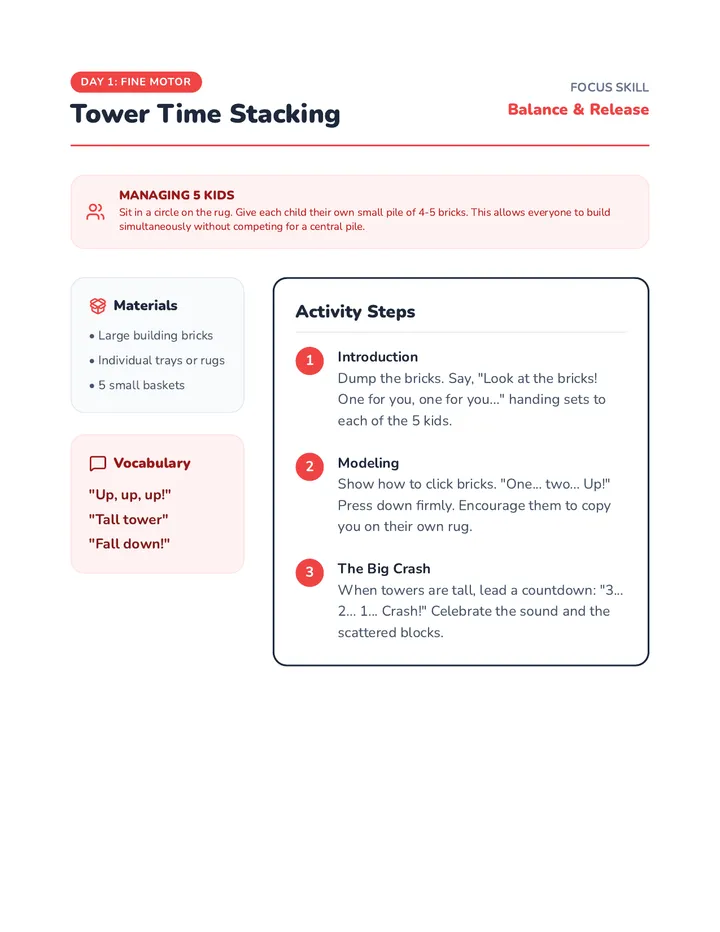
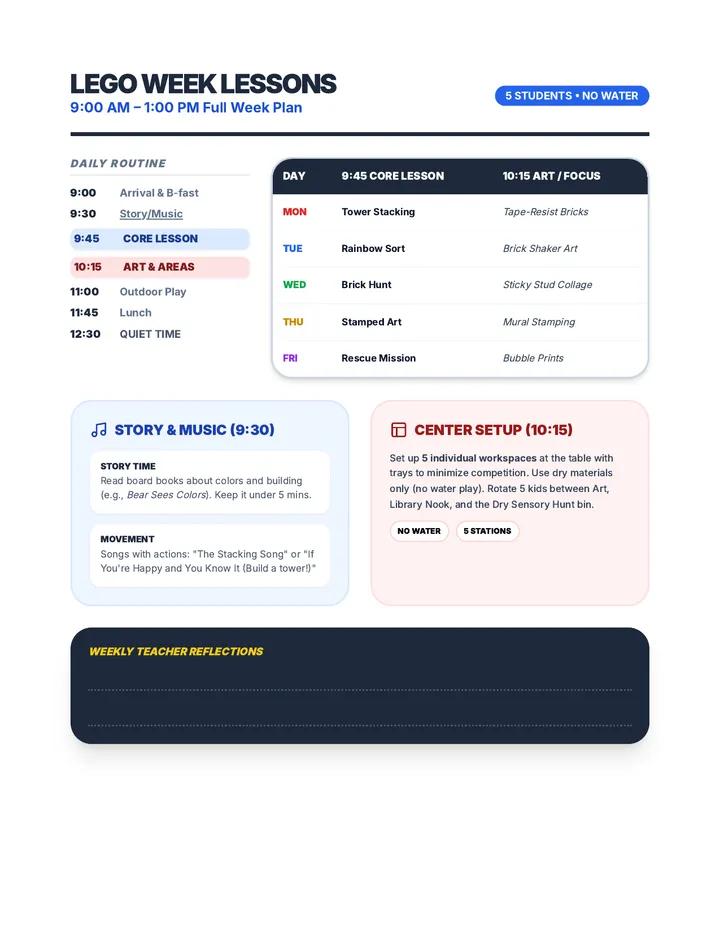
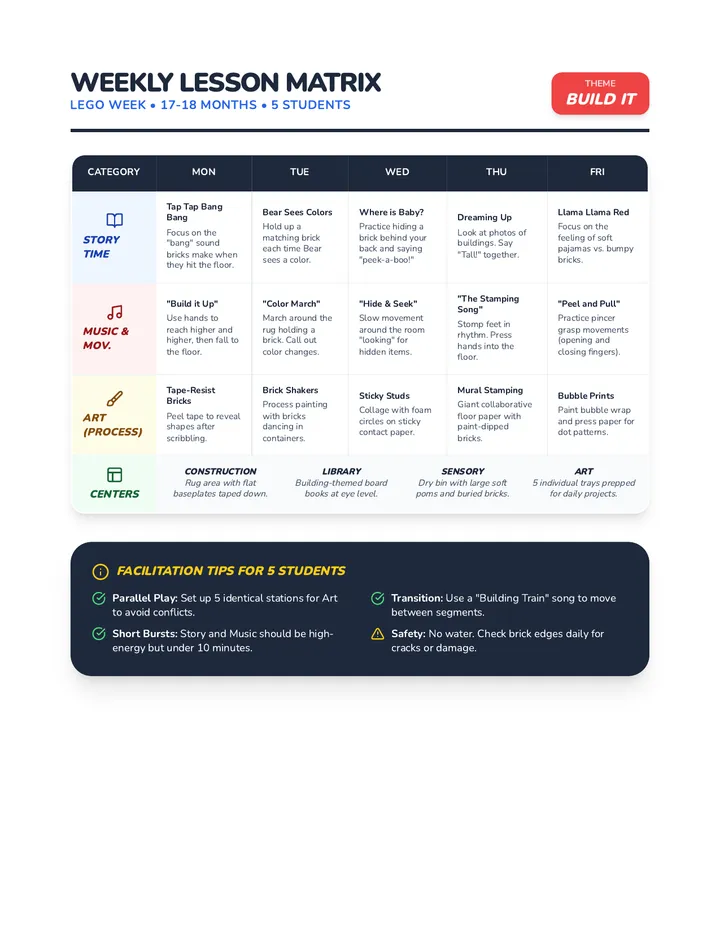
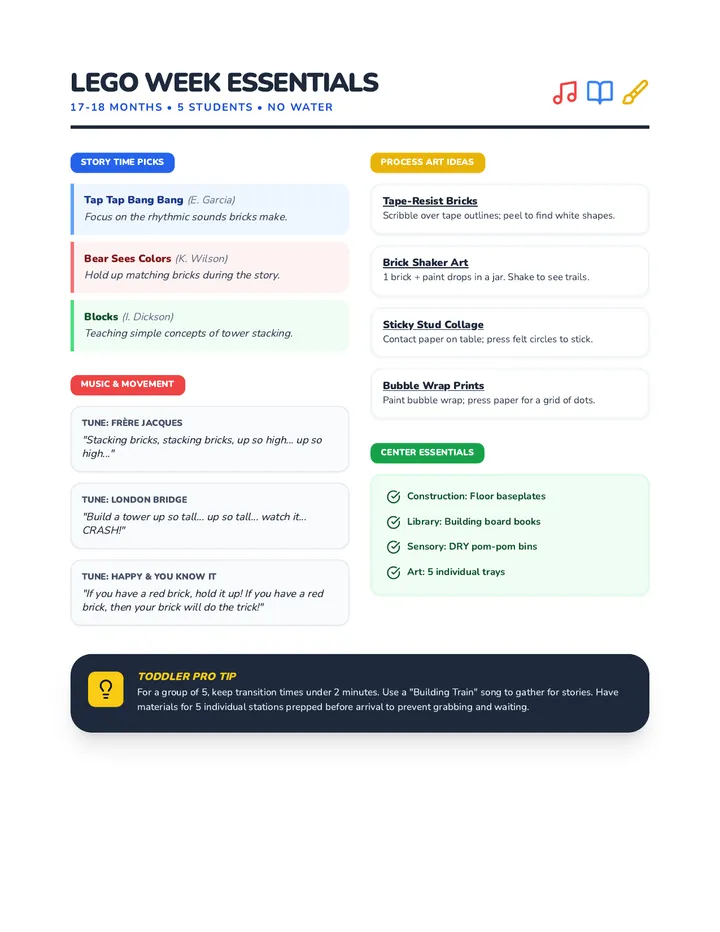
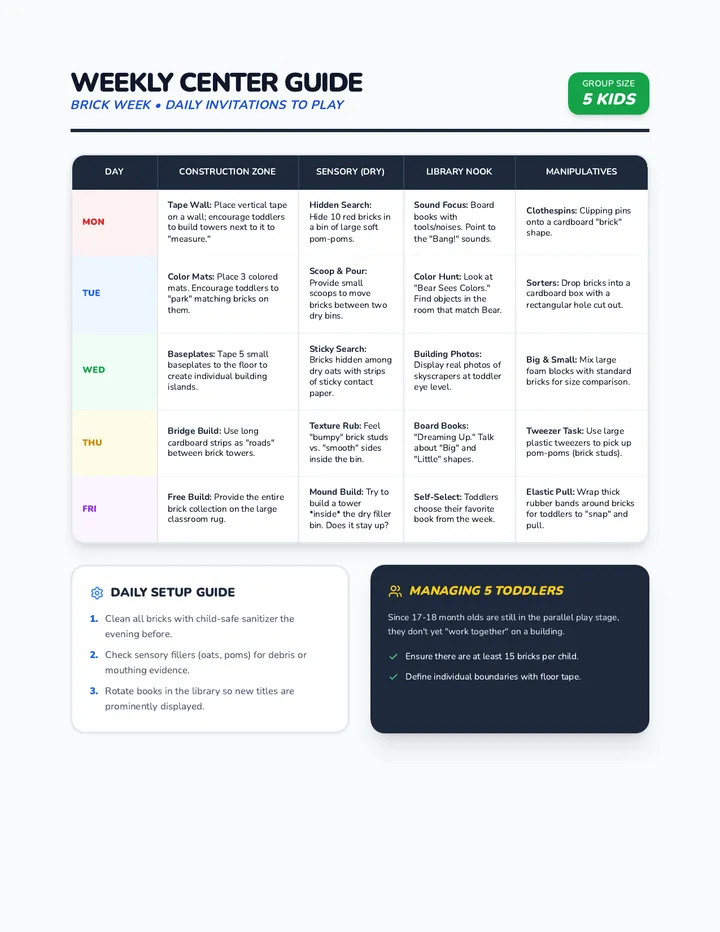
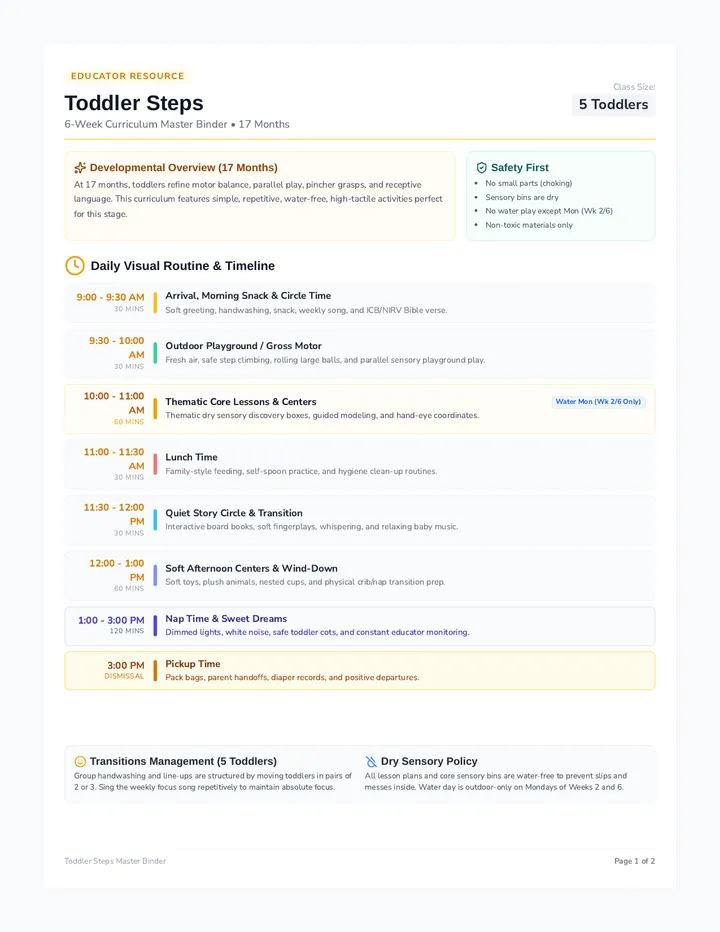
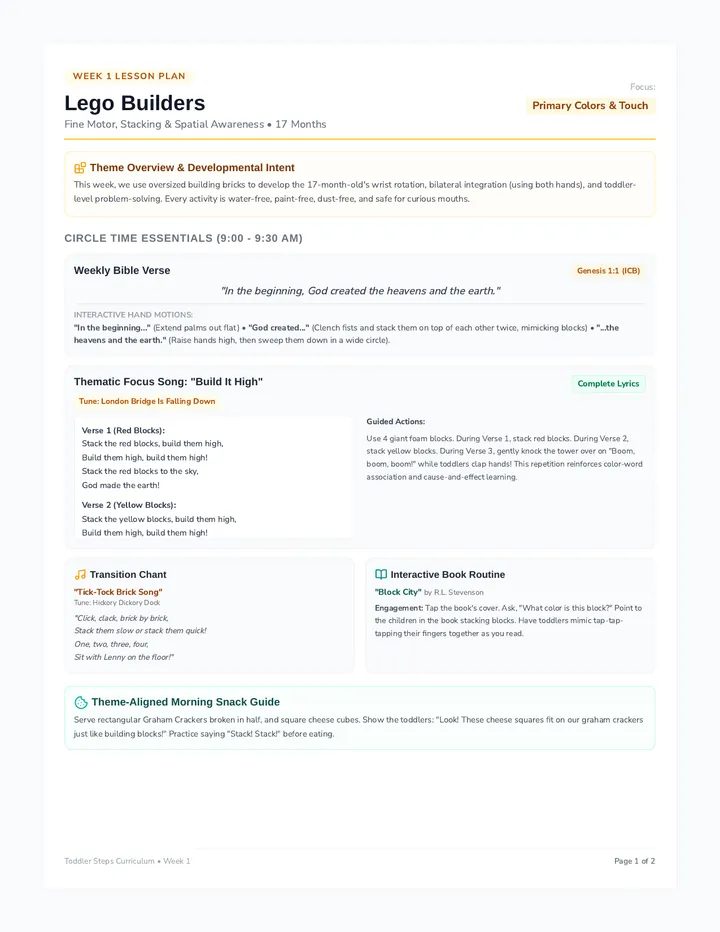
A collection of comprehensive week-long curricula for toddlers aged 17-18 months. Each themed week focuses on developmental play, sensory exploration, and fine motor skills for a group of 5 students with zero water play.
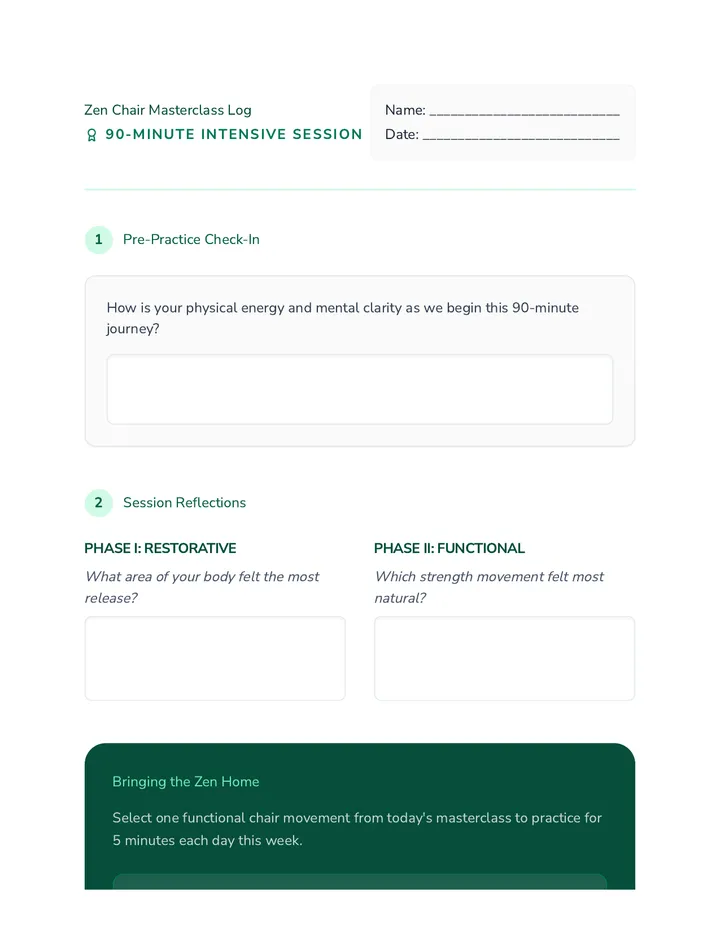
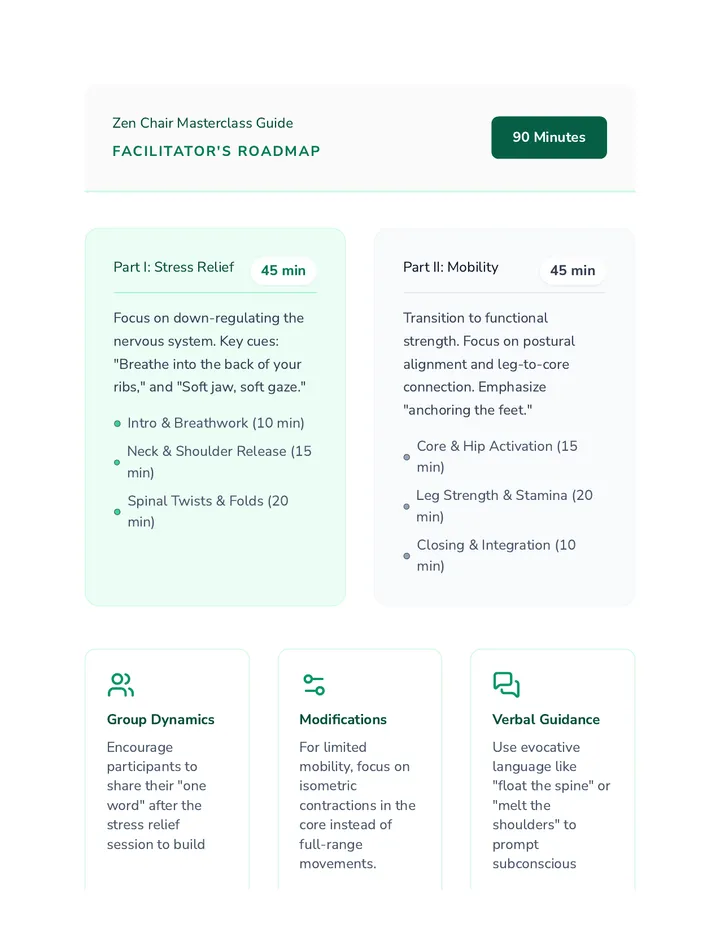
A comprehensive yoga series featuring a deep-dive chair yoga masterclass with guided videos and a follow-up standing flow session for beginners. Designed to build both mental calm and physical strength.
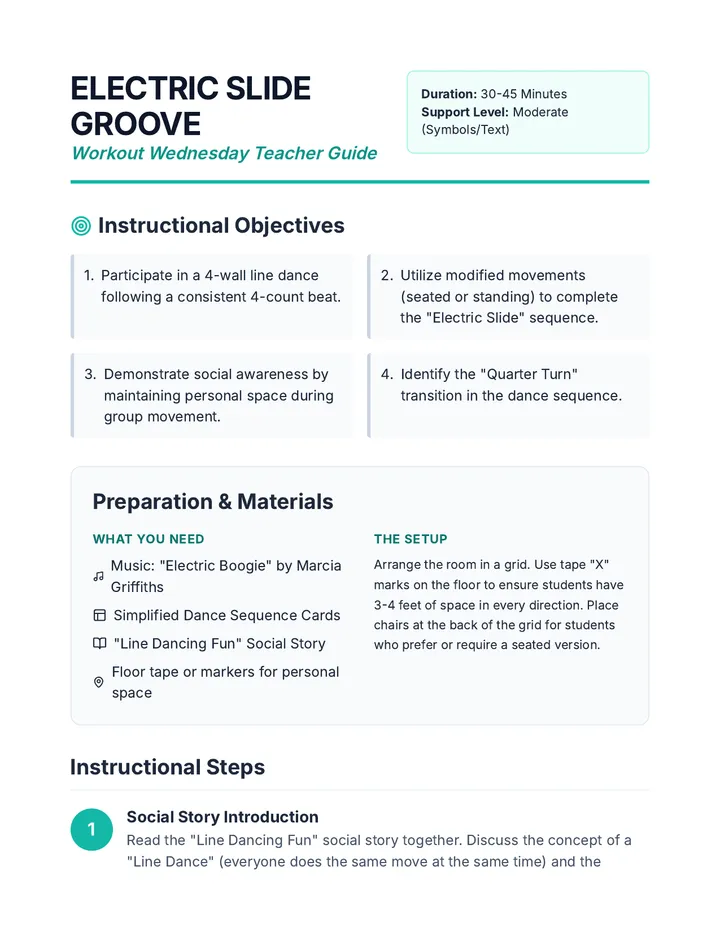
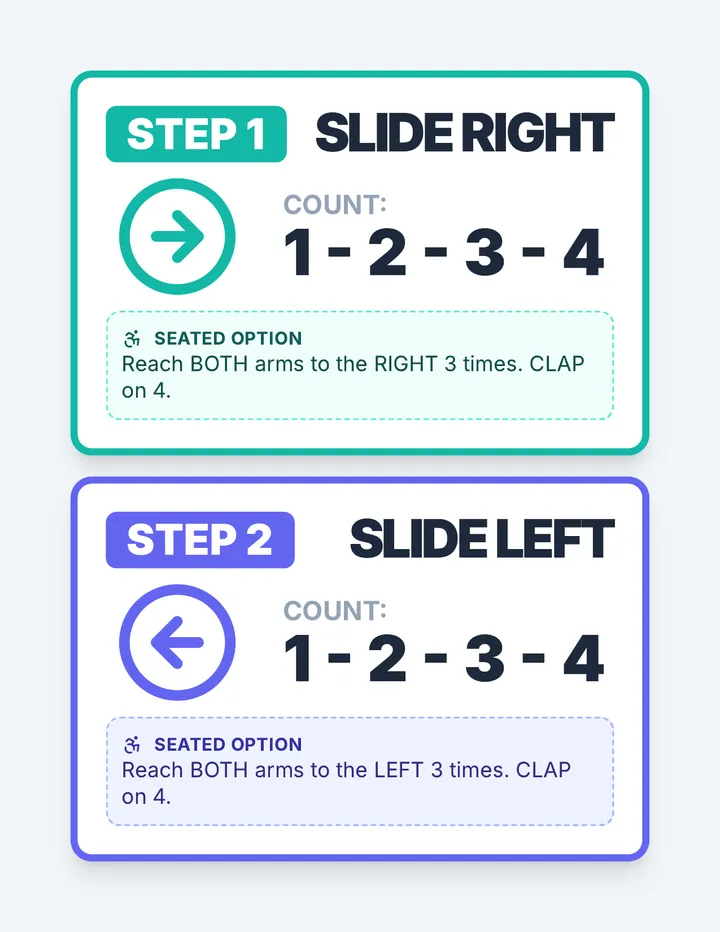
A weekly fitness and movement series designed for students of all abilities, focusing on social-emotional learning through physical activity and group coordination.
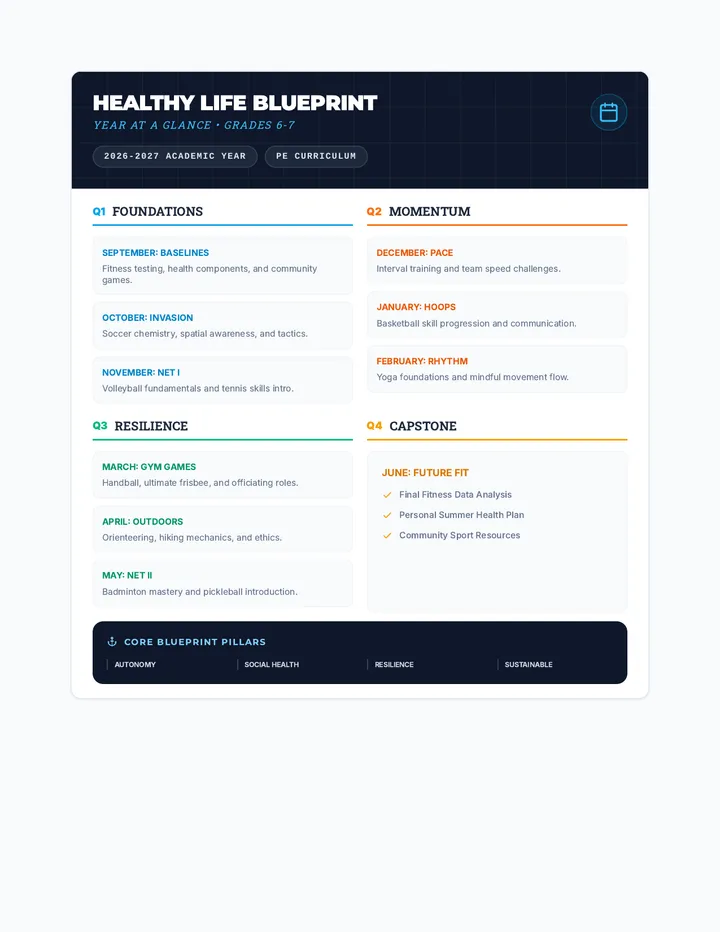
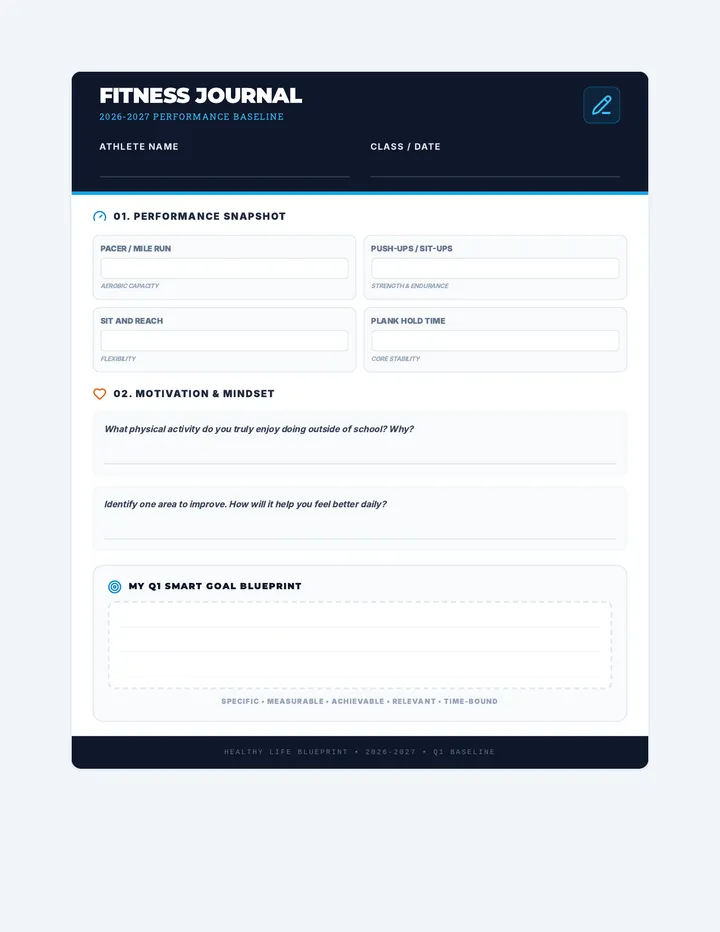
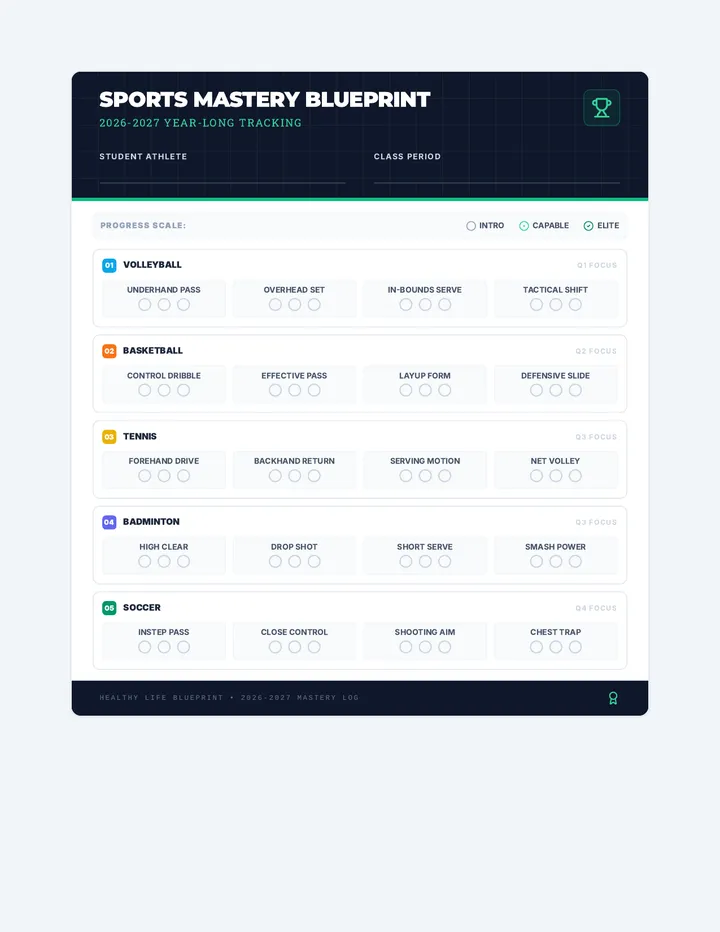
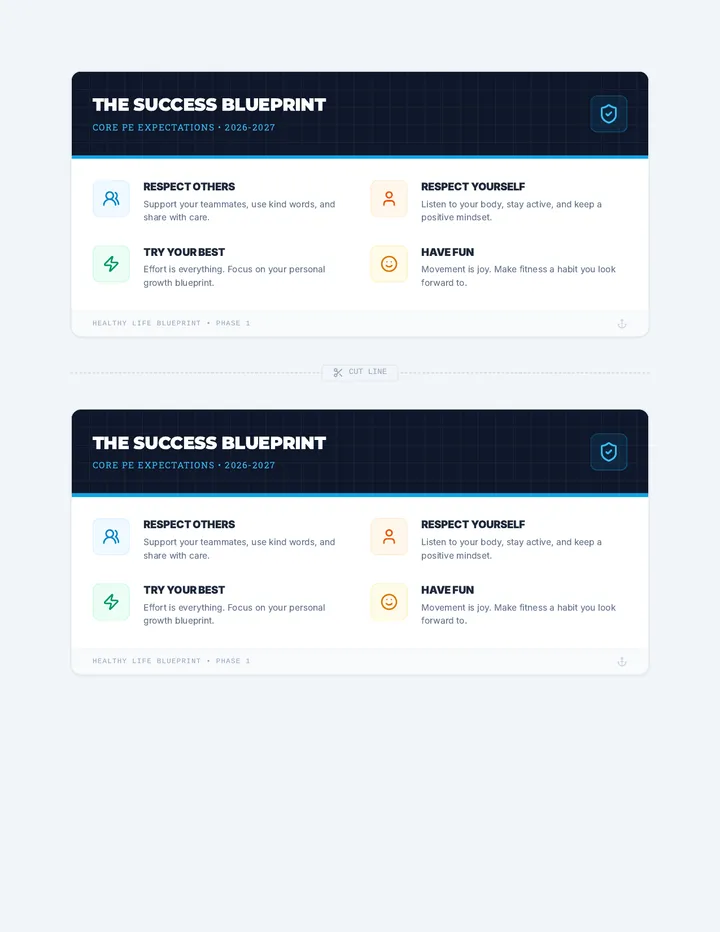
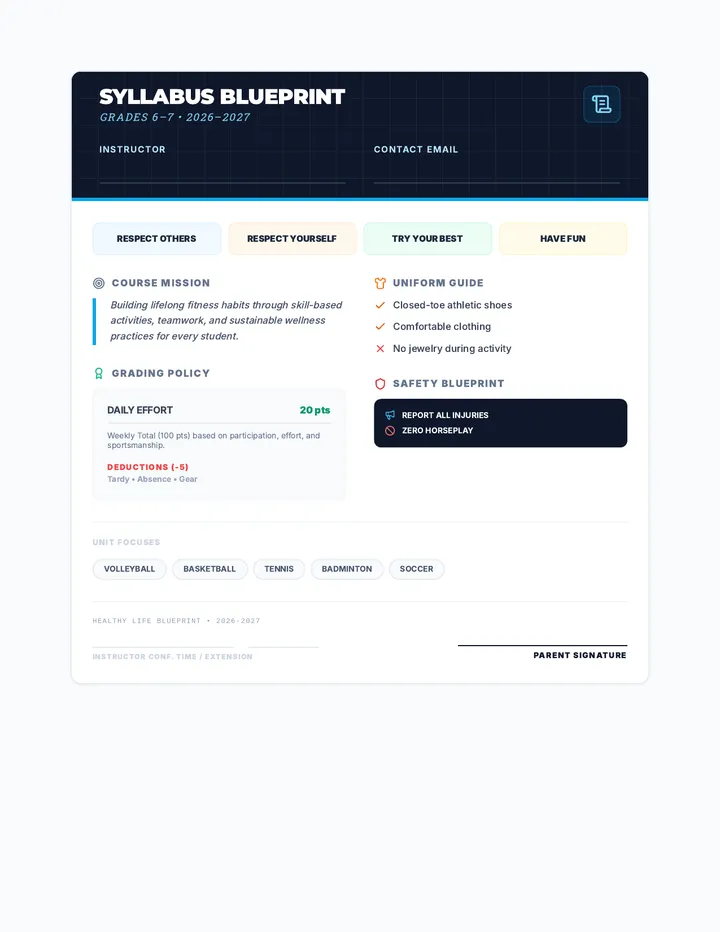
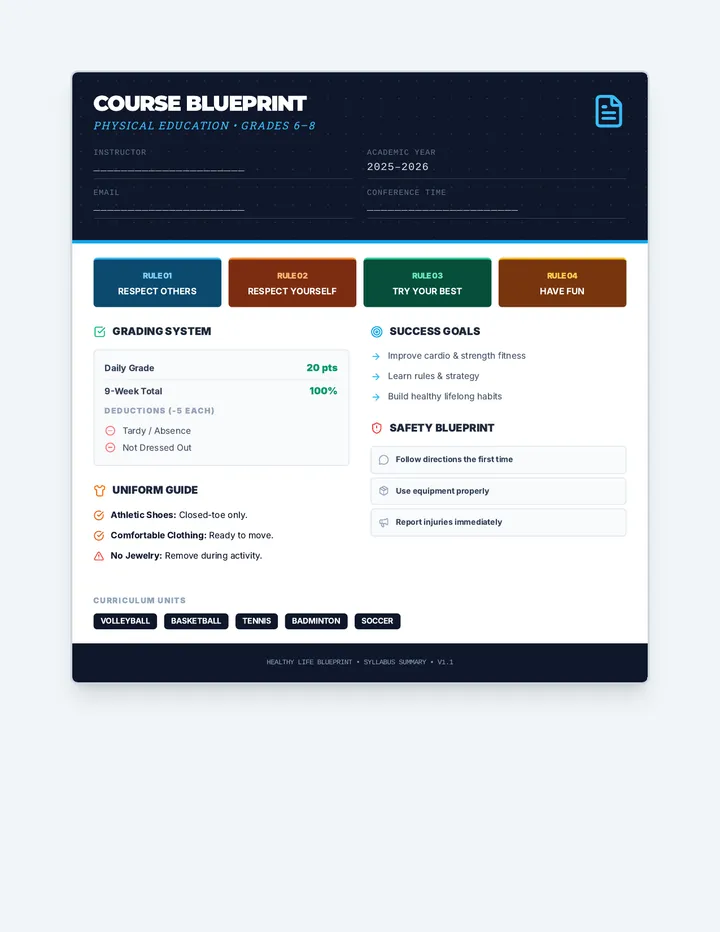
A comprehensive middle school PE curriculum for mixed 6th and 7th grade classes, focusing on developing sustainable physical health habits through varied movement, teamwork, and personal goal-setting. This year-long program balances traditional sports with modern wellness practices to ensure every student finds their path to lifelong fitness.
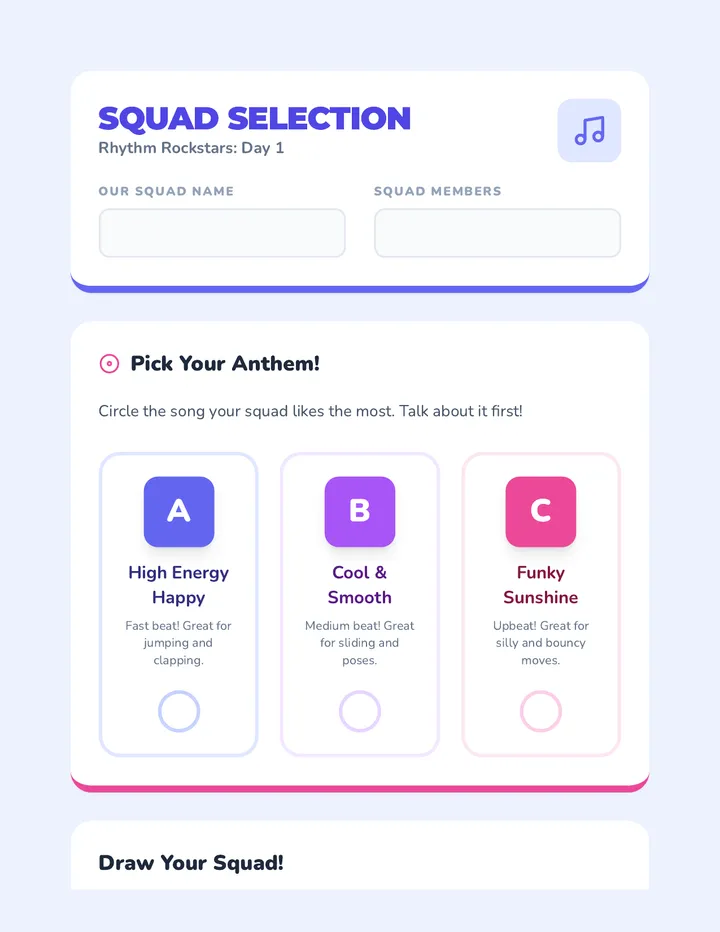
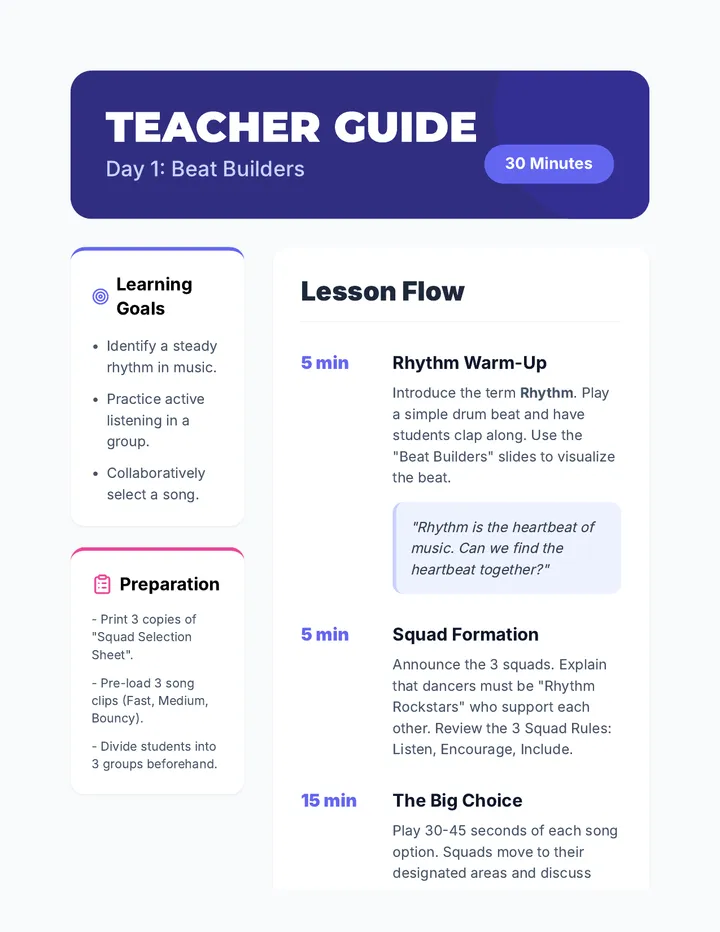
A four-day music and movement unit for K-3 students focused on collaboration, rhythm, and creative choreography. Groups work together to select songs and build original dance routines.
A comprehensive, highly detailed 6-week curriculum specifically designed for 17-month-old toddlers. Features theme-aligned daily schedules, Bible verses (NIRV/ICB), songs, sensory play, and centers tailored for this developmental stage.
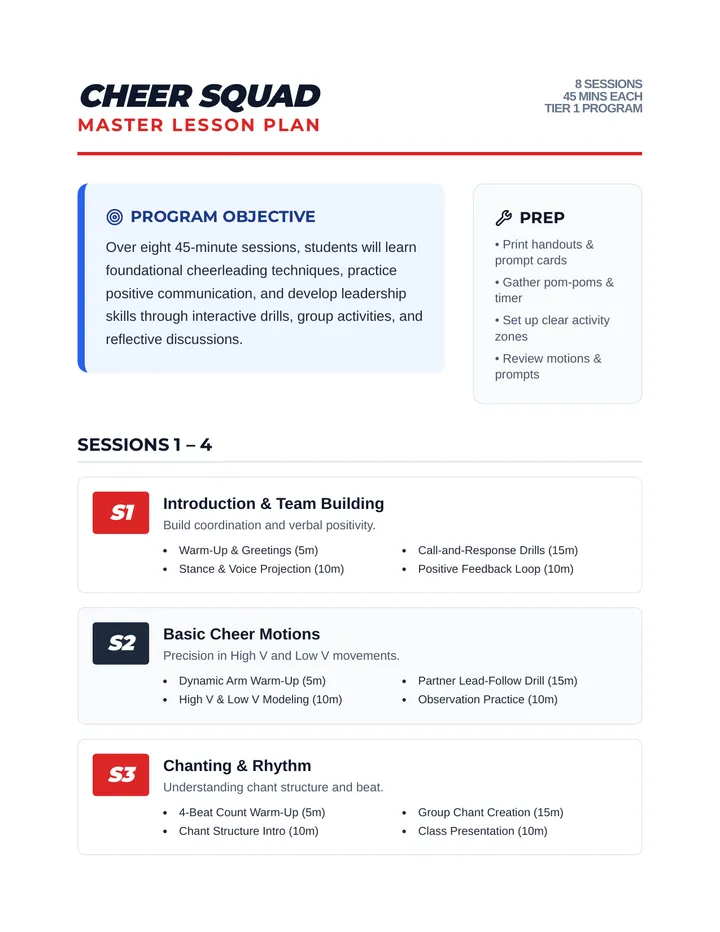
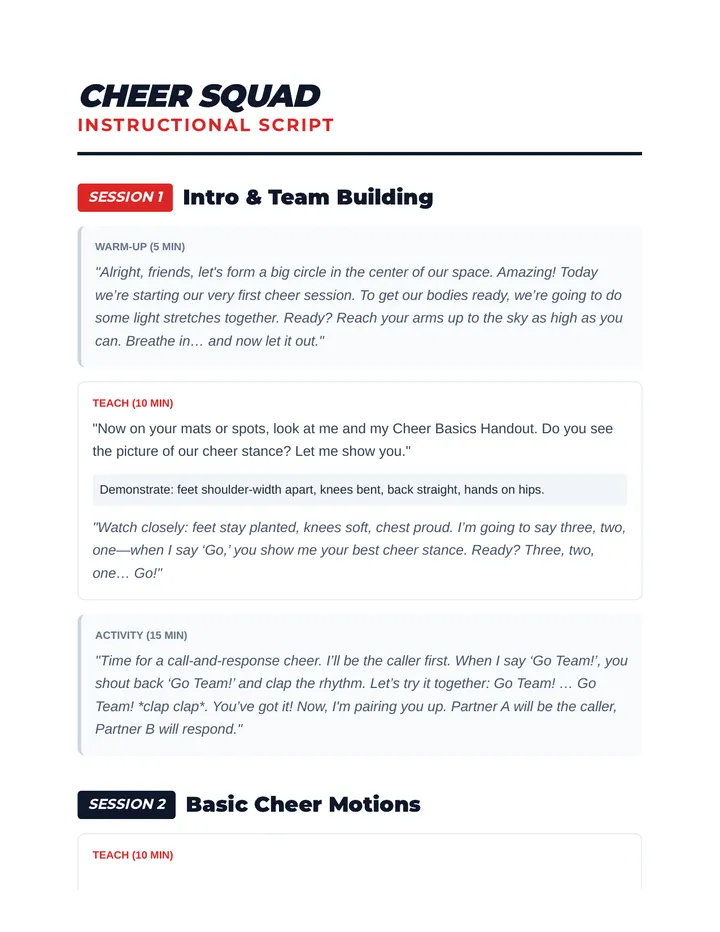
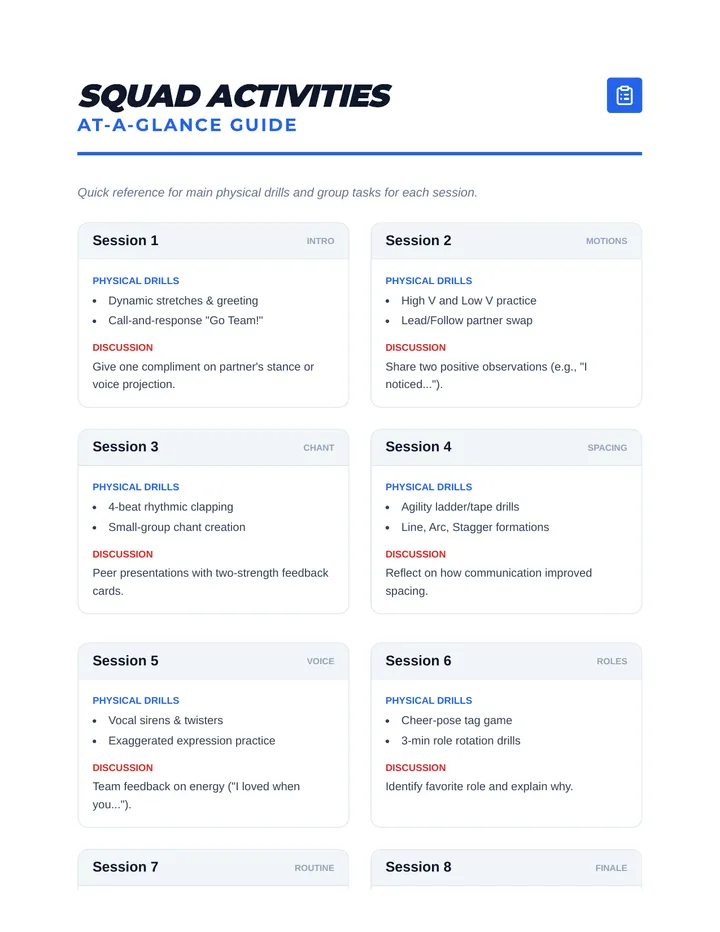
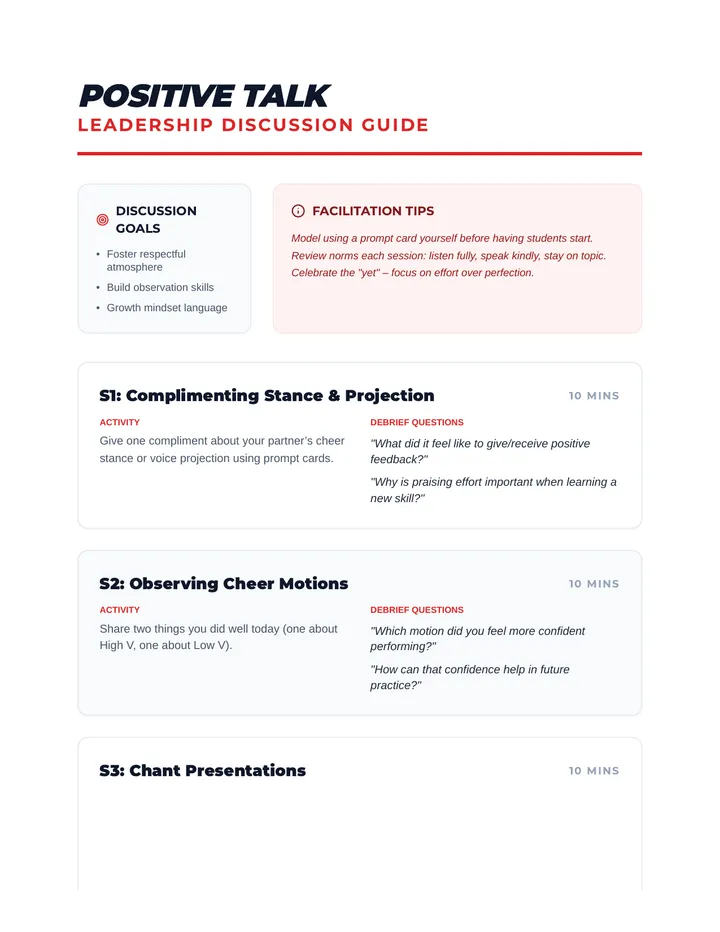
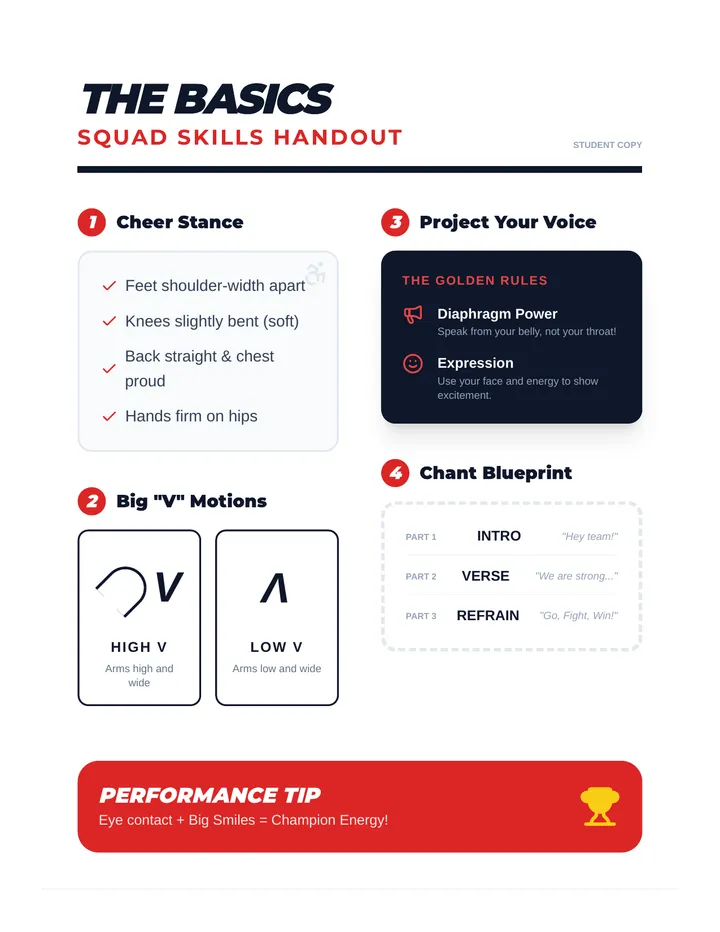
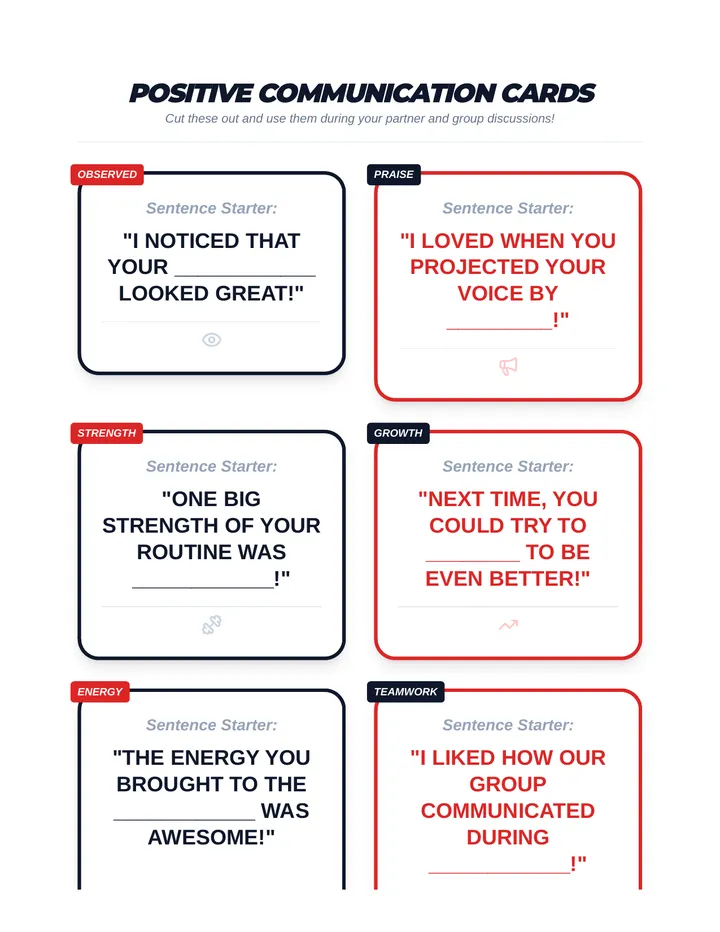
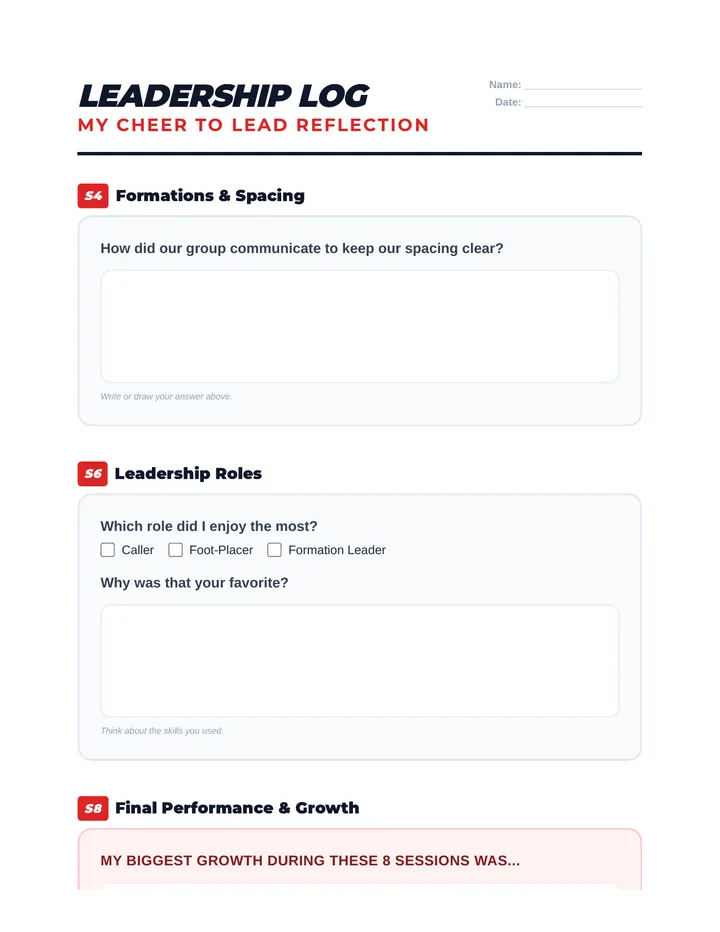
An 8-session Tier 1 social-emotional and physical activity program that builds leadership through foundational cheerleading.
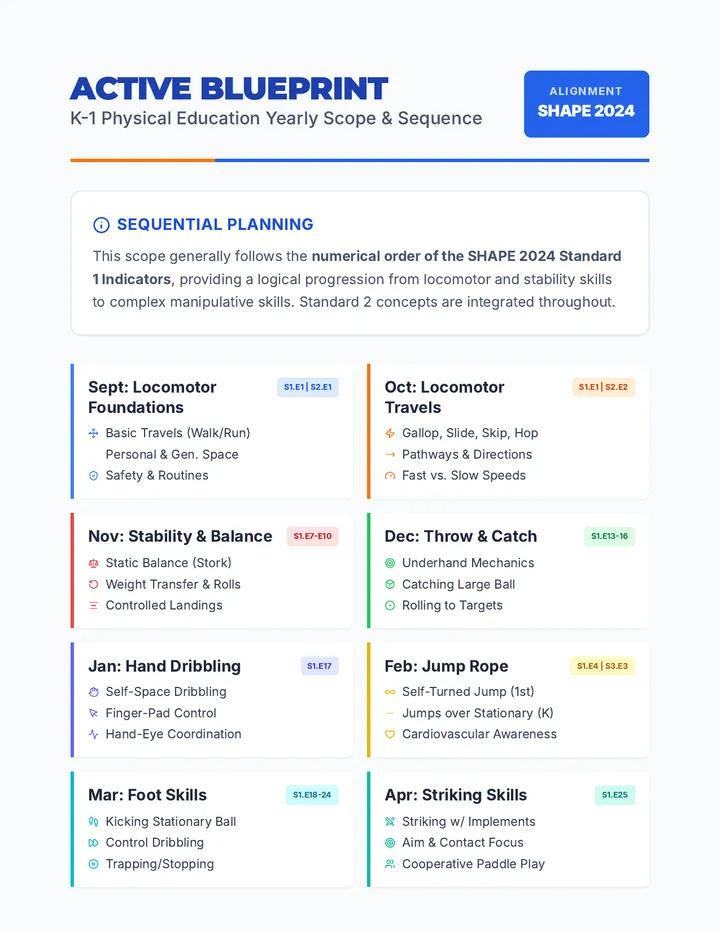
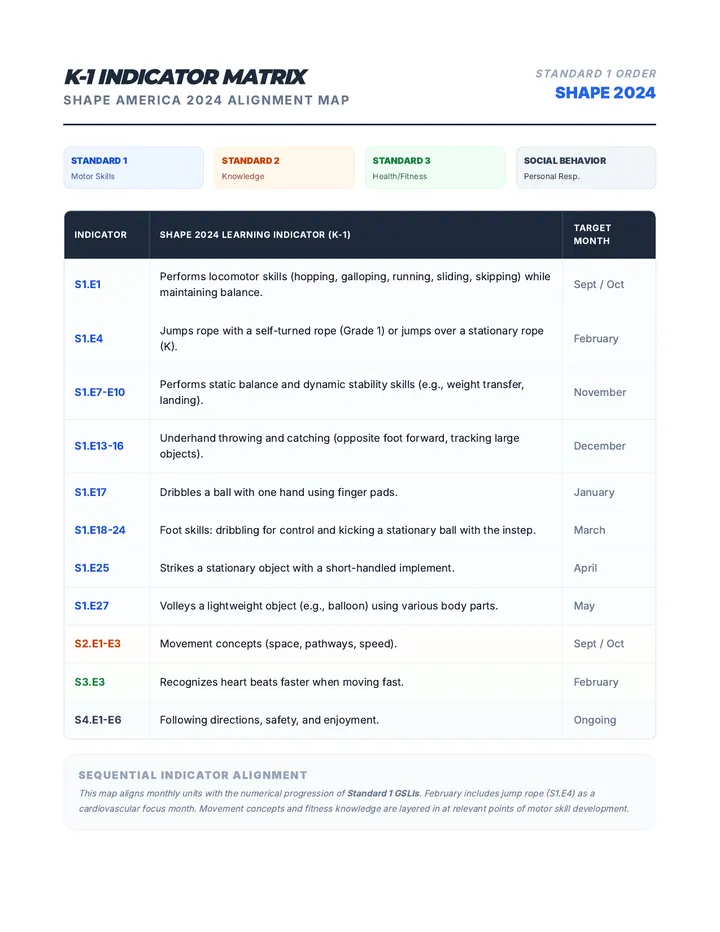
A comprehensive yearly planning guide for K-1 Physical Education using the updated 2024 SHAPE America Standards.
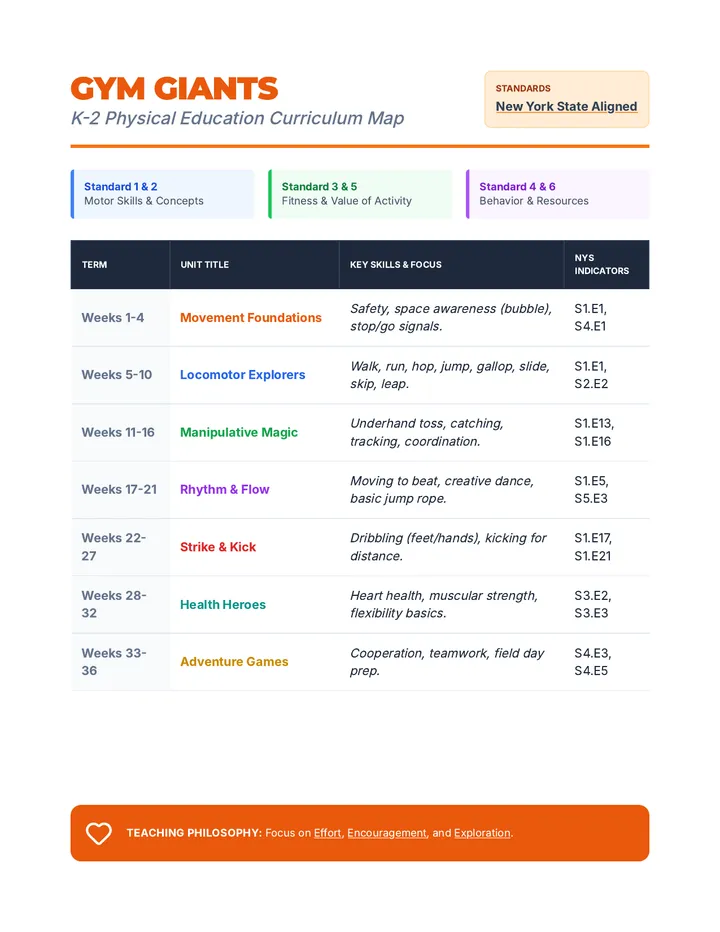
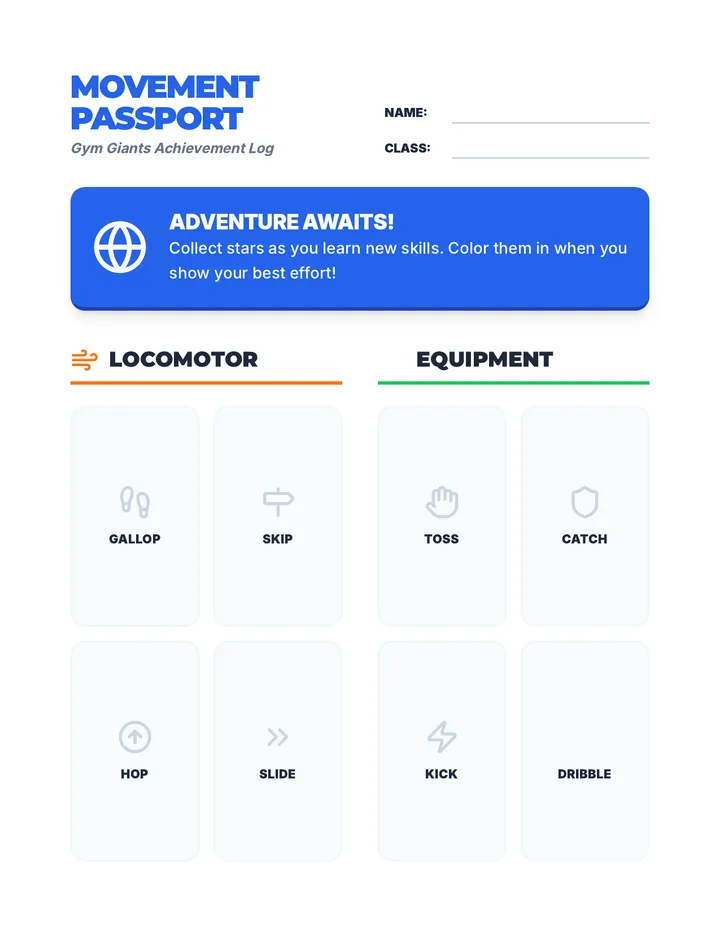
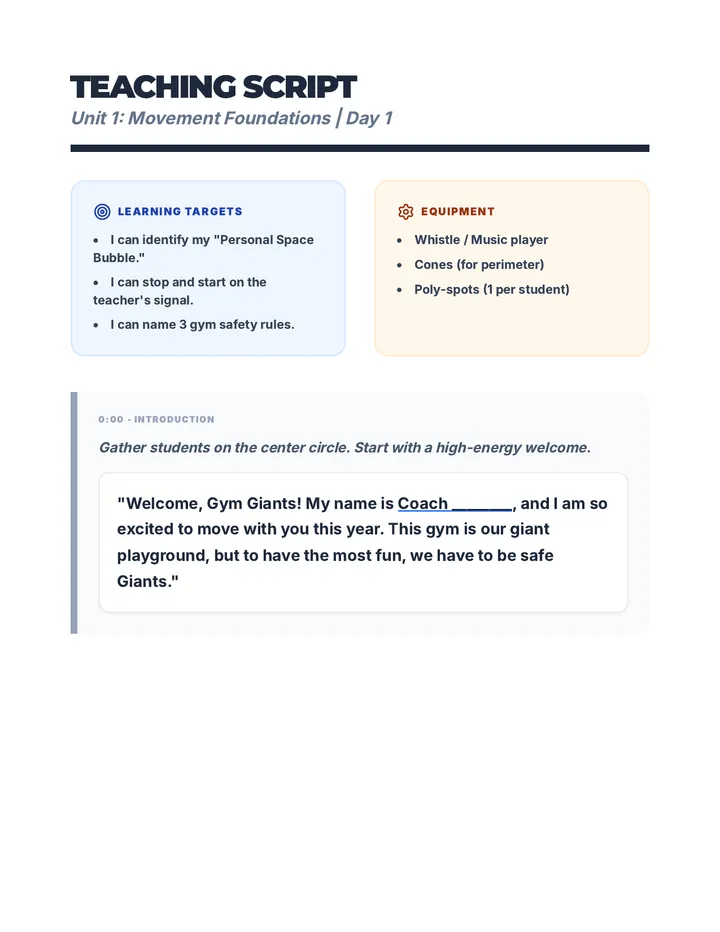
A comprehensive K-2 Physical Education curriculum aligned with New York State Physical Education Learning Standards, focusing on motor skill development, spatial awareness, and social-emotional learning through play-based discovery.
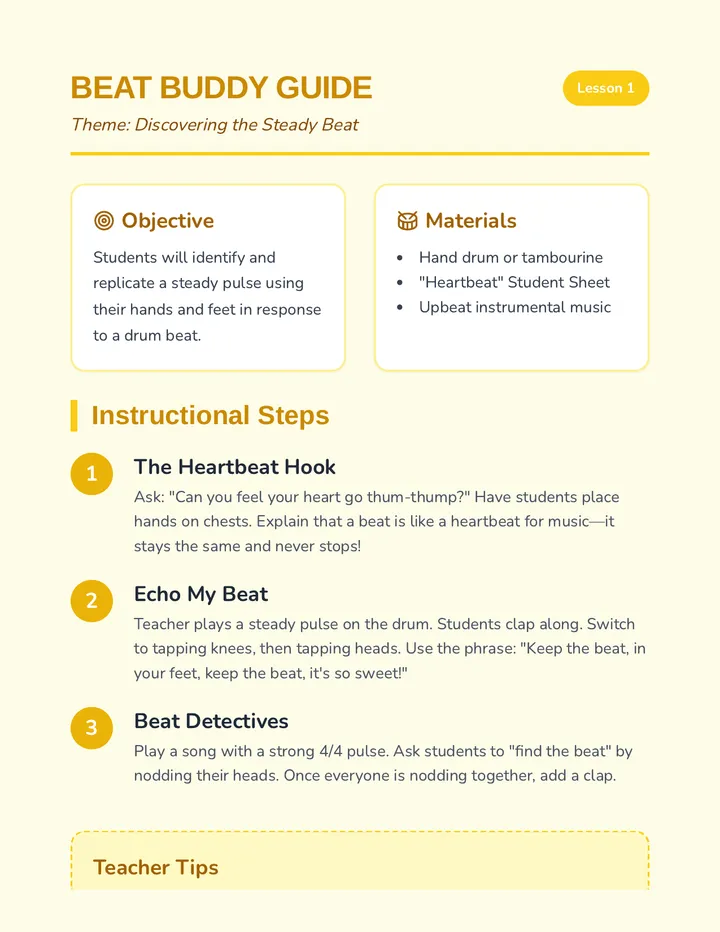
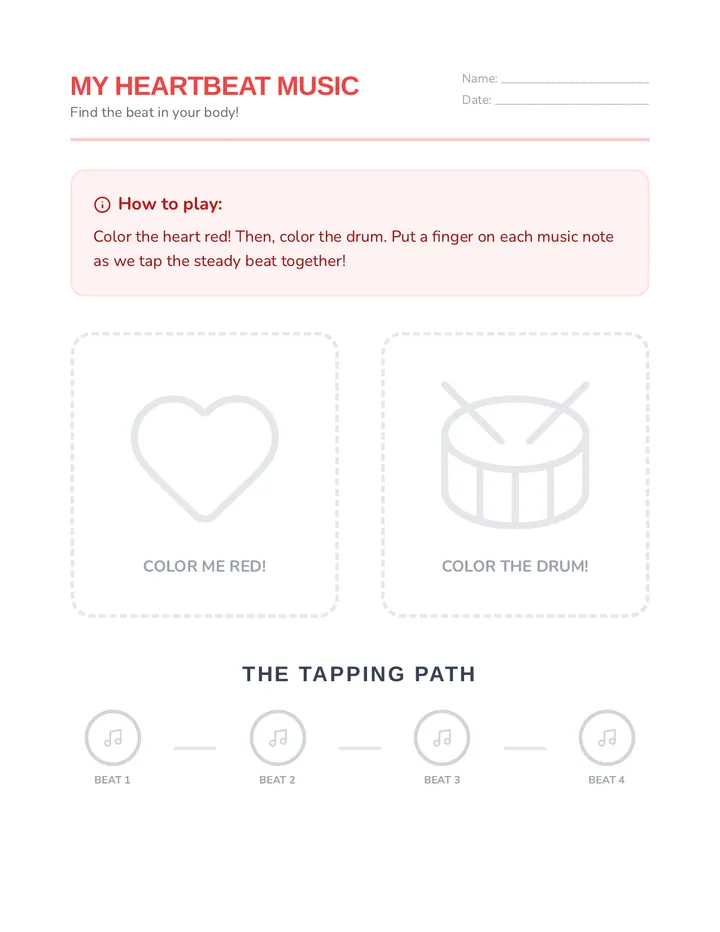
A sequence for Pre-K students focused on developing rhythmic awareness through auditory discrimination and movement synchronization. Students explore the concepts of steady beat, marching in time, tempo (fast/slow), impulse control (freeze dance), and body percussion patterns.
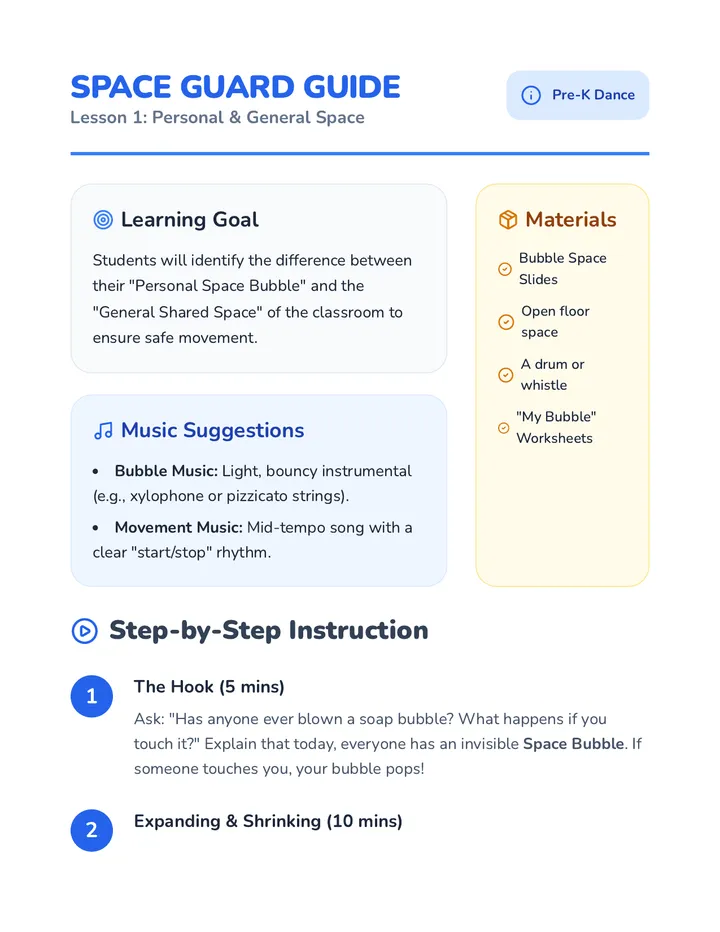
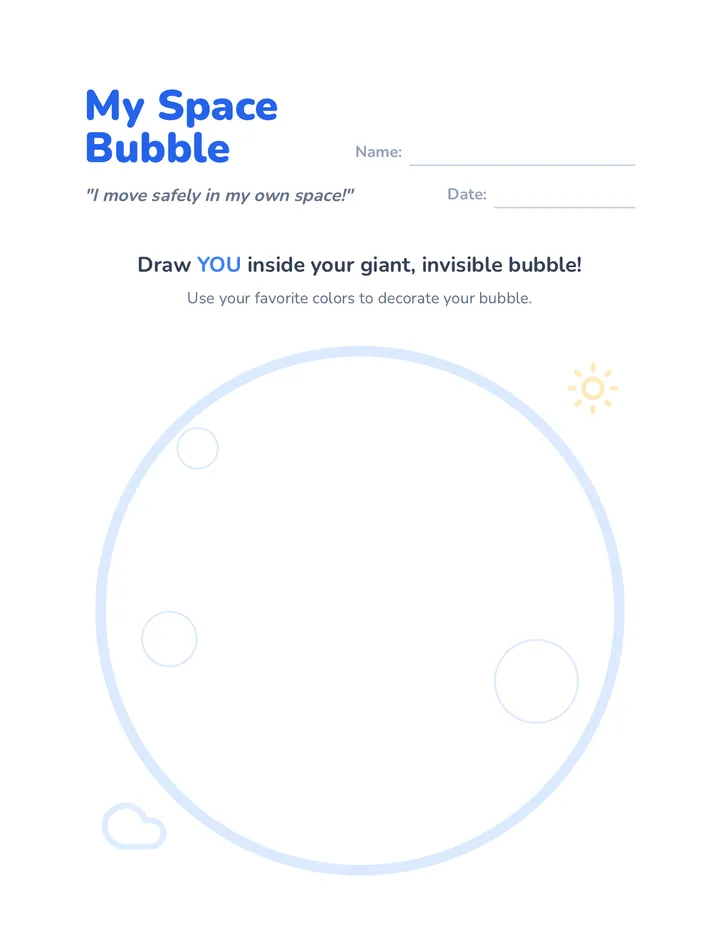
A 5-lesson unit for Pre-K students exploring creative movement through spatial awareness, levels, pathways, tempo, and motor control. Students develop body awareness and safety while having fun with imaginative dance concepts.
A foundational dance sequence for Pre-K students exploring movement patterns, sequencing, and repetition to build choreography skills. Students move from mirroring simple actions to creating and looping three-step sequences.
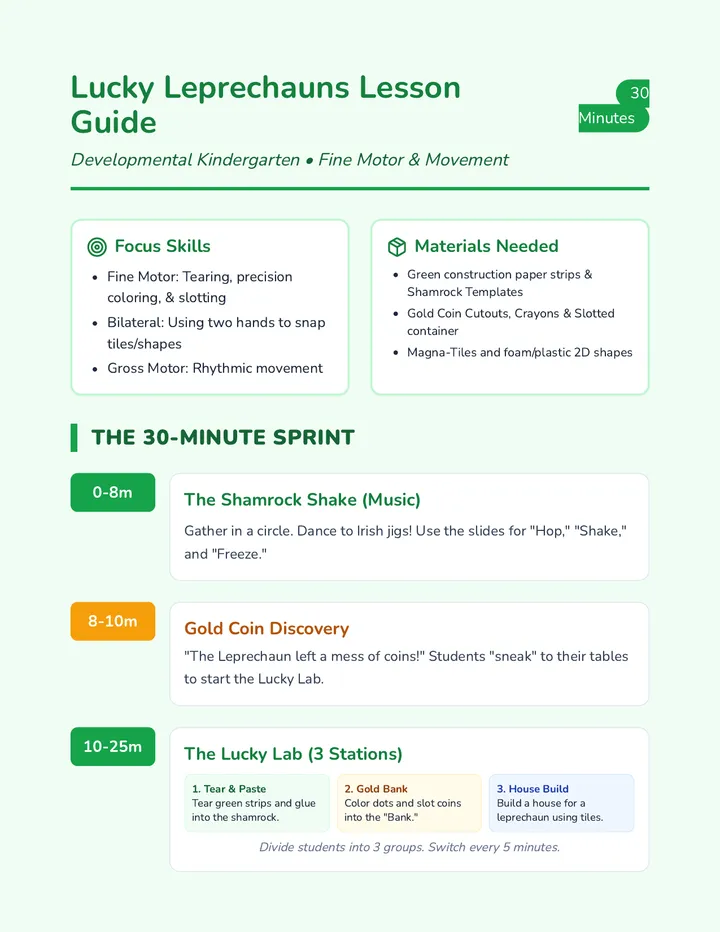
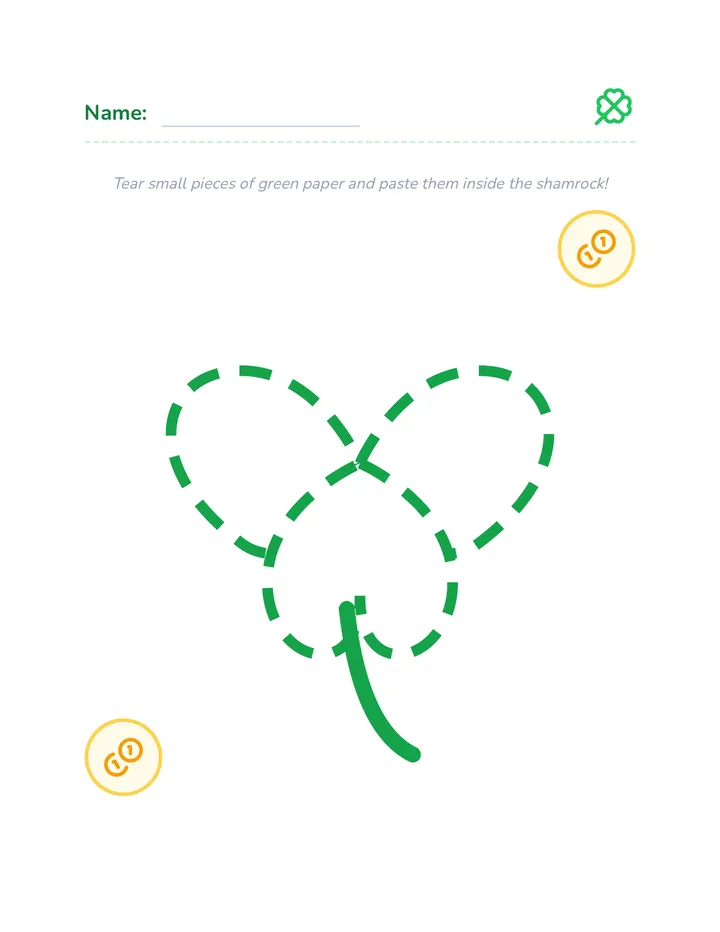
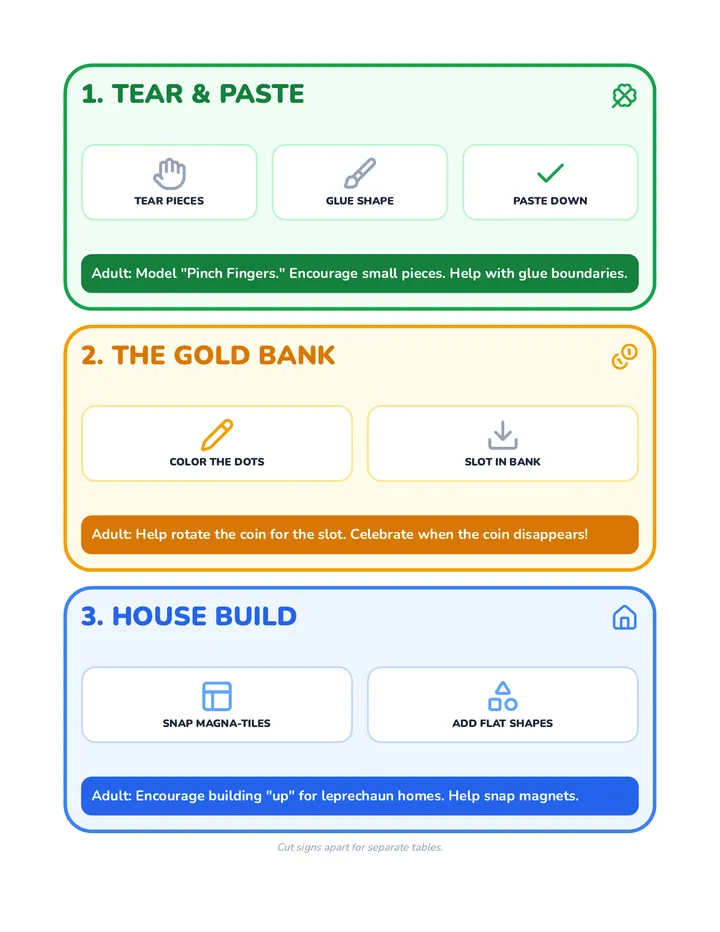
A high-energy, 30-minute St. Patrick's Day lesson focusing on fine motor skills through a 'Tear and Paste' shamrock craft and a 'Shamrock Shake' movement activity. Designed specifically for developmental kindergarteners with short attention spans.
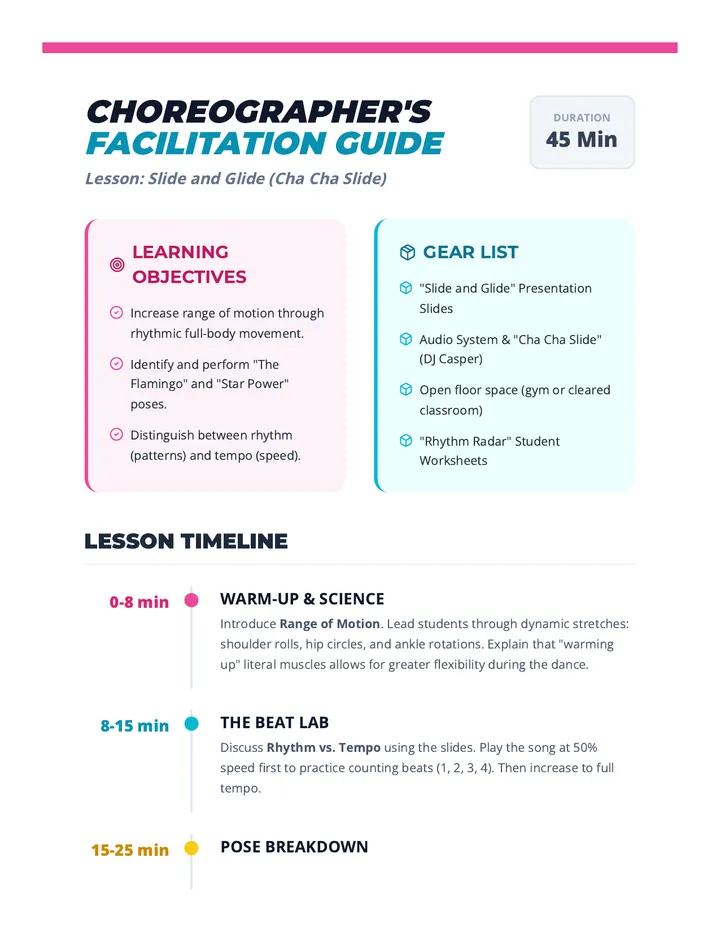
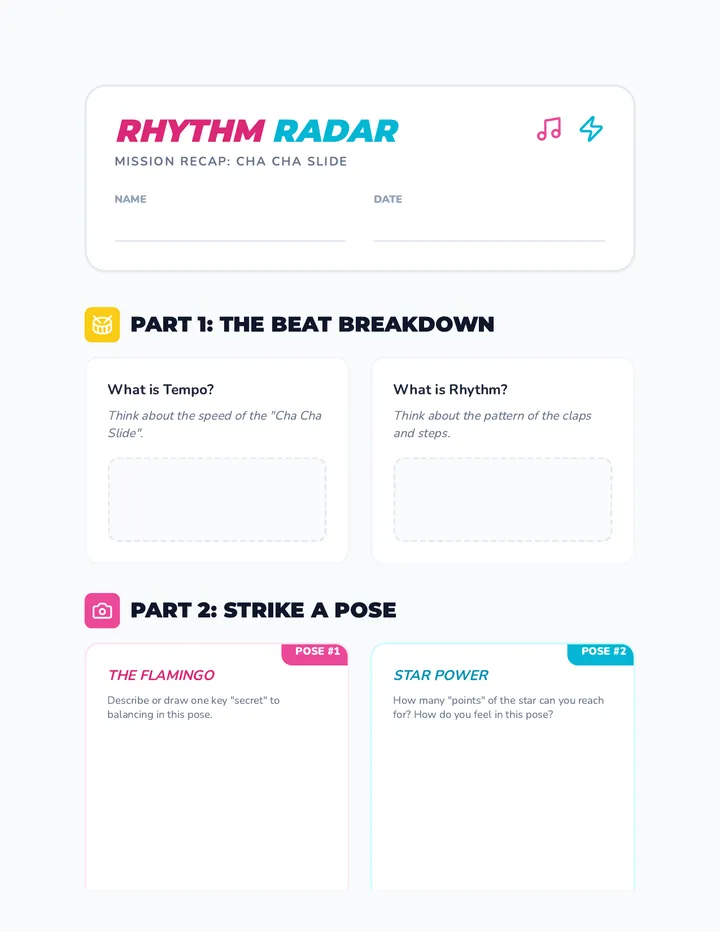
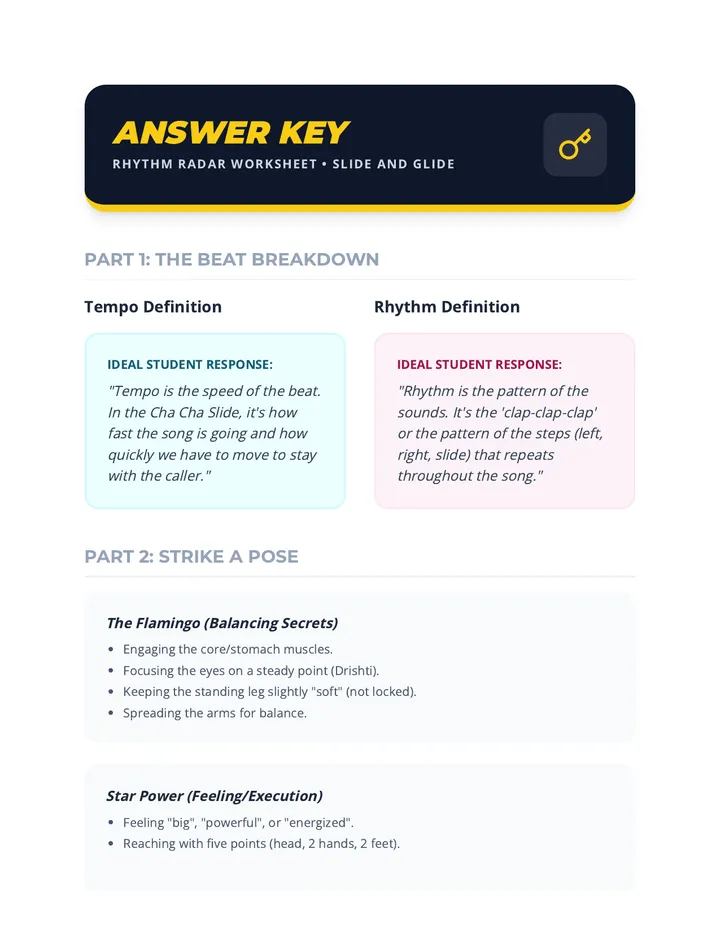
A high-energy dance lesson focused on the Cha Cha Slide to improve flexibility, master rhythm, and explore creative dance poses. Students will learn the signature moves while understanding the musical elements that drive the beat.
A high-energy introduction to line dancing focused on the Cha Cha Slide. This lesson covers room configuration, basic movement patterns, and group synchronization while prioritizing accessibility and confidence.
A 45-minute introduction to hula that blends cultural storytelling with foundational movement. Students will learn the difference between Kahiko and 'Auana styles and practice basic footwork and hand gestures.
A comprehensive curriculum layout and resource set designed for toddlers aged 17-18 months, focusing on developmental play across six thematic weeks.
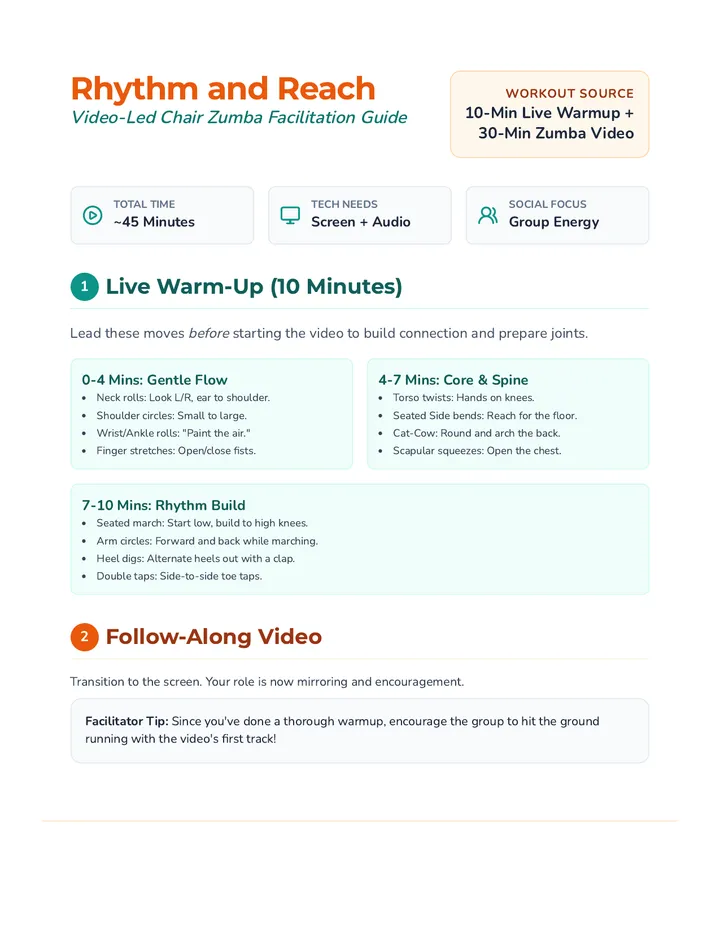
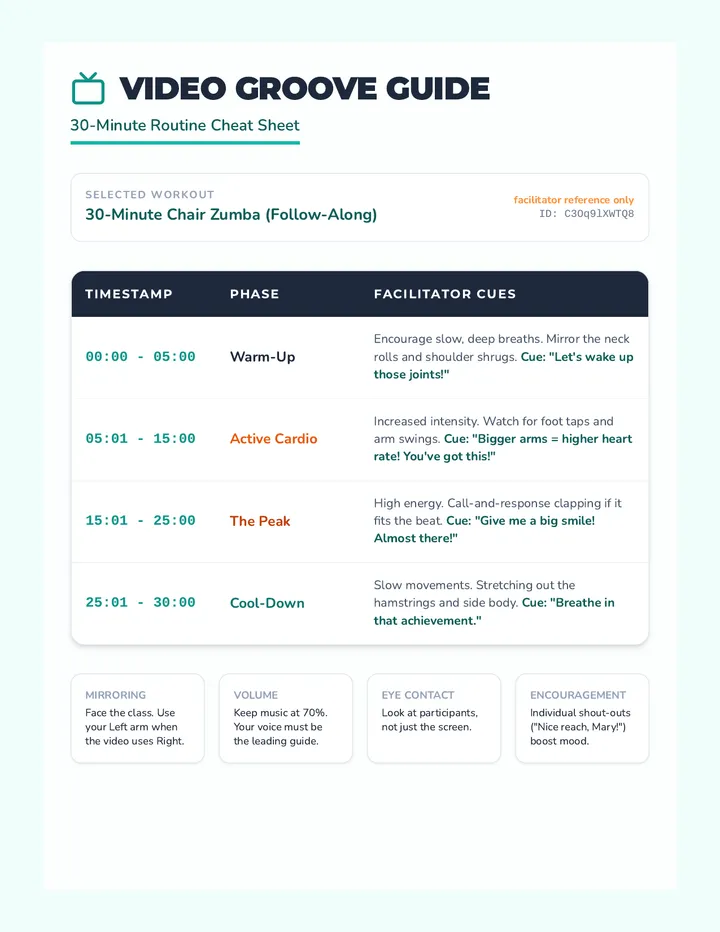
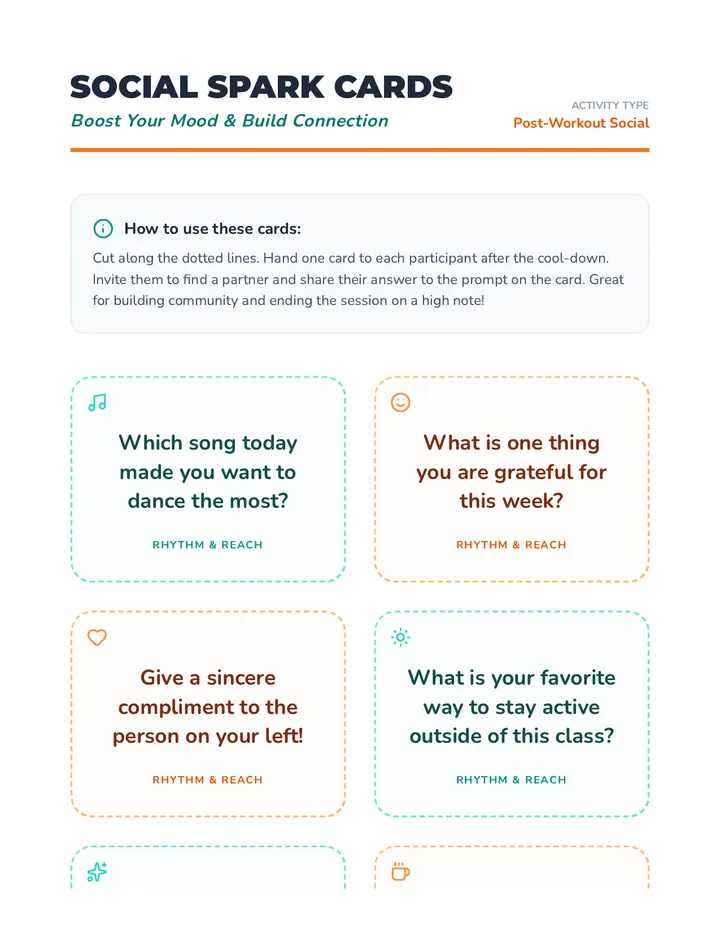
A high-energy, inclusive 30-minute seated workout designed to improve cardiovascular health and boost mood through rhythmic movement and social connection.
A high-energy pom dance lesson for beginner to intermediate students, featuring choreography to 'Under the Sea' from The Little Mermaid. Focuses on sharp pom motions, formations, and performance energy.
An energetic, dance-infused physical education lesson plan focusing on cardiovascular endurance, rhythm tracking, and motor coordination through structured choreography and creative movement.
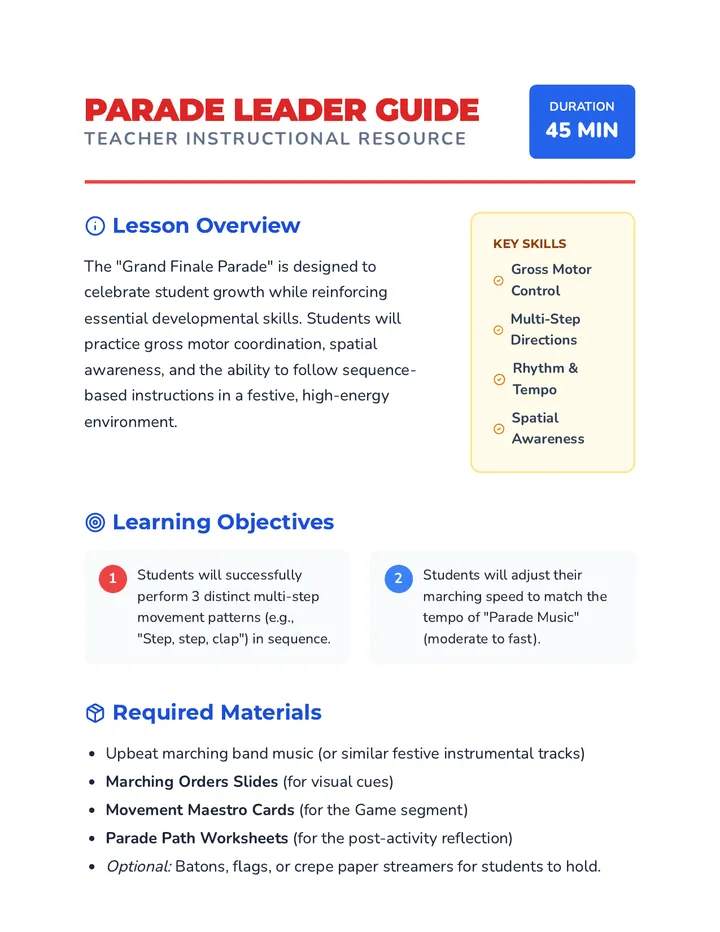
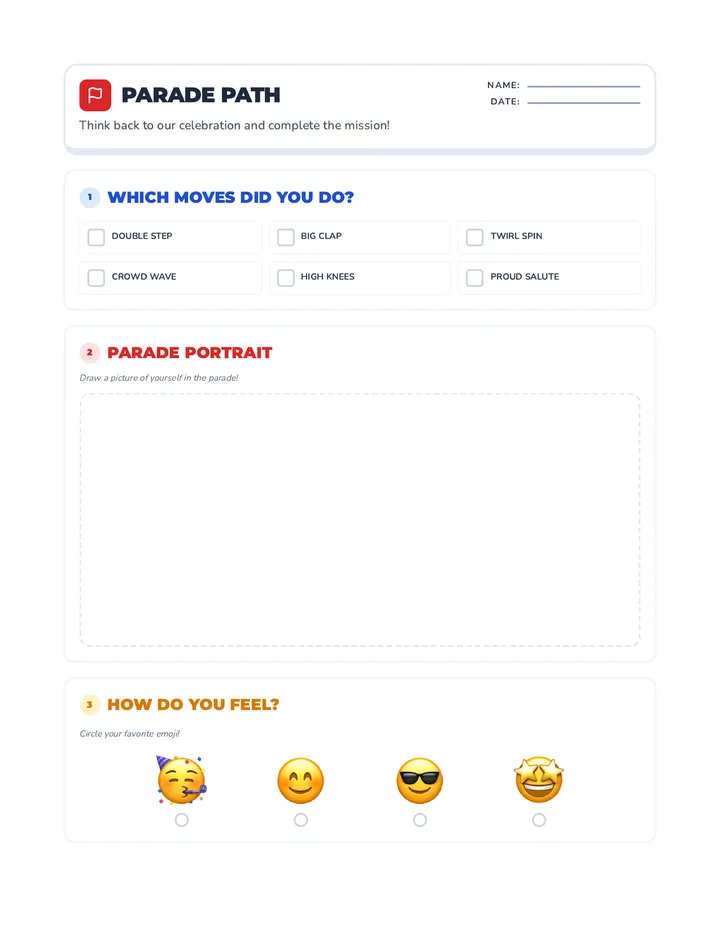
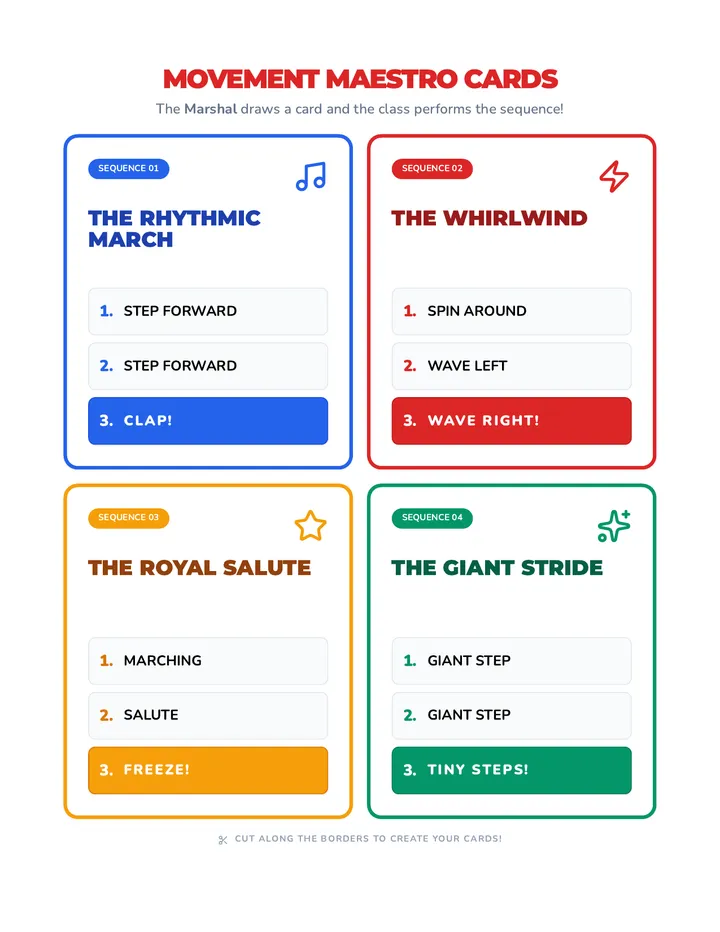
A high-energy, movement-based lesson where students practice gross motor coordination and multi-step directions through a musical parade celebration.
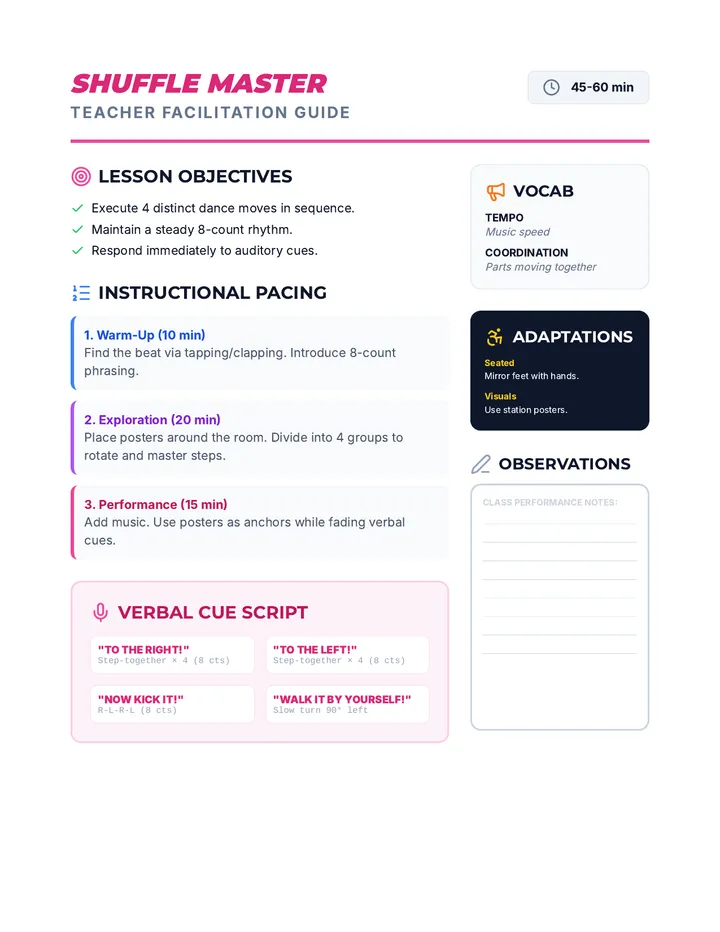
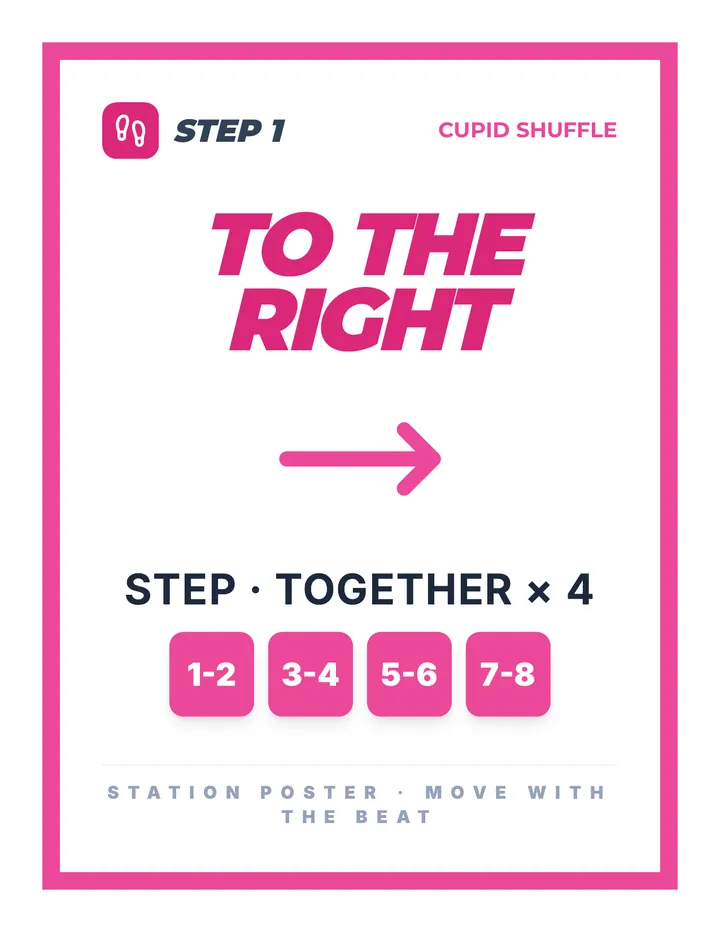
A high-energy lesson focused on mastering the Cupid Shuffle while developing rhythm recognition, coordination, and the ability to follow multi-step auditory instructions.
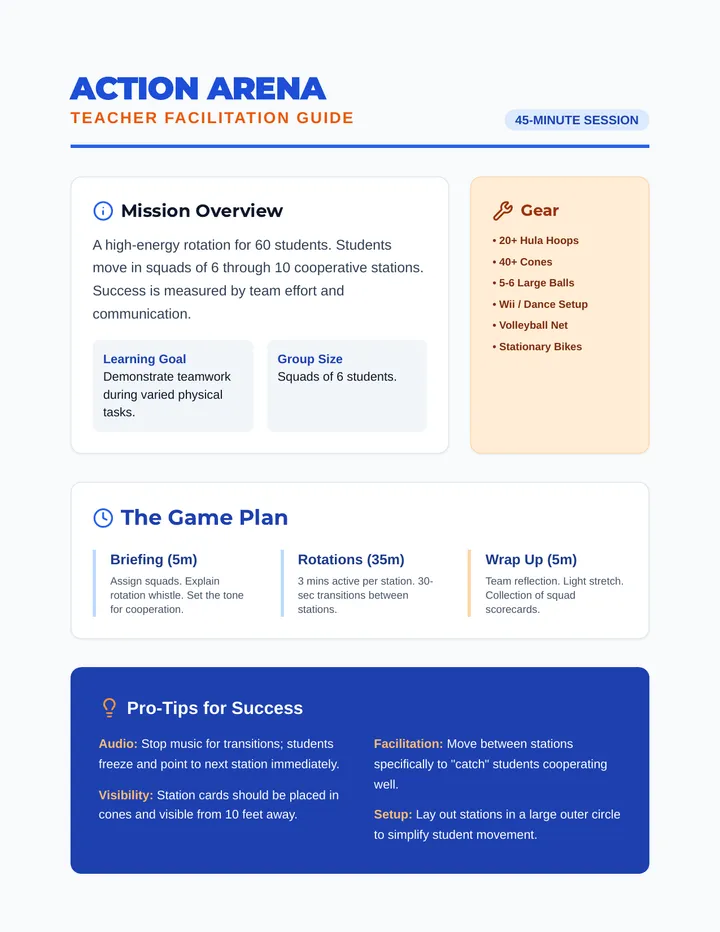
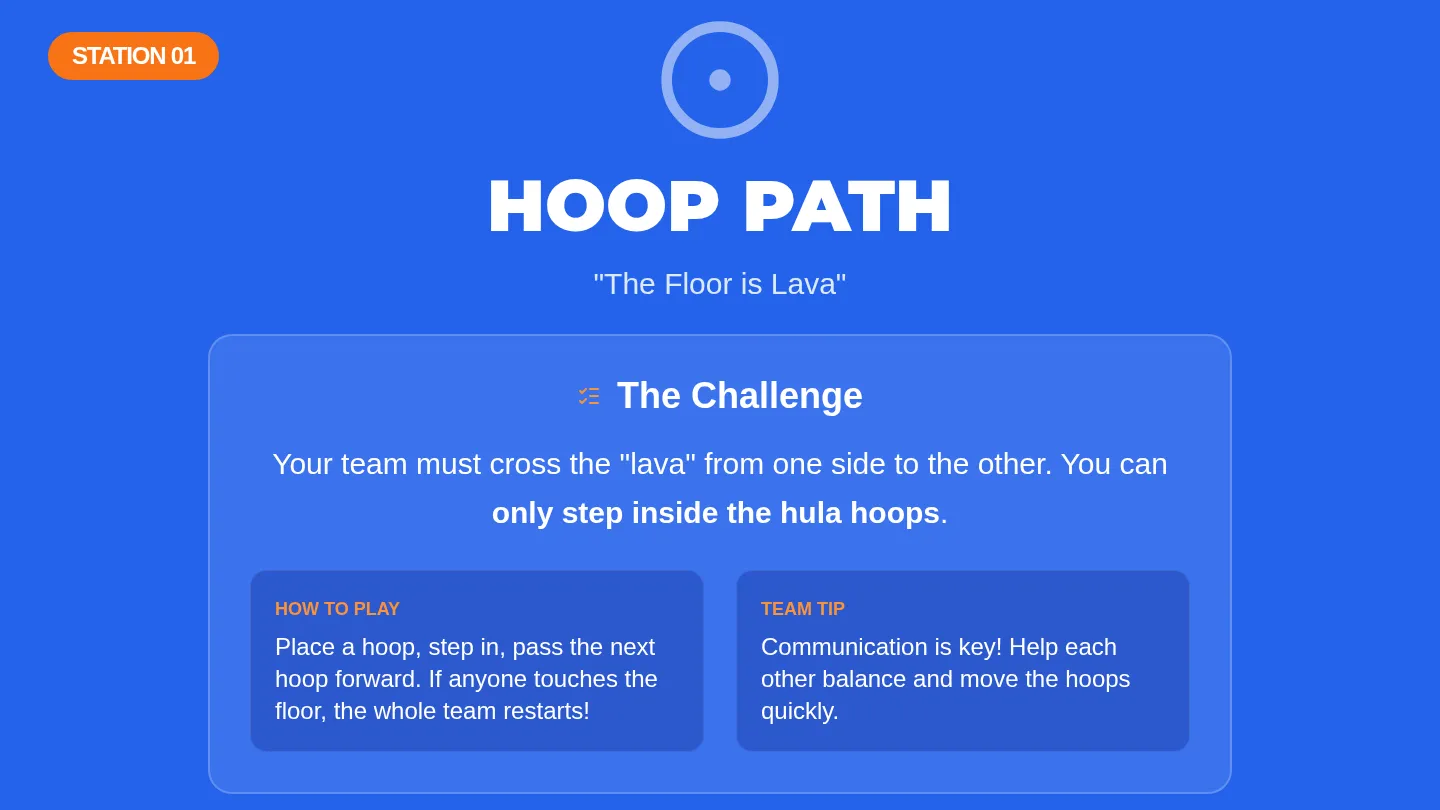
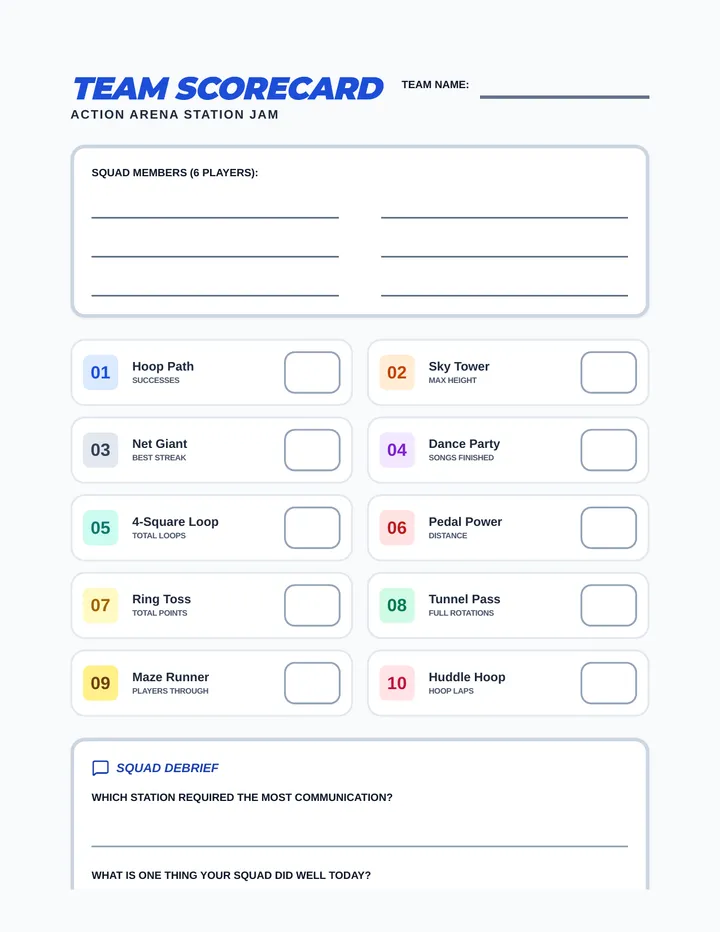
A high-energy, 45-minute PE lesson featuring 10 active stations designed for large groups. Students rotate through teamwork-based challenges using hoops, balls, cones, and technology to build cooperation and fitness.
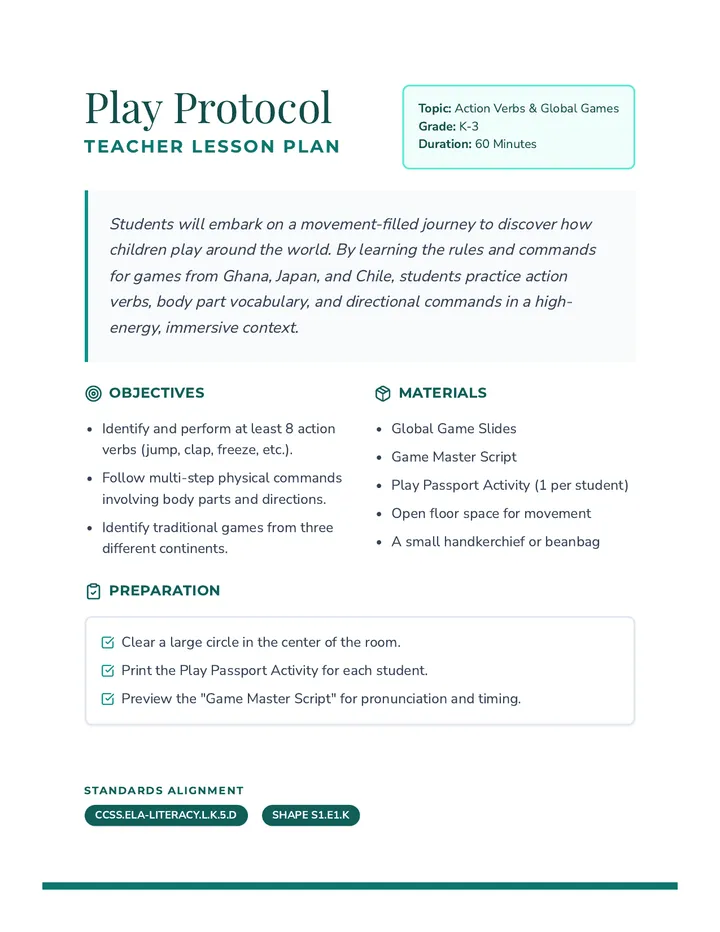
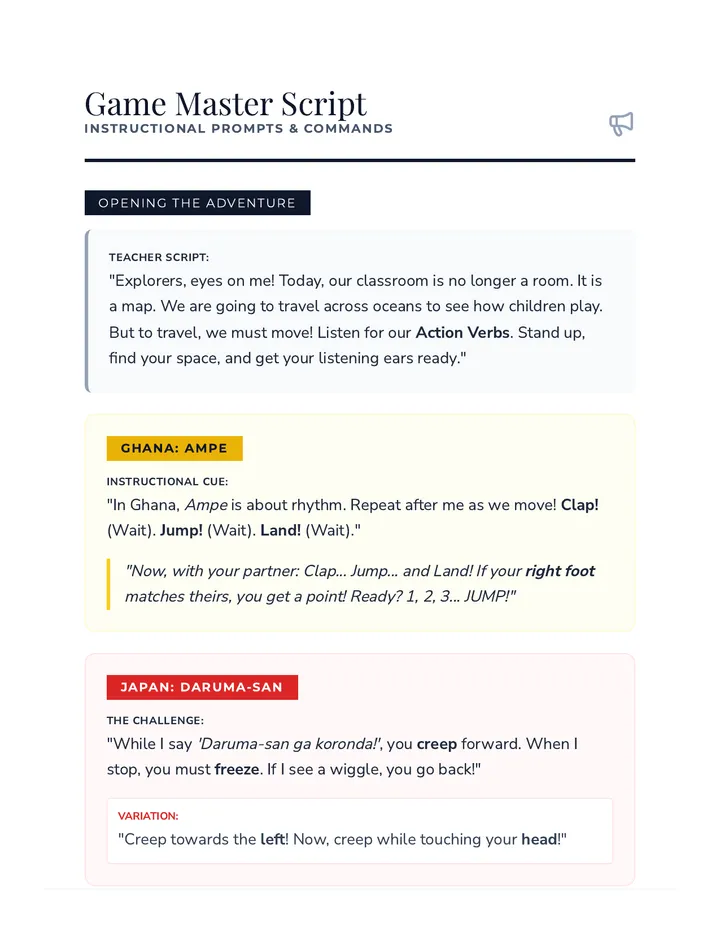
A movement-based language lesson where students learn action verbs and physical commands through traditional games from Ghana, Japan, and Chile. Learners develop vocabulary for body parts and directions while celebrating global cultural traditions.